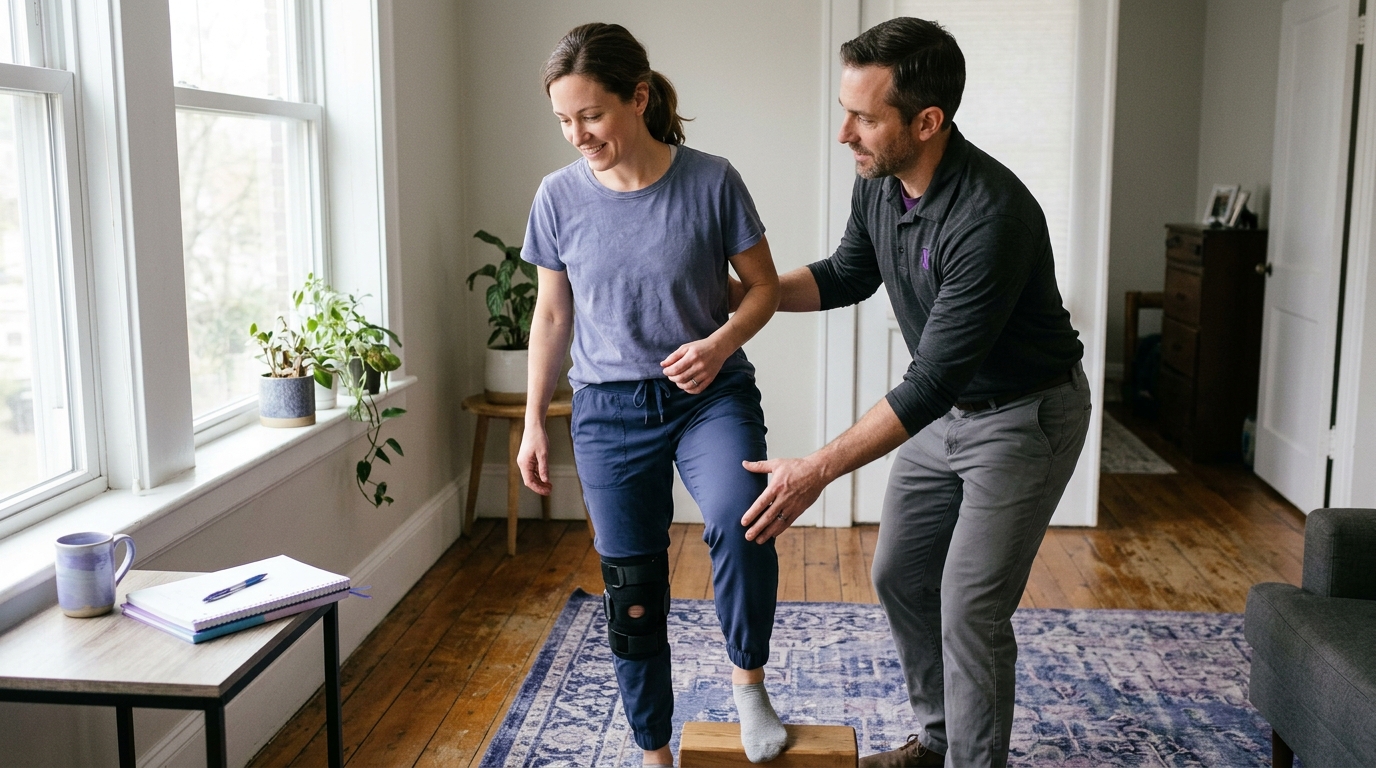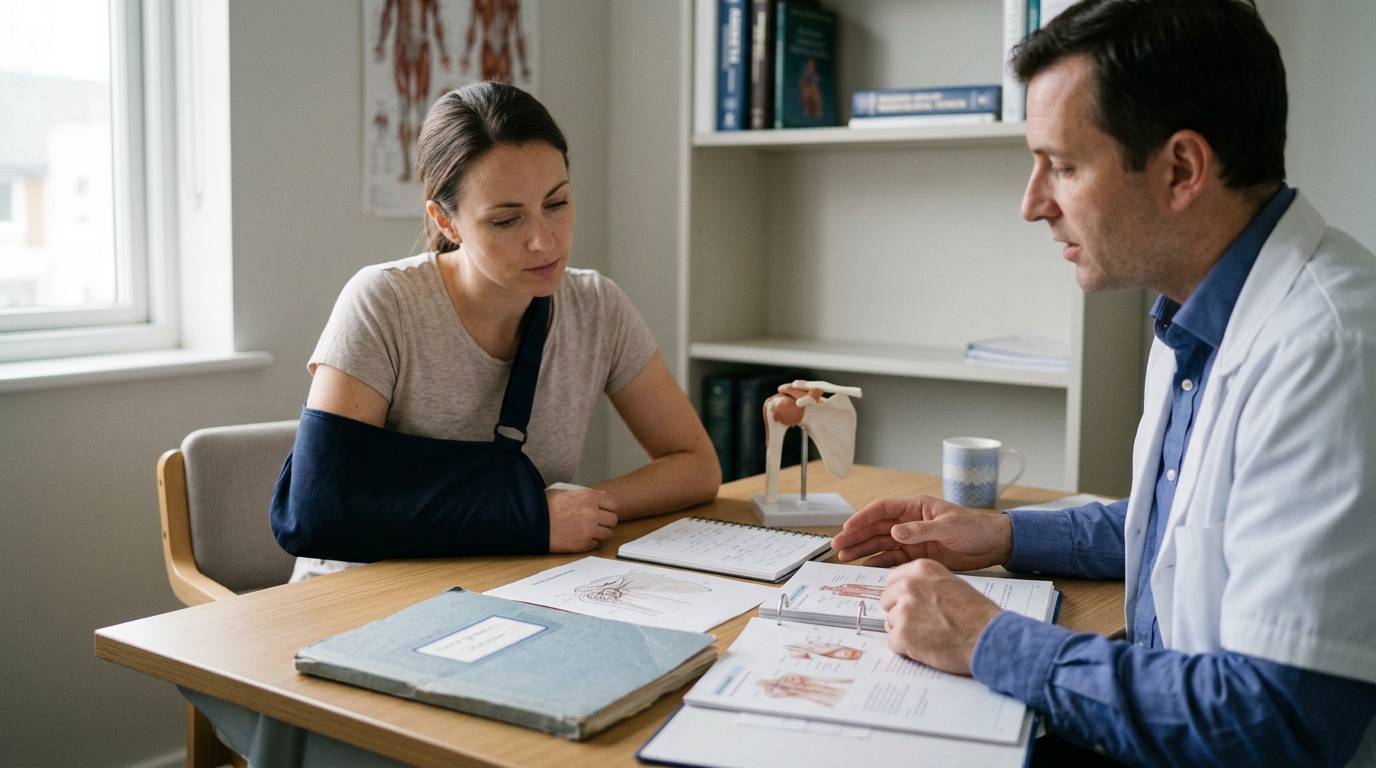

Choosing an effective injury treatment plan involves shared decision-making, comparing rehabilitation strategies, and weighing practical recovery trade-offs against personal lifestyle goals.





Most people assume that choosing an injury treatment plan is a search for a single correct answer. They believe that modern imaging or clinical tests will reveal the one procedure that solves their problem.
In musculoskeletal care, the right path rarely depends on a scan alone. The most effective treatment plan is not an automatic choice between conservative care and surgery. Instead, it is a clinical and personal decision based on your specific physical needs, lifestyle goals, and health status.
A good treatment plan balances scientific evidence with what matters most to your everyday life. Deciding on care requires looking closely at trade-offs, risks, and realistic timelines rather than searching for an effortless resolution.
Conservative care, active rehabilitation, and surgical procedures each serve different purposes. No single option is universally superior for every individual. Your final decision should emerge from a clear discussion with your care team about what you hope to achieve and what each path demands.
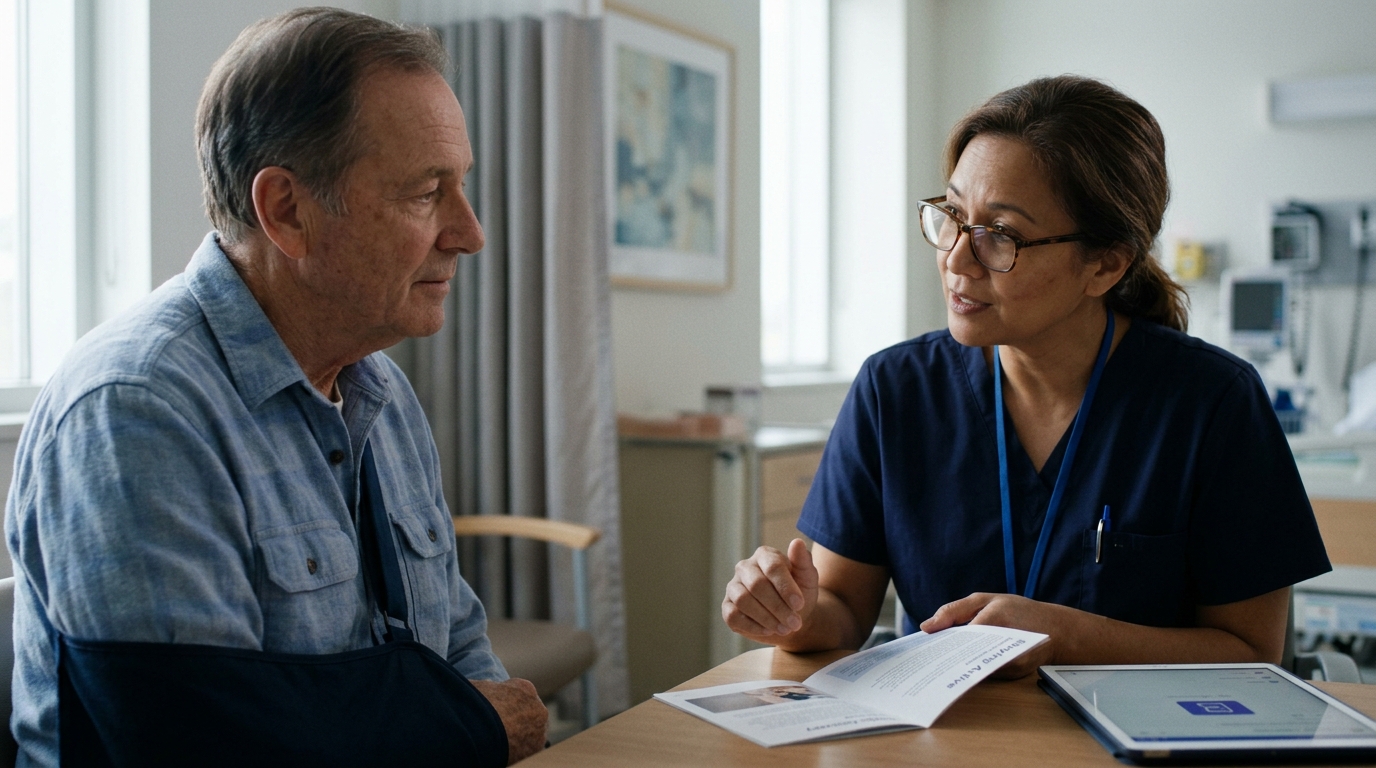
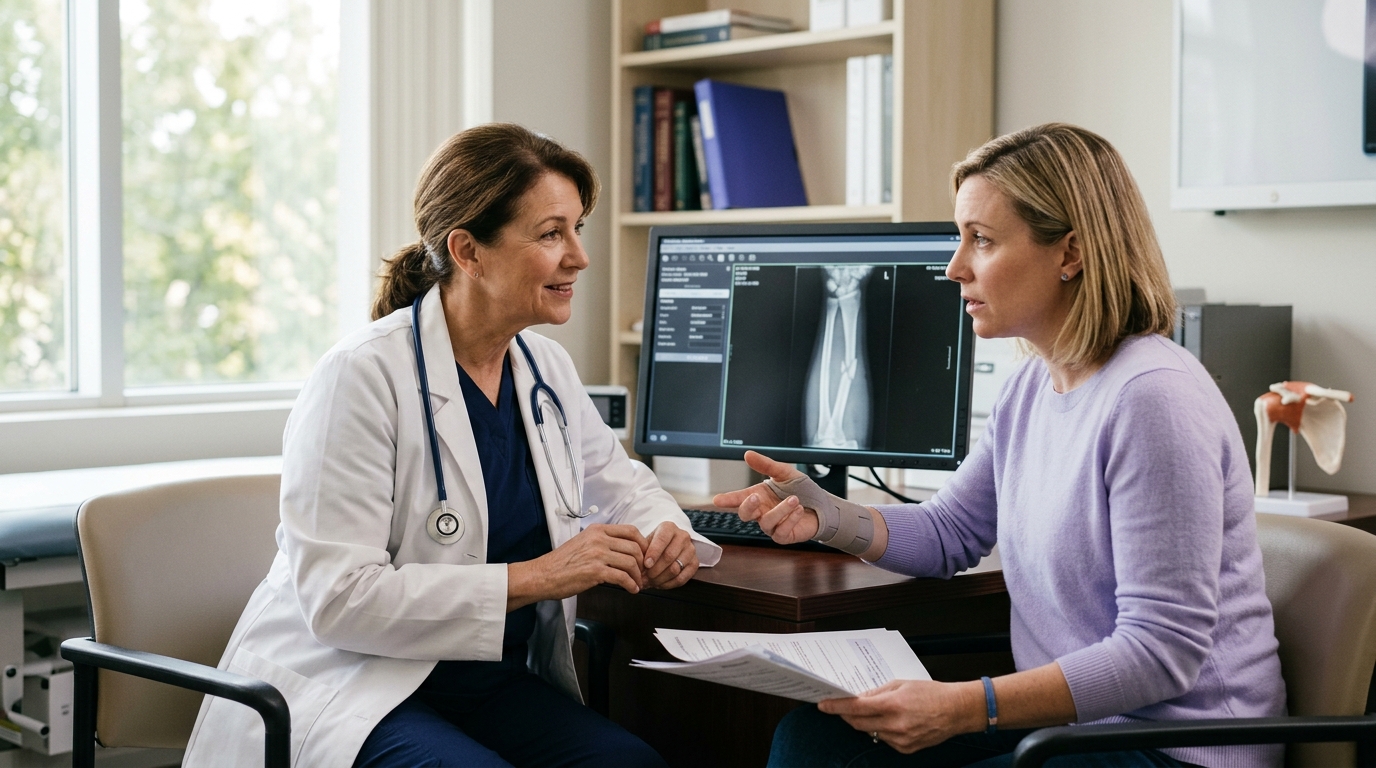
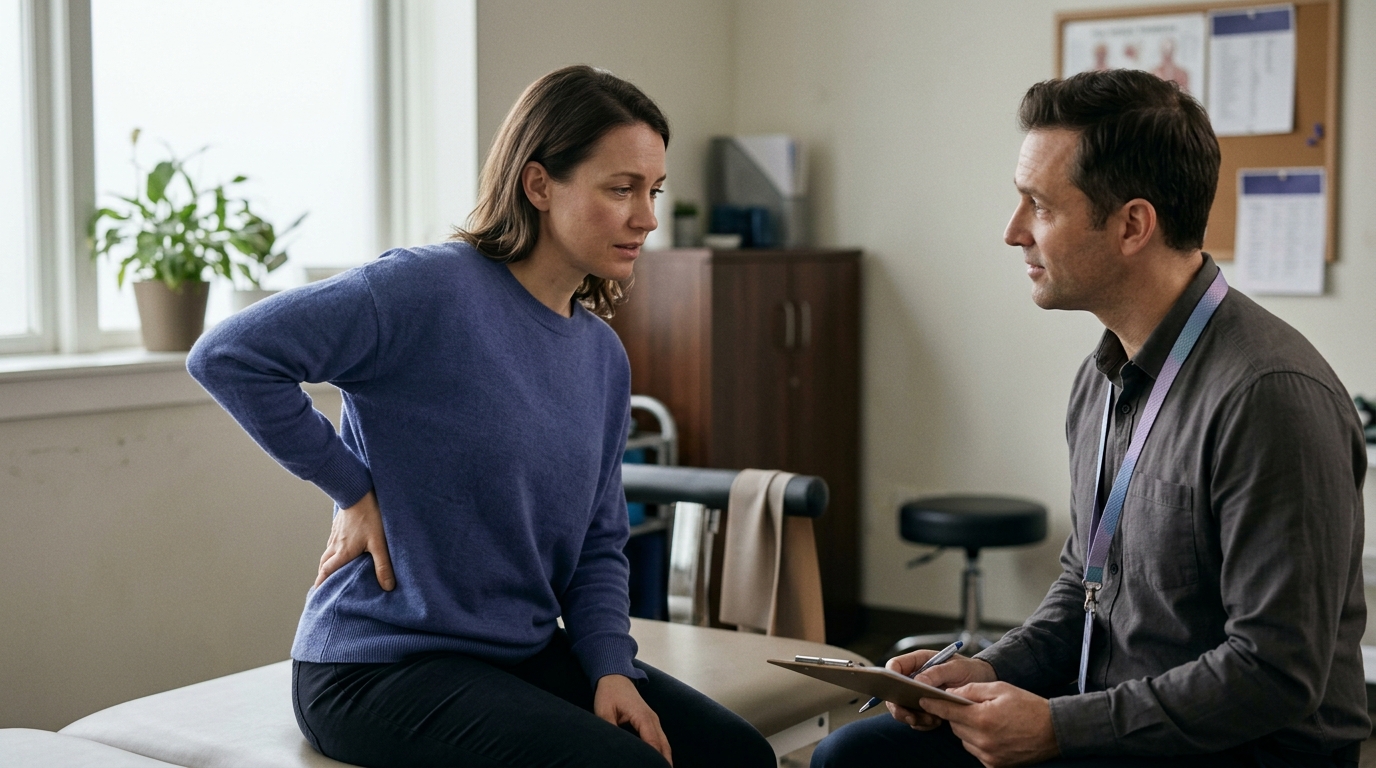
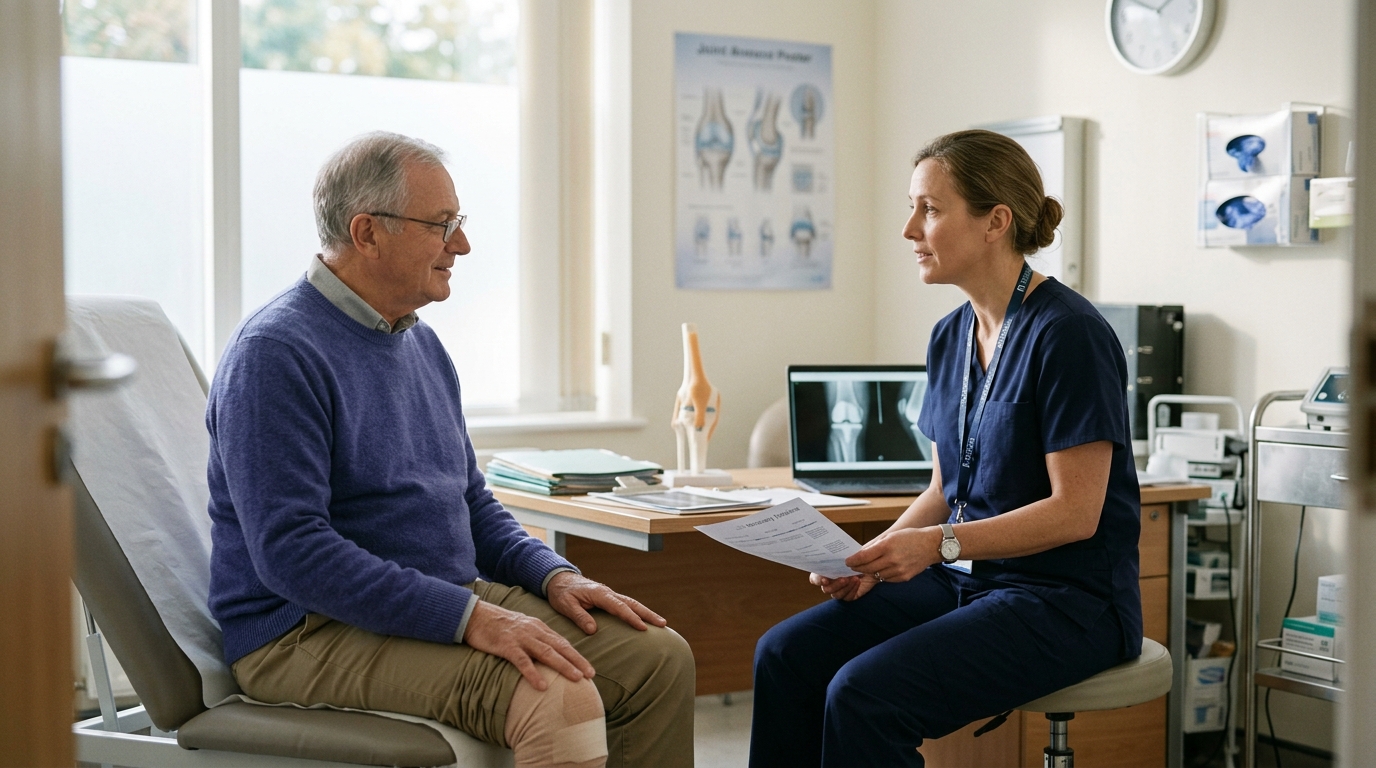
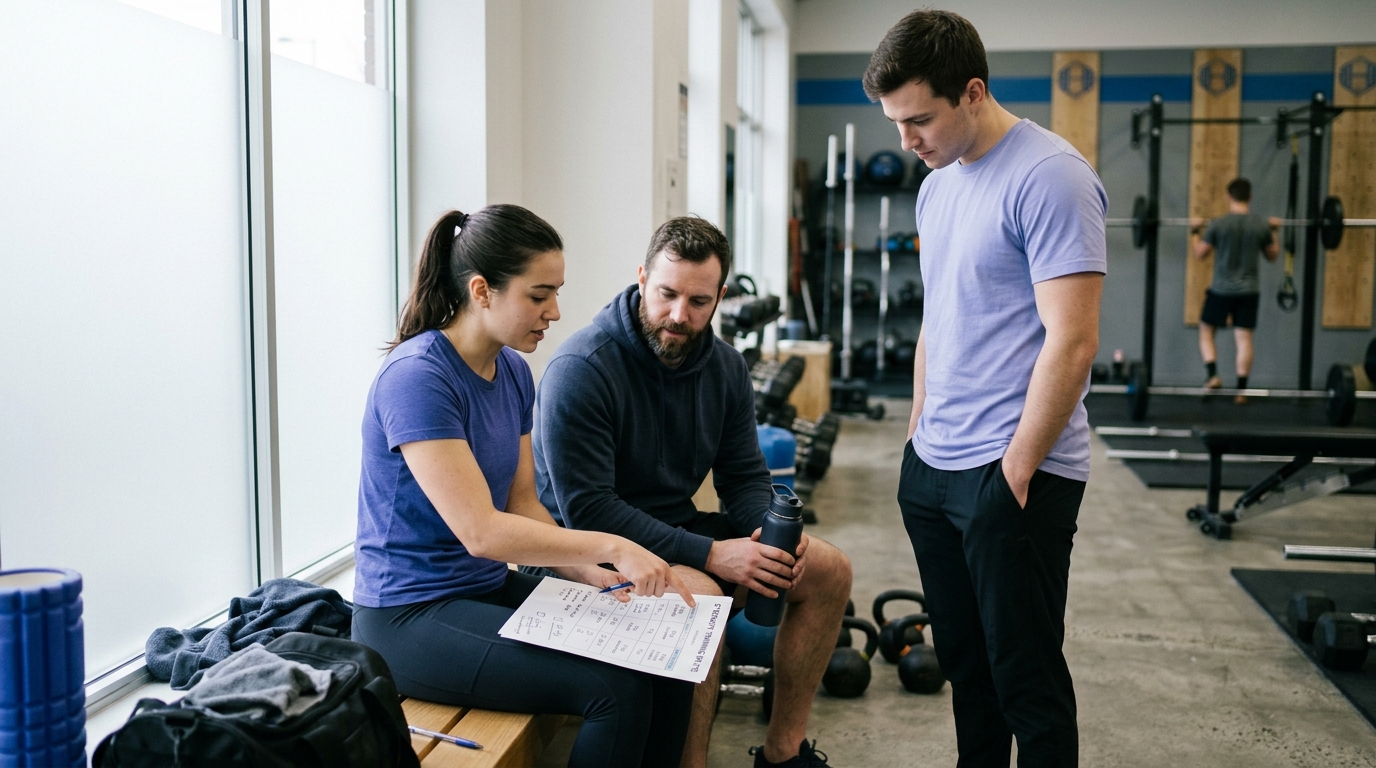
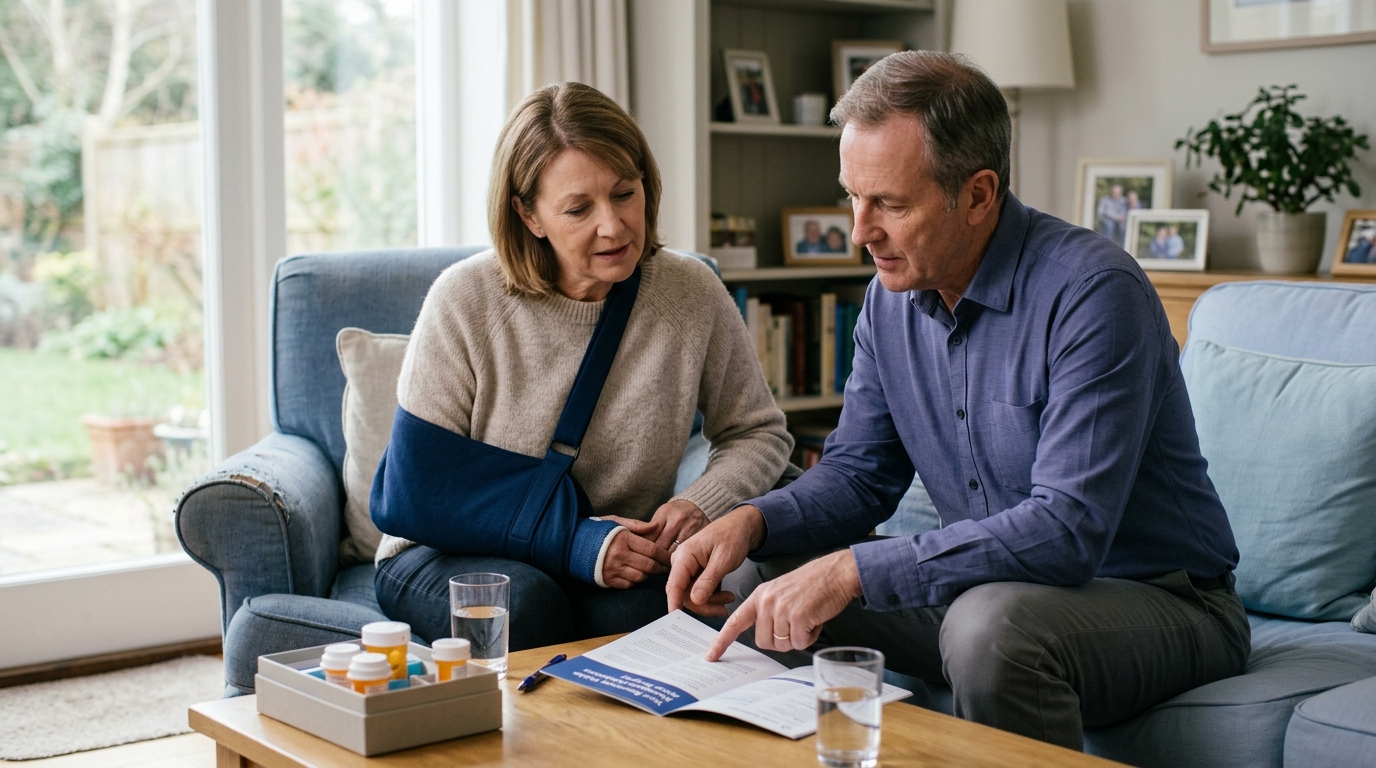
Shared decision-making is a collaborative process where clinicians and patients make health choices together. It ensures that clinical evidence, professional expertise, and personal values all shape the final plan.
The National Institute for Health and Care Excellence emphasizes that care should reflect a person's needs, preferences, and values. It is not simply a clinician presenting a single order for a patient to follow. Nor is it a clinician leaving a patient alone to navigate complex choices without guidance.
A helpful way to understand this collaborative approach is the three-talk model. This clinical framework breaks the decision process into three manageable conversations:
The American Academy of Family Physicians notes that option discussions should use exact numerical estimates whenever possible. Clear numbers help people weigh likelihoods better than vague terms like common or rare.
Shared decision-making does not mean that every treatment option is medically appropriate for every injury. A clinician's role is to define the boundaries of what is medically reasonable and safe. Your role is to voice your priorities, your tolerance for risk, and the practical demands of your daily routine.
When you take part in this process, you build a clearer understanding of your recovery path. You can read more about evidence-based injury recovery resources to help guide your upcoming clinical appointments.
Many people view injury care as a rigid choice between two extremes: having surgery or doing conservative therapy. Real-world recovery plans are rarely that simple. A comprehensive treatment strategy usually combines several distinct elements over time.
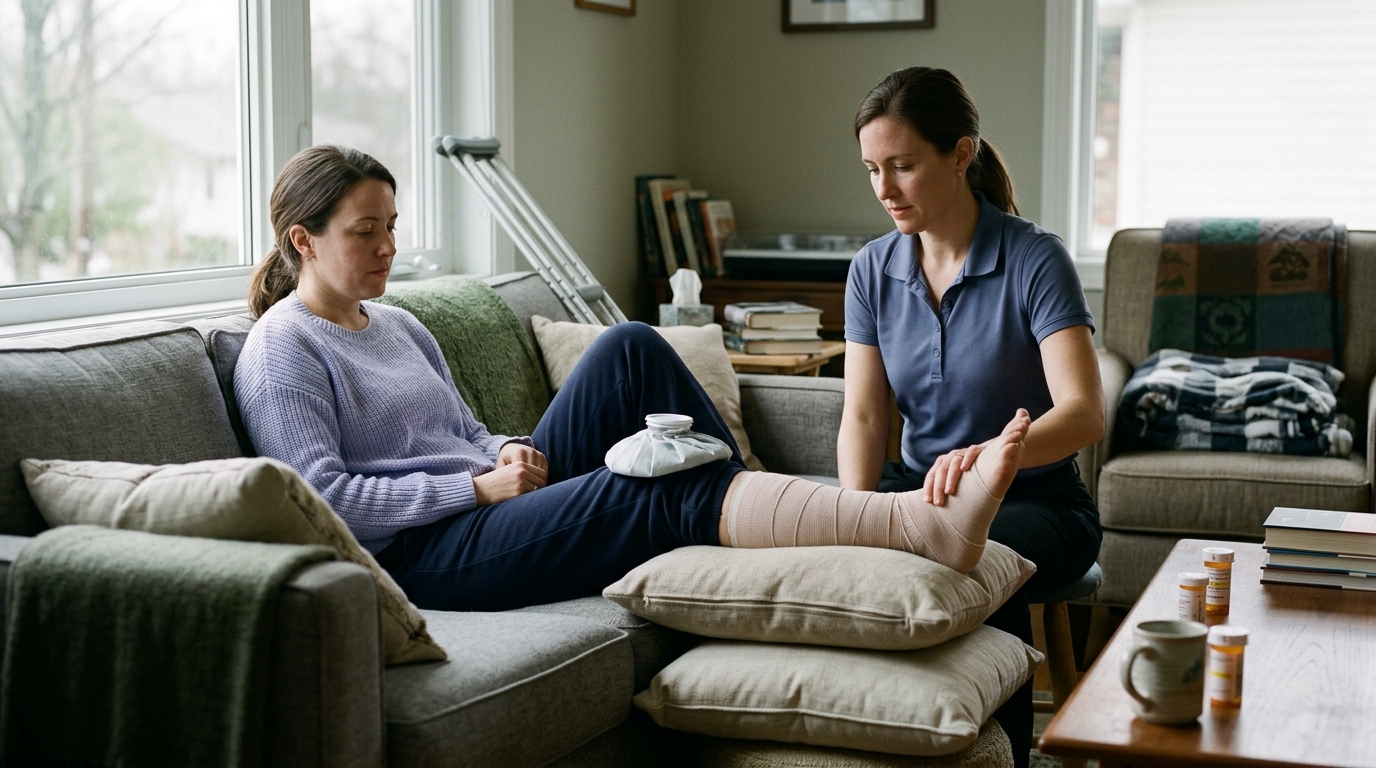
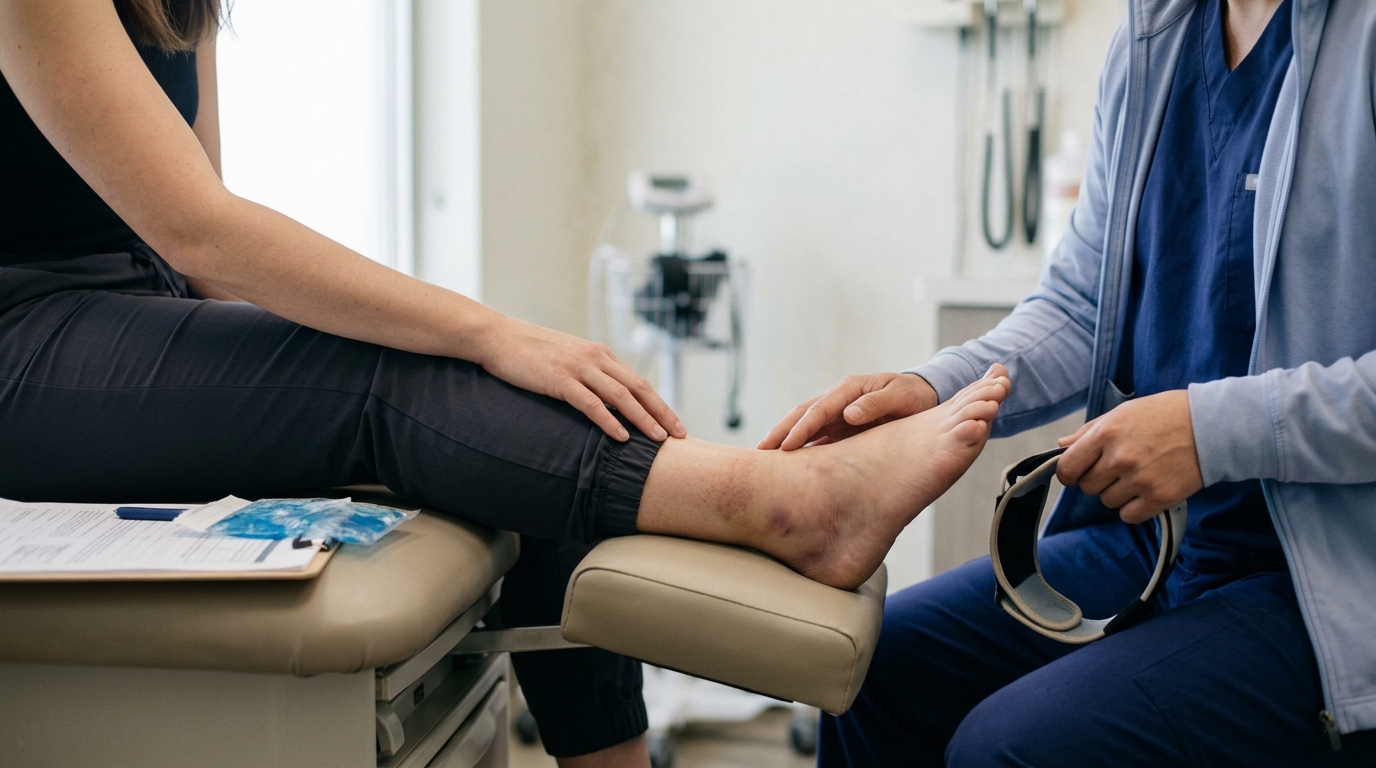
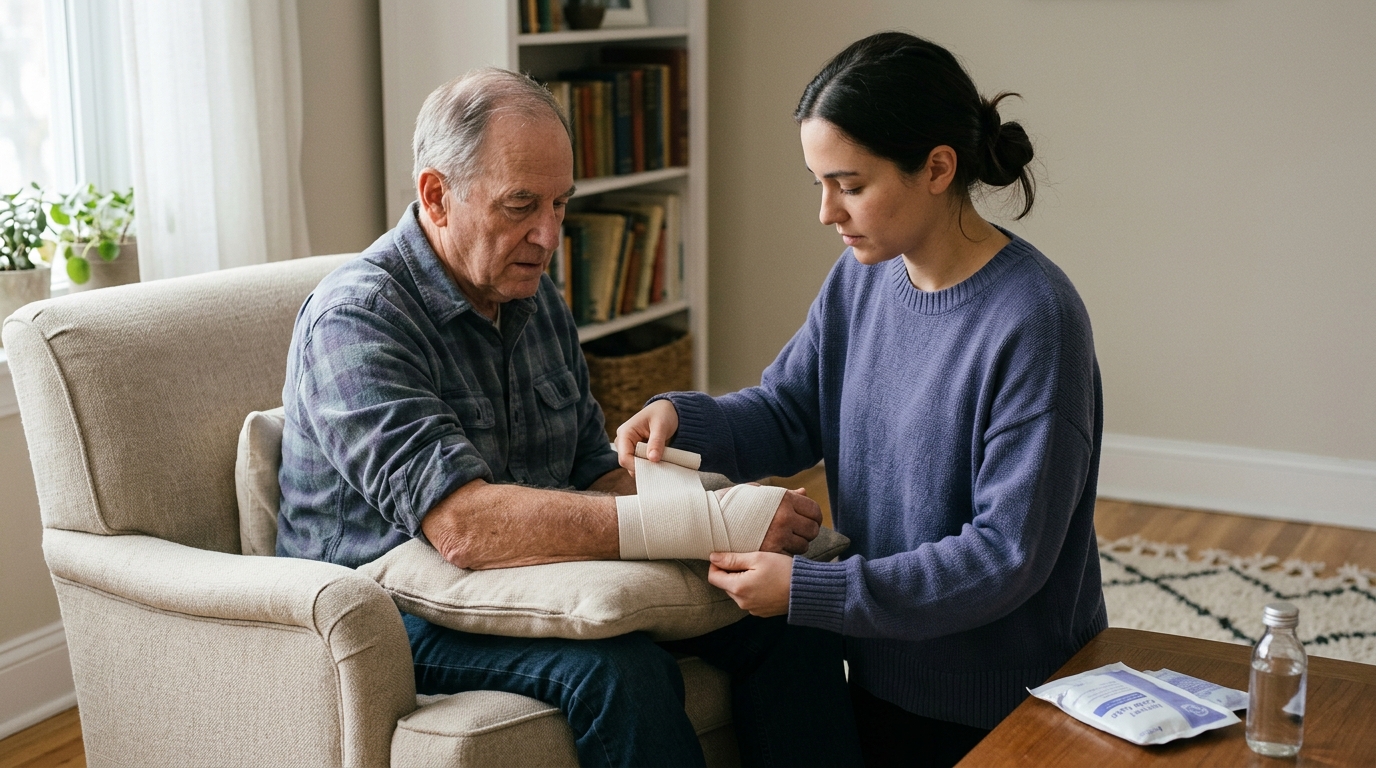
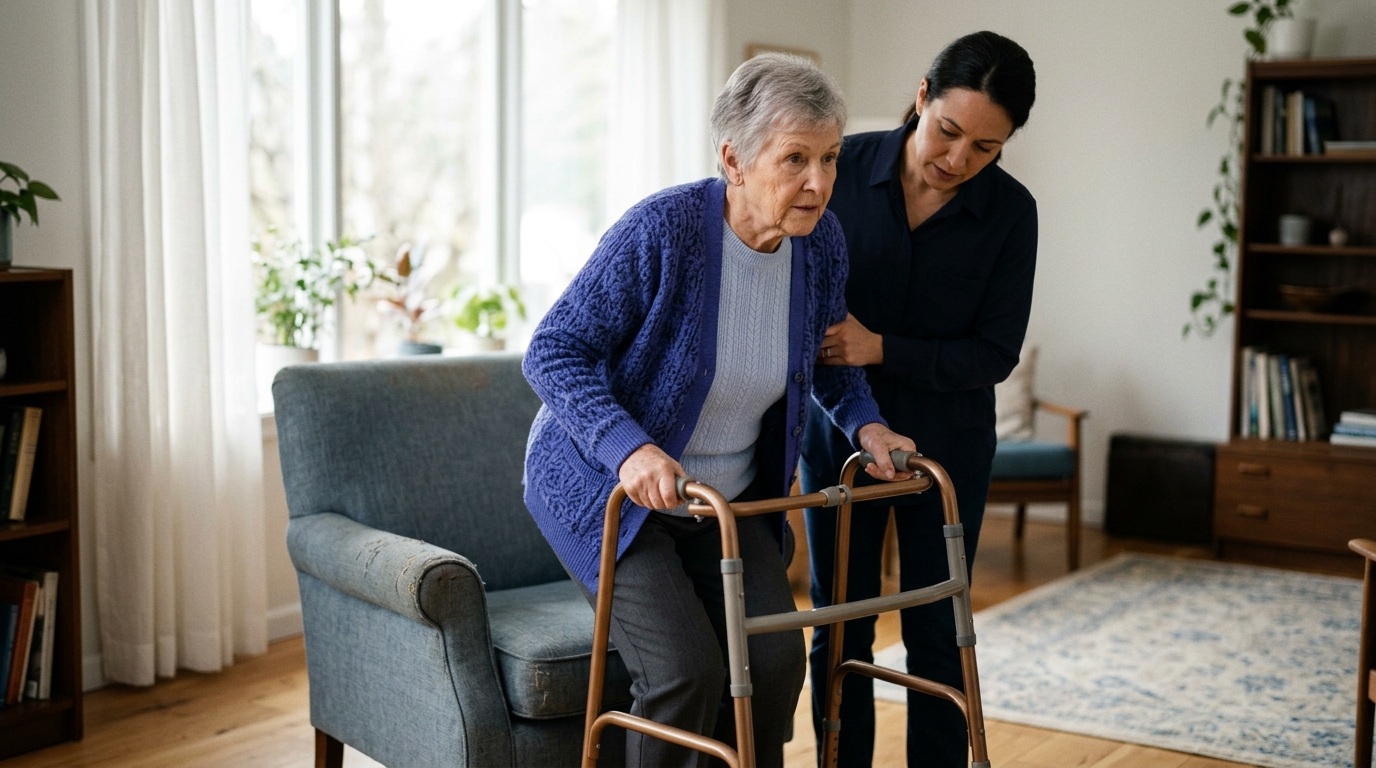
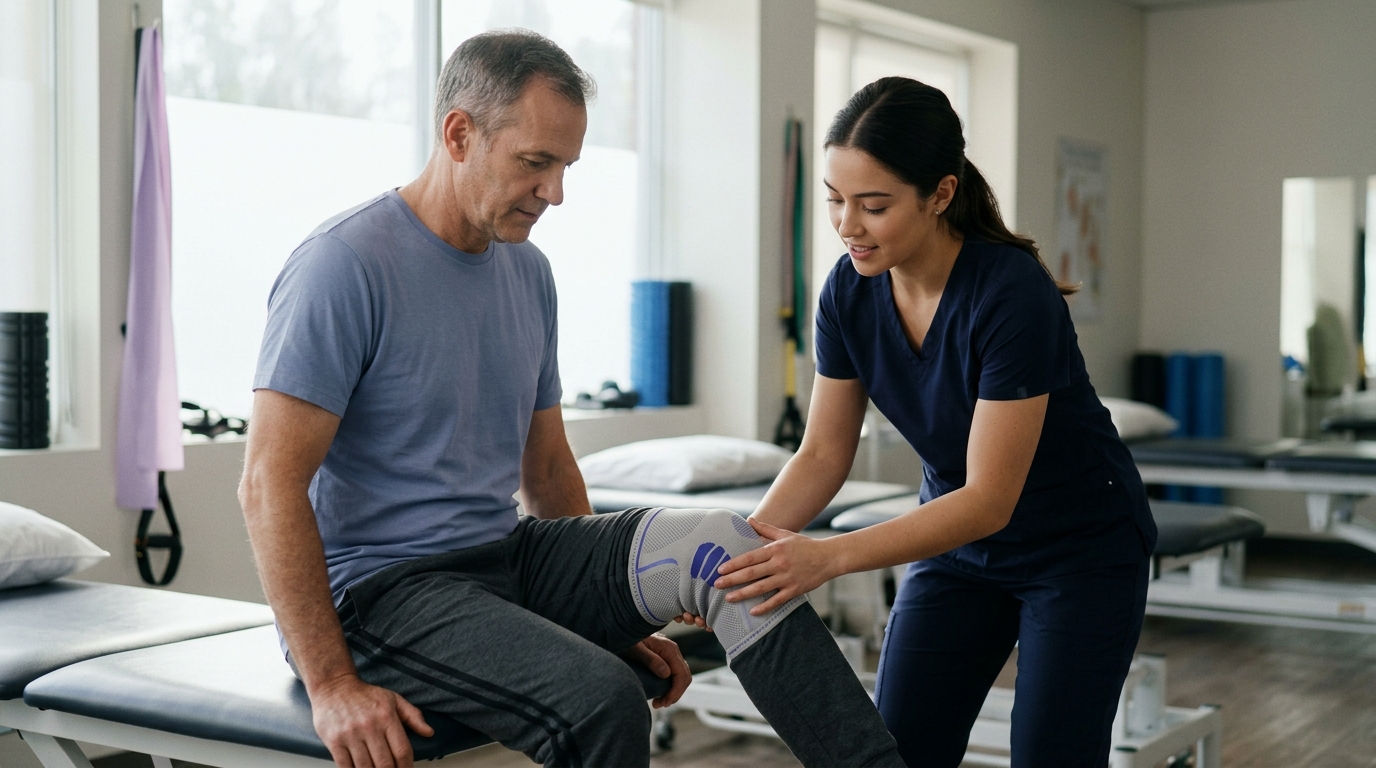
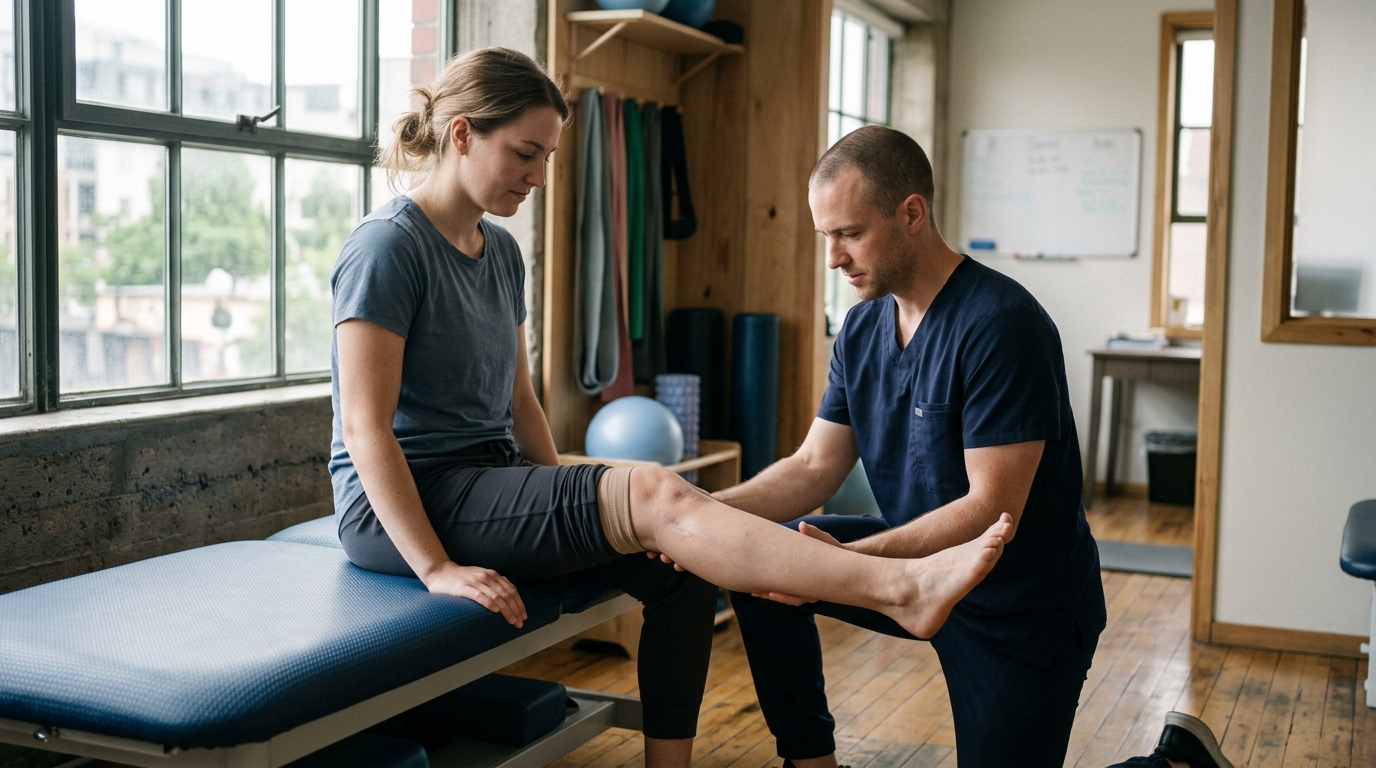
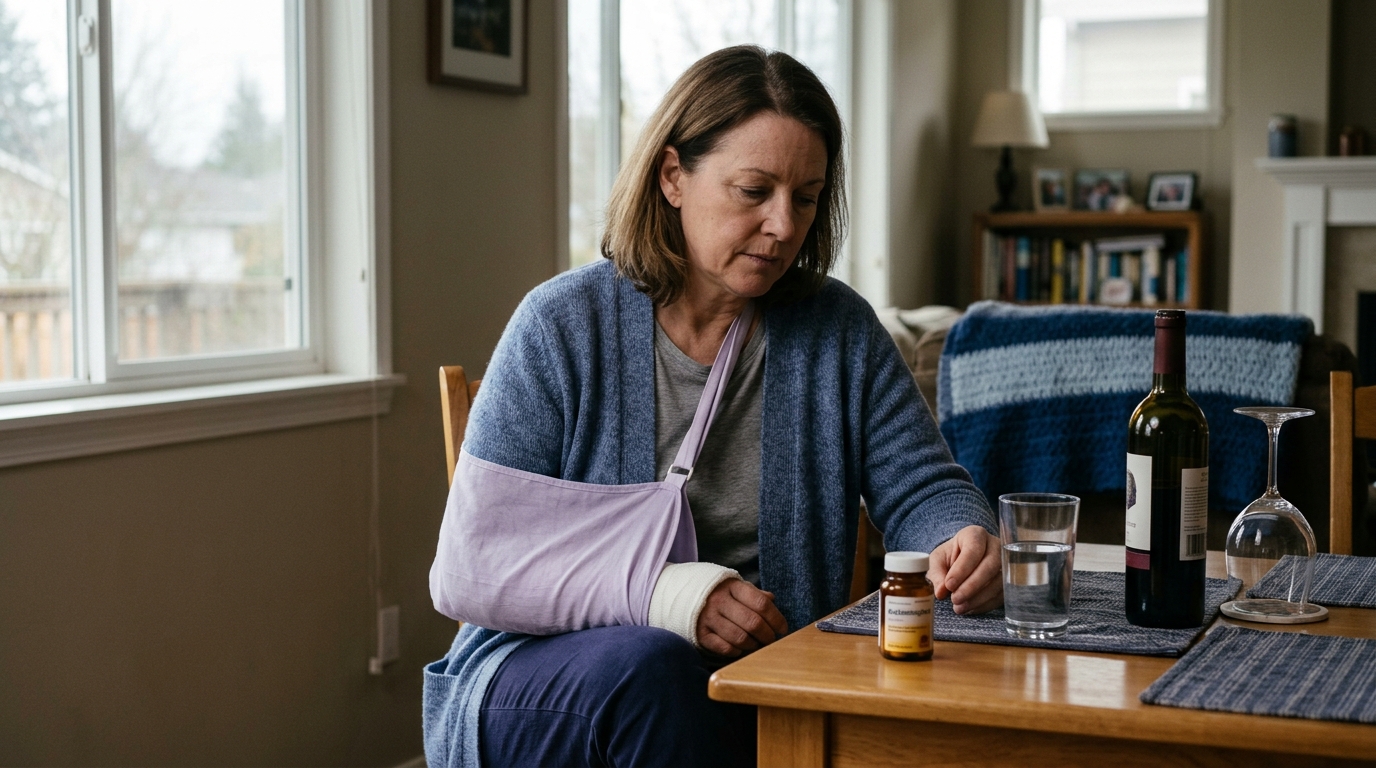
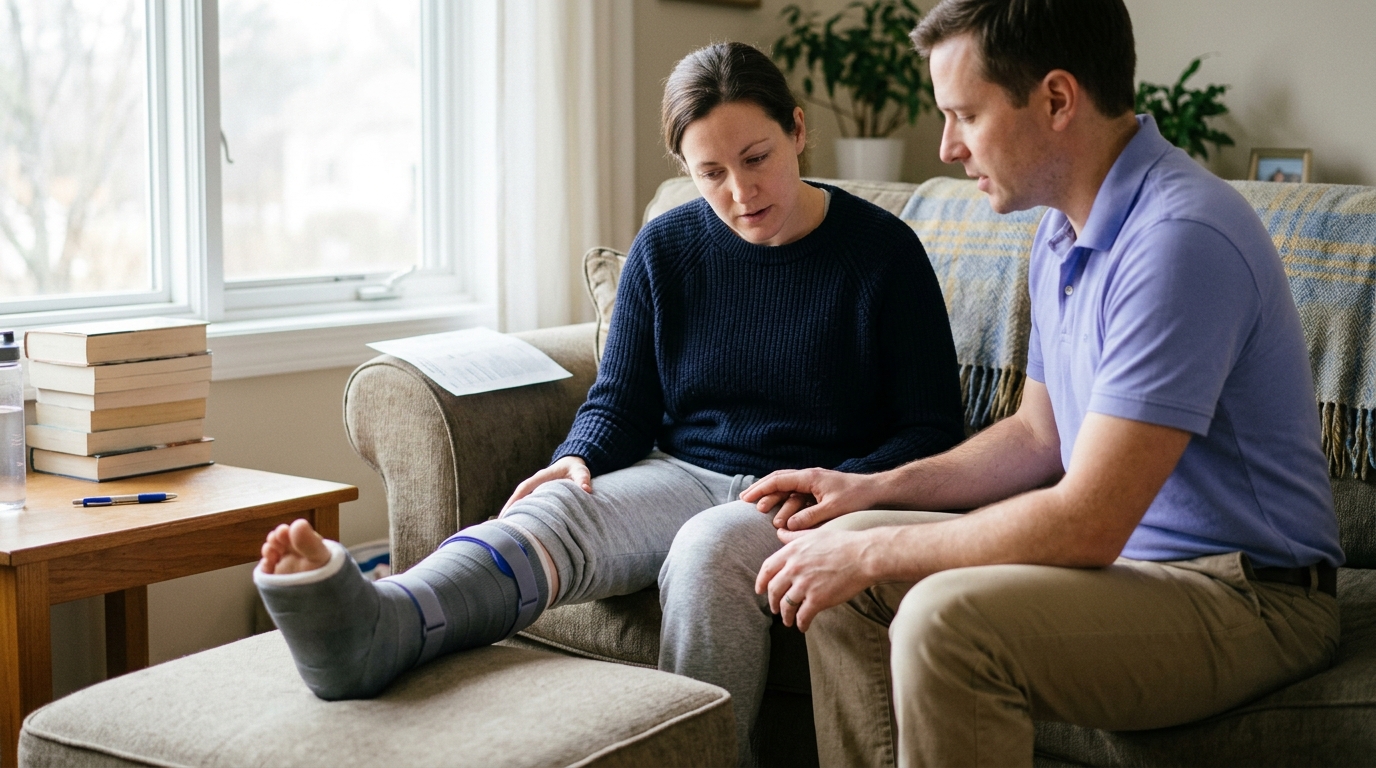
The first stage of care often focuses on protecting injured tissues from further irritation. This may involve temporary bracing, taping, crutches, or modifying specific physical movements.
Symptom management also includes short-term strategies to calm acute pain and reduce local swelling. These steps create a stable environment so the body can begin its natural healing processes.
Protection should not be confused with total, indefinite rest. Prolonged inactivity can lead to muscle loss, joint stiffness, and reduced cardiovascular conditioning. Protection is a temporary measure designed to prepare you for progressive movement.
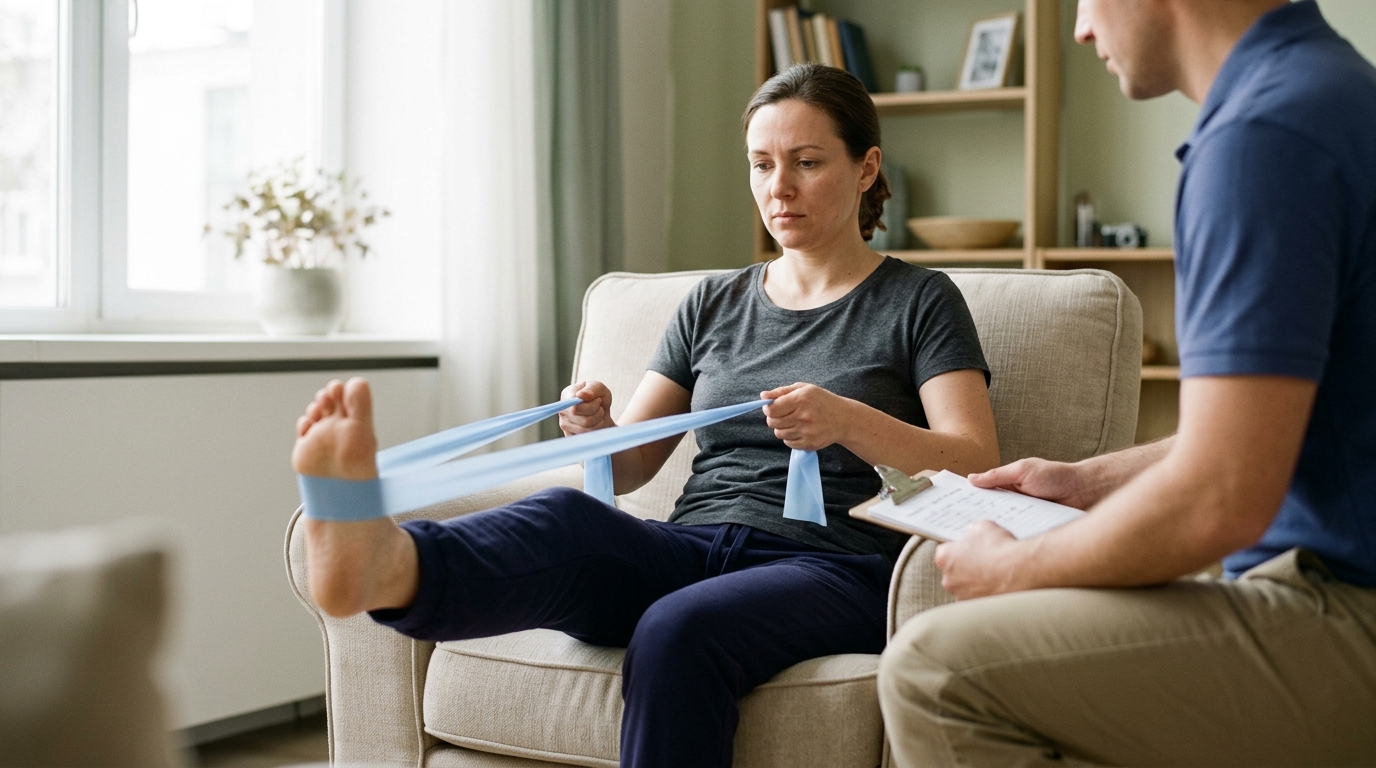
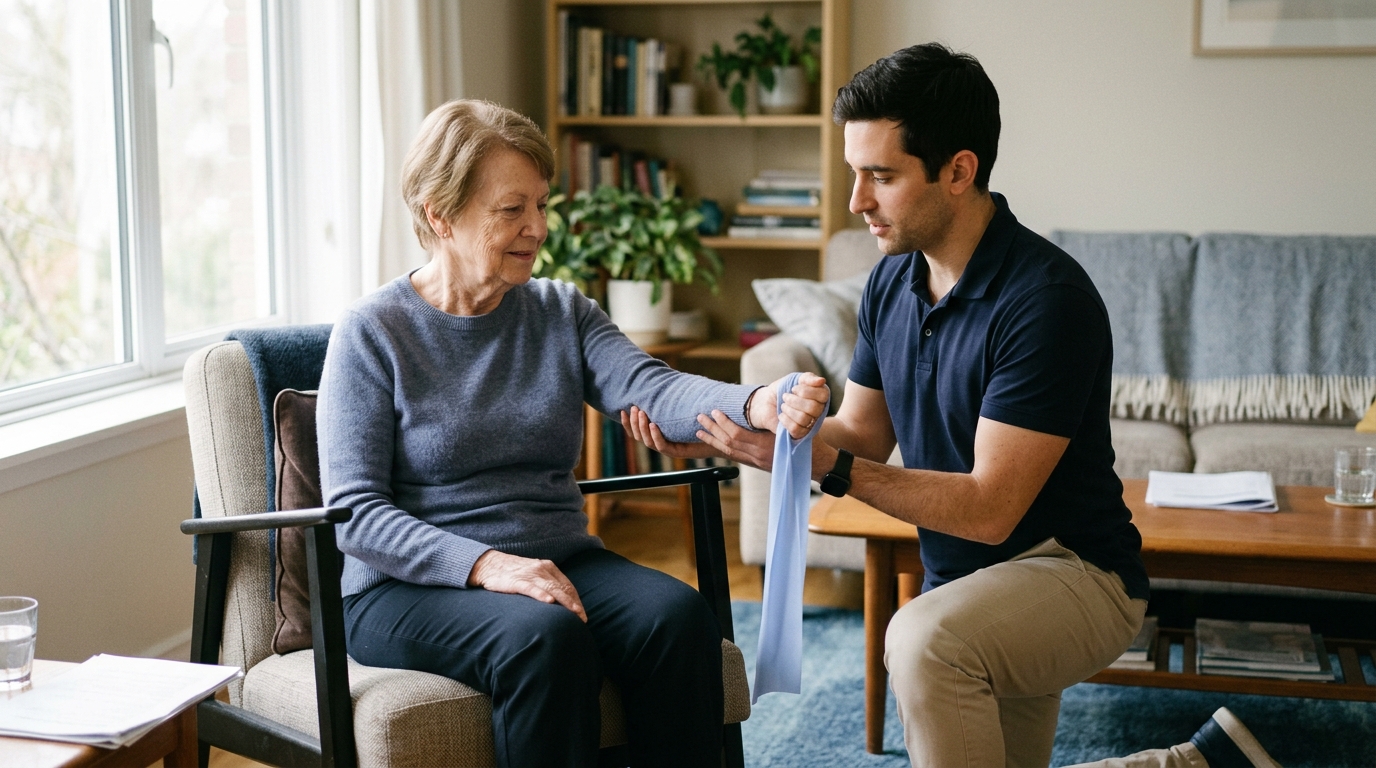
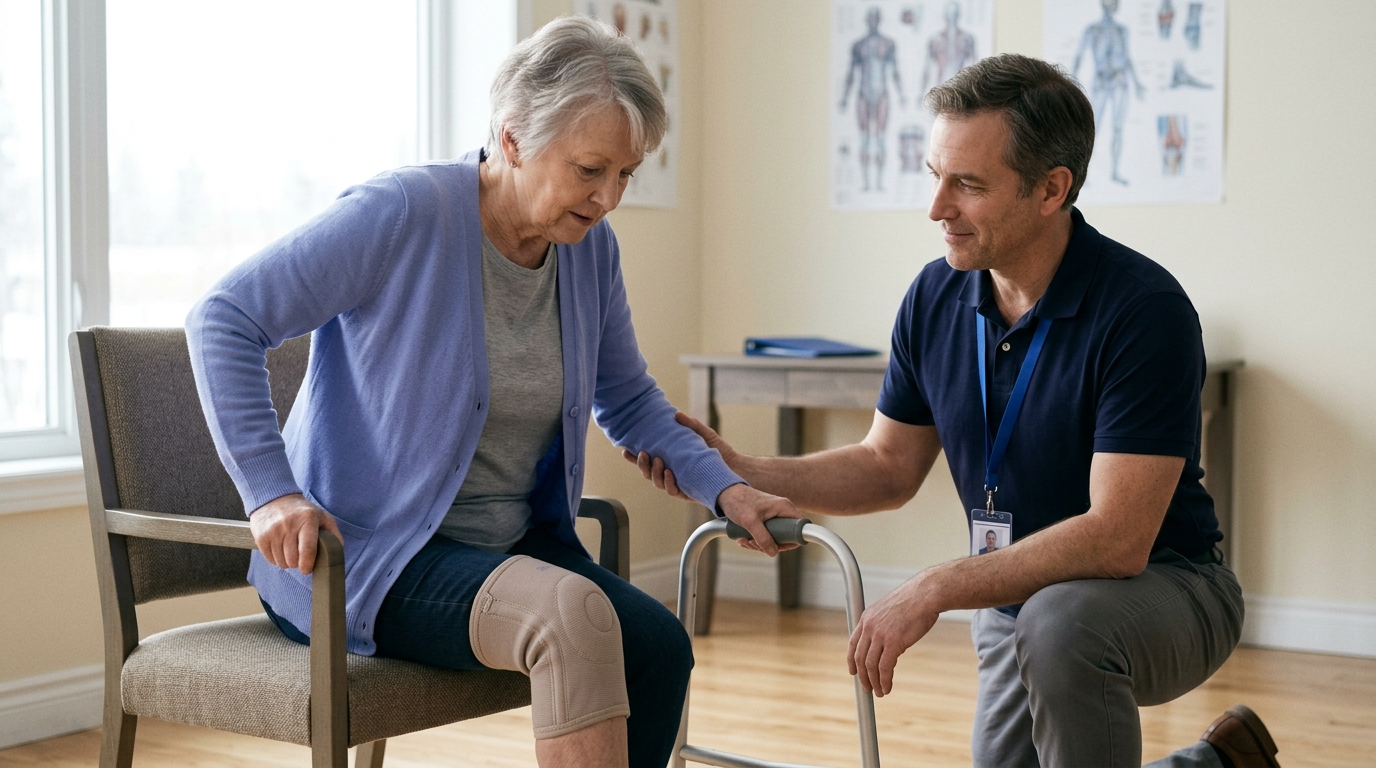
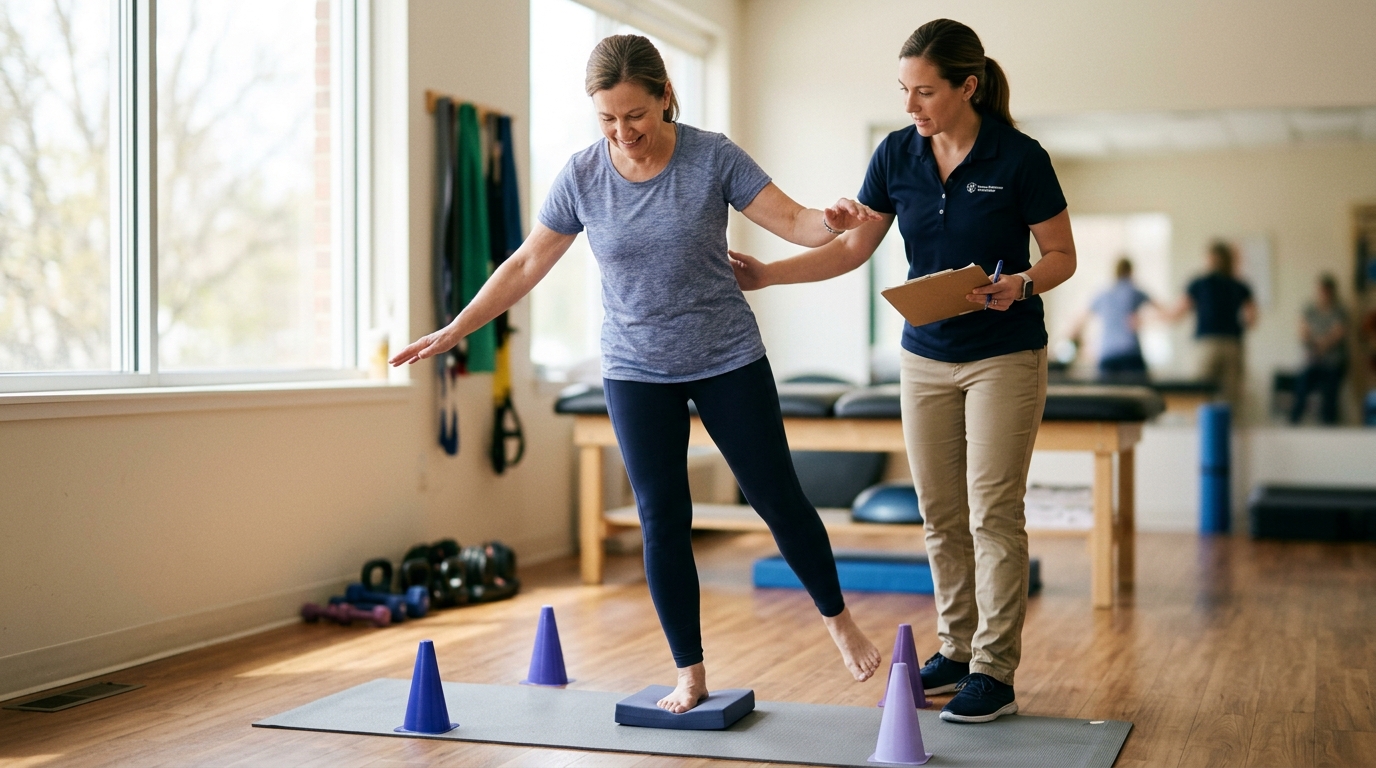
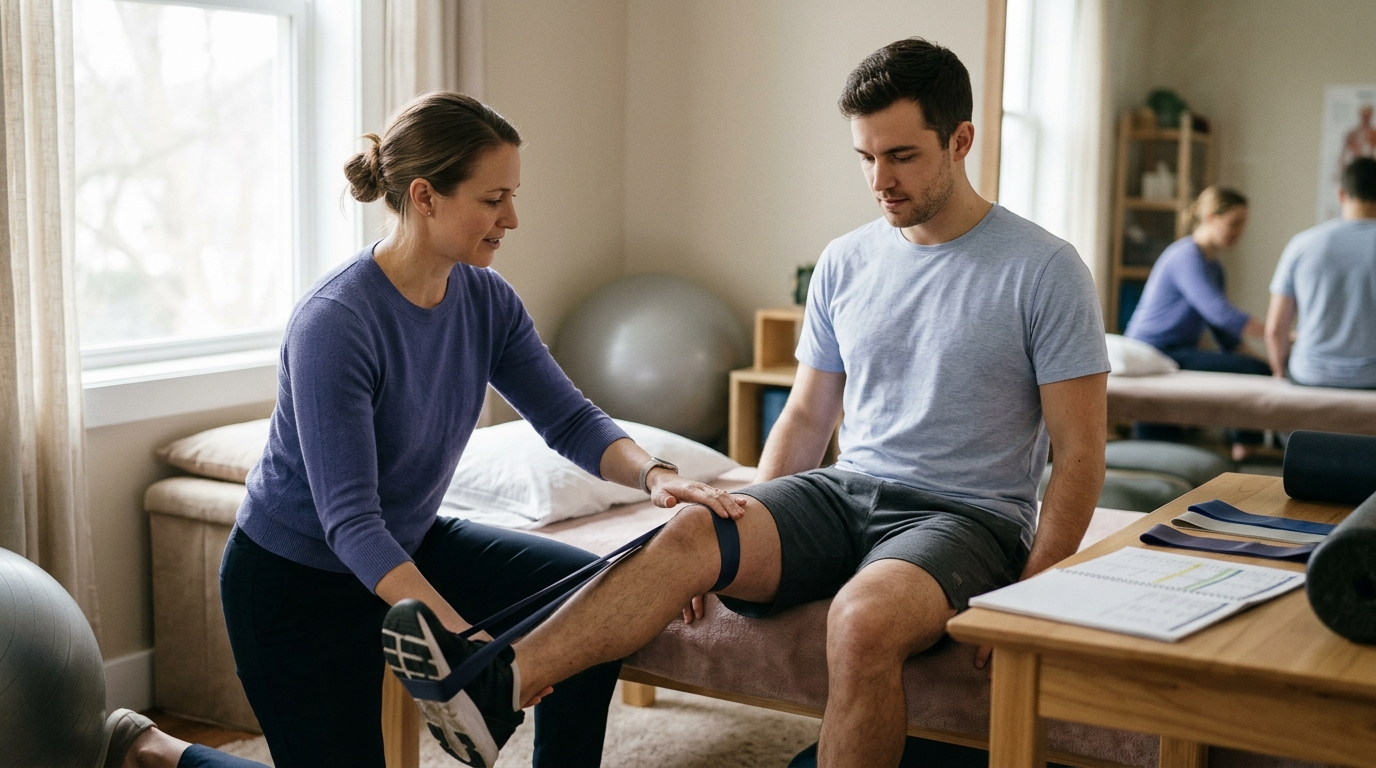
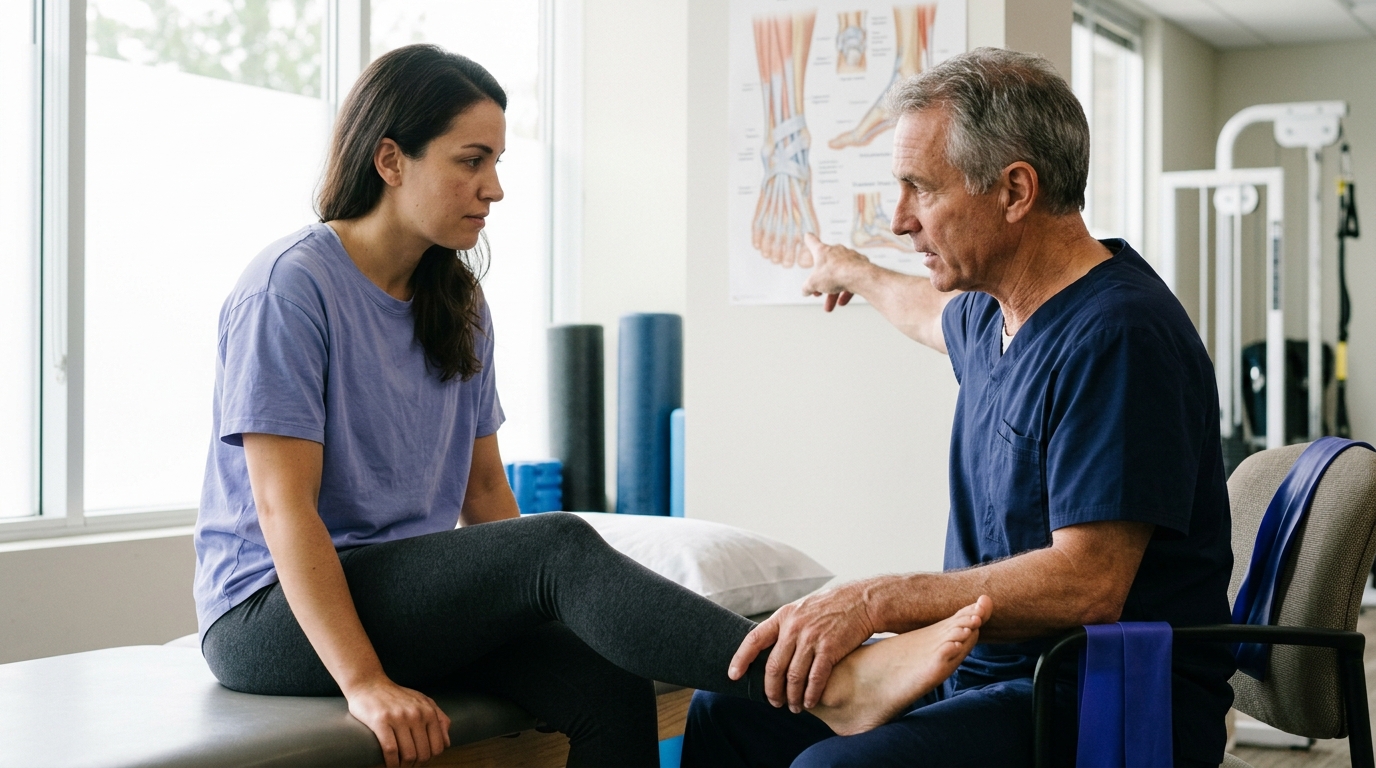
Active rehabilitation is far more than a simple sheet of home exercises. The World Health Organization defines rehabilitation as a set of interventions designed to optimize physical functioning and reduce disability within a person's daily environment.
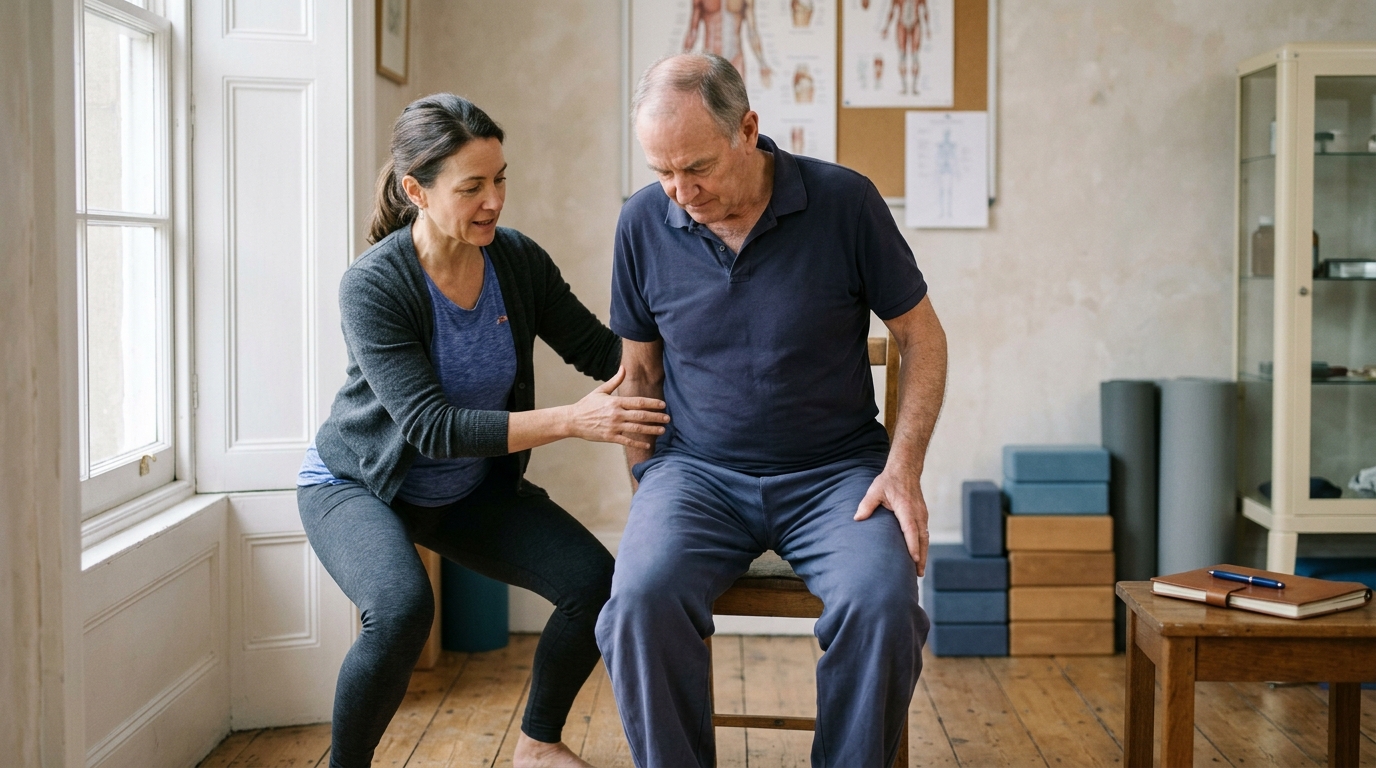
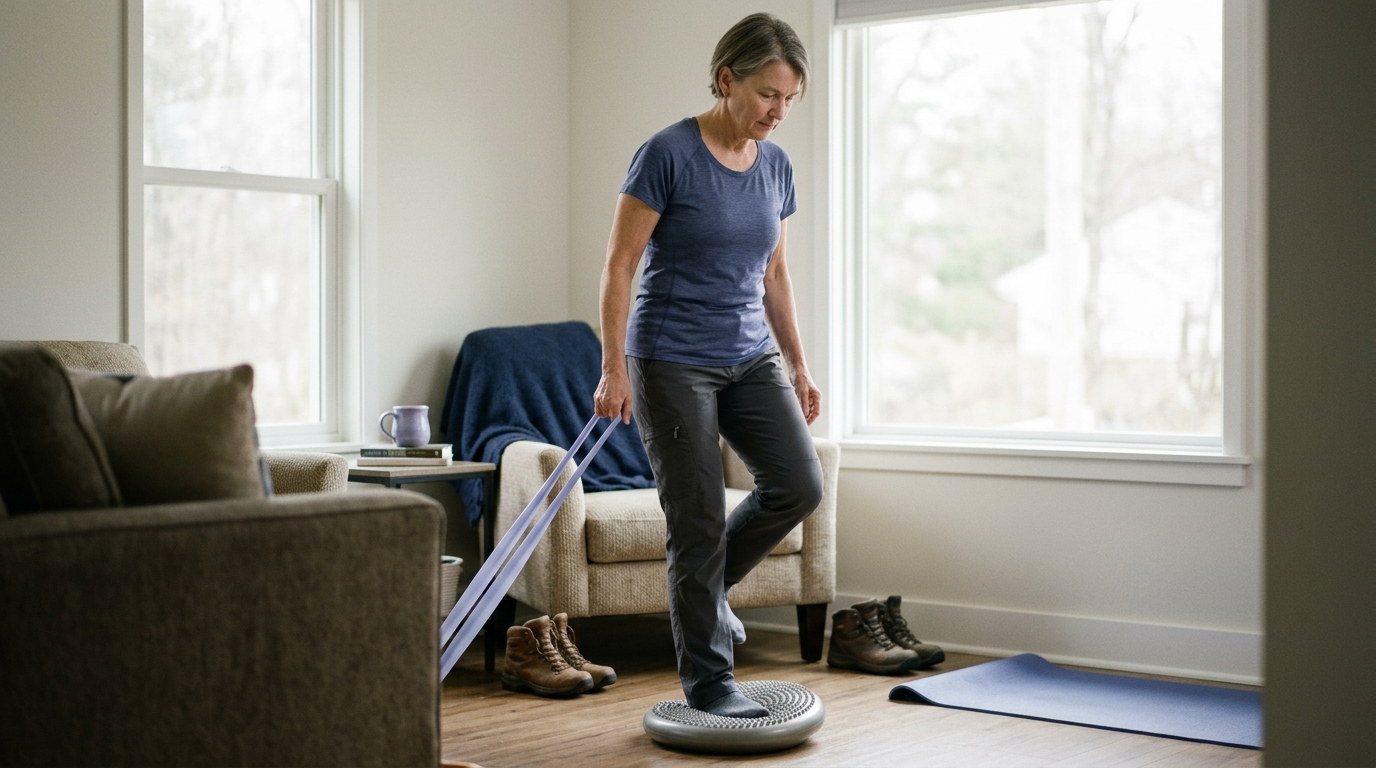
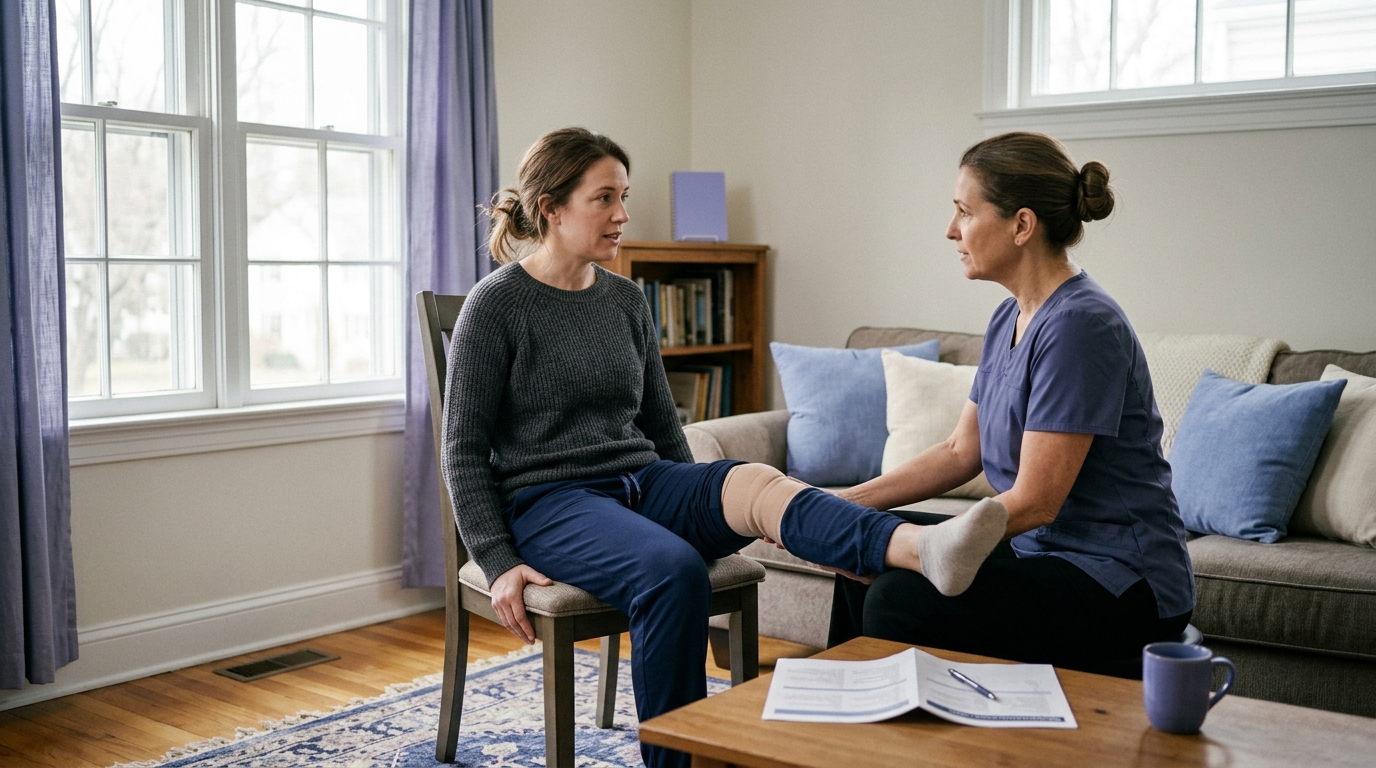
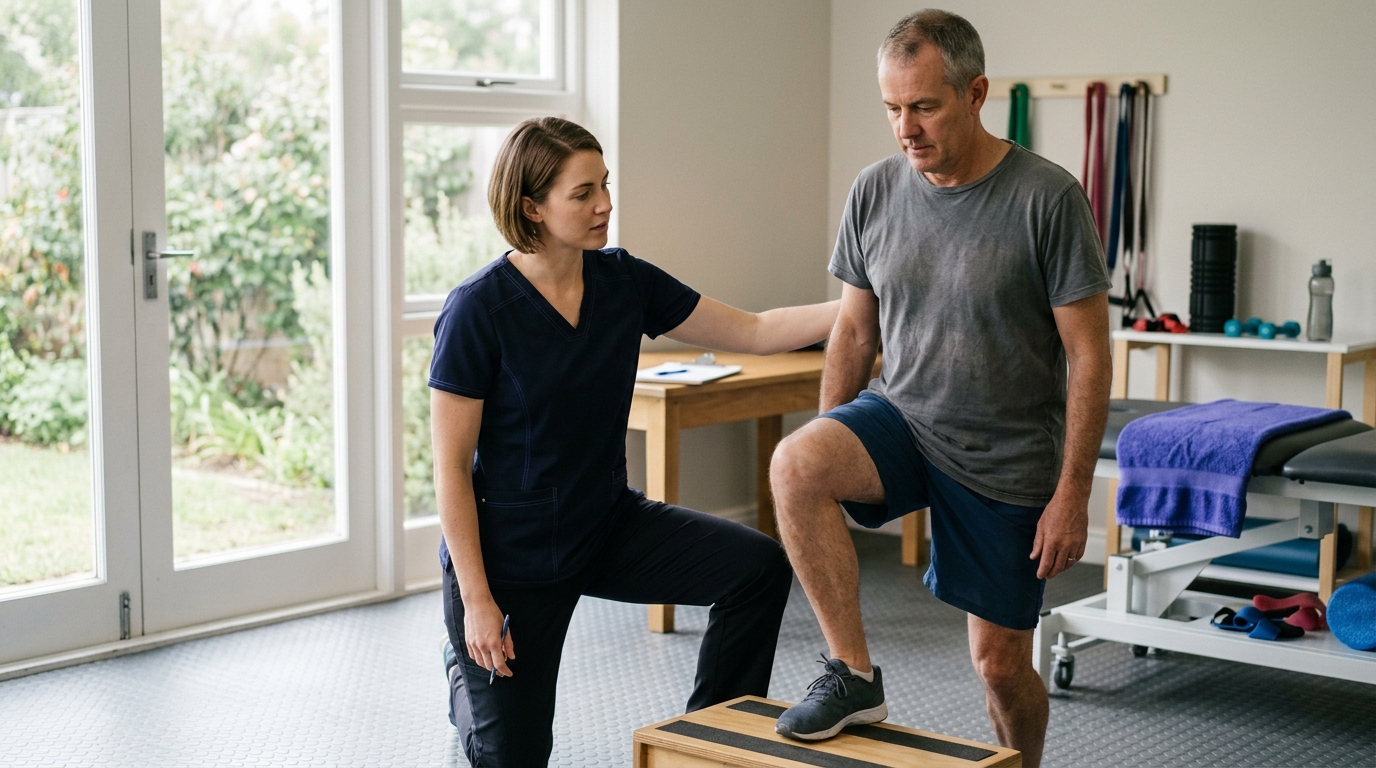
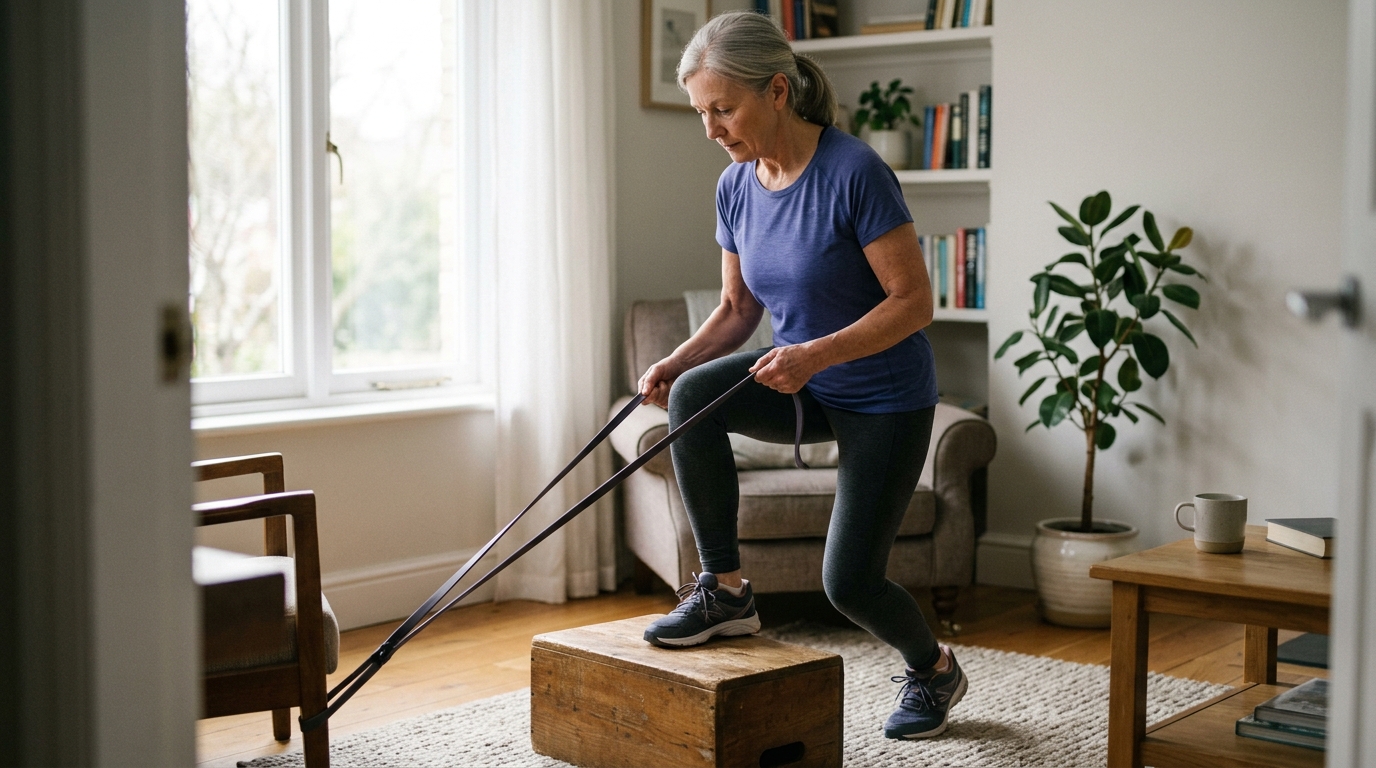
True rehabilitation addresses how you interact with your physical surroundings. It may include targeted strength work, motor control drills, and endurance training. It can also include modifications to your workstation, home setup, or daily movement patterns.
The primary objective of rehabilitation is restoring your ability to participate in meaningful activities. It helps you build physical capacity, improve movement confidence, and manage physical loads safely over time.
Surgery is a procedure designed to repair, reconstruct, or stabilize specific anatomical structures. An operation may repair torn tissue, realign fractured bone fragments, or relieve mechanical impingement.
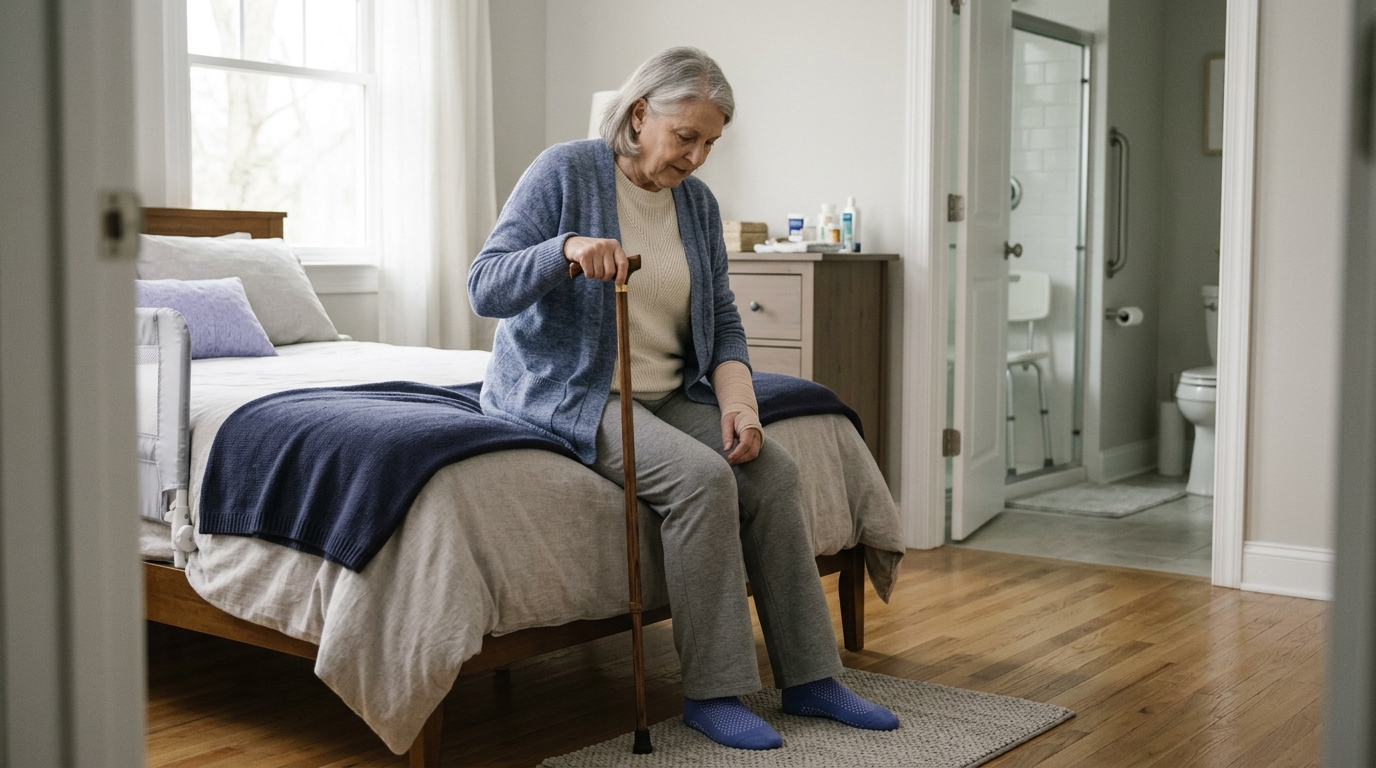
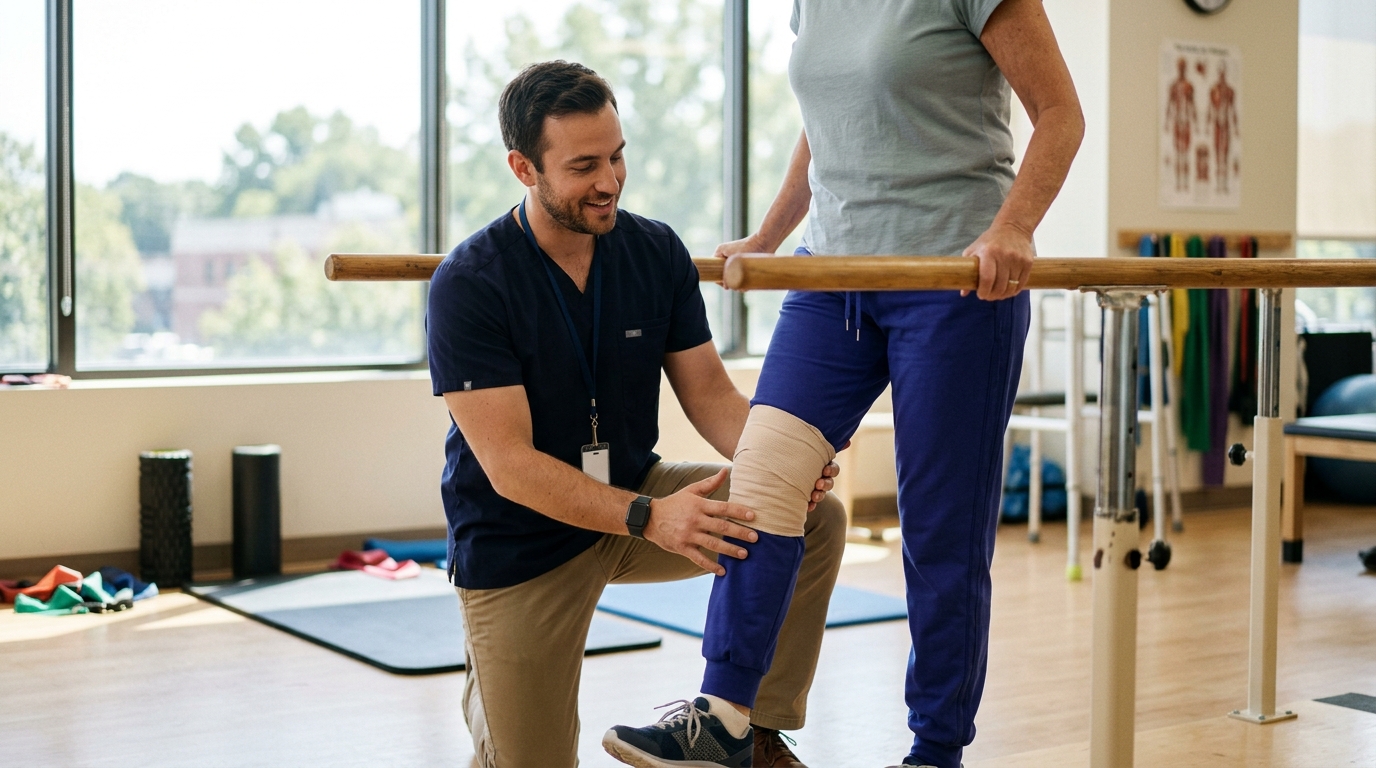
Surgery is not a standalone solution that works in isolation. Every surgical procedure requires a dedicated period of post-operative healing and structured rehabilitation. The surgery addresses structural integrity, but post-operative care restores physical function, strength, and mobility.
Understanding how operations fit into overall recovery is essential. You can learn more about surgery and rehabilitation pathways to see how surgical interventions pair with progressive therapy.
A sound treatment plan is never set in stone. It includes scheduled check-ins to evaluate how your body responds to the chosen path.
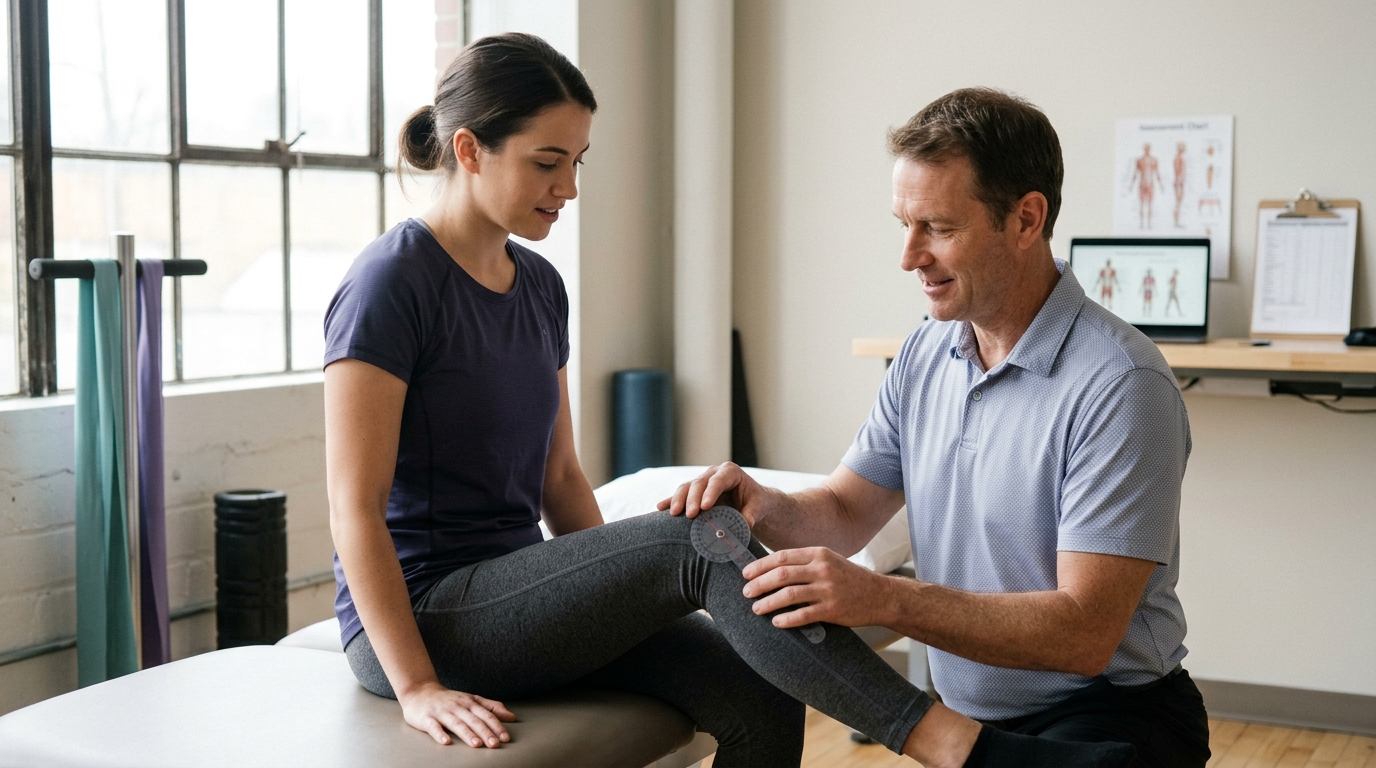
Monitoring involves tracking objective markers such as joint range of motion, muscle strength, stability, and functional tolerance. It also tracks subjective markers like pain levels, sleep quality, and confidence in the injured area.
Structured reassessment provides clear, pre-planned checkpoints. If your progress stalls or your symptoms change, you and your clinician can modify your approach without feeling like the initial plan failed.
Before you compare different treatment options, you must clarify what a successful recovery looks like for you. Different treatments excel at delivering different types of outcomes.
A treatment that provides rapid pain relief might not provide the structural stability needed for heavy sports. Conversely, a surgical repair that maximizes joint stability might require a longer initial recovery timeline.
For many individuals, reducing daily pain is the most urgent priority. Pain limits sleep quality, clouds concentration, and causes emotional fatigue.
Some treatments, such as short-term immobilization or specific medications, can reduce acute pain relatively quickly. However, pain relief alone does not automatically mean full strength or functional capacity has returned.
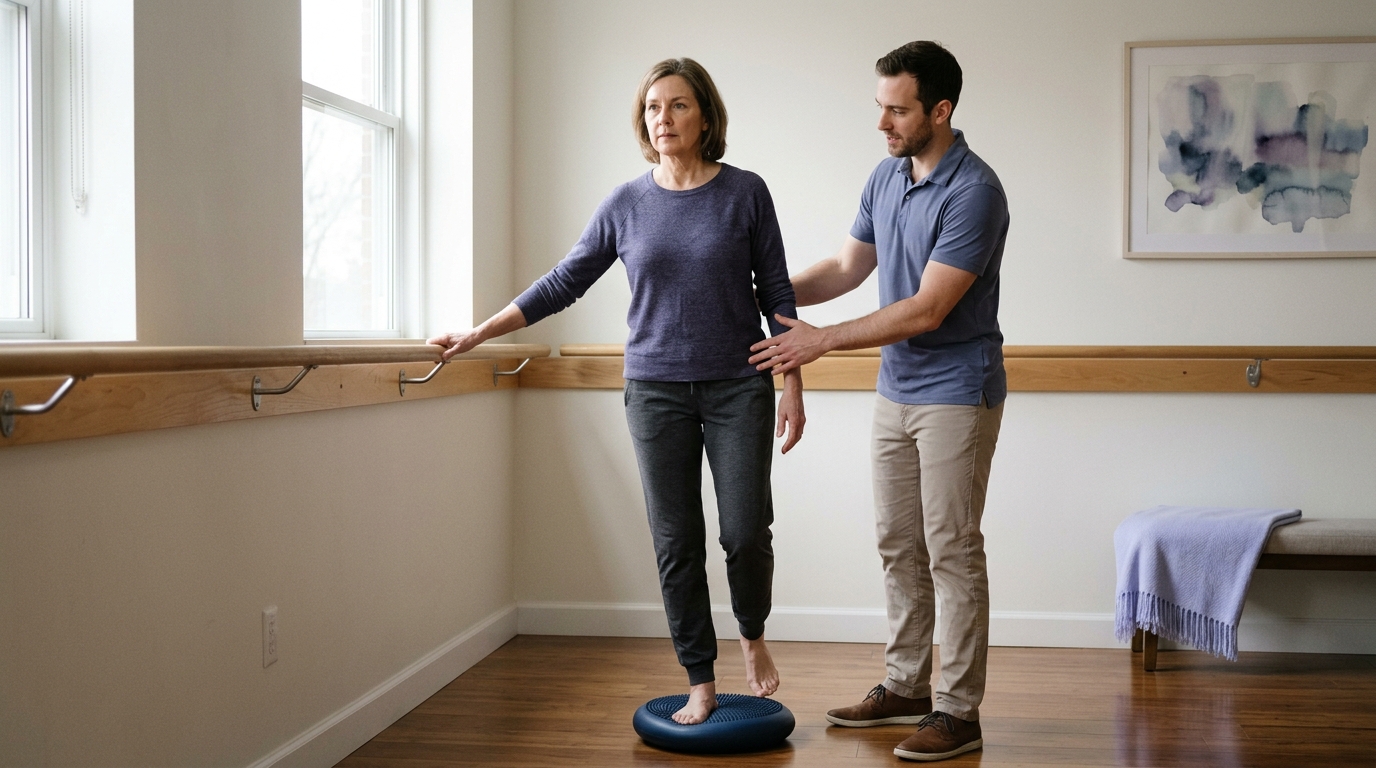
Joint stability involves both mechanical integrity and neuromuscular control. Mechanical stability comes from intact ligaments, bones, and joint capsules. Neuromuscular stability comes from muscles firing quickly and accurately to support the joint.
An unstable joint may give way during pivoting, carrying loads, or walking on uneven ground. Restoring stability is vital for people who want to return to physical labor, hiking, or cutting sports.
Restoring joint range of motion allows you to move freely without compensatory movement patterns. Regaining muscle strength ensures that your body can absorb shock and produce force efficiently.
A successful recovery plan targets both mobility and strength systematically. If you want to dive deeper into movement restoration, explore our guides on mobility and movement principles.
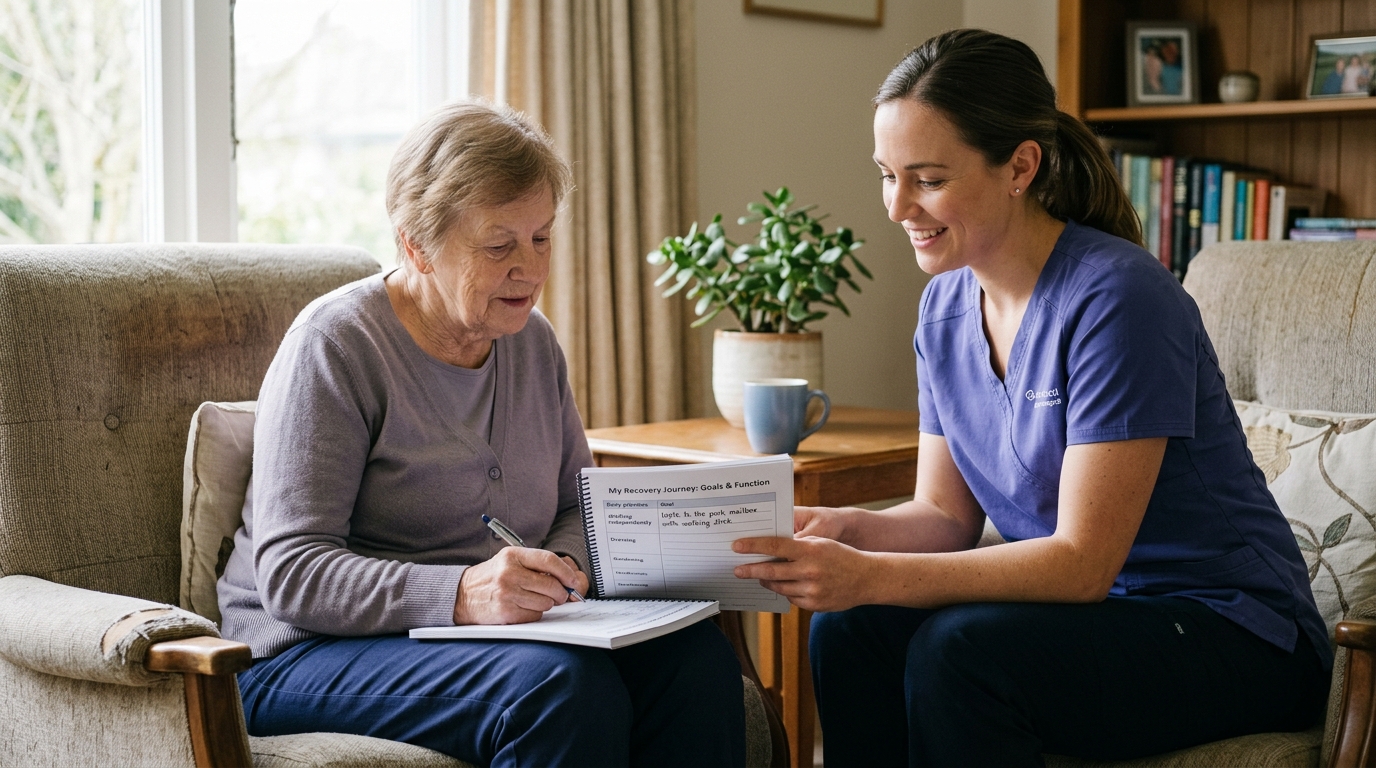
Many adults measure recovery by their ability to complete everyday routines without assistance. These tasks include climbing stairs, carrying groceries, driving, lifting children, and getting in and out of chairs.
The World Health Organization emphasizes that functioning in your real-world environment is a central health outcome. A treatment plan should directly support your ability to live independently and comfortably.
Your occupational demands and personal hobbies heavily influence your treatment goals. A desk worker has different physical demands than an electrician, a carpenter, or a nurse.
Similarly, an adult who enjoys casual walking has different functional needs than someone who plays competitive tennis or basketball. Your recovery goals should reflect the specific physical loads required by your favorite activities.
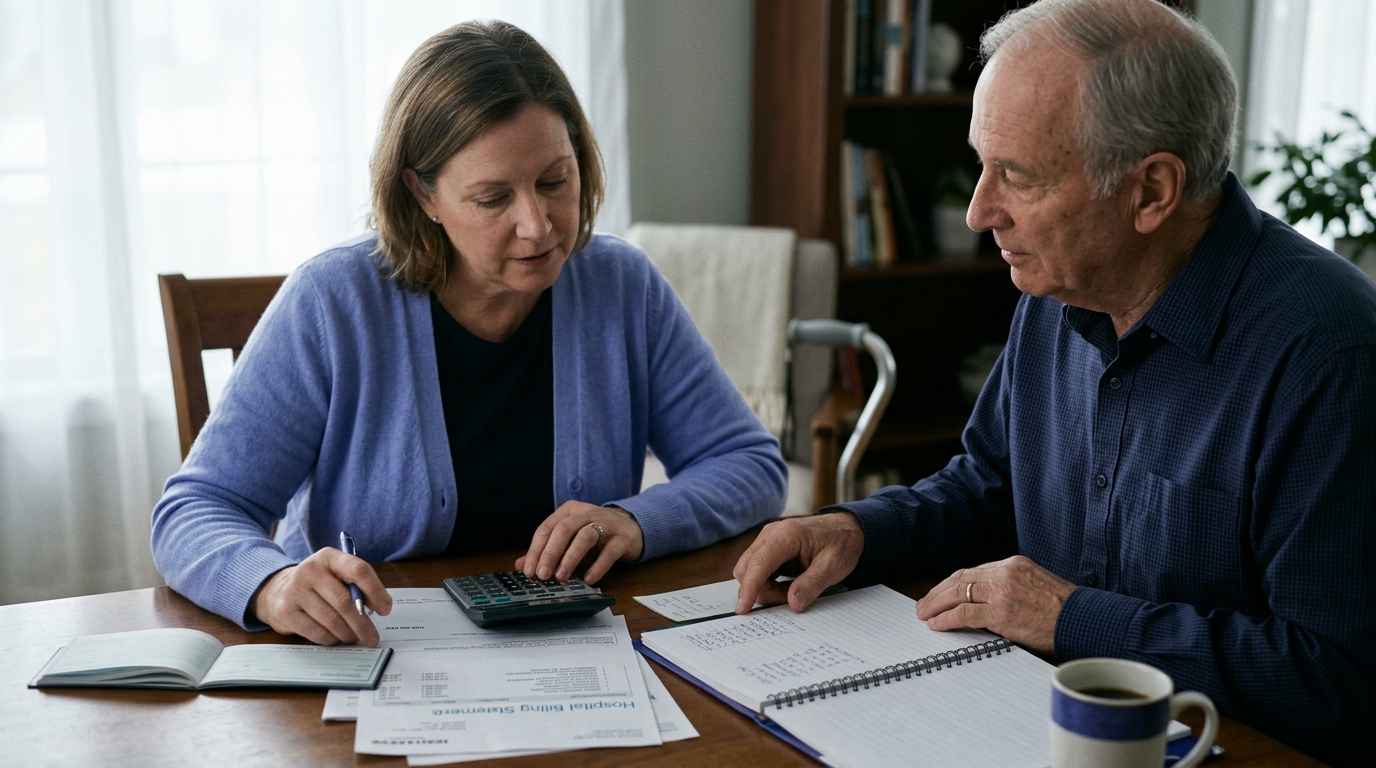
Every treatment option comes with a personal cost in time, energy, and resources. These practical factors are known collectively as treatment burden.
A conservative rehabilitation plan may require multiple clinic visits each week, daily home exercises, and frequent follow-ups. A surgical pathway involves pre-operative appointments, facility fees, procedural risks, time off work, and months of post-operative therapy.
Evaluating treatment burden helps you choose a path that fits realistically into your life and support system.
When evaluating medical research, it is easy to view treatment decisions as a simple contest between surgery and non-surgical care. High-quality clinical trials, however, rarely compare surgery against doing nothing.
Instead, researchers compare overall management strategies over time. The primary comparison in modern sports medicine is often early surgical repair versus an initial course of rehabilitation with the option for delayed surgery if needed.
Understanding these strategic comparisons helps you see that starting with conservative therapy does not permanently close the door to surgical options later.
The KANON trial investigated management strategies for young, active adults who sustained an acute anterior cruciate ligament tear. Researchers compared two distinct clinical approaches over several years:
At the five-year follow-up, the trial found no significant difference in functional outcomes or pain between the early reconstruction group and the rehabilitation-first group. Choosing rehabilitation first did not compromise long-term knee function or increase negative side effects.
The trial data showed that 39 percent of participants in the rehabilitation-first group chose to undergo delayed reconstruction within two years. By five years, that figure reached 51 percent.
This research demonstrates two critical points:
The ACL SNNAP trial looked at a distinctly different patient population. This pragmatic randomized trial studied individuals who had non-acute ACL injuries and continued to experience symptomatic knee instability months after their initial injury.
In this specific population with persistent instability, immediate surgical reconstruction yielded significantly better functional outcomes at 18 months compared to non-surgical management alone.
Within the non-surgical management group, 41 percent of participants ended up having surgical reconstruction within 18 months due to ongoing symptoms. Meanwhile, 38 percent completed rehabilitation and achieved satisfactory stability without undergoing an operation.
The SNNAP trial highlights that surgery is often highly effective for individuals who have ongoing mechanical instability that does not resolve with conservative care.
The contrast between the KANON and SNNAP trials illustrates why universal treatment rules do not work. The two studies examined different patient groups at different points in their recovery timelines.
KANON enrolled people immediately after an acute injury, testing whether early surgery was necessary for everyone. SNNAP enrolled people who had already developed persistent, symptomatic instability over time.
You cannot take the results from a chronic instability group and apply them automatically to someone with a fresh, acute injury. Likewise, you cannot assume that an acute trial result applies perfectly to someone struggling with long-term joint laxity.
When reading recovery studies, always look at the characteristics of the participants, the timing of the intervention, and the specific strategies being compared. To understand how clinical evidence shapes athletic longevity, read our guide on strength and return to sport after injury.
When researching treatment options, patients often mix up comparative clinical trials and clinical practice guidelines. While related, they serve different functions in clinical care.
Comparative clinical trials measure what happens when specific groups receive different treatments under controlled conditions. Clinical practice guidelines synthesize all available evidence to offer broad recommendations for healthcare providers.
Reading clinical guidelines carefully requires paying attention to their exact conditional language. Guidelines often describe what to do when a particular condition is met rather than mandating a single procedure for all patients.
The American Academy of Orthopaedic Surgeons publishes clinical practice guidelines for anterior cruciate ligament injuries. Their recommendations highlight the importance of timely intervention under specific conditions.
The AAOS guideline states that when surgery is indicated for an acute isolated ACL tear, early reconstruction is preferred over prolonged delay. The reasoning is that the risk of secondary damage to joint cartilage and the menisci begins to rise after three months of unmanaged joint instability.
Notice the crucial phrase: when surgery is indicated. The guideline does not state that every single ACL tear requires an operation. Instead, it guides the timing of surgery for patients who have already chosen a surgical path due to high physical demands or combined tissue damage.
Earlier summaries of orthopedic guidelines noted moderate evidence supporting surgical reconstruction in active young adults aged 18 to 35 who participate in high-demand pivoting sports. That recommendation is tailored to a specific age group and activity profile, not every adult with joint pain.
Medical evidence continues to evolve. When evaluating scientific reviews comparing operative and conservative treatments, you must keep several limitations in mind:
Learning how to interpret research helps you have balanced conversations with your doctors. You can explore more about how studies are conducted in our overview of orthopedic recovery science.
Navigating recovery options can be overwhelming. Outdated beliefs and oversimplified advice often lead people toward hasty decisions. Recognizing these common misconceptions can help you make a more balanced choice.
A common belief is that surgery instantly restores an injured joint to its original state. Surgery can repair or reconstruct damaged anatomical structures, but it does not bypass the body's natural healing timeline.
Surgical intervention creates surgical trauma that requires dedicated time to heal. You still experience post-operative swelling, temporary muscle inhibition, and reduced range of motion.
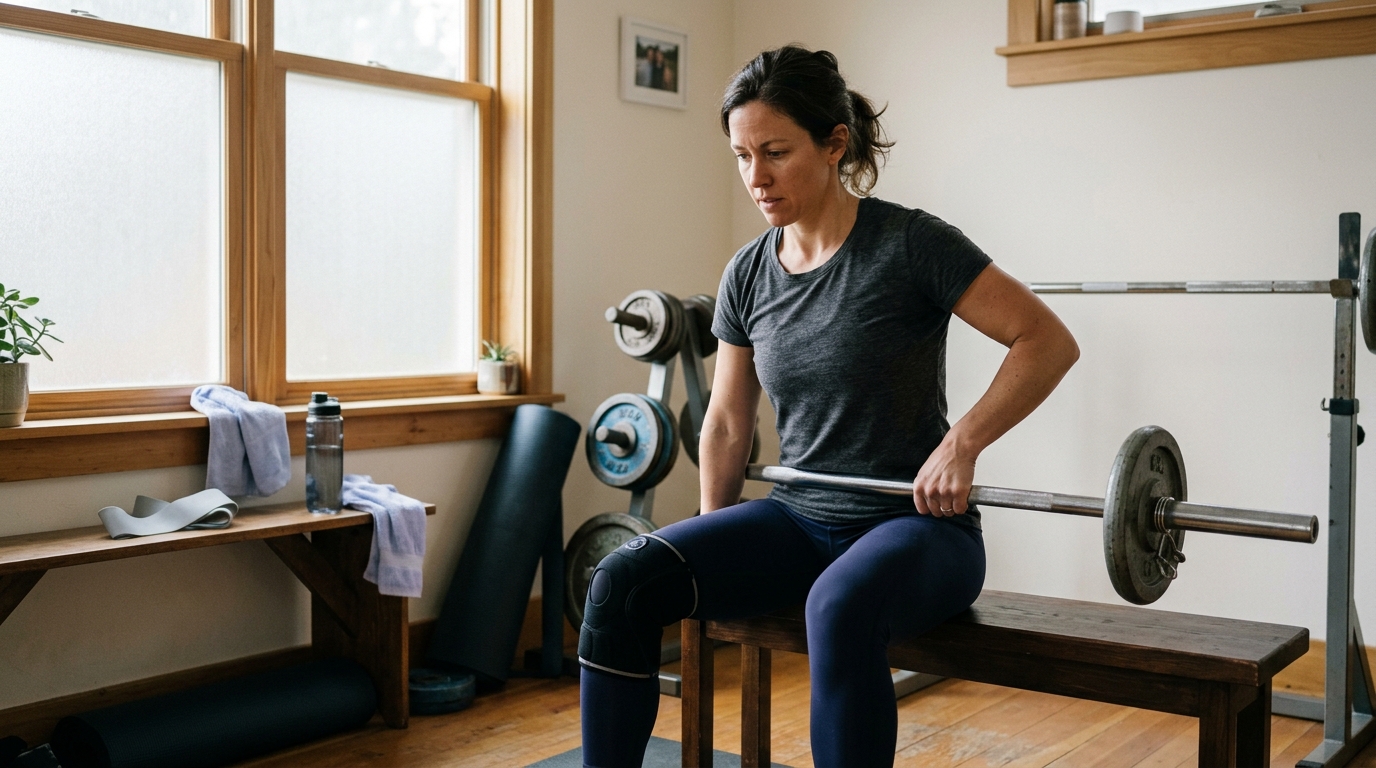
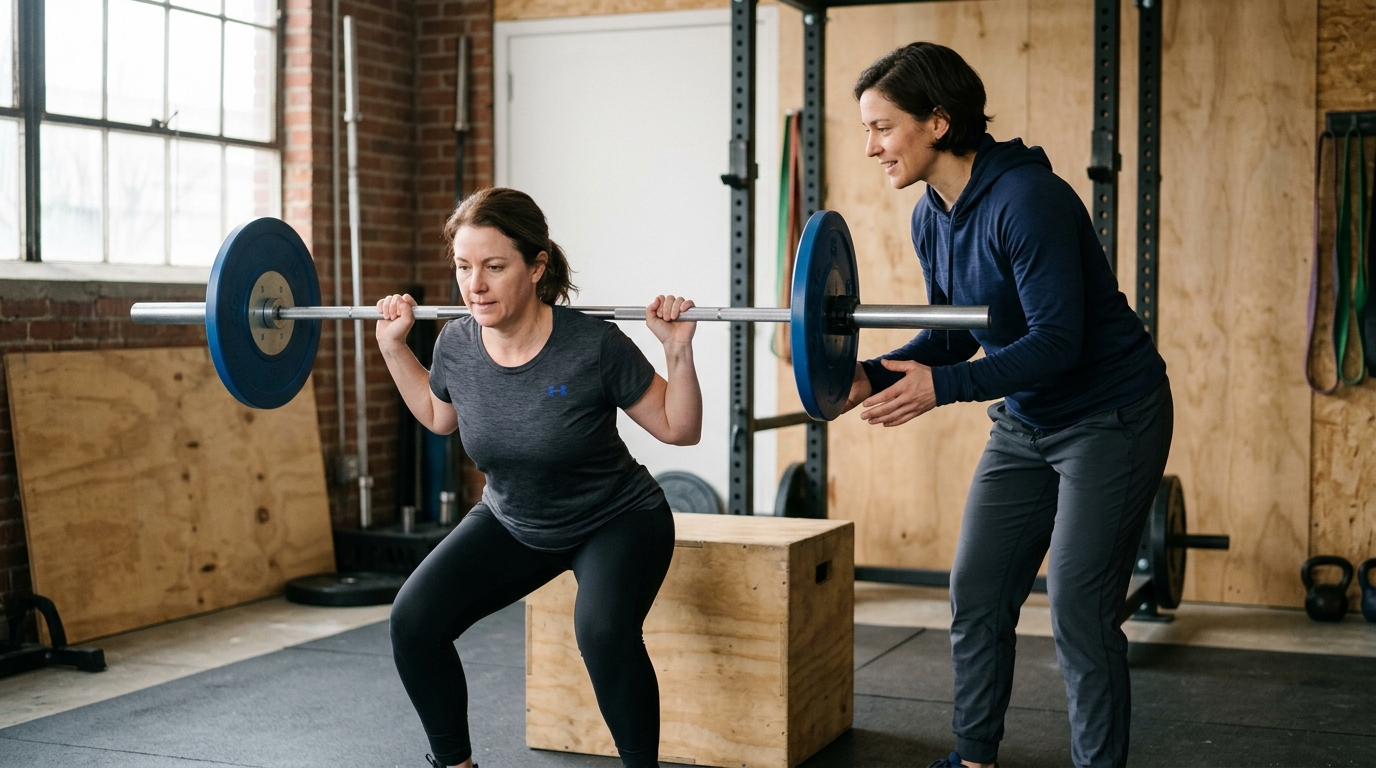
A surgical repair provides a structural foundation, but active rehabilitation rebuilds functional strength, coordination, and confidence. An operation changes the recovery process, but it does not remove the need for hard physical work.
Another frequent misconception is that conservative management simply means resting at home and hoping the injury resolves on its own.
True conservative care is an active, structured process. It involves targeted resistance training, neuromuscular re-education, mobility drills, and gradual tissue loading.
Active rehabilitation challenges your muscles, tendons, and nervous system to adapt to physical stress. Calling a structured rehabilitation program conservative can sometimes understate how much active effort it requires.
People often worry that if they choose rehabilitation first, they permanently lose their chance to have surgery. They fear that delaying an operation will permanently ruin their chances of a full recovery.
As demonstrated by long-term clinical trials like KANON, a rehabilitation-first approach is often an adaptable strategy. Starting with physical therapy allows you to test how well your body heals and stabilizes without an operation.
If your joint continues to feel unstable or painful after dedicated rehabilitation, surgery remains a viable, effective option. A stepwise approach lets you try less invasive options before committing to an operative procedure.
Modern imaging tools like MRI and CT scans provide detailed views of internal anatomy. However, an abnormal scan finding does not always explain the exact symptoms you feel every day.
Studies regularly show that many pain-free, active adults have structural abnormalities on their imaging scans. These can include disc bulges, partial tendon tears, and meniscus fraying that cause no discomfort or physical limitations.
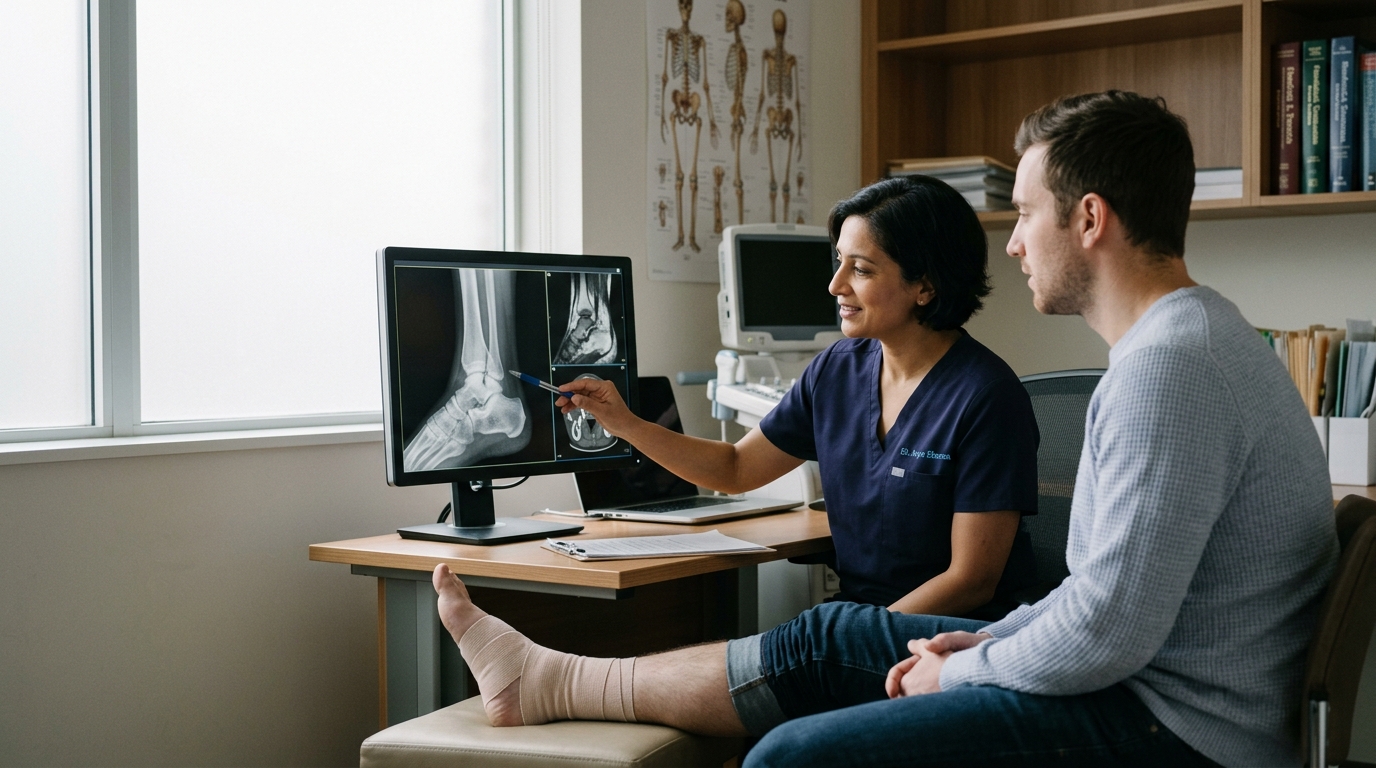
A scan is only one piece of the diagnostic puzzle. It must always be evaluated alongside a hands-on physical examination, your medical history, and your daily symptoms. Treating the person rather than the scan is a core principle of good orthopedic medicine.
Your ideal recovery plan depends on multiple personal and clinical factors. Two people with the same structural injury on an MRI may require completely different treatment strategies based on their individual circumstances.
The physical demands of your daily work and hobbies play a major role in your treatment decision.
A heavy construction worker, firefighter, or competitive athlete puts immense mechanical stress through their joints and tendons. They may require greater mechanical stability to perform their duties safely, which can influence the case for surgical stabilization.
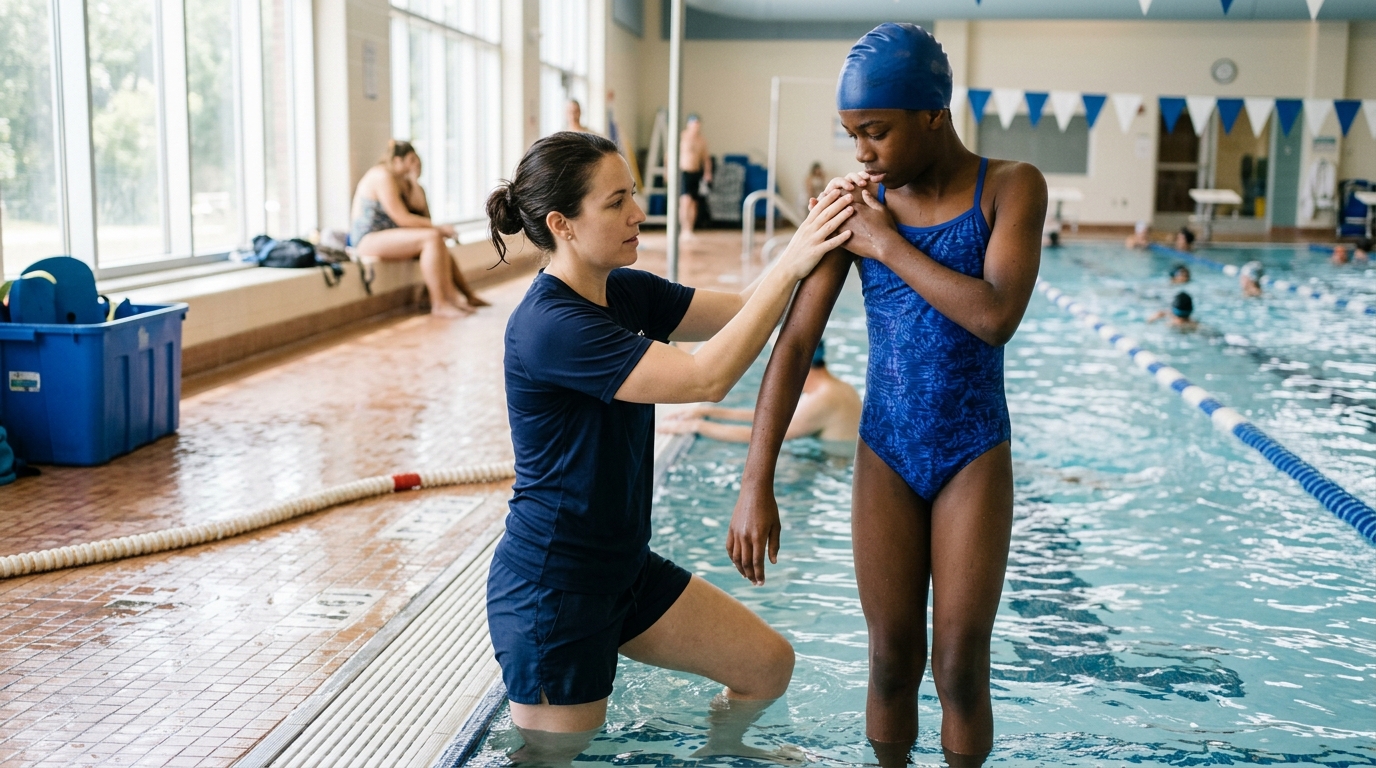
An individual with a sedentary desk job who enjoys low-impact exercise like swimming or cycling may achieve all their functional goals through active rehabilitation alone.
Biological age and overall tissue health influence how the body responds to both surgical procedures and conservative loading.
As tissues mature, their blood supply, elasticity, and cellular turnover rates naturally shift. In joints with preexisting degenerative changes or osteoarthritis, an invasive operation may not always provide significant symptom relief compared to progressive strengthening.
Conversely, in younger, growing skeletons, specific ligament tears or fractures may require prompt surgical stabilization to protect growth plates and prevent early joint degeneration.
Your systemic health directly affects how quickly and effectively your body repairs connective tissues. Factors that influence tissue healing include:
Medical decisions do not happen in a vacuum. Your living situation, family obligations, and daily responsibilities shape what is practical for your recovery.
If you are the primary caregiver for young children or elderly relatives, a surgical procedure that requires weeks of non-weight-bearing mobility may present major logistical hurdles. You must consider whether you have the necessary social support at home to manage basic daily tasks during early recovery.
Access to transportation, health insurance coverage, and proximity to specialized physical therapy clinics also influence which treatment paths are feasible and sustainable.
Every medical intervention involves balancing potential benefits against inherent risks.
Some people prefer to avoid surgical risks, such as anesthesia complications, post-operative infections, and extended immobilization, whenever a viable non-surgical option exists. They are comfortable investing several months in physical therapy to see how their body adapts.
Other individuals prioritize restoring mechanical joint stability as quickly as possible to return to high-risk pivoting sports. They are willing to accept surgical risks and an intensive post-operative rehabilitation protocol to achieve that specific structural goal.
Neither perspective is right or wrong. Shared decision-making ensures that your personal tolerance for risk is respected throughout the planning process.
This resource is designed to help you navigate routine, non-emergency treatment decisions with your healthcare team. It is not a tool for diagnosing acute trauma or ruling out serious medical complications.
Some injury symptoms require immediate emergency evaluation rather than routine outpatient planning. The National Health Service provides clear guidance on warning signs that demand urgent medical attention.
Seek emergency medical care immediately if you experience any of the following red flag symptoms:
If these warning signs are absent, you generally have time to gather information, consult with specialists, and weigh your treatment options calmly.
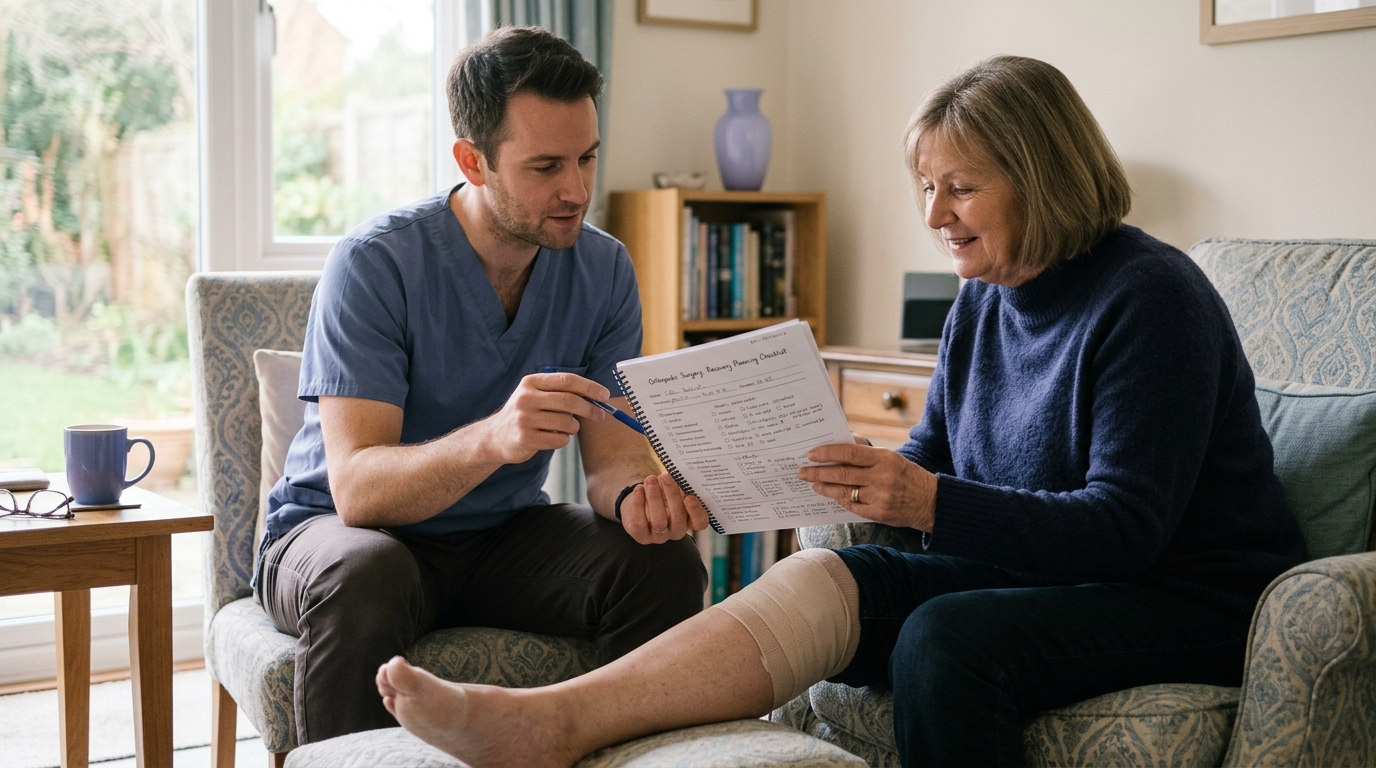
Going into a clinical appointment with a clear list of questions helps you get the most out of your consultation. It encourages your clinician to explain the reasoning behind their recommendations and helps you understand your choices.
Here are ten practical, evidence-informed questions to bring to your doctor, orthopedic surgeon, or physical therapist:
To understand how shared decision-making works in daily life, consider these four common clinical scenarios. These patterns illustrate how goals, clinical findings, and personal trade-offs interact to shape an effective treatment strategy.
An active adult sustains a moderate knee sprain while hiking on an uneven trail. An initial clinical examination rules out fractures and emergency red flags, confirming an isolated ligament sprain without major joint instability.
The individual works an office job and wants to return to casual trail walking and swimming. Because mechanical joint stability is largely preserved, the clinician and patient agree on an active conservative strategy.
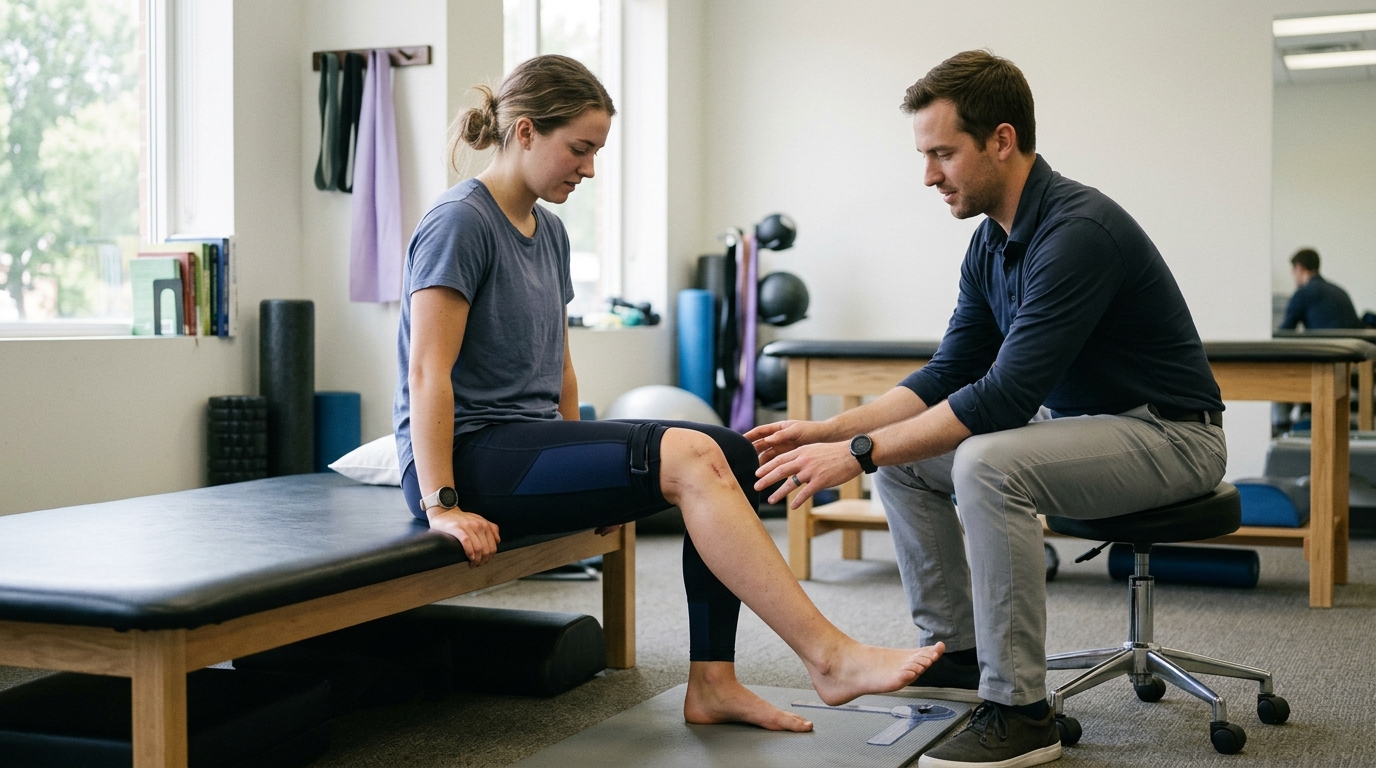
The plan begins with a brief period of symptom management and protected movement. This is followed by an eight-week structured rehabilitation program focused on quad strengthening, hamstring flexibility, and balance exercises.
They agree on clear checkpoints at four and eight weeks. If knee pain resolves and balance tests return to baseline, the individual transitions back to regular hiking without needing an operation.
A recreational adult athlete sustains an acute anterior cruciate ligament tear during an indoor soccer match. An MRI confirms a complete isolated tear without meniscus locking or significant cartilage damage.
The patient meets with an orthopedic surgeon to discuss options. The surgeon explains the findings from long-term clinical trials like KANON, showing that starting with rehabilitation does not harm long-term outcomes or prevent delayed surgery later.
The patient wants to avoid the immediate downtime of surgery due to heavy work deadlines over the next three months. Together, they agree on a rehabilitation-first strategy.
The patient begins progressive physical therapy to rebuild quadriceps strength and restore full joint motion. They schedule a clinical reassessment at three months. If the knee remains stable during daily tasks and straight-line running, they continue conservative care; if functional instability persists, they can schedule reconstruction without having compromised their joint health.
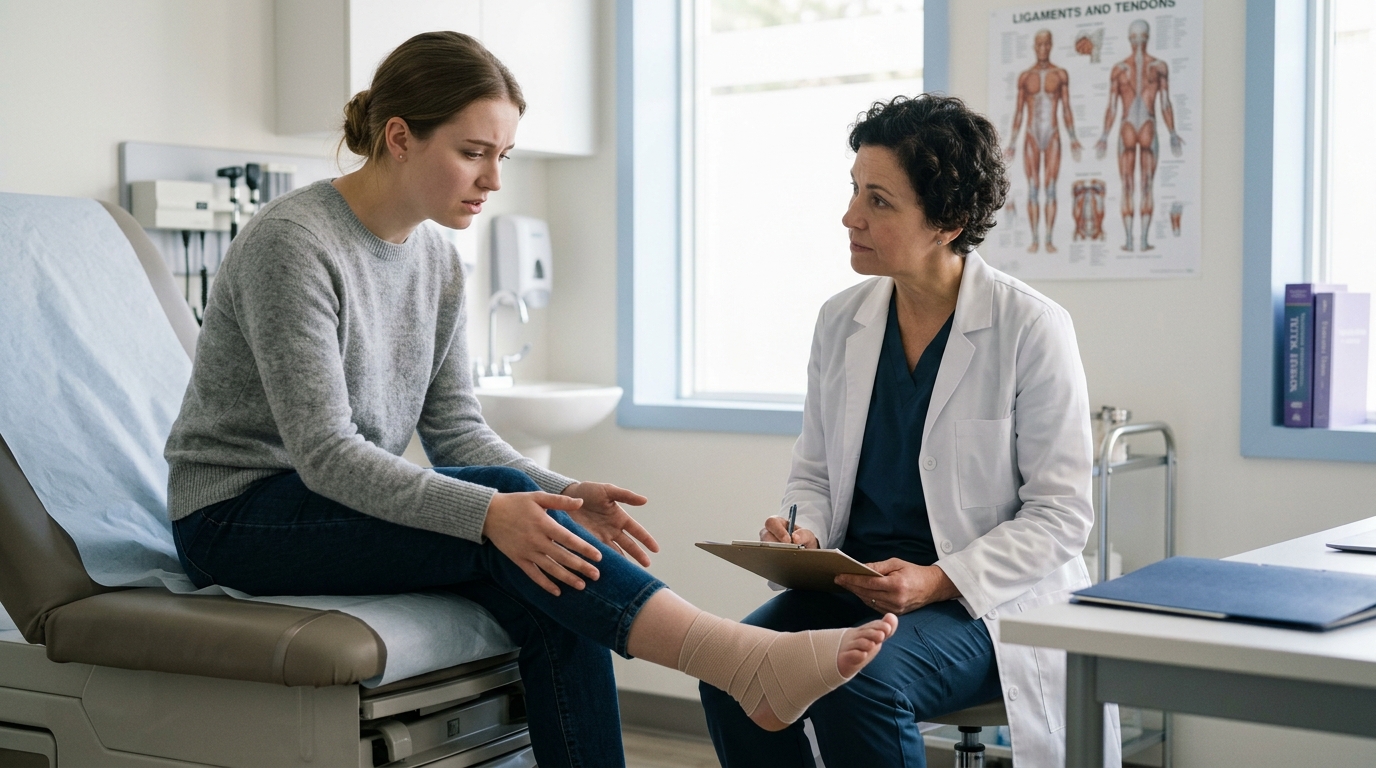
An individual sustained an ankle sprain a year ago and completed only a few days of self-directed rest. The ankle now repeatedly gives way during normal walking on grass or stepping off curbs.
A physical examination and stress imaging reveal significant mechanical ligament laxity along with poor peroneal muscle strength and reduced balance control.
The clinician presents the findings from trials on chronic joint instability, such as the ACL SNNAP study, explaining that established instability often responds well to surgical stabilization when conservative care has stalled.
The patient and clinician discuss the trade-offs. They decide on a final, six-week course of intensive, supervised neuromuscular rehabilitation to see if improving muscle control can stabilize the joint. If episodes of giving way continue after this focused trial, they agree to move forward with surgical ligament reconstruction.
An older adult with moderate knee joint degeneration and a degenerative meniscus tear experiences localized joint pain and stiffness after gardening. There is no joint locking or sudden mechanical blockage.
The patient's primary goal is to walk around the neighborhood comfortably and continue gardening without constant aching. They are anxious about surgical risks and want to avoid an operation if at all possible.
The clinician explains that clinical guidelines generally recommend conservative management as the first-line treatment for degenerative joint symptoms. An arthroscopic procedure carries surgical risks and does not reliably outperform active rehabilitation for degenerative conditions.
The patient chooses a comprehensive conservative plan. It includes targeted lower-body resistance training, low-impact stationary cycling, joint mobility work, and ergonomic adaptations for gardening tasks. By focusing on functional capacity, the patient achieves meaningful symptom relief without undergoing an invasive procedure.
Choosing an injury treatment plan is rarely a simple choice between two opposing paths. It is an ongoing, collaborative process that balances medical evidence with your personal goals, daily demands, and risk tolerance.
Shared decision-making ensures that you and your healthcare team evaluate all medically reasonable options together. By separating care into protection, active rehabilitation, surgical options, and ongoing monitoring, you can build a flexible plan that adapts to your recovery progress.
Focus on the functional outcomes that matter most to your daily life rather than fixating on imaging scans alone. Ask specific questions, look at the evidence carefully, and work closely with your clinical team to choose the path that best supports your long-term health and mobility.
Every recovery journey is unique, and taking an active, informed role in your care gives you the best foundation for returning to the movements and activities you enjoy.

Use ReboundBody resources to understand common recovery stages, rehab terms, movement limits and strength rebuilding. Each guide is designed to make a complex comeback easier to understand.


Read practical guidance on injury recovery, rehabilitation, mobility and rebuilding strength as you work your way back to activity.
Explore Resources