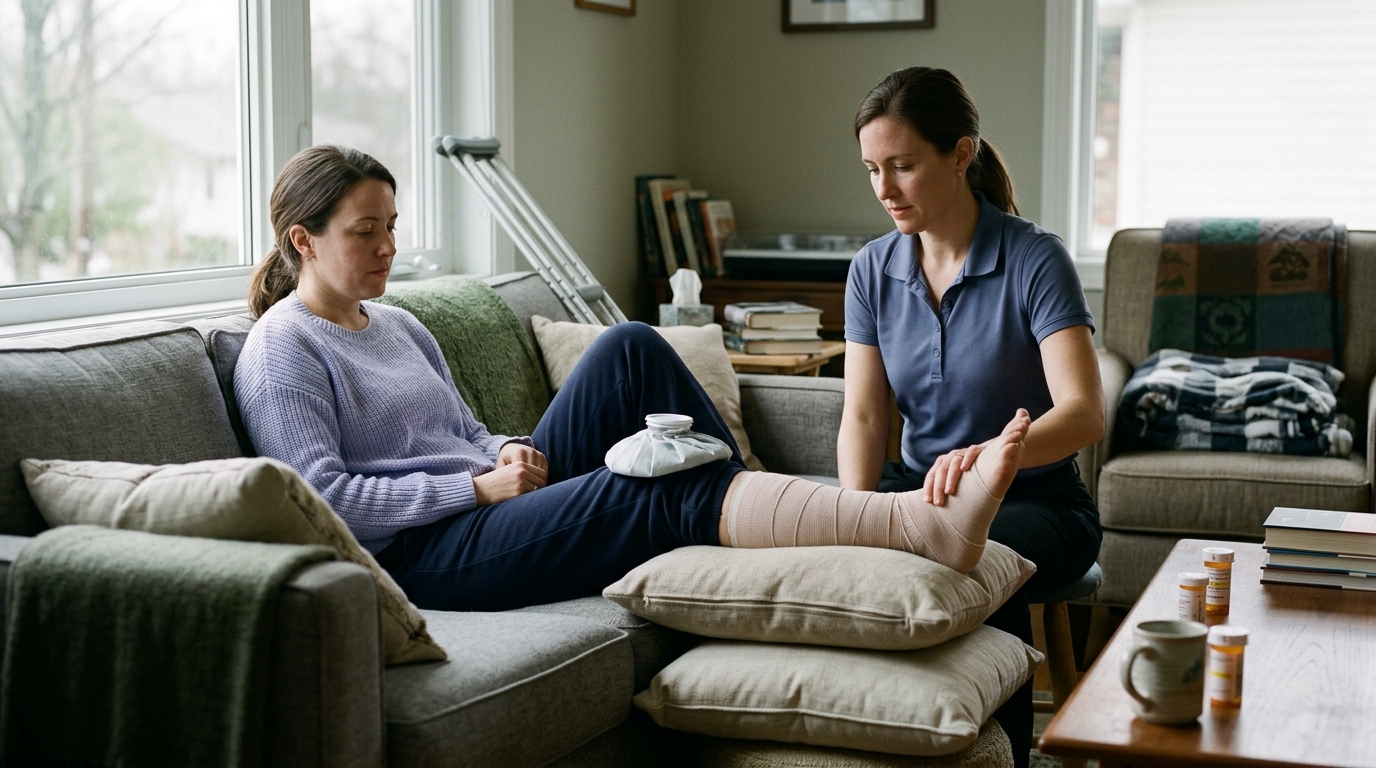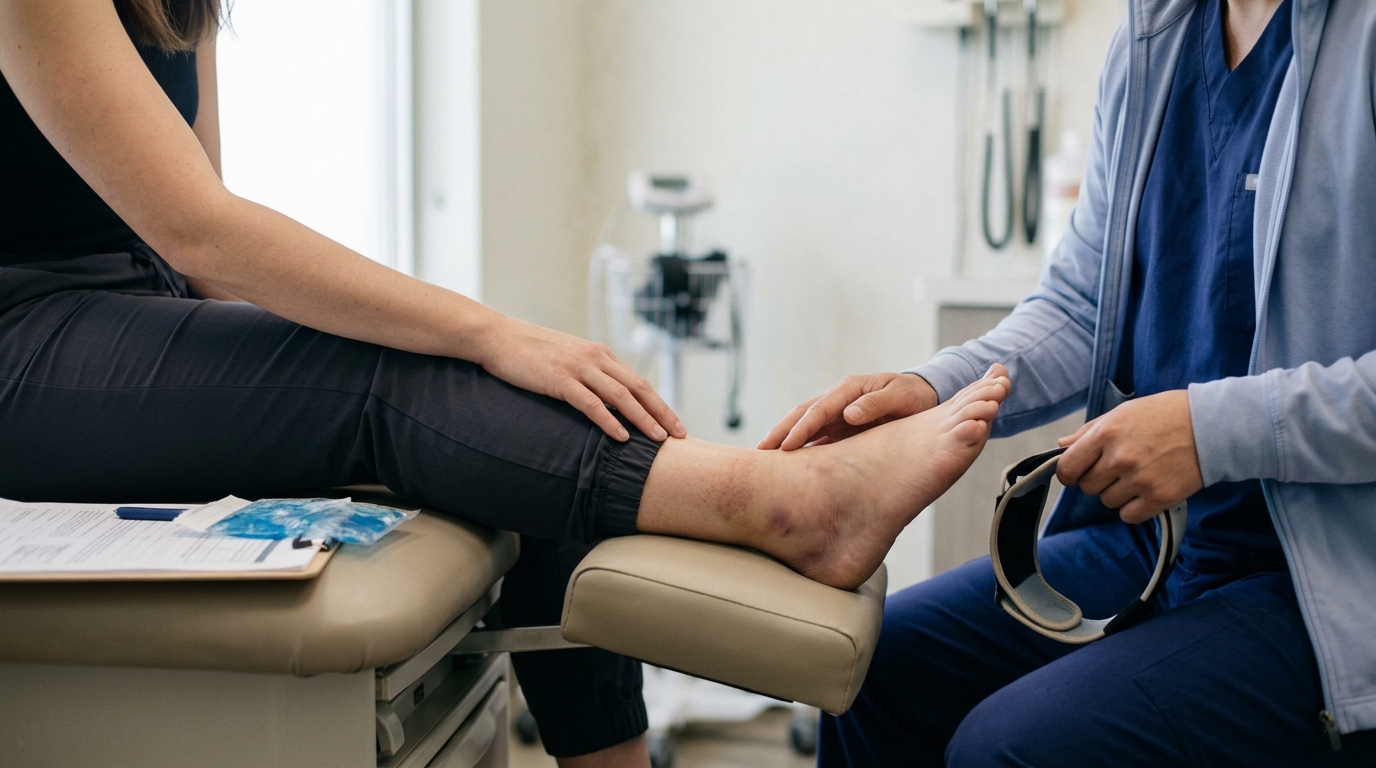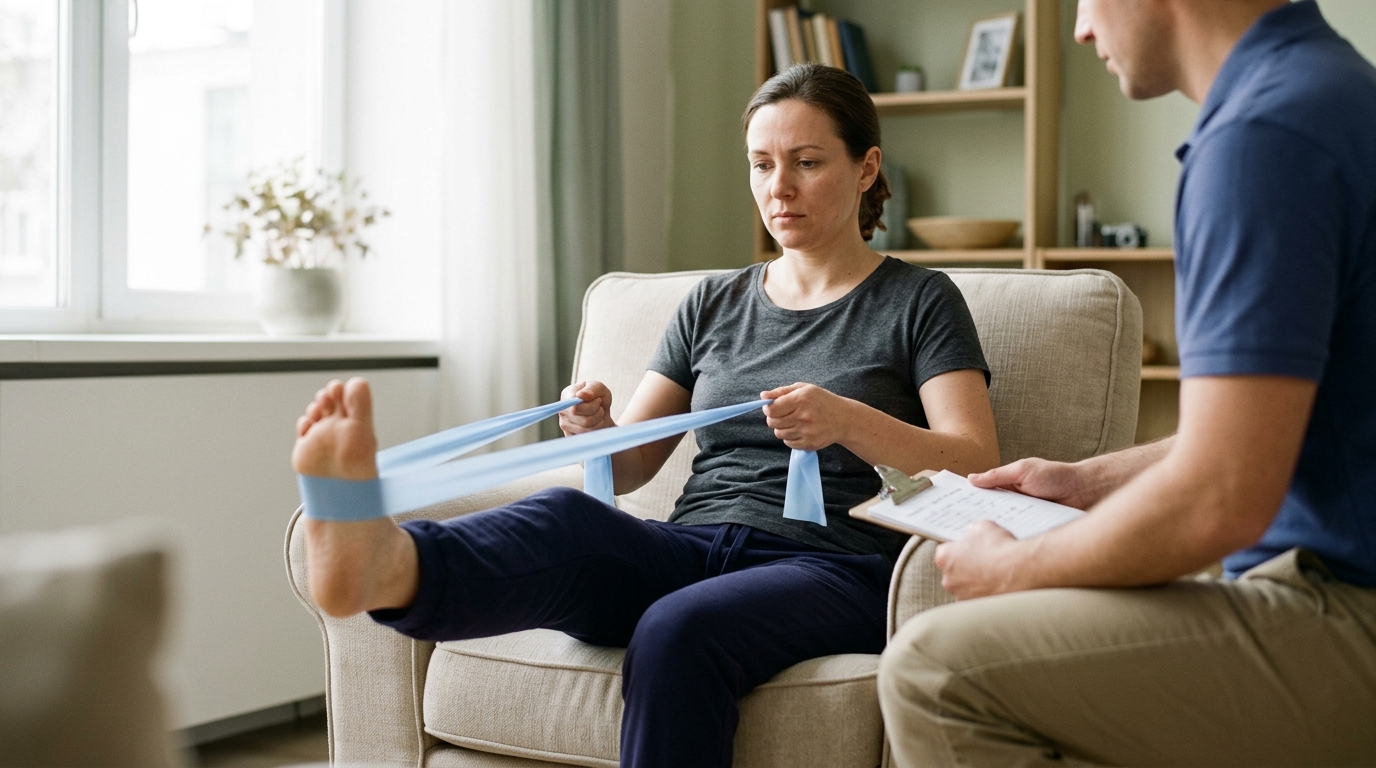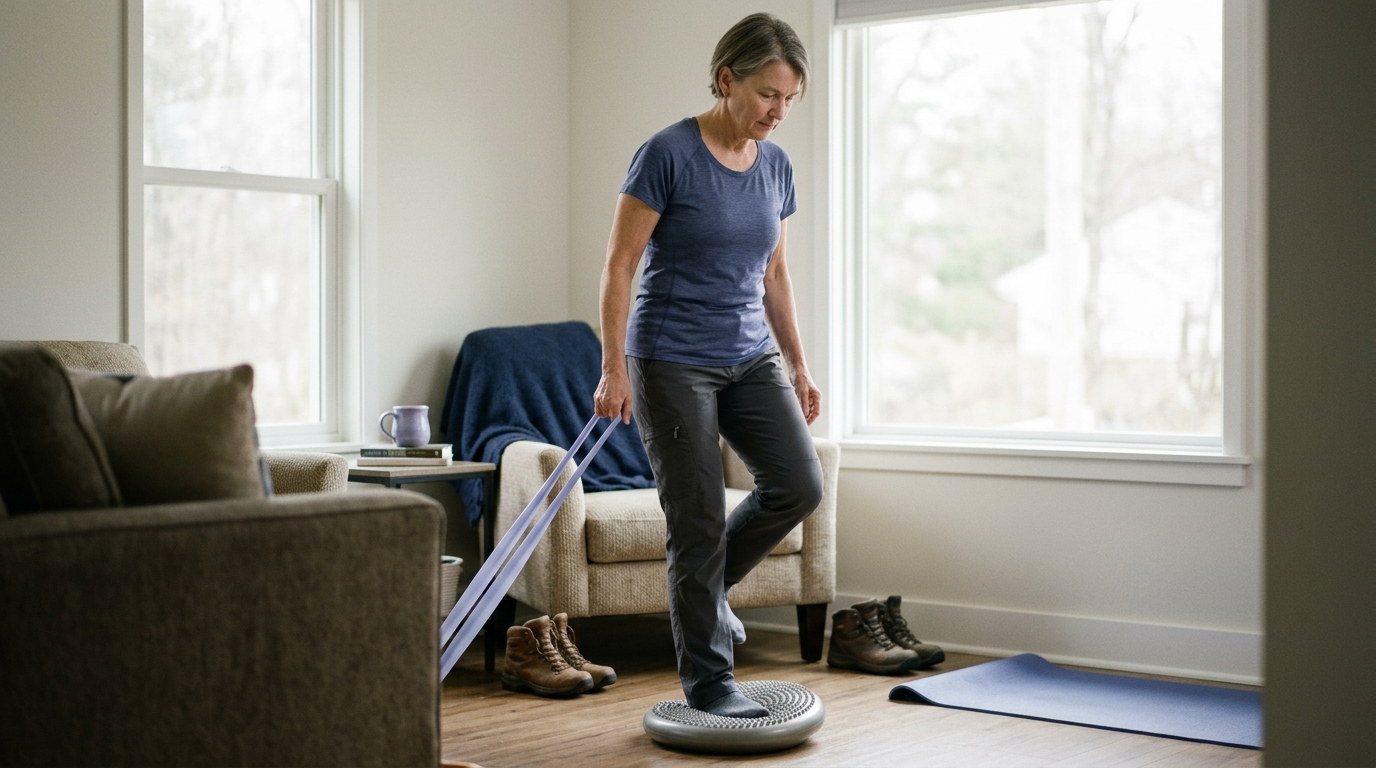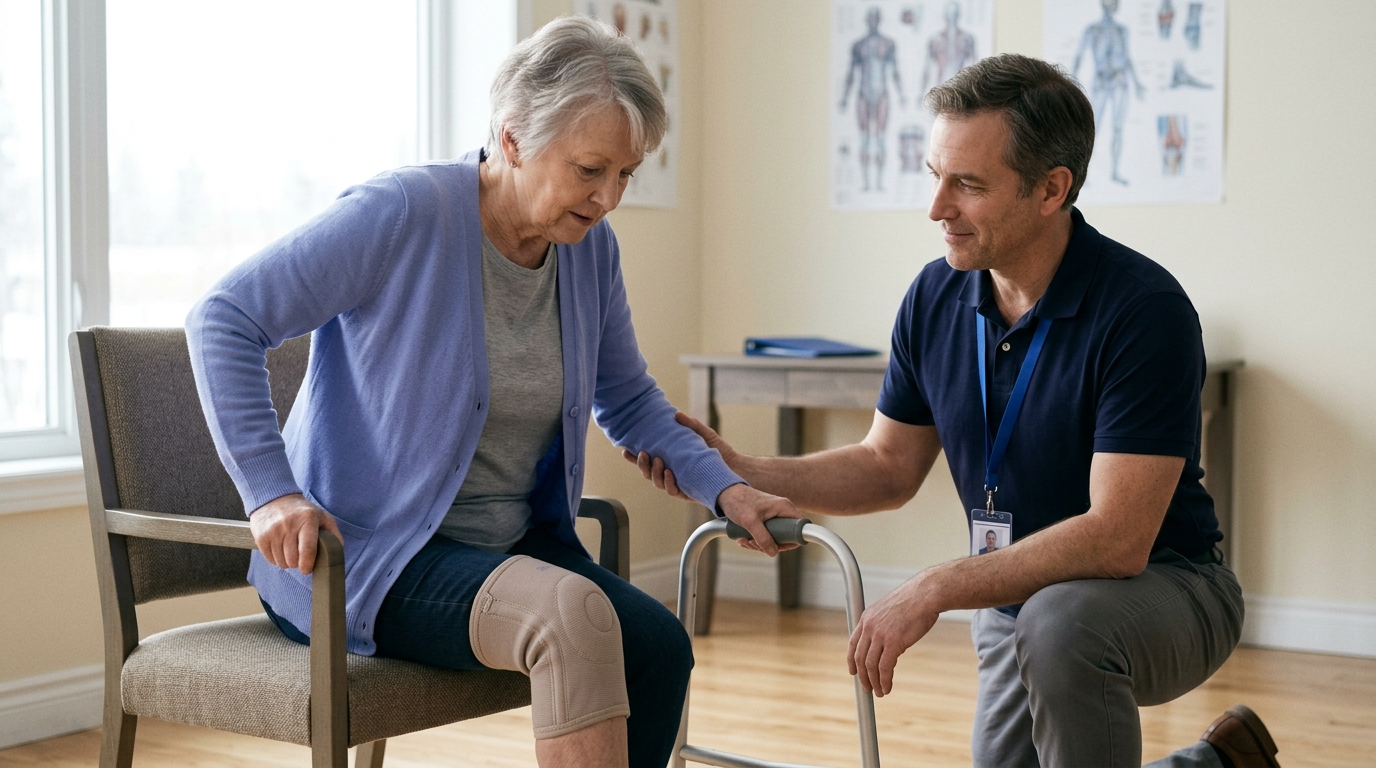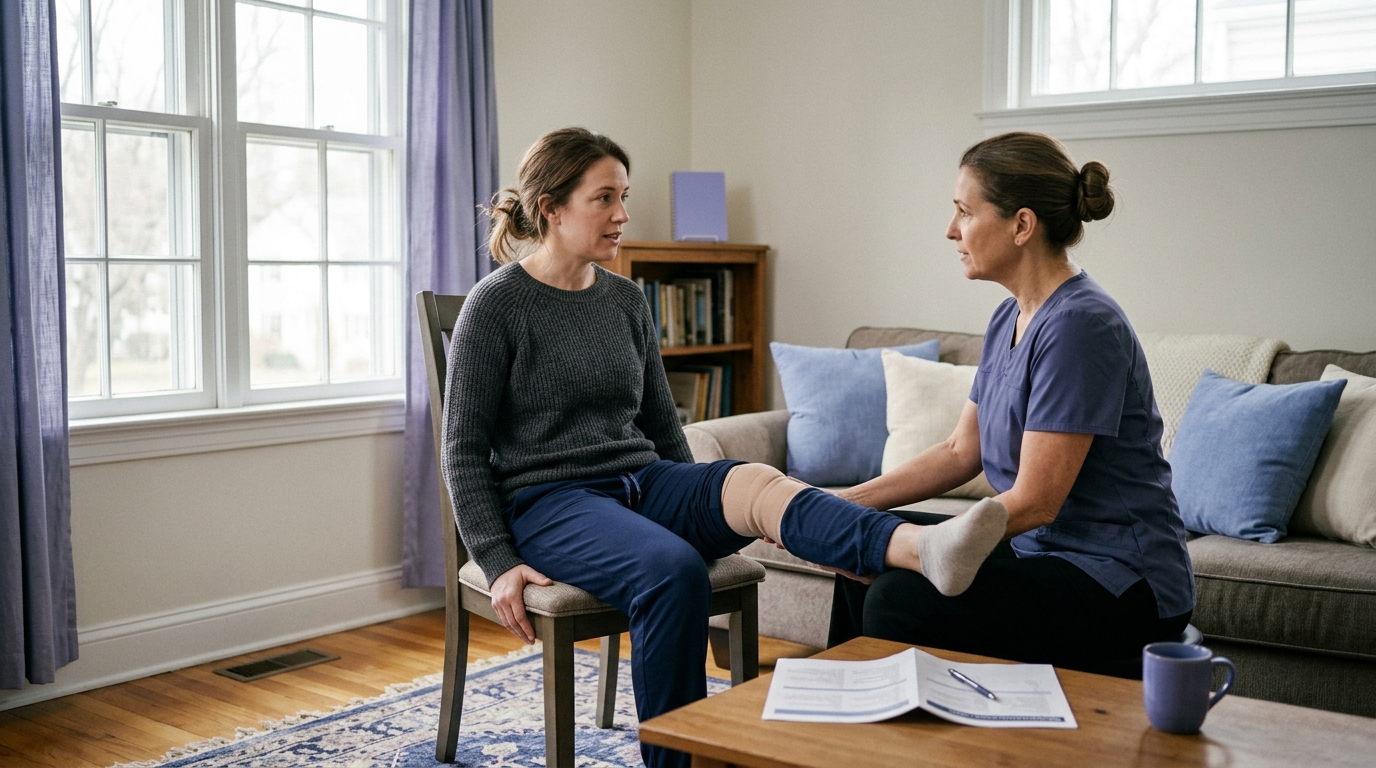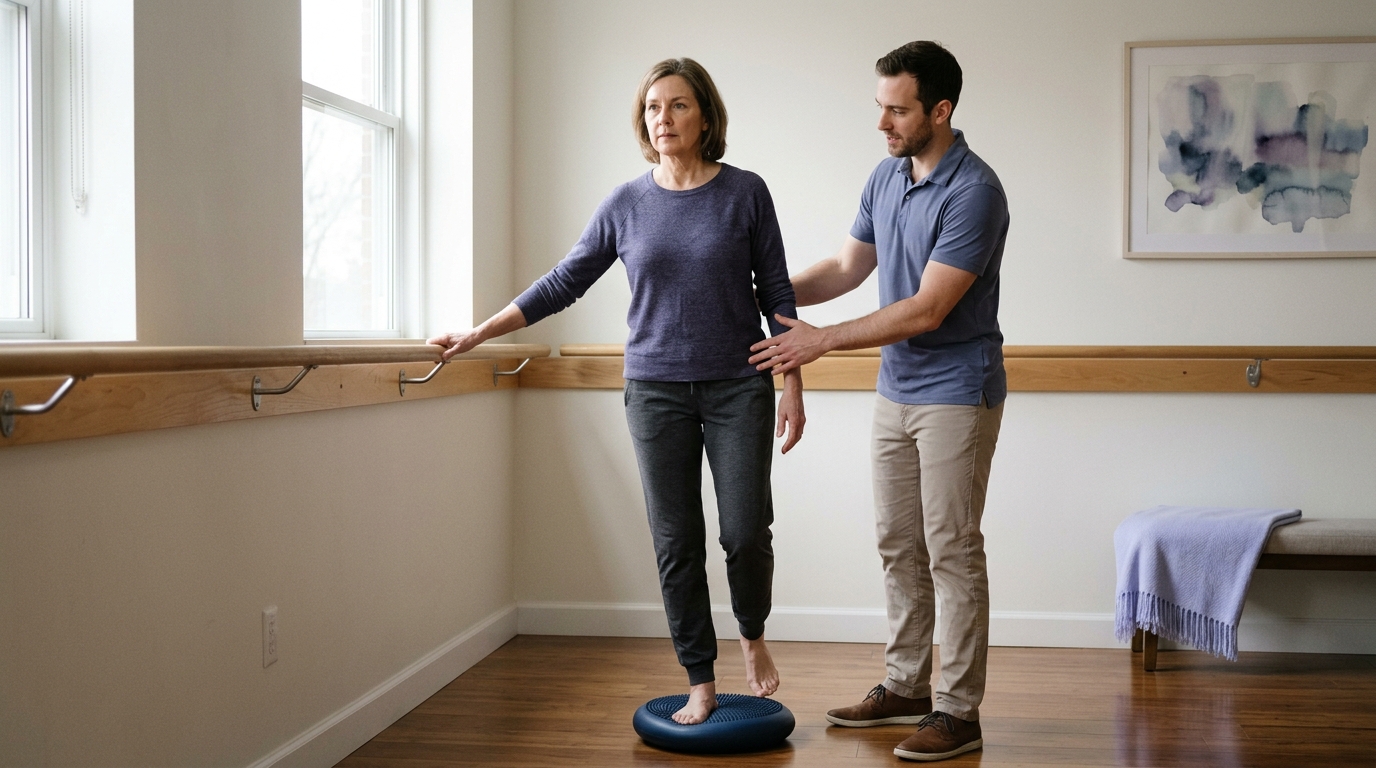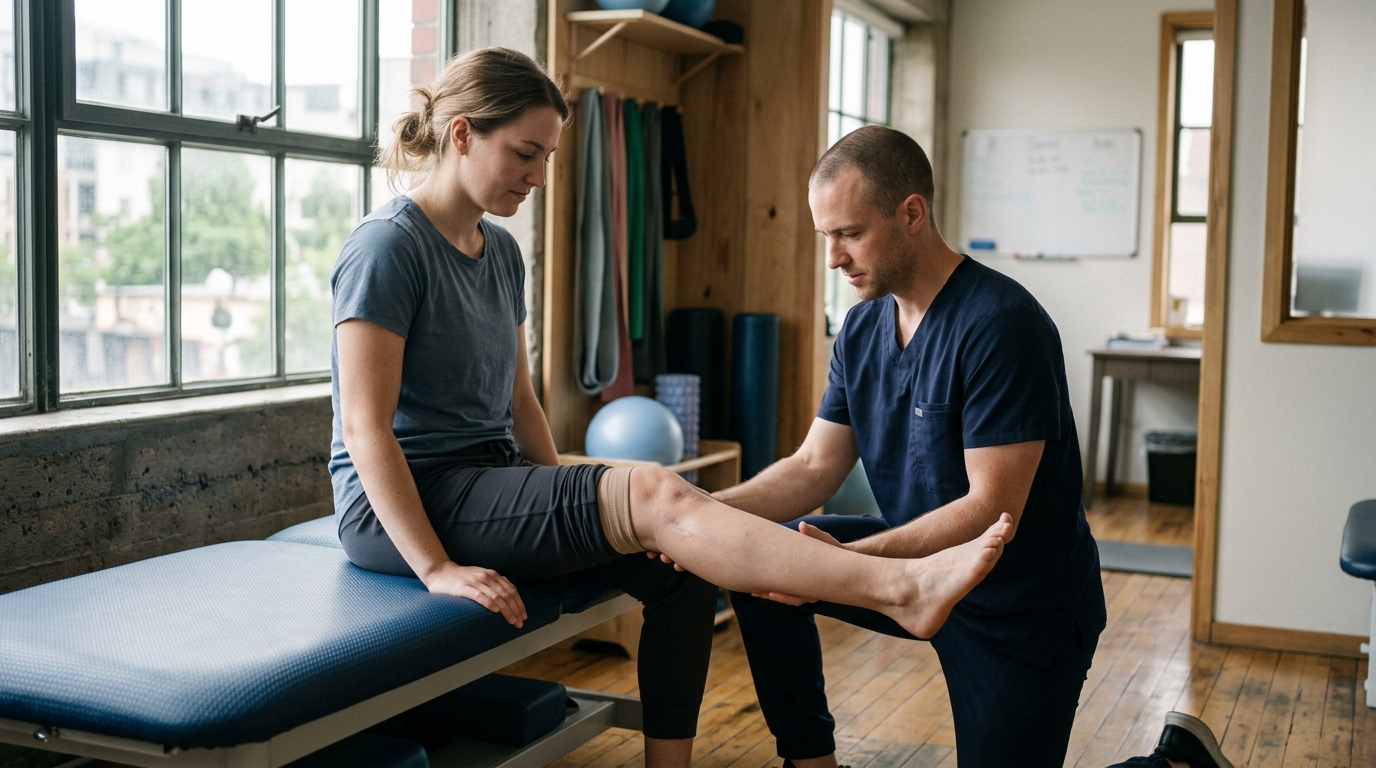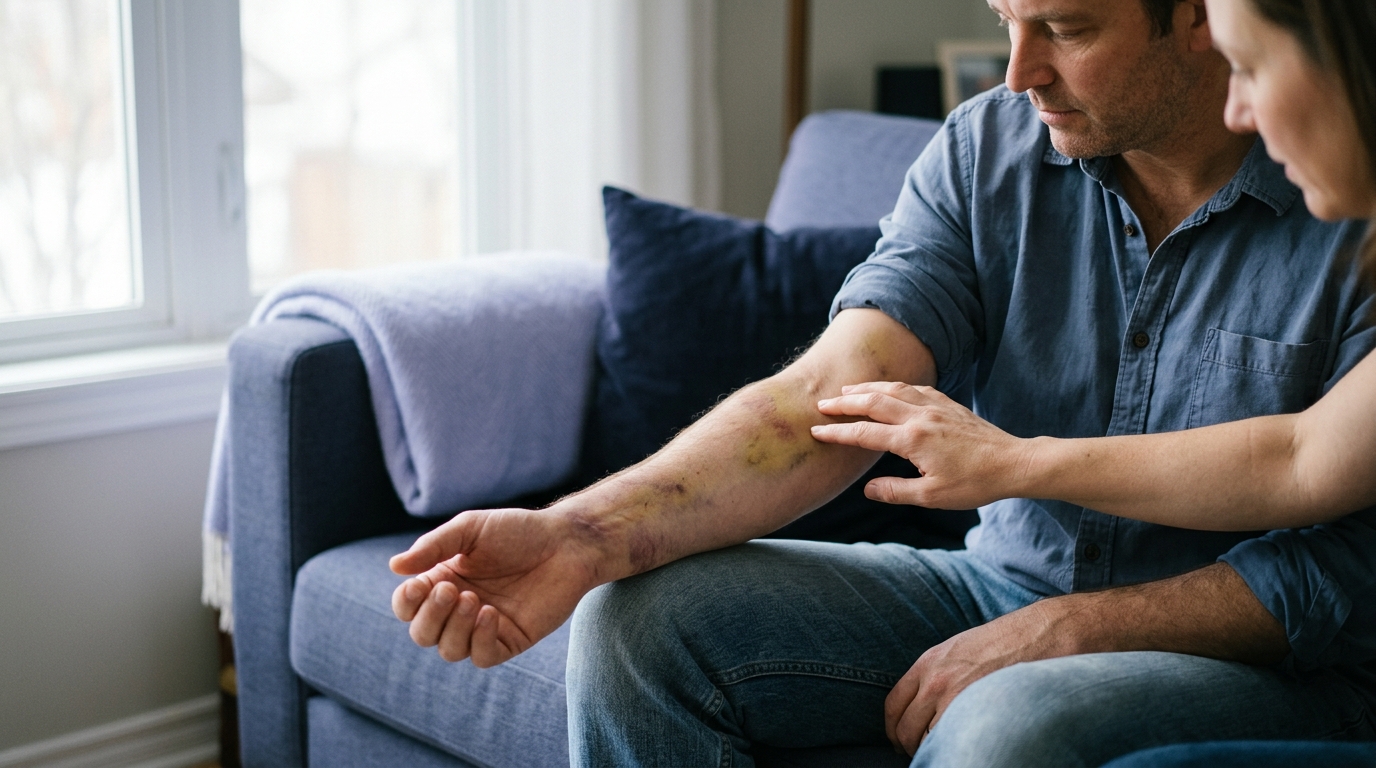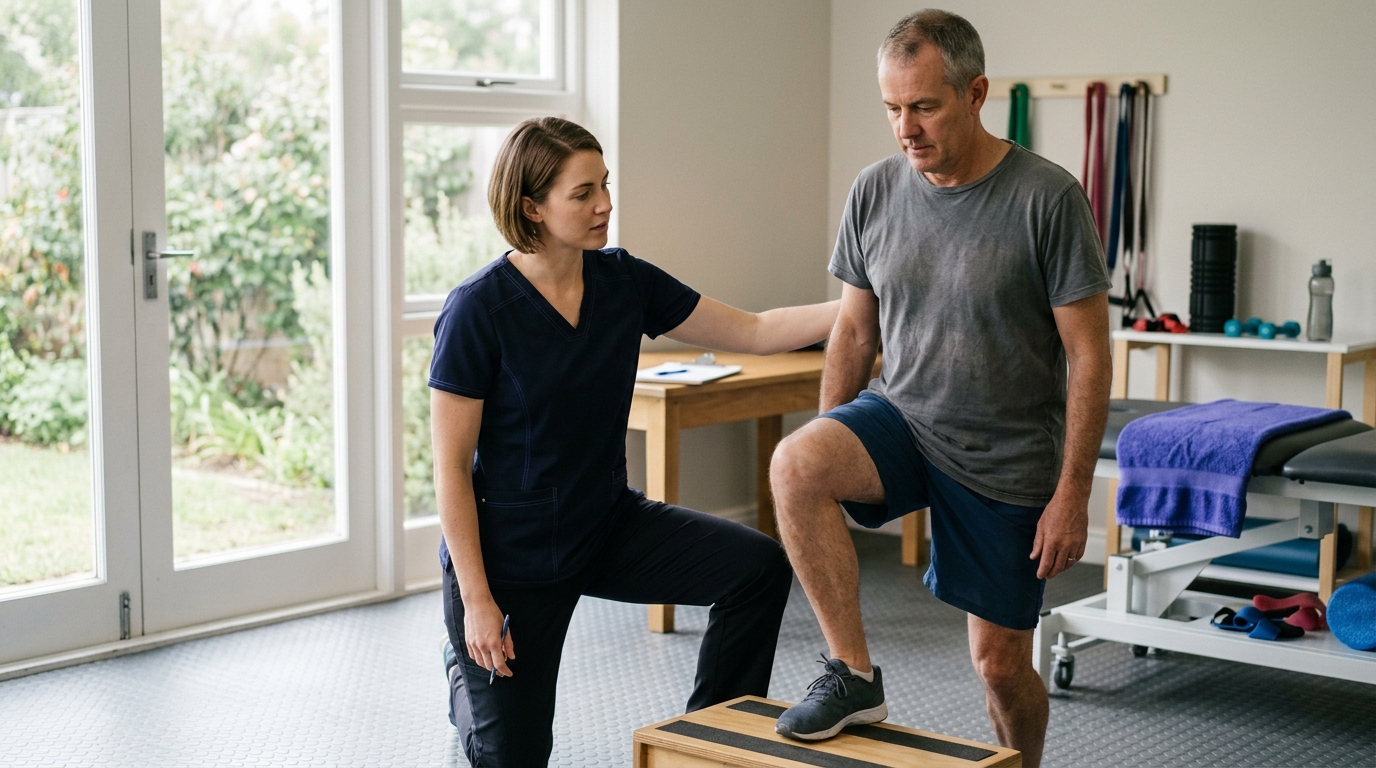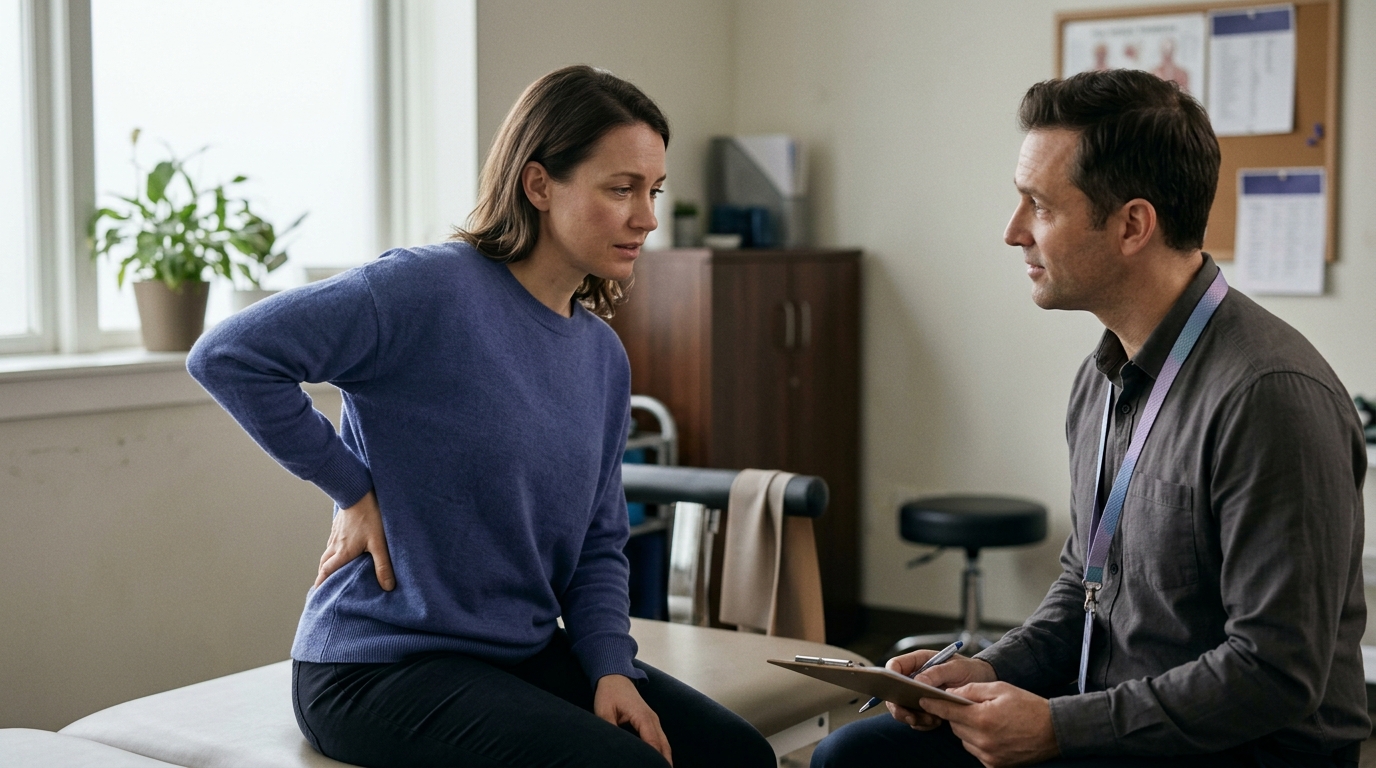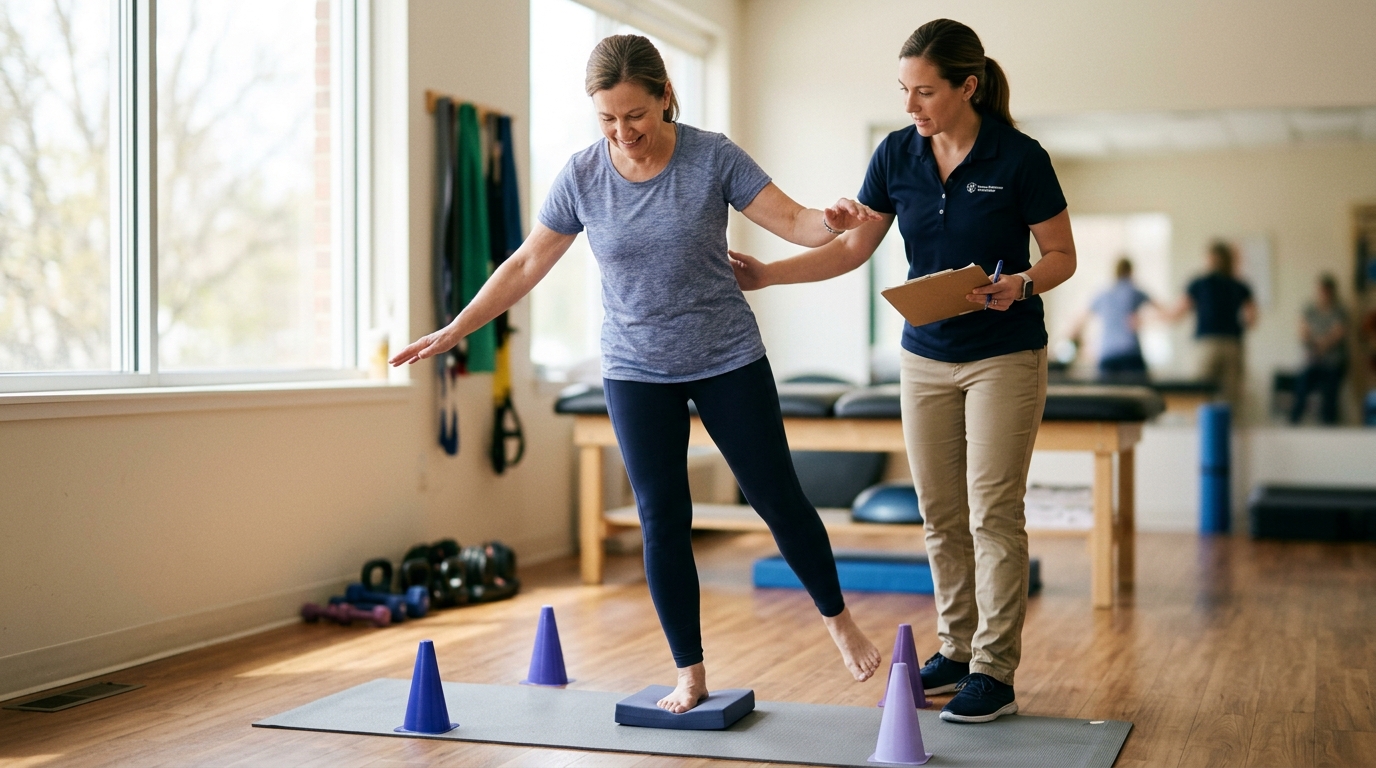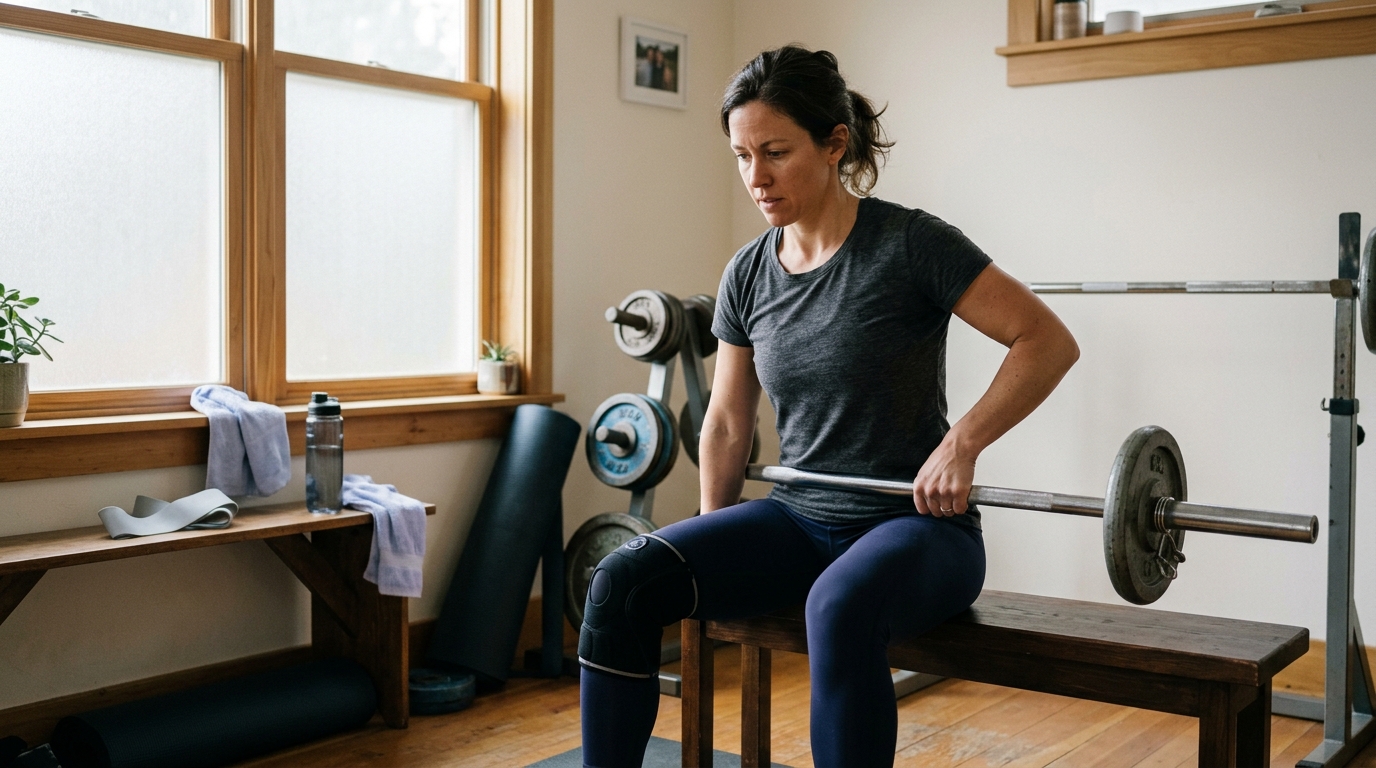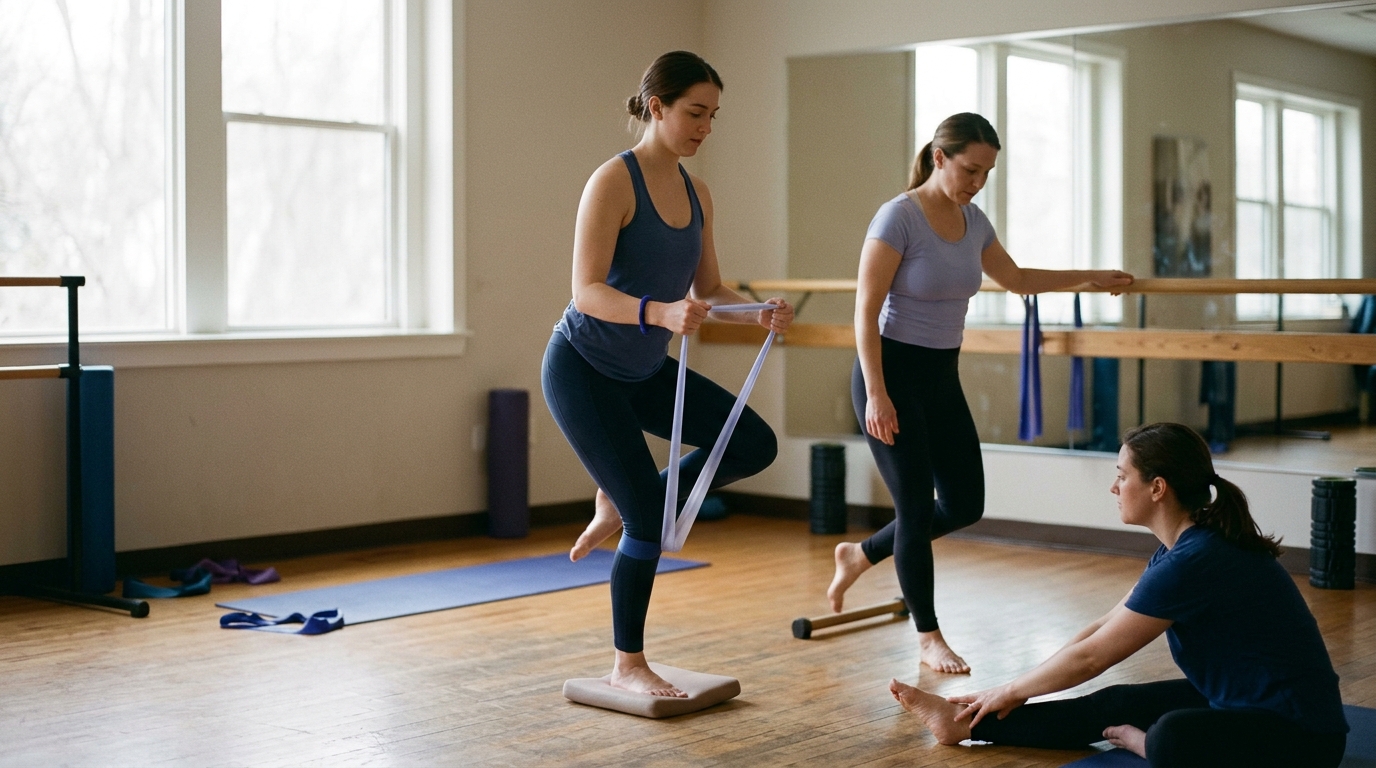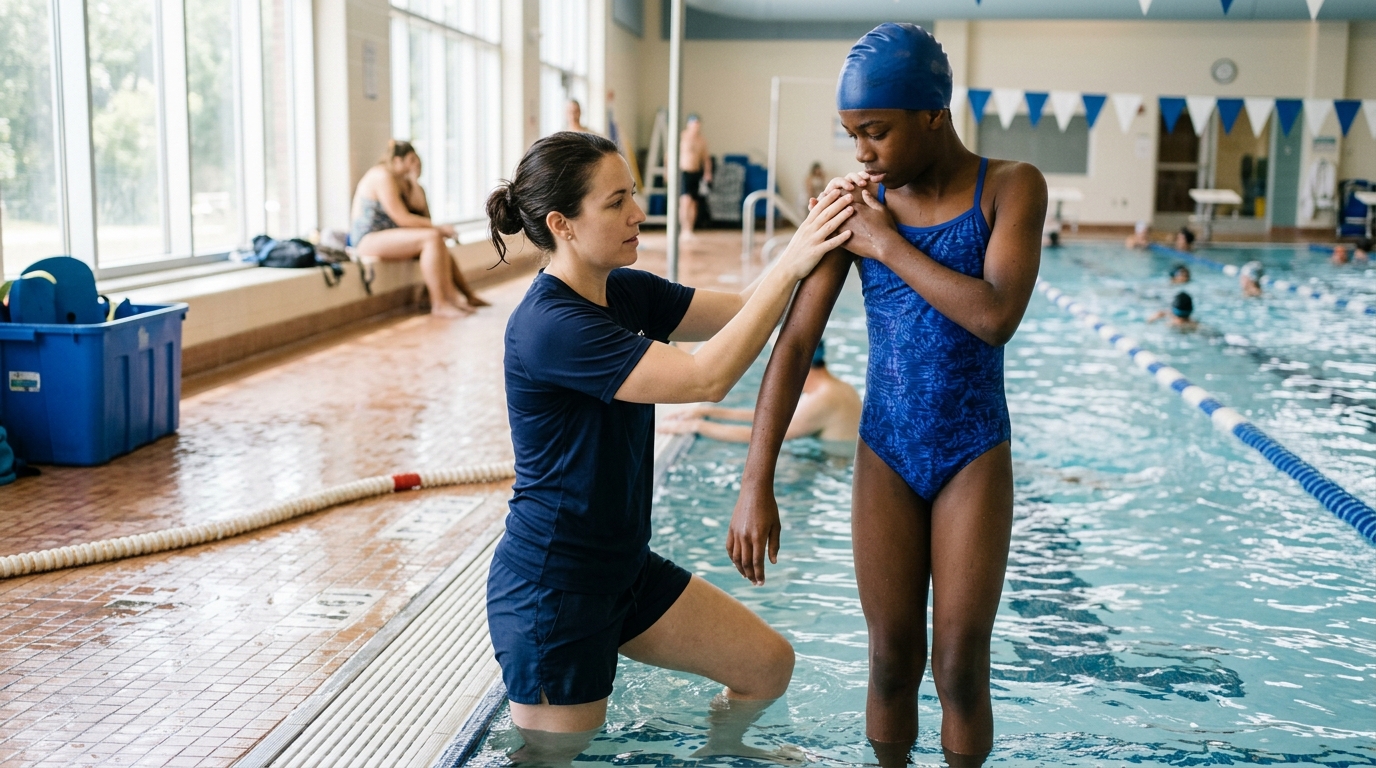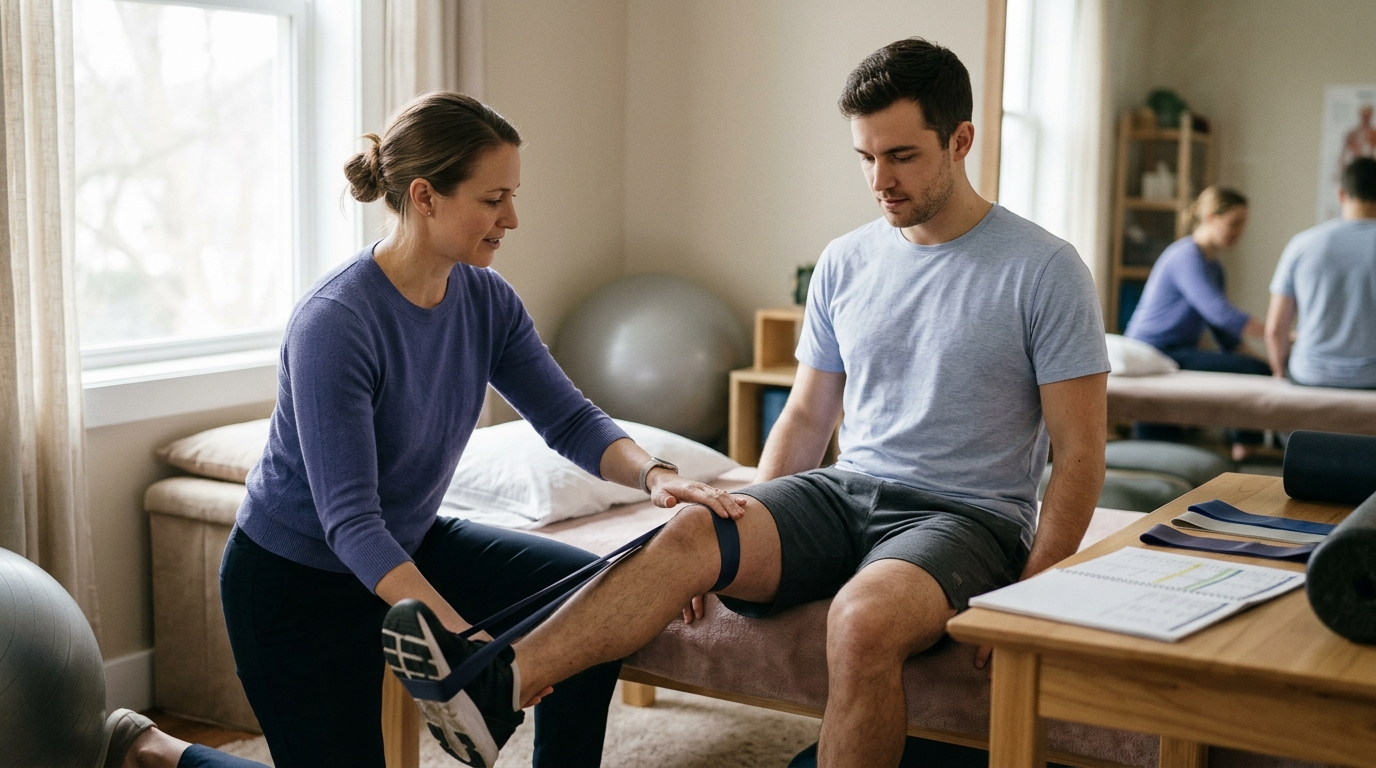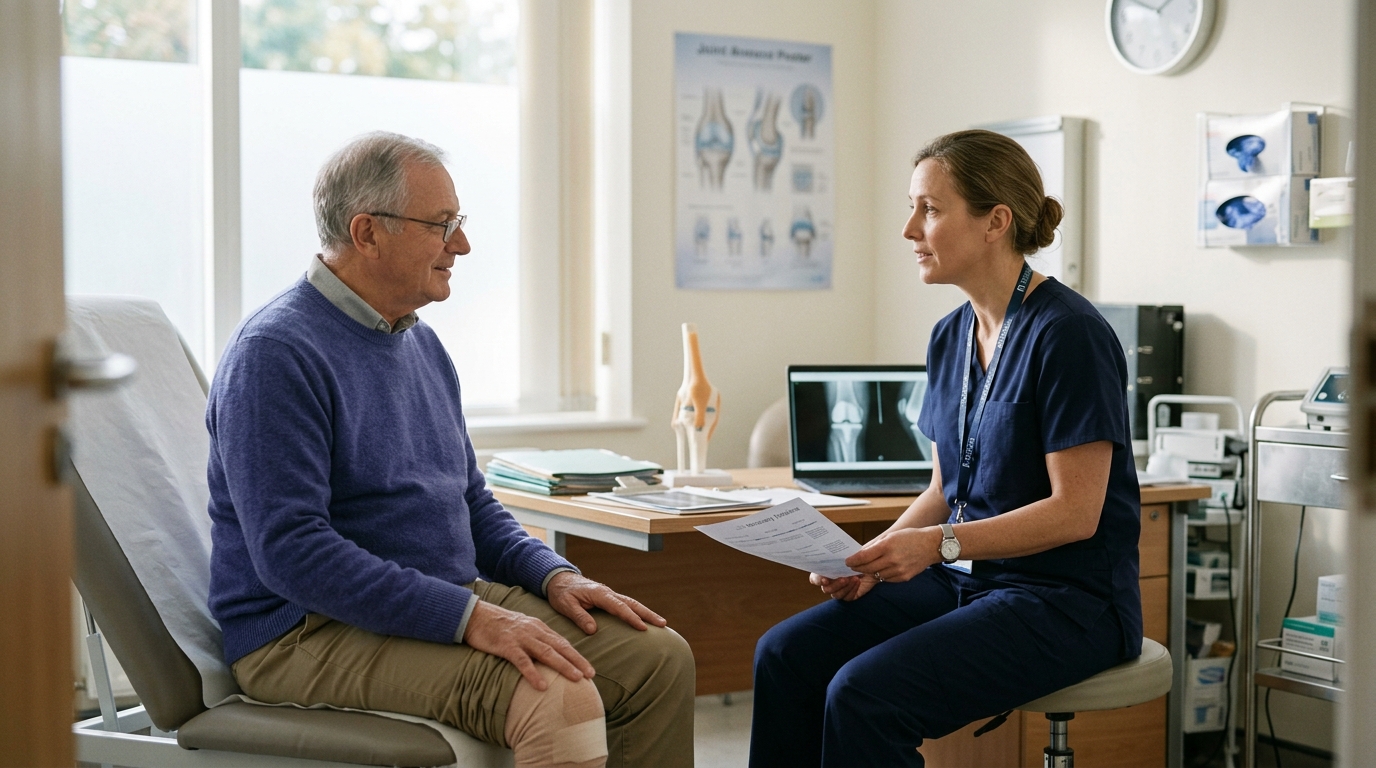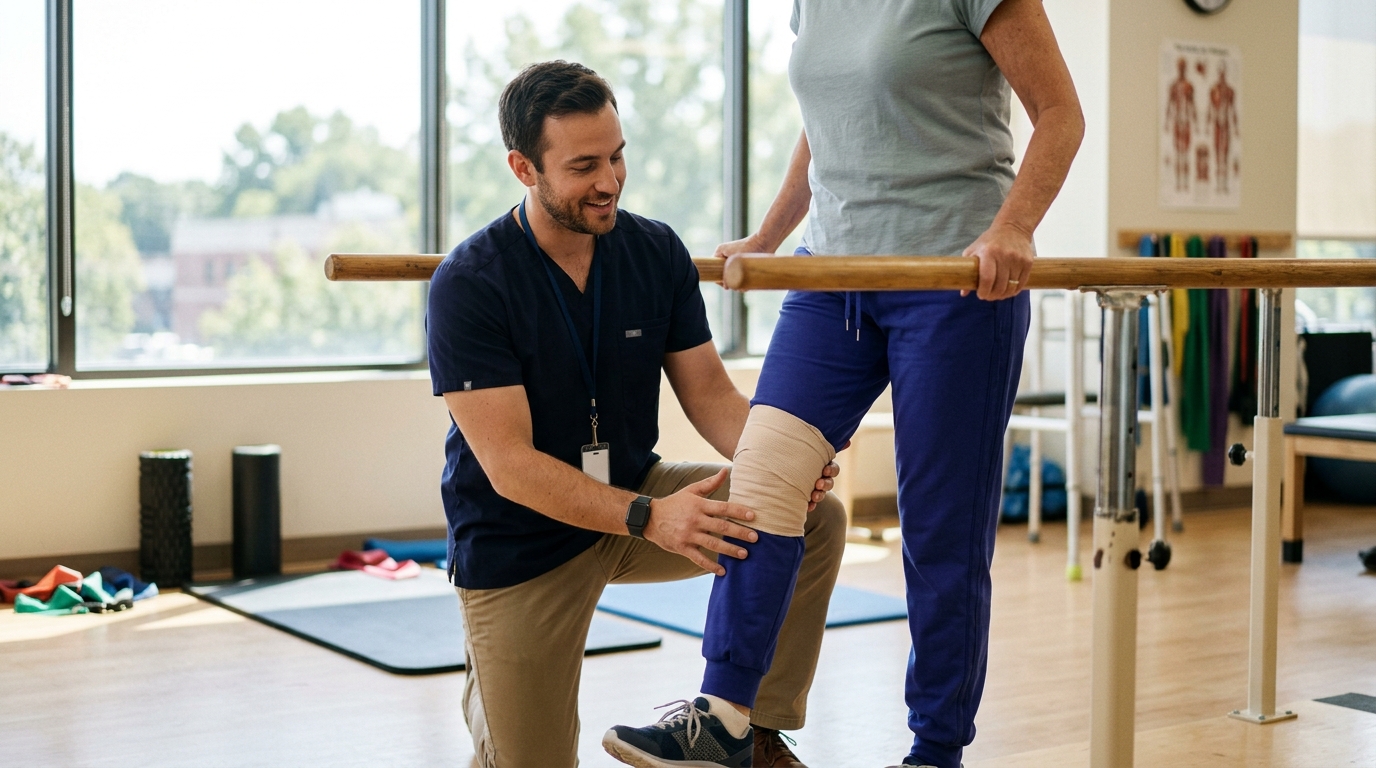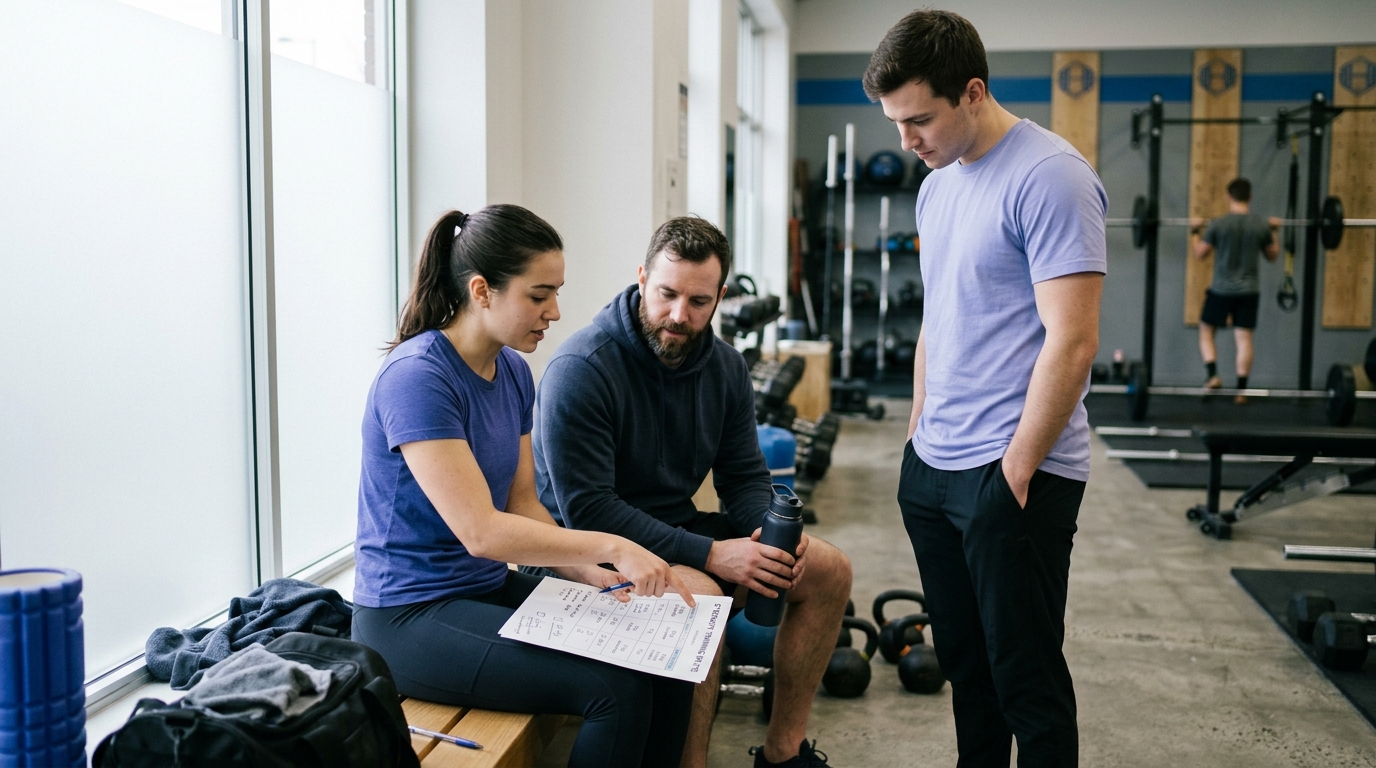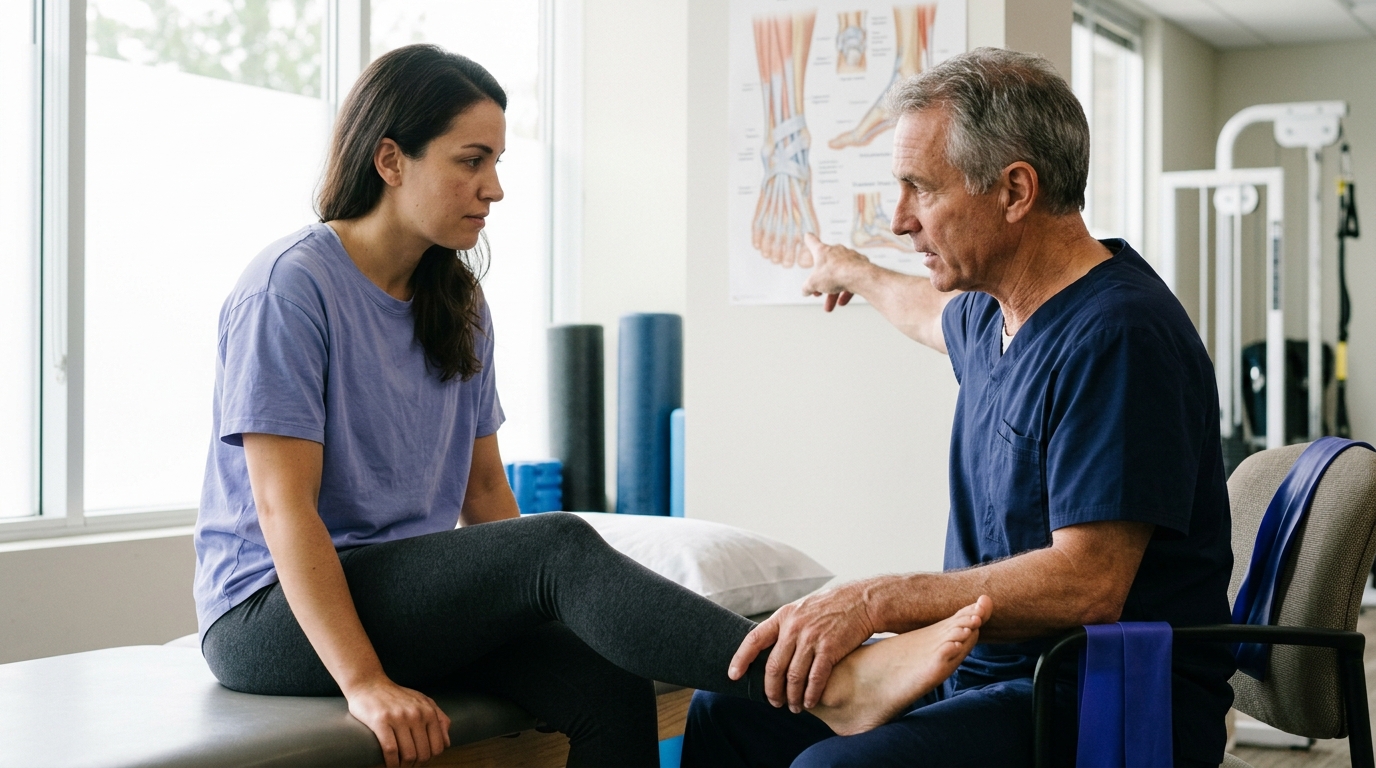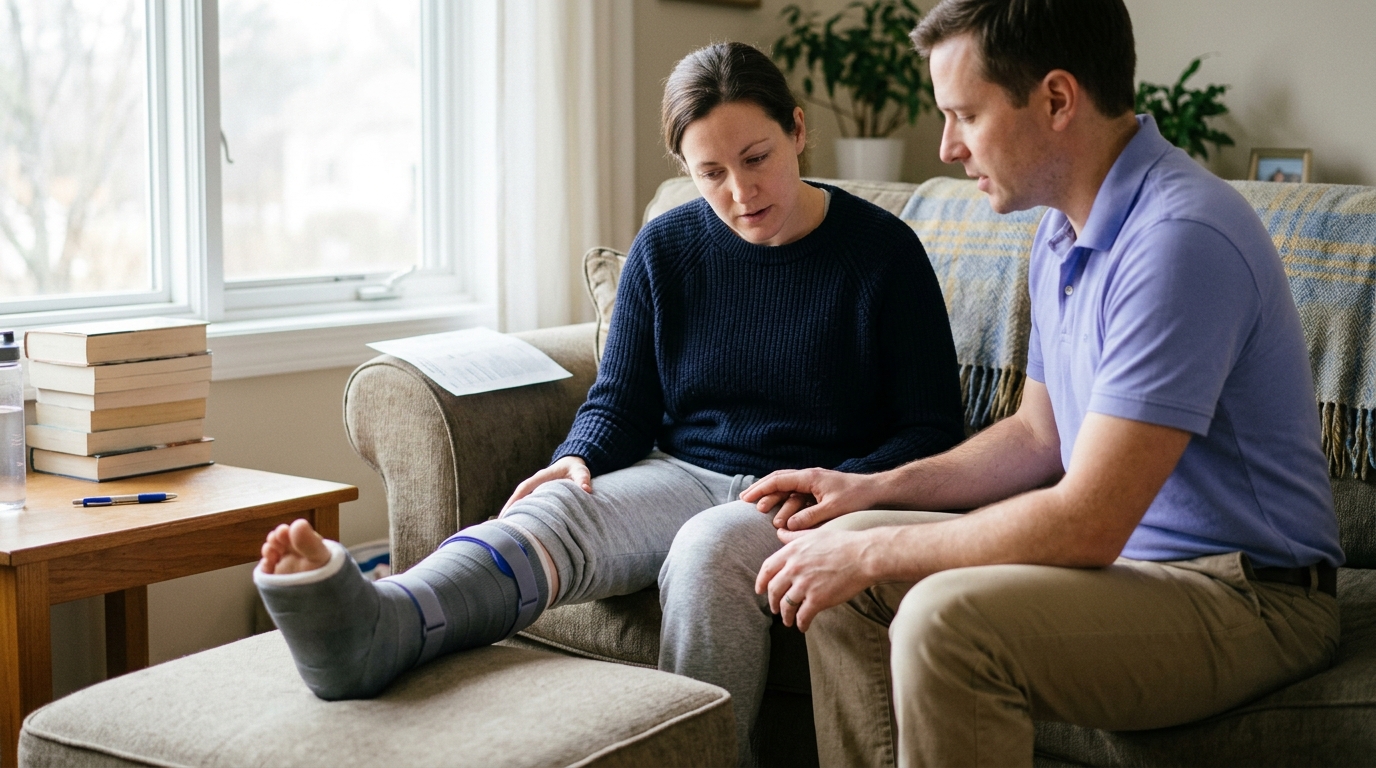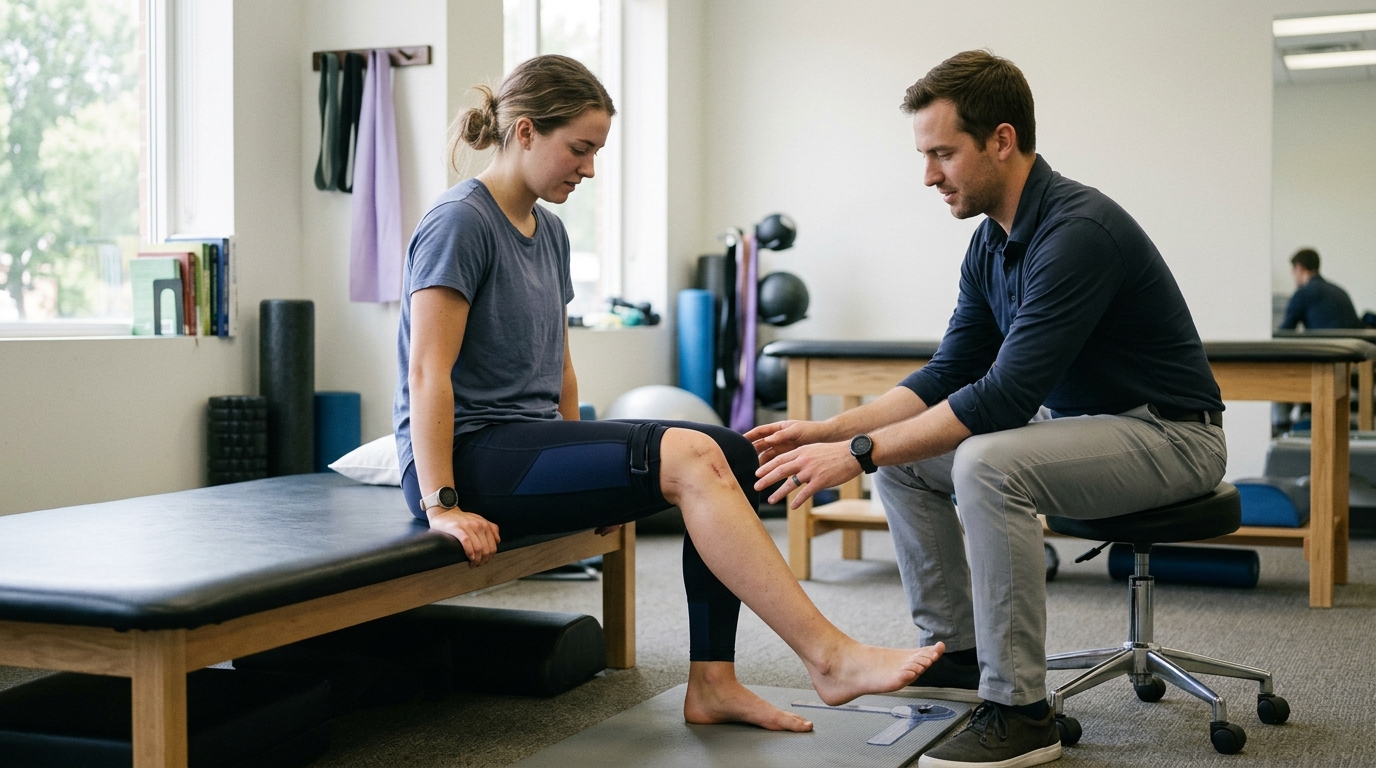

Passing time does not equal full recovery, so multidimensional readiness testing evaluates tissue capacity, functional strength, and mental confidence before you resume activities.





Passing a physical readiness test does not mean your body has become invulnerable. Many active adults assume that clearing a clinical test or reaching a date on the calendar guarantees a safe return to recreation, running, or sport. In reality, readiness testing is an ongoing risk management process rather than a single pass or fail exam.
Readiness assessments collect structured clues about how your injured joint, muscle, or tendon handles specific physical stresses. They evaluate symptoms, strength, joint mobility, movement control, and mental confidence under controlled conditions. However, passing a test battery does not remove all risk of reinjury. Research consistently shows that clinical tests capture isolated performance in predictable settings, which cannot replicate every unpredictable demand of full physical activity.
Understanding what these tests measure helps you navigate recovery with clear, grounded expectations. Readiness testing provides valuable guidance for your next steps, but it works best as part of a gradual progression rather than an absolute green light.
Many people view rehabilitation as a straight line with a single finish line at the end. They expect their doctor or physical therapist to declare them fully healed on a specific day. Research from sports medicine consensus groups suggests a very different model. Return to activity is a continuous process that unfolds across three distinct stages.
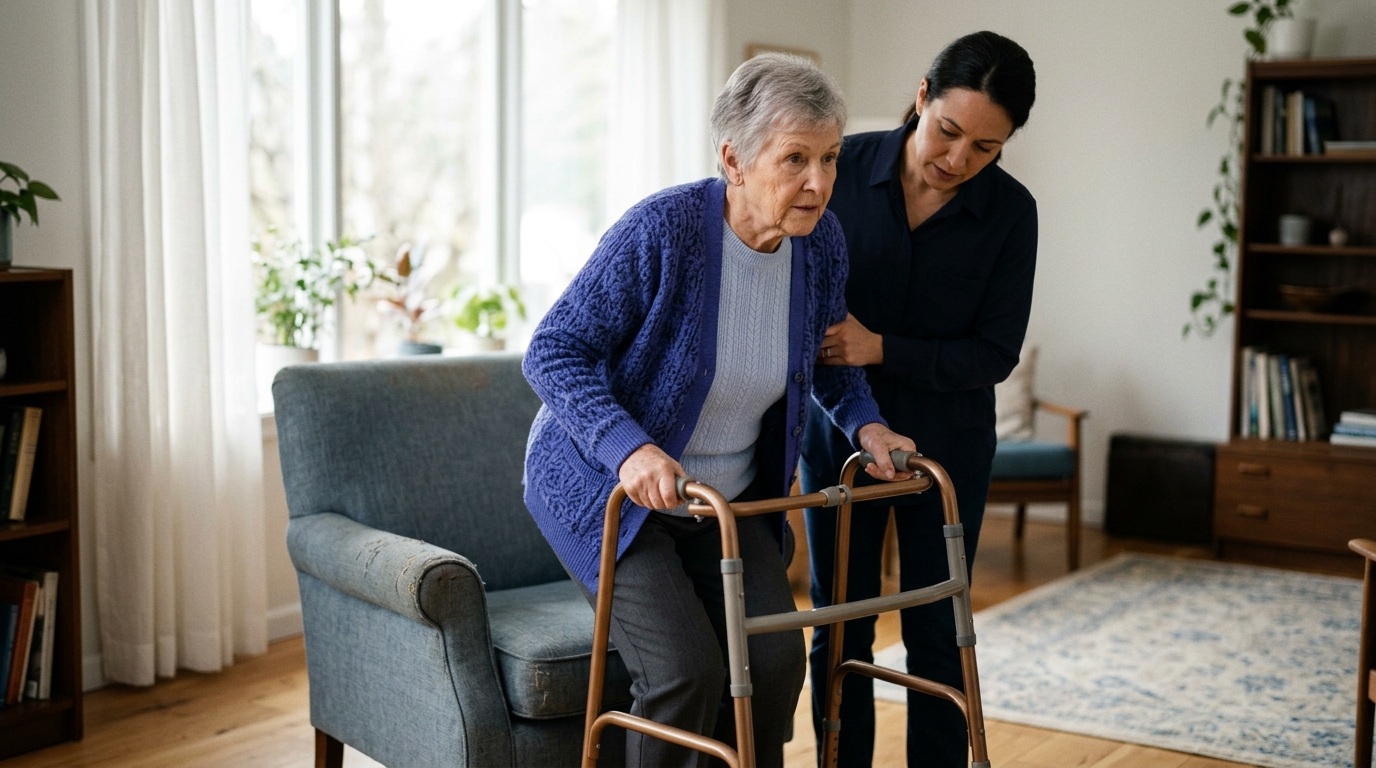
The first stage is return to participation. In this phase, you are physically active, but you are performing modified tasks or working within controlled environments. You might participate in light drills, cycle on a stationary bike, or complete guided strength sessions. You are active, but you are not yet ready for unconstrained training or full activity.
The second stage is return to sport or activity. Here, you rejoin your chosen activity, but you do not yet perform at your previous level. A runner might complete short, easy jogs on flat ground. A tennis player might hit groundstrokes from the baseline without playing competitive points. You are doing the activity, but volume, speed, and intensity remain restricted.
The third stage is return to performance. In this final phase, you gradually build your capacity until you reach or exceed your preinjury baseline. You can handle unpredictable movements, rapid changes of direction, fatigue, and normal training workloads.
Separating these stages prevents common recovery mistakes. Being cleared to participate in modified drills does not mean you are cleared for full competition. Looking at recovery as a continuum allows you to match your current capacity to the right level of physical demand. Exploring injury rehabilitation resources can provide helpful context on how these recovery stages fit into long-term healing.
Time alone cannot determine your progress through these stages. A scoping review of anterior cruciate ligament (ACL) reconstruction studies found that time was used as a clearance criterion in 85 percent of studies. More than 80 percent of those studies allowed patients to return to activity before nine months. However, the calendar does not reflect how well your tissues have adapted, how much strength you have rebuilt, or how your body moves under load. Biological healing requires time, but time alone does not equal physical readiness.
A readiness assessment must start with a clear definition of your target activity. The physical qualities needed for a morning walking routine are vastly different from the qualities needed for pickleball, distance running, or downhill skiing. Testing must match the specific stresses of the tasks you want to resume.
Consensus statements on joint rehabilitation emphasize that tests should be specific to the task, the sport, and the individual. Selecting generic exercises that have little connection to your personal goals provides limited useful information. A comprehensive assessment examines the specific physical forces your body will encounter once you return.
When defining activity demands, clinicians and active adults consider several key factors:
Answering these questions establishes the benchmark for testing. If you plan to return to tennis, your assessment should evaluate single-leg landing stability, rotational power, lateral deceleration, and shoulder mechanics. If your goal is returning to lap swimming, the assessment will focus more on shoulder mobility, core endurance, and repetitive overhead capacity. Matching tests to your real-world goals ensures that the data gathered actually matters for your recovery.
Readiness testing does not rely on a single physical measurement. Instead, it gathers information across several distinct domains to create a detailed picture of your functional capacity. These testing categories provide complementary insights into how your body functions.
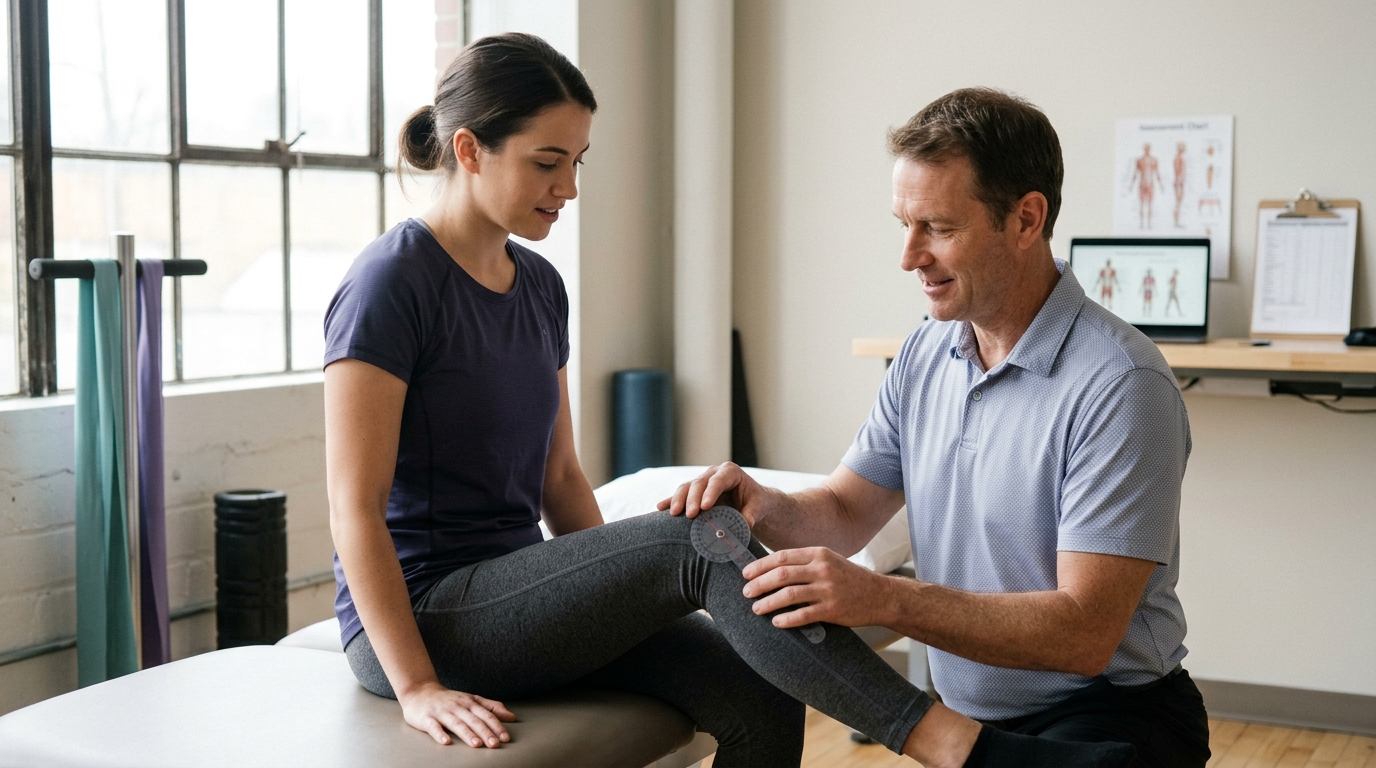
The foundation of any assessment is evaluating baseline joint health and symptom response. Clinicians check for swelling, tenderness, and range of motion. For lower-extremity injuries, joint effusion is a critical signal. A swollen knee or ankle alters muscle recruitment and reduces joint stability.
Assessments also examine how your symptoms behave during and after physical loading. A joint that feels fine at rest might swell or ache twelve hours after a workout. Tracking symptom responses over 24-hour windows reveals whether your tissues can tolerate current activity levels.
Muscle strength protects joints and absorbs impact forces. Testing often measures multiple aspects of muscle function:
Strength alone does not guarantee sound movement mechanics. Neuromuscular control refers to how your brain coordinates muscle activity to stabilize joints during motion. Dynamic balance tests, such as the Y-Balance Test, challenge your ability to maintain single-leg stability while reaching in different directions.
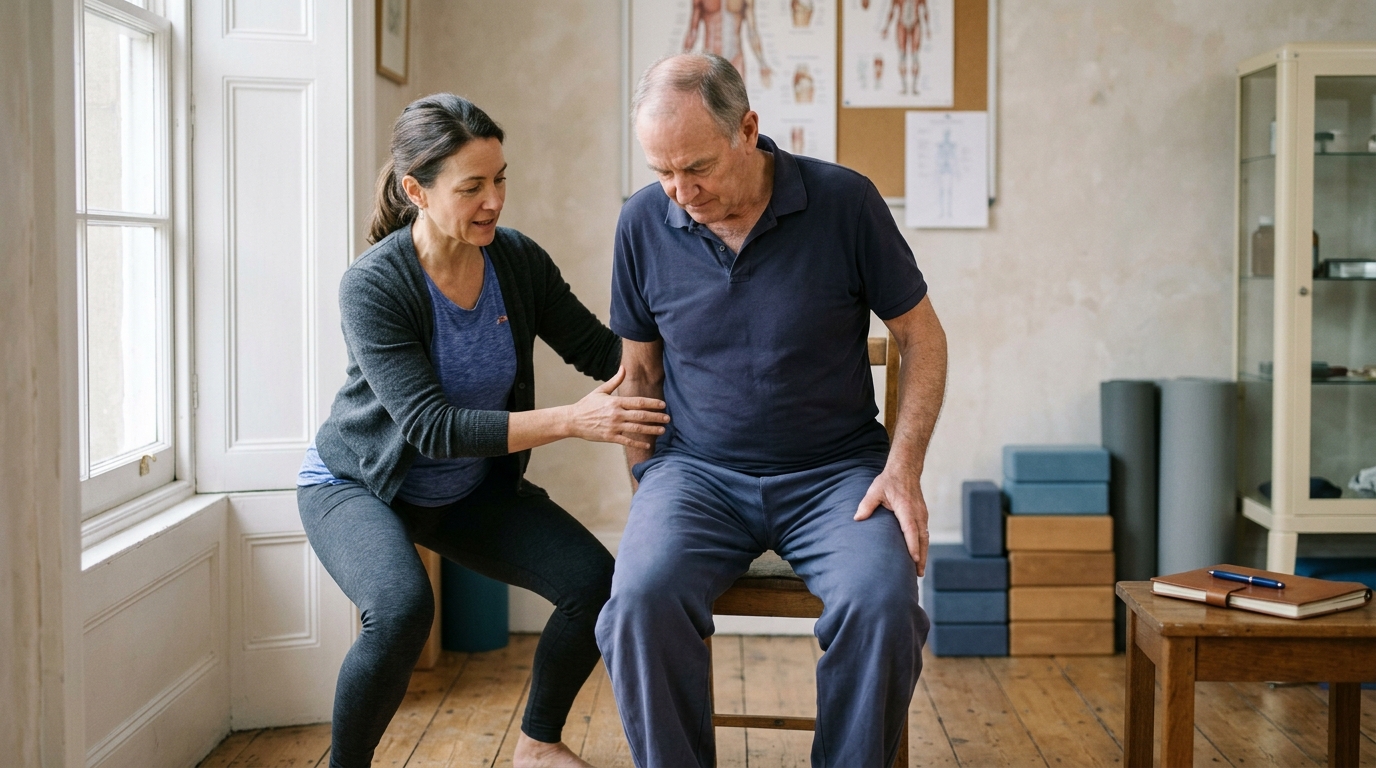
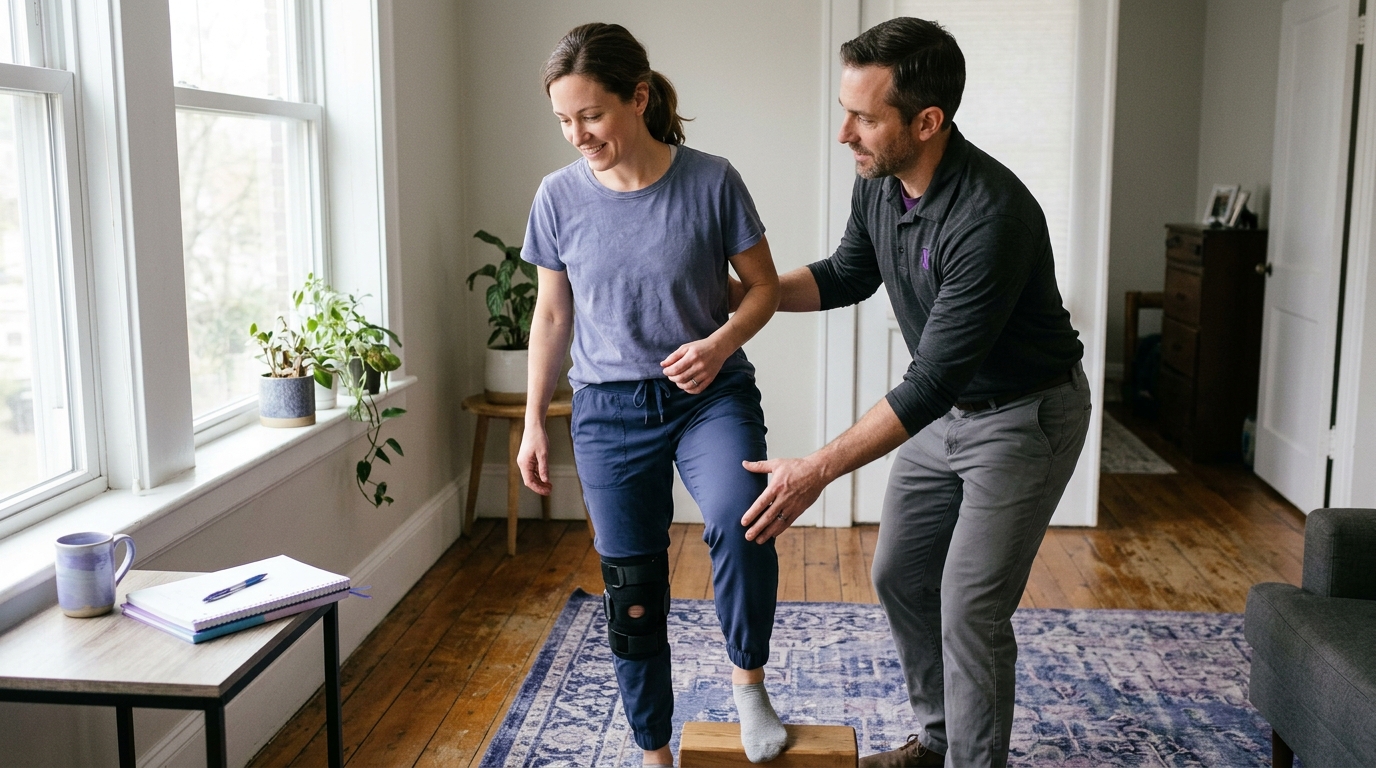
Clinicians also observe movement quality during fundamental tasks like squats, step-downs, and single-leg landings. They look for compensatory patterns, such as knee collapse, trunk lean, or asymmetrical weight distribution. Moving with sound control reduces localized stress on healing tissues. Practicing sound mobility and movement mechanics during rehabilitation helps lay the groundwork for these tests.
Functional tests bridge the gap between isolated strength and real-world movement. For lower-body injuries, hop testing batteries are common. These assessments typically include four standardized tests:
Upper-body functional testing might include closed-chain weight-bearing assessments, seated shot-put throws, or rapid upper-extremity reach tests. These functional challenges provide objective numbers to compare your injured limb against your uninjured side.
A single maximum effort does not tell the whole story. Many injuries occur late in an activity when fatigue sets in and movement mechanics break down. Readiness assessments evaluate your capacity to handle repeated efforts and sustained cardiovascular workloads.
Load capacity testing might involve repetitive hop tests, shuttle runs, or sport-specific conditioning drills. Observing your mechanics under fatigue reveals whether your movement patterns remain stable when your energy drops.
The Limb Symmetry Index (LSI) is one of the most widely used metrics in orthopedic rehabilitation. LSI expresses the performance of your injured limb as a percentage of your uninjured limb. For example, if your injured leg hops 90 centimeters and your uninjured leg hops 100 centimeters, your LSI is 90 percent.
Achieving a 90 percent LSI across strength and hop tests is a standard clinical milestone. A systematic review on lower-limb function found that passing a full test battery with a 90 percent symmetry threshold was associated with greater odds of returning to sport (odds ratio 3.33; 95% confidence interval 1.05 to 10.53). Patients who pass these batteries are more likely to resume their activities successfully.
However, symmetry scores have major blind spots that active adults must understand. Comparing your injured side to your uninjured side assumes that the uninjured side represents normal, healthy capacity. During months of reduced activity, your uninjured limb also loses strength, power, and endurance.
A study of patients recovering from ACL reconstruction compared traditional LSI scores against pre-injury capacity benchmarks. The researchers found that 57.1 percent of patients reached a 90 percent LSI when comparing the injured leg to the opposite leg after surgery. However, only 28.6 percent reached that same 90 percent threshold when their injured leg was compared to their healthy baseline strength from before the injury.
In Scenario B, the patient appears symmetrical on paper simply because both legs have become weaker. Relying entirely on LSI can create a false sense of security by masking significant total strength deficits.
Furthermore, passing a test battery does not guarantee that you will stay healthy. A meta-analysis examining return-to-sport criteria reported that 42.7 percent of patients passed their clearance testing. However, 14.4 percent of those who passed still sustained a second ACL injury, such as a graft tear or an injury to the opposite knee.
Functional hop tests offer low certainty for predicting whether a person will suffer a future injury. Passing a test indicates that your body can perform specific tasks under testing conditions. It is not an absolute shield against physical setbacks. Viewing your progress through the lens of recovery science principles helps keep these metrics in realistic perspective.
Physical readiness and mental readiness do not always develop at the same pace. Many active adults achieve full joint motion and strong muscle testing but still feel anxious about returning to their activity. Others feel completely confident before their healing tissues are ready for intense loads.
Psychological readiness encompasses self-confidence, trust in your body, realistic expectations, and the absence of debilitating fear of reinjury. Fear of reinjury, clinically termed kinesiophobia, can cause people to alter their movement mechanics unconsciously. Stiffening a joint or hesitating during a cut can increase physical stress rather than reduce it.
Clinicians use validated questionnaires to evaluate these psychological factors:
Research shows that psychological measures correlate with return outcomes. In one study of patients after ACL reconstruction, individuals who returned to their sport demonstrated higher psychological readiness and lower fear of movement compared to those who did not return. Interestingly, both groups had clinically similar knee-function scores. Mental readiness was the primary factor separating those who resumed full activity from those who stayed on the sidelines.
However, psychological questionnaires should never serve as standalone clearance tools. A systematic review on psychological readiness scales noted that proposed cutoff scores, such as an ACL-RSI score of 65 or higher, have not been empirically validated as definitive clearance rules.
A high score on a questionnaire cannot compensate for weak quadriceps or poor landing mechanics. Similarly, a low score should not automatically disqualify you from participating in modified activities. Instead, psychological scores highlight areas where you may need extra
support, reassurance, or gradual physical exposure to rebuild your confidence.
No two individuals progress through recovery on the exact same timeline. Readiness testing results are heavily influenced by biological factors, the nature of the injury, and personal lifestyle circumstances. Recognizing these variables prevents unrealistic comparisons with other people who had similar injuries.
Sports medicine clinicians often use the Strategic Assessment of Risk and Risk Tolerance (StARRT) framework to organize these variables into three structured steps:
This element evaluates the biological capacity of the healing tissue to absorb stress without damage. Factors influencing tissue health include:
This element looks at the mechanical forces that the target activity will place on those tissues. Key considerations include:
This element accounts for the personal context of the individual. Two people with identical strength scores might make very different return decisions based on their personal risk tolerance. Relevant factors include:
A 45-year-old recreation enthusiast returning to trail running may prioritize long-term joint health over a rapid return. A competitive athlete might accept a higher short-term risk to participate in an important competition. Structuring decisions around tissue health, tissue stress, and personal risk tolerance ensures that return-to-activity plans reflect your unique priorities. For post-operative recovery, following established post-surgical rehabilitation guidelines helps align these steps with proper biological healing.
Passing a test battery in a clinic does not mean you should immediately jump back into your full routine. A clinic is a controlled, predictable environment. Real recreation and sport involve unpredictable movements, fatigue, and changing environmental conditions. A structured return bridges this gap by gradually exposing your body to increasing physical loads.
Return-to-running protocols provide a classic example of this graded progression principle. A systematic review on return-to-running criteria found that studies commonly required individuals to be completely pain-free during daily activities for 2 to 28 days before introducing running loads.
Once cleared, runners do not start with a five-mile continuous run. Instead, they begin with structured walk-run intervals on a flat, even surface.
This sequence illustrates several fundamental rules of graded exposure:
A graded progression turns return-to-activity into an ongoing experiment where you collect continuous data about your body. If symptoms flare up, you do not have to stop entirely. You simply step back to the previous successful stage, allow the joint to settle, and rebuild gradually. Aligning your routine with strength rebuilding and return to sport strategies ensures your muscles remain capable of handling progressive workloads.
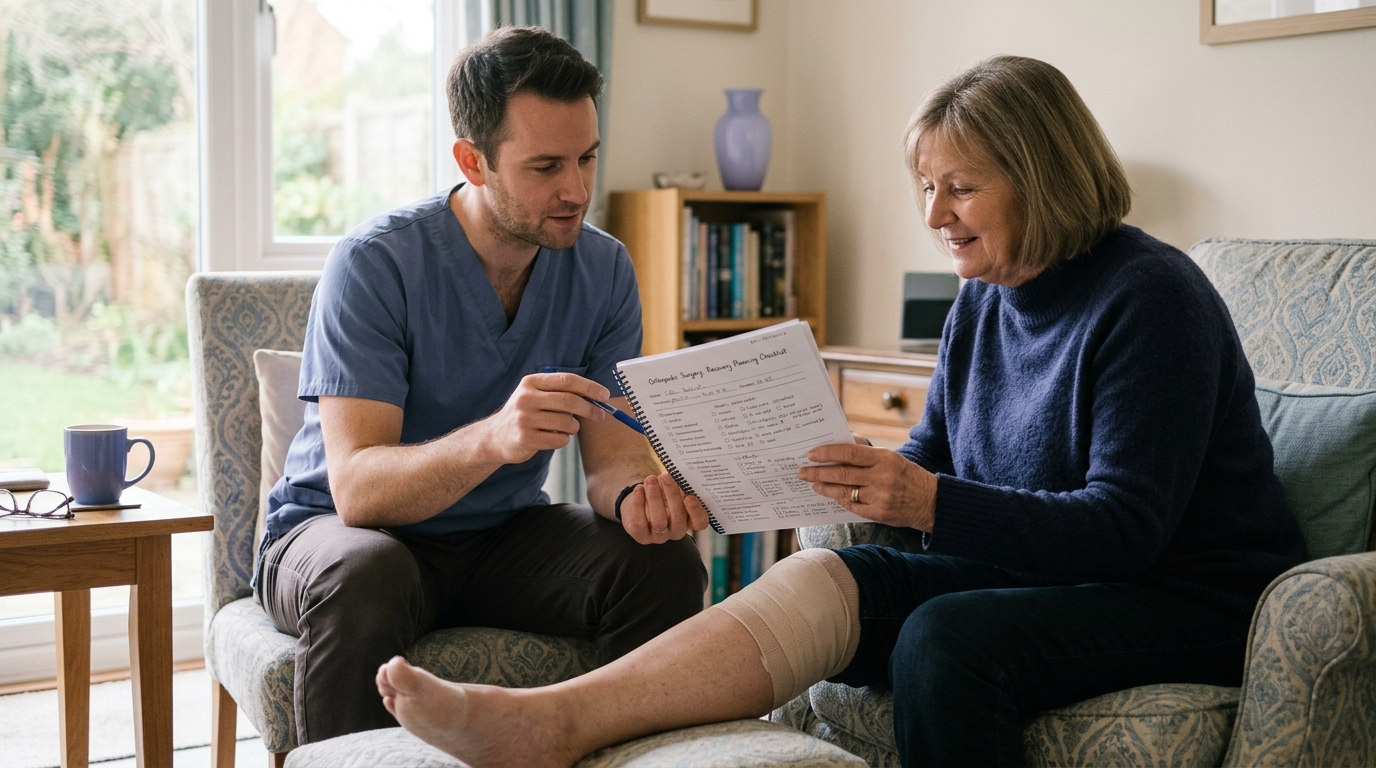
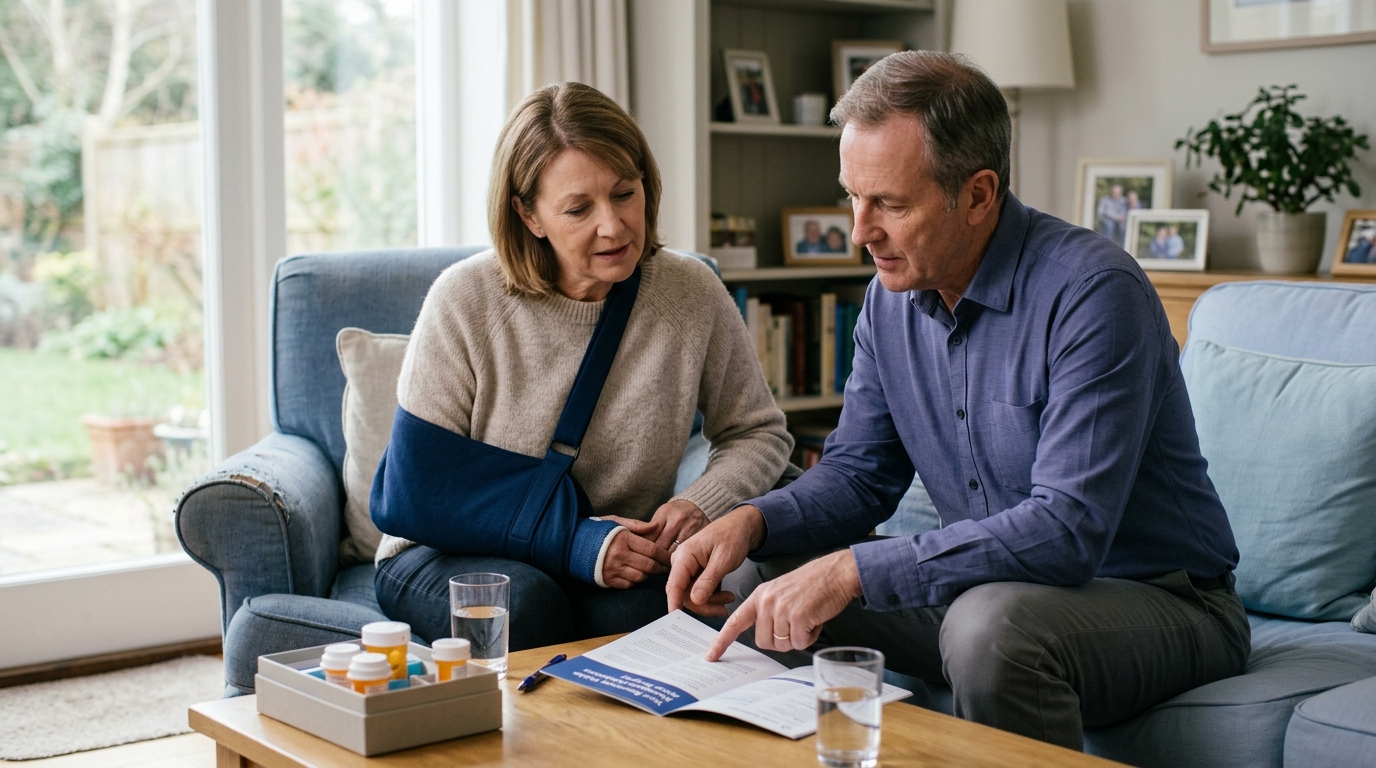
Readiness testing works best when it is a collaborative conversation between you, your physical therapist, and your orthopedic physician. Asking specific, objective questions helps clarify your current standing and outlines the exact steps needed for your next milestone.
Consider bringing these practical questions to your next clinical appointment:
Documenting the answers to these questions ensures that everyone on your healthcare team shares the same expectations for your recovery timeline.
Navigating the transition from injury rehabilitation back to your favorite physical activities requires patience, objective measurements, and clear expectations. Understanding the limits and strengths of readiness testing allows you to make informed decisions about your body.
Readiness testing provides a valuable map of your current physical capacities, helping you move forward into active life with clarity, realistic expectations, and steady confidence.

Use ReboundBody resources to understand common recovery stages, rehab terms, movement limits and strength rebuilding. Each guide is designed to make a complex comeback easier to understand.


Read practical guidance on injury recovery, rehabilitation, mobility and rebuilding strength as you work your way back to activity.
Explore Resources