
Orthopedic injury recovery relies on a multidisciplinary care team of medical specialists, rehabilitation therapists, and care coordinators working together to restore everyday function.





When you hurt a joint, break a bone, or tear a tendon, you may find yourself asking a question that many people type into a search bar: who is actually in charge of my recovery?
An injury rarely involves just one doctor or a single clinic visit. You might see a primary care physician, an orthopedic surgeon, a physical therapist, and a physician assistant, all within a few weeks. Each provider uses different terms, gives different instructions, and focuses on a different part of your body. When care feels scattered, it is hard to know who to call about new pain, who decides when you can drive, or who signs off on your return to work.
This guide provides a clear map of the professionals who make up an orthopedic care team. You will learn what each clinician does, how their responsibilities connect, and how to keep your recovery plan organized from start to finish.
Injury recovery involves distinct phases. These stages include the initial medical assessment, surgical or non-surgical treatment, active physical rehabilitation, and the final transition back to daily life. Because these stages demand different skills, your care team is rarely a fixed group of people. Instead, it is a flexible network that changes based on your diagnosis, age, general health, and personal goals.
The American Academy of Orthopaedic Surgeons notes that an orthopedic care team is made up of diverse professionals who work together to protect patient safety and support healing. In many clinical settings, an orthopedic surgeon leads the medical and surgical decisions. However, a surgeon does not direct every daily exercise or handle every non-surgical symptom. Other physicians, advanced practice providers, therapists, and coordinators handle specific parts of your care.
A practical way to understand your team is to divide their responsibilities into four core jobs:
No single provider manages every one of these jobs alone. While team members collaborate, their individual accountabilities remain distinct. Understanding who owns each part of your plan helps prevent missed steps, delays in therapy, and unnecessary stress. You can find comprehensive resources for managing your path forward within our injury recovery and healing materials.
The medical branch of your care team focuses on biological healing, structural stability, and general medical safety. Depending on how your injury occurred, you may encounter several different types of medical doctors and advanced practice providers.
A primary care clinician is often the first healthcare provider you contact after an unexpected injury or the onset of joint pain. These family physicians, internal medicine doctors, and general practitioners provide broad diagnostic assessments. According to educational materials from the University of Rochester Medical Center, primary care providers evaluate symptoms, manage baseline health conditions, and determine whether you need a referral to a specialist.
Your primary care provider is also essential when an injury interacts with other health issues. For example, if you take blood thinners, have diabetes, or manage high blood pressure, your primary care doctor ensures that your injury treatments do not compromise your overall health. They can manage basic pain strategies, order initial X-rays, and coordinate with specialists when your injury requires specialized care.
An orthopedic surgeon is a medical doctor who specializes in diagnosing, treating, and operating on bones, joints, ligaments, tendons, and muscles. Orthopedic surgeons evaluate the structural integrity of your musculoskeletal system. They determine whether a fracture needs surgical fixation, whether a torn ligament requires reconstruction, or whether your condition can heal through non-surgical methods.
In addition to performing surgery, orthopedic surgeons set the medical boundaries for your rehabilitation. They determine weight-bearing restrictions, prescribe protective braces or casts, and specify how much range of motion is safe during early healing. As noted by the American Academy of Orthopaedic Surgeons, surgeons also recommend targeted rehabilitation exercises and physical therapy to help restore normal joint movement and strength.
A physiatrist is a physician who specializes in Physical Medicine and Rehabilitation, often abbreviated as PM&R. These physicians focus on restoring function and quality of life to people with physical impairments or chronic pain. Unlike orthopedic surgeons, physiatrists do not perform open surgery. Instead, they use non-operative treatments, advanced nerve testing, targeted joint or spinal injections, and comprehensive rehabilitation prescriptions.
Physiatrists often play a major role when an injury involves complex movement problems, nerve irritation, or long-standing joint pain. They work closely with physical therapists to design detailed exercise programs tailored to your specific biomechanics. Non-operative sports medicine physicians, who may have backgrounds in family medicine, PM&R, or emergency medicine, fill a similar role for acute athletic and overuse injuries.
Physician assistants (PAs) and nurse practitioners (NPs) are advanced practice providers who work alongside physicians in both outpatient clinics and surgical hospitals. The American Academy of Orthopaedic Surgeons highlights these professionals as core members of physician-led orthopedic teams.
In an orthopedic practice, a physician assistant or nurse practitioner may conduct physical examinations, order and interpret diagnostic imaging, and perform joint injections. They also provide pre-operative counseling, assist the surgeon in the operating room, and lead routine post-operative wound checks. PAs and NPs frequently handle follow-up appointments, monitor healing progress, adjust medications, and answer questions between major visits.
Once an injury is medically stabilized or repaired, the focus of care shifts from structural protection to functional restoration. Rehabilitation professionals guide you through the process of rebuilding movement patterns, restoring joint mobility, and returning to daily tasks.
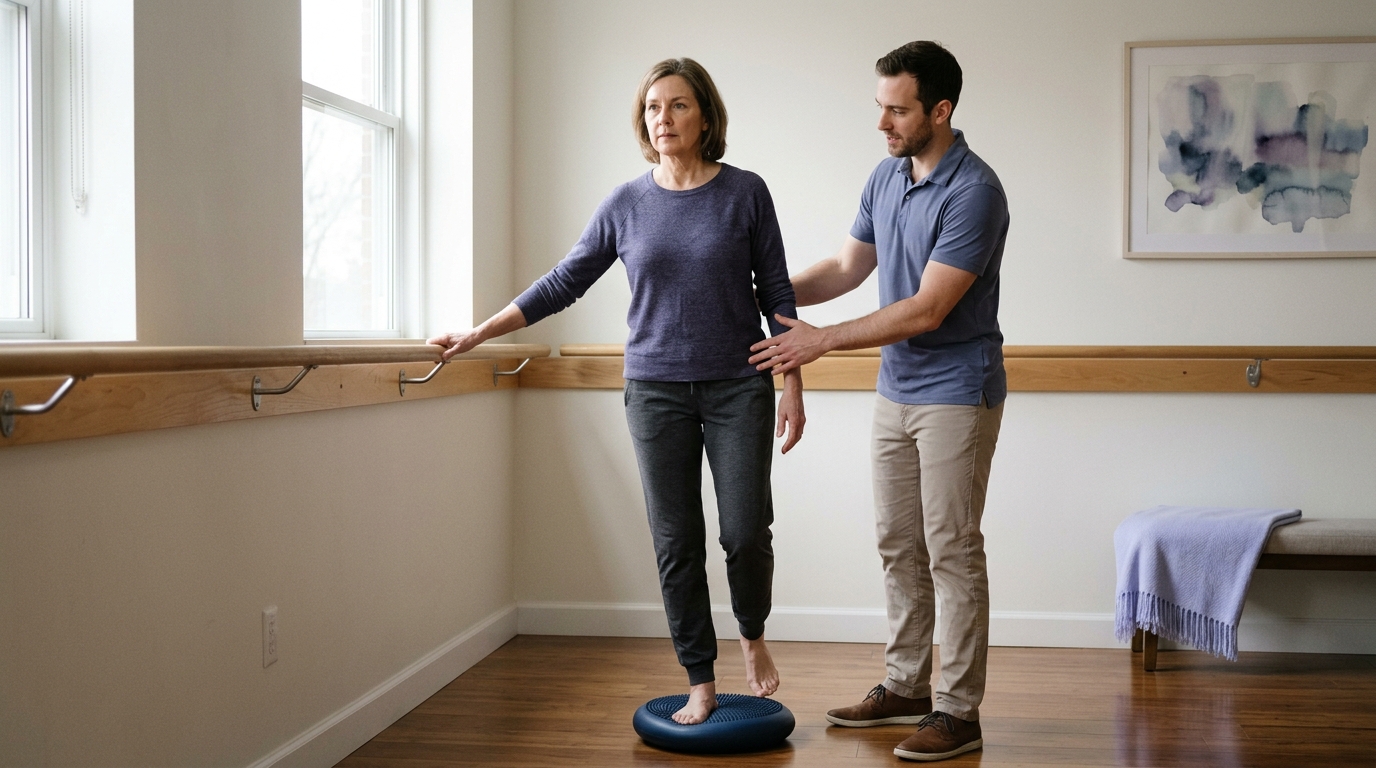
Physical therapists evaluate and treat movement dysfunctions caused by injury, surgery, or repetitive strain. As described by the University of Rochester Medical Center, a physical therapist focuses on reducing pain, improving joint range of motion, rebuilding muscular strength, and restoring balance and walking ability.
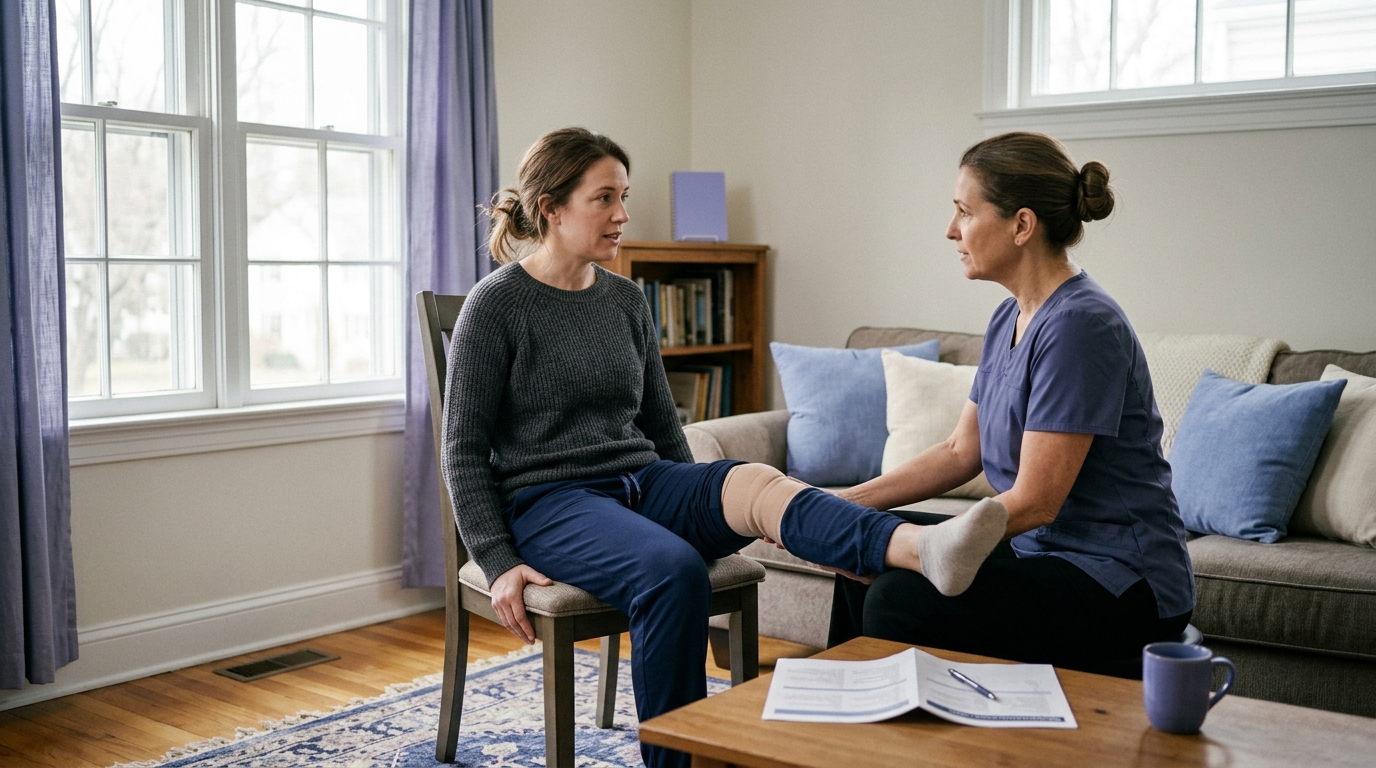
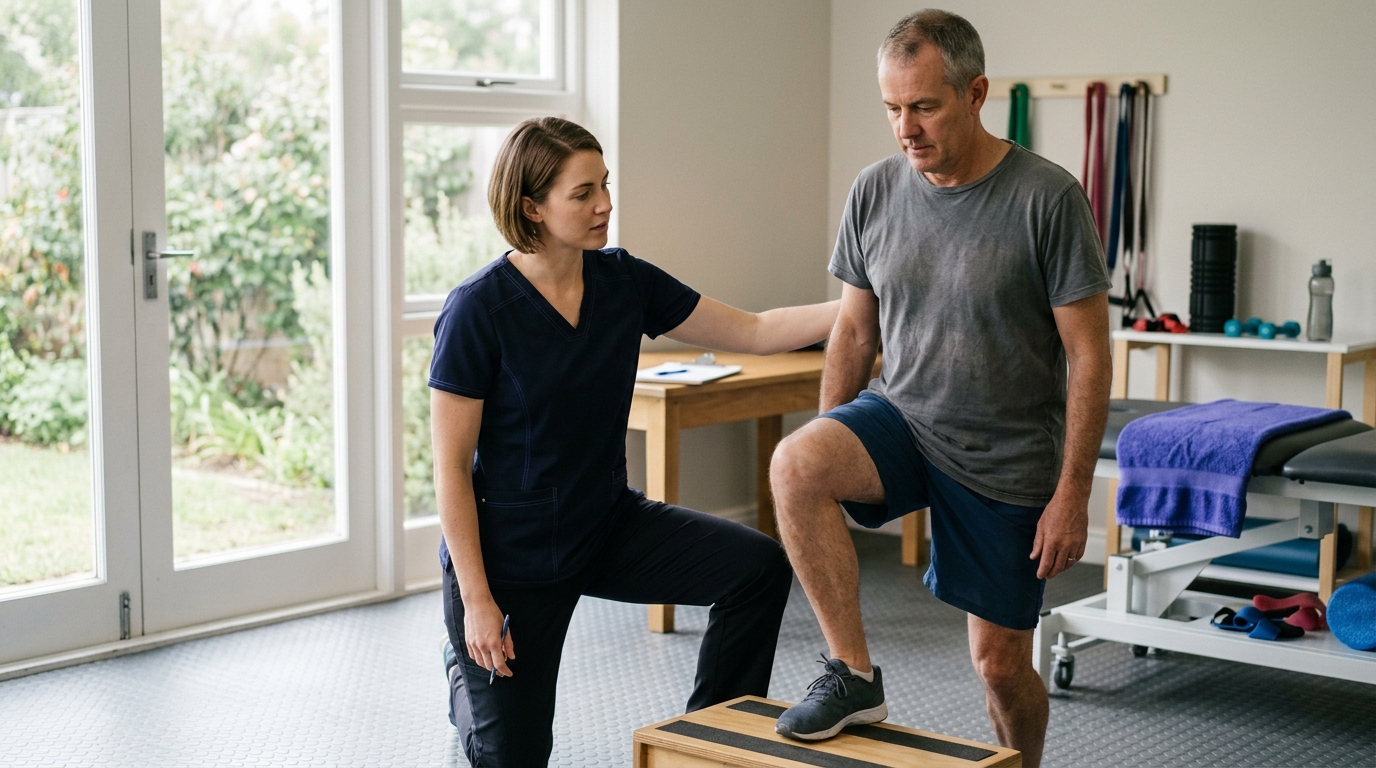
Your physical therapist acts as your movement guide. They translate your surgeon's medical orders into safe, progressive exercise routines. Physical therapy sessions commonly include hands-on joint and soft-tissue mobilization, neuromuscular re-education, gait retraining, and targeted strength training. Physical therapists also educate you on proper body mechanics and design home exercise programs that allow you to continue progressing between clinic visits. You can read more about structured exercise progressions in our rehabilitation and mobility resources.
Physical therapist assistants (PTAs) work directly under the direction and supervision of a licensed physical therapist. While the physical therapist performs your initial evaluation, establishes your diagnosis, and creates your overall plan of care, PTAs frequently lead you through your day-to-day exercises and functional drills.
PTAs monitor your form during exercises, track your daily repetitions and resistance levels, and provide hands-on cues to ensure safe movement. They report your progress, pain responses, and physical changes back to the supervising physical therapist, who can then modify your treatment plan as you improve.
Occupational therapists (OTs) help people perform the everyday activities that give life meaning and independence. While physical therapists focus primarily on gross motor movement, mobility, and walking, occupational therapists focus on purposeful functional tasks. These include dressing, bathing, preparing meals, writing, driving, and returning to specific job duties.
Guidelines from the National Institute for Health and Care Excellence (NICE) recommend occupational therapy assessments after traumatic injuries to evaluate how physical impairments affect daily life. Occupational therapists evaluate your home and work environments, recommend adaptive tools like reachers or specialized utensils, and teach you modified techniques for bathing or cooking. When an injury involves the shoulder, elbow, wrist, or hand, specialized occupational therapists, known as Certified Hand Therapists, often manage the entire upper-extremity rehabilitation program.
Depending on the complexity of your injury and your personal health history, other specialized professionals may join your rehabilitation team:
Having multiple qualified specialists does not automatically guarantee a smooth recovery. If communication breaks down between your surgeon, your physical therapist, and your primary doctor, you may receive conflicting advice or experience delays in care. Understanding how coordination works helps you protect yourself from common administrative gaps.
In its clinical guideline on rehabilitation after traumatic injury, the National Institute for Health and Care Excellence emphasizes that care coordination is essential for safe recovery. NICE recommends assigning a named rehabilitation coordinator or key worker to oversee the rehabilitation process for people recovering from complex injuries. The guideline advises that this coordinator should be designated as early as possible after admission, and the patient should clearly understand who this person is and how to reach them.
A named coordinator serves as the central hub of communication. They organize multidisciplinary team meetings, ensure that medical records transfer between different facilities, and confirm that all necessary home support is arranged before discharge. While a dedicated coordinator is standard in formal trauma systems and inpatient rehabilitation units, outpatient recovery often requires you or a family member to take a more active role in connecting your providers.
Research on patient experiences following traumatic injuries confirms that clear, consistent communication is a core clinical need. A study examining patient-identified information needs highlighted that patients often struggle to understand how different clinical recommendations fit together. Patients frequently report receiving fragmented advice during transitions from the hospital to home, or from surgical clinics to outpatient physical therapy. Clear information sharing among clinicians, combined with repeated, plain-language explanations for the patient, directly reduces confusion and improves recovery confidence.
A central recommendation from NICE is the creation of a shared, accessible rehabilitation document. This document should record your initial functional baseline, current medical precautions, short-term and long-term recovery goals, and the specific responsibilities of each clinician.
Crucially, this rehabilitation plan is not a static form completed once and filed away. NICE notes that the plan must evolve over time as your tissues heal, your strength returns, and your personal priorities change. A well-maintained plan ensures that when you move from an acute surgical setting to outpatient therapy, your physical therapist knows your exact surgical precautions, your current medication schedule, and your baseline activity level. You can learn more about managing post-operative recovery stages in our surgical recovery guides.
The most vulnerable point in any orthopedic recovery is the transition between care settings. Common transitions include moving from a hospital ward to your home, transferring from home health therapy to an outpatient physical therapy clinic, or stepping down from formal rehabilitation to independent gym exercise.
Research on care transitions shows that administrative errors, missed therapy referrals, and medication misunderstandings happen most often during these handoffs. NICE recommends early discharge planning that evaluates a person's practical needs and preferences, contacts relevant community services well in advance, and allows time to adjust the plan before discharge occurs. When you leave any care setting, you should always know who is scheduling your next appointment, what exercises are safe right now, and who to call if your symptoms suddenly worsen.
Many people assume they must always visit a physician first to get a prescription before seeing a physical therapist. In the United States, healthcare regulations have evolved significantly, but navigating these pathways requires an understanding of both state laws and insurance policies.
Direct access refers to the legal ability of a patient to seek physical therapy evaluation and treatment without first obtaining a prescription or referral from a physician. Direct access laws were designed to eliminate unnecessary delays in care, reduce overall healthcare costs, and allow individuals to begin rehabilitation sooner after an acute strain, sprain, or joint flare-up.
According to a report by the American Physical Therapy Association (APTA), as of July 1, 2025, all 50 U.S. states, the District of Columbia, and the U.S. Virgin Islands offer some level of direct access to physical therapist services. However, direct access is not identical across all jurisdictions. State laws fall into three broad categories:
In states with unrestricted access, you can visit a licensed physical therapist for an evaluation and treatment at any time, without any legal limitations regarding a physician referral, diagnosis, or time limits.
In these states, you can see a physical therapist directly, but state law imposes specific clinical conditions. For example, a state may allow a physical therapist to evaluate and treat you for 30 consecutive days or 10 treatment sessions. If you need ongoing therapy beyond that window, the law may require a physician to review the plan and sign a referral. Other states may require physical therapists to hold specific advanced certifications or limit direct treatment to musculoskeletal conditions previously diagnosed by a medical doctor.
In a small number of jurisdictions, direct access is restricted to initial evaluations, emergency interventions, or patients with established, chronic conditions. Treatment for a new, undiagnosed musculoskeletal problem may require a medical examination and referral from a physician before active physical therapy can proceed.
It is critical to distinguish between what state law allows and what your health insurance policy requires. Even if your state allows unrestricted direct access, your private health insurance plan, Medicare, or workers' compensation policy may enforce separate rules.
The APTA emphasizes that many health insurance payers still require a written physician referral or formal prior authorization before they will pay for physical therapy services. If you attend physical therapy under state direct access laws without obtaining a required insurance referral, your insurer may deny coverage, leaving you responsible for the full bill.
Before scheduling an appointment directly with a physical therapist, take two quick administrative steps:
Not every injury requires a large team of specialists. A minor ankle sprain might involve only a primary care doctor and a physical therapist, while a severe multi-fragment fracture requires an extensive multidisciplinary group. Understanding the factors that shape your team helps you set realistic expectations for your care network.
The biological nature of your injury is the primary factor that determines who needs to be on your care team:
Your age and baseline medical health heavily influence the composition of your team. Active older adults often have unique physiological considerations during tissue healing. If you have pre-existing osteoarthritis, osteoporosis, cardiovascular conditions, or metabolic disorders like type 2 diabetes, tissue repair may progress at a different rate.
In older adults, a physical therapist may focus heavily on balance training, fall prevention strategies, and bone density preservation alongside primary joint rehabilitation. An occupational therapist may assess home hazards, like loose rugs or poor lighting, to prevent future falls. Primary care physicians and endocrinologists play an active role in optimizing bone mineral health and managing systemic inflammation, ensuring that your recovery supports safe, long-term independent living.
Your personal goals and occupational demands dictate what functional milestones you must hit before discharge:
To read more about aligning your rehabilitation with high-demand functional goals, browse our collection of orthopedic surgery and rehabilitation articles.
Advocating for yourself during recovery does not require medical training. It simply requires asking clear, structured questions that clarify who is responsible for each part of your plan. Bringing a written list of questions to your appointments helps keep your visits focused and productive.
Keeping multiple providers aligned requires a simple system for managing your medical information. You do not need complex software or extensive medical knowledge. A simple, paper-based or digital recovery binder is often the most reliable way to stay organized.
A personal care summary is a single document that you keep with you at every medical and therapy appointment. It provides an instant snapshot of your care plan for any new clinician who evaluates you.
Your one-page care summary should include the following core details:
In addition to your one-page summary, maintain an organized folder (either a three-ring binder or a secure digital folder on your phone or computer) that contains the following documents:
It is not uncommon for a physical therapist and an orthopedic surgeon to occasionally offer differing advice. For example, a therapist might feel you are ready to progress to a new exercise, while a surgeon's standard protocol indicates waiting another two weeks.
When conflicting advice arises, follow a simple rule: the clinician who holds medical and structural responsibility for your injury sets the absolute safety boundaries.
If your therapist suggests a movement that contradicts your surgeon's written restrictions, do not simply guess or try to split the difference. Politely ask your therapist to pause that specific movement while you or the therapist sends a quick message to the surgeon's team for clarification. Professional clinicians welcome these questions because clear communication protects your healing tissues and prevents avoidable setbacks.
Navigating an orthopedic recovery requires patience, active communication, and clear personal organization. High-quality rehabilitation is not about finding shortcuts or rushing ahead of biological healing times. Instead, it relies on structured teamwork between you, your physicians, your therapists, and your support network.
Remember that while your medical providers are experts in diagnostics, surgery, and exercise science, you are the most important member of your care team. You are the only person who feels your daily symptoms, performs your home exercises, and navigates your home environment. Taking an active role in understanding your team's recommendations gives you the clarity you need to move forward with confidence. For a broader library of evidence-informed recovery guides, explore our full collection of rehabilitation resources.
Use this practical checklist to organize your care team and clarify your recovery plan over the next few days:

Use ReboundBody resources to understand common recovery stages, rehab terms, movement limits and strength rebuilding. Each guide is designed to make a complex comeback easier to understand.


Read practical guidance on injury recovery, rehabilitation, mobility and rebuilding strength as you work your way back to activity.
Explore Resources