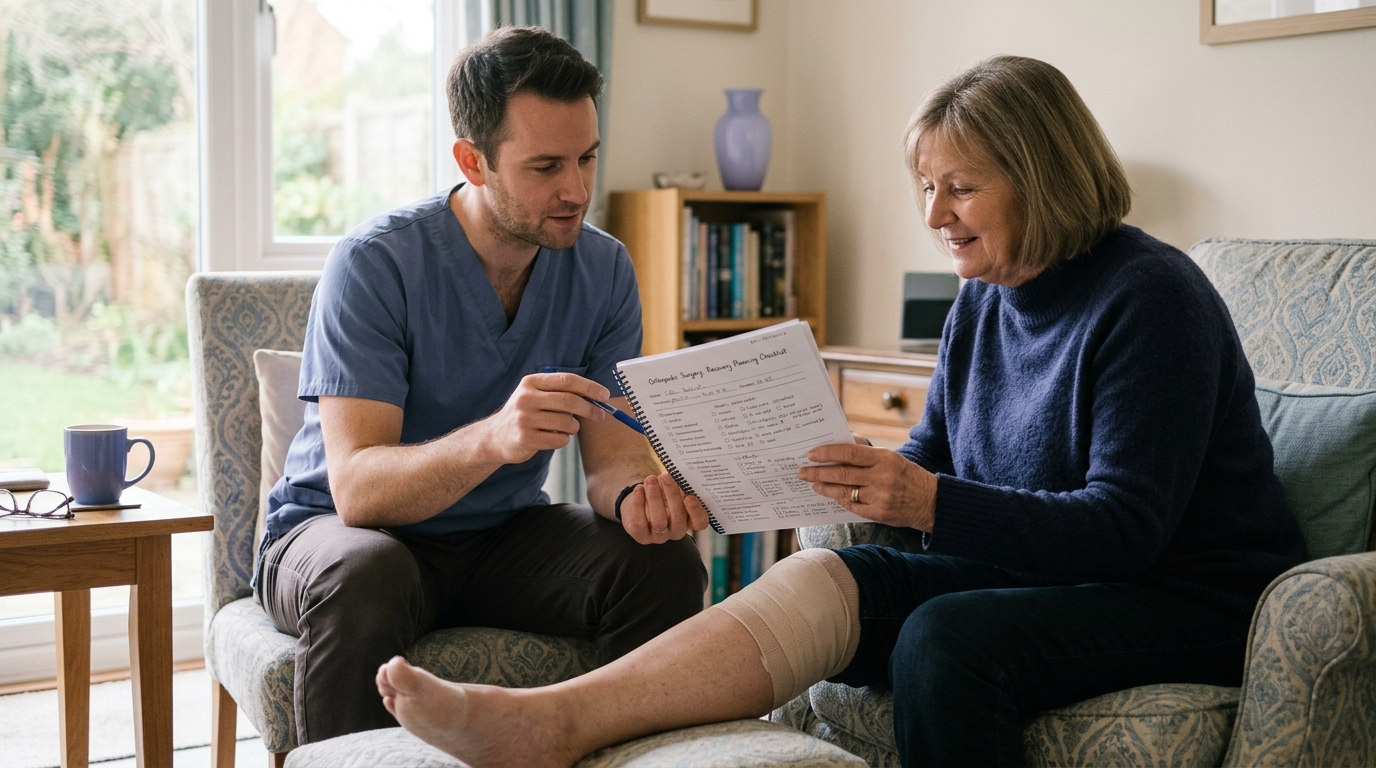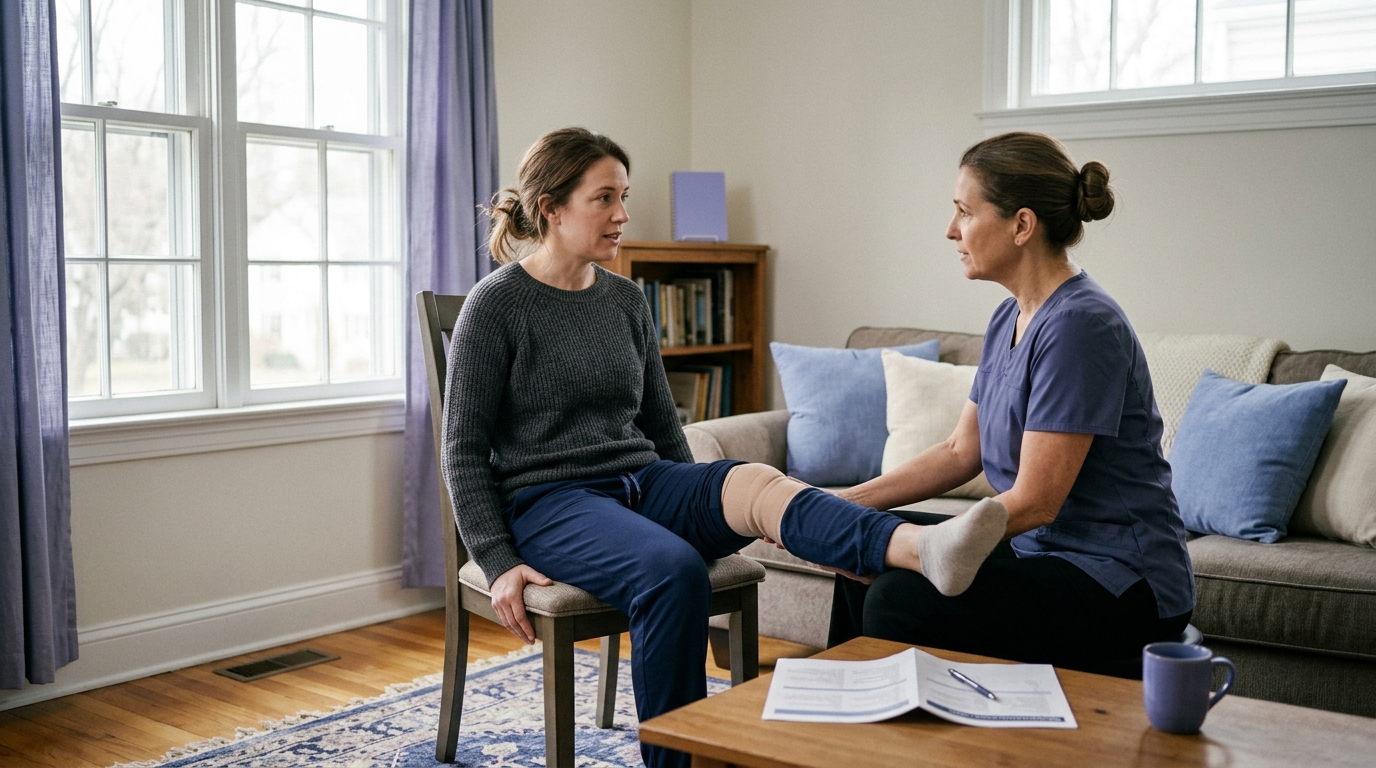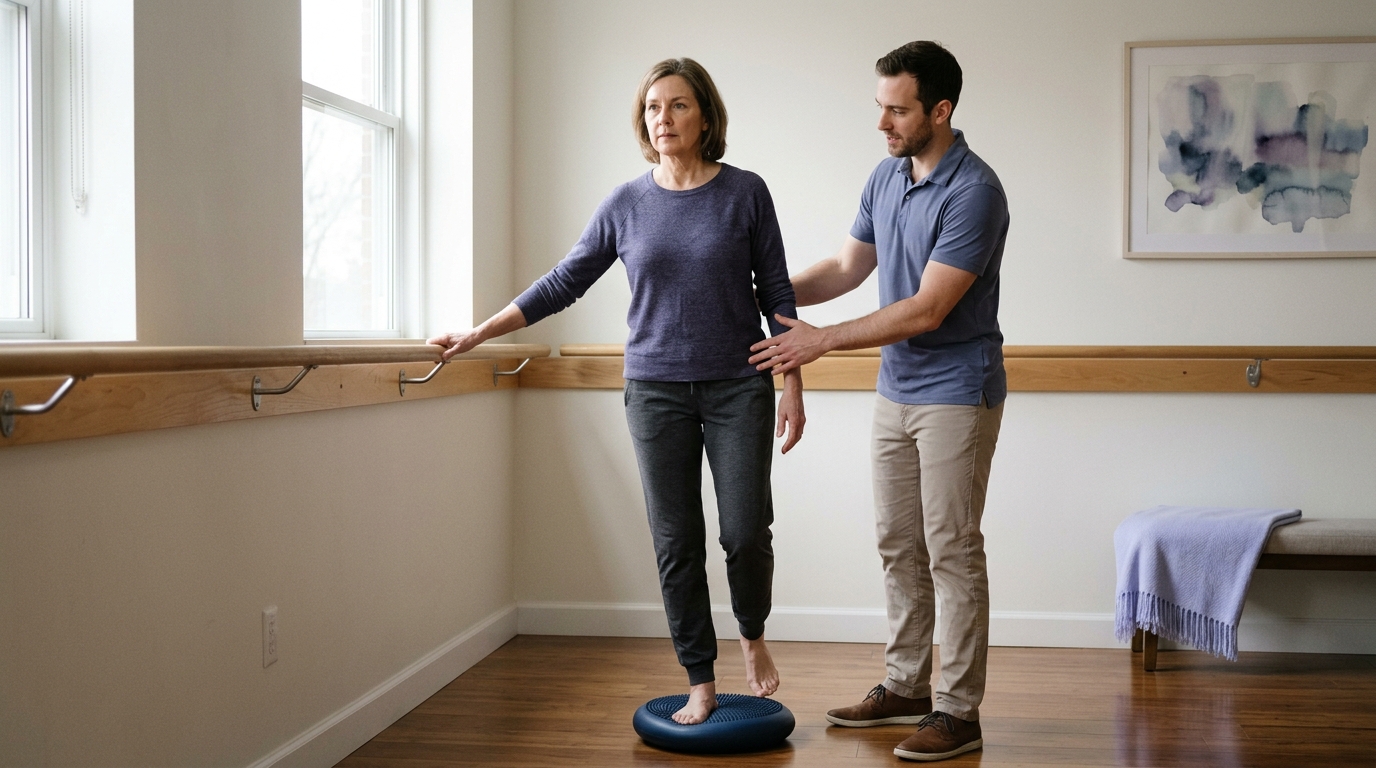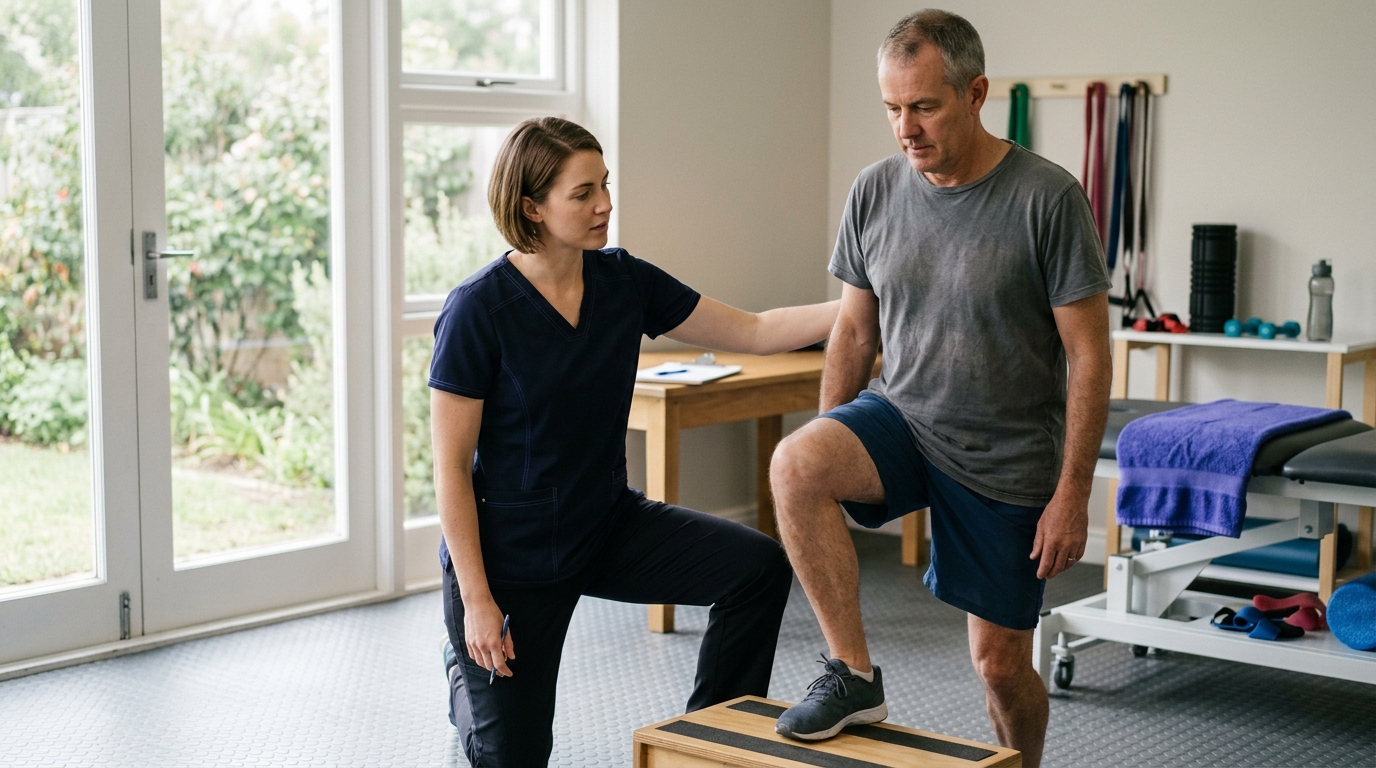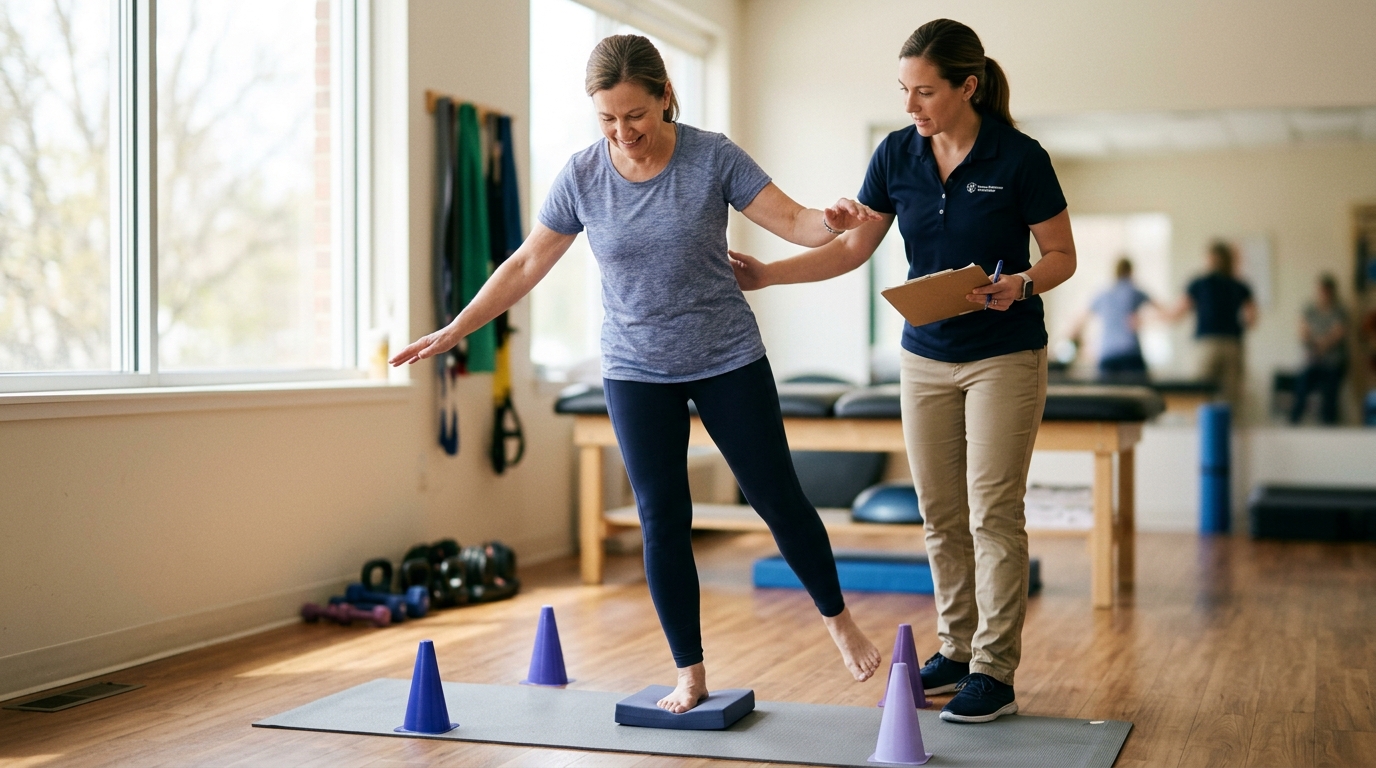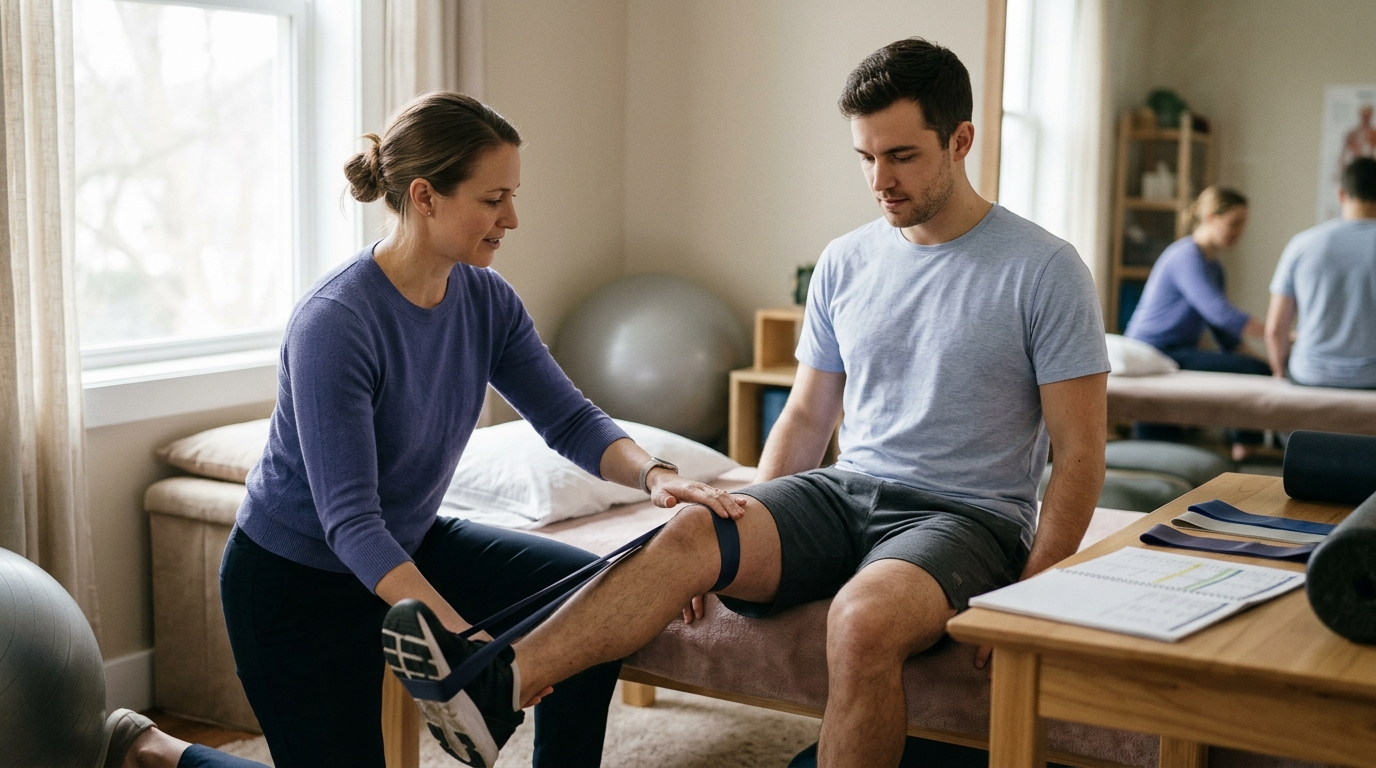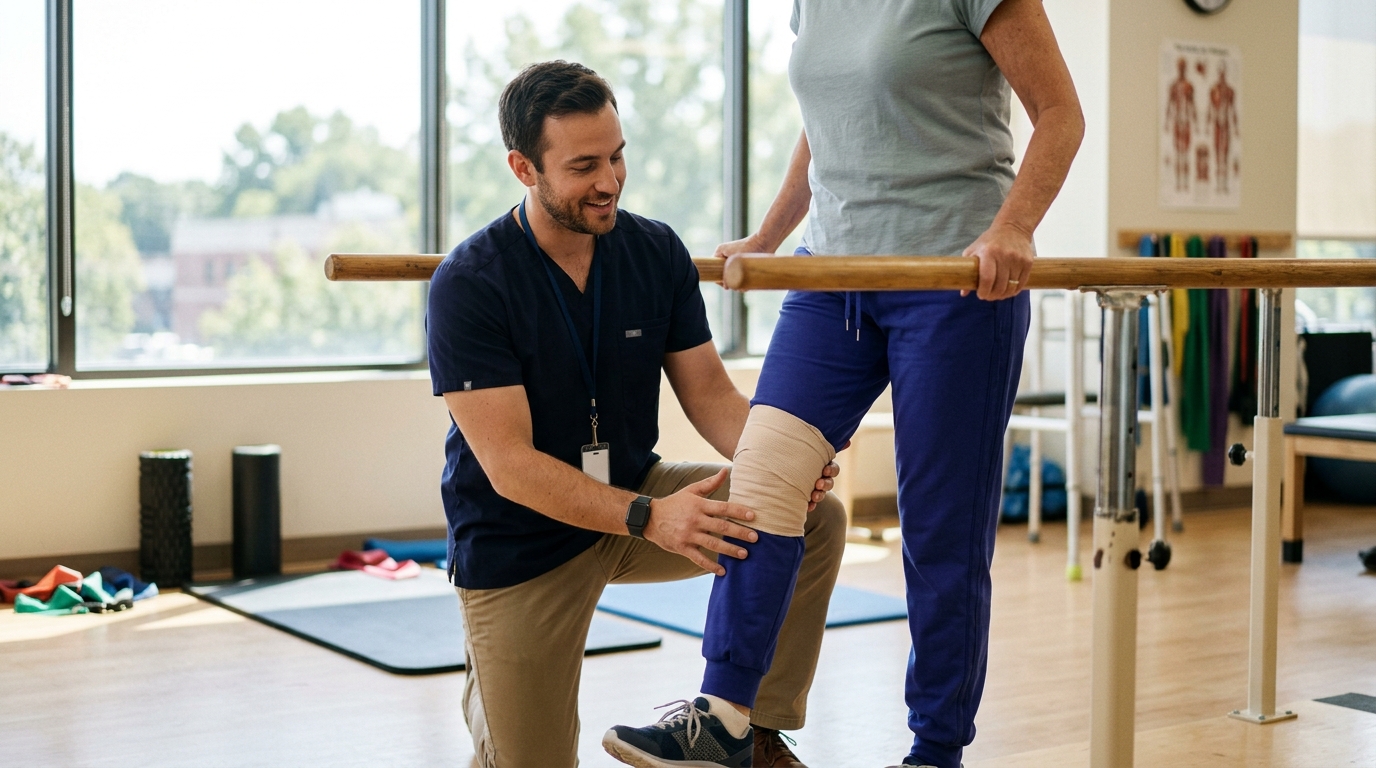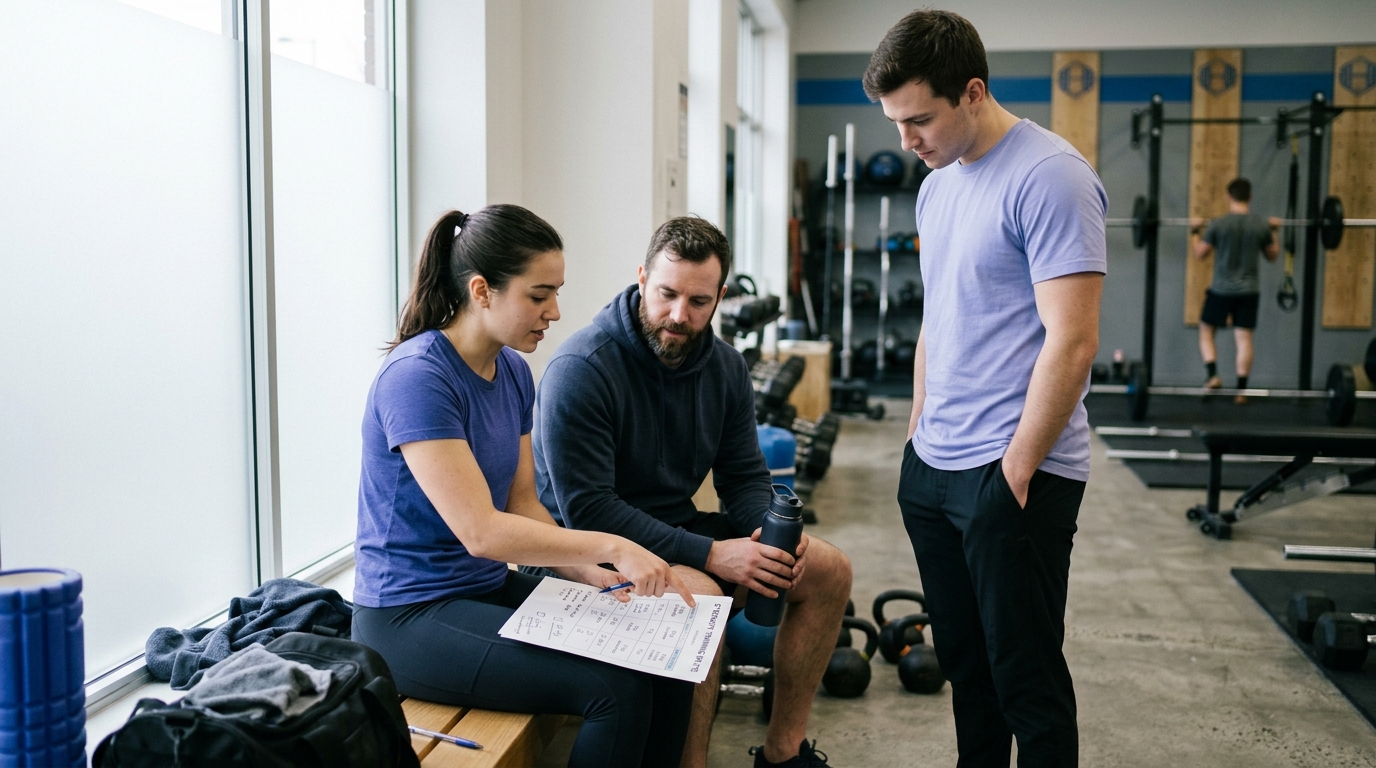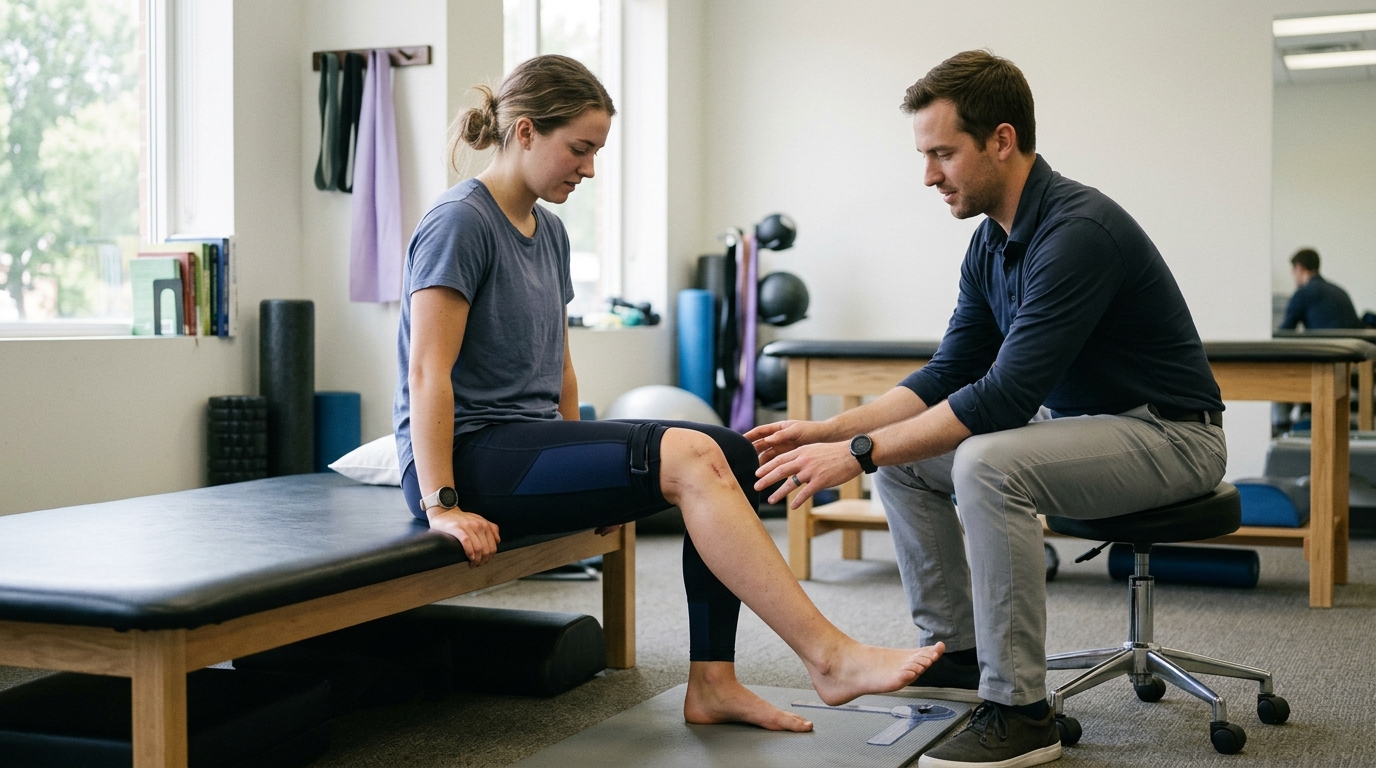

Returning to exercise after an injury requires low-dose routines and science-backed habit strategies that help you rebuild physical strength at a safe pace.





Building a strength training habit after a physical setback is not a test of willpower. It is not an aggressive push to match your old personal records, and it is not a rigid routine that ignores physical symptoms. Instead, it is the deliberate process of matching your current capacity to a repeatable routine that fits into daily life.
When an injury, surgery, or medical illness interrupts your training, it alters more than just muscle tissue. It disrupts daily schedules, weakens movement confidence, and breaks established routines. A successful return requires separating medical healing from daily habit design. By focusing on small starting commitments, clear behavioral cues, and gradual progression, you can establish lasting consistency without risking unnecessary setbacks.
This guide provides a research-based framework for rebuilding your strength training habit safely. It covers what the clinical evidence says about starting doses, how habit formation actually works, and how to structure training around unpredictable schedules. You will learn practical methods to navigate missed workouts, adapt to physical flare-ups, and connect your exercise to meaningful personal priorities.
Establishing a strength routine after a setback requires understanding both exercise physiology and behavioral science. A common error is assuming that you must immediately return to standard public health targets or former workout volumes. Scientific research shows that meaningful adaptations happen across a wide range of training volumes and timelines.
Major health organizations provide clear benchmarks for long-term physical health. The World Health Organization recommends that adults perform muscle-strengthening activities involving all major muscle groups at moderate or greater intensity on two or more days per week. The Centers for Disease Control and Prevention shares this recommendation in its physical activity guidelines.
These recommendations represent long-term targets for population health. They are not mandatory starting prescriptions for someone recovering from an acute injury, surgery, or prolonged bed rest. For individuals with chronic conditions or physical limitations, the CDC emphasizes consulting a health professional to determine appropriate activity types and amounts. Clinical guidance should always shape your entry point before you attempt to meet broad population targets.
You do not need long, exhausting gym sessions to stimulate physical adaptations when restarting. A narrative review on minimalist resistance training found that untrained individuals can improve physical fitness with modest training doses. In beginners, performing one weekly session with fewer than three sets per multi-joint exercise at an intensity below 50% of one-repetition maximum produced measurable improvements across the first 12 weeks.
Other research examining resistance-trained individuals shows that a single set performed one to three times per week can produce meaningful strength gains over an 8-to-12-week period. While trained individuals often use higher intensities around 70% to 85% of one-repetition maximum, the underlying principle remains clear. A low-volume session provides a legitimate training stimulus. Short sessions are not merely compromise choices. They serve as effective building blocks while your connective tissues and schedule adapt.
Popular culture frequently claims that a new habit takes exactly 21 days to form. Systematic reviews of health behaviors show that this claim is inaccurate. In a systematic review examining habit formation across health behaviors, researchers found that the time required for a behavior to become automatic varied from 4 to 335 days.
The same review reported median habit formation times between 59 and 66 days, with mean estimates ranging from 106 to 154 days. Habit development is highly individual and depends on the complexity of the behavior, the consistency of the environment, and personal life stress. Expecting automatic consistency in three weeks sets an unrealistic expectation. Building a durable routine is a progressive process that unfolds over several months.
How you respond to a missed workout plays a major role in long-term success. A review of behavioral predictors found that self-efficacy, which is your belief in your ability to carry out a behavior, consistently predicts whether an individual maintains physical activity. Higher self-efficacy is associated with a lower risk of both brief lapses and complete dropouts.
Research on self-compassion indicates that responding to setbacks without harsh self-criticism helps maintain exercise engagement. When people view a missed workout as a normal scheduling conflict rather than a personal failure, they return to their routines much faster. Self-compassionate strategies keep a single missed day from turning into months of inactivity.
Navigating a return to exercise after a setback requires answering three distinct questions. Blurring these questions together often leads to confusion, frustration, or reinjury. Each question addresses a different part of the recovery process:
Clinical guidance dictates what is safe. Strength training principles dictate how you progress your exercises. Behavioral design determines whether you actually complete the workouts.
Sports physical therapy consensus statements describe recovery as a continuous progression rather than an all-or-nothing event. Instead of switching abruptly from injured to recovered, an individual moves through several progressive phases. You can read more about these movement progressions in our injury recovery and rehabilitation resources.
This framework includes four distinct stages:
These stages serve as a helpful mental model rather than a rigid rulebook. You do not need to reach your former physical strength before establishing a consistent training habit. Establishing the habit during the return-to-training phase provides the foundation for all future physical progress.
When motivation is fragile and physical capacity is reduced, complex programs create friction. A sustainable comeback relies on identifying your minimum viable routine. This represents the smallest possible session that preserves your habit and stimulates positive physical adaptation.
The American College of Sports Medicine organizes exercise prescription around the FITT-VP framework. This framework allows you to adjust your training plan systematically without making every workout an all-or-nothing test:
After a setback, adjusting only one variable at a time helps protect your recovery. If you decide to increase your training frequency from one day to two days per week, keep the exercises and intensity unchanged. If you introduce a heavier resistance, consider reducing the total number of sets. Isolating these variables makes it easy to see how your body responds.
A common barrier to consistency is believing that a 15-minute session is not worth doing. Setting a large initial goal, such as lifting weights for an hour four days a week, often leads to missed sessions when life becomes busy.
Differentiating your starting commitment from your ultimate goal creates a sustainable path forward:
Starting small does not mean you will stay at that level forever. It ensures that you establish the psychological and logistical pattern of exercising before you add heavy physical demands. You can discover structured templates in our collection of strength and performance rebuilding resources.
A practical entry-level strength routine emphasizes foundational movement patterns while keeping joint stress manageable. The goal is to stimulate major muscle groups without creating severe delayed-onset muscle soreness.
This option works well when equipment access or travel time presents a barrier to consistency. It uses simple bodyweight and resistance band exercises that can be completed in 15 to 20 minutes:
Gym machines offer external stability, which can be helpful when recovering joint confidence or working around balance limitations:
Both options provide a clear stimulus to the nervous system and muscular system. If a specific movement causes discomfort, you can adjust the range of motion, reduce the resistance, or swap the exercise for an alternative recommended by your clinician.
A strength training plan written for a perfect week will fail during a normal week. Work deadlines, family obligations, fatigue, and fluctuating physical symptoms will inevitably interrupt your schedule. Designing your habit around these predictable disruptions is essential for long-term consistency.
Habit formation research shows that behaviors repeated in stable contexts become more durable over time. Attaching your workout to an existing anchor in your daily routine reduces the mental effort required to start.
Instead of planning to train whenever you have free time, link the workout to an established daily event:
Pairing the session with a consistent cue eliminates the daily debate about whether you feel like exercising. The cue initiates the preparation process automatically.
An implementation intention is a structured planning strategy that defines when, where, and how you will act. Meta-analyses on physical activity interventions show that implementation intentions significantly improve exercise adherence, especially when they include barrier management.
These plans follow a simple structure: If obstacle X happens, then I will perform response Y.
Here are four practical implementation intentions designed for common recovery scenarios:
Writing these contingency plans down before obstacles appear removes emotional decision-making when your energy is low.
A resilient habit architecture provides multiple ways to win. Rather than having a single standard for what counts as a workout, establish three tiers of participation:
All three tiers preserve your identity as someone who strength trains. Completing a micro session maintains your mental momentum and prevents the complete loss of routine.
No single strength training schedule fits every person recovering from a setback. Several individual factors alter how quickly you can progress, what exercises are appropriate, and how your habit should be structured. Adjusting your plan based on these factors protects your long-term health.
The nature of your physical setback dictates your physical boundaries:
Always follow the specific timelines and precautions provided by your medical team. A habit strategy should support your clinical rehabilitation, never override it.
Age influences connective tissue recovery rates, metabolic health, and muscle mass retention. Adults navigating recovery in midlife and beyond often benefit from slightly longer recovery windows between hard sessions.
Training history also plays a meaningful role. An individual who strength trained consistently for decades before an injury will often regain motor patterns quickly. Someone learning resistance training for the very first time during rehabilitation needs more time to master movement mechanics. You can find specialized insights for older adults in our active aging and prevention section.
A sustainable routine must align with your budget and physical environment. Commercial gym memberships offer a wide variety of resistance machines and weights, but travel times can create scheduling friction. Home setups using resistance bands, adjustable dumbbells, or bodyweight require minimal space and zero travel time.
Neither environment is superior for general health. The best setup is the one you can access consistently with the least logistical resistance.
Strength gains occur when your body recovers from and adapts to physical stress. Work demands, caregiving responsibilities, poor sleep, and emotional stress draw from the same systemic recovery pool as your workouts. During periods of elevated life stress, reducing the intensity or volume of your strength sessions preserves consistency without overwhelming your nervous system.
The following examples represent illustrative models demonstrating how habit design principles apply in real-world scenarios. These scenarios are not clinical prescriptions. They illustrate how individuals adapt their schedules and mindsets to build long-term consistency.
The Situation: A 48-year-old manager completed rehabilitation for a shoulder strain six months ago. Their shoulder is medically cleared and capable of lifting moderate loads. However, frequent business travel and long meetings broke their previous four-day gym routine, and they have not trained in three months.
The Strategy: Rather than attempting to revive the complex four-day program, they establish a starting commitment of two 25-minute sessions per week. They choose Tuesday and Thursday mornings at 7:00 AM as stable calendar appointments. They create a travel-friendly resistance band plan for hotel stays.
The Focus: The primary goal is establishing regular attendance at the scheduled times for eight consecutive weeks. Once showing up becomes consistent, they can explore adding volume or a third weekly session.
The Situation: A 62-year-old individual is recovering from a knee meniscus injury. They feel uncertain about how much weight their knee can handle and worry that any discomfort signals reinjury. This fear leads them to cancel planned workouts repeatedly.
The Strategy: Working alongside their physical therapist, they establish clear boundaries for acceptable sensations during exercise. They build a brief routine consisting of supported leg presses, seated rows, and core exercises. They keep resistance low and track their symptoms 24 hours after each session.
The Focus: The focus is building self-efficacy and confirming that moderate movement is safe. Tracking successful, symptom-free sessions gradually restores confidence in their knee.
The Situation: A 39-year-old parent is recovering from lower back tightness while managing full-time work and childcare. Commuting to a fitness center is currently impossible, and finding a continuous 60-minute block of free time rarely happens.
The Strategy: They establish a home-based routine using resistance bands and bodyweight movements. They divide their routine into two 15-minute segments that can be performed in the living room while watching their children or during a lunch break.
The Focus: Removing travel time and lowering the workout duration eliminates the main obstacles to participation. The home routine keeps strength training active despite significant daily time constraints.
The Situation: A 55-year-old recreation enthusiast misses two weeks of strength workouts due to a viral illness. Feeling that their momentum is completely lost, they consider waiting until the start of the next month to restart with an aggressive daily routine.
The Strategy: They reframe the two-week gap as a normal, expected interruption rather than a failure. They decide against doubling their workout volume to make up for lost time. Instead, they schedule a single low-intensity session for the upcoming Saturday to restart their habit calmly.
The Focus: Practicing a self-compassionate restart prevents a short break from turning into a multi-month hiatus. They treat returning to the gym as an ordinary task rather than a dramatic test of dedication.
The Situation: A 71-year-old individual completed cardiac rehabilitation following a minor procedure. They find traditional gym environments unappealing and struggle to stay motivated by abstract fitness metrics like maximum weight lifted.
The Strategy: They connect their strength training directly to activities they value, such as gardening, lifting bags of soil, and walking up stairs comfortably. They select functional movements, including step-ups, goblet squats to a chair, and farmer carries, that mirror these daily tasks.
The Focus: Anchoring the routine to meaningful personal goals enhances long-term adherence. The exercises feel purposeful because they directly support independence and recreational enjoyment. You can explore functional movement patterns in our mobility and movement resources.
Motivation naturally rises and falls over time. When your initial drive wanes, relying on willpower alone is rarely effective. Connecting your strength training habit to deeply held personal values creates a more sustainable source of motivation.
Many people abandon exercise programs because their goals are based on external expectations rather than internal values. After a physical setback, aesthetic or competitive targets may feel distant or irrelevant. Shifting your focus toward functional capacity often restores enthusiasm for training.
Ask yourself what physical capabilities matter most in your daily life:
Writing down your primary functional drivers provides a meaningful reminder of why your routine matters when energy is low.
Progress in strength training is often measured exclusively by the weight on the barbell or the repetitions completed. While tracking load is useful, focusing solely on performance metrics can be discouraging when recovering from an injury.
During the early stages of rebuilding a habit, shift your primary tracking toward behavioral consistency:
Celebrating behavioral consistency builds self-efficacy. When you take pride in showing up regularly, physical strength and performance gains naturally follow over time.
Before establishing a new strength training routine after an injury or medical condition, open communication with your healthcare provider is critical. Bringing specific, practical questions to your appointment helps ensure your exercise plan aligns with your medical status.
Consider discussing the following questions with your doctor or physical therapist:
Clear clinical answers provide the safety boundaries you need. Once you know your medical limits, you can build your habit with confidence and peace of mind.
Rebuilding a sustainable strength training habit after a physical setback is a progressive journey of behavioral design and physical adaptation. Consistency is not achieved through aggressive, exhausting workouts that leave you drained or injured. It is built through small, repeatable sessions integrated into your ordinary weekly schedule.
Separate your clinical safety restrictions from your habit design strategies. Use the FITT-VP framework to adjust training variables gradually, and prepare fallback options for busy days. When you miss a workout, treat it as a standard scheduling obstacle rather than a personal failure. By focusing on manageable starting commitments and connecting exercise to meaningful life priorities, you can establish a strong, durable routine that supports your long-term health.
Missing a full week of training is a normal part of life. Avoid the temptation to perform double workouts or increase your intensity to compensate for missed time. Simply resume your routine at your next scheduled appointment using a light to moderate training dose. Re-establishing the rhythm of showing up is far more important than recovering lost volume.
Normal delayed-onset muscle soreness typically feels like a generalized, dull ache in the belly of the muscle that peaks 24 to 48 hours after training and improves with light movement. Discomfort from an acute injury often presents as sharp, localized pain in a joint or tendon, accompanied by swelling, warmth, or reduced range of motion. If you experience sharp pain or symptoms that worsen progressively, pause the aggravating movement and consult your healthcare provider.
Yes. Research on minimalist resistance training shows that a single weekly session can produce meaningful strength gains and preserve muscle tissue in beginners and returning lifters. While public health guidelines recommend two or more weekly sessions for long-term health, starting with one weekly workout is an excellent way to build consistency and test tissue tolerance. You can always add a second session once the first becomes an established habit.
Fluctuating symptoms require a flexible training plan. On days when your joints feel comfortable, complete your standard
primary workout. On days when symptoms are elevated, switch to your backup plan by reducing the weight, decreasing the range of motion, or performing gentle mobility work. Having pre-planned modifications keeps you active while respecting your body's physical feedback.

Use ReboundBody resources to understand common recovery stages, rehab terms, movement limits and strength rebuilding. Each guide is designed to make a complex comeback easier to understand.


Read practical guidance on injury recovery, rehabilitation, mobility and rebuilding strength as you work your way back to activity.
Explore Resources