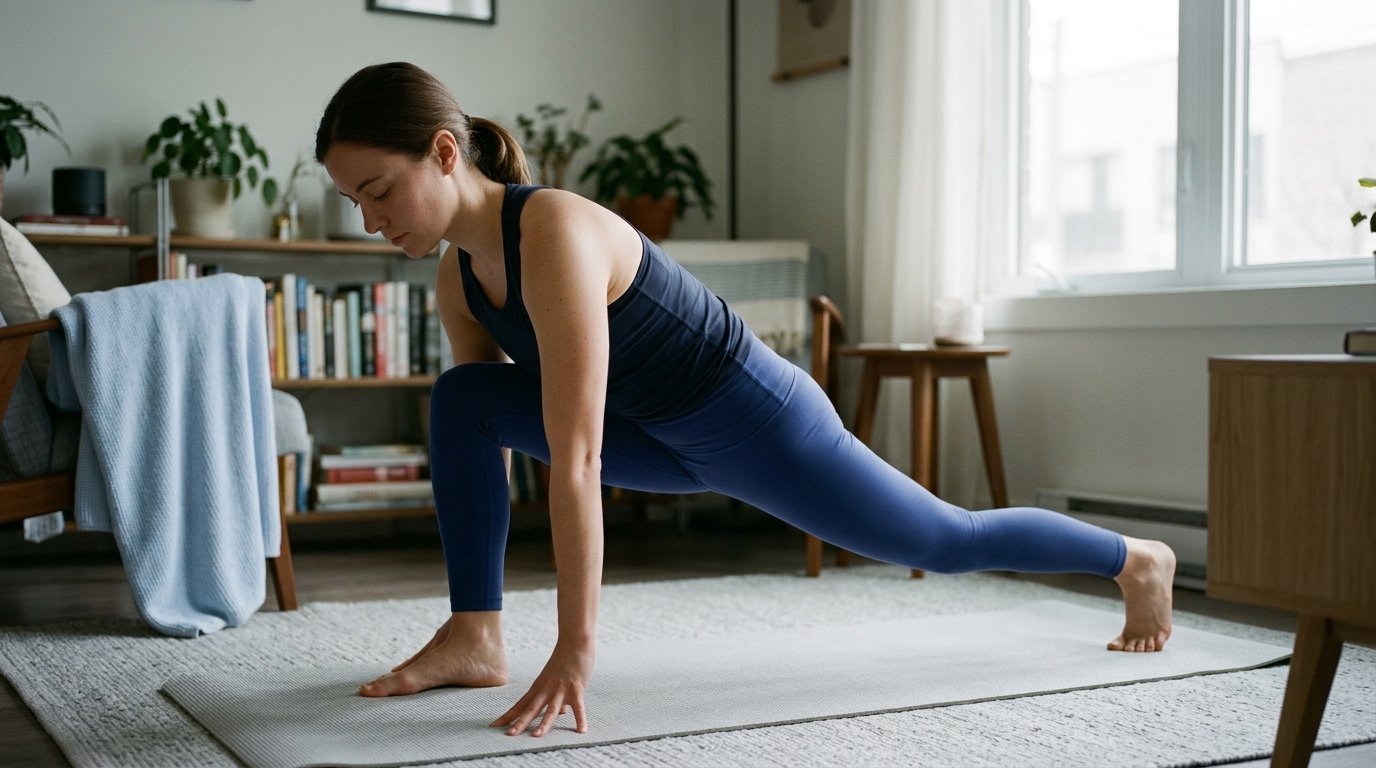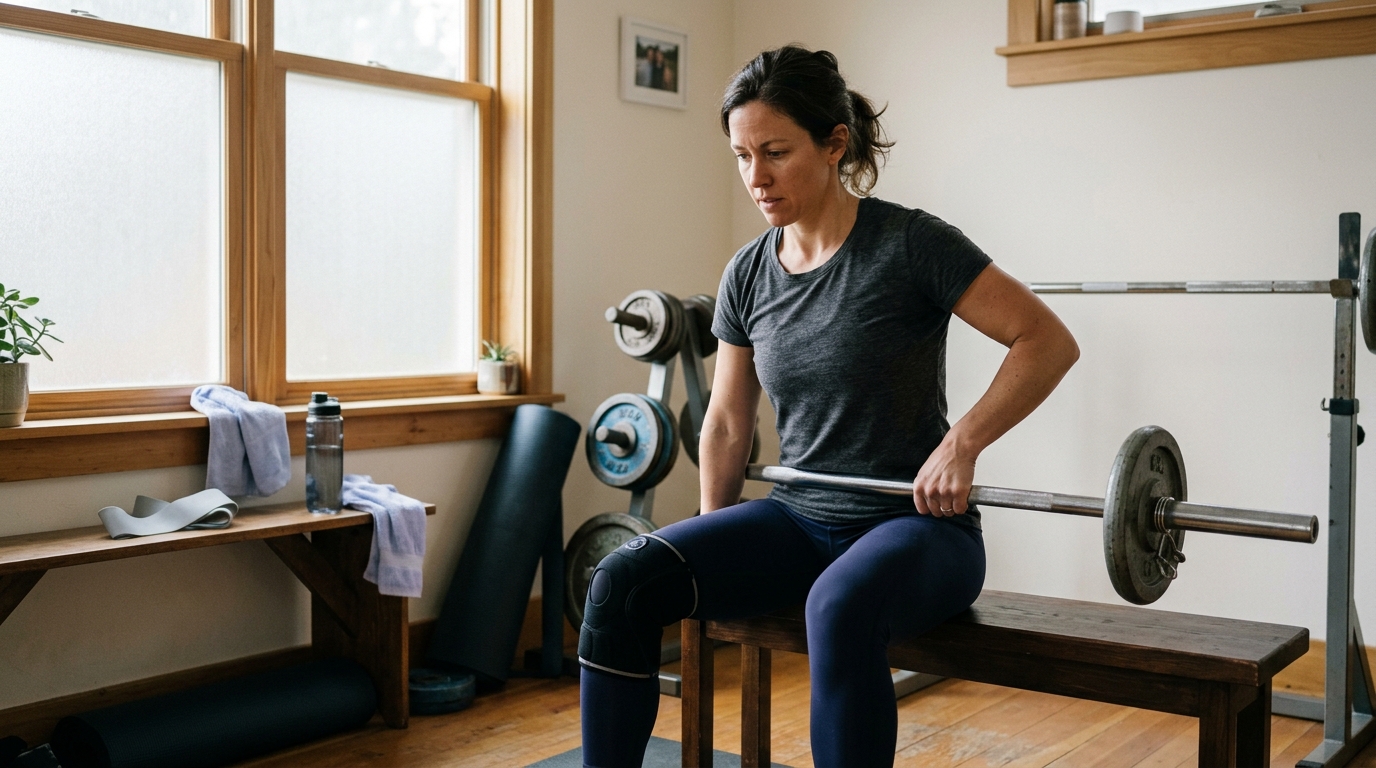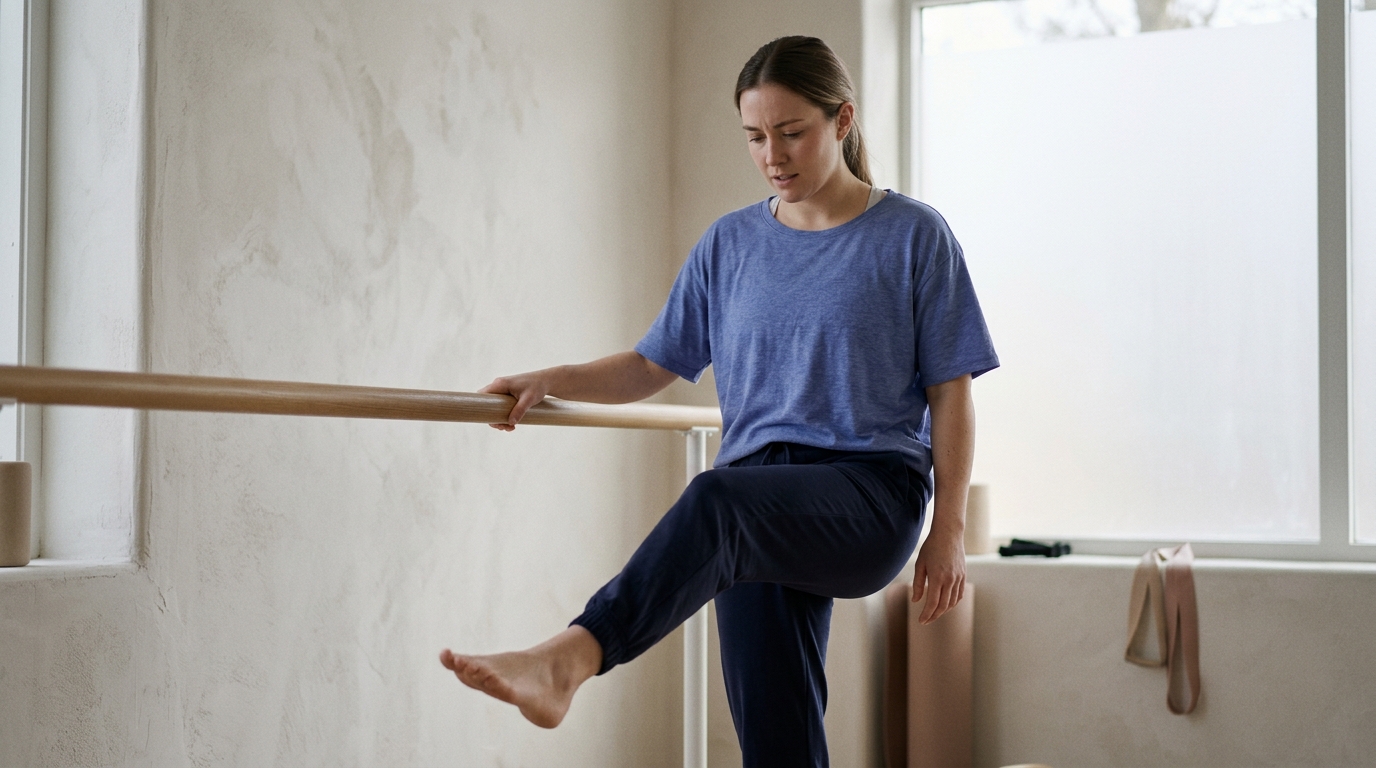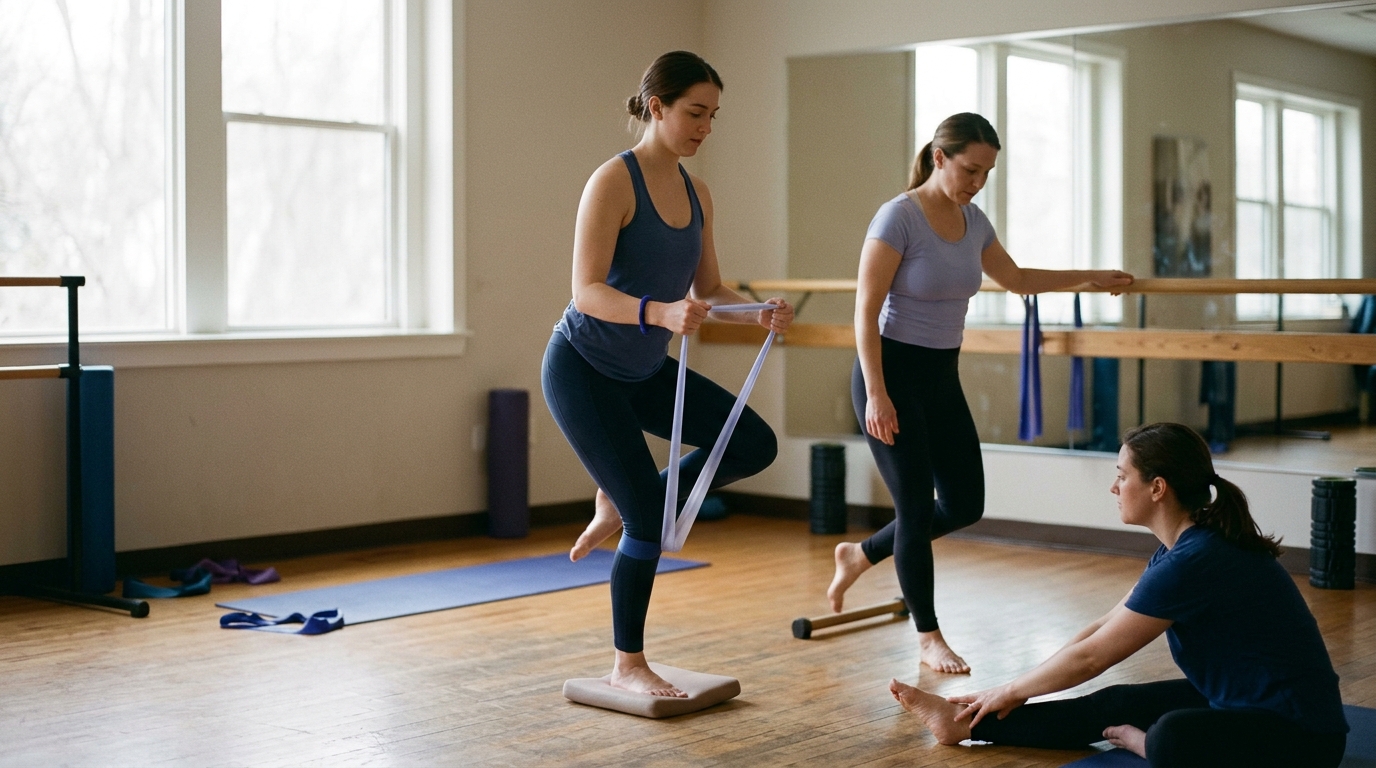

Everyday comfort relies on regular movement variability and ergonomic adjustments rather than maintaining a single rigid posture throughout your workday.





Posture is simply the shape your body takes when you sit, stand, lie down, or move through daily life. It is not a moral test, a permanent structural flaw, or a rigid alignment that you must maintain at all times. Many people believe that slouching causes bodily harm, or that sitting upright with military precision is the only way to avoid pain.
Scientific research paints a very different picture. There is no single ideal posture that protects every person from physical discomfort. Your body is designed to move, adapt, and rest in many different configurations. Holding any single position for too long can lead to transient stiffness, whether that position is slouched on a couch or sitting straight at a desk.
The most practical goal for daily life is not finding one flawless posture. Instead, comfort relies on building tolerance, changing positions often, and developing the physical capacity needed for your daily tasks. In this guide, we review what clinical research says about body alignment, why position changes matter, how to arrange your daily work or leisure setup, and how to stay comfortable across a lifetime of activity.
For decades, popular advice has claimed that the spine requires one exact alignment to remain healthy. This concept relies on the idea of a standard posture, where the ears, shoulders, hips, and ankles align in a vertical line. Modern research shows that this standard posture model does not represent normal human biology. Human skeletons, spinal curves, joint shapes, and muscle lengths vary widely across the population.
A comprehensive review of posture screening research revealed that using a single standard posture to identify defects is scientifically unsupported. When clinicians judge people against a rigid ideal, it often produces false positives. This is especially true in older adults, whose spines naturally change shape over time without causing symptoms. Differences in spinal curves are normal structural variations, much like differences in foot size or height.
Labeling postures as strictly good or bad creates unnecessary anxiety. When people believe their resting alignment is damaged, they often hold their muscles in constant tension to stay upright. This sustained tension can cause muscle fatigue and soreness. Relaxed sitting, slight rounding of the back, and asymmetrical leaning are natural human positions.
Your body does not require a single textbook alignment to function well. A workable position is simply one that feels comfortable, supports the task at hand, and allows you to breathe easily. If a position feels natural and pain-free, there is no clinical reason to force yourself out of it simply to meet an arbitrary standard.
When back, neck, or shoulder discomfort occurs, posture is often blamed as the direct cause. However, systematic reviews examining physical exposures and spinal symptoms show a far more nuanced reality. Researchers consistently find mixed results when comparing spinal alignment to pain reports. Studies show that people with significant spinal curves often experience no pain, while individuals with textbook alignment can experience severe discomfort.
High-level reviews of the medical literature have found no consensus that everyday spine posture directly causes low-back pain. While sitting or bending in certain ways can temporarily irritate an already sensitive muscle or joint, these postures do not reliably predict who will develop pain in the future. Observational studies that link slouching with discomfort often confuse association with causation. Sitting still for hours might cause stiffness because the body has remained static, not because the back was rounded.
Workplace interventions aimed at correcting posture have produced similarly mixed results. Cochrane systematic reviews analyzing ergonomic adjustments, including specialized chairs and sit-stand desks, found limited or uncertain evidence that these tools reduce upper-limb or neck pain on their own. Changing physical equipment without addressing overall movement, workload, and personal recovery rarely eliminates symptoms.
The evidence confirms that ordinary postural variation is not dangerous. Discomfort during long periods of sitting or standing is a signal from the nervous system indicating that tissues need a change of load. It is a request for movement, not proof of structural injury. Understanding this distinction can help you respond to stiffness with calm movement rather than fear.
To understand why discomfort happens, it helps to examine how muscles and joints respond to sustained loads. When you stay in one position, certain muscle groups remain lightly contracted to hold your body against gravity. Over time, continuous low-level contraction reduces local blood circulation and allows metabolic byproducts to accumulate in the tissue. This process leads to static muscle fatigue.
Every individual has a personal threshold known as position tolerance. Position tolerance refers to how long you can comfortably remain in a specific posture before your body requests a change. This tolerance varies based on your general fatigue, prior activity levels, stress, and physical conditioning. A position that feels comfortable for twenty minutes in the morning might feel stiff after ten minutes late in the afternoon.
Joints and spinal discs also depend on movement to remain lubricated and nourished. Cartilage lacks a direct blood supply, so it relies on the gentle compression and release of regular movement to circulate fluid. When you remain motionless, fluid movement slows down, which can contribute to a sensation of joint stiffness. This explains why getting up after a long movie or car ride can feel temporarily awkward.
Position tolerance is not a fixed diagnostic score. It changes from day to day and task to task. Recognizing your body's natural tolerance limits allows you to shift positions proactively before significant stiffness sets in. You can read more about tissue adaptation and physical recovery in our recovery science articles.
Workstation design should focus on usability, comfort, and physical options rather than forcing you into a single rigid posture. The Occupational Safety and Health Administration (OSHA) offers practical guidance on arranging computer workstations to reduce unnecessary strain. The goal of an effective setup is to keep primary tools within easy reach while giving you room to adjust your posture throughout the day.
You can organize
your desk environment by focusing on several practical adjustments:
These workstation suggestions are useful experiments to make daily work more comfortable. They are not strict rules that guarantee an absence of discomfort. Personalize your setup according to what feels supportive for your body, and feel free to readjust your equipment as your daily tasks change.
Your physical response to daily positions is influenced by several biological and lifestyle factors. Posture cannot be viewed in isolation from the rest of your health. When your overall system is well-rested and physically prepared, your capacity to handle desk work, driving, or leisure activities improves noticeably.
Sleep deprivation lowers your nervous system's threshold for pain and discomfort. When you lack adequate rest, ordinary static loads on your back and neck can feel significantly more intense. Prioritizing consistent sleep hygiene allows muscle tissue to repair and helps reset nervous system sensitivity. For individuals managing recurring aches, improving sleep quality often improves daily comfort more than buying a new chair.
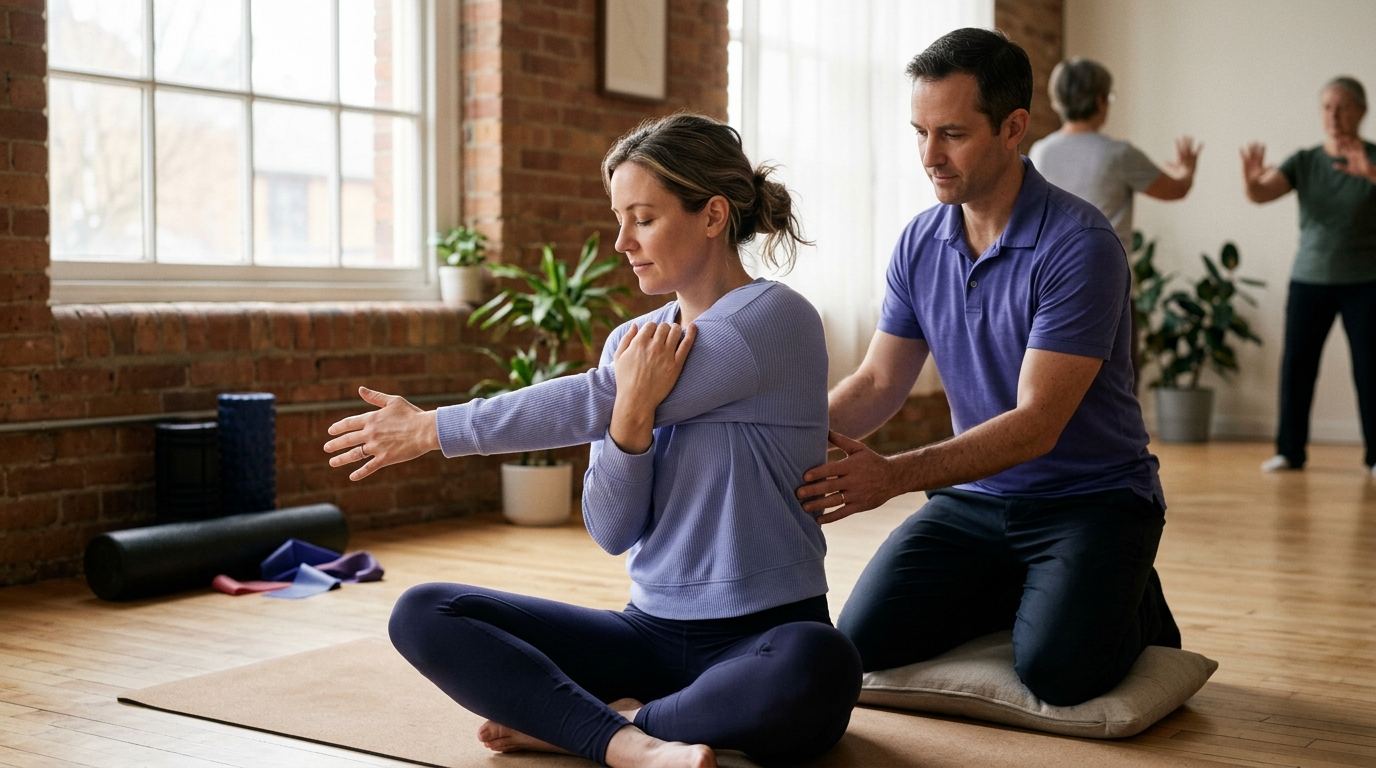
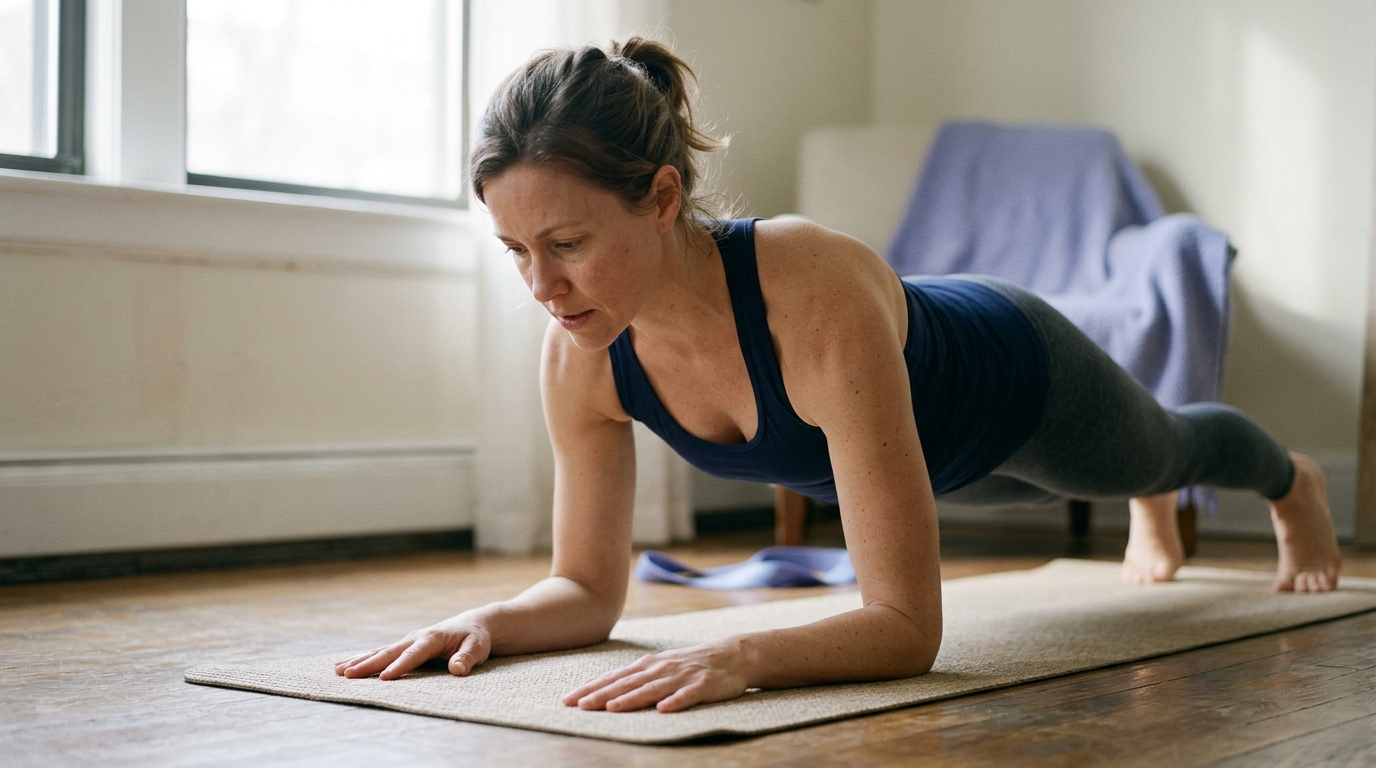
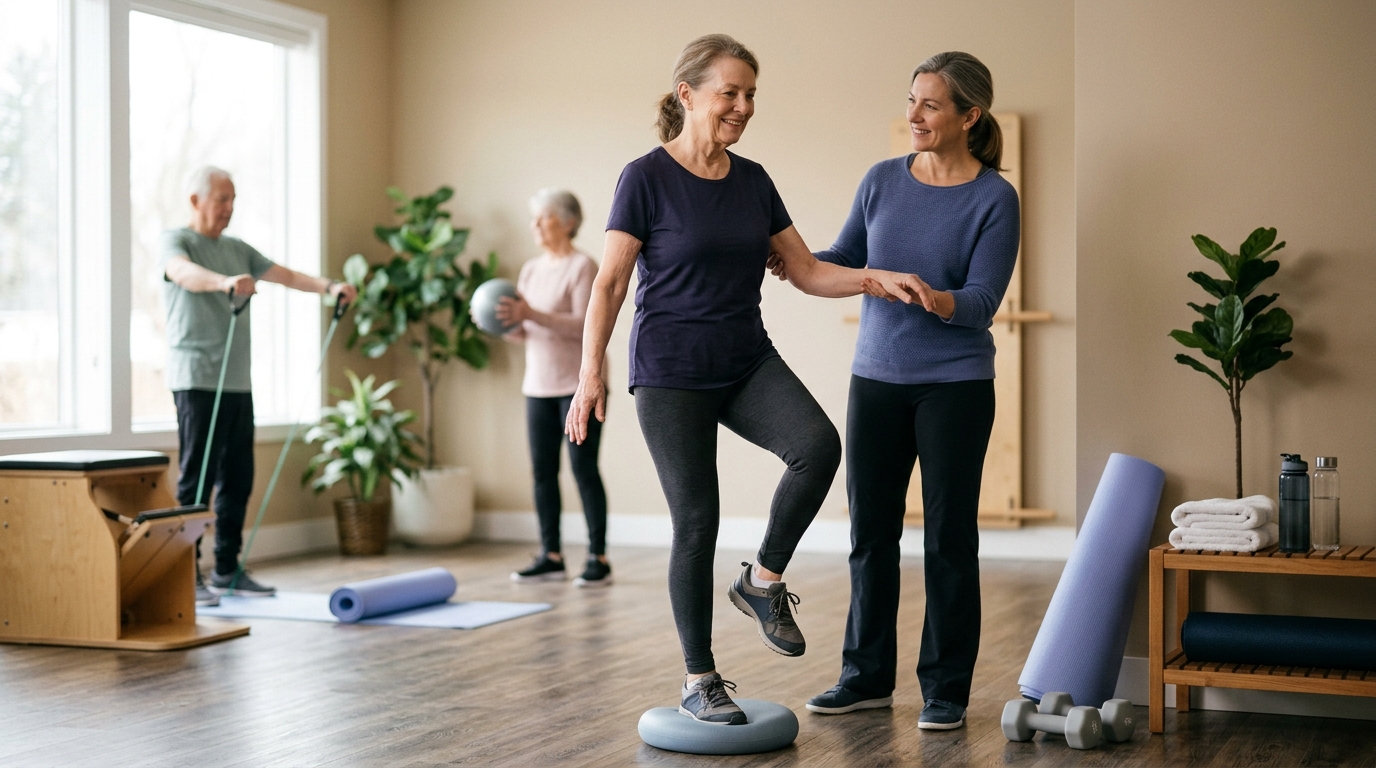
Physical capacity refers to your body's ability to perform physical tasks without excessive fatigue or tissue irritation. Stronger muscles in the legs, hips, trunk, and shoulders can support your body with less effort. When you participate in regular strengthening and conditioning, staying in everyday positions requires a lower percentage of your maximum capacity. You can learn more about building durable daily strength in our rehabilitation and mobility resources.
Mental stress directly impacts muscle tone. Under stress, people often unconsciously clench their jaw, elevate their shoulders, or brace their abdominal muscles. Holding this sustained tension during regular work tasks accelerates static muscle fatigue. Recognizing work stress and taking brief breathing breaks can help release unnecessary muscle guarding.
The specific nature of your daily work alters how your body tolerates positions. Tasks that require intense visual focus, fine motor control, or heavy lifting place distinct demands on the body. A task that involves constant reaching will fatigue the shoulders quickly, regardless of how straight you sit. Matching your rest intervals and movement breaks to the specific physical demands of the task is essential for sustained comfort.
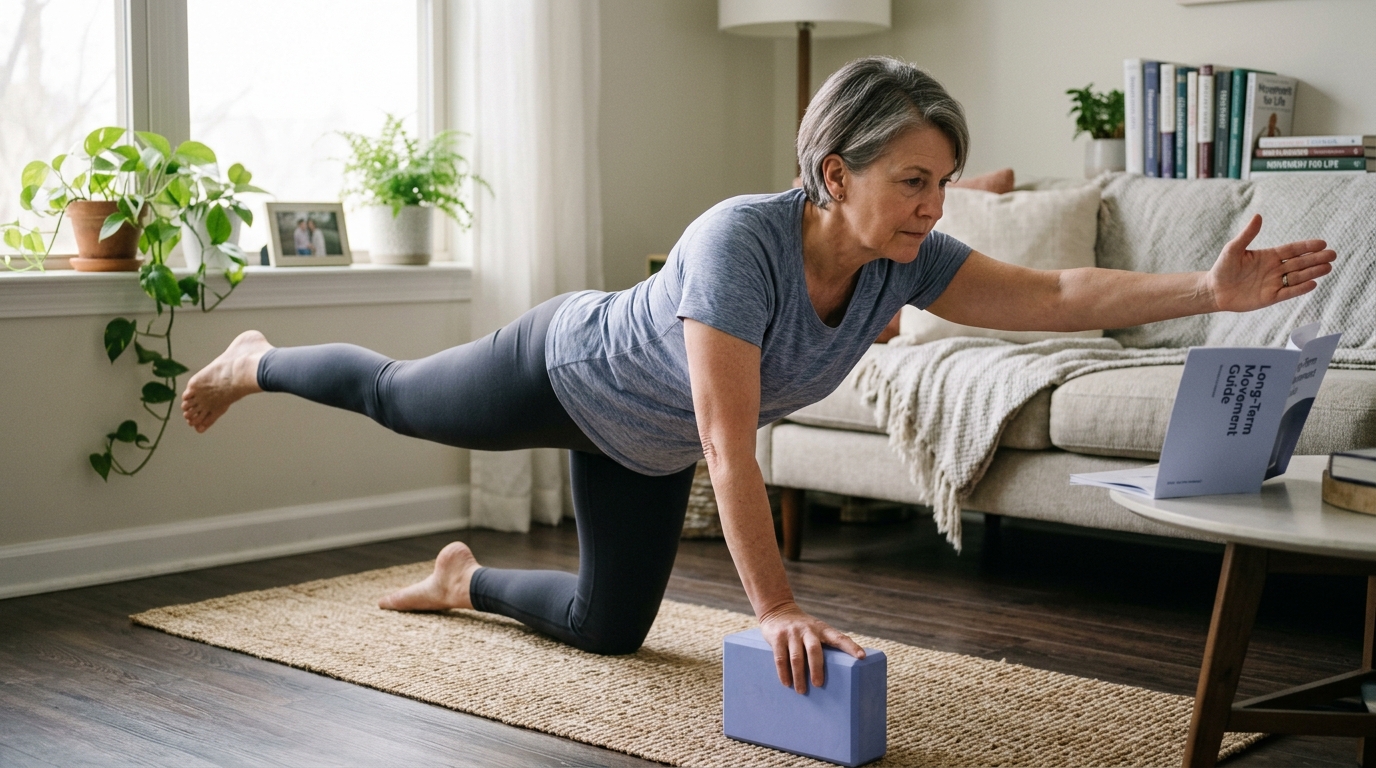
Movement variability is the practice of regularly altering your physical position and activity throughout the day. Instead of trying to maintain one perfect pose, you introduce small shifts in posture, take brief walking breaks, and change tasks. This distributes mechanical stress across different joints and muscles, preventing any single area from becoming overloaded.
Research shows that workplace standing desks or scheduled breaks are not magic solutions on their own. Cochrane reviews report that workplace interventions to increase standing or walking do not conclusively eliminate musculoskeletal symptoms in sedentary workers. Similarly, evidence regarding the ideal frequency of work breaks remains uncertain. However, breaking up long static periods remains a sensible, low-risk way to manage personal stiffness and fatigue.
Here is an illustrative comparison of static habits versus movement-rich routines across common daily environments:
Building movement variability does not require complicated equipment or rigid timers. Use natural transitions in your day, such as finishing an email, ending a meeting, or waiting for a kettle to boil, as reminders to move. For more ideas on integrating practical movement into everyday routines, visit our mobility and movement category.
It is easy to confuse general movement with formal exercise. Both are essential for long-term health, but they serve distinct purposes in your daily routine. Understanding the difference helps you plan your activity without feeling overwhelmed by unrealistic fitness expectations.
Everyday movement includes all the non-exercise physical activity you accumulate throughout the day. Walking to the mailbox, carrying groceries, climbing stairs, and shifting positions at your desk all fall into this category. The World Health Organization (WHO) emphasizes that replacing sedentary time with physical activity of any intensity, including very light activity, provides measurable health benefits. You do not need to break a sweat for light movement to benefit your circulation and joint comfort.
Structured exercise, on the other hand, refers to planned, intentional physical training designed to maintain or improve physical fitness. United States physical activity guidelines recommend that adults accumulate:
In addition to aerobic activity, national guidelines advise adults to perform muscle-strengthening activities involving all major muscle groups on two or more days per week. Light bouts of physical activity of any duration can count toward your weekly aerobic totals.
You can break up your movement into small increments that fit your lifestyle. Shifting positions and taking brief strolls helps manage immediate daily comfort at work. Meanwhile, participating in regular strength training and brisk walking builds the long-term physical resilience needed for active aging. You can explore practical strategies for maintaining fitness in our active aging and prevention guides.
Experiencing a sudden flare-up of back or neck discomfort can be frustrating and unsettling. When pain occurs, people often instinctively freeze, avoid movement, or assume their spine has been damaged by poor posture. Modern clinical guidelines encourage a very different approach based on gradual participation and self-management.
The National Institute for Health and Care Excellence (NICE) guidelines for low-back pain and sciatica recommend tailored self-management education. NICE advises individuals to continue their normal daily activities as much as possible rather than resorting to prolonged bed rest. Remaining gently active promotes tissue recovery, prevents muscle deconditioning, and reduces the fear associated with normal movement.
During a flare-up, you can use comfort as a helpful guide:
Building confidence in your body is a vital part of long-term health. Human joints and spinal structures are strong, resilient, and capable of adapting to varied loads. Viewing discomfort as a temporary sensitivity rather than structural damage allows you to return to valued activities with greater peace of mind.
While the vast majority of neck, back, and joint aches are non-serious musculoskeletal symptoms that resolve with time and movement, certain warning signs require immediate medical evaluation. These red flags can indicate underlying neurological compromise or systemic conditions that need specialized medical care.
You should seek urgent medical assessment if your back or neck discomfort is accompanied by any of the following symptoms:
These warning signs are clearly detailed in clinical resources such as the National Health Service (NHS) cauda equina guidelines. If you experience any of these symptoms, contact emergency medical services or visit the nearest emergency department promptly. For ordinary aches and stiffness, you can review our full library of injury recovery and rehabilitation resources to learn more about safe movement progression.
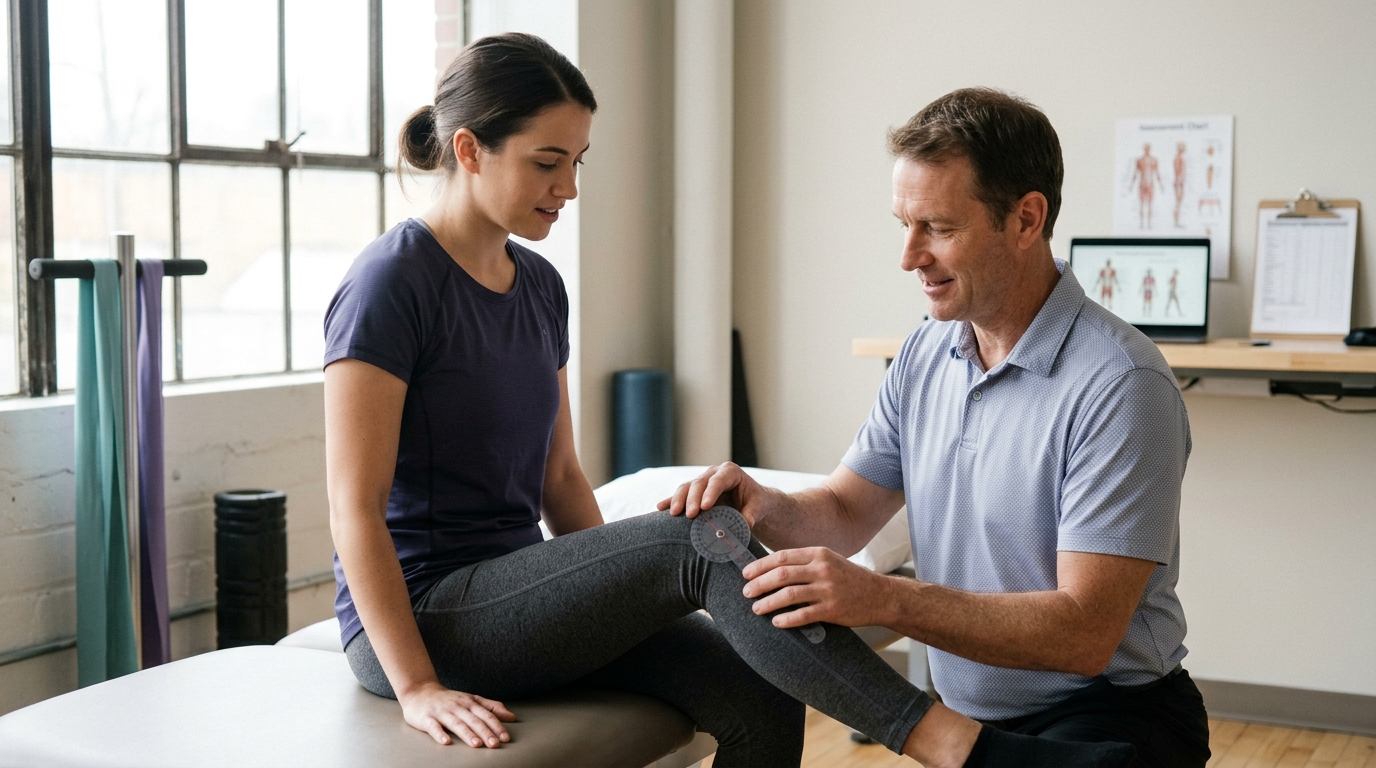
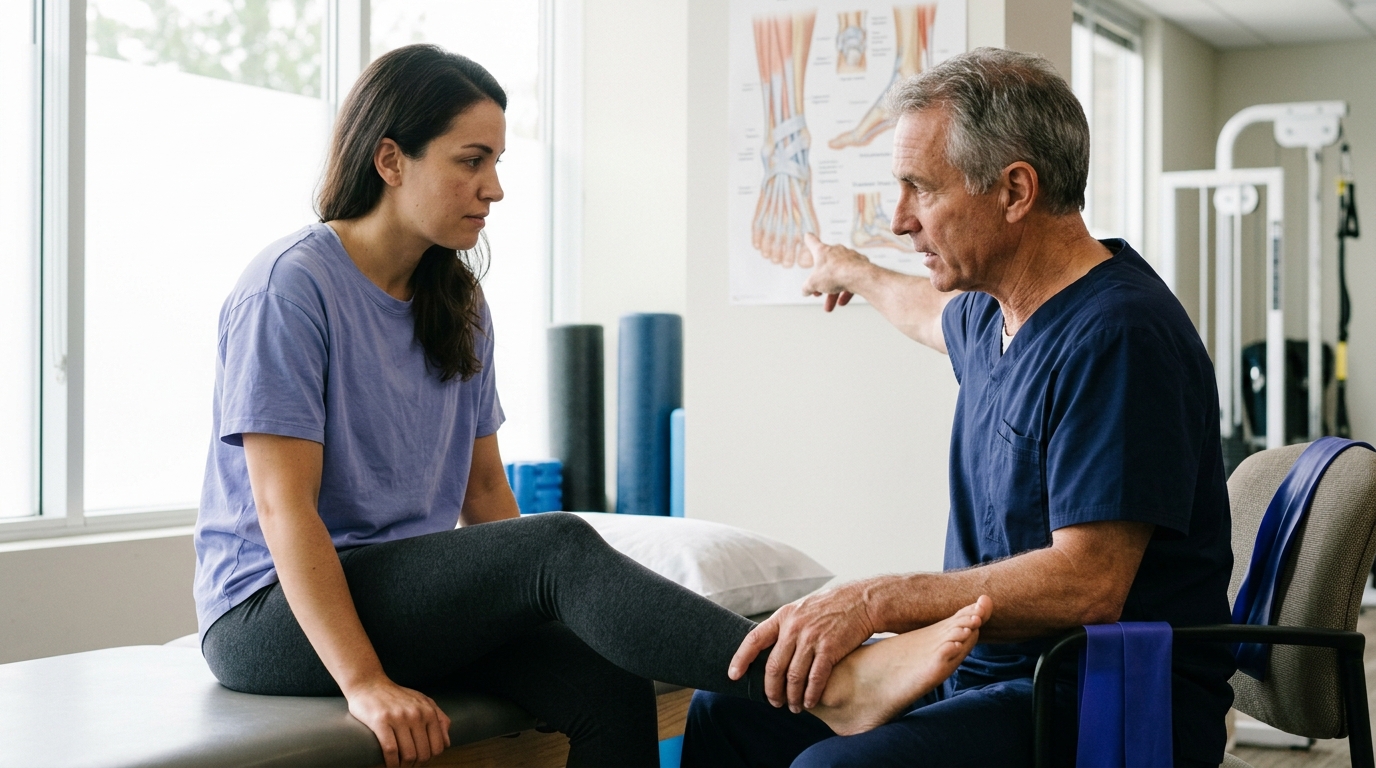
When dealing with persistent or recurring physical discomfort, working with a physician, physical therapist, or orthopedic specialist can provide personalized clarity. Rather than asking how to achieve a textbook posture, focus your discussion on capacity, load tolerance, and daily function.
Here are practical questions you can bring to your next healthcare appointment:
These questions shift the clinical conversation away from rigid alignment rules and toward building personal strength, confidence, and functional capability.
The human body does not require a single, rigid posture to stay healthy and free from pain. Scientific evidence shows that normal anatomical variations are common and that ordinary differences in posture do not directly cause spinal injury. Holding any single position for too long can create temporary fatigue and stiffness, regardless of how straight you sit.
True everyday comfort comes from position variability, ergonomic options, and general physical conditioning. Organizing your workstation to reduce reaching, taking frequent short movement breaks, and meeting national physical activity guidelines all contribute to tissue health and daily ease. When discomfort arises, respond with calm movement, gradual activity, and practical adjustments rather than fear of structural damage.
Slouching on a couch is a normal, relaxed human posture that does not damage the spine. Discomfort from slouching usually occurs when you stay in that single shape for hours without moving. Alternating between lounging, sitting upright, and getting up to stretch keeps tissues comfortable and healthy.
A standing desk is a useful tool that provides options to change positions, but research does not show that standing desks cure back pain on their own. Standing still for prolonged periods can create its own stiffness in the lower back and feet. The greatest benefit comes from alternating comfortably between sitting, standing, and walking throughout the workday.
While there is no single medically proven break schedule that works for everyone, OSHA suggests taking a brief microbreak or changing tasks every 30 to 60 minutes. Shifting your position in your chair, standing up for a phone call, or taking a one-minute walking break helps restore circulation and ease muscle tension.
Posture corrector braces pull your shoulders back artificially, but they do not build the active strength, endurance, or motor control needed to support your body naturally. Relying on an external brace can make you overly conscious of normal alignment and may cause muscle fatigue. Developing daily movement habits and general strength is far more effective for long-term comfort.

Use ReboundBody resources to understand common recovery stages, rehab terms, movement limits and strength rebuilding. Each guide is designed to make a complex comeback easier to understand.


Read practical guidance on injury recovery, rehabilitation, mobility and rebuilding strength as you work your way back to activity.
Explore Resources