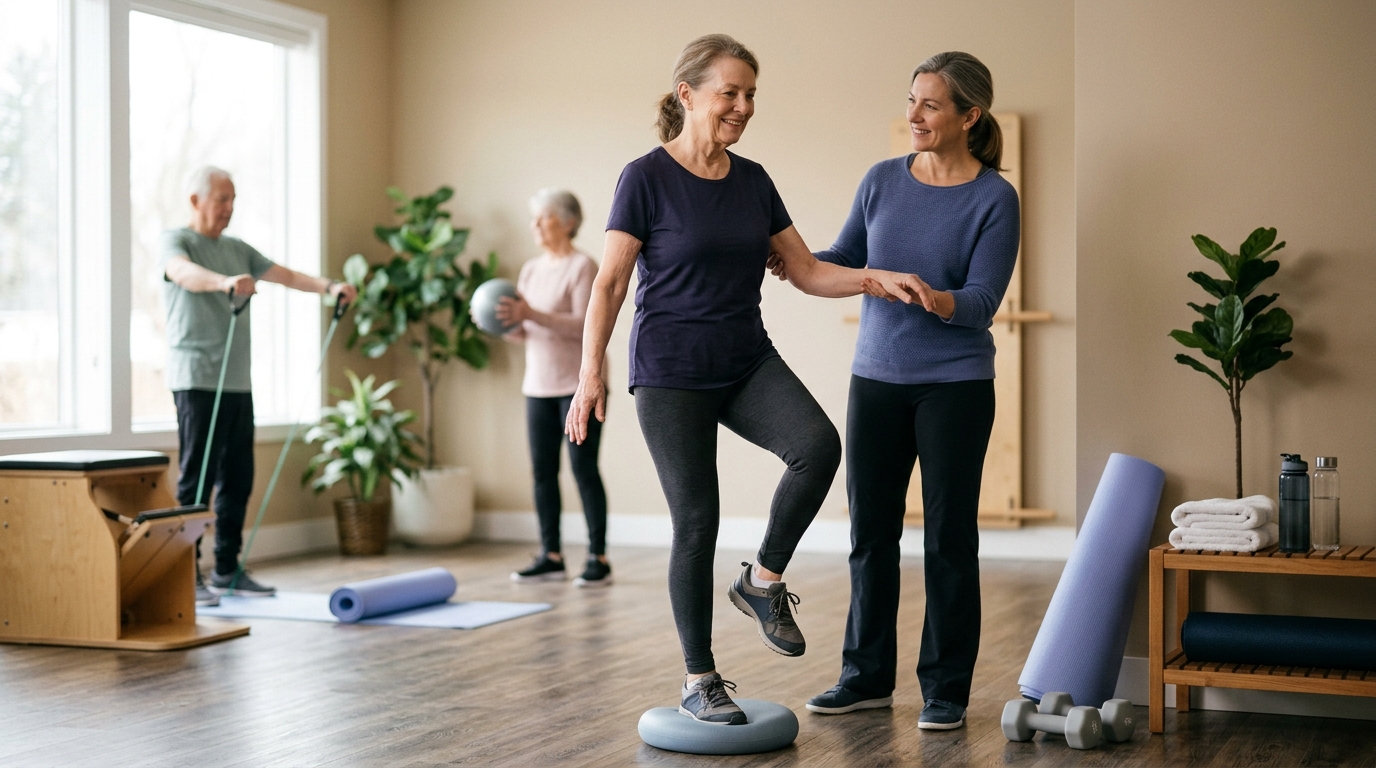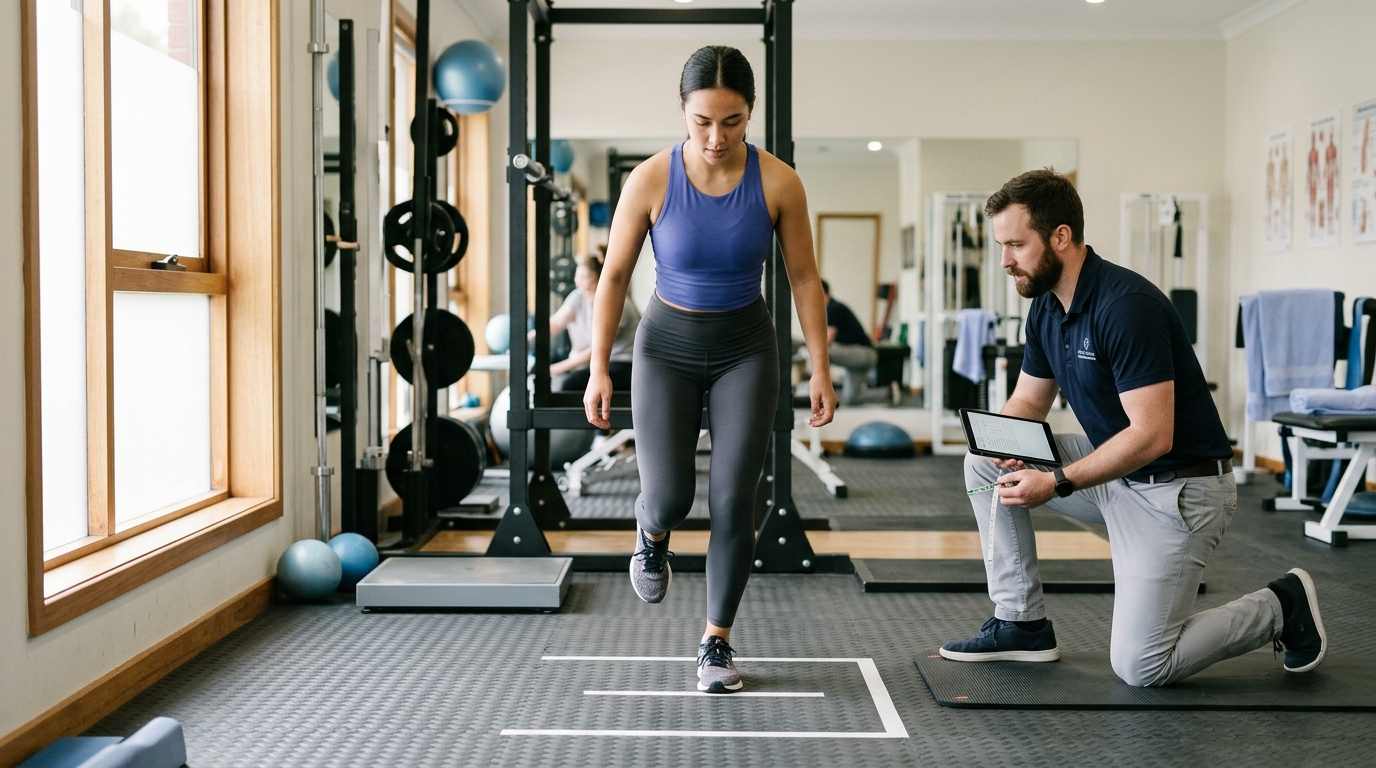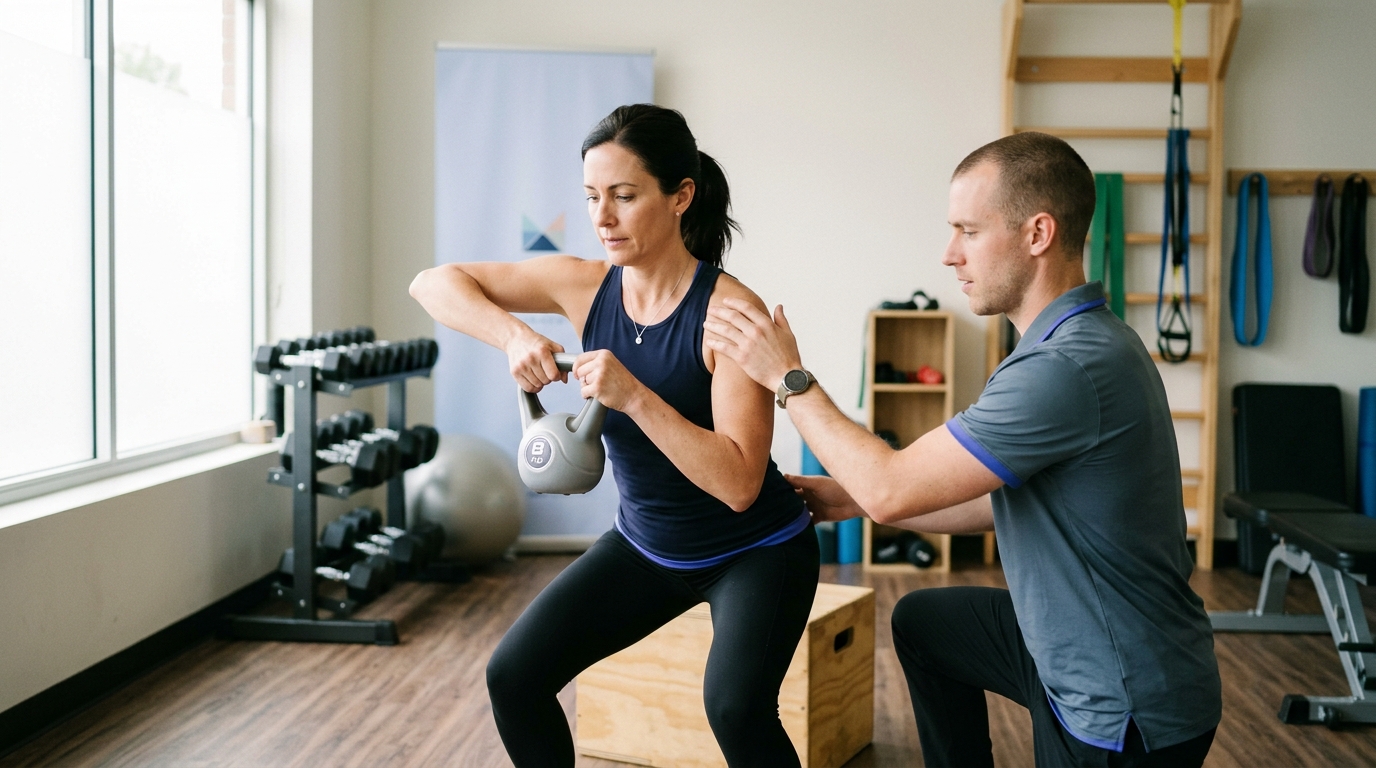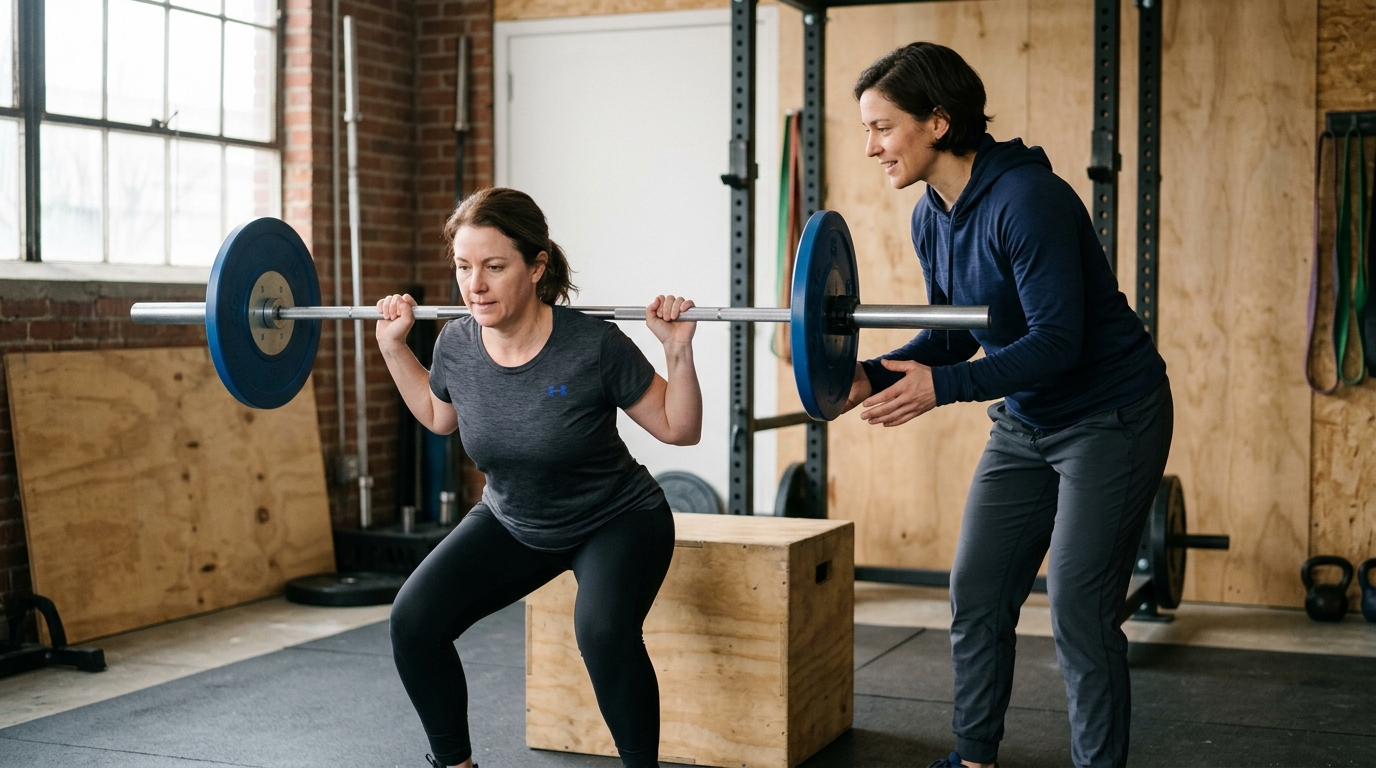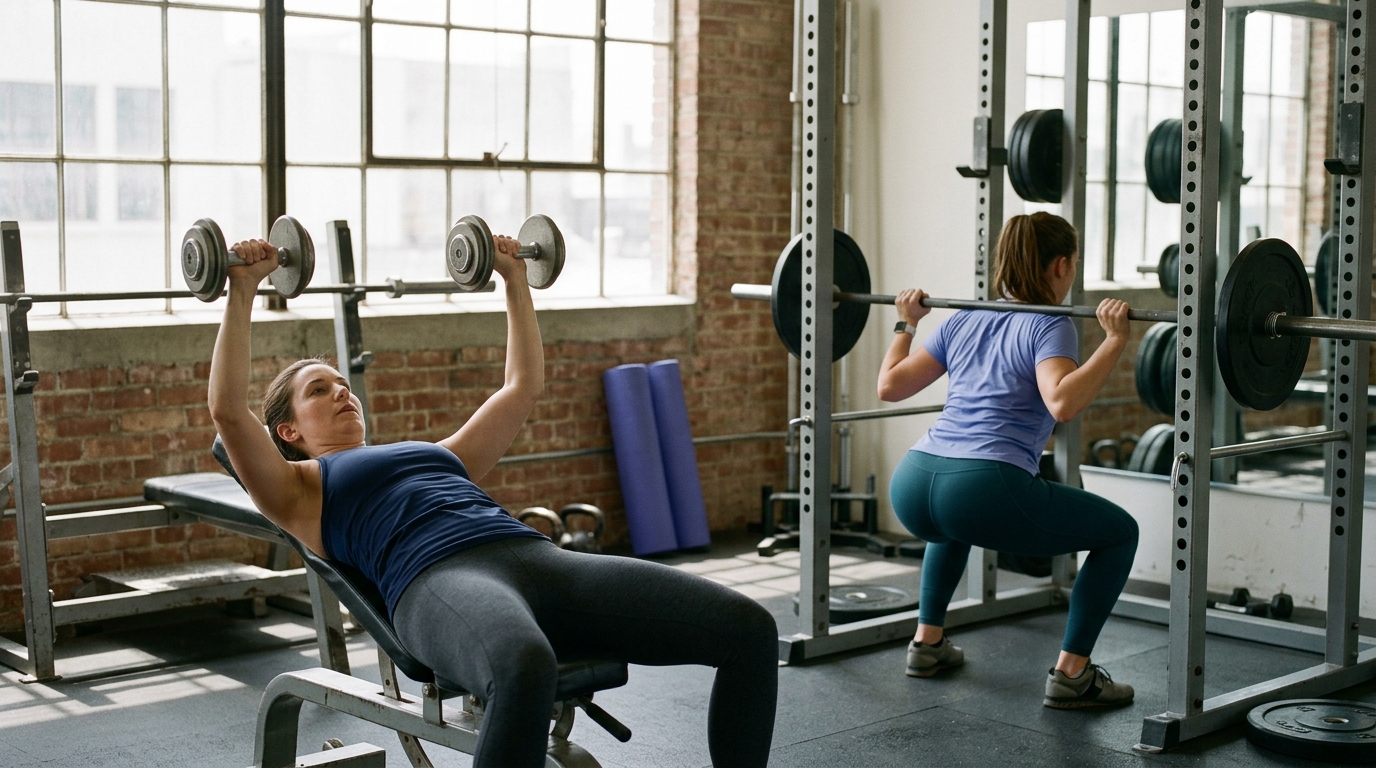

Open-chain and closed-chain exercises apply distinct biomechanical forces that affect joint stability, muscle isolation, and rehabilitation timelines for long-term athletic development.





Many active adults search whether open-chain or closed-chain exercises are better for rebuilding strength after an injury. You might have heard that one type is dangerous for your joints, while the other is the only functional way to train. This guide provides a definitive answer based on current movement science and clinical research.
Neither open-chain nor closed-chain exercise is universally superior. Open-chain movements occur when your hand or foot moves freely in space, such as during a seated knee extension or bicep curl. Closed-chain movements occur when your hand or foot remains fixed against a stable surface, such as during a squat or push-up. Research shows that both styles of movement offer distinct mechanical benefits. Choosing between them depends on your specific training goals, joint tolerance, and clinical stage of rehabilitation.
The concept of kinetic chains originated in mechanical engineering before sports medicine adopted it. In human movement, your body operates as a linked system of rigid segments connected by joints. When you move one segment, it creates forces that travel into neighboring segments. Understanding how these links behave helps clarify how muscles and joints handle physical loads.
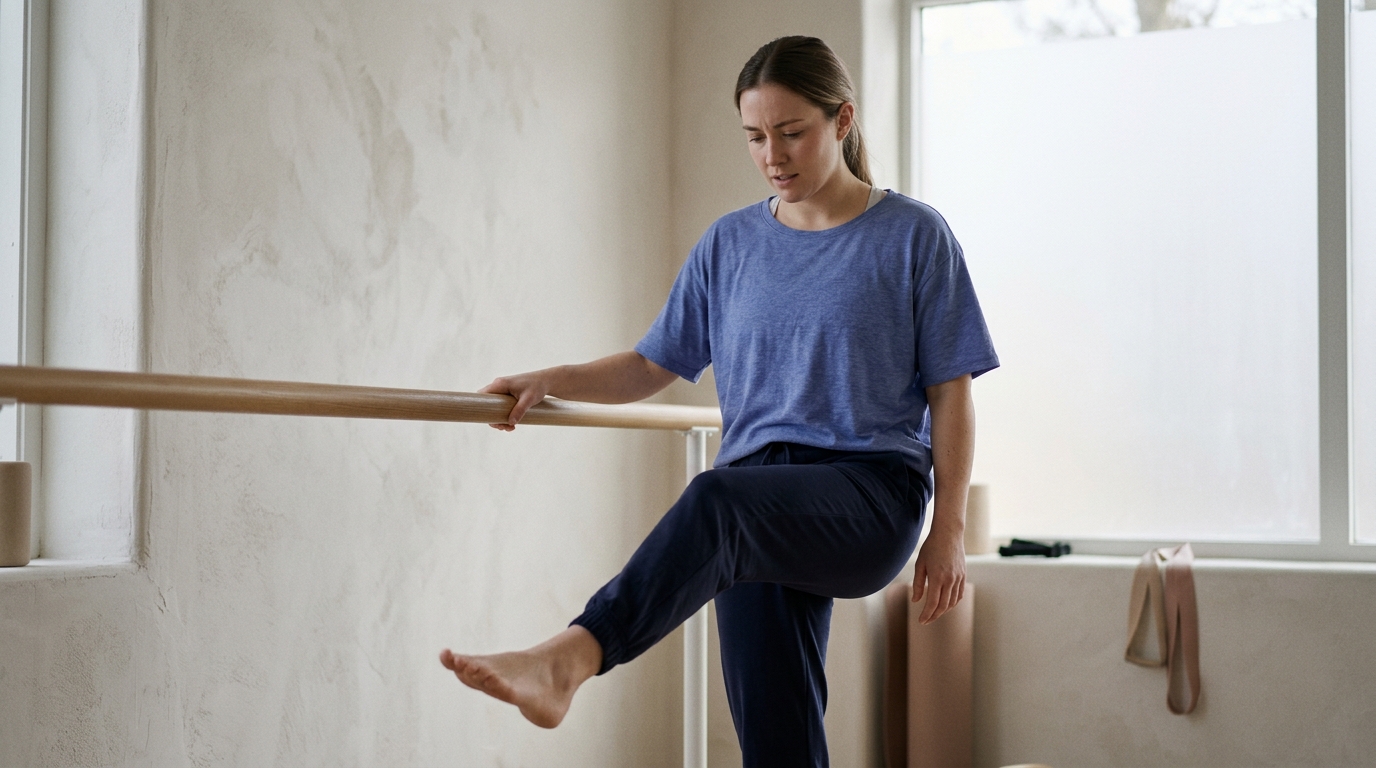
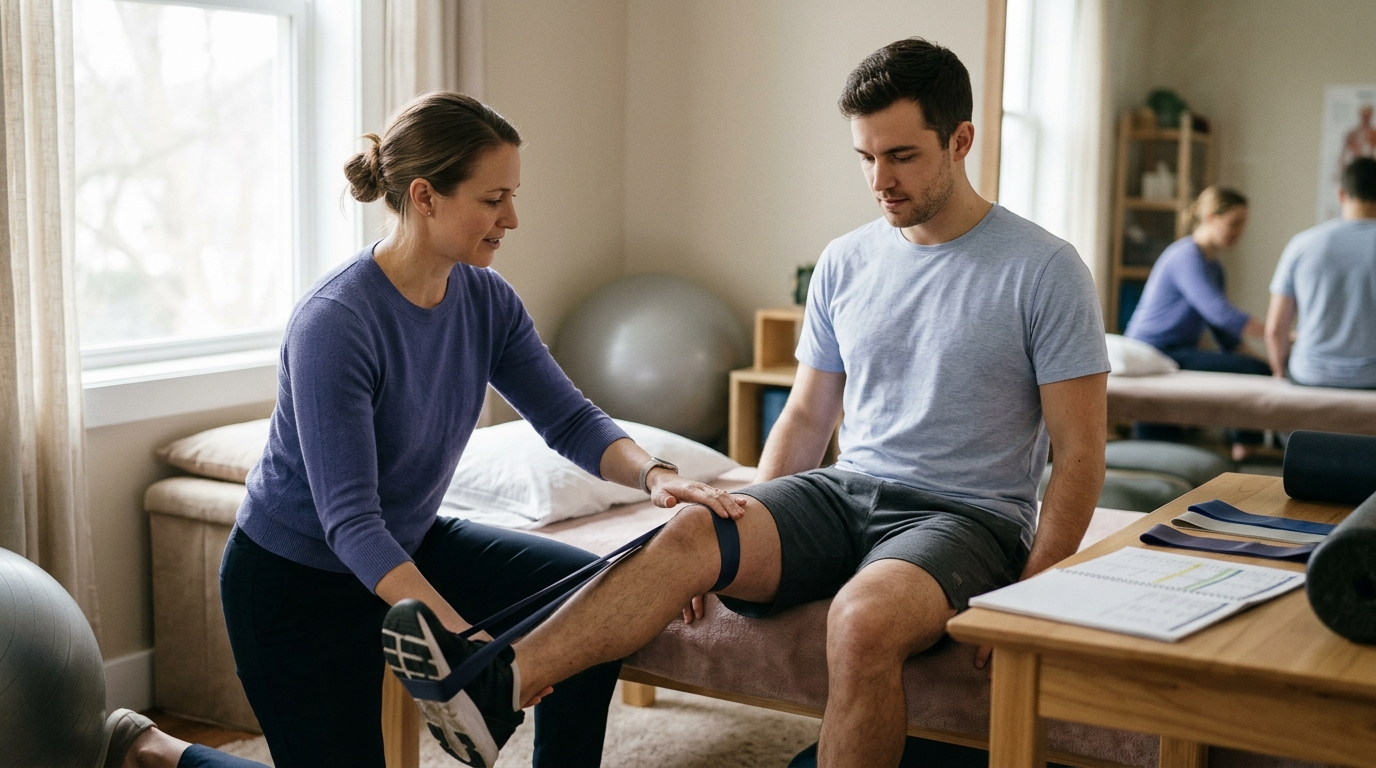
In an open kinetic chain movement, the furthest point of the limb is free to move. This furthest point is called the distal segment, which refers to your hand or your foot. Because the hand or foot moves freely, motion can occur at a single joint without forcing adjacent joints to move. When you perform a seated leg extension, your foot swings upward while your hip remains still. This mechanical arrangement allows you to isolate a specific muscle group with high precision.
In a closed kinetic chain movement, the distal segment is fixed or braced against an unyielding surface. This surface might be the floor, a wall, or a solid footplate. Because the end of the limb cannot move freely, movement at one joint automatically forces movement at neighboring joints. When you perform a bodyweight squat, your feet remain planted on the ground. As your knees bend, your hips and ankles must bend simultaneously to manage the load.
These two movement categories create different types of physical stress across your joints. Closed-chain exercises often produce greater joint compression and encourage simultaneous contraction of opposing muscle groups, known as co-contraction. Open-chain exercises often create higher shear forces across a specific joint angle because the distal limb acts as a long lever. Neither type of force is inherently harmful. Your bones, tendons, and ligaments require both compressive and tensile forces to rebuild their capacity over time.
Distinguishing between open and closed movements becomes clearer when looking at familiar lower-body exercises. The classification depends entirely on whether your foot is free or planted, rather than the type of gym equipment you use. Both categories provide valuable tools for lower-body conditioning.
Open-chain exercises for the legs isolate individual muscle groups along the thigh, hip, or lower leg. Because the foot moves freely, you can challenge a specific muscle without requiring whole-body balance or coordination across multiple joints.
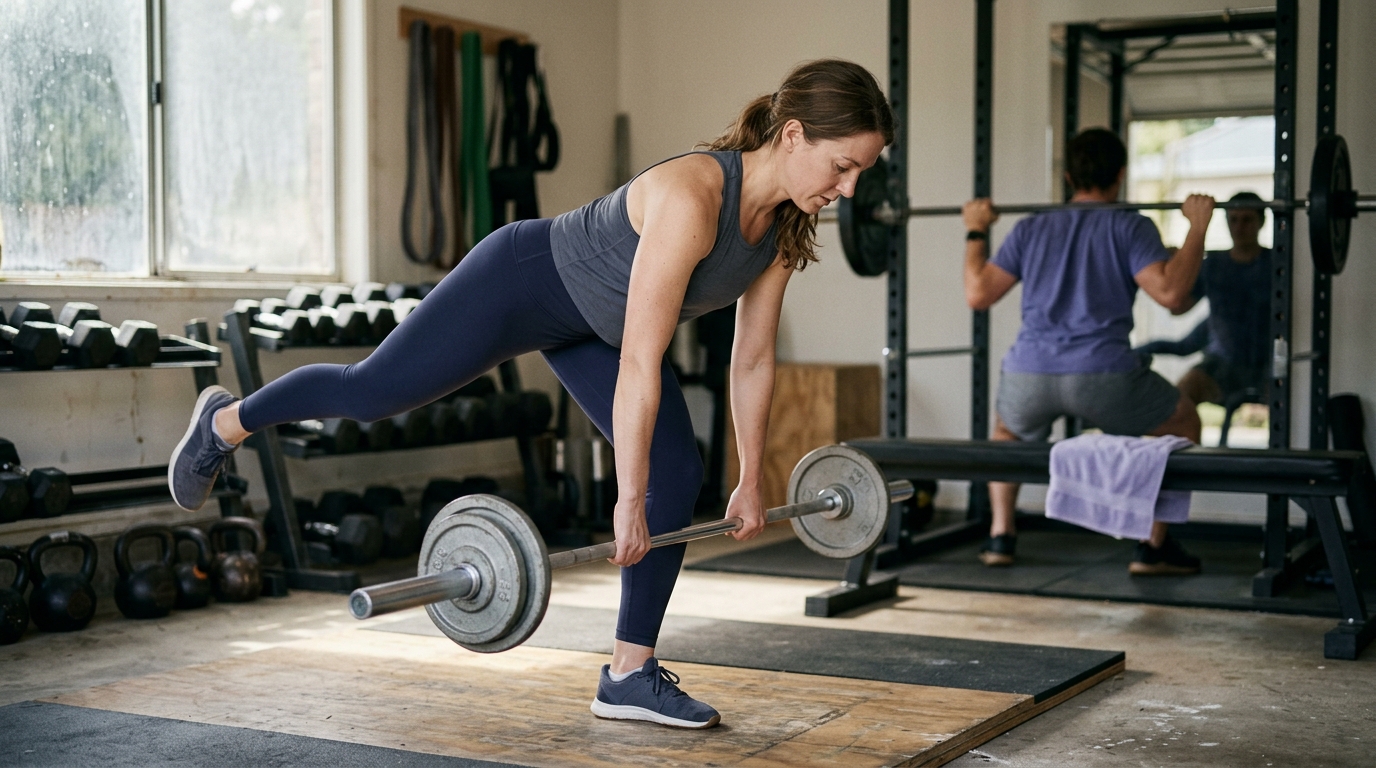
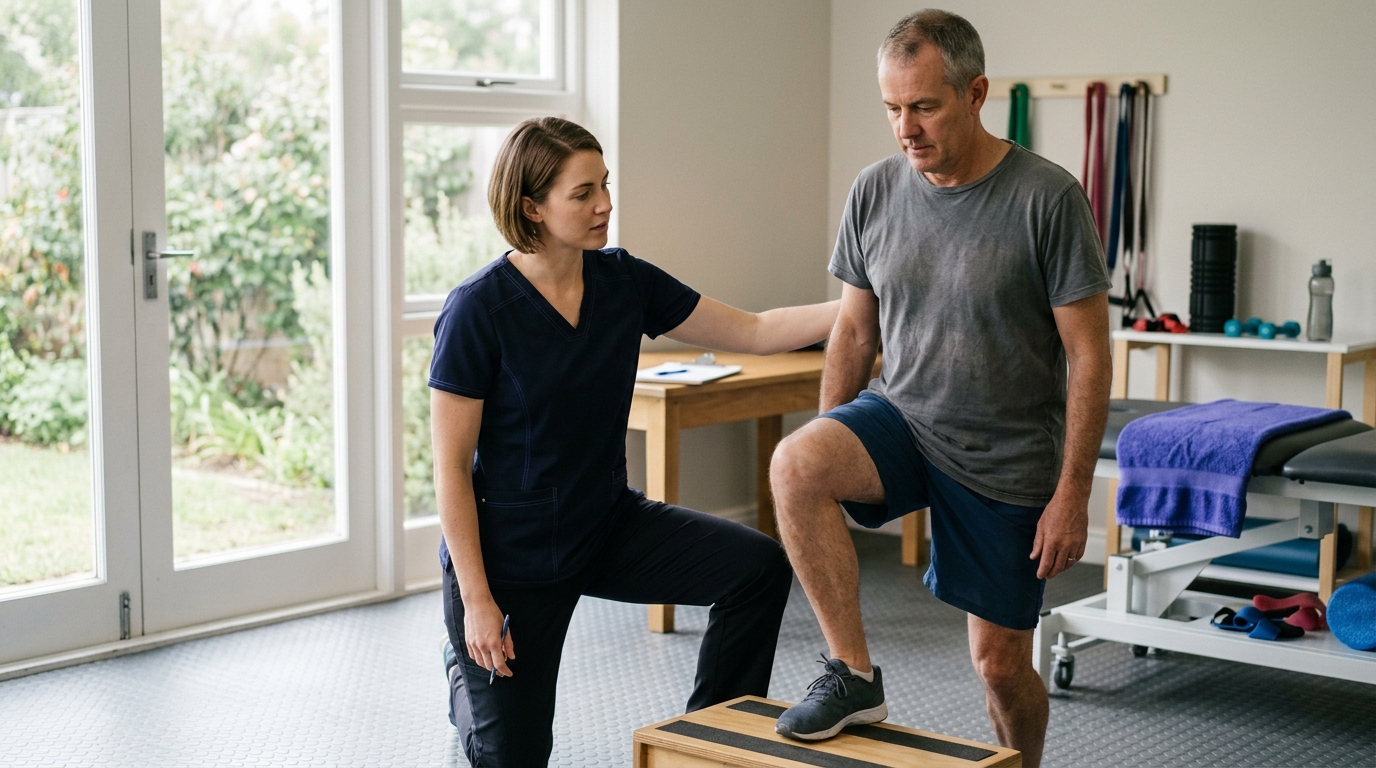
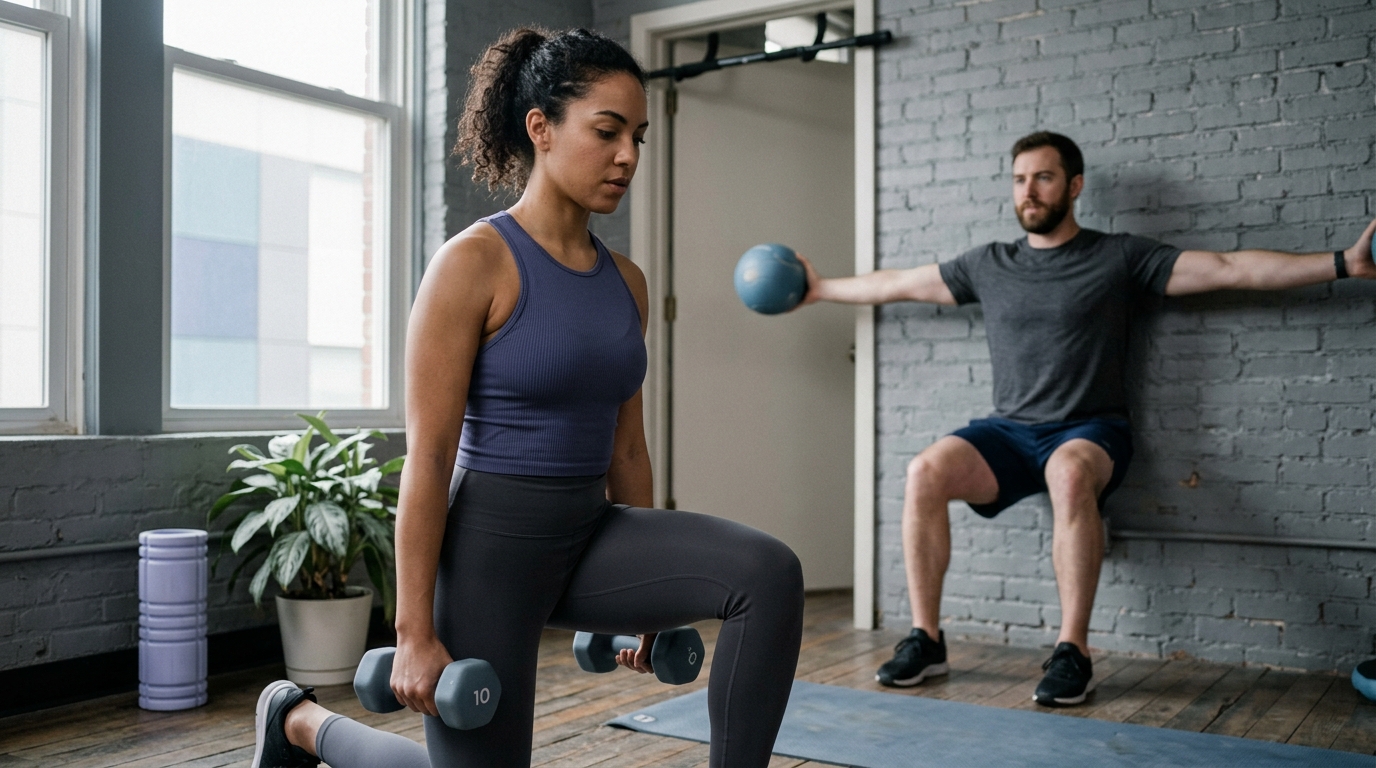
Closed-chain lower-body exercises recruit multiple joints and large muscle groups at the same time. These movements mimic everyday tasks like standing up, climbing stairs, or lifting objects from the floor.
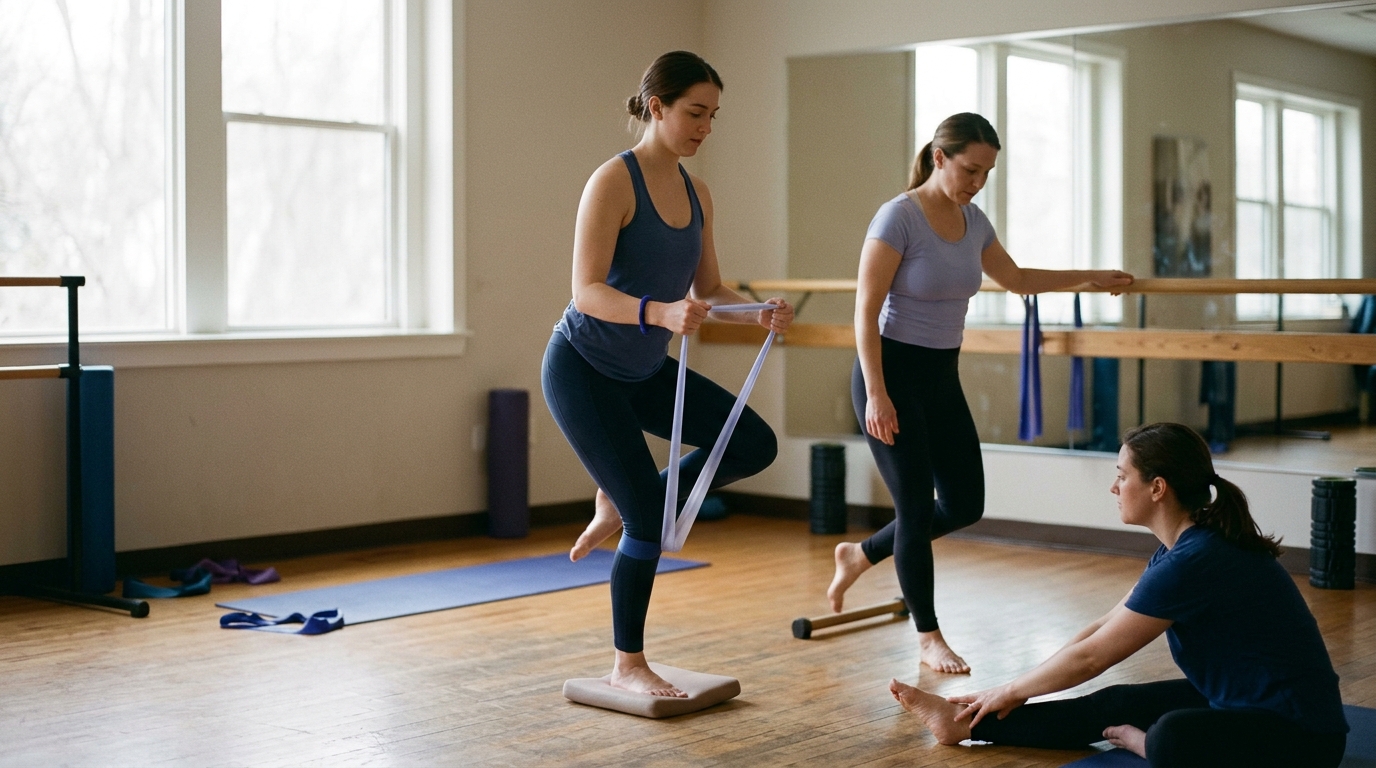
Learning how to combine these exercises is an essential part of rebuilding strength and movement performance. A complete routine rarely relies on just one category. Instead, it pairs targeted single-joint work with multi-joint compound patterns.
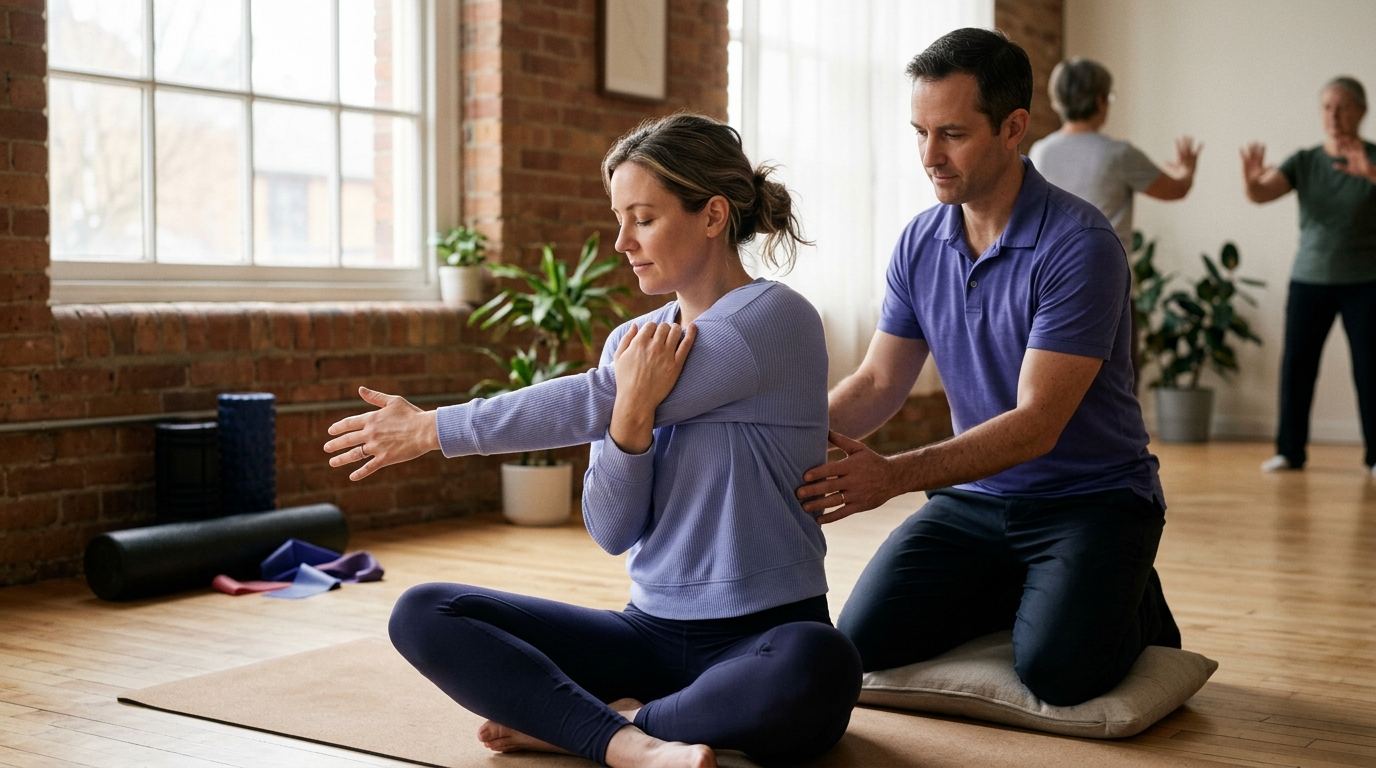
The same kinetic chain principles apply to the upper body, where the hands serve as the distal segments. The shoulder joint possesses the greatest range of motion of any joint in the human body. Because of this mobility, upper-body kinetic chain selection plays a major role in shoulder stability, muscular balance, and rotator cuff control.
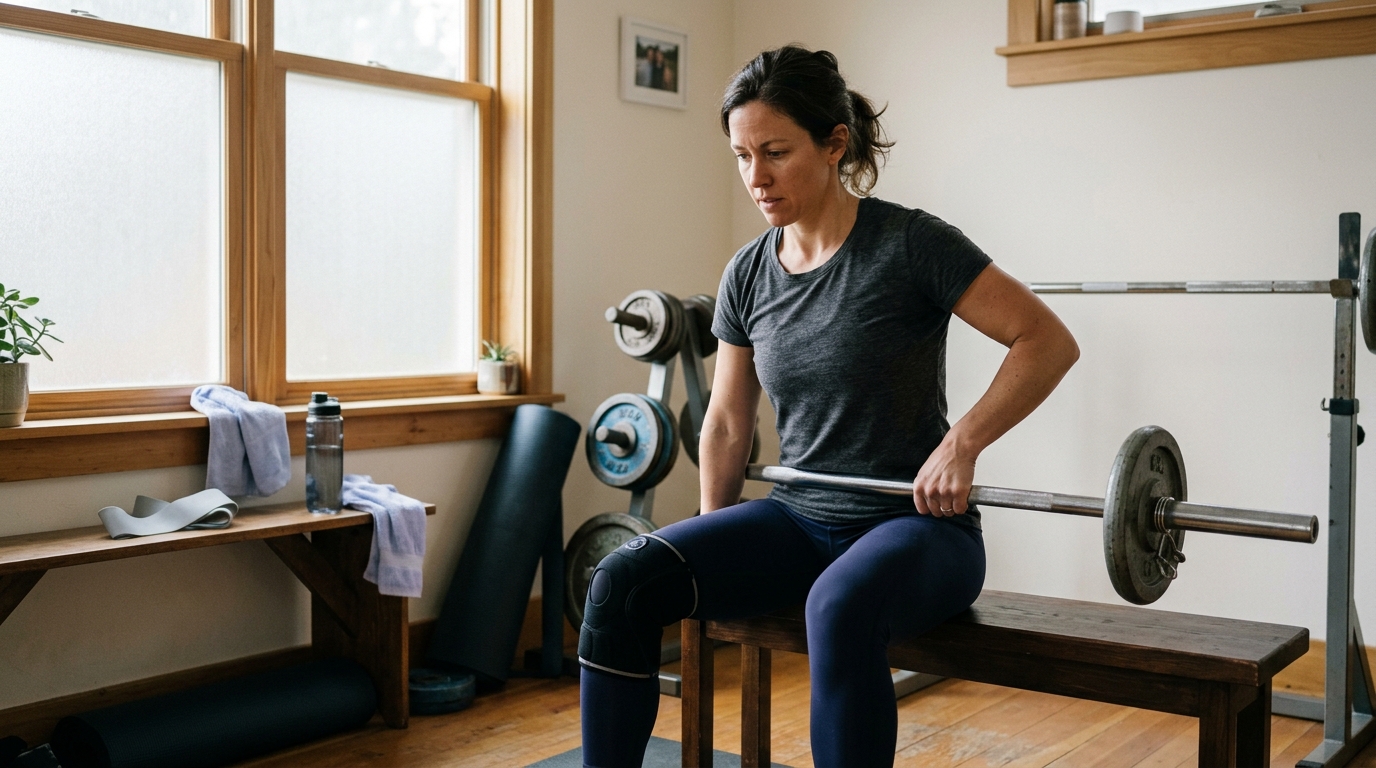
In open-chain upper-body exercises, your hands move freely through space while holding a weight, cable attachment, or elastic band. These movements are common in traditional bodybuilding and early-stage rotator cuff rehabilitation.
These movements allow you to target specific rotator cuff muscles or upper-arm segments without requiring total shoulder girdle stabilization. If a particular joint position causes discomfort, you can adjust the path of your hands freely.
In closed-chain upper-body exercises, your hands remain anchored to the floor, a bar, or parallel handles. Your arm and trunk muscles work together to move your body mass relative to your fixed hands.
Closed-chain upper-body exercises stimulate high levels of rotator cuff co-contraction. When your hand is planted, the ball of the shoulder joint is pressed securely into its shallow socket. This compressive effect can enhance joint stability, making closed-chain drills a staple in targeted mobility and movement practice.
Rehabilitation following anterior cruciate ligament (ACL) reconstruction is one of the most studied areas in sports medicine. Historically, clinicians debated whether open-chain knee extensions should be avoided after surgery. The initial concern was that open-chain knee extensions might stretch or damage the healing ligament graft by pulling the shinbone forward.
Modern evidence provides a much clearer, balanced perspective. A systematic review and meta-analysis of randomized controlled trials evaluated open versus closed kinetic chain exercises after ACL reconstruction. The authors concluded that both exercise types offer meaningful benefits, and current evidence does not show that one approach is universally superior to the other.
A separate systematic review found low to moderate-quality evidence showing no significant differences between open and closed exercises regarding knee laxity, muscle strength, or patient-reported function. The data suggest that open-chain training does not inherently cause graft stretching when introduced at appropriate stages and loads.
Recent research provides further detail regarding muscle strength recovery. A 2024 review examined open and closed kinetic chain exercises in ACL-deficient knees and following ACL reconstruction. The authors noted low to very-low certainty evidence overall, but found that open-chain training produced greater quadriceps isokinetic strength at specific recovery milestones. Specifically, open-chain exercise showed greater quadriceps strength at three months after ACL surgery (p = 0.03) and at four months in ACL-deficient knees (p = 0.008).
Timing and movement range play a decisive role in surgical recovery. A clinical review examining post-surgical protocols found that introducing open-chain quadriceps exercise between 90 degrees and 45 degrees of knee flexion at four weeks after hamstring-autograft reconstruction did not alter clinical outcomes or compromise graft stability. Restricting the range of motion during early open-chain work limits the mechanical strain placed on the new graft while still allowing the quadriceps to wake up.
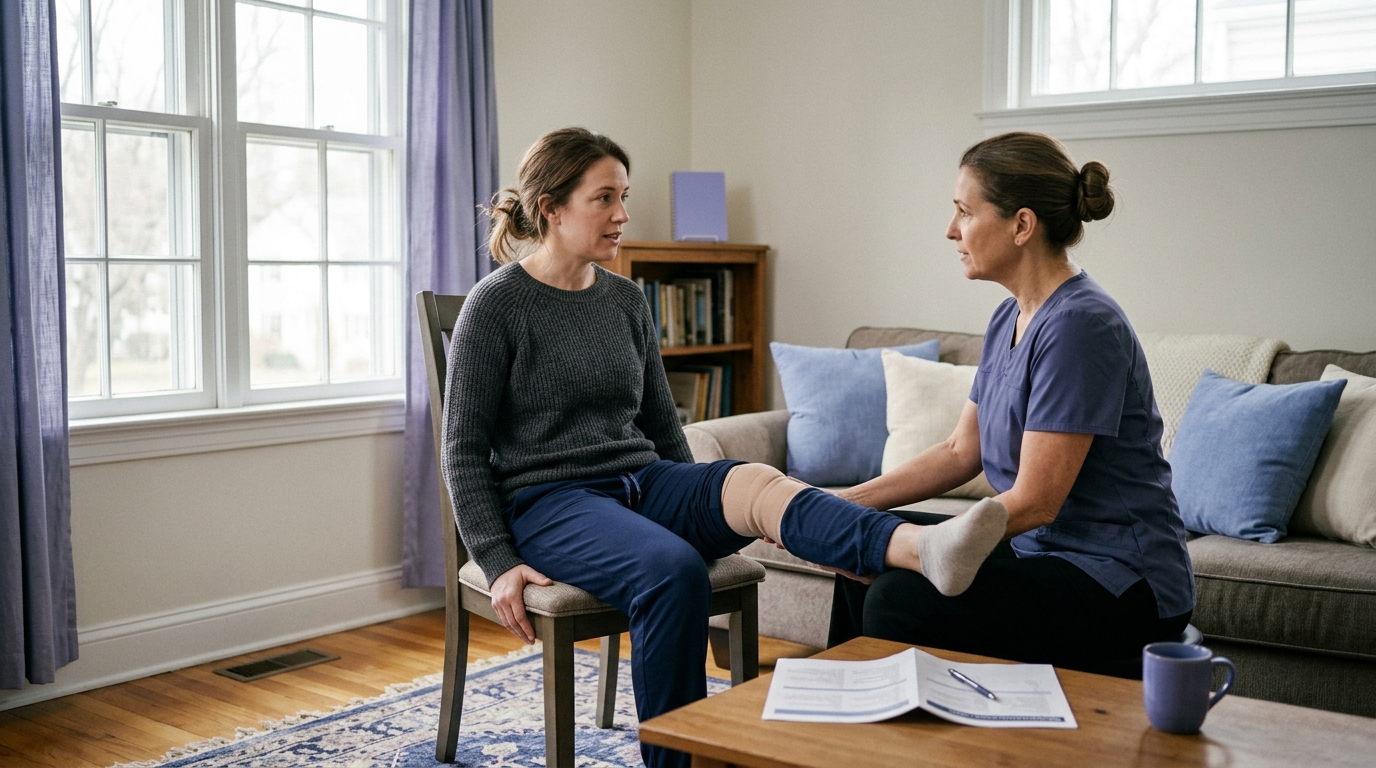
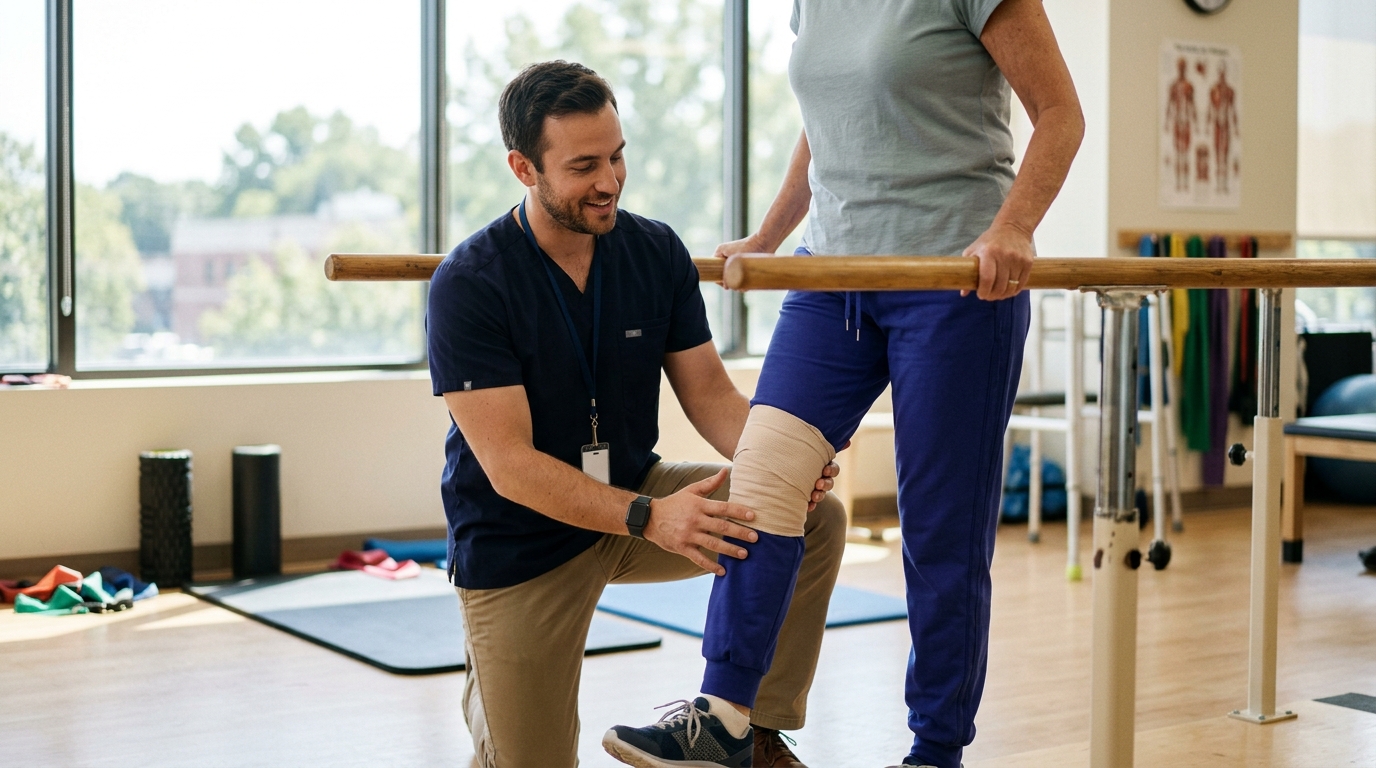
Earlier systematic reviews also noted that closed-chain training is safe and effective in early rehabilitation because it promotes muscular co-contraction and minimizes patellofemoral irritation. Adding open-chain exercises later in the timeline allows patients to rebuild isolated quadriceps strength that closed-chain compound movements might miss. For active adults navigating structured surgical recovery protocols, working closely with a physical therapist ensures that exercises are timed correctly for graft protection.
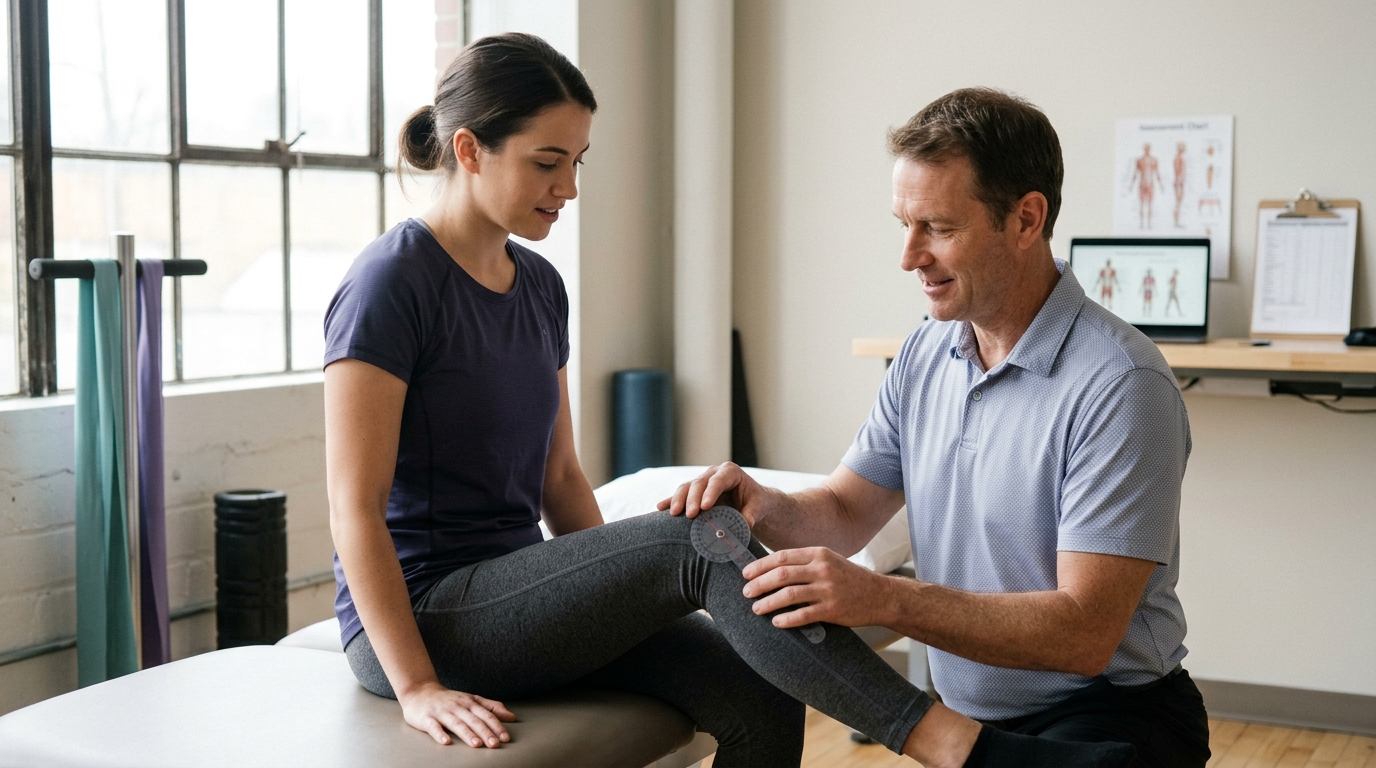
Patellofemoral pain involves discomfort around or behind the kneecap, often aggravated by running, squatting, or descending stairs. Managing this condition requires careful loading of the joint surface where the kneecap glides against the thighbone.
The "Best Practice Guide to Conservative Management of Patellofemoral Pain" recommends strengthening both the hip and knee musculature using a combination of open-chain and closed-chain exercises. The expert consensus indicates that neither category should be excluded. Instead, clinicians are encouraged to use both tools to build comprehensive capacity across the lower extremity.
The guide outlines specific exercise choices for both modalities:
Biomechanical research explains why combining both categories is advantageous for patellofemoral recovery. In an open-chain knee extension, joint stress on the patellofemoral joint is lowest between 90 degrees and 45 degrees of knee flexion, and highest near full extension (0 degrees). In a closed-chain squat, joint stress is lowest between 0 degrees and 45 degrees of flexion, and highest as the knees bend deeply beyond 60 to 90 degrees.
Understanding these angles allows you to train your quadriceps effectively while staying within a comfortable range of motion. If deep squats cause knee pain, you can perform shallow closed-chain squats paired with mid-range open-chain leg extensions. A best-practice guide emphasizes using closed-chain exercises to replicate weight-bearing tasks, while employing open-chain exercises in early stages to target weak hip or thigh muscles without overwhelming the joint.
Knee osteoarthritis involves gradual changes in joint cartilage, bone structure, and surrounding soft tissues. Muscle weakness, particularly in the quadriceps, is a primary risk factor for both the development and progression of joint symptoms. Strength training represents a cornerstone of non-surgical management.
A randomized clinical trial investigated the effects of open kinetic chain, closed kinetic chain, and combined exercise in 96 adults with mild-to-moderate knee osteoarthritis. Participants were divided equally into three groups of 32 and trained for 12 weeks. The trial evaluated static quadriceps strength, dynamic quadriceps strength, and thigh circumference.
At the conclusion of the 12-week study, all three groups demonstrated improvements across all measured outcomes:
The study found no statistically significant differences in strength or thigh girth gains between the open-chain, closed-chain, and combined-chain groups. The authors concluded that all three approaches were similarly effective for rebuilding muscular capacity in this population. However, several contextual factors must be considered: participants took 3,000 mg of paracetamol daily throughout the trial, there was no non-exercise control group, assessors were not blinded, and the dropout rate was 17.7%.
A broader 2025 systematic review evaluated 13 randomized trials comparing open-chain and closed-chain exercise for knee osteoarthritis over follow-up periods of 13 weeks or less. The review reported low-certainty evidence showing that closed-chain exercise was modestly superior for short-term pain reduction (Standardized Mean Difference -0.18, 95% Confidence Interval -0.37 to -0.00; p = 0.048) and self-reported physical function (Standardized Mean Difference -0.24, 95% Confidence Interval -0.44 to -0.03; p = 0.022). Differences in quality of life were assessed as very low certainty and showed no clear advantage for either modality.
These findings suggest that while closed-chain training may provide small immediate advantages for everyday physical tasks, both modalities effectively build muscle mass and joint stability. Long-term management often benefits from integrating both styles into a sustainable active aging and injury prevention routine.
Comparing the practical and mechanical attributes of both movement types helps clarify when to apply each in a training schedule.
Individual recovery timelines and exercise choices depend on biological and practical variables. What works for an athlete returning to competitive sport may not suit an individual managing chronic joint stiffness. Several key factors influence how you should select and progress between open and closed kinetic chain movements.
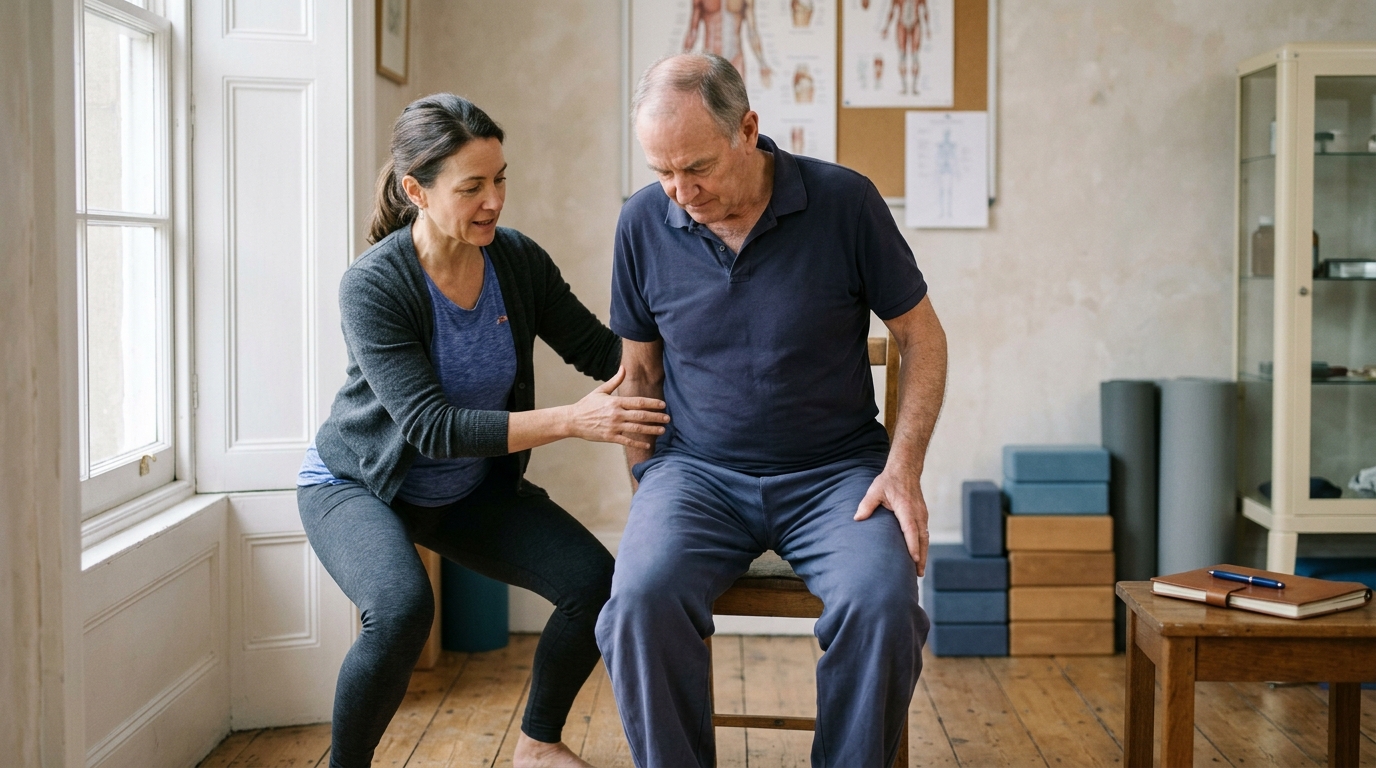
Following an orthopedic surgery or acute muscle tear, biological tissues pass through distinct phases of repair: inflammation, proliferation, and remodeling. In early healing phases, newly repaired tendons, ligaments, or surgical anchors cannot tolerate high shear forces. A surgeon may prescribe restricted ranges of motion or temporary weight-bearing limits.
During these early weeks, light closed-chain weight-shifting or protected open-chain isometric holds may be preferred depending on the exact repair. As tissues enter the remodeling phase, progressive mechanical loading stimulates collagen alignment and tensile strength. Gradually introducing both open and closed movements ensures the repaired limb develops both isolated strength and multi-joint coordination.
Joint reactivity dictates how much load you can safely apply during a training session. High irritability means pain flares quickly with minimal activity and takes hours or days to calm down. Low irritability means symptoms only appear under heavy loading and resolve quickly once the exercise stops.
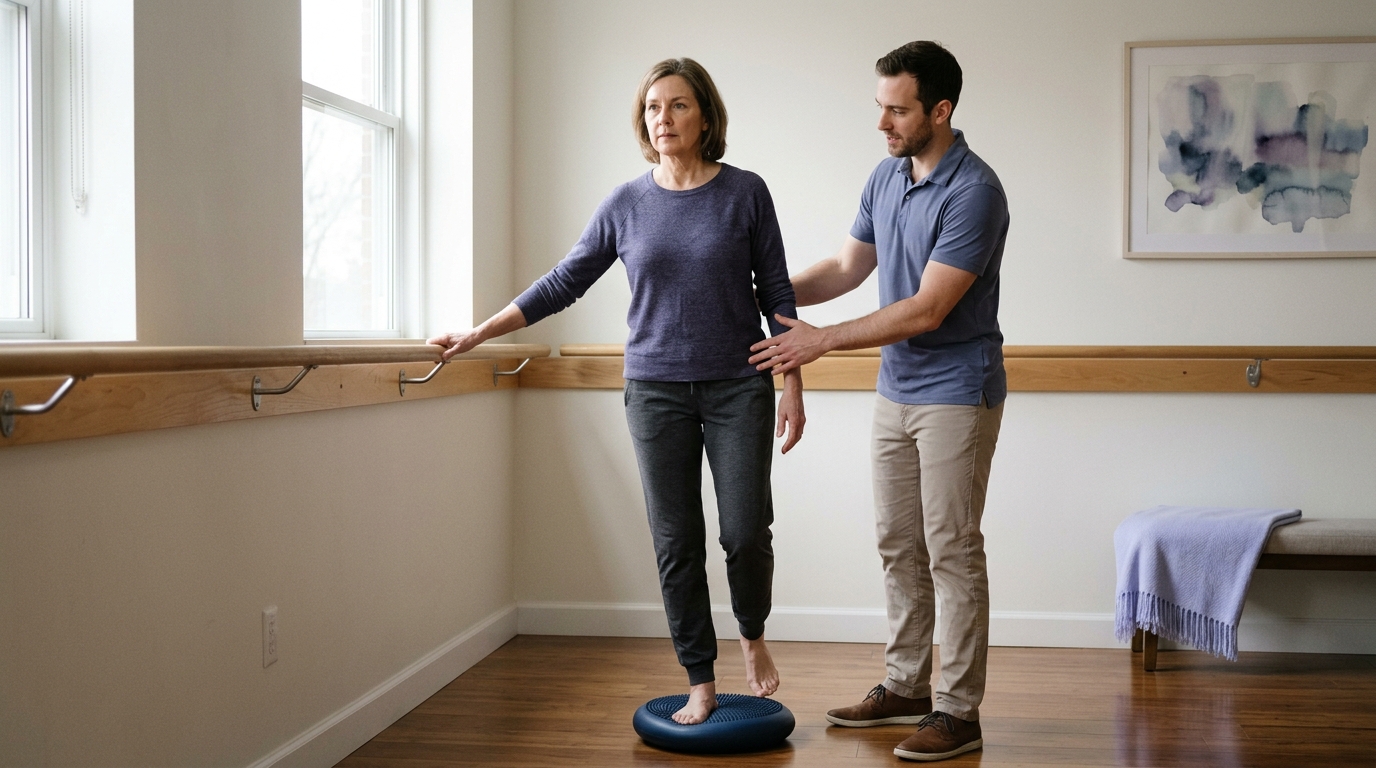
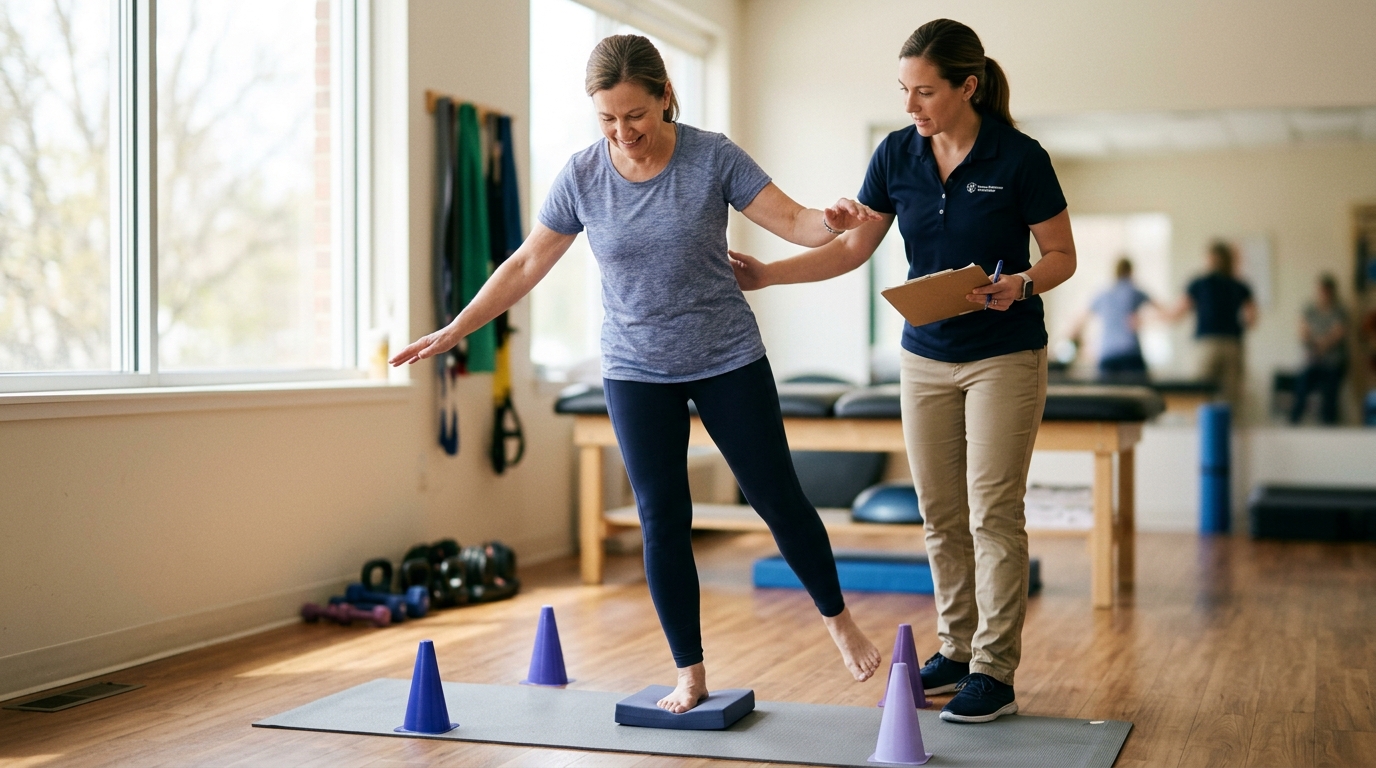
When irritability is elevated, open-chain exercises allow you to train unaffected joints without placing bodyweight stress on the sensitive area. Alternatively, supported closed-chain exercises with limited depth, like shallow wall sits, can provide gentle joint compression without provoking pain. As joint tolerance improves, you can expand movement depth, resistance, and velocity.
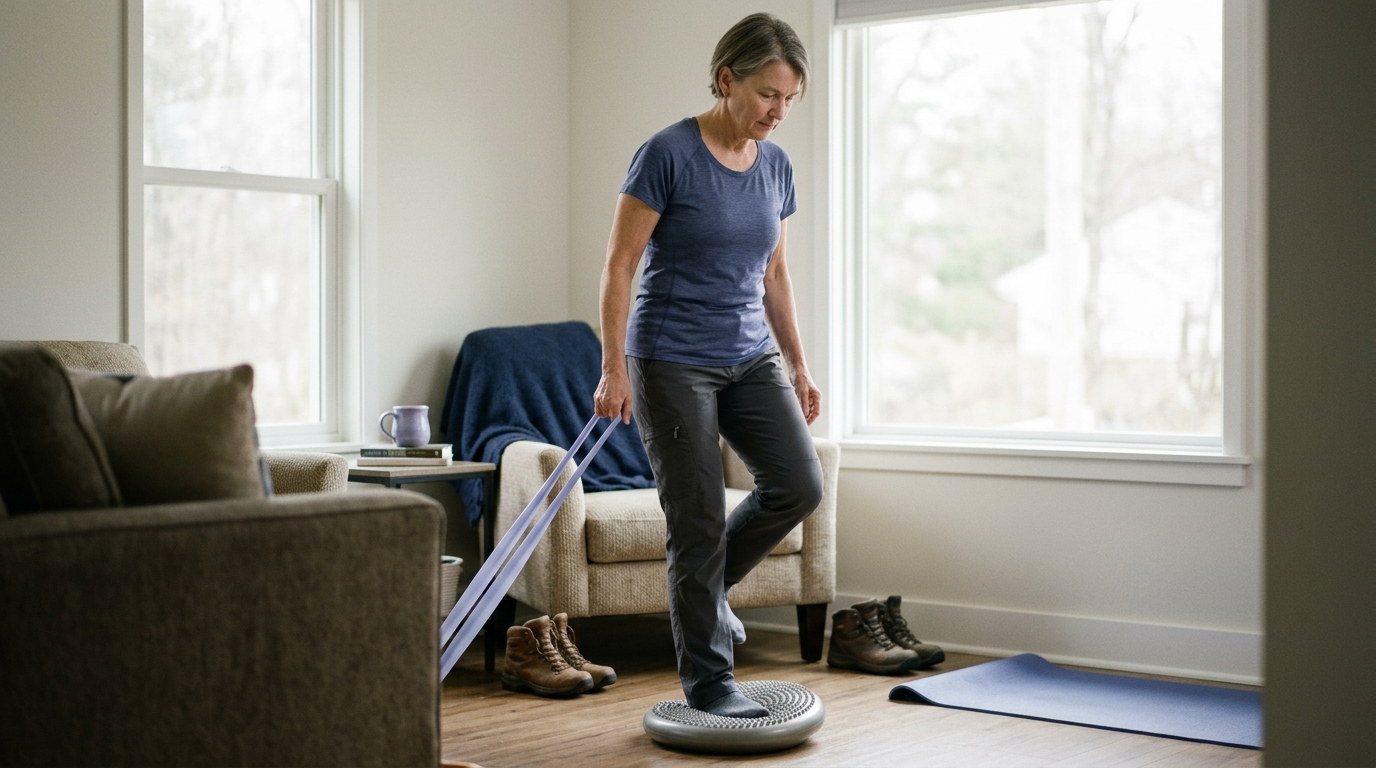
Your training selections must match the physical demands of your daily life, hobbies, or sport. If your goal is returning to trail running, hiking, or tennis, your body must handle rapid ground reaction forces. Closed-chain drills like lunges, step-downs, and single-leg squats train the foot, ankle, knee, and hip to absorb impact together.
However, complex closed-chain movements allow stronger muscles to compensate for weaker ones. A person performing a heavy squat might shift their hips slightly to offload a weak quadriceps, relying instead on their glutes and lower back. Adding open-chain leg extensions prevents this compensation by forcing the quadriceps to work in complete isolation. Combining both approaches creates balanced athletic capacity, as detailed in our guide to strength training and return to sport.
Selecting the right balance between open and closed movements does not require complex formulas. You can design an effective training program by answering four practical questions during each phase of your recovery:
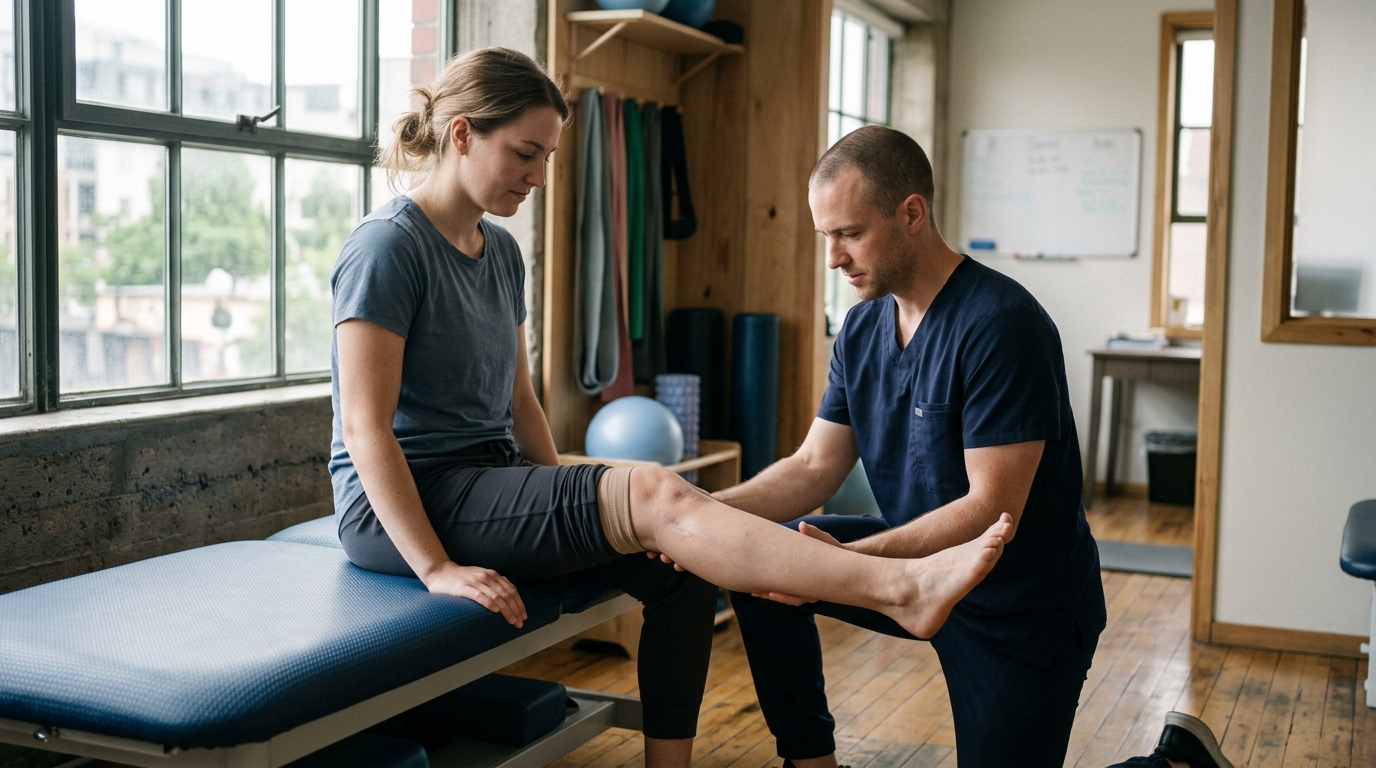
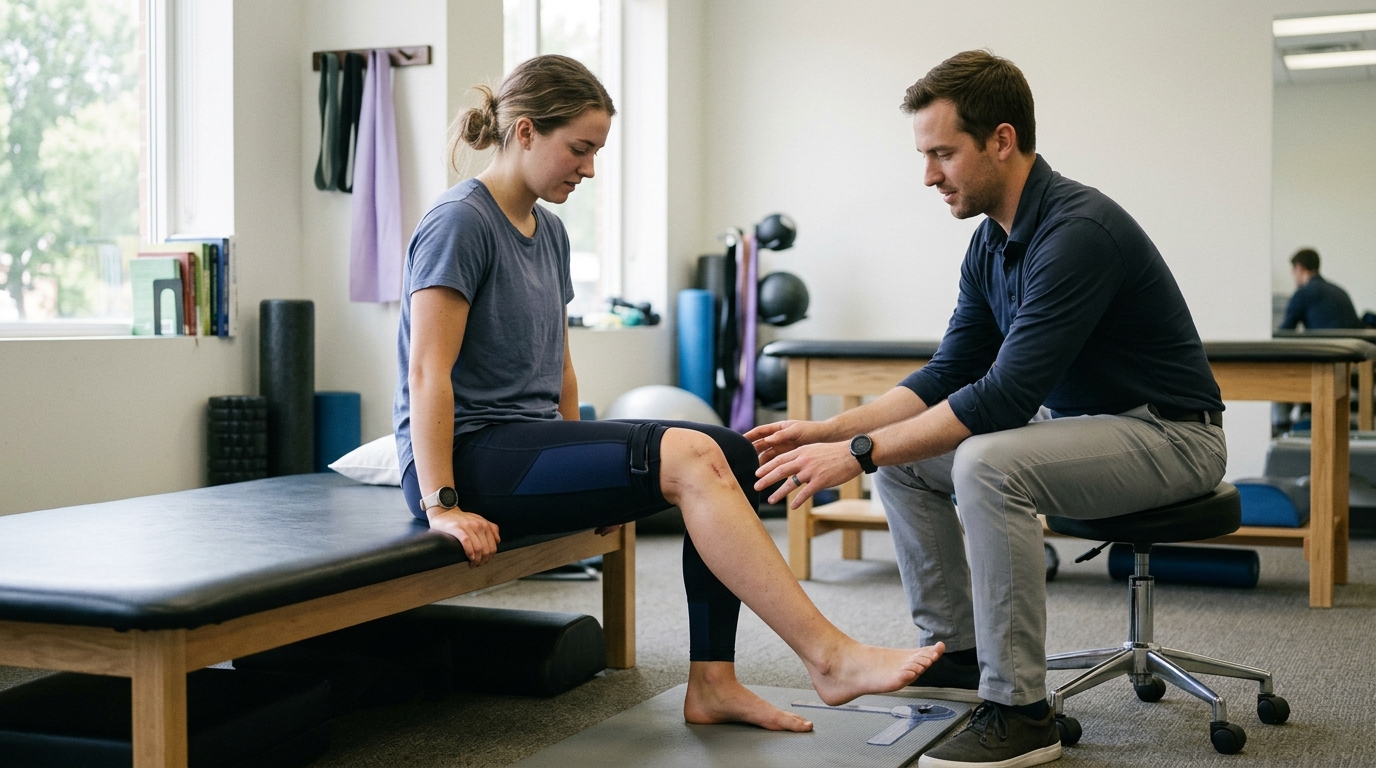
When working through an injury or rehabilitation program, clear communication with your medical team ensures safe progress. Consider bringing these questions to your next appointment:
The debate between open-chain and closed-chain exercises is not a matter of choosing one over the other. Both movement styles offer distinct biomechanical advantages. Open-chain exercises excel at isolating specific muscle groups, addressing lingering deficits, and training joint angles where closed-chain loading might cause irritation. Closed-chain exercises recruit multiple joints, encourage stabilizing co-contractions, and develop functional strength for weight-bearing life.
A well-rounded training and rehabilitation routine uses both tools strategically based on tissue healing, joint tolerance, and individual goals.

Use ReboundBody resources to understand common recovery stages, rehab terms, movement limits and strength rebuilding. Each guide is designed to make a complex comeback easier to understand.


Read practical guidance on injury recovery, rehabilitation, mobility and rebuilding strength as you work your way back to activity.
Explore Resources