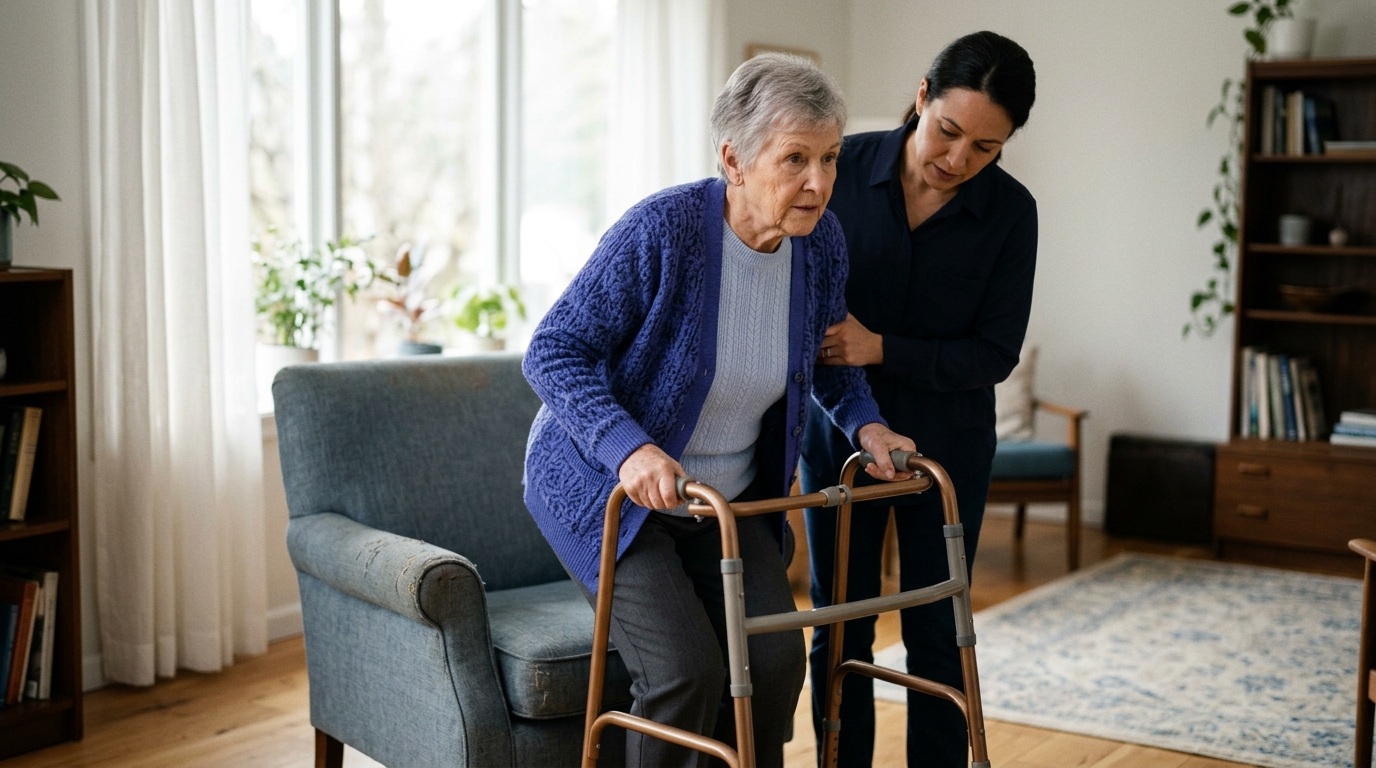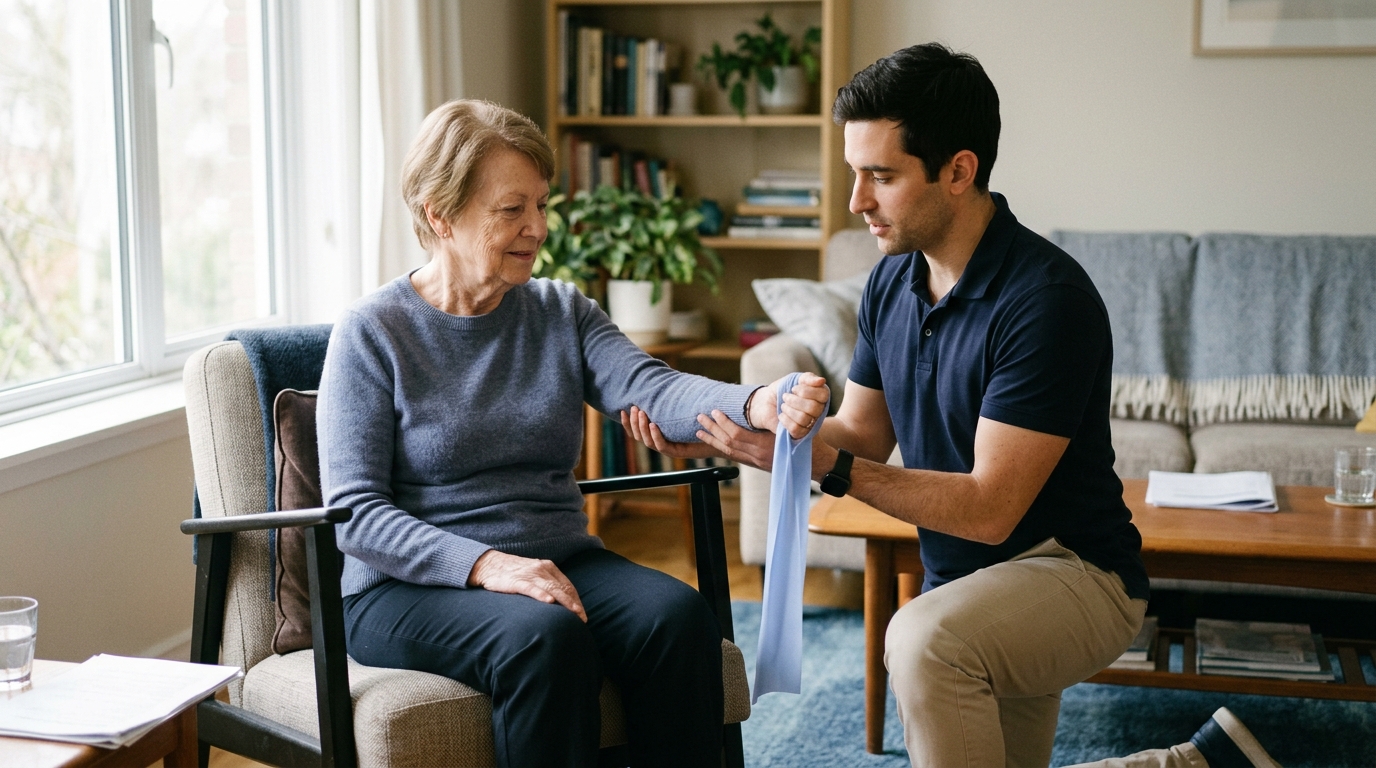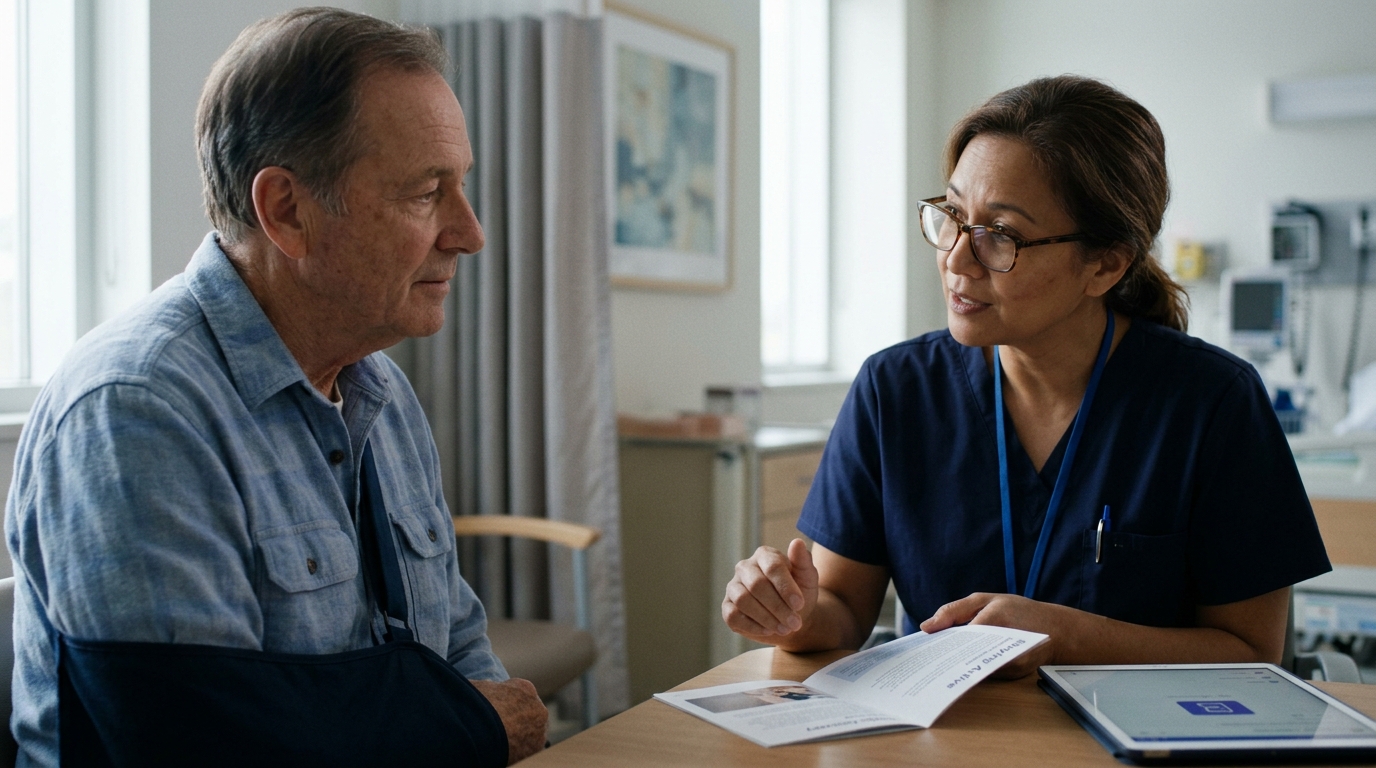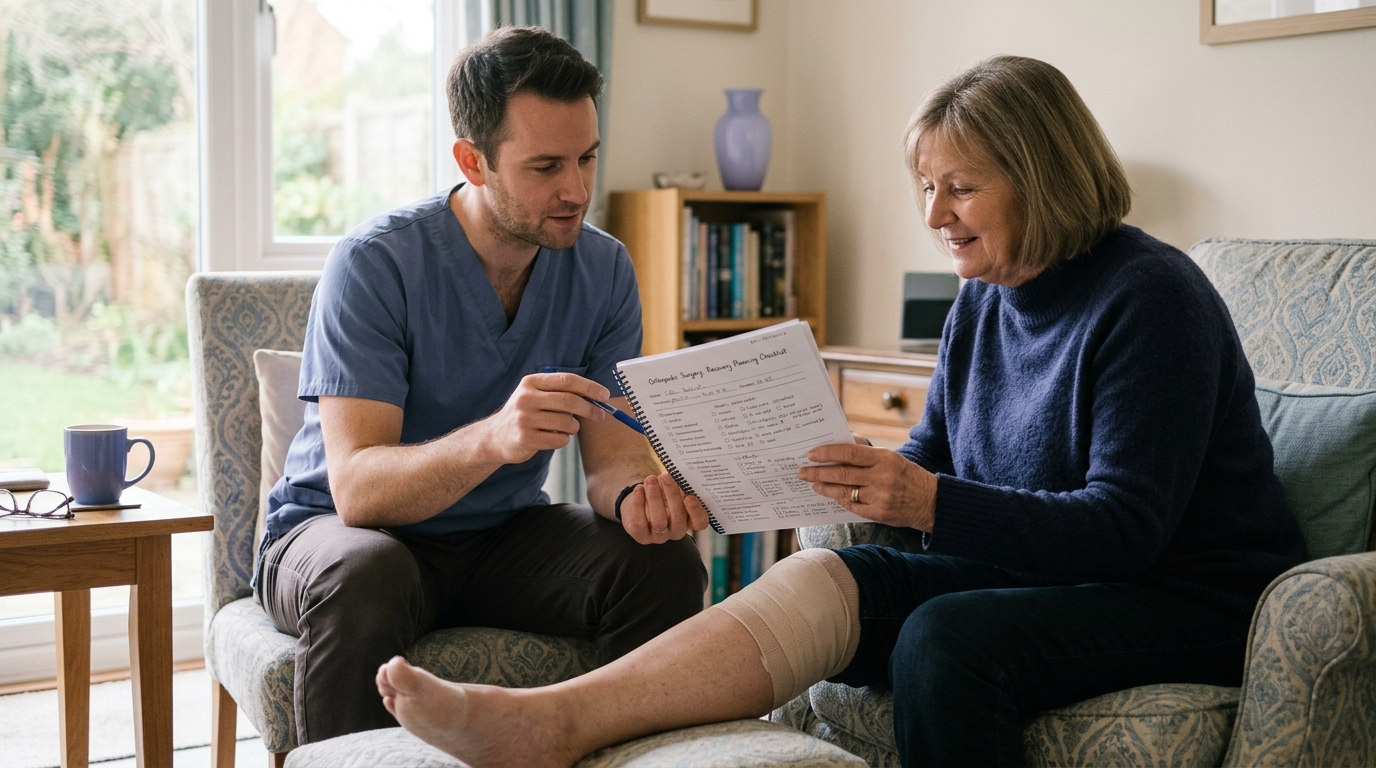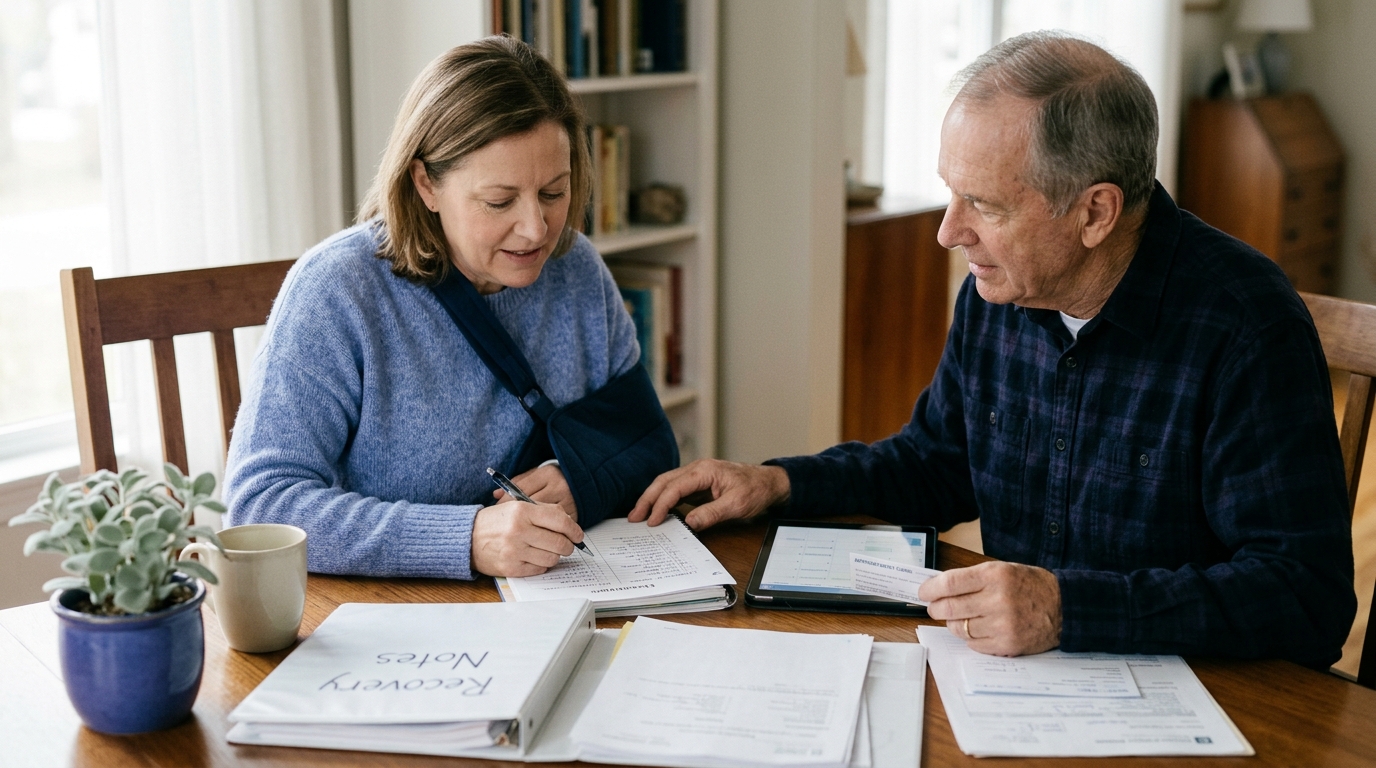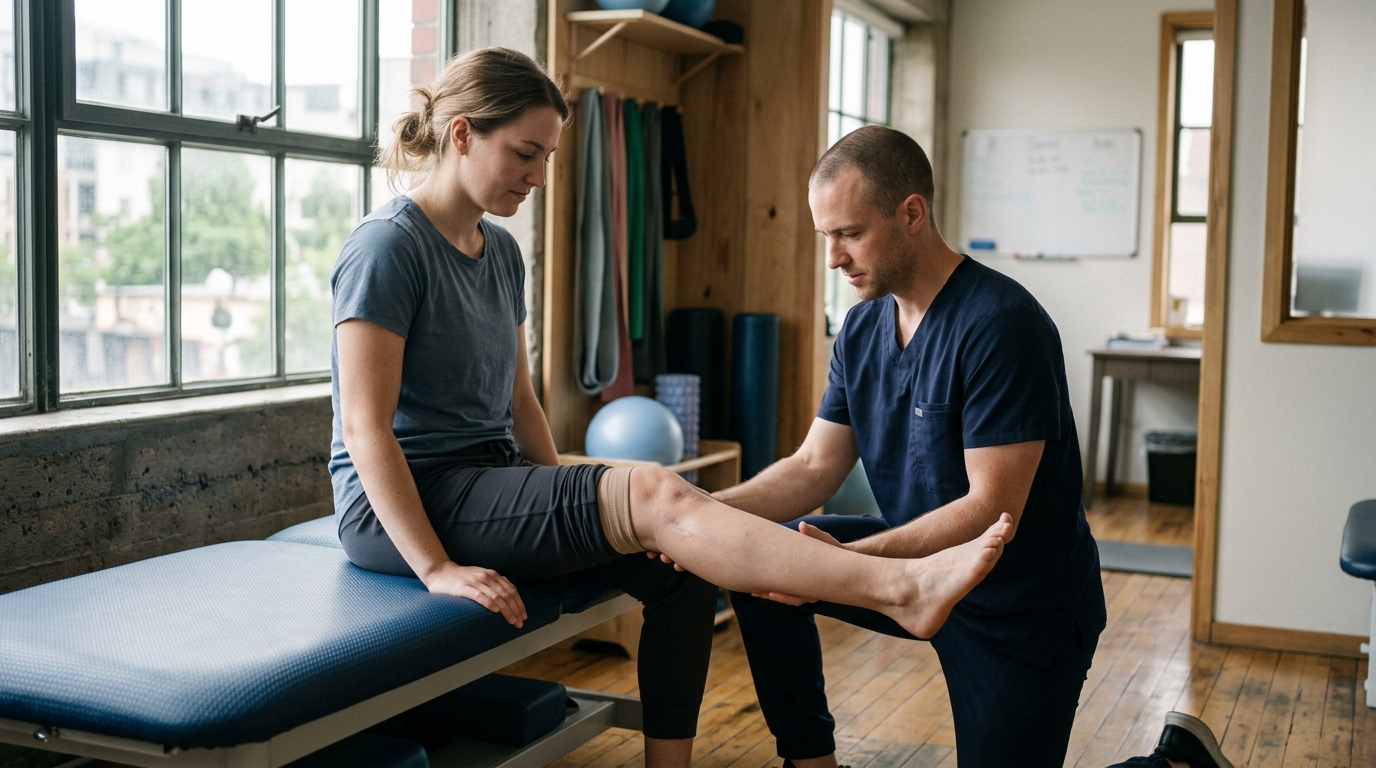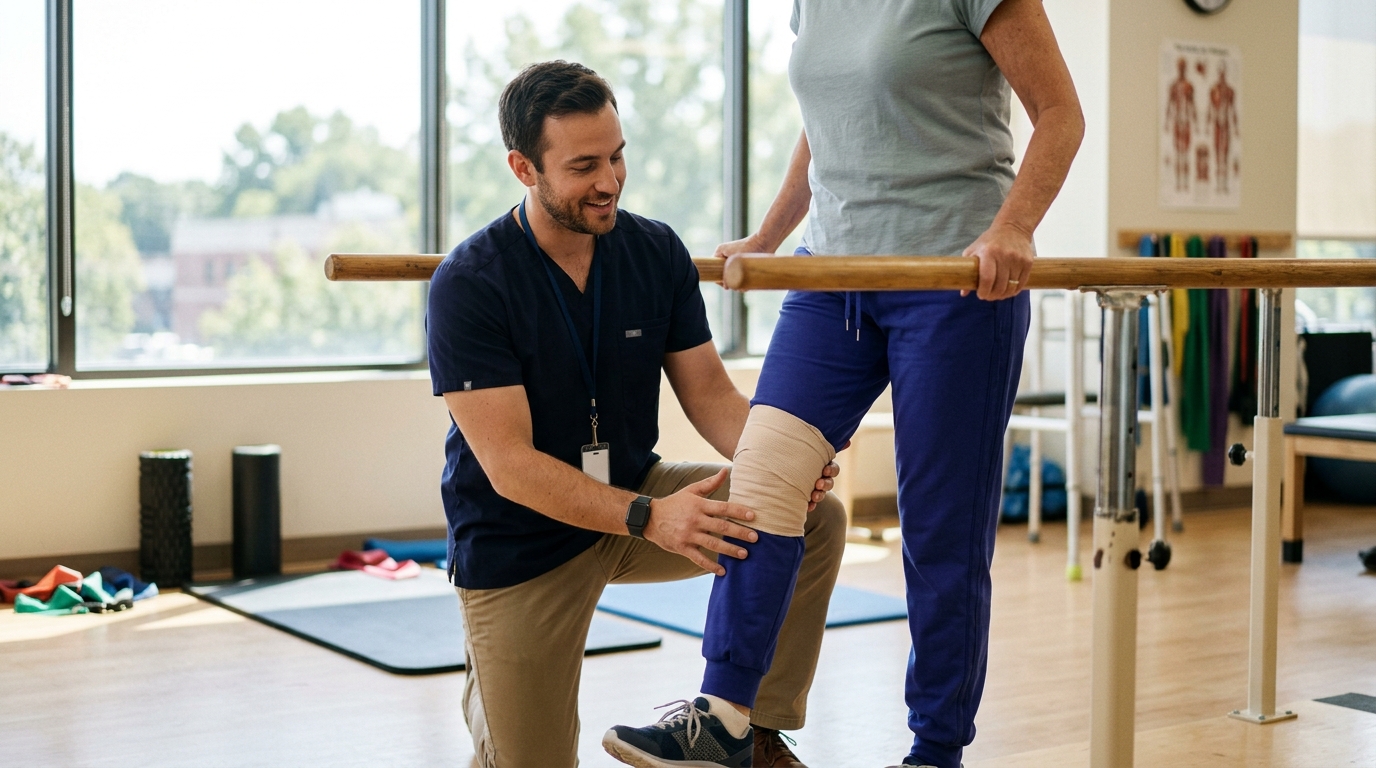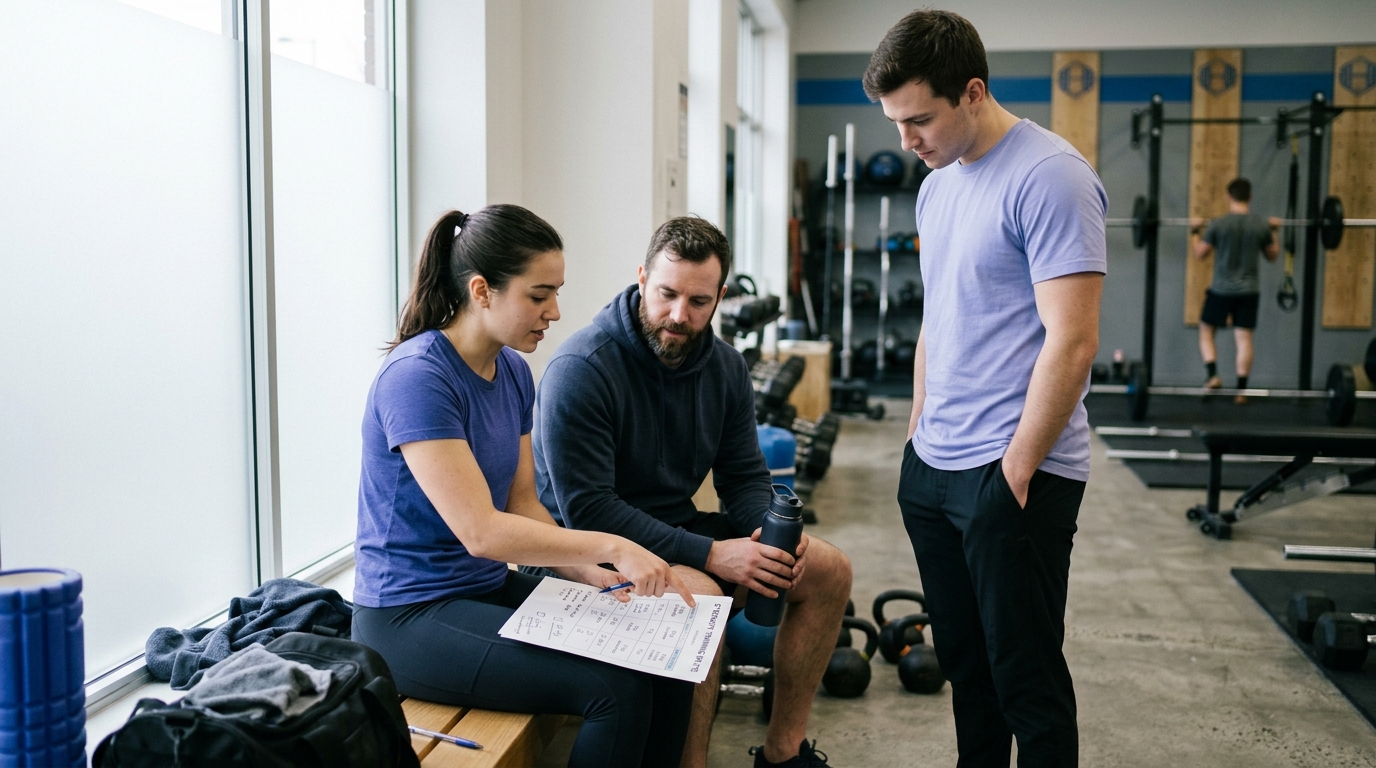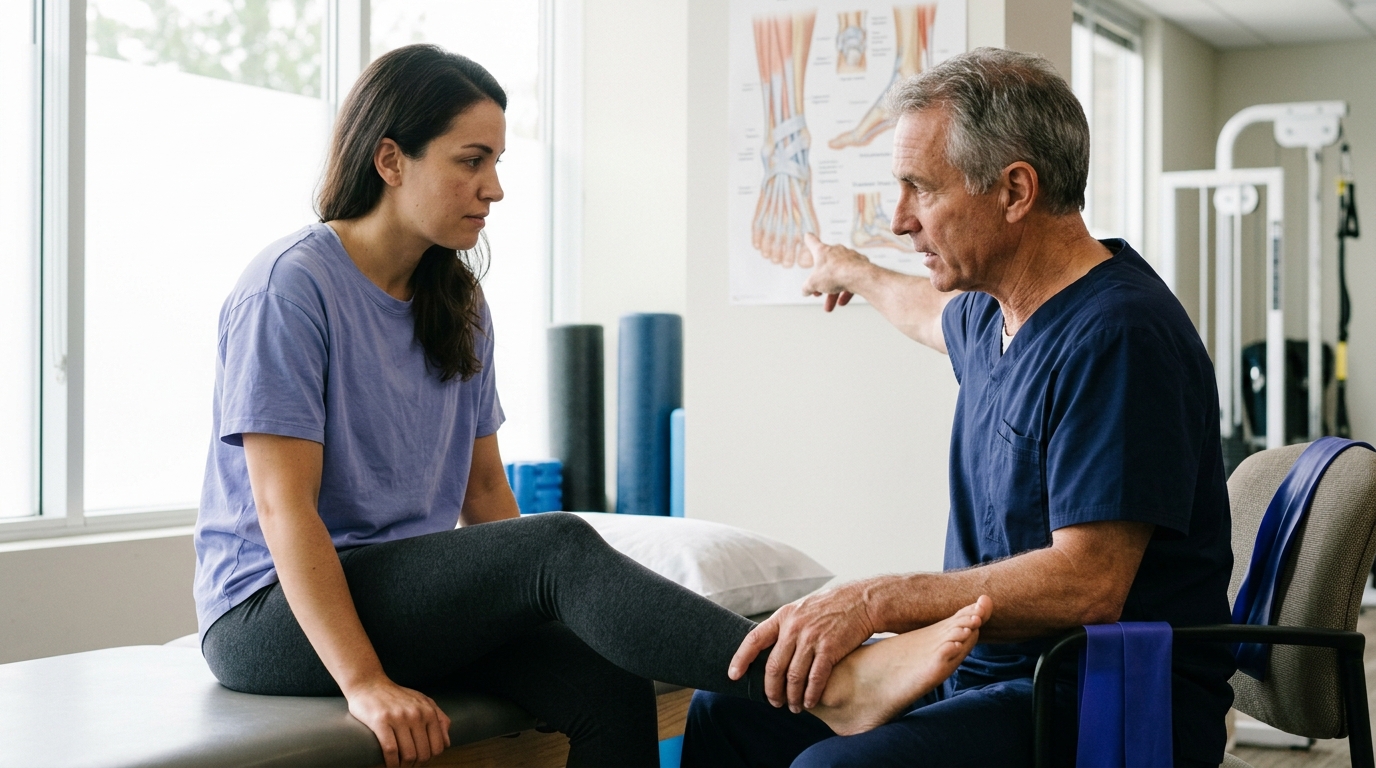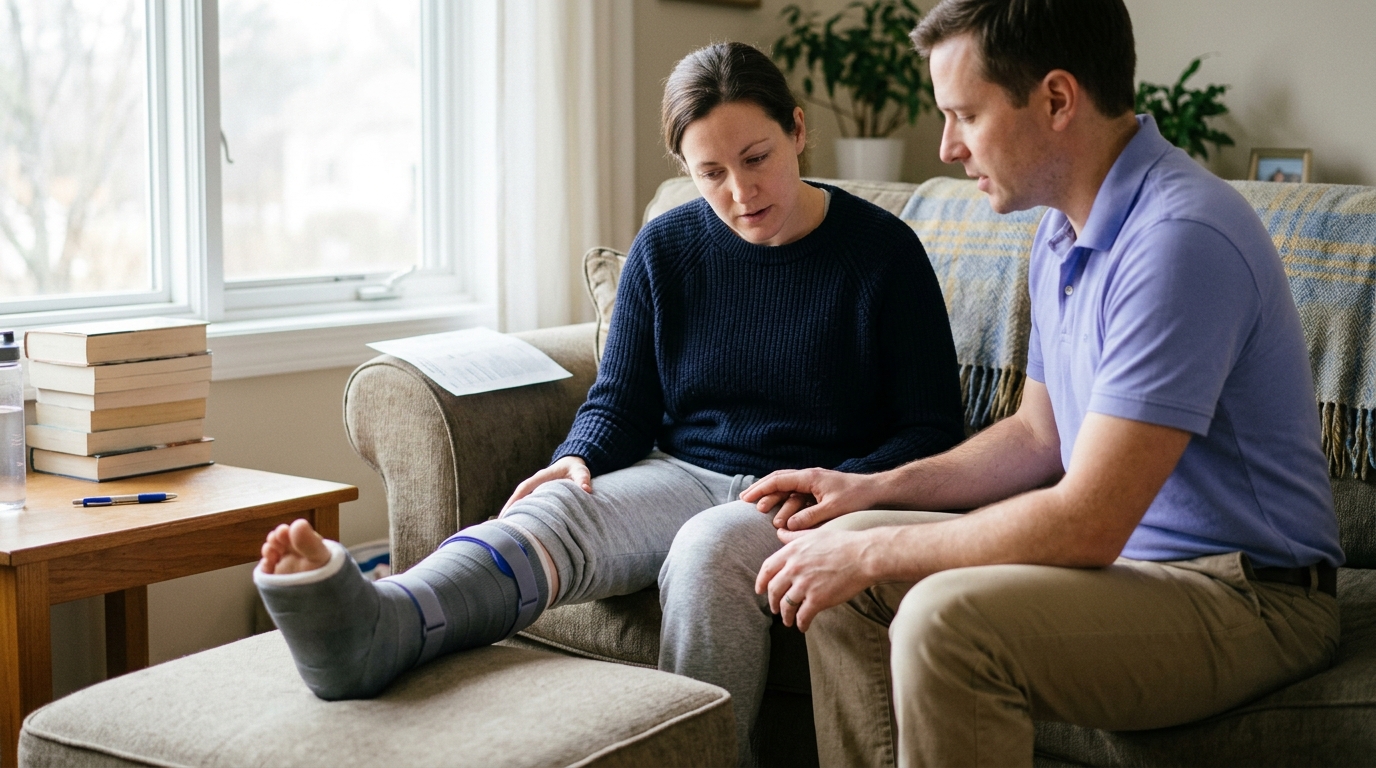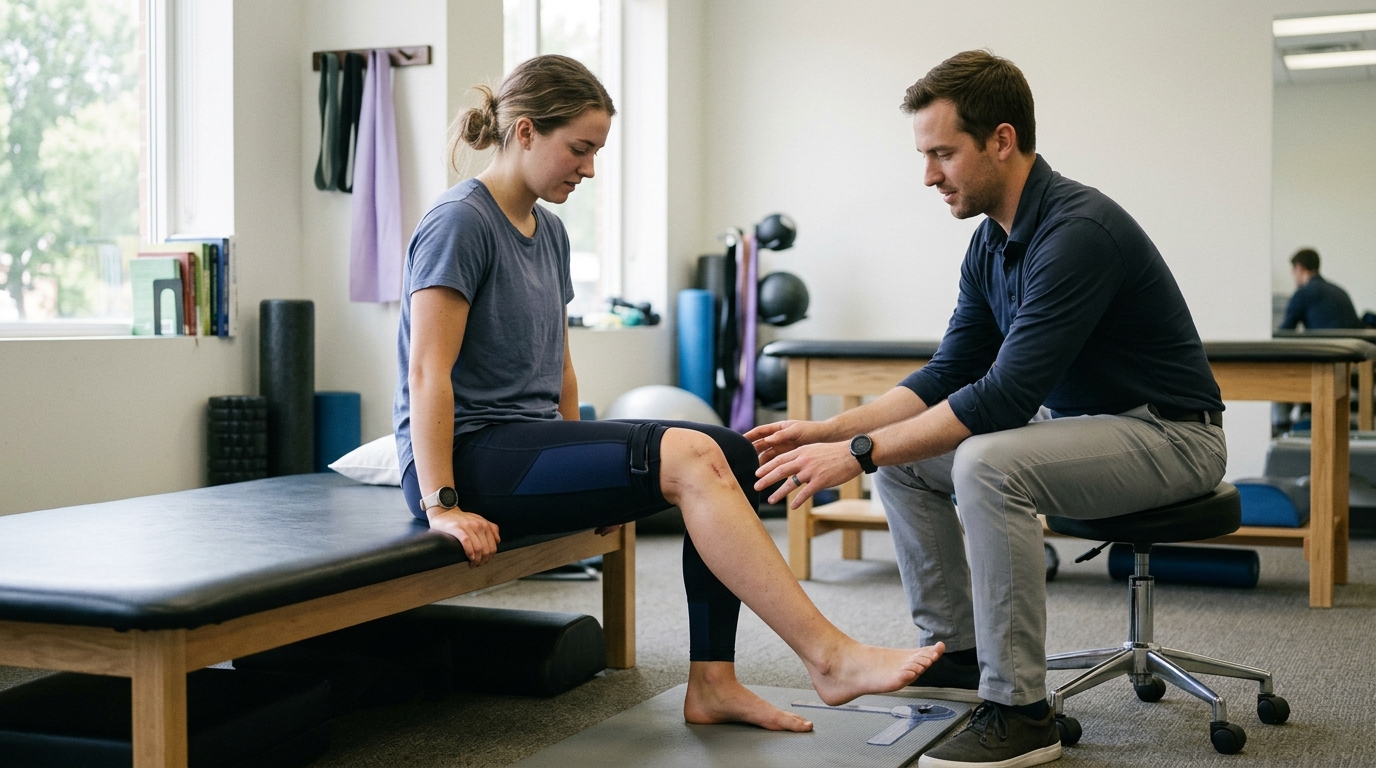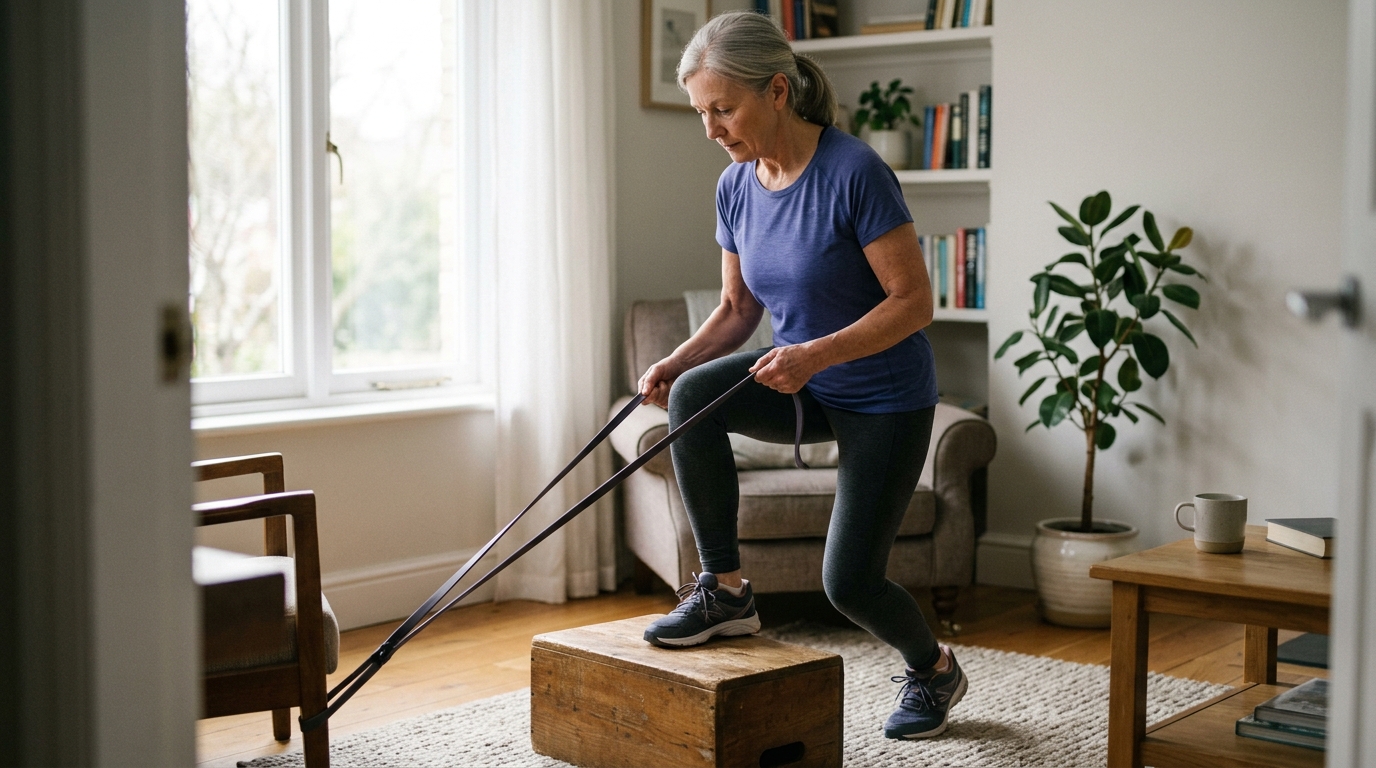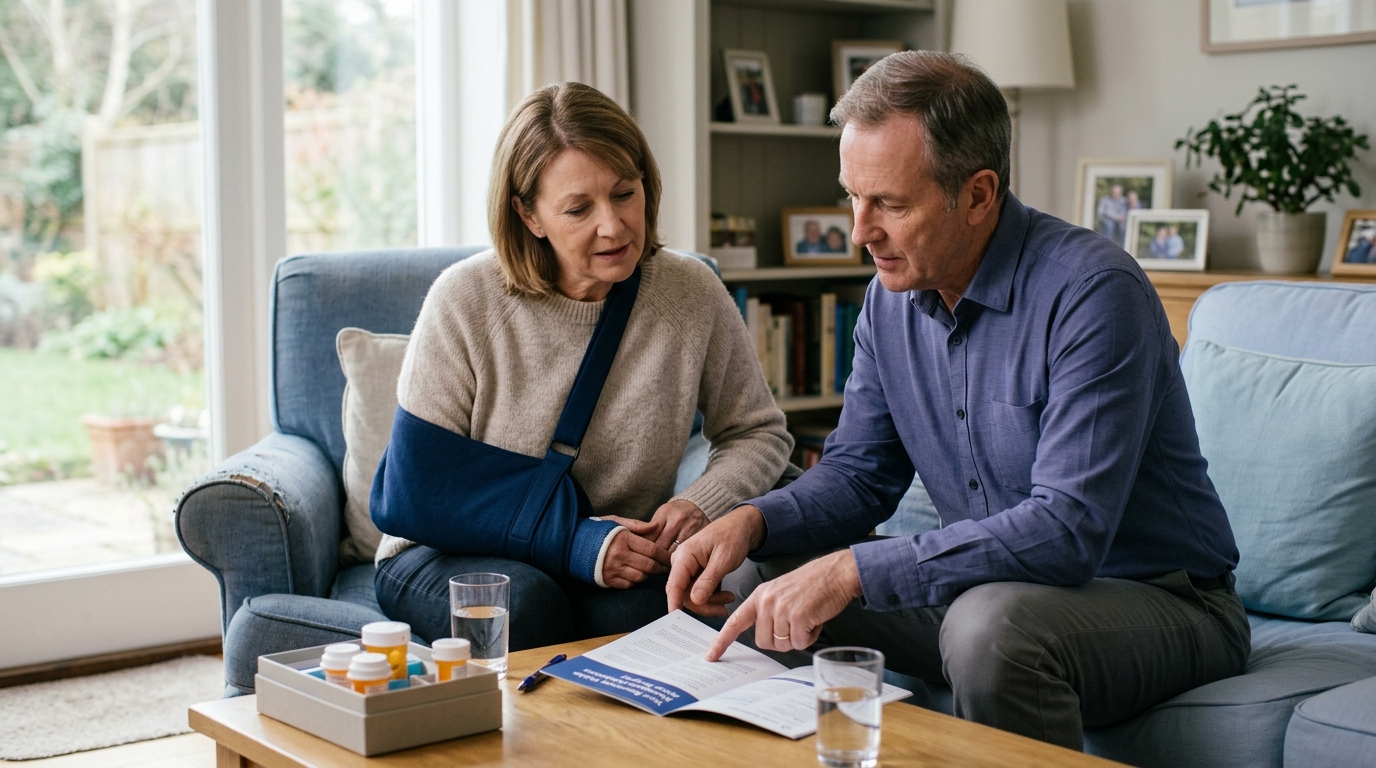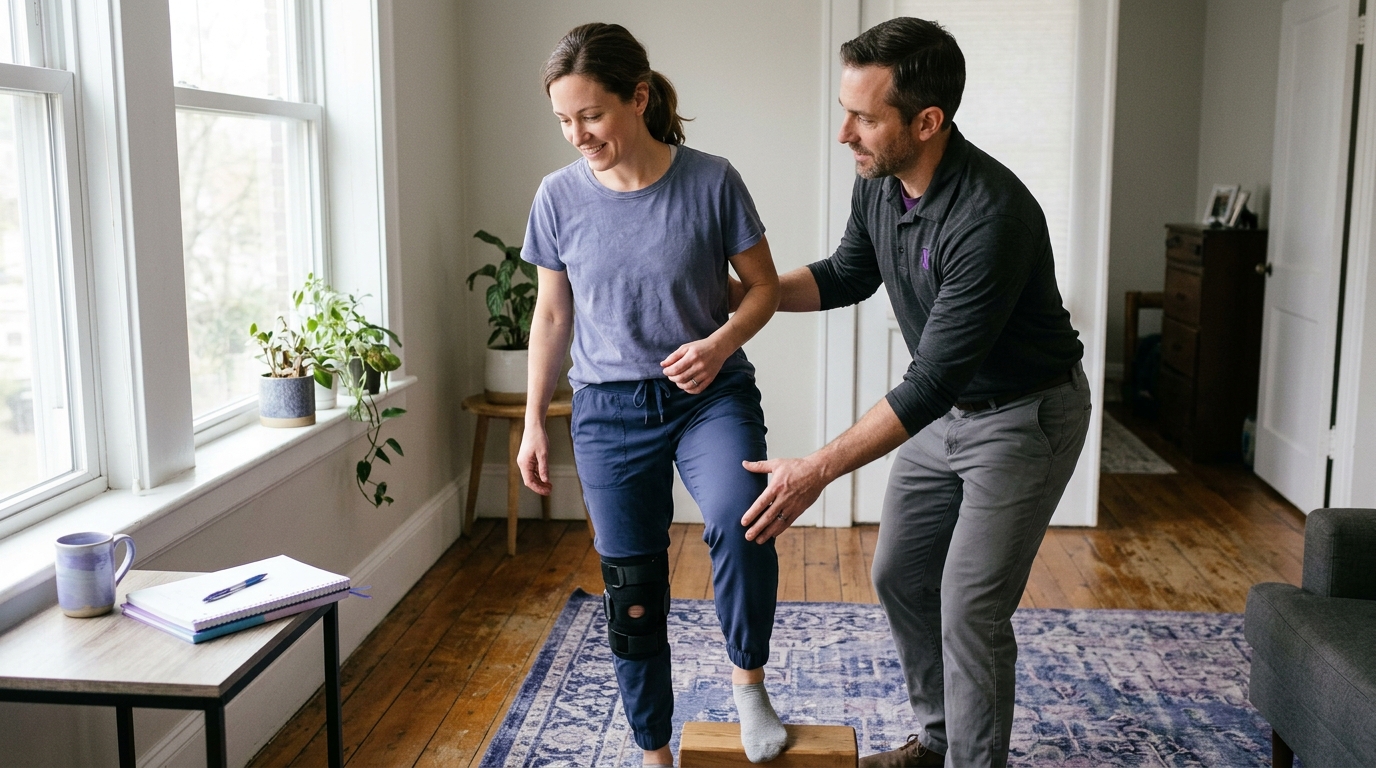

Finishing your final physical therapy session marks the start of an independent routine that builds lasting strength, balance, and daily mobility.





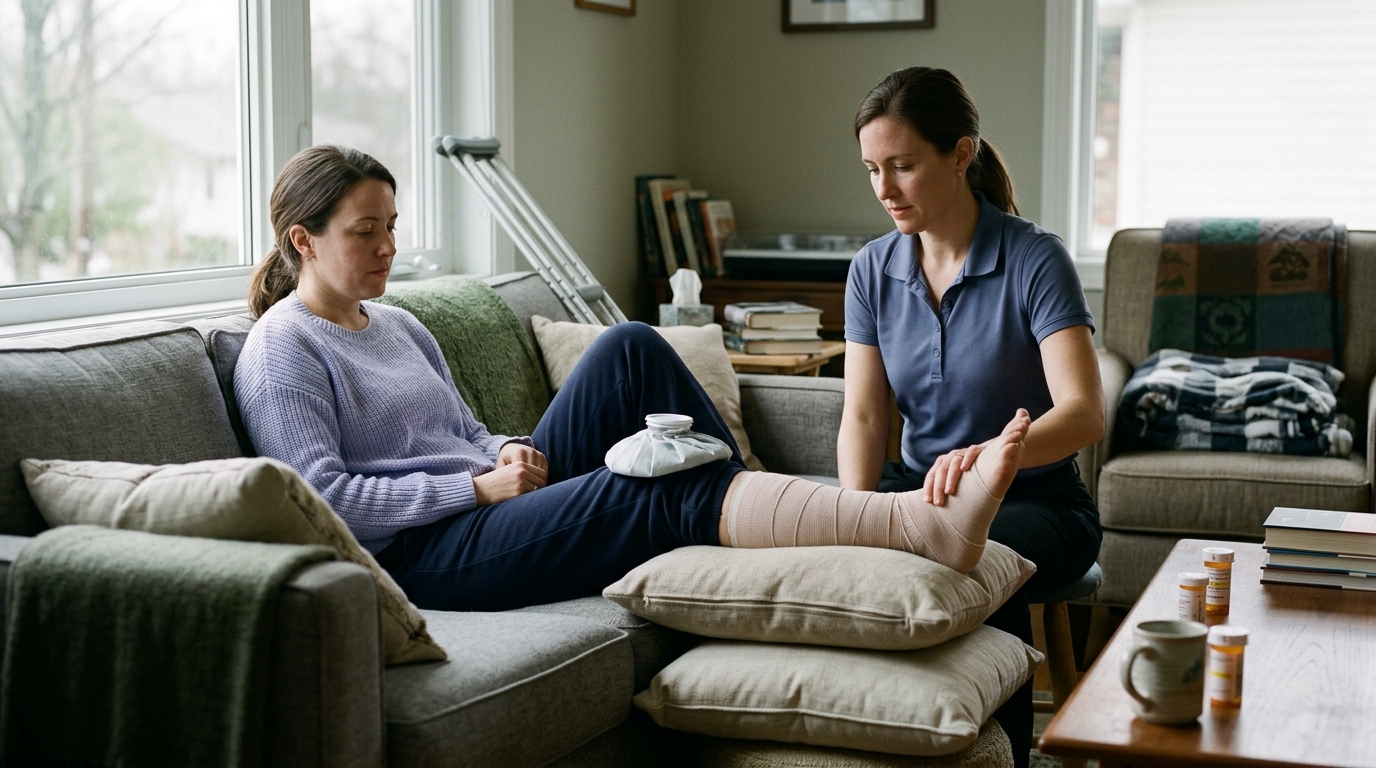
You walk out of the clinic doors after your final physical therapy appointment. You hold a printed packet of exercises, and your therapist has signed off on your discharge. For weeks or months, your calendar revolved around these appointments. Now, the structured guidance is gone, and the path forward is entirely in your hands.
Leaving formal physical therapy is a major milestone, but it is not the finish line of recovery. Discharge simply means you no longer require supervised medical care for your acute condition. Your body continues to adapt, heal, and remodel long after your clinical sessions end. Building a sustainable, long-term plan allows you to protect the gains you made in therapy while safely expanding your physical capacity for daily life.
Maintaining physical capacity requires shifting from a medical mindset to a lifestyle routine. The goal is no longer just rehabbing an isolated joint or muscle. Instead, the focus moves toward building durable strength, preserving functional mobility, and pursuing activities you enjoy. Because every surgery, injury, and body is unique, there is no single post-therapy routine that fits everyone.
A successful long-term strategy balances structured movement with flexible habits. It accounts for tissue healing timelines, personal goals, and periodic self-checks. By understanding how to structure your own activity, you can navigate life after physical therapy with confidence. For more guidance on navigating the transition from clinical care to independent movement, see our resources on surgical recovery and comeback.
Clinical guidelines emphasize that recovery does not stop when clinic visits end. The National Institute for Health and Care Excellence (NICE) notes that rehabilitation should focus on meaningful activities, break goals into manageable steps, and remain flexible over time. NICE guidance highlights that rehabilitation frequency and exercise dose must be tailored to individual needs, healing status, and personal priorities.
Sustaining functional improvements requires ongoing physical activity after formal discharge. However, research shows that maintaining independent exercise routines over the long term is a common challenge. A systematic review conducted by the Veterans Affairs Evidence Synthesis Program evaluated interventions to promote long-term home exercise adherence after treatment for joint osteoarthritis and chronic low back pain. The review found that evidence for specific adherence interventions remains inconclusive, with no single strategy consistently guaranteeing long-term compliance or superior outcomes.
Similarly, a broader systematic review of 42 studies involving 8,243 adults with chronic conditions examined exercise adherence strategies. Only 43 percent of the reviewed interventions produced a beneficial effect on long-term exercise habits, and the overall effects were modest. In specialized settings such as cardiac rehabilitation, research indicates that as few as 25 to 40 percent of individuals remain physically active one year after completing structured programs.
These findings show that struggling to keep up with an exercise sheet is normal. Standard exercise handouts alone rarely lead to lasting behavior change. Research examining how adherence is measured has found wide variation in tools, ranging from paper logbooks and exercise diaries to recall surveys. No single monitoring method has proven superior.
Public health organizations provide clear activity baselines for general health that can help frame long-term goals once a person is medically cleared. The Centers for Disease Control and Prevention (CDC) recommends that adults aim for at least 150 minutes of moderate-intensity aerobic activity per week, or 75 minutes of vigorous activity, alongside muscle-strengthening activities on two or more days per week. The World Health Organization (WHO) similarly recommends major muscle group strengthening on two or more days weekly. For older adults, WHO guidelines recommend varied multicomponent physical activity on three or more days per week to enhance functional capacity and help prevent falls.
These public health benchmarks serve as broad targets to work toward over time. They are population-level guidelines rather than immediate postoperative prescriptions. Your specific timeline for reaching these activity levels will depend on your surgical procedure, tissue healing constraints, and clinical clearance.
Understanding what clinical discharge actually means is essential for setting realistic expectations. In an outpatient clinic, physical therapy ends when you meet specific functional benchmarks, when insurance coverage limits are reached, or when your therapist determines that you can manage your condition independently. Discharge is an administrative and clinical transition, not a biological signal that your tissues have completed their remodeling process.
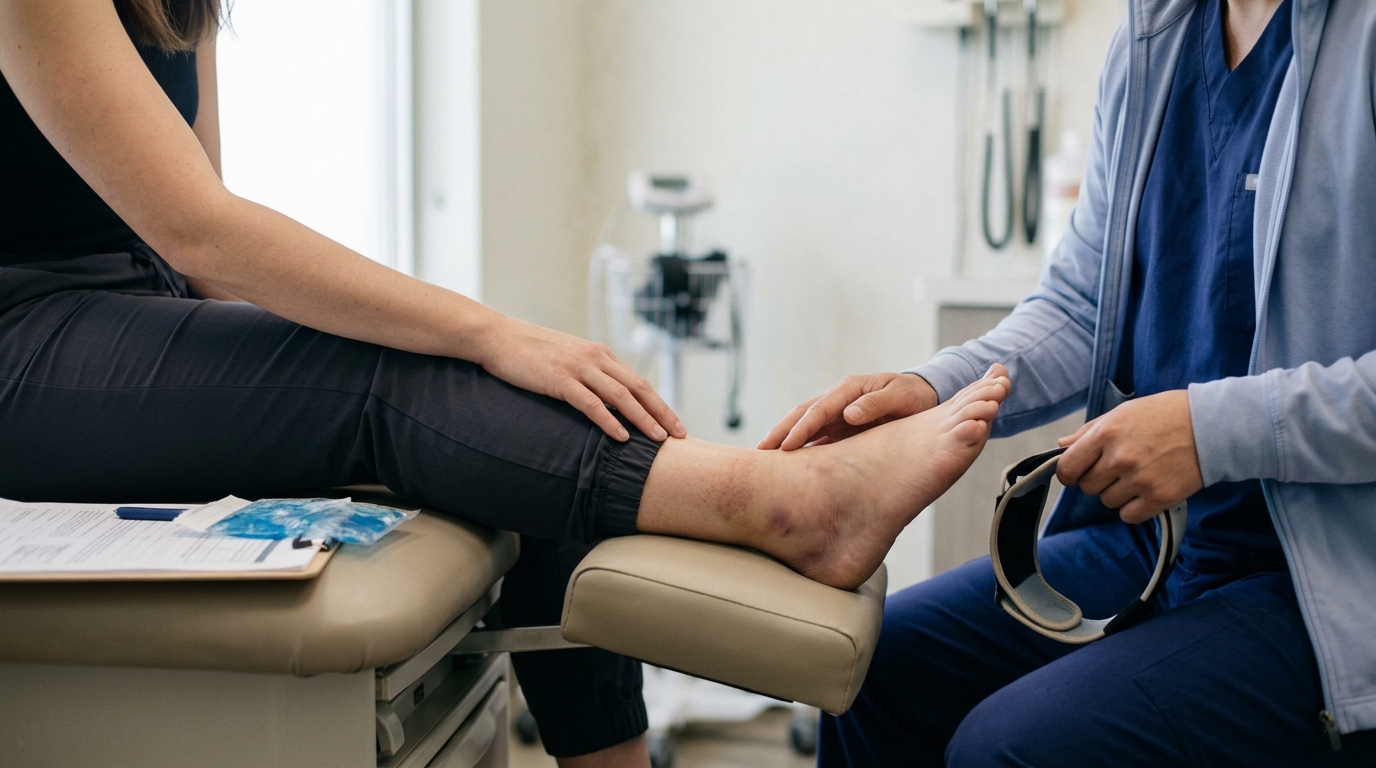
Clinical rehabilitation focuses on resolving acute impairments. These include reducing resting swelling, restoring baseline joint range of motion, and activating inhibited muscles. In contrast, long-term maintenance focuses on preserving those hard-won functional capacities and adapting your body to the unpredictable demands of daily life.
Many people believe they must perform their entire physical therapy home exercise program every day forever. This belief often leads to frustration and burnout. A clinical exercise packet designed for acute rehab may contain ten to twelve isolated movements. Performing that exact routine indefinitely is rarely practical or necessary.
A sustainable long-term plan replaces tedious clinical drills with compound, functional movement patterns. As your tissues adapt, you can consolidate multiple isolated exercises into comprehensive activities like walking, resistance training, and functional mobility work. To learn more about selecting movements that support your daily routine, explore our guide on rehabilitation, mobility, and movement.
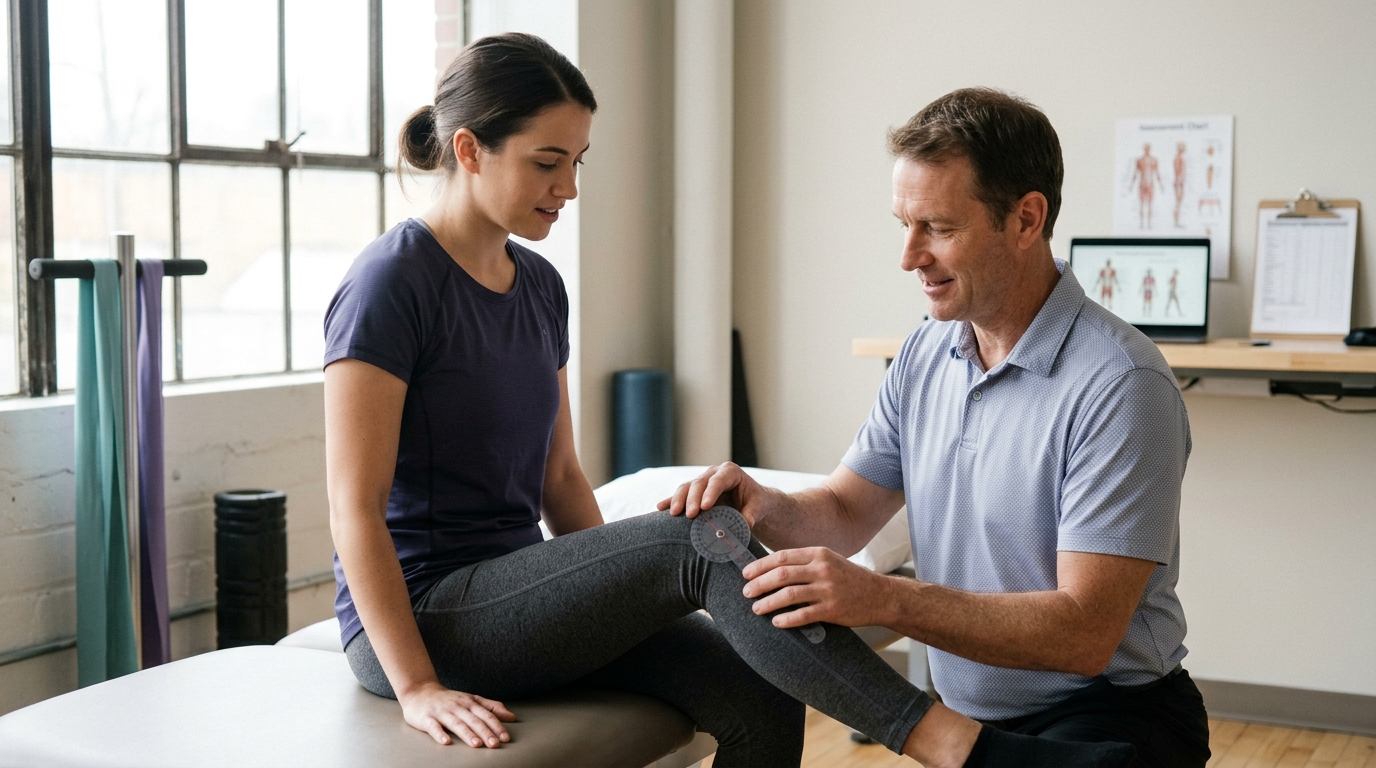
The most effective long-term plans are built around meaningful daily functions rather than arbitrary exercise checklists. While measuring joint angles and isolated muscle strength is useful in a clinic, real life requires carrying groceries, climbing stairs, lifting grandchildren, and working in the yard. NICE guidelines recommend establishing rehabilitation goals based directly on activities that matter to the individual.
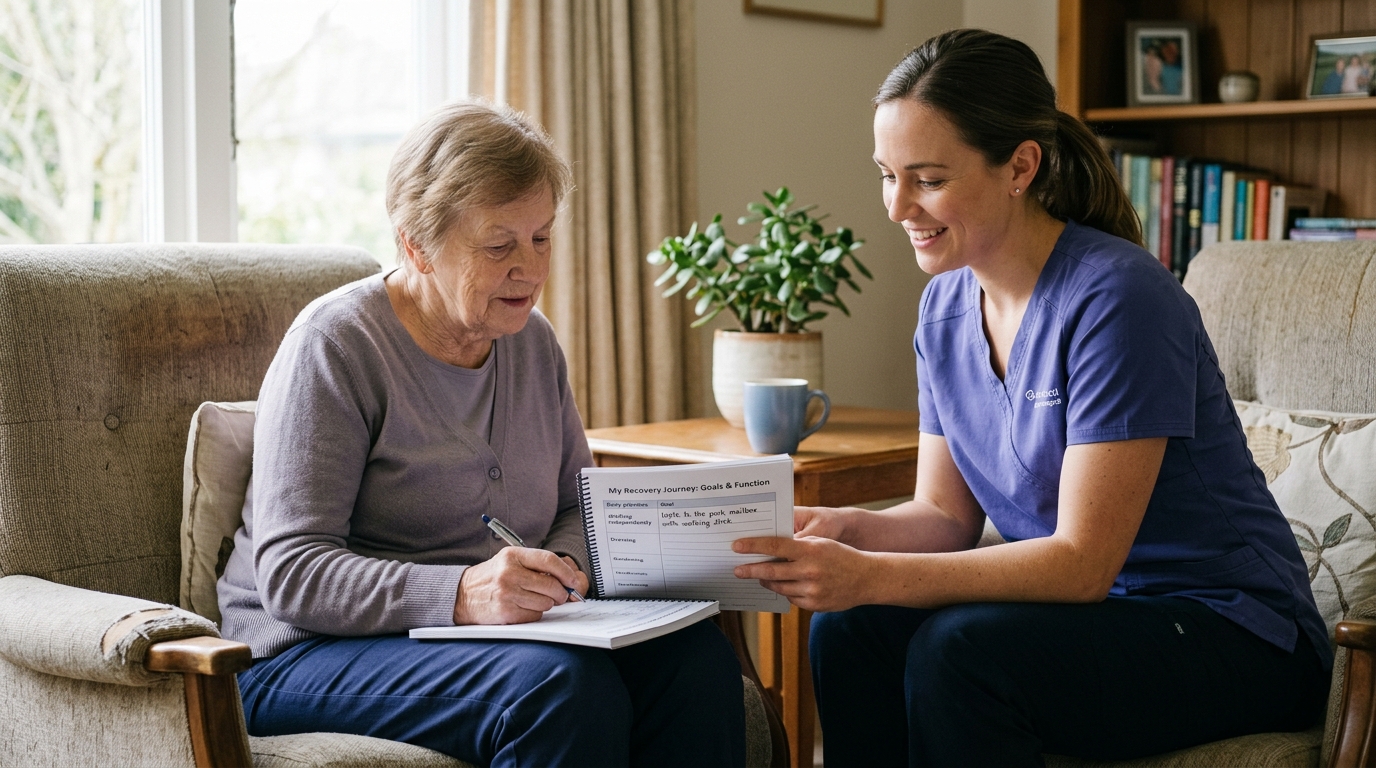
To create an effective long-term plan, you can use a structured four-part framework:
Consider an illustrative model of an adult recovering from knee surgery who wants to return to gardening. The long-term aim is spending two hours tending garden beds without severe joint irritation. The short-term step is building the capacity to squat and kneel comfortably for ten minutes at a time. The simple measure is tracking time spent in a low position and monitoring joint comfort the following morning. The review point is a self-check scheduled four weeks after beginning the routine.
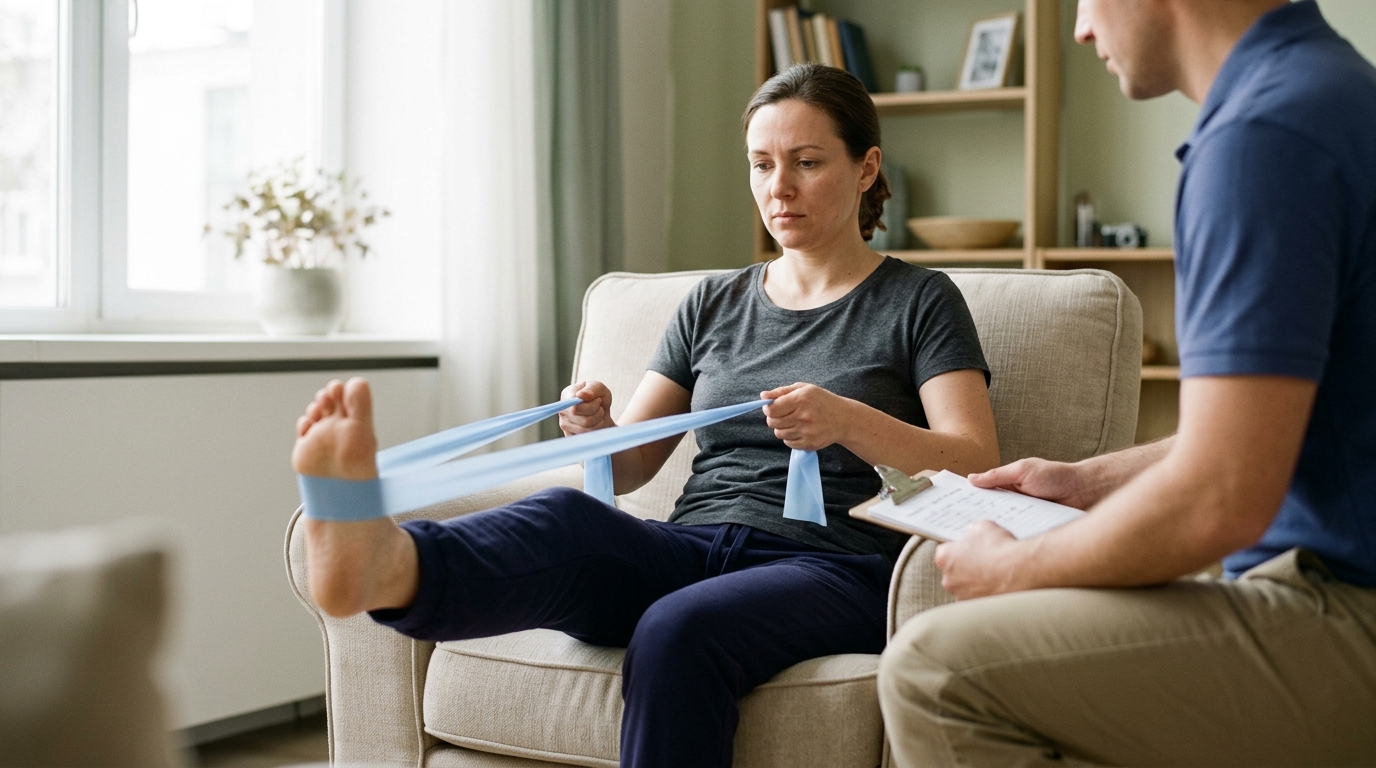
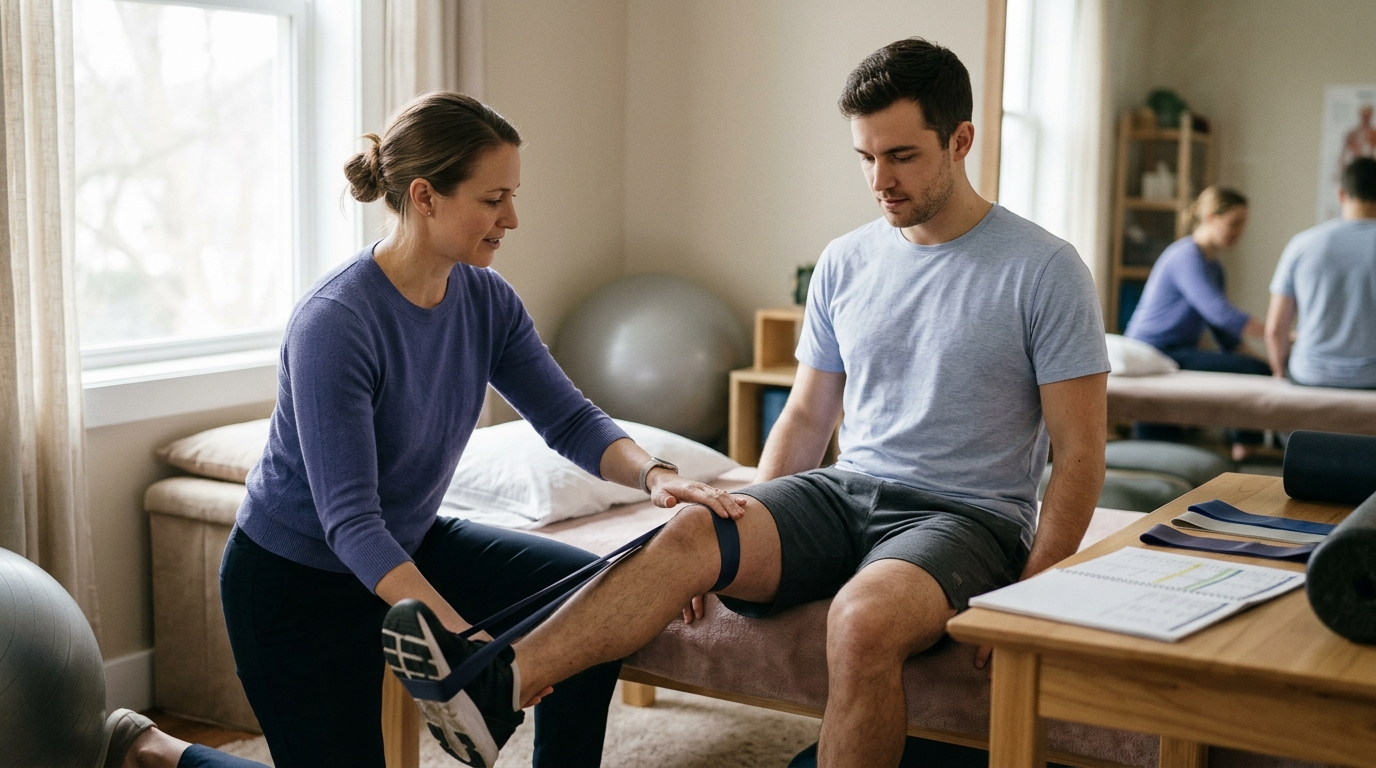
Another illustrative model involves an individual recovering from a shoulder procedure who wants to place heavy boxes on high storage shelves. The long-term aim is lifting overhead without pain or hesitation. The short-term step is performing controlled overhead presses using light resistance bands or dumbbells. The simple measure is tracking the weight used and overhead reaching comfort. The review point is set for four weeks later to assess whether to increase resistance or adjust movement angles.
Focusing on functional milestones makes your routine relevant and engaging. It connects the effort you put into training directly to the activities that enrich your life.
A durable post-rehabilitation plan combines several distinct types of physical training. Rather than viewing exercise as a single rigid workout, consider it a balanced portfolio of movement habits. This portfolio should include aerobic conditioning, resistance training, mobility maintenance, balance practice, and task-specific rehearsal.
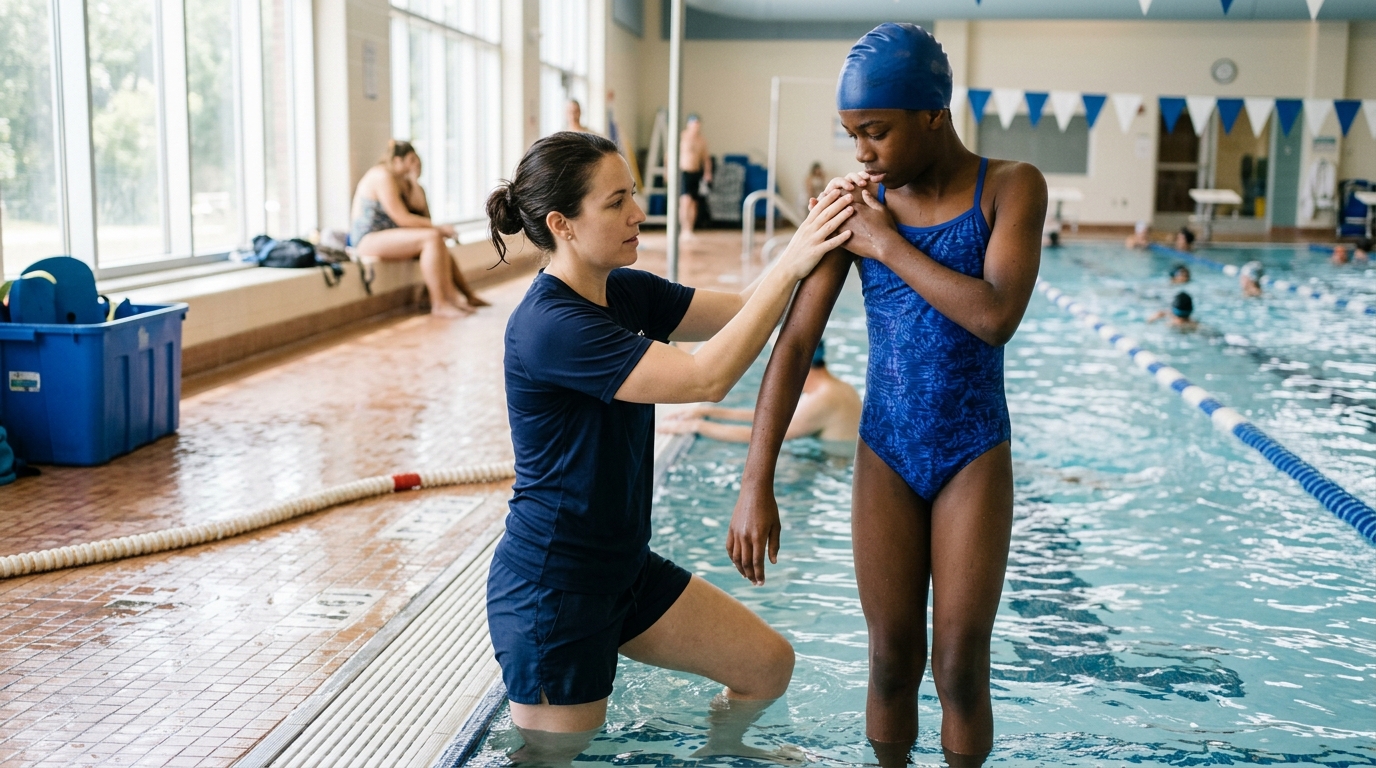
Aerobic exercise supports cardiovascular health, improves tissue circulation, and builds overall physical endurance. Walking is often the most accessible and effective baseline aerobic activity after lower-limb or spinal rehabilitation. Stationary cycling, swimming, rowing, and water aerobics offer low-impact alternatives that provide cardiovascular challenge without excessive joint impact.
You can work toward the CDC recommendation of 150 minutes of moderate-intensity aerobic activity per week by accumulating movement in manageable blocks. A moderate pace generally means you can talk comfortably but cannot sing. Spreading this activity across three to five days helps maintain steady circulation and supports ongoing tissue recovery.
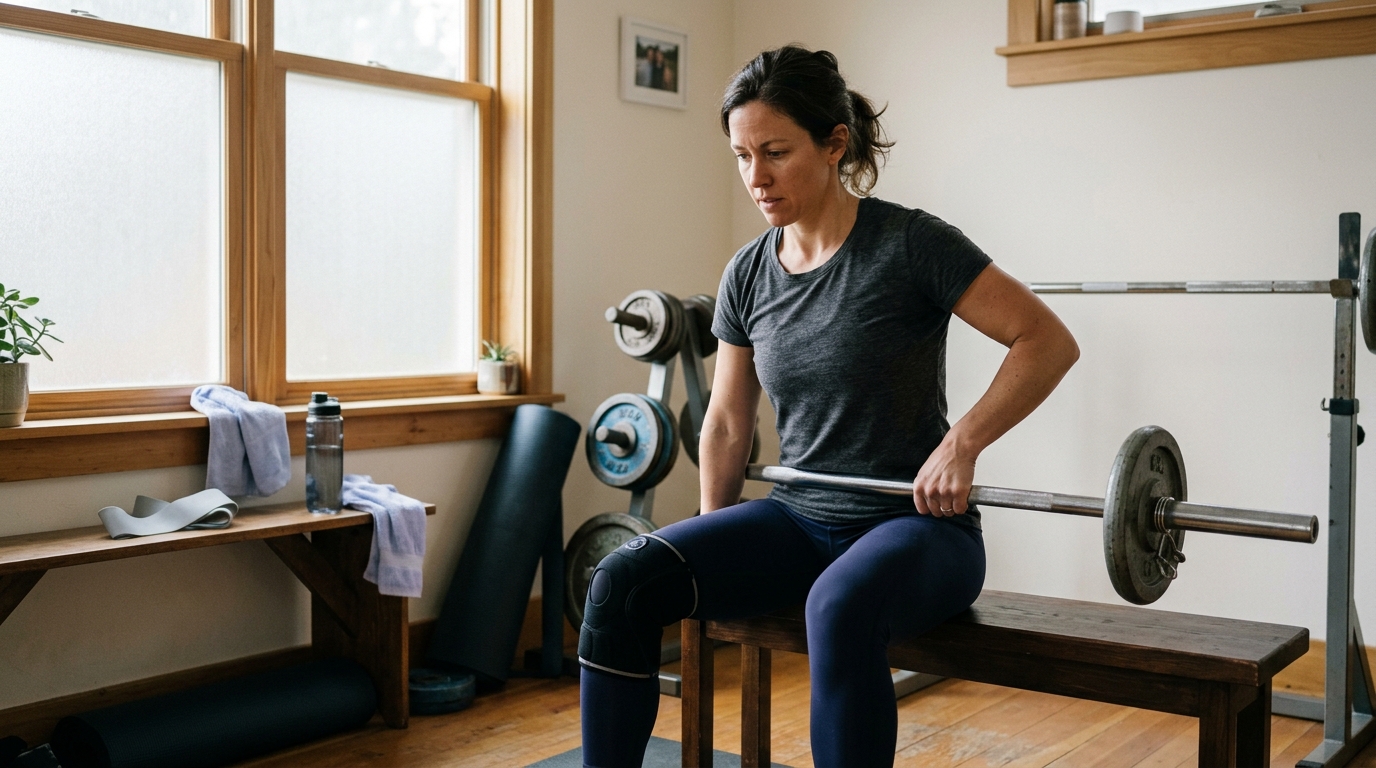
Muscle mass and strength naturally decline if they are not consistently challenged. Resistance training helps maintain bone density, stabilizes joints, and provides the force production needed for daily physical tasks. Following public health recommendations from the CDC and WHO, adults should engage in muscle-strengthening activities that target all major muscle groups on at least two days each week.
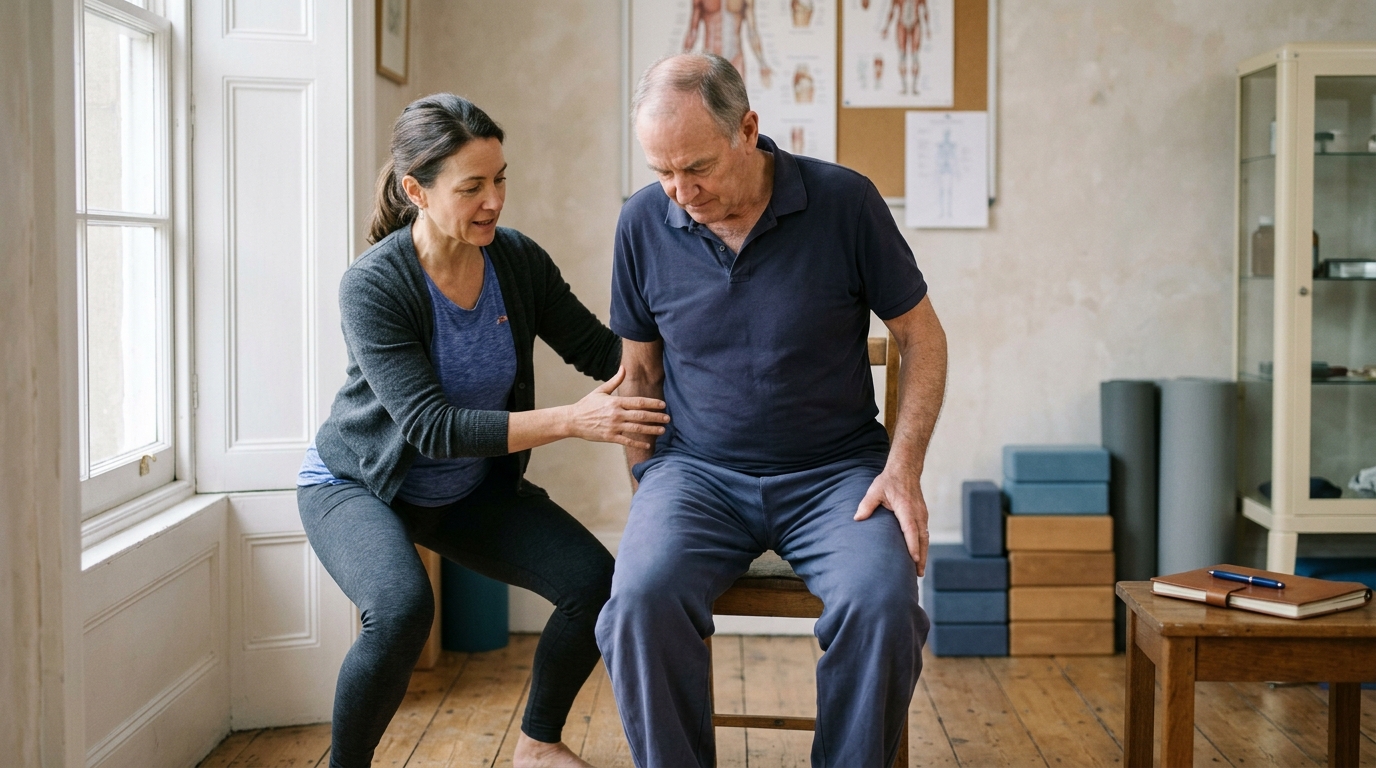
Focus on fundamental movement patterns that replicate real-world tasks:
For detailed strategies on progressing your resistance exercises safely, visit our section on strength and performance rebuilding.
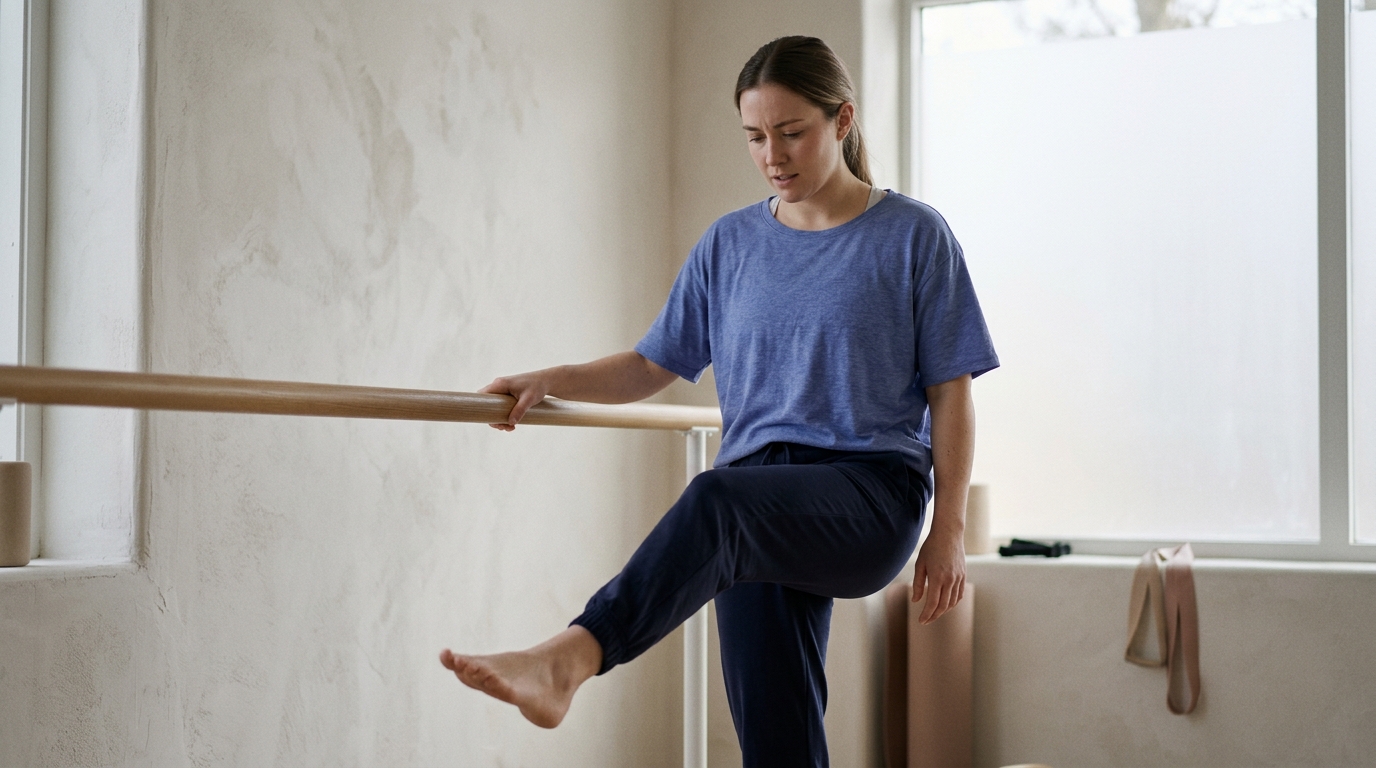
Mobility work helps preserve the joint range of motion and tissue extensibility gained during physical therapy. However, stretching should be purposeful rather than excessive. Focus your mobility efforts on areas that feel restricted during your functional activities.
Gentle dynamic movements performed before strength or aerobic sessions can help prepare your joints for activity. Gentle static stretching after activity can help maintain tissue length in chronically tight muscle groups, such as the calves, hip flexors, or chest. If you want to refine your daily flexibility habits, read our comprehensive coverage of mobility and movement principles.
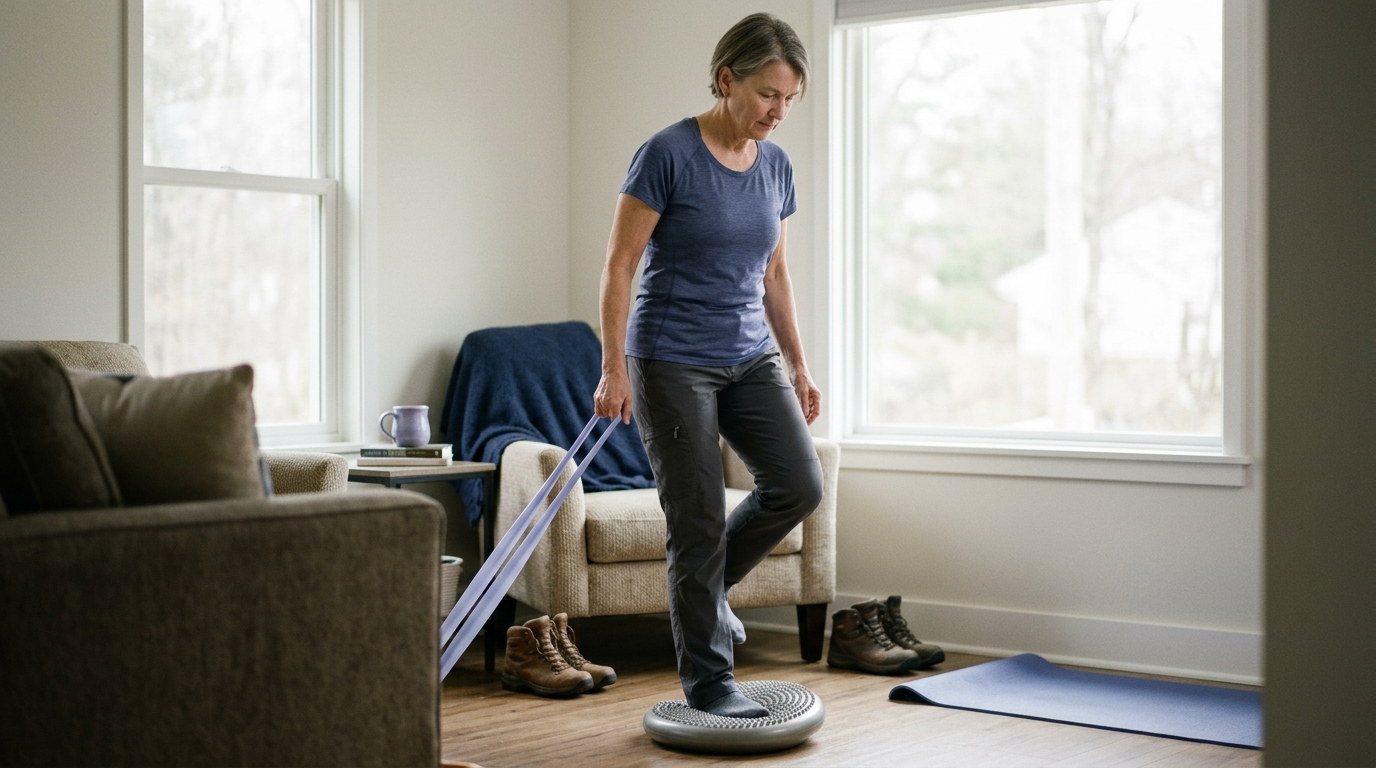
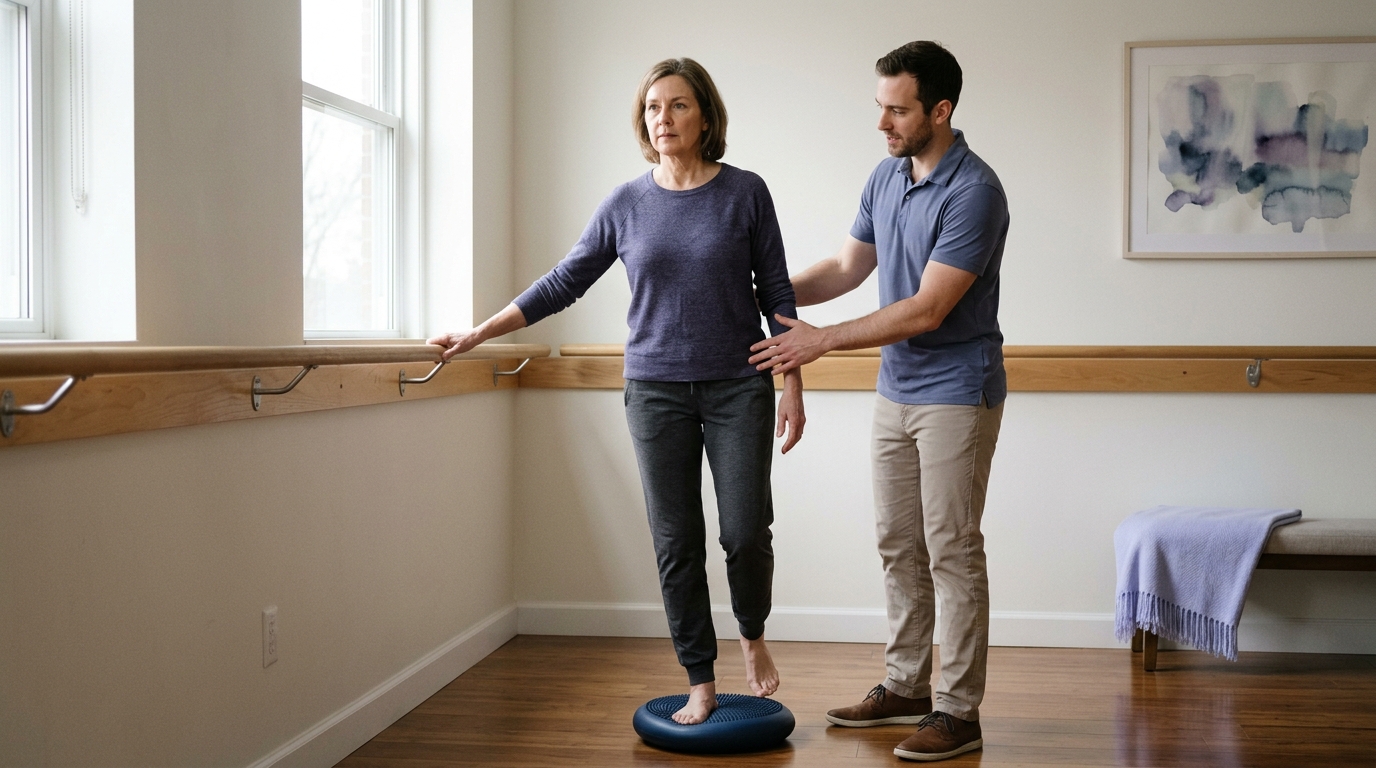
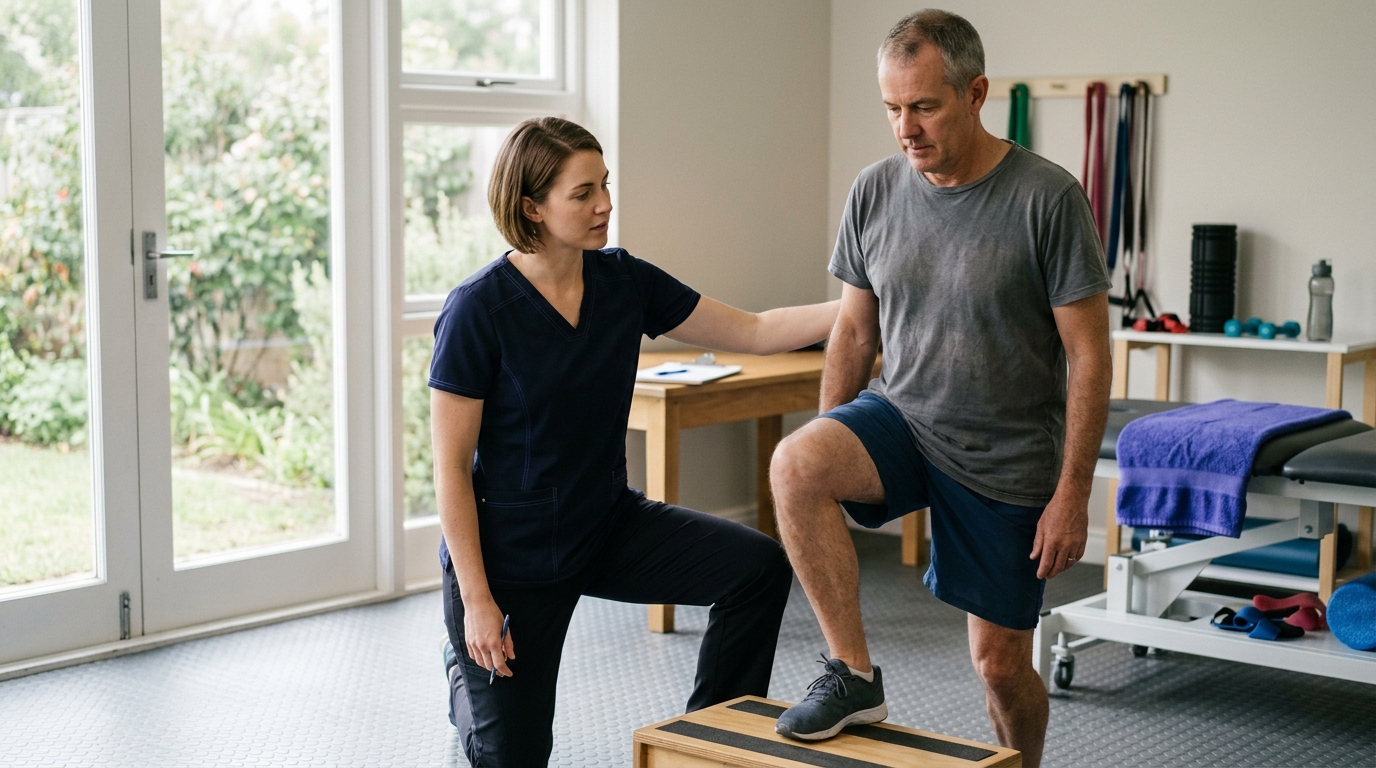
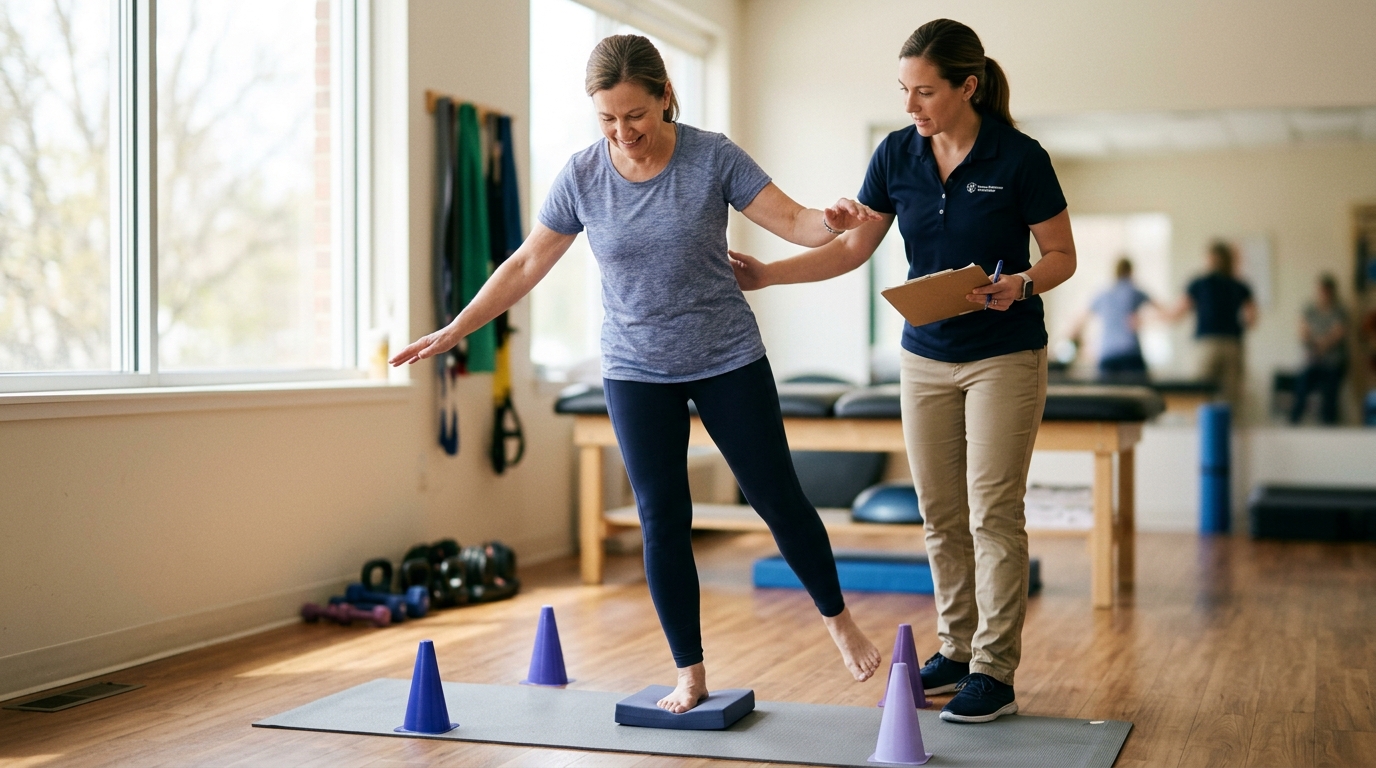
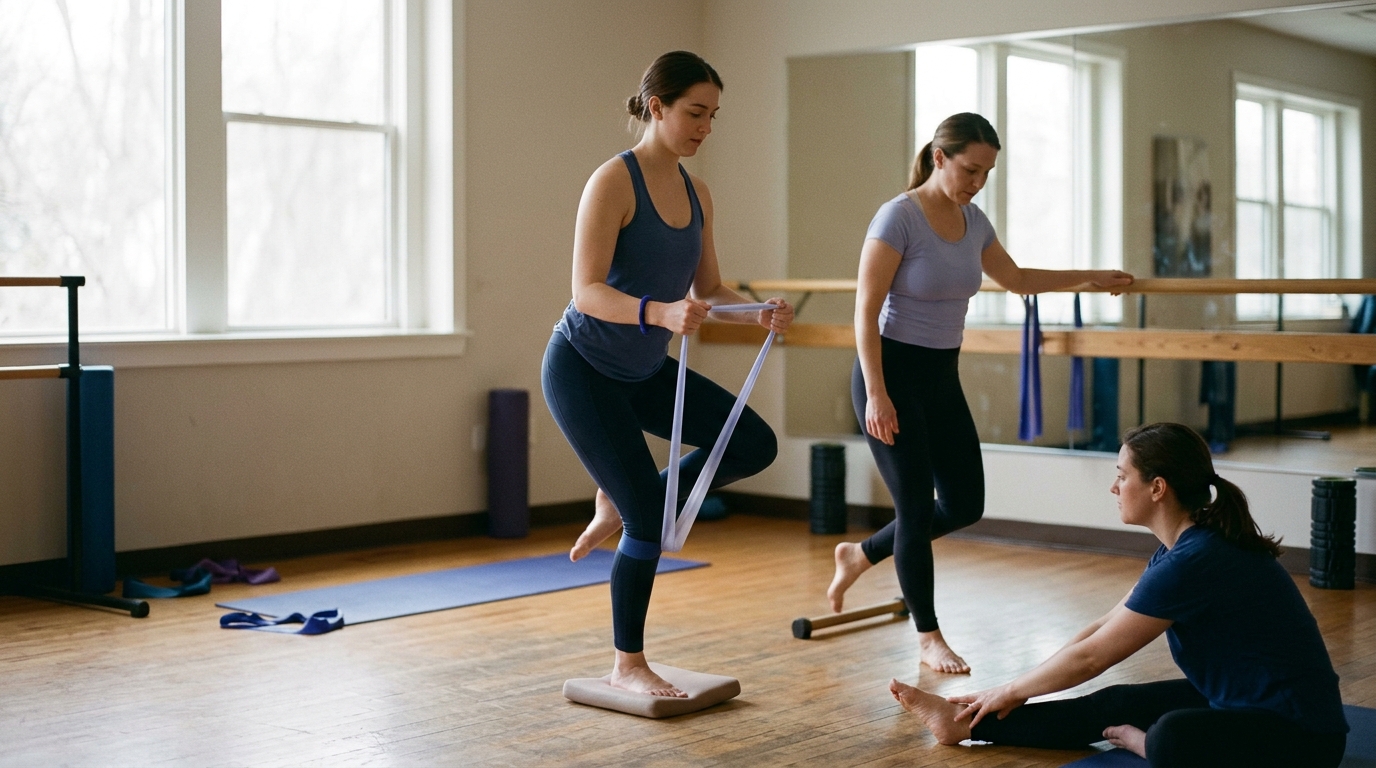
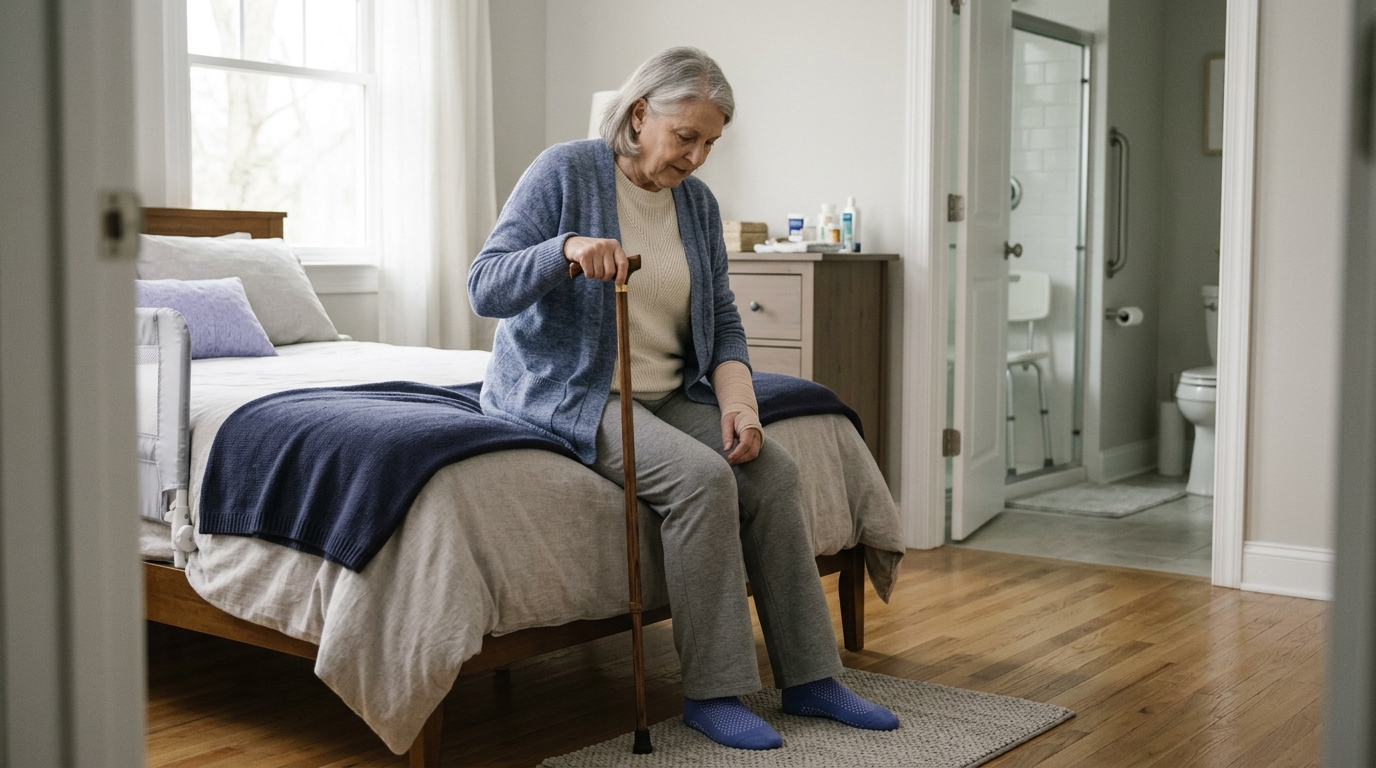
Balance often diminishes following joint injuries, surgeries, or extended periods of reduced activity. Restoring balance requires active, regular rehearsal. WHO physical activity guidelines highlight the importance of multicomponent training, including balance and coordination, on three or more days per week for older adults to prevent falls and preserve functional independence.
Simple ways to practice balance include:
Integrating balance exercises into daily routines, such as standing on one foot while brushing your teeth, makes practice consistent and manageable.
Task-specific training bridges the gap between structured exercise and your actual hobbies or job duties. This involves practicing the exact movements, speeds, and loads required by your target activities in a controlled manner.
If your goal is hiking uneven trails, task-specific rehearsal might include walking on grass, navigating small inclines, and carrying a weighted daypack. If your goal is returning to recreational tennis, it might involve practicing lateral shuffles, light shadow swings, and controlled court footwork before playing a full match.
Many people experience setbacks after completing physical therapy. Understanding common behavioural and physical pitfalls can help you avoid them and keep your recovery on track.
In this scenario, an individual relies heavily on the accountability and structure of clinical appointments. Once those appointments end, exercises are postponed until later in the day and eventually dropped altogether. Within several weeks, physical activity levels drop significantly, leading to stiffness and loss of strength.
To prevent this breakdown, transition to a guided self-management approach. Attach small movement habits to existing daily routines, such as performing calf raises while waiting for morning coffee or stretching after an evening walk. Schedule your weekly workouts on your personal calendar just as you would a medical appointment.
This pattern occurs when a person believes that missing a planned workout ruins their entire recovery plan. Alternatively, they may attempt to compensate for a missed week by performing an excessively long, intense workout. This sudden spike in physical stress frequently triggers flare-ups of joint irritation or muscle soreness.
NICE guidelines explicitly note that rehabilitation involves both gains and setbacks. Progress is rarely linear. A sustainable plan should include a minimum baseline version for busy or low-energy days alongside a standard version for regular days. Doing ten minutes of light movement is far more valuable than doing nothing at all.
In this situation, an individual focuses entirely on reaching general fitness metrics, such as hitting 10,000 daily steps on a fitness tracker, while avoiding essential movement patterns. They may walk long distances on flat pavement but continue to avoid stairs, bending down, or carrying loads because those movements feel uncomfortable.
While general cardiovascular fitness is valuable, it does not replace the need for balanced joint loading and functional strength. Ensure your weekly routine includes multi-directional movements, resistance training, and tasks that directly challenge your areas of previous limitation.
Some individuals continue performing the exact discharge sheet given to them on day one for months or years without modification. Over time, these exercises become too easy to stimulate further adaptation. The person stops seeing improvements and eventually loses interest in the routine.
Physical tissues require progressive challenge to continue building strength and capacity. When an exercise becomes easy and causes no fatigue, you should safely adjust the resistance, repetitions, movement speed, or complexity to continue making progress.
No single long-term plan applies universally because recovery depends heavily on biological, medical, and lifestyle factors. Understanding the variables that influence physical recovery helps you make informed adjustments without feeling discouraged.
Different body tissues heal at substantially different rates. Bone fractures or osteotomies require time to achieve solid union, whereas tendon repairs, ligament reconstructions, and cartilage procedures require extended timelines for collagen maturation and tensile strength development.
Surgical procedures often come with non-negotiable structural precautions. For example, a rotator cuff repair requires strict limitations on active overhead lifting during early phases to protect the stitched tendon. A total hip replacement may require specific precautions regarding hip flexion or rotation depending on the surgical approach used.
NICE guidelines emphasize that the surgical team must clearly define weight-bearing status, movement restrictions, and their expected duration following traumatic injury or surgery. Never advance an exercise routine past a surgical restriction without explicit clearance from your orthopedic surgeon or physical therapist. If you are navigating the specifics of a recent operation, review our articles on surgery and rehab management.
Your physical history prior to surgery or injury strongly influences how quickly you adapt to post-therapy exercise. Individuals with years of prior resistance training or athletic experience often possess greater neuromuscular coordination and muscle memory, allowing them to progress with more confidence.
Conversely, individuals who were largely sedentary before an injury must build foundational fitness while simultaneously protecting recovering tissues. In these cases, progressions should be gradual, focusing on movement quality, low resistance, and adequate recovery time between sessions.
The aging process naturally affects tissue hydration, tendon elasticity, muscle protein synthesis, and bone mineral density. Older adults can make meaningful gains in strength, balance, and mobility, but physiological adaptation typically requires more time and careful recovery management.
Systemic health conditions also influence recovery timelines. Diabetes can affect microvascular circulation and slow soft-tissue healing. Cardiovascular conditions may necessitate careful monitoring of exercise intensity and heart rate. Autoimmune conditions or chronic inflammatory disorders can cause fluctuating joint symptoms that require periodic modifications to exercise volume.
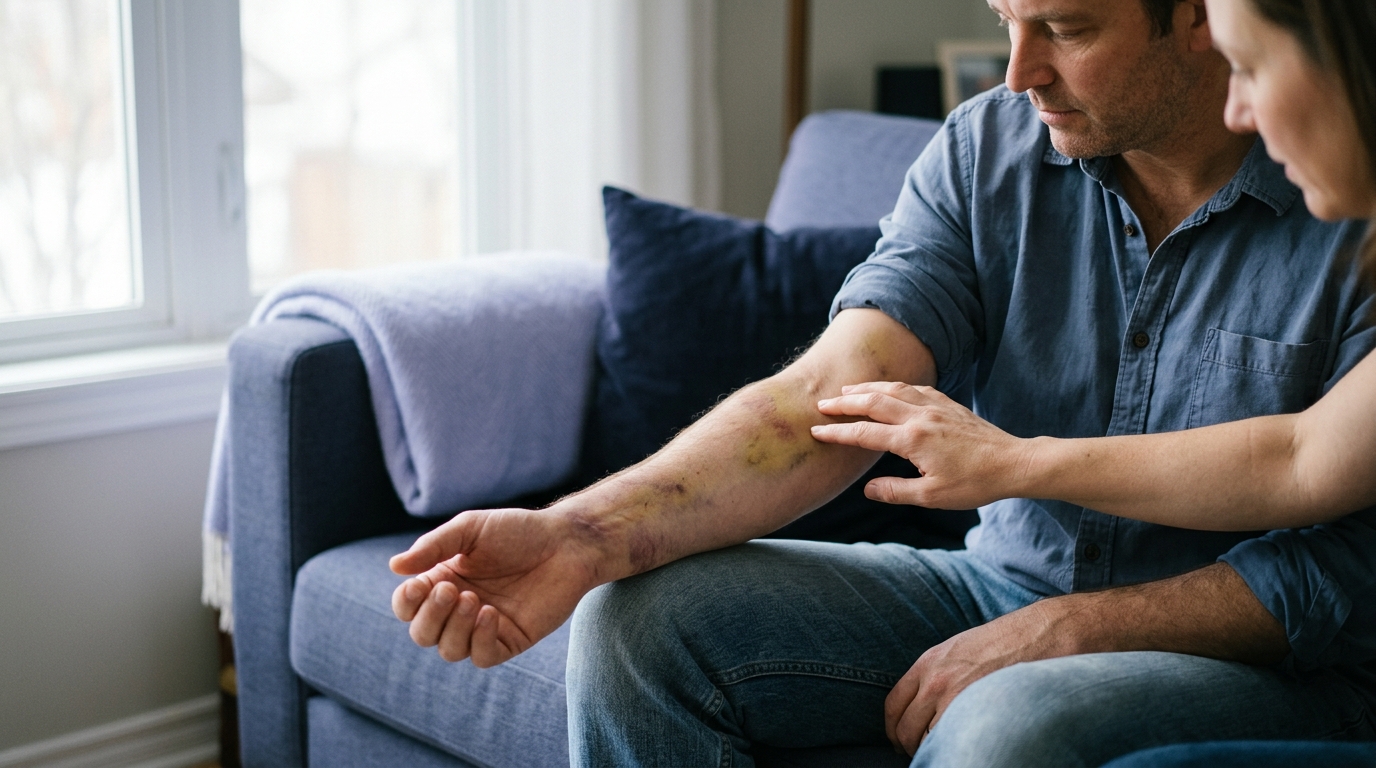
A common challenge during long-term exercise is distinguishing between normal post-exercise soreness and warning signs of tissue overload. Mild muscle soreness that appears 24 to 48 hours after a workout and resolves within a few days is a normal physiological response to new physical demands.
However, sharp joint pain, sudden catching or clicking sensations, or rapid swelling indicate that the training load may have exceeded your current tissue tolerance. NICE guidelines advise that patients should be educated on monitoring expected swelling and recognizing abnormal symptoms. If you experience unexpected swelling, severe resting pain, warmth, redness, or circulatory changes, you should stop the aggravating activity and consult your medical provider.
Long-term physical success requires periodic evaluation to ensure your routine remains aligned with your functional goals. Reassessment is not just for managing flare-ups. It is an active tool to help you progress, adapt to changing life circumstances, and celebrate functional gains.
NICE guidelines recommend regular goal reviews and structured progress monitoring during self-managed rehabilitation. You can implement a simple three-tier assessment strategy to track your progress:
Take a few moments at the end of each week to reflect on your physical performance and comfort. Consider the following simple questions:
Every four to six weeks, perform a more comprehensive review of your overall functional capacity and exercise program:
Self-management does not mean you can never return to clinical care. NICE guidance supports guided self-management models where individuals exercise independently while maintaining clear access to clinical follow-up when needed.
A formal clinical re-assessment with a physical therapist or orthopedic physician is appropriate if you experience persistent pain that does not resolve with rest, a sudden loss of joint motion, unexplained swelling, or an inability to make progress toward basic functional goals despite consistent effort.
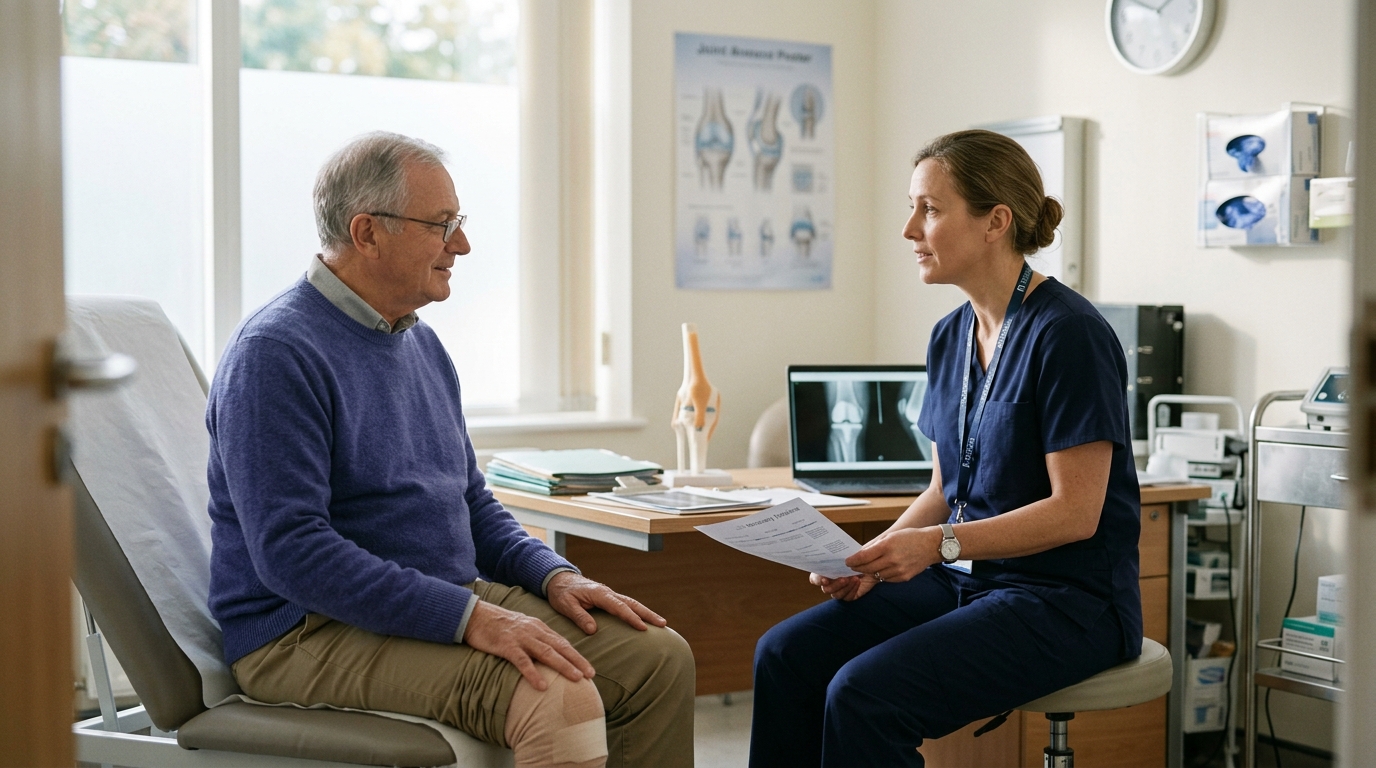
Before your formal physical therapy sessions conclude, use your remaining appointments to gather practical guidance for independent management. You can also bring these questions to follow-up visits with your surgeon or primary care physician.
Having clear answers to these questions provides a solid clinical foundation, removing guesswork as you build your independent routine.
Discharge from physical therapy is the beginning of independent physical maintenance, not the end of your healing journey. Sustaining mobility and rebuilding functional strength requires a balanced, long-term movement routine tailored to the demands of your everyday life.
By focusing on meaningful functional goals, adhering to evidence-based physical activity guidelines, and performing regular self-checks, you can safely expand your physical capacity over time.
Review this guide whenever you experience a transition in your physical activity level, such as preparing to return to a demanding hobby, adjusting your routine after a minor symptom flare-up, or updating your functional goals after reaching a major recovery milestone.
With patience, steady consistency, and realistic expectations, you can build a sustainable movement habit that supports your strength, mobility, and independence for years to come.

Use ReboundBody resources to understand common recovery stages, rehab terms, movement limits and strength rebuilding. Each guide is designed to make a complex comeback easier to understand.


Read practical guidance on injury recovery, rehabilitation, mobility and rebuilding strength as you work your way back to activity.
Explore Resources