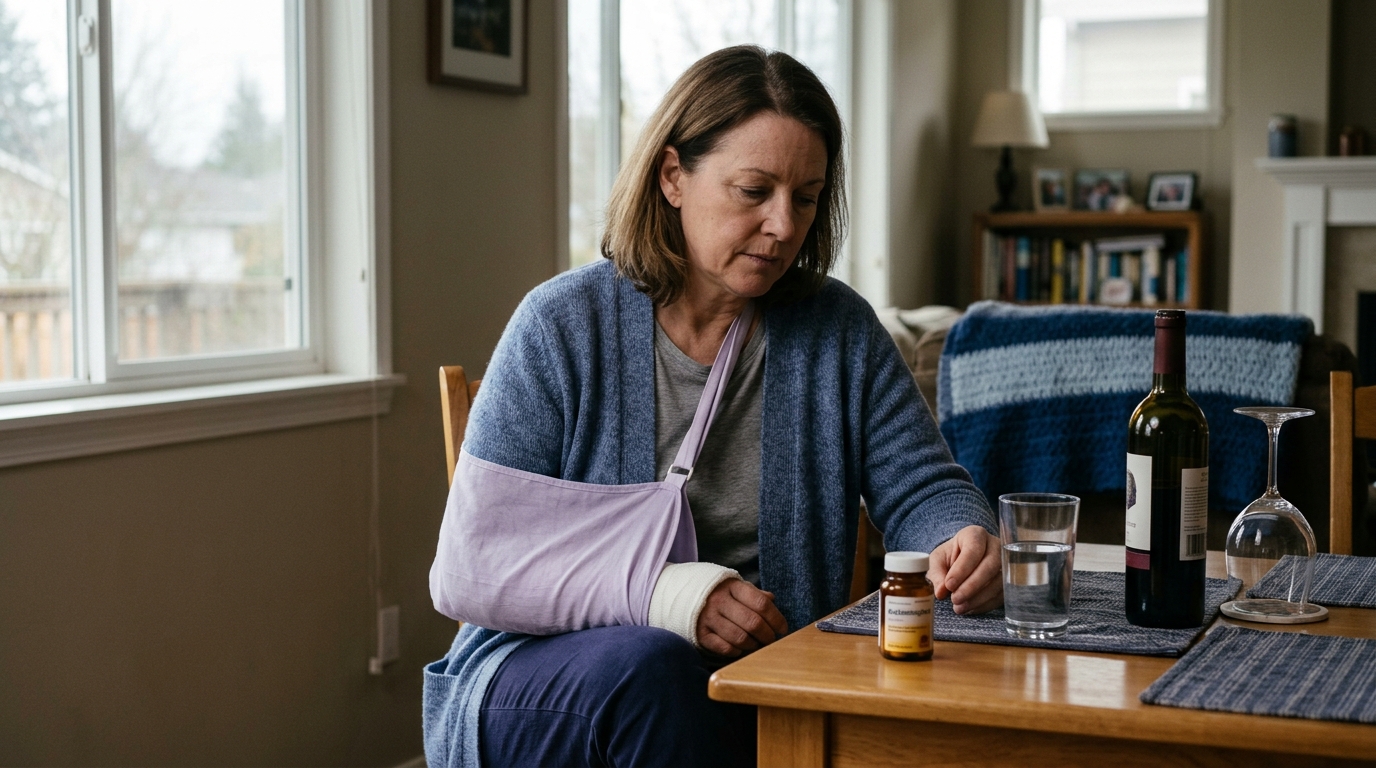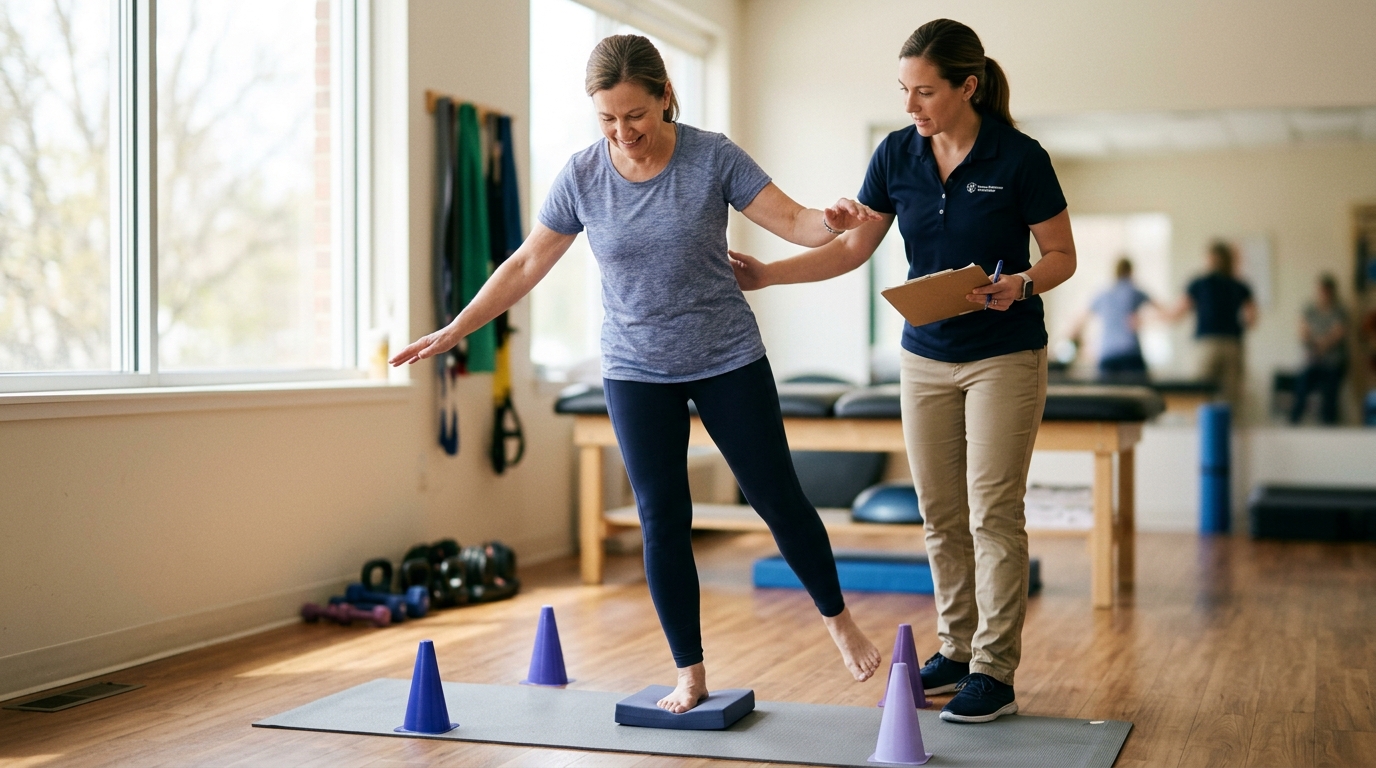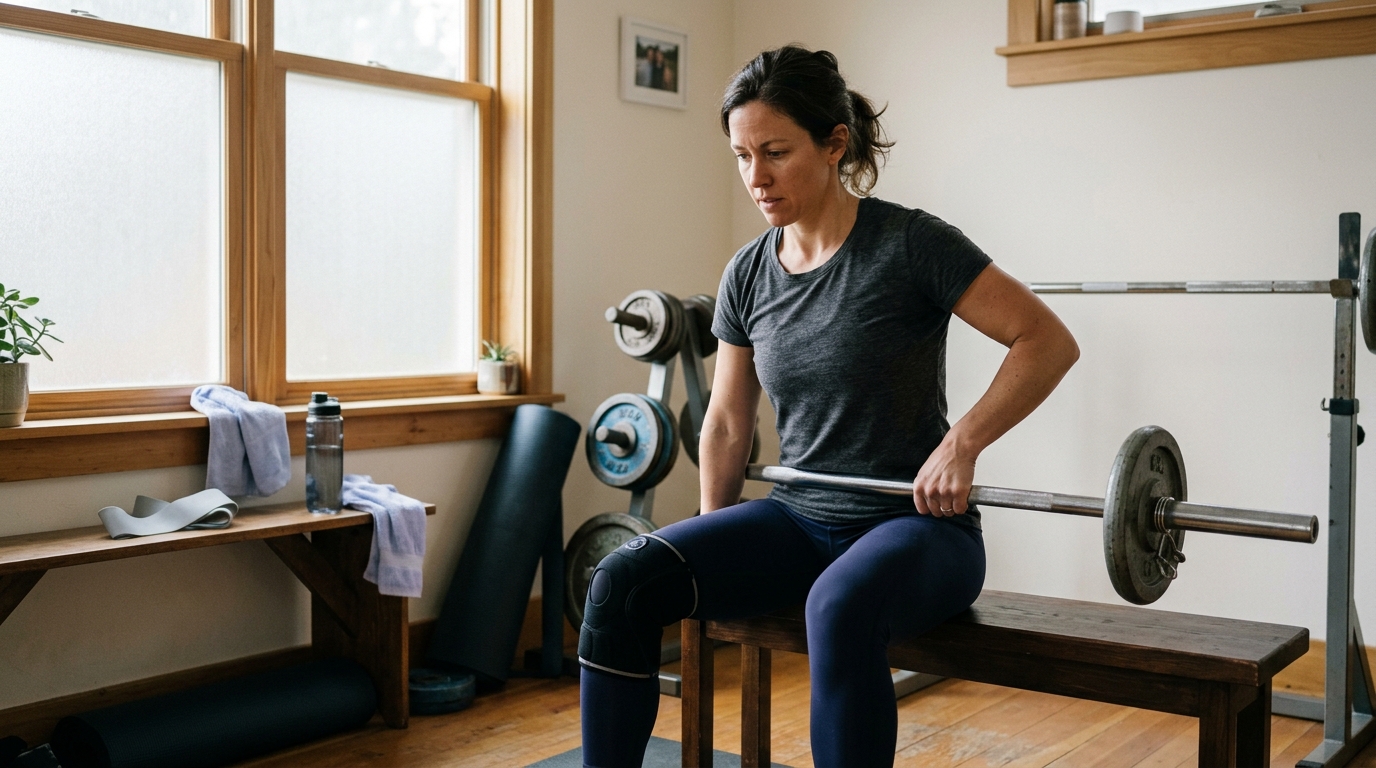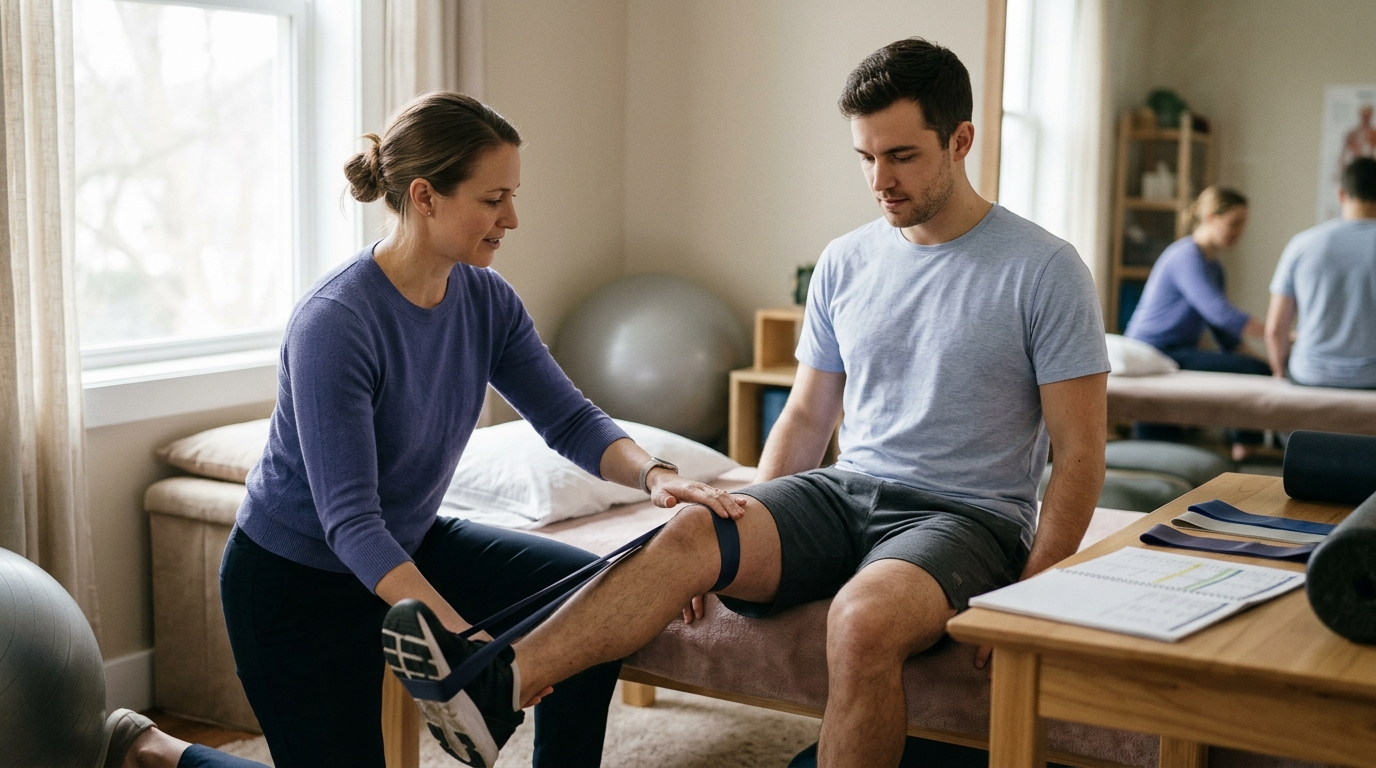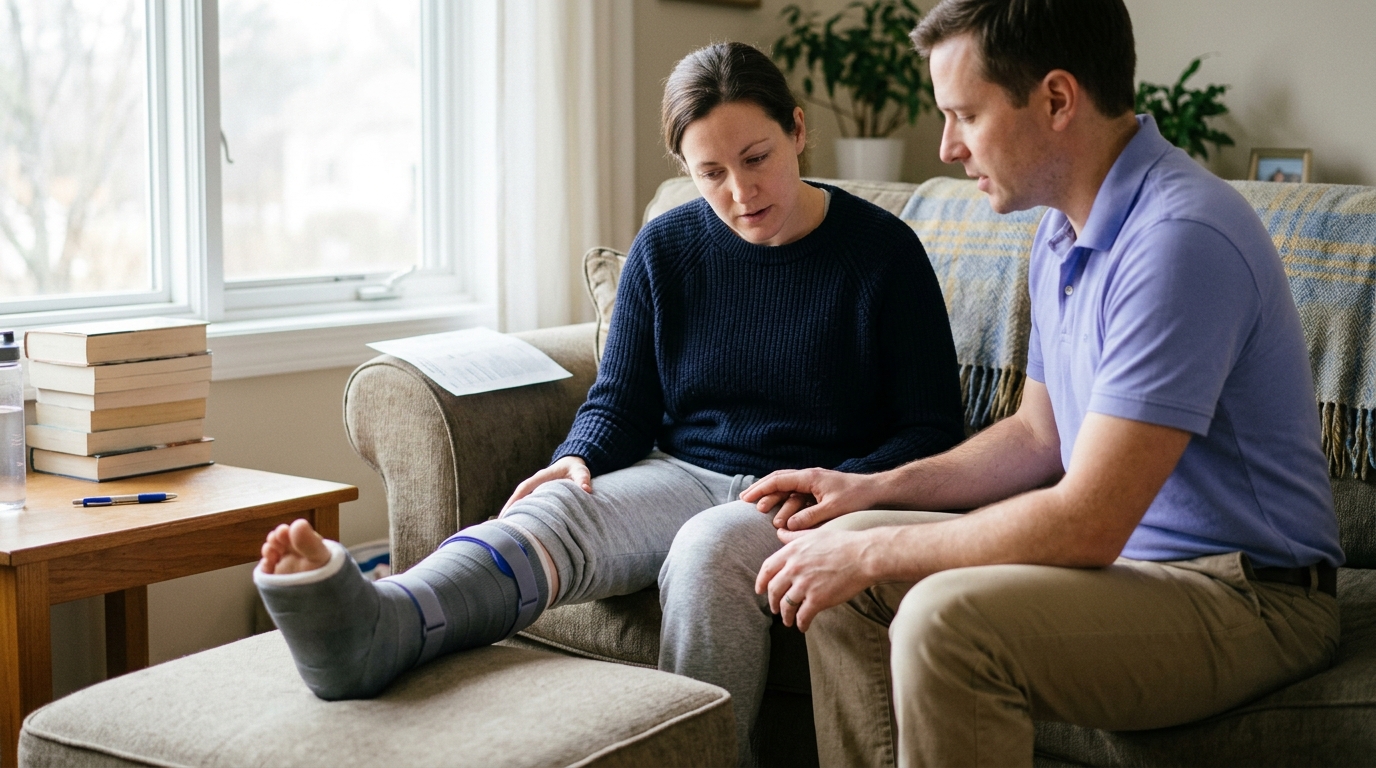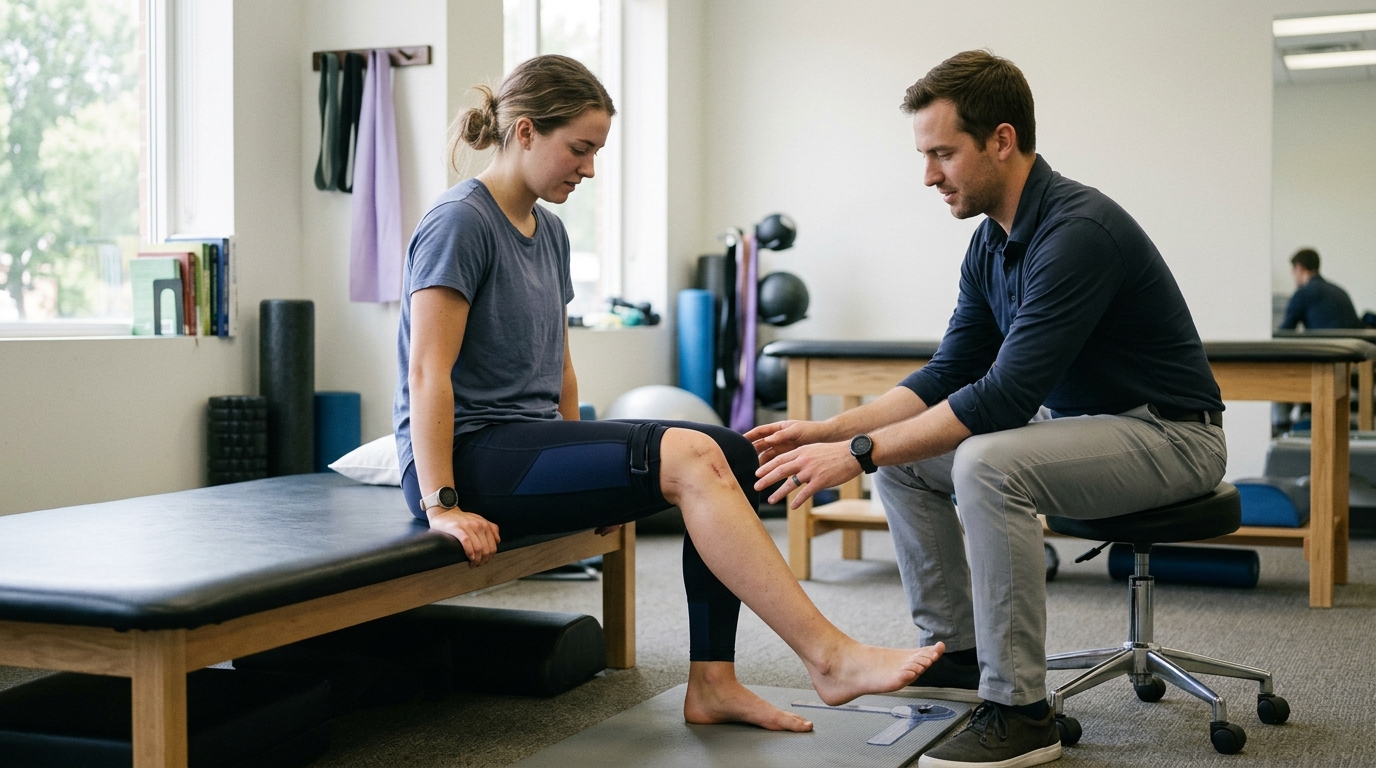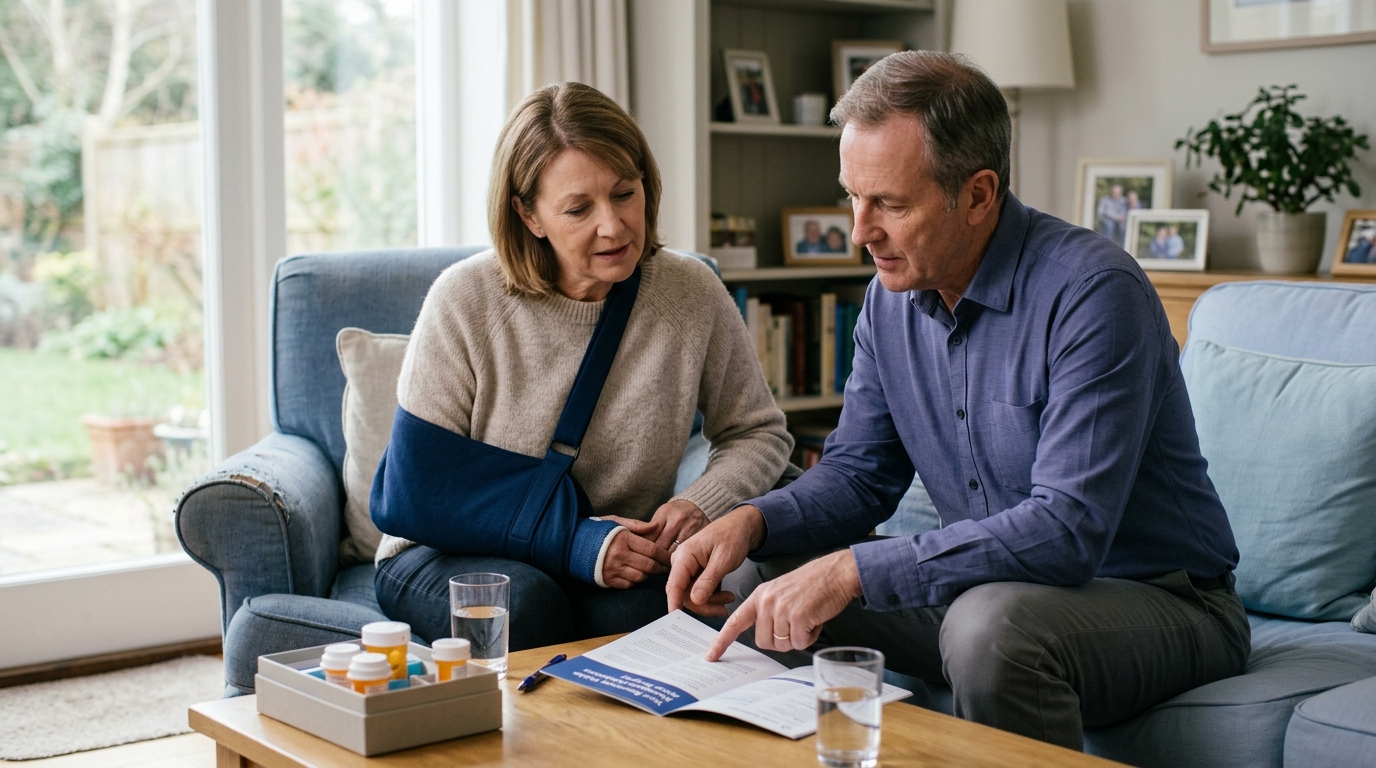

Recovery is not simply the absence of symptoms, but a structured personal framework that builds daily stability, health habits, and supportive community connections.





"How do I build a personal recovery plan that actually works for my daily life?" Many people search for this exact question after a physical injury, surgery, or major health setback. A personal recovery plan is a flexible, self-directed guide that organizes your daily habits, professional care, living environment, and personal priorities. It is not a clinical prescription or a guarantee of linear progress. Instead, it gives you a practical framework to navigate setbacks, protect your energy, and rebuild meaningful daily routines over time.
A whole-life recovery plan looks beyond isolated physical symptoms. It acknowledges that healing happens in the context of your home, your social connections, your daily purpose, and your emotional health. When you build a plan around your real life, you create practical structure that holds up even on difficult days.
A successful recovery plan is personal, adaptable, and rooted in your specific values. Many people make the mistake of viewing a plan as a strict set of rules. When life interferes or symptoms fluctuate, an overly rigid plan collapses. A resilient plan functions as a supportive baseline rather than a test you must pass.
The Substance Abuse and Mental Health Services Administration (SAMHSA) defines recovery as a process of change through which individuals improve their health and wellness, live a self-directed life, and strive to reach their full potential. This definition applies across physical setbacks, musculoskeletal rehabilitation, mental health challenges, and chronic health conditions. Recovery is not defined solely by the total elimination of symptoms. It centers on your ability to direct your own life and engage in activities that matter to you.
True recovery planning is person-led and strengths-based. You are the primary decision-maker in your life, while healthcare professionals provide assessment, expertise, and therapeutic options. A collaborative plan combines clinical advice with your personal knowledge of your body, daily schedule, and home environment. Research on shared decision-making demonstrates that people experience better engagement and satisfaction when they actively participate in setting their care goals.
Building a plan also relies on internal and external recovery resources, often called recovery capital. Internal resources include your coping skills, patience, problem-solving abilities, and previous experiences overcoming physical obstacles. External resources include your family, friends, healthcare providers, community programs, and access to safe spaces. Recognizing the resources you already possess gives you a solid foundation to start from.
Structured self-management plans have been studied across diverse health settings. One widely recognized model is the Wellness Recovery Action Plan, commonly known as WRAP. This framework uses structured reflection to help people identify daily maintenance needs, external stressors, early warning signs, and action steps.
Research published by the American Psychological Association evaluated the efficacy of structured recovery action plans across multiple studies. The meta-analysis found that using a structured wellness plan was superior to inactive controls for improving self-perceived recovery outcomes, showing a statistically significant positive effect. Participants reported feeling more in control of their health, more hopeful, and better equipped to advocate for their needs.
However, the scientific evidence also establishes clear boundaries regarding what self-directed plans can achieve. The research did not find that structured self-management plans automatically eliminate primary clinical symptoms across all conditions. While randomized controlled trials showed modest improvements in specific mood indicators, structured plans are not standalone medical cures.
These findings show that a written plan works best as an empowering organizational tool. It strengthens your agency, improves your daily consistency, and helps you communicate with clinicians. It does not replace diagnostic testing, orthopedic rehabilitation, physical therapy, or necessary medical interventions. Understanding this distinction prevents unrealistic expectations and allows you to use your plan for its true purpose: self-directed stability and steady progress.
To build a comprehensive plan, it helps to organize your life into manageable areas. SAMHSA outlines four major dimensions that support a life in recovery: Health, Home, Purpose, and Community. Using these four categories ensures that your plan addresses your practical living environment alongside your physical exercises.
The health dimension involves taking informed actions to support your physical, emotional, and cognitive well-being. In musculoskeletal recovery, this includes completing your prescribed physical therapy, taking medications as directed, and monitoring symptom changes. It also includes general health behaviors such as getting sufficient sleep, eating nutritious meals, and managing emotional stress.
Managing health requires understanding how different bodily systems interact. For instance, chronic joint pain can disrupt your sleep, which in turn increases pain sensitivity and lowers your mood. Integrating lifestyle recovery resources into your routine helps break these negative cycles by addressing the systemic factors that influence tissue healing.
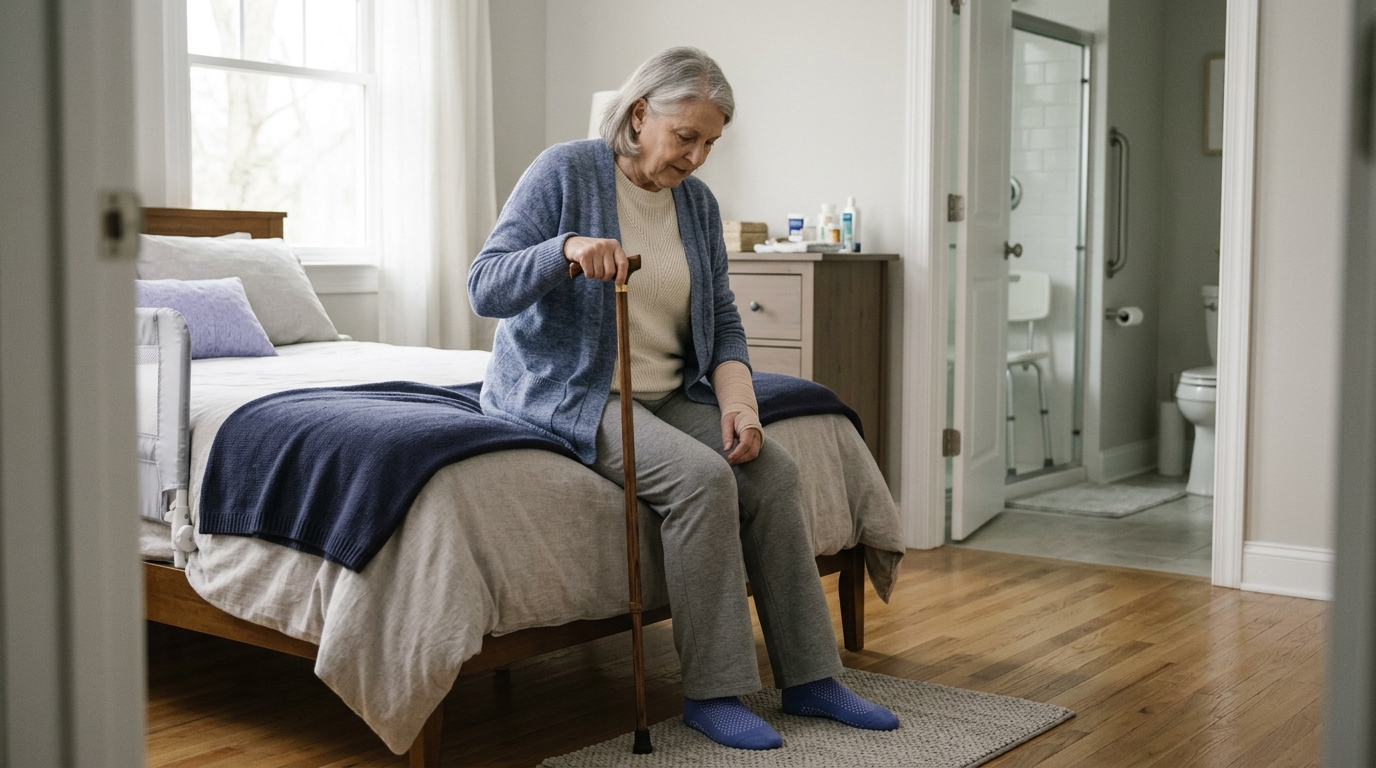
Your living space directly affects your ability to recover safely and comfortably. The home dimension focuses on having a stable, secure, and supportive physical environment. Following orthopedic surgery or joint injury, your home setup can either assist your independence or create constant physical strain.
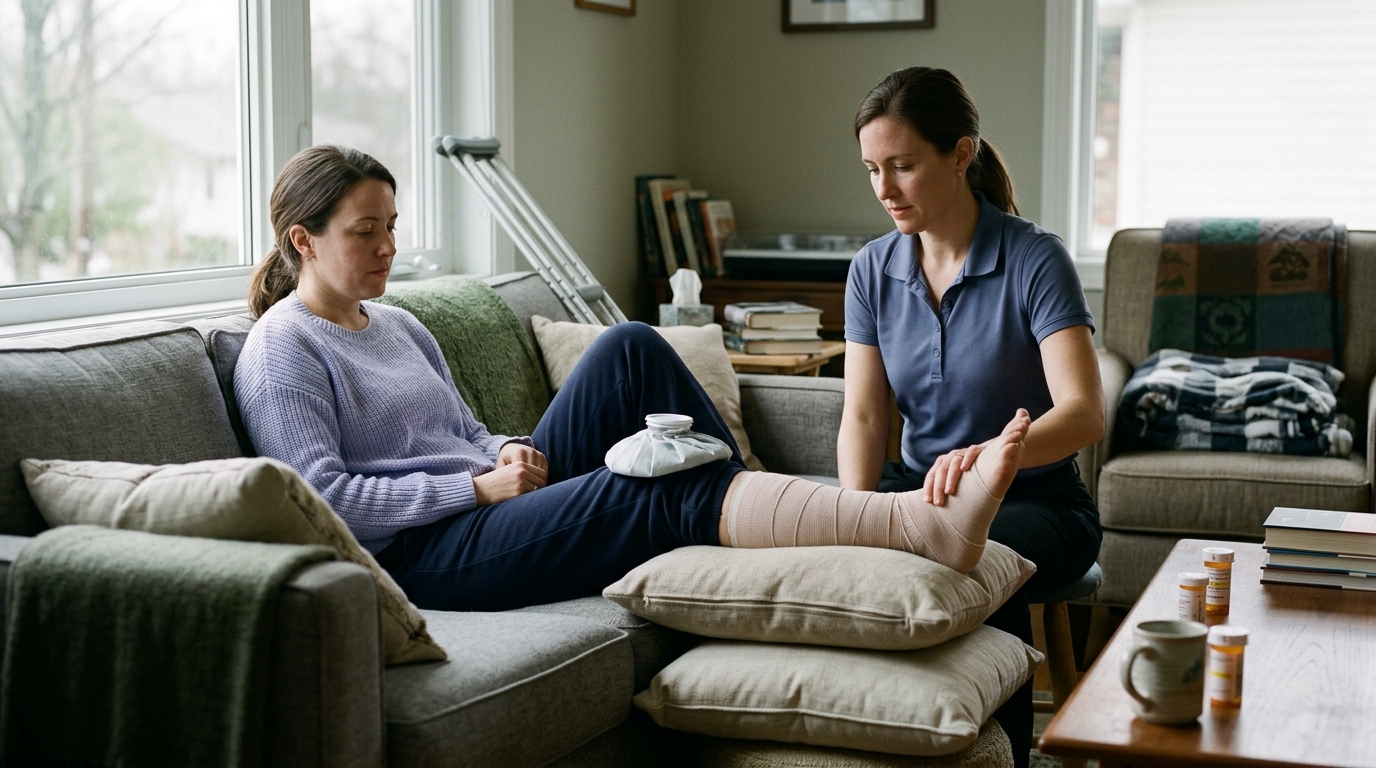
A recovery-ready home reduces unnecessary physical barriers. This might mean clearing walking paths to prevent trips, setting up a comfortable resting station with supportive cushions, or arranging kitchen items so you do not have to bend or reach awkwardly. When your home feels safe and manageable, your nervous system can relax, which supports physical repair.
Purpose refers to meaningful daily activities that give you a sense of identity, accomplishment, and personal agency. When an injury or illness forces you to step away from your job, athletic pursuits, or family caregiving roles, it is easy to feel disconnected and frustrated.
Maintaining purpose does not require intense physical effort. It can involve engaging in creative hobbies, reading, mentoring, participating in light household tasks, or learning a new skill. Purpose provides mental stimulation and structured routine, preventing the days from blending together during extended periods of restricted physical movement.
The community dimension encompasses the social networks, friendships, family ties, and peer groups that offer practical assistance, emotional validation, and hope. Healing in isolation often increases worry and perceived pain. Having people you can talk to openly makes challenging recovery phases much easier to bear.
Community support also provides practical accountability. Whether it is a friend who drives you to physical therapy or a walking partner who meets you for a short stroll, social connections keep you engaged with the world outside your injury.
A functional recovery plan translates broad goals into simple daily actions. Your daily routine is the anchor that stabilizes your physical energy, supports tissue regeneration, and keeps stress hormones balanced. Grounding your plan in established recovery science principles ensures that your everyday habits actively assist your body's natural repair processes.
Daily maintenance consists of the fundamental actions you need to perform every single day to stay well. During recovery, these actions should be realistic and sustainable, not an exhausting checklist.
Your baseline daily routine might include:
On days when you have more energy, you might choose optional activities, such as preparing a home-cooked meal or calling a friend. On low-energy days, sticking strictly to your baseline maintenance keeps you stable without draining your reserves.
Sleep is one of the most critical biological requirements for tissue repair, immune function, and mental clarity. According to the Centers for Disease Control and Prevention (CDC), adult sleep requirements vary across different life stages:
During physical rehabilitation, your sleep quality may be challenged by nighttime discomfort, altered sleep positions, or reduced daily activity. A strong plan incorporates practical sleep hygiene habits. Keep your sleeping area cool and dark, limit screen exposure before bed, and establish a quiet wind-down routine to signal to your body that it is time to rest.
Healing tissues require an adequate supply of energy, amino acids, vitamins, and minerals. Physical trauma, surgical procedures, and persistent inflammation increase your body's metabolic demands. Eating regular meals containing adequate protein helps preserve lean muscle mass during periods of reduced activity.
Hydration is equally essential for joint lubrication, cellular transport, and digestive health. Drinking water consistently throughout the day prevents sluggishness and supports medication clearance. If appetite changes occur due to pain or medication, eating smaller, nutrient-dense meals throughout the day can prevent energy crashes.
Physical activity supports joint health, circulation, bone density, and emotional well-being. The World Health Organization (WHO) notes that regular physical activity reduces symptoms of anxiety and depression while improving overall physical function. However, activity during recovery must be carefully matched to your healing stage, physical capacity, and clinical precautions.
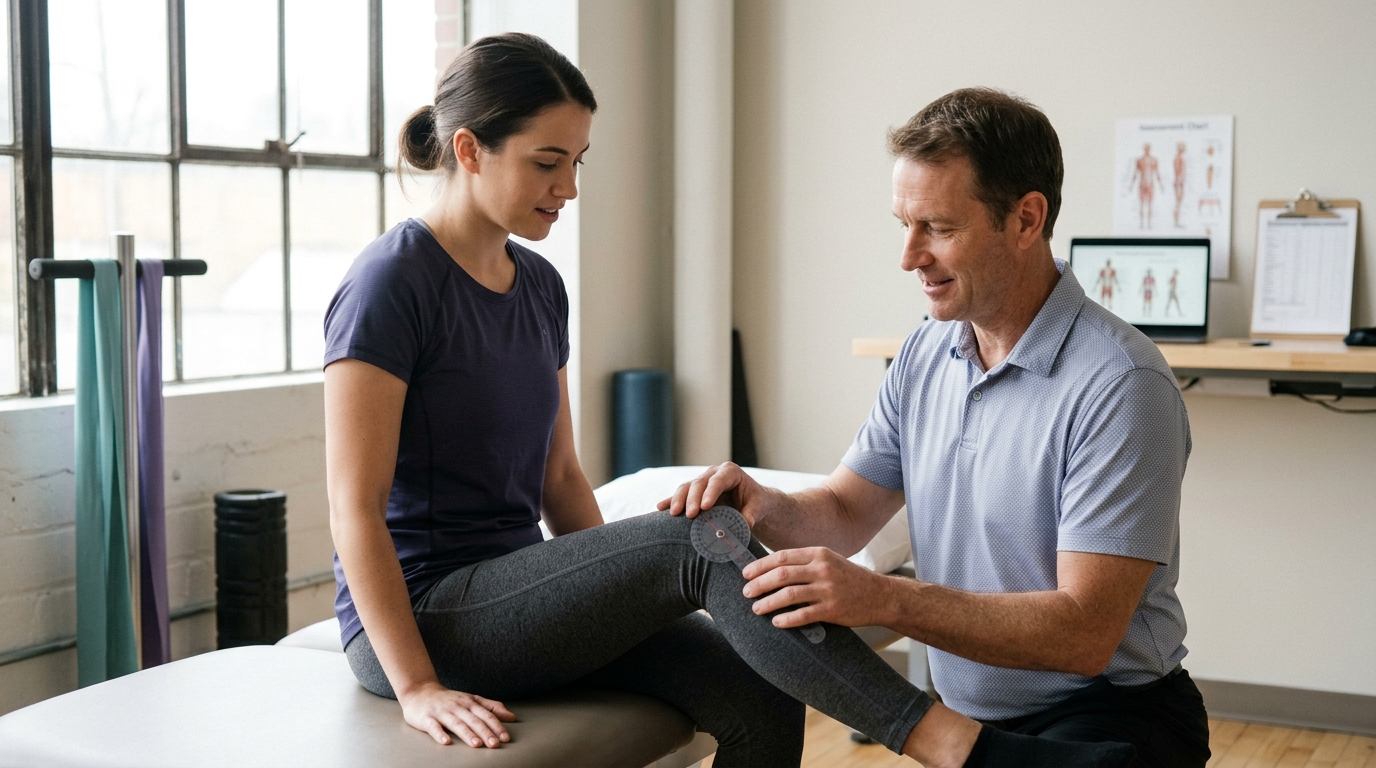
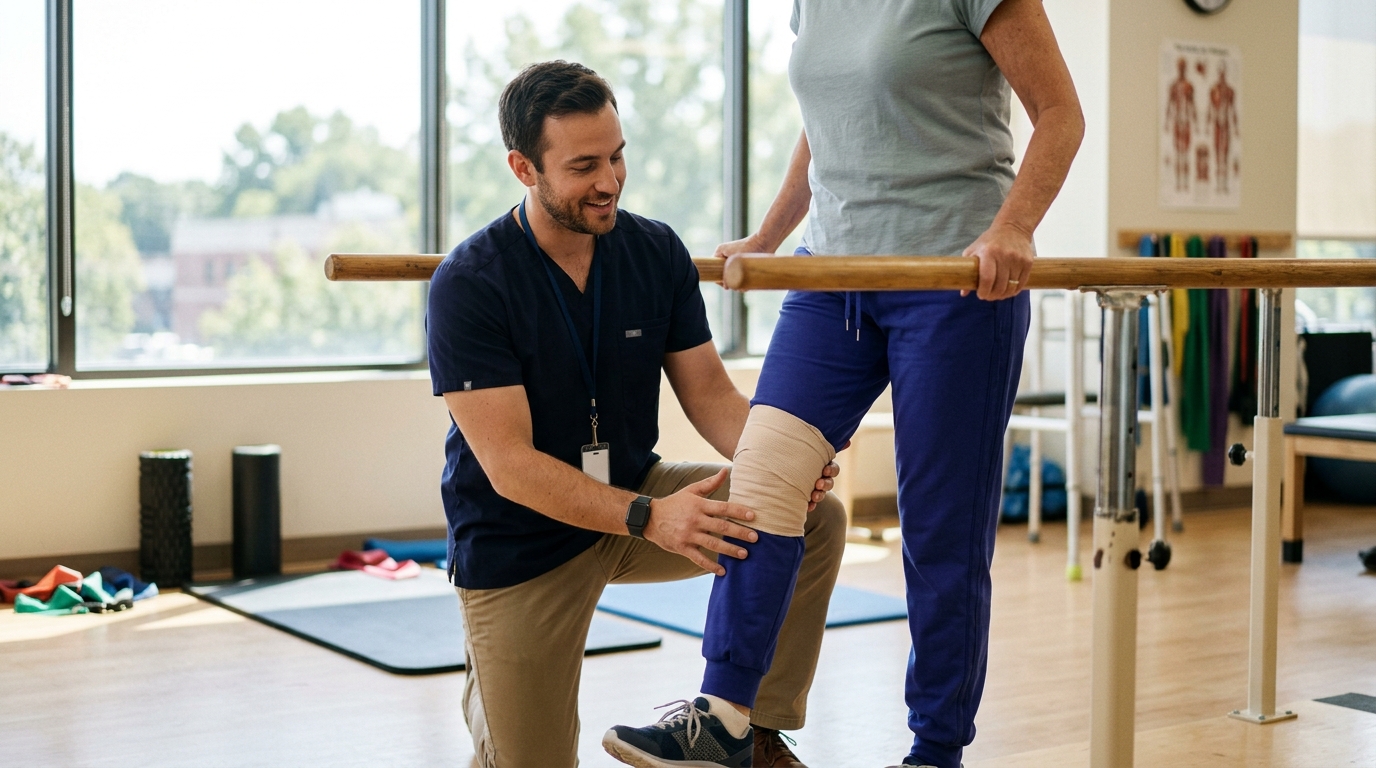
Engaging in structured mobility and movement rehabilitation allows you to restore joint range and muscular strength gradually. Rather than trying to do too much at once, focus on progressive, consistent movement. If an exercise causes sharp or escalating joint pain, note it down to discuss with your physical therapist rather than forcing your way through the movement.
Recovery is rarely a smooth, upward trajectory. Setbacks, flare-ups, and stressful weeks are normal parts of the rehabilitation process. A recovery plan helps you anticipate these difficult periods by clearly distinguishing between external stressors, personal warning signs, and genuine urgent issues.
Understanding the difference between external triggers and internal responses keeps you from feeling overwhelmed when problems arise:
Listing warning signs without an action plan is unhelpful. A functional recovery plan pairs every recognizable sign with a practical, step-by-step response.
For example, if you notice your neck and shoulders tensing up after long hours at a desk, your immediate response might be taking a five-minute walking break, applying a heat pack, and doing gentle neck mobility exercises. If you notice that you are feeling discouraged and skipping physical therapy exercises, your agreed response might be sending a quick update to your physical therapist to adjust the volume.
Having predetermined responses removes the burden of decision-making when you are tired or stressed. You simply check your written plan and carry out the first step you previously chose for yourself.
Support is not a one-size-fits-all concept. You need different types of help at different stages of your recovery journey. SAMHSA categorizes social support into four distinct types: emotional, informational, instrumental, and affiliational. Clarifying these categories allows you to ask the right people for the right kind of assistance.
Emotional support involves being heard, validated, and encouraged by people you trust. When physical limitations feel isolating, talking to someone who listens without trying to fix everything immediately can reduce emotional stress. This support often comes from close friends, partners, or peer specialists who understand what it is like to live with physical limitations.
Informational support provides knowledge, education, and clear instructions. Your surgeon, physical therapist, primary care physician, and occupational therapist are primary sources of informational support. They explain why certain symptoms occur, demonstrate proper movement techniques, and help you understand your recovery timeline. Reliable educational articles also provide helpful informational support.
Instrumental support consists of concrete, practical assistance with everyday tasks. Following an injury or surgery, physical limitations can make driving, grocery shopping, cooking, or lifting heavy objects difficult. A strong plan clearly identifies who can help with transportation to appointments, who can drop off groceries, and what community services are available if family members are busy.
Affiliational support refers to the sense of belonging that comes from being part of a group. This might include participating in a walking group, joining a recovery forum for people with similar orthopedic conditions, or staying connected to a hobby club. Affiliational ties remind you that you are part of a broader community beyond your current medical situation.
A recovery plan does not need to be complicated. In fact, a simple two-page document that is easy to read and update is far more useful than an overly dense binder. The following nine-part template integrates professional guidance, daily routines, and whole-life priorities into a practical format.
Start by identifying your core motivations and existing strengths:
Take an honest, non-judgmental inventory of your current circumstances:
Clarify where to focus your attention to avoid feeling overwhelmed:
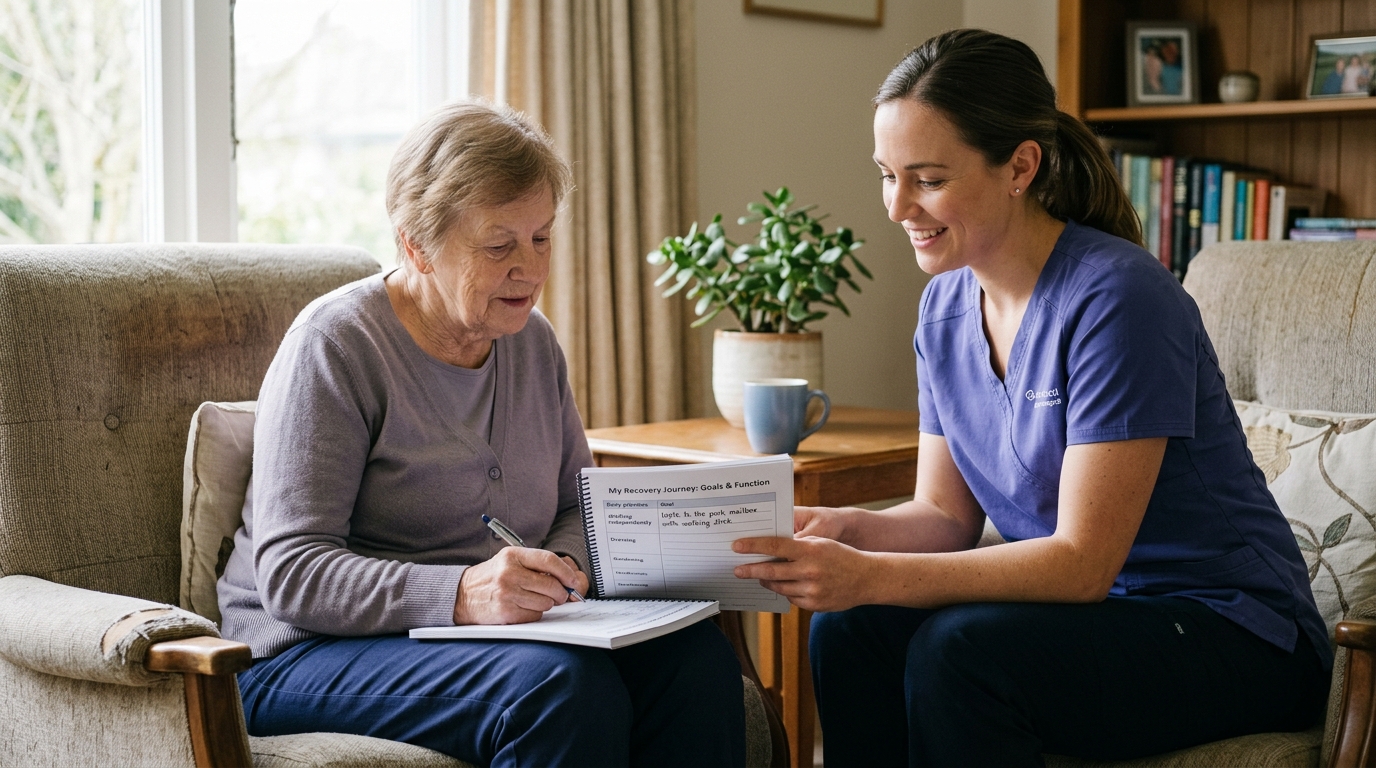
Translate broad hopes into specific, manageable actions:
Outline your foundational wellness routines:
Identify your common personal stressors:
Map your early changes to specific actions:
Organize your essential healthcare contacts and preferences in one accessible place:
Set regular intervals to evaluate and adjust your plan:
Recovery timelines vary widely between individuals. Even when two people have the exact same surgical procedure or joint condition, their progress and outcomes can look very different. Understanding the factors that influence your timeline prevents discouraging comparisons with other people.
Applying principles from active aging and injury prevention shows that physiological adaptation is influenced by a wide range of personal variables:
Recognizing these variables reinforces that recovery is an individualized process. Your personal recovery plan should reflect your unique health history, daily constraints, and present capacity rather than an arbitrary calendar timeline.
The following illustrative models show how different individuals apply this whole-life planning framework to navigate common recovery challenges.
An individual recovering from joint surgery finds that irregular sleep patterns and missed home exercises are making daily life increasingly disorganized. Instead of attempting a massive lifestyle overhaul, they focus on establishing one stabilizing routine.
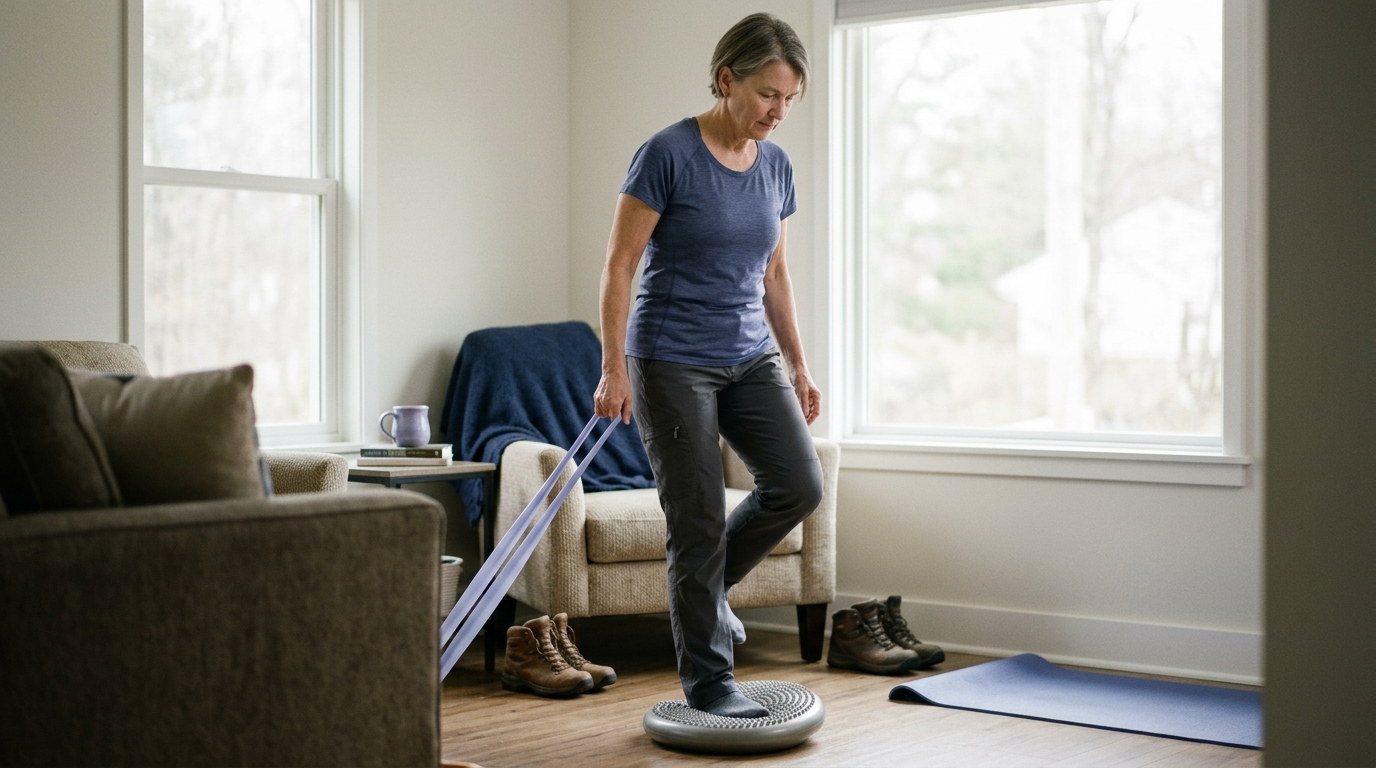
They decide to link their physical therapy exercises directly to their morning routine, completing ten minutes of gentle mobility work right after breakfast. They place their exercise band and written instruction sheet next to the kitchen table as a visual prompt. By focusing on one manageable habit, they build daily consistency without draining their limited physical energy.
An individual wants to attend outpatient physical therapy twice a week but does not drive and lacks easy public transit access. Rather than viewing missed appointments as a personal motivation failure, their plan identifies transportation as an environmental barrier.
They review their community and social support networks. They arrange for a family member to provide a ride on Tuesdays and coordinate with a local community transit service for Thursdays. By solving the practical logistical issue, they ensure consistent rehabilitation attendance.
An active adult working on tendon rehabilitation notices increased morning joint stiffness and muscle tightness after increasing their walking distance. Recognizing this as an early warning sign of overload, they consult their written plan.
Their predetermined action plan is simple: reduce walking distance by half for three days, apply cold or heat therapy as recommended by their clinician, and perform gentle non-weight-bearing mobility exercises. Because they act early, the flare-up settles quickly, allowing them to resume progressive loading without a major setback.
An individual knows that an upcoming work deadline will require long hours at a computer, raising the risk of postural fatigue and missed therapy sessions. Rather than assuming their routine will hold, they plan ahead for the difficult period.
They schedule three short five-minute movement breaks into their daily work calendar, prepare simple meals ahead of time, and agree on a lower-volume home exercise routine with their physical therapist. By proactively adjusting their expectations, they maintain a protective baseline during a busy week.
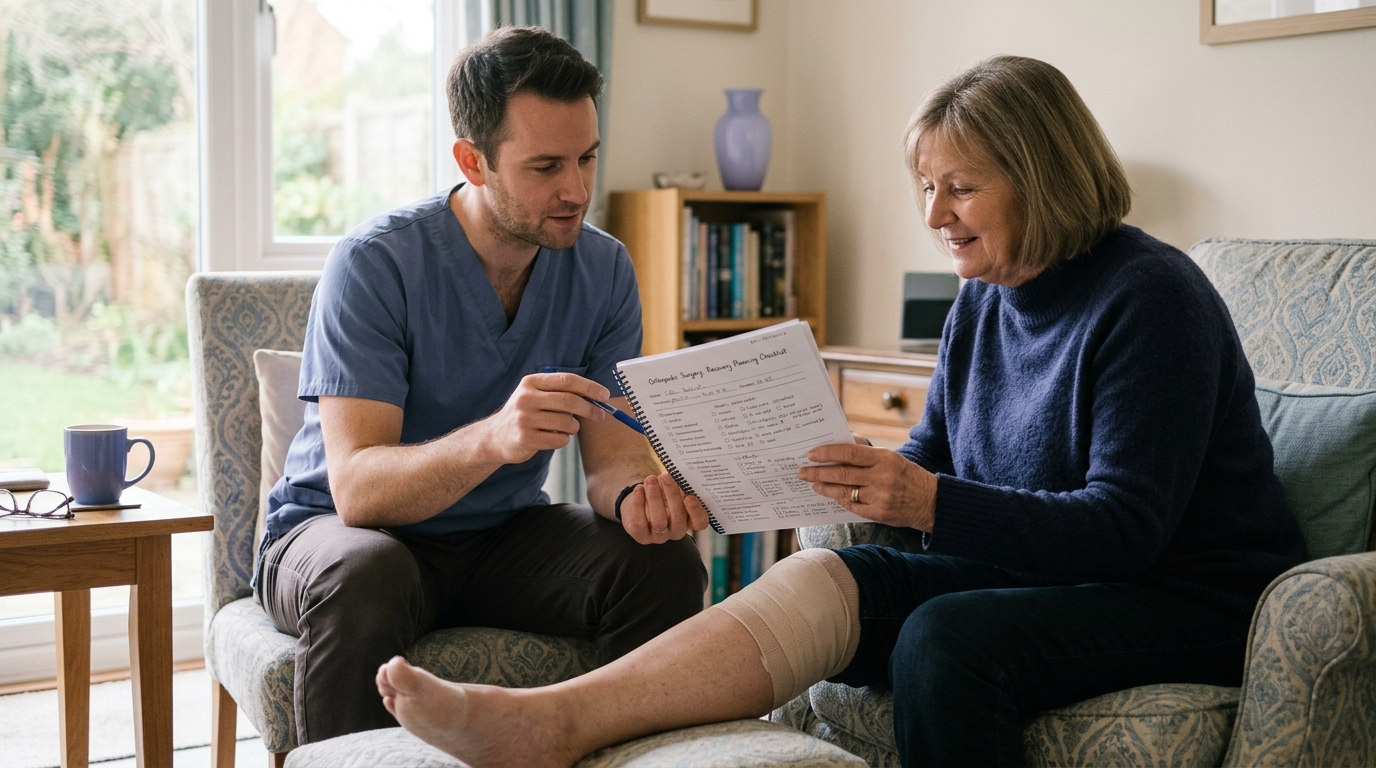
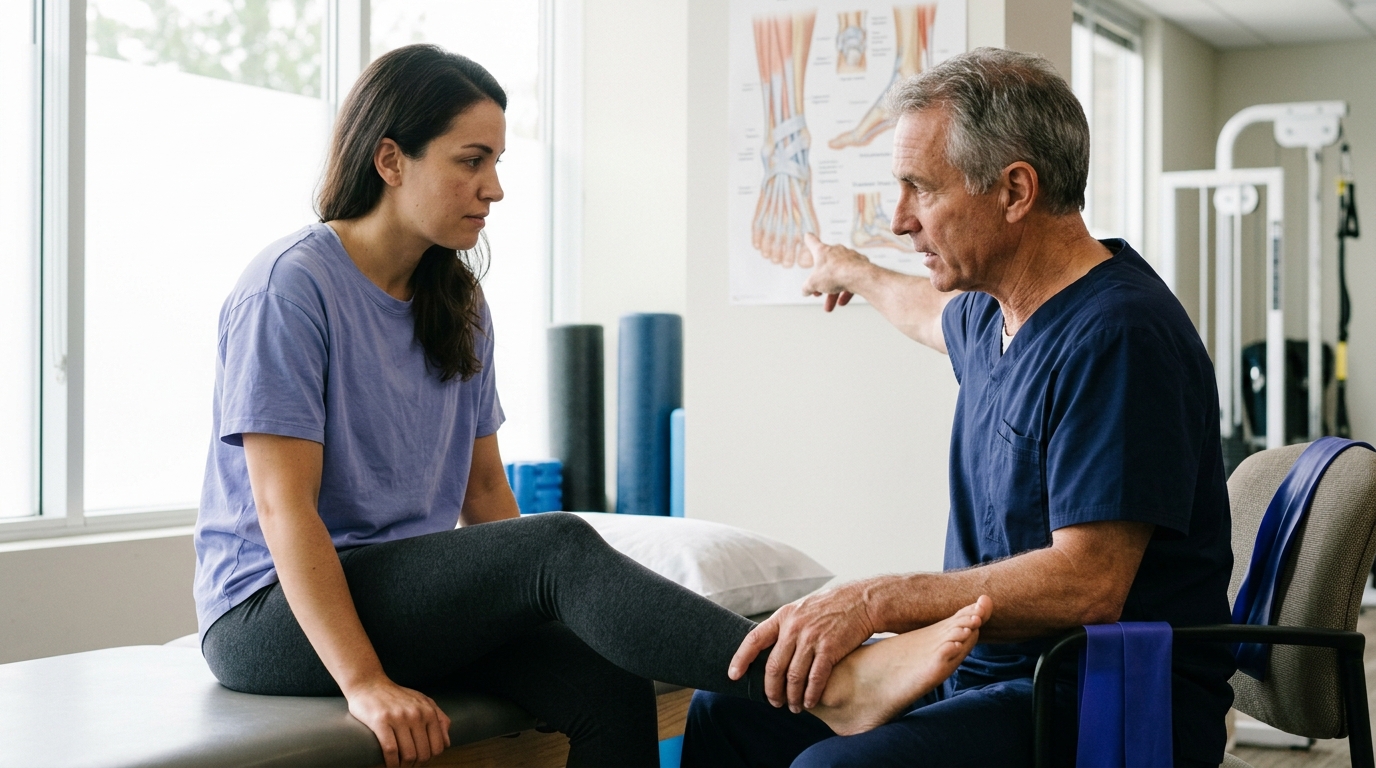
A self-directed recovery plan supports, but never replaces, clear communication with your medical team. Bringing your plan or observations to clinical appointments ensures that your healthcare providers understand your daily reality, your functional goals, and your personal living environment.
During your next clinical visit, consider asking these practical questions to refine your plan:
Clear communication ensures that your personal recovery plan remains aligned with clinical best practices while remaining true to your personal preferences. For broader information on structured rehabilitation pathways, you can review our comprehensive rehabilitation and recovery guides to help inform your conversations with your care team.
A personal recovery plan is a living document. As your joint mobility improves, your muscle strength returns, and your daily energy stabilizes, your goals and routines will naturally evolve. Regularly reviewing your plan ensures that it stays relevant and helpful rather than becoming an outdated set of instructions.
Every two to four weeks, take ten minutes to sit down with your plan and ask yourself these four practical questions:
To put this whole-life framework into practice, focus on these five clear steps over the next seven days:

Use ReboundBody resources to understand common recovery stages, rehab terms, movement limits and strength rebuilding. Each guide is designed to make a complex comeback easier to understand.


Read practical guidance on injury recovery, rehabilitation, mobility and rebuilding strength as you work your way back to activity.
Explore Resources