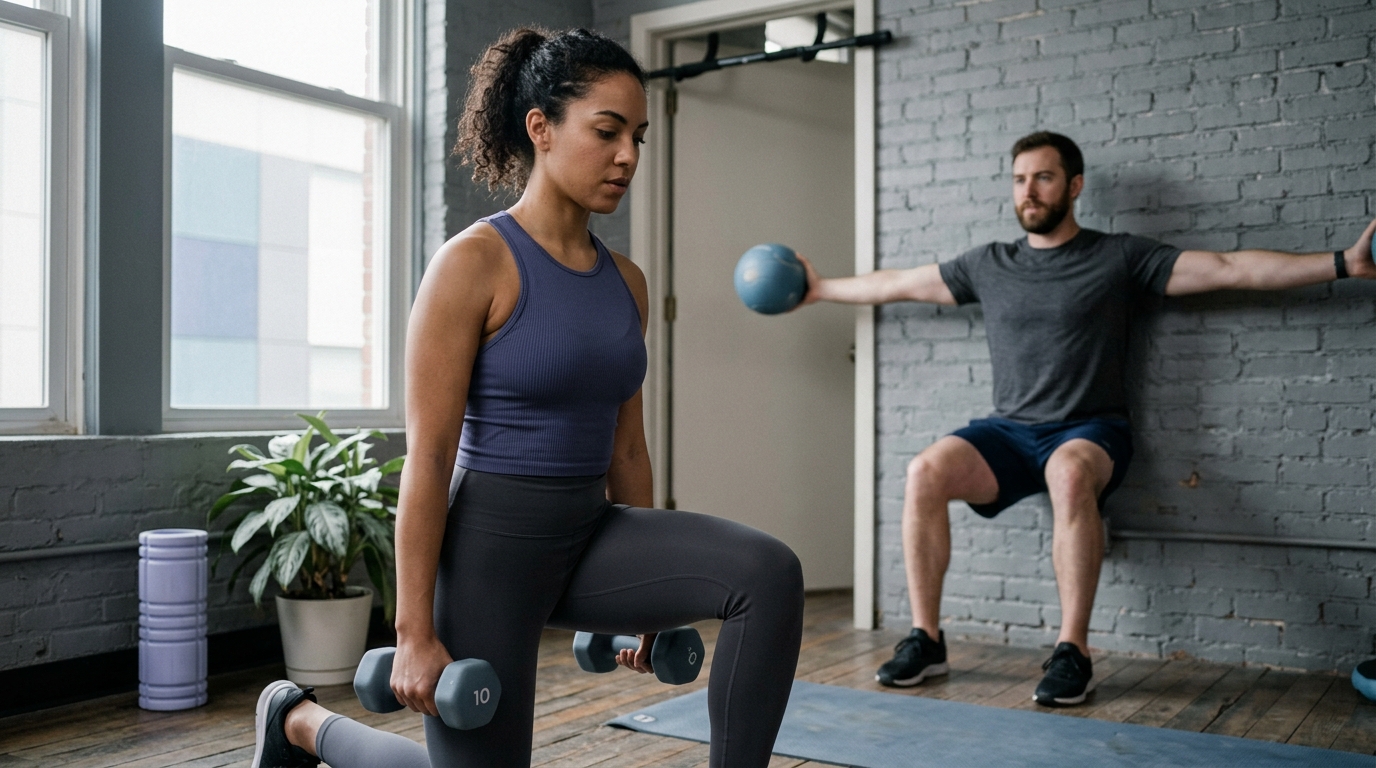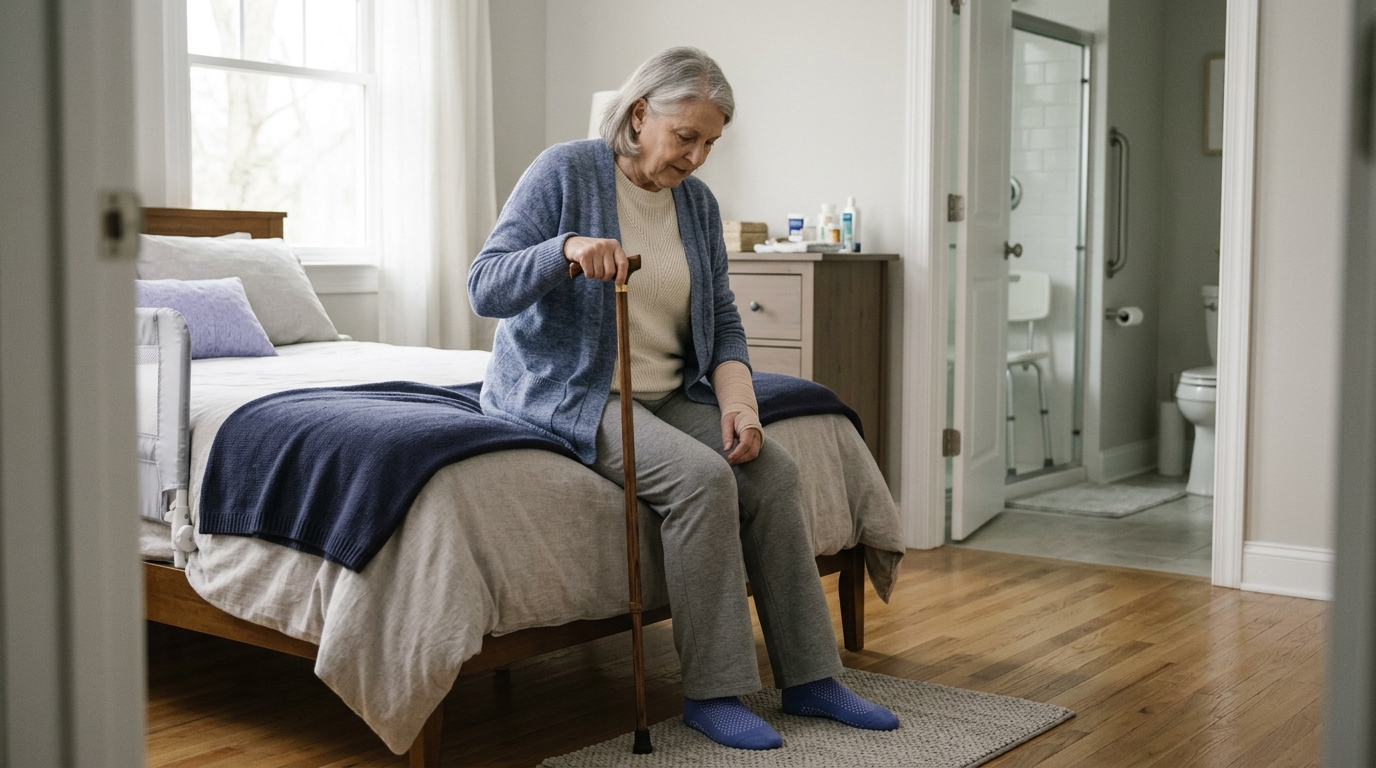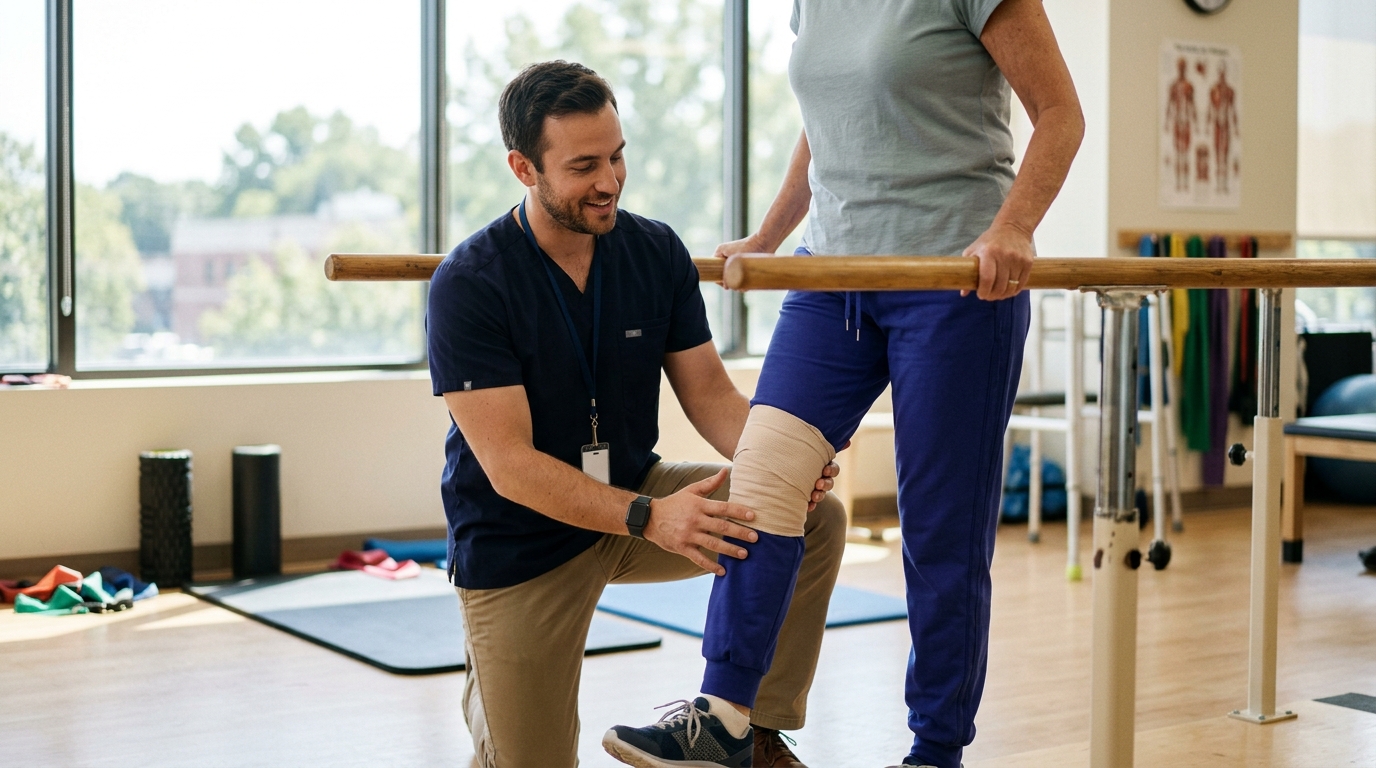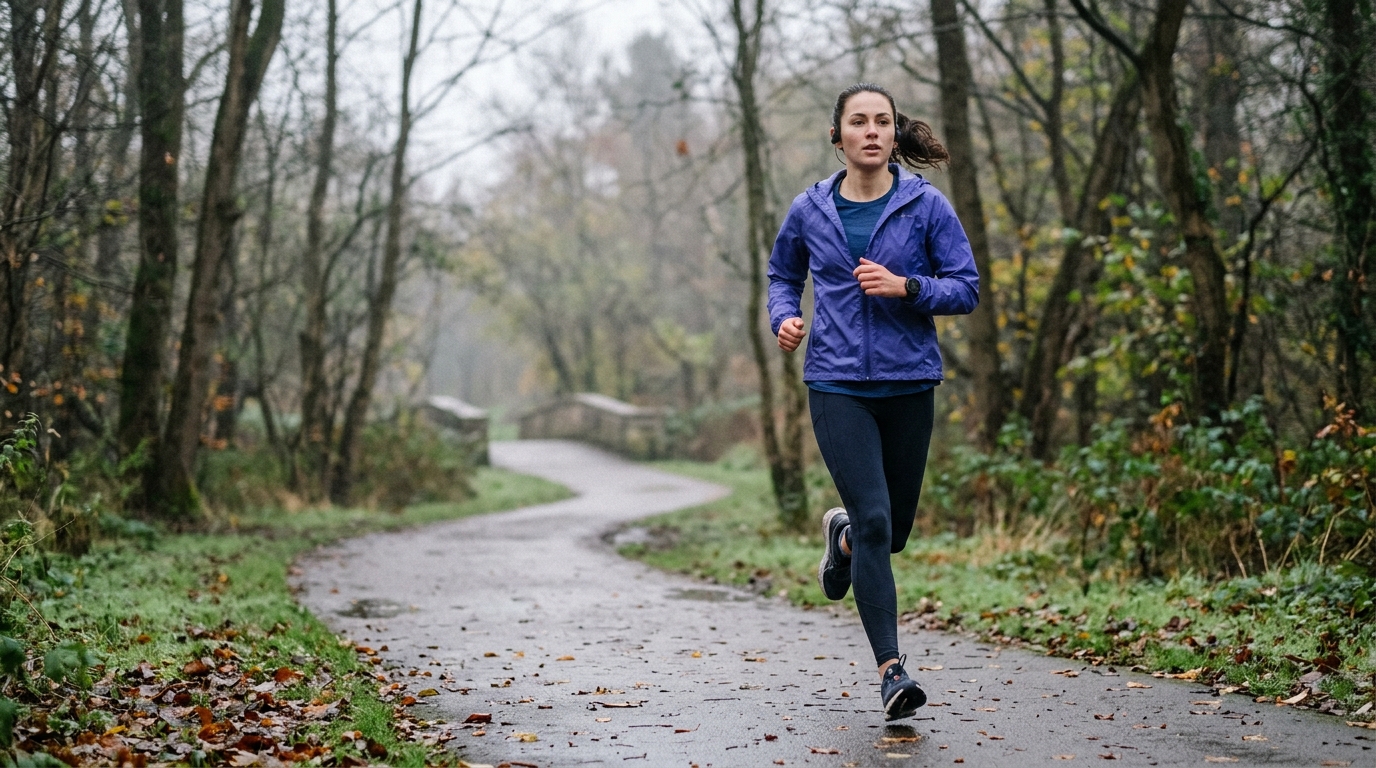

Four distinct environmental factors shape outdoor workouts, helping you adapt your training routines to manage heat, cold, altitude, and shifting air quality safely.





Many active adults search for answers when sudden weather shifts disrupt their routine. You might wonder if it is safe to walk in freezing temperatures, run on humid afternoons, hike at higher elevations, or train outdoors during air quality alerts.
The direct answer is that outdoor exercise is rarely an all-or-nothing choice. Safe and effective outdoor activity depends on managing total environmental exposure rather than simply braving the elements. Extreme heat, freezing cold, high altitude, and poor air quality place real physiological demands on the cardiovascular and respiratory systems. Adapting your workout timing, lowering your intensity, planning safe routes, and dressing for the conditions allow you to stay active while minimizing health risks.
However, environmental adaptation has clear limits. Severe conditions, such as dangerous wind chills, extreme heat index values, or hazardous air pollution, require moving workouts indoors. Personal health factors, including cardiovascular conditions, asthma, and joint rehabilitation needs, also change what your body can safely handle.
Assessing an outdoor workout requires looking at several factors at once. Weather forecasts alone do not tell the whole story. A comprehensive assessment considers four distinct elements before you step out the door.
First, examine the specific environmental conditions. This means checking temperature, relative humidity, direct solar radiation, wind speed, elevation, and current air quality measurements. A sunny day at 80 degrees with high humidity creates far more physical strain than a dry, overcast day at the same temperature.
Second, assess your planned workload. You must evaluate the intended intensity, duration, and type of movement. A gentle, low-intensity recovery walk carries very different physiological demands than high-intensity interval training or a continuous long-distance run.
Third, consider your personal health context. Your current fitness level, recent injury history, hydration status, and degree of recent weather acclimatization all matter. Adults navigating joint recovery or managing chronic conditions need to be especially mindful of how environmental stressors amplify physical fatigue.
Fourth, identify your available options and exit routes. Determine whether you can shift your workout time, adjust your route to include shade, or pause at water stations. Always identify a clear backup plan, including an indoor alternative, if conditions worsen during your session.
When you exercise in warm weather, your body relies primarily on sweating to release internal heat. Muscle contractions generate heat that must be transferred to the surrounding air to keep your core temperature stable. The heart pumps more blood toward the skin surface to radiate this heat away.
Humidity significantly alters this cooling process. Sweat must evaporate from the skin surface to cool the body. When ambient relative humidity is high, the air already holds substantial moisture, which slows evaporation. As noted in resources from the American College of Sports Medicine, high humidity raises the risk of heat-related illness, and indoor exercise may be preferred when humidity exceeds 75 percent.
The combination of strenuous effort and heat creates competing demands for blood flow. Your working muscles require oxygenated blood, while your skin needs blood flow to release heat. If fluid loss from sweating reduces your blood volume, your heart must beat faster to maintain output. Dehydration can quickly increase internal heat strain and shorten the time to exhaustion.
According to guidelines from the Centers for Disease Control and Prevention, dehydration is a primary predisposing factor in heat illness alongside exercise intensity and ambient weather. Even mild fluid deficits can impair thermoregulation and exercise capacity. Preparing for warm conditions requires addressing fluid intake, pacing, and exposure duration together.
Heat acclimatization is a gradual physiological process that improves your body's ability to tolerate warm environments. Over several days of repeated, moderate exposure, your body learns to sweat earlier and at higher volumes. Your sweat also becomes more dilute, which conserves essential electrolytes like sodium.
Cardiovascular adaptations occur alongside changes in sweating. Resting core temperature decreases, blood plasma volume expands, and heart rate response stabilizes during steady exertion. Guidance from the National Athletic Trainers' Association recommends a progressive acclimatization period spanning 7 to 14 days. CDC travel health recommendations similarly advise reducing exercise intensity and duration during your first week in a hot environment if you are not already acclimated.
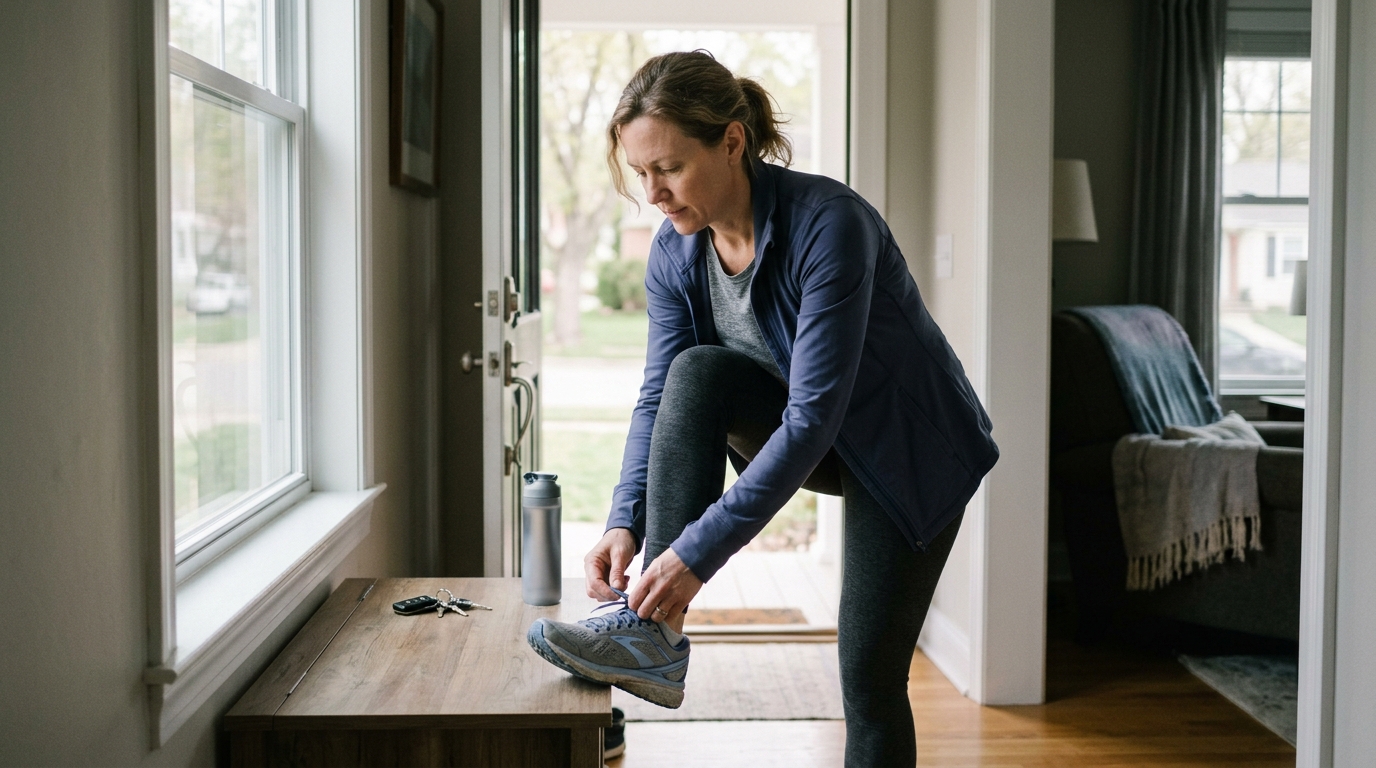
Routine schedule adjustments are critical during hot weather spells. Shift your workouts to the early morning hours before solar radiation peaks, or wait until the late evening when the sun begins to set. Plan routes that offer tree canopy cover, public water fountains, and frequent opportunities to pause.
Hydration strategies should begin well before you start moving. The CDC advises athletes to drink more fluids than usual during hot periods and avoid waiting until thirst sets in. For longer sessions, carrying water or an electrolyte solution ensures you do not fall behind on fluid replacement.
You can learn more about managing physical strain by reviewing our injury prevention and staying active resources designed for adults maintaining consistent routines.
Differentiating between moderate heat strain and a life-threatening medical emergency is vital for anyone exercising outdoors. Heat-related illness progresses along a spectrum from mild discomfort to severe systemic failure.
Heat exhaustion occurs when the body loses excessive water and salt through sweating. CDC public health materials list several common symptoms of heat exhaustion:
If you or a training partner develop heat exhaustion, stop the activity immediately. Move to an air-conditioned room or a shaded area, loosen tight clothing, apply cool, wet cloths to the skin, and sip water slowly. If symptoms worsen, vomiting continues, or symptoms last longer than one hour, seek professional medical evaluation.
Heat stroke is a medical emergency that requires immediate intervention. It happens when the body's thermoregulatory mechanisms fail completely, allowing core temperature to rise rapidly to 103 degrees Fahrenheit or higher.
The CDC identifies critical warning signs of heat stroke:
If you suspect someone is experiencing heat stroke, call 911 immediately. Move the person to a cooler environment and use aggressive cooling methods while waiting for emergency responders. Immerse them in a cool bath, place ice packs on the neck, armpits, and groin, or sponge their skin with cold water. Do not give the person anything to drink if they are confused or unconscious.
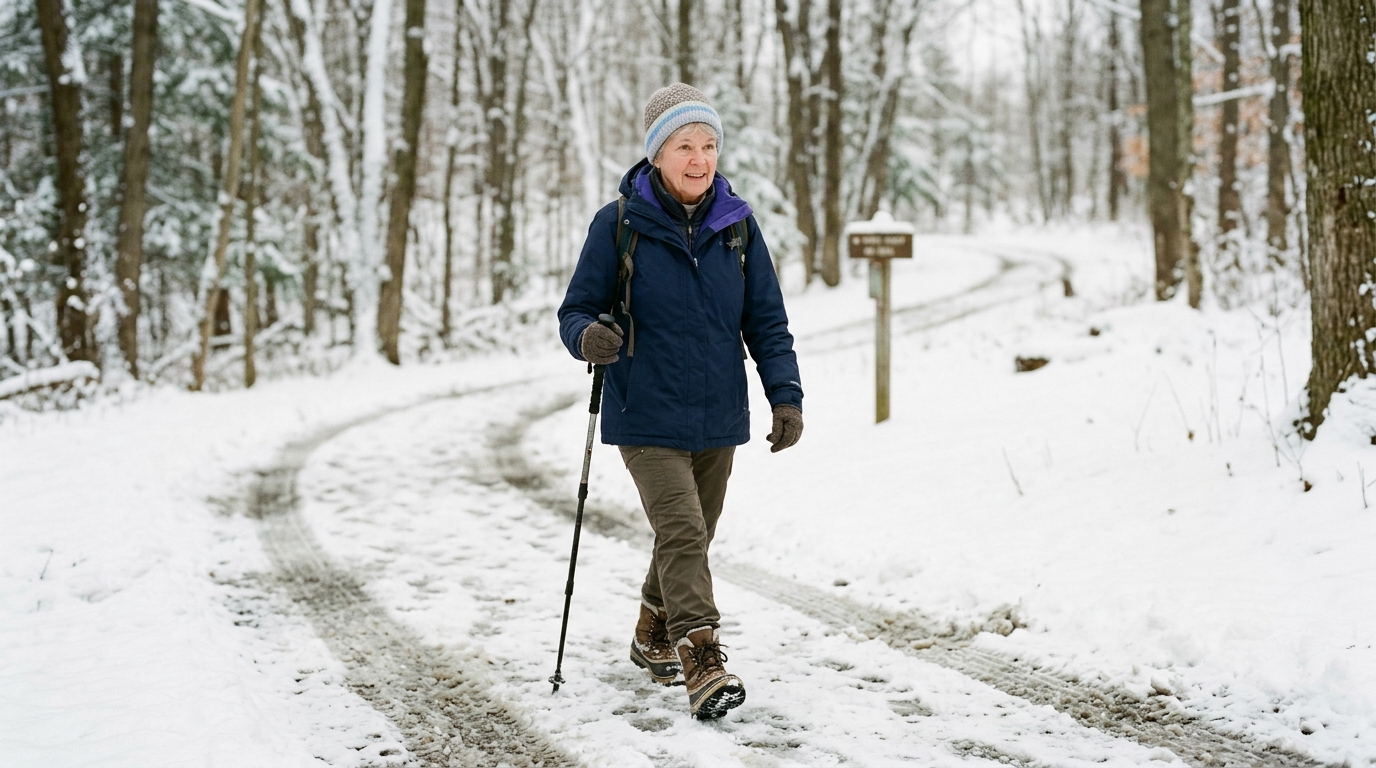
Cold weather presents a different set of physiological challenges for outdoor movement. When exposed to low temperatures, your body initiates peripheral vasoconstriction, narrowing blood vessels in the skin and extremities to preserve core body temperature. While this protects vital organs, it leaves fingers, toes, ears, and the nose vulnerable to cold injury.
Wind dramatically accelerates heat loss from the body. The National Weather Service explains that wind chill measures how cold the air feels on exposed skin by combining wind speed and actual air temperature. Strong winds strip away the thin layer of warm air that your body naturally generates around itself. For instance, data from the National Weather Service indicates that a wind chill of minus 20 degrees Fahrenheit can cause frostbite on exposed skin in as little as 30 minutes.
Wetness multiplies the danger of cold weather exercise. Water conducts heat away from the human body roughly 25 times faster than air. The CDC warns that hypothermia can develop even in cool conditions above 40 degrees Fahrenheit if a person becomes wet from rain, melting snow, or trapped sweat.
Managing cold weather safely requires a structured, three-part layering system recommended by the American College of Sports Medicine:
Covering extremities is equally essential. Wear an insulated hat or headband, thermal gloves or mittens, and moisture-wicking socks. If you plan a workout that includes walking breaks or rest intervals, carry an extra packable jacket. ACSM guidelines recommend adding an outer protective layer during rest periods to prevent rapid post-exercise cooling.
For those returning to movement after orthopedic procedures, cold weather requires thoughtful preparation. Explore our rehabilitation articles and guides for strategies on maintaining joint comfort in varying environments.
Cold injuries require prompt recognition and appropriate first-aid response. Frostbite refers to the actual freezing of body tissue, most commonly affecting the nose, ears, cheeks, chin, fingers, and toes.
Early frostbite, often called frostnip, begins with numbness, tingling, or a stinging sensation. As freezing progresses, the affected skin may turn pale, white, or grayish-yellow, and feel unusually firm or waxy. If you notice signs of frostbite, get into a warm room immediately. Gently warm the area using warm water or body heat, but never rub the tissue, as friction can cause permanent cellular damage.
Hypothermia is a systemic drop in core body temperature below 95 degrees Fahrenheit. It occurs when the body loses heat faster than it can produce it through metabolism and movement.
Key symptoms of hypothermia outlined by health authorities include:
Hypothermia is a medical emergency. Call 911 immediately if you suspect someone is hypothermic. Move the person to a warm, dry shelter, remove any wet clothing, and warm the center of the body first using dry blankets and layered clothing.
Exercising at high elevation introduces environmental strain caused by hypobaric hypoxia. As elevation increases, atmospheric pressure decreases, meaning oxygen molecules are spread further apart. Although the percentage of oxygen in the air remains constant, each breath takes in fewer oxygen molecules.
This reduced oxygen availability triggers acute physiological compensations. Your breathing rate increases to pull in more air, and your resting and submaximal heart rates rise to deliver oxygen to working muscles. Kidneys excrete bicarbonate to balance blood pH, which leads to increased urination and accelerates fluid loss. The dry air typical of mountainous regions also increases respiratory water loss with every breath.
CDC travel health guidance advises engaging in only mild exercise during your first 48 hours at high altitude. Attempting strenuous workouts immediately after arrival increases the risk of acute altitude illnesses and extreme fatigue. When traveling from low elevation, CDC guidelines recommend avoiding rapid ascents above 9,000 feet in a single day and spending a few days at intermediate elevations between 8,000 and 9,000 feet when possible.
Adapting your workouts at elevation requires patience and adjusted expectations. Reduce your pace significantly, shorten your planned distance, and take frequent standing rest breaks. Pay close attention to hydration by drinking water consistently throughout the day, even if cool mountain breezes suppress your sensation of thirst.
For structured guidance on rebuilding physical conditioning safely, review our active aging and injury prevention strategies.
Air pollution is an invisible environmental factor that directly influences outdoor exercise safety. When you engage in physical activity, your minute ventilation increases substantially. You breathe deeper and shift from nasal breathing to mouth breathing, which bypasses the natural filtering mechanisms of the upper respiratory tract.
Public health agencies use the Air Quality Index (AQI) to report daily air cleanliness. The AQI runs on a scale from 0 to 500, with higher numbers indicating greater pollution and health risk. Two primary pollutants affect outdoor exercise: fine particulate matter (PM2.5) from wildfire smoke or vehicle exhaust, and ground-level ozone formed by sunlight reacting with industrial emissions.
AirNow guidelines categorize AQI levels and provide specific activity recommendations:
A 2024 review on physical activity and air pollution indicates that habitual exercise provides long-term health benefits in areas with low-to-moderate pollution. However, exercising during acute pollution spikes or in environments with high ozone levels can cause acute respiratory irritation and temporary declines in exercise performance.
Pollution patterns often follow predictable daily cycles. Ground-level ozone tends to peak in the late afternoon on hot, sunny days. In contrast, particulate matter can accumulate during morning traffic rush hours or settle in valleys during temperature inversions. Scheduling workouts during cleaner windows of the day minimizes respiratory strain.
Adapting your outdoor exercise involves adjusting specific planning levers rather than relying on willpower. You can modify several variables to keep your routine safe across changing seasons.
Timing is often the simplest lever to adjust. During summer heat waves, shifting your workout to sunrise avoids peak solar radiation and higher ozone levels. In the depths of winter, moving your walk to early afternoon takes advantage of peak daylight and slightly warmer air temperatures.
Route selection directly influences your safety during extreme weather. Long out-and-back routes leave you far from home if sudden fatigue, joint discomfort, or weather changes occur. Instead, choose short, repeating loops near your home, vehicle, or a community center. This ensures you are never more than a few minutes away from shelter, water, or assistance.
Look for environmental buffers along your path. Tree-lined parks and shaded greenways offer natural cooling during hot months. In cold or windy weather, residential neighborhoods with buildings and fences provide windbreaks that reduce wind chill exposure.
Always maintain a flexible indoor alternative. Treadmill walking, stationary cycling, indoor track sessions, or bodyweight mobility work allow you to maintain consistency without exposing your body to hazardous conditions. Understanding the broader evidence in recovery science reinforces that skipping a harsh outdoor session in favor of a smart indoor workout supports long-term physical progress.
Environmental adaptation is not one-size-fits-all. Several personal variables change how your body tolerates outdoor conditions, especially for adults balancing joint recovery, prior surgeries, or chronic health conditions.
Age-related physiological shifts influence thermal regulation. Adults over 50 naturally experience subtle reductions in sweat gland output, lower skin blood flow responses, and reduced thirst sensitivity. Older adults also have lower total body water percentages, making hydration maintenance critical during warm weather exertion.
Medications can significantly alter how your body handles environmental stress. Diuretics and blood pressure medications can accelerate dehydration and affect electrolyte balance. Beta-blockers limit maximum heart rate, which alters cardiovascular response to both heat and cold. Antihistamines and certain psychiatric medications can impair the body's natural sweating mechanisms.
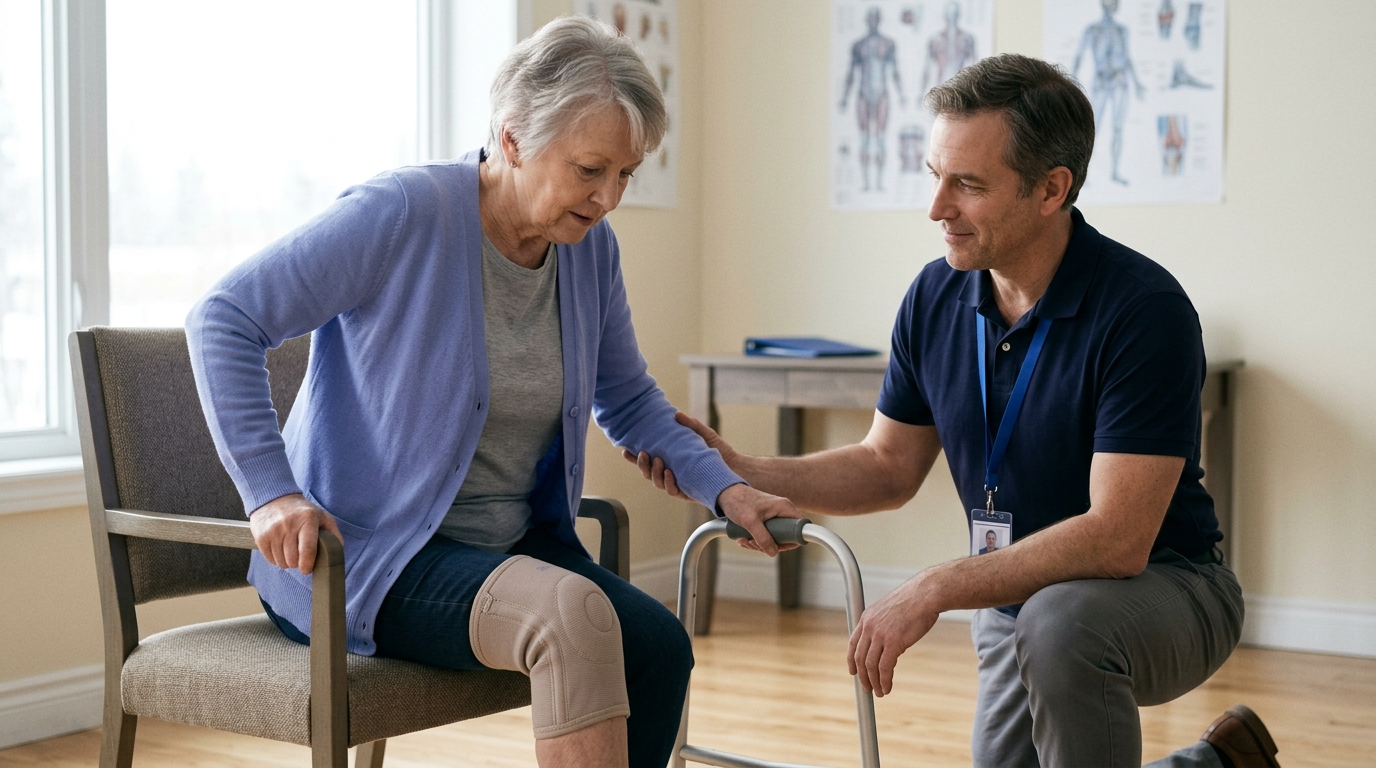
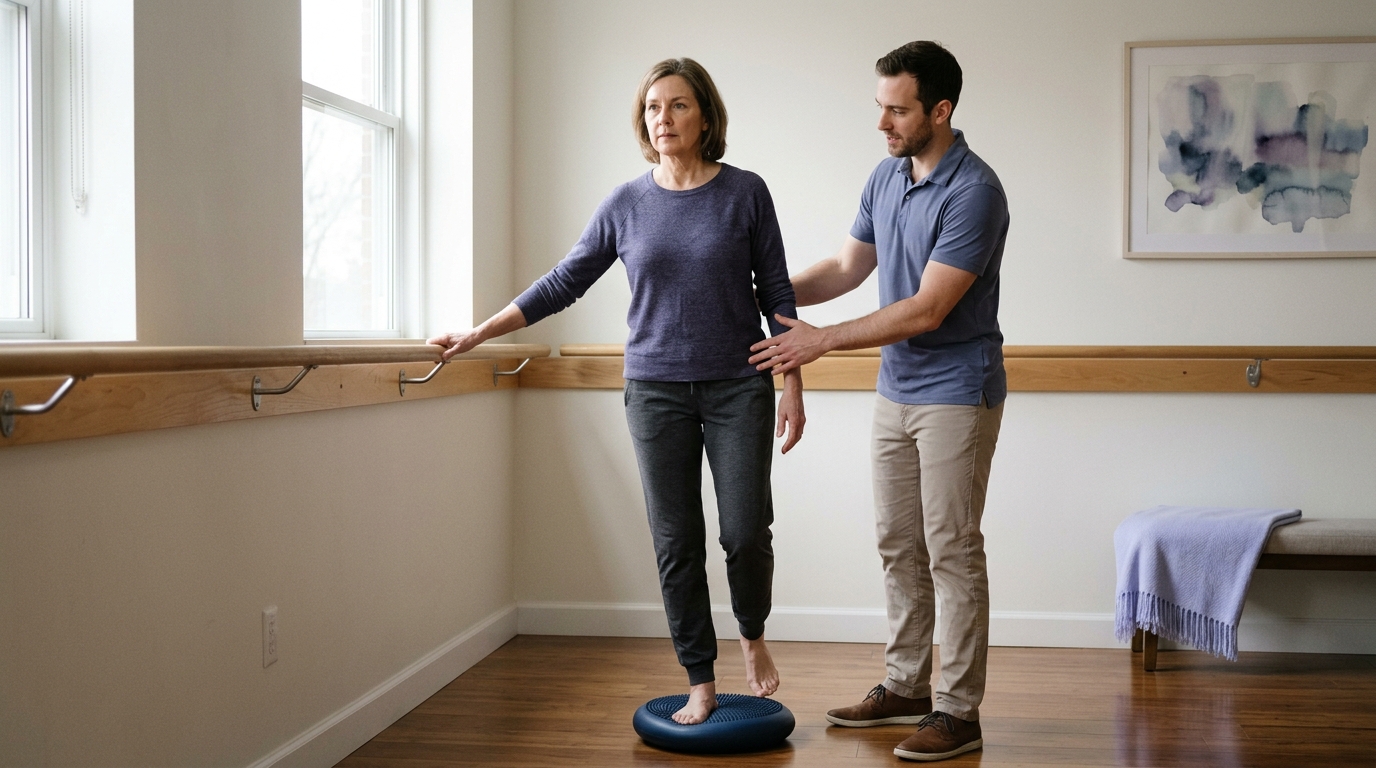
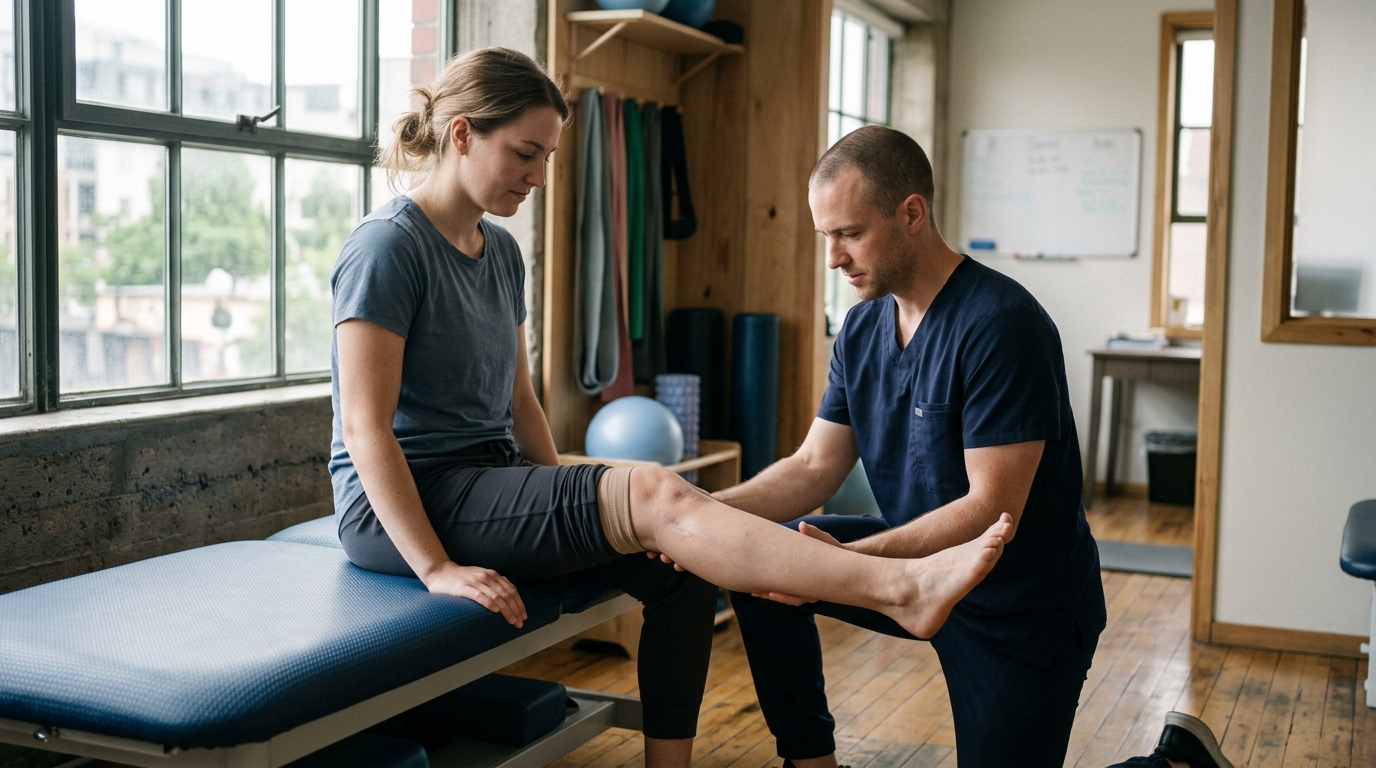
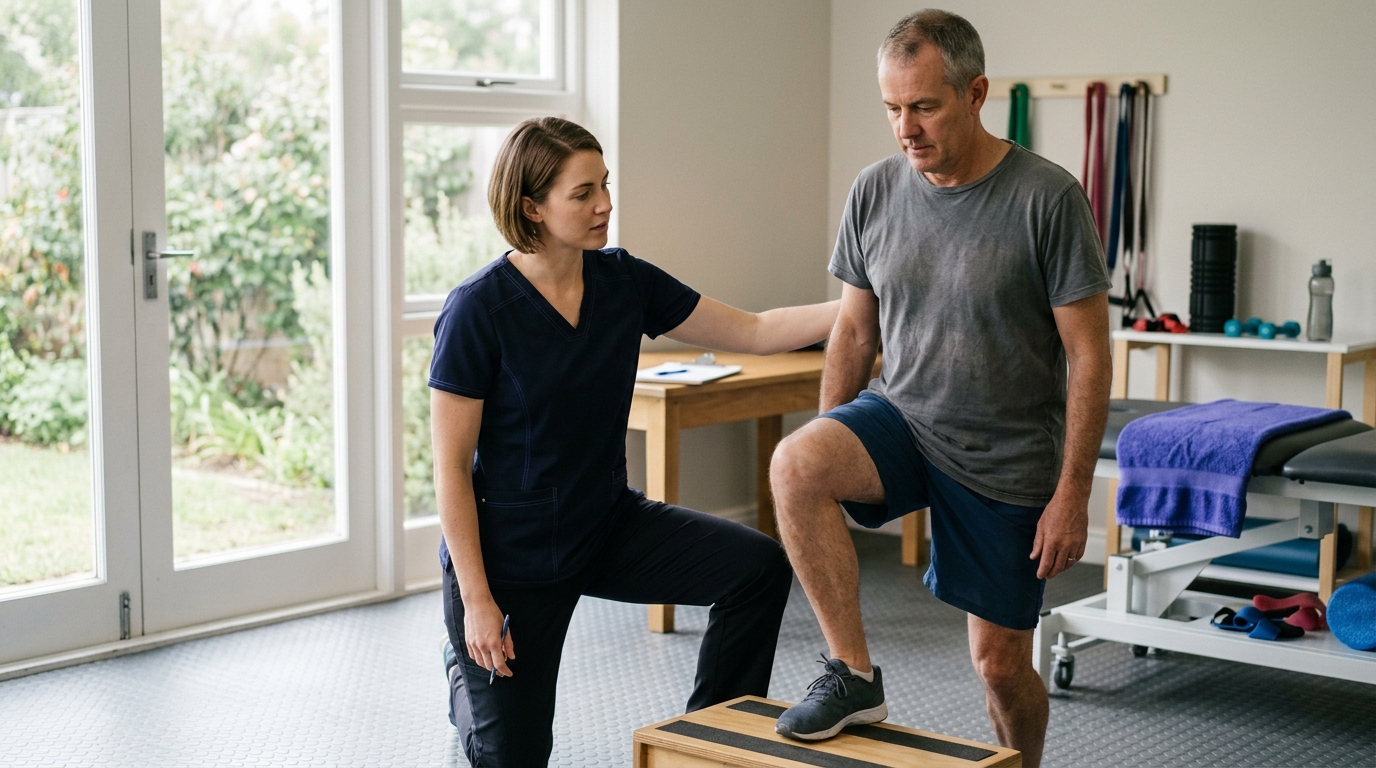
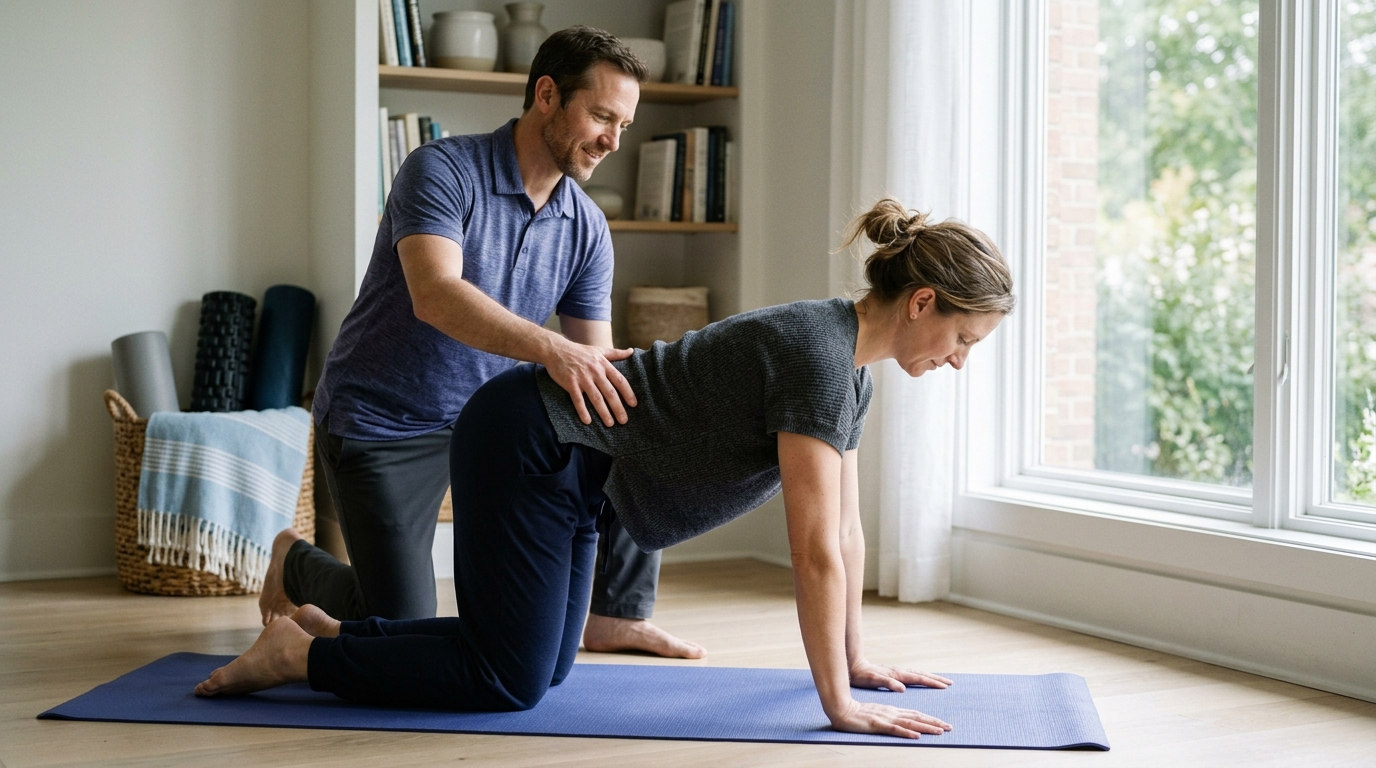
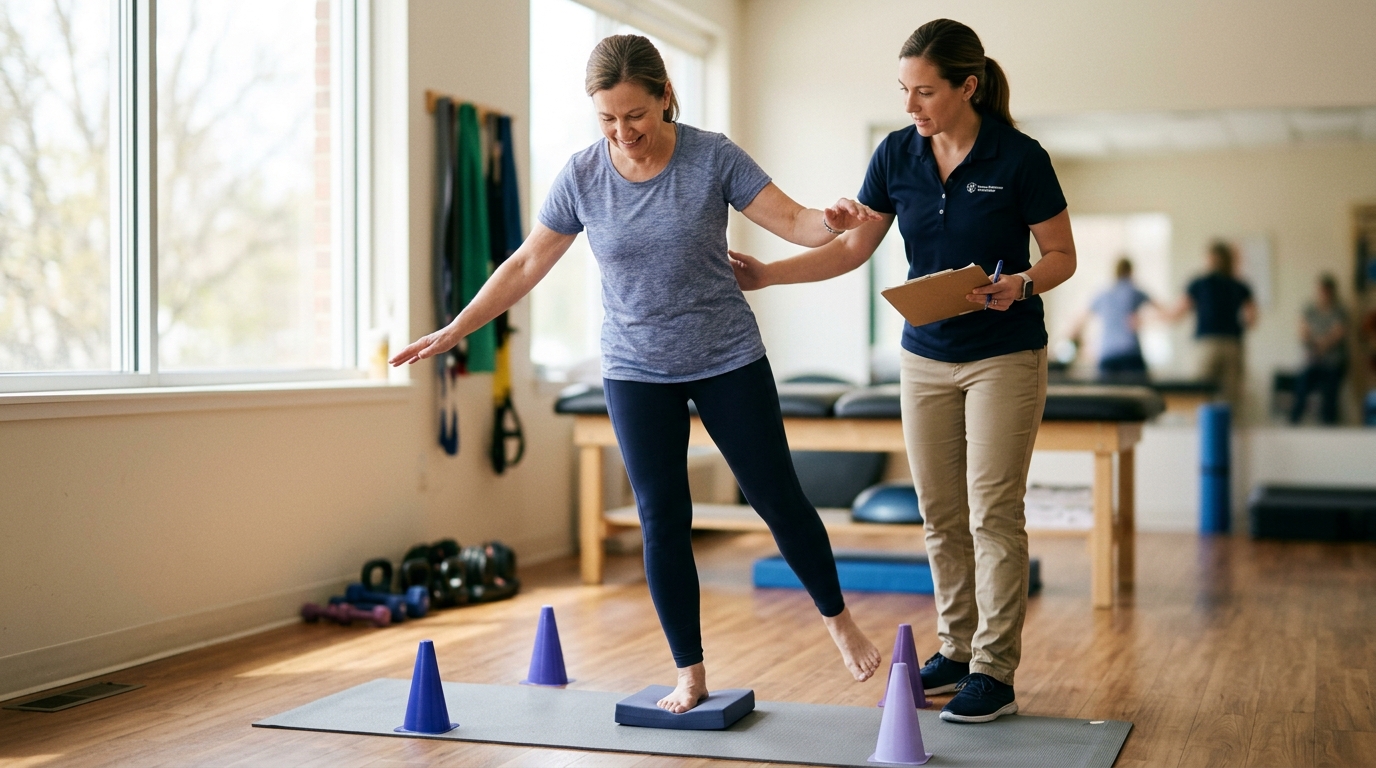
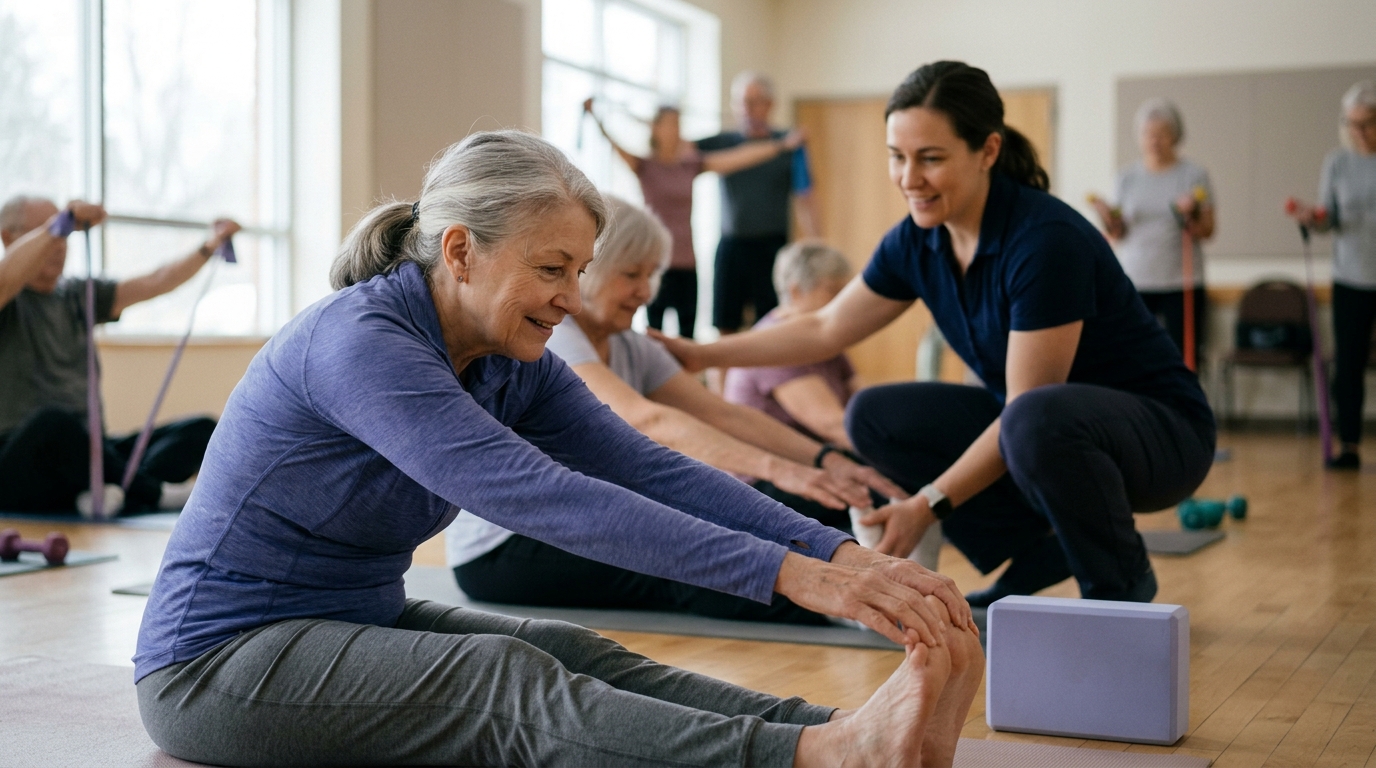
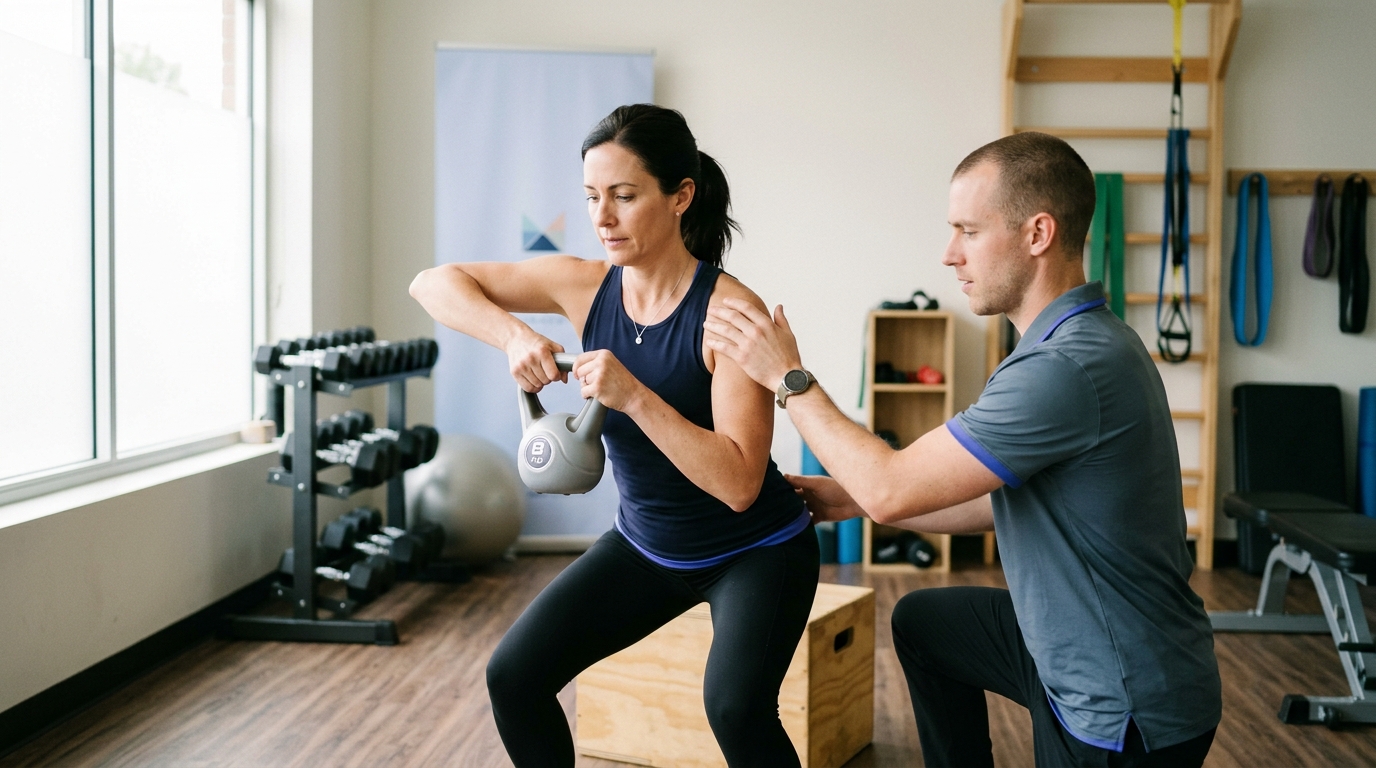
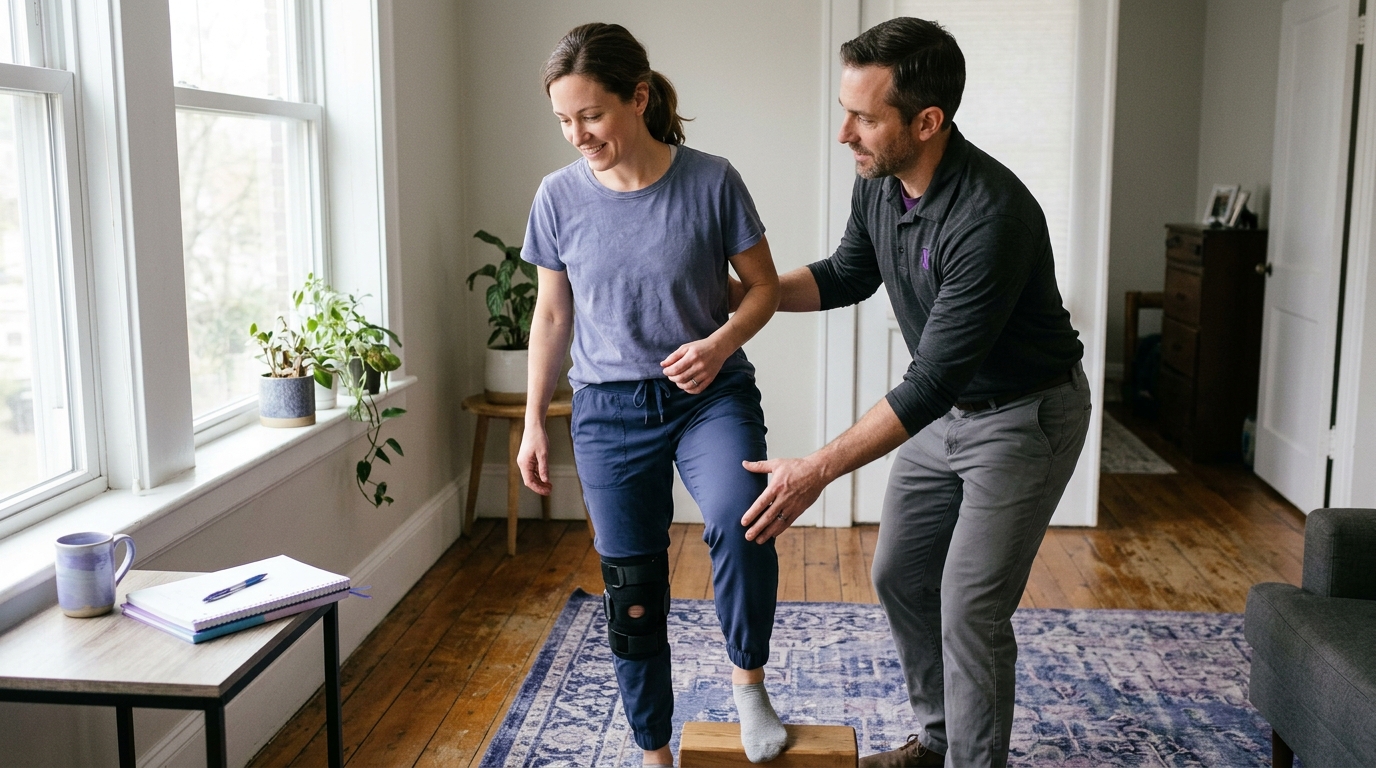
Musculoskeletal recovery also interacts with the weather. Cold temperatures often increase perceived joint stiffness and connective tissue tightness. If you are rehabilitating a knee, hip, or ankle, cold weather demands a longer, more gradual indoor warm-up before stepping outside. Integrating targeted mobility and movement routines before outdoor activity improves joint lubrication and tissue compliance.
Individuals with asthma or reactive airway disease must take extra precautions in cold or polluted air. Cold, dry air can trigger bronchospasm, while particulate matter inflames sensitive airways. AirNow advises individuals with asthma to follow their asthma action plan, keep quick-relief inhalers accessible, and wear a scarf or mask over the mouth in freezing air to pre-warm incoming breaths.
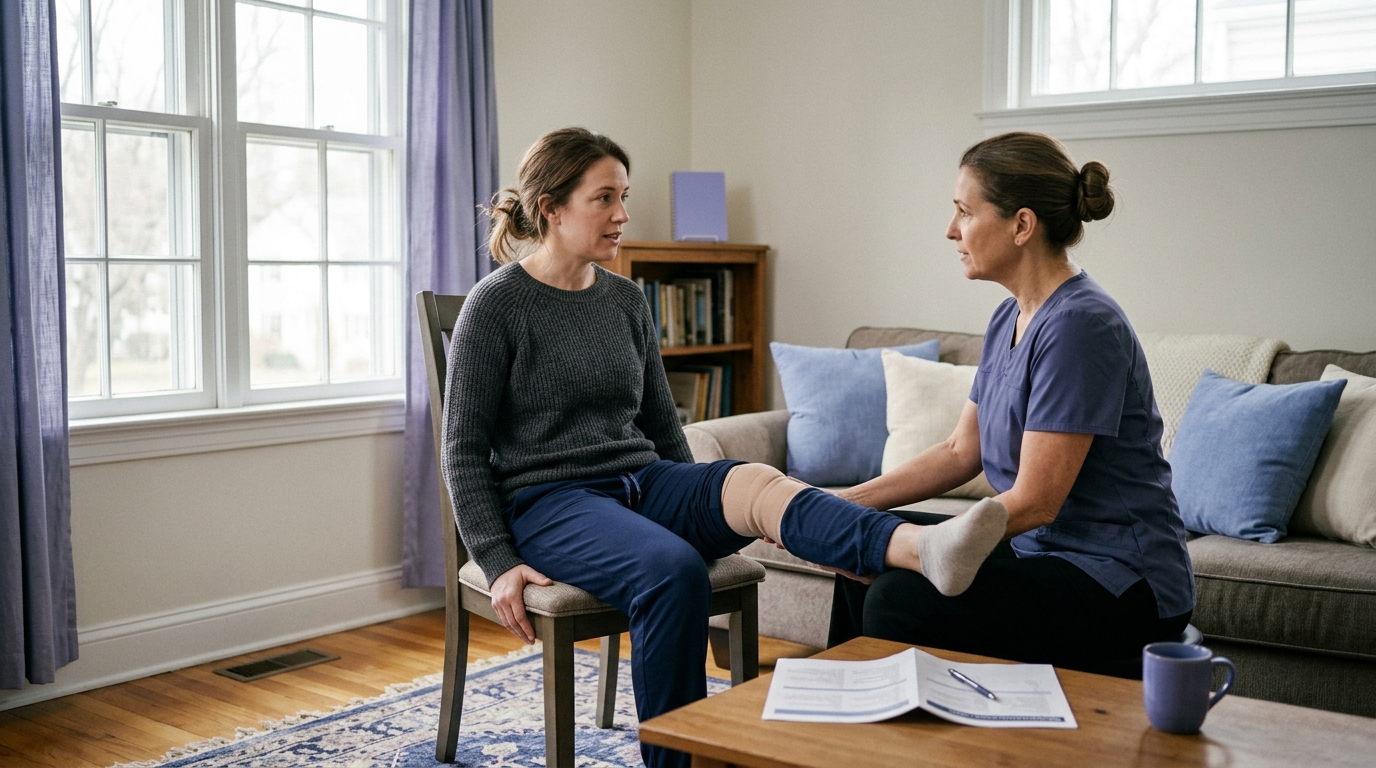
When managing chronic health conditions or recovering from an injury, consult your doctor or physical therapist about environmental exercise parameters. Bring these specific questions to your next appointment:
Adapting outdoor exercise to weather conditions is an ongoing management process. Heat, cold, elevation, and air pollution place distinct physiological demands on your cardiovascular and respiratory systems. Staying safe requires respecting these environmental stressors and adjusting your timing, intensity, clothing, and routes accordingly.
Fitness does not make someone immune to heat illness, hypothermia, altitude strain, or poor air quality. Listening to your body, monitoring objective environmental metrics, and using indoor alternatives ensure you maintain physical activity without taking unnecessary health risks.
Use this practical checklist to evaluate your outdoor workouts over the coming week:

Use ReboundBody resources to understand common recovery stages, rehab terms, movement limits and strength rebuilding. Each guide is designed to make a complex comeback easier to understand.


Read practical guidance on injury recovery, rehabilitation, mobility and rebuilding strength as you work your way back to activity.
Explore Resources