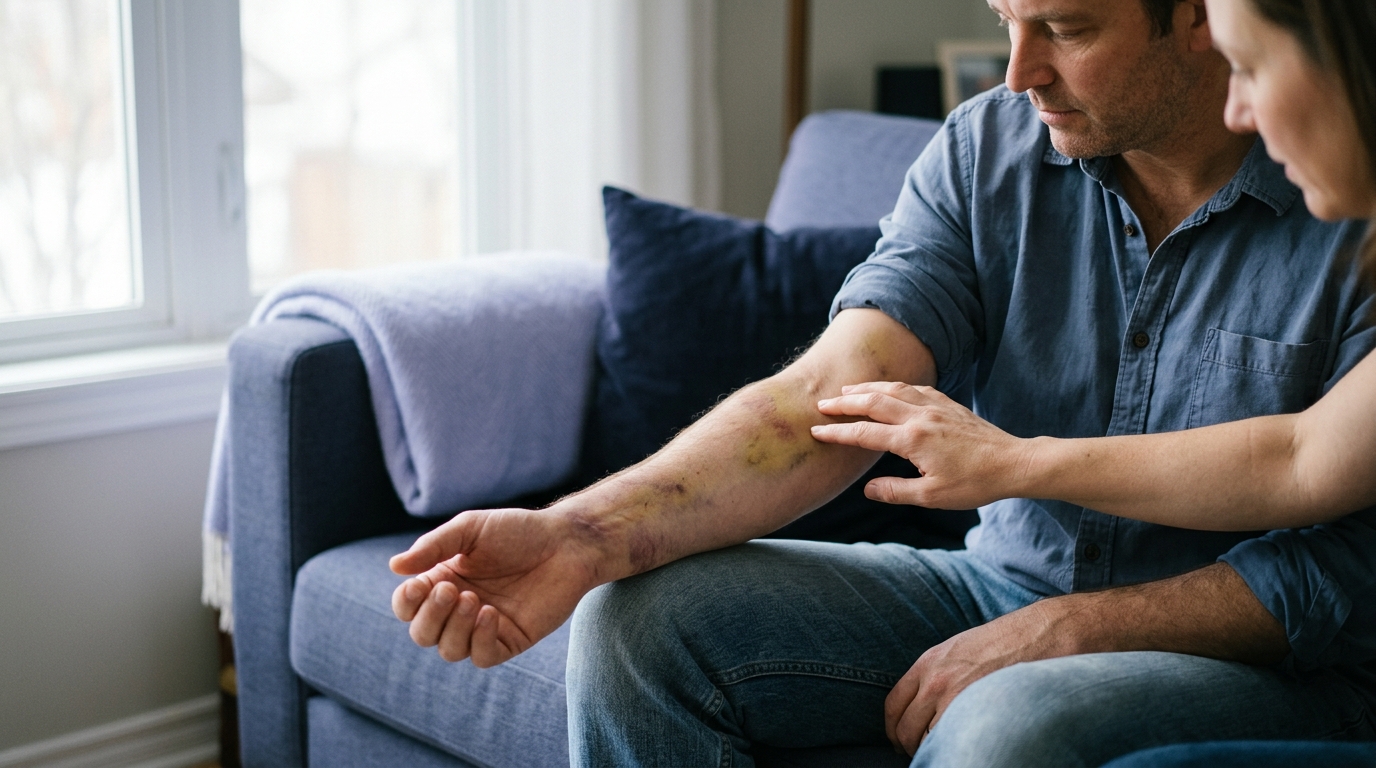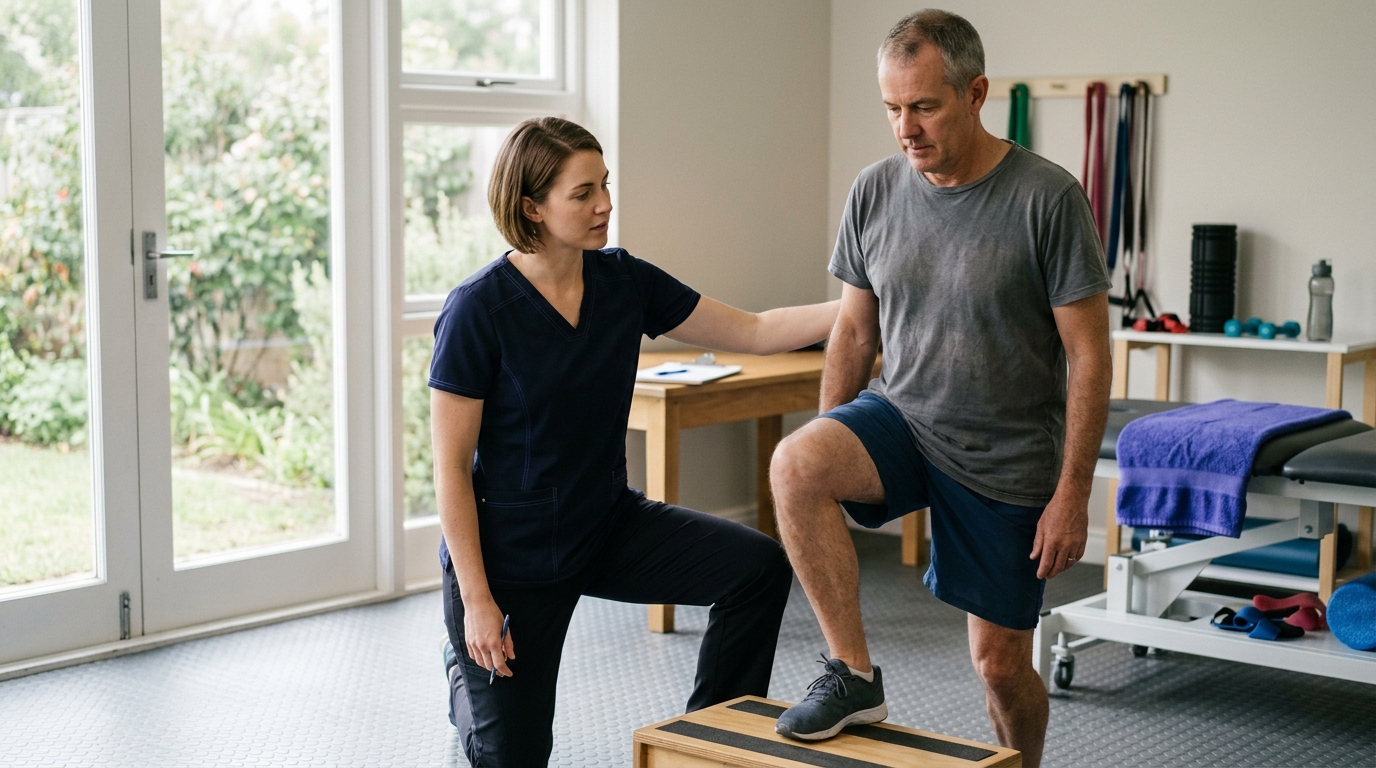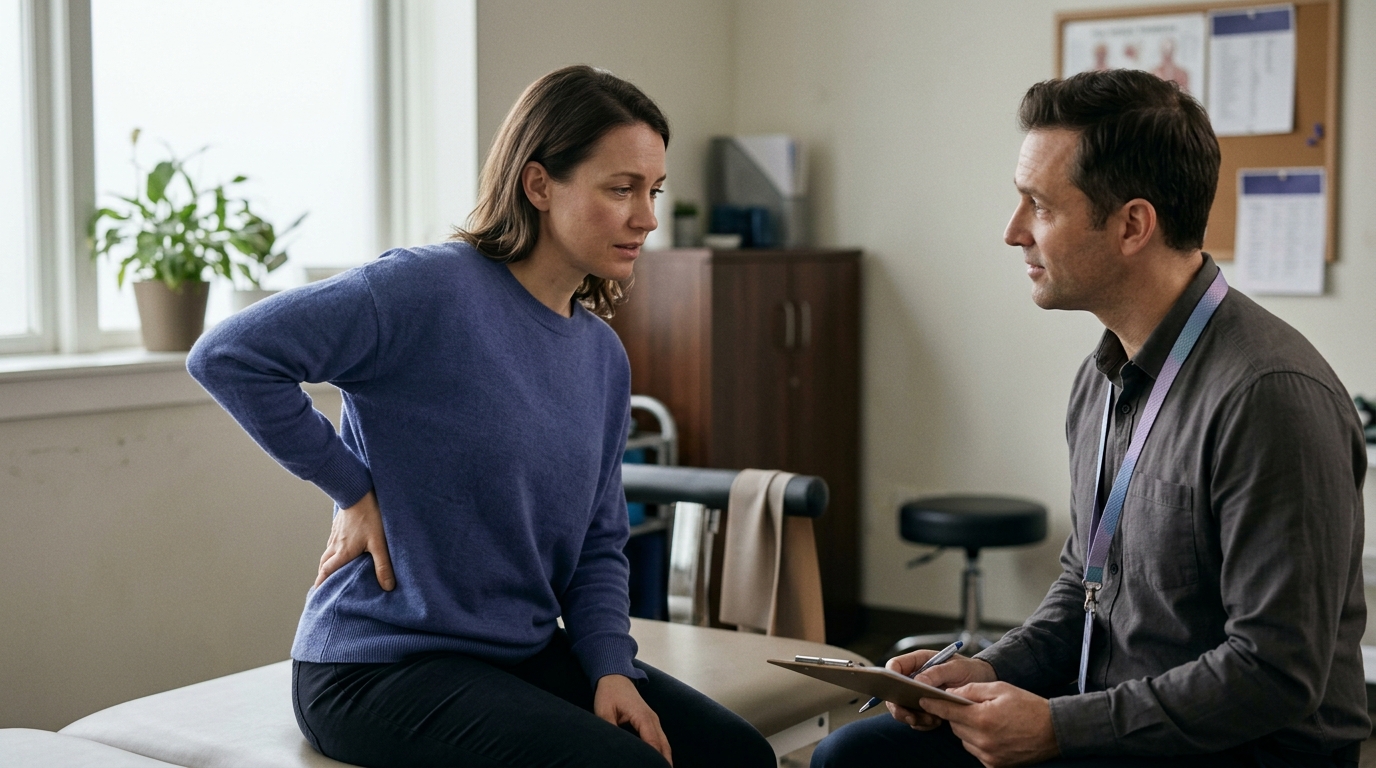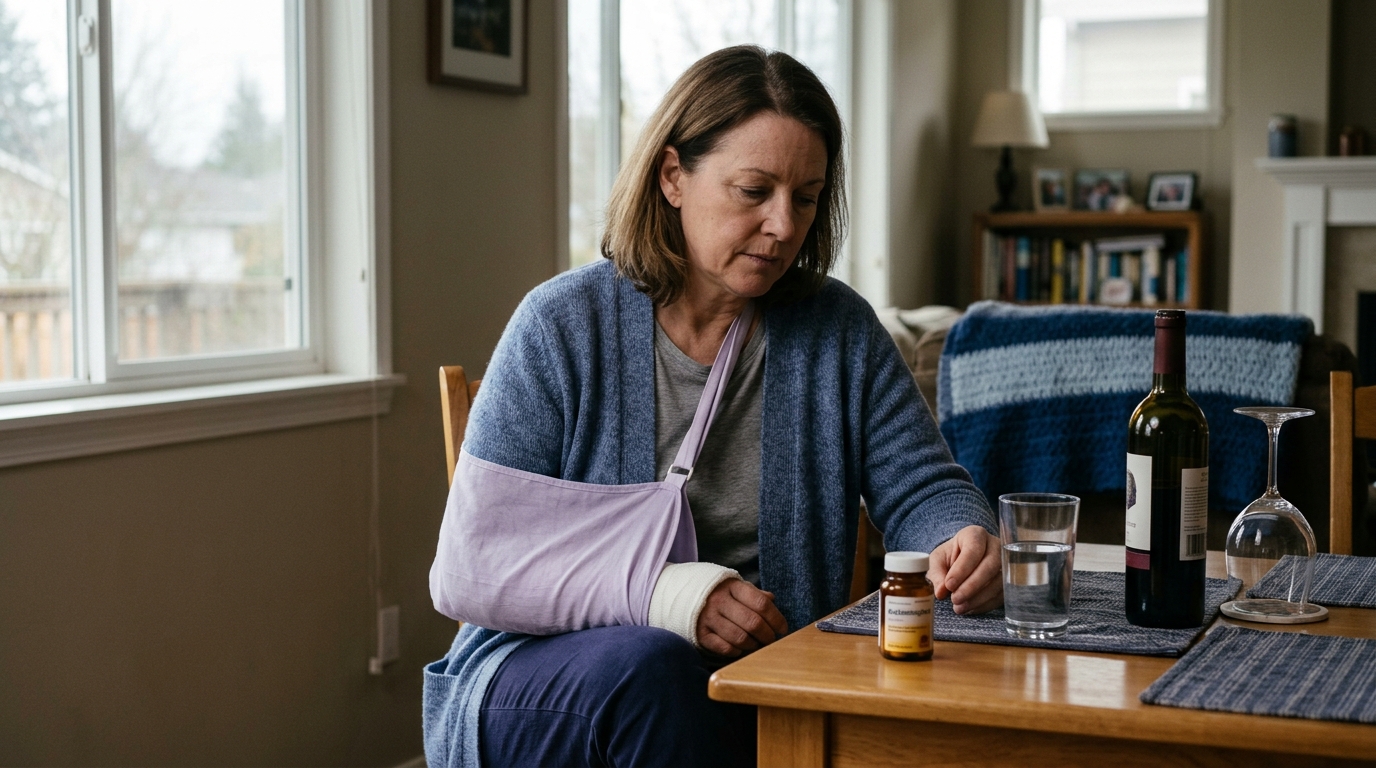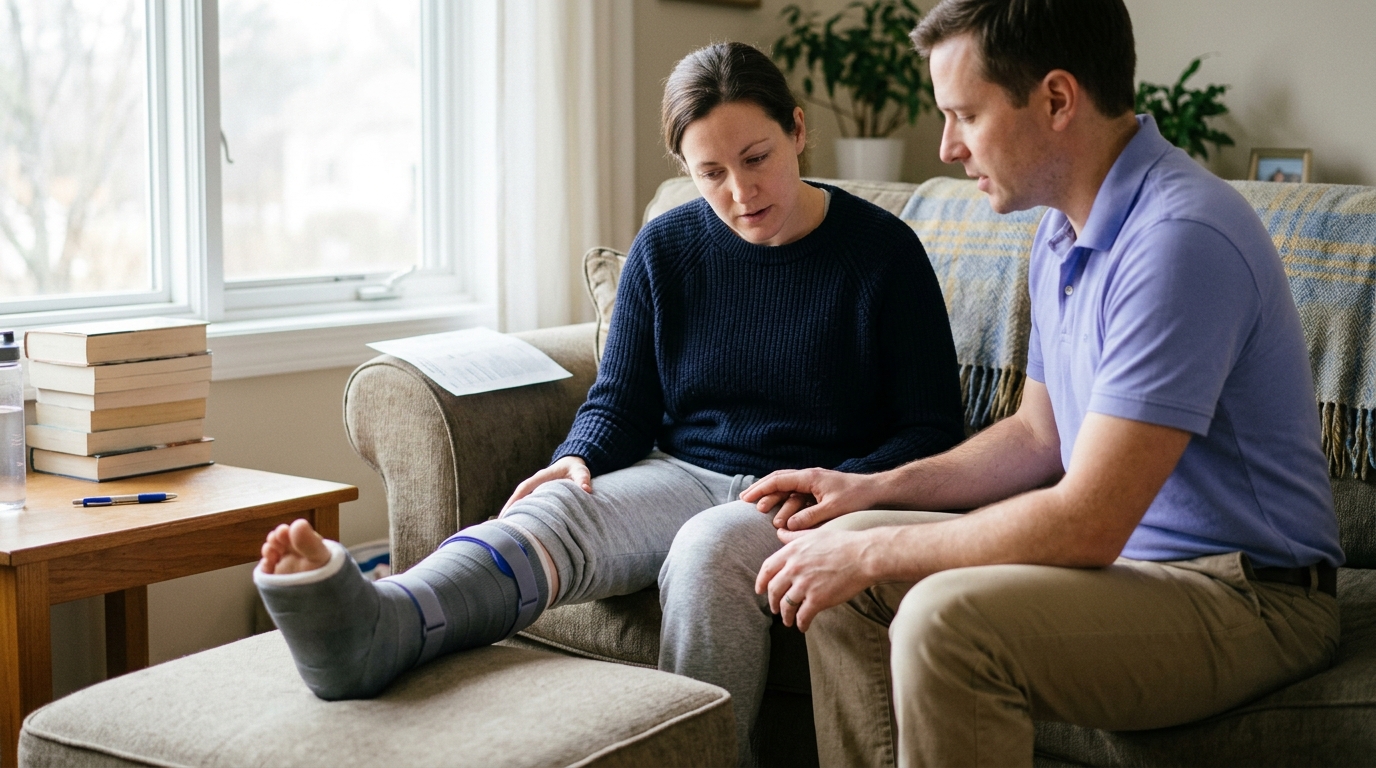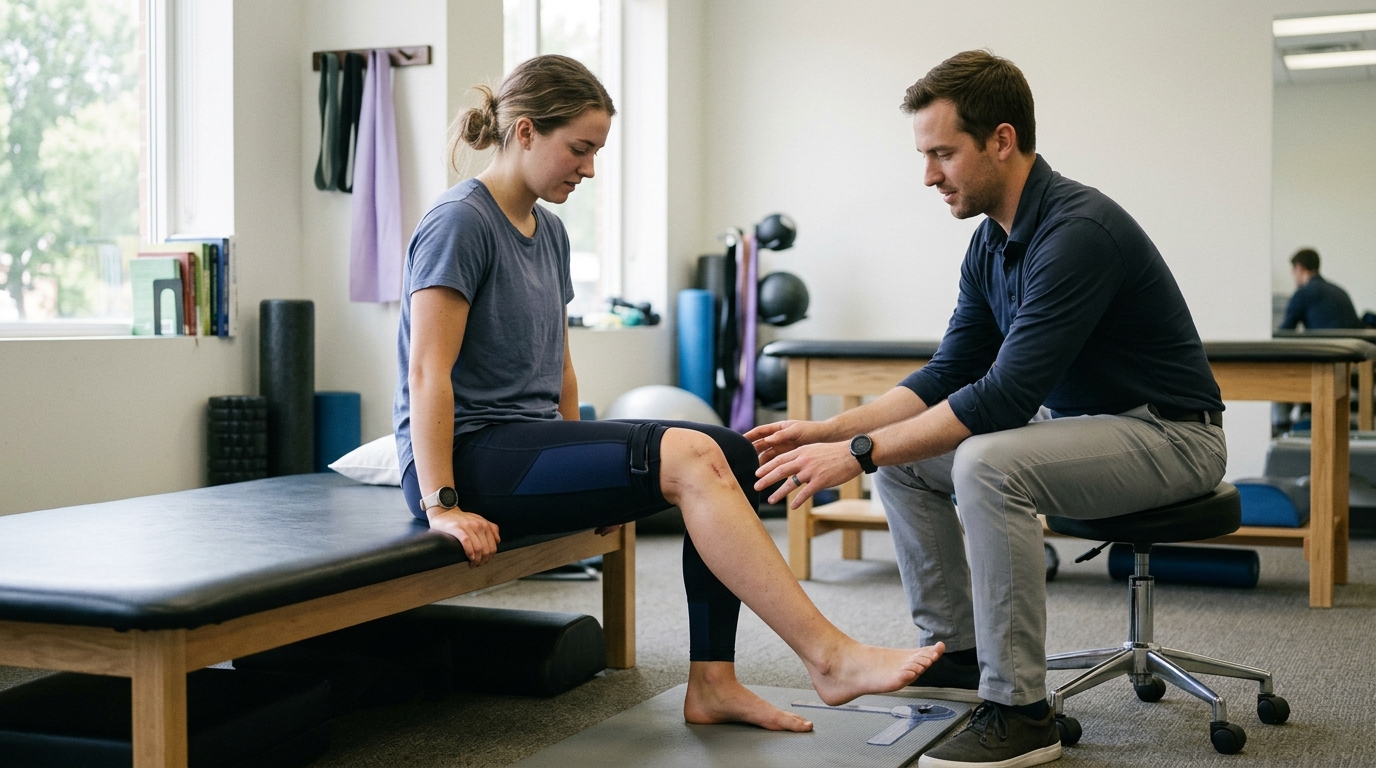

Quality sleep supports physical healing after an injury by helping you manage pain cycles, reduce bedtime stress, and rebuild daily routines.





Many people assume that sleeping extra hours will directly speed up tissue repair after an injury. The biological reality is more complex. Sleep does not act as an automatic accelerator for healing bone, muscle, or tendon. Instead, sleep is a foundational health resource that stabilizes your immune system, regulates pain perception, and supports your mood while your body heals at its own natural pace.
When you recover from an orthopedic injury or surgery, rest often feels hard to find. Physical pain can wake you whenever you turn over. Disrupted routines, reduced daytime movement, and worries about your recovery timeline can keep your mind active late into the night.
Understanding what the science says about sleep helps you set realistic expectations. Getting adequate rest supports your overall well-being and daily stamina. However, having a few rough nights will not ruin your recovery progress or halt tissue healing.
Tissue healing follows an orderly biological sequence that takes time. When an injury occurs, your body moves through three overlapping stages known as the inflammatory phase, the proliferative phase, and the maturation or remodeling phase.
During the initial inflammatory phase, immune cells gather at the site to clear cellular debris and protect against infection. In the proliferative stage, fibroblasts construct new tissue and a temporary collagen matrix. During the remodeling stage, your body reorganizes those collagen fibers to increase tissue strength.
Scientific reviews show that many general factors influence this multi-step process. Age, nutritional intake, underlying health conditions like diabetes, and general immune status all play a role. Sleep is frequently discussed in recovery science research because adequate rest supports immune function and metabolic health.
However, laboratory research shows that the direct link between sleep loss and tissue healing speed is mixed. In scientific reviews evaluating wound healing, animal studies did not find slower healing rates after periods of sleep deprivation. In one study, rats experienced five days of sleep deprivation without a delay in wound closure. In another study, 72 hours of sleep loss produced similar results.
Human research shows that short-term sleep loss produces temporary fluctuations in immune cells. In healthy adult men, two consecutive nights of sleep deprivation increased circulating leukocytes and neutrophils. When these individuals had 24 hours of recovery sleep, their immune cell counts returned to baseline levels. Other immune markers and chemical messengers remained stable throughout the testing period.
Researchers explicitly caution that these findings do not prove that lack of sleep harms tissue repair. Biological plausibility does not mean that forcing extra sleep will make a damaged ligament heal in half the time. Sleep creates a healthy baseline for your whole body, but it is not a stand-alone cure for localized tissue injury.
The Centers for Disease Control and Prevention provides clear guidelines for adult sleep duration. Adults between 18 and 60 years old generally need at least seven hours per night. Adults aged 61 to 64 benefit from seven to nine hours, while adults aged 65 and older need seven to eight hours. These numbers represent broad targets for general health rather than an injury-specific formula.
Pain and sleep share a bidirectional relationship. Physical discomfort makes it hard to fall asleep and stay asleep. At the same time, broken or insufficient sleep can heighten your sensitivity to pain the following day.
When pain wakes you during the night, your sleep becomes fragmented. You spend less time in deeper, restorative sleep stages. The next morning, your central nervous system may be more reactive, which makes normal rehabilitation discomfort feel more intense.
A comprehensive review of 16 longitudinal studies following more than 61,000 individuals highlighted this relationship. The researchers reported that worsening sleep quality or shorter sleep duration was associated with a two- to threefold increased risk of developing pain, poorer physical functioning, and increased inflammatory markers over time. These long-term population studies demonstrate an important association between sleep problems and pain reporting.
Experimental sleep studies on healthy adults show similar patterns in the short term. Restricting sleep for even 24 hours can temporarily reduce pain tolerance and increase pain sensitivity. When people are sleep-deprived, the brain's natural pain-dampening systems do not function as effectively.
Clinical observations in acute recovery settings also highlight this link. In a study tracking people recovering from acute burn injuries, insomnia symptoms recorded at hospital discharge predicted higher pain severity and slower functional recovery over a two-year follow-up. This finding shows that sleep disturbances often accompany complex recoveries.
It is critical to distinguish association from direct causation. An association means two things occur together, not that poor sleep directly caused the poor recovery outcome. If you have a painful night, your pain sensitivity may rise temporarily, but you have not damaged your repaired tissues.
Viewing this cycle objectively prevents unnecessary anxiety. When pain disrupts your night, recognizing that your nerves might feel more sensitive the next day helps you navigate your daily tasks calmly. You can explore our injury recovery and healing guides to learn more about how physical recovery patterns unfold over time.
Sleep disruptions during injury rehabilitation rarely stem from a single source. Multiple physical, mental, and environmental changes collide when your normal daily routine is put on hold.
The physical reality of an injury directly interferes with your body's ability to find comfortable sleeping positions. Wearing a rigid walking boot, a shoulder sling, or a knee immobilizer restricts how you move in bed. If you naturally sleep on your side or stomach, being forced to sleep flat on your back can cause frequent awakenings.
Surgical incisions, joint effusion, and localized inflammation also create throbbing sensations when you lie still. Fluid can accumulate in an injured limb when it rests horizontally for several hours. This fluid buildup creates tension within the tissue capsule and triggers nerve signals that interrupt your sleep cycles.
Mental stress and central nervous system arousal represent another major barrier. An unexpected injury or surgery disrupts your work, hobbies, and personal independence. Worrying about work deadlines, family responsibilities, or whether you will regain your previous mobility keeps your sympathetic nervous system active.
When you experience stress, your body activates the hypothalamic-pituitary-adrenal axis. This activation increases the release of glucocorticoids such as cortisol. While acute cortisol release is a normal response to physical trauma, ongoing mental worry keeps your body in a state of high alertness that prevents deep rest.
A disrupted daily rhythm also alters your natural sleep drive. When you are active, your body builds up homeostatic sleep pressure throughout the day. If an injury confines you to a couch or chair, you burn fewer calories and accumulate less physical fatigue.
Staying indoors reduces your exposure to natural morning sunlight. Bright daylight sets your internal circadian clock, signaling when your brain should produce melatonin in the evening. Without consistent light signals and physical activity, your internal clock drifts, making regular sleep difficult.
Medication changes during recovery can also alter sleep architecture. Certain pain medications, anti-inflammatory drugs, or changes in your daily caffeine use can fragment your sleep stages. Understanding how these factors interact allows you to address the root causes of restlessness rather than blaming yourself.
Managing physical discomfort in bed requires thoughtful planning rather than random adjustments. Making simple changes to how you support your body can relieve tension on healing tissues and help you rest more comfortably.
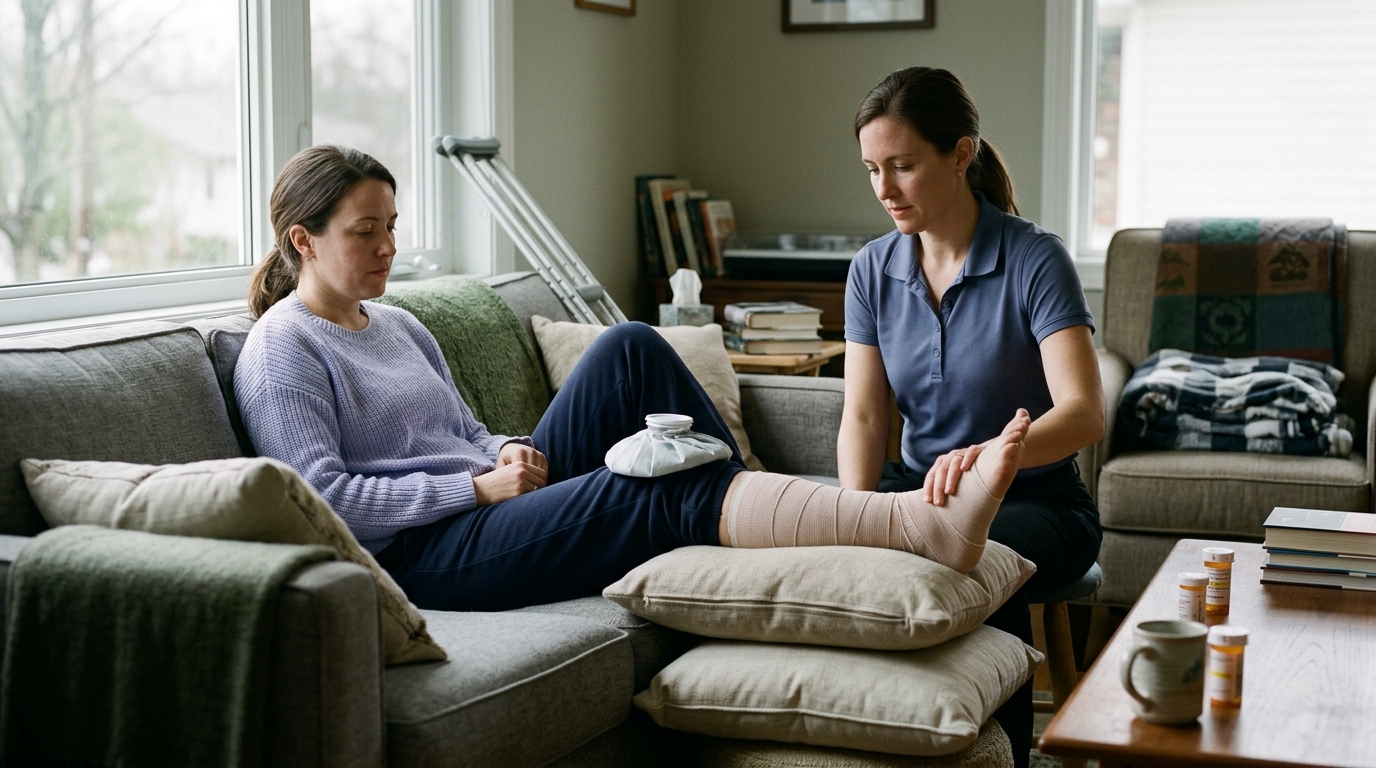
Using extra pillows allows you to support injured joints in a neutral alignment. If you have a lower limb injury, placing a pillow lengthwise under your calf and foot supports the limb without placing direct pressure on the heel. This gentle lift helps reduce fluid accumulation and eases throbbing.
For shoulder injuries, sleeping in a slightly reclined position on a wedge pillow often feels better than lying completely flat. Supporting your forearm on a small pillow in front of your body prevents your arm from pulling on the shoulder joint. This setup reduces strain on the rotator cuff and upper back muscles.
If you have a lower back injury, sleeping on your side with a pillow between your knees can keep your hips, pelvis, and spine aligned. If you prefer sleeping on your back, placing a rolled pillow beneath your knees takes tension off your hip flexors and lower spine.
You can create an organized overnight plan to handle awakenings without stress. Keep a glass of water, any approved comfort items, and a low-intensity light within arm's reach of your bed. If you need assistance getting up to use the bathroom, plan your walking pathway before going to sleep to prevent tripping over rugs or medical equipment.
Pay attention to what wakes you during the night. Keep a brief mental or written record of whether you woke up due to sharp pain, stiffness, room temperature, or general alertness. Tracking these patterns gives you concrete information to share with your physical therapist or orthopedic team.
Do not alter your medication timing or change your prescribed bracing instructions without professional guidance. If your brace feels too tight or causes pressure sores at night, contact your care team for safe adjustment strategies. For those navigating post-operative restrictions, our surgical rehab planning resources provide helpful insights on managing day-to-day comfort.
Mental tension is just as disruptive to sleep as physical discomfort. When you lie in a dark, quiet room, your mind often focuses on worries about your recovery timeline, work obligations, or the fear of reinjury.
Treating worry as an expected part of recovery helps take away its power. It is completely normal to feel frustrated by temporary physical limitations. However, attempting to force your mind to stop thinking about your injury usually creates more frustration and keeps you awake.
A practical way to manage bedtime worry is the structured notepad strategy. Set aside five minutes about an hour before bedtime to write down your thoughts. List any questions you have for your physical therapist, tasks you need to handle tomorrow, or worries about your recovery progress.
Closing the notepad creates a clear mental boundary for the night. You acknowledge that your concerns are recorded and can be addressed during waking hours. This practice prevents your brain from rehearsing recovery tasks while you are trying to fall asleep.
Engaging in quiet, low-stimulation activities before bed helps shift your autonomic nervous system from high alert to rest. Reading a physical book, listening to calm audio, or practicing slow breathing helps reduce heart rate and muscle guarding.
Focusing on slow, prolonged exhalations signals your nervous system that you are in a safe environment. Inhale gently through your nose, then exhale slowly through your mouth. This simple breathing rhythm relaxes the uninjured muscles that may be tense from carrying crutches or compensating for an altered gait.
If you find yourself lying awake for more than twenty or thirty minutes feeling frustrated, get out of bed if you can do so safely. Move to a comfortable chair, keep the lighting dim, and engage in a relaxing activity until you feel drowsy. This habit protects the mental connection between your bed and restful sleep.
When an injury changes your work schedule and physical activity, your body loses its normal daily cues. Intentionally rebuilding these routines helps anchor your circadian rhythm and improves your sleep quality.
Maintaining a consistent wake-up time is the most effective way to stabilize your internal clock. Even if your night was broken, get out of bed at roughly the same time every morning. This practice builds consistent sleep pressure, making it easier to fall asleep the following evening.
Morning light exposure reinforces this wake-up signal. Spend 15 to 20 minutes outside in the morning sunlight or sit near a bright window while having breakfast. Natural light suppresses melatonin production and tells your brain that the day has officially started.
Pay close attention to evening food and drink habits that interfere with deep sleep. The Office on Women's Health suggests avoiding caffeine, alcohol, and nicotine for at least five hours before bedtime. While alcohol can make you feel sleepy initially, it disrupts your sleep cycles, increases midnight awakenings, and relaxes airway muscles.
Manage your evening exposure to artificial blue light from smartphones, tablets, and televisions. Bright screens mimic daytime sunlight, delaying your brain's natural release of melatonin. Dim your household lights an hour before bedtime and switch digital devices to night mode or put them away.
Optimize your bedroom environment for quiet, uninterrupted rest. Keep the room dark, quiet, and comfortably cool. A cooler room temperature supports the natural drop in core body temperature that occurs when you fall asleep.
If nighttime noise or unfamiliar sounds disturb you, consider using a fan or a white noise machine. A steady background sound masks unexpected noises that might otherwise startle you awake during lighter stages of sleep. To explore how daily habits support long-term wellness, review our recovery nutrition and lifestyle habits guide.
Every injury brings its own set of challenges, and sleep difficulties can show up in different ways. Reviewing common recovery patterns can help you identify practical adjustments without personalizing medical advice.
In this pattern, you fall asleep easily, but sharp discomfort wakes you whenever you shift position or your pain medication wears off. You find yourself watching the clock, waiting for morning to arrive.
A practical approach is to track when these awakenings happen for two or three consecutive nights. Note whether you wake up because of a twisted blanket, pressure on your incision, or general joint stiffness. Bring this information to your next clinical appointment so your care team can review your positioning and daily routine.
In this situation, your body feels exhausted, but your mind races as soon as your head hits the pillow. You replay your doctor's instructions, worry about missed work, or anticipate future physical therapy pain.
Instead of lying in bed feeling tense, use the worry notepad strategy earlier in the evening. Spend 30 minutes away from screens doing a calming activity before trying to sleep. Remind yourself that healing takes time and that thinking about your recovery at midnight will not change tomorrow's progress.
When you cannot drive, work, or exercise, your regular daily schedule disappears. You might find yourself sleeping late, taking long afternoon naps, and struggling to fall asleep at midnight.
Anchor your routine by waking up at the same time each morning, regardless of how you slept. If you need a daytime nap, keep it under 30 minutes and take it before early afternoon. This balance gives you physical rest without stealing away your nighttime sleep drive.
In some cases, sleep difficulties continue even after an incision has healed, a cast has been removed, and physical pain has resolved. The habit of waking up frequently becomes ingrained, leaving you exhausted during the day.
When broken sleep lasts for months, it requires professional evaluation rather than more self-help tips. Your primary care doctor can assess your symptoms and refer you to evidence-based programs designed to restore healthy sleep habits. You can read our physical rehabilitation articles to learn more about navigating long-term recovery transitions.
It is essential to distinguish between temporary, injury-related sleep disruptions and chronic sleep disorders that require professional care. Having a few restless nights after a fracture or surgery is normal, but ongoing sleep problems should not be ignored.
The American Academy of Sleep Medicine provides a clear clinical definition of chronic insomnia disorder. It involves ongoing difficulty falling asleep, staying asleep, or waking up too early despite having enough time in bed. To meet the clinical criteria, this pattern must occur at least three nights per week for at least three months, accompanied by daytime impairment.
Daytime impairment includes persistent fatigue, difficulty concentrating, mood changes, or reduced performance at work or during rehabilitation exercises. If you notice these symptoms, relying solely on basic sleep hygiene tips is often not enough.
The American Academy of Sleep Medicine strongly recommends Cognitive Behavioral Therapy for Insomnia, commonly known as CBT-I, as the first-line treatment for chronic insomnia in adults. CBT-I is a structured, non-medication therapy delivered by a trained clinician, typically lasting four to eight sessions. It helps you identify and change thoughts, habits, and behaviors that perpetuate poor sleep.
You should also contact a doctor if you experience signs of other underlying sleep conditions, such as obstructive sleep apnea. Symptoms such as loud, chronic snoring, waking up gasping for air, or waking with a dry mouth and morning headache warrant formal medical evaluation.
The National Heart, Lung, and Blood Institute advises consulting a physician whenever sleep problems persist despite having an adequate sleep environment. A medical provider can rule out underlying medical issues, evaluate medication interactions, and connect you with appropriate sleep specialists.
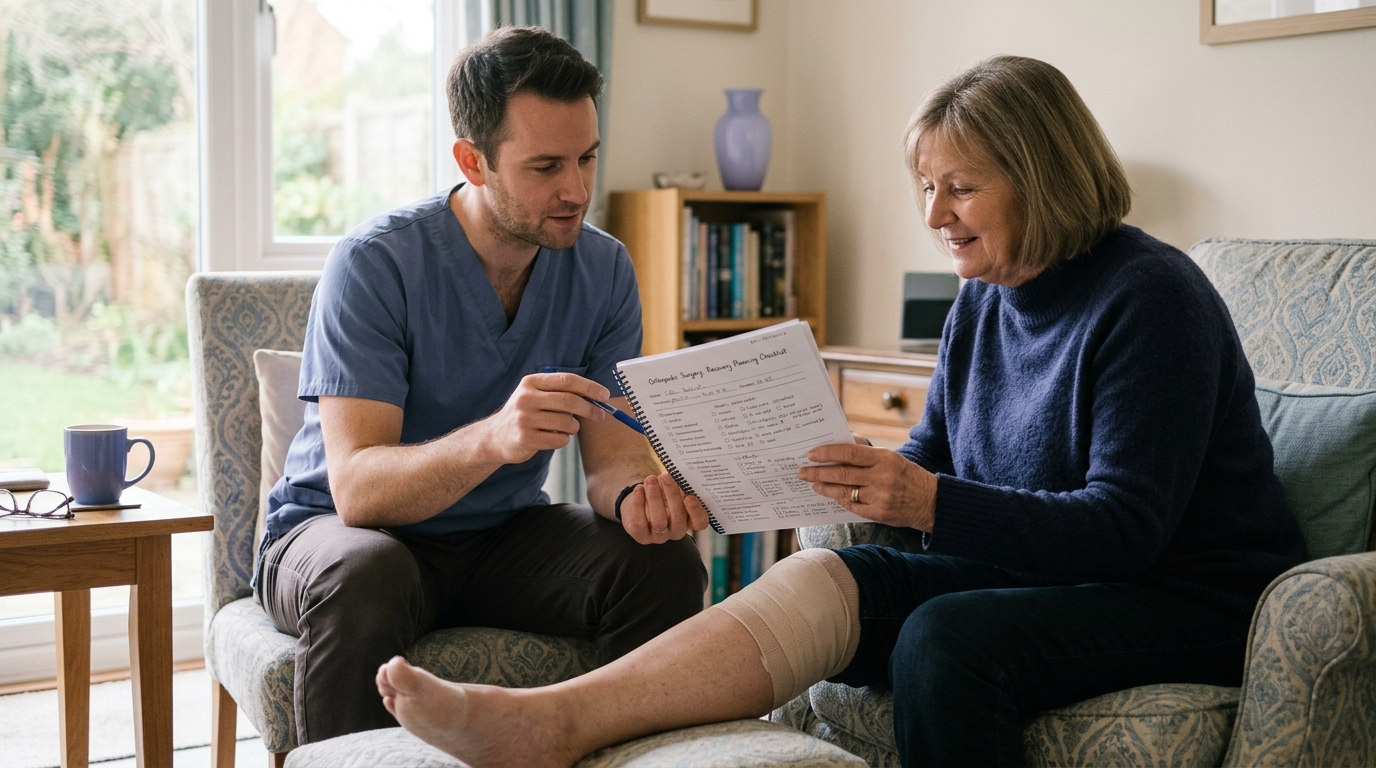
Preparing specific questions before your medical appointments helps you get clear, actionable guidance from your care team. Your doctors, surgeons, and physical therapists can provide personalized advice on balancing rest with your physical rehabilitation goals.
When discussing sleep with your orthopedic surgeon or physician, focus on clear safety parameters. You might ask:
When talking with your physical therapist, focus on movement strategies that reduce evening discomfort. You might ask:
If sleep problems continue for several weeks, bring your sleep tracking notes to your primary care doctor. You might ask:
Organizing your questions in advance ensures that you address your sleep concerns systematically. Your healthcare team can offer practical solutions that fit your medical situation without guessing.
Sleep is a valuable foundation for your overall health, emotional resilience, and daily energy during rehabilitation. While research does not prove that getting extra sleep directly speeds up tissue healing, consistent rest helps keep your nervous system balanced and lowers pain sensitivity. By addressing physical positioning, calming bedtime stress, and maintaining stable daily routines, you can navigate recovery with confidence.
Viewing sleep as a steady health habit rather than an urgent healing requirement helps you stay patient and informed throughout your physical recovery.

Use ReboundBody resources to understand common recovery stages, rehab terms, movement limits and strength rebuilding. Each guide is designed to make a complex comeback easier to understand.


Read practical guidance on injury recovery, rehabilitation, mobility and rebuilding strength as you work your way back to activity.
Explore Resources