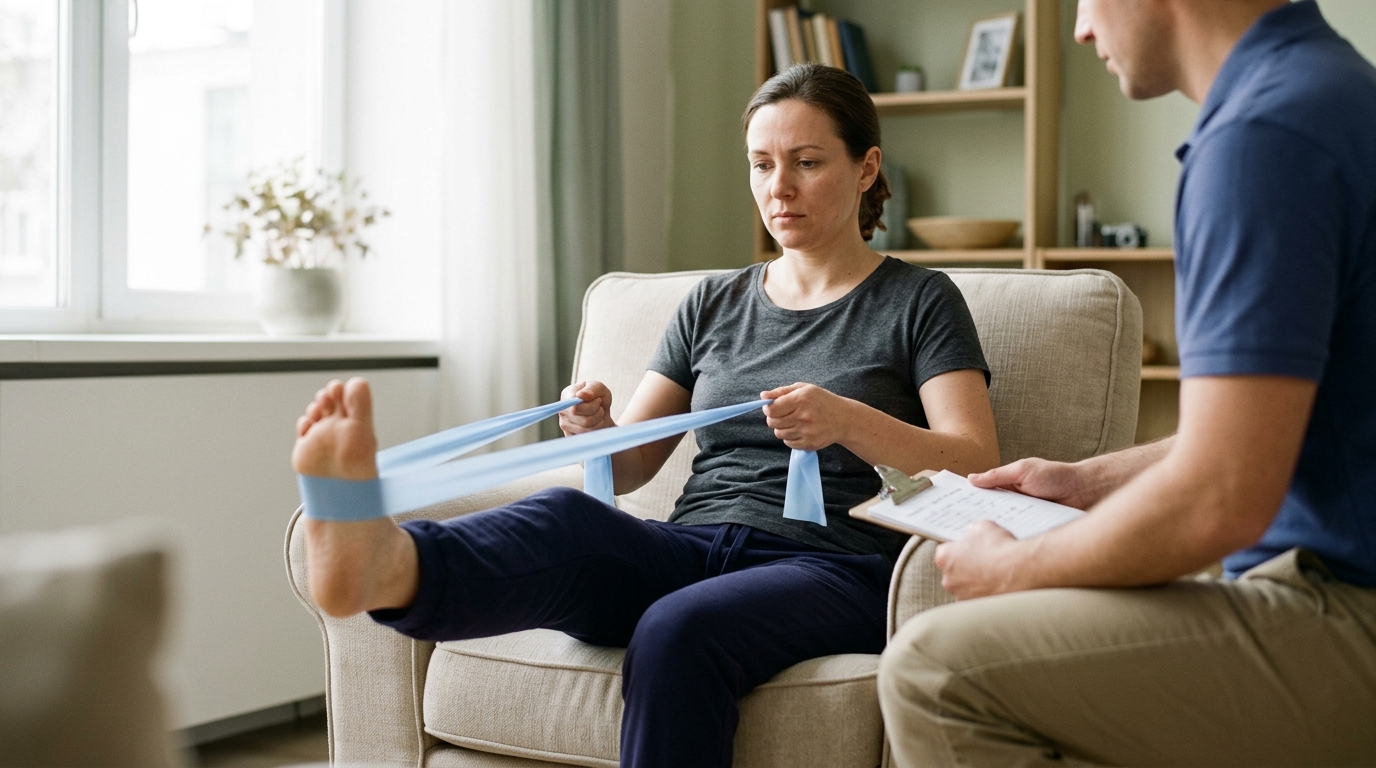

Rebuilding physical strength after an injury or illness protects joint health, prevents falls, and helps you safely regain independence through evidence-based functional exercises.





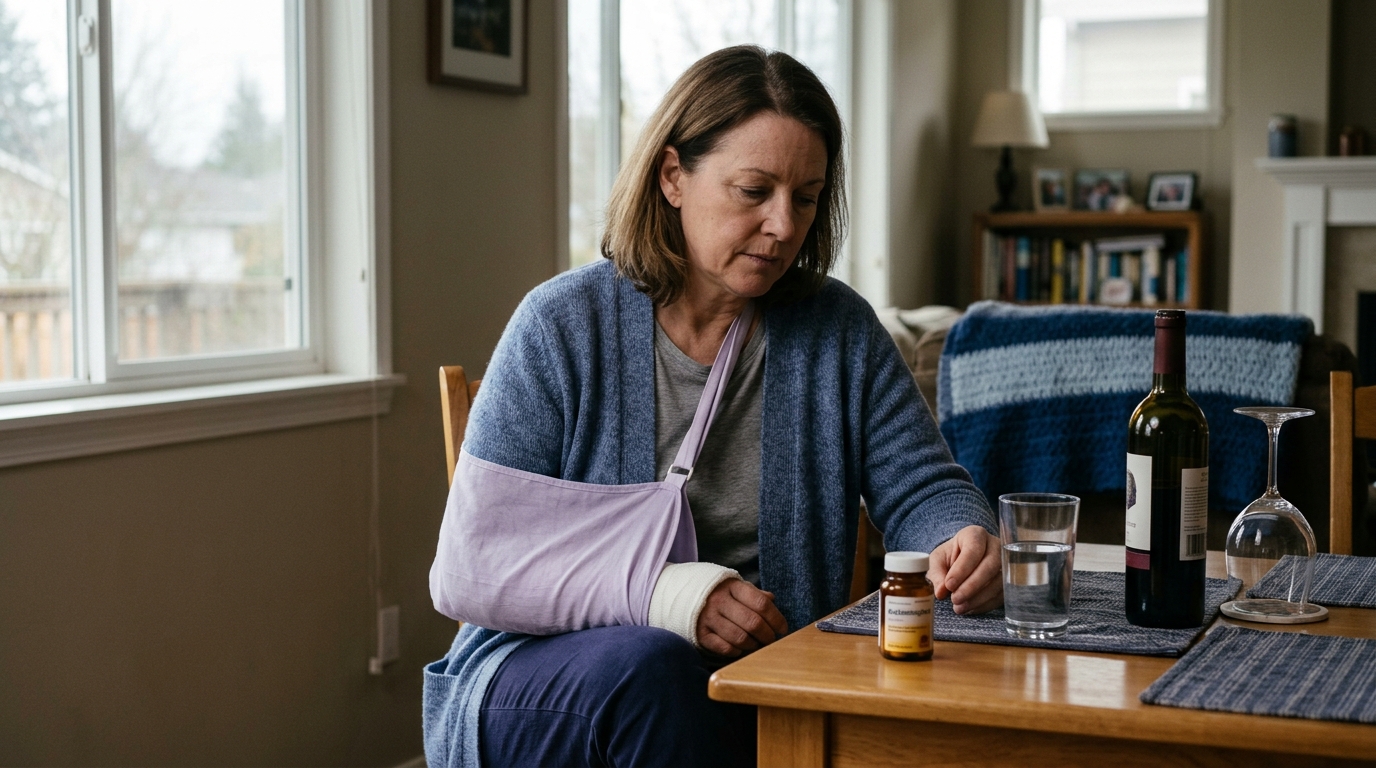
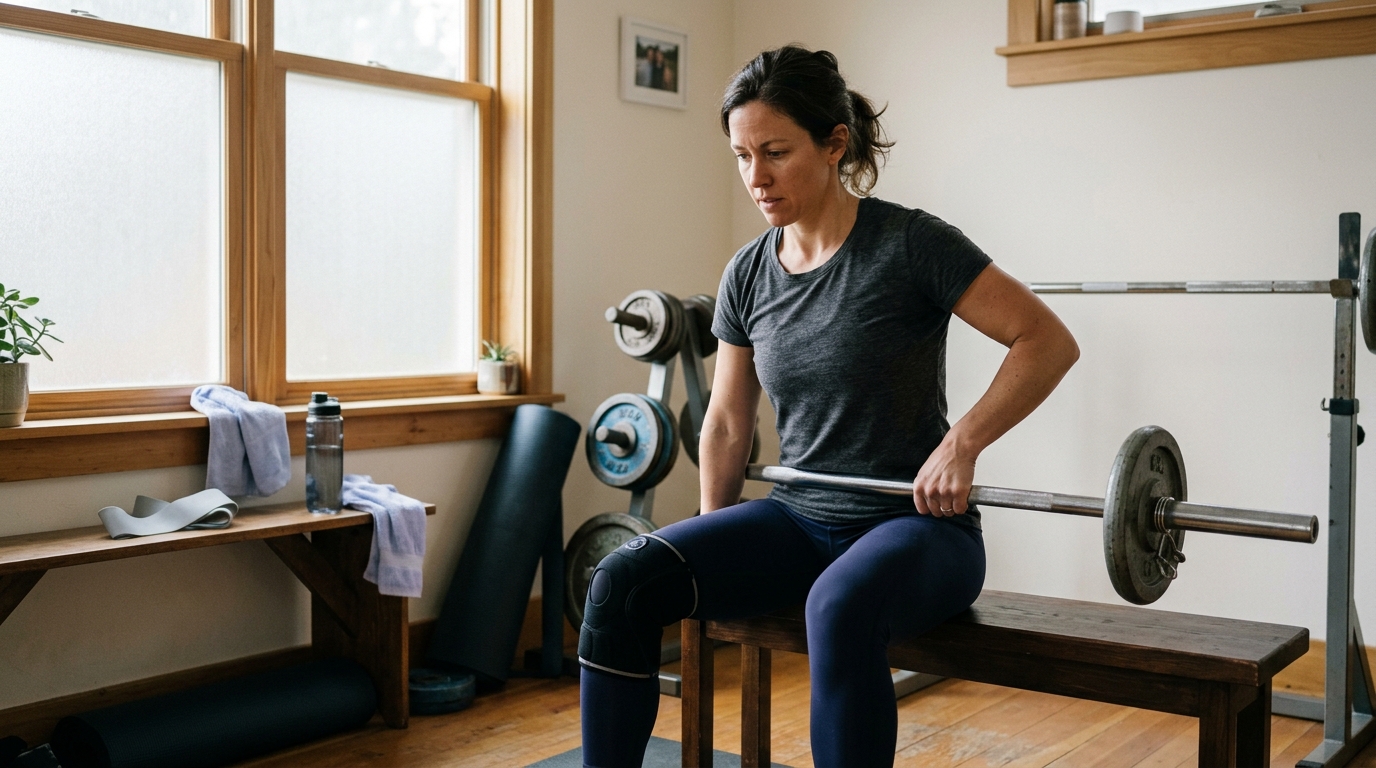
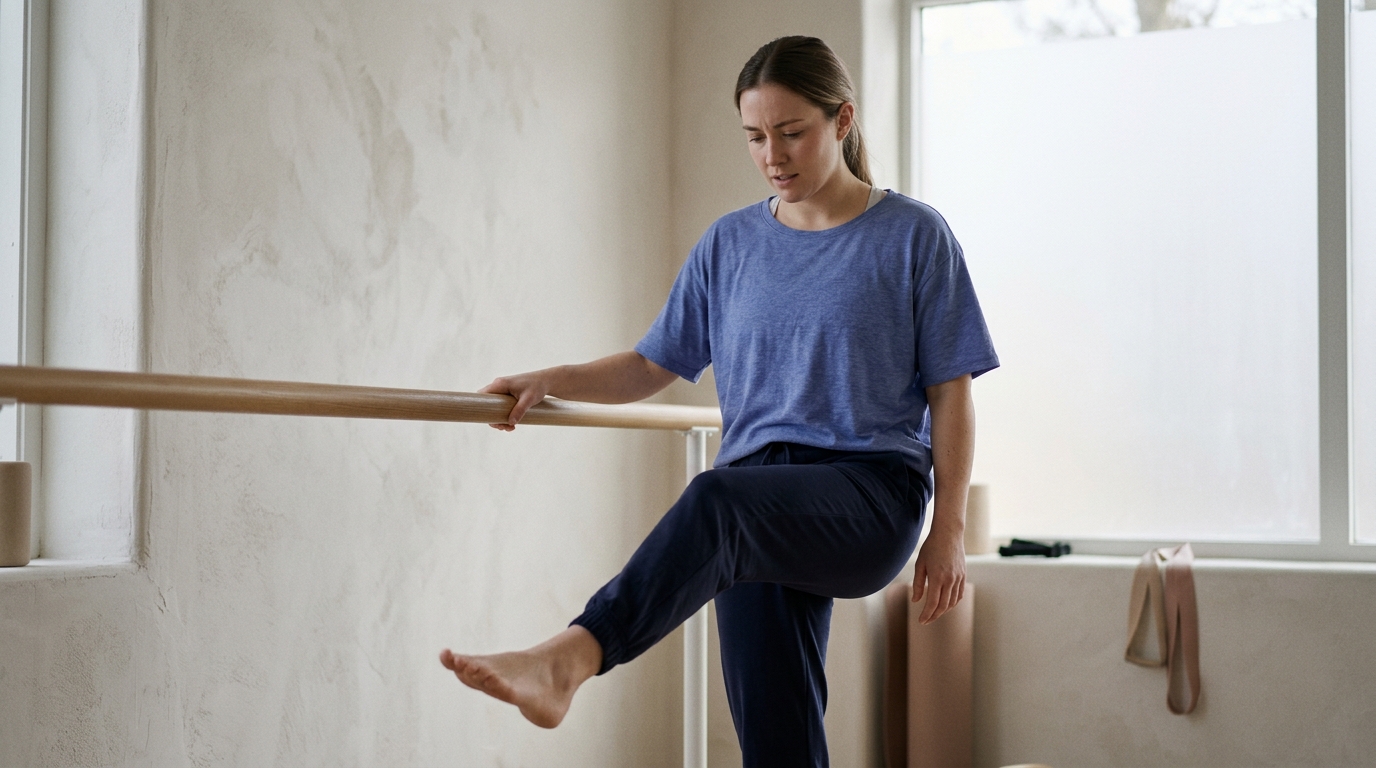
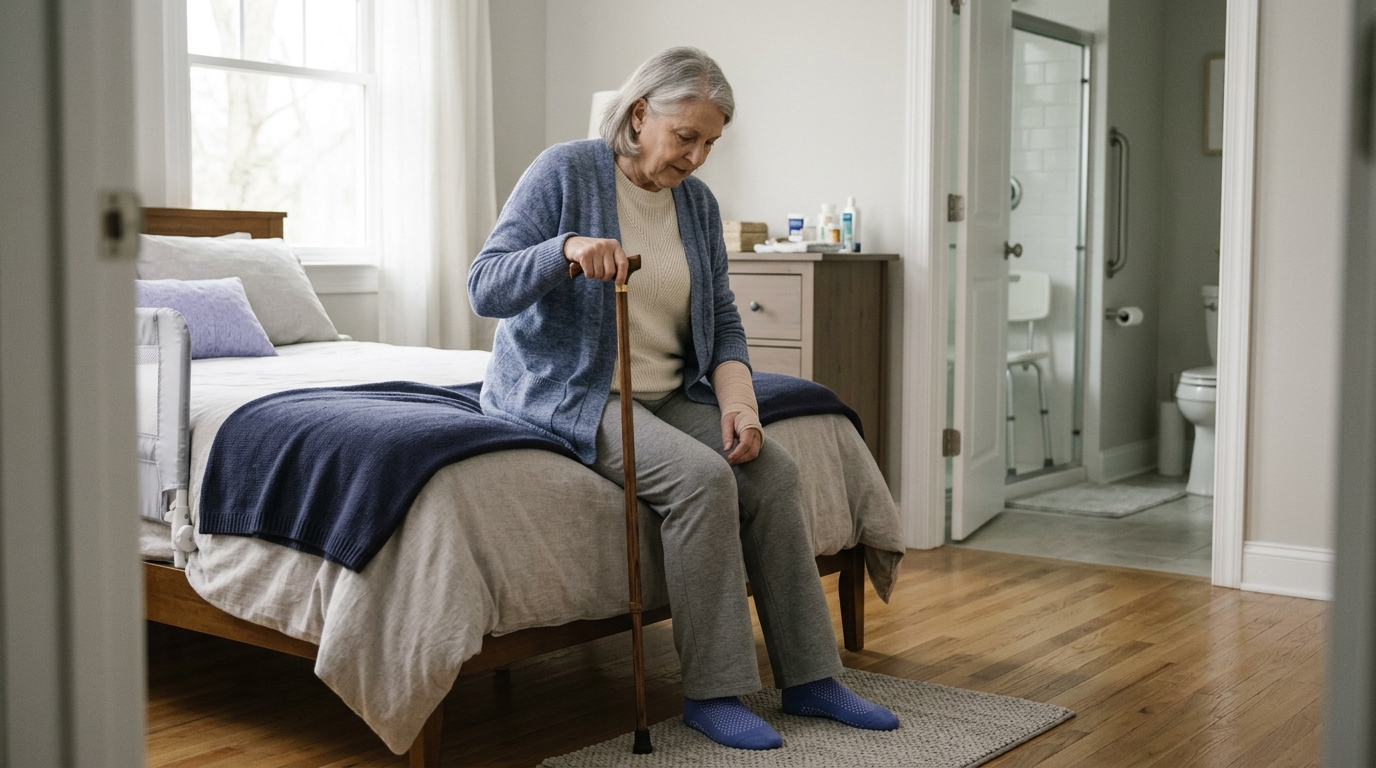
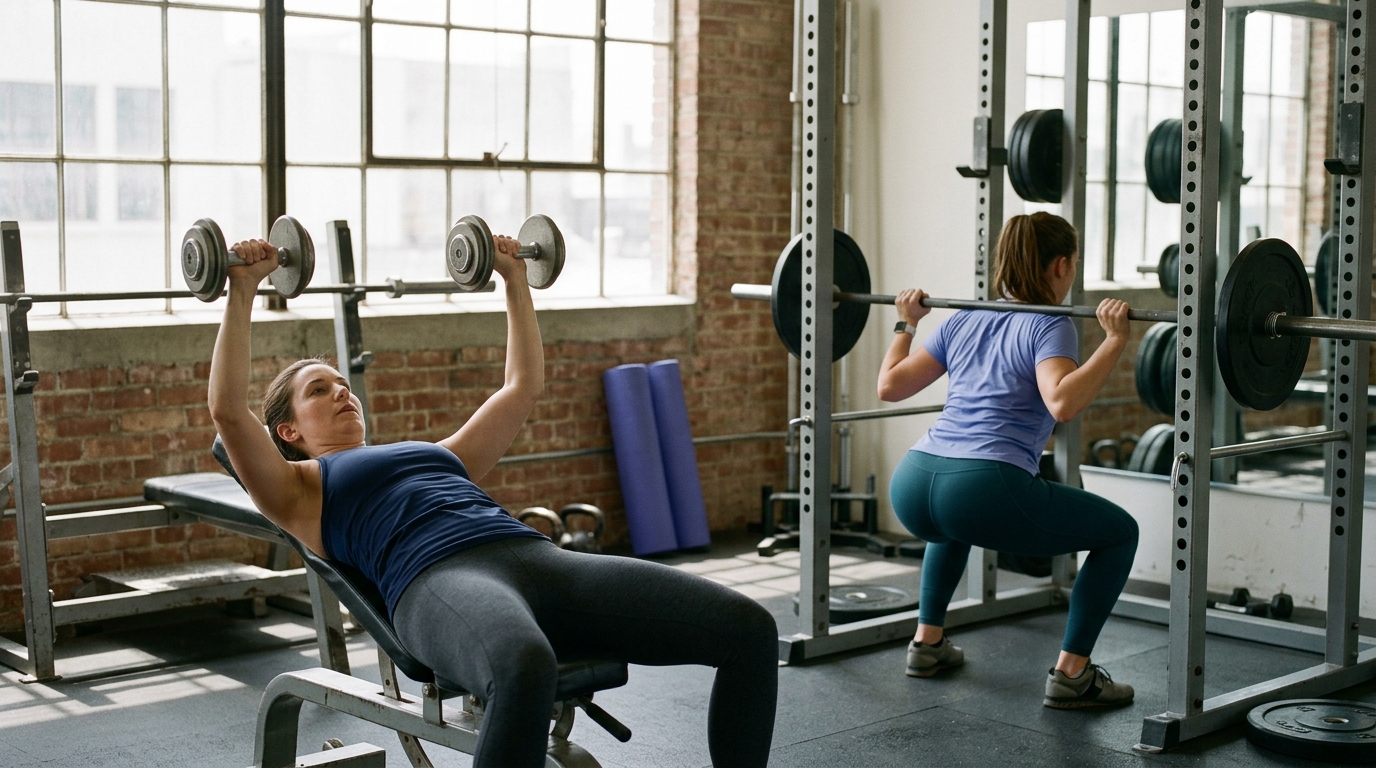
You stand in your living room or walk into a gym after weeks of rest, wearing a brace, or recovering from surgery. The weights you used to lift feel impossibly heavy, and even standing on one leg feels unsteady. Your muscles look smaller, your joints feel stiff, and you wonder how to begin without causing another injury. Rebuilding your physical capacity after time away is rarely as simple as picking up where you left off.
This guide explains how to rebuild strength safely and effectively after an injury, surgery, or prolonged period of inactivity. It covers the difference between raw force and functional movement, the principles of gradual physical loading, and how to work within medical restrictions.
Rebuilding strength after a physical setback means restoring the physical capacity you need for daily life and recreation. It is not simply a race to lift heavier weights or match your old personal records. The central goal of rehabilitation is restoring your ability to perform meaningful tasks safely while respecting the healing state of your tissues.
Muscle strength is the amount of force a muscle can produce. In rehabilitation, strength is evaluated by whether your muscles produce enough force to support your body weight, manage daily activities, and protect healing joints. A person may be able to push a heavy weight on a machine, but struggle to step off a curb or carry groceries up a flight of stairs.
Every physical setback involves uncertainty. Healing timelines vary widely depending on the type of injury, the surgical technique used, your age, and your previous activity level. What works well for one person recovering from a fracture may cause severe setbacks for someone recovering from tendon repair. Progress is rarely a straight line, and setbacks are a normal part of the process.
True physical recovery requires matching your exercise choices to your current healing stage. When you align your movements with your medical restrictions, you allow tissues to adapt without overloading them. Exploring structured rehabilitation, mobility, and movement resources can help you understand how baseline movement patterns support this rebuilding process.
Strength provides the physical foundation for almost every movement you perform throughout the day. When you experience a setback, muscles lose mass and neuromuscular coordination rapidly. This loss of capacity affects how you move, how steady you feel, and how well your joints handle ordinary forces.
Muscles act as dynamic stabilizers and shock absorbers for your skeletal system. When you take a step, sit down in a chair, or reach overhead, your muscles contract to guide bones through normal ranges of motion. Strong, coordinated muscles help distribute mechanical forces across the entire joint surface rather than concentrating stress on cartilage or ligaments.
Strength training does not magically make a joint immune to injury. It does, however, provide the muscular endurance and control required to maintain comfortable alignment during repetitive daily tasks. When surrounding muscles are weak or fatigued, joints absorb more impact, which can lead to localized aches or stiffness.
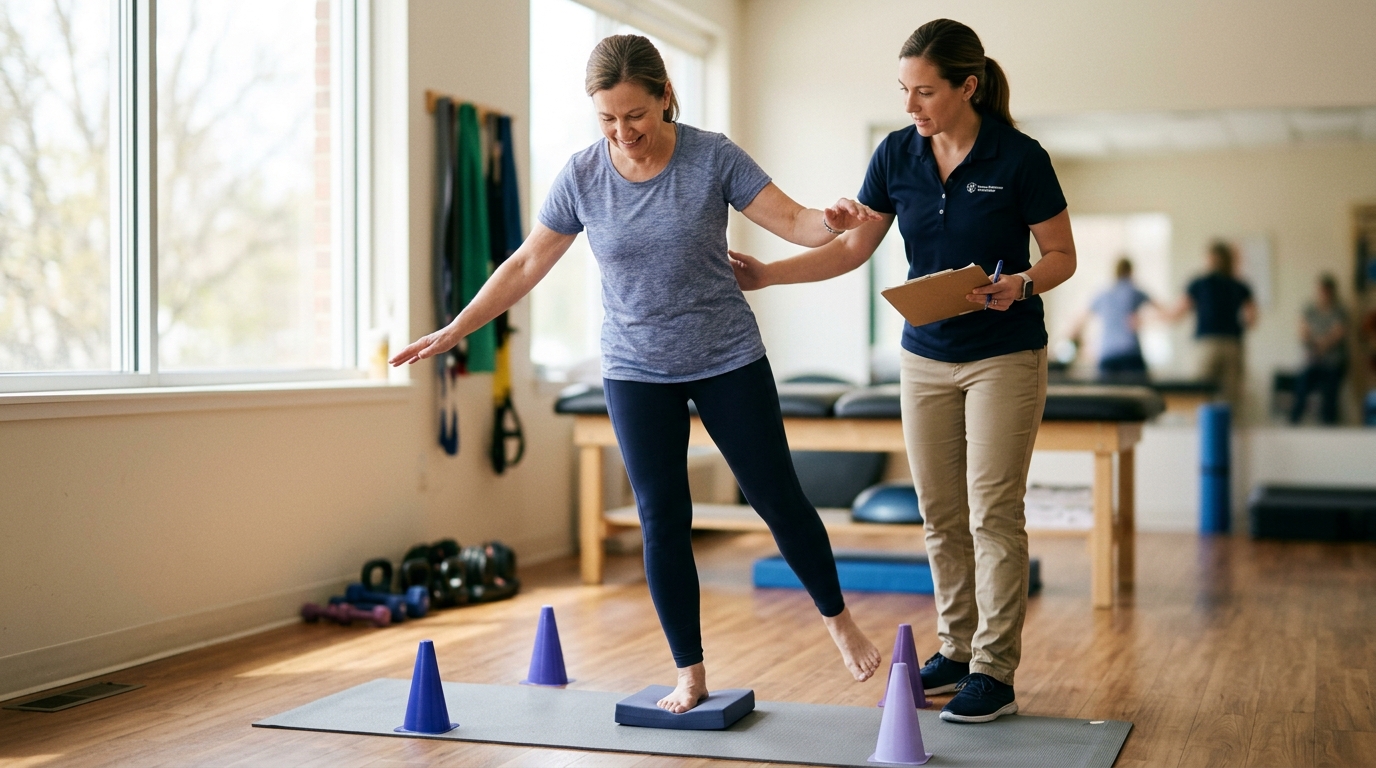
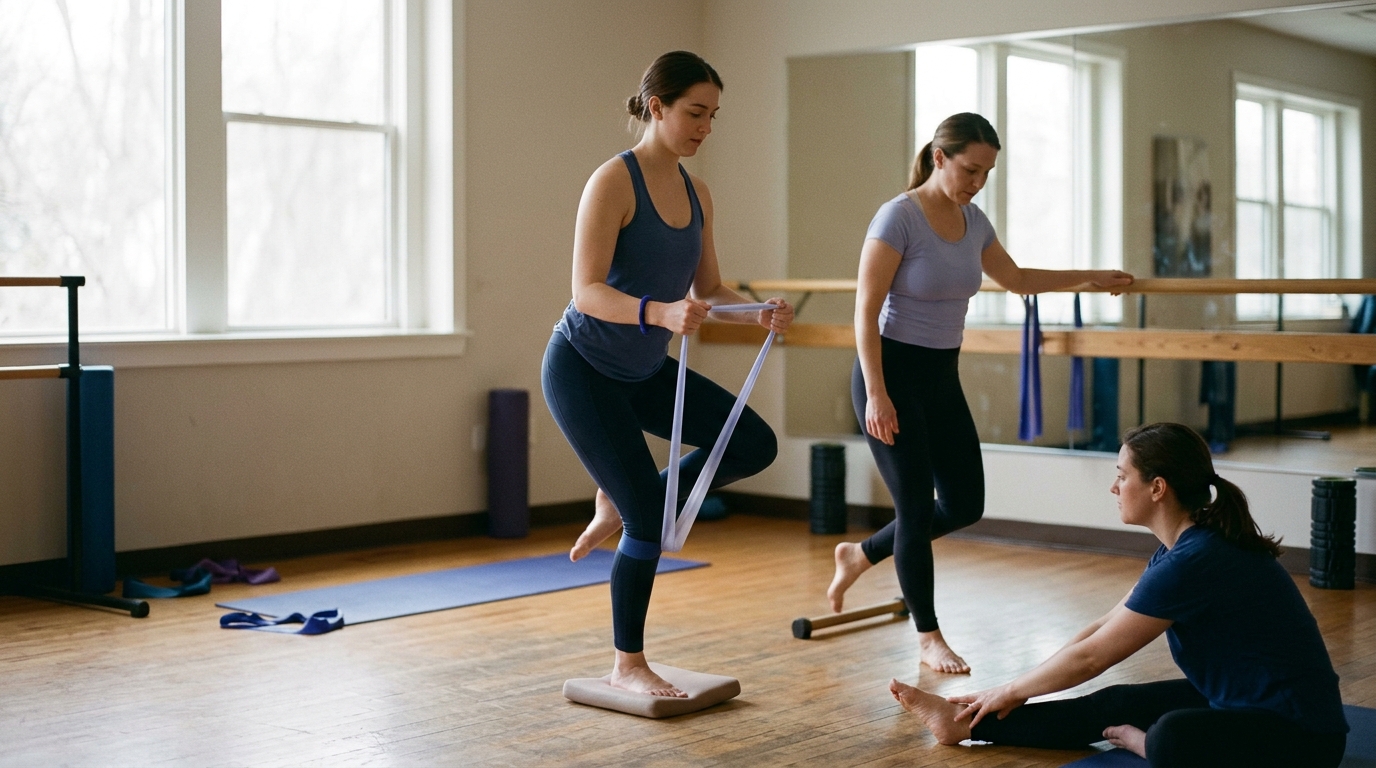
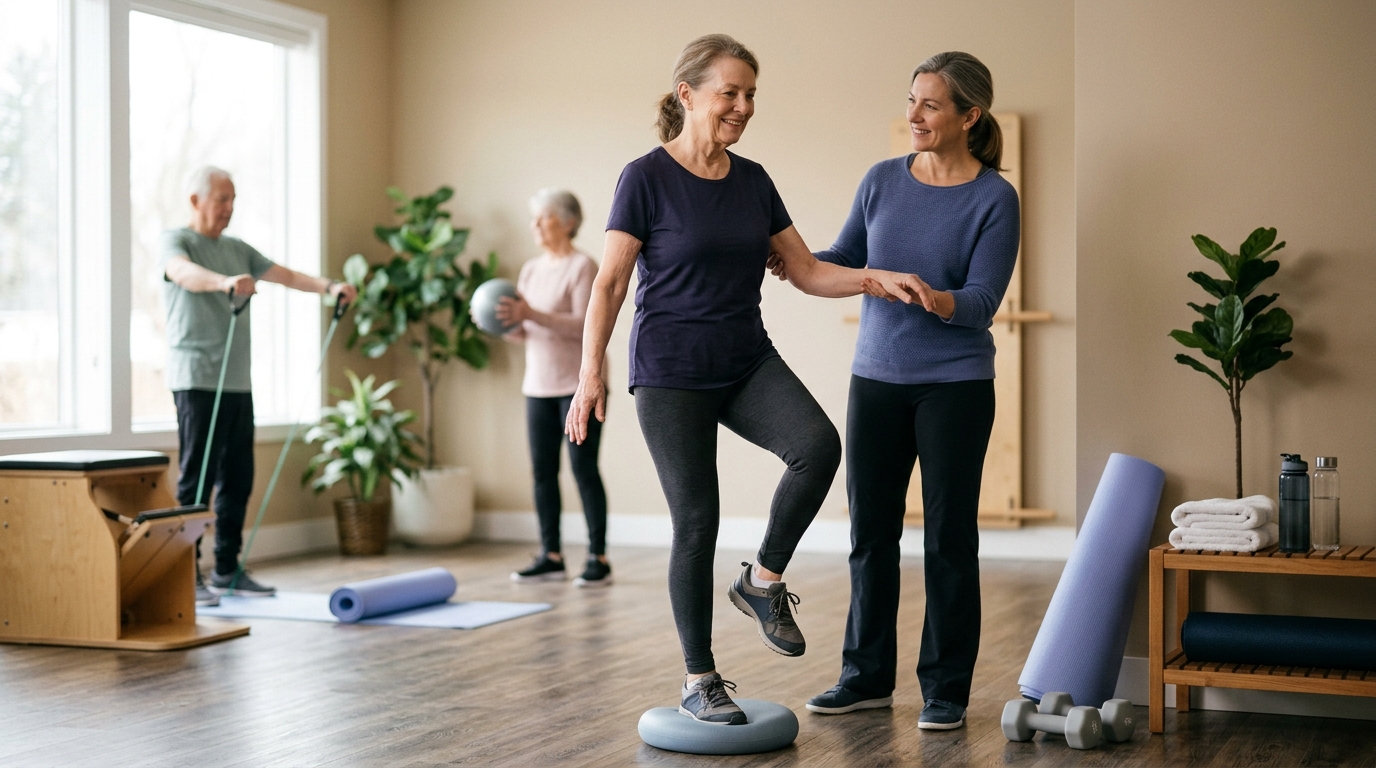
Balance is not a single isolated skill. It relies on a combination of sensory feedback, joint mobility, coordination, and muscular strength. When you trip or lose your footing, your body must generate rapid force in the hips, thighs, and calves to take a corrective step and catch yourself.
Weak lower body muscles make these rapid corrections difficult. Research shows that targeted resistance and balance exercises improve both static balance, such as standing still, and dynamic balance, such as walking across uneven ground. Maintaining adequate leg strength allows you to react quickly to unexpected changes in your environment, significantly lowering your risk of falling.
Daily tasks demand a surprising amount of muscular capacity. Rising from a low couch requires substantial quadriceps and gluteal power. Carrying a laundry basket up stairs tests your single-leg strength, cardiovascular endurance, and grip. Placing a heavy object on a high shelf requires shoulder stability and core control.
When strength declines after a medical setback, these everyday actions can become major hurdles. Rebuilding your capacity allows you to maintain personal independence and continue living on your own terms. For middle-aged and older adults, maintaining functional capacity is directly tied to long-term quality of life and healthy aging. You can read more about these long-term principles in our guide to active aging and injury prevention.
Rehabilitation science has evolved significantly over recent decades. Clinical research provides clear insights into how the human body adapts to physical loading after periods of disuse or trauma.
A major systematic review of functional training in older adults showed clear benefits for muscle strength, balance, mobility, and activities of daily living. A key finding from this research is that exercise outcomes tend to improve when the training content matches the specific activity being targeted.
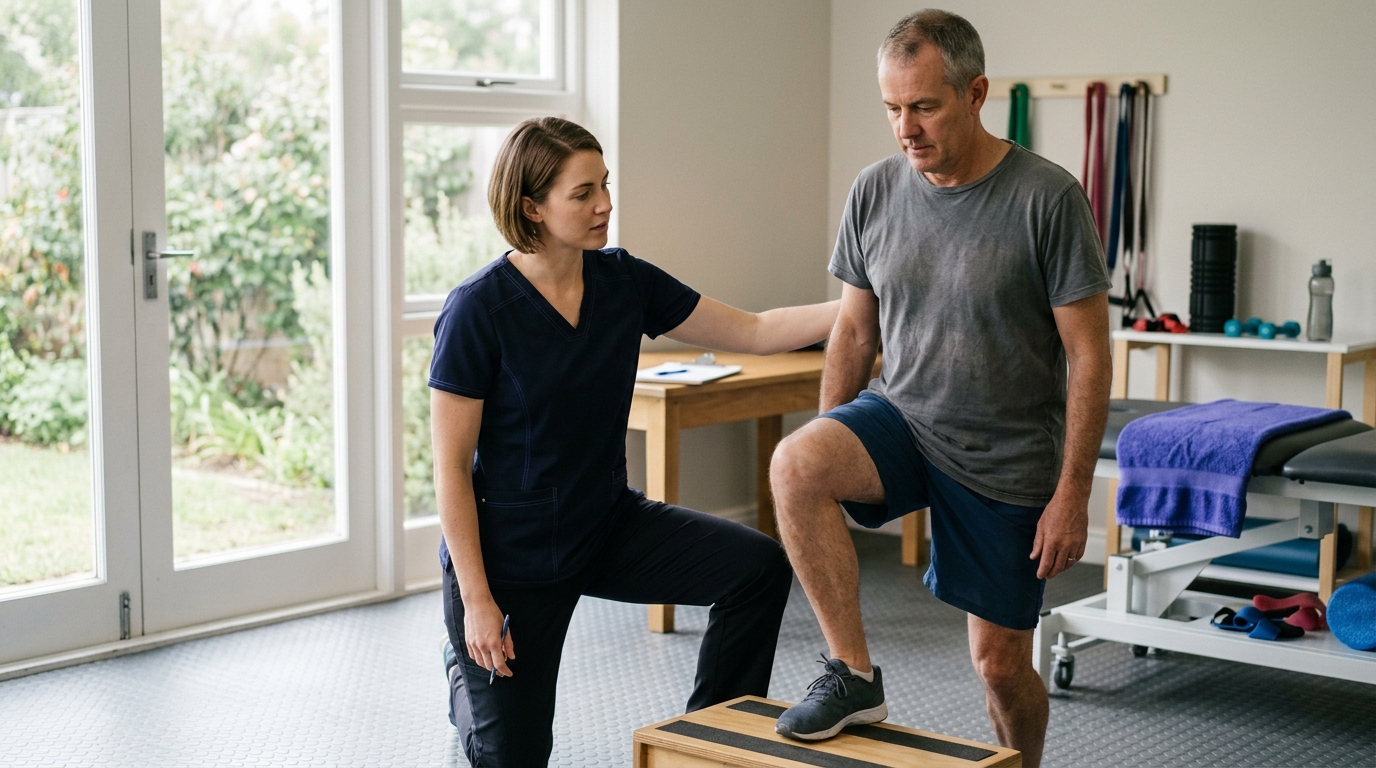
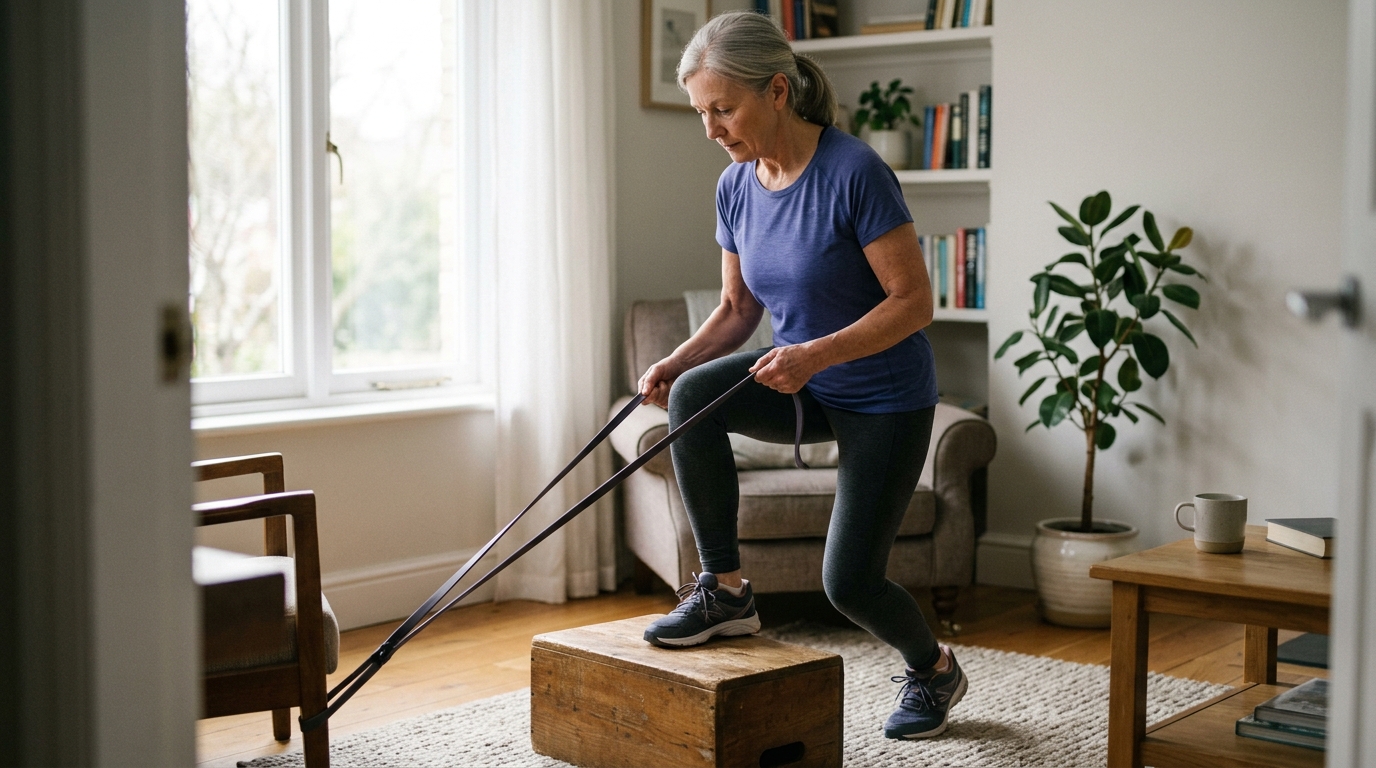
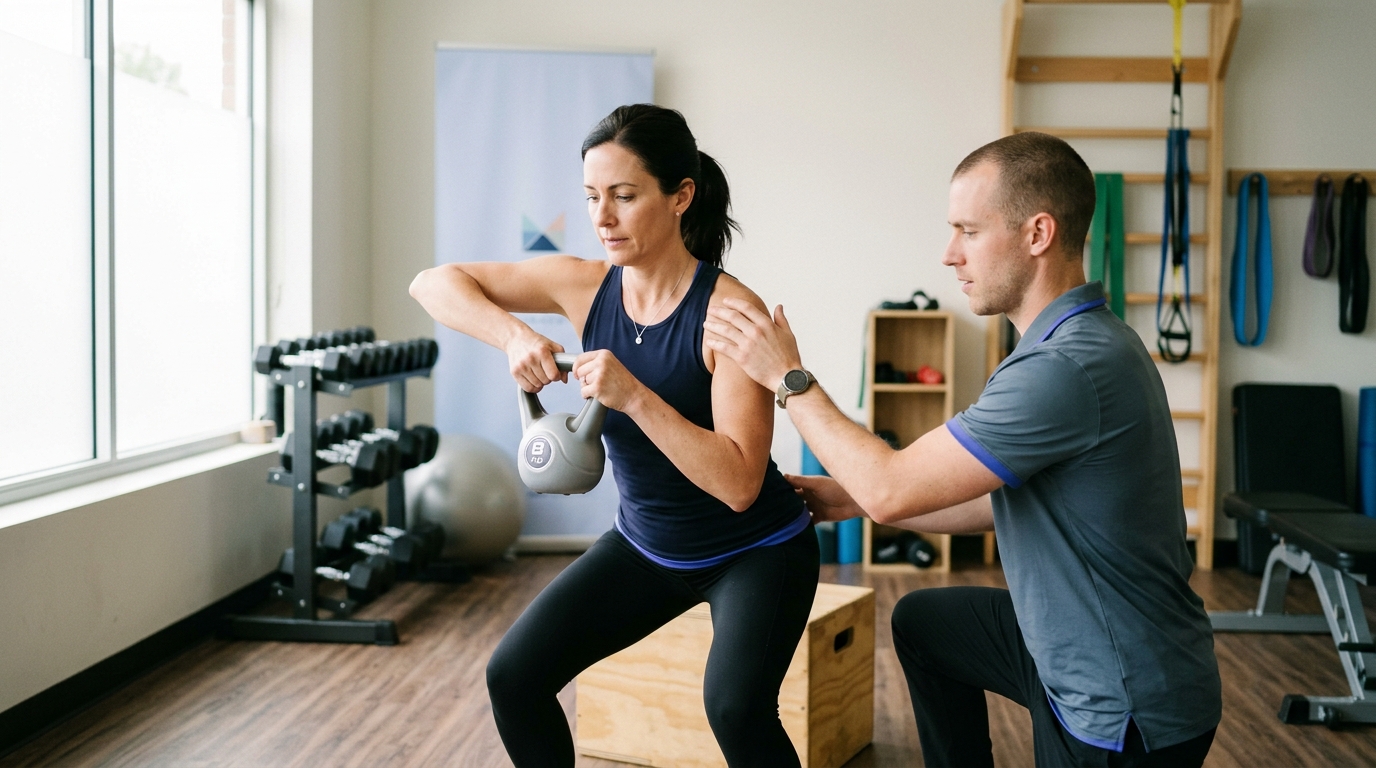
Isolated exercises, such as leg extensions on a gym machine, build strength in specific muscle groups. However, functional exercises that mimic daily movements, such as sit-to-stand transitions or step-ups, teach multiple muscle groups to coordinate their actions. The strongest evidence supports combining general resistance exercises with task-specific practice to achieve the greatest improvements in everyday performance.
Systematic reviews examining resistance training in older adults with skeletal muscle deficits confirm broad functional benefits. Progressive strength training does far more than increase muscle size. The evidence demonstrates measurable improvements in:
These improvements occur because resistance training improves both the structural capacity of muscle fibers and the ability of the nervous system to recruit those fibers efficiently.
The National Institute for Health and Care Excellence, known as NICE, provides evidence-based recommendations for falls prevention and mobility recovery. NICE guidelines emphasize that exercise programmes must be progressive and tailored to an individual's specific needs, preferences, goals, and physical abilities.
Furthermore, NICE recommends that exercise interventions address multiple functional components rather than relying on a single approach. These components include strength, power, balance, and coordination. The guidelines also stress the importance of regular clinical reviews to ensure the exercise difficulty matches the individual's evolving capacity over time.
The World Health Organization publishes physical activity guidelines recommending that older adults participate in varied multicomponent physical activity on three or more days per week. These guidelines emphasize functional balance and strength training at moderate or greater intensity to enhance functional capacity and prevent falls.
It is critical to distinguish general public health recommendations from post-injury rehabilitation protocols. Public health targets describe what a healthy, cleared adult should aim for over the long term. They are not universal prescriptions for someone recovering from an acute bone fracture, joint replacement, or tendon repair. After an injury or surgical procedure, individualized medical restrictions always take precedence over general activity guidelines.
When returning to activity, it is helpful to structure your decisions around a clear framework. Rather than asking how much weight you can lift, use these four questions to guide your recovery plan.
Strength is only one aspect of physical function. Depending on your injury and the duration of your recovery, you may need to address several different physical qualities:
Identifying your specific deficits prevents you from focusing on one quality while neglecting others that are essential for safe movement.
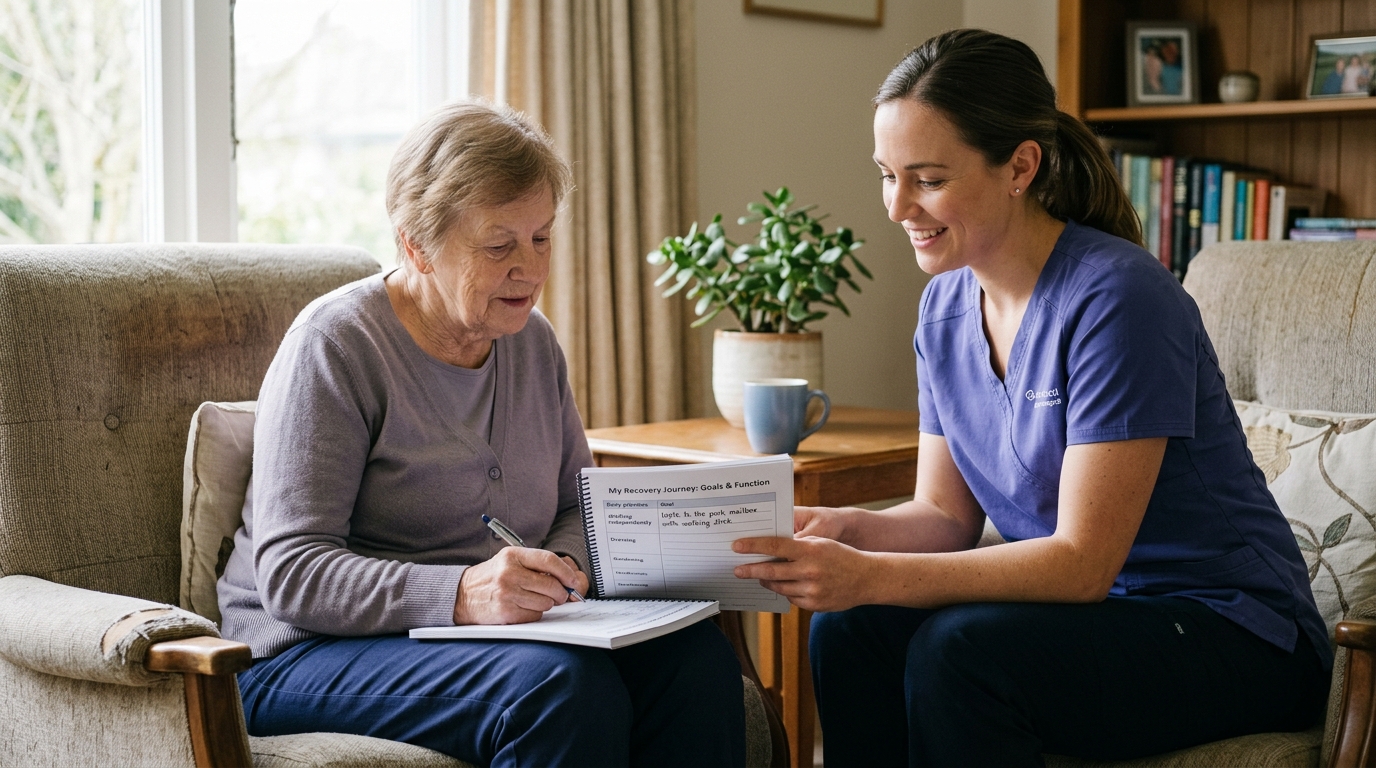
Your recovery plan should be driven by the activities you need and want to perform. A retired gardener who needs to kneel, carry bags of soil, and stand up repeatedly has different functional goals than an office worker who wants to return to recreational running.
Defining your goals in terms of daily tasks helps you choose the right exercises. Because functional training benefits are greatest when the exercises match the target outcome, practicing variations of your real-world tasks produces the best functional return.
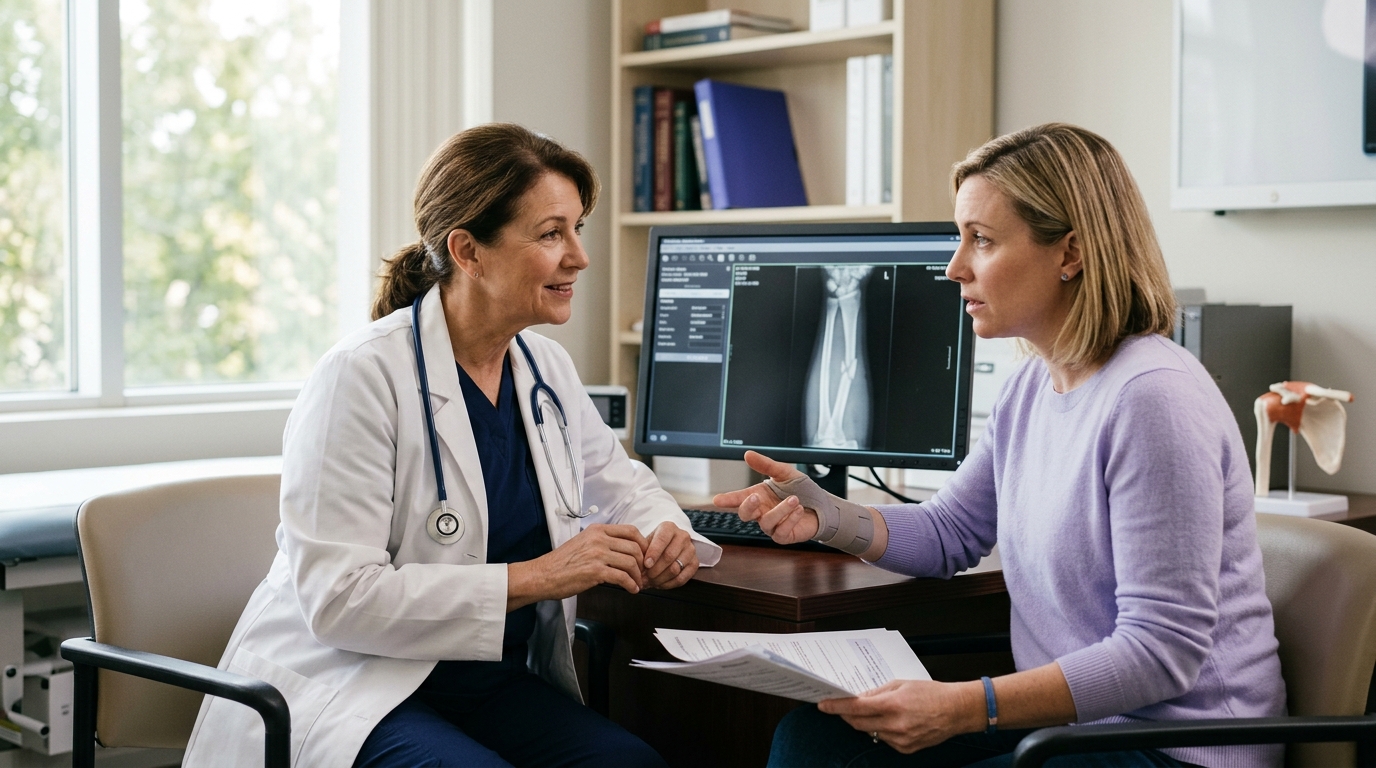
Every physical setback involves temporary structural limitations. Healing bones, repairing tendons, and regenerating cartilage cannot tolerate unmonitored stress. Your treating surgeon, doctor, or physical therapist will establish specific boundaries for your current phase of healing.
These restrictions may involve weight-bearing limits, ranges of motion that must be avoided, or temporary bans on lifting and impact. Understanding and respecting these constraints protects your healing tissues while allowing you to train the rest of your body safely.
Progression should never be accidental. It must be an intentional, measured increase in physical demand based on your actual performance and symptom response. NICE defines progression as an individualized increase in one or more factors, including intensity, frequency, duration, or exercise complexity.
By having a clear progression strategy, you avoid both under-loading, which delays recovery, and over-loading, which can cause inflammatory flare-ups or structural damage. For a broader look at designing structured programmes, review our guide to sustainable strength and performance rebuilding.
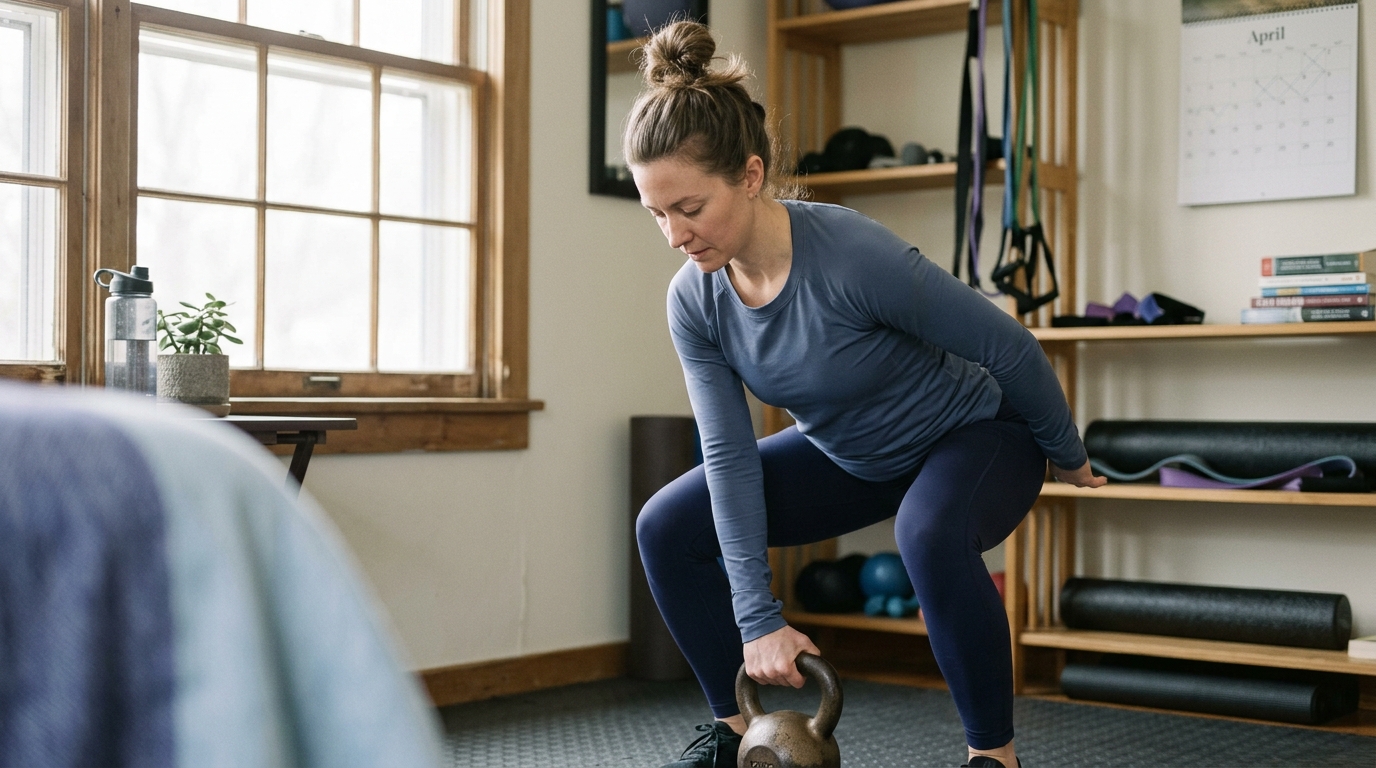
A common misconception in fitness is that progressive loading only means putting more weight on an exercise bar or machine. In post-injury recovery, adding external resistance is only one of several progression variables available to you.
When you want to increase the challenge of an exercise, you can adjust several different variables. Changing only one variable at a time allows you to monitor how your body responds before making further adjustments.
Intensity refers to how hard a muscle works during an exercise. You can increase intensity by:
Increasing the time a muscle spends under tension builds local endurance and tissue tolerance. You can adjust duration by:
Frequency refers to how often you perform an exercise or workout session. When recovering from disuse, performing small amounts of exercise frequently is often tolerated better than doing a large volume in a single session. You might progress by:
Complexity refers to the neuromuscular and balance demands of an exercise. Increasing complexity teaches your nervous system to coordinate movements under challenging conditions. You can increase complexity by:
Many recovering individuals fall into a boom-and-bust pattern. On days when they feel energetic and relatively pain-free, they do too much exercise, walk excessive distances, or lift heavy objects. The next day, they wake up with severe pain, swelling, and stiffness, forcing them to spend several days resting completely.
This erratic pattern slows recovery and causes unnecessary frustration. Progressive loading relies on steady, manageable steps. By keeping your daily activity within an acceptable threshold, you create consistent adaptations without triggering major inflammatory flare-ups.
No two recovery journeys are identical. Multiple internal and external factors influence how quickly your tissues heal and when you can safely progress to more demanding exercises.
The specific surgical technique used to repair an injury fundamentally dictates early movement rules. A bone fracture stabilized with internal metal plates and screws allows different mechanical loading than a fracture managed in a cast.
In some post-operative protocols, early range of motion is encouraged, but heavy lifting is strictly prohibited for several months. For example, clinical guidance for certain upper-arm fracture repairs explicitly restricts heavy lifting for at least three months after surgery. Similar restrictions apply after cannulated-screw fixations, where high-impact and heavy activities are avoided for around three months to ensure solid bone union.
Following lower-extremity fractures, joint surgeries, or tendon repairs, your surgical team will assign a specific weight-bearing category. These categories include:
Weight-bearing status is determined strictly by the treating consultant based on imaging and tissue healing. You should never advance your weight-bearing status simply because the limb feels better.
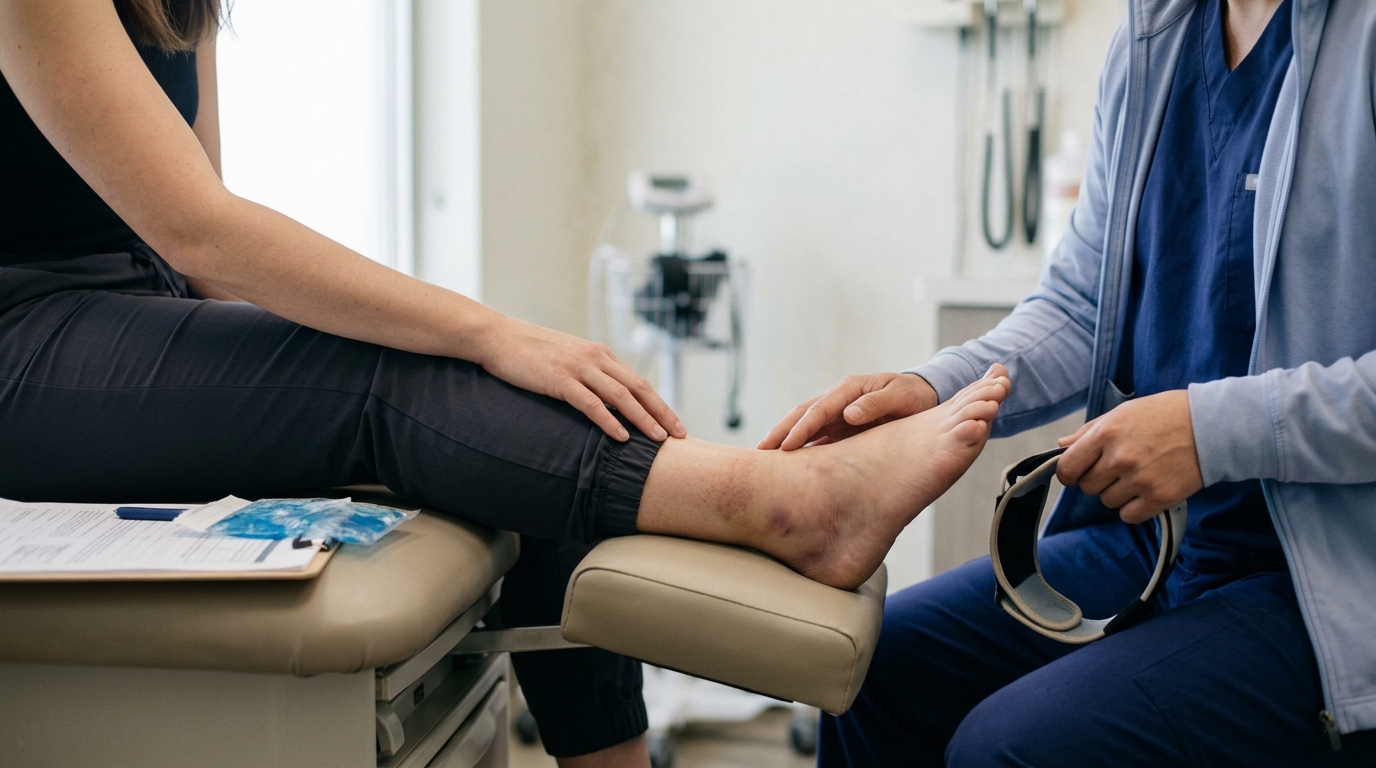
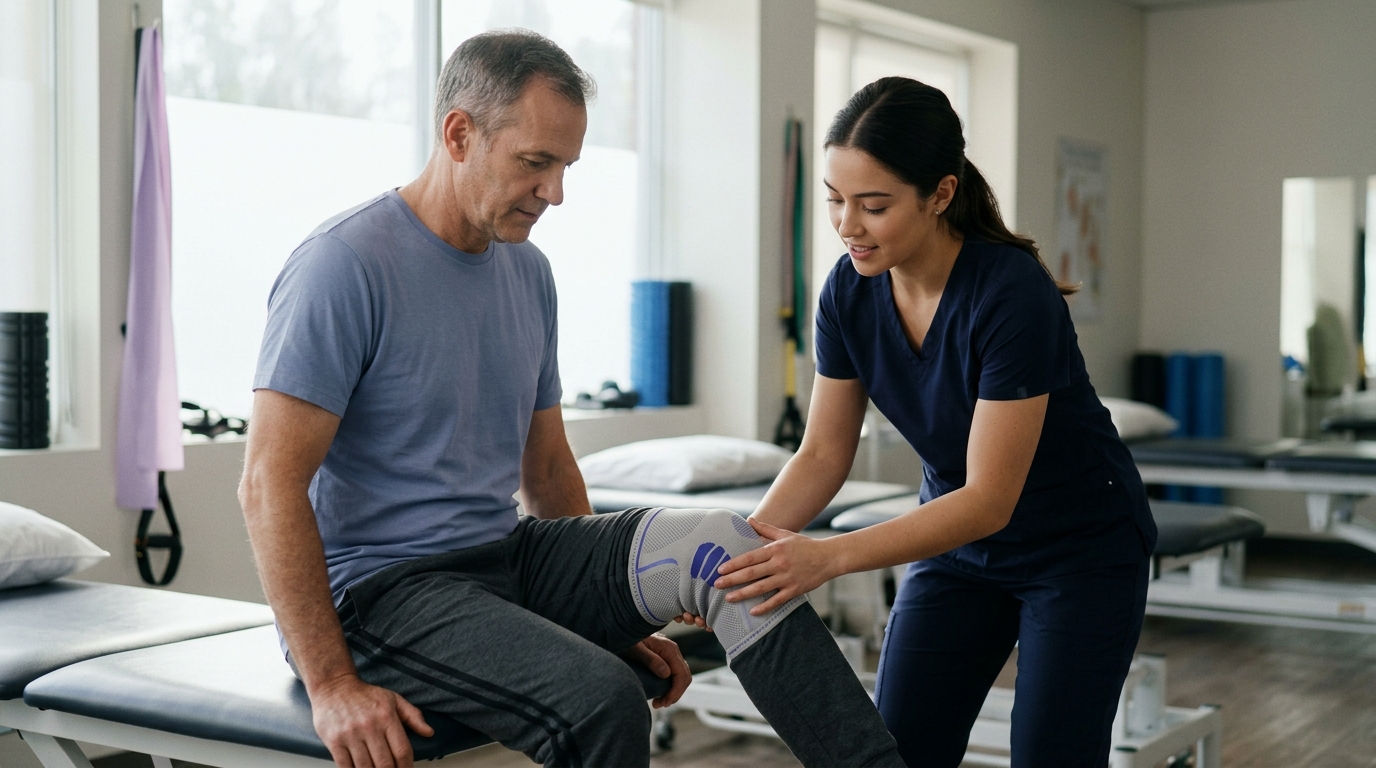
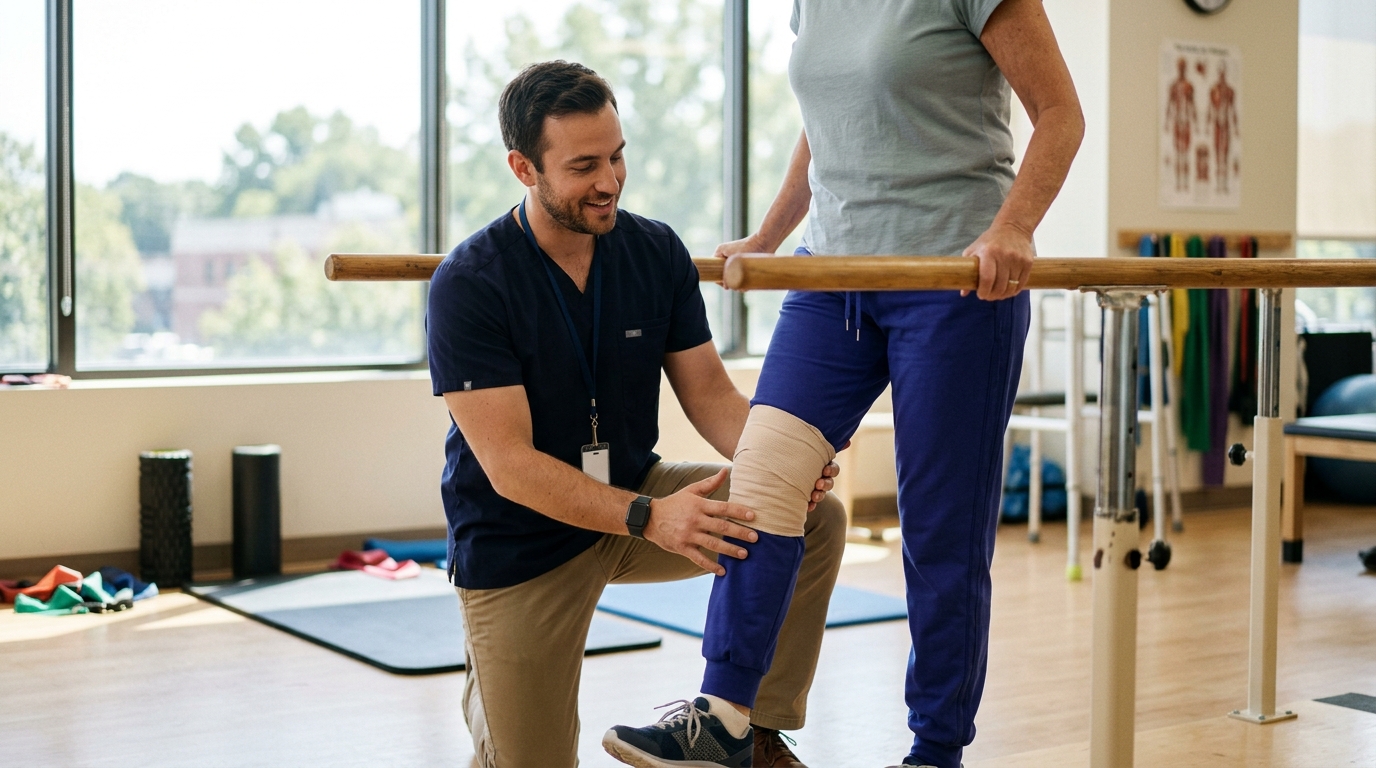
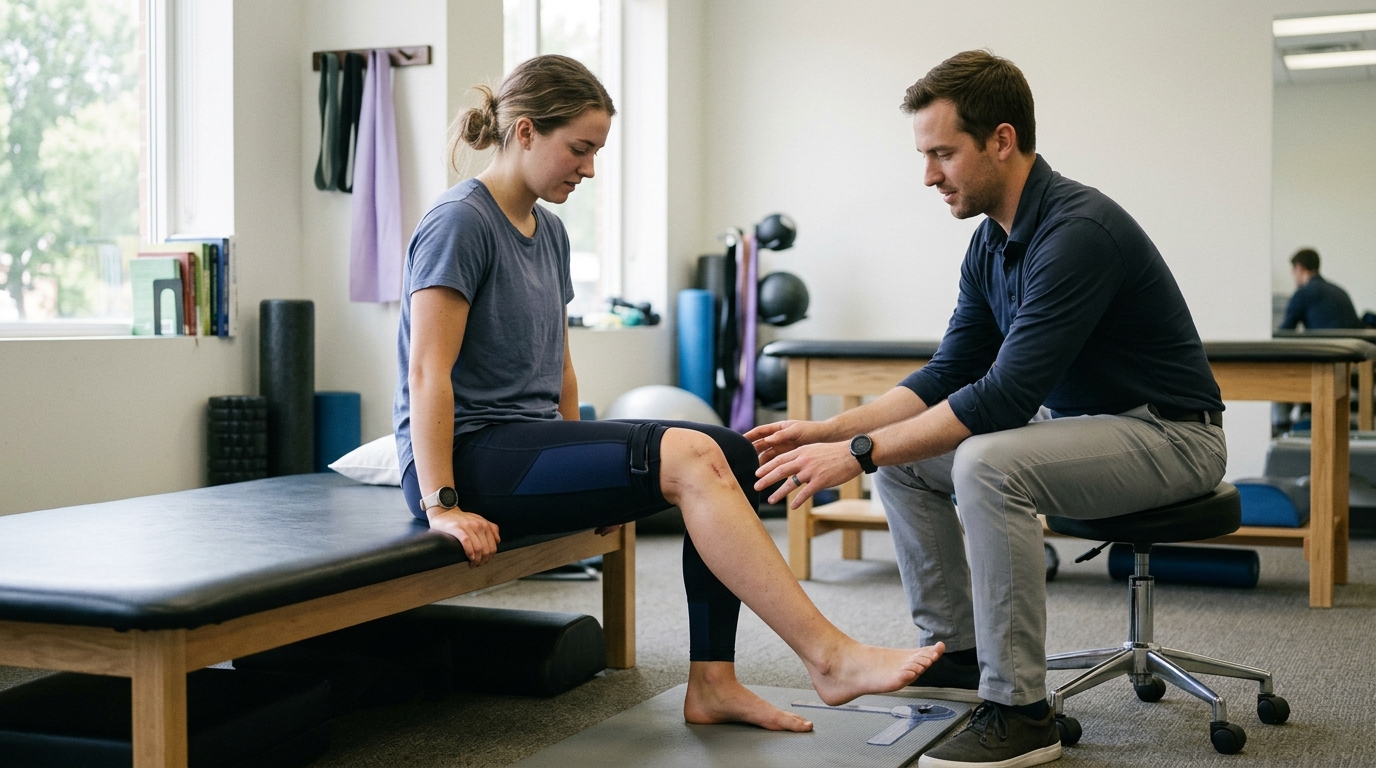
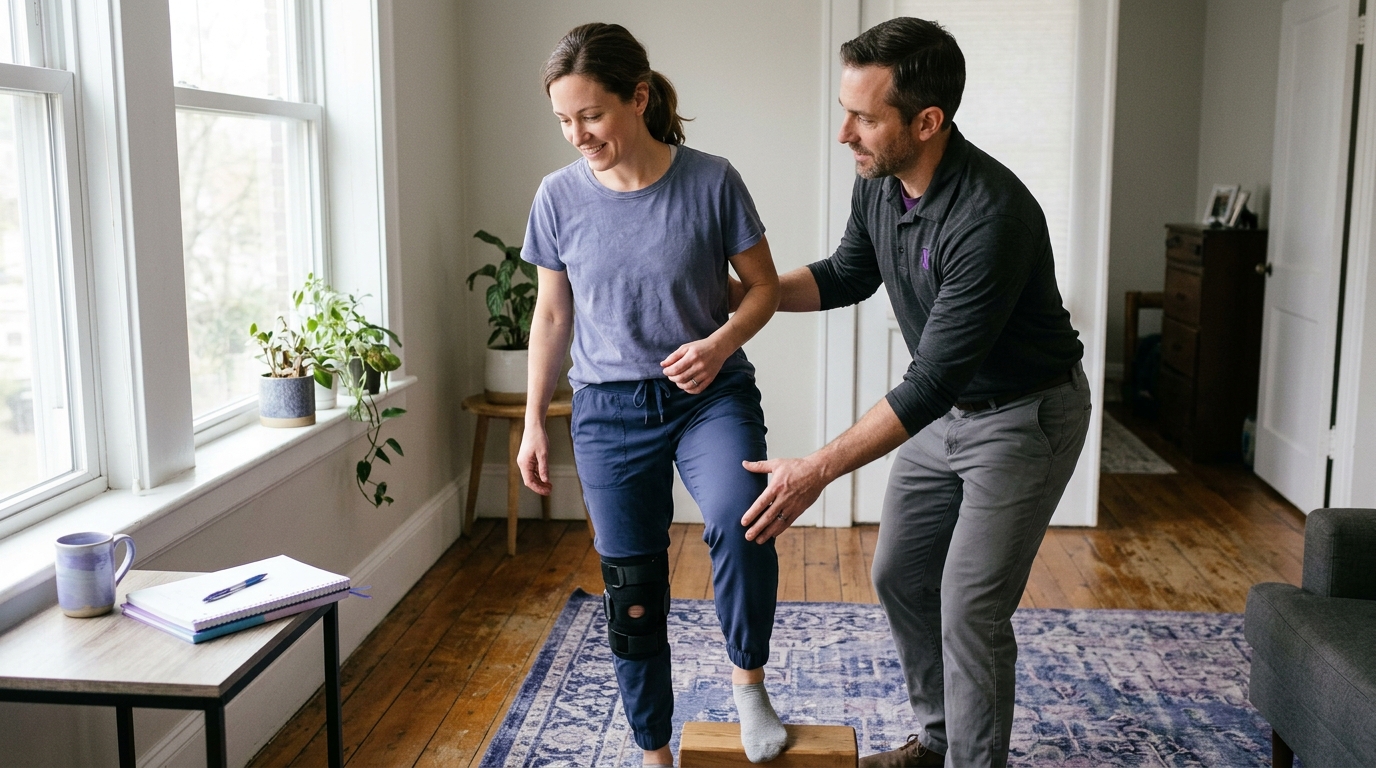
Certain injuries require protective bracing to shield healing tissues from excessive stretching or load. For instance, recovery protocols following tibial plateau fractures often dictate that exercises must stay within precise brace angles set by the surgeon. Moving outside these approved angles can stress healing bone or repaired ligaments before they are strong enough to handle tension.
Individual characteristics influence the speed and quality of tissue healing:
You can learn more about how physiological healing processes work in our overview of the science behind physical recovery.
Pain is a complex biological signal designed to protect you from harm. During physical recovery, learning to distinguish between acceptable exercise discomfort and warning signs of tissue overload is an essential skill.
Complete absence of sensation is unrealistic when rebuilding strength after a setback. Weak muscles, stiff joints, and recovering nerves frequently produce sensory feedback when challenged.
A helpful clinical rule of thumb is to distinguish between a mild, temporary ache and sharp, lingering pain. A mild to moderate muscular ache that occurs during an exercise and settles quickly within a few hours or by the next morning is generally an acceptable response to new loading.
Conversely, sharp, catching, or severe pain is a signal to stop the activity immediately. If an exercise produces severe pain that takes many hours or days to settle, or if you wake up with increased joint swelling and heat, the load was too high for your current healing state.
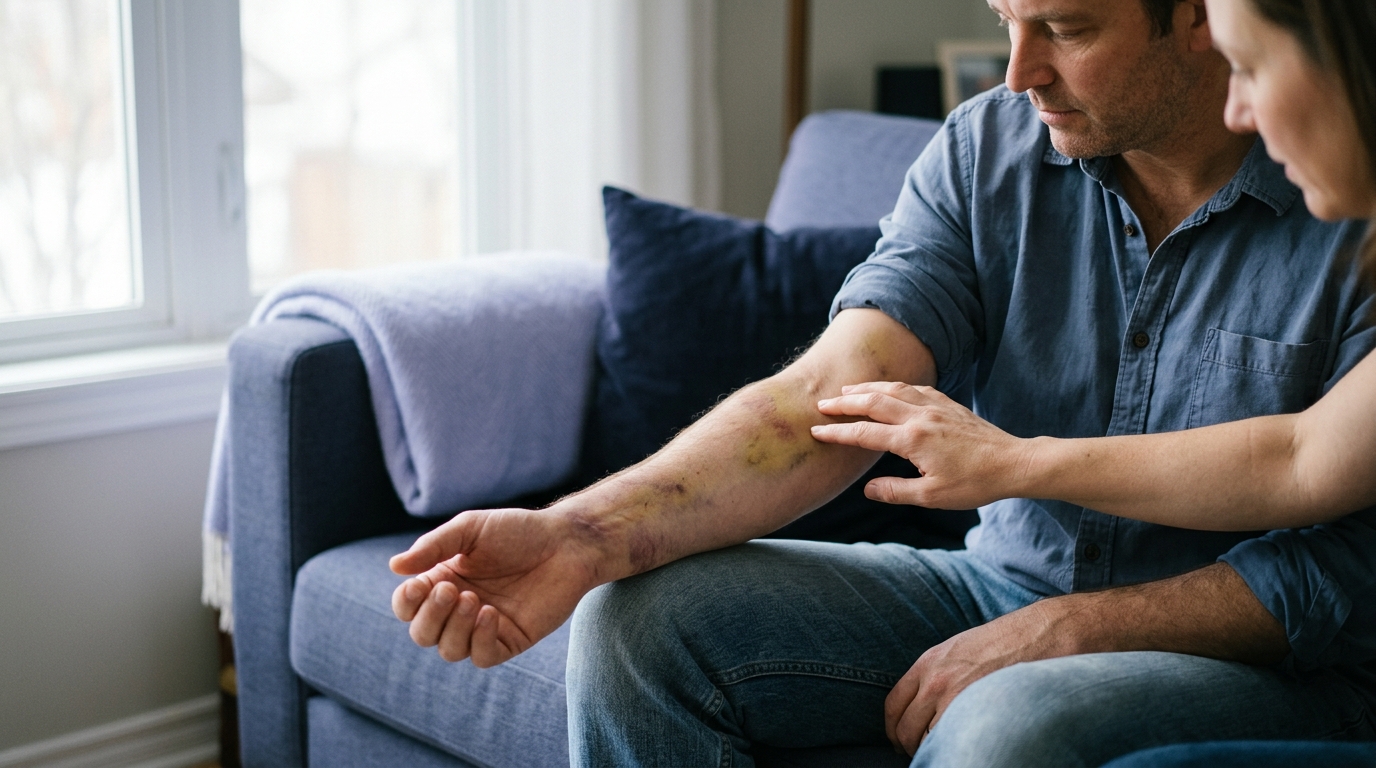
Joint swelling is a reliable indicator of mechanical irritation. While muscle soreness is normal, joint effusion, swelling, and increased skin temperature suggest that internal structures are experiencing excessive stress.
If you notice increased swelling after an exercise session:
You should contact your physical therapist or surgical team promptly if you experience any of the following symptoms:
To see how these principles apply in practice, consider the following illustrative models. These examples represent structured rehabilitation patterns rather than individualized medical plans.
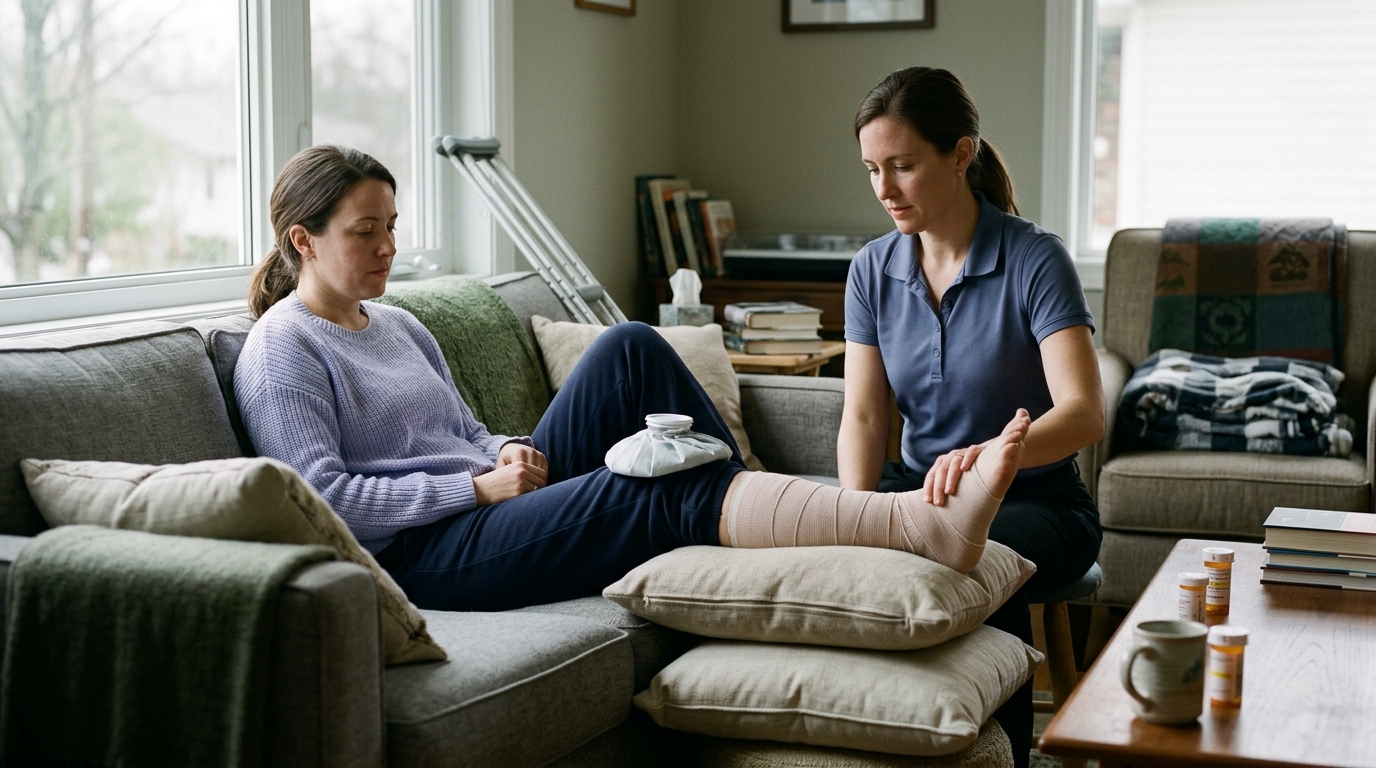
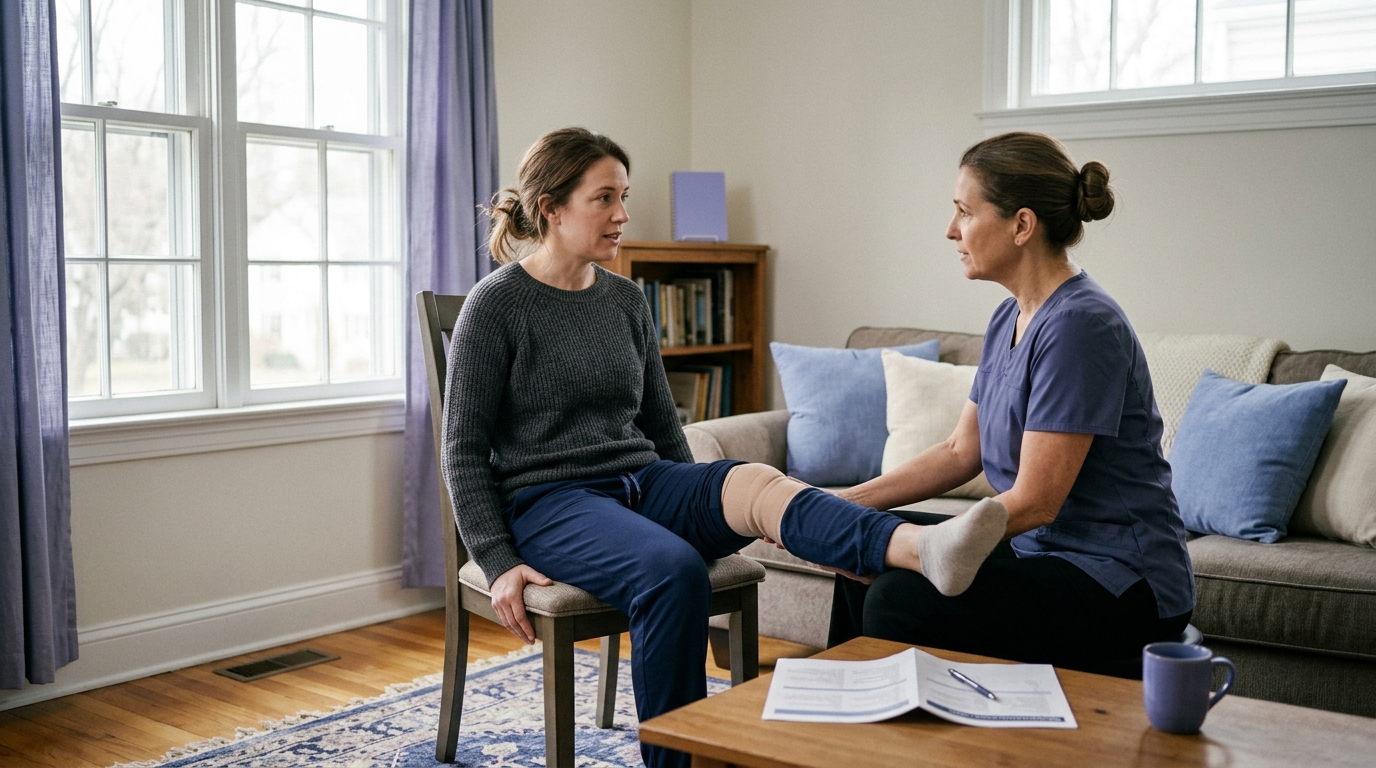
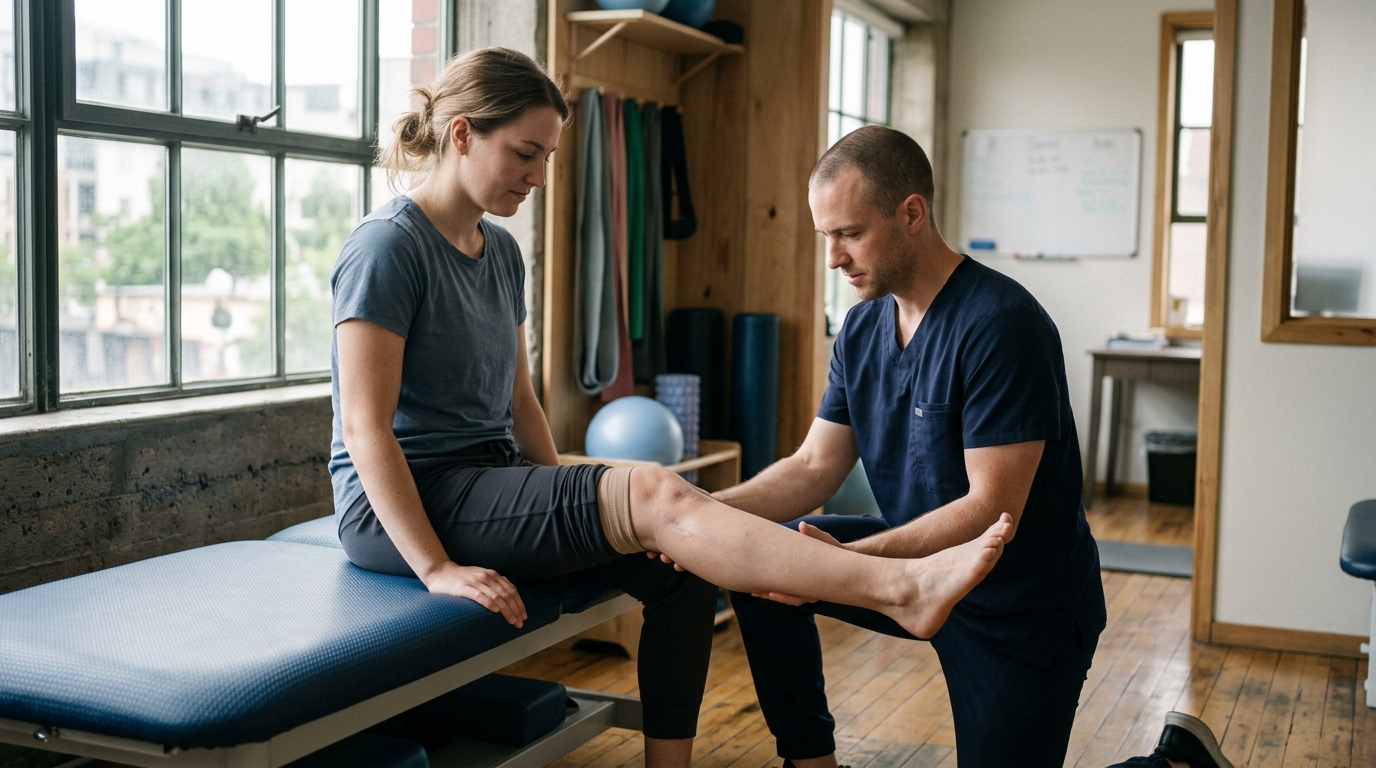
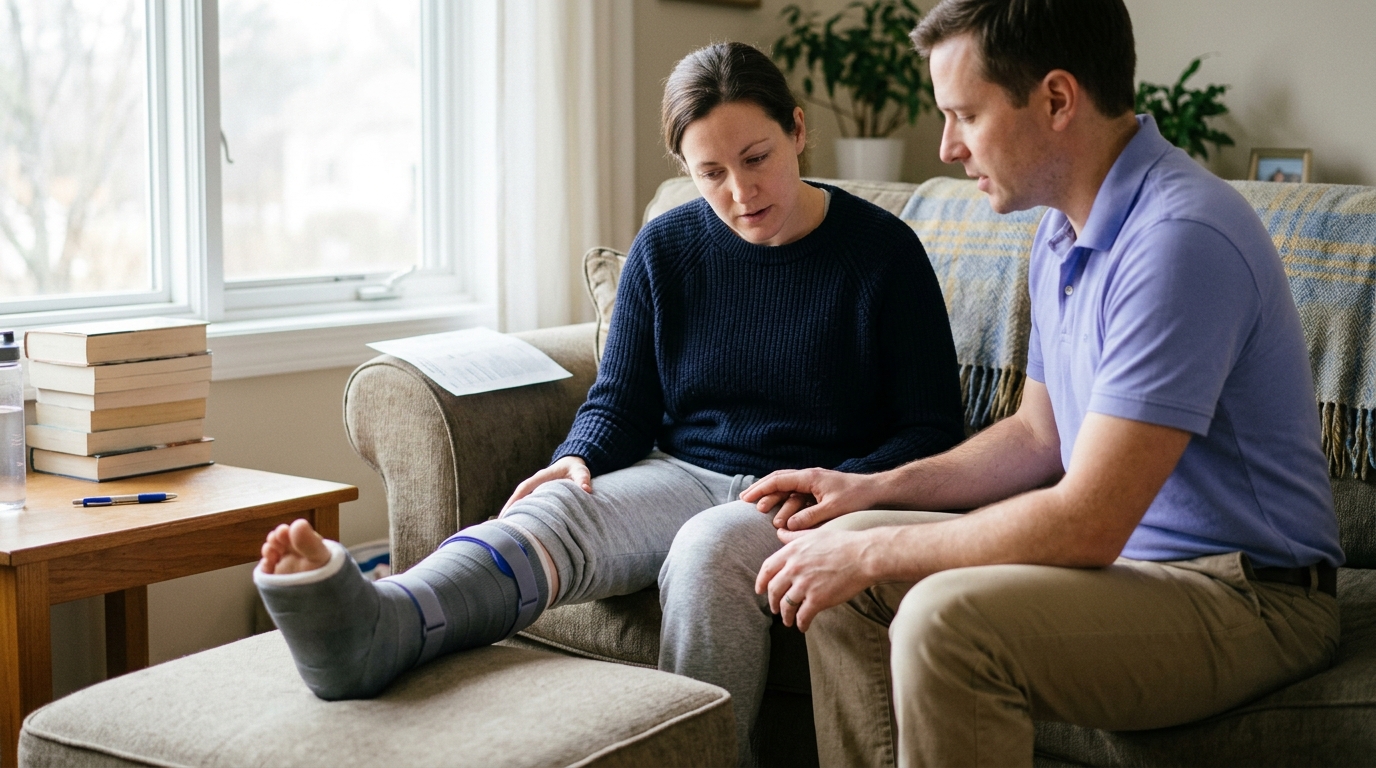
A person recovering from an ankle or lower-leg fracture has been placed in a limited weight-bearing category by their orthopedic consultant. They want to maintain leg strength but cannot place full body weight through their foot.
Rehabilitation approach:
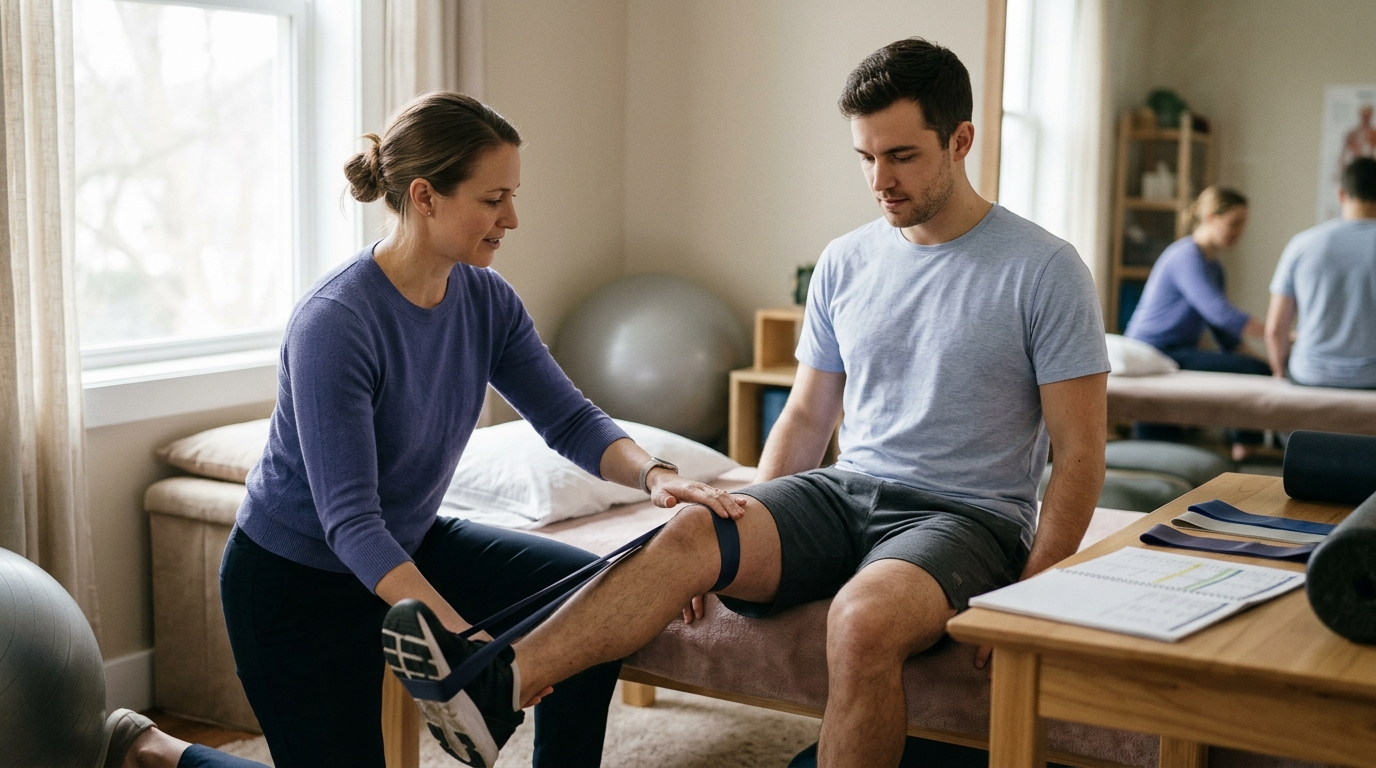
The initial exercise focus centers on non-weight-bearing and seated muscle activation. The individual performs seated heel raises, seated knee extensions, and straight-leg raises while wearing any prescribed protective boot. Balance work is restricted to the uninjured leg while holding onto a stable surface.
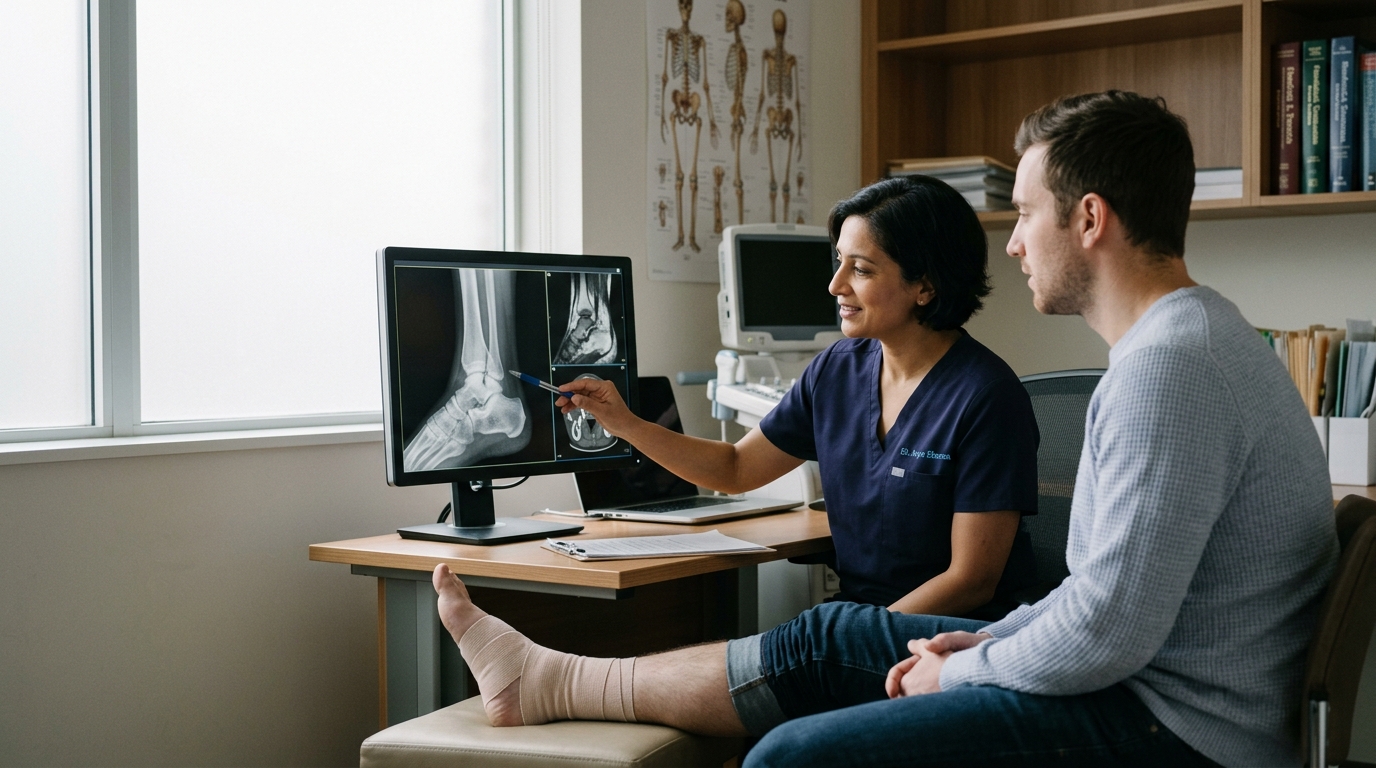
Progression occurs within the authorized weight-bearing category. The person does not increase weight on the limb until the orthopedic consultant confirms bone union on X-rays and officially advances their weight-bearing status. Once cleared for full weight-bearing, progression shifts toward gradual double-leg standing balance, sit-to-stand exercises, and eventually single-leg balance tasks.
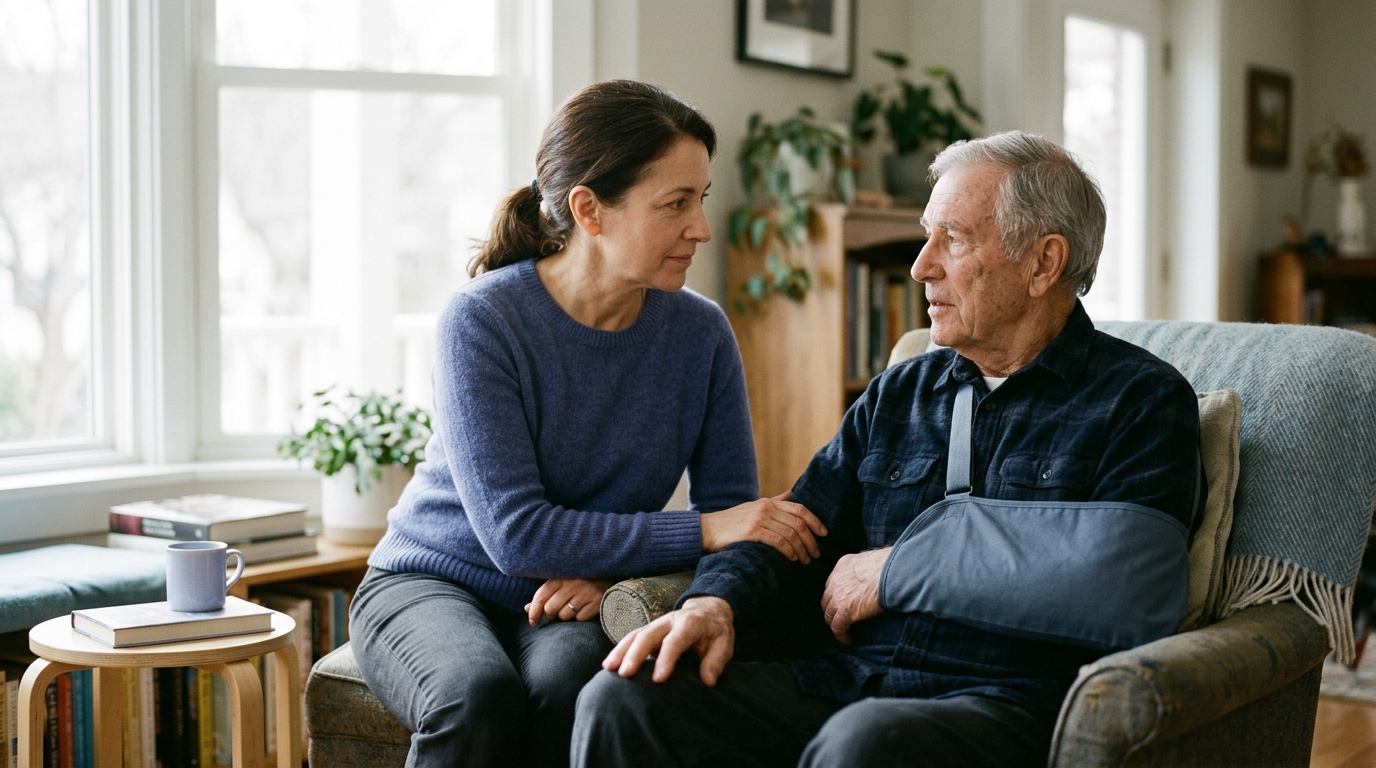
A person has undergone surgical repair of a humerus fracture using internal plates and screws. Clinical guidance specifies that heavy lifting and aggressive resistance must be avoided for at least three months to allow the bone to heal securely.
Rehabilitation approach:
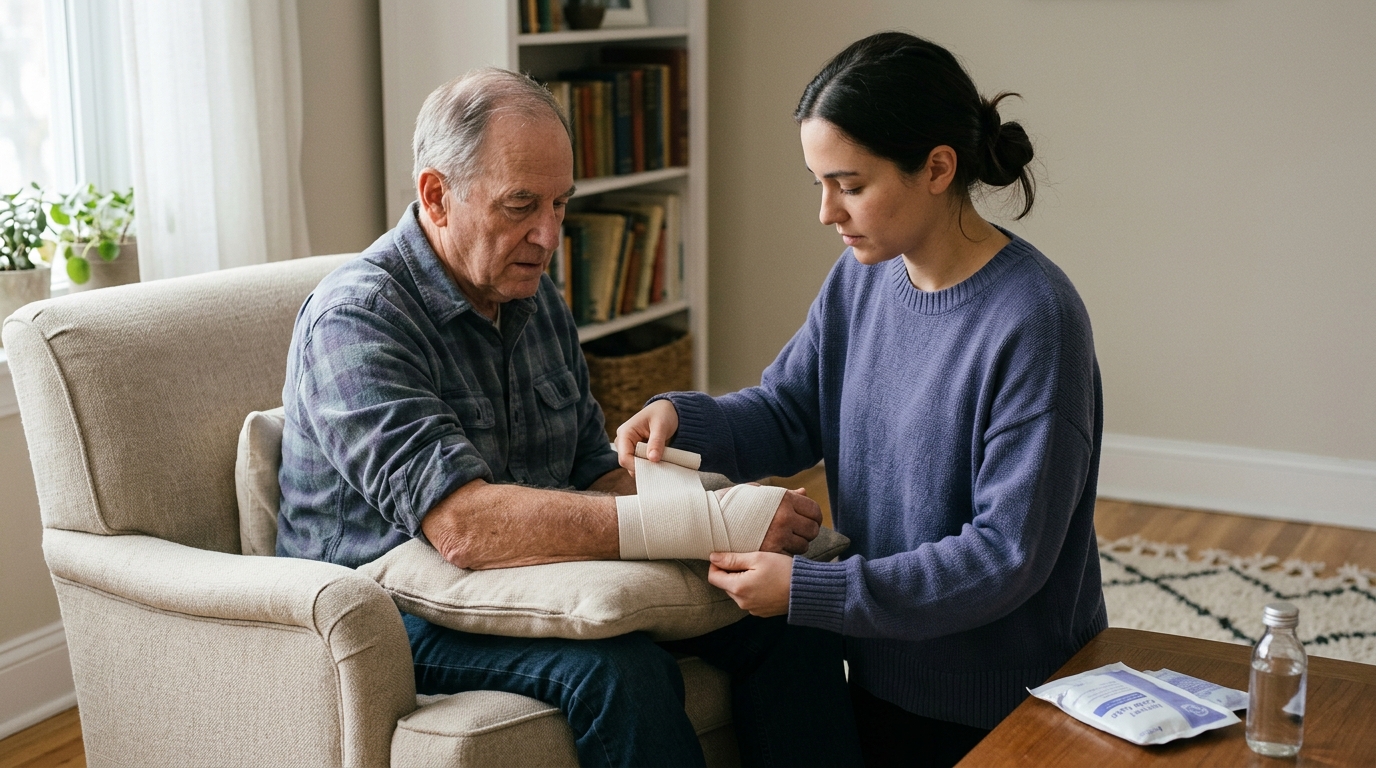
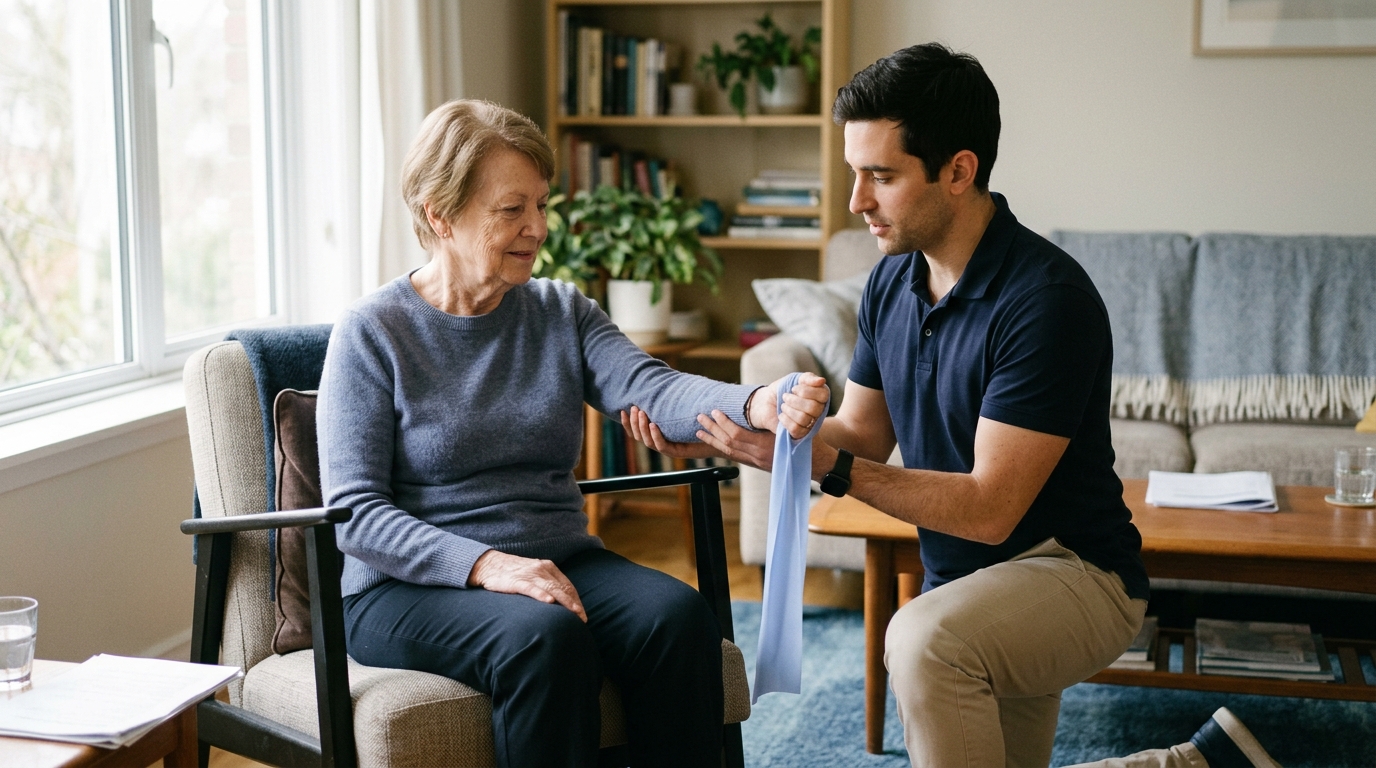
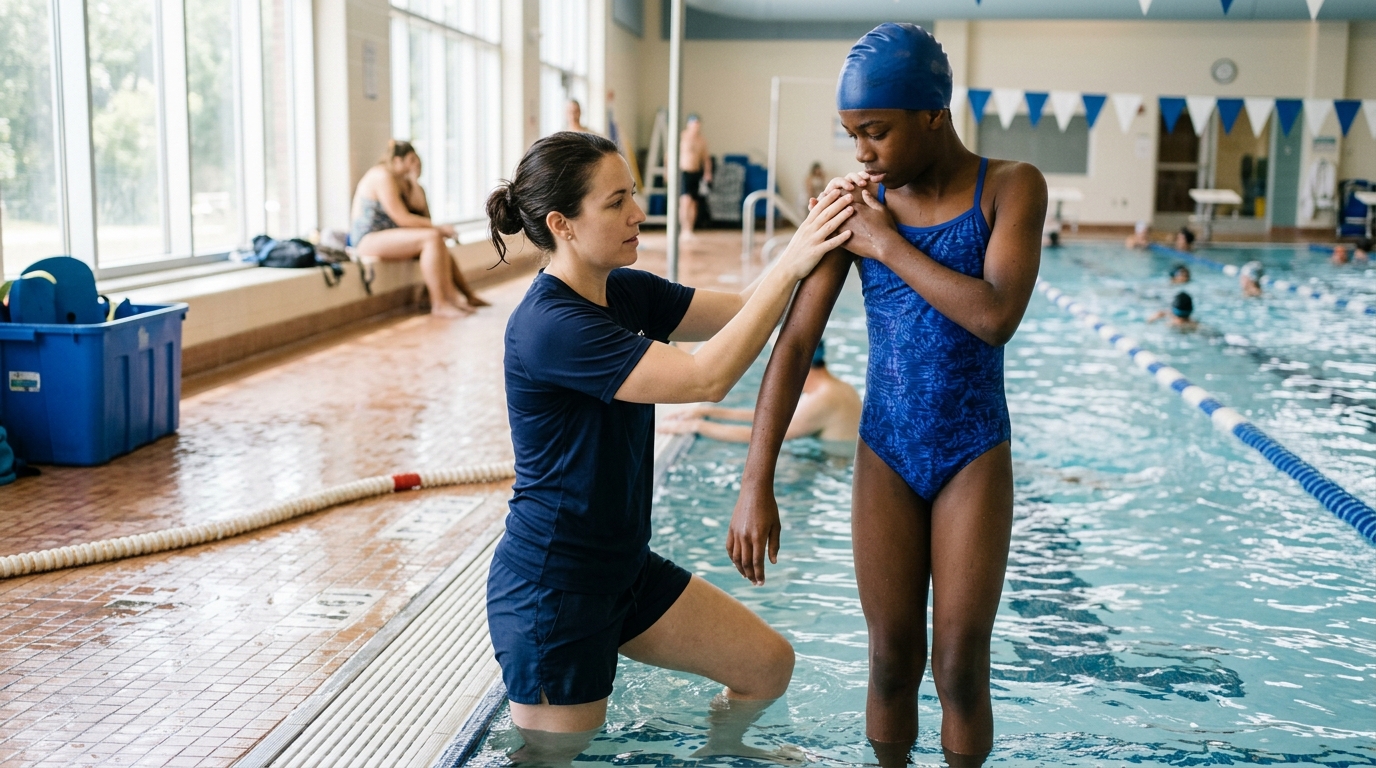
Early sessions begin with gentle, active-assisted range-of-motion movements for the shoulder and elbow, using pain as a guide. The individual performs small sets of light repetitions, such as table slides and pendulum exercises, ensuring movements remain below a moderate ache threshold.
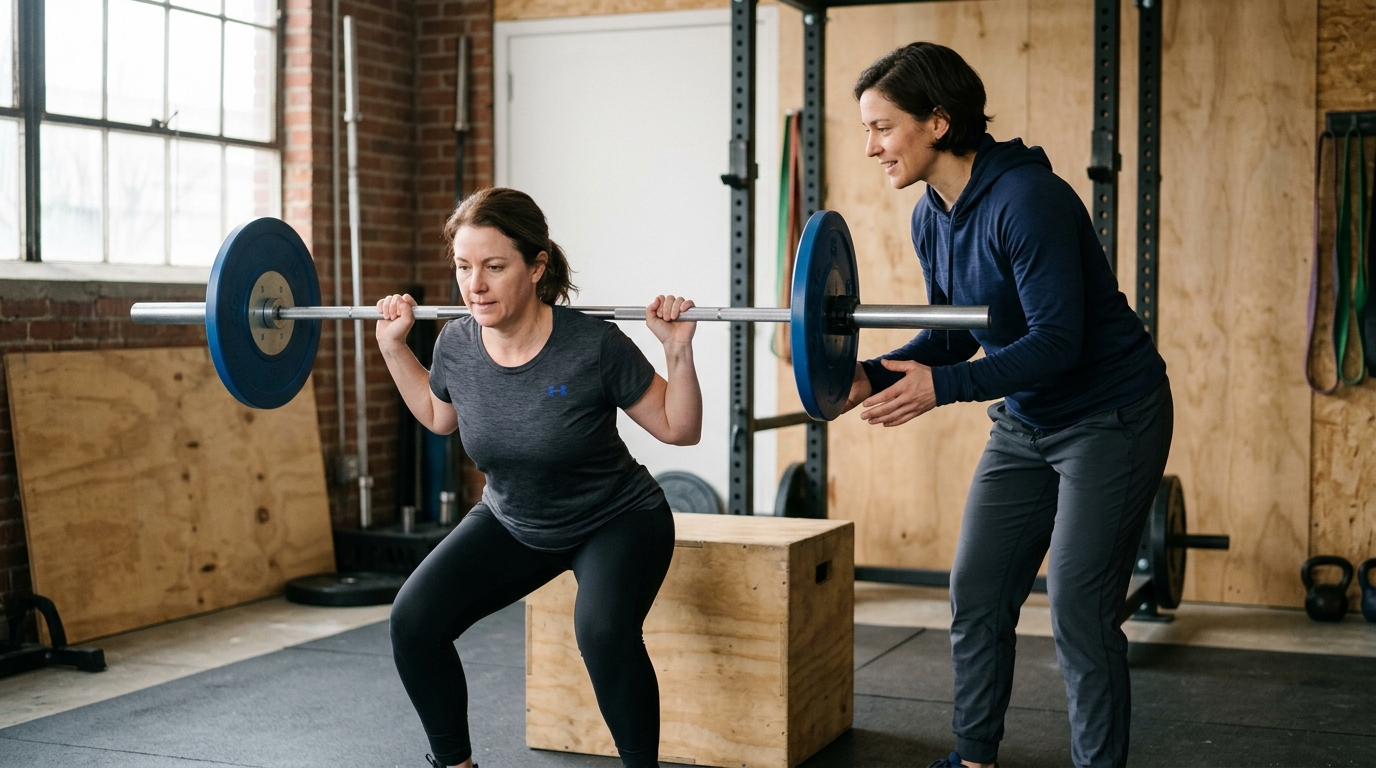
Progression over the first eight to twelve weeks focuses on regaining full movement quality, postural control, and light daily function, such as using a fork or typing. Resistance bands and light weights are introduced only after the three-month mark, following clinical review and confirmation of solid bone healing.
An adult recovering from hip or femoral fixation surgery is advised to avoid high-impact activities, running, and heavy loading for approximately three months.
Rehabilitation approach:
The individual begins with low-load, closed-kinetic-chain exercises within their approved weight-bearing status. Exercises include supported bridges, seated leg presses with low resistance, and gentle stationary cycling with minimal resistance to encourage joint lubrication.
The person monitors pain closely, ensuring any post-exercise ache settles within an hour. They increase walking duration on level surfaces before attempting stairs or uneven ground. High-impact movements and heavy loaded squats are delayed until clinical imaging confirms complete tissue consolidation. For more information on returning to structured exercise following operations, explore our surgical recovery and rehabilitation resources.
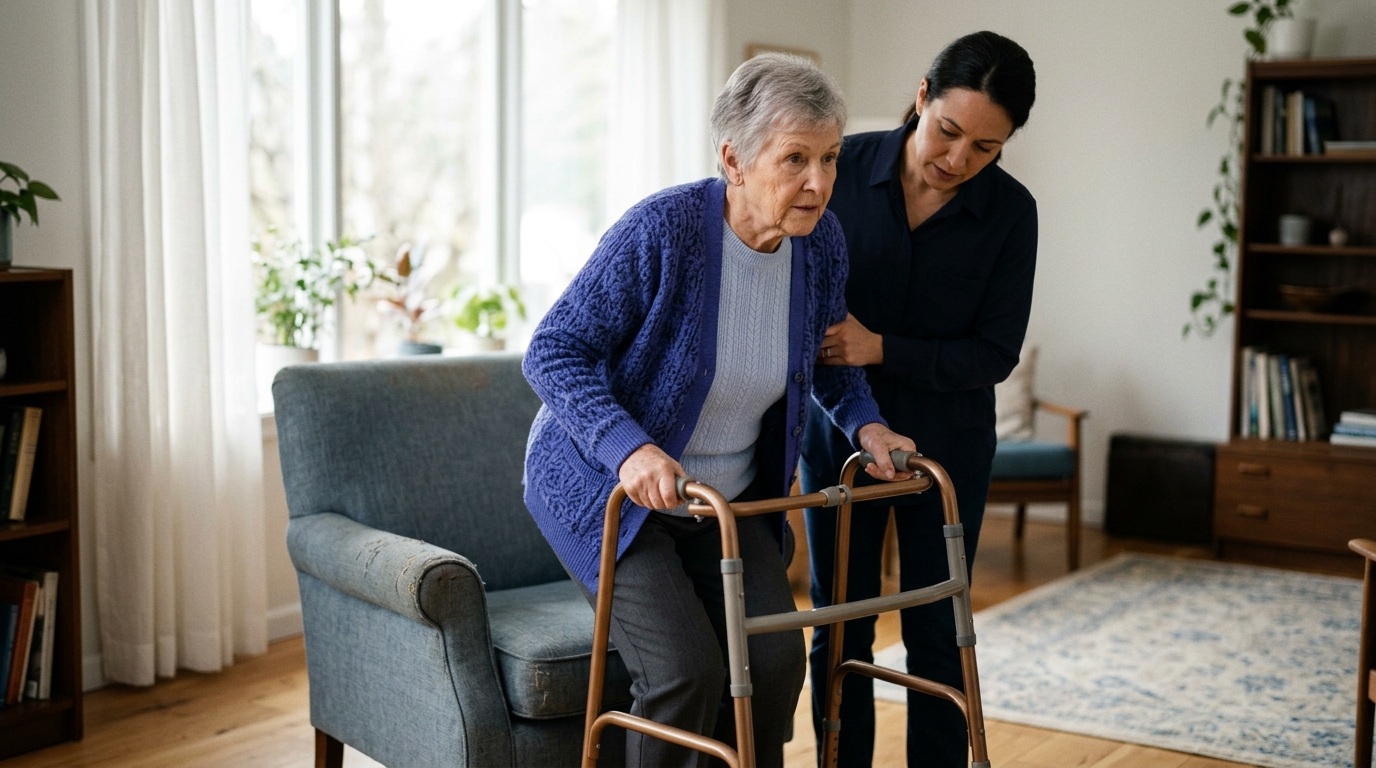
An older adult who experienced a period of bed rest due to illness notices unsteadiness when walking and difficulty rising from armchairs. They have no acute bone fractures but have significant muscle weakness.
Rehabilitation approach:
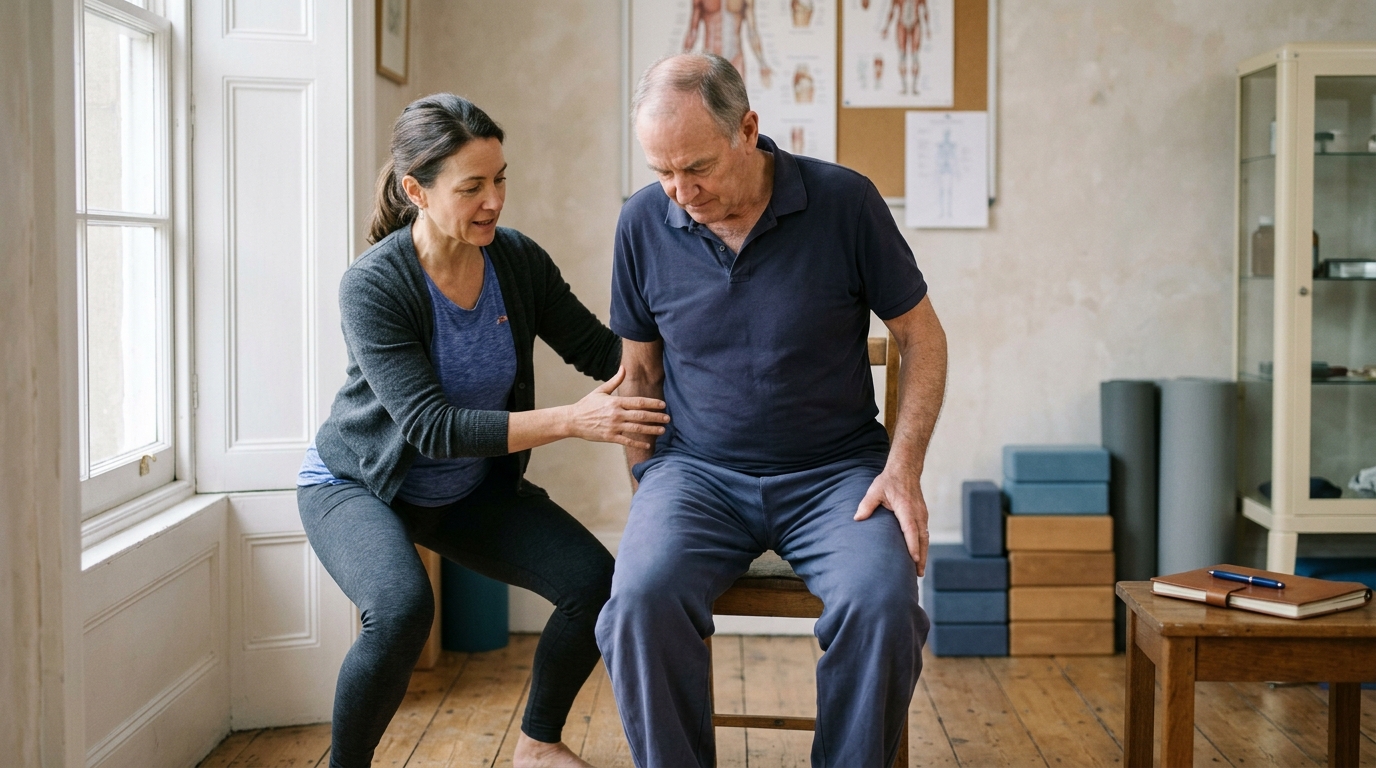
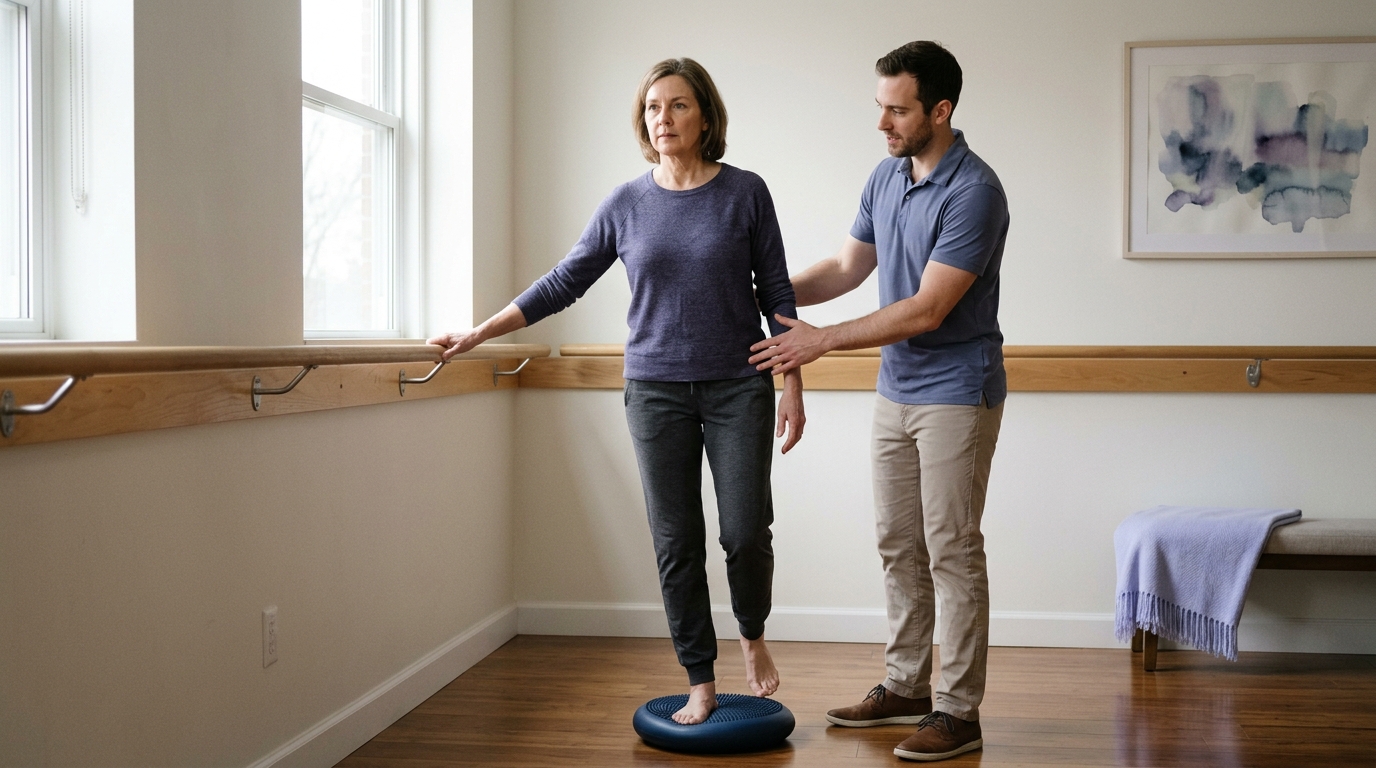
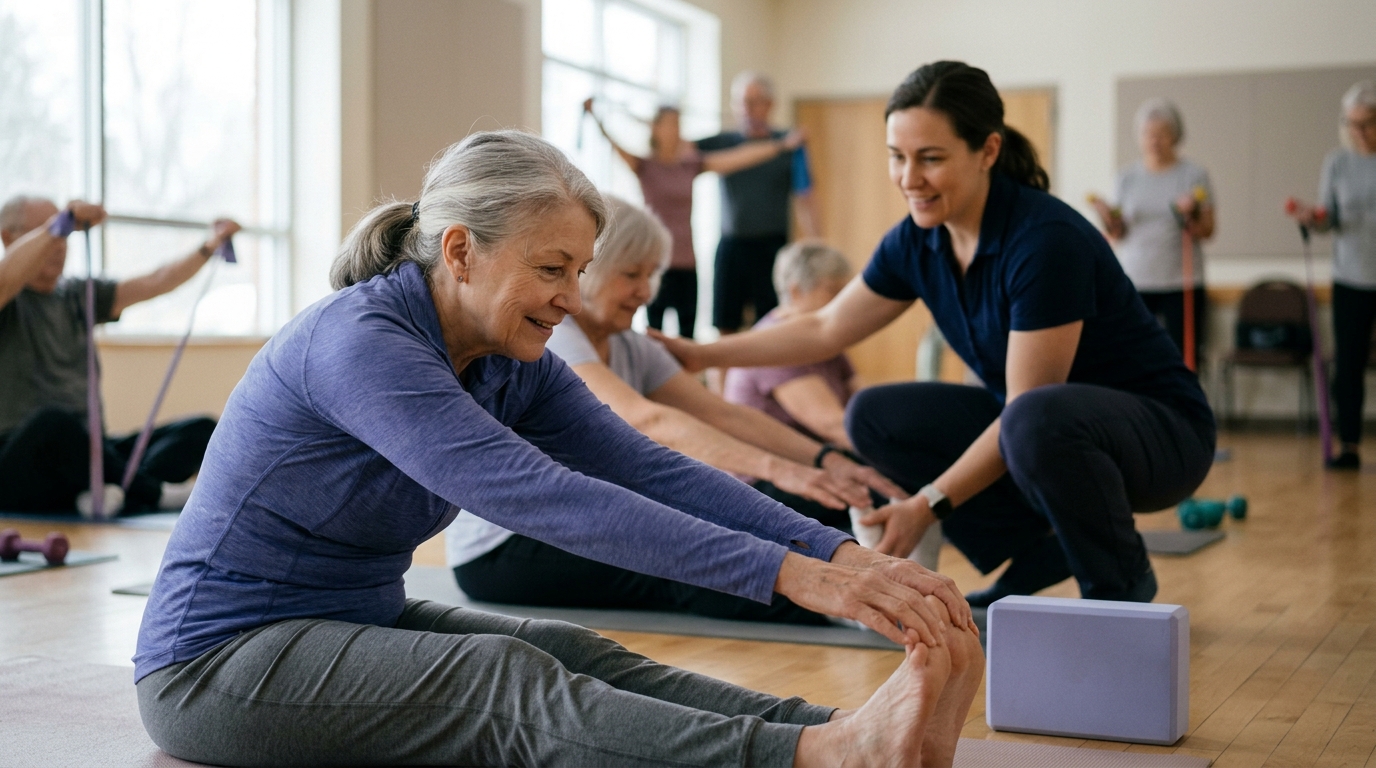
Following NICE and WHO guidelines, the individual participates in a multicomponent exercise programme three days per week. The routine combines progressive lower-body strength exercises, such as chair rises and calf raises, with dynamic balance drills, including tandem standing and slow line walking along a hallway wall.
Progression is achieved by reducing hand support on the wall, increasing the number of chair rises completed in thirty seconds, and introducing gentle head turns during walking drills. The programme is reviewed every few weeks by a trained professional to adjust the complexity and ensure ongoing safety.
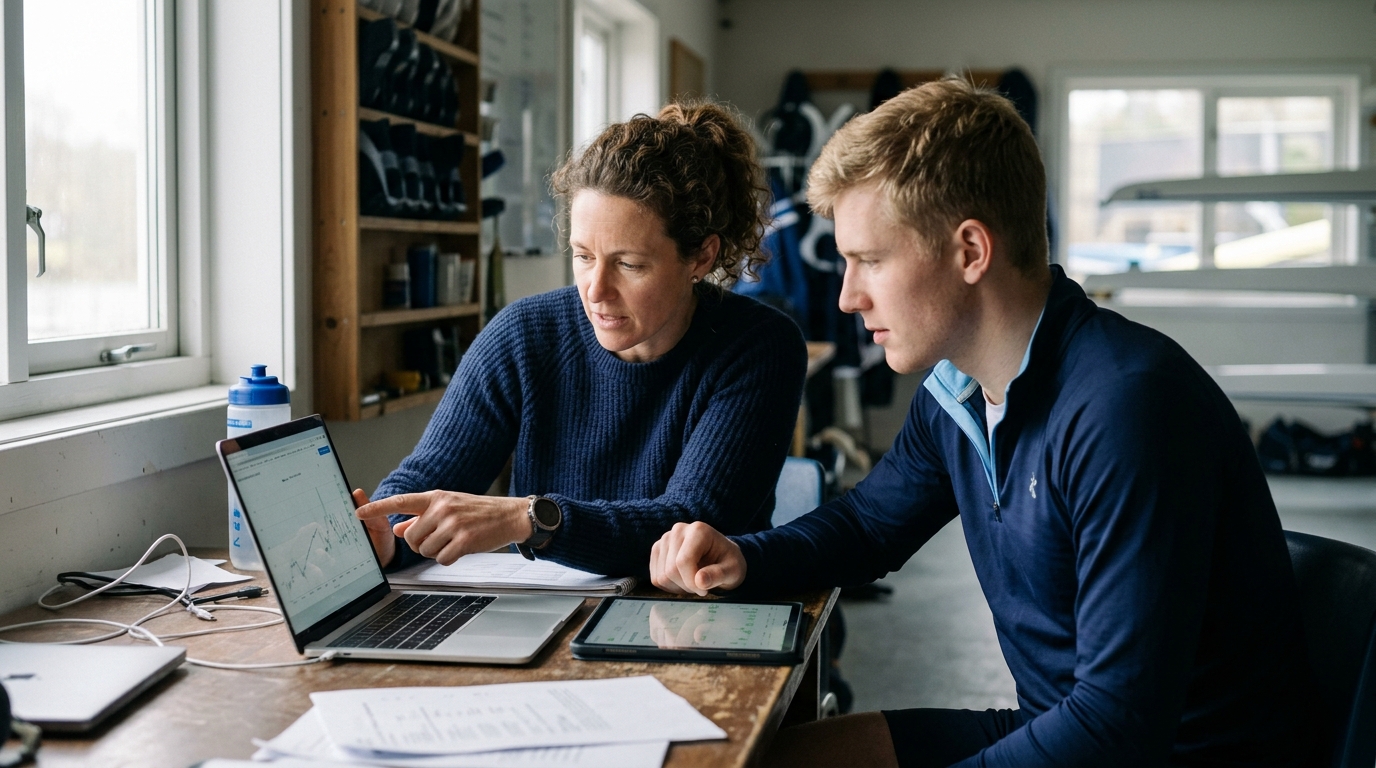
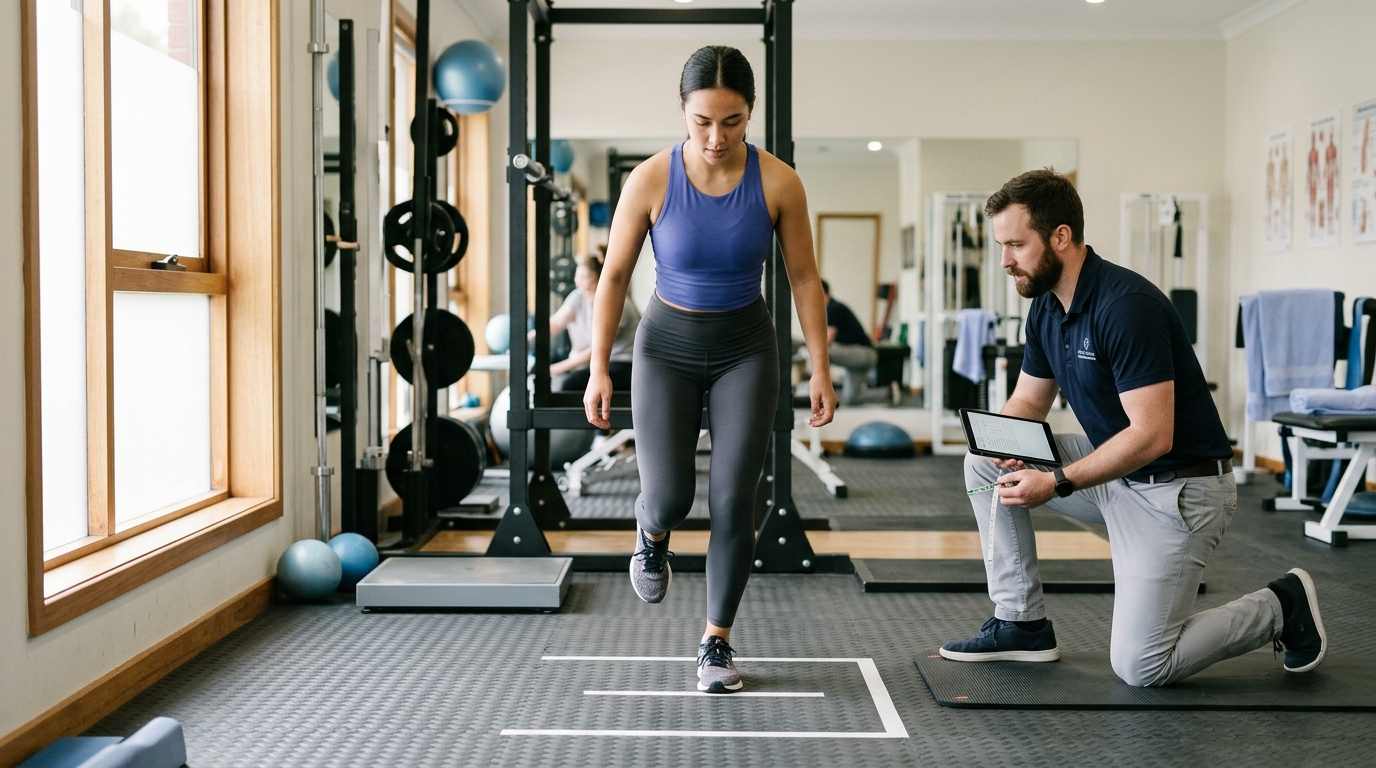
When rebuilding your body, relying solely on how much weight you lift can be misleading. A comprehensive view of recovery tracks both physical capacity and practical, real-world function.
To evaluate your progress over time, ask yourself these practical questions every few weeks:
It is helpful to track both structural markers and functional milestones:
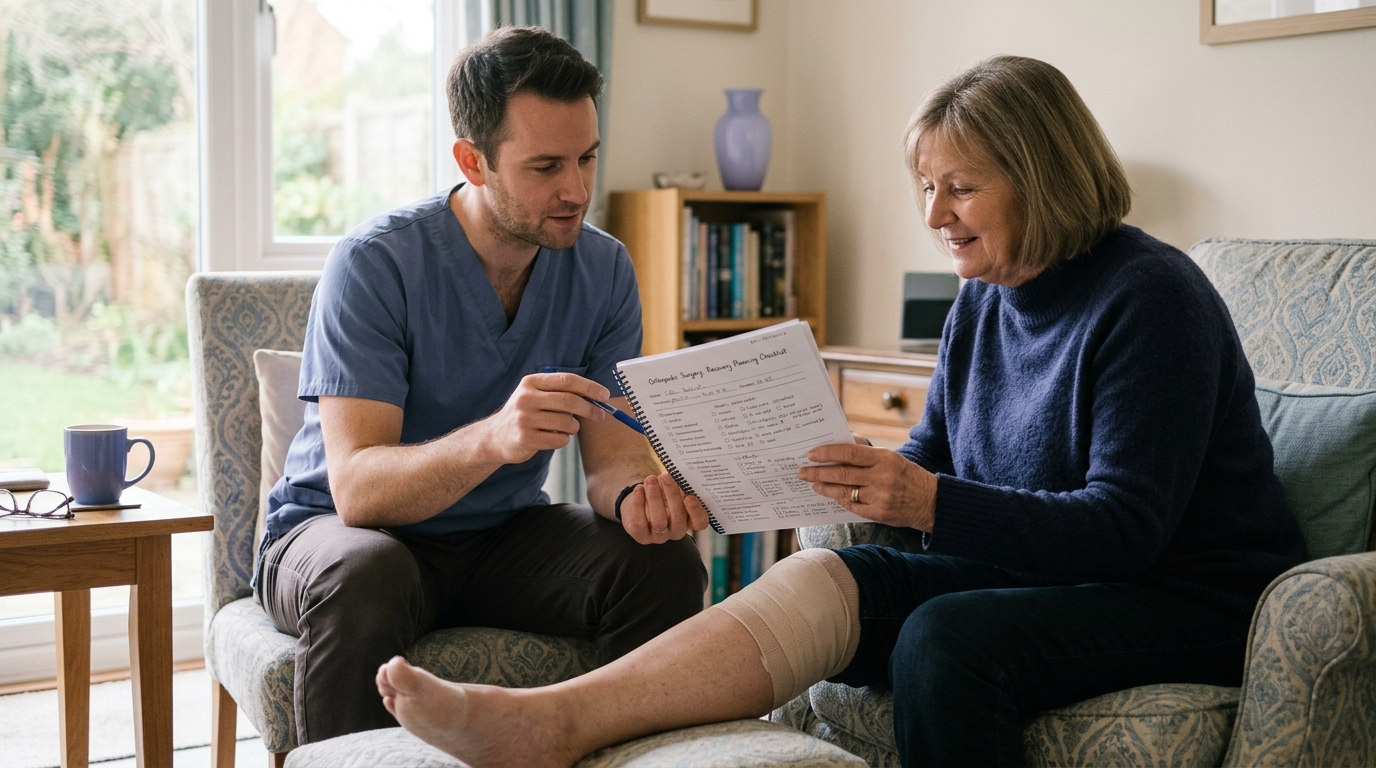
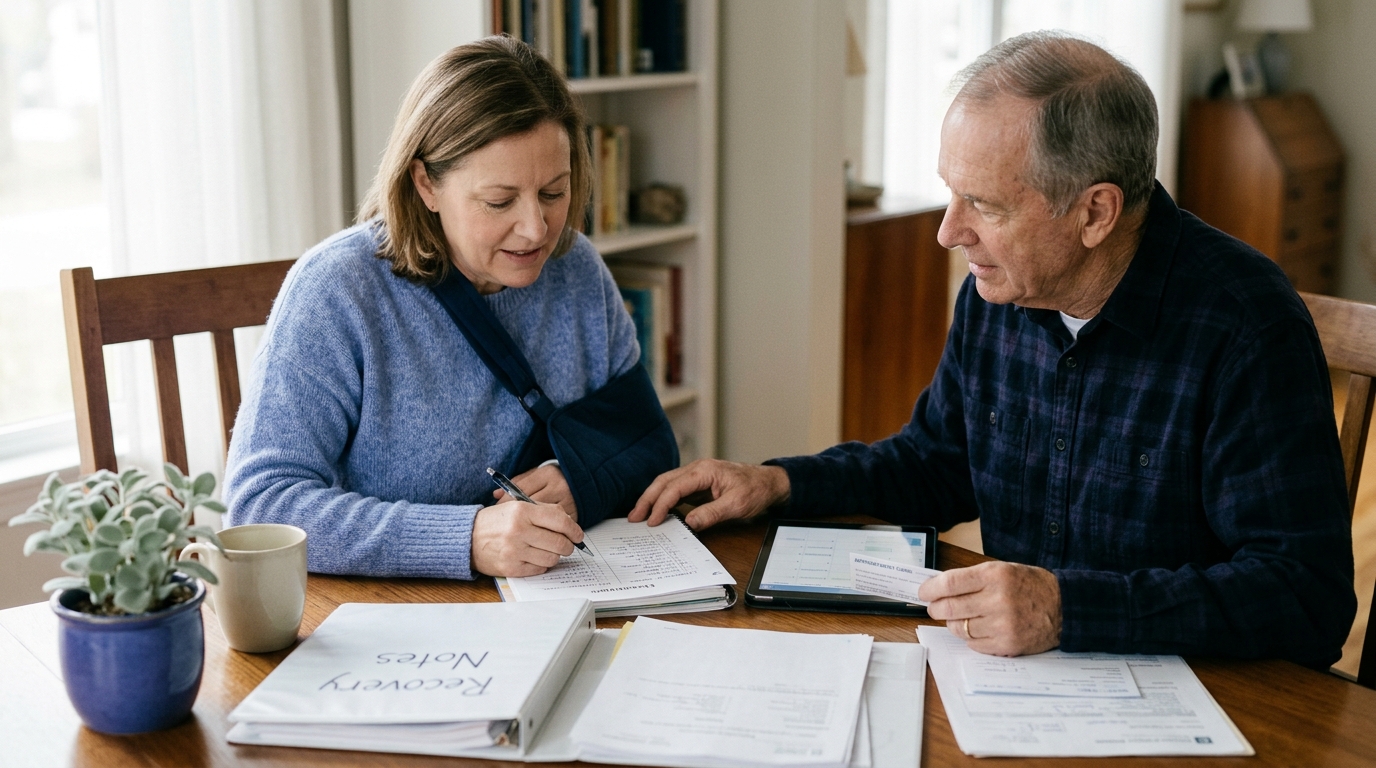
Documenting these milestones in a notebook provides objective evidence of your improvement, especially during weeks when progress feels slow.
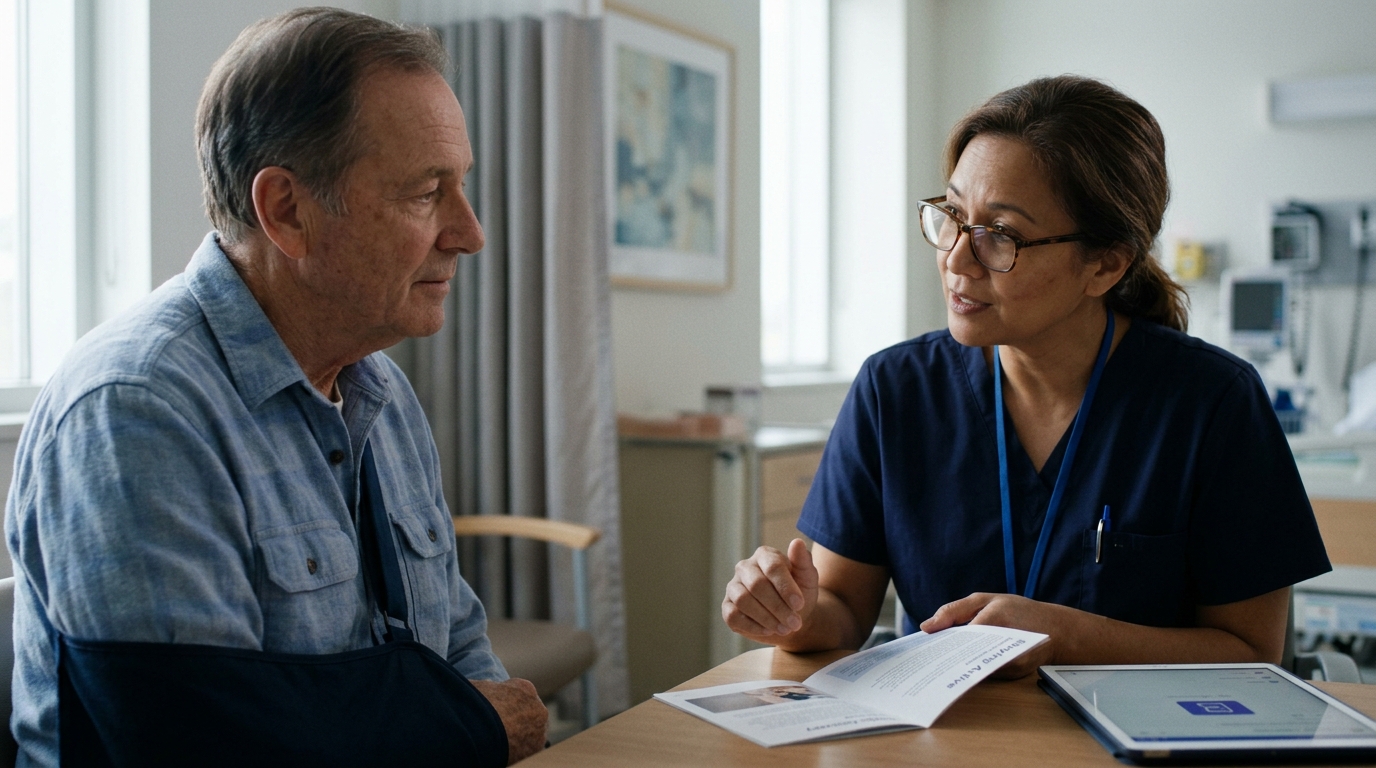
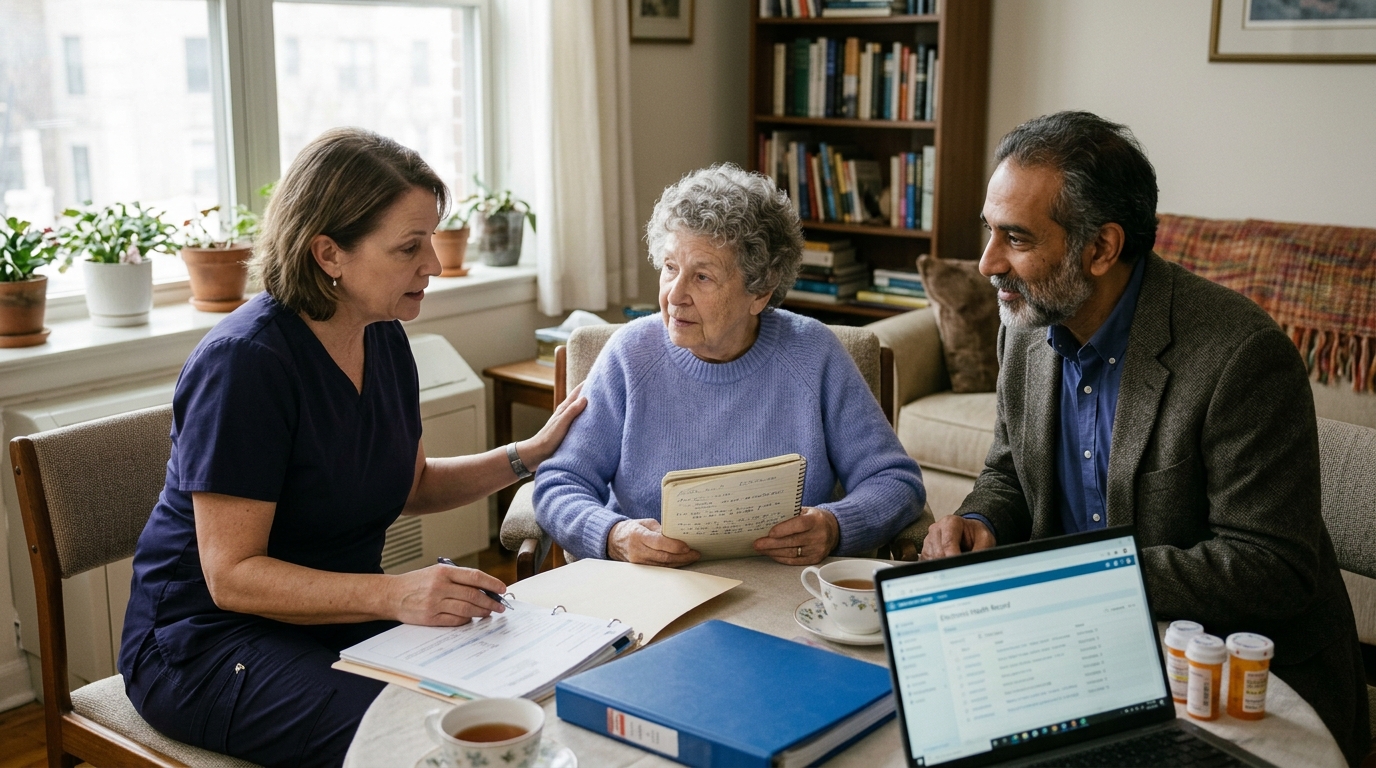
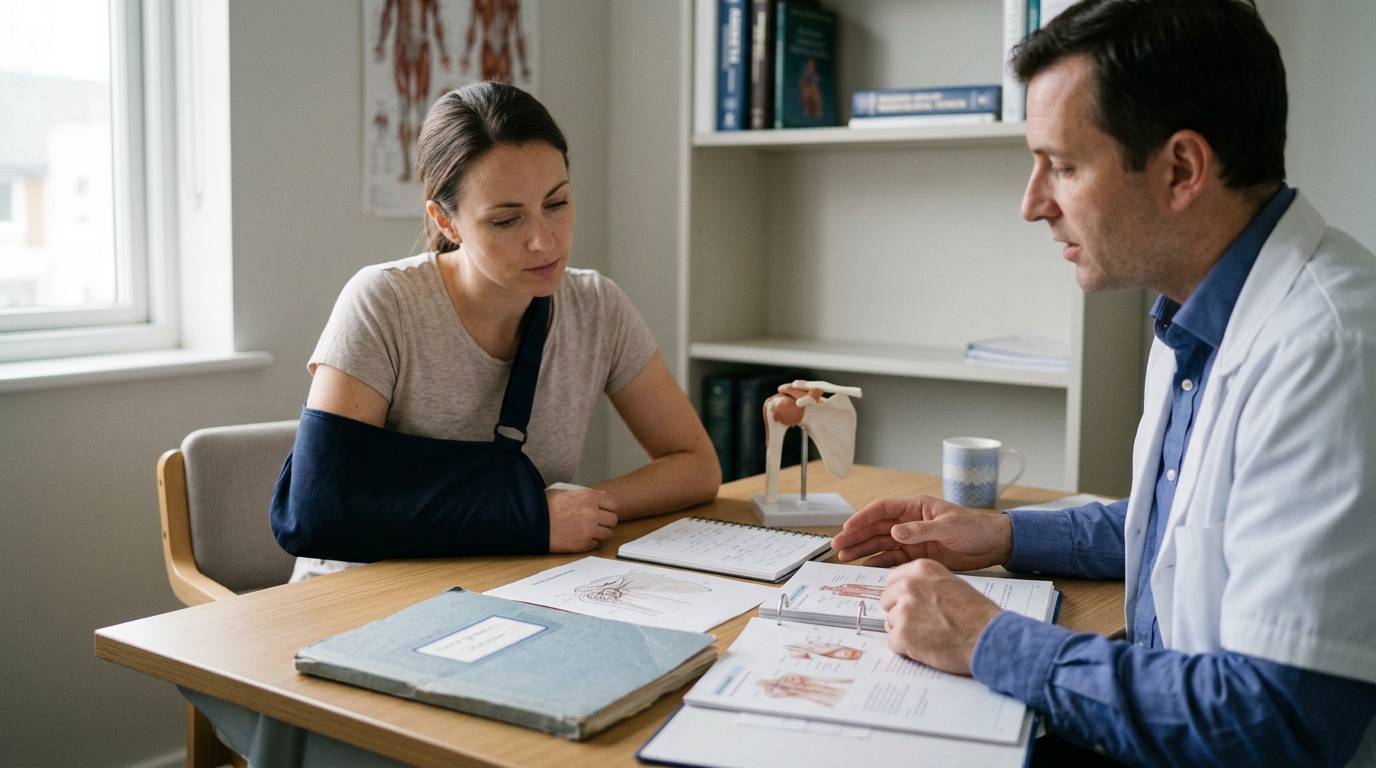
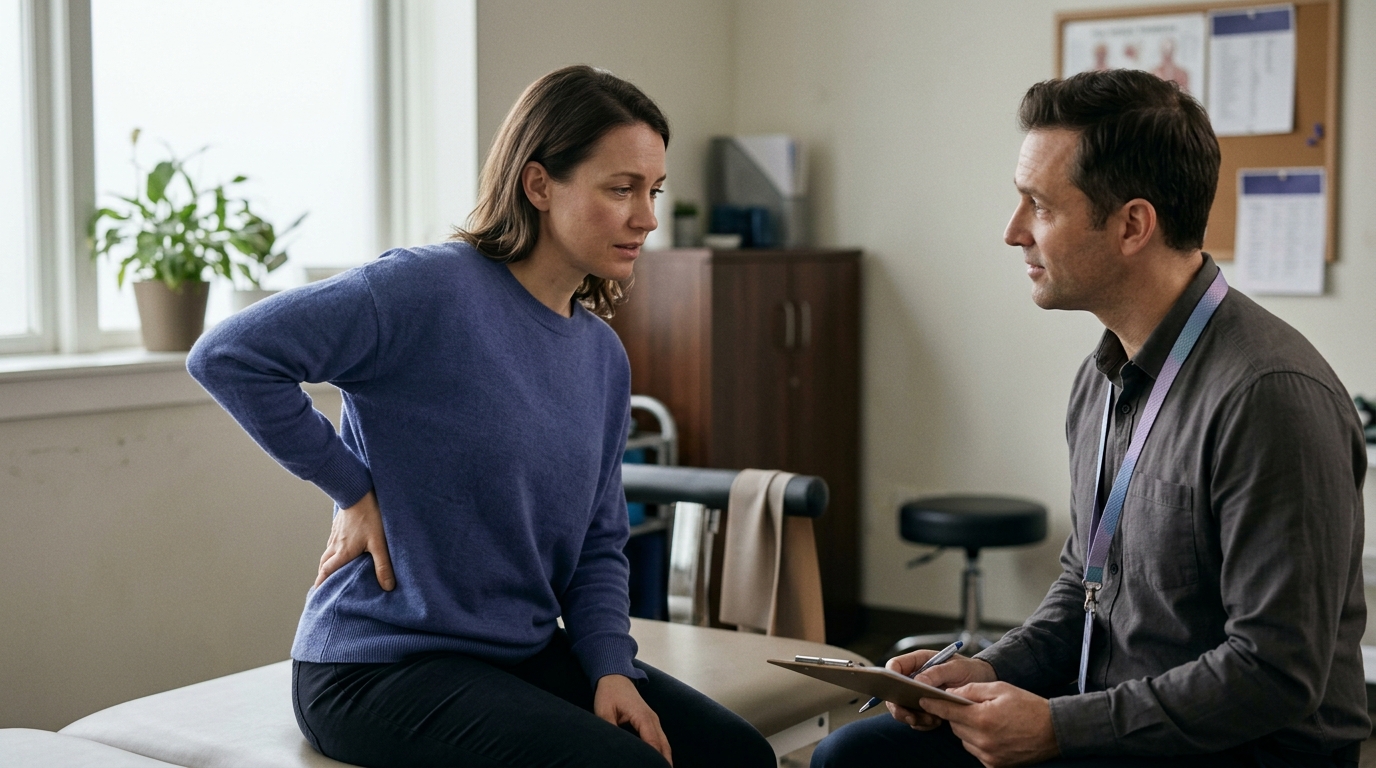
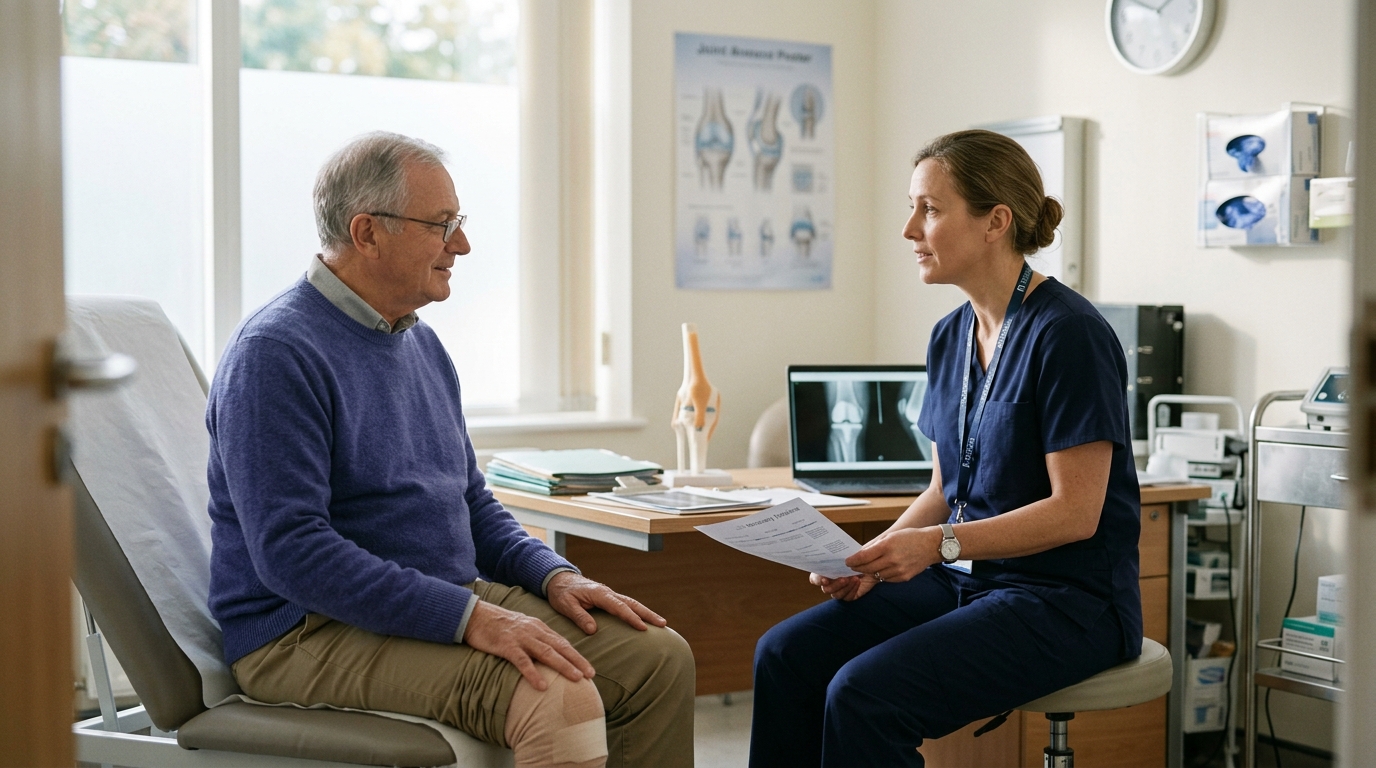
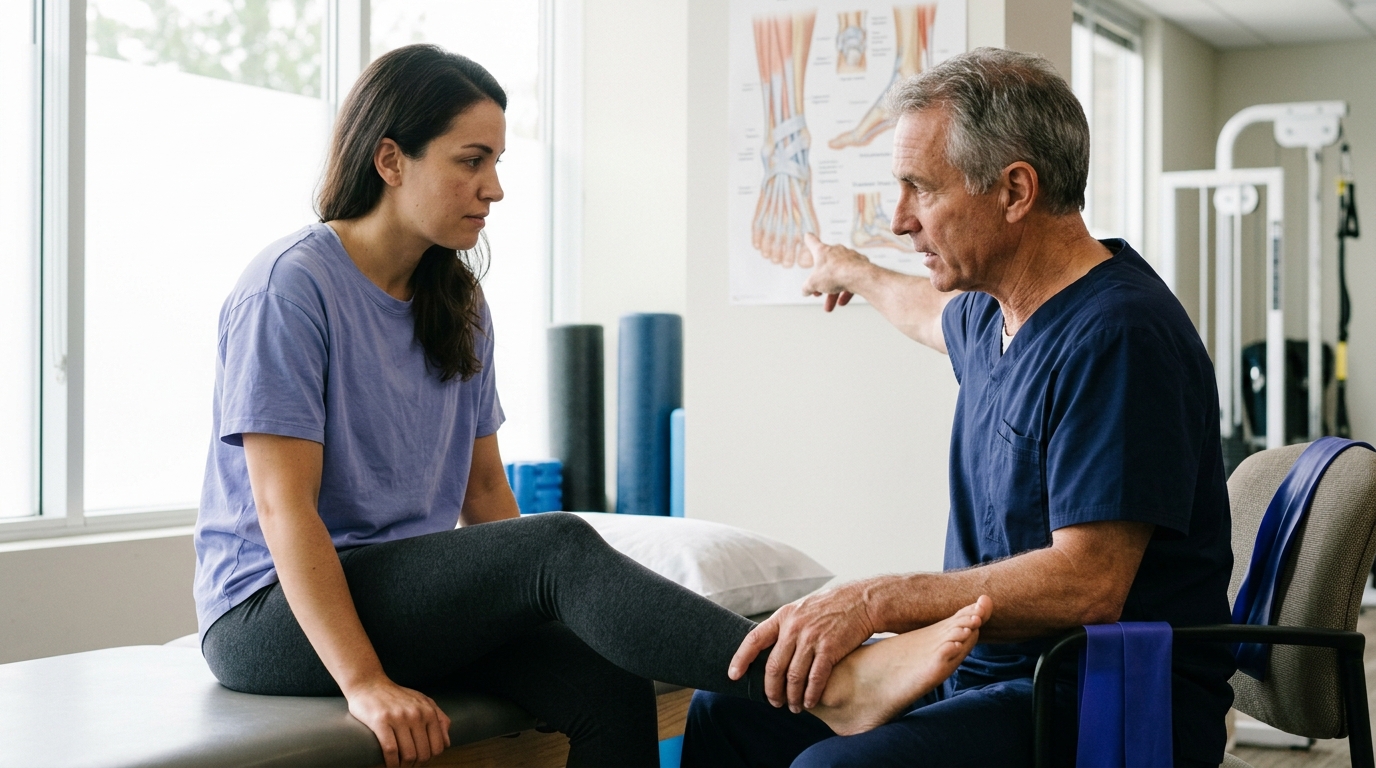
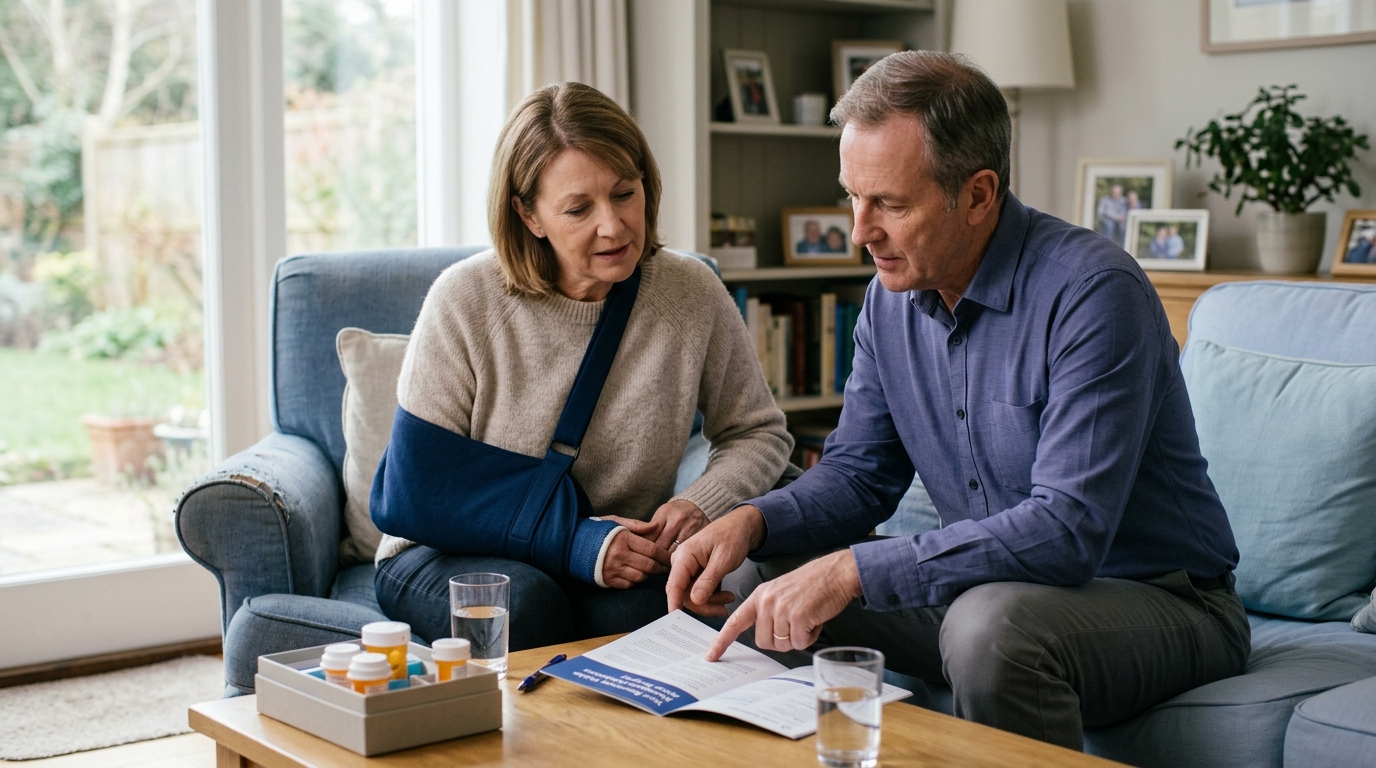
Open communication with your healthcare team ensures that your strength-rebuilding programme remains safe, effective, and aligned with your medical status. Consider bringing these questions to your next appointment with your doctor, orthopedic surgeon, or physical therapist:
Rebuilding physical strength after an injury, surgery, or prolonged physical setback is an intentional process of restoring usable capacity. True recovery is not measured by how quickly you can lift heavy weights, but by your ability to perform meaningful daily tasks safely, confidently, and without persistent pain.
By using a structured framework that combines task-specific exercises, progressive loading variables, and strict adherence to clinical restrictions, you give your body the environment it needs to heal and adapt. Respect your healing timelines, monitor your symptoms honestly, and progress your challenge gradually over time.
Revisit this guide whenever you transition between phases of your rehabilitation, such as moving from limited to full weight-bearing, when your clinician updates your exercise restrictions, or if you experience a temporary symptom flare-up that requires you to adjust your loading strategy.
Sustainable physical recovery requires patience, consistent effort, and respect for your body's natural healing timeline.

Use ReboundBody resources to understand common recovery stages, rehab terms, movement limits and strength rebuilding. Each guide is designed to make a complex comeback easier to understand.


Read practical guidance on injury recovery, rehabilitation, mobility and rebuilding strength as you work your way back to activity.
Explore Resources