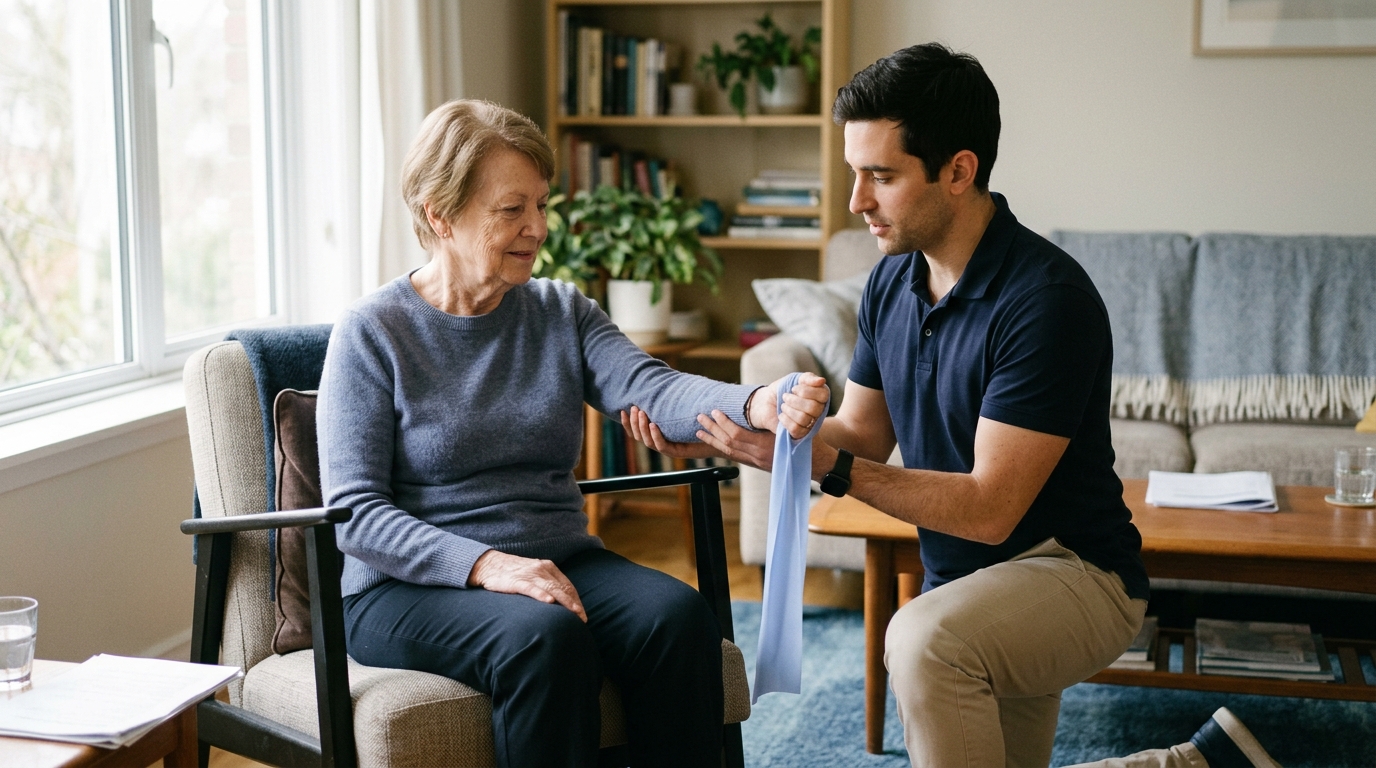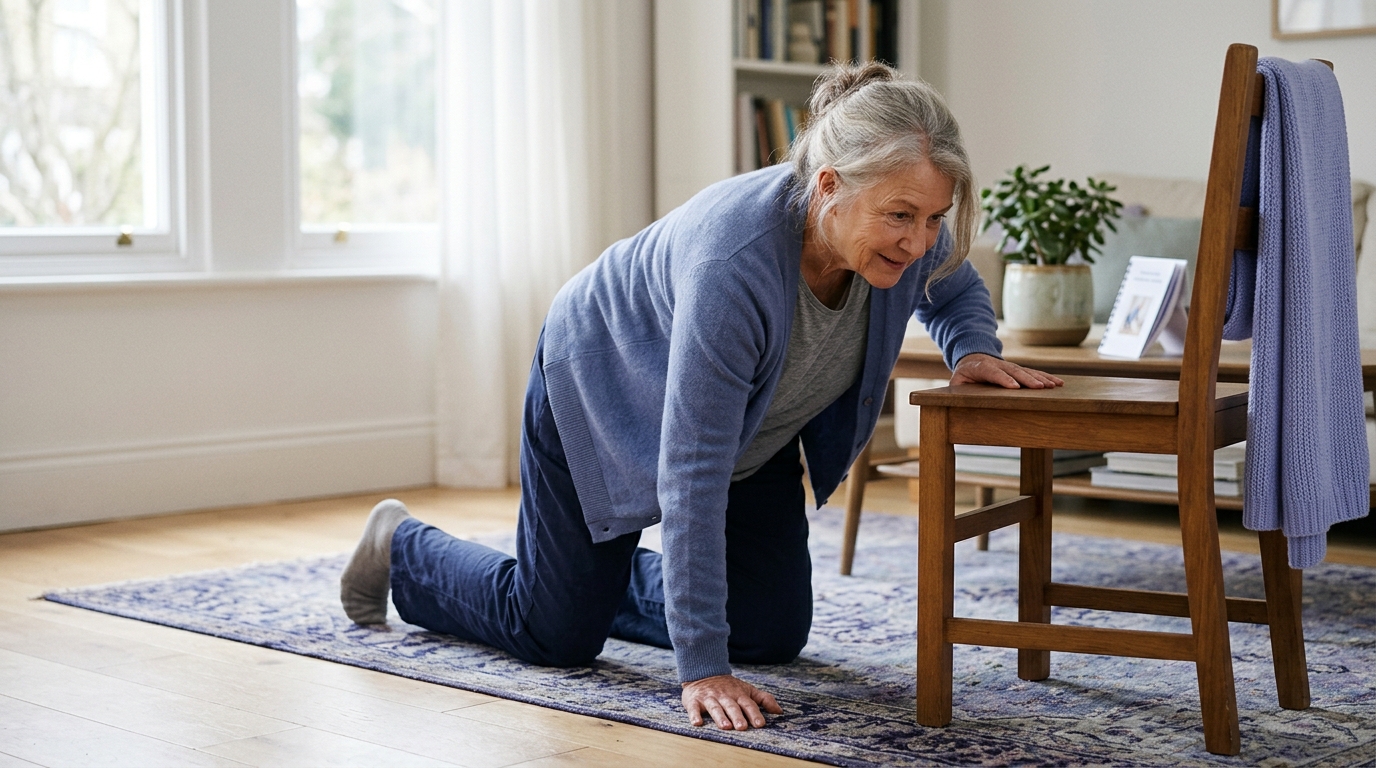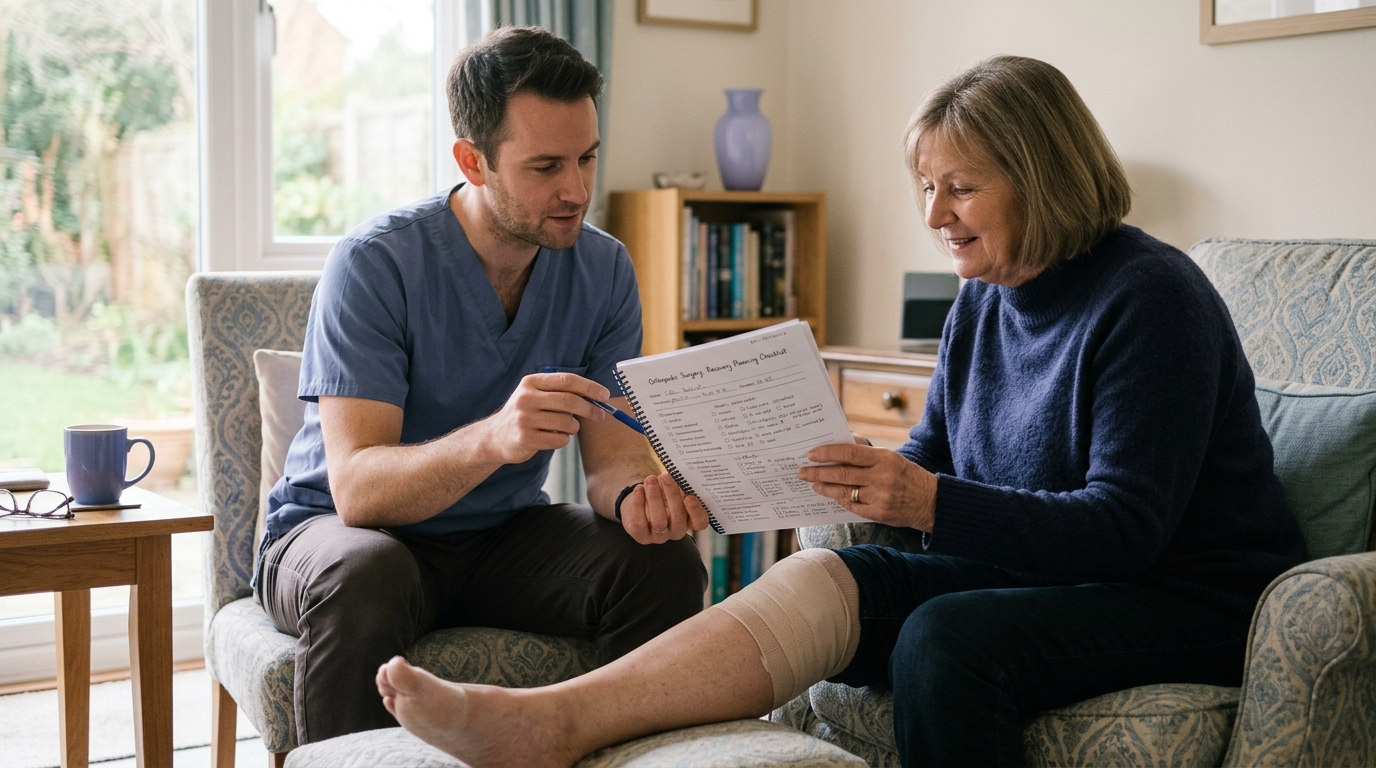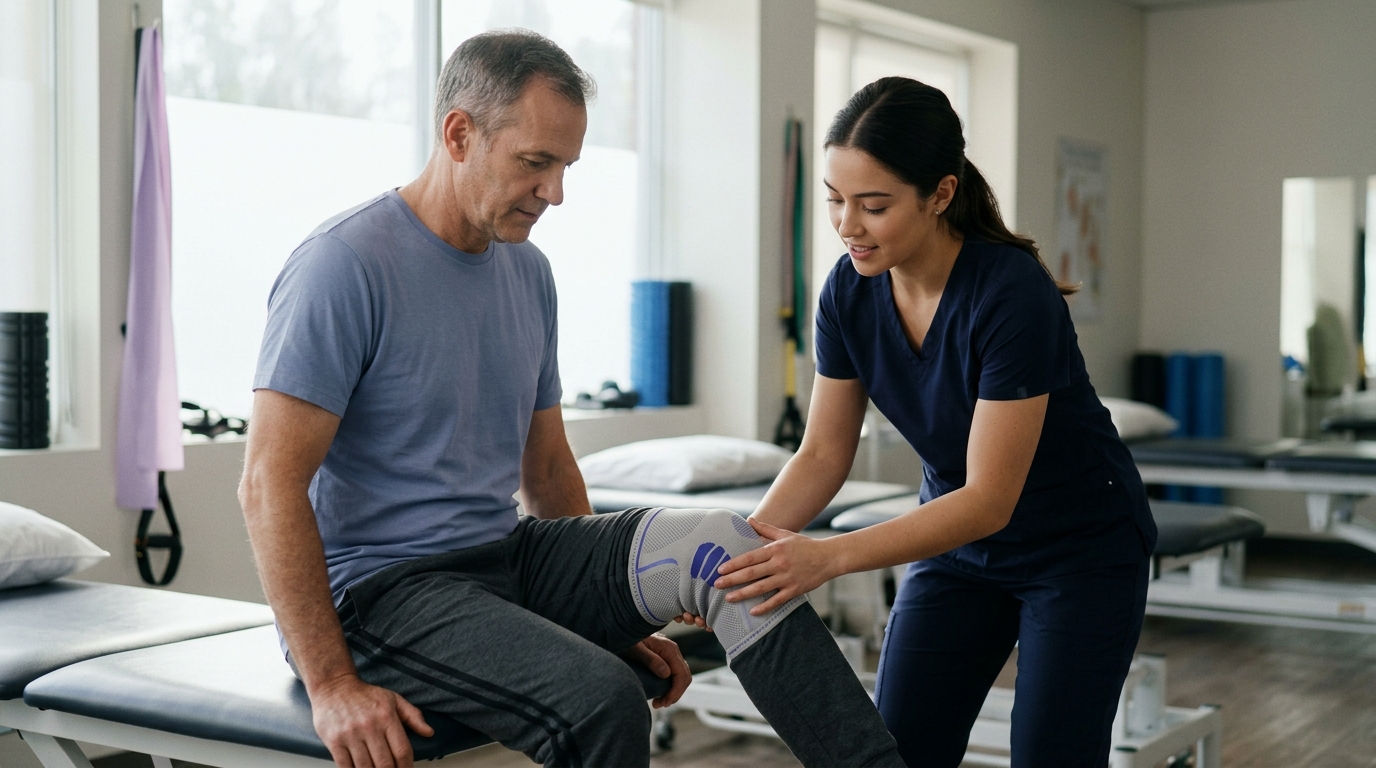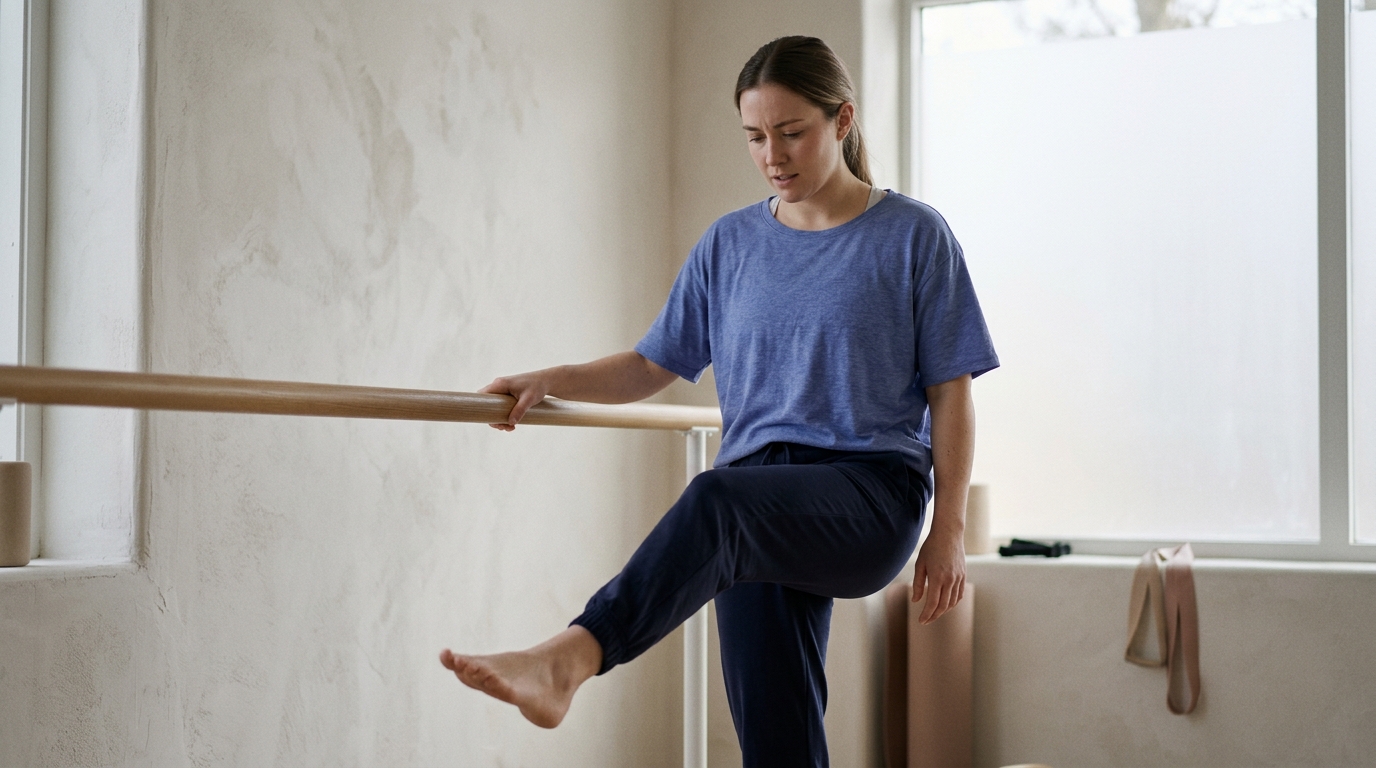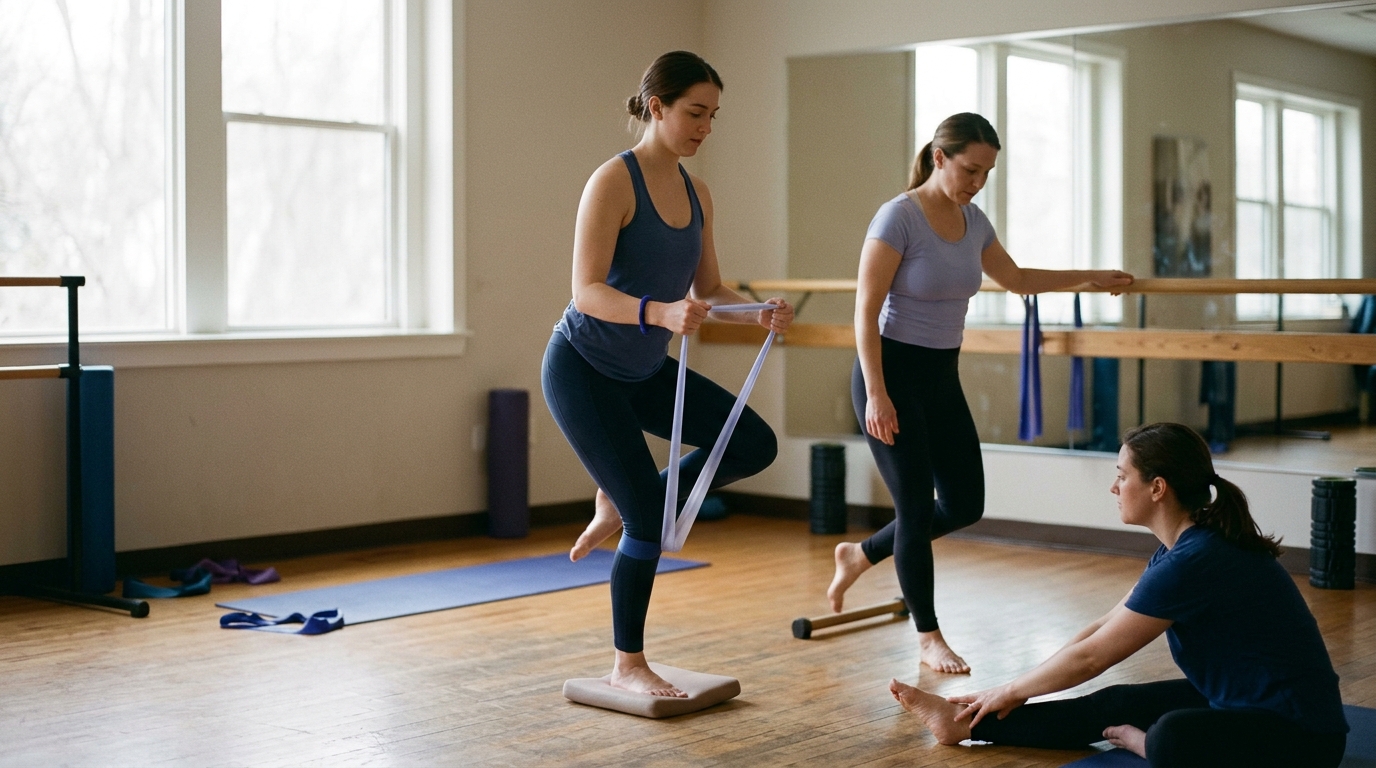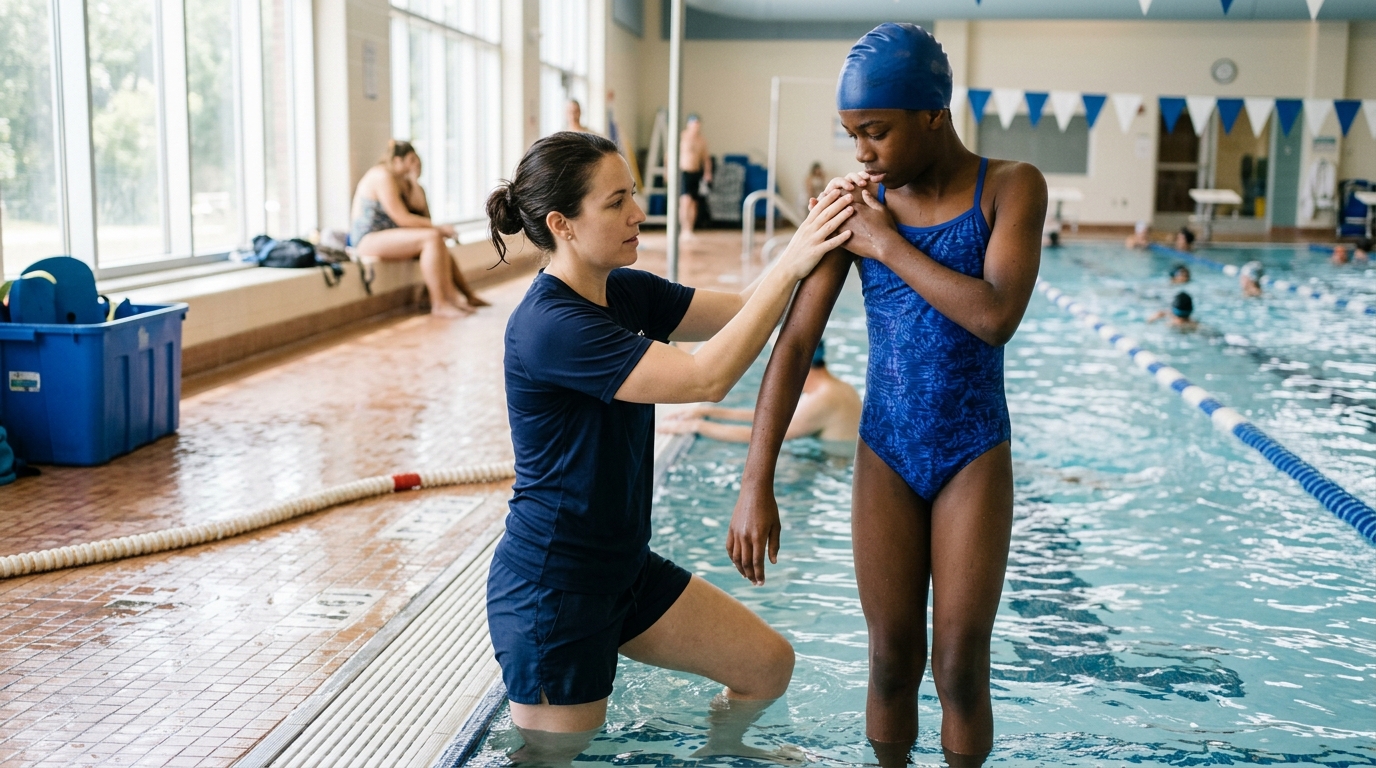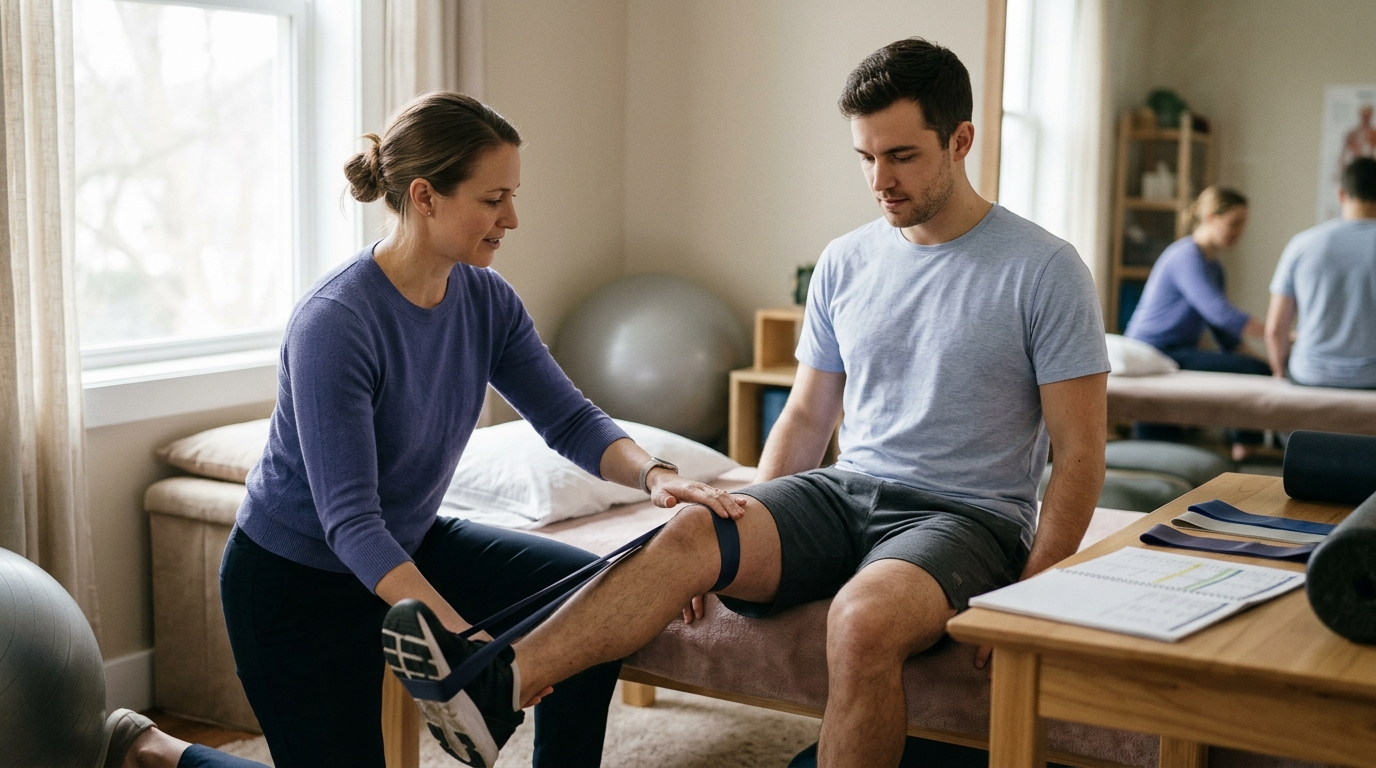

Deciding between gym classes, personal training, and home workouts becomes easier when you evaluate how each format aligns with your fitness goals and health needs.





You may have searched online for the best exercise routine, wondering whether you should sign up for group fitness, hire a personal trainer, or build a home workout plan. Choosing the wrong format often leads to wasted money, skipped workouts, or physical frustration. This guide provides a clear, research-backed framework to help you choose the right training option for your goals, schedule, and physical needs.
The direct answer is simple: there is no single best exercise format for every adult. Research shows that group classes, one-on-one coaching, home training, and community programs can all produce equivalent health and fitness gains. The right choice depends entirely on which option you can perform safely, access reliably, and sustain over months and years. Your decision should center on personal goals, the ability to adapt movements for your joints, and the level of instruction you need.
Finding the right fit requires looking closely at how programs are run and how instructors manage modifications. This guide examines what the scientific evidence says about program success, compares the four primary exercise formats, outlines essential questions to ask instructors, and walks through a practical step-by-step selection process.
Before comparing specific formats, it helps to understand what a balanced exercise plan requires. Public health authorities outline three primary components of physical activity for adults.
First, adults need aerobic activity to support cardiovascular health. World Health Organization and federal guidelines recommend 150 to 300 minutes of moderate-intensity aerobic activity per week, or 75 to 150 minutes of vigorous-intensity activity. You can also use an equivalent combination of both intensities. Aerobic work includes brisk walking, cycling, swimming, rowing, or dance fitness classes.
Second, adults need muscle-strengthening activities on at least two days per week. These sessions must involve all major muscle groups, including the legs, hips, back, chest, abdomen, shoulders, and arms. Strength training preserves muscle mass, protects bone density, and supports joint function as you age.
Third, older adults need balance and multicomponent training. Guidance from the Centers for Disease Control and Prevention emphasizes that older adults should combine aerobic work, strength training, and balance challenges. Multicomponent activity improves physical function and directly reduces the risk of falls and fall-related injuries.
You do not have to achieve these targets in long, grueling sessions. Current guidelines confirm that physical activity of any duration counts toward your weekly total. Even a five-minute walk or a brief set of bodyweight squats contributes to your health. Replacing sedentary time with movement of any intensity provides measurable health benefits.
Intensity is always relative to your current fitness level rather than a label on a class schedule. A reliable way to gauge effort is the talk test. During moderate-intensity exercise, you can talk comfortably in short sentences, but you cannot sing. During vigorous-intensity exercise, you can say only a few words before pausing for a breath.
Exercise programs generally fall into four delivery models. Each model offers distinct benefits and trade-offs.
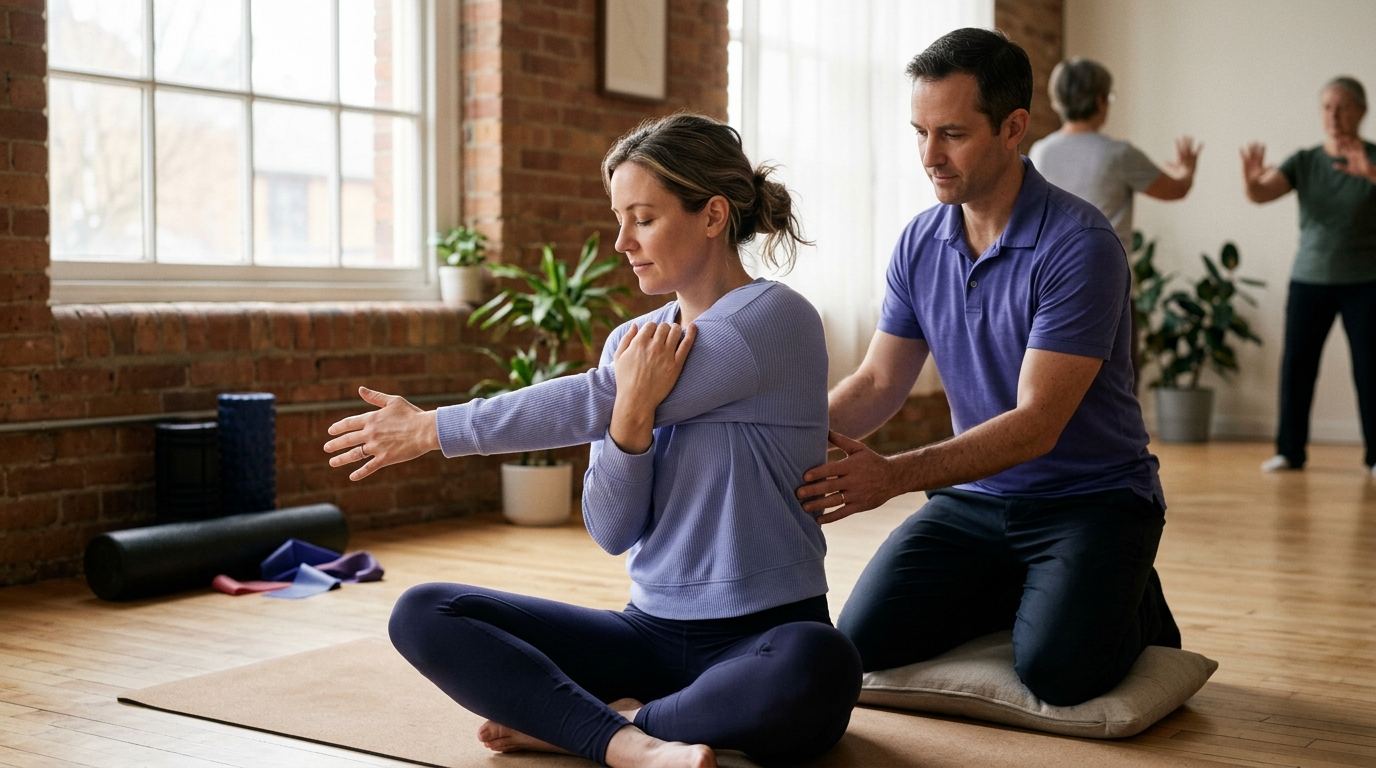
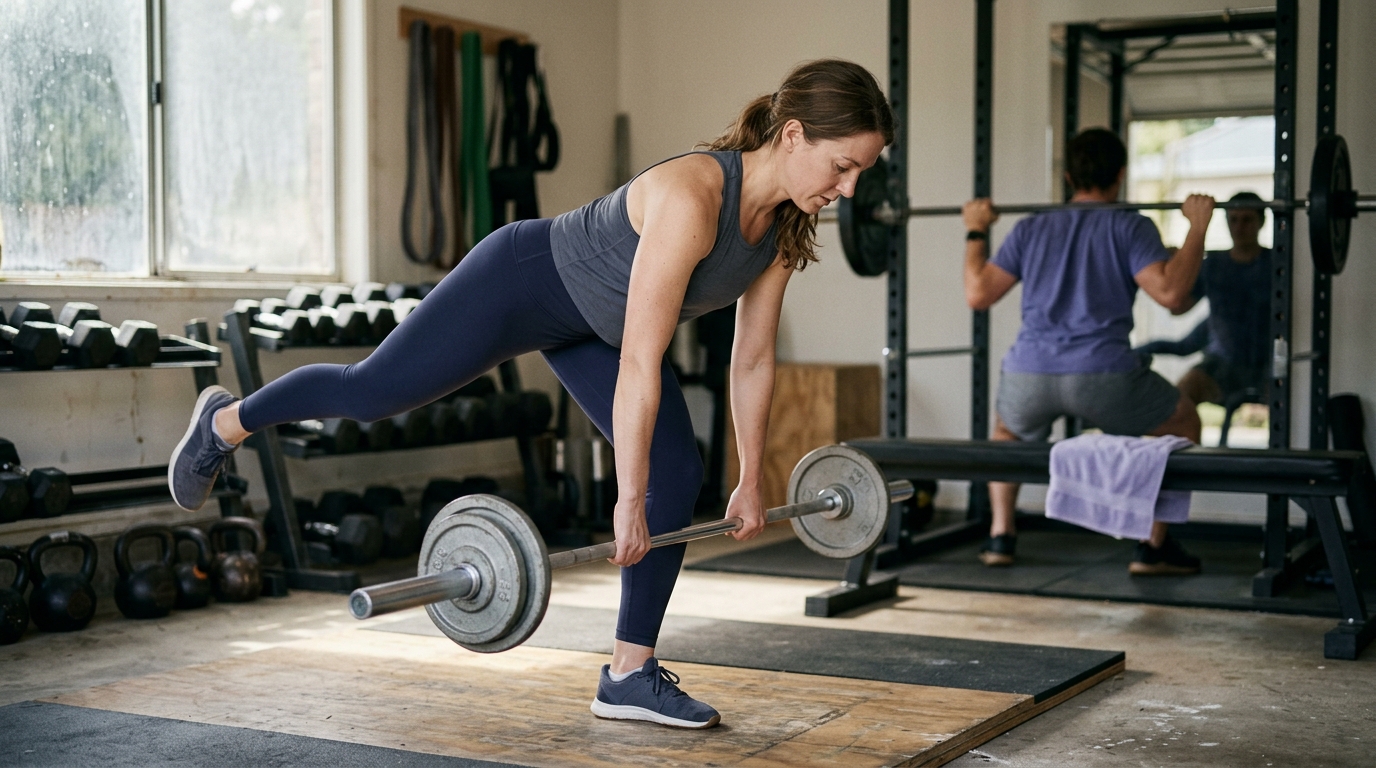
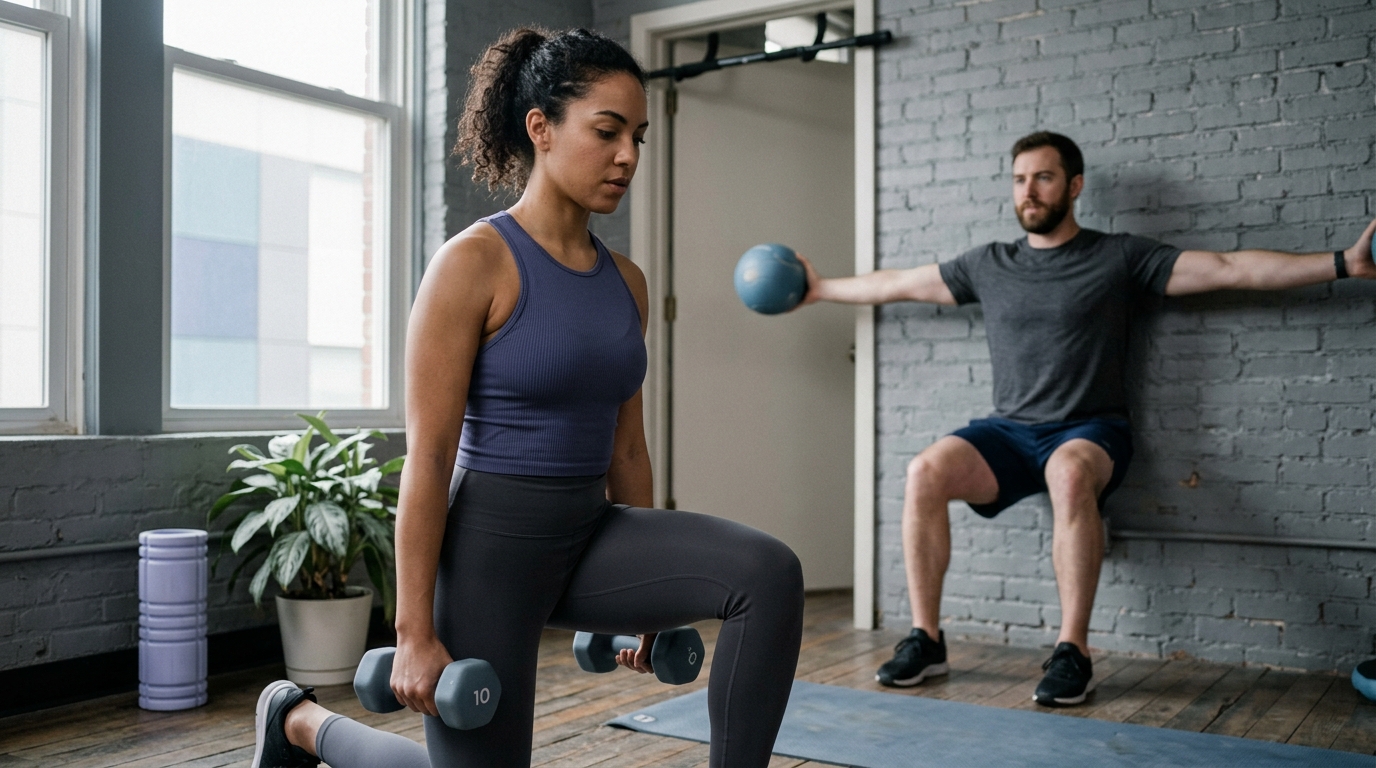
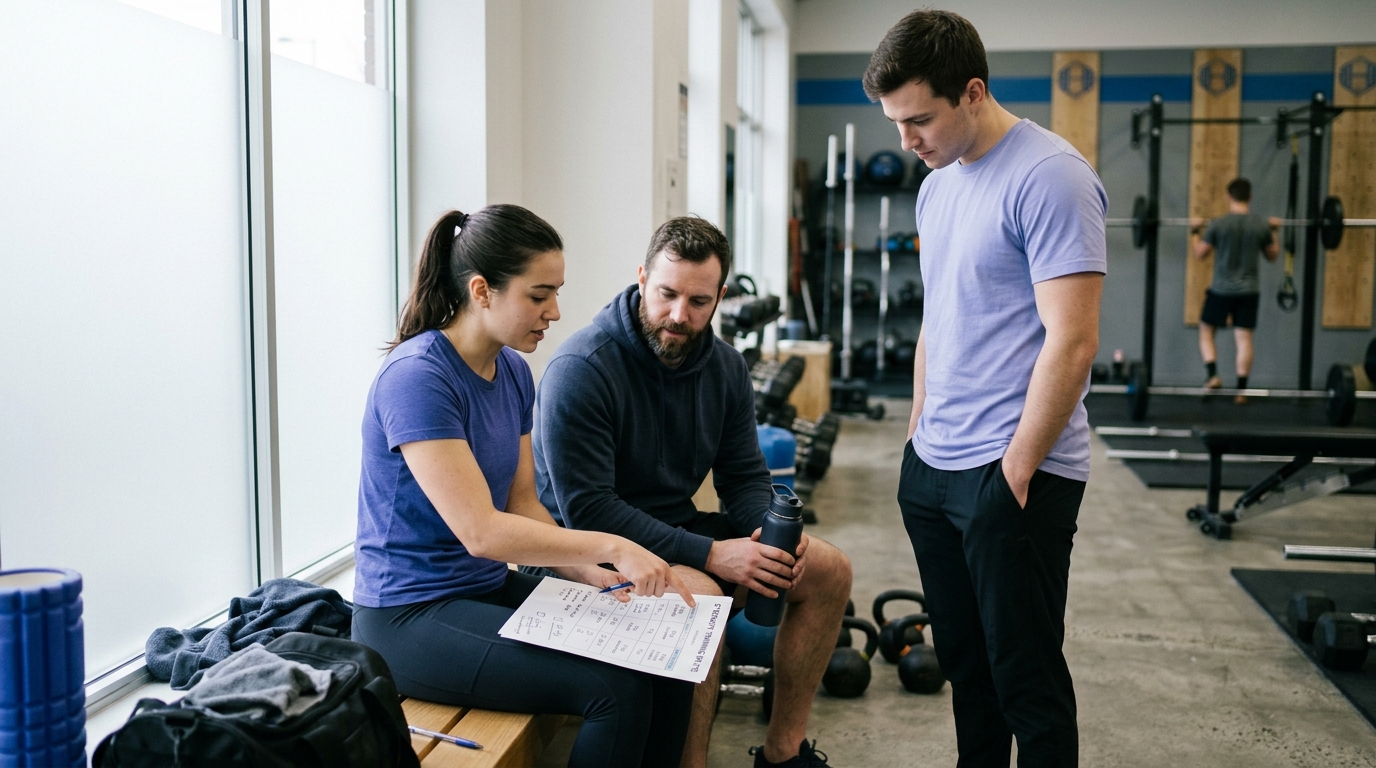
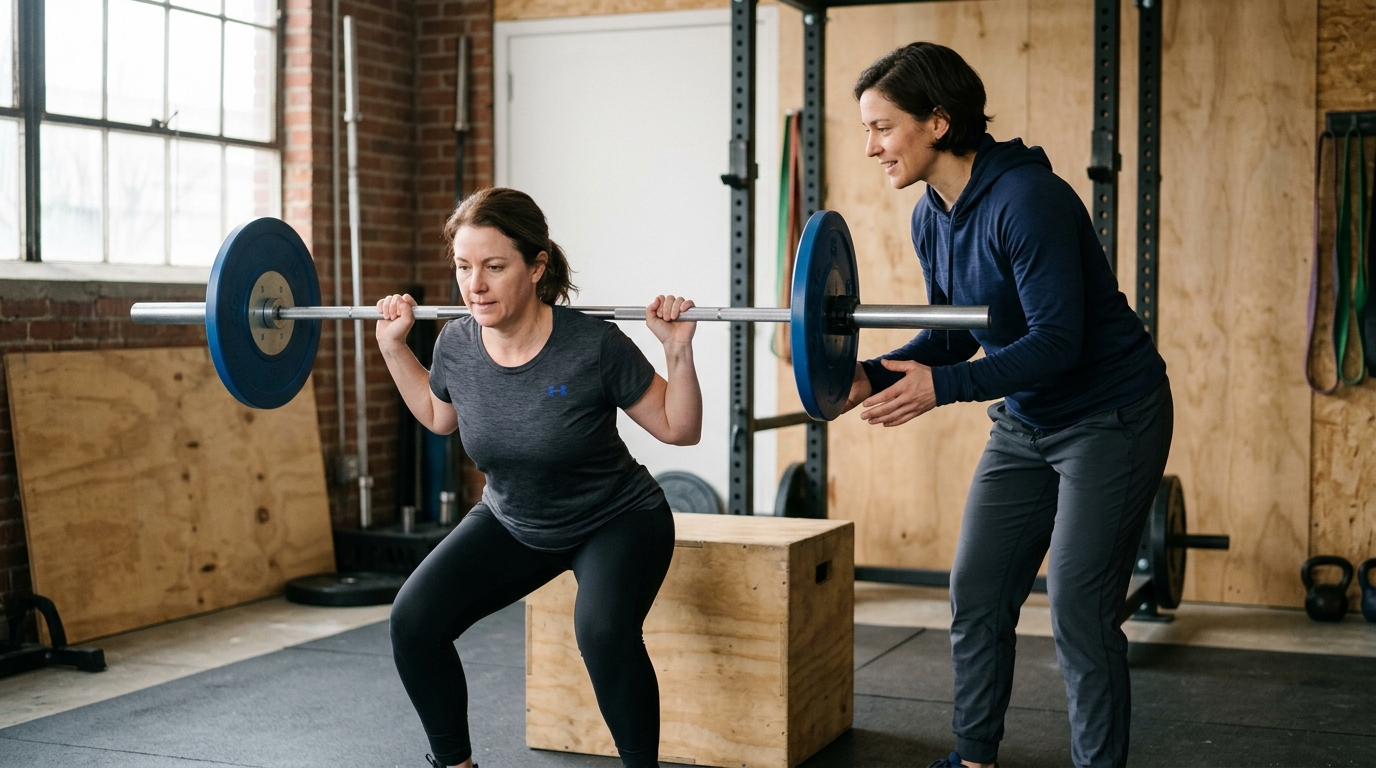
Group fitness classes provide structured, instructor-led sessions in a shared setting. Formats include indoor cycling, boot camps, yoga, water aerobics, and barbell classes.
The primary benefit of group classes is the predictable schedule and shared energy. Many participants find that working out alongside peers improves their motivation and consistency. Scheduled class times create external accountability that helps people plan their week.
However, group classes have clear limitations. Instructors must manage dozens of participants at once, which limits individual attention. If you have joint pain or movement limitations, the instructor may not notice poor form. Fast-paced classes can also pressure beginners to keep up with the group rather than pacing themselves safely.
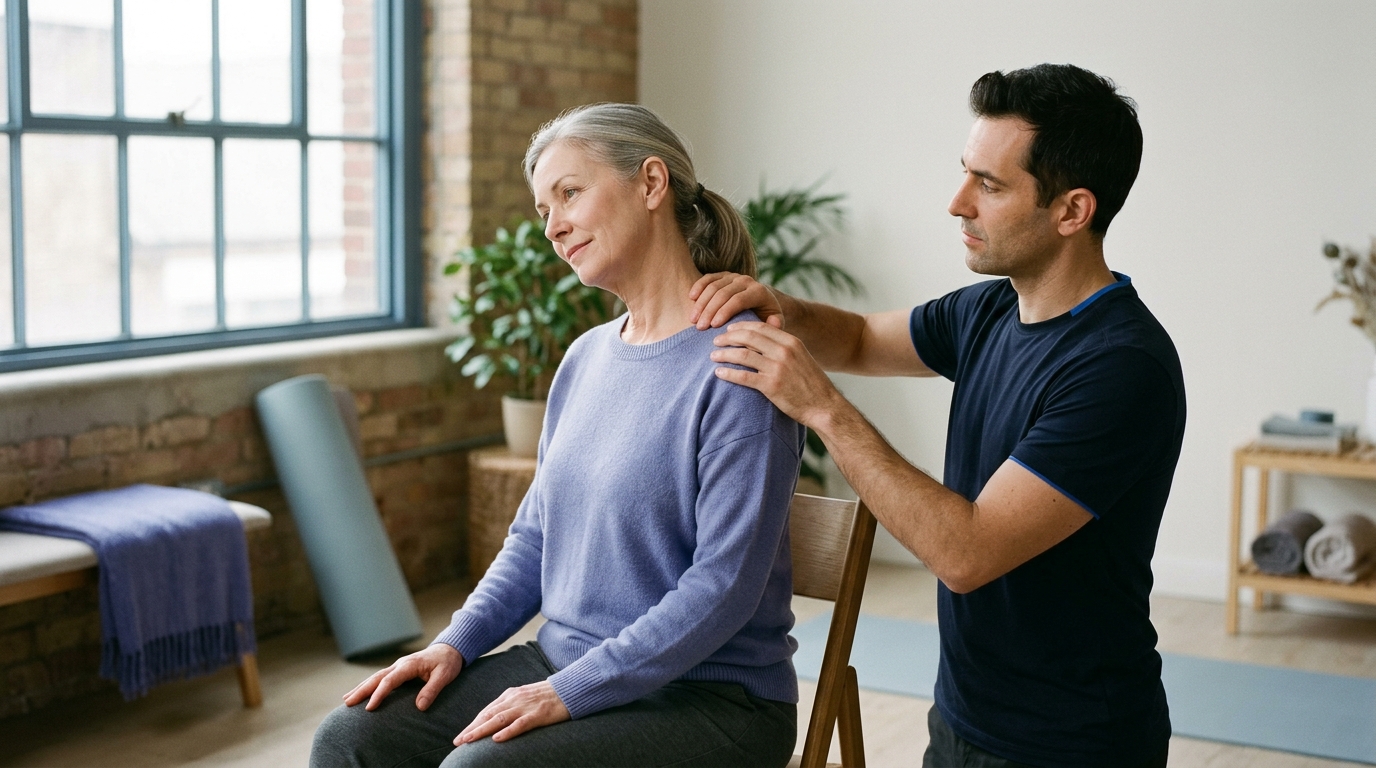
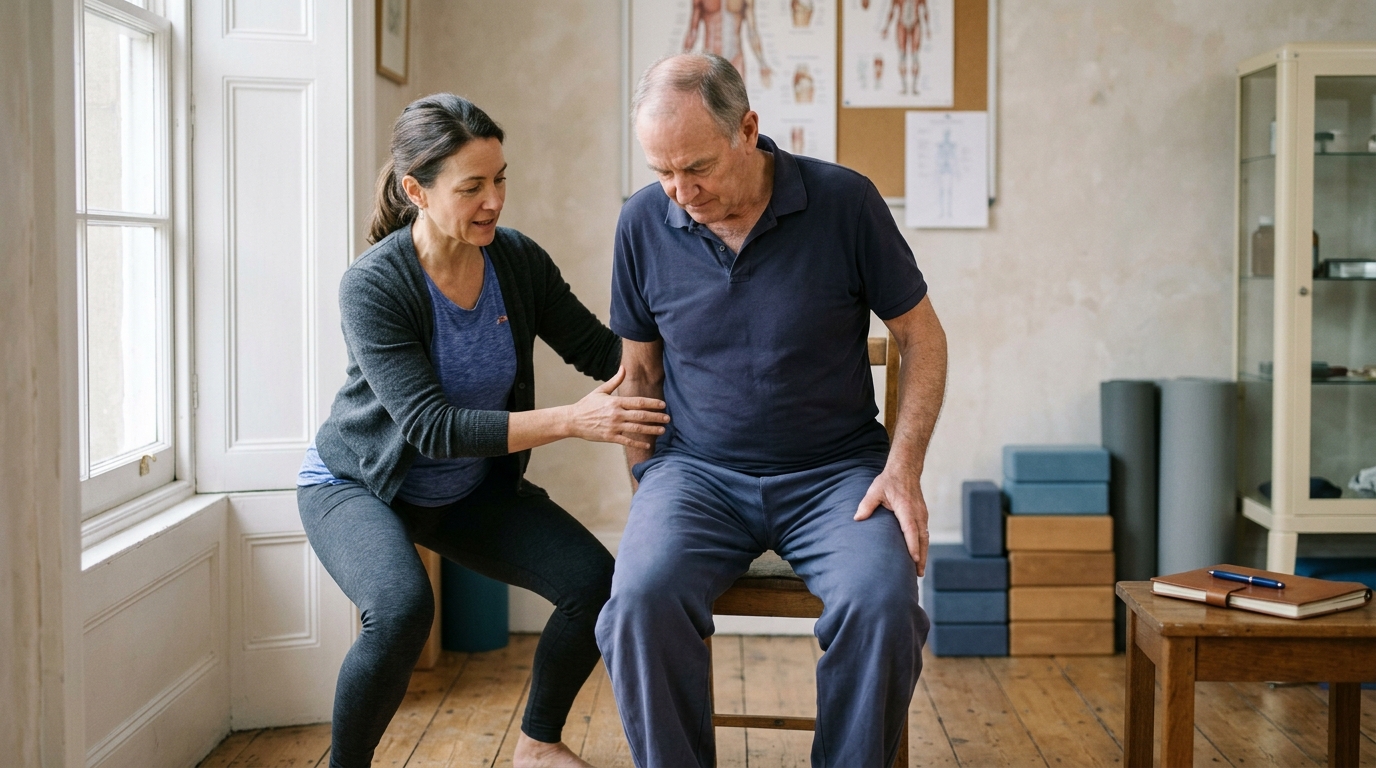
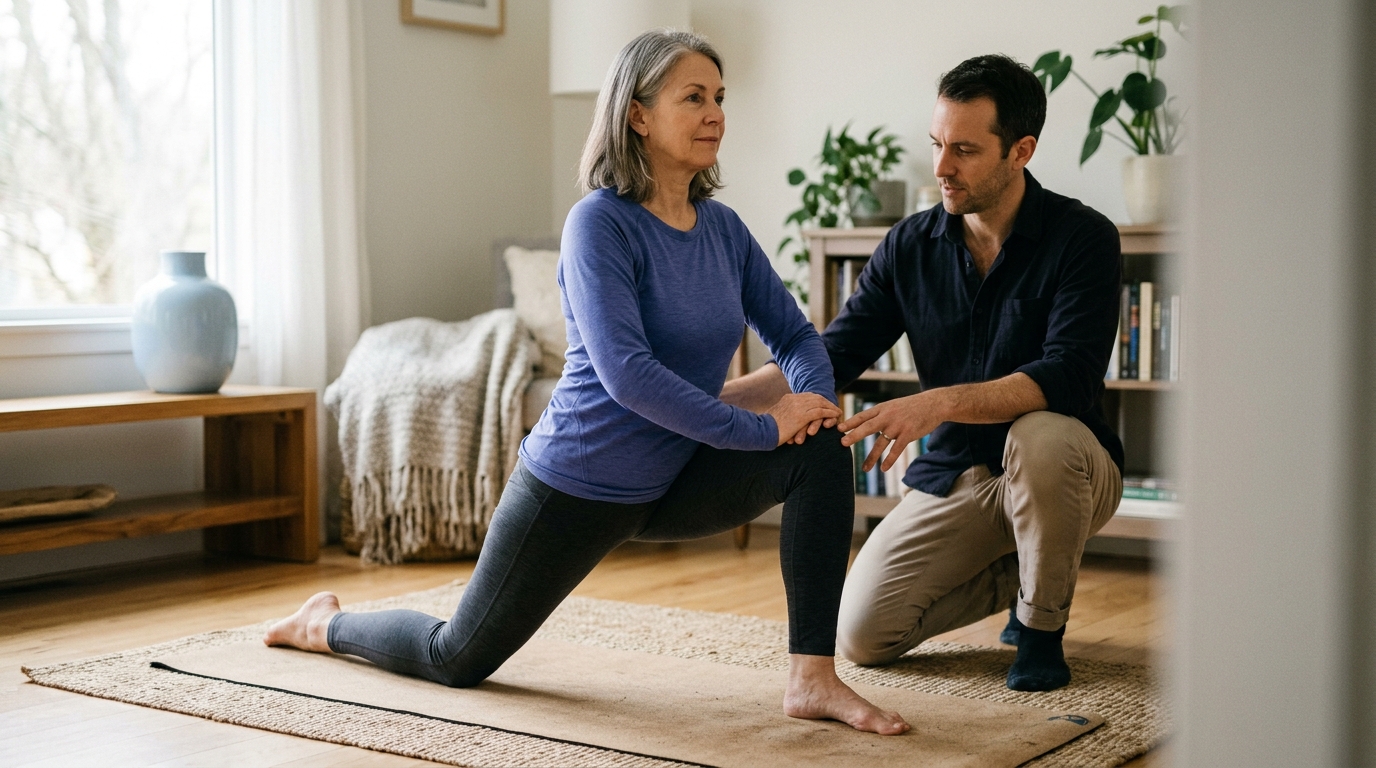
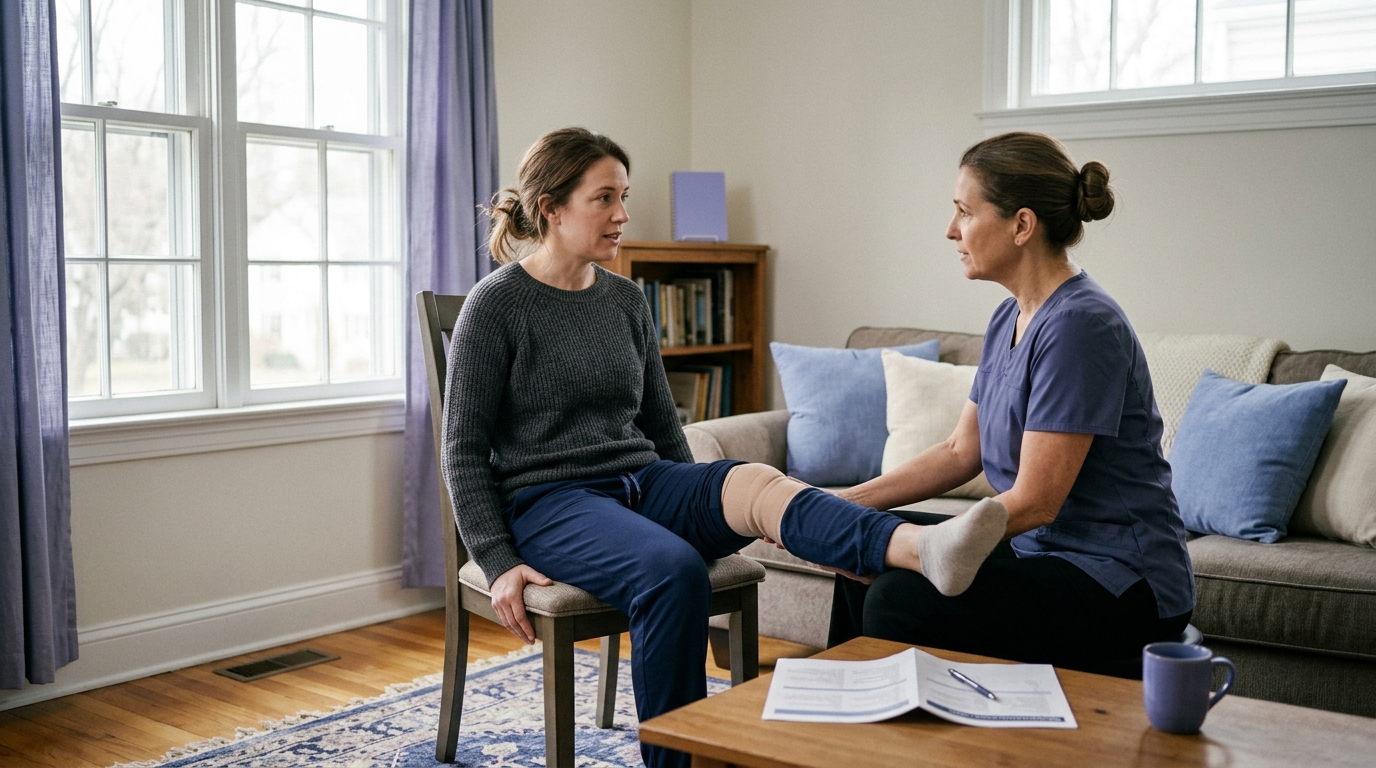
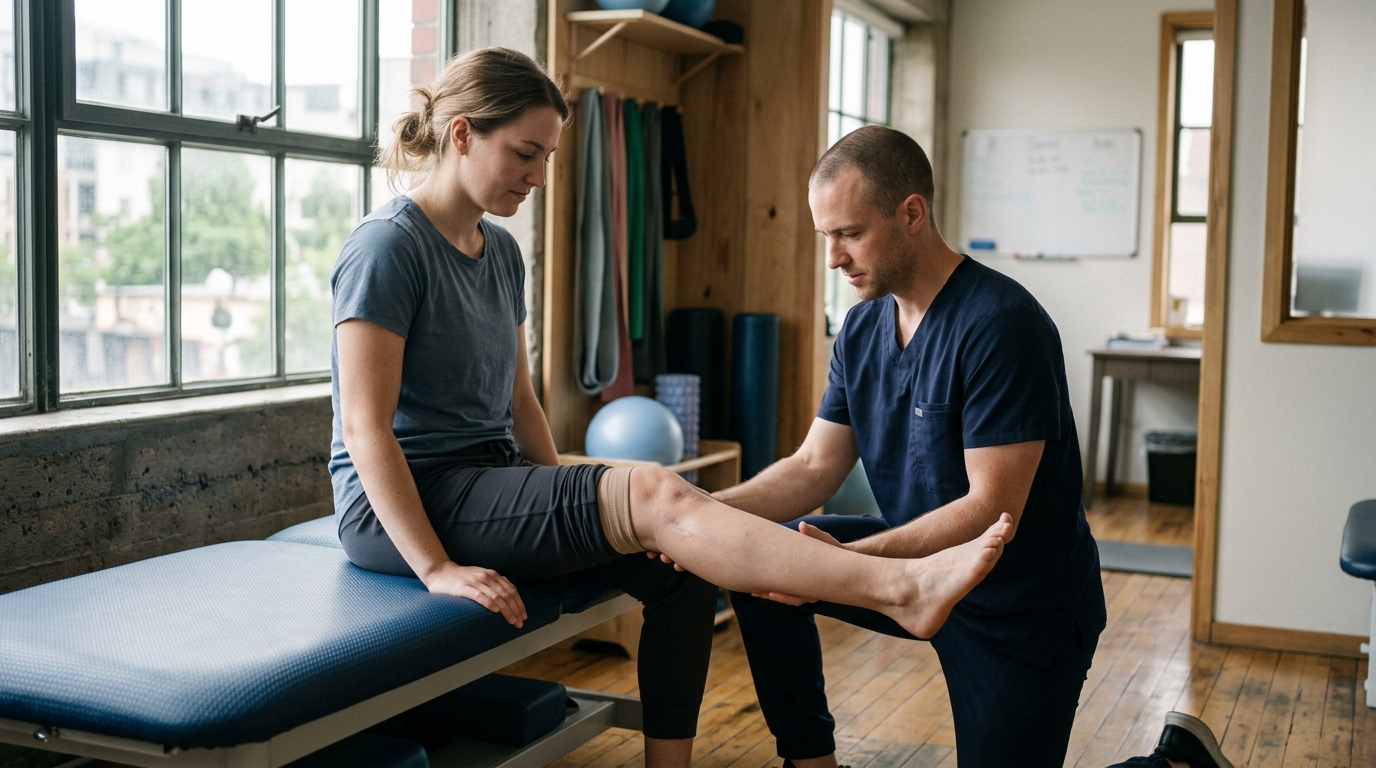
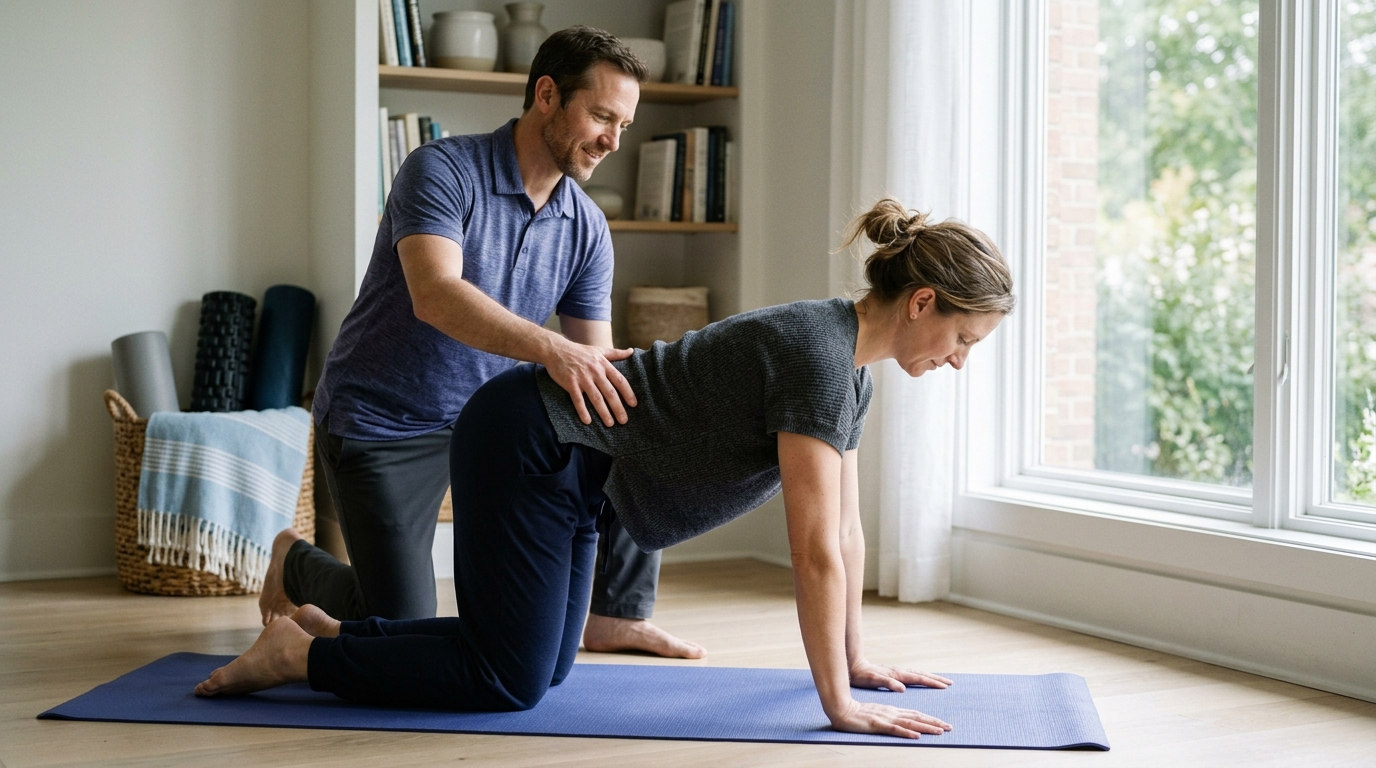
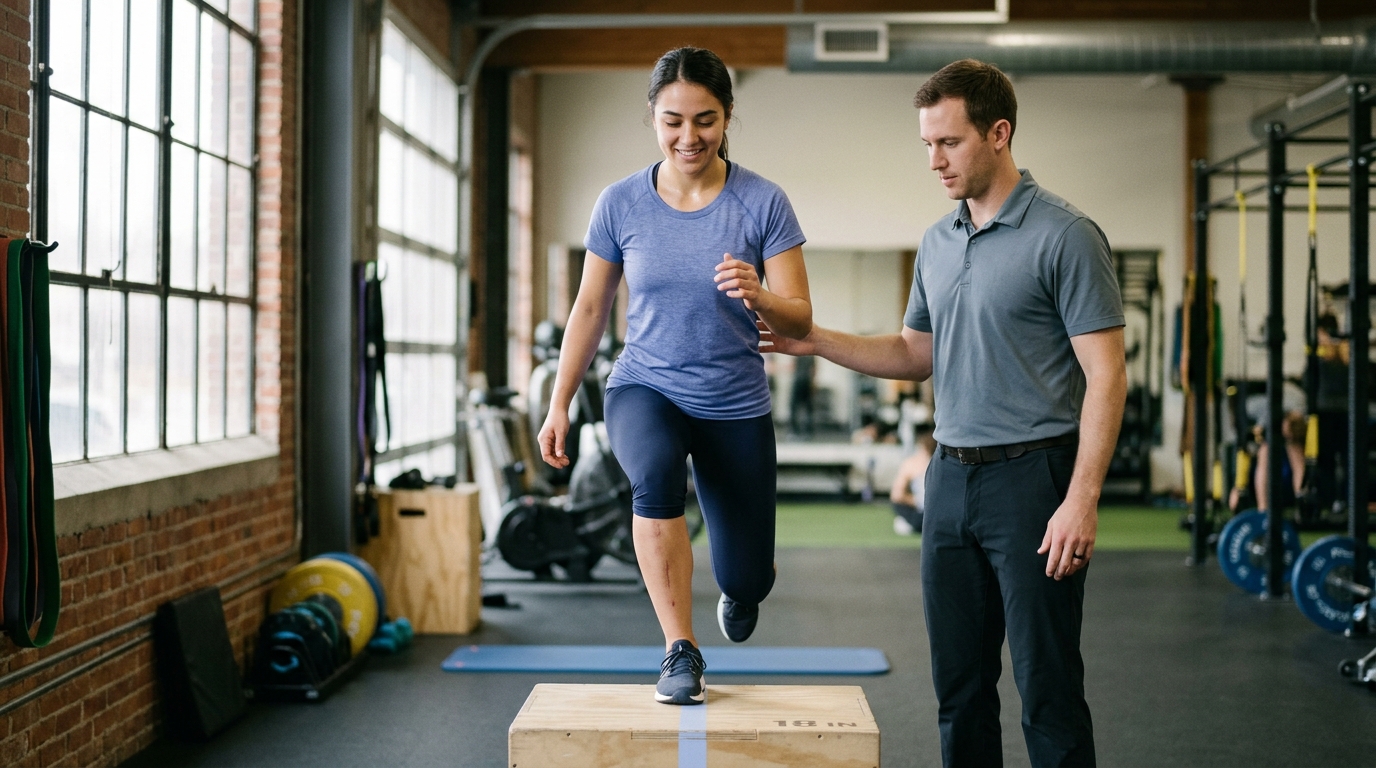
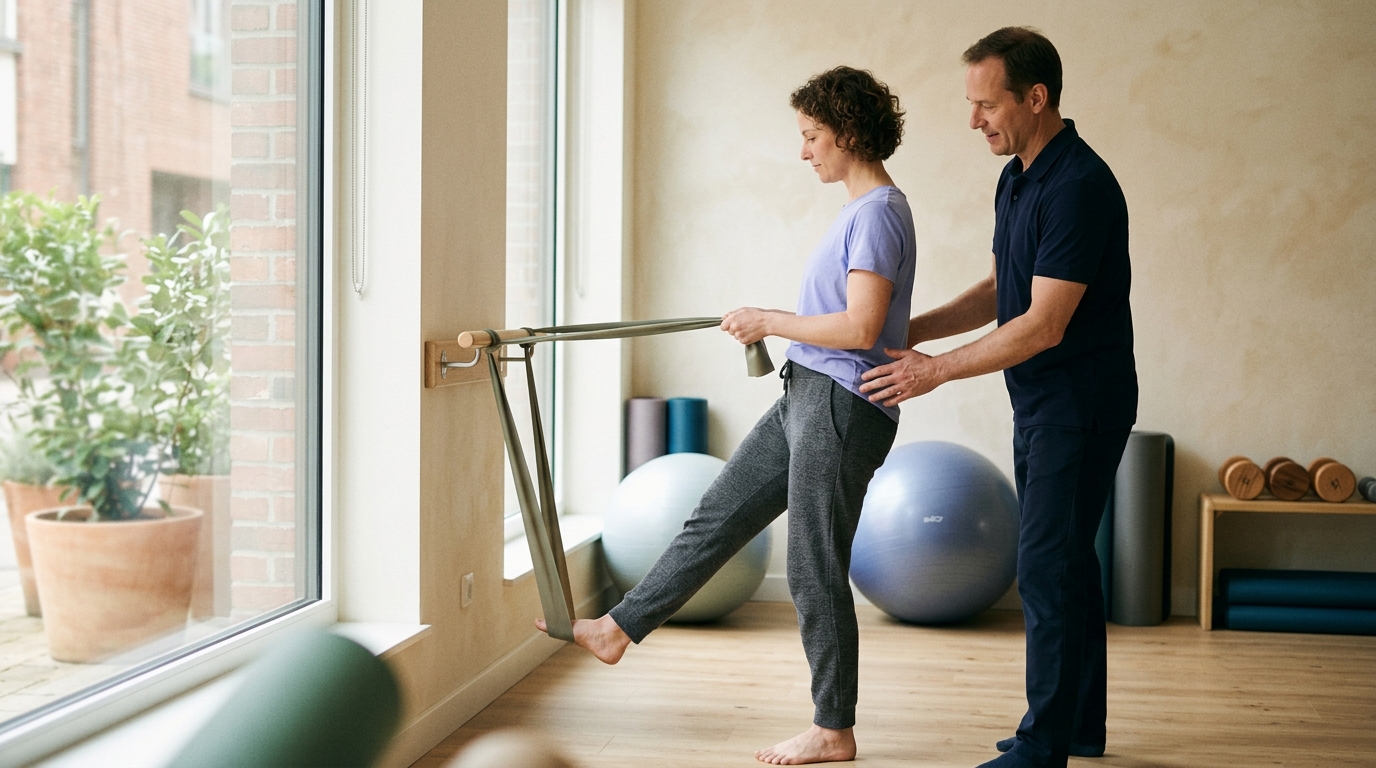
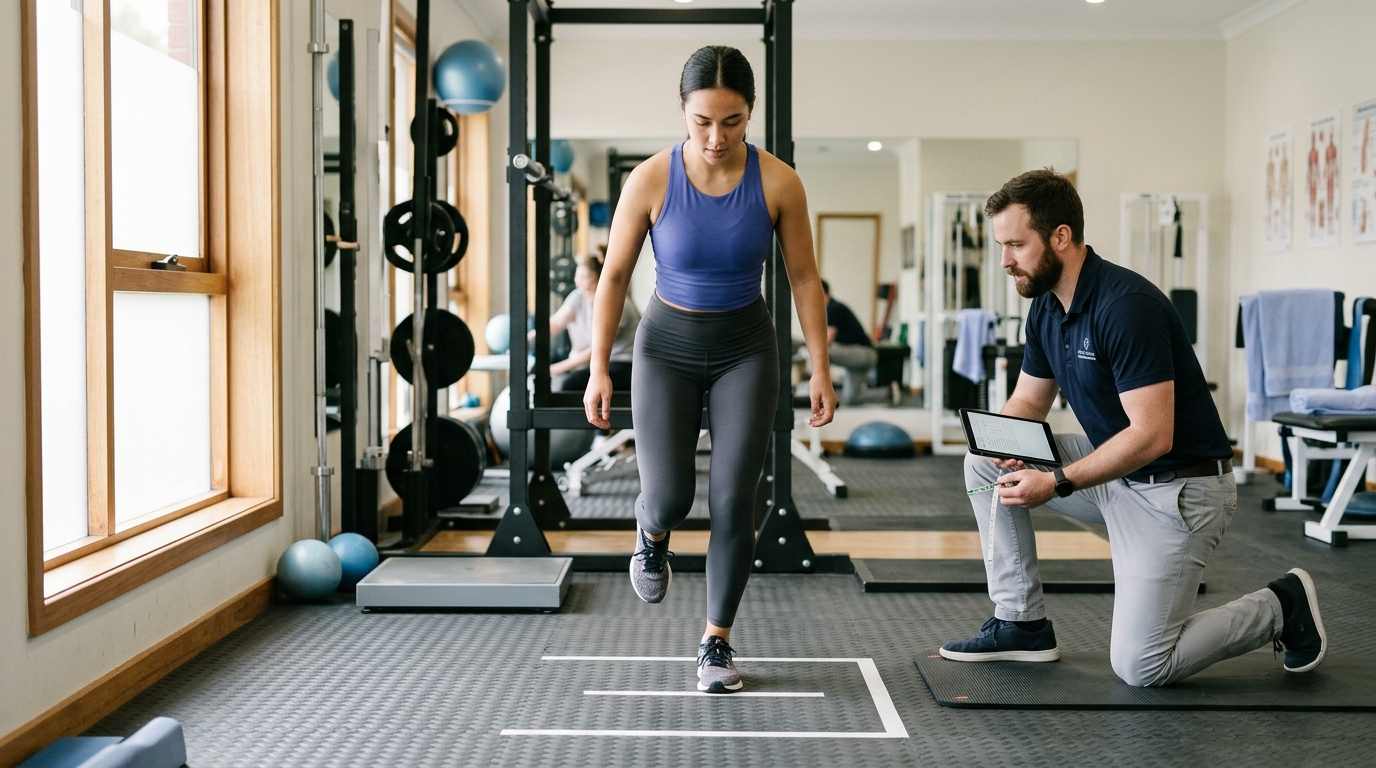
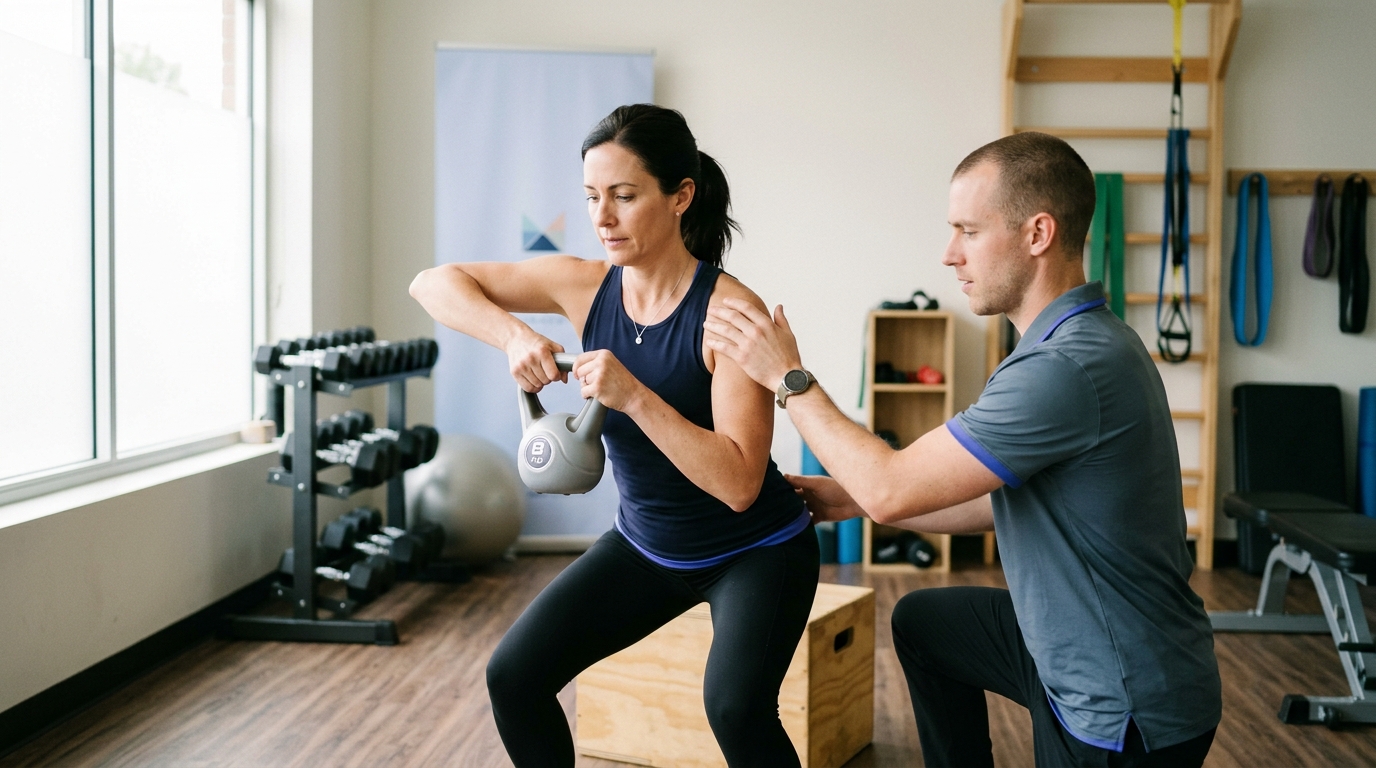
Personal training offers one-on-one instruction tailored to your specific physical condition, goals, and history. Coaches assess your movement patterns, design a progressive plan, and provide immediate feedback on your technique.
Individual coaching is helpful when returning from a physical setback or managing chronic joint discomfort. A qualified trainer can adjust exercises on the spot, changing joint angles, reducing loads, or altering ranges of motion. This format provides the highest level of direct accountability and customization.
The primary drawback is financial cost. One-on-one sessions require a significant budget compared to other formats. Personal training also requires careful vetting, as trainer qualifications, education, and experience vary widely across the fitness industry.
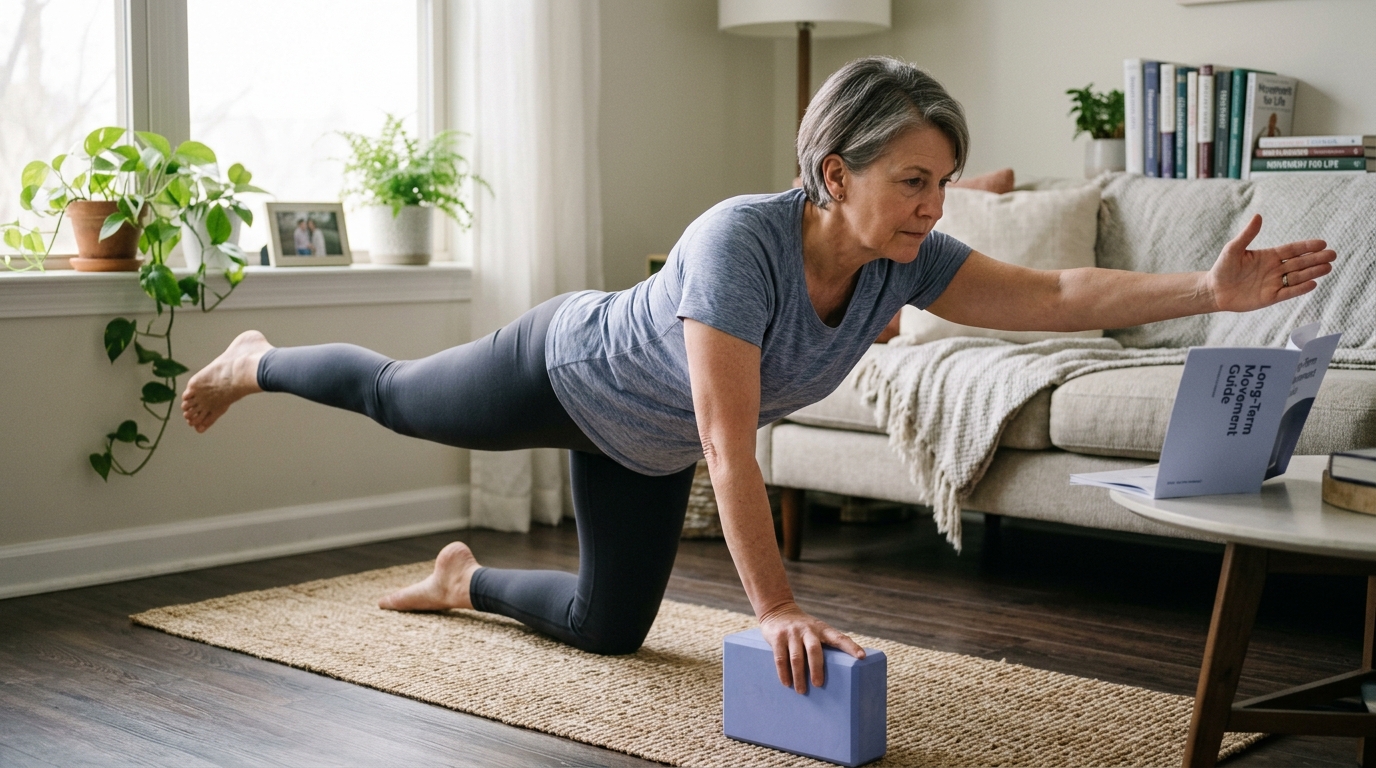
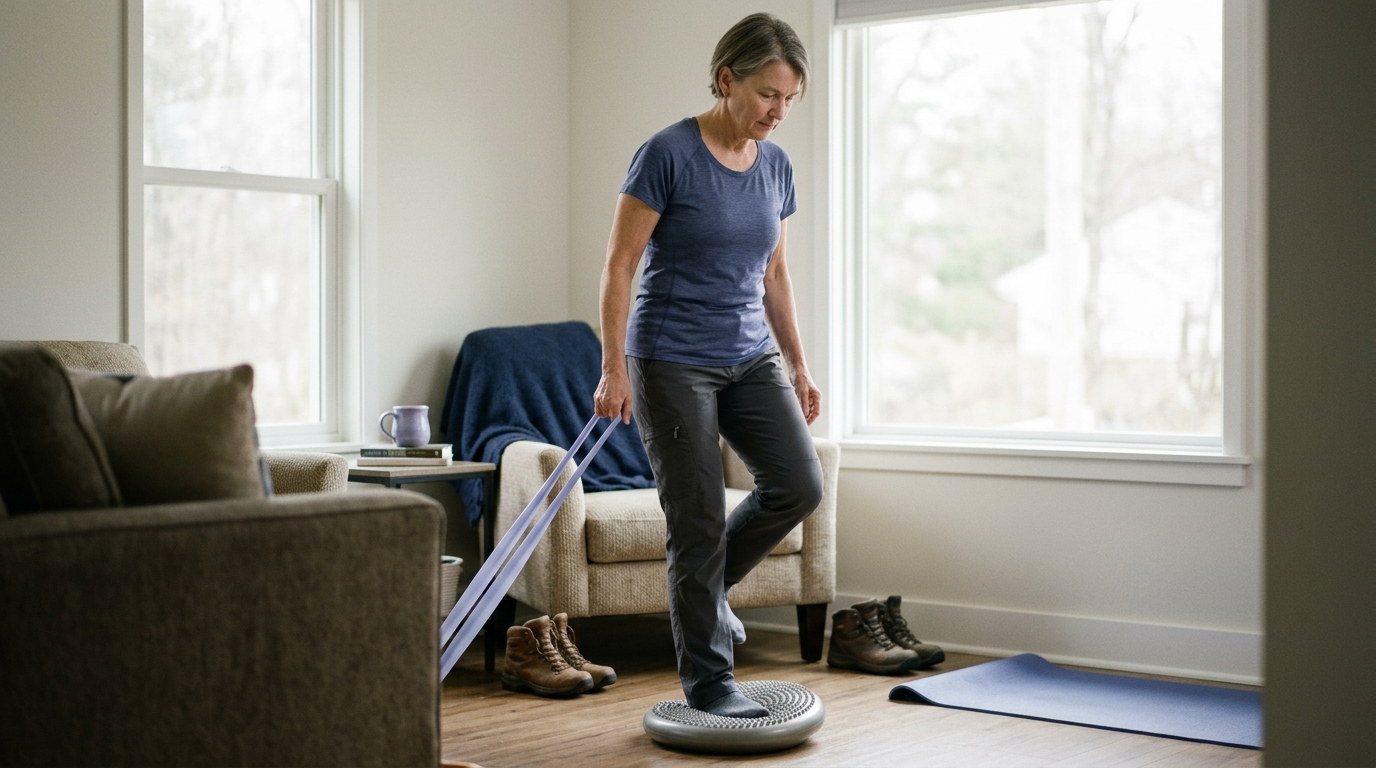
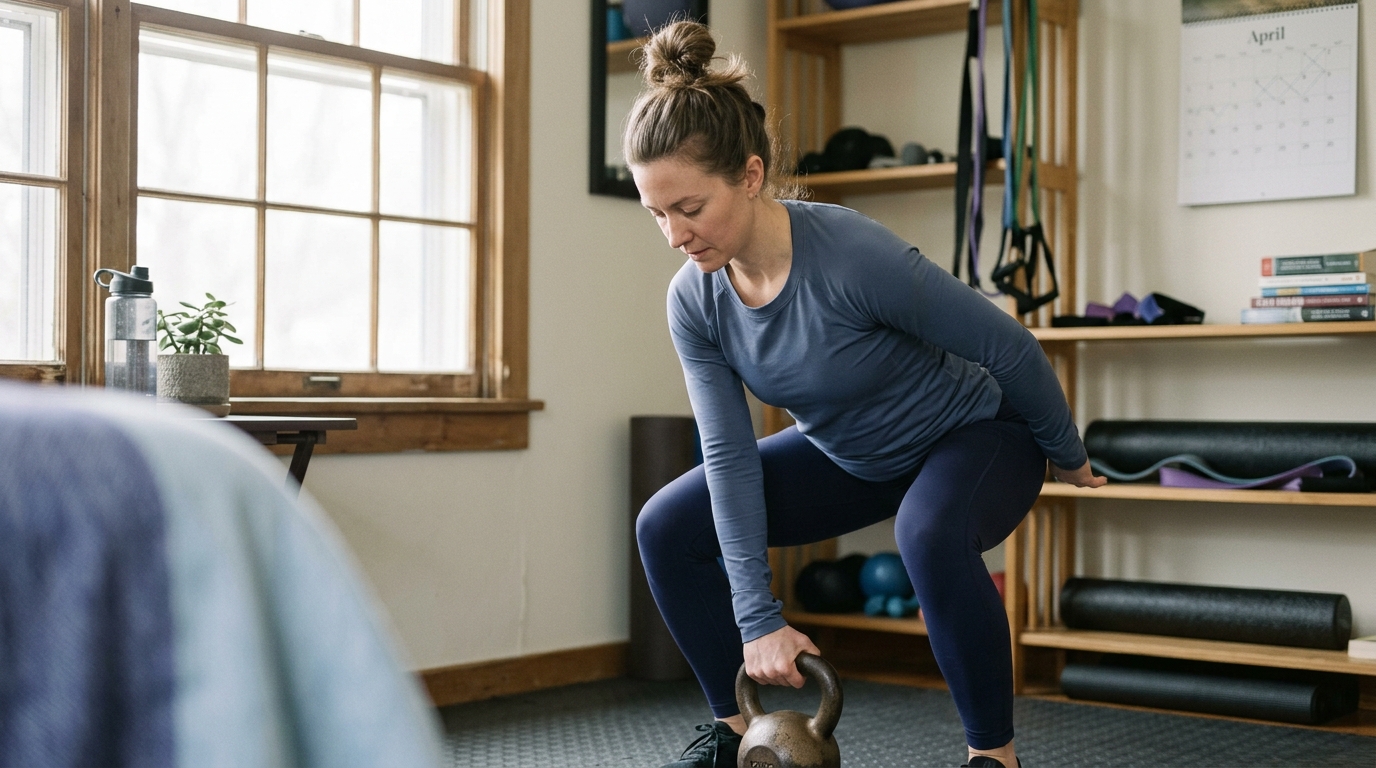
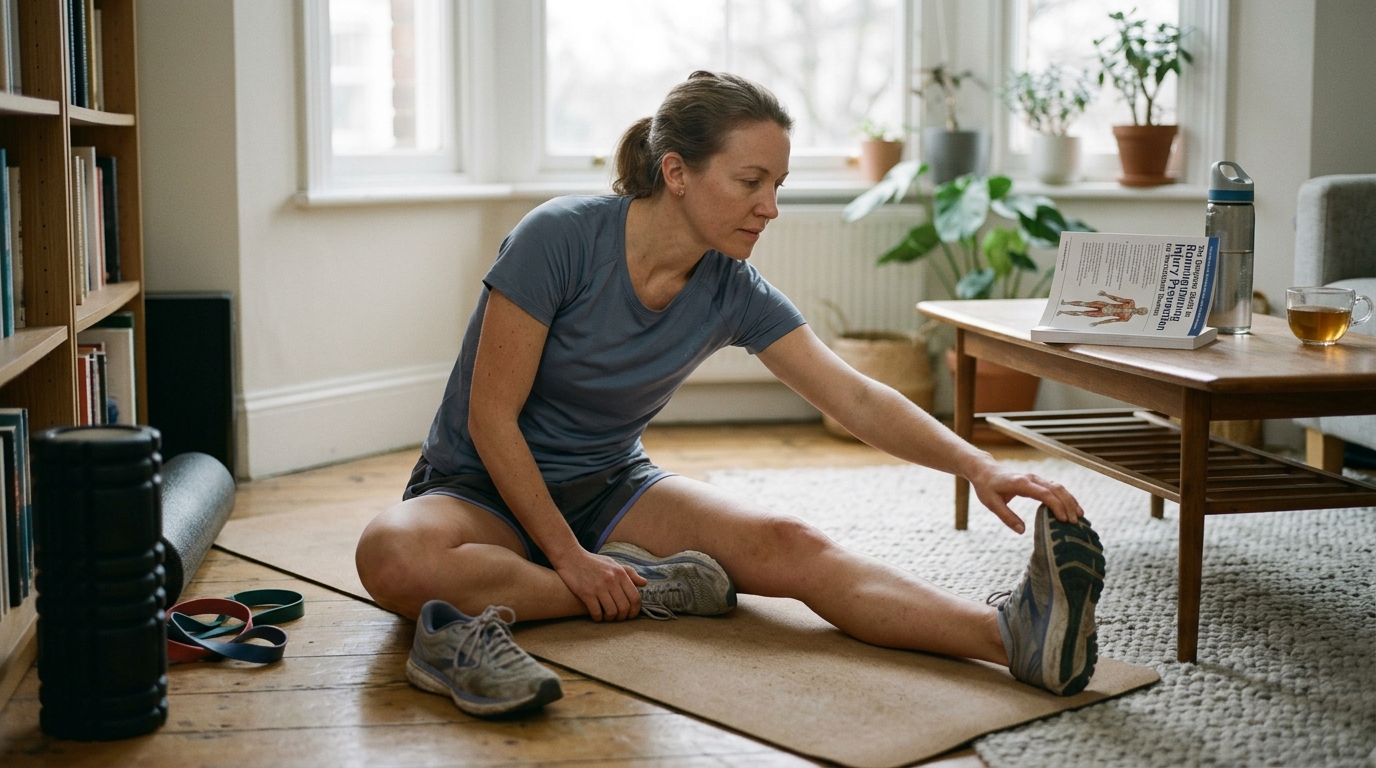
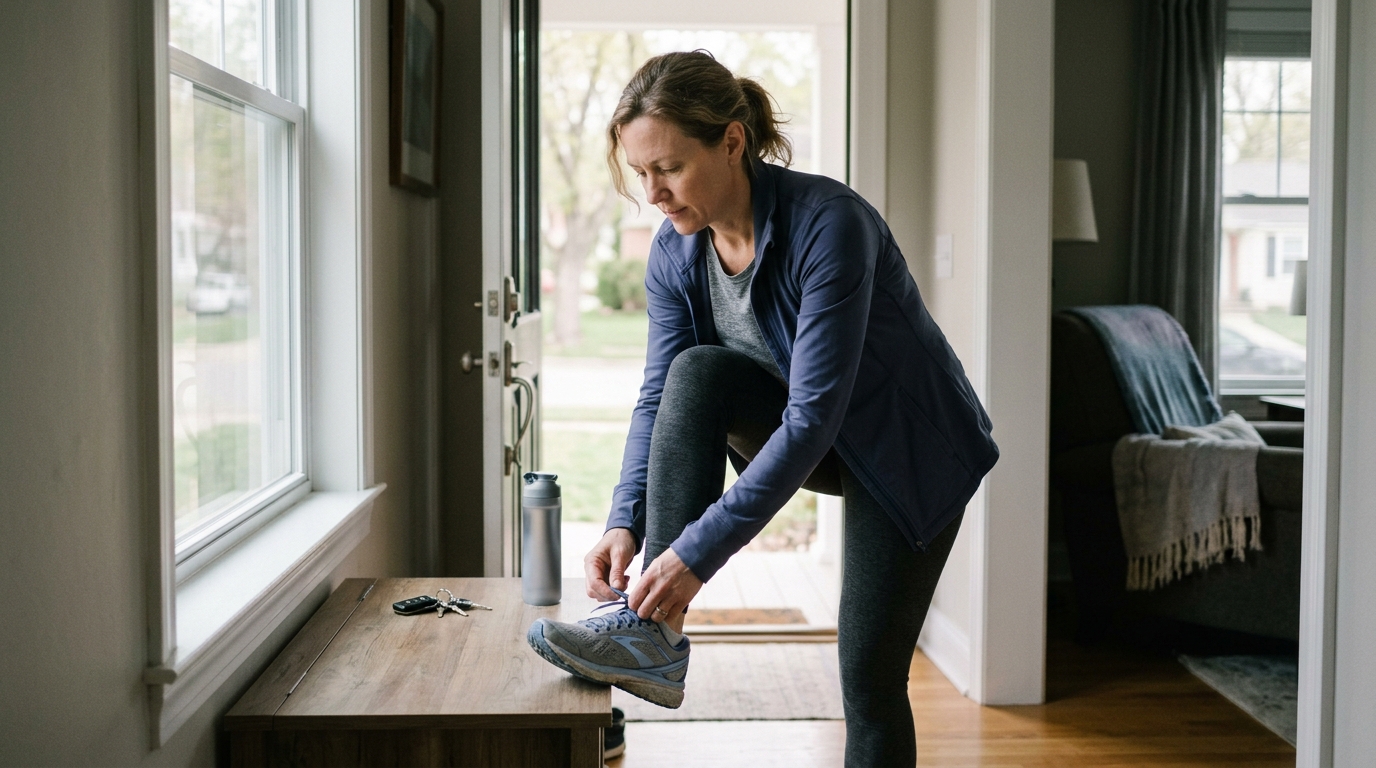
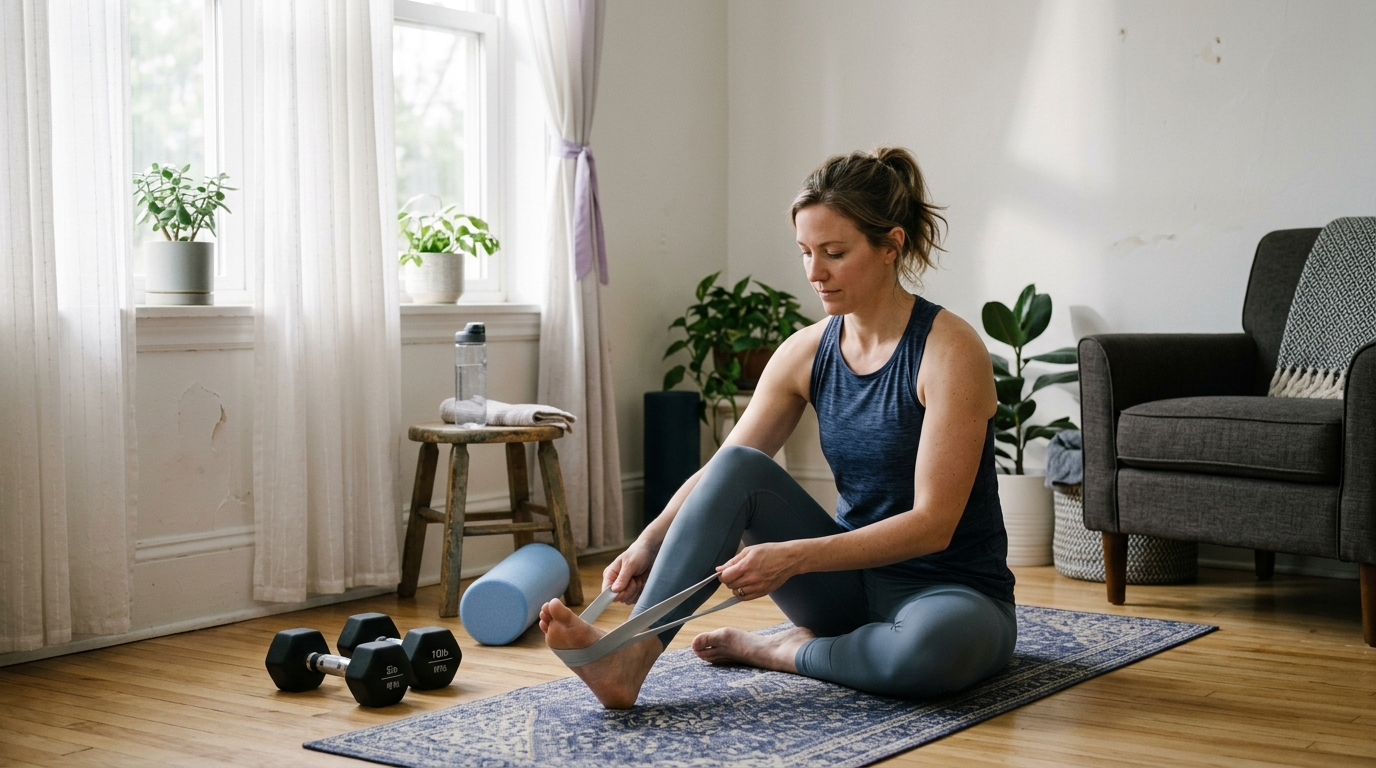
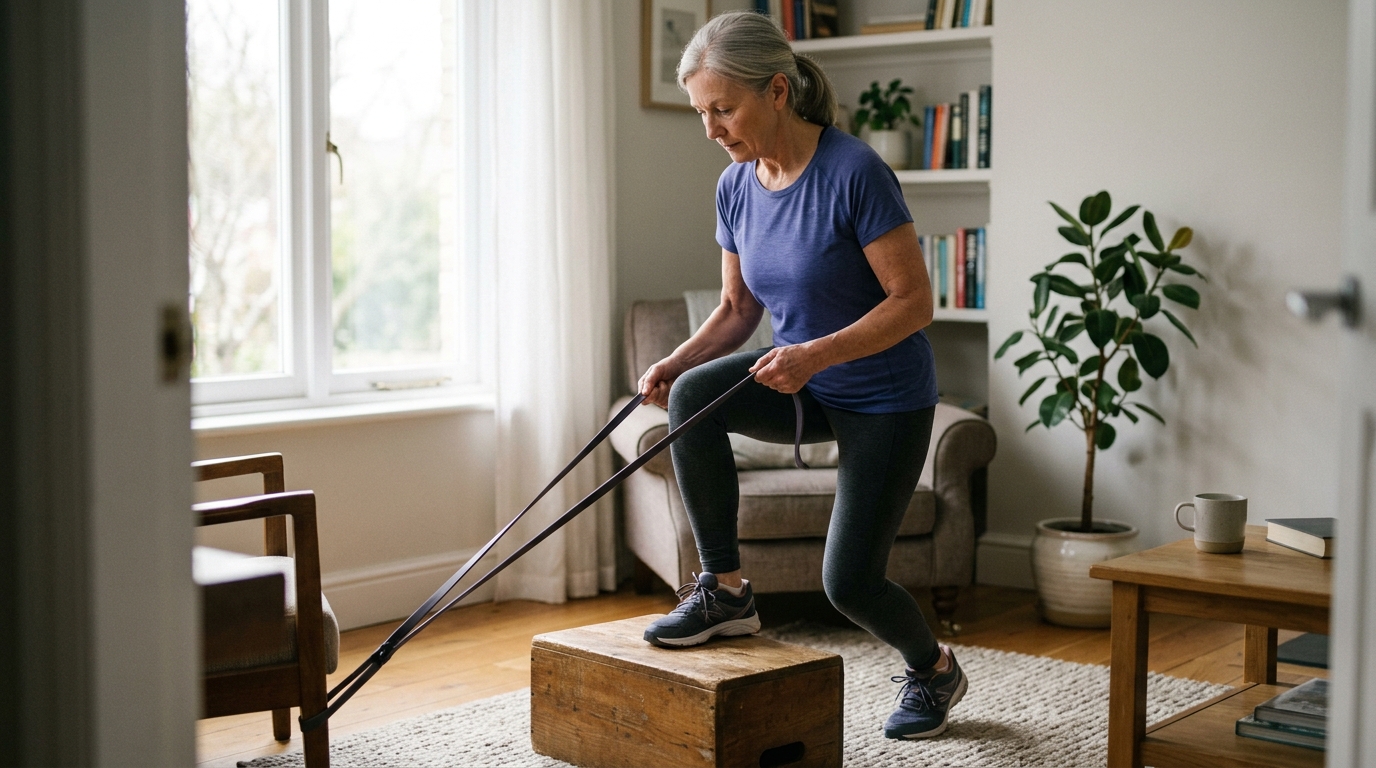
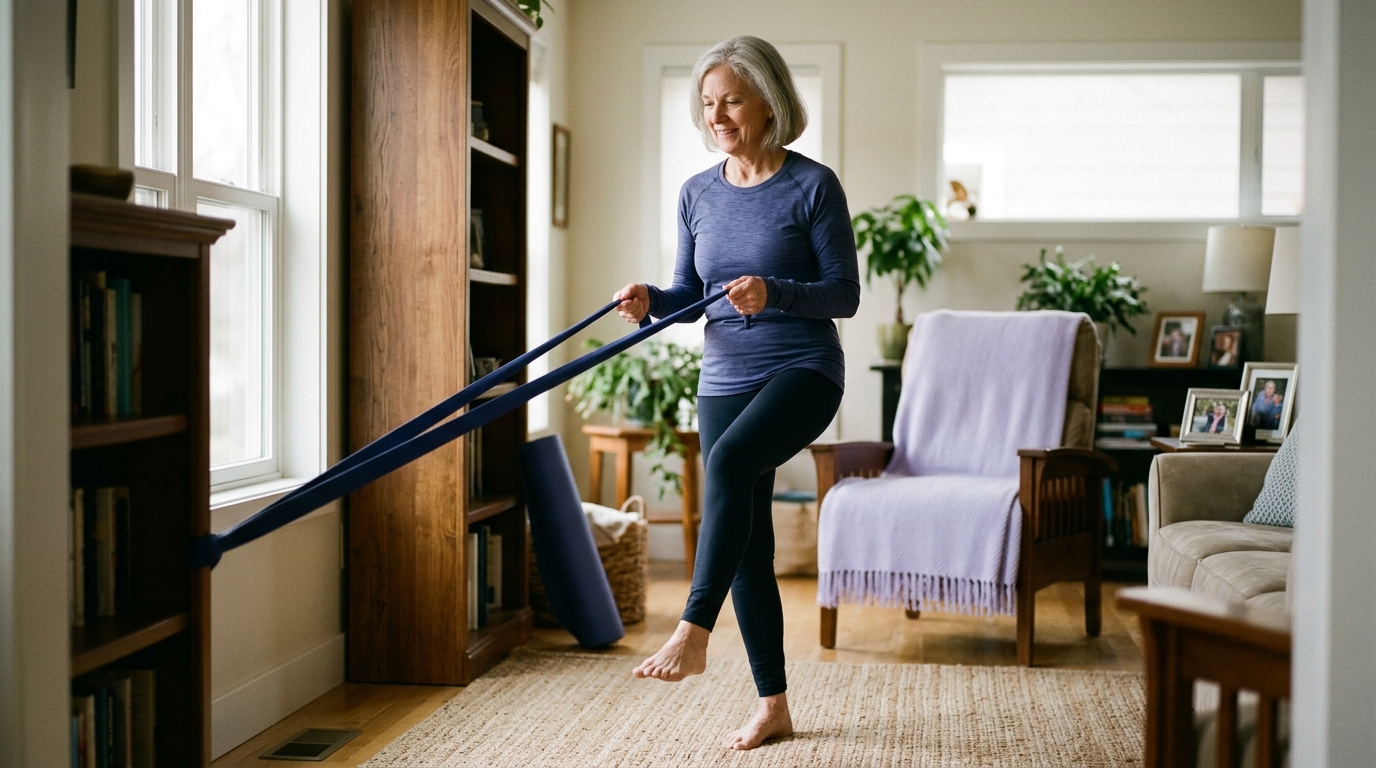
Home exercise routines allow you to train independently using bodyweight exercises, free weights, resistance bands, or digital apps. This format offers maximum schedule flexibility.
Home workouts eliminate travel time and fit easily around family or work commitments. They also provide a low-pressure environment for beginners who feel self-conscious in gyms or studios. For adults with predictable daily schedules, home routines can be very convenient.
The main challenge of home training is self-regulation. Without an instructor or scheduled appointment, it is easy to skip sessions or postpone workouts. You must also evaluate your own form and ensure your exercise area has adequate space, good lighting, and stable flooring.
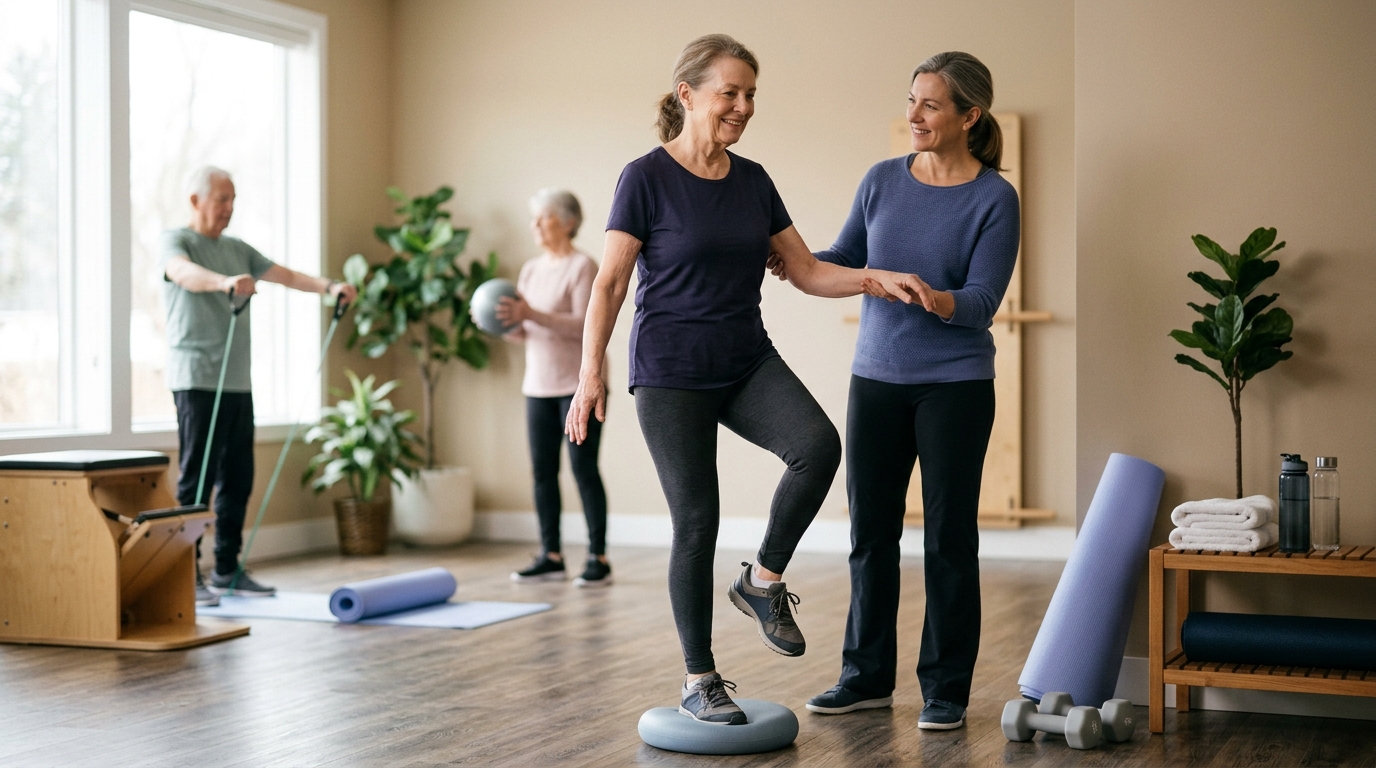
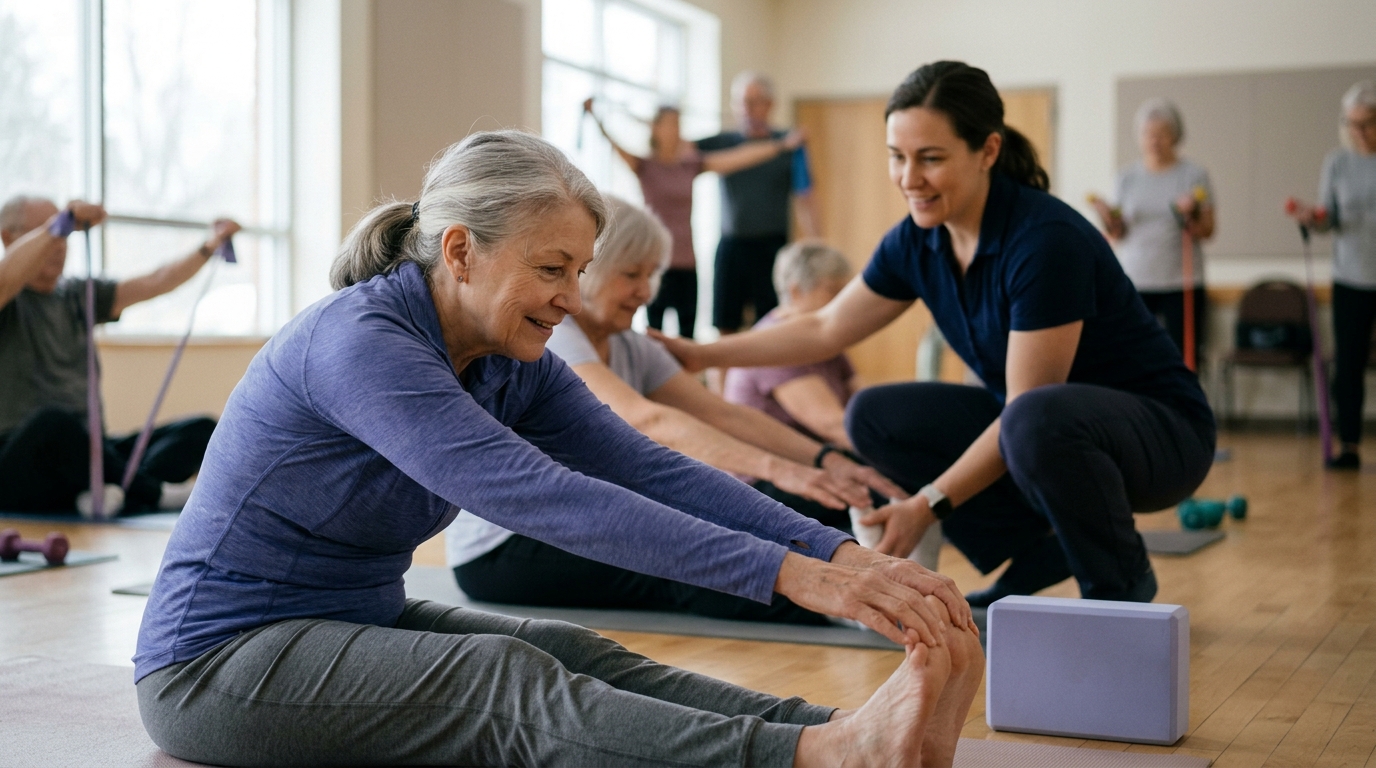
Community programs operate through local recreation departments, senior centers, non-profit organizations, and public health initiatives. These offerings include walking groups, gentle yoga, seated strength classes, and fall-prevention programs.
Community programs are often affordable and located close to home. They prioritize social connection, peer encouragement, and practical physical function over high-intensity athletic performance. Many community classes are specifically designed for older adults or individuals managing long-term health conditions.
The main limitation is that community program quality varies widely. Some classes are led by certified exercise professionals, while others rely on peer volunteers with minimal training. Schedules and equipment availability may also be limited.
You can learn more about finding the right balance of activities by reading our guide on injury prevention resources for active adults.
When choosing a program, many people assume that one specific format produces superior physical results. Scientific research tells a more nuanced story.
A 2026 systematic review and meta-analysis analyzed 71 randomized controlled trials comparing individual-based and group-based physical activity interventions. The researchers found statistically equivalent outcomes between individual and group delivery models for physical activity levels and broader health markers.
This finding means that no single format holds a monopoly on physical progress. A well-designed home routine can build strength just as effectively as a private coaching session or a group class. The success of a program depends on exercise selection, progressive overload, and consistent execution, not the room where it happens.
Adherence refers to whether participants stick with their chosen exercise routine over time. Long-term studies show that adherence varies significantly within every format.
A systematic review examining community-based group exercise programs running for at least six months reported an average adherence rate of 69.1 percent. However, individual studies within the review showed wide variation based on program leadership, location, and participant health.
Research on older adults shows a similar pattern. A comprehensive review of exercise adherence in older populations found that group class completion rates ranged from 65 percent to 86 percent. In those same studies, actual session attendance ranged between 58 percent and 77 percent. For home-based programs among older adults, reported participation averaged 1.5 to 3 sessions per week.
Studies examining home exercise for frail older adults confirm that home training is practical and effective. Yet adherence rates in these trials ranged from 46 percent to 90 percent. These figures demonstrate that convenience alone does not ensure consistency. A home program still requires structure, clear instructions, and regular self-monitoring.
Systematic reviews of group exercise show that adherence is strongly influenced by psychological factors. Participants are more likely to maintain an exercise program when they feel capable of doing the movements, experience social connection, and receive clear instruction from an encouraging leader.
When people feel incompetent or overwhelmed during a workout, their participation drops rapidly. Conversely, when an instructor provides clear movement options that match the participant's current ability, confidence grows. Social support from peers and family also reinforces long-term exercise habits.
Review our articles on active aging and injury prevention to see how structured movement builds lasting physical resilience.
Your ideal exercise format can change depending on your health history, schedule, and functional capacity. Several practical factors influence which environment will serve you best.
If you are new to exercise or returning after years of inactivity, your primary need is learning safe movement patterns. A personal trainer or a small, beginner-oriented class provides direct instruction on posture, breathing, and joint alignment.
If you already understand basic lifting mechanics and movement pacing, you can succeed in self-directed home programs. Experienced exercisers know how to select appropriate weights, when to rest, and how to avoid overexertion without direct supervision.
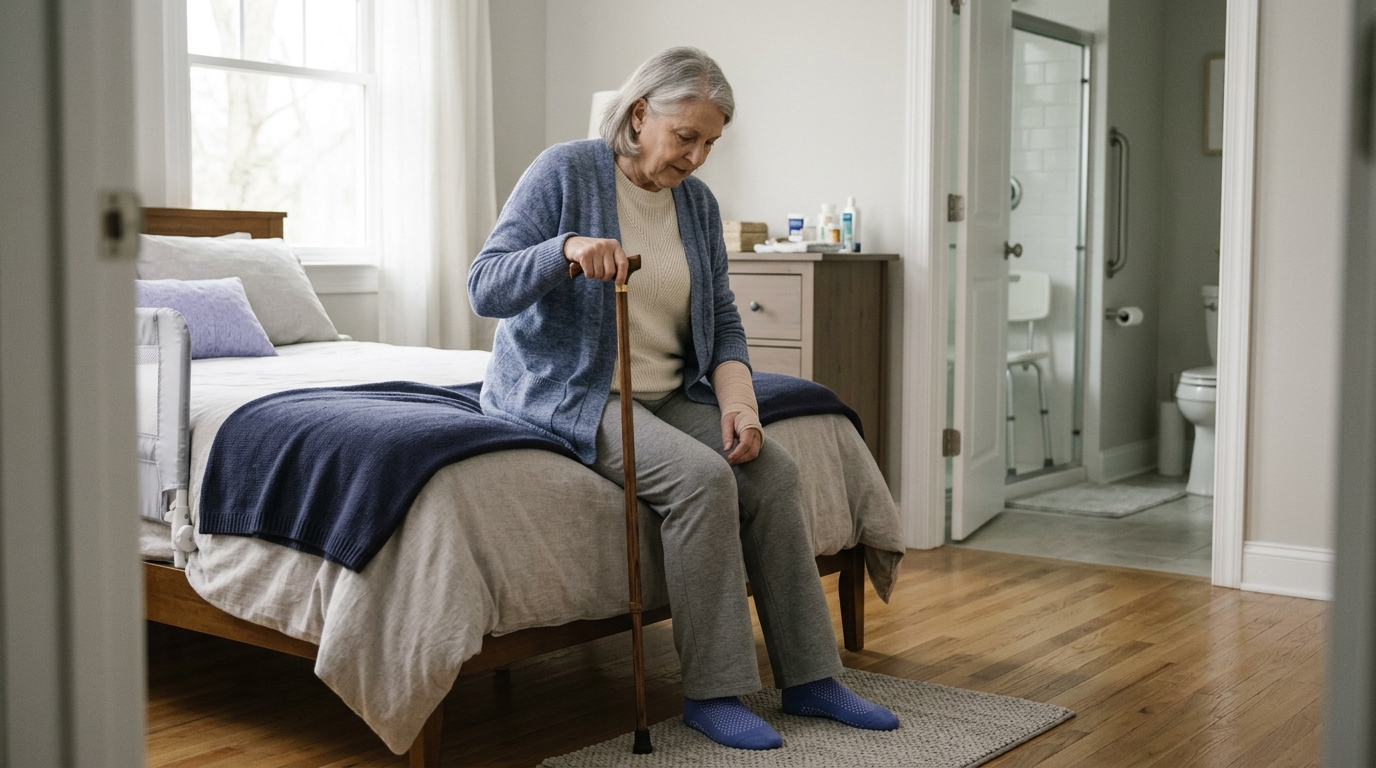
For adults over 65, balance capacity is a critical consideration. A program that only includes walking or seated weight machines may not provide sufficient balance training.
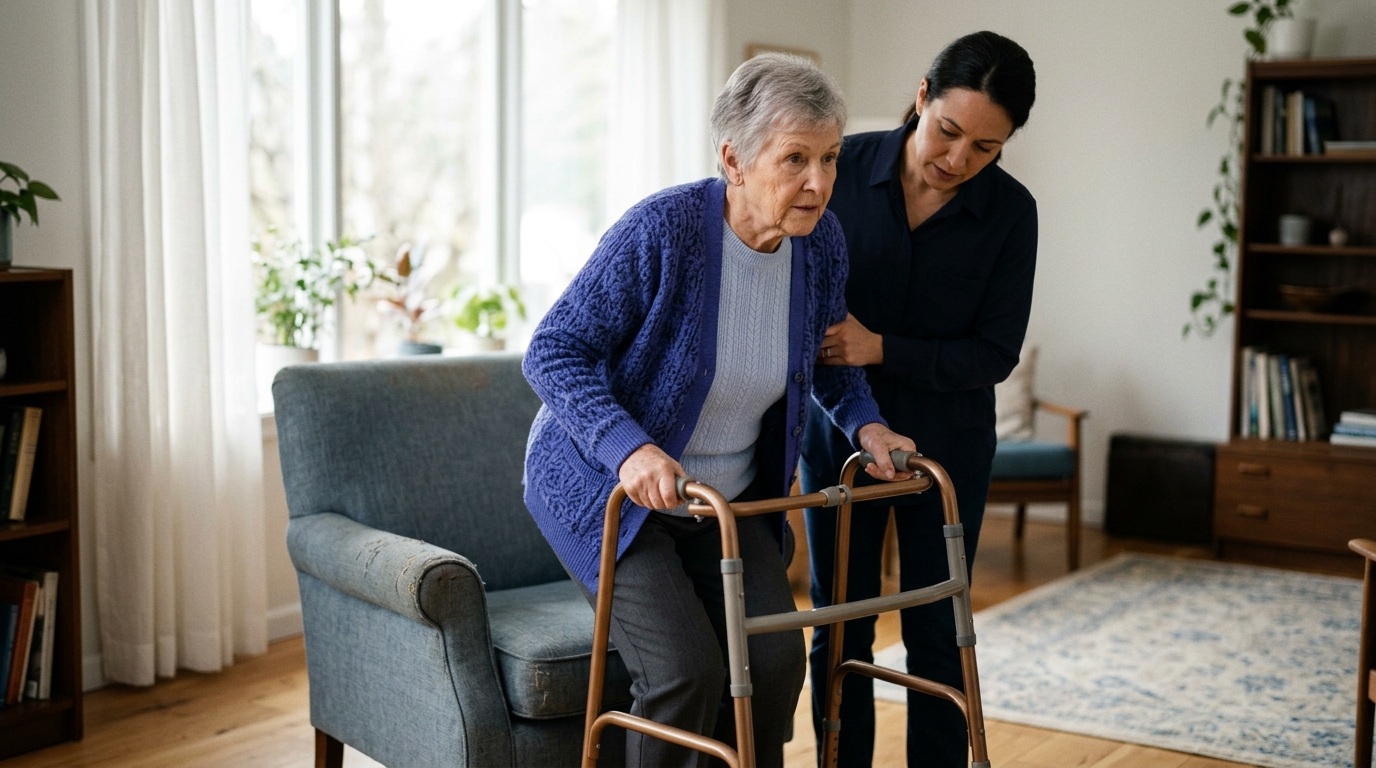
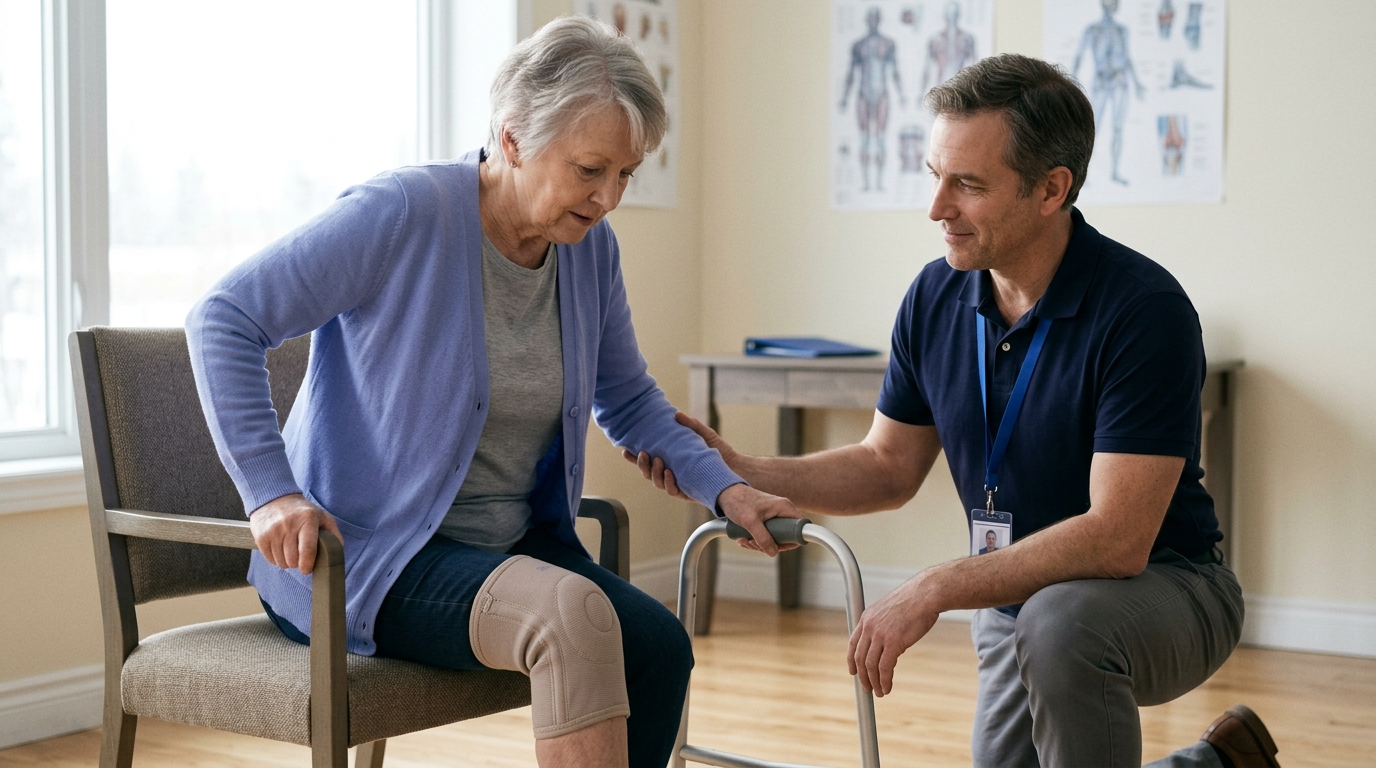
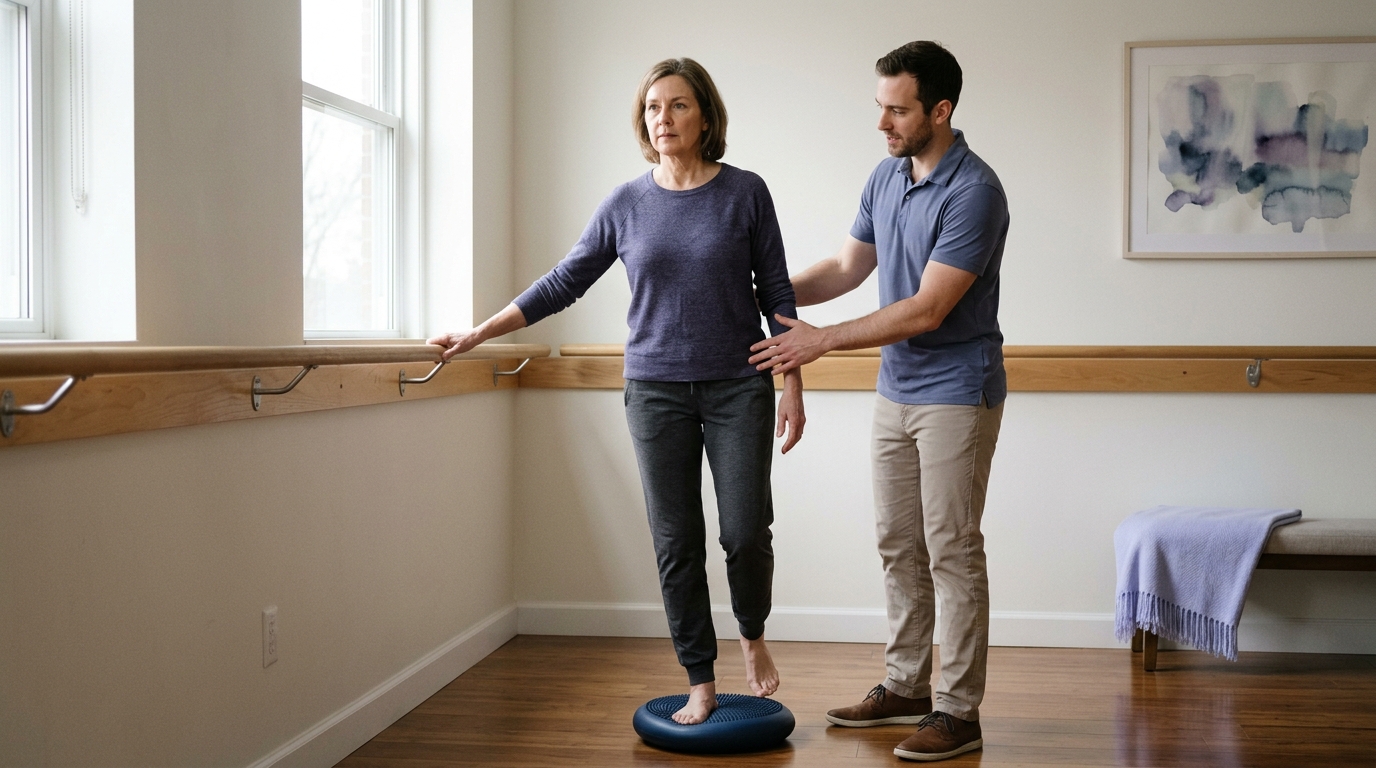
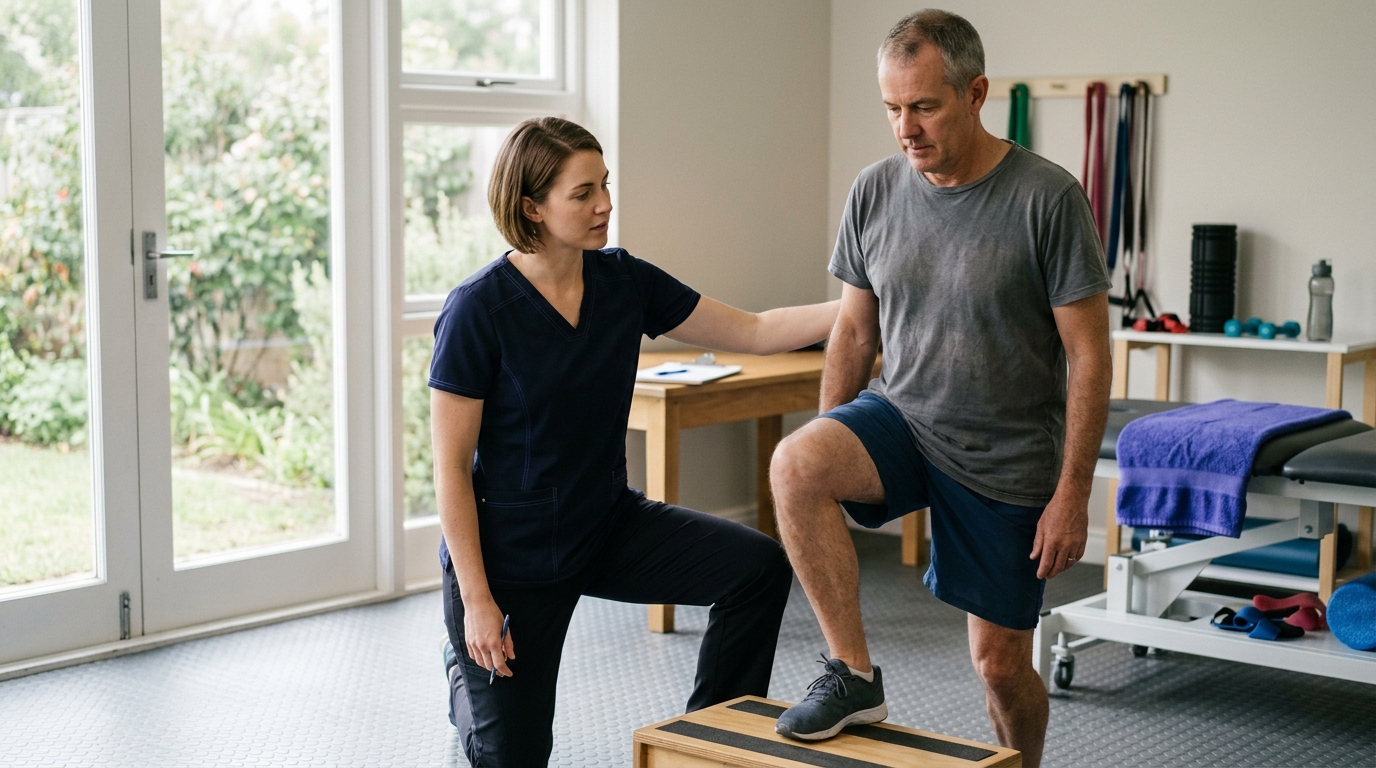
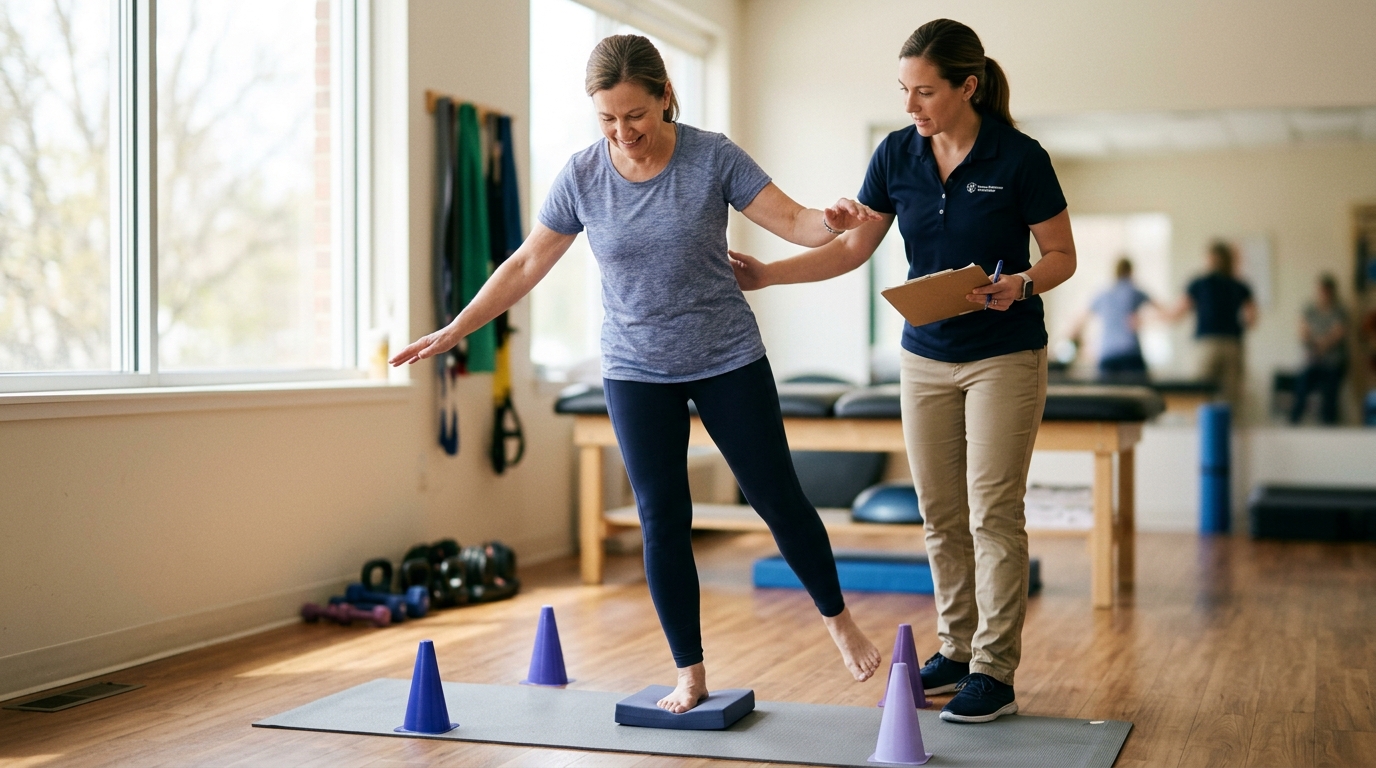
According to CDC guidance, older adults at risk of falls need exercises that challenge stability, such as heel-to-toe walking, single-leg stands, and controlled chair rises. If you have balance concerns, look for programs that offer sturdy handholds, stable surfaces, and close supervision. High-speed group workouts on crowded gym floors may present unnecessary tripping hazards.
Adults living with osteoarthritis, cardiovascular disease, or mobility limitations can participate safely in regular exercise. However, standard group fitness classes often move too quickly to accommodate joint pain or reduced mobility.
CDC guidelines emphasize that most aerobic and strengthening activities can be modified, adapted, or supported with adaptive equipment. If you use a mobility aid or have joint stiffness, choose a program that explicitly supports seated variations, low-impact alternatives, and self-paced rest intervals.
For more information on joint-friendly training mechanics, read our overview of mobility and movement strategies.
Your exercise plan must fit the realities of your work and family life. If you have unpredictable work hours or caregiving responsibilities, signing up for a class that meets only on Tuesdays at 6:00 PM creates a high risk of missed workouts.
In contrast, an independent home routine or an on-demand video platform allows you to train whenever your schedule permits. Fitting three 20-minute home sessions into a busy week is far better than missing two scheduled gym classes.
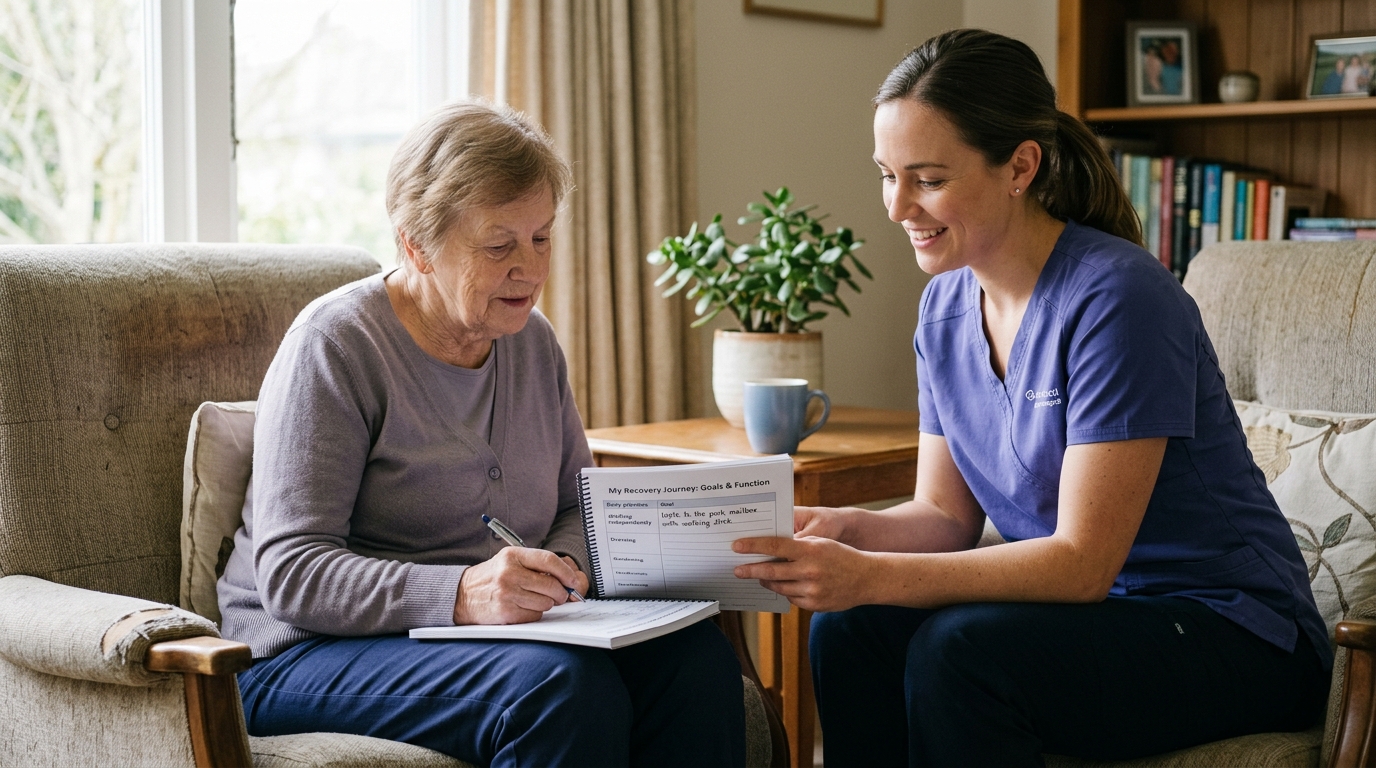
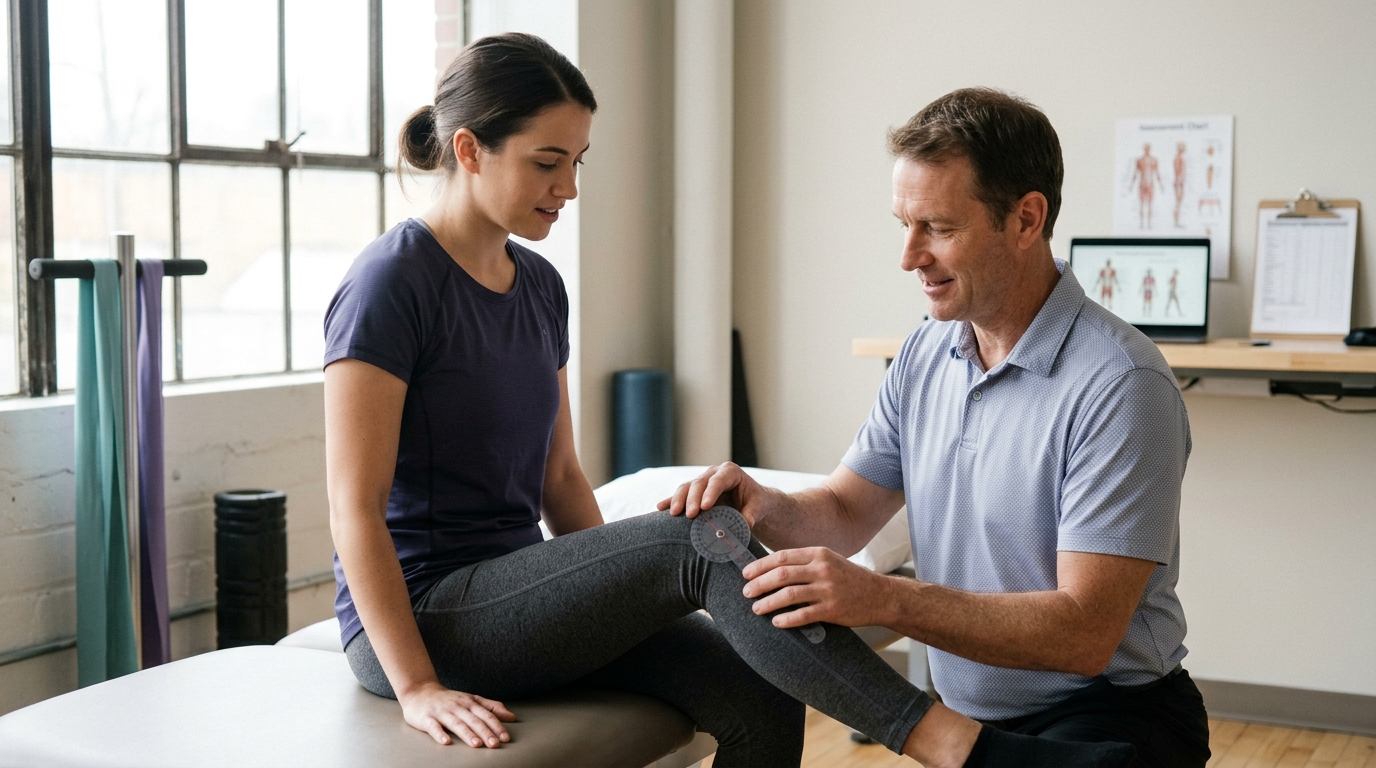
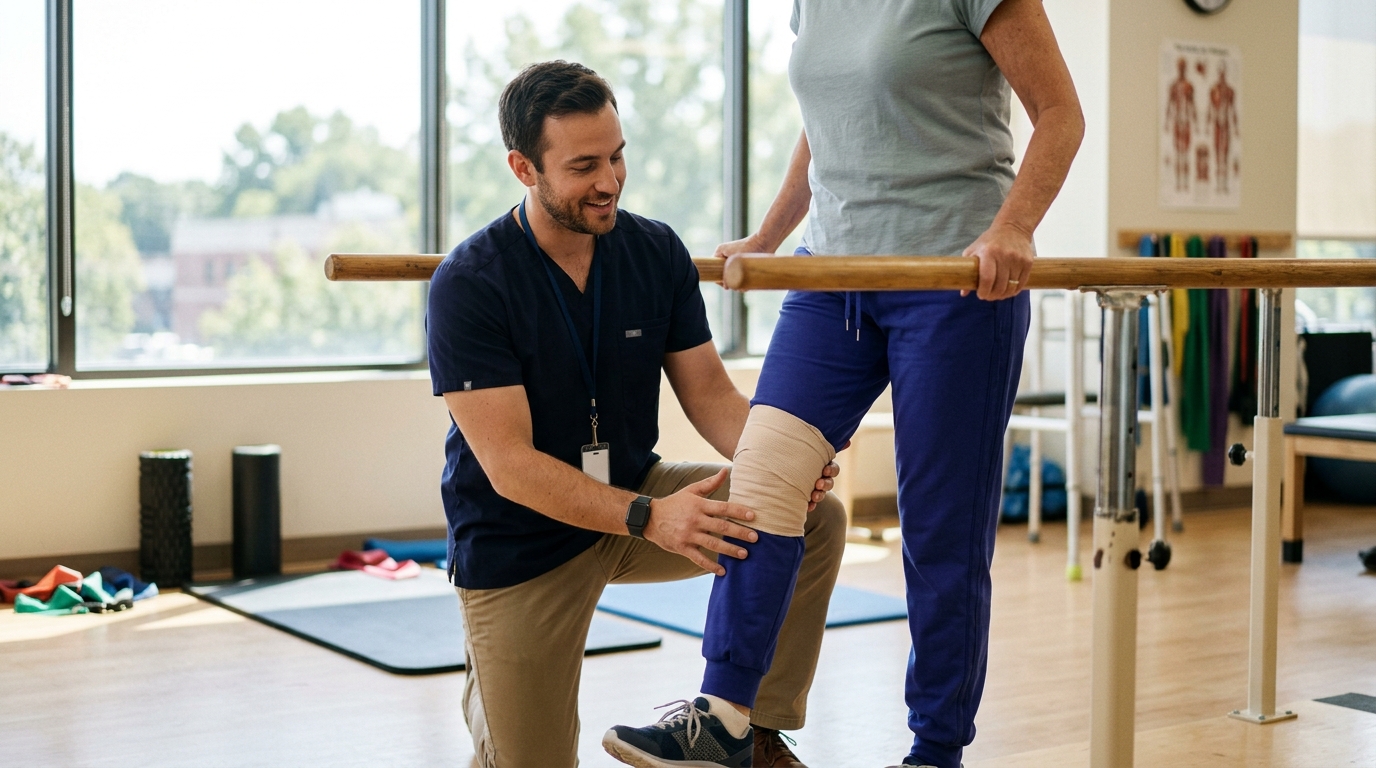
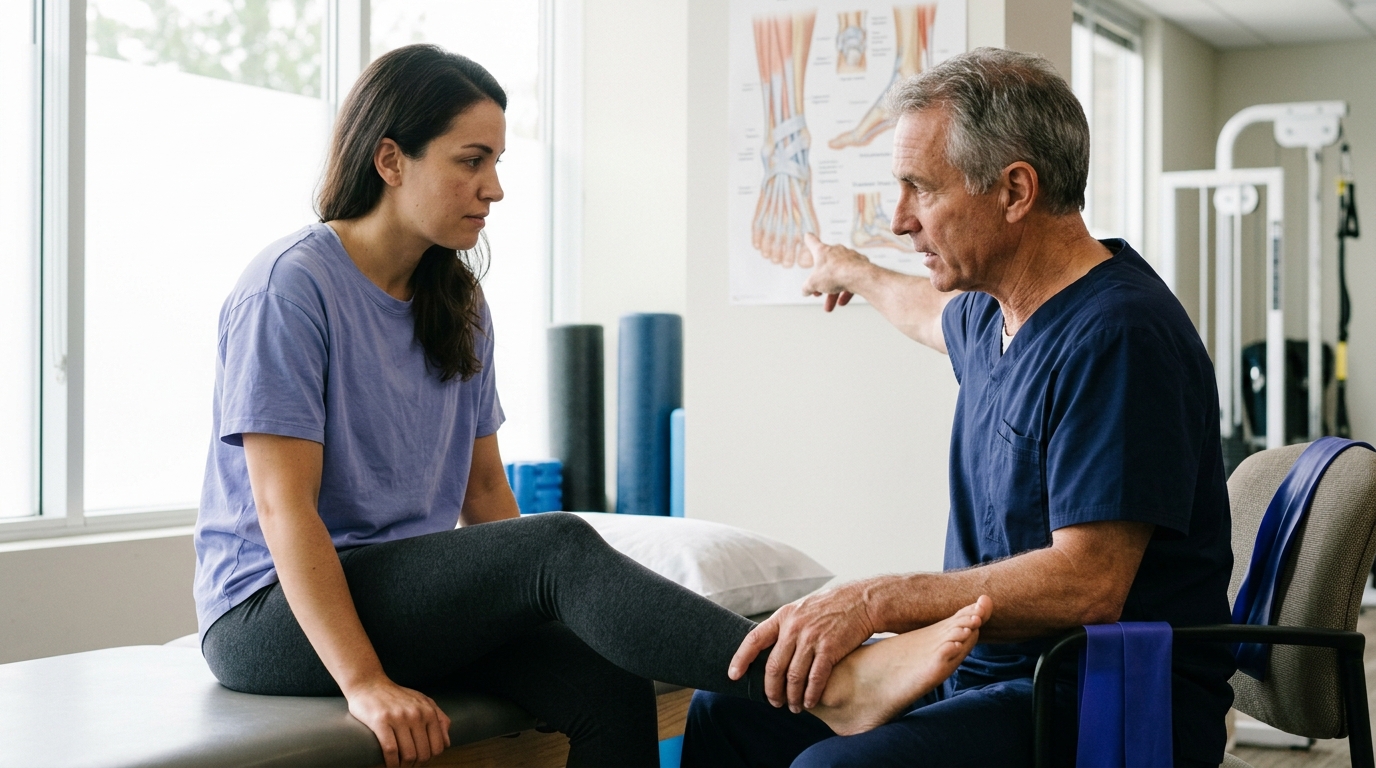
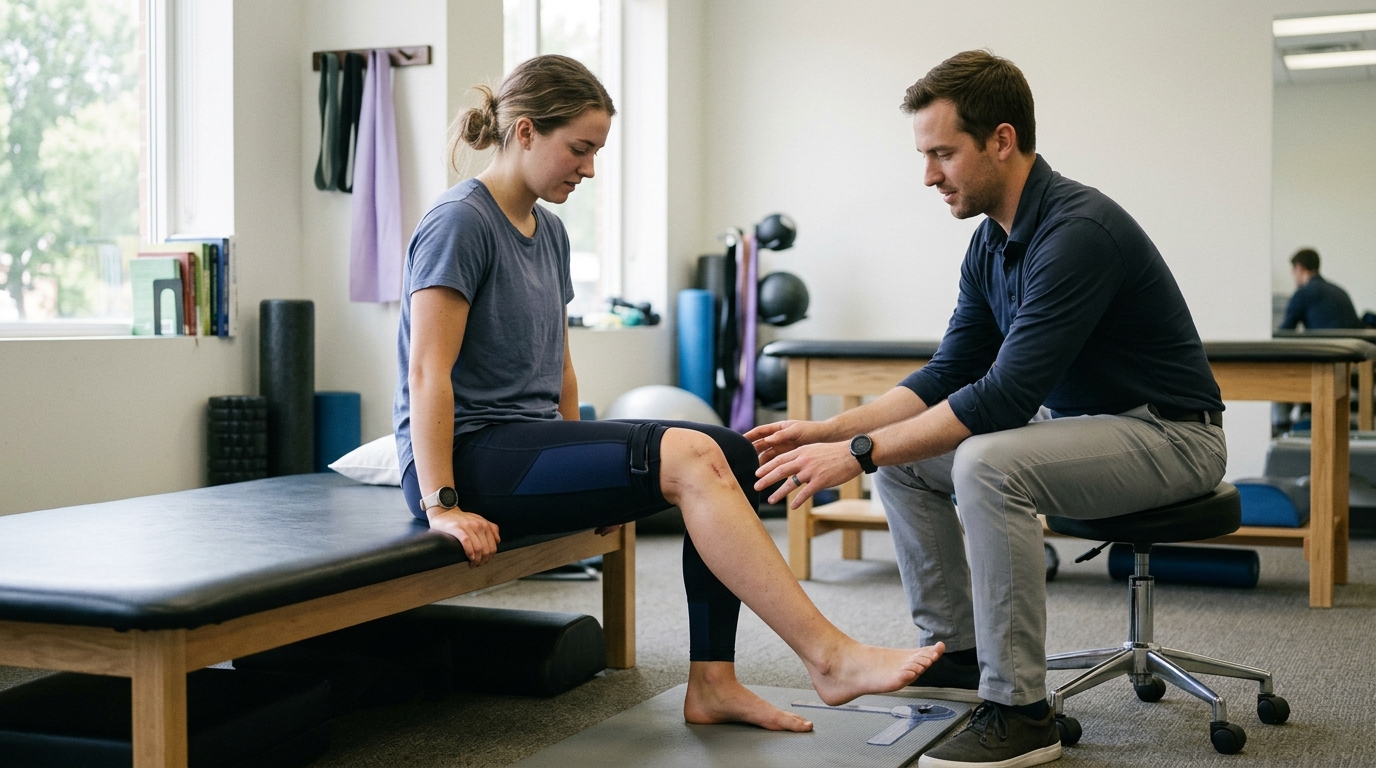
Active adults transitioning from formal rehabilitation back to general fitness face a common challenge. Physical therapy provides close clinical supervision, while standard gym classes provide very little.
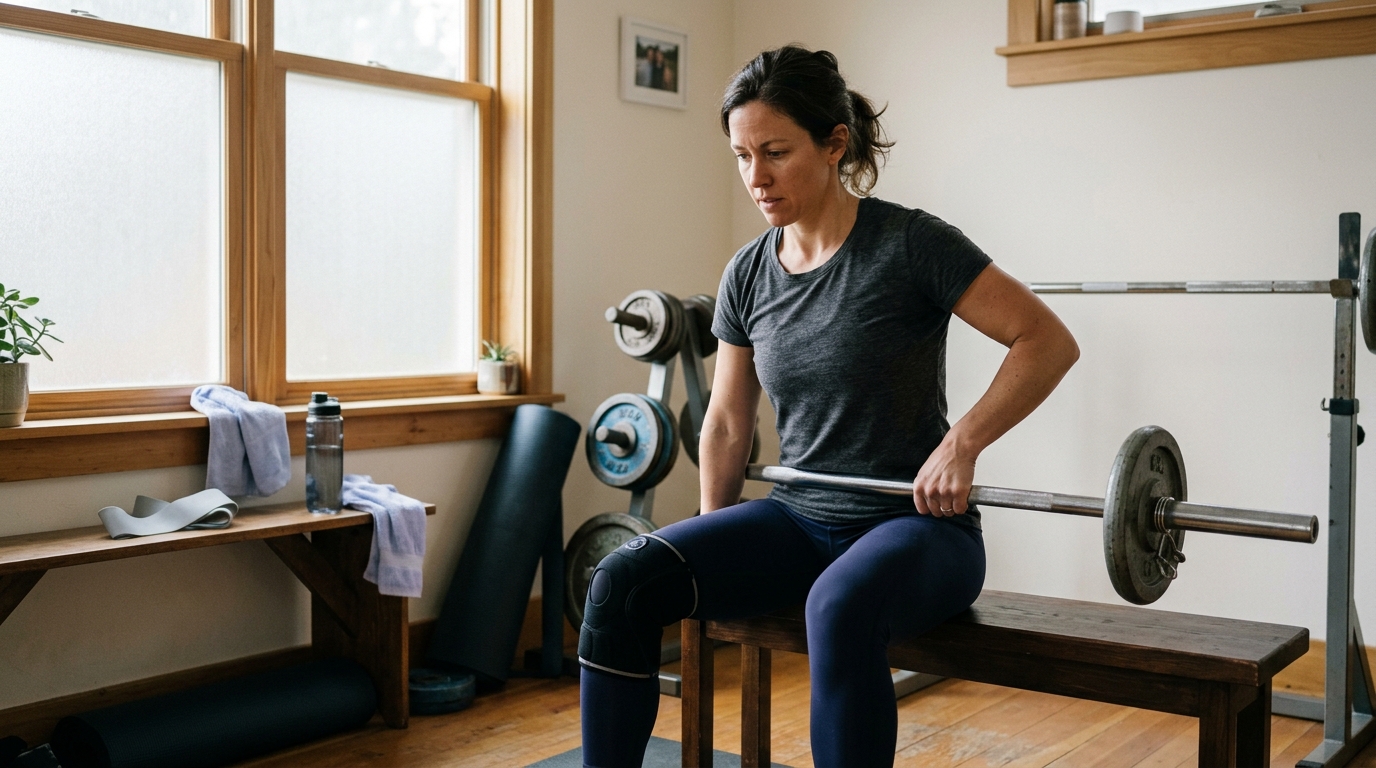
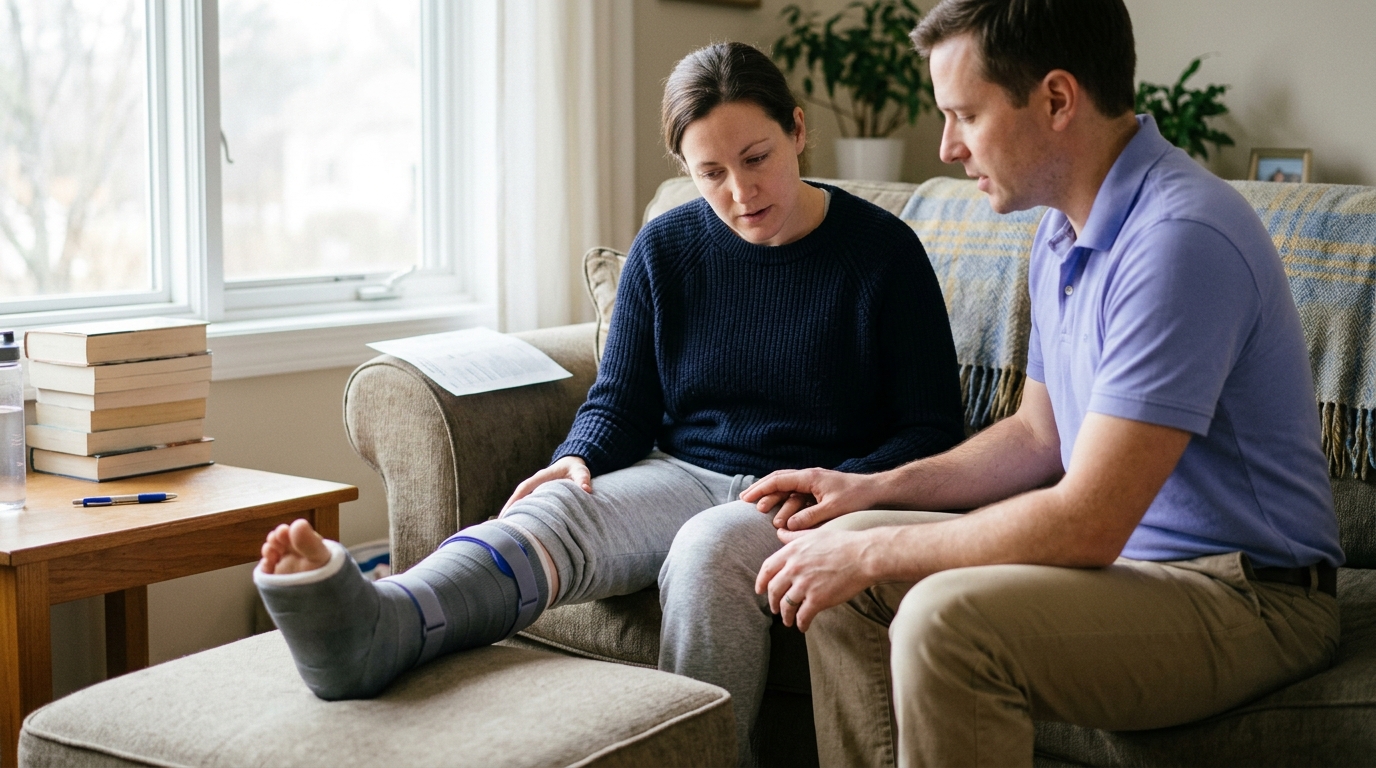
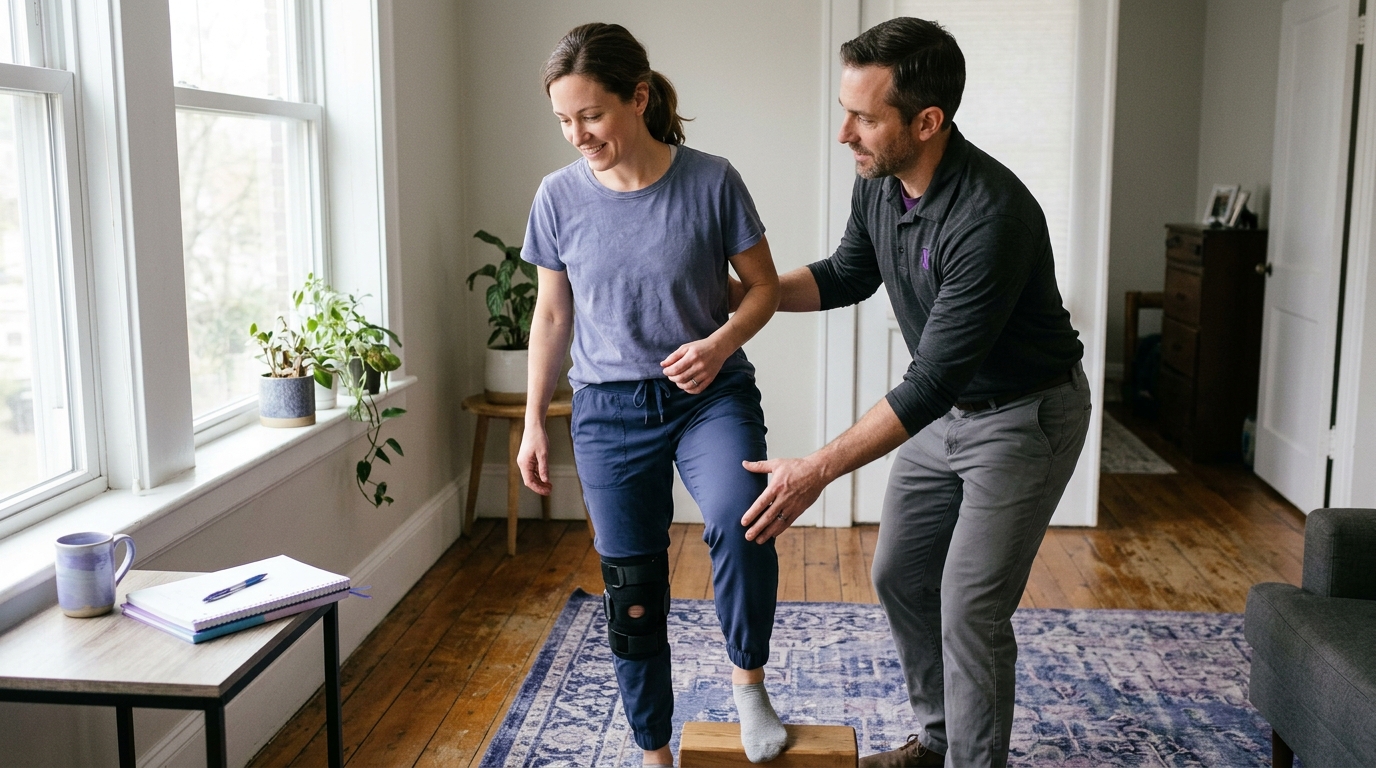
If you are completing physical therapy for a joint injury or surgery, an immediate jump into high-intensity group classes can irritate recovering tissues. A period of one-on-one coaching or a carefully designed home routine serves as a safe bridge. This gradual step allows you to rebuild strength while monitoring joint responses.
To understand how to safely bridge this gap, explore our resource collection on rebuilding strength and athletic capacity.
When evaluating personal trainers and group fitness instructors, you need to understand their qualifications, training, and professional limits.
Reputable fitness professionals hold certifications accredited by independent organizations, such as the National Commission for Certifying Agencies. Respected certifying bodies include the American College of Sports Medicine, the National Academy of Sports Medicine, and the American Council on Exercise.
An accredited certification ensures that the instructor understands exercise science, program design, and basic emergency procedures. For example, ACSM personal trainer standards require instructors to demonstrate competence in designing exercise programs for healthy individuals or individuals who have received medical clearance.
It is equally important to understand what a fitness credential does not allow. Fitness instructors and personal trainers are not medical clinicians. They are not licensed to diagnose medical conditions, prescribe physical therapy, perform joint manipulations, or treat injuries.
Professional standards from leading organizations emphasize that fitness professionals must recognize their boundaries. When a client reports persistent joint pain, unexplained numbness, severe dizziness, or cardiovascular symptoms, the trainer must refer that client to a physician or physical therapist.
Be cautious of any instructor who claims to cure medical conditions, promises rapid body transformations, or discourages you from consulting your healthcare provider. A competent trainer welcomes communication with your medical team and happily modifies workouts to honor clinical guidelines.
Before starting a new exercise program, it is helpful to understand modern health screening guidelines. Historically, exercise guidelines suggested that almost every adult should see a doctor before beginning any physical activity. Today, professional screening standards are more practical and targeted.
According to ACSM preparticipation screening guidelines, the need for medical clearance depends on three specific factors:
Under this screening model, asymptomatic adults who already engage in regular physical activity can generally continue or moderately increase their training without formal medical visits. Medical clearance is primarily recommended for individuals who experience symptoms suggestive of cardiovascular disease, or for inactive individuals with known heart, kidney, or metabolic conditions who intend to start vigorous training.
This framework removes unnecessary barriers for healthy adults while ensuring that individuals with significant medical risks receive clinical oversight. If you have questions about your cardiovascular health, always consult your physician before starting a demanding program.
To determine whether a specific class, trainer, or home routine is right for you, evaluate the option across six key dimensions.
Verify that the program matches your personal fitness priorities. If your primary goal is maintaining bone density and building leg strength, an aerobic dance class alone will not meet your needs. You must ensure the program includes dedicated resistance training. If your goal is fall prevention, verify that the routine includes standing balance challenges rather than only floor-based exercises.
Ask how the program accommodates physical limitations. A quality program provides clear regressions for every challenging exercise. For example, if a workout includes floor push-ups, the instructor should offer wall push-ups, incline bench push-ups, or knee push-ups. If an instructor expects every participant to perform identical movements at identical speeds, look for a different program.
Consider all practical barriers to attendance. Is the facility easy to reach during peak traffic hours? Is there adequate parking, an elevator, and an accessible entrance? For home routines, do you have a dedicated, clutter-free space with stable flooring? Logistical friction is one of the most common reasons adults abandon exercise programs.
Evaluate the level of supervision provided. In group classes, observe whether the instructor scans the room, corrects dangerous form, and offers encouragement. In one-on-one coaching, confirm that the trainer tracks your weights, sets, and repetitions rather than looking at their phone. In home programs, check whether digital videos demonstrate exercises from multiple angles with clear audio cues.
Exercise should feel challenging, but the environment should never make you feel embarrassed or unwelcome. Notice the atmosphere of the facility. Is the music volume comfortable? Are participants friendly and respectful? If a gym culture feels intimidating or overly aggressive, you will naturally find excuses to avoid going.
Calculate the total cost of participation, including monthly memberships, parking fees, specialized apparel, and equipment. Compare this cost against your personal budget. An expensive boutique fitness studio is not useful if you can only afford to attend for two months. Choose an option you can comfortably maintain year-round.
Before committing your time and money to a new class, trainer, or community program, use this list of questions to interview instructors and facility managers.
To see how these principles work in real life, consider five common scenarios. These models illustrate decision-making patterns without prescribing individual medical advice.
A 48-year-old manager works long hours and commutes 45 minutes each way. They have tried joining group fitness classes in the past, but evening traffic caused them to miss classes frequently.
The solution is a structured home-based resistance band and dumbbell program. By setting up basic equipment in a spare room, they perform three 25-minute strength sessions per week before leaving for work. They supplement this with brisk 15-minute walks during lunch breaks. This strategy removes commuting stress and builds a consistent routine that fits their schedule.
A 55-year-old adult wants to begin strength training to protect bone density but has never lifted weights. They feel intimidated by gym machines and worry about hurting their lower back.
The ideal solution is booking a small package of six one-on-one sessions with a certified personal trainer. The trainer teaches basic movement patterns, including hip hinges, bodyweight squats, and supported dumbbell rows. Once the participant understands proper form and feels confident, they transition to a semi-private class or an independent routine.
A 71-year-old retiree notices that they feel unsteady when walking on uneven ground or stepping off curbs. They want an exercise program that helps them maintain independent mobility.
The best choice is a community-based multicomponent class designed for older adults. The program combines standing balance drills, chair rises, light dumbbell exercises, and walking patterns. Working with an instructor trained in fall prevention provides a safe environment with sturdy supports nearby.
A 62-year-old with moderate knee osteoarthritis wants to stay active but finds that running, jumping, and high-impact boot camps cause joint flare-ups.
The appropriate option is a low-impact community water aerobics class paired with seated and machine-based strength training. Buoyancy from the water reduces joint loading while providing aerobic conditioning. The strength training builds quad and hamstring strength to support the knee joint without excessive impact.
A 42-year-old recreation enthusiast has finished physical therapy for a rotator cuff strain. Their therapist clears them for general exercise, but they are nervous about lifting weights in an unsupervised gym.
The effective approach is a progressive home program using resistance bands and light dumbbells, following the exact exercise guidelines provided in their physical therapy discharge summary. After four to six weeks of symptom-free home training, they can safely reintroduce heavier gym weights or join a structured group class.
To see additional transition strategies, explore our full library of injury recovery and healing resources.
If you have underlying health conditions, joint pain, or cardiovascular concerns, schedule a brief discussion with your primary care doctor, physical therapist, or cardiologist before starting a new program.
Here are practical questions to bring to your appointment:
Guidelines from the National Health Service for cardiac rehabilitation provide a clear safety standard that applies broadly to exercise: if you experience chest pain, tightness, heaviness, unusual dizziness, faintness, or nausea during exercise, stop immediately and contact your healthcare team.
Choosing an exercise program is not about finding the most intense workout or following the latest fitness trend. Scientific evidence confirms that group fitness classes, personal training, home routines, and community programs can all build strength, improve stamina, and protect health.
The best program is the one that aligns with your functional goals, provides clear movement adaptations for your joints, fits your weekly schedule, and keeps you returning week after week. Start at your current physical capacity, focus on gradual progression, and do not hesitate to ask instructors how they will support your safety.
Use this practical checklist to choose and begin your next exercise program over the coming week.
Following this structured process ensures that you select an exercise routine built on sound science, clear safety standards, and sustainable personal habits.

Use ReboundBody resources to understand common recovery stages, rehab terms, movement limits and strength rebuilding. Each guide is designed to make a complex comeback easier to understand.


Read practical guidance on injury recovery, rehabilitation, mobility and rebuilding strength as you work your way back to activity.
Explore Resources