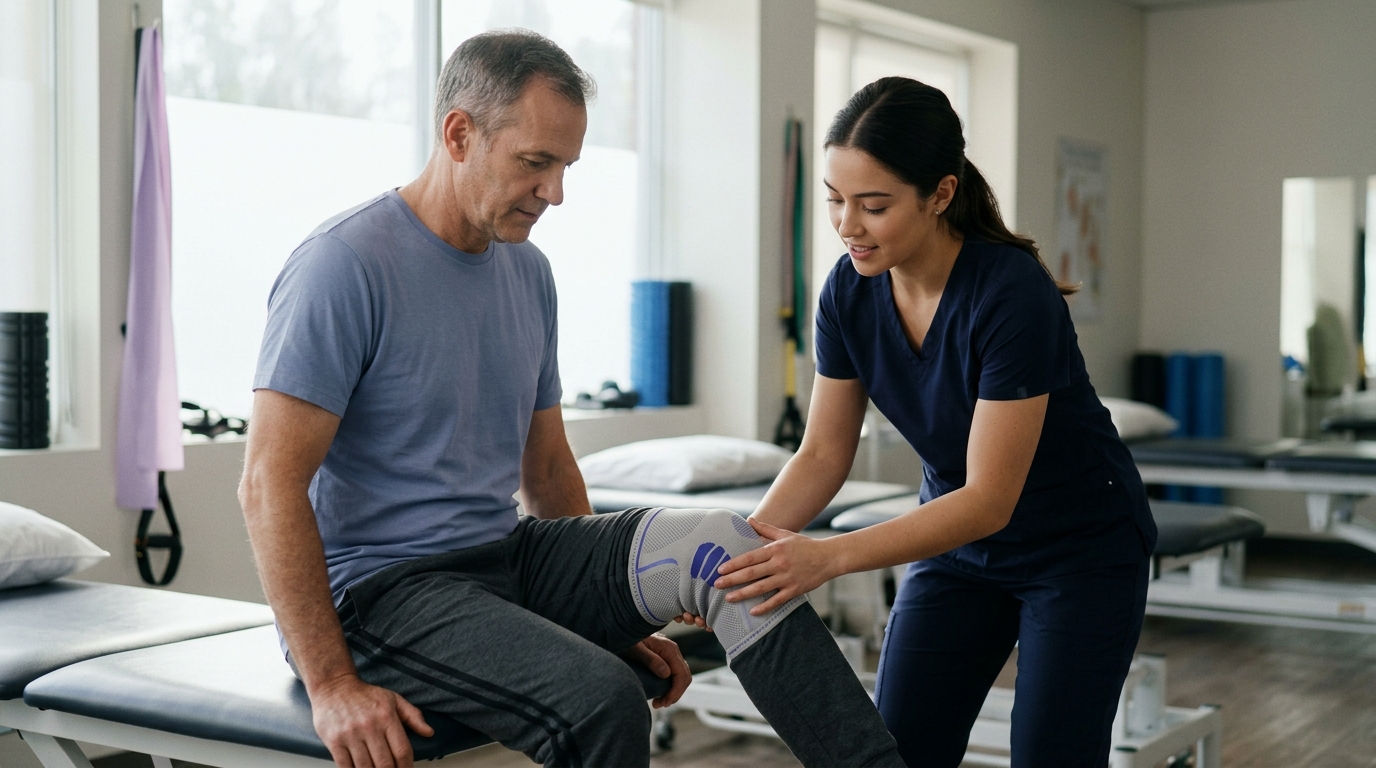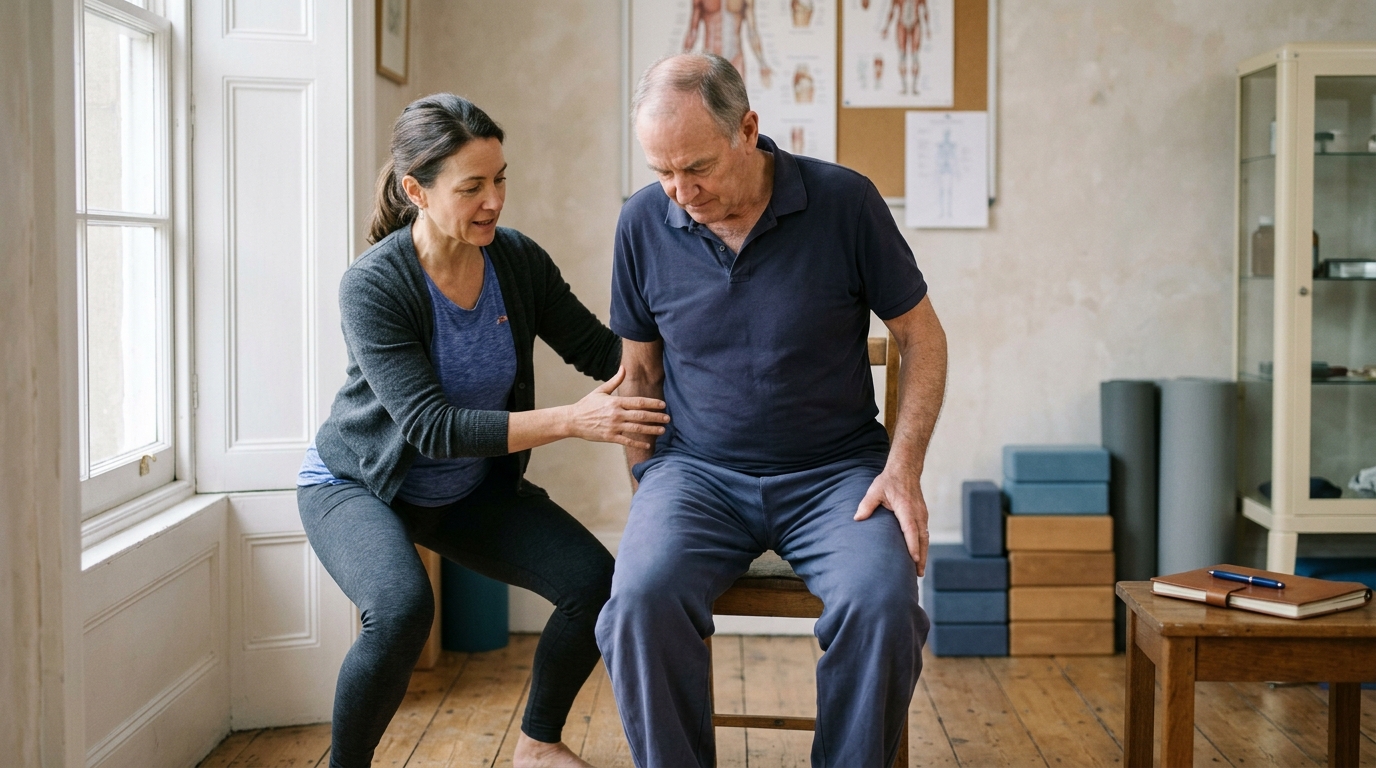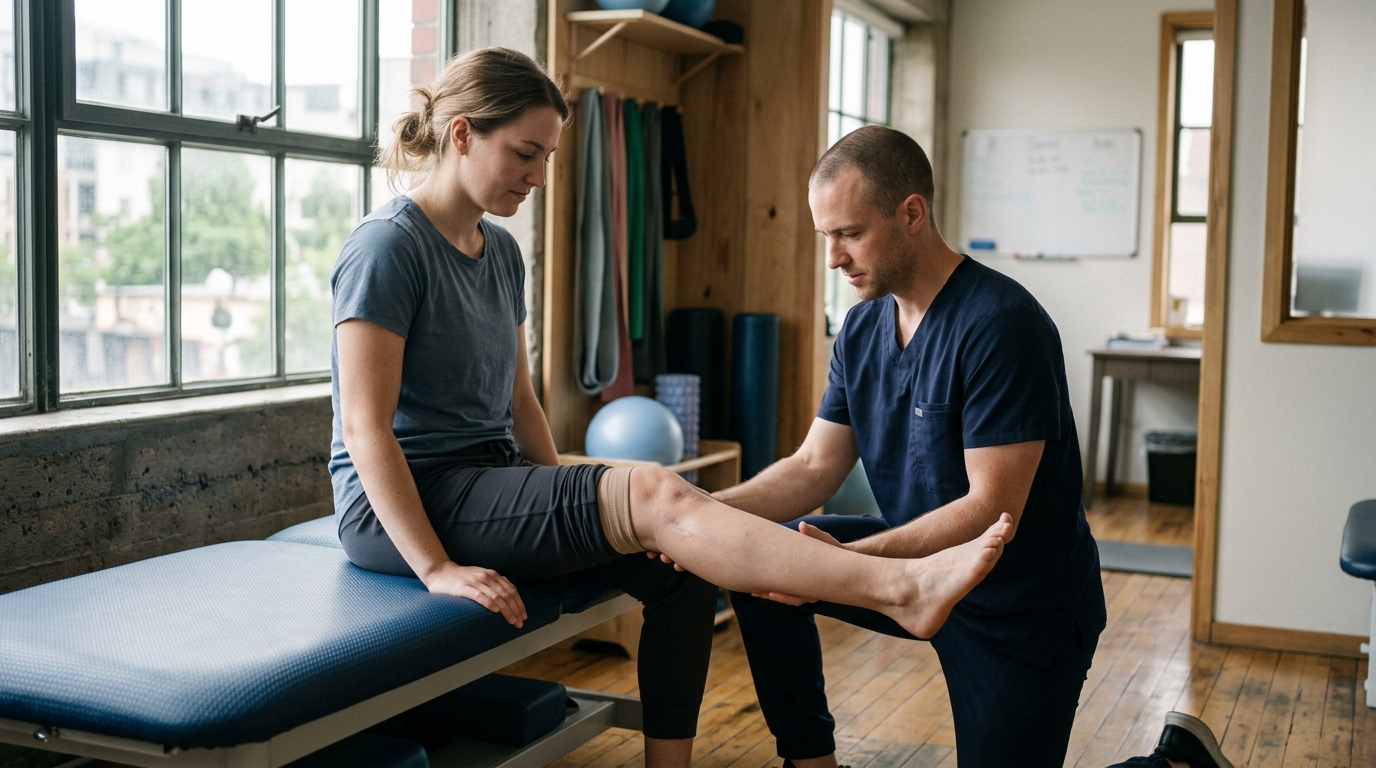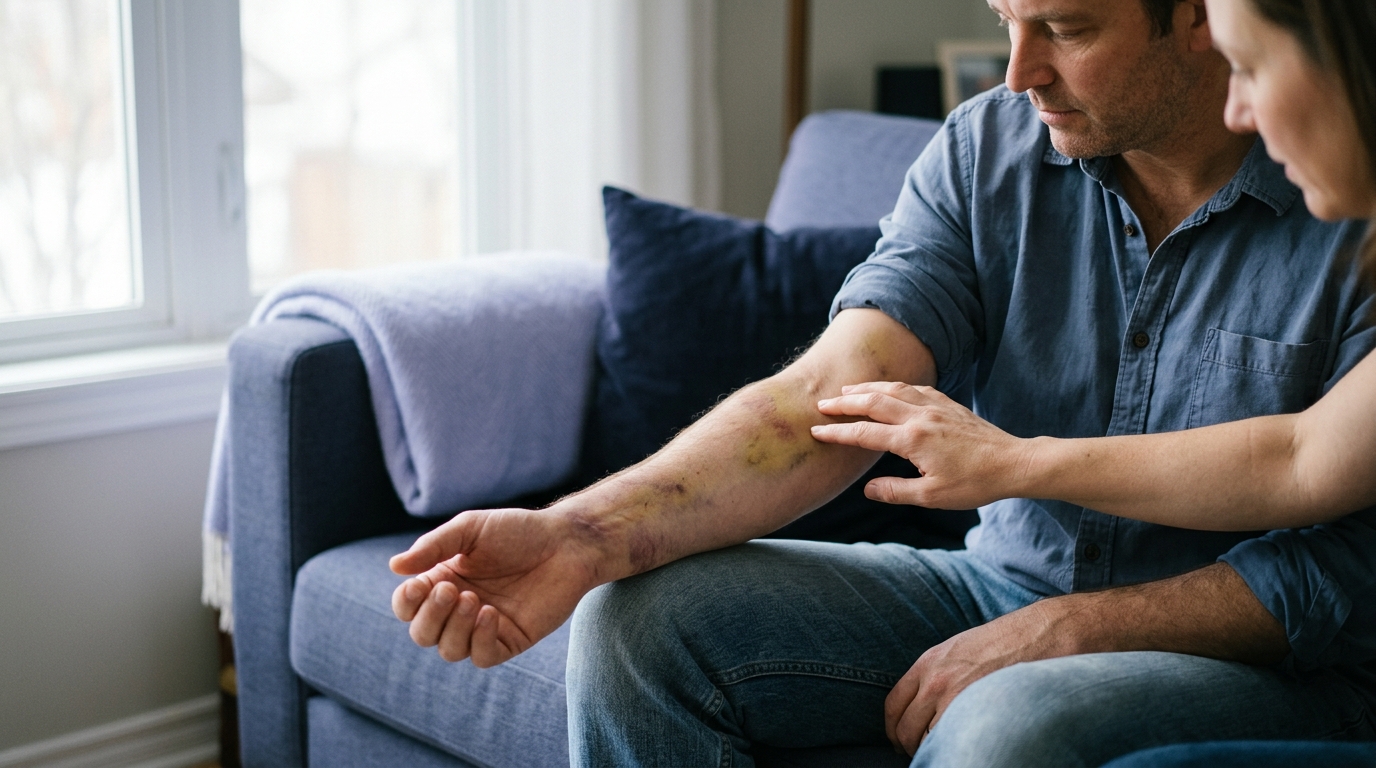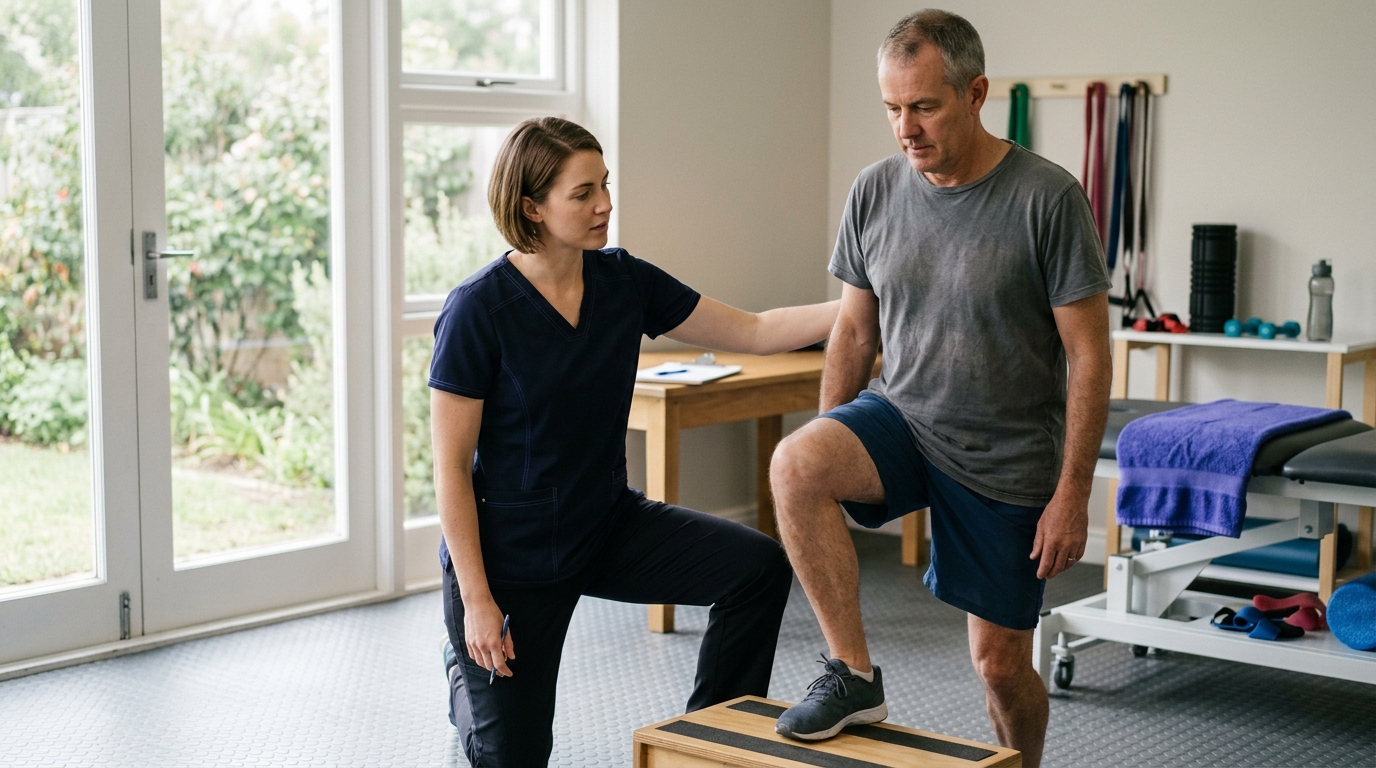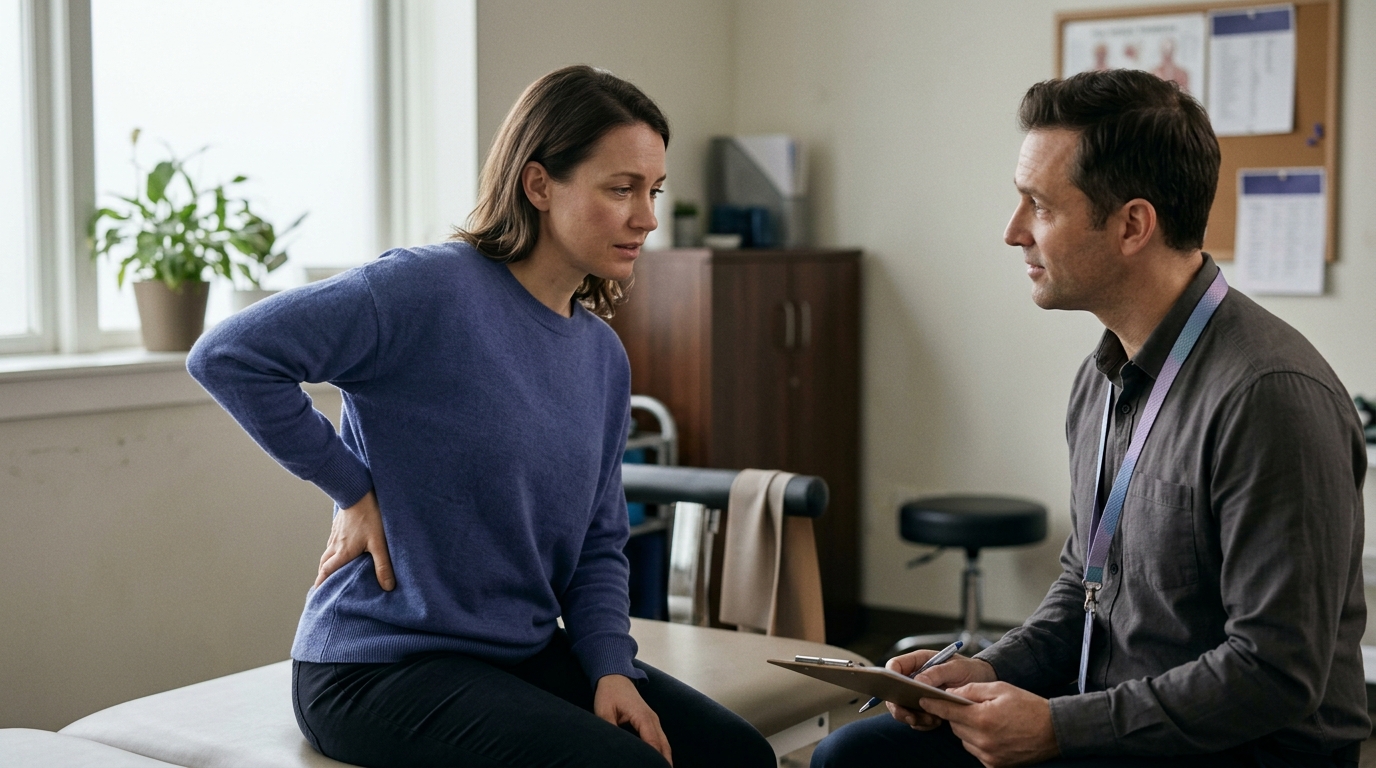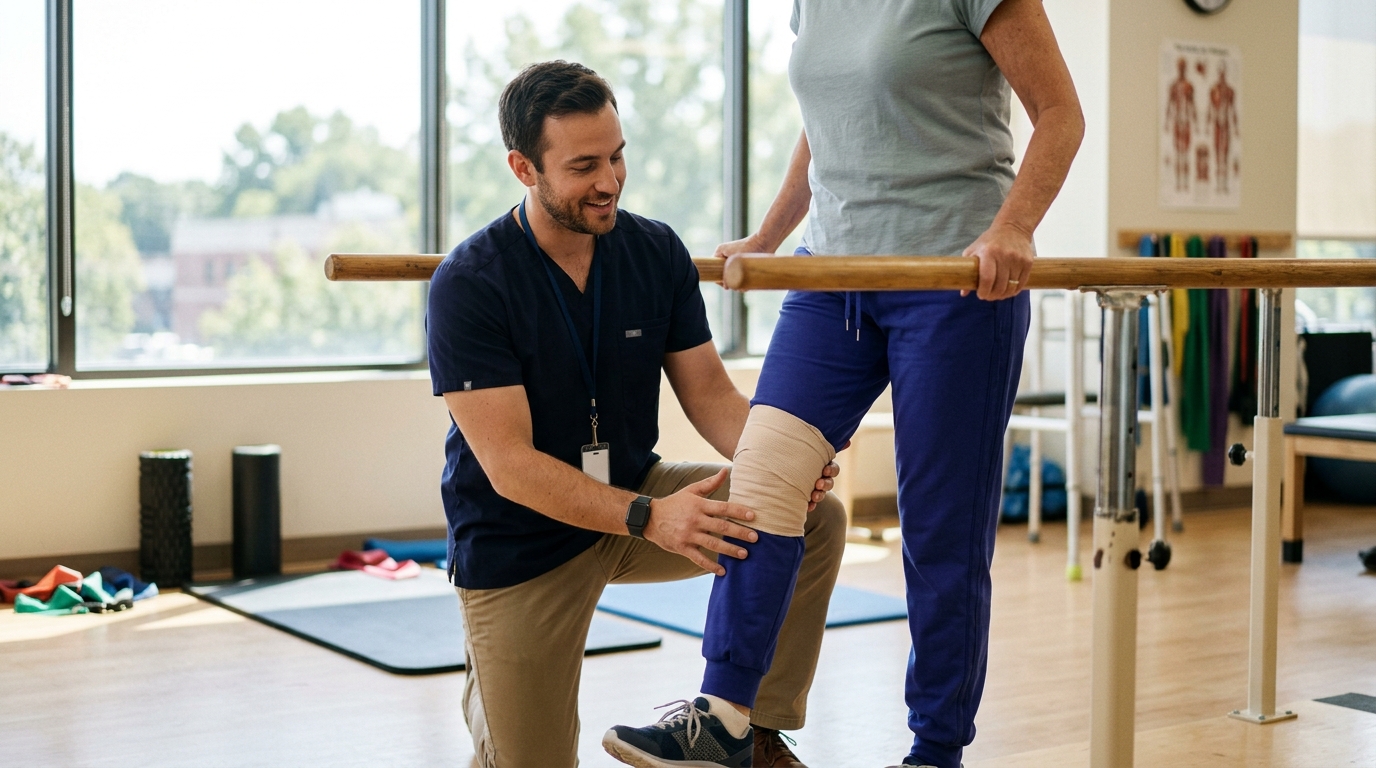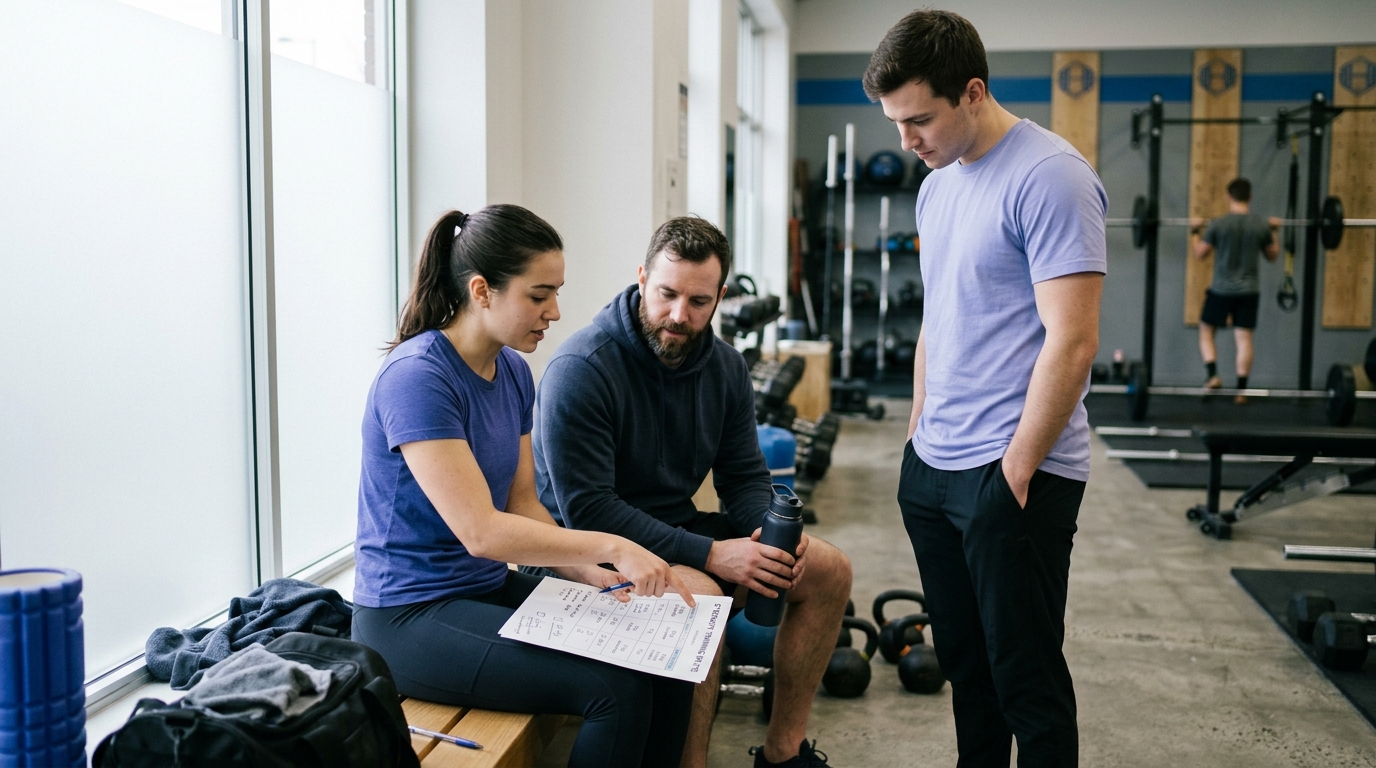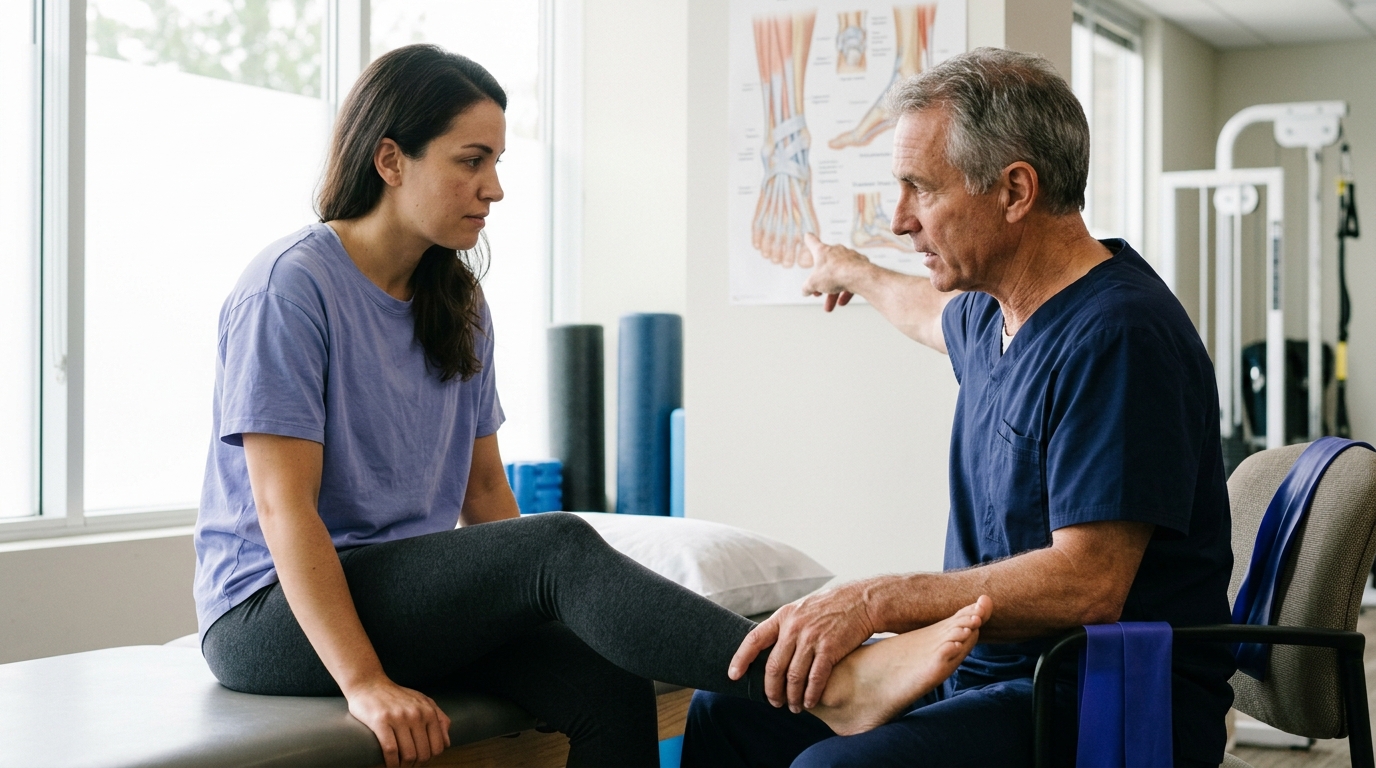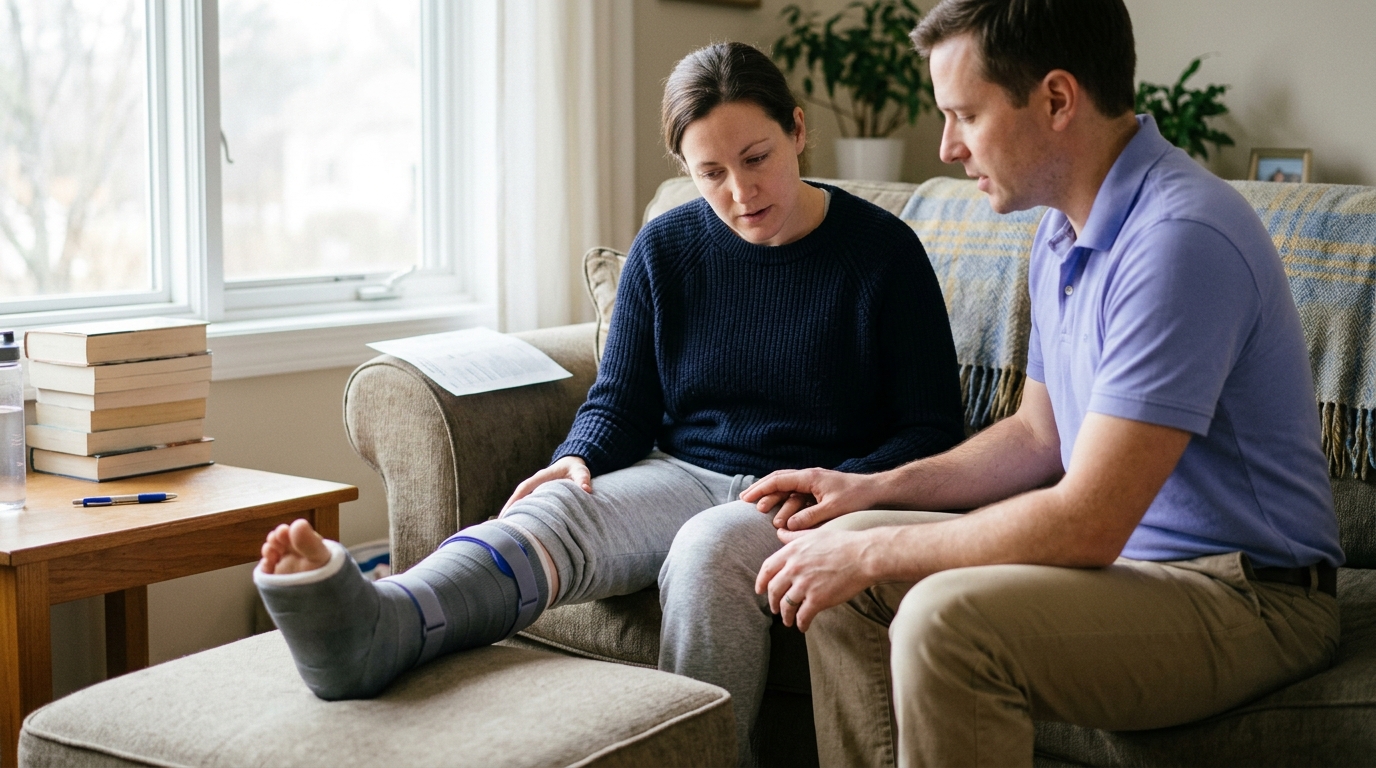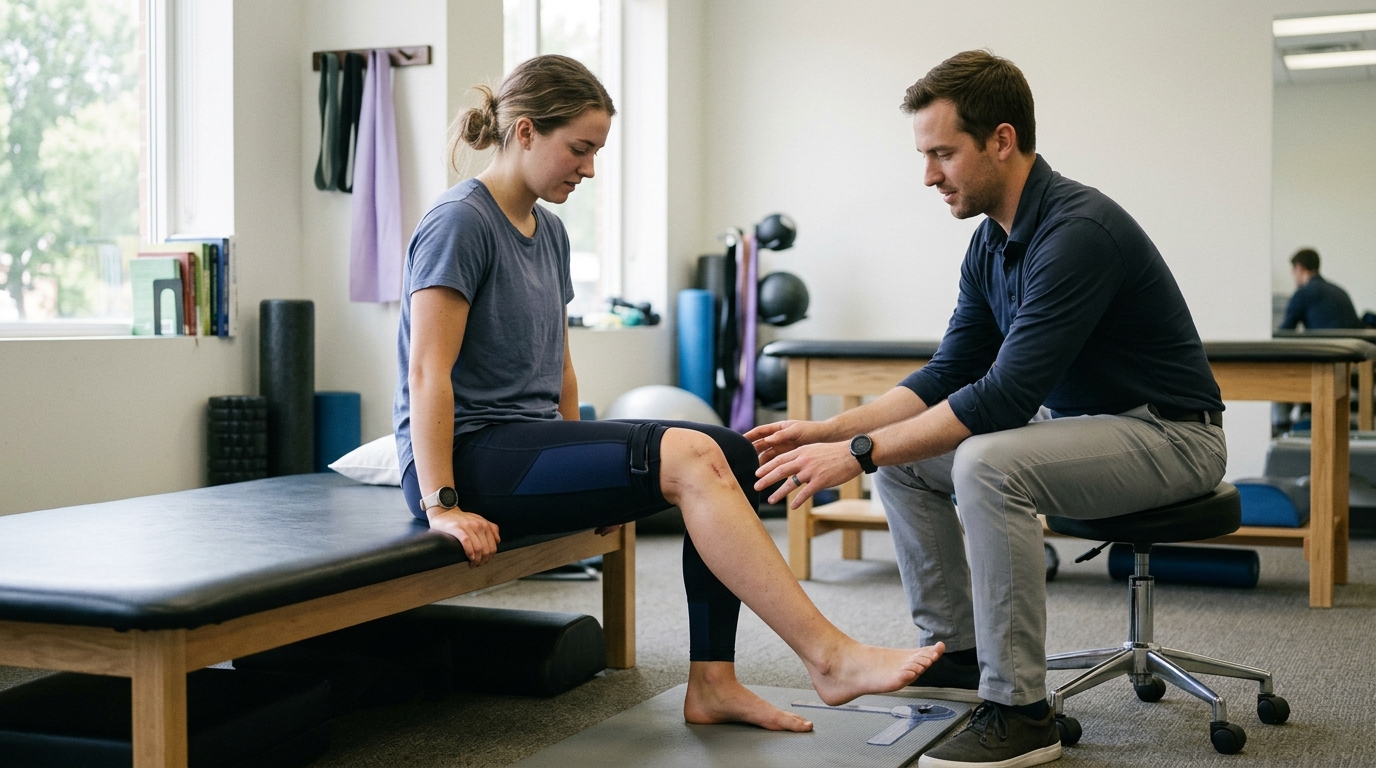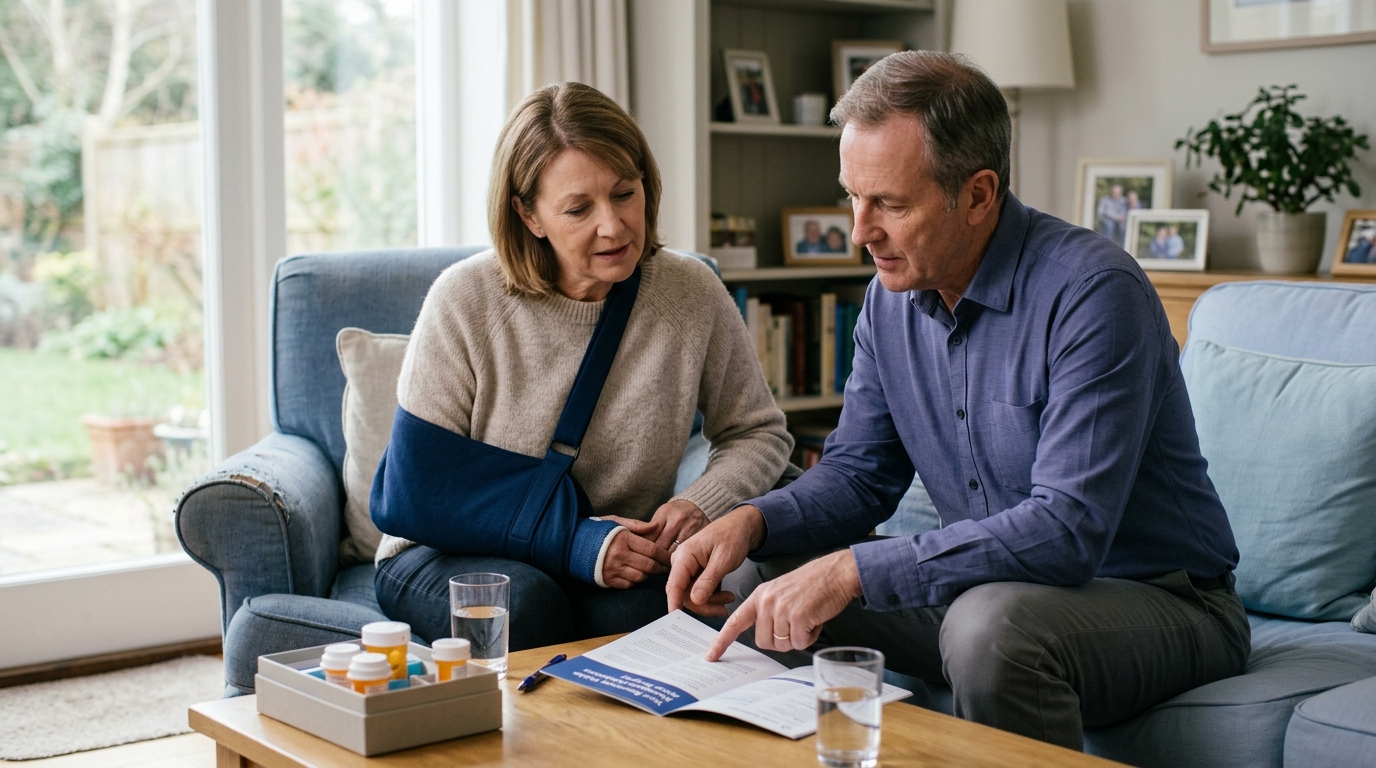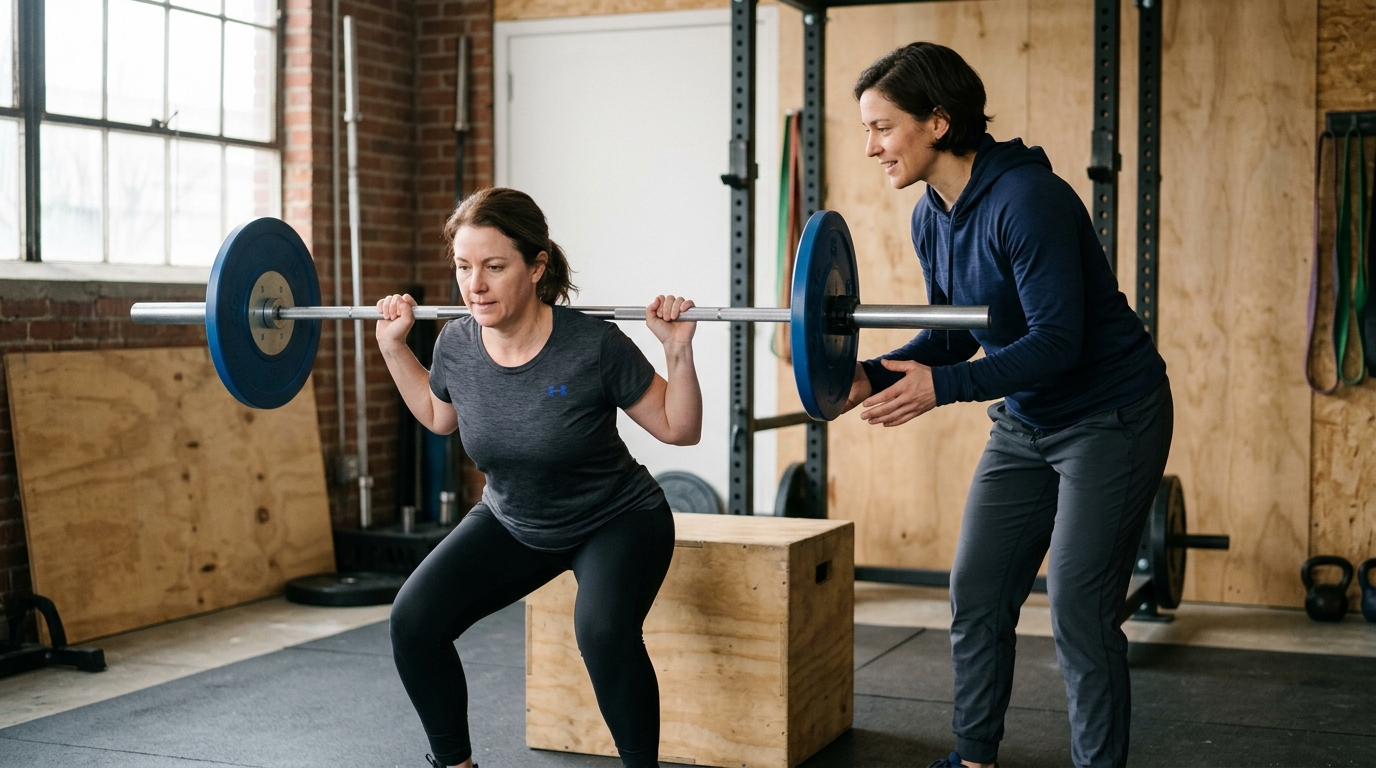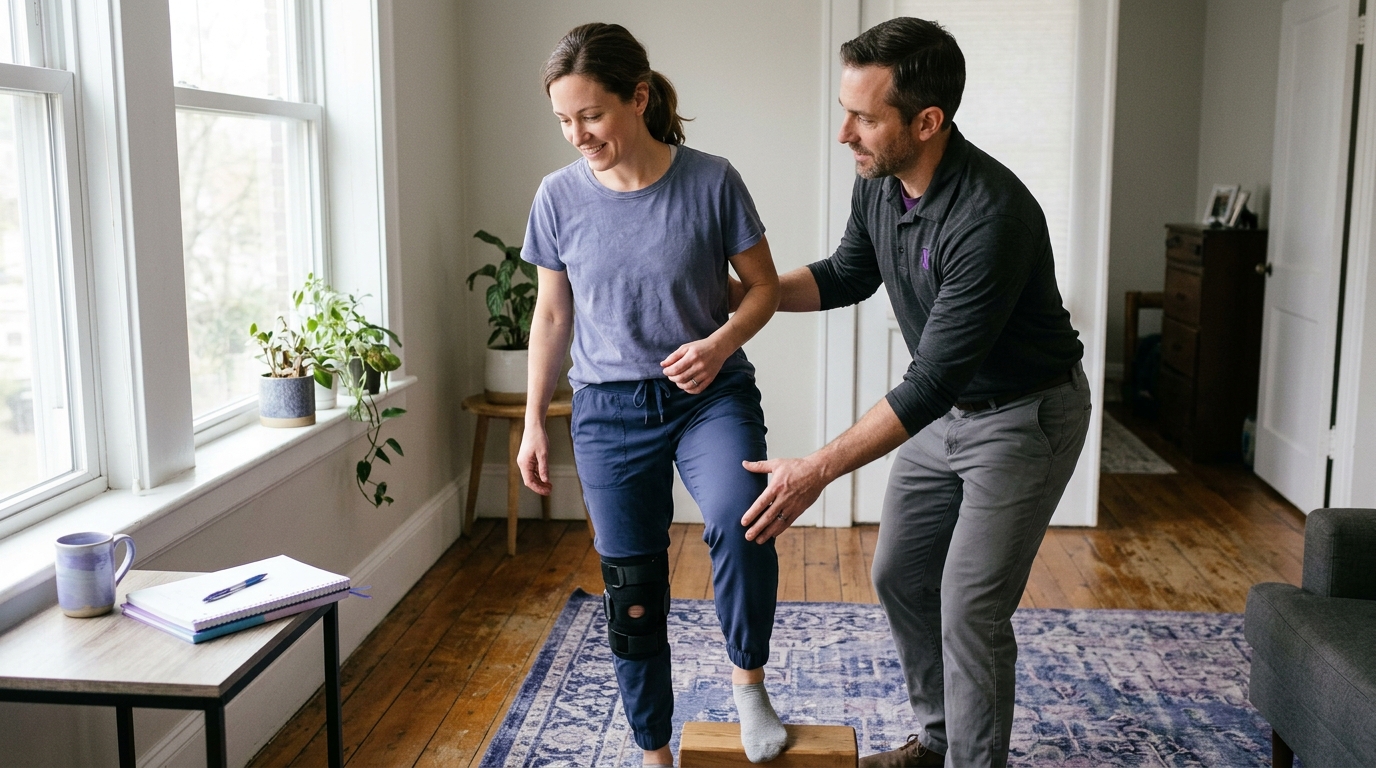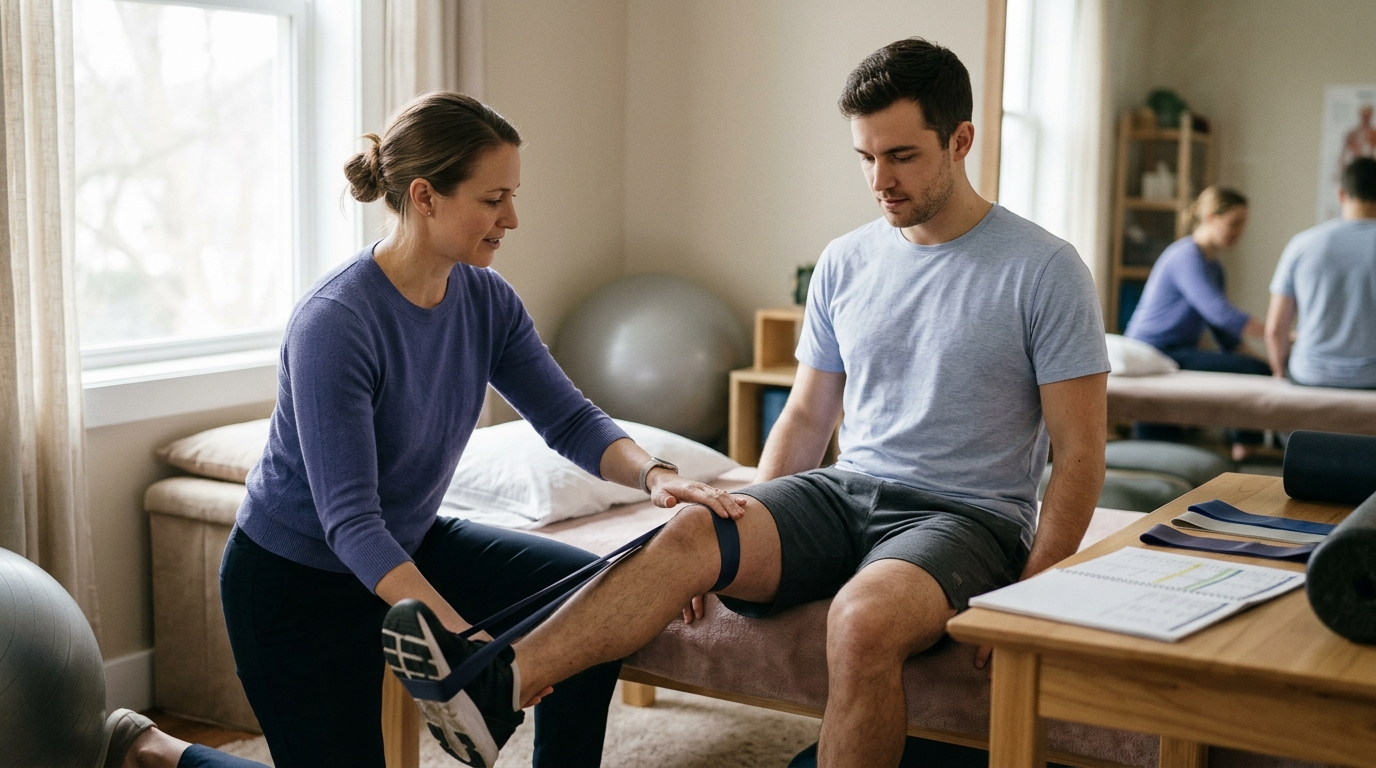

Safe recovery from injury relies on structured load management frameworks that gradually build tissue capacity and guide your return to full activity.





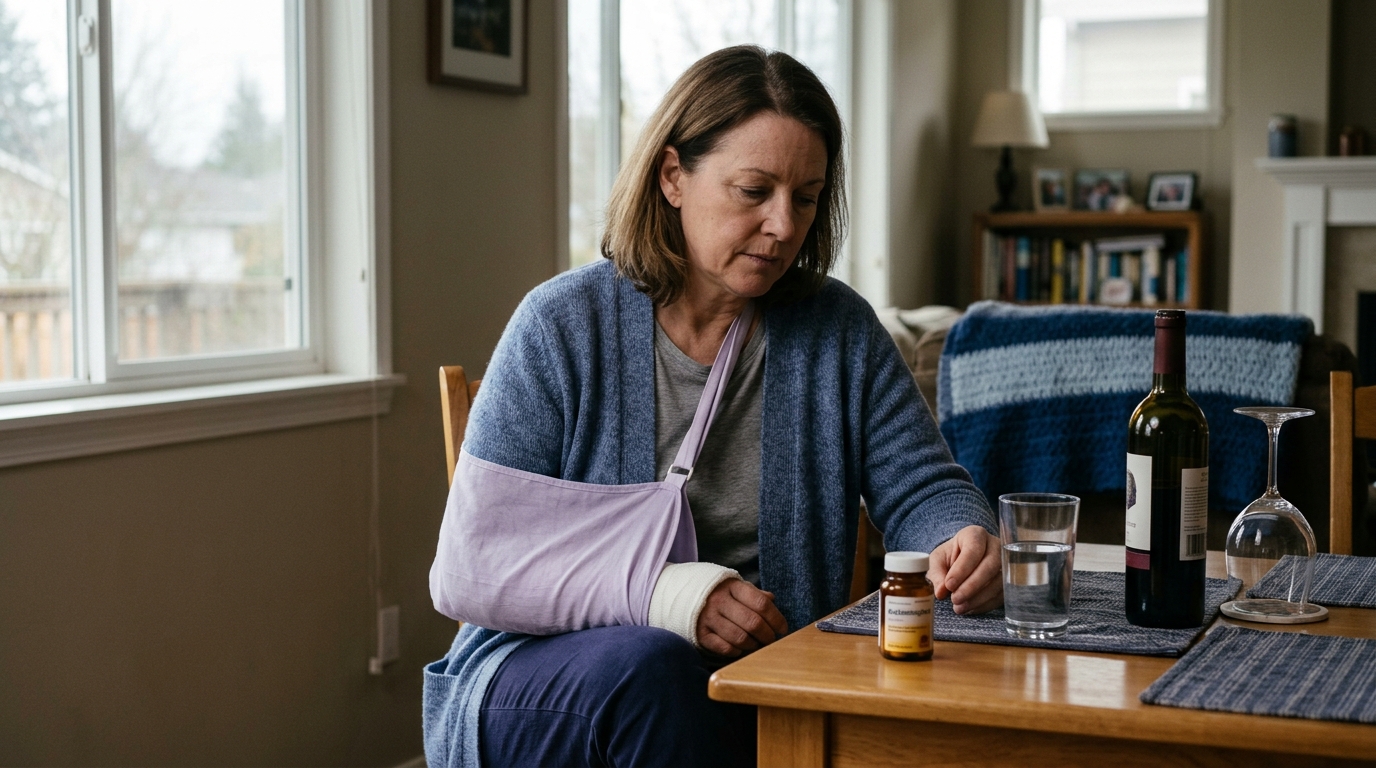
Complete rest is often viewed as the safest path to healing after an injury, but prolonged inactivity can actually degrade tissue tolerance and delay recovery. At the same time, jumping straight back into pre-injury workouts frequently triggers symptom flare-ups and setbacks. Progressive loading sits in the middle of these extremes. It provides a structured, biological method to reintroduce physical stress so your body can rebuild capacity safely.
Progressive loading is the planned, gradual increase of physical demands during rehabilitation. It is not an aggressive push to ignore pain, nor is it a rigid calendar where every week brings an automatic increase. Instead, it is a responsive cycle that matches current activity to what your healing tissues can handle. Clinicians use your symptom response, movement quality, and functional strength to decide when to advance, hold steady, or temporarily reduce demands.
Because every injury, surgical procedure, and individual body has unique constraints, there is no single progression formula that works for everyone. Understanding how progressive loading works can help you make sense of your rehabilitation plan, work more effectively with your physical therapist, and rebuild physical function with realistic expectations.
Physical loading refers to any cumulative stress placed on your body during movement. In rehabilitation, load includes far more than the amount of weight on a barbell. It encompasses the speed of movement, total repetitions, training frequency, joint range of motion, and the mental focus required to perform a task.
Load can be split into two distinct categories:
External load is the objective work you perform during an activity. It includes measurable training units such as the miles you walk, the pounds you lift, the repetitions you complete, or the minutes you spend practicing a sport. External load is easy to quantify because it represents the external physical task itself.
Internal load represents the physical and psychological response of your body to that external work. Two people might walk the exact same distance at the exact same pace, but their internal load can differ completely. One person may experience a low heart rate and zero joint irritation. The other may experience high perceived exertion, elevated heart rate, and localized joint swelling.
According to consensus statements from the International Olympic Committee, internal load is heavily influenced by non-training factors. Everyday life events, psychological stress, poor sleep, and daily hassles all alter how your body handles physical demands. When your nervous system is stressed or your sleep is compromised, a physical task that was easy last week may produce a much higher internal load today.
Rather than treating rehabilitation as a straight line, clinicians view load management as an ongoing, responsive cycle. You can learn more about how physical activity is structured across different stages of recovery in our injury recovery and healing resources.
This cycle repeats throughout recovery. If an increase in exercise volume leads to excessive soreness or swelling, the dose is adjusted. If the body adapts well and symptoms remain stable, the demands are progressively raised toward your ultimate goal.
Rehabilitation plans often draw a distinction between graded activity and graded exposure. Graded activity focuses on building physical capacity over time. It involves choosing a manageable baseline of exercise and slowly increasing duration or intensity at a steady rate. Guidance from the National Health Service (NHS) emphasizes that graded activity should be adjusted based on effort and symptom flare patterns rather than sticking blindly to a rigid schedule.
Graded exposure, by contrast, is primarily used when fear or anxiety surrounds a specific movement. After an injury, it is common to avoid movements that previously caused pain, such as bending over to pick up an object or jumping. Graded exposure gradually reintroduces these feared movements in small, non-threatening steps. This process helps your brain and nervous system recognize that the movement is safe to perform again.
Modern orthopedic rehabilitation has largely shifted away from arbitrary time-based milestones. In the past, clearance for physical activity was often based entirely on how many weeks had passed since the injury or surgery. Today, clinical research supports criterion-based progression, where you advance based on demonstrated physical readiness and tissue capacity.
The 2016 Consensus Statement from the First World Congress in Sports Physical Therapy outlines return to activity as a continuous process rather than a single moment of medical clearance. This framework defines three distinct stages that apply to both athletic recreation and everyday physical goals:
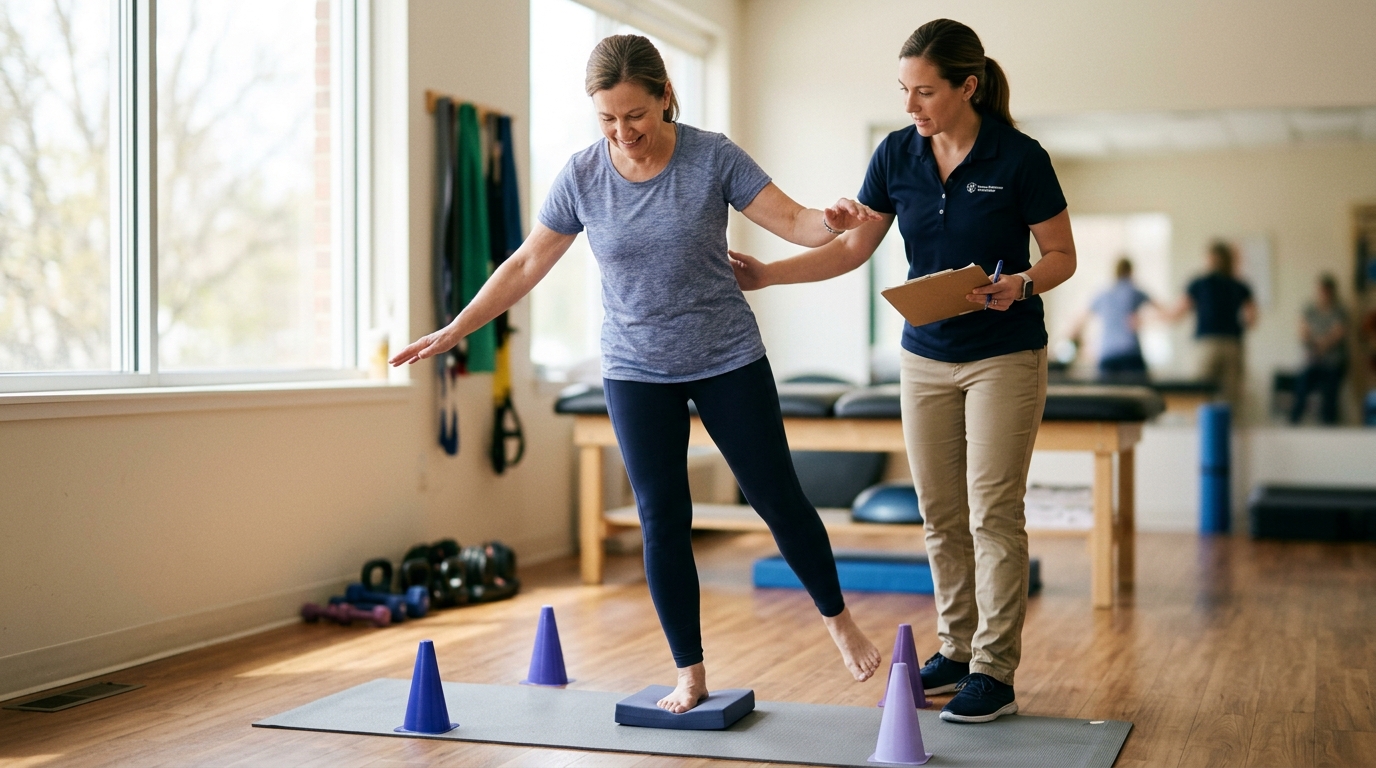
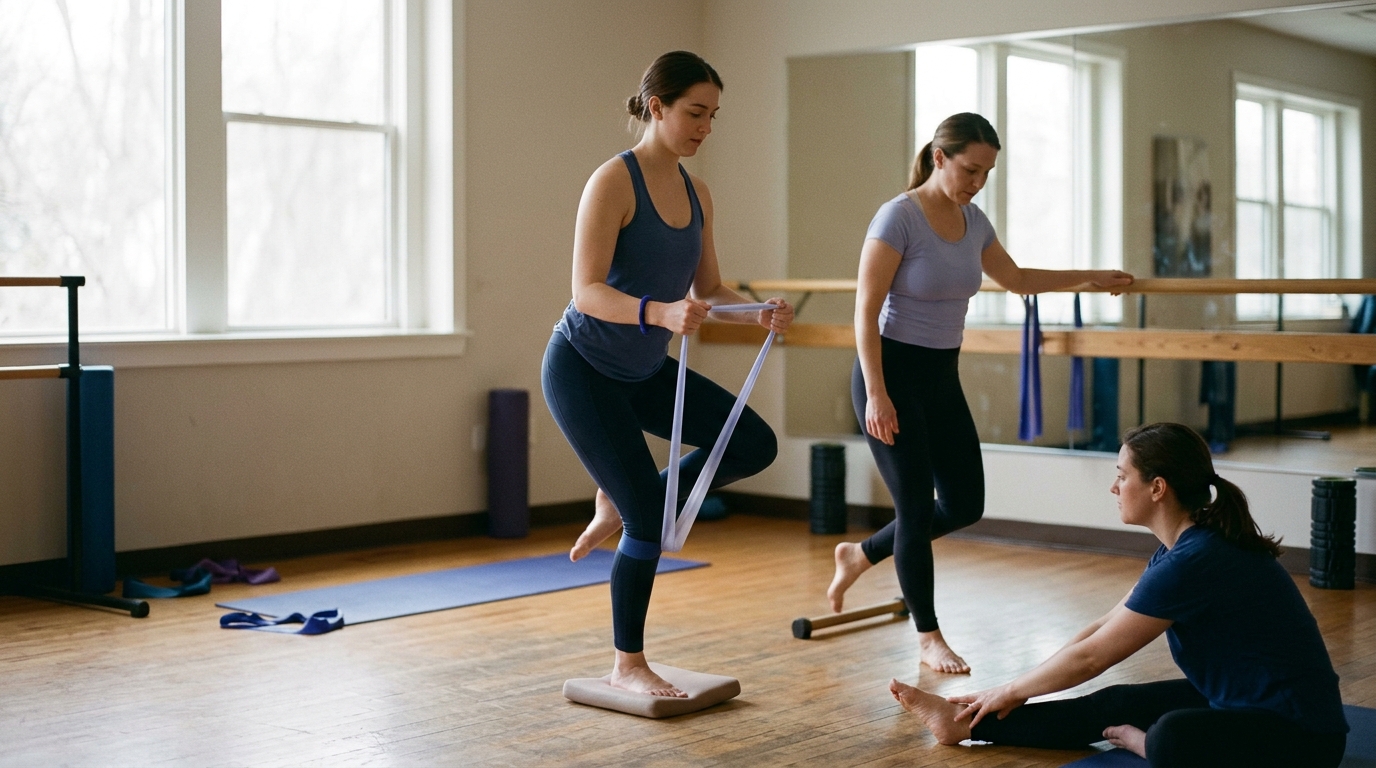
The person is actively taking part in rehabilitation, modified exercise, or restricted tasks. They are performing physical work, but the volume and intensity remain below their target goal. For example, a runner at this stage might perform walk-to-run intervals on flat ground rather than running freely on trails.
The person has returned to their chosen activity, sport, or job duties, but they are not yet performing at their desired level. Demands are still carefully monitored, and performance capacity is still rebuilding.
The person has gradually increased their training volume, intensity, and complexity to the point where they are performing at or above their pre-injury level. Tissues have adapted to the high demands, and confidence in the injured area is fully restored.
This continuum highlights that being cleared to participate in an activity does not mean rehabilitation is finished. Progressive loading continues through all three stages until full performance capacity is regained. Explore our rehabilitation and mobility resources for further insight into functional movement restoration.
Research consistently demonstrates that tissue healing time alone does not guarantee functional readiness. A muscle or ligament may appear structurally healed on an imaging scan, but the surrounding muscles may remain weak, movement mechanics may be altered, and fatigue resistance may be compromised.
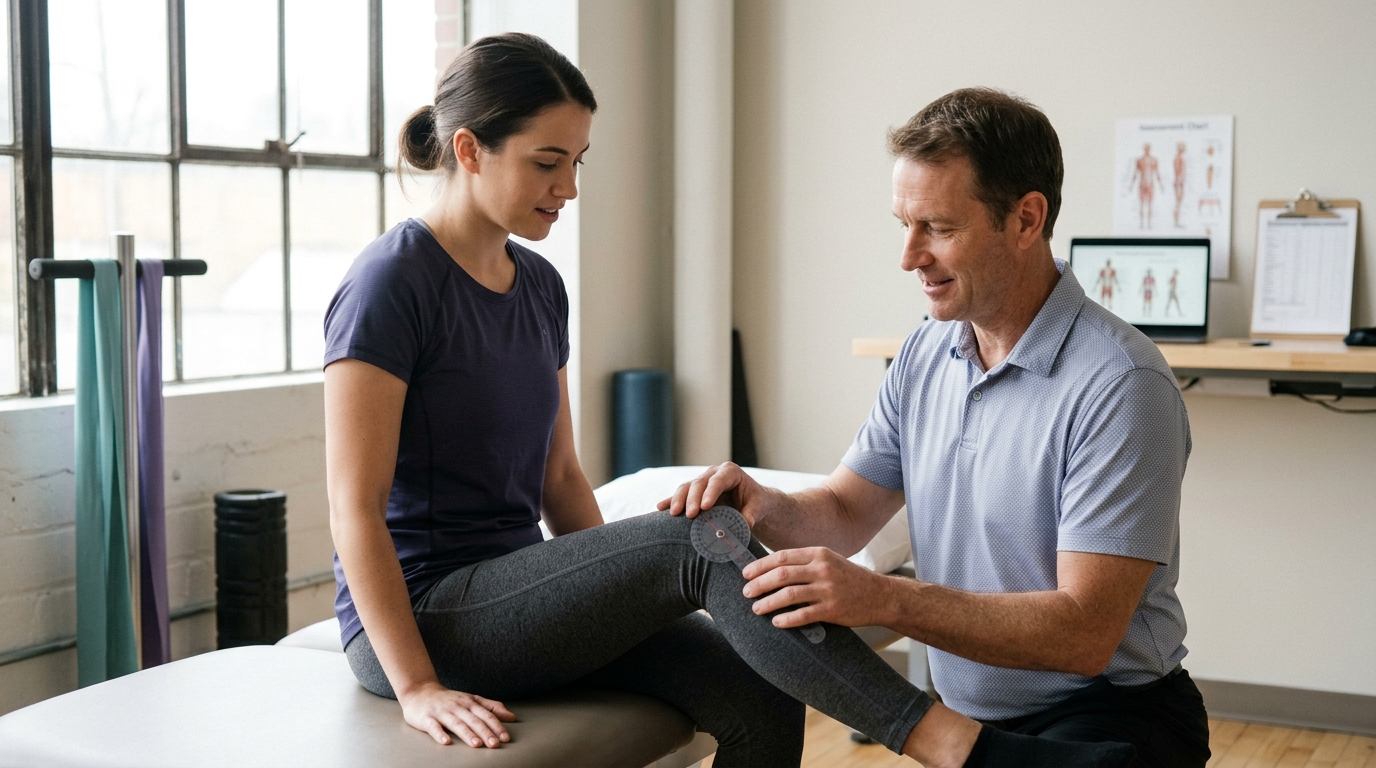
Criterion-based progression requires meeting specific benchmarks before advancing to higher-demand tasks. These benchmarks often include:
A key concept in progressive rehabilitation is the difference between closed and open skills. Closed skills are movements performed in a predictable, controlled environment. Examples include a stationary lunge, a planned hop onto a marked line, or a steady jog on a treadmill. These exercises allow you to concentrate entirely on form and joint control.
Open skills take place in unpredictable, dynamic environments. They involve reacting to external cues, changing direction suddenly, dodging obstacles, or managing fatigue while making decisions. Research emphasizes that testing well on closed-skill exercises does not prove you are ready for open-skill demands. Progressive loading bridges this gap by starting with planned, predictable tasks and gradually adding speed, reactive drills, and cognitive challenges.
Studies examining lower limb muscle injuries, such as hamstring strains, illustrate how progressive loading is evaluated in clinical research. Systematic reviews show that clinicians frequently use a mix of pain ratings, manual muscle testing, isokinetic dynamometry, and dynamic performance tests to guide recovery.
Some studies have noted that using specific movement assessments, such as dynamic flexibility and performance tests, is associated with lower reinjury rates. However, research emphasizes that these are associations across studies rather than absolute guarantees. Magnetic resonance imaging (MRI) has not shown a strong ability to predict exact return timelines. Clinical assessments of strength, flexibility, sprinting tolerance, and movement confidence provide far more practical information.
Workload monitoring concepts, such as comparing acute weekly training loads to chronic four-week averages, have also been studied. While tracking training load can help identify sudden, risky spikes in activity, clinical consensus statements clarify that these formulas require more research before they can serve as universal safety rules in rehabilitation.
One of the most difficult questions during rehabilitation is how to interpret discomfort. In past decades, patients were often told that any pain during exercise caused damage. Alternatively, some were told to ignore all discomfort entirely. Modern sports medicine and tendon research offer a far more nuanced approach.
Tendons, the fibrous tissues connecting muscle to bone, respond differently to load than muscles or joints. Clinical research on patellar tendinopathy and Achilles tendinopathy has established specific pain-monitoring models to guide progressive loading.
In these models, a mild to moderate level of discomfort, often described as up to 4 or 5 on a 10-point scale, may be acceptable during loading exercises. However, this acceptable discomfort is strictly governed by how the tendon behaves afterward. Clinicians look for two key signs:
These frameworks allow people to perform the mechanical loading needed to stimulate tendon remodeling without overloading the tissue. You can read more about the biological mechanisms of tissue adaptation in our recovery science articles.
It is critical to understand that tendon pain-monitoring models cannot be applied to every type of injury. The rule allowing mild discomfort during exercise does not apply to:
For post-surgical repairs and acute structural injuries, protection of healing tissue takes priority over mechanical loading in the early stages. Always follow the specific movement restrictions provided by your surgeon or physician.
For general musculoskeletal conditions and persistent discomfort, public health services provide practical guidance on graded activity. Guidelines from the NHS Highland and the Royal Orthopaedic Hospital suggest starting with an achievable activity baseline that causes minimal symptom flare.
Increases in activity are made in small increments, such as adding 30 seconds to a minute of walking or a small number of repetitions each week. If an increase causes symptoms that last longer than 24 hours, the activity is reduced to the previous tolerable level until the body adapts. These increments are practical examples of pacing rather than strict clinical laws.
When people think about making an exercise harder, they usually think of adding more weight. In progressive loading, external weight is only one of many variables that can be modified. Adjusting other parameters allows you to increase physical demands gradually without placing excessive strain on recovering joints.
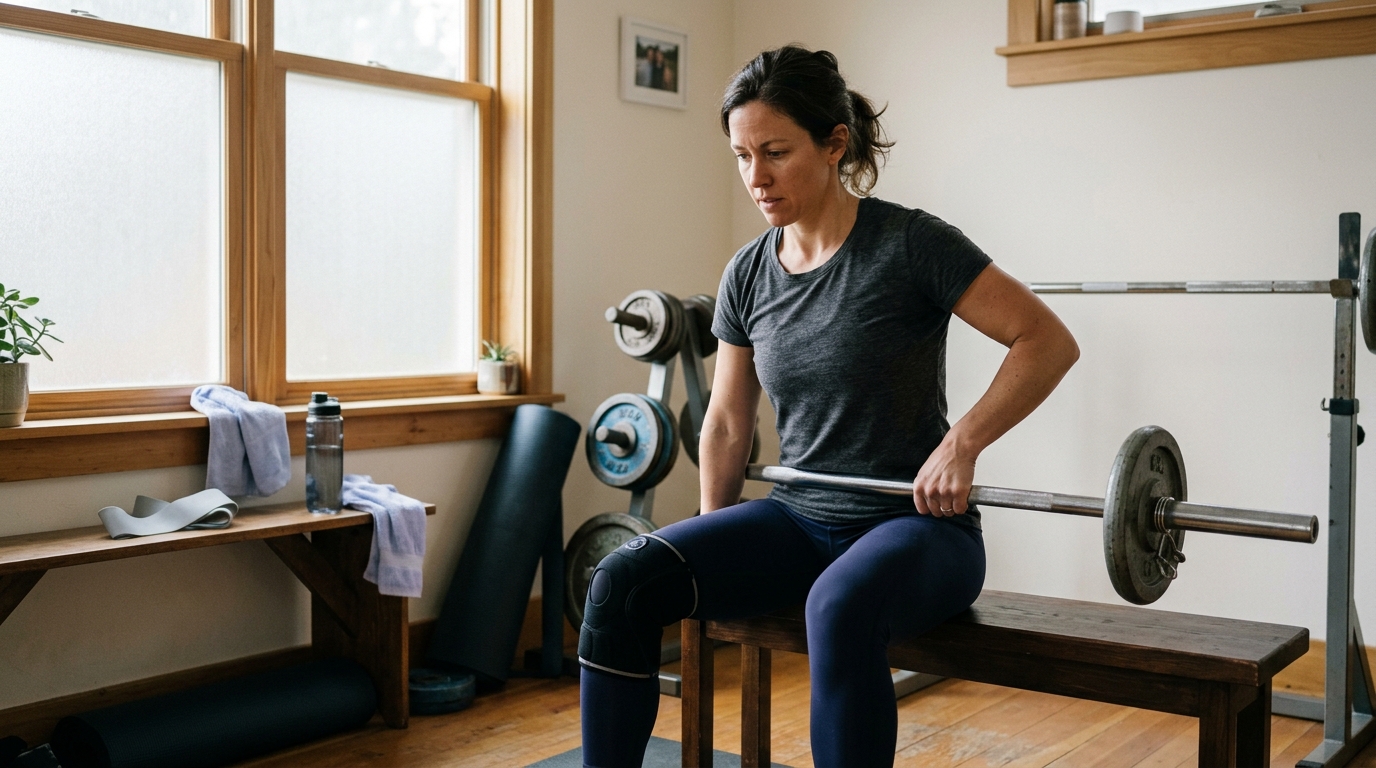
Duration refers to the total time spent performing an activity, while volume represents the total work completed, such as sets multiplied by repetitions. In early rehabilitation, increasing volume at a low intensity is often safer than jumping to heavy weights. For example, progressing from two sets of ten repetitions to three sets of ten helps build local muscular endurance.
Frequency is how often you perform a movement throughout the week. Rest intervals refer to the recovery time between individual sets and between training days. Tendons, cartilage, and bones adapt to mechanical stress over hours and days. Providing 48 to 72 hours of recovery between high-demand loading sessions allows tissues to synthesize collagen and adapt before the next stress is applied.
Moving slowly places a very different demand on tissues than moving quickly. Slow, controlled movements minimize peak impact forces and allow you to maintain strict joint alignment. As tissues strengthen, increasing movement speed introduces elastic, spring-like demands. Speed progressions are essential for returning to running, jumping, and recreational sports.
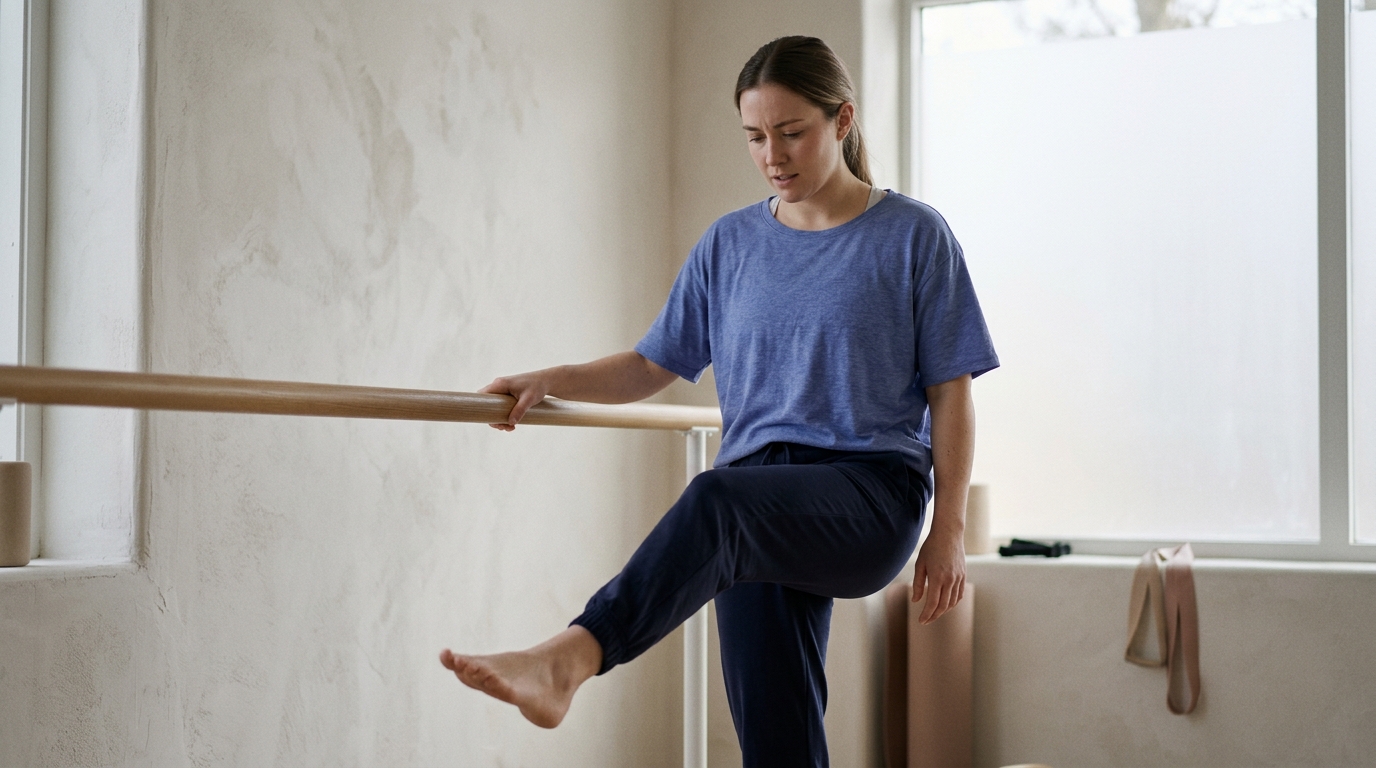
Altering the range of motion changes where mechanical load is concentrated within a joint or muscle. For example, a shallow squat places less stretch on the patellar tendon and hip extensors than a deep squat. Clinicians often begin loading in mid-range positions where the joint is most stable, gradually expanding into end-range positions as tolerance improves.
A simple, single-joint exercise requires minimal coordination from the nervous system. A multi-joint, dynamic movement demands significant balance, core stability, and intermuscular coordination. Adding dual-task demands, such as catching a ball while balancing or changing direction in response to a visual signal, bridges the gap between basic strength and real-world function.
To see how these variables are combined in structured athletic rehabilitation, visit our strength and return to sport section.
Progressive loading is never a one-size-fits-all timeline because human bodies heal and adapt at different rates. Multiple personal and biological factors influence how quickly you can safely advance your rehabilitation demands.
Different tissues in the human body have vastly different blood supplies and metabolic rates. Skeletal muscle is highly vascularized and tends to heal and adapt relatively quickly. Tendons, ligaments, and articular cartilage have lower metabolic rates and reduced blood flow, meaning they require more time to remodel in response to mechanical stress. Bone remodeling after a fracture follows its own strict biological timeline that cannot be rushed by aggressive exercise.
A person who had a high baseline of strength and cardiovascular fitness before an injury generally has a wider foundation of capacity to draw upon during rehabilitation. Conversely, someone who was largely sedentary before an injury may need a slower, more foundational approach to build general movement tolerance alongside tissue-specific recovery.
As highlighted by the International Olympic Committee load consensus, physical training is only one component of total physiological stress. High levels of psychological stress, chronic sleep restriction, poor nutrition, and demanding work schedules elevate systemic inflammation and slow tissue repair. During periods of high life stress, your physical capacity may temporarily drop, requiring a temporary reduction in training demands.
Physical readiness and psychological readiness do not always develop at the exact same pace. Fear of reinjury, movement avoidance, and lack of confidence in the injured limb can alter movement mechanics and increase muscle tension. A comprehensive rehabilitation plan tracks psychological confidence alongside physical strength, ensuring you feel prepared to handle higher-demand activities.
Navigating recovery requires patience and structured decision-making. Avoiding these common mistakes can help you maintain steady progress and prevent unnecessary setbacks.
Assuming that reaching a certain week on the calendar means you are ready for full activity is a common error. While time is necessary for biological healing, it does not automatically restore muscle strength, neuromuscular control, or tissue tolerance. Progress should always be earned by meeting functional criteria rather than waiting for an arbitrary date.
Passing one isolated physical test, such as a single leg press measurement, does not mean you are fully prepared for dynamic activity. True readiness involves a combination of strength, movement quality, endurance, reactive coordination, and symptom stability under fatigue. Multi-faceted assessments provide a much clearer picture of capacity.
Experiencing a temporary increase in soreness or stiffness is a normal part of the rehabilitation process. It simply indicates that the physical demand slightly exceeded your current tissue tolerance. Rather than stopping all activity or feeling discouraged, use this feedback to adjust your variables. Dropping the volume or intensity slightly for a few days often allows symptoms to settle so you can resume gradual loading.
When an exercise starts to feel easy, it is tempting to increase the weight, add more repetitions, and perform it faster all at once. Changing multiple variables at the same time makes it impossible to know which factor caused a flare-up if symptoms occur. Change only one variable at a time, such as increasing repetitions while keeping the weight and speed constant, so you can clearly observe your body's response.
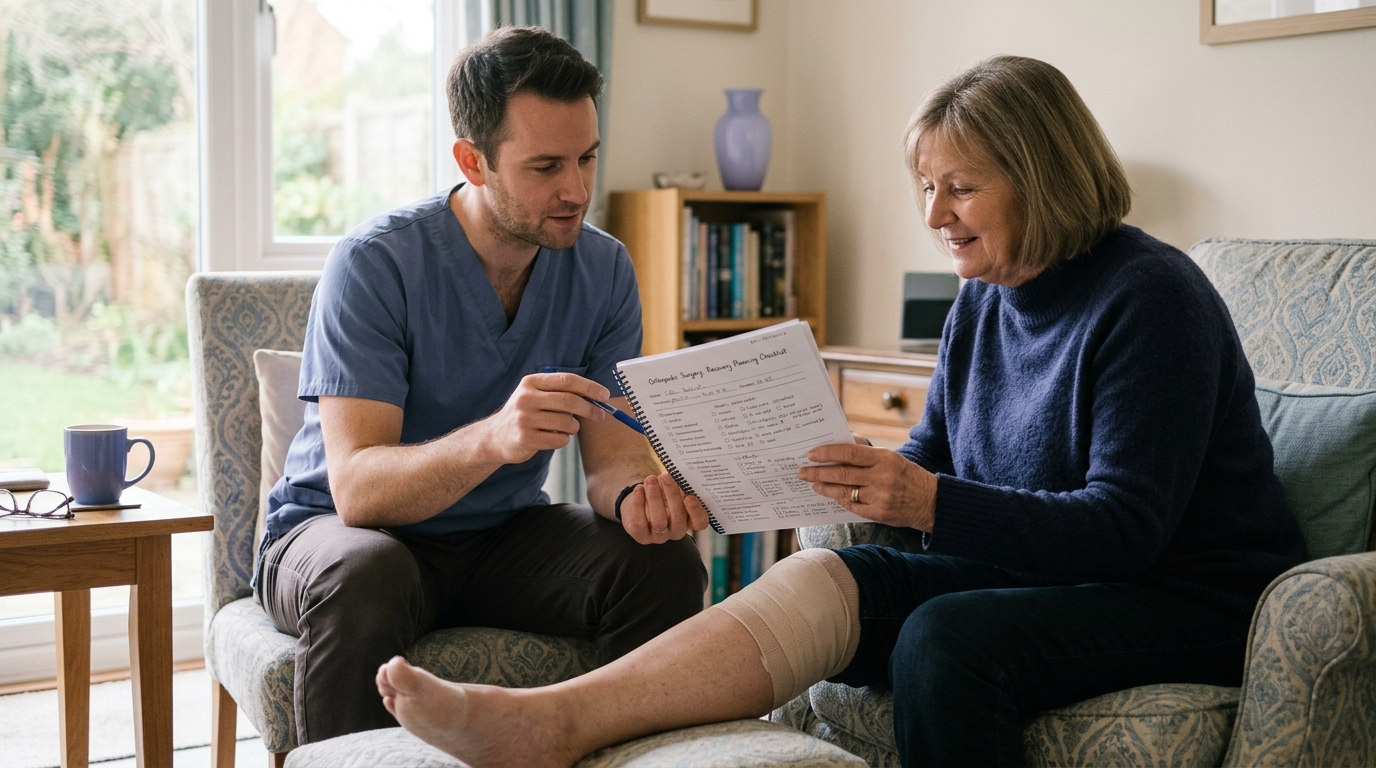
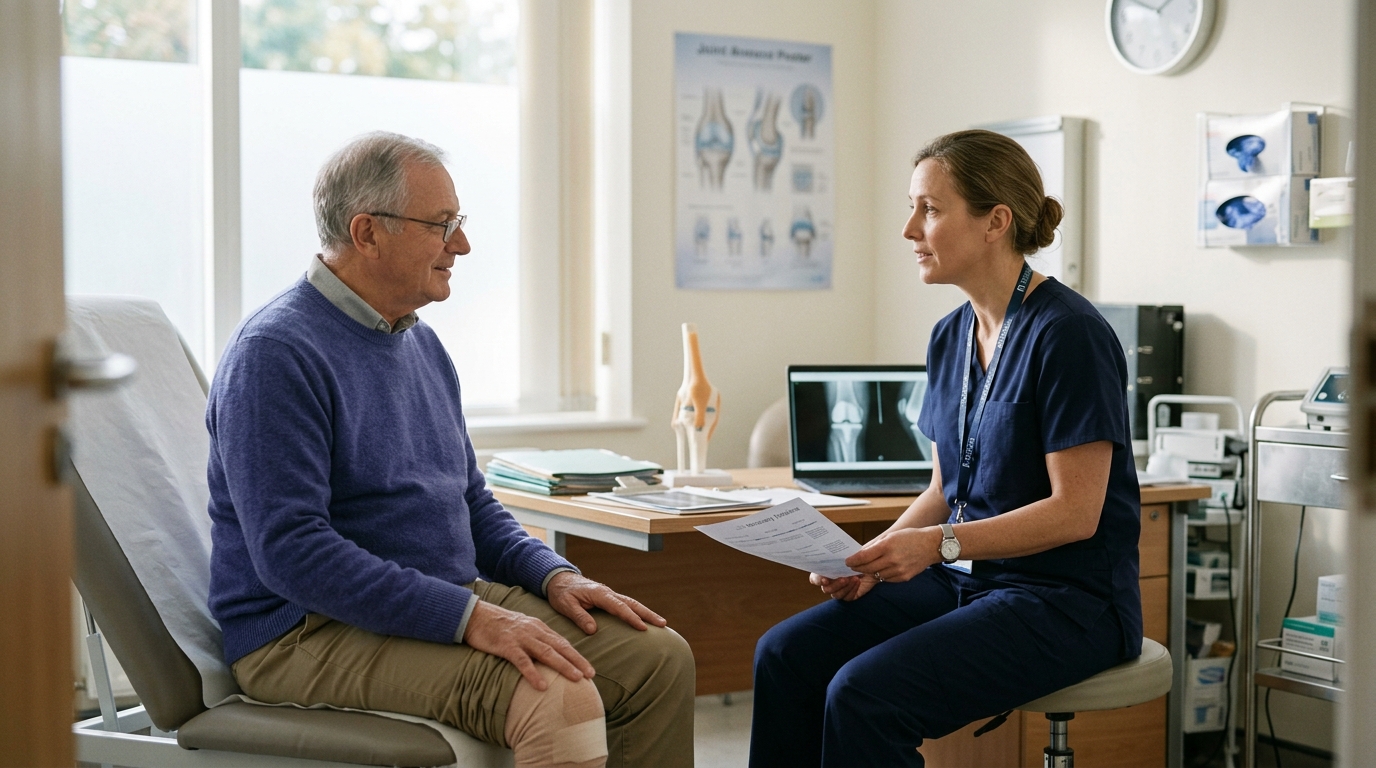
Clear communication with your physical therapist, orthopedic surgeon, or sports medicine physician ensures your rehabilitation matches your personal goals and medical constraints.
Consider discussing these practical questions at your next appointment:
Having these conversations helps clarify the reasoning behind each phase of your rehabilitation and ensures you and your clinical team are aligned on the path forward. You can learn more about our editorial philosophy and research approach on the ReboundBody homepage.
Progressive loading is a structured, biological method for rebuilding physical capacity after injury or surgery. It treats recovery as a dynamic cycle of dosing, monitoring, and adapting rather than a fixed calendar schedule. By understanding the principles of tissue loading, you can approach your rehabilitation with clarity, confidence, and realistic expectations.
By respecting tissue healing timelines and steadily matching physical demands to your current capacity, you can build a resilient foundation for long-term movement and function.

Use ReboundBody resources to understand common recovery stages, rehab terms, movement limits and strength rebuilding. Each guide is designed to make a complex comeback easier to understand.


Read practical guidance on injury recovery, rehabilitation, mobility and rebuilding strength as you work your way back to activity.
Explore Resources