
Upper-back pain is often blamed on static sitting rather than limited mobility, but targeted movement strategies and workstation habits restore comfortable daily function.





Many people spend their evenings searching for solutions to stiff neck muscles, shoulder tightness after computer work, or discomfort when looking over their shoulder to back out of a driveway. These daily frustrations are common, yet the flood of online advice can be confusing and contradictory. Some sources claim you need a rigid, upright posture all day, while others sell complex stretching gadgets or promise instant relief from a single exercise.
The reality of spinal health is far more practical. Neck and upper-back mobility is not a contest to achieve extreme flexibility or maintain a frozen, military stance. True mobility is about having comfortable, adaptable movement that allows you to complete your daily tasks with ease.
This guide provides a comprehensive overview of how your neck and upper back work together during everyday activities. You will learn what clinical research says about spinal movement, how to organize your workspace for comfort, how to pace your daily activities, and when symptoms require an individualized medical evaluation.
To understand mobility, it helps to examine how the upper body is constructed. The human spine is divided into distinct regions that work together to balance the weight of the head, protect the spinal cord, and allow movement in multiple directions.
The cervical spine consists of seven small vertebrae located in the neck. According to anatomical reviews published on NCBI Bookshelf, this region is structurally designed to be more mobile than the rest of the spine. It allows you to nod your head, look up at the ceiling, tilt your ear toward your shoulder, and rotate from side to side.
Directly below the neck sits the thoracic spine, which contains twelve vertebrae. The thoracic spine connects to the rib cage, making it naturally firmer and more stable than the cervical spine. While it moves less freely than the neck, the thoracic spine provides essential rotational support and serves as the physical anchor for the shoulder blades and arms.
Everyday movements rarely rely on a single spinal segment. When you turn your head to check traffic, your eyes, cervical joints, upper-back joints, and deep neck muscles coordinate in a smooth sequence. If the upper back is stiff, the neck often has to work harder to turn the head, which can lead to localized muscular fatigue.
Your shoulder blades, technically called the scapulothoracic region, play an equally vital role in upper-body function. Muscles that support your neck connect directly to your shoulder blades and collarbones. When you lift a bag of groceries, type on a keyboard, or reach into an overhead cabinet, your upper back and shoulder muscles stabilize the base of your neck. For those interested in whole-body movement principles, exploring rehabilitation, mobility, and movement guides can provide helpful context on how different joint segments interact.
If you experience neck or upper-back stiffness, you are far from alone. Musculoskeletal discomfort in the neck is one of the most widespread physical complaints across the globe.
A major Global Burden of Disease study published in 2024 estimated that 203 million people worldwide experienced neck pain in 2020. The researchers noted an uncertainty interval ranging from 163 million to 253 million individuals. That same analysis calculated an age-standardized global prevalence rate of 2,450 cases per 100,000 people. It also identified a rate of 244 years lived with disability per 100,000 individuals due to neck symptoms.
The burden of neck stiffness has expanded significantly over recent decades. The Global Burden of Disease study reported that the estimated number of individuals living with neck pain increased from 115 million in 1990 to 203 million in 2020. This represents a total increase of 77.3 percent over that thirty-year timeframe.
This substantial increase reflects a growing, aging global population alongside changing daily habits. More adults now spend long hours working with digital screens, seated at desks, or engaging in sedentary tasks. While these population numbers show how common the experience is, they do not mean that severe pain is inevitable for every person.
Population statistics describe broad public health trends rather than individual medical destinies. Having an episode of neck or upper-back stiffness does not mean your spine is permanently damaged. In most situations, ordinary stiffness is a manageable physical state that responds well to routine movement, gradual activity, and ergonomic adjustments.
Clinical researchers and physical therapy organizations have studied neck and upper-back mobility extensively. Their findings help separate helpful movement strategies from unproven trends.
The American Physical Therapy Association published clinical practice guidelines reviewing interventions for neck-related conditions. In acute cases where mobility is limited, the guidelines recommend combining neck range-of-motion exercises with scapulothoracic and upper-extremity strengthening, alongside targeted manual therapy. A 2025 clinical review published in the journal Physical Therapy reinforced these findings, noting that addressing the upper back and shoulder girdle alongside the neck produces reliable functional improvements.
Research also shows that exercise is most effective when integrated into a comprehensive self-care approach. Systematic reviews on chronic neck discomfort indicate that active exercise produces superior long-term results when paired with practical education, advice on staying active, and appropriate pacing. Passive treatments alone, such as heat packs or brief massages, may offer temporary comfort, but active movement builds long-term movement tolerance.
Biomechanical studies have examined how joint movement varies between individuals with and without spinal discomfort. One study evaluating cervical and upper-thoracic segmental mobility found that participants with neck pain often showed lower movement at the cervicothoracic junction and upper thoracic spine, accompanied by higher mobility in the lower neck. This suggests that the body adapts to stiffness in one area by moving more in an adjacent area.
However, scientists emphasize that these findings represent group averages rather than universal diagnostic rules. A person without neck pain may show similar movement patterns on a scan, while someone with severe stiffness may show standard joint motion. Because individual bodies vary, rehabilitation science avoids treating spinal alignment as a simple mechanical puzzle. Readers seeking deeper insight into tissue adaptation can consult recovery science articles to understand how the body responds to movement.
The scientific consensus has also shifted away from the idea of a single "perfect posture." For decades, people were taught that slouching automatically causes tissue damage and that sitting rigidly straight prevents injury. Modern clinical evidence indicates that holding any single posture for too long is what leads to muscular discomfort. The human spine is designed to move, flex, twist, and adapt rather than remain frozen in one position.
Because many adults spend hours each day in front of computers, office ergonomics is a frequent topic in neck care. Setting up your workspace thoughtfully can reduce unnecessary physical fatigue.
Mayo Clinic and Mayo Clinic Health System offer practical guidelines for setting up a computer workstation:
When working on a laptop, using a separate keyboard and mouse allows you to elevate the screen on a stand or a stack of books. This prevents you from having to bend your neck downward for hours at a time. Mayo Clinic also suggests holding mobile phones closer to eye level when reading long documents, rather than resting the phone in your lap and bending your head forward.
It is critical to view these ergonomic measurements as helpful suggestions rather than strict medical rules. Setting your monitor an inch too high or sitting slightly off-center will not cause immediate spinal injury. Ergonomics is a tool to make your workday more comfortable, not a rigid standard that guarantees total freedom from fatigue.
Most importantly, an ideal desk setup cannot replace physical movement. Even in an ergonomically optimized chair, staying still for hours causes muscle tension. The primary benefit of an adjustable workspace is that it makes changing your posture easy throughout the day.
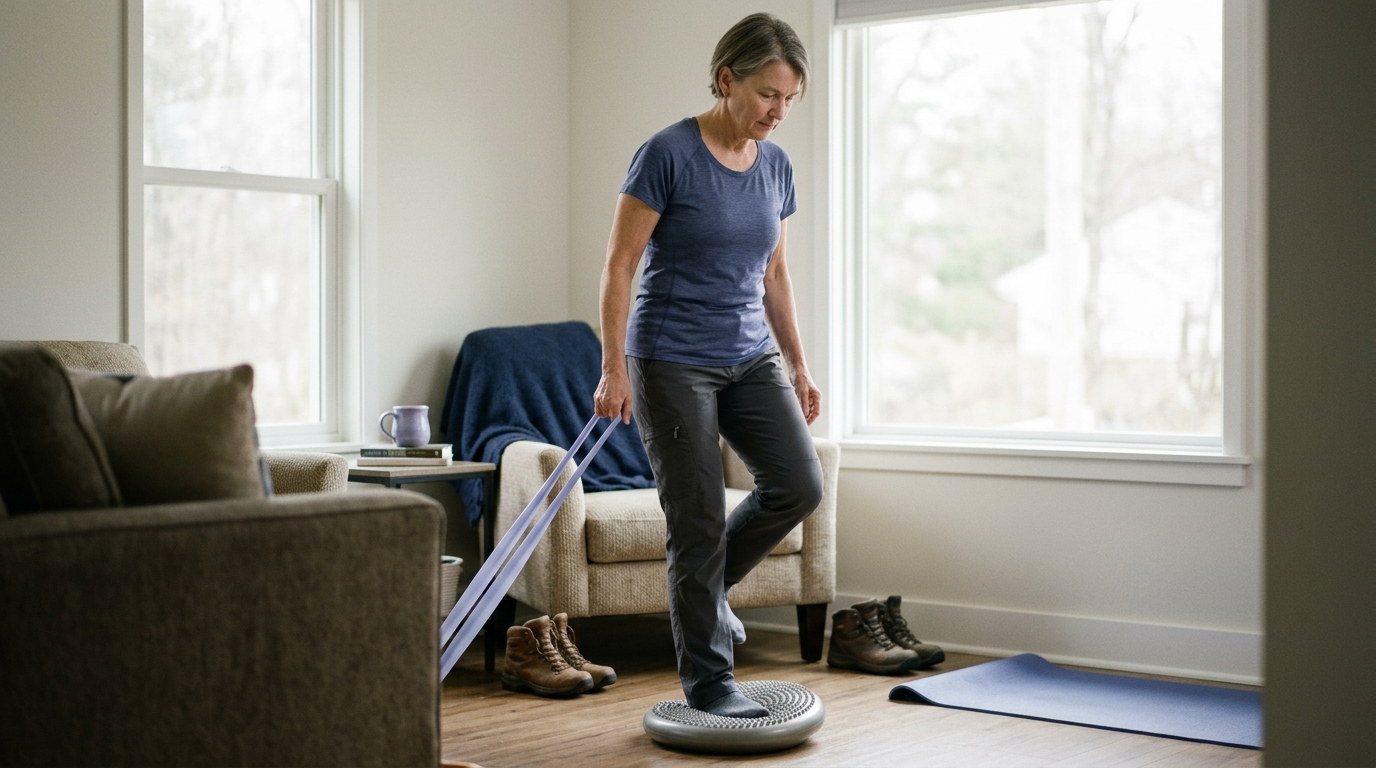
The most effective way to care for your neck and upper back is to build regular movement into your daily routine. You do not need a complicated gym routine or specialized equipment to maintain functional mobility.
Guidance from NHS clinical trusts emphasizes several core movement principles for daily life:
To put these principles into practice, you can use a flexible daily movement menu. This is not a strict regimen, but a collection of simple options you can draw from during your normal work or home activities.
First, practice comfortable head turns. Sit or stand in a relaxed position, look straight ahead, and slowly turn your head toward your right shoulder within an easy, pain-free range. Pause for a second, return to the center, and repeat to the left.
Second, incorporate gentle shoulder blade movement. Shrug your shoulders lightly toward your ears, roll them backward in a smooth circle, and let them settle downward. You can also draw your shoulder blades gently toward each other for a few seconds before relaxing.
Third, introduce gentle upper-back rotation. While seated, place your hands lightly across your chest and turn your upper torso slowly to the left, allowing your ribs and upper back to move. Return to center and turn to the right, keeping your hips steady on the chair.
Fourth, change your visual focus. Looking away from close-up screens to gaze at an object twenty feet away relaxes the small muscles around your eyes and encourages your neck to reset its position naturally.
The goal of these daily movements is gentle repetition, not forceful stretching. For additional ideas on integrating movement into healthy aging, review these active aging and prevention insights.
Recovery from neck and upper-back stiffness does not follow an identical timeline for everyone. Several personal, occupational, and lifestyle factors influence how quickly tissues adapt and how comfortable you feel.
Age-related structural changes are a normal part of human biology. As we grow older, the intervertebral discs throughout the spine naturally lose hydration, and joint surfaces undergo standard wear and tear. These normal adaptations do not automatically cause pain, but they can mean that older adults require a slightly more gradual warm-up period or more frequent movement breaks to feel comfortable.
Your history of physical activity also shapes your spinal tolerance. Individuals who regularly engage in strength training, walking, or recreational sports often possess greater muscular endurance in the neck and upper back. This muscular support helps the upper body tolerate sustained sitting or physical labor with less fatigue. If you are rebuilding your general fitness, consulting injury prevention and active living materials can help you progress safely.
Psychological stress and mental fatigue have a direct, documented impact on muscle tone in the upper back. When people experience work pressure or emotional stress, they frequently elevate their shoulders and clench their jaw unconsciously. This sustained muscular contraction reduces local blood flow, creating a sensation of heaviness across the trapezius muscles.
Sleep quality and overall rest play a major role in how the nervous system processes physical sensations. Poor sleep lowers your tolerance for minor physical discomfort, making normal muscle fatigue feel more intense. Addressing sleep habits and managing daily pacing often improves spinal comfort just as much as physical exercises.
Finally, the nature of your daily workload dictates how you should structure your recovery. A tradesperson who works with overhead tools all day faces different upper-body demands than an accountant who sits in front of three screens. Tailoring your daily habits to match the physical demands of your specific life ensures sustainable long-term comfort.
While ordinary neck stiffness is safe to manage with gentle movement and ergonomic adjustments, some symptoms require medical evaluation. Clinical guidelines emphasize the importance of screening for specific warning signs, commonly called red flags.
Red flags are clinical indicators that suggest symptoms may stem from an underlying condition requiring specialized care, rather than simple muscular tension. A 2018 clinical practice guideline published in Physical Therapy outlines several scenarios where self-care is inappropriate:
The American Physical Therapy Association and Canadian clinical pathways also clarify when diagnostic imaging is necessary. For routine, uncomplicated neck stiffness without neurological deficits or trauma, routine X-rays or MRI scans are not recommended. Research shows that imaging findings like disc bulges or mild arthritis are widespread in healthy adults without any pain.
Imaging is reserved for situations where red flags are present, where trauma has occurred, or where the scan is expected to alter the medical treatment plan. If your symptoms are simple, mechanical, and gradually improving, formal imaging rarely changes the recommended self-management approach.
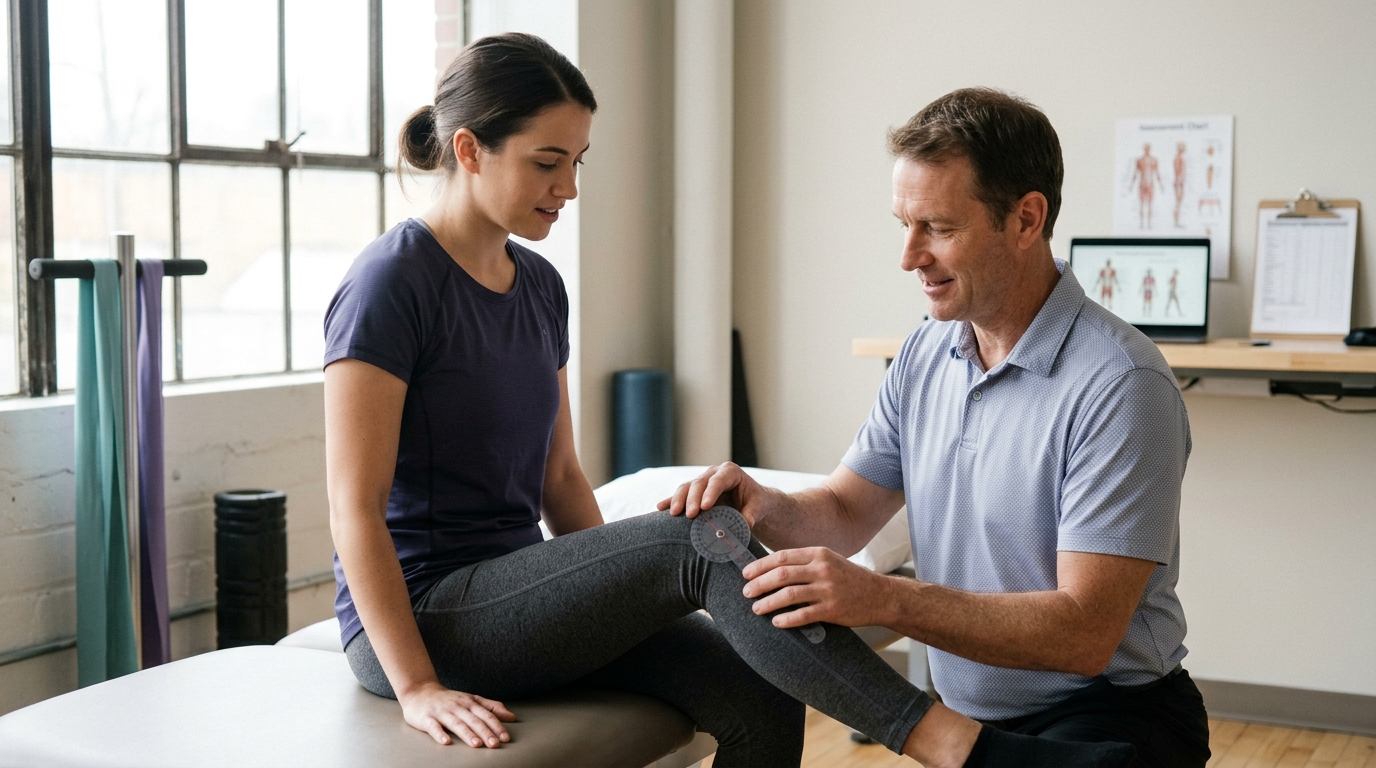
If you are uncertain whether your symptoms are safe to manage at home, seeking an evaluation from a primary care doctor, physical therapist, or orthopedic clinician is the best step. A qualified clinician can perform a physical examination, test your reflexes and strength, and provide an individualized plan.
When consulting a healthcare professional about neck or upper-back discomfort, having clear questions helps you get the most out of your visit. A collaborative discussion ensures you understand your condition and your next steps.
Consider asking your clinician the following questions:
Writing down these questions before your appointment can help you stay focused during the consultation. Clear communication with your care team ensures you leave the clinic with realistic expectations and an actionable plan for your recovery. For those seeking additional background on rehabilitation concepts, our collection of mobility and movement resources offers accessible educational overviews.
Caring for your neck and upper back is an ongoing practice of comfortable movement, sensible workstation habits, and realistic activity pacing. You do not need to hold a rigid posture or perform extreme stretches to maintain a functional, healthy spine.
Here is a practical checklist of steps you can apply this week to support your neck and upper-back mobility:
By focusing on movement variation and listening to your body, you can maintain upper-body comfort and continue engaging in the daily activities that matter most to you.

Use ReboundBody resources to understand common recovery stages, rehab terms, movement limits and strength rebuilding. Each guide is designed to make a complex comeback easier to understand.


Read practical guidance on injury recovery, rehabilitation, mobility and rebuilding strength as you work your way back to activity.
Explore Resources