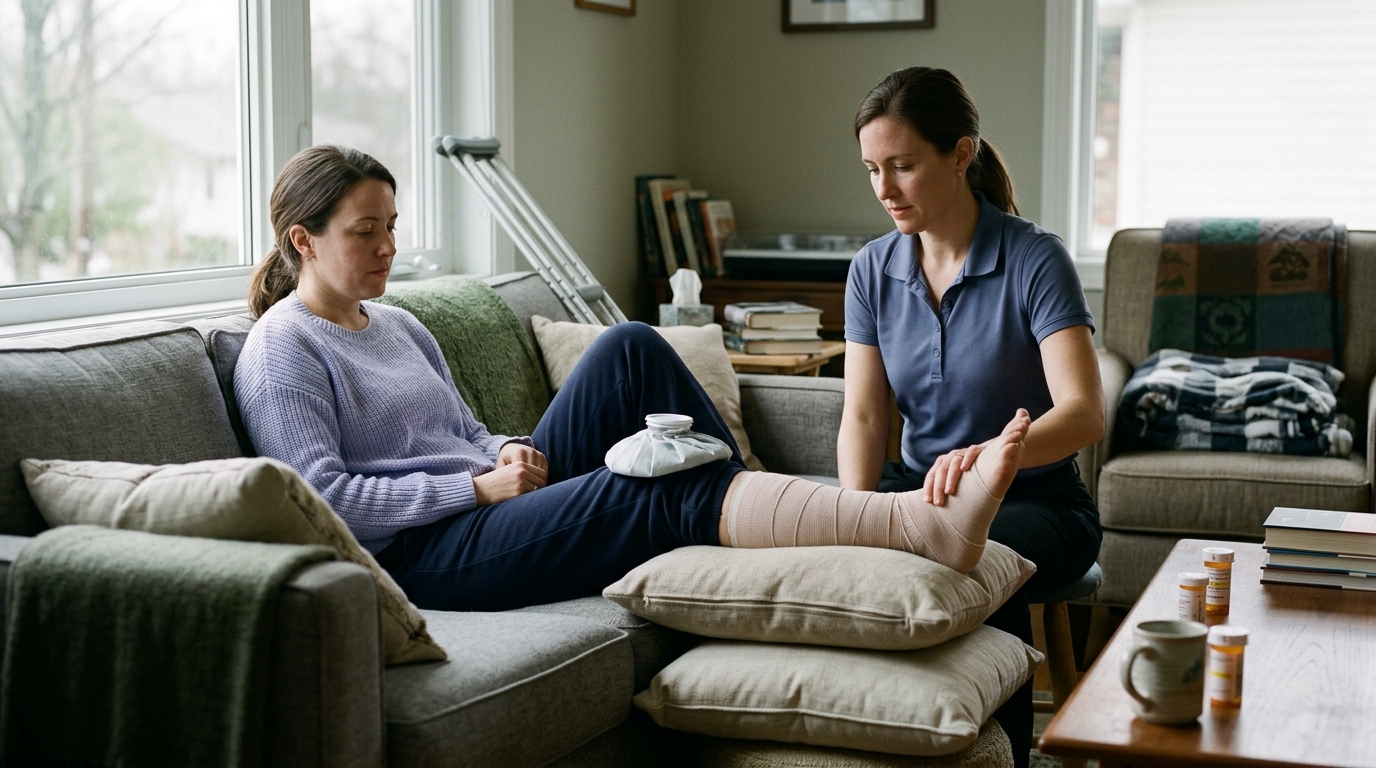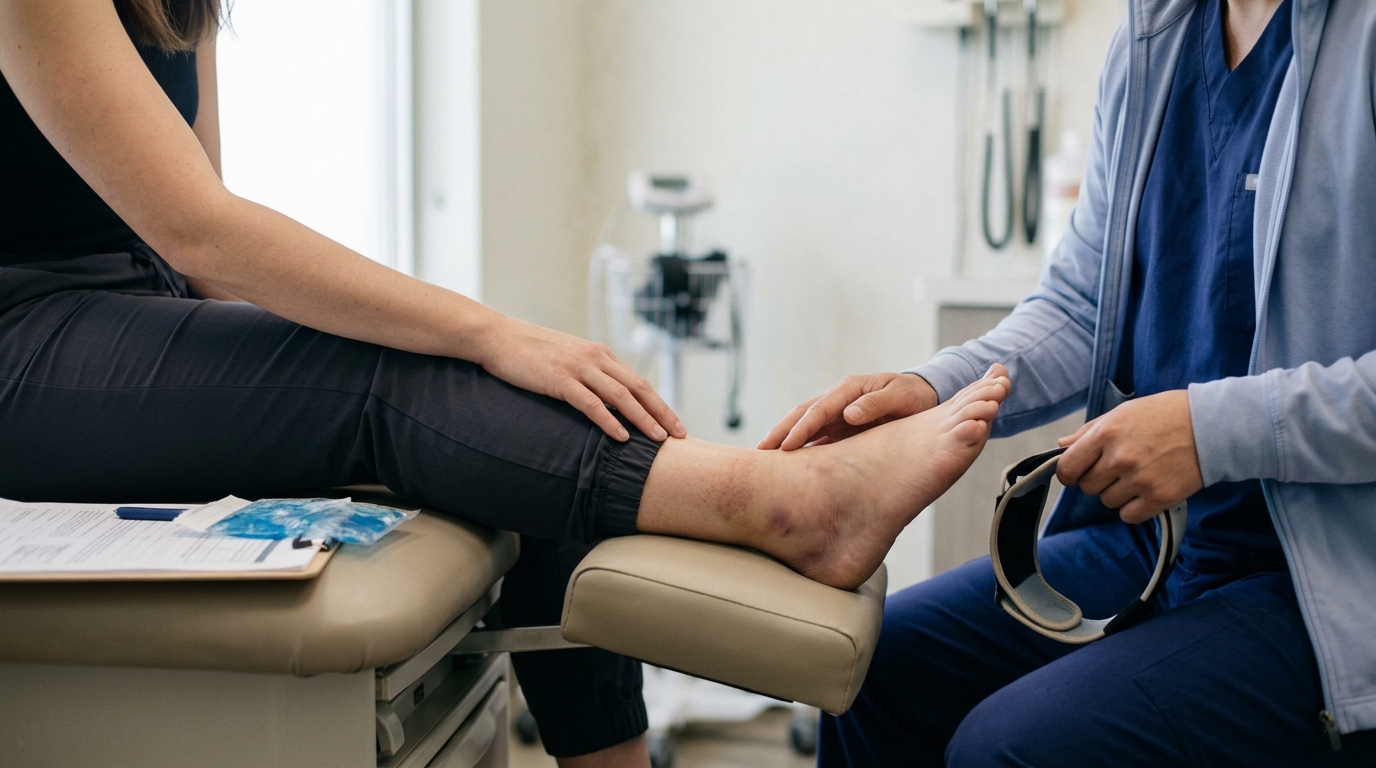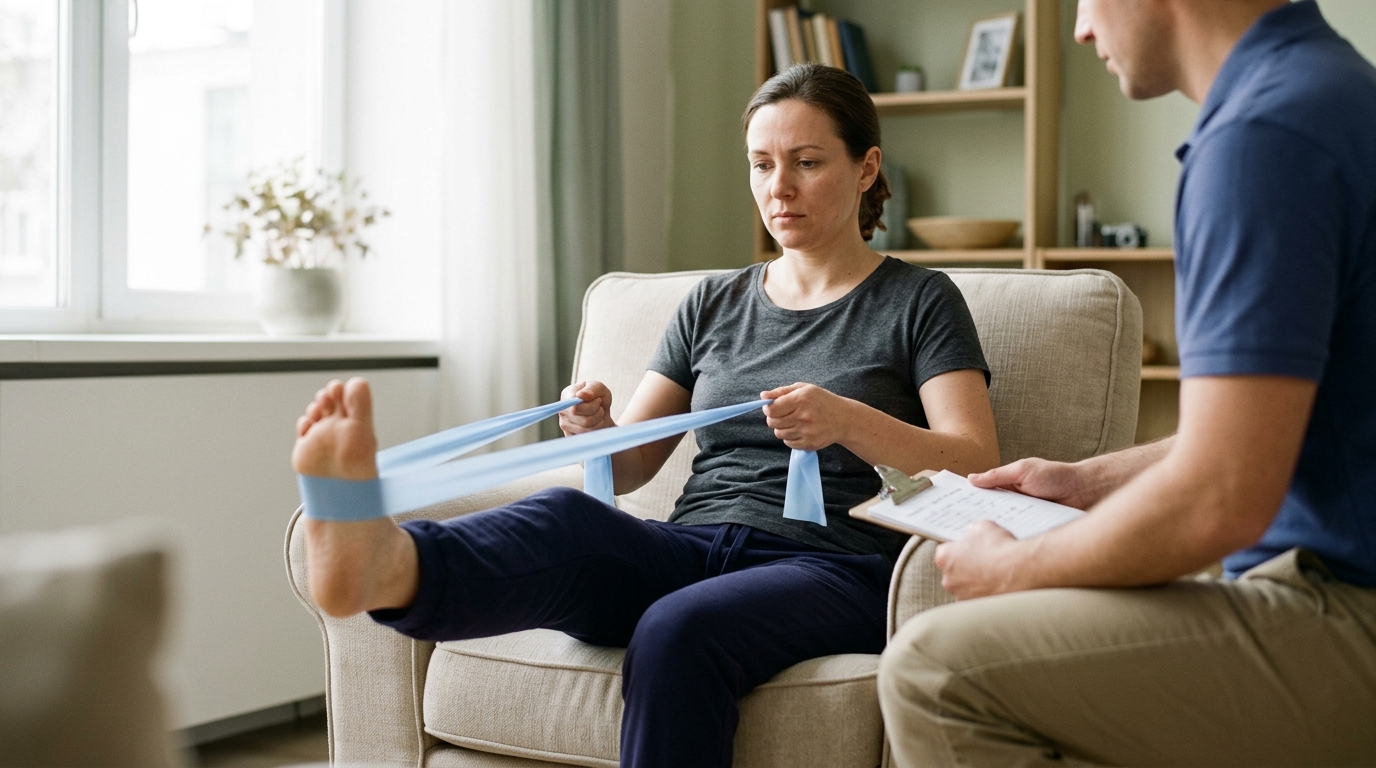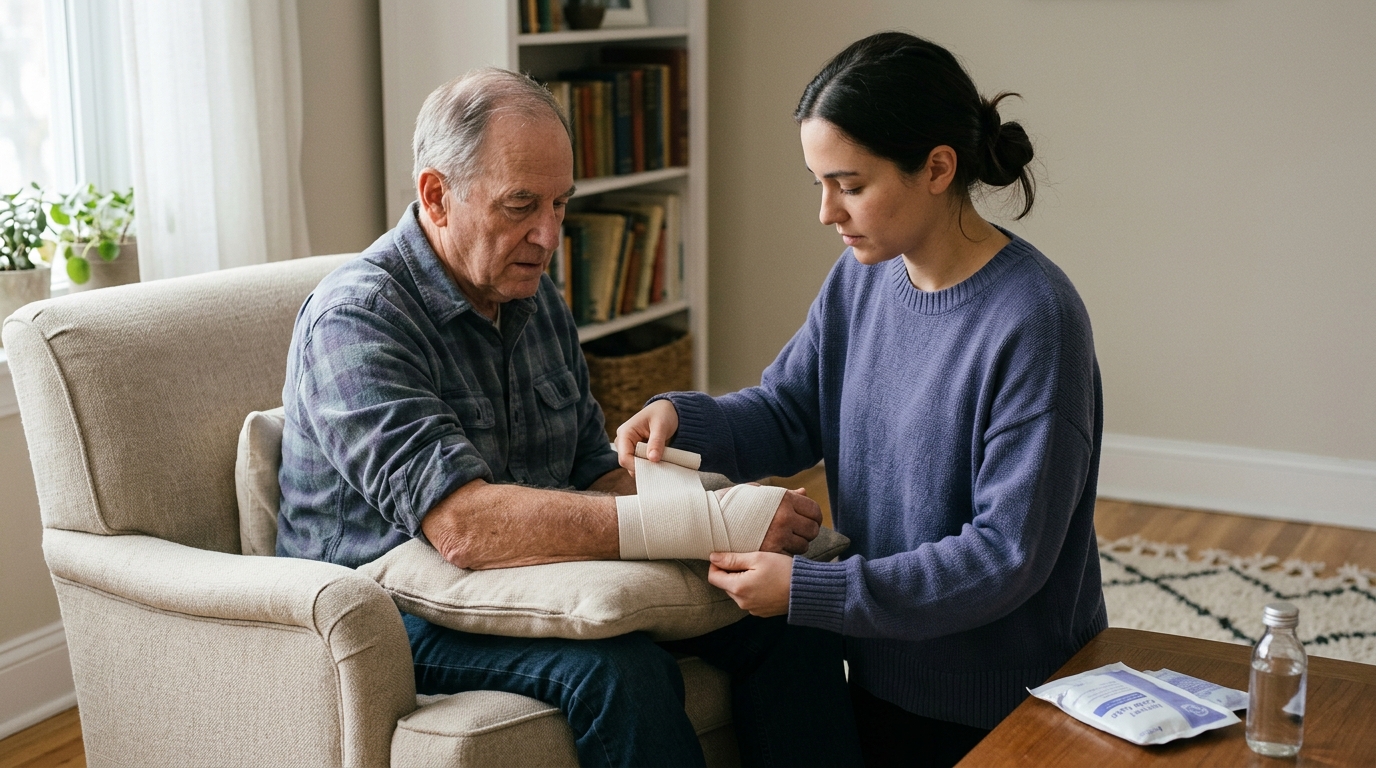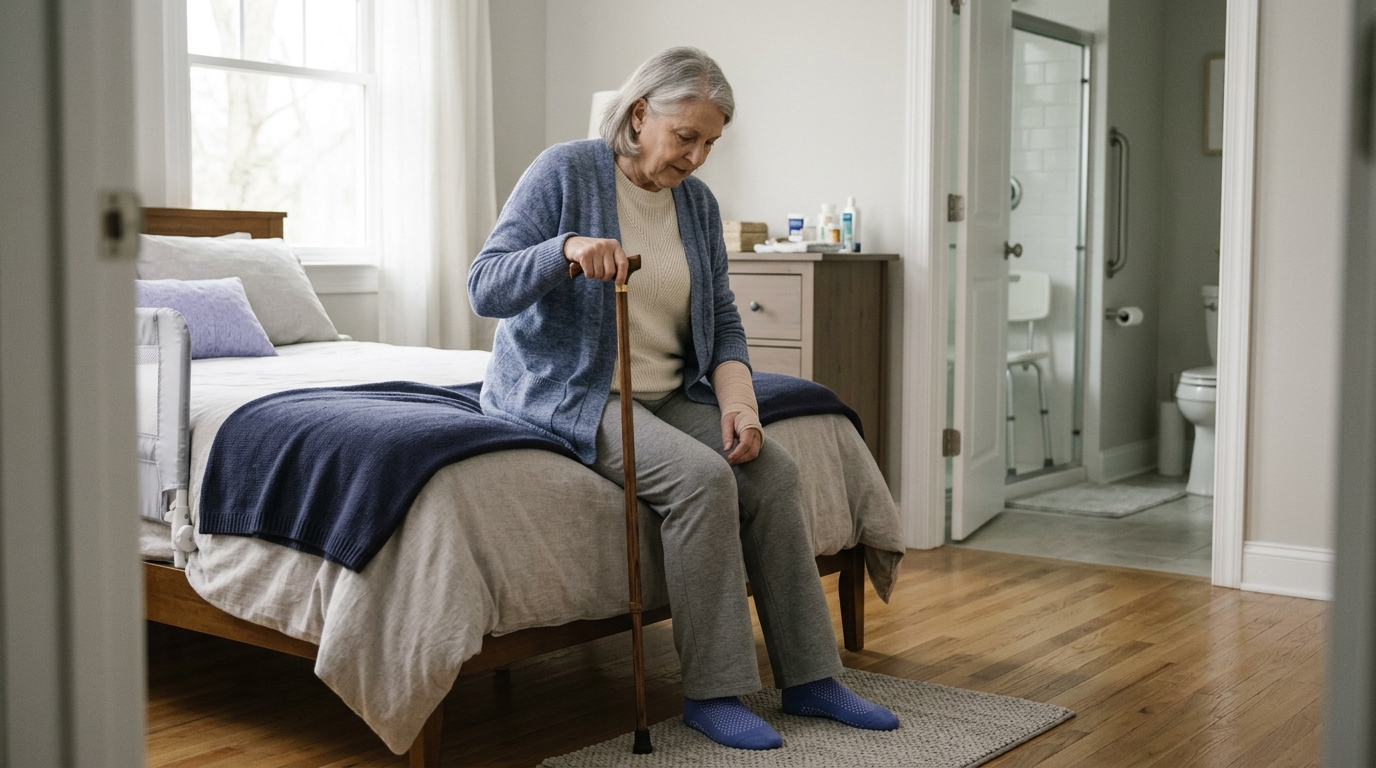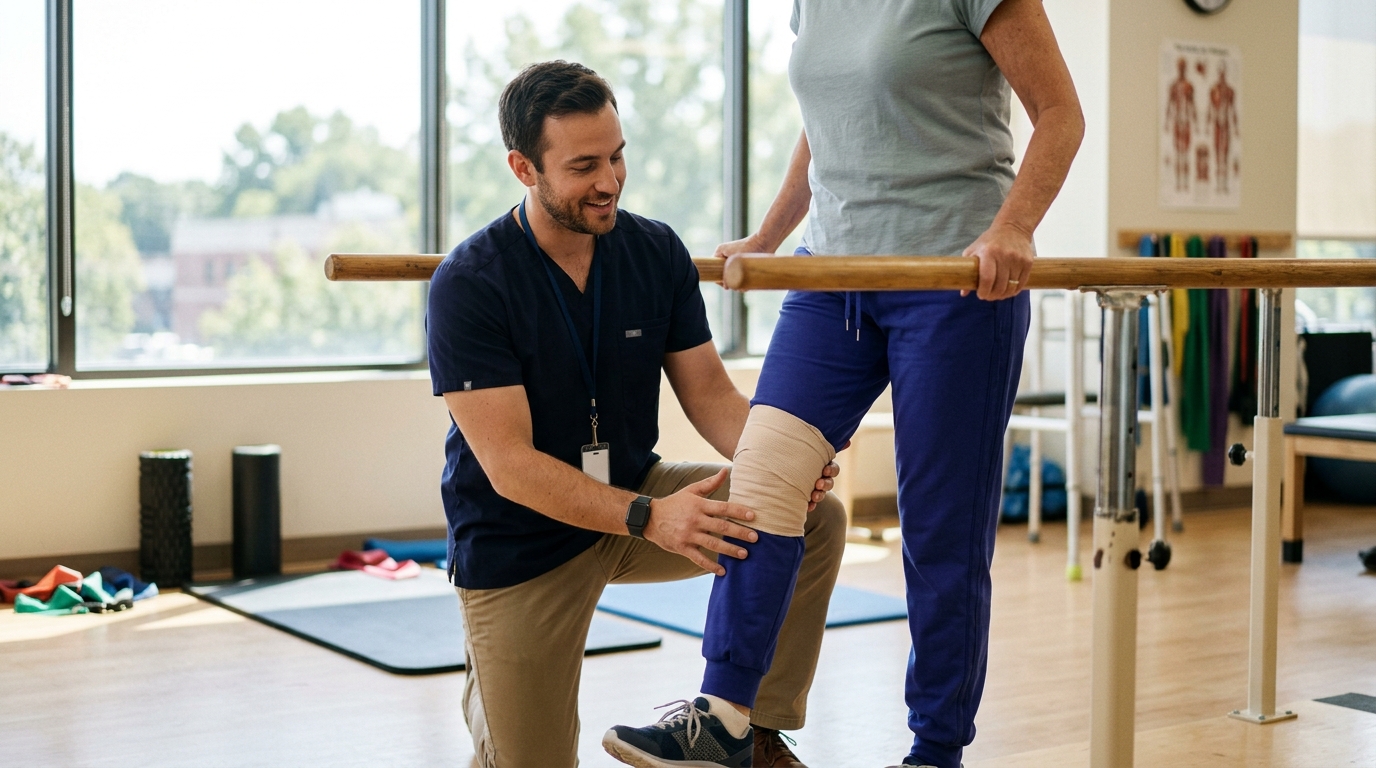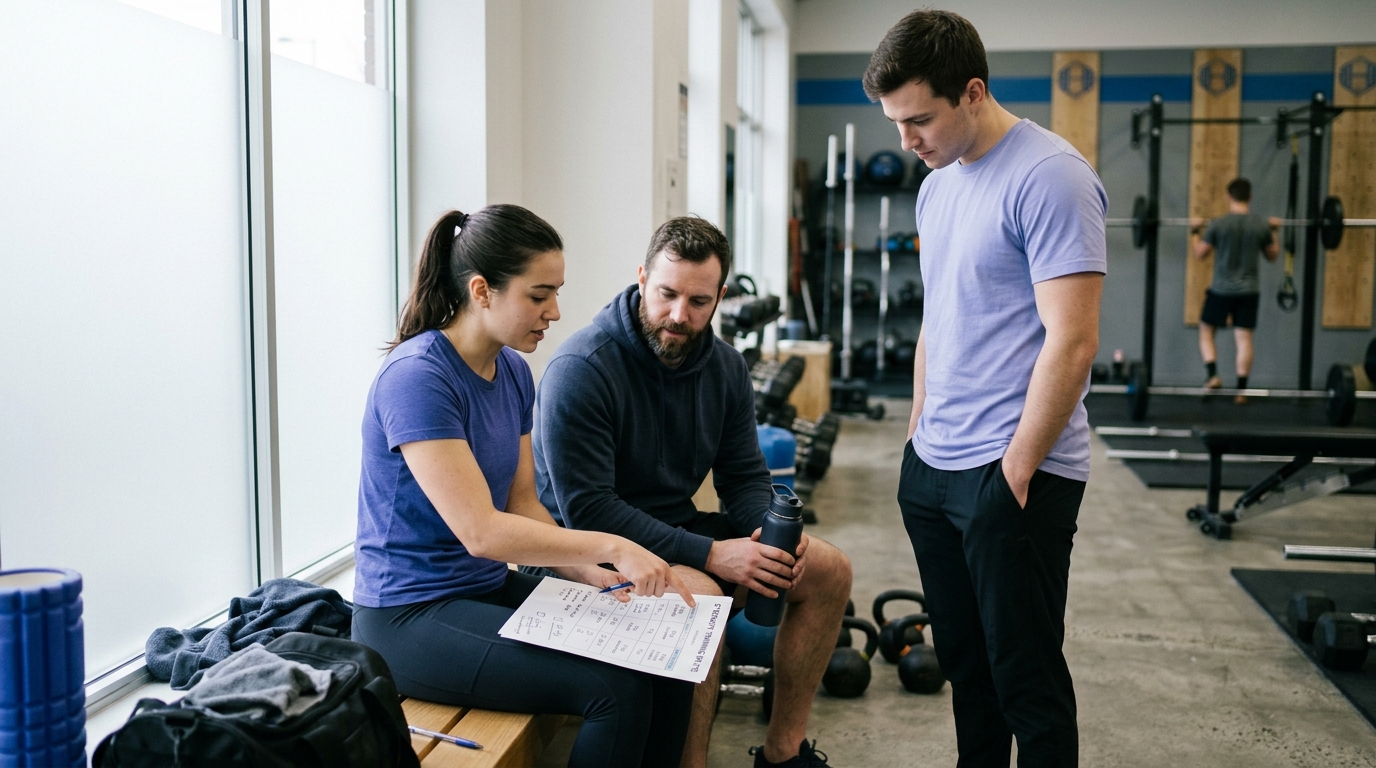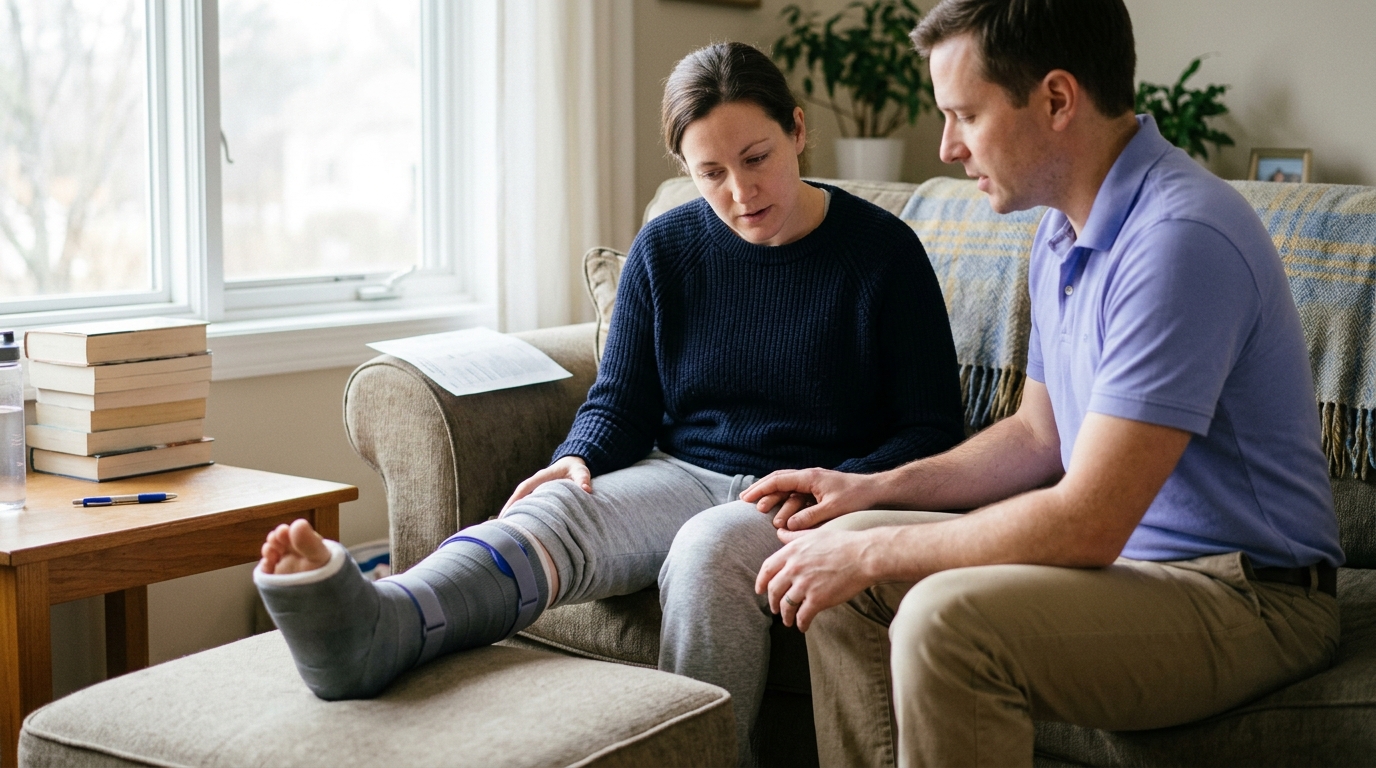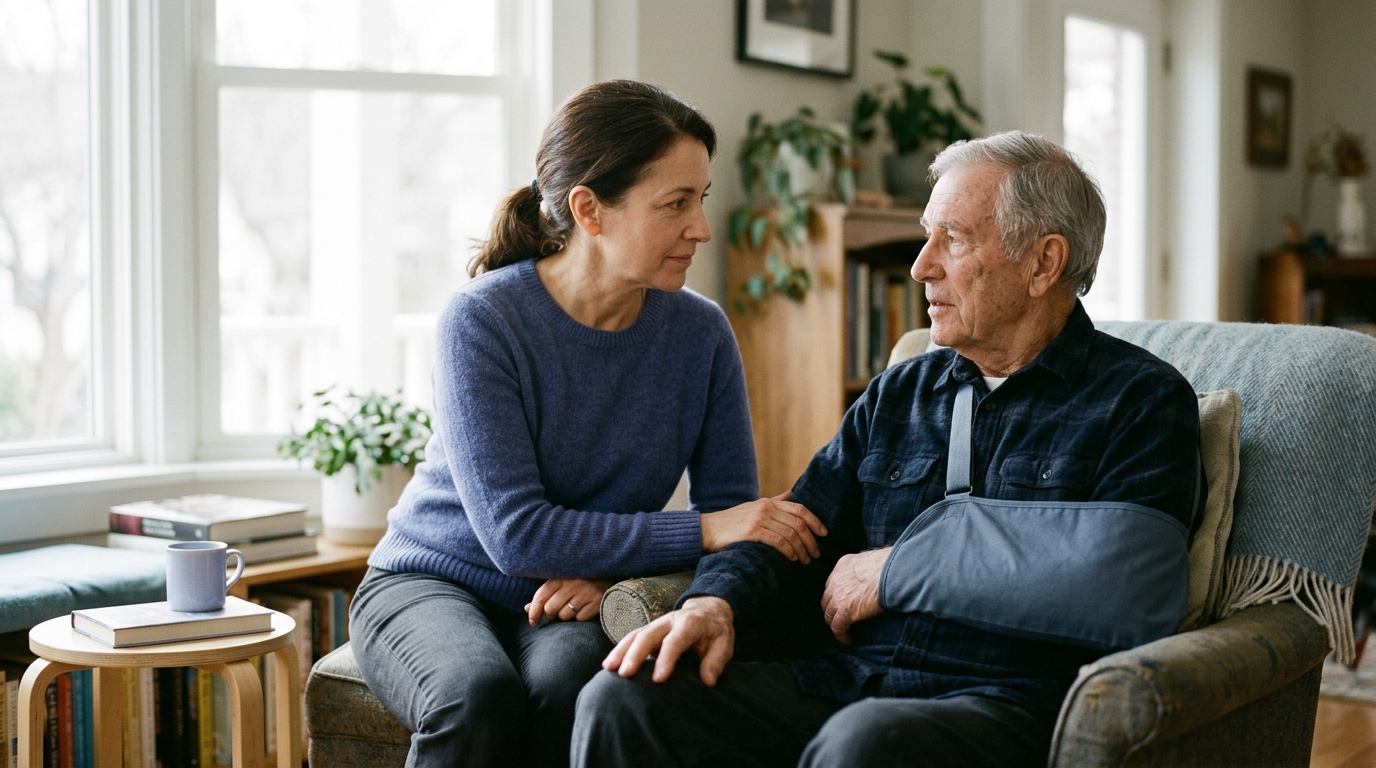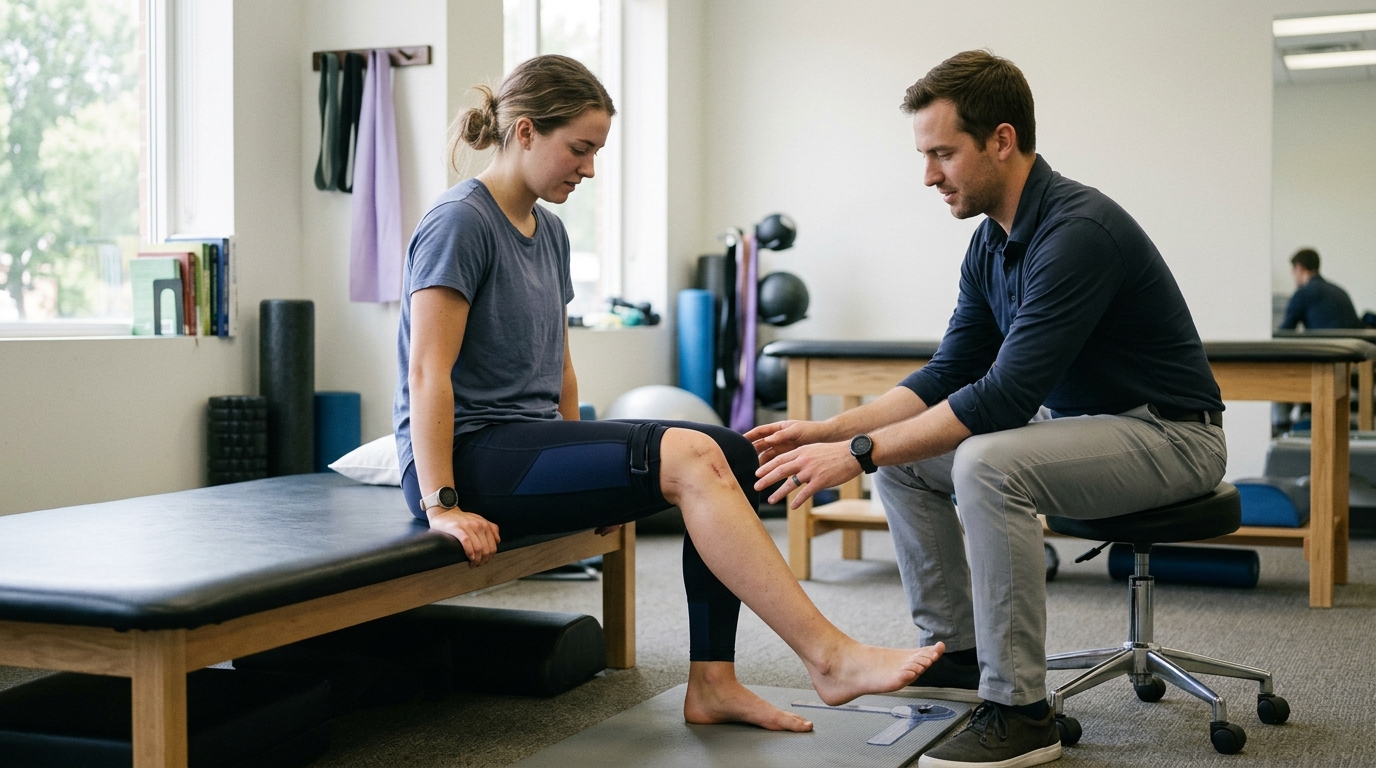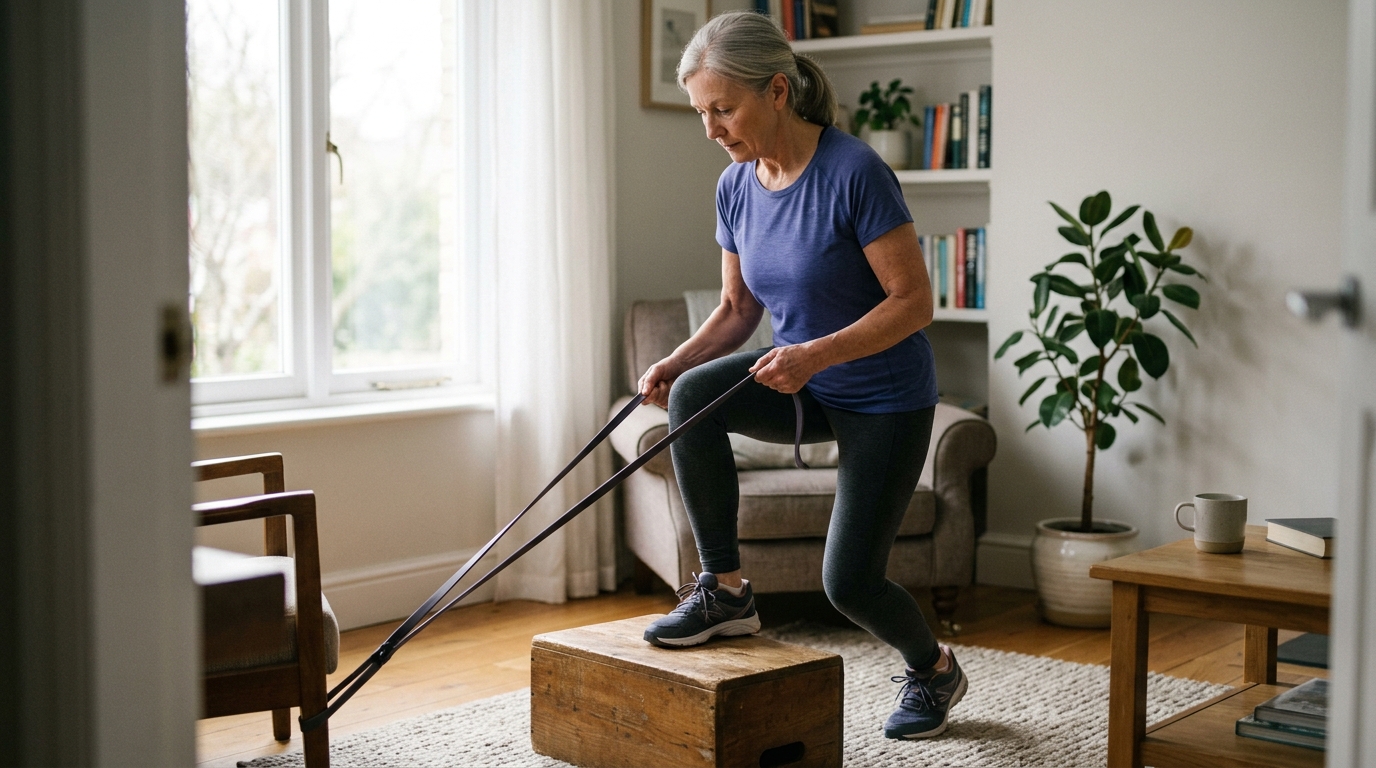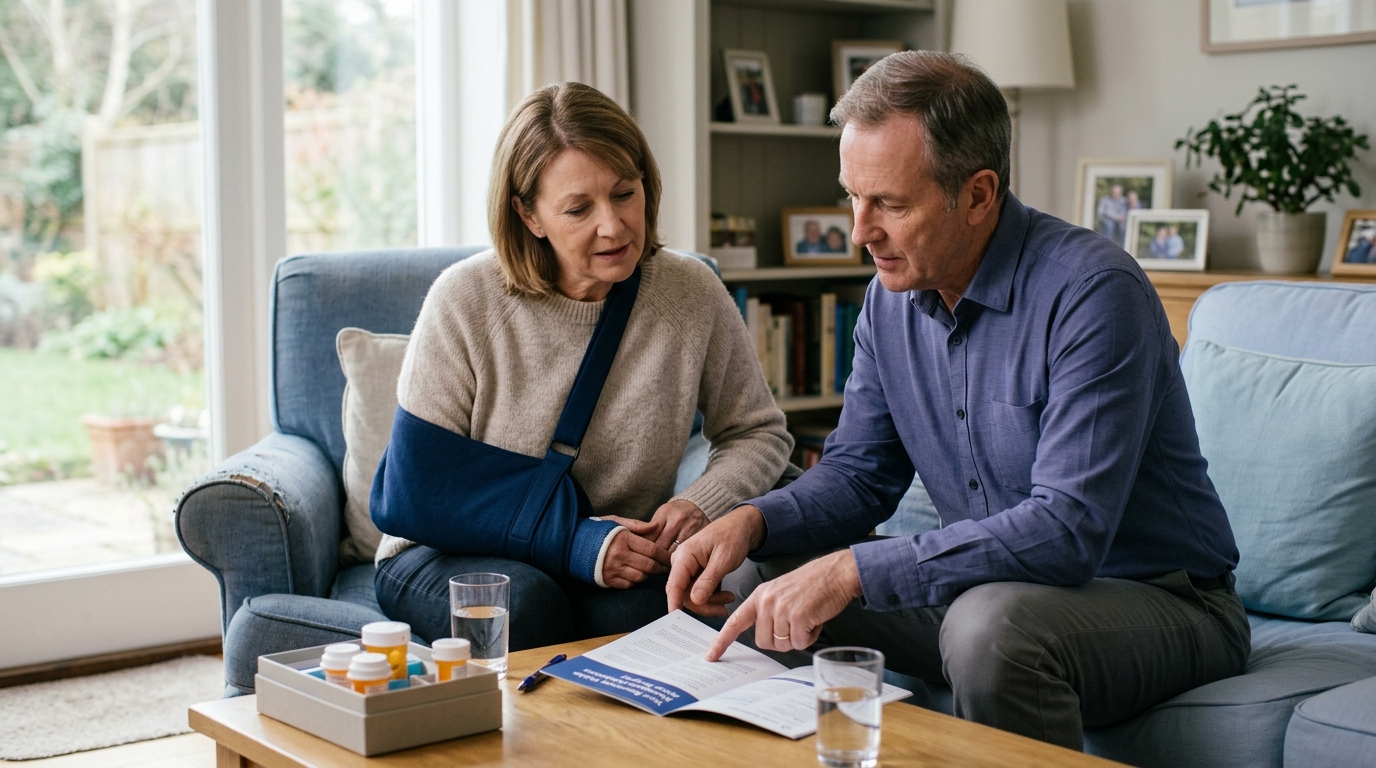

Multiple overlapping phases of biological repair and mechanical stability explain why injury recovery timelines vary significantly across different tissues and individual health profiles.





If you have ever searched online for how long an injury takes to heal, you probably found a clean chart with neat numbers. A minor ankle sprain might say two to four weeks. A broken bone might say six to eight weeks. Yet when you talk to friends, coworkers, or family members who had the exact same diagnosis, their actual recovery paths rarely match those numbers. One person walks normally after a month, while another still deals with stiffness and swelling six months later.
This guide provides a definitive breakdown of why recovery timelines vary so widely from person to person. Healing is not a simple countdown timer set to a fixed date. Instead, your recovery trajectory depends on a complex combination of tissue biology, injury severity, metabolic health, daily habits, and rehabilitation demands. Understanding these variables can help you set realistic expectations, ask better questions, and focus on the factors you can actively influence.
The main reason recovery estimates feel unpredictable is that healing is a dynamic biological progression rather than a single event. When a tissue suffers an injury, your body initiates an intricate series of cellular steps to repair the damage. In standard wound healing models, this process is organized into four overlapping phases known as hemostasis, inflammation, proliferation, and remodeling.
Hemostasis occurs immediately after trauma. Platelets aggregate at the site of damage to form a temporary plug, constricting local blood vessels and stopping active bleeding. This initial stage creates a basic scaffold that allows the next wave of cellular responders to arrive.
Inflammation begins shortly after and often lasts for several days. White blood cells enter the damaged area to clear away dead cells, debris, and potential pathogens. While inflammation often gets a bad reputation because it produces swelling, heat, and discomfort, it is an essential phase of natural repair. Suppressing early inflammation entirely can sometimes interfere with necessary signaling cascades that tell your body how to build new structural tissue.
The proliferation phase follows, lasting anywhere from several days to multiple weeks. During this period, specialized cells called fibroblasts produce new collagen fibers and ground substance to bridge the gap in the tissue. New capillary blood vessels sprout through a process called angiogenesis, bringing oxygen and essential nutrients to the newly forming structure.
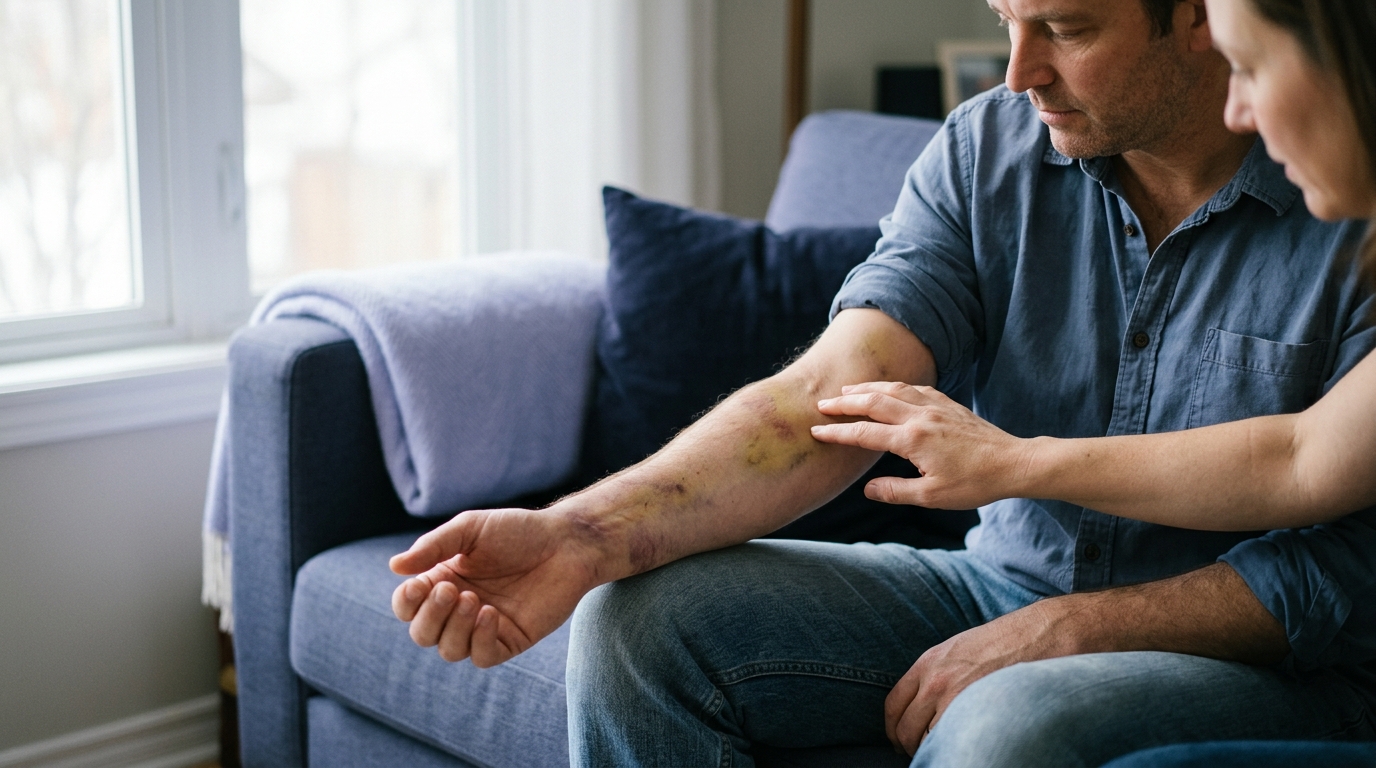
The final stage is remodeling, which is the longest and most variable phase of healing. During remodeling, the initial, disorganized collagen fibers are slowly broken down and replaced with stronger, better-organized fibers aligned with the physical forces placed on the limb. Research on skin wounds shows that remodeling can continue for approximately one year, and in some tissues, the structural maturation can persist for years.
Because these biological phases overlap and progress at different rates depending on local and systemic conditions, there is no universal calendar that dictates when repair is complete. A superficial scratch moves through these stages in days. A deep bone fracture or a torn tendon requires months of continuous biological restructuring before the matrix achieves its final strength.
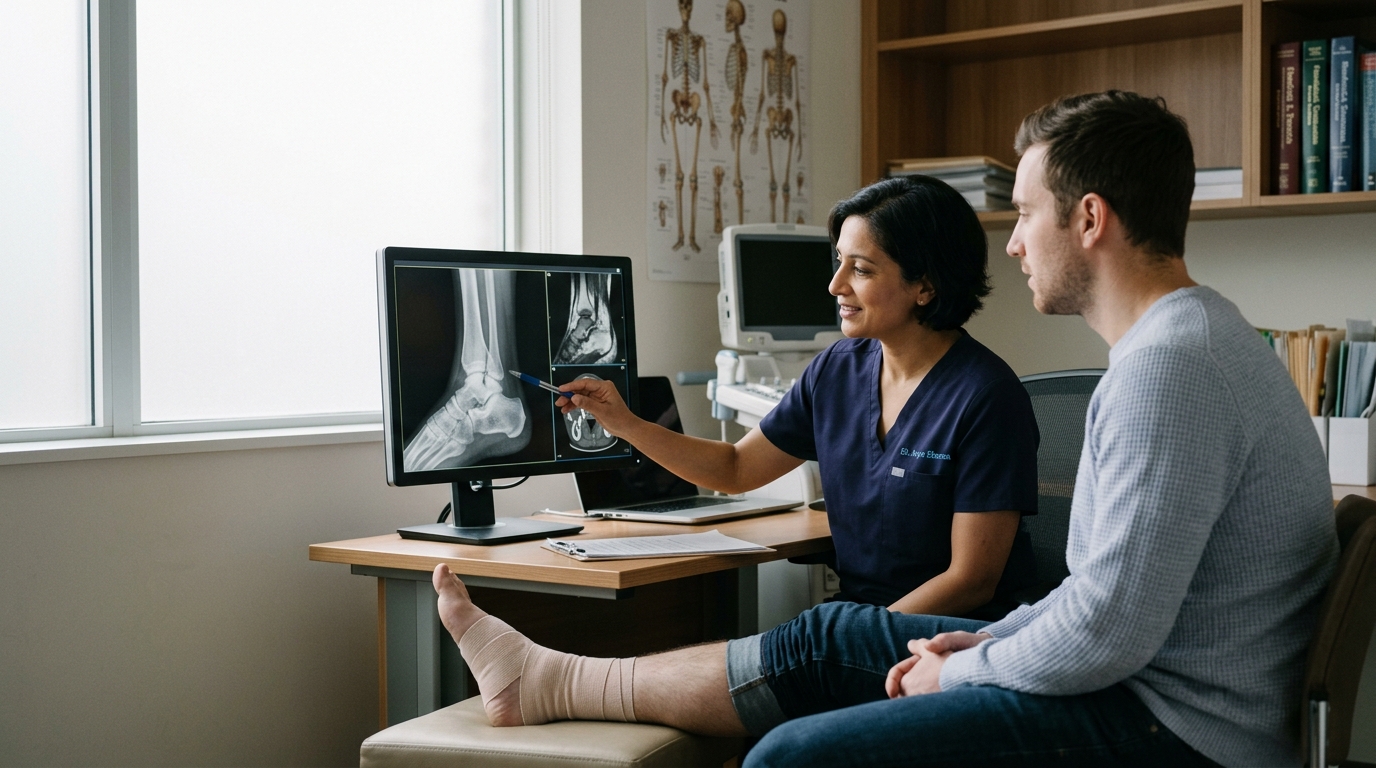
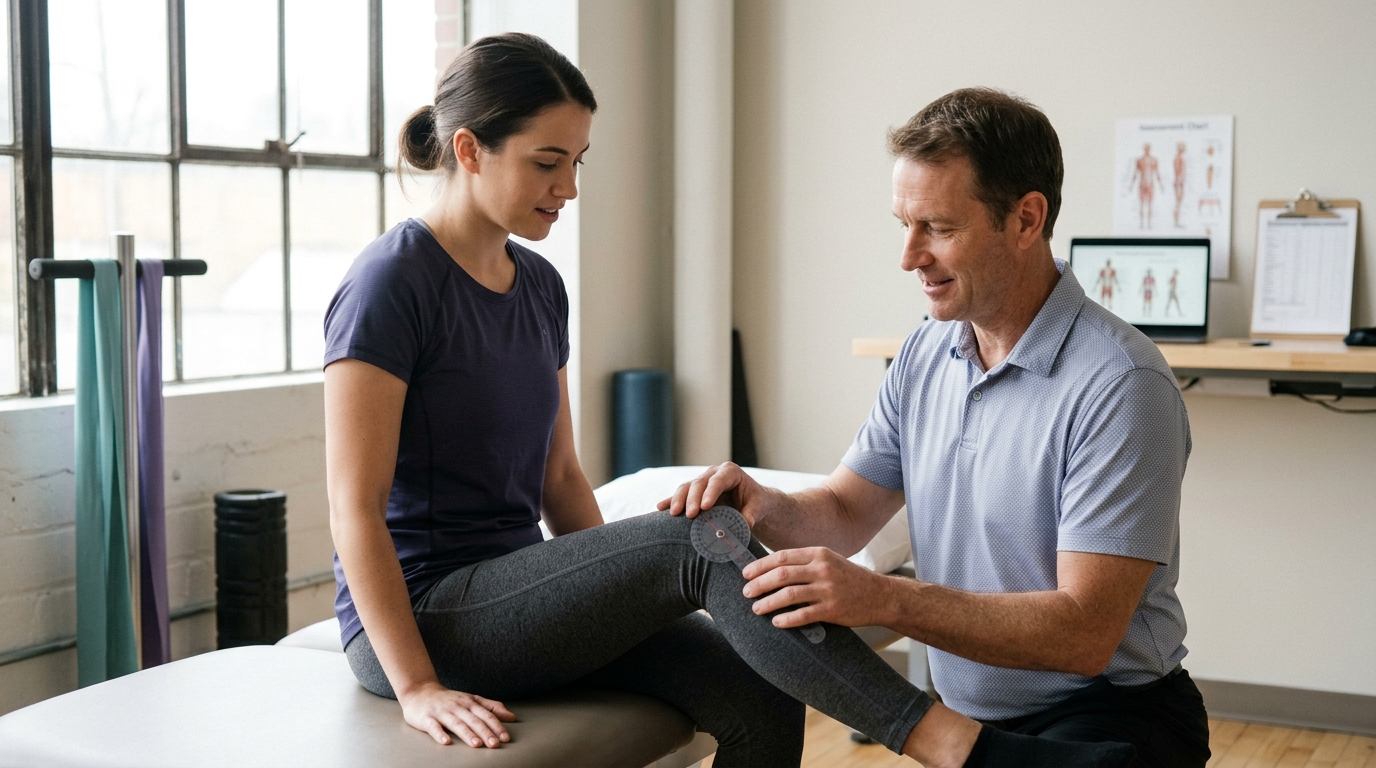
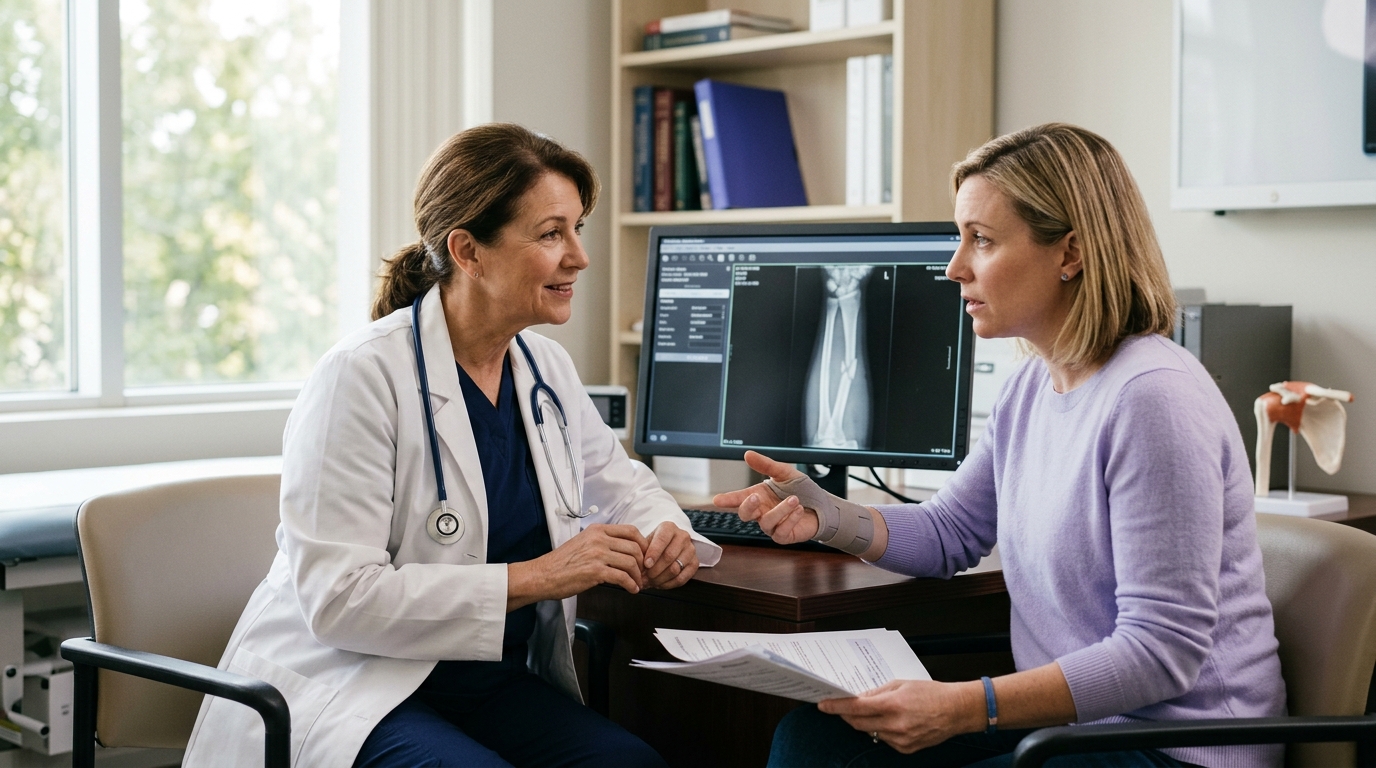
Another major reason people experience confusion about recovery time is that patients and clinicians often define the finish line differently. You might consider yourself recovered when you can complete a workday without pain. Your orthopedic surgeon might look for a solid bridge of bone on an X-ray. Your physical therapist might measure whether your injured leg has matched the muscular strength and balance of your uninjured side.
To understand your personal timeline, it helps to distinguish among four distinct recovery endpoints:
Biological repair refers strictly to the structural integrity of the damaged tissue at a cellular level. This includes the closure of a surgical incision, the formation of a hard bony callus across a fracture, or the anchoring of a repaired tendon to bone. Biological repair happens on a physiological timeline that cannot simply be rushed by willpower.
Crucially, biological repair does not always correlate perfectly with how you feel. A bone fracture may have formed enough early callus to allow gentle weight-bearing while still remaining visible as an incomplete line on an imaging scan. Conversely, a surgical incision can appear completely closed on the surface while the deeper fascia and connective layers are still in early remodeling.
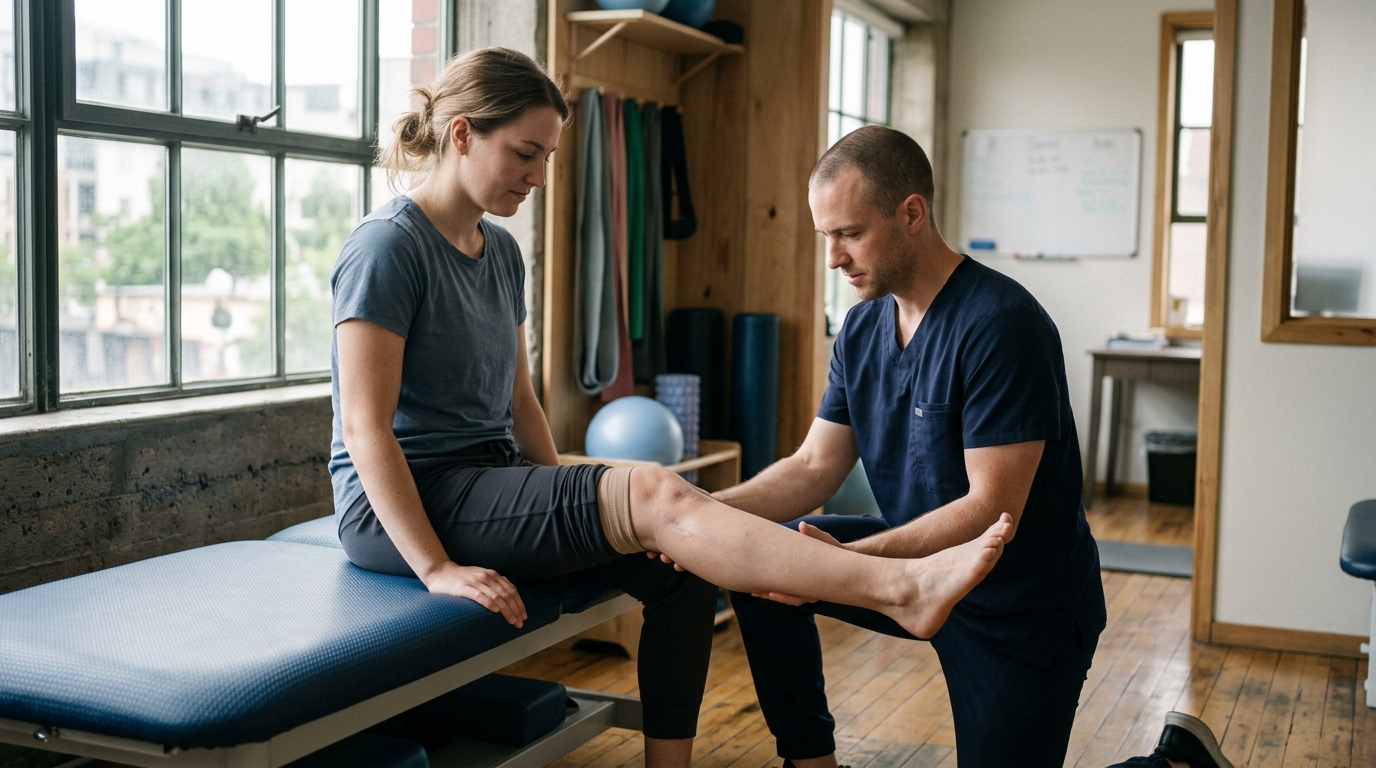
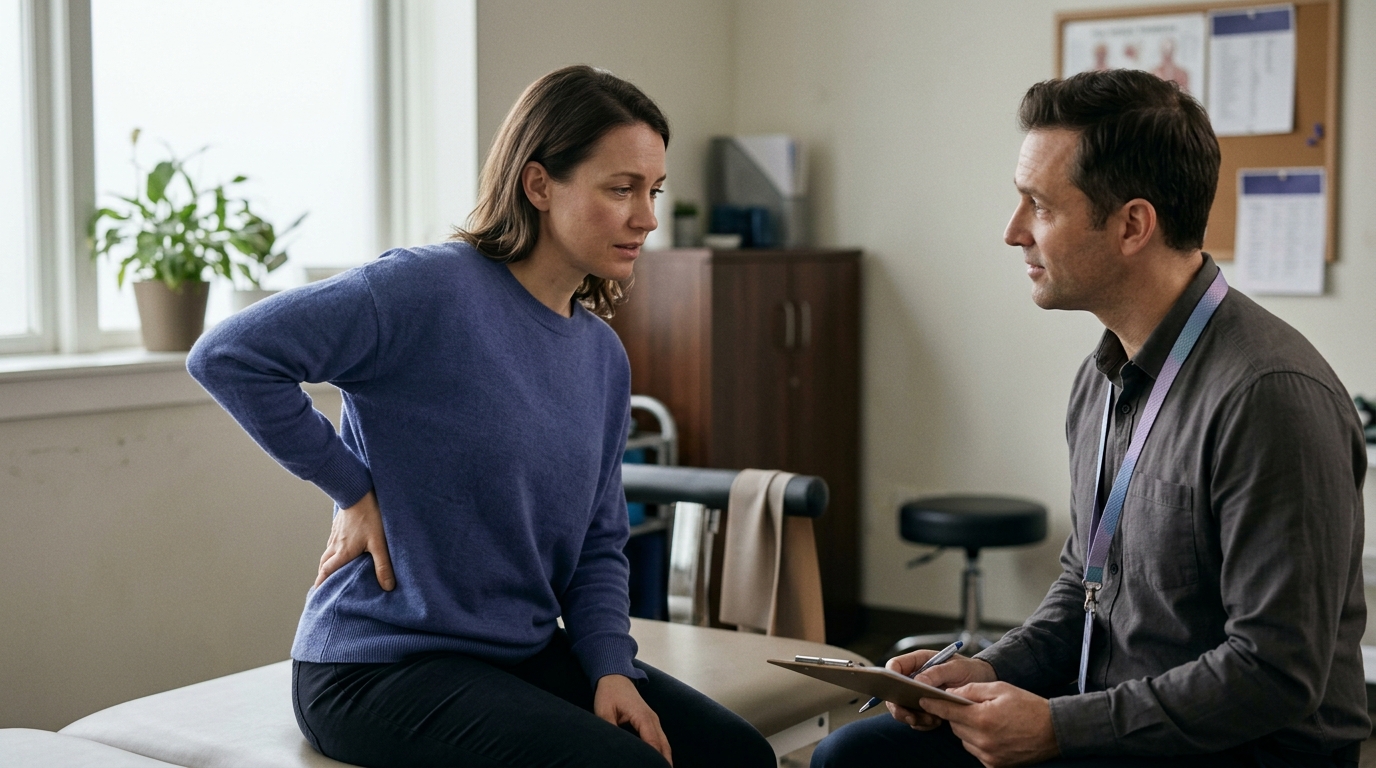
Clinical recovery is what your healthcare provider evaluates during follow-up appointments. This involves the resolution of resting pain, the reduction of resting swelling, the restoration of basic joint range of motion, and normal tissue response to physical touch.
Clinical recovery also reflects your ability to perform basic daily tasks. Walking around the house, preparing a meal, driving, and sleeping through the night without severe discomfort are core milestones of this phase. Many people reach clinical recovery long before their tissues have finished remodeling or before their muscular strength has returned to baseline.
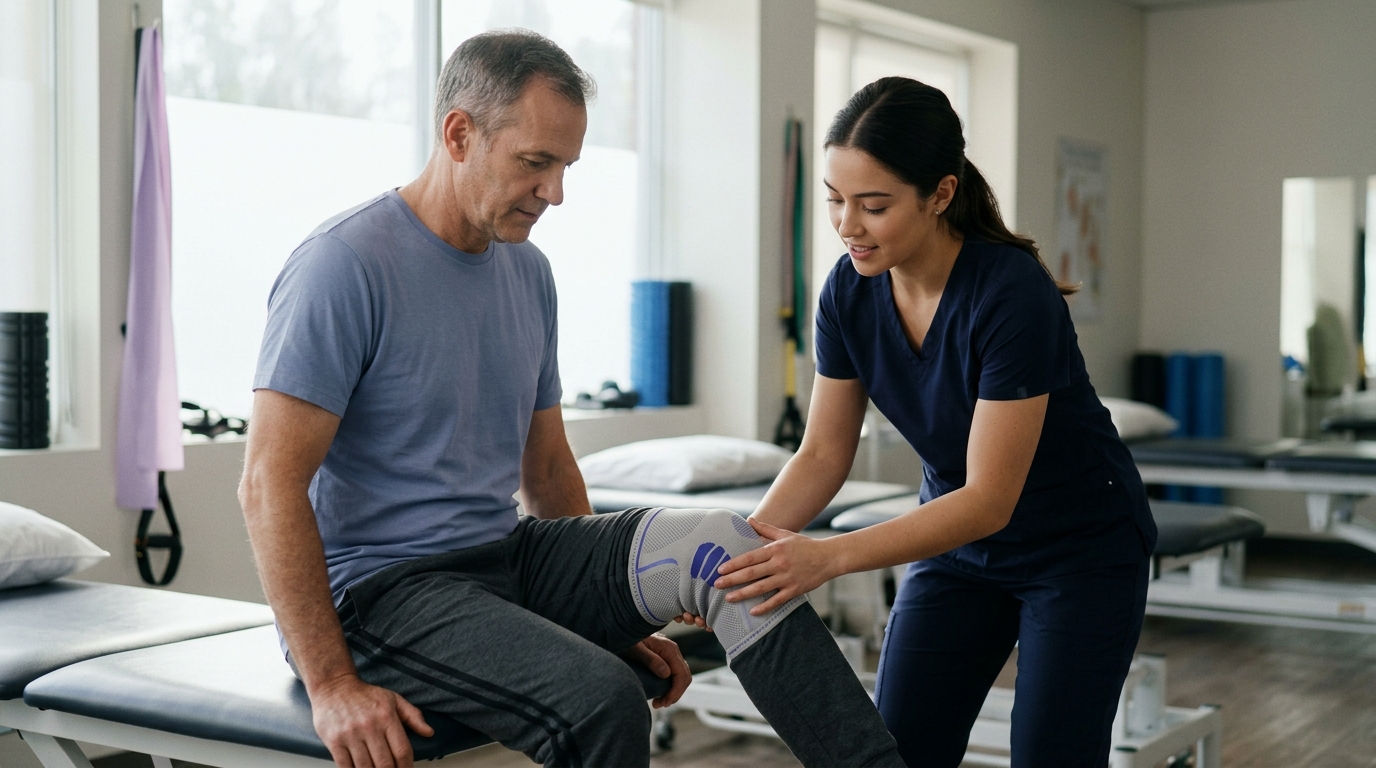
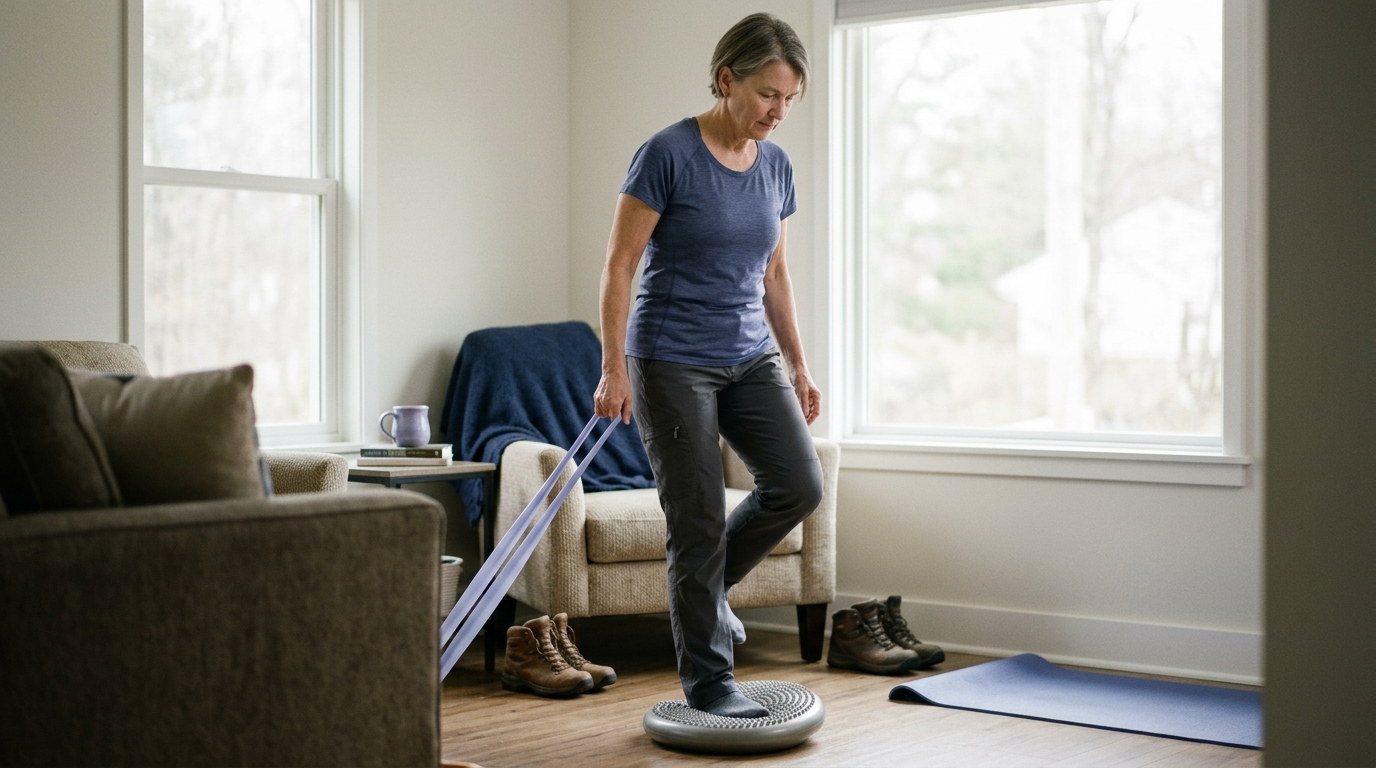
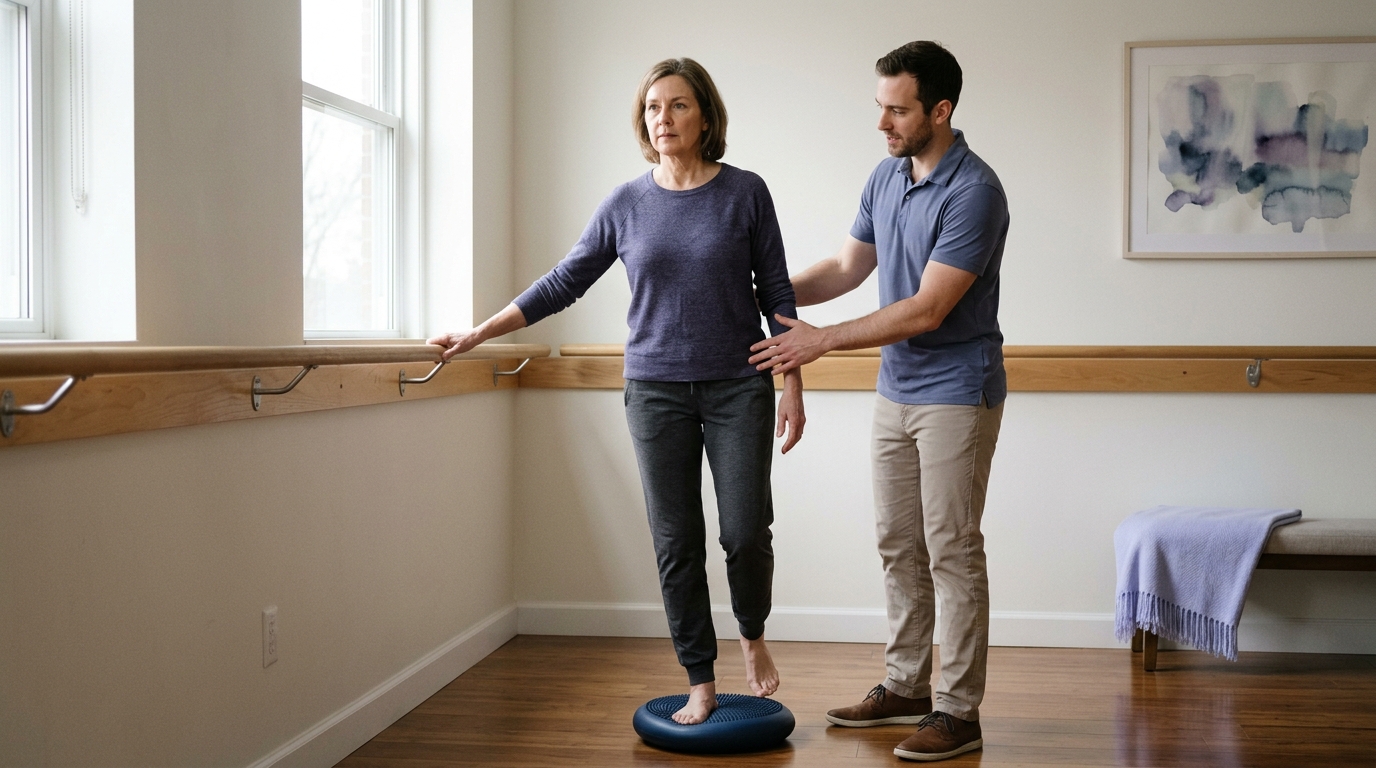
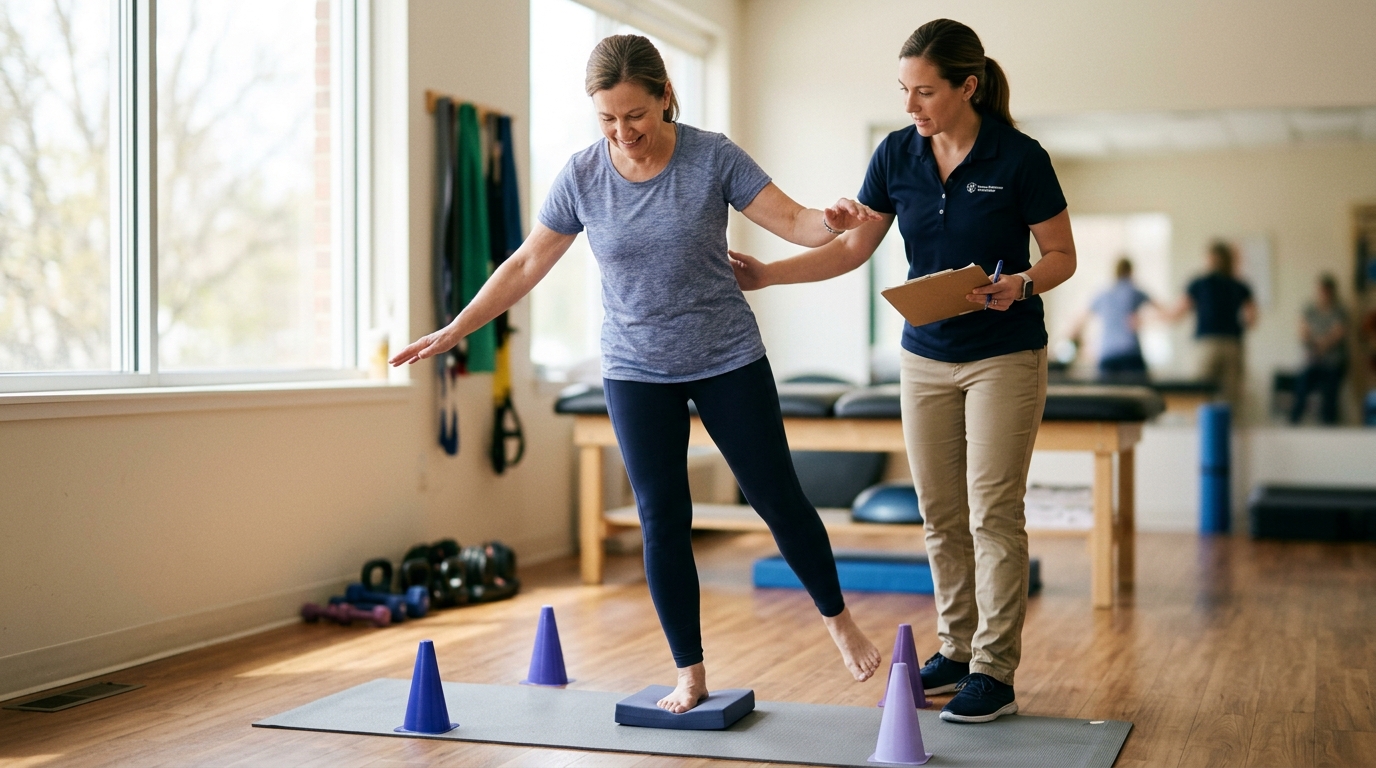
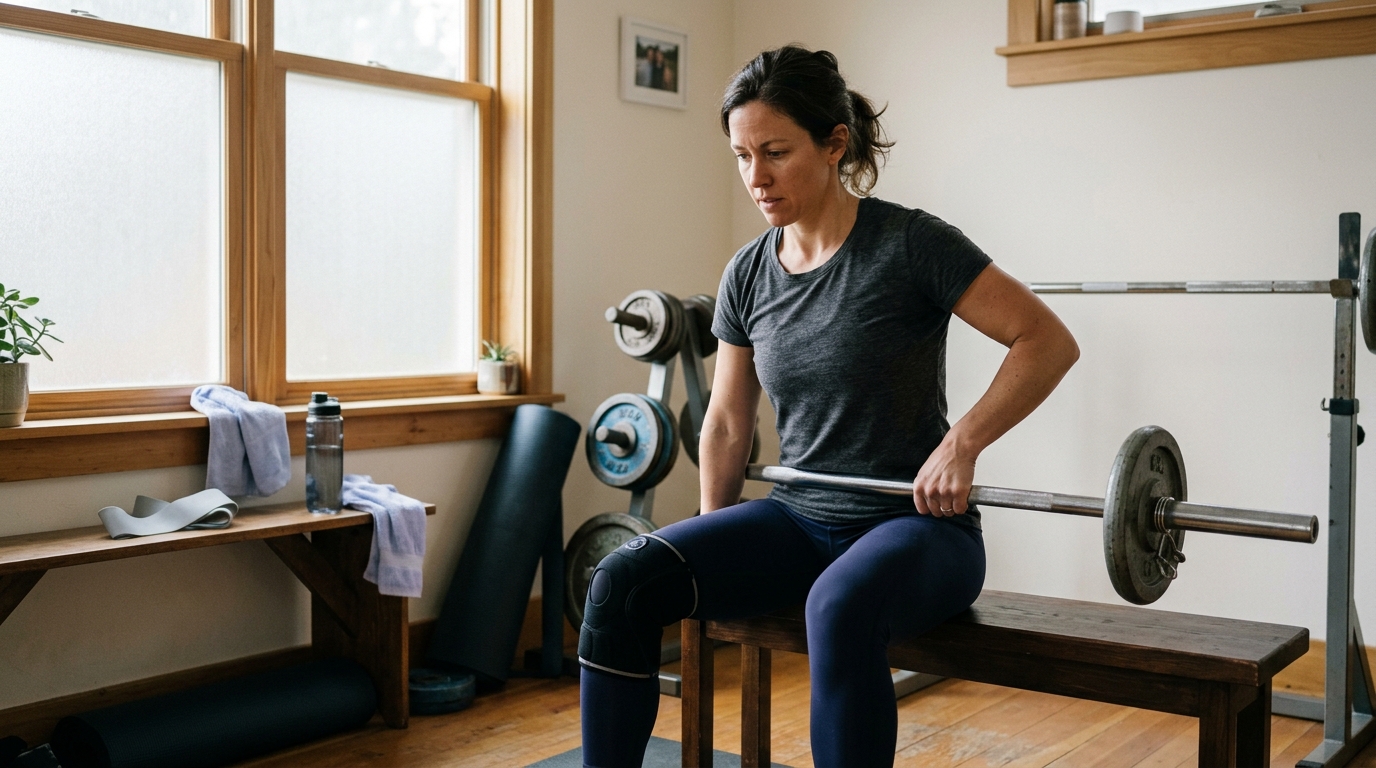
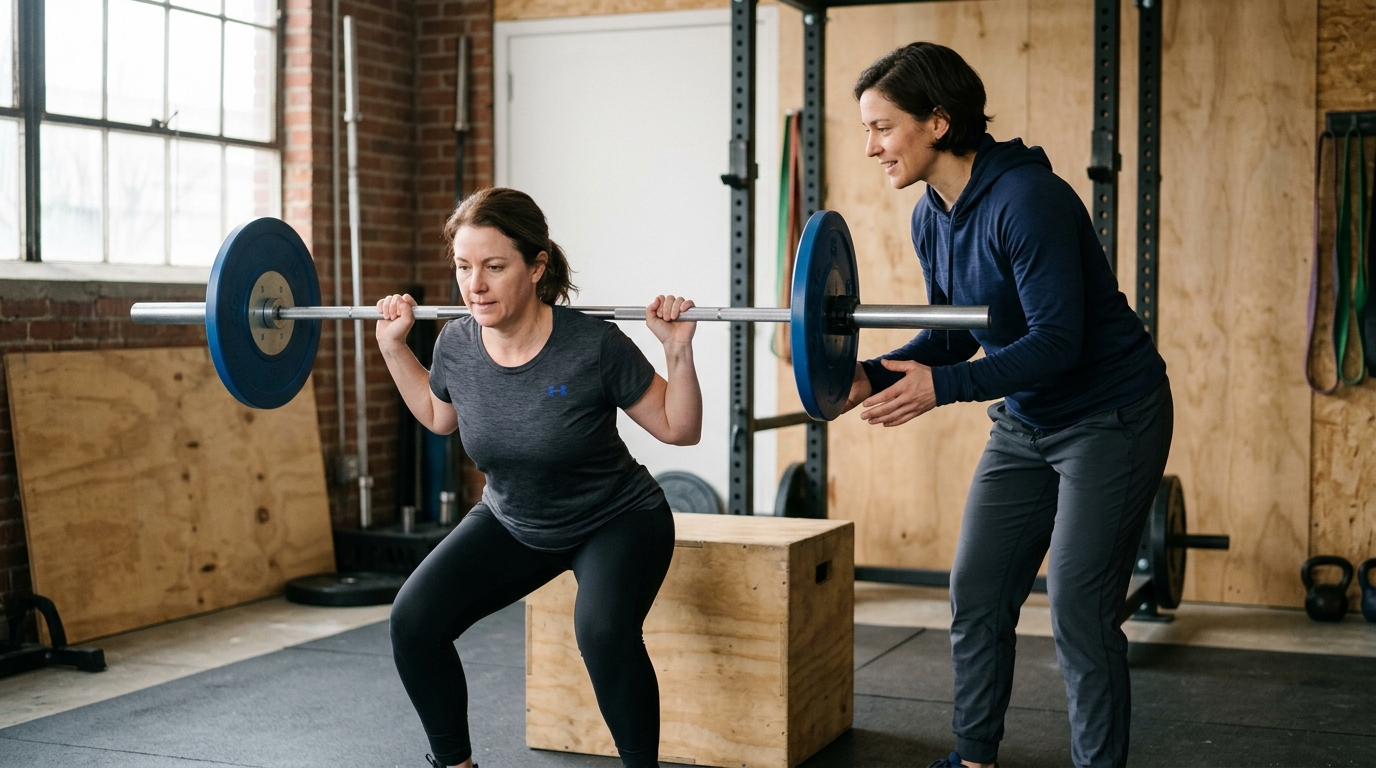
Resuming demanding physical work, heavy recreational exercise, or competitive sport represents a higher threshold than basic clinical recovery. Returning to high-demand activities requires physical qualities that take substantial time to rebuild, including maximal strength, rate of force development, local muscular endurance, and neuromuscular coordination.
A major international consensus statement on return to sport established that resuming athletic activity is not a single calendar date or a sudden clearance event. Instead, return to activity exists as a continuum that runs parallel to rehabilitation. Rushing back into high-load movements based solely on how long it has been since the injury occurred, without testing functional capacity, is a primary reason people suffer setbacks or secondary compensations.
Even after you have returned to all your normal physical hobbies without pain, the remodeling phase may still be quietly progressing. Connective tissues, such as tendons, ligaments, and bone, continue to adapt to mechanical loads over many months. Understanding this extended timeline prevents the false assumption that being free of daily pain means your tissue is completely indistinguishable from its pre-injury state.
If you are navigating this journey, you can review detailed guides on injury recovery and tissue healing to understand how different tissues respond across each phase.
The specific characteristics of the injury site itself play an enormous role in determining how fast healing can occur. Even within the same broad diagnosis, such as a broken leg or a torn shoulder tendon, the local physical environment can vary dramatically from one individual to the next.
Tissues in the human body have vastly different vascular networks. Highly vascular tissues, such as skeletal muscle and cancellous bone, receive a rich supply of blood, oxygen, and circulating immune cells. Because of this robust infrastructure, minor muscle strains and vascular bone fractures often initiate rapid repair cascades.
In contrast, tissues with poor natural blood supply heal much more slowly. Tendons, dense ligaments, and articular cartilage receive limited capillary flow, especially in specific watershed zones. When these dense connective tissues are injured, delivering the oxygen and amino acids necessary to lay down new collagen matrix requires considerably more time.
Local oxygenation is equally vital in skin and surgical wound healing. Without adequate capillary perfusion, cellular proliferation stalls, collagen synthesis drops, and the local tissue becomes far more susceptible to bacterial colonization.
The physical magnitude of the initial trauma directly dictates the biological workload required for repair. When two people experience a bone fracture, the simple label of a break hides critical differences in local tissue damage.
A large systematic review and meta-analysis examining risk factors for nonunion in surgically treated long-bone fractures demonstrated the powerful impact of local injury features. The researchers found that open fractures, where the broken bone penetrates the skin, had 2.6 times higher odds of failing to heal compared to closed fractures. When looking at the severity of open wounds, Gustilo type III fractures had 2.2 times higher odds of nonunion compared to less severe type II fractures.
Furthermore, factors such as the size of the fracture gap, the presence of comminution where the bone shatters into multiple fragments, and significant soft-tissue defects were associated with delayed healing across more than half of the studies reviewed. When extensive muscle and skin around an injury are damaged, local blood vessels are severed, which delays the arrival of healing factors to the site of damage.
Infection represents one of the most disruptive local factors in any recovery process. When bacteria establish a presence in an open wound or surgical site, the body is forced to prolong the inflammatory phase indefinitely to fight the invading organisms.
In the previously mentioned fracture meta-analysis, the presence of a local infection was associated with a dramatic sevenfold increase in the odds of nonunion. Infection diverts cellular resources toward immune defense, releases destructive bacterial enzymes that break down newly formed tissue scaffolding, and prevents the transition into healthy tissue proliferation.
Whether an injury involves a bone, a ruptured ligament, or a healing incision, the mechanical environment must be stable enough to allow new cellular bridges to form. If a healing bone moves excessively whenever you bear weight, the delicate micro-vessels attempting to cross the fracture gap are repeatedly torn apart.
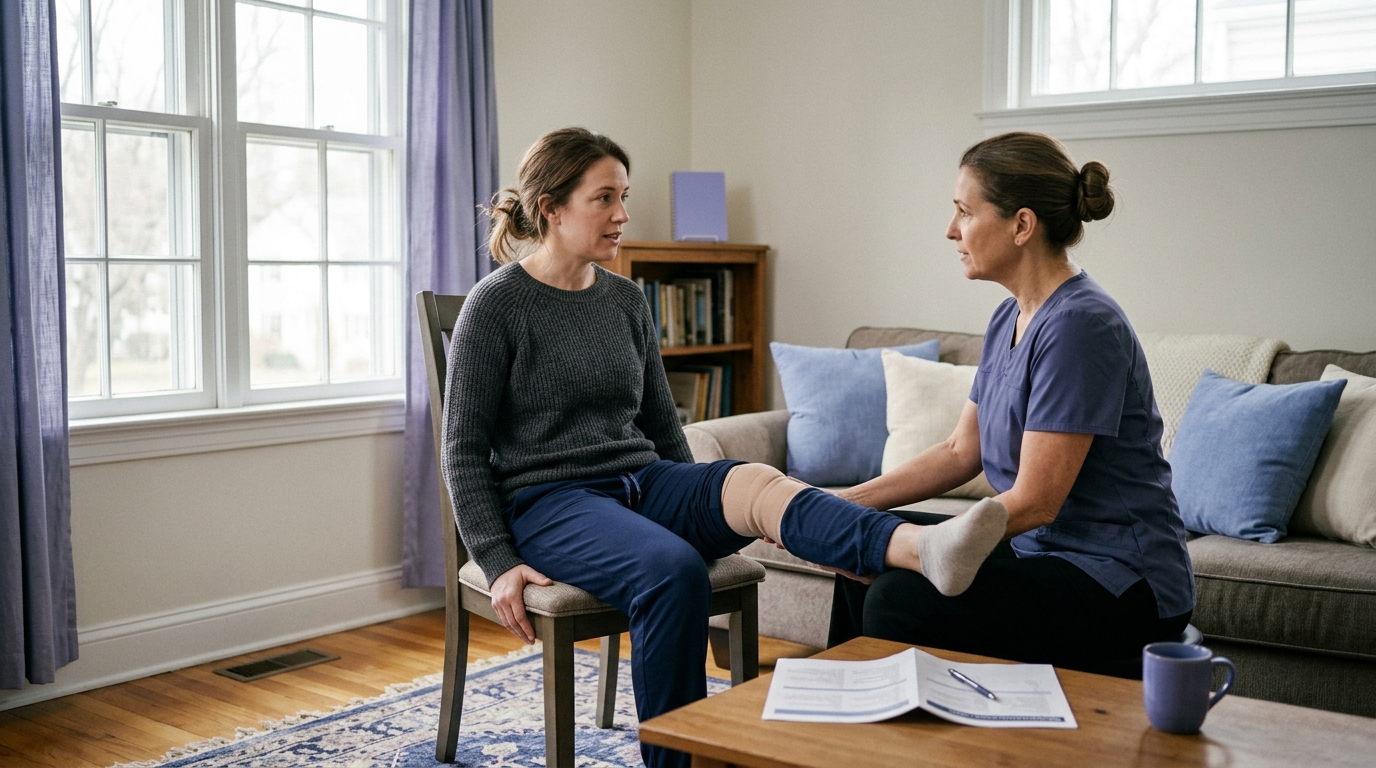
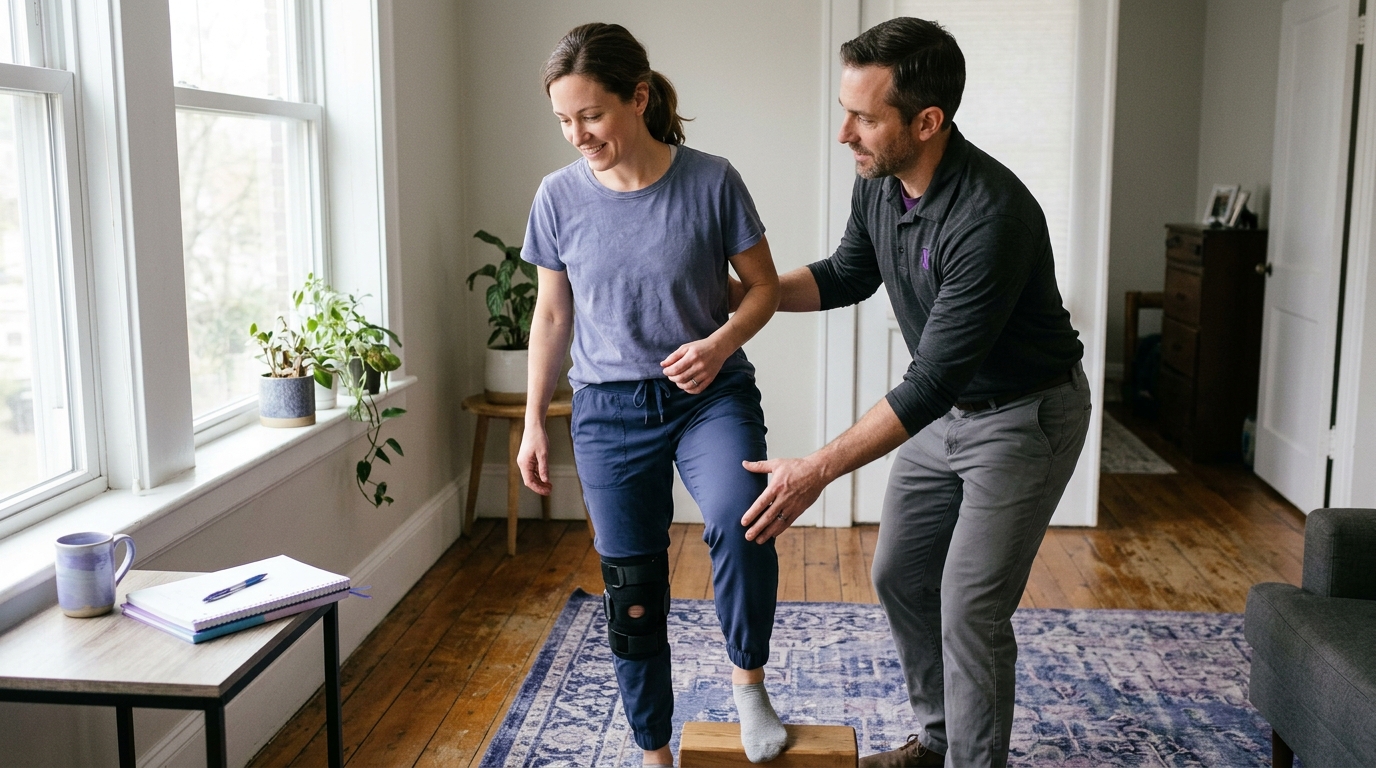
Conversely, total immobilization for too long can lead to joint stiffness, muscle atrophy, and weak, disorganized collagen alignment. Modern orthopedic management focuses on achieving stable fixation, either through internal hardware like plates and screws or external support like braces, so that early, controlled movement can safely occur without disrupting local cellular repair.
For those recovering from surgical procedures, reading about post-surgical rehabilitation can clarify how surgeons and therapists balance protection with progressive movement.
While local injury factors define the physical damage at the site, your systemic health determines the resources your body can deploy to fix it. Healing is an energetically demanding process that relies on your circulatory, endocrine, and immune systems working in harmony.
Metabolic conditions can alter cellular function throughout the entire body. Diabetes is one of the most thoroughly researched systemic factors affecting both soft-tissue and bone healing.
In a systematic review of surgically managed fractures, individuals with diabetes faced 1.6 times higher odds of nonunion compared to those without diabetes. A separate 2026 meta-analysis specifically evaluating fracture outcomes confirmed this risk, reporting that people with diabetes had 1.61 times higher odds of delayed union or nonunion, though the studies showed substantial variation in their individual estimates.
At a biological level, elevated blood sugar levels can impair the function of white blood cells, reducing their ability to clear cellular debris and fend off pathogens. Chronic hyperglycemia also leads to microvascular complications, reducing small-vessel blood flow to peripheral tissues. Furthermore, advanced glycation end-products can stiffen collagen fibers, altering the quality and strength of newly formed connective tissues.
Body composition influences recovery through both mechanical and biochemical pathways. The fracture meta-analysis identified obesity as a significant risk factor, showing an odds ratio of 1.5 for nonunion following surgical treatment.
Mechanically, higher body mass places greater physical stress on healing lower-extremity bones, joints, and surgical incisions, which can test the limits of internal fixation hardware. Biochemically, excess adipose tissue often secretes low-grade, chronic pro-inflammatory cytokines. This constant baseline inflammation can dysregulate the normal, tightly timed phases of acute tissue repair, prolonging the inflammatory stage and delaying tissue remodeling.
Smoking is one of the most consistently documented lifestyle factors associated with delayed tissue repair. The meta-analysis on traumatic fractures found that smoking was associated with a 1.7-fold increase in the odds of nonunion. Additional comprehensive reviews note that smokers face roughly twice the risk of bone healing failure and routinely experience longer timelines to achieve solid union.
Nicotine acts as a potent vasoconstrictor, narrowing peripheral blood vessels and reducing oxygen delivery to regenerating tissues. Inhaling tobacco smoke also increases carbon monoxide levels in the bloodstream, which binds to hemoglobin and lowers the blood's capacity to transport oxygen. Furthermore, the toxic compounds in smoke impair the activity of fibroblasts and osteoblasts, the specialized cells responsible for synthesizing new collagen and bone matrix.
Certain medications can interact with the biological cascades of healing. For example, nonsteroidal anti-inflammatory drugs, commonly known as NSAIDs, are widely used to manage pain and swelling after orthopedic setbacks. However, because early inflammation provides the chemical signals that trigger bone callus formation, questions exist about whether high-dose or prolonged NSAID use might slow down bone repair.
In the systematic review of fracture nonunion, NSAID exposure was associated with healing complications in more than half of the studies that tracked it. However, because these studies were observational, they do not prove that NSAIDs directly caused the nonunion. Another clinical review categorized NSAID use as a relevant influencing factor while noting that findings across individual studies remain mixed.
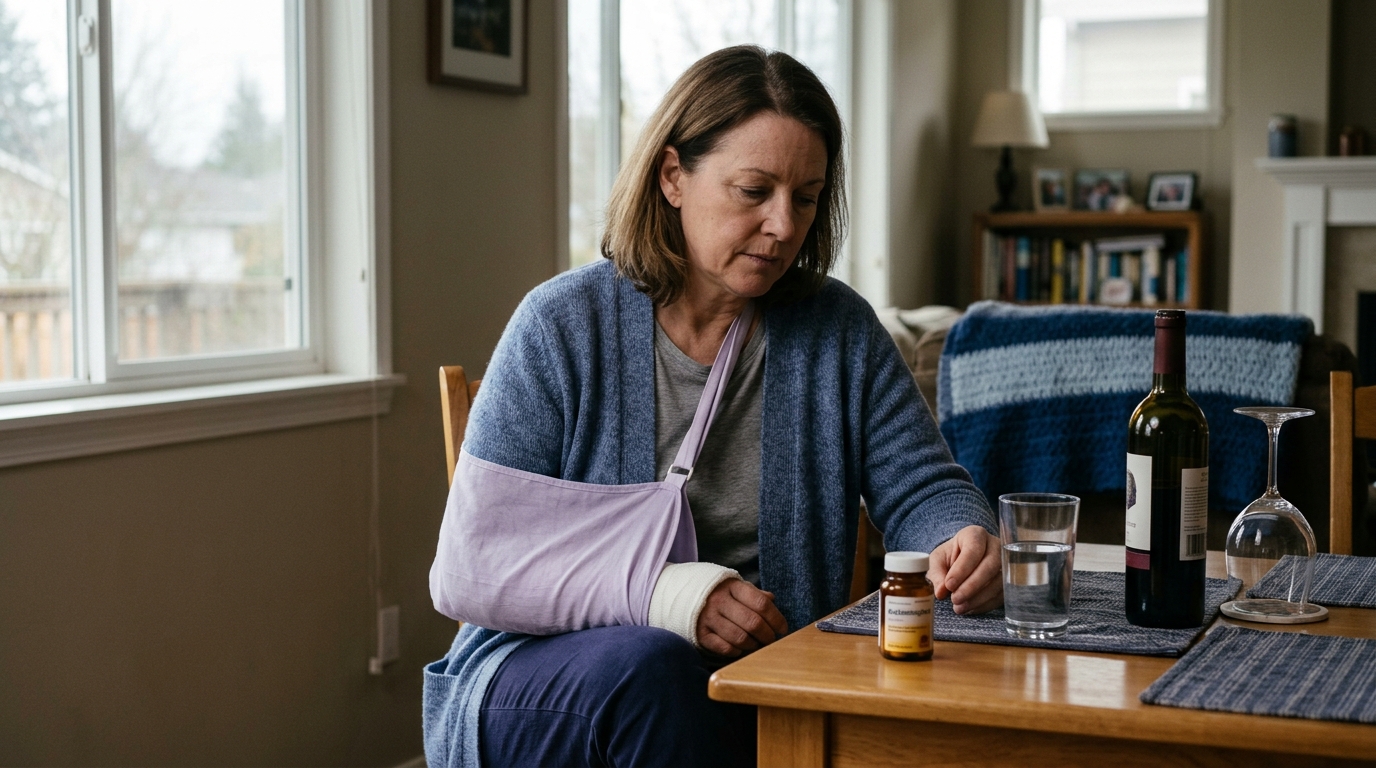
Because pain management is essential for movement and sleep, you should never stop or alter prescribed medications on your own. Instead, discuss the appropriate type, dose, and duration of pain medications with your managing physician.
You can learn more about how metabolic and whole-body health influence recovery by browsing articles on biological recovery science.
It is a common belief that getting older automatically condemns a person to slow, incomplete recovery. While age does introduce changes to biological systems, the relationship between age and healing is far more nuanced than a simple calendar calculation.
Wound healing literature confirms that aging alters cellular activity across multiple phases of repair. Older adults often experience a slightly slower inflammatory response, delayed capillary sprouting, and reduced rates of collagen synthesis. However, research emphasizes that in healthy older adults, the primary effect is typically a temporal delay rather than a permanent reduction in the final quality of the healed tissue.
When looking at bone repair, the evidence that age alone dictates outcomes is surprisingly weak. In the systematic review of surgically managed long-bone fractures, only five out of nineteen studies identified chronological age as a statistically significant risk factor for nonunion. The researchers were unable to pool the age data because the results across studies were highly inconsistent, leading the authors to suggest that advanced age often acts as a proxy for coexisting chronic diseases rather than being an independent barrier to healing.
Recent medical literature highlights frailty, rather than chronological age, as a far more critical factor in determining recovery outcomes. Frailty reflects a state of decreased physiological reserve across multiple organ systems, leaving an individual less capable of handling physical stress.
A healthy, physically active 70-year-old with good muscle mass and well-managed cardiovascular health often heals substantially better than a 45-year-old with severe untreated chronic illness, poor nutritional status, and extreme physical deconditioning. Physical resilience, preserved lean muscle mass, and metabolic vitality provide the physiological safety margin needed to navigate major operations or traumatic injuries.
For additional perspectives on maintaining health reserves as you age, read our section on active aging and physical resilience.
Beyond your medical history and the physical damage of the injury, your daily habits create the internal environment in which tissue regeneration takes place. Sleep, stress, and nutrition are foundational elements that can tilt the physiological scale toward efficient repair or prolonged recovery.
Sleep is the primary physiological state during which the body conserves energy, modulates immune function, and releases anabolic hormones that support cellular growth and repair. When sleep is cut short or fragmented, these restorative processes can become compromised.
Experimental research provides direct evidence of this relationship in human tissue. In a controlled study evaluating small superficial skin wounds, healthy adults who maintained adequate sleep restored their skin barrier in an average of 4.2 days. In contrast, participants subjected to sleep restriction took an average of 5.0 days to achieve the same barrier recovery, a statistically significant difference.
While a small skin-wound model cannot be used to calculate the exact number of extra days needed to heal a broken bone or a torn tendon, it clearly demonstrates that sleep loss directly alters the timeline of cellular repair.
Furthermore, a study investigating postoperative recovery found that poor sleep quality during the first week following surgery was strongly associated with wound complications and impaired tissue healing. Prioritizing consistent, restorative sleep provides an undeniable biological advantage during any rehabilitation journey.
Recovering from a painful injury or undergoing surgery can be emotionally challenging. However, prolonged psychological stress is not just a mental state. It triggers measurable physical changes that can alter the course of healing.
When you experience sustained psychological stress, your central nervous system activates the hypothalamic-pituitary-adrenal axis, increasing the release of stress hormones such as cortisol and catecholamines. Elevated levels of these hormones can suppress the early immune response, reduce the production of key growth factors, and slow the migration of repair cells to the site of damage.
A comprehensive review of stress and wound healing highlighted human trials where greater perceived stress significantly delayed recovery. In one classic study examining punch-biopsy wounds, individuals reporting higher stress before and during the procedure experienced noticeably slower healing between days 7 and 21 compared to those with lower stress levels.
While stress alone is rarely the sole cause of a prolonged recovery, persistent anxiety can interfere with sleep, elevate systemic inflammation, and lower your tolerance for the discomforts of physical rehabilitation.
Tissue repair requires a constant supply of energy, amino acids, vitamins, and minerals. Following a major injury or surgical procedure, your resting metabolic rate often increases as your body works overtime to synthesize new structural matrices and rebuild injured tissues.
Key nutritional considerations during recovery include:
Observational studies looking at specific supplements, such as high-dose vitamin D for fracture healing, have shown mixed results. While correcting a true underlying nutritional deficiency is vital, there is no evidence that taking massive doses of unprescribed vitamins will accelerate healing beyond normal biological limits. Focus on balanced, whole-food nutrition and consult a registered dietitian or your physician if you have specific metabolic concerns.
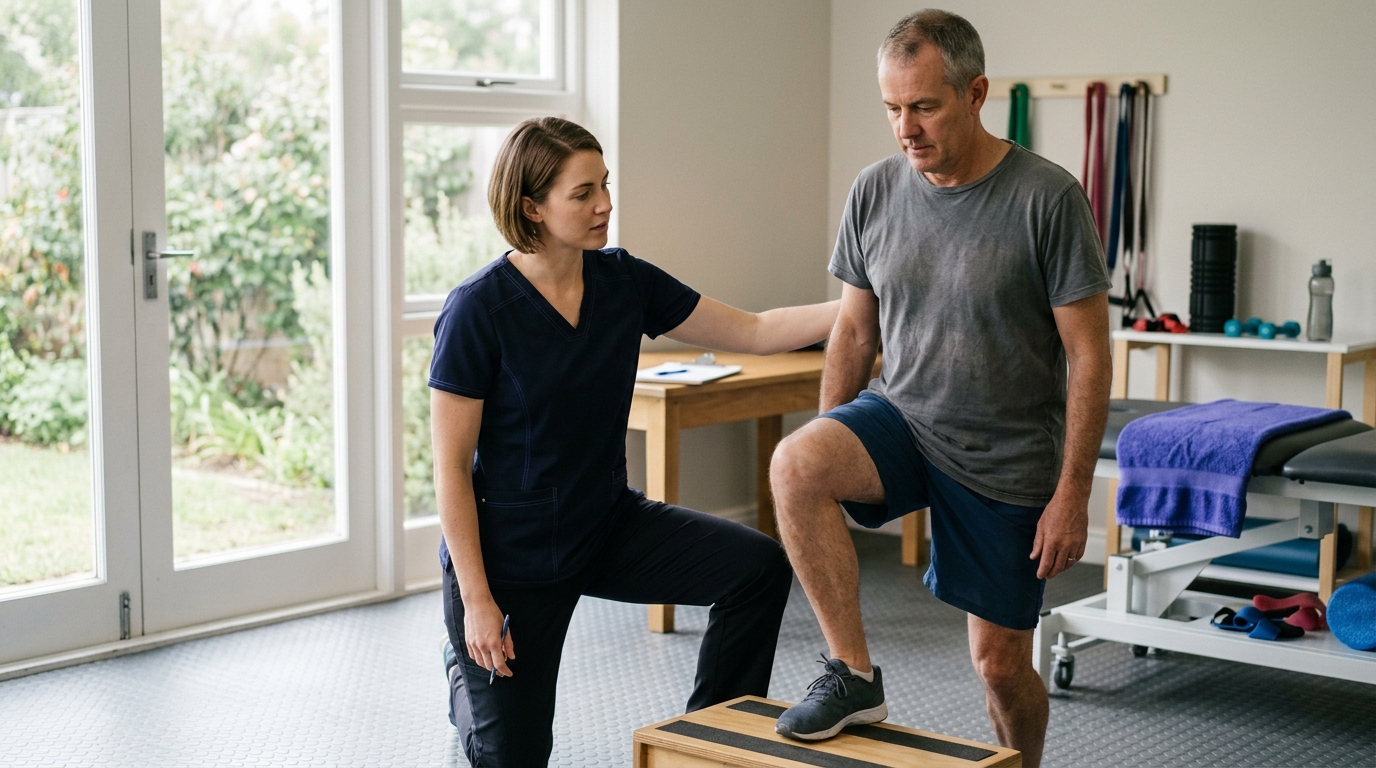
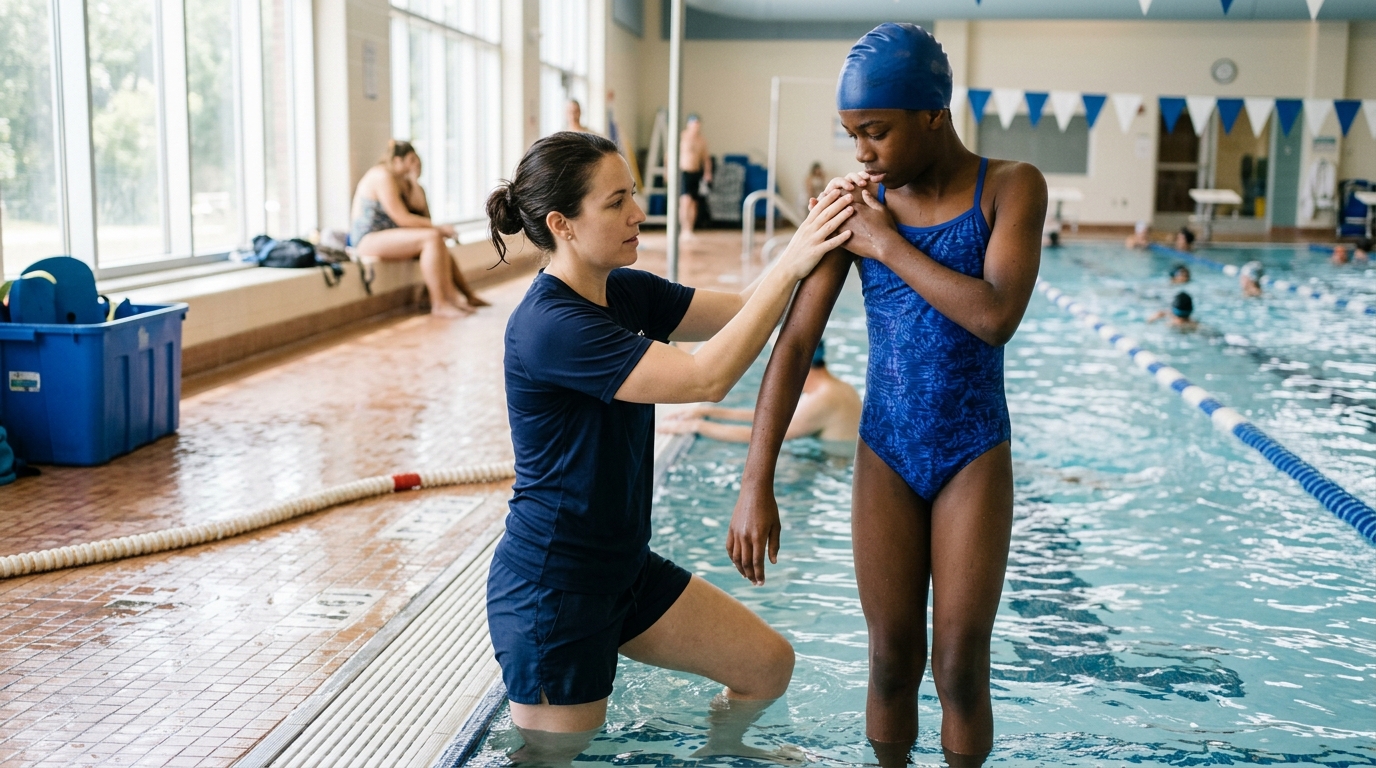
How you load an injured tissue during the weeks and months following trauma plays a massive role in shaping how quickly you regain full function. Modern sports medicine has largely moved away from the outdated concept of complete, passive rest in favor of early, controlled, and progressive loading.
Historically, patients were often told to rest for a specific number of weeks and were then assumed to be ready for normal activity simply because time had passed. This calendar-based approach has major flaws.
Elapsed time does not tell you whether your muscles have regained adequate strength, whether your nervous system has restored balance, or whether your joint can tolerate explosive forces. Relying entirely on a calendar often leads to two problematic extremes:
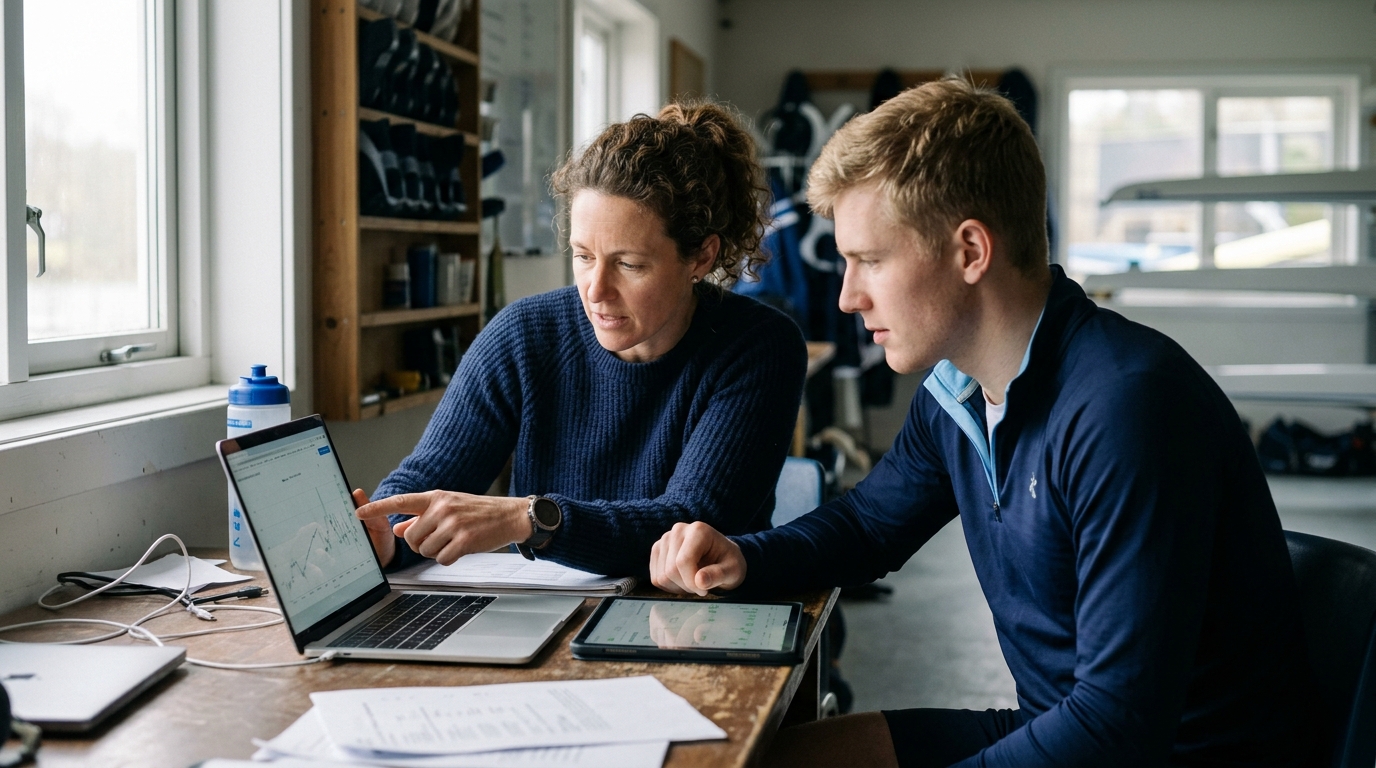
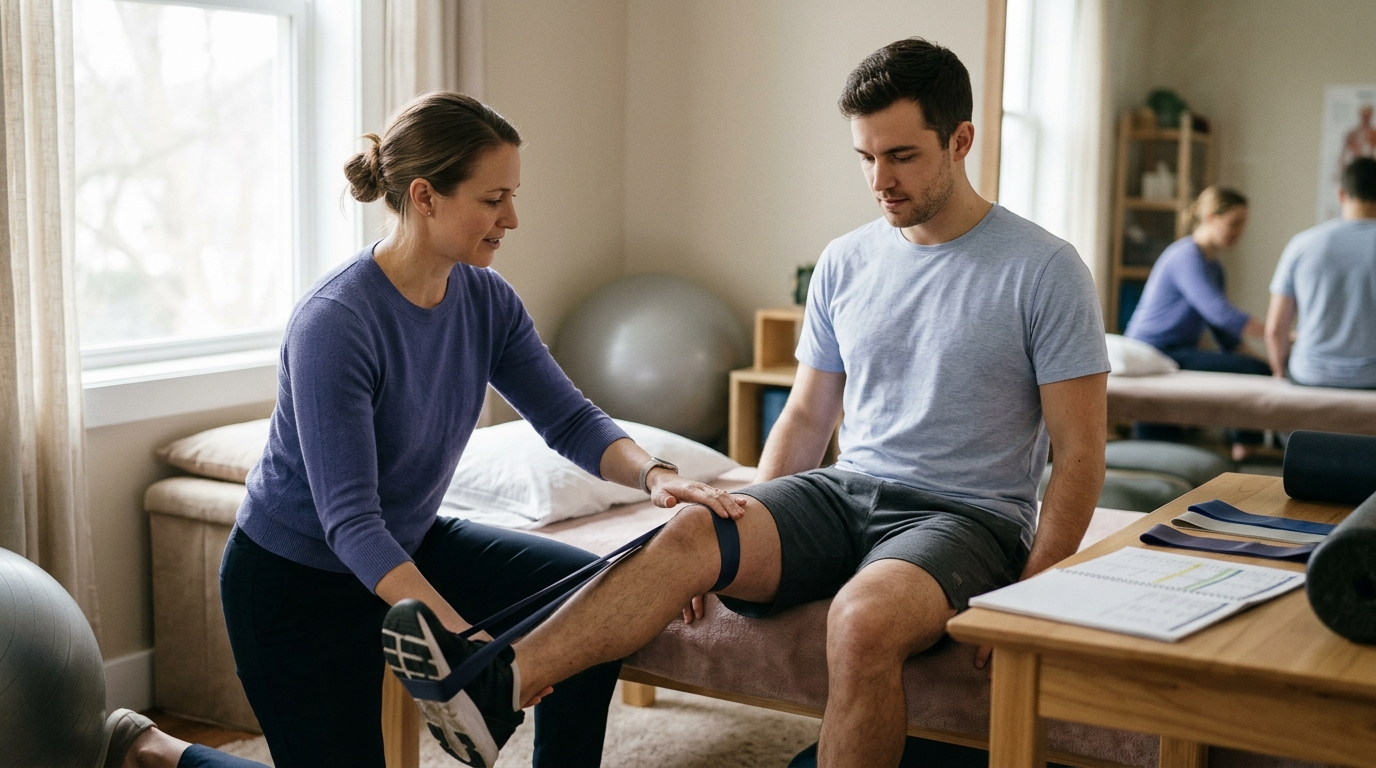
Leading sports physical therapy consensus statements advocate for a criteria-based progression model. In this framework, you advance to higher-level activities only after demonstrating specific objective physical capabilities.
A contemporary criteria-based progression typically evaluates multiple dimensions of recovery:
To see how objective milestones are structured for athletes and active individuals, check out resources on strength rebuilding and return to activity.
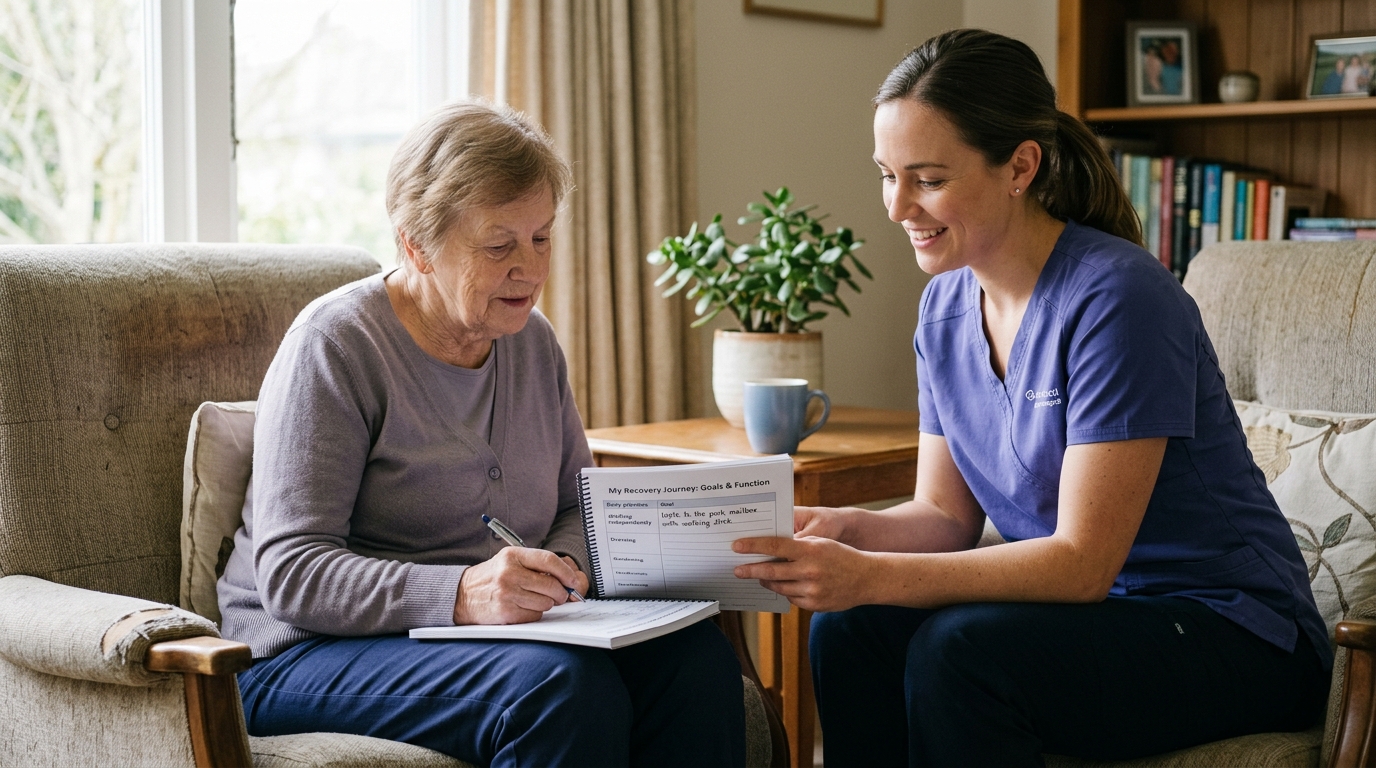
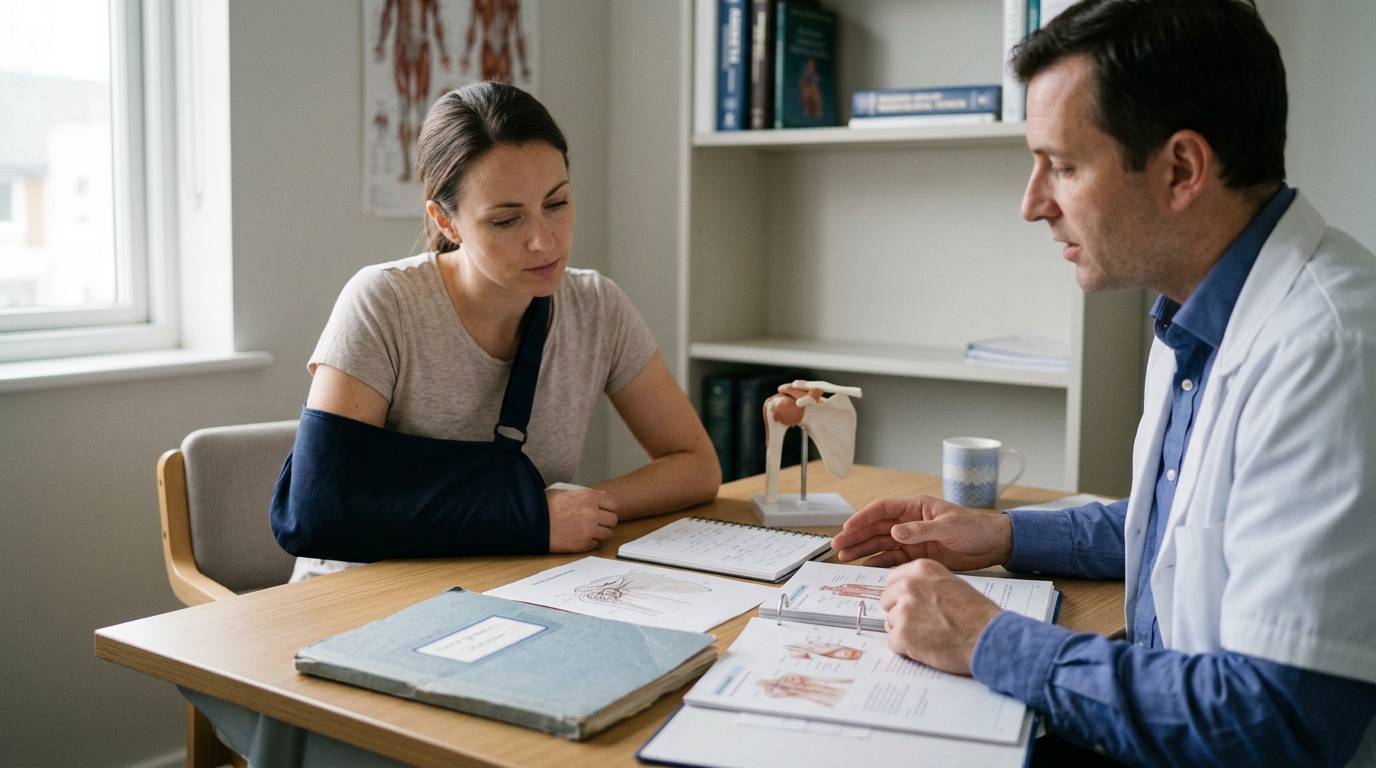
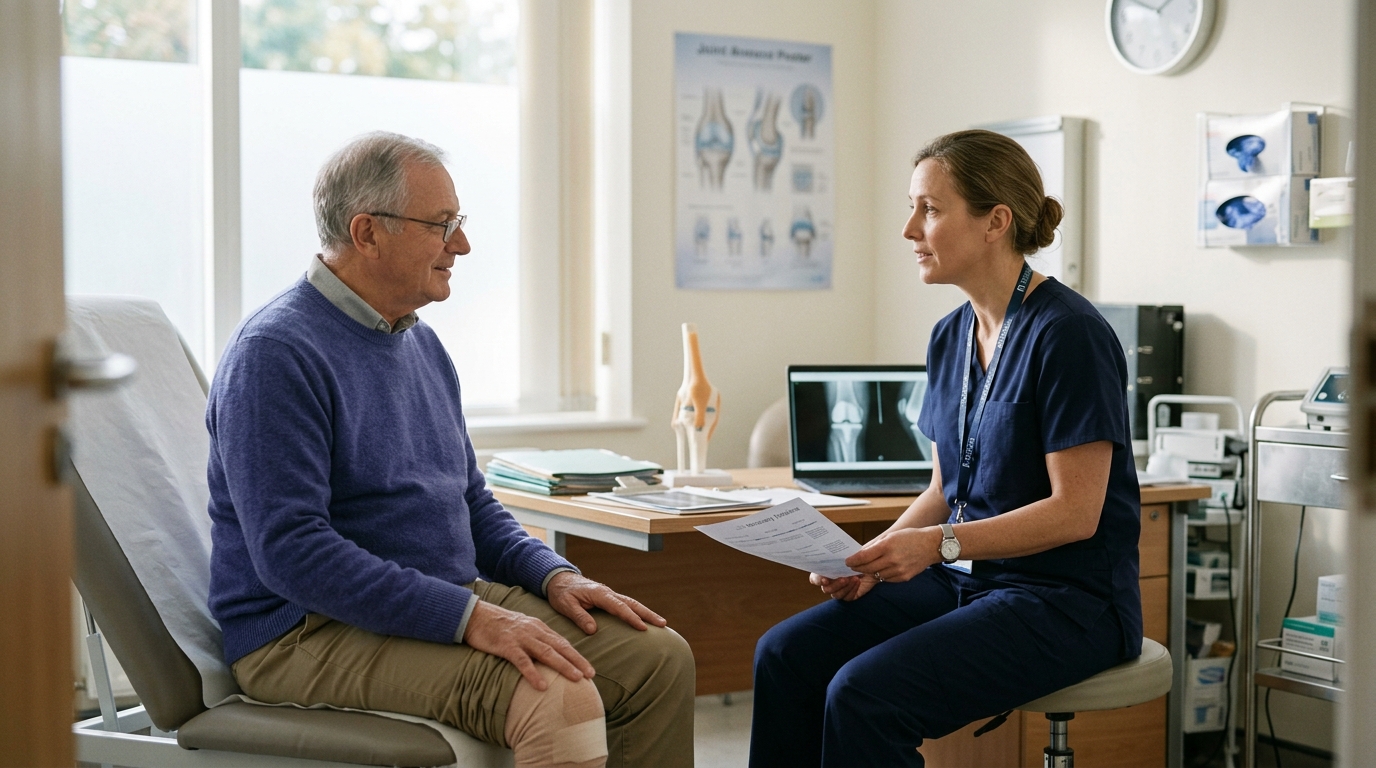
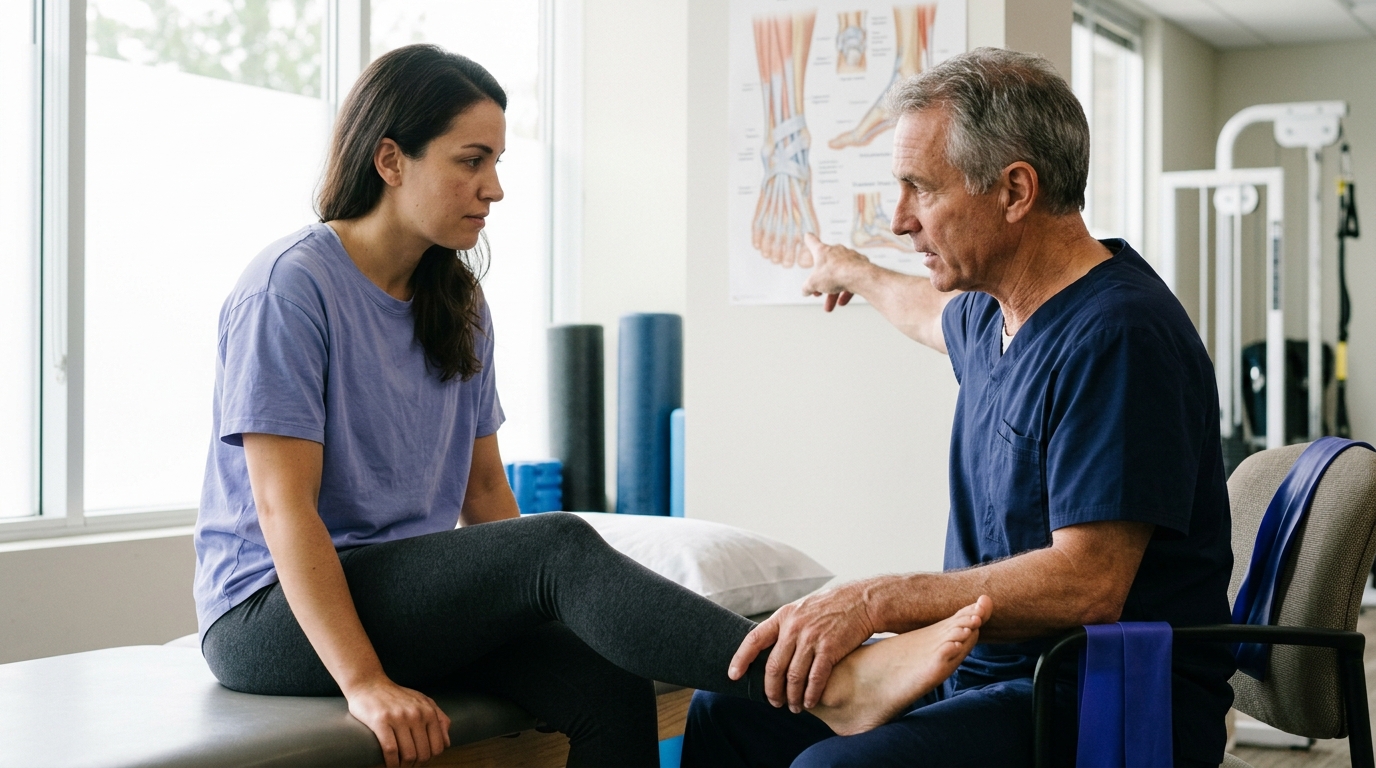
Because your recovery path is entirely unique to your body, your injury, and your life circumstances, comparing your progress to someone else is rarely helpful. The most productive way to navigate rehabilitation is to have structured, proactive discussions with your orthopedic team, surgeon, and physical therapist.
To gain clarity on where you stand and what to expect next, consider bringing these focused questions to your follow-up appointments:
Your injury recovery timeline is not a fixed, unchangeable date stamped on a calendar. It is a biological and functional journey shaped by local tissue conditions, metabolic health, age-related resilience, sleep, stress, and progressive loading.
While you cannot alter the initial severity of your injury or change your chronological age, you have significant control over your daily behaviors, your rehabilitation consistency, and the questions you ask your clinical team. By shifting your mindset away from rigid timelines and toward objective, criteria-based milestones, you can navigate your recovery with confidence and clarity.
Use this practical checklist to take control of your rehabilitation process over the coming days:

Use ReboundBody resources to understand common recovery stages, rehab terms, movement limits and strength rebuilding. Each guide is designed to make a complex comeback easier to understand.


Read practical guidance on injury recovery, rehabilitation, mobility and rebuilding strength as you work your way back to activity.
Explore Resources