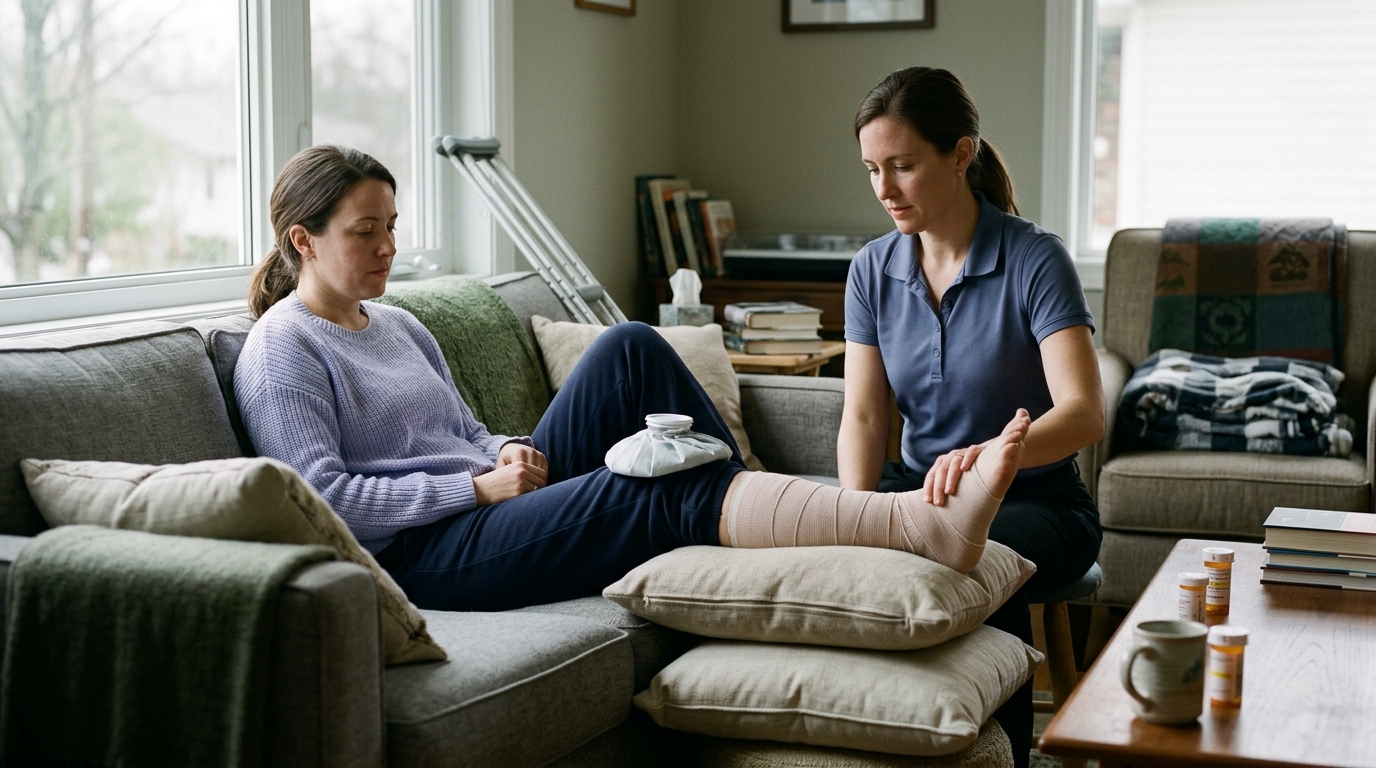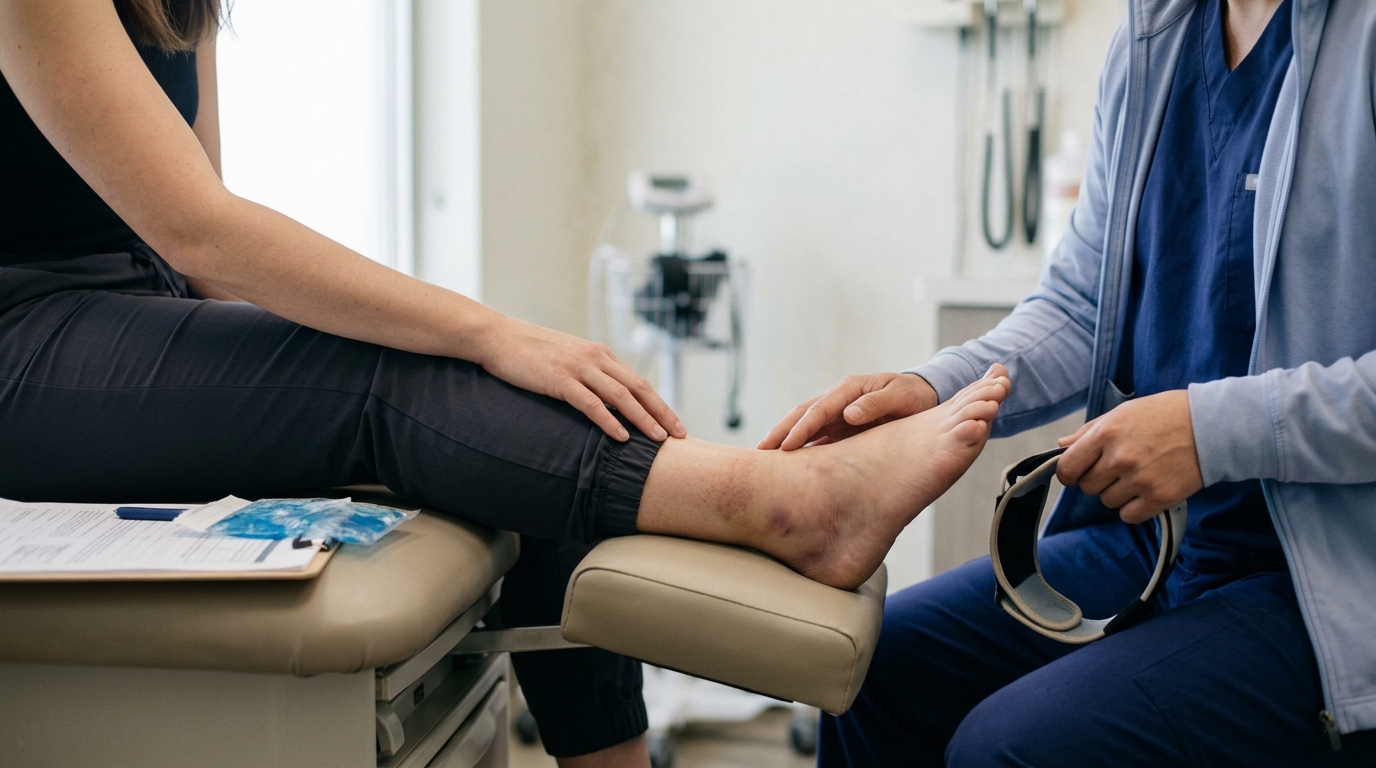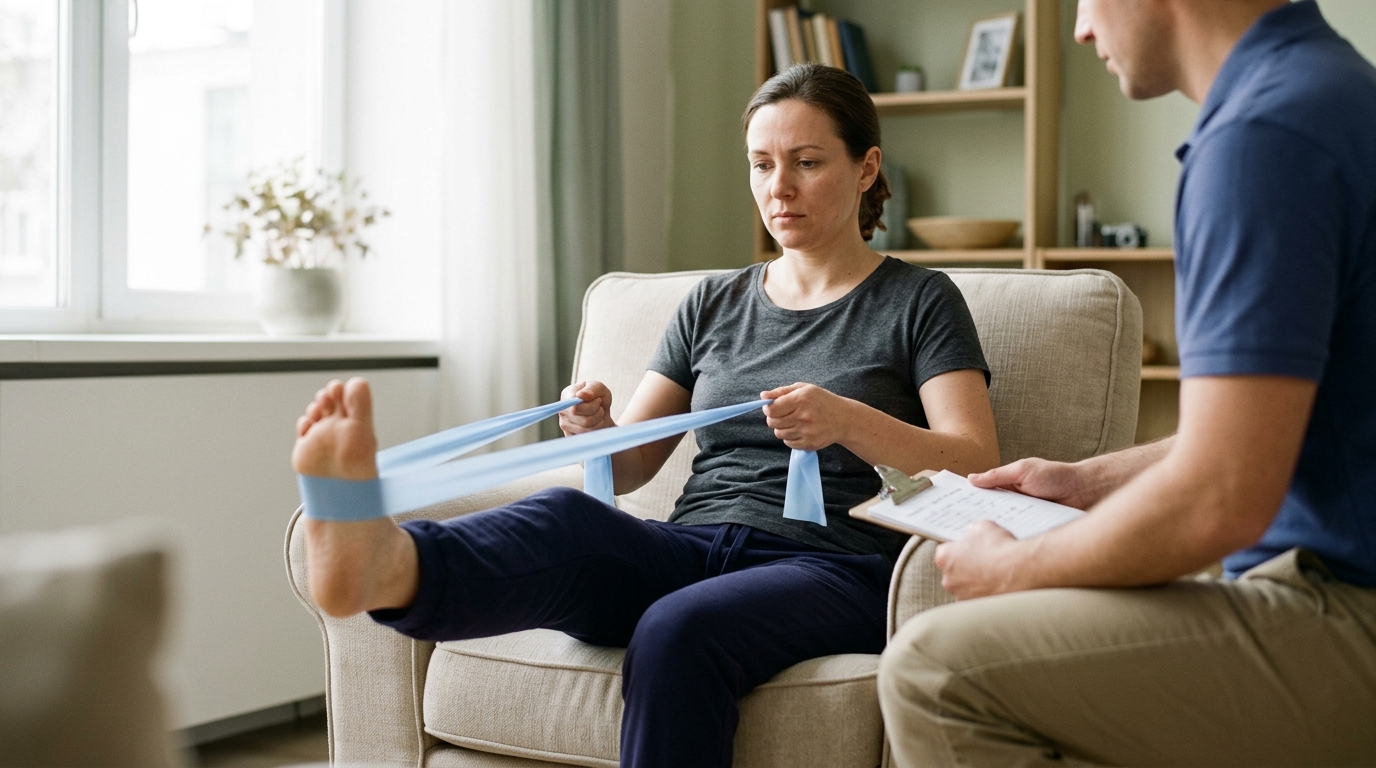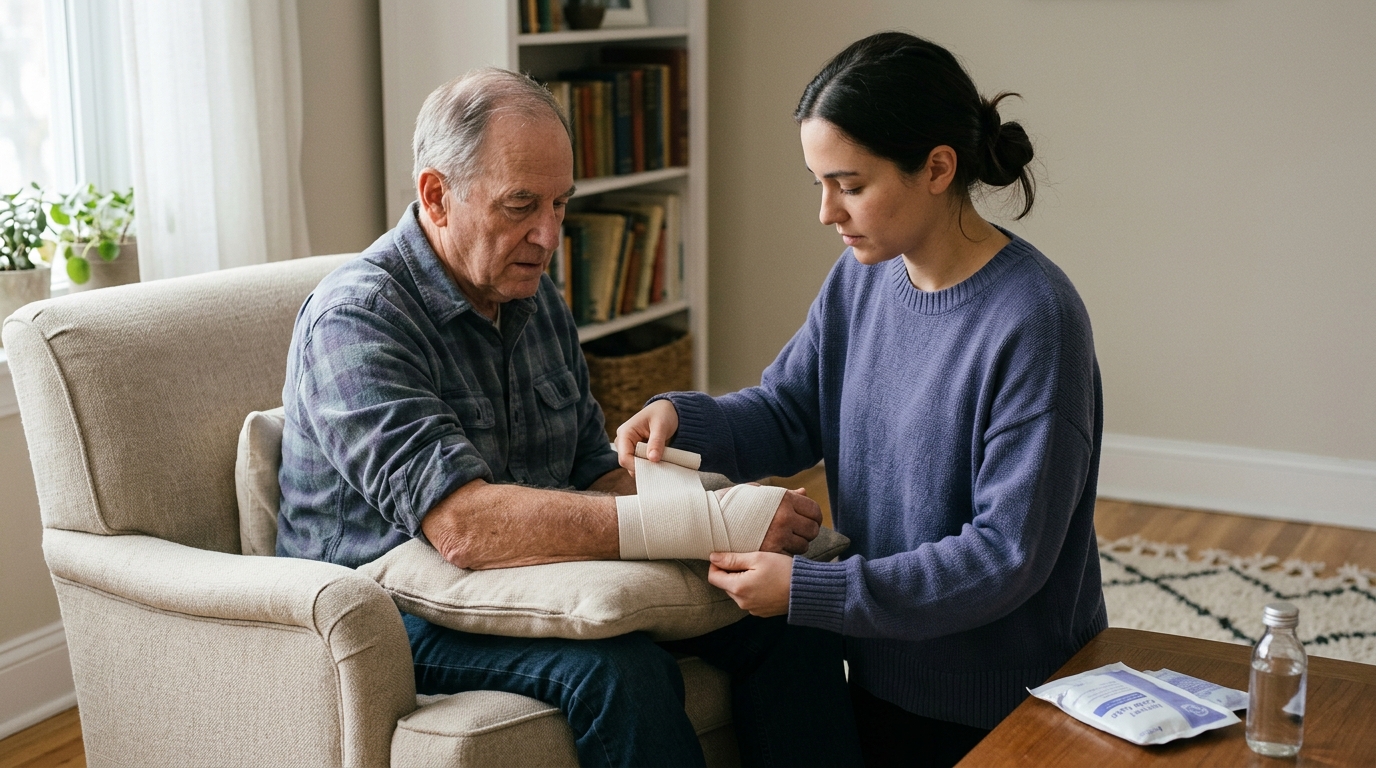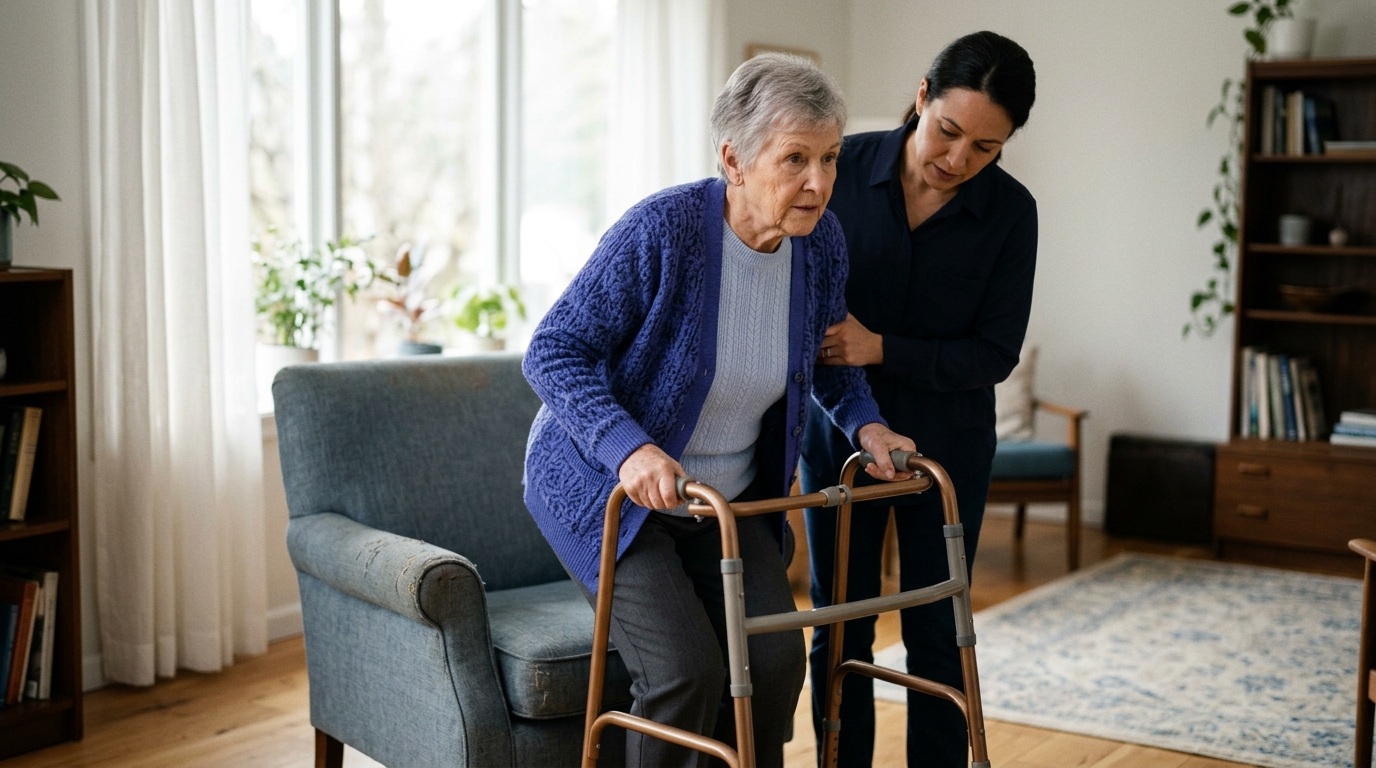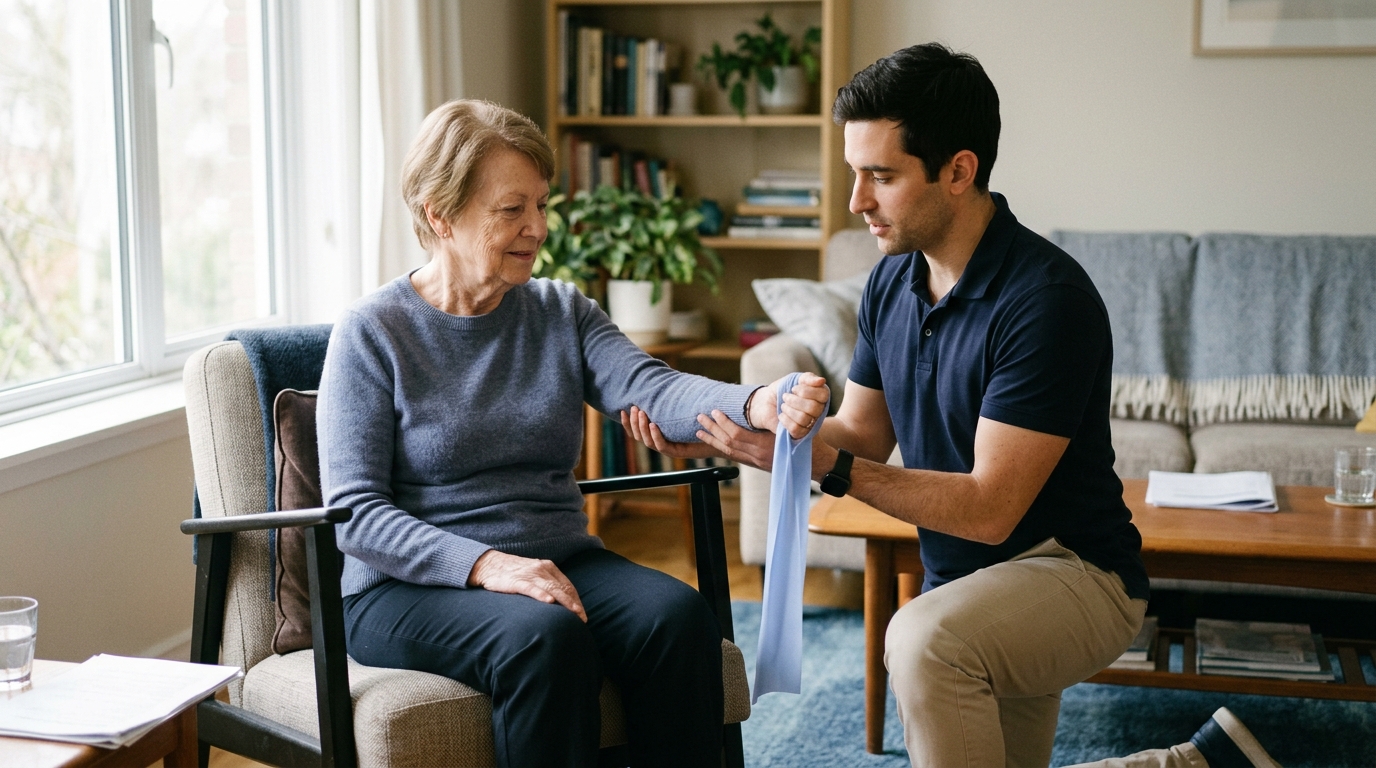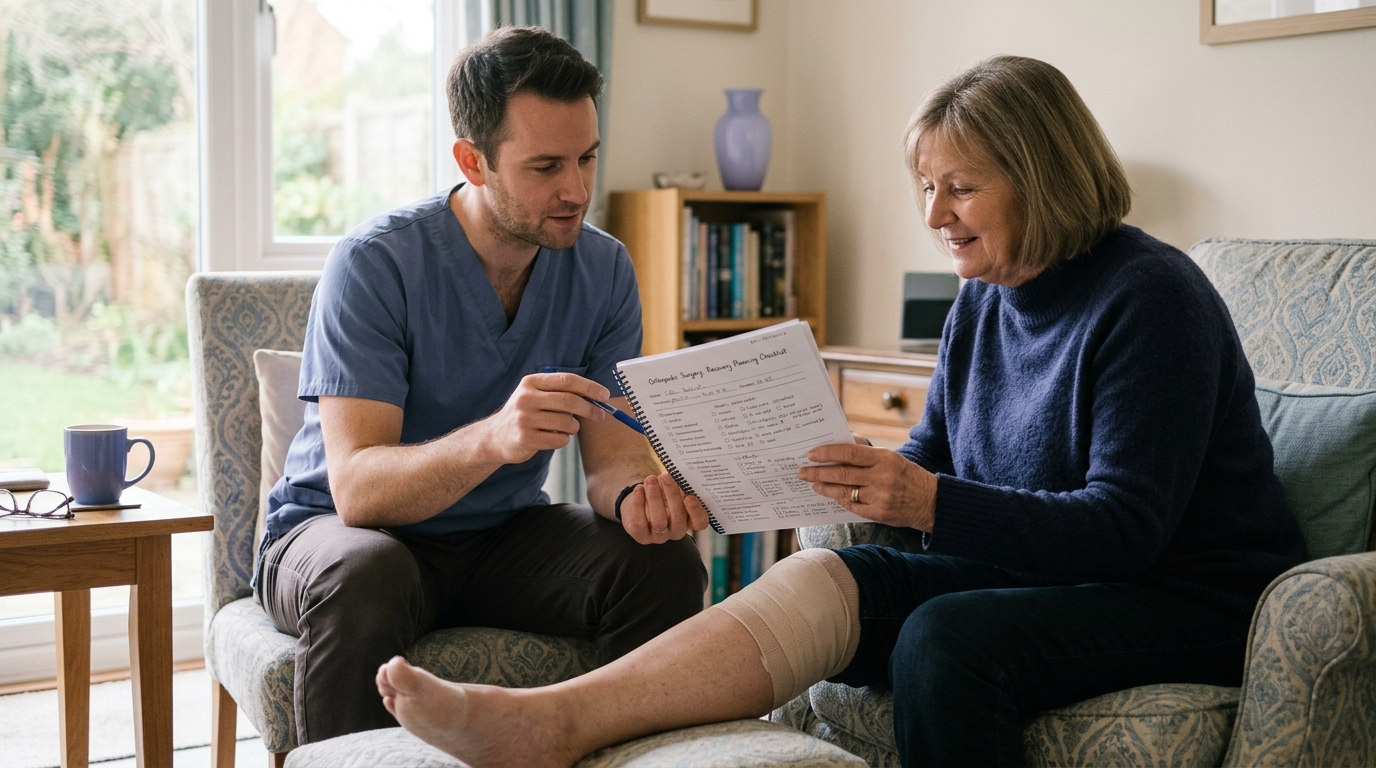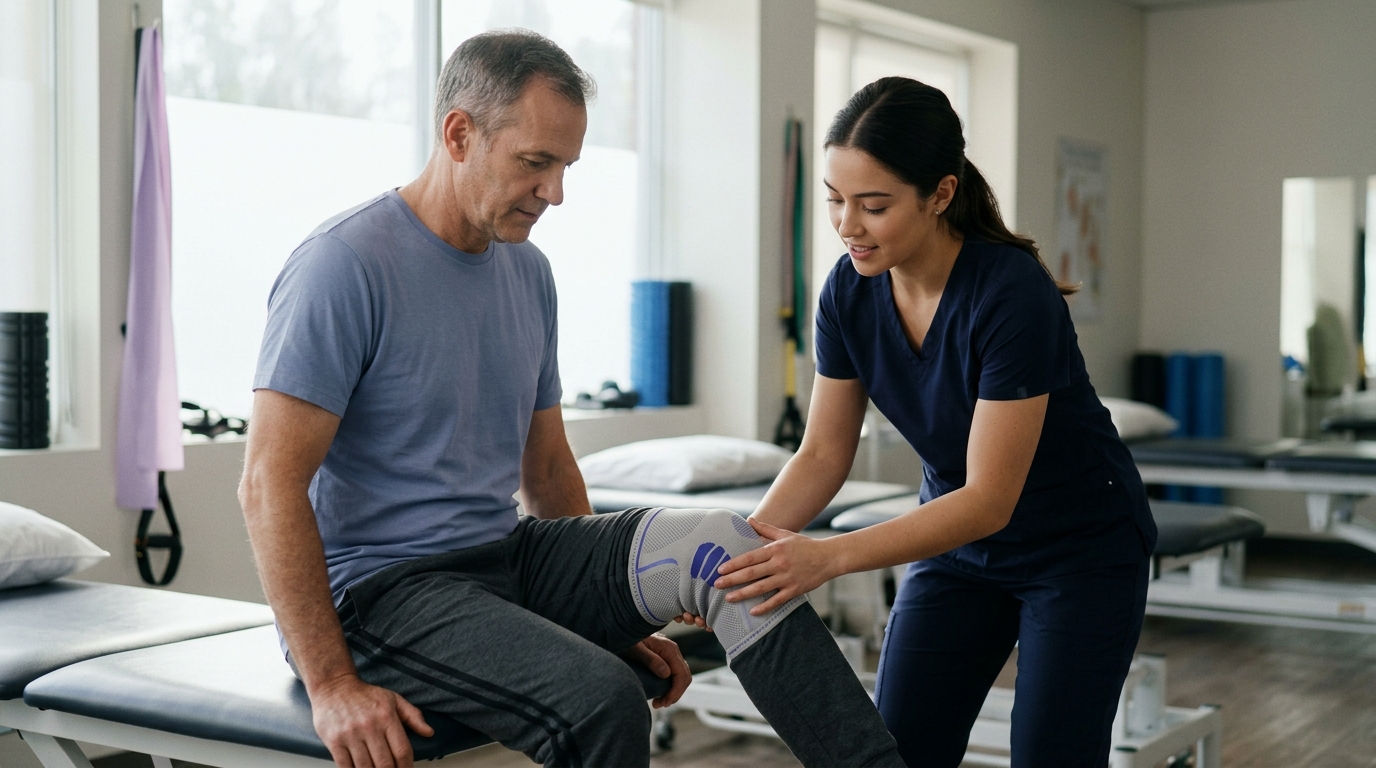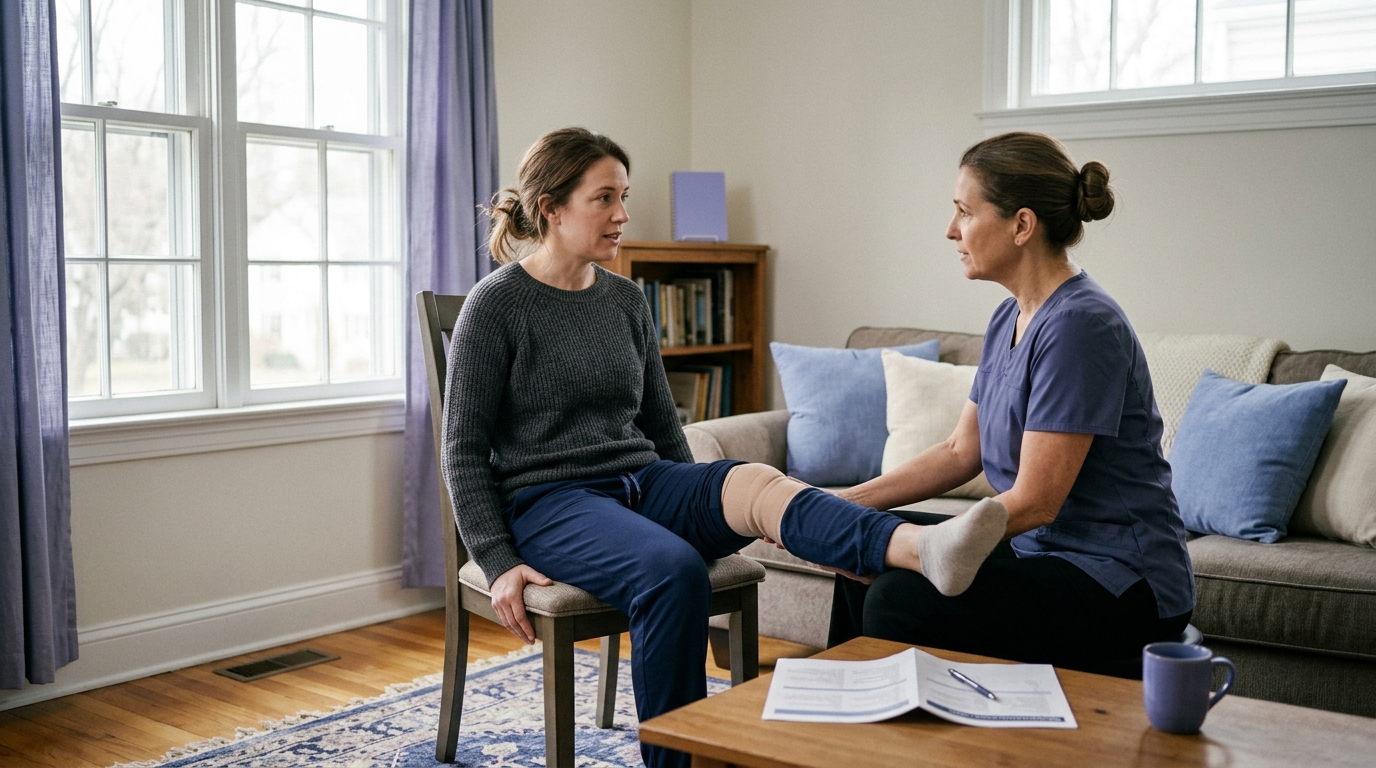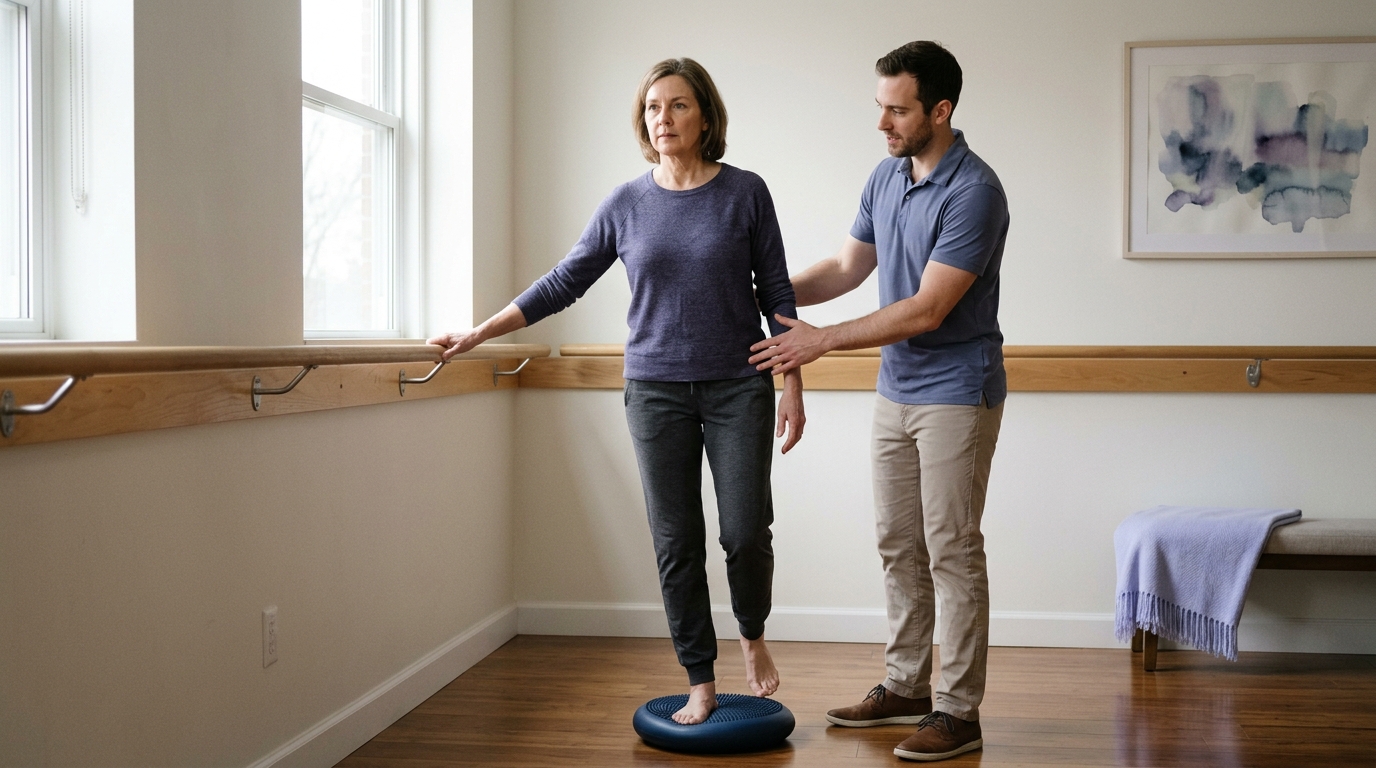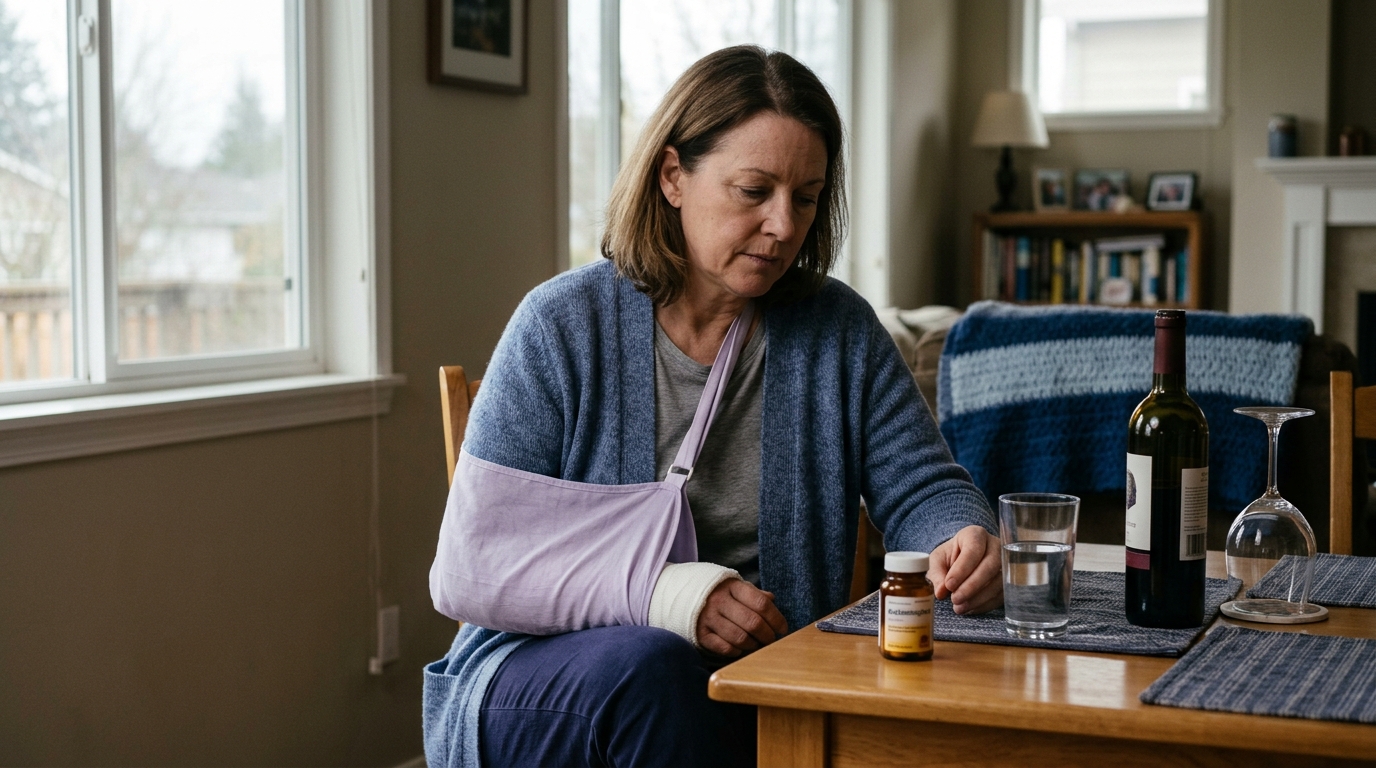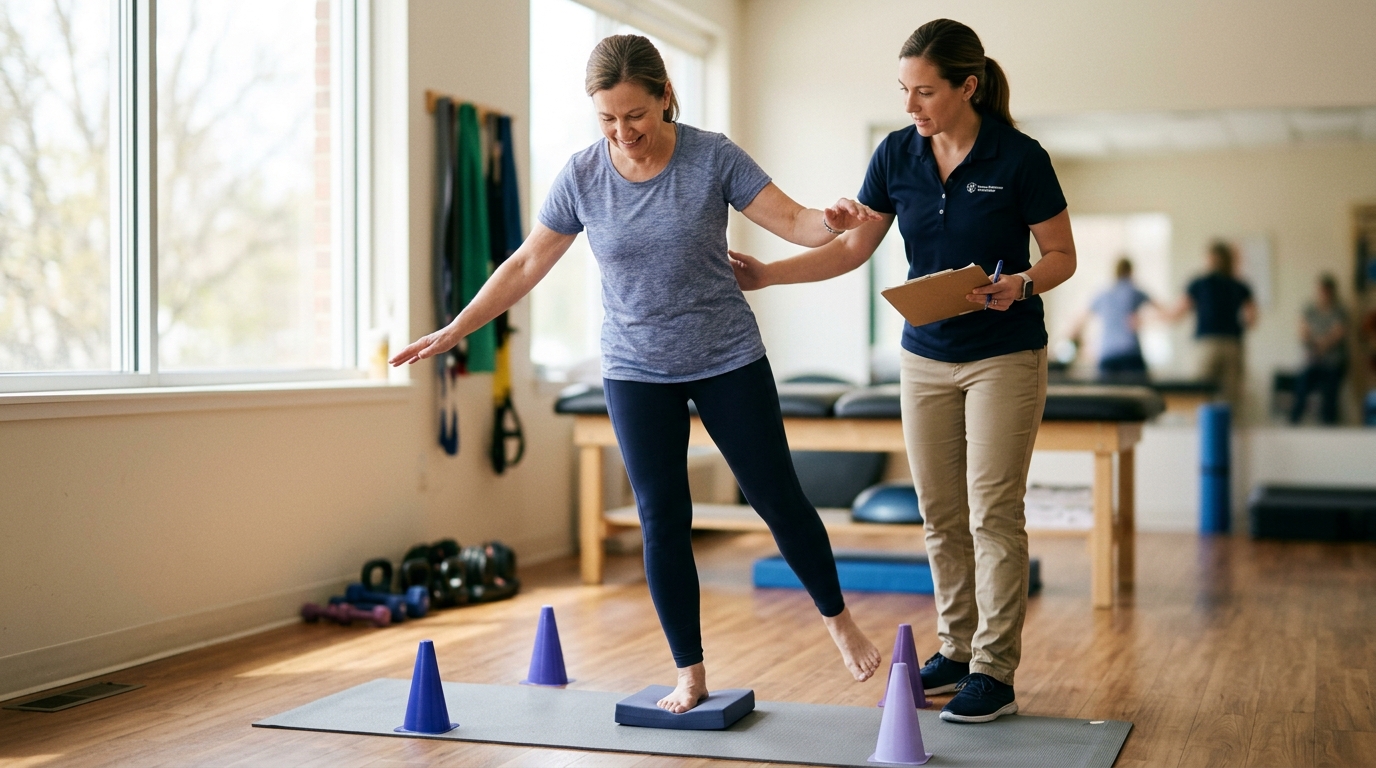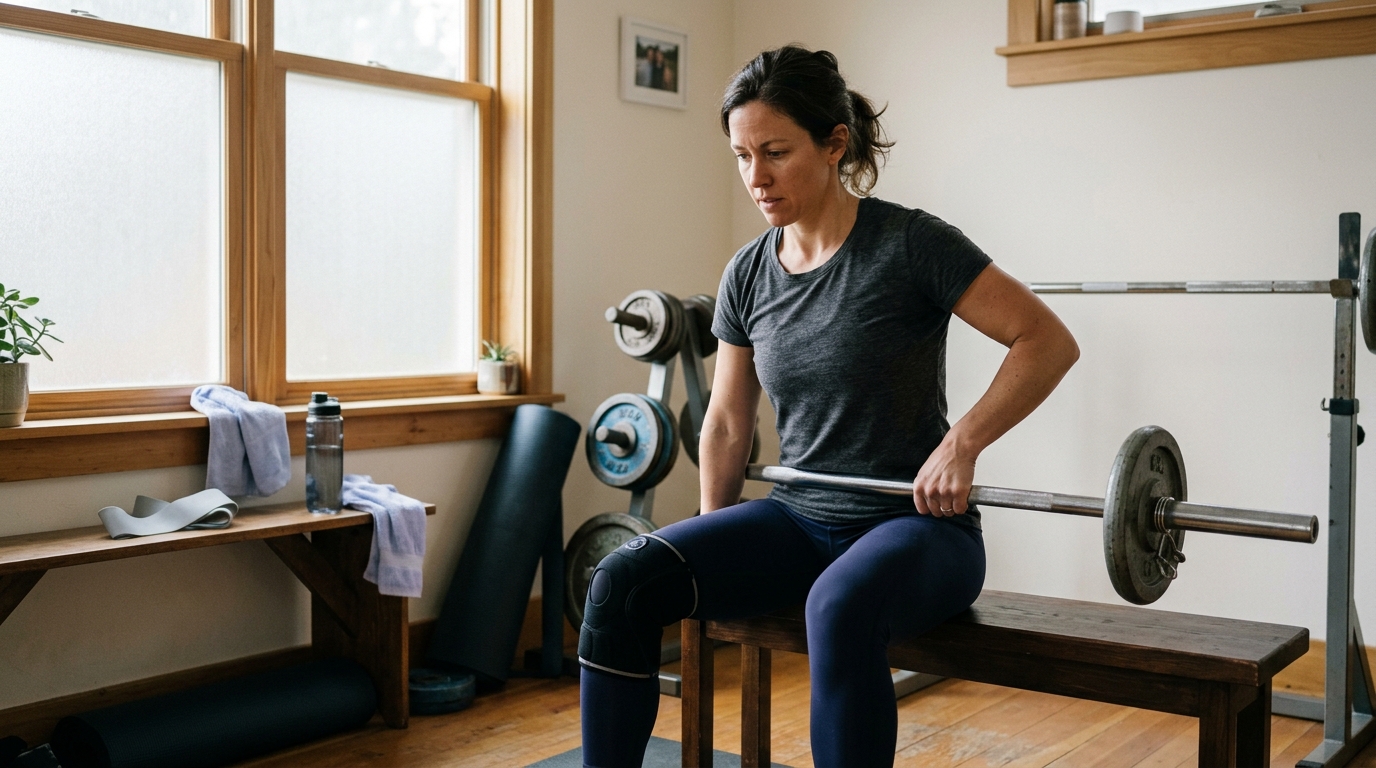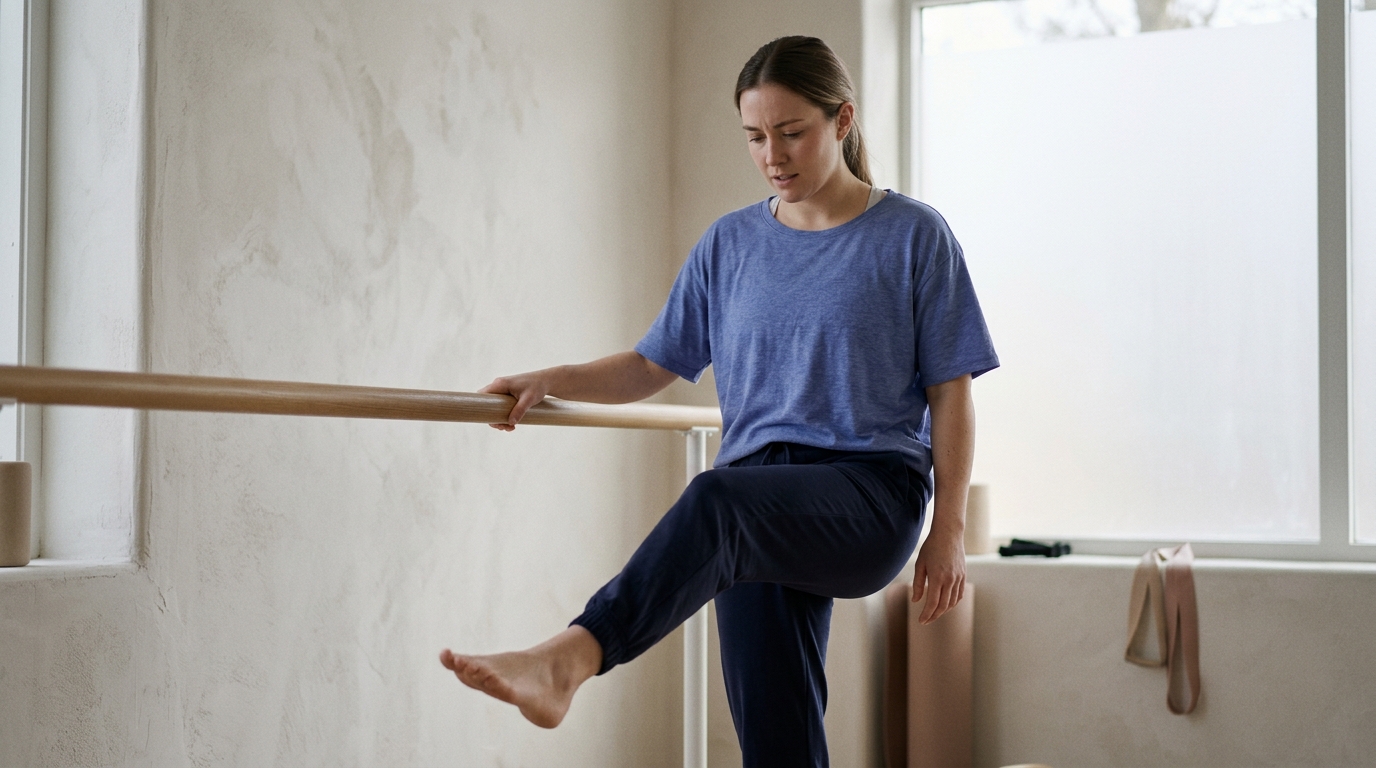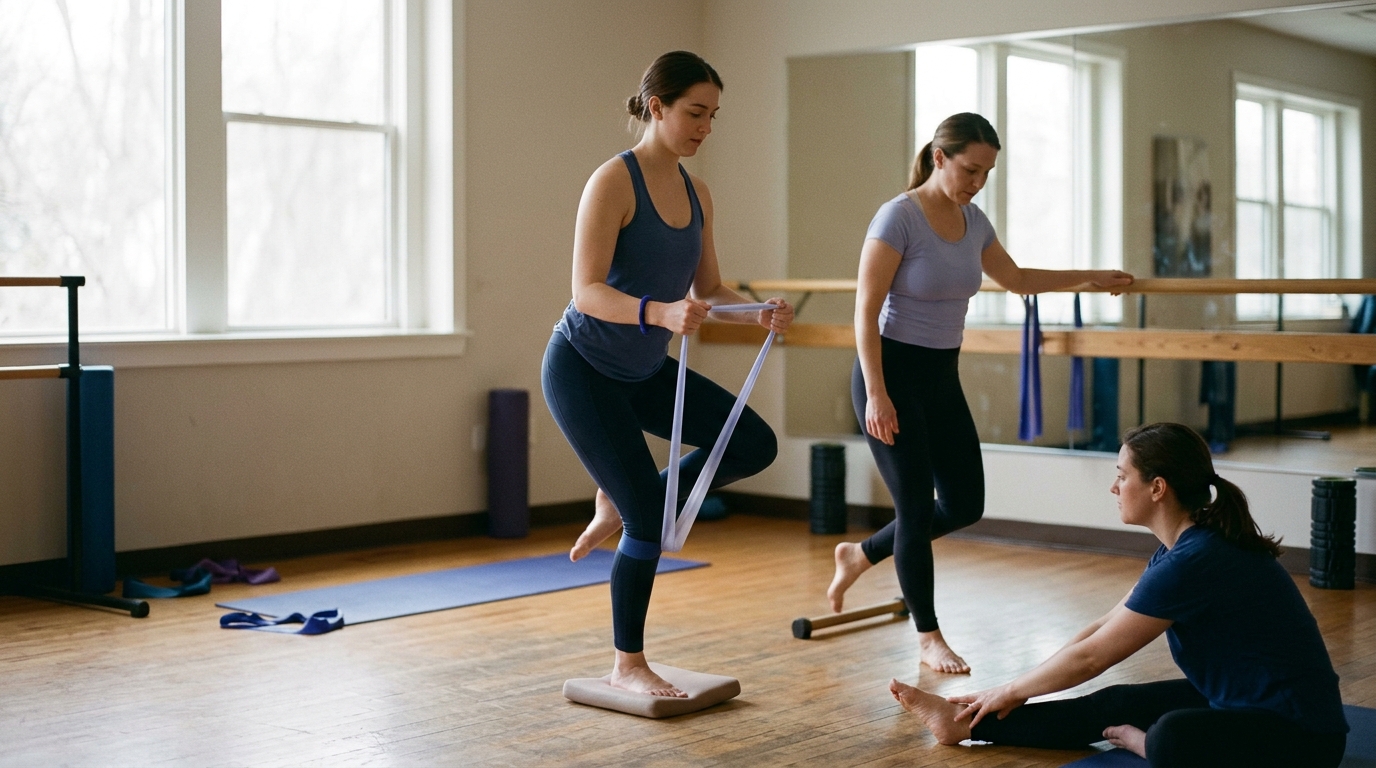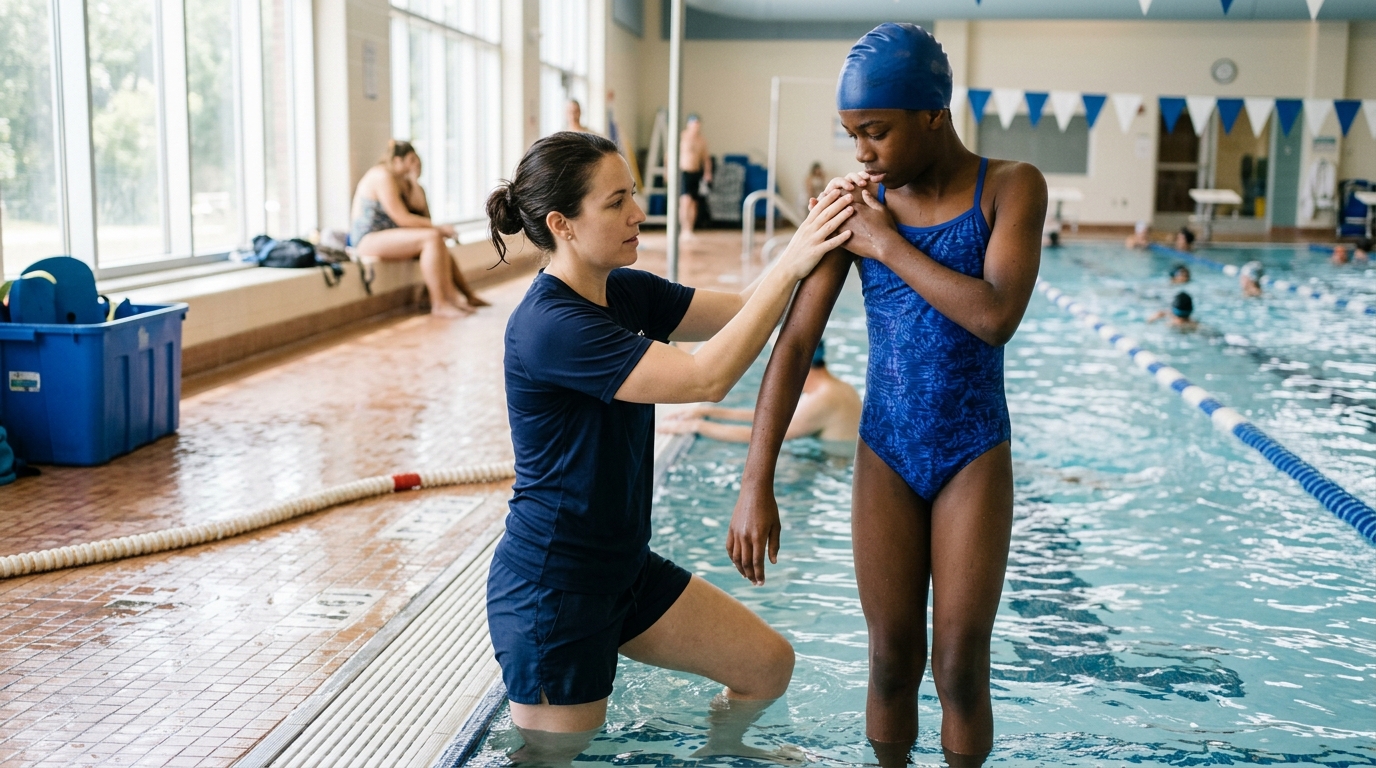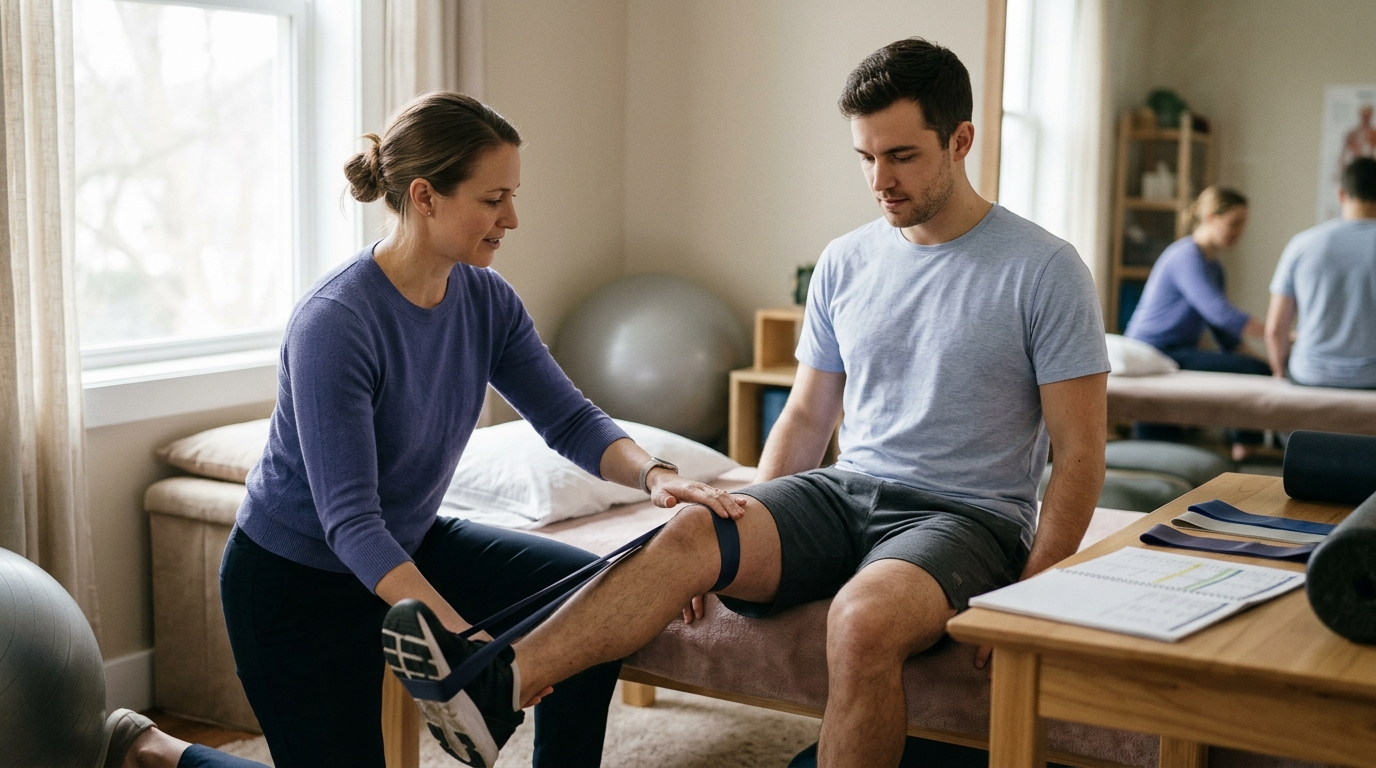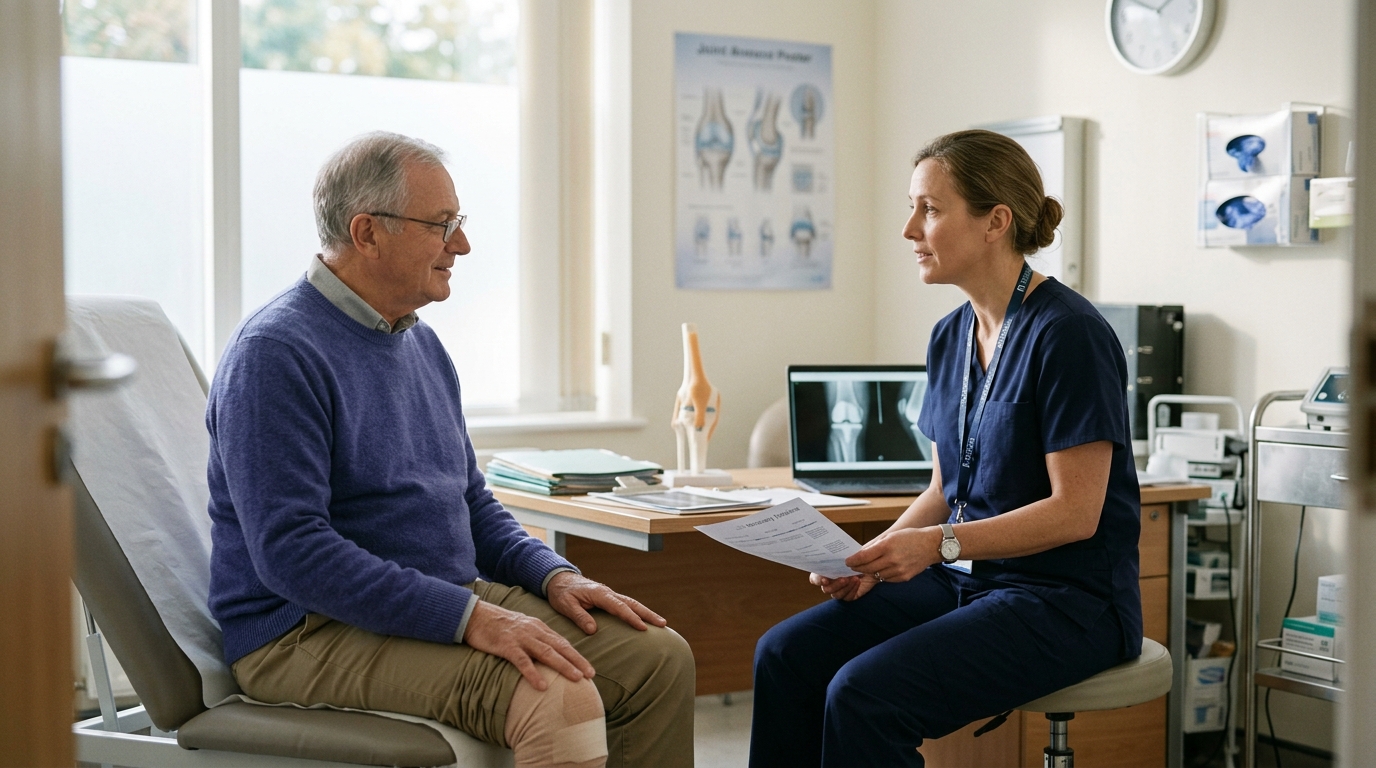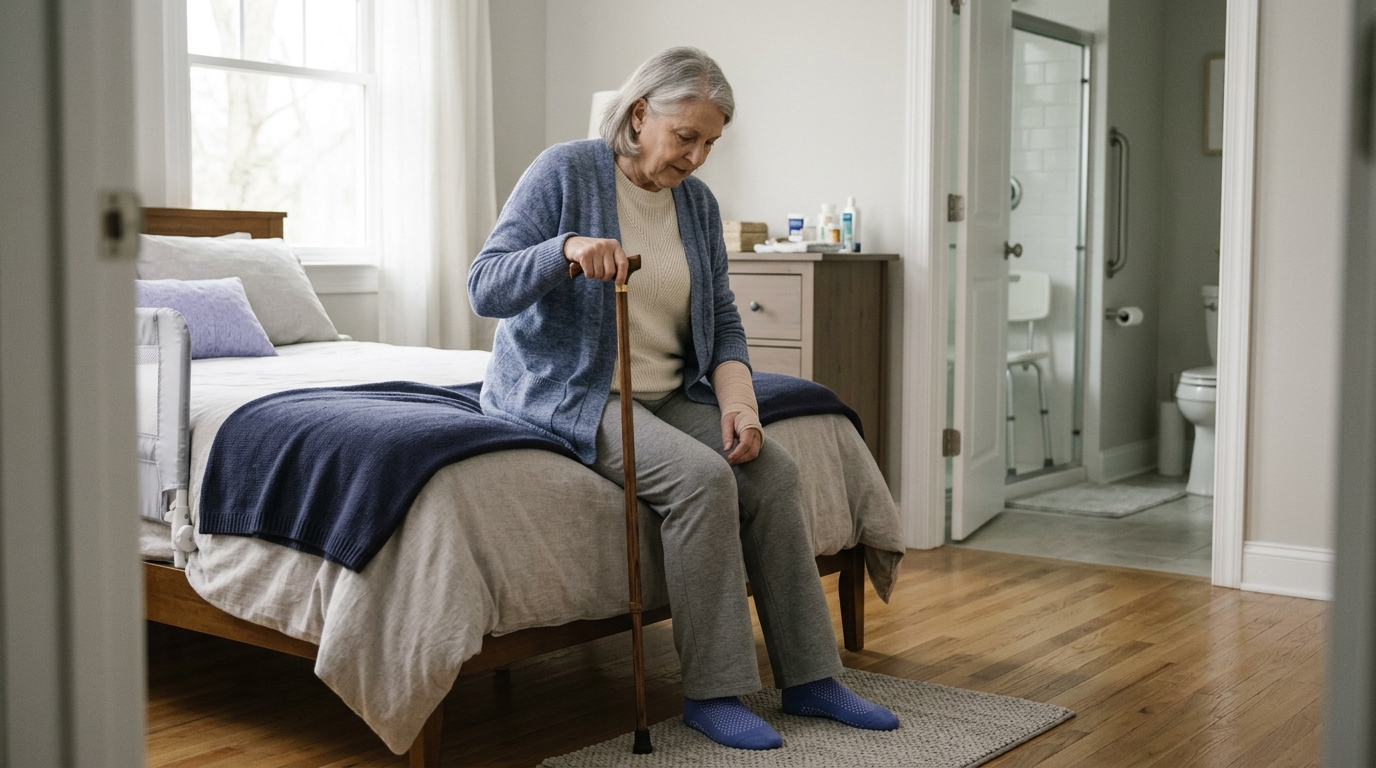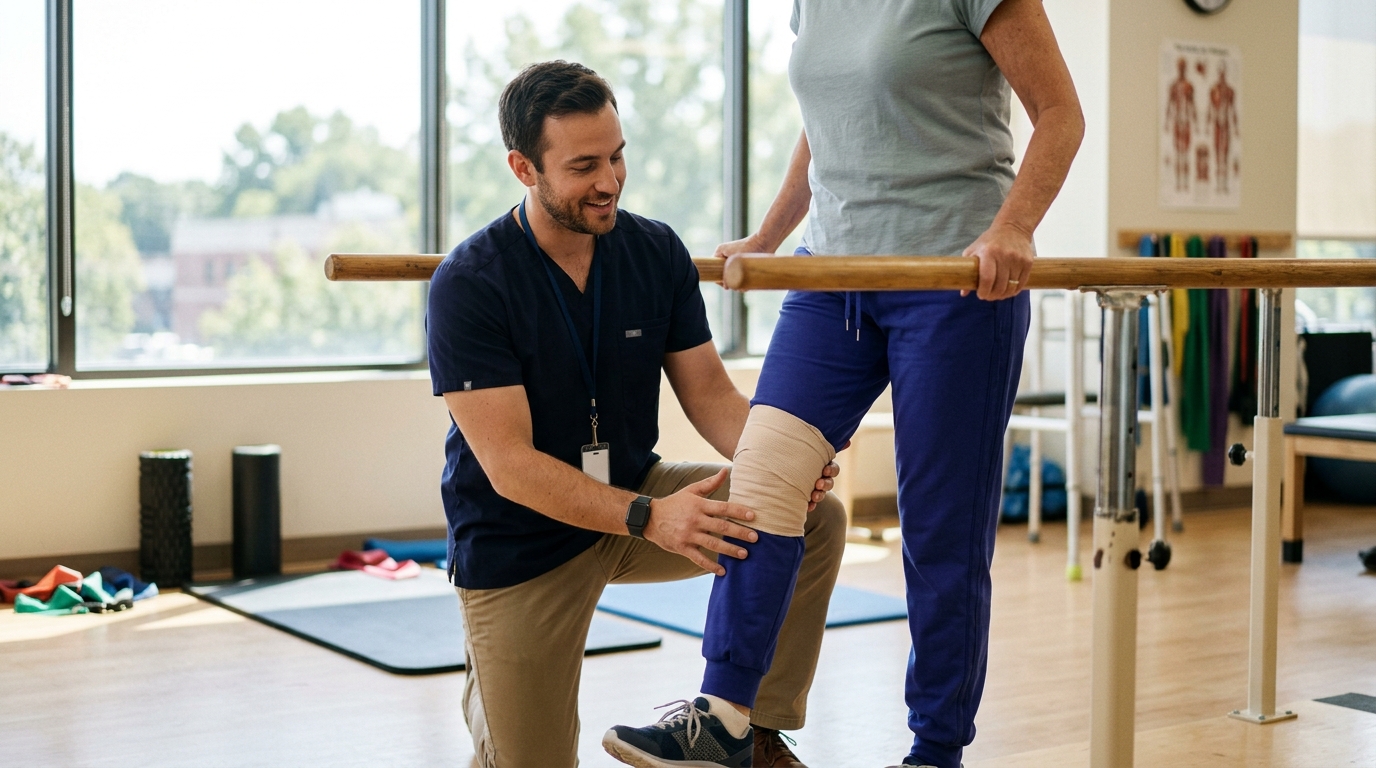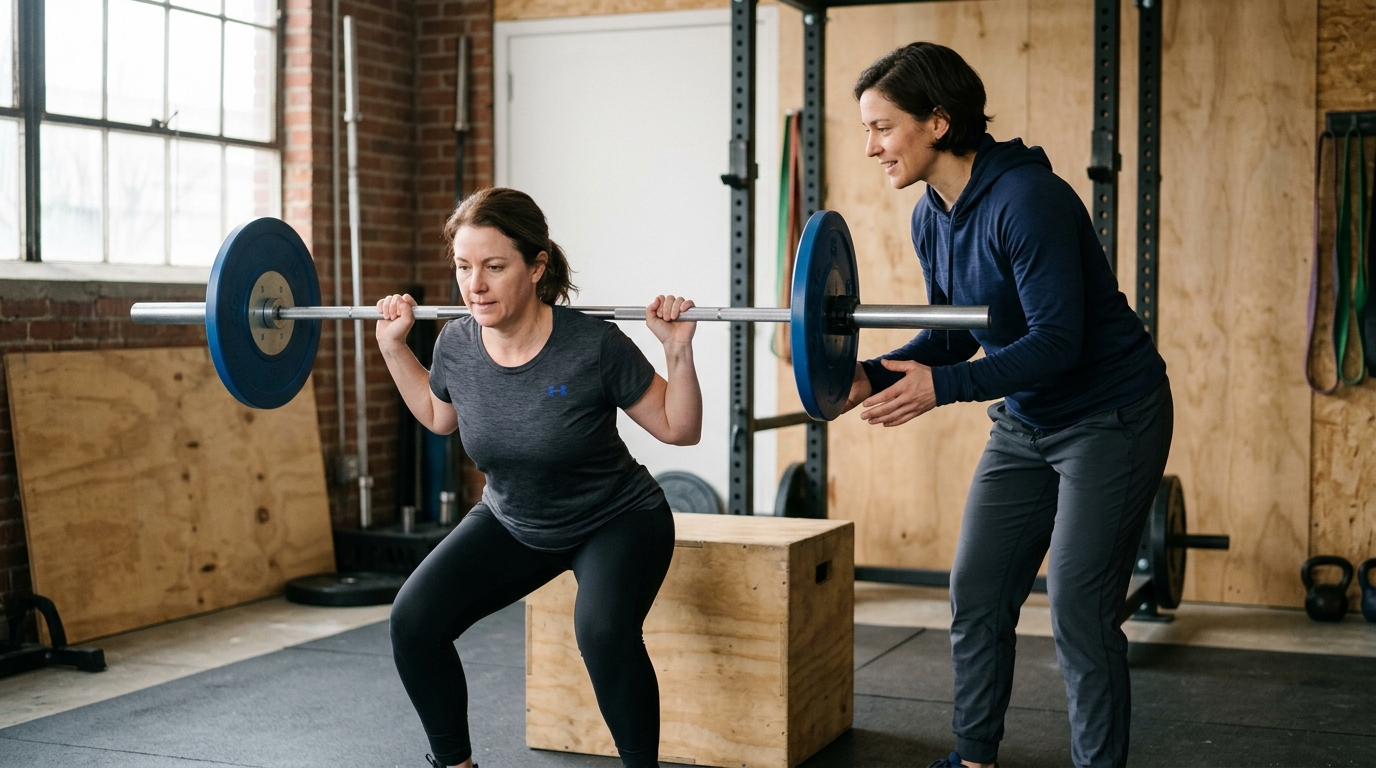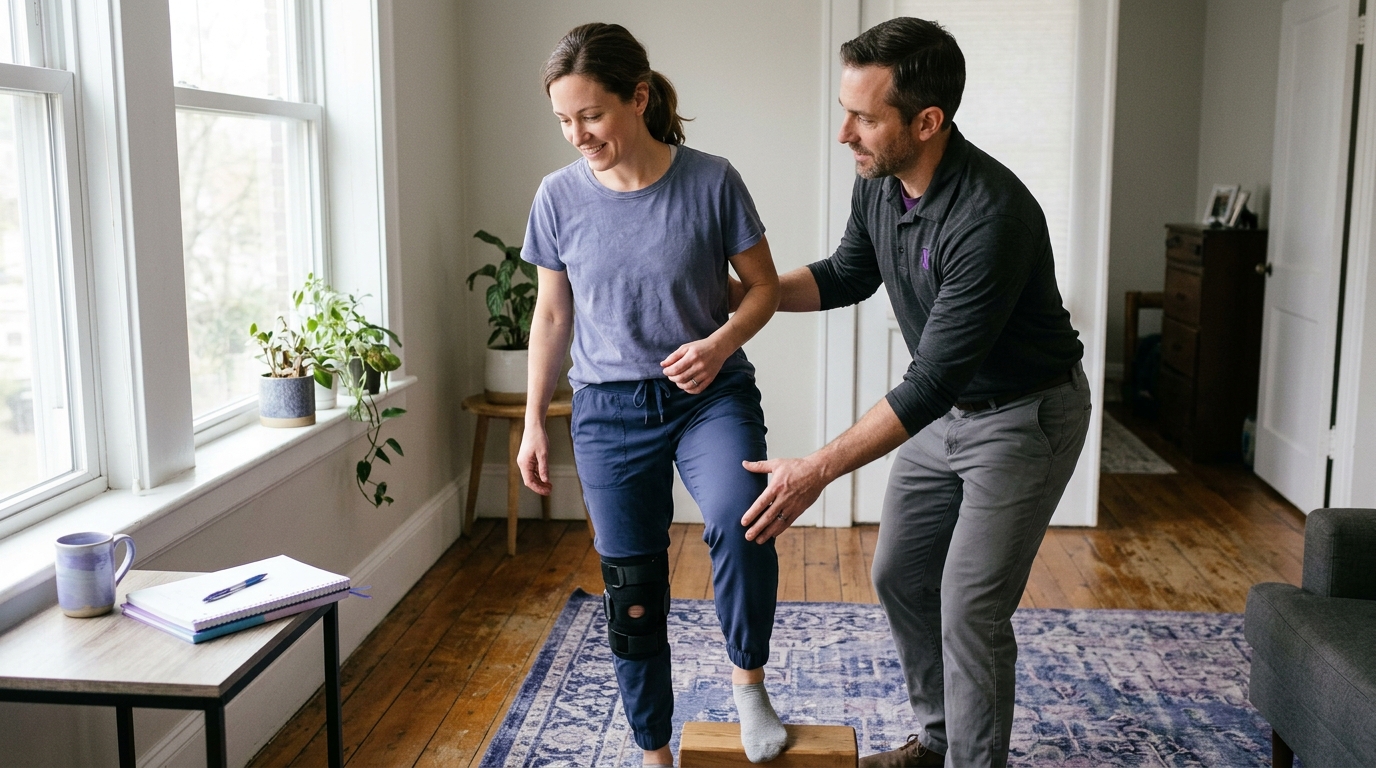

Nursing a fresh joint injury becomes easier when you replace total bed rest with modified movements that protect healing tissues without causing stiffness.





When an injury occurs, the most common instinct is to stop moving completely. Many people assume that total rest is the safest way to protect damaged tissue and avoid making an injury worse. Clinical research shows that complete inactivity can actually delay tissue repair, increase joint stiffness, and prolong physical recovery.
Rest after an injury is not an all-or-nothing choice. It is best understood as a temporary, selective reduction of painful or risky physical demands. In modern orthopedic care, the focus shifts quickly from initial protection toward tolerable everyday movement and gradual strength rebuilding.
Finding the right balance between protection and physical activity depends on your specific injury, symptom severity, and overall functional capacity. While staying active offers meaningful benefits, it does not mean ignoring acute pain, returning immediately to vigorous sports, or overlooking a serious structural problem. The goal is to provide enough rest to protect healing tissue without creating the complications that come from prolonged immobilization. Understanding how to manage this balance helps you navigate the recovery process with realistic expectations.
The word rest is used frequently in healthcare, but it can describe completely different approaches to recovery. In clinical discussions, rest generally falls into three distinct categories: bed rest, relative rest, and activity modification. Knowing the difference between these terms helps prevent unnecessary inactivity.
Bed rest means staying in bed or lying down for extended periods as a therapeutic intervention. Historically, prolonged bed rest was prescribed for many conditions, including acute low-back pain, joint sprains, and post-surgical recovery. Modern medical research has largely abandoned routine bed rest for uncomplicated musculoskeletal injuries. Remaining in bed leads to rapid loss of muscle mass, decreased cardiovascular endurance, and joint stiffness. Clinical guidelines now recommend avoiding bed rest beyond 48 hours for acute back pain because it slows functional recovery.
Relative rest involves pausing or reducing specific physical activities while maintaining normal, low-demand movement. Instead of stopping all physical exertion, you temporarily avoid the specific actions that place excessive mechanical stress on the injured body part. For example, a runner with acute heel pain might pause running for several days while continuing to walk around the house, perform light upper-body strength work, and complete gentle range-of-motion drills. Relative rest protects healing tissue from high impact while preserving baseline physical function.
Activity modification means altering how, when, or how long you perform an activity so that you can continue moving with minimal irritation. This approach adjusts the volume, intensity, load, or mechanical angle of a task. A person recovering from shoulder irritation might switch from heavy overhead lifting to lower-angle pressing movements with lighter weights. Someone with knee discomfort might shorten their daily walking route or break it into several shorter sessions. Activity modification keeps you moving in a way that respects tissue healing limits.
Understanding these distinctions allows you to choose an active approach rather than defaulting to complete immobilization. You can read more about safe movement strategies in our guide to injury recovery and healing principles.
Evidence across various musculoskeletal injuries demonstrates that early, controlled movement generally leads to better functional outcomes than complete inactivity. However, the quality of evidence and specific recommendations vary depending on the injured anatomical structure.
Acute low-back pain provides one of the clearest examples of why prolonged bed rest is counterproductive. A major Cochrane systematic review examined 10 randomized controlled trials involving 1,923 people with acute low-back pain lasting less than six weeks, with or without sciatica. The review evaluated the difference between advising patients to stay active versus advising them to rest in bed.
The findings showed moderate-quality evidence that people advised to stay active experienced small improvements in pain relief and functional capacity compared to those told to rest in bed. In two specific trials involving 401 participants with acute low-back pain, the standardized mean difference for pain relief was 0.22 favoring the advice to stay active. For functional status, the standardized mean difference was 0.29, also favoring staying active.
These numbers represent small, statistically meaningful improvements rather than complete pain eradication. The Cochrane review also noted certain limitations, including varying risks of bias across older trials and a lack of data on the most effective ways to deliver activity advice. Despite these limitations, recent clinical reviews confirm that staying active leads to superior symptomatic and functional results compared to bed rest. High-level clinical practice guidelines consistently emphasize remaining active, avoiding bed rest, and engaging in self-management for acute spinal symptoms.
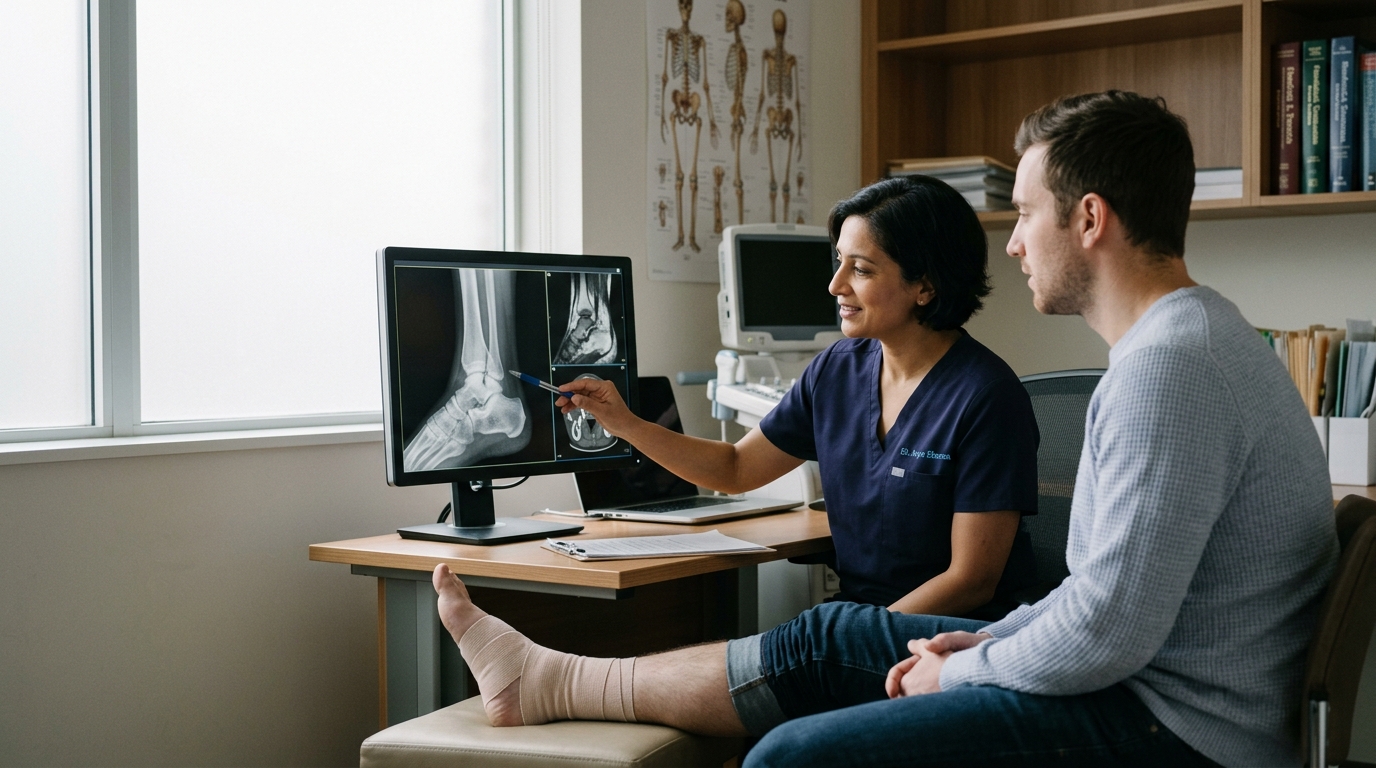
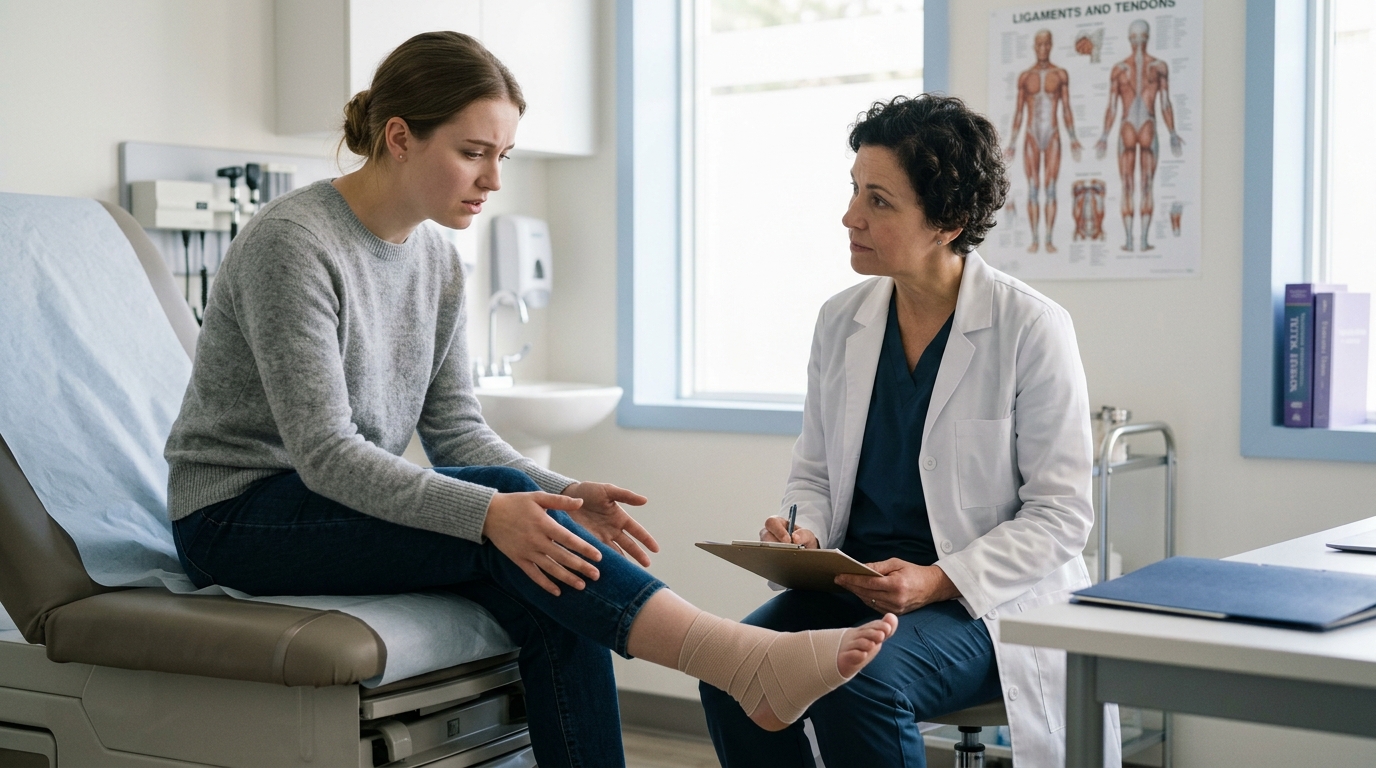
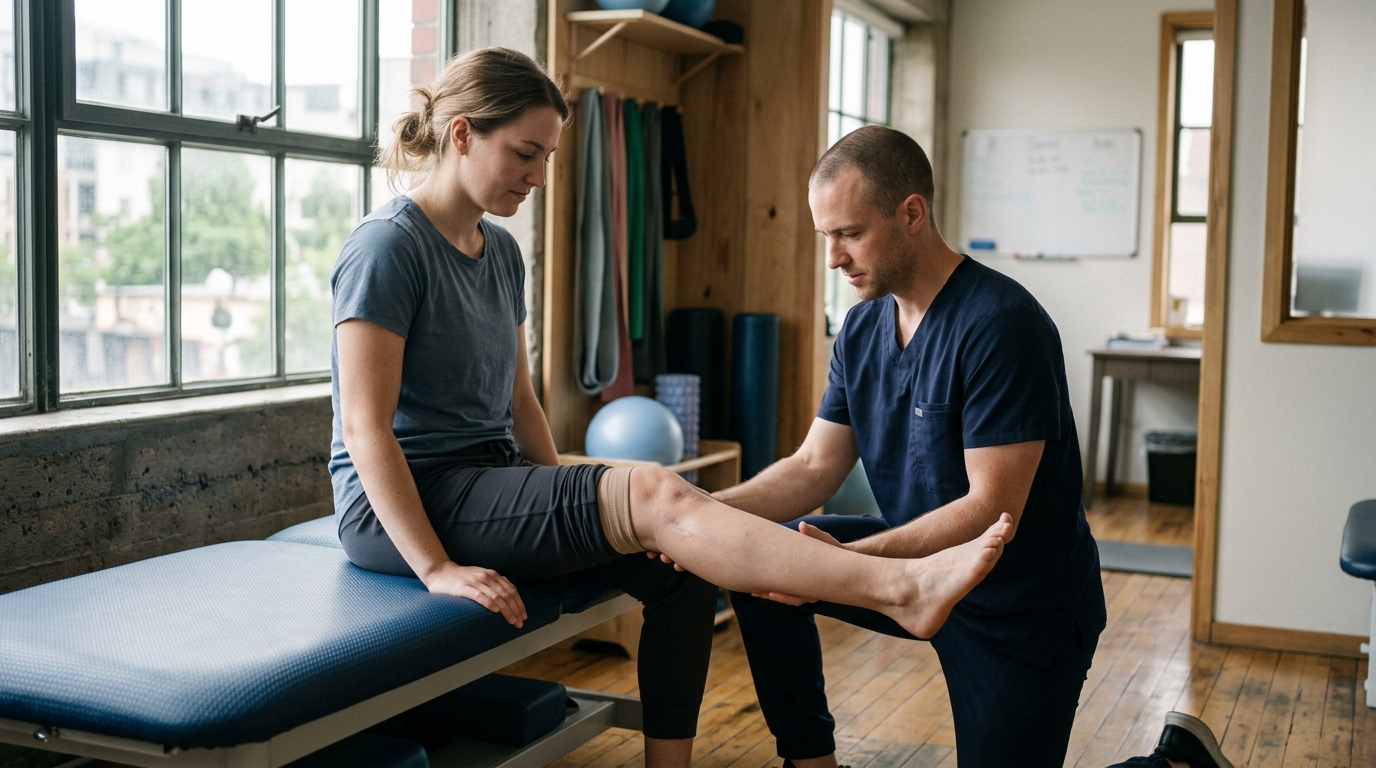
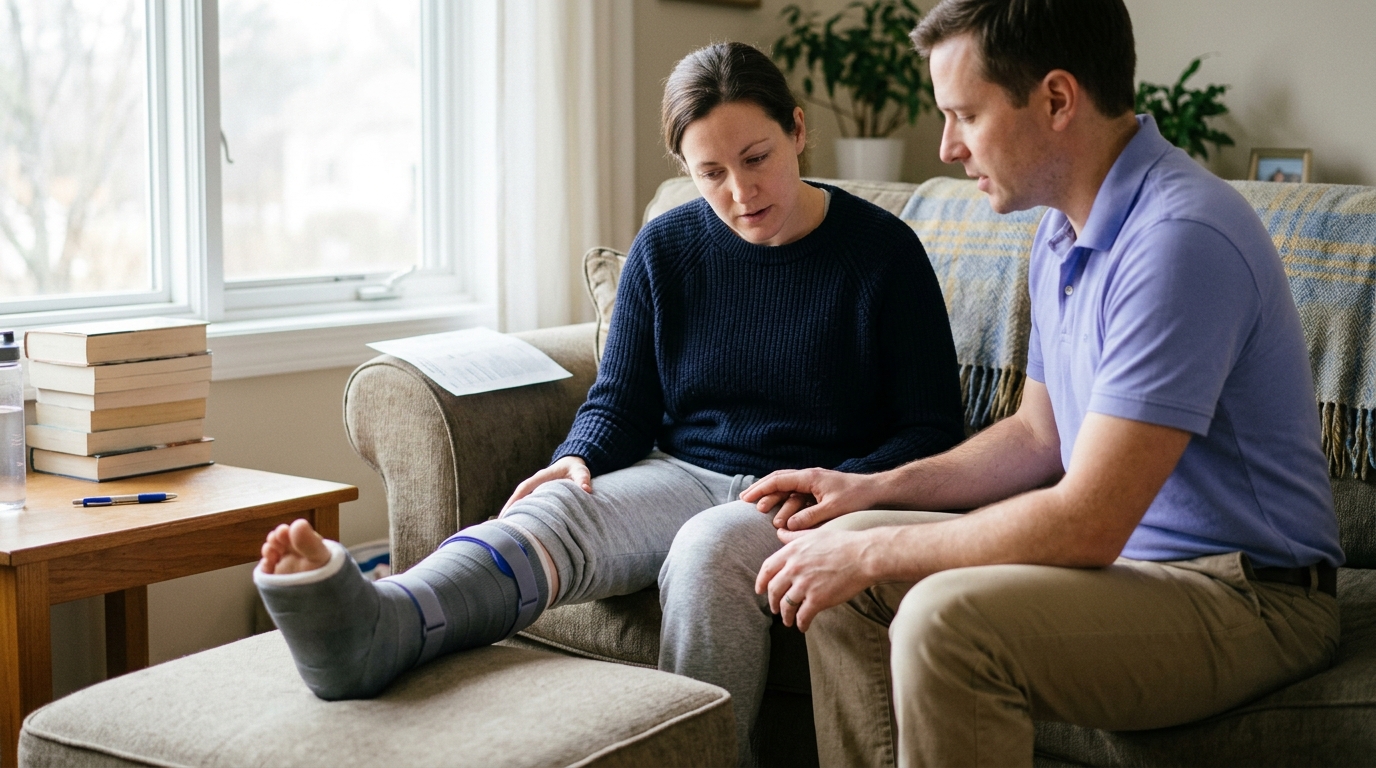
Ankle sprains are among the most common musculoskeletal injuries. Systematic reviews analyzing acute ankle-ligament management have evaluated the difference between functional treatment and long-term immobilization. Functional treatment typically involves early weight-bearing, external support such as a brace or taping, and guided movement exercises.
A systematic review summarizing 21 trials with 2,184 participants found that functional treatment was preferable to long-term immobilization lasting four to six weeks. Patients managed with functional strategies showed faster returns to work and pre-injury athletic activities. They also experienced less joint stiffness, less persistent swelling, and lower rates of subjective joint instability.
However, the evidence highlights an important nuance for severe, grade III ankle ligament tears. In select severe cases, a very short period of immobilization in a below-knee cast or rigid brace, lasting up to 10 days, resulted in faster short-term recovery than flexible compression bandages alone. The key finding is that while short-term protection can help severe ligament disruptions settle, long-term immobilization produces worse overall outcomes.
Tendons connect muscle to bone and respond directly to mechanical tension. Research into lower-limb conditions, such as Achilles and patellar tendinopathy, shows that tendons require mechanical loading to maintain cellular health and structural organization. Complete rest from all physical activity often causes tendon tissue to lose load-bearing capacity, making it more sensitive when normal activity resumes.
Clinical reviews on Achilles tendinopathy recommend activity modification combined with progressive tendon-loading exercises. Complete rest is generally unnecessary in early conservative treatment if activities are adjusted to match symptom tolerance. Guidelines suggest using pain as an indicator for load progression. Highly aggravating, high-speed, or high-impact tasks are temporarily reduced, while low-pain strength exercises are introduced to stimulate tissue remodeling.
A reliable guideline in lower-limb tendon rehabilitation is that exercise-induced soreness should return to baseline levels before the next loading session. This load-management strategy helps patients rebuild functional capacity without triggering an ongoing inflammatory or degenerative flare-up. You can learn more about tissue remodeling and physical mechanics in our recovery science research section.
In recent years, sports medicine clinicians introduced the PEACE and LOVE acronym to replace older models like RICE (Rest, Ice, Compression, Elevation). The newer framework emphasizes active recovery principles:
A 2025 review of soft-tissue injury management notes that while PEACE and LOVE promotes an active, holistic approach, debate continues among orthopedic clinicians. More high-quality clinical trials are needed before it can be considered a universally settled medical standard. It serves as a helpful educational model rather than a rigid protocol.
Protection plays a vital role in early injury care. However, modern orthopedic principles draw a clear line between protection that enables safe movement and protection that completely replaces movement.
The primary purpose of protection is to shield vulnerable, newly damaged tissue from mechanical stresses that could cause further structural tearing or severe symptom exacerbation. Immediately after an acute sprain, fracture, or tendon strain, the body begins an inflammatory cascade designed to clear damaged cells and lay down new collagen fibers. Subjecting that fragile biological matrix to heavy loads or violent twisting forces can disrupt repair.
Temporary protection can involve:
While short-term protection shields vulnerable tissue, extending that protection too long produces negative physiological adaptations. When a joint is immobilized in a cast or splint for four to six weeks, the surrounding tissues undergo rapid changes. Muscle fibers atrophy, connective tissues lose elasticity, and joint capsules shrink and tighten.
Prolonged immobilization also reduces synovial fluid circulation inside the joint. Synovial fluid delivers oxygen and essential nutrients to articular cartilage. Without regular joint movement, cartilage health declines, leading to prolonged stiffness and pain when movement is finally reintroduced. Functional supports, such as hinged braces, allow safe planes of movement while preventing risky joint motions, keeping the joint nourished and mobile.
There are clear clinical exceptions where rigid immobilization is essential. Displaced bone fractures, complete tendon ruptures requiring surgical repair, and severe joint dislocations often demand strict mechanical protection. Even in acute grade III ankle sprains, evidence supports a brief period of rigid immobilization lasting up to 10 days before transitioning to functional movement.
The essential takeaway is that protection should match the severity of structural damage. Protection should last only as long as necessary to stabilize healing structures, transitioning to functional loading as early as safely possible. You can read more about joint mechanics in our mobility and daily movement strategies resources.
To understand why modern rehabilitation favors early movement, it helps to examine how the body reacts to extended physical inactivity. When an individual stops moving completely, multiple physiological systems decline simultaneously.
Skeletal muscle begins to break down surprisingly fast during strict inactivity. Studies show measurable reductions in muscle protein synthesis within just a few days of total bed rest or limb casting. Along with muscle atrophy, the tendons and ligaments that support the joints lose tensile strength.
Connective tissues adapt directly to the physical loads placed upon them, a process known as mechanotransduction. When mechanical load is removed, fibroblasts produce less collagen, and existing collagen fibers become disorganized. When you eventually resume normal activity after prolonged rest, the musculoskeletal system is weaker and less prepared to absorb normal physical forces.
Physical movement acts as a natural pump for the circulatory and lymphatic systems. Muscular contraction moves blood through capillaries and assists lymphatic vessels in clearing inflammatory swelling and cellular waste from injured areas.
When you stay immobile, fluid can pool around the injured joint, creating persistent swelling and elevated tissue pressure. This fluid accumulation contributes to joint capsule tightness and reduced range of motion. Early, gentle movement exercises clear excess fluid, reduce swelling, and prevent permanent joint stiffness.
Movement is not just a mechanical process; it is a neuromuscular one. Joint capsules, ligaments, and tendons are packed with mechanoreceptors and proprioceptive nerve endings that send continuous positional feedback to the central nervous system. This feedback allows your brain to control joint stability, balance, and coordination.
When a limb is completely rested or immobilized, neural drive to the surrounding muscles decreases, and proprioceptive sensitivity declines. This neural deconditioning explains why people often feel uncoordinated, unstable, or hesitant when stepping onto an injured foot or using an injured arm after a period of total rest.
Prolonged inactivity can also reinforce psychological fear of movement, known clinically as kinesiophobia. When individuals believe that any pain indicates progressive physical damage, they begin avoiding routine movements and activities. This fear-avoidance behavior can create a cycle where reduced activity leads to greater physical deconditioning, which in turn causes everyday movements to feel more uncomfortable. Educational reassurance and early, tolerable movement help break this cycle.
Every injury occurs within a unique individual. While general recovery frameworks provide helpful baselines, several distinct biological and lifestyle factors can alter how quickly you should progress from protection to active movement.
Different bodily tissues have different blood supply levels and biological healing rates. Minor muscle strains and mild ligament sprains often have robust vascularity and can tolerate functional movement within a few days. In contrast, articular cartilage, joint labrums, and thick tendon insertions receive less direct blood flow and require a longer period of protection and gradual loading.
A mild grade I ankle sprain with microscopic fiber stretching might allow immediate weight-bearing and functional rehabilitation. A complete grade III ligament rupture or a complex intra-articular joint fracture demands a much more conservative timeline with structured medical supervision.
Age is a natural factor in musculoskeletal recovery. As adults age, collagen turnover rates slow down, muscle protein synthesis becomes less responsive, and microvascular blood flow decreases. Adults in their 40s, 50s, 60s, and 70s often experience slightly longer healing timelines than younger individuals.
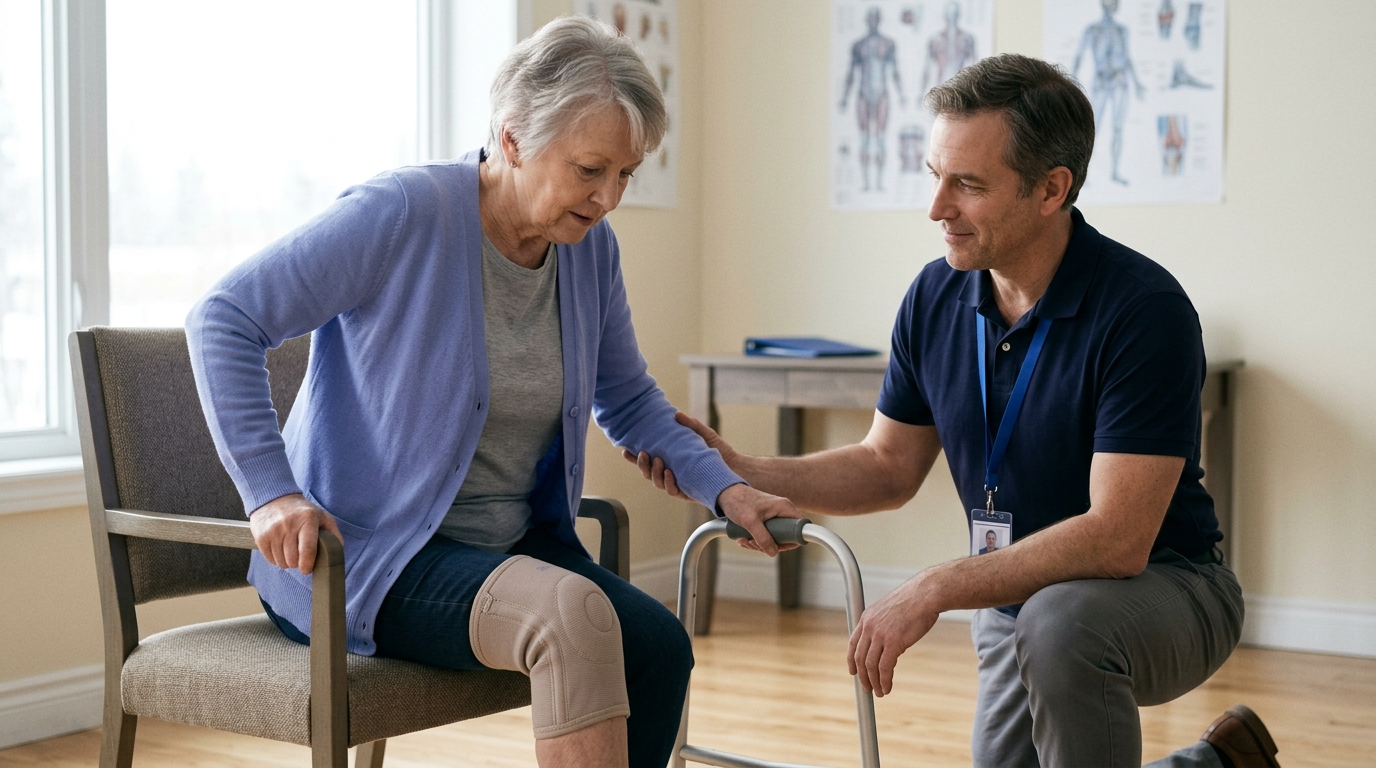
An older adult recovering from a rotator cuff strain or an Achilles tendon injury may require smaller, more gradual increments in mechanical load. However, the fundamental principle remains unchanged: older tissues still require controlled movement and strength loading to stimulate repair and prevent debilitating muscle loss.
A person’s pre-injury physical conditioning significantly influences how well their body handles recovery. Individuals who regularly performed resistance training, balance exercises, and cardiovascular activity typically possess greater muscular reserves, better bone density, and well-developed movement patterns.
These individuals can often maintain cross-training activities, such as stationary cycling or pool exercises, during their recovery. A person with lower pre-injury activity levels may need to spend more time building baseline movement control and strength before advancing to complex physical tasks.
General metabolic health plays a major role in tissue repair and systemic inflammation. Conditions such as type 2 diabetes, peripheral vascular disease, chronic sleep deprivation, and high stress levels can impair cellular healing.
For instance, elevated blood glucose levels can alter tendon collagen cross-linking, making tendons stiffer and more prone to chronic irritation. When managing an injury alongside metabolic health conditions, the progression of physical loading may need to be adjusted conservatively to avoid prolonged flare-ups.
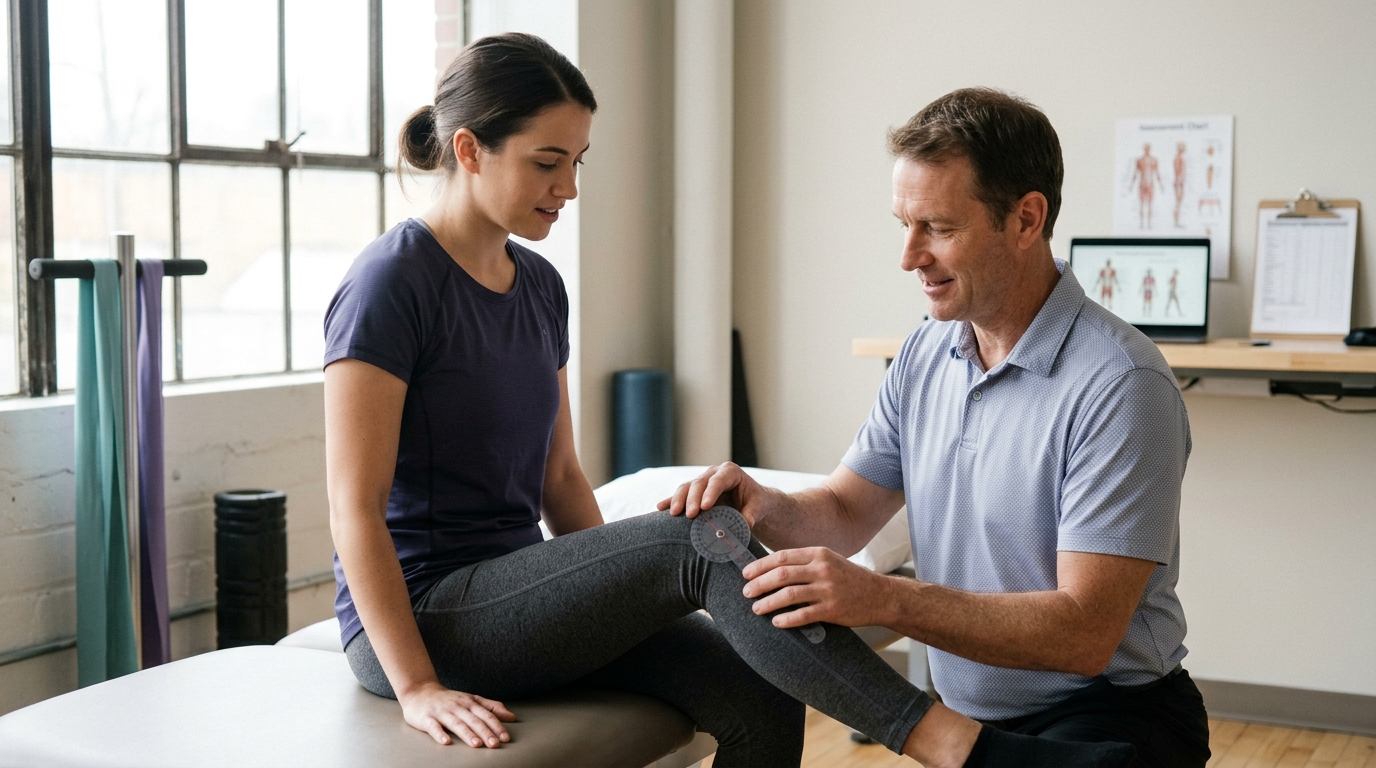
Clinicians assess an injury's irritability by evaluating how easily symptoms are triggered, how severe the discomfort becomes, and how long it takes for the pain to settle back to resting levels.
Progressing from early injury care back to unrestricted physical activity works best when structured as a gradual progression rather than a sudden leap. The following four-stage framework illustrates how clinicians balance protection, movement, and progressive loading.
The initial stage begins immediately following acute injury or during an acute flare-up of a chronic condition. The primary objective is to calm irritated tissues and shield healing structures from excessive mechanical stress.
Key actions during this stage include:
Protection at this stage is temporary. It provides a brief window for acute swelling and cellular irritation to subside without allowing the surrounding joints to become permanently stiff.
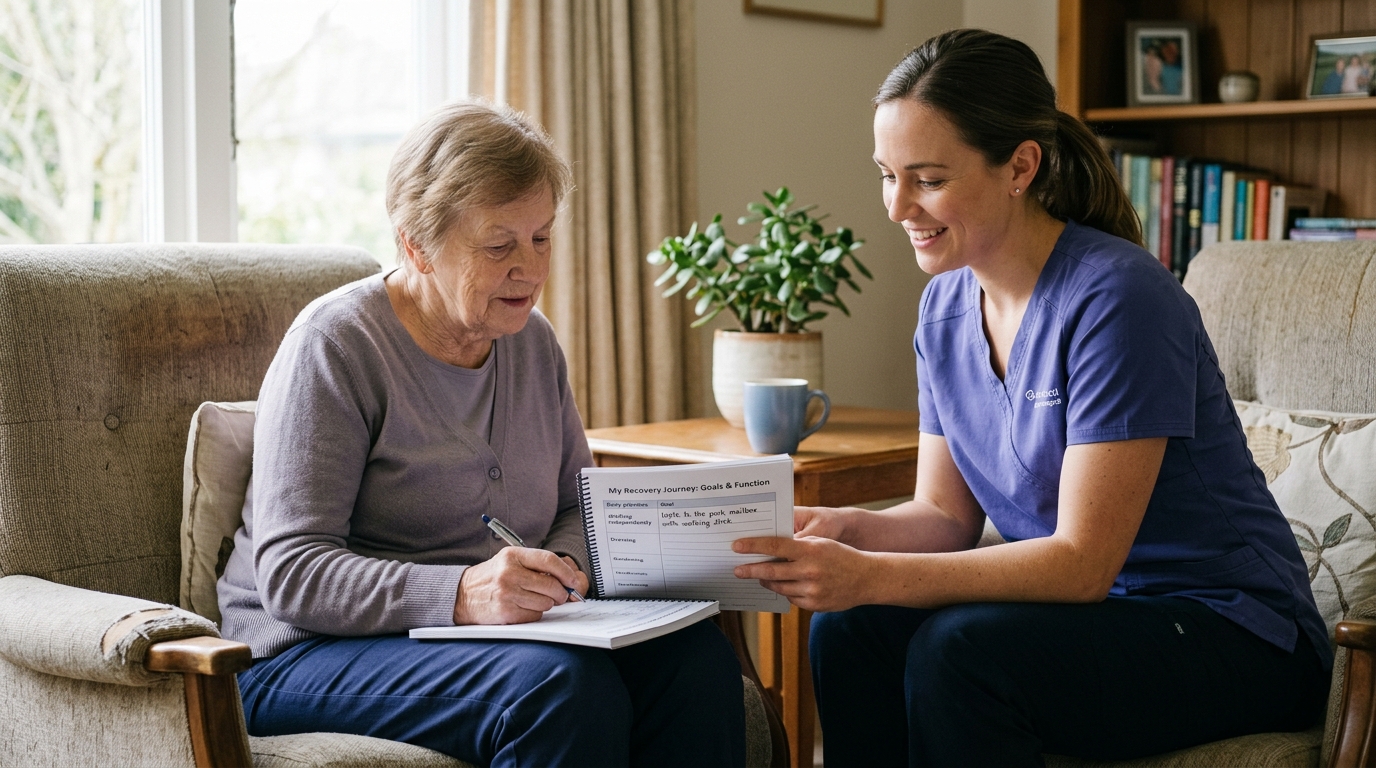
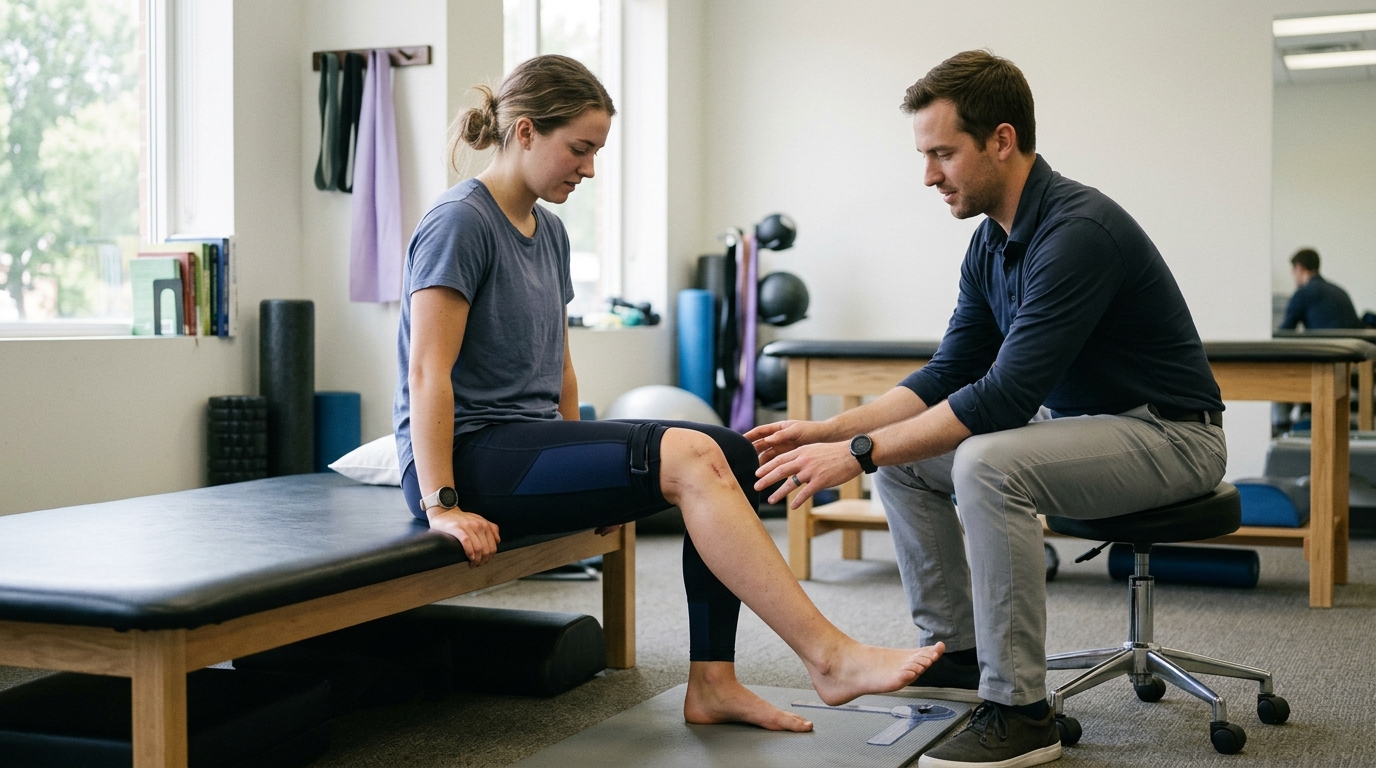
As acute symptoms begin to settle, the focus shifts toward restoring baseline joint mobility and everyday movement. This stage establishes that low-level, controlled movement is safe and biologically beneficial.
Key actions during this stage include:
Continuing low-irritability movement at this stage stimulates synovial fluid circulation, provides proprioceptive sensory input, and prevents neuromuscular deconditioning. For guided movement routines, explore our rehabilitation and movement resources.
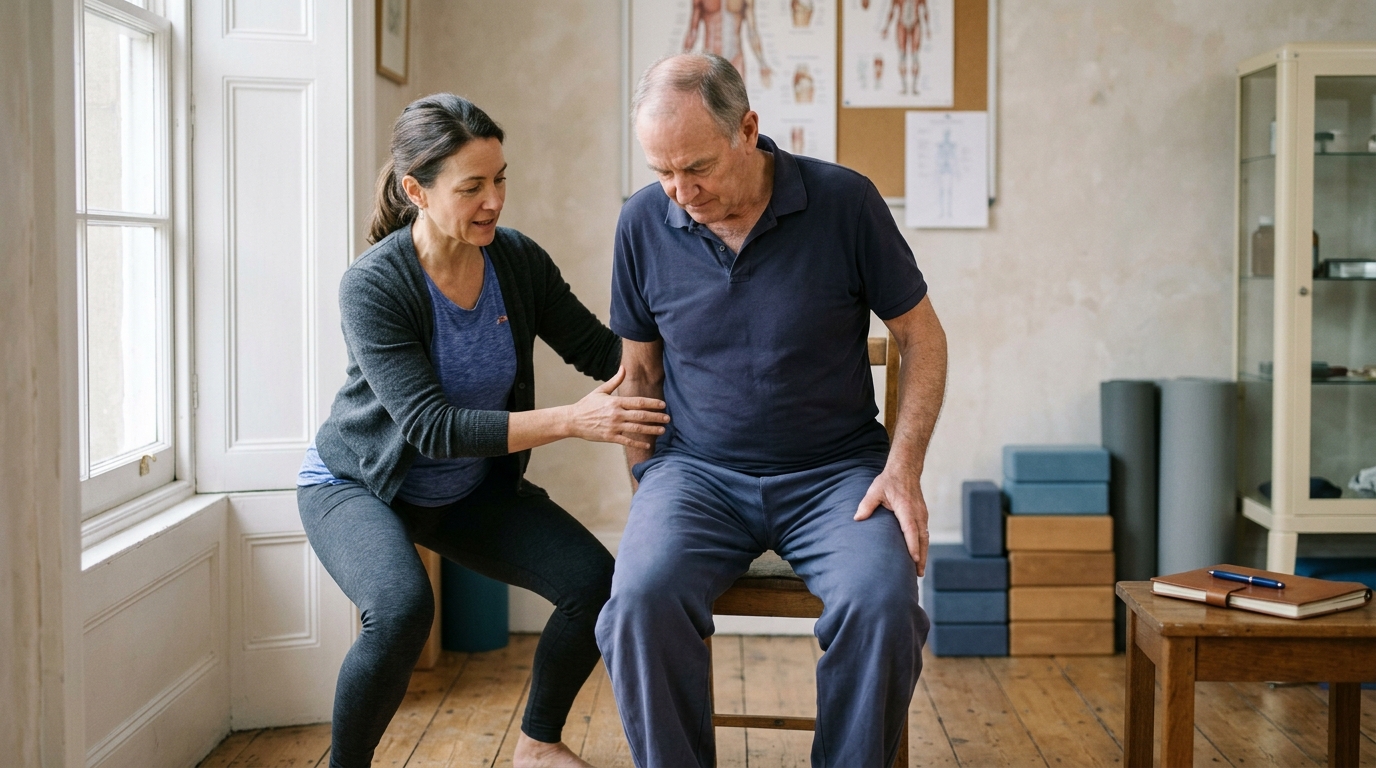
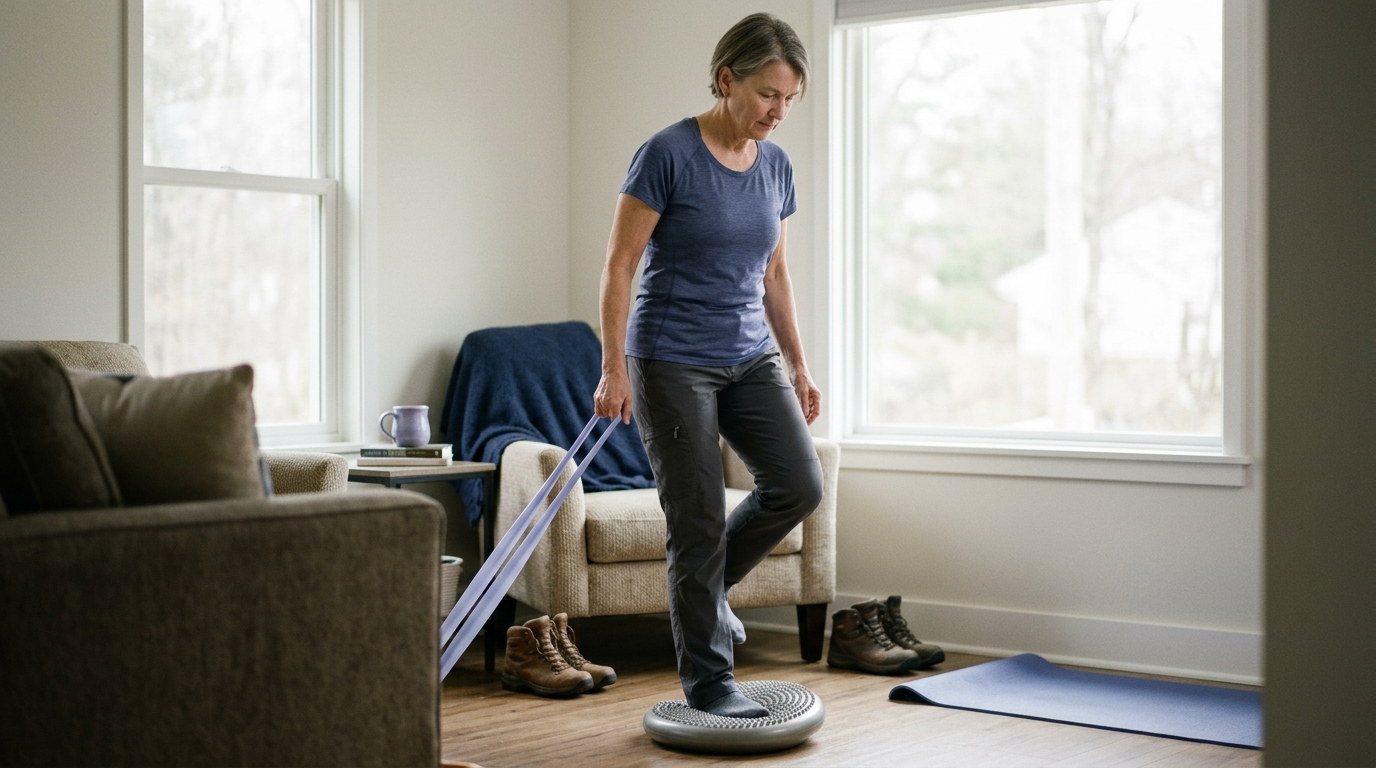
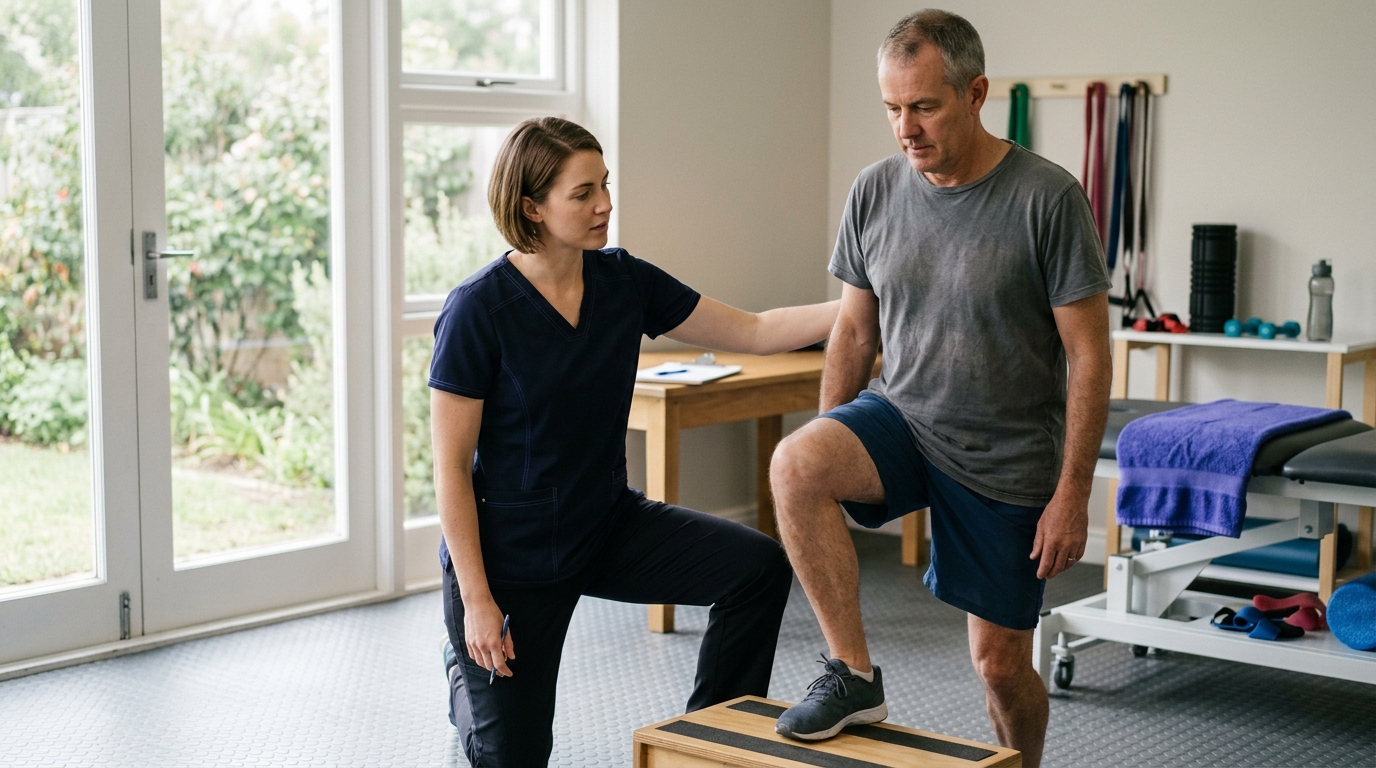
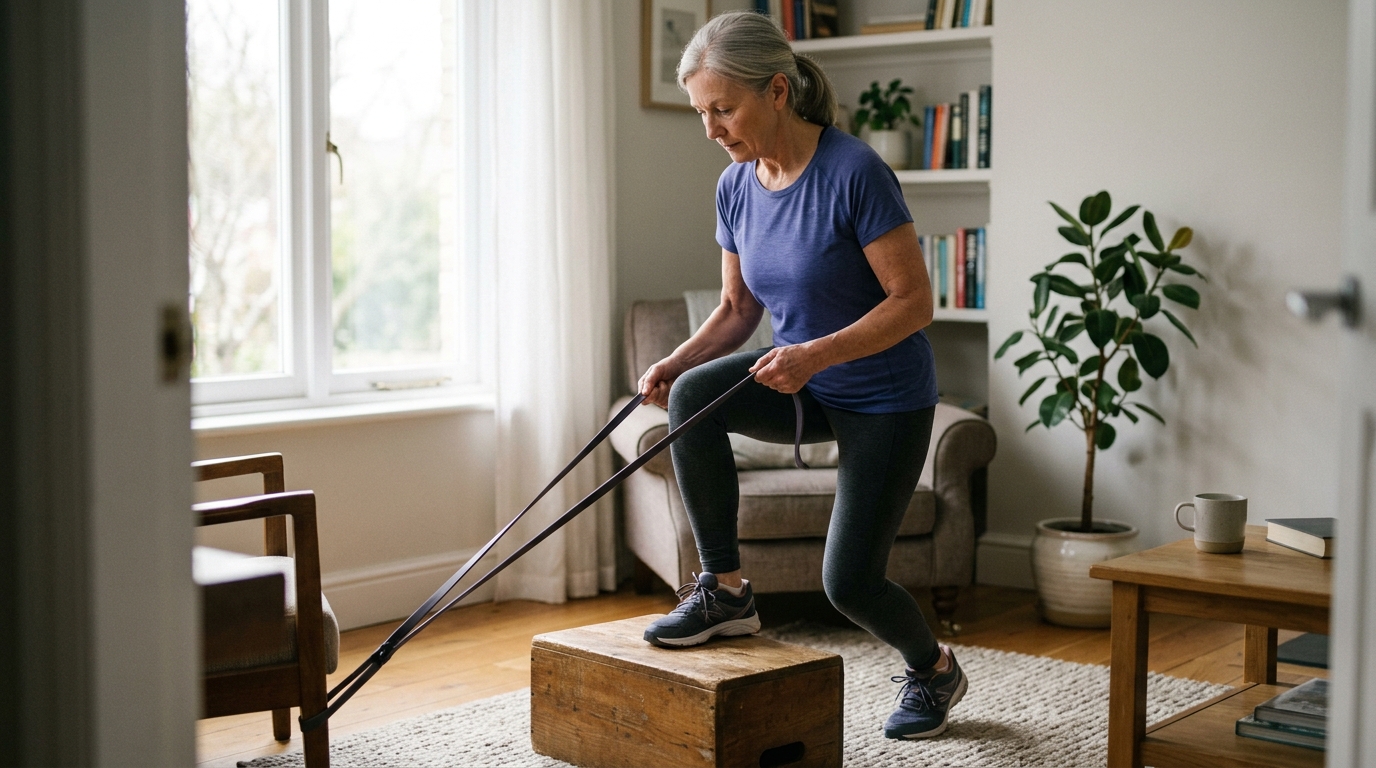
Once basic mobility is established and everyday tasks are comfortable, the objective becomes rebuilding muscular strength, tendon stiffness, and joint stability. Connective tissues require progressive mechanical overload to increase their load-bearing capacity.
Key actions during this stage include:
This stage bridges the gap between basic daily functioning and the demands of recreational sports, heavy manual labor, or rigorous exercise. For dedicated strength progressions, visit our strength rebuilding and return to activity section.
The final stage involves safely reintroducing high-load, dynamic, and unpredictable physical demands. Readiness to return to sports or physically demanding work is based on functional criteria rather than simply passing a certain number of weeks on a calendar.
Key actions during this stage include:
Navigating the balance between resting an injury and staying active can be challenging. Many active adults fall into common traps that delay recovery or trigger recurring flare-ups.
One of the most frequent misconceptions is that any physical discomfort during rehabilitation means tissue damage is occurring. In acute trauma, sharp pain often signals mechanical injury. However, as tissues heal, the nervous system can remain sensitized, firing pain signals even when movement is structurally safe.
In conditions like chronic tendinopathy or non-specific low-back pain, mild, controlled discomfort during exercise is common and does not necessarily indicate structural harm. A general rule of thumb used in tendon rehabilitation is that mild discomfort (e.g. 2 to 3 on a 10-point scale) is acceptable during exercise, provided the pain does not escalate rapidly and returns to baseline within 24 hours.
It is natural to assume that if wearing a brace or resting for three days is helpful, doing it for six weeks must be even better. Research demonstrates that excessive protection leads to tissue weakening, loss of bone density, joint stiffness, and heightened fear of movement. Protection should be viewed as a temporary bridge to functional loading, not a permanent lifestyle modification.
Another common pitfall is treating a pain-free resting day as proof of complete recovery. An injured tendon or ligament may feel completely comfortable while sitting on the couch or walking around an office. However, that tissue may still lack the mechanical capacity to tolerate jumping, sprinting, or heavy lifting. Skipping the progressive loading stage and returning immediately to full sports participation frequently results in secondary injuries or acute flare-ups.
Many people rely heavily on passive modalities such as ice packs, heat pads, massage tools, or electrical stimulation units to resolve injuries. While these tools can provide temporary symptom relief, they do not rebuild tissue strength, restore ligament stability, or improve neuromuscular coordination. Passive treatments should never replace an active, exercise-based rehabilitation program.
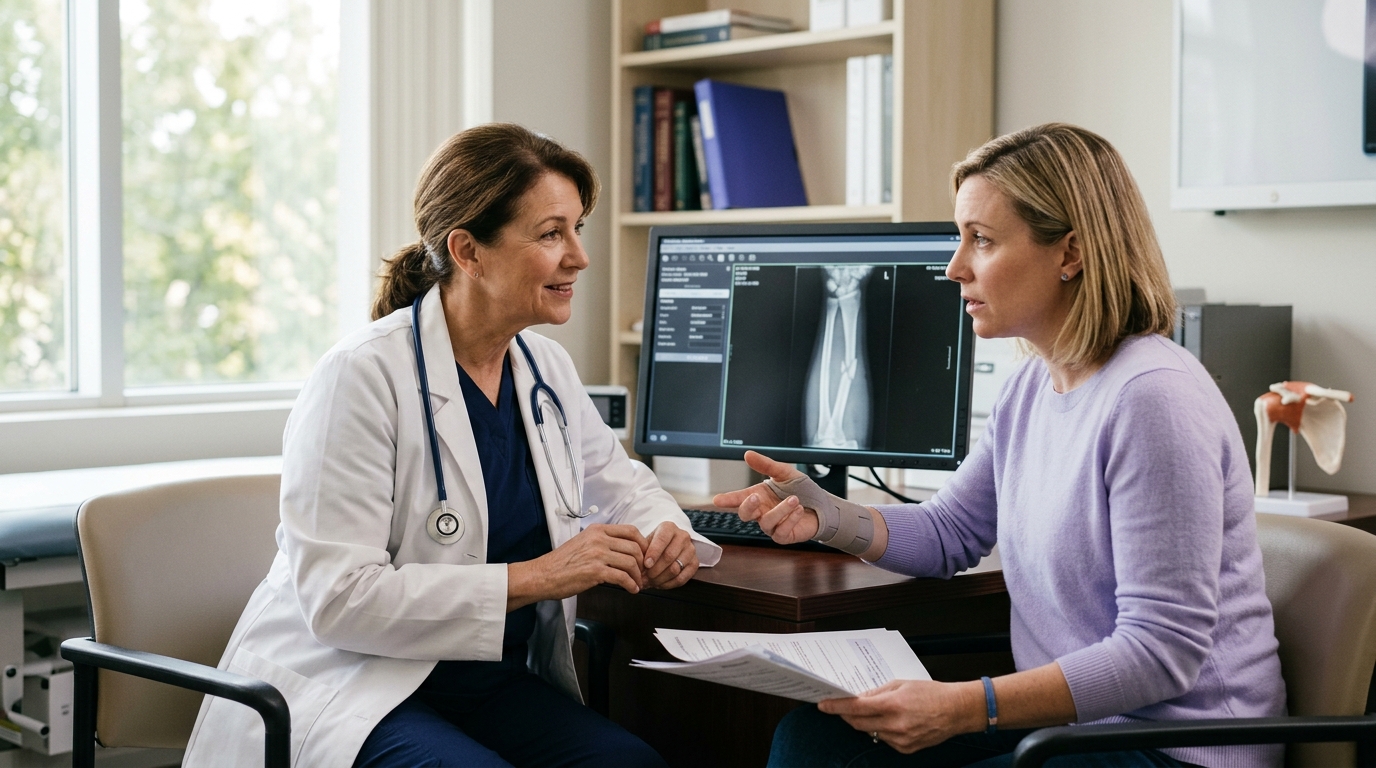
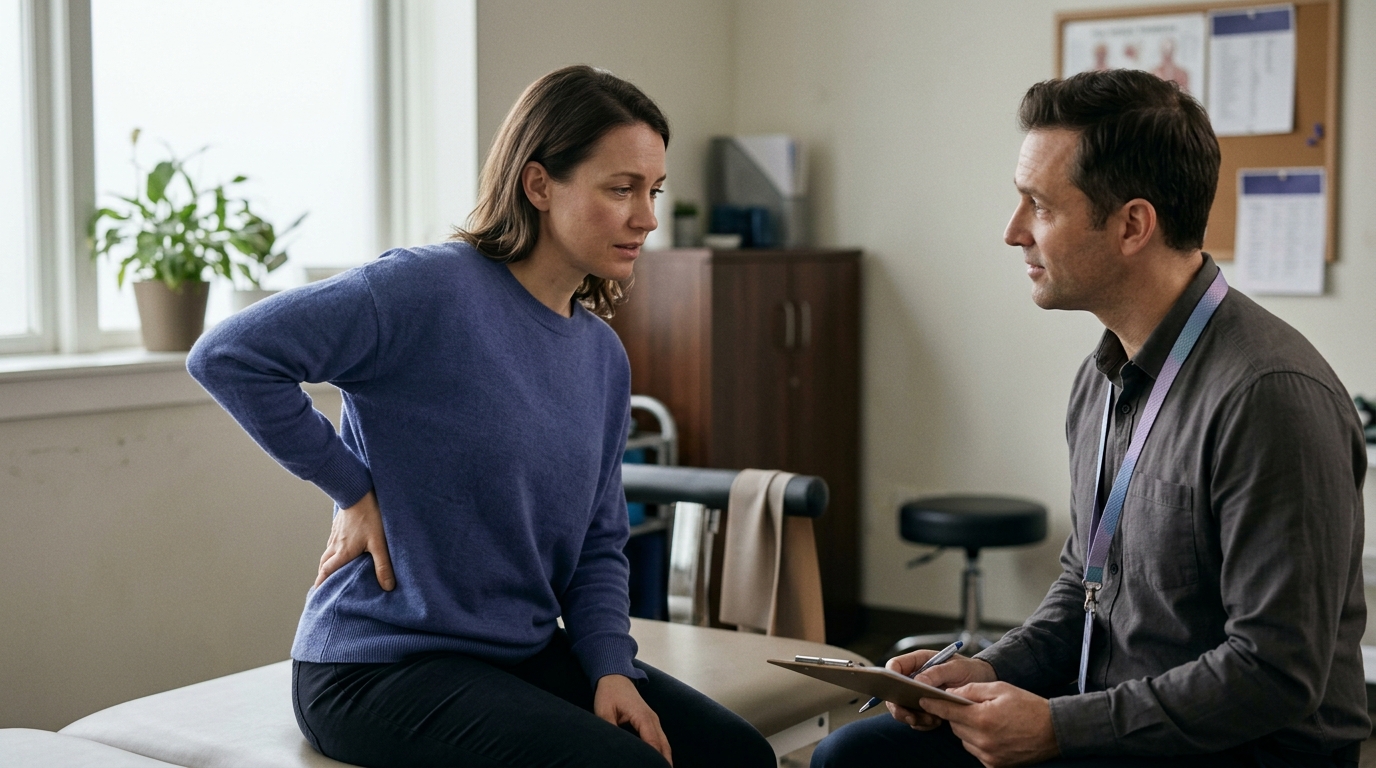
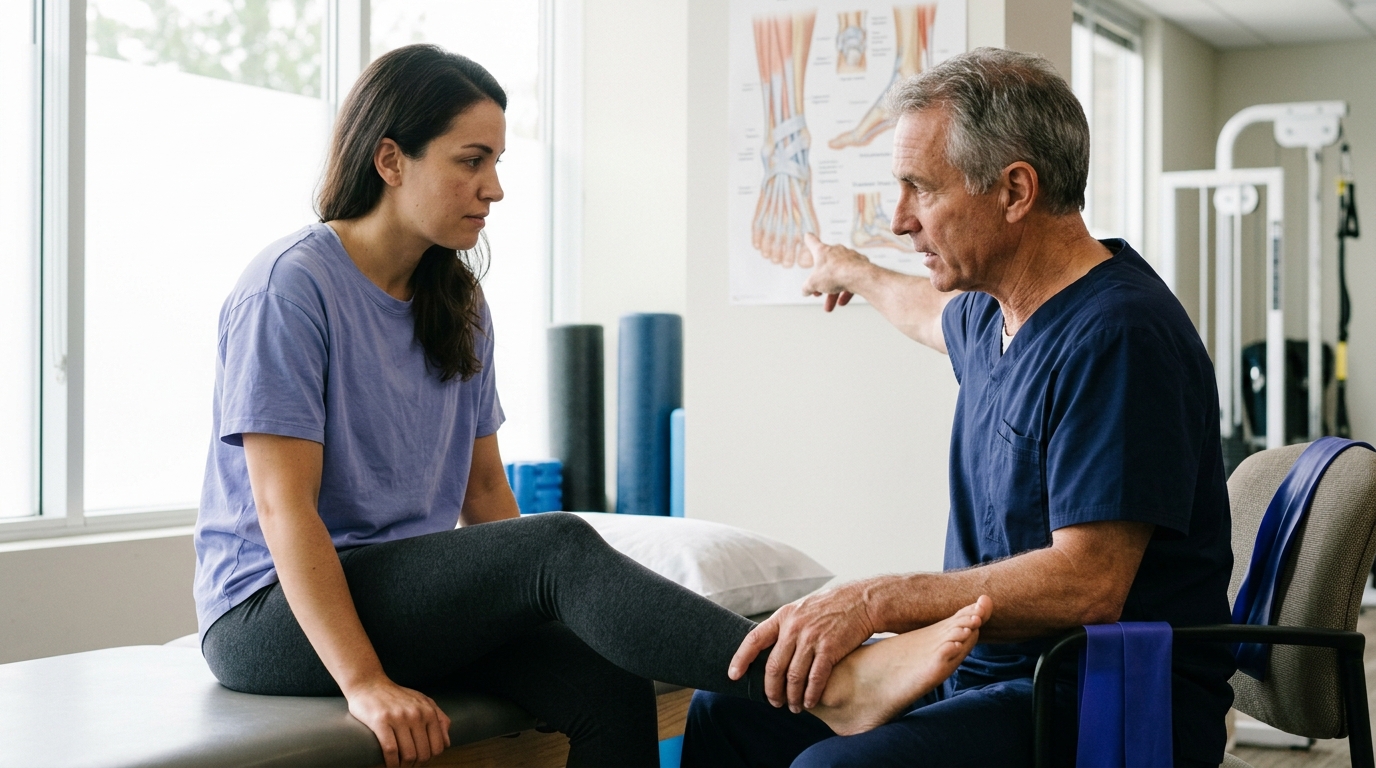
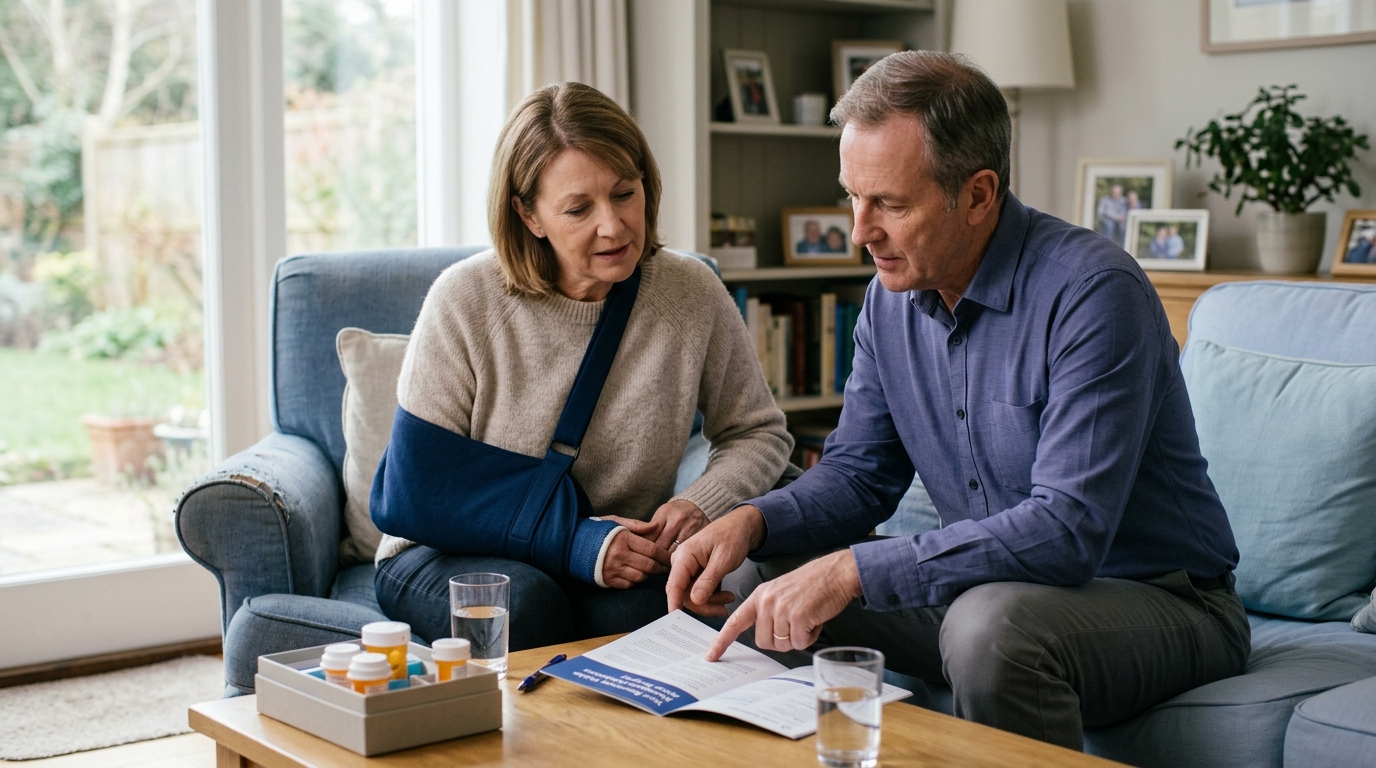
Navigating physical recovery often requires professional guidance from an orthopedic physician, physical therapist, or sports medicine specialist. Bringing clear, specific questions to your appointments helps you collaborate effectively with your clinical team.
Balancing rest, protection, and physical movement is one of the most important aspects of recovering from a musculoskeletal injury. Modern evidence makes it clear that rest should be selective and temporary rather than complete and prolonged.
While early protection shields healing tissues from excessive mechanical disruption, early, tolerable movement maintains circulation, preserves joint mobility, and stimulates essential tissue remodeling. Progressing gradually through structured stages of movement and resistance allows you to rebuild physical capacity safely and return to an active lifestyle with confidence.
Working closely with a qualified healthcare professional allows you to apply these principles to your individual recovery journey with clarity and confidence.

Use ReboundBody resources to understand common recovery stages, rehab terms, movement limits and strength rebuilding. Each guide is designed to make a complex comeback easier to understand.


Read practical guidance on injury recovery, rehabilitation, mobility and rebuilding strength as you work your way back to activity.
Explore Resources