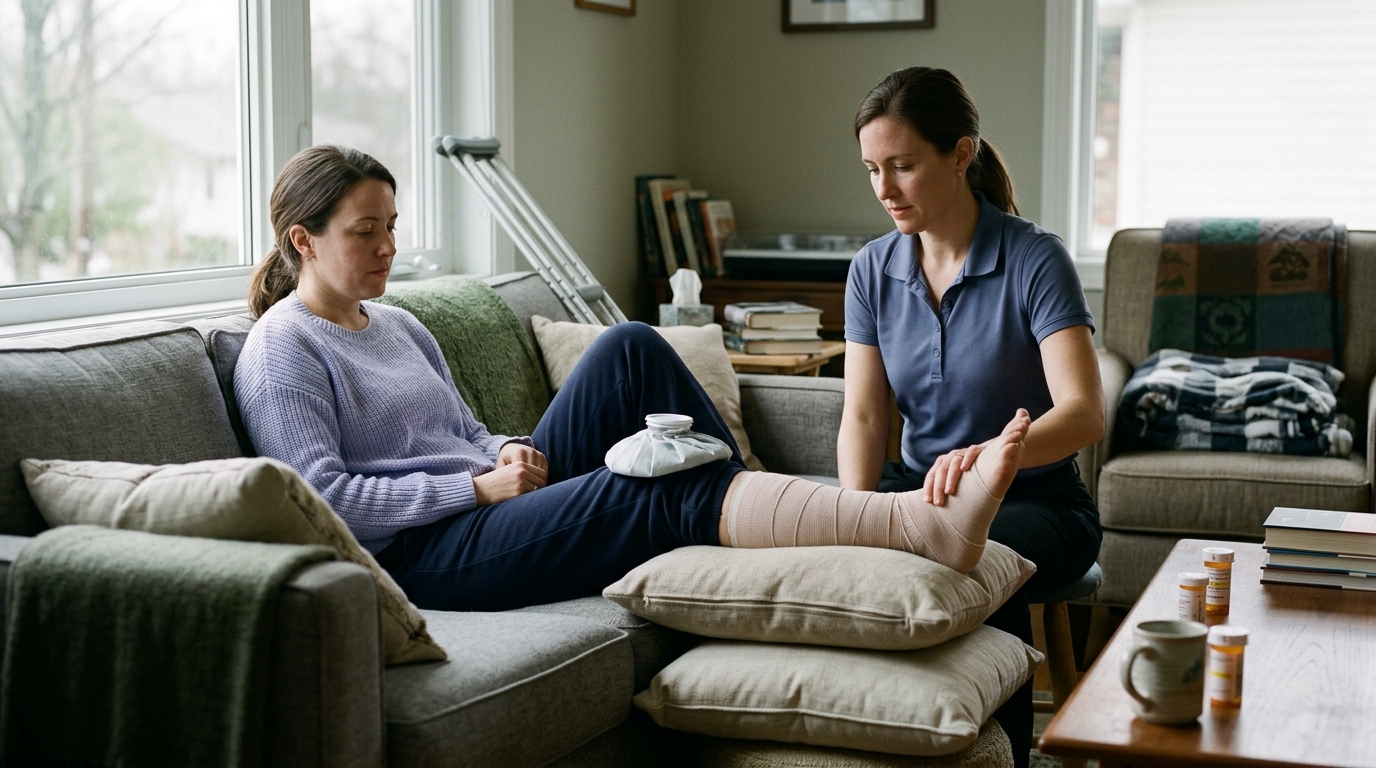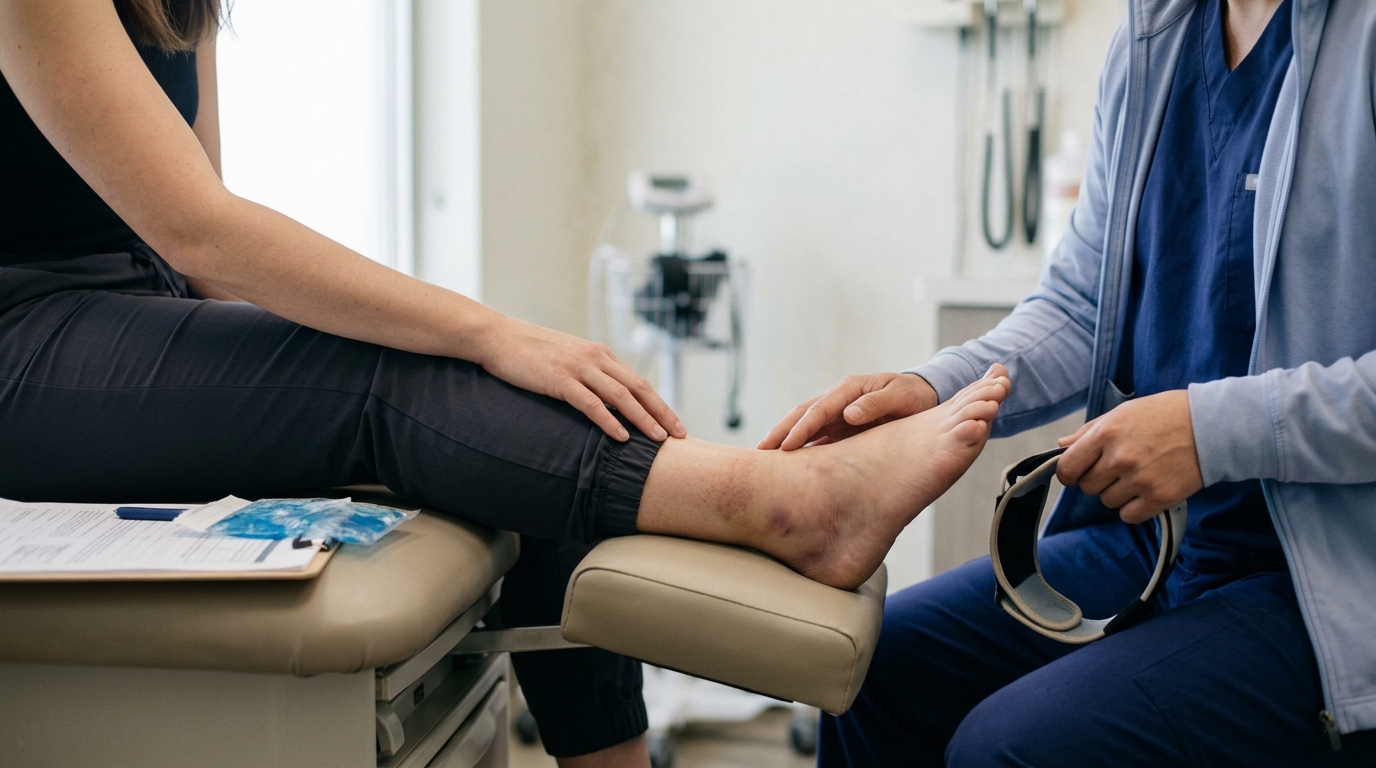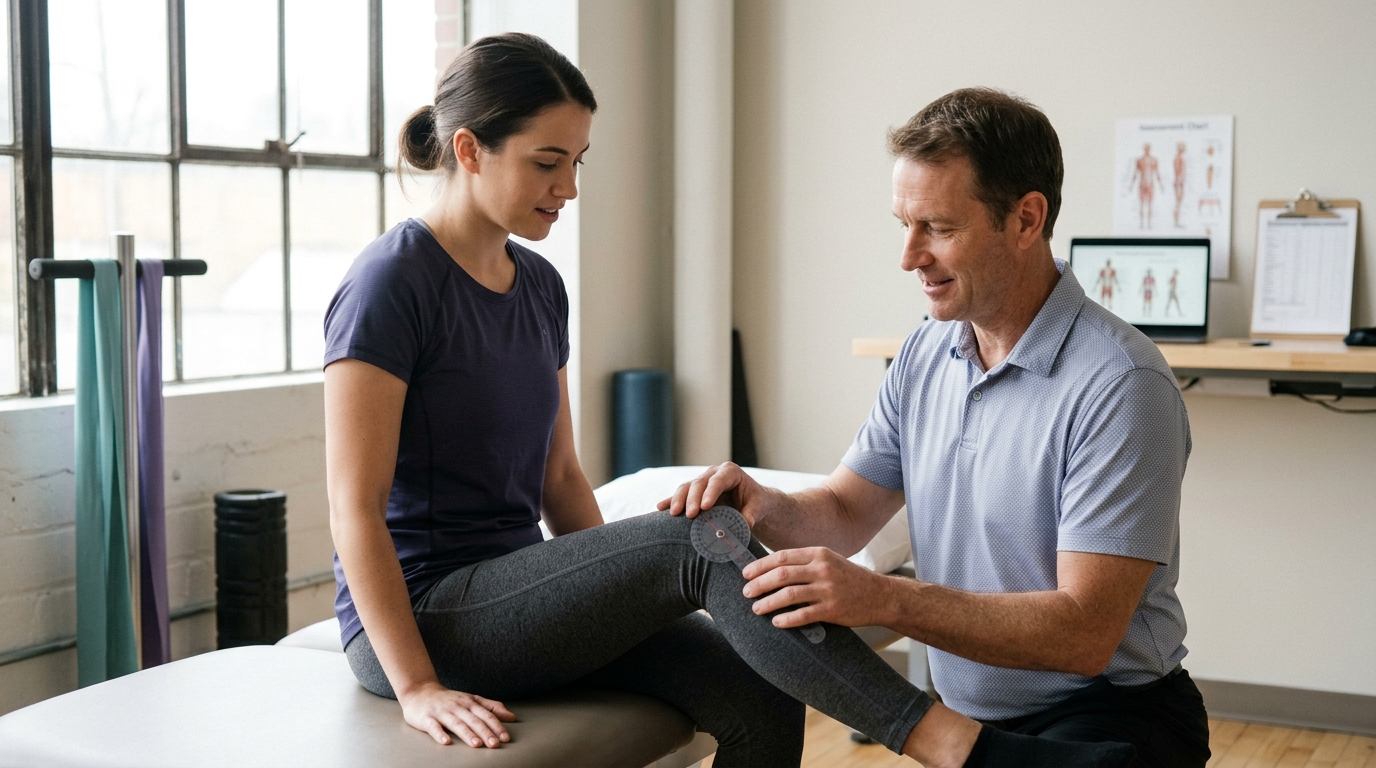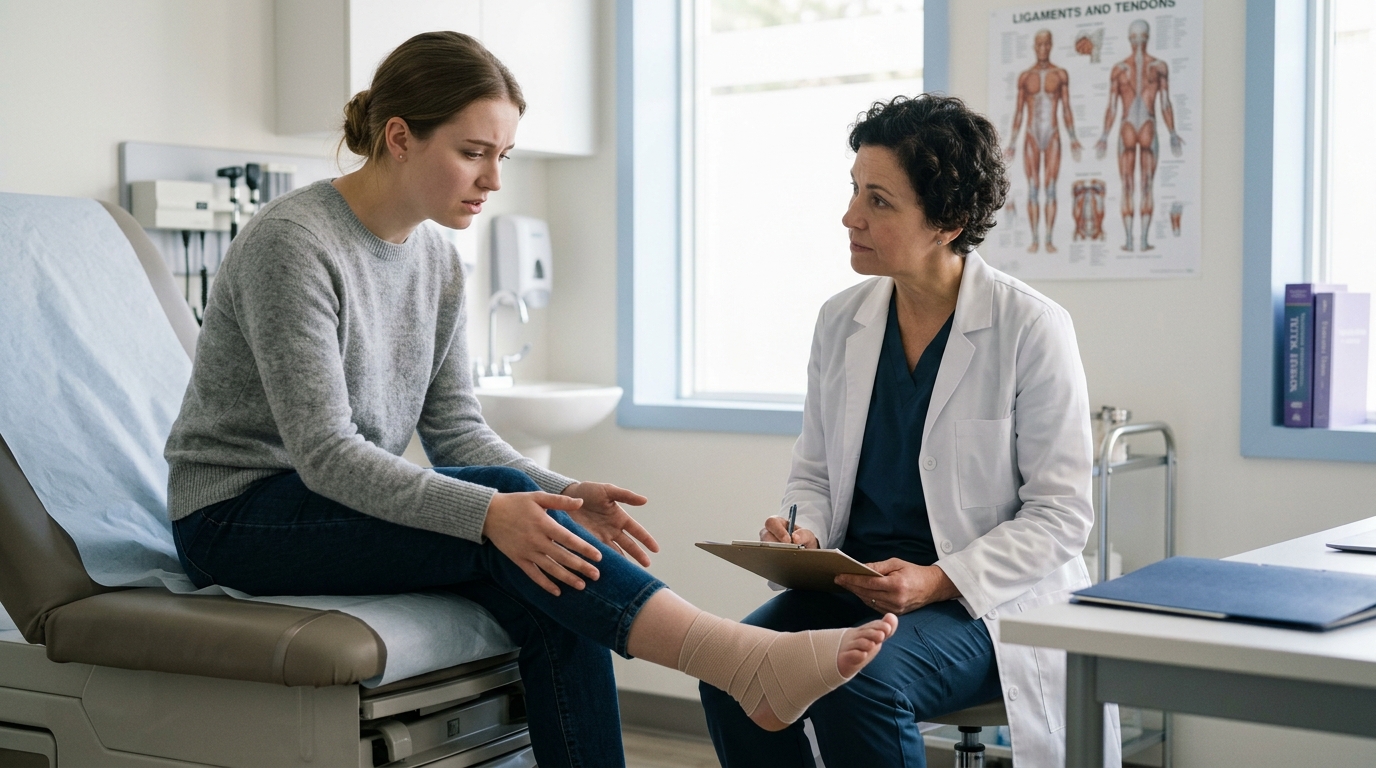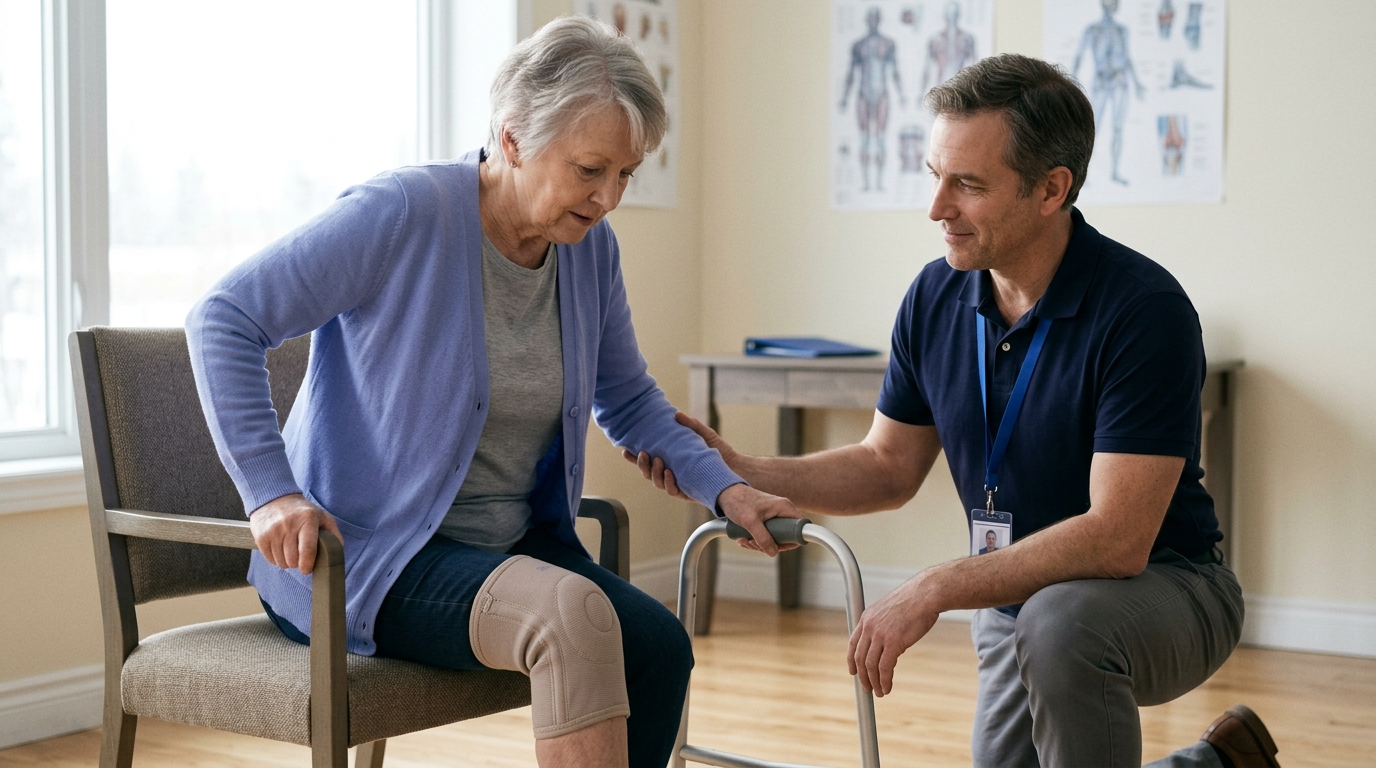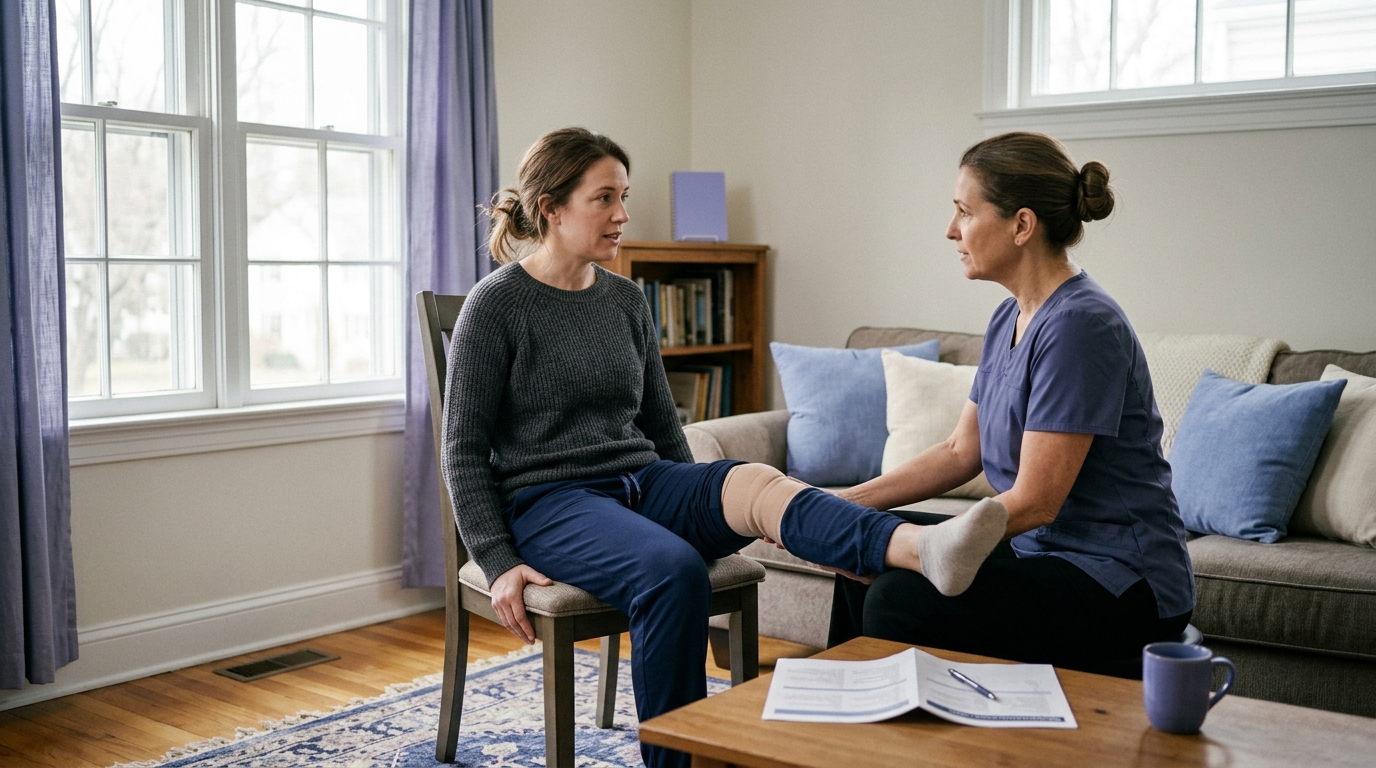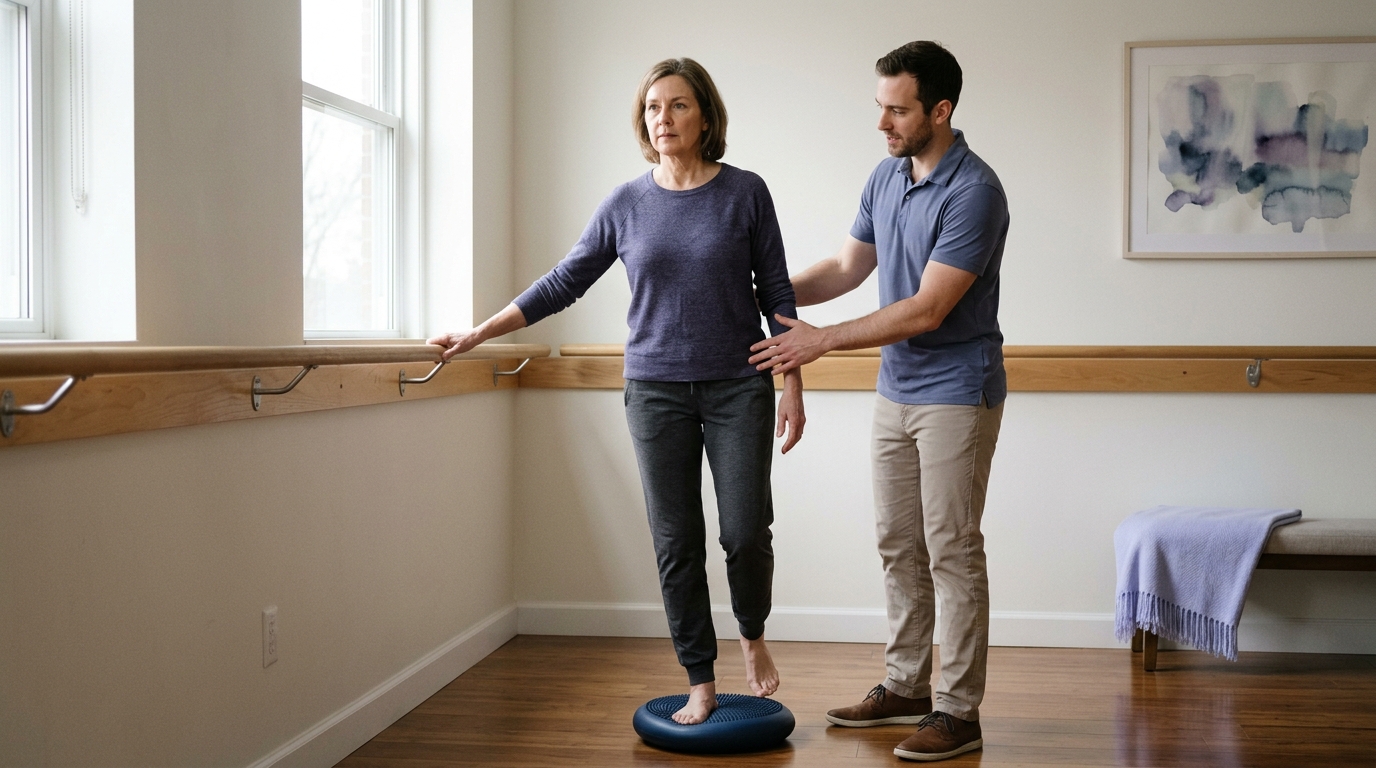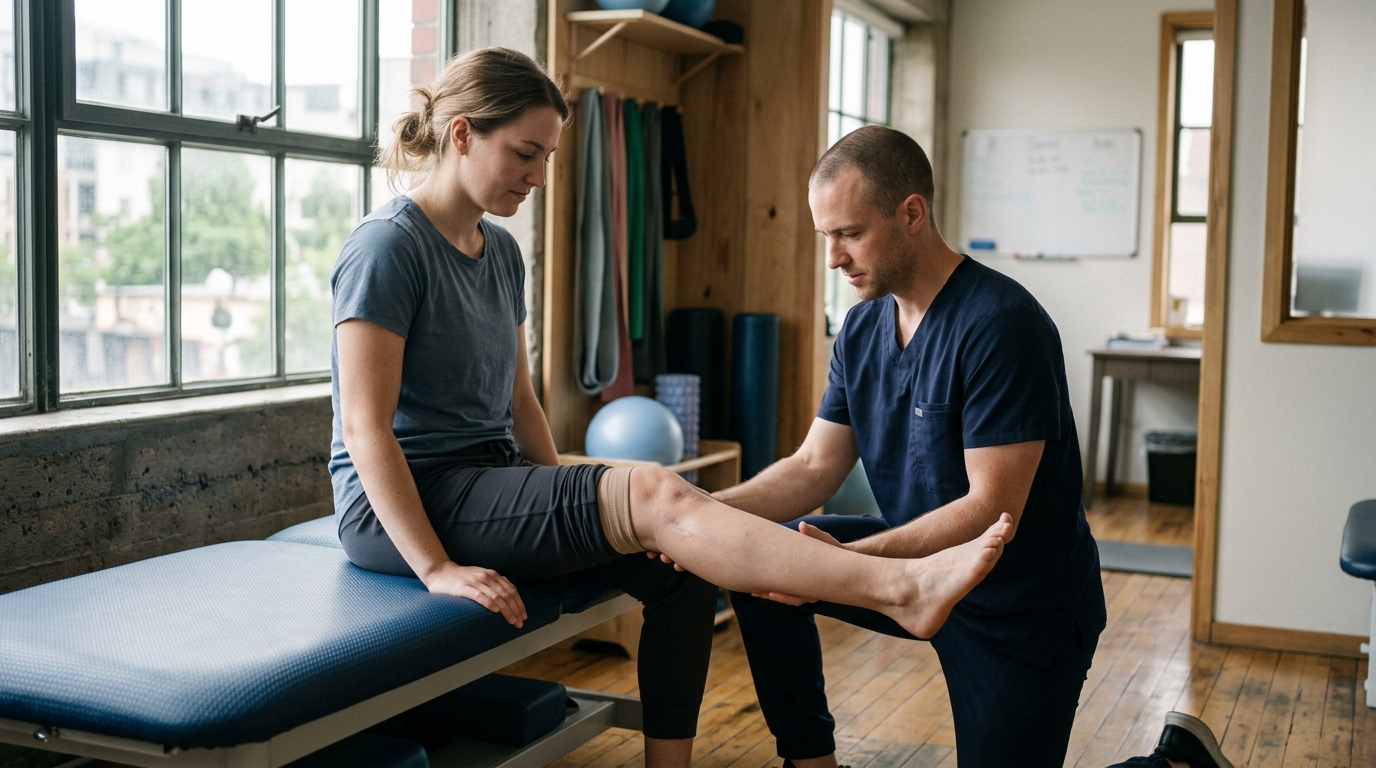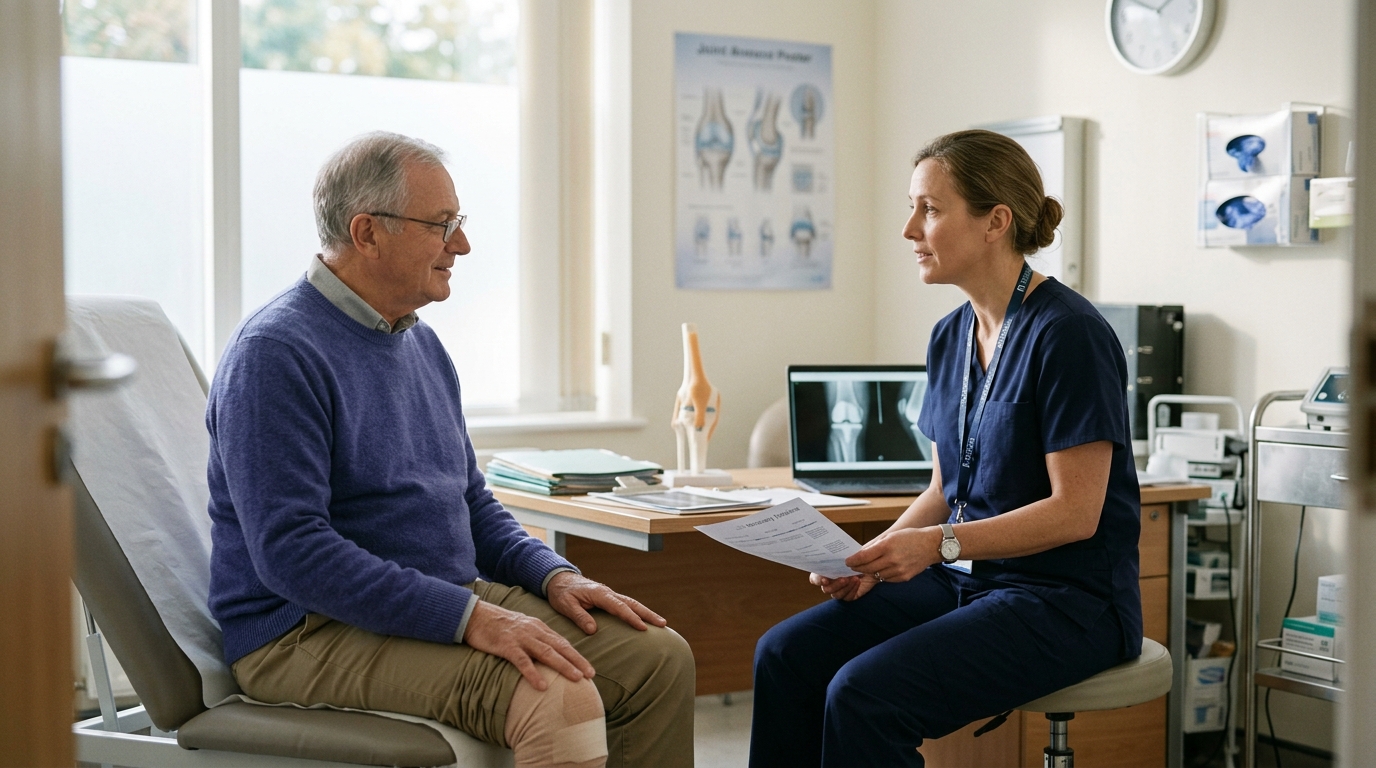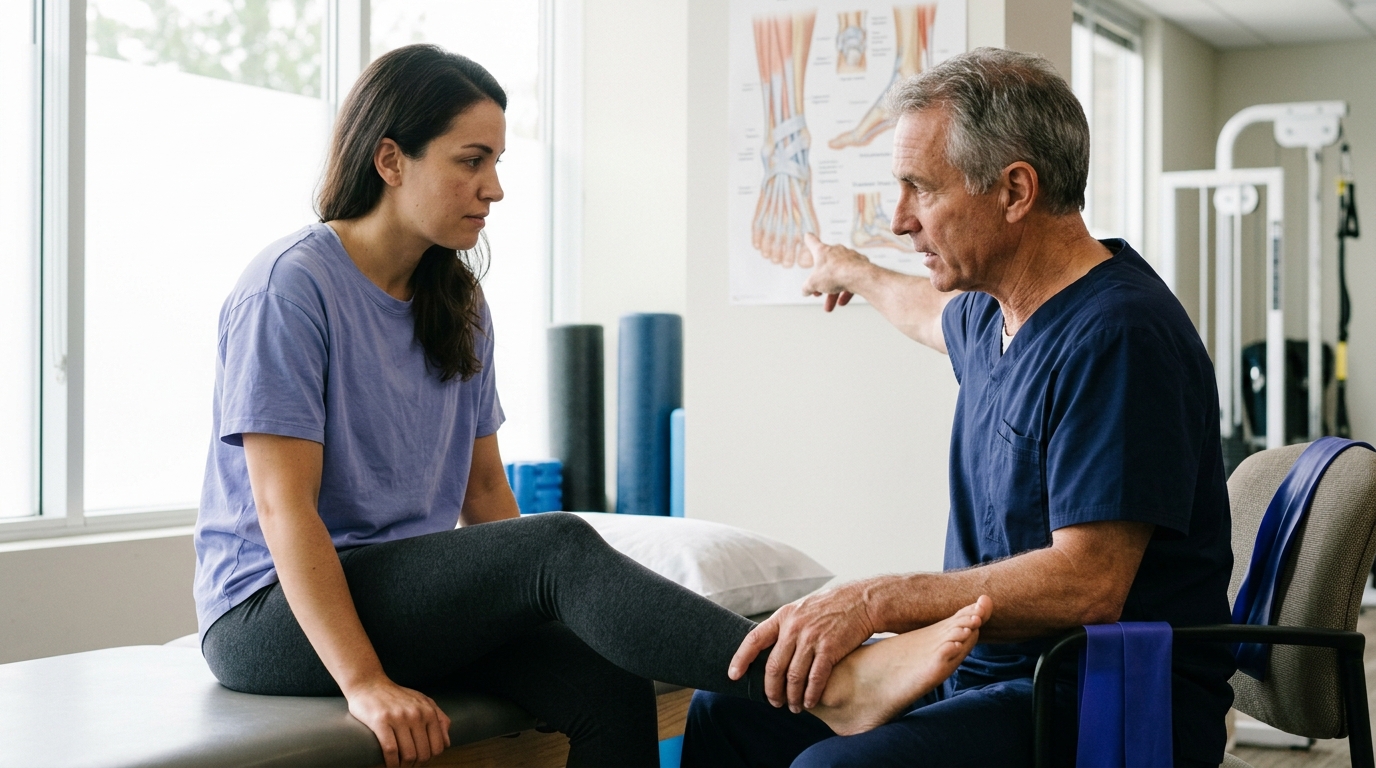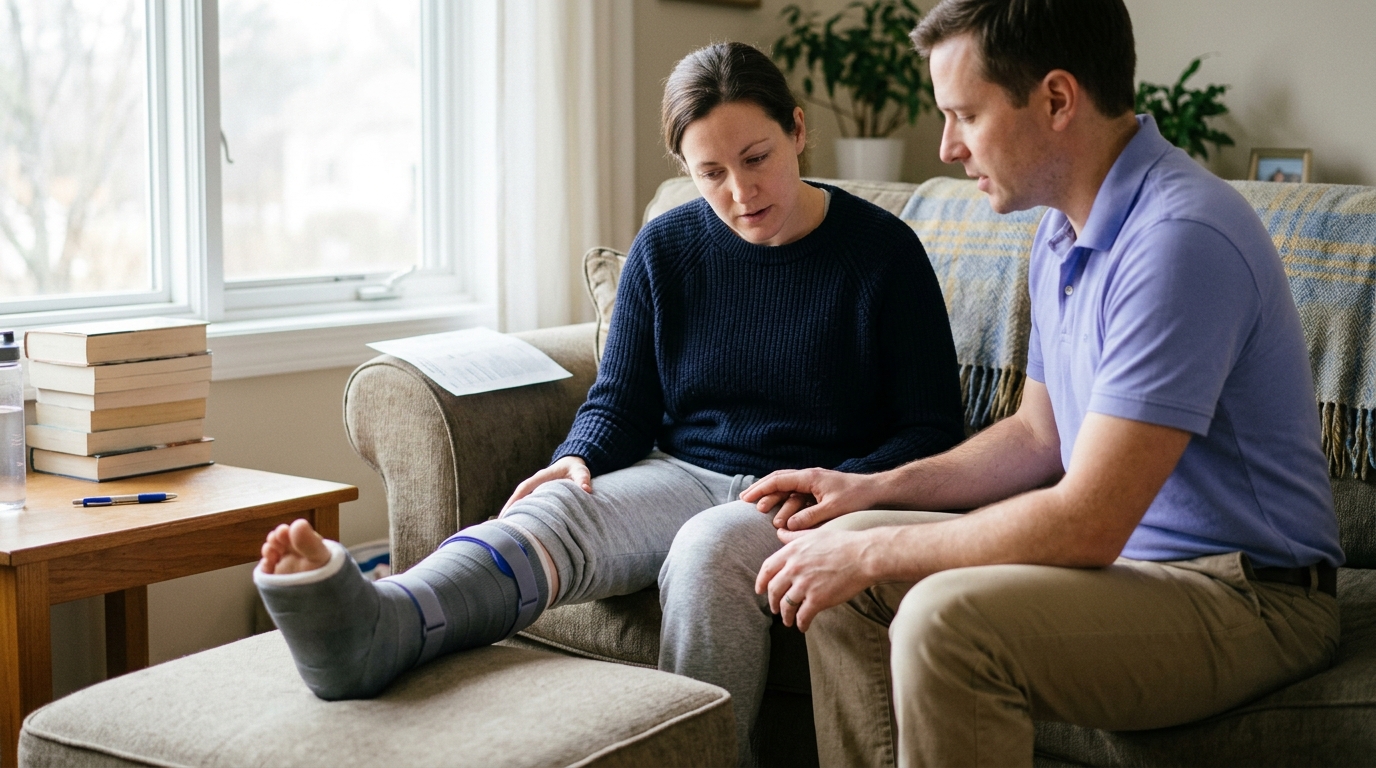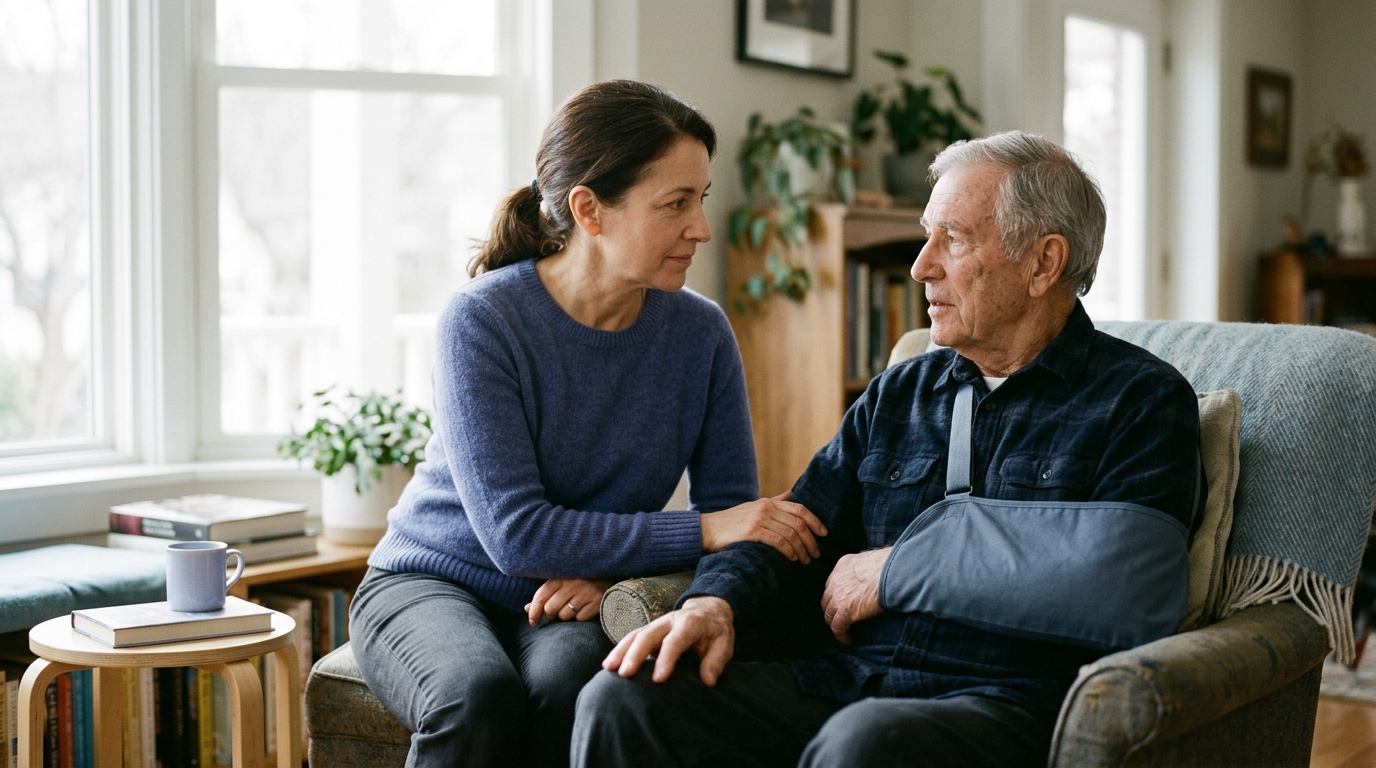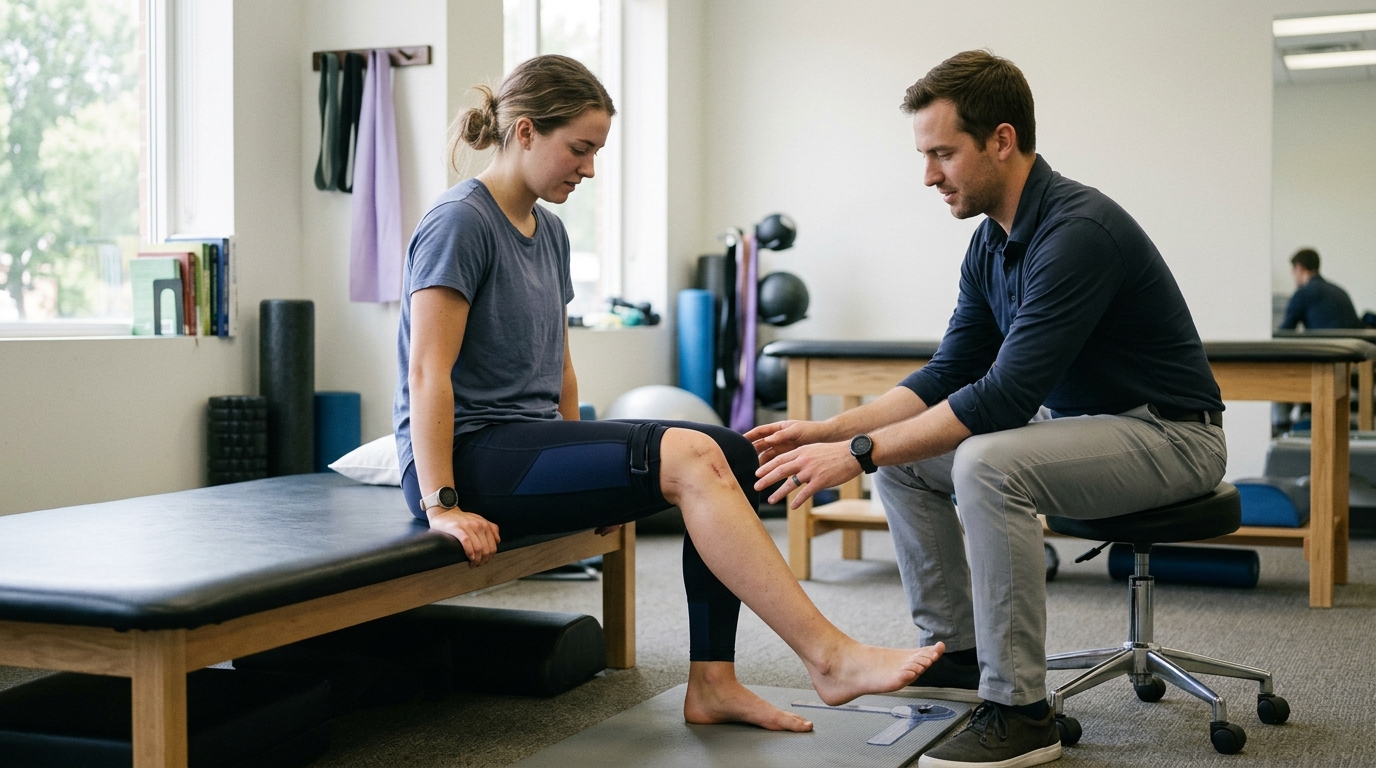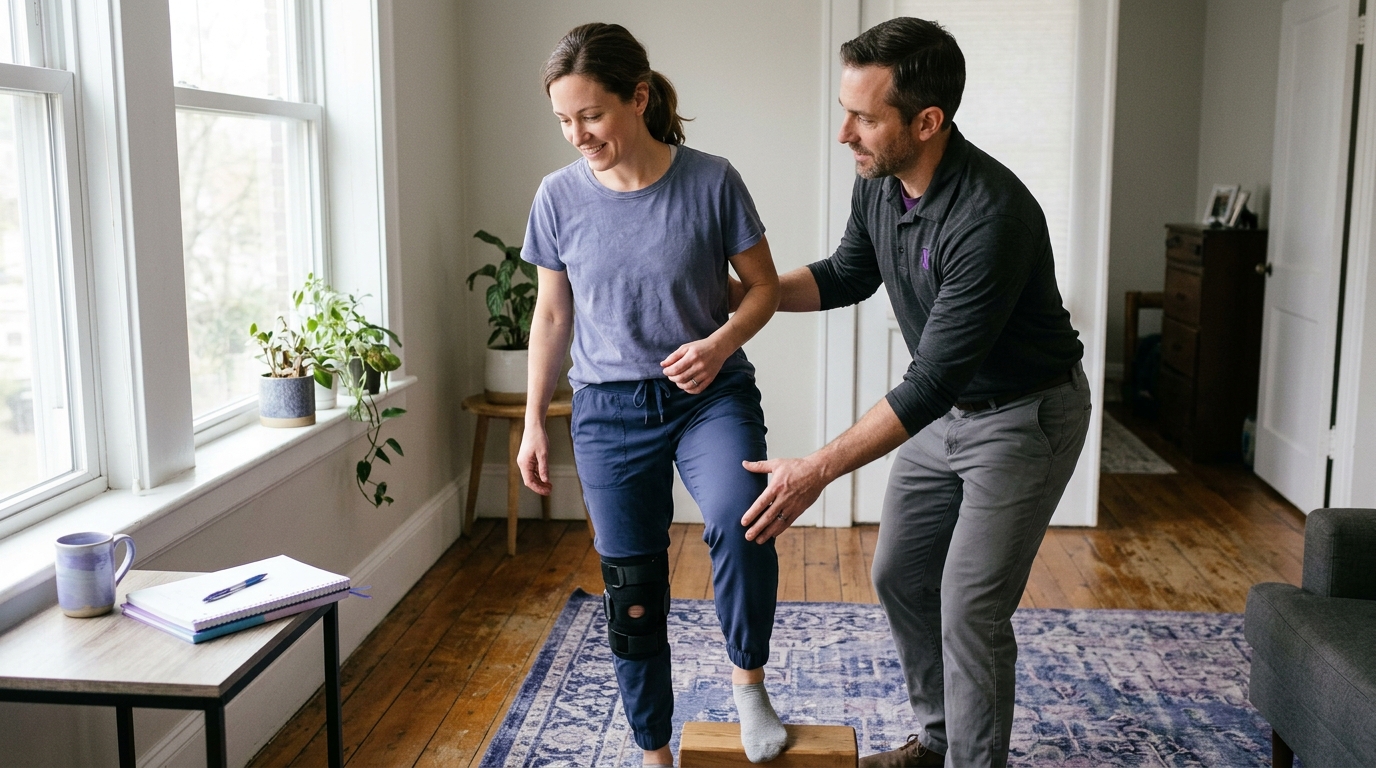

Only 5 to 21 percent of post-injury issues are true recurrences, highlighting the value of phased rehabilitation and objective risk assessments for a safer return.





If you have ever searched online for "how likely am I to hurt myself again after an injury," you are not alone. That question is one of the most common concerns for active adults recovering from joint, muscle, or tendon problems. The definitive answer is that a previous injury is valuable medical information, but it is never an automatic verdict on your future physical capability.
Research shows that having an injury history can increase the statistical risk for certain later issues. However, studies also confirm that most subsequent injuries are completely different problems rather than simple repeats of the original damage. Furthermore, physical setbacks are complex events shaped by biology, movement mechanics, training loads, and plain bad luck. An injury is not proof of personal failure or poor effort.
Navigating the path back to exercise requires separating statistical probabilities from your individual reality. By viewing recovery as a continuous spectrum rather than a single clearance day, you can plan a safer comeback. Working through a structured progression with your physical therapist or physician helps you rebuild capacity while respecting tissue tolerance.
This guide outlines what the medical literature says about reinjury risk, explains why prevention is not about assigning blame, and provides structured frameworks to help you discuss your return to activity with your healthcare team.
When people return to activity after an orthopedic setback, any new pain can feel like a devastating failure. A common assumption is that the original injury has failed to heal and has returned. Sports medicine research draws a clear boundary between a recurrent injury and a subsequent injury. Understanding this difference helps reduce anxiety and guides appropriate rehabilitation choices.
(Wait, rule: NEVER draw diagrams, flowcharts, matrices, quadrants, or tables using ASCII art (+---+, |, dashes as borders) or Unicode box-drawing / arrow characters. Express comparisons as H3 sub-sections plus bullet lists.)
Let us break down these two categories clearly.
A recurrent injury refers to an event that affects the exact same anatomical structure, in the exact same location, with the same underlying nature as the initial problem. An example is straining the biceps femoris muscle in your right hamstring, returning to running, and straining that identical right biceps femoris muscle again within a few weeks.
In clinical studies, true recurrences represent a specific subset of post-injury events. According to a systematic review of professional and elite athletes published in sports medicine literature, recurrent injuries accounted for only 5 to 21 percent of all injuries that happened after an initial event. While recurrences do occur, they are far from the guaranteed outcome that many active adults fear.
A subsequent injury is any physical problem that occurs after the initial injury, regardless of the body part or tissue involved. This category includes injuries to the opposite limb, problems in a completely different joint, or a different type of tissue injury in the same general region. For example, sustaining an ankle sprain six months after recovering from a knee issue is a subsequent injury, not a recurrence.
The systematic review noted that 51 to 80 percent of subsequent injuries in elite athletic populations were classified as different and unrelated to the original index injury. When active adults assume that every ache or new strain means their initial rehabilitation failed, they misinterpret the data. A new issue is often an independent event that requires its own distinct clinical evaluation.
Using precise terms prevents unhelpful emotional reactions during rehabilitation. Labeling every setback as a recurrence can lead to fear-avoidance behavior, where an individual becomes overly protective and stops moving entirely. This protective response can lead to deconditioning, loss of muscle mass, and reduced joint mobility.
When a new symptom arises, you and your clinical team can analyze its exact characteristics. Identifying the location, nature, and timing of the symptom clarifies whether the issue is an irritation of healing tissue or an unrelated problem. You can explore structured resources on injury recovery and healing to better understand tissue adaptation timelines.
Medical research frequently discusses risk factors, relative risks, and odds ratios. When an active adult reads that an injury doubles the risk of a future problem, it is easy to assume that a second injury is inevitable. Epidemiological associations describe statistical patterns across large populations, not predetermined outcomes for a single human being.
Studies investigating lower extremity injuries illustrate how risk factors vary widely depending on the specific tissues involved. A systematic review and meta-analysis examining lower-limb injury histories found that a previous anterior cruciate ligament injury was associated with an increased risk of a subsequent hamstring injury, showing a relative risk of 2.25. In plain terms, athletes in those studies who had torn an ACL experienced hamstring strains at a higher rate than athletes without that history.
In the exact same meta-analysis, researchers evaluated whether a history of chronic groin injury increased the risk of a subsequent hamstring injury. The data revealed a relative risk of 1.14 with a confidence interval spanning from 0.29 to 4.51. This wide statistical range demonstrated no clear association between a chronic groin history and future hamstring strains in the reviewed groups.
These contrasting findings prove that injury history does not create a uniform, blanket vulnerability across the entire body. One specific injury may alter movement patterns or muscle recruitment in a way that influences neighboring muscles. Another injury history may have no measurable bearing on a different joint or limb.
A prior injury often serves as a risk marker rather than a direct, unchangeable cause of future harm. A risk marker is an identifiable characteristic associated with an outcome, but it may simply reflect shared underlying variables. For instance, a person who plays high-intensity recreation four days a week has more exposure to physical stress than a sedentary individual. Their injury history reflects that higher exposure, not necessarily an inherent structural flaw.
Furthermore, a past injury may leave subtle deficits in joint position sense, local muscle strength, or movement confidence. These deficits are modifiable factors that targeted physical therapy can address. Treating a past injury as a permanent life sentence ignores the body's remarkable capacity to adapt to progressive strength training.
It is a scientific mistake to apply broad group statistics directly to an individual without context. If a study reports a 15 percent reinjury rate across five hundred patients, it does not mean that you personally carry a 15 percent chance of reinjury tomorrow. Your specific risk is shaped by your age, your adherence to rehabilitation, your current strength levels, your sleep habits, and the physical demands of your chosen sport.
Risk is dynamic and changes over time. As you progressively rebuild strength, restore joint mobility, and improve cardiovascular conditioning, your physical readiness shifts. Relying on an outdated medical history without assessing your current functional capacity provides an incomplete picture of your health.
In traditional orthopedic care, patients often waited for a single doctor appointment to receive clearance to resume all activities. Modern sports medicine has replaced this outdated clearance date concept with a phased model. Returning to activity is a progressive continuum that begins early in the rehabilitation process and extends well beyond the resolution of pain.
The 2016 Consensus Statement on Return to Sport, established at the First World Congress in Sports Physical Therapy in Bern, outlines three distinct phases of recovery. Understanding these phases helps active adults set realistic milestones and avoid rushing back to high-demand sports prematurely.
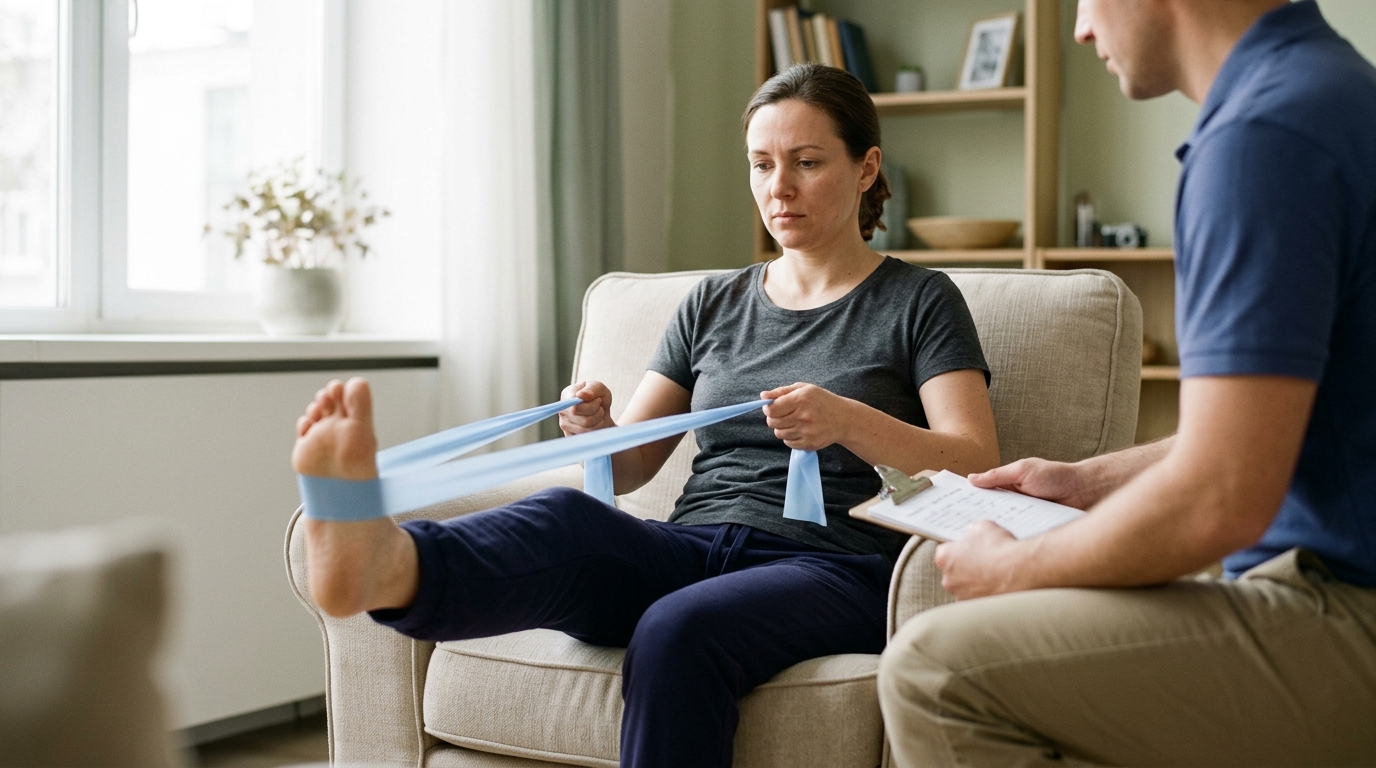
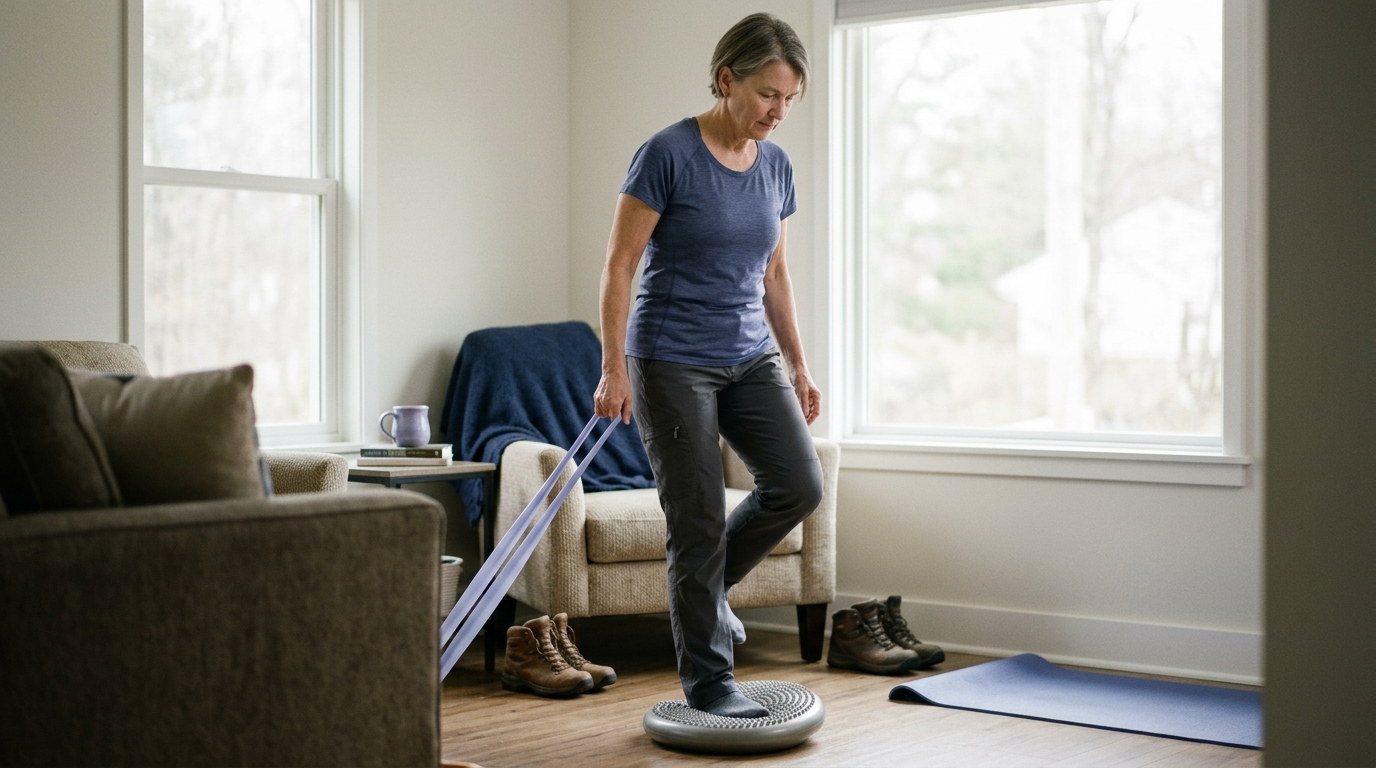
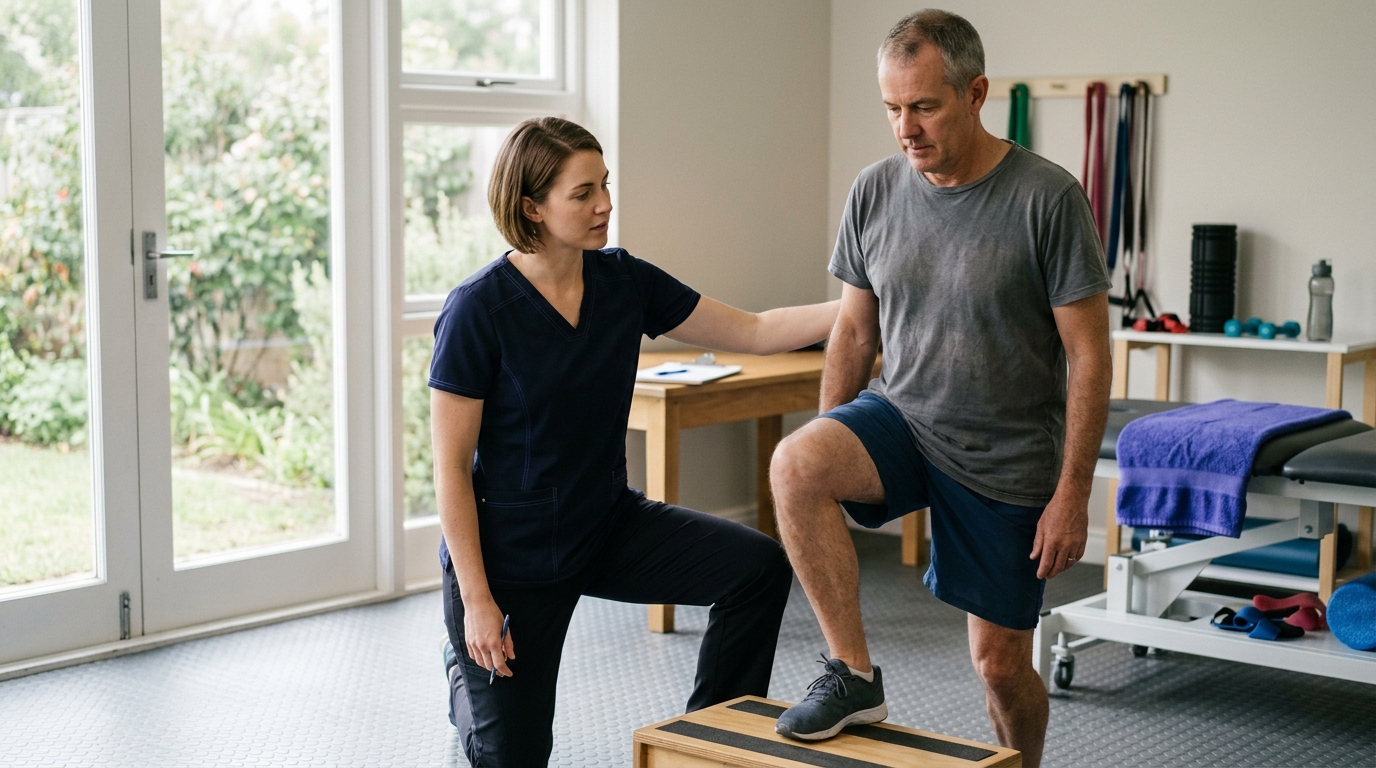
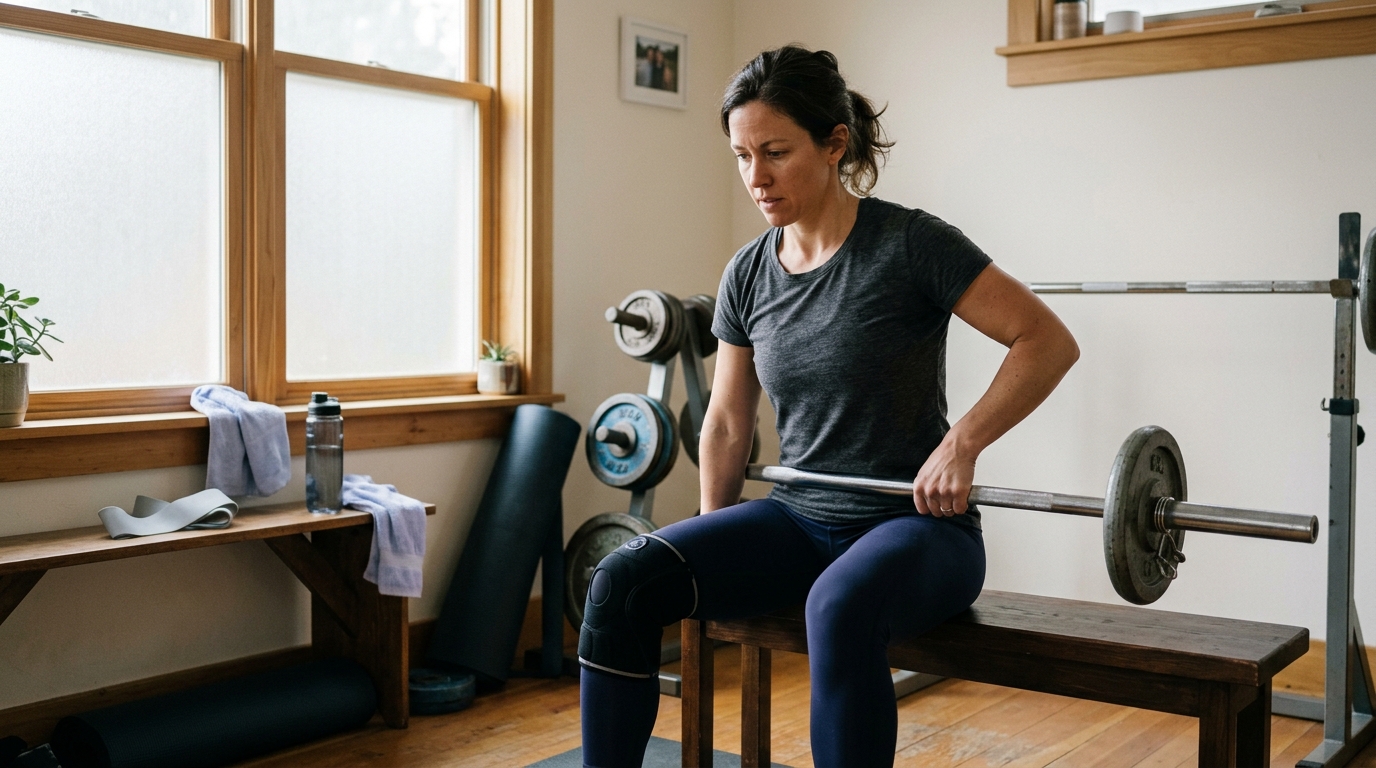
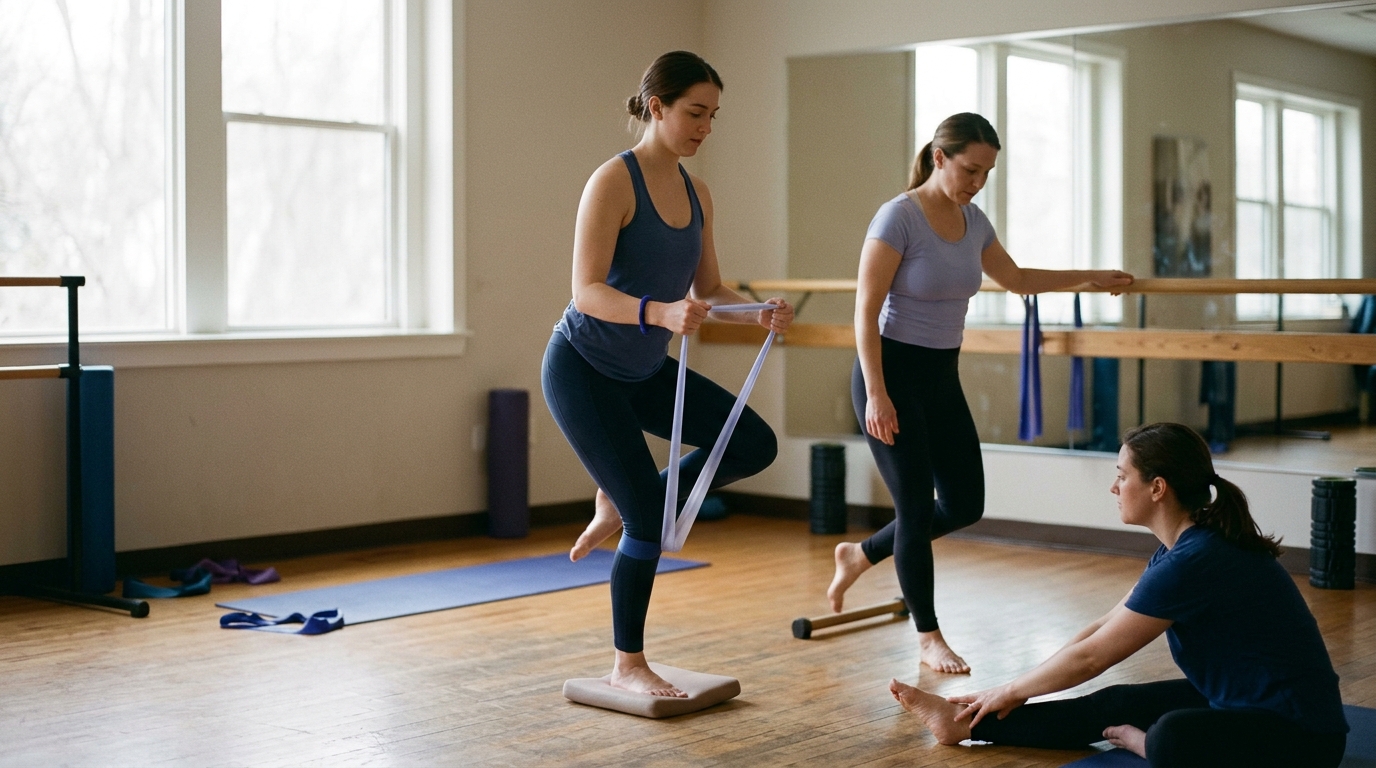
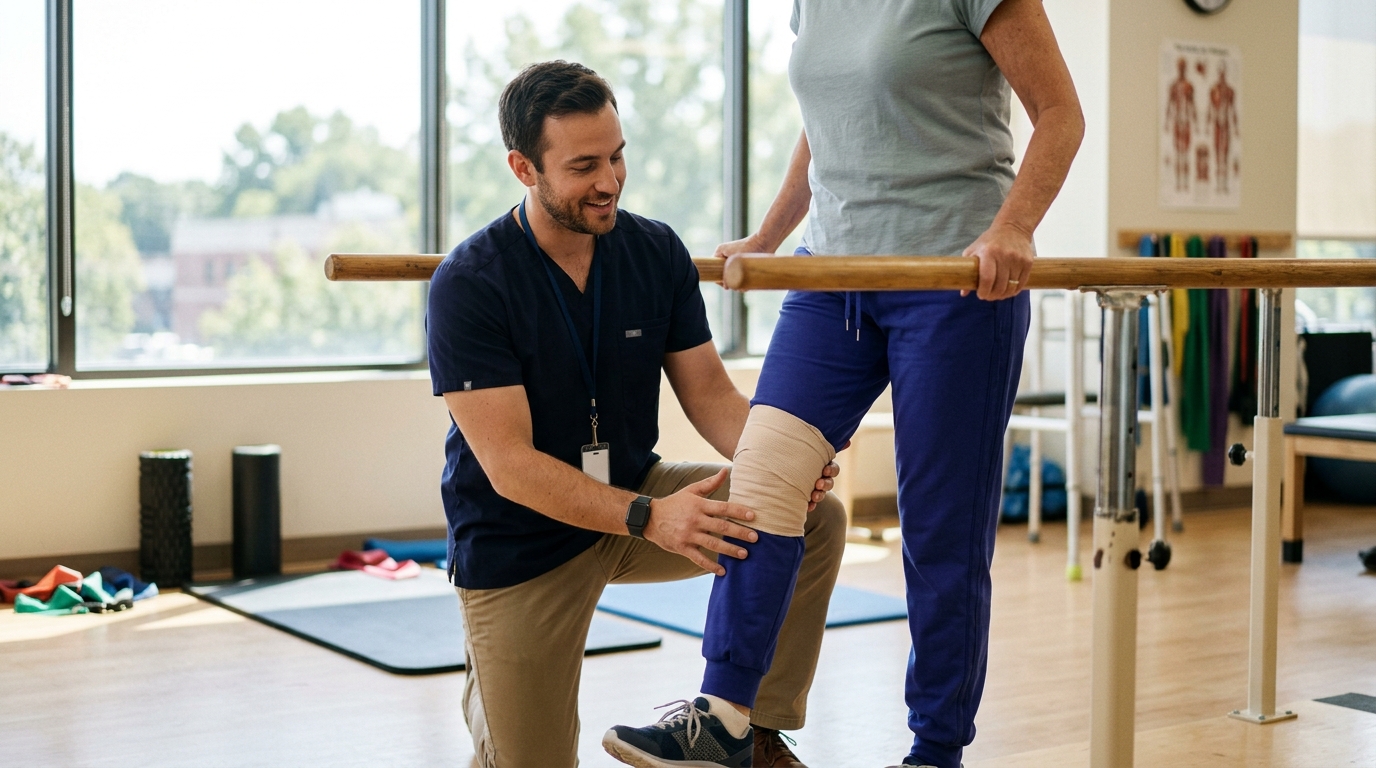
The return to participation phase occurs when an individual is actively performing physical training and rehabilitation exercises, but at a level below their ultimate goal. During this phase, you may be performing modified movements, lifting lighter weights, or participating in non-contact drills. The primary objective is to restore basic joint mobility, foundational strength, and movement quality without overloading recovering tissues.
In this stage, you are physically active, but you are not yet engaging in unrestricted training or competitive environments. For an active adult recovering from a rotator cuff strain, this might look like performing resistance band exercises and light dumbbell presses while avoiding overhead tennis serves. This phase builds the tissue tolerance required for higher loads.
The return to sport phase means the individual has rejoined their defined sport or recreational activity, but is not yet performing at their desired personal standard. You are participating in real-world environments, yet your volume, intensity, or role remains modified. A runner might return to group trail runs at a reduced pace and mileage, or a soccer player might play twenty minutes of a recreational match rather than ninety.
This phase allows the neuromuscular system to adapt to the unpredictable demands of sport. It provides a testing ground for coordination, balance, and mental readiness under controlled conditions. Reaching this stage is a major milestone, but it is not the final step of the recovery journey.
The return to performance phase represents the gradual culmination of the rehabilitation process. In this phase, the individual is participating fully in their chosen activity and performing at or above their pre-injury baseline. All physical qualities, including maximal strength, power, endurance, and sport-specific skills, have been restored or enhanced.
Crucially, the consensus emphasizes that return to performance requires continuous monitoring. The transition from basic participation to peak performance can take months of consistent work. Viewing this timeline as a continuum prevents the common error of treating the absence of pain as proof of full athletic readiness. You can review detailed guides on strength and performance rebuilding to structure this final transition safely.
When an active adult suffers a second physical setback, self-criticism often follows quickly. People wonder what they did wrong, whether they returned one day too early, or if their body is simply broken. Modern sports injury research rejects this simplistic view of physical trauma.
Contemporary sports medicine models view injuries as complex, multifactorial events. An injury rarely results from a single isolated factor, such as a weak muscle or an imperfect shoe. Instead, physical setbacks occur through the dynamic interaction of intrinsic characteristics, extrinsic forces, and environmental conditions.
Intrinsic factors include internal variables unique to the individual. These encompass chronological age, anatomical structure, bone density, previous injury history, baseline strength, flexibility, neuromuscular control, and current psychological stress. Extrinsic factors include external conditions such as weather, playing surfaces, equipment, training programming, and opponent behavior.
An injury occurs when these multiple factors align in a specific window of vulnerability during an inciting event. Because these variables constantly shift, attributing an injury to a single bad decision is scientifically inaccurate.
Recent discussions in sports epidemiology emphasize that chance plays a measurable role in physical trauma. You can maintain excellent strength, follow an impeccable warm-up routine, and get eight hours of sleep, yet still step awkwardly on an uneven trail root or collide with another player. No amount of preparation can eliminate the inherent unpredictability of human movement in the physical world.
Recognizing the role of chance helps remove the burden of personal blame. Injury prevention is not about achieving absolute invulnerability, because invulnerability is impossible. Rather, prevention is about managing modifiable risks and building physiological reserves so that your body can tolerate unexpected physical stresses.
A constructive mindset shifts the conversation from fault-finding to practical risk management. Asking who caused an injury or what mistake was made creates unhelpful frustration. The productive question to ask is what factors can be understood, modified, and supported as you move forward.
By focusing on modifiable variables, you take practical control over your recovery environment. You can adjust your weekly training volume, modify your exercise intensity, improve your sleep hygiene, and consult clinical specialists. This systems-oriented approach supports long-term athletic health without unnecessary guilt.
Every human body heals within a unique personal context. Two individuals with the identical knee diagnosis may require completely different return timelines based on their age, lifestyle, and movement goals. A robust return plan evaluates these contextual factors systematically.
Chronological age influences the biological rate of tissue remodeling, collagen synthesis, and vascular recovery. Tendons, ligaments, and articular cartilage receive relatively low blood supply compared to skeletal muscle. As adults age from their thirties through their seventies, the cellular turnover rate within these connective tissues slows down naturally.
This slower turnover does not mean older adults cannot regain exceptional strength and physical function. It simply means that connective tissues require more time to adapt between heavy loading sessions. A return-to-activity plan for a master's athlete must incorporate adequate recovery intervals between demanding workouts. For more information on maintaining joint capacity over time, explore our active aging and prevention resources.
The mechanical stresses of your intended activity dictate the rigorousness of your preparation. Activities can be broadly categorized by their movement characteristics:
If your goal is road walking or gentle cycling, the demands on joint stabilizers are relatively modest. If your goal is returning to competitive tennis or basketball, your rehabilitation must progressively challenge rotational control, reactive agility, and high-velocity deceleration. Matching your rehabilitation exercises to these sport-specific demands is vital for long-term joint health.
Physical healing does not always proceed at the same pace as mental confidence. Fear of reinjury, kinesophobia, and loss of confidence in a joint can persist long after tissues have structurally healed. Research in orthopedic rehabilitation consistently shows that psychological readiness is a major predictor of successful return to sport.
When an individual feels intense anxiety about a joint, their nervous system may alter muscle recruitment patterns. This protective guarding can inadvertently increase joint stiffness, reduce movement efficiency, and elevate fatigue. Incorporating gradual exposure to feared movements in a safe physical therapy environment helps rebuild both physical capacity and mental trust.
Certain orthopedic conditions carry higher rates of secondary issues due to the extreme rotational and deceleration forces involved in their associated sports. Examining research in these specific areas highlights why passing a single test should never be viewed as an absolute clearance guarantee.
Anterior cruciate ligament reconstructions provide a clear window into the complexities of secondary injury risk. Systematic reviews examining athletes after ACL reconstruction reveal important group-level patterns. In one comprehensive meta-analysis, approximately 42.7 percent of studied individuals successfully passed the return-to-sport testing criteria evaluated by researchers.
However, passing those functional tests did not guarantee immunity from further harm. Among the individuals who passed the criteria, 14.4 percent experienced a second ACL injury, involving either a rupture of the surgical graft or a new tear in the opposite knee. Other systematic reviews report secondary ACL injury rates ranging between 15 and 21 percent, with younger athletes under age 25 and those returning to high-level cutting sports facing the higher end of that spectrum.
These statistics demonstrate the limitations of relying on arbitrary clearance thresholds. A study evaluating standard 90 percent limb symmetry index criteria found that these thresholds alone failed to identify young athletes at high risk for secondary injury. Evaluating movement quality, trunk control, landing mechanics, and fatigue resistance provides a far more complete assessment than simple strength ratios alone.
Neurological recovery provides an excellent model for structured, symptom-guided return progressions. The Centers for Disease Control and Prevention outlines clear clinical protocols for managing return to activity following a concussion. This framework emphasizes that progression must be based on physiological tolerance rather than an arbitrary calendar timeline.
The CDC progression moves systematically through distinct stages:
The core rule of this protocol is simple and instructive. An individual advances to the next step only if they remain completely symptom-free at the current step for at least 24 hours. If symptoms reappear, physical activity is halted immediately. Once symptoms resolve after rest, the individual steps back to the previous successful stage and resumes gradually under clinical supervision.
While this specific protocol was developed for brain injuries, its underlying principles offer valuable lessons for orthopedic recovery. Gradual loading, systematic monitoring, and a willingness to take a step back when tissues react are universal concepts in safe physical progression.
Transitioning from structured physical therapy back to independent exercise requires an intentional loading strategy. Graded exposure is the systematic process of introducing physical stress in small, measurable increments, allowing the musculoskeletal system to adapt positively over time.
Every muscle, tendon, ligament, and joint has a specific load-bearing capacity. When the physical stress placed on a tissue remains within its current capacity, the tissue adapts, repairs, and grows stronger. If the physical load drastically exceeds tissue capacity, microtrauma accumulates and can lead to pain, inflammation, or structural strain.
Following an injury or surgical procedure, tissue capacity decreases due to rest, immobilization, and cellular remodeling. A safe return plan gradually widens this capacity window through progressive resistance training and controlled movement exposure. Rushing this timeline by suddenly increasing running mileage or lifting heavy weights overwhelms underconditioned tissues.
Monitoring how your body responds to exercise is one of the most effective tools for managing recovery. Tendons and articular joints often react to physical stress hours after the activity has ended. A reliable framework used in sports physical therapy is the 24-hour symptom response rule.
During exercise, mild discomfort is often acceptable if it remains stable and does not alter your movement mechanics. The true test of tissue tolerance occurs over the subsequent 24 hours. If your joint feels excessively stiff, swollen, or significantly more painful the following morning, the previous day's physical load exceeded your current capacity.
When this happens, you do not need to panic or stop exercising completely. You simply note the reaction, allow the symptoms to settle back to baseline, and reduce the volume or intensity of your next session. This feedback loop allows you to find your optimal training zone without causing setbacks.
When advancing your physical activity, avoid increasing multiple training variables simultaneously. The three primary variables of exercise prescription are volume, intensity, and frequency:
To protect healing tissues, adjust only one variable at a time. If you decide to increase your running distance from three miles to four miles, keep your pace relaxed and maintain your existing rest days. If you decide to introduce sprint intervals, reduce your overall session mileage. This disciplined approach gives your connective tissues time to adapt to new mechanical demands.
You can learn more about managing exercise volume and progressive overload in our detailed articles on rehabilitation mobility and movement.
Real-world recovery rarely follows a perfectly straight line. Examining illustrative case scenarios helps clarify how these research-backed principles apply to everyday athletic dilemmas.
Consider an illustrative model of an active adult who completed four months of physical therapy for a right Achilles tendon issue. Three months after returning to running, they experience pain in their left patellar tendon. Their immediate emotional reaction is despair, assuming their entire lower body is breaking down.
Applying research principles reframes this scenario productively. This is a subsequent injury, not a recurrence. Clinical evaluation may reveal that the runner subtly shifted their weight onto the left leg to protect the previously injured right side, inadvertently overloading the left knee. The treatment plan focuses on strengthening the left quadriceps while ensuring bilateral symmetry, rather than restarting Achilles rehabilitation from scratch.
Consider another illustrative model of a recreational athlete returning to community soccer after a severe ankle sprain. They feel excellent during straight-line treadmill running and basic gym squats. However, when they join a high-intensity scrimmage involving sudden cutting, their ankle feels unstable and achy.
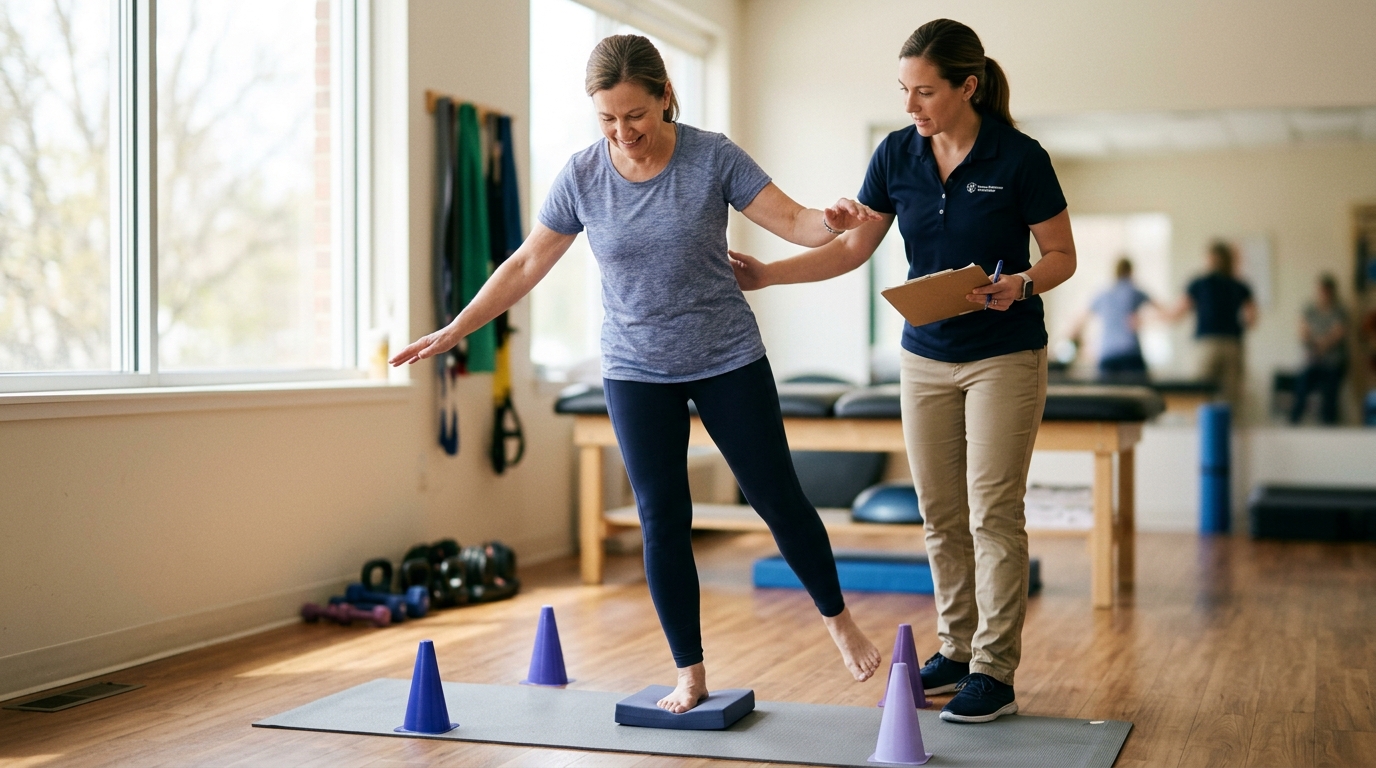
This scenario highlights the distinction between general physical participation and true sport readiness. Straight-line running does not prepare lateral ankle ligaments for rapid deceleration and cutting. The athlete and their physical therapist can modify the plan by introducing controlled agility ladder drills, rotational balance exercises, and resisted lateral bounds before rejoining competitive matches.
Consider an illustrative scenario involving an individual preparing for an annual charity cycling trip. With the event only three weeks away, their knee becomes irritated following a sudden spike in training mileage. They feel intense pressure to ignore the symptom to avoid missing the important date.
The Strategic Assessment of Risk framework emphasizes shared decision-making in these moments. The individual, physician, and physical therapist can discuss options transparently. Rather than attempting to complete the full century ride at maximum effort, the cyclist might agree to ride a shorter twenty-mile segment and share driving duties with a teammate. Acknowledging social and emotional goals while managing physical risks preserves long-term joint health.
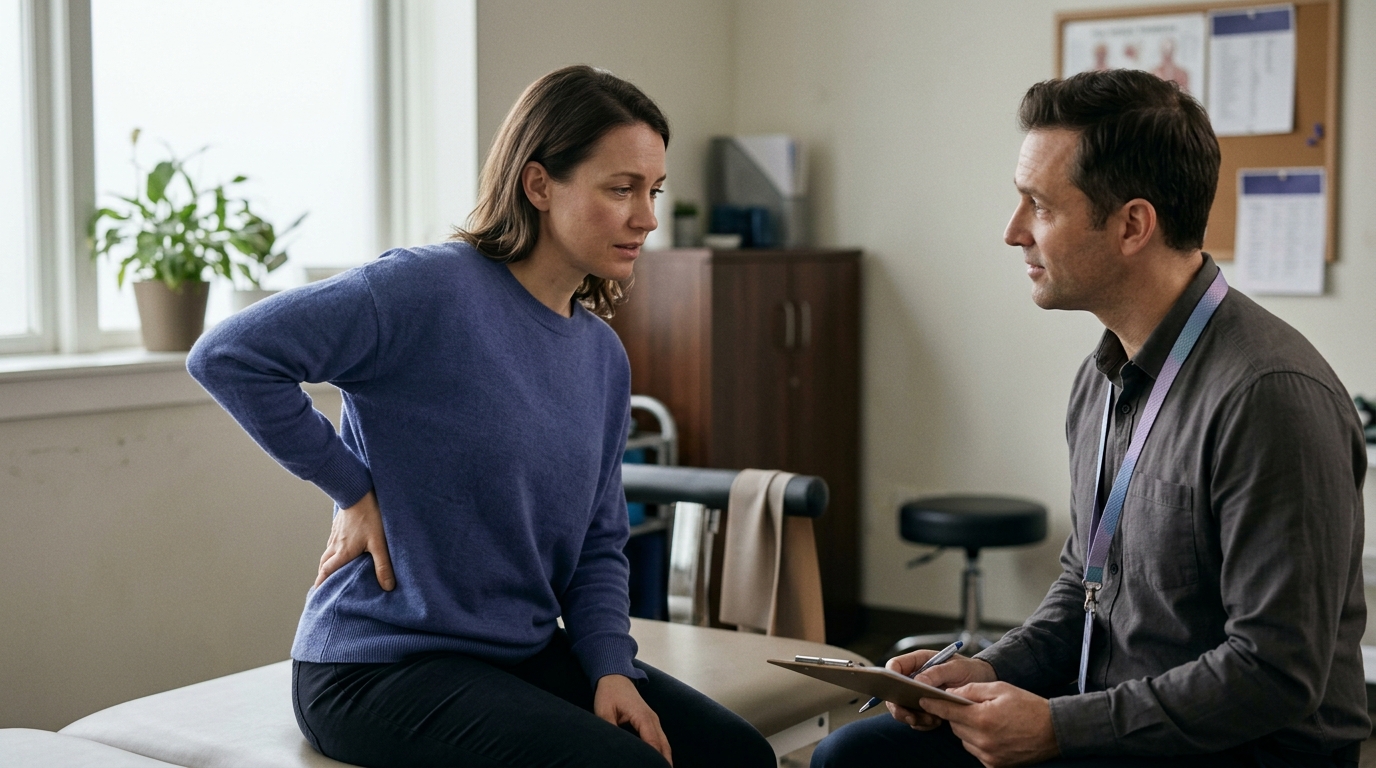
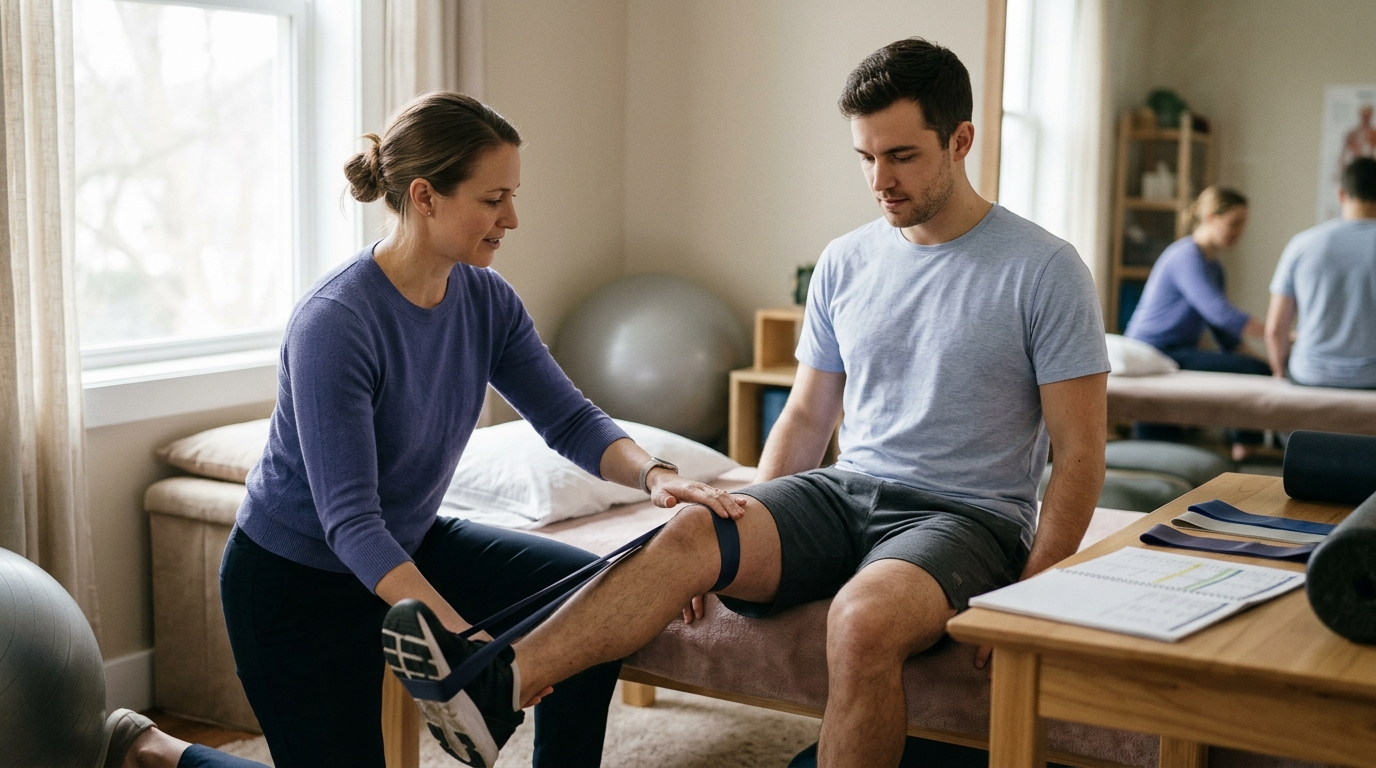
Clear communication with your medical team is essential for a safe recovery. A return-to-activity clearance should not be a brief, passive conversation where you simply ask if you are allowed to exercise. Use these evidence-based questions to guide an informative dialogue with your physician, orthopedic surgeon, or physical therapist.
To discover more practical guides and recovery frameworks, visit our main injury recovery resource index to support your ongoing education.
Navigating life after an injury requires balancing scientific evidence with practical patience. A past injury is valuable context that helps your clinical team design a smarter rehabilitation plan, but it does not dictate your physical future. Most subsequent injuries are unrelated to initial setbacks, and physical injuries are complex events shaped by many interacting factors rather than personal mistakes.
By treating recovery as a gradual continuum, honoring tissue adaptation rates, and maintaining open communication with your healthcare providers, you can return to the activities you love with clarity and confidence.

Use ReboundBody resources to understand common recovery stages, rehab terms, movement limits and strength rebuilding. Each guide is designed to make a complex comeback easier to understand.


Read practical guidance on injury recovery, rehabilitation, mobility and rebuilding strength as you work your way back to activity.
Explore Resources