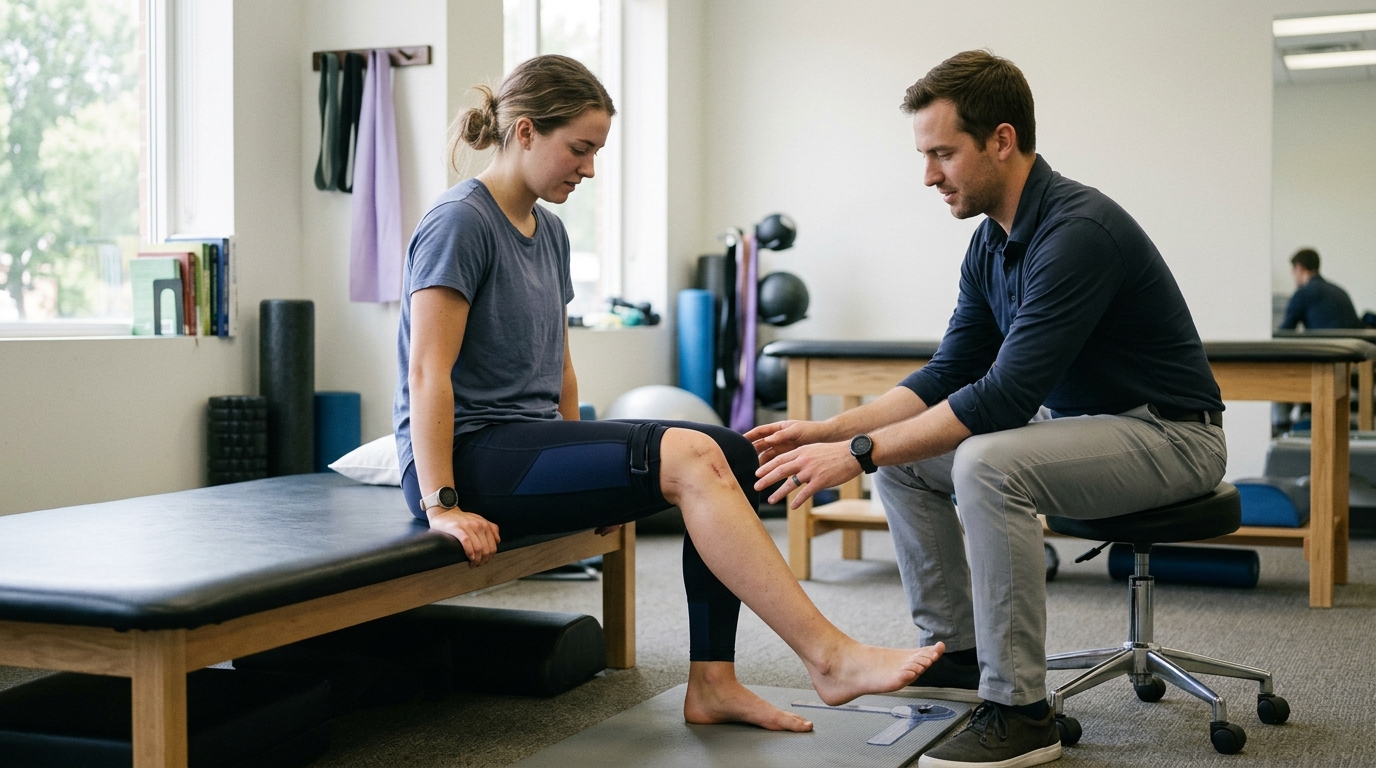

Walking into your orthopedic follow-up appointment with organized records and a focused question list ensures you get clear answers about your recovery.





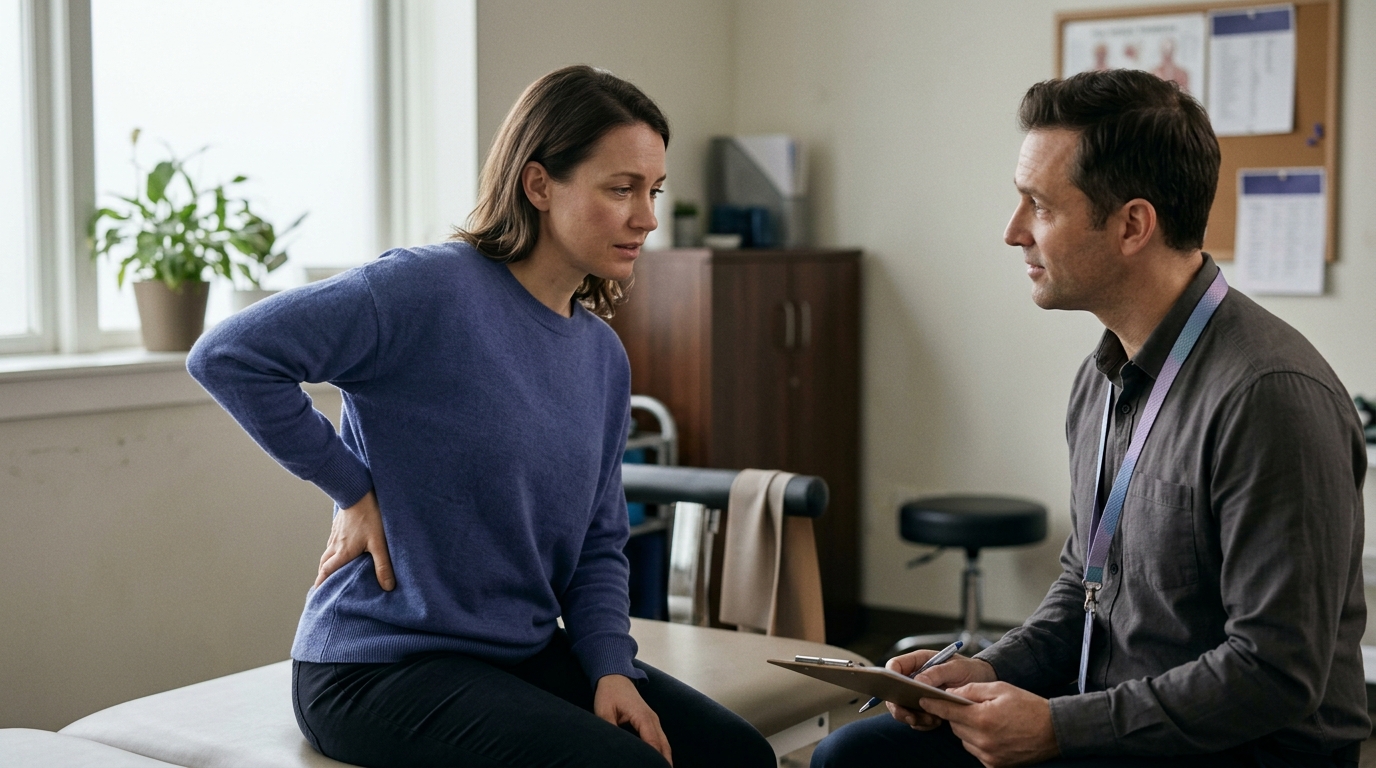
You are sitting in the exam room, waiting for your orthopedic clinician to walk through the door. You had several questions while you were resting at home, but now your mind goes blank. The visit moves quickly, the clinician checks your movement, and within ten minutes you are walking out the door with a new sheet of paper, wondering if you asked the right questions.
Preparing for an orthopedic follow-up appointment helps you make the most of your limited time with a specialist. A successful appointment does not require you to diagnose yourself or memorize complex medical terminology. Instead, it relies on bringing a concise record of your symptoms, a clear list of your functional limitations, and a structured set of questions.
A scheduled follow-up is designed to evaluate your progress, review any imaging, and update your treatment plan. However, routine visits are not meant for sudden medical emergencies. Understanding what a follow-up can achieve, what the research says about patient participation, and how to communicate your daily experience will help you work more effectively with your healthcare team. You can find more guides on navigating your care in our injury recovery and healing resources.
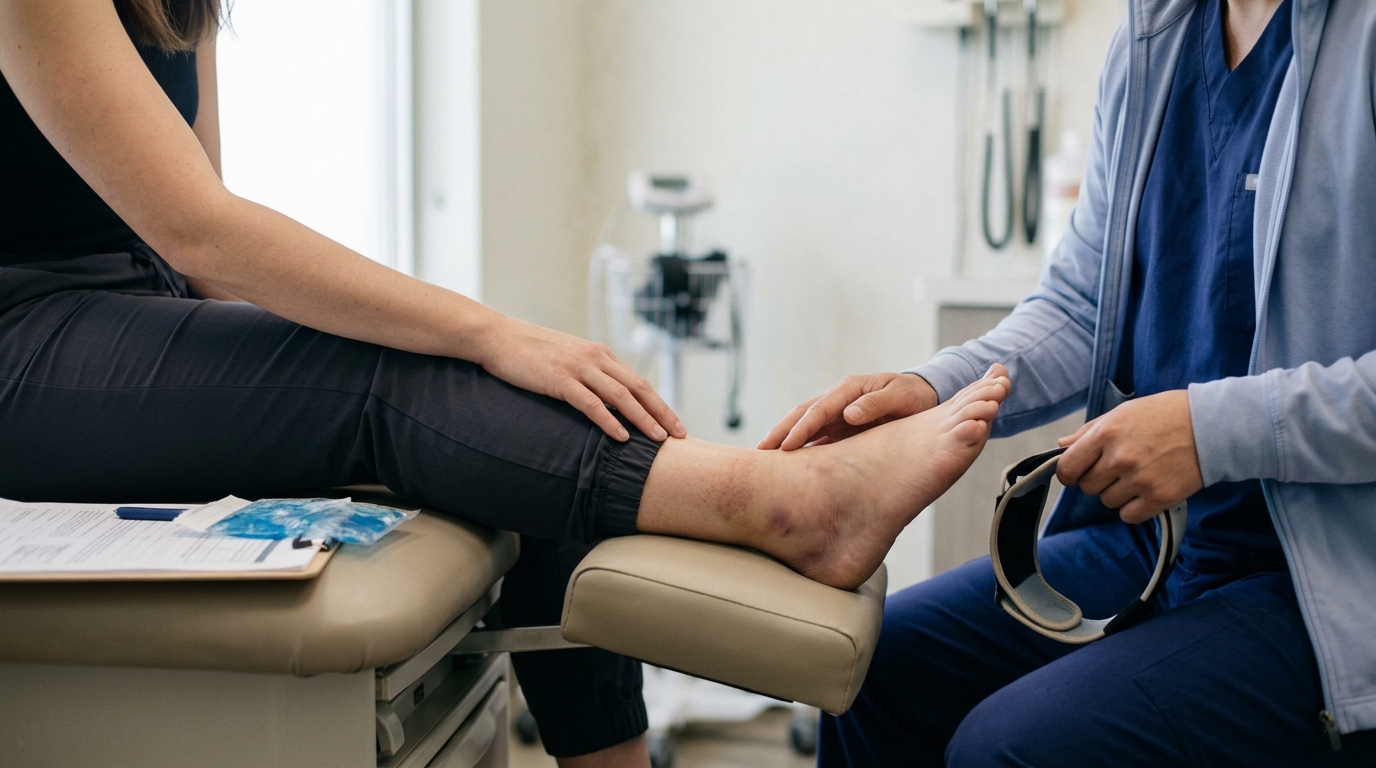
An orthopedic follow-up appointment is a structured check-in between you and your healthcare provider. Whether you are recovering from a fracture, managing a joint problem, or rehabilitating after surgery, the visit serves several distinct purposes. It allows your clinician to observe tissue healing, test your joint stability, and determine if your recovery is progressing along an expected timeline.
During a standard visit, your clinician will generally evaluate four main areas:
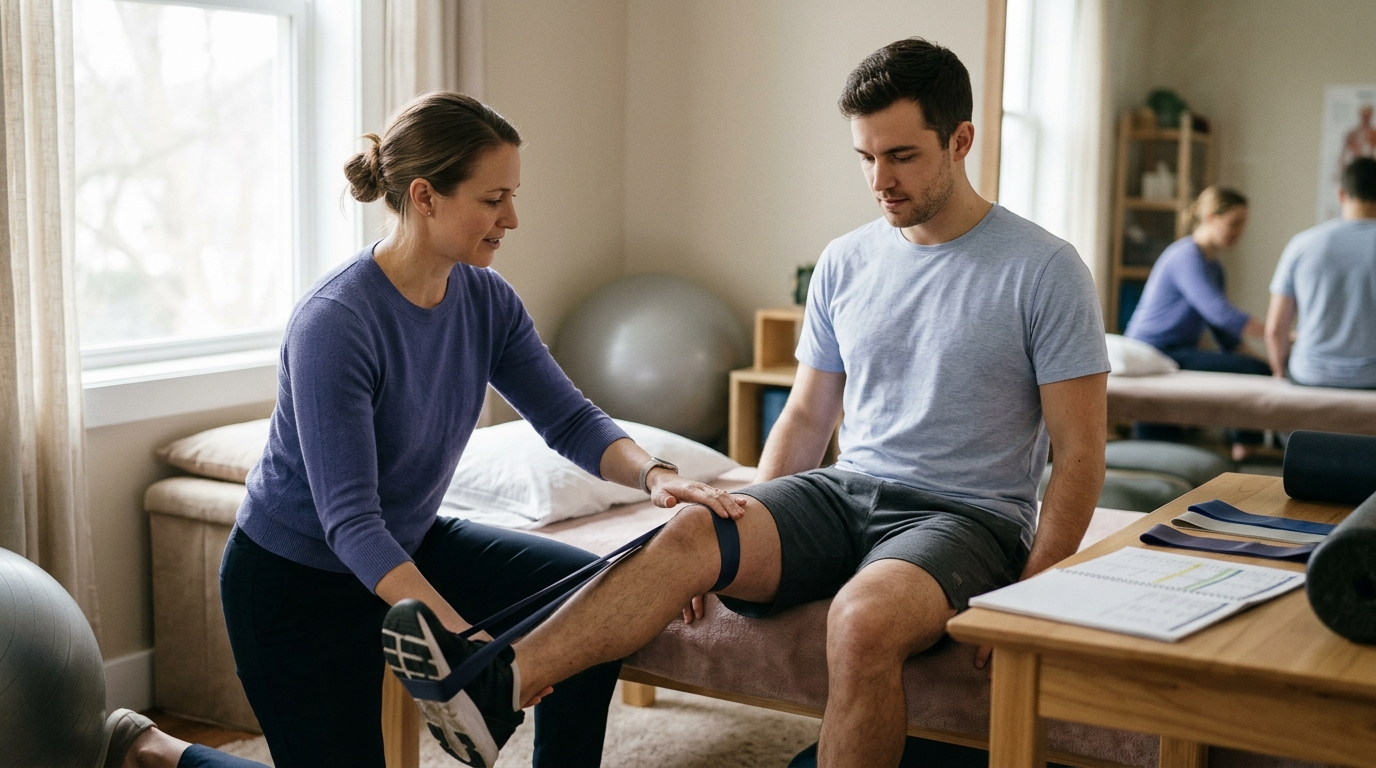
The appointment is also an opportunity to adjust your care plan. This may involve changing your physical therapy protocol, adjusting weight-bearing status, modifying medications, or scheduling future diagnostic tests.
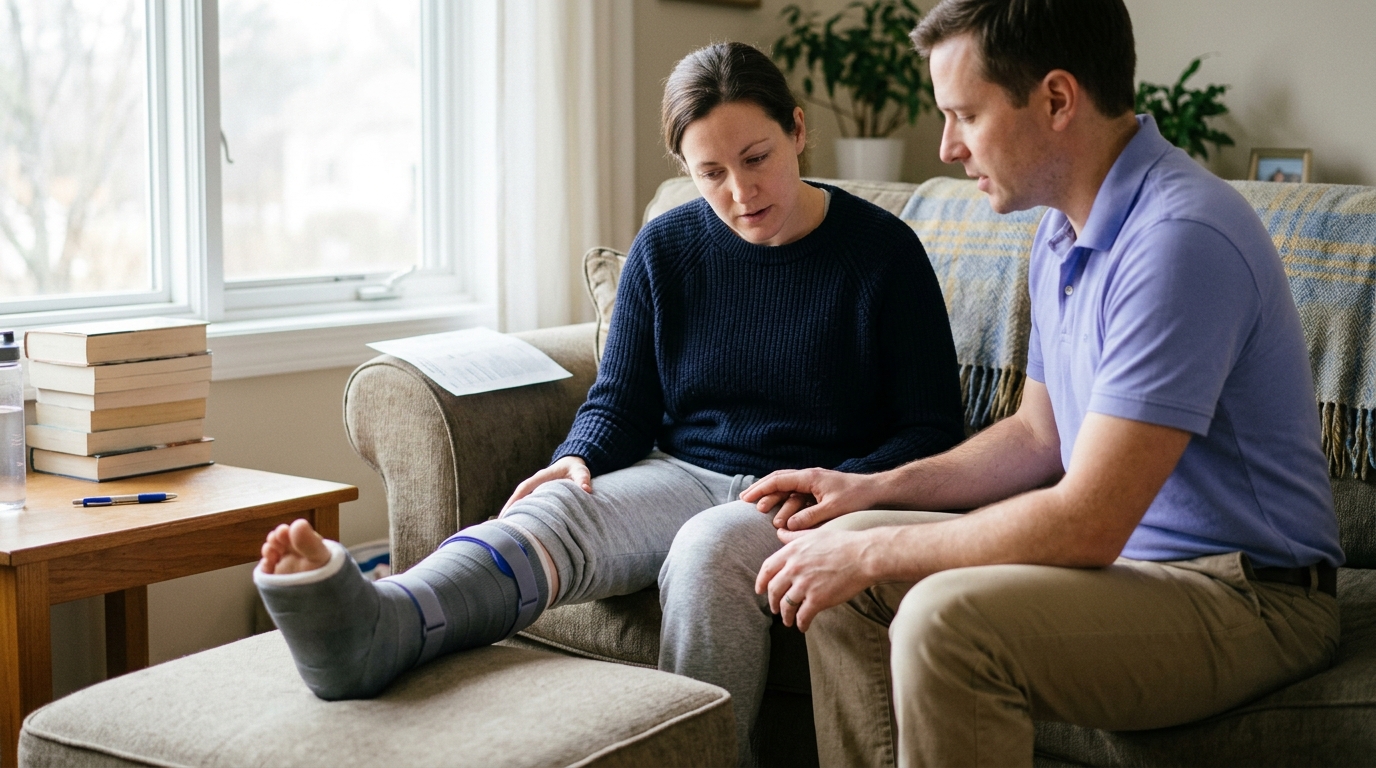
Clinical routines vary based on the specific injury and practice settings. For instance, clinic guidance from University of Washington Medicine notes that a typical visit may involve removing a cast or splint, inspecting surgical incisions, taking new X-rays, or applying a new brace. Knowing what to expect helps you arrive ready to discuss both your physical progress and your everyday challenges. For more details on postoperative phases, read our surgery and rehabilitation guides.
Preparing before an appointment improves communication between patients and healthcare providers. Research consistently shows that when patients prepare specific questions before an encounter, they take a more active role in their care.
A major systematic review and meta-analysis evaluated 51 randomized clinical trials on pre-visit patient interventions. The study examined how tools like written question sheets influenced clinical encounters. The researchers reported a statistically significant, though modest, increase in patient question-asking (standardized mean difference 0.31 across 18 studies). They also found a positive increase in overall patient participation (standardized mean difference 0.18 across 10 studies).
In that review, question-asking increased significantly in 42 percent of the studies that measured it. General patient participation rose significantly in 57 percent of the studies. These findings show that writing down your questions before walking into the clinic is a proven way to engage more actively with your provider.
At the same time, it is important to understand the limits of this evidence. Preparing a question list helps communication during the visit, but researchers have not proven that written lists directly accelerate tissue healing or change biological outcomes. A question list is a practical tool for communication, not a medical intervention on its own.
Modern orthopedic medicine emphasizes shared decision-making. This is a collaborative process where clinicians and patients work together to make treatment choices based on clinical evidence and personal values.
The National Institute for Health and Care Excellence outlines three distinct stages of shared decision-making:
In this model, the clinician brings specialized medical knowledge, diagnostic expertise, and surgical experience. You bring expertise on your pain, your daily demands, your living environment, and your personal recovery priorities.
Shared decision-making does not mean you are forced to make complicated medical choices entirely on your own. Decision aids and question frameworks are designed to support your discussion with your clinician. They do not replace professional advice, nor do they point to a single outcome that fits every individual.
When discussing recovery choices, understanding risk is critical. The National Institute for Health and Care Excellence recommends that clinicians present risk information using clear numerical data and natural frequencies whenever possible.
For example, stating that a complication affects "1 out of 100 people over one year" is far clearer than using vague words like "rare" or "uncommon." Natural frequencies give you a realistic reference point. They also avoid the confusion that can come with relative risk percentages, which often exaggerate small differences.
Clinicians are encouraged to present both positive and negative framing, such as noting that 90 out of 100 patients experience symptom relief while 10 out of 100 do not. However, not every orthopedic outcome has an exact numerical percentage. When precise statistics are unavailable for your specific situation, your clinician can still explain the general likelihood of various outcomes based on clinical experience.
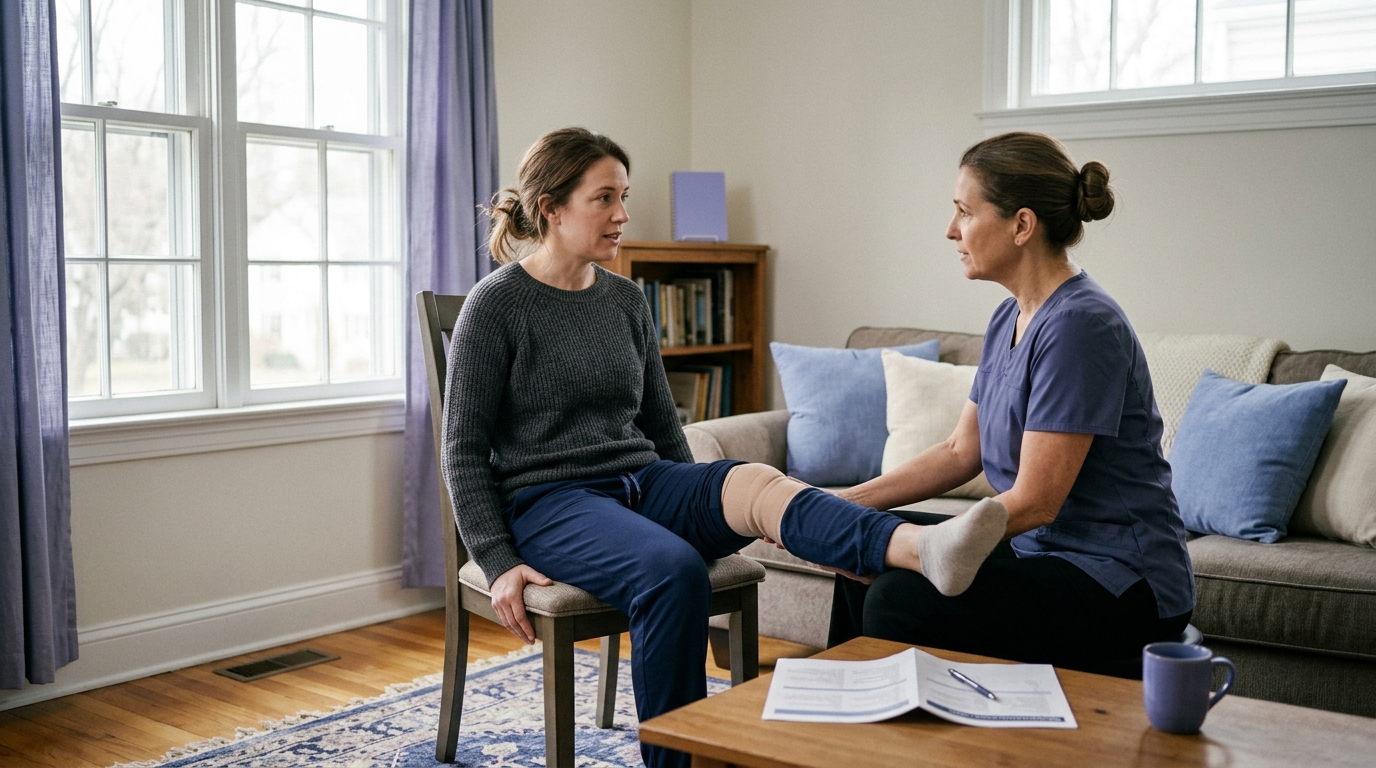
One of the biggest challenges in a medical appointment is summarizing weeks of daily recovery into a two-minute update. When clinicians ask how you are doing, it is easy to give an overly broad answer like "it still hurts" or get lost in unrelated daily details. Structuring your symptom history helps your provider identify clinical patterns quickly.
Agency for Healthcare Research and Quality and MedlinePlus guidelines emphasize that describing symptoms clearly is essential for accurate assessment. You can organize your symptom summary using a straightforward six-step structure:
To see how these concepts apply to movement and mobility tracking, check our mobility and movement guides.
Many patients focus entirely on their pain score on a scale from 1 to 10. While pain ratings provide some information, pain is subjective and fluctuates frequently. Describing your physical function provides objective context that helps your clinician gauge tissue recovery.
For instance, telling your provider that you can walk for 15 minutes before needing to rest provides more actionable information than simply reporting moderate discomfort. It tells the clinician about your muscular endurance, joint tolerance, and daily capacity.
The following examples illustrate how structured reporting improves clarity during an appointment:
These structured examples present objective observations without trying to guess the underlying diagnosis. They give your clinician the exact data needed to adjust your rehabilitation program.
Arriving prepared means having your physical records and medical information organized before you leave home. This prevents wasted time and ensures your provider has the full context of your health.
The American Academy of Orthopaedic Surgeons recommends keeping an up-to-date list of all your medications. This list should include prescription drugs, over-the-counter pain relievers, vitamins, and herbal supplements. Write down the exact dose, how often you take each item, and how long you have been using it.
Be sure to list any known drug allergies or adverse reactions you have experienced in the past. If a prescribed medication is causing stomach upset, dizziness, or other side effects, note it down so your clinician can discuss safe alternatives. Never stop taking a prescribed medication without consulting your clinician or pharmacist first.
Your current orthopedic issue does not exist in isolation. Your general health, prior surgeries, and chronic conditions influence how your body heals.
Bring a brief summary of:
If you had X-rays, computerized tomography scans, or magnetic resonance imaging completed at an outside facility, do not assume the records were transferred automatically. Healthcare systems frequently operate on separate electronic networks.
Check with the clinic ahead of time to confirm whether they have received your recent imaging files. If there is any doubt, pick up a digital copy on a disc or flash drive from the imaging facility, along with the written radiologist report, and bring it to your appointment. Having the actual image files allows your orthopedic specialist to review the raw scans directly rather than relying solely on a written summary.
A treatment plan only works if you can realistically follow it. The Agency for Healthcare Research and Quality advises patients to speak up if they anticipate difficulties following medical instructions.
If you have practical constraints, mention them during your appointment. These might include:
Sharing these factors allows your clinician to design a recovery plan that fits your actual living situation. You can learn more about tissue healing timelines in our recovery science articles.
To make the most of your appointment, organize your questions into logical categories. The Agency for Healthcare Research and Quality suggests prioritizing your top two to three questions at the beginning of the visit so the most critical topics are addressed first.
You can adapt the following questions to match your specific recovery stage.
Understanding where your tissues stand in the healing process helps set realistic expectations for your recovery.
Diagnostic imaging provides valuable structural information, but tests should always serve a clear clinical purpose.
Every treatment pathway involves trade-offs between benefits, risks, and recovery time.
Clear information about risks helps you make informed choices without unnecessary worry.
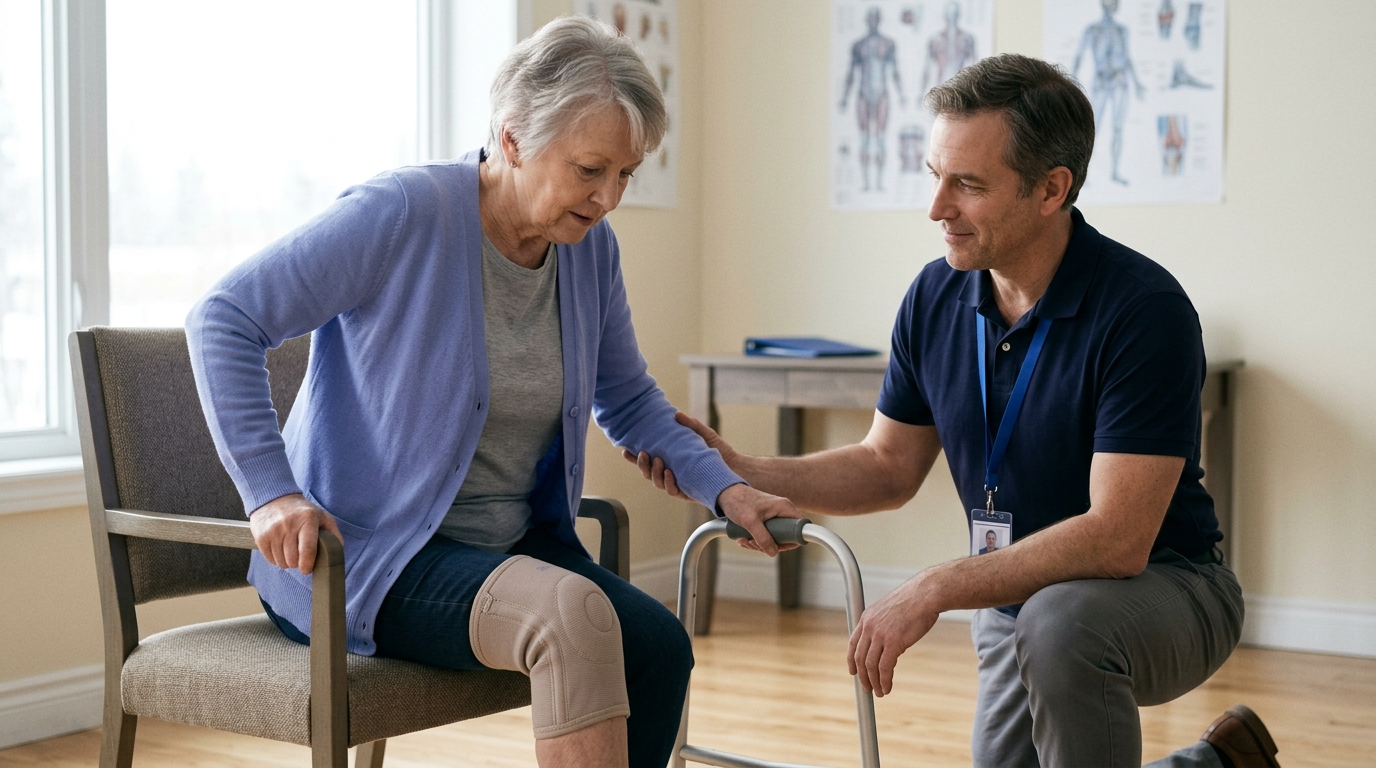
Before leaving the clinic, ensure you have a clear understanding of your daily movement guidelines.
Recovery from an orthopedic injury or surgery is rarely a straight line. Two individuals with the same type of fracture or tendon repair can experience very different recovery timelines. Understanding the variables that influence healing prevents unrealistic expectations and helps you understand why your clinician may adjust your plan.
A common point of confusion is the difference between biological healing and functional readiness. Biological healing refers to the cellular repair of bone, ligament, tendon, or cartilage. For example, a broken bone often forms a solid repair union within six to eight weeks.
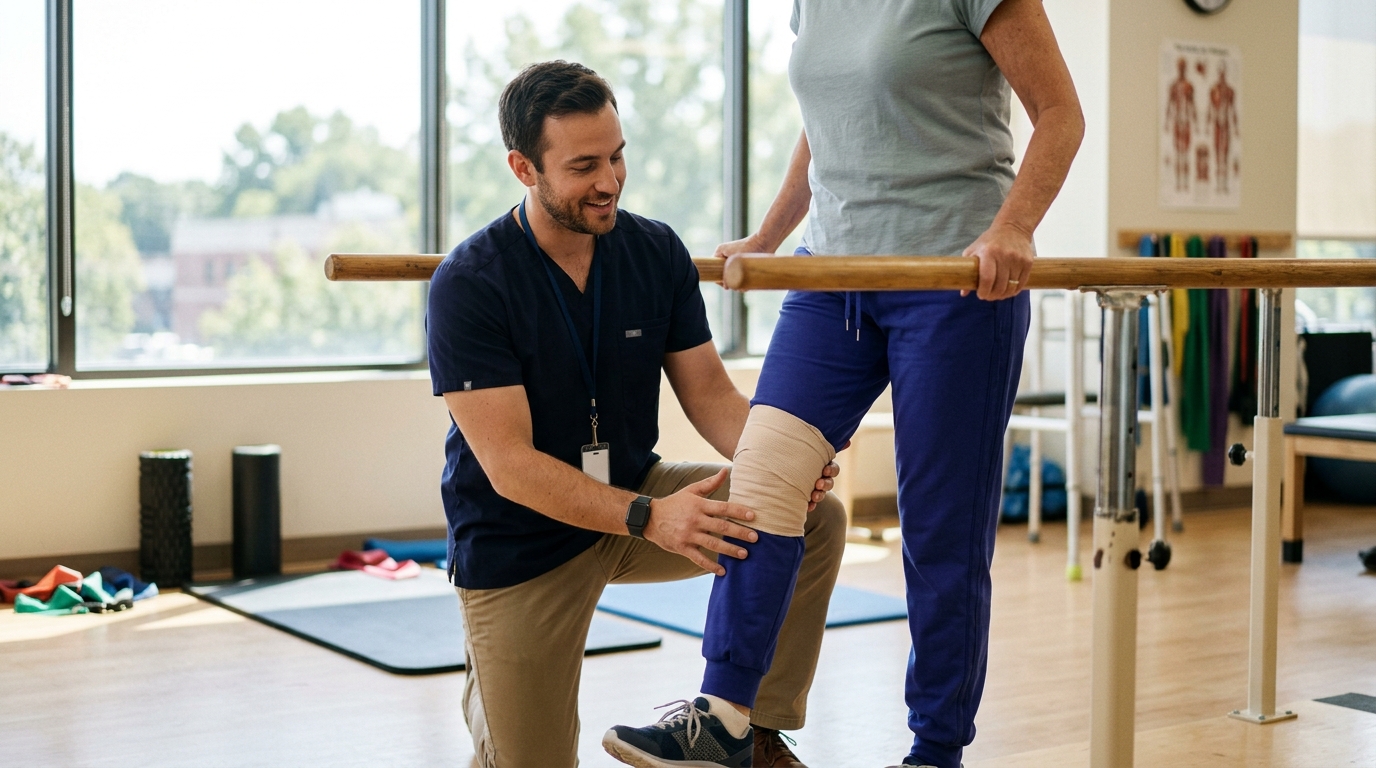
However, functional readiness refers to your ability to use that limb safely in daily life or sports. Even after a bone is biologically stable, the surrounding muscles are often weak, joints may be stiff, and balance may be impaired from weeks of disuse.
Your clinician evaluates both factors when updating your activity limits. An X-ray might show complete bone union, but your physical therapist might still advise against high-impact running until your muscle strength and movement control are restored. For progressive exercise guidelines, explore our rehabilitation and mobility resources.
Several systemic and local factors influence how quickly tissues repair:
Your daily habits and occupational demands play a major role in how tissues tolerate rehabilitation loads:
While scheduled follow-up visits handle routine monitoring, you should not wait for a scheduled appointment if you develop signs of serious complications.
Clinic materials from University of Washington Medicine highlight several postoperative warning signs that require immediate communication with your healthcare provider or emergency medical attention:
These warning signs represent clinic-specific instructions and serve as practical examples of issues that require urgent attention. Always consult your specific discharge paperwork and contact your surgical team immediately if you experience alarming symptoms.
Navigating orthopedic appointments can be stressful, especially when dealing with persistent pain or mobility limits. Avoiding these common mistakes will help you get the most out of every consultation.
Arriving with a list of twenty unrelated questions can overwhelm a fifteen-minute appointment. While all your concerns matter, attempting to discuss every minor issue can cause you to run out of time before addressing the most important items.
Identify your top two or three priorities before the visit begins. Share these main questions with your provider right away. If additional time remains, you can work through secondary concerns or ask if follow-up communication through a patient portal is appropriate.
Patients often believe that an X-ray or MRI will provide an absolute answer to their pain. However, imaging shows anatomical structure, not pain itself. Many people have asymptomatic spinal disc bulges, meniscus fraying, or mild joint narrowing that show up on scans without causing any discomfort.
Imaging results must always be interpreted alongside a physical examination and your personal symptom history. Focus your questions on what the scan means for your functional recovery rather than worrying over minor radiologist notes that may have little clinical significance.
When symptoms begin to improve, it is tempting to stop physical therapy exercises, discontinue braces, or skip follow-up visits. Conversely, if an exercise causes mild discomfort, some patients stop entirely without consulting their provider.
A study in JAAOS Global Research and Reviews notes that patient understanding of the purpose of follow-up care is an important factor in maintaining appointment adherence. Stopping rehabilitation too early can lead to muscle imbalances, joint stiffness, or reinjury. Always discuss exercise modifications or brace adjustments with your clinician before making changes on your own.
During an appointment, clinicians share a substantial amount of complex information in a short period. It is normal to forget specific details after leaving the clinic.
The Agency for Healthcare Research and Quality recommends asking for clear written instructions before you depart. Make sure you leave knowing your exact weight-bearing status, exercise restrictions, medication updates, and the date of your next follow-up.
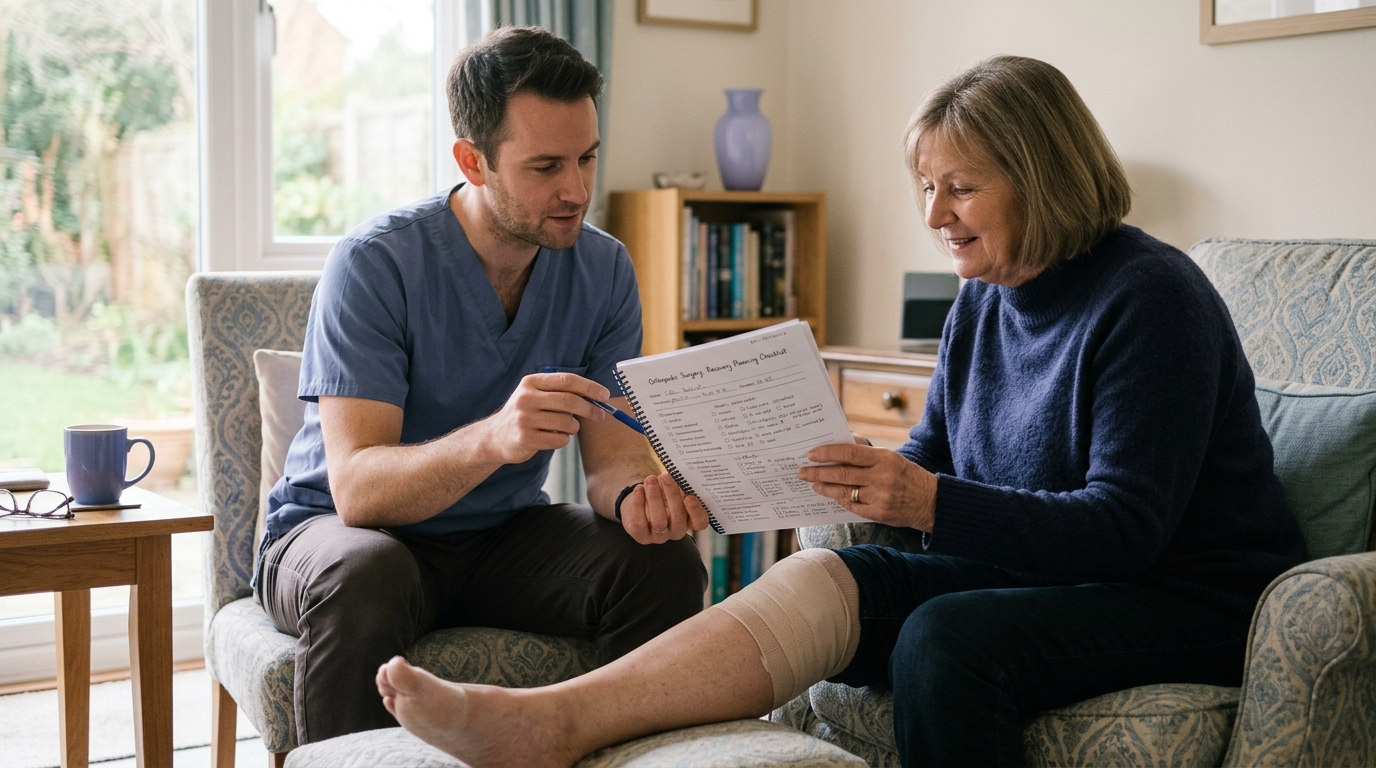
Use this practical template to organize your notes before, during, and after your next orthopedic appointment. You can copy or adapt these sections to fit your personal situation.
This worksheet synthesizes patient-education principles from the Agency for Healthcare Research and Quality, MedlinePlus, and the National Institute for Health and Care Excellence into a simple, practical communication tool.
An orthopedic follow-up appointment is a collaborative check-in designed to evaluate tissue healing, assess your functional abilities, and update your recovery plan. Preparing a structured symptom summary and a focused list of prioritized questions helps you make the most of your time with your clinician.
Research confirms that preparing questions beforehand increases patient participation and supports shared decision-making. By reporting your practical daily limitations alongside your symptoms, bringing complete medication and medical records, and asking for clear numerical context regarding treatment risks, you can work effectively with your healthcare team toward a safe return to activity.
Revisit this preparation guide whenever you transition to a new stage of your rehabilitation, before an appointment to review new imaging results, or if your recovery progress has plateaued and you need to discuss alternative treatment options with your orthopedic specialist.
Clear communication and thoughtful preparation allow you to approach every follow-up visit with clarity, confidence, and realistic expectations for your physical recovery.

Use ReboundBody resources to understand common recovery stages, rehab terms, movement limits and strength rebuilding. Each guide is designed to make a complex comeback easier to understand.


Read practical guidance on injury recovery, rehabilitation, mobility and rebuilding strength as you work your way back to activity.
Explore Resources