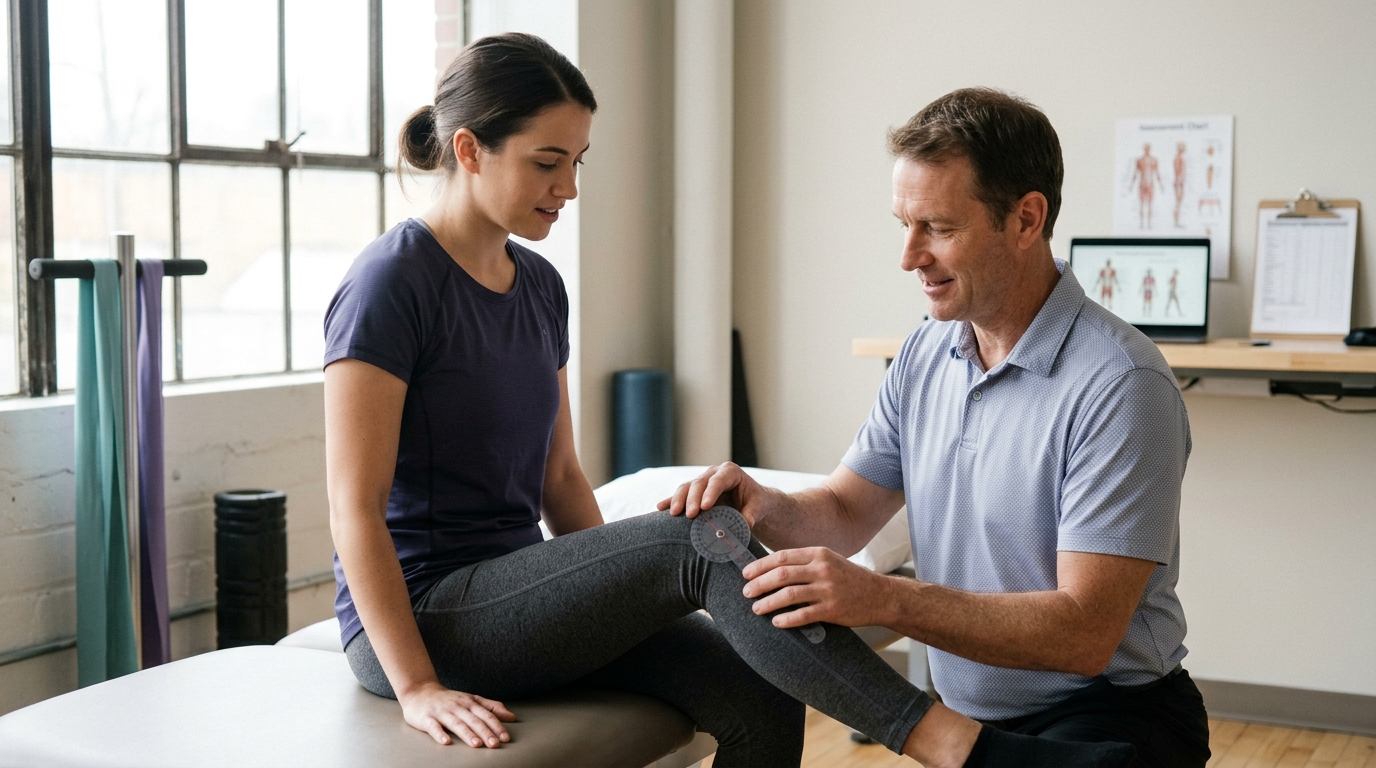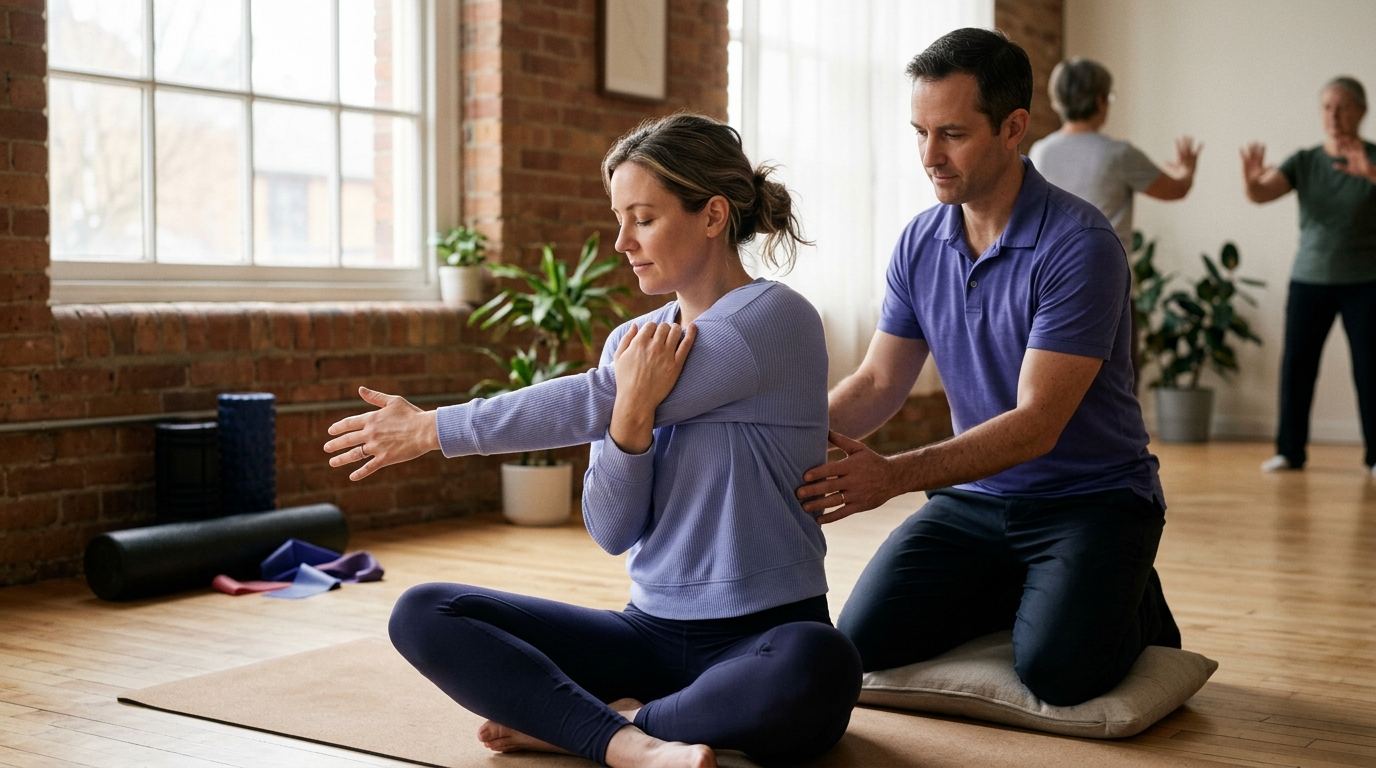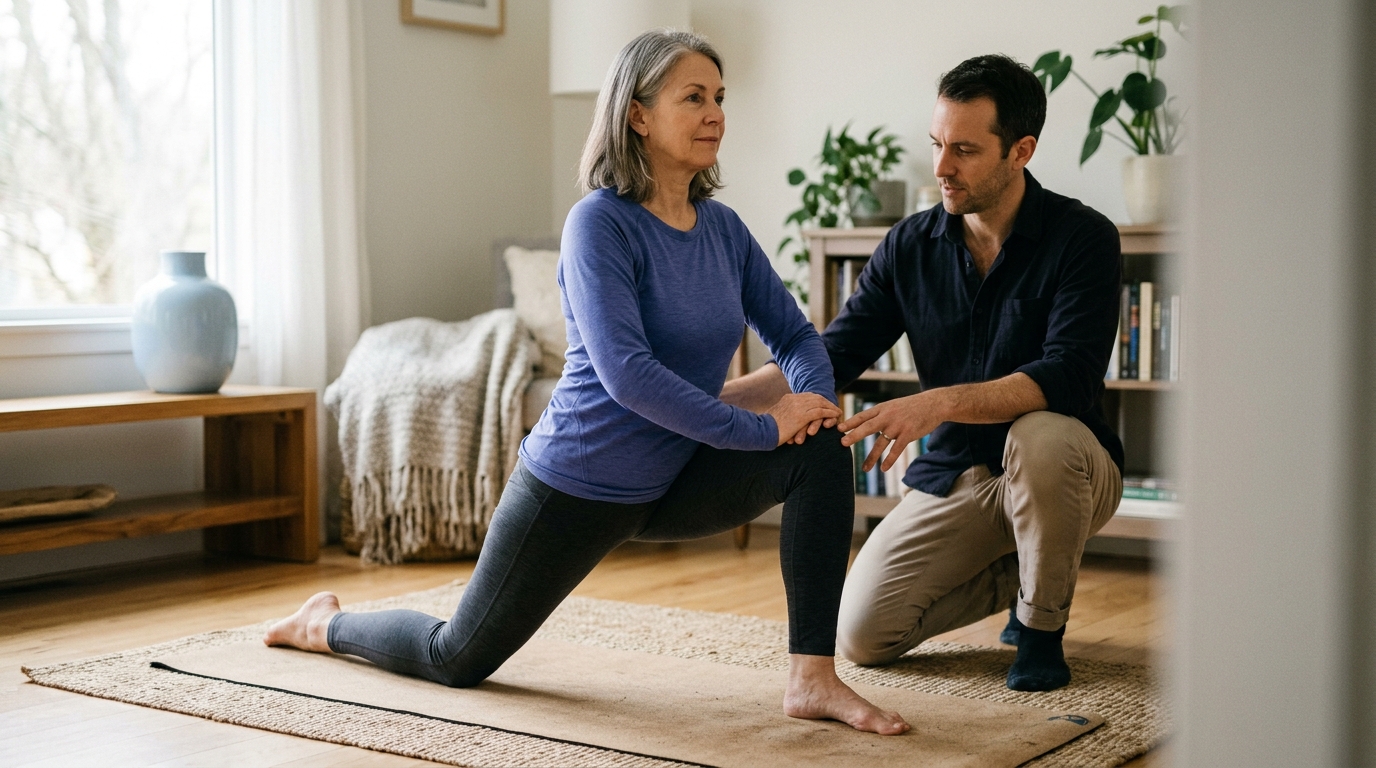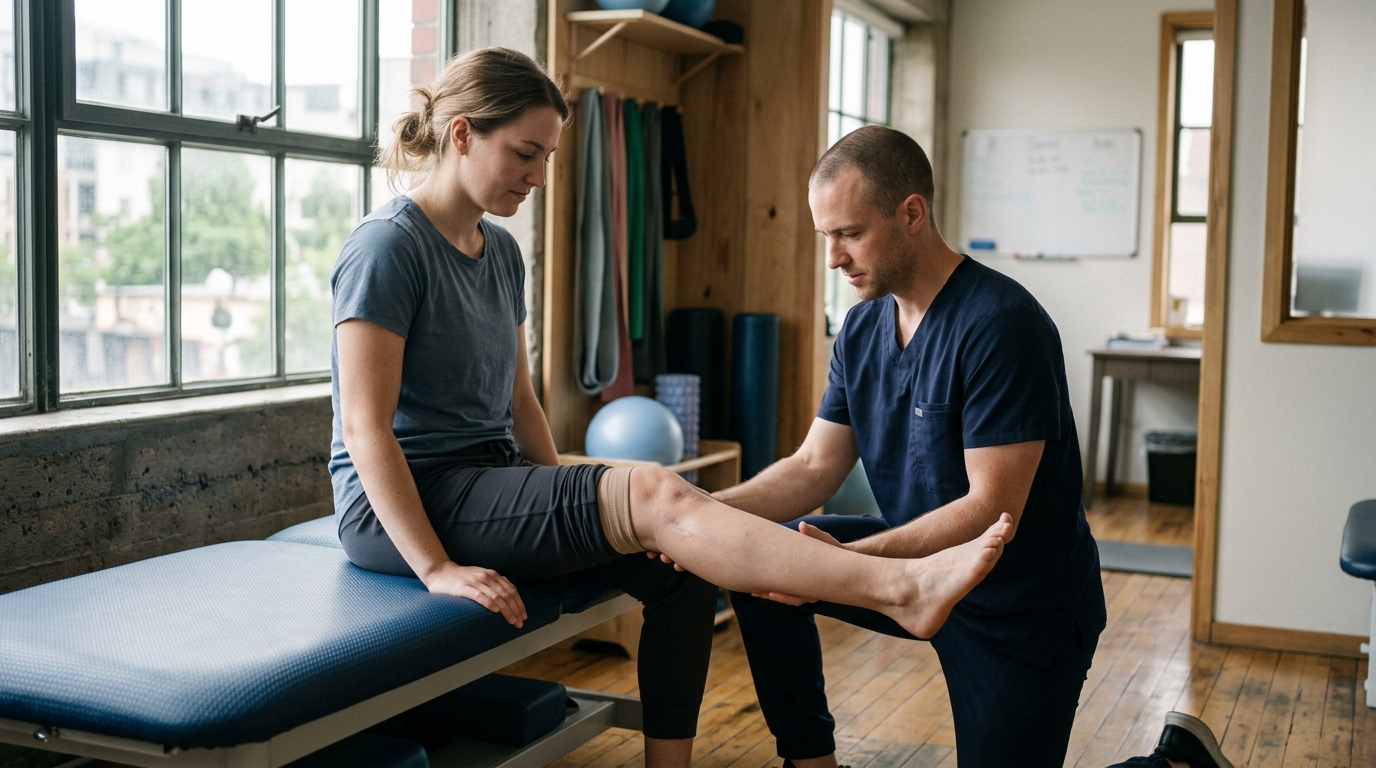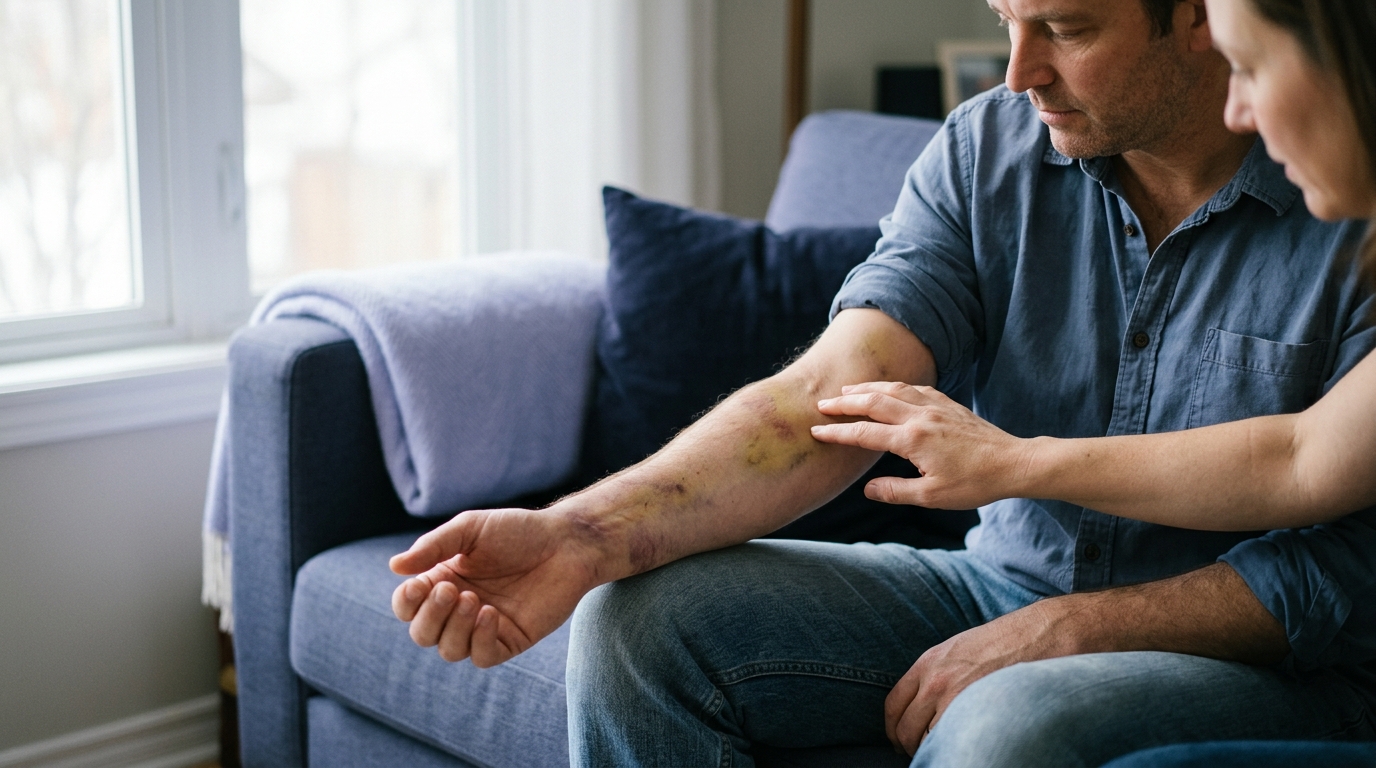

Rebuilding full joint mobility and confidence becomes much easier once you address the physical, sensory, and psychological factors behind post-injury stiffness.





You may find yourself searching online for why a healed ankle still feels tight, why your knee feels awkward on the stairs, or why your shoulder catches even after your doctor cleared you. These experiences are common. Movement often feels foreign, tight, or hesitant long after an acute injury begins to heal. This guide explains why movement feels different after a physical setback, separating normal recovery sensations from warning signs that require medical attention.
Movement changes after an injury because of a combination of physical, neurological, and behavioral factors. Swelling, altered tissue flexibility, and temporary disuse physically change how a joint moves. At the same time, your nervous system adopts protective habits, often called guarding, to prevent further discomfort. Your brain also updates its sense of safety based on your confidence and past pain. Stiffness does not automatically mean tissue is still tearing or failing to heal. Instead, it is a complex signal reflecting physical healing, muscle habits, and nervous system sensitivity.
Because every injury and body is unique, recovery timelines vary widely. Clear medical diagnosis and guided rehabilitation remain essential for resolving persistent limitations.
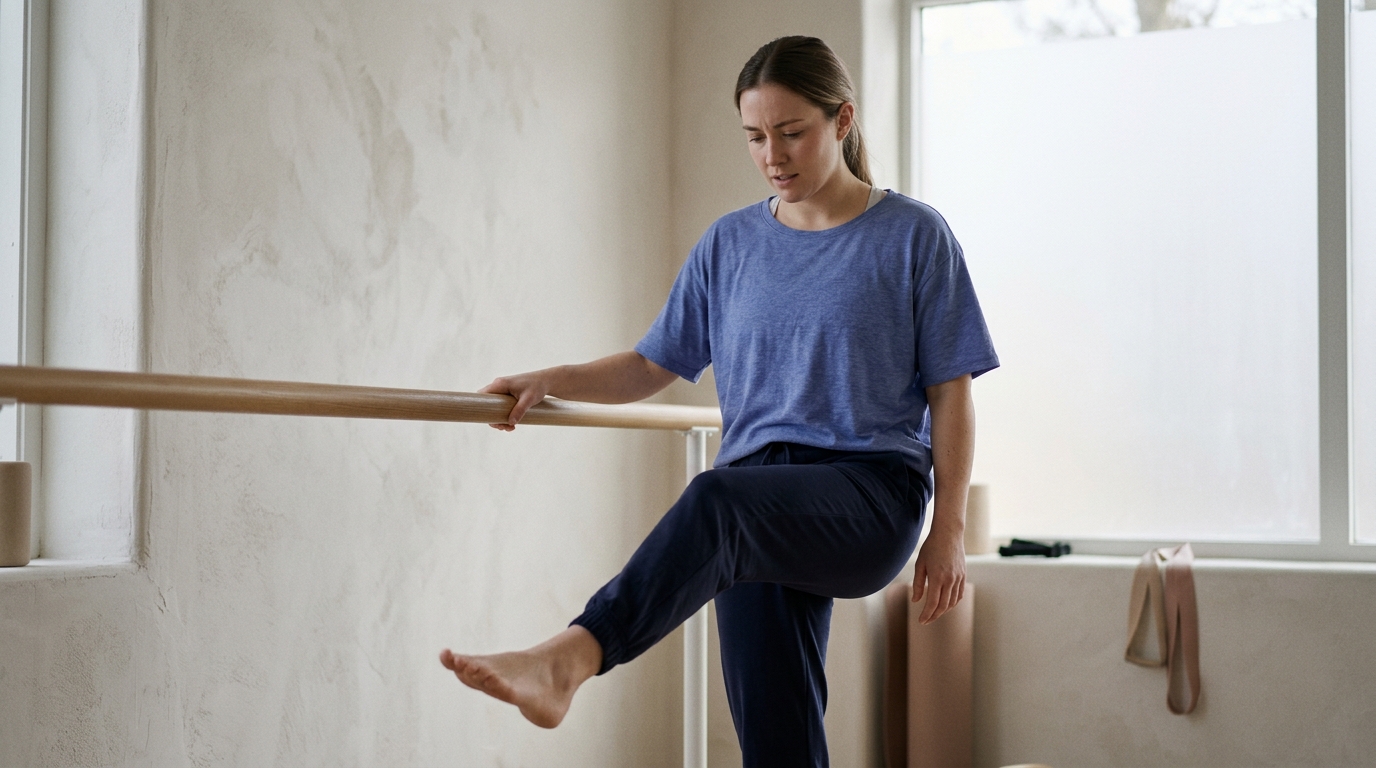
Stiffness is one of the most common complaints during rehabilitation, yet it is a symptom rather than a medical diagnosis. People use the word stiffness to describe several distinct physical experiences. For some, it means a literal loss of range of motion where a joint cannot physically bend or straighten all the way. For others, it is a feeling of thick resistance, like moving through water, even when full range is technically present. It can also describe a hesitant, awkward sensation when starting a movement after sitting for a while.
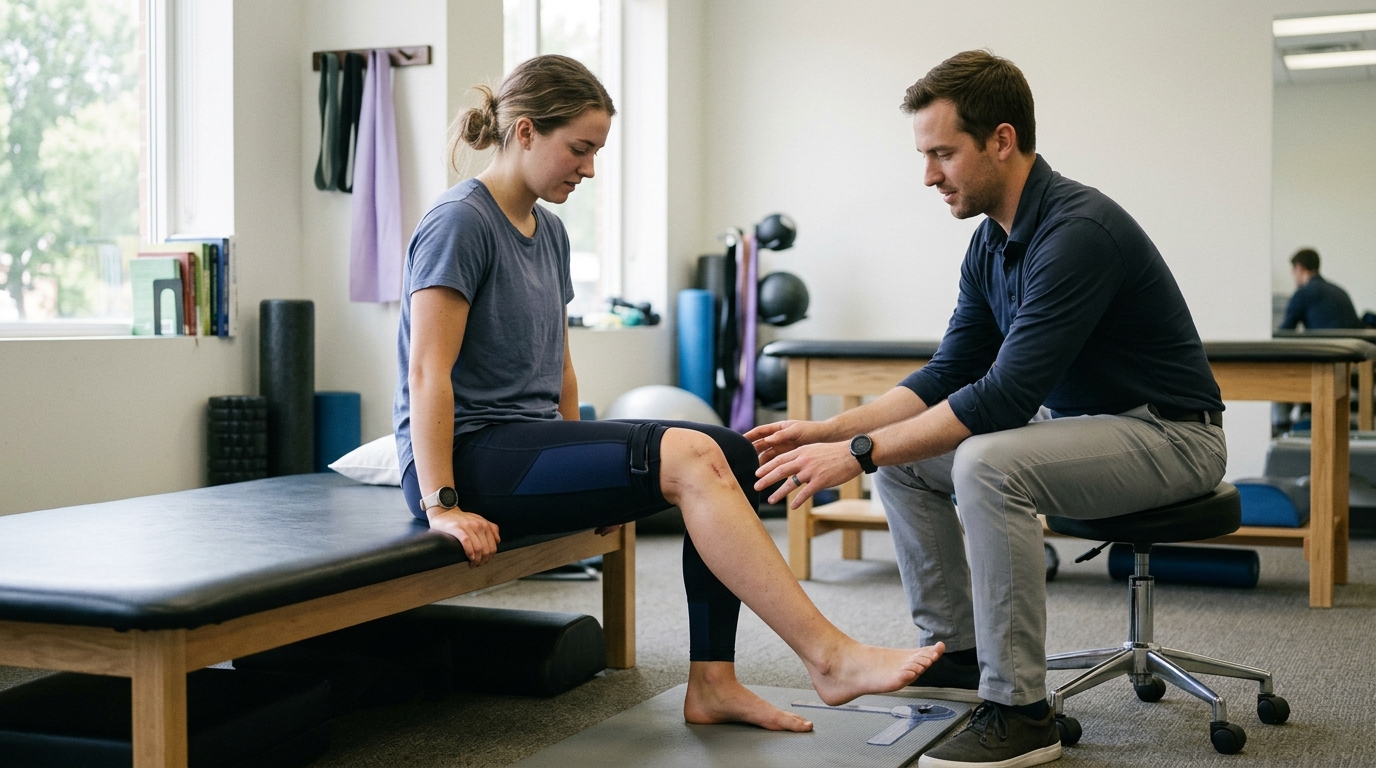
Clinicians separate subjective stiffness from objective mobility restrictions. You might feel like your joint is stuck, but an examiner might measure a near-normal range of motion. Conversely, you might feel relatively comfortable while your joint shows a measurable restriction. Both situations are valid, but they point toward different underlying causes.
Physical changes in resting tissues contribute heavily to this sensation. When a joint or muscle is injured, local swelling and inflammatory fluid alter the normal lubrication between tissue layers. Muscles held in a shortened position during rest temporarily lose flexibility. Collagen fibers that form during healing lay down in a disorganized pattern, which can create physical resistance until normal movement realigns them.
Periods of rest also change how your sensory nerves report joint position to your brain. This sense, known as proprioception, relies on tiny receptors in muscles, tendons, and joint capsules. After injury, these receptors may send muted or altered signals. This disruption makes your movement feel clumsy or uncoordinated, which your brain often interprets as stiffness.
Understanding these mechanisms helps demystify the recovery process. When you recognize that stiffness reflects healing, temporary fluid changes, and sensory adaptation, you can approach movement with less worry. You can find more details on rebuilding joint capacity in our guide to rehabilitation and mobility resources.
To understand why movement feels different, you must look at how the body processes discomfort. The International Association for the Study of Pain defines pain as an unpleasant sensory and emotional experience associated with, or resembling that associated with, actual or potential tissue damage. This definition makes two critical points clear. First, pain involves both physical sensation and emotional processing. Second, pain relates to actual or potential threat, meaning it acts as an alarm rather than an accurate gauge of structural damage.
After an injury, the nervous system often turns up its sensitivity. Nerves in the injured area lower their firing threshold. Signals that normally convey simple pressure, stretch, or temperature can be interpreted by the brain as painful or threatening. This heightened sensitivity serves a clear biological purpose in the early days of an injury. It keeps you from placing heavy loads on tissue that needs time to rest and repair.
However, this heightened sensitivity can outlast the initial phase of physical healing. When your nervous system remains on high alert, normal movement stretches feel alarming. The brain receives these heightened signals and generates discomfort or stiffness to encourage caution. This does not mean the pain is imaginary or that you are making it up. The sensation is completely real, but it reflects an overprotective alarm system rather than ongoing structural damage.
This is why clinicians avoid two common extremes when advising patients. They do not claim that all pain means you are harming your body. They also do not claim that pain after an injury is completely meaningless. Instead, pain must be interpreted in context, considering your injury history, how long ago it happened, and your current activity level. Learning how your body signals safety is a core part of injury recovery and healing.
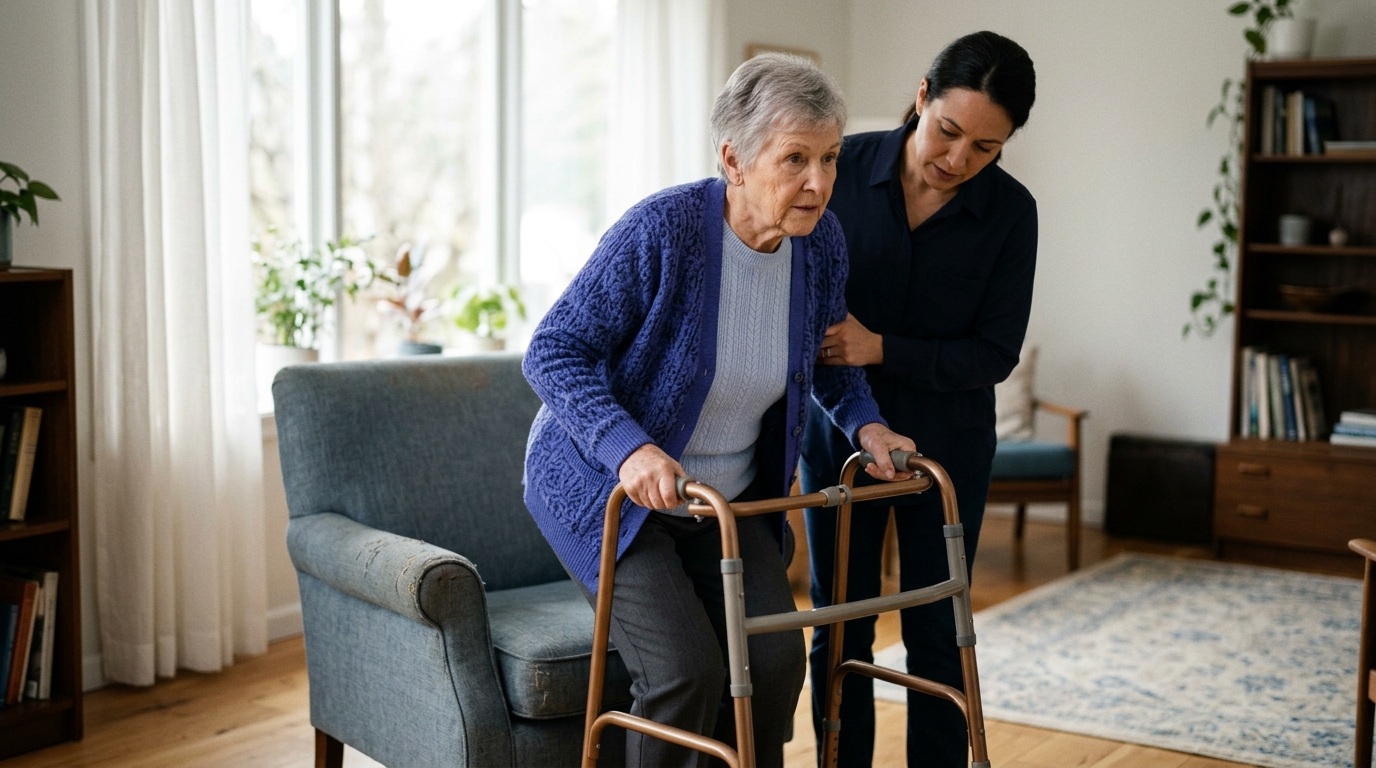
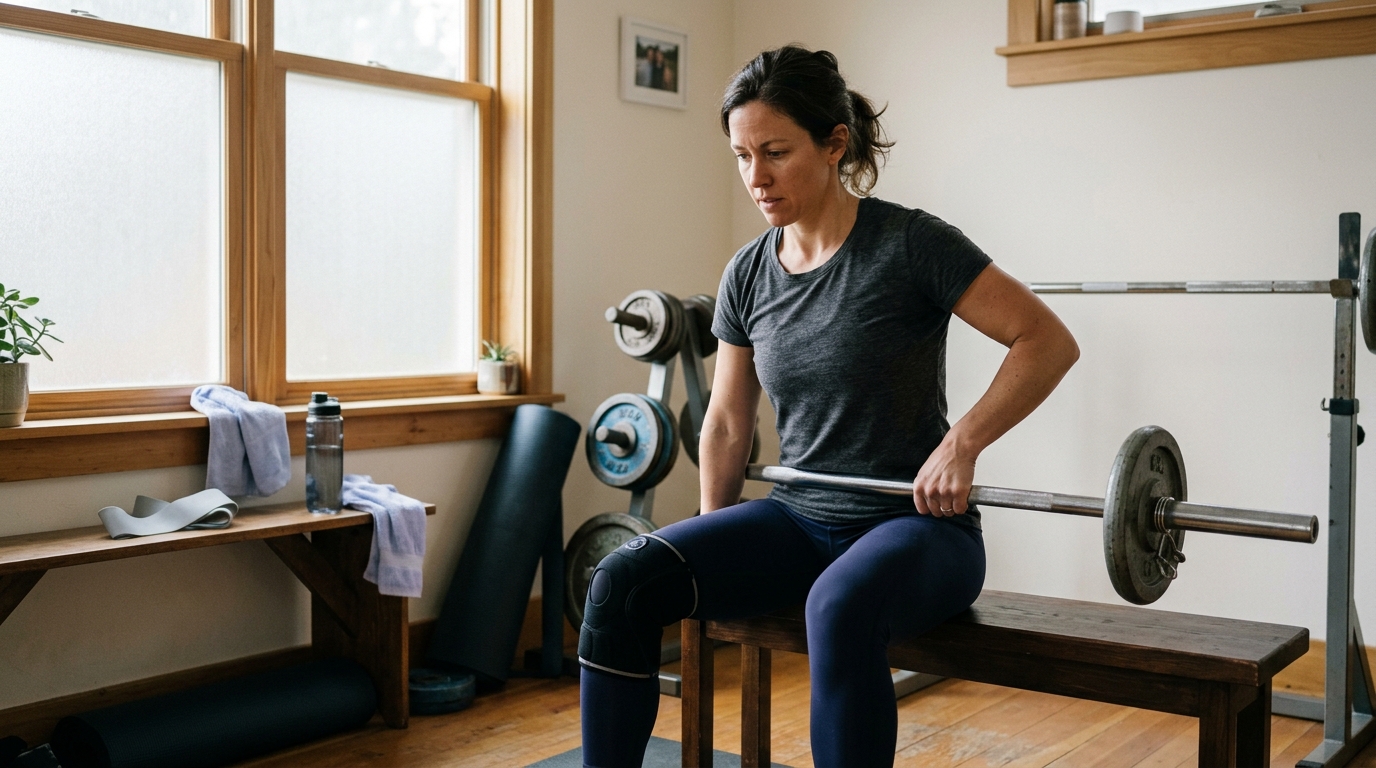
When an area hurts or feels vulnerable, your body naturally alters how it uses surrounding muscles. This response is known as muscle guarding. Guarding is an automatic, protective strategy where muscles brace, tighten, or co-contract around a joint. It works like a natural splint, limiting movement to prevent sudden strain.
In the acute stage of an injury, guarding is helpful. It stabilizes an ankle after a sprain or keeps a strained lower back from twisting too far. But when guarding persists after tissues have stabilized, it changes your movement patterns in ways that create new problems.
Persistent bracing requires constant muscular effort. Muscles that remain partially contracted all day become fatigued, achy, and tender to the touch. This constant tension reduces blood flow and makes the entire region feel tight and heavy. Furthermore, guarding changes how you distribute mechanical loads across your body. If you guard your right knee, you might shift extra weight onto your left hip, eventually causing discomfort in areas that were never injured.
Guarding also reinforces fear-avoidance behaviors. The fear-avoidance model in physical therapy explains how avoiding movement out of worry can lead to physical deconditioning and prolonged disability. When you expect a movement to hurt, you brace before you even start moving. That bracing makes the movement stiff and uncomfortable, which confirms your belief that the movement is unsafe.
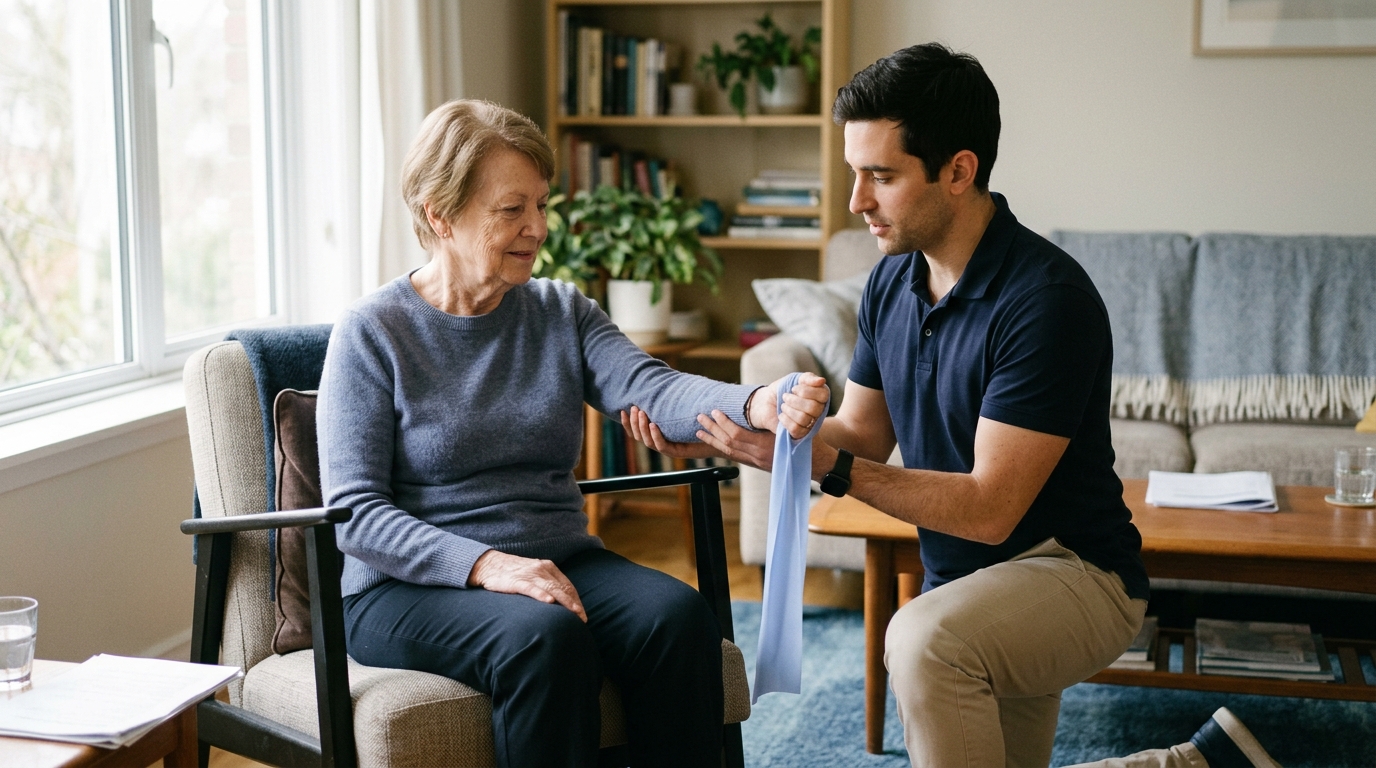
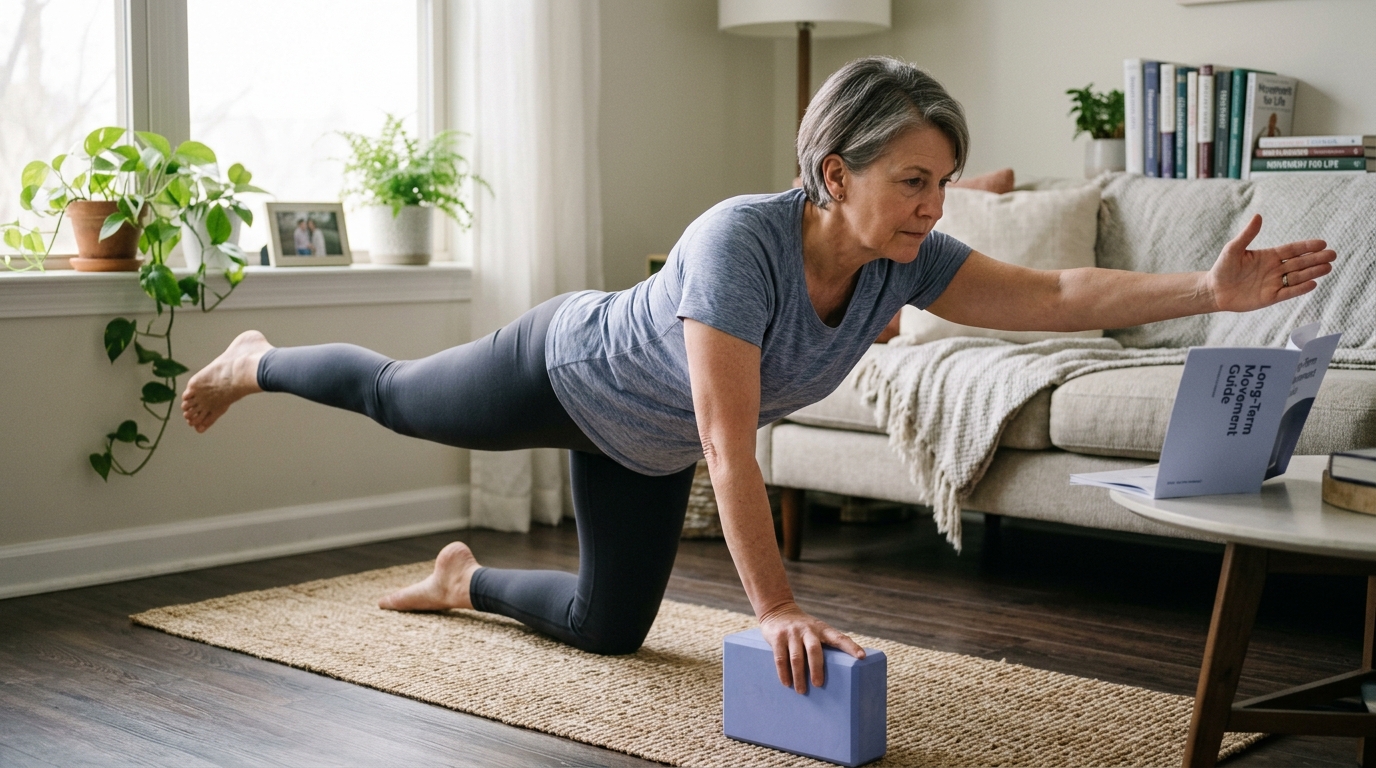
Breaking this cycle requires gradual, gentle movement that teaches the nervous system that bracing is no longer necessary. Over time, relaxed and repetitive motion helps reset resting muscle tone.
For decades, the standard medical response to many injuries was extended rest and complete immobilization. Modern clinical research shows that prolonged rest can often delay recovery rather than help it. Understanding what the evidence says about early, controlled movement helps frame your rehabilitation expectations.
A comprehensive systematic review evaluated 49 clinical trials involving 3,366 patients with acute soft-tissue injuries and fractures of the upper and lower limbs. The researchers compared prolonged immobilization against early controlled mobilization protocols. The review found that the included studies either showed no difference between rest and early movement or clearly favored early mobilization. Patients using early mobilization experienced less pain, reduced swelling, less stiffness, and better preservation of joint range of motion. The review reported no increase in complications or long-term deformities from early, guided movement.
These findings show that complete rest carries its own risks. Extended immobilization leads to rapid muscle loss, joint capsule tightness, and reduced tendon strength. It also deprives joint cartilage of the mechanical pressure needed to circulate synovial fluid, which provides lubrication and nutrients.
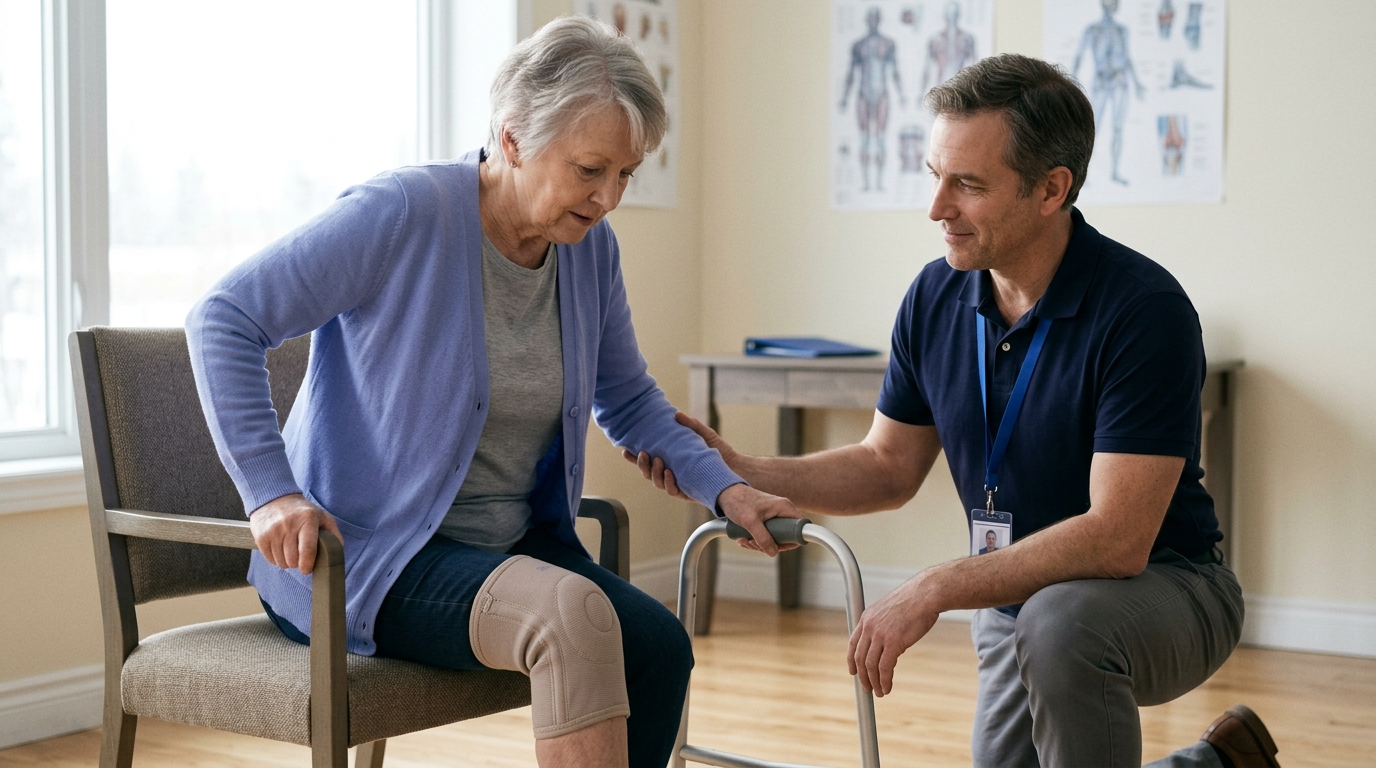
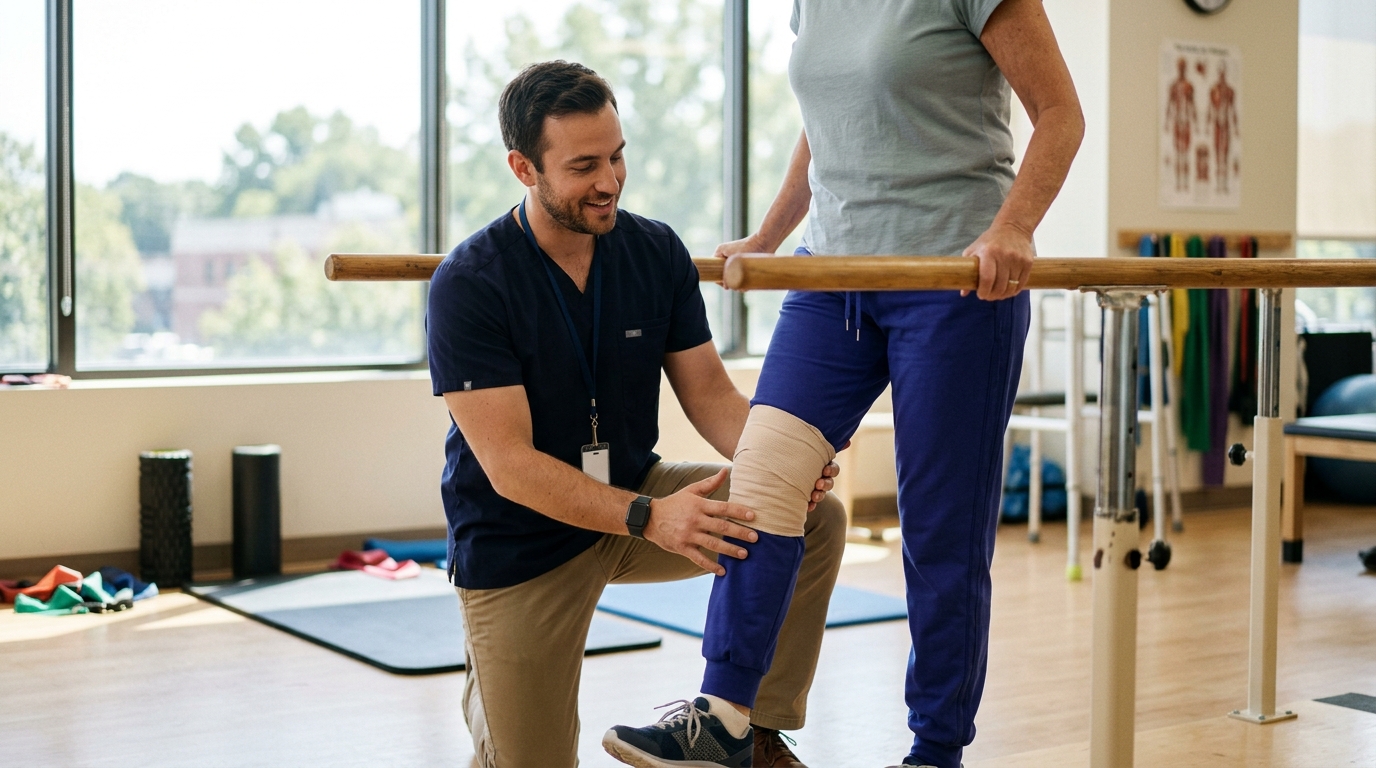
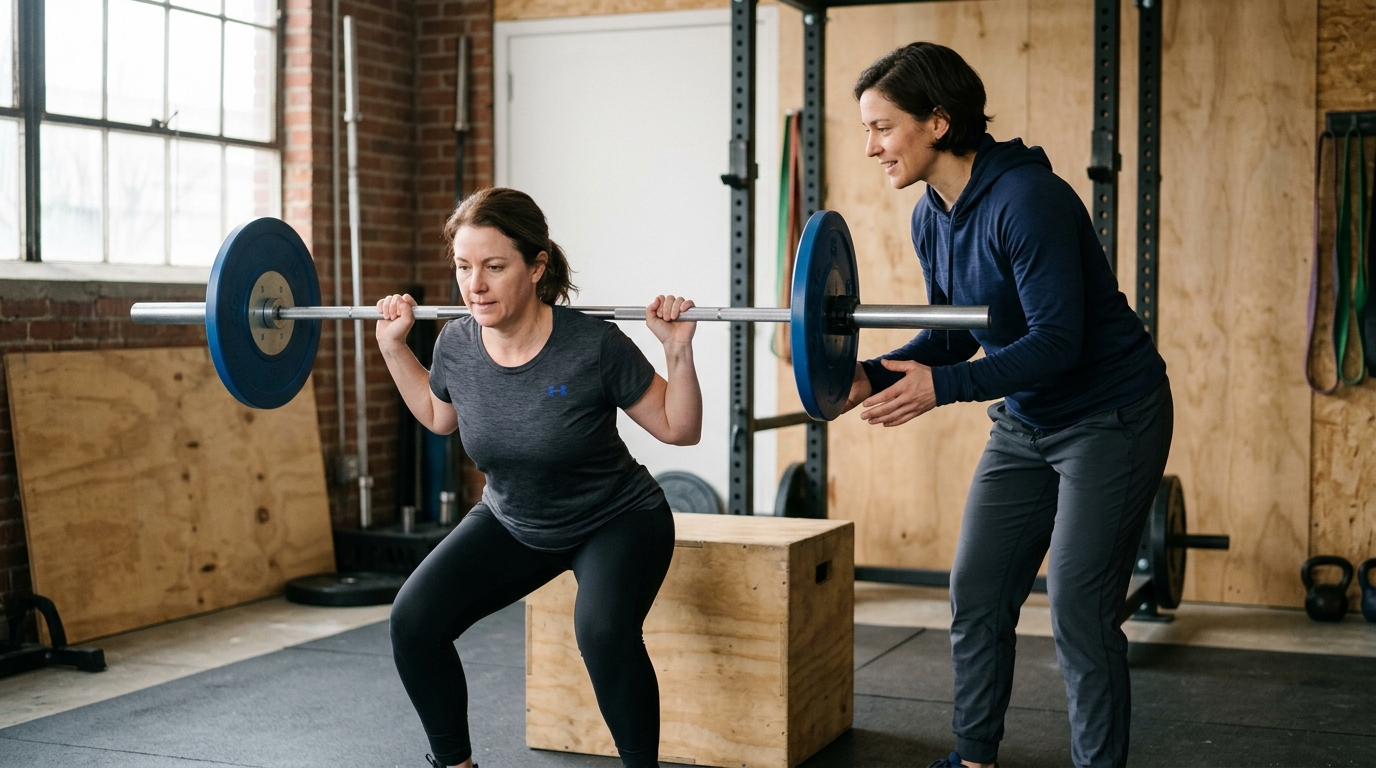
However, early mobilization does not mean returning to heavy, unrestricted activity right away. Clinical guidelines from the National Institute for Health and Care Excellence (NICE) recommend starting a tailored exercise program as soon as safely possible after a traumatic injury. NICE emphasizes that rehabilitation must match the person's specific tissue healing status and functional needs. The goal is progressive loading, where movement and resistance increase gradually as the body adapts.
In sports medicine, international consensus statements, such as the Bern consensus, describe recovery as a continuous spectrum rather than a single end-point decision. Movement is introduced in phases, starting with basic motion, moving to strength rebuilding, and finally returning to complex activities. This evidence base confirms that while tissue needs initial protection, guided movement is the primary driver of physical recovery.
Physical healing does not always line up with mental confidence. You can have a fully healed tendon or bone and still feel deep hesitation when stepping off a curb, lifting a child, or jogging. This hesitation is known clinically as kinesiophobia, which means a fear of movement or reinjury.
A systematic review examining injured athletes found that kinesiophobia and fear of reinjury generally decrease as physical symptoms improve during structured rehabilitation. As strength and mobility return, confidence usually grows alongside them. However, for many people, confidence lags behind physical healing. A person might pass physical strength tests but still guard their limb because they anticipate sudden pain.
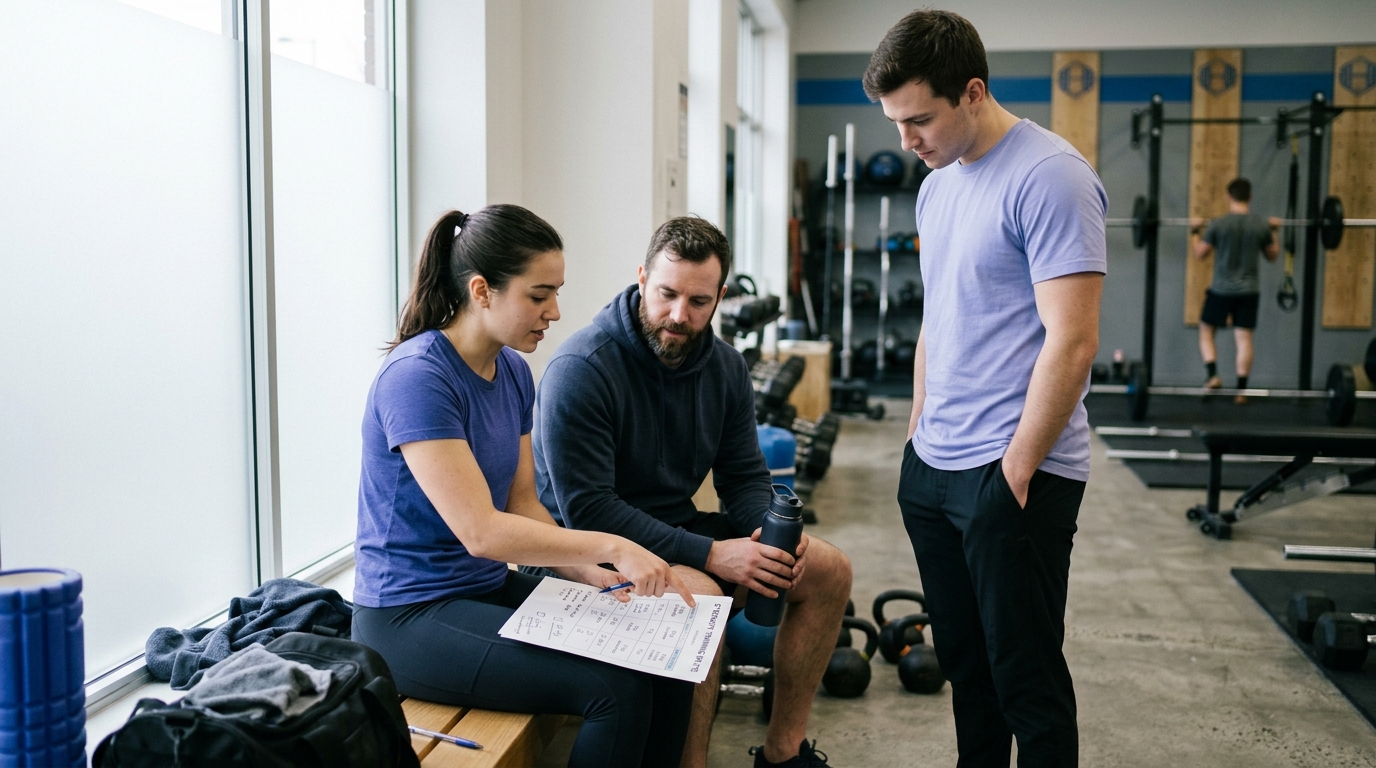
To address this gap, rehabilitation specialists use specific methods to rebuild movement confidence. Two common approaches are graded activity and graded exposure.
Graded activity focuses on improving overall physical capacity through step-by-step increases in exercise volume and intensity. It uses exercise quotas based on time or repetitions rather than stopping at the first sign of mild discomfort. While graded activity builds strength, clinical trials in populations with chronic low back pain show that it produces outcomes similar to other forms of supervised exercise. It is a solid, practical approach to reconditioning, but not a universal solution for every problem.
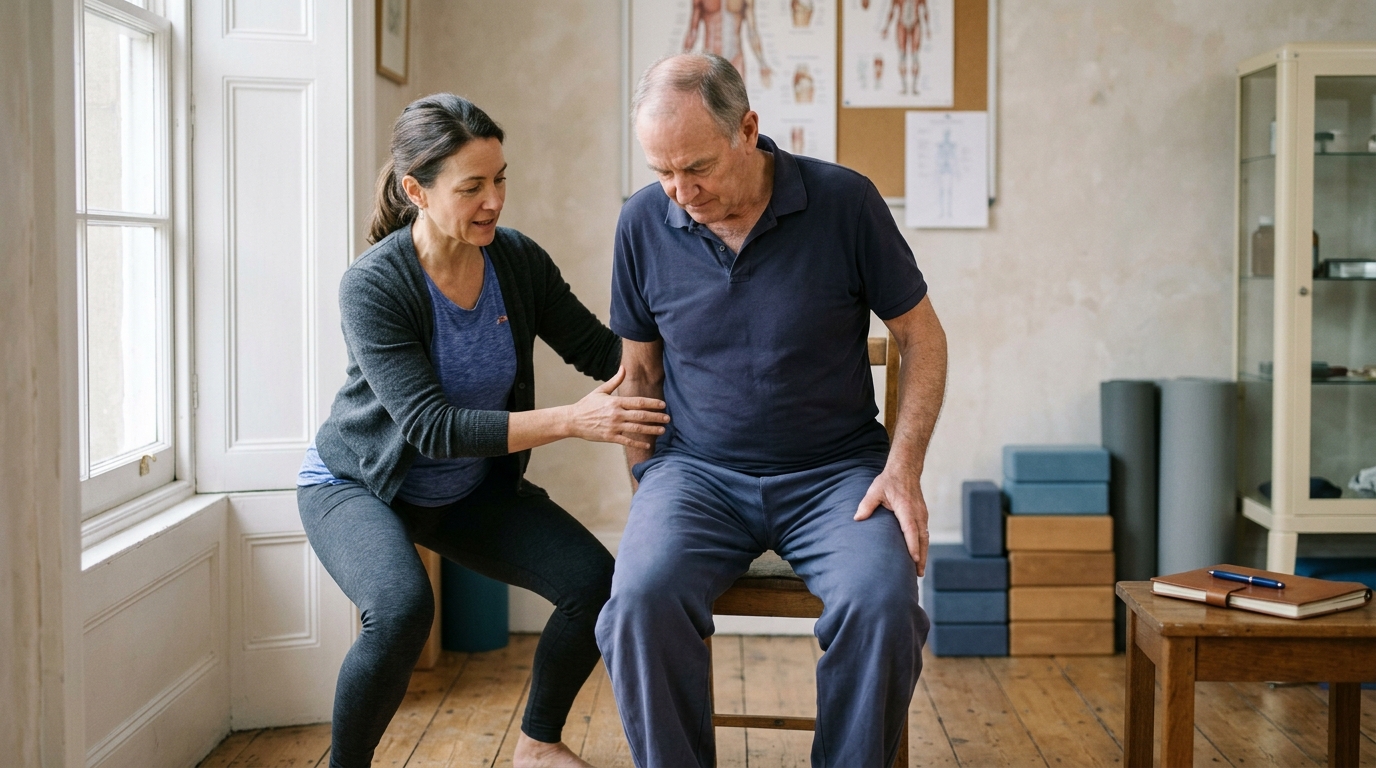
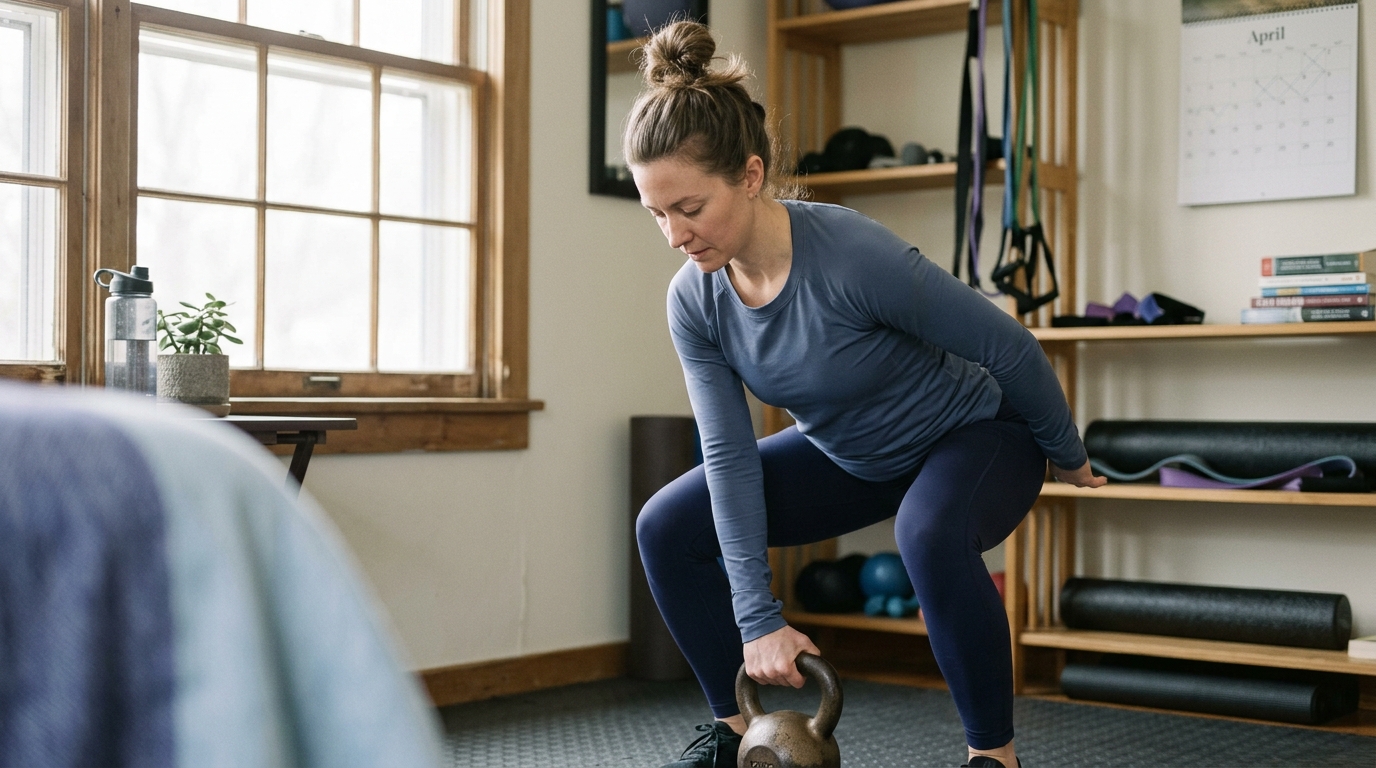
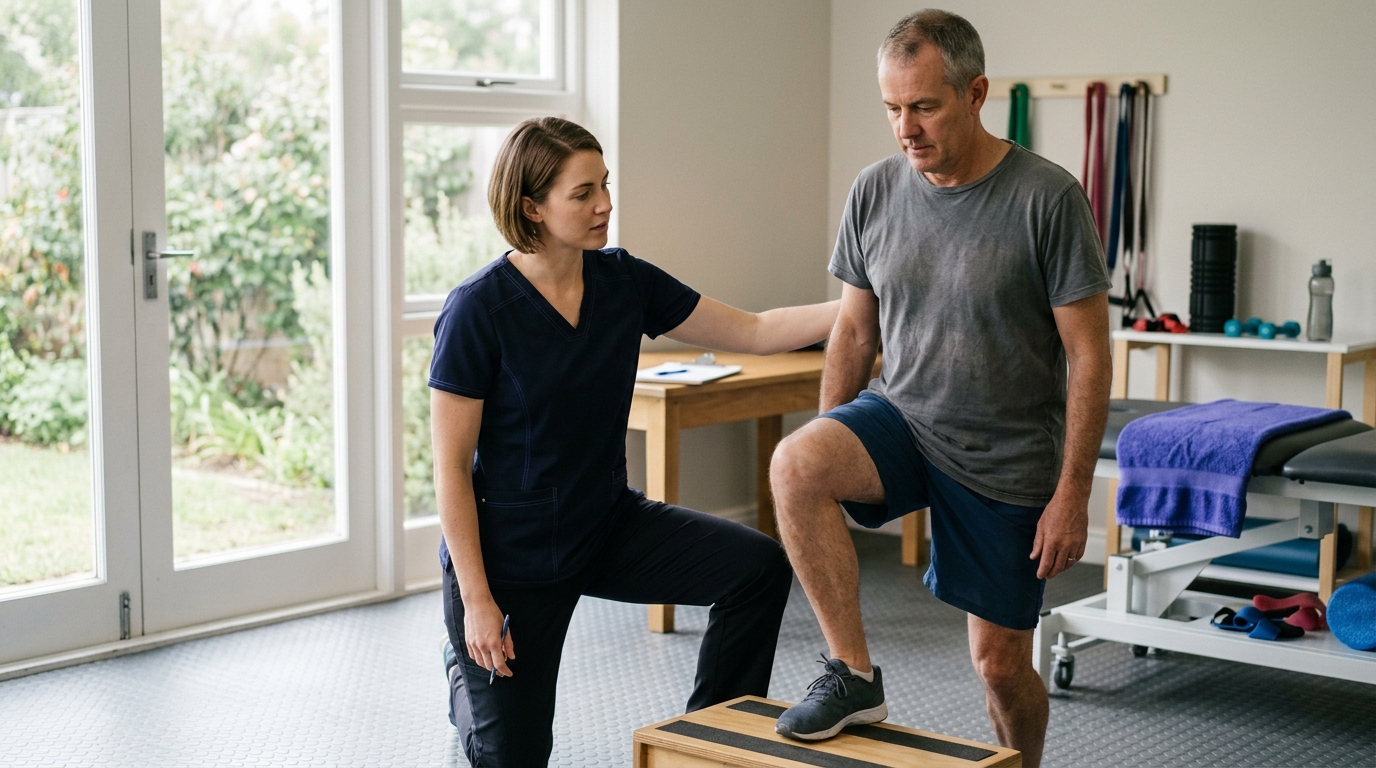
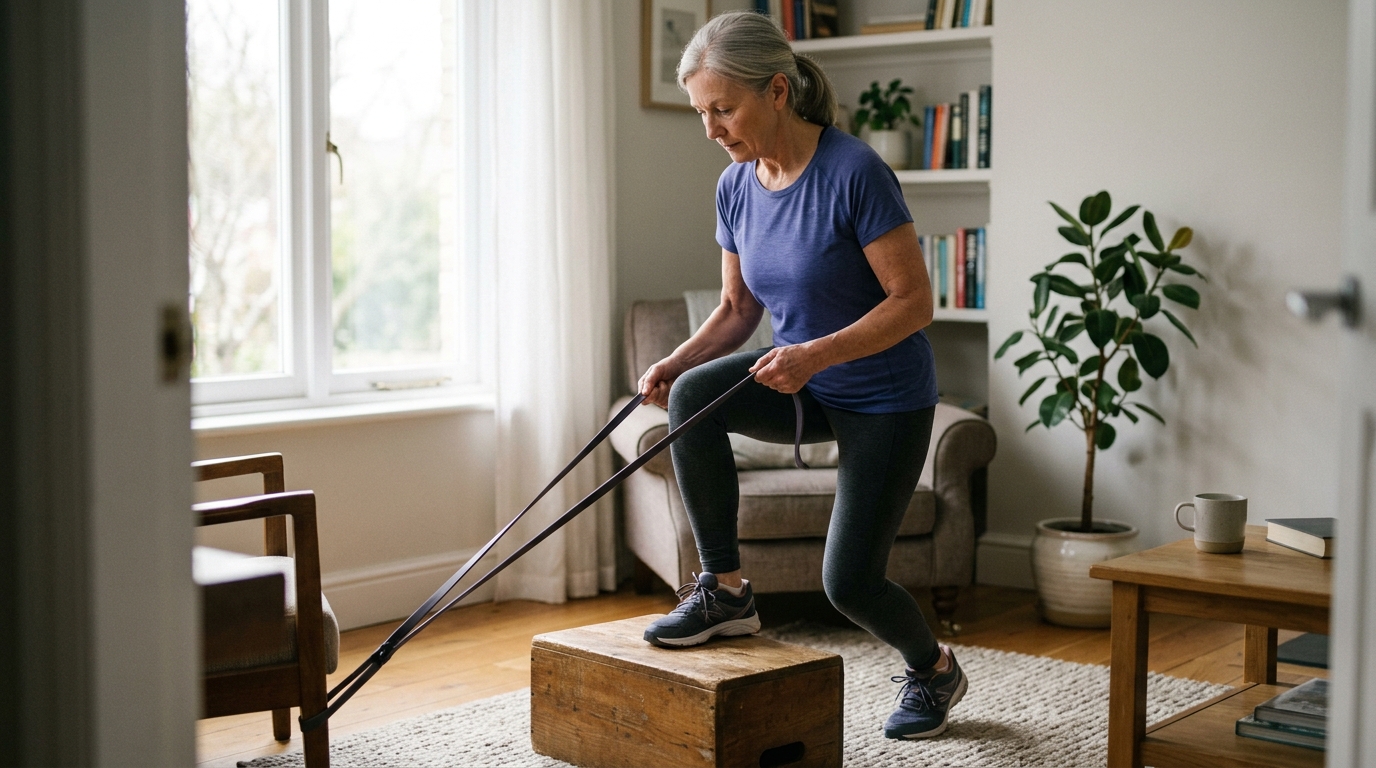
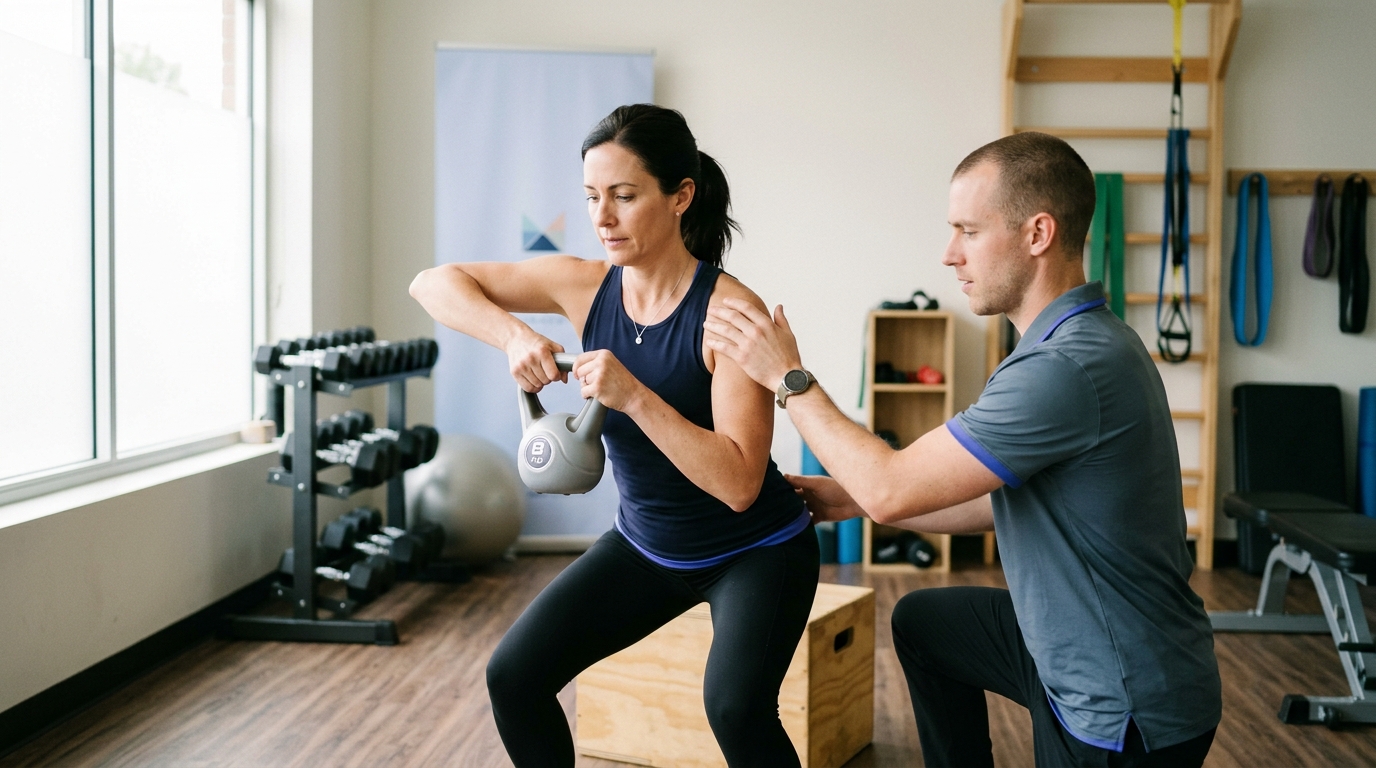
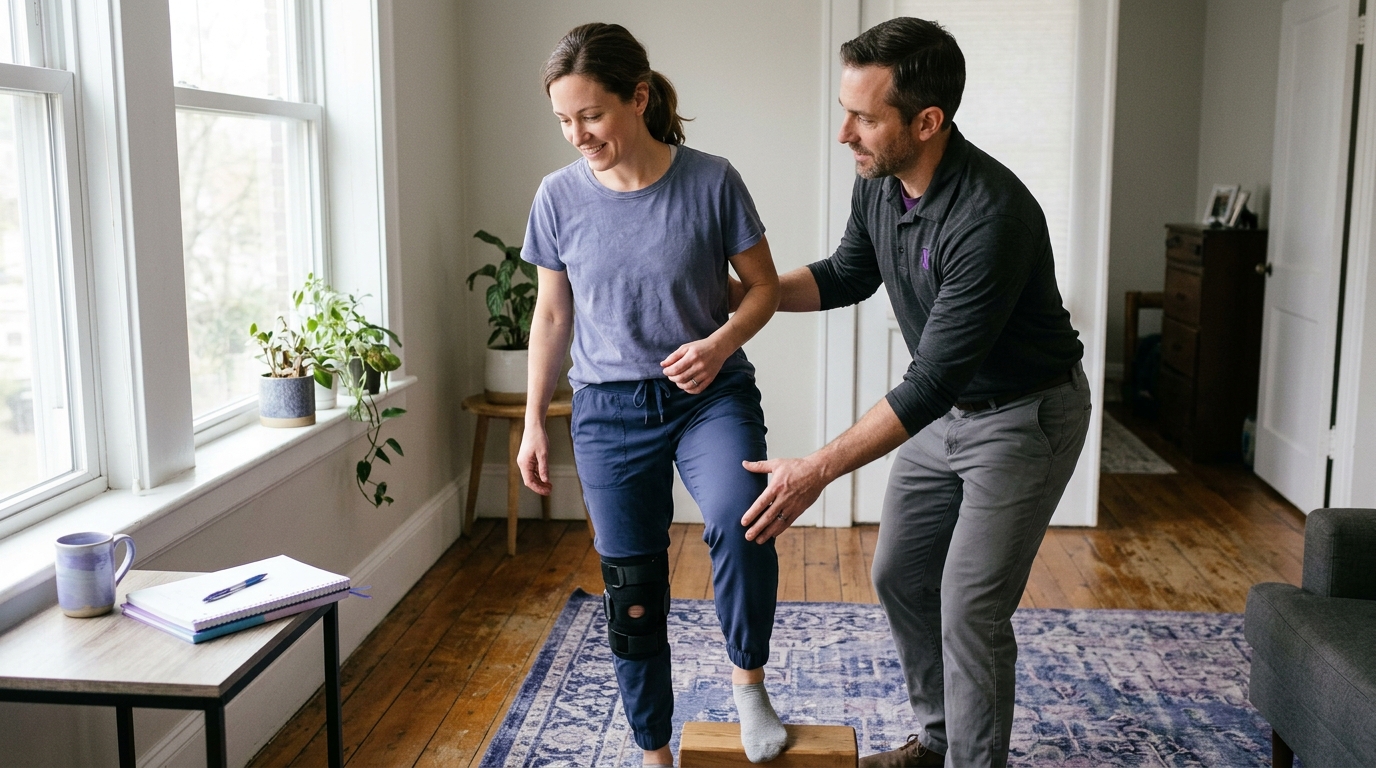
Graded exposure directly targets specific movements or activities that a person avoids out of fear. A clinician helps the patient rank feared activities on a scale from least to most threatening. The person then practices these movements in a controlled environment, starting with the least threatening version. For example, a person afraid of bending their knee might start by bending it while lying down, then sitting, then standing, and finally stepping down from a box. This approach allows the brain to experience the movement without negative consequences, systematically reducing fear.
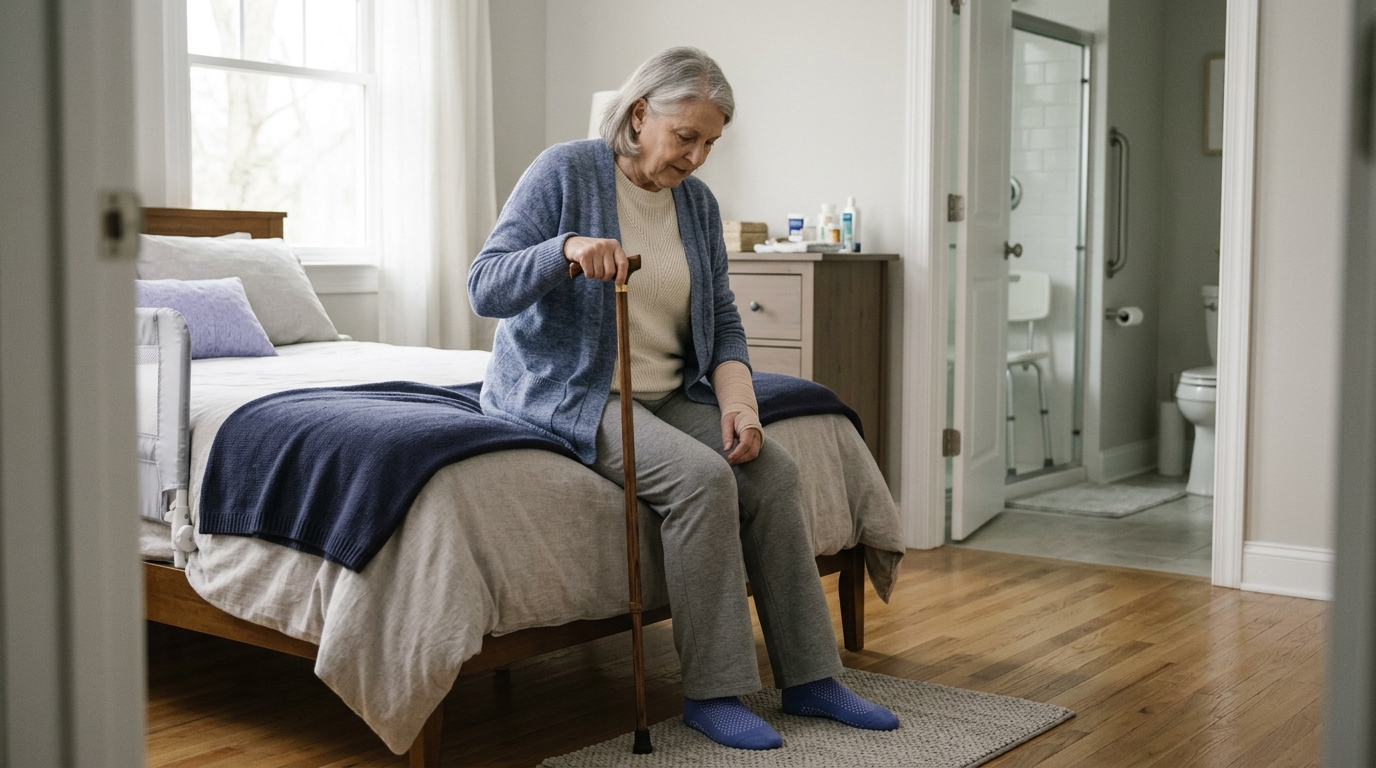
Rebuilding confidence is not just for competitive athletes. Anyone recovering from a fall, a joint replacement, or a muscle tear must regain trust in their body. For more insights on rebuilding physical capacity, review our articles on active aging and prevention.
Because recovery is rarely a straight line, it helps to look at typical patterns people experience after an injury. These illustrative examples show how physical healing, nervous system protection, and confidence interact in daily life.
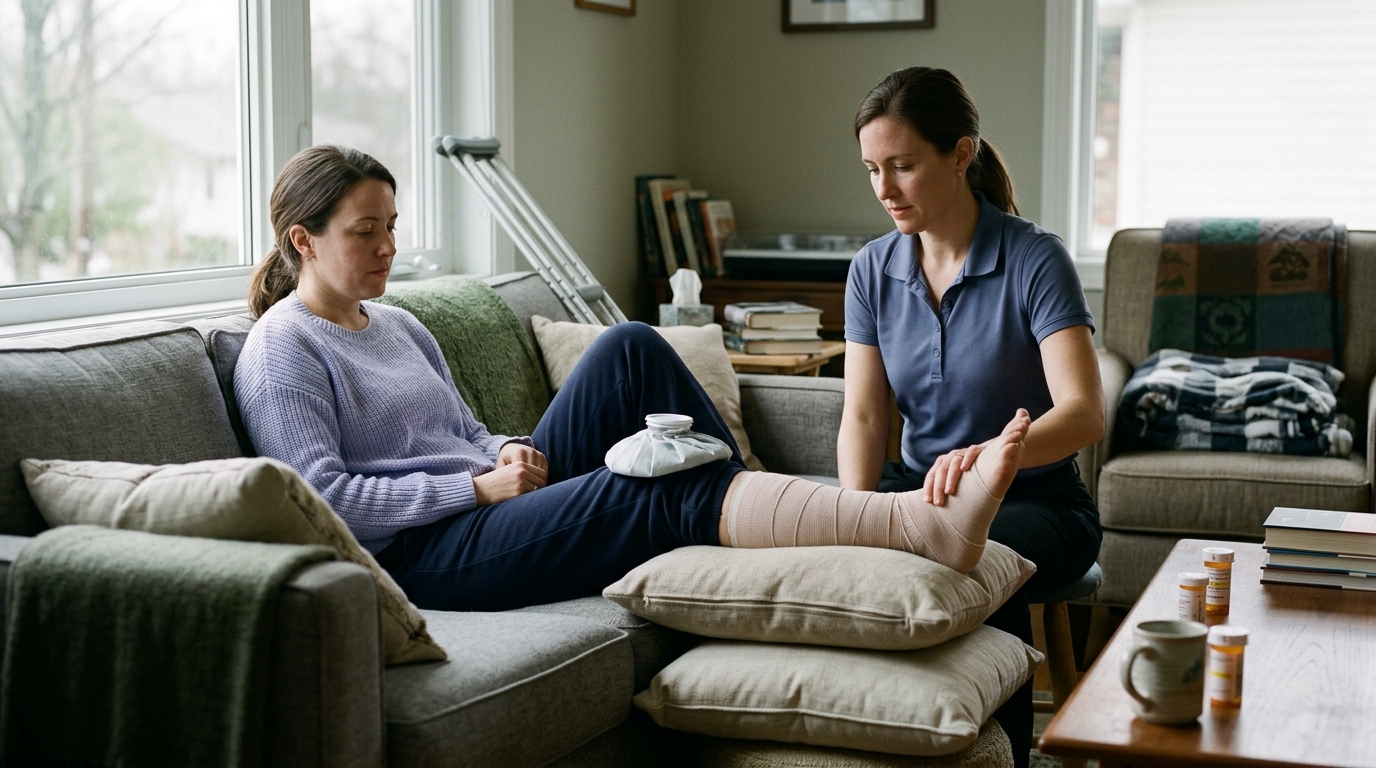
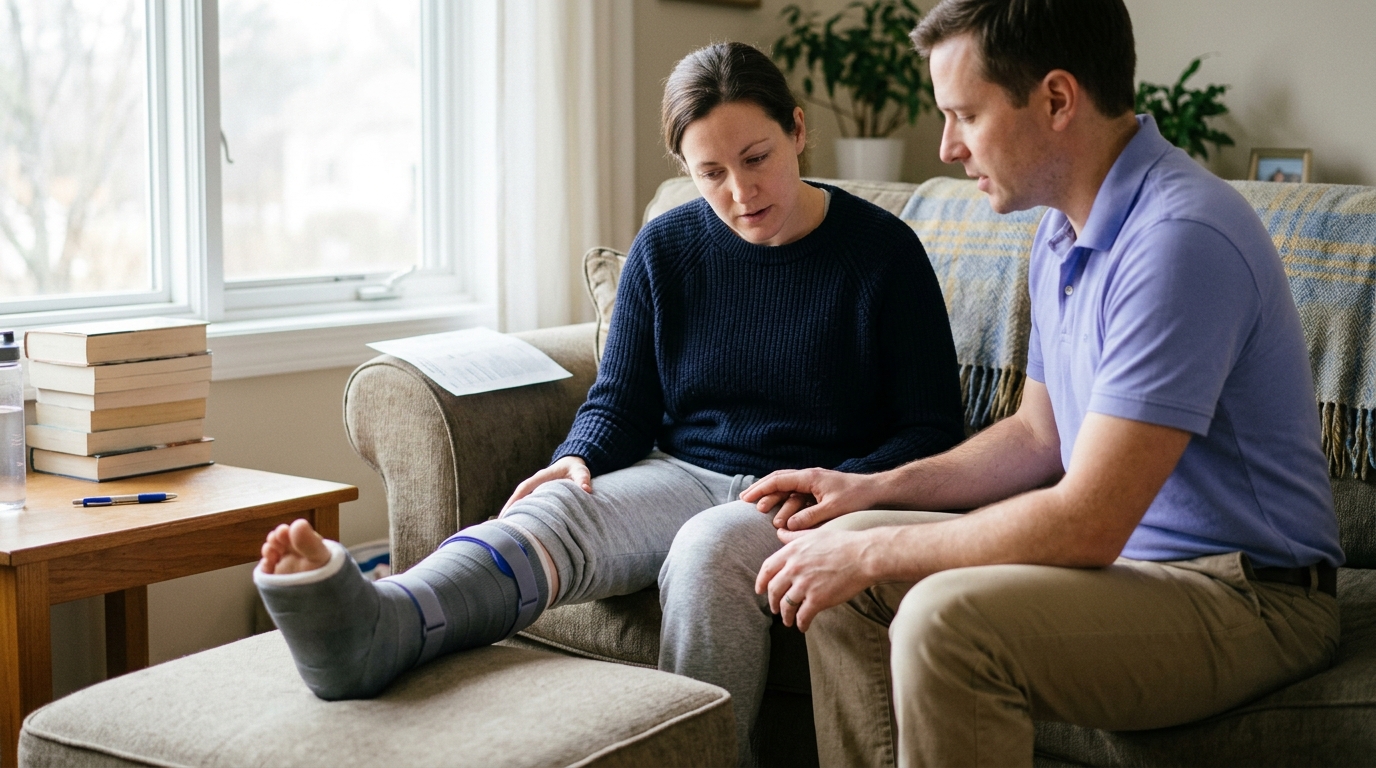
Consider someone who spent four weeks wearing a walking boot for a severe ankle sprain. Upon removing the boot, their ankle feels rigid, heavy, and awkward when walking. They worry that their ligament did not heal correctly.
In this scenario, the joint is responding to a month of reduced use. The calf muscle has lost strength, the Achilles tendon has temporarily shortened, and fluid has collected around the joint. The nervous system has also adapted to the rigid support of the boot.
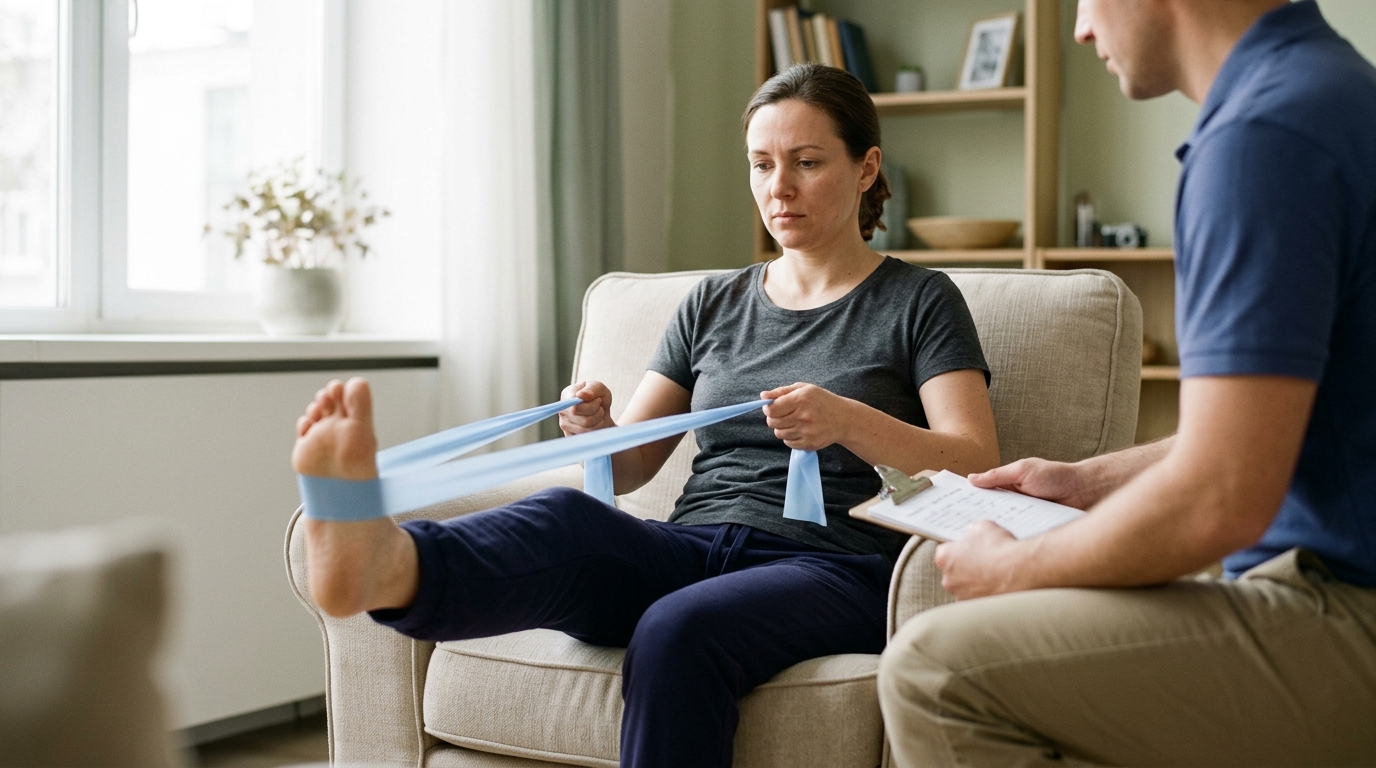
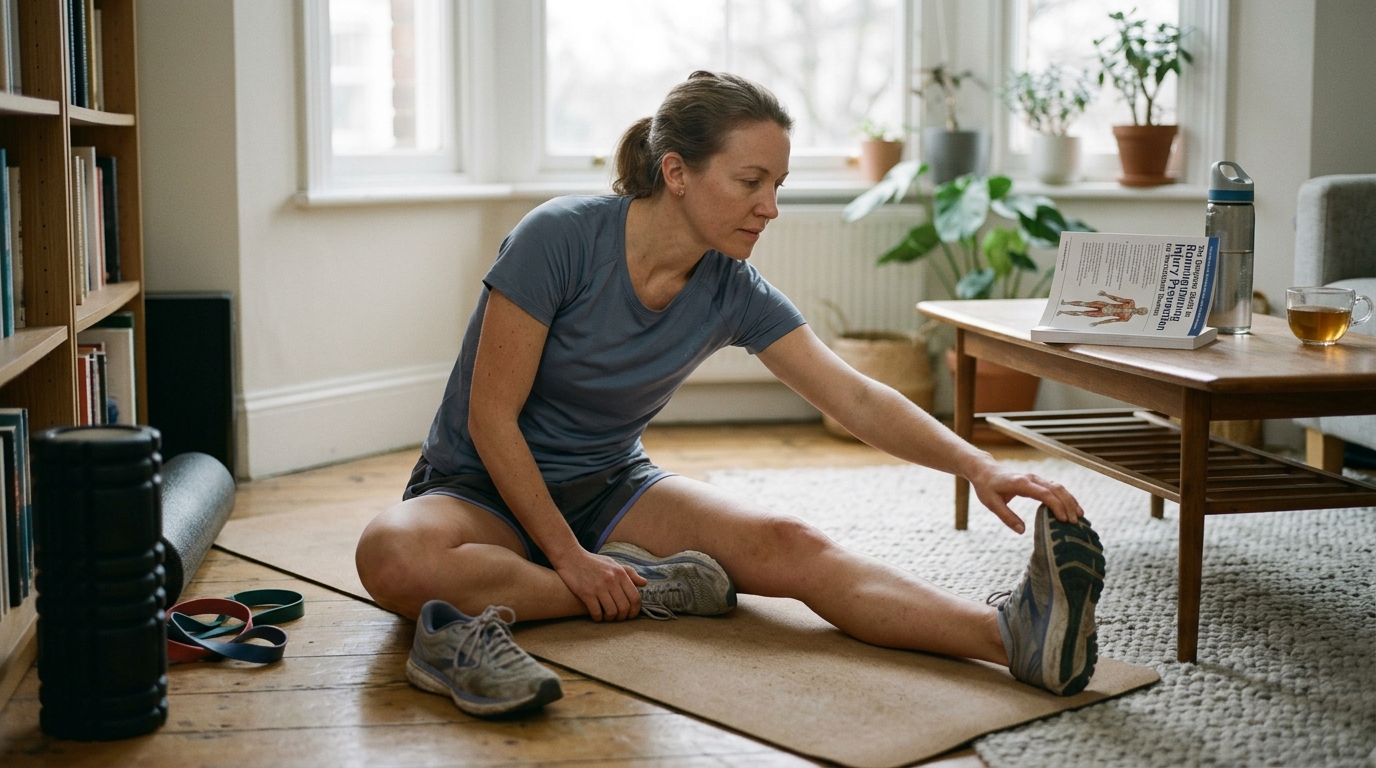
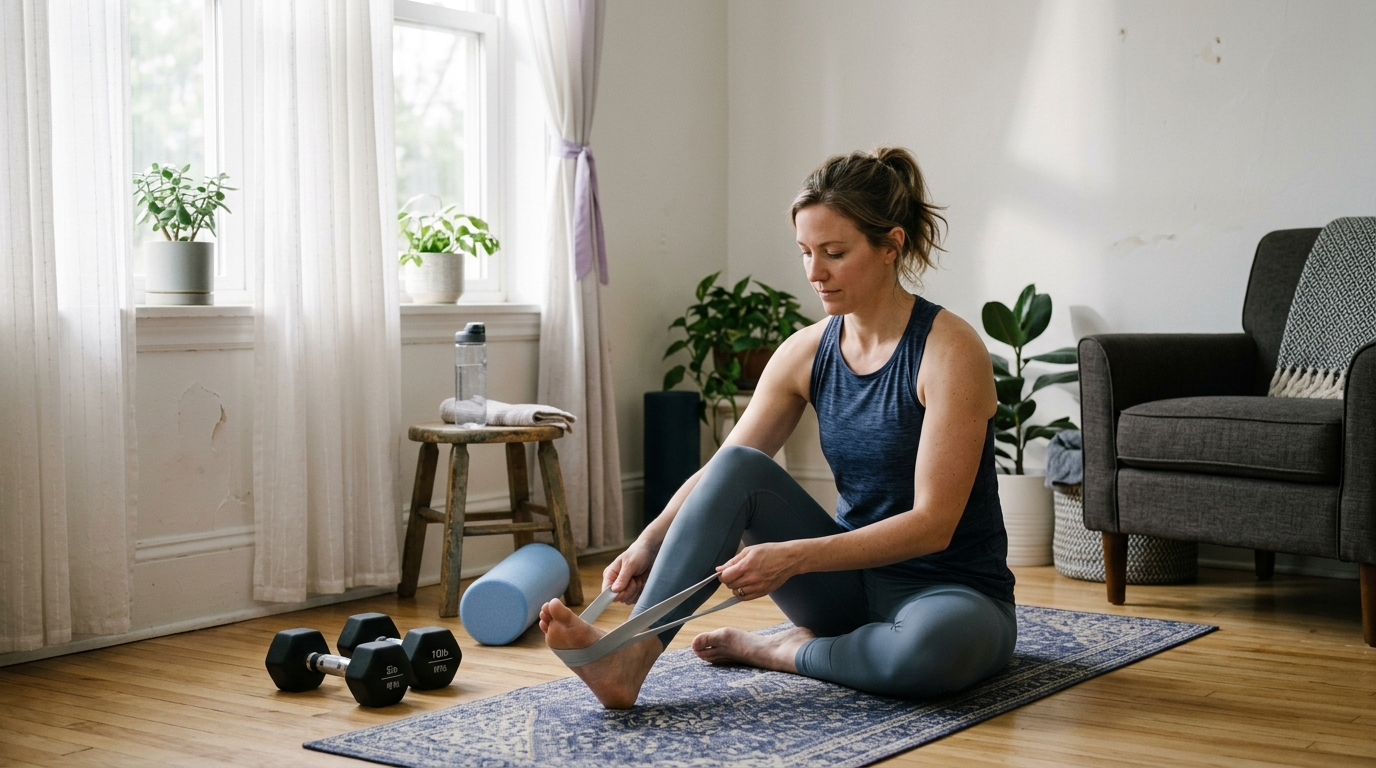
The path forward involves restoring baseline range of motion with simple ankle circles and calf stretches, followed by progressive weight-bearing exercises. The stiffness in this case is a predictable reaction to immobilization rather than proof of ongoing damage.
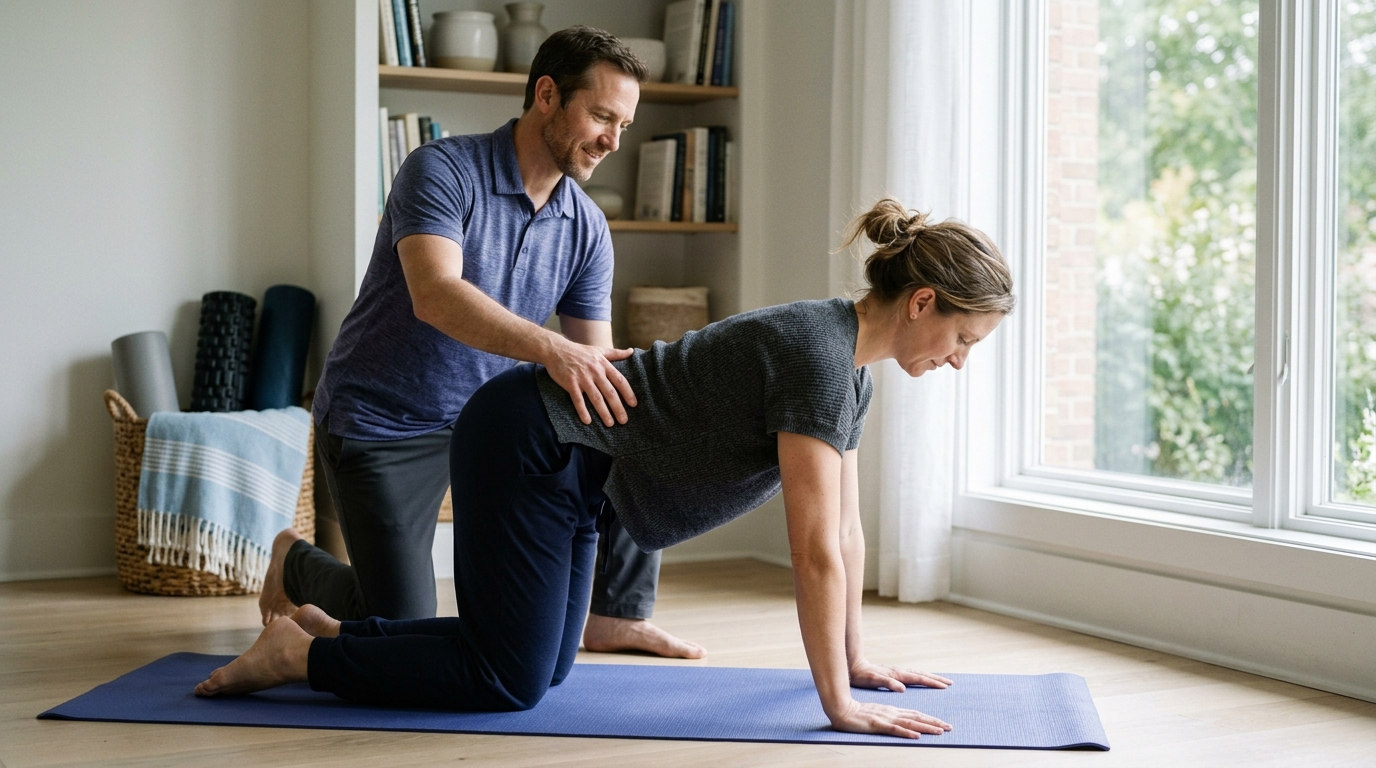
Consider an individual who recovered from a lower back strain several months ago. They can walk, sit, and do light chores without any pain. However, whenever they need to bend over to tie their shoes or pick up a grocery bag, their back muscles instantly tighten up.
This response is a classic example of protective guarding driven by anticipation. The brain recognizes the bending posture as the one that caused pain months ago, so it triggers muscle bracing before the movement even happens.
The solution is not to avoid bending forever. Instead, the person can practice gentle, supported bending exercises, such as reaching down while seated or performing slow hip hinges. This gradual practice
shows the brain that the spine can handle relaxed flexion without danger.
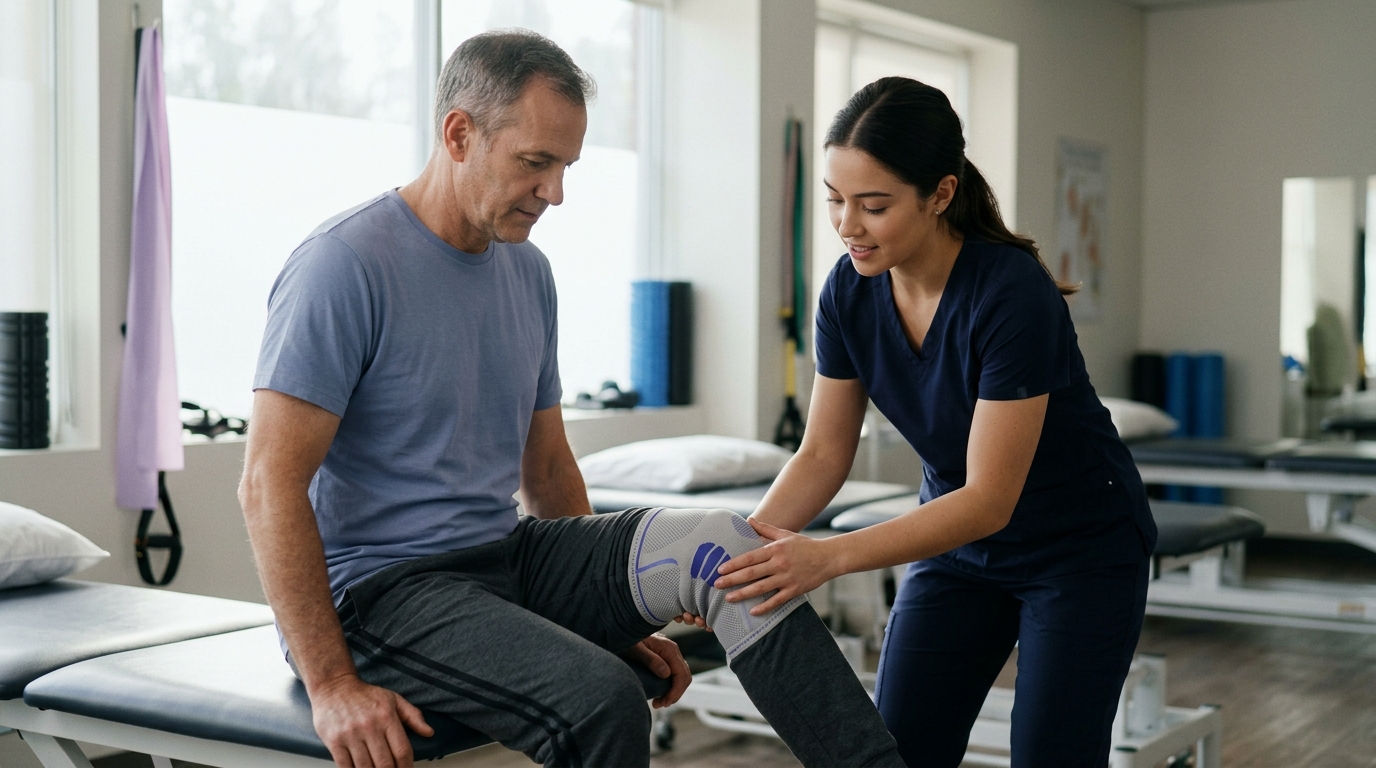
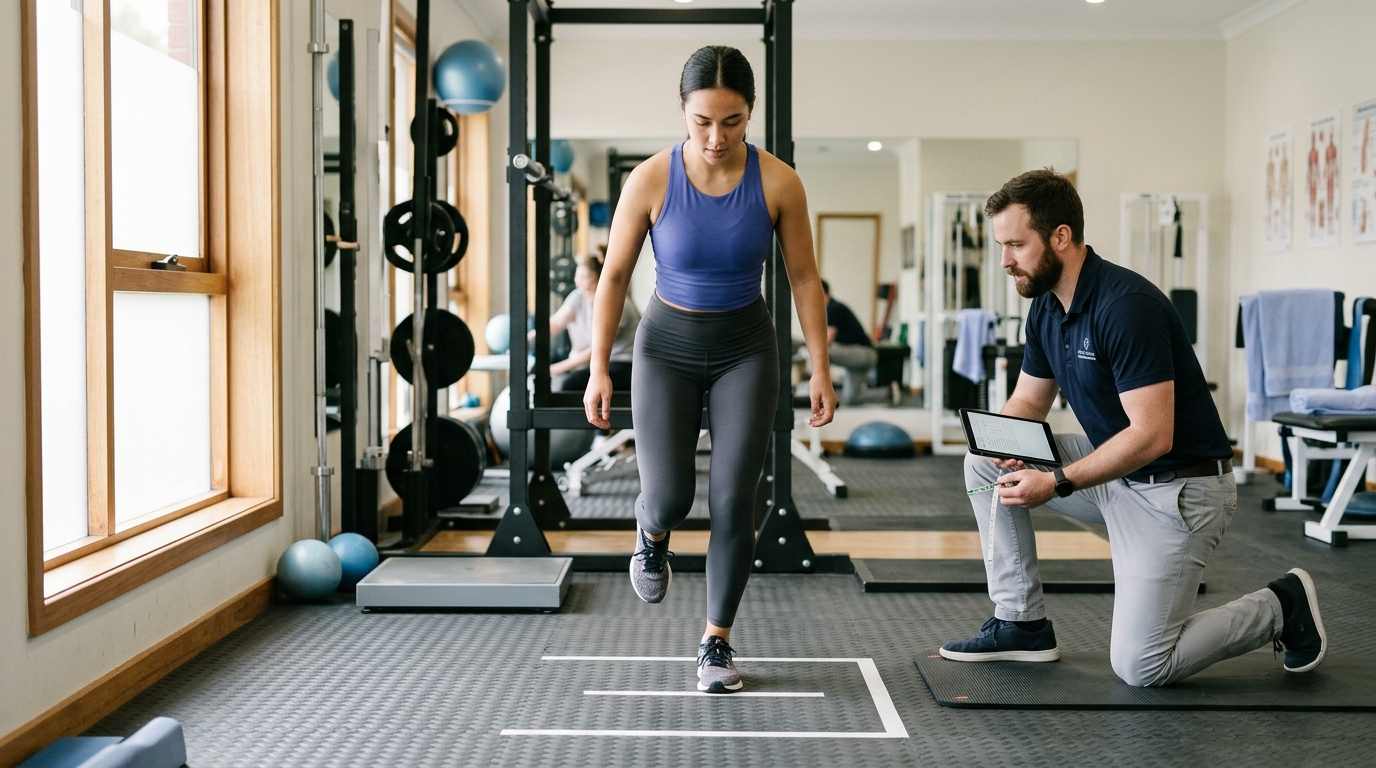
Consider an active adult who completed physical therapy for a knee meniscus tear. In the clinic, they can perform leg presses, squats, and balance drills with good form. Yet, when they try to play tennis or hike on uneven trails, their knee feels weak and unstable.
This mismatch occurs because complex, unpredictable environments demand higher levels of coordination and mental trust. Clinical exercises are controlled, while outdoor terrain requires rapid, reactive adjustments.
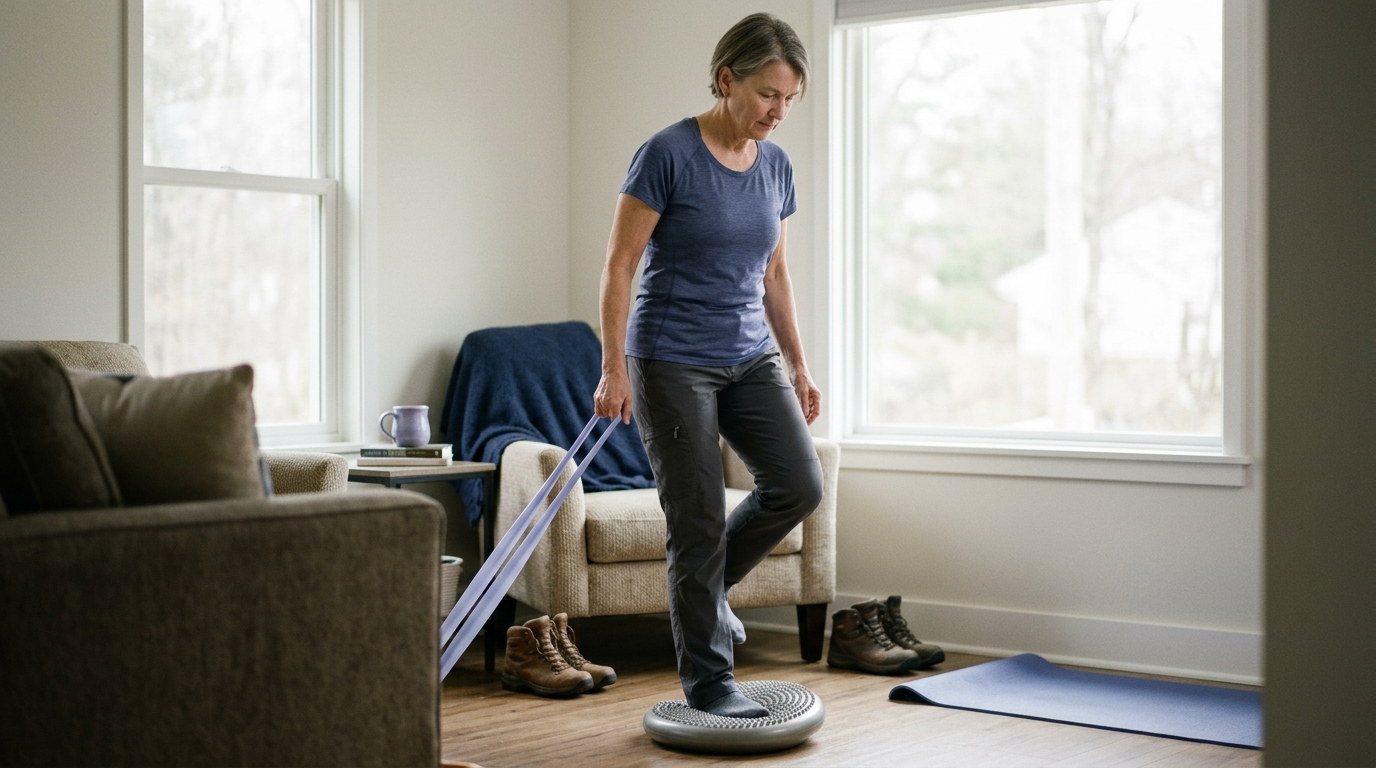
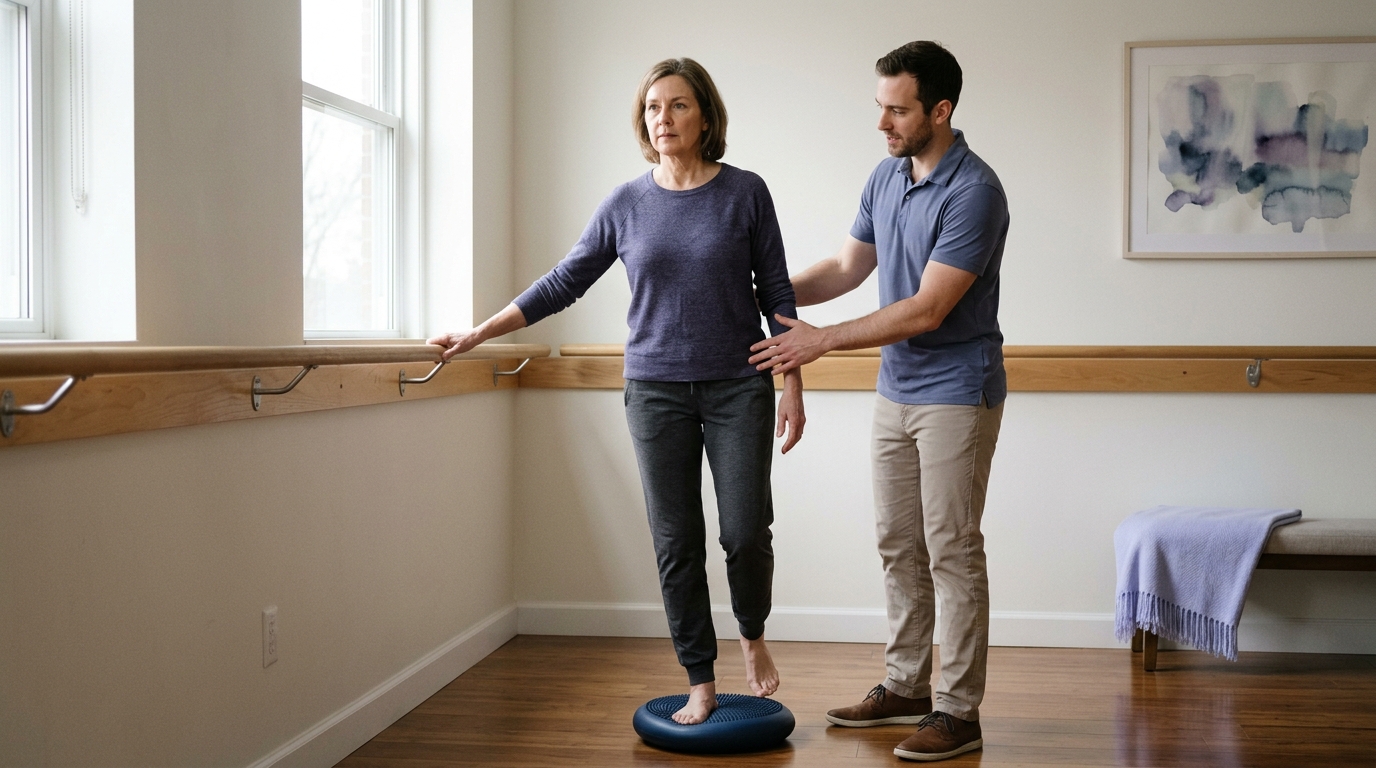
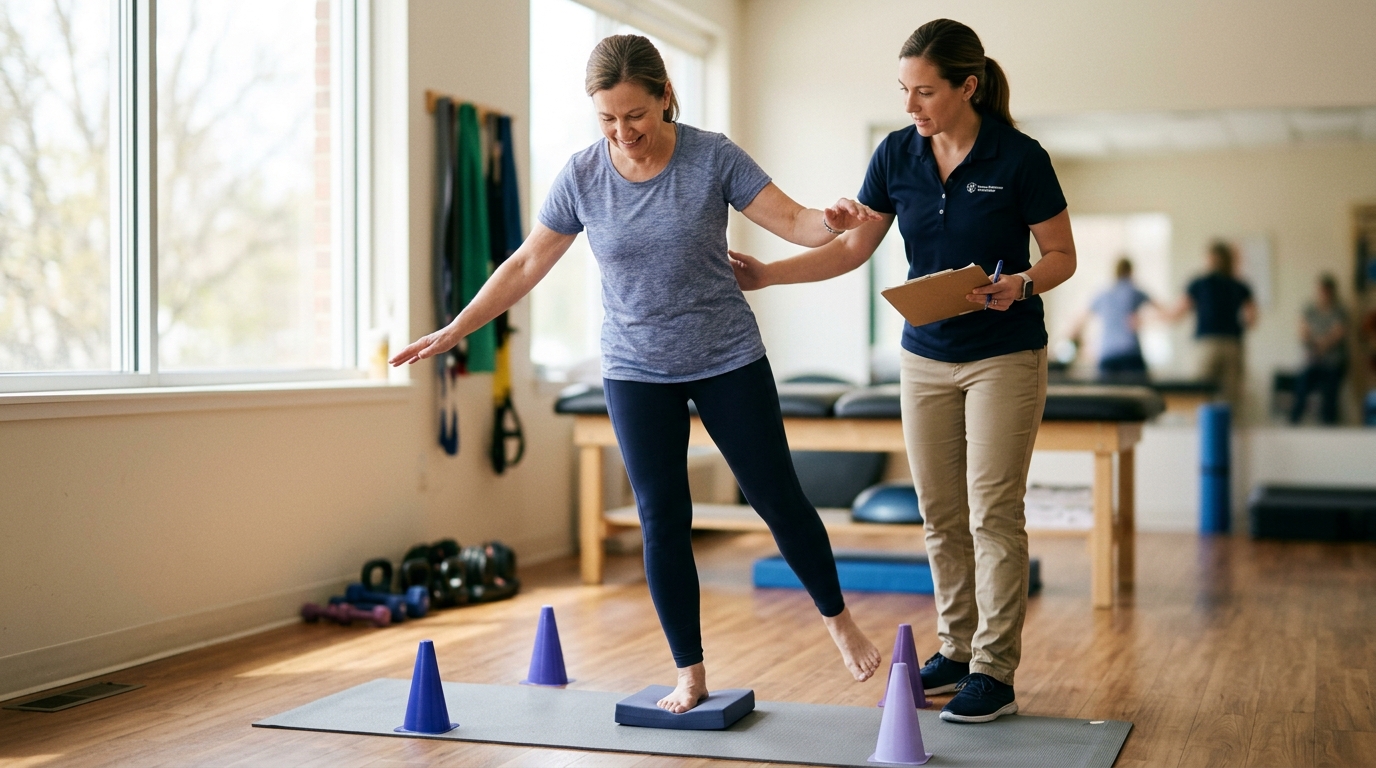
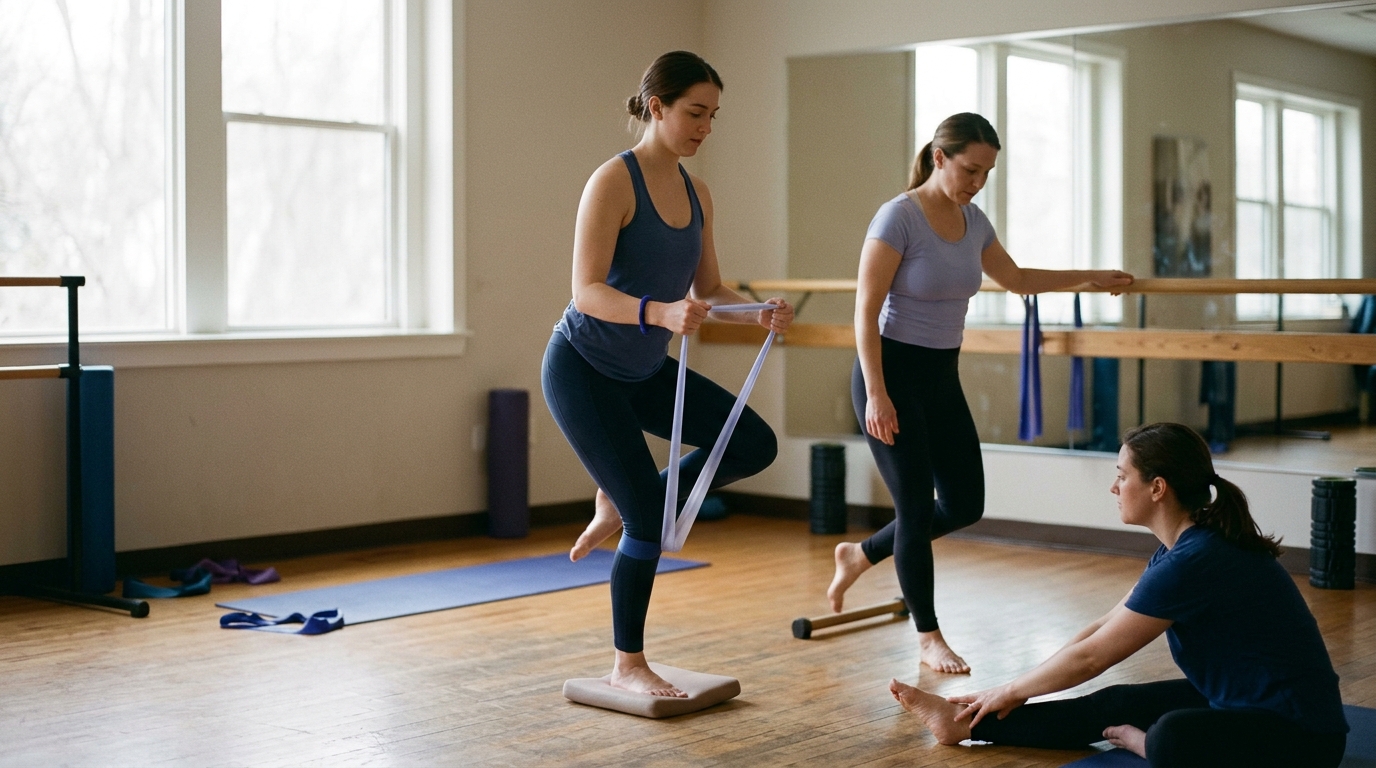
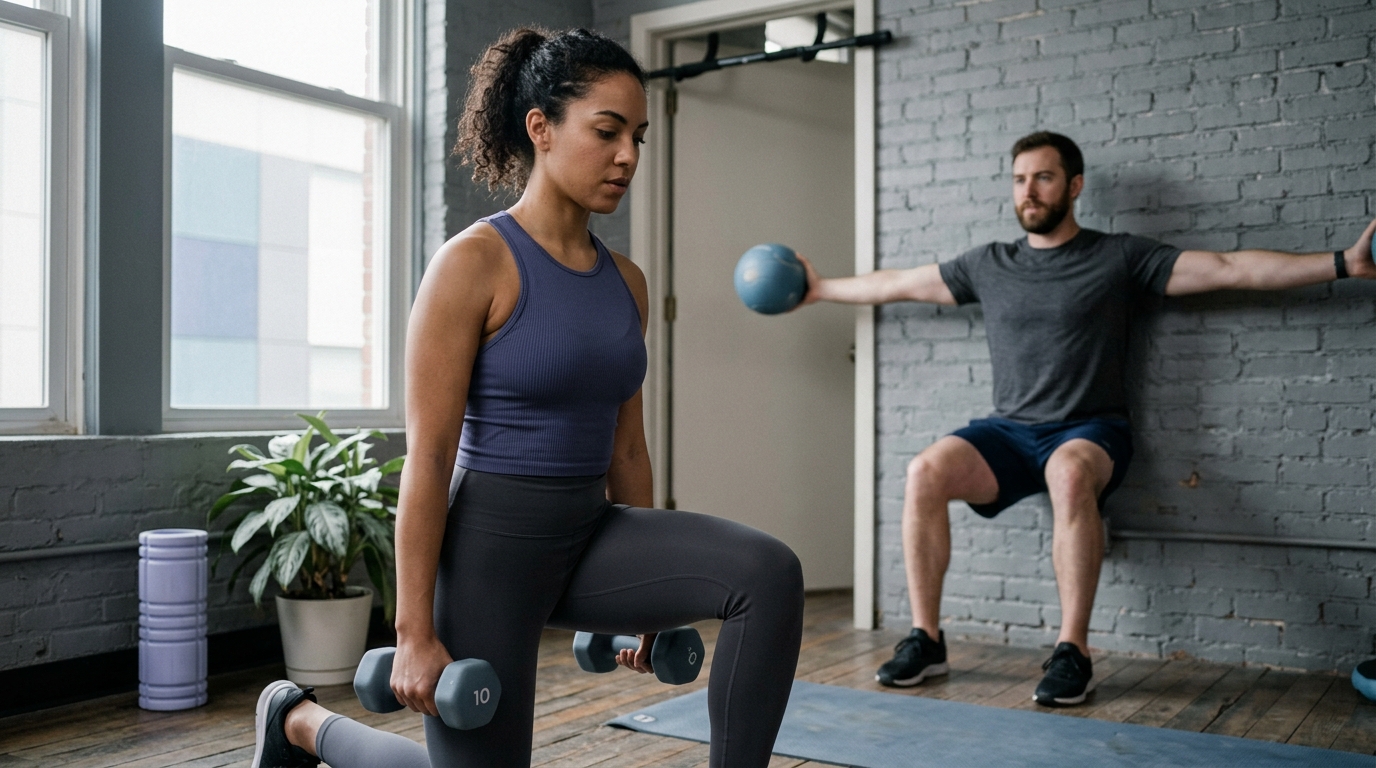
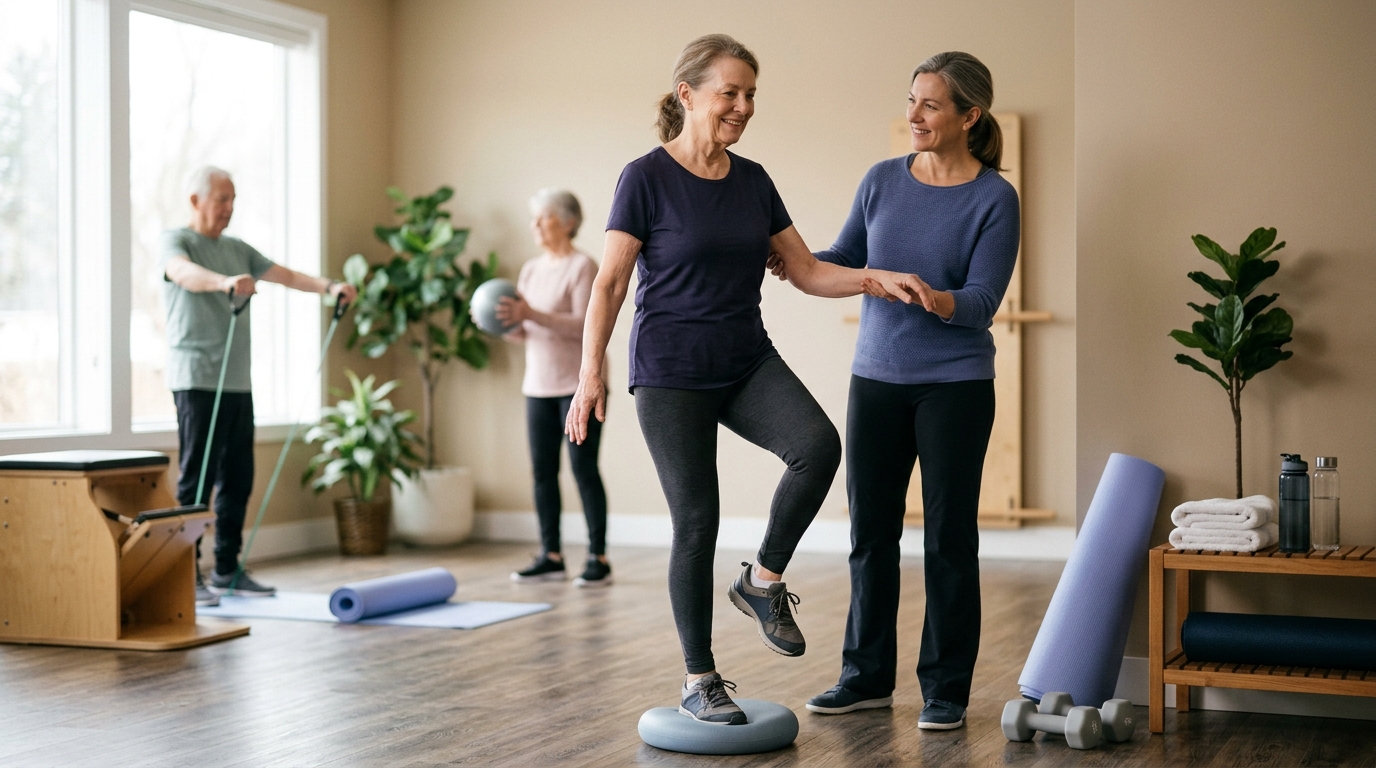
Closing this gap requires functional progression. The individual needs exercises that mimic real-world unpredictability, such as agility ladder drills, lateral lunges, and balance work on foam pads. Moving from controlled strength to dynamic movement bridges the confidence gap. You can explore structured exercise progressions in our section on strength and return to sport.
Why does one person bounce back from a shoulder strain in six weeks while another feels stiff for six months? Recovery is shaped by many overlapping biological, psychological, and environmental variables. Recognizing these factors helps set realistic expectations for your own timeline.
The severity of the initial injury plays a foundational role. A minor micro-tear heals much faster than a complete rupture or complex fracture. Age also influences tissue healing rates. As we age, tendons and ligaments produce less elastin and collagen turnover slows down, meaning tissues take longer to remodel.
General health factors like circulation, diabetes, and systemic inflammation also affect how efficiently the body clears fluid and repairs cells.
What you do during the rest of your day matters just as much as your rehabilitation exercises. A person whose job involves prolonged desk sitting will naturally experience more morning or post-work stiffness than someone who can walk around periodically.
Conversely, returning to demanding physical labor too quickly can overload healing tissues, provoking inflammatory flares and increased muscle guarding. Finding the right balance between active movement and recovery is essential.
Your overall state of well-being directly alters pain processing. Chronic psychological stress elevates cortisol and other stress hormones, which can increase systemic inflammation and heighten nerve sensitivity.
Sleep is the primary window for tissue repair and neurological recovery. Poor sleep lowers your pain tolerance and reduces the brain's ability to unlearn fear-based movement habits. When you improve sleep and manage daily stress, you create a physiological environment that supports smoother movement.
While stiffness, mild aching, and protective guarding are standard parts of recovery, certain signs indicate that an injury requires prompt medical evaluation. It is critical to distinguish between normal recovery discomfort and symptoms that suggest complications or structural failure.
Public health organizations like the NHS outline clear criteria for when joint and soft-tissue symptoms warrant professional review. You should contact a qualified medical provider if you experience any of the following signs:
Less urgent but still important reasons to seek medical advice include symptoms that fail to improve over several weeks, pain that wakes you from sleep, or morning stiffness that lasts longer than 30 to 45 minutes. If a joint repeatedly gives way or feels mechanically unstable during simple tasks, a clinician should check the integrity of the stabilizing ligaments and tendons.
Navigating post-injury care requires objective medical oversight. Do not ignore clear physical warning signs in an attempt to hurry your recovery.
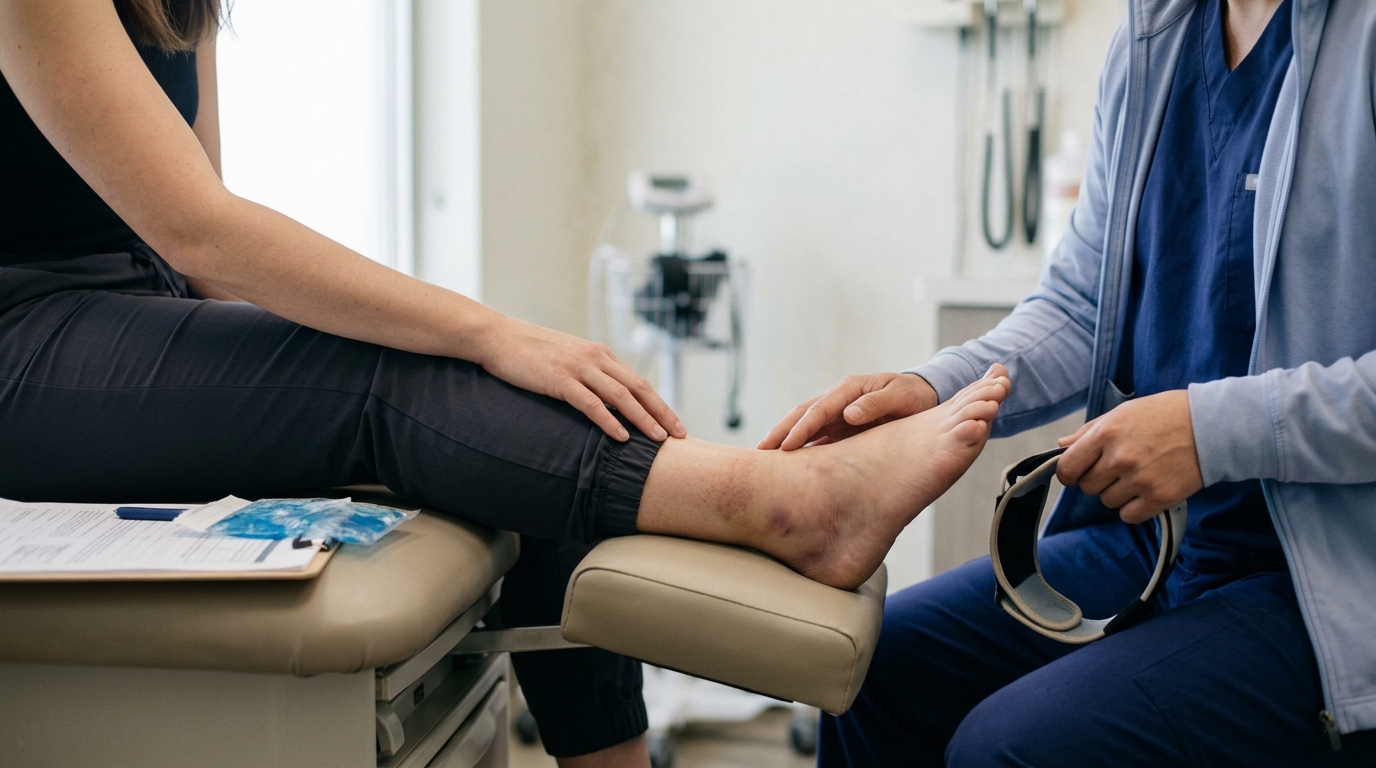
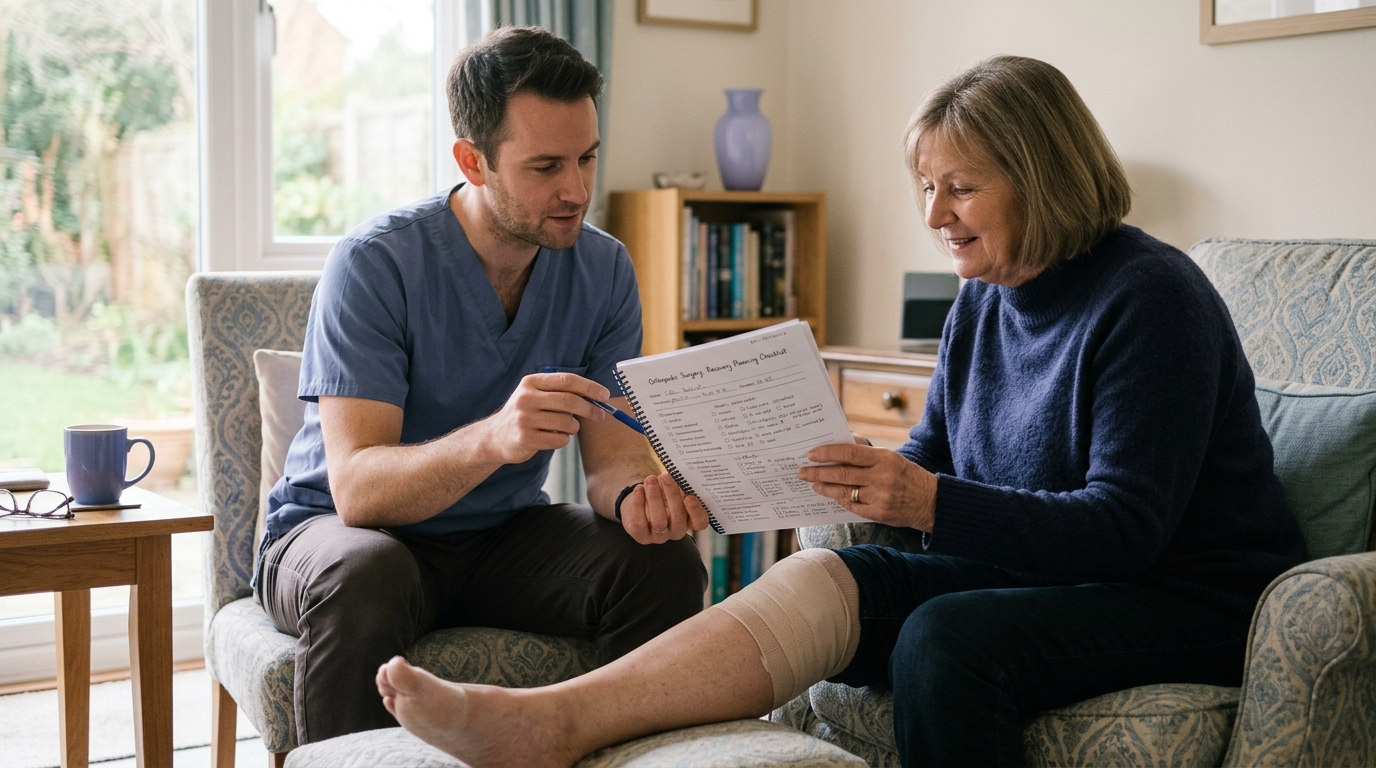
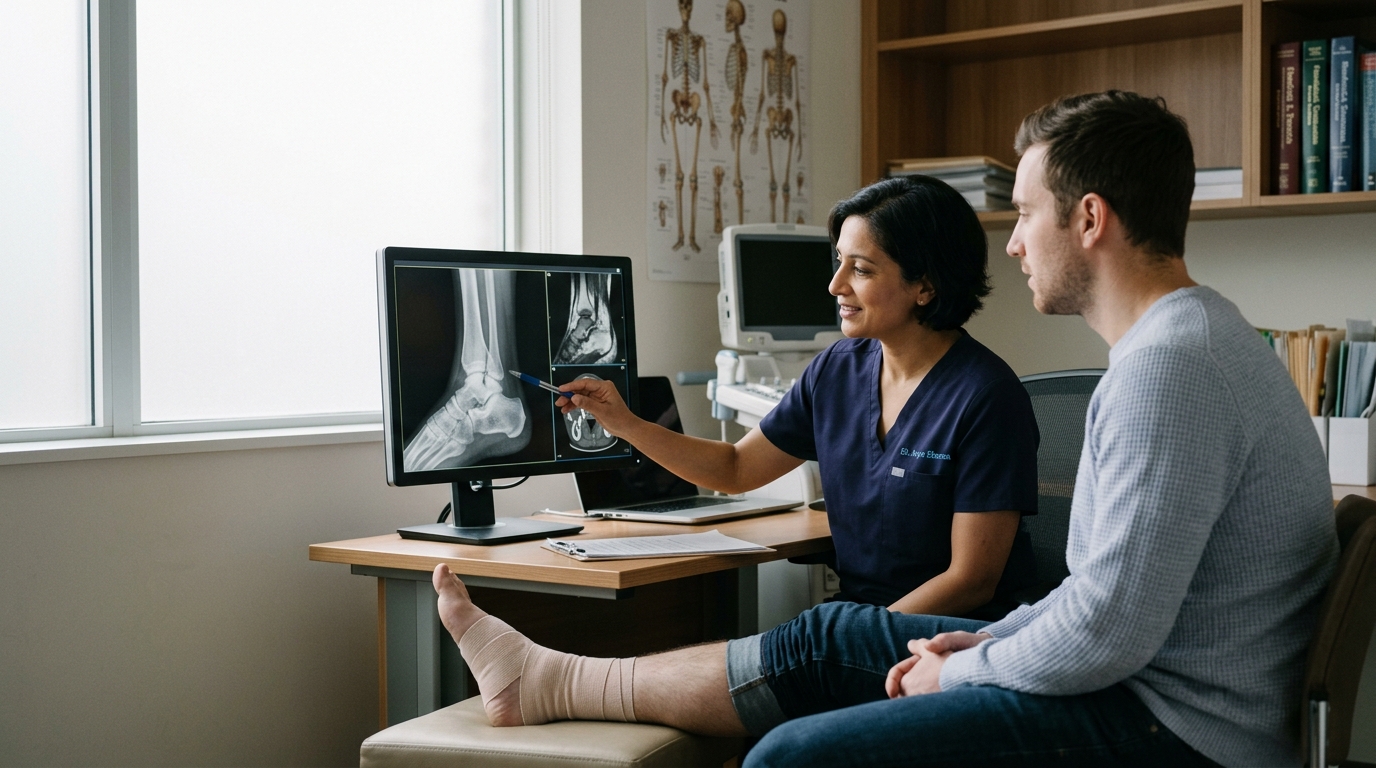
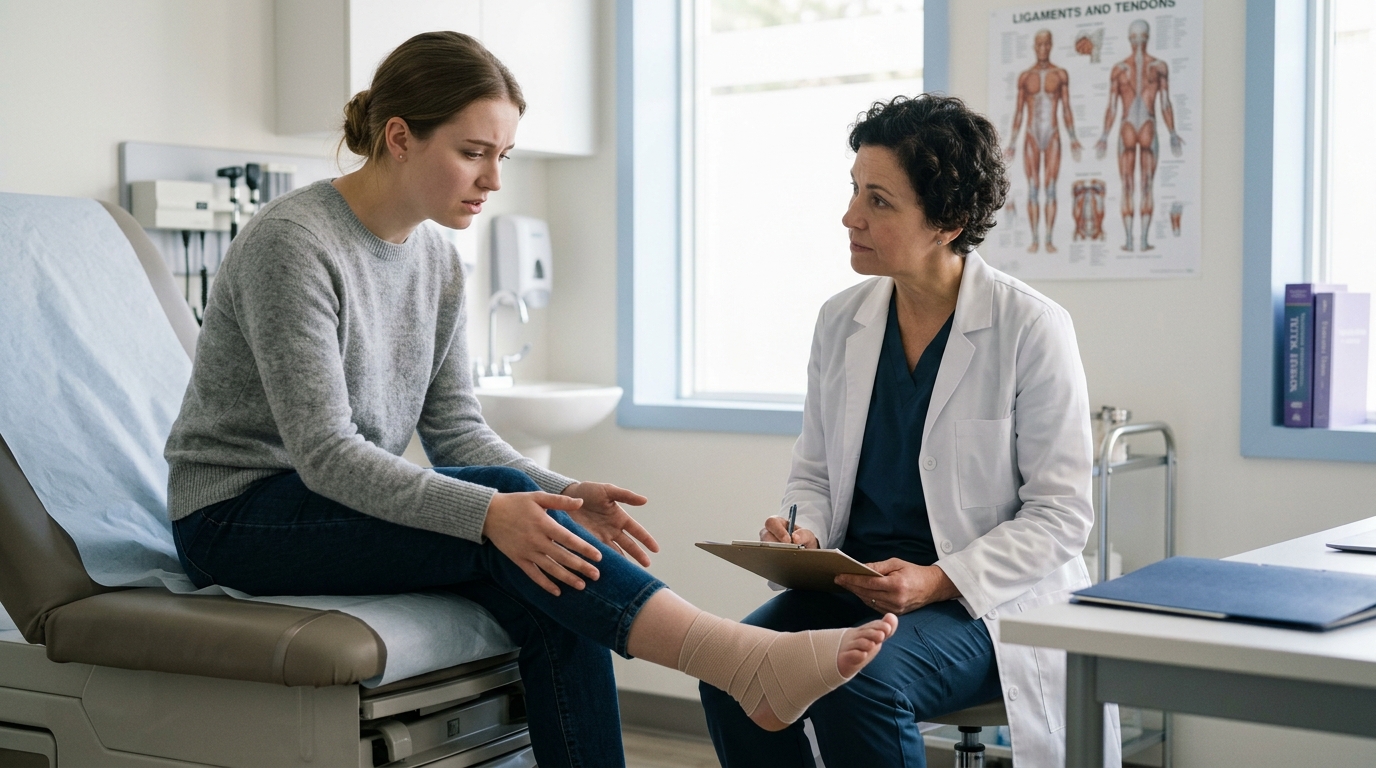
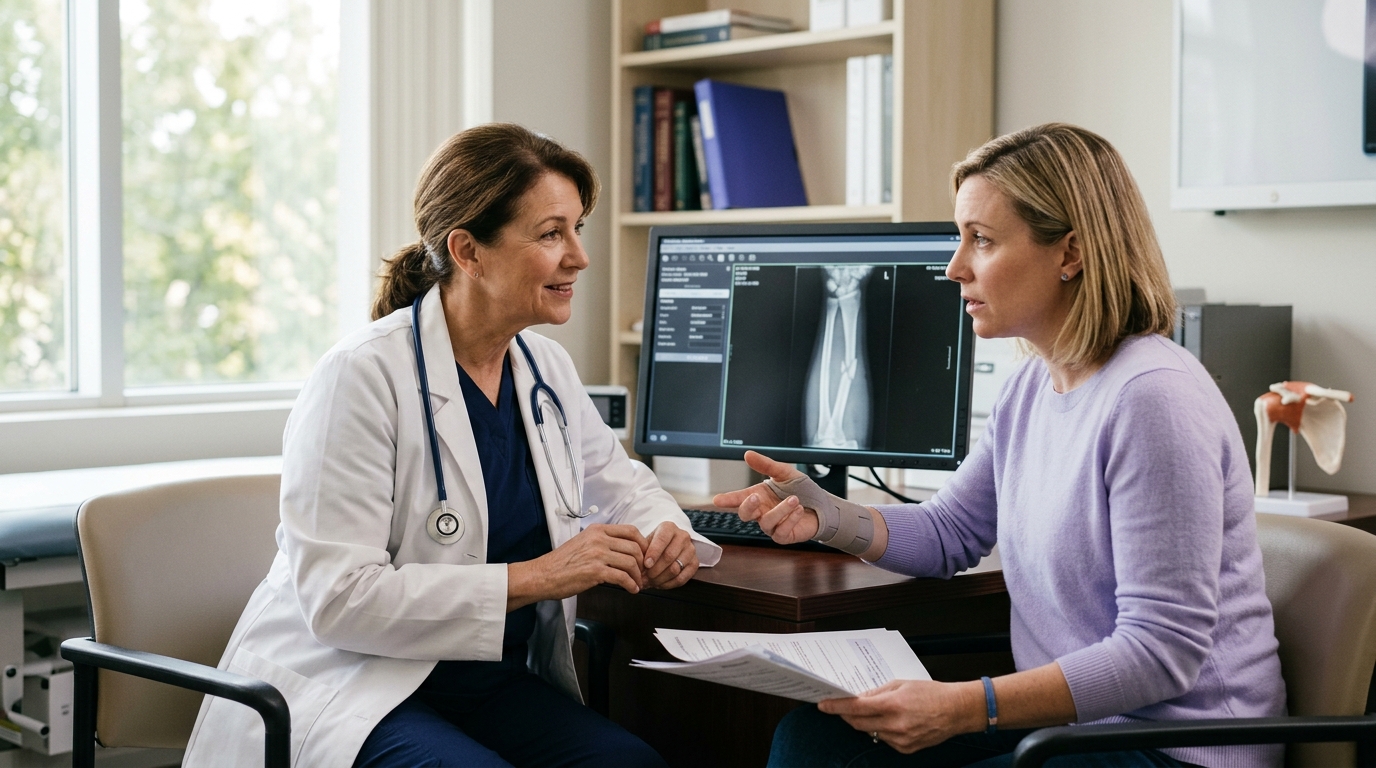
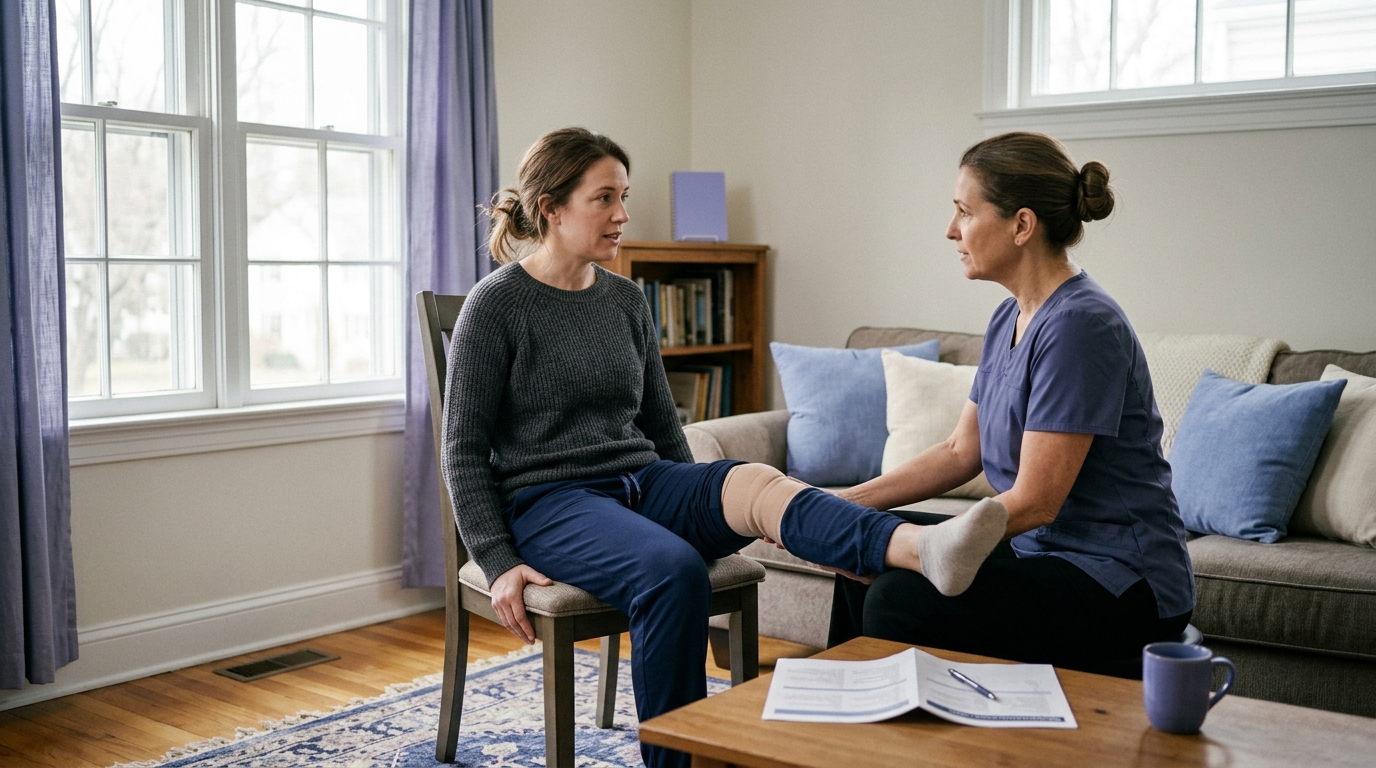
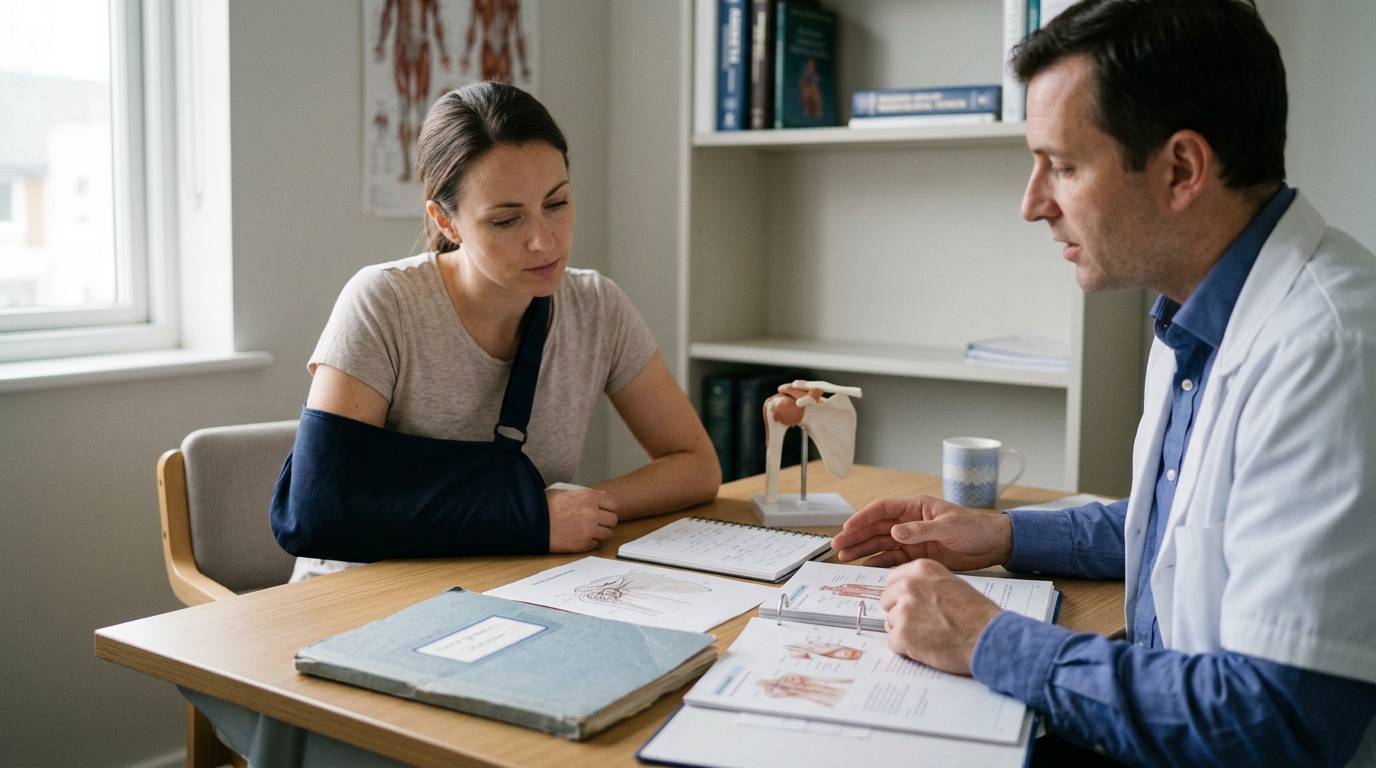
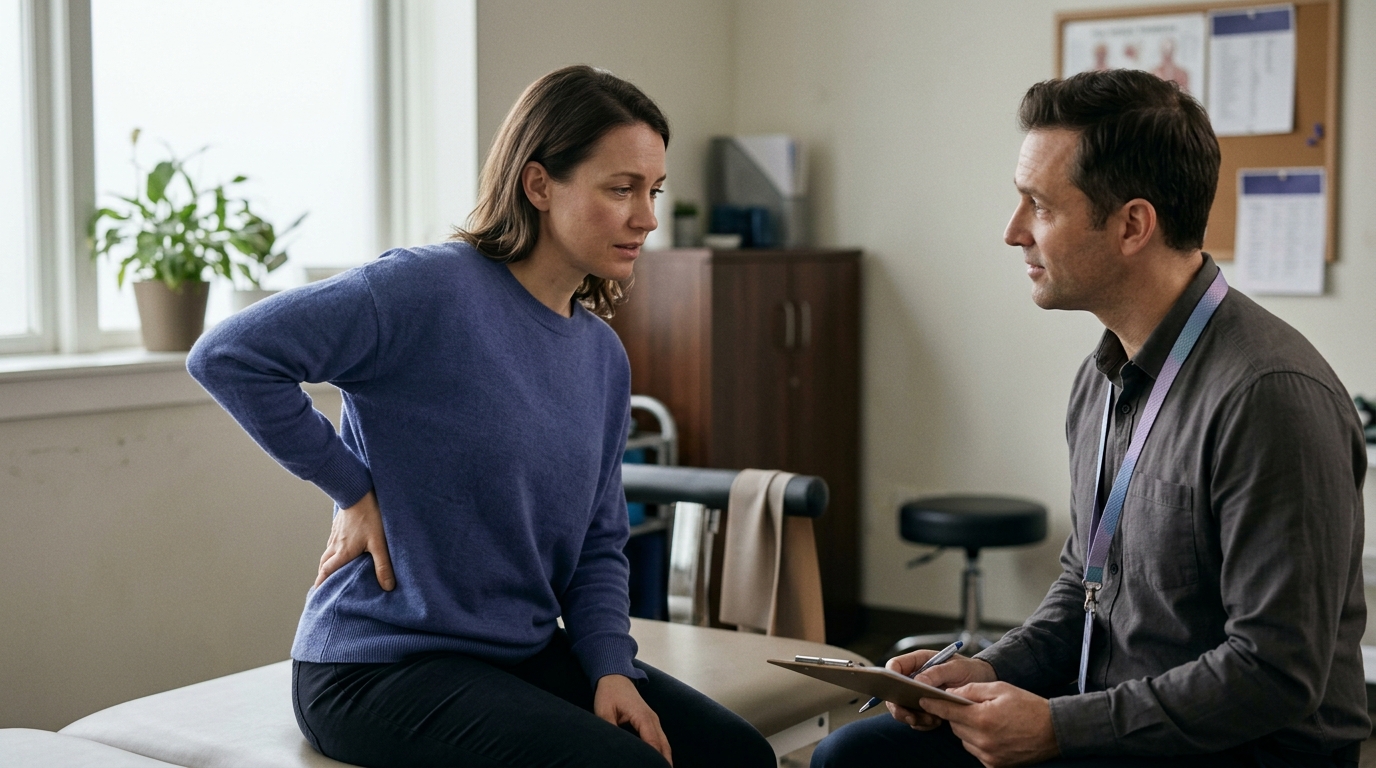
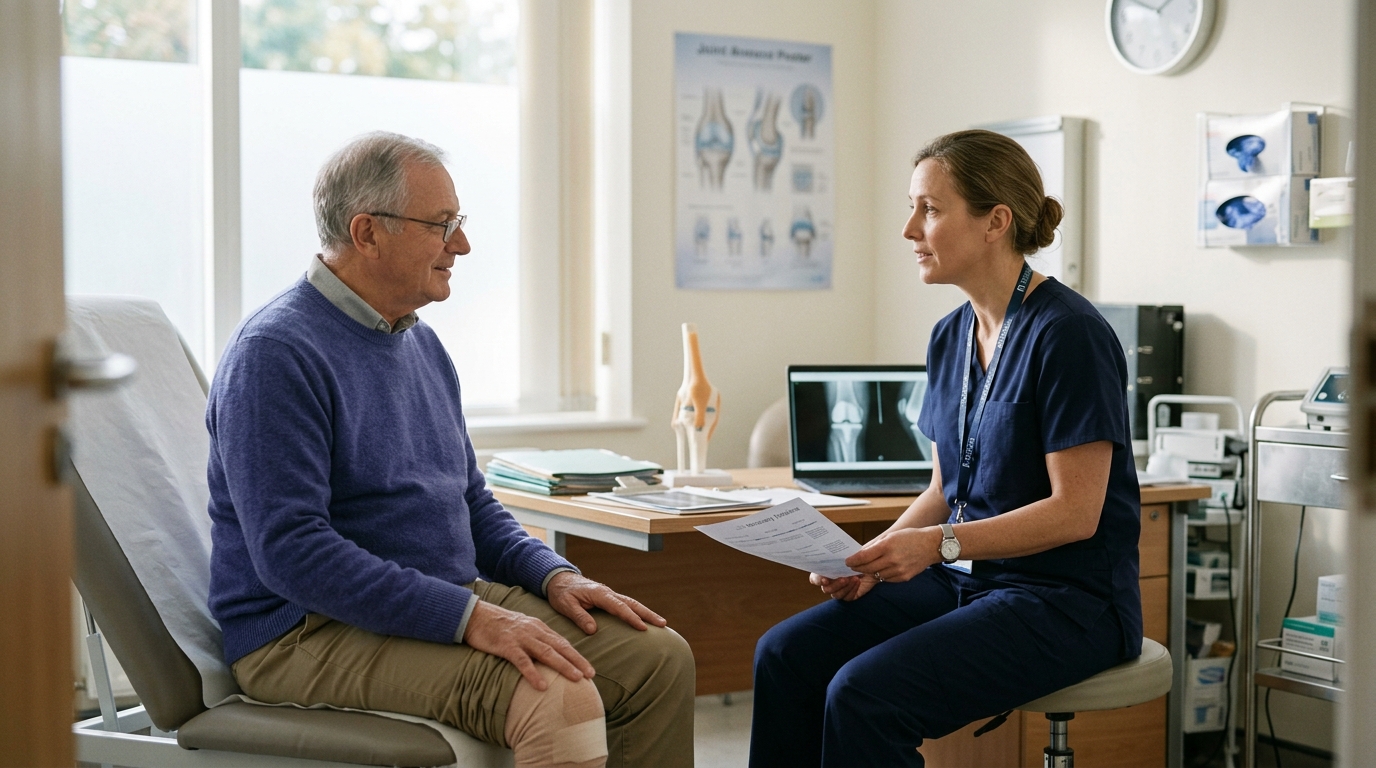
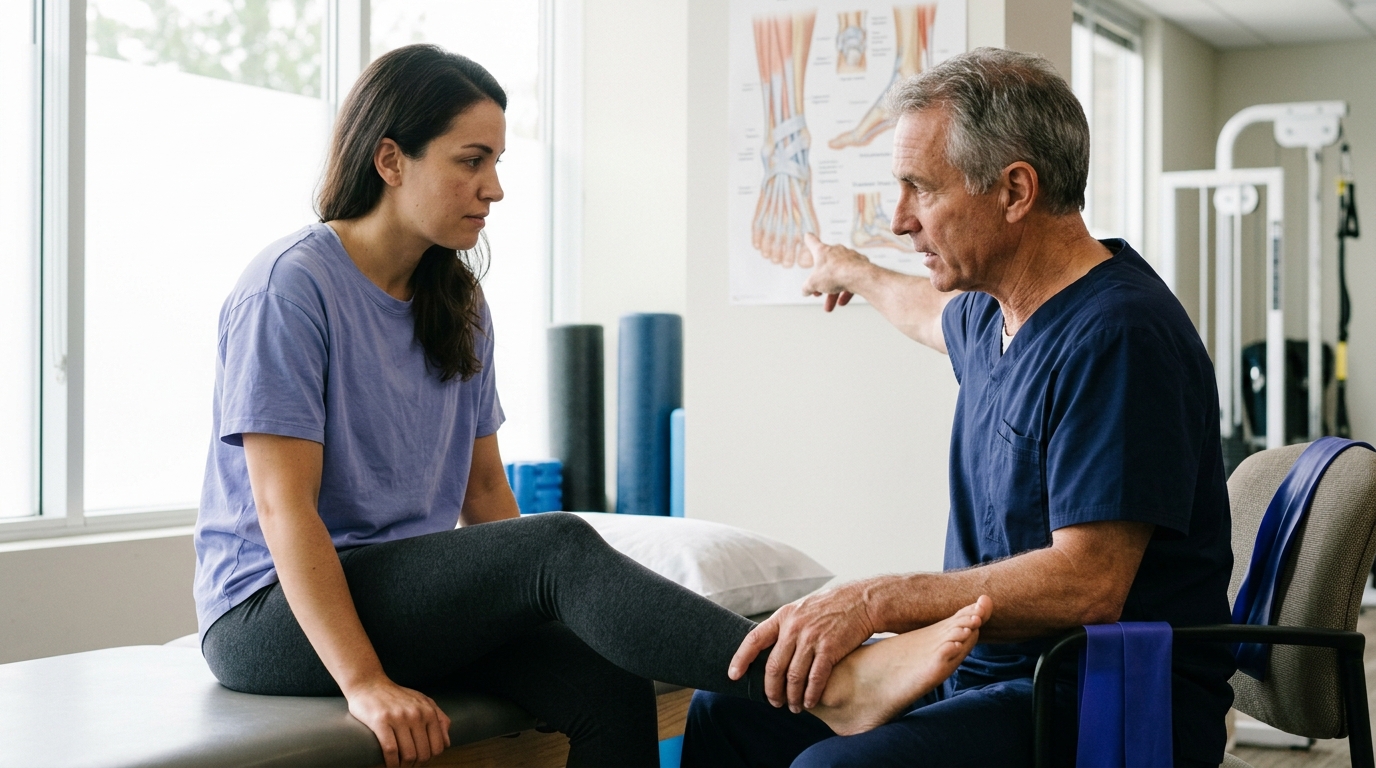
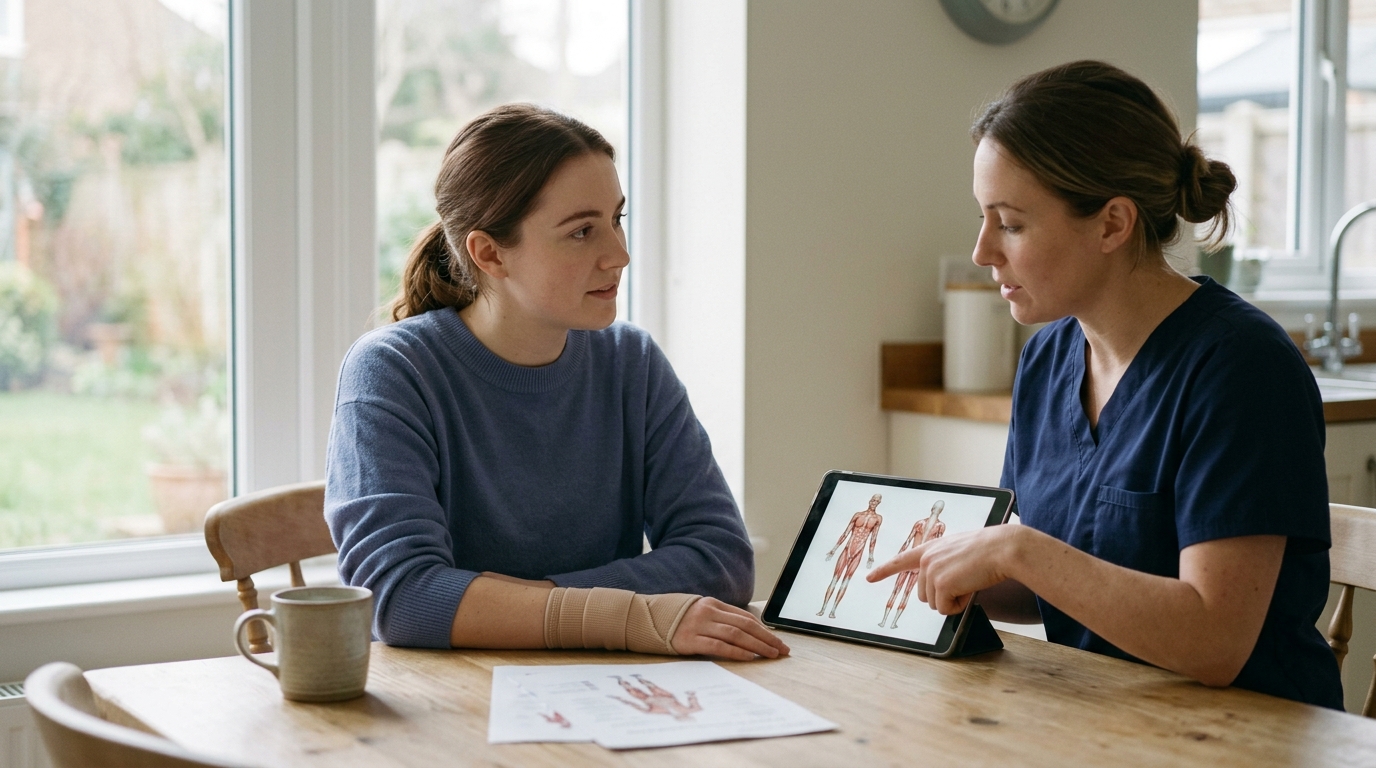
When you see a doctor, orthopedic surgeon, or physical therapist, having a structured way to describe your symptoms leads to much better care. General statements like "my knee just hurts" give the clinician limited information. Providing specific functional details helps your provider pinpoint whether your limitation is driven by joint mechanics, muscle weakness, or nervous system guarding.
Before your appointment, prepare notes using this simple five-part structure:
Use these direct questions to guide your conversation and build a collaborative rehabilitation plan:
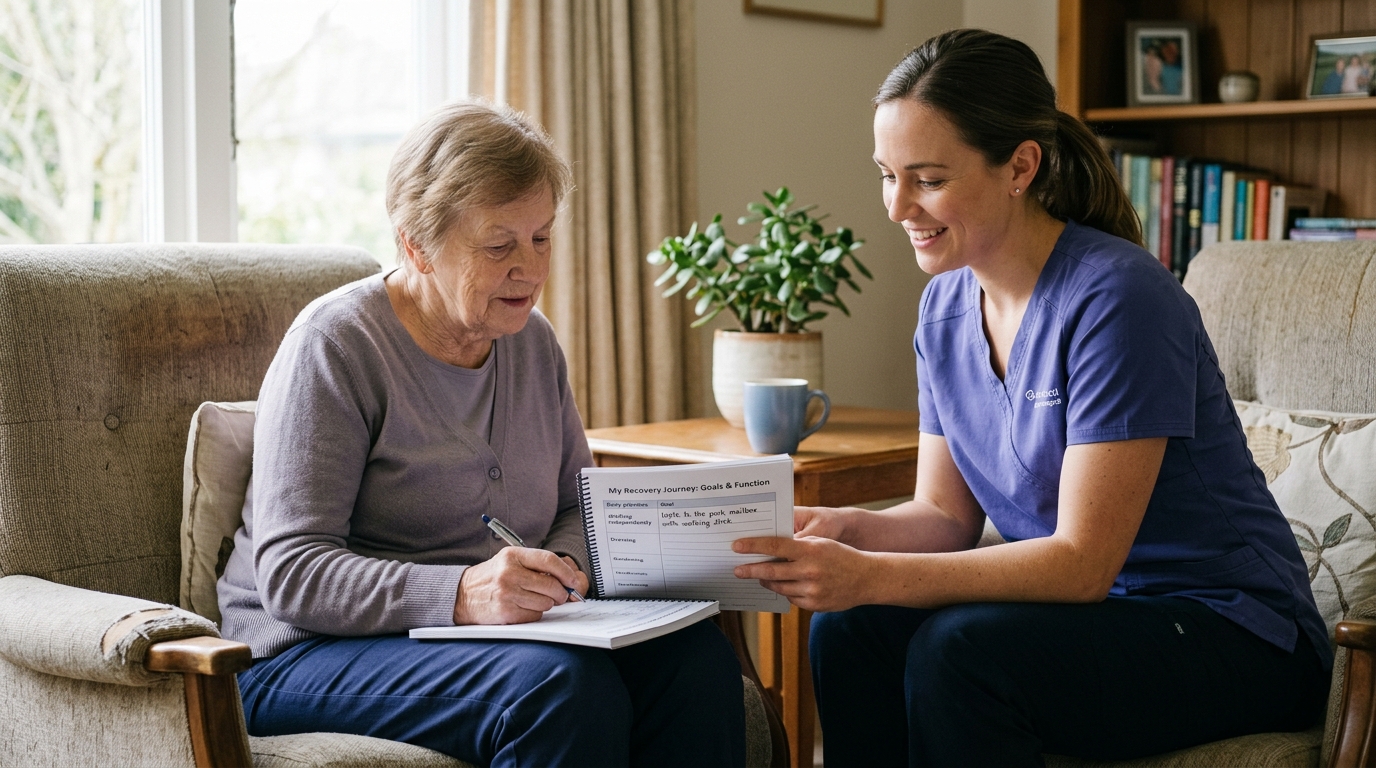
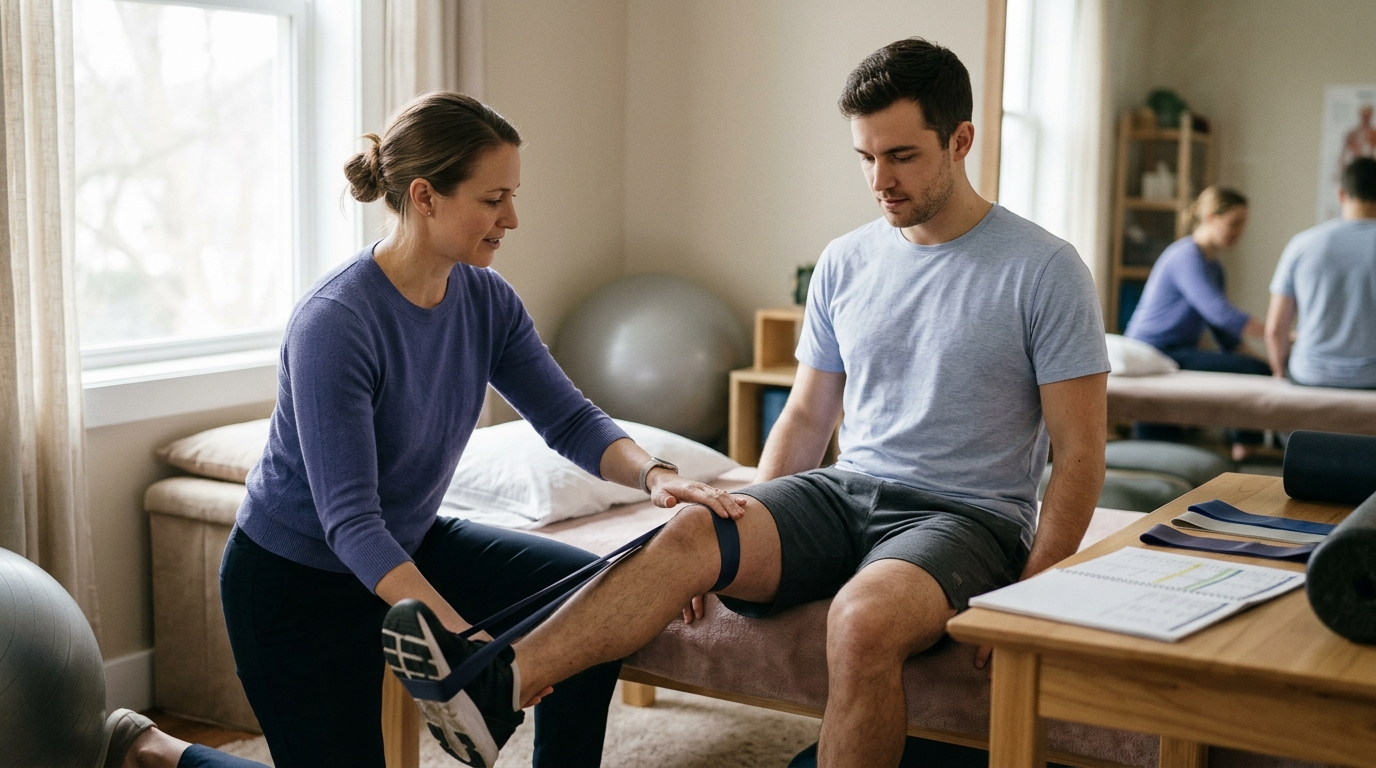
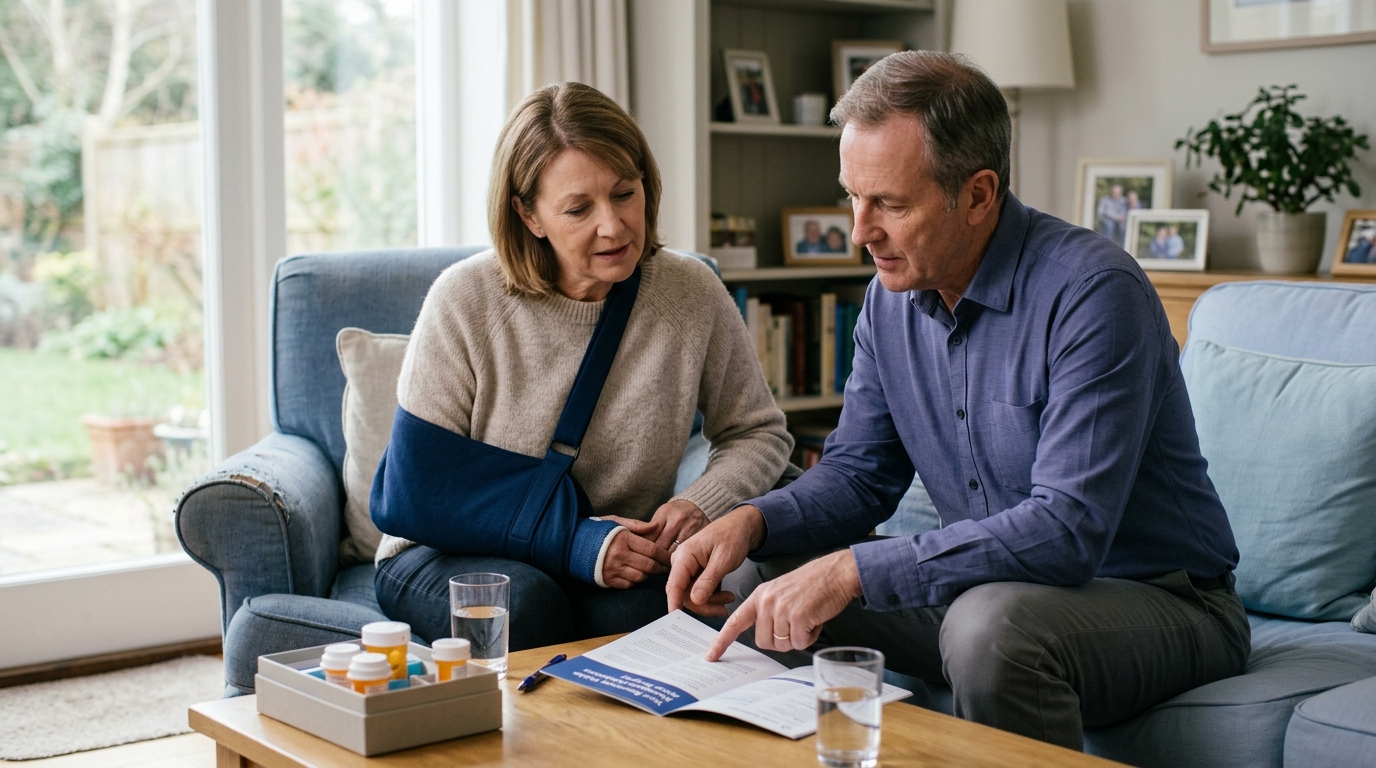
NICE guidelines emphasize that rehabilitation works best when it is guided, self-managed, and regularly reviewed with a healthcare professional. Asking clear questions ensures your exercise program is tailored directly to your needs. For more guidance on working with recovery specialists, visit our rehabilitation and mobility resources.
Movement feeling stiff, awkward, or guarded after an injury is a normal biological response. It does not automatically mean that healing has failed or that your tissues are permanently damaged. Recovery involves rebuilding physical range of motion, calming down protective nervous system reflexes, and restoring mental confidence.
Healing is a gradual process that requires patience, progressive loading, and clear communication with your medical team.
To apply these insights to your current recovery, use this practical action checklist over the next seven days:

Use ReboundBody resources to understand common recovery stages, rehab terms, movement limits and strength rebuilding. Each guide is designed to make a complex comeback easier to understand.


Read practical guidance on injury recovery, rehabilitation, mobility and rebuilding strength as you work your way back to activity.
Explore Resources