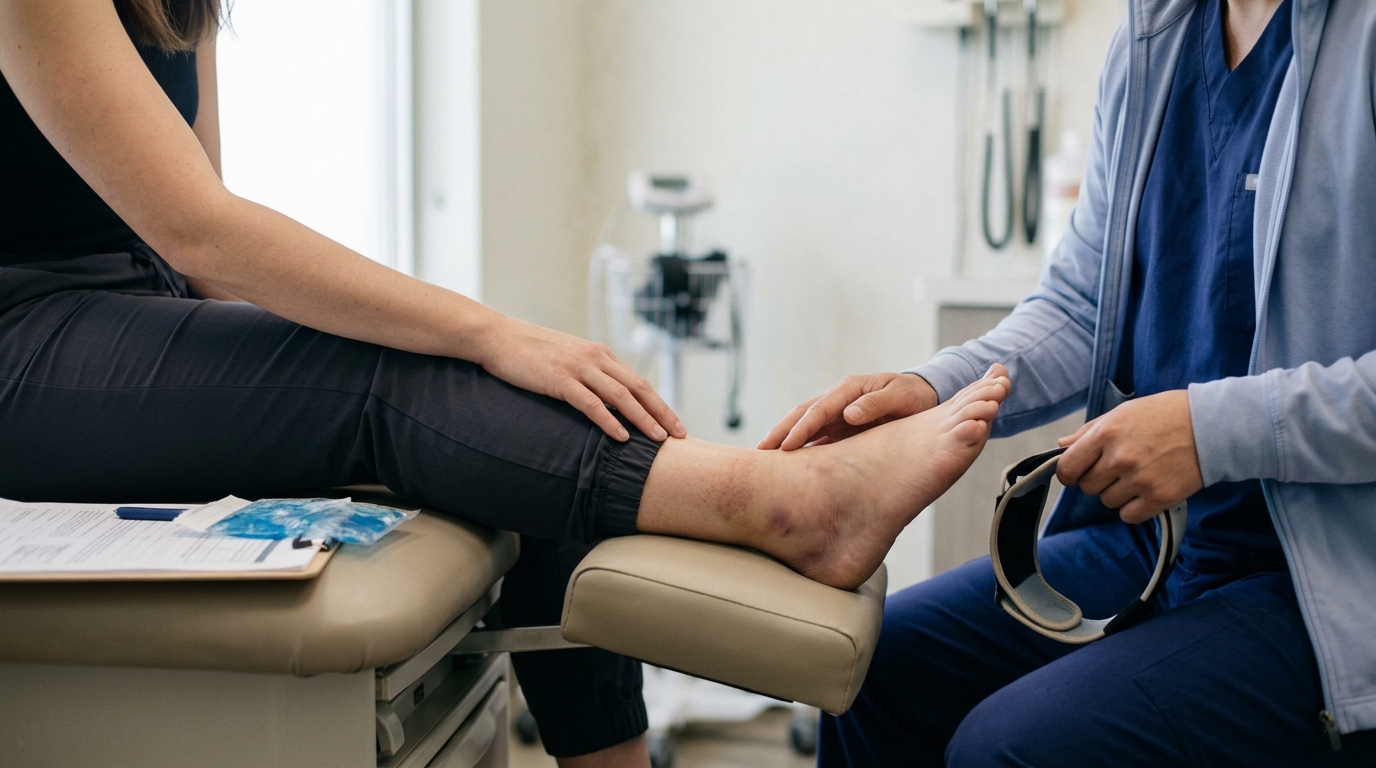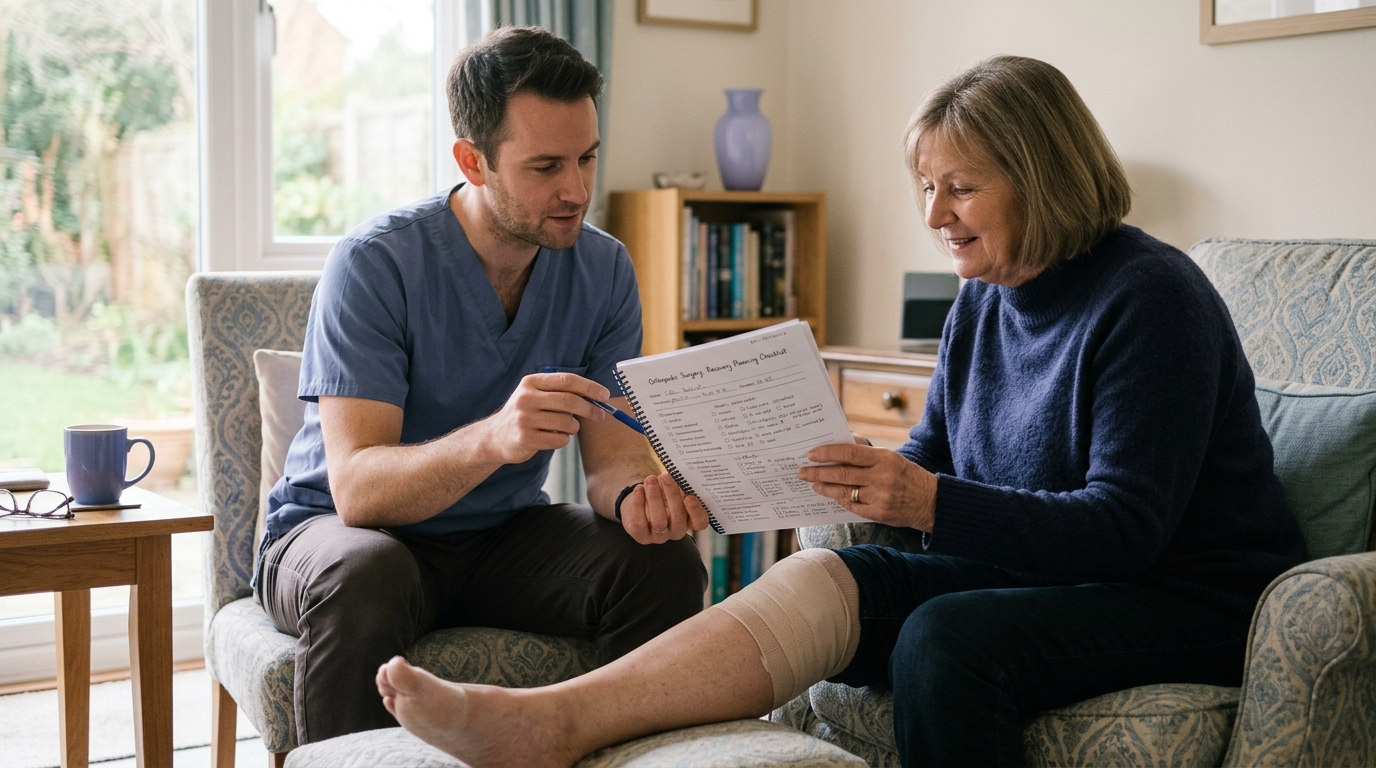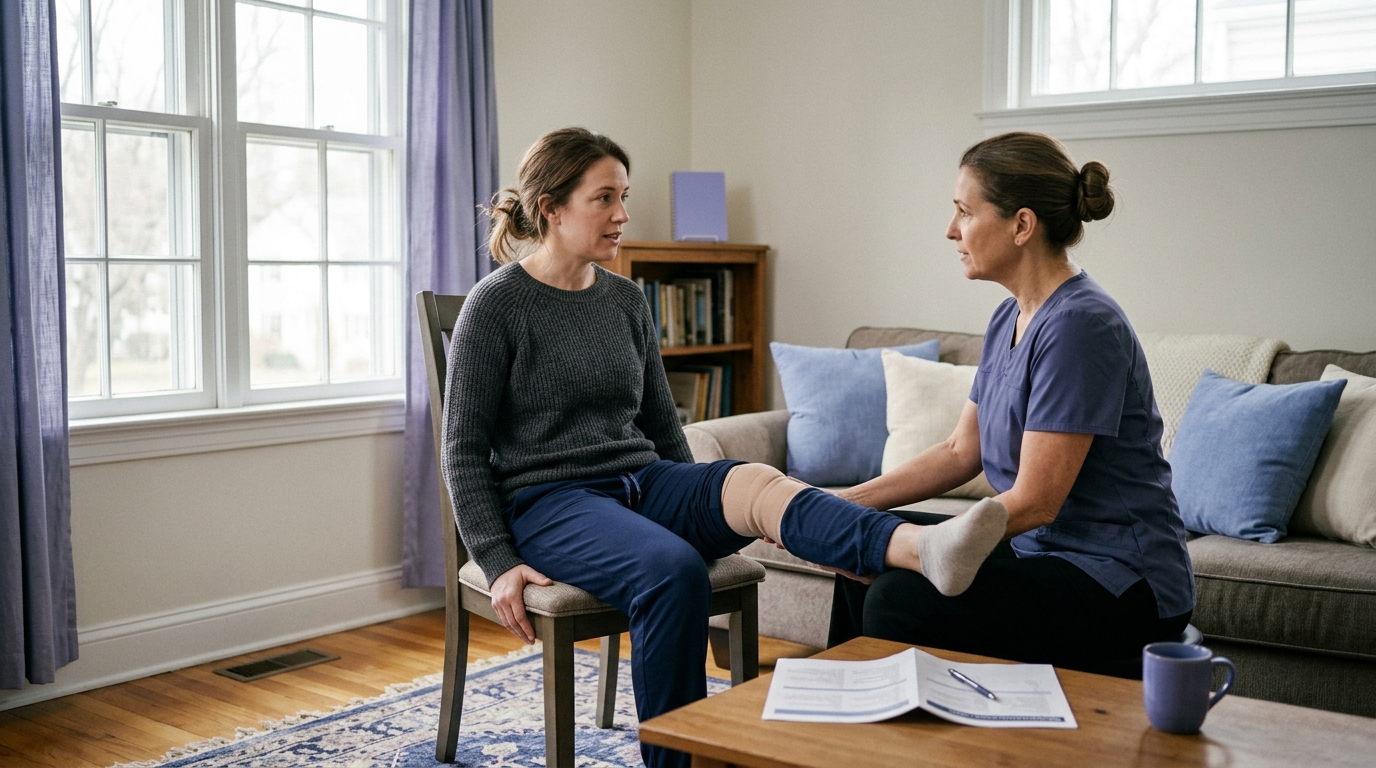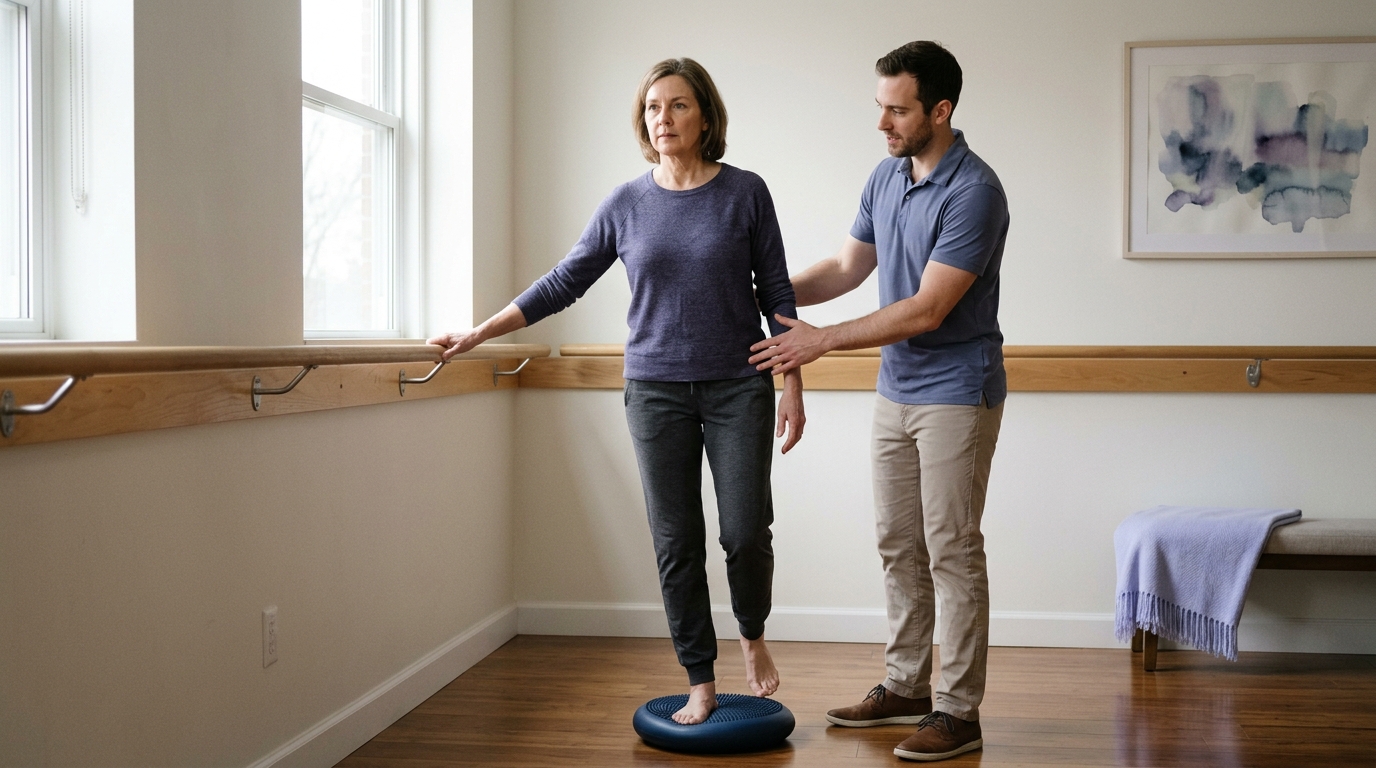

Surgical estimates often focus solely on operating fees, but true orthopedic recovery expenses include facility charges, ongoing therapy, and practical household costs.





Most people preparing for orthopedic surgery assume the procedure itself represents their biggest financial hurdle. In practice, the logistical and indirect expenses of post-operative recovery often create the greatest disruption. Copayments for dozens of rehabilitation visits, specialized medical equipment, unpaid caregiving leave, and daily travel to clinics accumulate quickly.
When you plan for orthopedic surgery, your financial and logistical roadmap must extend well beyond the operating room. An effective strategy treats recovery as an entire episode of care. It balances medical necessity with clear benefit verification, transportation plans, and home support systems. While clinical research provides broad benchmarks on recovery settings, these data points do not constitute personal medical advice. Every joint replacement, spinal fusion, or tendon repair takes place within a unique household and financial reality.
Planning early gives you greater control over the process. Understanding your insurance rules, local resources, and setting options prevents unexpected bills from derailing your rehabilitation.
A realistic recovery budget requires separating several distinct financial concepts. Patients frequently confuse the total billed charge with their actual out-of-pocket obligation. Medical billing involves multiple layers of pricing, negotiated allowances, and non-covered practical needs.
To plan effectively, you must understand four distinct categories of cost:
Surgeons, anesthesiologists, and facilities usually bill independently. An estimate provided by your orthopedic surgeon rarely includes the facility fee or the anesthesiologist’s time. It also excludes the twelve to twenty-four physical therapy sessions you might require afterward.
For uninsured or self-pay patients, federal rules require providers to give a formal Good Faith Estimate before scheduled procedures. This estimate lists expected charges for the primary service and associated items when booked at least three business days ahead. However, a Good Faith Estimate is not an insurance determination. It also might not bundle later, separately scheduled rehabilitation sessions into the upfront total.
Indirect expenses often rival clinical cost-sharing. If you cannot drive for six weeks following a right knee or ankle procedure, you must arrange travel to every appointment. If a family member takes unpaid family leave to assist you, household income drops just as recovery bills arrive. Accounting for these non-clinical realities protects your household stability.
Rehabilitation takes place in various environments, and these care settings are not interchangeable. Each setting operates under different clinical criteria, staffing models, and insurance coverage frameworks. Selecting the right setting requires balancing your functional needs against your plan's specific rules.
Inpatient rehabilitation facilities provide intensive multidisciplinary care. Patients generally participate in at least three hours of active therapy per day. Because of the high intensity, admission requires meeting strict medical necessity guidelines. Insurers closely review whether a patient could safely recover in a less restrictive environment.
Skilled nursing facilities offer sub-acute rehabilitation and nursing care. They suit individuals who cannot manage at home but do not require intensive inpatient hospital therapy. Coverage often depends on specific clinical criteria and prior authorization from your insurer.
Home health care brings physical therapists, nurses, and occupational therapists to your residence. This service is designed for individuals who face significant physical difficulty leaving home. It is not an ongoing, long-term personal care or housekeeping service.
Under Medicare Part A or Part B, home health coverage requires a physician's certification. The patient must need intermittent skilled therapy and meet the program's definition of homebound. You can learn more about managing post-operative recovery timelines in our surgical recovery comeback guide.
Medicare defines homebound as having normal inability to leave home without substantial effort, supportive devices, or another person's assistance. It does not require you to be completely bedridden. You can leave home for medical appointments, religious services, or brief, infrequent non-medical events. However, qualifying for home health does not mean insurance covers general household assistance, cooking, or full-time companionship.
Outpatient clinics serve individuals who can travel safely to appointments. In these facilities, physical therapists utilize specialized strength and mobility equipment. For Medicare Part B beneficiaries, outpatient physical therapy has no annual dollar cap when medically necessary.
After meeting your annual Part B deductible, you generally pay 20 percent of the Medicare-approved amount. If a provider believes a specific treatment is no longer medically reasonable, they must issue an Advance Beneficiary Notice of Noncoverage. This document informs you that you may be financially responsible if you choose to continue that specific service.
Tele-rehabilitation and structured home exercise programs provide remote clinical oversight through video visits or software platforms. These pathways minimize transportation barriers and reduce time away from work. Coverage varies across private commercial plans, so you must verify your specific telehealth benefits before starting treatment.
Clinical research provides helpful context on how outcomes compare across rehabilitation pathways. Knowing what studies show helps you discuss alternatives with your orthopedic team. It prevents you from choosing an expensive or logistically difficult setting under the mistaken belief that it is automatically superior.
Studies comparing home-based rehabilitation to outpatient clinics for joint replacements show largely equivalent functional results. A systematic review and meta-analysis on knee arthroplasty rehabilitation found no significant differences in primary functional scores or patient-reported outcomes between the two settings. Adverse events, hospital readmissions, and post-surgical complications were also similar between groups.
Research evaluating tele-rehabilitation against traditional hospital-based therapy shows similar trends. Reviews identify comparable long-term outcomes for joint range of motion and overall functional recovery. However, researchers noted that the certainty of evidence for some short-term functional measures remains low.
Remote and home exercise programs offer significant cost and travel advantages. Yet they require adequate self-discipline, basic technology access, and a safe physical environment at home.
Research into surgical pathways shows that most total joint replacement patients discharge directly home. A temporal analysis of knee arthroplasty outcomes noted that roughly 82 percent of patients discharged home, while 18 percent went to non-home facilities. That same analysis reported stark differences in institutional costs.
Average total episode costs in that specific study were $3,241 for patients going home without additional intervention. In contrast, costs reached $15,489 for skilled nursing facilities and $22,921 for inpatient rehabilitation facilities. These historical figures represent specific research averages rather than personal price quotes, but they highlight the steep resource utilization differences between settings.
In that analysis, thirty-day readmission rates declined over time for patients discharged home. However, observational data cannot prove that going home causes better health outcomes. Healthier patients with fewer medical conditions are naturally selected to go home first. You can read more about movement milestones in our rehabilitation and mobility resources.
Advancements in surgical techniques and pain management allow many joint replacements to occur as outpatient procedures. A study matching outpatient and inpatient knee replacement cohorts found comparable clinical outcomes. Similarly, a broader systematic review on inpatient versus outpatient surgical pathways reported mixed evidence favoring either approach.
Researchers concluded that pathway selection must rest on individual patient readiness, medical history, and home support rather than assumed functional superiority. While outpatient pathways lower hospital facility costs, they demand robust home support immediately following discharge.
Every recovery plan encounters variables that shift personal expenses and logistical requirements. Identifying these factors before surgery prevents sudden disruptions.
Your overall health profoundly affects your post-operative needs. Underlying conditions like diabetes, heart disease, obesity, or balance disorders increase the likelihood of requiring closer supervision. A patient with complex medical needs may need extended skilled nursing care, raising out-of-pocket facility coinsurance.
The type of surgery matters as well. A single arthroscopic meniscus repair requires modest physical therapy and brief crutch use. In contrast, a multi-level spinal fusion or complex joint revision demands months of progressive rehabilitation, multiple imaging checks, and specialized bracing.
Your living environment dictates whether you can safely discharge home. Living alone in a multi-story home with steep stairs presents immediate physical barriers. If you cannot safely reach a bathroom or prepare meals, you may need paid home assistance or short-term facility placement.
Informal support from family and friends drastically lowers direct costs. However, it transfers the burden to unpaid labor. When family members must take unpaid time off work to assist with hygiene, dressing, and meals, household finances tighten. You can explore structured exercise planning in our surgery and rehab articles.
Losing the ability to drive creates a severe logistical bottleneck. Outpatient physical therapy typically requires two to three visits per week for eight to twelve weeks. Paying for rideshare services or medical transport across dozens of trips adds hundreds of dollars to your recovery budget.
For Medicaid beneficiaries, Non-Emergency Medical Transportation serves as an essential federal access benefit. Federal regulations require states to assure necessary transportation to covered medical services, including physical therapy. State Medicaid programs manage this benefit through transportation brokers, mileage reimbursements, public transit passes, or dedicated vans.
Using this benefit requires advance preparation. State Medicaid agencies frequently require several days of advance notice and formal preauthorization before scheduling a trip. Failing to arrange rides ahead of time can lead to missed appointments and delayed recovery.
Your insurance policy terms determine your maximum financial exposure. Key variables include whether you have met your annual deductible and whether your plan uses flat copayments or percentage-based coinsurance.
Commercial insurance plans often impose annual visit limits on outpatient physical therapy, such as twenty or thirty visits per calendar year. If your recovery requires more sessions, your therapist must submit clinical documentation to request additional coverage. If the insurer denies the request, you must either appeal, pay out of pocket, or transition to a self-guided home program.
For patients covered under the Affordable Care Act Marketplace, annual out-of-pocket maximums establish a ceiling on covered medical spending. For 2026 Marketplace coverage, the statutory maximum out-of-pocket limit is $10,600 for an individual and $21,200 for a family. However, these figures apply only to in-network covered essential health benefits. They do not cap non-covered equipment or out-of-network care.
Organizing your recovery logistics requires a clear, step-by-step approach. Completing these five steps before your surgical date removes guesswork and streamlines communication with providers.
Ask your surgeon and physical therapist to describe the anticipated recovery trajectory in plain language. Your written clinical pathway should answer several essential questions:
Call your insurer using the member services number on the back of your insurance card. Never rely solely on a provider's verbal estimate, because providers cannot track specific plan rules. Document the call date, the representative's name, and the call reference number.
Ask your insurer these specific coverage questions:
Construct an itemized worksheet listing every provider and facility involved in your care. Group your expenses by recovery phase to understand when payments will come due.
Map out the physical trips required across your entire recovery arc. If you cannot drive, coordinate a rotating schedule among family, friends, or community volunteer drivers. If you utilize Medicaid, contact your state program or transportation contractor several weeks before surgery.
Ask the rehabilitation clinic if they can group appointments at consistent times to simplify ride scheduling. If traveling to a clinic three times a week proves unworkable, ask your therapist if a hybrid model is clinically viable. A hybrid model combines periodic in-person clinic visits with structured home exercises. Additional information on movement adaptations can be found in our mobility and movement guide.
Identify who will assist you during the critical first forty-eight to seventy-two hours following discharge. Arrange your living space to minimize fall risks and eliminate unnecessary movement barriers.
Insurance denials and unexpected billing discrepancies can happen even with thorough pre-surgical planning. Knowing your legal rights and the appeals process helps you resolve these challenges quickly.
Insurers sometimes terminate physical therapy authorization midway through recovery, claiming the patient has plateaued. If your insurer denies additional visits, review the written denial notice immediately. Under federal rules outlined on Healthcare.gov, you generally have 180 days from the date of the denial notice to file an internal appeal.
Do not wait until the deadline approaches. Contact your physical therapist and surgeon right away. Ask them to submit an expedited appeal supported by objective clinical documentation. Effective appeal letters include:
If you are uninsured or paying self-pay rates, keep every Good Faith Estimate you receive before your surgery. If the final bill from any provider or facility exceeds the Good Faith Estimate by at least $400, you may be eligible to use the federal patient-provider dispute process.
Under this process managed by the Centers for Medicare and Medicaid Services, an independent dispute resolution entity reviews the estimate and the billed charges. You must submit your dispute application within 120 calendar days of receiving the original bill. While the dispute is under review, the provider cannot send the bill to collections or threaten adverse credit action.
The following illustrative examples demonstrate how different patients navigate practical recovery costs and logistics. These scenarios represent common planning models rather than individualized clinical advice.
A seventy-year-old patient scheduled for total hip replacement assumed Medicare would automatically send a physical therapist to their home for six weeks. During pre-operative planning, the orthopedic coordinator clarified Medicare's specific home health eligibility criteria.
The patient learned that home health requires physician certification of homebound status and the need for skilled intermittent care. Because the patient had an accessible single-level home and family members able to drive them, outpatient physical therapy was clinically appropriate and logistically feasible.
The patient verified that Medicare Part B covers outpatient physical therapy with 20 percent coinsurance after the Part B deductible. By choosing outpatient therapy upfront, the patient avoided administrative coverage delays and used advanced clinic equipment.
A fifty-two-year-old worker undergoing rotator cuff repair had no personal vehicle and limited local family support. The post-operative plan required physical therapy twice weekly for twelve weeks. Traveling by commercial rideshare would cost over six hundred dollars, exceeding the patient's monthly savings.
Six weeks before surgery, the patient contacted their state Medicaid managed care plan to arrange Non-Emergency Medical Transportation. The coordinator verified eligibility, explained the required seventy-two-hour booking window, and approved curb-to-curb van service to the clinic.
The patient scheduled all twelve weeks of physical therapy at consistent appointment times. They submitted the entire schedule to the transportation broker in advance, ensuring uninterrupted access to rehabilitation.
An uninsured individual planned a self-pay anterior cruciate ligament reconstruction at an ambulatory surgical center. The surgical center provided an upfront Good Faith Estimate of $6,500 for the operating facility.
Recognizing that facility estimates do not cover all related services, the patient requested separate written estimates from the orthopedic surgeon, the anesthesiology group, and the imaging provider. The patient also asked the physical therapy clinic for a separate self-pay fee schedule covering twenty post-operative visits.
By assembling the complete episode cost in advance, the patient eliminated surprise bills. They established an emergency contingency fund to cover potential complications.
A sixty-four-year-old patient living in a rural area lived forty-five miles from the nearest orthopedic rehabilitation clinic. Following total knee replacement, the round-trip travel time created severe physical stiffness and placed heavy strain on the patient's spouse.
The physical therapist reviewed recent evidence demonstrating comparable functional recovery between outpatient therapy and structured home-based programs. With the orthopedic surgeon's approval, the team established a hybrid care model.
The patient attended the outpatient clinic once every two weeks for hands-on joint mobilization and exercise progression. Between clinic sessions, the patient completed a structured home exercise protocol guided by periodic telehealth check-ins. This hybrid approach maintained clinical safety while cutting travel expenses and driving fatigue by seventy percent.
A forty-five-year-old patient recovering from an ankle reconstruction received a denial notice from their commercial insurer after twelve physical therapy sessions. The insurer stated that additional visits were not medically necessary because basic walking mobility had been achieved. However, the patient's job required climbing ladders and carrying heavy equipment, which they could not yet perform safely.
The patient checked the denial notice and confirmed the 180-day internal appeal deadline. Working with the physical therapist, they gathered objective balance scores, single-leg calf raise metrics, and an employer job description detailing essential physical duties.
The physical therapist submitted an expedited appeal showing that continued skilled therapy was necessary to restore occupational function. The insurer overturned the initial denial and authorized twelve additional rehabilitation sessions.
Clear communication with your clinical team and insurance representatives prevents misunderstandings and uncovers hidden recovery costs. Use these structured questions during your pre-operative consultations. You can review our complete collection of planning checklists in the ReboundBody resources library.
Planning the practical costs of orthopedic surgery requires managing both clinical care and everyday logistics. Research shows that home-based rehabilitation, tele-rehabilitation, and outpatient clinics often produce comparable functional outcomes for appropriate candidates. However, no single recovery pathway fits every household.
Financial exposure extends beyond the surgeon's bill to include therapy copayments, travel logistics, durable equipment, and family caregiving time. Reviewing your insurance benefits, mapping transportation early, and setting up contingency plans safeguards your recovery journey.
Thorough preparation allows you to focus fully on physical healing, rebuilding your strength, and safely regaining everyday independence.

Use ReboundBody resources to understand common recovery stages, rehab terms, movement limits and strength rebuilding. Each guide is designed to make a complex comeback easier to understand.


Read practical guidance on injury recovery, rehabilitation, mobility and rebuilding strength as you work your way back to activity.
Explore Resources