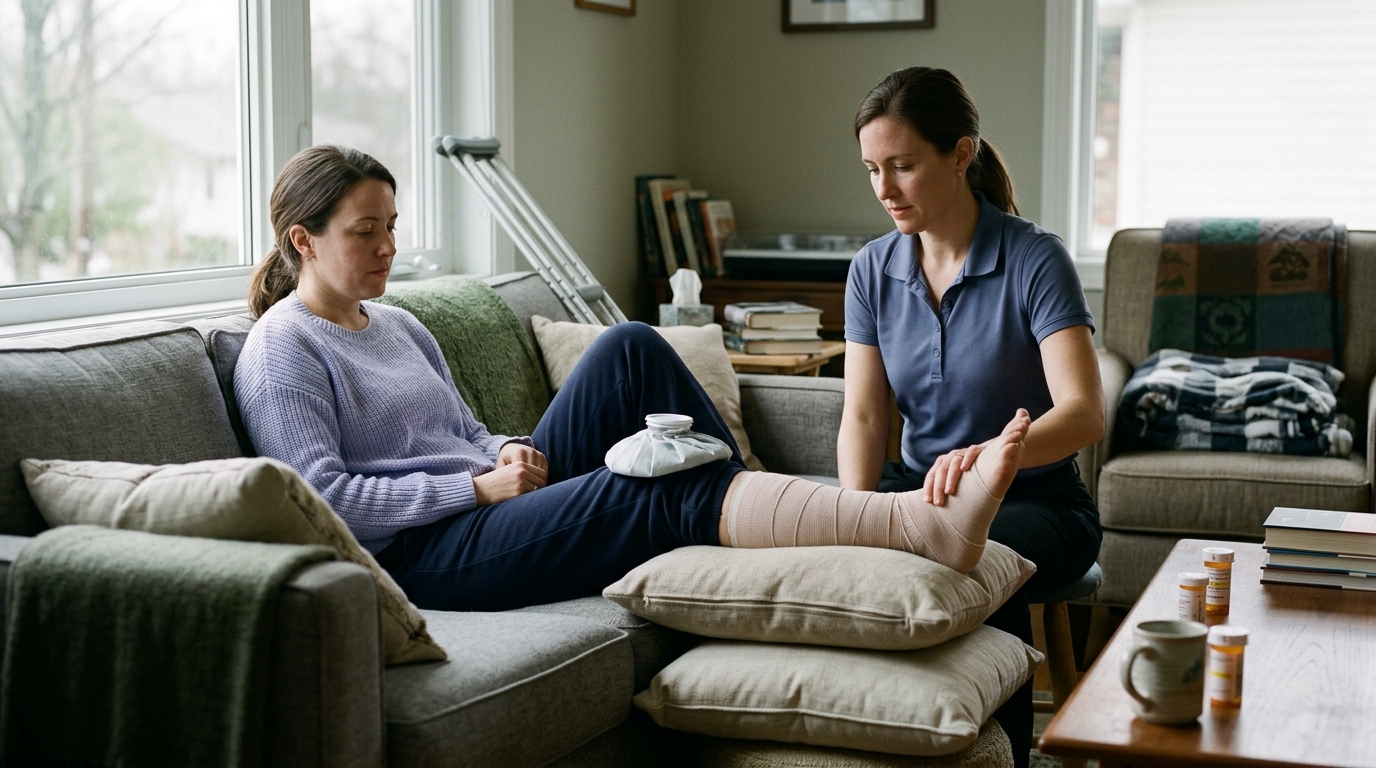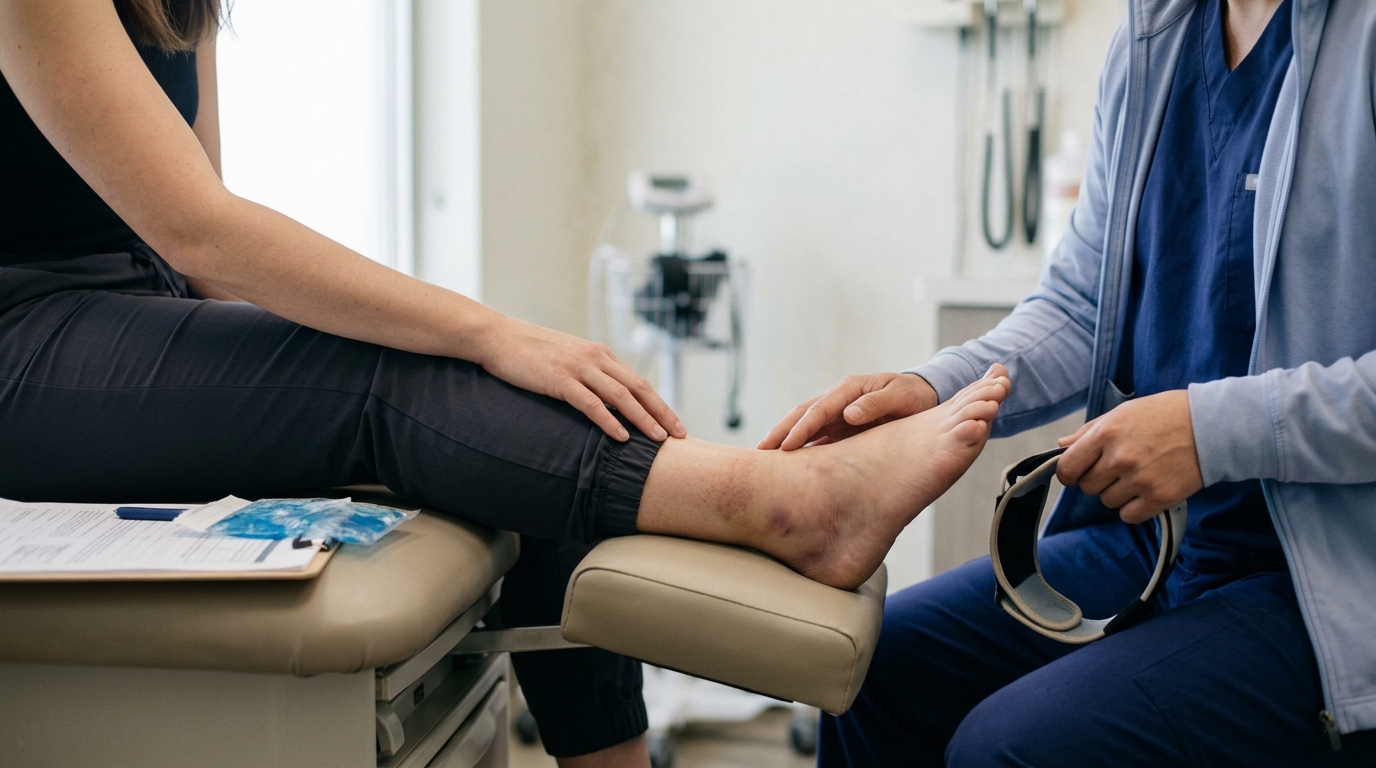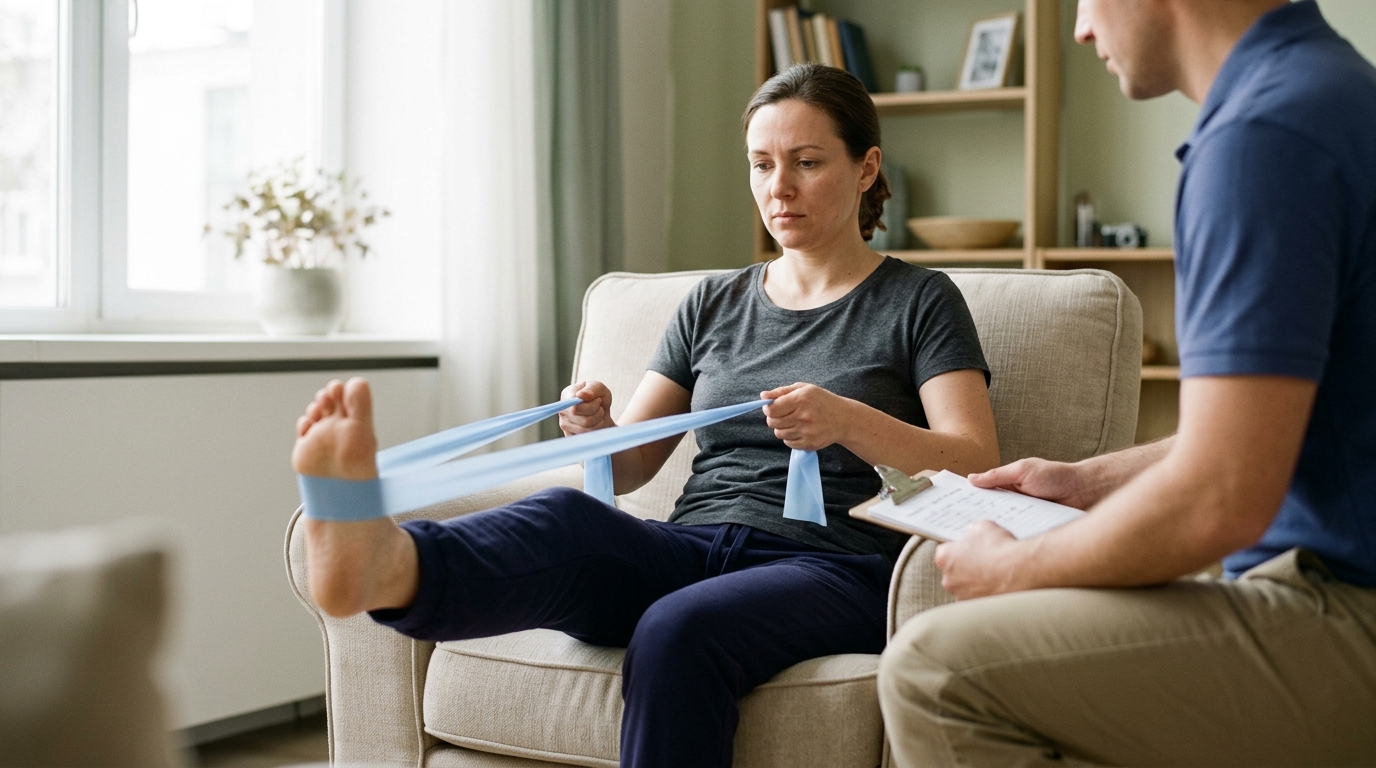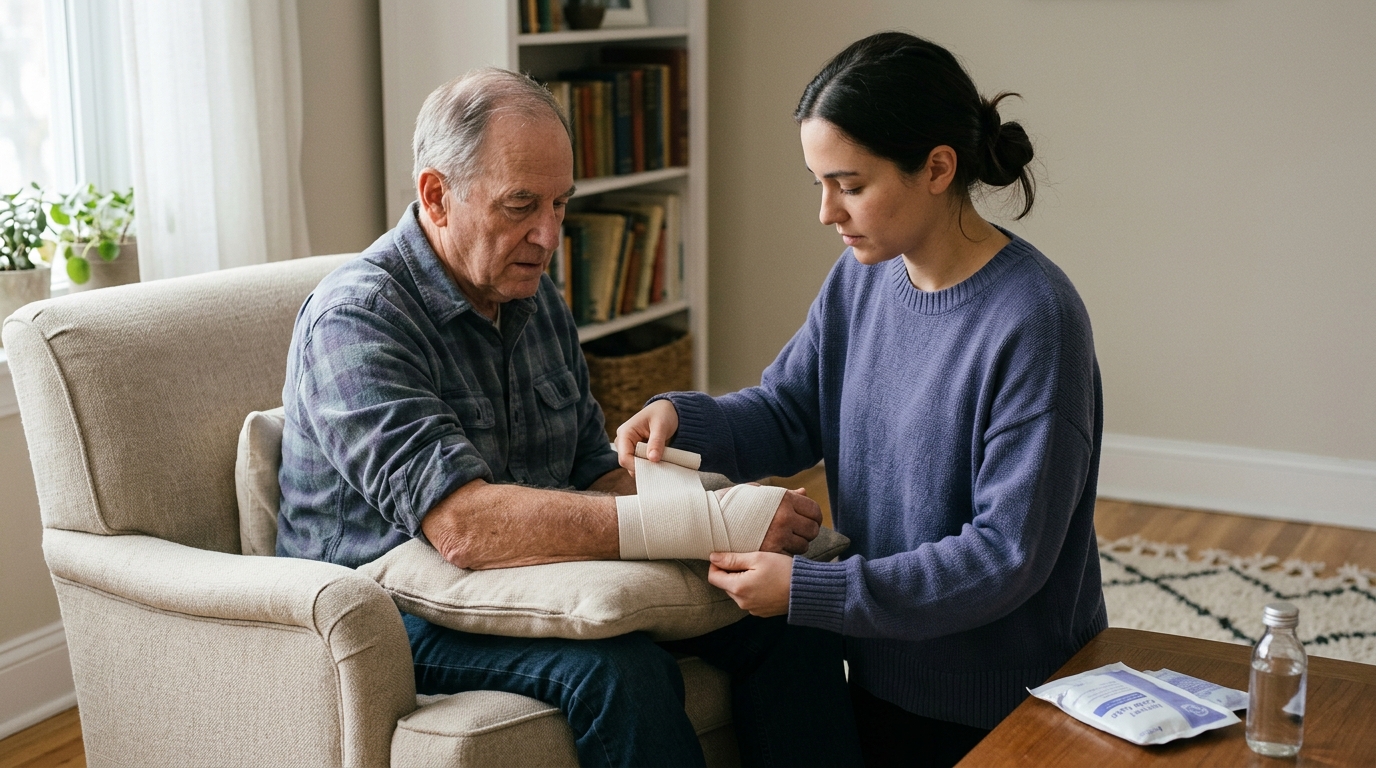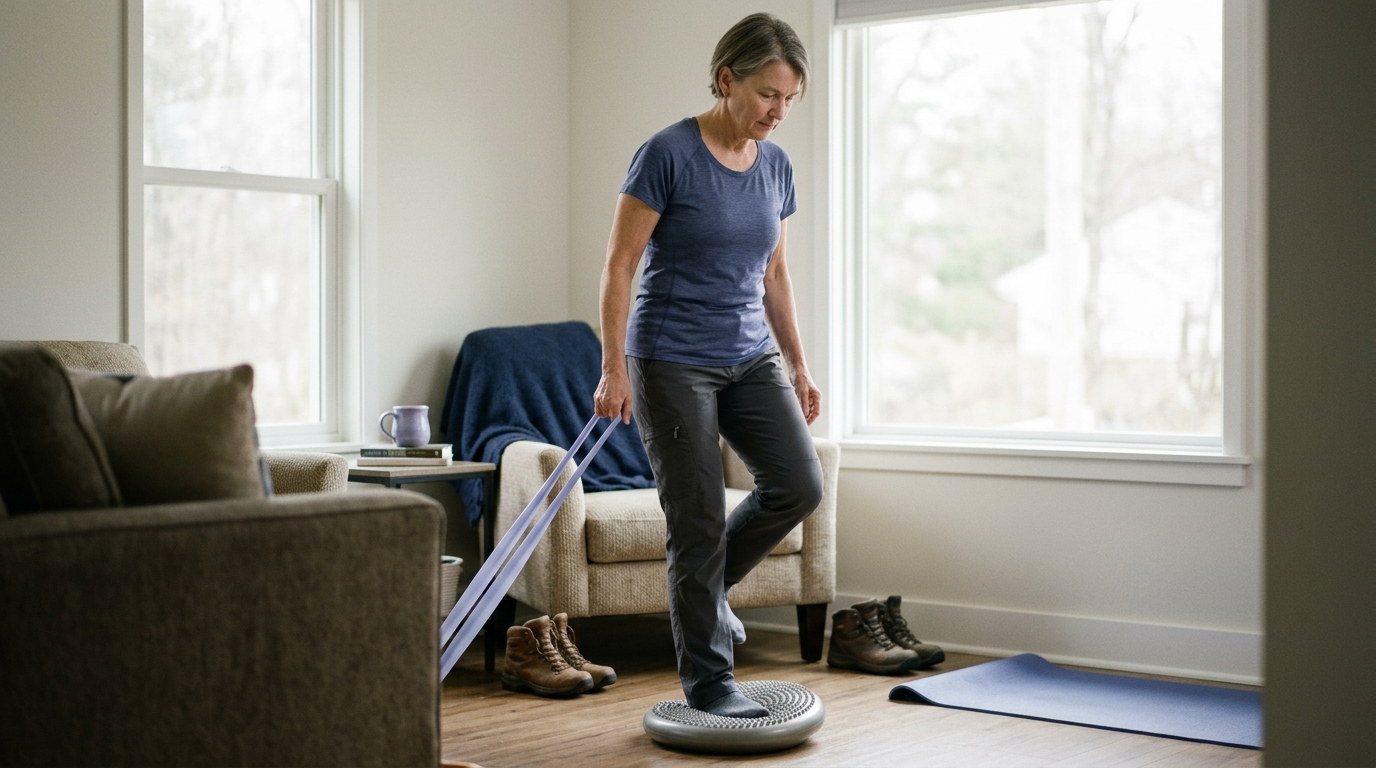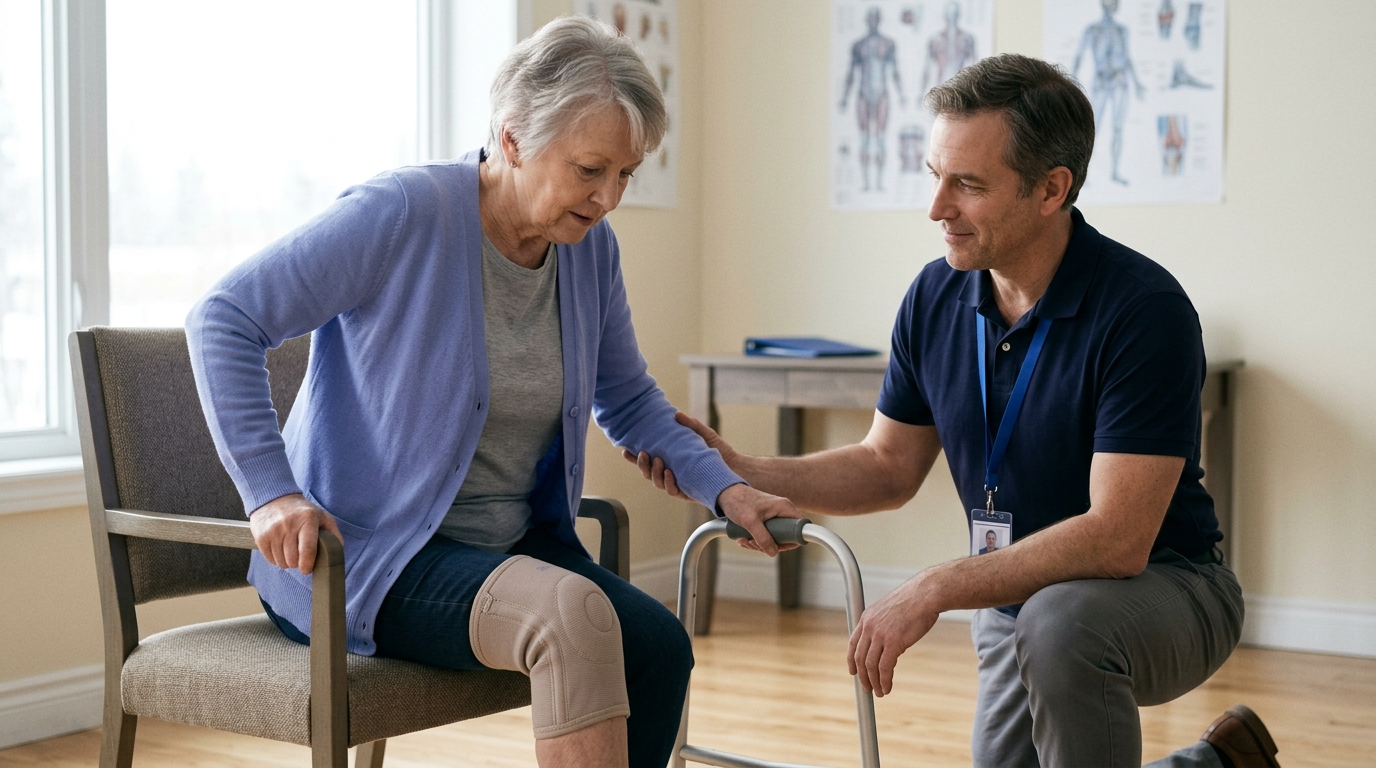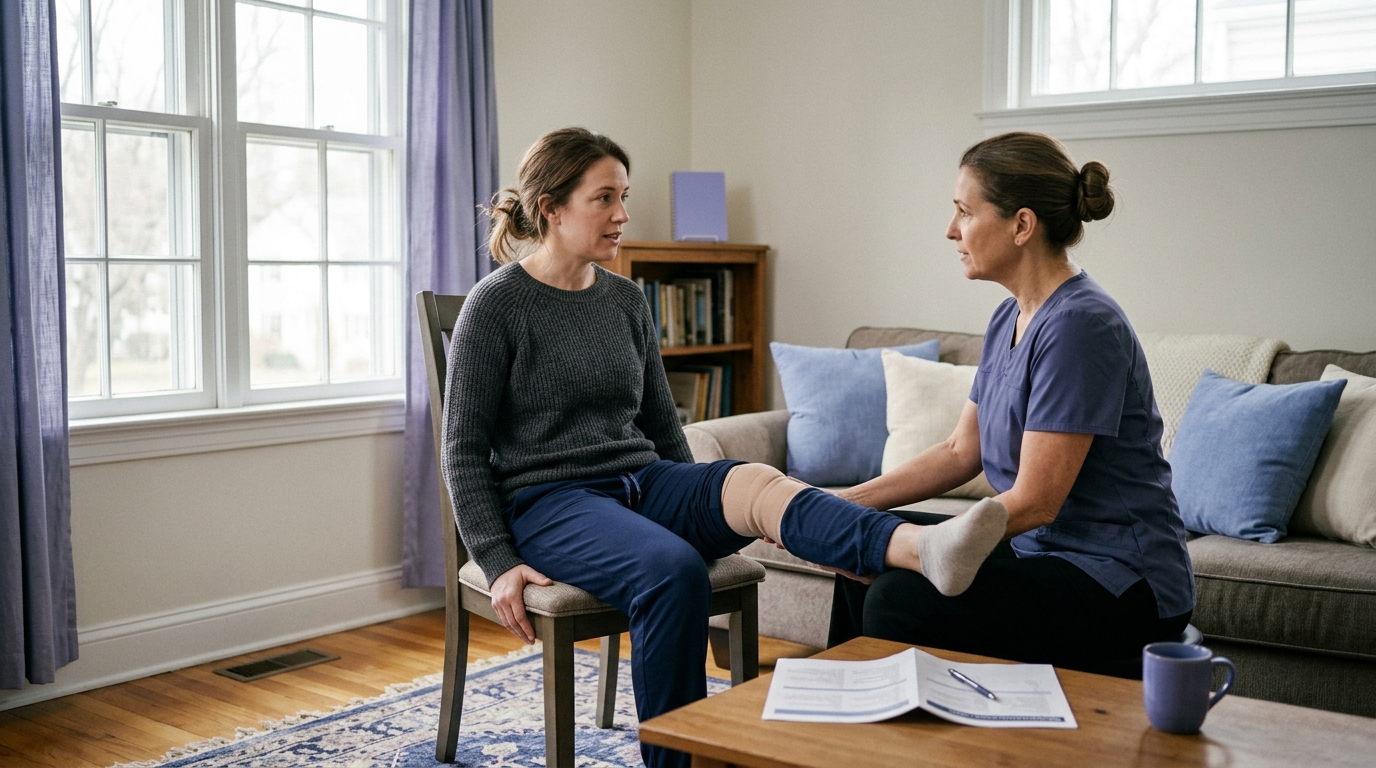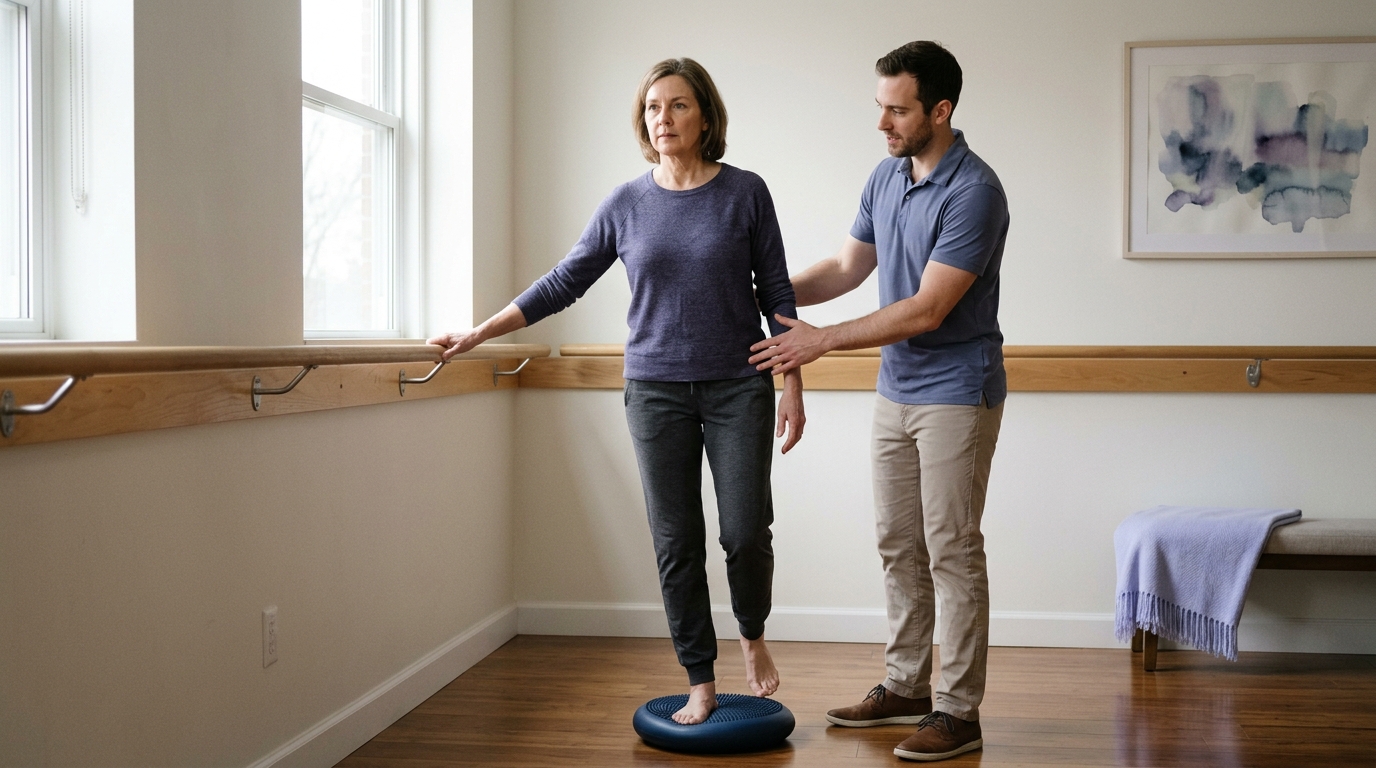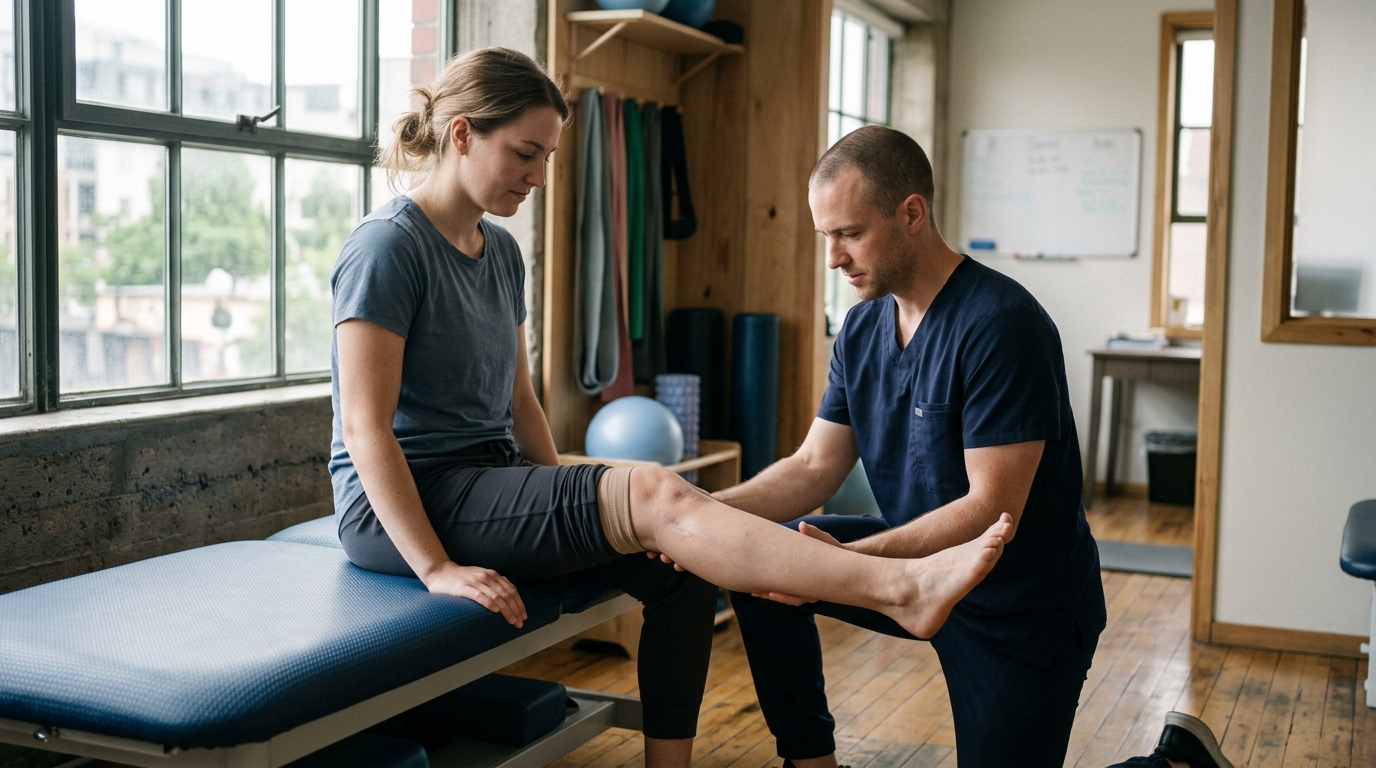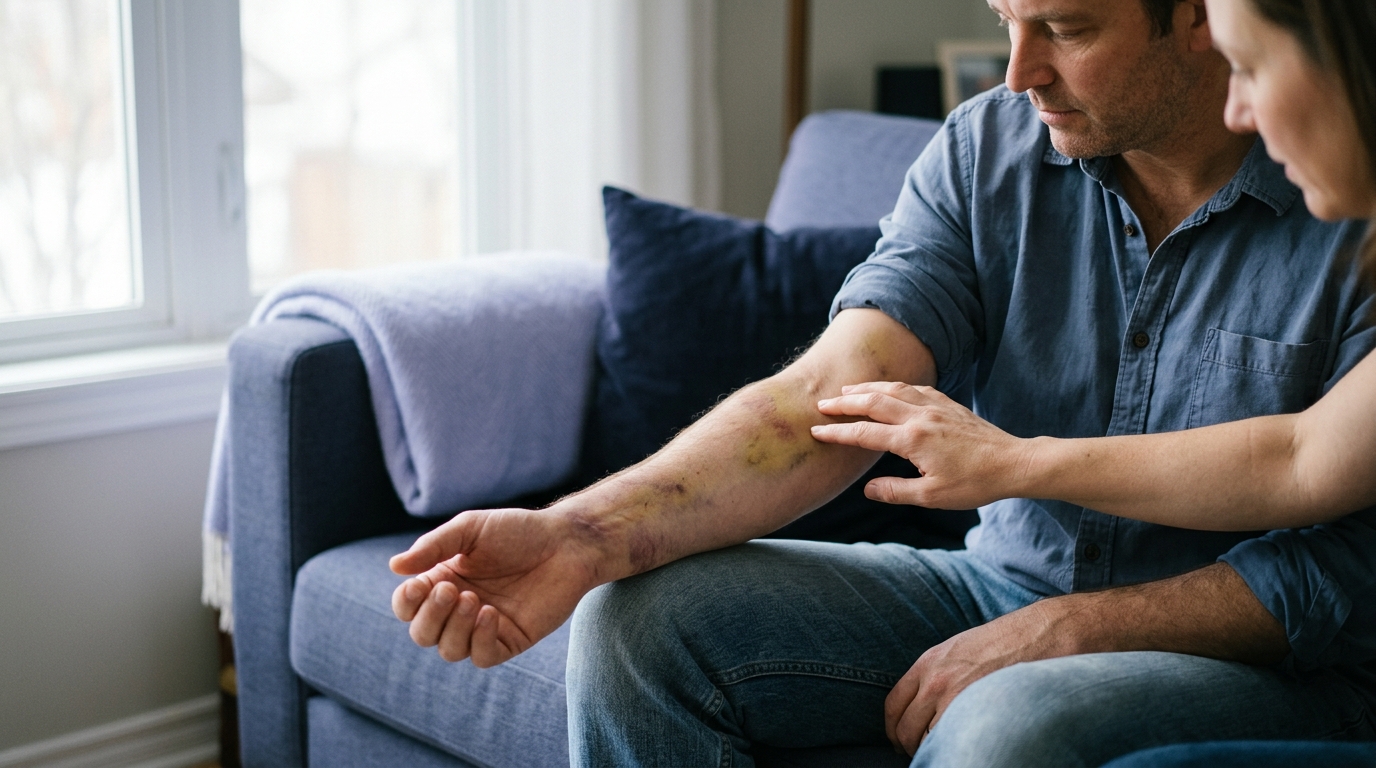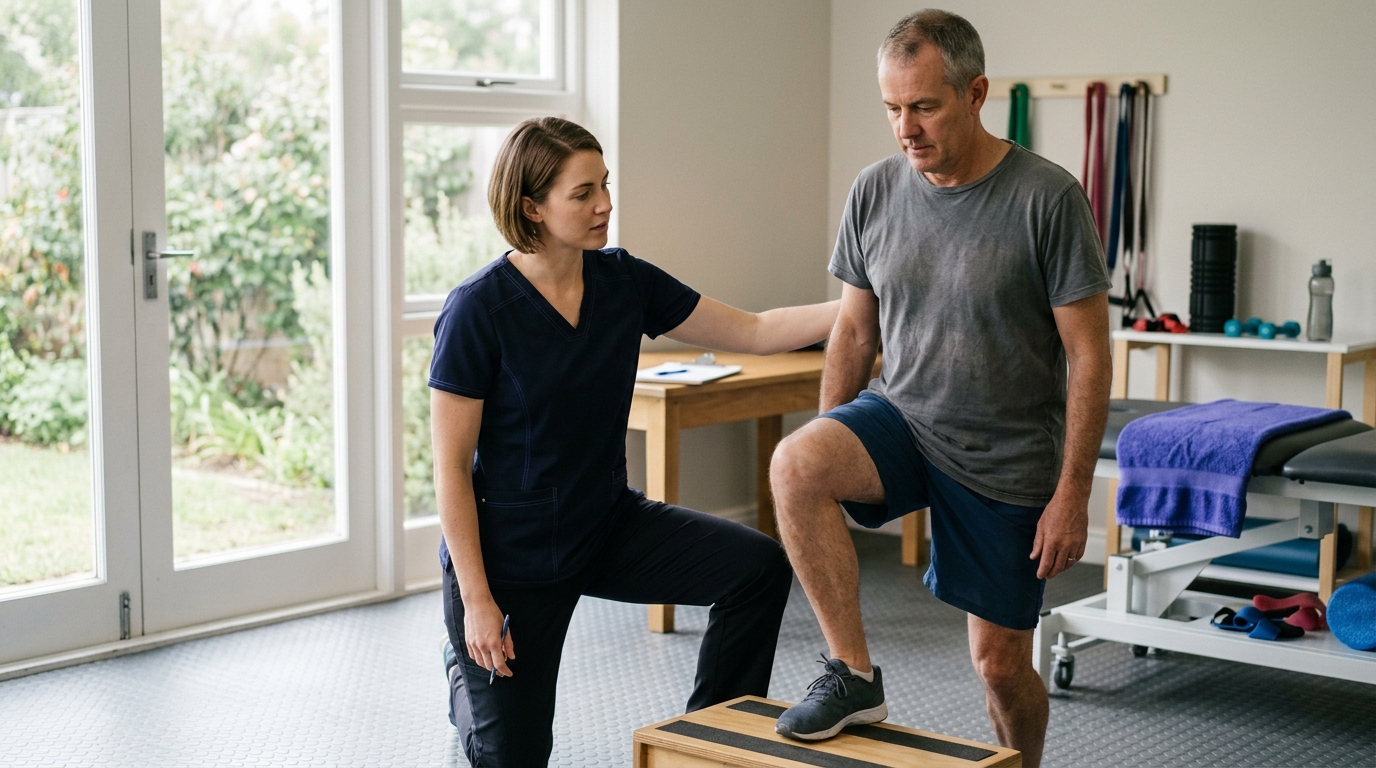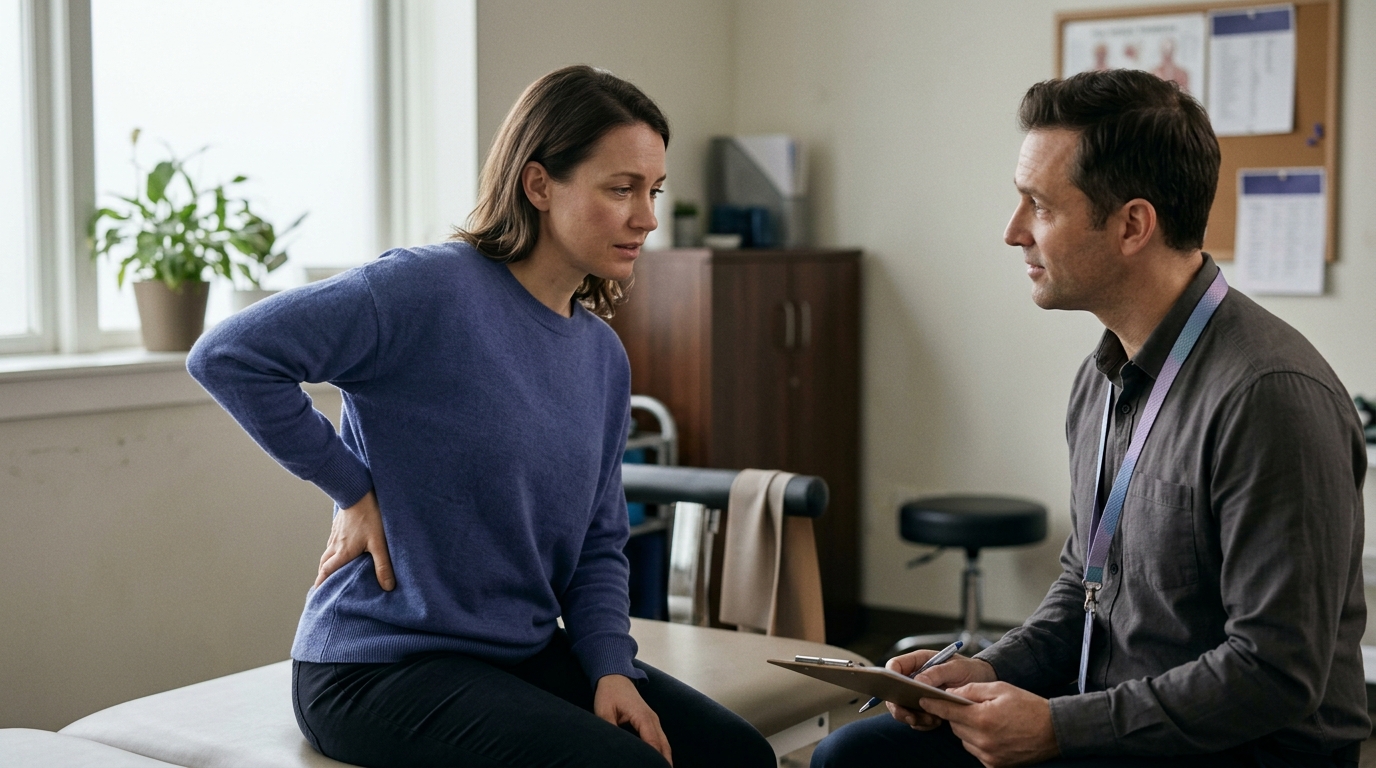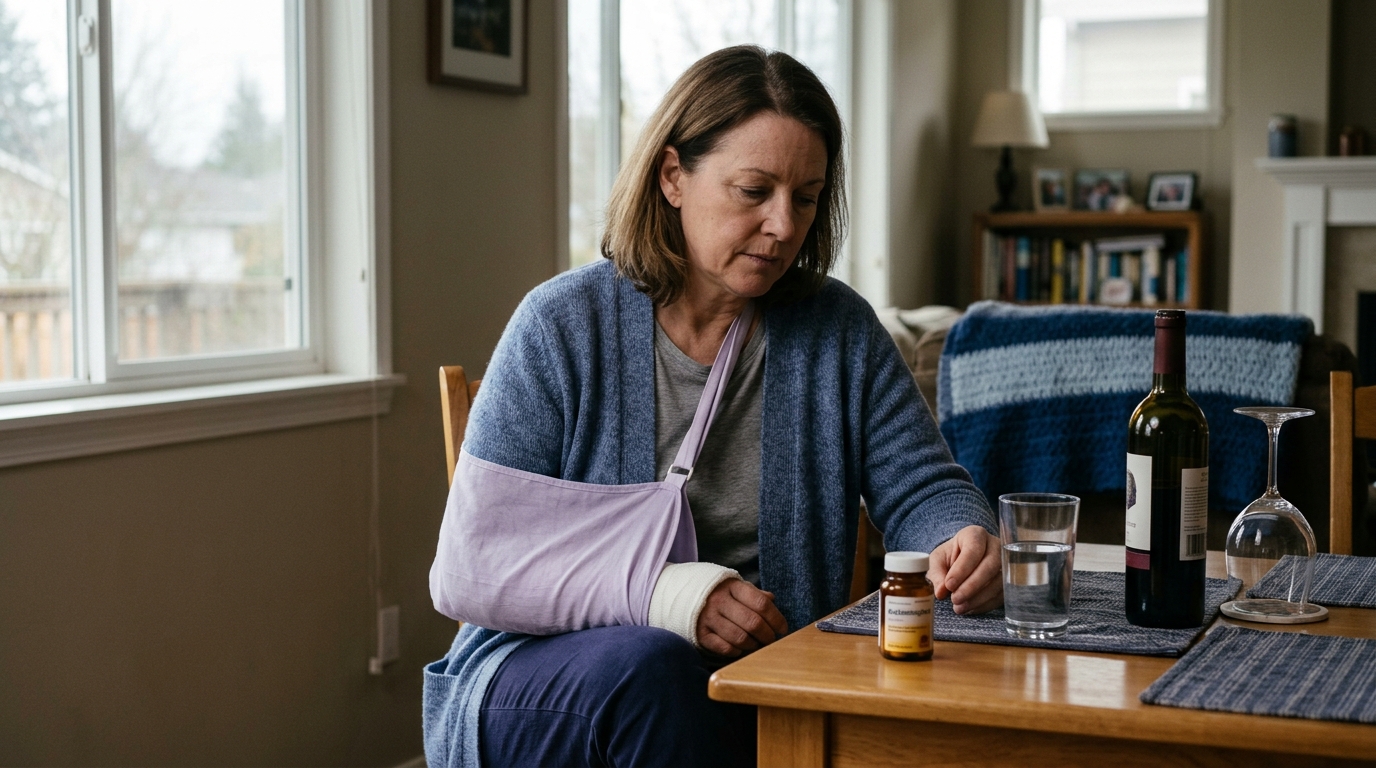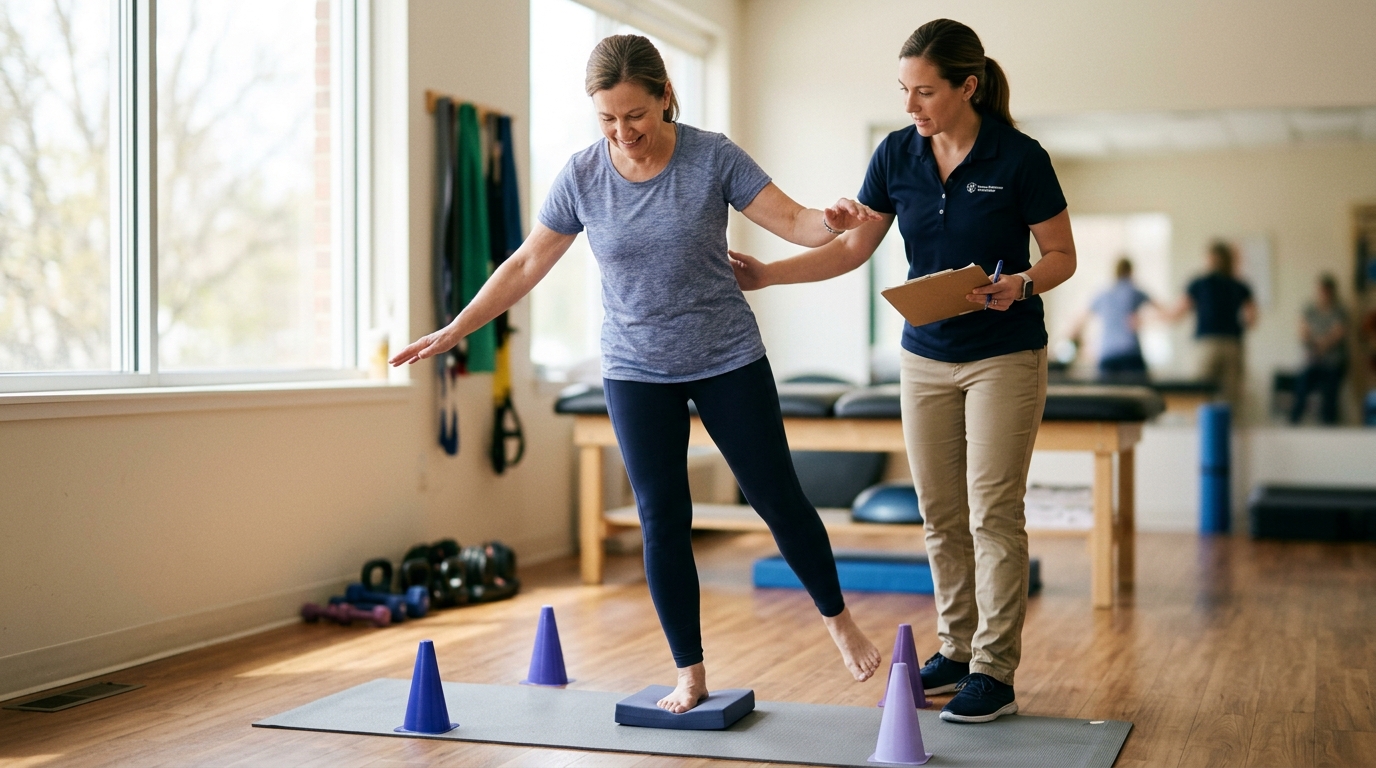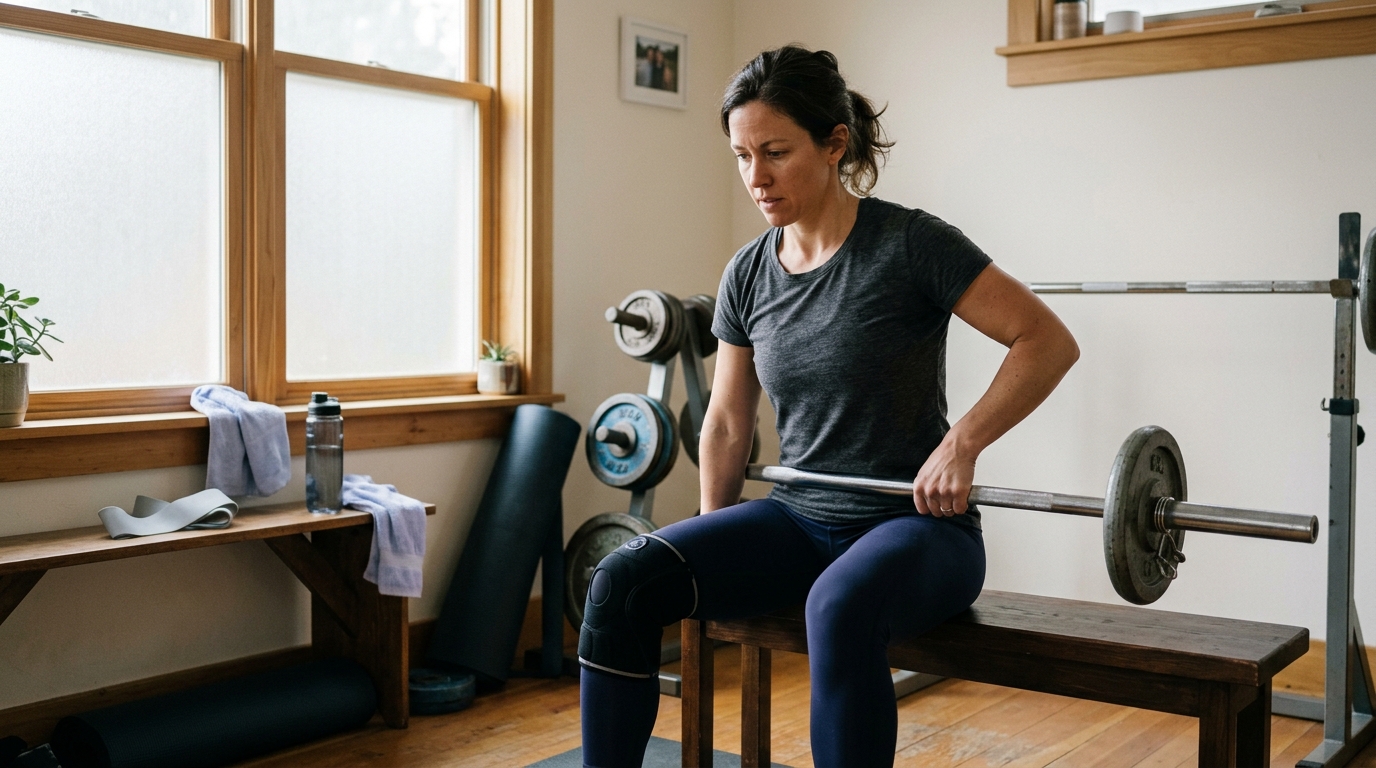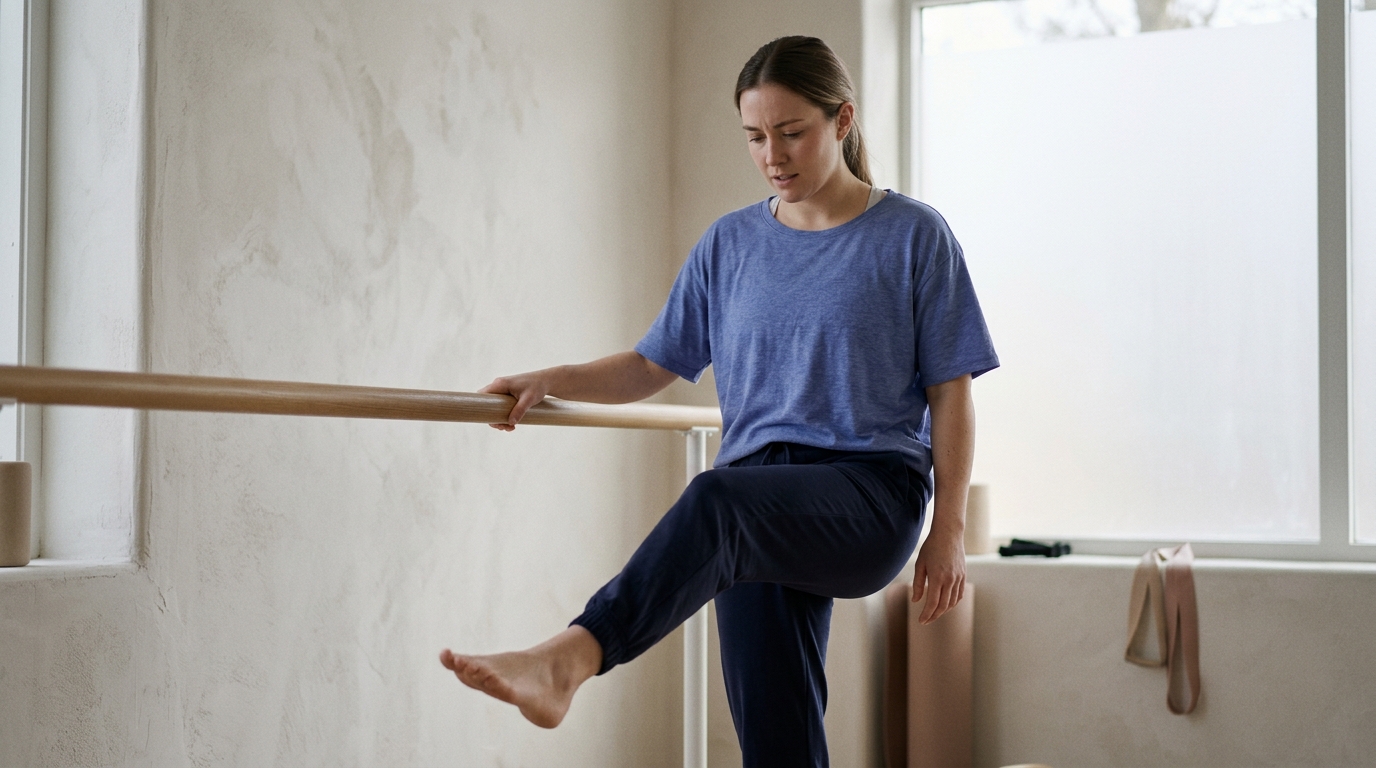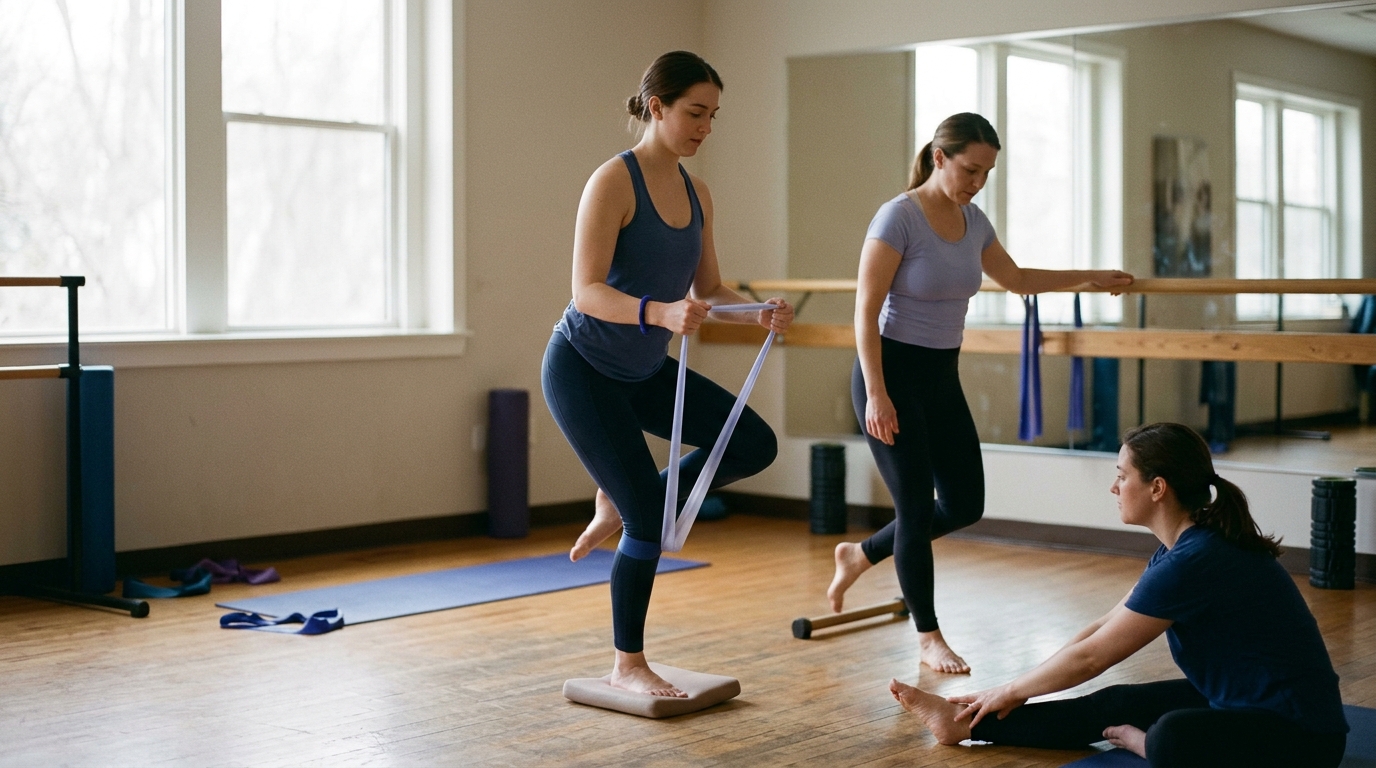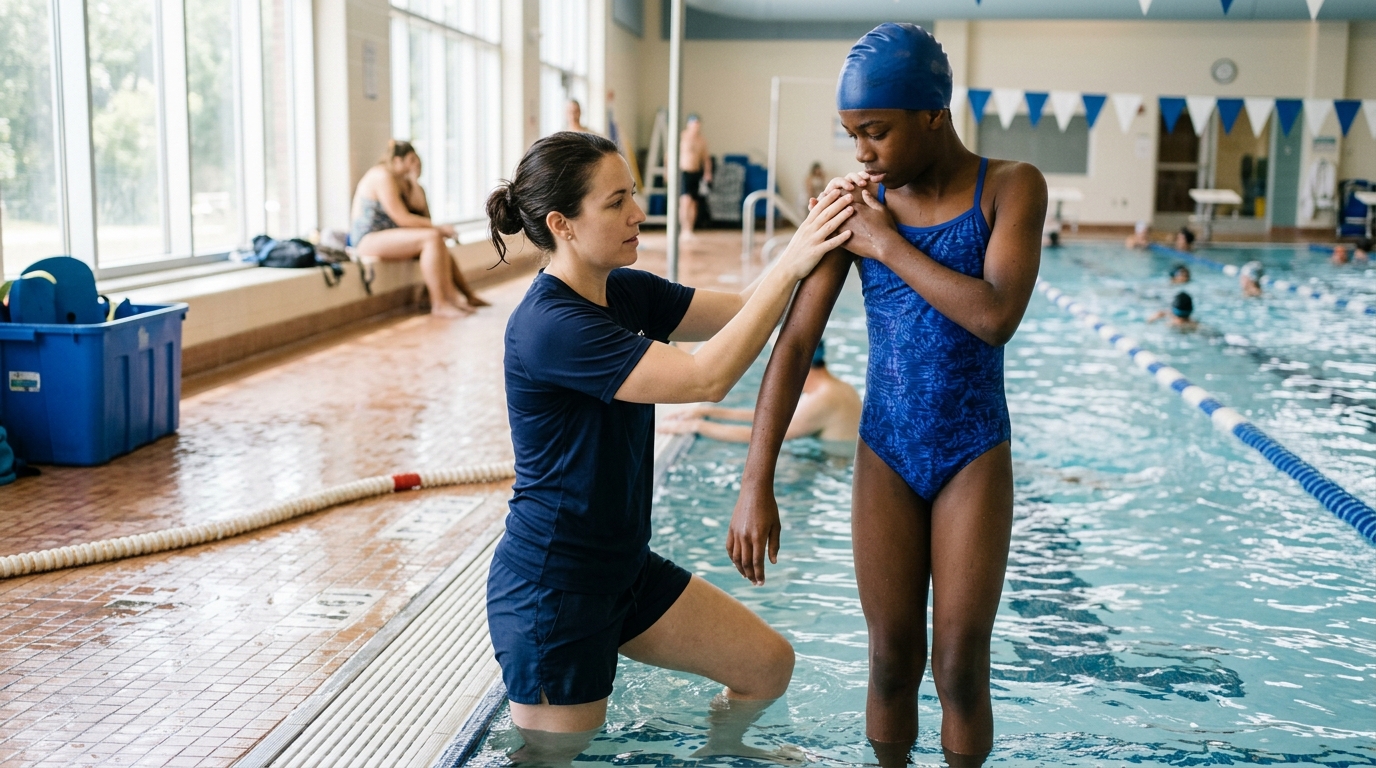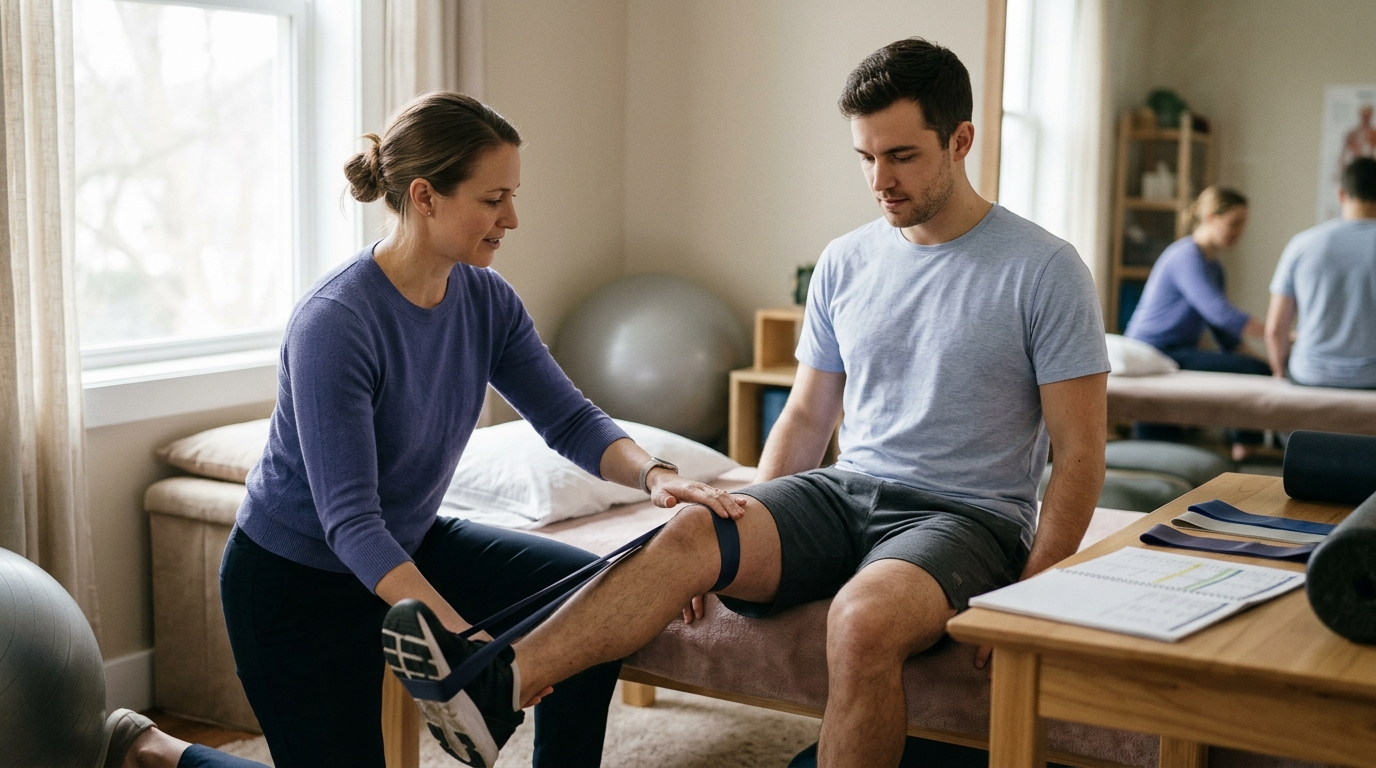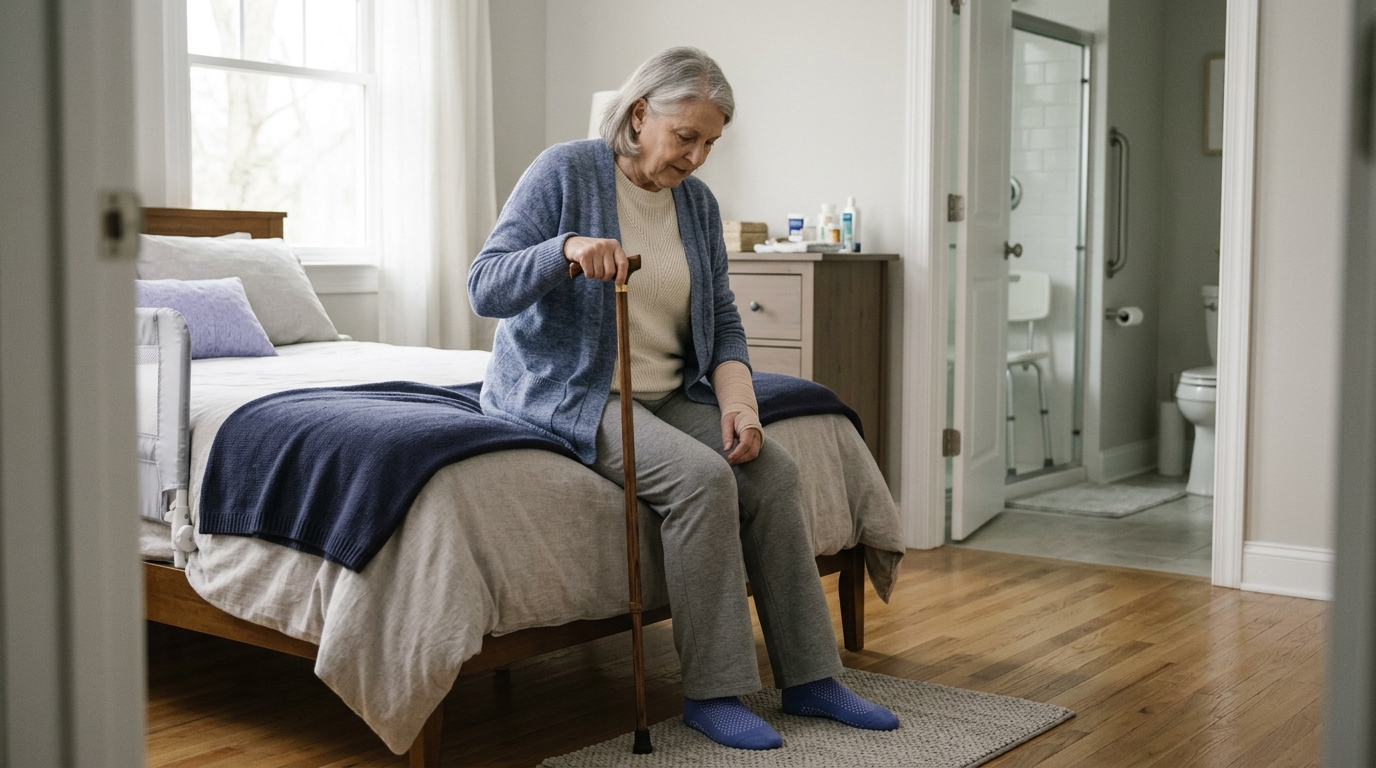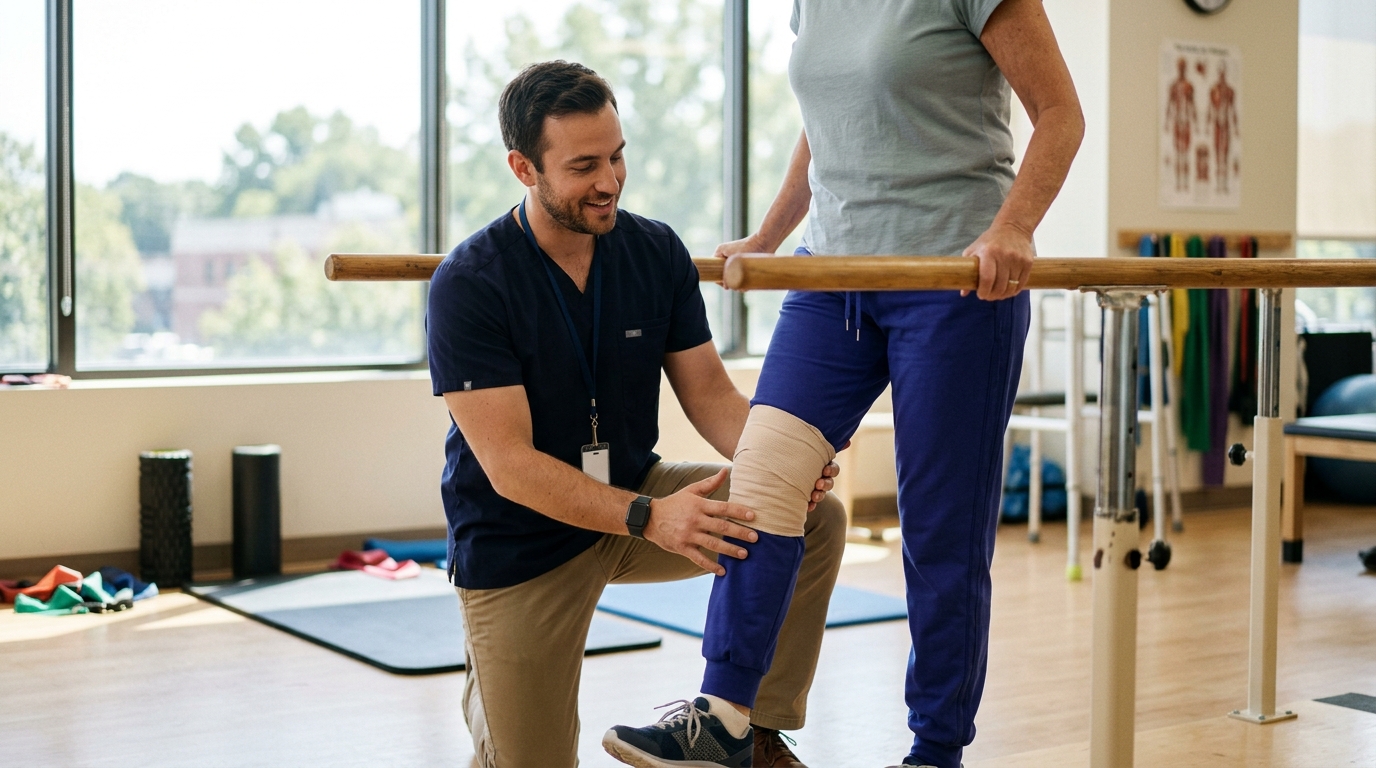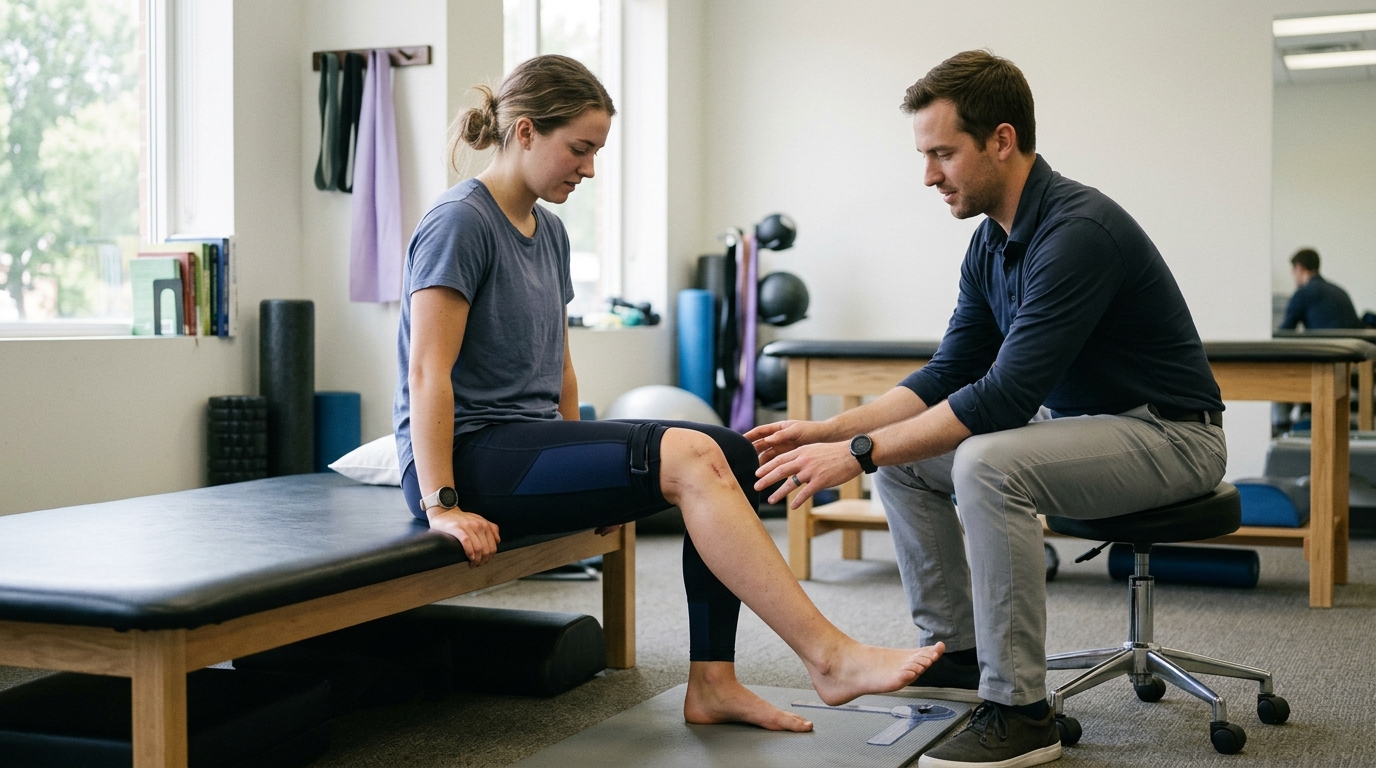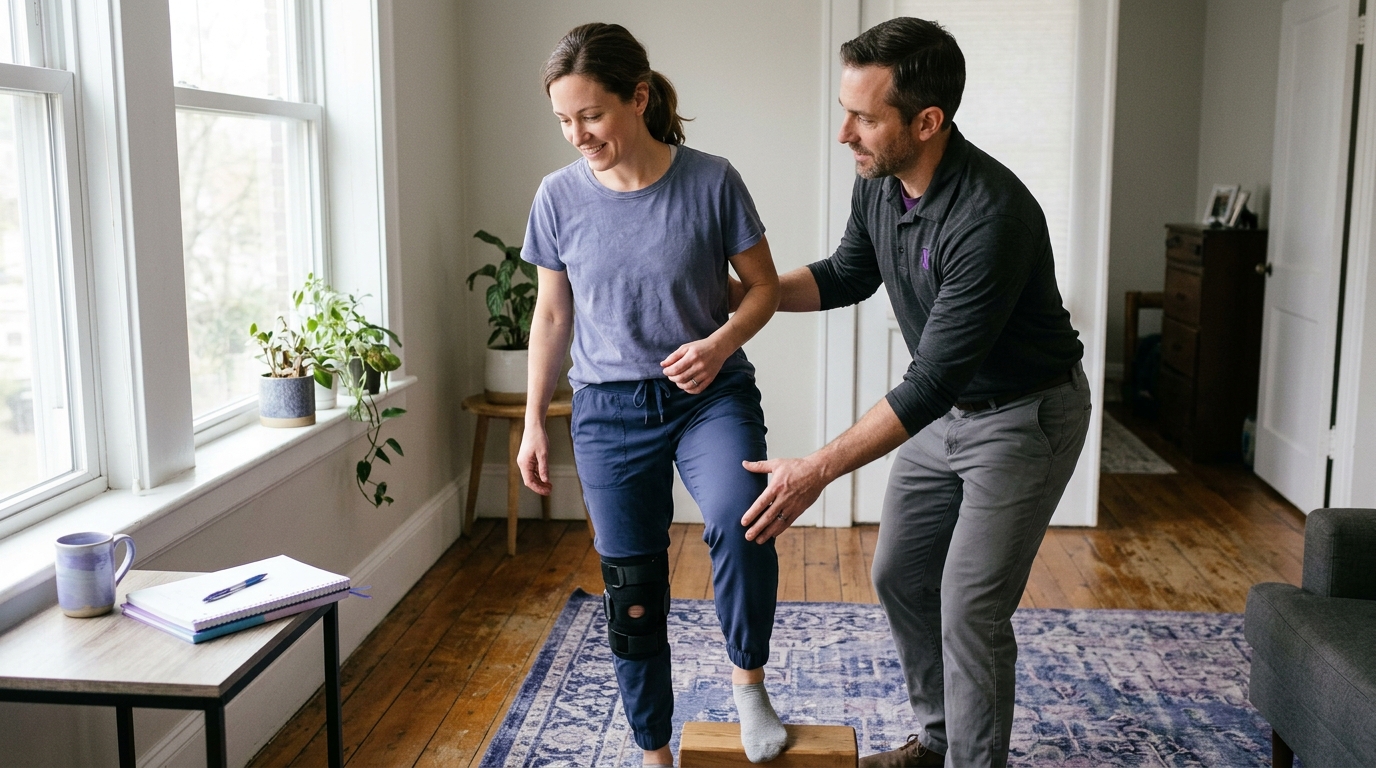

The mind-body connection plays a vital role in recovery by reducing hypervigilance, alleviating fear-avoidance patterns, and minimizing the physical impacts of chronic emotional stress.





Many people assume that physical recovery from an injury or surgery is purely mechanical. They believe that tissues mend on a fixed timeline regardless of what happens in daily life. Research shows that physical healing is deeply intertwined with your mental and emotional state.
Stress is not an abstract feeling that lives only in your head. It triggers biological cascades that alter muscle tension, hormone release, sleep architecture, and pain sensitivity. Managing stress is not a standalone substitute for proper medical care, physical rehabilitation, or necessary surgical procedures. Instead, understanding how your nervous system interacts with physical healing gives you practical tools to support your overall rehabilitation.
When you experience an orthopedic injury or undergo surgery, your body activates an inflammatory response to begin repairs. At the same time, the sudden disruption to your mobility, work, and personal independence creates substantial mental strain. This mental strain can directly influence how you feel and function each day.
Stress influences recovery through several clear biological and behavioral pathways. When mental tension remains high, your body produces elevated levels of stress hormones like cortisol and adrenaline. Over time, sustained activation of your sympathetic nervous system can heighten your sensitivity to discomfort. It can also disrupt your natural sleep architecture and drain the mental energy required to complete daily physical therapy exercises.
Stress management is not a magic solution that guarantees immediate healing. Stress reduction cannot replace orthopedic intervention, repair torn ligaments on its own, or eliminate normal surgical pain. Learning to regulate your physical and emotional responses creates a stable internal environment where rehabilitation can proceed without unnecessary friction.
Every recovery timeline carries natural limits and uncertainties. Your age, baseline health, surgical approach, and tissue quality all establish the foundation of your healing trajectory. Managing your stress helps you navigate that trajectory with greater clarity, consistency, and physical comfort.
Modern rehabilitation science relies heavily on the biopsychosocial model of health. This established scientific framework recognizes that recovery is shaped by biological factors, psychological states, and social circumstances. Tissue health, nerve signaling, and surgical repairs represent the biological dimension. Your thoughts, expectations, worry, and emotional coping represent the psychological dimension. Your access to care, family support, work demands, and financial security represent the social dimension.
A comprehensive review of pain and stress literature confirms that these domains do not operate in isolation. Pain and stress share overlapping biological pathways in the central nervous system. When you experience tissue damage, nociceptive signals travel up the spinal cord to the brain. The brain processes these signals alongside emotional context, current threat levels, and past experiences.
Research from clinical reviews demonstrates that the interaction between pain and stress is bidirectional. Experiencing physical pain naturally creates mental tension, uncertainty, and frustration. In turn, mental tension amplifies pain signals by altering descending pain modulation in the central nervous system.
Scientific literature makes an essential distinction between established facts and weaker evidence. Research robustly shows that acute stress triggers autonomic arousal and alters sleep quality. Evidence also confirms that sleep loss directly increases pain sensitivity across diverse populations. The evidence is far more mixed regarding whether specific stress-reduction practices can directly speed up structural tissue remodeling. Stress reduction improves symptom management and functional coping, but it should not be promoted as an accelerated cure.
To understand why mental strain impacts physical rehabilitation, it helps to examine the underlying physiology. When your brain perceives a challenge or threat, it initiates two primary physiological pathways. The first is the sympathetic-adreno-medullary axis, which rapidly increases heart rate, blood pressure, and muscle tension. The second is the hypothalamic-pituitary-adrenal axis, which coordinates the release of cortisol from the adrenal glands.
In the short term, this stress response is protective and adaptive. It mobilizes energy, heightens alertness, and prepares your body to handle immediate physical demands. When recovery extends over weeks or months, sustained activation of these systems can lead to allostatic load. Allostatic load refers to the cumulative biological wear and tear that results from ongoing physiological adaptation to chronic stress.
This biological strain interacts with psychological processes that can alter your recovery experience. When an injury limits your daily mobility, it is common to experience changes in cognitive focus.
Hypervigilance involves scanning your body continuously for signs of damage or increasing discomfort. While vigilance is natural after an acute injury, excessive monitoring can cause your nervous system to register normal sensations as dangerous. When you monitor an injured joint with constant worry, your brain assigns higher priority to sensory signals from that area. This heightened attention can make mild sensations feel significantly more intense.
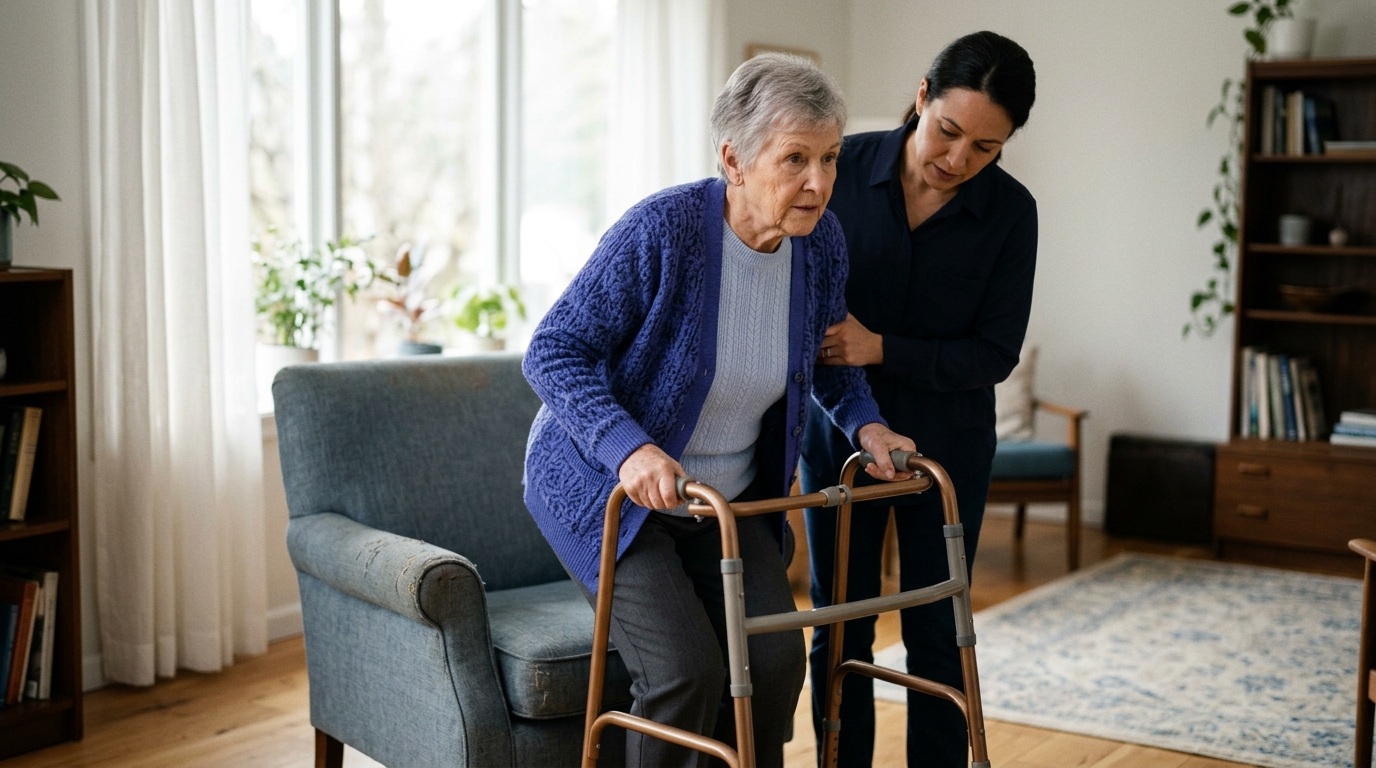
Fear-avoidance occurs when an individual avoids helpful, prescribed movements out of fear that any discomfort signals reinjury. Following an orthopedic procedure, some level of movement is often necessary to prevent joint stiffness and rebuild muscle capacity. When fear leads to prolonged inactivity, muscles can weaken, and joints can lose their active range of motion. This functional decline reinforces the belief that the body remains fragile, creating a self-perpetuating cycle of limitation.
In some prolonged recovery scenarios, the central nervous system enters a state known as central sensitization. In this state, nociceptive neurons in the spinal cord and brain develop heightened excitability and reduced inhibition. Sensations that were previously mild can produce notable discomfort. Stress, poor sleep, and ongoing anxiety can contribute to this heightened neural sensitivity. This does not mean the pain is imaginary; it means the central nervous system is amplifying incoming signals.
Every person moves through physical rehabilitation at a unique pace. Recovery timelines are rarely straight lines. They are shaped by a dynamic web of personal, social, and environmental factors. Understanding these variables prevents unrealistic comparisons and helps you maintain perspective when progress feels slow.
The THRIVE framework provides a comprehensive checklist for understanding how long-term health challenges are navigated. It categorizes coping and recovery factors into six distinct areas.
Using this framework clarifies that recovery does not depend solely on individual willpower. Many external factors shape your daily recovery capacity.
Economic realities play a major role in physical rehabilitation. An individual who must return to a physically demanding job immediately faces different recovery stressors than someone with paid medical leave. Financial strain, transport limitations, and caregiving responsibilities can create persistent background stress. These social determinants directly affect how much time and energy a person can dedicate to rest and rehabilitation exercises.
Your pre-injury physical condition, metabolic health, and age influence tissue healing rates. A younger individual with high baseline strength may regain functional mobility faster than an older adult with preexisting joint changes. Understanding your baseline helps you establish realistic expectations. You can read more about evidence-informed rehabilitation principles through our injury recovery resources to understand how individual baselines shape healing.
Having supportive family members or friends can dramatically reduce the practical stress of recovery. Practical assistance with meal preparation, driving, and household chores preserves energy for rehabilitation. Conversely, relational conflict or isolation can increase emotional strain and make coping with daily limitations more challenging.
Distress during recovery often follows recognizable patterns. Recognizing these patterns helps you understand your reactions with objective clarity rather than self-criticism.
Consider an illustrative scenario where an individual experiences shoulder discomfort at night after orthopedic surgery. The discomfort disrupts their sleep, leading to frequent awakenings and reduced total rest. The next morning, their pain sensitivity is measurably higher due to poor sleep. As the day progresses, they worry that the increased pain signals a surgical failure. This worry elevates evening stress, making it even harder to fall asleep the following night.
Experimental research shows that a single night of sleep deprivation increases pain ratings and impairs descending pain modulation. When sleep disruption continues across multiple weeks, daytime coping becomes significantly more difficult. Exploring structured lifestyle recovery strategies can help break this cycle by stabilizing sleep habits.
In another common pattern, an individual recovering from a lumbar strain avoids bending or walking because they fear reinjury. This avoidance behavior provides short-term emotional relief from anxiety. Over several weeks, the lack of movement causes muscle deconditioning and joint stiffness. When the person eventually attempts a basic movement, the stiffened tissues produce discomfort, confirming their fear that movement is hazardous.
Breaking this pattern requires understanding that safe, graded movement is essential for tissue adaptation. Learning how tissues respond to progressive loading is a core component of recovery science research, which emphasizes gradual exposure over total rest.
Many recovering adults struggle to complete their prescribed exercises because of competing work or family obligations. A person managing childcare while trying to ice an injured knee and complete three daily exercise sets can easily become overwhelmed. When rehabilitation exercises are missed, feelings of guilt and frustration often follow. In this scenario, the issue is not a lack of motivation, but an unsustainable daily schedule that requires practical adjustments.
In some cases, the emotional strain of a physical setback deepens into clinical anxiety or depression. The individual may experience persistent low mood, loss of interest in hobbies, significant changes in appetite, or pervasive feelings of helplessness. These symptoms extend beyond routine recovery frustration and warrant dedicated mental health support.
Managing stress during rehabilitation does not require complicated equipment or rigid routines. Accessible behavioral tools can help down-regulate an overactive sympathetic nervous system and improve daily comfort.
Paced diaphragmatic breathing is a simple method to increase parasympathetic nervous system activity. By deliberately slowing your exhalations, you send calming signals to brainstem centers that control heart rate. A practical approach is inhaling gently through the nose for four seconds and exhaling slowly for six seconds. Practicing this for three to five minutes before physical therapy can reduce muscular tension and anticipatory anxiety.
Progressive muscle relaxation involves systematically tensing and releasing uninjured muscle groups. For instance, you can gently clench your hands for five seconds, then release them completely for fifteen seconds while noticing the sensation of warmth. This practice builds somatic awareness and helps you release habitual muscle guarding.
When recovery involves long-standing pain or high distress, structured psychological therapies can provide valuable support.
Cognitive Behavioral Therapy focuses on identifying automatic negative thoughts, such as assuming that any pain increase means permanent damage. A trained clinician helps you examine the evidence for these thoughts and develop balanced, realistic interpretations. Acceptance and Commitment Therapy emphasizes psychological flexibility, helping you pursue meaningful activities within your current physical capabilities. Mindfulness meditation trains your attention to observe sensations without immediate emotional distress. The National Center for Complementary and Integrative Health notes that mindfulness practices can reduce stress and anxiety symptoms while supporting better sleep quality.
High-quality sleep is fundamental for tissue repair, immune function, and pain modulation. Establishing a predictable sleep routine helps stabilize your circadian rhythms during recovery.
Guidance from the Centers for Disease Control and Prevention recommends that adults get seven or more hours of sleep per night. If nighttime pain makes continuous sleep difficult, talk with your medical team about positioning strategies or medication timing.
Navigating a long recovery requires adapting your physical activity and social interactions to match your current functional capacity. Pacing and social connection serve as practical buffers against physical and emotional exhaustion.
Activity pacing is the practice of breaking daily tasks into manageable intervals before fatigue or severe pain sets in. Many recovering individuals fall into a boom-and-bust cycle. On days when discomfort is low, they attempt to complete days of accumulated chores and exercises. This overexertion frequently triggers a painful flare-up that forces them to spend the next several days resting.
Pacing replaces this cycle with consistent, moderate efforts. Instead of cleaning the entire house in one morning, you might clean for fifteen minutes, rest for twenty minutes, and resume later. This graded approach keeps physical demands within your current tolerance window, preventing dramatic symptom spikes. Integrating appropriate mobility and movement approaches allows you to maintain gentle joint motion without provoking excessive inflammation.
Isolation often magnifies the stress of physical limitation. When you cannot participate in usual sports, work, or social gatherings, feelings of loneliness can develop quickly. Staying connected with your social network helps preserve emotional well-being.
Practical support can involve clear, specific requests. Asking a neighbor for help with grocery shopping or asking a friend to accompany you to a medical appointment can reduce logistical stress. Communicating your recovery boundaries clearly to family members ensures they understand your current physical limits without setting unrealistic expectations.
While everyday frustration is common during physical recovery, severe or persistent psychological distress warrants professional clinical evaluation. Recognizing the signs of clinical distress ensures you receive appropriate care without unnecessary delays.
Guidance from the National Institute of Mental Health recommends seeking professional assistance when distressing emotional symptoms persist for two weeks or more. If you experience persistent sleep disruption, profound fatigue, loss of interest in all activities, or unmanageable anxiety, consult your primary care doctor. Mental health professionals specializing in pain management and rehabilitation psychology can provide targeted coping interventions.
If you or someone you know is facing a mental health crisis, immediate help is available. In the United States, you can call or text 988 to reach the Suicide & Crisis Lifeline, which operates 24 hours a day, 7 days a week. For immediate physical emergencies, contact 911 or visit the nearest hospital emergency department.
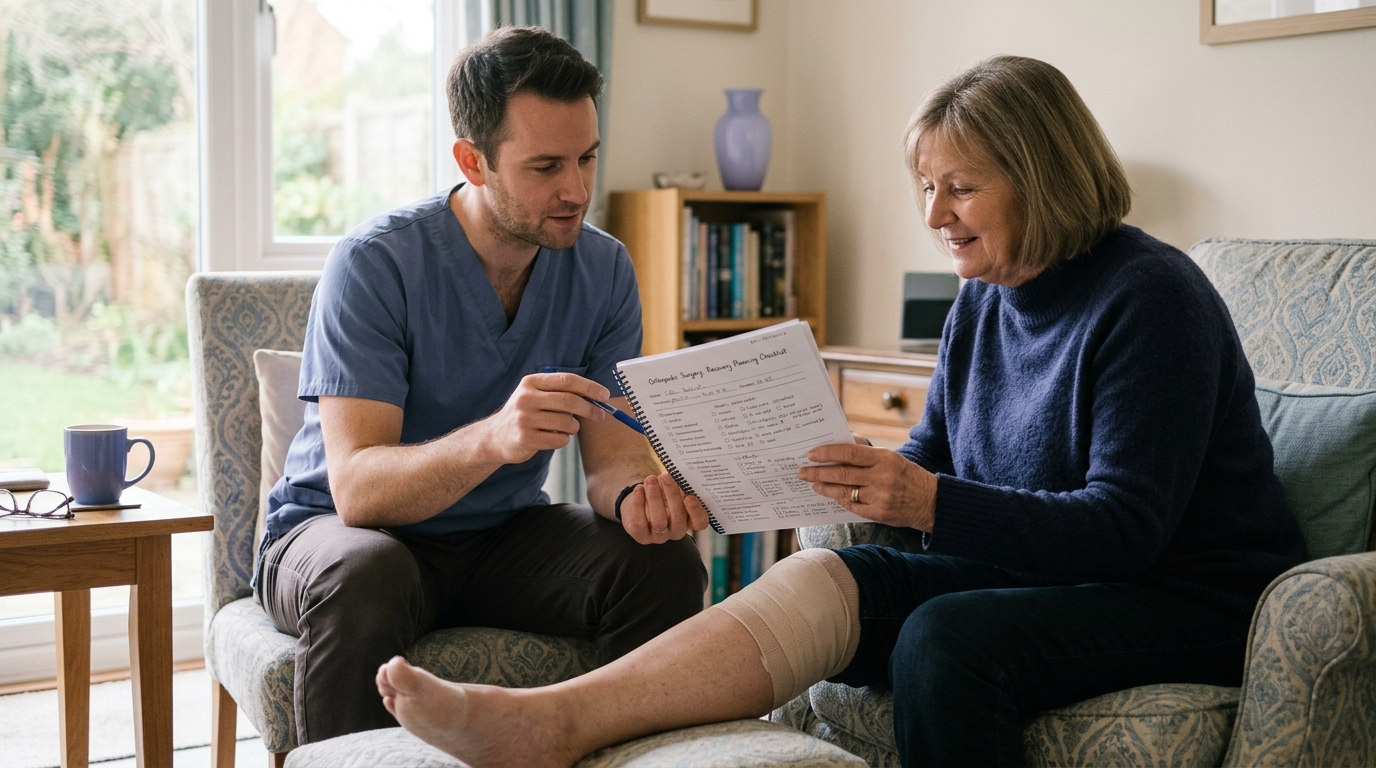
Clear communication with your orthopedic surgeon, physical therapist, and primary care doctor reduces uncertainty and builds confidence in your rehabilitation plan. Use these structured questions during your upcoming clinical visits to align your recovery expectations.
Recovering from an injury or surgery is a comprehensive mind-body process. By understanding how stress, sleep, and movement interact, you can navigate your rehabilitation with clarity, patience, and realistic expectations.
Managing your stress will not eliminate every obstacle on your rehabilitation journey, but it provides a steady foundation to support your physical healing and everyday well-being.

Use ReboundBody resources to understand common recovery stages, rehab terms, movement limits and strength rebuilding. Each guide is designed to make a complex comeback easier to understand.


Read practical guidance on injury recovery, rehabilitation, mobility and rebuilding strength as you work your way back to activity.
Explore Resources