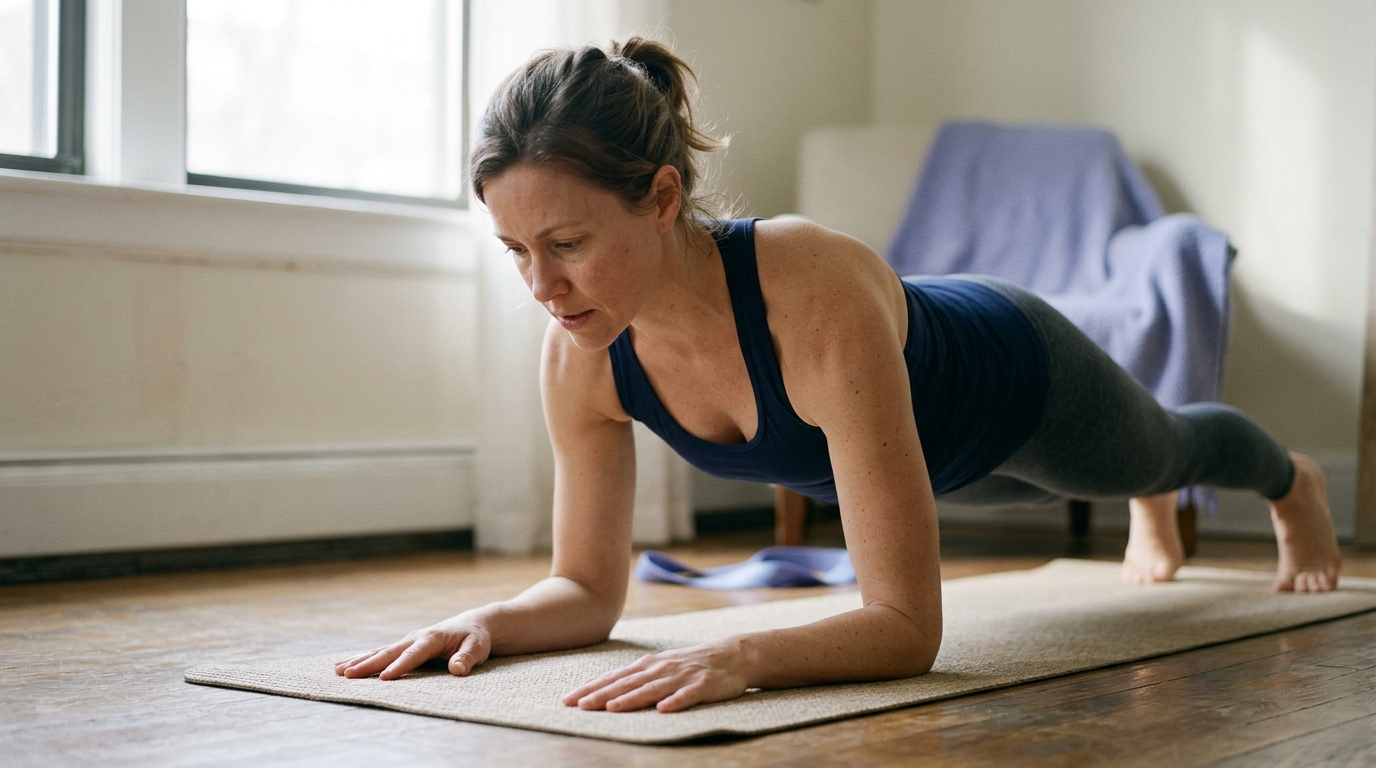
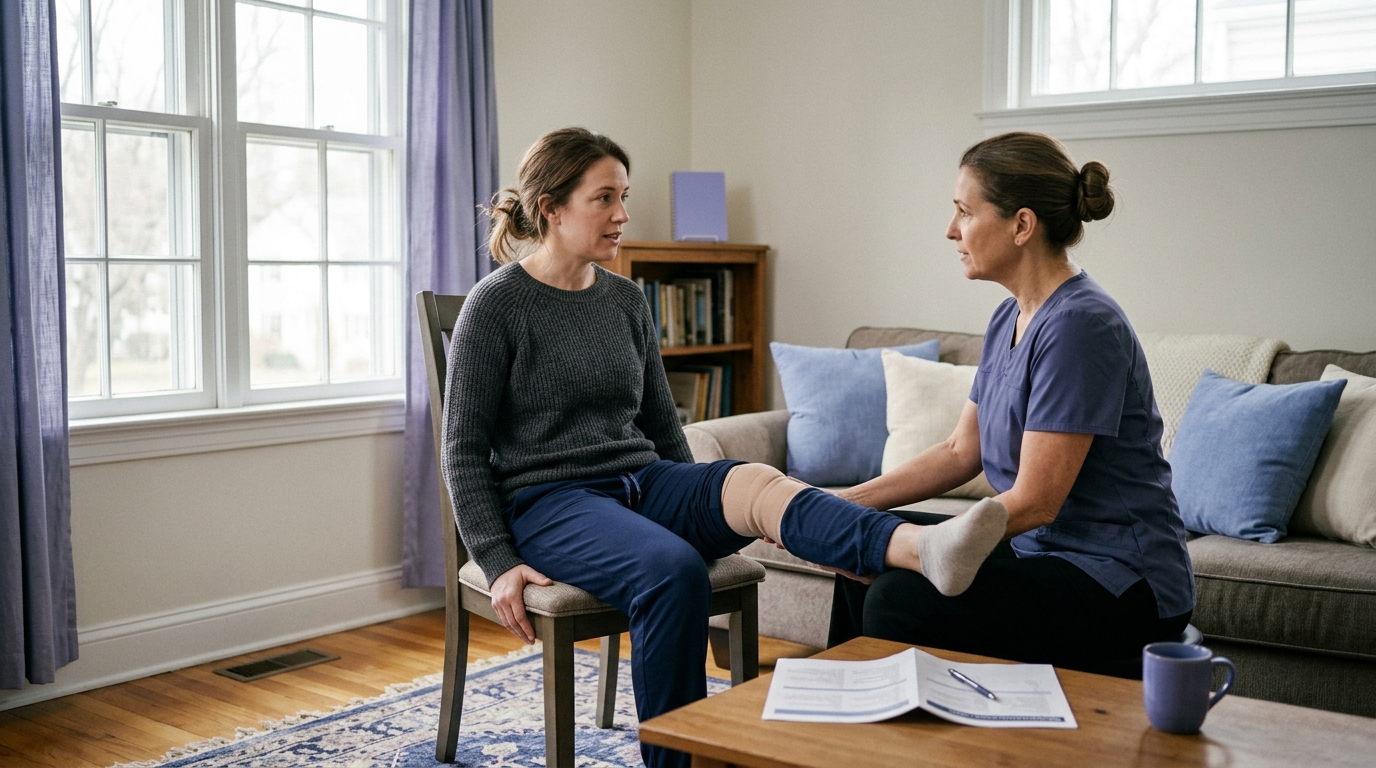
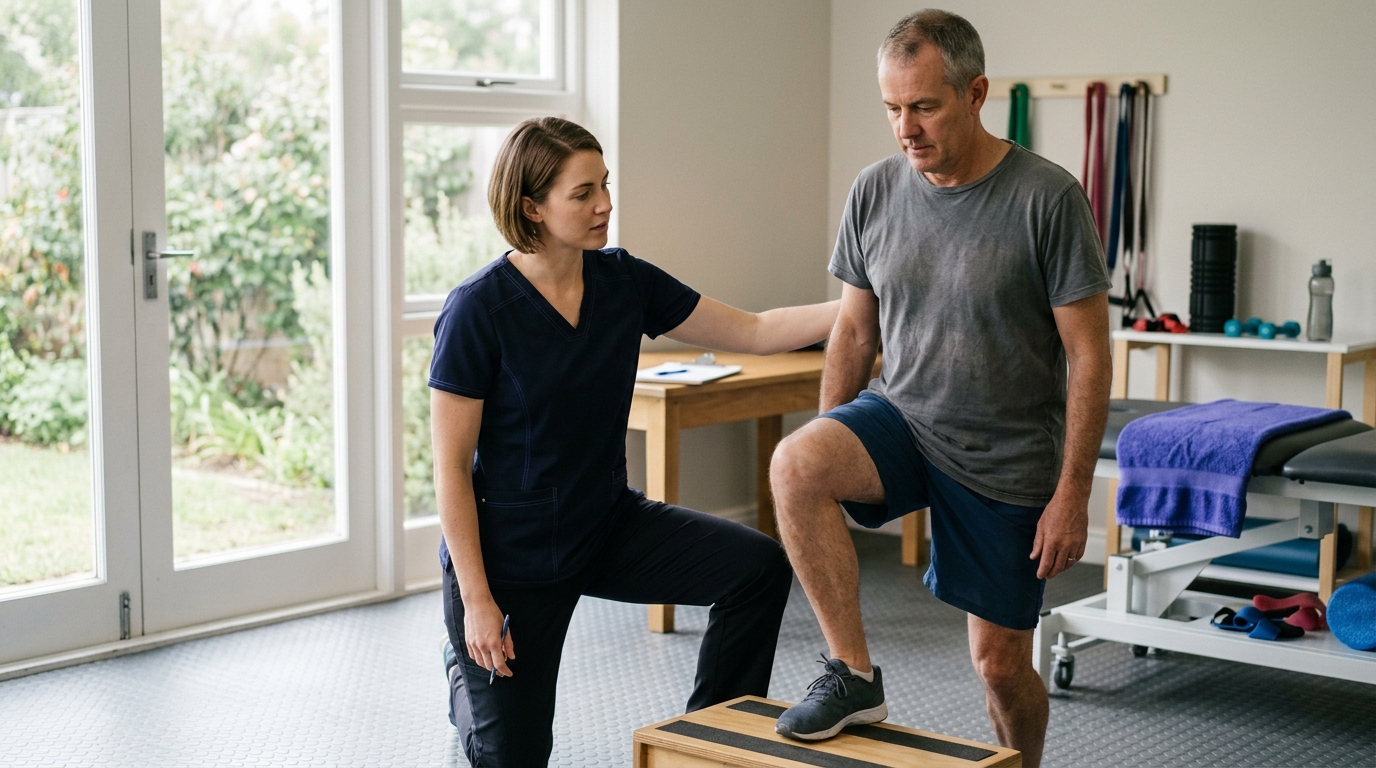
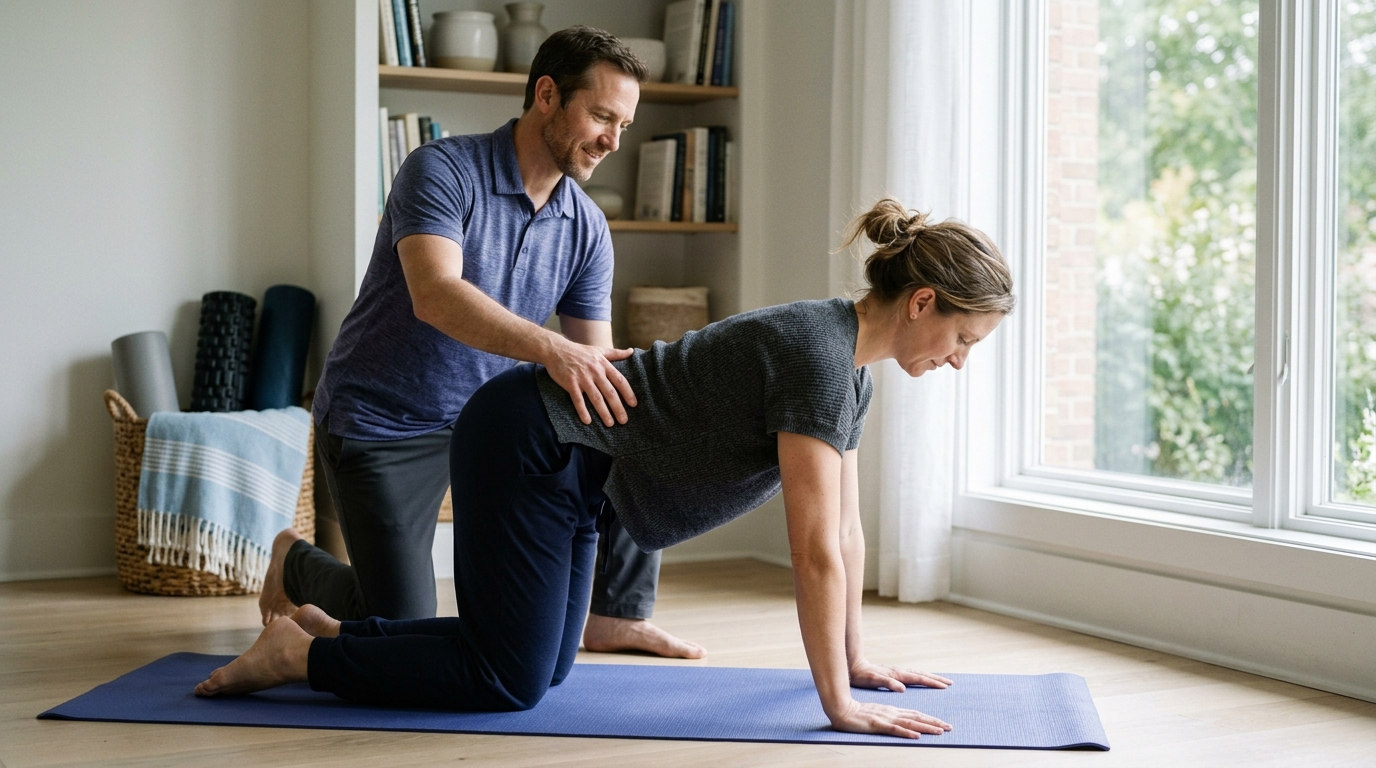
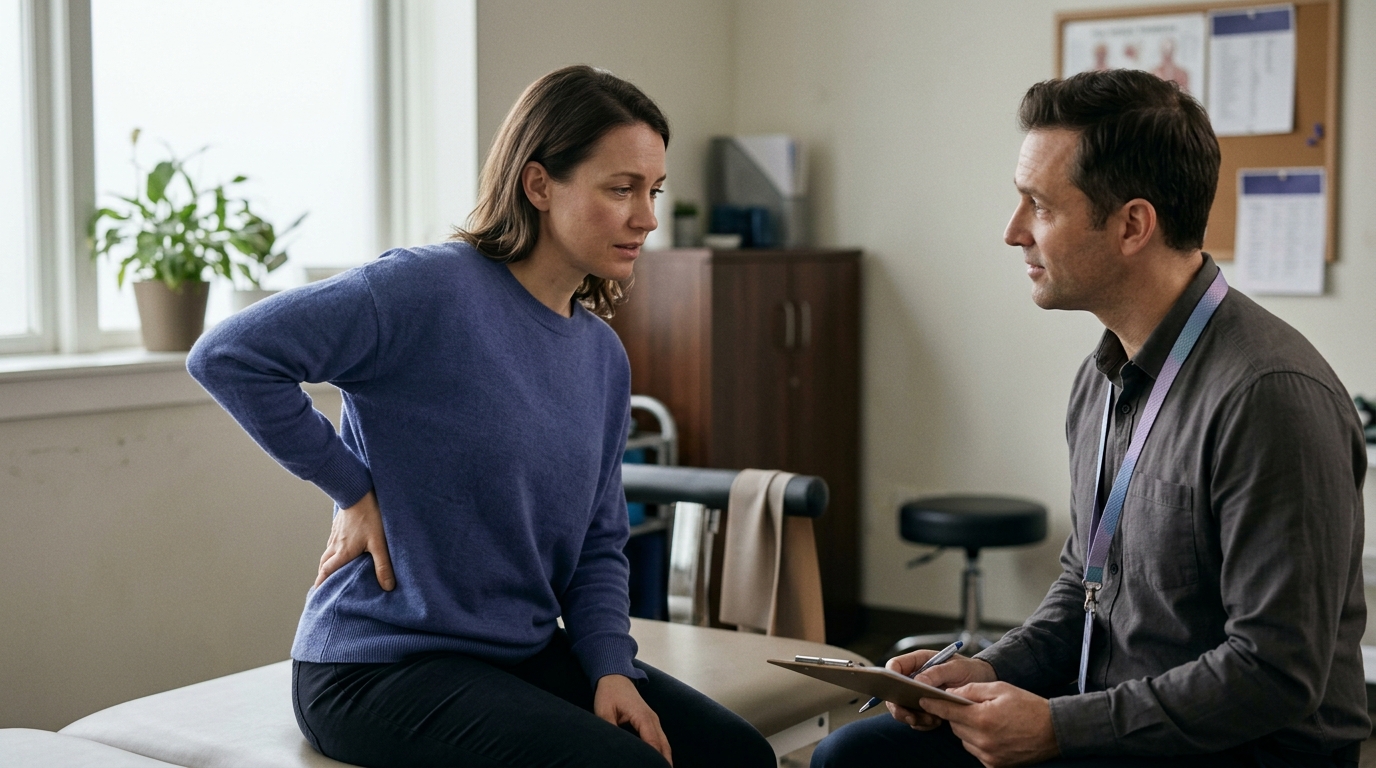
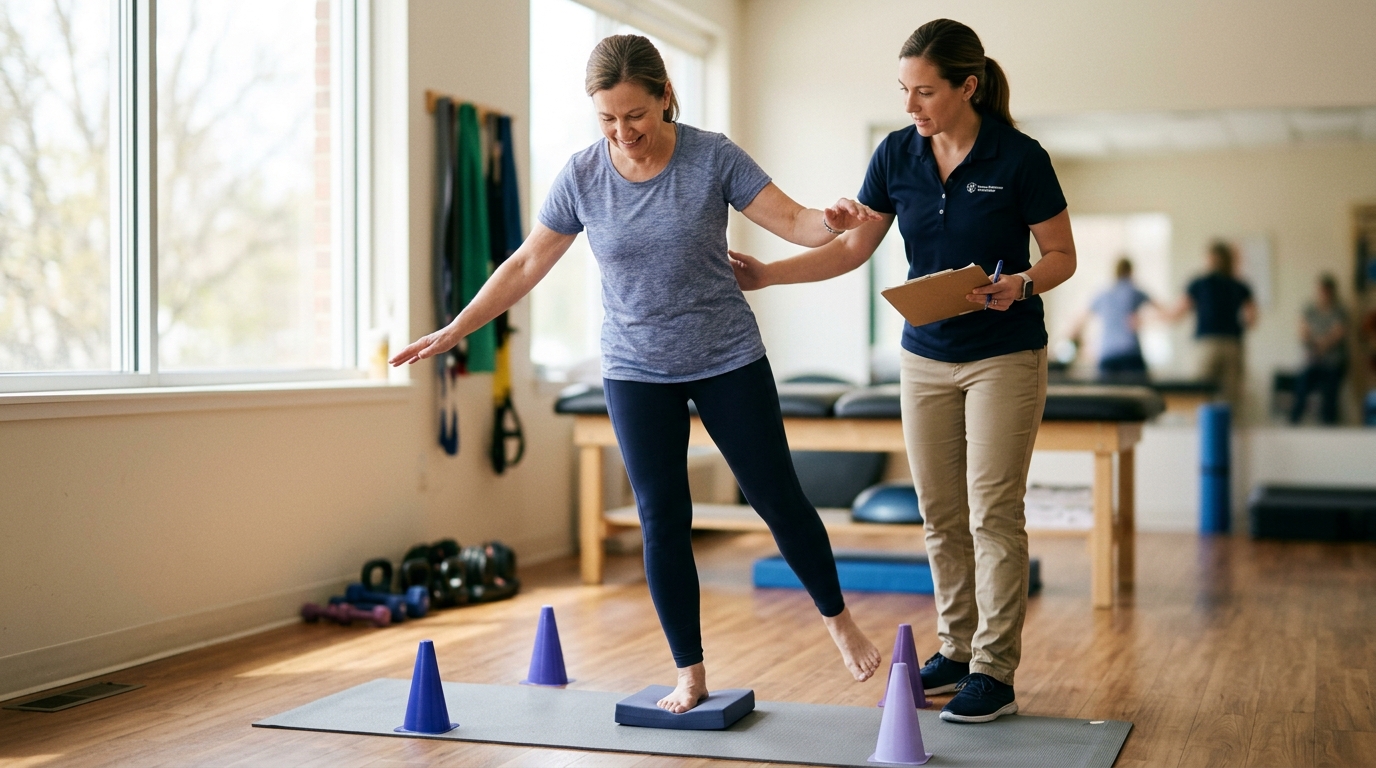
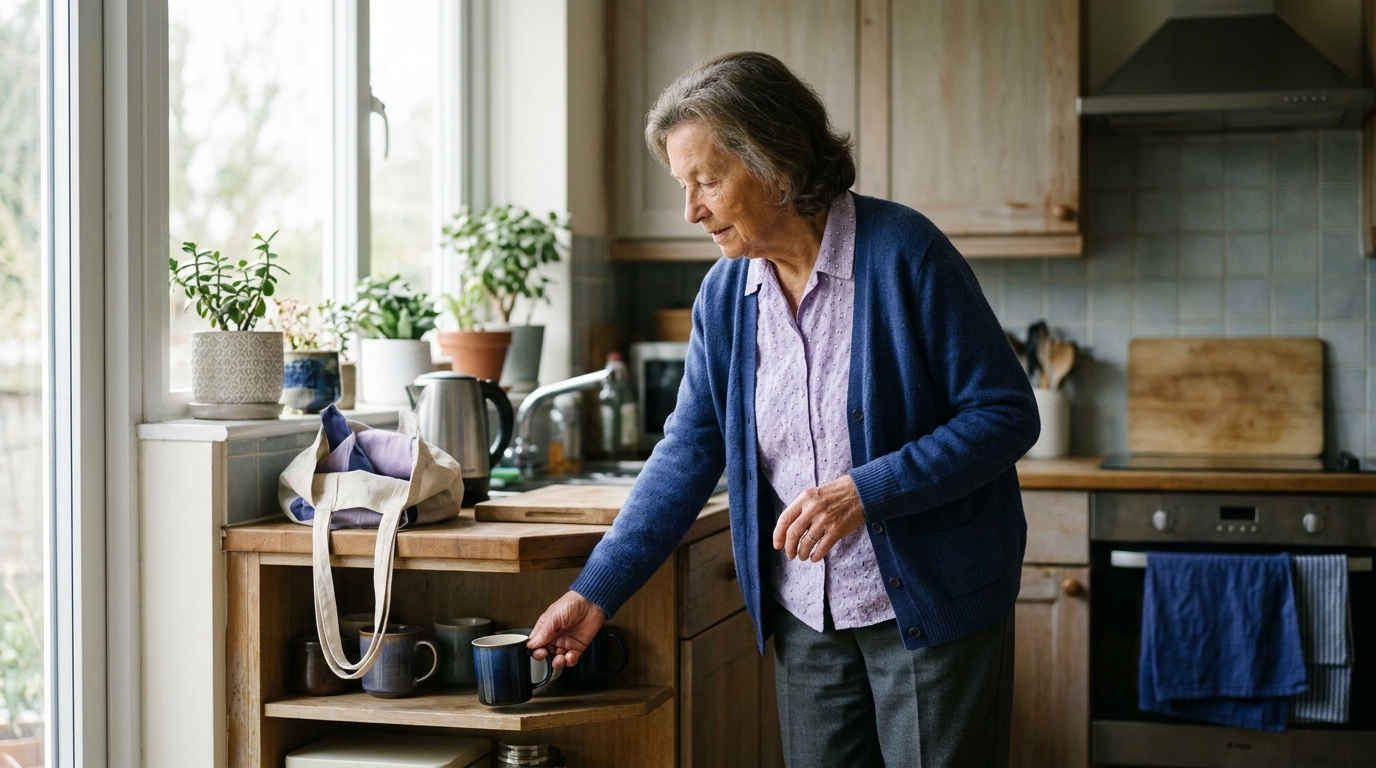
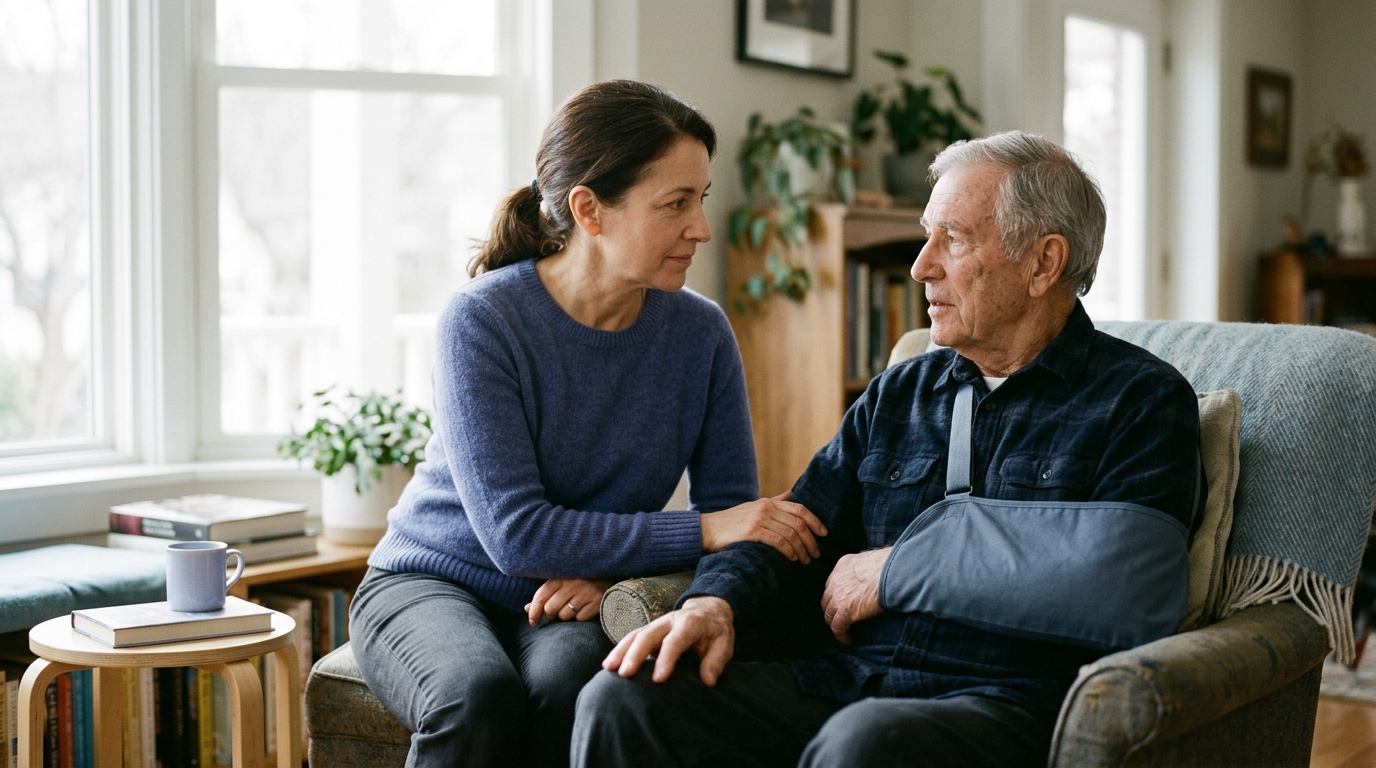
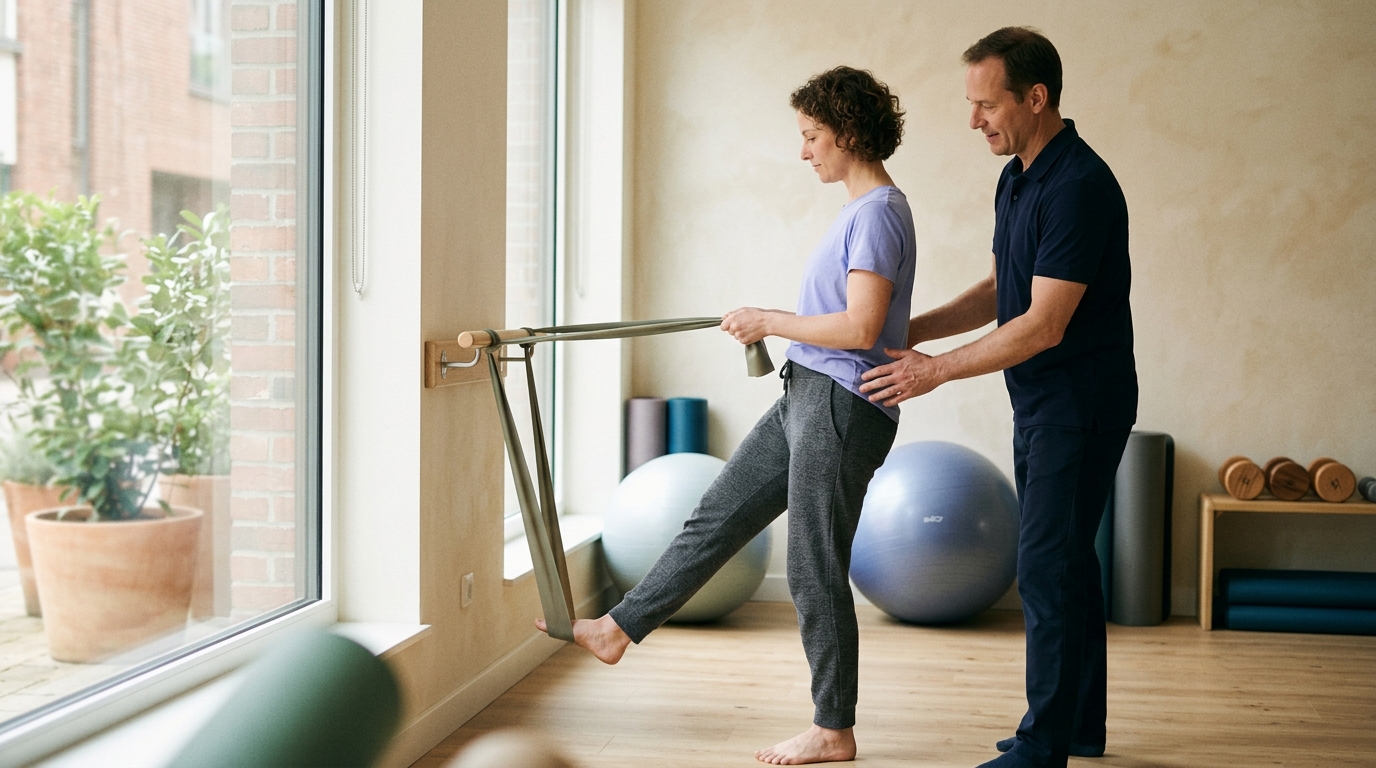
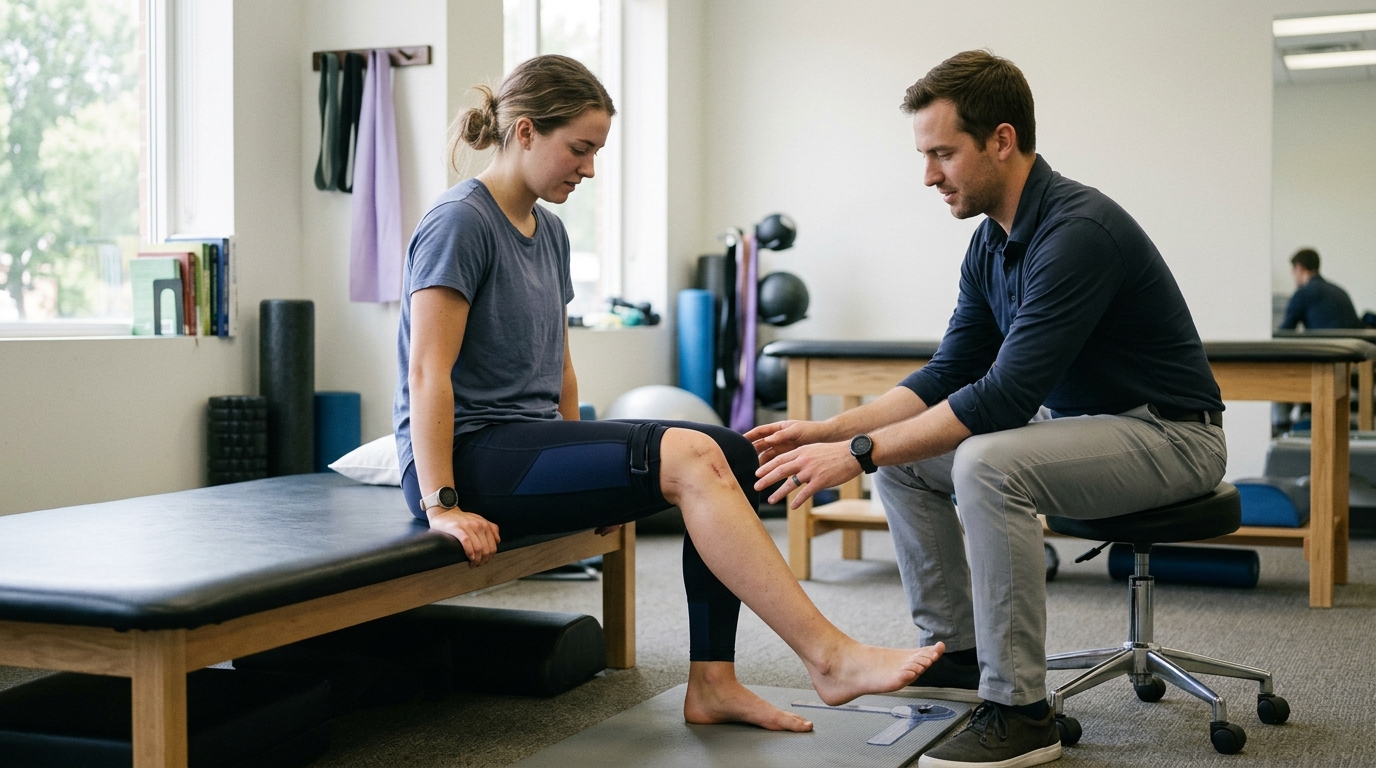
Most fitness benchmarks measure how much weight you can lift or how fast you can run. Yet a person can pass an isolated strength test in a gym and still struggle to get off the floor, carry groceries up a flight of stairs, or step over a curb safely.
Everyday mobility is not about athletic performance. It is about whether you have the physical capacity, confidence, and environmental support to live your daily life without unnecessary restriction.
A functional movement checklist brings together your mobility, strength, balance, stamina, and confidence into one clear picture. It helps you assess how you move in the real world instead of relying on a single test score. This guide gives you a structured self-review tool to spot early physical changes, identify what matters most to your independence, and plan productive conversations with your doctor or physical therapist.
This self-review tool is not a medical diagnosis or a pass-or-fail exam. It is an educational framework to help you organize your observations and advocate for your physical health.
Define Functional Movement Beyond Athletic Tests and Single Scores
Functional movement is the practical ability to perform everyday tasks safely, smoothly, and independently within your actual living environment. It links your physical capabilities to the life roles and activities you care about.
- WHOLE-PERSON MOBILITY
- BODY FUNCTIONS Joint motion, muscle force, balance, stamina
- ACTIVITIES Rising from a chair, climbing stairs, walking
- PARTICIPATION Working, managing a home, community life
- ENVIRONMENT Lighting, clutter, footwear, stairs, weather
The World Health Organization uses a helpful model called the International Classification of Functioning, Disability and Health. This model shows that your ability to move is shaped by four interacting layers:
Body Functions and Physical Structures
This layer includes the basic physical components of your body. It covers joint range of motion, muscle strength, balance reflexes, and cardiovascular endurance. When a knee joint is stiff or a hip muscle is weak, this layer is directly affected.
Daily Activities
This layer focuses on how you execute specific physical tasks. It includes getting out of bed, standing up from a low couch, walking across a room, or stepping into a shower. A limitation here means a specific movement pattern has become difficult, slow, or unsteady.
Life Participation
This layer looks at your involvement in meaningful life situations. It includes cooking meals, working at a job, playing with grandchildren, traveling, or shopping for food. Problems with basic activities often lead to restrictions in life participation.
Environmental and Personal Context
Your physical environment changes how well you move. Good lighting, secure handrails, supportive footwear, and level ground make movement easier. Cluttered hallways, slick ice, poor shoes, and dim lighting make the exact same physical task much more challenging.
When you look at movement through all four layers, a difficulty like rising from a low chair is not just weak quadriceps. It represents a functional barrier that can affect your ability to visit friends, use public restrooms, or manage personal care. You can learn more about these connections through our rehabilitation, mobility, and movement resources.
Evaluate the Core Physical Pillars of Daily Function
Everyday tasks rarely rely on a single physical trait. When you carry a heavy laundry basket down a flight of stairs, your body combines several distinct movement capacities at the same time.
- THE 5 PILLARS OF MOBILITY
- 1. MOBILITY Active joint range of motion and smooth transitions
- 2. STRENGTH Force production for lifting, pushing
- and climbing
- 3. BALANCE Steady base of support during standing and movement
- 4. ENDURANCE Sustained energy for walking and daily chores
- 5. CONFIDENCE Trust in your own physical steadiness and safety
1. Functional Joint Mobility
Mobility is your ability to move your joints through a usable, active range of motion without severe restriction or compensation. It is different from passive flexibility. Flexibility is how far someone else can stretch your muscle, while mobility is how well you control your own movement.
In daily life, mobility allows you to turn your head to check blind spots while driving. It lets you reach your arms overhead to put away dishes. It also allows your hips, knees, and ankles to bend deeply so you can crouch down to pick up dropped keys.
2. Everyday Muscular Strength
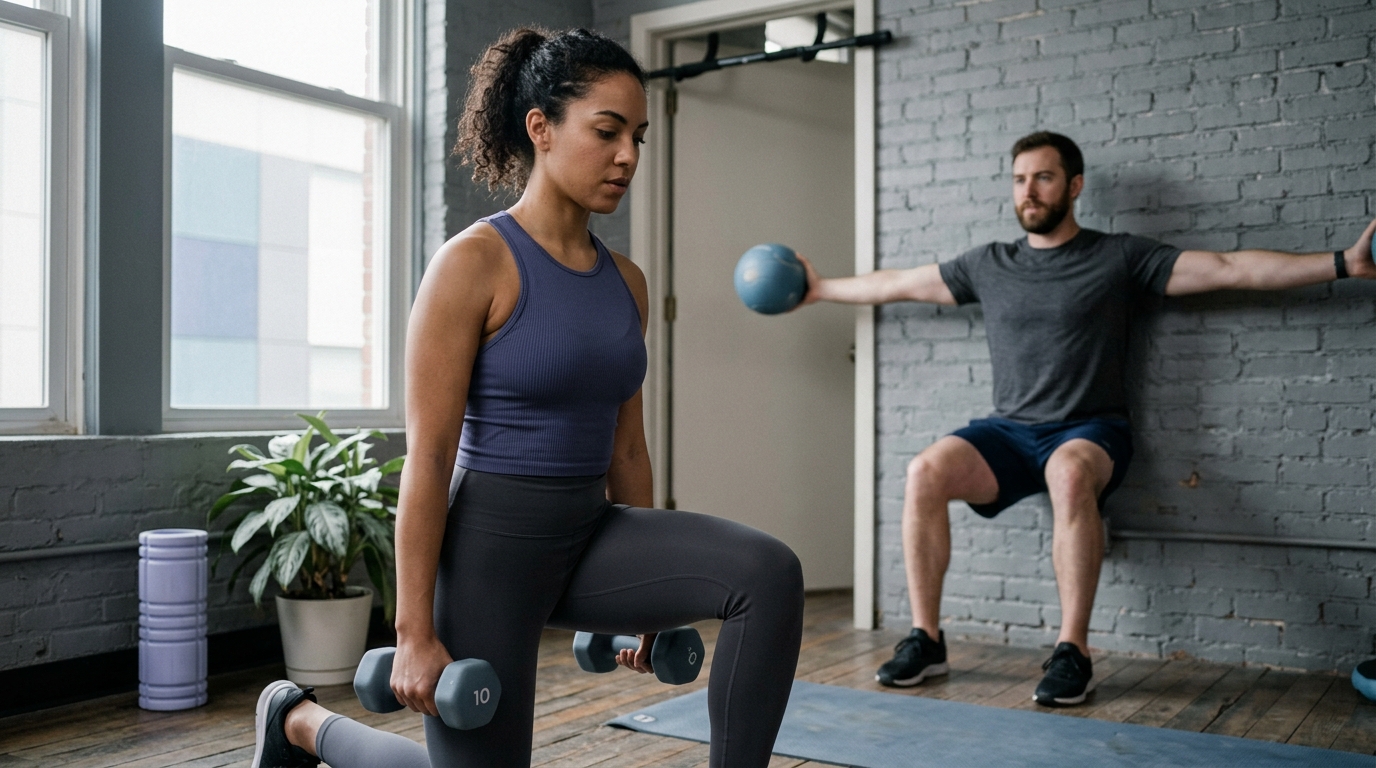
Strength is your muscles' ability to generate force against gravity and external loads. You do not need to lift massive weights to have functional strength, but you do need enough force production to handle your own body weight.
Functional strength allows you to stand up from a low toilet without pushing off with your hands. It provides the power needed to climb steps without pausing on every riser. It also lets you carry groceries from your car into your house without feeling your posture collapse.
3. Static and Dynamic Balance
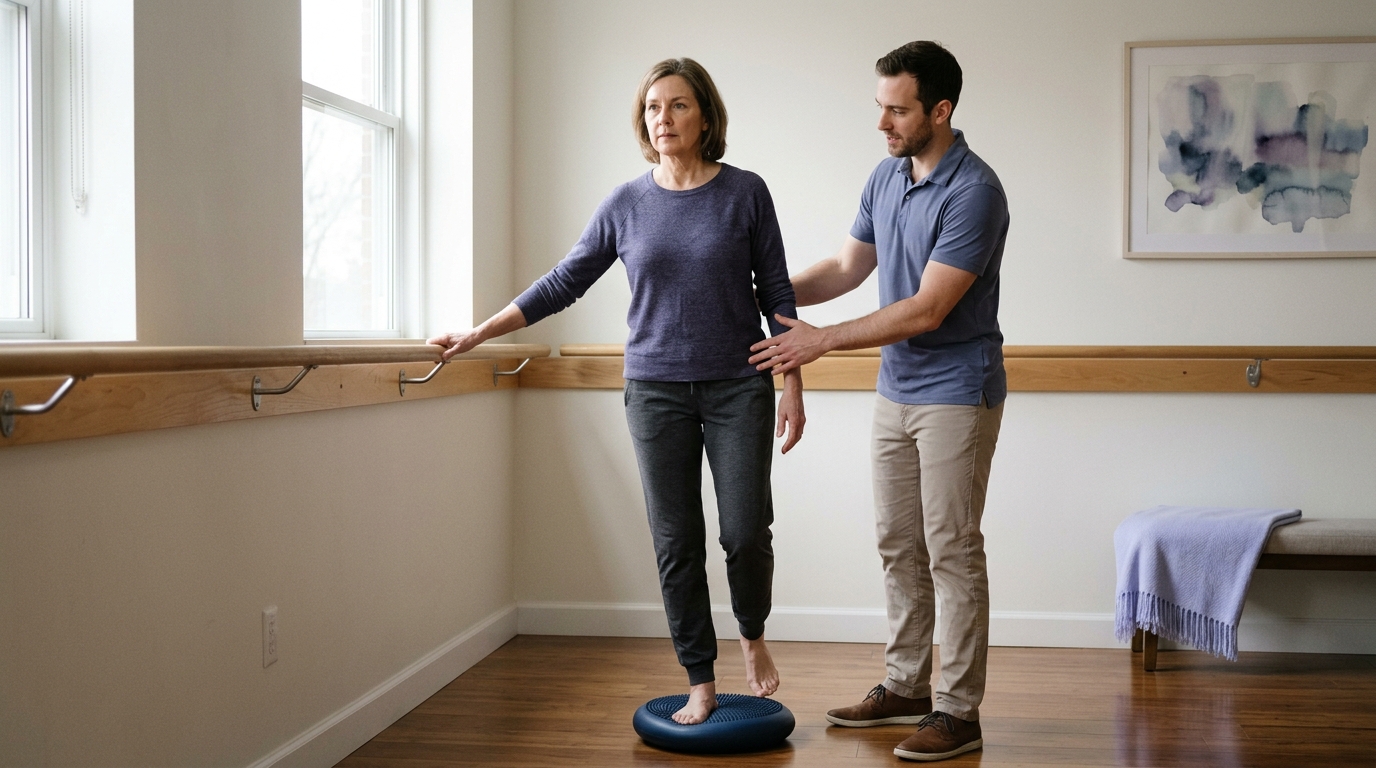
Balance is the skill of keeping your center of mass over your base of support, both when standing still and when moving. Static balance is what keeps you upright while standing at the kitchen sink. Dynamic balance is what keeps you steady while walking, turning, or navigating uneven ground.
Balance requires your eyes, your inner ear balance system, and the position sensors in your joints to work together. When your foot clips an unexpected rug, rapid balance reflexes make your muscles react instantly to stop a fall.
4. Daily Physical Endurance
Endurance is your capacity to sustain physical effort over time without becoming exhausted. It involves your heart, lungs, and muscle stamina working together.
Without functional endurance, you might be strong enough to walk across a room, but too exhausted to finish a 20-minute grocery shopping trip. Endurance allows you to do yard work, clean the house, or take a long walk with family without needing hours to recover.
5. Movement Confidence and Psychological Trust
Confidence is your internal belief that your body is stable, capable, and safe when performing physical tasks. It is just as important as physical muscle tissue.
When people lose confidence in their balance, they often begin moving with stiff, guarded steps. They start avoiding social outings, outdoor walks, or physical hobbies out of fear. Over time, this avoidance leads to muscle weakness and stiffness, which makes their physical balance even worse.
Building movement trust is a vital part of active aging and prevention strategies.
Examine What the Clinical Evidence and Mobility Benchmarks Show
Clinical researchers and public health organizations study functional movement to identify who is at risk of losing their independence. Understanding these scientific standards helps you see where your self-review fits into standard medical care.
- CLINICAL ASSESSMENT PATHWAY
- SELF-REVIEW You notice daily changes and patterns
- SCREENING Brief standardized tests flag potential risks
- CLINICAL EVAL Detailed review of muscles, nerves, and joints
- TARGETED PLAN Tailored exercise, medical review, and habits
Public Health Guidelines on Physical Activity
The Centers for Disease Control and Prevention (CDC) provides clear baseline activity recommendations for older adults. They recommend at least 150 minutes of moderate-intensity aerobic activity per week, such as brisk walking. Alternatively, adults can perform 75 minutes of vigorous-intensity activity.
In addition to aerobic activity, the CDC recommends muscle-strengthening activities at least two days per week. They also emphasize regular balance training. These population targets are general health goals rather than personalized rehabilitation plans, but they highlight the need to train multiple physical capacities.
Falls Burden and Real-World Impact
Public health data shows why maintaining functional movement is critical as we age:
- The CDC reports that more than 14 million adults aged 65 and older in the United States report falling each year, which is about one in four older adults.
- Approximately 37% of older adults who fall report an injury that requires medical care or restricts their activity for at least one day.
- Fall-related mortality has increased over recent years, emphasizing the importance of early detection and physical support.
These statistics show that noticing physical changes early is an essential part of maintaining your long-term independence.
Standardized Screening Tools
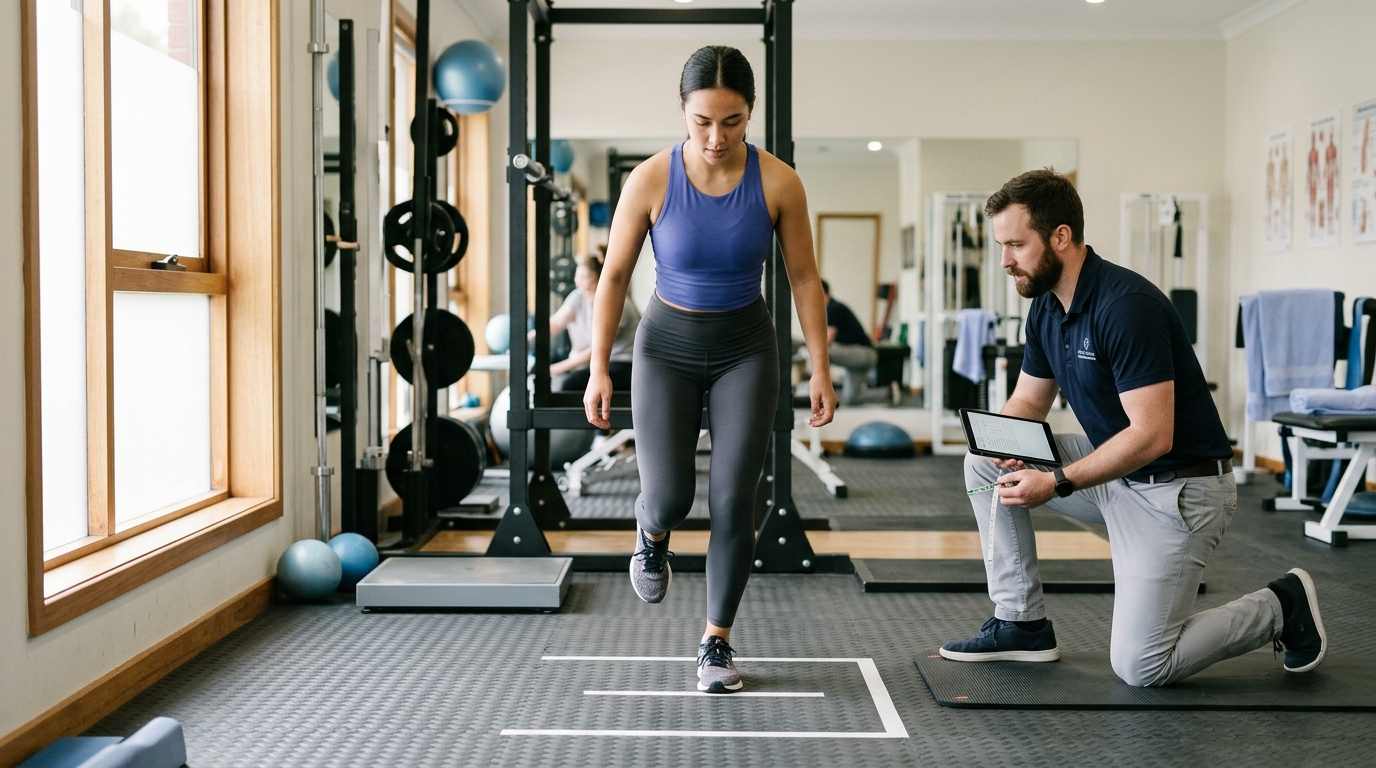
Doctors and physical therapists use specific screening tools to identify movement limitations before they cause serious injuries:
- The Stay Independent Screening: The CDC's STEADI initiative uses a 12-question screening questionnaire. A score of four or higher suggests an elevated risk for falls and indicates that a comprehensive clinical evaluation is warranted.
- The Timed Up and Go (TUG) Test: This test measures the time it takes to stand up from an armchair, walk three meters (about ten feet), turn around, walk back, and sit down. Completing the TUG in 12 seconds or longer is widely used as a threshold indicating an increased risk of falls.
- The Short Physical Performance Battery (SPPB): This battery tests standing balance, walking speed over four meters, and the time required to complete five chair stands. A study utilizing data from the Lifestyle Interventions and Independence for Elders (LIFE) trial found that lower SPPB scores were associated with higher rates of mobility disability over time.
- Four-Meter Gait Speed: Walking speed below 0.8 meters per second is recognized in the World Falls Guidelines as a meaningful clinical threshold for mobility limitations.
These tests are useful screening tools, but they do not provide a complete medical diagnosis on their own. A score that falls below a threshold simply shows that a healthcare provider should take a closer look at your gait, strength, medications, and joint health.
Evidence on Structured Falls Prevention Exercise
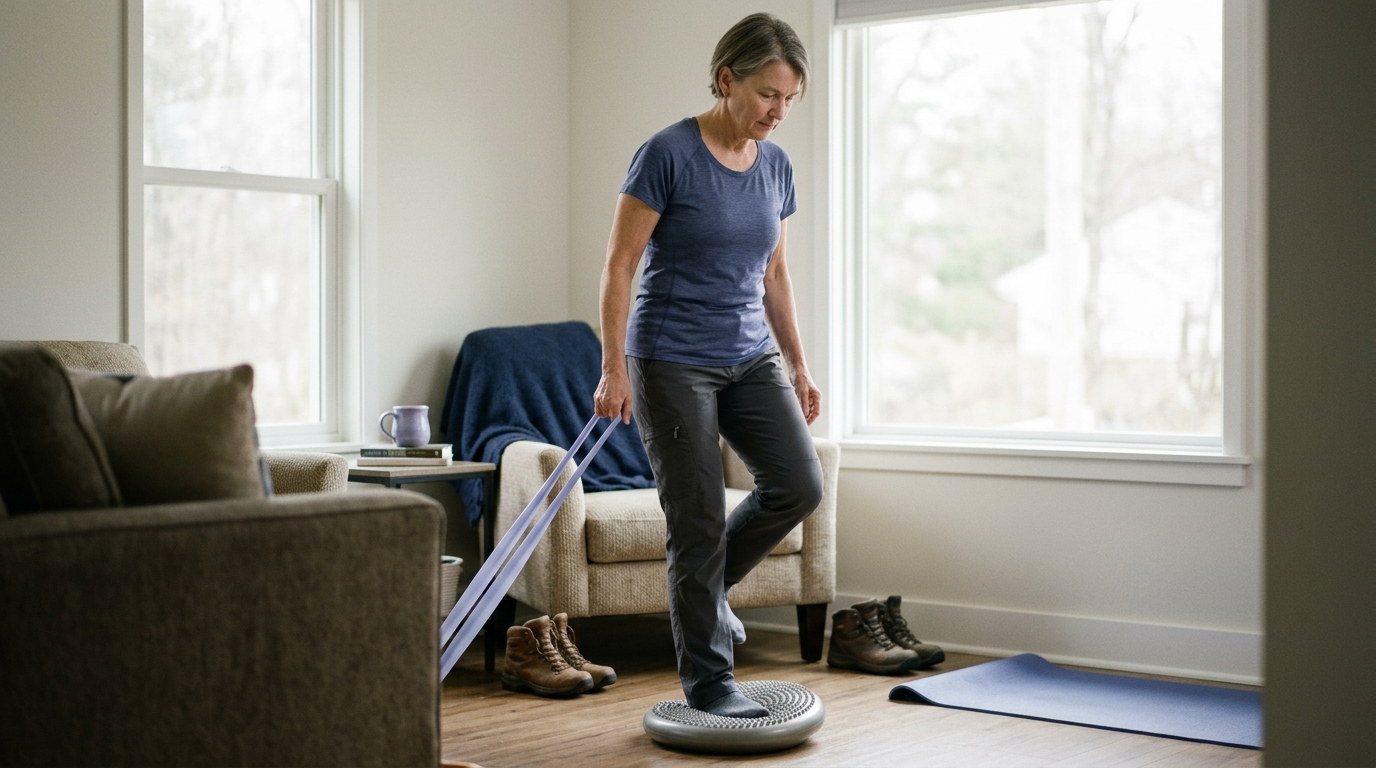
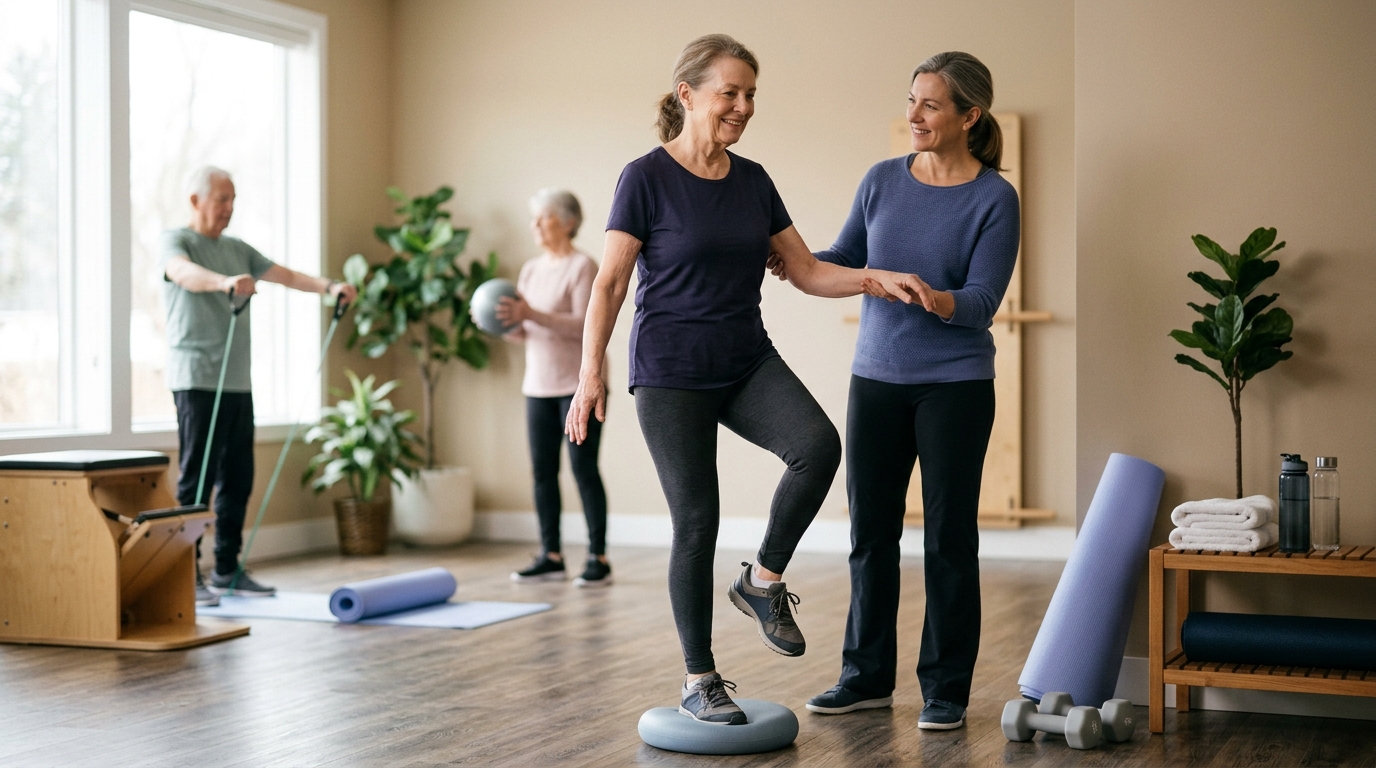
The World Falls Guidelines strongly recommend structured exercise programs for community-dwelling adults to reduce fall risk. Their evidence review indicates that effective programs should include balance-challenging exercises and functional movements, like stepping and standing up from a chair.
The guidelines recommend that these programs be individualized, progressively challenging, held at least three times per week, and continued for at least 12 weeks. Consistency and progressive difficulty are essential for building lasting strength and stability.
Identify the Daily Factors That Change Movement Capacity
A person's physical capacity in a quiet, controlled clinic does not always match their performance during a busy day. Many daily variables influence how well your body moves from one hour to the next.
- FACTORS INFLUENCING DAILY MOVEMENT
- INTERNAL FACTORS Physical fatigue, joint pain, dizziness
- illness, medication timing, anxiety
- EXTERNAL FACTORS Low lighting, slick surfaces, throw rugs
- clutter, unsupportive shoes, carrying loads
Capacity Versus Everyday Performance
Capacity is what you are physically capable of doing in an ideal, rested state. Performance is what actually happens when you are tired, distracted, rushing, or carrying a heavy object.
You might be able to balance on one foot for ten seconds in your living room while focusing completely on your balance. But if you have to turn around quickly while holding a cup of hot coffee and answering the phone, your dynamic balance is tested in a much more demanding way.
The Impact of Fatigue and Time of Day
Physical energy fluctuates naturally throughout the day. Many adults move well in the morning but experience heavy legs, poor posture, and unsteady footing by late afternoon.
Muscle fatigue reduces your joint stability and slows down your protective reflexes. If you notice that you only trip or feel unsteady in the evening, your movement plan may need to focus on muscular endurance and pacing strategies.
Pain, Joint Stiffness, and Swelling
Musculoskeletal pain alters how your nervous system coordinates movement. When a knee or hip hurts, your brain naturally shifts weight away from that side, creating an uneven walking pattern.
This limping or compensation protects the painful joint in the short term, but it increases stress on other joints and reduces your overall balance. Recognizing how your pain levels change during different activities helps your physical therapist design safe exercises.
Footwear and Surface Conditions
Your feet provide your brain with essential sensory feedback about the ground. Thin, unsupportive slippers or smooth socks on hardwood floors dramatically increase slip risks and reduce stability.
Heavy, stiff boots can make it harder to lift your toes when stepping, increasing the chance of tripping on rugs or curbs. Supportive footwear with non-skid soles provides a stable base for daily tasks.
Medication Effects and Blood Pressure Shifts
Certain prescription medications can cause dizziness, lightheadedness, or slowed reaction times. Blood pressure medications can cause a temporary drop in blood pressure when you stand up quickly, making you feel faint.
If your mobility issues happen mostly when standing up from bed or after taking medications, your doctor needs to review your prescriptions. For more context on safe physical adaptation, review our injury prevention and staying active guides.
Apply the Functional Movement Self-Review Checklist
Use this structured self-review checklist to examine your movement across six essential daily categories. Go through each area and record what you observe about your body, your environment, and any help you currently rely on.
- FUNCTIONAL SELF-REVIEW DOMAINS
- 1. Bed & Seated Transfers Rising from low beds, chairs, cars
- 2. Floor-to-Stand Movement Getting down and back up from floor
- 3. Stair Navigation Ascending/descending steps smoothly
- 4. Walking & Stepping Clearing obstacles, turning, speed
- 5. Carrying & Lifting Loads Holding objects while moving
- 6. Balance in Low Light Navigating rooms at night or dark
Domain 1: Bed and Seated Transfers
Transfers involve moving your body between different positions, such as moving from lying down to sitting, or sitting to standing.
What to observe:
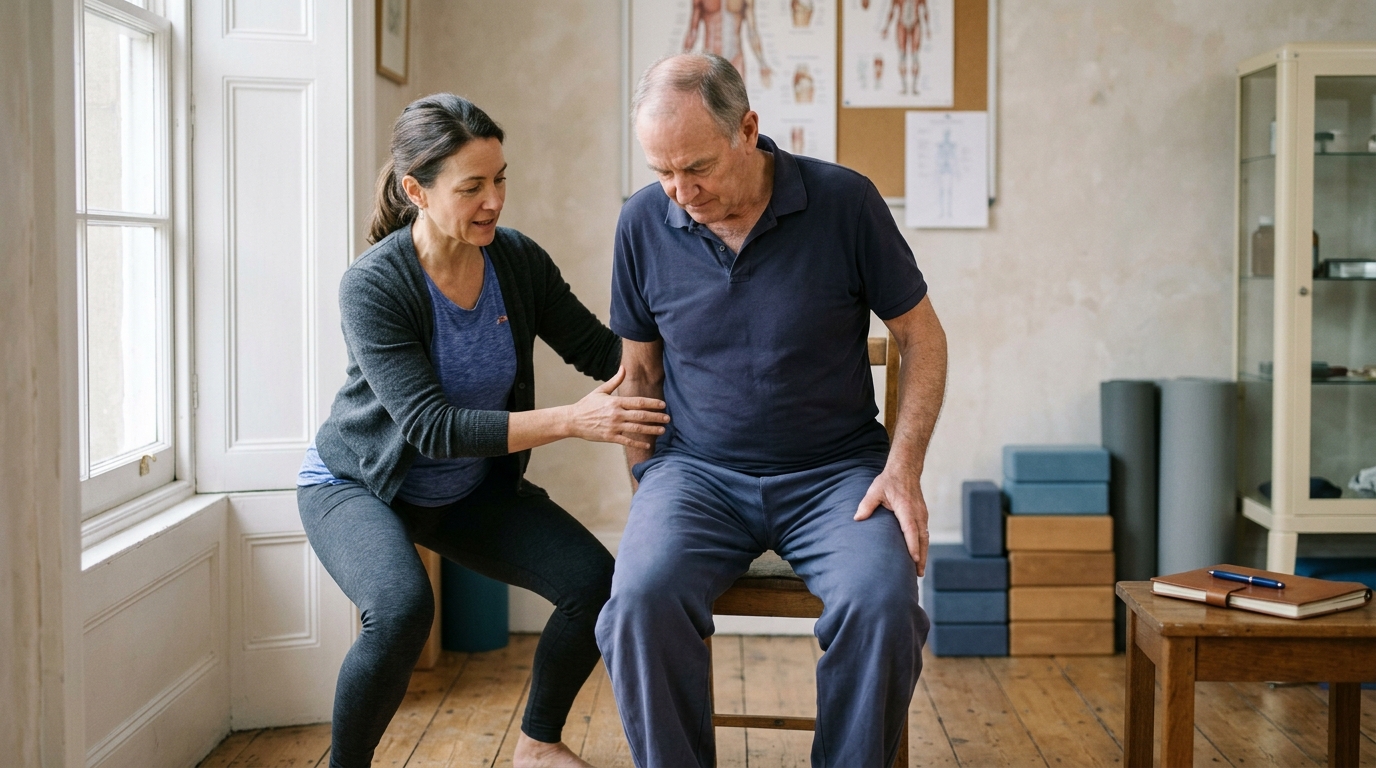
- Can you stand up from a standard dining chair without pushing off with your hands?
- Do you need to rock your body forward multiple times to build momentum before standing up?
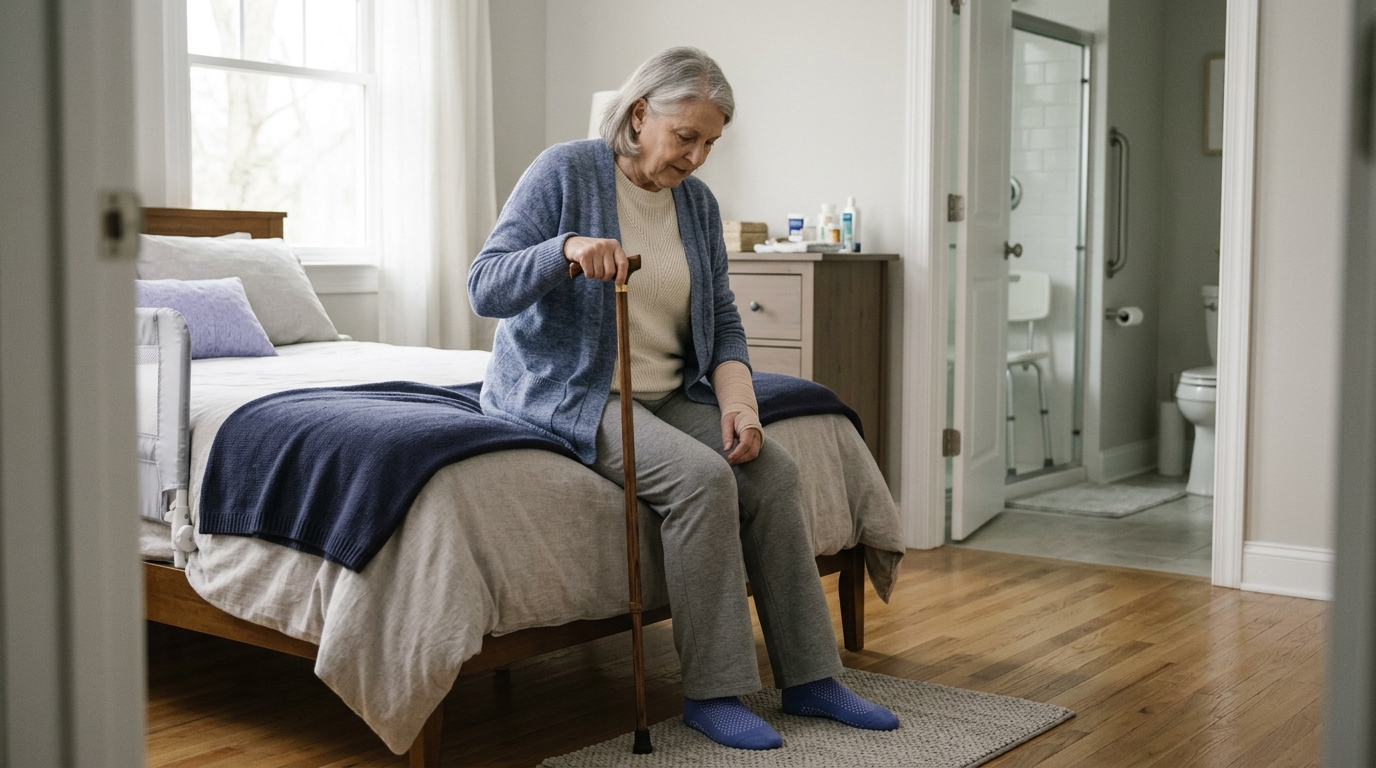
- Is it difficult to get out of deep, soft couches or low car seats?
- Do you feel unsteady or dizzy for the first few seconds after standing up?
What to record:
- The height of the chairs or surfaces that give you trouble.
- Whether you rely on furniture, armrests, or another person for support.
- If this task becomes significantly harder when you are tired.
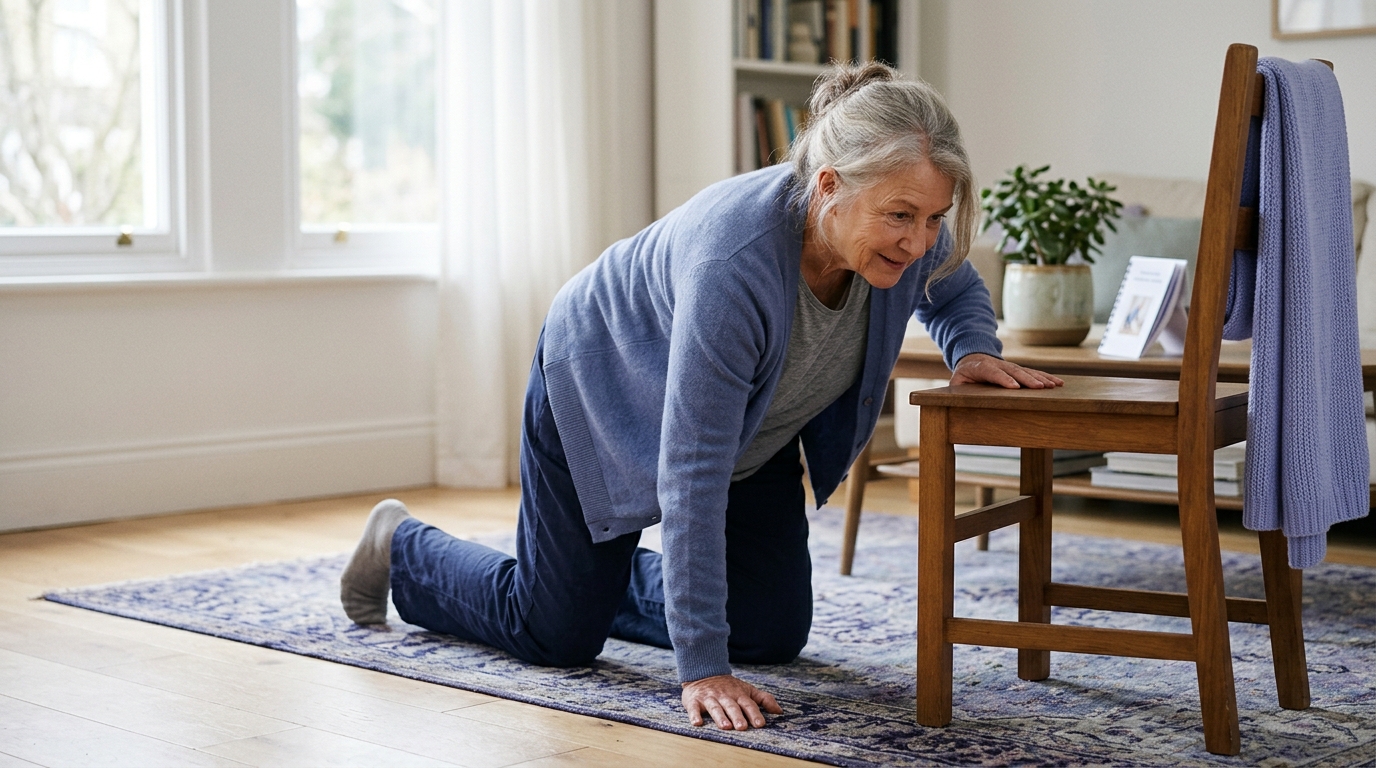
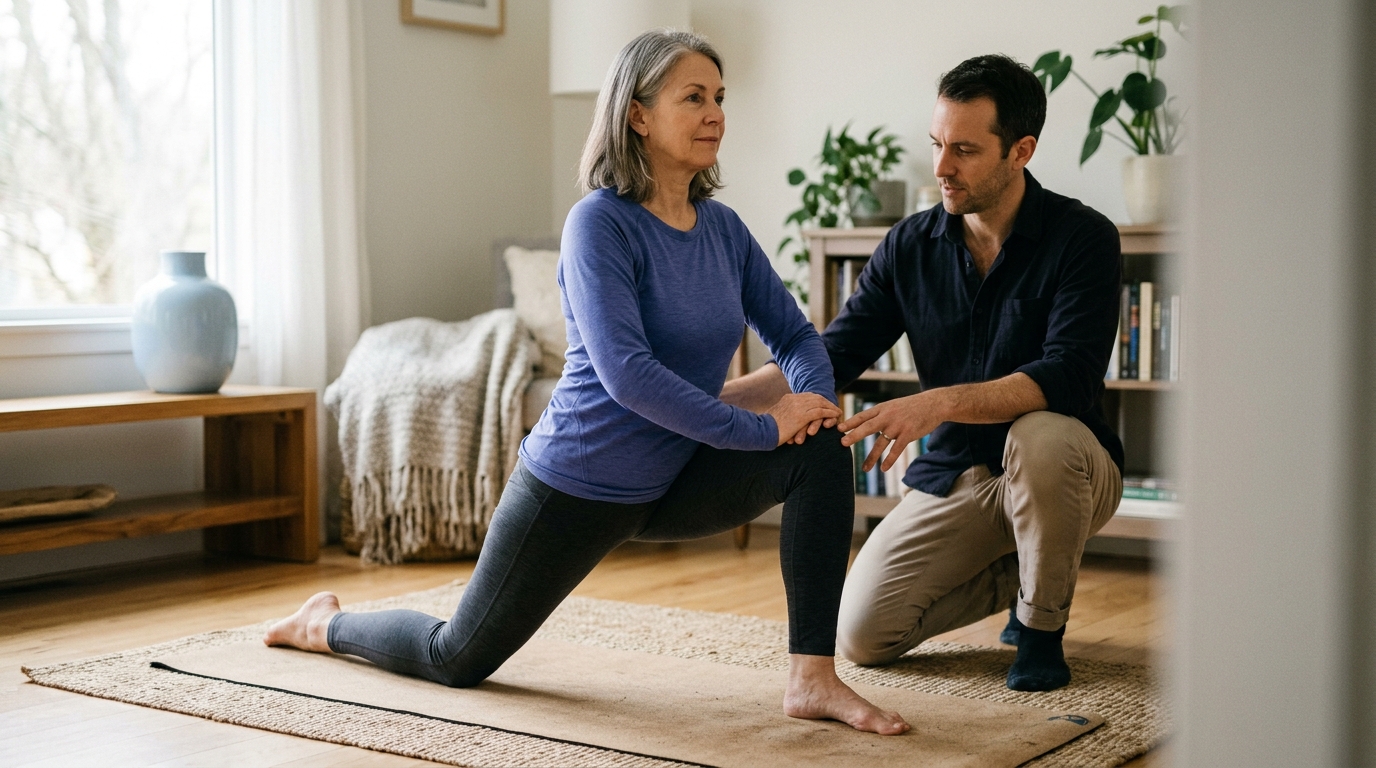
Domain 2: Floor-to-Stand Transitions
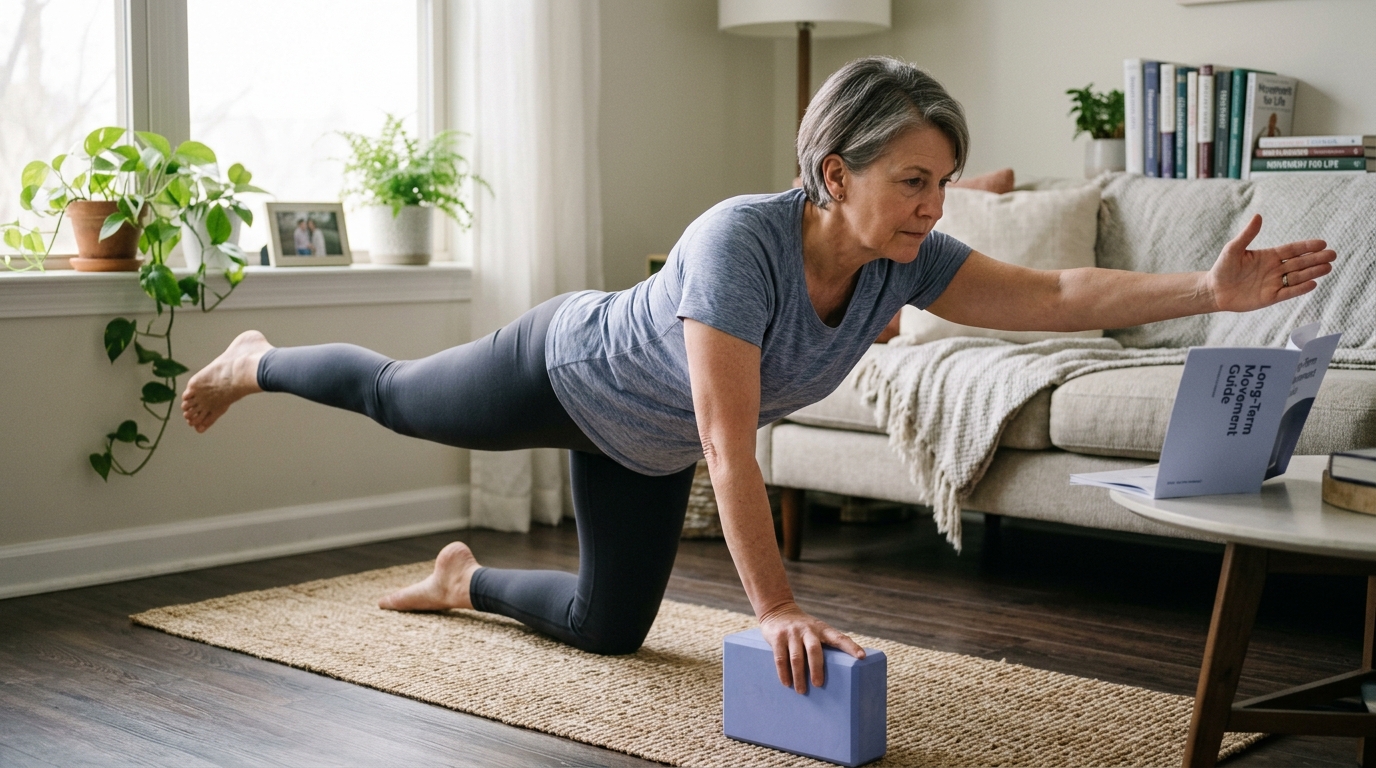
Getting down to the floor and returning to your feet is an essential safety skill for daily life and emergency recovery.
What to observe:
- Can you safely lower yourself to the carpet or floor to play with pets, stretch, or garden?
- Can you get back up from the floor without needing someone to pull you up?
- Do you need to crawl to a sturdy piece of furniture to climb your way up?
- Do you completely avoid getting on the floor because you fear being stuck?
What to record:
- What strategy or body position you use to get up (such as a half-kneeling position or hands-and-knees).
- Any joint pain in your knees, wrists, or hips that restricts this movement.
- How confident you feel about getting up if you were to trip and fall while home alone.
Domain 3: Stair Navigation and Elevation Changes
Climbing and descending stairs requires single-leg strength, ankle mobility, and dynamic balance.
What to observe:
- Can you walk up stairs using an alternating foot pattern (one foot on each step)?
- Do you have to place both feet on every single step before moving to the next one?
- Do you rely heavily on the handrail to pull your body weight up?
- Do you feel anxious or hesitant when walking down stairs without a sturdy rail?
What to record:
- The number of steps you can manage before your legs feel weak or your knees ache.
- Whether descending stairs feels significantly harder or more painful than ascending.
- The presence or absence of secure handrails on both sides of your home stairways.
Domain 4: Level Walking, Turning, and Obstacle Clearance
Walking requires smooth coordination between your legs, spine, and sensory balance systems.
What to observe:
- Do your feet clear the floor cleanly, or do your toes tend to drag or shuffle?
- Can you turn your head to look at something while walking without losing your balance or veering off course?
- How do you handle sudden turns or pivot movements when navigating tight spaces?
- Do you find yourself reaching out to touch walls, countertops, or furniture as you walk through your home?
What to record:
- Any tendency to catch your toes on rugs, door thresholds, or uneven sidewalks.
- Whether you feel unsteady when turning around quickly to answer the door or phone.
- If your walking speed has noticeably slowed down compared to previous years.
Domain 5: Carrying and Lifting Loads
Everyday life requires you to manipulate objects while keeping your balance.
What to observe:
- Can you carry a full bag of groceries or a laundry basket with both hands while walking steadily?
- Can you safely reach up into a high kitchen cabinet to retrieve a heavy dish?
- Do you lose your balance when bending down to pick up a package from your doorstep?
- Do you avoid carrying items because you need your hands free to grab onto walls?
What to record:
- The approximate weight of items that begin to feel unmanageable or unsafe.
- Any balance changes when holding objects in front of your chest versus at your sides.
- If reaching overhead causes shoulder pain or balance wobbles.
Domain 6: Navigation in Low Light and Confined Spaces
Your vision plays a massive role in maintaining your physical balance.
What to observe:
- Can you walk safely from your bed to the bathroom in the middle of the night in dim lighting?
- Do you feel unsteady when closing your eyes in the shower to wash your hair?
- Is it hard to step into and out of a bathtub or shower stall safely?
- Do small, confined spaces like walk-in closets make you feel off-balance?
What to record:
- How you navigate your home in the dark (using nightlights, trailing hands along walls).
- Any grab bars or safety equipment currently installed in your bathroom.
- Any feelings of dizziness or disorientation when your eyes are closed.
For deeper insights into safe joint patterns, read our guide on mobility and movement principles.
Analyze Common Everyday Mobility Scenarios and Patterns
To understand how this checklist applies to real life, examine these five common scenarios. Each scenario shows what a person notices, what they should record, and what they should discuss with their healthcare provider.
- REAL-WORLD MOBILITY CASE PATTERNS
- PATTERN 1: "I can walk fine, but low chairs are hard."
- PATTERN 2: "I feel steady indoors, but avoid outdoor walks."
- PATTERN 3: "I have had multiple small slips and near-falls."
- PATTERN 4: "My movement gets clumsy when I am tired or sore."
- PATTERN 5: "I stopped doing an activity I love due to balance."
Pattern 1: Difficulty Rising from Low Seats
- What is noticed: A person realizes they can walk around the block comfortably, but getting out of a low restaurant booth or soft living room couch requires rocking back and forth or pushing off with their hands.
- What to record: Note the seat height that causes trouble. Record whether pain in the knees or lower back is present during the movement, and whether leg fatigue makes it harder.
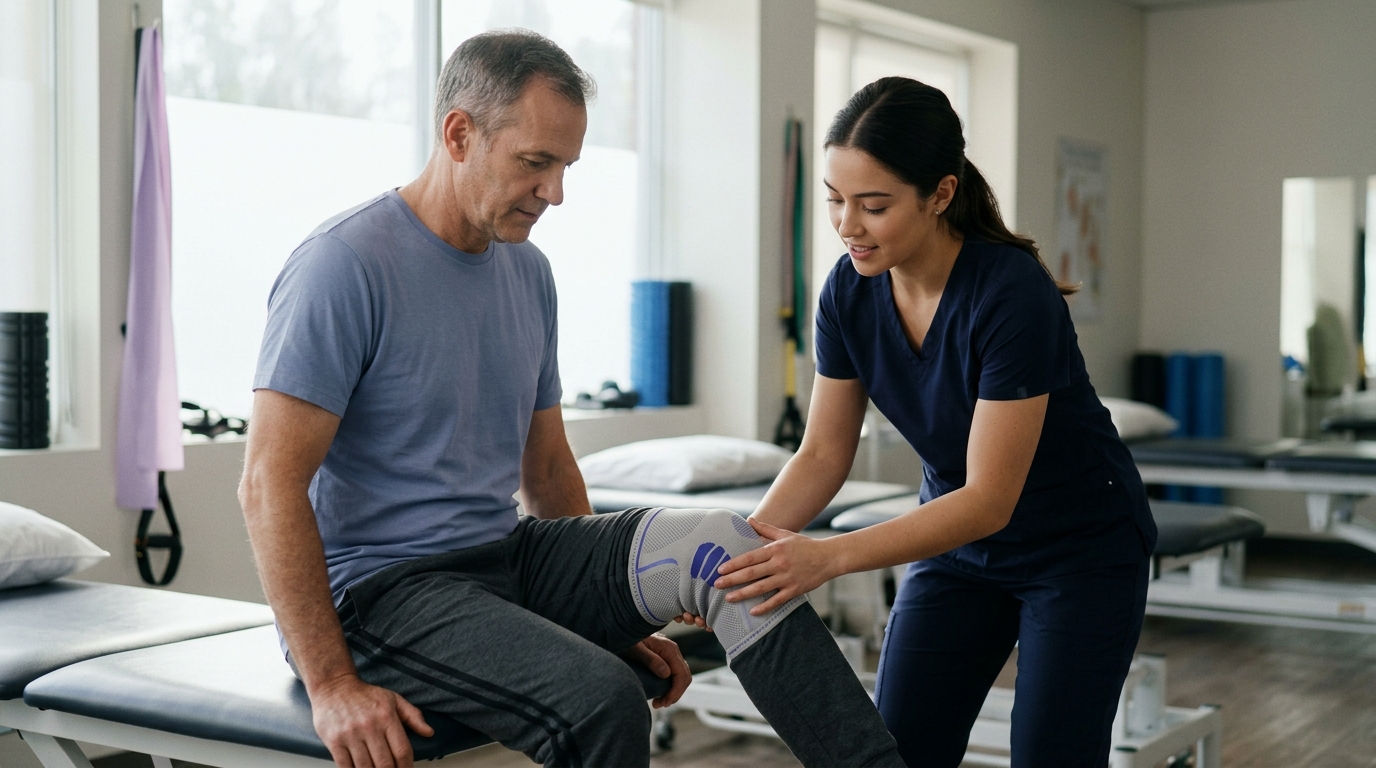
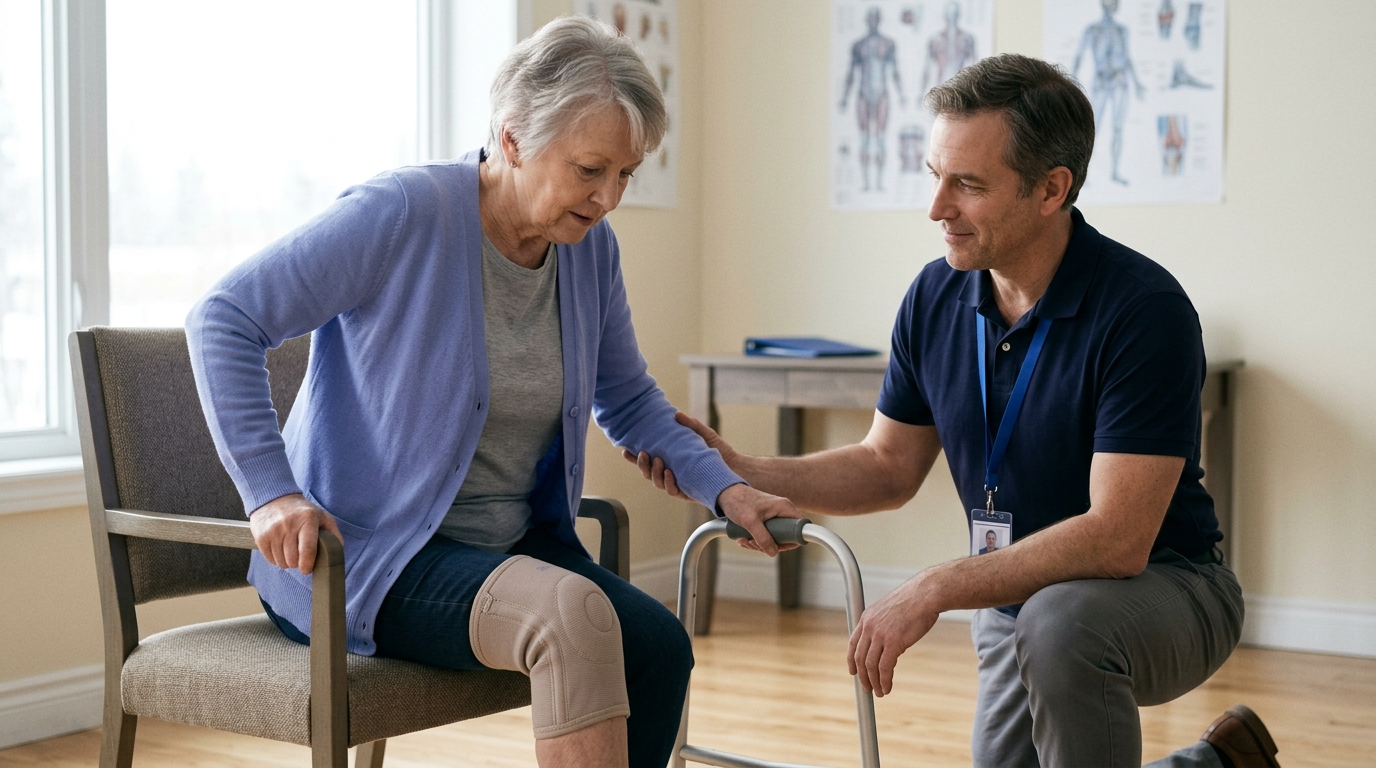
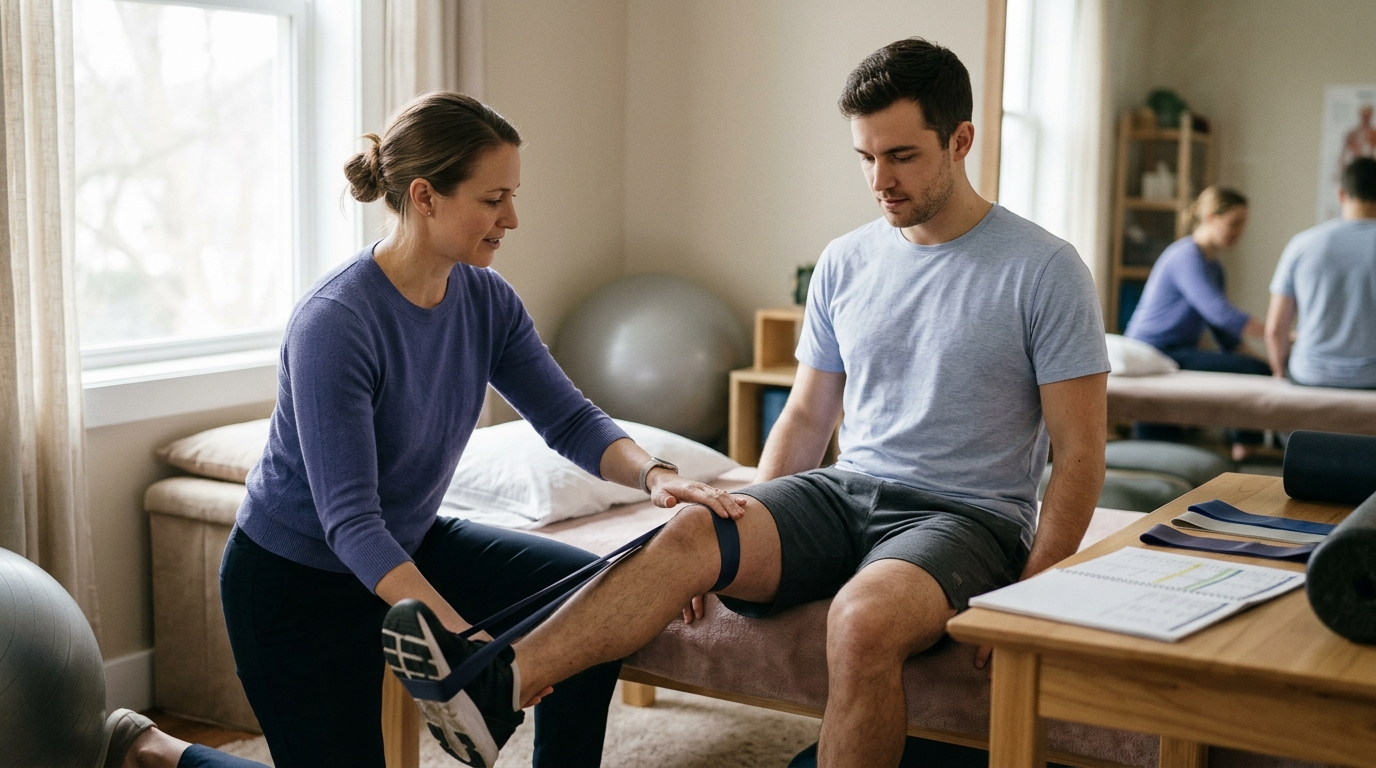
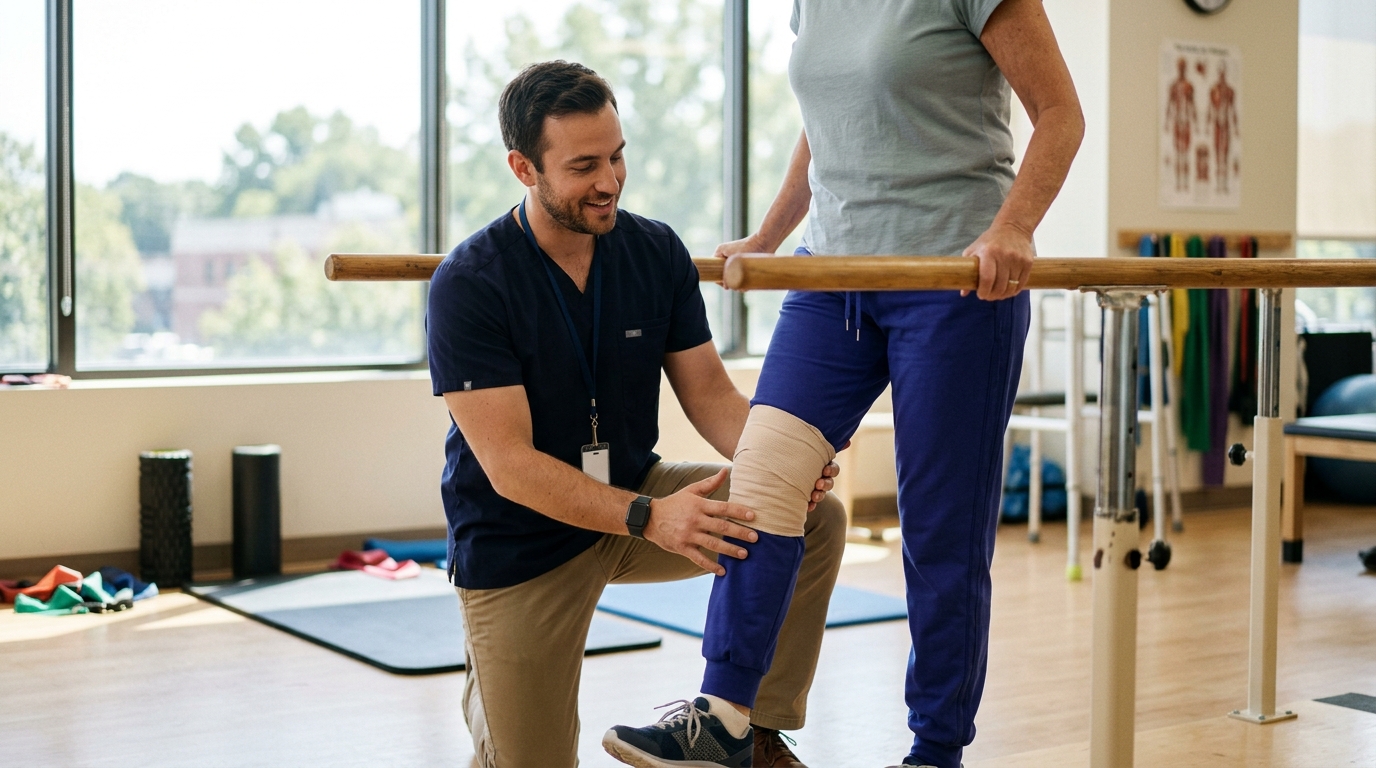
- What to discuss: Ask a physical therapist to evaluate your lower-body power and hip extension. Discuss targeted strength exercises for your quadriceps and gluteal muscles, along with safe technique adjustments for standing up.
Pattern 2: Reluctance to Walk Outdoors
- What is noticed: An individual feels safe walking on the flat hardwood floors of their home, but avoids walking on neighborhood sidewalks, grass, or gravel because they feel unsteady.
- What to record: Document the specific outdoor surfaces that cause anxiety, such as cracked sidewalks, grass slopes, or curbs. Note your current footwear and whether you feel more confident using a trekking pole or walking cane.
- What to discuss: Ask your clinician to evaluate your dynamic balance, ankle strength, and vision. Inquire about balance-challenging exercises designed to prepare your feet for uneven terrain.
Pattern 3: Frequent Slips, Trips, or Near-Falls
- What is noticed: Over the past six months, a person has caught their foot on rugs or thresholds several times, or had to grab a wall to prevent a full fall.
- What to record: Write down the date, time of day, lighting, and circumstances of each slip or near-fall. Note if you were rushing, carrying something, or wearing loose slippers.
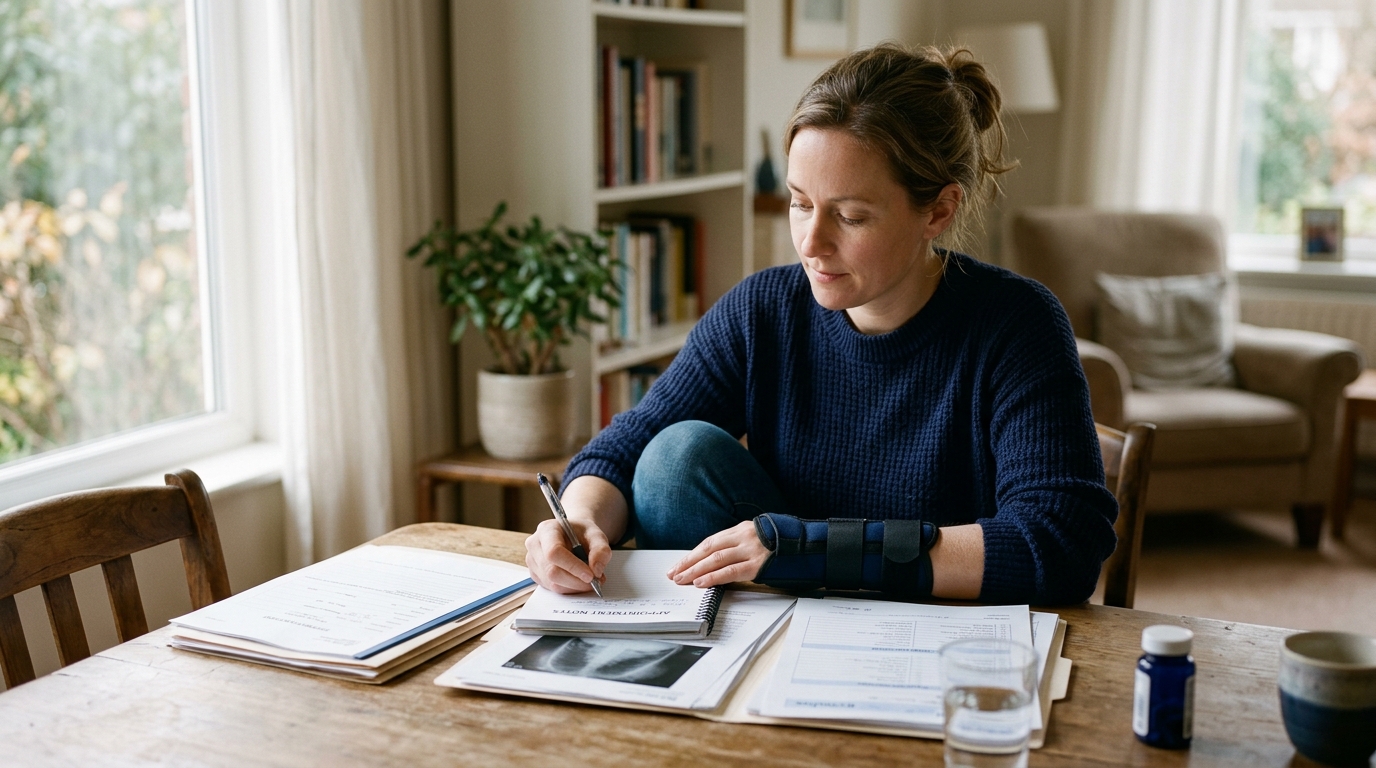
- What to discuss: Bring this log to your doctor for a comprehensive fall risk assessment. NICE guidelines recommend a detailed review of balance, gait, vision, cardiovascular health, and medications for anyone experiencing repeated balance episodes.
Pattern 4: Movement Deterioration Due to Fatigue or Pain
- What is noticed: A person moves well in the morning, but by 4:00 PM, their knees ache, their feet drag, and they find themselves bumping into door frames or feeling unsteady.
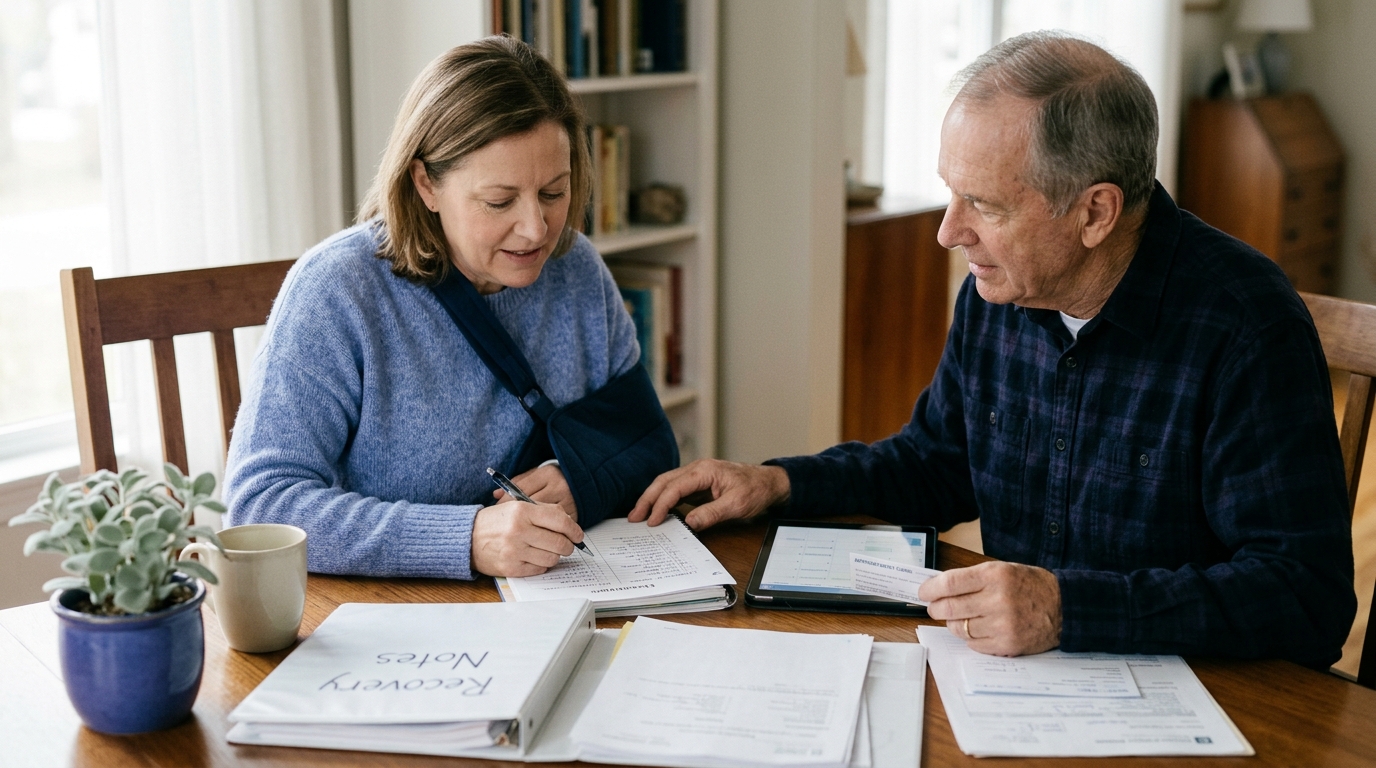
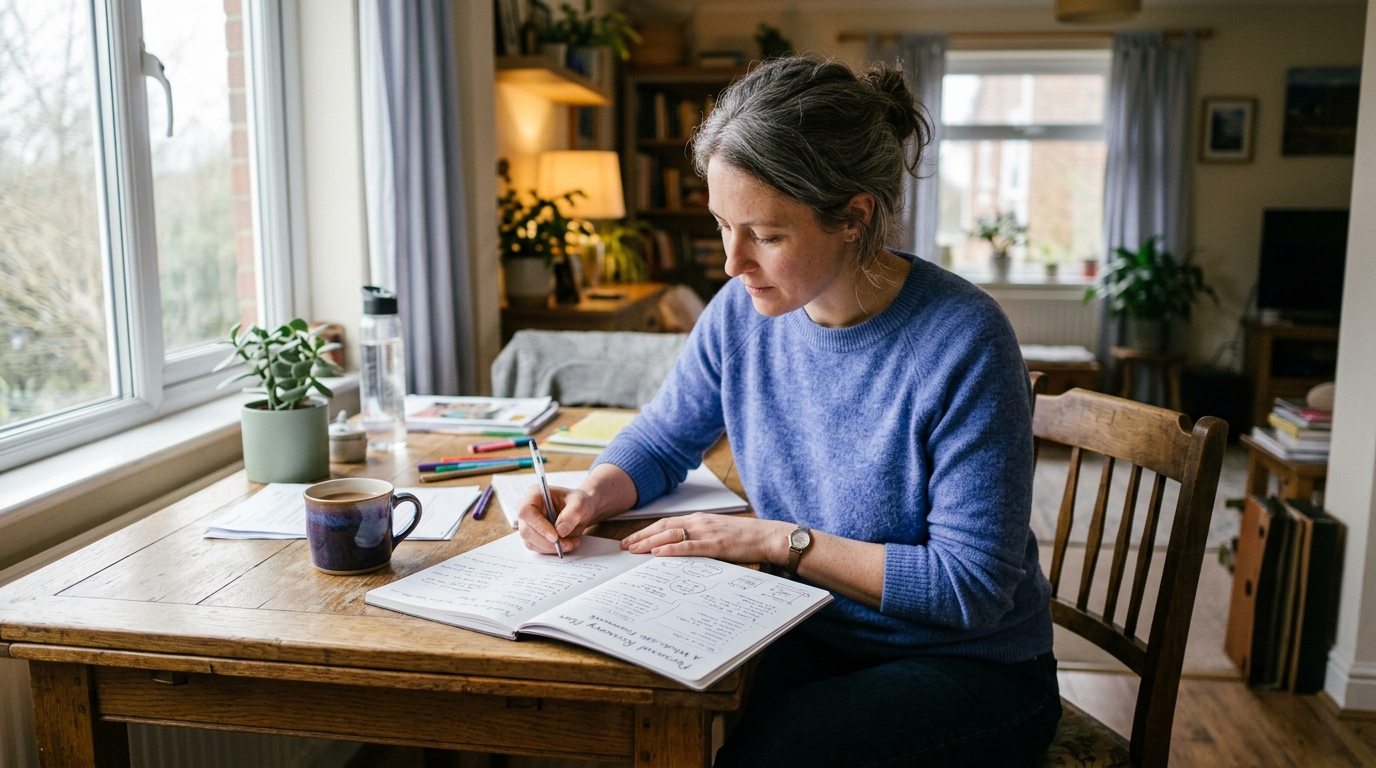
- What to record: Keep a simple daily journal for three days tracking your morning versus evening mobility. Record your pain levels, medication times, and energy levels.
- What to discuss: Talk to your physical therapist about muscular endurance and activity pacing. Discuss how to break large daily tasks into smaller chunks and structure exercises to build stamina without causing pain flare-ups.
Pattern 5: Giving Up Valued Life Activities
- What is noticed: An individual stops attending community events, traveling, or gardening because they worry about their balance or finding a place to sit down.
- What to record: Identify the specific activity you miss most. Record the exact physical barriers, such as walking distance, lack of handrails, bathroom access, or standing endurance.
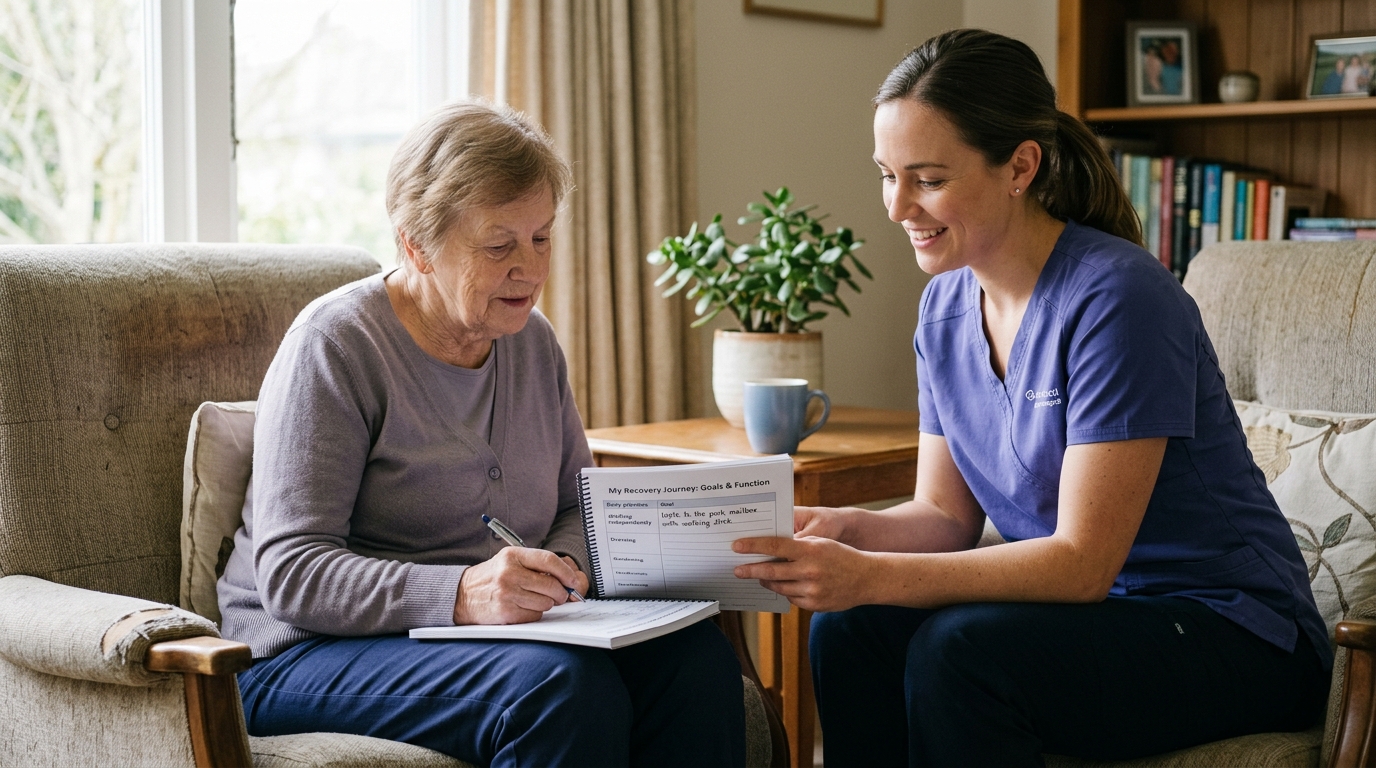
- What to discuss: Work with your rehabilitation professional on person-centered goals. NICE rehabilitation guidelines emphasize building physical recovery plans around meaningful life activities, rather than just abstract gym numbers.
Learn how to rebuild capacity step-by-step with our resources on rebuilding physical capacity.
Prepare Meaningful Questions for Your Rehabilitation Team
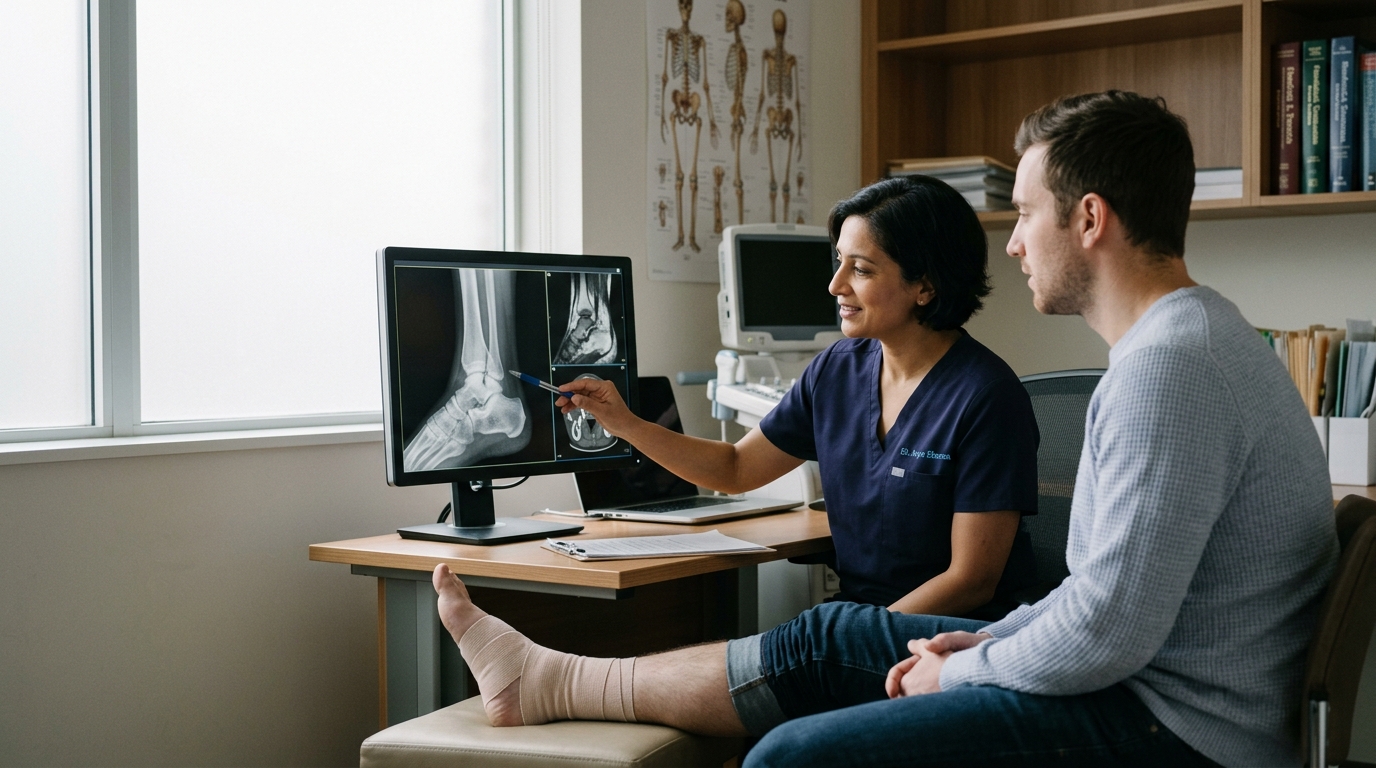
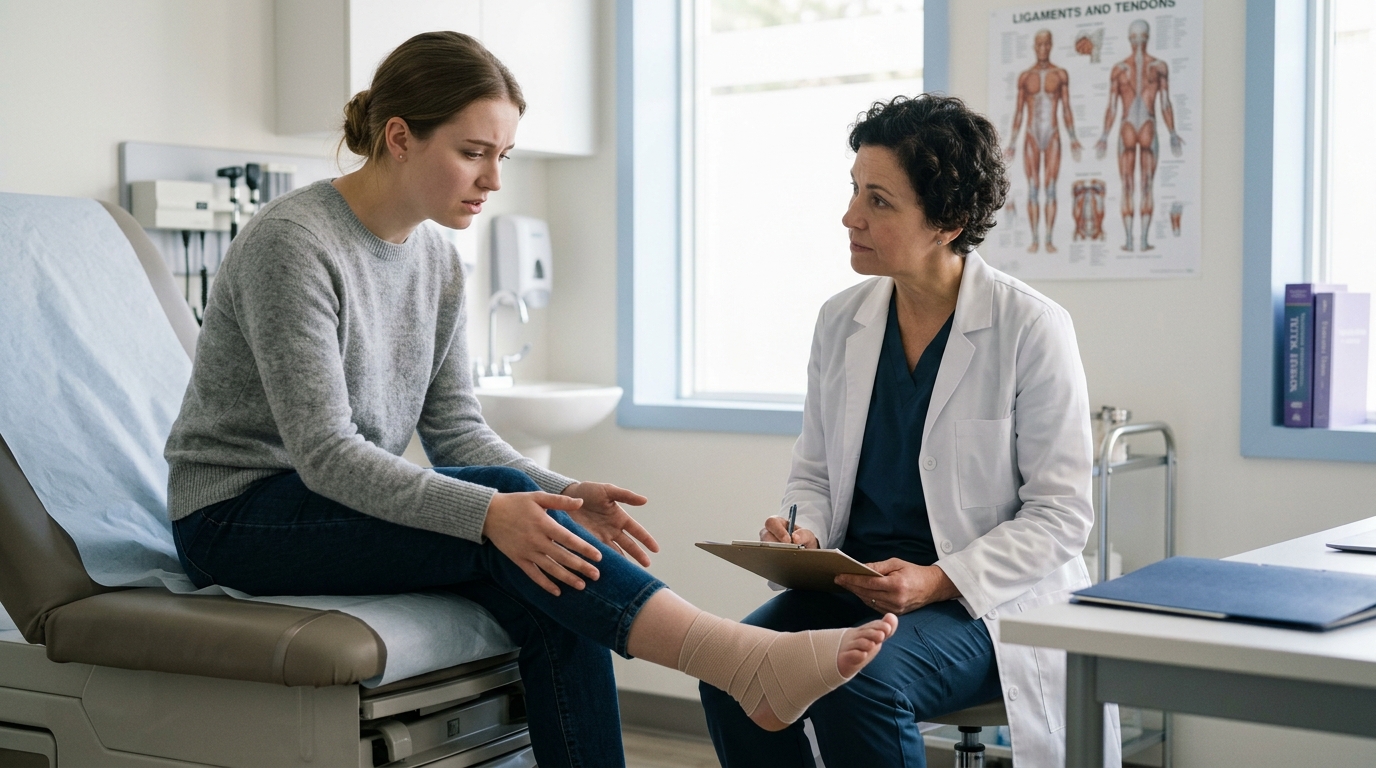
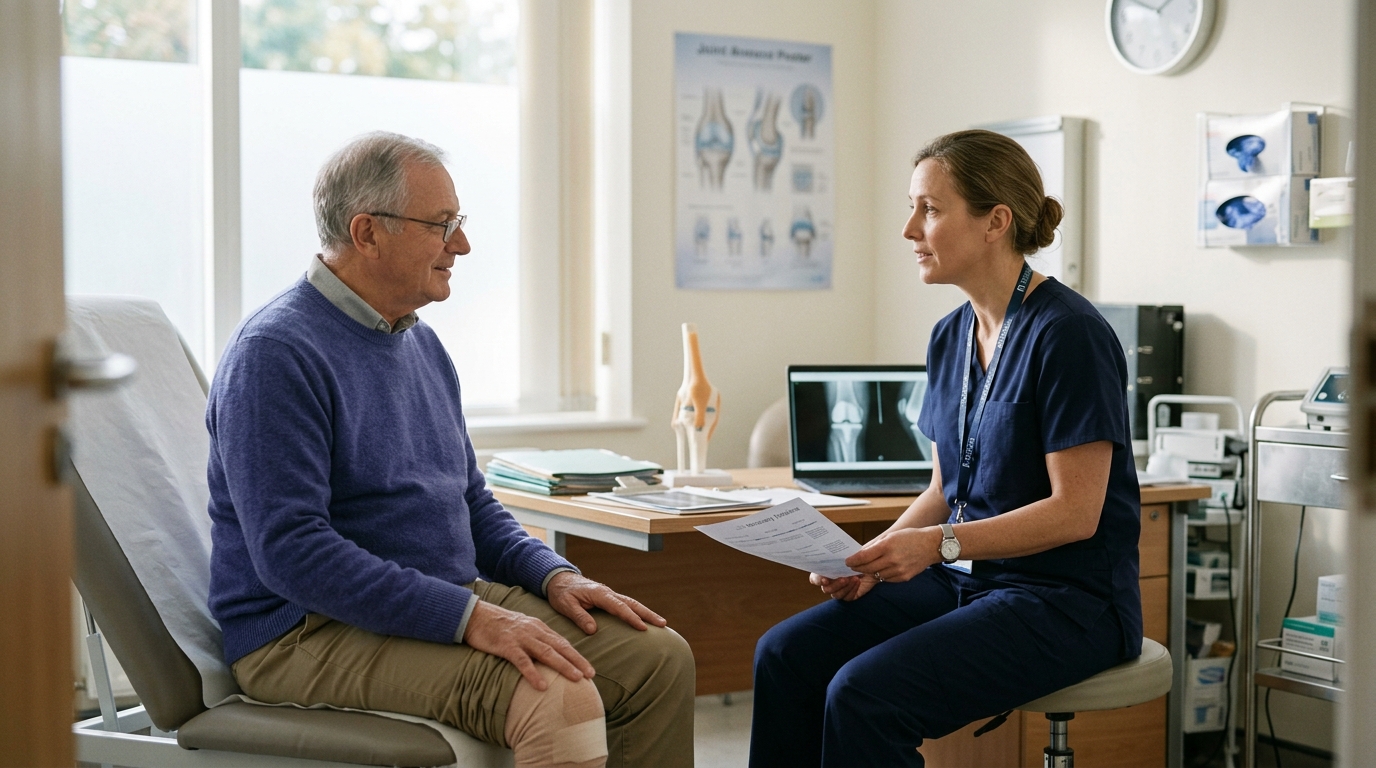
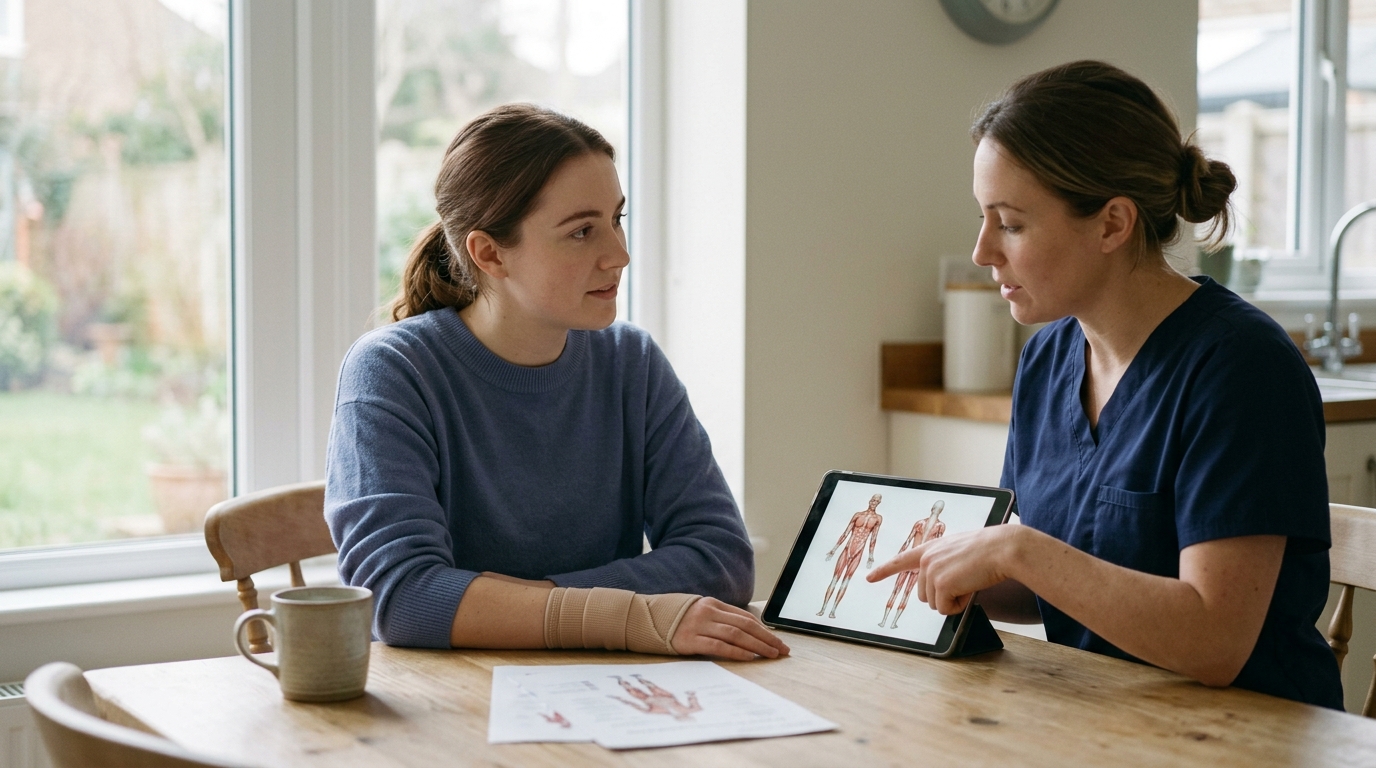
Bringing specific observations and clear questions to your healthcare appointments ensures you get targeted, practical support. Use these questions to guide your conversations with your physician, orthopedic specialist, or physical therapist.
- KEY QUESTIONS FOR YOUR CLINICAL VISIT
- 1. Underlying Causes What physical factors explain my issues?
- 2. Clinical Tests Which balance or strength tests are best?
- 3. Medications & Pain Are prescriptions or joint pain involved?
- 4. Exercise Strategy What specific exercises fit my goals?
- 5. Home Adaptations What equipment or home changes will help?
- 6. Tracking Progress How and when will we re-evaluate my plan?
Questions About Underlying Causes
- Based on my functional self-review, what physical factors are contributing most to my movement difficulties?
- Is my main challenge related to joint mobility, muscular strength, balance reflexes, or physical endurance?
- Could my symptoms be related to changes in my inner ear, vision, or nerve sensation in my feet?
Questions About Assessment and Testing
- Would standardized physical tests, such as the Timed Up and Go or the Short Physical Performance Battery, help clarify my baseline?
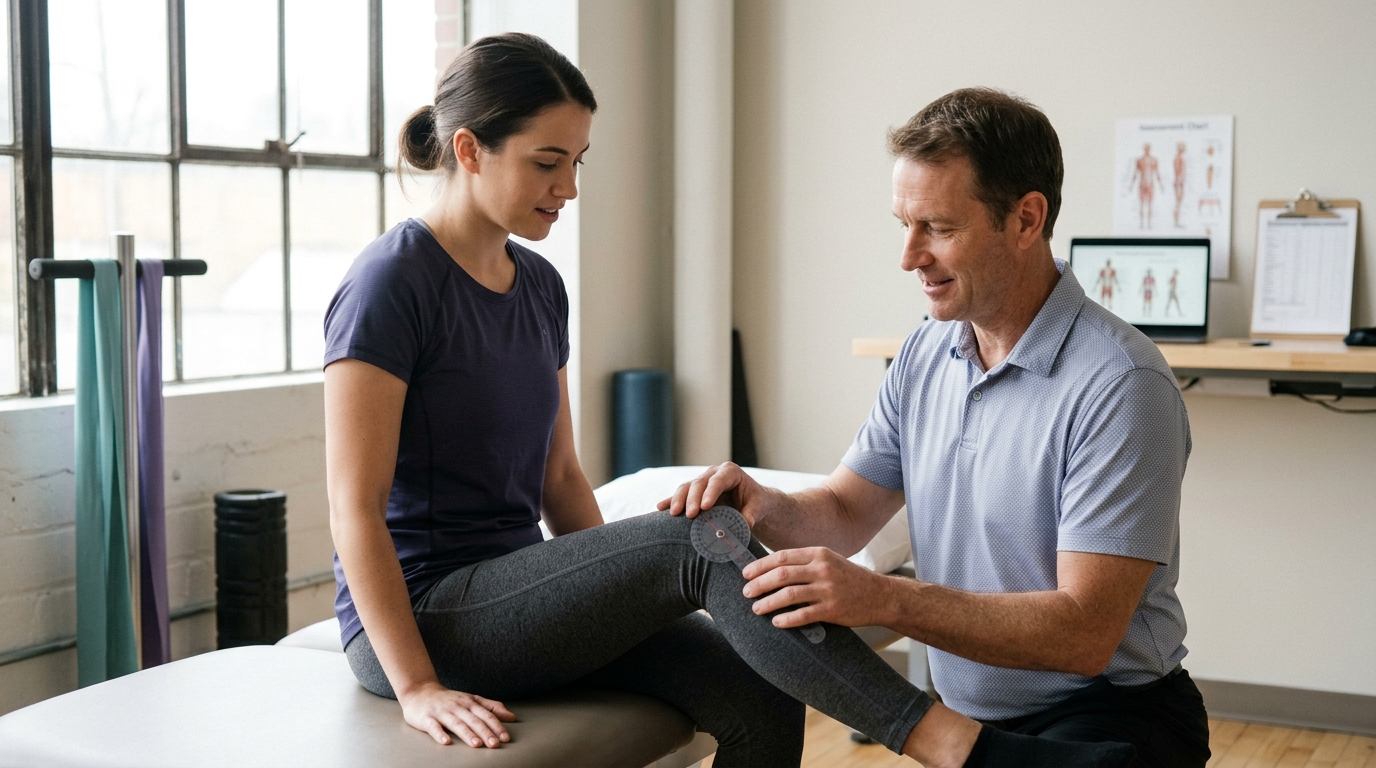
- Do you recommend a formal physical therapy evaluation to look at my walking mechanics and transfer technique?
- Are there specific balance tests we should perform today to evaluate my safety?
Questions About Medications and General Health
- Could any of my current prescription medications, blood pressure treatments, or supplements be causing dizziness or fatigue?
- Would a structured medication review be helpful at this stage?
- Are my pain levels during movement something we should treat directly, or are they a normal response to physical activity?
Questions About Exercise and Rehabilitation Plans
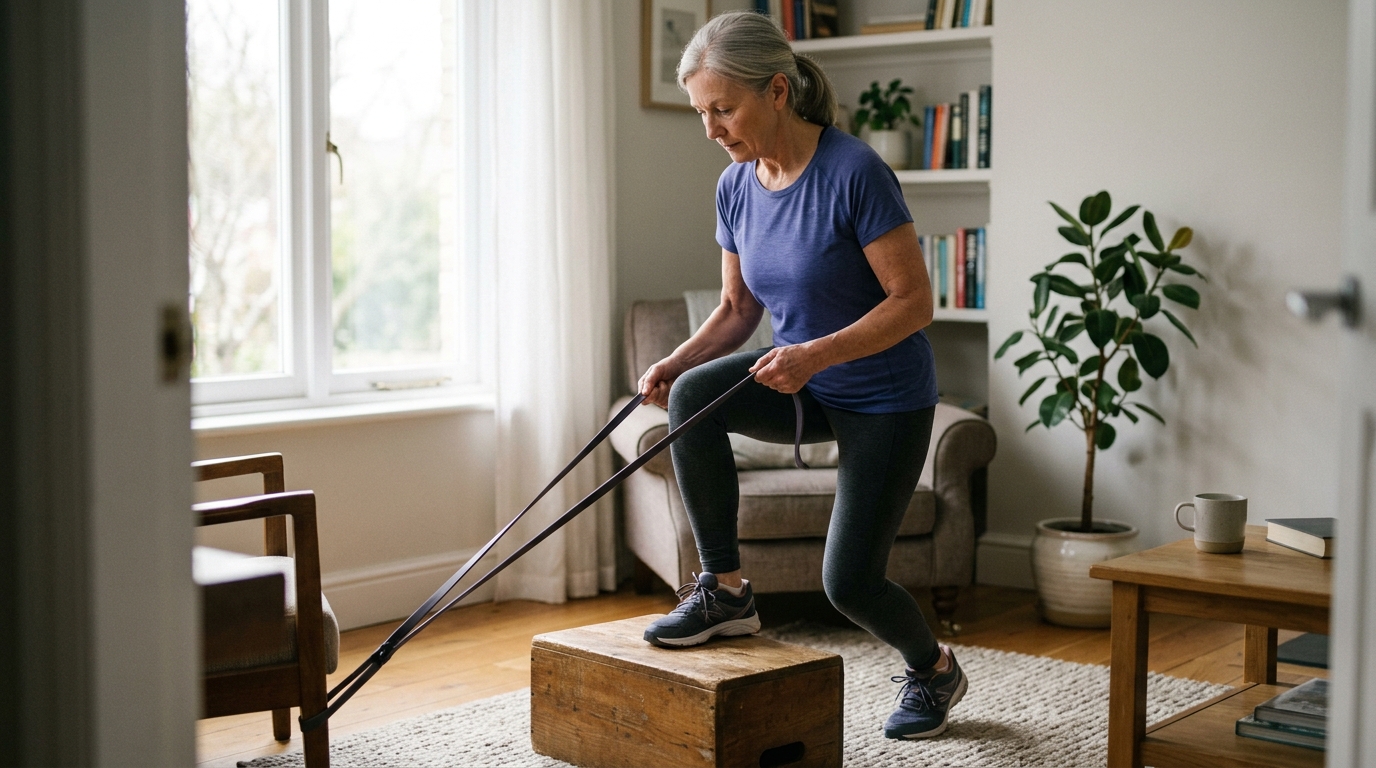
- What specific, balance-challenging exercises are safe and appropriate for me to practice at home?
- How often and at what intensity should I perform these exercises to see real improvements?
- What warning signs or symptoms should prompt me to stop an exercise and contact you?
Questions About Home Adaptations and Equipment
- Would temporary or permanent adaptations, such as bathroom grab bars, stair rails, or improved lighting, make my daily tasks safer?
- Would a supportive walking aid, like a cane or trekking poles, help me stay active outdoors while I rebuild my strength?
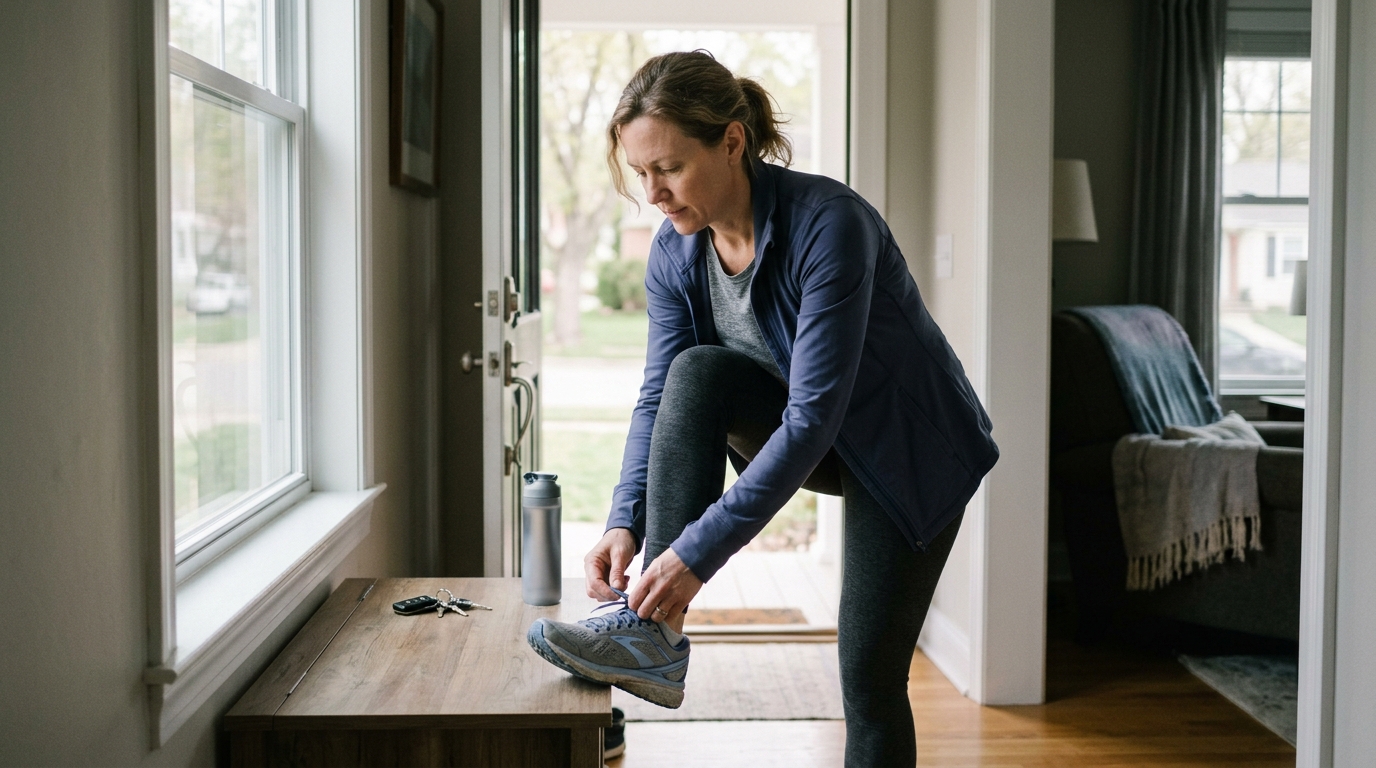
- Are my everyday shoes providing adequate support and grip for my mobility needs?
Questions About Monitoring and Reviewing Goals
- How will we measure whether my mobility and balance are improving over the next two to three months?
- What everyday milestones should I look for as signs of positive progress?
- When should we schedule a follow-up appointment to re-evaluate my functional movement?
Summarize the Bottom Line on Functional Independence
Maintaining your everyday mobility is an ongoing process of noticing changes, addressing limitations, and supporting your body with appropriate exercise and environmental adjustments. Functional movement is not defined by athletic records. It is defined by your ability to live your life with freedom, dignity, and safety.
By using a whole-person framework, you can look past simple muscle strength and evaluate how your mobility, balance, endurance, and confidence work together in your actual living environment. When you notice that a daily movement is becoming slower, harder, or less steady, take it as an early signal to take action rather than an inevitable part of aging.
Use your self-review observations to start productive, collaborative conversations with your healthcare providers. With targeted physical therapy, progressive functional exercises, and practical home adaptations, you can protect your movement independence for years to come.
Key Takeaways
- Functional movement connects your physical strength and mobility to your real-world activities and life roles.
- The World Health Organization's ICF framework emphasizes that your environment, personal confidence, and daily tasks shape your physical capabilities.
- Standardized screening tools, such as the Timed Up and Go test and the Stay Independent questionnaire, help identify potential fall risks early.
- Everyday performance changes with physical fatigue, joint pain, footwear, lighting, and medication timing.
- Effective balance and falls-prevention exercise programs must be progressive, individualized, and practiced consistently over time.
- Bringing specific, recorded observations about your daily movements helps your doctor and physical therapist design a targeted rehabilitation plan.
Taking a proactive approach to your daily movement today is the most reliable way to protect your long-term independence tomorrow.
Sources
- Trajectories of Short Physical Performance Battery Are ... - PMC
- Use of the Short Physical Performance Battery Score to ...
- World guidelines for falls prevention and management ... - PMC
- How to tackle the global challenge of falls?
- World guidelines for falls prevention and ... - PubMed