
Stepping onto an icy morning sidewalk demands proper footwear traction, deliberate stride adjustments, and smart layering to prevent dangerous winter slips.





You step onto the front porch on a crisp January morning. The air is clear and the neighborhood looks quiet. Your plan is to complete your usual three-mile loop to stay active. As your foot meets the top step, your heel slides on a thin glaze of transparent ice. You catch the railing just in time, heart pounding, suddenly unsure whether an outdoor walk is worth the risk today.
Maintaining an active routine during winter is a risk-management decision, not an all-or-nothing choice. You do not have to abandon physical activity for four months. At the same time, you cannot treat icy paths like dry summer asphalt. The most reliable approach follows a straightforward framework: Prepare, Check, Choose, Move, Reassess, and Adapt.
Preparation begins indoors by building strength and balance. You then check local forecasts and surface reports before opening the door. From there, you choose a route that matches current ground conditions. While moving, you adjust your stride and stay alert to surface changes. You constantly reassess your body temperature and changing light. Finally, you adapt by altering your path, cutting the outing short, or moving indoors when surfaces become hazardous.
This guide provides a comprehensive breakdown of winter walking mechanics, footwear traction, cold-weather clothing, visibility, and physical conditioning. It will help you evaluate outdoor conditions accurately and keep moving safely throughout the colder months.
Walking on snow and ice alters the physical relationship between your shoes and the ground. On dry pavement, friction allows your foot to push off and land without sliding. Ice drastically reduces this friction, turning standard walking mechanics into a slipping hazard. Understanding the distinction between a slip and a trip is essential for winter safety.
A slip happens when your footwear loses traction with the ground. This usually causes your foot to slide forward or outward rapidly, often leading to a backward fall. A trip occurs when your foot strikes an unexpected object, such as a raised sidewalk crack or a frozen ridge of snow, throwing your center of mass forward. Both events are common in winter, but reduced surface friction makes slips the primary seasonal concern.
Research shows that winter conditions significantly elevate pedestrian fall rates. A study analyzing pedestrian travel in German cities estimated between 7.8 and 79 falls per 10,000 kilometers walked in snowy or icy conditions. The study noted that walking on snow or ice presented roughly 32 times the fall risk compared to dry conditions. These figures reflect wide variations based on survey methods, weather severity, and exposure times. They serve as a reminder that slick surfaces demand immediate adjustments in speed and focus.
General fall statistics show that balance challenges exist year-round, particularly as we age. According to the National Institute on Aging, more than one in four adults aged 65 and older fall each year. While that statistic is an annual figure across all environments, winter surfaces multiply the challenge. The Centers for Disease Control and Prevention warns that walking on ice is extremely dangerous. Many winter injuries occur on familiar surfaces like steps, driveways, porches, and neighborhood sidewalks.
Your body responds to slick terrain by tightening muscles around your ankles, knees, and hips. This natural stiffening is an attempt to stabilize the joints. However, if your stride remains long and rigid, that tension can make reacting to sudden slides harder. Learning how to adjust your gait and selecting proper gear helps your body manage unstable ground more effectively. You can explore more strategies in our guide on active aging and fall prevention resources.
Traction is not a fixed property of a shoe. It is the grip created between your outsole and the specific surface beneath you. No shoe can eliminate fall risk on sheer ice, but proper footwear significantly improves stability on packed snow and cold pavement.
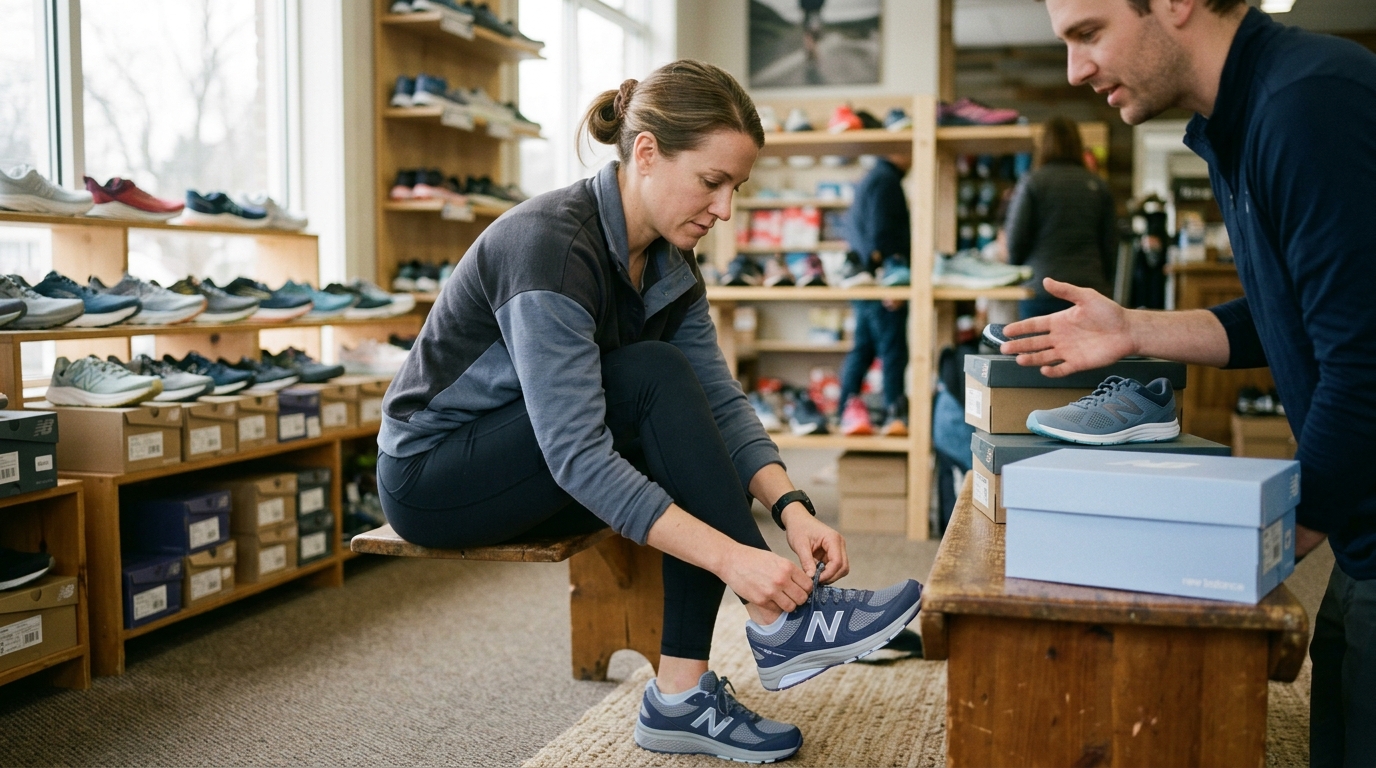
When selecting walking shoes or winter boots, examine the construction of the outsole. The National Institute on Aging recommends nonskid, rubber-soled, low-heeled shoes that provide solid foot support. Smooth leather soles, hard plastic bottoms, and elevated heels offer very little grip on cold, hard surfaces.
Look for deep, multi-directional tread patterns. Grooves in the rubber allow slush and water to channel away from the contact points, similar to how winter car tires function. Soft rubber compounds remain pliable in sub-freezing temperatures, whereas cheap, hard plastics stiffen and turn slick. A wide base of support at the heel and forefoot also helps distribute your weight evenly.
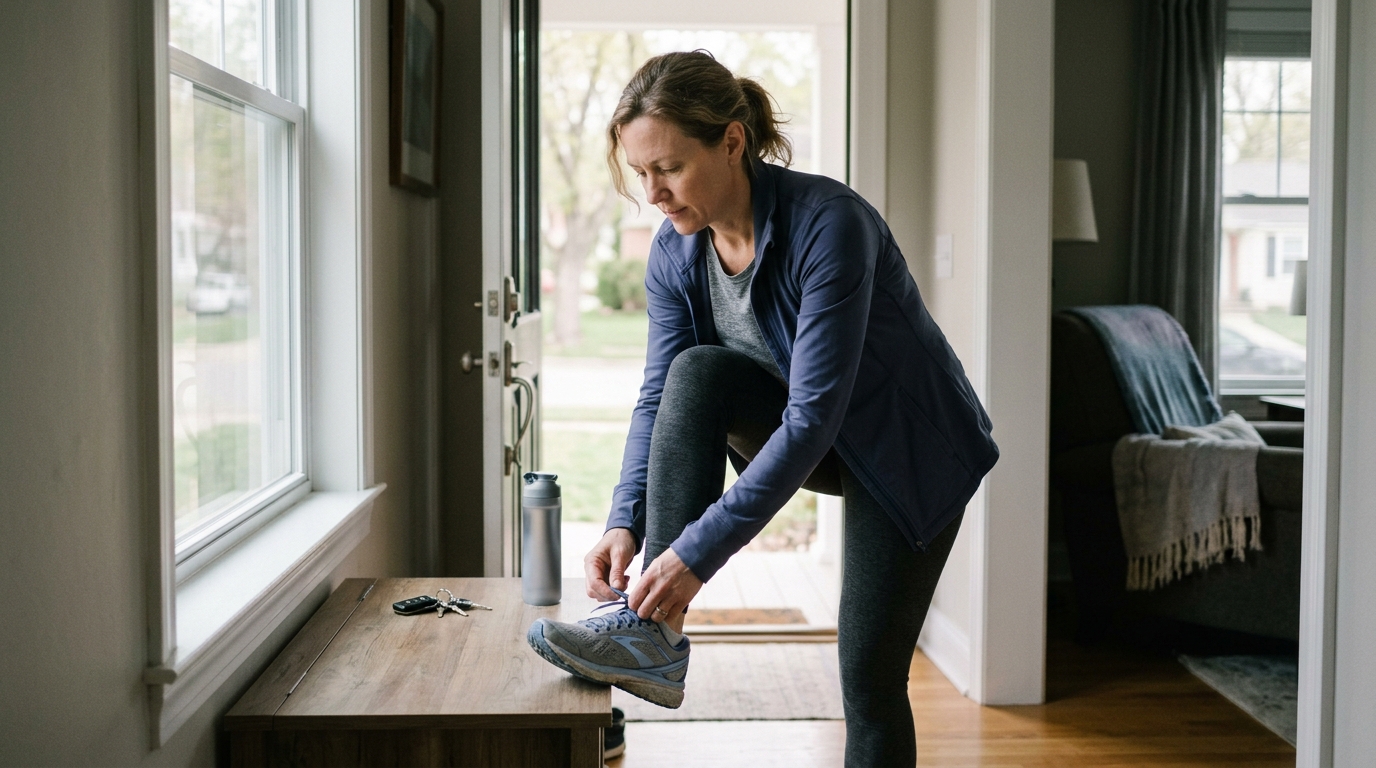
A secure upper with proper lacing prevents your foot from shifting inside the shoe. If your foot slides laterally within the footwear, your balance degrades quickly on uneven snow. Make sure the toe box has enough room for thicker winter socks without pinching your toes, which can restrict blood circulation.
Removable traction devices, often called ice cleats or microspikes, attach over standard boots or walking shoes. These devices use small steel coils, carbide spikes, or hardened studs to bite into packed snow and thick ice. They can provide additional stability on hard-packed trails or untreated sidewalks.
Cleats are specialized tools with specific limitations. They perform well on compacted ice and crusty snow. However, they can become hazardous if you transition onto bare concrete, polished stone, or indoor tile. On smooth, hard surfaces, metal spikes cannot penetrate. Instead, they act like ball bearings, drastically increasing your slip risk.
Always remove traction cleats before stepping inside a store, post office, or home. Walking across smooth flooring with metal cleats is a frequent cause of sudden falls. Treat cleats as outdoor-only equipment designed exclusively for uncleared, frozen paths.
It is easy to develop false confidence when wearing winter boots or traction cleats. Even the most aggressive rubber tread cannot create reliable friction on wet ice, which occurs when ice begins to melt at temperatures near 32 degrees Fahrenheit. A thin layer of water sitting on top of ice creates an almost frictionless surface.
Footwear should be treated as your last line of defense, not a license to march across untreated sheets of ice. Inspect your outsoles regularly for wear. Smooth, worn-out rubber treads lose their effectiveness, even if the upper part of the boot looks completely intact.
When navigating patches of snow or potential ice, your standard walking gait must change. A normal stride relies on driving the heel into the ground, rolling through the midfoot, and pushing off with the toes. On ice, that forward heel strike creates a lateral shearing force that easily sends your foot sliding away.
Safety organizations and health systems, including the University of Nebraska Medical Center, recommend modifying your gait when walking on slick ground. The goal is to keep your center of gravity directly over your supporting foot.
Shortening your stride keeps your feet beneath your torso. Taking short, shuffling steps ensures that your weight presses straight down into the ground, maximizing whatever friction is available. Angling your toes slightly outward creates a broader, more stable base.
Bending your knees slightly lowers your center of mass. It also allows your leg muscles to act as shock absorbers, ready to adjust if your foot shifts a fraction of an inch. Avoid rigid, locked-knee walking, which prevents rapid balance corrections.
One of the most common winter habits is walking with hands buried deep inside coat pockets for warmth. While this keeps fingers warm, it severely compromises your balance. When your hands are trapped in pockets, your body cannot use its natural arm swing to counterbalance unexpected shifts. If you do fall, you cannot easily extend your arms to protect your head and torso.
Keep your hands free, relaxed, and outside your pockets. Wear insulated gloves or mittens so you can keep your hands out without getting cold. If you need to carry items, place them in a small backpack or cross-body bag rather than carrying grocery bags or packages in your hands. Carrying uneven loads shifts your center of gravity and prevents you from grabbing handrails.
Use handrails whenever they are available on outdoor stairs, access ramps, or sloped walkways. Even if a set of concrete steps looks dry, an invisible film of black ice can be present. Gripping a sturdy rail provides a secure anchor point that can prevent a severe fall. For broader guidance on physical mechanics, review our rehabilitation and movement resources.
Winter walking requires active visual scanning. Avoid looking at your phone, reading mail, or engaging in distracting tasks while moving across outdoor surfaces. Scan the ground roughly ten to fifteen feet ahead of you to spot surface changes before you step on them.
Look for subtle shifts in surface texture. Wet pavement, shiny patches on asphalt, and shaded sidewalk sections often indicate black ice. Snow-covered curbs can conceal drop-offs, while uneven piles of frozen slush can easily twist an ankle. If you must check your phone or adjust your gear, stop completely in a secure, cleared area before doing so.
Dressing for winter walking is more complex than simply wearing the heaviest coat you own. Physical activity generates body heat. If your clothing traps all that heat and moisture, your inner layers become soaked with sweat. Once you slow down or stop, that trapped moisture chills your skin rapidly, raising the risk of hypothermia.
Public health organizations and weather agencies recommend using an adjustable, three-layer system. This strategy allows you to add or remove individual garments as your exertion levels and outdoor temperatures change.
The base layer sits directly against your skin. Its sole purpose is moisture management. As you walk, your body sweats to regulate temperature. A proper base layer pulls that moisture away from your skin toward the outer garments. Synthetic materials like polyester, polypropylene, or natural merino wool work exceptionally well.
Avoid cotton base layers, including standard cotton t-shirts, thermal underwear, and cotton socks. The National Weather Service emphasizes that cotton absorbs moisture, dries very slowly, and draws valuable heat away from your body when wet. Wet cotton against your skin accelerates heat loss significantly.
The middle layer provides thermal insulation. It traps the warm air generated by your body within its fibers. Common insulating materials include fleece, wool, down, or synthetic lofted fills. On milder winter days, a light fleece may be sufficient. In sub-freezing temperatures, a heavier wool sweater or lofted jacket offers necessary thermal retention.
The outer layer protects you from external elements like wind, snow, sleet, and rain. MedlinePlus advises choosing a breathable, weather-resistant outer shell. Wind cuts through porous fabrics and strips away the warm microclimate created by your middle layer. A windproof, water-resistant shell stops cold air while allowing internal moisture vapor to escape.
Your body prioritizes keeping its core organs warm during cold exposure by constricting blood vessels in your hands, feet, nose, and ears. This natural physiological response makes your extremities especially vulnerable to cold injury.
A warm knit hat prevents significant heat loss from your head. Mittens are generally warmer than gloves because your fingers share warmth within a single compartment. If you need dexterity, look for convertible mittens or high-grade insulated gloves with windproof exteriors.
Keep your neck and lower face protected with a soft gaiter or scarf. Covering your mouth warms and humidifies the cold, dry air before it enters your lungs, which can reduce airway irritation during brisk walking. For foot protection, pair wool or synthetic socks with water-resistant boots. Ensure your boots are not laced so tightly that they restrict blood flow to your toes.
A common error is dressing so warmly that you feel comfortable while standing completely still on your porch. Once you walk briskly for ten minutes, your body temperature rises, and you begin sweating heavily.
Dress so that you feel slightly cool during the first five minutes of your walk. As your muscles warm up, you will reach a comfortable operating temperature. If you feel yourself overheating and beginning to sweat, unzip your outer shell or remove a light middle layer. If you stop to rest or if the wind picks up, put the layer back on before you get chilled.
Winter brings shorter daylight hours, lower sun angles, and long shadows. Walkers frequently find themselves moving at dawn, dusk, or in full darkness. At the same time, drivers face reduced visibility due to frosted windshields, snowbanks, road spray, and glare from oncoming headlights.
Pedestrian safety in winter requires managing two distinct challenges: ensuring you can see ground hazards, and ensuring drivers can see you from a safe distance.
To see where you are stepping, carry a reliable light source. A handheld flashlight or a lightweight headlamp illuminates the ground directly in front of you. This light allows you to identify patches of black ice, uneven snowbanks, and sidewalk cracks well before your foot makes contact. A headlamp keeps your hands completely free, preserving your balance.
Being seen by motorists requires deliberate clothing choices. Many winter coats are dark navy, black, or charcoal gray. In low-light conditions, dark clothing blends seamlessly into the asphalt and winter shadows. A driver traveling at neighborhood speeds may not spot a dark-clad pedestrian until it is too late to stop safely on icy roads.
The National Highway Traffic Safety Administration recommends wearing bright clothing during daytime and retroreflective materials at night. NHTSA notes that retroreflective materials can be seen by drivers up to three times farther away than plain white fabric.
Retroreflective materials work by bouncing light directly back toward its source, such as a vehicle's headlights. Standard bright or neon colors help during daylight hours, but they lose their effectiveness once darkness falls. Retroreflective vests, bands, or shoe strips shine brightly when caught in headlight beams.
Placing reflective bands around your ankles and wrists is particularly effective. Drivers recognize the rhythmic up-and-down movement of human limbs much faster than a static reflective patch on a backpack. If you walk on roads without sidewalks, always walk facing oncoming traffic so you can see approaching vehicles and take evasive action if necessary.
Prolonged exposure to freezing temperatures, wind, and moisture can overwhelm your body's temperature-regulating systems. Understanding early warning signs allows you to intervene before a minor chill turns into a medical emergency.
Hypothermia occurs when your body loses heat faster than it can produce it, causing your core body temperature to drop below 95 degrees Fahrenheit (35 degrees Celsius). It can occur in extreme sub-zero weather, but it also develops at milder temperatures (between 30 and 50 degrees Fahrenheit) if you become wet from sweat or rain and are exposed to wind.
The National Weather Service and the American Heart Association identify several distinct warning signs of hypothermia:
As hypothermia progresses, shivering may actually stop as the body runs out of energy reserves. This is a sign of severe physiological decline. If you suspect hypothermia, seek emergency medical care immediately.
While waiting for medical help, move the person indoors to a warm, dry room. Remove any wet clothing gently. Warm the center of the body first, including the chest, neck, head, and groin, using dry blankets or warm skin-to-skin contact. Do not apply direct, intense heat like boiling water or heating pads directly to the limbs, as this can cause burns or strain the heart.
Frostbite is a localized cold injury that occurs when skin and underlying tissues freeze. It most commonly affects body parts exposed to the cold or with restricted blood flow, including fingers, toes, the nose, ears, cheeks, and chin.
Early signs include skin redness and a sharp, stinging sensation, often referred to as frostnip. If exposure continues, the skin may turn pale, white, or grayish-yellow and feel unusually firm or waxy. The area will typically lose feeling and become completely numb.
If you observe warning signs of frostbite, seek medical attention. Move indoors immediately. Protect the affected area from further cold and physical pressure. Do not rub the frozen tissue with snow or massage it vigorously, as ice crystals in the tissue can cause severe cellular damage. Warm the area using warm (not hot) water, or use body heat by tucking cold fingers into an armpit.
Safe winter walking is supported by year-round physical conditioning. Maintaining joint mobility, muscular strength, and balance allows your body to react efficiently when your footing slips. A well-rounded physical base provides stability on challenging surfaces.
The Centers for Disease Control and Prevention recommends that adults engage in at least 150 minutes of moderate-intensity aerobic activity per week, alongside muscle-strengthening activities on two or more days per week. Brisk walking is an excellent form of moderate aerobic exercise.
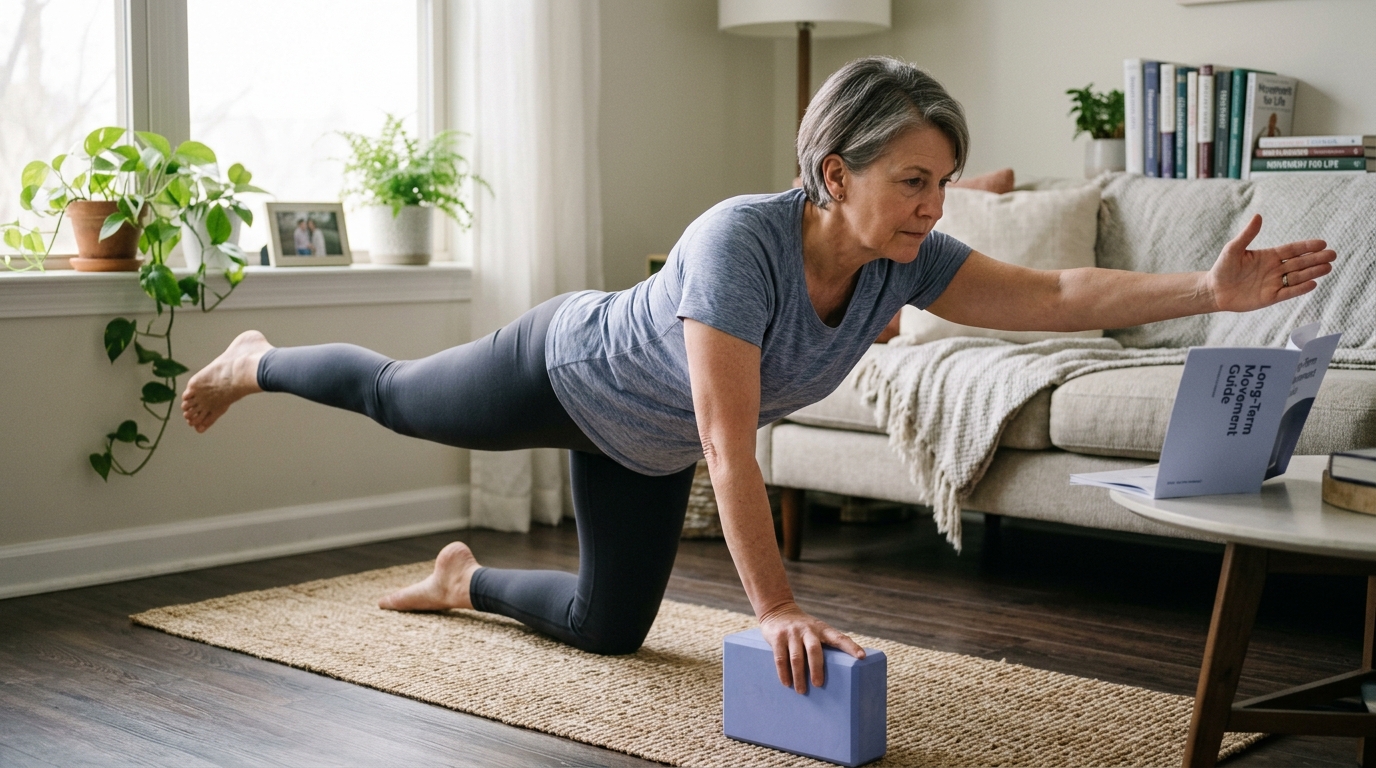
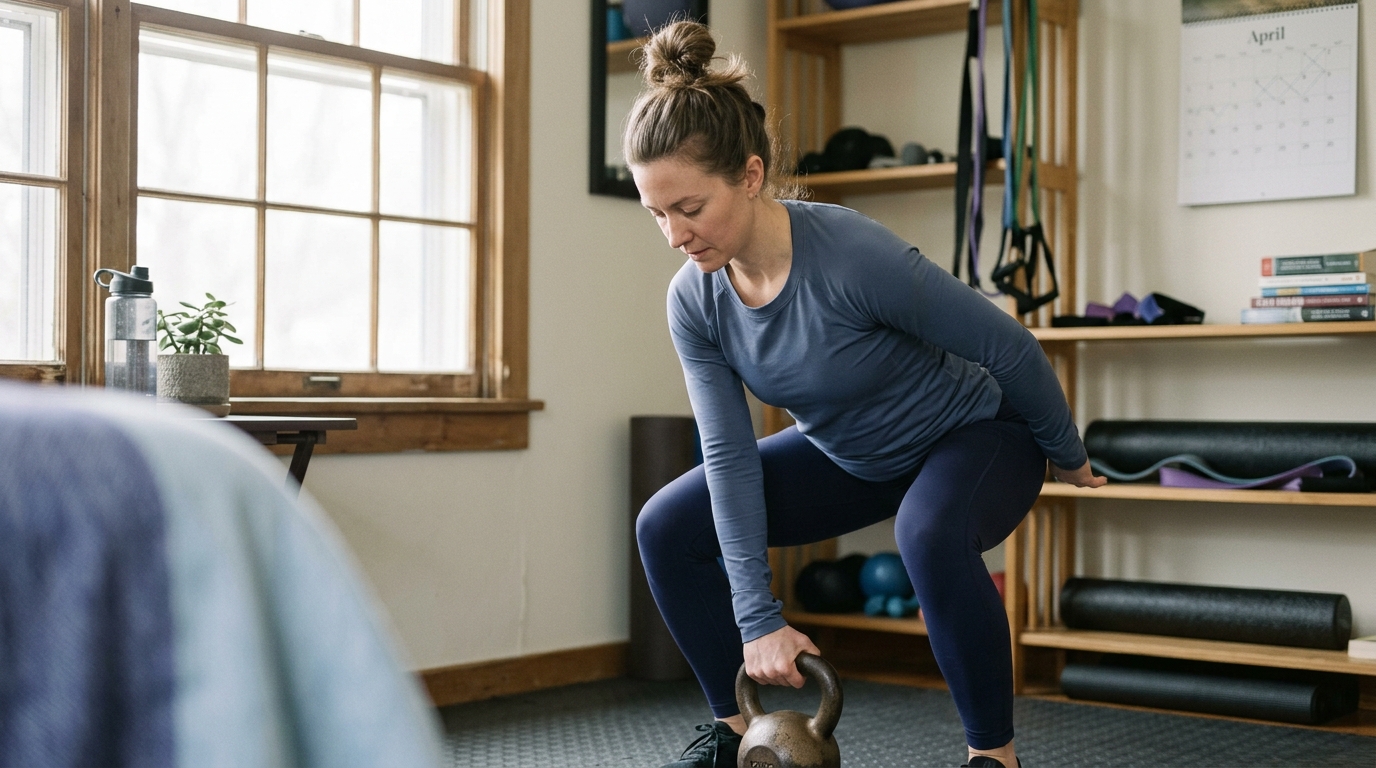
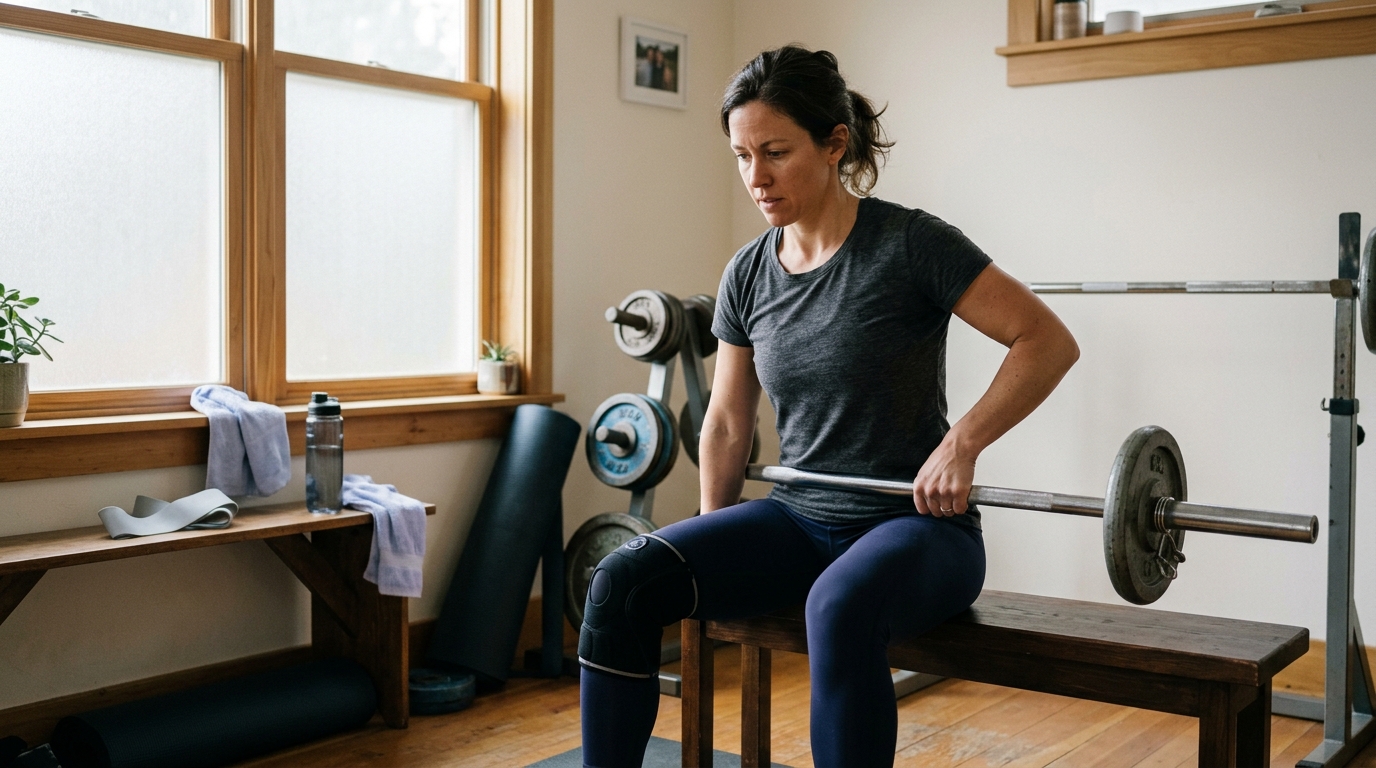
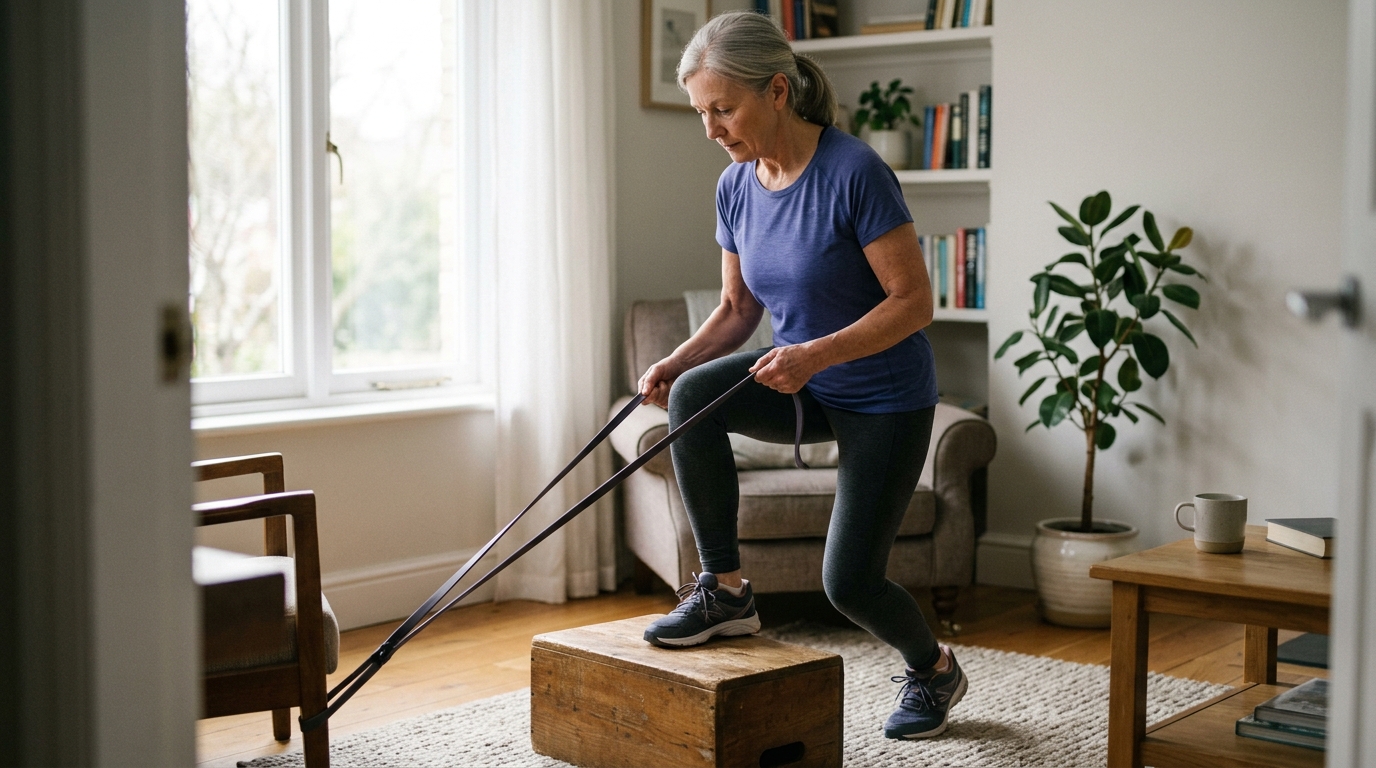
Strength training builds the muscular support needed to maintain stability on uneven ground. Focus on strengthening the lower body, particularly the quadriceps, hamstrings, gluteal muscles, and calves. Strong hip abductors (the muscles on the outside of your hips) are vital for stabilizing your pelvis when you stand on one leg during a walking stride.
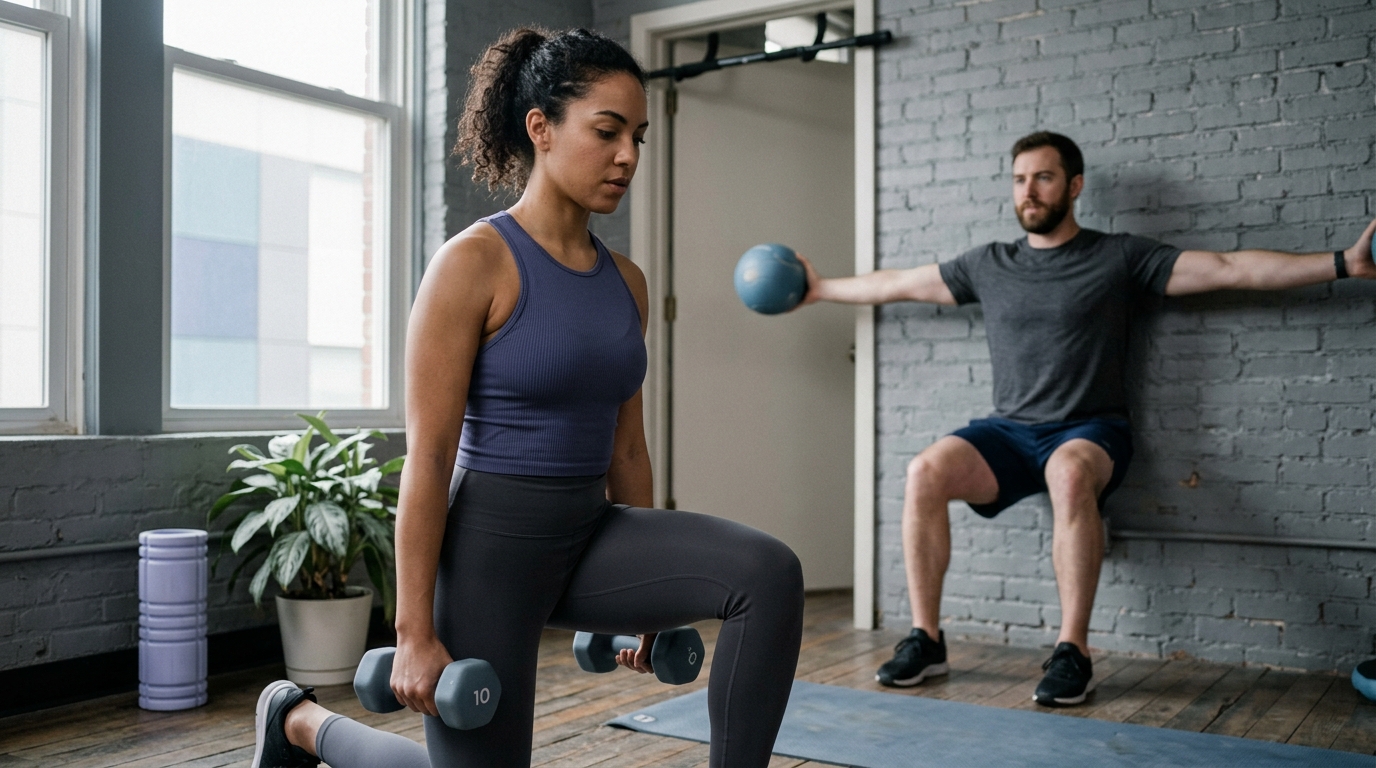
Simple bodyweight exercises performed consistently at home can support winter stability:
Perform these movements two to three times per week. Focus on smooth, controlled mechanics rather than speed or heavy resistance. You can discover additional functional routines in our strength rebuilding resources.
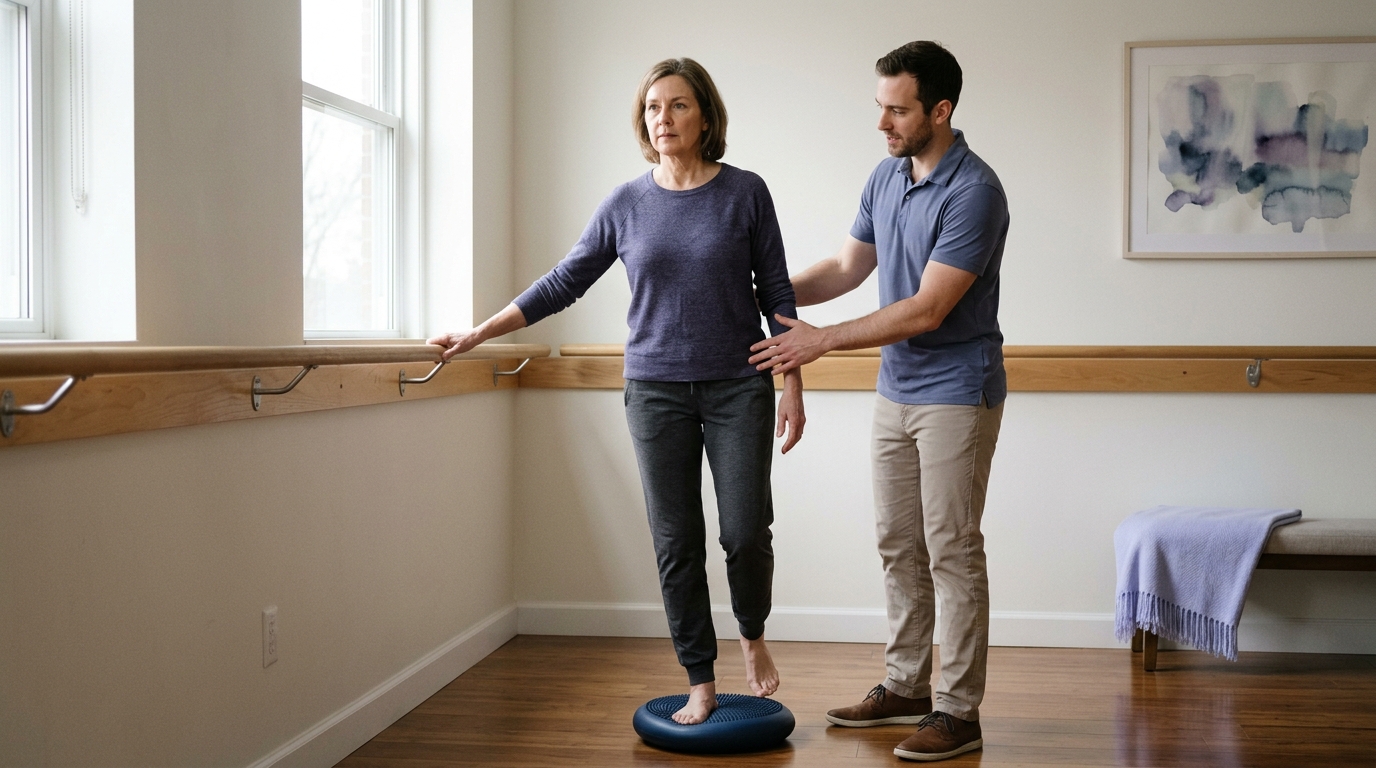
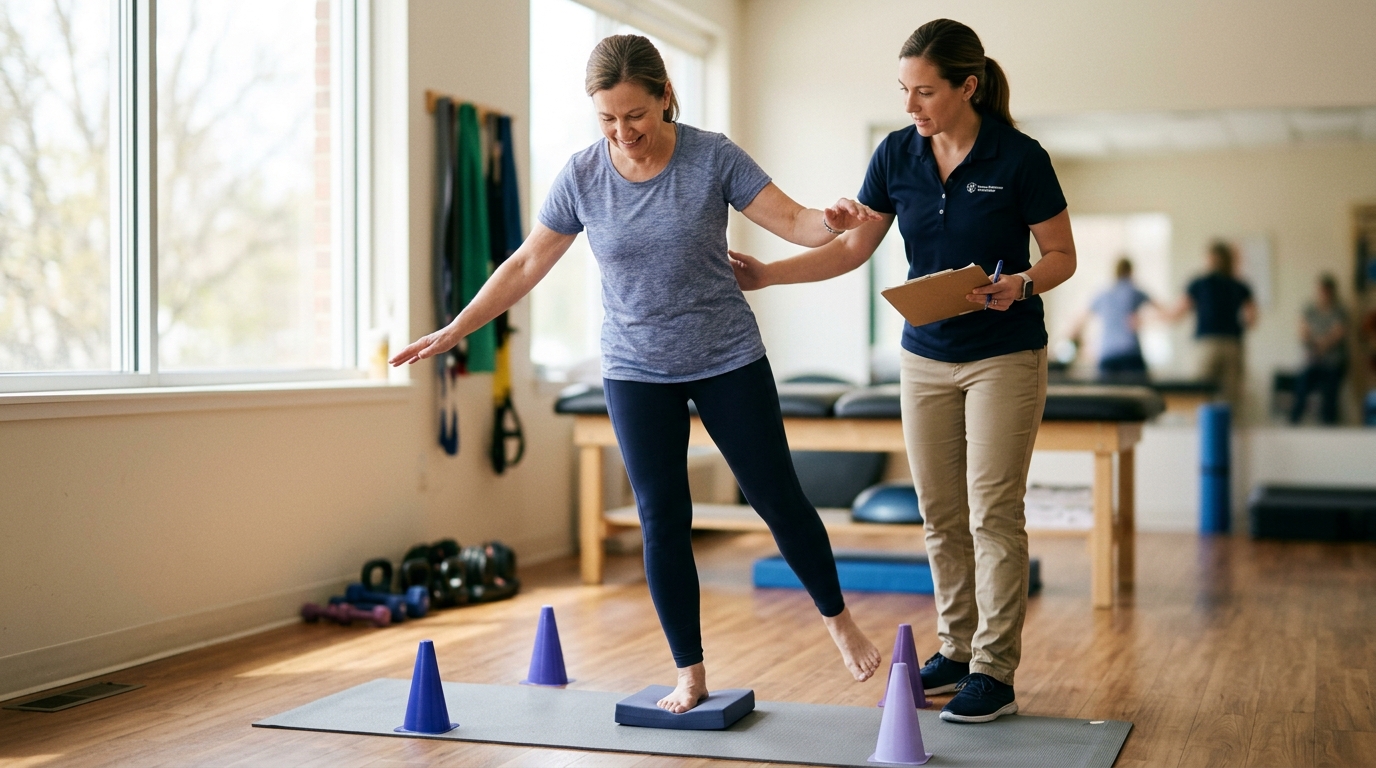
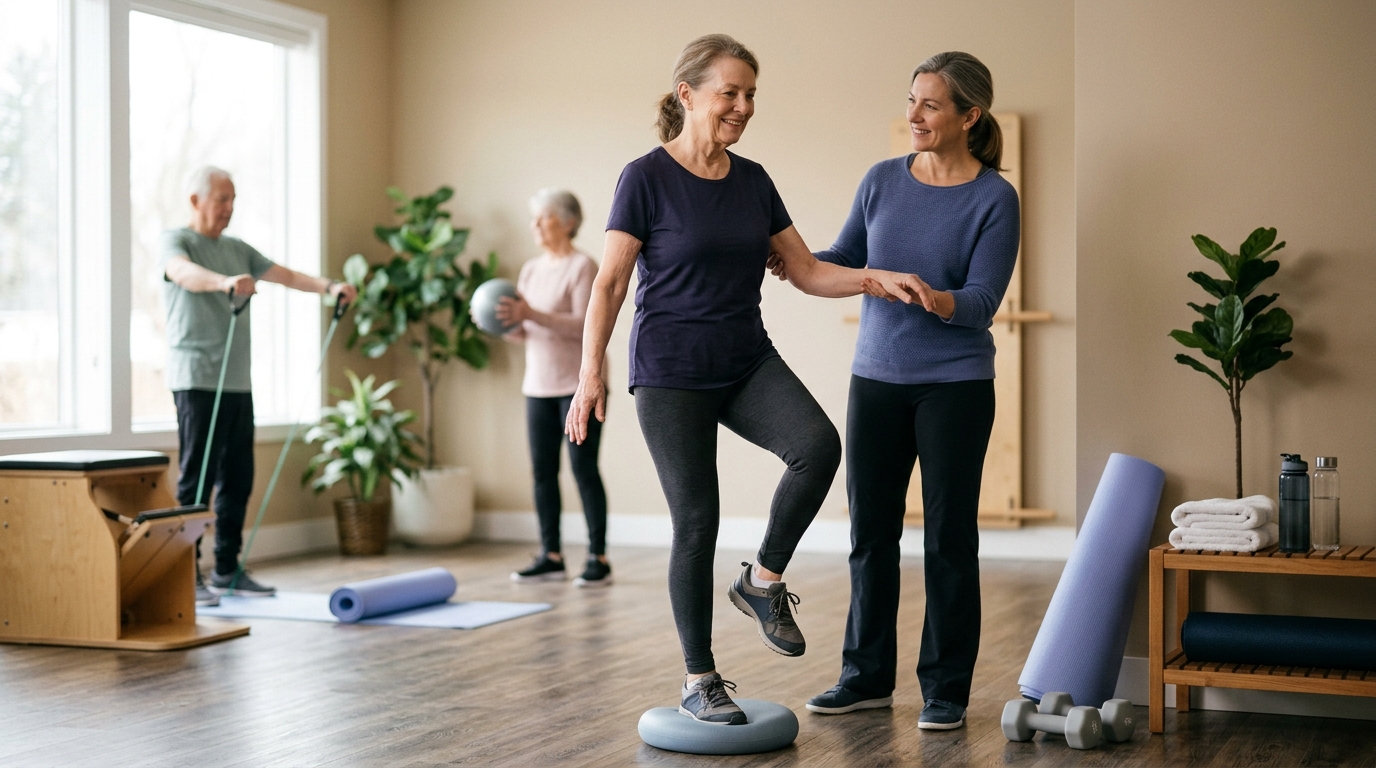
The CDC emphasizes that multicomponent physical activity programs for older adults should incorporate balance training alongside strength and aerobic work. Balance is a complex skill involving your visual system, inner ear vestibular system, and proprioceptors (nerve sensors in your joints and muscles).
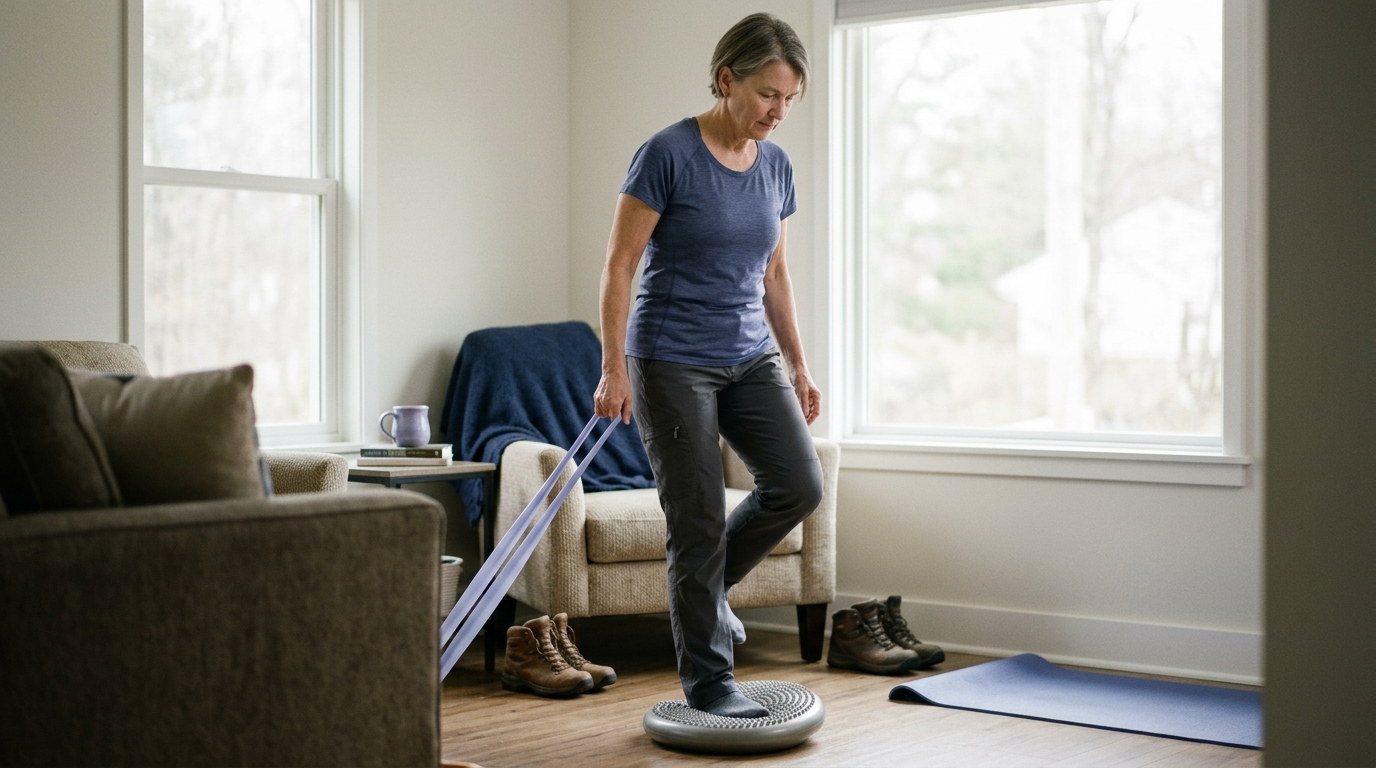
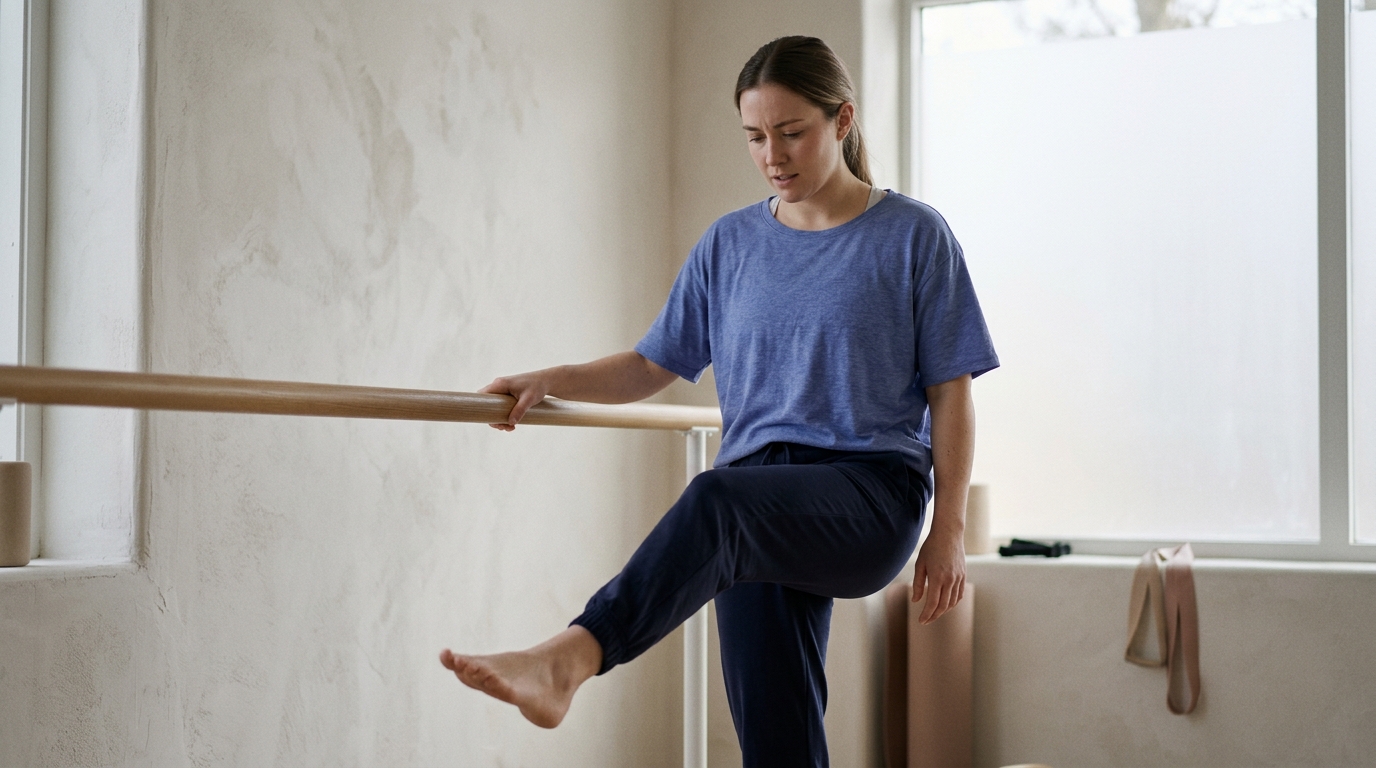
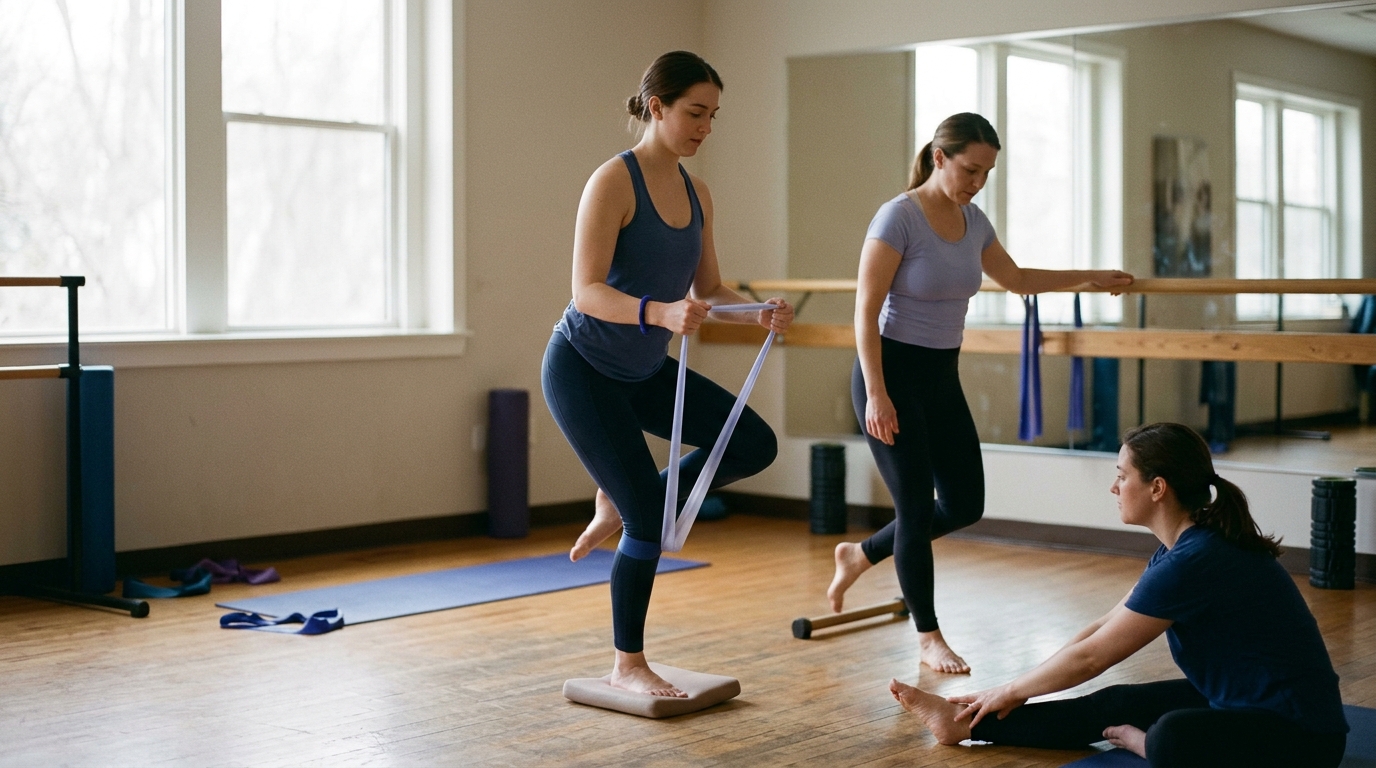
Practicing balance exercises improves your body's ability to make micro-adjustments when walking over uneven, shifting snow:
Always perform balance exercises in a safe environment where you can hold onto a countertop, sturdy chair, or wall if you feel unsteady. Consistent practice sharpens neuromuscular pathways, helping your body recover from minor slips. To learn more about structured training, review our collection of injury prevention articles.
Navigating winter activity safely requires an organized decision-making process. The Prepare, Check, Choose, Move, Reassess, and Adapt framework provides a reliable, repeatable method for evaluating every outdoor walk.
Preparation happens before the day of your walk. It includes maintaining baseline strength, assembling your gear, and checking that your footwear treads are in good condition. Ensure your flashlight batteries are charged and that your winter clothing is clean, dry, and easily accessible near your door.
Never head outside in winter without checking the current weather forecast and local travel conditions. The National Weather Service advises checking temperatures, wind chill values, precipitation timing, and municipal travel advisories before departing.
Look closely at recent temperature fluctuations. If snow melted yesterday afternoon and temperatures dropped below freezing overnight, surfaces that were wet will now be solid sheets of black ice. Check current daylight levels to ensure you will not be caught in sudden darkness.
Select an appropriate route based on real-time conditions rather than your preferred summer habit. If your favorite park trail is unpaved, unlit, and covered in packed snow, choose a cleared municipal sidewalk or a well-maintained neighborhood loop instead.
Prioritize routes that are regularly plowed, salted, and cleared. Avoid routes that require walking along narrow road shoulders flanked by high snowbanks, which force you into vehicle lanes. Always tell someone your intended route and estimated return time before heading out.
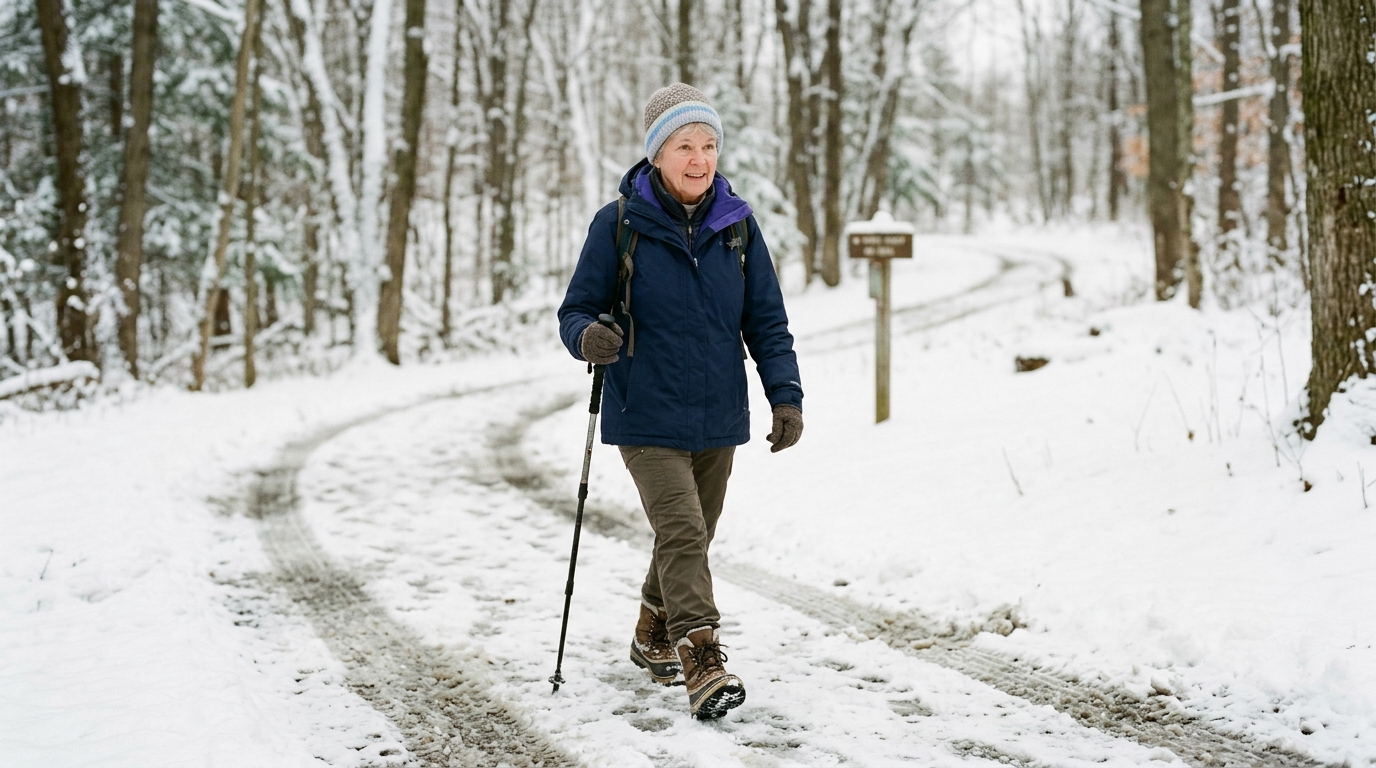
Once outside, apply deliberate movement mechanics immediately. Step off your porch carefully, using handrails. Shorten your stride, widen your stance, and keep your hands free. Keep your eyes on the ground ahead, watching for subtle changes in sheen or texture.
Maintain a controlled, moderate pace. Winter walking is not the time to chase speed records or push through unstable terrain. Respect the surface beneath your feet.
Constantly monitor both your body and the environment as you walk. Are your feet staying warm and dry? Are you sweating under your jacket? Has the wind picked up, causing the wind chill to drop rapidly? Has the sun set, making it harder to spot icy patches?
Fatigue degrades balance and slows reaction times. If your legs feel heavy or tired from stabilizing your body on snow, recognize that your slip risk has increased.
Adaptation is the cornerstone of safe winter recreation. If you encounter an untreated, icy hill, do not attempt to cross it simply to complete your mileage goal. Turn around, choose a cleared detour, or shorten your route.
If outdoor conditions deteriorate while you are out, head home immediately. If surfaces are too hazardous for outdoor walking, transition to an indoor alternative, such as a community center track, an indoor shopping mall, or a home-based movement routine. Modifying your plan protects your safety and ensures you can continue exercising tomorrow.
Winter activity safety depends heavily on individual physical characteristics, specific environmental shifts, and underlying health profiles. A route that is manageable for one person may present significant hazards for another.
Temperature alone does not tell the full story of winter exposure. Wind chill represents how cold the air feels on exposed skin by accounting for wind speed. Higher winds strip away the thin layer of warm air near your body, dramatically accelerating heat loss. The National Weather Service advises staying indoors during extreme cold events, particularly when wind chills drop to severe levels.
Freeze-thaw cycles create the most treacherous walking surfaces. When daytime temperatures rise above 32 degrees Fahrenheit, melting snow drains across sidewalks and driveways. When night falls and temperatures drop, that runoff freezes into smooth, transparent black ice. Shaded areas beneath trees, bridges, overpasses, and northern building exposures often hold ice long after open sunny paths have dried.
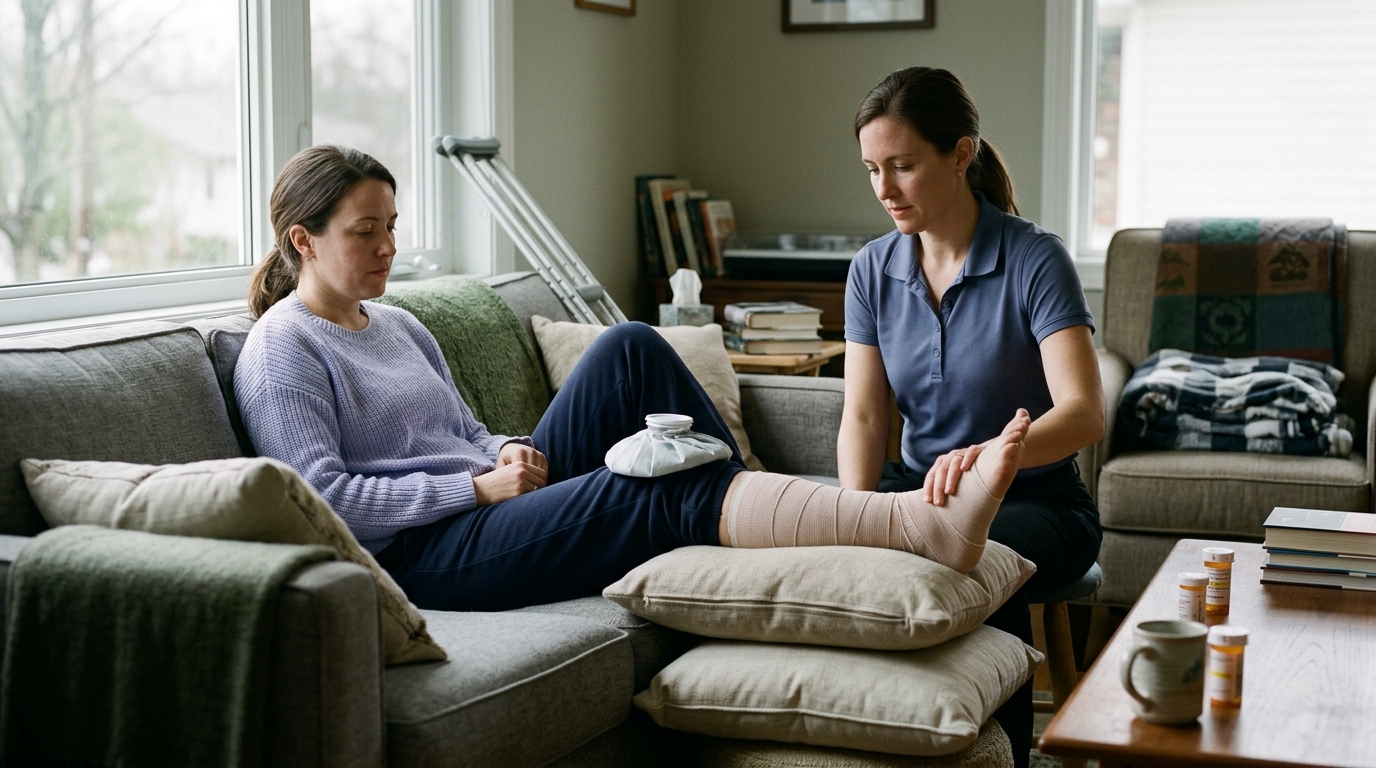
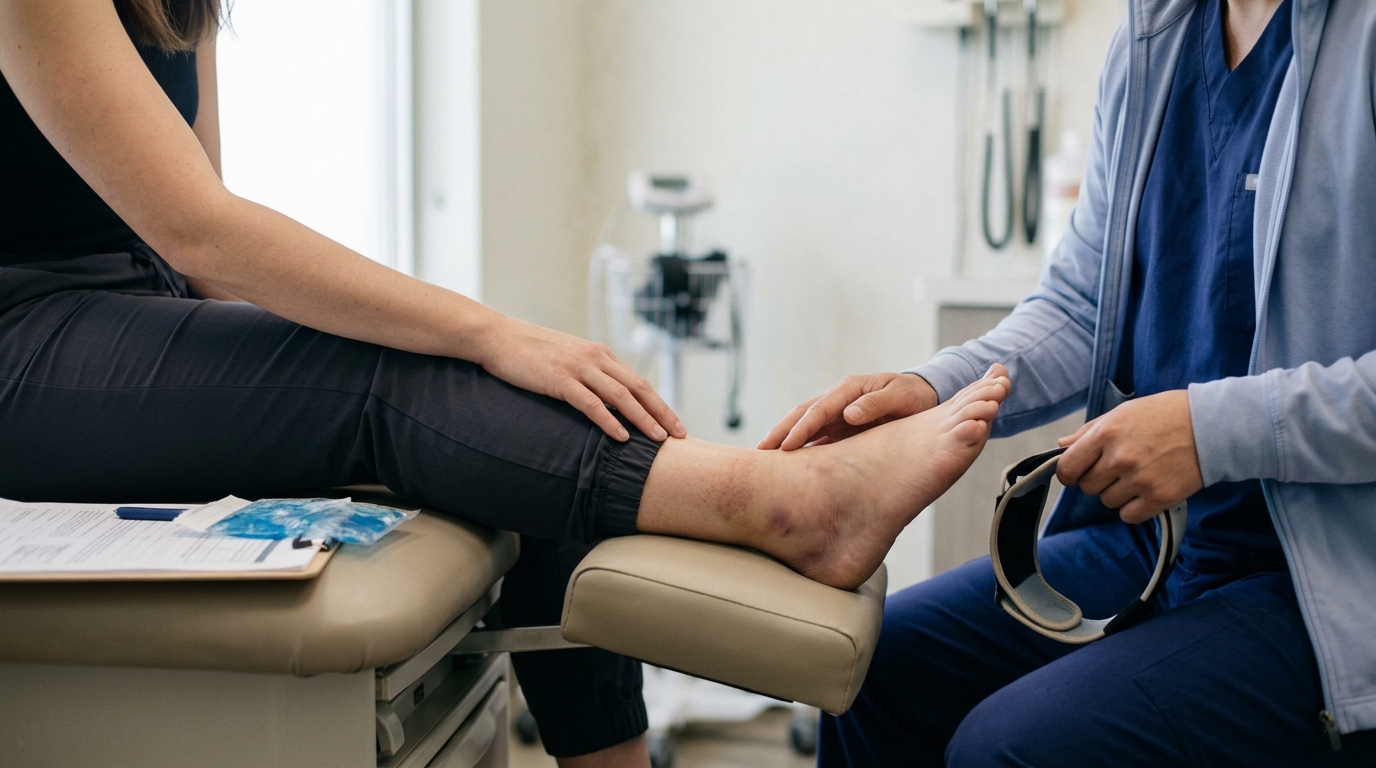
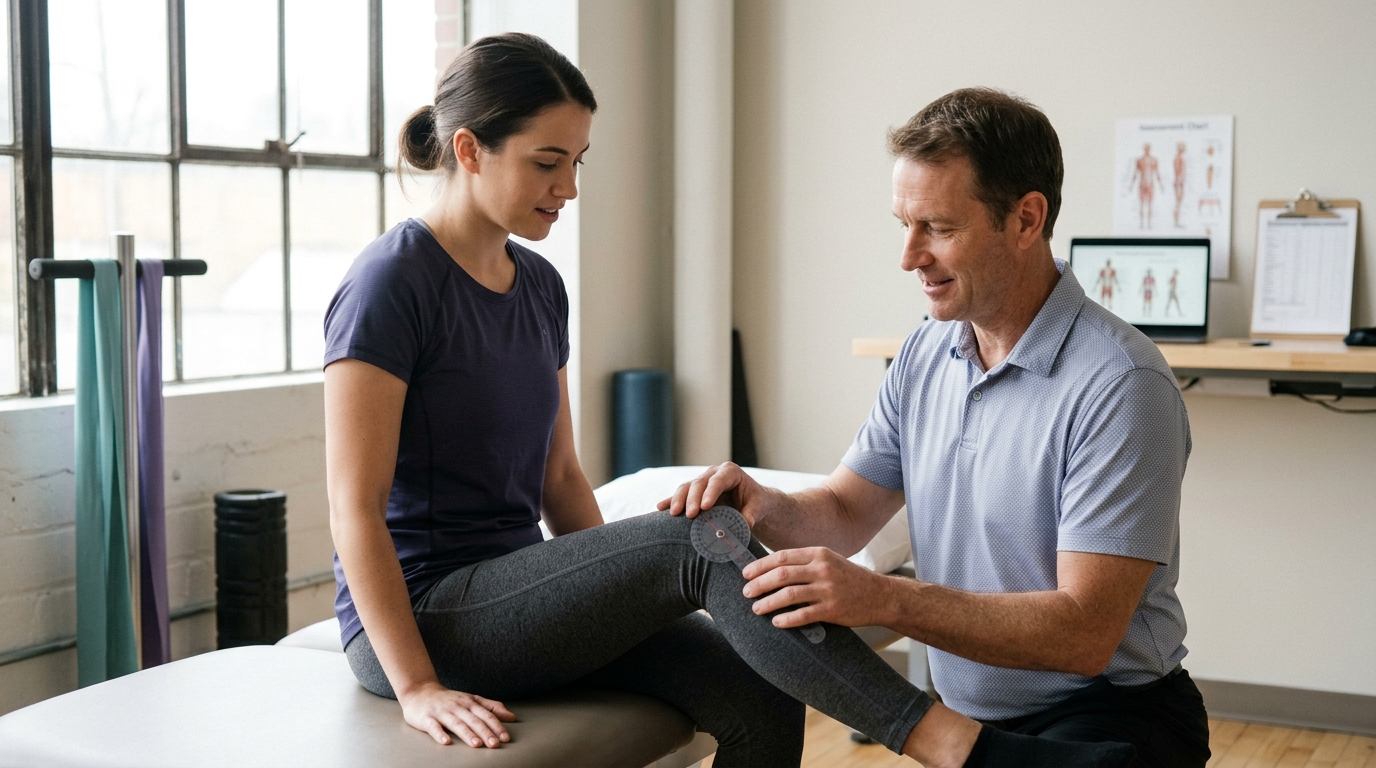
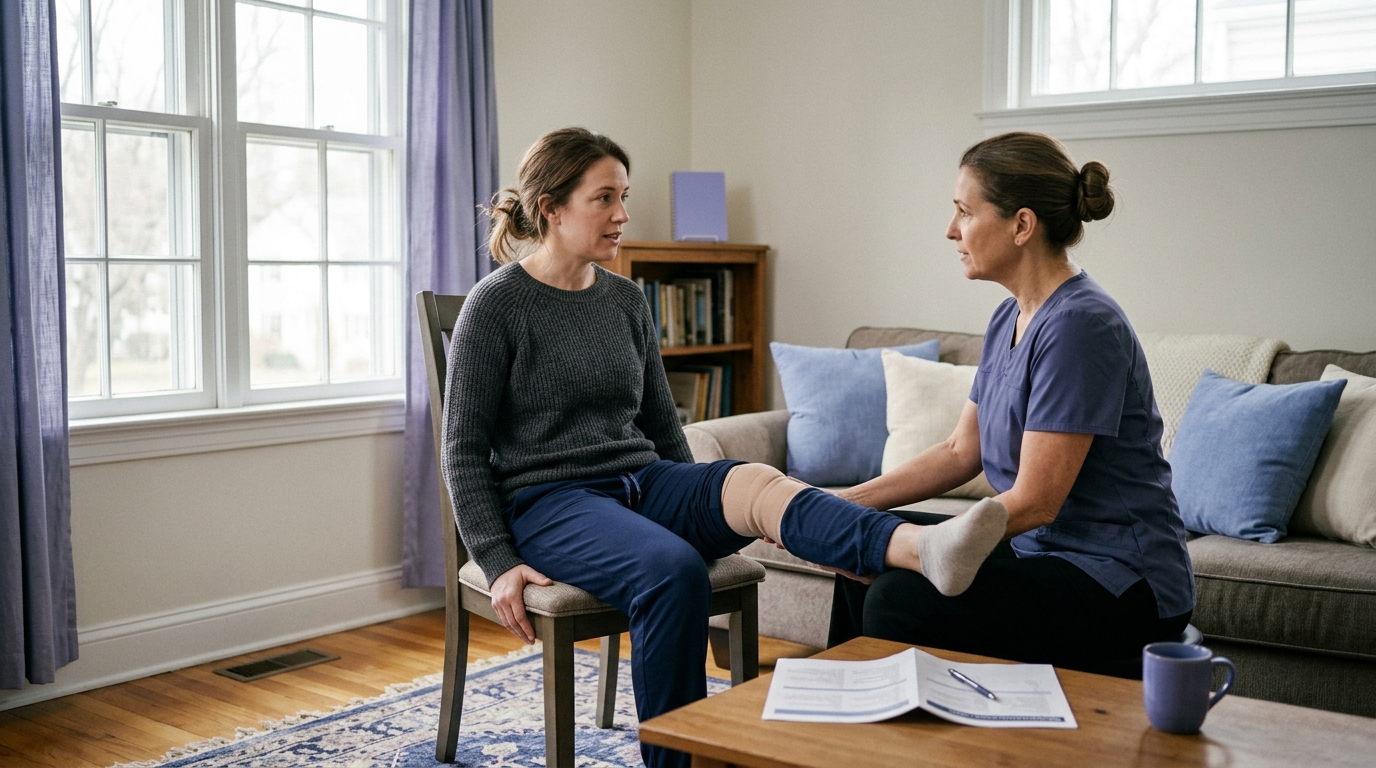
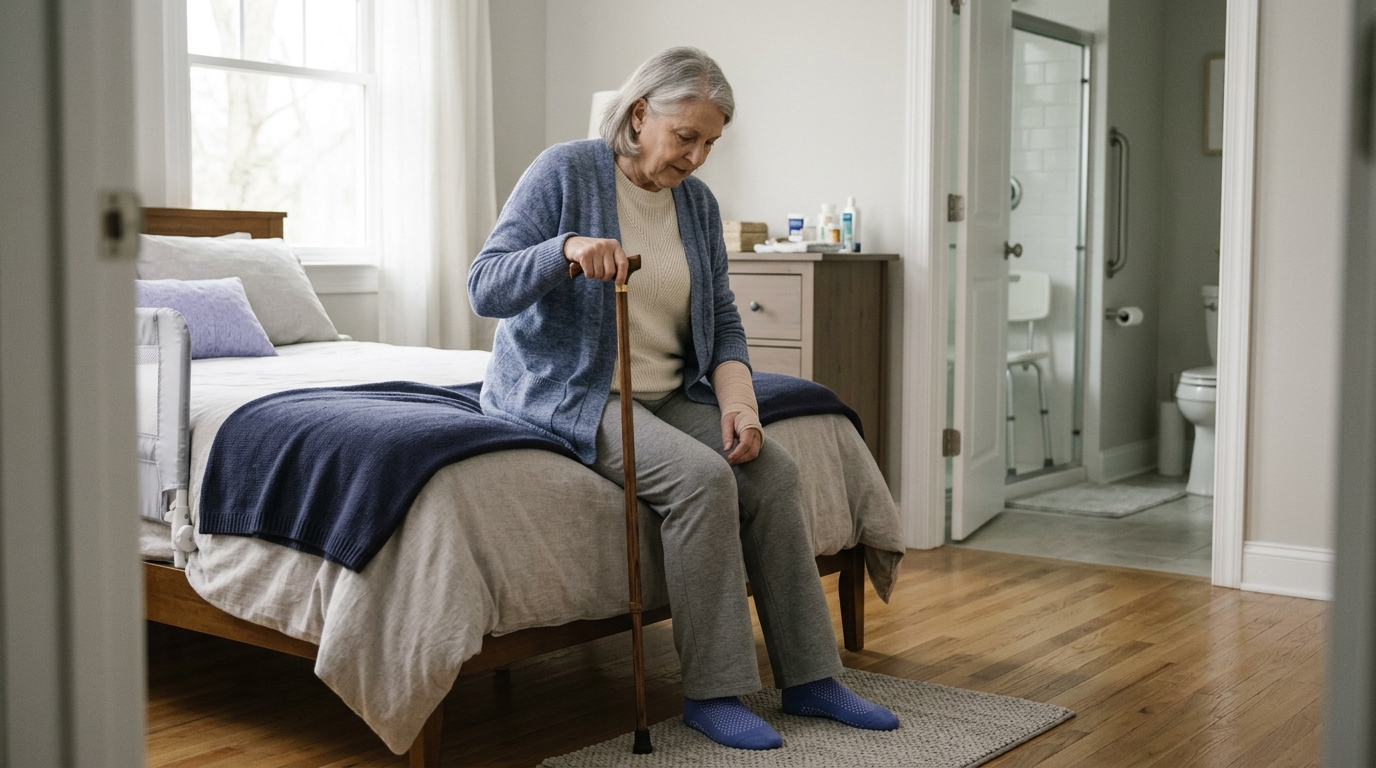
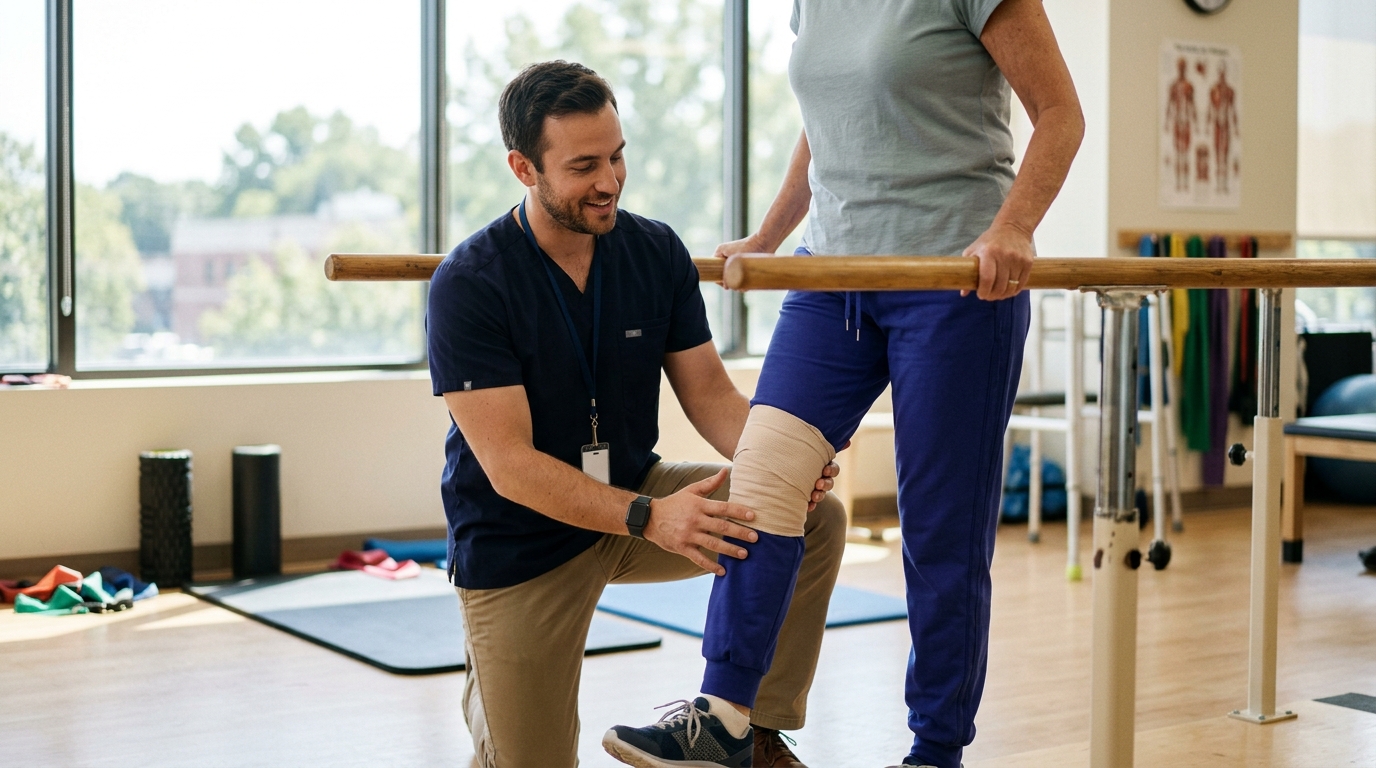
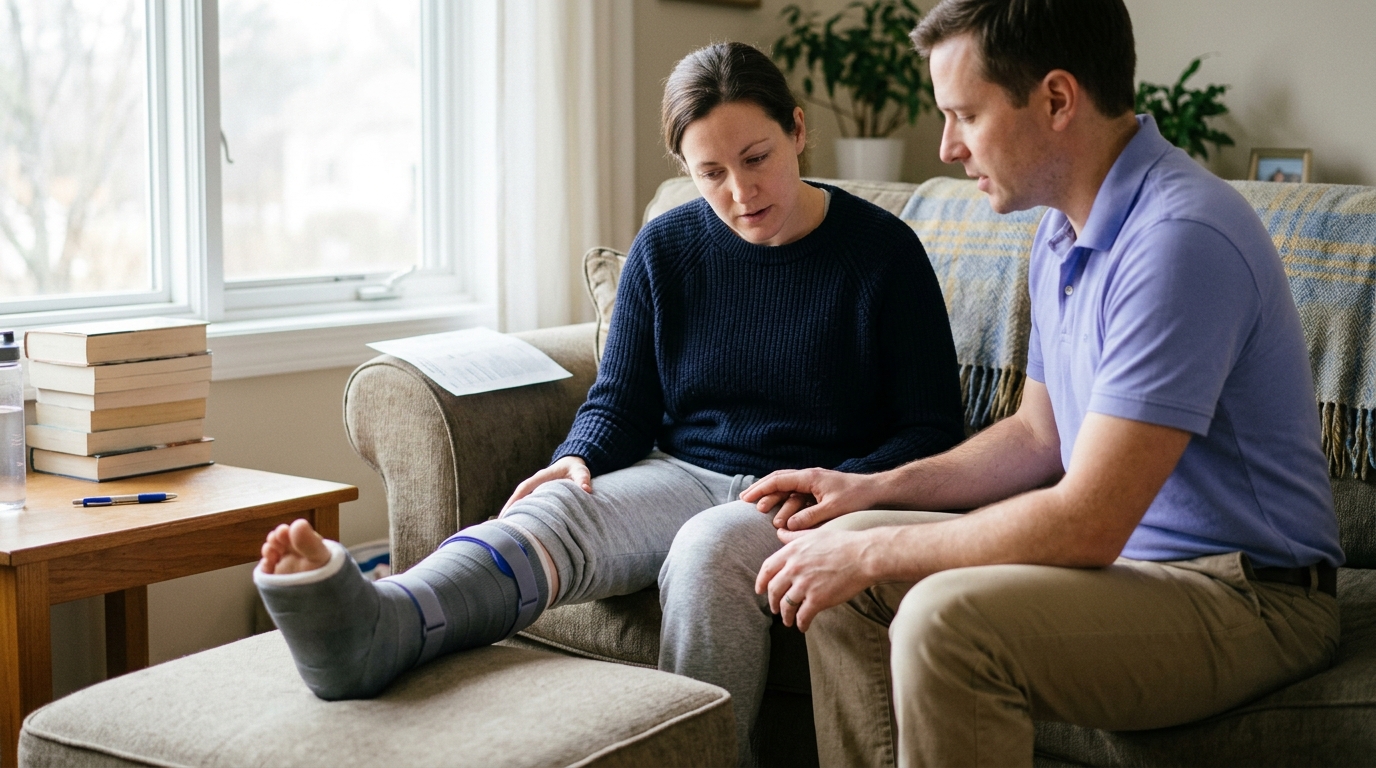
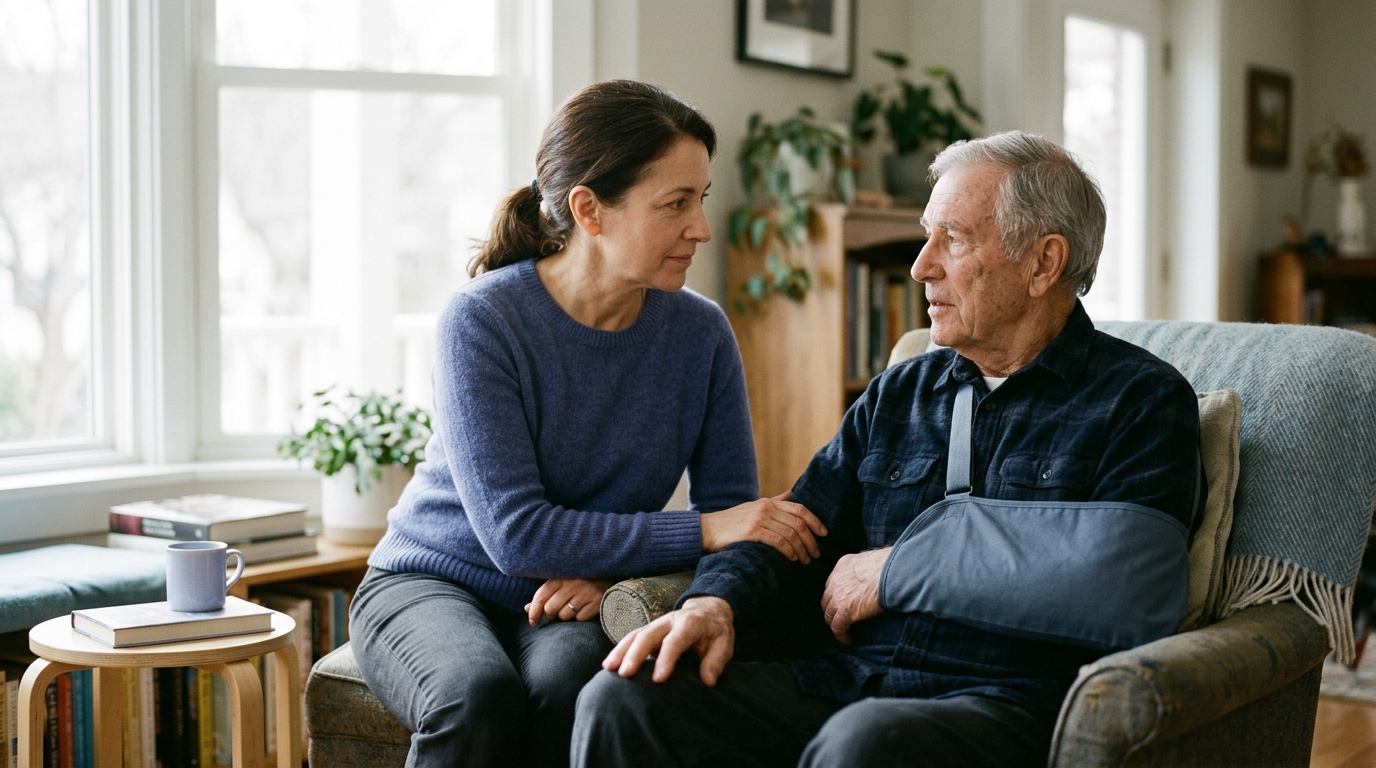
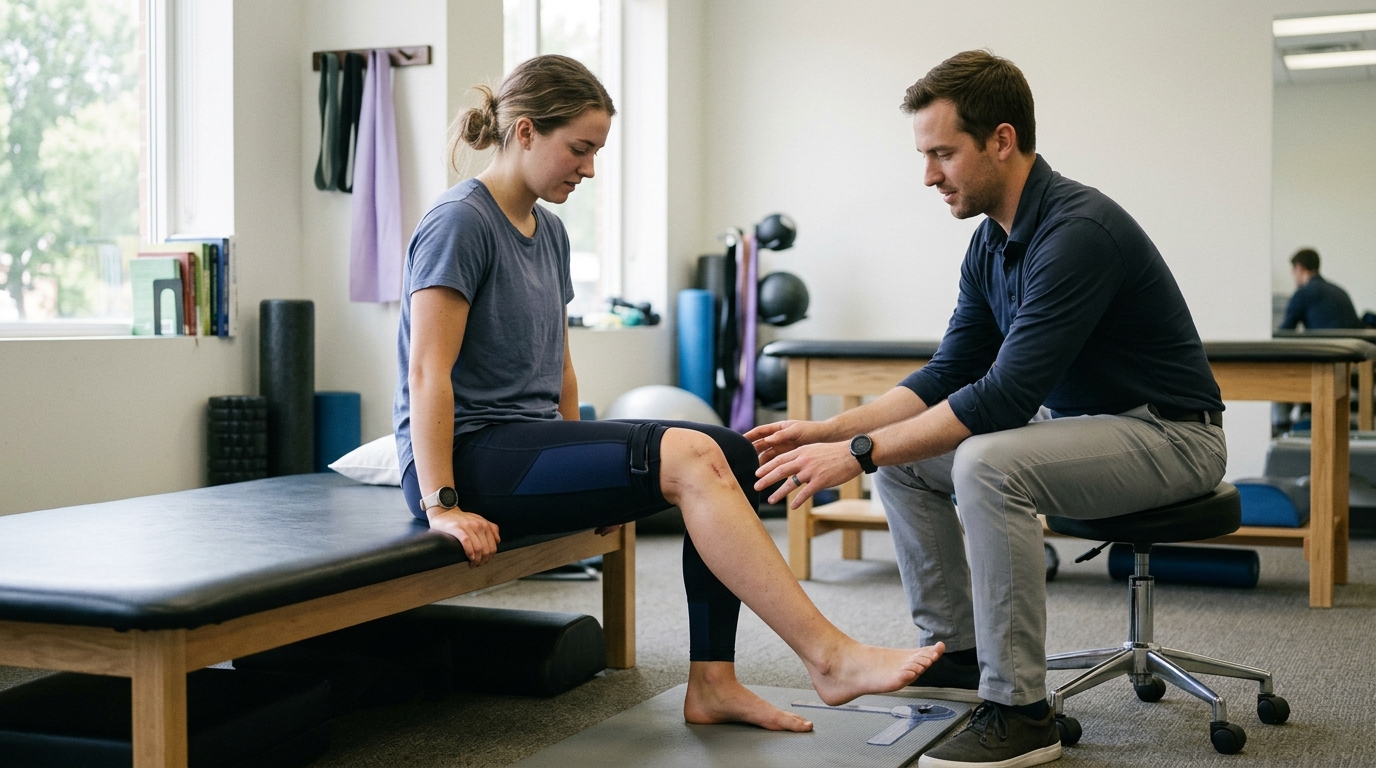
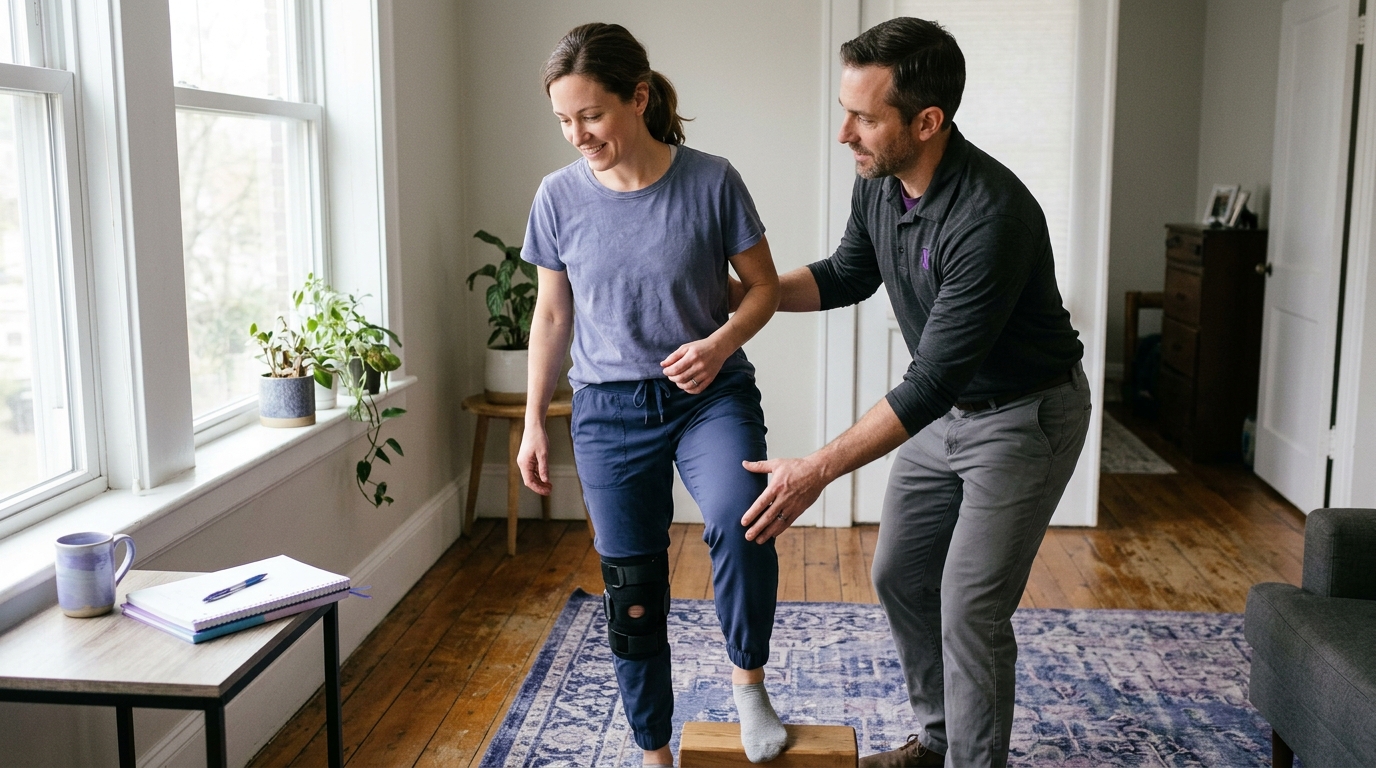
Individual physical capacity plays a major role in winter risk management. People recovering from lower-extremity orthopedic surgery, joint replacement, or recent fractures must exercise extreme caution. A minor slip that causes an abrupt twisting motion can disrupt healing tissues, even if a full fall does not occur.
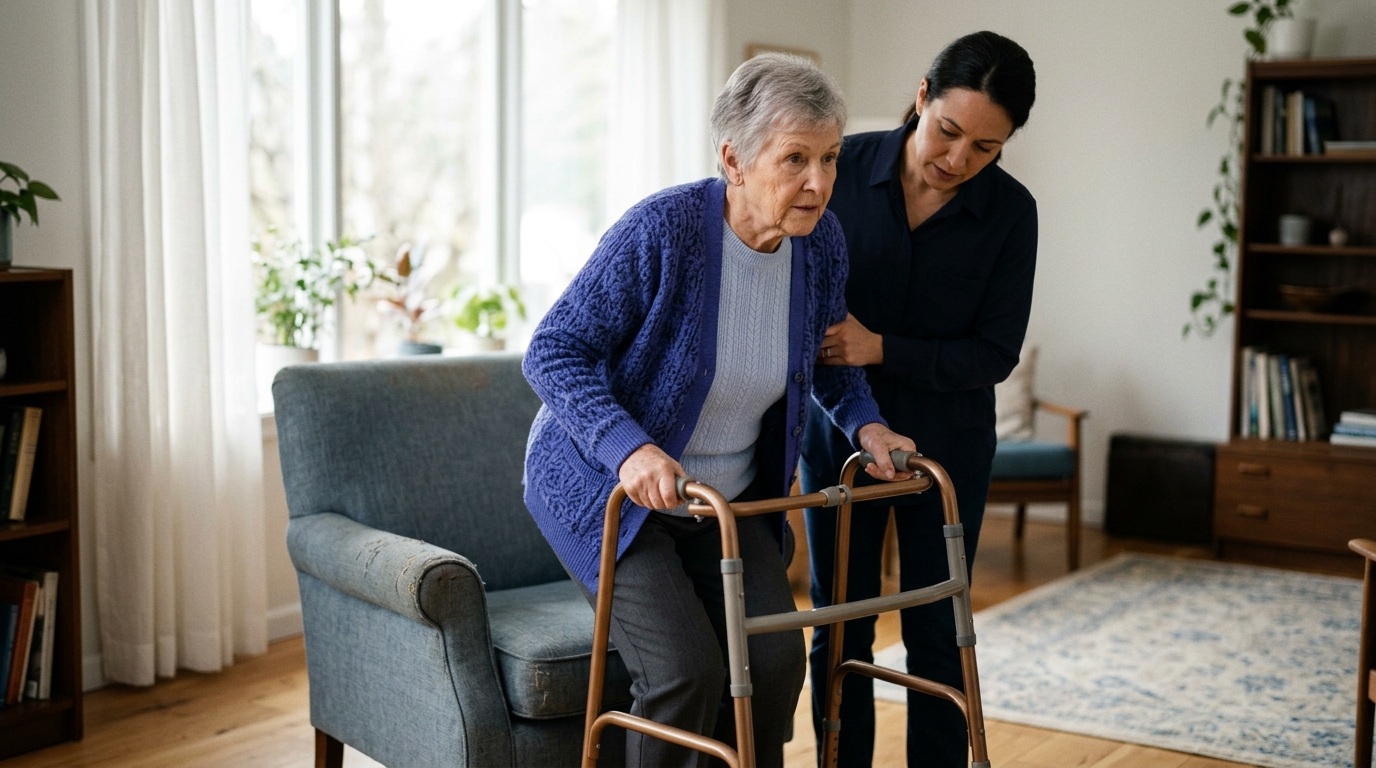
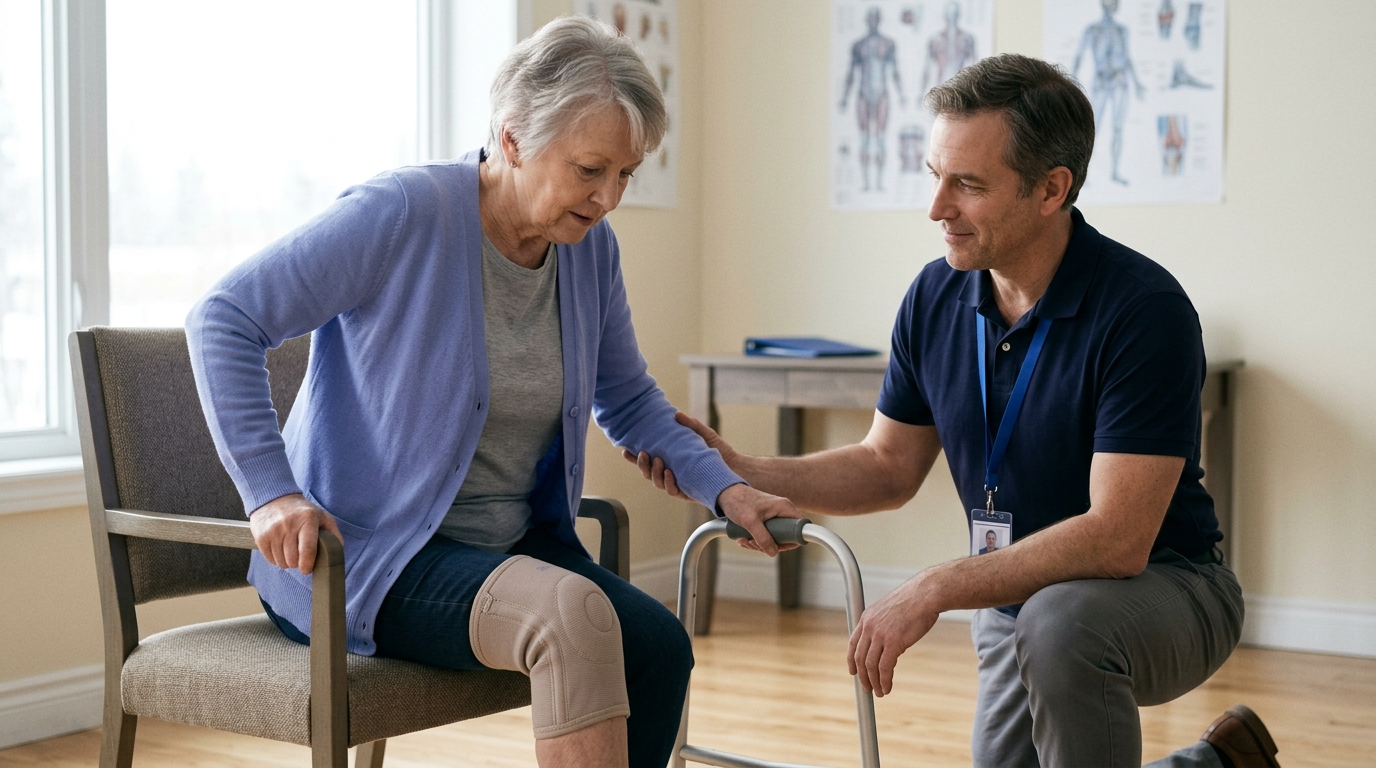
Individuals who use assistive devices like canes or walkers face unique challenges on winter surfaces. Standard rubber tips on canes become stiff and slick on ice, offering almost no grip. Specialized ice-pick attachments for canes can provide traction on hard ice outdoors, but they must be flipped up or removed before walking on indoor flooring.
Cold air can trigger physiological reactions that affect heart and lung function. Inhaling cold, dry air causes blood vessels to constrict, which can elevate blood pressure. For individuals with underlying cardiovascular conditions, brisk physical exertion in cold weather places additional demands on the heart.
Cold air can also trigger bronchospasm in people with asthma or reactive airway disease. Covering your nose and mouth with a scarf or thermal gaiter warms and humidifies incoming air, reducing respiratory irritation. If you have a history of cardiovascular or pulmonary concerns, consult your physician before undertaking strenuous cold-weather exercise.
Several widespread assumptions about cold weather and footing lead to preventable injuries. Clarifying these misconceptions helps you make better decisions.
High-quality winter boots and traction cleats provide better grip on packed snow, but they do not make ice completely safe. Wet ice, smooth black ice, and glazed steps remain hazardous regardless of your footwear. Treat shoes as support gear, not an absolute guarantee against slipping.
Simply slowing down your standard heel-to-toe stride is not enough on slick surfaces. A long stride still creates a forward heel strike that easily slips outward. You must actively modify your mechanics: shorten your steps, land flat-footed, and keep your center of mass centered over your feet.
Tucking your hands into your pockets removes your body's primary tool for balance recovery. If your foot hits an unseen patch of black ice, you need your arms free to rebalance instantly. Keep hands outside pockets and use warm gloves.
Seeing approaching headlights does not mean the driver sees you. Headlights project downward onto the road surface, leaving the upper body of a pedestrian in darkness unless retroreflective materials are worn. Always assume a driver has not seen you until they come to a complete stop.
Physical activity guidelines emphasize regular movement, but they do not demand that you walk outside during ice storms. Forcing yourself onto dangerous terrain to preserve an outdoor walking streak increases injury risk. Switching to an indoor routine when outdoor surfaces are hazardous demonstrates good judgment.
Reviewing common winter scenarios illustrates how to apply practical decision-making in real-world situations.
An active 58-year-old walker plans to complete their usual four-mile neighborhood route. The morning sun is shining, and the main street sidewalks appear dry. However, the second half of the route winds through a shaded park with dense tree cover.
Upon reaching the park entrance, the walker discovers that the path is covered in hard-packed snow with patches of melting, slick ice. Rather than pushing forward across the untreated terrain, the walker turns around. They complete their remaining distance on the sunlit, salted neighborhood sidewalks. This adaptation preserves their workout while avoiding high-risk terrain.
A homeowner steps outside in smooth-soled leather shoes to carry a bag of trash down the driveway. The walk is only thirty feet, so they do not put on winter boots or take their phone.
Midway down the driveway, their foot hits a patch of black ice formed from melting snow that refroze overnight. Without proper footwear or a railing nearby, they slip backward and sustain a wrist injury. Cold-weather falls frequently happen during brief household errands on familiar steps, driveways, and porches. Putting on supportive, rubber-soled footwear is necessary even for short tasks.
A brisk walker leaves the house wearing a heavy cotton hooded sweatshirt beneath an insulated winter parka. Five minutes into the walk, they begin sweating heavily. At the two-mile mark, they stop at a crosswalk for several minutes in a brisk wind.
The wet cotton sweatshirt against their skin begins drawing heat away rapidly, causing violent shivering and severe discomfort. The walker cuts the outing short, returns home immediately, removes the wet clothing, and changes into dry garments. For future walks, they switch to a synthetic wicking base layer and an adjustable fleece jacket.
A winter storm leaves roads and sidewalks coated in a thick layer of sleet and freezing rain. City advisories suggest staying off local roads.
Instead of attempting an outdoor walk, a local walker sets up a 30-minute indoor session. They combine a continuous walking routine through their hallway and living room with chair squats, calf raises, and balance exercises. They hit their physical activity target for the day without exposing themselves to freezing rain or slick surfaces.
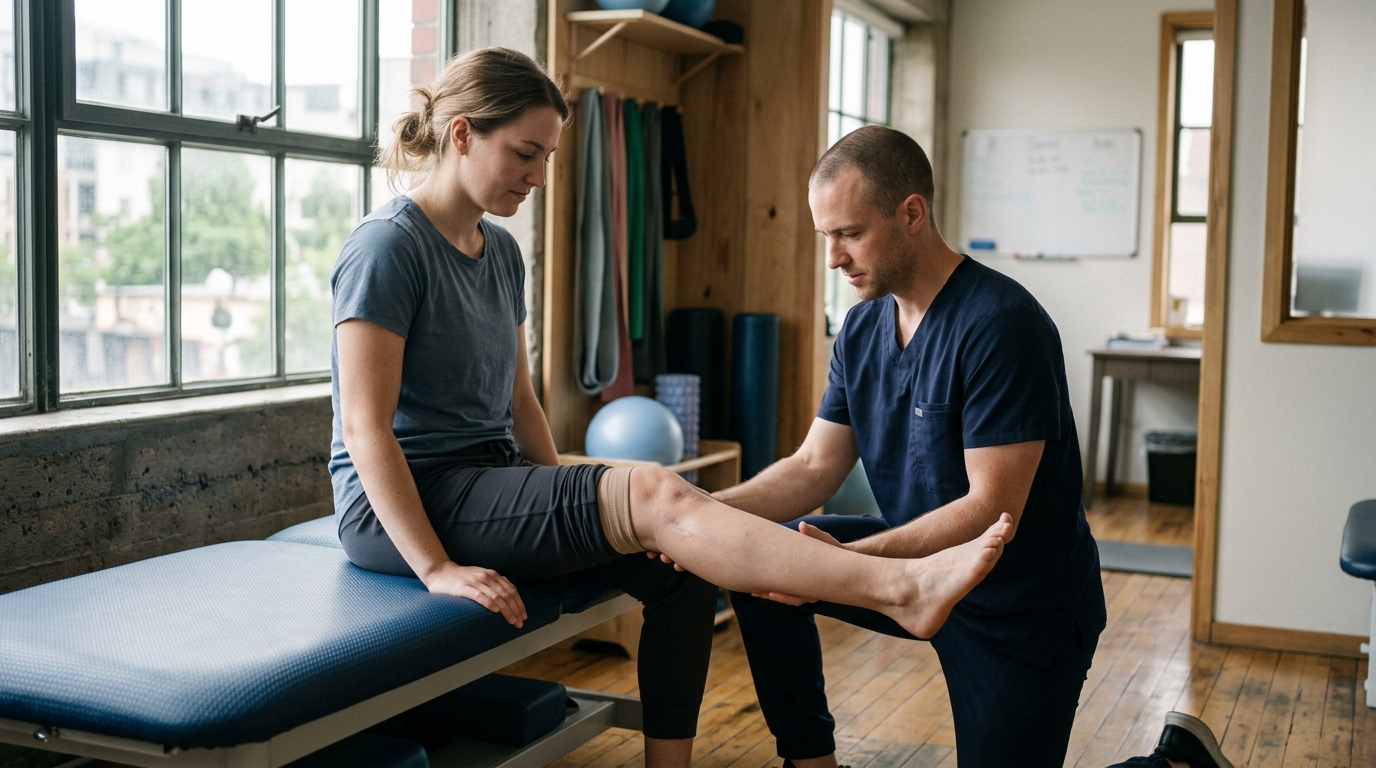
If you have underlying health conditions, a history of joint injuries, or balance concerns, consult your doctor or physical therapist before starting a winter walking routine. Use these practical questions to guide your discussion:
These questions help you tailor your seasonal routine to your specific physical baseline, ensuring you stay active safely.
Outdoor walking during the winter months offers fresh air, cardiovascular fitness, and mental clarity. However, snow, ice, reduced daylight, and freezing temperatures require deliberate preparation and active risk management.
Maintain your aerobic fitness, strength, and balance through consistent training. Dress in an adjustable three-layer system with a moisture-wicking synthetic base layer, an insulating middle layer, and a windproof outer shell. Protect your extremities, keep your hands free, and wear supportive footwear with deep rubber treads or specialized traction cleats. Use flashlights and retroreflective materials so you can see hazards and remain visible to drivers.
Apply the Prepare, Check, Choose, Move, Reassess, and Adapt framework to every outing. Check forecasts and surface reports before leaving your home. Shorten your stride and land flat-footed on uncertain ground. If you encounter sheets of ice or severe weather, change your path, shorten your walk, or move your workout indoors. Prioritizing safety ensures that you stay steady, active, and injury-free all winter long.
When to revisit this resource: Review these guidelines at the beginning of each winter season, when purchasing new cold-weather footwear or gear, or whenever recovering from a lower-body injury that affects your balance. Safe winter movement comes from preparation, patience, and adapting to the ground beneath your feet.

Use ReboundBody resources to understand common recovery stages, rehab terms, movement limits and strength rebuilding. Each guide is designed to make a complex comeback easier to understand.


Read practical guidance on injury recovery, rehabilitation, mobility and rebuilding strength as you work your way back to activity.
Explore Resources