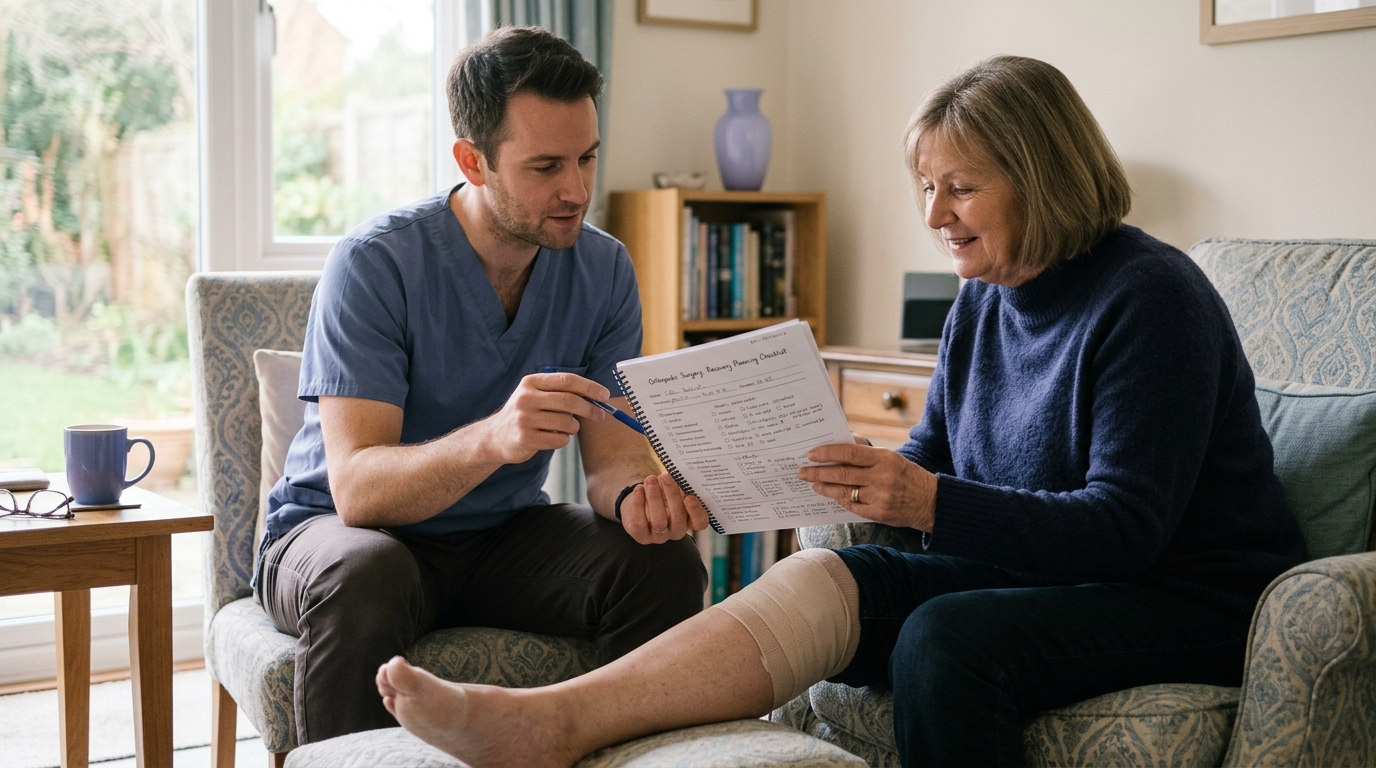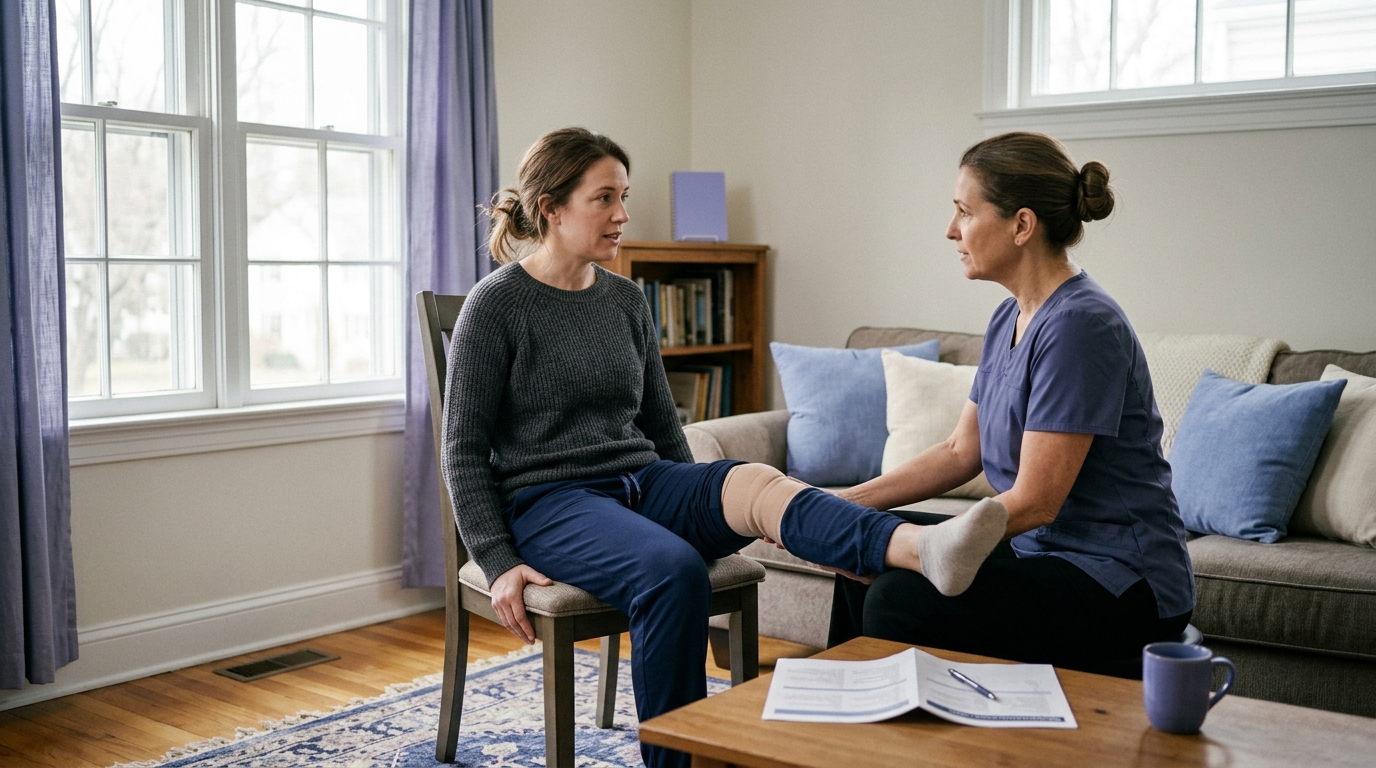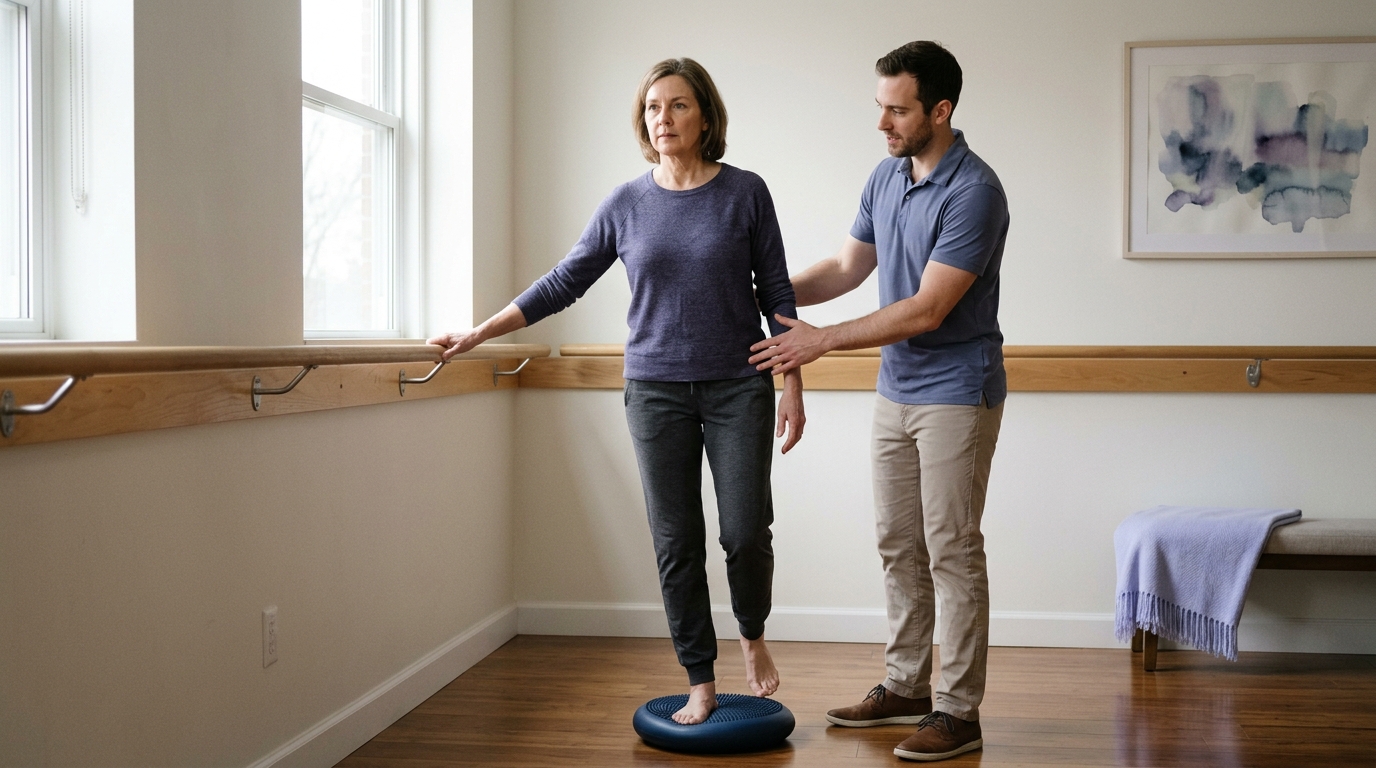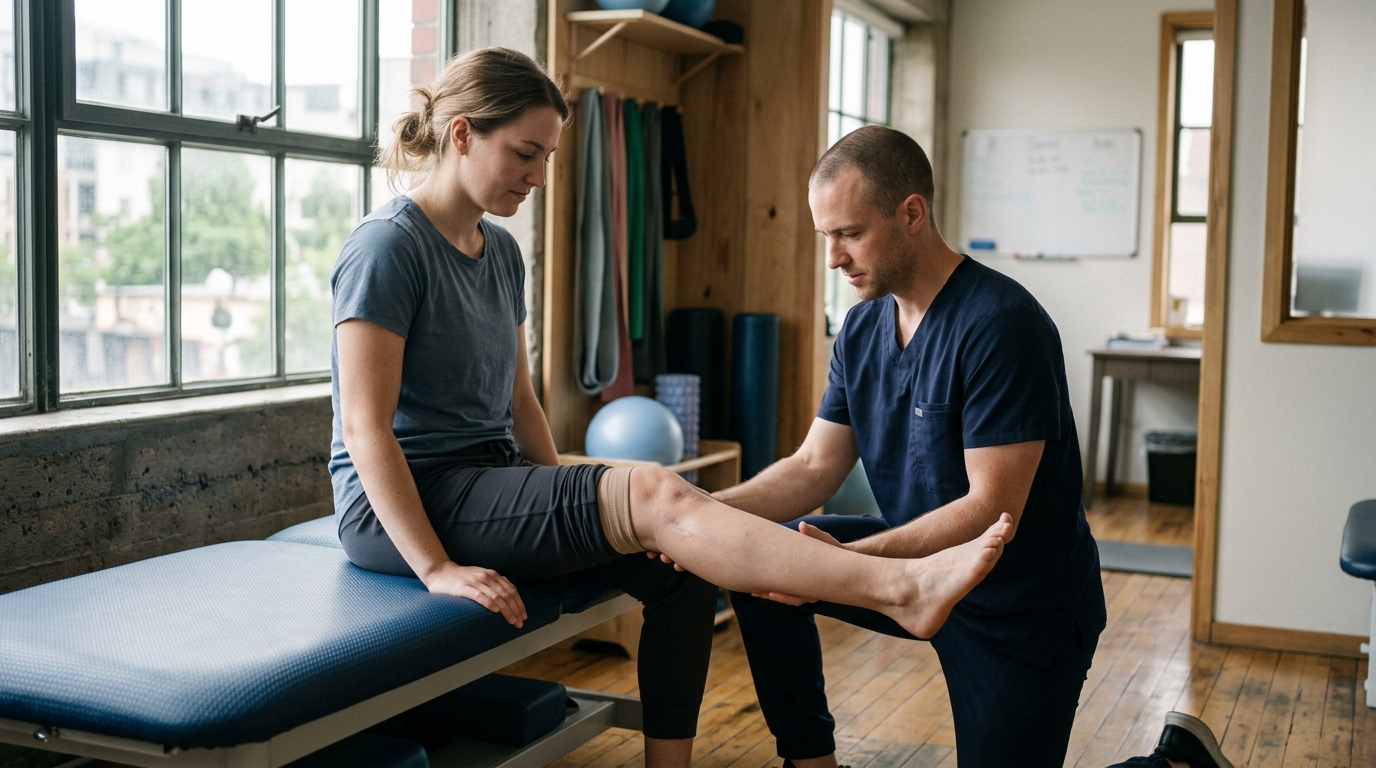

A smooth orthopedic surgery recovery begins with comprehensive medical preparation, practical home adjustments, and a clear timeline tailored to each stage.





Most people assume that preparing for surgery requires intense physical conditioning or buying specialized recovery gadgets. In reality, the most effective preparation is largely logistical, medical, and practical.
Setting up your home, organizing your medications, and coordinating family support often have a far bigger influence on your immediate comfort than aggressive pre-surgery workouts. Preparing for an operation is not about building an invincible body. It is about removing friction from the days and weeks that follow your procedure.
A structured preparation plan creates a calmer, safer transition into recovery. It helps you understand what to expect, coordinates your medical team, and ensures your living space accommodates temporary physical limitations.
However, thoughtful preparation has realistic boundaries. It cannot rewrite biological healing rates, eliminate the discomfort of tissue repair, or provide a promise of a complication-free outcome. Orthopedic surgery spans everything from minor arthroscopic repairs to total joint replacements and complex spinal procedures. Because every procedure and patient is different, your individual surgical team must always provide the final, specific instructions for your care.
Preparing
for an operation involves multiple moving parts. Breaking the process down into distinct categories helps ensure that no critical detail is overlooked. A comprehensive preparation strategy addresses five core dimensions of readiness.
Decision readiness means clearly understanding why the operation is taking place. It involves weighing the proposed procedure against non-surgical alternatives and understanding the anticipated benefits.
It also requires a realistic view of potential surgical risks. You should know what could happen if you choose to delay the procedure. When you fully understand the reasons behind your surgical plan, you can participate more actively in your own care.
Medical readiness involves evaluating your overall health before entering the operating room. This includes coordinating pre-admission laboratory testing and diagnostic screenings.
It also means reviewing chronic conditions such as high blood pressure, heart disease, or diabetes with your primary care provider and surgeon. Sharing your complete health history helps the clinical team reduce preventable complications during and after anesthesia.
Physical readiness focuses on maintaining safe, clinician-approved mobility and strength before surgery. It does not require extreme fitness routines.
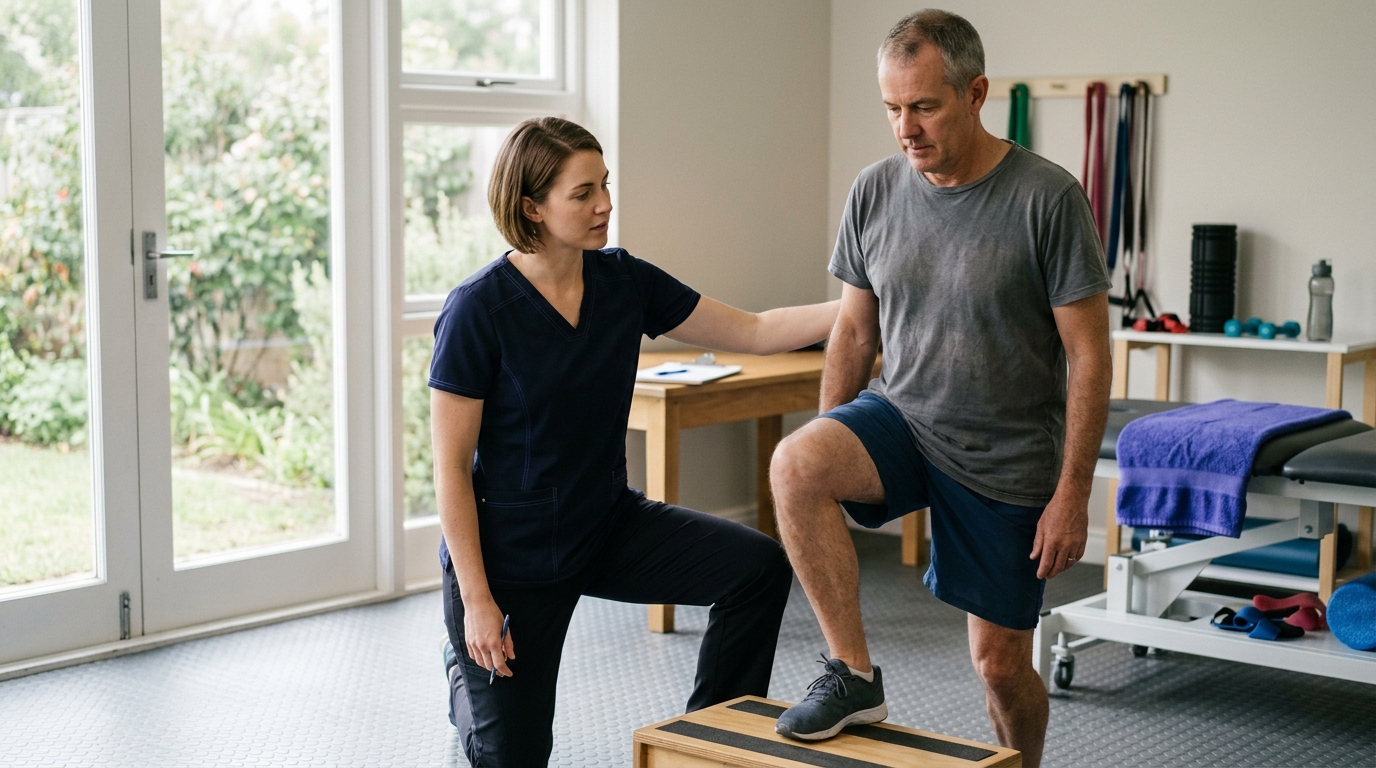
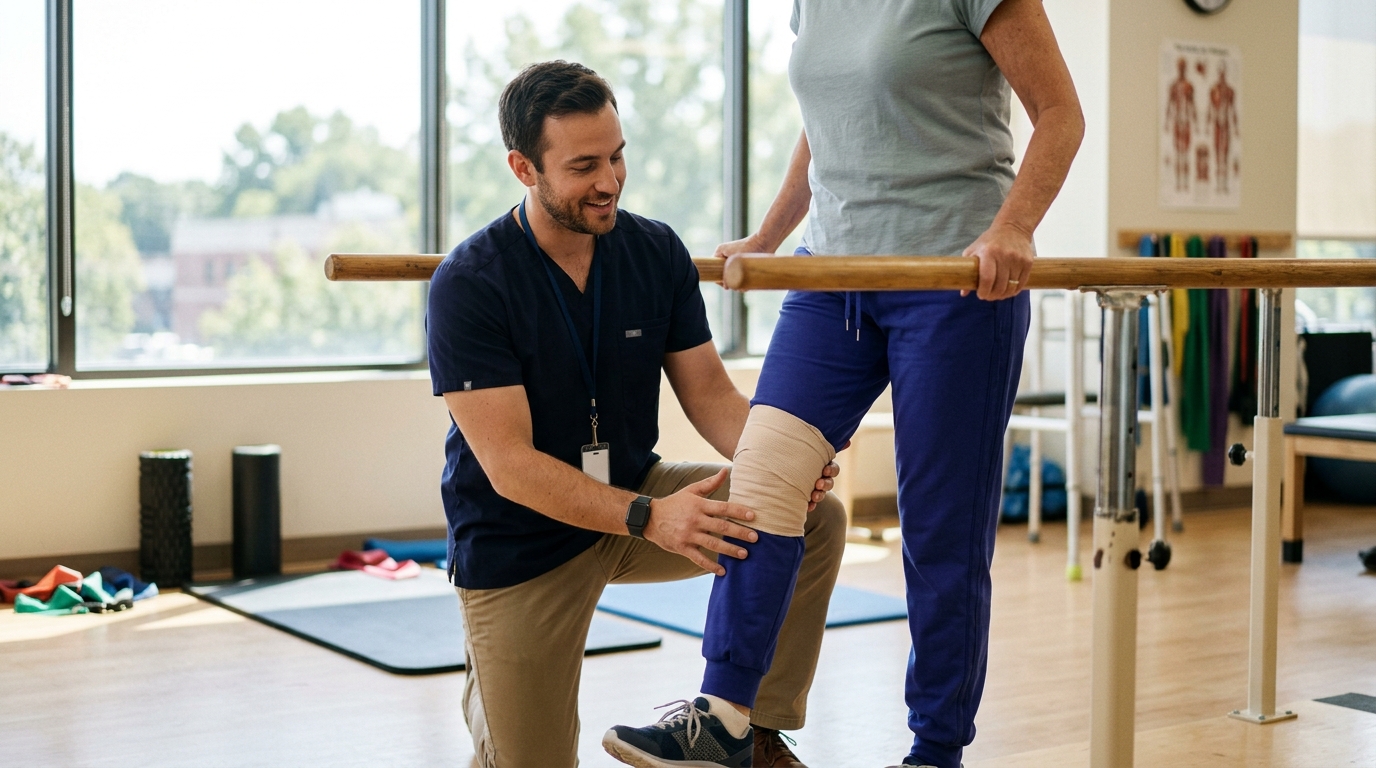
Instead, it centers on learning how to use assistive devices, practicing postoperative movements, and keeping your body as functional as your condition allows. Safe physical preparation always stays within the boundaries set by your medical team.
Home readiness involves modifying your physical living environment to match your expected mobility limits. This includes clearing pathways, arranging basic equipment, and setting up daily necessities within easy reach.
Support readiness means organizing family, friends, or community resources to assist with essential household tasks, transportation, and personal care during the early stages of recovery.
Emotional readiness involves managing the stress and uncertainty that often accompany major medical procedures. Clear communication is the most effective tool for addressing these concerns.
This dimension centers on asking detailed questions, identifying points of contact for unexpected issues, and having a trusted person help you track clinical instructions.
Understanding what clinical studies say about surgical preparation helps you maintain realistic expectations. Researchers have studied how pre-surgery education, medical optimization, and exercise impact recovery outcomes.
Prehabilitation refers to physical training, education, or lifestyle interventions completed before an operation. A comprehensive systematic review and meta-analysis published in JAMA Network Open evaluated 48 randomized clinical trials involving 3,570 unique orthopedic patients. The researchers examined how structured prehabilitation affected patients before and after musculoskeletal procedures.
The review found that prehabilitation led to clear improvements in several preoperative measures compared to usual care. Patients who completed prehabilitation demonstrated better physical function, improved muscle strength, reduced back pain, and higher health-related quality of life leading up to their operation. Being more active and informed before surgery helped patients enter the operating room in a more capable physical and mental state.
While the preoperative gains were clear, the evidence regarding long-term postoperative benefits was much more mixed. The authors of the systematic review noted that the quality of evidence for postoperative outcomes ranged from low to very low. Factors such as high risk of bias in individual trials and wide variation in exercise protocols made it difficult to draw firm conclusions.
A separate review of prehabilitation before total knee and hip replacement reported a high risk of bias in 24 out of 28 included trials. These studies exhibited significant variation in exercise types, duration, and supervision levels. Because of this variation, researchers could not confirm that pre-surgery exercise consistently shortens hospital stays, speeds long-term recovery, or prevents postoperative complications.
Prehabilitation is a constructive way to prepare your body within safe limits. However, it should not be viewed as a method that guarantees a rapid or painless recovery.
Clinical evidence strongly supports the use of structured preoperative education. Studies evaluating patient education before major orthopedic procedures show that learning about the surgical process significantly reduces preoperative anxiety.
When patients know what the surgical day looks like, how pain will be managed, and what early mobility requires, they experience less distress. Education provides a clear mental roadmap, which makes the entire clinical experience feel more predictable.
Planning ahead prevents last-minute scrambles and reduces unnecessary stress. While your surgeon will provide exact dates and requirements, this general timeline illustrates how to sequence your preparation effectively. For broader context on how these steps fit into a long-term rehabilitation plan, you can explore our resources on surgical recovery and comeback strategies.
The scheduling phase is the ideal time to establish fundamental clarity about the operation. You will want to confirm the exact name of the procedure and understand how the surgeon plans to perform it. If your operation involves a prosthetic implant or hardware, ask about the materials and designs being considered.
During this early window, begin discussing the broad recovery trajectory. Ask how long the typical hospital stay lasts, when physical therapy will start, and what immediate movement restrictions will apply.
Identify a family member or friend who can attend key appointments with you to help take notes. You should also begin evaluating your home layout to identify potential mobility barriers, such as steep stairs or narrow doorways.
Several weeks prior to your operation, focus shifts toward medical evaluation and lifestyle adjustments. Your surgical team will often schedule formal preoperative testing. Depending on your age and health history, this may include routine blood work, an electrocardiogram, a chest X-ray, or a urine sample.
Work closely with your primary care doctor to ensure chronic medical conditions are well controlled. If you smoke, this is the time to reduce or stop completely. Smoking impairs blood circulation, slows tissue healing, and increases the risk of infection.
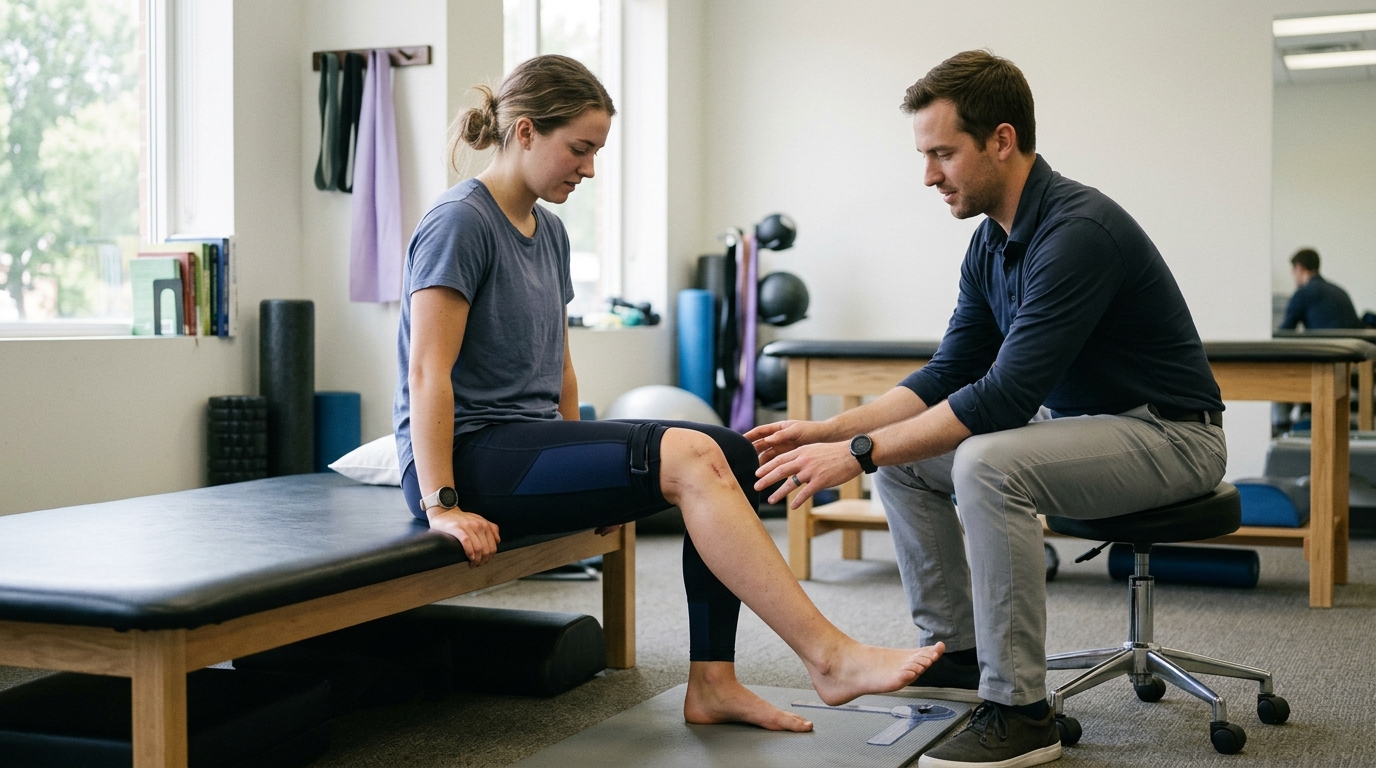
Review your current physical activity with your surgeon or physical therapist. They can suggest safe, targeted movements to maintain your strength without aggravating the joint or tissue scheduled for repair.
As the date approaches, practical logistics become the main priority. Confirm your transportation arrangements for the day of surgery and your initial follow-up visits. Make sure you have a reliable driver, as you will not be allowed to drive yourself home after receiving anesthesia or sedation.
Prepare your living space for your return. Cook and freeze meals in advance, or stock your pantry with easy-to-prepare foods.
Arrange frequently used household items so they sit between waist and shoulder height. This simple adjustment prevents unnecessary bending, reaching, or twisting while your mobility is restricted. Verify all equipment deliveries, such as walkers, crutches, or shower chairs, so you have them on hand before you leave for the hospital.
The final 24 hours require strict adherence to clinical instructions. Follow your team's specific fasting guidelines regarding when to stop eating solid foods and clear liquids. Anesthesia requires an empty stomach to prevent dangerous complications during surgery.
Take only the specific medications your surgical team has explicitly instructed you to take with a small sip of water. Prepare your personal bag, packing loose, comfortable clothing, flat non-slip shoes, personal toiletries, and your identification and insurance cards. Leave all jewelry, expensive electronics, and valuables at home.
Inspect your skin for any new issues. If you develop a fever, a cold, an open cut, a rash, or any skin irritation on the limb being operated on, call your surgical team immediately.
Do not attempt to shave the surgical site yourself. The Centers for Disease Control and Prevention advises against shaving near the operative area, as razor blades can create microscopic cuts that increase the risk of surgical site infections.
Managing medications and medical details requires precision. Incomplete or inaccurate information can lead to canceled procedures or avoidable complications during surgery.
Do not rely on memory when sharing your medical background. Write down a comprehensive health record and bring printed copies to your preoperative appointments. Your record should contain several essential elements:
Never alter your medication routine based on generic advice or personal assumptions. Many common substances can interfere with surgical safety. For instance, aspirin, nonsteroidal anti-inflammatory drugs, blood thinners, and certain herbal supplements like ginkgo or high-dose vitamin E can impair blood clotting and increase bleeding during surgery.
Other medications, such as insulin, blood pressure drugs, or immunosuppressants, require precise timing adjustments around the day of surgery. Your surgical team and primary care physician must create a personalized, medicine-by-medicine plan.
Ask for these instructions in writing. Be sure you know exactly which pills to pause, when to stop taking them, which pills to take on the morning of surgery, and when to safely resume your normal routine.
Chronic health issues require careful coordination between your specialists. For patients with diabetes, elevated blood sugar levels can impair wound healing and raise infection risks. Your care team will want your blood glucose tightly managed leading up to the procedure.
If you have high blood pressure or cardiovascular disease, your doctors will confirm that your blood pressure is stable before proceeding. Keeping your chronic conditions under control reduces the strain placed on your heart, lungs, and kidneys while you undergo anesthesia and begin tissue recovery.
Physical preparation should always be safe, appropriate for your condition, and approved by your doctor. Understanding the principles of physical readiness prevents unnecessary discomfort and keeps you moving forward.
The goal of pre-surgery movement is to optimize your existing strength and joint mobility without causing unnecessary pain or tissue irritation. You can read more about how exercise science supports tissue adaptation in our overview of evidence-based recovery science.
For individuals preparing for lower-extremity procedures, such as total hip or total knee replacement, clinicians often recommend upper-body conditioning. Strengthening the arms, shoulders, and chest makes it much easier to push up from a chair and maneuver a walker or crutches during early recovery.
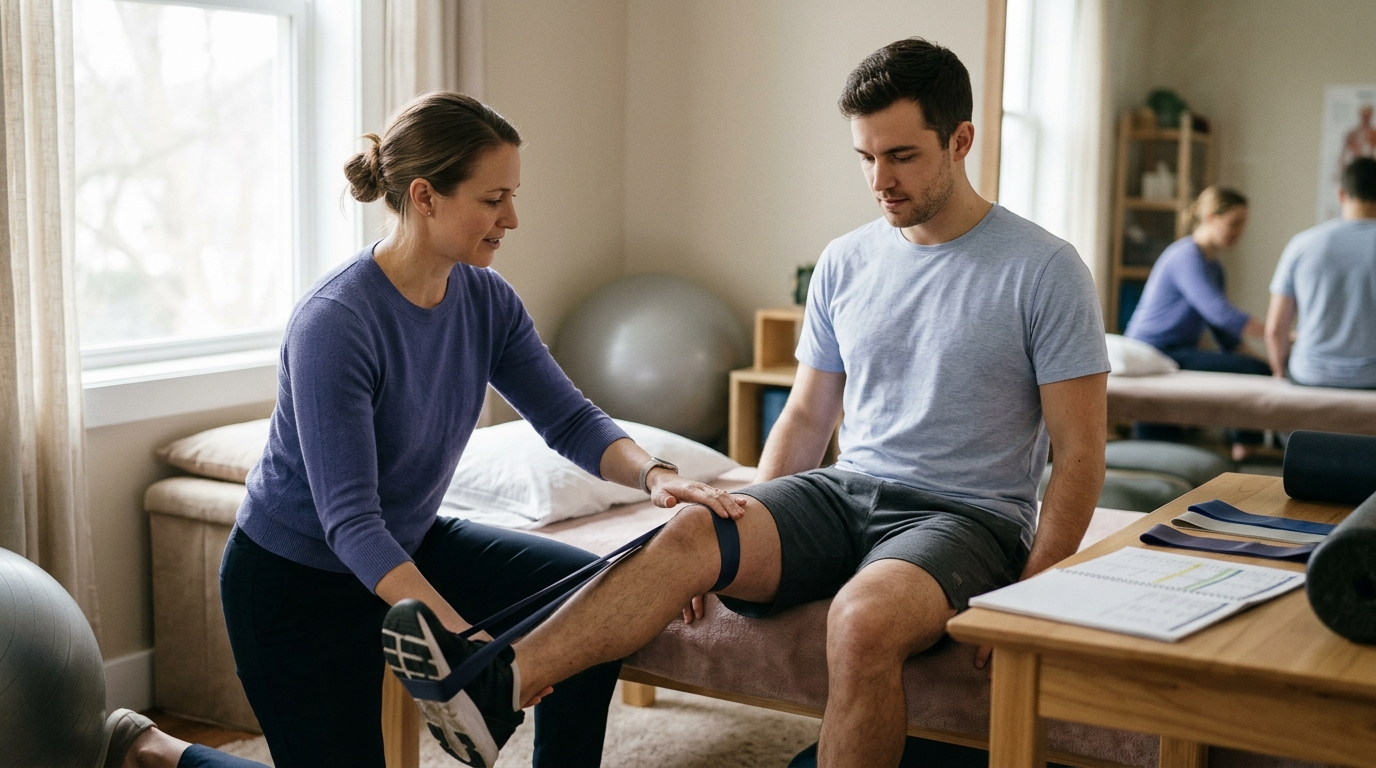
Learning your expected postoperative exercises before surgery is also highly beneficial. Practicing basic muscle activations, such as gentle quadriceps sets, ankle pumps, or gluteal squeezes, allows you to master the movement patterns while you are comfortable, making them easier to perform after your operation.
Never follow generic, aggressive workout plans found online. What works for an athlete recovering from a minor ligament repair could be harmful to someone with severe joint degeneration. Always ask your surgeon or a licensed physical therapist to provide a safe, individualized routine tailored to your specific diagnosis.
Good nutrition supports tissue repair, immune function, and energy levels during the recovery phase. The American Academy of Orthopaedic Surgeons recommends eating a well-balanced diet rich in whole foods, adequate protein, vitamins, and minerals before major surgery.
Adequate protein intake provides the building blocks required for muscle maintenance and wound healing. Incorporating lean meats, fish, eggs, dairy, legumes, or plant-based proteins into your daily meals helps prepare your body for the metabolic demands of repair.
Hydration is equally important. Drinking sufficient water supports circulation and kidney function, helping your body process medications efficiently.
While weight management is sometimes discussed prior to joint replacement to reduce mechanical stress on implants, any dietary changes should be gradual and supervised by your physician. Crash diets or severe calorie restrictions right before surgery can deplete vital nutrient stores and impair your immune defenses.
Your home should be a safe haven during recovery, not an obstacle course. Making simple structural adjustments before your surgery date minimizes the risk of falls and makes daily tasks manageable.
Limited mobility, pain medications, and assistive devices significantly increase fall risks. Preparing your living areas ahead of time creates a safer environment for using crutches, a cane, or a walker:
Navigating stairs can be exhausting and painful immediately after orthopedic surgery. If your bedroom is on an upper level, consider setting up a temporary sleeping space on the ground floor during the initial recovery period. A sturdy sofa, a daybed, or a rented hospital bed near a main-floor bathroom can eliminate the need to climb stairs multiple times per day.
Choose a firm, supportive chair with solid armrests and a relatively high seat for your primary resting area. Low, soft couches make it difficult to stand up without straining recovering joints or surgical incisions. Keep essential personal items within arm's reach of your resting spot.
Set up a side table holding your mobile phone, chargers, current medications, a water bottle, reading glasses, tissues, and a notepad. Keeping these items nearby prevents unnecessary twisting, bending, or unassisted standing.
Depending on your surgical procedure and weight-bearing restrictions, specific assistive devices can make daily self-care much easier. For further guidance on maintaining safe movement patterns at home, explore our articles on rehabilitation and mobility strategies.
Commonly recommended aids include:
Consult with your surgical team or physical therapist before purchasing equipment. They will tell you which specific tools match your surgical restrictions and home layout, helping you avoid unnecessary purchases.
Recovering from an orthopedic procedure is rarely a solo endeavor. Establishing a practical, dependable support network is a vital component of preparation.
Even straightforward outpatient procedures can temporarily limit your ability to handle basic household chores. You will need clear, dependable help during the first several days or weeks after returning home.
Vague offers of assistance, such as telling a neighbor to call if you need anything, are hard to utilize when you are incapacitated. Instead, assign specific tasks to particular friends, family members, or hired services.
Organize assistance for driving to follow-up medical appointments and physical therapy sessions. Arrange help for grocery shopping, meal preparation, house cleaning, and laundry.
If you have pets, make detailed arrangements for dog walking, feeding, and litter box cleaning. Having these responsibilities covered in advance lets you focus entirely on resting and completing your prescribed exercises.
If you live alone or do not have an able-bodied caregiver at home, discuss your living situation with your surgeon and hospital social worker well before your surgery date. Living alone does not mean you cannot have surgery, but it requires thorough, proactive planning.
Your care team can help you evaluate whether it is safe to discharge directly home with visiting nurse support and outpatient assistance. Alternatively, they can determine if a brief stay in a specialized subacute rehabilitation facility is medically appropriate.
If you plan to return home alone, consider asking a relative or trusted friend to stay with you for the first two to three days after discharge. Having someone present during the immediate postoperative window provides critical assistance while the strongest effects of anesthesia and acute surgical trauma wear off.
Preparation is never a universal, one-size-fits-all formula. Several unique factors will alter your specific readiness strategy, required equipment, and recovery timeline.
The nature of your surgery dictates your physical limitations and post-op guidelines. An outpatient knee arthroscopy involves minor soft-tissue healing and minimal weight-bearing restrictions. Patients having this procedure can often resume light daily activities within a few days.
In contrast, a multi-level spinal fusion or a total hip replacement involves extensive tissue manipulation, bone healing, and strict movement rules. A spinal fusion patient may need to avoid bending, lifting, and twisting for several months.
A joint replacement patient may have specific hip precautions, such as avoiding crossing their legs or bending past 90 degrees. Always base your home setup and expectations on the precise guidelines provided for your specific operation.
Your baseline health and fitness levels significantly influence your preparation requirements. A patient with robust baseline strength and excellent balance will navigate assistive devices more easily than someone with significant pre-existing mobility limitations.
Pre-existing medical conditions also shape your preoperative timeline. Patients with complex cardiovascular histories, lung conditions, or autoimmune disorders often require clearance from multiple medical specialists.
These evaluations can add several weeks to the planning phase. Recognizing these needs early prevents unexpected surgical postponements.
Your physical home layout and social support network directly affect your discharge plan. A single-story home with wide hallways and walk-in showers requires far less modification than an older, multi-story home with steep staircases and narrow bathroom doors.
Similarly, having a dedicated live-in caregiver allows for a different level of independence than relying on periodic check-ins from neighbors. Tailoring your preparation to your specific living conditions ensures a smooth, practical transition from the clinical setting to home.
Steering clear of common misconceptions helps ensure your surgical preparation remains safe, organized, and effective.
One of the most dangerous preparation mistakes is stopping or starting medications without explicit clinical approval. Some patients abruptly stop prescription blood pressure drugs or antidepressants because they mistakenly believe all pills must be avoided before surgery.
Others continue taking herbal supplements or high-dose aspirin without realizing they can cause severe bleeding complications. Always provide your complete medication list to your surgical team and follow their written directions precisely.
Discovering a minor skin rash, an insect bite, an open scratch, or an early head cold shortly before surgery can be frustrating. Some patients are tempted to conceal these symptoms because they fear their operation will be postponed.
Hiding an active infection or skin lesion is extremely dangerous. Bacteria from a simple skin scratch or respiratory infection can travel through the bloodstream and colonize fresh surgical hardware or deep joint implants, causing catastrophic complications.
Always report new symptoms, fevers, cuts, or skin changes to your surgical team immediately. They will determine if it is safe to proceed or if a short postponement is necessary to protect your health.
While maintaining safe activity is beneficial, some patients attempt intense, unaccustomed workouts right before their operation in an effort to get as fit as possible. This approach often backfires.
Aggressive, unguided workouts can inflame joint tissues, worsen pain, and cause acute muscle strains immediately prior to surgery. Entering the operating room with acutely inflamed tissues makes early rehabilitation more uncomfortable. Stick strictly to the gentle, clinician-prescribed movements designed for your specific condition.
It is easy to get caught up in purchasing costly recovery gadgets, specialty beds, or complex exercise machines advertised online. Many of these items are unnecessary, and some may violate your surgeon's movement precautions.
Wait until you have discussed your specific postoperative restrictions with your physical therapist or orthopedic team before buying specialized gear. Simple, affordable tools like a standard walker, a shower chair, and a reacher tool are usually all that is required for a safe, comfortable recovery.
Open communication with your medical team is essential for a safe surgical experience. Bring a written list of questions to your preoperative consultations to ensure you gather all necessary information.
Thoughtful preparation creates a safe, organized environment that allows you to direct all your energy toward rest, rehabilitation, and steady healing.

Use ReboundBody resources to understand common recovery stages, rehab terms, movement limits and strength rebuilding. Each guide is designed to make a complex comeback easier to understand.


Read practical guidance on injury recovery, rehabilitation, mobility and rebuilding strength as you work your way back to activity.
Explore Resources