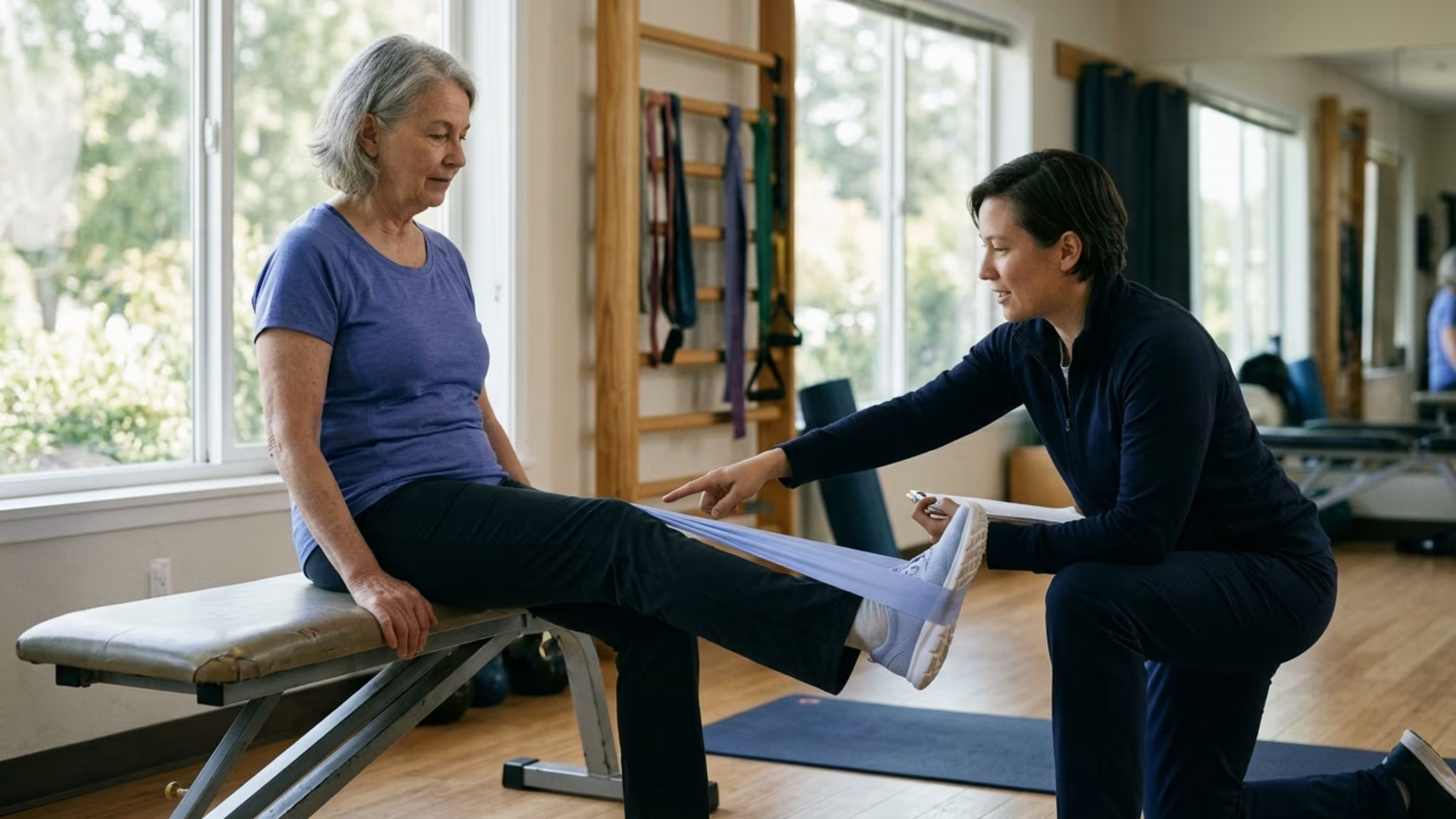

A recent study suggests exercise alters extracellular vesicles to protect aging cartilage. Read what these laboratory findings mean for joint recovery.





On September 29, 2026, researchers published new findings in Nature Aging about how physical activity might benefit joint health. The study examined circulating extracellular vesicles, which are small particles released by cells into the bloodstream. The research team wanted to know if these microscopic particles help explain how exercise protects aging cartilage. This work offers a detailed look at the biological signals generated by human movement.
Hirotaka Iijima and Fabrisia Ambrosio led the research team at Mass General Brigham. They work within the hospital system's Discovery Center for Musculoskeletal Recovery. Their published paper is titled "Exercise enhances aged chondrocyte health through microRNA-29-enriched extracellular vesicles." The study provides a possible molecular link between aerobic effort and tissue resilience.
The findings highlight a complex interaction between physical exertion and cellular communication. By studying these small particles, scientists are trying to map the exact pathways that make exercise beneficial. This research represents an important step in understanding joint biology, though it remains a mechanistic study rather than a clinical trial. The work helps clarify why movement has long been a cornerstone of orthopedic rehabilitation.
Medical professionals have long recommended physical activity for managing joint pain and preserving mobility. Exercise is already a core component of standard osteoarthritis care for adults. Clinicians often tailor the selection and progression of these activities to a patient's specific physical needs. The objective is to restore physical capacity safely over time, focusing on practical daily function.
This established guidance relies heavily on observed clinical outcomes rather than cellular biology. Doctors know that moving a joint can reduce stiffness, build supporting muscle, and improve overall physical capability. They also recognize that active rehabilitation is generally superior to prolonged rest for long-term joint health. However, the exact molecular mechanisms behind these benefits have remained somewhat unclear to scientists.
Many active adults understand that finding a balance of rest, protection, and physical movement following an orthopedic injury is important. They follow structured plans to rebuild their strength safely over time. Yet, the specific signals that exercise sends to cartilage cells have required more detailed investigation. The scientific community has needed better tools to track these microscopic changes.
The absence of a clear biological mechanism has not stopped physical therapists from prescribing movement. Rehabilitation professionals continue to use progressive loading to help patients return to normal activity. They monitor physical symptoms and adjust exercise volume based on individual tolerance. This practical approach remains the standard of care while laboratory researchers investigate the underlying cellular processes.
The recent research combined several complex methods to observe these biological signals accurately. The team utilized extracellular vesicle analysis alongside a structured human exercise intervention. They also conducted detailed cartilage-cell experiments and mouse studies focusing on aging-associated osteoarthritis. This comprehensive approach allowed them to track changes across multiple different biological environments.
In the human portion of the study, older adults completed a specific aerobic program. The activity was structured, lasting three months, and was kept at a moderate intensity. Researchers collected blood samples before the training began and compared them to samples taken after completion. They reported that the physical activity changed the molecular cargo carried by the circulating extracellular vesicles.
The researchers then took these post-exercise vesicles and applied them in experimental laboratory work. They found that the vesicles improved measures of cartilage-cell health and overall tissue resilience. A specific molecule called microRNA-29 was notably enriched among the post-exercise biological signals. The researchers identified this molecule as a central mediator of the beneficial effects they observed.
In the experimental models using aged osteoarthritic joints, the delivery of microRNA-29 produced significant results. The researchers reported that the treated cells demonstrated more youthful cartilage characteristics. They also observed fewer structural features typically linked with progressive joint degeneration. These laboratory changes suggest that the altered vesicle cargo can directly influence cellular behavior.
Mass General Brigham researchers interpret these findings as a direct connection between exercise and cartilage protection. The study provides a clear biological framework that explains some of exercise's observed clinical effects. By identifying microRNA-29, the team has highlighted a specific pathway that responds to aerobic effort. This detailed molecular mapping adds depth to our understanding of physical rehabilitation.
The researchers noted that their findings might eventually help guide future clinical studies. They hope to design programs that maximize the biological responses associated with joint protection. Understanding these cellular signals could theoretically optimize how physical therapy is prescribed in the future. For now, the work clearly demonstrates that movement alters the cellular environment in measurable ways.
The human data in this research comes from older adults participating in a specific aerobic intervention. The participants completed three months of structured, moderate-intensity cardiovascular work. The available research coverage does not state the exact number of people involved. It also does not provide a detailed daily exercise prescription for the participants.
Because the study focused on older adults, the findings apply most directly to this demographic group. The results do not automatically translate to younger adults, elite athletes, or individuals with acute traumatic injuries. The moderate-intensity aerobic nature of the intervention is also a highly specific variable. The researchers did not evaluate other modalities like heavy resistance lifting, flexibility routines, or high-impact sports.
The most dramatic biological changes were observed in controlled laboratory models rather than human patients. The detailed cartilage-cell experiments and the delivery of microRNA-29 took place in mouse studies. Experimental animal models are incredibly useful for understanding fundamental biological mechanisms. However, they do not perfectly replicate the complex mechanical forces experienced by a human knee joint.
It is important to remember that this study investigated people capable of completing a three-month aerobic program. The participants were able to sustain moderate-intensity exercise without severe limiting pain. People with advanced joint degeneration often face significant barriers to consistent physical activity. The study does not evaluate how these biological mechanisms operate in individuals unable to exercise comfortably.
Therefore, the evidence applies to understanding the biological processes of active older adults. It shows how the bodies of willing participants respond to a structured, moderate aerobic load. The findings provide a window into the molecular benefits of sustained exercise. They do not represent a universal model for every age, diagnosis, surgery, or stage of physical recovery.
For people returning to activity after an orthopedic setback, this study offers valuable contextual information. The defensible takeaway is that scientists are actively investigating how exercise affects cartilage biology. The research provides a possible molecular link between your daily movement and your long-term joint resilience. It reinforces the idea that physical activity does far more than just build supporting muscle strength.
However, the findings do not supply a specific workout schedule or a guaranteed recovery protocol. You should not infer a personal exercise prescription from these early laboratory results alone. The research does not prove that one particular intensity or rehabilitation progression is best for your unique situation. Your safe return to activity will still depend heavily on your individual physical capacity.
Establishing a sustainable approach to setting physical activity targets remains a highly individualized process. Established osteoarthritis care already includes exercise, with professionals adapting programs to meet specific patient needs. You should continue following the tailored guidance provided by your healthcare team. Laboratory discoveries about microRNA-29 do not change the fundamental principles of gradual physical rehabilitation.
You can view this research as encouraging news about how your body responds to sustained effort. It validates the hard work you put into your recovery by showing that beneficial changes happen microscopically. Knowing that movement sends positive signals to your joint tissue can help sustain your motivation. It simply serves as an educational reminder of the complex benefits of staying active.
Ultimately, this study confirms that researchers are paying close attention to the cellular benefits of exercise. It is mechanistic research rather than a direct treatment recommendation for individuals with osteoarthritis. The knowledge that your body produces helpful cellular cargo during exercise can provide a helpful perspective. It reinforces the value of consistent, moderate activity without changing the practical steps of your recovery.
While the identification of microRNA-29 is scientifically promising, many important questions remain unanswered. The critical distinction here is between an observed biological mechanism and a proven clinical benefit. The cited coverage does not report any human trial showing that microRNA-29 treatment improves osteoarthritis symptoms. The study did not test a therapy designed to actively repair cartilage in human patients.
There are also significant gaps in the available reporting that limit our ability to interpret the data fully. Without knowing the exact sample size or effect sizes, it is difficult to judge the intervention precisely. The coverage also lacks crucial details about the long-term clinical outcomes for the human participants. It remains unknown if the biological changes observed at three months persisted over a longer period.
Furthermore, the broader mechanisms behind the protective effects of exercise are not yet fully understood. The researchers acknowledge that physical activity involves complex, overlapping biological systems that require further study. They hope their findings will eventually help guide clinical programs designed to maximize joint protection. However, they clearly state that additional research is needed to reach that clinical stage.
The study also does not address the practical barriers that many people face during their recovery journey. Pain, physical disability, and other health limitations can make it very difficult to exercise sufficiently. Learning about how common pharmaceutical side effects impact daily routines during rehabilitation is often necessary for those managing symptoms. The findings do not establish microRNA-29 or vesicle delivery as an available therapy for those struggling to move.
Until more research is completed, the clinical application of these cellular findings remains strictly uncertain. The study does not justify using an experimental extracellular vesicle product or radically altering a rehabilitation plan. Scientists will need to conduct extensive human trials to see if these biological signals translate into viable treatments. For now, the precise molecular pathways of joint preservation remain an active, ongoing area of scientific discovery.
Understanding the microscopic changes inside our joints can provide a quiet reassurance. Even when progress feels slow, the body is constantly responding to the physical signals of movement, working silently to support structural resilience over time.
Separating interesting cellular laboratory discoveries from practical daily recovery steps requires a clear understanding of what medical research actually supports. ReboundBody addresses the conflicting online claims about recovery tools, exercises, nutrition and treatment options, helping active adults interpret their physical progression. We explain mobility and strength rebuilding through evidence-aware content with realistic limits, so you can make informed clinical decisions. Browse Resources

Follow ReboundBody for practical articles on injury recovery, rehabilitation, mobility and rebuilding strength. New posts turn research into clear ideas for the road back to activity after injury or surgery.


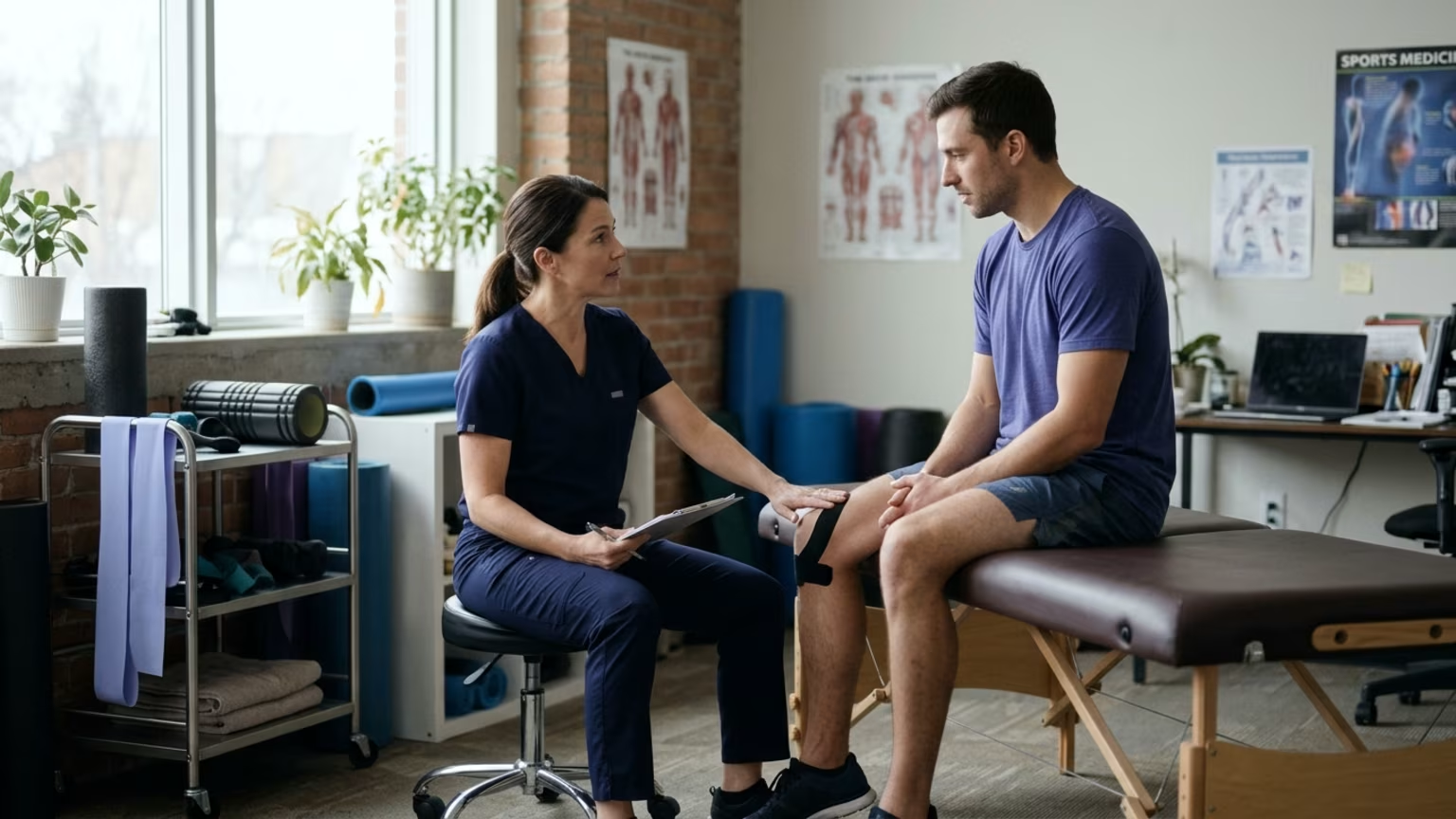



Read practical guidance on injury recovery, rehabilitation, mobility and rebuilding strength as you work your way back to activity.
Explore Resources