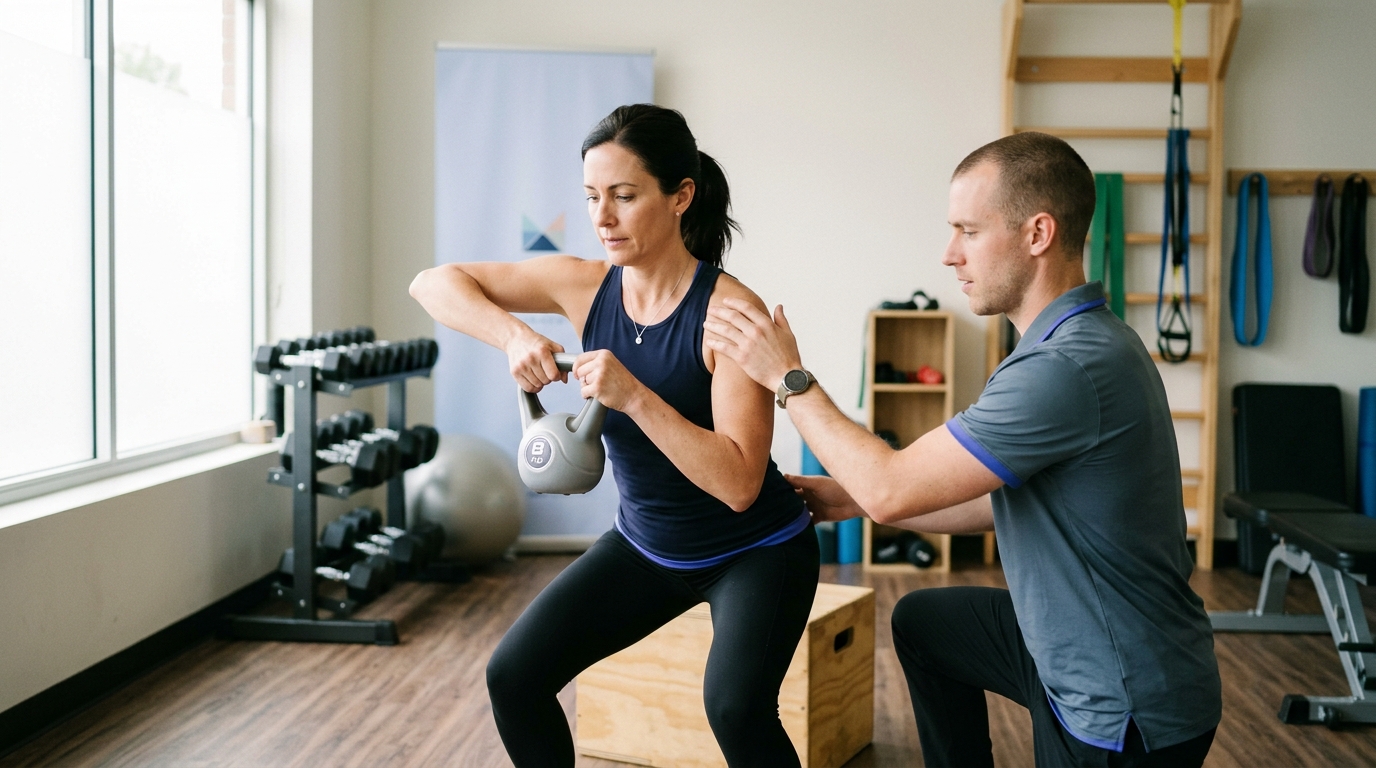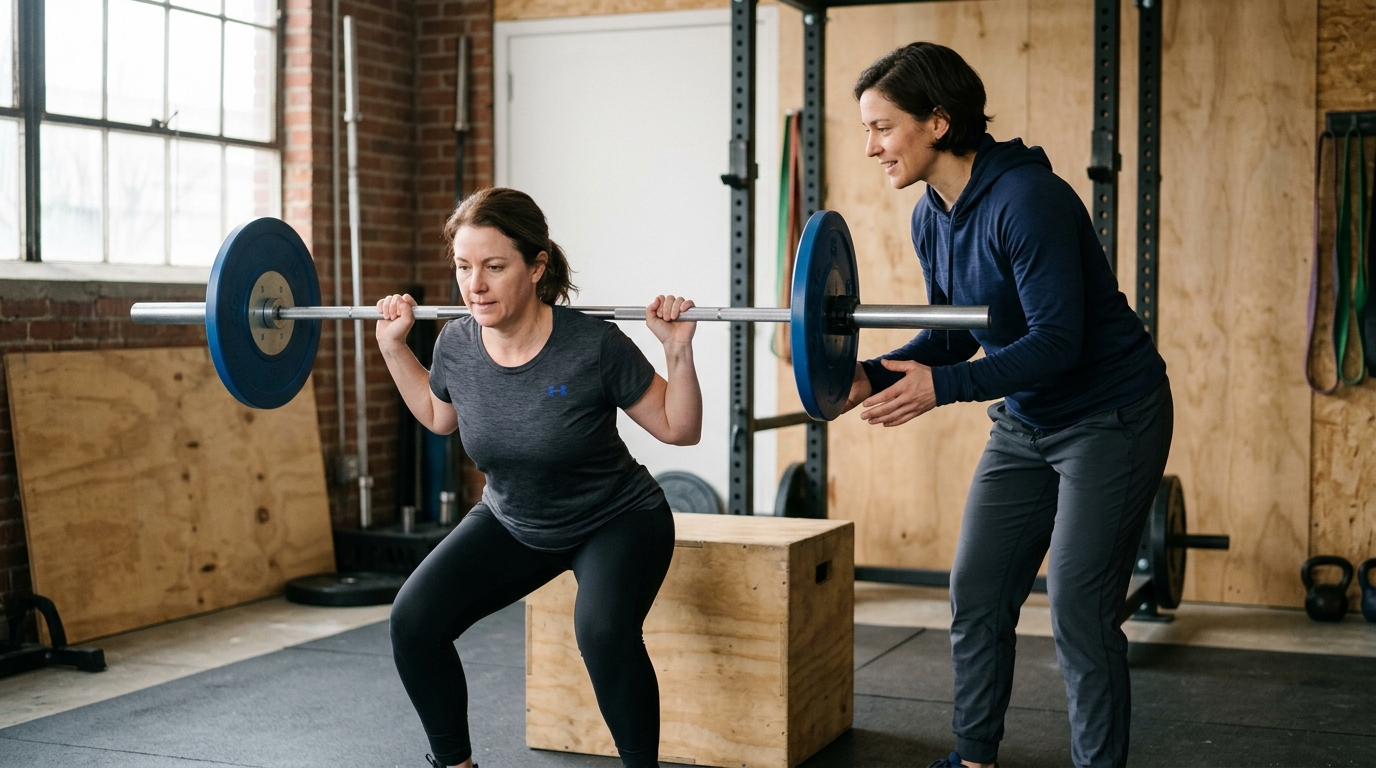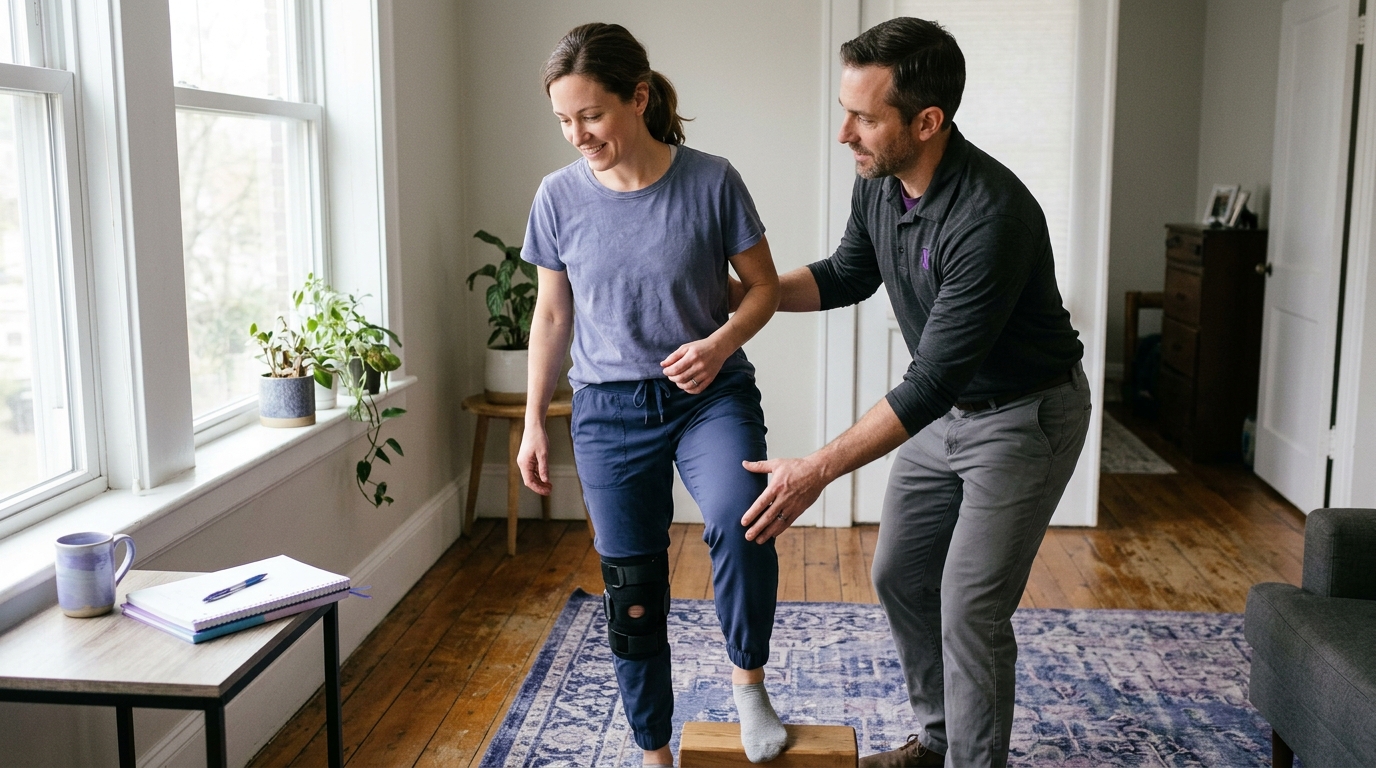

Three practical goal levels help active adults build lasting exercise routines by turning behavioral science into sustainable daily movement habits.





Consider a familiar scenario. A motivated adult decides that Monday marks the start of a completely new routine. They plan to jog four miles every morning, lift weights three times a week, and stretch before bed every night. By the second week, a busy workday causes a missed morning run. Knee stiffness shows up the next morning, and an out-of-town work trip cancels the gym session. Feeling behind schedule, they abandon the entire plan by week three.
This cycle happens often, but it does not reflect a lack of willpower. Most exercise plans collapse because they are designed for an ideal schedule rather than real life. They focus on ambitious distant outcomes without building a repeatable baseline or preparing for inevitable disruptions.
A durable exercise goal connects a personal reason for moving to a clear, observable daily action. It includes a workable backup plan for difficult days and allows adjustments as circumstances change. Research shows that structured goal setting, action planning, self-monitoring, and gradual progression can significantly improve physical activity habits. However, no single formula works for every person. This guide outlines an evidence-based framework to help active adults set specific, meaningful, and adaptable movement goals that hold up over time.
Scientific research into exercise adherence shows that how you frame your goals directly influences your consistency. A broad intention to move more is rarely enough to change long-term behavior. Structured methods provide clarity and help turn general motivation into daily action.
A 2024 systematic review evaluated 13 studies involving 1,208 insufficiently active adults across interventions lasting 3 to 24 weeks. The researchers found that setting specific physical activity goals produced a large positive effect on overall activity levels compared to setting no goals or vague goals. The review also identified a small positive effect on psychological factors, including self-efficacy, motivation, and positive mood. Interestingly, programs that operated without external rewards showed larger activity improvements than those offering material rewards. While this review provides valuable insight, the authors noted that more research is needed to understand multi-year adherence.
Digital behavior change research reinforces these findings. A 2025 systematic review and meta-analysis of standalone digital interventions found that individualized goal setting was significantly associated with improved physical activity. When people choose targets tailored to their starting point, they are far more likely to stick with them than when following generic programs.
Evidence reviews examining step counters also highlight the necessity of clear targets. In one summarized meta-analysis, using a pedometer paired with a specific daily step goal led to an average increase of roughly 3,200 steps per day compared to control groups. In contrast, wearing a step counter without a defined goal did not produce significant activity increases. Tracking tools only become effective when paired with clear intentions.
Behavioral scientists frequently study two distinct types of planning: action planning and coping planning. Action planning defines the exact details of a behavior, specifying when, where, and how an activity will take place. Coping planning anticipates potential barriers, such as bad weather or schedule conflicts, and specifies how a person will respond.
Systematic reviews of planning interventions show mixed overall results across diverse populations. Planning is not an absolute solution on its own. Instead, it serves as a practical organizational tool that helps bridge the gap between wanting to exercise and actually doing it.
Public health recommendations offer a helpful reference for long-term health, even if you are starting well below them. The World Health Organization (WHO) and the U.S. Department of Health and Human Services recommend that adults accumulate 150 to 300 minutes of moderate-intensity aerobic activity per week, or 75 to 150 minutes of vigorous-intensity aerobic activity, or an equivalent combination. Both guidelines also recommend muscle-strengthening activities involving all major muscle groups on two or more days per week.
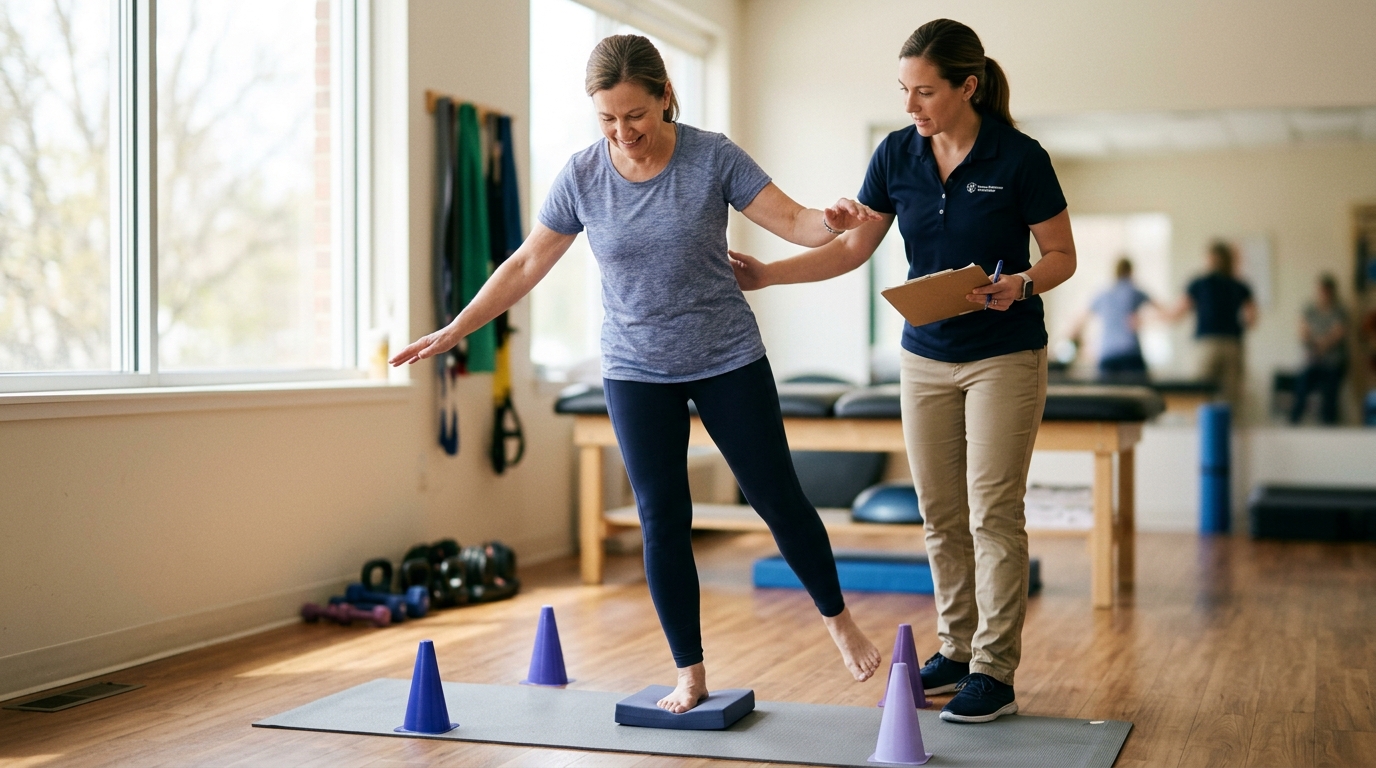
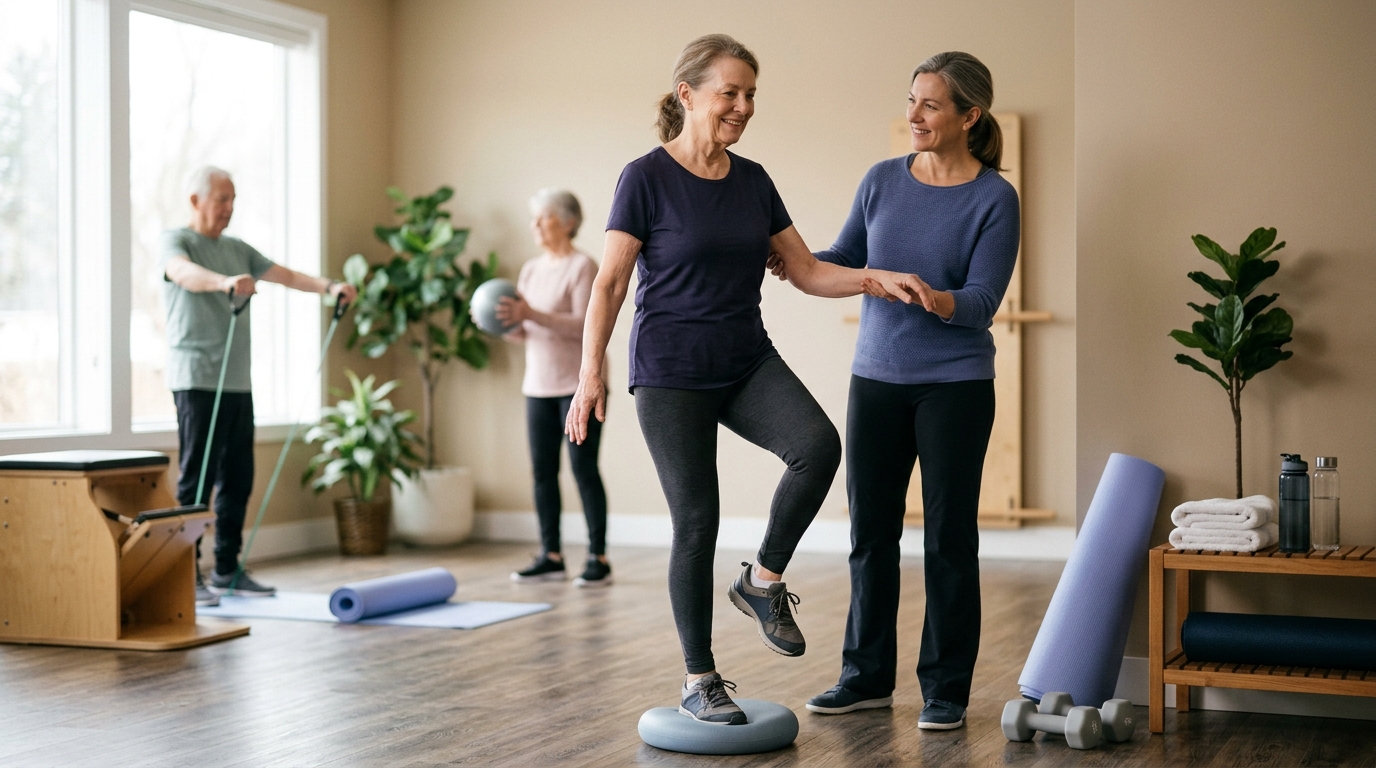
For adults aged 65 and older, guidelines from the Centers for Disease Control and Prevention (CDC) and WHO emphasize multicomponent physical activity. This includes aerobic exercise, muscle strengthening, and balance training to help preserve physical independence and reduce fall risks.
Crucially, updated public health guidance clarifies that physical activity does not need to happen in 10-minute bouts to count toward your weekly total. Any duration of moderate-to-vigorous movement contributes to your health. Public health agencies explicitly advise inactive adults to start with lower-intensity movements for short periods and build up gradually over time.
When an exercise routine falls apart, people often blame their discipline. In reality, the failure almost always stems from the structure of the goal itself. Recognizing common goal-setting pitfalls makes it easier to design a plan that survives real-world challenges.
One of the most common mistakes is treating an outcome as an action plan. Statements like "I want to get fit," "I want to lose 10 pounds," or "I want to run a 10k" describe desired results. They do not describe what you need to do on a Tuesday afternoon.
An outcome provides a general direction, but an action goal defines the observable behavior. If you only focus on the outcome, you have no clear instructions for your daily routine. Effective goal setting translates a distant result into a concrete habit, such as walking for 20 minutes after lunch on Mondays, Wednesdays, and Fridays.
Many active adults assume that if they cannot complete a full 60-minute workout, the day is wasted. This all-or-nothing mindset causes small disruptions to derail entire routines.
Guidance from public health authorities confirms that some activity is always better than none. A 10-minute walk or a brief 5-minute mobility session maintains your movement habit and provides health benefits. When a plan allows for scaled-down sessions, a busy schedule does not break your consistency.
Beginners and adults returning from setbacks often look at national targets and try to meet them immediately. Attempting to go from zero active days to five high-intensity workouts per week creates extreme fatigue and increases the risk of tissue overload.
Guidelines for physical activity emphasize starting low and progressing slowly. A goal must fit your current physical capacity and schedule today, not where you hope to be six months from now. A smaller, repeatable routine builds the physiological and behavioral foundation needed for long-term progress.
Wearable fitness trackers, smartwatches, and smartphone apps can offer valuable self-monitoring data. However, becoming obsessed with closing rings, maintaining streaks, or hitting arbitrary daily numbers can backfire.
If missing a daily step count causes frustration or guilt, the tracking tool has become a source of friction rather than support. Self-monitoring should serve as neutral feedback. It tells you what you did and helps you adjust, but it should never define your success as an active person.
To create an exercise routine that lasts, you need to organize your goals across three distinct layers. This structure connects your deep motivations to your daily schedule while maintaining flexibility.
The foundation of any lasting routine is the personal reason you want to stay active. Vague social expectations rarely provide lasting drive. Your purpose should reflect daily activities and experiences that genuinely matter to you.
Examples of meaningful reasons include:
Connecting your routine to a personal purpose keeps you grounded when motivation naturally fluctuates. You can read more about staying mobile throughout life in our active aging and prevention strategies section.
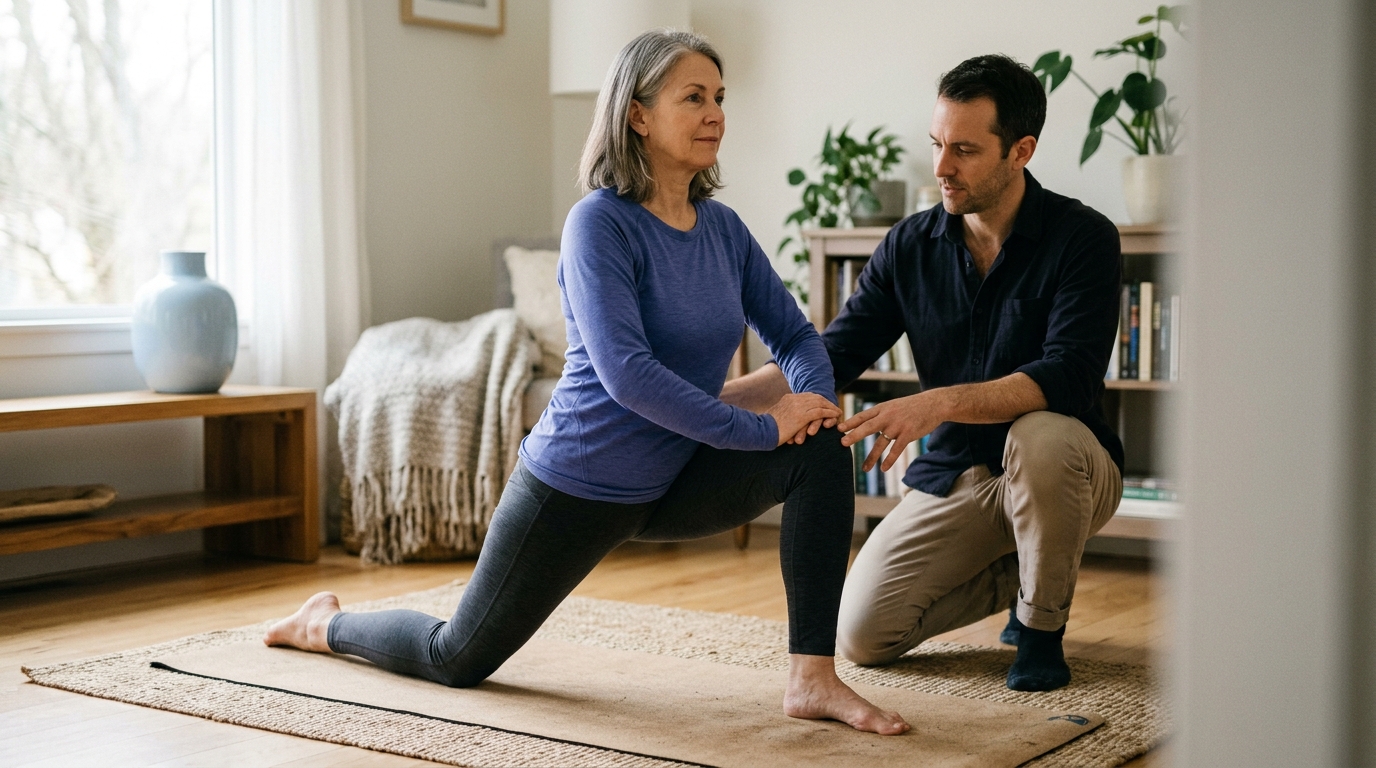
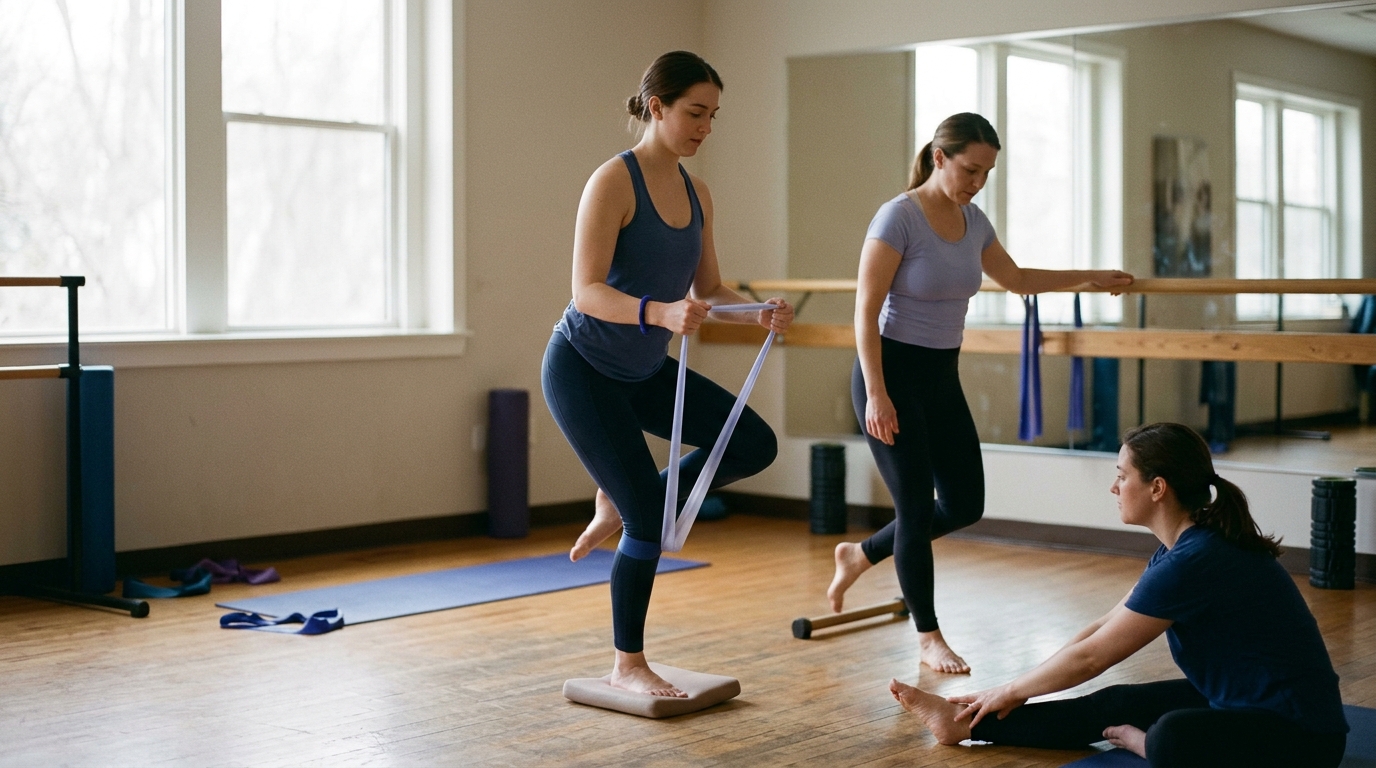
Once you understand your purpose, you select the specific types of movement that support it. A balanced physical routine generally addresses three key categories of physical capability:
Rather than trying to excel at everything at once, choose target movements that directly serve your primary purpose and match your current ability.
The final layer is the detailed implementation plan. This specifies the exact logistical variables of your routine:
The SMART acronym (Specific, Measurable, Achievable, Relevant, Time-bound) is widely used in fitness and workplace planning. While research validates the underlying components of goal setting, SMART itself is a practical checklist rather than a proven formula.
You can use these questions to assess your action plan:
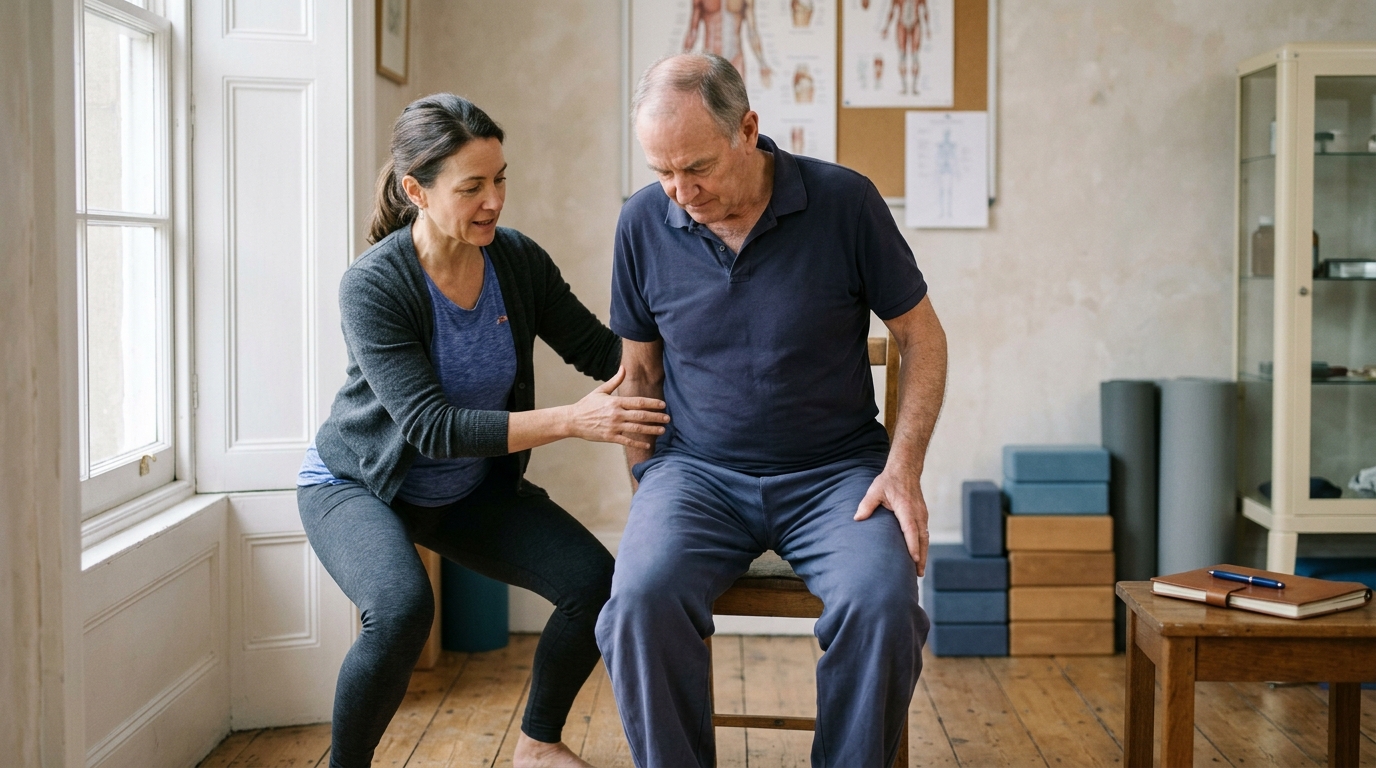
A common reason people abandon exercise programs is physical overload. Increasing your activity volume or intensity too quickly can cause persistent soreness, excessive fatigue, or joint irritation. Building a sustainable plan requires establishing a realistic baseline before increasing demands.
A baseline is an accurate description of what you are currently doing, not what you used to do years ago. To find your baseline, record your normal physical activity over a typical seven-day period.
Note how many days you walk, any formal exercise you perform, and how long those sessions last. Pay attention to how your joints and energy levels feel the next morning. If your baseline is currently 20 minutes of casual walking twice a week, that is your starting foundation. A durable goal might simply add a third 20-minute walk or introduce five minutes of basic bodyweight exercises.
Public health agencies and sports medicine organizations strongly emphasize gradual progression. In consensus statements on athletic training and load management, sports medicine experts highlight that sudden spikes in activity volume or intensity increase the risk of tissue failure and injury.
A safe progression strategy adjusts only one variable at a time:
There is no universal percentage rule for progression that applies to every individual. Your body’s response, including joint comfort, sleep quality, and general energy, serves as your best guide for when to progress and when to hold steady.
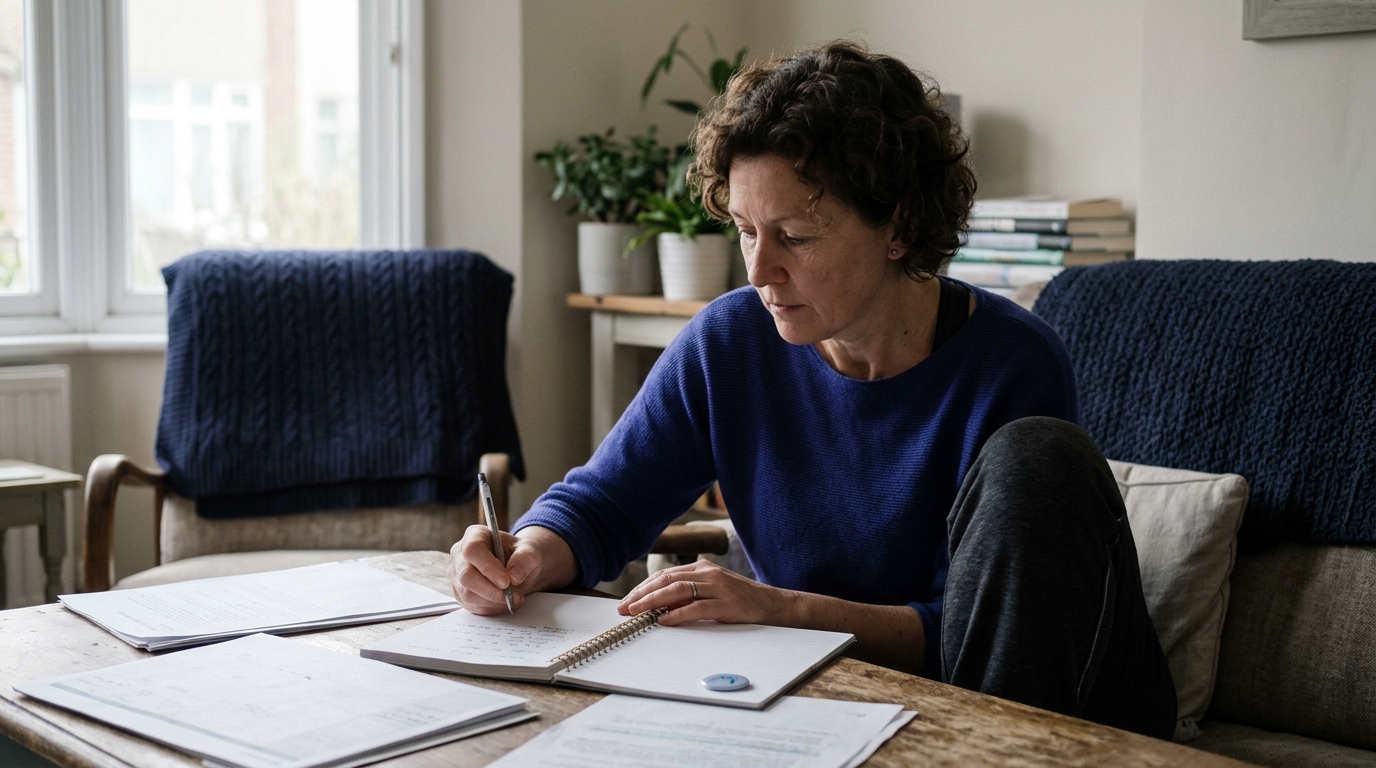
Self-monitoring helps you understand how your body handles physical activity. A simple notebook, a wall calendar, or a basic digital spreadsheet is often all you need.
Each week, write down three simple pieces of information:
Treat this log as neutral data. If you missed two workouts, do not view it as a personal failure. Look at the data to see what interfered. If early morning meetings consistently blocked your workouts, adjust your plan to exercise at lunch or after work. For more insights on movement tracking and joint health, browse our mobility and movement resources.
Life rarely follows an uninterrupted schedule. Travel, work deadlines, family responsibilities, poor weather, and minor illnesses will eventually disrupt your regular routine. An exercise plan that requires perfect conditions will inevitably fail.
A fallback plan provides an alternative, lower-demand version of your planned workout. Having a predetermined backup plan prevents you from defaulting to zero activity when your schedule gets compressed.
Consider the difference between these two approaches:
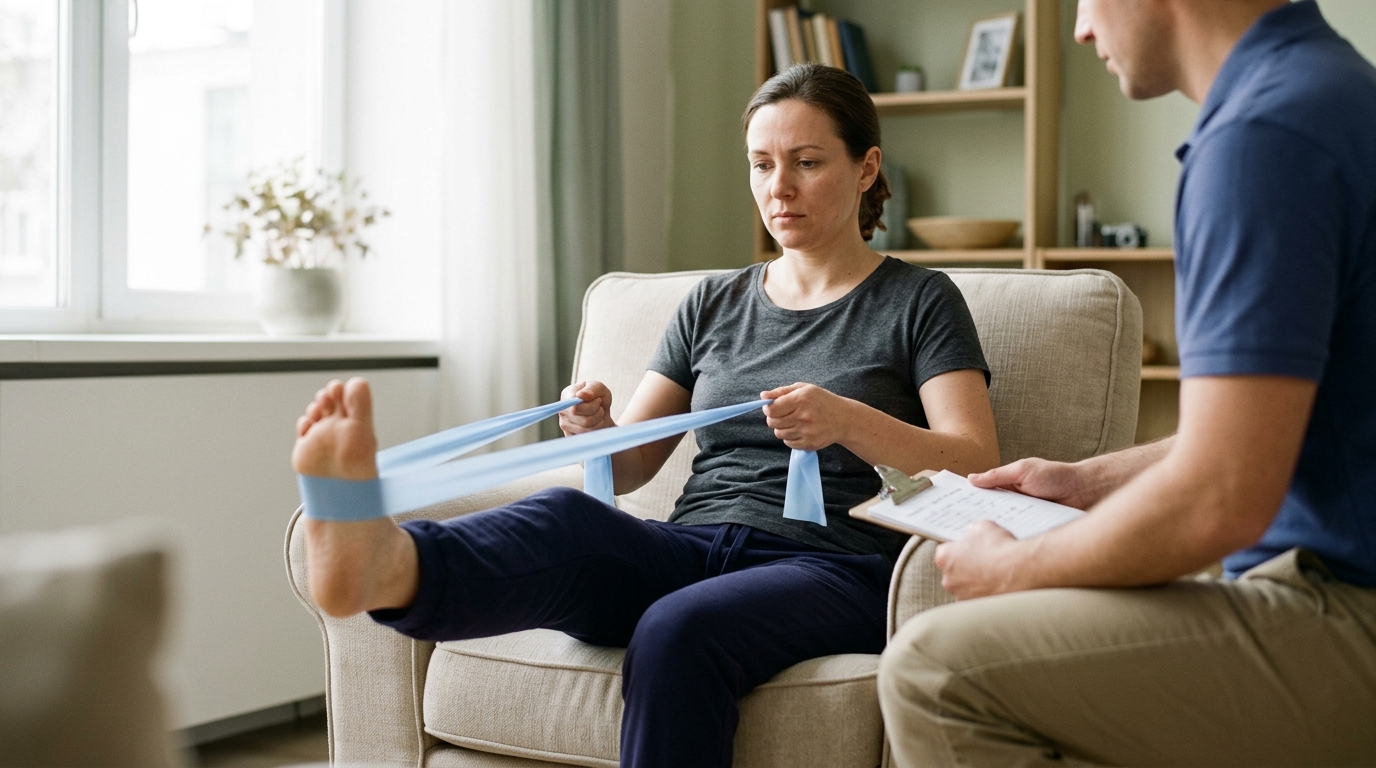
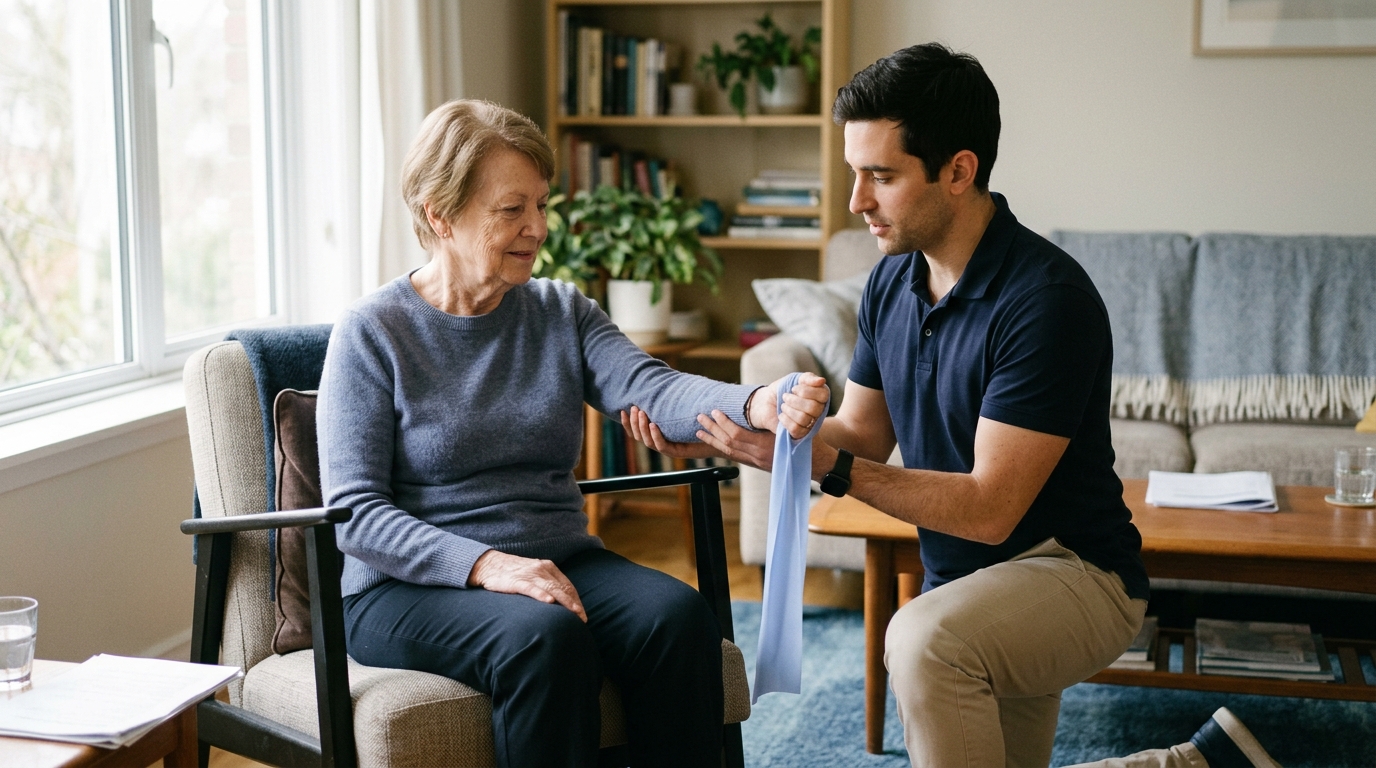
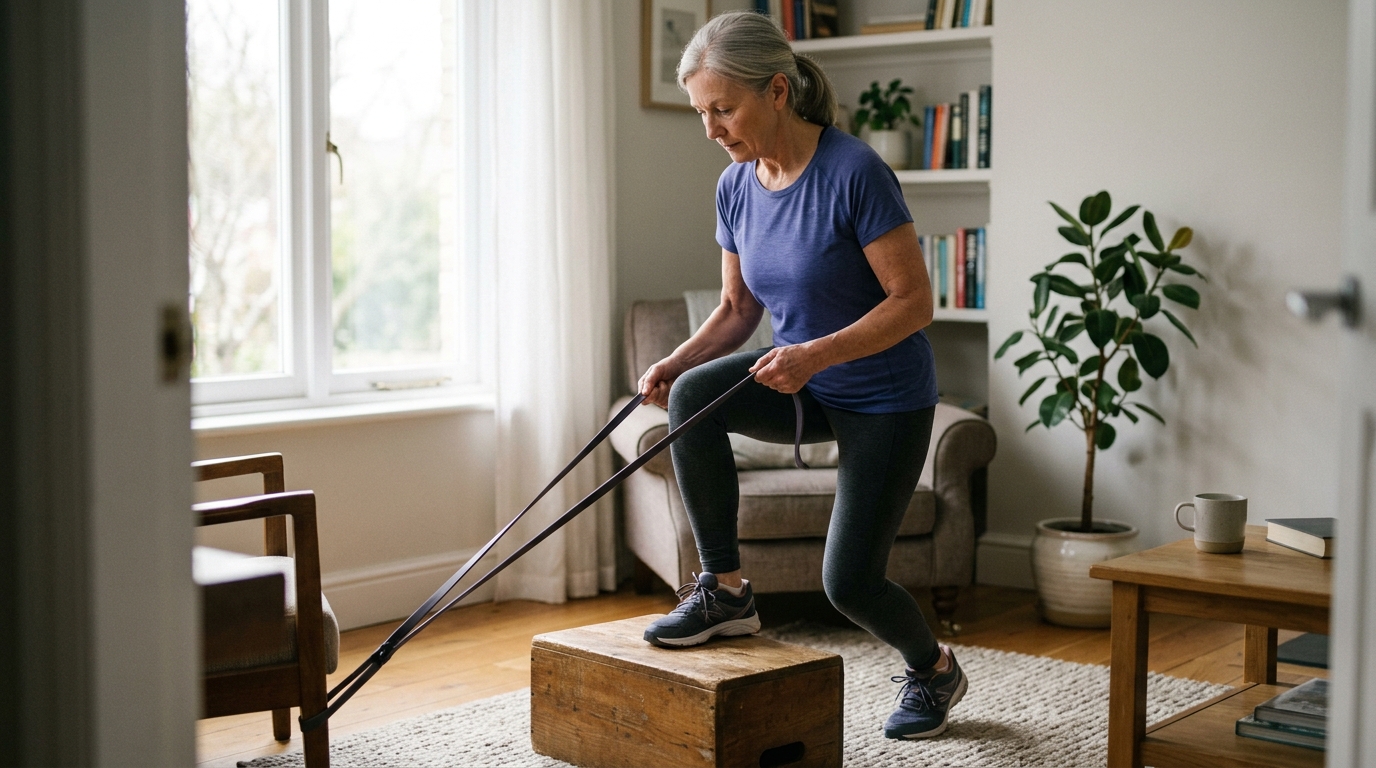
Your fallback session might be as simple as a 10-minute walk around the block, a brief set of mobility drills, or a short resistance band sequence. The goal of a fallback session is not to achieve maximum fitness gains. Its purpose is to maintain your routine and mental momentum until your schedule normalizes.
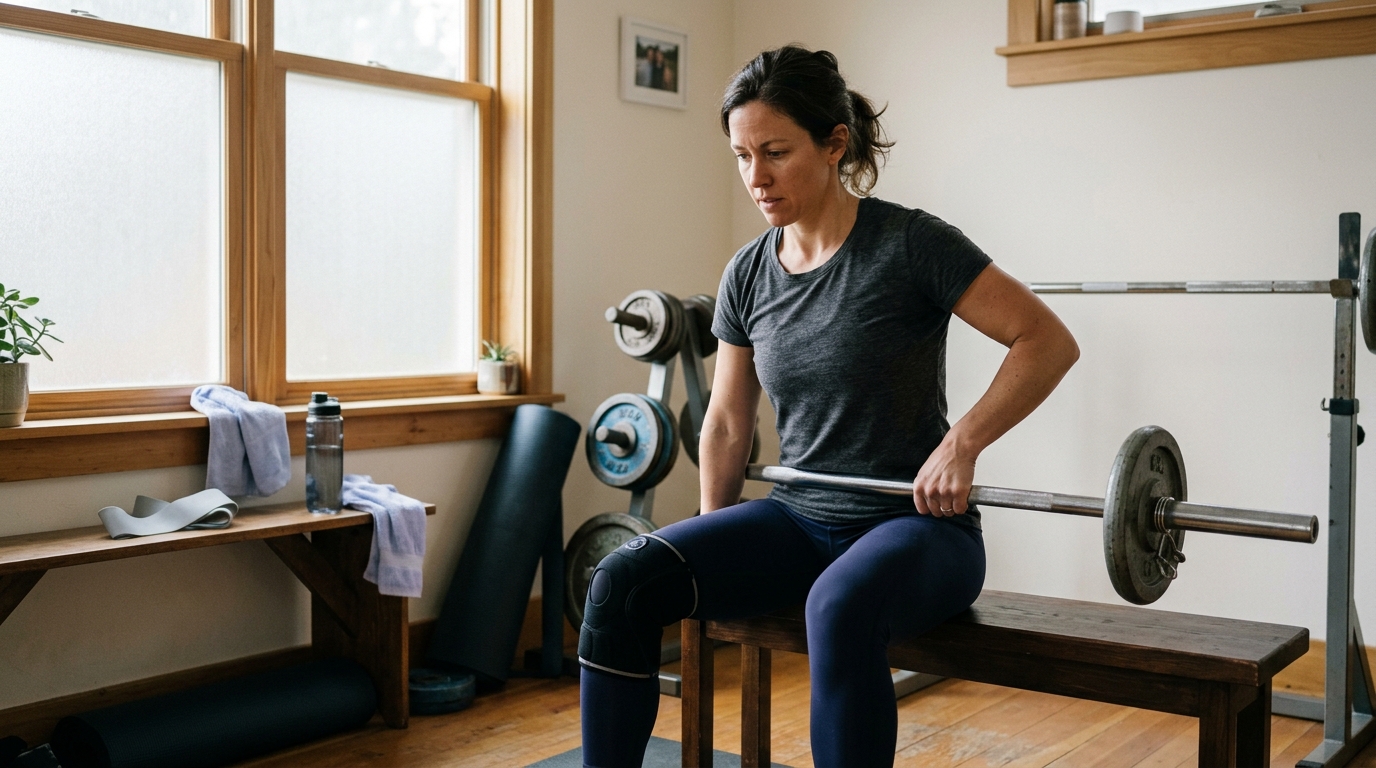
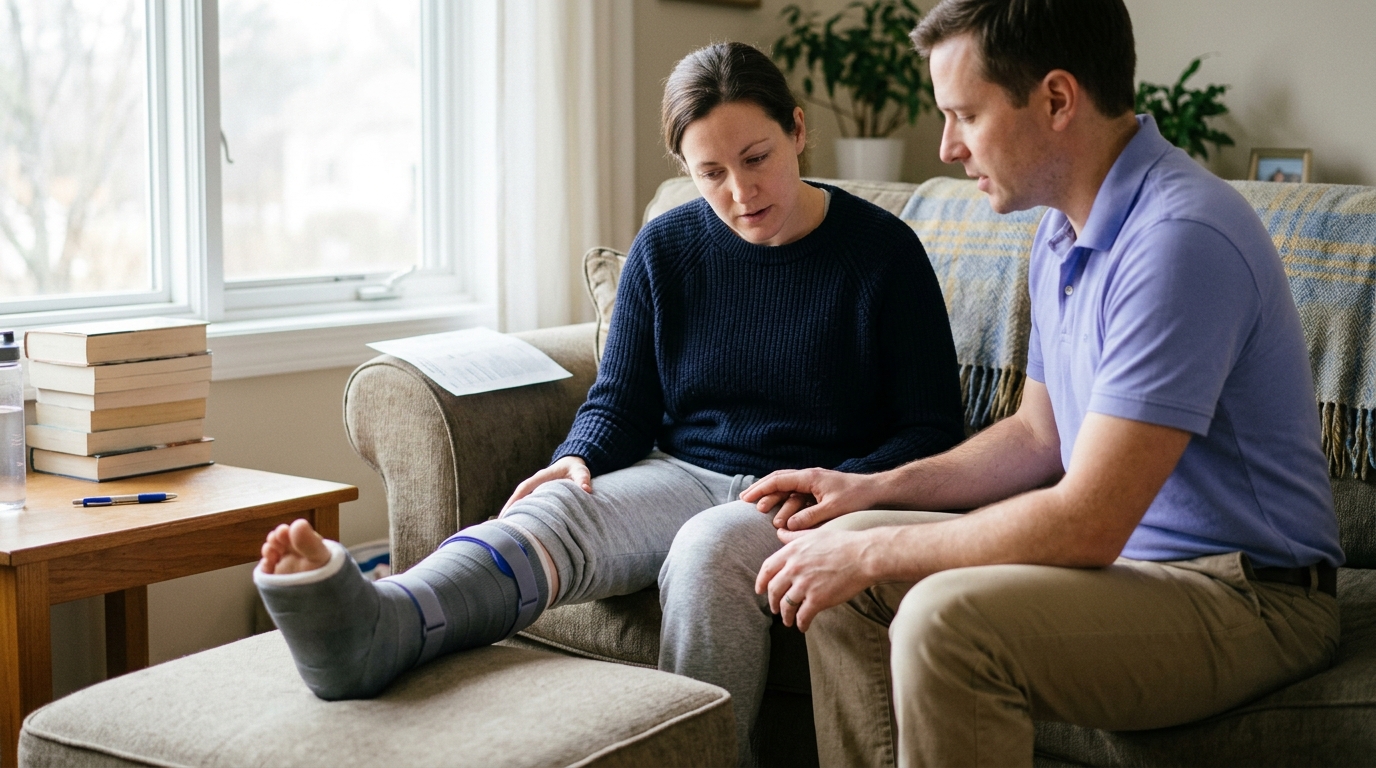
When an illness or travel causes you to take several weeks off, do not attempt to jump straight back to your previous workload. Tendons, muscles, and cardiovascular systems lose conditioning during periods of rest. Resuming heavy exercise too quickly is a common trigger for overuse injuries.
Guidance from the CDC specifically advises older adults who have taken a break due to illness or travel to restart at a lower activity level and rebuild gradually. This principle applies to adults of all ages. If you miss two or three weeks of exercise, step back your volume and intensity by roughly 30 to 50 percent for your first few sessions. Once your body confirms it tolerates the reduced level, you can steadily progress back to your previous routine.
To see how these principles work in practice, review the following illustrative examples. These models show how to translate different physical goals into specific, adaptable weekly plans. They are educational templates, not individualized prescriptions.
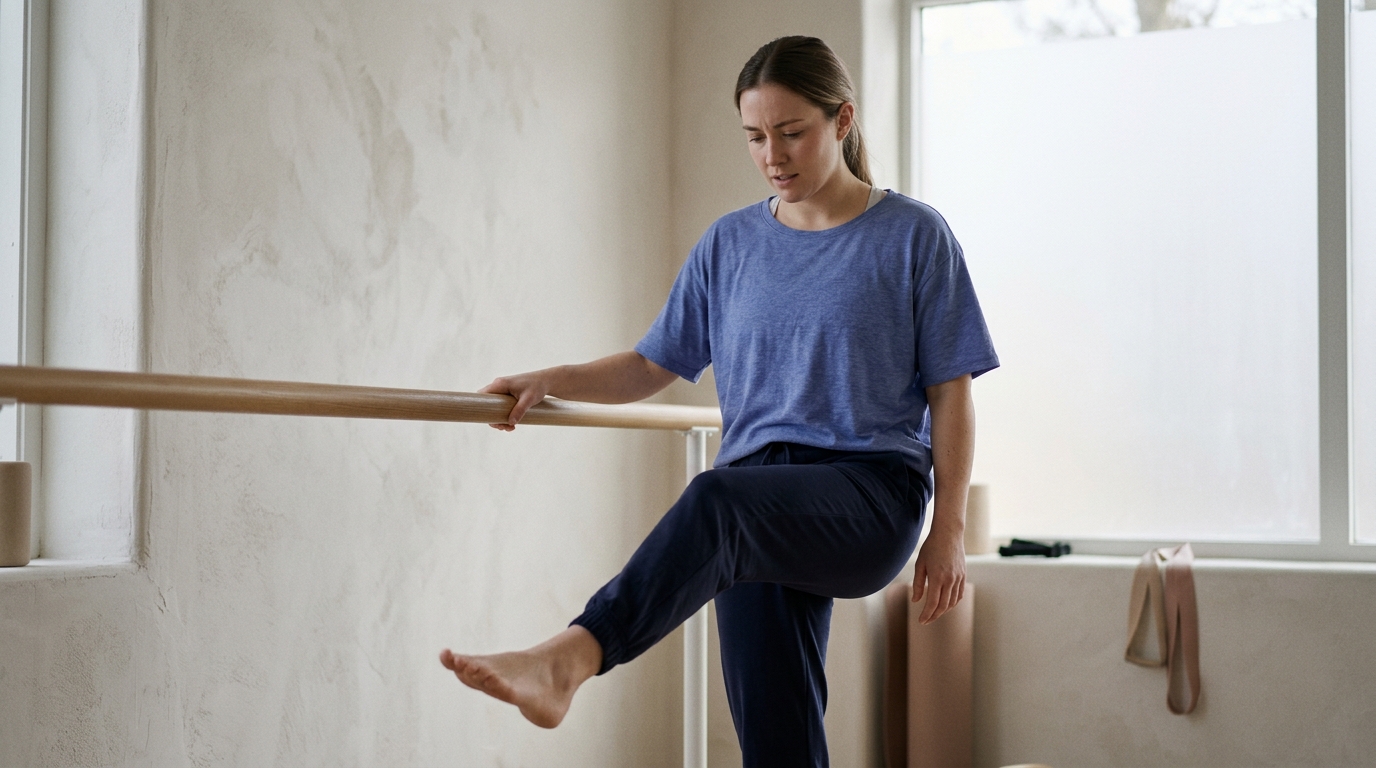
This framework is designed for an adult experiencing morning stiffness who wants daily movement to feel smoother.
This model suits an adult who has been inactive for several years and wants to build general cardiovascular stamina.
This framework illustrates a balanced program for an adult over 65 seeking to maintain physical independence and reduce fall risk, aligned with CDC and WHO recommendations.
This model outlines how an active adult can prepare to return to a recreational hobby, such as weekend hiking, following a period of inactivity or recovery.
Use this step-by-step process to build your own sustainable physical activity plan. Complete each step honestly based on your current lifestyle and capabilities.
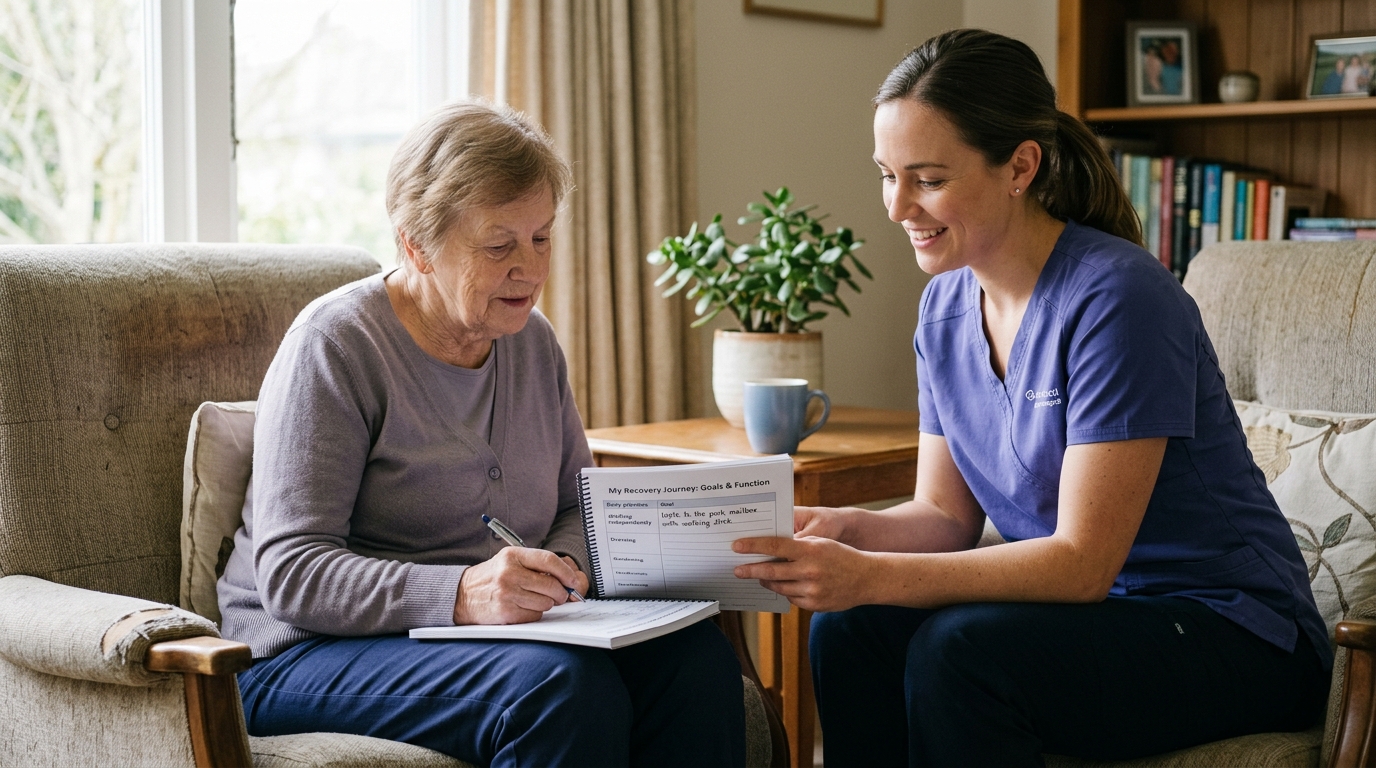
Write down one specific, meaningful reason you want to improve your physical activity. Avoid generic goals like "getting in shape." Focus on functional capabilities, recreational activities, or daily energy levels that directly affect your life.
Review the past two weeks. How many days per week did you perform structured exercise? What types of movement did you do, and how long did they last? Use this honest assessment as your foundation.
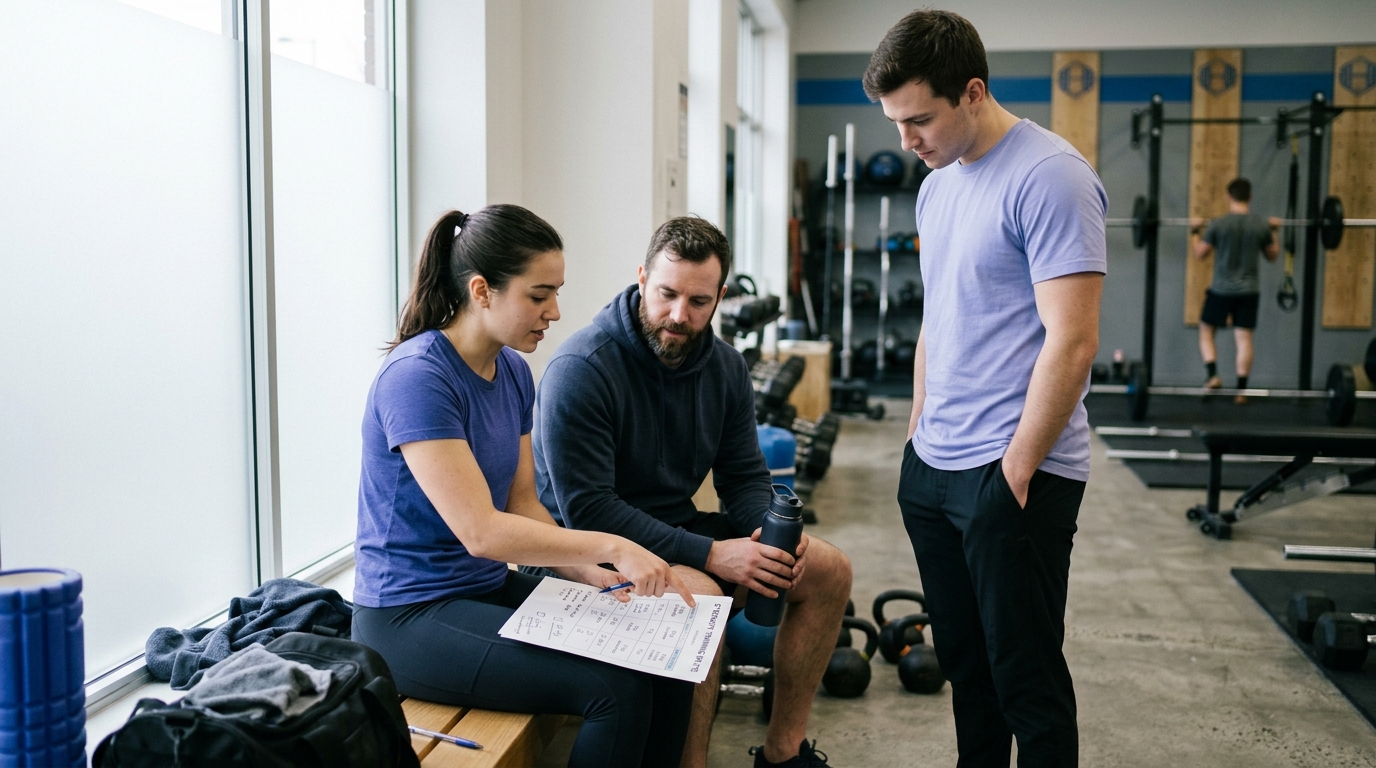
Choose one specific type of movement to focus on first. Depending on your current baseline, this might be a walking routine, two days of strength training, or a daily mobility sequence. Avoid trying to change multiple habits simultaneously.
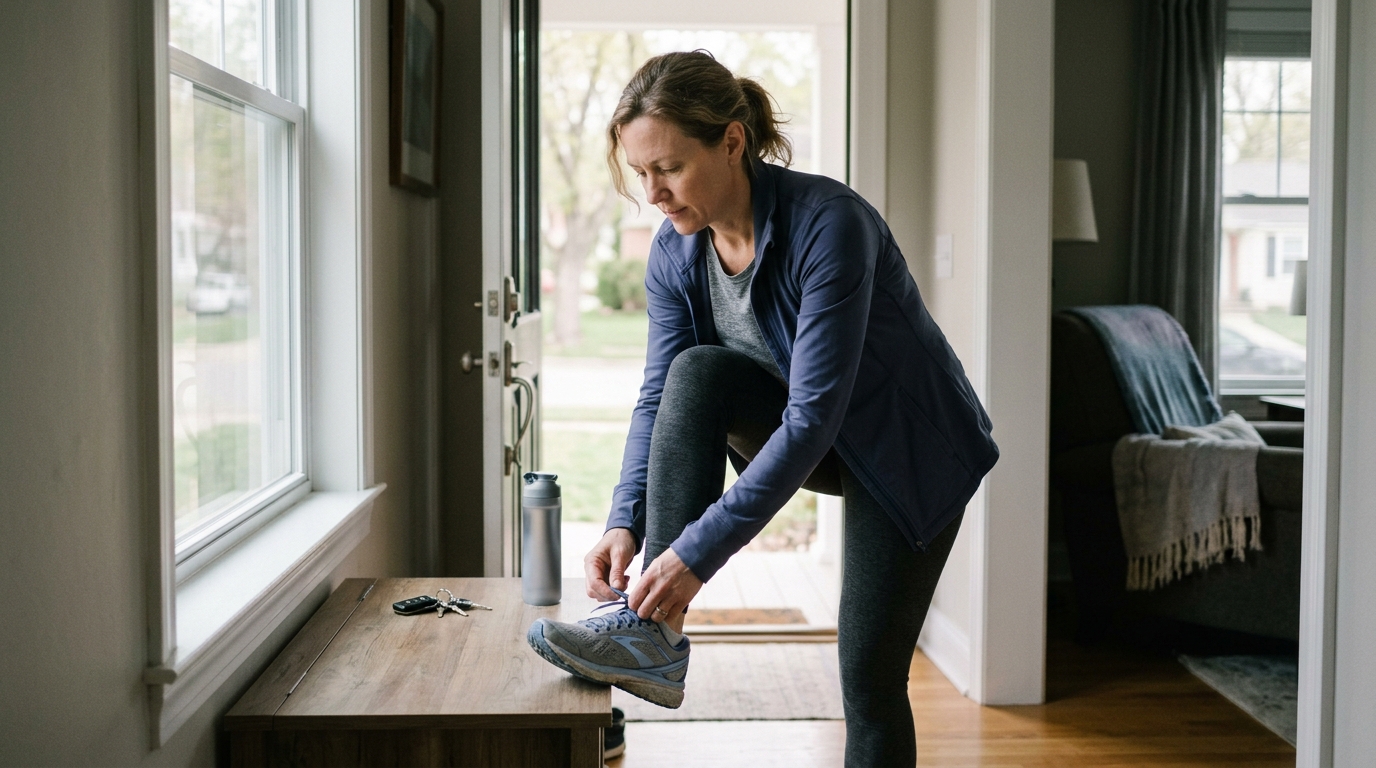
Answer the logistical questions clearly:
Compare your plan against broad public health guidelines. Does your weekly schedule include aerobic movement, strength building, and balance work where appropriate? If your plan currently addresses only one area, note where you might gradually introduce the others in future months.
Define a simplified version of your workout for busy, stressful, or low-energy days:
Decide how you will log completed sessions. Keep it simple. A paper calendar, an app, or a small notebook is sufficient. Track the date, the duration, and how your body felt the next day.
Schedule a specific calendar date four weeks from today to review your log. Use that date to ask:
For a broader collection of planning tools and recovery guides, visit our complete rehabilitation and recovery library.
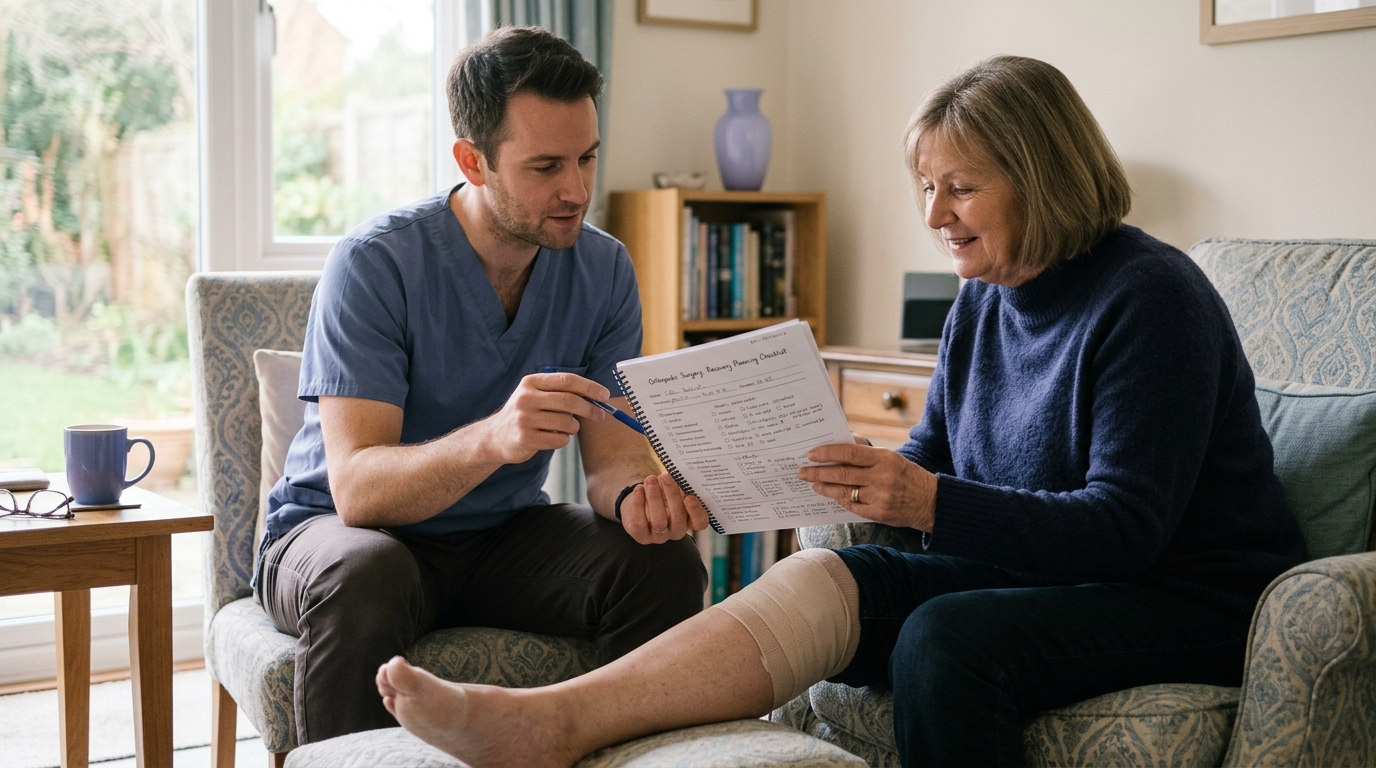
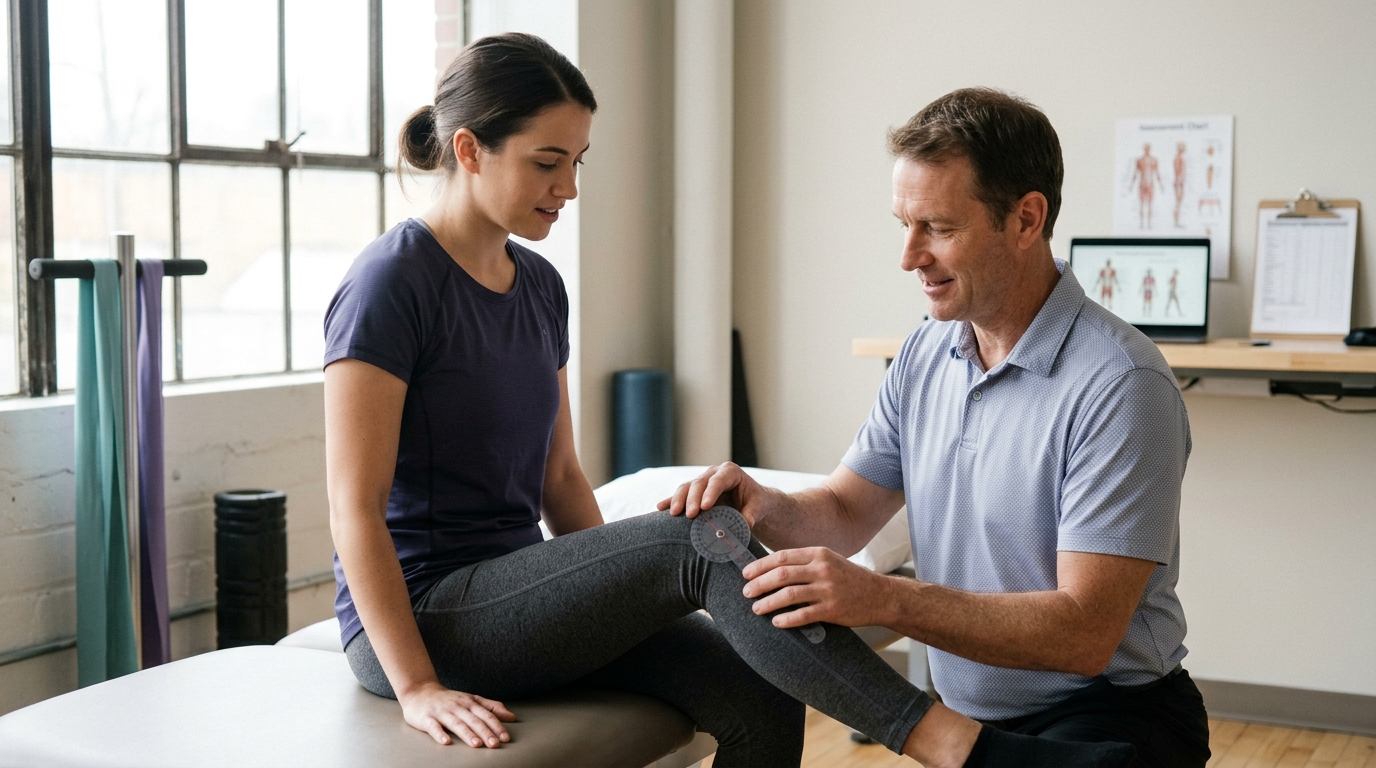
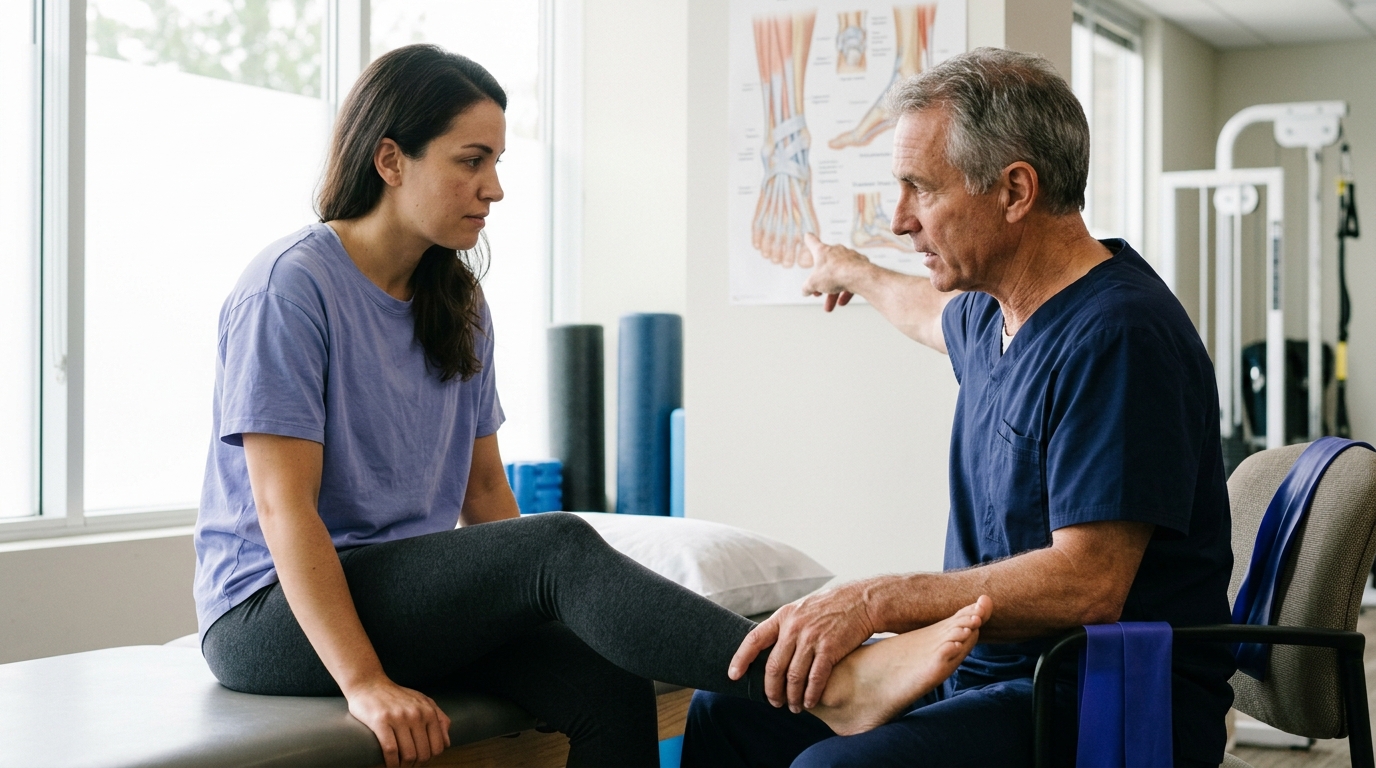
Before starting a new exercise program or progressing your physical activity, it is often wise to consult a physician, physical therapist, or orthopedic specialist. This is especially true if you are managing a chronic condition, recovering from surgery, or dealing with recurring joint discomfort.
Here are practical questions to guide your conversation:
A lasting exercise habit is built on clear planning, realistic baselines, and adaptable execution rather than temporary motivation. By connecting your daily actions to a meaningful purpose, keeping initial targets achievable, and having a fallback plan ready for disruptions, you create a routine that withstands real-world challenges. Progress happens through manageable steps accumulated consistently over months and years.
Revisit this framework whenever you experience a major change in your weekly schedule, find yourself repeatedly missing workouts, or are ready to progress to a more challenging training phase.
Building physical capability is a continuous, adaptable process that evolves alongside your life and health needs.

Use ReboundBody resources to understand common recovery stages, rehab terms, movement limits and strength rebuilding. Each guide is designed to make a complex comeback easier to understand.


Read practical guidance on injury recovery, rehabilitation, mobility and rebuilding strength as you work your way back to activity.
Explore Resources