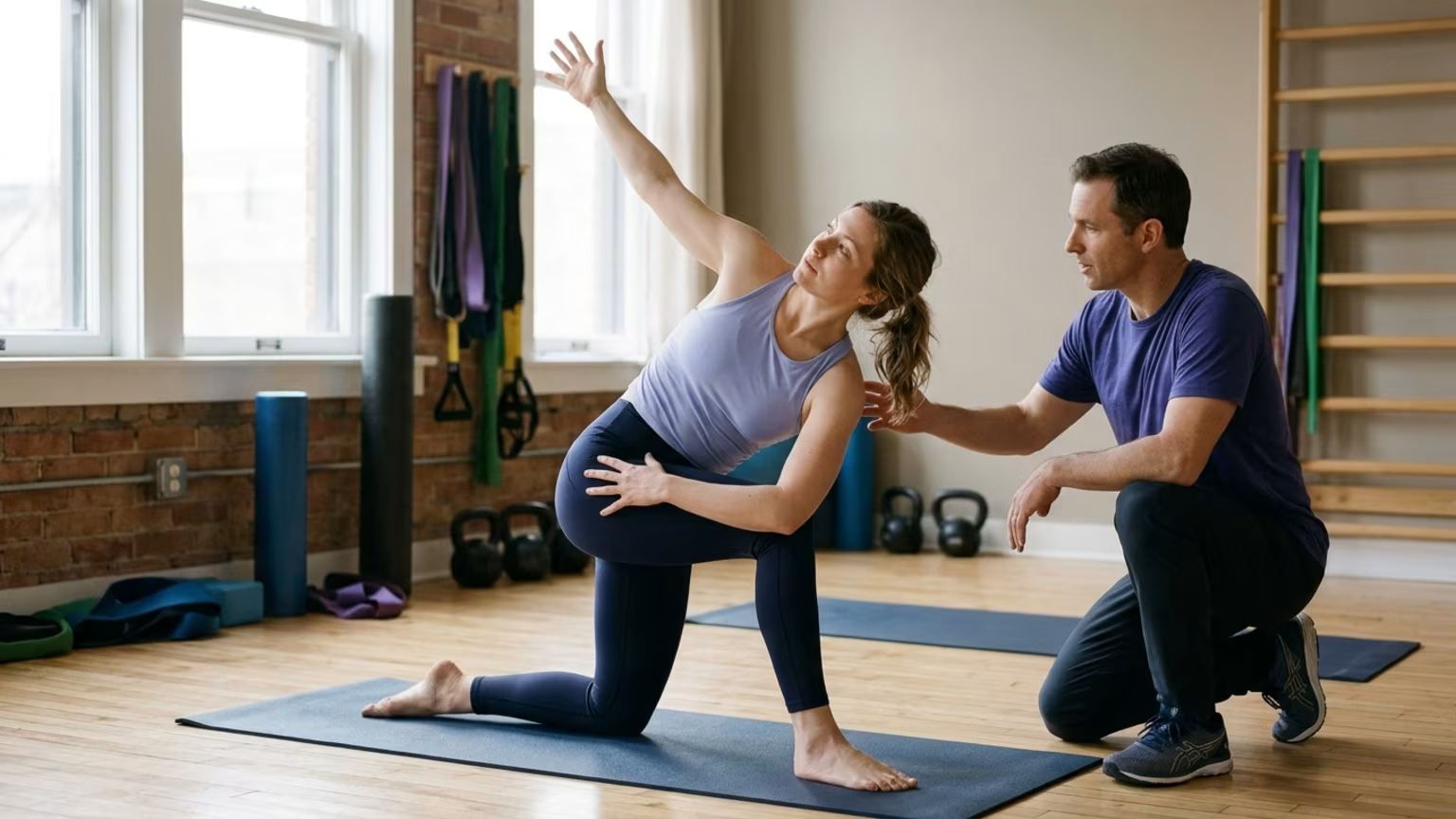

Learn how flexibility differs from active mobility and why recovery goals should connect range of motion with daily tasks and chosen activities.





A leg may move farther with assistance than it can reach on its own. Flexibility describes that available range, while mobility here means the range a person can actively reach and control. A movement-education source uses this distinction but notes that “mobility” is not a standardized research term.
In its example, someone can pull a leg toward the torso farther than they can lift it independently. The assisted movement shows available range. The independent movement also calls on strength and control. This is an illustration of the distinction, not a self-test or a way to diagnose a limitation.
For recovery, the useful question is not simply how far a joint moves. It is how that movement relates to everyday needs and chosen activities. A stretch and an active movement offer different pieces of information. Neither alone defines successful recovery.
The meaning of “moving better” depends on what someone needs to do. Walking and dressing are different goals from returning to a particular sport. An activity-based goal gives the discussion a clearer purpose than a general wish to become more flexible.
Physical therapy education from SiMed Health describes rehabilitation through several measures. These include range of motion and strength as well as balance and coordination. Everyday function and activity-specific function also belong in that picture.
Three factors help explain why movement goals differ:
The recovery context matters too. After injury or surgery, movement decisions need to account for healing status and the treating clinician's instructions. This framework does not supply a universal range target or exercise progression.
Understanding what movement restrictions mean can help clarify that conversation. A goal describes where recovery is heading. A restriction describes a current limit that still needs to be respected.
Not automatically. The rehabilitation education supports connecting physical measures with function. It does not establish maximum flexibility as the right outcome for every person or activity.
A larger range measurement answers a narrow question: how far did the movement go? An activity goal asks something different: how does that movement serve the task that matters? Both questions can be useful without being interchangeable.
For example, reaching and dressing are activity goals described in rehabilitation sources. A conversation about either can start with what remains difficult. The next question is how range fits alongside the other abilities involved, rather than whether the person matches someone else's stretch.
Comparison with another person also shifts attention away from the actual goal. Their movement is not a recovery target selected for your daily needs. A more useful reference is the activity being discussed with the rehabilitation team.
This does not make flexibility unimportant. It gives flexibility a purpose within a broader recovery goal. Connecting range measurements with everyday function keeps the focus on what the measurement is meant to support.
Stretching is not the only approach discussed in research on range of motion. A secondary research summary reports that a 2021 systematic review and meta-analysis found similar range-of-motion gains from strength training and stretching in the included trials. This is a secondary account, and its finding should not be applied identically to every orthopedic patient.
The useful lesson is narrower than choosing one method over the other. It challenges the assumption that improving range must always mean doing more stretching. It does not turn either approach into a personal recovery plan.
The active part of mobility also deserves attention. Having range available and using that range under your own control are different questions. Returning to the leg illustration, assisted movement describes one part of the picture. Independent movement adds the demand of producing and controlling the motion.
That is why a discussion about moving better need not stop at the depth of a stretch. It can also address how movement is performed and which abilities matter for the desired activity. Rehabilitation education places range alongside strength and other aspects of function rather than treating it as the whole goal.
Progress is best discussed in relation to the goal being followed. A range measurement can document one aspect of movement. A description of a daily task can address how that movement fits into life. These are different views of recovery rather than competing definitions.
The rehabilitation examples include walking and stairs as well as reaching and lifting. Dressing and returning to work or sport are also relevant activity goals. They are examples to help frame a discussion, not a required set of milestones for everyone.
A useful progress conversation can separate three questions:
Keeping these questions separate makes the description more precise. Instead of using “better mobility” to cover everything, the conversation can identify which part of movement is being discussed. That gives the treating clinician a clearer starting point for explaining the assessment.
The same approach applies when formal rehabilitation is ending but questions about normal activity remain. A daily task and a chosen sport are different goals. Understanding the gap between daily activity and return to sport helps frame that transition without treating every activity as equivalent.
A useful goal therefore has a purpose beyond the measurement itself. The aim might concern dressing or returning to work. The range measurement belongs within that discussion, alongside the other measures the clinician considers relevant.
A discussion with a physical therapist can begin with the activity that feels limited. That gives the terms flexibility and mobility a practical context. The aim is to understand the assessment and its relationship to the recovery goal.
Questions worth bringing to the treating clinician include:
These questions do not require technical language. Describing difficulty with reaching or stairs gives the conversation a concrete starting point. The clinician can then explain which measures relate to that concern.
It is also reasonable to ask what a range measurement means for the specific goal. The value is not just knowing the result. It is understanding why that result is being tracked and how it fits into the broader assessment.
Flexibility describes available movement. Mobility, as defined here, adds the ability to actively reach and control that movement. Recovery goals bring those ideas into daily life by connecting them with function.
The point is not to choose one term as the winner. It is to describe the goal clearly enough that range and strength can be considered alongside the activity that matters.
Return to the opening image of a leg moving farther with help. The larger assisted movement is one part of the picture. The more useful perspective asks how available range and active control relate to walking, dressing or another chosen activity.
Using a useful range during everyday tasks gives recovery a concrete focus, and ReboundBody explains that connection through clear coverage of movement and rehabilitation. For active adults in midlife or later life facing uncertainty after formal rehabilitation, its evidence-aware articles put strength rebuilding and return to activity in context without medical promises.

Follow ReboundBody for practical articles on injury recovery, rehabilitation, mobility and rebuilding strength. New posts turn research into clear ideas for the road back to activity after injury or surgery.


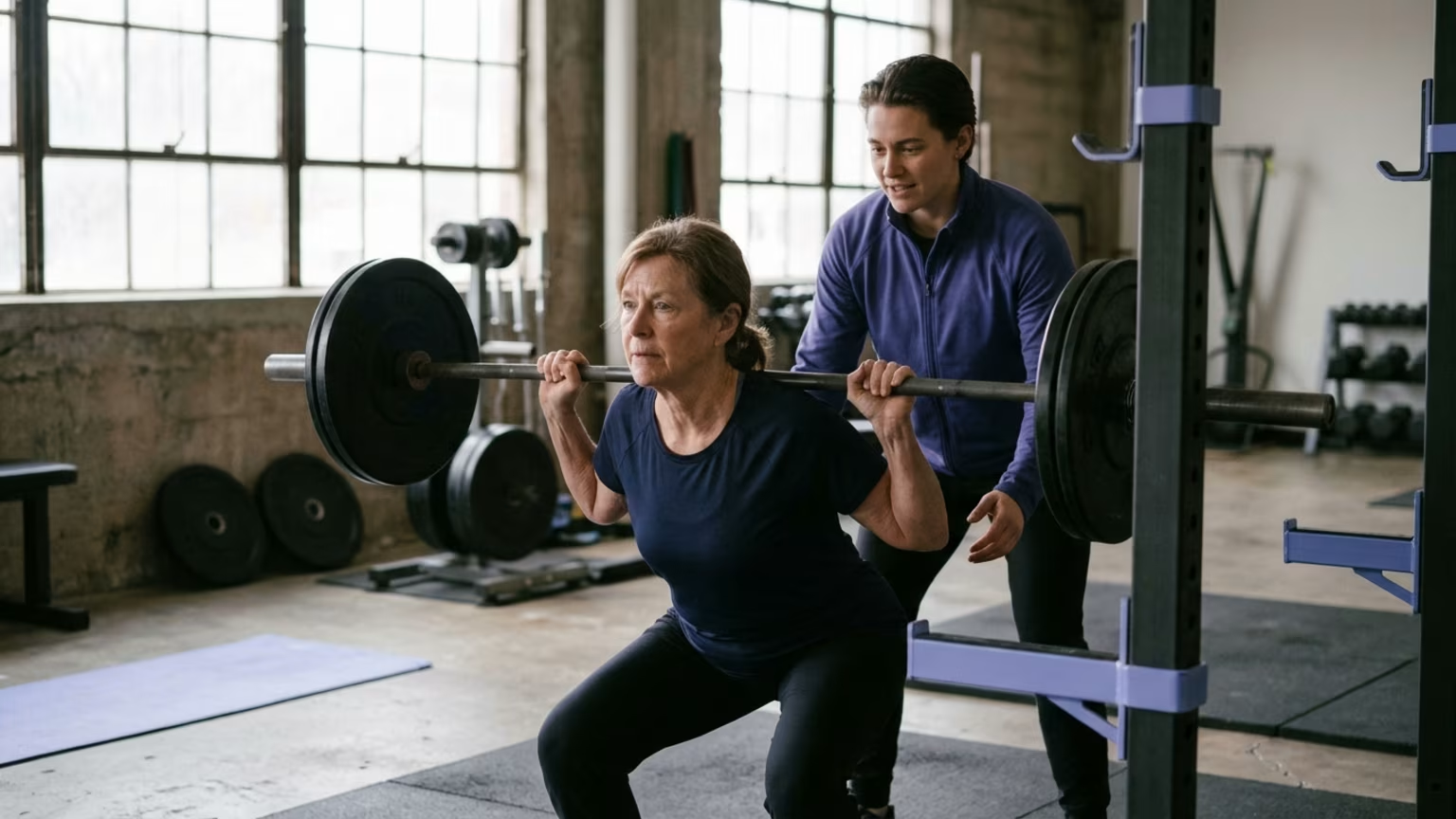

Read practical guidance on injury recovery, rehabilitation, mobility and rebuilding strength as you work your way back to activity.
Explore Resources