

Check evidence on protein, collagen and creatine for recovery, including patient outcomes, study limits and questions to discuss before buying.





In a 2026 BMC Geriatrics trial, hospitalized adults aged 70 or older were recovering from fragility fractures.
The study tested a protein-enriched diet during their hospital stay.
Researchers tracked mobility and other short-term outcomes.
It was a direct test of whether added nutrition changed early recovery.
The familiar claim is that recovery supplements help the body rebuild tissue and return to normal activity sooner. Protein, collagen and creatine are often discussed under that broad promise. Yet the research treats them as different interventions with different results.
For an adult recovering from an orthopedic setback, the important issue is not simply whether a product has been studied. It is whether the study supports the particular benefit being offered.
“Recovery” can mean several things in a sales message. A claim about muscle preservation is different from a claim about walking better after surgery. ReboundBody's guide to reading online recovery claims more critically offers a broader framework for assessing such advice.
The reasoning usually moves from a smaller biological change to a larger practical benefit. If a supplement helps preserve muscle, supporters may expect better strength. If a study finds a change in tendon size, they may expect a stronger tendon and an easier return to activity.
That is a reasonable hypothesis to investigate. It is not the same as showing that the whole chain of events occurred.
This helps explain why nutrition research can produce a positive headline without answering every recovery question. Researchers may be studying one part of the process rather than the ability to climb stairs or resume recreation. Those daily-life outcomes belong in the discussion from the start.
A secondary clinical nutrition review summarized a 2025 meta-analysis covering 19 studies and 903 people undergoing hip or knee replacement. Protein or amino-acid supplementation reduced muscle loss, while strength results were mixed.
The same review described a trial of 39 knee-replacement patients. Essential amino acids limited the loss of quadriceps muscle volume compared with placebo. Strength and function did not differ between groups.
The 2026 randomized trial in BMC Geriatrics tested a protein-enriched inpatient diet in adults aged 70 or older with fragility fractures. It found no measurable short-term benefit for complications, mobility, length of stay or discharge destination.
Taken together, these studies give a more specific picture than a general statement that protein “supports recovery.” Some findings concern the amount of muscle retained. Others directly concern movement and the course of a hospital stay.
A 2026 evidence summary described a 2024 collagen meta-analysis involving 19 randomized trials and 768 healthy adults. The reported tendon-size effect came from four studies with 114 participants.
The same summary reported no significant effect on tendon mechanical properties across four studies with 111 participants. Mechanical properties concern how a tendon behaves under load, rather than its size alone.
There is also some rehabilitation-specific research. A secondary report described an Achilles tendinopathy pilot with a larger function-score change during collagen use than with placebo over the first three months. The 20 people who completed the study also took part in strengthening.
A separate ankle-instability study summarized in that report involved 50 athletes. Participants reported better perceived stability, but measured ankle stiffness did not change.
A 2026 randomized trial in BMC Sports Science, Medicine and Rehabilitation tested a creatine-based multi-ingredient product in male resistance-training novices. It enrolled 46 participants, and 40 completed the four-week study alongside standardized training.
Researchers found no added short-term strength or muscular-endurance benefit over placebo. They reported some favorable recovery-related or body-composition responses.
The secondary clinical nutrition review also summarized a separate creatine trial after ACL reconstruction. It reported no strength improvement during the first 12 weeks of rehabilitation.
These findings show why the exact outcome deserves attention. A study can report a favorable response in one area while finding no added benefit in strength or function.
Several boundaries matter before a finding becomes a buying argument. They concern what was measured and how confidently the result applies outside the study.
These limits are not reasons to dismiss nutrition. They define how narrowly a study's findings should be described. A negative result for one intervention also does not establish that a nutrient has no value in every recovery setting.
Within a broader recovery discussion, the defensible starting point is overall food intake and individual nutrition needs. This is a food-first frame, not a claim that every nutrition problem can be solved by food alone. It avoids assuming that a supplement is the missing piece before the nutrition question has been defined.
For protein in particular, connecting nutrition with the wider rehabilitation picture helps keep the discussion about recovery rather than a single product.
Before a purchase, the evidence can be organized around a few questions:
These are questions for interpreting evidence, not a validated clinical checklist. They help separate a product's proposed role from the results researchers actually observed.
Safety and personal suitability are a separate part of the decision. A secondary summary of US government health guidance notes possible medication interactions and concerns around surgery. It advises discussing supplements with a clinician or pharmacist, particularly when taking medicines or preparing for surgery.
That professional discussion serves a different purpose from checking whether a headline accurately describes a study. Both matter: an evidence claim and an individual's circumstances are not interchangeable.
A fair standard is a relevant human study showing an outcome that matters to recovery. A plausible mechanism or a favorable tissue measurement is a reason for further study, not a complete buying argument.
The useful role for supplements in this discussion is narrower than a general promise of faster recovery. Personal decisions belong within a review of nutrition needs and advice from qualified healthcare professionals.
Clear evidence. Realistic expectations.
Choosing whether a supplement claim deserves attention is where ReboundBody adds recovery education. For adults sidelined by orthopedic problems, competing nutrition and treatment messages can be confusing; the site's plain-language explanations separate evidence from uncertainty to support informed decisions with healthcare professionals.

Follow ReboundBody for practical articles on injury recovery, rehabilitation, mobility and rebuilding strength. New posts turn research into clear ideas for the road back to activity after injury or surgery.


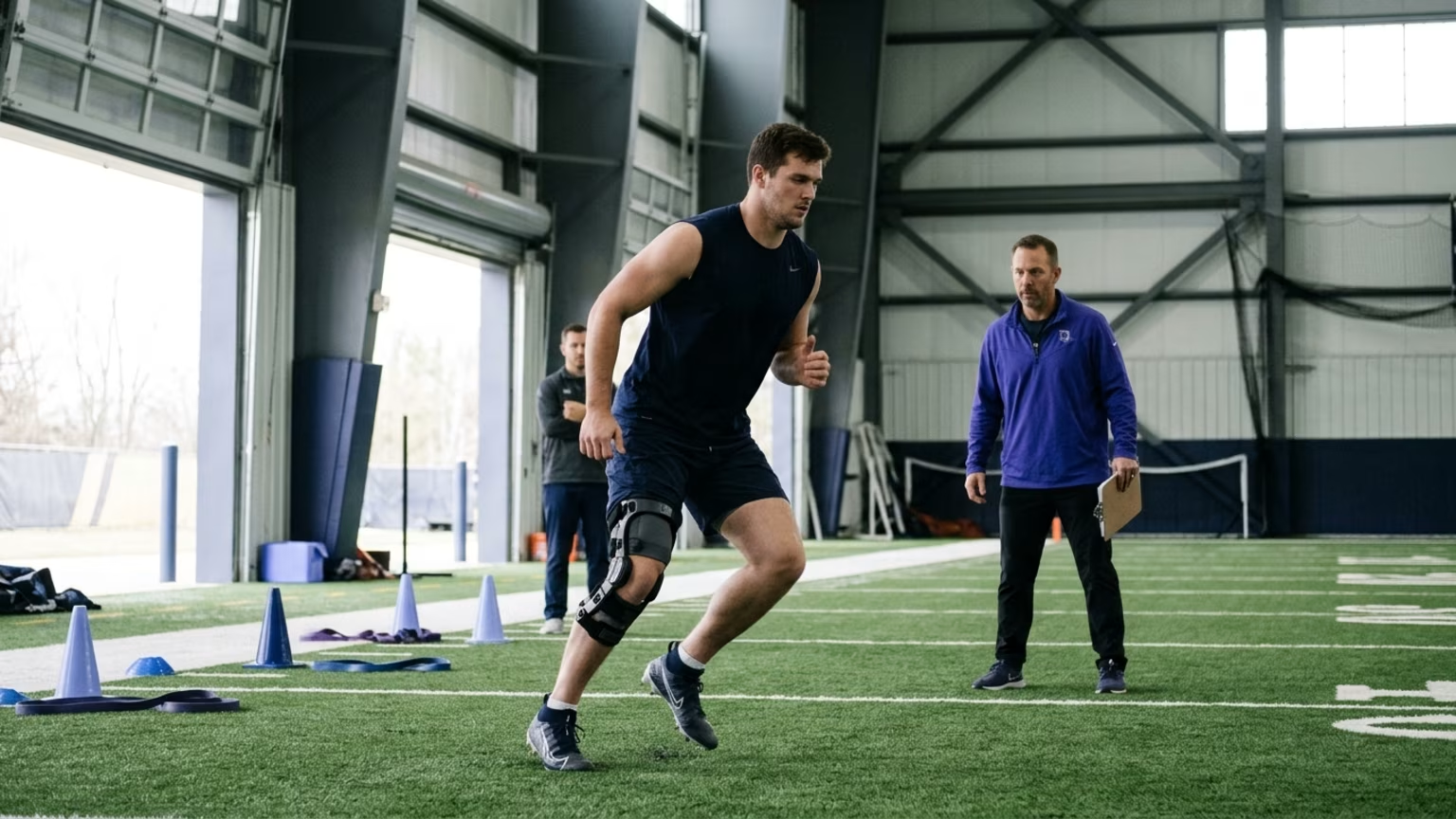
Read practical guidance on injury recovery, rehabilitation, mobility and rebuilding strength as you work your way back to activity.
Explore Resources