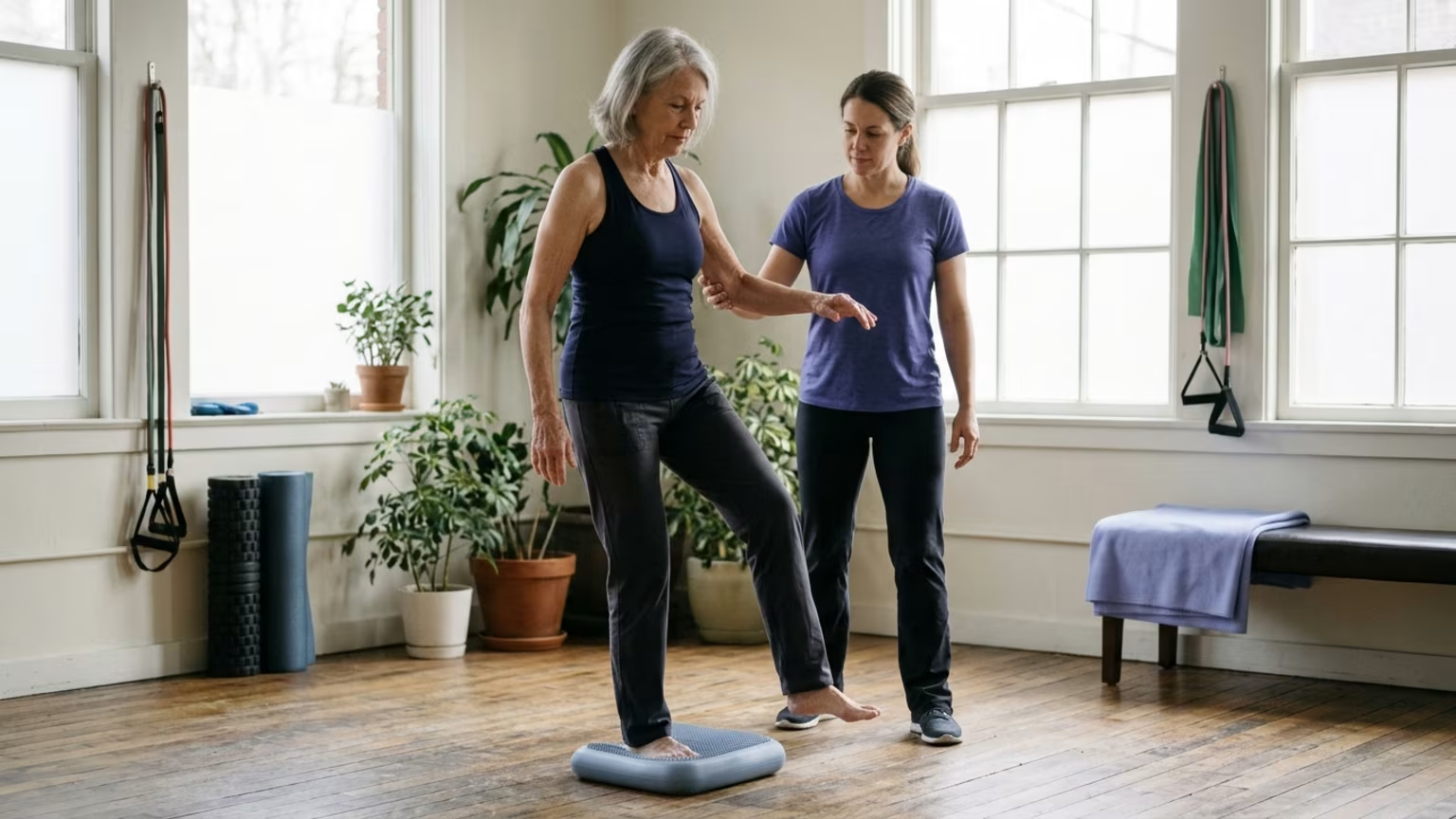

A longevity feature links muscle retention with stability. See how that expert view fits exercise evidence and the limits of recovery advice.





On October 31, 2026, Yahoo Health published “Longevity Experts Reveal The 6 Things They Personally Never Do.” In its strength-training section, Dr. Septimus said that maintaining lean muscle with age may support stability and make falls less likely.
The feature presents that link as his clinical perspective, not as a new study finding. Its value is the connection it draws between preserving muscle and a concern that matters in daily life: staying steady while moving.
For readers in midlife or later life, the useful question is how that message fits with the broader evidence on falls. The answer places strength within a wider picture of balance and function rather than treating muscle retention as the whole goal.
The background was already broader than a single longevity habit. In a separate October 2026 Yahoo Health feature, a physician described resistance training as an effective tool for maintaining muscle, strength and function with age.
That article also described age-related muscle loss as variable. Activity, diet and overall health were among the factors it identified alongside individual differences. This is useful context for a topic that can otherwise sound like a fixed decline that happens in the same way to everyone.
The World Health Organization's October 2026 fall-prevention fact sheet also emphasized exercise. Its guidance for older people living in the community recommends tailored exercises that challenge balance and improve functional strength. It calls for regular progression and sufficient duration.
That was the evidence context when the longevity feature appeared. Muscle maintenance was already part of the active-aging discussion, while the WHO guidance had a specific focus on balance and functional strength. The newer feature brought attention to a connection within that broader picture.
The October 31 feature made the muscle-and-stability link visible through an expert's explanation. The WHO fact sheet adds an outcome that can be measured: how often falls occurred in exercise trials.
According to the WHO, a Cochrane review found that exercise reduced the overall rate of falls by approximately 23% in the trial populations it summarized. That figure describes fall rates across those groups. It is not a forecast of an individual reader's chance of falling.
The practical detail is the kind of exercise the WHO recommends. It names both balance challenge and functional strength, with the work tailored to the person. Regular progression is also part of the guidance rather than an optional detail added to a generic routine.
A 2026 umbrella review published on Springer adds support to that exercise framing. Among the interventions it assessed, exercise-based fall prevention had the most consistent evidence for downstream clinical outcomes.
These sources therefore add different kinds of information:
Keeping those roles separate helps preserve the meaning of each source. An accessible explanation can make a topic easier to understand. Measured fall outcomes provide a different kind of support for discussing prevention.
The WHO recommendation concerns older people living in the community. That population matters when interpreting the result. The umbrella review also noted that some findings came from selected populations, so its findings should be read in relation to the groups represented.
For adults in midlife, these sources offer context about active aging rather than a measured forecast of their future function. For older readers, the community-based focus is an important part of understanding where the WHO guidance applies.
Readers returning from an injury or surgery face a separate issue of fit. Septimus's advice in Yahoo Health was resistance training twice weekly for 30 minutes. He also said that people can begin later in life and that starting earlier can build a stronger base.
Those comments came from a general longevity feature, not an orthopedic rehabilitation protocol. The article does not explain how to adapt the schedule after surgery, fracture or a musculoskeletal injury. Decisions about fitting activity to existing recovery restrictions belong with the qualified professionals managing that person's care.
For someone rebuilding activity after a setback, the useful shift is in the questions the headline raises. The WHO framing supports discussing strength alongside balance and everyday function. It gives each part a place in the conversation about returning to normal movement.
That broader view can also help readers sort conflicting online claims. A statement about preserving muscle is not automatically a statement about measured changes in daily function. A useful way to read a claim is to identify its outcome before deciding how much weight to give it.
Three questions help keep that reading grounded:
For a conversation with a qualified healthcare professional, the focus can then move from the headline to the person's recovery goals. Useful topics include how strength rebuilding fits with balance and which changes in everyday function matter at the current stage.
Progression is another relevant topic because the WHO explicitly includes it in its guidance. The practical question is what progression means within the existing care plan. That keeps the discussion connected to the person's situation without treating a published schedule as the starting point for everyone.
For background, ReboundBody's guide to the different parts of movement capacity covers mobility, strength and stability. Its article on changing training demands during recovery addresses the separate issue of progression.
The value of this approach is clarity rather than certainty. It makes room to discuss muscle preservation while keeping attention on the ordinary movement a person wants to regain. It also helps separate a broad healthy-aging message from the decisions involved in an individual recovery plan.
The central unanswered question is how much preserving lean muscle itself contributes to fewer falls. The approved evidence supports exercise-based fall prevention, but it does not isolate muscle retention as the cause of that benefit. Strength, balance and functional activity appear together in the WHO's practical framing.
The umbrella review adds another limit: methodological confidence varied across the reviews it included. Its finding of stronger support for exercise-based fall prevention should therefore be understood as a comparison within the evidence it assessed. It does not make every exercise claim equally well supported.
Nutrition also remains a separate evidence question. The umbrella review reported inconsistent effects of nutrition-only interventions on functional outcomes. That finding does not settle every question about food and aging. It means those interventions did not show consistent functional benefits across the evidence summarized in that review.
More detail is also needed about the best mix and duration of activity for different people. The WHO calls for tailoring, progression and sufficient duration. The material here does not establish a single combination that answers those questions for every reader.
The clearest practical interpretation remains focused: strength rebuilding belongs within a broader discussion of balance and function. Personal choices about activity after a physical setback require the context of qualified care.
A useful measure of this conversation is not how certain a headline sounds. It is how closely the evidence stays connected to the ordinary movements people hope to preserve.
Comparing a muscle-retention claim with the demands of physical recovery comes next, and ReboundBody supplies evidence-aware explanations of rehabilitation and movement. For adults facing conflicting exercise and treatment claims after an orthopedic setback, that coverage supports clearer understanding and better-informed conversations with qualified healthcare professionals.

Follow ReboundBody for practical articles on injury recovery, rehabilitation, mobility and rebuilding strength. New posts turn research into clear ideas for the road back to activity after injury or surgery.


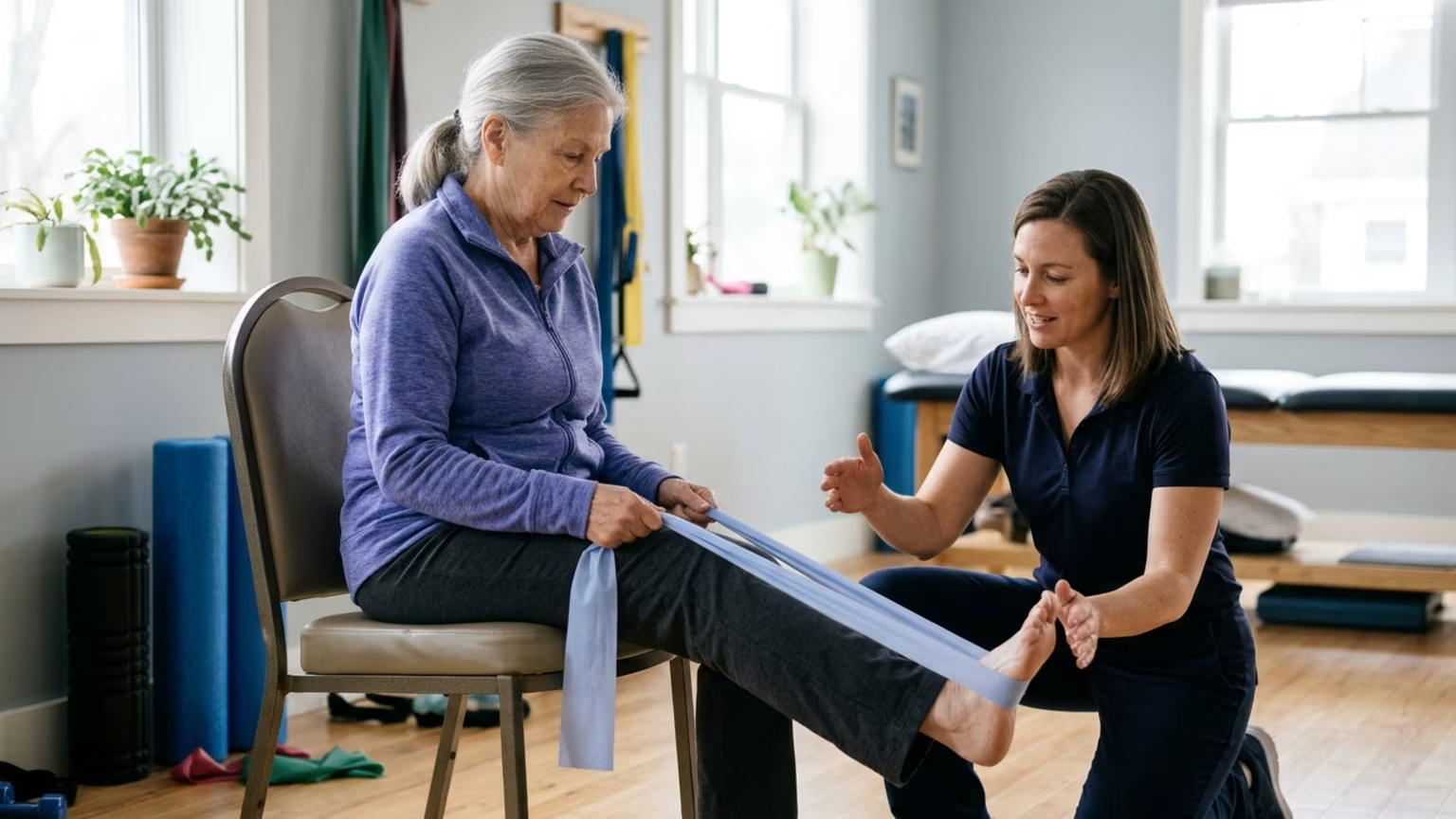


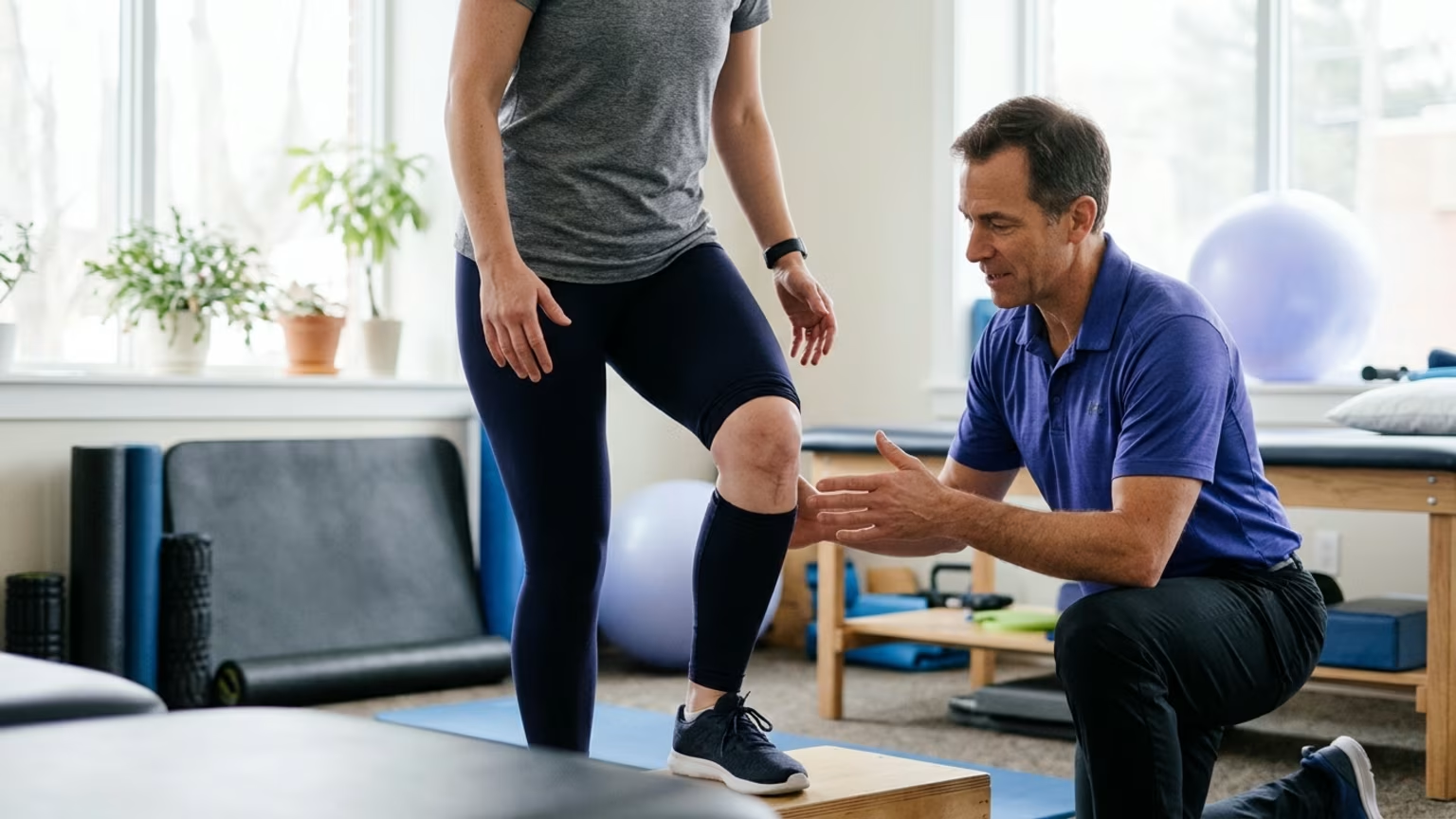
Read practical guidance on injury recovery, rehabilitation, mobility and rebuilding strength as you work your way back to activity.
Explore Resources