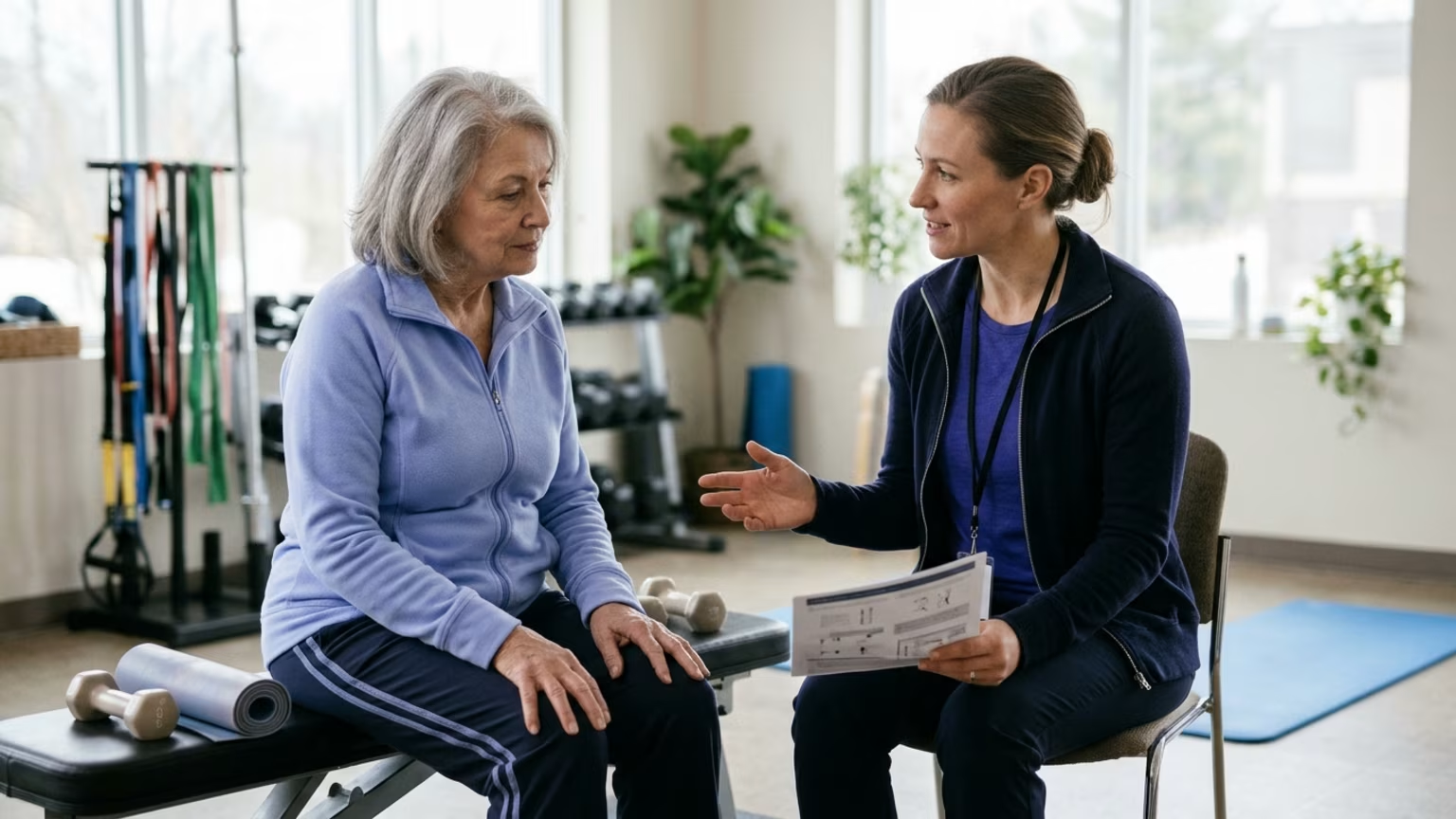

A new patient guide treats 5×5 training as adaptable for older adults. Read its advice on technique, fatigue and questions for a healthcare professional.





On October 22, 2026, Acibadem Health Point published “5×5 Workout: An Evidence-Based Guide for Patients”. The guide presents 5×5 strength training as an adaptable option for older adults rather than a fixed plan that everyone should follow.
Its central message is that the workout format needs to fit the person. For someone returning after an orthopedic setback, the useful update is the attention given to health history and current abilities before training demands increase.
The numbers in the title describe a way to organize exercise. The rest of the guide asks readers to look beyond those numbers when considering whether that structure belongs in their return to activity.
The starting point is the workout structure itself. Acibadem Health Point describes 5×5 as a format that typically uses five sets of five repetitions for compound exercises. It also emphasizes that there is no single official 5×5 program.
That distinction matters when interpreting advice about the format. A set-and-repetition pattern describes only part of a routine. In the guide’s account, exercise selection and scheduling depend on fitness and experience as well as health history. Equipment and goals also belong in that discussion.
The guide places this format within the broader topic of resistance exercise. It says resistance exercise can improve strength and physical function. It also says weight-bearing resistance exercise may support bone health.
Those broad goals do not make one workout structure necessary. The article identifies higher-repetition training, machines, resistance bands and body-weight exercise as other potentially useful approaches.
This is the context behind its advice for older adults: the task is to choose an approach that fits the person. Completing a particular template is not presented as the goal in itself.
The guide’s main contribution is its focus on adjusting training demands rather than simply following the numbers. It connects exercise choices with a person’s starting point and gives technique a central role in progression.
Acibadem Health Point recommends establishing reliable technique before adding weight. It advises stopping a set when technique breaks down. When planned work cannot be completed, it suggests repeating the load or reducing it modestly.
This frames progression as something other than an automatic increase. In the guide’s approach, a planned weight increase does not take priority over controlled movement. Repeating a load is one of the adjustments it describes.
That is a useful distinction when reading a strength program. The written plan describes intended work. The guide’s technique advice addresses what happens when that work is not being completed as intended.
For people coming back after a long break, the guide suggests considering:
These are presented as ways to adapt the routine. They are not described as a separate test that someone must pass before being considered ready to train.
For broader context, readers can also review ReboundBody’s discussion of rebuilding capacity after time away.
The article also introduces deloading. It defines a deload as temporarily reducing training volume or load and suggests considering it after sustained progression or when fatigue accumulates.
This gives readers a term for a planned reduction in training demands. Within the guide’s framework, progression can include periods of doing less rather than treating every session as an opportunity to add more.
The guide’s advice is directed toward older adults and people returning after a long break. Its older-adult discussion asks that programming account for balance and mobility. It also names bone health, medications and existing medical conditions as relevant considerations.
For readers recovering from injury or surgery, those considerations connect the workout discussion with their health history. The format alone is not the whole subject. The exercises and demands being considered also need to be part of the conversation.
Acibadem Health Point identifies several reasons to seek individualized advice before starting a conventional 5×5 program:
The guide directs people in these situations toward advice specific to them. For a reader already receiving rehabilitation, that makes exercise selection and loading topics for the treating clinician or rehabilitation professional.
Balance and mobility deserve attention because the guide explicitly includes them in planning for older adults. For related background, ReboundBody’s coverage of balance and everyday safety places these concerns in a wider movement context.
The audience is therefore broader than experienced lifters looking for a different routine. It includes people trying to understand how a familiar training format might relate to their current stage of recovery.
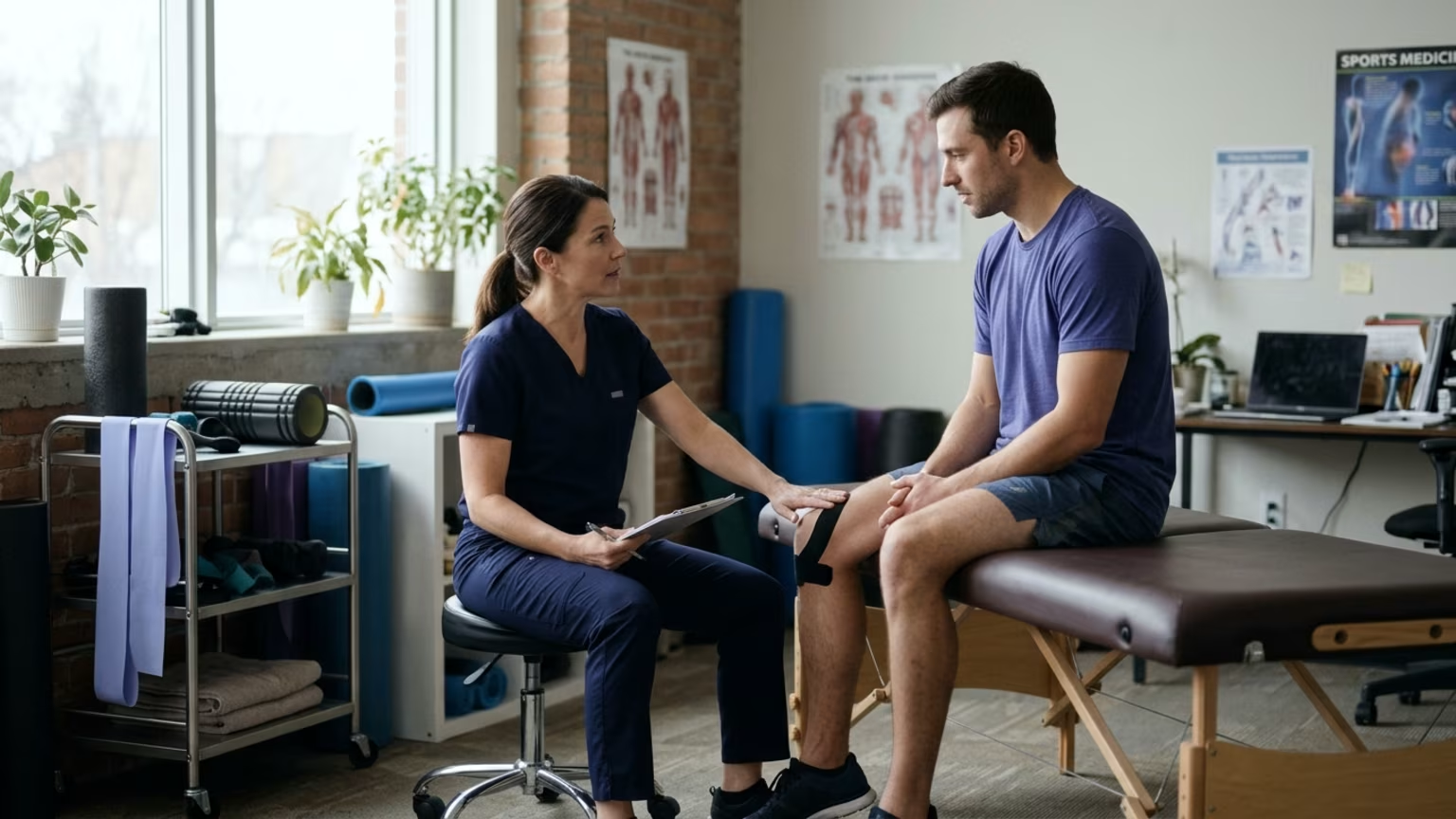
For readers, the most useful application is to turn the guide’s themes into questions for a healthcare conversation. The article offers a vocabulary for discussing a plan: technique, load, training volume and accumulated fatigue.
A discussion can start with the proposed exercises rather than the program’s name. The guide says exercise selection should reflect the person’s experience and health history. Calling a routine 5×5 does not answer which movements are being considered or why they were chosen.
Its technique advice creates another discussion point. What would consistent technique look like for the exercises under consideration? How would the clinician or rehabilitation professional want incomplete planned work to be handled?
These questions keep the focus on understanding the plan. They do not require the reader to interpret a generic article as a personal exercise prescription.
The same approach applies to fatigue. The guide introduces deloading as an option when fatigue accumulates. A useful clinical conversation is about how that concept relates to the person’s recovery and current activity demands.
Readers looking for language to describe their experience can also review ways to put daily physical responses into words. That is related reading for the conversation, not a replacement for assessment.
The guide also says a strength-focused routine should leave room for pulling movements, cardiovascular activity, mobility work and everyday movement. This places the lifting template within a broader activity picture rather than treating it as the entire plan.
For someone whose goal is returning to normal movement, that broader picture is relevant. Questions about a workout can sit alongside questions about daily activity and rehabilitation goals. The guide’s practical value is in helping readers identify what needs discussion before assuming that a named routine settles those choices.
The publication is a patient-facing guide, not a clinical trial or professional-society guideline. It describes itself as general health information for discussion with a doctor rather than a diagnosis or substitute for professional advice.
Its title uses the term “evidence-based,” but the page discusses research without naming studies or supplying journal citations. It provides no evidence grades or quantitative research findings that readers could use to assess its benefit claims. Its recommendations should therefore be understood as advice from the article rather than findings newly established by it.
Several practical details also remain unresolved. The guide does not establish a universal safe load or training volume. It does not set an individual rest interval, range of motion or progression rate.
Its deload discussion supplies no schedule, duration or percentage reduction. Its advice to consider medications also comes without medication-specific exercise precautions. Those details require a separate conversation when they matter to someone’s care.
These limits leave open how the general suggestions should be applied across different injuries and stages of recovery. The page also does not provide a way to judge how much benefit a particular reader should expect from choosing this format over another.
The practical response is to separate understanding a training concept from deciding how to use it. Readers can bring the guide’s terminology and questions to a qualified professional while leaving personal loading and rehabilitation decisions with that team.
Seen in that light, the 5×5 numbers at the top of the October 22 guide take on a different meaning. They are an outline for organizing exercise, not a recovery milestone. The more useful story is the one around those numbers: how the proposed work fits the person doing it.
Strength and physical function are the outcomes at issue here, and ReboundBody explains recovery research in plain language without making medical promises. For active adults facing unfamiliar training terms after an orthopedic setback, its independent articles help clarify findings so readers can better understand their recovery and prepare questions for qualified healthcare professionals.

Follow ReboundBody for practical articles on injury recovery, rehabilitation, mobility and rebuilding strength. New posts turn research into clear ideas for the road back to activity after injury or surgery.




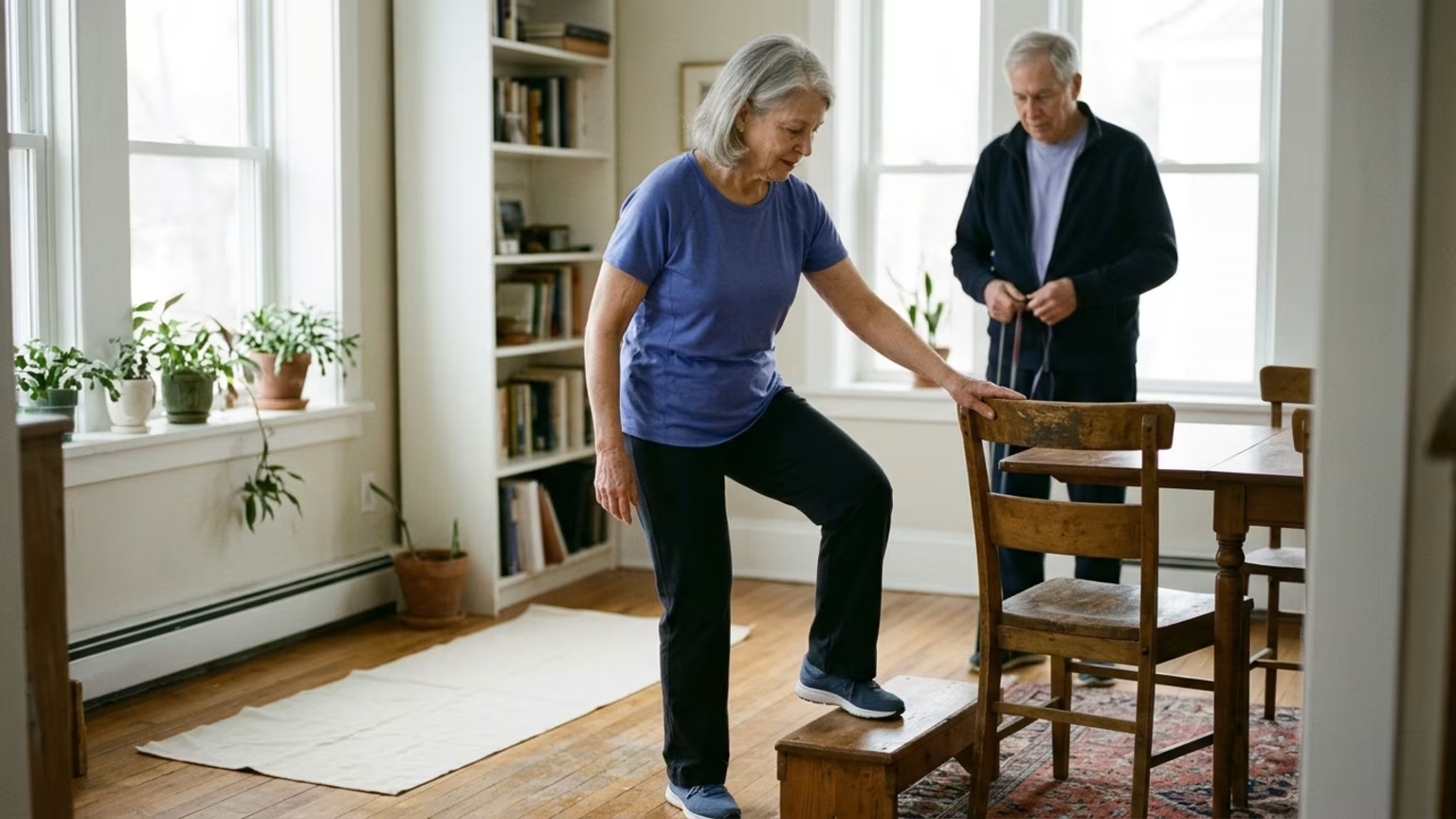
Read practical guidance on injury recovery, rehabilitation, mobility and rebuilding strength as you work your way back to activity.
Explore Resources