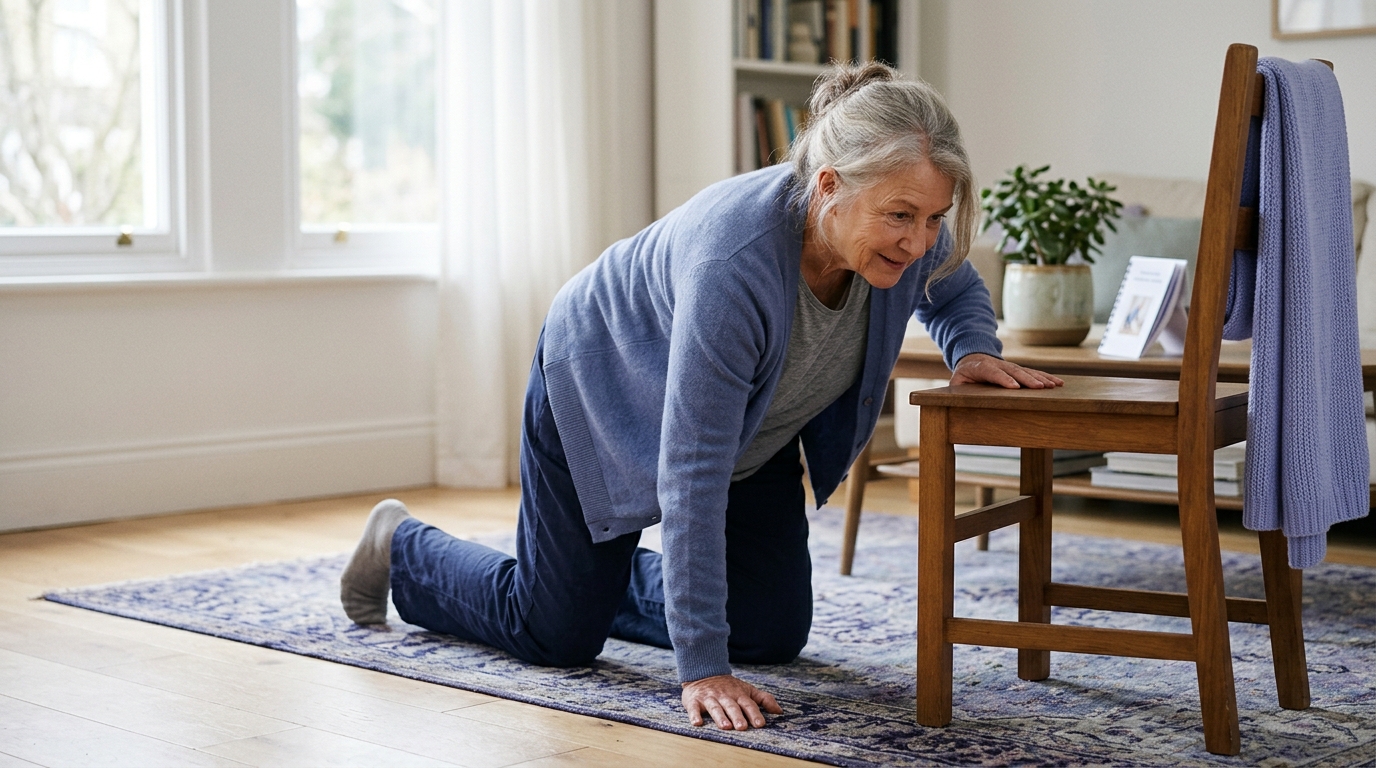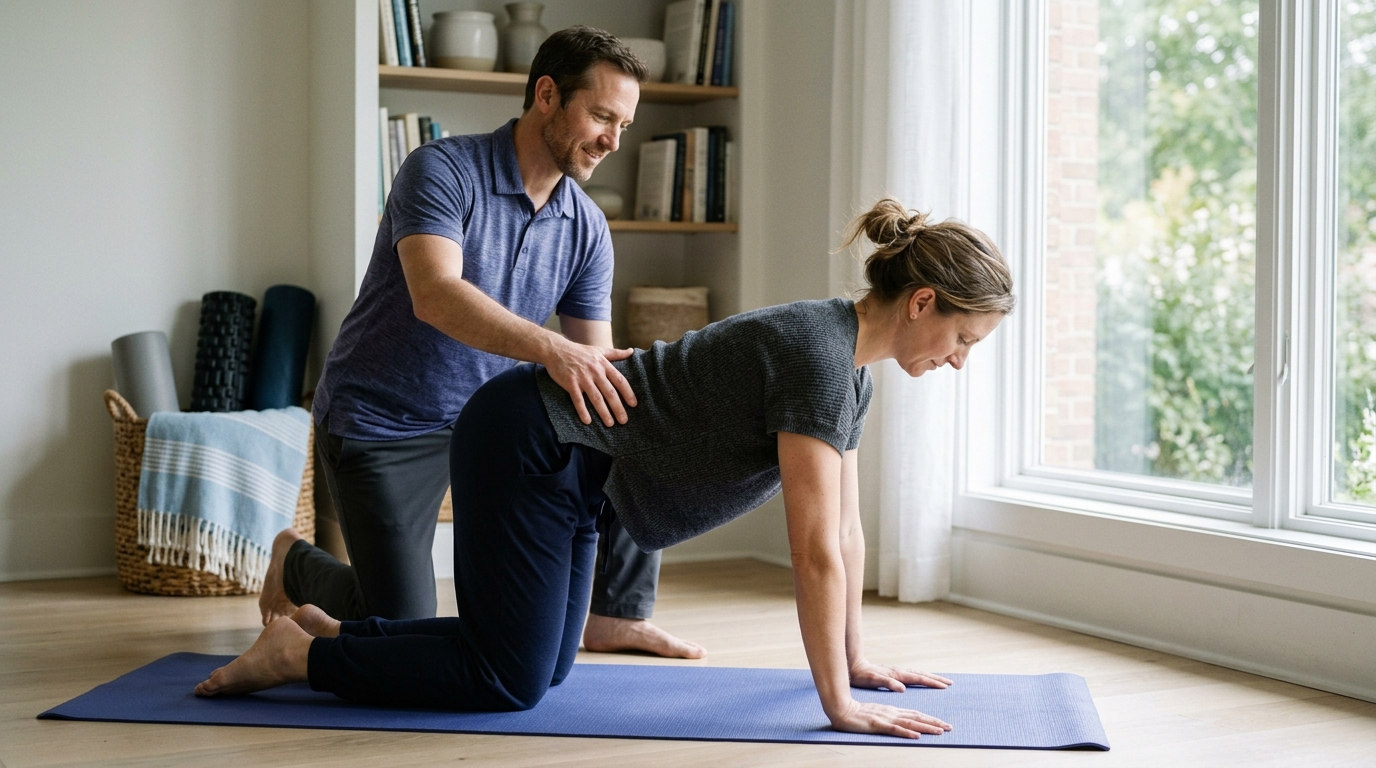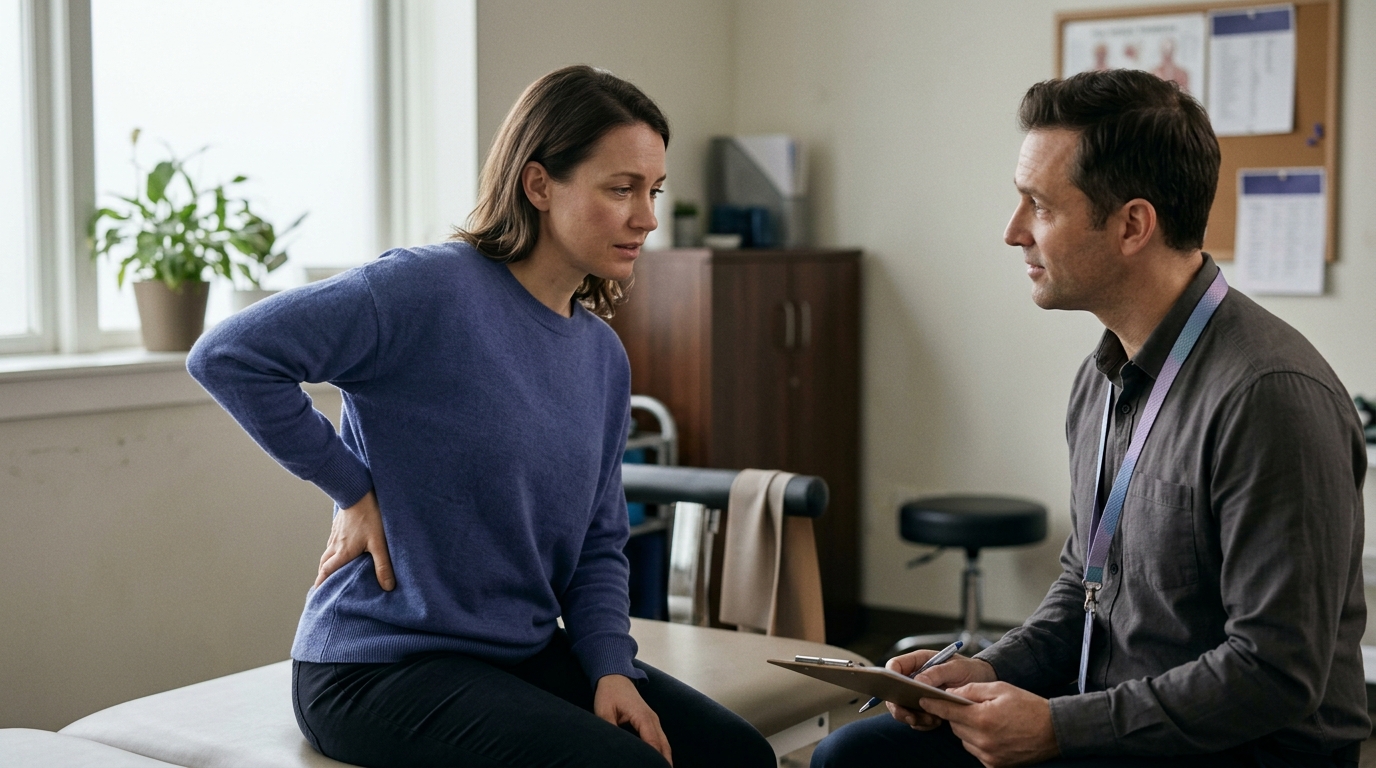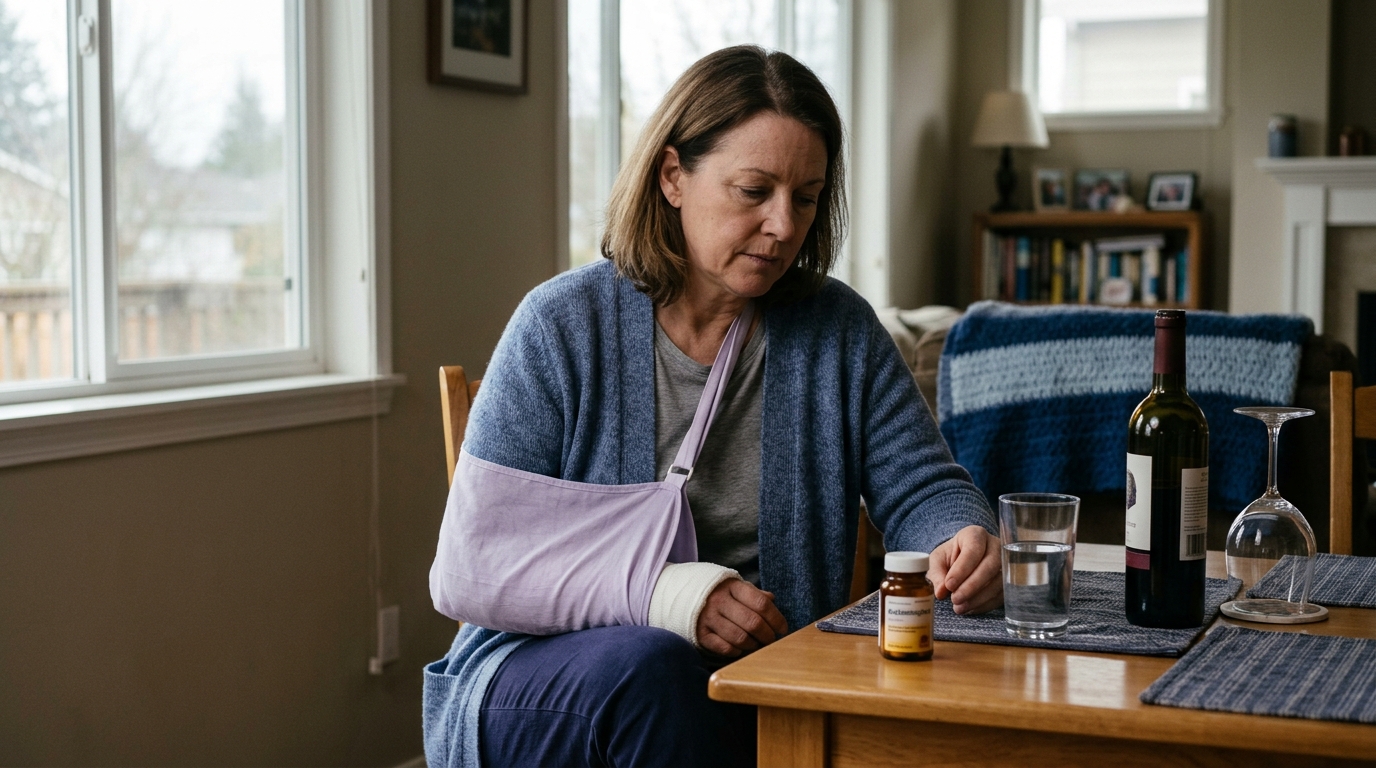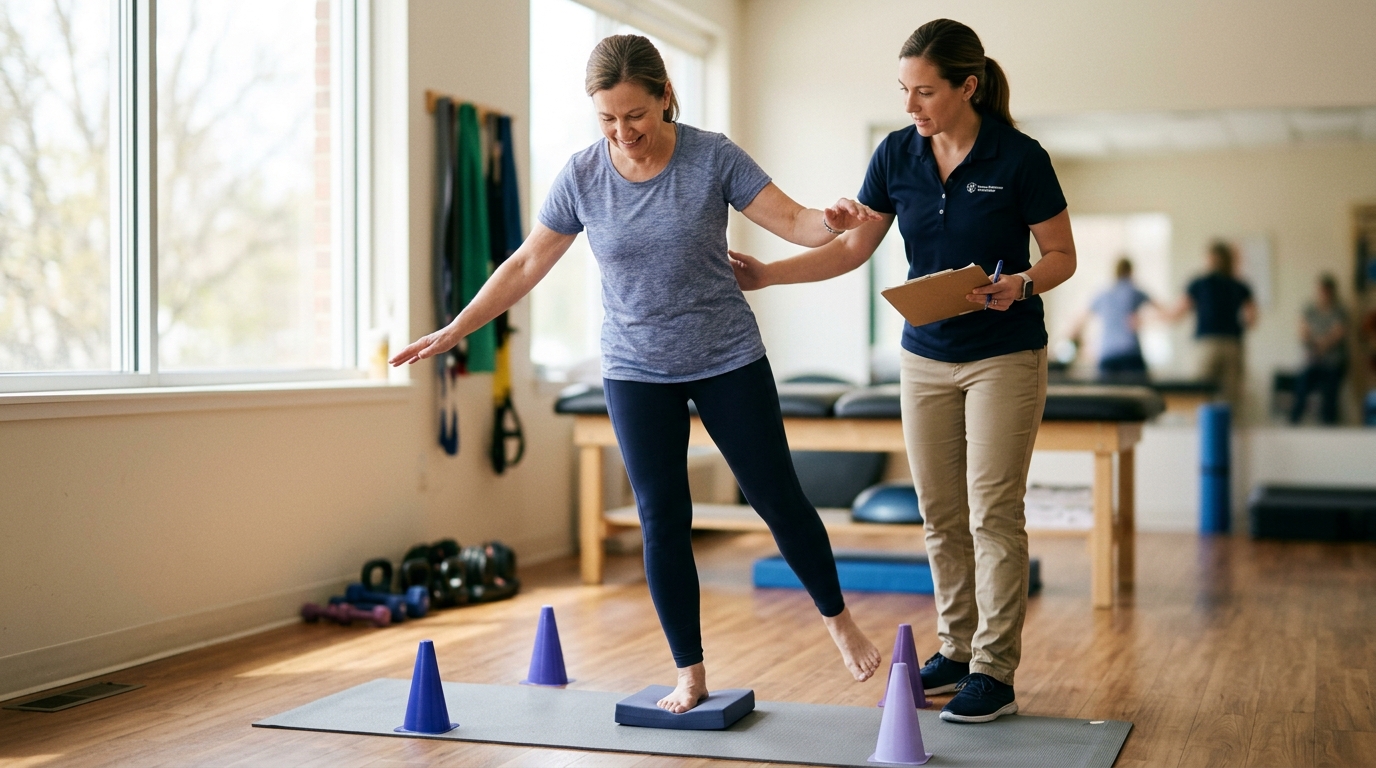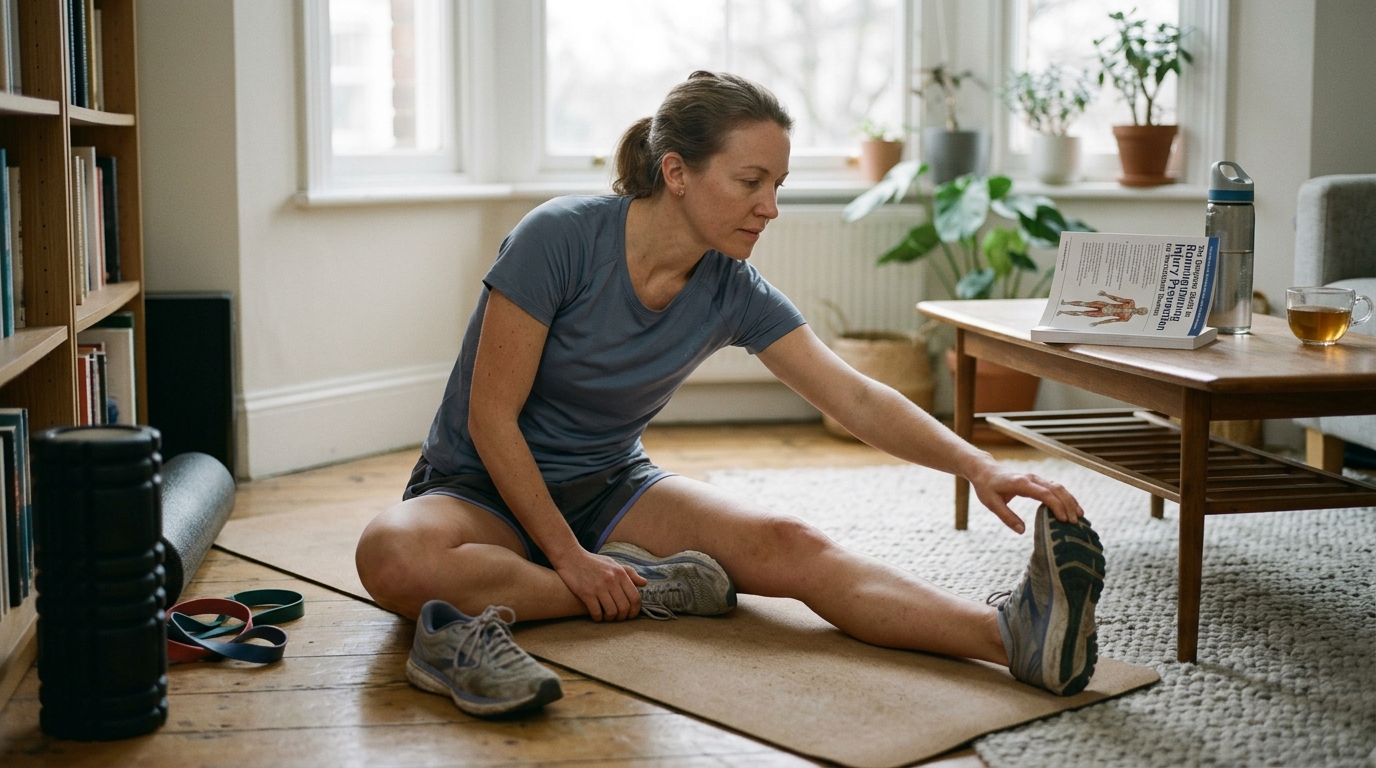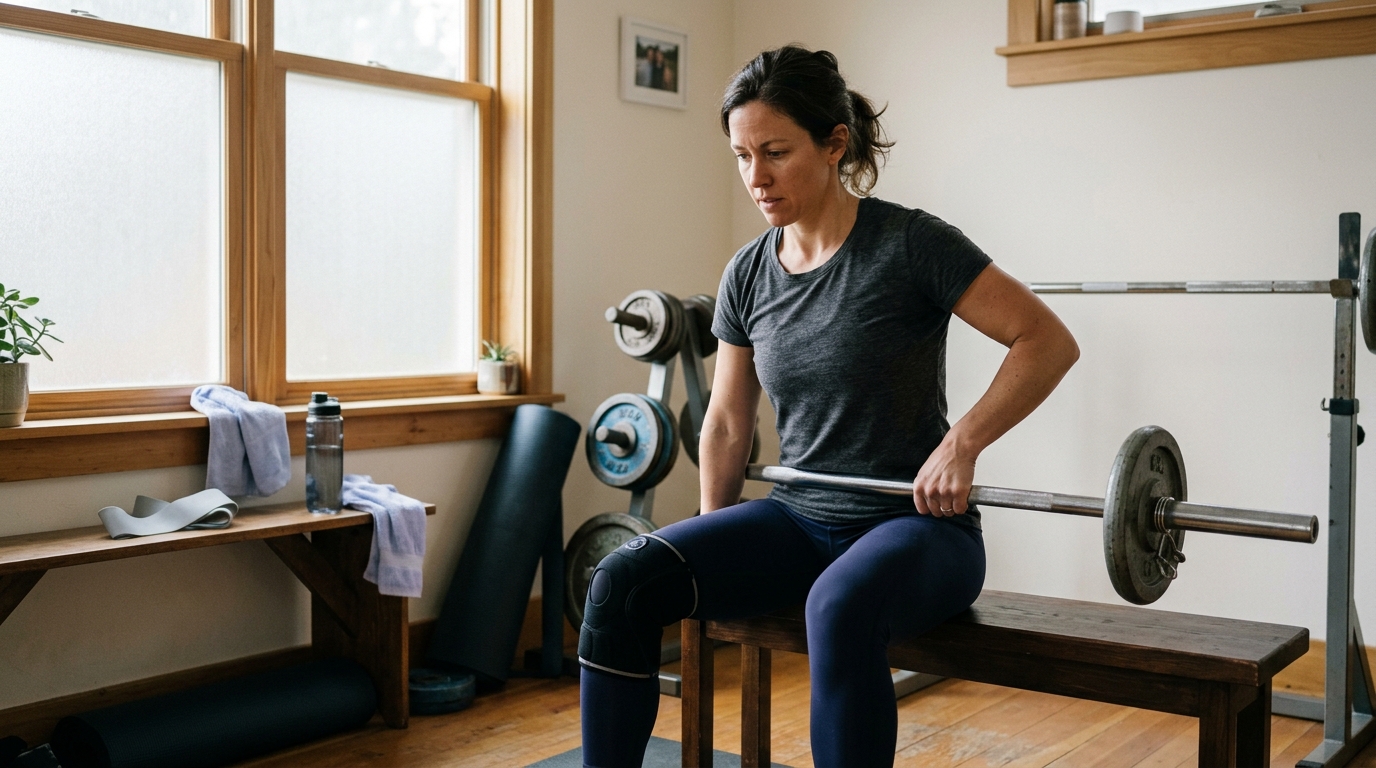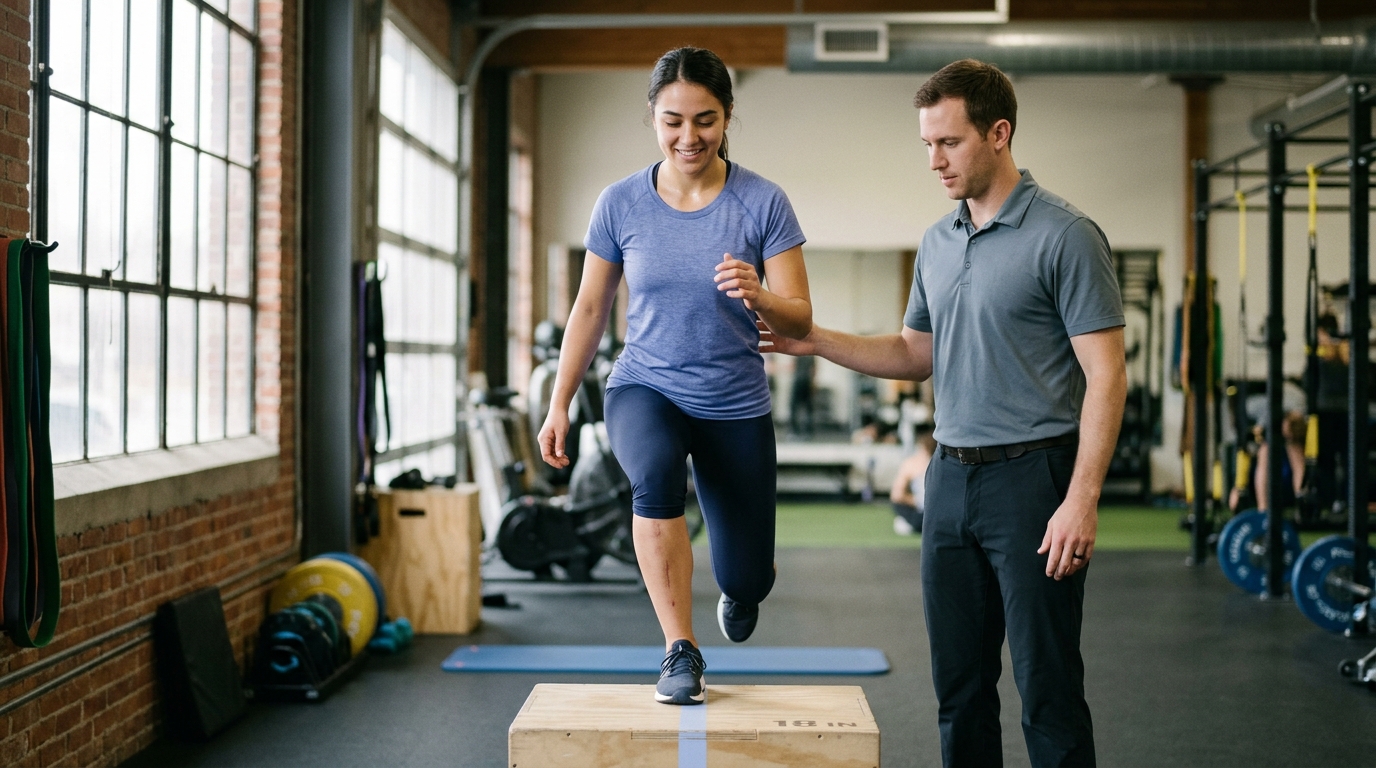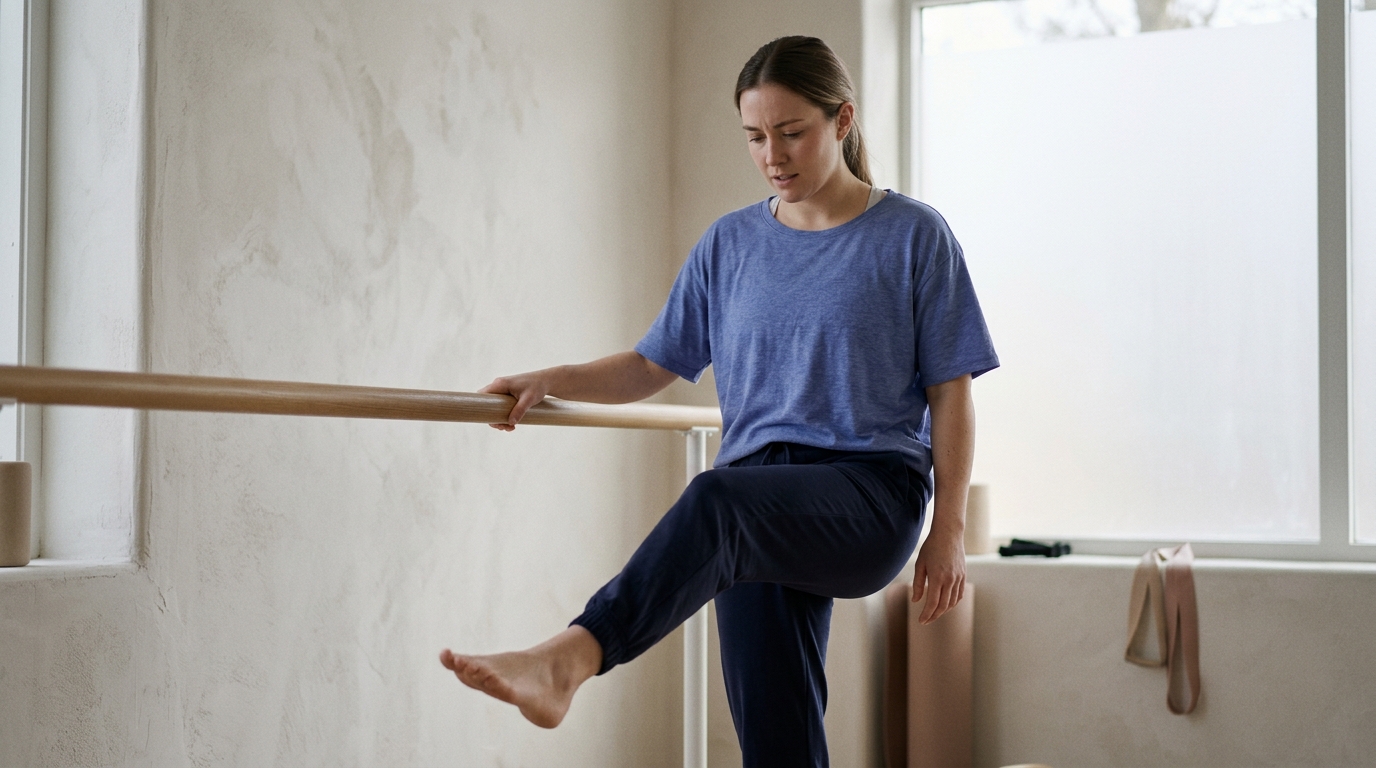

Balance is not a fixed personal trait but an interconnected physical system supported by targeted exercise, environmental awareness, and self-screening tools.





Fall prevention is a structured approach to maintaining balance, functional strength, sensory coordination, and environmental awareness as you age. It is not an inevitable consequence of getting older, nor is it a rigid set of restrictions designed to limit everyday independence. Staying steady relies on the coordinated actions of your nervous system, muscles, sensory organs, and surrounding spaces.
This guide examines the biological and environmental systems that govern physical stability. It details the strongest evidence-based exercise interventions, outlines a four-step self-check framework, and highlights practical ways to adapt home environments. Understanding these factors helps adults build sustainable habits that preserve mobility and lower physical hazards over time.
Balance is often described as an isolated physical skill, but research demonstrates that steadiness functions as an interconnected physiological system. When you navigate a crowded room or step off a curb, multiple body systems work together to keep you upright. A disruption in any single component can reduce stability, especially when combined with external hazards.
Public health frameworks organize physical stability into six distinct yet interacting domains. Understanding how these domains influence one another allows adults to address the underlying drivers of unsteadiness rather than viewing falls as random occurrences.
Your central nervous system relies on three separate sensory inputs to understand your orientation in space. The visual system tracks your position relative to surrounding objects and surfaces. The vestibular system, located within the inner ear, senses head movements, acceleration, and gravitational pull.
The third input is proprioception, which consists of sensory receptors in muscles, tendons, and joints that report limb position and pressure. The brain processes these three streams of data and coordinates rapid motor adjustments. When age-related changes, neuropathy, or inner-ear disorders affect these sensory pathways, sensorimotor training becomes essential to help the brain adapt.
Adequate muscular force is necessary to support body weight during basic movements like rising from a chair or climbing stairs. However, muscle power, which is the ability to generate force quickly, is equally critical for recovery. When you trip or lose your footing, muscle power allows your leg to step forward rapidly to catch yourself.
Age-related muscle loss, known as sarcopenia, preferentially affects fast-twitch muscle fibers that generate rapid power. Rebuilding lower-body strength through targeted mobility and movement practices and resistance work provides the physical foundation required for stable movement.
Gait refers to the pattern and rhythm of your walking stride. Changes in walking speed, stride length, foot clearance, or step symmetry directly influence balance on uneven ground. Functional mobility also includes the capacity to transition between positions, such as moving from lying down to sitting or turning around in tight hallways.
When walking requires high conscious effort, managing secondary tasks becomes harder. Maintaining smooth walking mechanics reduces the cognitive load of everyday movement, leaving more mental bandwidth to spot external hazards.
Clear vision allows you to detect surface changes, contrast shifts, and obstacles well before you reach them. Visual acuity, depth perception, peripheral vision, and contrast sensitivity often change gradually over time. Conditions such as cataracts, glaucoma, or macular degeneration reduce the clarity of spatial information sent to the brain.
Bifocal or multifocal lenses can also distort depth perception when looking downward at stairs or curbs. Regular vision assessments ensure that sensory input remains accurate enough to support safe navigation.
Underlying medical conditions significantly influence daily stability. Cardiovascular issues, dehydration, or autonomic dysfunction can cause orthostatic hypotension, which is a sudden drop in blood pressure when standing up. This drop can lead to lightheadedness, blurred vision, or fainting.
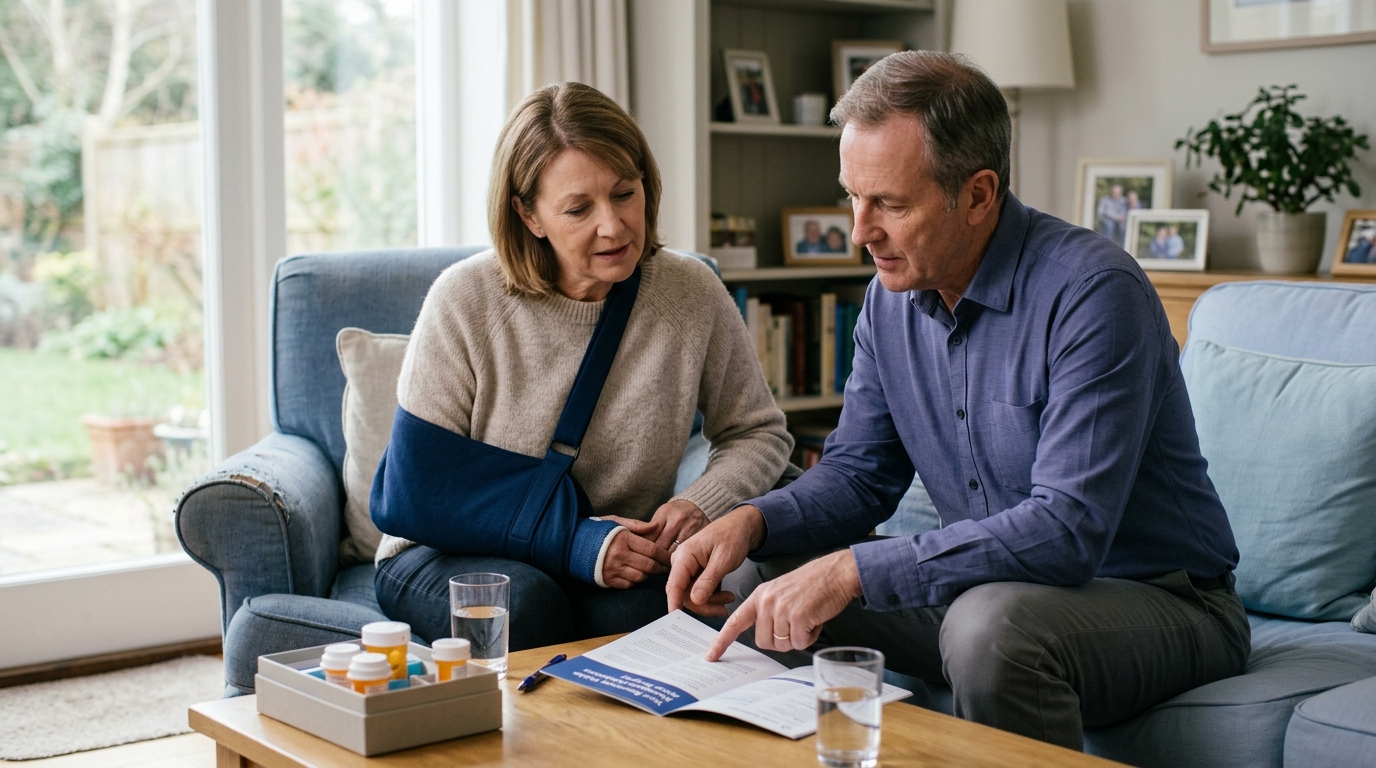
Certain medications also affect the central nervous system and physical coordination. Sedatives, sleep aids, blood pressure drugs, and medications with anticholinergic effects can cause drowsiness, dizziness, or slowed reaction times. Reviewing prescriptions regularly helps identify medications that may elevate fall risk.
Physical capabilities do not exist in a vacuum; they interact constantly with your physical environment. A person who walks steadily on a flat, well-lit indoor floor may experience instability on a dim staircase while carrying a laundry basket. Environmental demands multiply when physical tasks are rushed or when multiple challenges occur at once.
Modifying physical spaces reduces avoidable physical demands. Pairing environmental adaptations with deliberate movement pacing allows adults to maintain routine activities with greater confidence and physical support.
Clinical research from major health organizations provides clear data on the effectiveness of fall prevention interventions. The strongest evidence focuses on community-dwelling adults aged 65 and older, as well as individuals aged 50 to 64 who have established risk factors. The data reveals that targeted interventions significantly reduce the rate of falls, though outcomes vary based on individual health profiles.
According to data from the Centers for Disease Control and Prevention (CDC), more than one in four older adults falls each year in the United States. Fewer than half of those who fall report the event to their healthcare provider. In 2024, falls among adults aged 65 and older caused more than 43,000 deaths, remaining the leading cause of injury-related death for this demographic. The age-adjusted fall-death rate increased 21 percent between 2018 and 2024, rising from 64.7 to 78.4 per 100,000 individuals. Furthermore, one in 10 falls results in an injury that restricts activity for at least one day or requires medical care.
Globally, the World Health Organization (WHO) reports that approximately 37.3 million falls each year are severe enough to require medical attention. Adults over 60 experience the highest number of fatal falls worldwide. These figures underscore the value of proactive, evidence-based prevention programs.
Structured physical exercise represents the most effective single intervention for reducing fall rates among community-dwelling older adults. A comprehensive Cochrane systematic review analyzed 59 randomized controlled trials involving 12,981 participants. The review found that structured exercise programs reduced the overall rate of falls by 23 percent compared to standard care or non-exercise controls.
The Cochrane review noted that programs centered on balance and functional exercises yielded the most consistent reductions in fall rates. Programs that combined balance and functional training with resistance exercise also demonstrated clear protective benefits. The evidence indicates that challenging balance exercises must be sustained over time to maintain their protective adaptations.
Evidence reviews conducted by the U.S. Preventive Services Task Force (USPSTF) corroborate these findings across diverse community populations. In pooled trials analyzed by the USPSTF, exercise interventions lowered the incident fall rate by 15 percent and reduced the proportion of participants experiencing one or more falls by eight percent. The USPSTF also found a 16 percent reduction in injurious falls across pooled studies.
While physical exercise consistently reduces the frequency and rate of falls, the broader clinical data highlights important boundaries. The USPSTF evidence review determined that exercise interventions did not produce a statistically significant reduction in fall-related bone fractures or all-cause mortality. Exercise lowers the probability of falling, but bone density, impact velocity, and biological tissue tolerance also govern fracture risk.
Trial design in published studies also offers practical context for real-world application. In the USPSTF review, 30 of 37 exercise trials included gait, balance, and functional training, while 25 of 37 incorporated progressive resistance work. The most common exercise frequency was two to three sessions per week over a 12-month period, with program lengths ranging from two to 30 months.
These parameters describe the protocols evaluated in research trials rather than a rigid prescription for every individual. Exercise lowers risk substantially, but it cannot eliminate all falls or fully counteract unaddressed environmental hazards, unmanaged vision loss, or complex medication interactions.
Clinical guidelines differentiate between single-component interventions and multifactorial strategies. The USPSTF assigns a Grade B recommendation to exercise interventions for community-dwelling adults aged 65 and older who are at increased risk of falls. This recommendation indicates high certainty of a moderate to substantial net benefit.
For multifactorial interventions, which involve assessing multiple personal and environmental factors and delivering customized treatments, the USPSTF assigns a Grade C recommendation. This rating reflects a smaller overall net benefit when applied broadly to all individuals. The USPSTF recommends that clinicians selectively offer multifactorial interventions based on prior fall history, existing medical conditions, and individual patient values.
The National Institute for Health and Care Excellence (NICE) recommends comprehensive, individualized assessments for older adults who present after a fall or demonstrate gait and balance impairments. Combining tailored exercise with home hazard mitigation and medical reviews offers the most cohesive support for individuals with complex health profiles.
Recognizing early changes in balance, strength, and mobility allows you to seek timely professional guidance before a serious fall occurs. A structured self-check framework provides a practical method for evaluating your daily stability. This self-check serves as a structured conversation starter for healthcare discussions rather than a home diagnostic tool.
The framework below adapts validated clinical screening principles from the CDC STEADI initiative and NICE clinical guidelines into four manageable steps.
Begin by asking yourself three direct screening questions developed for clinical fall risk identification:
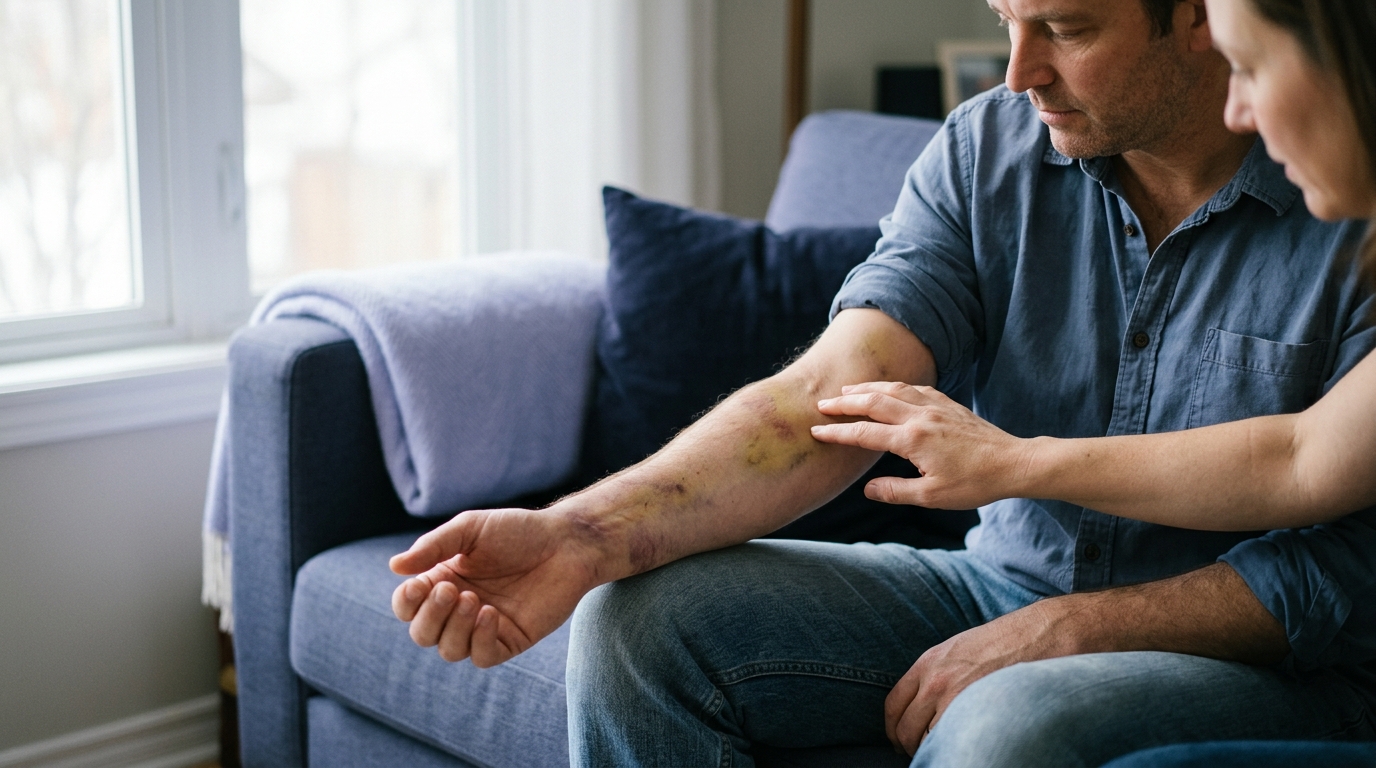
Under the CDC STEADI screening algorithm, answering "yes" to any one of these three questions identifies an increased risk that warrants further exploration. If you have fallen, determine how many times it occurred and whether any event caused pain, bruising, or restricted movement.
A validated tool known as the 12-question Stay Independent brochure also identifies risk if an individual scores four points or higher. Even when a score is below four, a history of falling in the past year remains an independent reason to arrange a clinical review.
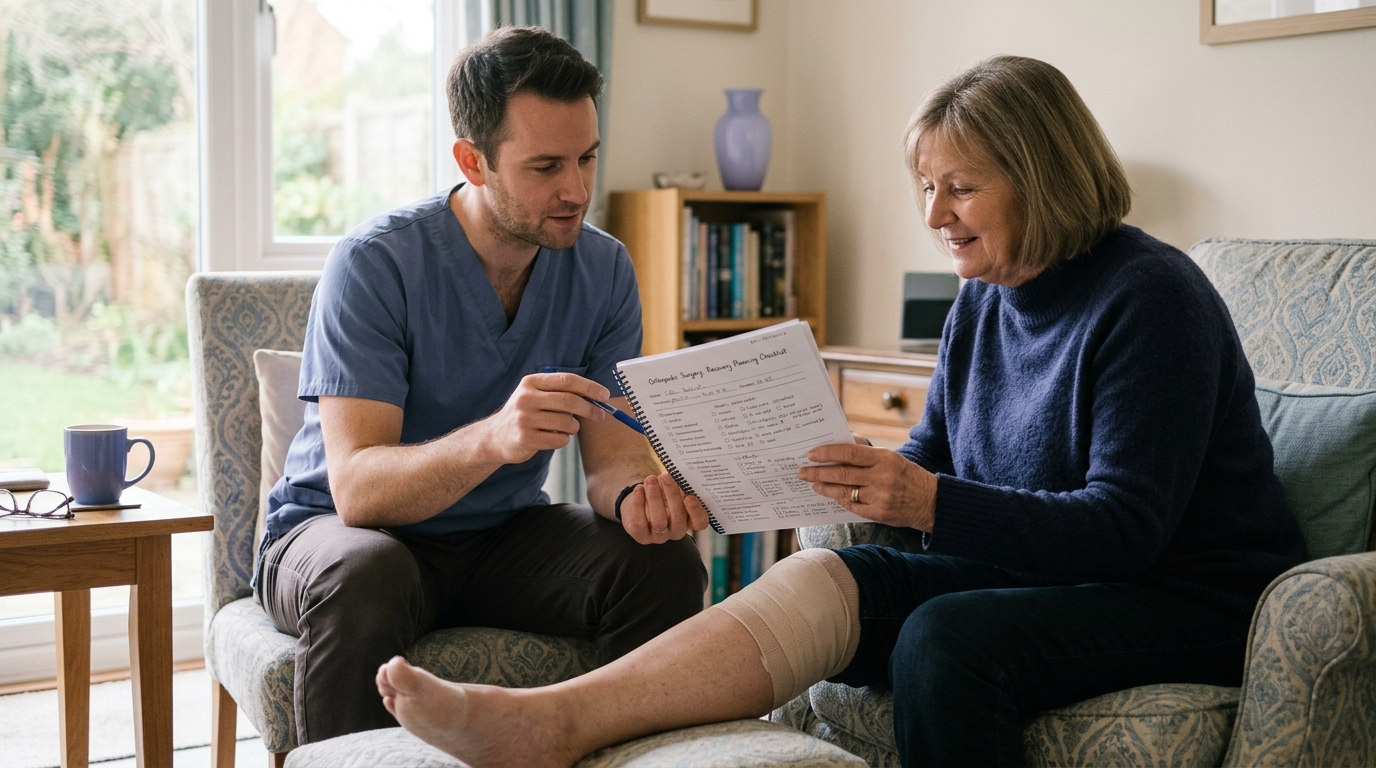
If you answered yes to any primary question, document the specific circumstances surrounding any fall, stumble, or feeling of unsteadiness. Identifying environmental and physiological patterns helps your healthcare provider pinpoint contributing factors. Record the following details in a notebook:
Review your documented notes to categorize which biological or external domains may be contributing to balance changes. Grouping your observations into clear functional areas prepares you for an efficient discussion with your physician or physical therapist:
Select an evidence-supported next step based on the patterns identified during your self-check. Rather than attempting unguided or restrictive changes, connect with appropriate clinical and community resources.
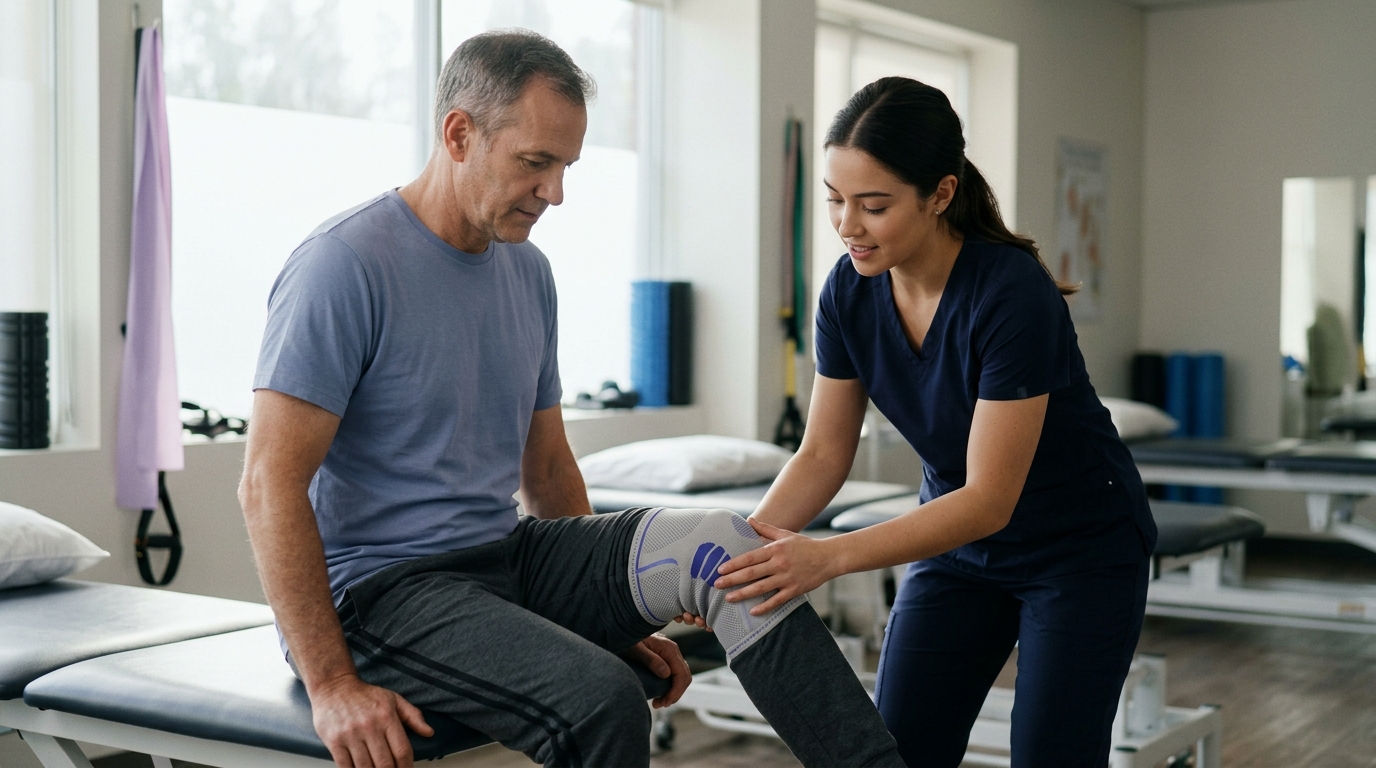
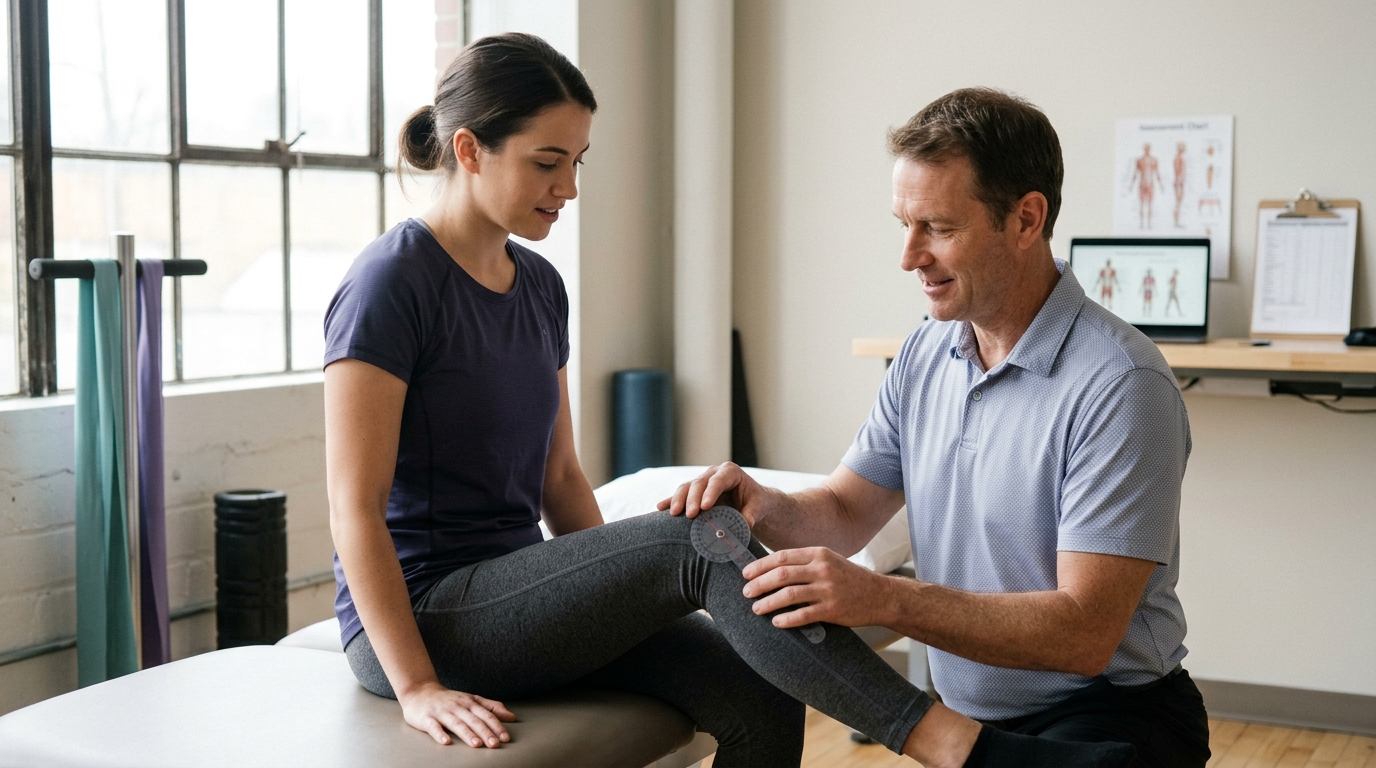
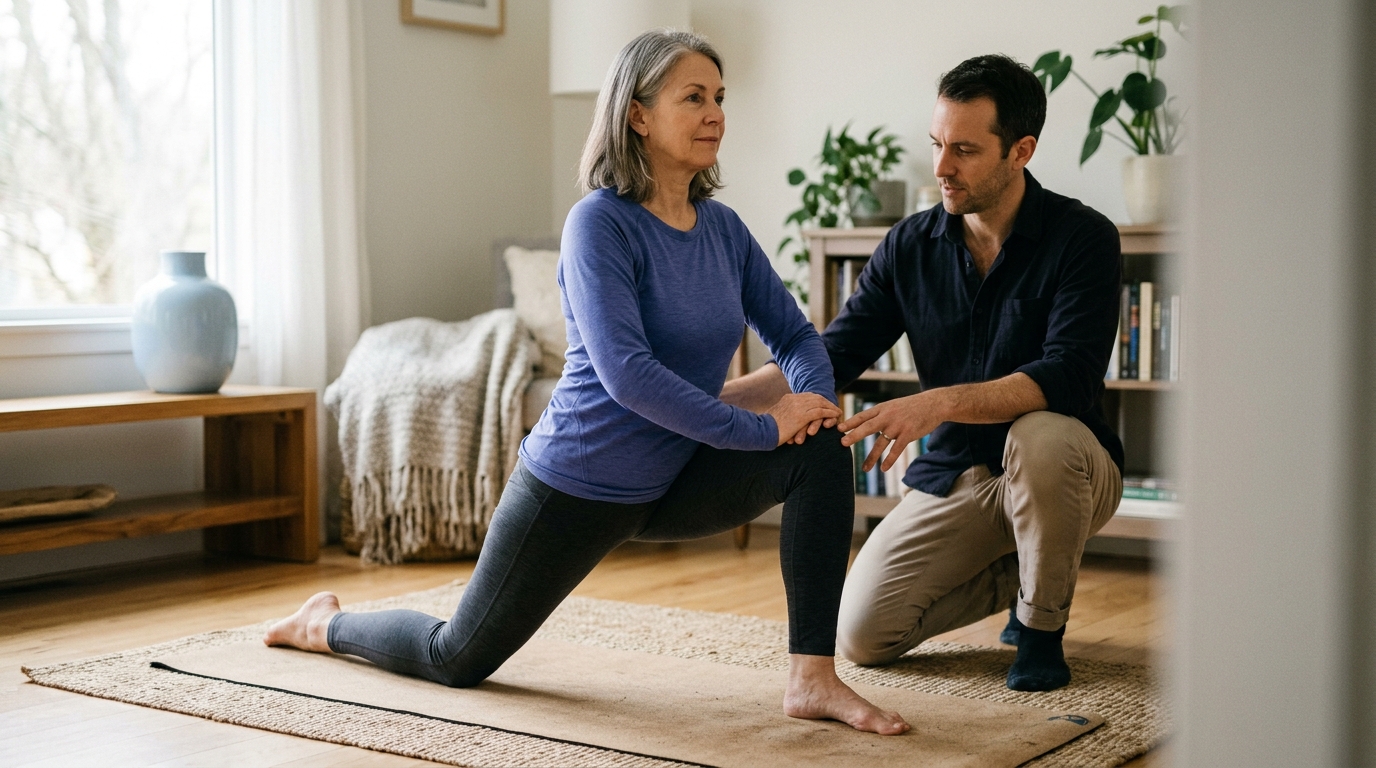
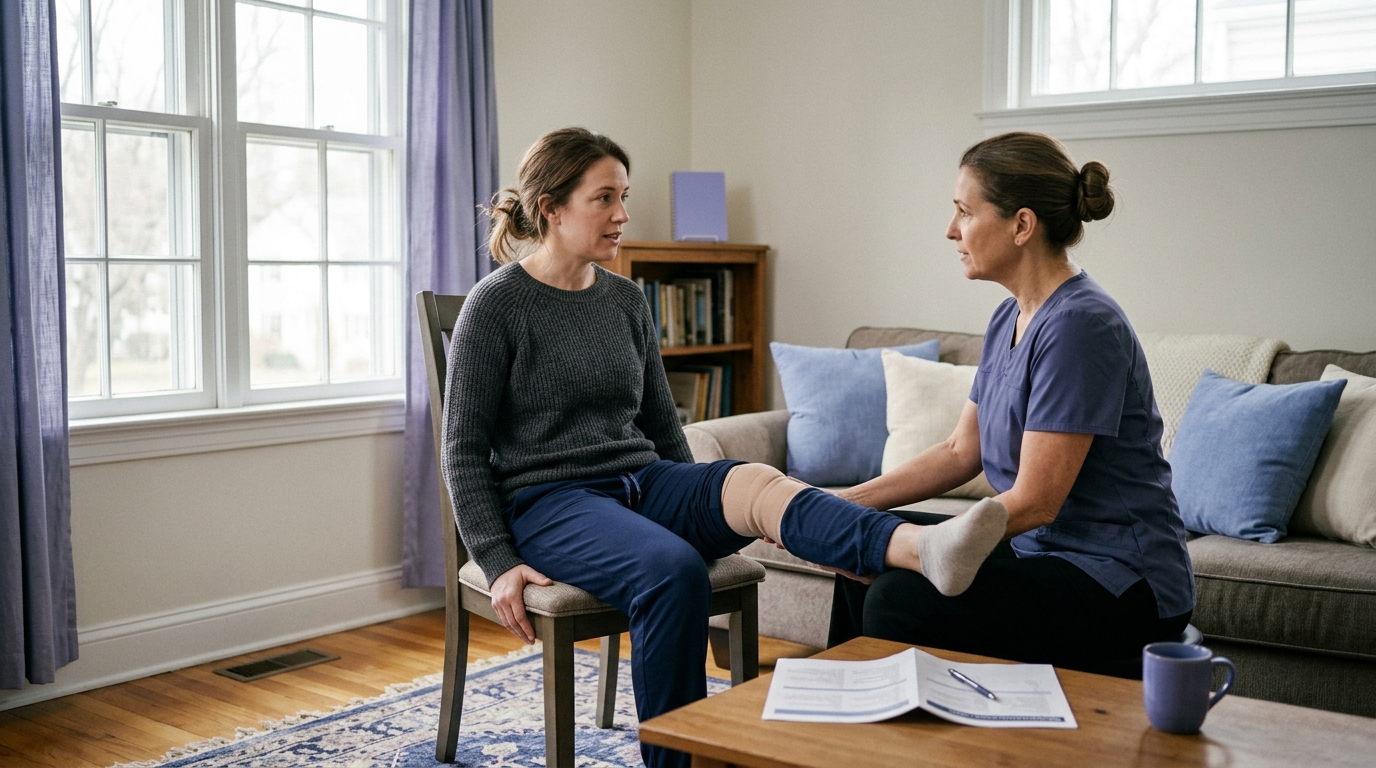
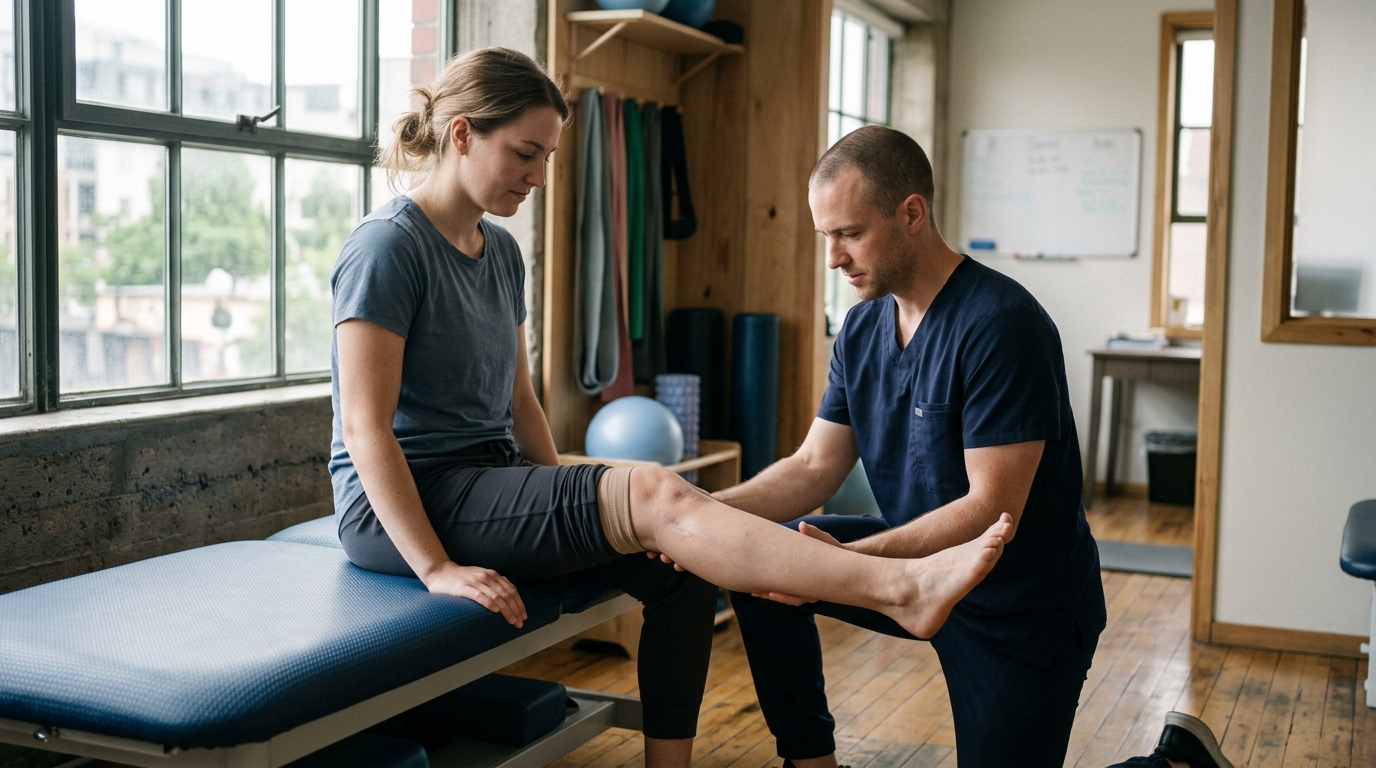
For gait, balance, or muscle weakness, ask a doctor for a referral to physical therapy or an evidence-based community exercise program. If home obstacles create persistent challenges, an occupational therapy home evaluation can provide customized recommendations for grab bars and lighting.
When dizziness or lightheadedness occurs upon standing, schedule an appointment to assess blood pressure changes and review current medications. Exploring injury prevention and active living resources can help you locate structured programs that align with your functional abilities.
Physical steadiness is not static; it fluctuates in response to biological recovery, lifestyle changes, and health events. Understanding the variables that alter fall risk helps adults set realistic timelines when rebuilding strength or recovering from a setback.
Several clinical, psychological, and behavioral factors directly influence balance and physical function over time.
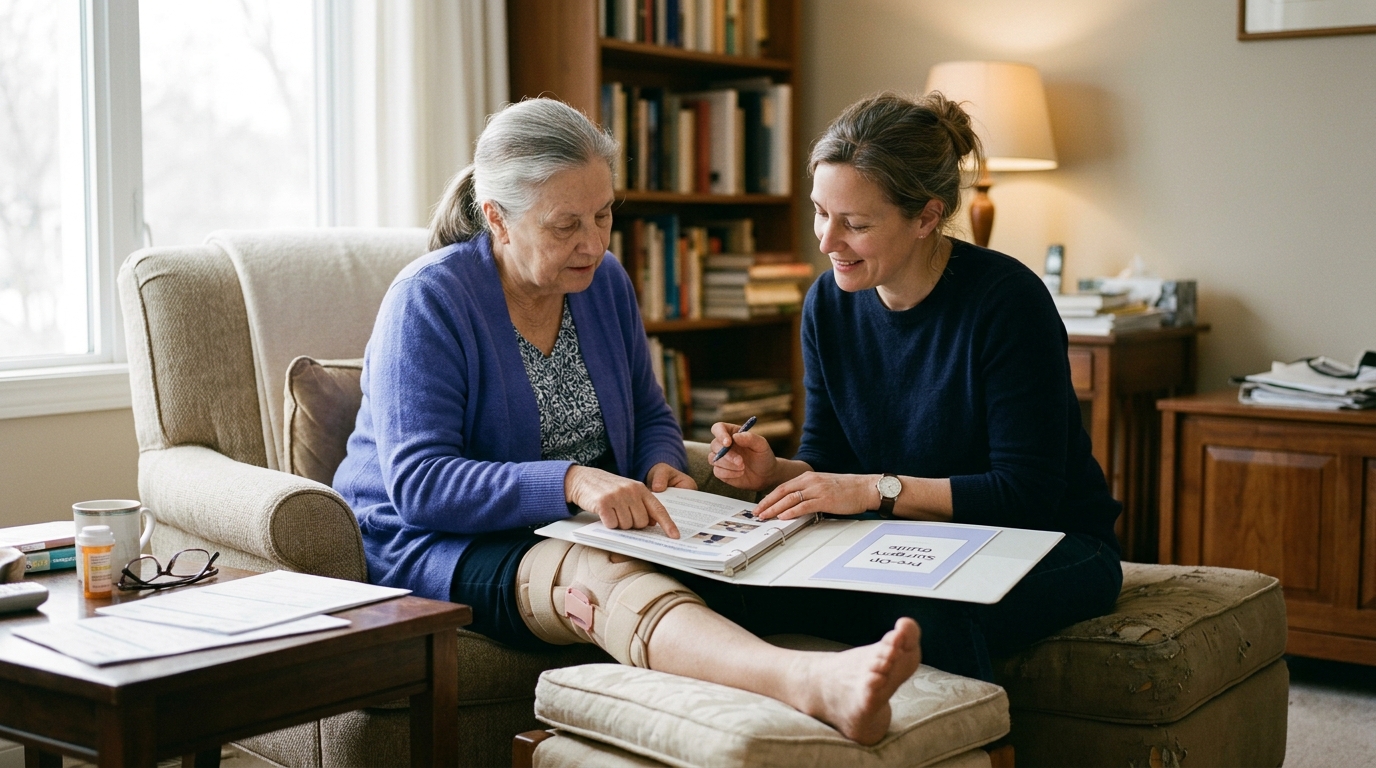
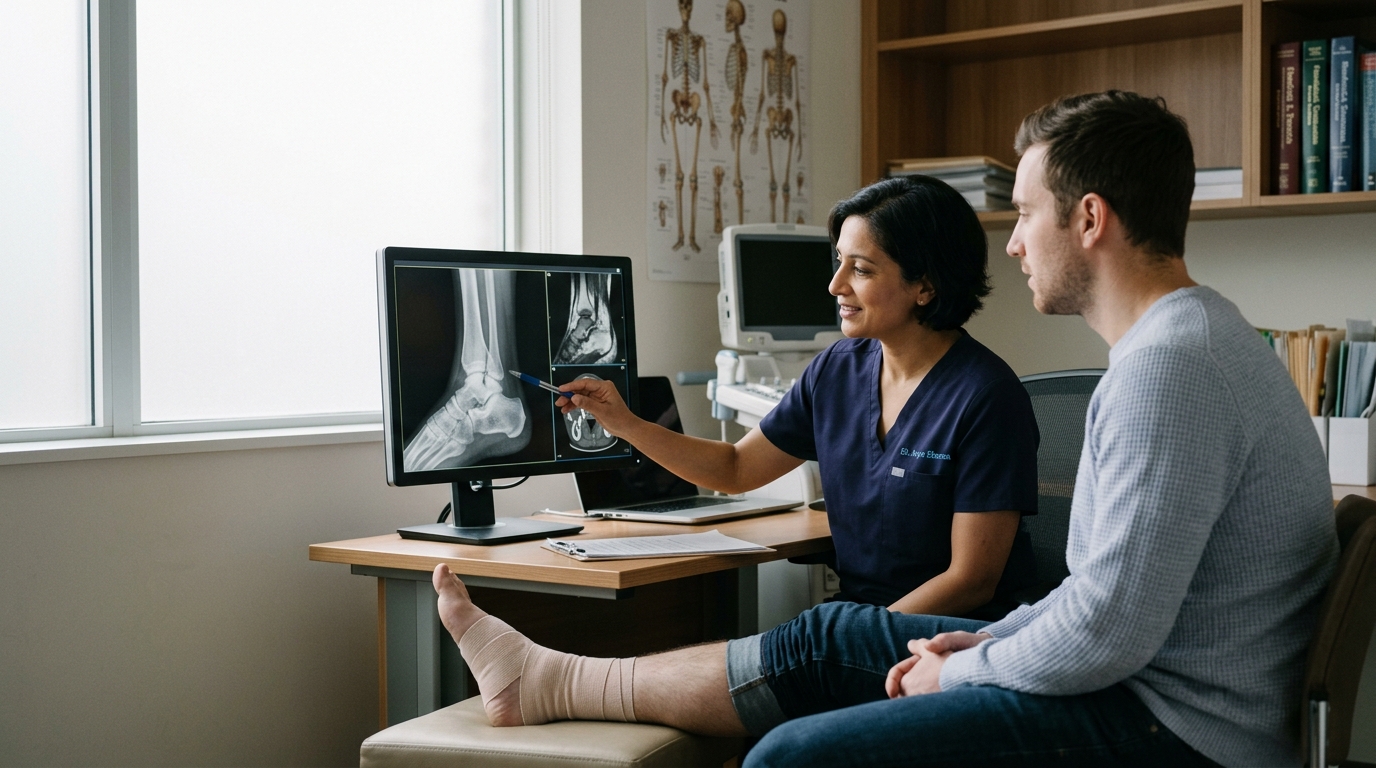
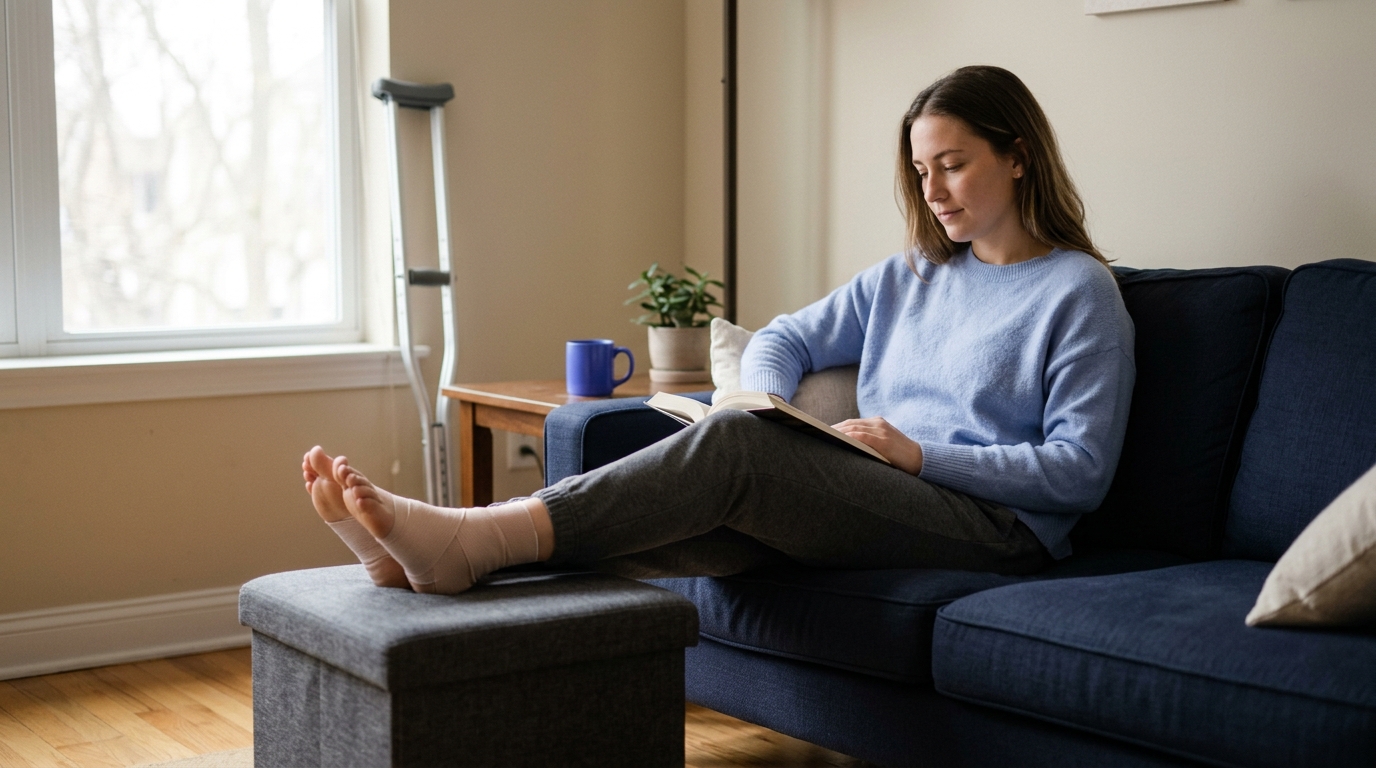
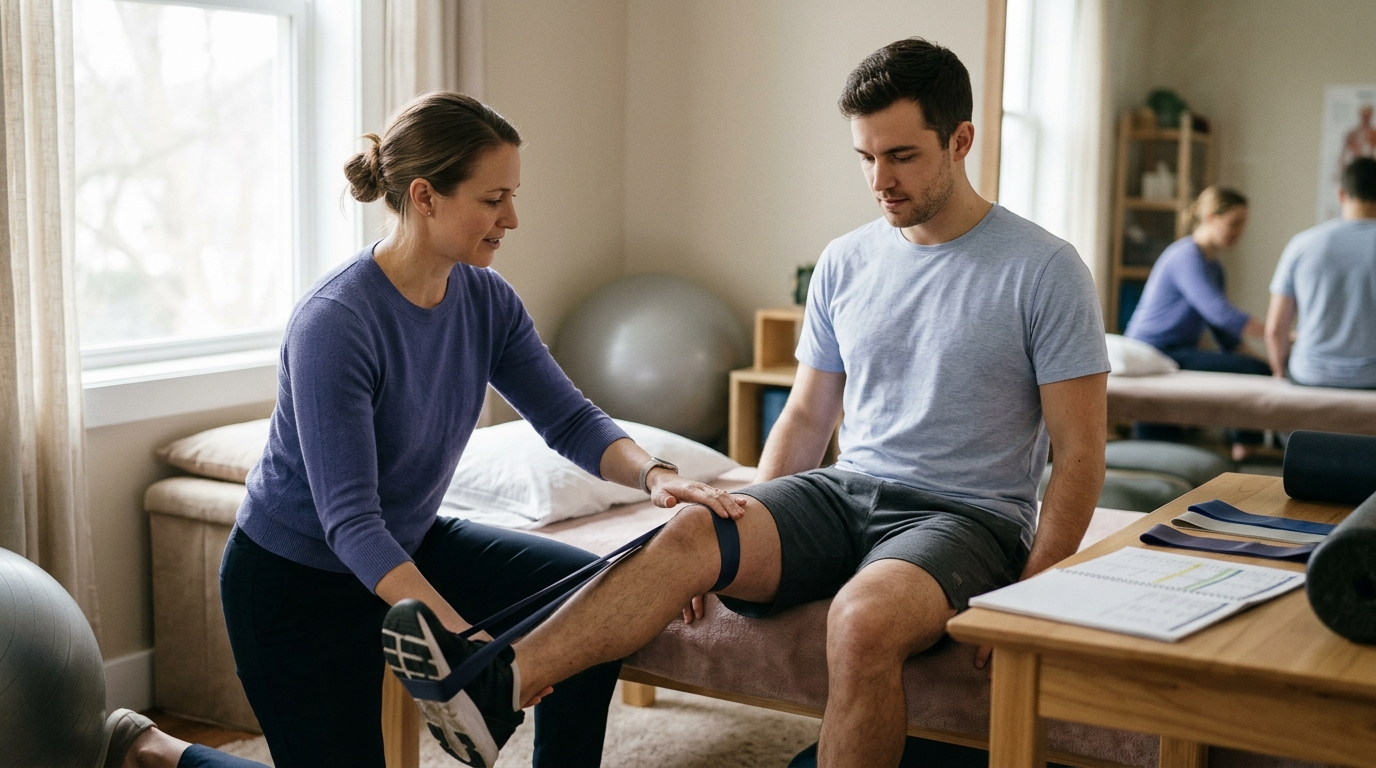
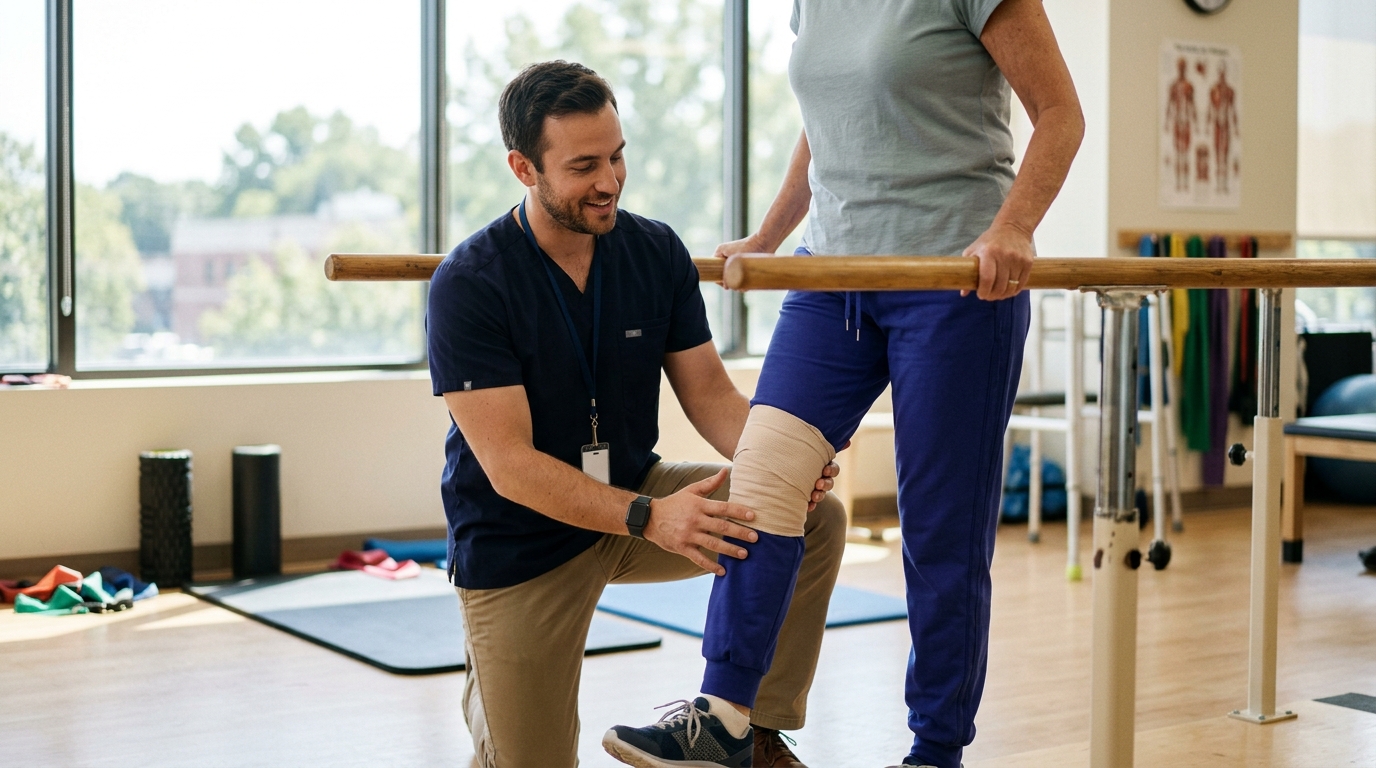
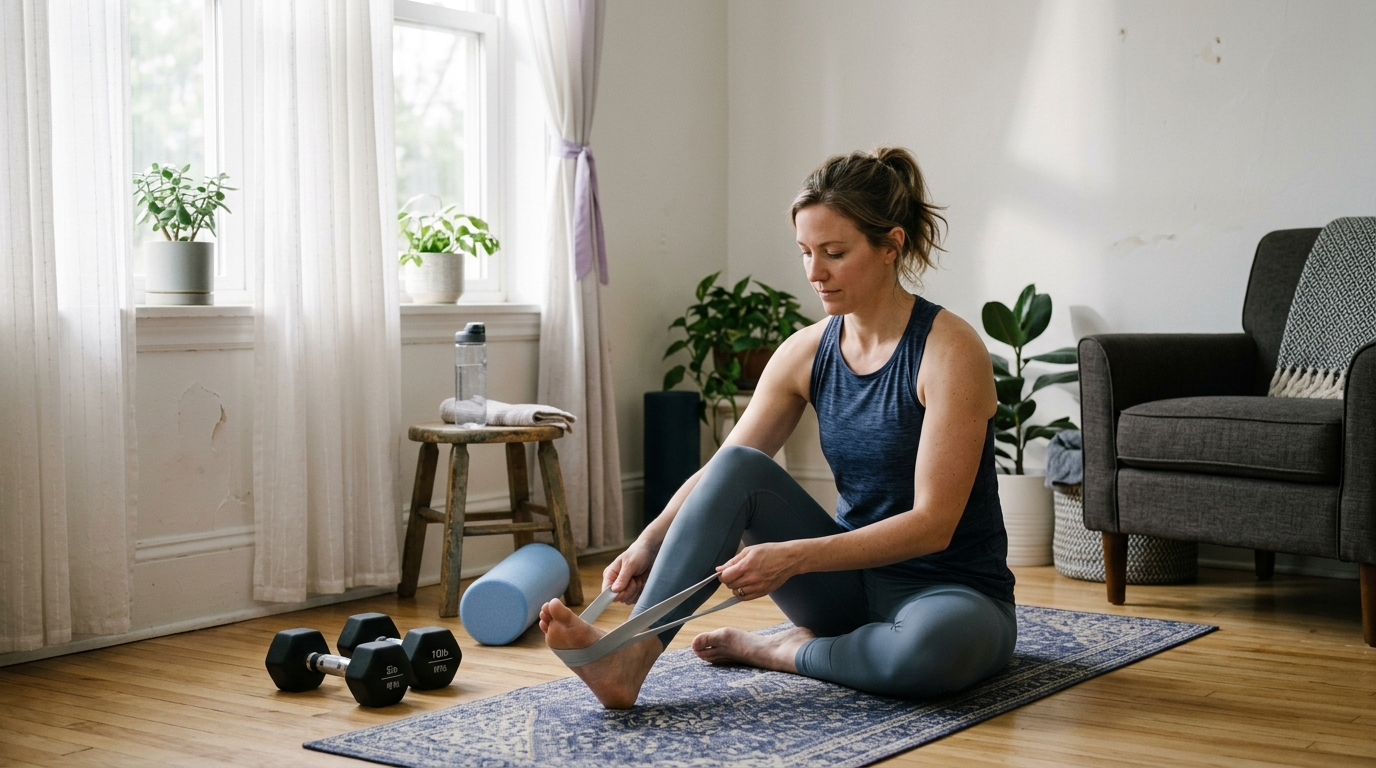
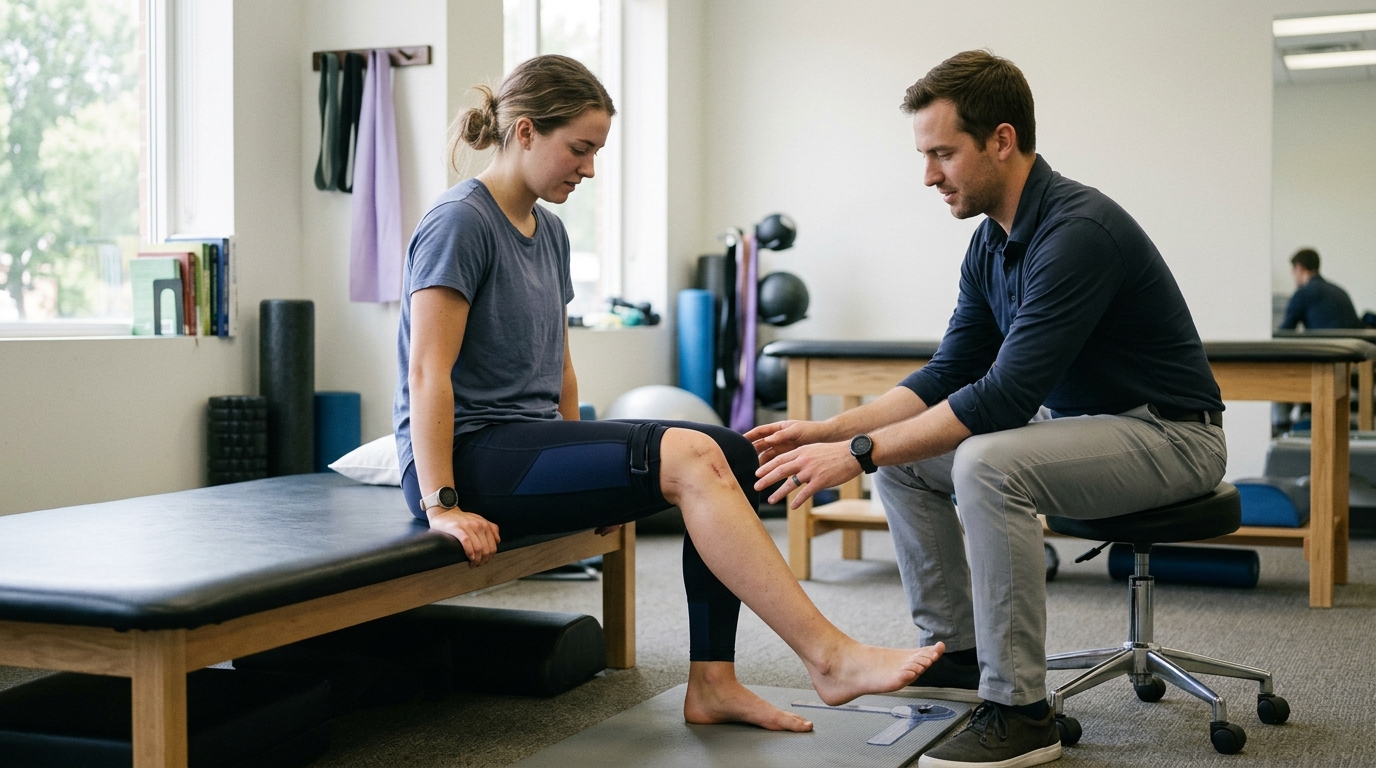
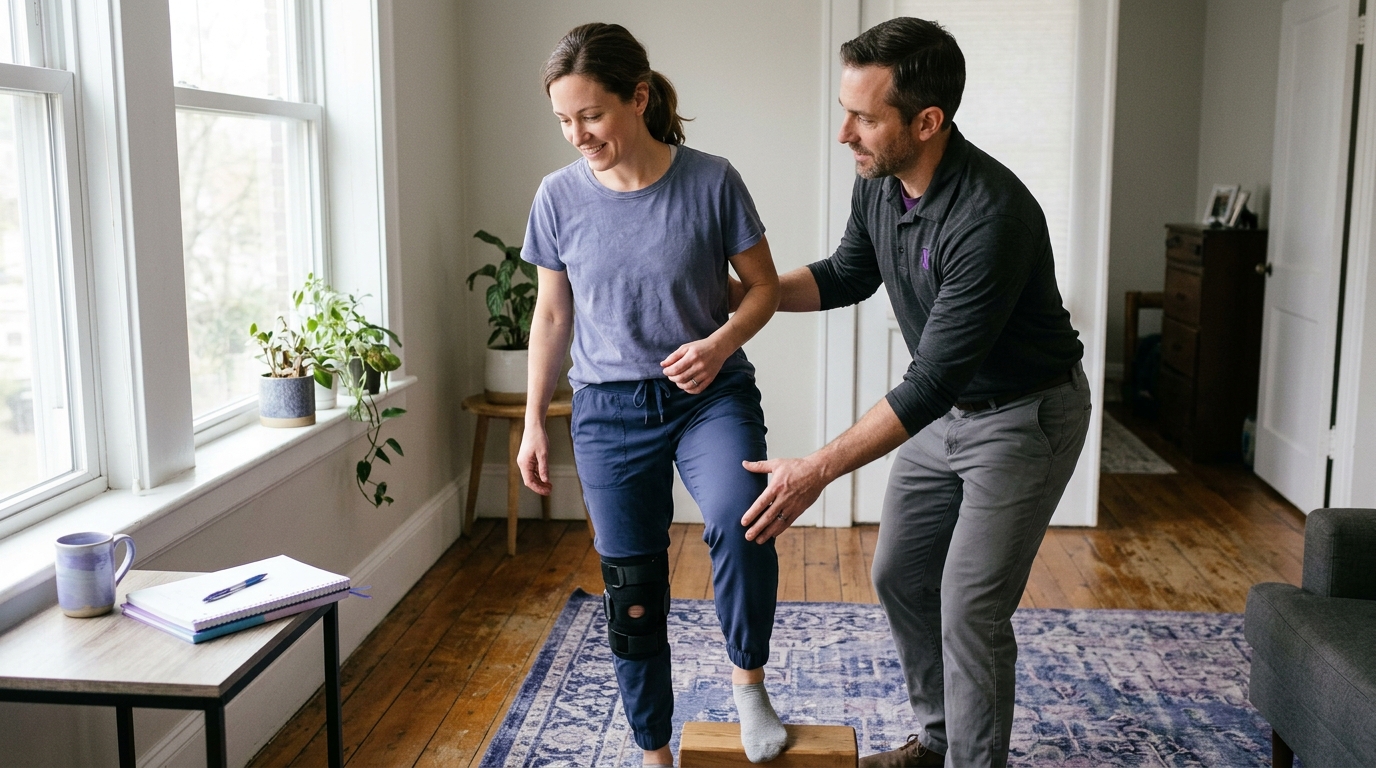
An acute injury, joint replacement, or prolonged illness can rapidly reduce muscle volume and disrupt joint proprioception. Following surgery or bed rest, lower-body strength declines at a faster rate than cardiovascular fitness. Rebuilding neuromuscular coordination requires consistent, progressive training over several months.
During early rehabilitation, individuals may experience temporary imbalances between muscular strength and joint stability. Rushing the return to complex physical activities before restoring foundational strength increases the likelihood of a fall. Consulting comprehensive evidence-based recovery resources helps individuals navigate these rehabilitation phases safely.
Underlying health conditions influence stability across both short-term and long-term timelines. Acute infections, such as urinary tract infections or respiratory illnesses, can cause sudden delirium, fatigue, and weakness that sharply elevate fall risk. Managing an acute illness requires temporary adjustments to daily activity levels until full health returns.
Chronic conditions like osteoarthritis, Parkinson's disease, peripheral neuropathy, and diabetes demand ongoing management. In diabetes, peripheral neuropathy damages sensory nerves in the feet, reducing proprioceptive feedback from the ground. People with chronic sensory changes must rely more heavily on visual cues and stable footwear to maintain steady walking patterns.
The psychological reaction to a fall or near miss can alter physical recovery trajectories. When an individual experiences a fall, fear of falling again often leads to self-imposed activity restrictions. A person may stop walking outside, avoid social outings, or cease household tasks to prevent another incident.
This behavioral avoidance initiates a destructive deconditioning cycle. Reduced physical activity leads to progressive muscle weakness, joint stiffness, and impaired balance control. As physical capacity declines, actual fall risk increases, reinforcing the initial fear. Addressing anxiety through gradual, supported movement restores physical capability and builds movement confidence.
Orthostatic hypotension alters balance rapidly upon standing. When moving from a lying or seated position to standing, gravity causes blood to pool in the lower extremities. If the autonomic nervous system does not adjust blood vessel tension promptly, blood flow to the brain decreases momentarily.
This condition produces transient symptoms, including lightheadedness, tunnel vision, and cognitive fogginess. Factors like dehydration, warm ambient temperatures, high carbohydrate meals, and certain medications exacerbate orthostatic drops. Taking time to pause in a seated position before standing reduces the frequency of positional balance disruptions.
Your feet provide the direct mechanical interface between your body and the walking surface. Structural foot conditions such as bunions, hammertoes, plantar fasciitis, and peripheral neuropathy alter pressure distribution during walking. Painful foot conditions often cause compensatory limping, which disrupts normal stride symmetry and stability.
Footwear characteristics also significantly influence balance performance. Walking indoors while wearing socks or smooth-soled slippers substantially increases slip risks on hard surfaces. Shoes with thick, soft midsoles or elevated heels reduce sensory feedback from the ground and impair postural stability. Supportive shoes with low, firm heels, non-slip tread, and secure fasteners enhance sensory input and provide reliable traction.
Modifying physical spaces is an established method for reducing environmental hazards and supporting natural movement patterns. Environmental modifications do not require turning a home into a sterile environment. Instead, the goal is to make routine paths easy to see, clear to navigate, and structurally supportive.
The CDC STEADI Check for Safety framework outlines specific room-by-room modifications that address the most common residential fall locations.
Staircases present significant mechanical demands because they require single-leg balance, lower-body strength, and accurate depth perception. A misstep on stairs carries a high probability of serious injury. Implementing the following environmental adjustments supports safe stair navigation:
Bathrooms are high-risk areas due to wet, slippery surfaces and the physical transitions required when stepping into tubs or rising from low seats. Standard towel bars and soap holders are not designed to support human weight and should never be used for balance support. Essential bathroom adaptations include:
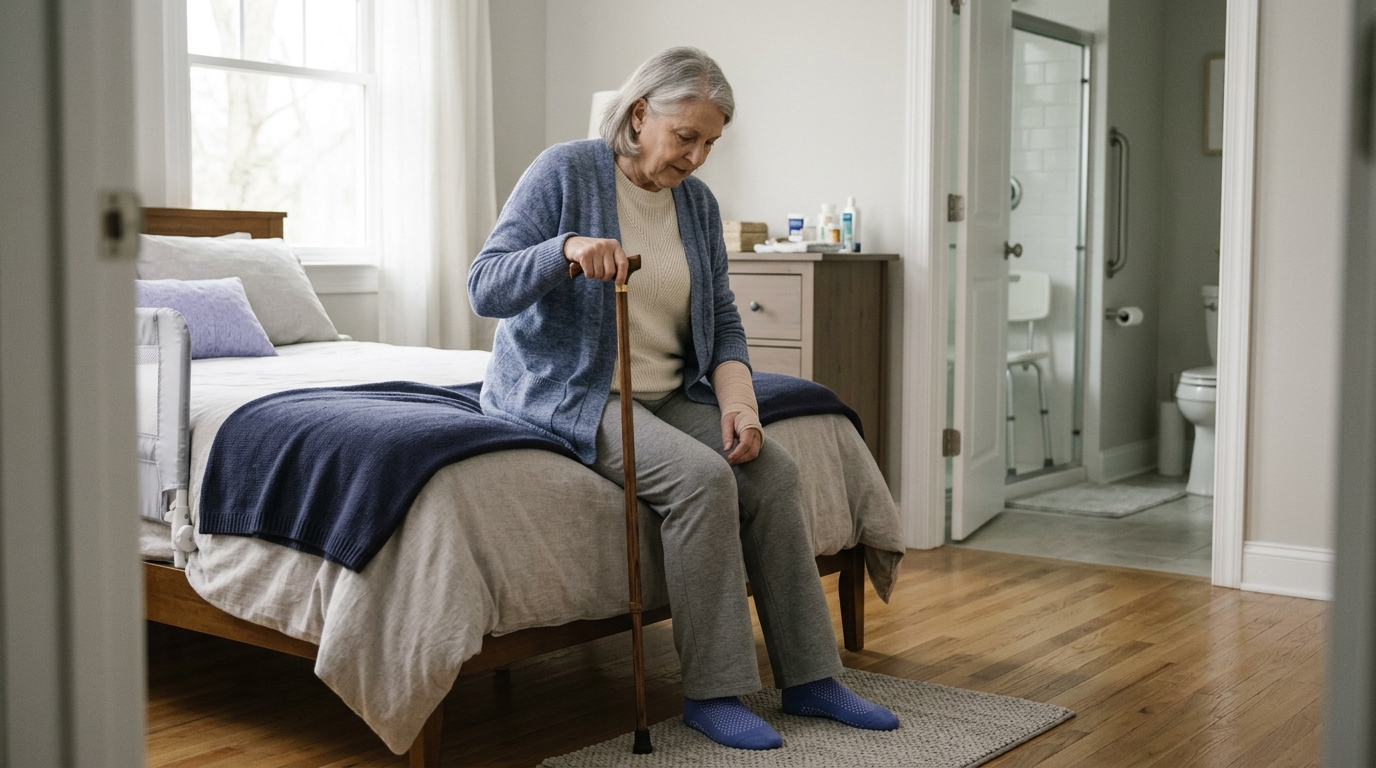
Navigating living spaces in the dark while transitioning from sleep creates a vulnerable window for unsteadiness. Groggy cognitive states combined with low lighting and orthostatic blood pressure drops increase stumble risks. Optimizing the bedroom and nighttime path to the bathroom involves practical changes:
General living spaces should offer wide, unobstructed pathways that accommodate natural walking strides without requiring sudden sideways movements or turns around furniture. Key home modifications include:
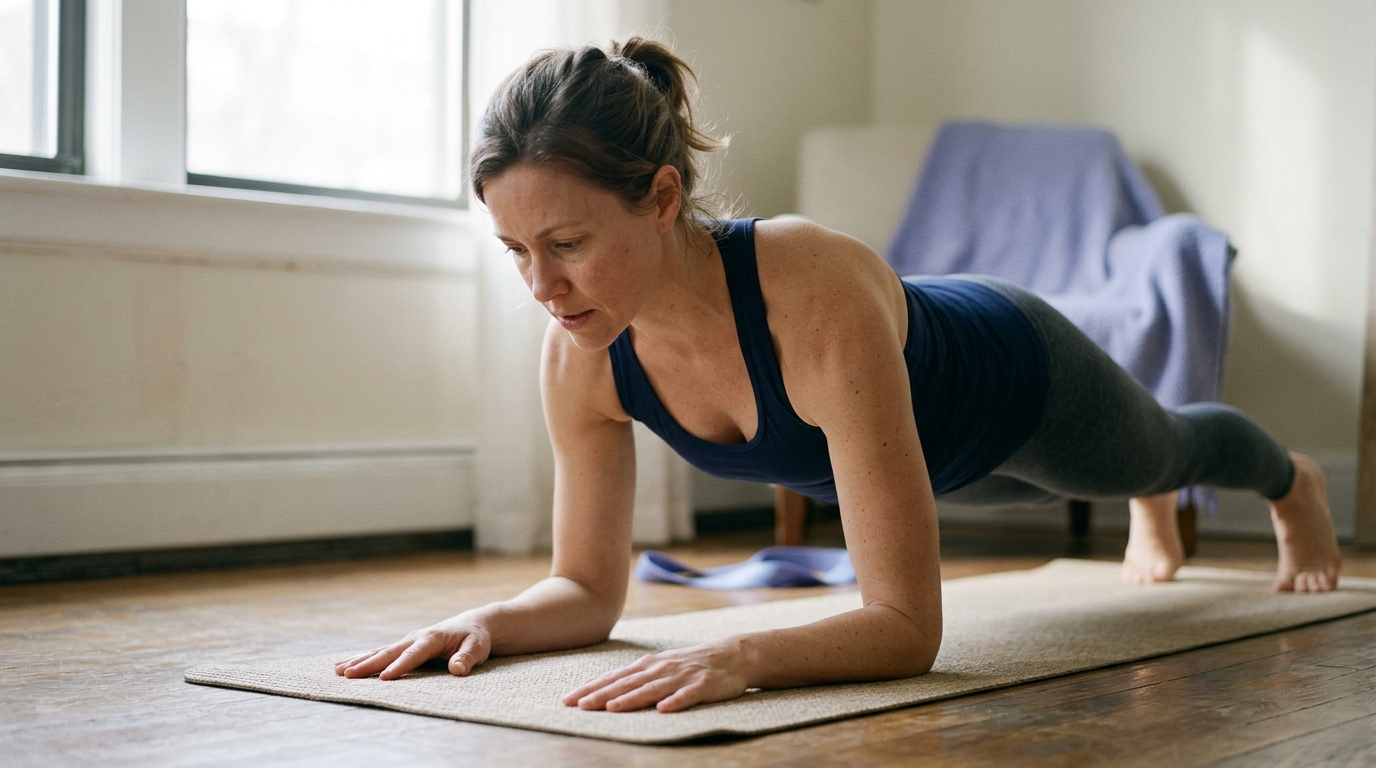
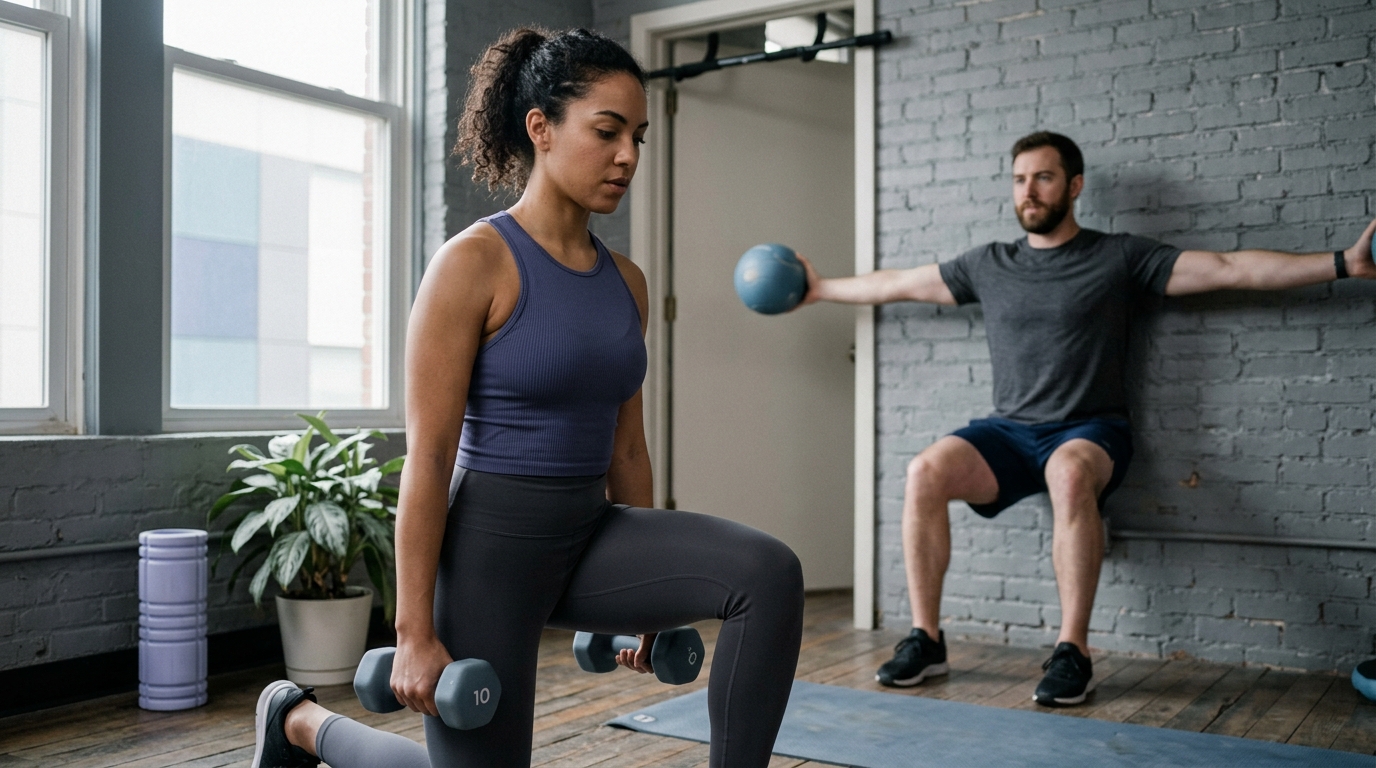
Effective fall prevention exercise requires more than generic physical activity. Walking is beneficial for cardiovascular health, but clinical trials show that walking alone does not significantly reduce fall rates among older adults. Programs must include progressive challenges to balance, sensory integration, and lower-body strength to stimulate neuromuscular adaptations.
Guidance from NICE and evidence-based clinical protocols recommend incorporating multiple training modalities into a cohesive weekly routine.
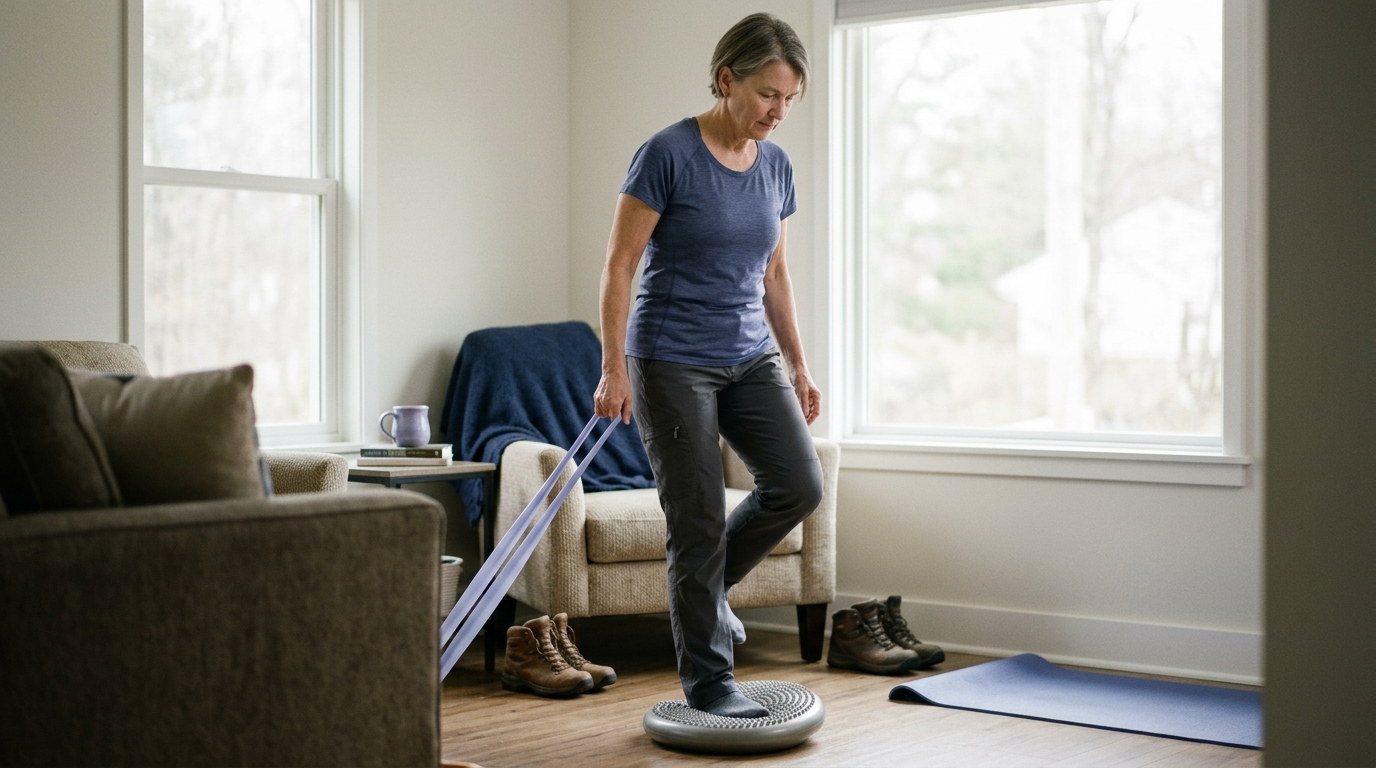
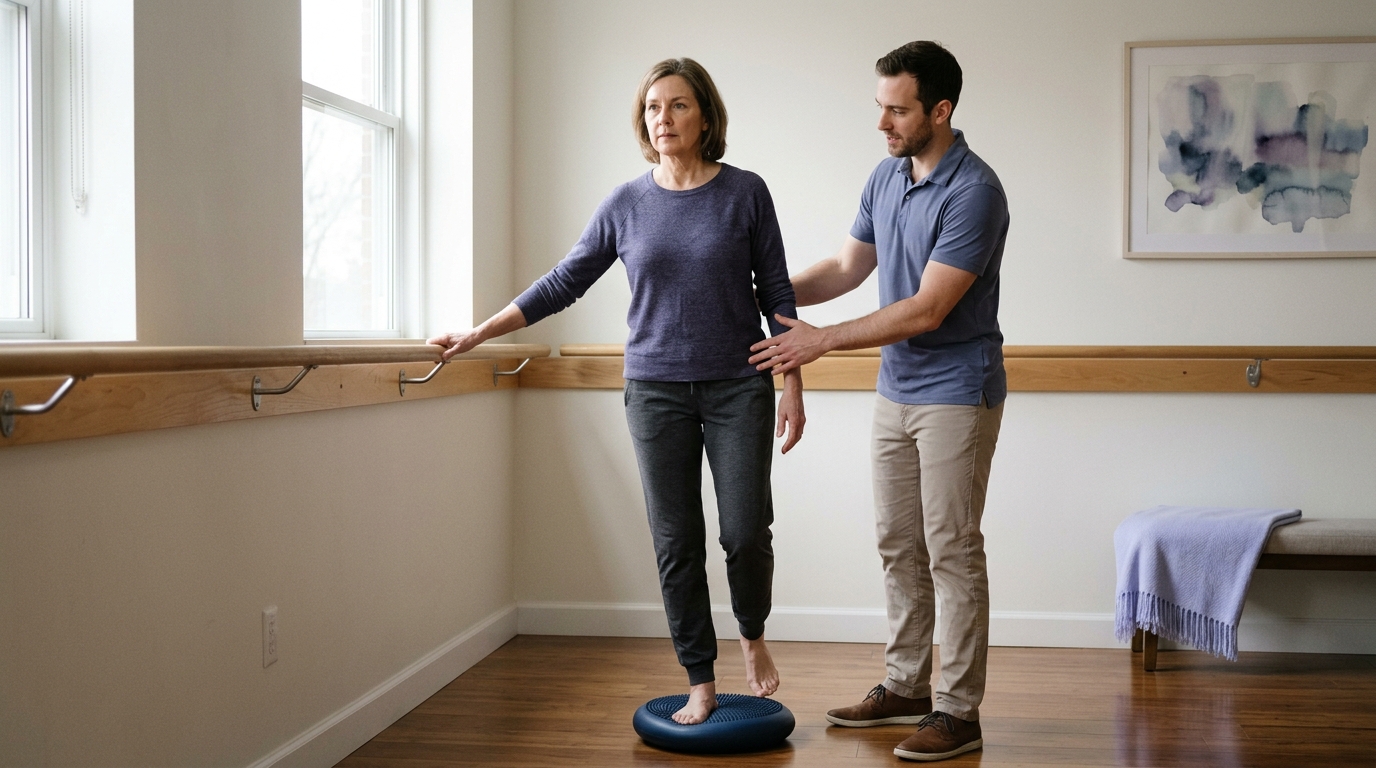
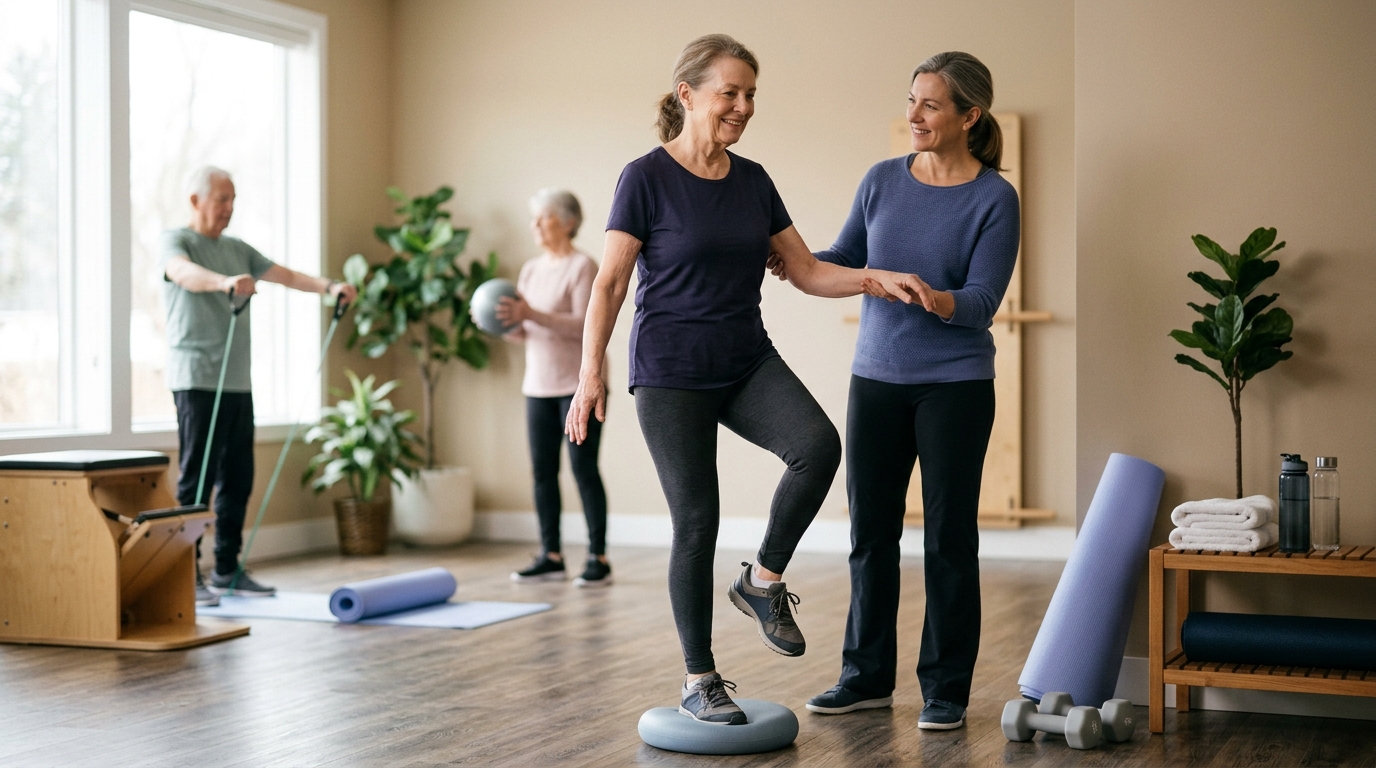
Sensorimotor training challenges the central nervous system to maintain equilibrium while sensory conditions vary. These exercises force the brain to rely more heavily on vestibular and proprioceptive signals when visual feedback is reduced or when support surfaces change.
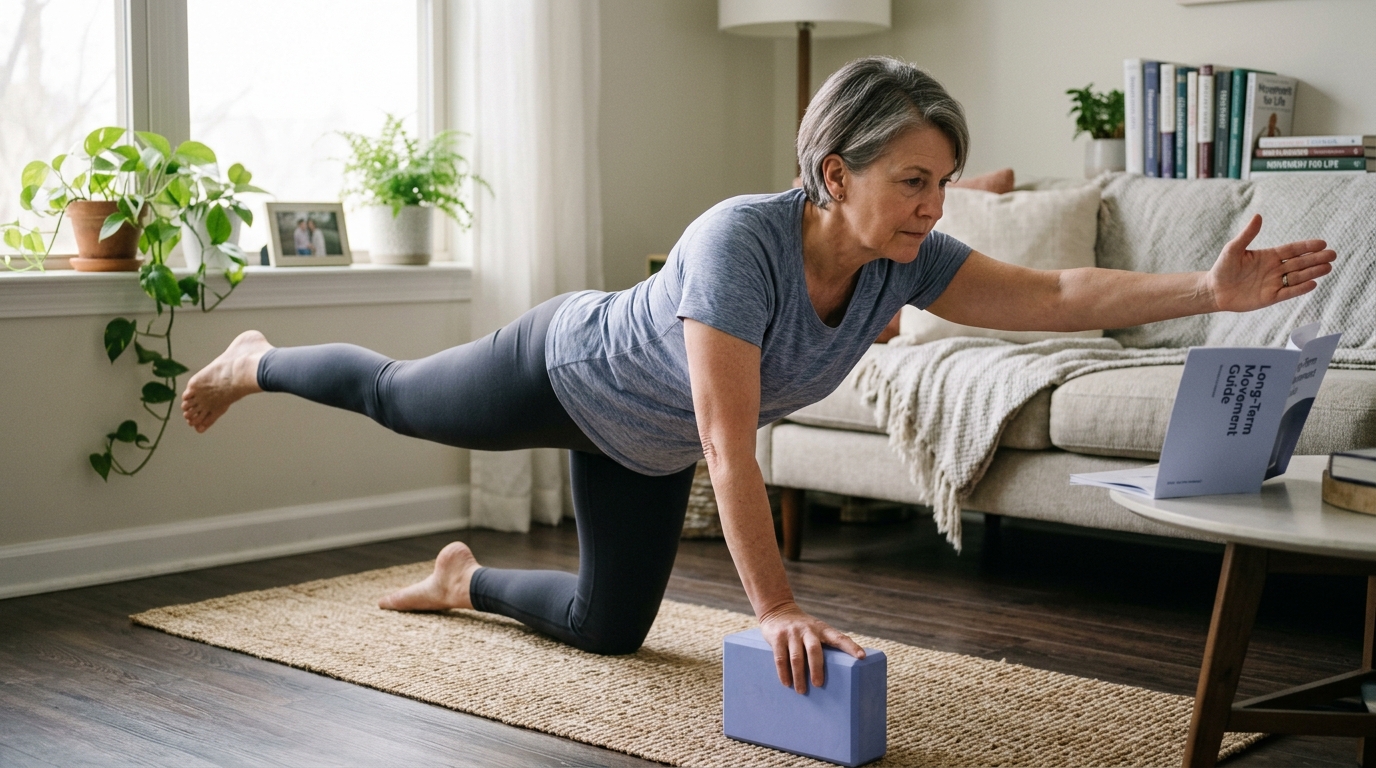
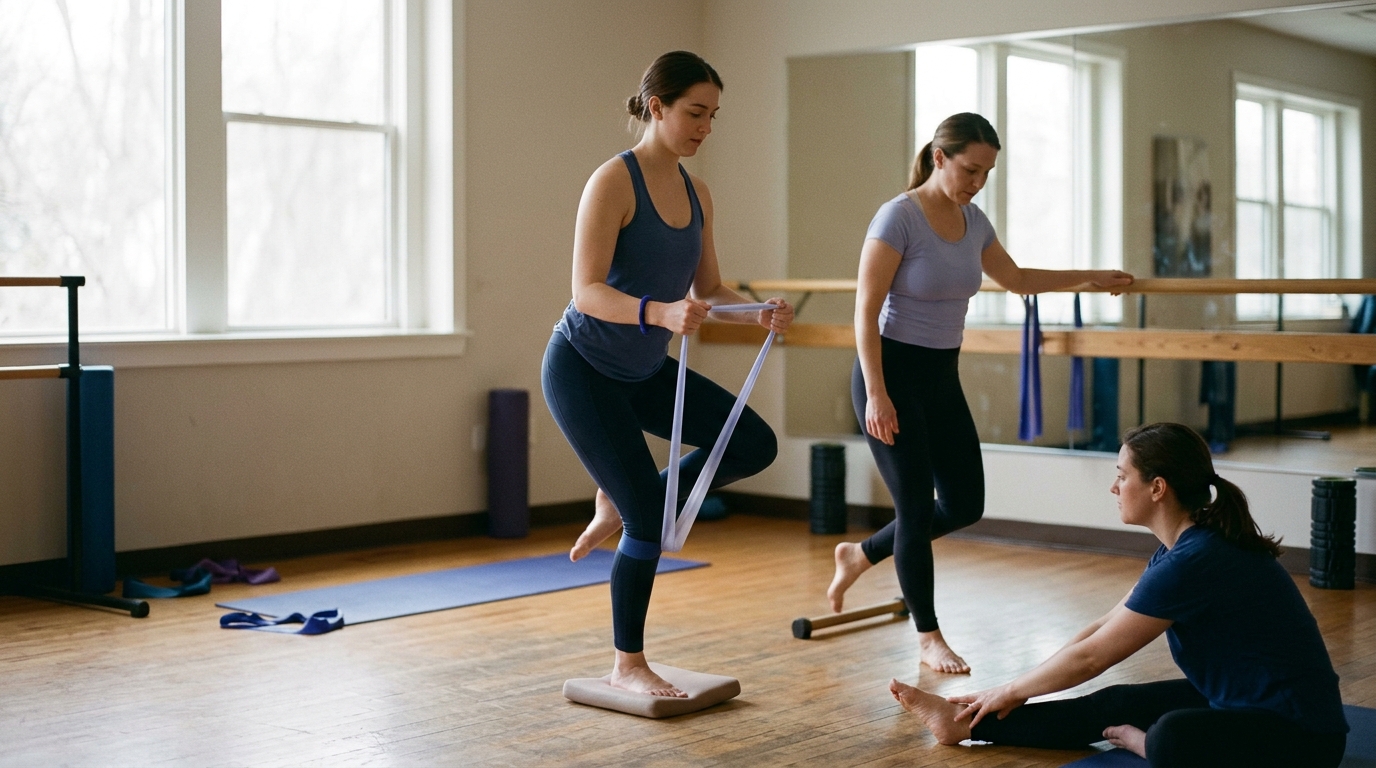
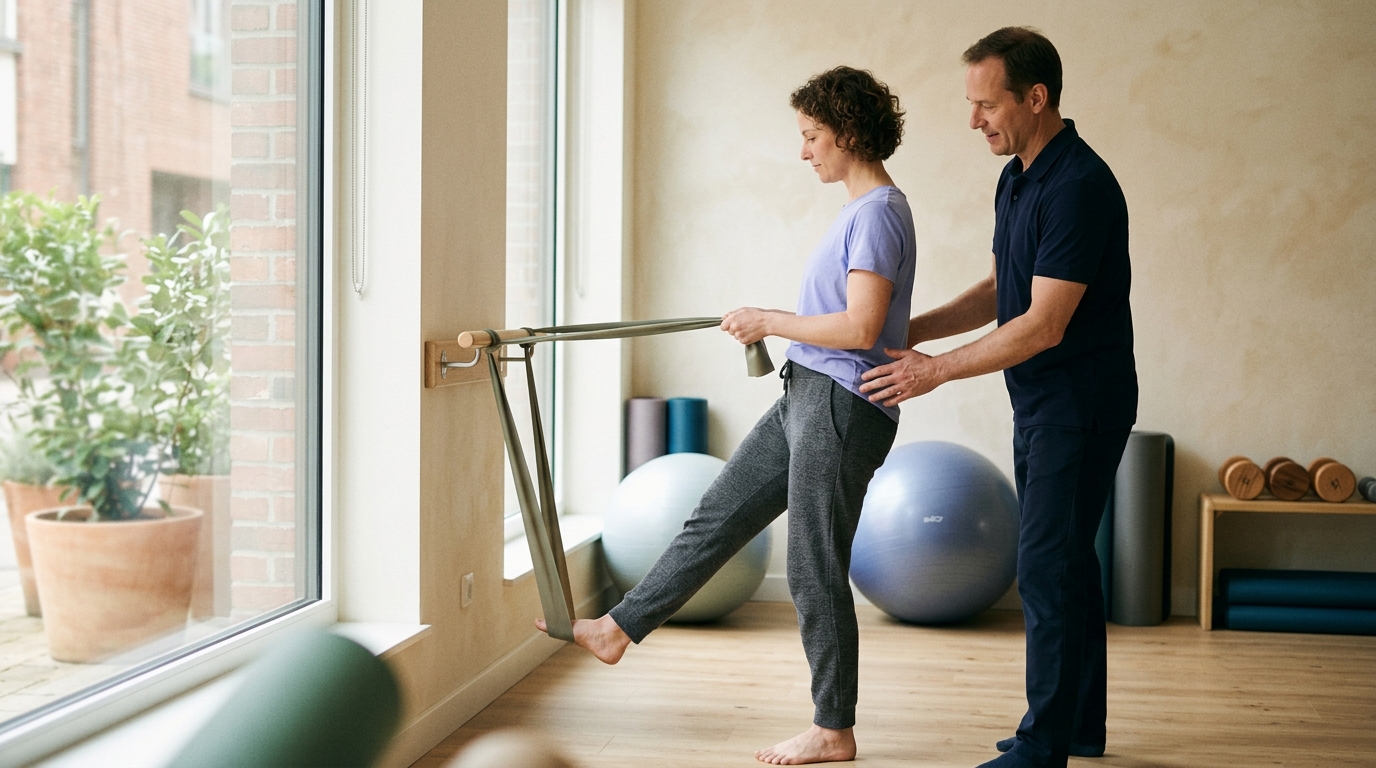
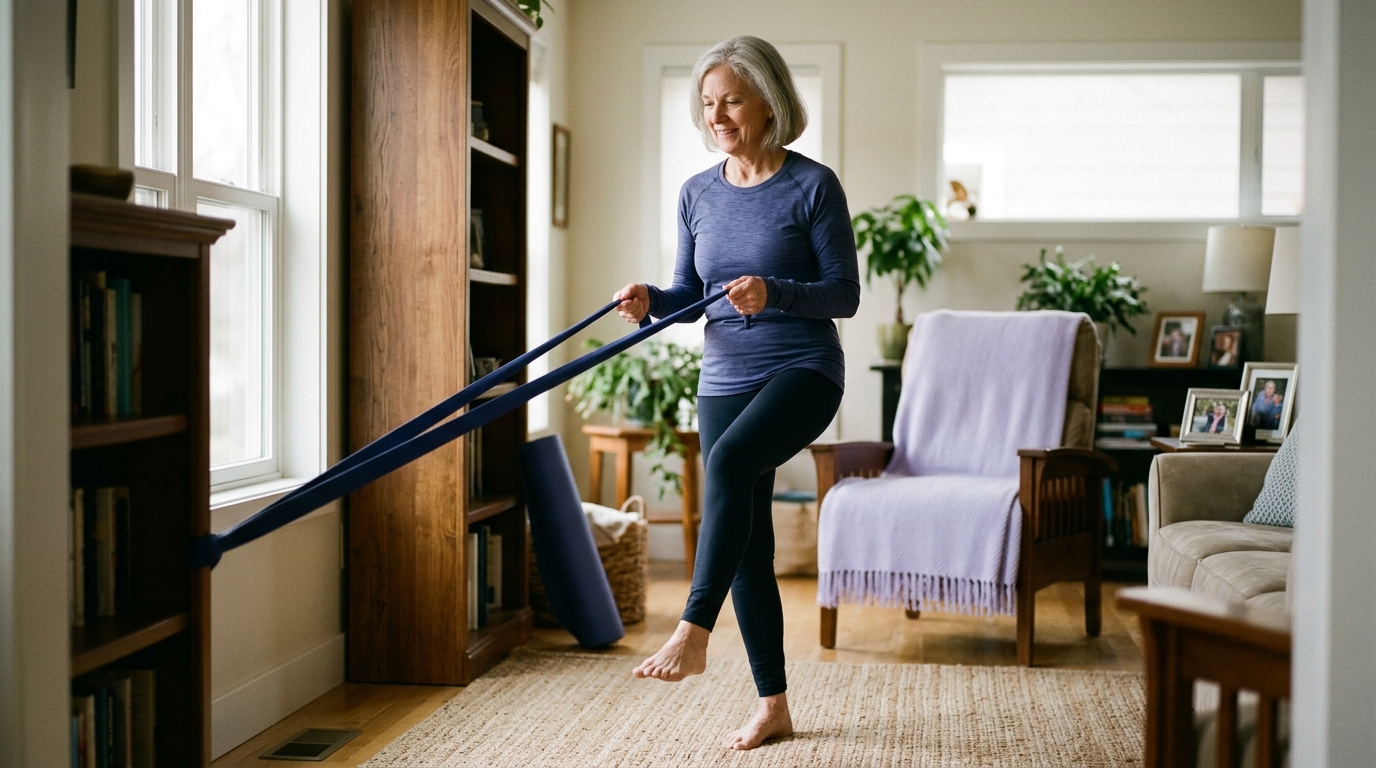
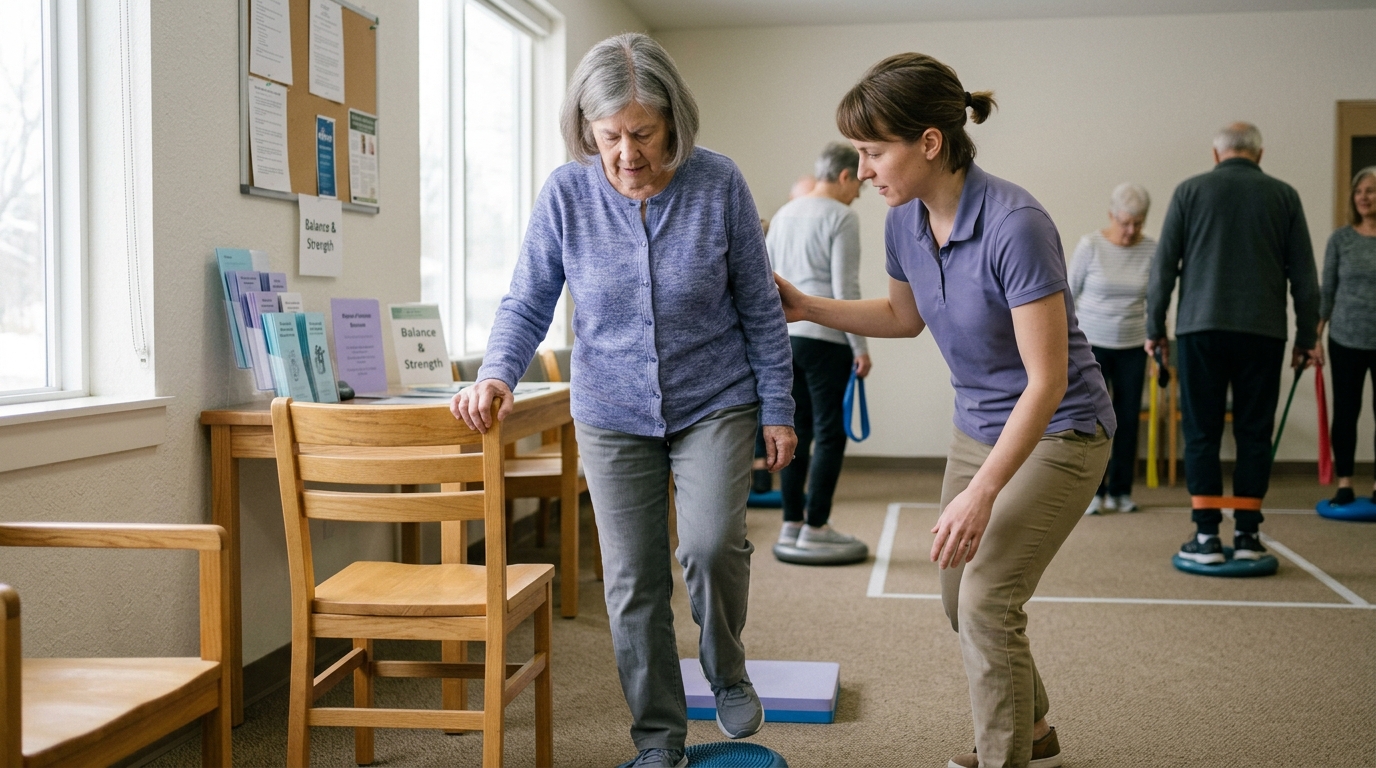
Progressive balance training begins with static standing postures and advances toward dynamic movement tasks. Practicing balance drills near a sturdy counter or wall ensures safety while allowing you to challenge your stability limits.
Static balance exercises systematically alter your base of support:
Dynamic balance training incorporates movement and sensory shifts:
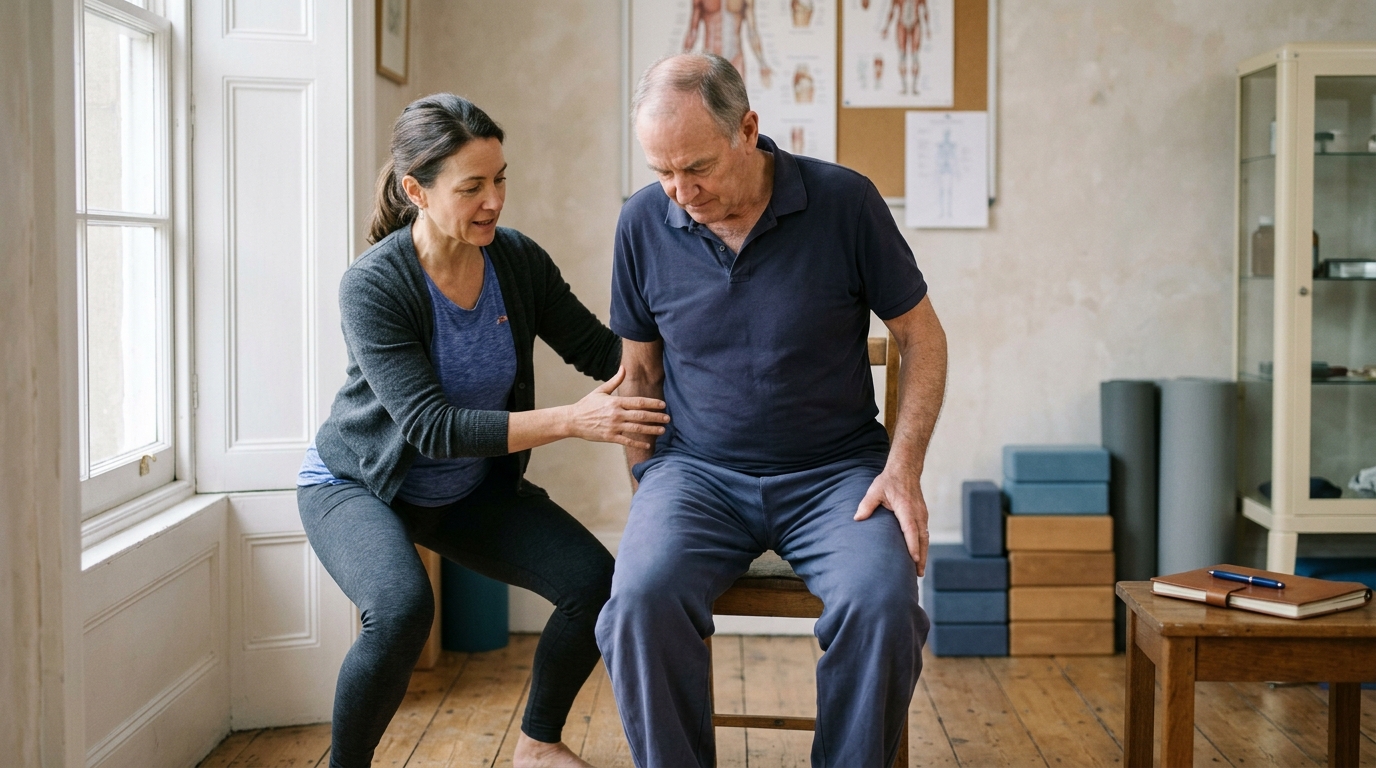
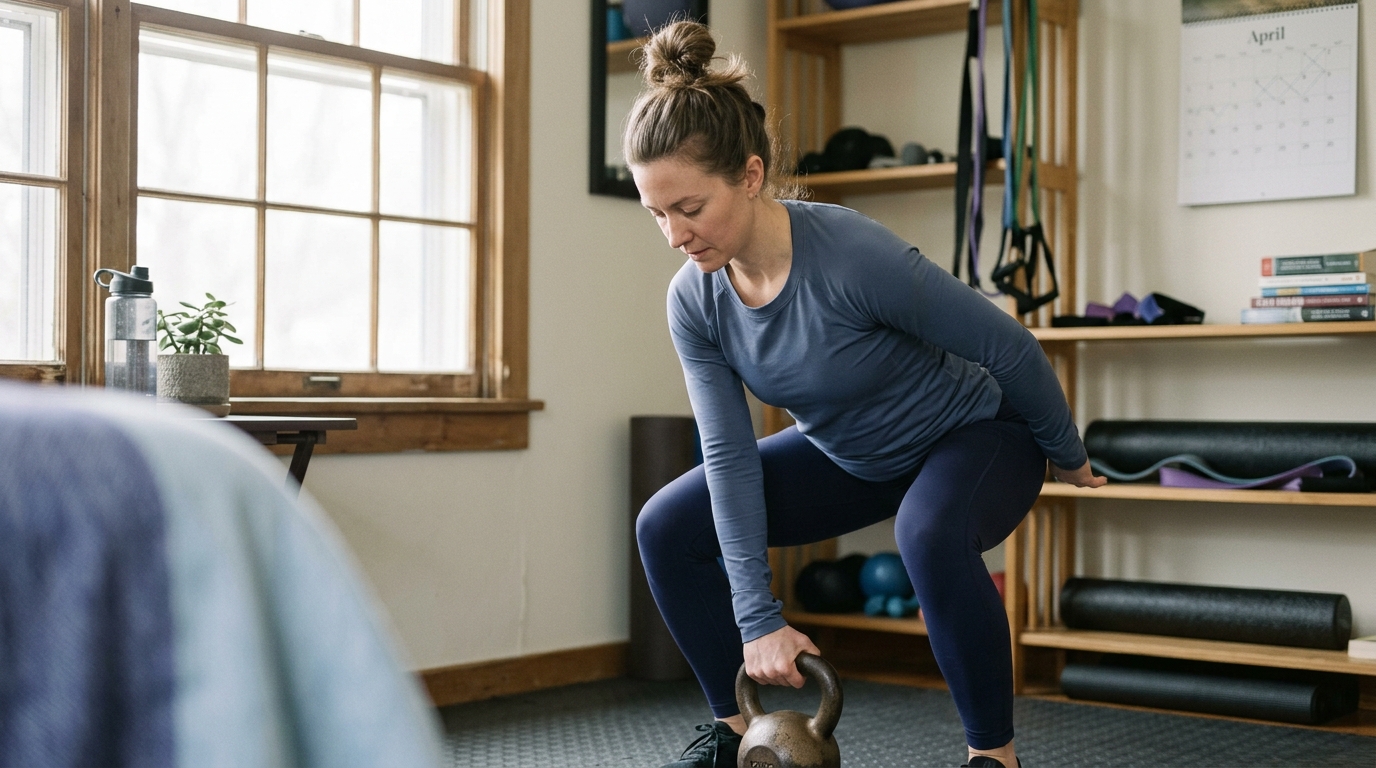
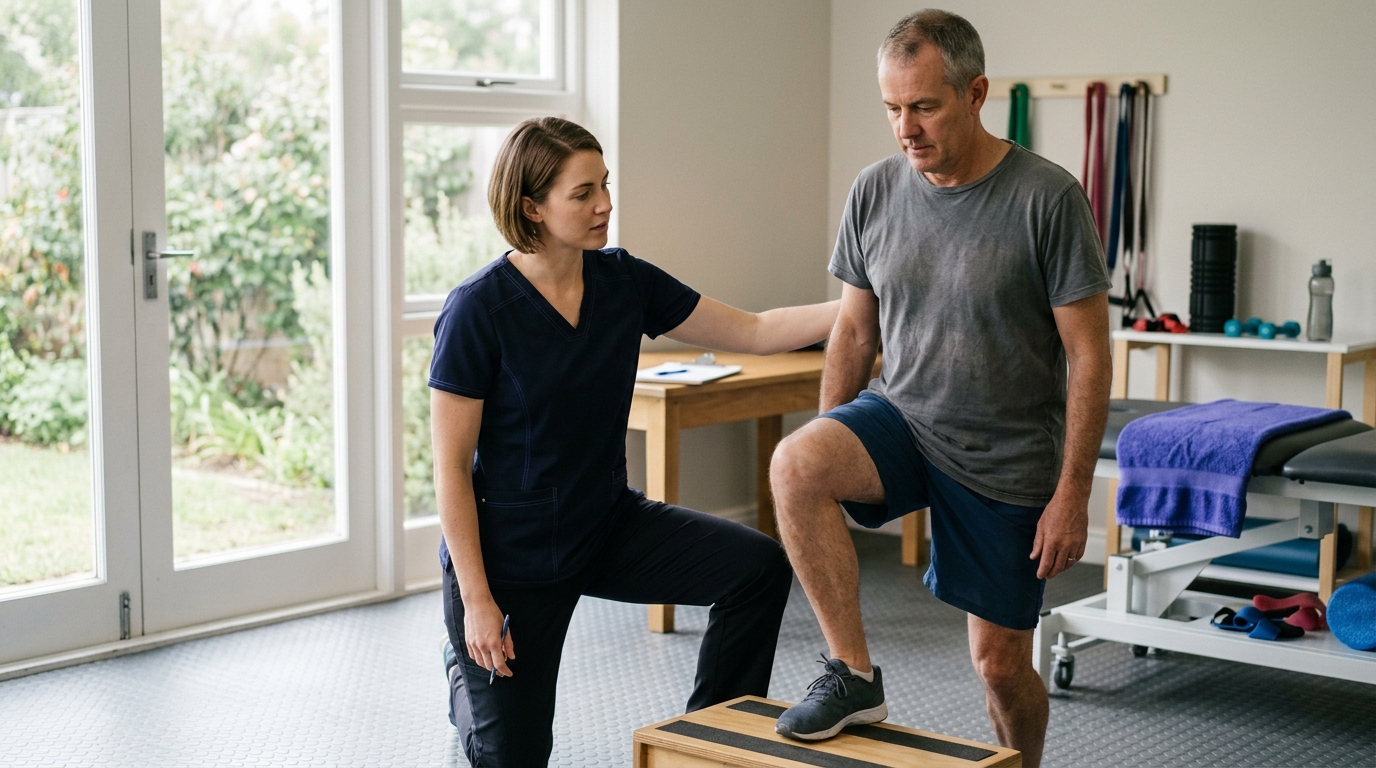
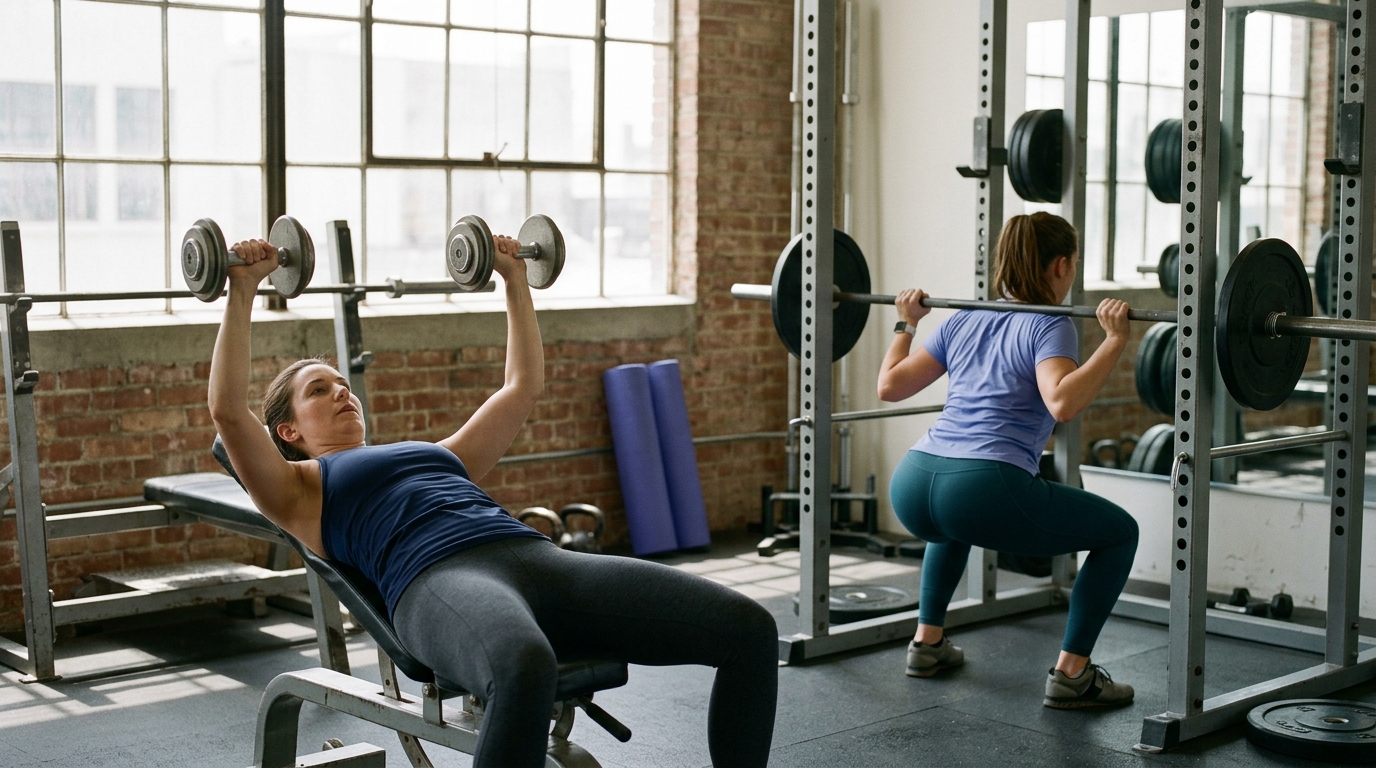
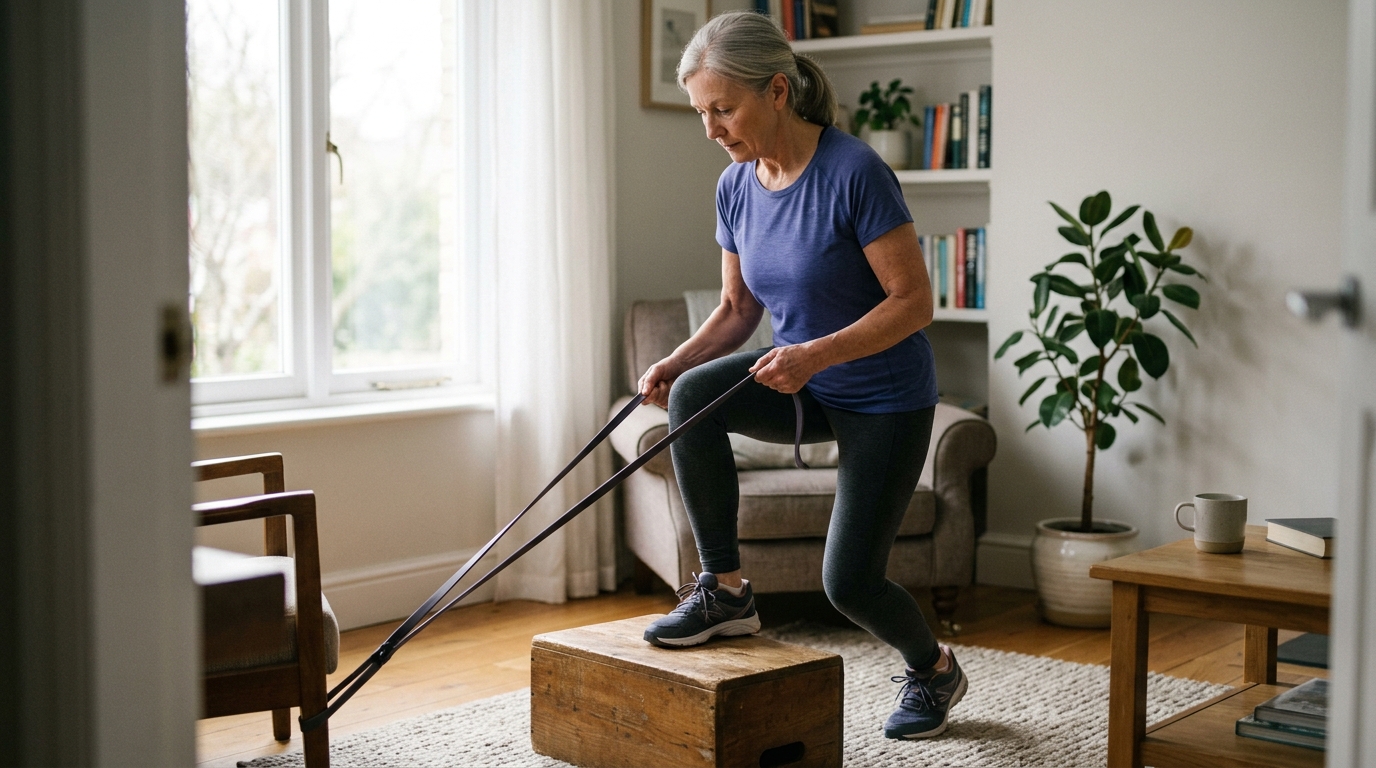
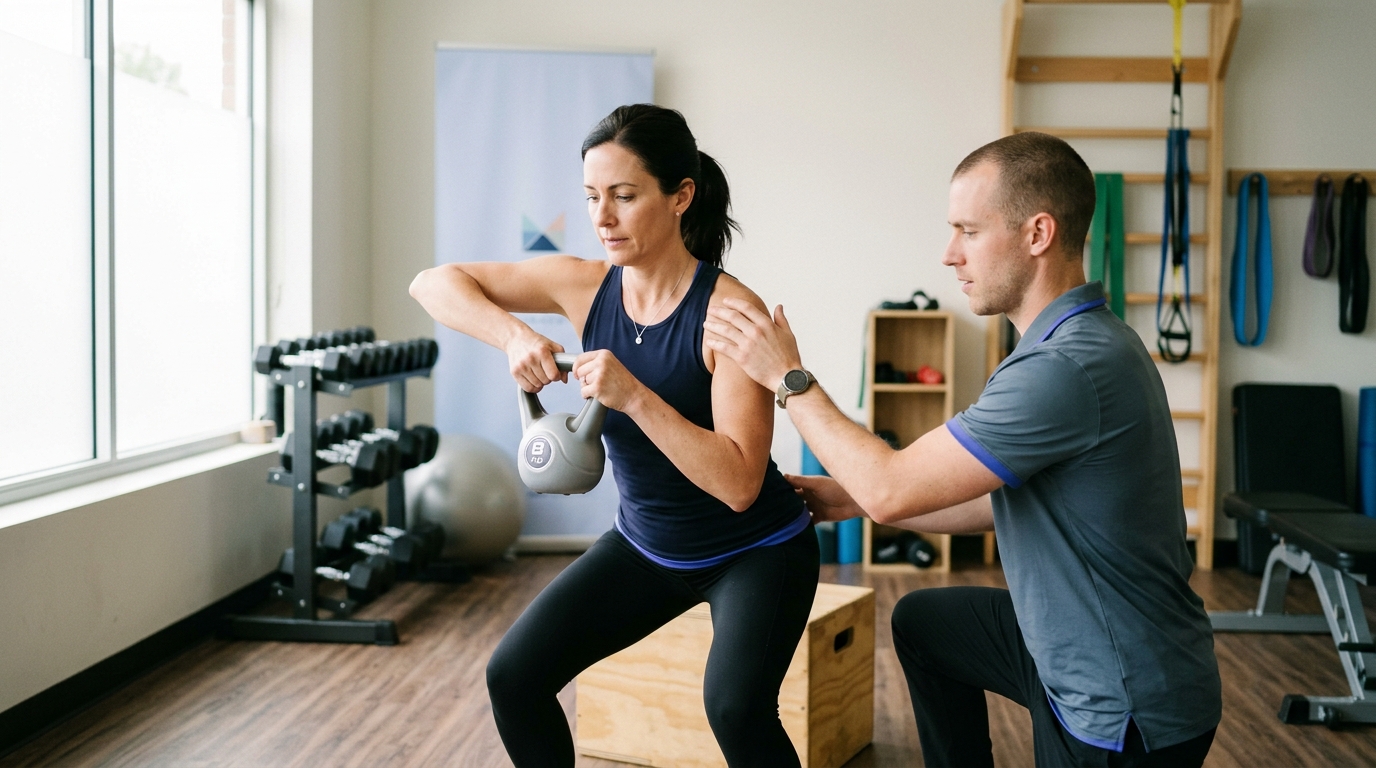
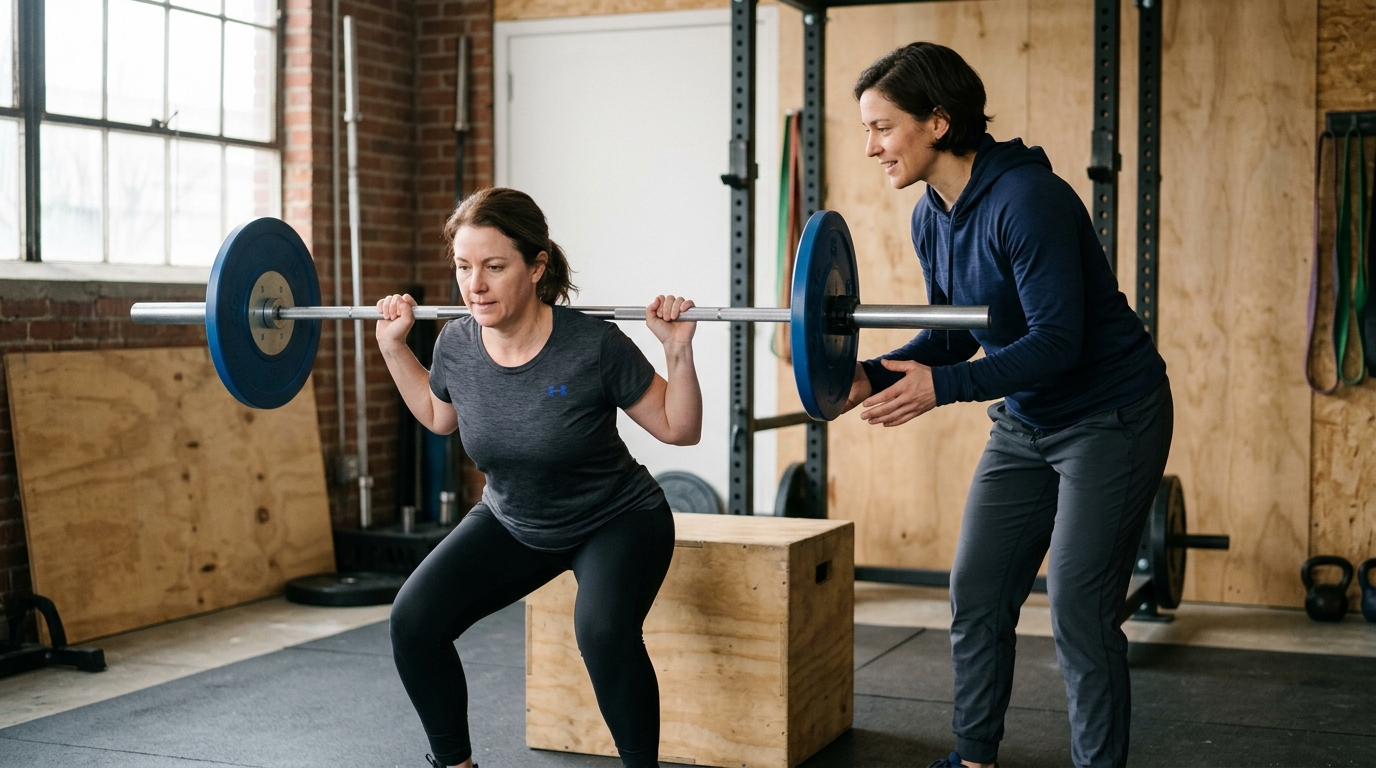
Muscular strength provides the structural power required to control body mass against gravity. Strengthening the quadriceps, hamstrings, gluteal muscles, and calf complexes improves your ability to navigate stairs, rise from deep chairs, and stabilize your joints during sudden movements. Adults recovering from functional decline benefit from lower-body strength rebuilding protocols that prioritize functional movement patterns.
Key strength exercises for fall prevention include:
Muscle power is the product of muscular force and movement velocity. When an external force trips you, your nervous system must trigger a rapid muscle contraction to take a corrective step. Power training uses explosive, controlled movements to maintain the responsiveness of fast-twitch muscle fibers.
Reactive stepping drills train the body to step automatically in response to instability:
To produce lasting physiological improvements in stability, exercise programs must be progressive. As a specific balance posture or strength drill becomes easy, the difficulty must increase gradually. Progressions involve narrowing the stance, reducing hand support, increasing movement speed, closing the eyes briefly, or adding light resistance.
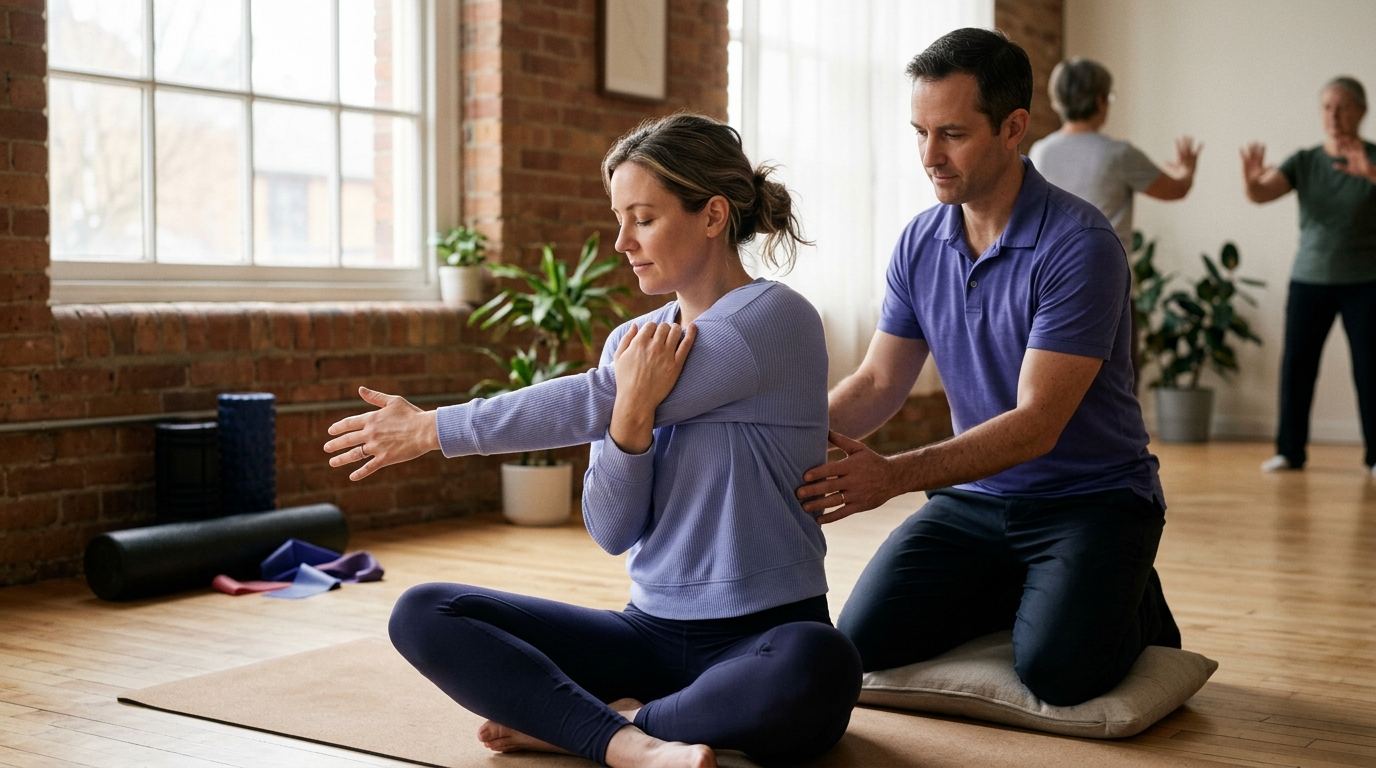
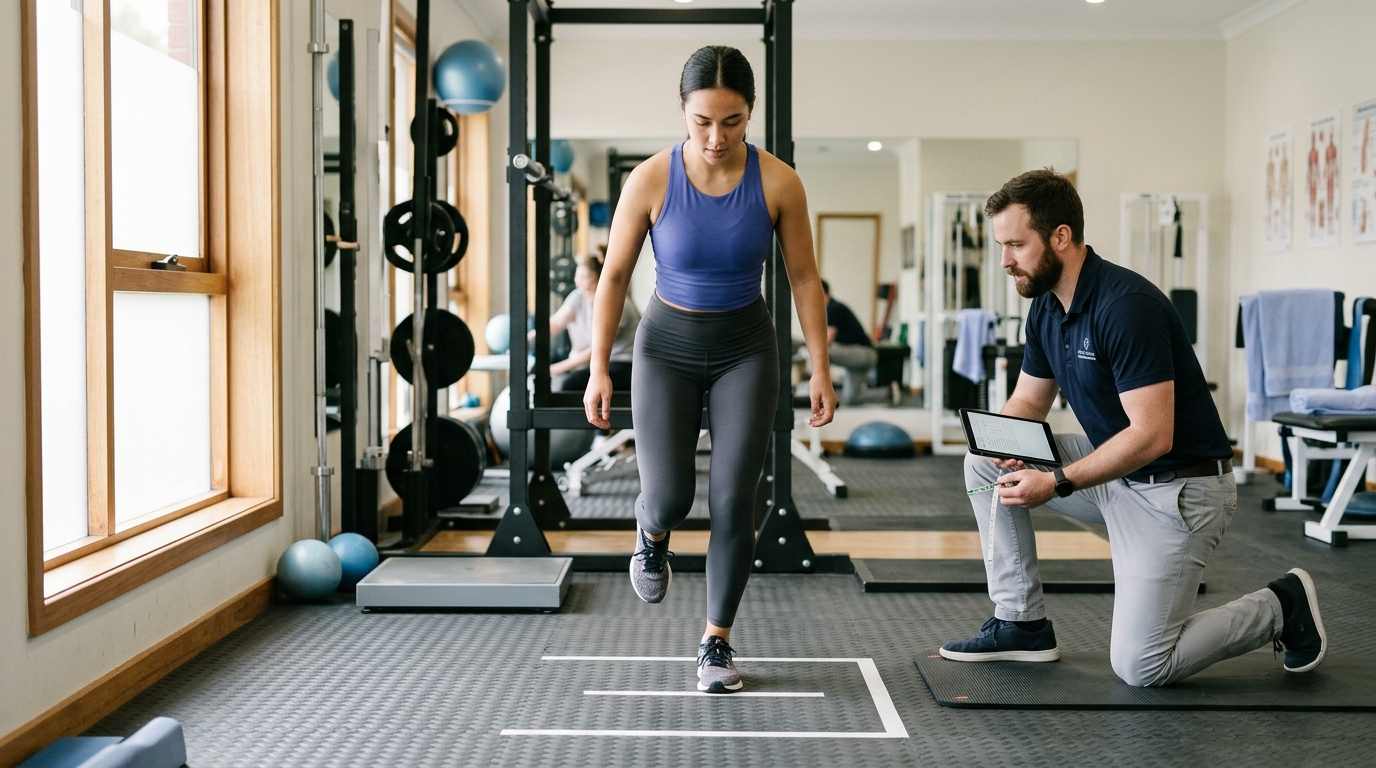
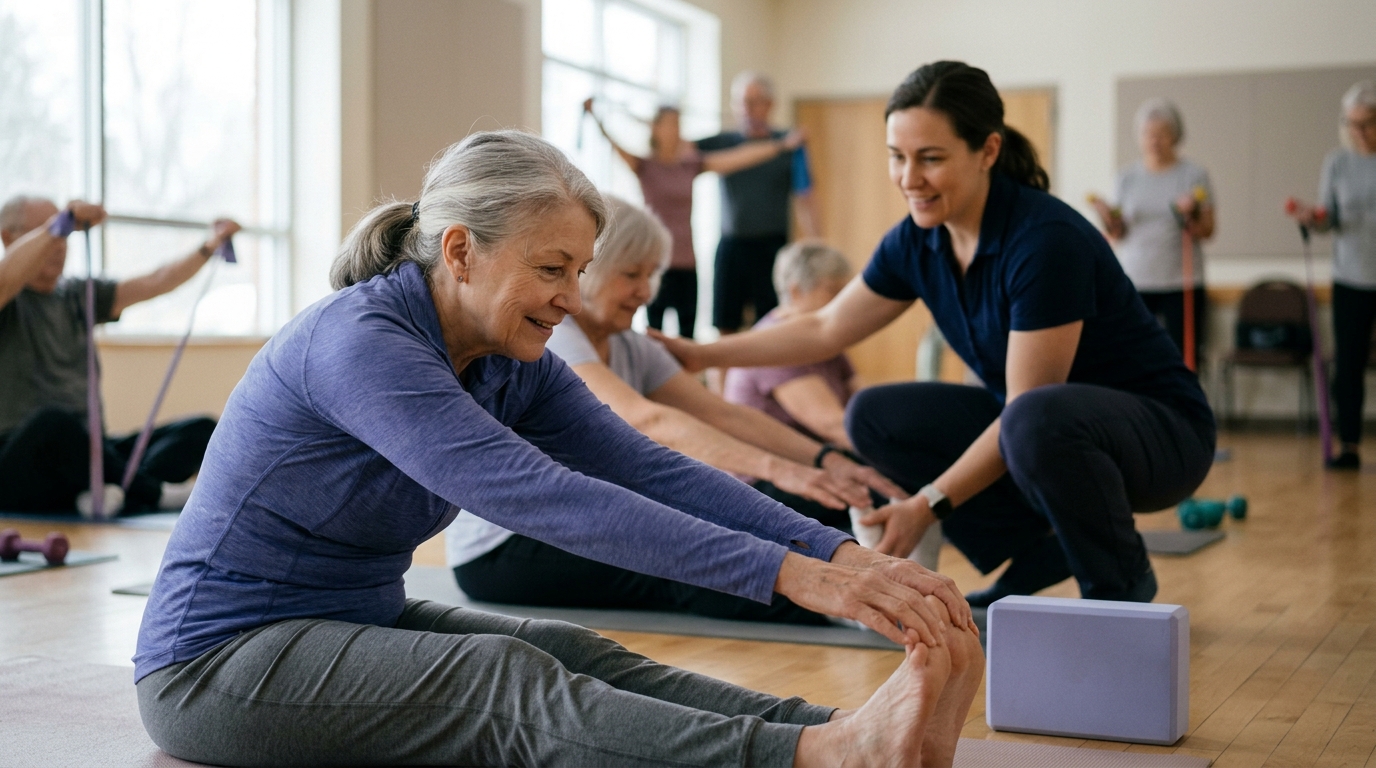
Clinical guidelines emphasize that fall prevention exercise programs should be tailored to individual functional abilities. Programs delivered by certified physical therapists, occupational therapists, or specialized fitness instructors provide structured progression and correct movement mechanics. Regular progress assessments ensure the training stimulus remains challenging yet safe as functional capacity improves.
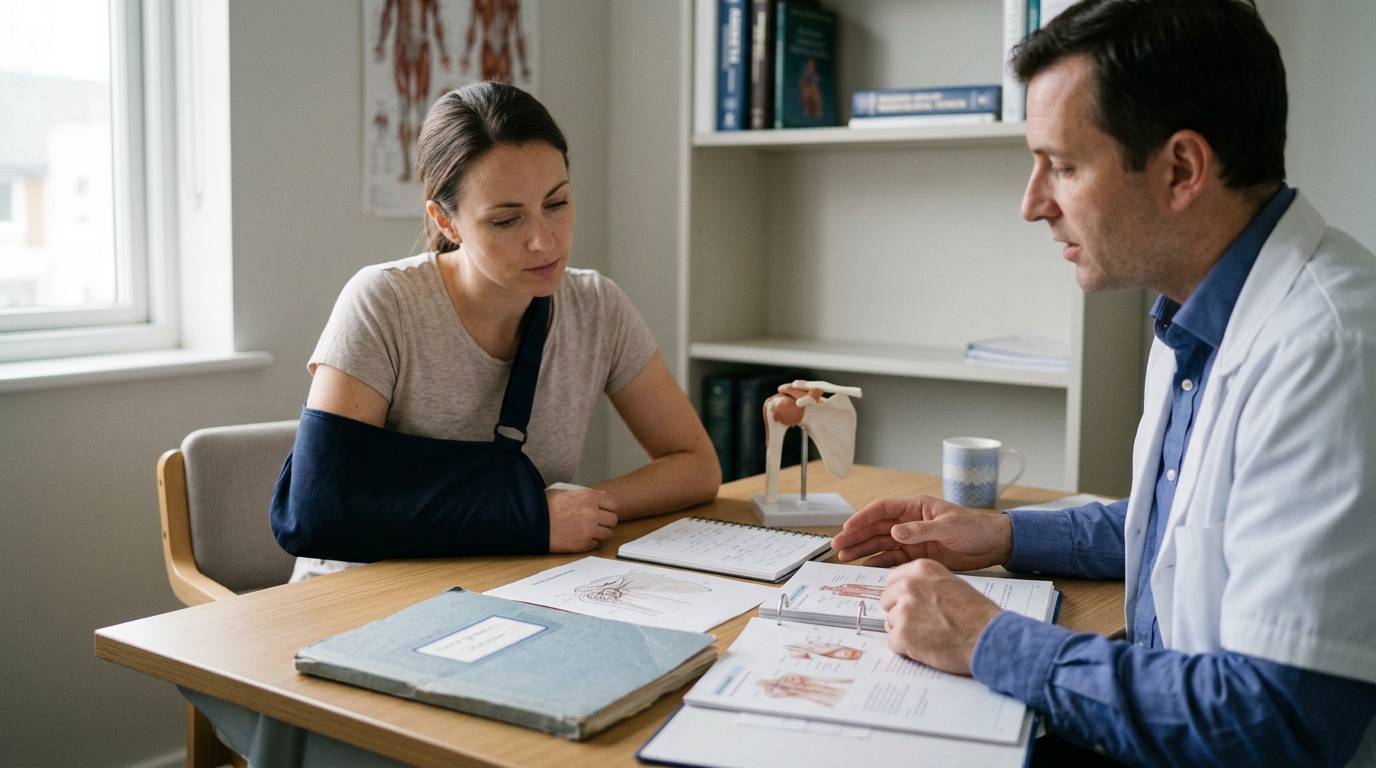
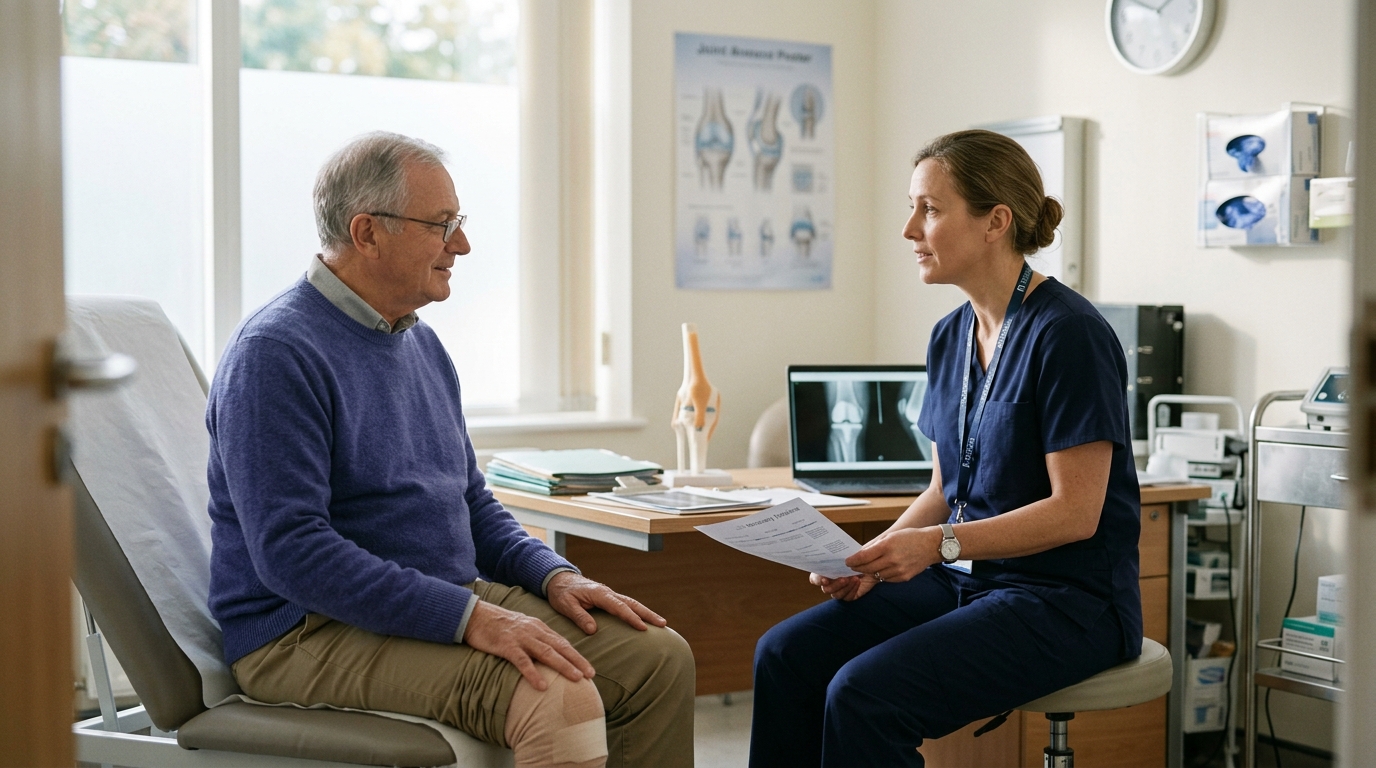
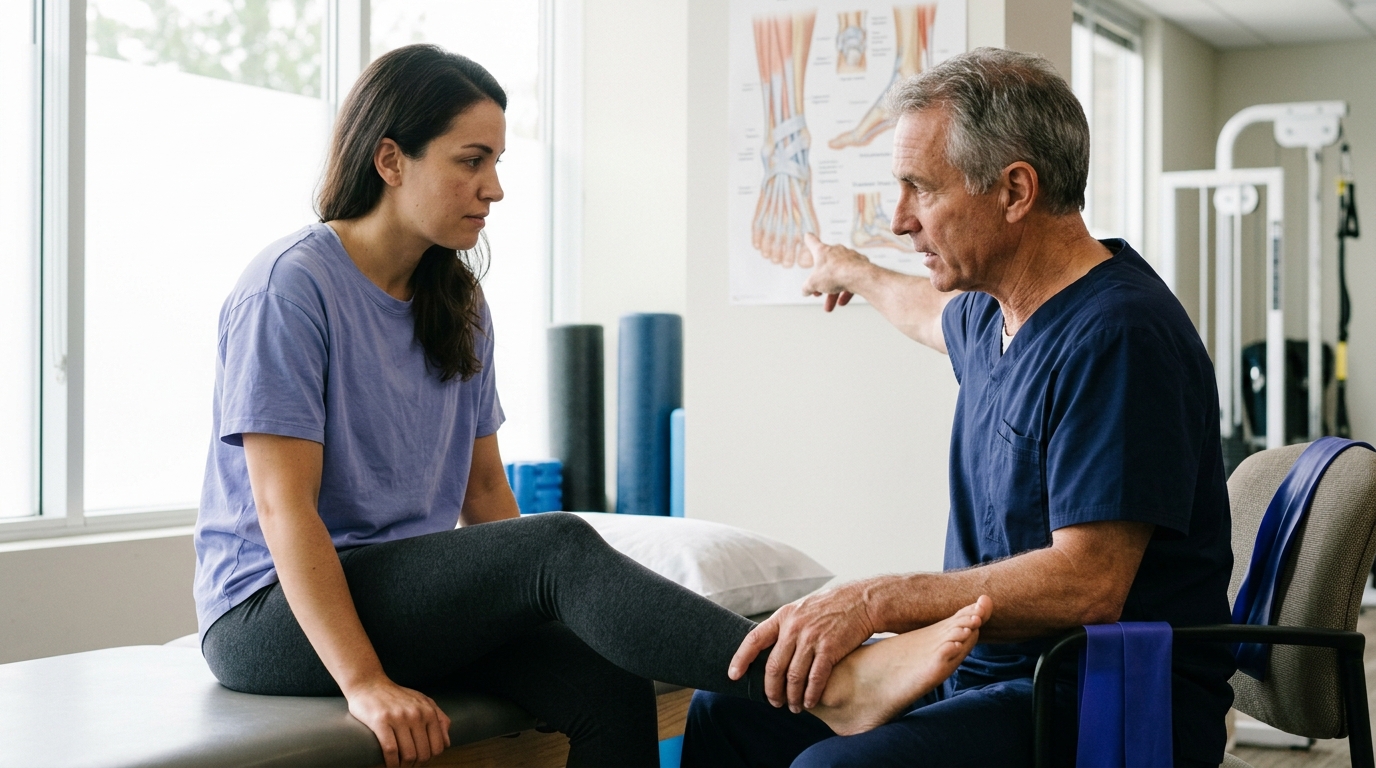
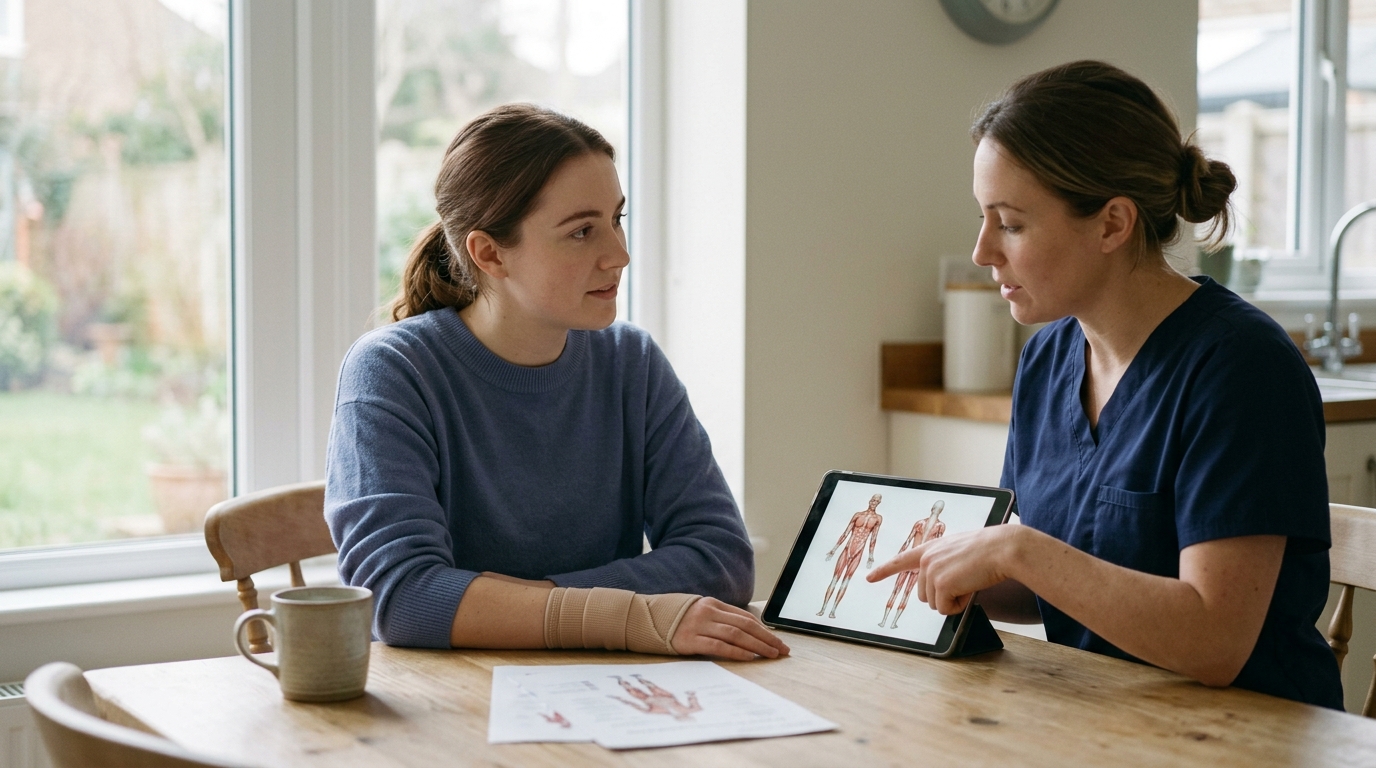
A fall or persistent feeling of unsteadiness is an important clinical signal that warrants professional assessment. Because fewer than half of older adults discuss falls with their physicians, many treatable contributing factors remain unaddressed. Approaching your healthcare appointment with specific, targeted questions ensures a thorough and productive clinical review.
The following questions help structure discussions with primary care physicians, physical therapists, and specialists:
Clinical screening guidelines from the USPSTF specifically focus on community-dwelling adults aged 65 and older. However, clinical guidance from NICE also covers adults aged 50 to 64 who have established risk factors, such as underlying neurological conditions, mobility limitations, or a history of previous falls.
Adults in midlife benefit significantly from maintaining lower-body strength, joint mobility, and sensory integration through regular active aging strategies. While routine universal screening algorithms are not standard for all younger adults, addressing unsteadiness early preserves long-term physical capacity.
Cognitive processing and physical movement are closely linked. Conditions like mild cognitive impairment, dementia, Parkinson's disease, or stroke affect executive function, reaction speed, and spatial judgment. When divided attention becomes difficult, navigating complex environments while walking increases fall risk.
The USPSTF exercise trials reviewed in this guide excluded populations where interventions were considered specialized disease management for advanced neurocognitive disorders. Individuals with diagnosed neurological conditions require customized rehabilitation plans overseen by specialized physical and occupational therapists rather than standard community exercise classes.
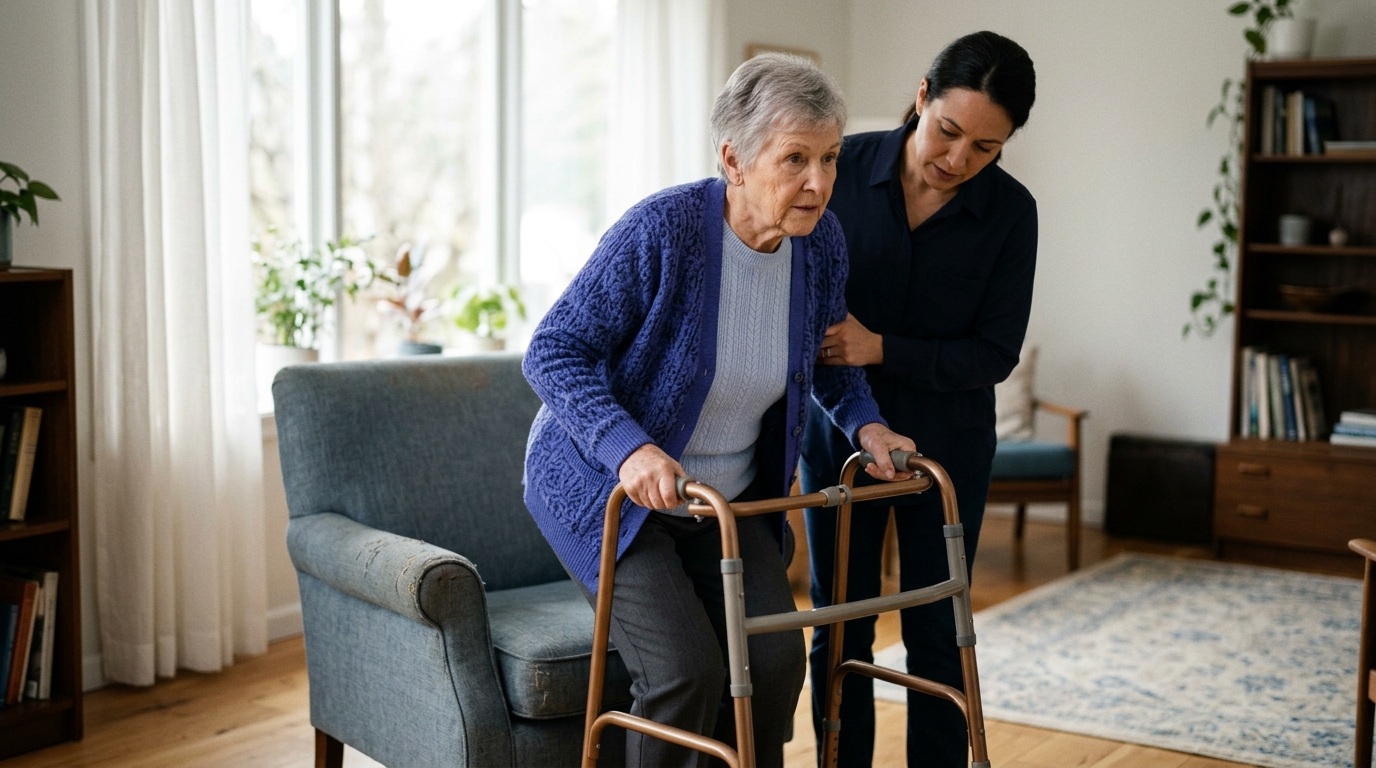
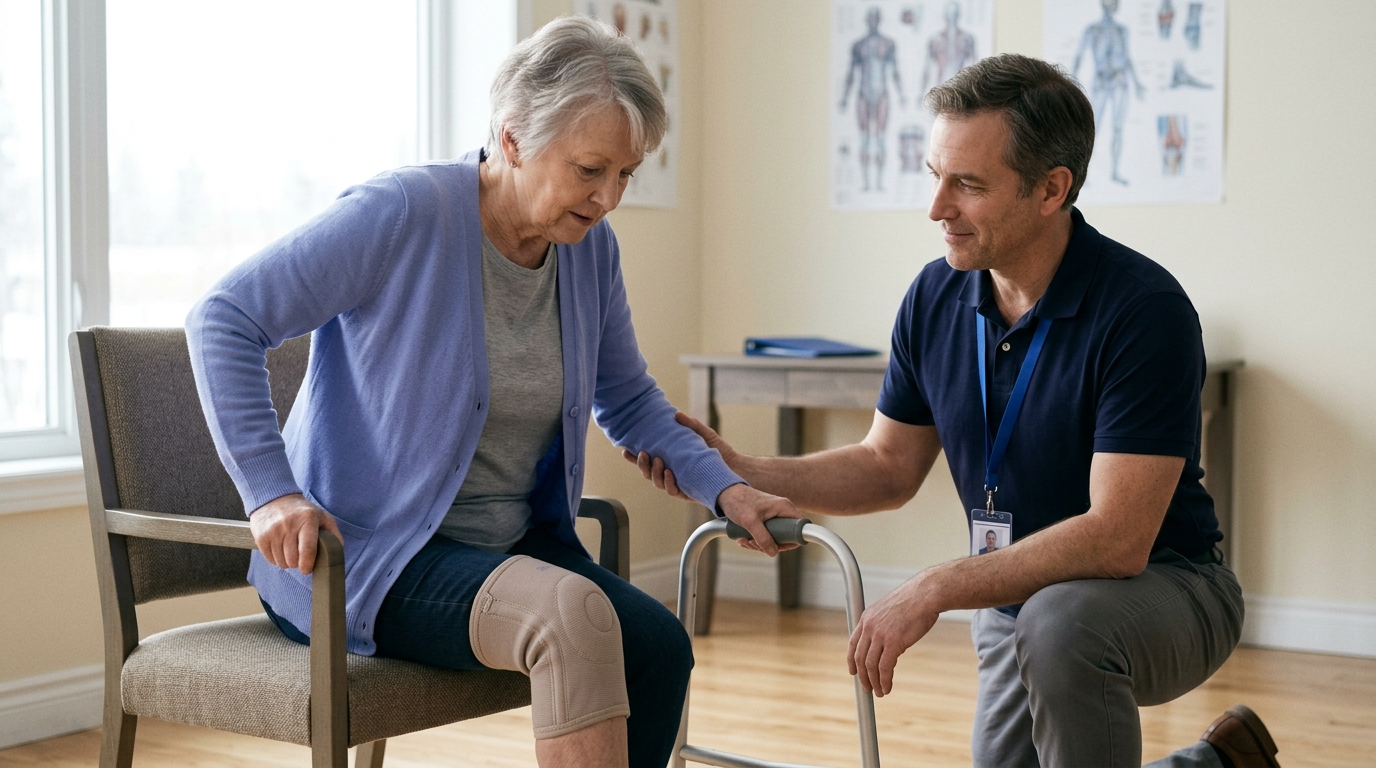
Assistive mobility devices, such as single-point canes, quad canes, and rolling walkers, widen your base of support and unload body weight from painful joints. They provide meaningful physical support for individuals with significant muscle weakness, joint arthritis, or severe balance impairments.
However, using a borrowed or incorrectly adjusted assistive device can create new hazards. A cane adjusted to the wrong height promotes poor posture and awkward gait mechanics, while carrying a cane incorrectly can create a tripping hazard. A physical therapist should assess your gait, select the appropriate device, adjust it to your exact height, and instruct you on proper walking and turning techniques.
Yes, clinical research confirms that a pronounced fear of falling is an independent risk factor for future falls. Fear frequently triggers activity avoidance, which leads to physical deconditioning, reduced joint range of motion, and loss of muscle power.
Additionally, high anxiety during movement increases muscular stiffness and alters normal gait patterns, making walking less adaptable to unexpected surface changes. Participating in structured, supportive balance training helps rebuild confidence, restores functional movement capabilities, and breaks the fear-deconditioning cycle.
Physical steadiness is a dynamic system supported by sensory integration, muscular strength, reaction speed, and safe environments. Falls are not an unavoidable part of aging, nor do they indicate an immediate loss of independence. Clinical evidence confirms that progressive exercise programs emphasizing balance, functional movement, and lower-body strength reduce fall rates by up to 23 percent among community-dwelling older adults.
Addressing fall risk requires a balanced approach. While structured exercise provides powerful protection against falls and injurious events, it works best alongside regular medication reviews, vision care, and practical home adaptations. Using a simple self-check framework helps you spot early functional changes, start constructive conversations with healthcare providers, and maintain an active, independent lifestyle with steady confidence.

Use ReboundBody resources to understand common recovery stages, rehab terms, movement limits and strength rebuilding. Each guide is designed to make a complex comeback easier to understand.


Read practical guidance on injury recovery, rehabilitation, mobility and rebuilding strength as you work your way back to activity.
Explore Resources