

A University of Utah study links sustained repair signals to poorer muscle recovery in aged mice. Ibuprofen was not tested in people.





On November 23, 2026, the University of Utah reported on an Aging Cell study that linked sustained prostaglandin signaling to poorer muscle recovery after disuse in aged mice. Prostaglandins are chemical signals that help with repair. The study points to a possible problem when that signal stays strong during recovery.
Getting strength back after a period of limited movement is the recovery problem at the center of the study. The researchers approached it from two directions. They measured prostaglandins in a small group of people after immobilization and tested whether changing the signal affected recovery in mice. Together, the results offer a possible explanation for why rebuilding strength after disuse may differ with age.
The starting point for the study was not that prostaglandins are harmful. In the University of Utah report, senior author Micah Drummond explained that they play an important part in muscle healing. He also noted that heightened signaling that lasts over time can be linked to stressed cells and an inflammatory response that lingers.
The researchers focused on what the paper calls the COX-prostaglandin pathway. COX is part of the process that makes prostaglandins. The paper puts the findings in the context of earlier research on drugs that block COX, including drugs in the same class as ibuprofen. Prior studies did not all find the same effects on how muscle adapts. The authors note that dose, timing and the condition of the muscle may all matter.
That context helps explain why the team looked at the signal during recovery rather than treating inflammation as a single problem to remove. A signal that helps in the early stages of healing could have a different effect if it remains strong later. The question was whether that pattern might be part of what happens in aging muscle after disuse.
The Aging Cell team linked sustained COX-prostaglandin signaling with impaired recovery in aged mice. The researchers also examined cellular senescence, a state in which cells stop dividing. Their findings linked excess signaling to senescence and poorer muscle recovery, putting the state of the cells alongside the changes in muscle function.
The team then looked at what happened when it used ibuprofen to reduce signaling through the pathway. The lower dose improved some measures of strength and muscle quality in aged mice. The higher dose did not improve grip strength. That contrast is important: the same experiment that found a benefit on some measures at the lower dose did not show that stronger suppression was better.
In the small human part of the study, the researchers measured prostaglandins after immobilization, a period when movement was restricted. At day 7 of recovery, the older participants had higher levels of certain prostaglandins than the younger participants. The result applied to particular signals at a particular point in recovery, rather than to prostaglandins as a whole.
The human measurements show that age-related differences in the pathway are worth studying beyond the mouse model. They serve a different purpose from the grip strength result. One tells researchers which signals differed during recovery in people. The other shows how a measure of muscle function responded when the researchers changed the pathway in mice.
The drug experiment used aged male mice recovering from disuse. The people in the study took part in an immobilization experiment, and the researchers did not test ibuprofen as a treatment in that group. Higher levels of certain prostaglandins in the older participants therefore do not establish that those signals caused slower recovery in people.
The setting matters for readers who are rebuilding strength after an orthopedic setback. The common thread is muscle recovery after a period of reduced use. That is not the same as studying the full course of recovery after an injury or operation. The paper offers a way to ask a more specific question about what happens to muscle when it starts working again.
First author Paul-Emile Bourrant told the University of Utah that the long-term goal is to help older adults regain muscle mass and strength after inactivity. He mentioned inactivity after hip surgery as an example of where the research could eventually matter. The study did not enroll people recovering from hip surgery. For readers interested in that setting, ReboundBody covers research on rehabilitation after hip fracture separately.
If strength is slow to return after a setback, it is natural to want an explanation. This study makes one possibility easier to understand: what happens inside muscle after a period of disuse may differ with age. It does not give an individual recovery timeline or show where a particular person should be at this stage of rehabilitation.
It also helps to separate a finding about repair signals from a finding about what someone can do. A difference in the level of a prostaglandin is not a measure of how easily someone gets up from a chair or returns to a favorite activity. ReboundBody's discussion of the difference between tissue repair and rebuilding everyday movement gives those two kinds of progress some context.
The ibuprofen result is not a reason to start, stop or change the medication for muscle recovery. Medication decisions belong with a qualified healthcare professional who knows the person's situation. For a conversation about recovery itself, a more useful question is: “What change in strength or everyday movement are we looking for next?” That keeps the discussion focused on progress the reader and care team can assess.
The University of Utah report notes that prostaglandins take part in early healing. That leaves a question for future studies: is there a point when reducing sustained signaling might help without interfering with the work those signals do earlier? The paper raises the possibility that stronger suppression could interfere with useful changes in muscle during recovery. It does not establish that this explains the higher-dose result.
The university also describes more selective inhibitors as a possible research direction. The idea is to target a narrower part of the pathway rather than assume that blocking more of the signal will help. Future studies would need to show whether changing the pathway improves strength or function in people and whether any benefit depends on when the pathway is targeted. The study leaves both questions open.
Return to the problem that prompted the research: getting strength back once a period of limited movement ends. The study gives scientists a clearer question to pursue. It may matter not just whether a repair signal appears, but whether it stays strong after its early work is done. For someone rebuilding strength now, that is a possible explanation for part of the process, not a prediction about how their recovery will go.
A finding about ibuprofen in mice can sound like advice about recovering from an injury when the distinction gets lost online. ReboundBody puts conflicting recovery claims in context through independent coverage of rehabilitation and strength rebuilding, helping active adults sort out what a study found and what belongs in a conversation with their healthcare team.

Follow ReboundBody for practical articles on injury recovery, rehabilitation, mobility and rebuilding strength. New posts turn research into clear ideas for the road back to activity after injury or surgery.


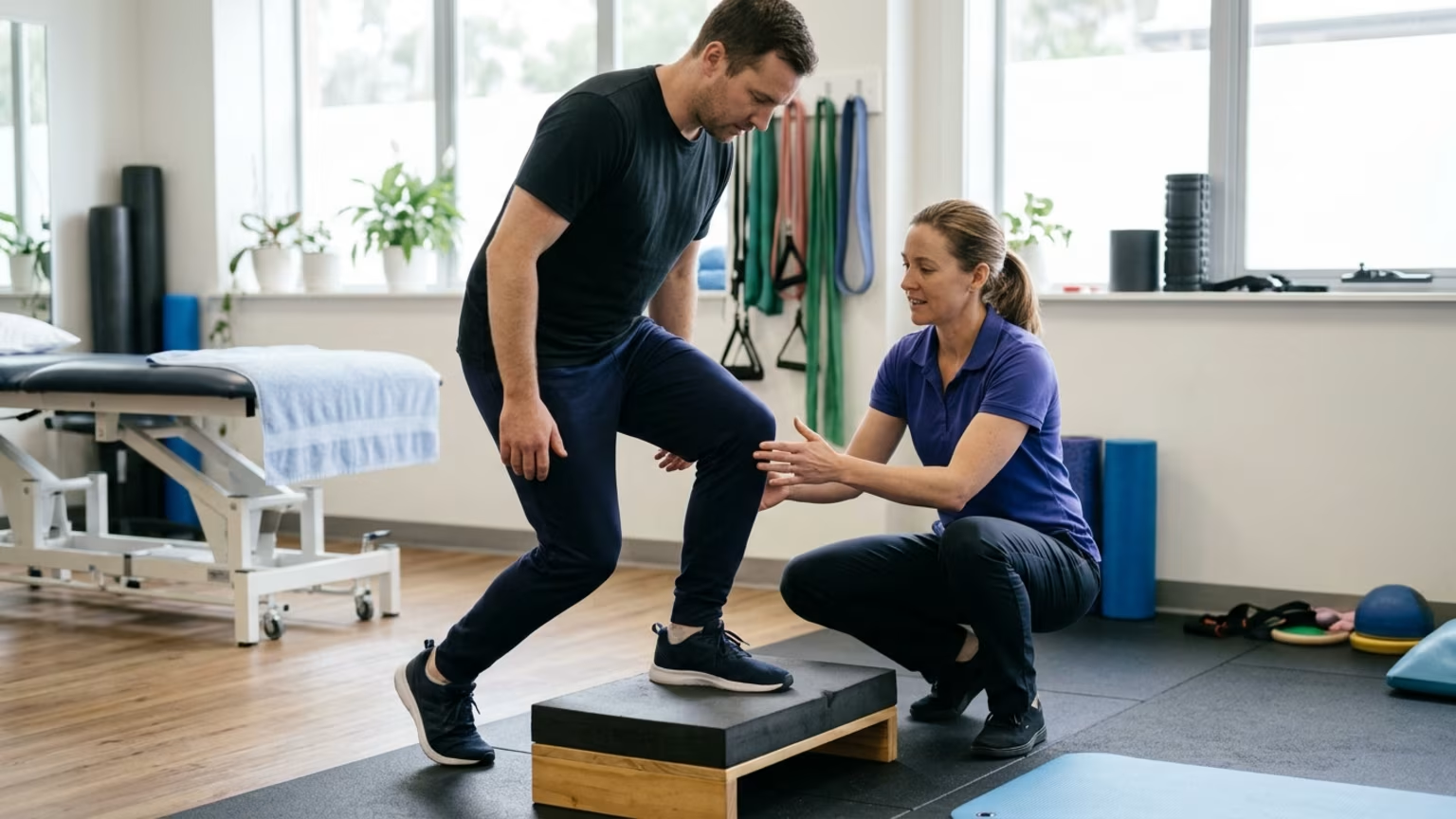


Read practical guidance on injury recovery, rehabilitation, mobility and rebuilding strength as you work your way back to activity.
Explore Resources