
Learn about the Arthritis Foundation’s Comeback Club, planned launch events and the difference between peer stories and clinical recovery guidance.





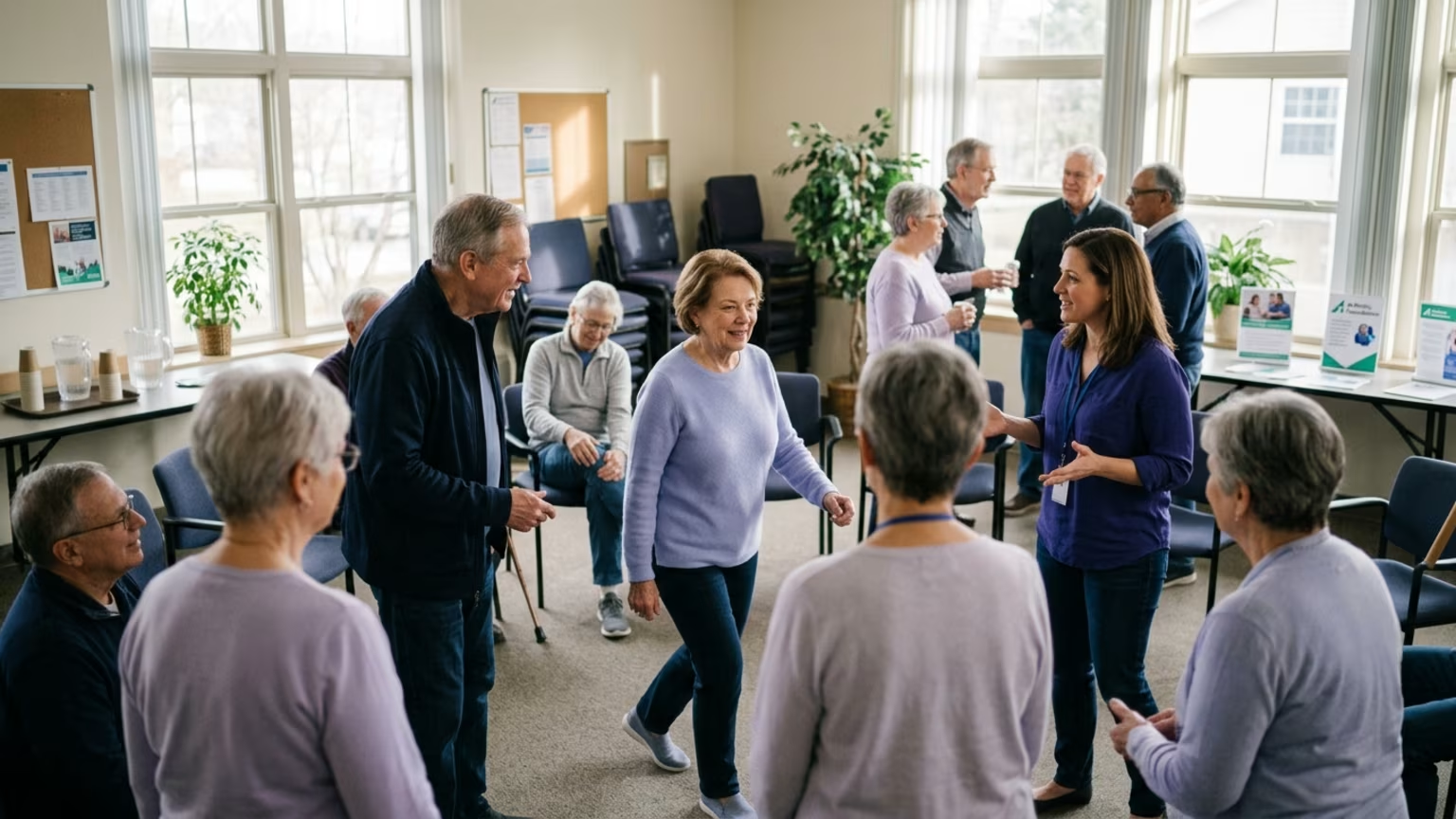
On October 26, 2026, the Arthritis Foundation announced the Comeback Club for people who have had a joint replacement or are considering one. The Foundation describes it as a community where members can share experiences and learn about life before and after surgery.
The announcement puts peer connection at the center of the club. Its stated focus includes stories from people returning to activities after joint replacement. That makes this a development about shared experience and patient education.
The Foundation plans to launch the club at selected Arthritis Foundation Jingle Bell Run events in 2026:
The announcement also invites people who have had or are considering joint replacement to learn more or sign up through the Foundation.
Vickie Fung, the Arthritis Foundation’s chief strategy and mission officer, compared the club’s community-building approach with the Foundation’s Live Yes! Connect Groups. She described the Comeback Club as bringing together people from different backgrounds who share arthritis and related experiences.
That is the context for the new program: a community-building approach applied to experiences before and after joint replacement. The announcement’s emphasis is on people learning from one another.
The recovery background remains important. An injury-recovery article from The Flow Space says timing depends on the injury and any surgical restrictions. It recommends building back gradually after a clinician clears increased activity rather than immediately resuming a previous routine.
The Arthritis Foundation says club members will be able to celebrate successes, share stories and learn first-hand about joint replacement. It also describes helping members develop a better understanding of life before and after surgery.
The Foundation’s stated rationale is that hearing from people who have experienced joint pain and replacement may encourage someone with severe joint pain to discuss treatment options with a doctor. That describes the purpose behind the initiative.
For readers, the useful distinction is between learning about an experience and making a personal medical decision. A story about returning to a valued activity can be a starting point for questions about what that activity means in another person’s situation.
The announcement names Zimmer Biomet as the club’s founding sponsor. The company makes orthopedic products. That relationship is relevant context when considering the program’s information and messages.
Sponsorship alone does not establish whether a particular message is useful or accurate. The practical point is transparency: readers should know who is supporting the initiative while keeping the source of each medical claim in view. A community story, a program announcement and a clinician’s advice serve different purposes.
The intended audience covers people at different points in the joint-replacement process. Someone considering surgery is included in the Foundation’s invitation, as is someone who has already had a replacement.
These groups may approach the same story with different questions. Before surgery, a reader might want to understand what another person wished they had asked. After surgery, the interest might be in how that person thought about returning to everyday activities.
Those are examples of ways to engage with the club’s stated focus. For related background, ReboundBody has an overview of longer-term activity after joint replacement.
One practical use of a shared story is to turn it into a question rather than a forecast. The Foundation presents learning and conversation as aims of the club. Readers can keep that focus when thinking about their own next appointment.
For someone considering replacement, the Foundation’s invitation offers a way to hear about life on either side of surgery. A useful way to read those accounts is to note which questions they raise about personal goals and the treatment options being discussed.
Questions for a clinician might include:
In this setting, the story serves as a conversation prompt. The personal decision stays with the reader and qualified healthcare professionals.
The aim is not to find a story that makes the decision for someone. It is to identify what needs a clearer explanation in the clinical conversation. For example, a reader interested in a return-to-activity story could ask how the person’s goals and restrictions compare with their own.
For a person recovering from replacement, an account of returning to activity can prompt a different conversation. The relevant question is how that activity fits with the restrictions and progression already being discussed with the treating team.
Possible questions include:
These are discussion prompts rather than exercise directions. They connect the article’s broad principle of gradual progression after clearance to questions about a person’s existing plan.
Related reading on planning a gradual return to exercise can help organize the broader topic. ReboundBody’s surgical recovery resources offer another place to read about the recovery journey.
Several important details are absent from the Foundation’s announcement. It reports no clinical outcomes or measured effect on recovery. It also provides no evidence that peer connection changes treatment decisions.
That means the club’s stated aims should be separated from demonstrated benefits. Whether members find the community useful is a different question from whether participation changes a clinical outcome.
The release does not describe individualized medical advice, physical therapy or a prescribed recovery plan. It also does not provide membership targets, participation figures or program costs.
Personal stories have another limit: they do not establish a typical recovery course. An individual account cannot show what another person’s pain relief or return to activity will look like. The Flow Space article is general injury-recovery context rather than joint-replacement-specific guidance, and it emphasizes that there is no universal return-to-activity timeline.
Questions still worth watching include how members will connect, what information will be offered and how the community will develop after its launch events. Those details would help readers understand the program’s day-to-day role without assuming a recovery benefit.
Return-to-activity decisions therefore remain a matter for the treating team. Peer experiences can supply questions to bring to that conversation.
As the planned Jingle Bell Run launches approach, the October 26 announcement is best read as an invitation to share experiences. The comeback stories are the starting point for a conversation, not a timetable for someone else’s recovery.
Joint-replacement stories offer personal perspectives rather than a settled recovery roadmap; ReboundBody works within that distinction through independent recovery writing. For active adults weighing conflicting claims about exercise and treatment options, its evidence-aware explanations support a clearer understanding of rehabilitation and the questions to raise with healthcare professionals.

Follow ReboundBody for practical articles on injury recovery, rehabilitation, mobility and rebuilding strength. New posts turn research into clear ideas for the road back to activity after injury or surgery.




Read practical guidance on injury recovery, rehabilitation, mobility and rebuilding strength as you work your way back to activity.
Explore Resources