

INSPIRE linked inulin with less knee arthritis pain and better grip strength, but not improved walking. Read the findings and key study limits.





On October 28, 2026, ScienceDaily reported findings from INSPIRE, a six-week randomized trial of inulin and digitally supported exercise for knee osteoarthritis. Researchers linked the prebiotic fiber supplement with lower knee-pain scores and improved grip strength compared with placebo.
The peer-reviewed report in Nutrients also drew an important distinction: inulin alone did not improve the trial’s walking or sit-to-stand measures. The physiotherapy-exercise intervention did improve those outcomes.
That difference matters for anyone reading the headline through a recovery lens. Less pain and better performance on a daily movement task are separate findings. This study measured both rather than treating them as the same result.
The comparison behind the headline was not simply fiber versus doing nothing. The INSPIRE researchers studied inulin alongside a structured exercise approach. Participants were assigned to inulin, exercise, both interventions or placebo.
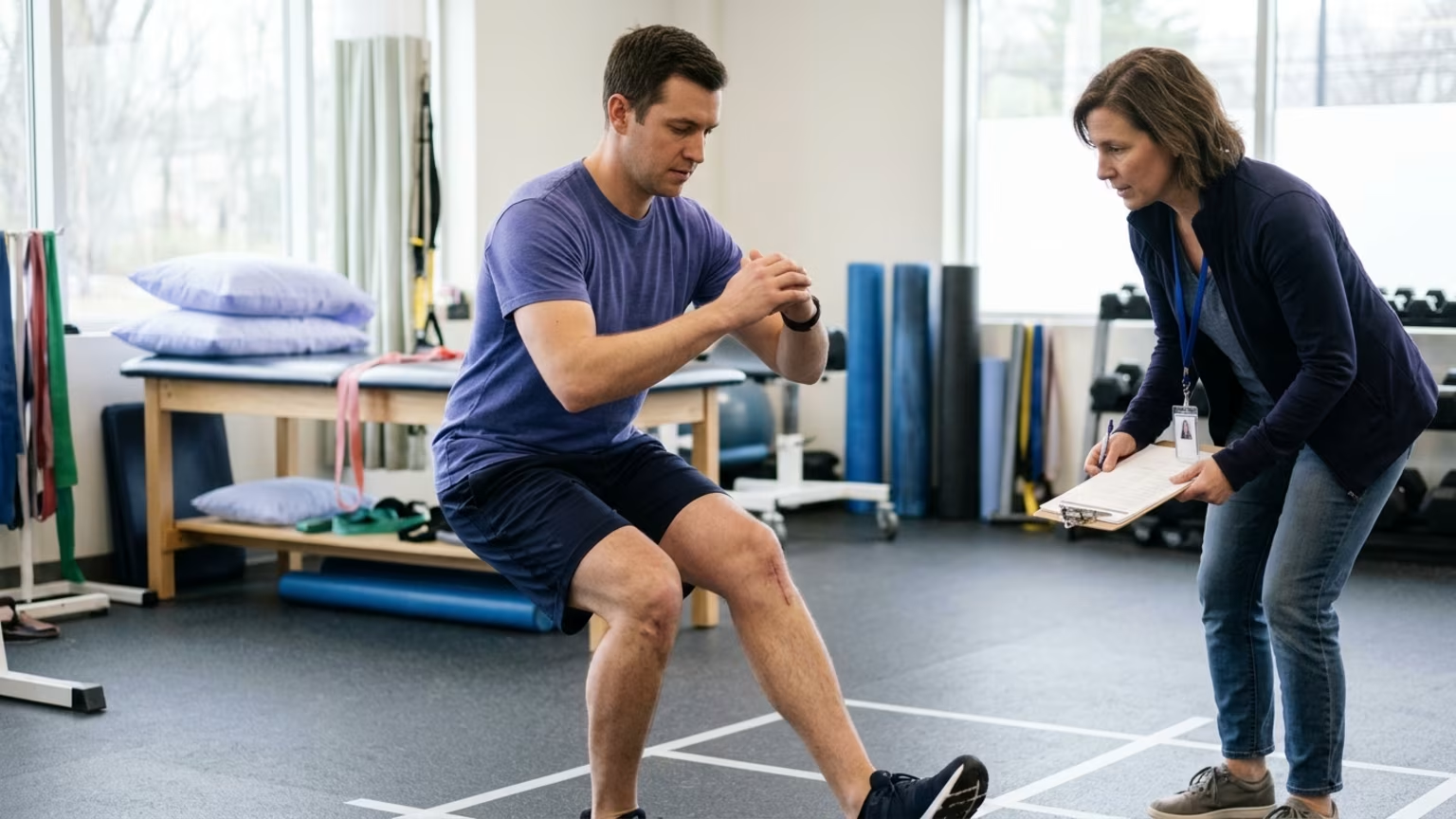
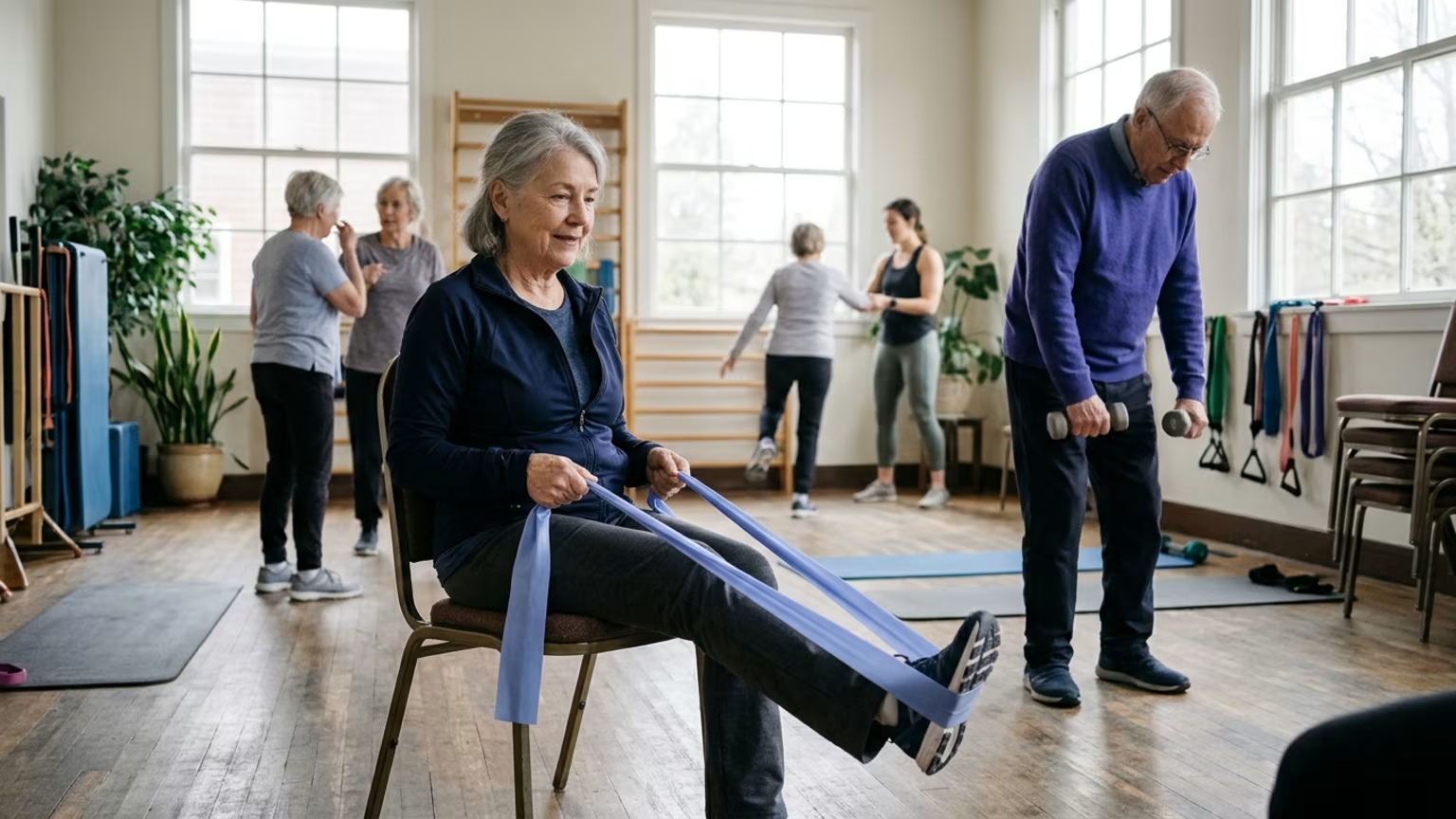
According to the study report, the exercise program used a digital physiotherapy platform. It included tailored exercise intensity, strengthening movements, balance work and educational sessions. Participants were expected to engage with the program daily during the study.
This context helps explain the question the researchers were asking. They examined whether a nutritional intervention and a rehabilitation intervention affected symptoms and physical performance. They did not test inulin as a replacement for a personalized rehabilitation plan.
The report therefore adds trial evidence rather than announcing revised treatment guidance. Its findings belong within the wider discussion of movement and everyday activity with arthritis, not outside it.
Keeping that starting point clear prevents a misleading comparison. A supplement result and an exercise result may concern different parts of recovery even when they appear in the same study.
The INSPIRE report assessed pain on a numerical scale from 0 to 10. Compared with placebo, the inulin group had an adjusted pain-score difference of −1.11 points. The physiotherapy-exercise group had a reported difference of −1.55 points compared with placebo.
These figures describe comparisons with placebo. They should not be read as a head-to-head finding that one intervention was better than the other.
The physical-performance results were more varied. Researchers reported that inulin was associated with improved grip strength. They did not find that inulin alone improved the measured walking or sit-to-stand outcomes.
The exercise intervention improved timed-up-and-go and sit-to-stand results compared with placebo. Those findings are especially relevant to a recovery discussion focused on getting around and rising from a chair.
The outcomes can be summarized without combining them into a broad claim about recovery:
Grip strength was a specific measured outcome. It should not be restated as evidence that inulin rebuilt leg strength or restored mobility throughout the body.
This is where connecting strength measurements with everyday function becomes useful. A favorable result on one test does not automatically answer a different movement question.
The most informative reading is therefore outcome by outcome. The pain finding deserves attention. So does the absence of an inulin-only improvement in the movement tests.
The study population consisted of adults with knee osteoarthritis. According to the report, participants had a mean age of 67.5 years and a mean BMI of 29.5 kg/m².
The enrollment figures also need careful wording. ScienceDaily described a trial involving 117 adults. The study report explains that 136 people were randomized and 117 completed both baseline and follow-up assessments. It reported 19 withdrawals after baseline.
That distinction separates the number assigned to study groups from the number who completed both assessments. Both figures describe the same trial rather than conflicting versions of its size.
The findings apply most directly to the knee osteoarthritis population studied. They do not establish benefits after orthopedic surgery or a new injury. They also do not establish effects for arthritis in other joints.
The average age and BMI describe the group. They do not identify which individual readers would be likely to benefit.
For readers rebuilding movement, the useful question is not simply whether the supplement produced a favorable result. It is whether the measured result matches the goal being discussed.
A question about knee-pain intensity connects with the study’s pain scores. A question about walking or getting up from a chair connects with its physical-performance tests. Those are different ways to assess progress.
This distinction also helps make symptom discussions more specific. Rather than describing everything as feeling better or worse, a reader can separate discomfort from the activities that remain difficult. ReboundBody’s discussion of noticing day-to-day physical responses provides related context without turning a research finding into a personal exercise prescription.
Questions for a healthcare discussion might include:
The practical role of this evidence is to inform that conversation. The researchers’ findings support further attention to inulin as a possible add-on for knee osteoarthritis symptoms. They are not a reason to stop prescribed rehabilitation or other clinician-directed care.
A personal supplement decision belongs with a qualified healthcare professional. That discussion can account for the reader’s situation in a way that a group-level trial result cannot.
Several features of INSPIRE affect how much confidence to place in the findings. ScienceDaily noted that the study was relatively small and lasted only six weeks. The results leave longer-term benefits and their durability unresolved.
The reported inulin pain difference had a 95% confidence interval from −2.18 to −0.04 points. Its p value was 0.045, close to the conventional statistical-significance threshold.
In plain language, the estimate was compatible with anything from a very small difference to a larger one. The direction of the result was favorable, but its size needs confirmation in further research.
The researchers reported 17 of 81 participants (21%) leaving physiotherapy arms, compared with 2 of 55 (3.6%) in non-physiotherapy arms. They changed allocation probabilities during later recruitment to compensate for the higher exercise-arm dropout.
The authors acknowledged that this created imbalance and weakened causal conclusions compared with a fully balanced randomized design. They could not exclude remaining differences related to recruitment timing. The dropout figures also describe this particular digital exercise program rather than rehabilitation in general.
Participants knew whether they received the exercise program. The authors identified expectations as a possible influence on self-reported pain.
The trial did not establish an added benefit from combining inulin with exercise beyond their separate effects. The authors said the study lacked enough statistical power to determine whether the interventions had a synergistic effect.
Other findings require validation too. The researchers noted that established thresholds for meaningful clinical change were unavailable for the pain-sensitivity measures. Their GLP-1 analysis was not planned in advance and was described as a source of ideas for future research rather than proof of how inulin might work.
Some participants completing the inulin intervention reported minor gastrointestinal symptoms such as wind or bloating. Those reports belong in any discussion of a supplement’s potential value alongside its favorable outcomes.
The next useful evidence would clarify whether the pain and grip findings are reproduced and whether benefits persist. It would also help establish what any changes mean for activities that matter to people with knee osteoarthritis.
Today, write down one question for your healthcare team: Does this study address my pain, my movement goals or both?
Whether an inulin headline belongs in a recovery discussion depends on the outcome being measured; ReboundBody helps explain that evidence. Its independent articles address recovery habits and rebuilding physical capacity after orthopedic setbacks, with plain-language context about study findings and their limits rather than promises of improvement.

Follow ReboundBody for practical articles on injury recovery, rehabilitation, mobility and rebuilding strength. New posts turn research into clear ideas for the road back to activity after injury or surgery.


Read practical guidance on injury recovery, rehabilitation, mobility and rebuilding strength as you work your way back to activity.
Explore Resources