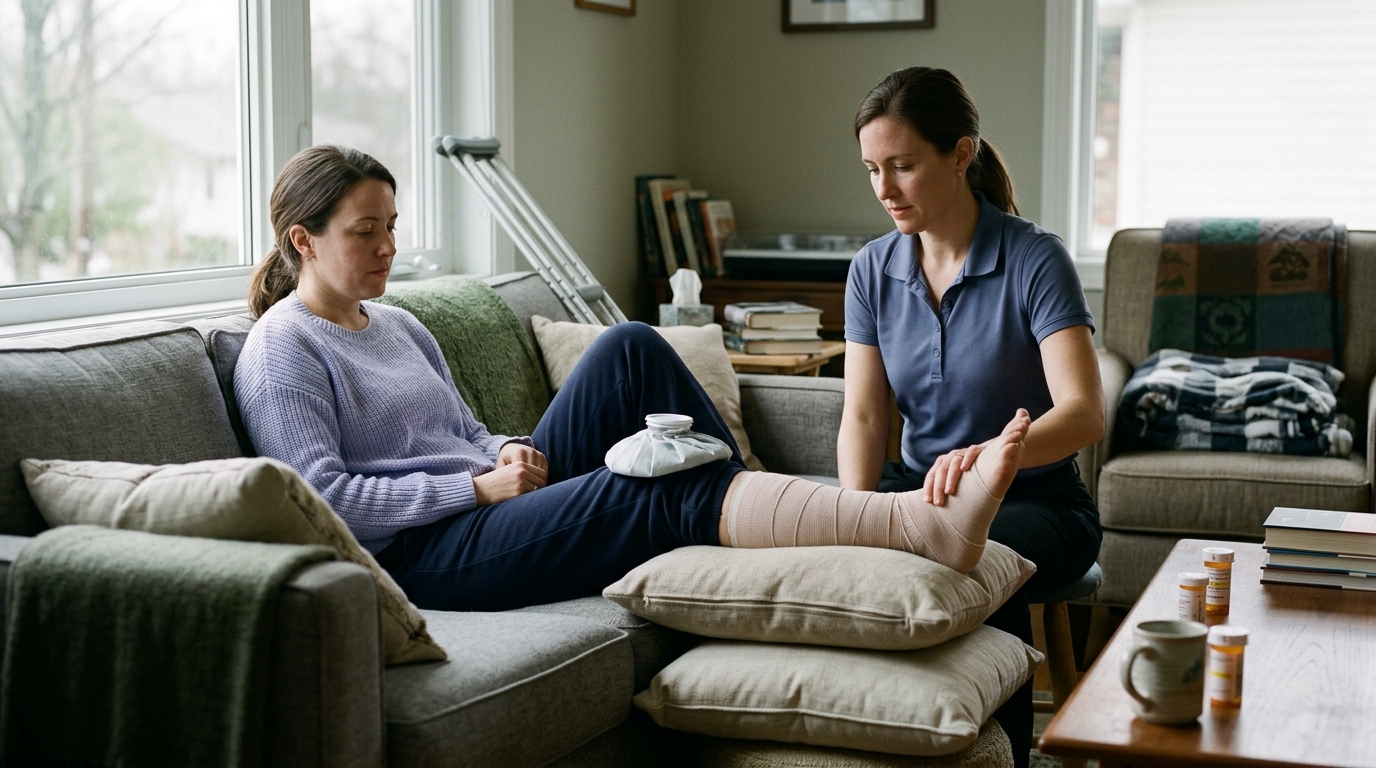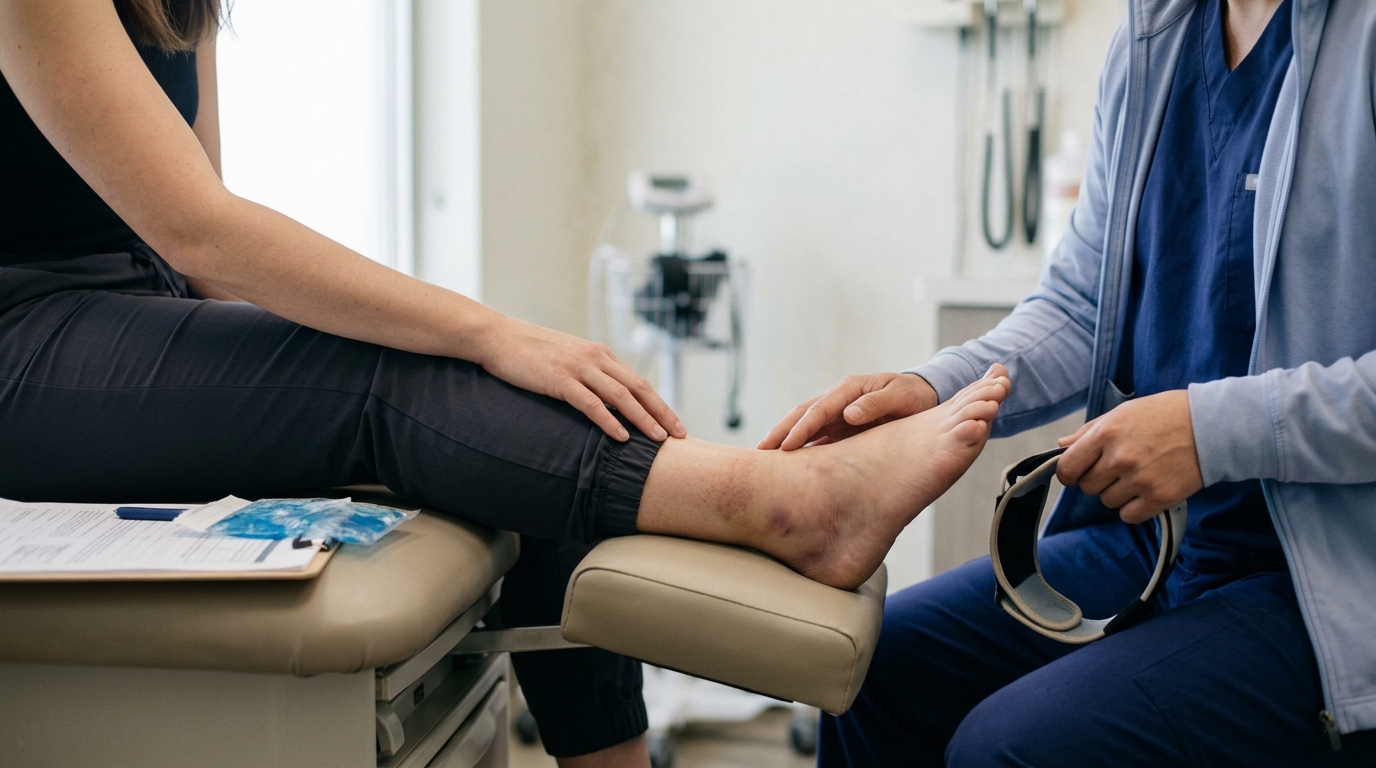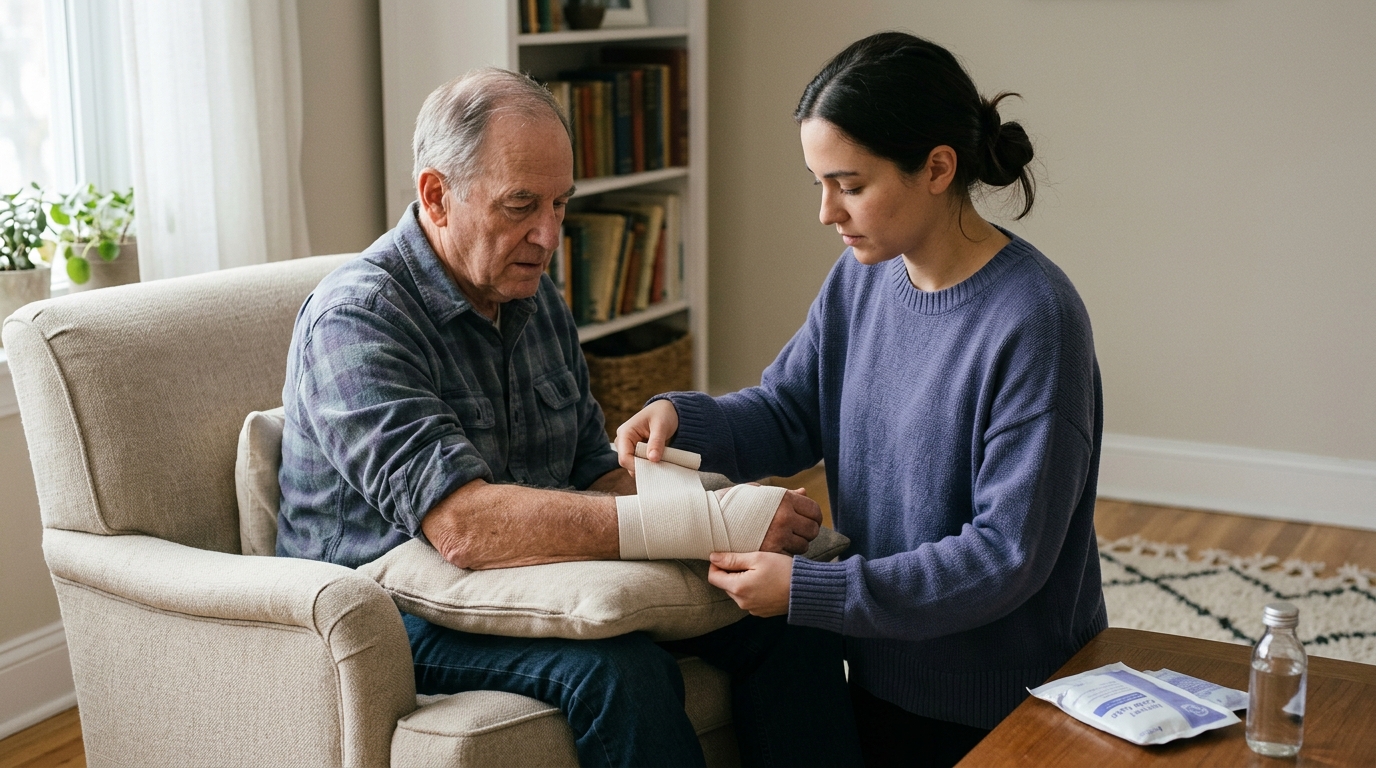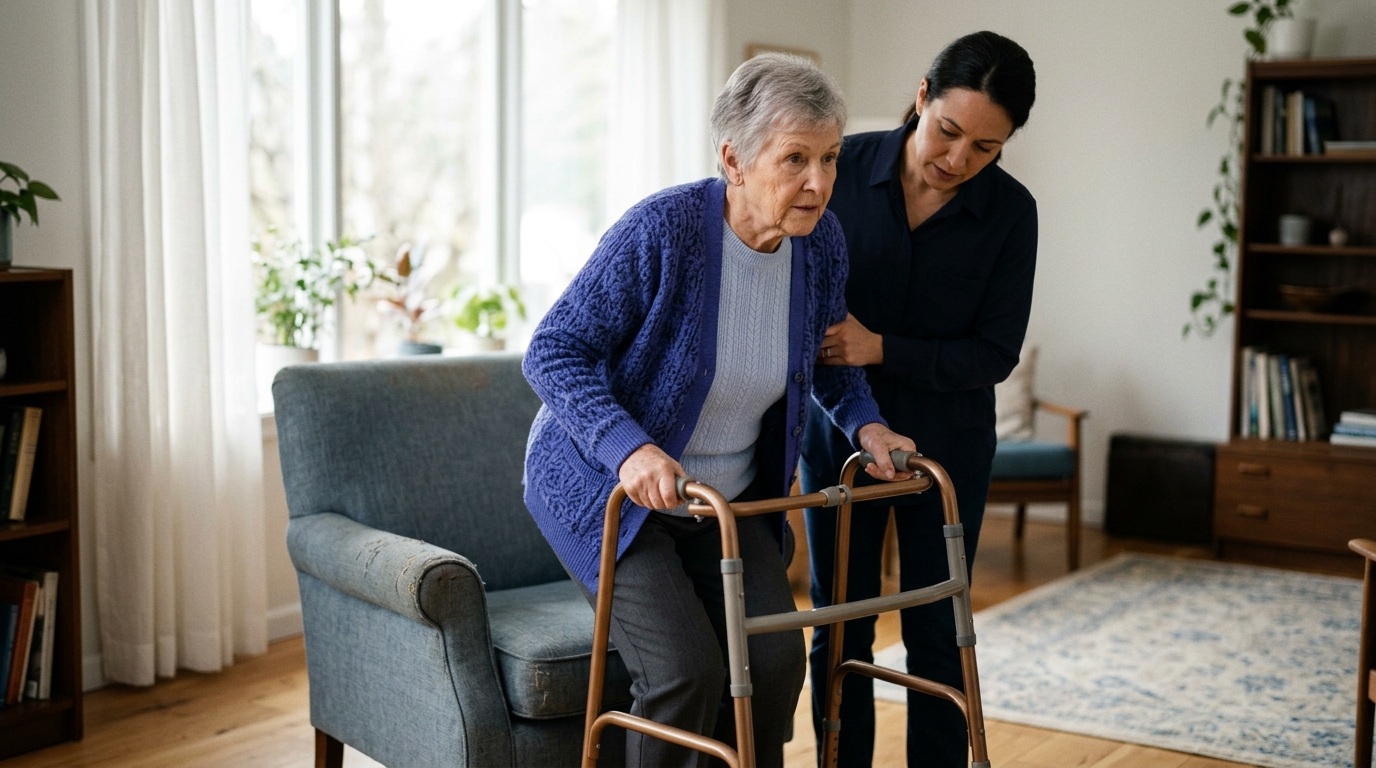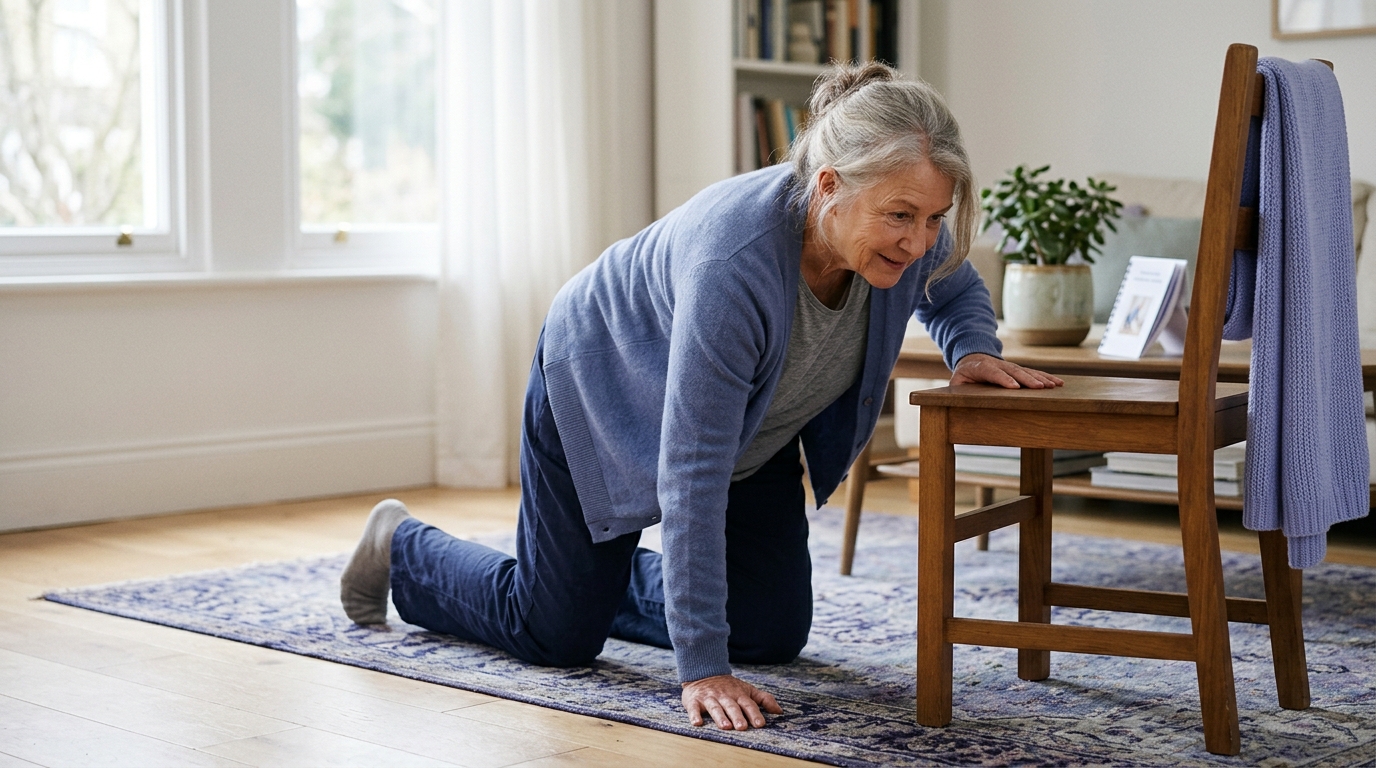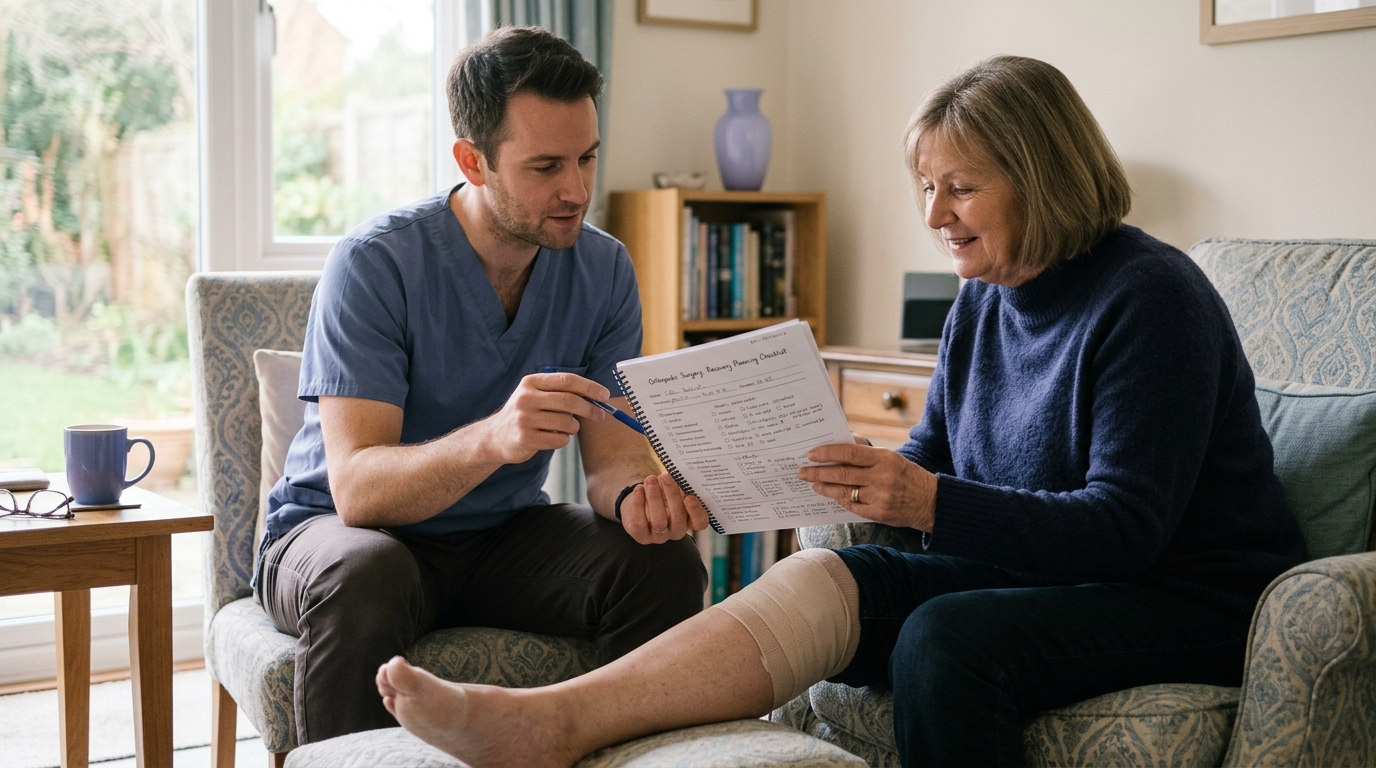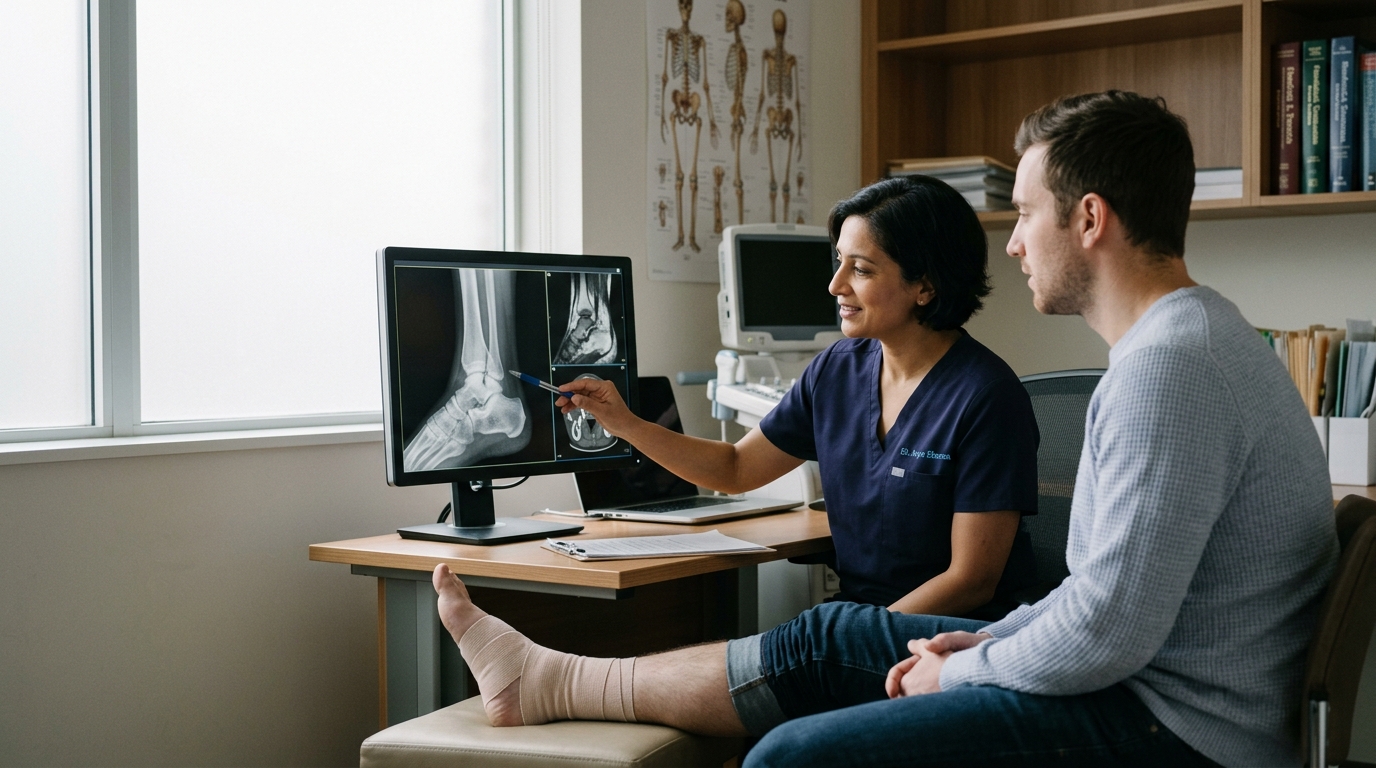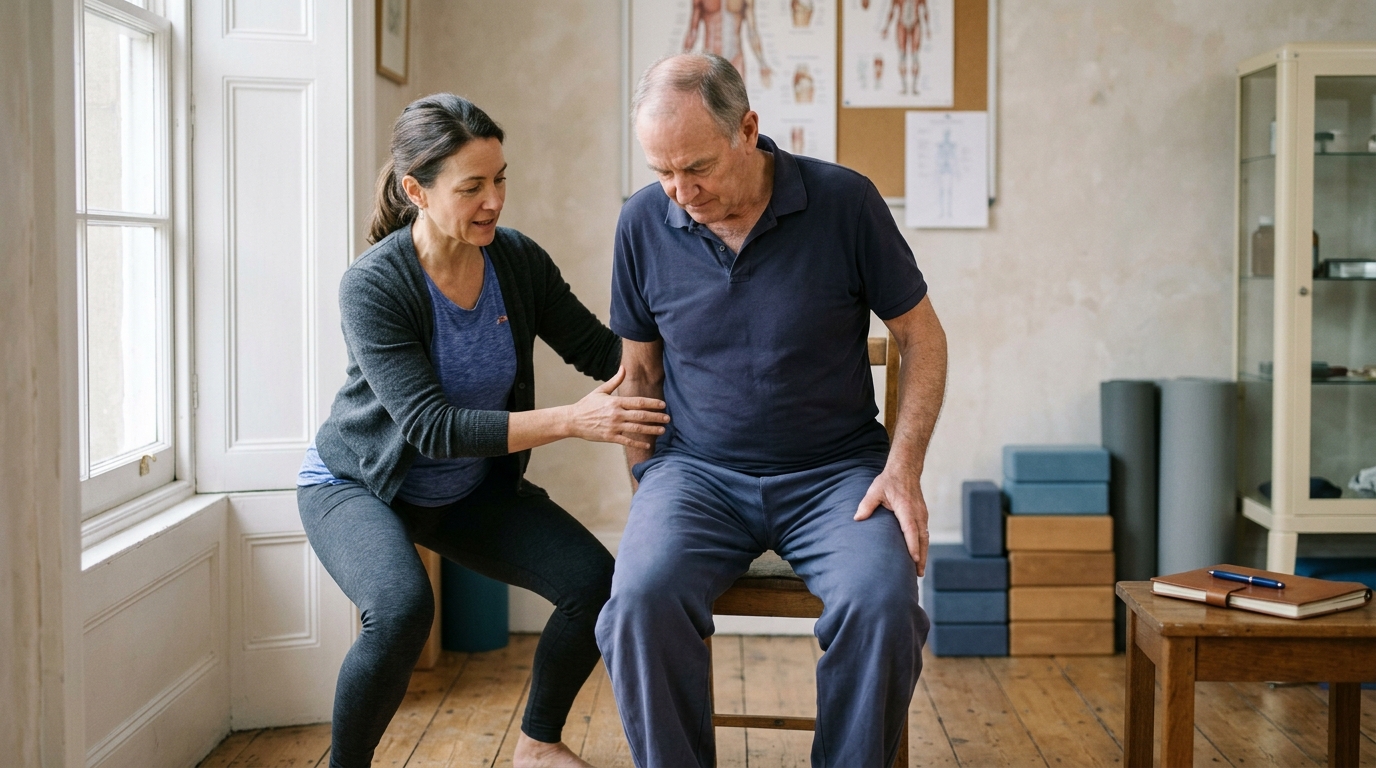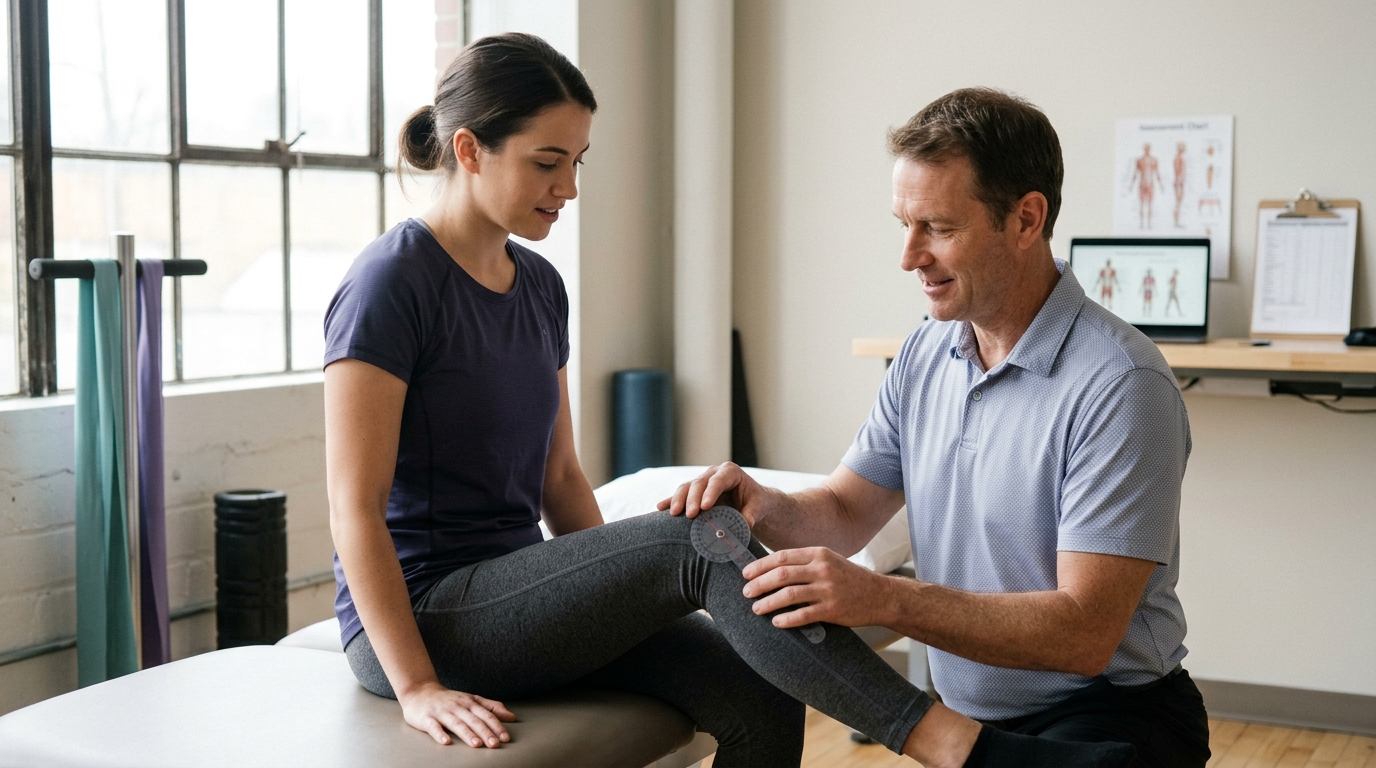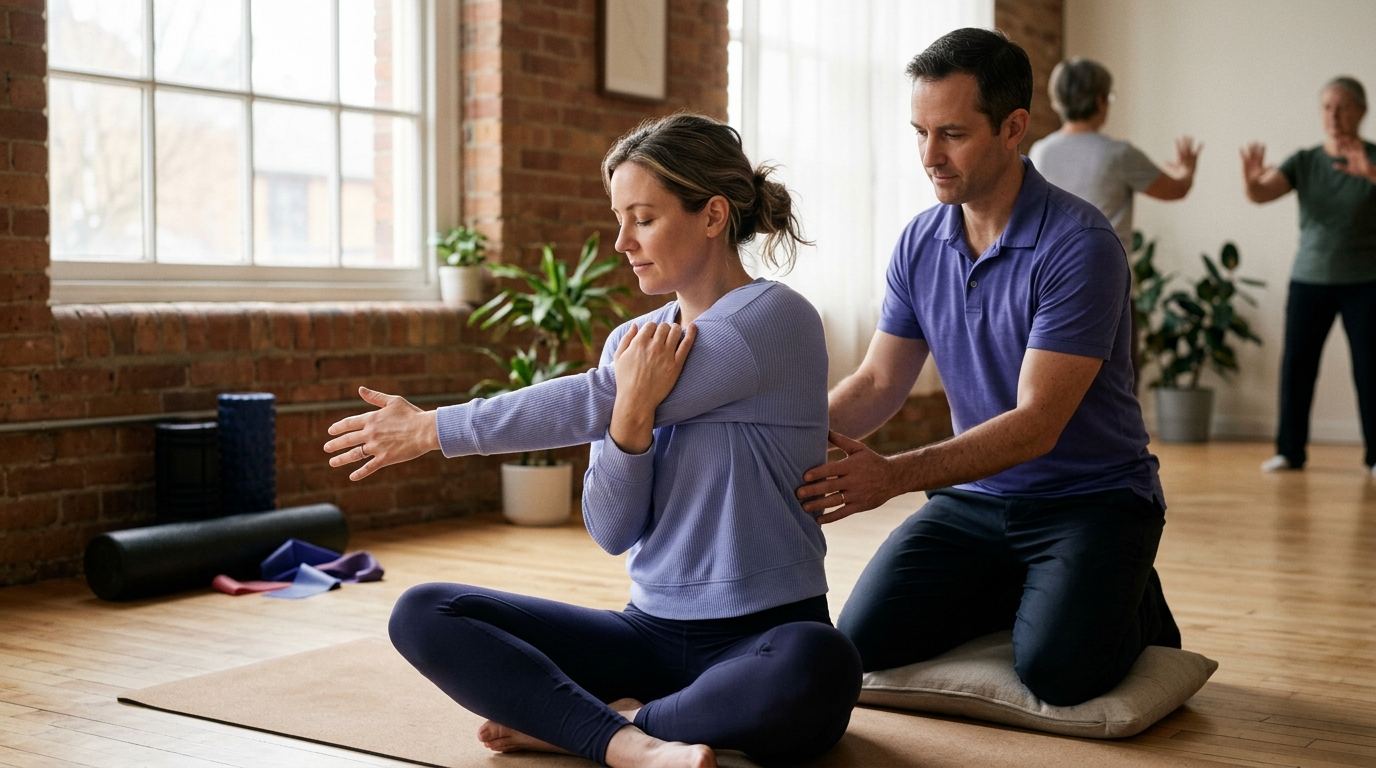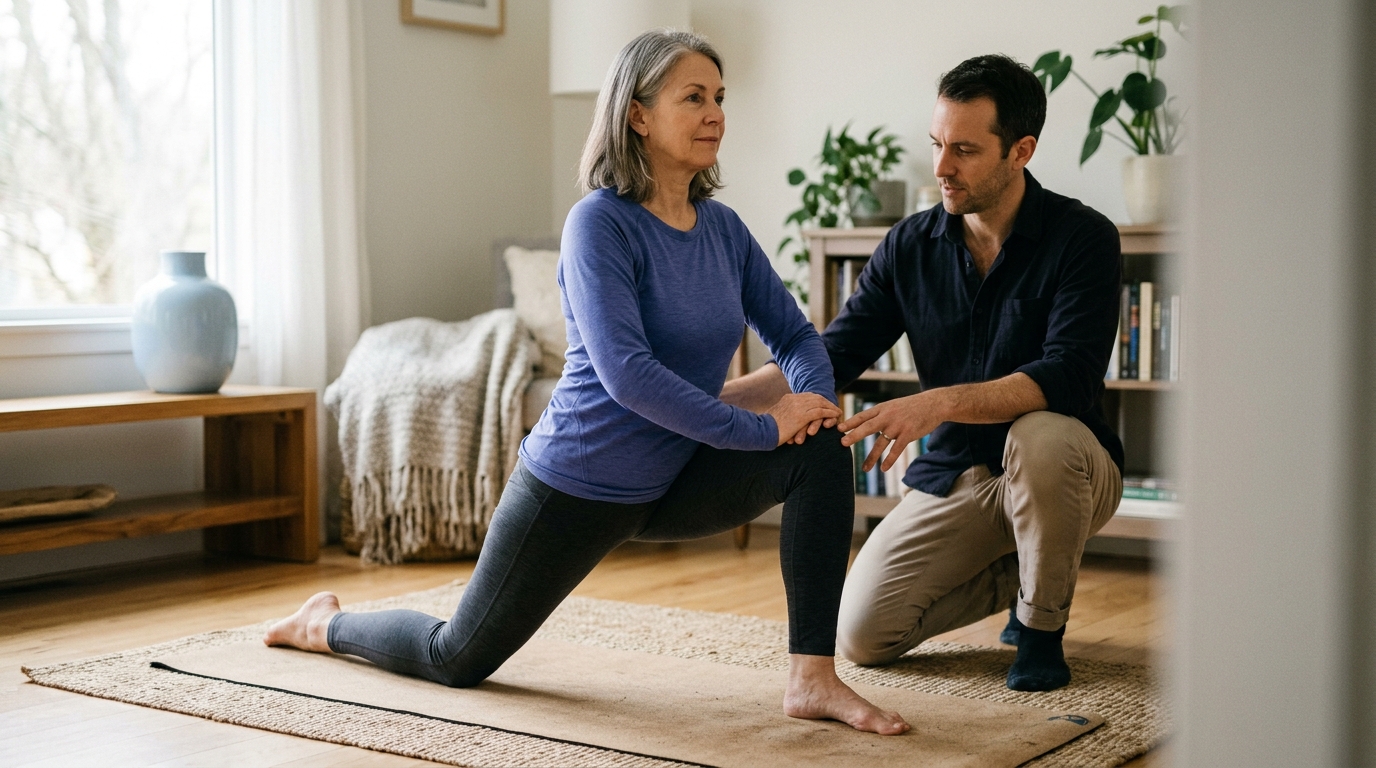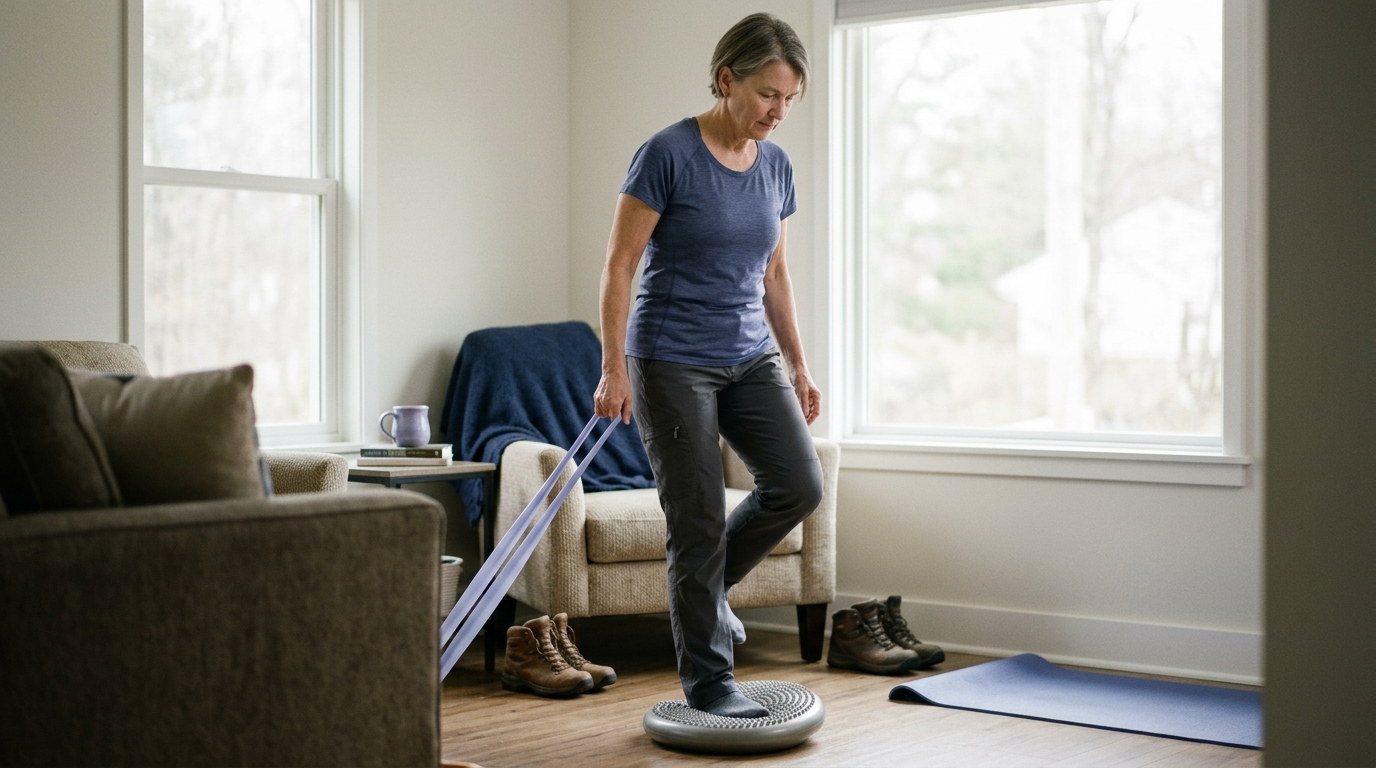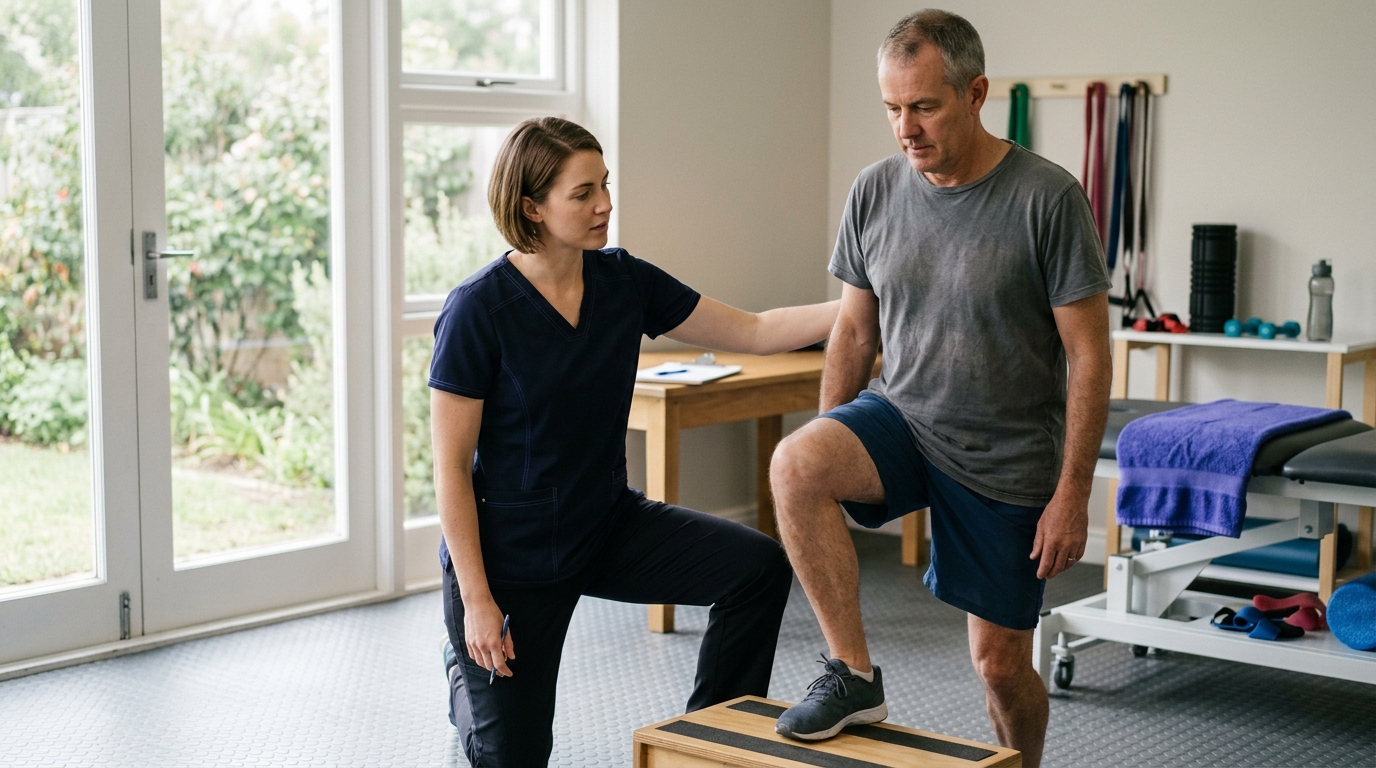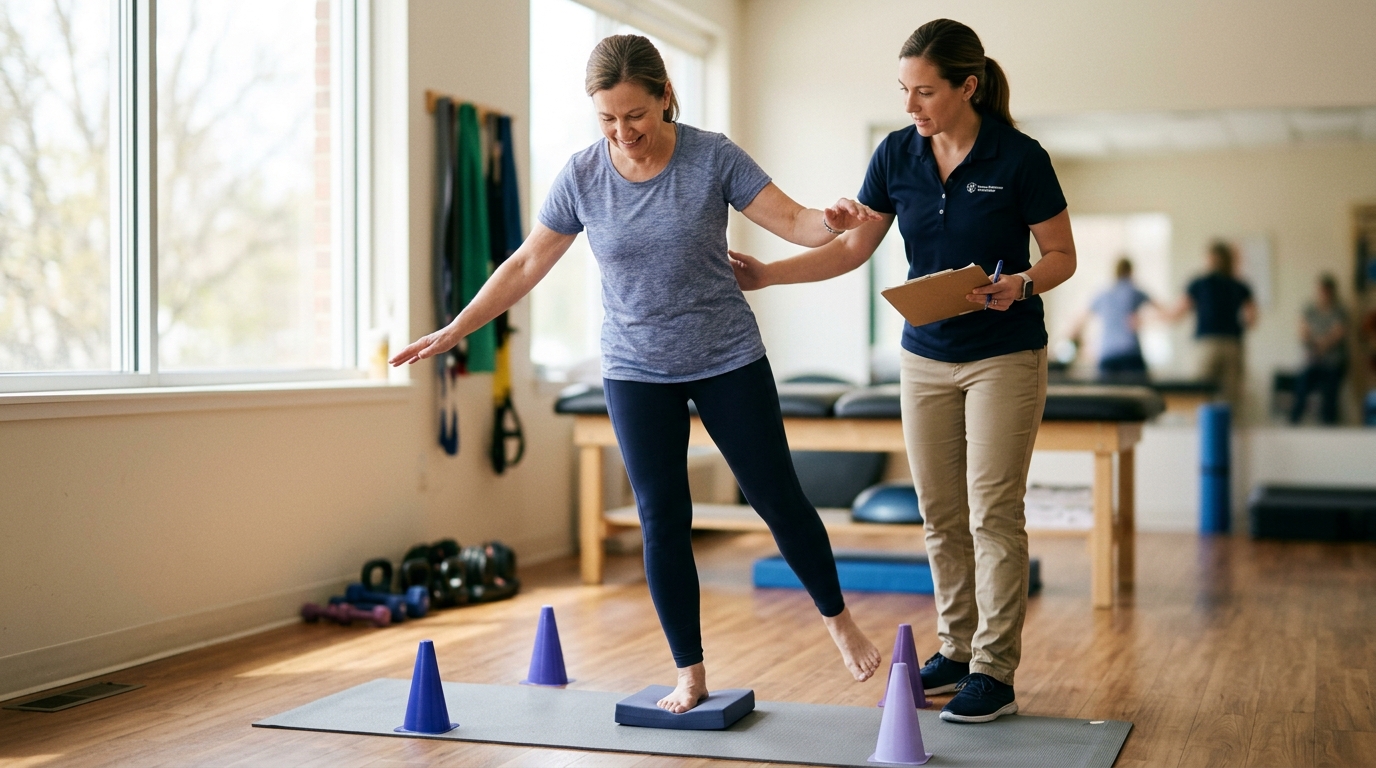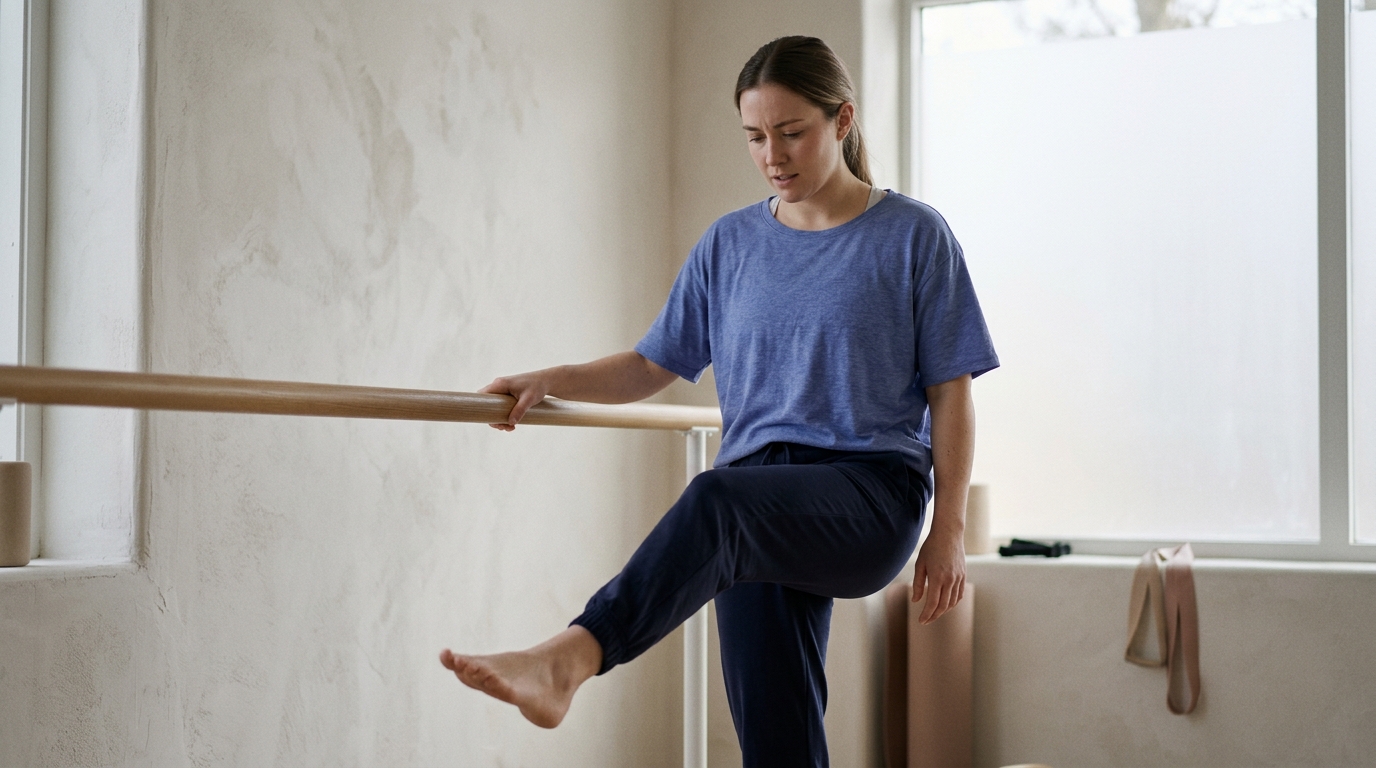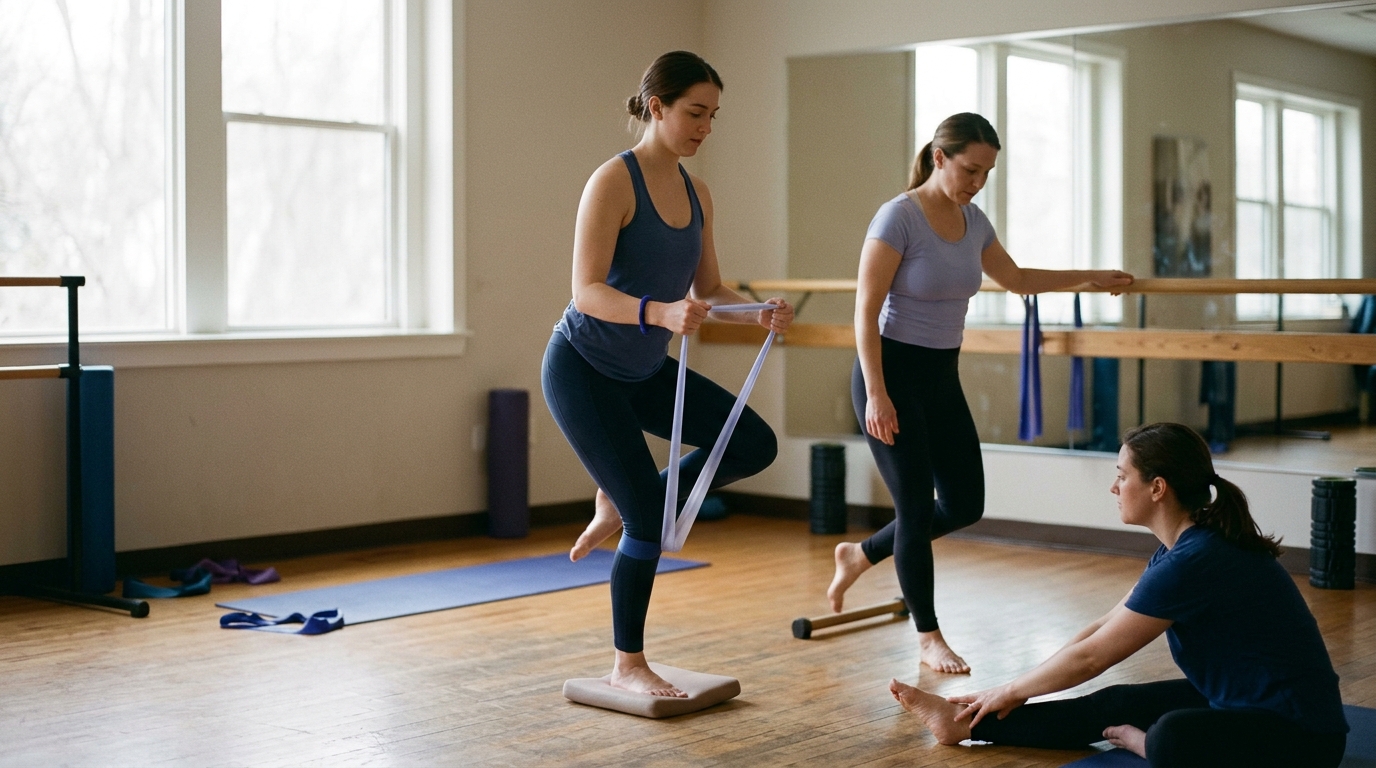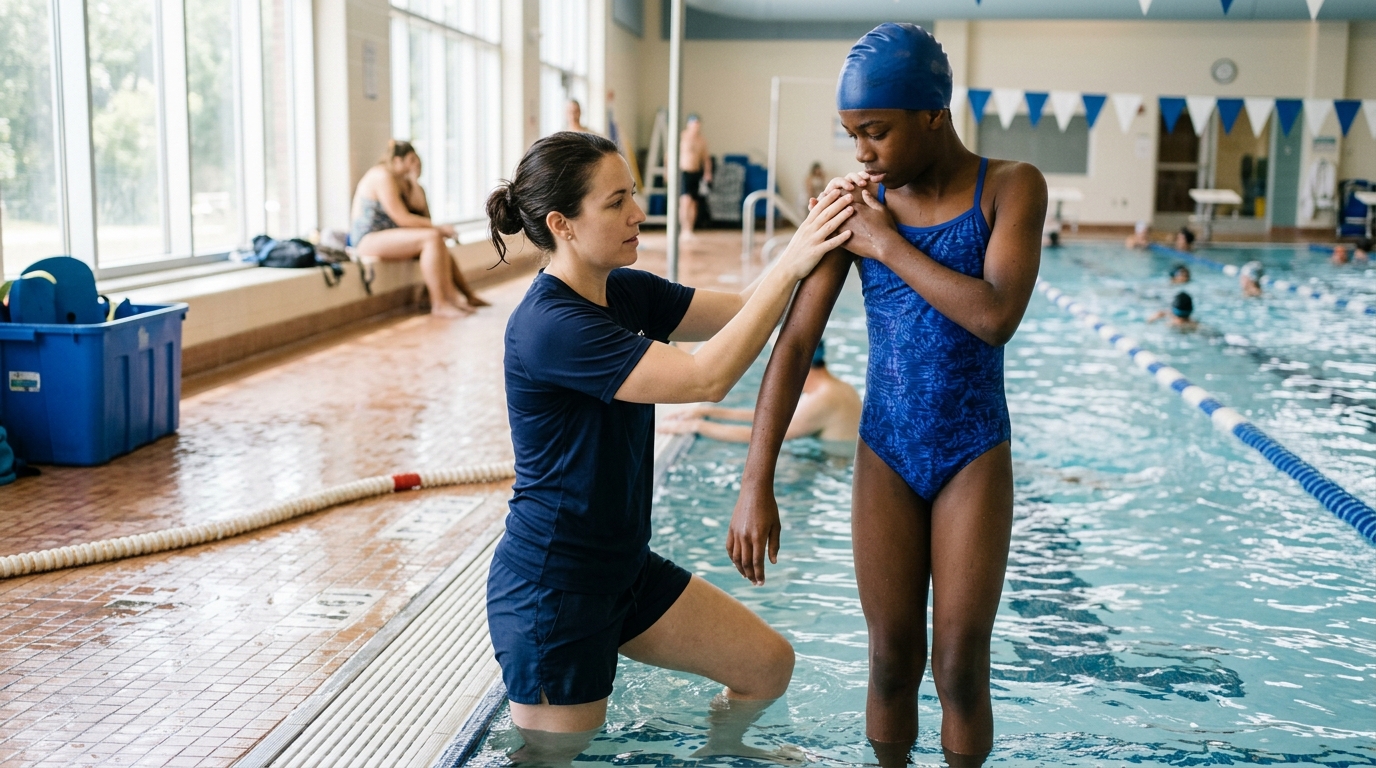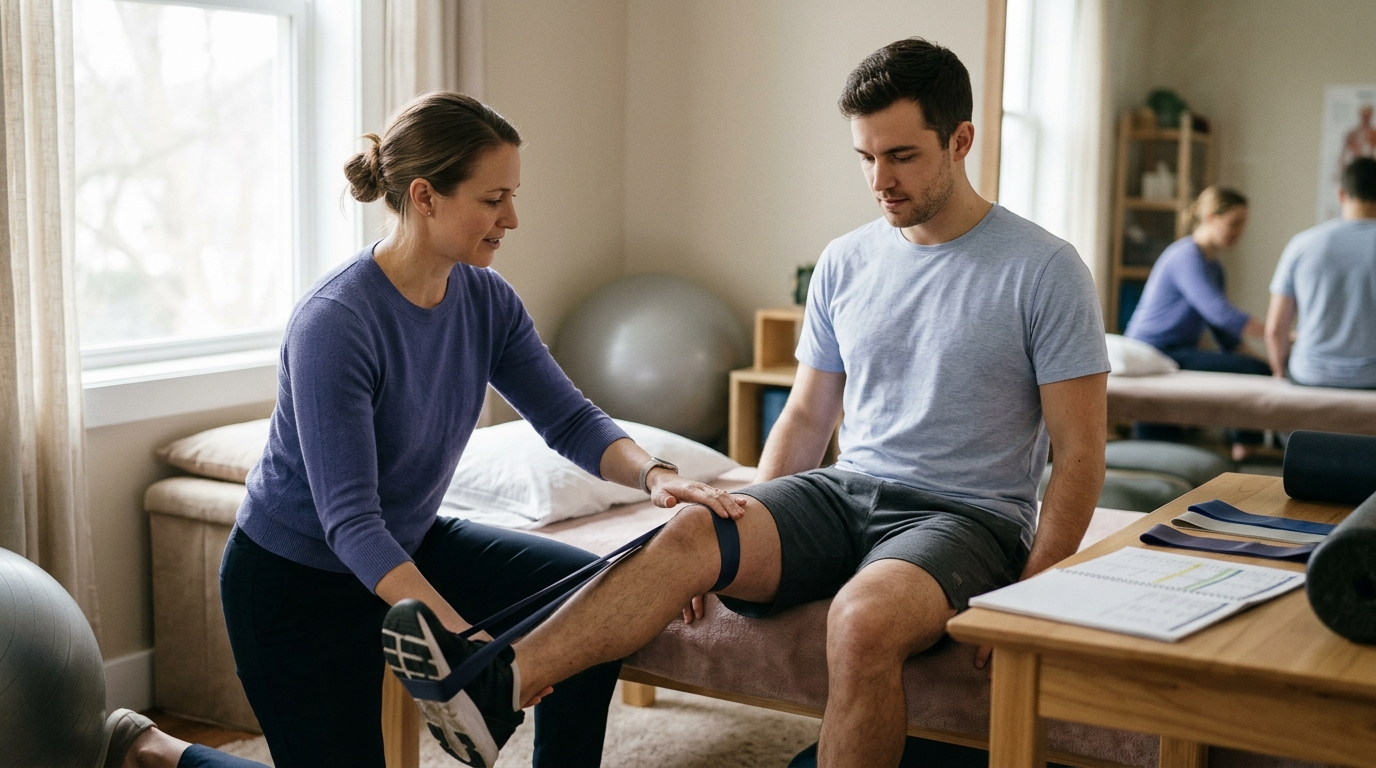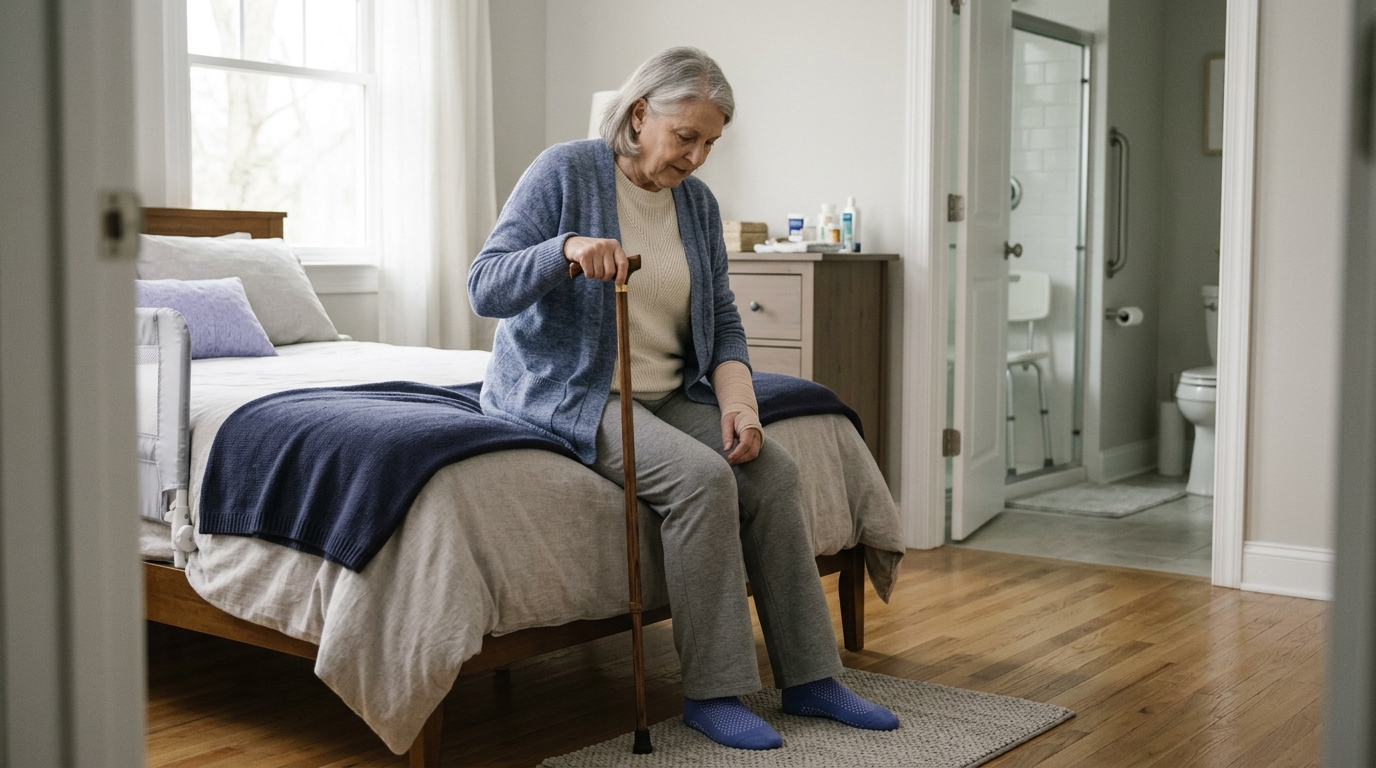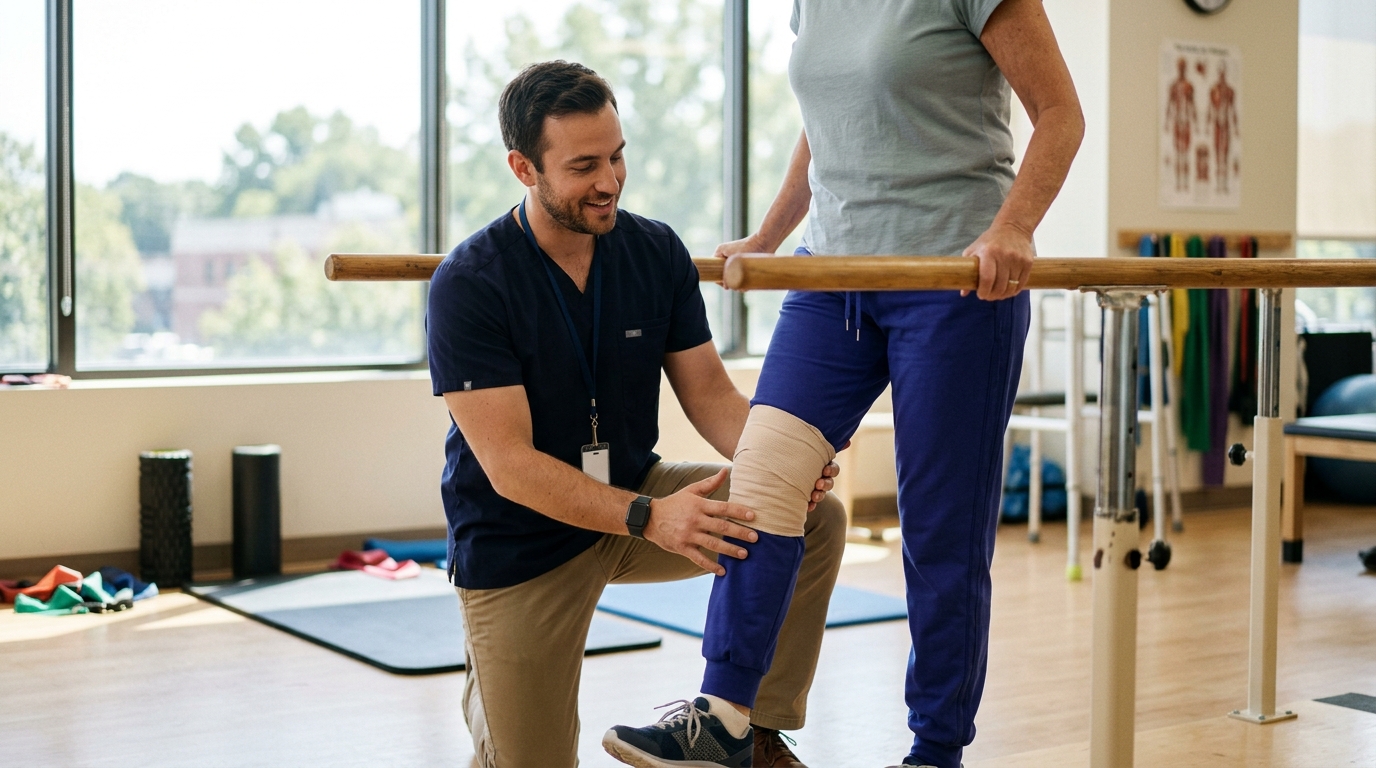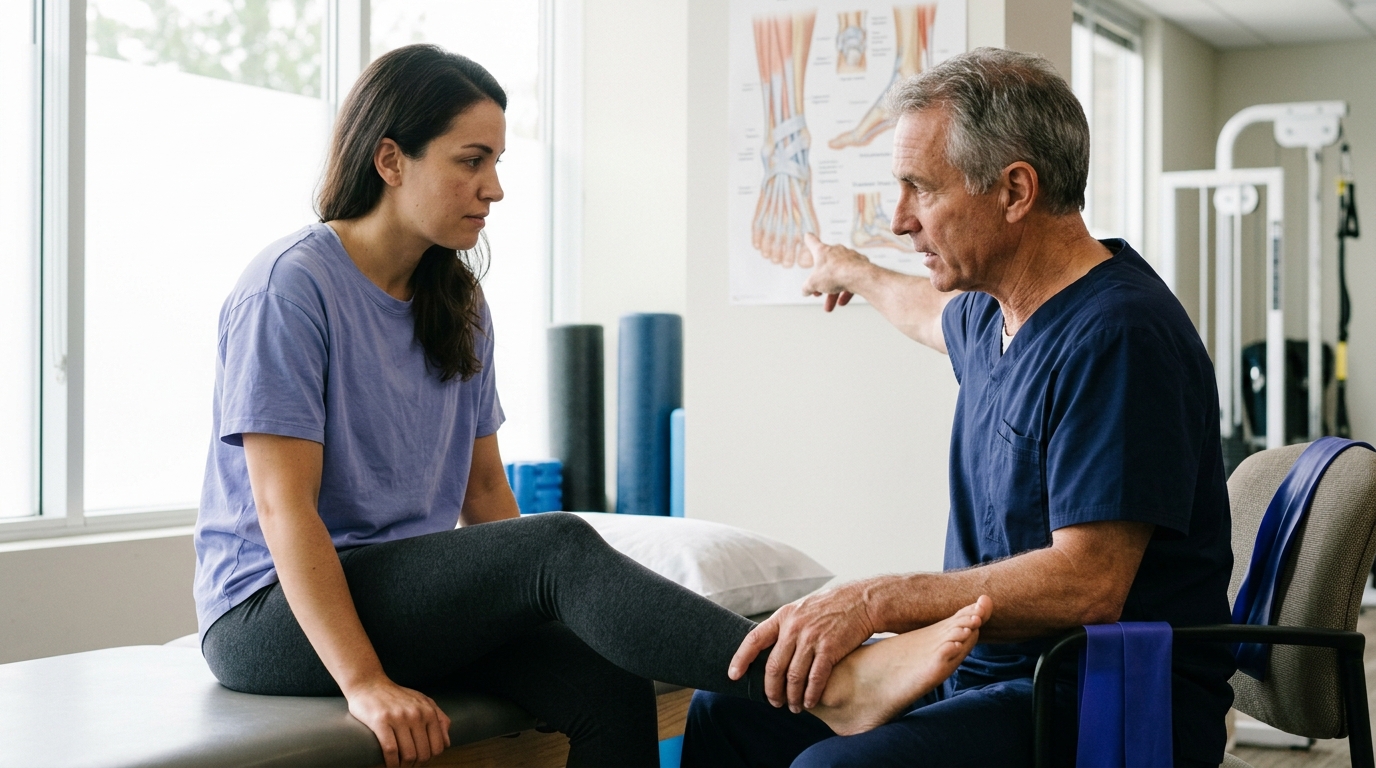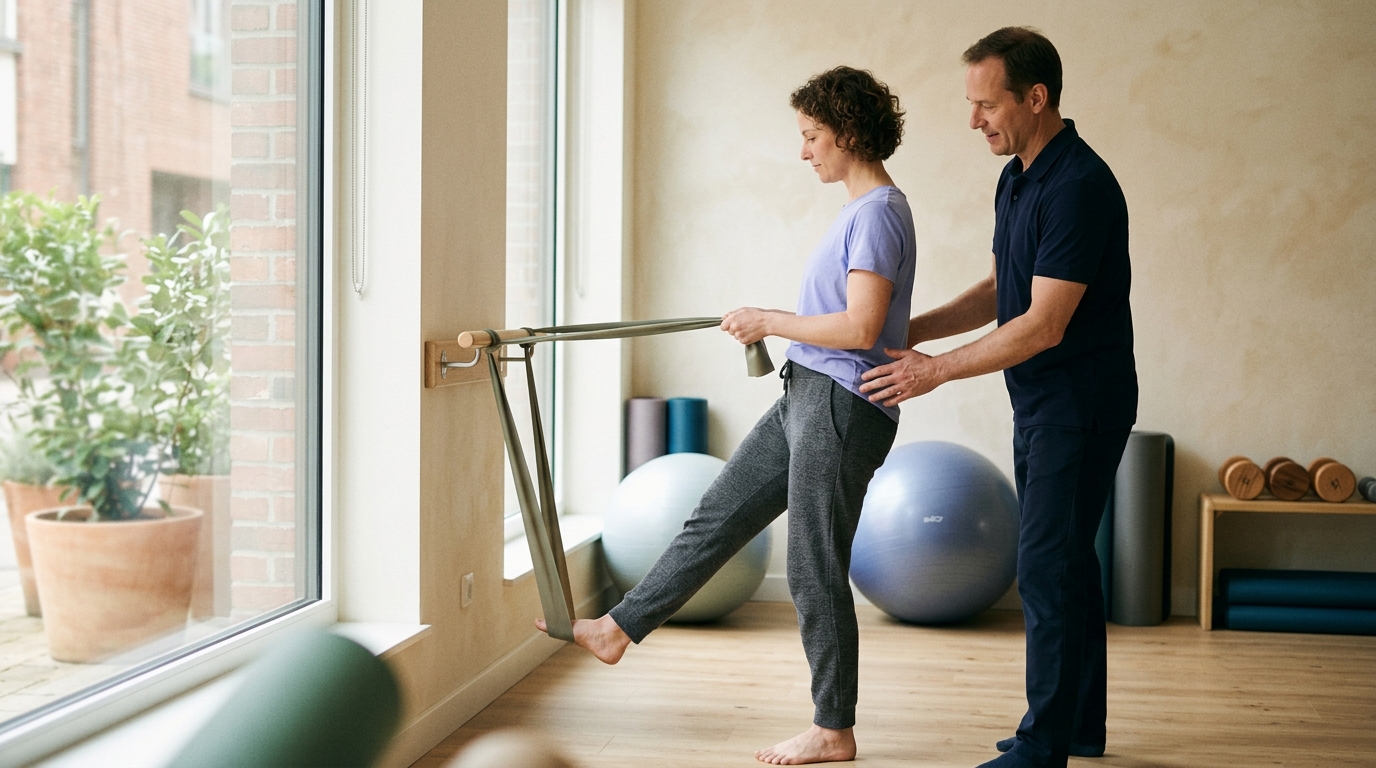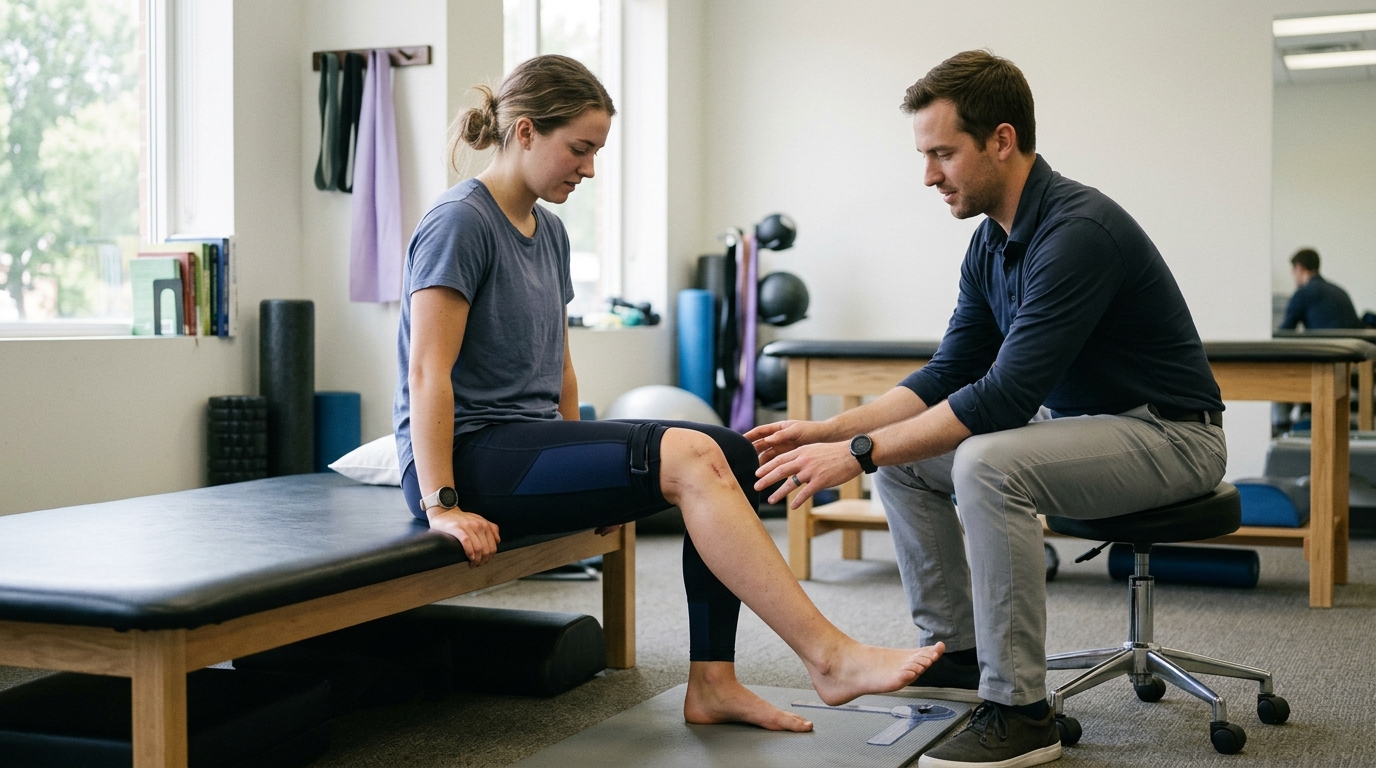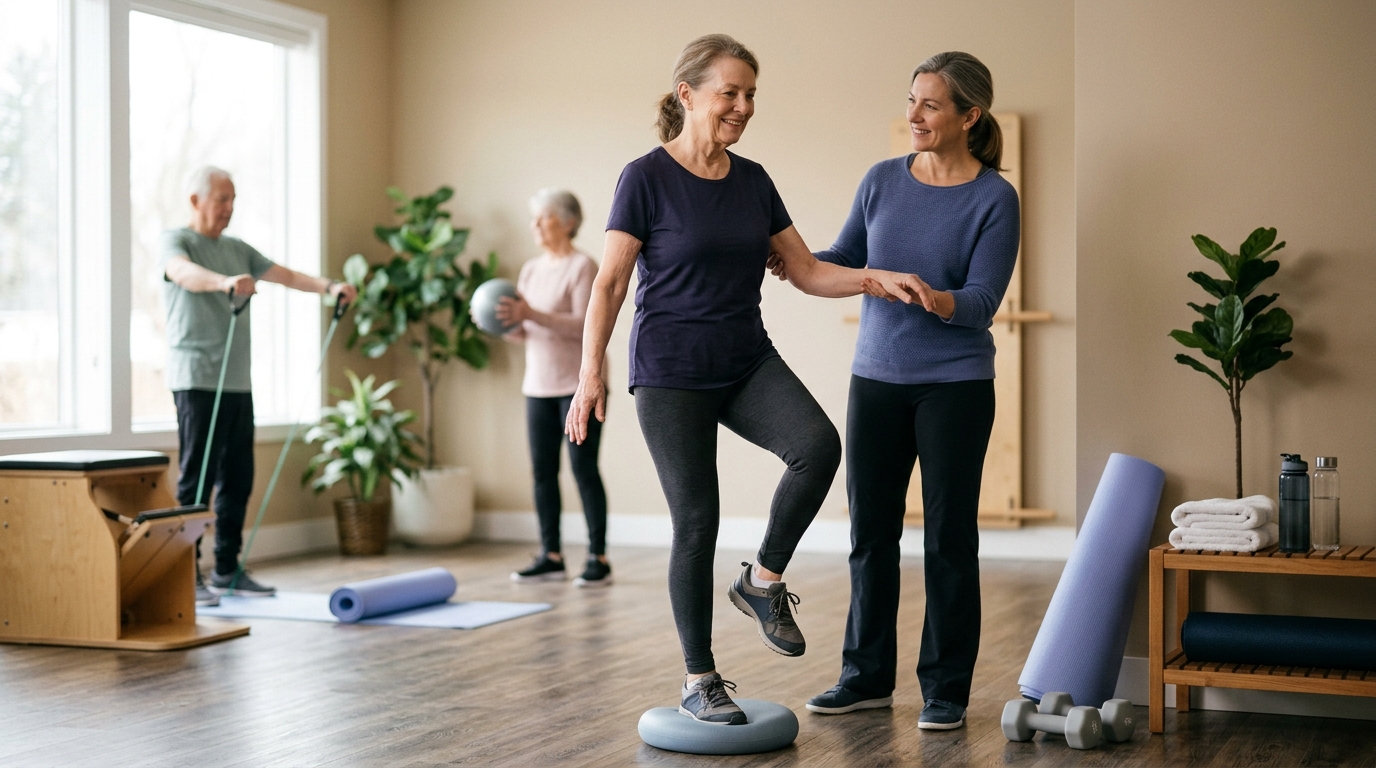

Four core exercise types combined with daily physical activity help protect arthritic joints, rebuild functional strength, and maintain long-term mobility.





You wake up, swing your legs over the edge of the bed, and feel a familiar stiffness in your knees or hands. The joint feels tight, achy, and resistant to bending. In that moment, resting feels like the safest option to protect your cartilage from further wear. Yet you have also heard that staying active is vital for long-term health. This leaves many people caught in an exhausting cycle of wanting to protect their joints while fearing that movement might cause permanent harm.
Movement is one of the most effective, research-backed tools for managing arthritis. It is not a test of willpower, and it is not a cure. Instead, physical activity serves as a primary method to nourish joint tissues, strengthen supportive muscles, and maintain everyday independence. Understanding how to adapt exercise to your specific symptoms allows you to stay active safely without unnecessary fear.
Every joint and every type of arthritis behaves differently. Osteoarthritis, which involves changes in joint cartilage and surrounding bone, responds differently than systemic inflammatory conditions like rheumatoid arthritis. While initial activity may cause mild, temporary discomfort, consistent movement reduces pain and improves physical function over time. You do not need a rigid routine or extreme effort to see real benefits.
Learning how to navigate movement with arthritis requires separating temporary adaptation soreness from genuine warning signs. By building a balanced routine of mobility, strength, aerobic fitness, and steady pacing, you can support your joints for years to come.
Many discussions around arthritis treat all movement the same. In practice, researchers and clinicians divide movement into two distinct categories: general physical activity and therapeutic exercise. Both play important roles in long-term joint health, but they serve different purposes in your routine.
General physical activity includes any bodily movement that uses energy during your daily routine. Walking the dog, doing yard work, cleaning the kitchen, and taking the stairs all fall under this umbrella. Public health guidelines encourage adults with arthritis to move more throughout the day and reduce prolonged sitting. These everyday tasks help maintain basic circulation, support metabolic health, and keep joints from stiffening due to inactivity.
Therapeutic exercise is planned, structured, and repetitive movement designed to achieve a specific physical outcome. A clinical plan might target weakness in the quadriceps muscles to reduce stress on an arthritic knee. It might focus on specific hand exercises to improve grip strength for opening jars. Major medical groups, such as the National Institute for Health and Care Excellence, recommend tailored therapeutic exercise for adults with osteoarthritis. This includes both local muscle strengthening and general aerobic fitness.
Relying solely on everyday chores often leaves critical stabilizing muscles weak. Conversely, performing isolated exercises without moving during the rest of the day can leave joints stiff. A balanced strategy combines planned exercises that target vulnerable areas with regular, low-stress movement throughout your daily life. You can learn more about structured programs in our rehabilitation and mobility resources.
Large-scale public health data highlights how widespread joint conditions are. The Centers for Disease Control and Prevention reports that roughly 53 million adults in the United States have arthritis. In 2022, age-adjusted data showed that diagnosed arthritis affected 18.9 percent of adults, including 21.5 percent of women and 16.1 percent of men. Newer 2025 FastStats estimates from the CDC indicate that diagnosed arthritis affects approximately 21.1 percent of adults.
With so many people affected, clinical researchers have evaluated how exercise influences arthritic joints. The findings across major rheumatology and orthopedic organizations show consistent results. Movement does not accelerate joint wear when performed at an appropriate intensity. In fact, prolonged inactivity weakens muscles, stiffens tendons, and worsens joint pain over time.
Guidelines from the American College of Rheumatology and the Arthritis Foundation strongly recommend exercise for people with osteoarthritis of the knee, hip, and hand. Their review found that many types of movement work well. Walking, stationary cycling, aquatic exercise, resistance training, and neuromuscular drills all show meaningful benefits. The researchers noted that no single exercise type is superior to all others. This means you can choose activities based on personal preference, access, and comfort.
International guidance from the European Alliance of Associations for Rheumatology supports regular physical activity for both osteoarthritis and inflammatory arthritis. Their recommendations outline four essential fitness domains: cardiorespiratory fitness, muscle strength, flexibility, and neuromotor performance. The evidence demonstrates that regular exercise across these areas improves physical function, reduces joint symptoms, and supports mental wellbeing.
Guidance from NICE explains an important reality of starting an exercise program. When people with osteoarthritis begin exercising, joint pain may temporarily increase. This initial reaction is a normal physiological adjustment, not a sign of joint damage. Studies confirm that sticking with regular, consistent exercise leads to meaningful reductions in pain and improvements in daily function over the long term.
To understand why exercise helps, it helps to look at joint anatomy. Unlike muscles or skin, mature joint cartilage does not have its own blood supply. It relies on a process called fluid exchange to receive nutrients and remove cellular waste.
When you bear weight on a joint, the cartilage compresses slightly. This pressure squeezes out fluid, along with metabolic waste products. When you lift your foot or unload the joint, the pressure drops. Synovial fluid from the surrounding joint capsule rushes back into the cartilage, delivering oxygen and essential nutrients. This compression and relaxation cycle functions like a mechanical pump. Without regular movement, joint cartilage is deprived of optimal nutrition, leading to increased stiffness and tissue vulnerability.
Muscles act as natural shock absorbers for your skeletal system. When you walk, climb stairs, or carry groceries, strong muscles absorb a large portion of the impact forces. If the muscles around your hip or knee are weak, those forces transfer directly into the joint surfaces and underlying bone. Rebuilding muscle strength reduces the mechanical burden placed on sensitive joint structures during everyday tasks.
Regular movement also maintains the pliability of ligaments, joint capsules, and tendons. Inactivity causes these connective tissues to shorten and lose elasticity. When you finally try to move after sitting for hours, tight tissues resist the motion, causing friction and discomfort. Gentle, consistent movement keeps these tissues supple, reducing startup stiffness and improving movement efficiency. For deeper insights on tissue capacity, review our guide to injury prevention and active living.
Because no single exercise fits every person, building a personal movement menu is the most sustainable approach. A complete routine addresses four primary components: aerobic conditioning, strength building, joint flexibility, and balance training.
Aerobic activity improves heart health, increases stamina, and promotes healthy circulation to joint tissues. Federal physical activity guidelines recommend working toward at least 150 minutes of moderate-intensity aerobic activity per week. For someone with arthritis, this goal is an ultimate target, not a strict entry requirement.
Low-impact options minimize harsh impacts on lower-body joints:
Strength training builds the structural foundation that protects your joints during daily life. NICE explicitly highlights local muscle strengthening as a fundamental part of care. Strengthening should target muscles directly surrounding affected joints as well as larger core and postural muscle groups.
Effective strengthening approaches include:
Stiffness is one of the most common complaints among people living with arthritis. Gentle mobility work preserves the range of motion required to reach overhead, tie shoes, and get in and out of chairs.
Mobility exercises should move joints through a comfortable range without aggressive forcing. Perform dynamic, continuous movements, such as gentle arm circles, ankle rotations, and seated spinal twists. Moving joints through their available path each morning reduces morning stiffness and prepares your body for daily tasks.
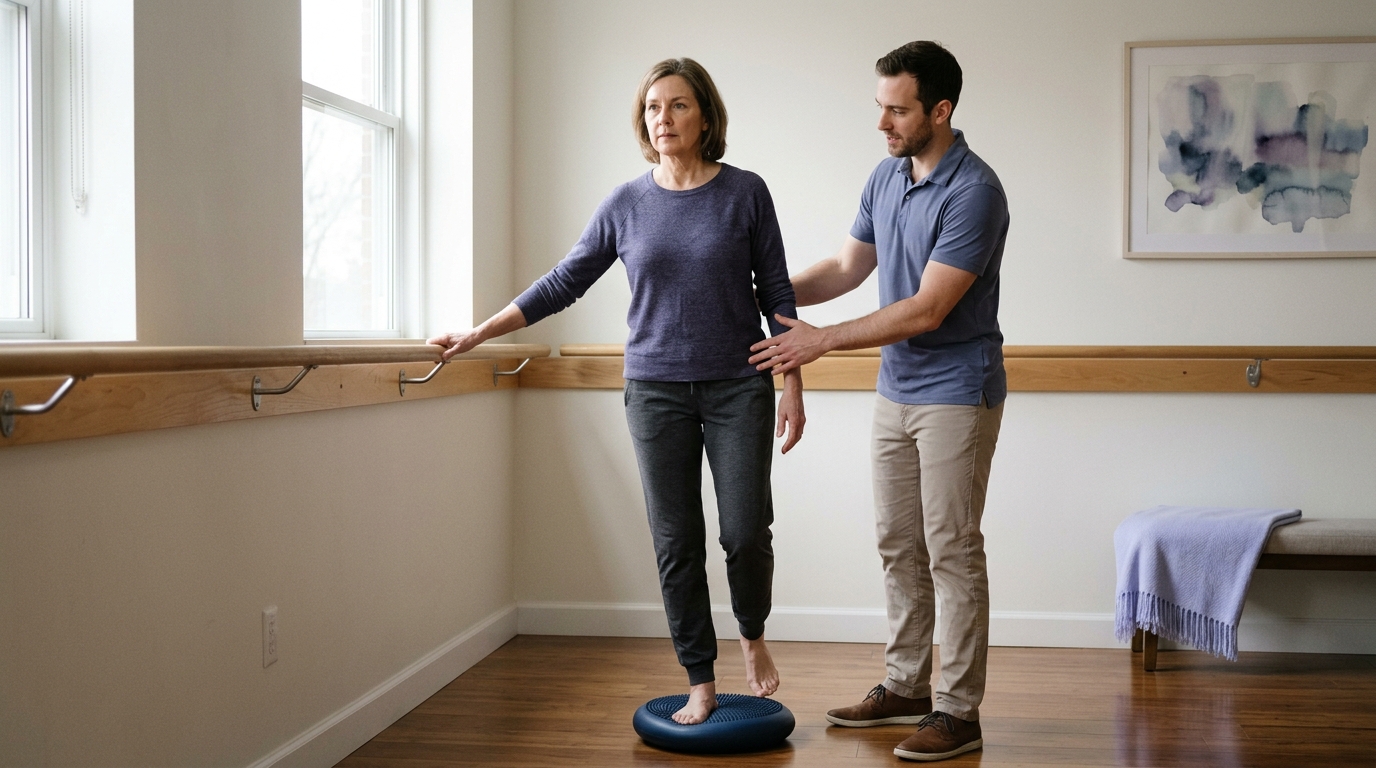
For adults over 65, federal guidance calls for multicomponent physical activity that includes balance training alongside strength and aerobic work. Arthritis can impair joint position awareness, known as proprioception. When joint sensors send sluggish signals to the brain, maintaining balance becomes more challenging, increasing the risk of falls.
Balance drills, single-leg stands near a counter, tandem walking, and mind-body practices like tai chi restore coordination. The American College of Rheumatology strongly recommends tai chi for people with knee or hip osteoarthritis. Tai chi combines slow, controlled weight shifts with focused breathing, improving joint stability and movement confidence.
Arthritis manifests differently depending on which joints are affected. A program designed for knee osteoarthritis looks very different from one designed for hand arthritis. Tailoring your approach ensures you target the right structures while protecting irritated tissues.
The knee experiences significant compressive forces during daily activities like climbing stairs or standing up. Strengthening the quadriceps, hamstrings, gluteal muscles, and calves helps distribute these forces away from the joint capsule.
Helpful adaptations for knee symptoms include:
The hip is a deep ball-and-socket joint that relies heavily on pelvic and gluteal stability. Weak hip abductors can cause the pelvis to drop during walking, placing abnormal shearing forces across the hip joint.
Key strategies for hip management include:
Hand osteoarthritis can interfere with opening jars, typing, buttoning shirts, and holding cooking utensils. While the research base for hand exercise is smaller than for knees and hips, targeted mobility and grip maintenance remain valuable.
Practical hand adaptations include:
Inflammatory conditions like rheumatoid arthritis, psoriatic arthritis, and ankylosing spondylitis require a flexible mindset. Because these conditions involve systemic immune activity, fatigue and fluctuating joint inflammation are common. EULAR guidelines recommend adjusting exercise frequency and intensity based on current disease activity, fatigue levels, and flare status. Working closely with a rheumatologist ensures that your movement plan complements your medical management.
One of the biggest hurdles in managing arthritis is the boom-and-bust cycle. On days when pain is low, people often try to complete all their delayed chores and workouts at once. This sudden spike in activity can trigger severe joint irritation, forcing several days of complete bed rest.
Pacing is a structured method of distributing activity evenly over time. It allows you to maintain consistent movement without overloading your tissues.
You do not need to perform 30 or 60 minutes of exercise in a single session to gain health benefits. The CDC emphasizes that weekly physical activity targets can be split into smaller, manageable portions.
A simple progression model might look like this:
Starting with brief sessions allows your joint cartilage, tendons, and muscles to adapt gradually. This approach is much easier on joints than attempting long, exhausting workouts.
Avoid performing the same repetitive motion for hours at a time. If you have gardening, housecleaning, or office work to do, alternate between demanding physical tasks and lighter, sedentary activities.
Learning to interpret joint signals is essential when living with arthritis. Because joint pain can temporarily rise when starting an exercise program, you need clear criteria to distinguish normal adaptation from a problem.
The American College of Rheumatology notes there is no single numerical pain score that determines whether someone should exercise. However, monitoring symptom patterns over 24-hour cycles provides a reliable guide for making activity adjustments.
When introducing a new exercise, you may feel mild muscle soreness or a low-grade ache around the joint. This discomfort typically appears a few hours after activity, remains mild, and fades within two hours after you finish. Over several weeks, this response gradually lessens as your muscles strengthen and your joint tissues adapt.
NICE defines an osteoarthritis flare as a temporary period of increased pain, swelling, and stiffness that exceeds your usual baseline. Flares can affect sleep, daily activities, and physical function, often lasting for 24 hours or longer.
If you experience a flare:
While mild discomfort is common, certain symptoms indicate a need for professional evaluation. CDC symptom guidelines identify several patterns that should prompt a conversation with a healthcare provider:
These warning signs indicate potential joint inflammation, structural overload, or an underlying medical issue that requires formal diagnosis and treatment.
Starting an activity program with arthritis does not require expensive gym memberships or complex equipment. A structured, stepwise plan helps you build consistency while minimizing the risk of symptom flare-ups.
Before adding new exercises, observe your current daily movement. How many minutes can you walk comfortably on a flat surface without significant pain? Which daily tasks cause stiffness? Establishing an honest baseline ensures you choose an appropriate starting point.
Select one joint-friendly activity from your movement menu, such as brisk walking, stationary cycling, or pool exercises. Commit to performing this activity for 10 to 15 minutes, three to five days per week. Focus on creating a consistent routine before worrying about speed, distance, or intensity.
Once you have maintained your aerobic baseline for two to three weeks, add basic muscle-strengthening exercises twice per week. Focus on simple movements:
After each session, notice how your joints feel immediately, two hours later, and the following morning. If your joints feel manageable and morning stiffness is brief, you can maintain your current routine. If joint pain remains elevated for more than two hours or disrupts sleep, reduce your session duration by 20 to 30 percent. You can discover more safe movement habits in our guide to active aging and prevention.
Self-directed exercise works well for many people, but you do not have to figure out your movement plan alone. Supervised exercise programs often produce greater improvements in pain and function than unguided home routines.
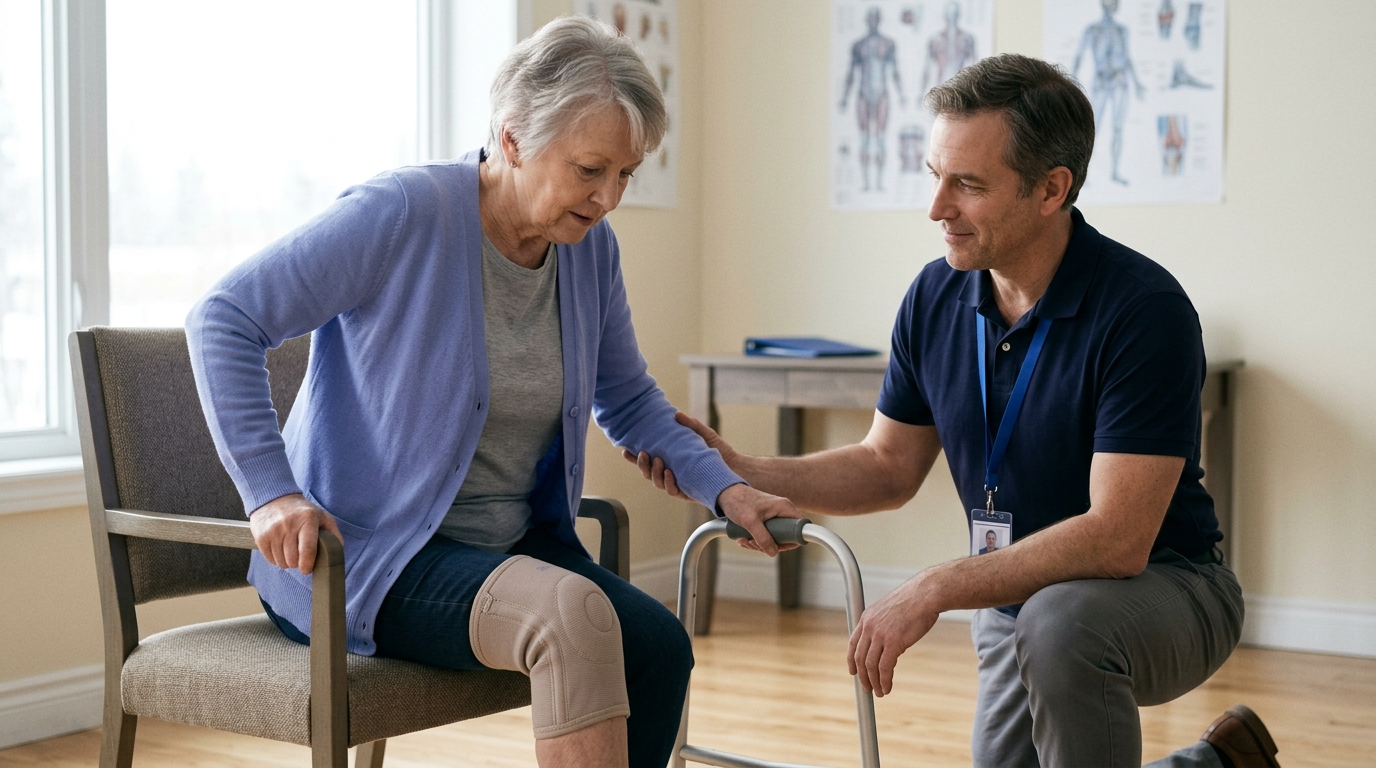
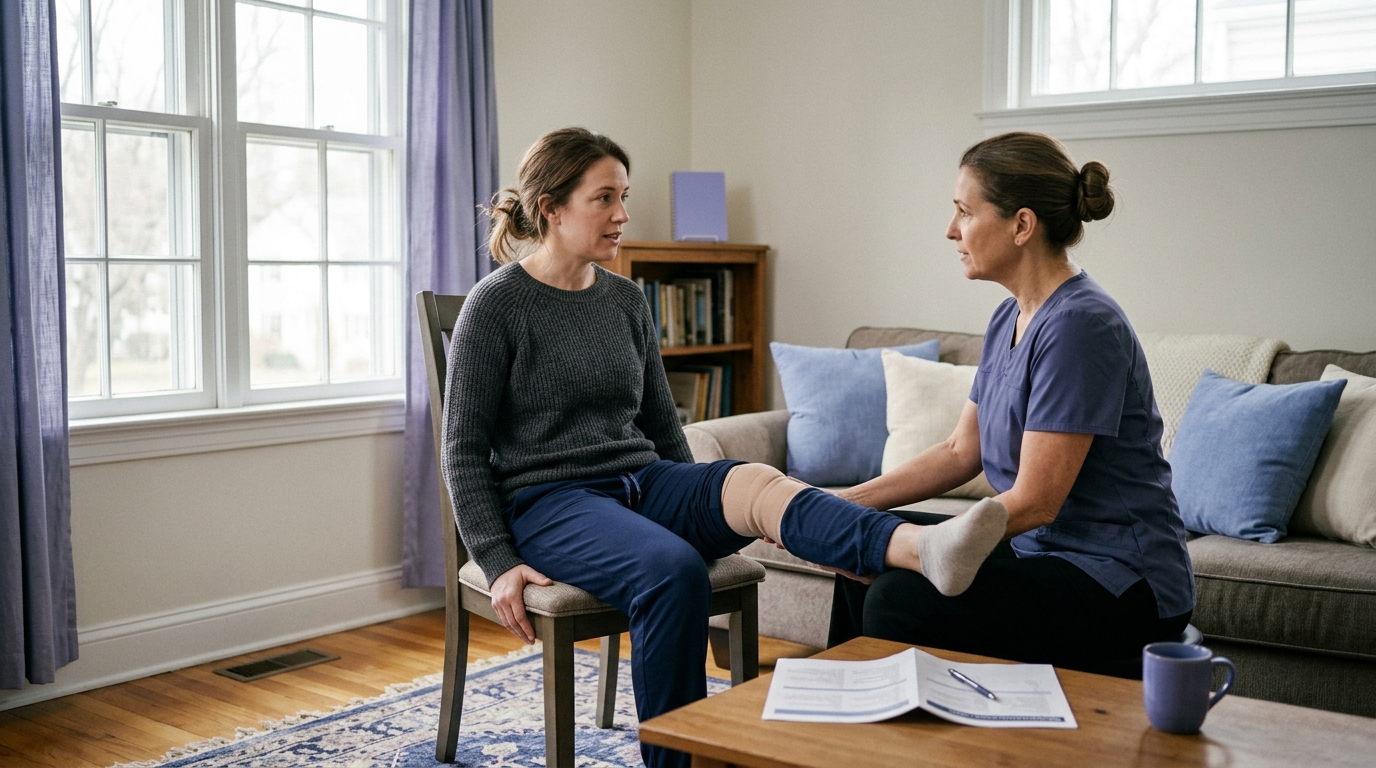
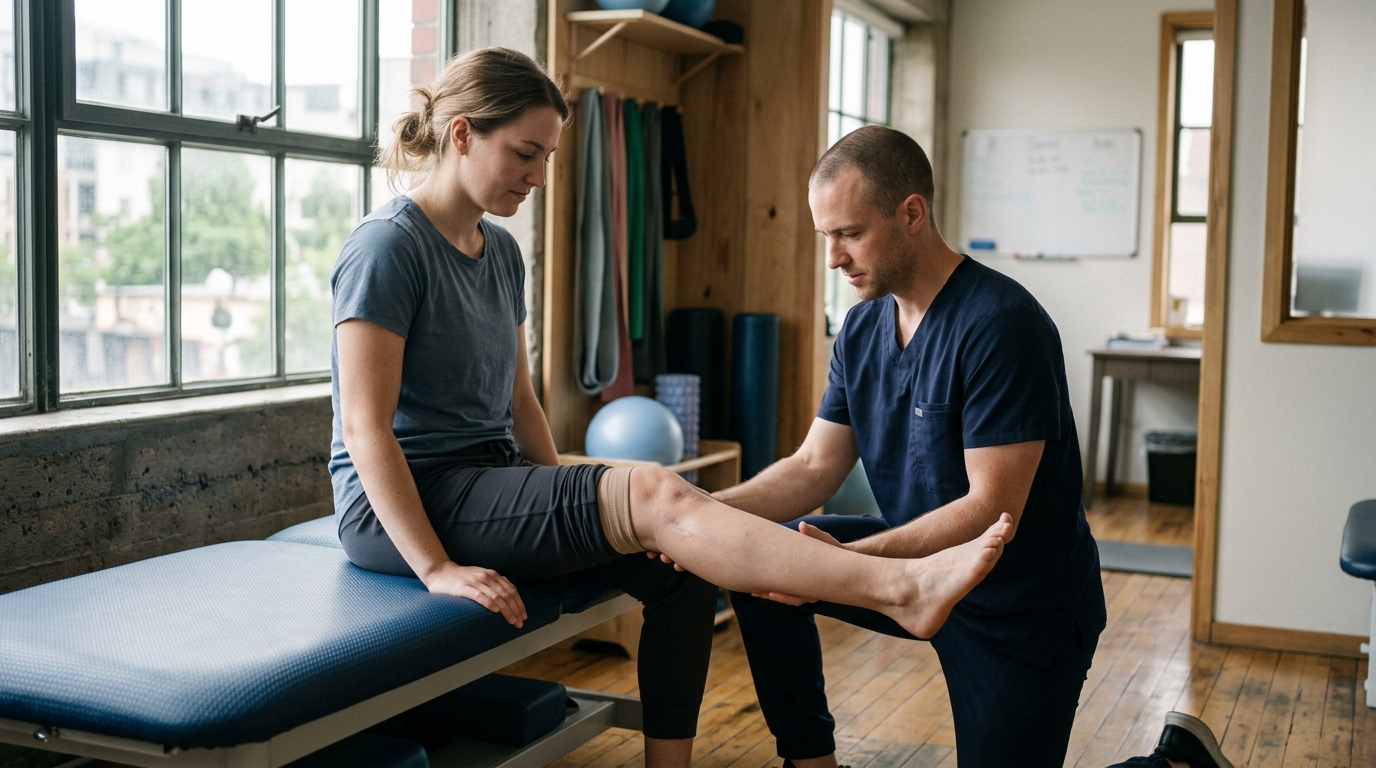
The American College of Rheumatology reports that exercise programs are often more effective when supervised by a trained clinician or fitness professional. Physical therapists can evaluate your joint mechanics, identify muscle imbalances, and design a customized therapeutic exercise routine tailored to your physical capabilities. A physical therapist can also evaluate whether assistive devices, such as a cane or knee brace, can help offload painful joints during walking.
In addition to individual physical therapy, community-based programs offer structured guidance and peer encouragement. The CDC recognizes more than 20 evidence-based arthritis interventions designed to reduce pain and improve mobility. These include structured walking programs, aquatic exercise classes, tai chi groups, and self-management education workshops. These programs provide a supportive environment for building physical confidence alongside others facing similar joint challenges.
Navigating exercise with joint symptoms requires avoiding common misunderstandings that can derail your progress.
While low-impact activities like swimming or cycling are generally joint-friendly, they are not guaranteed to suit every individual. For example, breaststroke kicking can aggravate certain knee conditions, and cycling with poor saddle alignment can irritate the kneecap. Always test new activities cautiously rather than assuming any low-impact label guarantees complete comfort.
Many people stick exclusively to walking because they fear that lifting weights will damage their cartilage. Avoiding strength training leaves supporting muscles weak, forcing the joint surface to absorb greater impact forces during daily life. Controlled, progressive resistance training is one of the most effective ways to protect arthritic joints over time.
Old fitness slogans suggesting you should ignore pain do not apply to joint rehabilitation. While mild muscular burning or brief adaptation aches are acceptable, sharp, catching, or worsening joint pain is a signal to stop and modify the exercise. Exercise should challenge your muscles without causing intense joint irritation.
A workout routine that requires a 45-minute drive to an expensive gym is unlikely to last if you deal with joint pain, fatigue, or limited transportation. EULAR guidance emphasizes that exercise plans must account for personal circumstances, financial access, and mental fatigue. Designing a home-based routine or choosing a nearby community center makes long-term consistency far more realistic.
When navigating joint symptoms, open communication with your healthcare team helps ensure your exercise choices are safe and effective. Here are practical questions you can bring to your next appointment with your primary care doctor, rheumatologist, or physical therapist:
Having clear answers to these questions removes guesswork and helps you build a movement routine with greater confidence.
Living with arthritis does not mean giving up an active, fulfilling lifestyle. While joint changes require thoughtful adjustments, movement remains one of the most powerful tools for reducing pain, improving physical capability, and preserving independence.
A successful approach to moving with arthritis relies on clear, evidence-based principles:
Revisit this guide whenever you experience a change in your joint symptoms, prepare to increase your weekly physical activity, or need a refresher on pacing strategies during a seasonal flare.
Consistent, thoughtful movement is an ongoing practice that adapts alongside your body, helping you stay capable, confident, and engaged in daily life.

Use ReboundBody resources to understand common recovery stages, rehab terms, movement limits and strength rebuilding. Each guide is designed to make a complex comeback easier to understand.


Read practical guidance on injury recovery, rehabilitation, mobility and rebuilding strength as you work your way back to activity.
Explore Resources