

Why do joints stay stiff after injury even when pain fades? Learn about common causes like swelling and muscle tightness, and when to seek clinical advice.





A person sits down to put on shoes after weeks of resting a sprained ankle. The sharp pain is finally gone, but the joint refuses to bend far enough to reach the laces comfortably. This scenario is a very common experience for active adults navigating orthopedic recovery. A joint can remain tight or difficult to move even after the initial discomfort begins to fade.
Pain, swelling, muscle tightness, and reduced activity can all restrict your early range of motion. When you rest an injury, your muscles and joints lose their usual physical conditioning. This means daily movement can become much easier long before the joint fully regains its normal flexibility. However, a feeling of stiffness cannot tell you exactly how well a tissue is healing.
Understanding the difference between tissue damage and temporary movement restriction is a crucial part of rehabilitation. Many people worry that a tight joint means they have injured themselves again. In reality, this sensation is often a normal part of the transition back to regular physical activity. Recognizing the common contributors to limited movement helps you set realistic expectations for your recovery process.
Every physical setback involves a unique combination of physiological factors. Two people with similar joint problems may experience very different timelines for regaining full motion. The amount of localized swelling directly impacts how much physical space exists for a joint to bend. Protective muscle habits also vary widely between individuals based on their pain tolerance and movement history.
Some people naturally tense their muscles to guard an injured area, while others may simply move less often overall. A rehabilitation plan changes based on your specific health, your prior activity level, and your recovery goals. Because these elements differ for everyone, there is no single reason why a joint feels restrictive. Stiffness is a symptom with several possible contributors, not a distinct medical diagnosis.
Your daily habits and lifestyle also influence how your body responds to an injury. An active adult who returns to work quickly might experience different symptoms than someone who rests for several weeks. The body adapts to the specific physical demands placed upon it during the early stages of healing. This adaptability is why individualized assessment is so important for long-term recovery success.
When you sustain an orthopedic injury, your body often responds with swelling to protect the damaged area. Swelling takes up physical space inside and around the joint capsule itself. This extra fluid acts like a dense cushion that mechanically limits how far the joint can bend or straighten. As healing progresses, the sharp sensations of pain often decrease before the swelling completely resolves.
You might notice that walking or bearing weight feels much better, but the joint still feels thick or inflexible. A stiff sensation can easily coexist with improving comfort levels throughout your day. This is why you cannot rely on reduced pain alone as a sign that the joint is fully recovered. The physical presence of swelling must subside before normal mechanics can completely return to the area.
Muscle tightness is another major contributor to limited movement after a physical setback. When a joint is injured, the surrounding muscles often contract to create a natural protective splint. This guarding response attempts to prevent further damage by restricting sudden or unexpected motions. Understanding why movement feels different after injury is a key part of regaining your physical confidence.
However, this muscular tightness can persist even after the initial trauma has passed. Over time, these tense muscles require gradual movement to learn that it is safe to stretch again. This muscle tension explains why a joint might feel restricted even when you are starting to move more comfortably. It takes consistent effort for the nervous system to stop signaling the muscles to brace the joint constantly.
Resting is a normal and necessary part of the early injury recovery process. However, spending extended time away from your usual physical routine directly affects your musculoskeletal system. When you move less, the tissues surrounding your joints are not stretched or loaded in the ways they expect. This lack of regular use can lead to temporary weakness, lost endurance, and noticeable stiffness in the affected area.
Even joints and muscles near the injury site can become rigid simply from being underused. You might find that your knee feels fine, but your hip or ankle feels unusually tight from altering your walking pattern. Your body compensates for the primary injury by shifting physical stress to other areas of the body. These compensatory movements change how your muscles operate throughout the normal day.
To address this, rehabilitation professionals often focus on the entire limb rather than just the injured joint. A physical therapy assessment typically looks at range of motion, overall strength, balance, and your daily movement patterns. Clinicians will also consider your symptoms and which specific daily activities remain difficult for you. Knowing what to expect from a physical therapy evaluation can help you prepare for these functional assessments.
By evaluating these different elements, a clinician can help you safely restore flexibility and strength as your healing allows. Exercise difficulty usually progresses gradually as your tissues recover their capacity for physical load. You should never assume that walking without pain means you are ready for demanding activities like running or jumping. Gradual reloading is essential for teaching the joint how to handle complex movements again.
Because stiffness is just one piece of information, it is important to monitor how your overall function is changing. Pay attention to how your movement limitations evolve alongside your comfort levels over time. Notice if your swelling is going down, if your strength is returning, and if your daily tasks are getting slightly easier. Tracking symptoms during rehabilitation helps provide a clearer picture of your actual progress.
A gradual improvement in these functional areas often suggests that your joint is slowly recovering its capacity. However, you should never treat stiffness as a simple progress score or a definitive sign of ongoing damage. Less pain does not automatically mean a joint is structurally ready for high physical demands. Recovery timelines vary widely, and physical progress is rarely a perfectly linear path.
You must also be aware of symptoms that do not follow a positive trend during your rehabilitation. Persistent or worsening restrictions deserve careful attention from a qualified medical professional. Herefordshire and Worcestershire Health and Care NHS Trust advises seeking professional advice if symptoms become significantly worse, if new or unusual symptoms develop, or if you are concerned about your recovery. Regular reassessment by a healthcare provider helps ensure your rehabilitation stays on a safe, productive path.
You should not assume that all stiffness is harmless, nor should you assume it proves a severe complication. Changes in tissue tolerance require professional evaluation to determine the most appropriate next steps for your body. Following the specific activity guidance from your treating clinician is the best way to manage these physical uncertainties. They can help you determine which activities are safe for your current stage of tissue healing.
When you notice persistent movement limitations, a conversation with your provider can provide valuable clarity. You might want to ask them how much tightness is expected for your specific injury or surgical procedure. Request guidance on whether your current level of swelling is normal for this stage of your recovery. It is also helpful to ask which gentle movements are safe to perform at home right now.
Following a structured plan for home rehabilitation after injury requires good communication with your clinical team. You should inquire about the expected timeline for progressing your exercises to the next level of difficulty. Ask what specific signs indicate that you are physically ready for more demanding tasks. Having these conversations ensures that your expectations align with the biological reality of tissue healing.
If you feel like your progress has stalled, ask your therapist if they need to adjust your exercise program. A professional can modify your routine to address stubborn muscle tension or localized joint restriction. Getting individualized advice is always safer than following generic recovery protocols found online. Your healthcare team is there to help you navigate these common recovery hurdles safely.
Always bring up any concerns you have about your range of motion during your checkups. Your clinician can perform tests to see if your joint mechanics are improving over time. They can also provide reassurance if your current limitations are simply a normal part of the healing process. Clear communication helps reduce the anxiety that often accompanies a difficult physical setback.
A joint can feel tight or restricted for many reasons, including localized swelling, muscle guarding, and periods of reduced activity. This sensation often lingers even as sharp discomfort fades and normal daily tasks become easier. While stiffness is a common part of physical rehabilitation, it cannot diagnose an injury or determine your exact healing stage on its own. It is simply a signal that your body is still adapting to the physical demands of movement.
Persistent limitations or worsening symptoms always warrant a careful review by a medical professional. Stay patient, follow your prescribed guidance, and focus on gradual improvements in your overall movement quality. Rebuilding physical capacity takes time, and consistent effort is the most reliable path back to regular activity. Keep communicating with your clinical team to ensure your recovery remains on a safe track.
After navigating the immediate restrictions of an injury, active adults must figure out how to safely transition back to normal daily movement. ReboundBody solves the difficulty understanding clinical terminology and research findings, helping you apply evidence-aware habits to your ongoing physical recovery. We provide clear context about mobility and strength rebuilding without making medical promises, so you can make more informed decisions with your healthcare team.

Follow ReboundBody for practical articles on injury recovery, rehabilitation, mobility and rebuilding strength. New posts turn research into clear ideas for the road back to activity after injury or surgery.





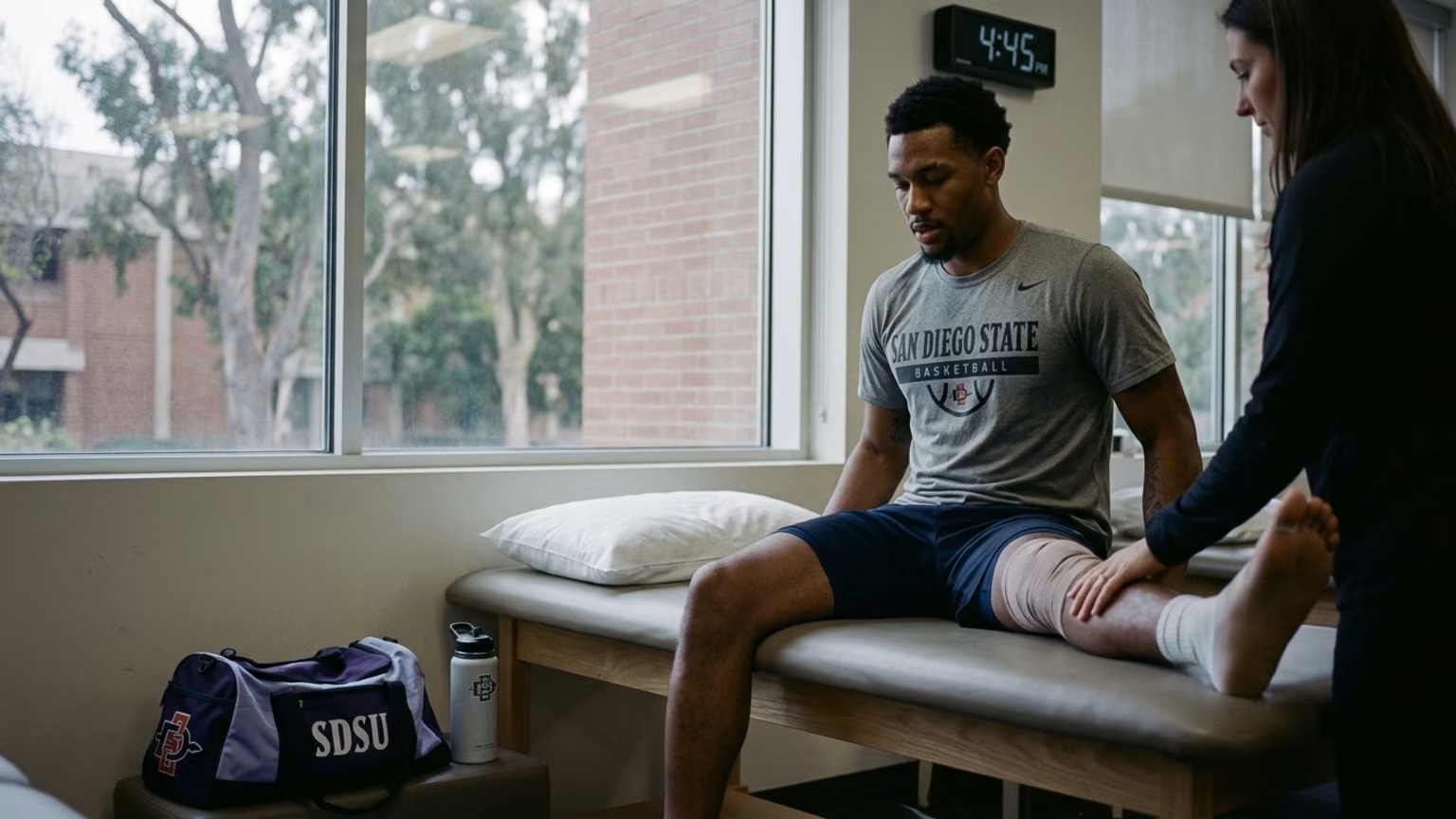
Read practical guidance on injury recovery, rehabilitation, mobility and rebuilding strength as you work your way back to activity.
Explore Resources