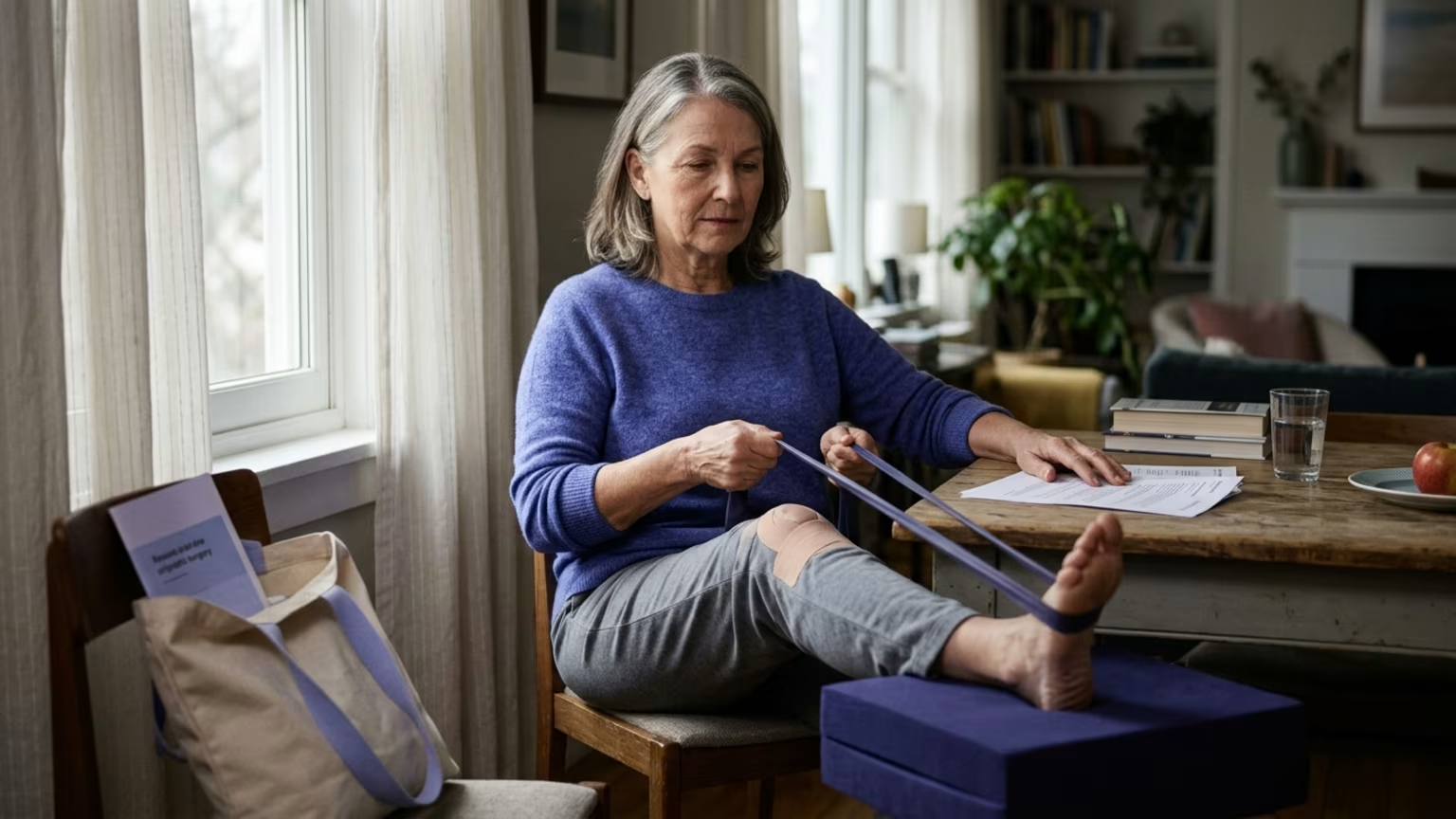

Compare physical prehabilitation against practical home preparation before orthopedic surgery. Learn what evidence supports and which logistical questions to ask.





The week before an orthopedic procedure often involves paperwork and restless waiting. A patient might look around their home and wonder if they are ready for the days ahead. Taking control of this waiting period usually involves two distinct approaches. Patients frequently weigh the value of physical prehabilitation against practical home preparation.
Physical prehabilitation uses targeted exercise to build strength before a medical procedure. Practical home preparation focuses on logistics and environment adjustments. Active adults often want to know which approach deserves their time and energy during the final countdown to surgery. Understanding the differences between these two options helps patients set realistic expectations for their recovery.
Physical prehabilitation involves performing specific exercises before an operation to improve baseline fitness. The goal is to condition the body in advance so it can handle the physical demands of recovery. Many active adults hope that a structured workout routine will ensure a faster return to their favorite activities. They view this physical work as a direct investment in their surgical outcome.
However, the evidence supporting this approach is mixed and comes largely from other medical fields. A 2026 umbrella review of exercise-based prehabilitation covered 30 unique trials and 6,705 participants. Most of these adults were preparing for elective cardiac surgery rather than orthopedic procedures. The review found possible improvements in functional capacity, reductions in some postoperative pulmonary complications, and shorter hospital stays.
Despite these potential benefits, the certainty of the evidence ranged from very low to moderate across different outcomes. The authors of the review noted critically low methodological quality among the included systematic reviews. Because this data focuses heavily on cardiac patients, it does not prove that preoperative exercise reliably improves orthopedic surgery results. The findings on overall quality of life and major cardiac events also remained uncertain.
Additionally, short-term physical programs do not produce universal improvements for all populations. A 2026 clinical trial evaluated a three-week supervised, individualized prehabilitation program. This trial involved older adults with frailty or prefrailty who were undergoing elective surgery. The researchers found that the supervised program did not reduce care dependency at 12 months. This result cautions against promising that a brief exercise routine will permanently change long-term recovery for every patient.
Orthopedic injuries often restrict movement in ways that make traditional conditioning difficult. A patient with a severe joint problem might not be able to participate in a standard physical routine without causing more pain. While maintaining general health is a common clinical goal, the idea that a specific preoperative exercise block will reliably alter the trajectory of orthopedic healing is not firmly supported by the strongest current reviews.
While physical conditioning attempts to change the body, practical home preparation changes the recovery environment. This option involves arranging logistics, acquiring necessary tools, and modifying the living space to accommodate temporary physical limitations. Instead of trying to alter the biological healing process, this approach focuses on safety and daily function. It is a highly common use case for anyone facing restricted mobility.
Guidance from UCHealth emphasizes the importance of these practical adjustments for orthopedic patients. They recommend addressing specific questions about assistive devices, lifting limits, and transportation long before the surgery date. Patients should understand how they will manage therapy appointments, groceries, pet care, and routine household chores. A well-organized environment reduces the physical strain required to perform basic daily tasks during the initial recovery phase.
Modifying the physical layout of the home is another major component of this preparation. UCHealth recommends removing clutter and watching for hazards in and around the home. Clearing pathways can help prevent falls when a patient is navigating with new restrictions. It also makes it easier to use necessary mobility aids during the first few weeks of healing.
The main limitation of practical home preparation is that there is no single universal checklist. The required changes depend entirely on the specific procedure, the patient's living situation, and their baseline mobility. The complete guide to preparing for orthopedic surgery involves customizing these general principles to fit individual circumstances.
When comparing physical prehabilitation to environmental planning, the most obvious difference is the strength of the supporting evidence. Practical home safety measures rely on established clinical consensus designed to prevent immediate accidents. Environmental planning directly reduces the risk of tripping over clutter or struggling with heavy groceries. In contrast, the evidence for exercise-based prehabilitation carries more uncertainty, with study quality often rated as critically low.
The typical context for these two options also differs significantly. Practical preparation is universally applicable because every patient must navigate their home environment after surgery. Logistical planning is highly accessible and usually requires only time, communication, and basic household adjustments. Physical prehabilitation, however, often requires specialized instruction, physical capacity, and sometimes formal visits to a clinic.
Risks vary widely between the two preparation methods as well. Modifying a living room to remove trip hazards carries virtually no physical risk. It is a protective measure that creates a safer space for the recovery period. Engaging in a preoperative exercise program carries the risk of aggravating an existing orthopedic injury if the movements are not appropriate.
Ultimately, these two approaches operate on different timelines with different goals. Physical conditioning attempts to build physiological reserves for a future challenge. Environmental preparation attempts to remove barriers and reduce the physical demands of the immediate post-surgery period. Balancing these options requires careful consideration of what is actually controllable before a procedure.
A clinical care team will consider several individual factors when advising a patient on how to prepare for surgery. The specific diagnosis and current symptom severity are primary considerations. A patient with severe joint pain may be advised to rest, while someone with a different condition might be cleared for light movement. The planned procedure also dictates the appropriate level of preparation and the anticipated post-surgery restrictions.
Other underlying health conditions play a significant role in shaping the preoperative plan. Clinicians must account for cardiovascular health, balance issues, or general physical condition when discussing any physical activity. A program that might be suitable for one active adult could be entirely inappropriate for another patient with multiple health concerns. These variables make personalized medical guidance essential.
The need for professional assessment is another major factor in the decision process. UCHealth notes that a physical therapist can tailor exercises to the specific injury or the planned surgery. This individualized approach is very different from following a generic exercise routine found online. A tailored assessment helps identify which movements are safe and which ones might provoke unnecessary symptoms.
Finally, the expected postoperative physical limitations will dictate the necessary logistical planning. If a procedure requires strict non-weight-bearing restrictions, the environmental preparation must be extensive. If the surgery allows for immediate walking, the required home modifications might be minimal. Patients often weigh outpatient, home-based or hybrid rehabilitation after surgery based on these anticipated restrictions.
Clear communication with a healthcare provider is the best way to define a safe preparation plan. Patients should ask specific questions to clarify their physical boundaries and logistical needs. UCHealth advises discussing preoperative physical therapy and safe exercises directly with the care team.
Taking these questions to a surgical consultation helps translate general concepts into a customized plan. It allows the medical team to outline exactly what is beneficial and what might be unnecessary or risky. Preparing a list of these topics ensures that no major logistical or physical concern is overlooked during a brief medical appointment.
Deciding how to prepare for an orthopedic procedure requires balancing proactive effort with clinical reality. The desire to improve outcomes through physical conditioning is understandable. However, the current evidence for preoperative exercise shows mixed certainty and is drawn heavily from non-orthopedic fields. A short-term exercise program does not automatically ensure a complication-free recovery or a reduction in long-term care needs.
In contrast, practical home preparation provides immediate, tangible benefits by creating a safer recovery environment. Securing the right mobility equipment, arranging for help with groceries, and clearing household hazards directly addresses the physical realities of the post-surgery period. These logistical steps remove barriers and reduce the stress of the early healing phase.
The most effective preparation strategy combines realistic expectations with personalized medical advice. By discussing physical limits and practical needs with a care team, active adults can focus their energy on safe, meaningful preparations. Rebuilding fitness during orthopedic recovery is a long process, and setting the right stage at home is a powerful first step. Take the time to clear the path forward, follow clinical guidance, and prepare your space for the work ahead.
After you return home from an orthopedic procedure, the focus shifts to safely managing those first weeks of movement. ReboundBody helps you navigate the fear of reinjury or doing too much too soon during this sensitive time. We explain rehabilitation, mobility, and strength rebuilding through clear, evidence-aware content that respects realistic limits and makes no medical promises. Browse Resources

Follow ReboundBody for practical articles on injury recovery, rehabilitation, mobility and rebuilding strength. New posts turn research into clear ideas for the road back to activity after injury or surgery.


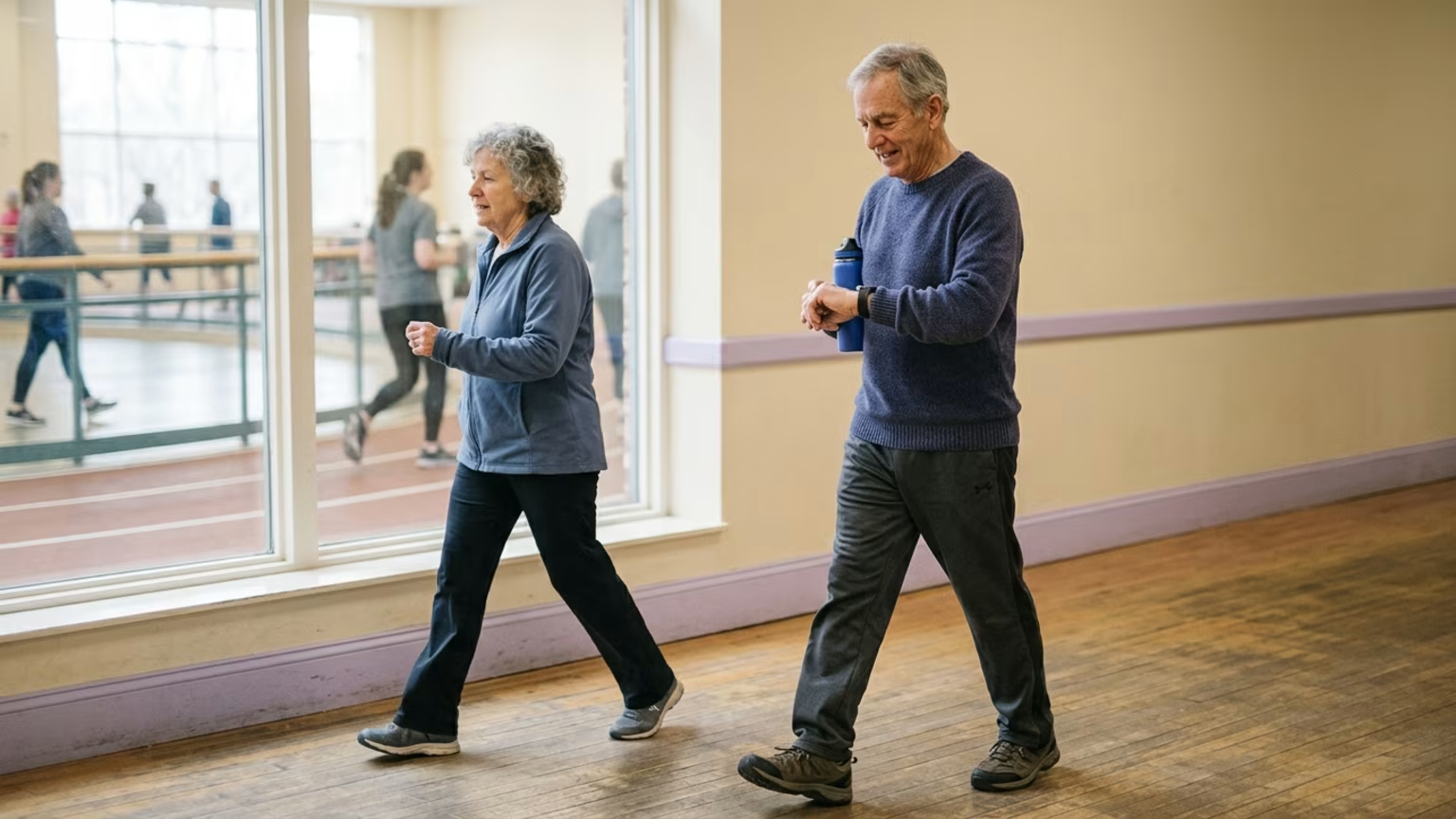

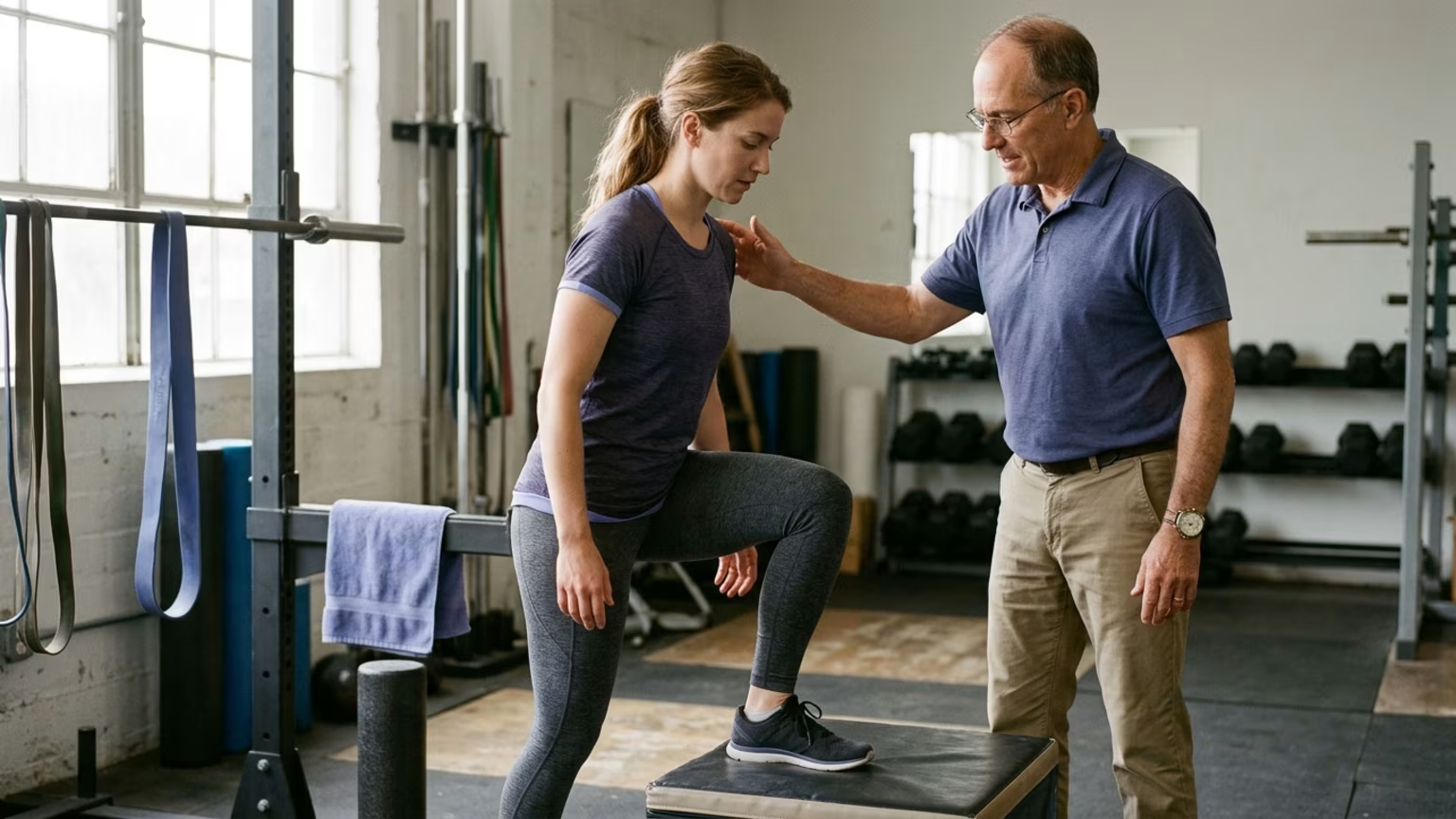
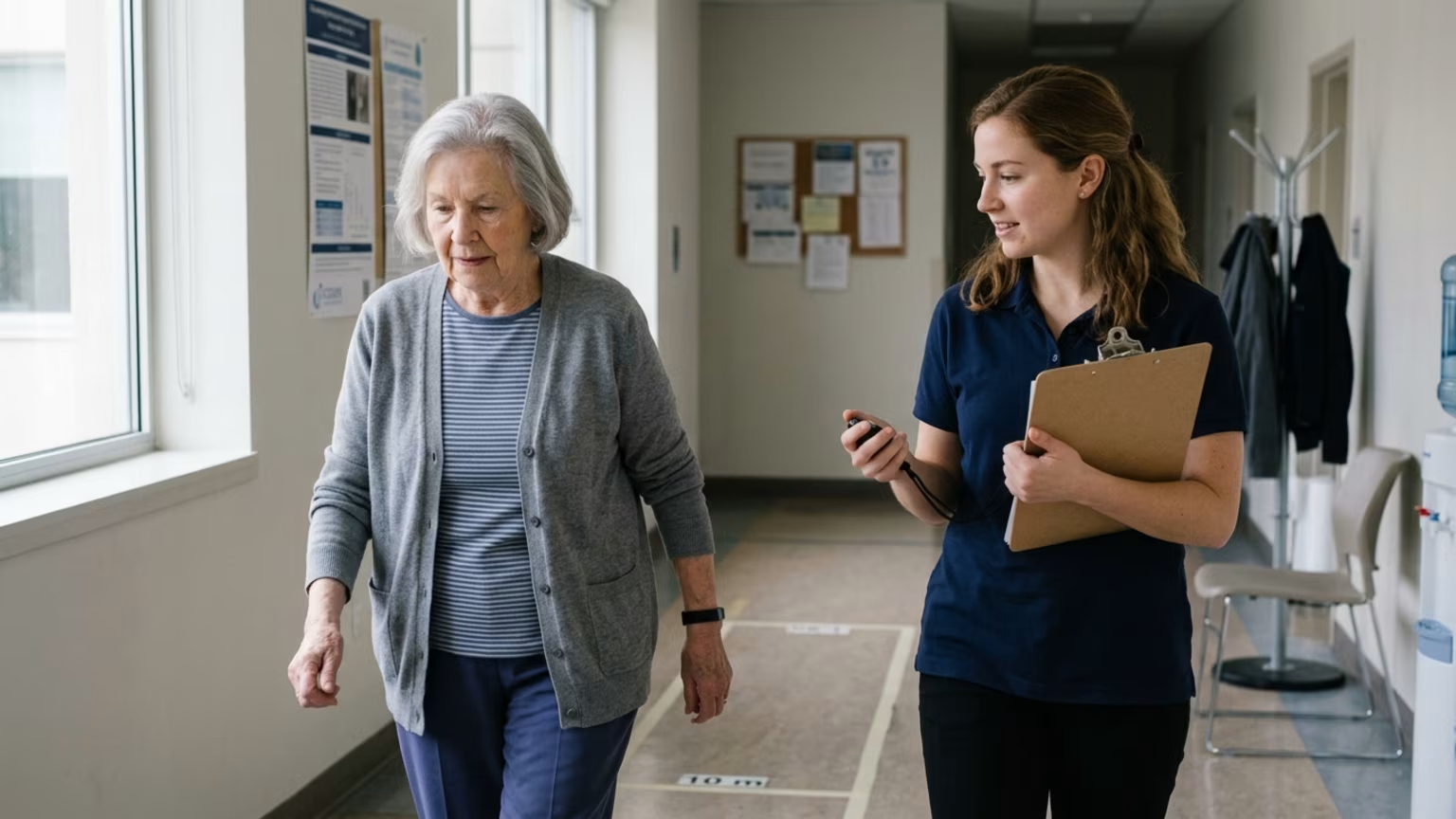
Read practical guidance on injury recovery, rehabilitation, mobility and rebuilding strength as you work your way back to activity.
Explore Resources