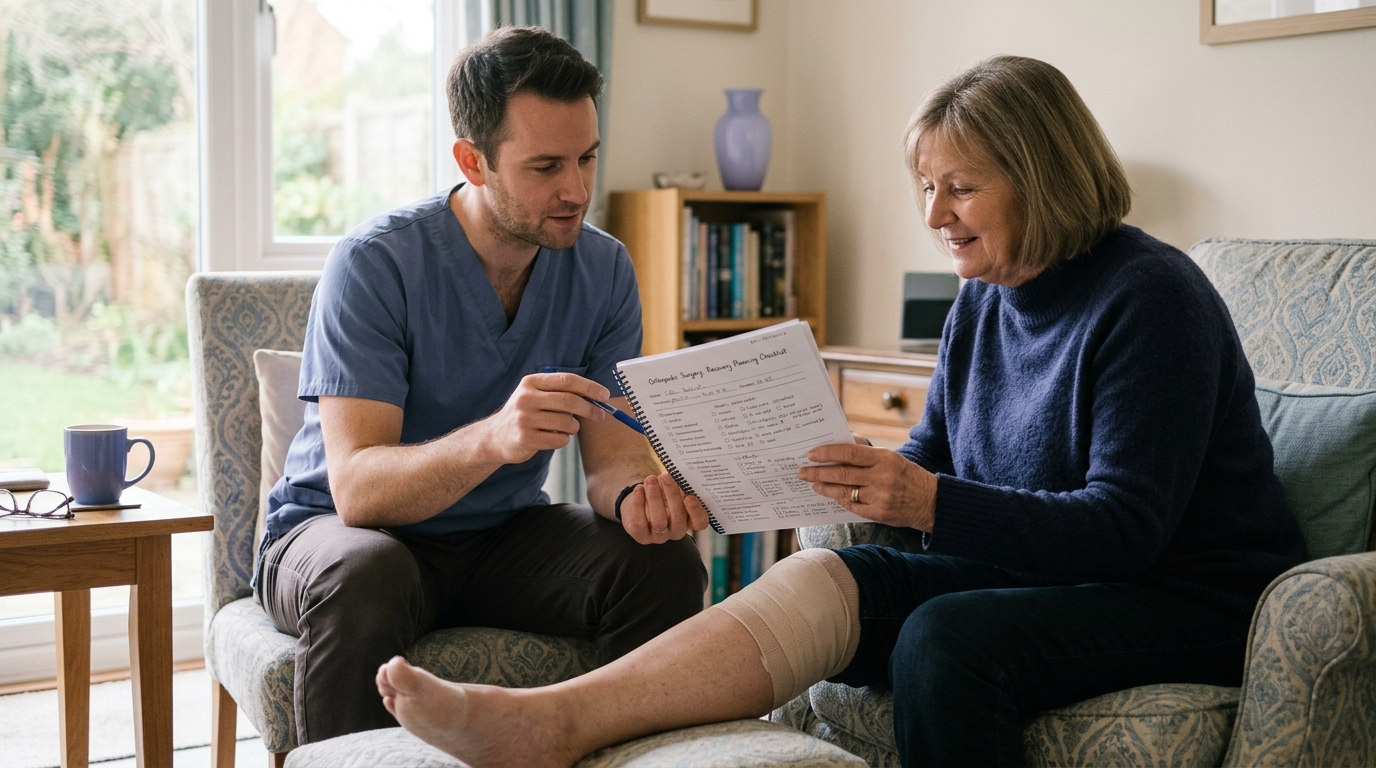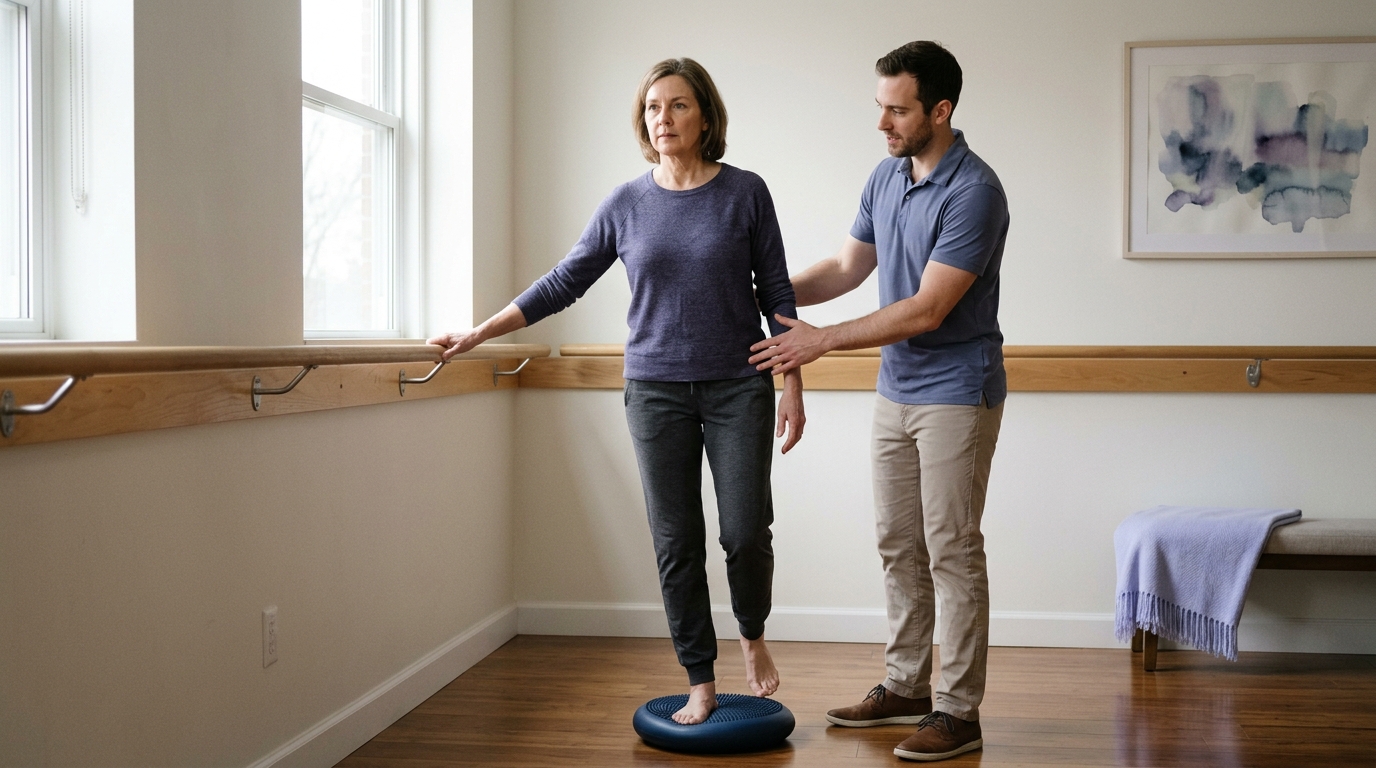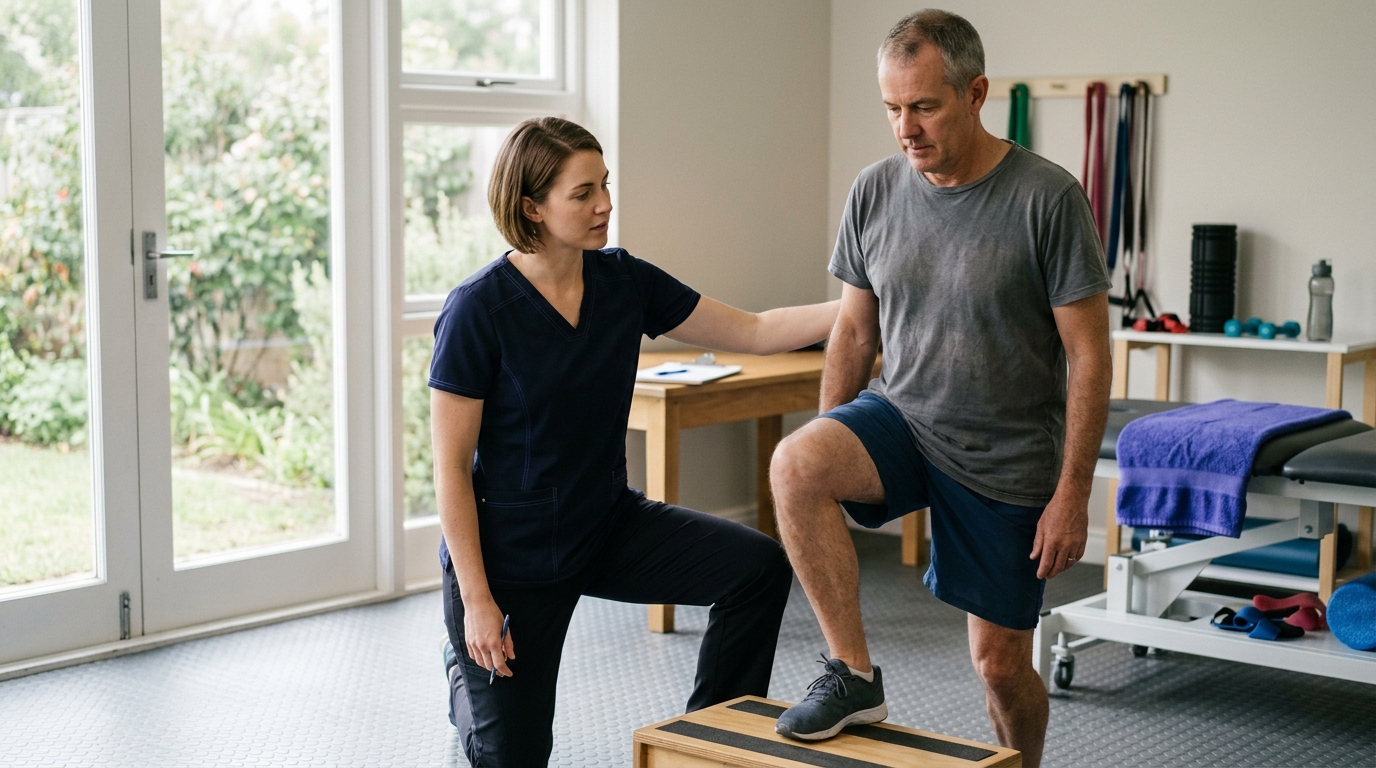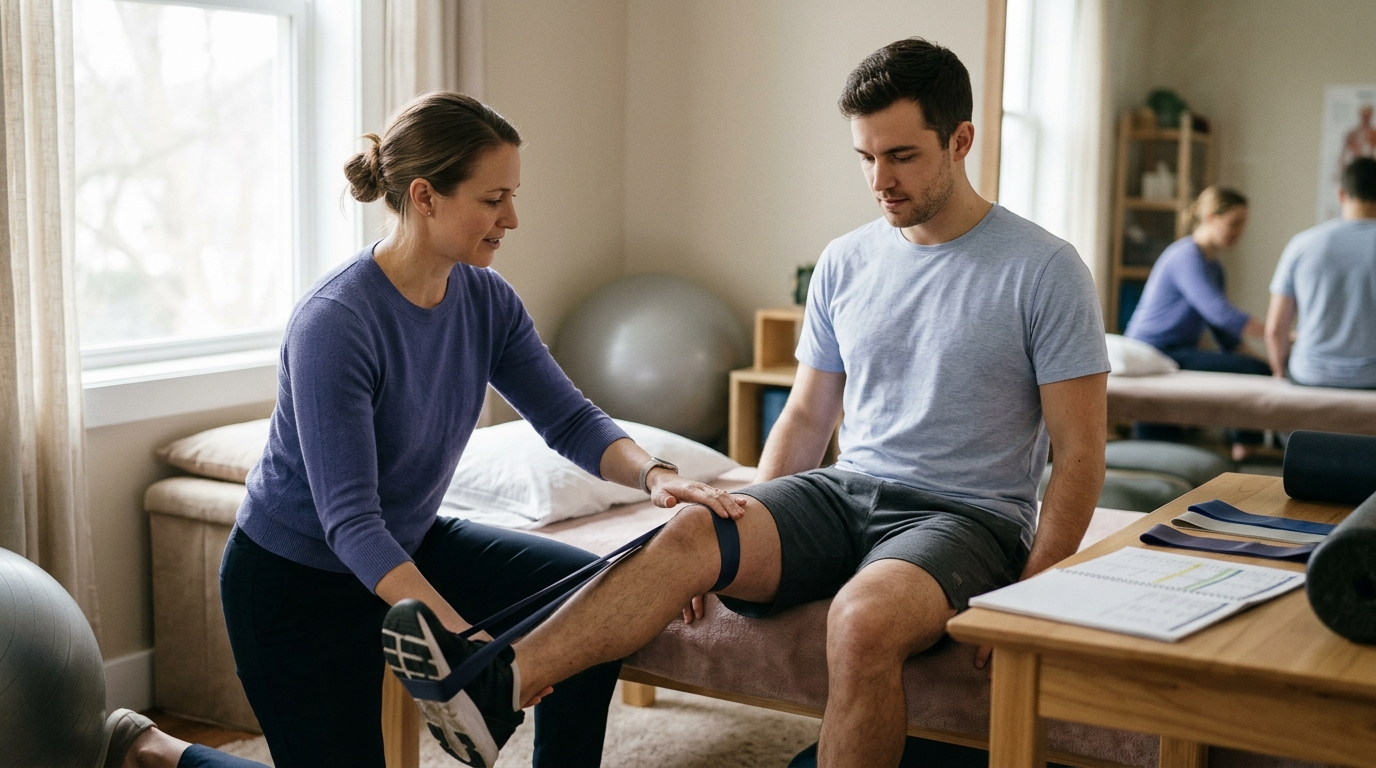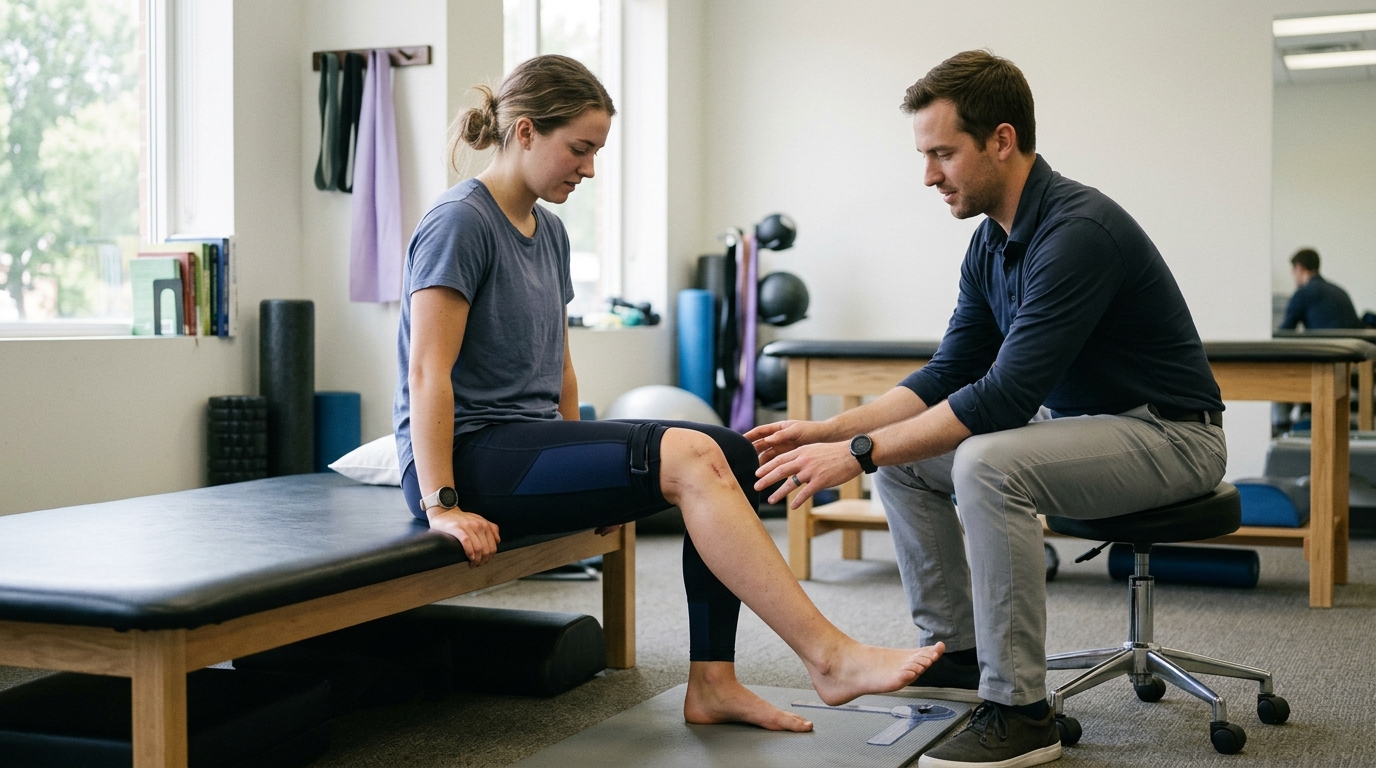

Four essential readiness factors help patients evaluate brake reaction time and physical mobility before returning to the road after orthopedic surgery.





You are sitting in your living room a few weeks after surgery. Your joint feels better, your surgical incision is healing, and you want to run a simple errand. You walk out to your driveway, look at your car, and wonder if your body is truly ready to handle the road.
Getting back behind the wheel is one of the most common goals after an operation. It represents personal freedom, self-reliance, and a return to your normal routine. Yet deciding when to drive is not as simple as checking off a specific date on a calendar.
There is no universal timeline that tells every person when they can drive safely. Safe return depends on your physical limb control, your reaction speed, your current medications, your vehicle type, and your specific surgical restrictions. While orthopedic research provides general averages for common procedures, these study timelines represent best-case scenarios under controlled conditions. Real-world readiness requires an individualized assessment with your surgeon, physical therapist, and local motor vehicle rules.
Many people assume that once they can walk around the house without crutches, they are ready to drive. Walking and driving, however, place very different demands on the body. Driving requires sudden, forceful movements, fast processing speed, sustained posture, and calm decision-making under stress.
When you walk, you control your own pace. You can slow down, pause, or adjust your balance whenever a joint aches or feels tired. Behind the wheel, you do not control the actions of other drivers, traffic lights, or unexpected road hazards. An unexpected stop requires you to slam on the brake pedal with full force in a fraction of a second.
Researchers who study driving after orthopedic procedures look closely at specific performance metrics. The two most common measurements are brake response time and total brake time.
Brake response time measures the interval between seeing a hazard and placing your foot on the brake pedal. Total brake time measures the entire interval from the moment you see the hazard until the brake pedal is depressed completely. Some studies also evaluate movement time, which is the time it takes to shift your foot from the gas pedal to the brake pedal, and total braking force.
These laboratory tests provide valuable insight, but they do not measure everything required on the road. Driving is a complex physical and mental task that requires several distinct abilities:
A normal score on a reaction timer is encouraging, but it does not test how you respond to real weather, bad traffic, or an unexpected swerve. Navigating surgical recovery comeback requires looking beyond single laboratory numbers to understand the complete physical picture.
Because there is no single test that proves someone is safe to drive, orthopedic clinicians evaluate multiple areas of function. You can use a four-part framework derived from clinical reviews to guide your recovery discussions. This framework helps you assess your physical capacity, vehicle access, mental alertness, and clinical clearance.
The first domain focuses on your ability to operate the vehicle controls without limitation. You must be able to generate rapid, powerful movements with the operative limb.
If you had lower-body surgery on your right side, your leg must handle both throttle control and emergency braking. You need adequate joint range of motion, muscle strength, and fine motor coordination. If you had surgery on your left leg, you must be able to operate a clutch pedal in a manual vehicle or brace your foot comfortably on the floorboard in an automatic vehicle. For upper-body operations, you must be able to grip and turn the steering wheel with both hands through tight maneuvers.
The second domain evaluates how easily you can get into the vehicle, sit comfortably, and operate controls. Getting into the driver's seat requires bending your hips and knees while managing your body weight.
Once seated, you need to maintain a stable, upright posture for the duration of your trip. If your hip or knee becomes stiff after ten minutes of sitting, your reaction speed will drop significantly. You must also consider whether you are wearing a brace, cast, sling, or walking boot. These supportive devices protect healing tissue, but they often restrict the joint motion needed to drive safely.
The third domain involves your mental sharpness and sensory awareness. Driving requires continuous attention, visual scanning, and split-second decisions.
Pain itself is a major distraction that can slow your reaction time. When a joint hurts, your nervous system naturally tries to guard that area, creating a delay before you initiate a movement. Furthermore, prescription pain medications, muscle relaxants, and certain sleep aids can cause drowsiness, clouded thinking, or slowed motor responses. Being free from impairing substances is an essential requirement before getting behind the wheel.
The final domain connects your personal recovery to professional medical advice and legal standards. Your orthopedic surgeon understands the biological healing timeline of your bones, tendons, and implants.
Even if you feel strong, moving too forcefully or too soon could disrupt internal surgical repairs. You must also consider local motor vehicle laws and auto insurance policies. In many jurisdictions, driving against medical advice or while wearing an immobilizing medical device can void your insurance coverage or lead to legal liability in an accident. Reviewing surgery and rehab resources can help you prepare for these clinical conversations.
Orthopedic literature contains dozens of studies examining driving performance after various surgeries. Systematic reviews compile this research to identify general patterns. However, researchers consistently emphasize that reported study averages represent a best-case scenario rather than a personal guarantee for any individual patient.
Hip replacement surgery restores mobility, but the recovery timeline for driving varies based on the surgical approach, the side of the body, and patient health. Systematic reviews and meta-analyses show that average brake response times generally return to baseline levels around four to six weeks after surgery.
Some studies examining modern anterior hip approaches or minimally invasive techniques report that selected patients returned to baseline braking within one to two weeks. However, these early-return studies often evaluated highly selected patient groups who had minimal medical complications. In broader patient surveys, the time people actually waited to drive ranged from less than a week to several months, with average self-reported return times around thirty to thirty-five days.
Right-sided hip replacements typically require more time before driving than left-sided procedures in automatic vehicles. The right leg must bear rapid downward force during an emergency stop, which can provoke pain around a healing hip joint. Left-sided hip replacements in automatic vehicles do not involve pedal control, but patients must still navigate getting into the car and sitting comfortably without violating hip precautions.
Knee replacement procedures directly affect the primary joint responsible for pressing the brake pedal. Research indicates that total knee arthroplasty often requires a cautious approach to driving.
Systematic reviews demonstrate that pooled braking response times for right-sided knee replacements generally return to presurgical levels around six weeks postoperatively. Some individual studies report recovery as early as four weeks, while others show lingering deficits up to eight or ten weeks. The recovery of quadriceps muscle strength is the primary limiting factor. If the quadriceps muscle cannot contract rapidly, you cannot push the pedal hard enough during an emergency stop.
For left-sided knee replacements in automatic cars, braking reaction times often return to baseline much earlier, sometimes within one to two weeks. However, swelling, joint stiffness, and the ability to bend the knee enough to sit comfortably in the driver's seat remain important considerations before returning to the road.
Knee arthroscopy encompasses a wide range of procedures, from minor cartilage trimming to complete ligament reconstruction. Because tissue trauma varies widely, return-to-driving times differ substantially.
After right-sided anterior cruciate ligament reconstruction, research studies report that brake response time typically returns to baseline between four and six weeks. Left-sided ACL reconstructions often reach baseline braking times by two weeks in automatic vehicles.
Minor knee procedures, such as partial meniscectomies or simple diagnostic arthroscopies, have shorter recovery curves. Studies report that patients undergoing these smaller procedures often regain normal braking reaction times within one to two weeks, provided swelling and pain are well controlled.
Foot and ankle procedures create specific challenges for driving because the foot directly contacts the pedals. When an ankle or foot is immobilized, normal pedal mechanics are impossible.
Studies examining right ankle fractures treated with surgery show that brake response times can remain impaired for nine weeks or longer. In many cases, braking metrics do not return to normal until at least one to two weeks after a cast or rigid boot is completely removed. Research on first metatarsal osteotomies shows improved braking function around six weeks, while Achilles tendon repairs often require eight weeks or more before safe driving metrics are restored.
Researchers have also tested whether left-foot accelerator adapters allow patients with right-leg casts to drive safely. In simulator studies, using a left-foot gas pedal adapter did not restore normal total brake times for inexperienced drivers. Adapting to new pedal layouts takes practice and should never be attempted on the road without proper training.
Many drivers assume that an injured arm or shoulder does not affect driving because the legs operate the pedals. However, safe driving requires two hands on the wheel to maneuver around obstacles and maintain lane position.
Studies show that wearing a sling or shoulder immobilizer significantly impairs steering control and vehicle tracking. In one simulator study evaluating drivers in shoulder slings, drivers experienced more than twice as many simulated collisions while wearing a sling compared to driving unrestricted.
Surveys of patients recovering from rotator cuff repairs indicate that most individuals wait approximately two months before returning to driving. Smaller procedures, such as subacromial decompression, show average return times around four weeks. If your dominant arm is in a sling or cast, your ability to execute a sudden evasive turn is severely compromised. Understanding the principles of rebuilding strength and joint function can help you monitor your upper-body recovery milestones.
Two people having the exact same surgical procedure can have completely different timelines for driving. Several practical and biological factors influence how quickly your body regains the ability to handle a vehicle safely.
In standard automatic vehicles, the right leg performs all pedal operations. Consequently, right-sided lower-extremity surgeries almost always require a longer recovery period before driving compared to left-sided procedures.
If you have surgery on your left hip, knee, or ankle, you do not use that limb to operate the throttle or brake in an automatic car. However, you should not assume that a left-sided operation gives you an immediate green light. You still need enough strength and comfort in the left leg to support your body while entering the car, maintain seated balance, and brace yourself if necessary.
The type of vehicle you drive plays a major role in your readiness. In a manual transmission vehicle, the left leg must depress the heavy clutch pedal repeatedly, and the right arm must shift gears frequently.
If you drive a manual car, a left-leg surgery will significantly delay your return to driving compared to driving an automatic. Similarly, an operation on your right arm or shoulder will make shifting gears painful and slow. Most orthopedic driving studies evaluate automatic vehicles, meaning study timelines may not apply if you drive a stick-shift car or heavy truck.
External support devices protect repairing tissue, but they create serious mechanical barriers inside a car. A rigid walking boot, ankle brace, or knee immobilizer limits joint movement by design.
When you wear a walking boot, your ankle cannot flex and extend smoothly. This prevents you from making fine adjustments between the gas and brake pedals. Furthermore, the bulky sole of a boot can easily catch on the underside of the dashboard or press both pedals simultaneously. As a general clinical rule, you should never operate vehicle pedals while wearing a rigid lower-leg cast, splint, or walking boot on the driving foot.
Your overall physical condition before surgery influences how quickly you bounce back. Age, preexisting joint stiffness, and chronic conditions like neuropathy or arthritis affect recovery speed.
A younger patient with strong baseline muscle mass and no other joint problems will generally regain reaction time faster than an older adult managing arthritis in multiple joints. If your non-operative leg is also weak or painful, your overall reaction capacity will be lower. Exploring mobility and movement articles provides helpful context on maintaining overall movement quality during recovery.
Physical ability is only half of the driving equation. Your mental clarity, processing speed, and emotional composure are equally critical for road safety.
Prescription pain medications are one of the most common reasons for driving delays after surgery. Opioid analgesics, such as oxycodone, hydrocodone, and tramadol, act directly on the central nervous system. They cause drowsiness, slowed reaction times, impaired depth perception, and reduced attention spans.
The Food and Drug Administration advises consumers never to drive or operate heavy machinery while taking opioid pain medications. Even some prescription cough syrups contain codeine or hydrocodone and carry the same driving risks.
It is important to understand that feeling "mostly alert" or being familiar with a pain medication does not make you safe to drive. Your brain may feel normal while your actual reaction time is significantly delayed. You should wait until you have completely stopped taking prescription narcotic pain medications before considering driving.
Non-opioid medications can also alter driving fitness. Muscle relaxants, nerve pain medications like gabapentin, and certain over-the-counter sleep aids cause lingering morning grogginess. Always read the warning labels on your prescription bottles and discuss all medications with your pharmacist.
Pain itself is an impairing factor. Severe joint discomfort drains your energy and distracts your attention from the road. When your body is in pain, you are more likely to hesitate before stepping on a brake pedal or avoid turning the steering wheel all the way. Getting your pain down to a mild, manageable level through non-sedating strategies is a vital milestone.
Many myths surround driving after orthopedic operations. Relying on these assumptions can put you and other road users at risk.
Patients often read that the average return to driving after hip surgery is four weeks and assume they will automatically drive on day twenty-eight. Study averages represent group trends, not personal guarantees. Some people recover faster, while others take eight to twelve weeks to regain adequate strength.
Stopping prescription pain pills is a necessary step, but it is not the only requirement. You still need adequate physical strength, rapid joint motion, and emergency braking power. Being medication-free does not help if your leg is too weak to stop the car in time.
Walking is a self-paced, rhythmic activity. Driving requires explosive, unexpected, and forceful muscle contractions. Walking across your living room without a cane does not prove that your quadriceps muscle can generate eighty pounds of sudden pedal pressure.
While left-sided surgery in an automatic car avoids direct pedal use, it does not eliminate all driving demands. Swelling, pain, fatigue, and difficulties getting into low car seats can still make driving uncomfortable or unsafe during the early weeks.
A walking boot is designed to immobilize your foot and ankle. It lacks the sensory feedback, flexibility, and narrow profile of a normal shoe. Using a driving foot inside a walking boot greatly increases the chance of slipping off a pedal or hitting two pedals at once.
Backing down your driveway or driving two blocks to a mailbox does not test your reaction under stress. Real driving involves unexpected stops, aggressive traffic, and prolonged sitting that can make your joints stiffen up mid-trip.
To understand how these principles work in real life, consider five illustrative decision patterns. These models show how procedure type, vehicle setup, and individual factors interact.
A patient has a total right knee replacement and drives an automatic sedan. At four weeks post-op, their surgical incision is healed, and they no longer take opioid medications. However, they still experience significant swelling after sitting for more than fifteen minutes, and their physical therapist notes lingering quadriceps lag.
Although the patient feels ready, their right leg cannot yet generate rapid emergency braking force. The safest decision pattern is to continue physical therapy focused on leg strength, practice pedal movements in a parked car, and wait for clinical clearance around six weeks.
A patient undergoes a left total hip replacement and drives an automatic SUV. At three weeks post-op, they are walking comfortably, managing pain with acetaminophen, and feeling energetic. Because their right leg is fully healthy, pedal operation is completely unaffected.
Their primary task is ensuring they can climb up into the SUV seat without twisting the healing left hip or violating range-of-motion precautions. After checking with their surgeon and confirming they can sit comfortably without pain, they can gradually resume short, daytime trips.
A patient is recovering from a right ankle fracture and has been transitioned from a cast to a removable walking boot. The surgeon permits full weight-bearing while walking in the boot. The patient wonders if they can drive to work since they can walk without crutches.
Because the walking boot restricts ankle joint motion and prevents rapid pedal transitions, driving with the boot on the right foot is unsafe. The patient must wait until the bone is fully healed, the boot is discontinued, and normal ankle flexibility and strength are restored.
A patient undergoes rotator cuff repair on their dominant right shoulder and must wear an immobilizing sling for six weeks. Their legs and feet are completely healthy, and they drive an automatic car.
Even though their lower body is fine, the sling prevents them from placing both hands on the wheel. Attempting to steer one-handed through an unexpected turn or emergency maneuver carries high risk. The patient arranges alternative transportation until the sling is removed and shoulder mobility allows two-handed vehicle control.
A patient has a minor knee arthroscopy and feels very little physical pain at day five. However, they are still taking a prescribed muscle relaxant and a nighttime sedative to help with sleep.
Although their knee can easily press the pedals, the lingering sedating effects of their medications slow their mental processing and visual reflexes. They must wait until they are completely off sedating medications and fully alert before driving. Consulting rehabilitation and mobility resources can help track these overlapping stages of physical recovery.
Once your surgeon gives you initial medical clearance to consider driving, you should not immediately head out onto a busy highway. A cautious, step-by-step progression helps you confirm your real-world comfort and control.
Confirm that your surgeon has lifted all relevant movement, weight-bearing, and immobilization restrictions. Ensure that you have been completely free of prescription pain medications and sedatives for an adequate window.
Sit in your parked car with the engine turned off. Adjust your seat, mirrors, and steering wheel. Practice moving your foot rapidly between the accelerator and the brake pedal.
Press the brake pedal down as hard as you possibly can, as if an animal just ran in front of your car. Does stomping on the pedal cause sharp pain in your operated joint? If pressing the pedal hard causes hesitation or pain, your body is not ready for the road. Turn the steering wheel through its full range of motion to ensure your arms and shoulders move freely without pinching.
Have a licensed family member or friend drive you to an empty, open parking lot. Switch into the driver's seat and practice low-speed driving, smooth braking, firm emergency stops, and reversing into parking spaces.
Having another driver in the passenger seat is essential. If your joint begins to ache or you feel fatigued after ten minutes, your companion can take the wheel and drive you home safely.
Once parking lot practice feels comfortable, progress to short, simple trips close to home. Choose quiet residential streets with low speed limits and light traffic. Drive during bright daylight hours in good weather, avoiding rain, snow, or nighttime glare. Keep these initial trips under ten to fifteen minutes to prevent joint stiffness and mental fatigue.
As your endurance and confidence grow, you can gradually resume longer trips, highway speeds, and driving in moderate traffic. Continue to listen to your body. If you feel stiff or sore after driving, use ice, gentle stretching, and rest to support your ongoing recovery.
Do not hesitate to bring specific driving questions to your follow-up appointments. Your surgeon, physician assistant, and physical therapist can provide personalized guidance based on your physical progress.
Consider asking your care team these specific questions:
Returning to driving after orthopedic surgery is a functional milestone, not a fixed date on a calendar. While clinical research provides helpful averages, those study timelines represent best-case outcomes under ideal circumstances.
Your true readiness depends on your physical strength, rapid emergency reaction capacity, vehicle setup, medication status, and formal clearance from your surgical team. Taking a gradual, step-by-step approach ensures that when you do turn the key, you protect both your healing joint and the safety of everyone sharing the road with you.
Revisit this guide before your postoperative follow-up appointments, whenever your medication regimen changes, or as you prepare to transition out of a brace, cast, or walking boot.
Assessing your physical readiness with patience and honesty is the safest way to ensure a smooth, lasting return to independent driving.

Use ReboundBody resources to understand common recovery stages, rehab terms, movement limits and strength rebuilding. Each guide is designed to make a complex comeback easier to understand.


Read practical guidance on injury recovery, rehabilitation, mobility and rebuilding strength as you work your way back to activity.
Explore Resources