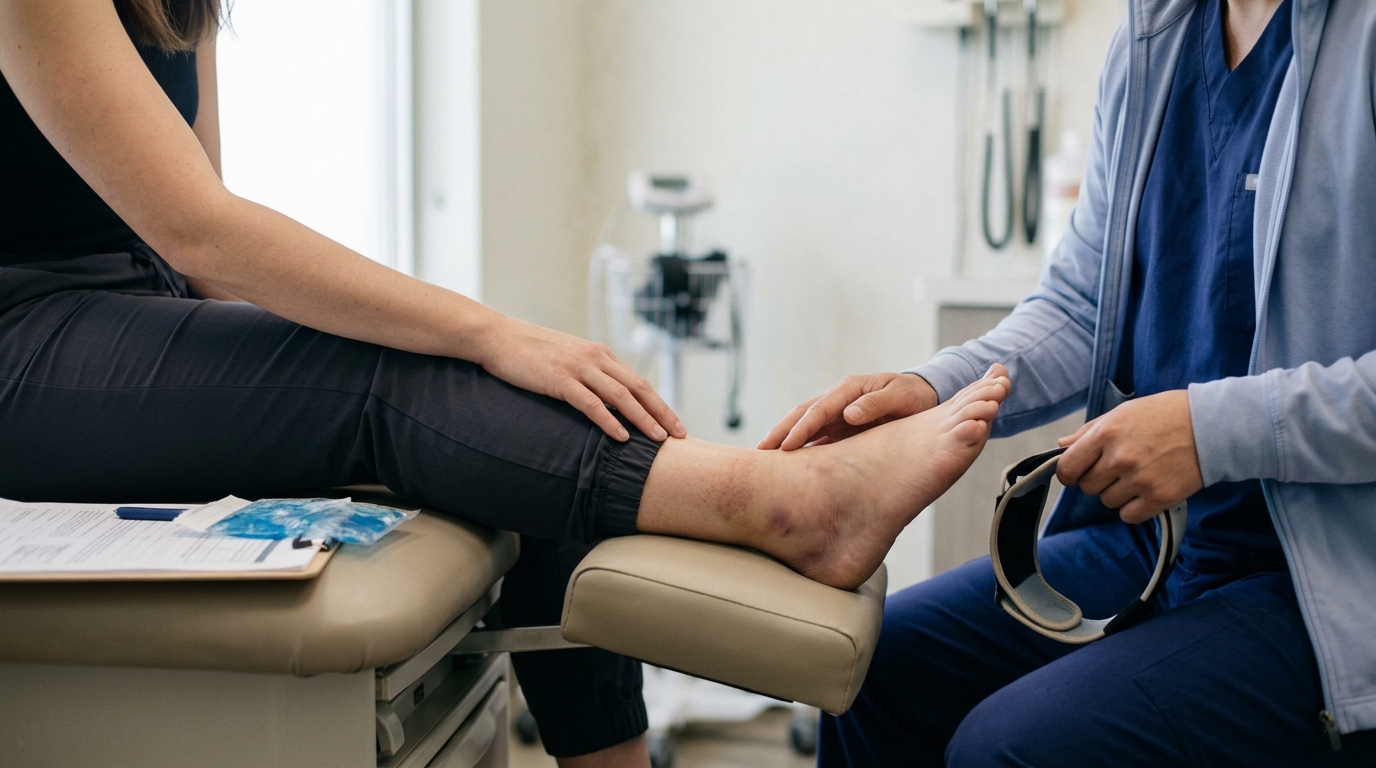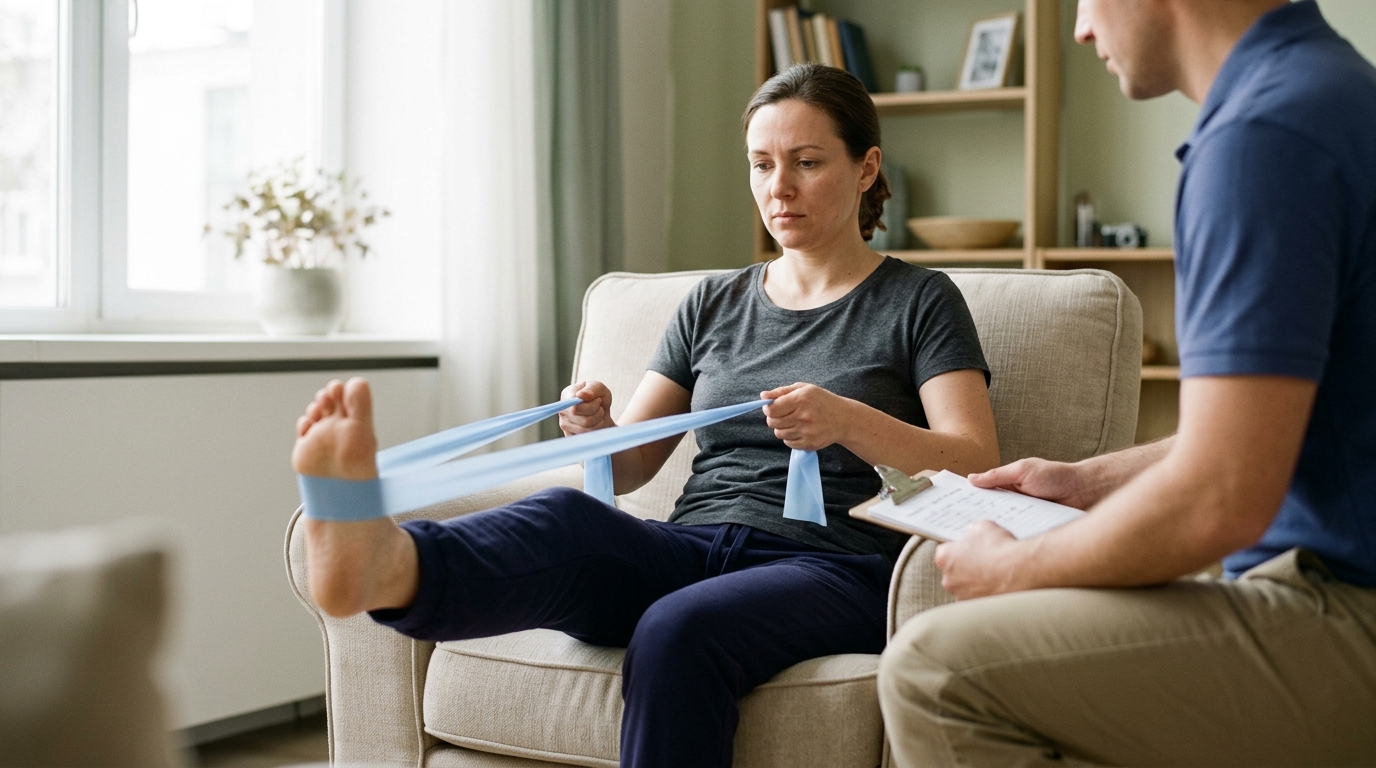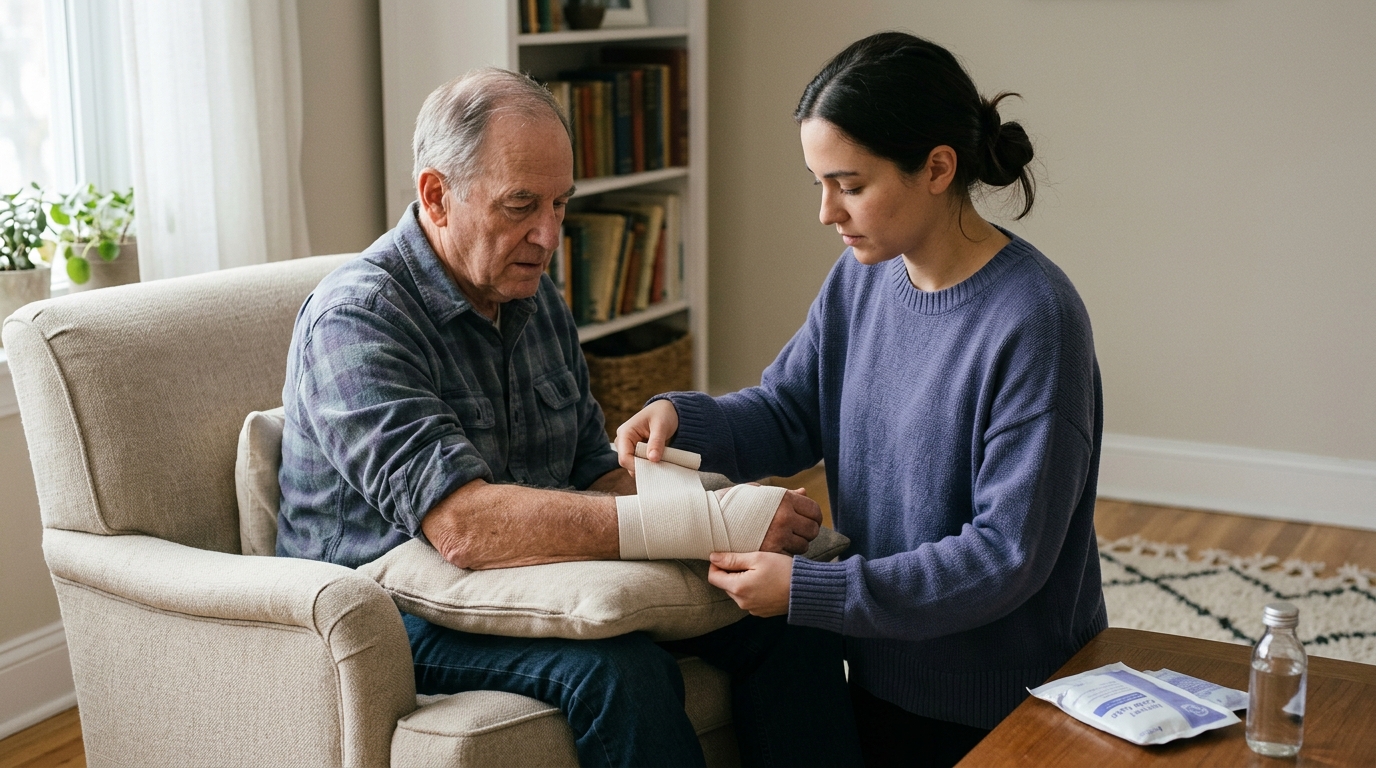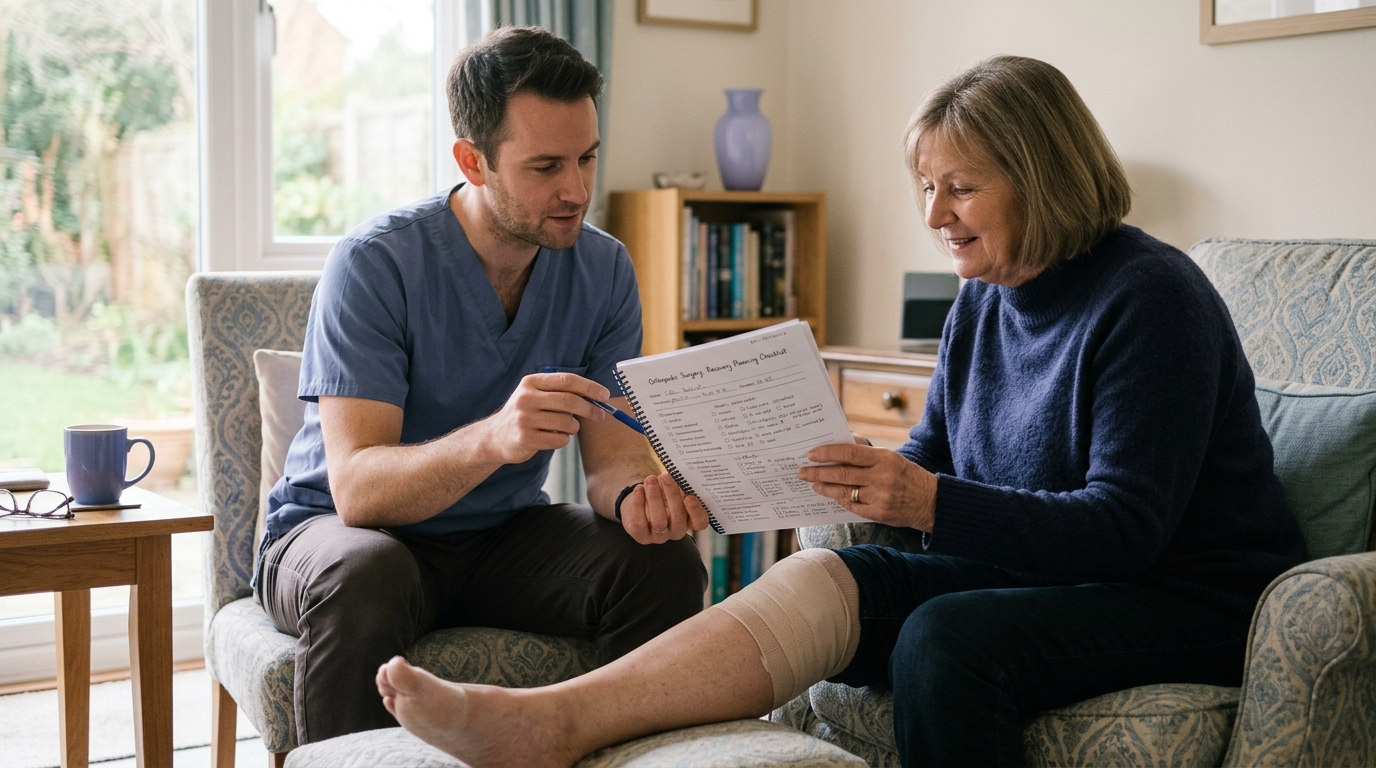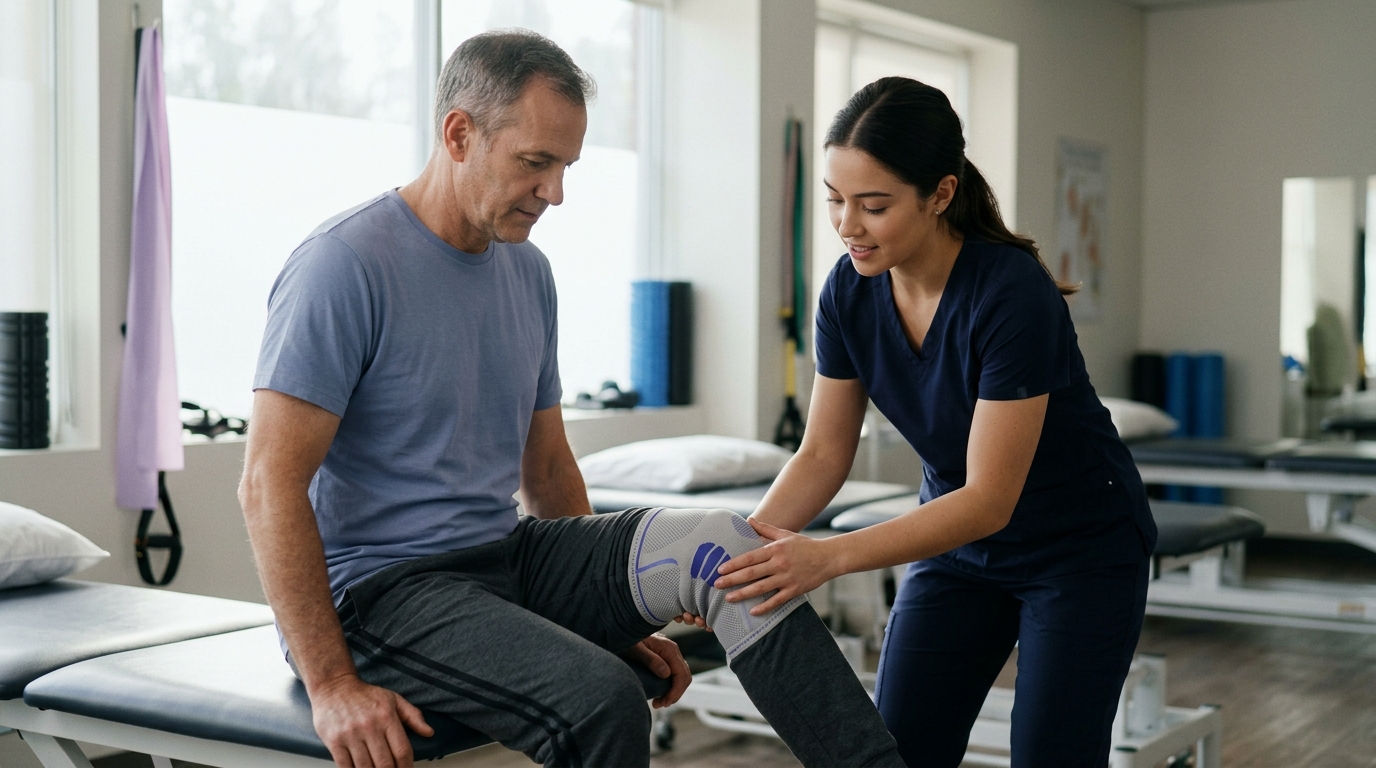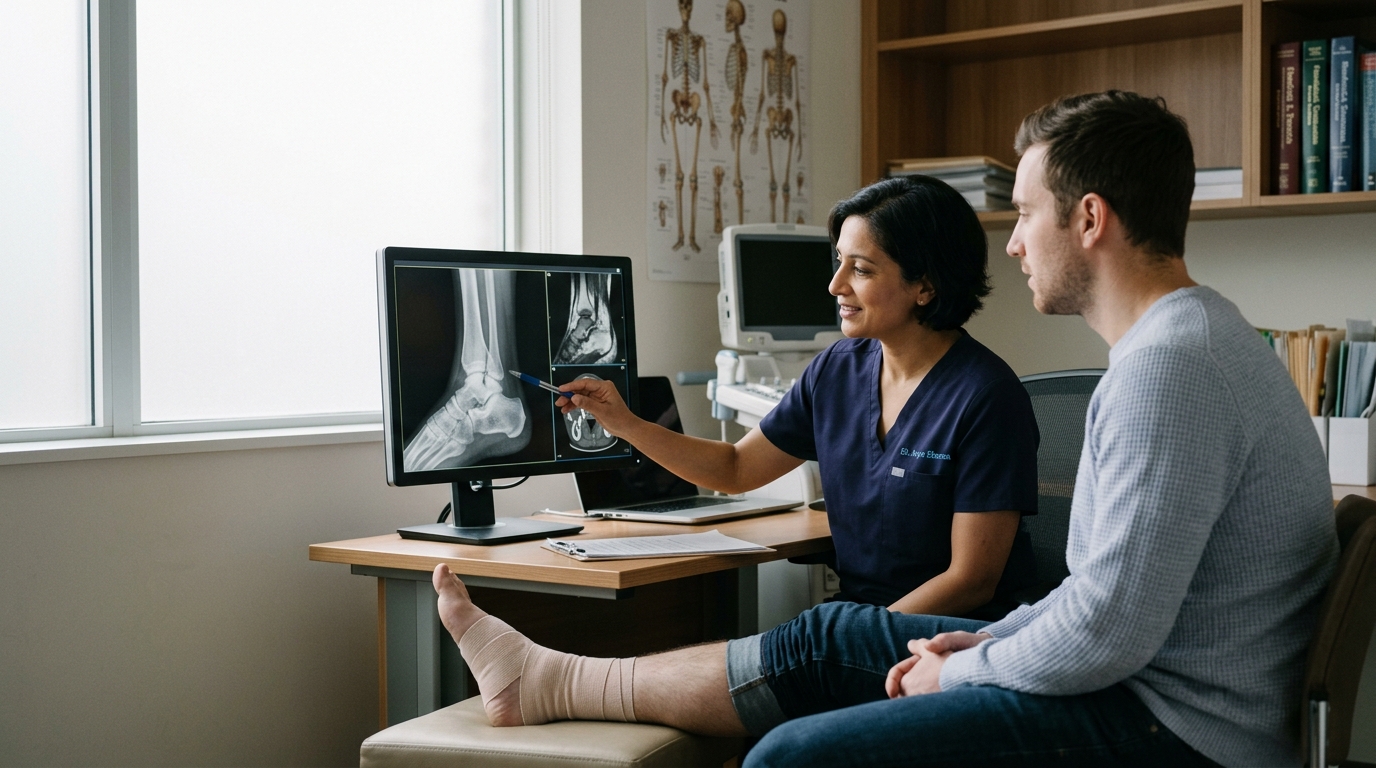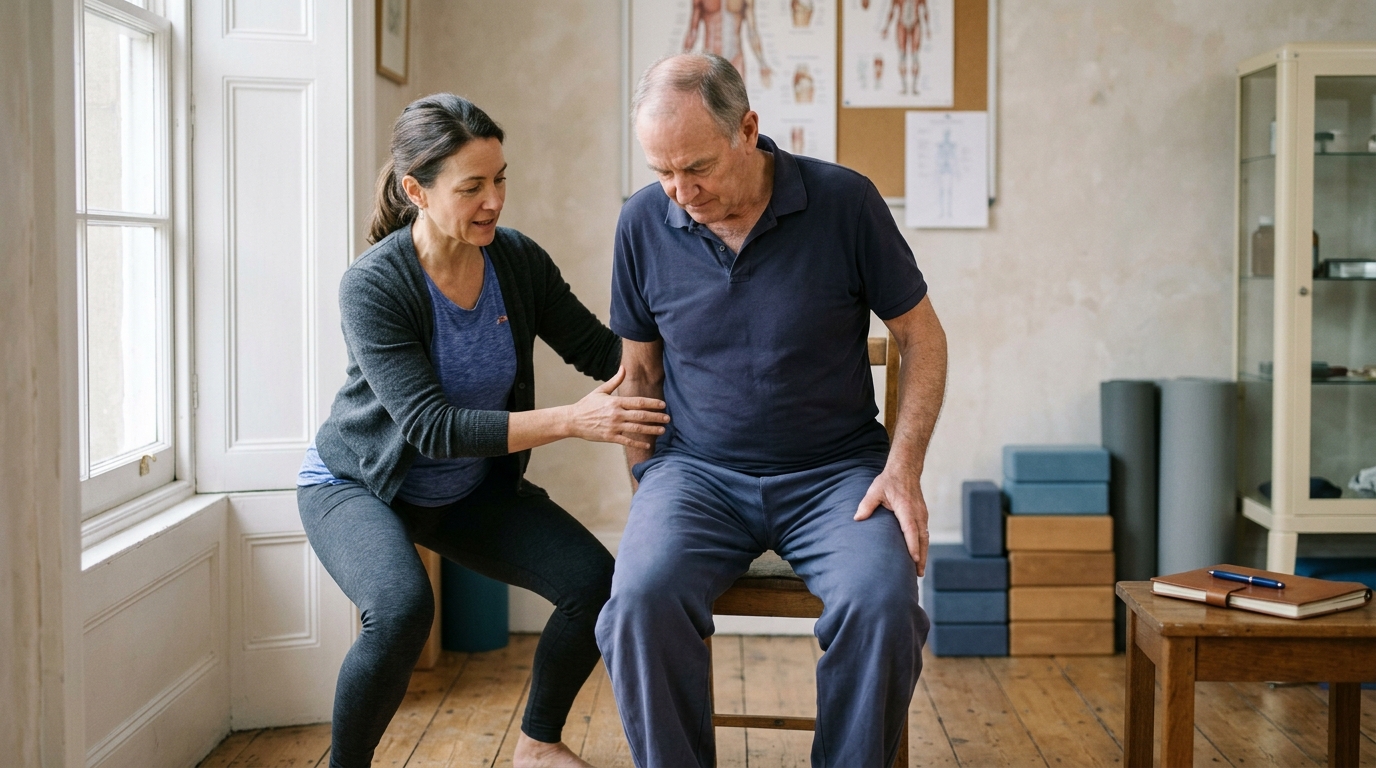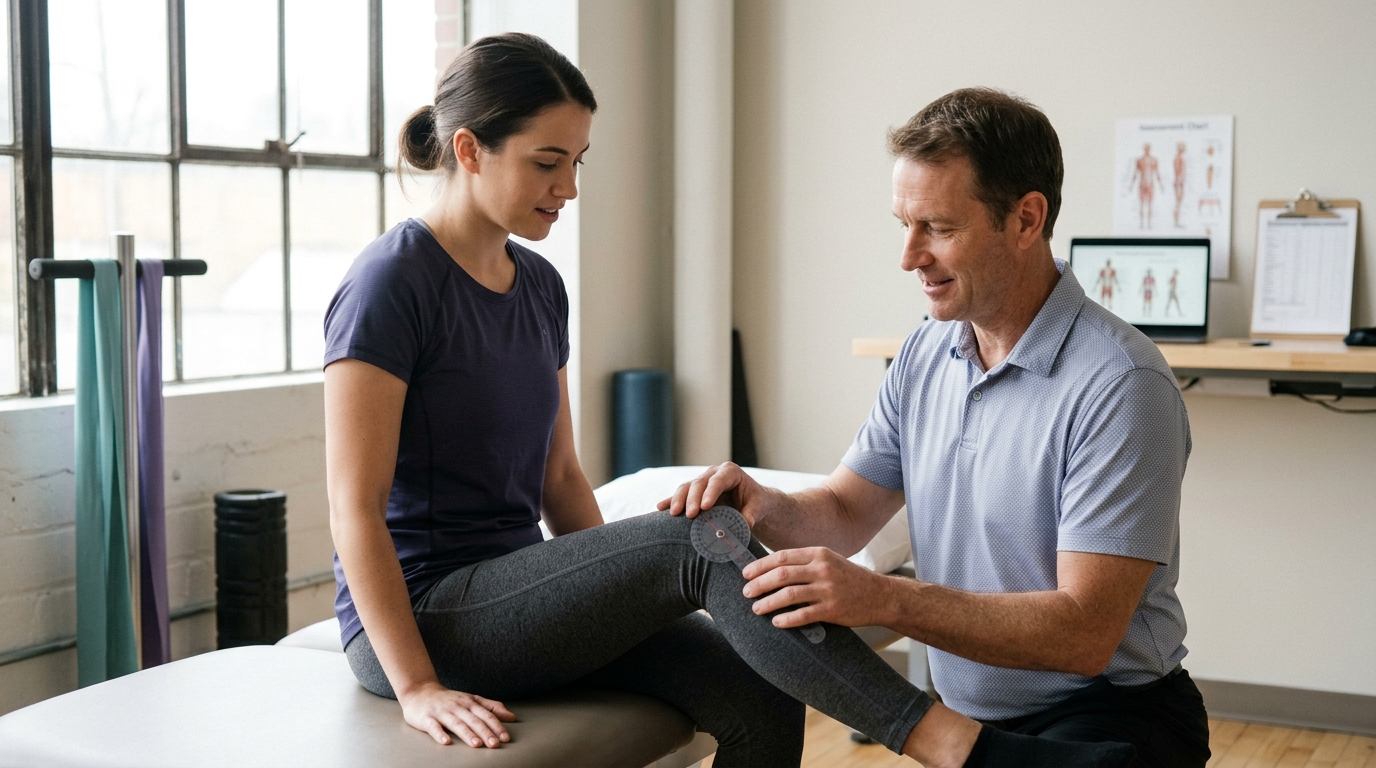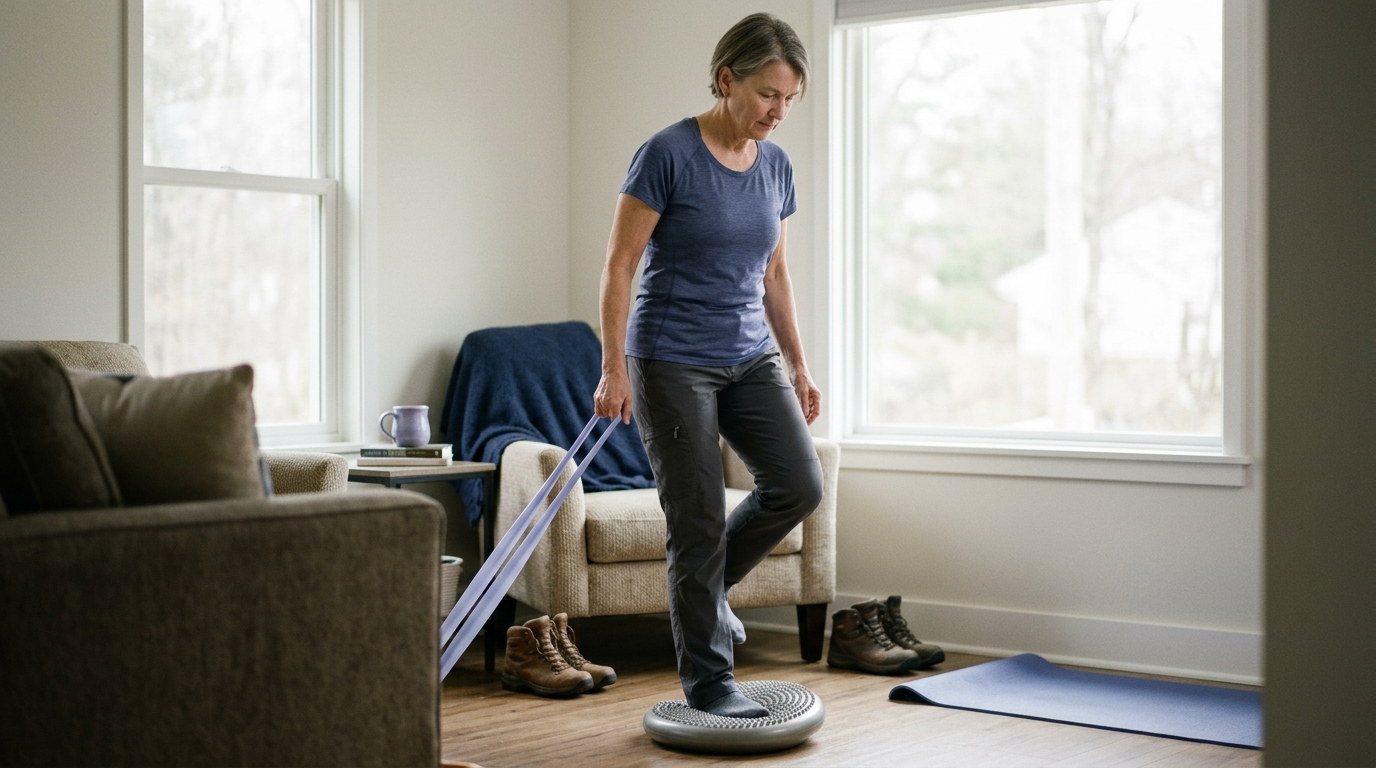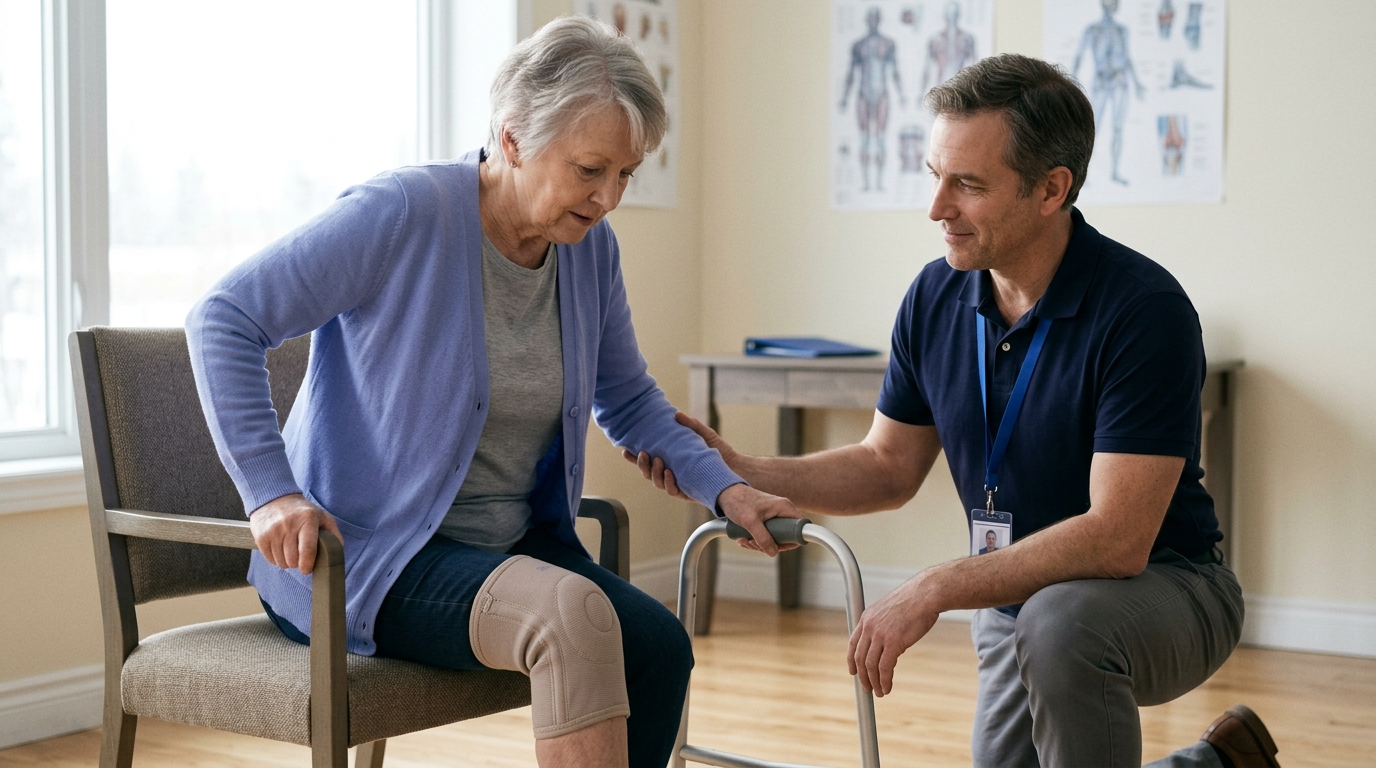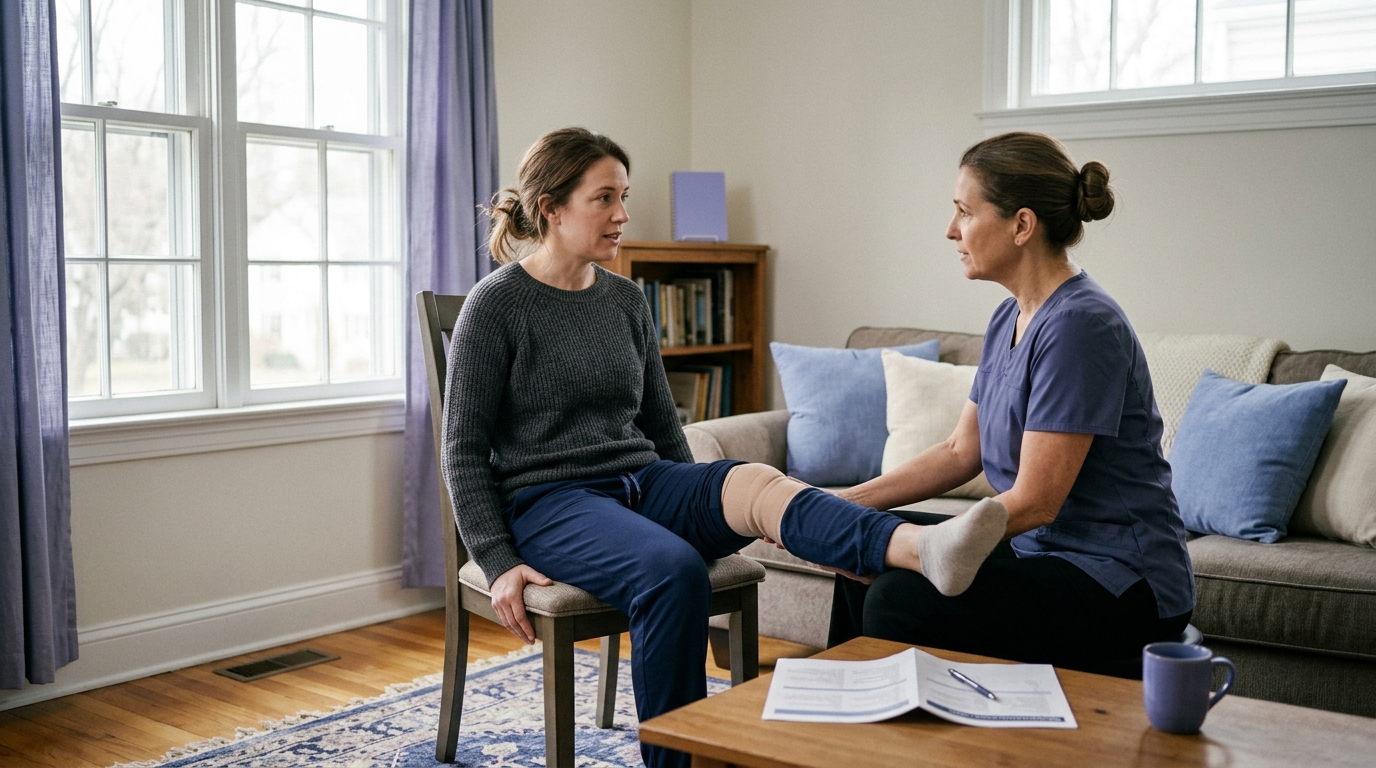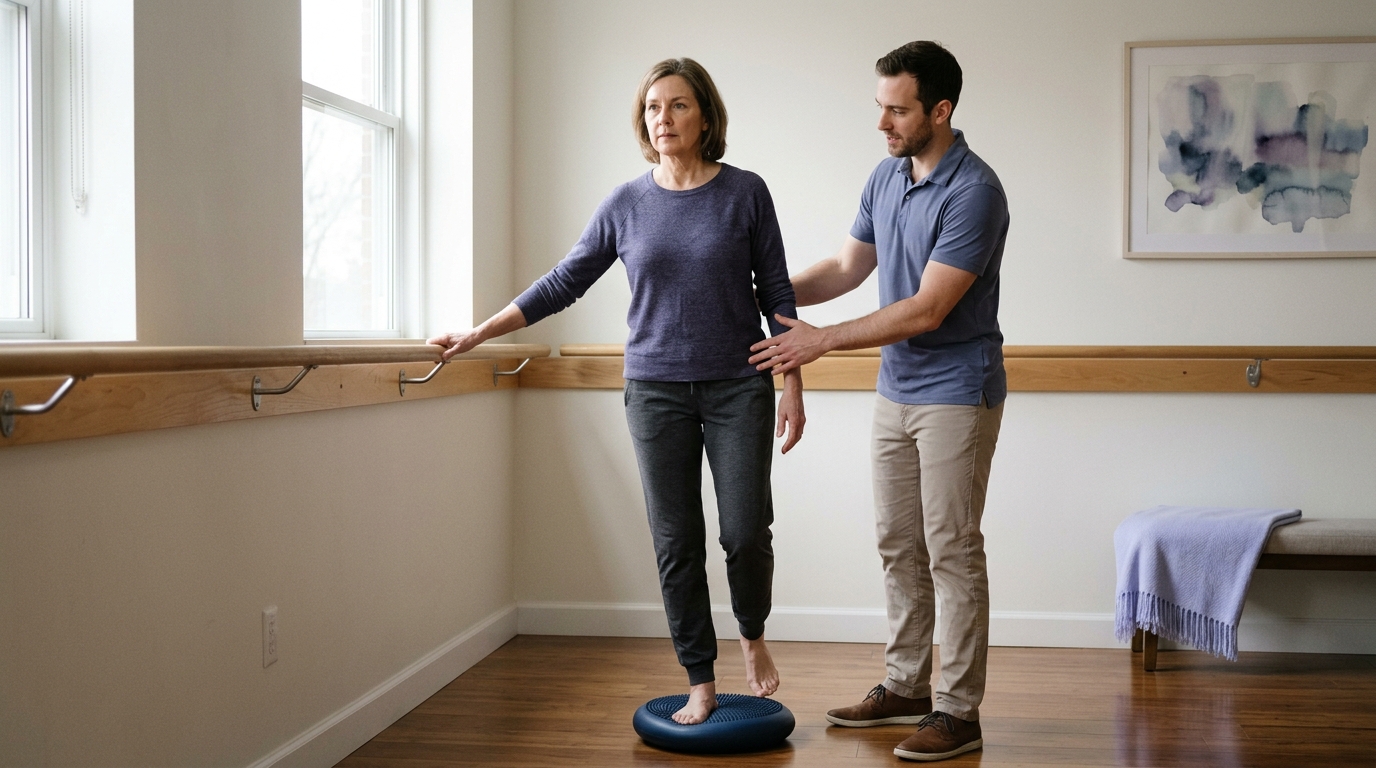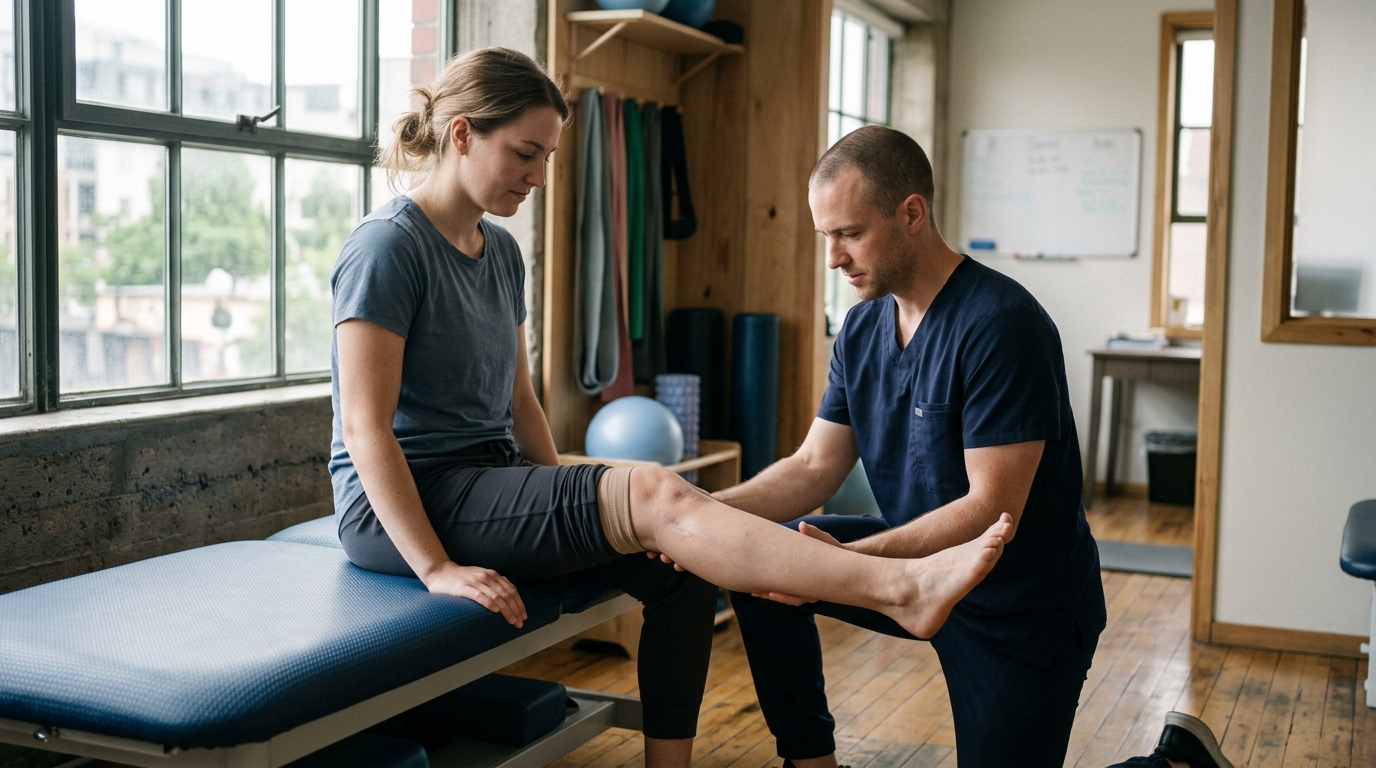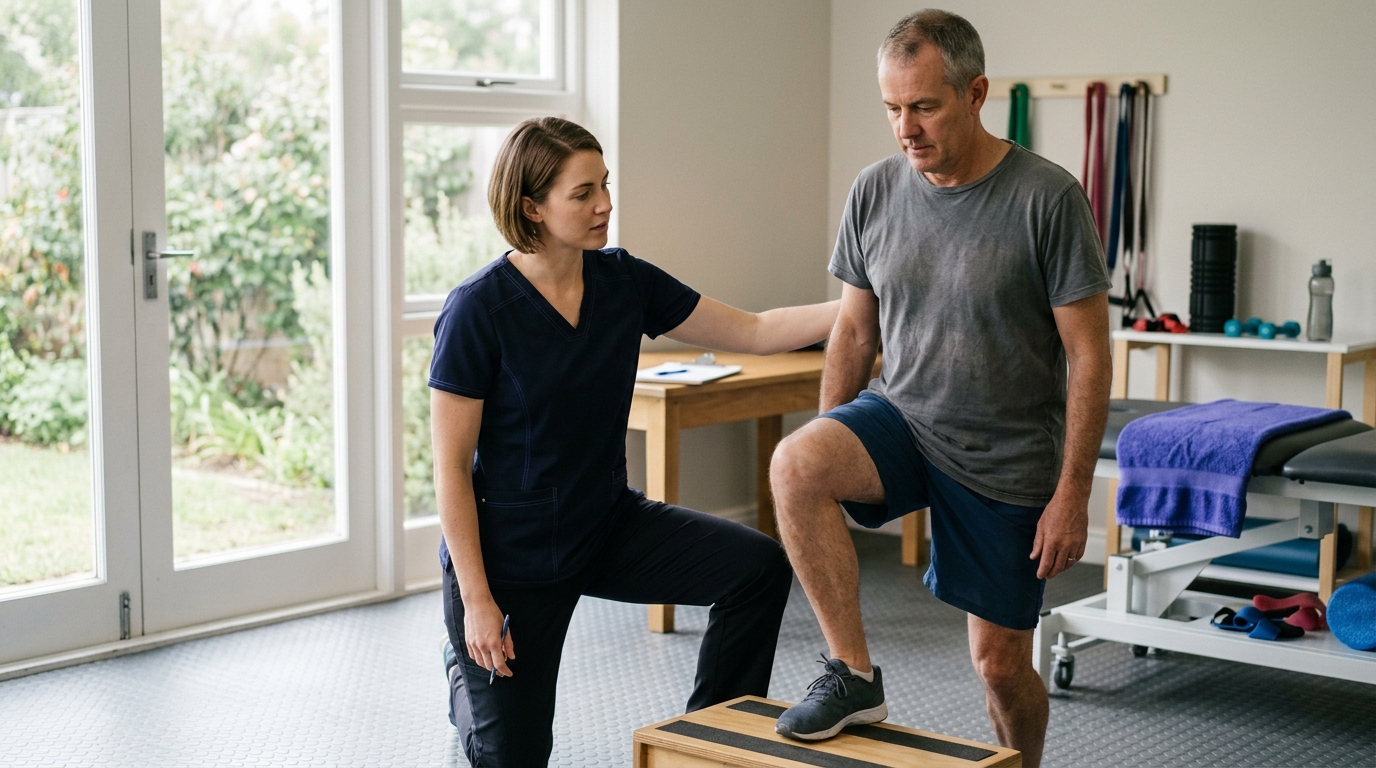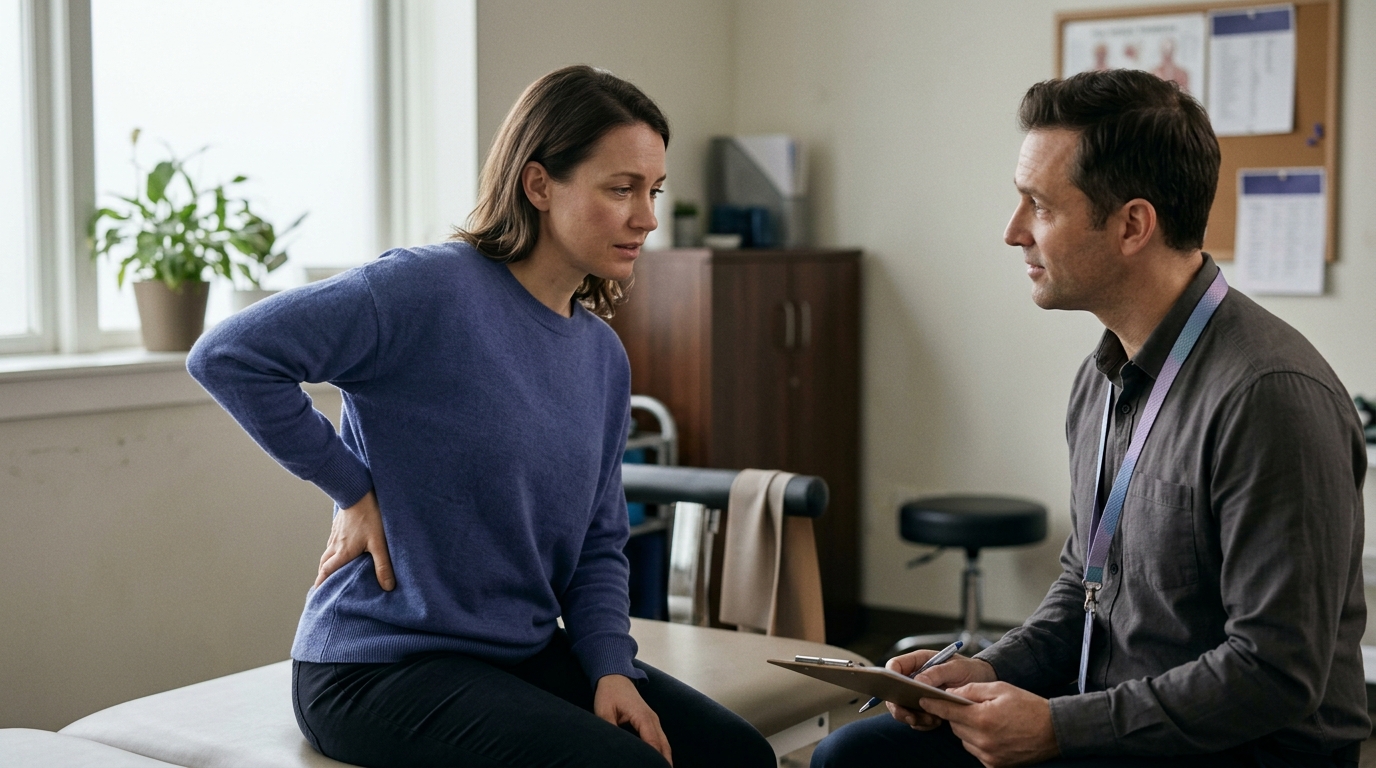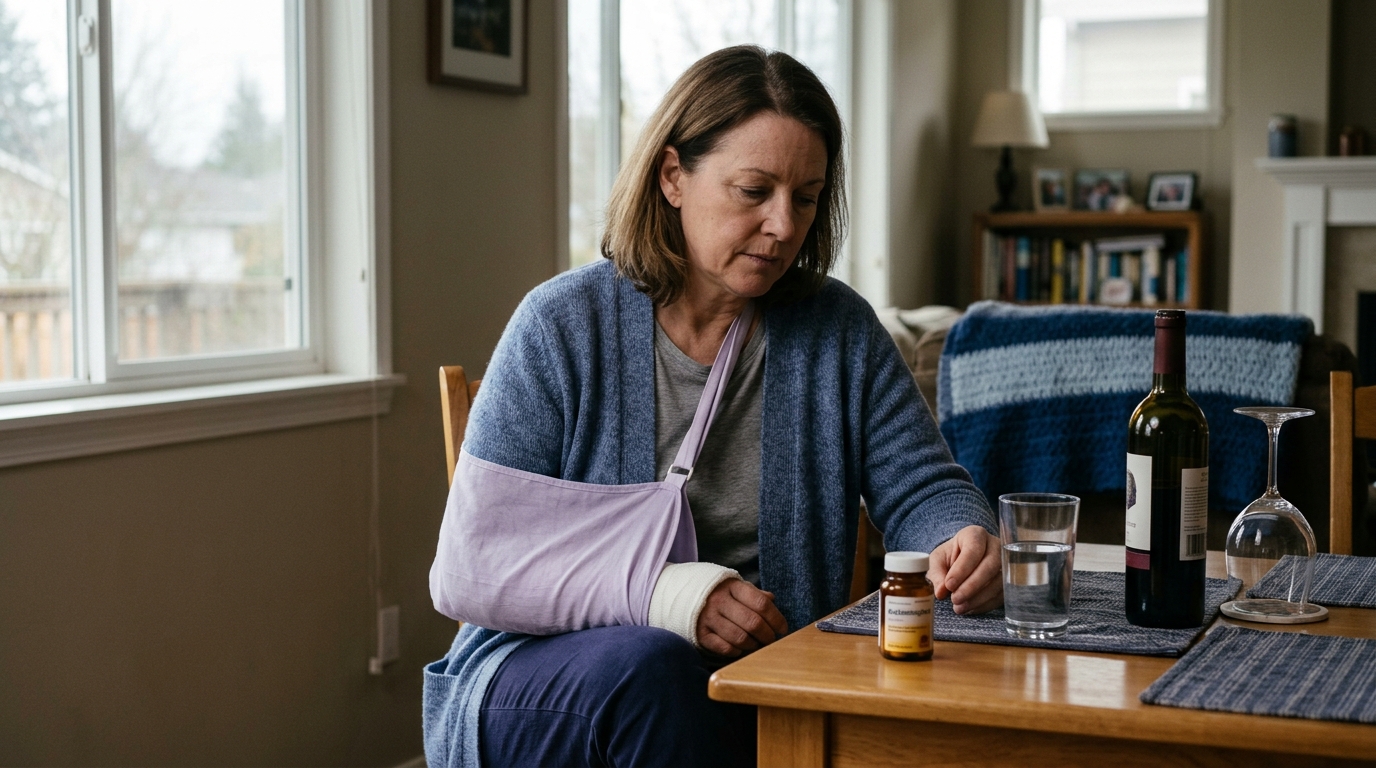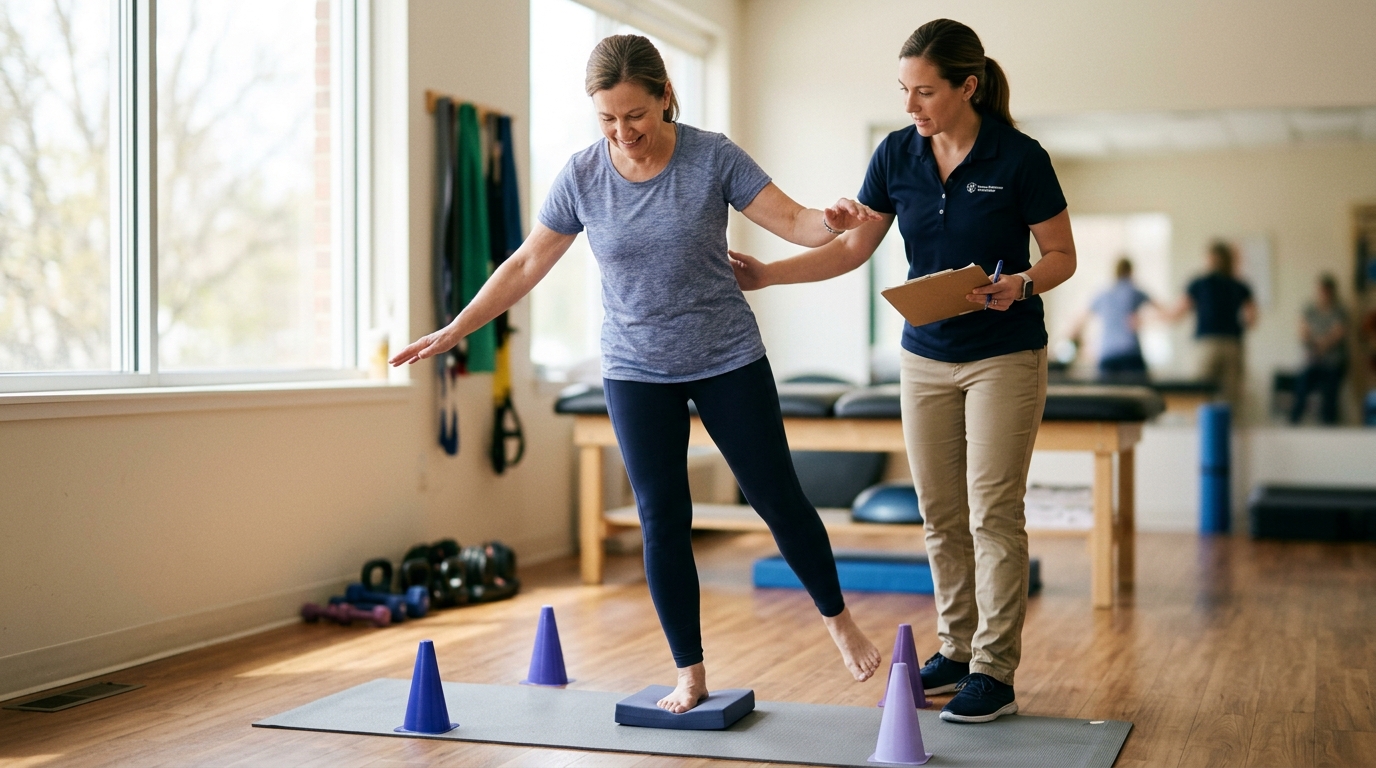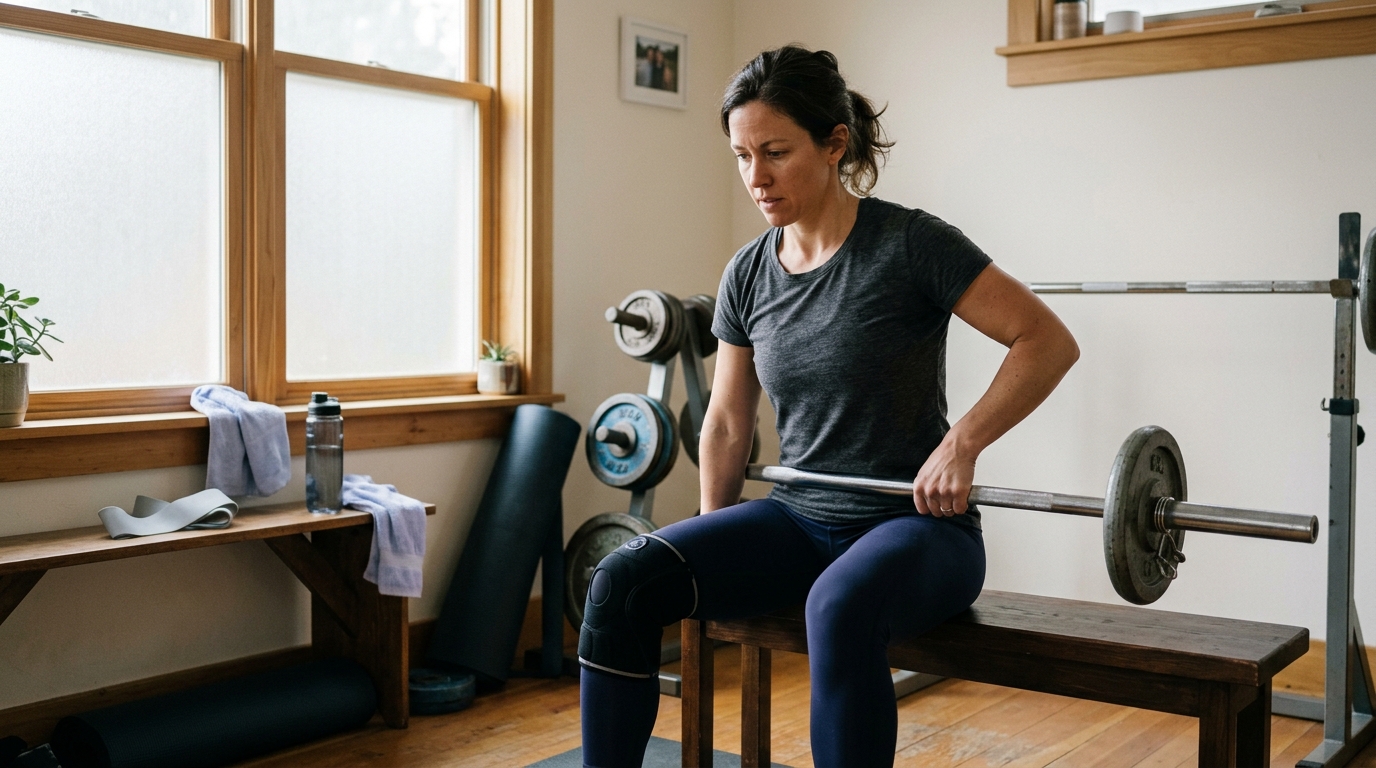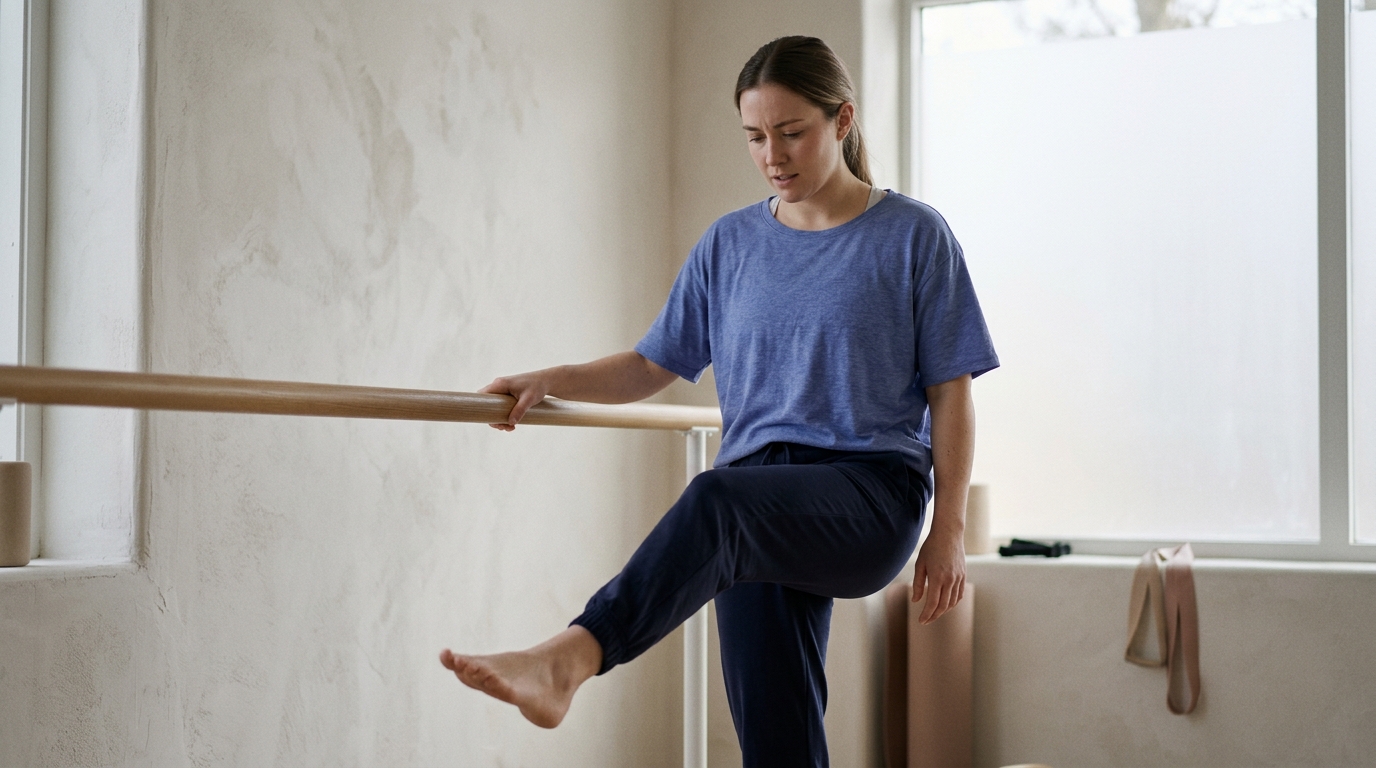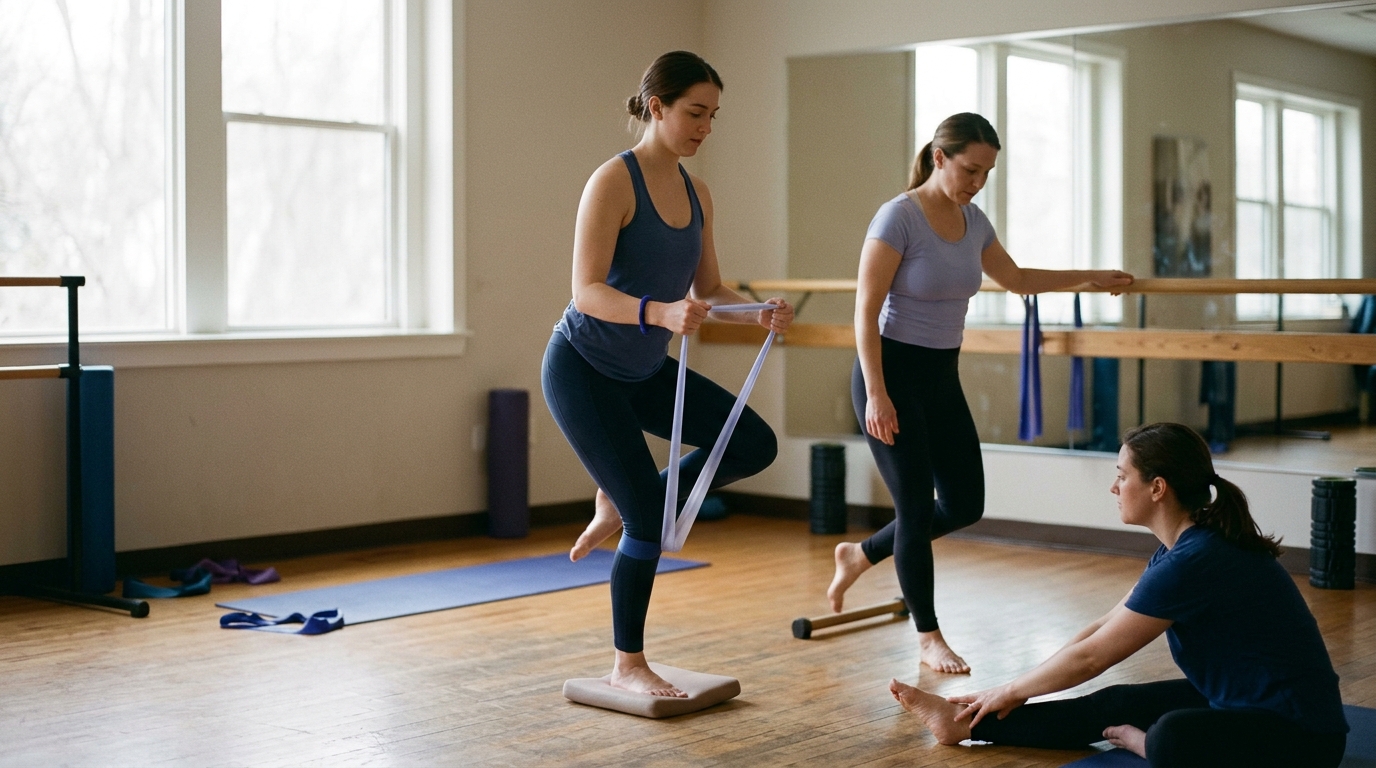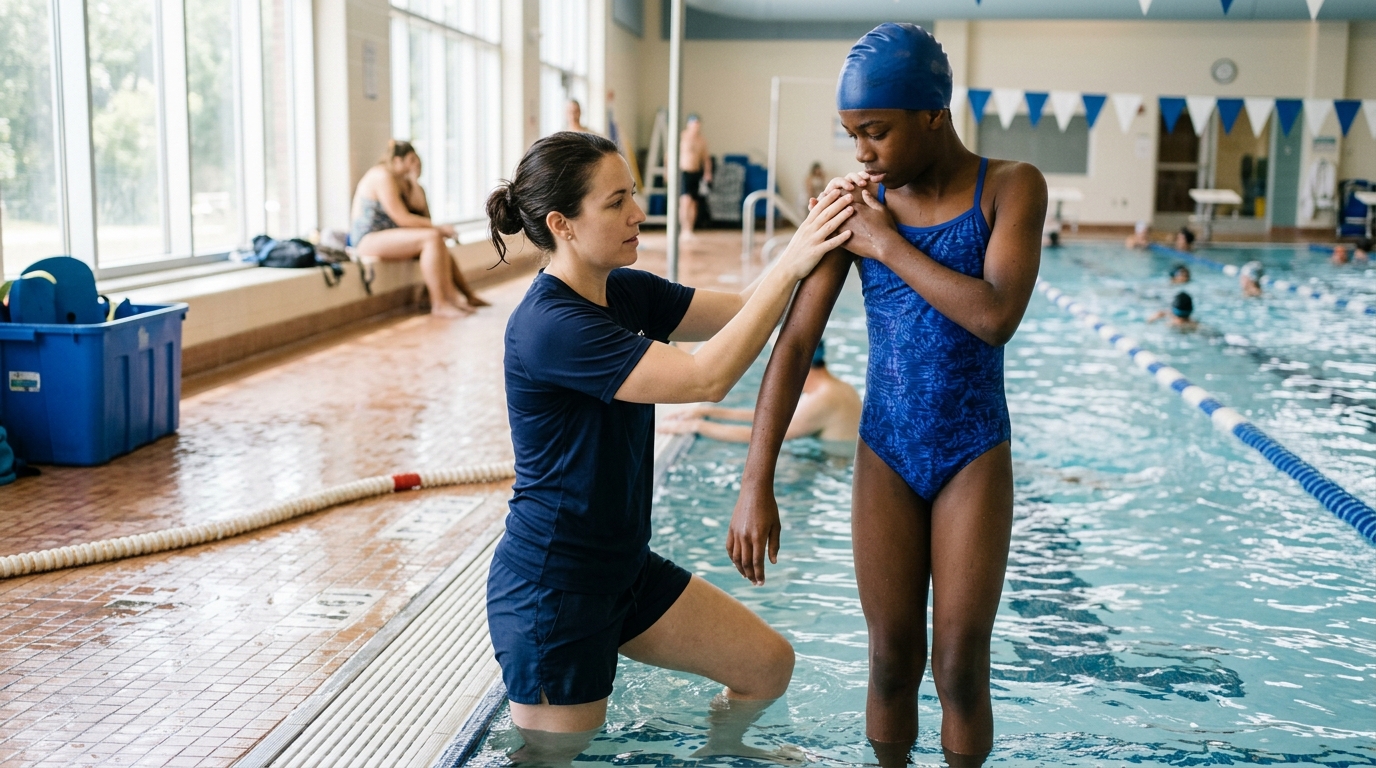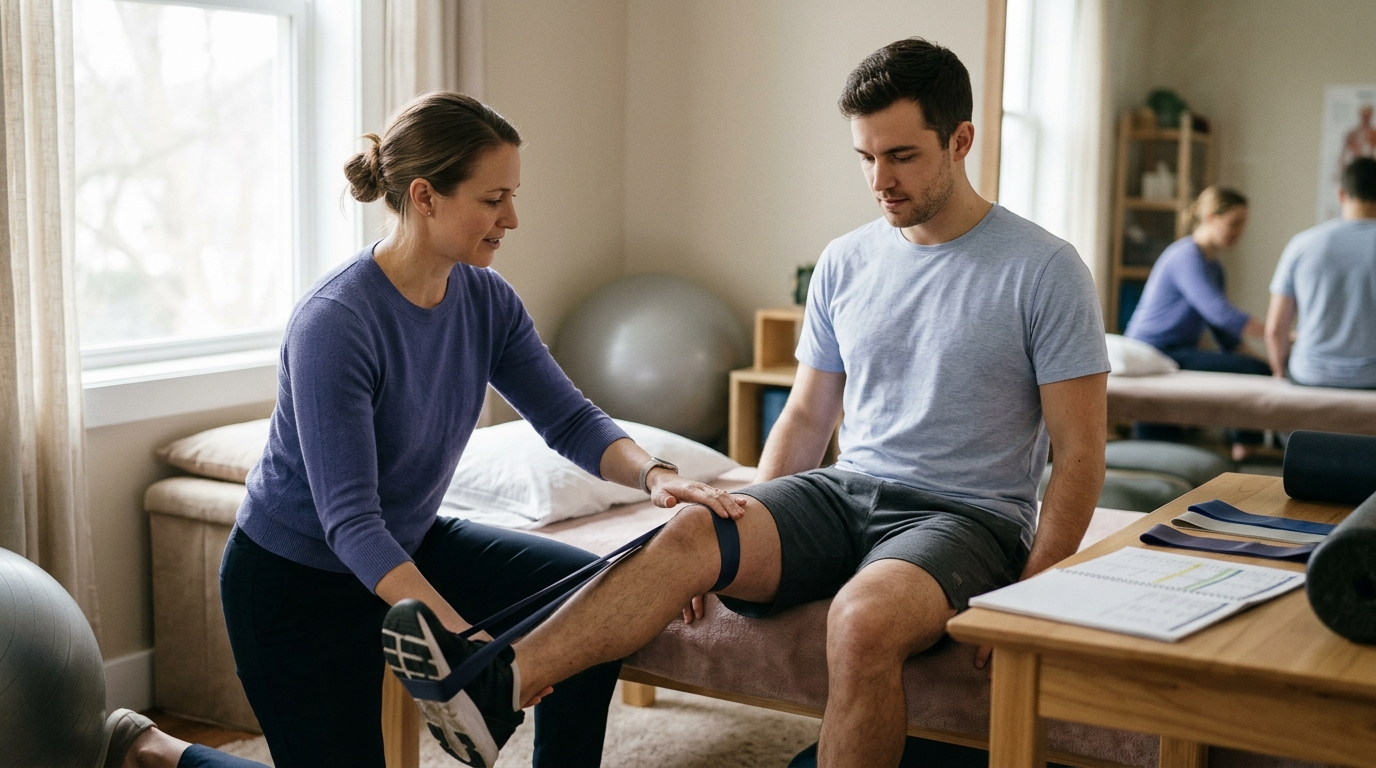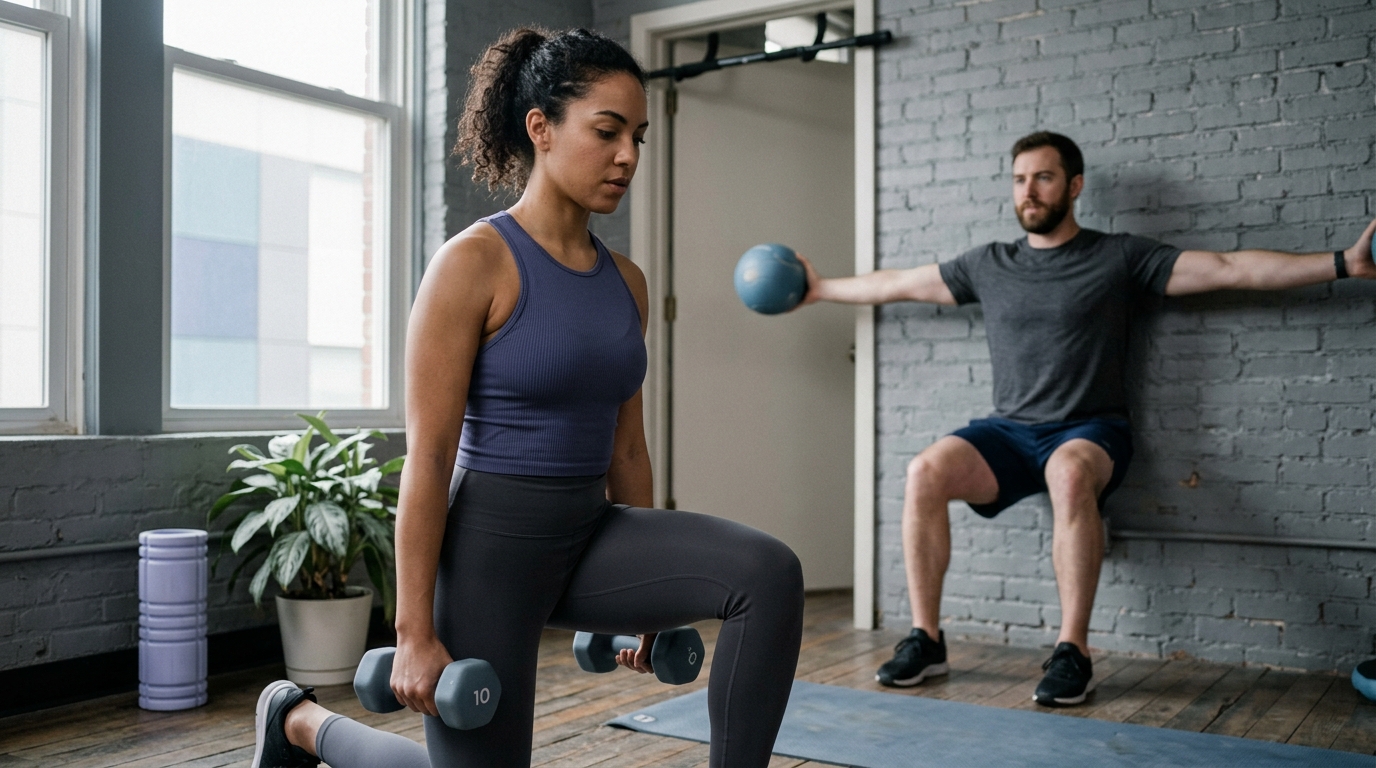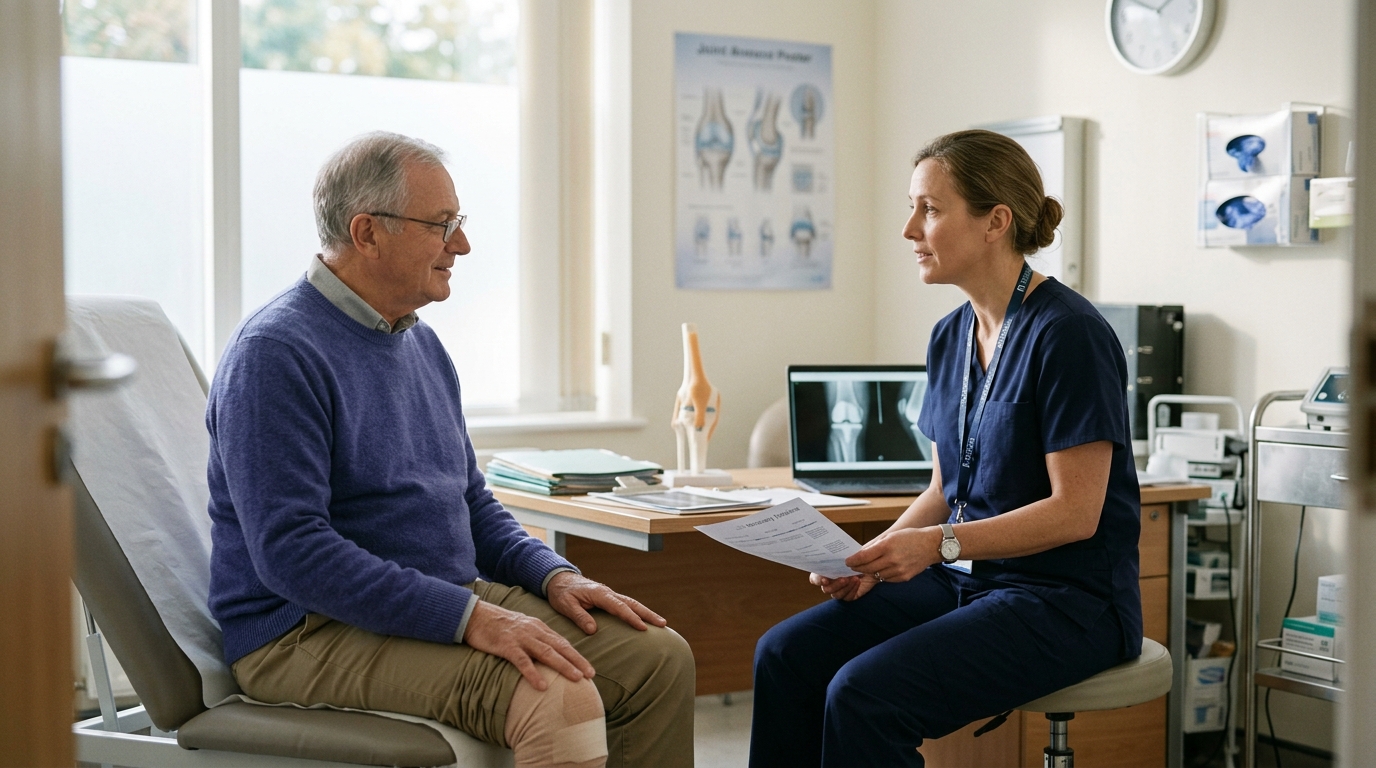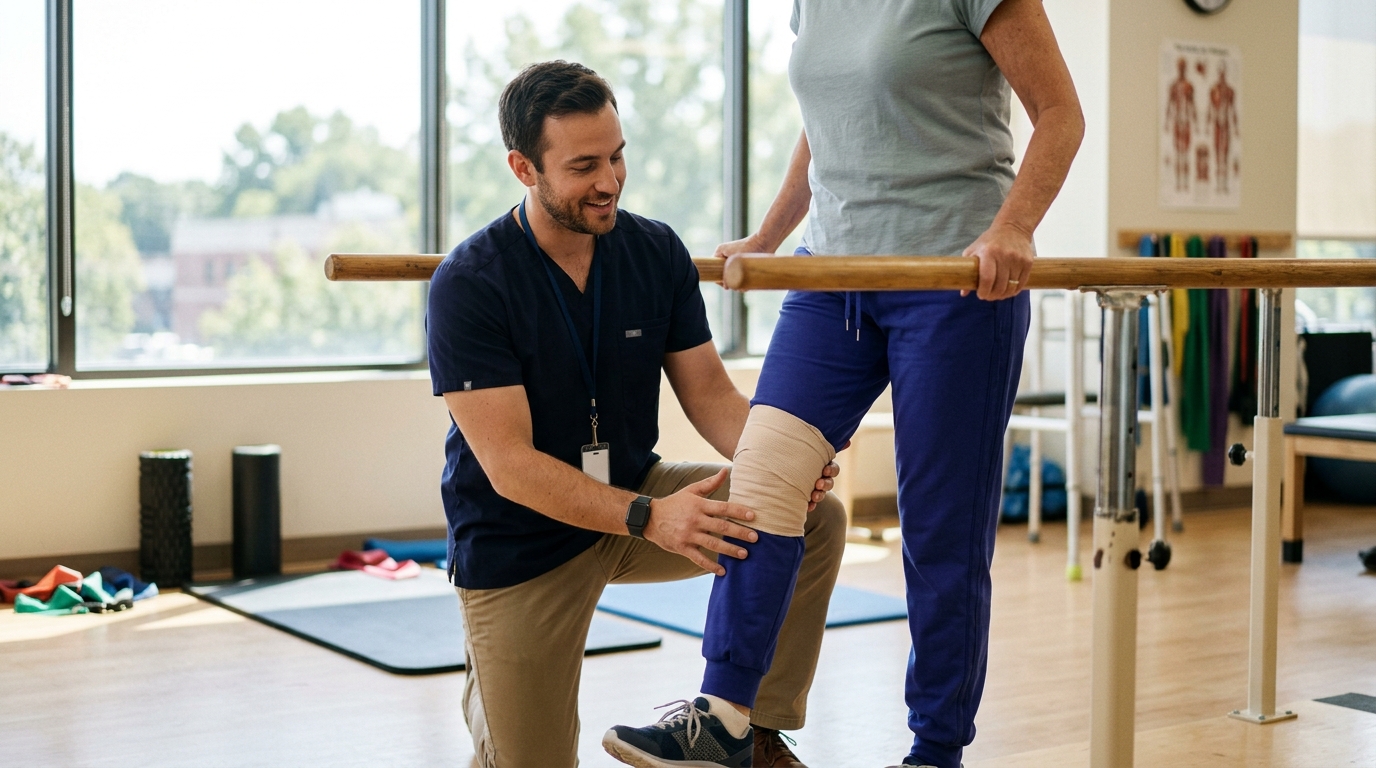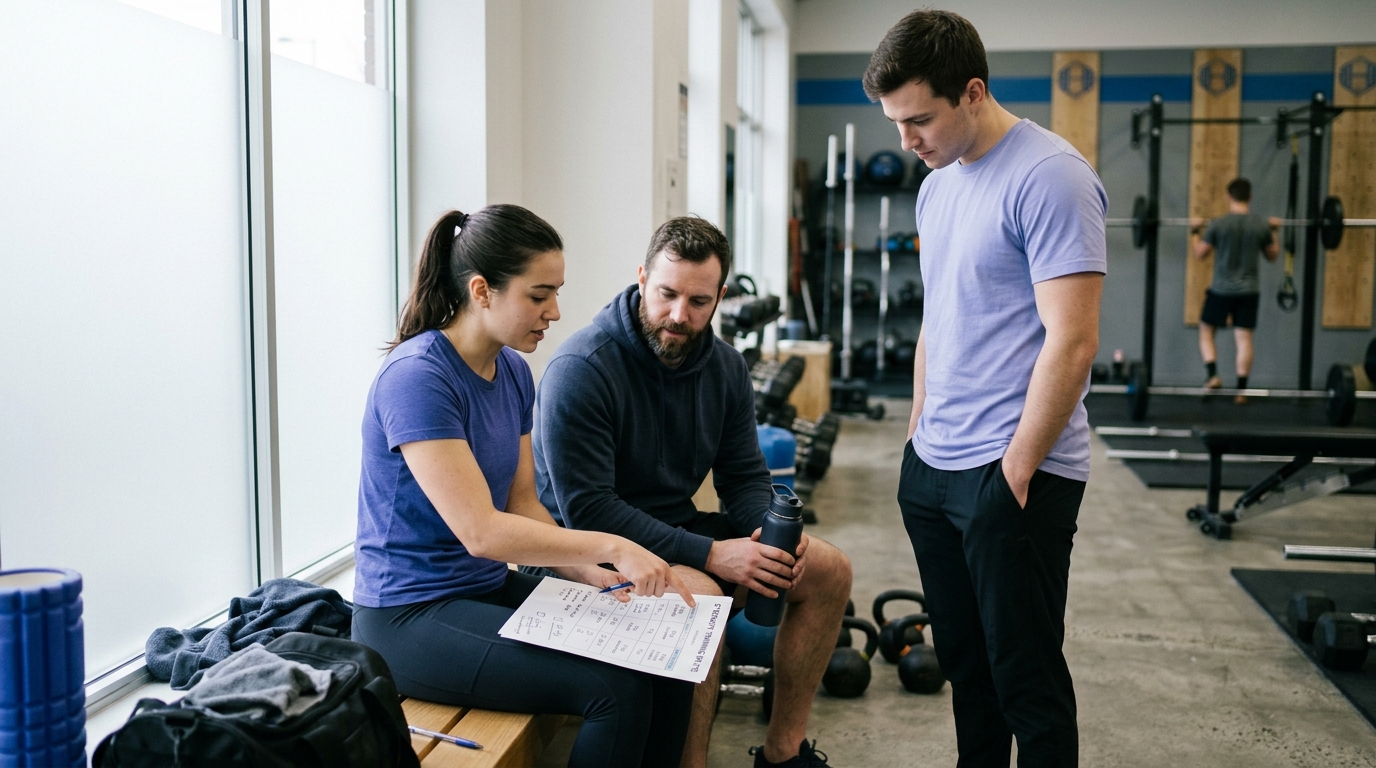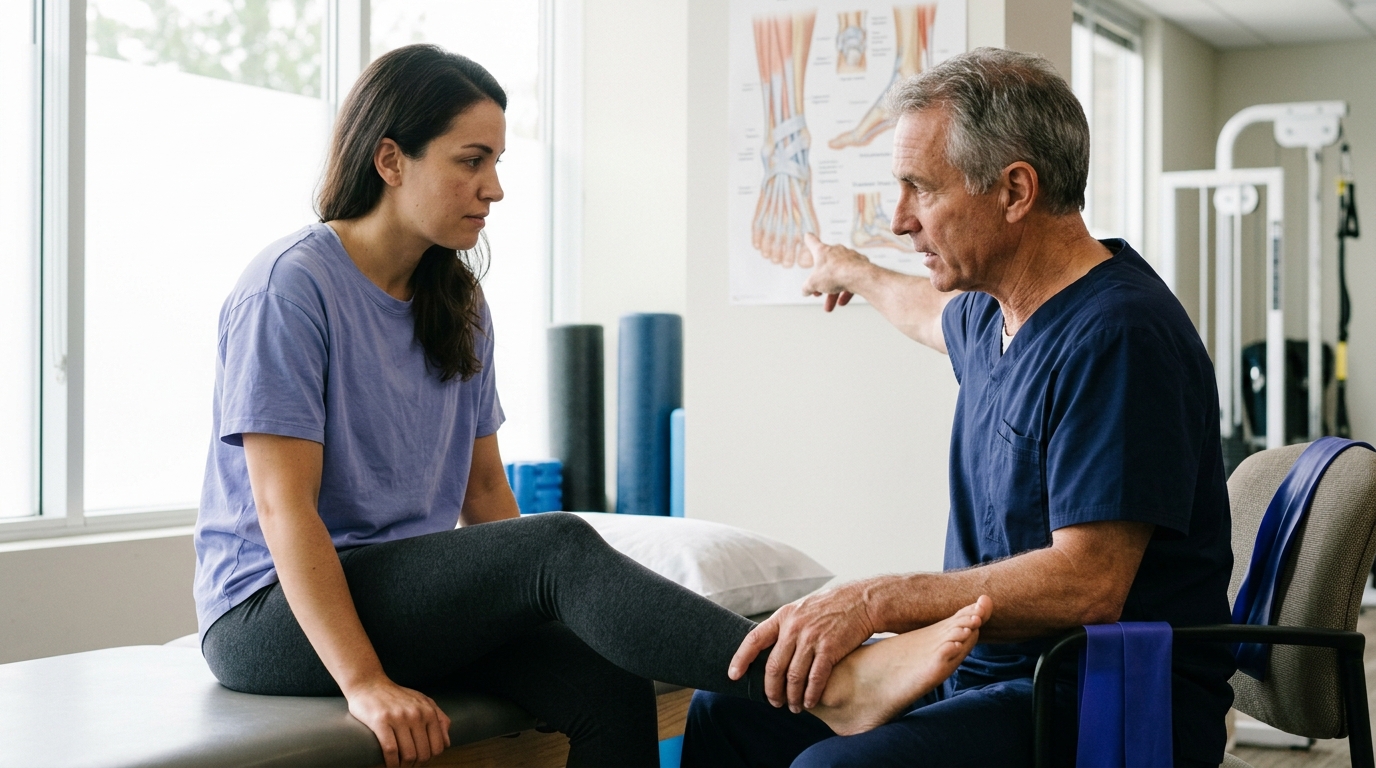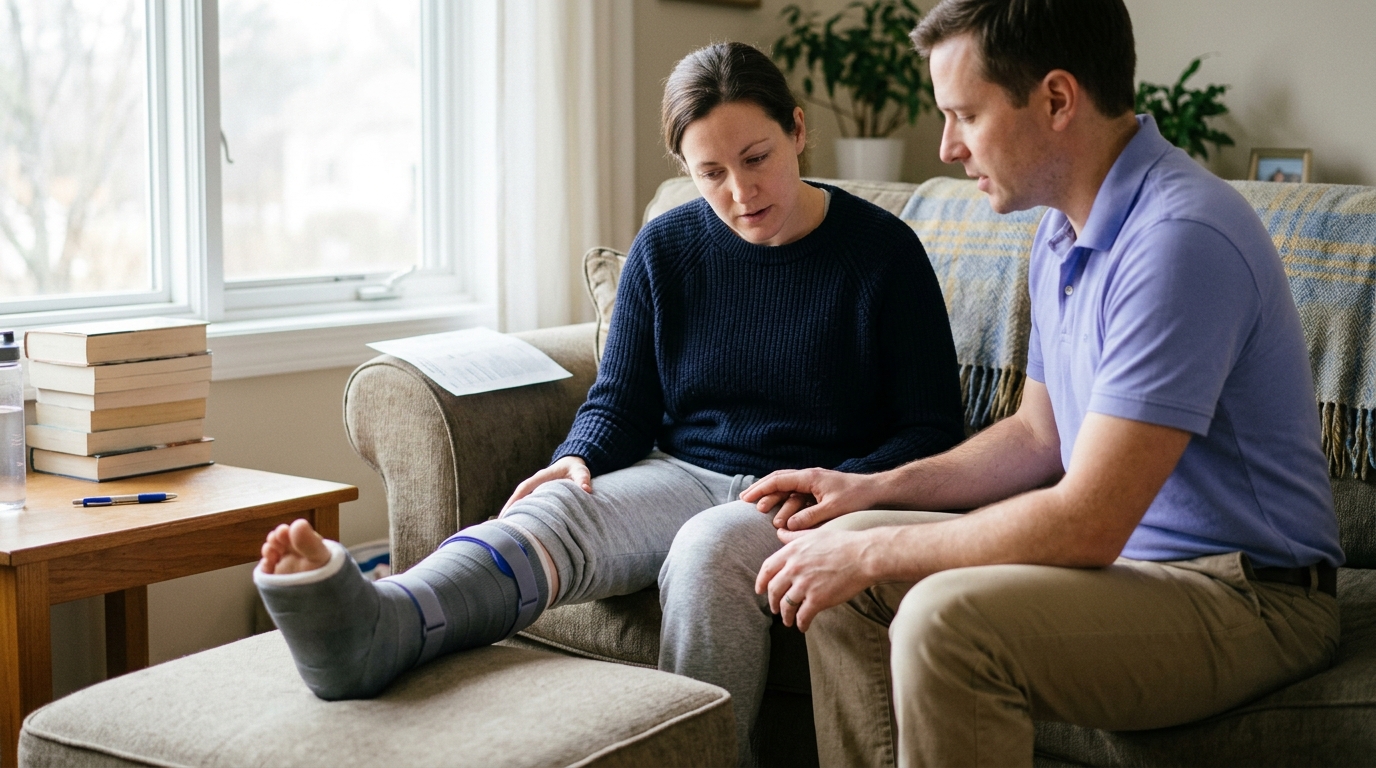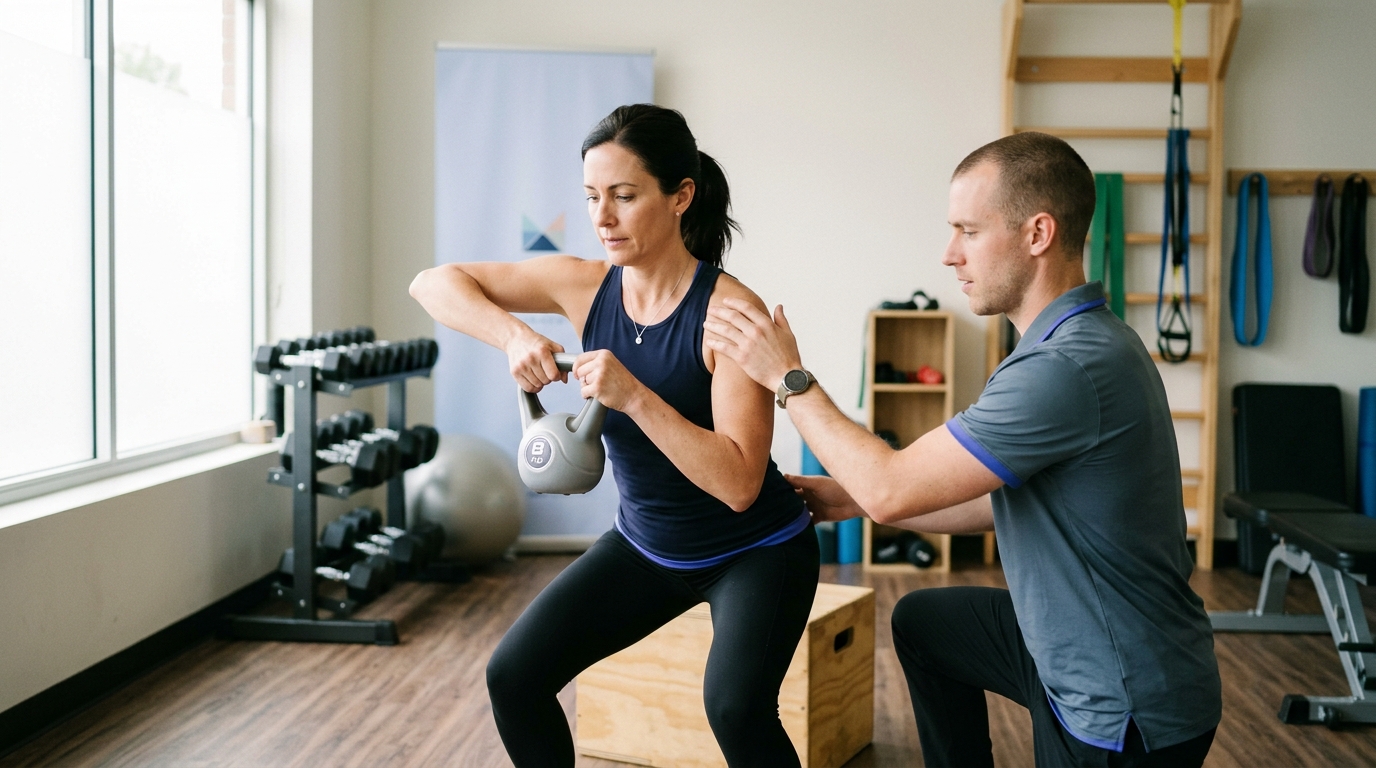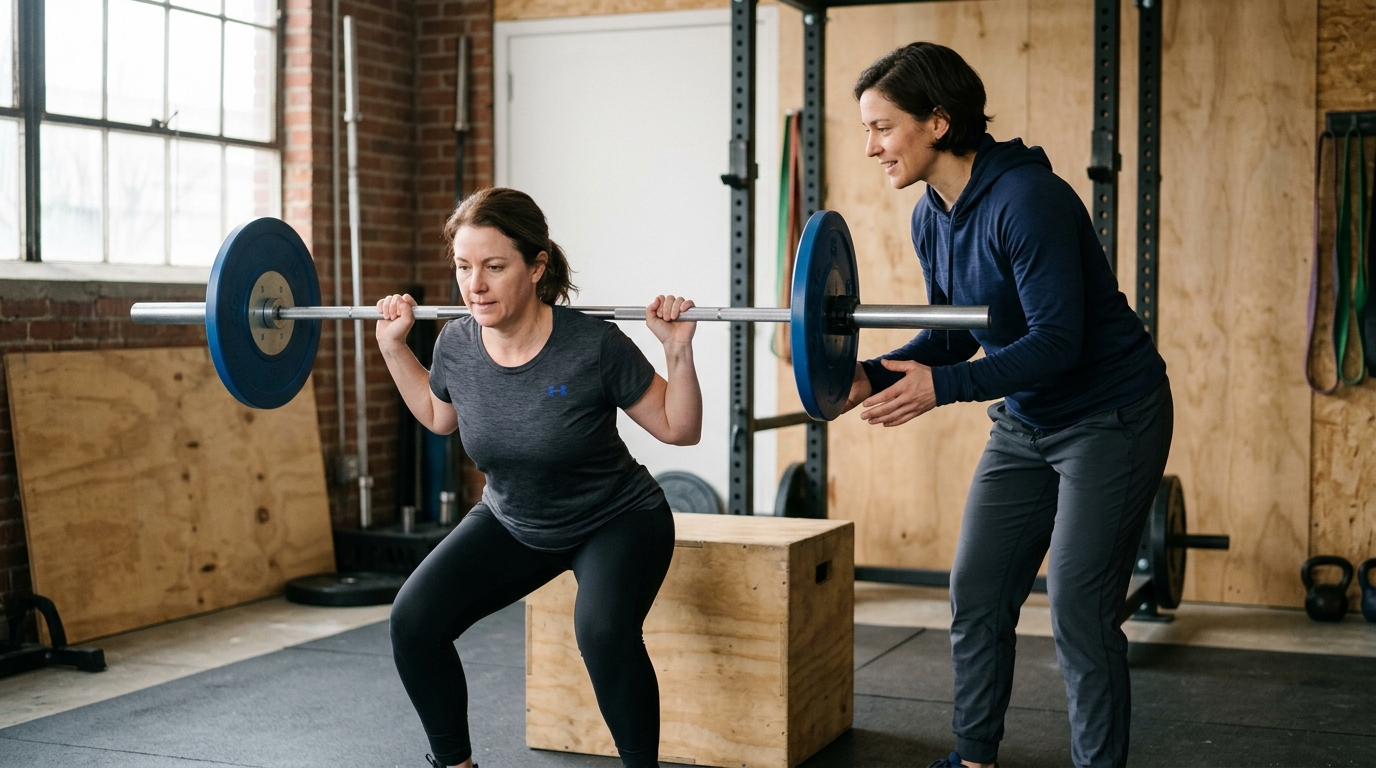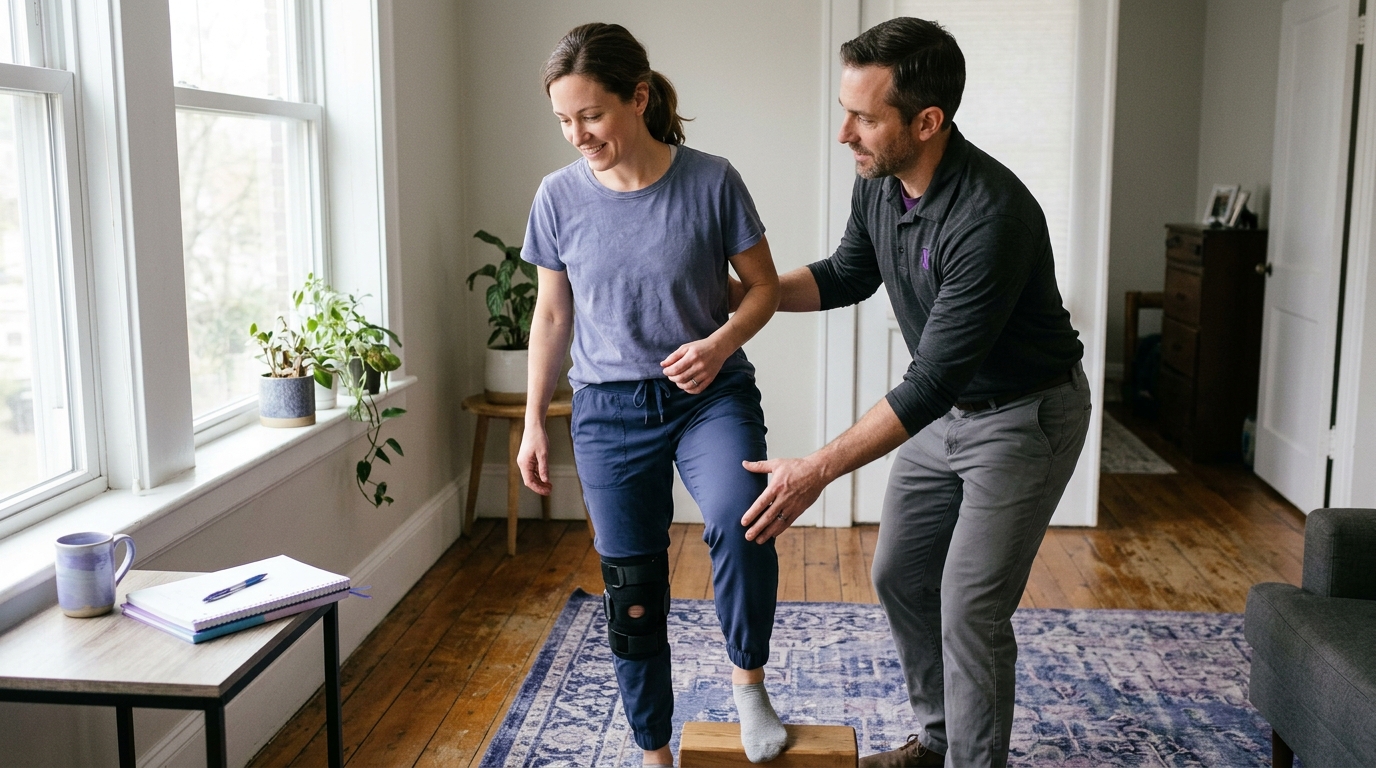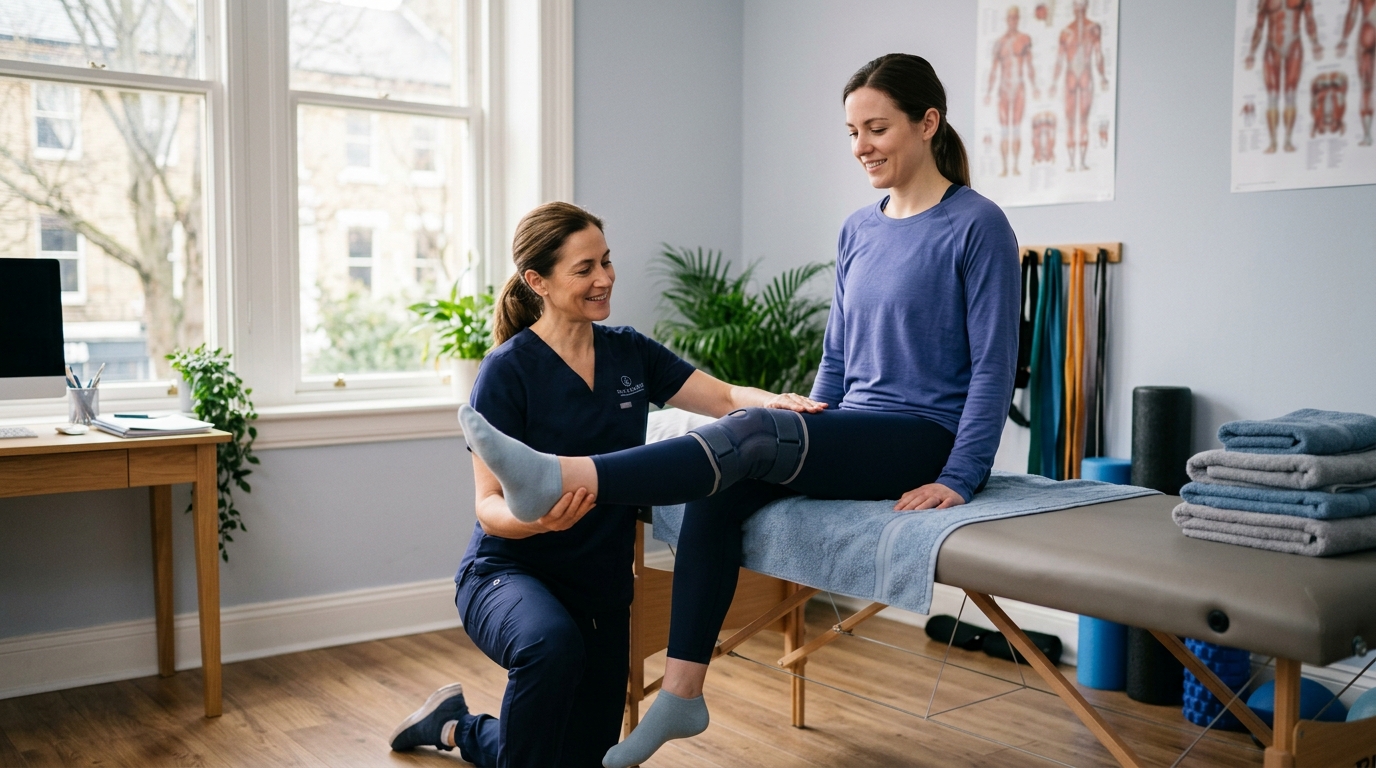

Facing weeks on the sidelines with an orthopedic injury requires smart cross-training strategies that maintain cardiovascular capacity without stressing vulnerable healing tissues.





Rebuilding cardiovascular fitness during orthopedic recovery is the process of training your heart and lungs while shielding healing bones, joints, ligaments, and tendons from harmful stress. It is not an attempt to maintain your peak athletic form through sheer willpower, nor is it a direct replacement of your pre-injury workout routine. Instead, safe conditioning during recovery functions as a parallel path alongside clinical rehabilitation. It allows you to protect your aerobic baseline, support metabolic health, and prepare your body for a smoother return to daily life or sport.
The central answer to restoring conditioning safely lies in separating central cardiovascular demand from local orthopedic strain. When an injury or surgery prevents you from running, jumping, or lifting heavy weights, you do not have to abandon aerobic exercise entirely. By adjusting variables like exercise mode, duration, and body position, you can elevate your heart rate without overloading a vulnerable tissue. However, this process has clear boundaries. Your safe conditioning level depends directly on tissue healing timelines, weight-bearing status, post-operative precautions, and guidance from your medical team.
When an orthopedic injury forces a sudden drop in physical activity, your cardiovascular system begins to adapt to the lower demand. Research examining periods of limb immobilization shows measurable declines in aerobic capacity in as little as two weeks. Oxygen uptake at the gas-exchange threshold drops, power output decreases, and maximal oxygen consumption declines. These changes happen because blood volume decreases, cardiac stroke volume drops slightly, and muscular mitochondria lose some efficiency when they are not challenged regularly.
At the same time, complete rest affects more than just your heart and lungs. Unused muscles begin to lose contractile protein, and the neuromuscular pathways that coordinate smooth motion become less responsive. When you eventually resume full activity, a deconditioned cardiovascular system can make basic rehabilitation exercises feel exhausting. This overall fatigue can compromise your movement quality, increase your risk of movement errors, and prolong your total recovery timeline.
Maintaining a tolerable conditioning stimulus helps slow these losses. Even modest aerobic exercise stimulates blood circulation, which delivers oxygen and nutrients to recovering tissues throughout the body. It also supports mental well-being, helps regulate sleep patterns, and maintains basic metabolic health during a period of reduced mobility. The goal during early recovery is rarely to set personal fitness records. The primary objective is simply to defend your aerobic capacity within safe tissue limits.
The most important concept in safe conditioning is the distinction between systemic cardiovascular load and local tissue load. Your heart, lungs, and blood vessels do not know whether you are running on pavement, pedaling an upright stationary bike, or turning an arm ergometer with your hands. They simply respond to the overall oxygen demand created by working muscles. In contrast, an injured joint or repairing tendon experiences mechanical forces that depend heavily on the specific movement pattern, impact levels, and joint angles.
Cross-training is essentially load substitution. You replace a high-strain movement pattern with an alternative exercise mode that achieves a similar cardiovascular response with less local mechanical stress. For example, a runner with a lower-leg bone stress injury cannot tolerate repeated ground impact forces. However, that same individual may be able to use a stationary bike, a seated arm ergometer, or a pool workout to challenge the heart without subjecting the lower leg to repetitive shock.
It is critical to remember that low impact does not mean zero load. Every cross-training activity still requires muscular work and joint motion. Cycling places mechanical demands on the knees, hips, and ankles. Swimming requires shoulder rotation and core stability. Deep-water running involves continuous hip flexion and extension. Selecting the right conditioning mode requires you to match the physical demands of the machine or activity against the specific restrictions established by your doctor or physical therapist.
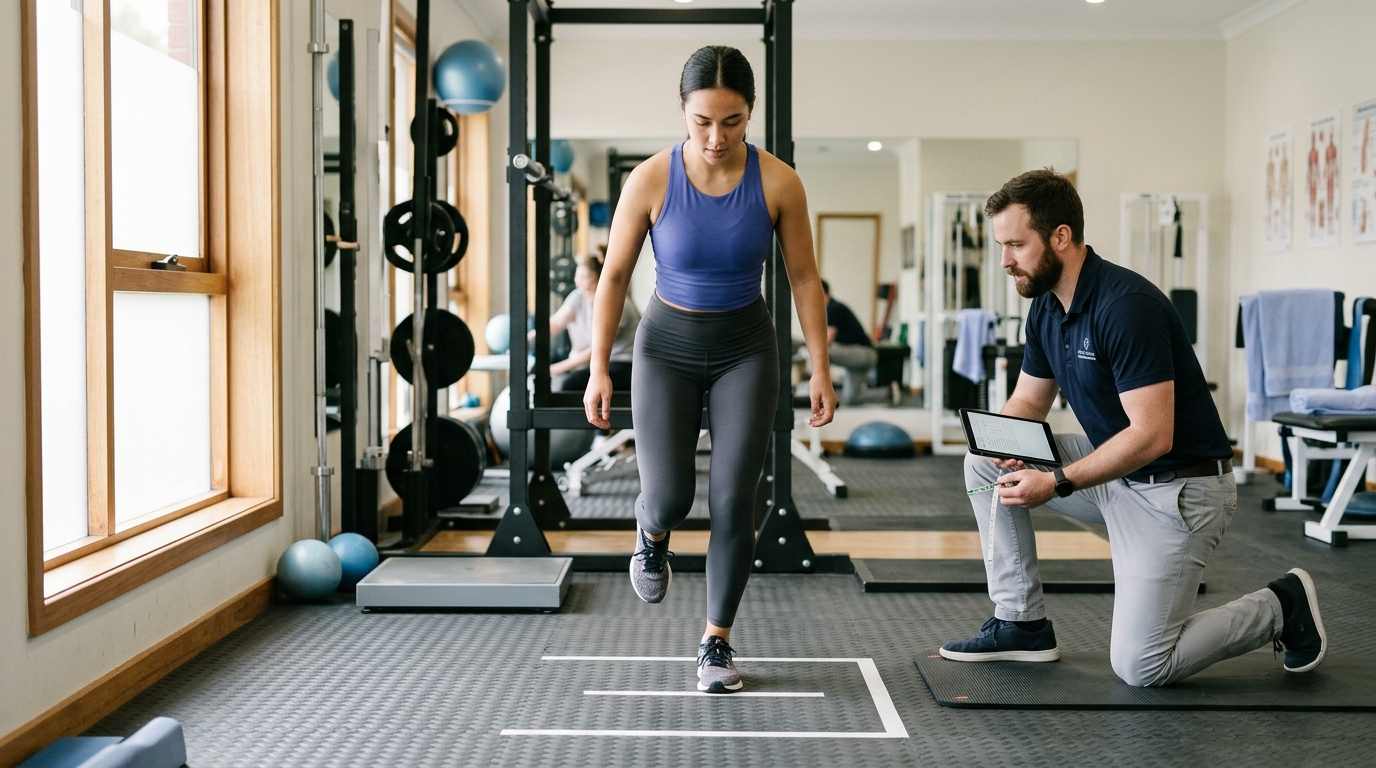
Clinical consensus statements and sports physical therapy frameworks emphasize that recovery should be guided by objective criteria rather than arbitrary calendar timelines alone. The 2016 Bern consensus statement on return to sport highlights that progressive loading and repeated functional testing are vital throughout rehabilitation. Rather than progressing an exercise simply because two weeks have passed, clinicians evaluate tissue healing, range of motion, muscle strength, and symptom responses to determine whether an activity is safe to advance.
A consensus panel on hamstring injury rehabilitation reached strong agreement that exercise progression must account for the specific injury type, tissue adaptation goals, and individual pain responses. In practical conditioning terms, this means your aerobic routine should advance only after your body demonstrates clear tolerance to the current workload. If a 15-minute cycling session produces no swelling, stiffness, or pain escalation over the next 24 hours, you have objective evidence that the current dose is well tolerated.
Public health organizations such as the Centers for Disease Control and Prevention recommend that healthy adults aim for at least 150 minutes of moderate-intensity aerobic activity per week. The CDC notes that this volume can be accumulated in smaller bouts across the day, such as 10-minute or 30-minute sessions. However, this 150-minute benchmark is a long-term population health target, not a mandatory starting quota for someone recovering from an acute orthopedic injury or surgical procedure.
Exercise prescription guidance suggests that people recovering from periods of inactivity should begin with brief sessions, sometimes lasting under 10 minutes at a mild effort. Duration and frequency are expanded gradually before intensity is increased. This stepped approach minimizes the risk of overloading unconditioned tissues while allowing the cardiovascular system to adapt systematically.
The FITT framework is a standard exercise planning tool that outlines Frequency, Intensity, Time, and Type. In an orthopedic recovery setting, this framework provides a structured way to manipulate your conditioning routine without making multiple unpredictable changes at once. Adjusting only one variable at a time allows you to identify exactly how your body responds to each modification.
Frequency refers to the number of conditioning sessions completed in a week. During early recovery, spacing sessions across the week with dedicated rest days allows you to monitor delayed tissue reactions.
Intensity measures how hard your heart and lungs are working during the bout. Because high-intensity efforts can cause muscle fatigue that compromises joint mechanics, keeping intensity mild to moderate is generally safest in early rehabilitation.
Time represents the duration of each individual workout. When dealing with orthopedic restrictions, dividing your total conditioning time into short, manageable blocks is often more tolerable than completing one long, continuous bout.
Type identifies the specific equipment or exercise method used to generate the cardiovascular challenge. The chosen mode must respect all surgical precautions, range of motion limits, and weight-bearing restrictions.
Finding a safe conditioning mode requires analyzing how different machines and environments interact with your specific physical restrictions. No single exercise machine is universally safe for every recovering person, but certain options offer distinct mechanical advantages.
Stationary cycling provides a smooth, closed-chain aerobic workout that eliminates ground impact forces. It is widely used in rehabilitation for lower-extremity conditions, but seat height and resistance settings must be adjusted carefully.
An upper-body ergometer, often called an arm bike, is an effective tool for maintaining cardiovascular fitness when the lower body is completely non-weight bearing or immobilized in a cast or boot.
Exercising in a pool uses the physical properties of water, particularly buoyancy and hydrostatic pressure, to alter the mechanical demands on your body. Systematic reviews indicate that water-based exercise can provide short-term improvements in pain, physical function, and quality of life for individuals with hip and knee osteoarthritis. However, the evidence base remains limited regarding specific long-term protocols.
Walking is one of the most accessible forms of moderate-intensity conditioning, but its suitability depends entirely on your stage of recovery and weight-bearing clearance.
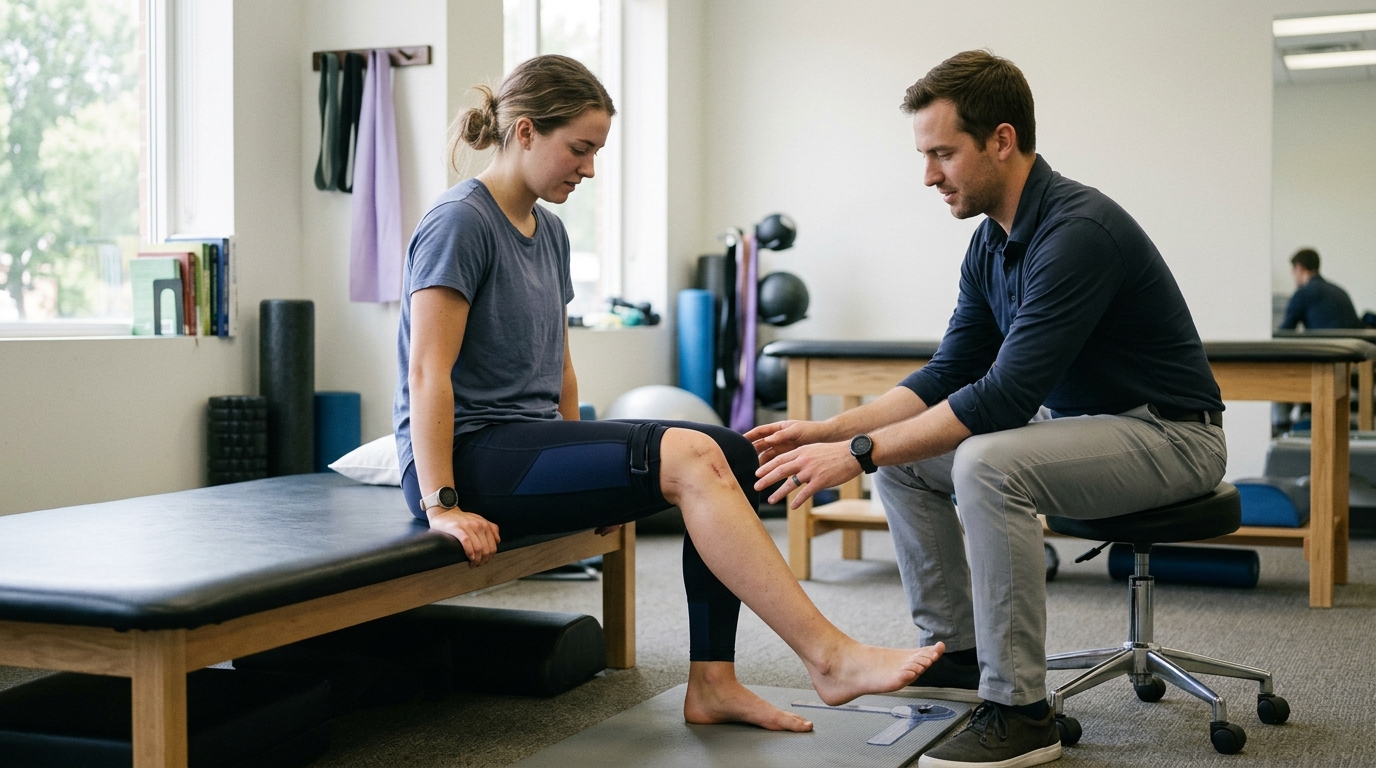
Cardiovascular conditioning should complement your primary physical therapy program, not compete with it. If an intense aerobic workout leaves you too exhausted or sore to complete your prescribed mobility and strength exercises, your overall recovery will suffer. Rehabilitation frameworks prioritize restoring range of motion, foundational muscle activation, and progressive tissue capacity before advancing to higher physical demands.
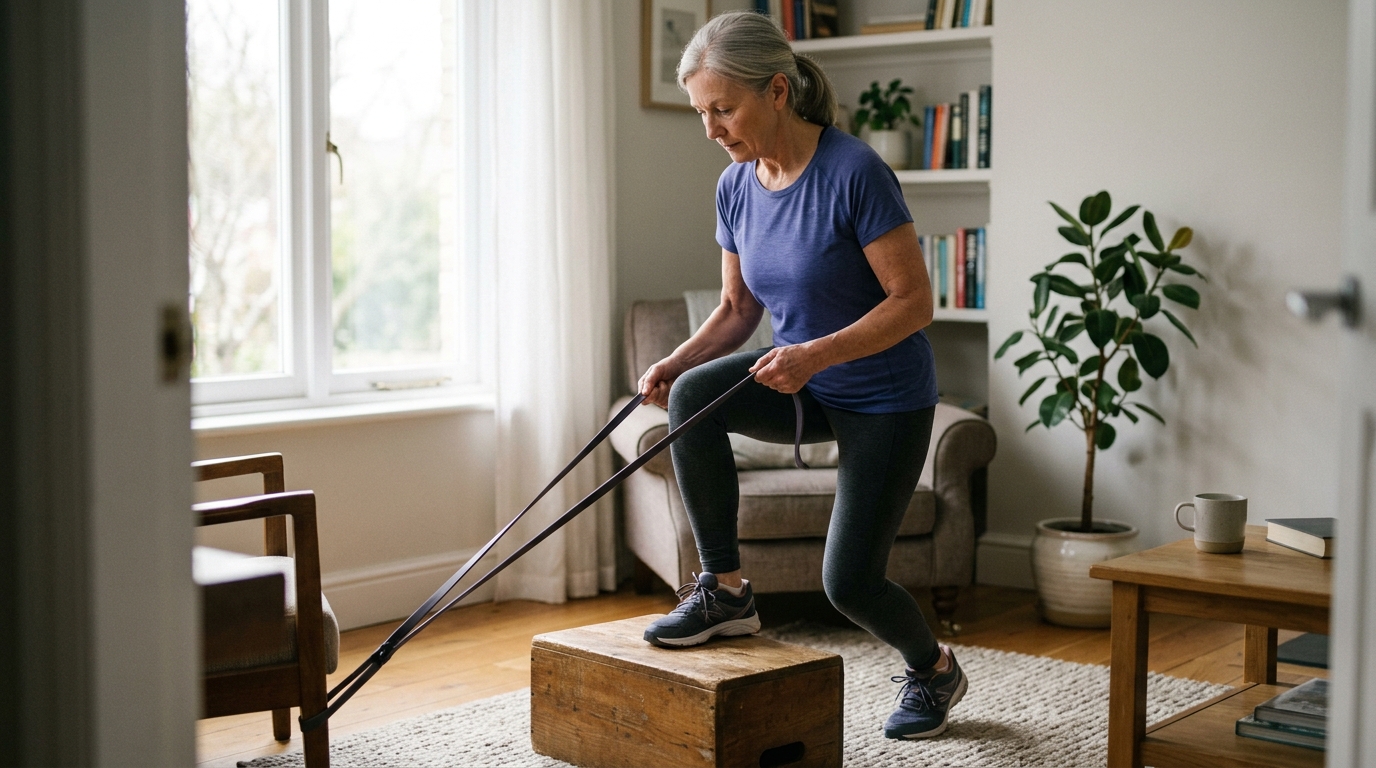
Your targeted physical therapy exercises are designed to restore normal joint mechanics and rebuild weakened muscles. These movements require focused neuromuscular effort and proper form.
Fatigue alters movement patterns and degrades dynamic joint stability. When stabilizing muscles are tired from a long conditioning session, joints may absorb more uncontrolled mechanical stress during daily activities.
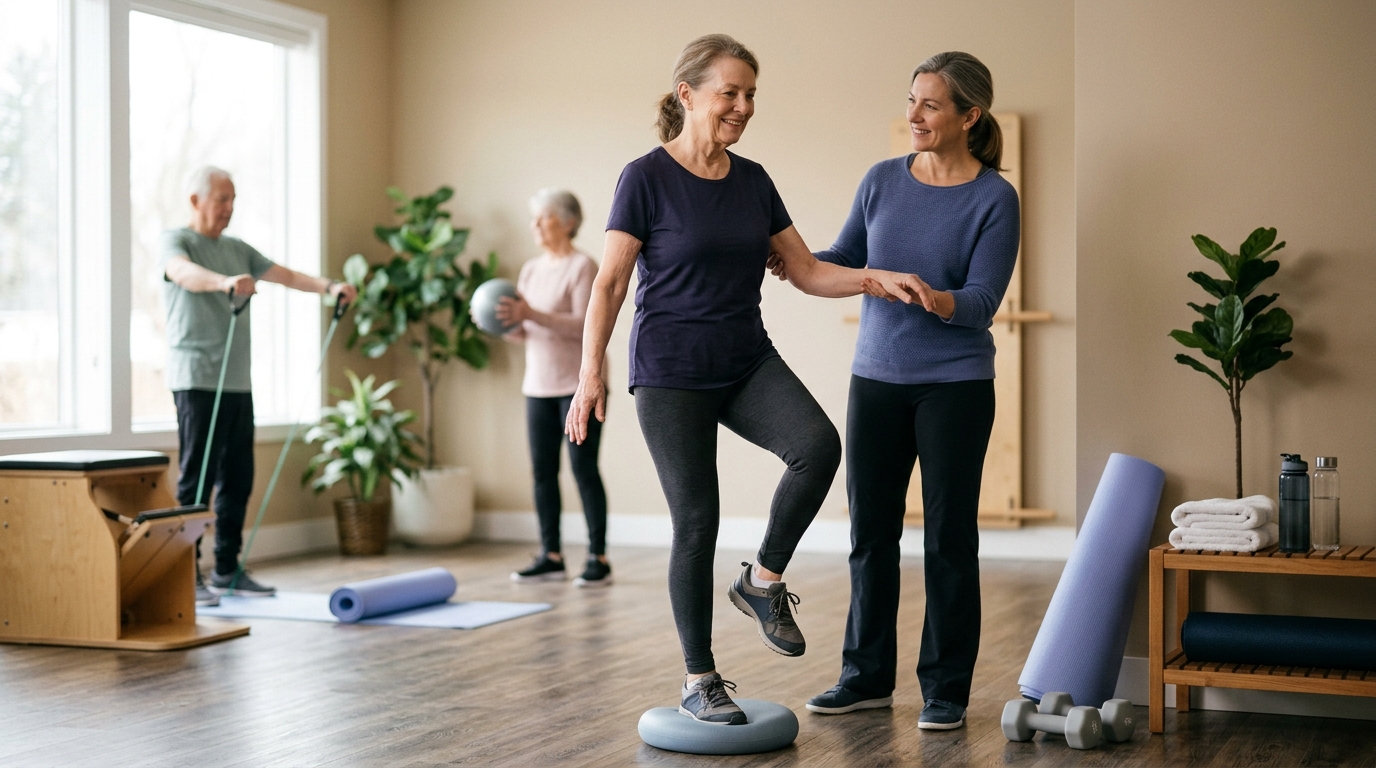
As local tissue strength and mobility improve, your conditioning can gradually shift from general non-impact modes toward movements that mirror your normal activities or sports. Sports physical therapy consensus emphasizes that athletes must restore near-pain-free motion, baseline strength, and local endurance before beginning sport-specific loading drills.
No two recovery journeys follow the exact same path. Several individual factors influence which conditioning options are safe, how quickly you can progress, and what symptom thresholds you should respect.
Different musculoskeletal tissues heal at fundamentally different rates due to their cellular structure and blood supply. A bone fracture, a surgically repaired tendon, a torn ligament, and a strained muscle each possess distinct biological constraints.
If your recovery involves orthopedic surgery, specific biomechanical precautions take precedence over all general fitness guidelines.
Your physical condition prior to injury plays a substantial role in how quickly you adapt to conditioning during recovery.
General health conditions and prescription medications can significantly alter cardiovascular responses to exercise.
Before initiating or advancing any cardiovascular conditioning program during recovery, discuss your plans directly with your healthcare providers. Clear communication ensures that your fitness routine supports your clinical goals without violating medical precautions.
Navigating conditioning while managing an injury requires patience and objective decision-making. Avoiding common errors helps keep your recovery on a steady, predictable track.
A frequent mistake is increasing both the workout duration and the resistance or speed during the same week. If joint swelling or pain flares up afterward, it becomes impossible to determine which variable caused the adverse reaction. Always keep your intensity steady when adding workout time, and keep your duration constant when testing a higher resistance level.
Many people assume that because an activity like swimming or cycling is low-impact, it can be performed with unlimited volume. However, cycling requires thousands of repetitive knee and hip flexion cycles, which can irritate sensitive bursae or patellofemoral cartilage if introduced too aggressively. Treat every new exercise mode as a fresh physical stress that requires gradual adaptation.
Assessing exercise tolerance solely by how a joint feels during the workout can be misleading. Warm tissues and endorphins can mask mild joint irritation while you are moving. The true test of tolerance occurs 12 to 24 hours later. Increased morning stiffness, visible swelling, or a dull ache during routine daily tasks indicates that the previous session exceeded your tissue's current capacity.
Conditioning literature often discusses pain-monitoring models, particularly in the context of chronic midportion Achilles tendinopathy rehabilitation. Some research protocols allow for mild, tolerable pain during specific tendon loading exercises, provided symptoms settle within 24 hours and do not worsen week to week. However, this model is diagnosis-specific and cannot be applied universally to acute fractures, post-surgical repairs, or joint cartilage injuries, where pain often signals mechanical overload.
A session was likely too demanding if you experience increased pain during the workout that does not resolve quickly, or if you notice new swelling, joint warmth, or throbbing that evening. Increased joint stiffness or pain during basic daily tasks the following morning is another clear indicator. If your physical therapy exercises feel significantly weaker or more painful the next day, reduce the duration or resistance of your aerobic training.
Rowing machines require coordinated effort from the legs, hips, trunk, and arms. A standard rowing stroke involves substantial knee and hip flexion combined with forceful leg extension and foot push-off. While it is non-impact, the mechanical load on the lower extremities is significant. Rowing should only be used if your clinician confirms that your injury tolerates full-range flexion and resistance through the lower limbs.
When you switch to an unfamiliar exercise mode to protect an injury, your body uses muscles and joints in new ways. For instance, using an arm ergometer can strain unconditioned shoulder muscles, or swimming with a kickboard can irritate the lower back. If an alternative mode causes secondary aches, stop that activity immediately, allow the symptoms to settle, and work with your physical therapist to adjust your technique or select a different exercise mode.
A treadmill offers a predictable, flat, and cushioned surface where you can strictly control your walking speed and incline. This controlled environment eliminates outdoor variables like uneven pavement, curbs, slippery surfaces, and sudden turns. For early recovery, treadmill walking is often easier to monitor and standardize, though outdoor walking can be reintroduced once your balance, endurance, and joint stability have progressed.
Conditioning during orthopedic recovery is an adaptable, parallel process designed to maintain cardiovascular health while fully respecting tissue healing limits. By separating cardiovascular demand from local mechanical strain, you can use tools like cycling, arm ergometry, and water-based exercise to train your heart and lungs without overloading vulnerable joints or surgical repairs.
Progression must always be guided by objective criteria, tissue tolerance, and clinical precautions rather than arbitrary calendar schedules. Prioritize your formal physical therapy exercises, adjust only one conditioning variable at a time, and monitor your 24-hour symptom response closely. With a conservative, structured approach, you can protect your aerobic baseline and support your overall physical resilience as you progress through rehabilitation.

Use ReboundBody resources to understand common recovery stages, rehab terms, movement limits and strength rebuilding. Each guide is designed to make a complex comeback easier to understand.


Read practical guidance on injury recovery, rehabilitation, mobility and rebuilding strength as you work your way back to activity.
Explore Resources