

An October 2026 sports injury guide connects treatment choices with rehabilitation. Understand FDA cautions and questions about activity readiness.





On October 26, 2026, the Regenerative Institute of Newport Beach published “Regenerative Medicine for Sports Injuries: Which Treatment Fits Your Injury Type.” The guide emphasizes that regenerative injections do not replace rehabilitation. It says return to sport should depend on progress under load, strength testing and follow-up assessment.
For readers weighing an injection, the useful question is not only which treatment is offered. It is also how the care team will judge readiness for the activity they want to resume. The guide brings those decisions into the same discussion.
The background to this update is not a choice between an injection and doing nothing. The institute's guide describes conservative care as a first-line approach for many mild strains, simple sprains and early overuse problems. That care includes activity modification, physical therapy and gradual return to activity.
In that framework, rehabilitation is part of treatment rather than something considered only after other options fail. The guide discusses regenerative procedures alongside conservative care and surgery. It places those options within a decision about the injury rather than presenting one procedure as the answer to every sports-related problem.
There is also an important regulatory context. The FDA states that regenerative medicine therapies have not been approved to treat orthopedic conditions. Its examples include osteoarthritis, tendonitis and common joint or back-pain conditions.
That distinction belongs near the beginning of a treatment discussion. A provider describing a procedure is different from the FDA approving it for a condition. The practical comparison therefore needs to cover the proposed treatment's evidence and regulatory status as well as the rehabilitation plan.
The useful addition is the guide's link between treatment selection and the recovery work that follows. It says injury type, tissue involved, severity and symptom duration should inform treatment discussions. These factors organize the conversation before choosing among rehabilitation, an injection or surgical evaluation.
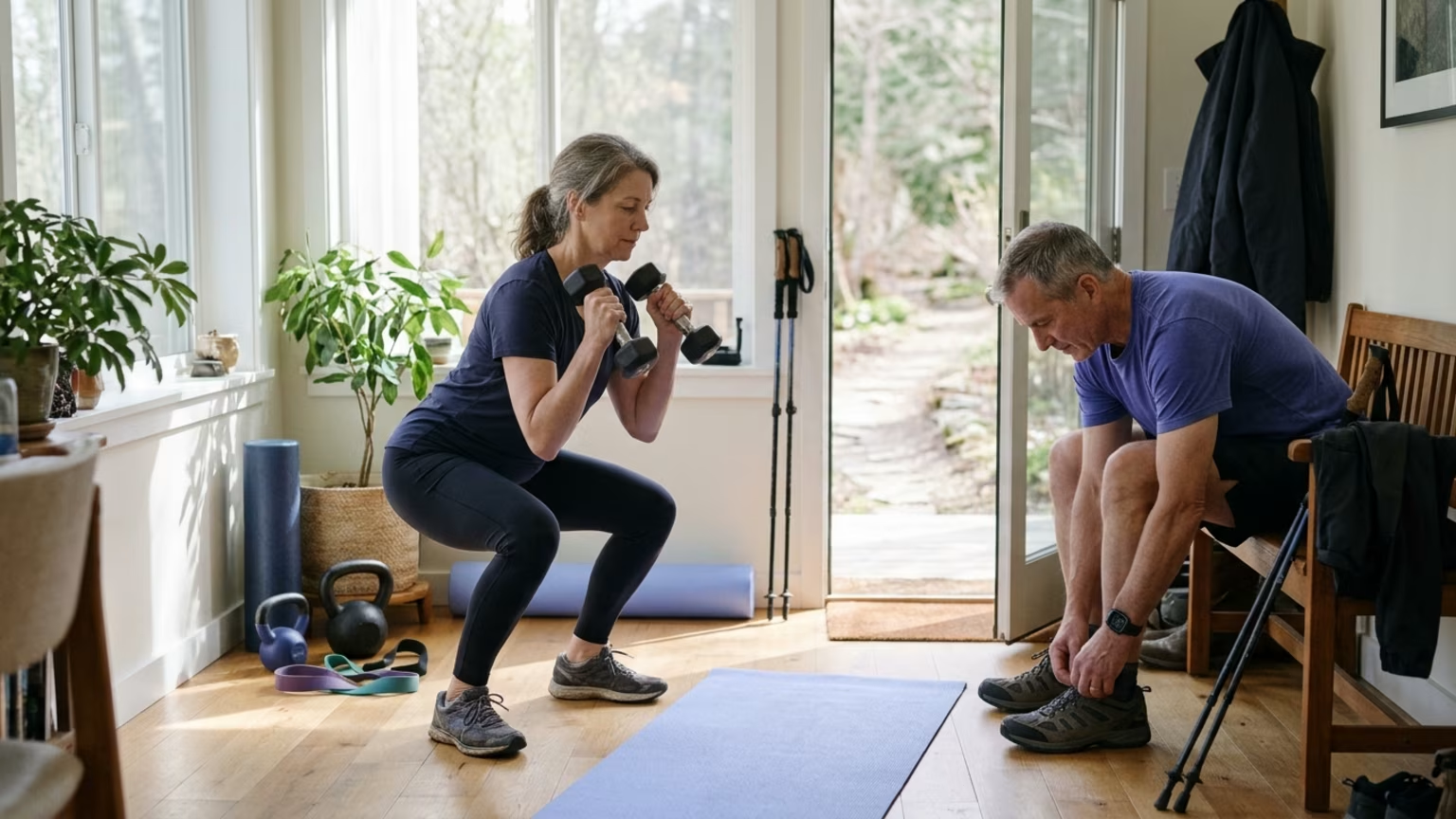
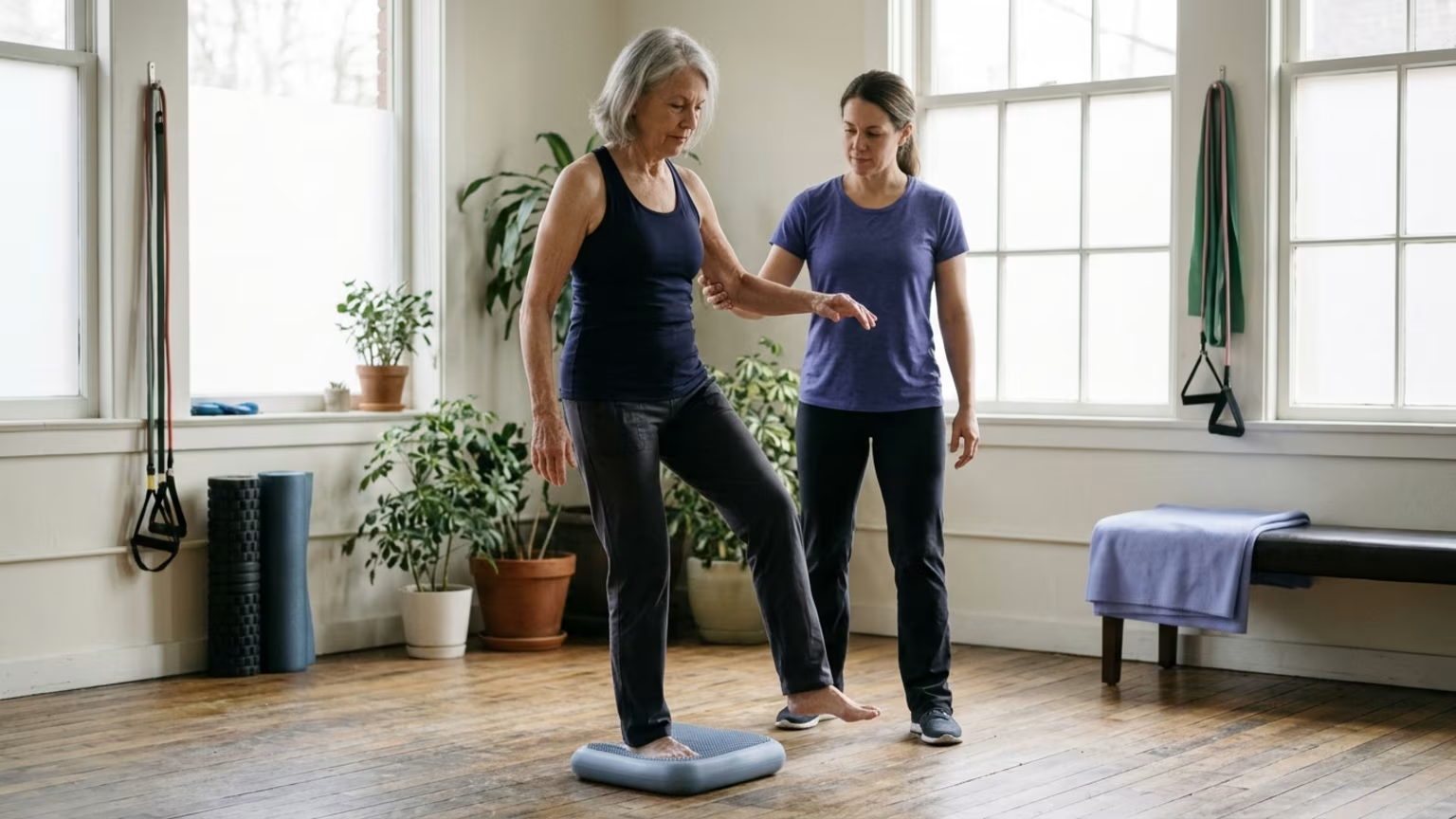
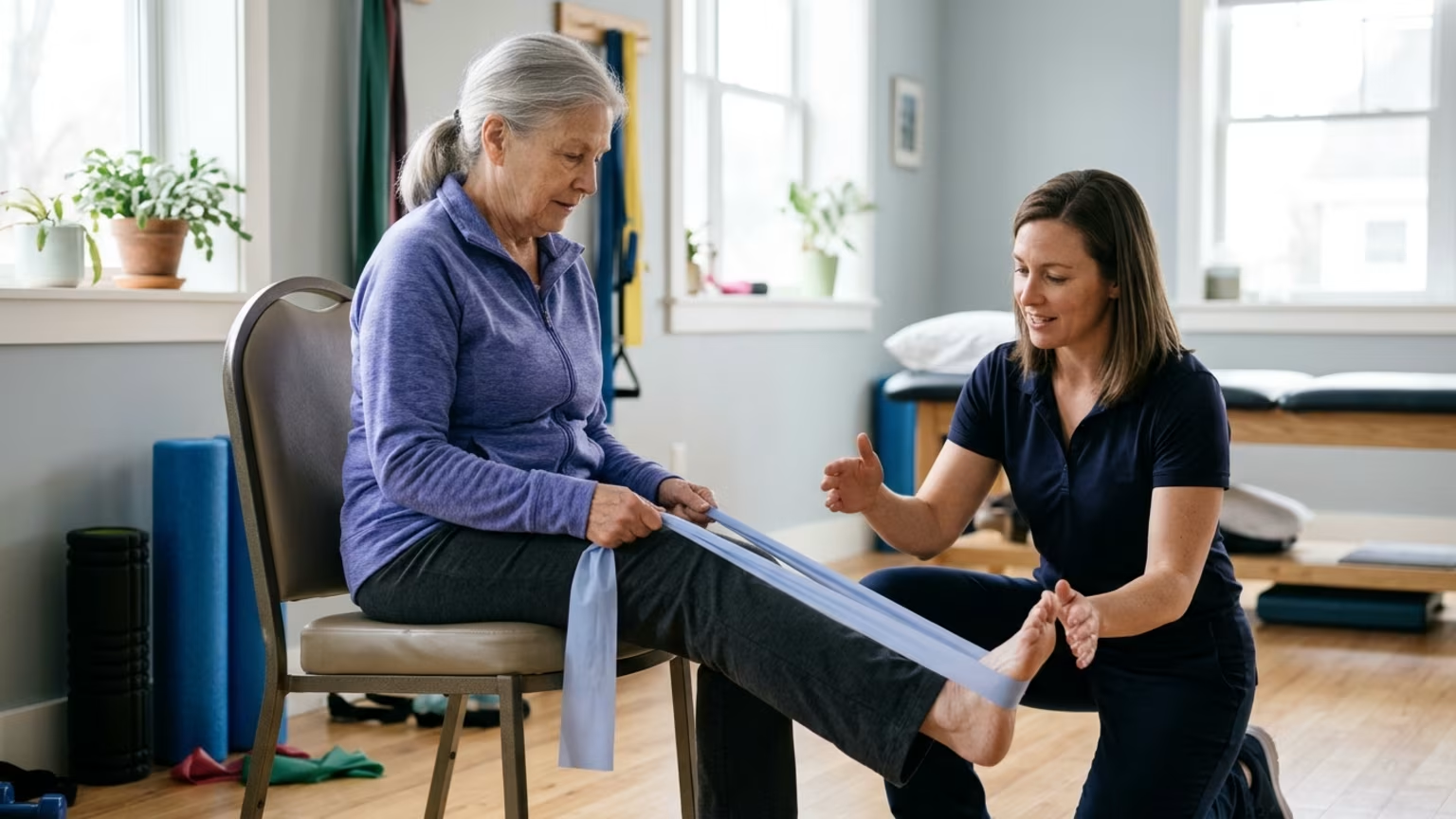
The guide then keeps rehabilitation in view even when an injection is considered. It advocates progressive loading, meaning a gradual return of physical demands within rehabilitation. It connects return-to-sport decisions with strength testing and follow-up assessment rather than with the injection alone.
This separates two questions that are easy to combine:
The first question concerns treatment selection. The second concerns recovery progress and readiness. A clear explanation of one does not automatically answer the other.
For readers, this is a useful way to assess a consultation. A discussion centered on a procedure should also explain how rehabilitation fits around it. The guide's main practical message is that treatment and return planning belong together.
The institute's article addresses a broad range of sports injuries rather than one clearly defined recovery group. Its discussion includes less severe strains and sprains as well as severe injuries such as complete ruptures. The guide says those severe injuries may require surgical evaluation.
A separate 2026 clinical review provides a more specific evidence context. That review focuses on ACL reconstruction. It describes return-to-sport decisions as combining time from surgery, functional criteria and psychological readiness rather than relying on a single date or test.
That review is relevant to the readiness part of this discussion. It is not evidence that a regenerative injection works for a particular injury. Its ACL findings also should not be transferred directly to shoulder, tendon or muscle injuries.
For an adult returning to recreational activity, the useful connection is the structure of the conversation. The treating team can discuss time alongside measured function and readiness for the intended activity. The details still need to come from the person's condition and care plan.
The research supports asking focused questions rather than selecting a procedure from a general article. These questions can help organize a conversation with a qualified clinician without changing an existing treatment plan.
The institute's guide treats the injury itself as the starting point. A useful explanation should identify the tissue involved and describe how severity affects the options under consideration. Symptom duration is another factor the guide includes.
This keeps the discussion tied to a defined problem rather than to a broad treatment label. For a wider decision framework, ReboundBody's guide to weighing treatment options and trade-offs offers related context.
For a proposed regenerative procedure, the relevant question is what evidence supports that product for the specific condition being treated. It is also reasonable to ask whether it is FDA-approved for that use.
The conversation can distinguish the intended benefit from the evidence offered to support it. A clear answer should stay focused on the proposed product and condition rather than shifting to regenerative medicine as a whole.
The institute's guide supports asking how progressive loading and rehabilitation remain part of care if an injection is considered. This is a planning question for the treating team, not a reason to add exercises or change activity independently.
The useful explanation connects the intervention with follow-up assessment. It should make clear how progress will be reviewed instead of leaving the procedure as the only defined event in the recovery plan.
The guide identifies loading progression, strength testing and follow-up assessment. The ACL review adds a condition-specific example in which time and psychological readiness also contribute to the discussion.
Readers can ask which findings matter for their intended activity and how the team will interpret them together. Understanding the role of readiness assessments can help frame that conversation without turning a test result into a personal clearance decision.
The desired activity deserves a clear name. A discussion about normal daily activity is not automatically a discussion about full recreational sport. The care team can connect its assessment with the actual activity the person hopes to resume.
This is especially relevant when formal rehabilitation is ending but questions about recreation remain. The broader issue is planning the move back to recreation, not treating the procedure date as the finish line.
Several questions remain open. They concern the strength of the treatment evidence, the meaning of recovery estimates and how well readiness criteria identify future risk.
The October publication is the institute's treatment guide. It is not a professional-society guideline or a clinical trial establishing that a particular injection works for a particular injury. The guide also acknowledges that PRP preparation and concentration vary and that evidence differs by condition and protocol.
Its recovery estimates include one to three weeks for some mild injuries, six to twelve weeks for some moderate injuries and several months for certain severe conditions. These are broad estimates from the publisher rather than established deadlines for every reader.
The practical response is to ask how any estimate relates to the diagnosed injury and planned care. A general recovery window should not become a personal return date without that clinical discussion.
The FDA says it has received reports of blindness, tumor formation and infections associated with unapproved regenerative products. Its warning also identifies concerns such as bacterial contamination and immune or inflammatory reactions.
The warning does not provide an adverse-event rate for a particular product. It also does not establish that every procedure described as regenerative medicine has the same risk. Those limits make a product-specific safety discussion important when evaluating a proposal.
The 2026 ACL review reports that one meta-analysis found 42.7% of patients passed return-to-sport criteria. Among those who passed, 14.4% sustained a second ACL injury. That analysis did not find a statistically significant association between passing and lower second-injury risk.
These findings leave uncertainty about how well the criteria identify lower risk. They support treating test results as part of a wider clinical decision rather than as a promise of safety. The review's approach combines several sources of information while recognizing that reinjury remains possible after clearance.
Today, write down one question for your next visit: “What findings will guide my return to the activity I want to resume?”
Treating a regenerative procedure as proof of activity readiness confuses treatment with recovery, a distinction ReboundBody addresses through evidence-aware explanations rather than medical promises. Its independent articles help people in midlife and later life make sense of the move from formal rehabilitation toward usual activity, with grounded information about rebuilding strength and discussing recovery with qualified healthcare professionals.

Follow ReboundBody for practical articles on injury recovery, rehabilitation, mobility and rebuilding strength. New posts turn research into clear ideas for the road back to activity after injury or surgery.



Read practical guidance on injury recovery, rehabilitation, mobility and rebuilding strength as you work your way back to activity.
Explore Resources