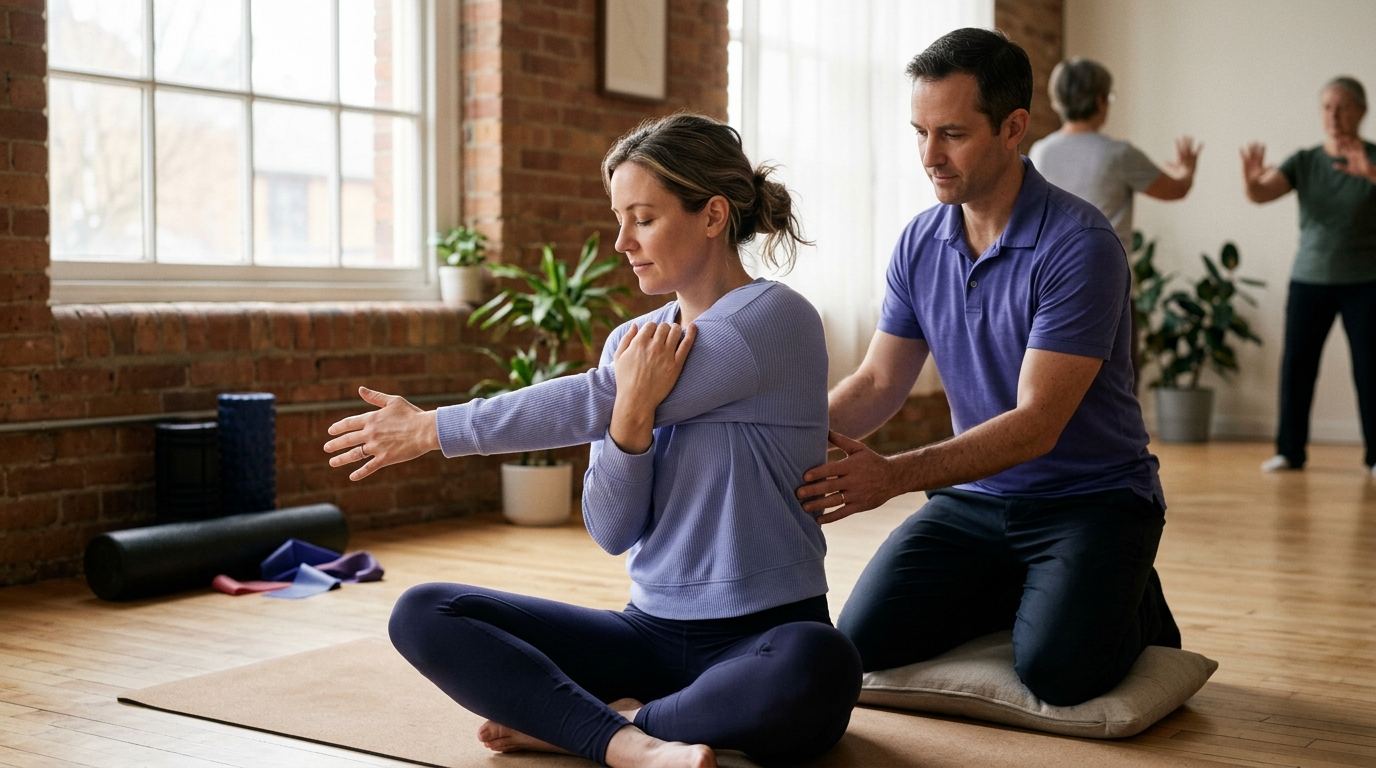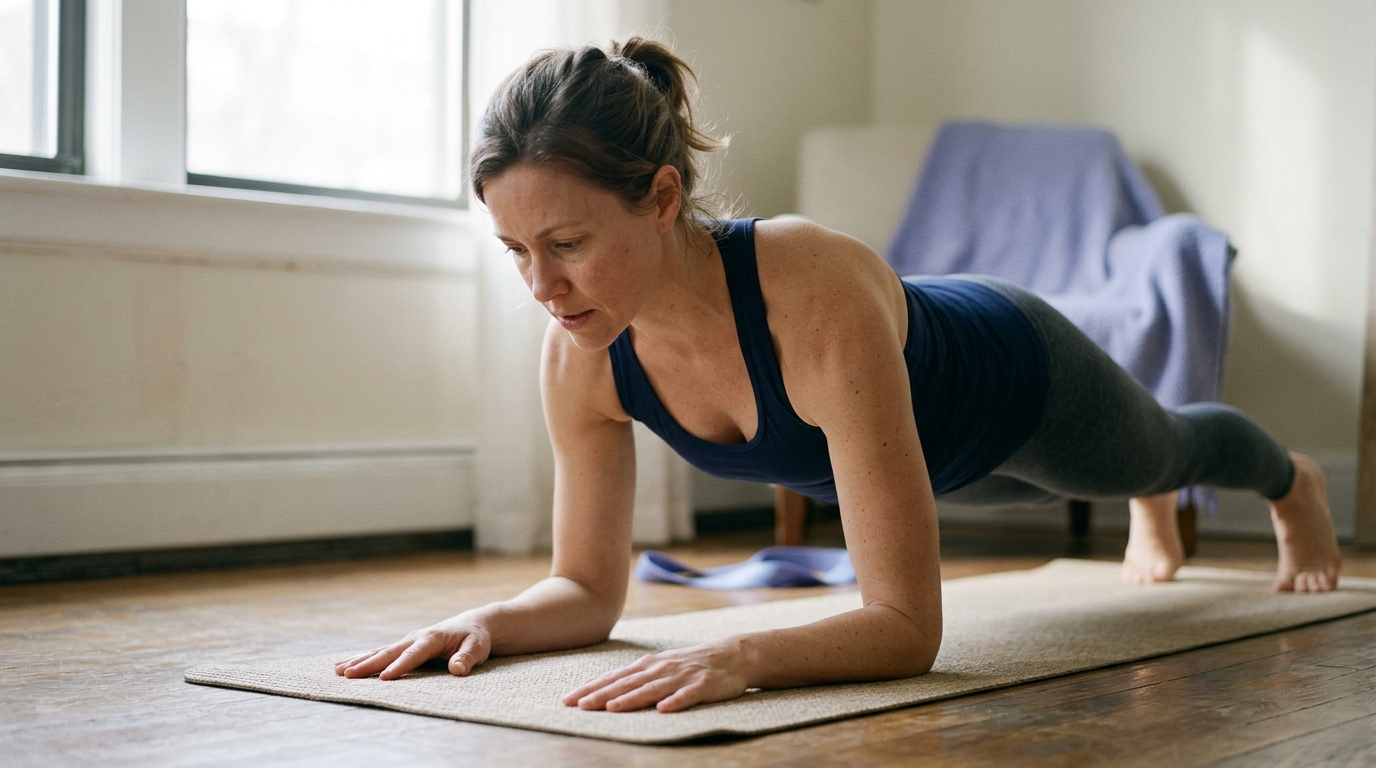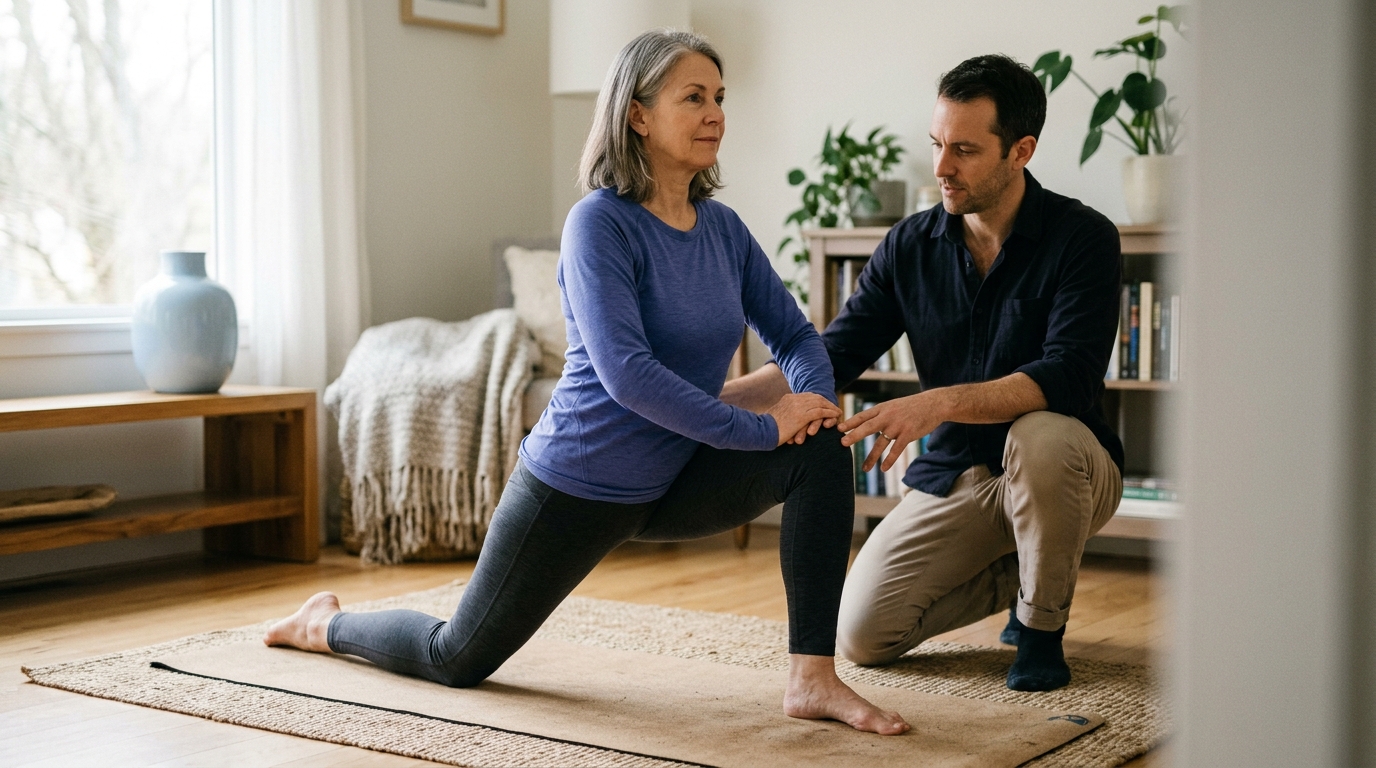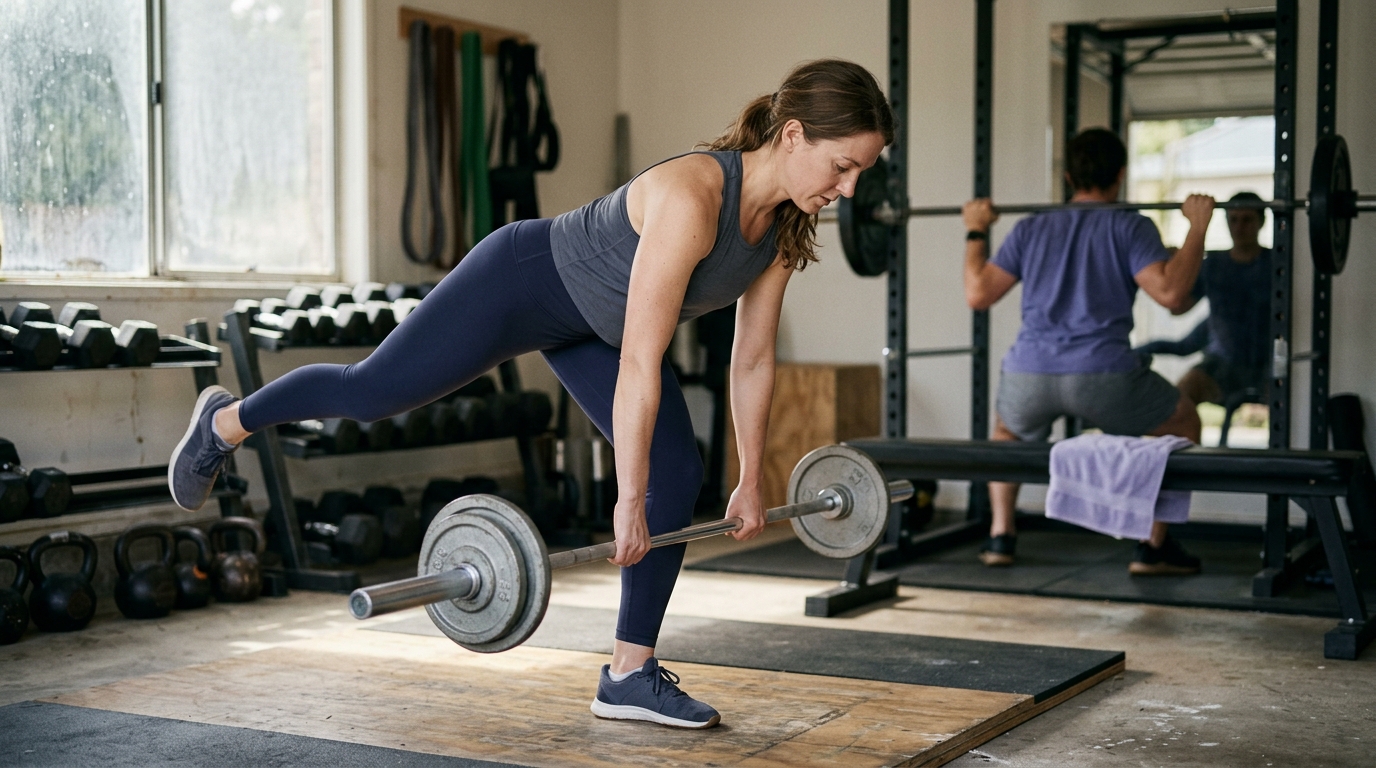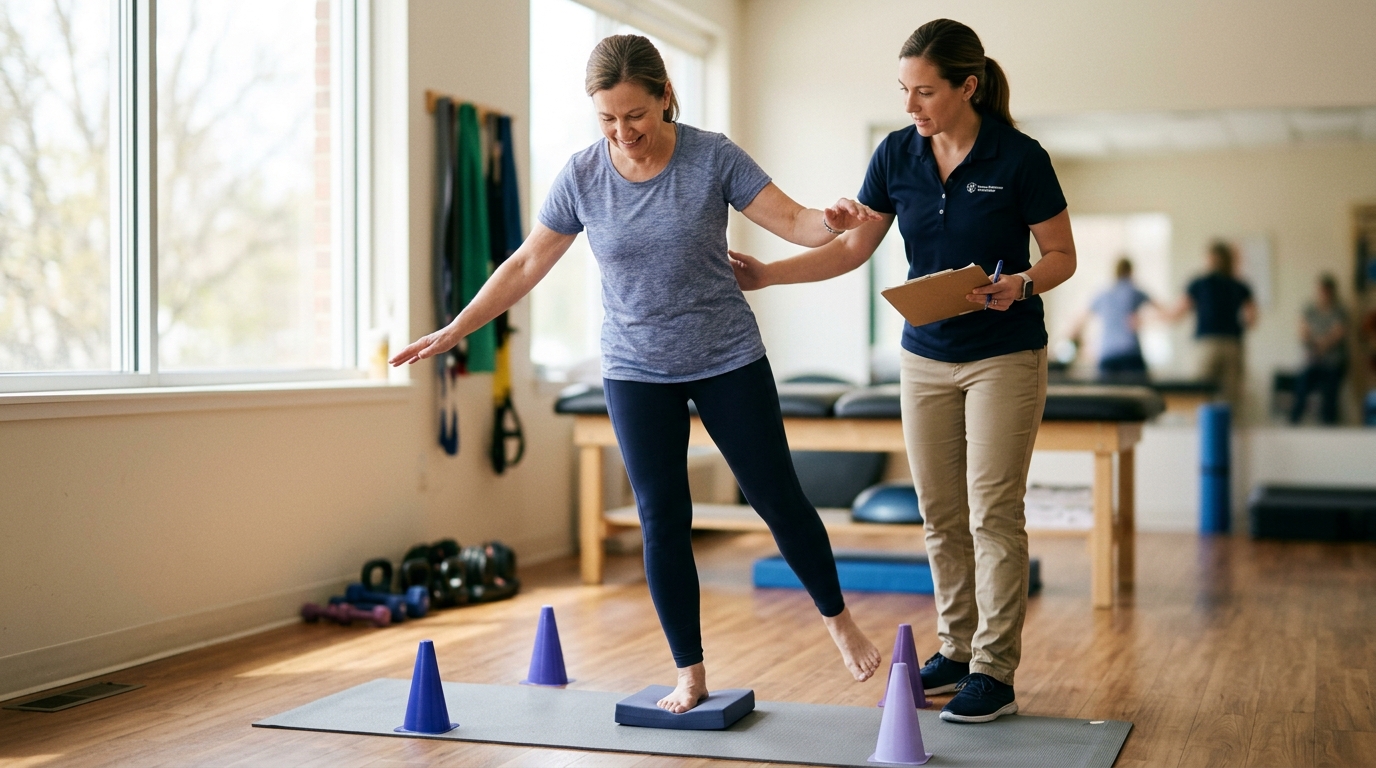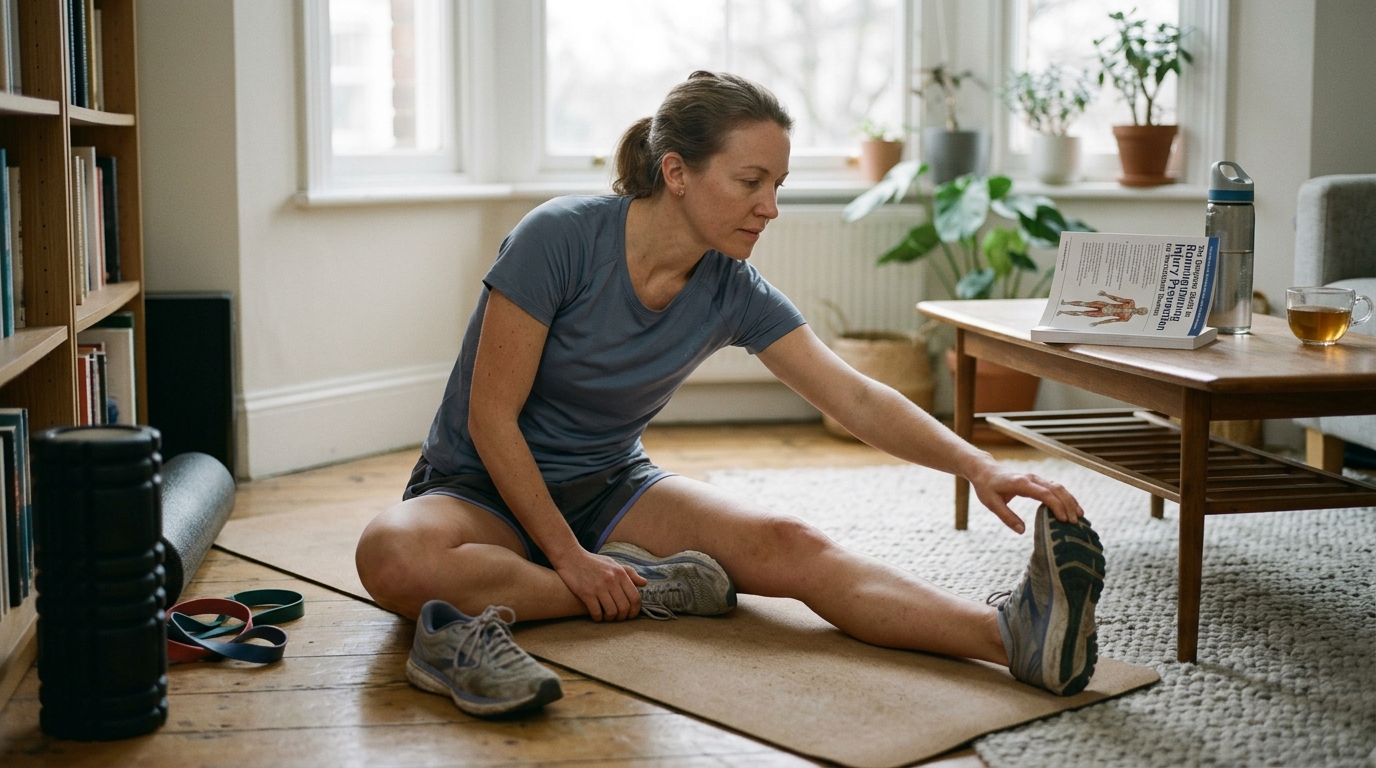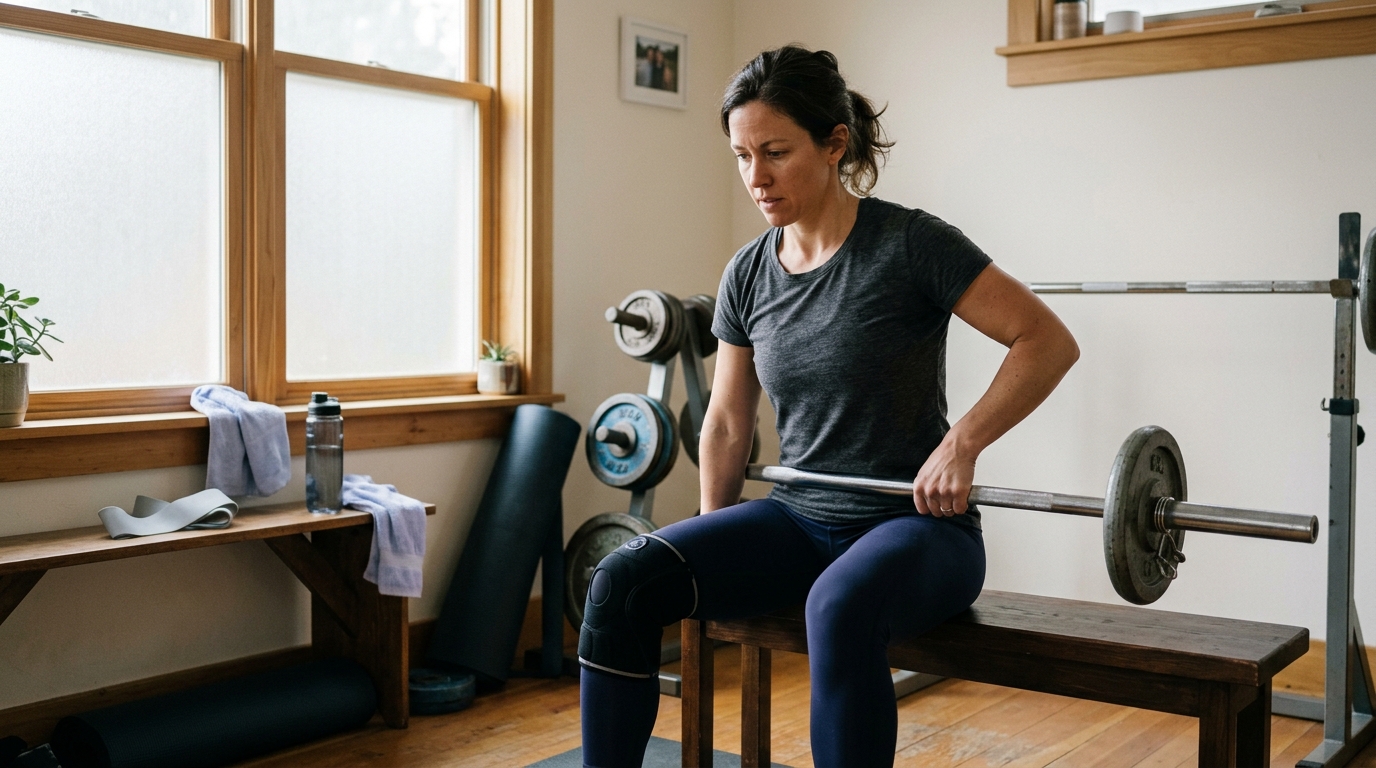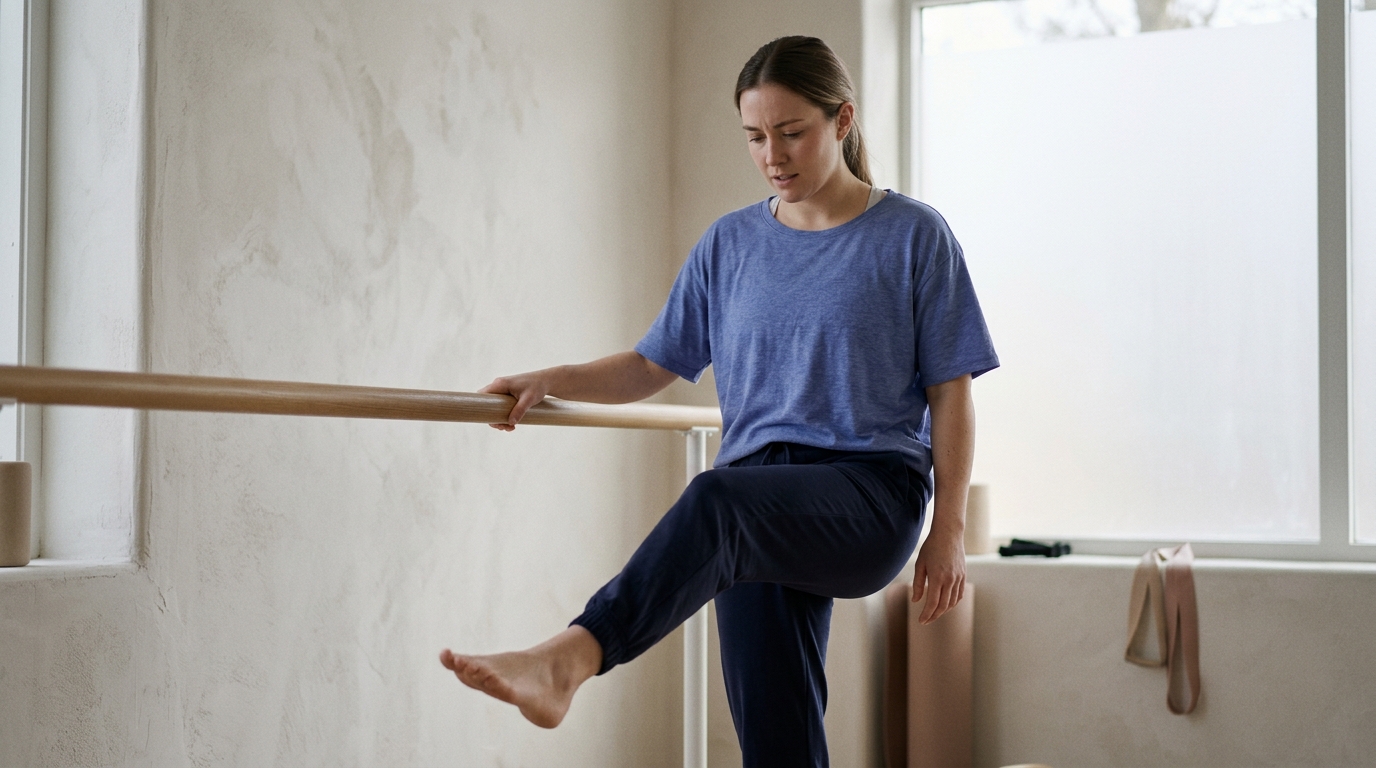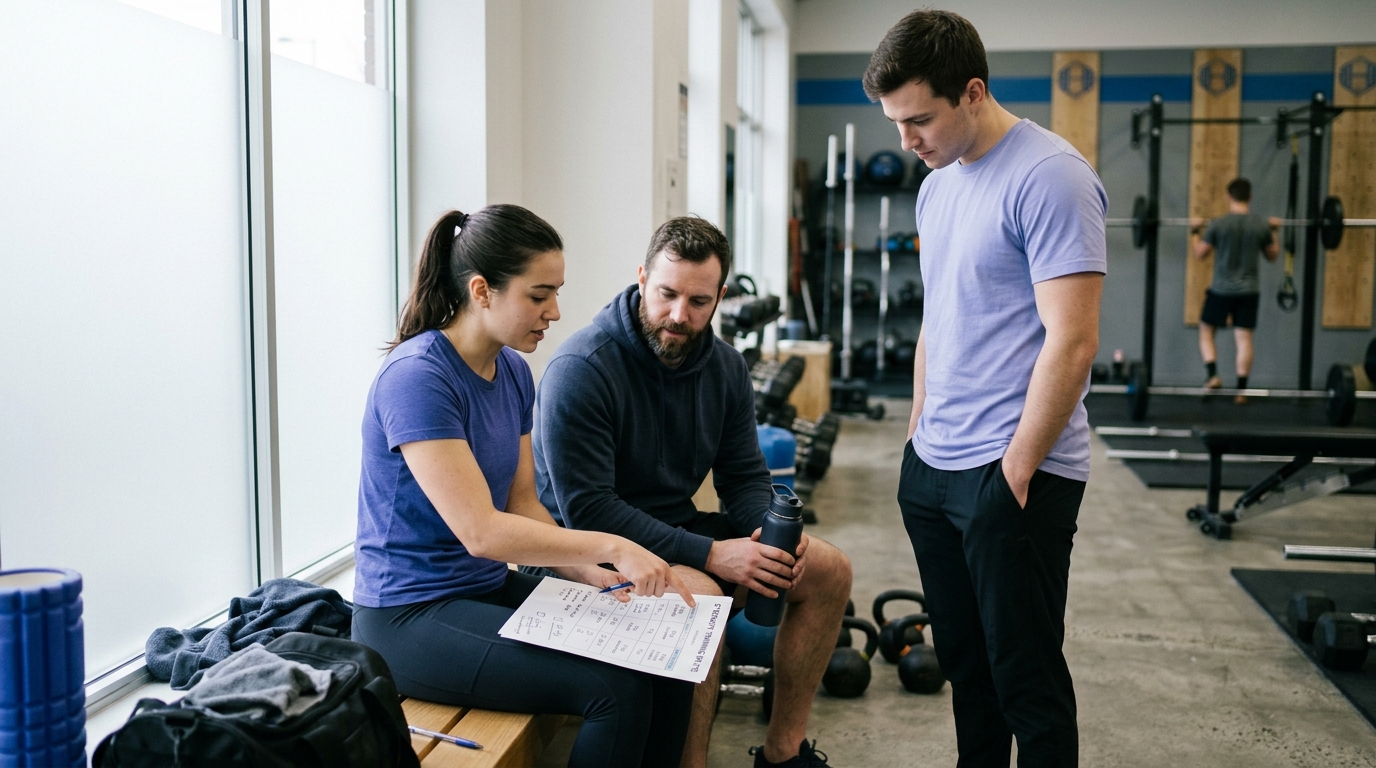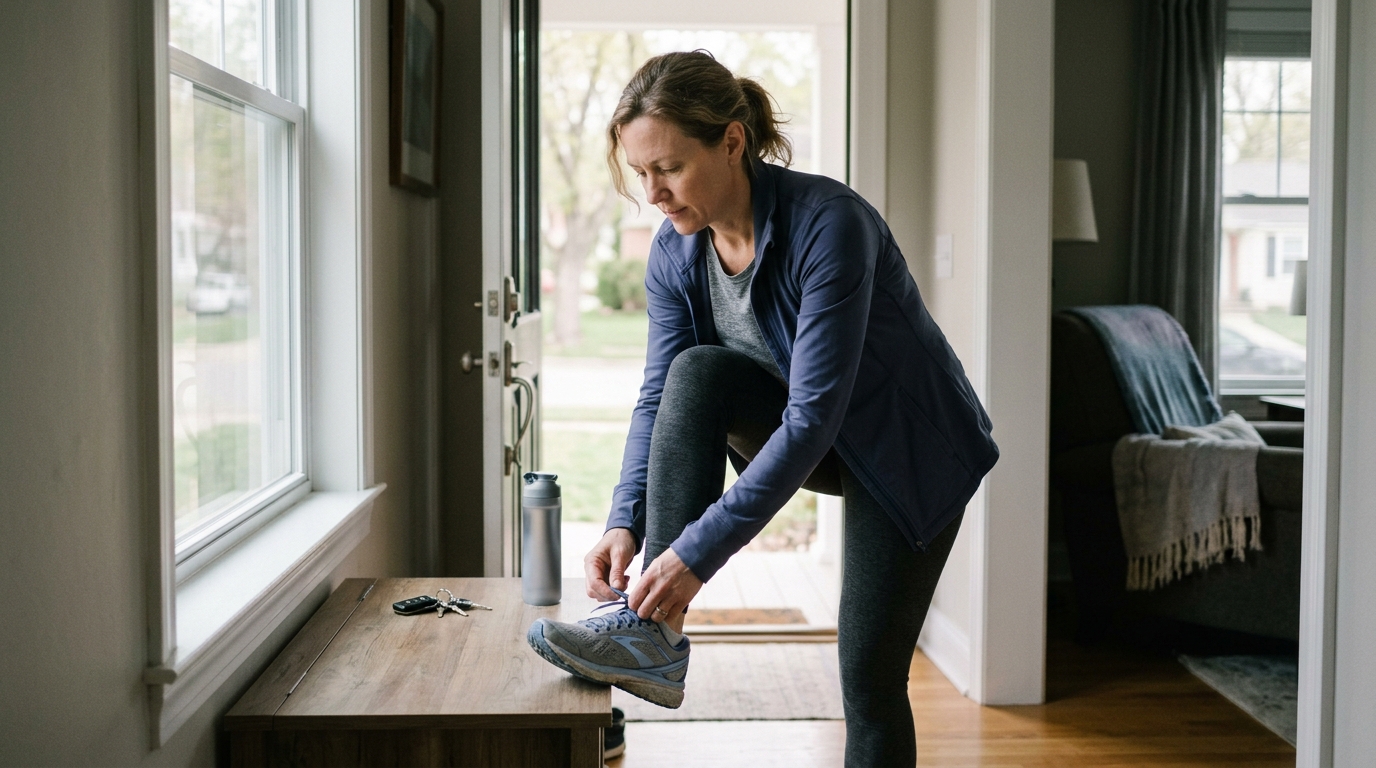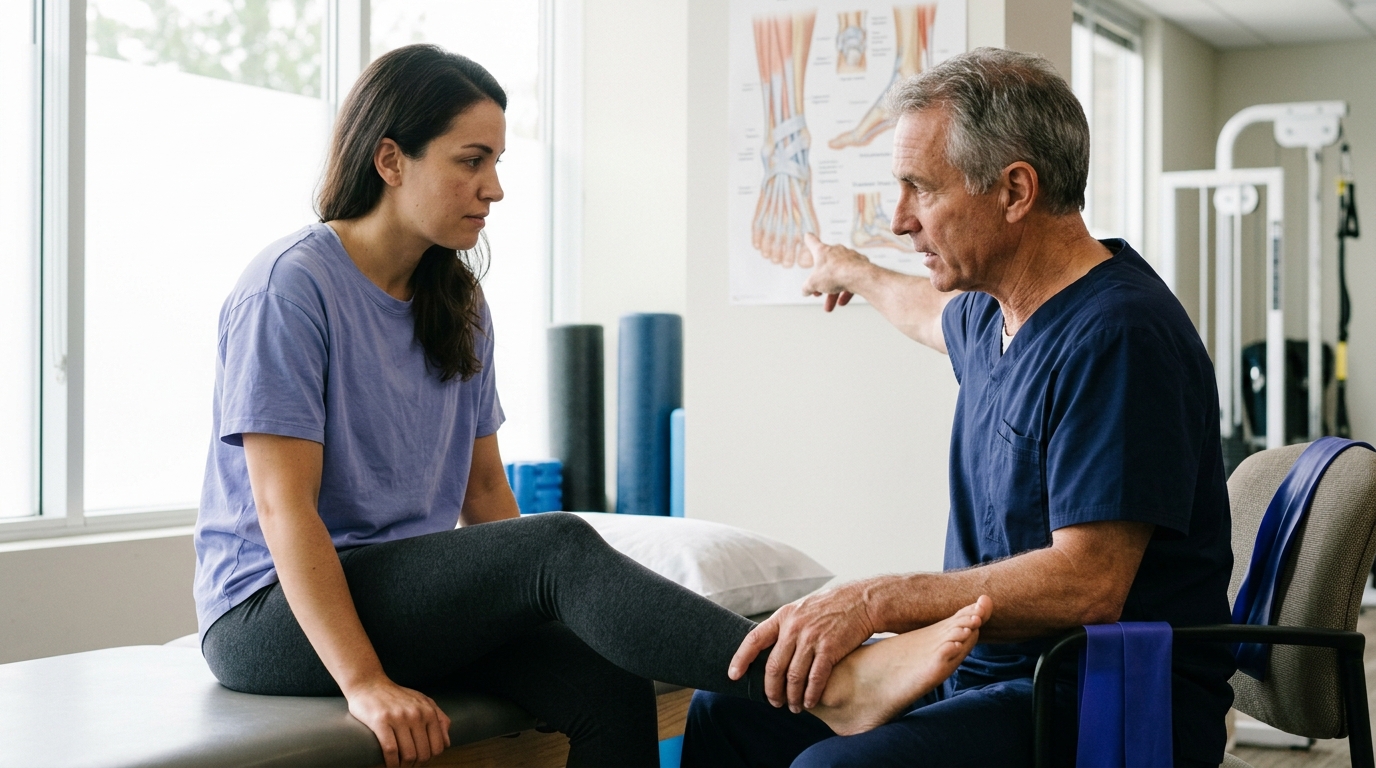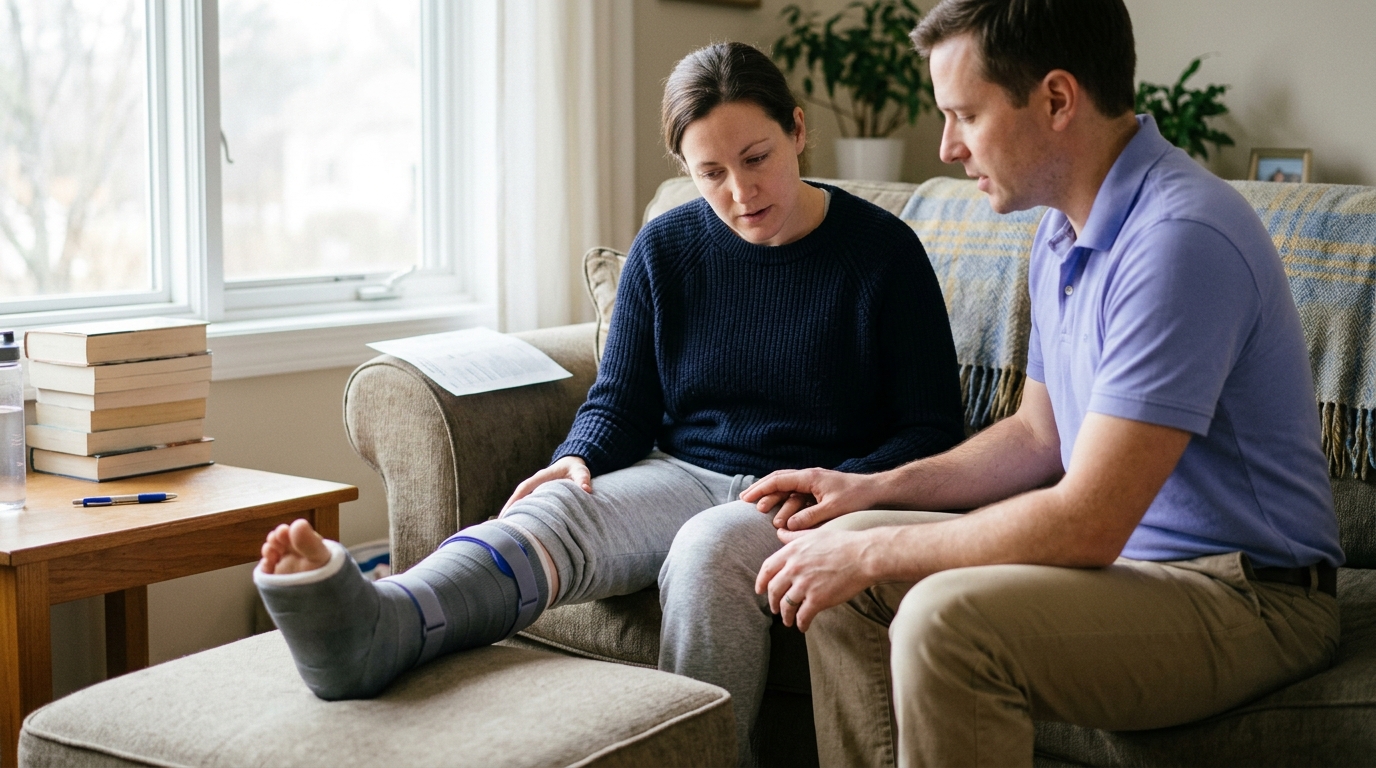

Stepping back onto the court or trail after an injury requires a structured framework that balances physical capacity, symptom tracking, and psychological confidence.





Many people assume that returning to recreation happens on the specific day a doctor says they are cleared. In reality, a clinical clearance note is rarely a sign that your body can instantly handle your old routine. Clearance simply means the injured tissue has healed enough to tolerate progressive loading without immediate danger.
Getting back to activities you enjoy requires a structured progression rather than an abrupt leap. A safe return balances your current physical capacity against the actual demands of the sport or recreation. It also accounts for movement confidence, symptom patterns, and your individual tolerance for risk.
Returning to recreation is not an all or nothing choice. You do not need to wait until you are completely free of every minor ache before you start moving again. At the same time, returning too quickly or ignoring warning signs can lead to setbacks. This guide provides a clear framework to help you plan your return, understand the science of tissue loading, and coordinate your goals with your healthcare provider.
A major milestone in sports medicine came from the 2016 World Congress in Sports Physical Therapy held in Bern. The consensus panel established that returning to an active life is a continuous process rather than a single event. The panel outlined three distinct stages that apply just as well to recreational adults as they do to elite athletes.
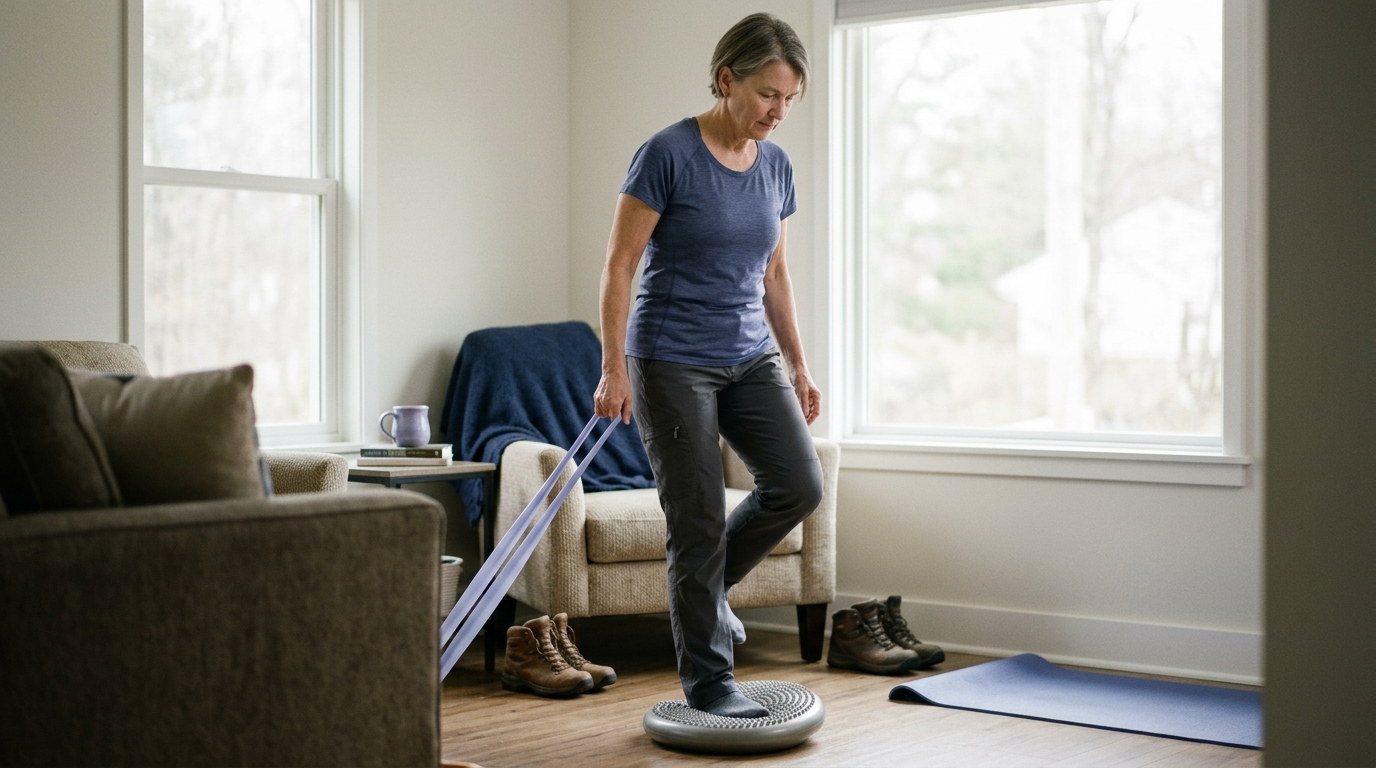
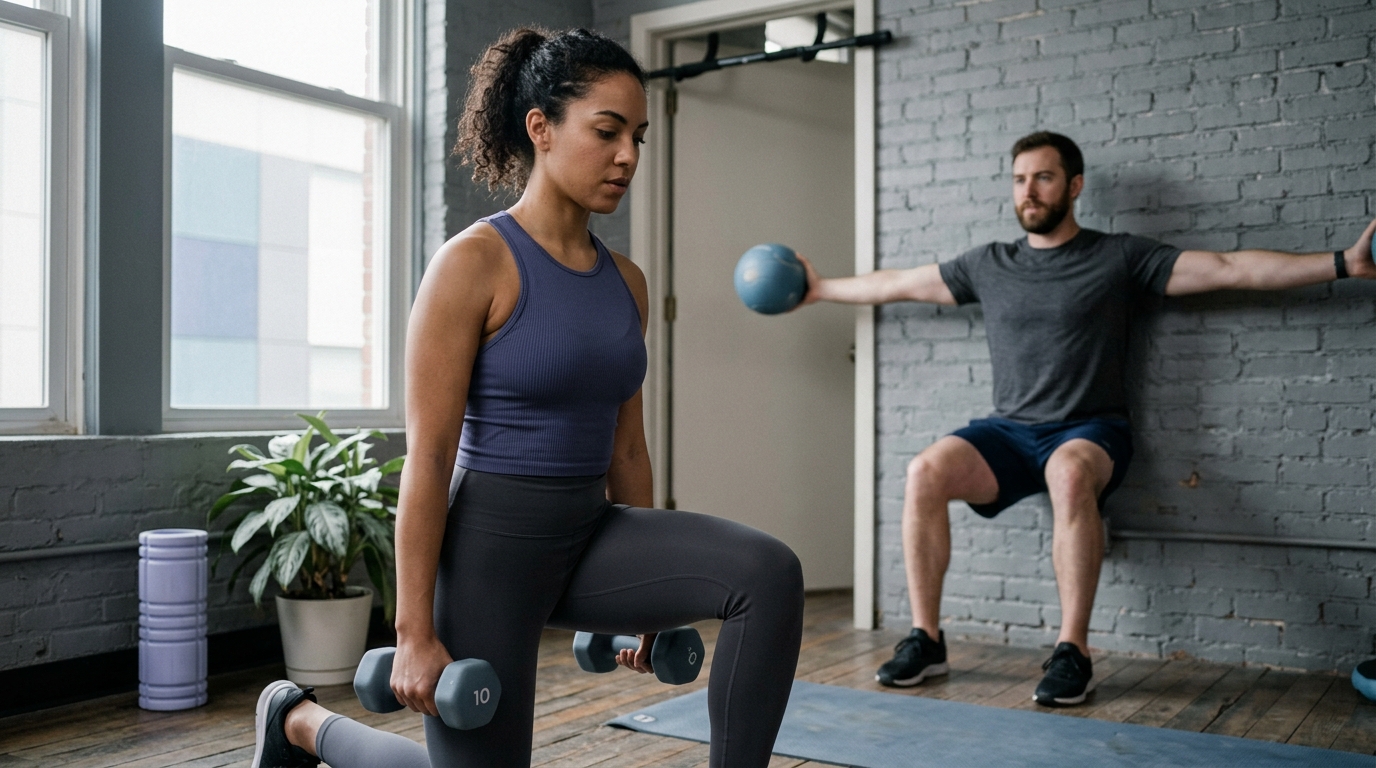
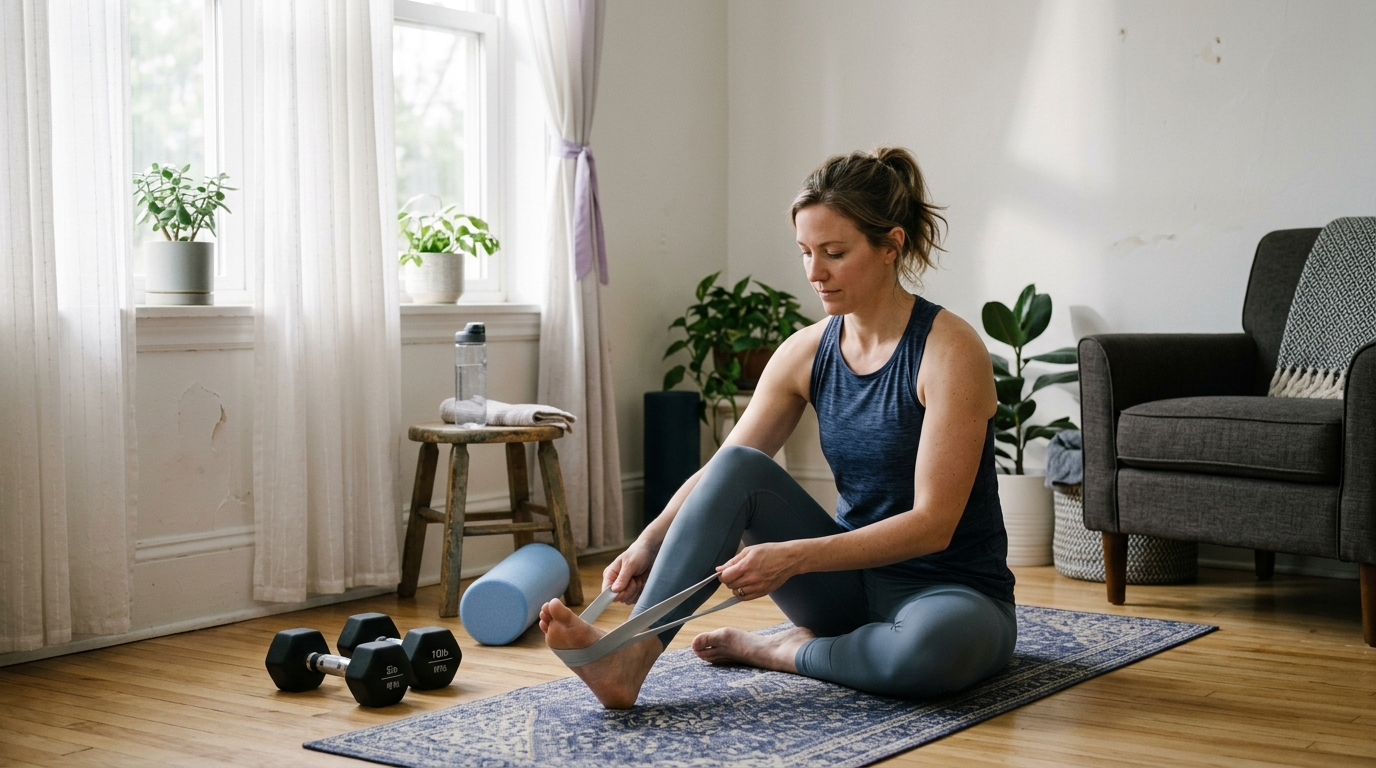
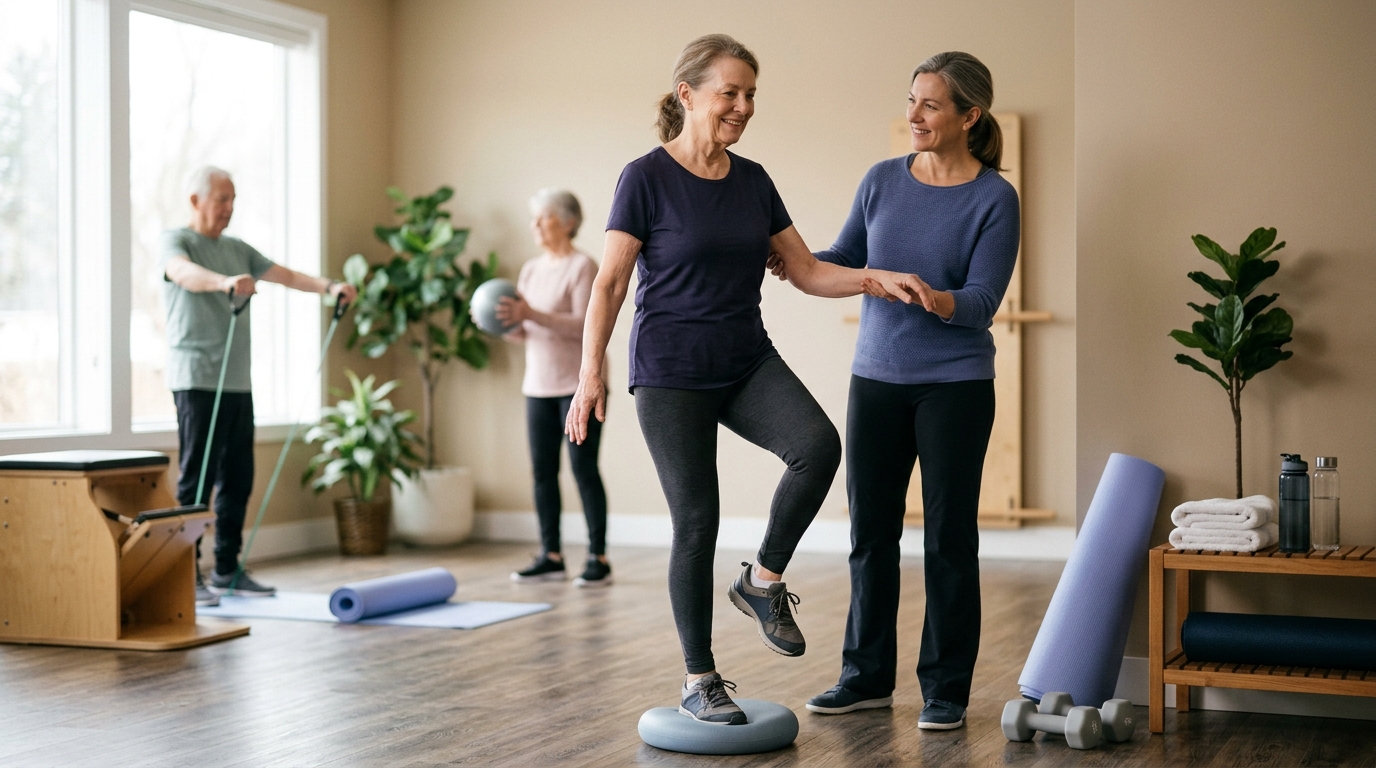
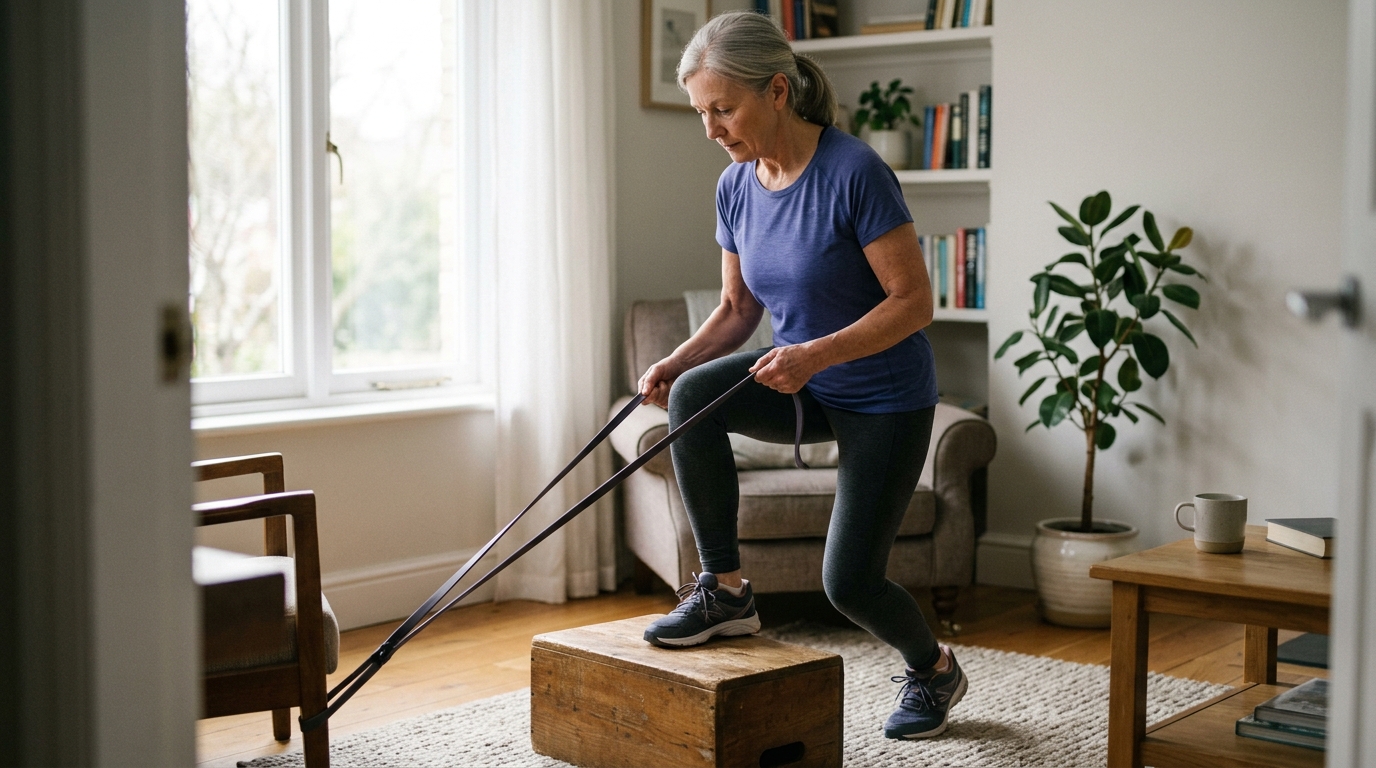
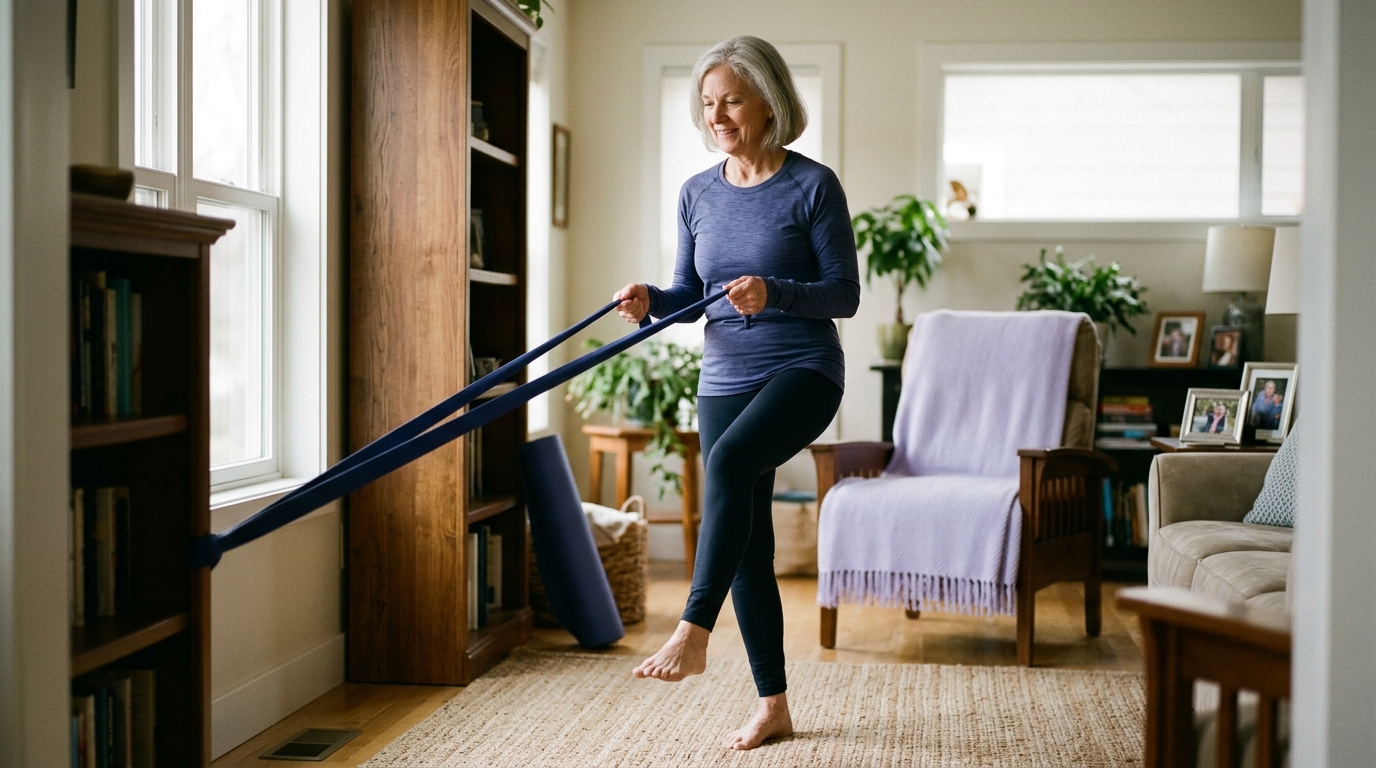
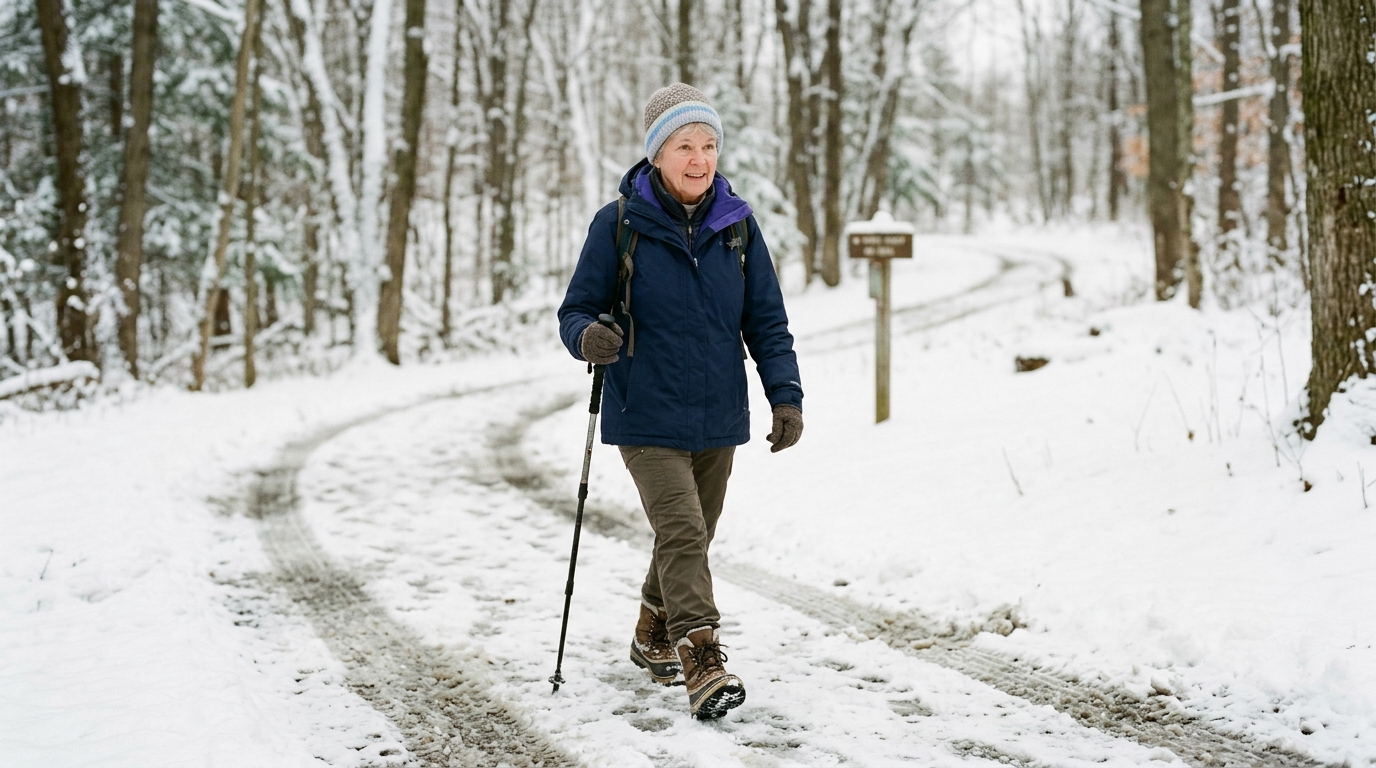
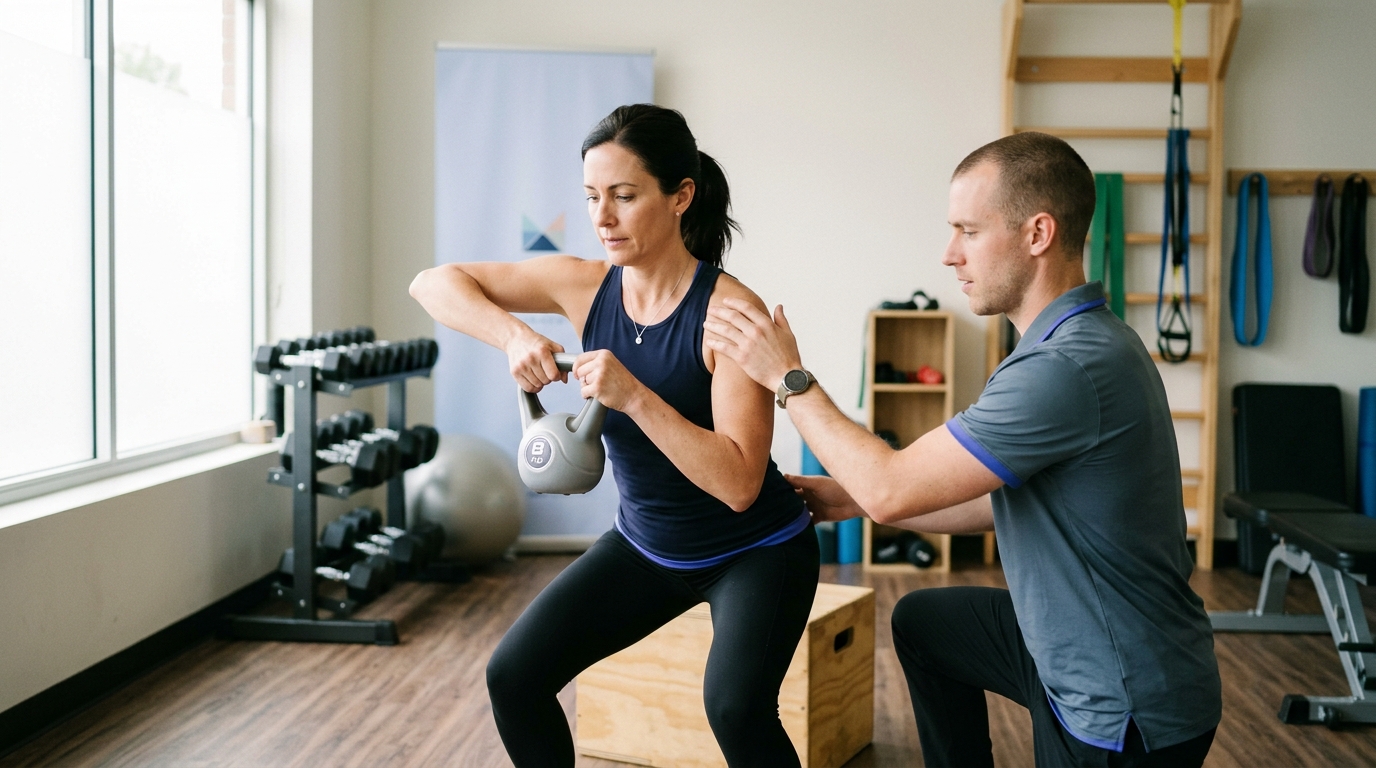
In this initial phase, you resume moving, exercising, or training, but at a level well below your final goal. You might perform modified versions of your recreational activity or focus on foundational rehabilitation exercises. For example, a tennis player might hit light groundstrokes from the service line without running. A hiker might walk flat, paved trails for twenty minutes instead of tackling steep mountain paths.
The goal of this stage is to introduce controlled loads to the healing tissues. It allows you to practice movement patterns without exposing yourself to high impact, rapid changes of direction, or deep fatigue. You are participating in physical activity, but you are not yet engaging in your full sport.
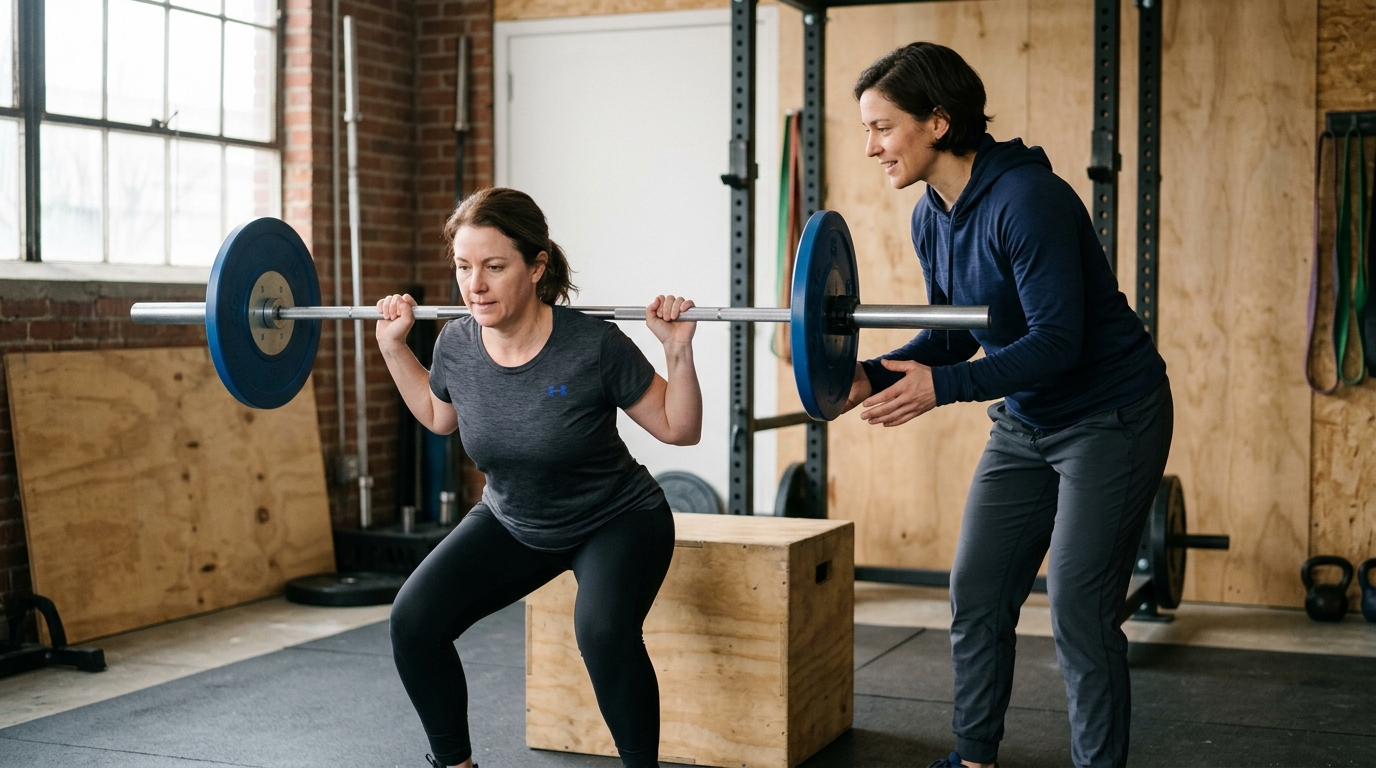
In the second stage, you rejoin your defined recreational activity, but you perform below your previous benchmark. You are playing the sport or doing the hobby, but your volume, intensity, or role remains limited.
A runner might follow a run-walk routine rather than running continuously. A recreational basketball player might join controlled half-court scrimmages while skipping competitive league games. In this phase, your tissues are adapting to sport-specific forces, but you are still actively managing your workload to prevent flare-ups.
The final stage occurs when you can participate fully and achieve a personal benchmark that feels meaningful to you. For competitive athletes, this means competing at or above their pre-injury level. For recreational adults, performance is defined by your personal goals.
Returning to performance might mean completing an eight-mile trail hike, finishing an eighteen-hole round of golf without back stiffness, or playing a full match in a local pickleball league. Reaching this stage takes time and consistent conditioning. Viewing your recovery as a three-part progression removes the pressure to perform at your peak on day one. You can read more about structured progression through our injury recovery resources.
The central challenge when resuming recreation is matching what your body can currently handle with what the activity demands. In sports medicine, this is often analyzed using the Strategic Assessment of Risk and Risk Tolerance framework, known as StARRT. This framework breaks down decisions into tissue capacity, expected tissue stress, and contextual risk factors.
Physical capacity is more than just how much weight you can lift in a clinic. It encompasses several interconnected physical traits:
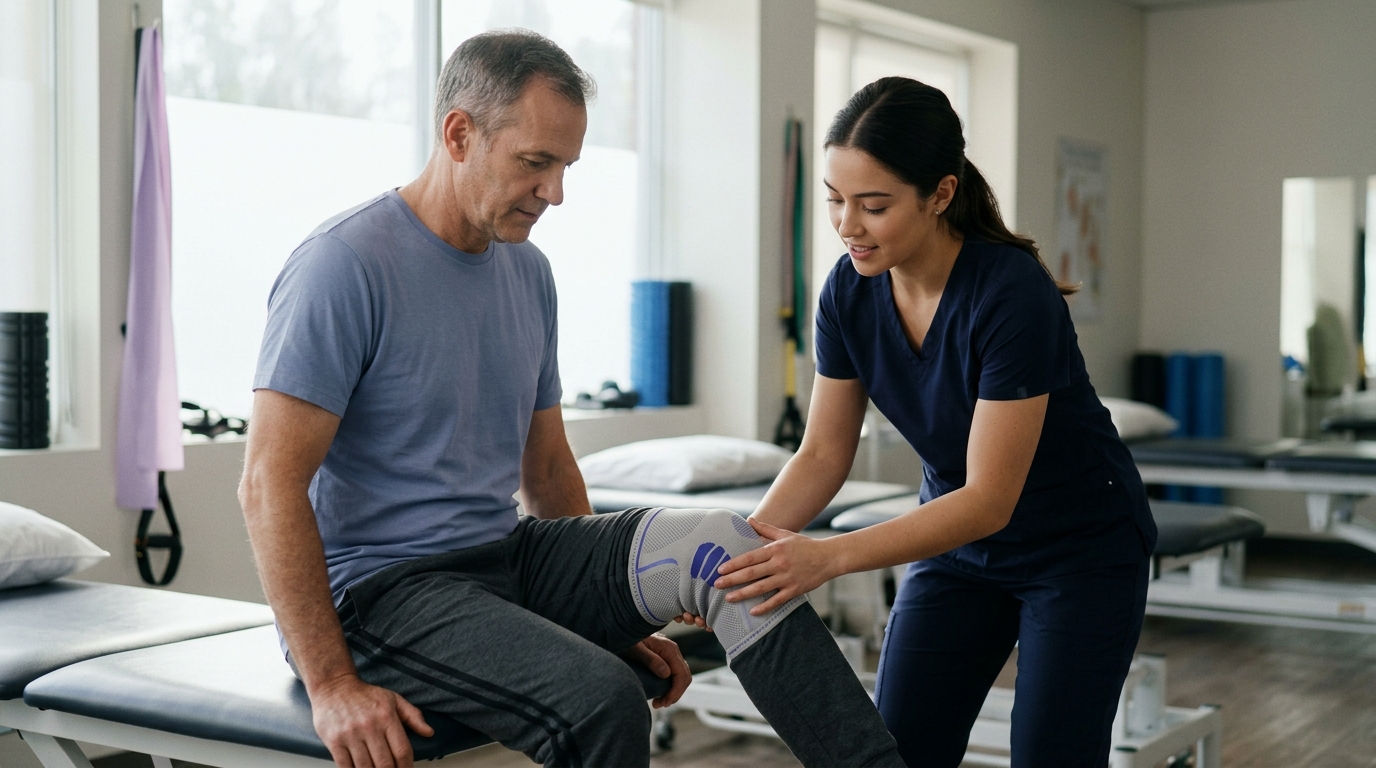
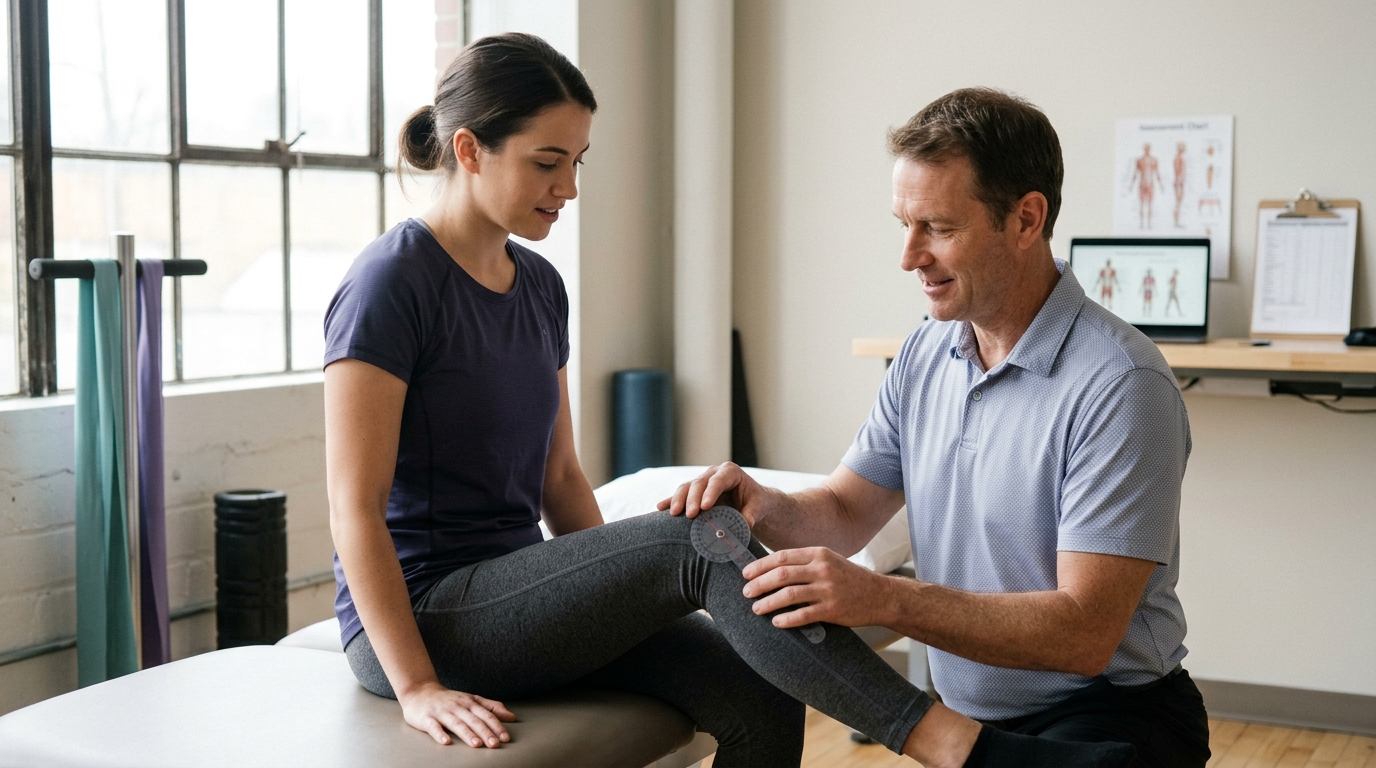
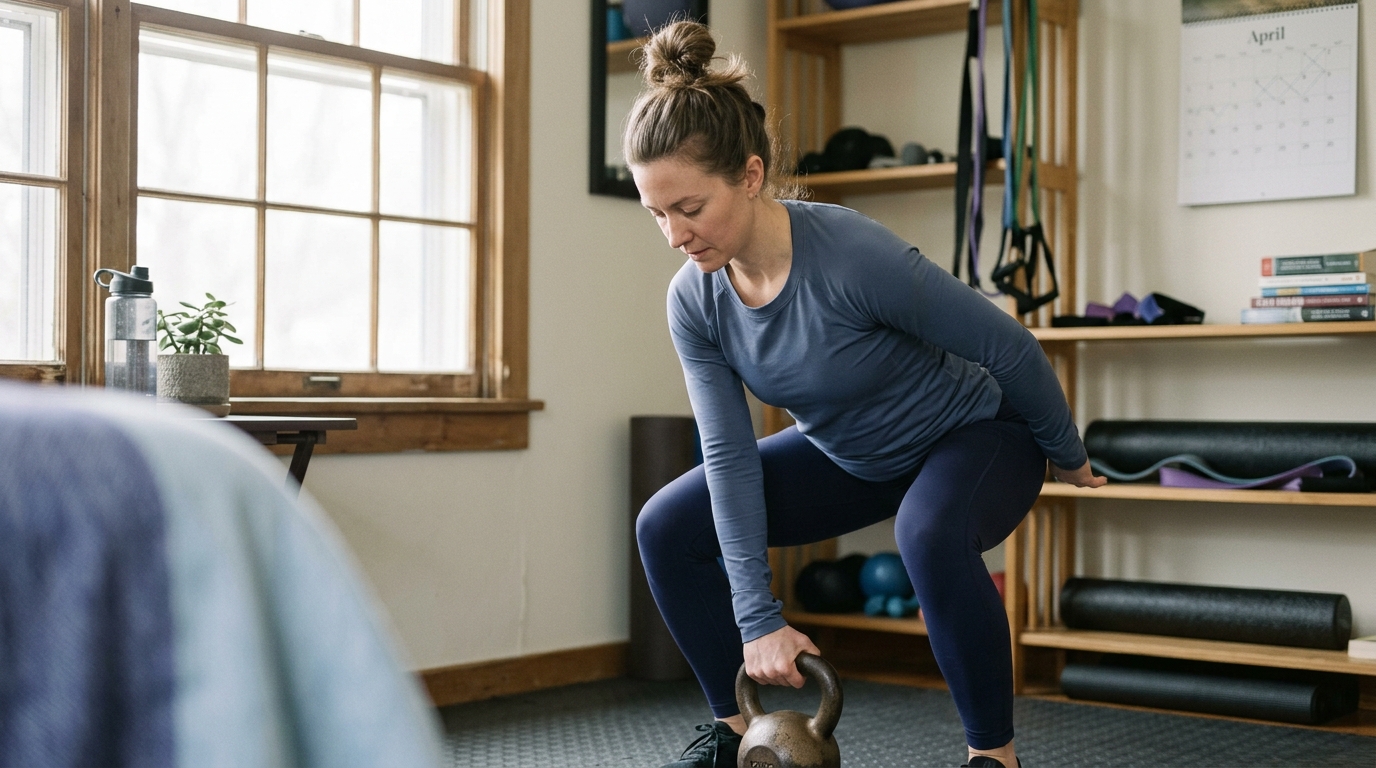
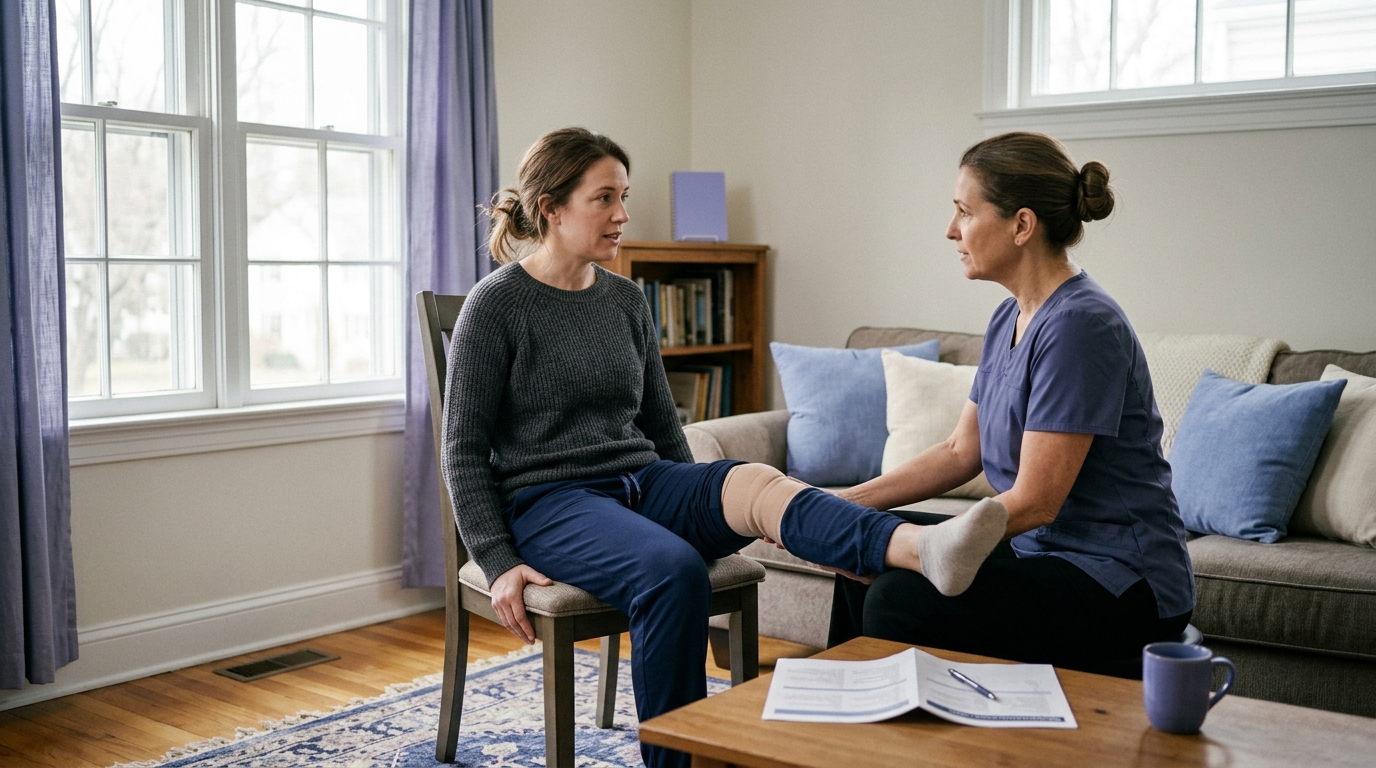
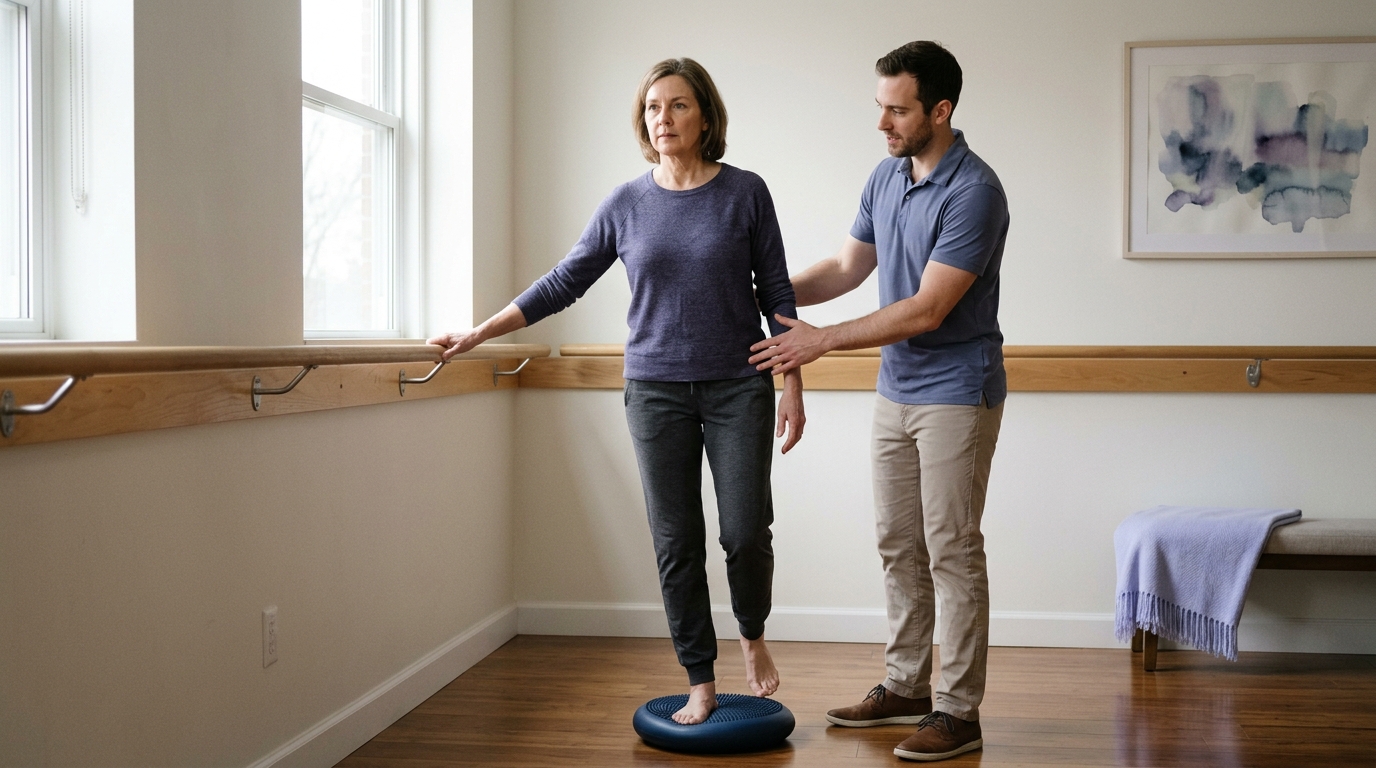
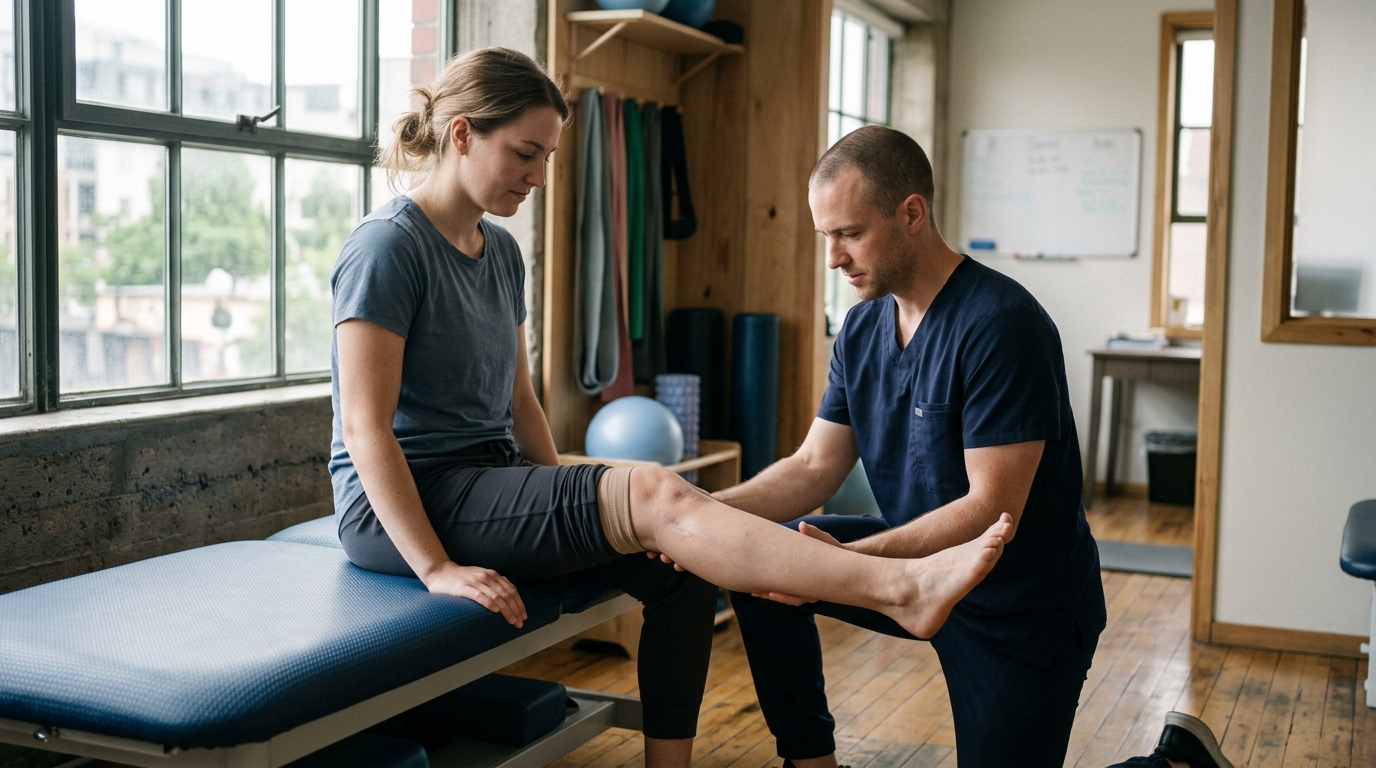
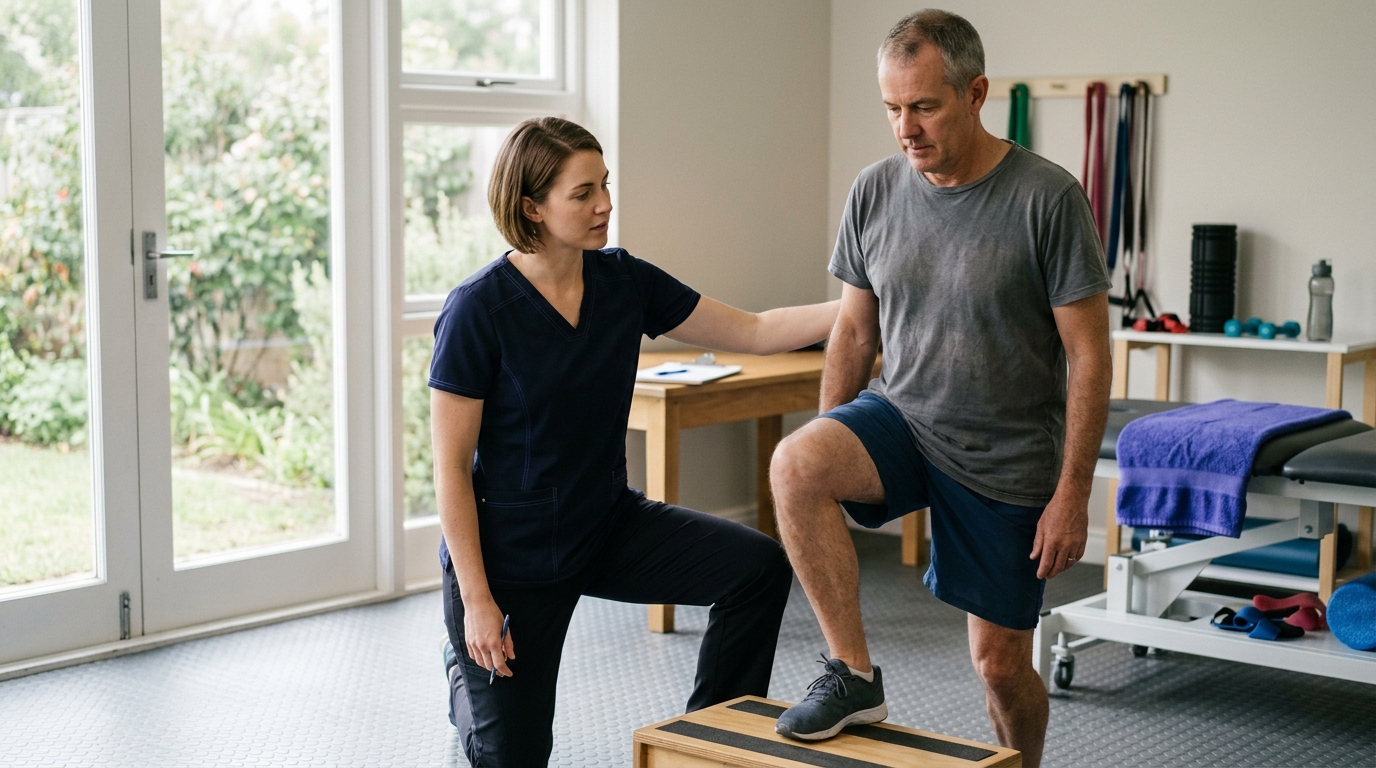
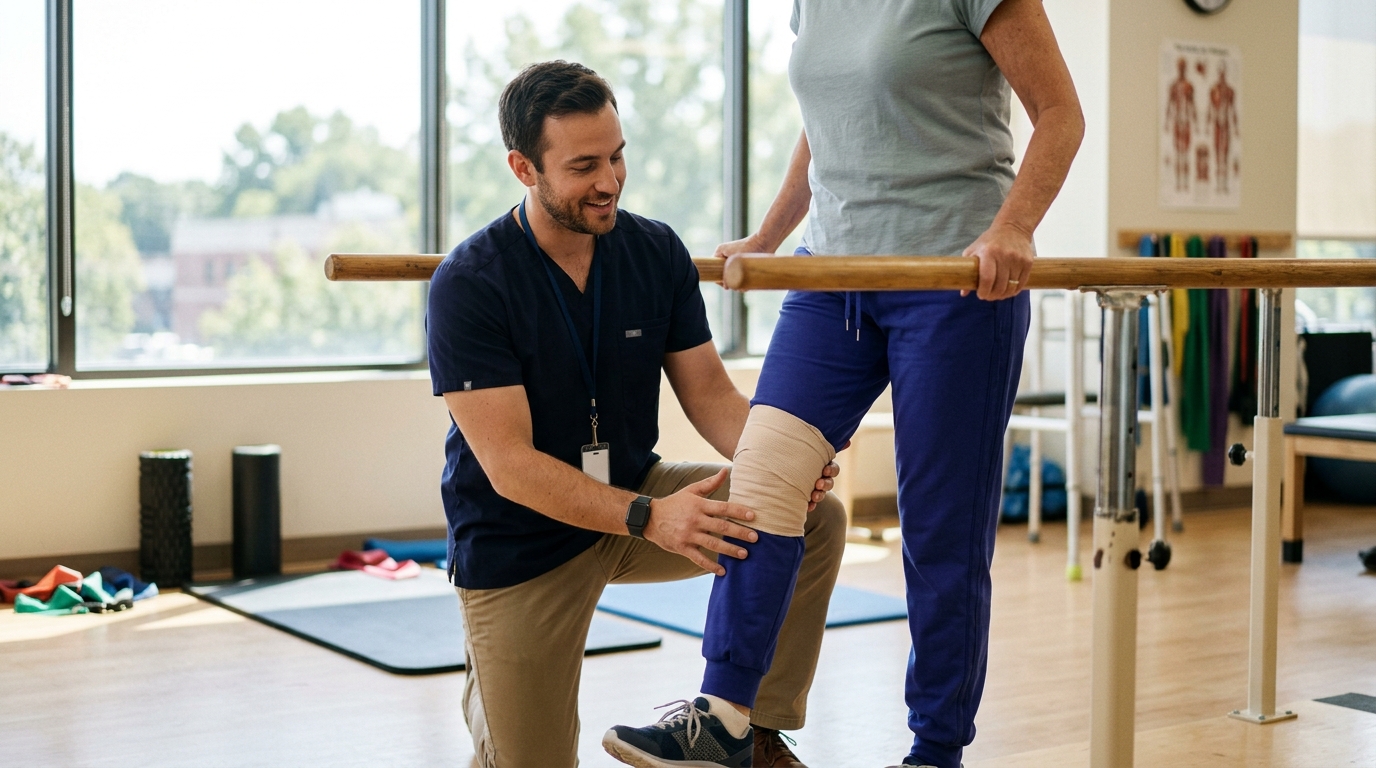
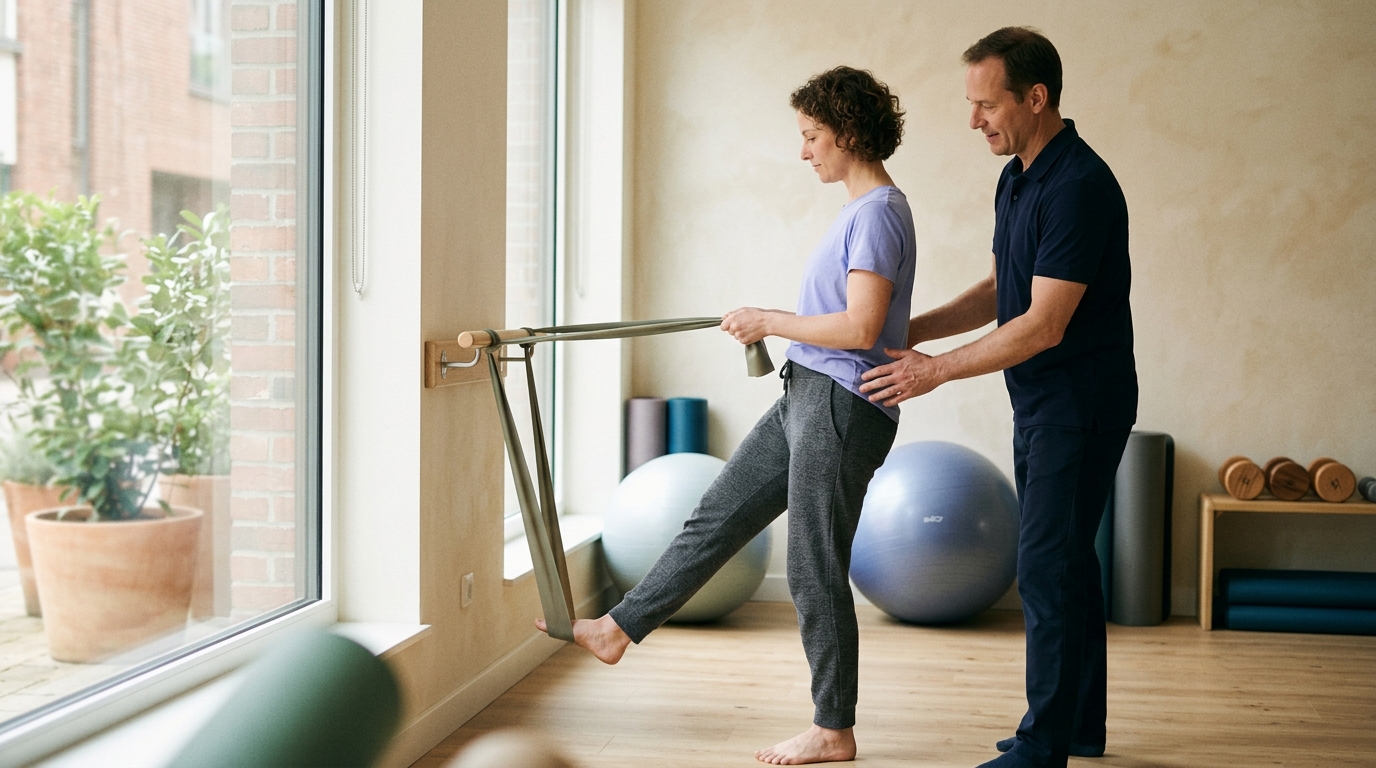
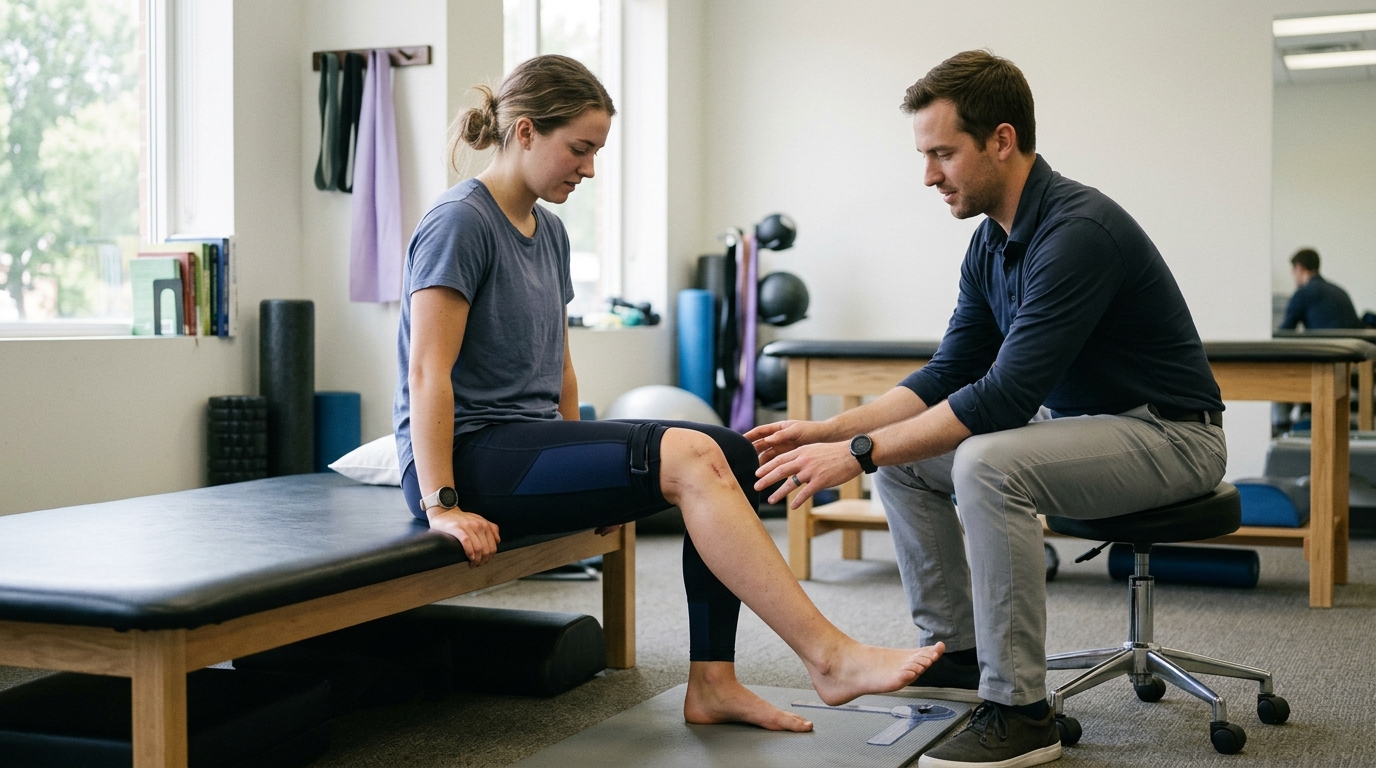
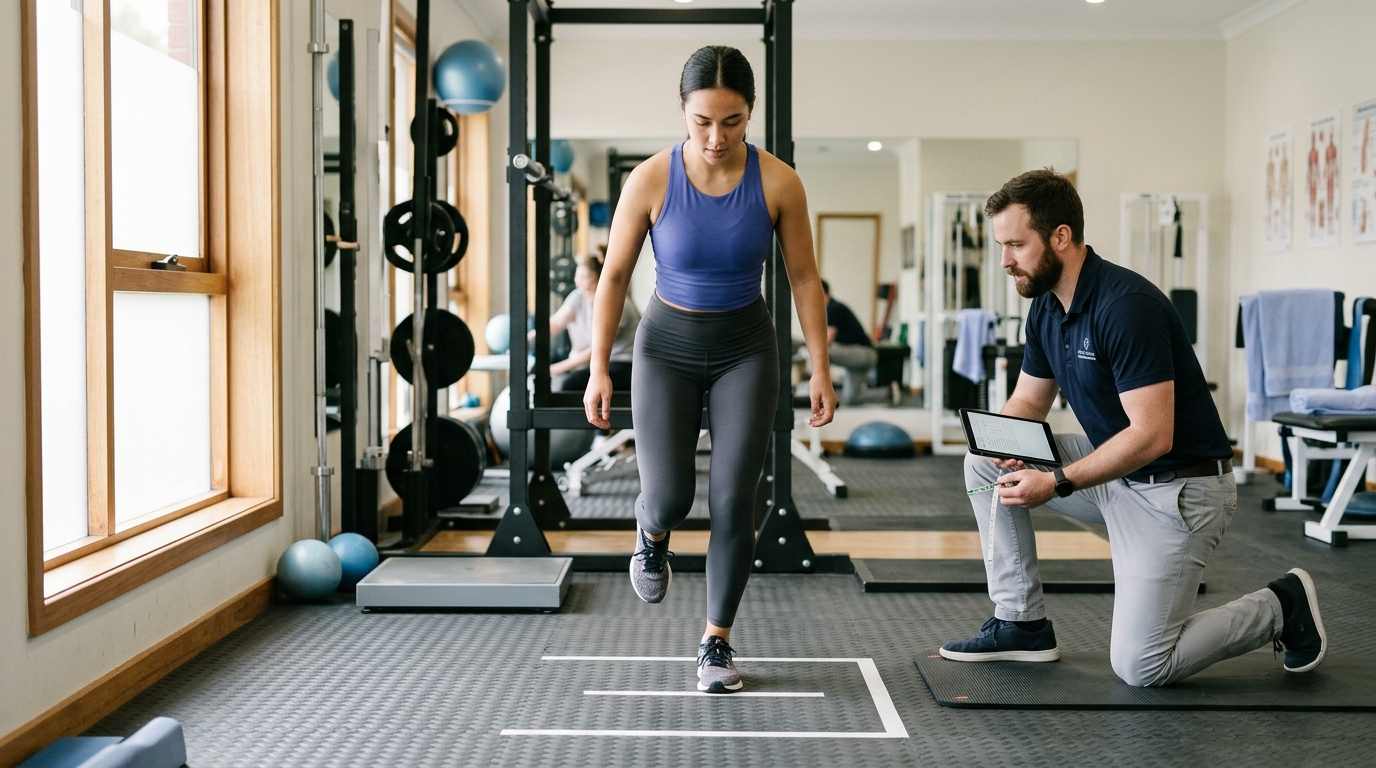
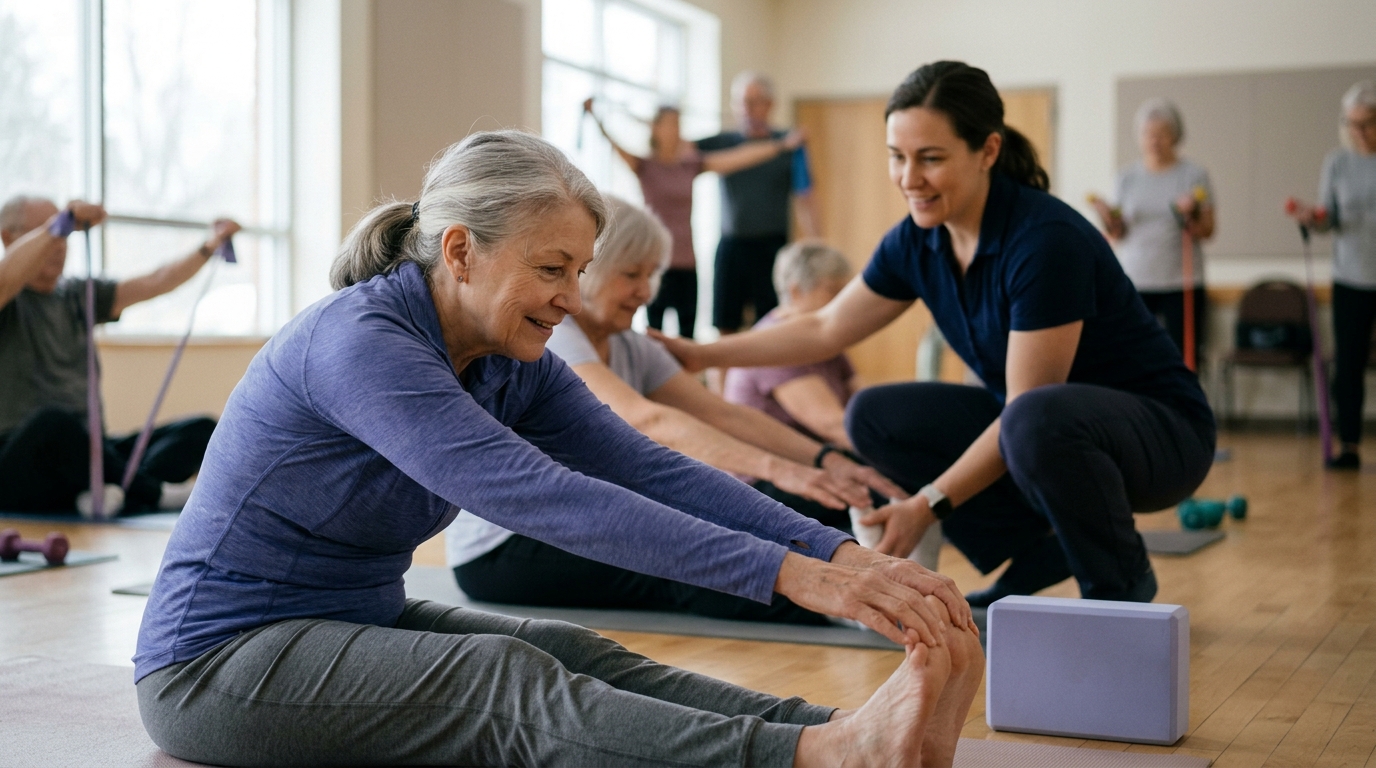
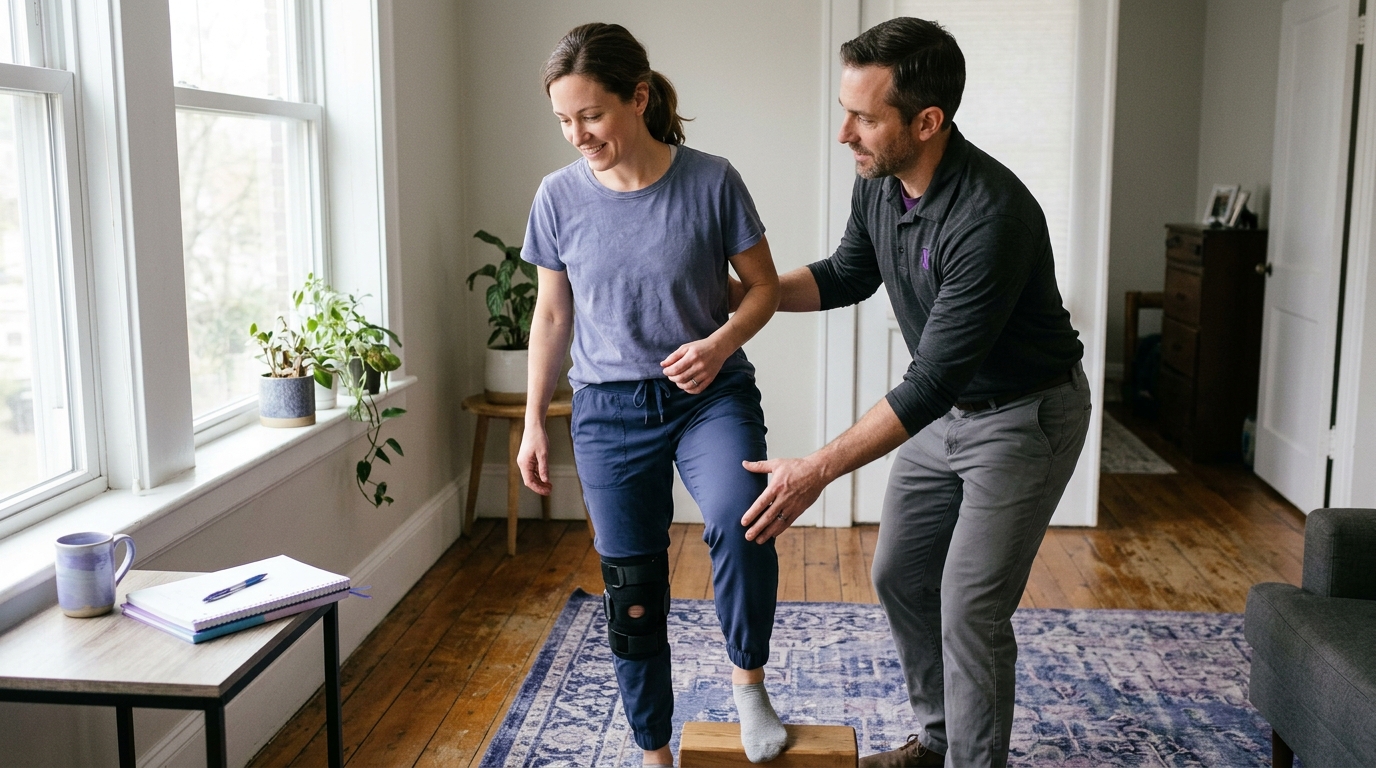
Clinical rehabilitation research emphasizes that objective functional testing helps determine whether an individual is ready for higher demands. A physical therapist might test your single-leg balance, your ability to hop or change directions with control, or your limb symmetry during strength exercises. These tests do not guarantee that an injury will never happen again, but they provide objective data to guide your progression.
Every recreational pursuit places a unique combination of stresses on the body. Walking on a treadmill is highly predictable and low in impact. Playing doubles tennis involves sudden deceleration, rotational forces, and unpredictable lateral movements.
Before jumping back in, break your activity down into its core physical demands:
When you compare your current capacity against these demands, the gaps become obvious. If your knee swells after twenty minutes of flat walking, it is not yet ready for sixty minutes of steep downhill hiking. Recognizing these gaps allows you to modify the activity safely rather than abandoning it altogether. For structured guidance on rebuilding physical baselines, review our articles on return to sport guidelines.
A successful return to recreation requires learning how to interpret what your body is feeling. The old belief of pushing through severe discomfort is outdated and dangerous. However, expecting complete silence from your body after a long break is also unrealistic.
Research from the American College of Sports Medicine and healthcare institutions like the National Health Service emphasizes that complete rest is rarely the solution for recovery. Gentle, progressive movement helps tissues remodel and regain strength. During this process, mild discomfort or muscular soreness can occur.
Guidance from Leeds Community Healthcare provides a practical way to categorize symptoms during activity:
One common mistake is judging a session solely by how you feel while doing it. Adrenaline, warmth, and social engagement can easily mask tissue strain during recreation. The true test of whether your body tolerated a session is how it responds later that evening and the following morning.
If you complete a pickleball session feeling fine, but wake up the next morning with marked joint swelling or significant pain, the session exceeded your tissue capacity. When this happens, do not panic. Treat the reaction as useful data. It simply means you need to scale back the duration, intensity, or frequency for the next session until your system adapts.
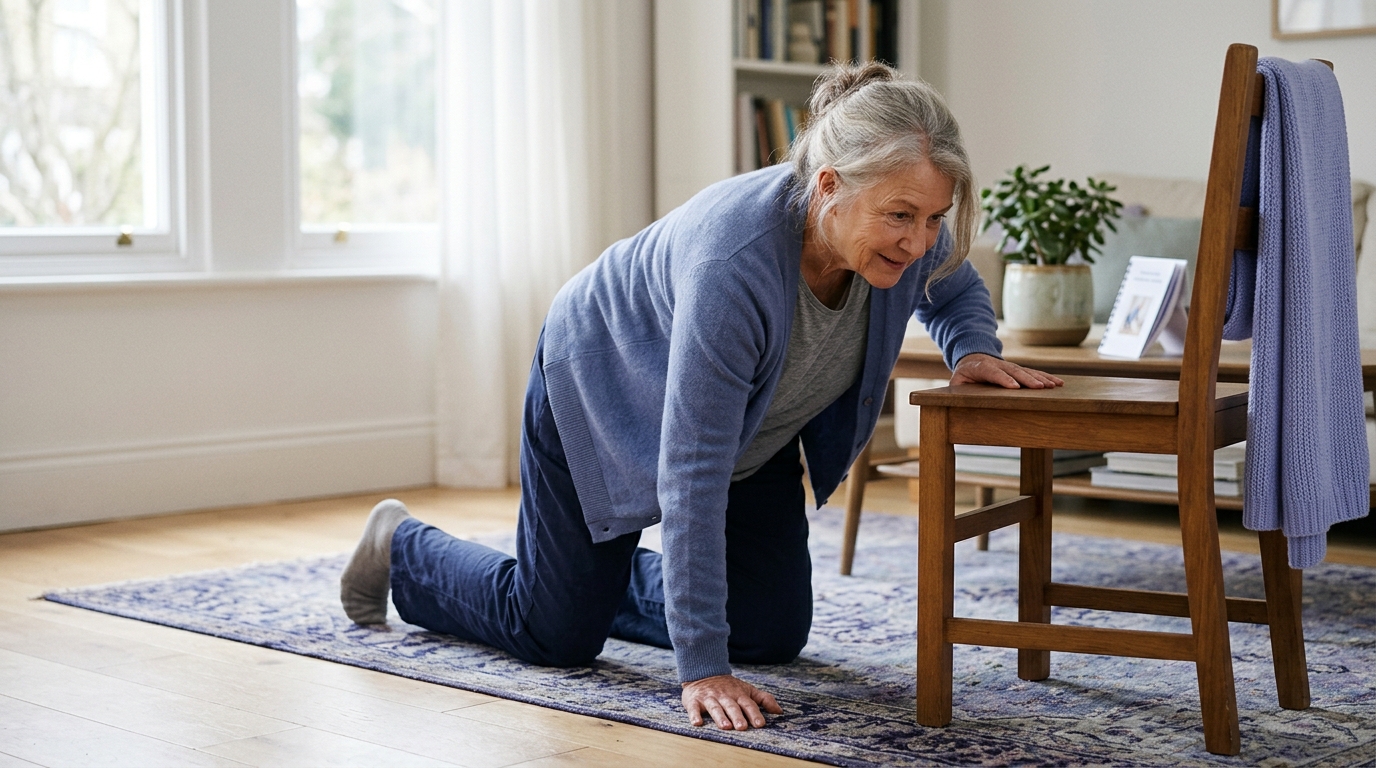
Physical healing and psychological readiness do not always move at the same pace. You might have full joint range of motion and normal muscle strength, yet still feel deep hesitation when asked to pivot, jump, or run. A qualitative review on returning to sport highlights that confidence, fear of reinjury, and emotional readiness are critical parts of the recovery puzzle.
Hesitation after a physical setback is a normal protective response. Your brain is designed to shield you from repeating an experience that caused tissue damage. Labeling your hesitation as a personal weakness or trying to ignore it often backfires, leading to tense, guarded movement patterns that increase your risk of strain.
Instead of fighting your anxiety, identify the exact movement that triggers your concern. Ask yourself practical questions:
Confidence is rebuilt through successful, pain-free repetitions, not positive thinking alone. Sports physical therapy literature supports using graded exposure to bridge the gap between fear and function.
If you feel anxious about playing a full round of golf after a lumbar spine injury, break the movement down into manageable exposures:
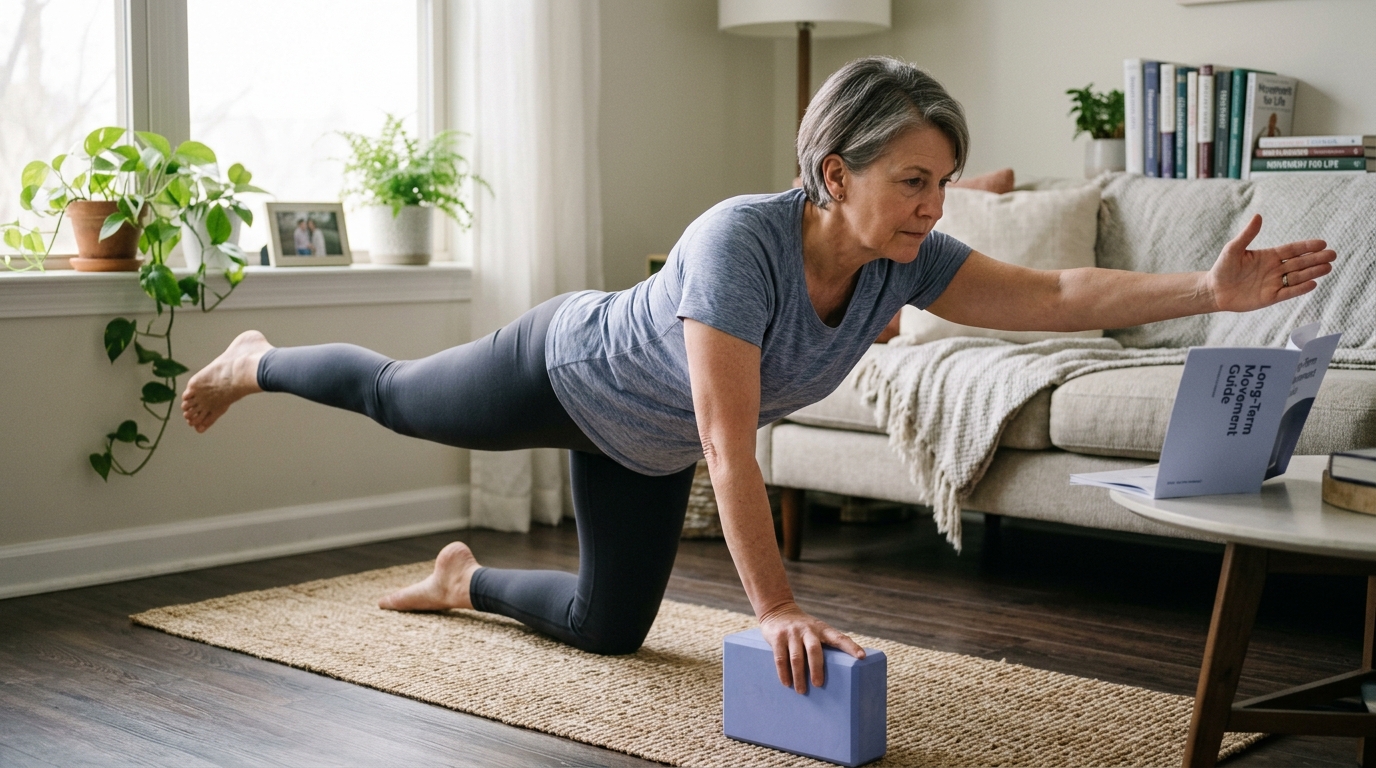
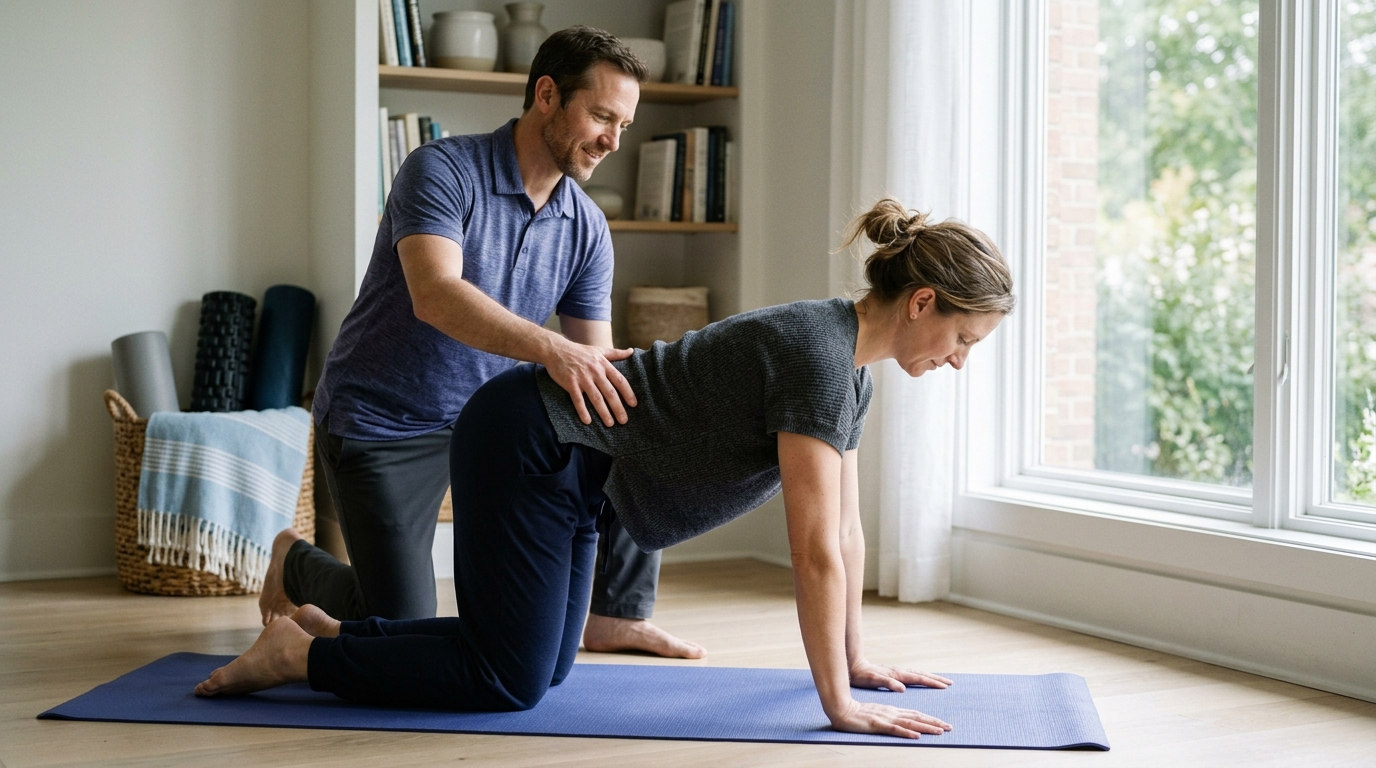
Each successful step proves to your nervous system that the tissue can handle mechanical stress safely. As movement trust returns, muscle guarding decreases, allowing for more natural, fluid athletic performance. Integrating targeted mobility and movement work can further reinforce your physical confidence during this phase.
When you are ready to resume recreation, your first session should feel surprisingly easy. It is far better to finish a workout wishing you had done more than to spend the next five days managing a severe symptom flare-up.
Rehabilitation guidelines from sports medicine organizations, including the American College of Sports Medicine, recommend starting your first recreational outing at roughly 50% of your pre-injury volume or effort.
If you previously ran five miles, start with a mix of walking and jogging that totals two to two-and-a-half miles. If you used to play two hours of recreational tennis, schedule a thirty to forty-minute hitting session with a cooperative partner.
Starting at a conservative baseline allows you to test your tissue tolerance safely. If your body shows no adverse symptoms over the next 24 to 48 hours, you have established a reliable platform from which to build.
Public health guidance from the Centers for Disease Control and Prevention emphasizes that physical activity should be increased gradually over weeks to months to minimize the risk of injury. While some clinical programs suggest a general guideline of increasing training loads by 10% to 15% per week, this should be treated as a flexible concept rather than an unbreakable rule.
To progress safely, change only one variable at a time:
By adjusting only one variable at a time, you can easily identify what caused a problem if symptoms arise. If you increase your running distance, run on hills, and run faster all on the same day, you will not know which factor triggered your knee pain.
As you rebuild recreational capacity, keep broad health recommendations in mind. The World Health Organization recommends that adults accumulate at least 150 to 300 minutes of moderate-intensity aerobic activity per week, alongside muscle-strengthening exercises twice weekly.
However, public health targets represent long-term goals for general wellness, not immediate benchmarks for returning from an injury. If your injured limb can only tolerate sixty minutes of total weekly activity right now, use non-impact options like stationary cycling or swimming to accumulate the rest of your cardiovascular volume without overloading healing tissues. You can study the science behind these adaptations in our recovery science principles.
Recovery timelines are never identical from one person to the next. Two individuals with the same diagnosis can experience very different return paths depending on biological, lifestyle, and medical variables.
Several key elements influence how quickly your body can adapt to renewed recreational stress:
It is vital to recognize that head injuries cannot be managed with standard musculoskeletal guidelines. Returning to recreation after a concussion requires a specialized, symptom-limited protocol overseen by a qualified clinician.
According to sports concussion consensus guidelines, if symptoms such as headache, dizziness, or light sensitivity worsen during activity, the individual must stop, rest briefly, and only resume at a lower intensity once symptoms stabilize. Never attempt to push through cognitive or physical symptoms following a head injury.
While mild stiffness is common, certain symptoms indicate that you should stop activity immediately and seek professional medical evaluation. NHS clinical resources for joint and soft tissue injuries recommend prompt assessment if you encounter:
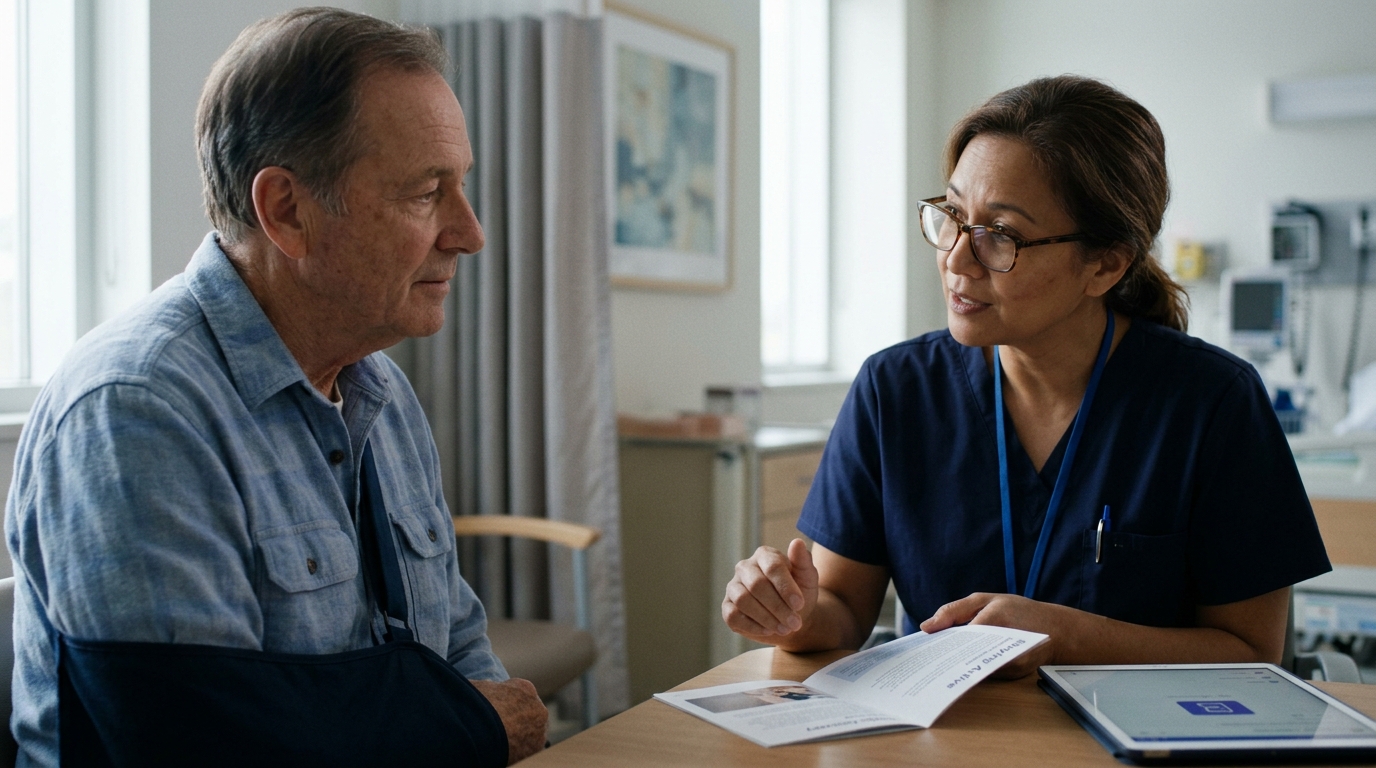
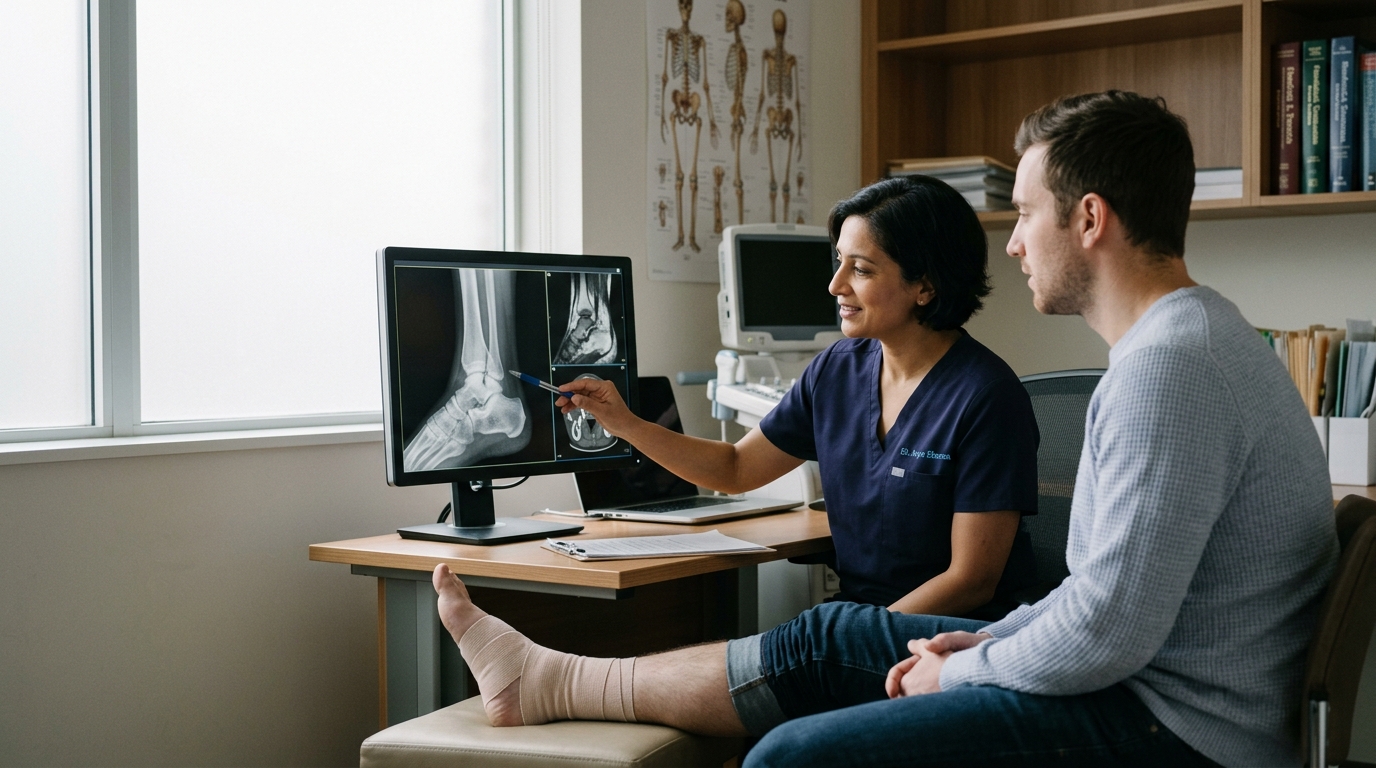
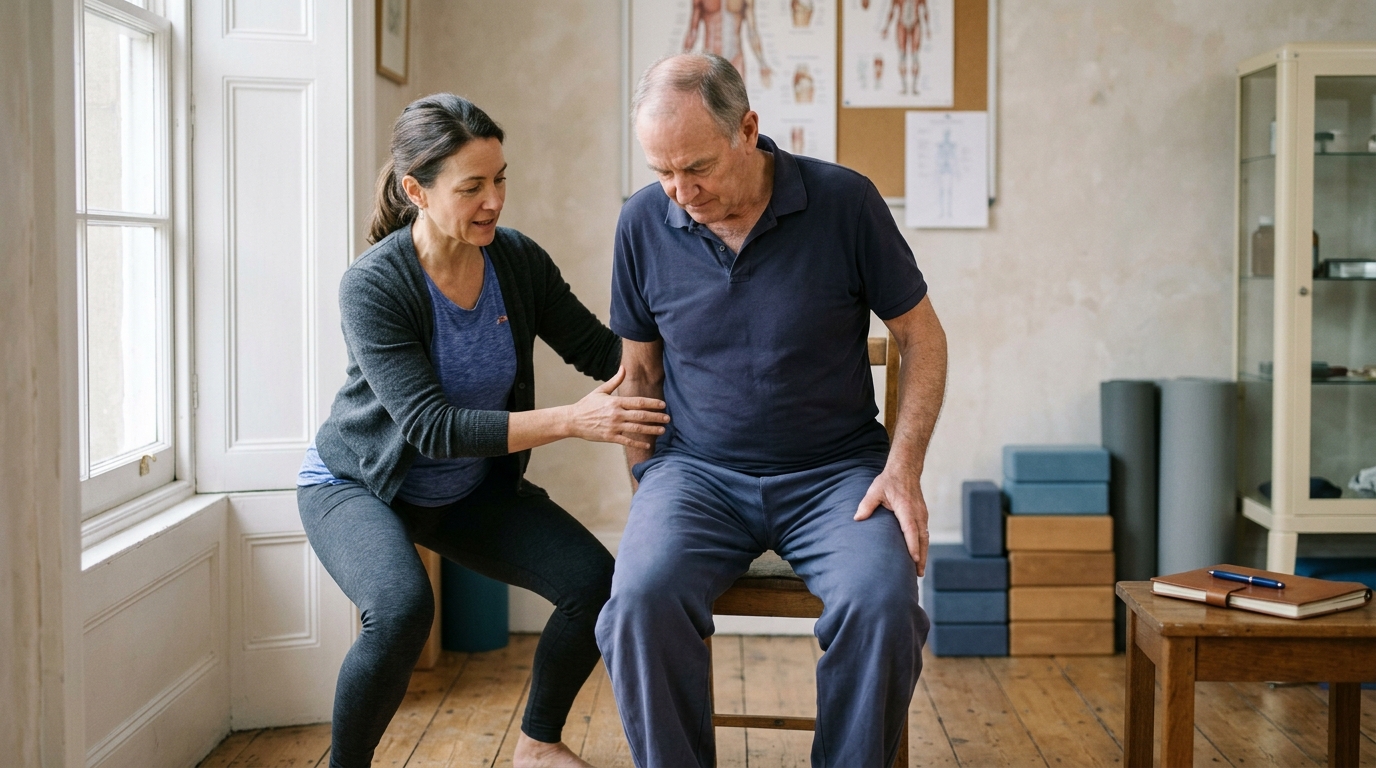
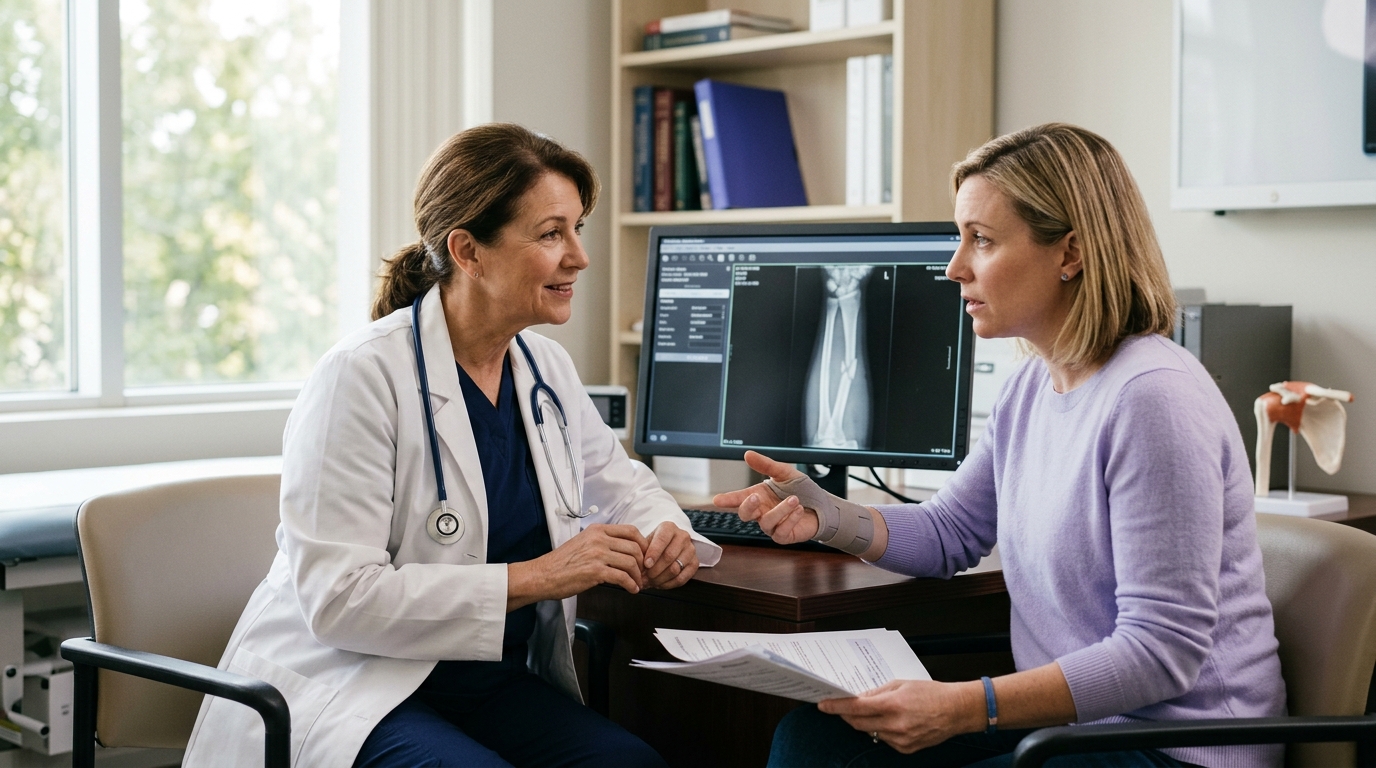
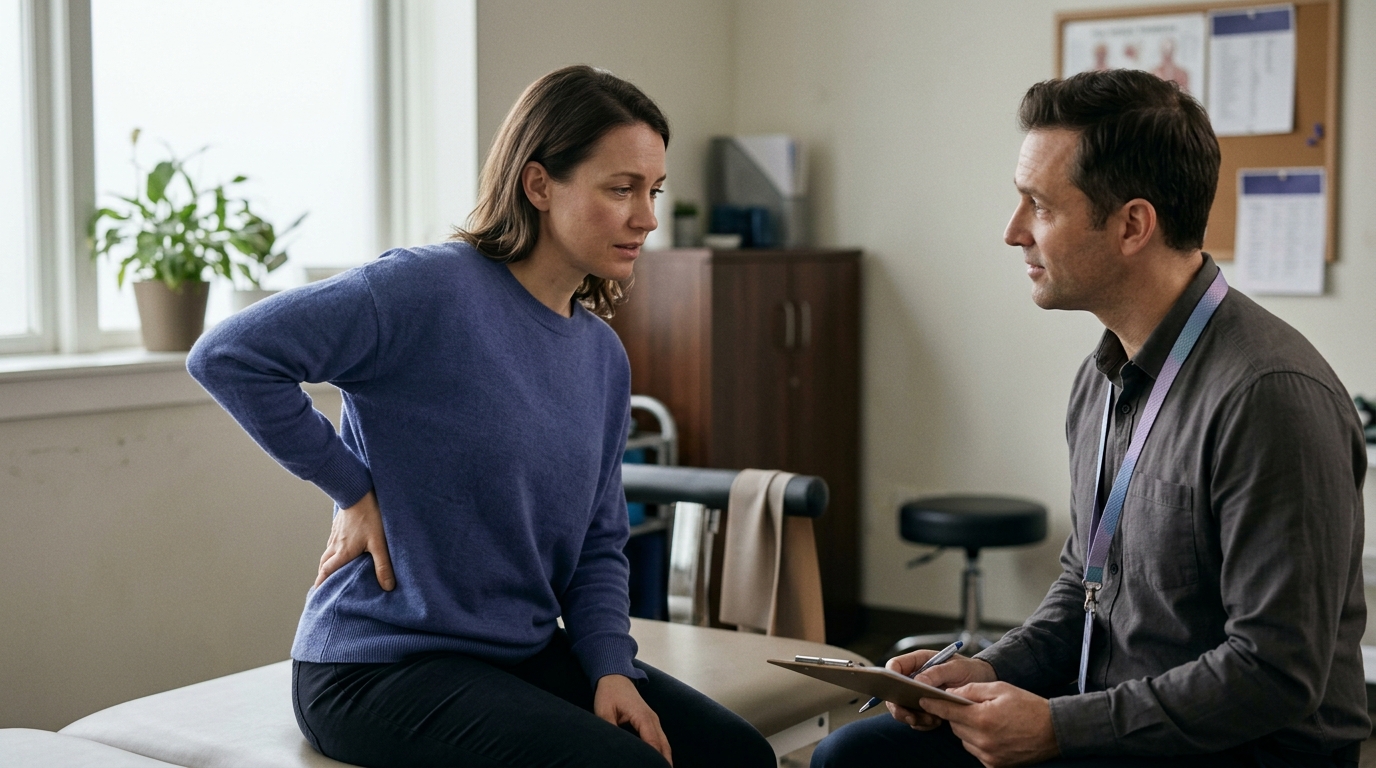
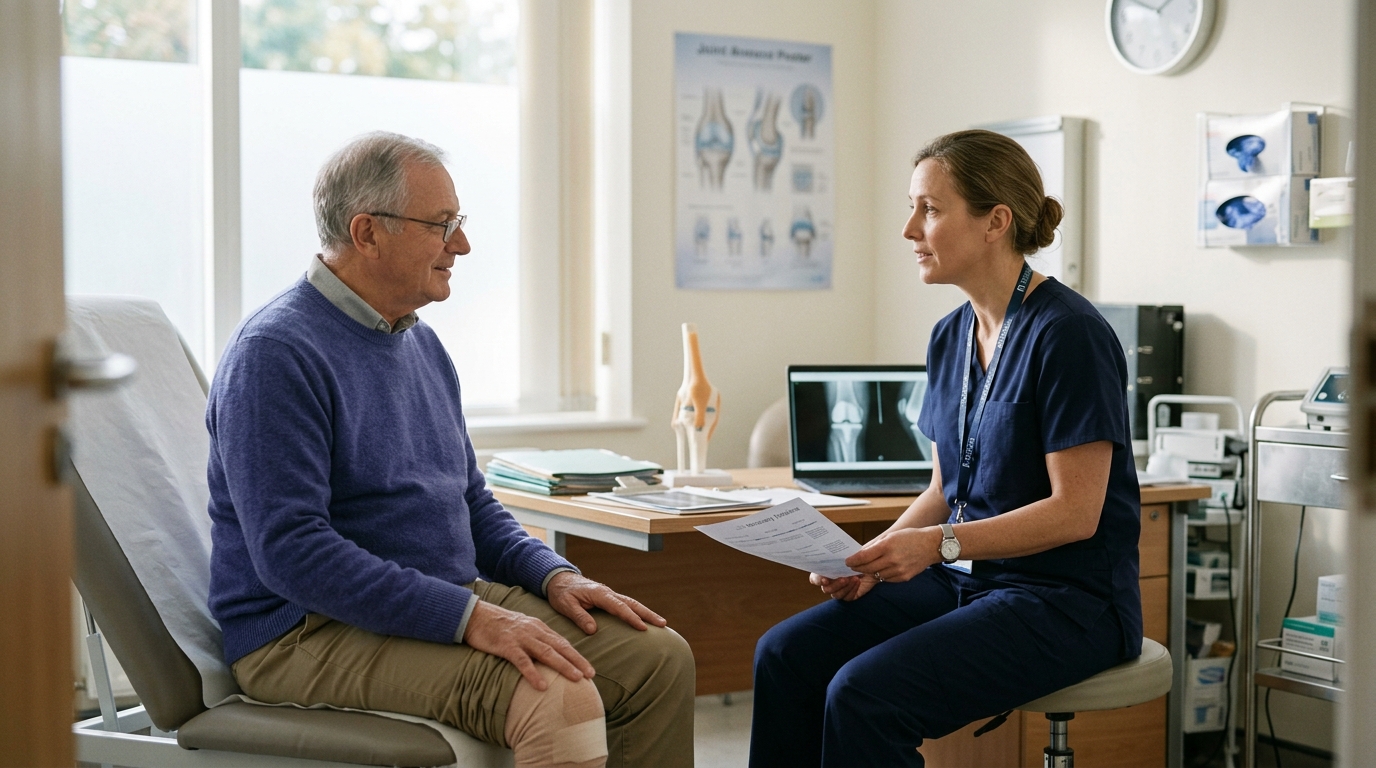
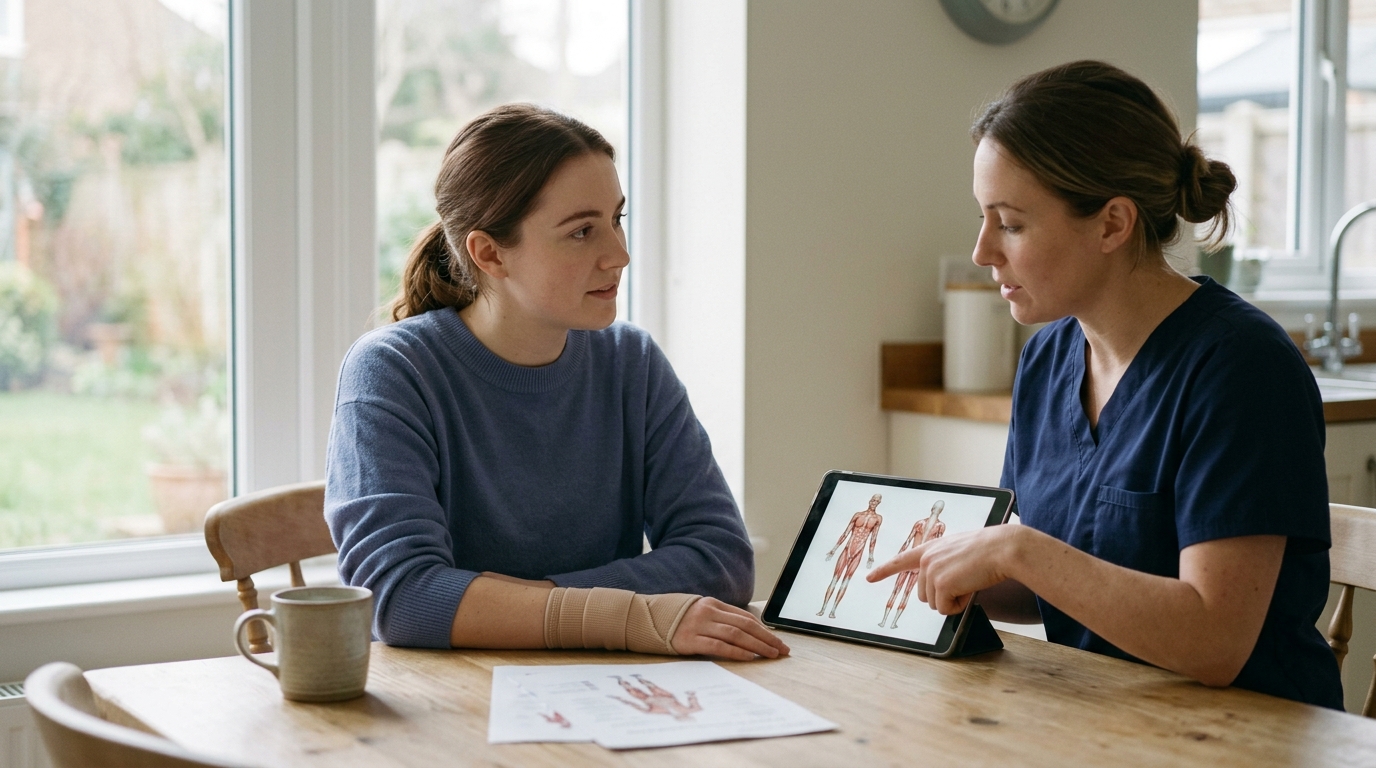
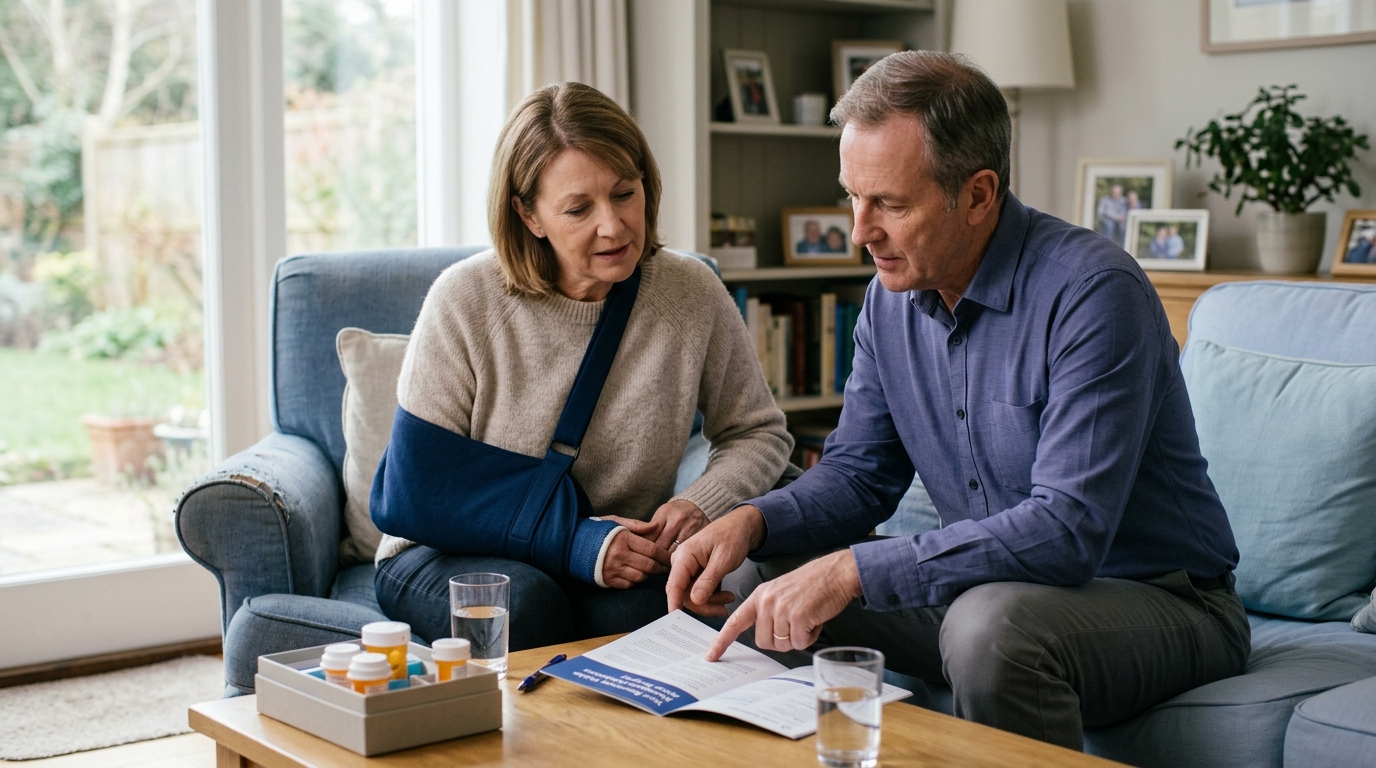
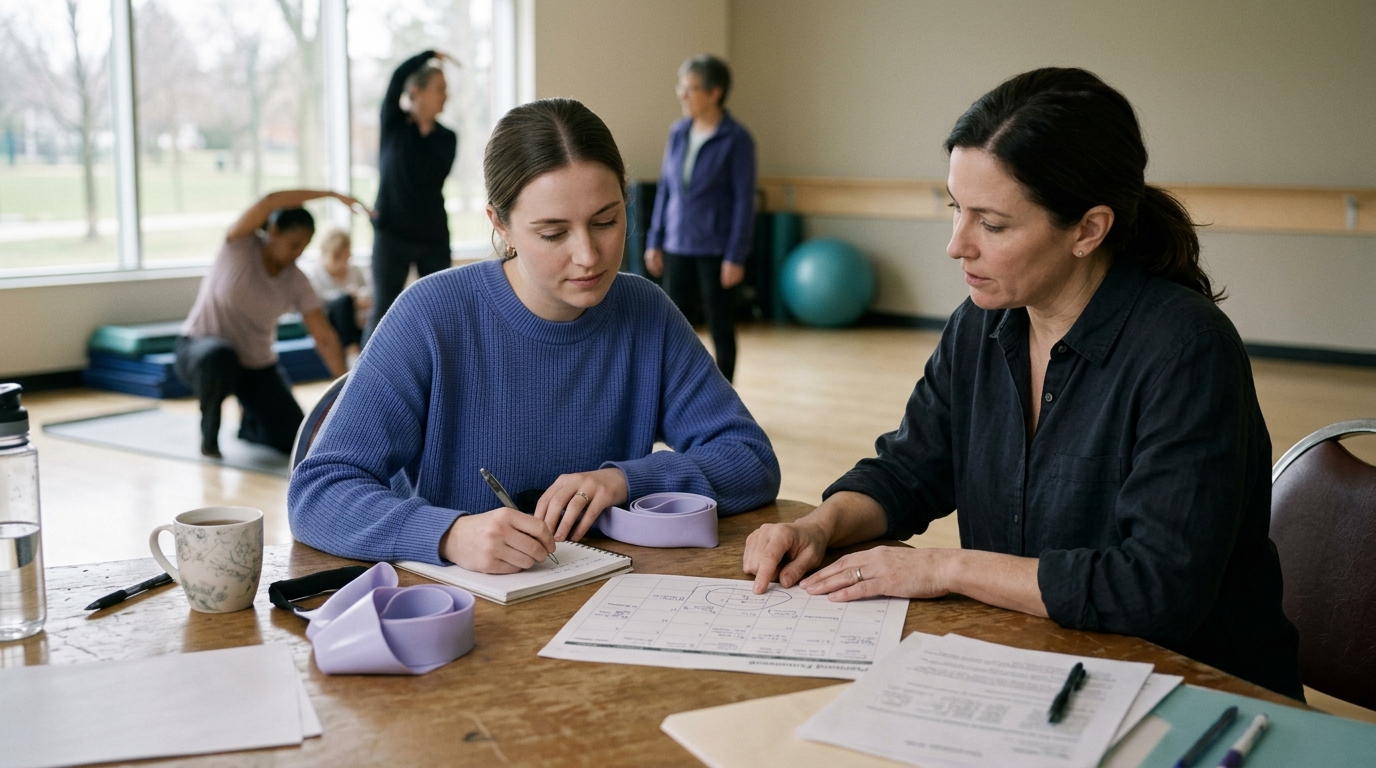
Navigating the return to recreation should be a collaborative effort between you and your healthcare providers. Rather than waiting for a simple yes or no regarding clearance, bring specific questions to your physical therapist, orthopedic specialist, or primary care doctor.
Use these targeted questions to guide your next clinical appointment:
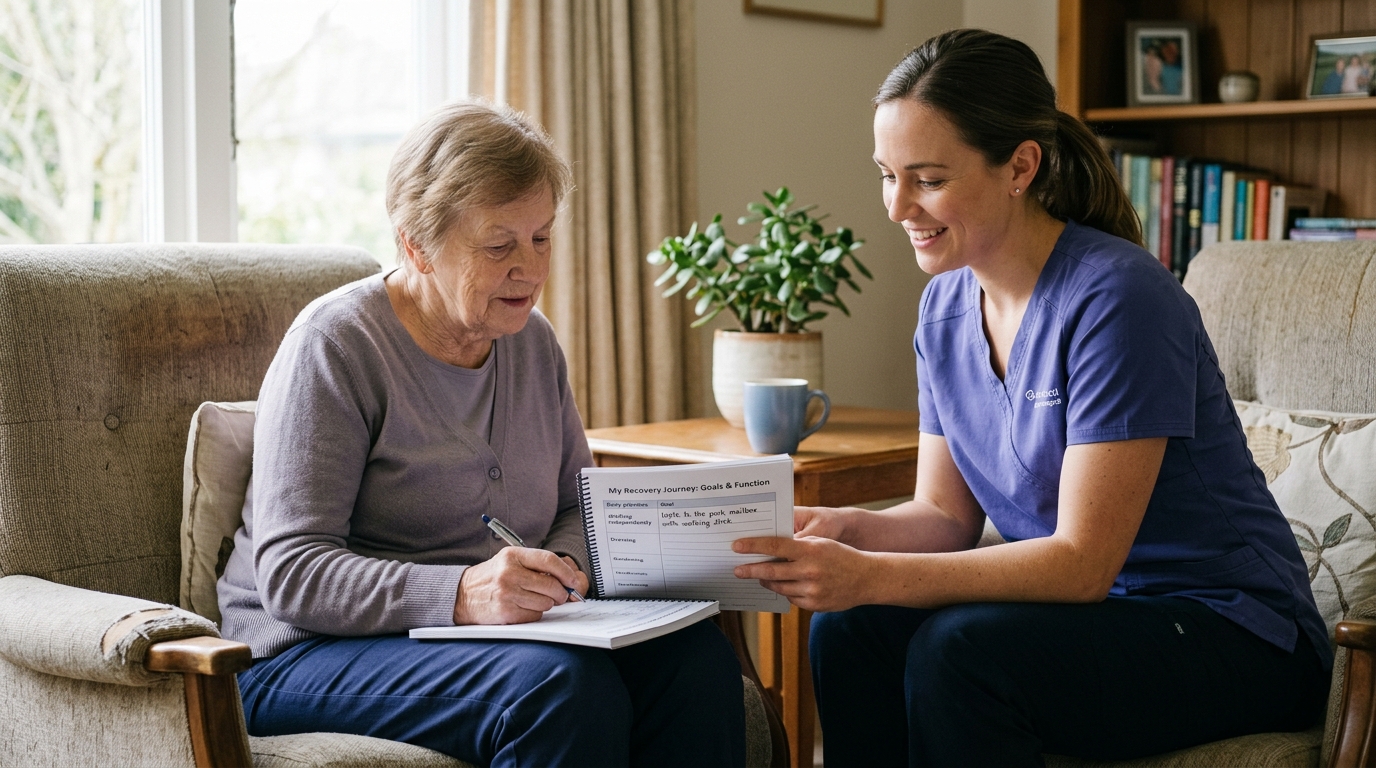
Working with your clinician to answer these questions transforms vague medical advice into an actionable, confidence-building plan. To read more about navigating safe transitions across various life stages, explore our active lifestyle resources.
Returning to your favorite recreational activities after an injury or long break is a dynamic, multi-step journey. True readiness is not defined by a single calendar date or an absence of minor aches. It is built by systematically aligning your physical capacity with the demands of your sport while respecting your body's response.
By treating your comeback as a staged progression, monitoring both immediate and delayed symptoms, and addressing movement confidence alongside physical strength, you can safely return to the recreation that keeps you healthy and fulfilled.
With patience, objective monitoring, and a structured plan, you can navigate your recovery safely and enjoy an active lifestyle for years to come.

Use ReboundBody resources to understand common recovery stages, rehab terms, movement limits and strength rebuilding. Each guide is designed to make a complex comeback easier to understand.


Read practical guidance on injury recovery, rehabilitation, mobility and rebuilding strength as you work your way back to activity.
Explore Resources