Make the next stage of recovery clearer
Read practical guidance on injury recovery, rehabilitation, mobility and rebuilding strength as you work your way back to activity.
Explore Resources
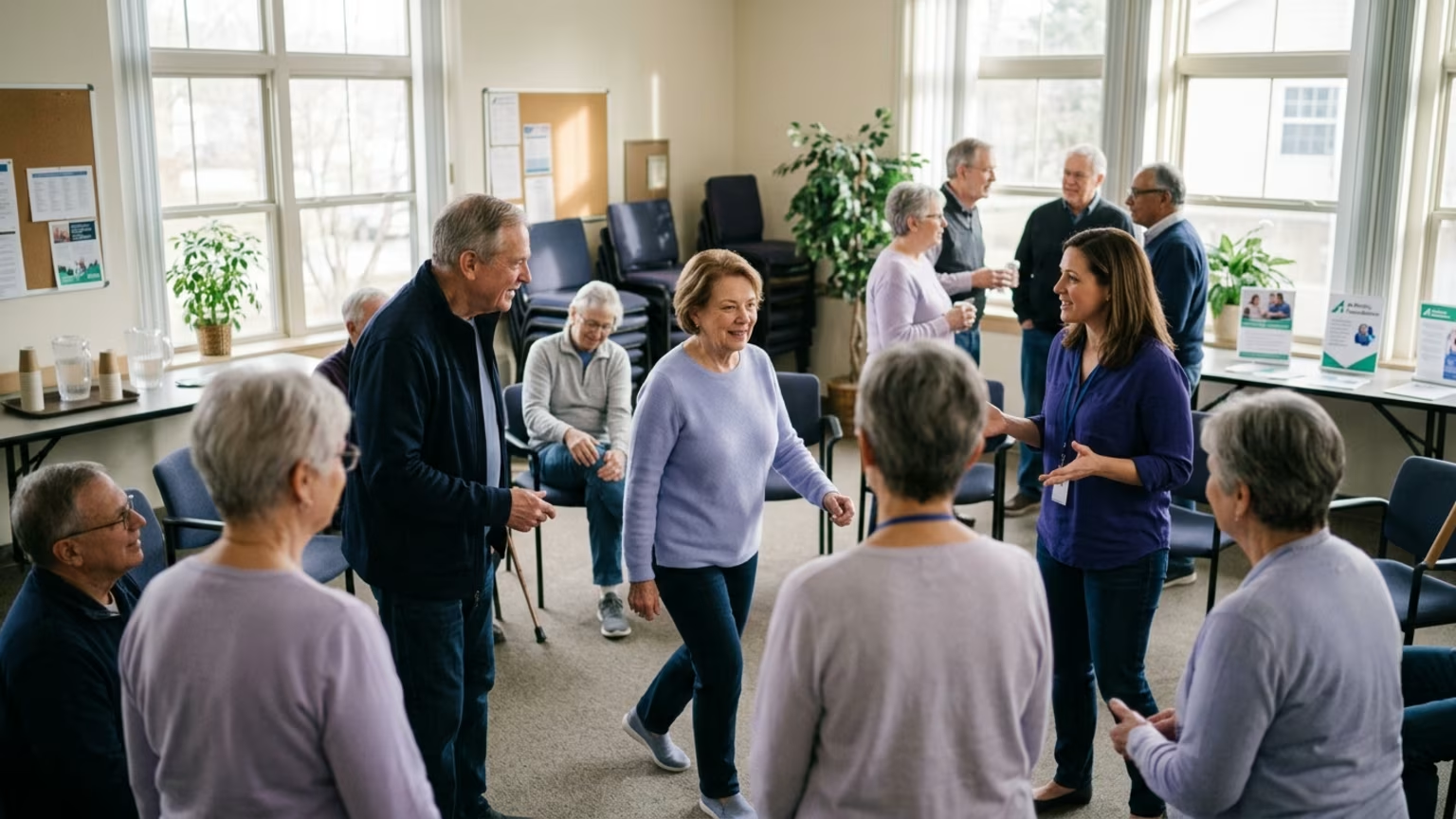
Learn about the Arthritis Foundation’s Comeback Club, planned launch events and the difference between peer stories and clinical recovery guidance.

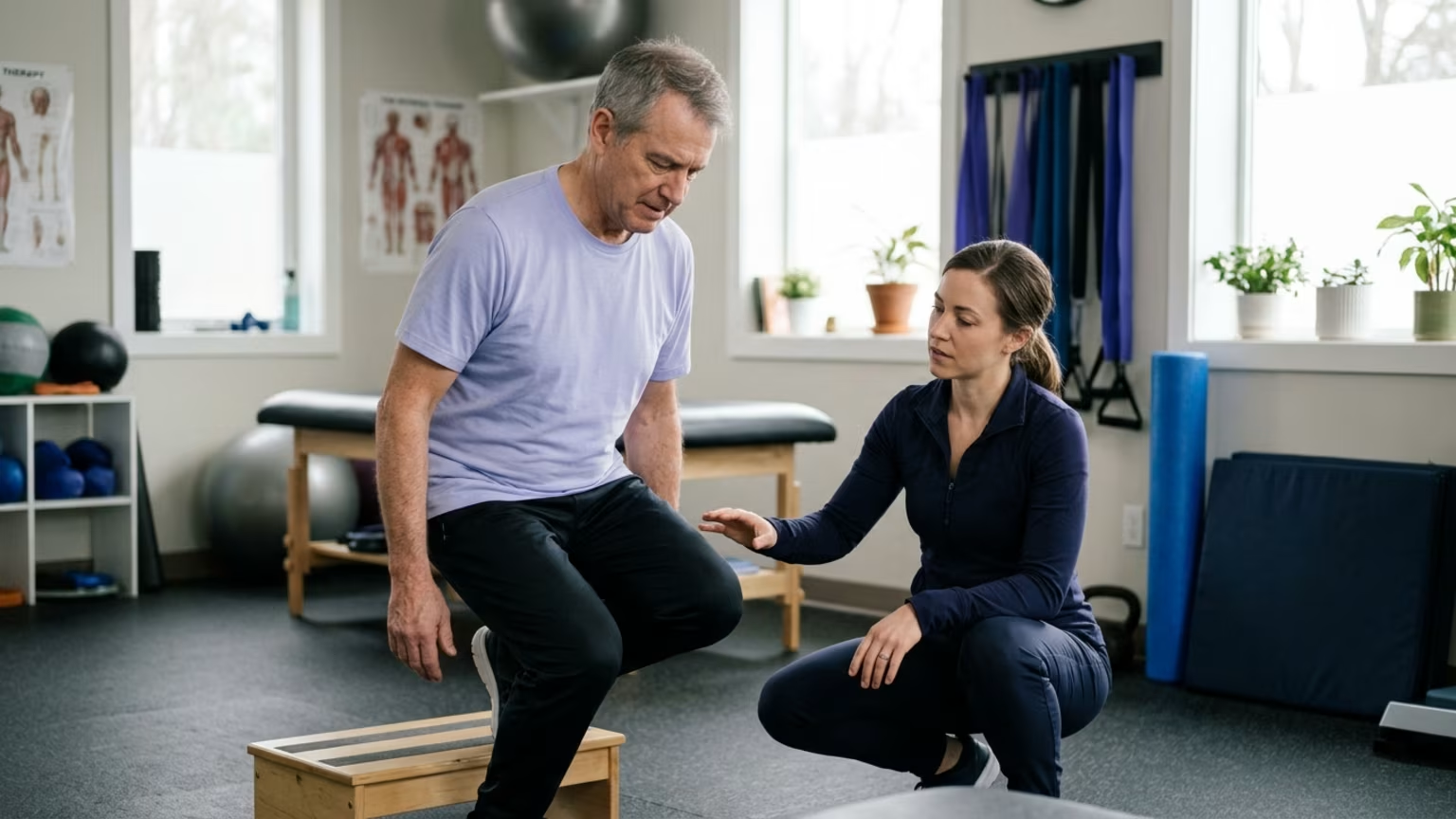
Learn how to describe restricted reach, extra effort, unsteadiness and hesitation without mistaking everyday observations for a diagnosis.
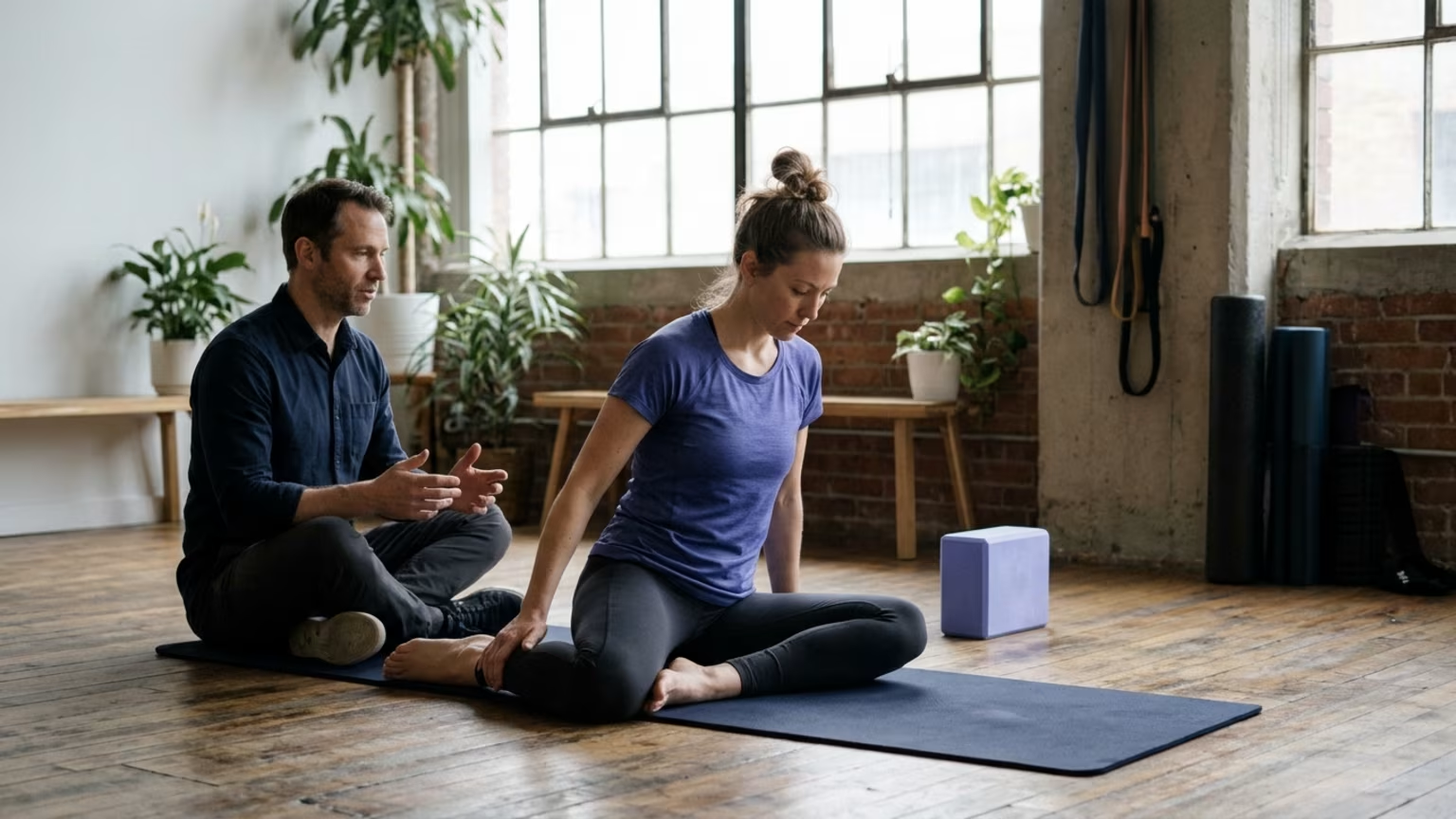
Understand flexibility, mobility, and range of motion, including active versus passive movement and why everyday function adds context to recovery.
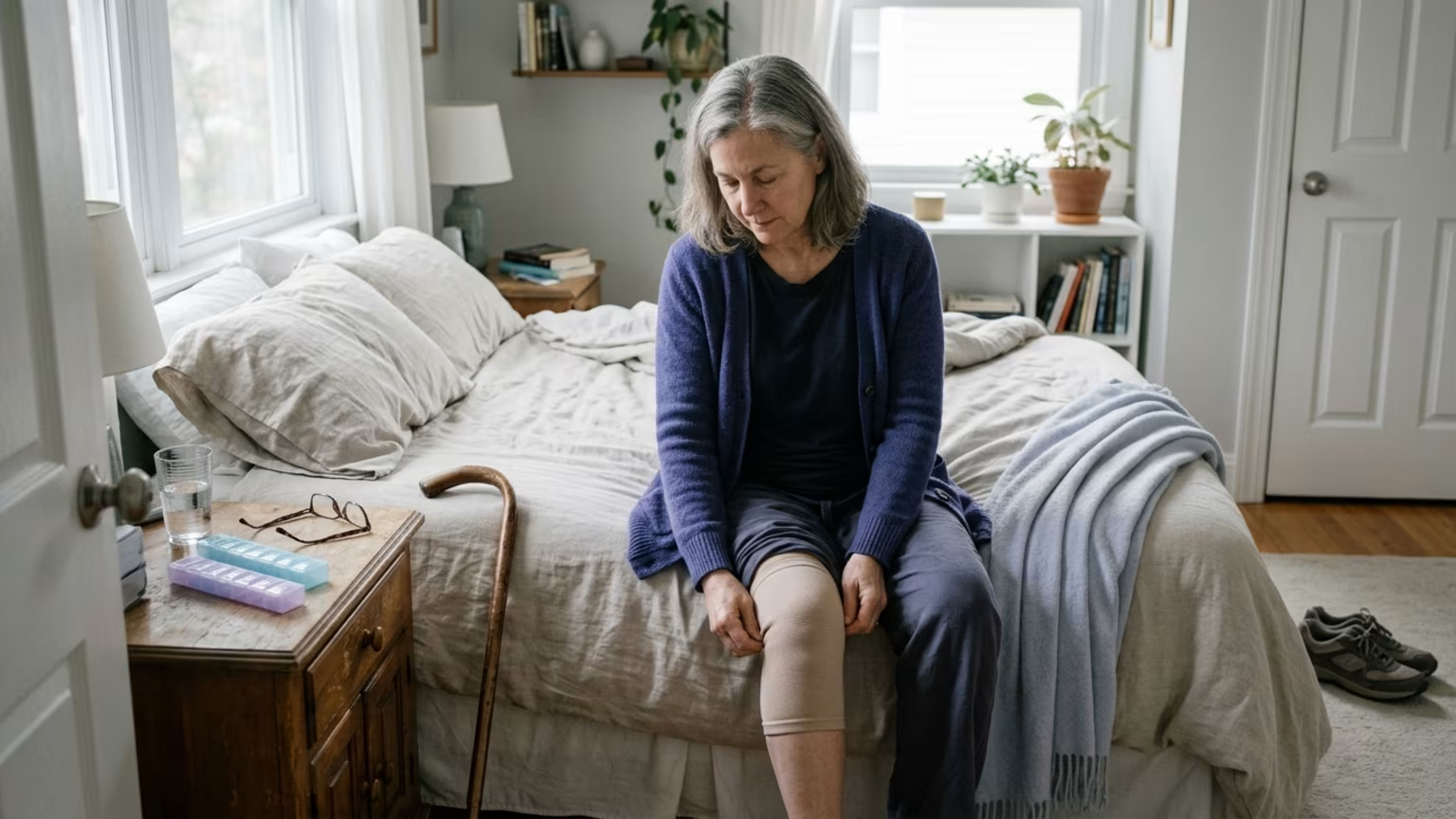
Understand the evidence on sleep and daily stiffness, why one day's mobility is not a recovery verdict, and what to discuss with your clinician.
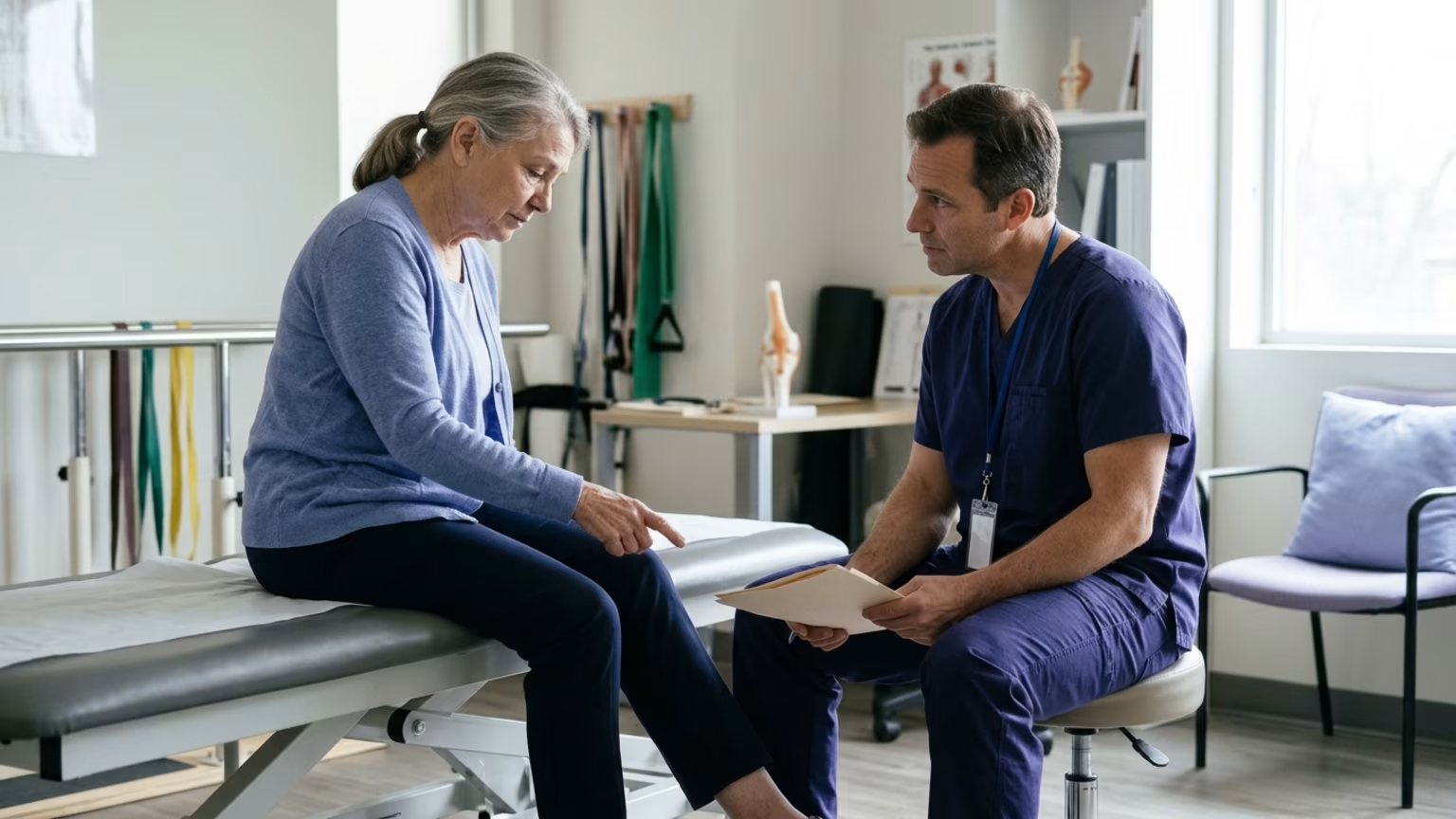
An AAOS-reported knee replacement study links back pain and higher starting knee scores to missing a benefit benchmark. Read the findings and limits.

A trial in younger women found added benefits from CFT plus Pilates for movement fear and selected endurance measures, but not pain or disability.

Learn how swelling, healing and protective movement may contribute to joint stiffness, and what to discuss with your recovery team.
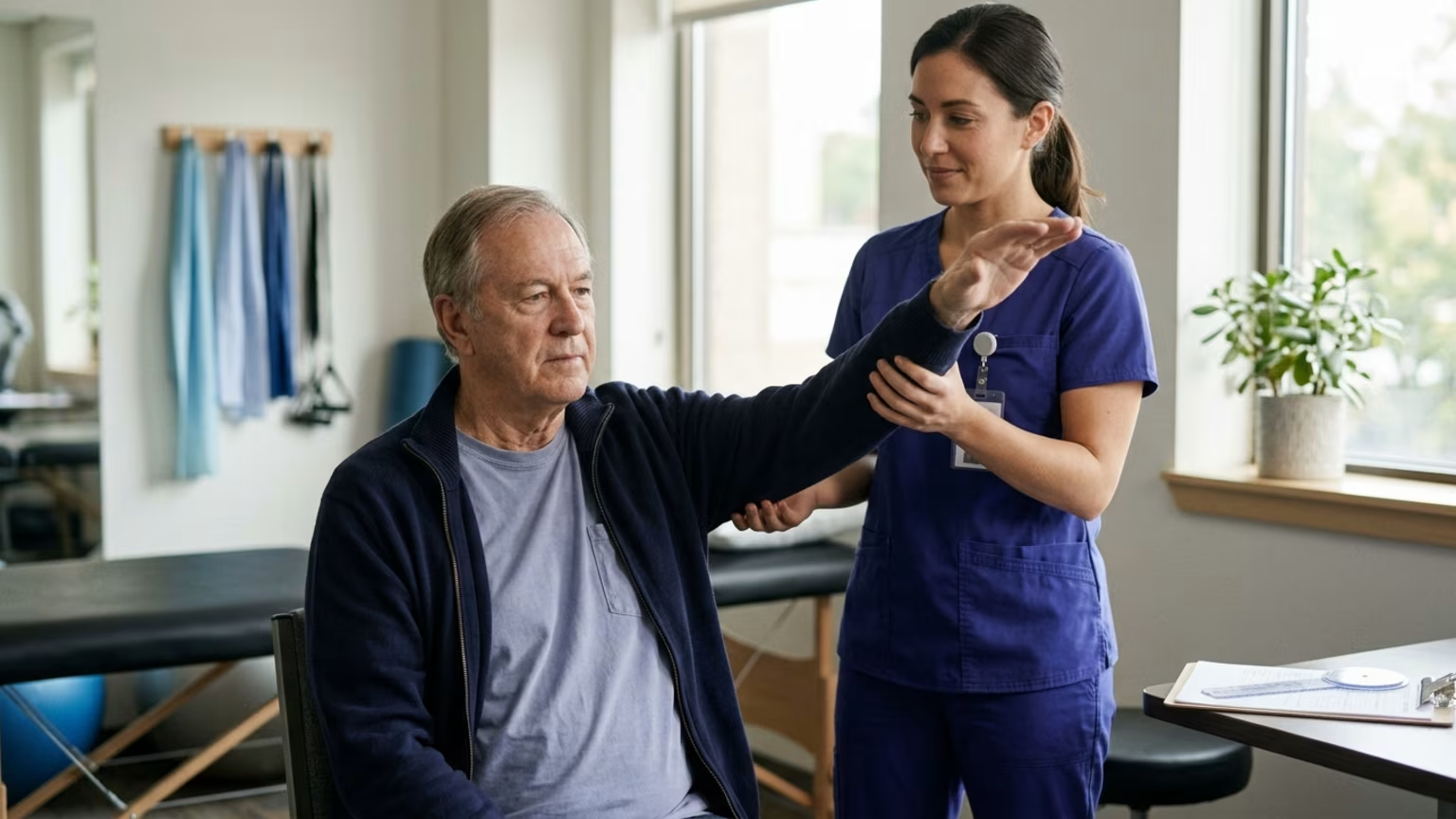
Range of motion measures joint movement, not overall recovery. Learn how degrees relate to strength, everyday tasks and questions for your clinician.
Understand how to discuss rest, movement, exercise progression, and digital rehabilitation with your clinician without relying on a standard recovery routine.
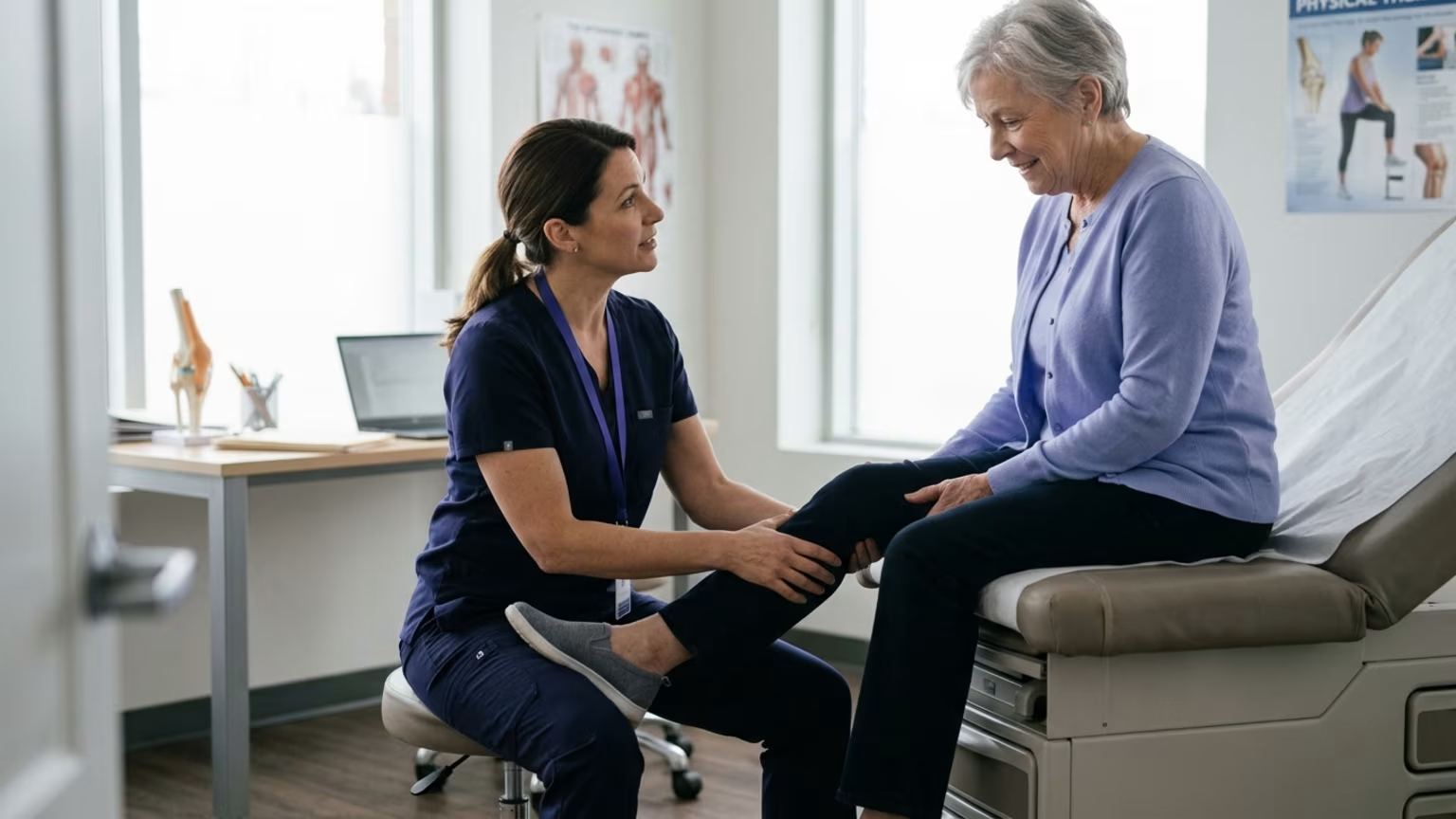
An orthopedic expert’s shoulder-pain reminder highlights diagnosis, nonsurgical options and the limits of claims about restoring mobility.
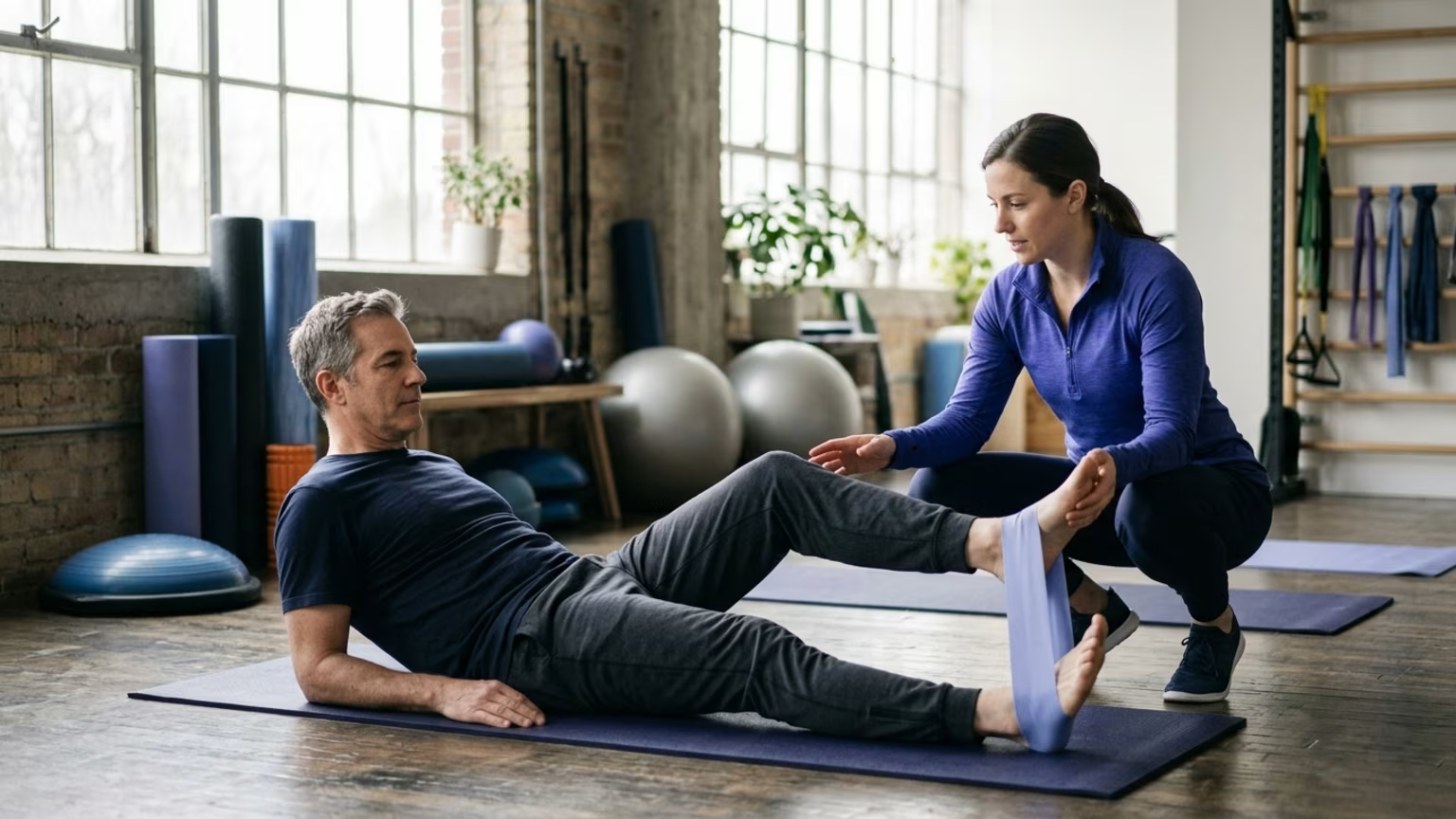
Learn how mobility and flexibility differ from strength and stability, and why recovery goals may need more than stretching.
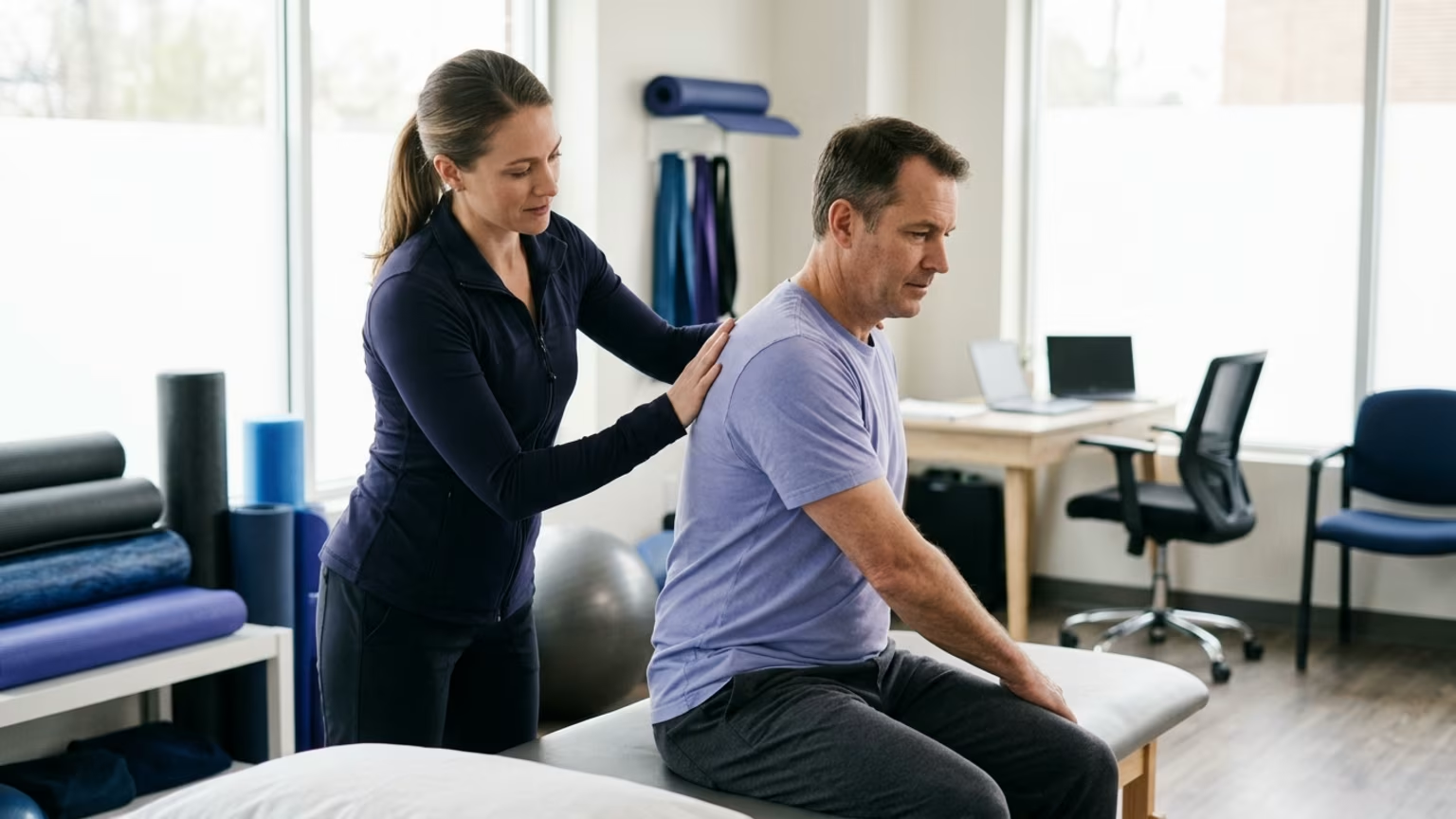
A new therapist-designed routine pairs mobility with strength after sitting. Learn its focus and how to discuss it in an orthopedic recovery context.

A clinical report explains why knee pain often occurs on stairs instead of walking. Learn about graded step-control rehabilitation, joint forces and recovery timelines.
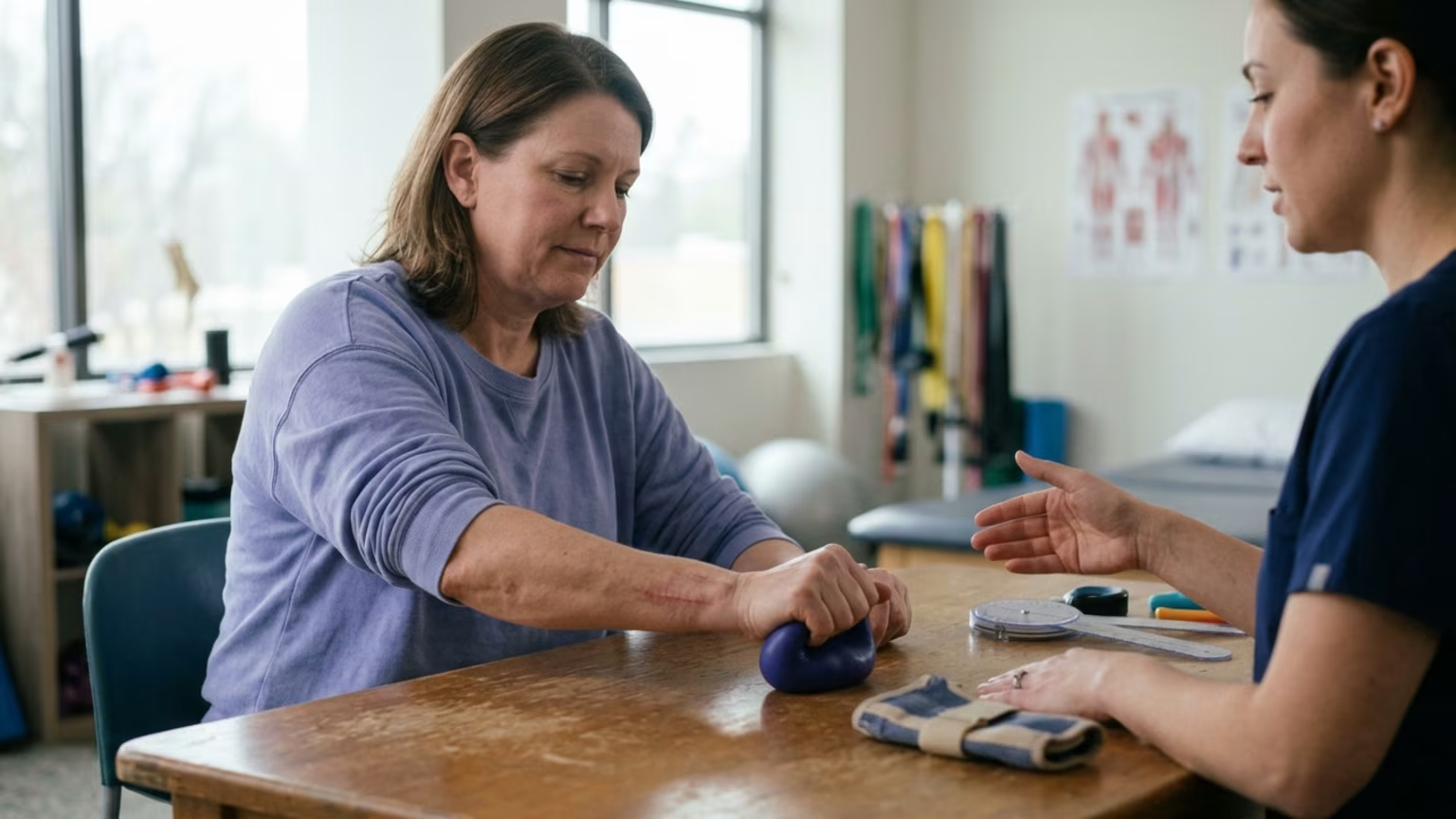
Acibadem Health Point clarifies that while broken wrist bones commonly unite in six to eight weeks, regaining motion, grip strength and heavy-use tolerance takes months.
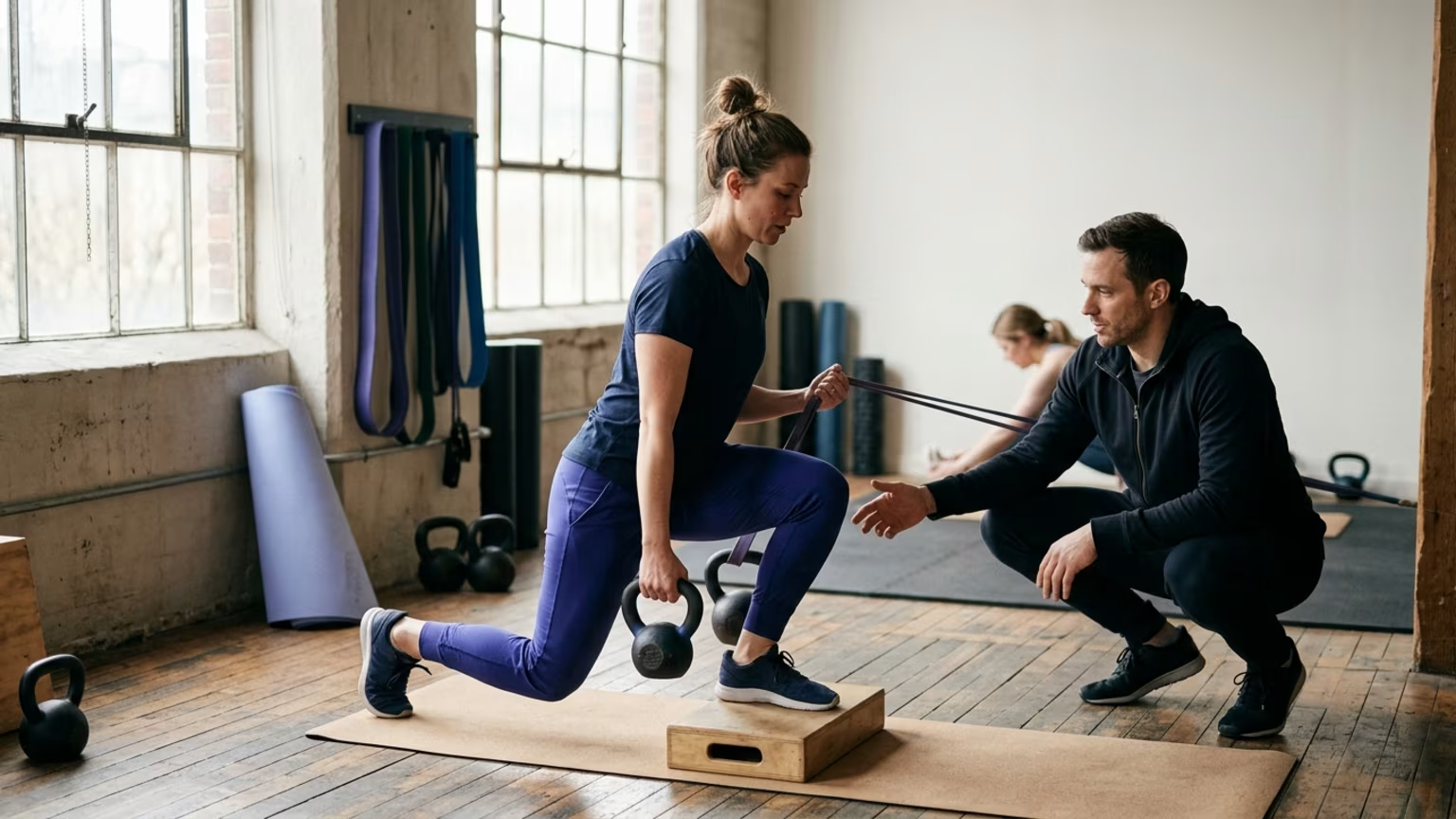
A 2021 review found no significant difference between strength training and stretching for improving range of motion. Learn what this means for your recovery.

Recent guidance from UT Southwestern emphasizes that movement mechanics and strength, not just pain relief, shape knee recovery and long-term joint health.
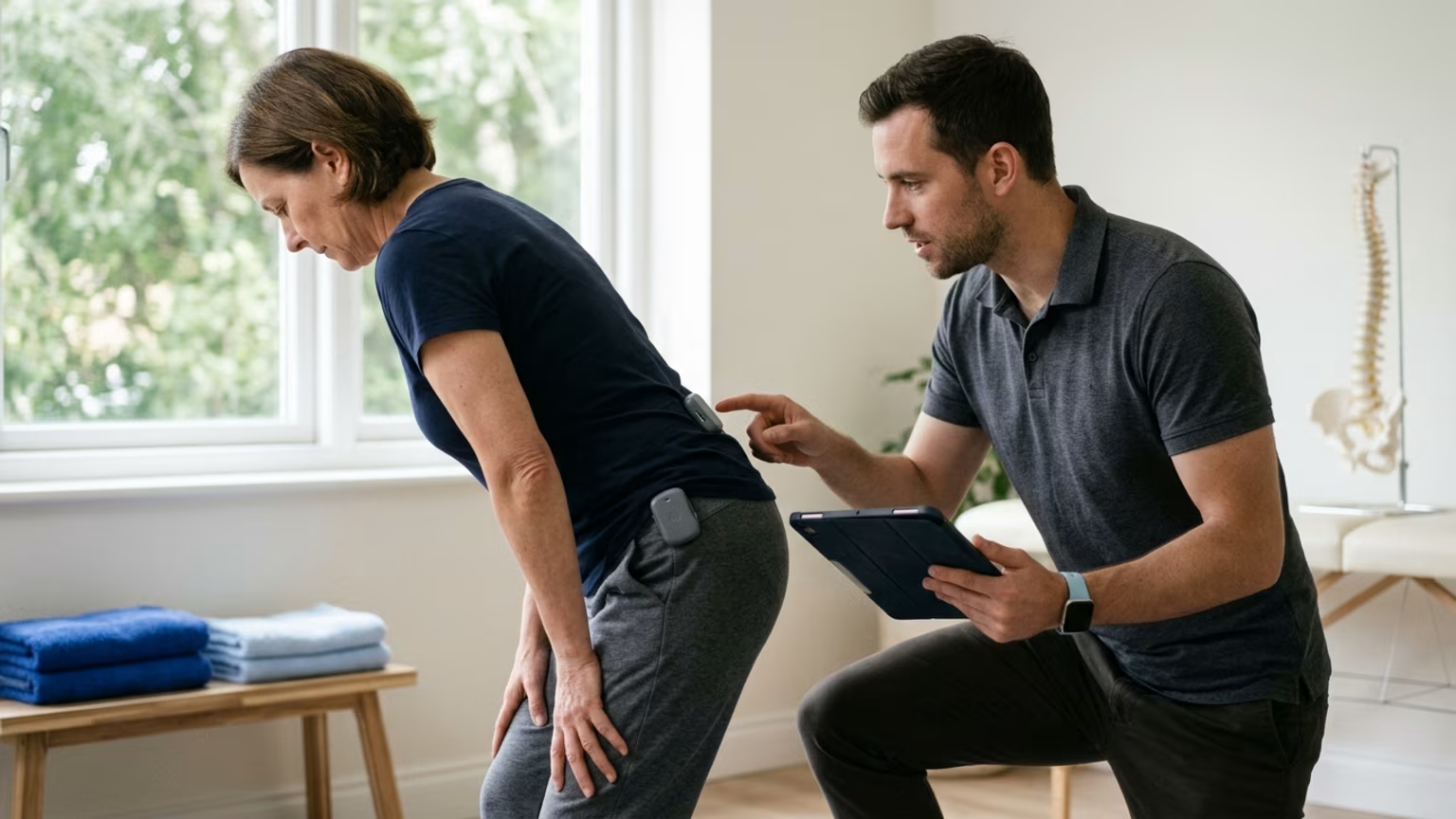
A 2026 study asks if inclinometers can measure movement quality during planks for adults with low back pain. Learn how guarding affects clinical tests.
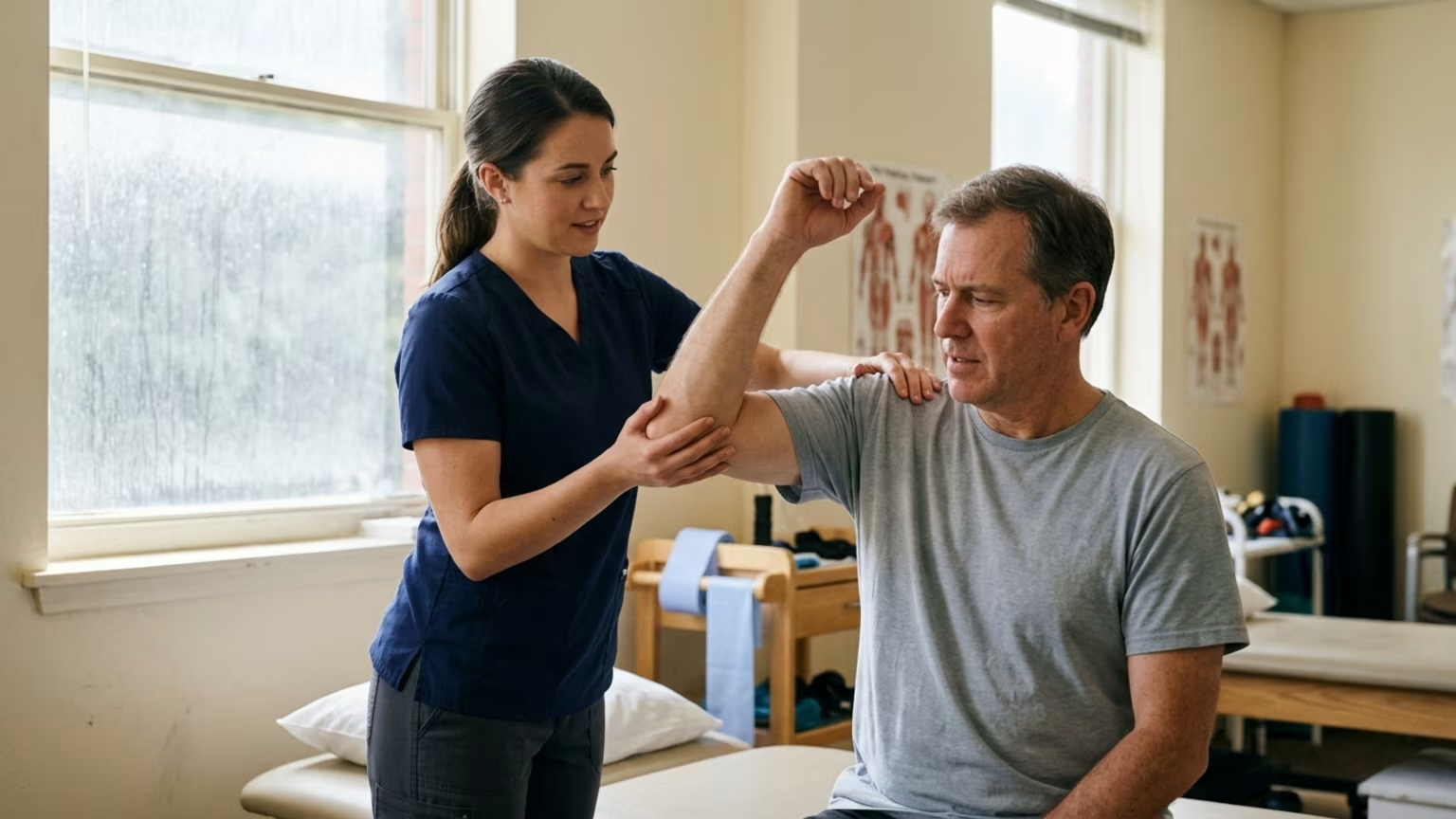
A recent review clarifies active, passive, and assisted range of motion, showing why continuous passive motion adds little benefit after knee replacement.
Read practical guidance on injury recovery, rehabilitation, mobility and rebuilding strength as you work your way back to activity.
Explore Resources




