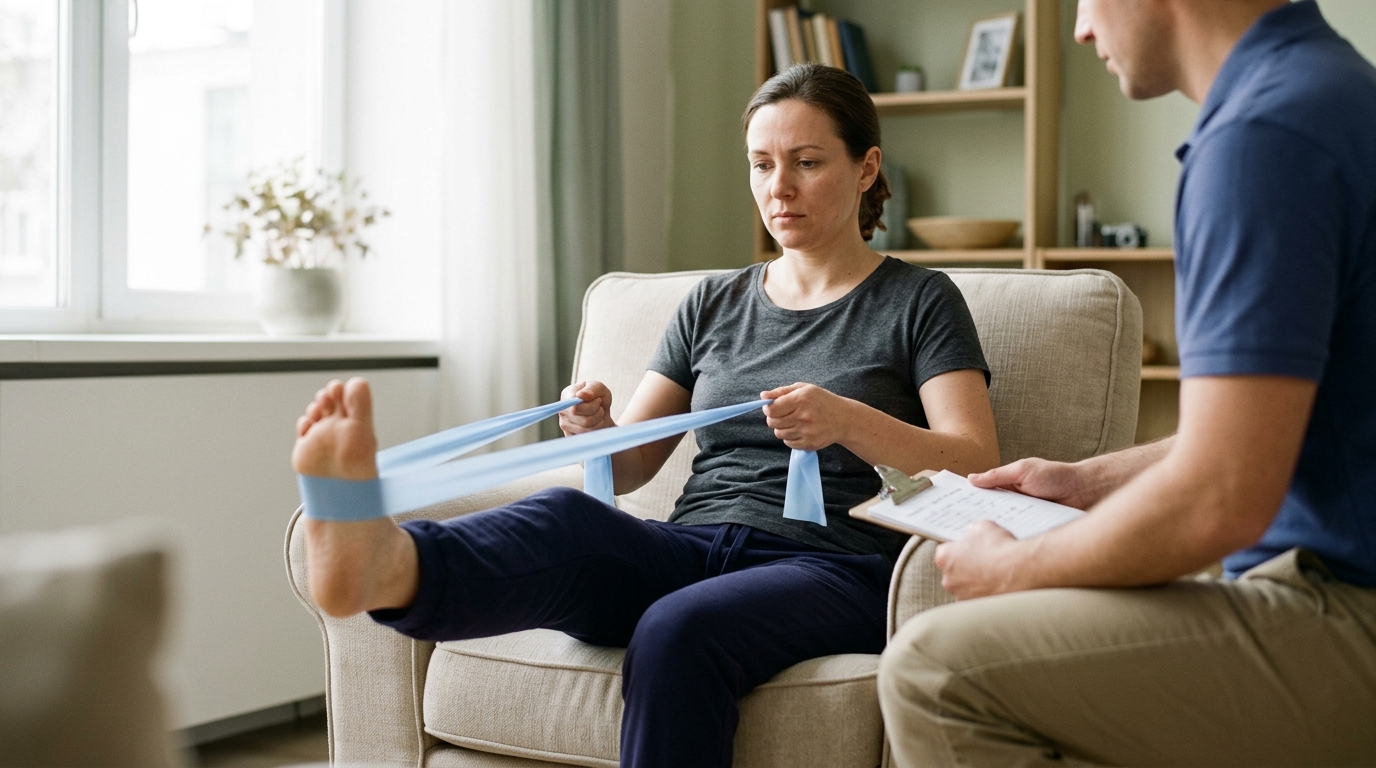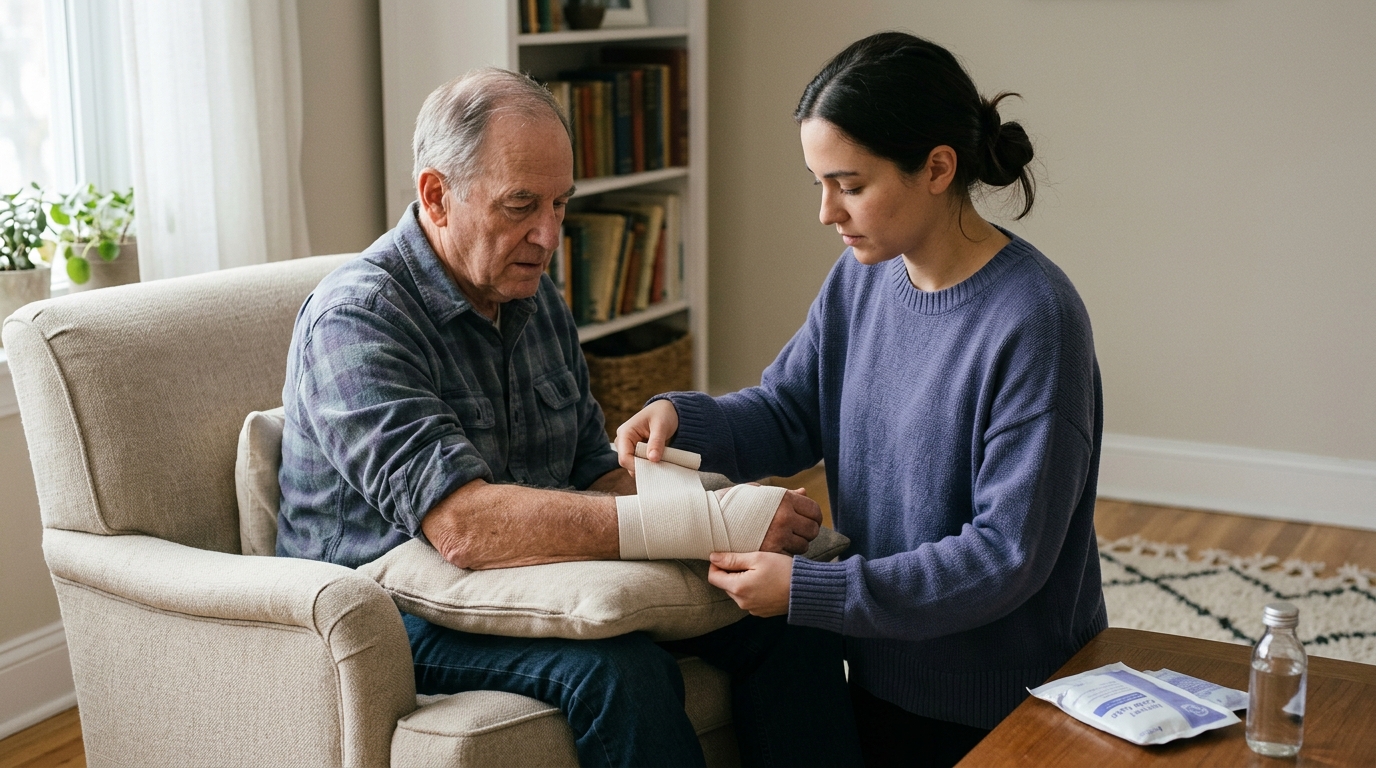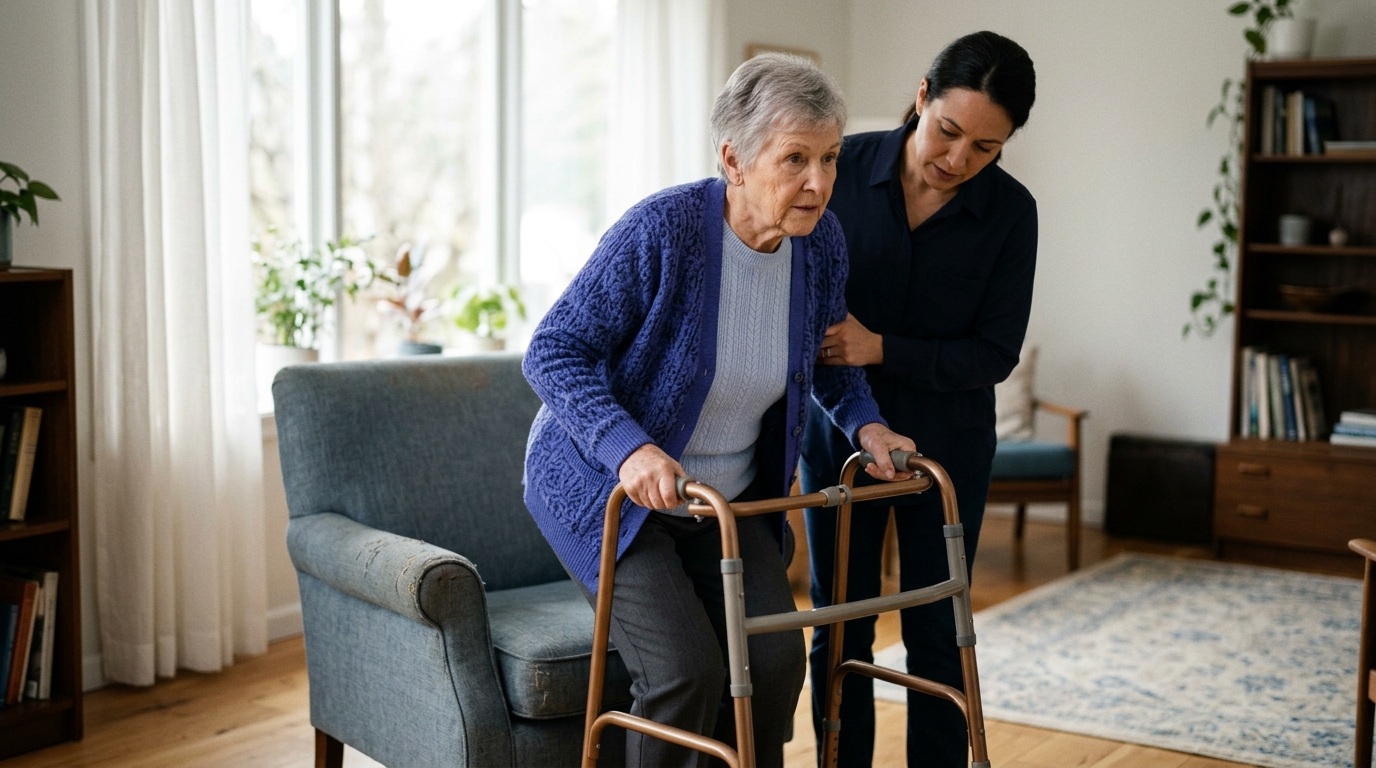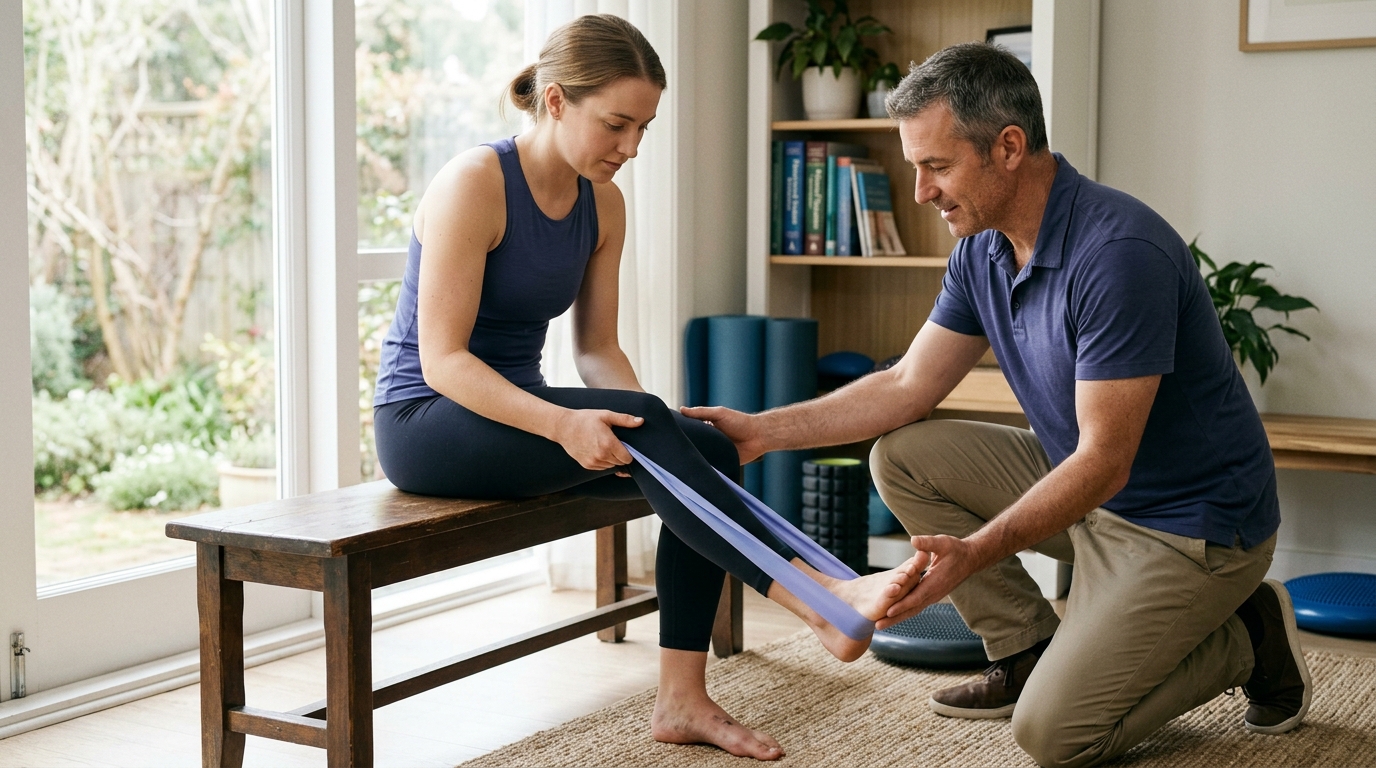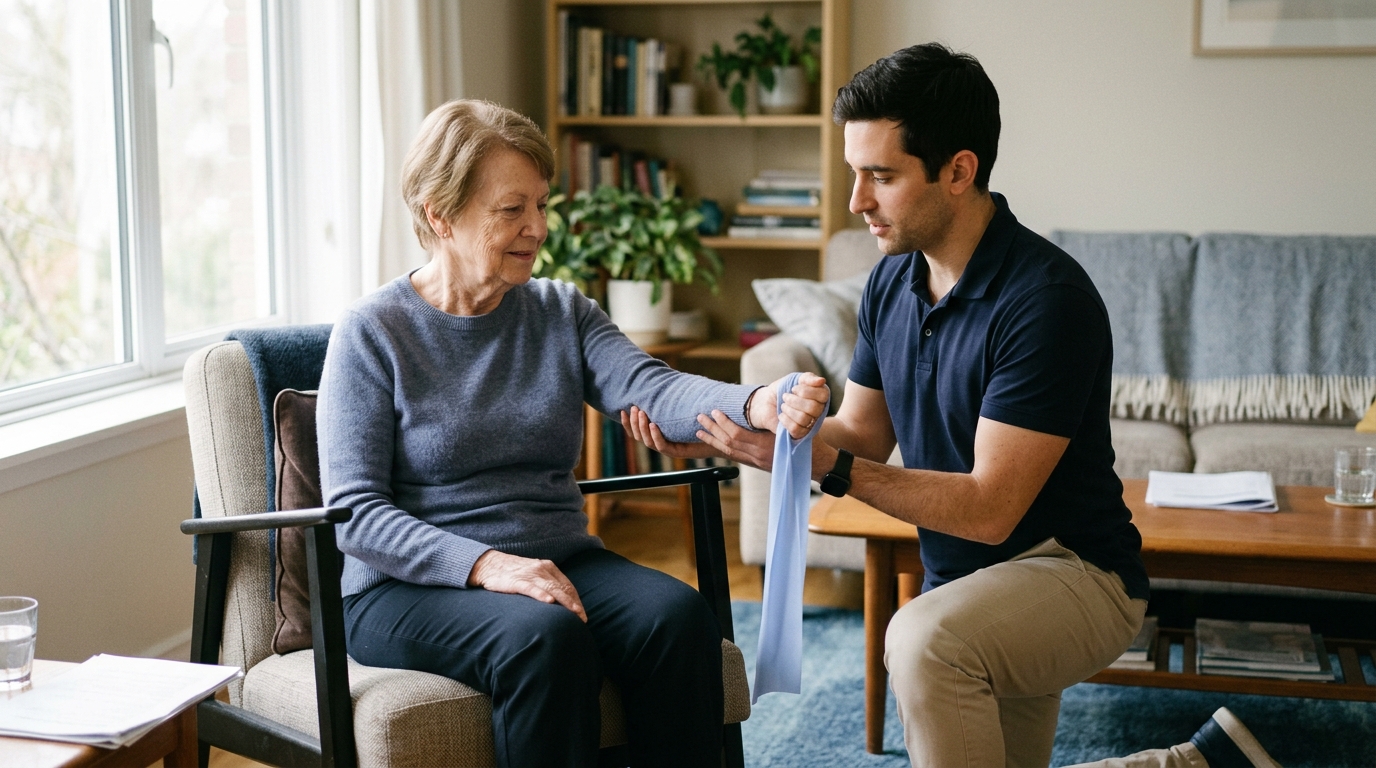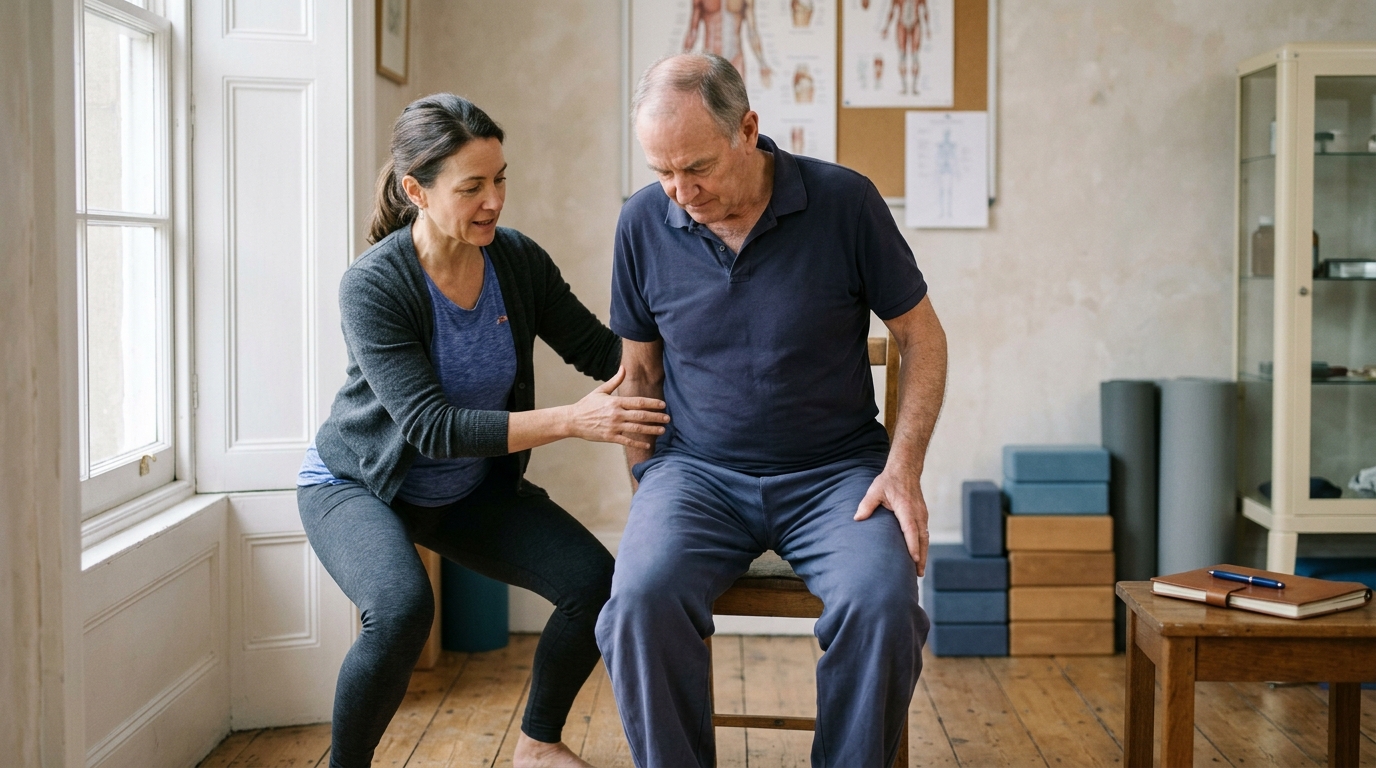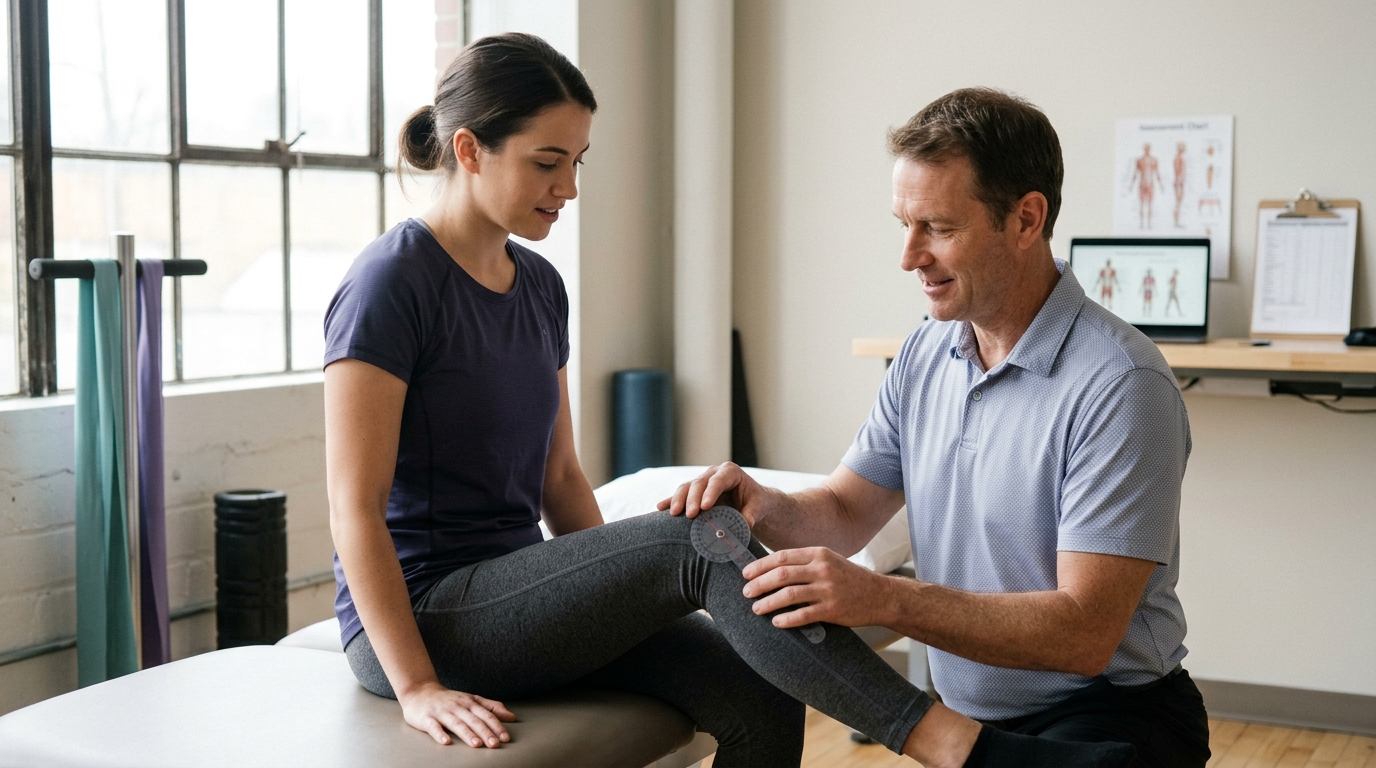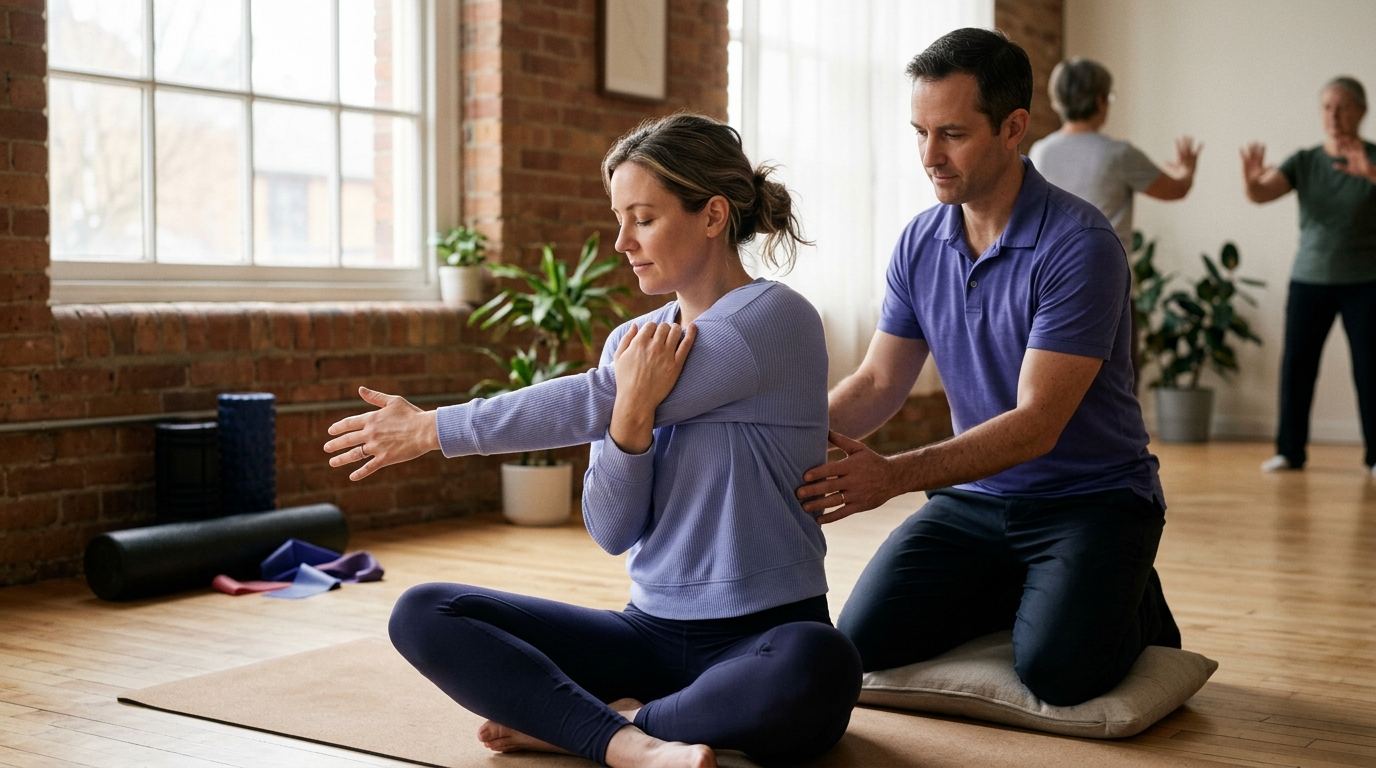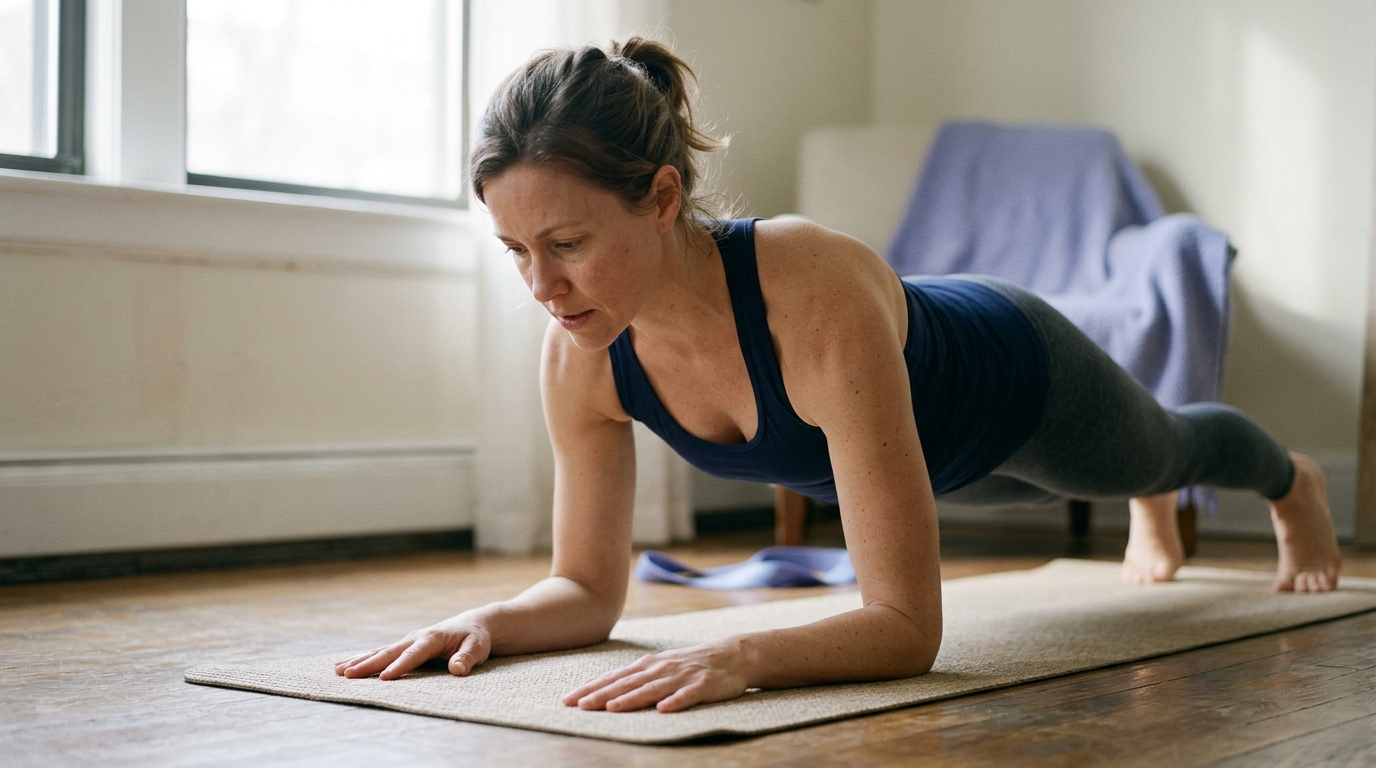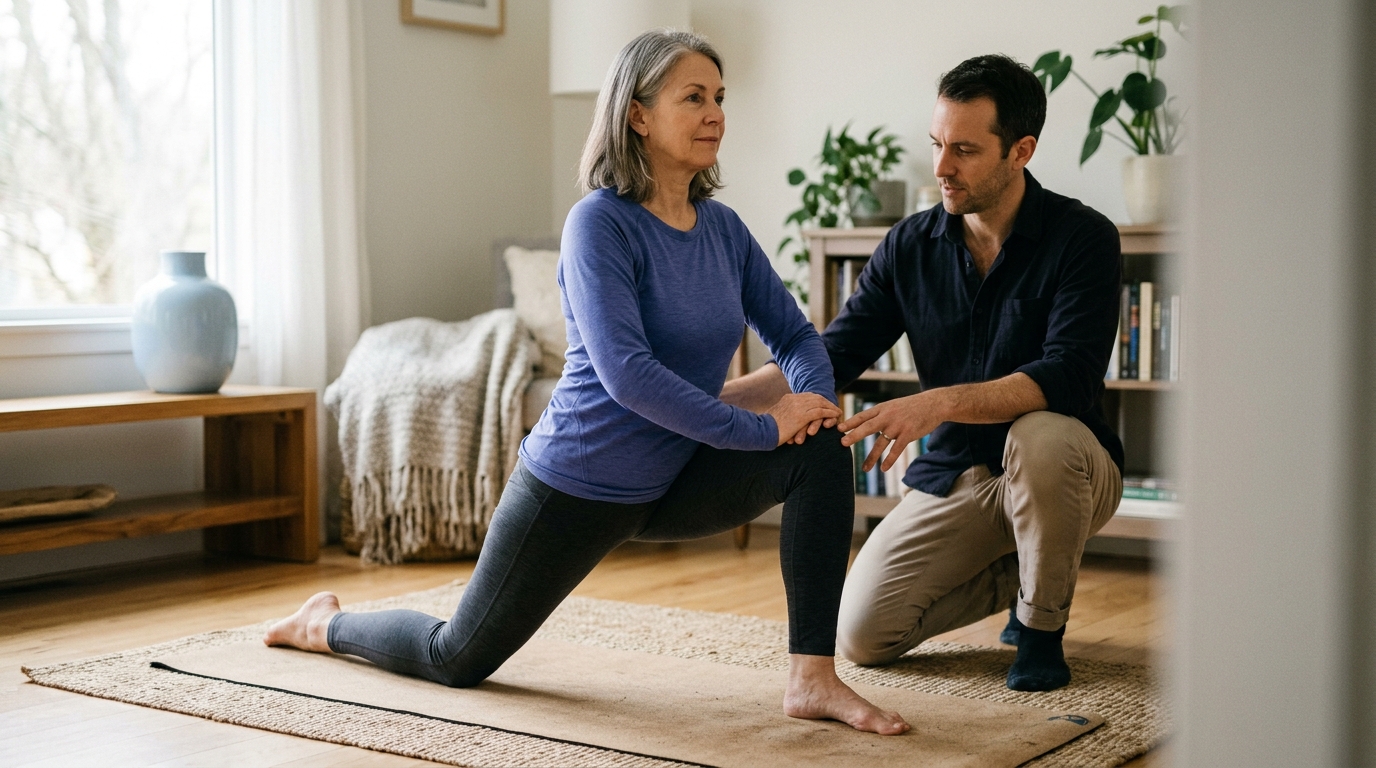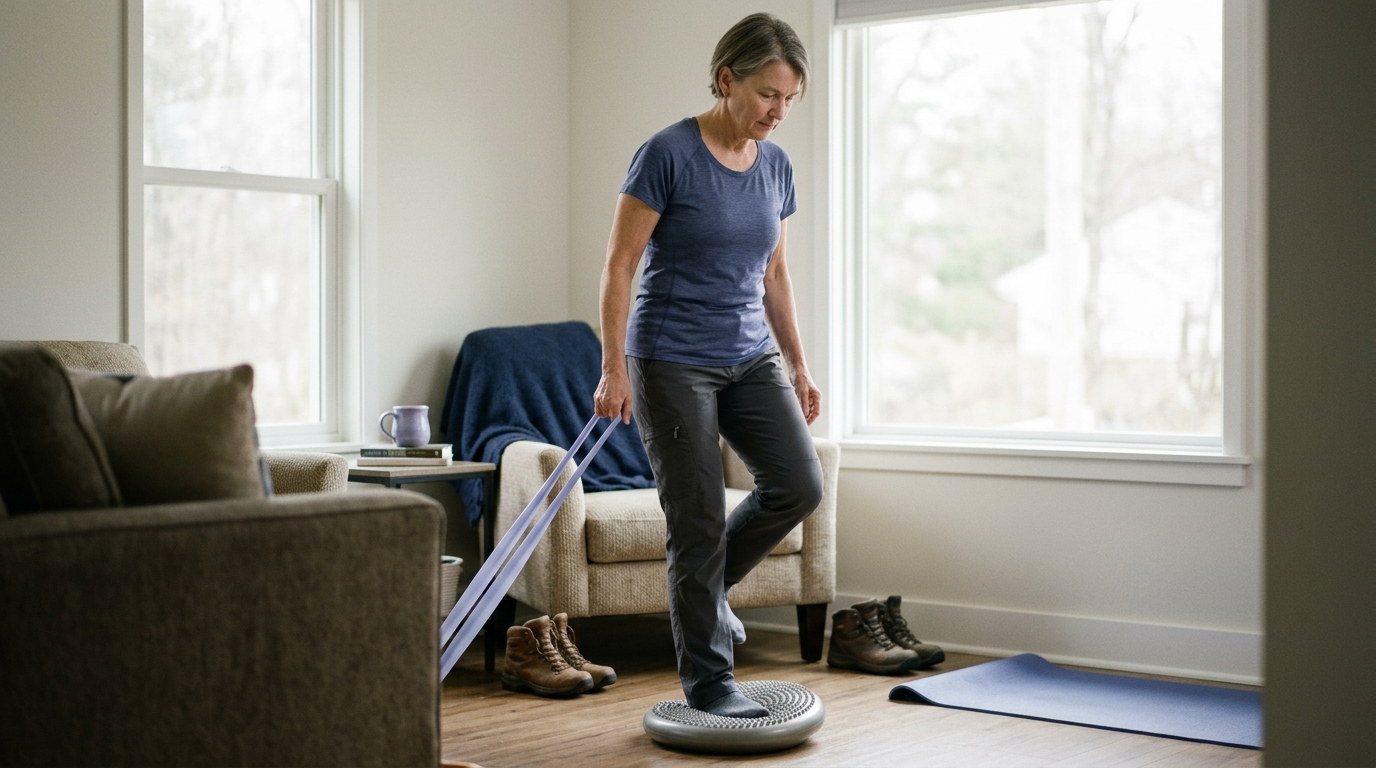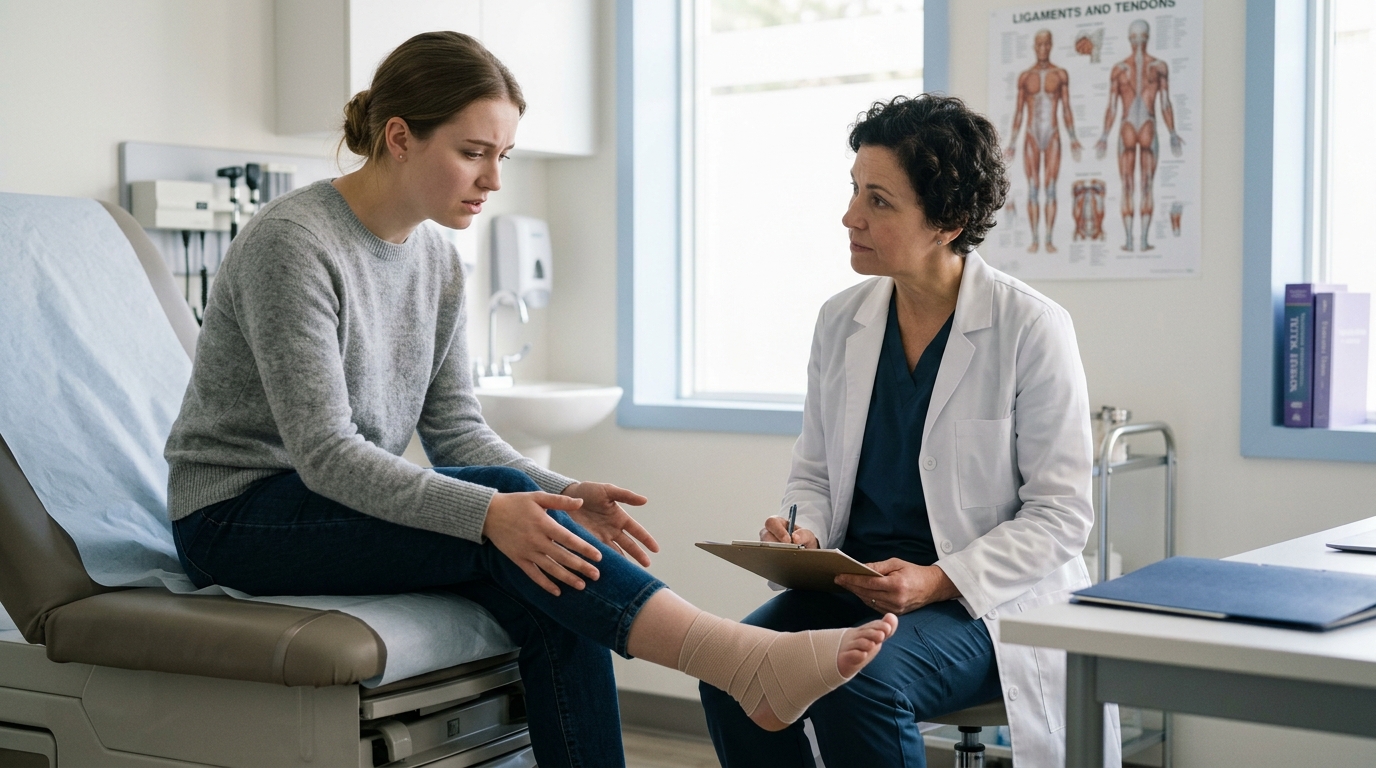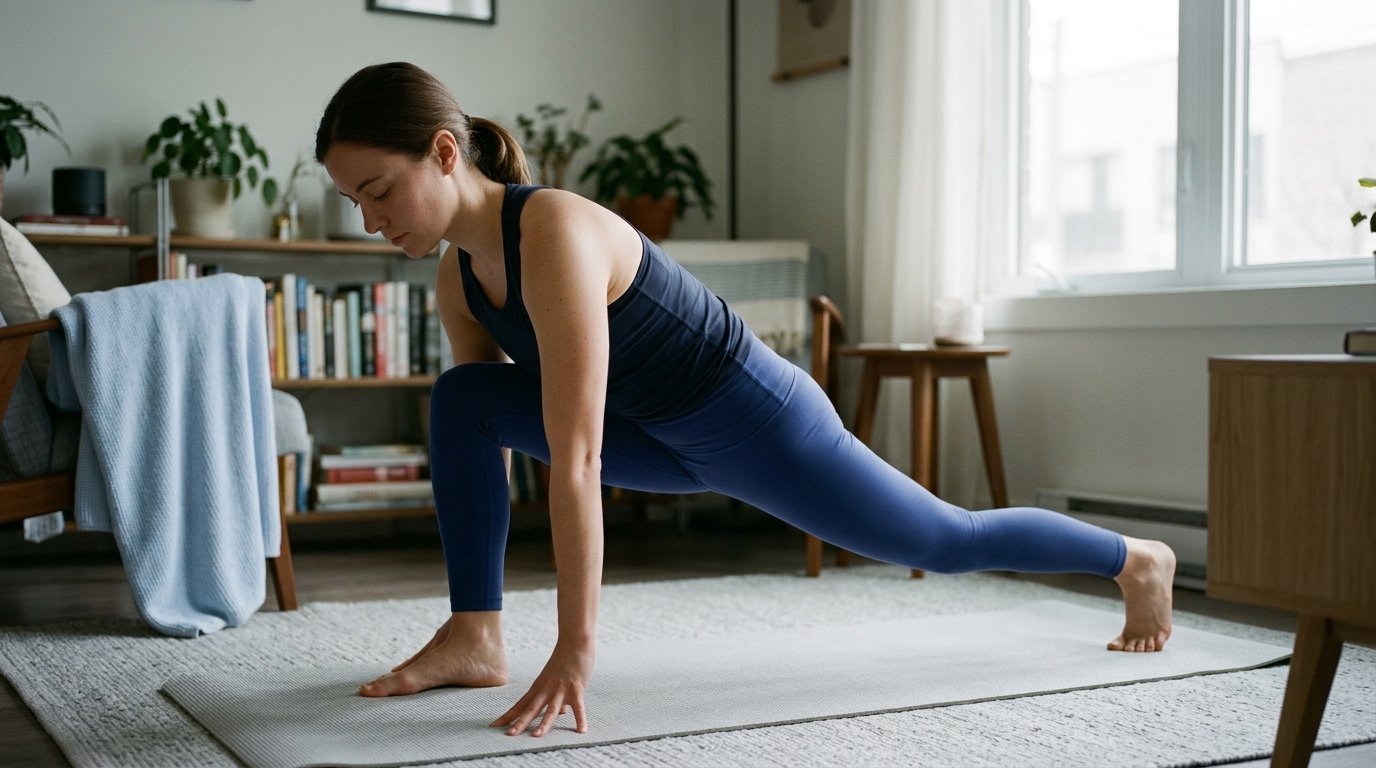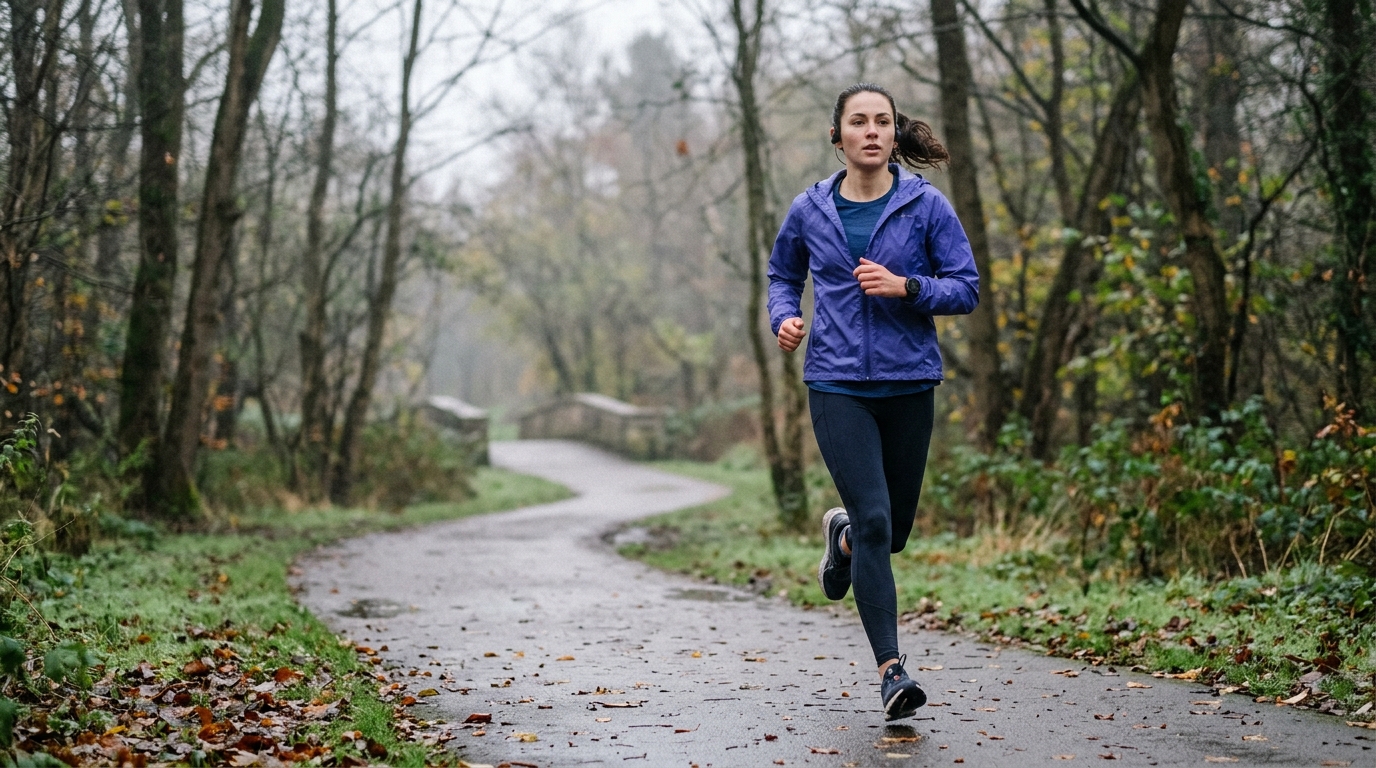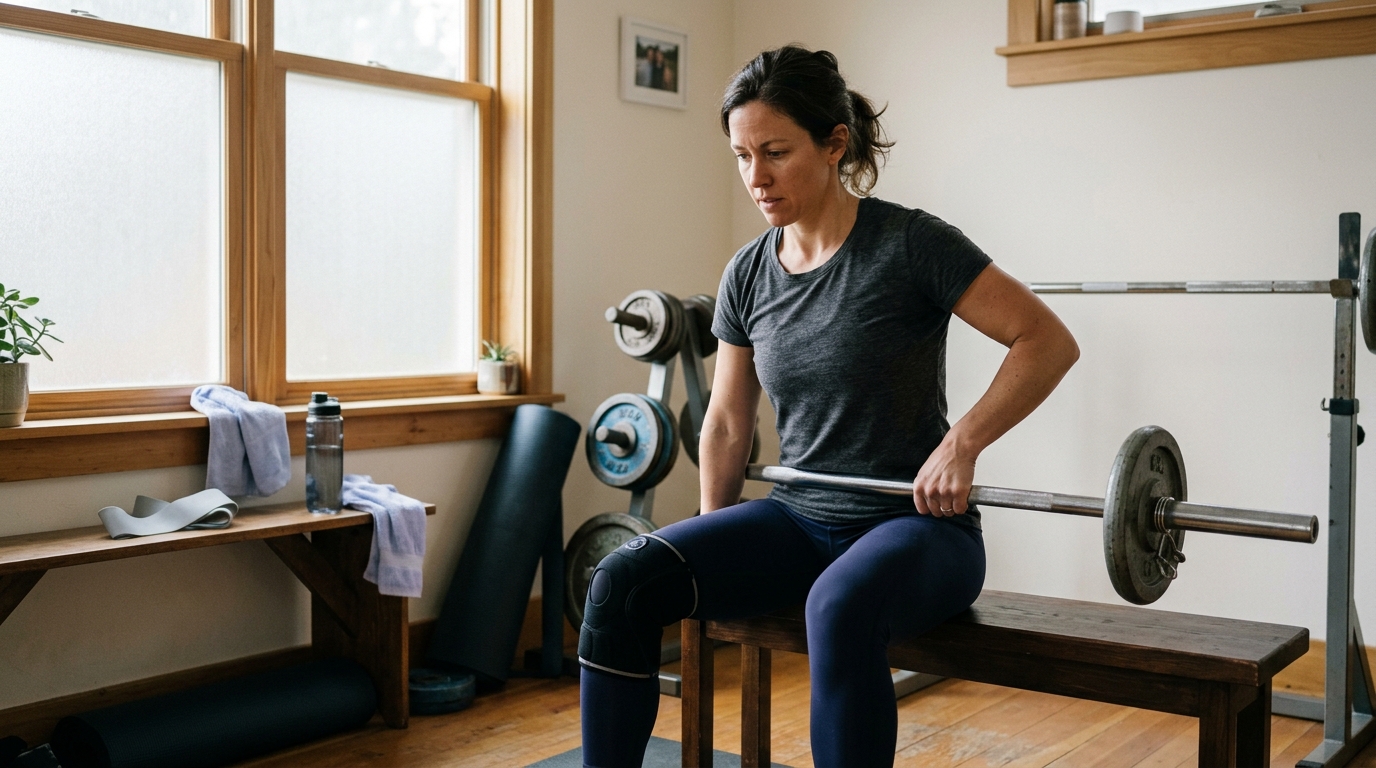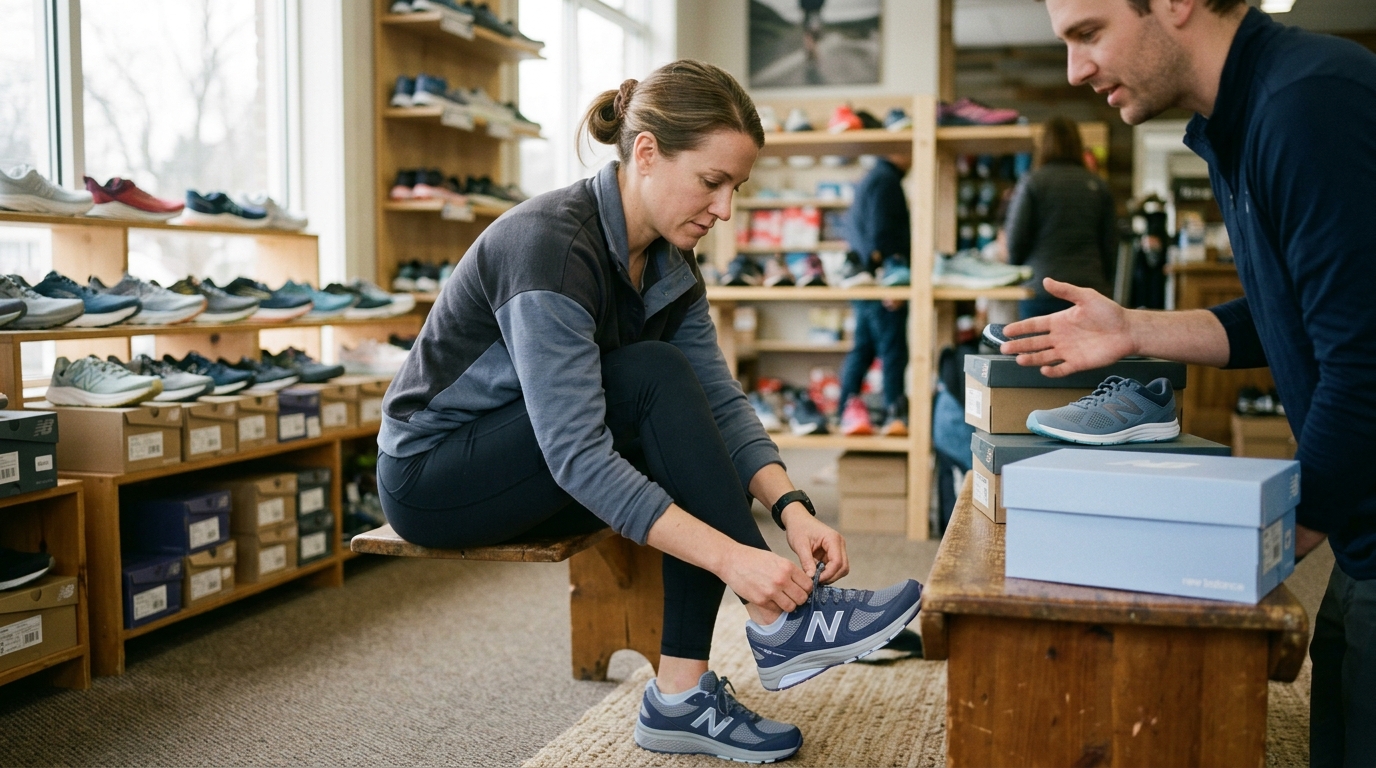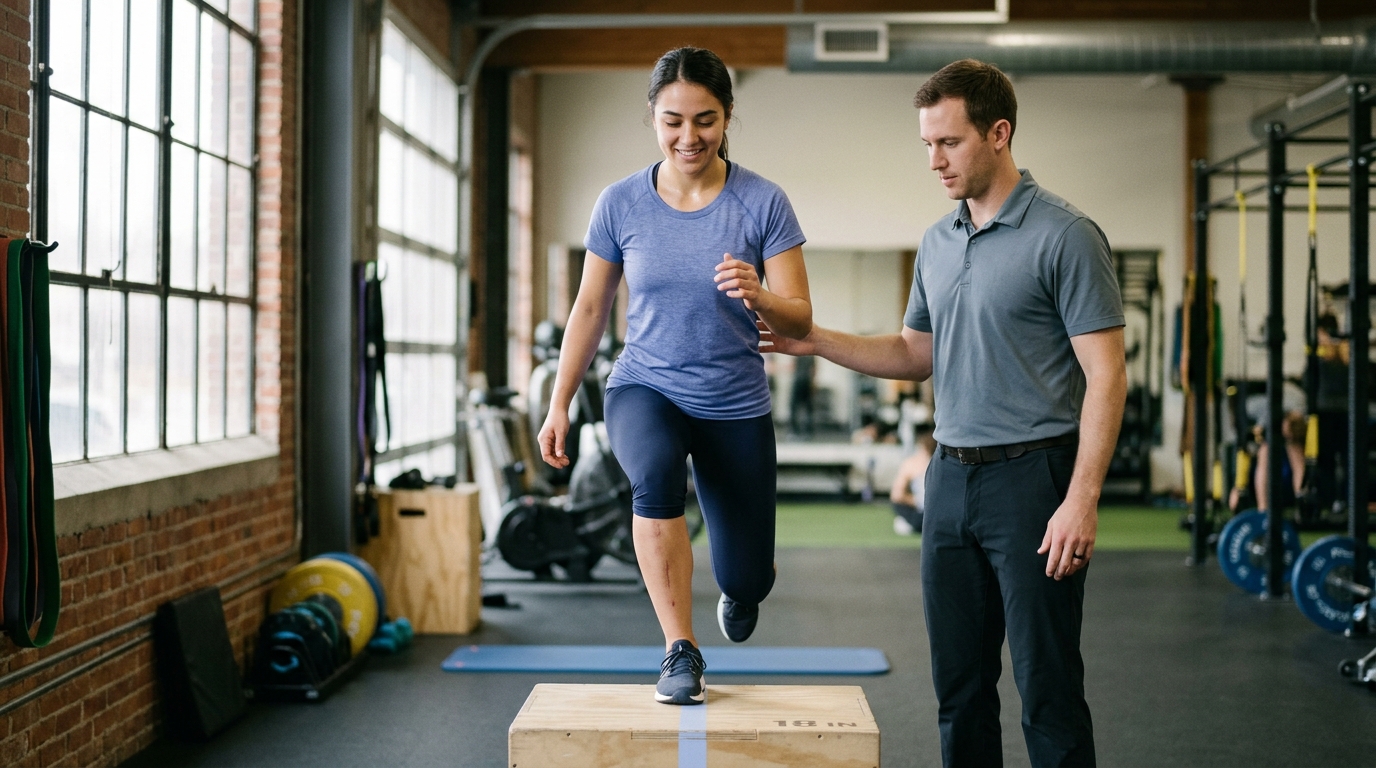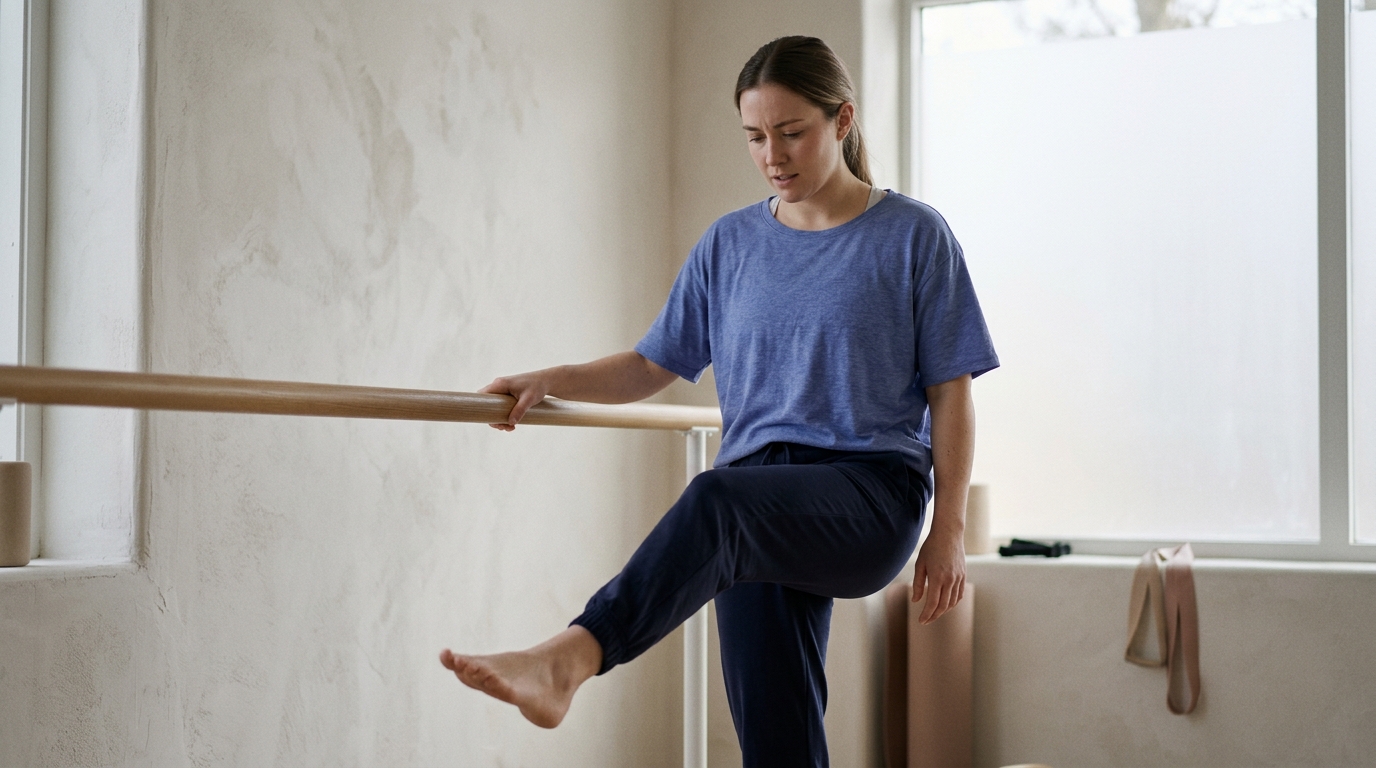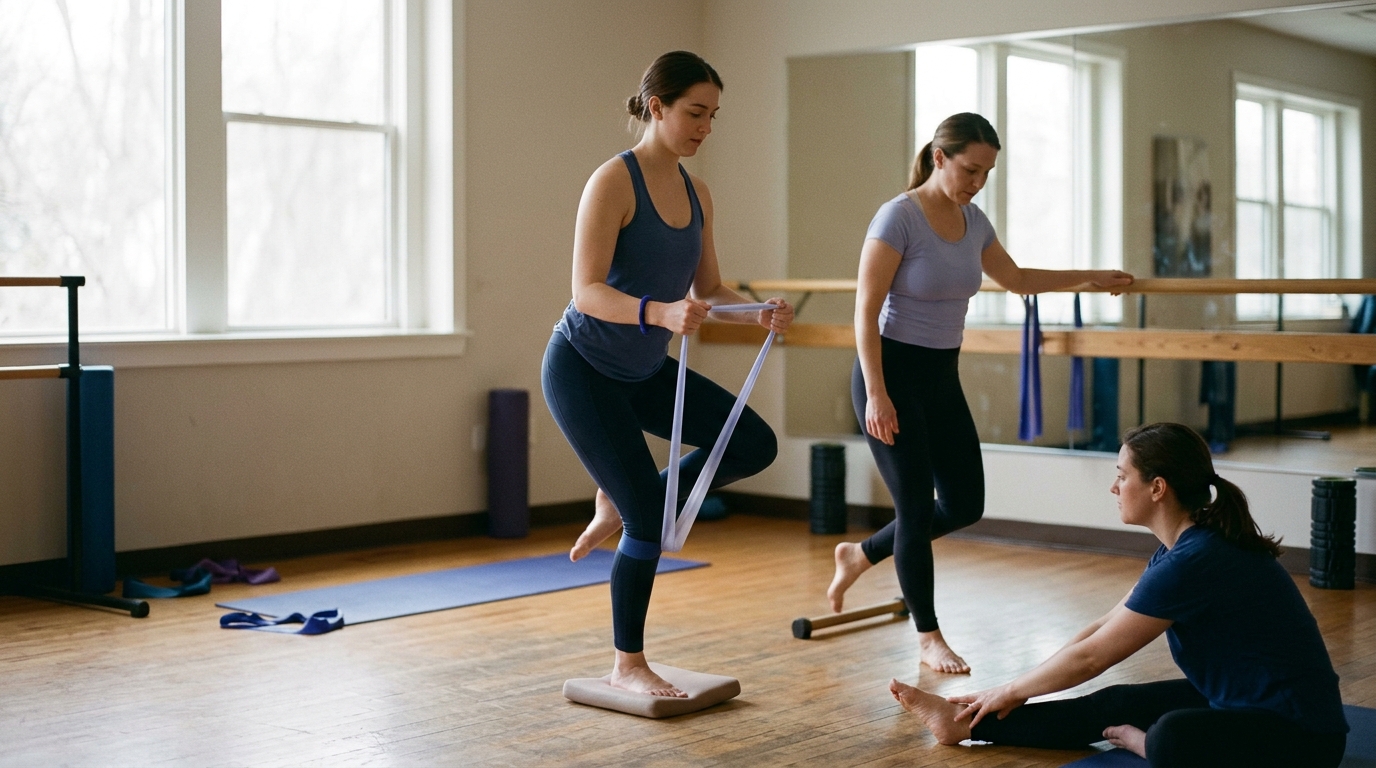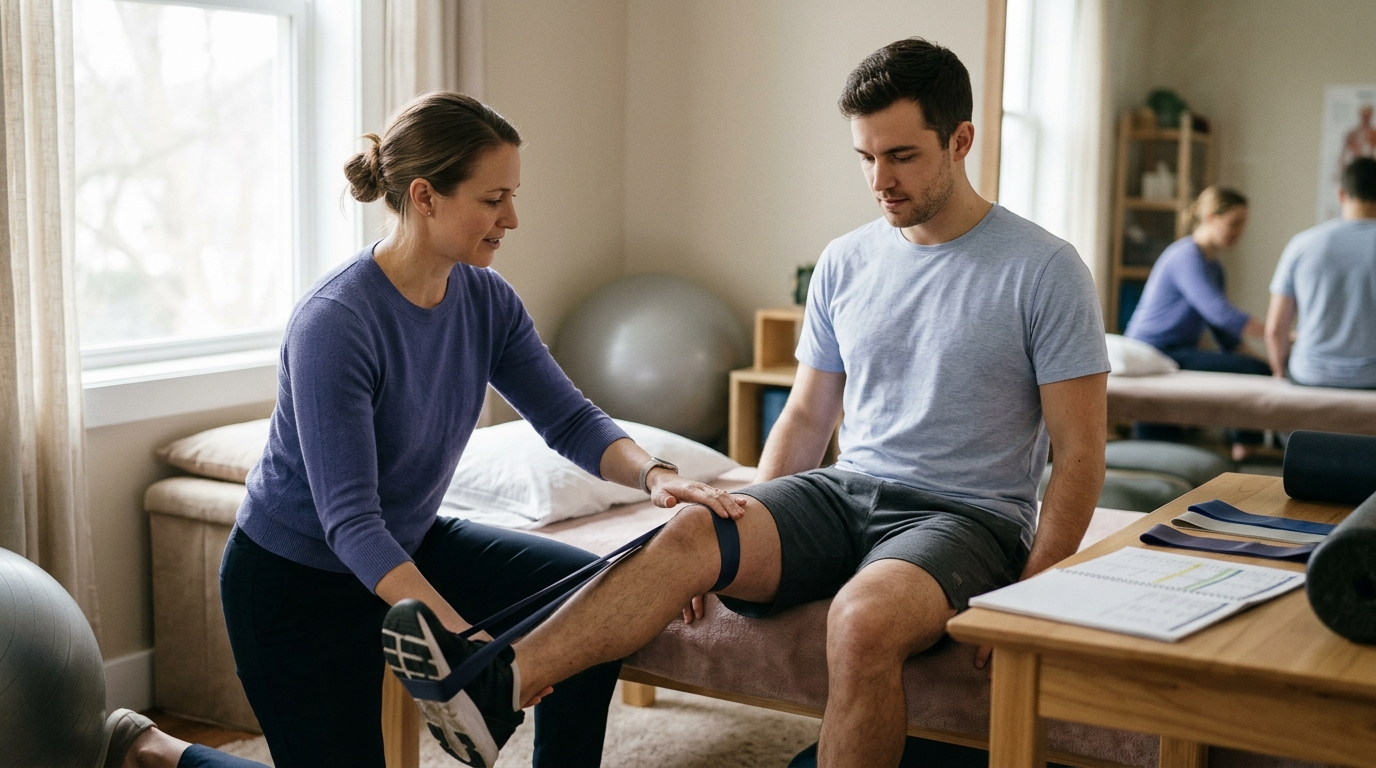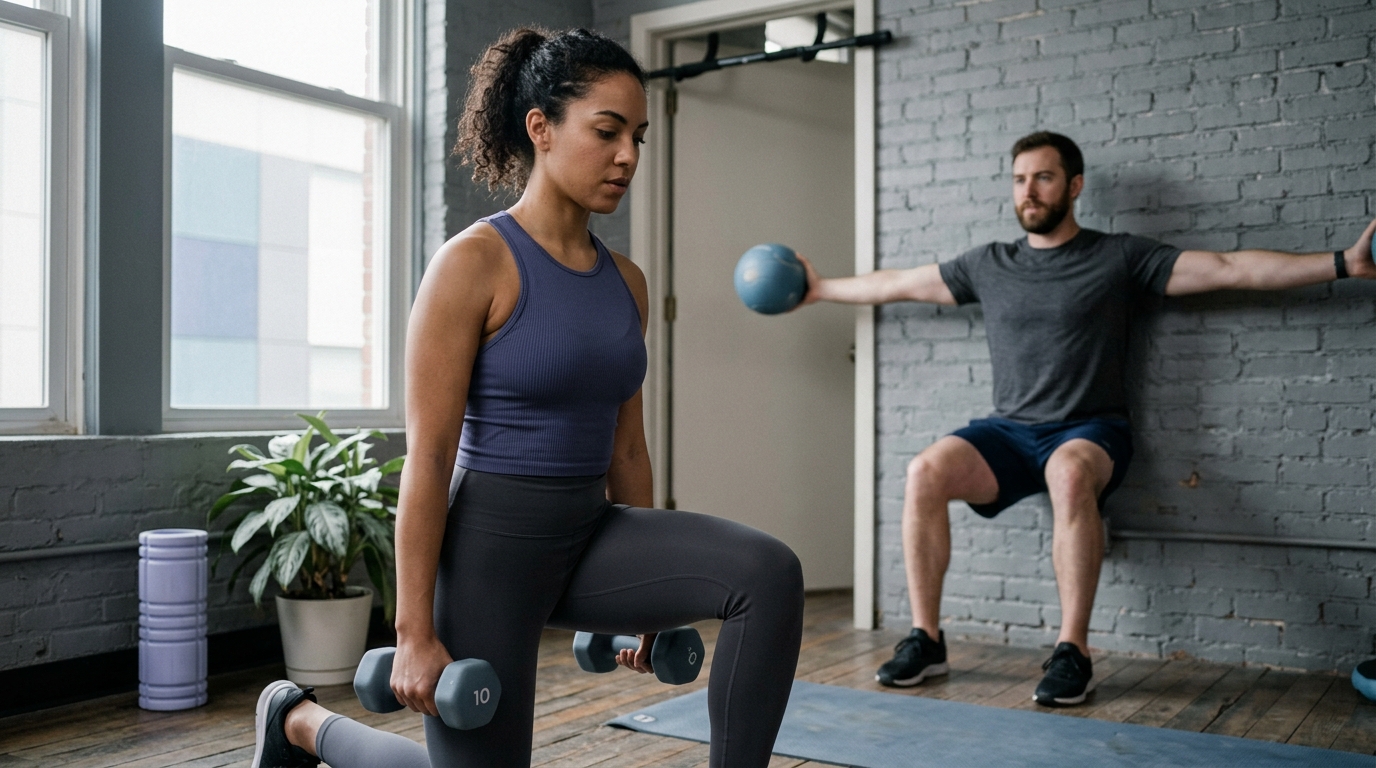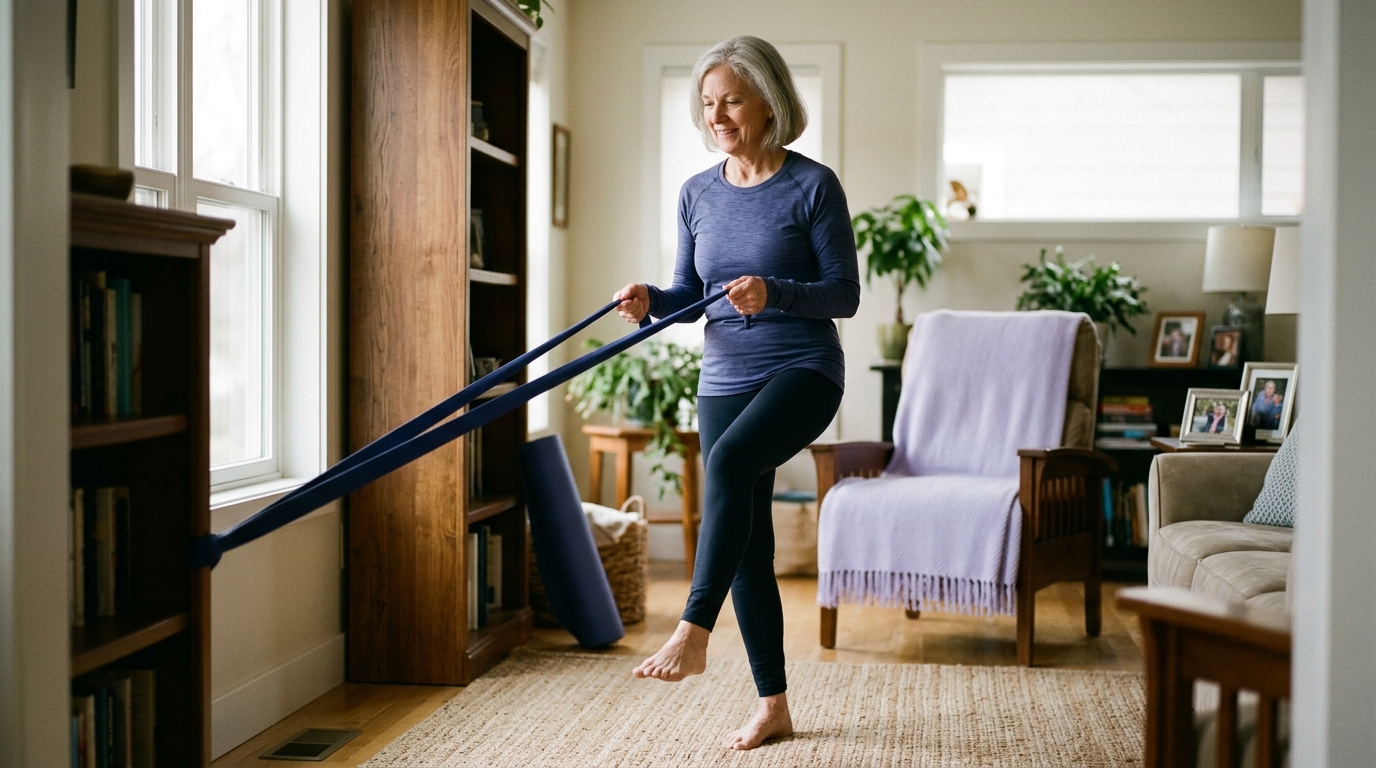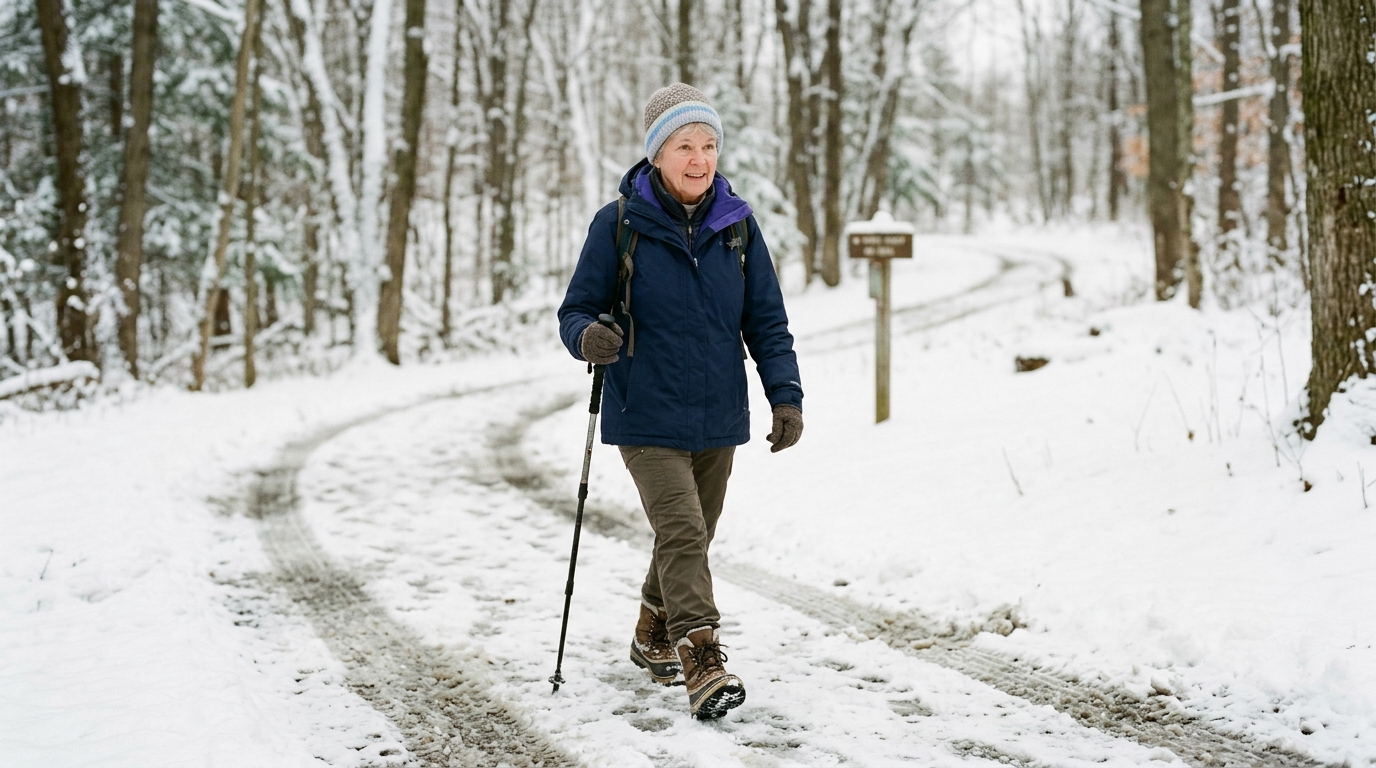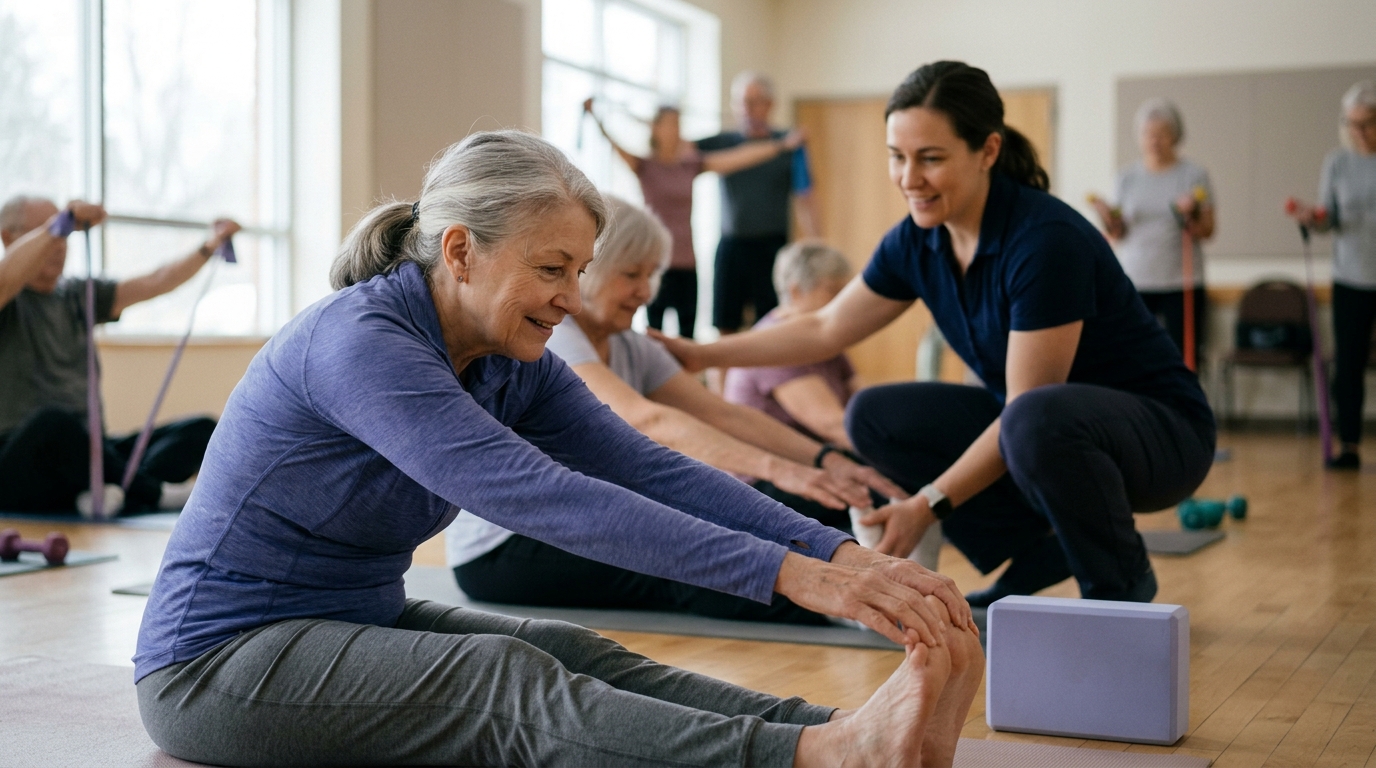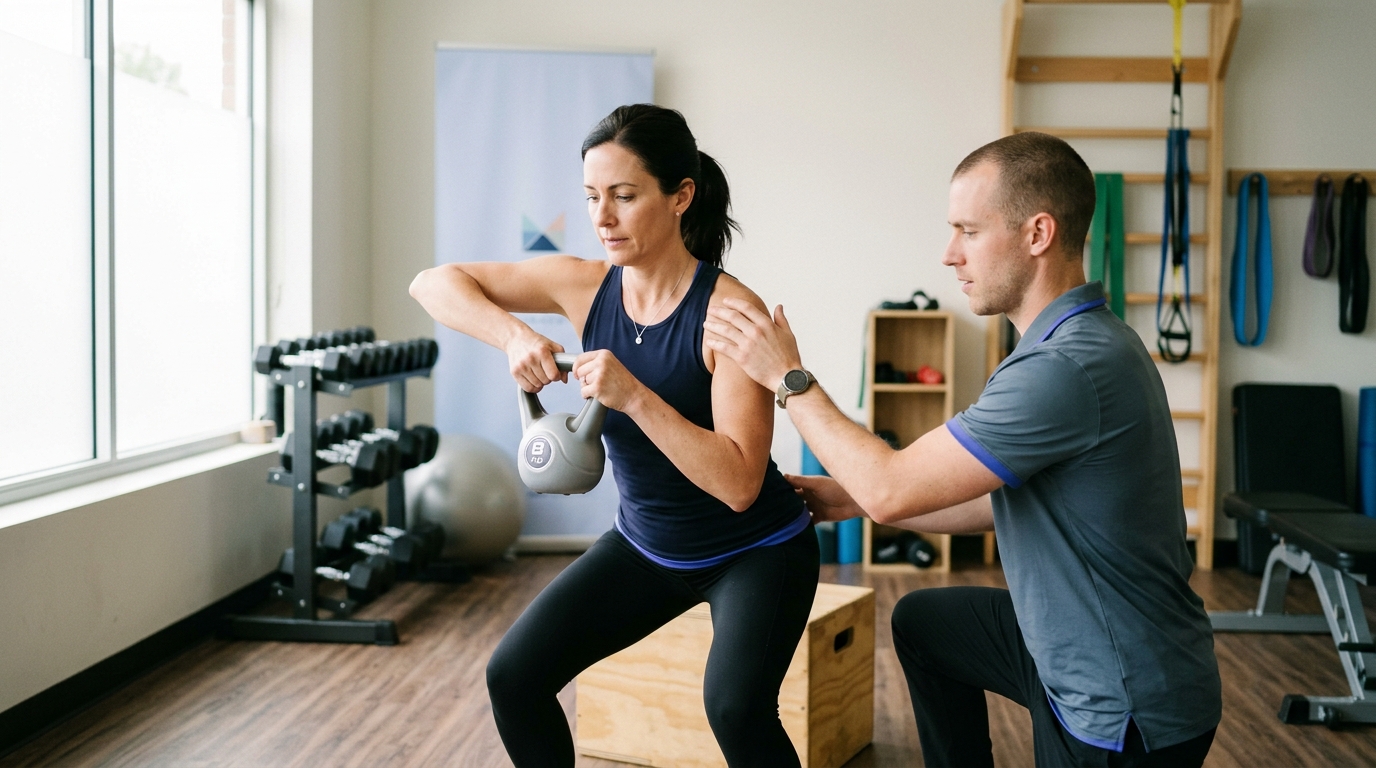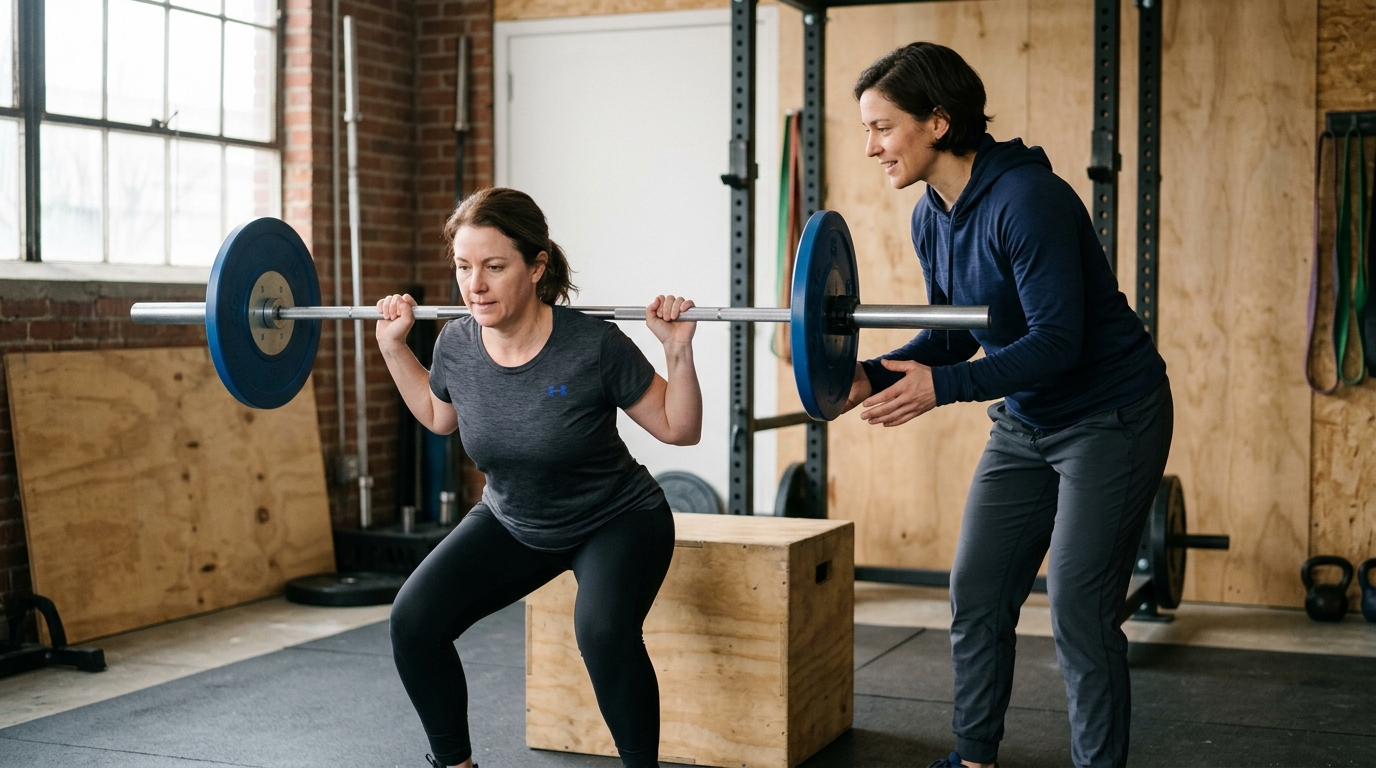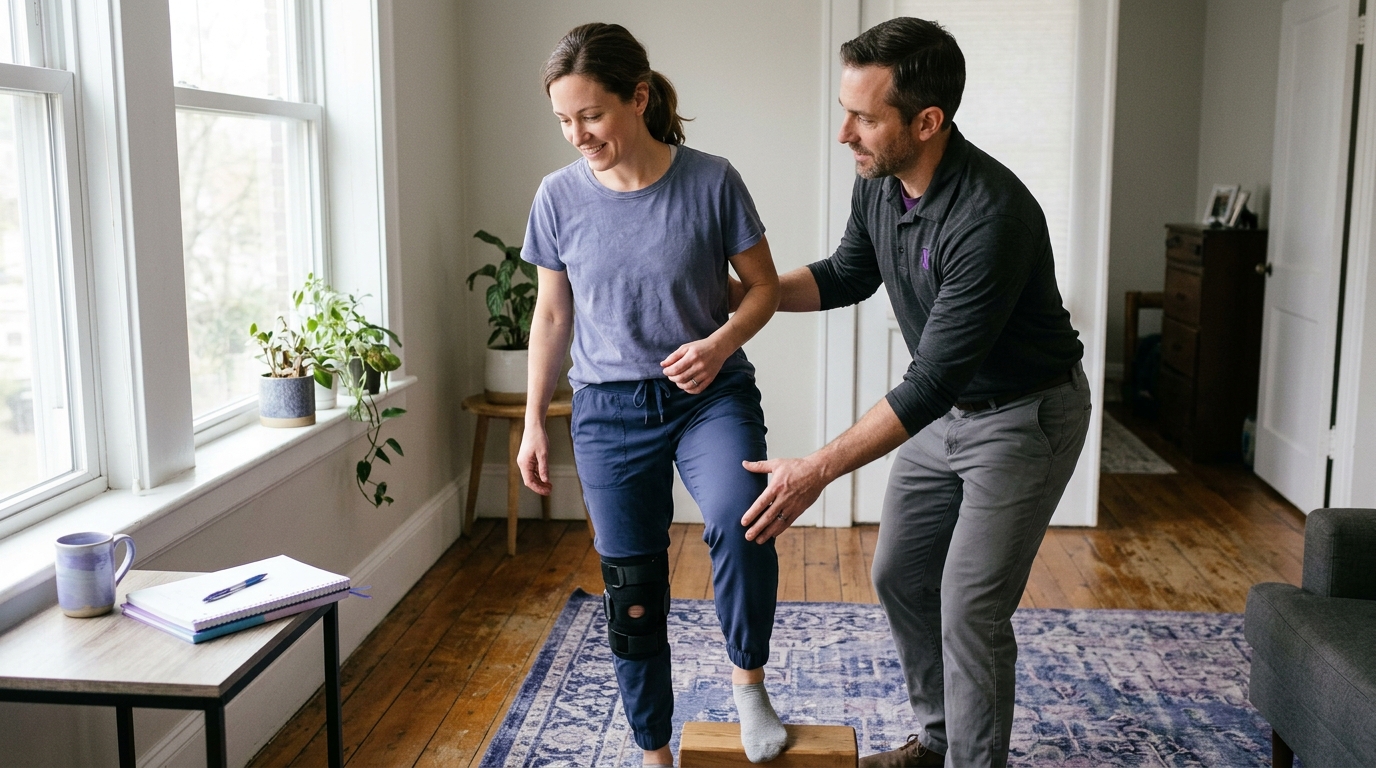

Weekend tennis matches and rugged mountain hikes demand specific physical capacity that regular gym workouts cannot provide without targeted training profiles.





Many people assume that maintaining general fitness prepares them for any physical task. A dedicated runner might expect an easy afternoon of yard work, only to end up with severe back stiffness. An avid walker might join a recreational pickleball league, only to pull a calf muscle during the first match.
General cardiovascular fitness and broad muscular endurance are valuable for overall health. However, they do not automatically transfer to the specific physical demands of different sports and hobbies.
Tissues adapt to the precise stresses placed upon them. When you participate in a recreational activity, your body encounters unique joint angles, muscle contraction types, speeds, and postures. Preparing your body requires understanding these exact demands and closing the gap between your daily capacity and the task at hand.
This guide breaks down the science of activity-specific conditioning. It provides practical frameworks to help you prepare for hiking, gardening, cycling, and court sports while avoiding sudden spikes in workload.
To understand physical readiness, you must separate general health guidelines from activity preparation. Public health organizations provide activity baselines to lower chronic disease risk. These guidelines serve as a broad foundation rather than a targeted sports training plan.
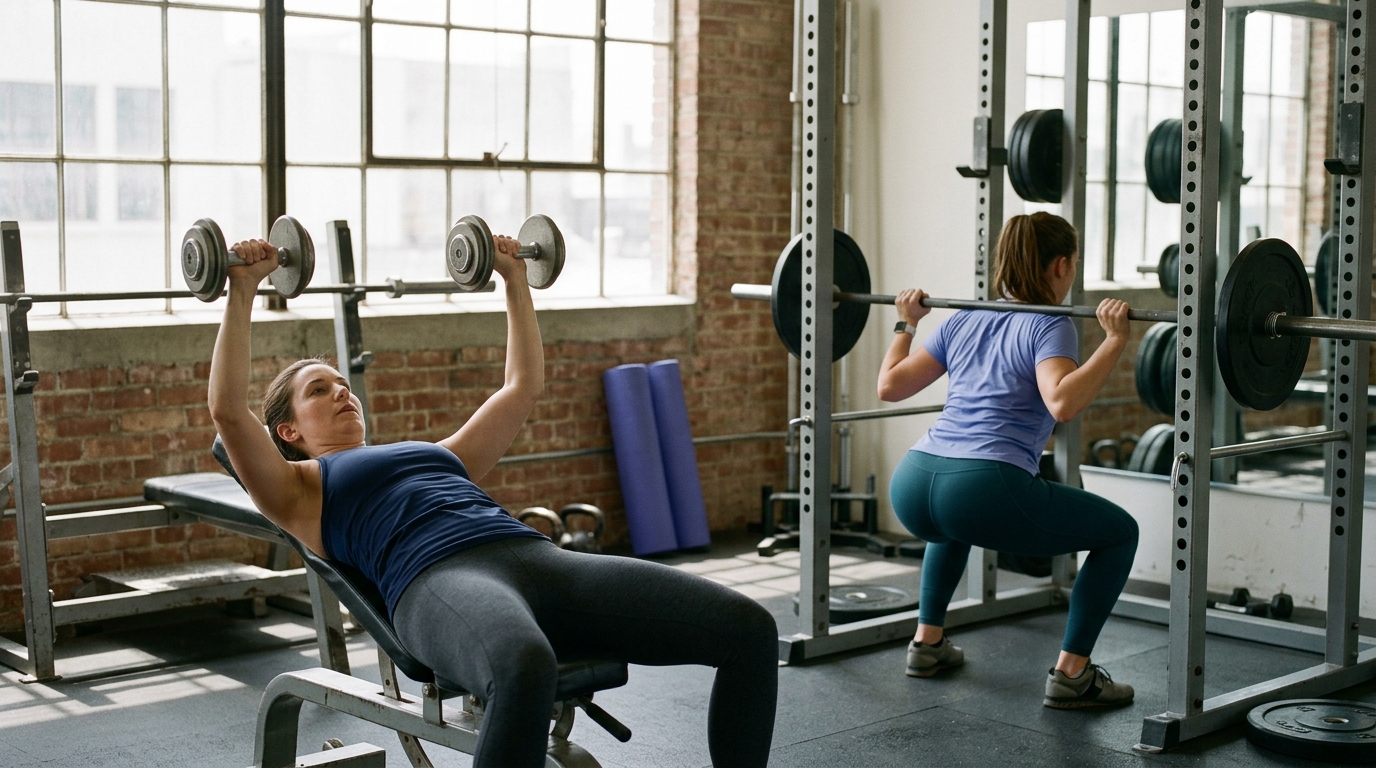
The Centers for Disease Control and Prevention (CDC) recommends that adults get at least 150 minutes of moderate-intensity aerobic activity each week. Alternatively, adults can complete 75 minutes of vigorous-intensity aerobic activity, or an equivalent combination of both. The CDC also recommends muscle-strengthening activities on two or more days per week that work all major muscle groups.
The World Health Organization (WHO) provides similar physical activity guidelines for adult health. For adults aged 65 and older, the WHO emphasizes multicomponent physical activity that combines balance, coordination, and strength training. These broad recommendations help maintain metabolic health, heart function, and basic muscle mass.
Meeting these baseline numbers does not mean your body can tolerate a five-mile mountain hike or three sets of competitive tennis. General fitness improves your aerobic engine and general muscle tone. Task-specific capacity, however, determines whether your joints and connective tissues can handle the unique loads of a specific pastime.
The American College of Sports Medicine (ACSM) highlights three core principles in resistance training: specificity, progressive overload, and variation. Specificity means that physiological adaptations depend on the muscle actions, movement speeds, ranges of motion, and energy systems you train.
If your daily routine consists entirely of smooth, linear walking on paved surfaces, your body adapts specifically to that flat, forward movement. It does not adapt to the sudden braking, lateral cuts, or uneven foot placements common in recreational sports.
You can learn more about structured training progressions in our strength and return to sport resources. Conditioning does not mean mimicking every sport movement inside a gym with bands and weights. Instead, it means identifying the limiting physical demands of an activity and building the specific physical qualities required to meet them safely.
Targeted exercise interventions can alter physical capacity and change how your body tolerates mechanical strain. Sports medicine researchers have investigated how structured training programs influence injury rates across various athletic groups.
A systematic review published in sports medicine literature evaluated the effects of multi-intervention neuromuscular training programs. The pooled data showed that these structured training programs reduced lower-limb injury risk with a relative risk (RR) of 0.61 (95% confidence interval [CI], 0.49 to 0.77). The programs also reduced acute knee injury risk (RR 0.46, 95% CI, 0.28 to 0.76) and ankle sprain risk (RR 0.50, 95% CI, 0.31 to 0.79).
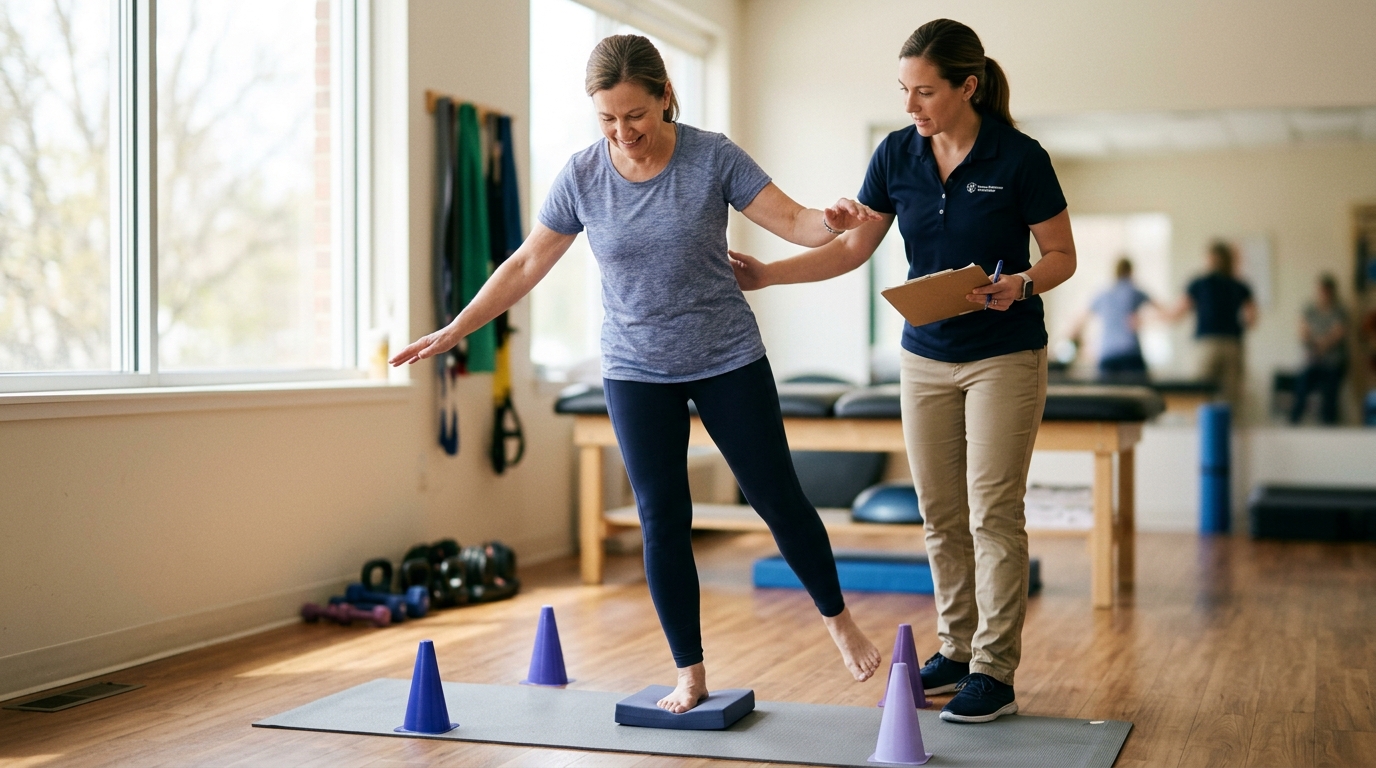
The same review examined balance training when performed as an isolated intervention. Balance training alone significantly reduced ankle sprain risk (RR 0.64, 95% CI, 0.46 to 0.90). However, balance training alone did not show a statistically significant reduction for overall sports injuries.
A broader summary of systematic reviews confirmed that structured injury-prevention interventions reduced general injury incidence across 24 pooled studies (RR 0.66, 95% CI, 0.53 to 0.82). These programs typically combined strength training, balance drills, core stability, and agility exercises.
While these statistics show clear benefits, context matters when interpreting the data. Most of the included studies in these systematic reviews evaluated adolescent and young adult athletes participating in pivoting team sports like soccer, basketball, and handball.
You cannot assume that these exact statistical risk reductions apply identically to a 55-year-old adult returning to weekend hiking or gardening. However, the underlying principle remains valid across age groups. Exposing tissues to controlled strength, balance, and coordination challenges helps prepare the body for the forces encountered during active recreation.
Evidence also shows that specific muscle contraction types produce distinct physiological responses. A study investigating downhill walking demonstrated that eccentric muscle contractions altered dynamic foot-ground interaction patterns after exercise. Interestingly, these mechanical changes occurred even when maximal leg-extension strength did not drop.
This finding illustrates that unaccustomed movement patterns, like walking downhill, alter motor control and joint loading in ways that simple strength tests might miss. Exploring our recovery science articles provides further context on how tissues respond and adapt to different mechanical workloads.
Before selecting conditioning exercises, you must evaluate what your chosen pastime actually requires. Prescribing exercises without analyzing the task often leads to wasted effort. Building an activity-demand profile ensures that your preparation matches real-world physical stresses.
An activity-demand profile breaks down an activity across six fundamental dimensions:
Identify the primary ways your body moves during the activity. Common patterns include walking, step-ups, deep squatting, hip hinging, pushing, pulling, reaching, rotating, and cutting. A runner primarily moves forward in a straight line, while a tennis player constantly accelerates, stops, shuffles laterally, and twists through the torso.
Determine how your muscles must produce force. Some activities require concentric force to propel your body upward, such as climbing a steep grade. Other tasks require eccentric muscle actions to brake or absorb shock, such as descending a trail or landing from a jump. Many tasks require isometric endurance, where muscles maintain a static hold to stabilize a joint or posture.
Consider how your body fuels the work. Steady-state activities like road cycling require continuous aerobic energy delivery over long periods. Court sports demand intermittent energy profiles, characterized by short bursts of high-intensity effort separated by brief pauses. Gardening often involves low-intensity, sustained physical labor punctuated by brief bouts of heavy lifting.
Look at how long the session lasts, how often it occurs, and the total physical load involved. A two-hour flat walk places very different demands on your feet and knees than a six-hour mountain trek with a 25-pound backpack. Exposure also includes how rapidly your total participation volume increases over weeks or months.
Take note of the surfaces, tools, and gear involved in the pursuit. Hard court surfaces place different braking stresses on your joints than soft grass or dirt. Uneven, rocky trails challenge balance and ankle stability far more than smooth pavement. Heavy tools, bicycle geometry, and ill-fitting footwear also modify joint angles and mechanical leverage.
Analyze how much rest you have between bouts of physical exertion. A recreational league that schedules matches twice a week allows several days of tissue recovery. A multi-day hiking trip requires your muscles and tendons to handle demanding physical loads on consecutive days without complete rest.
By completing this profile, you avoid the mistake of picking exercises simply because they look difficult. You can evaluate your current baseline against these requirements to design an effective, targeted preparation routine.
Once you have established an activity profile, you can use a systematic capacity-to-task framework to guide your physical preparation. This framework helps you identify personal limitations and select appropriate progression steps.
The framework consists of seven logical steps:
List the specific movements, durations, and physical conditions expected during your chosen activity. Be as precise as possible regarding terrain, duration, and equipment weight.
Determine the physical qualities needed to complete those tasks safely and comfortably. These qualities may include single-leg strength, eccentric quad control, hip mobility, rotational control, or intermittent aerobic recovery.
Assess your current physical abilities honestly. Note how far you can walk comfortably, how long you can hold a crouch, or how your knees feel after basic step-downs.
Compare the task requirements against your current tolerance to find the primary limiting factor. If you plan to hike a trail with 1,500 feet of descent but currently only walk on flat treadmills, your primary gap is eccentric lower-body tolerance.
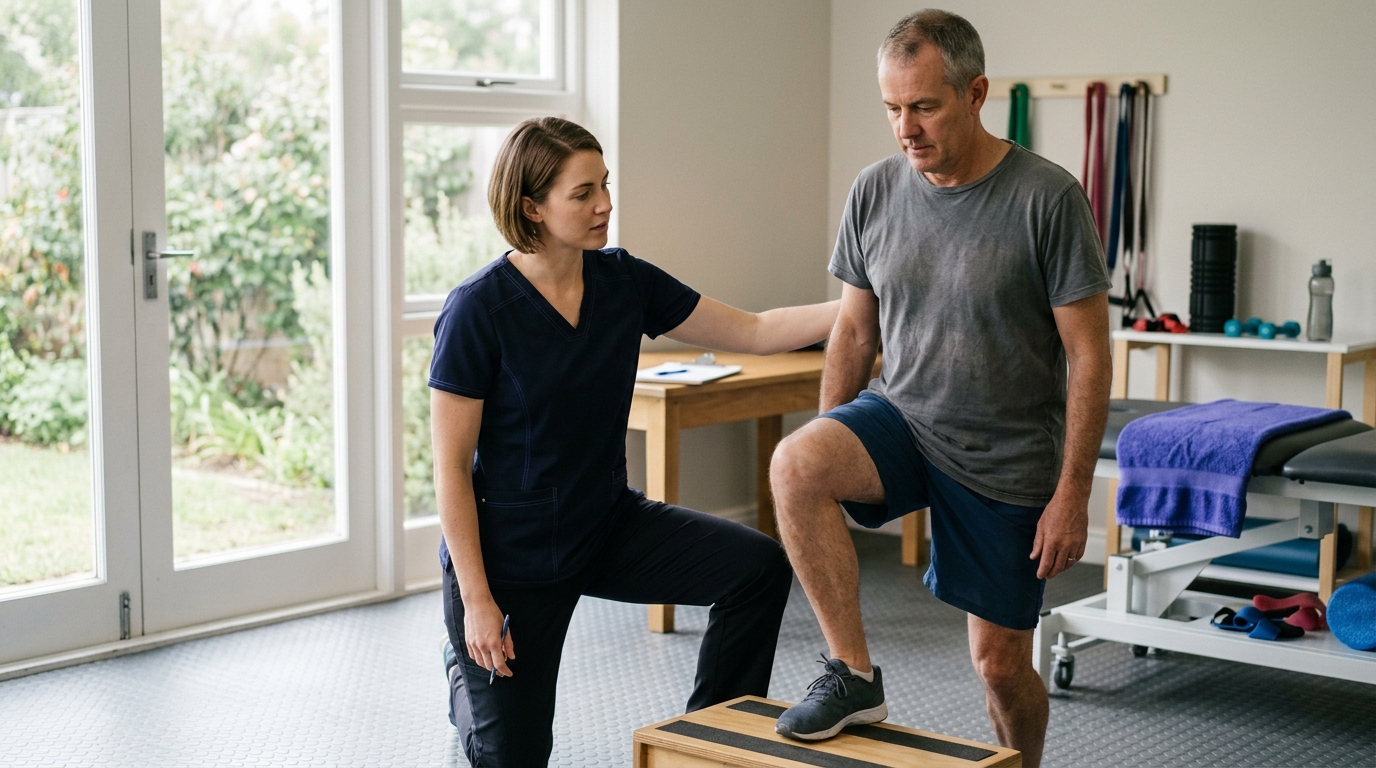
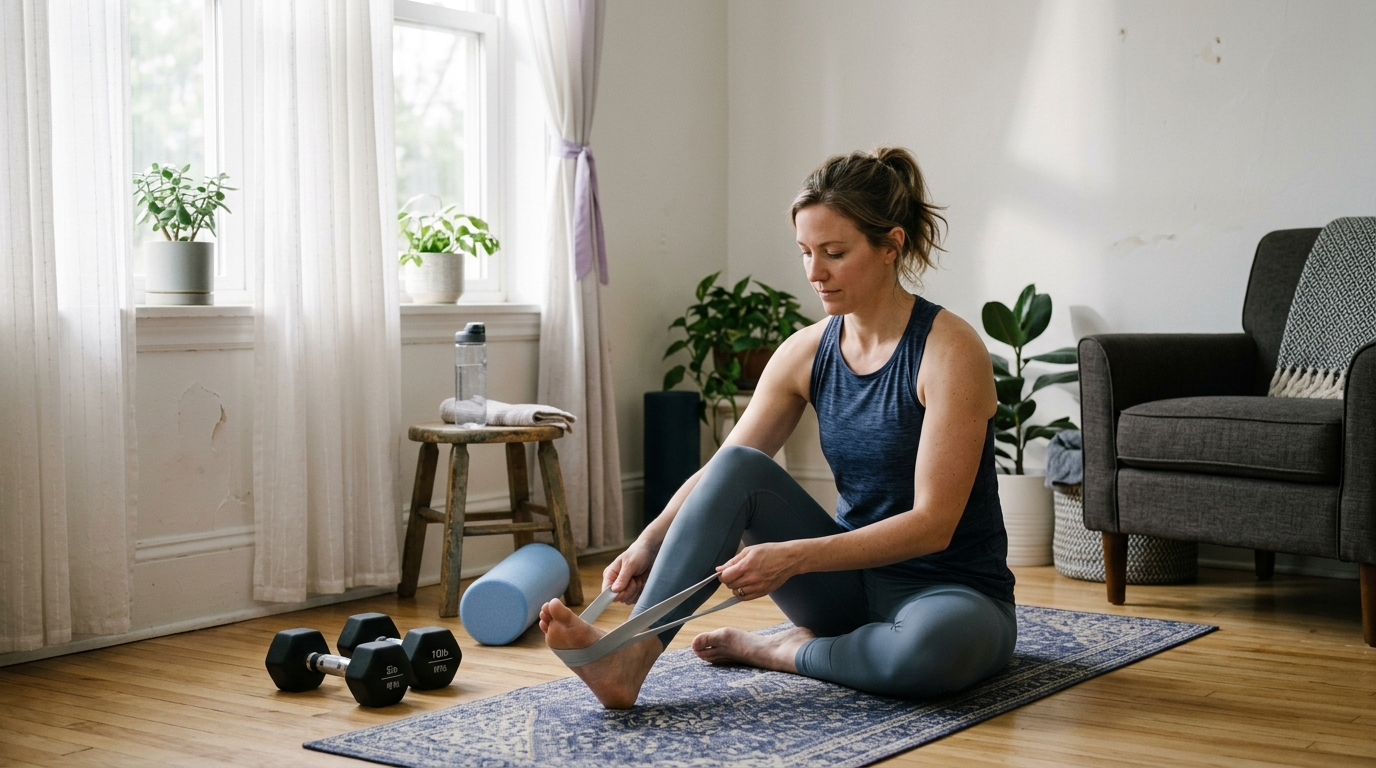
Select specific exercises and progressive movement drills that directly address the identified gap. Keep the exercises simple and focused on the necessary movement patterns and contraction types.
Choose one training variable to increase at a time. You might gradually increase the duration, external load, movement speed, or terrain difficulty over several weeks.
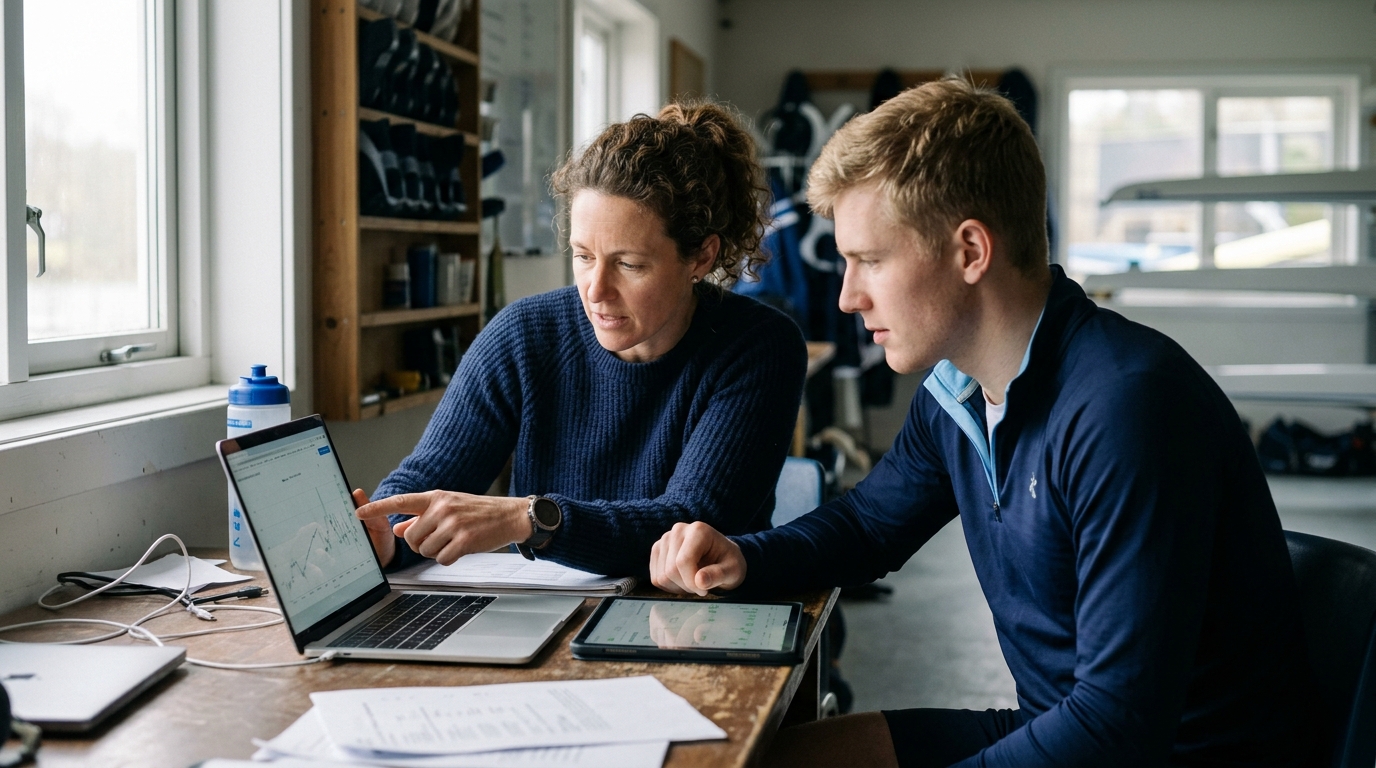
Track how your body responds during and after each training session. Pay close attention to joint soreness, muscle fatigue, and how quickly you recover before the next workout.
This structured method prevents guesswork. It allows active adults to build physical capacity methodically, minimizing the risk of overloading unprepared tissues.
Different hobbies place radically different stresses on the musculoskeletal system. Below are detailed profiles and conditioning strategies for four popular recreational pursuits.
Hiking involves sustained aerobic output, repetitive step-ups, variable foot placement, and prolonged descents over uneven ground. While many people focus on the cardiovascular stamina needed to reach the summit, the descent often presents the greatest physical challenge to joints and muscles.
Walking downhill forces the quadriceps, calves, and gluteal muscles to perform repeated eccentric contractions. During an eccentric contraction, the muscle lengthens while under tension to act as a shock absorber. This type of contraction creates higher mechanical stress per muscle fiber than flat walking.
If your leg muscles lack eccentric conditioning, your knees absorb excess braking force. Research shows that downhill walking alters foot-ground contact mechanics, which can contribute to muscle soreness and joint discomfort if introduced too quickly. Carrying a backpack increases these compressive forces through the hips, knees, and ankles.
To prepare for hiking demands:
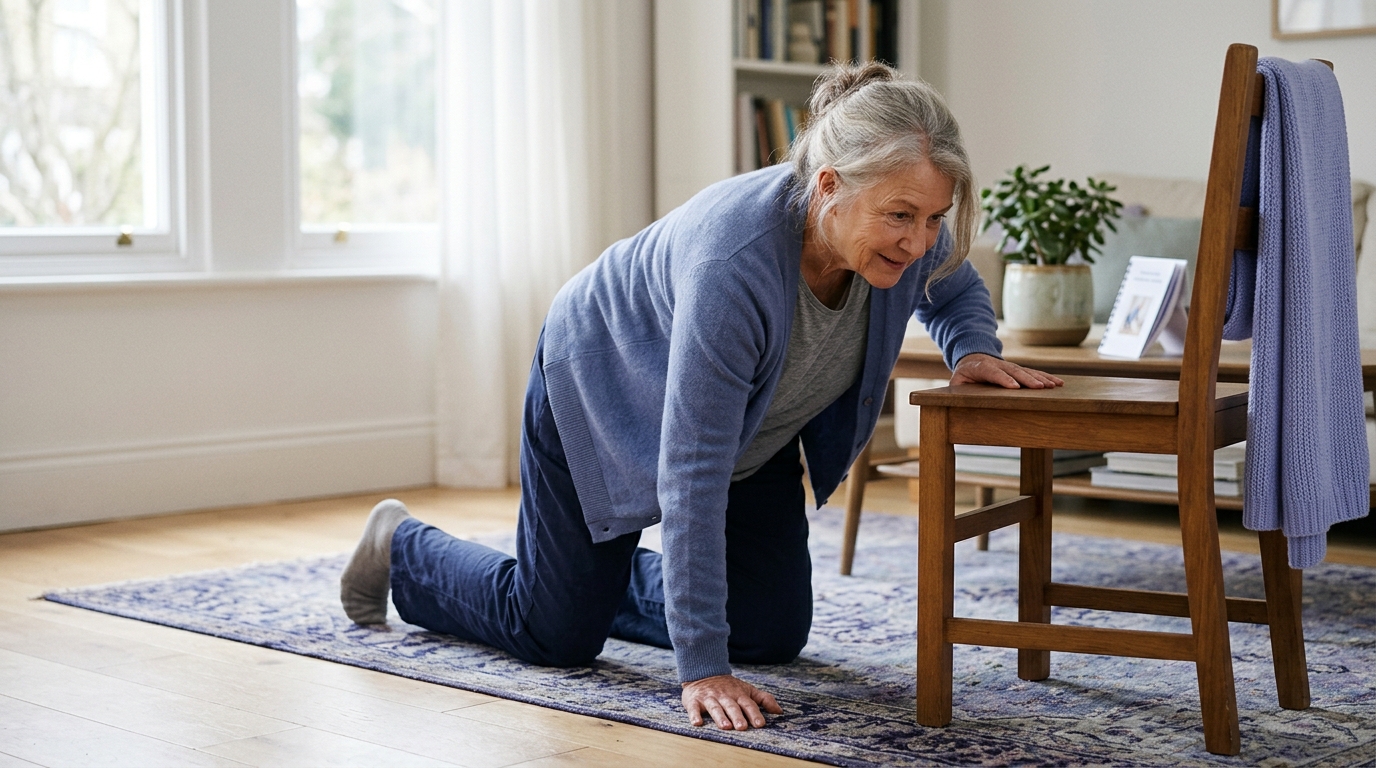
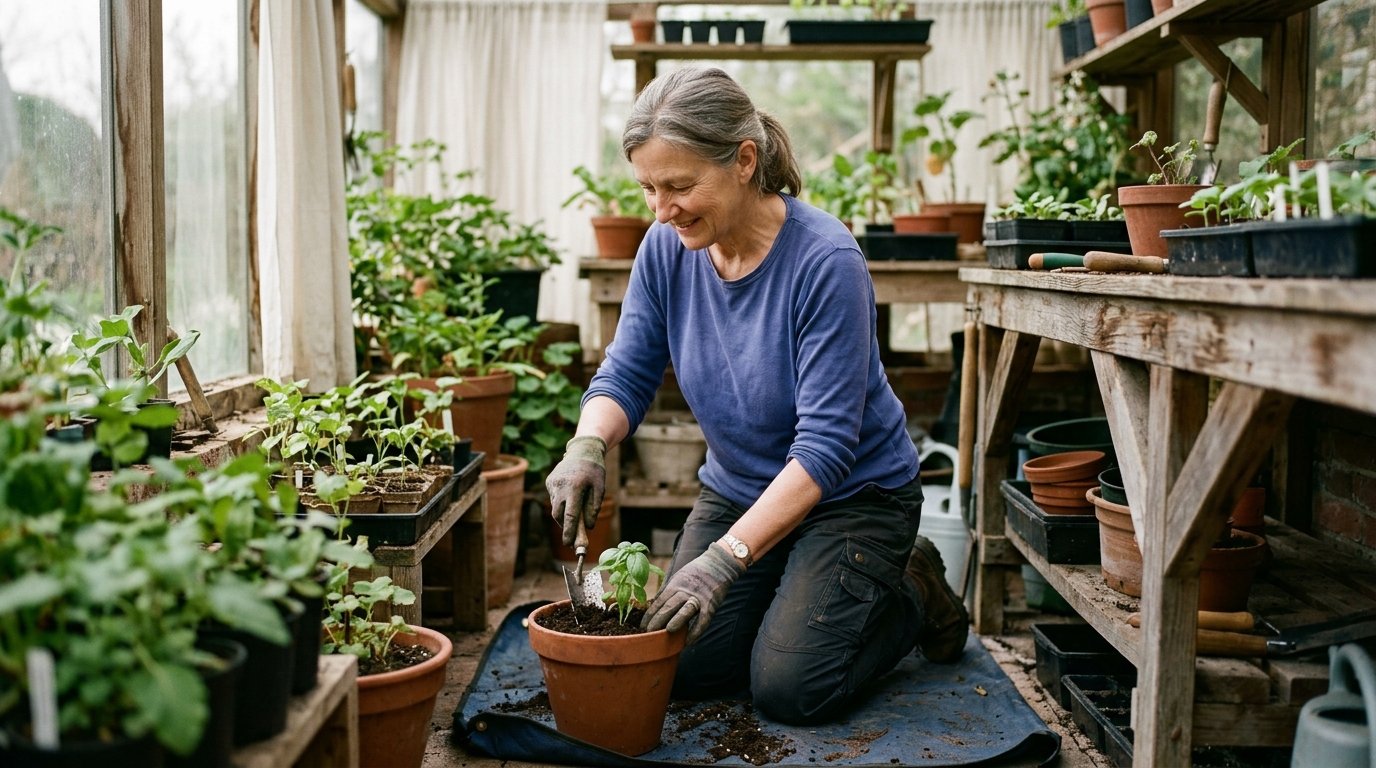
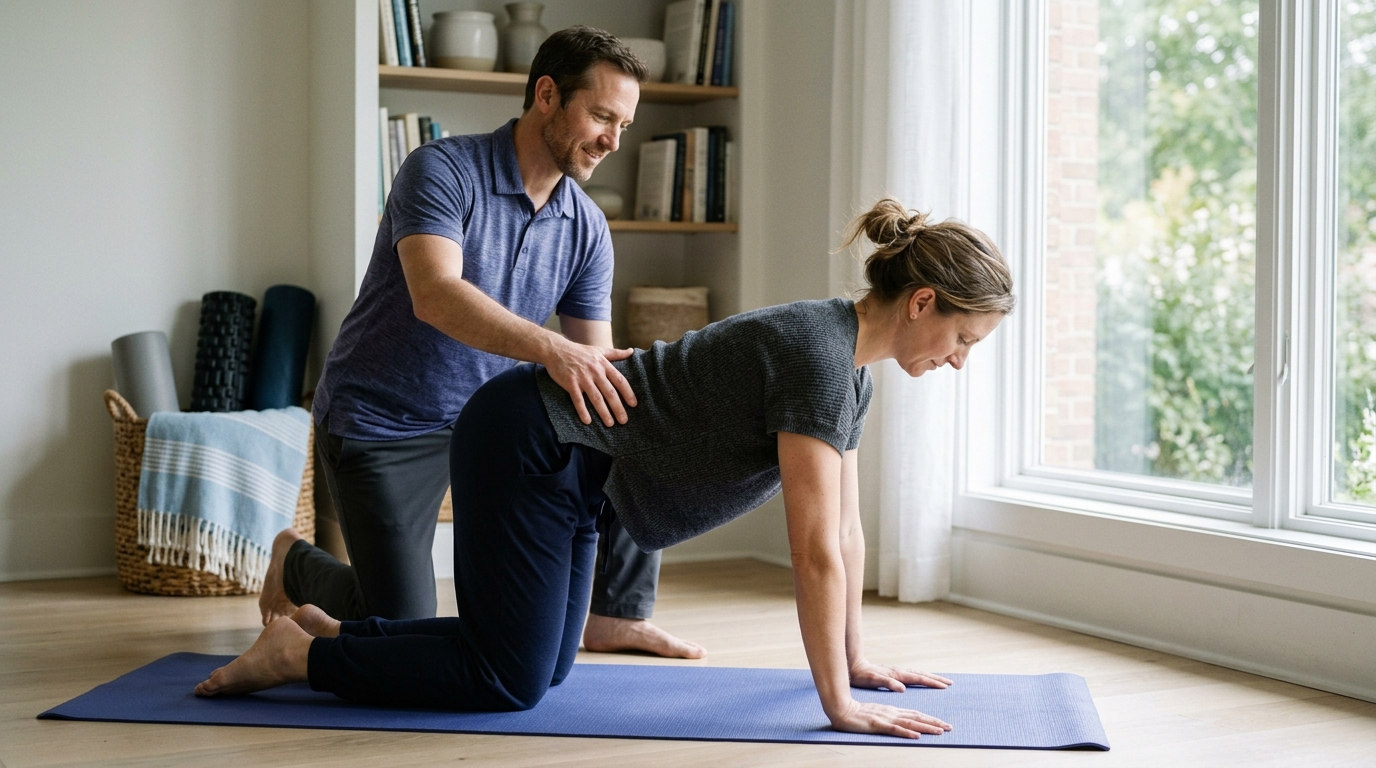
Gardening requires a unique combination of sustained positions, repetitive spinal flexion, deep kneeling, lifting, and prolonged hand gripping. Unlike structured sports with rhythmic movements, yard work often traps the body in awkward, static postures for hours at a time.
Agricultural extension services, including Penn State Extension and Utah State University Extension, highlight several ergonomic risks in gardening. These include repeated bending through the waist, twisting while carrying heavy bags of soil, prolonged kneeling on hard ground, and reaching too far from the body.
Utah State Extension notes that deep squatting and pushing heavy wheelbarrows uphill place substantial mechanical stress across the knee joints. Conditioning improves muscle endurance, but task setup and work pacing are equally critical for joint comfort.
To prepare your body for gardening tasks:
You can find more functional movement strategies in our mobility and movement guides.
Cycling is a low-impact, rhythmic activity that demands sustained aerobic power and high local muscular endurance in the legs. However, it also requires holding a relatively fixed trunk and neck posture for extended durations.
A systematic review on cycling position optimization shows broad consensus that dynamic knee flexion should fall between 25 and 35 degrees at the bottom of the pedal stroke. This specific joint angle range optimizes power output and pedal stroke efficiency while reducing excessive strain across the patellofemoral joint. A saddle that is set too low increases knee flexion forces, while a saddle set too high can cause excessive rocking of the pelvis and hamstring strain.
Preparing for cycling requires both on-bike exposure and complementary off-bike conditioning:
Court sports are characterized by short, high-intensity bouts of movement alternating with brief recovery periods. A comprehensive review of tennis demands describes match play as intermittent work, often involving 2 to 10 seconds of high-intensity activity followed by 10 to 20 seconds of recovery.
These sports demand constant multidirectional movement, including rapid forward acceleration, aggressive lateral shuffles, sudden braking, and rotational trunk swings. An adult who only engages in steady-state jogging is often unprepared for these intense deceleration forces. Rapid changes of direction generate substantial shear loads across the knees, ankles, and Achilles tendons.
To condition your body for court sports:
For more information on preventing common recreational strains, visit our injury prevention resource section.
Conditioning adaptations take time. Connective tissues, including tendons, ligaments, and cartilage, adapt to mechanical loads more slowly than cardiovascular pathways or muscle tissue. Rushing your training volume often leads to overuse irritation.
To progress safely, follow evidence-based progression models that prioritize gradual tissue adaptation:
The ACSM position stand on resistance training provides clear guidance for building strength. For novice lifters, training loads corresponding to an 8 to 12 repetition maximum (RM) are recommended.
When you can comfortably perform one to two repetitions beyond your target number on consecutive training days, increase the load by 2 to 10 percent. This conservative increase ensures continuous strength development without overloading joints.
When preparing for hobbies and sports, avoid changing multiple training factors simultaneously. Modifying duration, pace, load, terrain, and movement complexity all at once makes it impossible to determine what your body can tolerate.
If you are increasing your hiking distance, keep the trail flat and your pack light. If you are adding a heavy backpack, maintain your standard walking distance and flat terrain. If you are practicing fast lateral court drills, keep the total drill duration brief.
Understanding normal post-exercise responses helps you adjust your preparation appropriately:
Never attempt to work through persistent, sharp joint pain. Pain is an important physiological signal that your current workload exceeds your tissue capacity.
Individual factors significantly influence how your body tolerates new physical demands and how quickly you can progress. Conditioning is not a one-size-fits-all formula. Several key variables will alter your preparation plan.
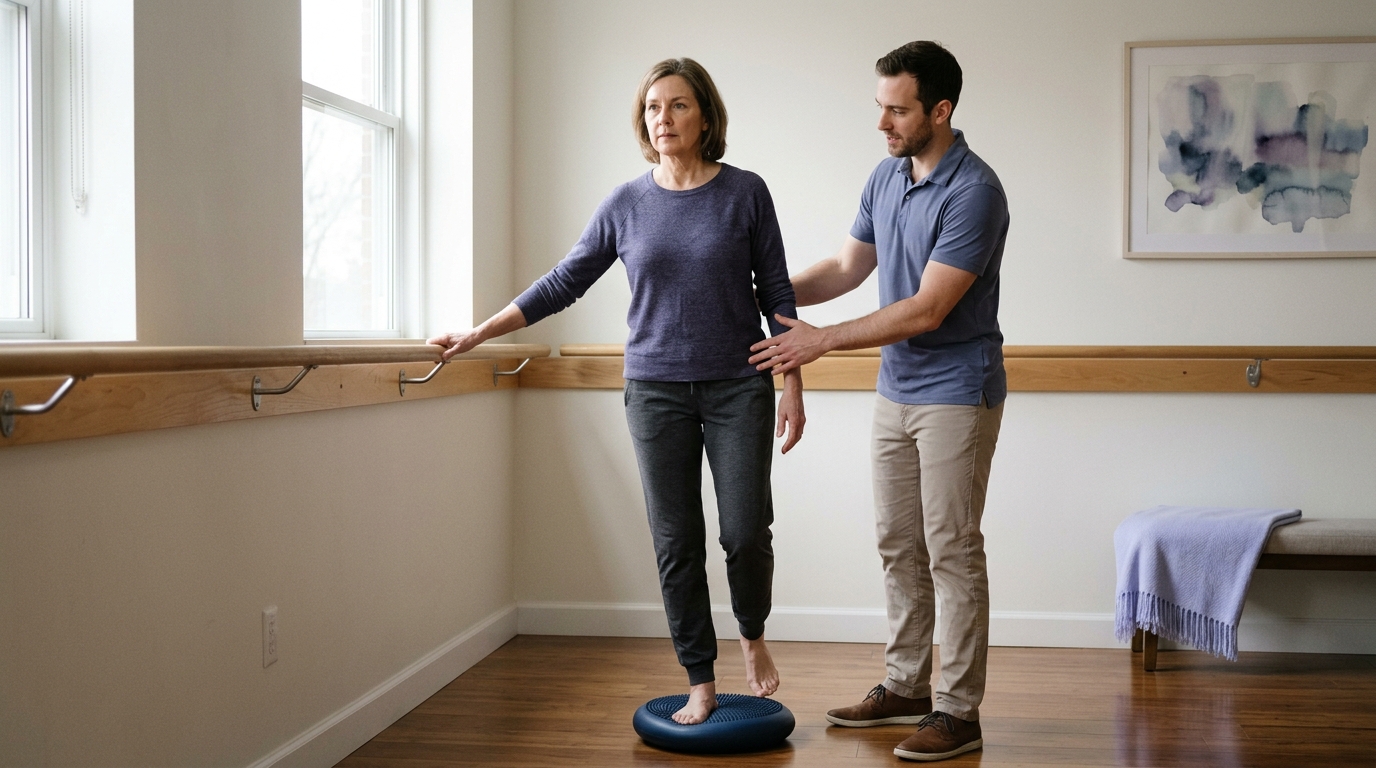
As adults age, natural declines in muscle mass (sarcopenia) and sensory feedback can affect balance and reaction time. The WHO guidelines specifically highlight the importance of multicomponent physical activity that incorporates balance training for older adults.
If you are over 65 or have balance concerns, dedicated balance and stability drills are vital when preparing for sports on uneven ground or fast-moving courts. Learn more about healthy movement strategies in our active aging and prevention articles.
Prior musculoskeletal injuries change joint mechanics and can alter neuromuscular control. Research on neuromuscular training shows that injury prevention programs often demonstrate greater relative benefits in individuals with a history of prior sports injury.
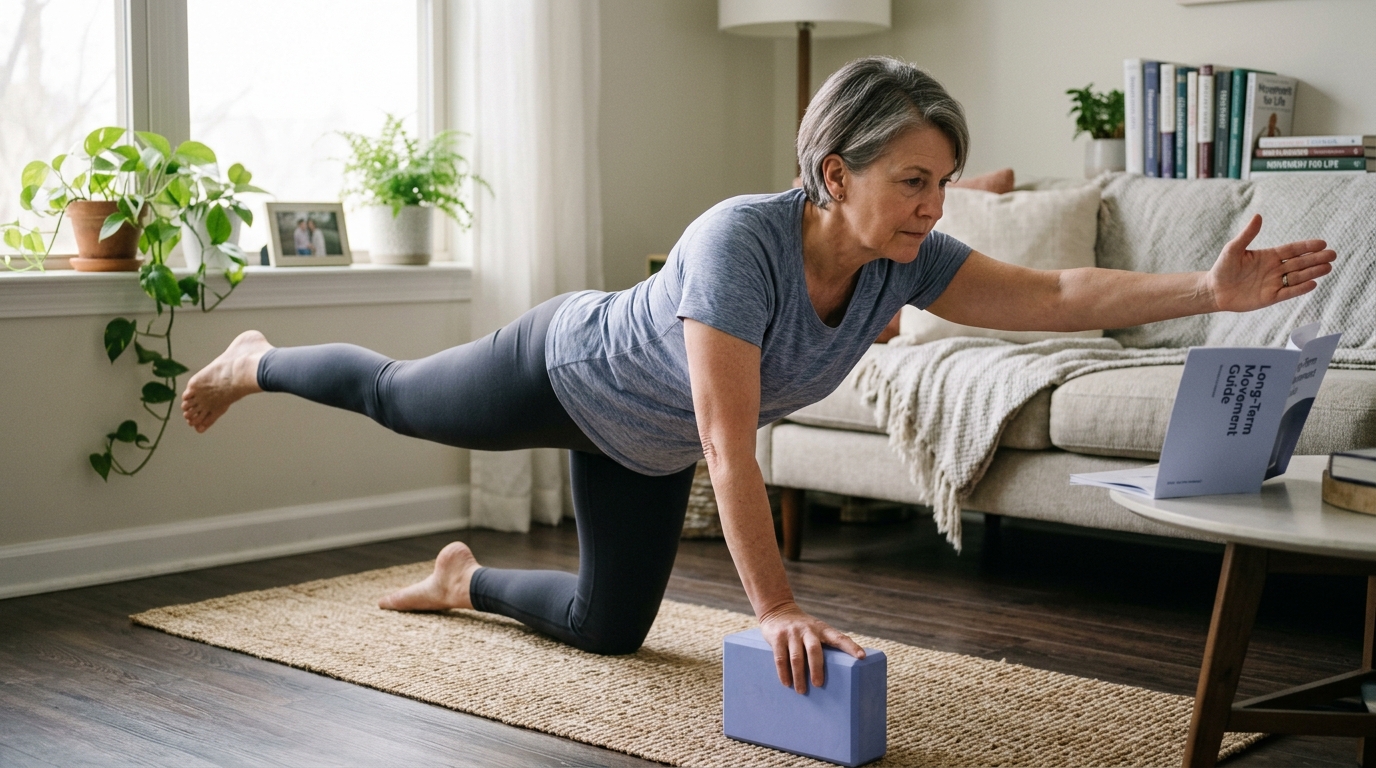
A previous ankle sprain or knee injury may leave residual deficits in joint position awareness. If you have injured a joint in the past, allocate extra preparation time to single-leg balance, localized strength, and controlled landing drills.
The wider the gap between your daily routine and your chosen activity, the longer your preparation phase must be. An adult transitioning from a sedentary desk job to a four-day backpacking trip requires months of progressive physical preparation.
Conversely, someone who already walks daily on rolling terrain might only need three to four weeks of specific pack-loaded practice. Assess your baseline honestly and avoid jumping multiple fitness levels in a short timeframe.
Conditioning your body is only one part of the equation. Modifying the activity itself can immediately reduce mechanical stress on vulnerable joints.
Using trekking poles while hiking significantly reduces downhill compressive forces on the knees. Using a rolling garden cart or ergonomic garden tools with padded, extended handles reduces grip fatigue and spinal strain. Choosing a softer court surface, like clay instead of hard asphalt, reduces braking shock during racquet sports.
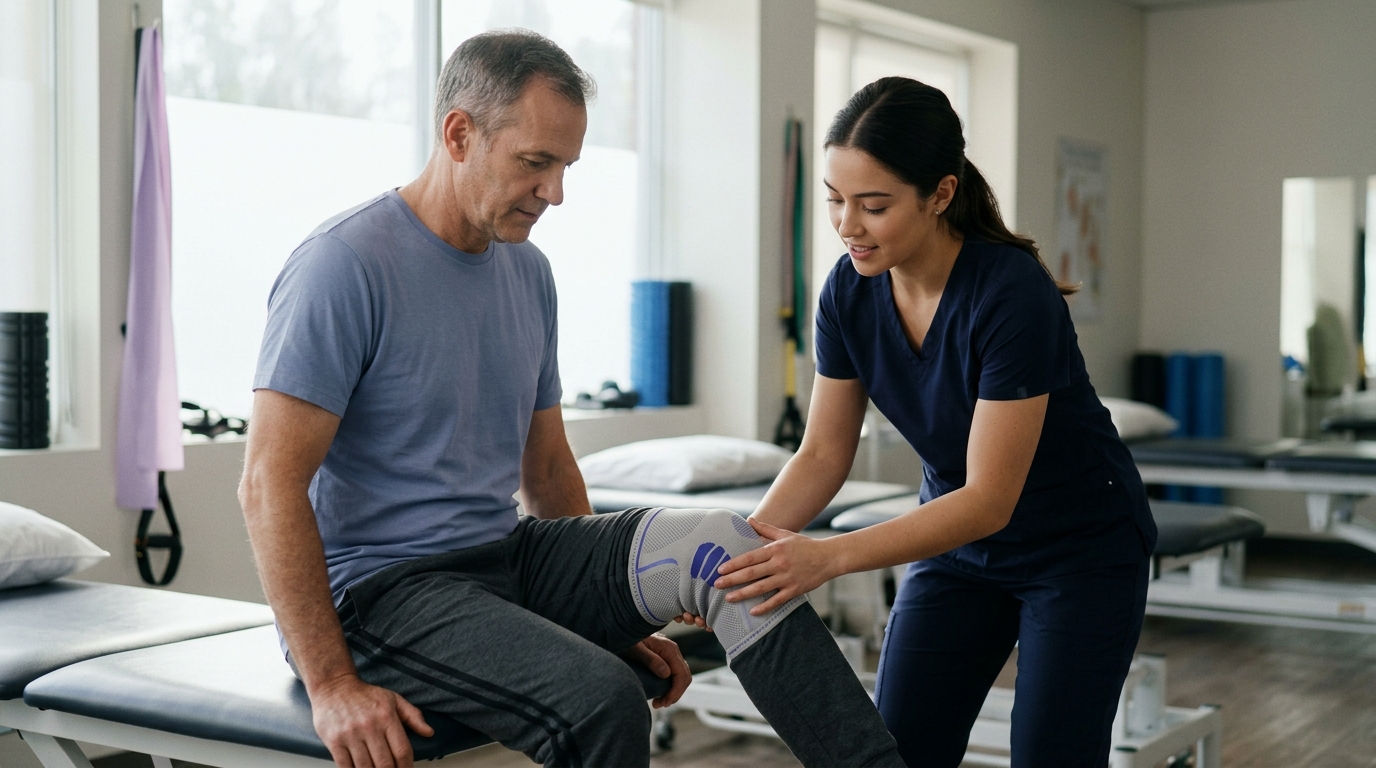
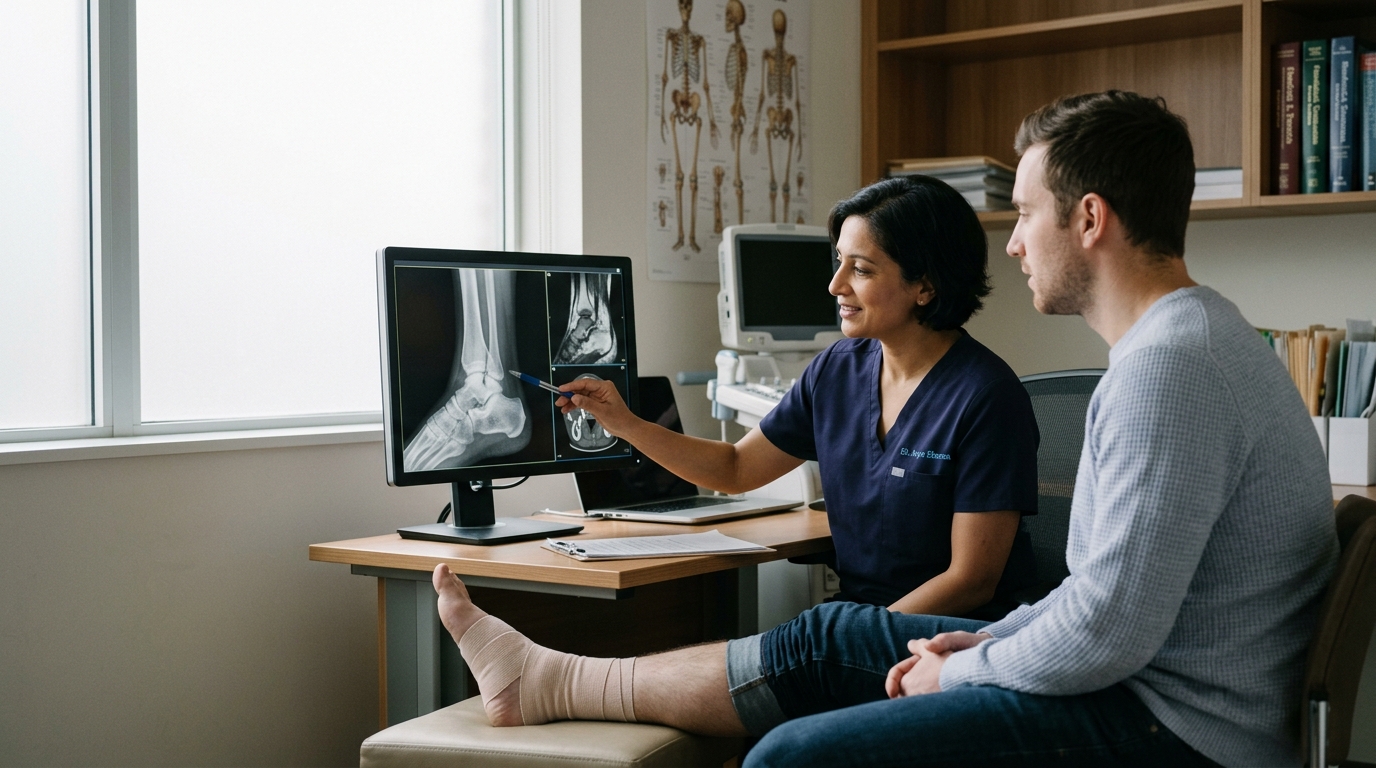
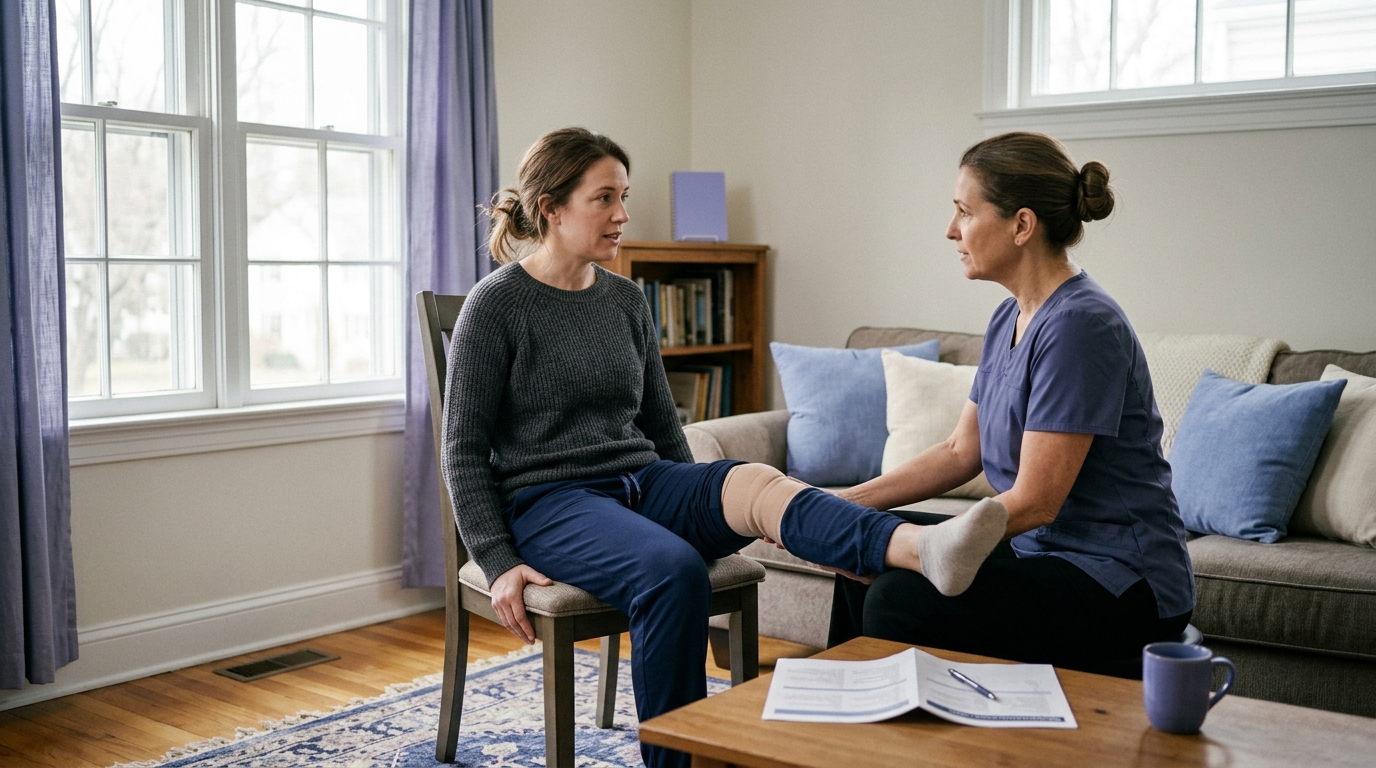
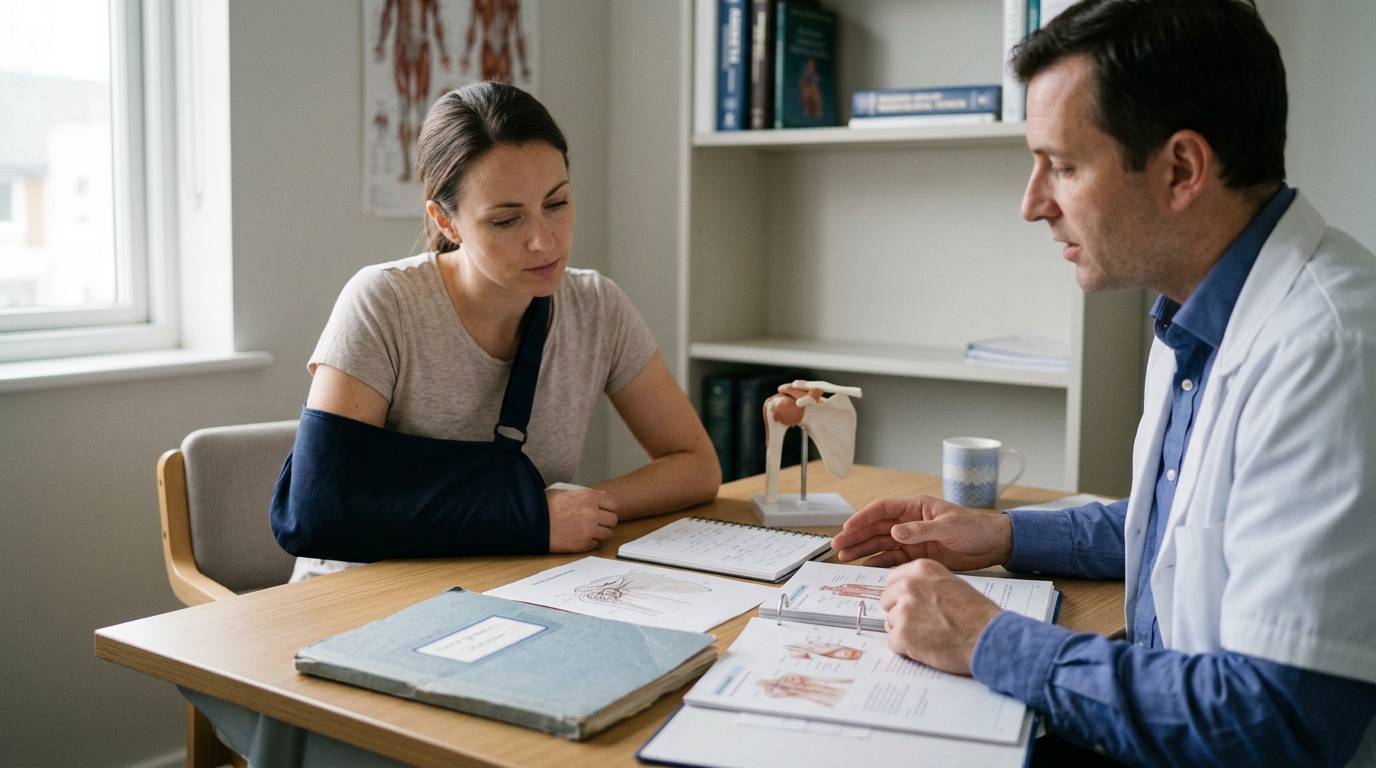
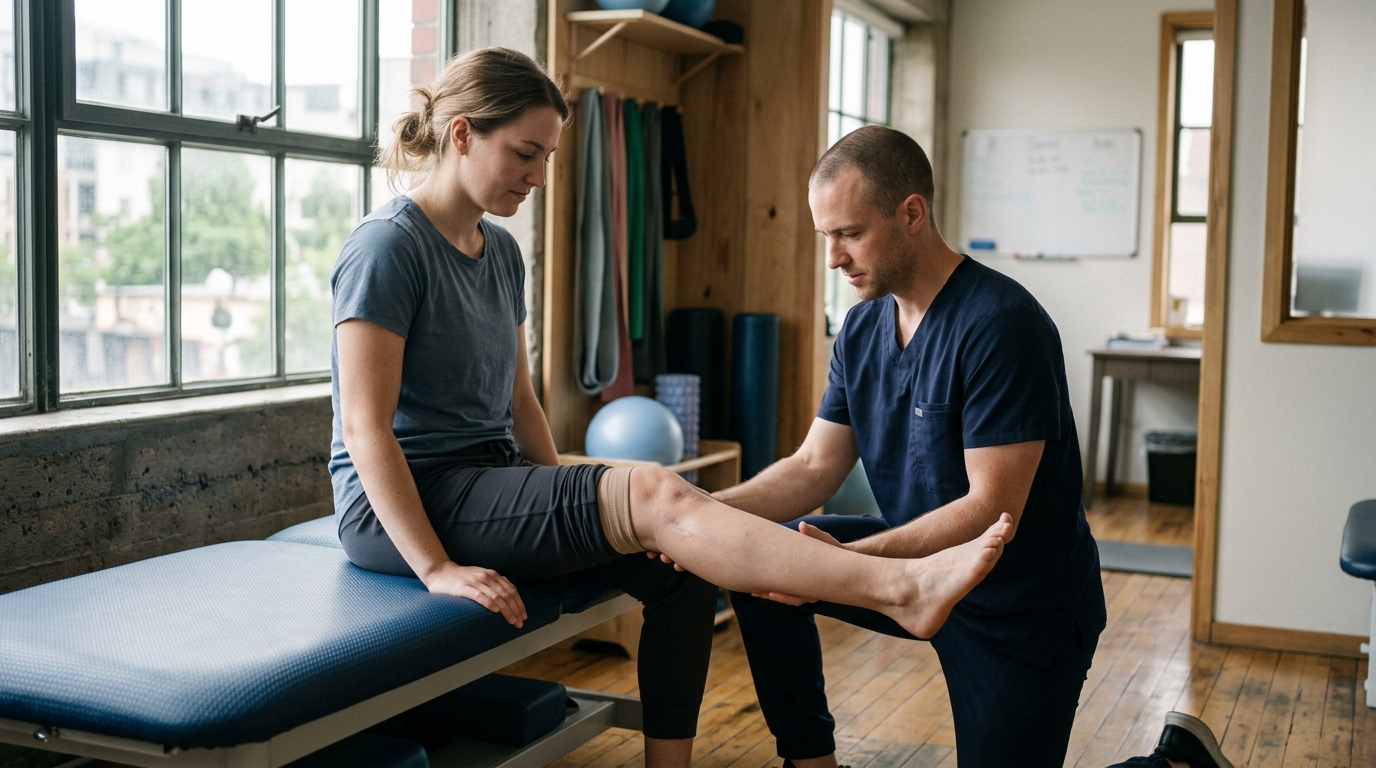
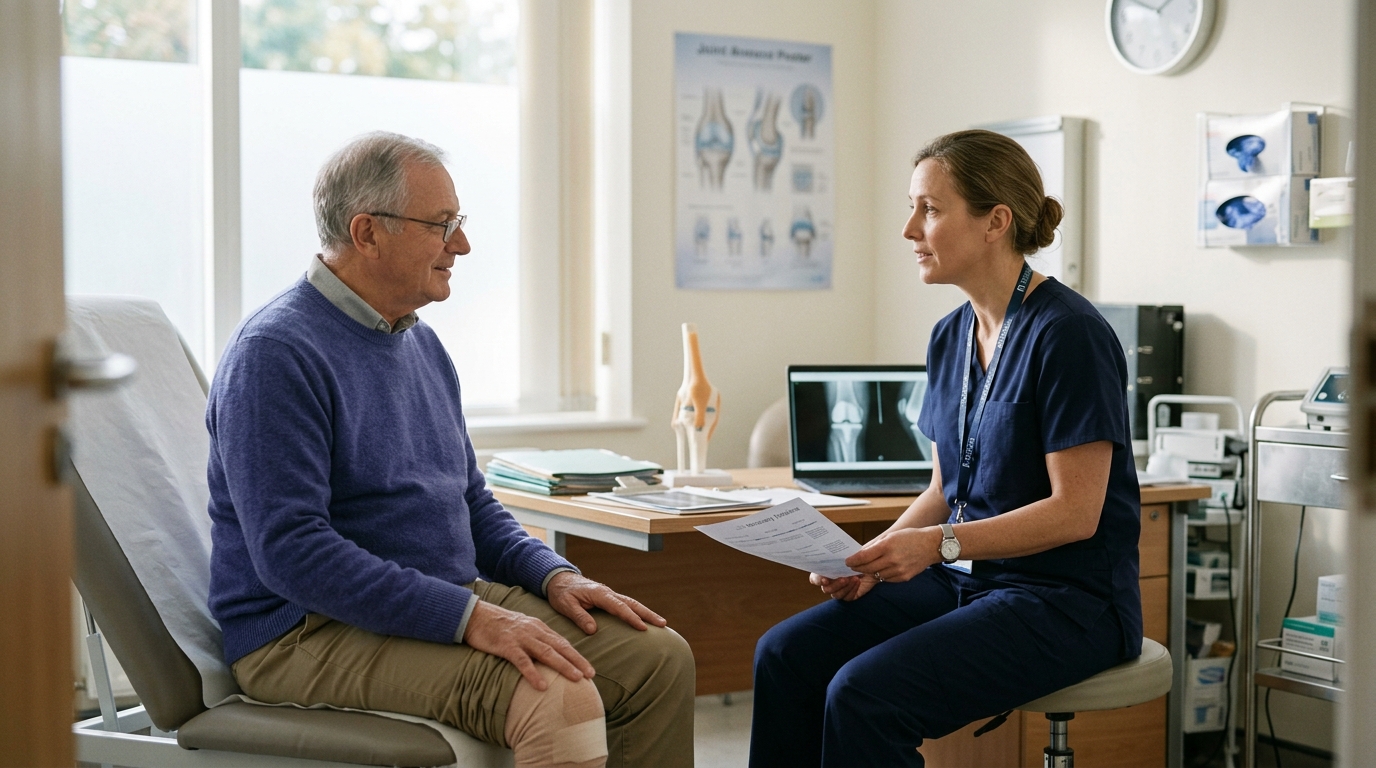
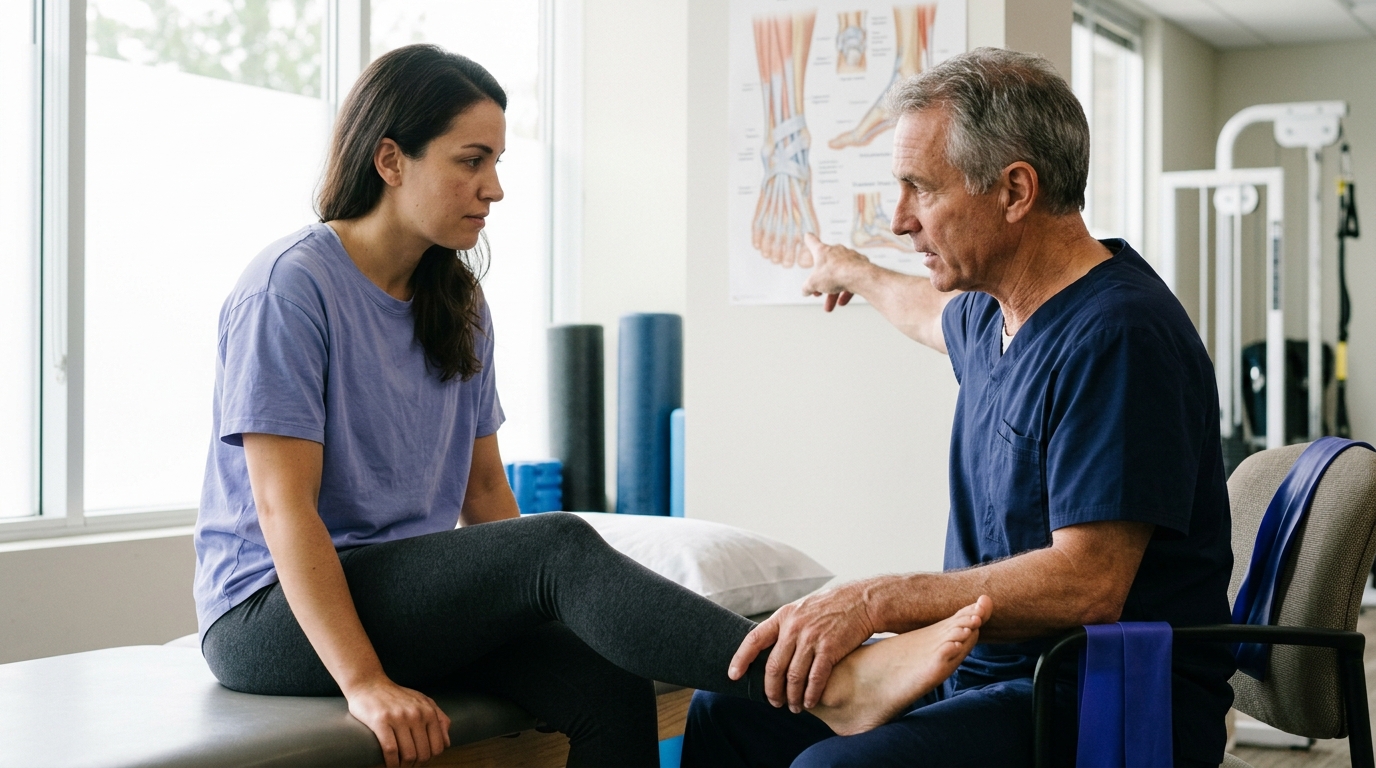
Before starting a demanding physical conditioning program or returning to vigorous sports, consider consulting a healthcare professional. A doctor, physical therapist, or orthopedic specialist can provide personalized guidance based on your medical history.
Here are practical questions to discuss with your clinician:
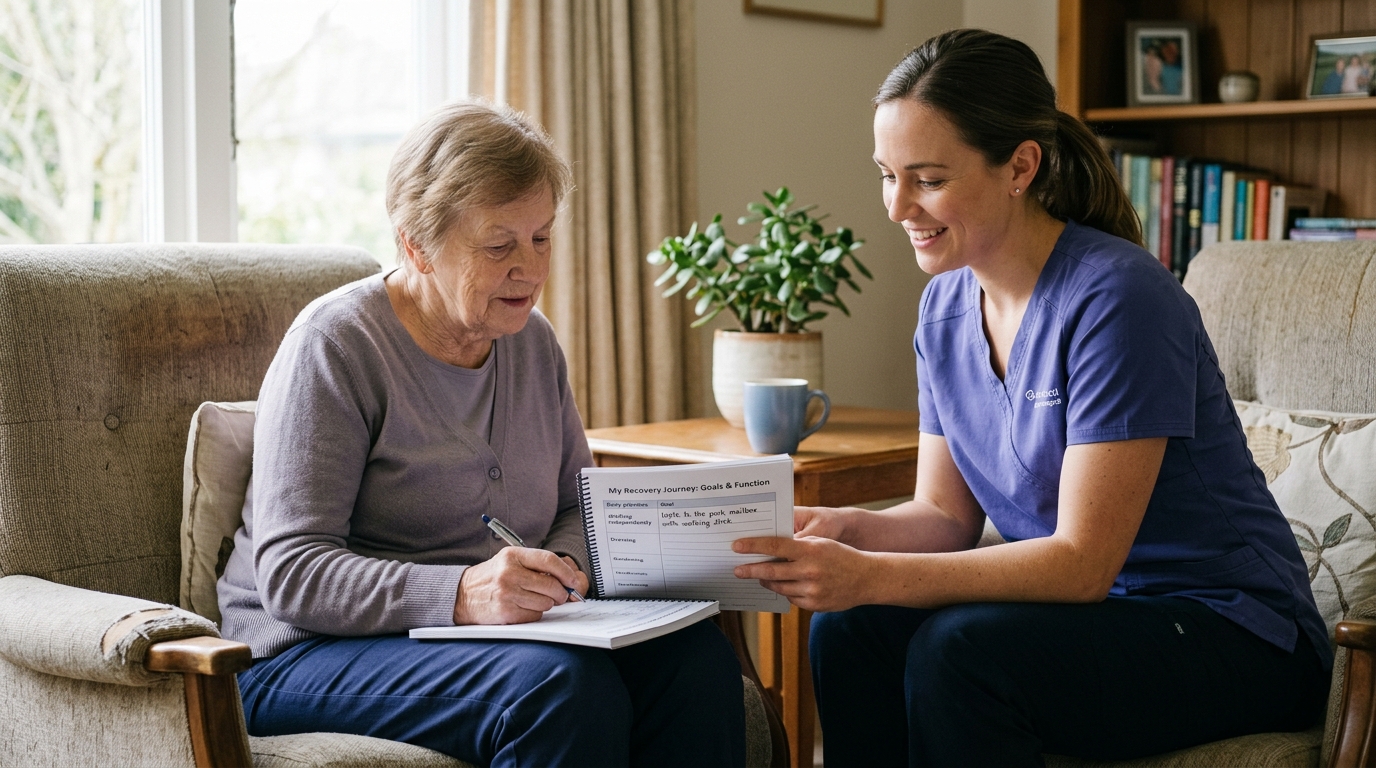
These discussions ensure that your conditioning plan aligns with your long-term joint health and medical needs.
Preparing your body for recreational activities requires identifying the unique physical demands of your chosen sport and systematically closing your capacity gaps. Rather than relying entirely on general fitness, targeted preparation builds the specific strength, balance, and endurance necessary for safe participation.
Taking the time to condition your body for the specific tasks you enjoy helps you build durable movement capacity and stay active across your lifetime.

Use ReboundBody resources to understand common recovery stages, rehab terms, movement limits and strength rebuilding. Each guide is designed to make a complex comeback easier to understand.


Read practical guidance on injury recovery, rehabilitation, mobility and rebuilding strength as you work your way back to activity.
Explore Resources