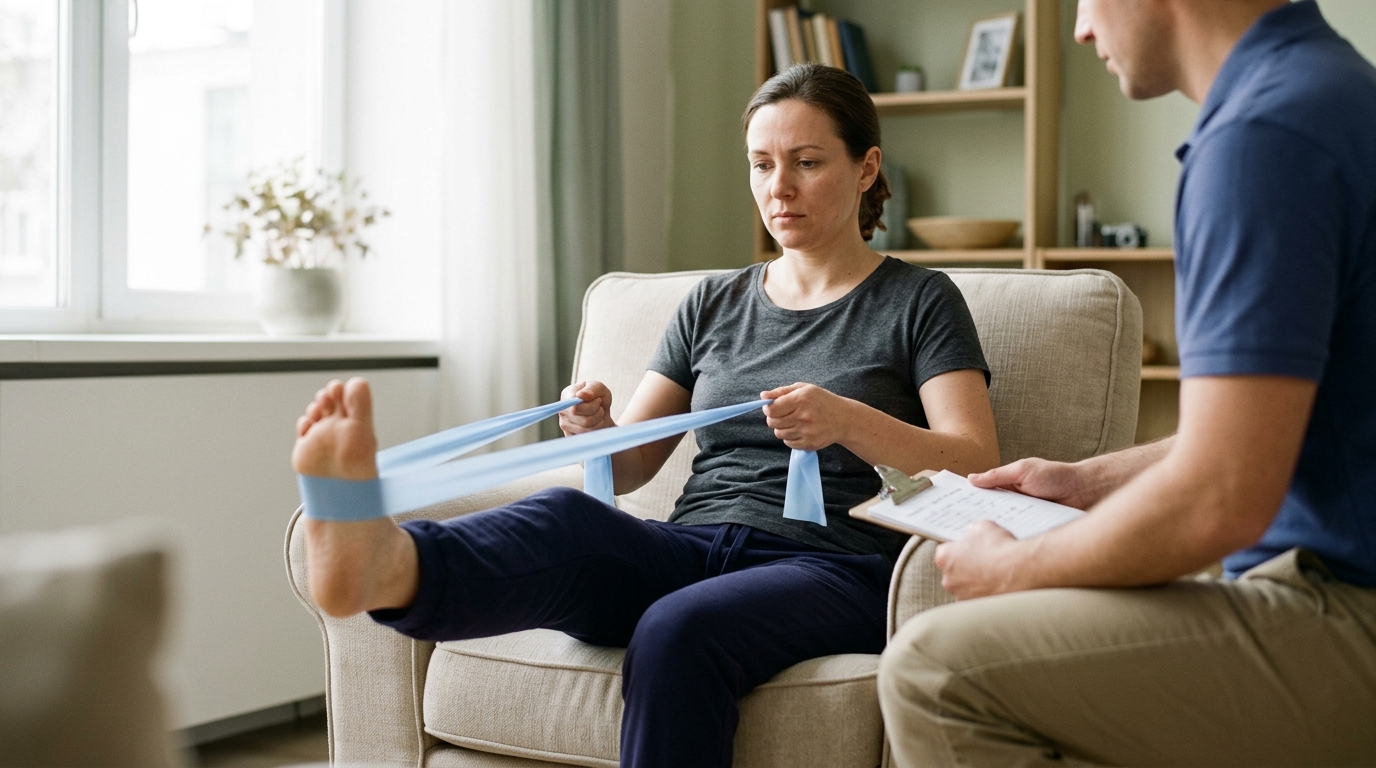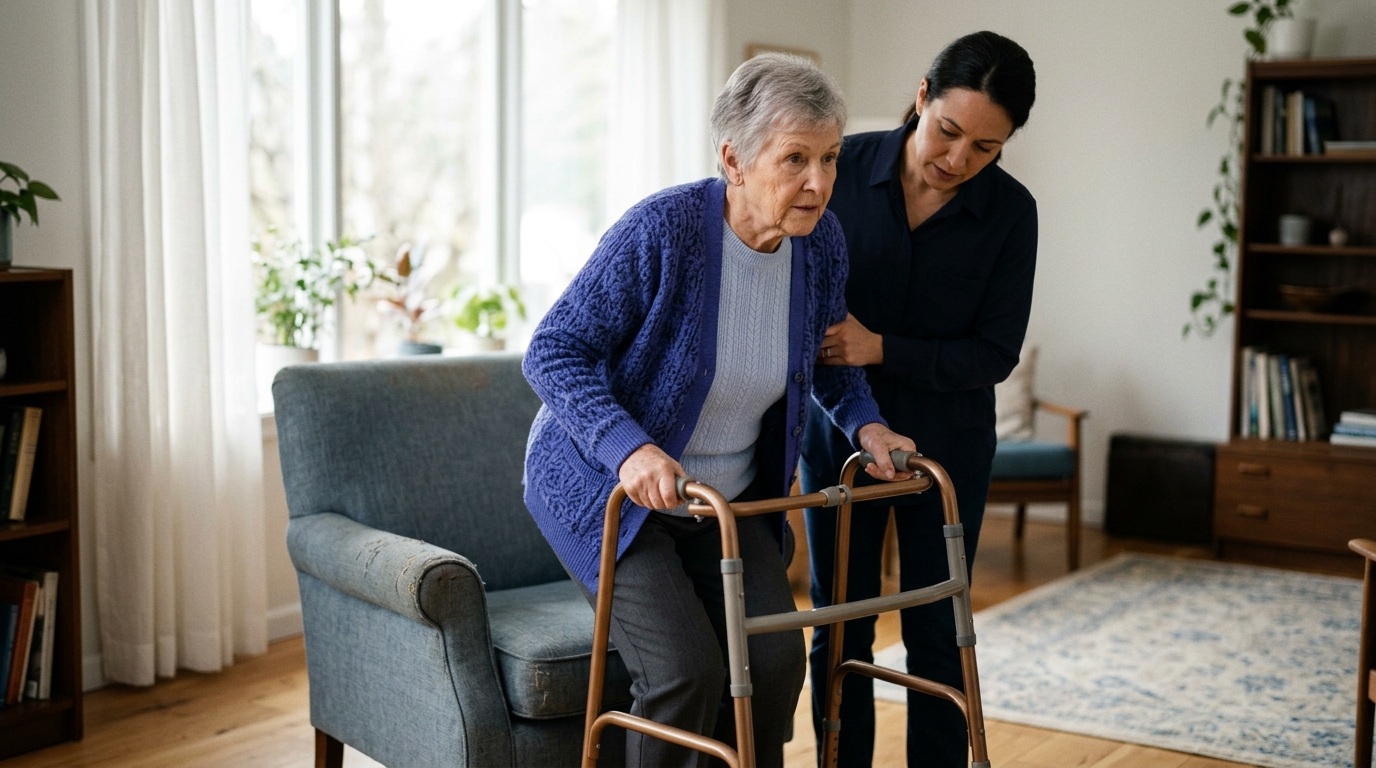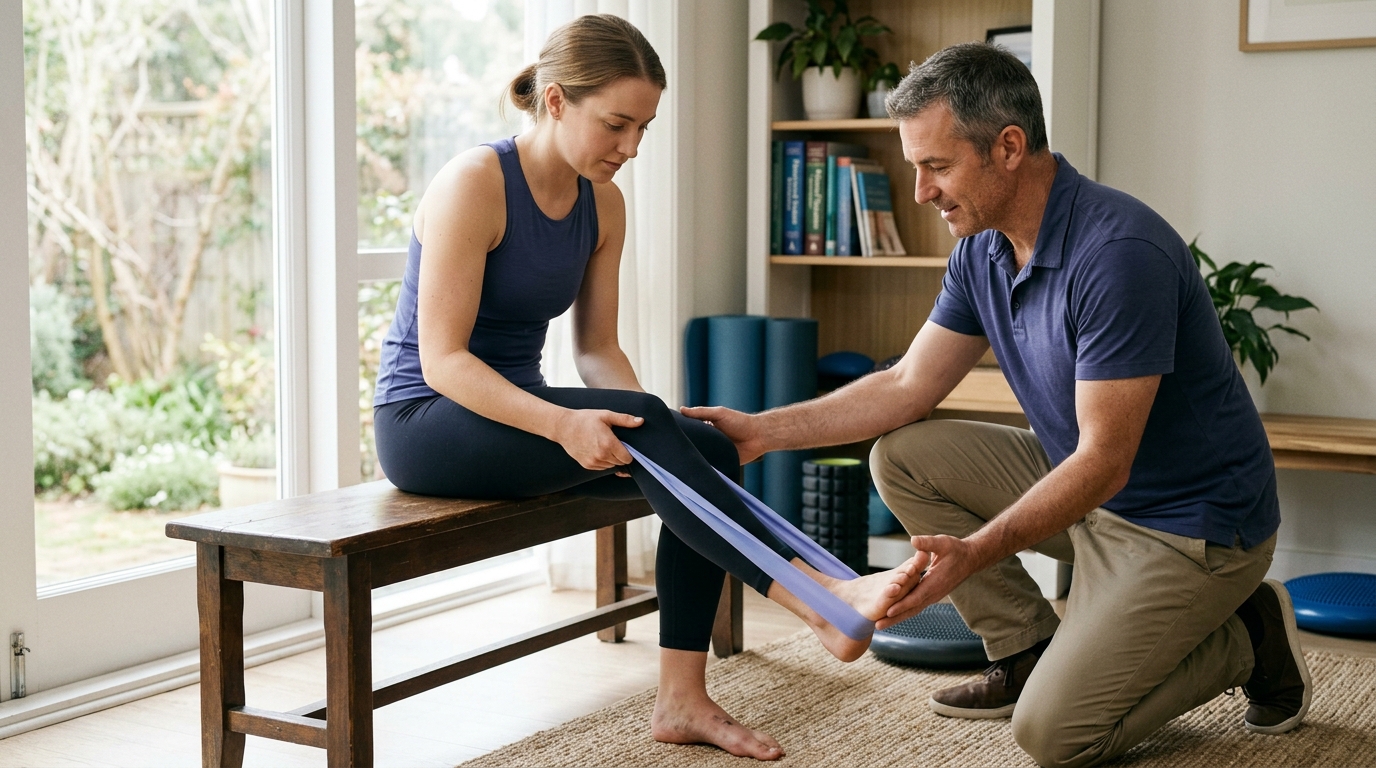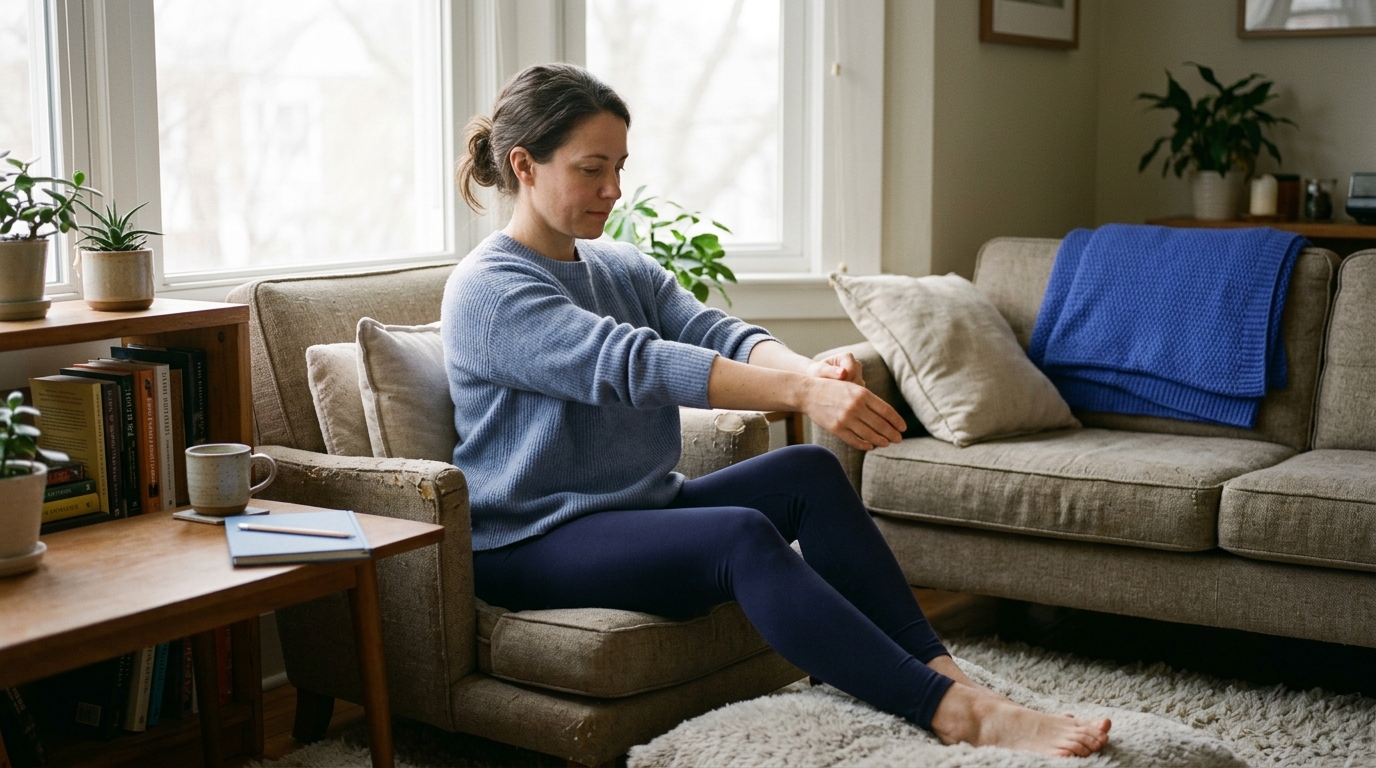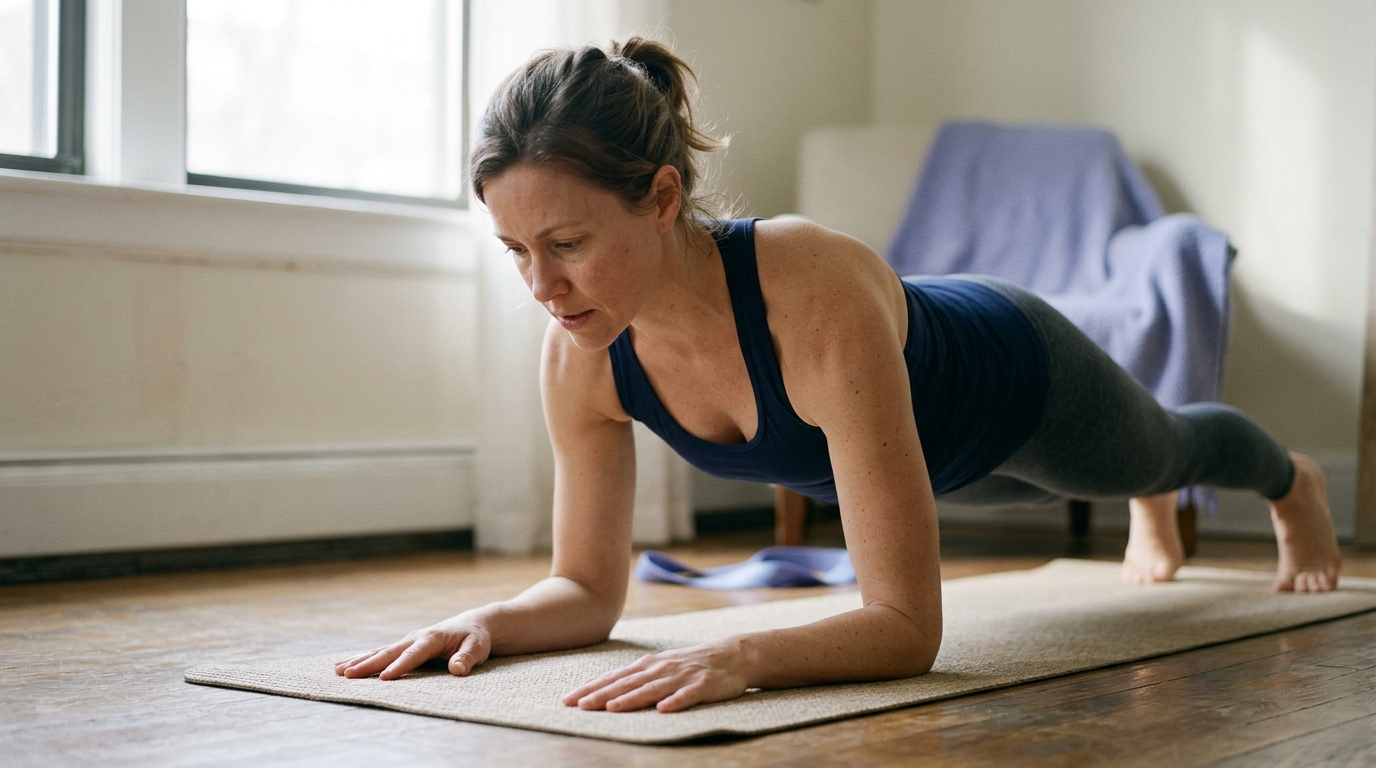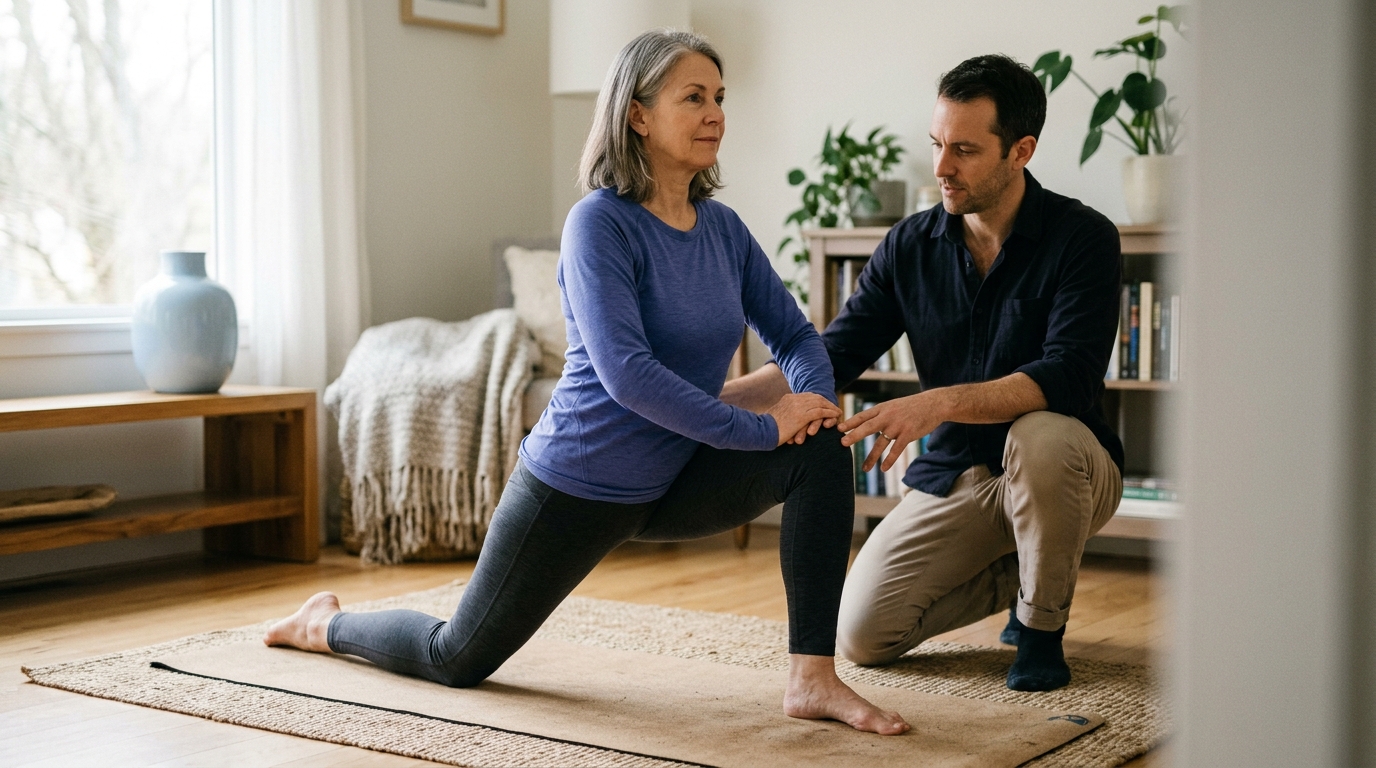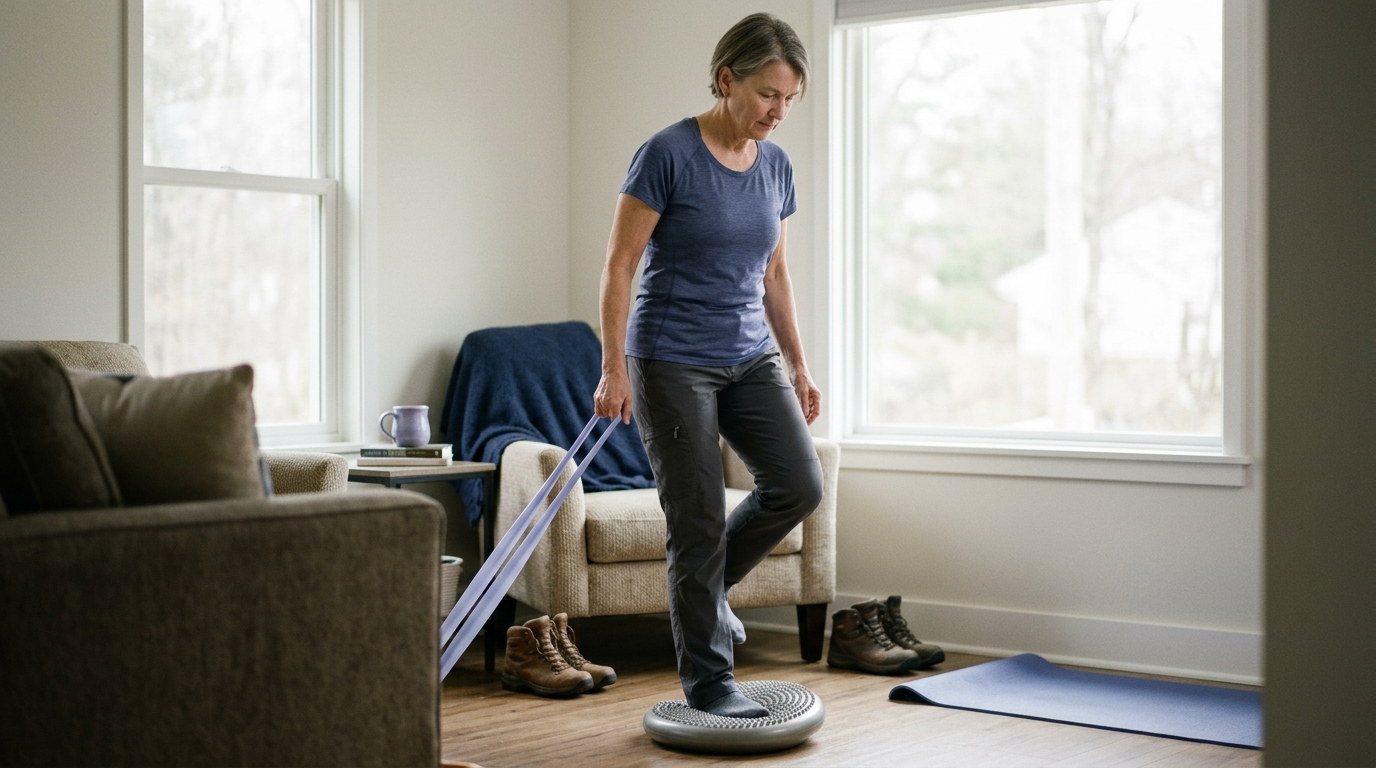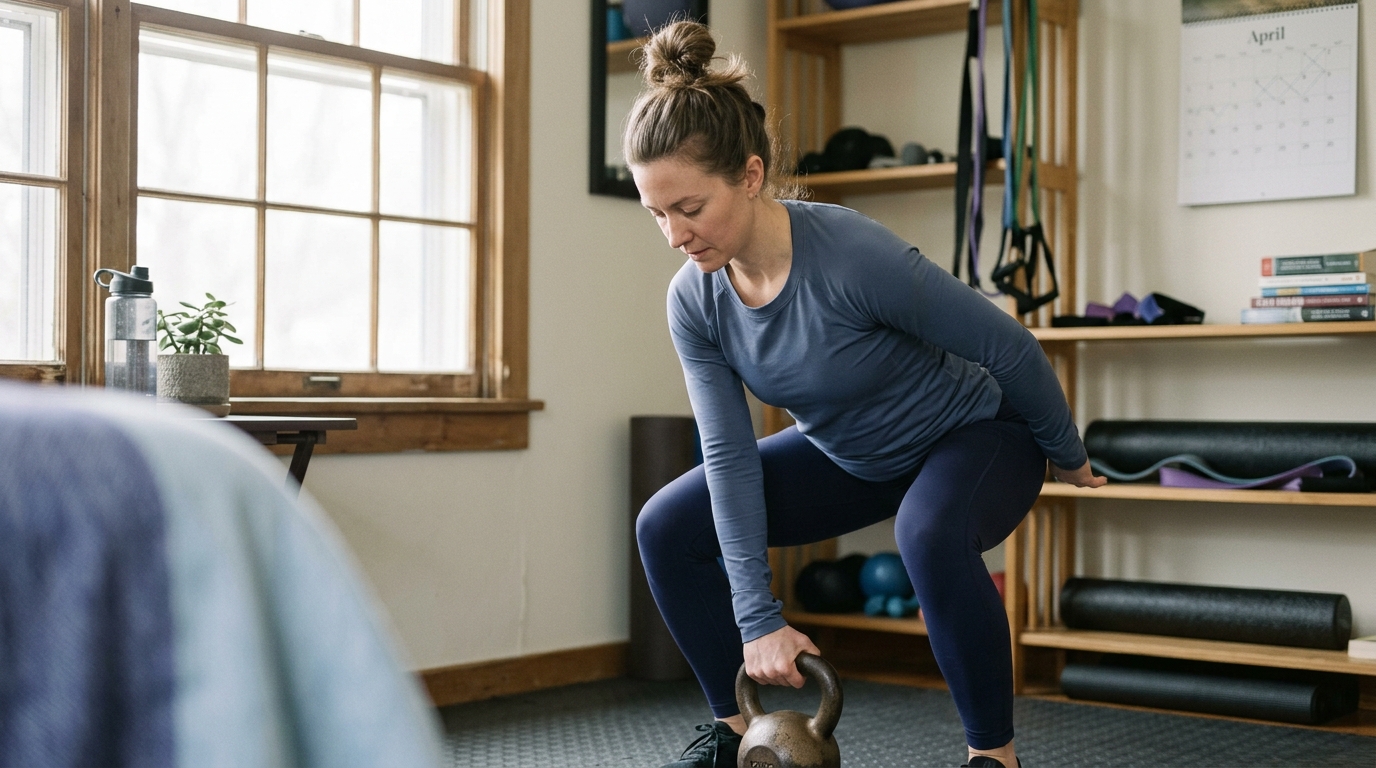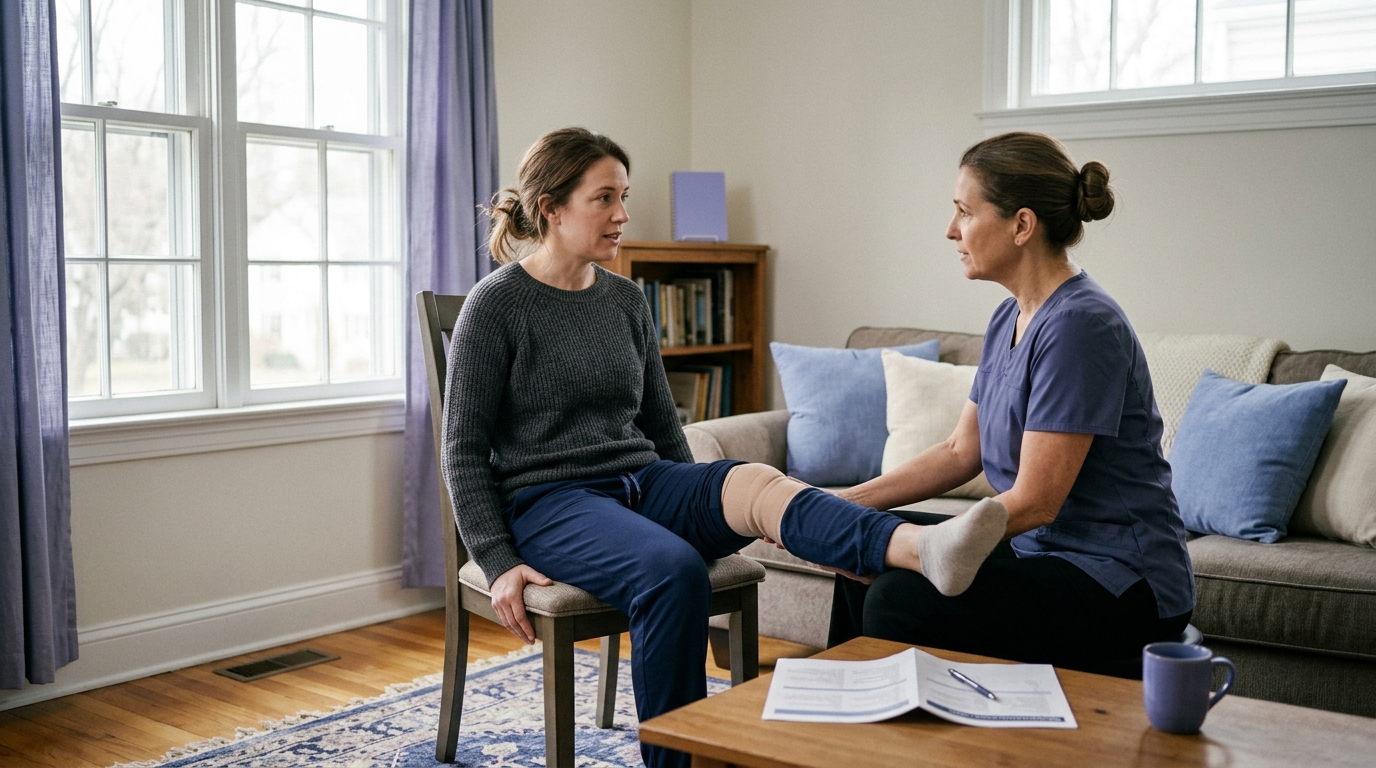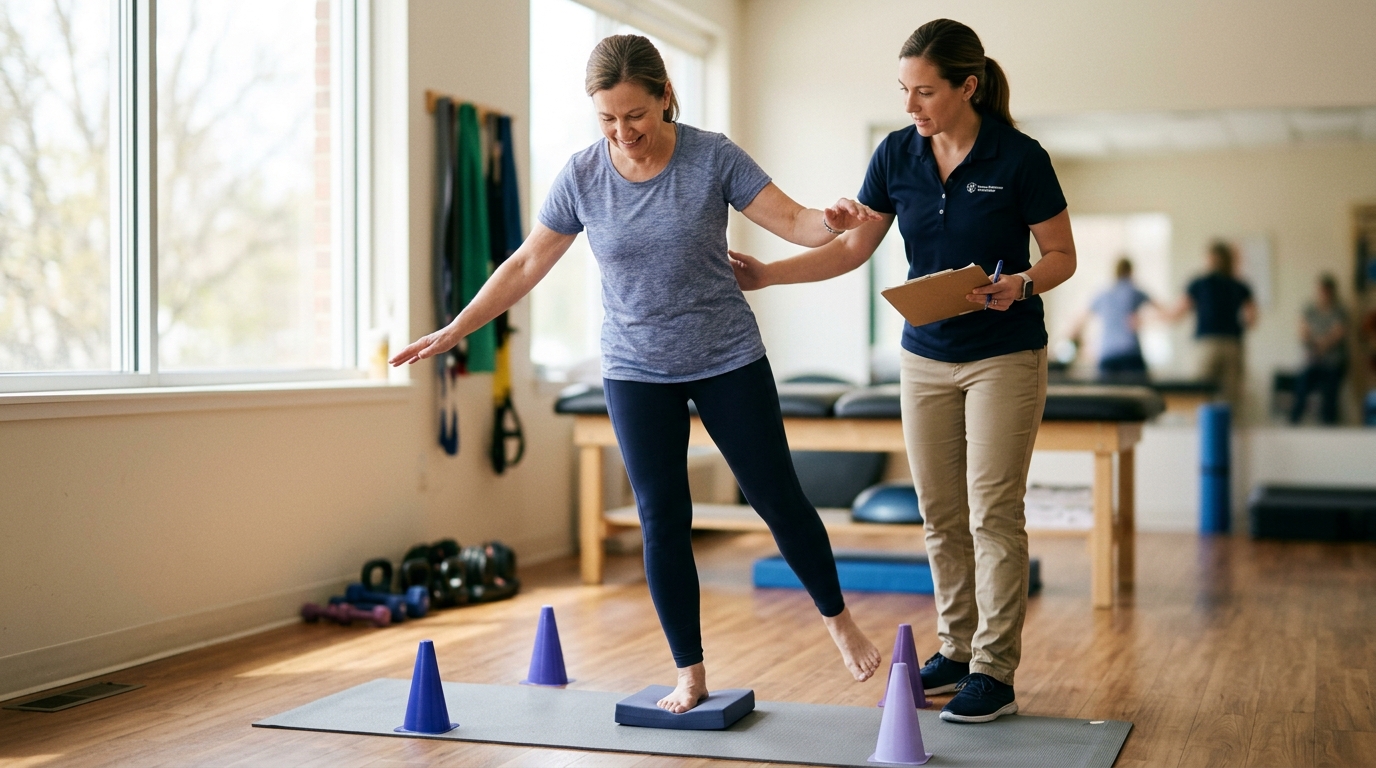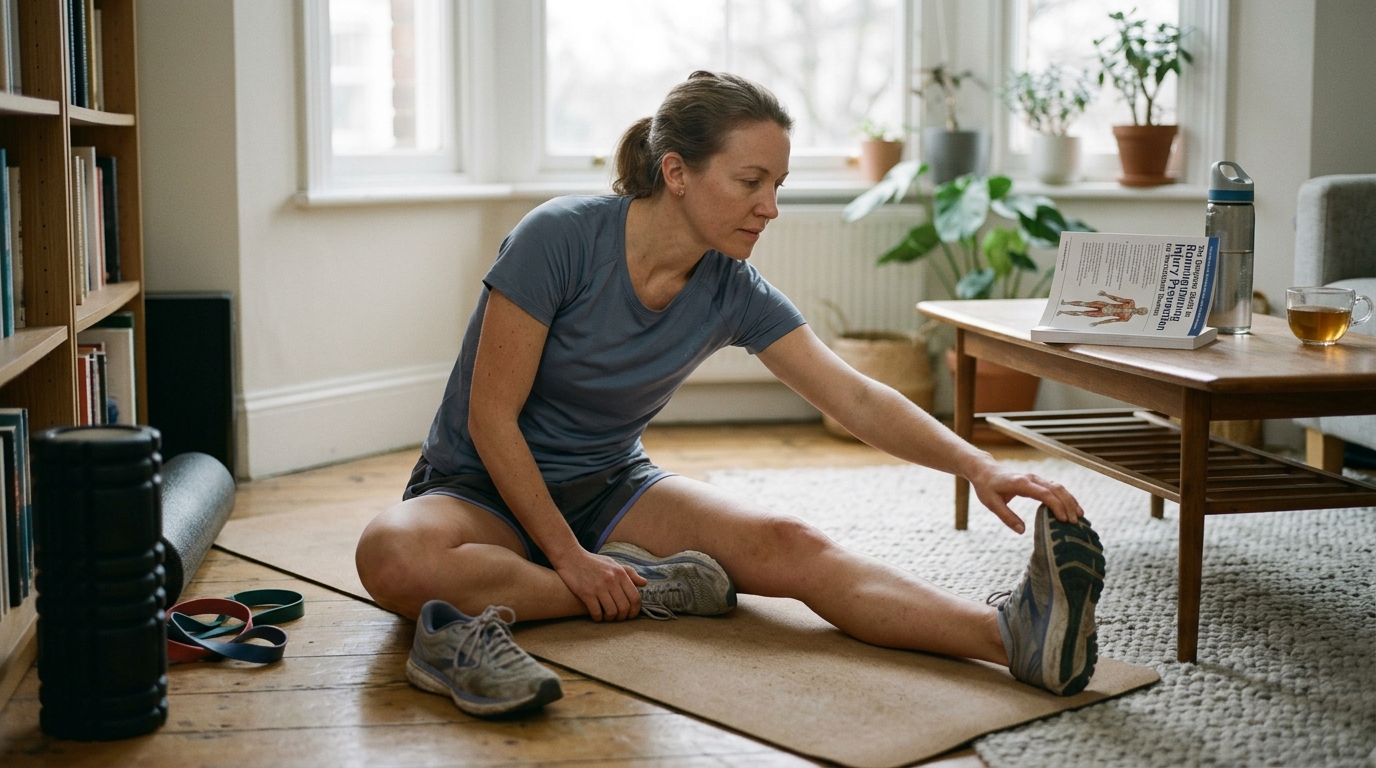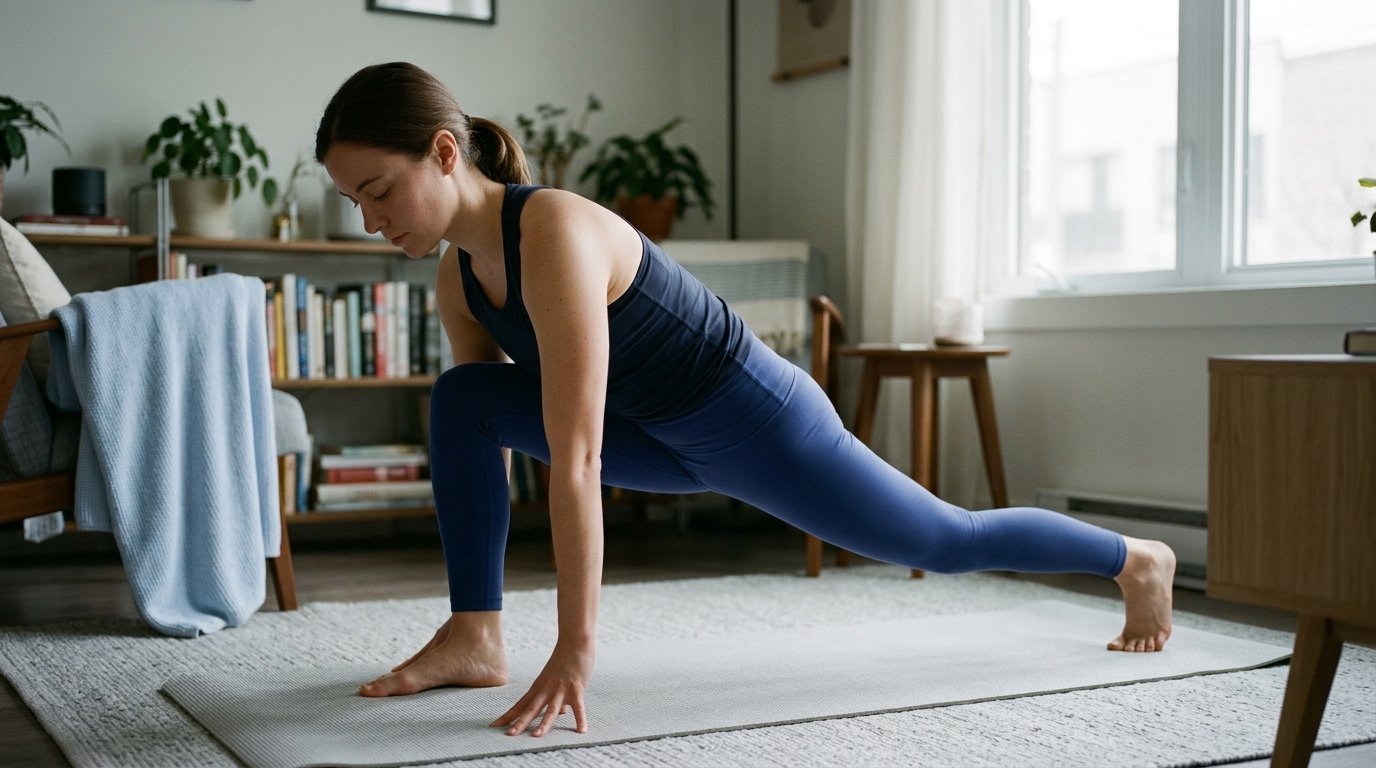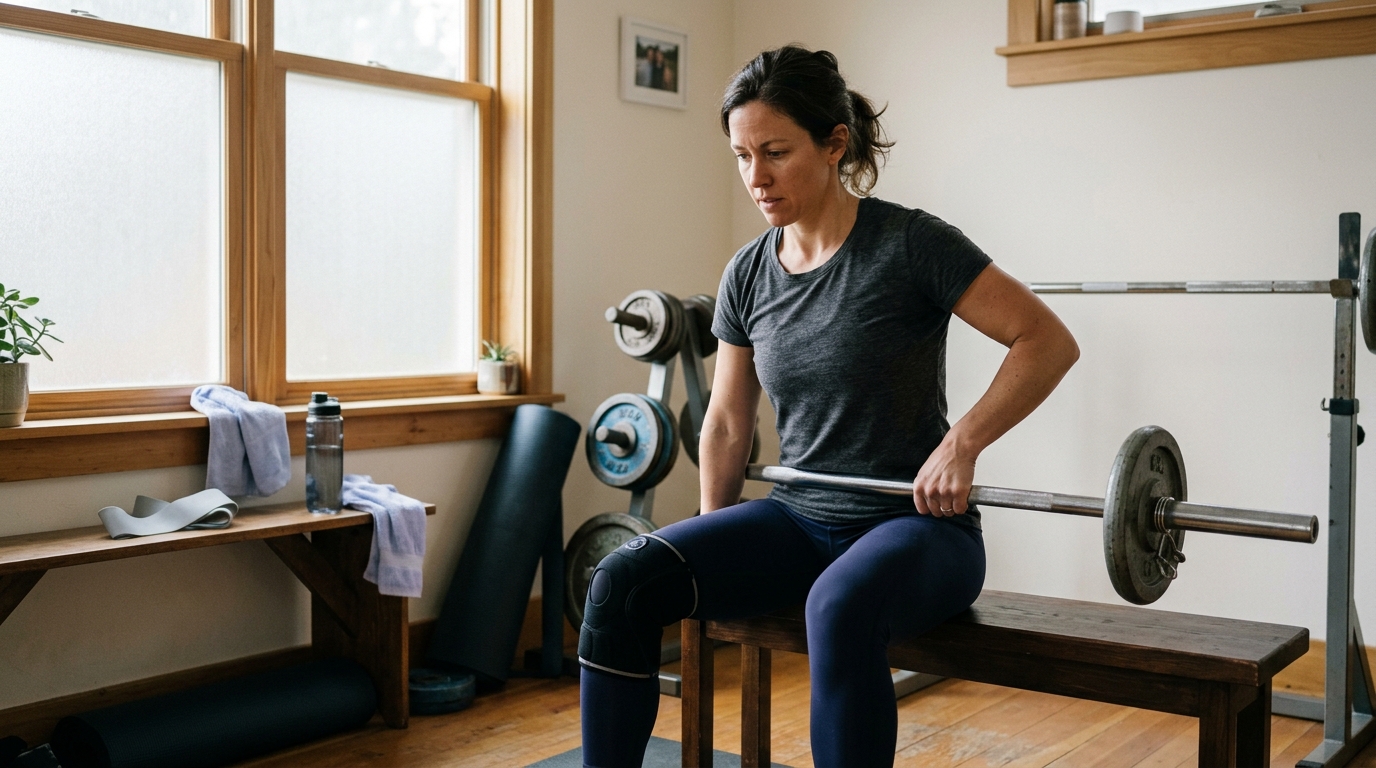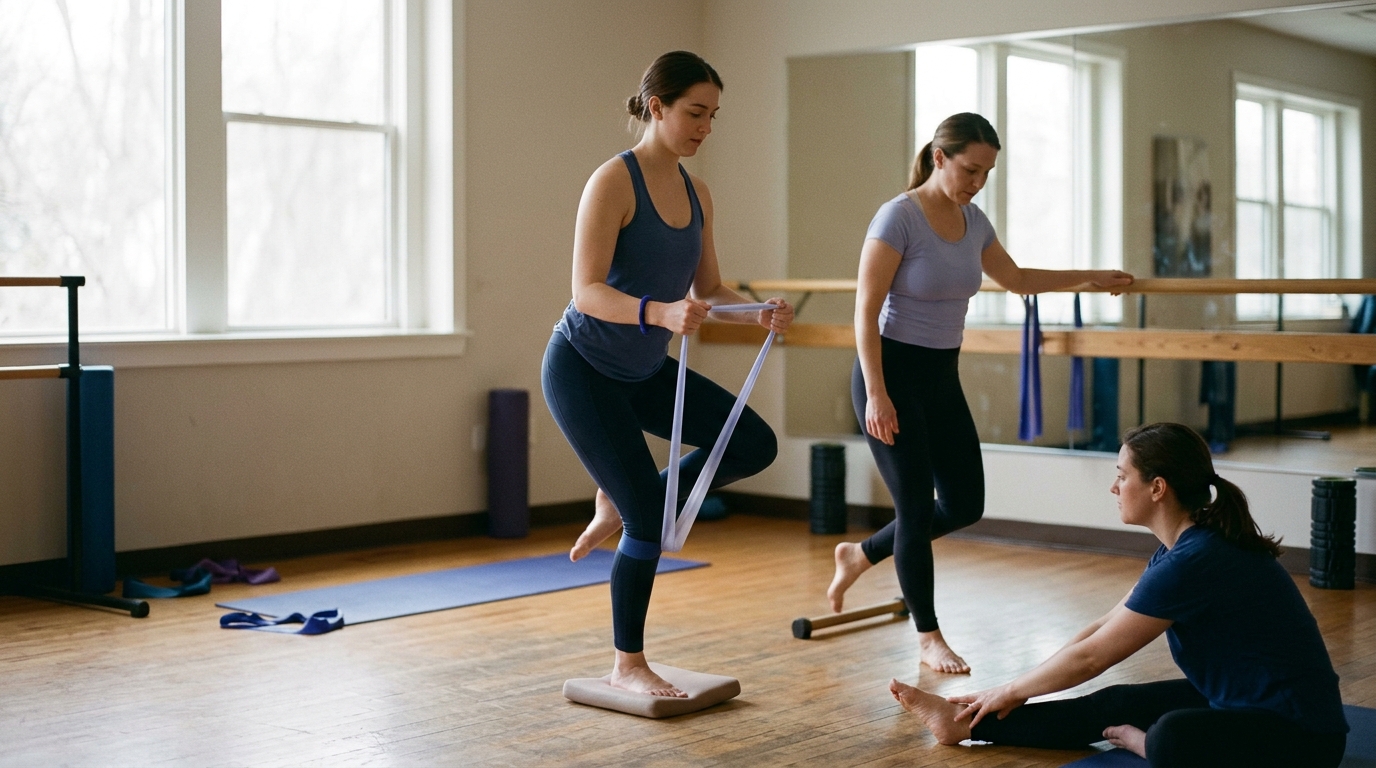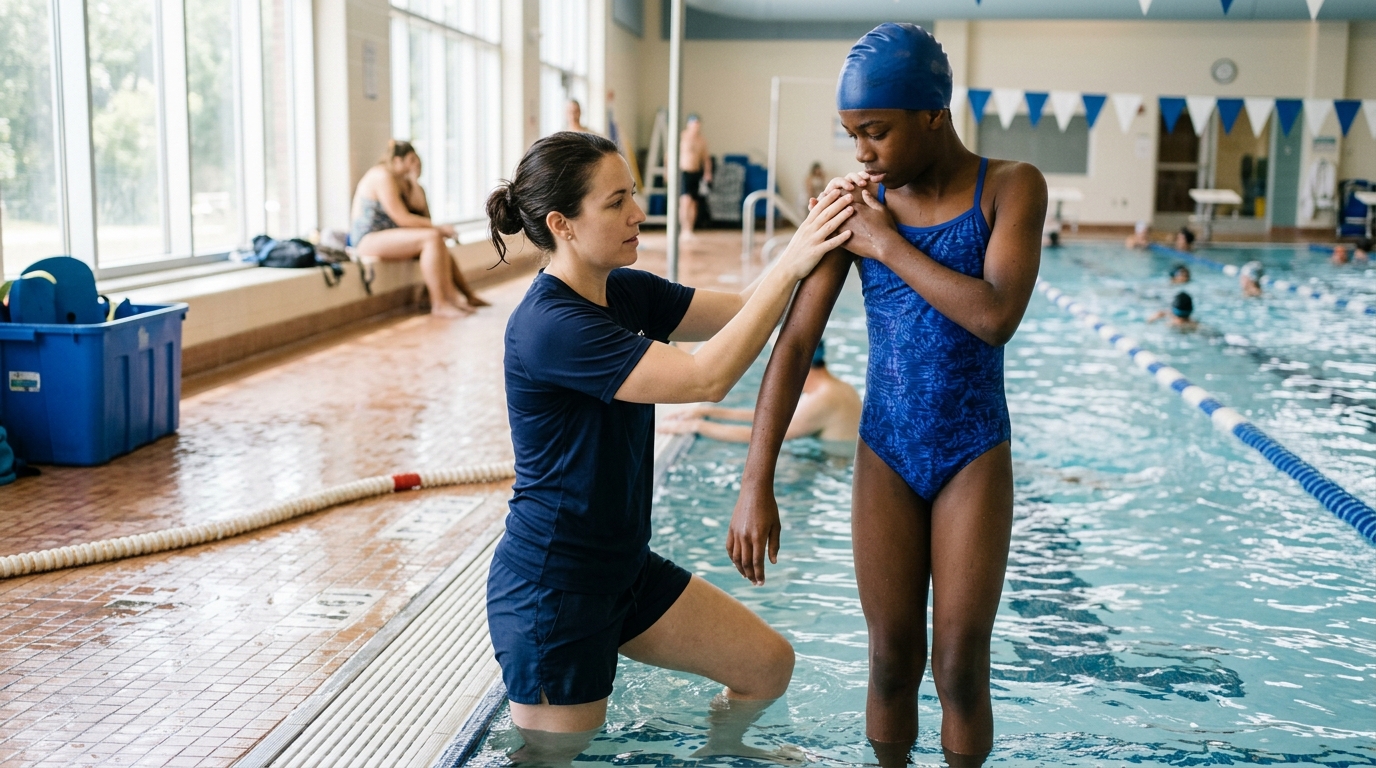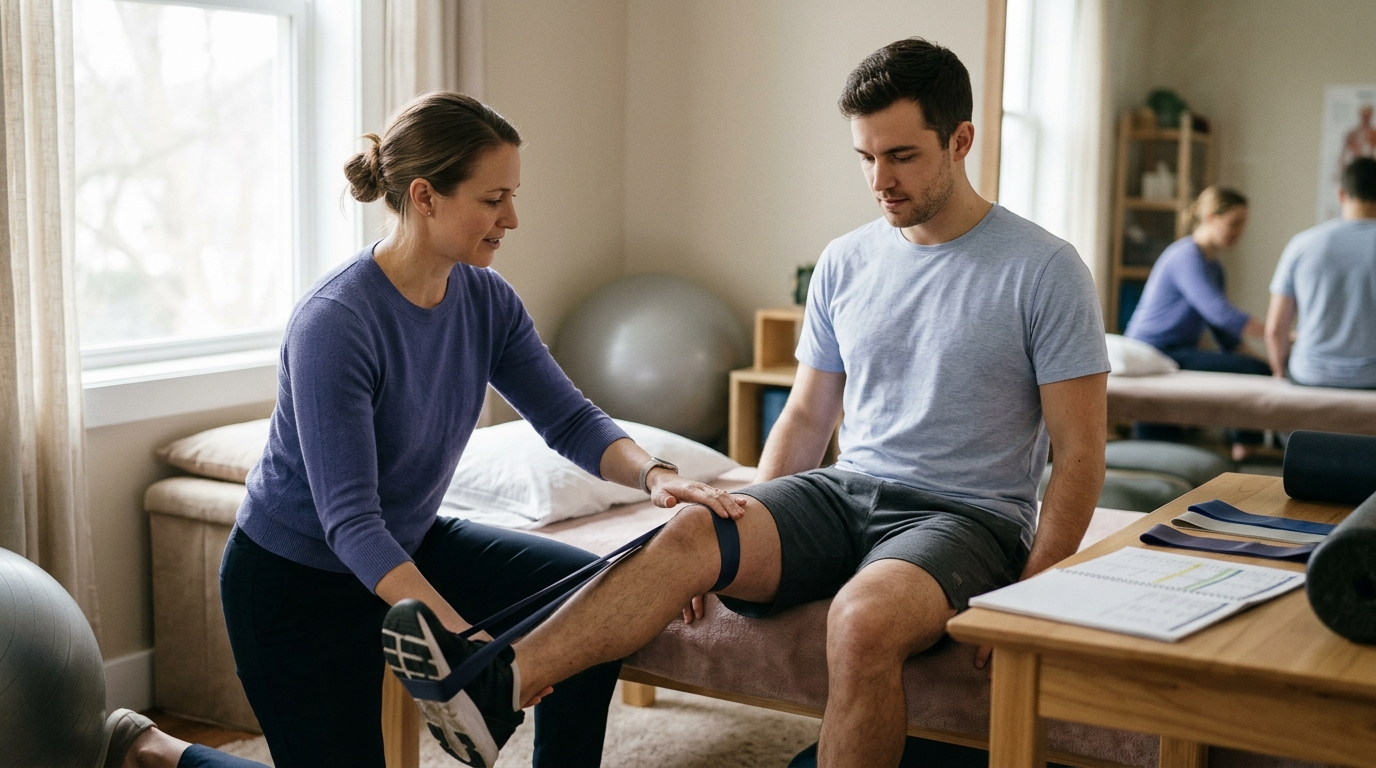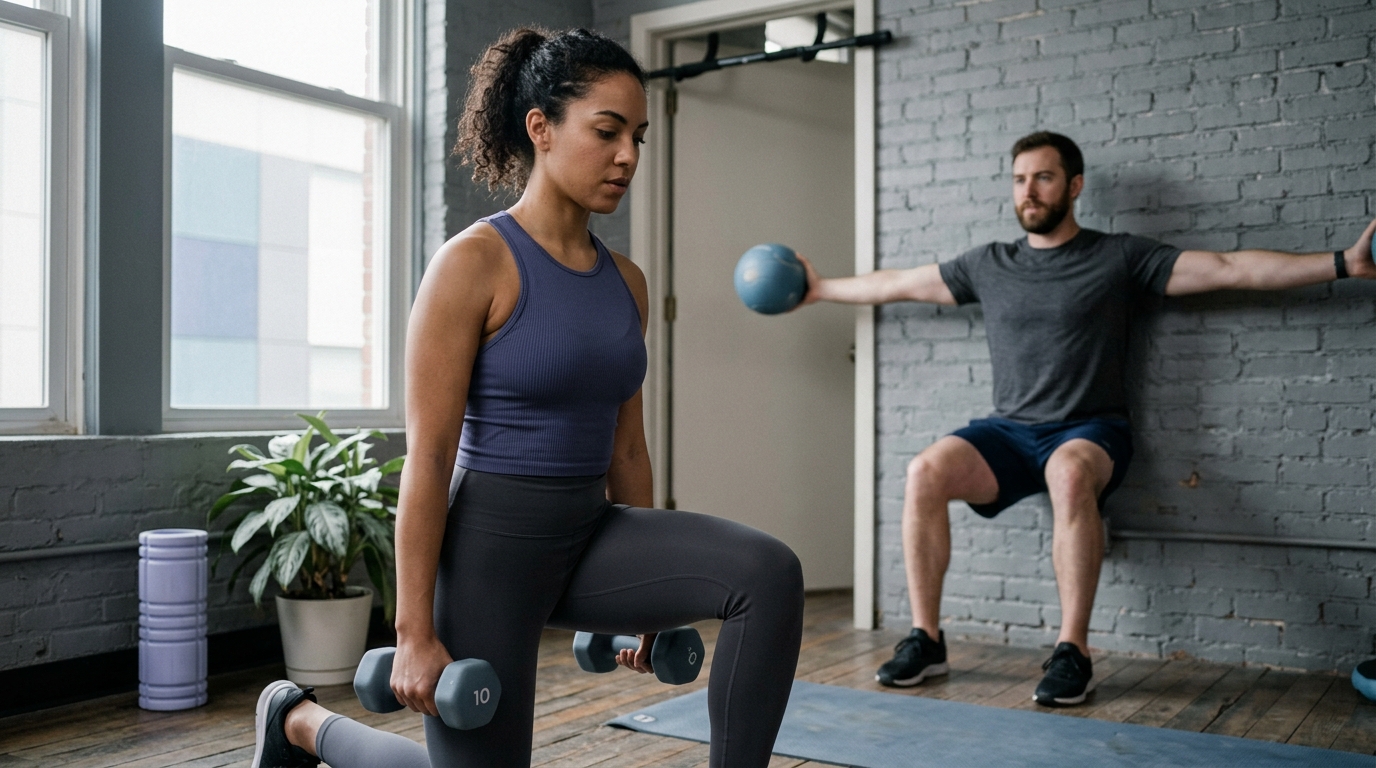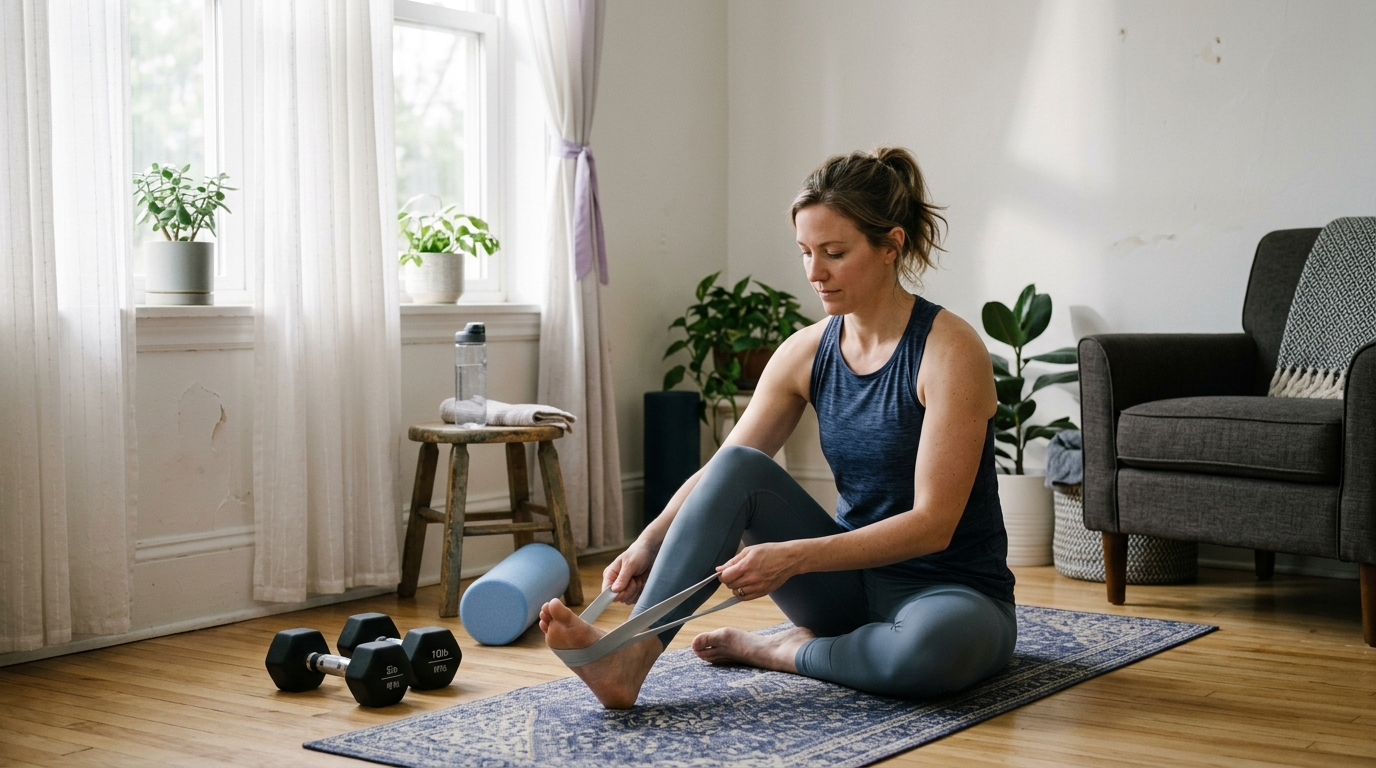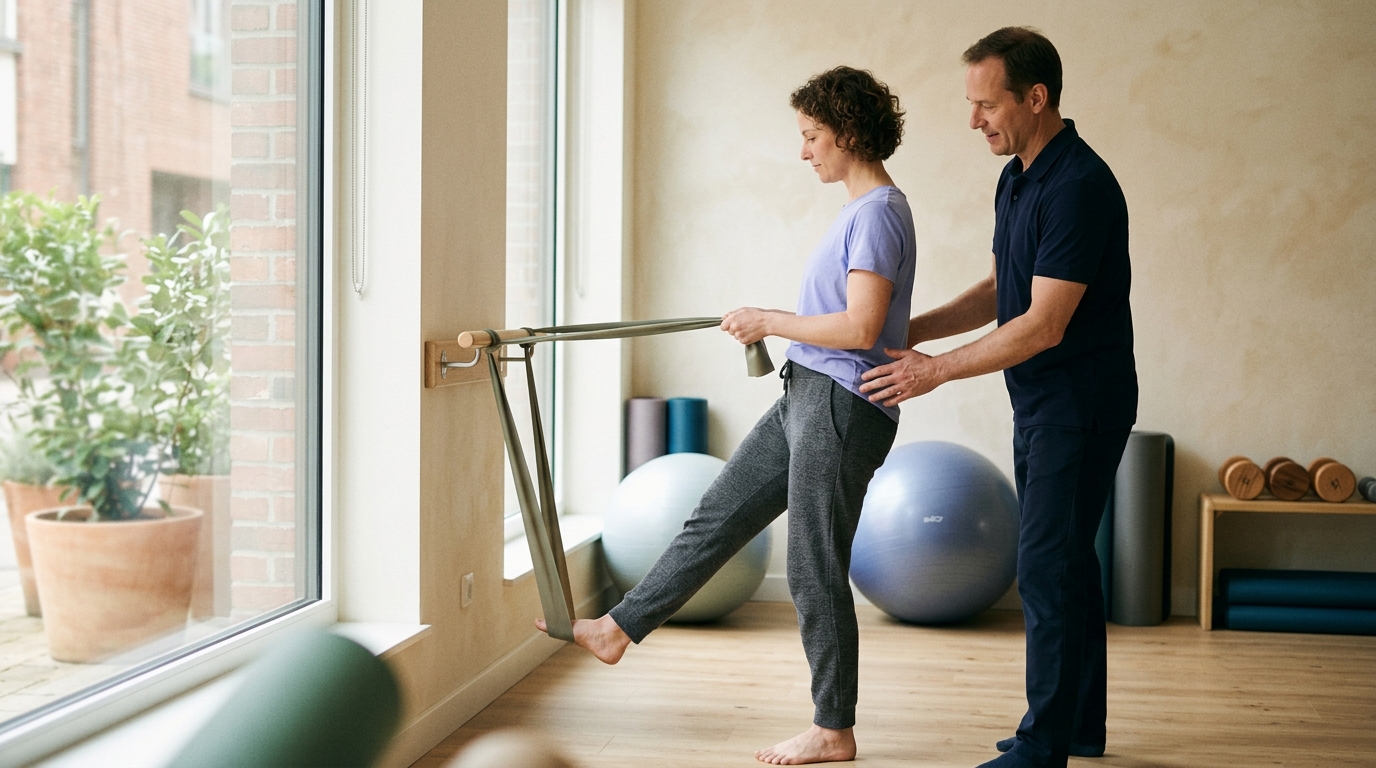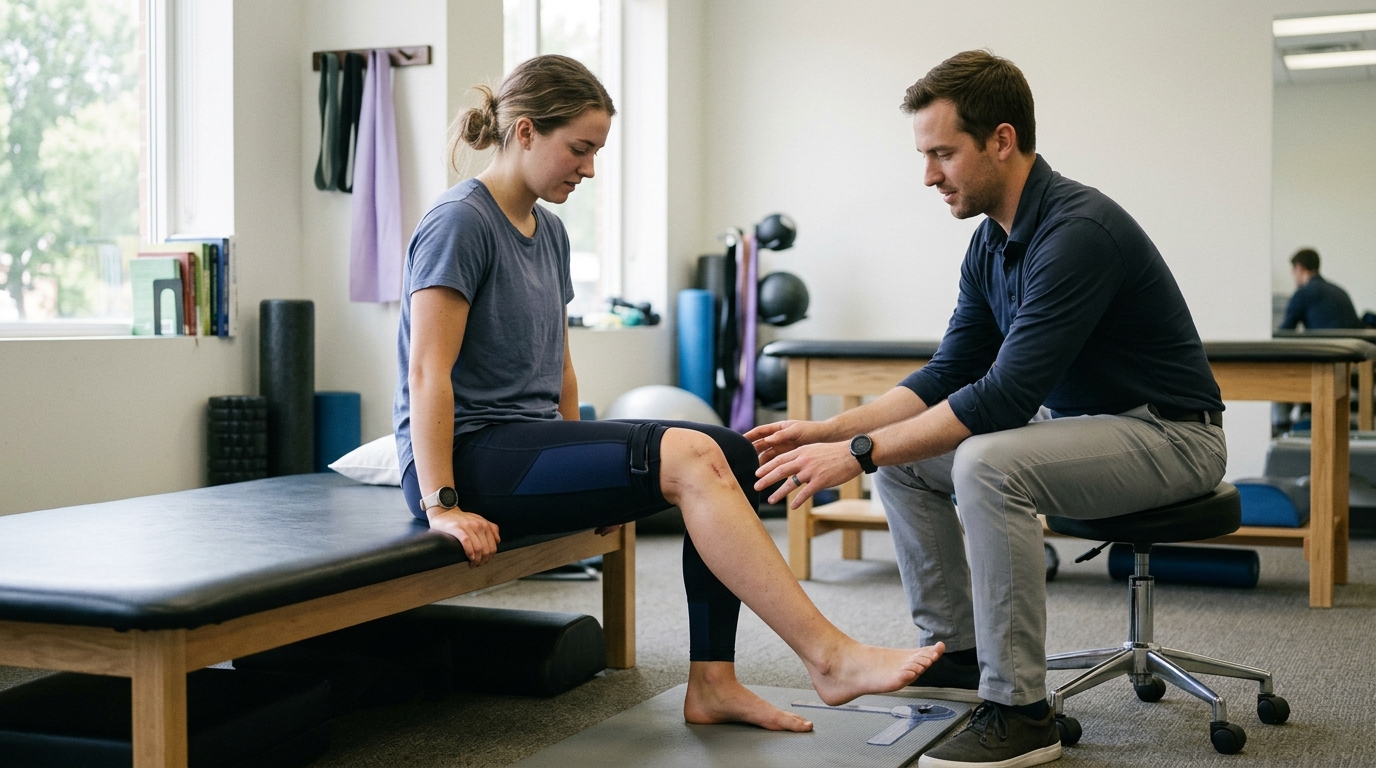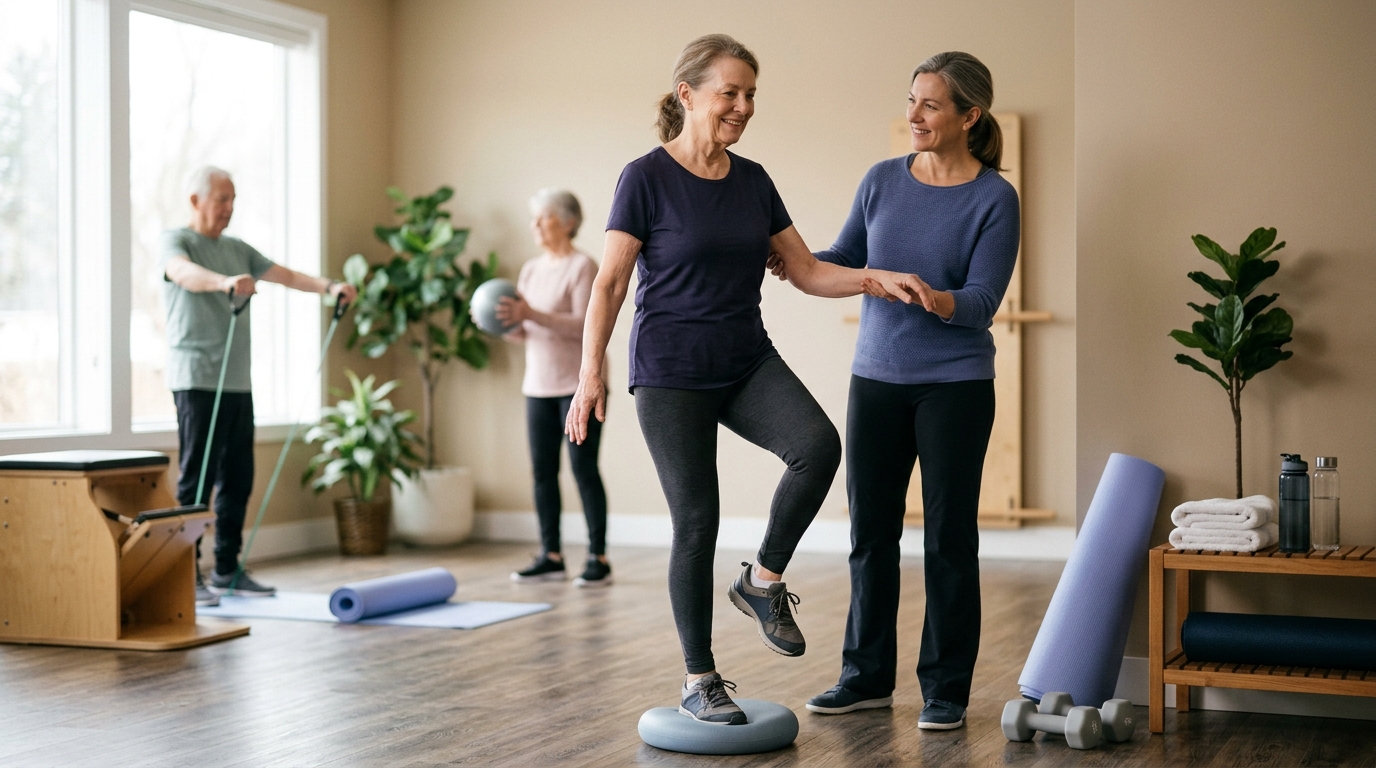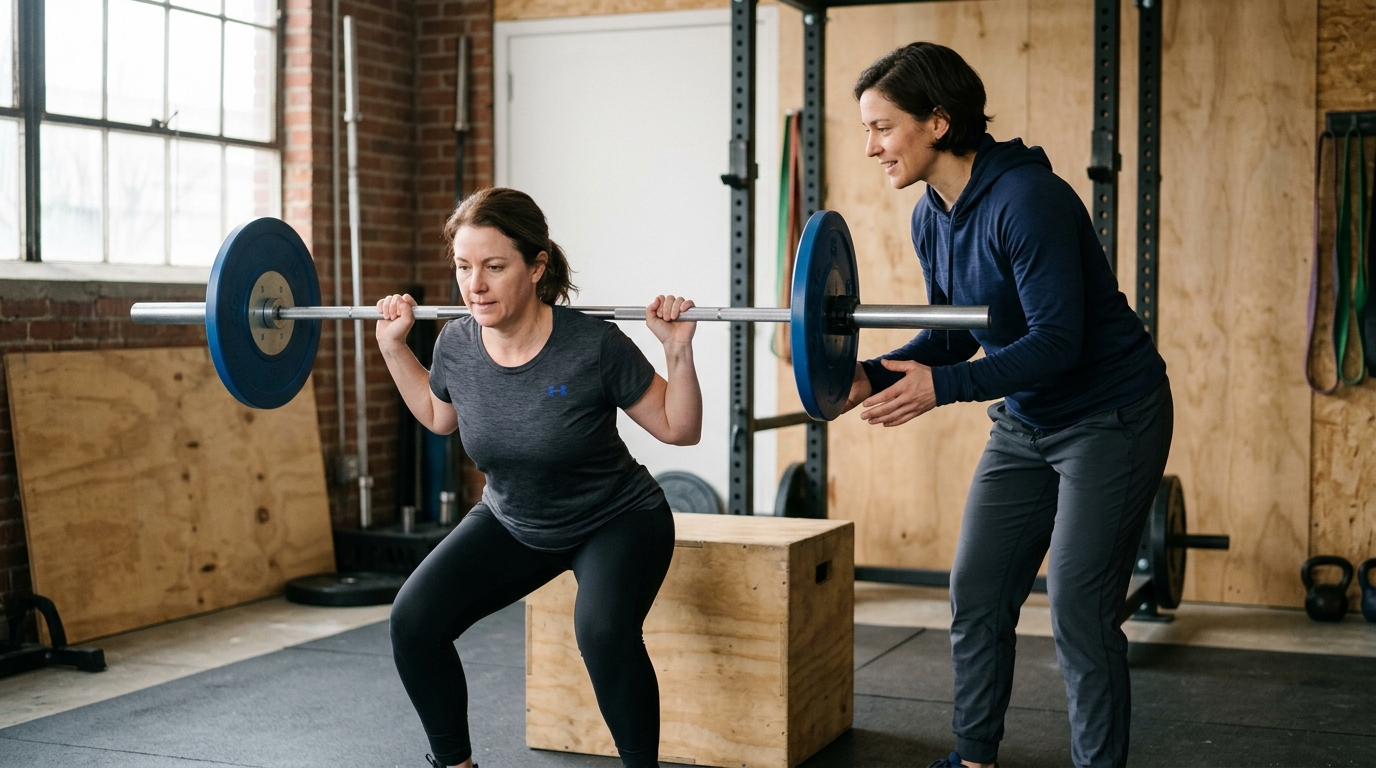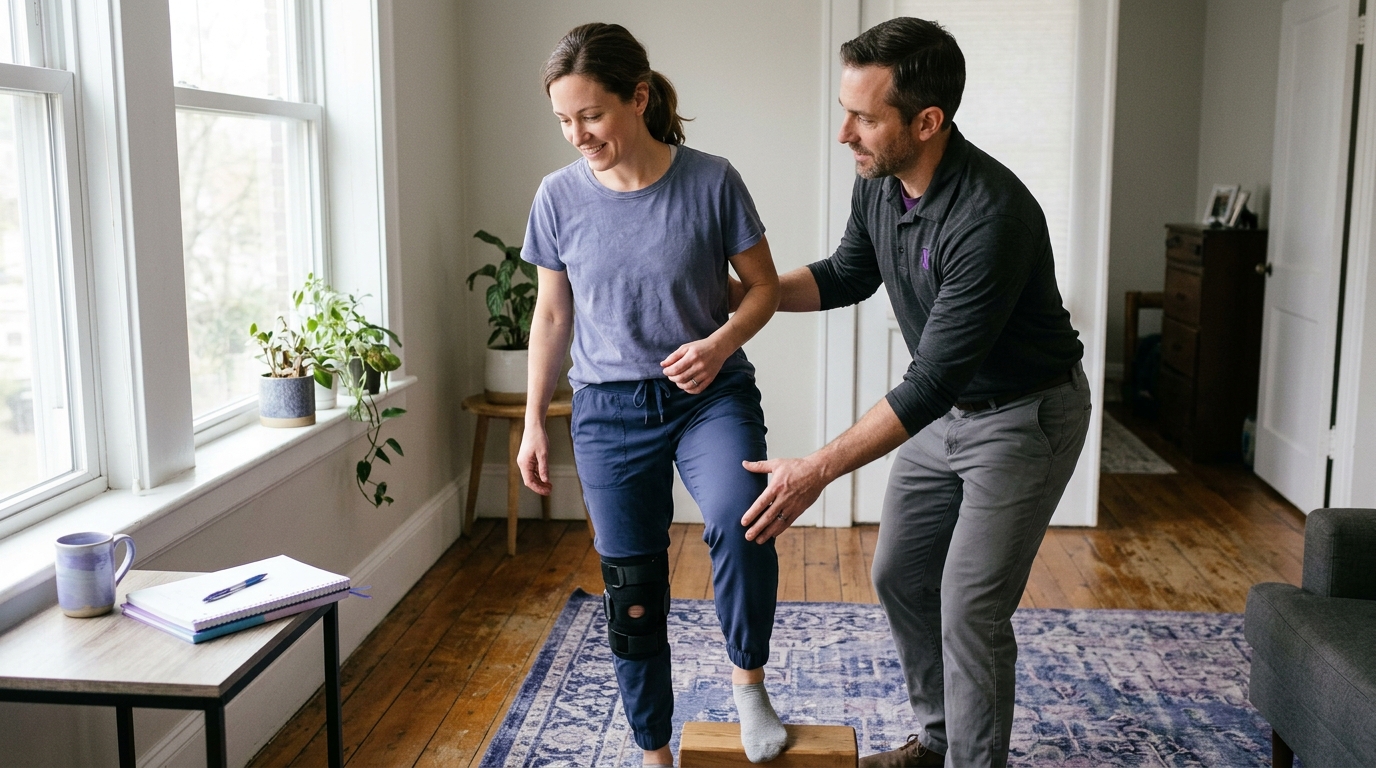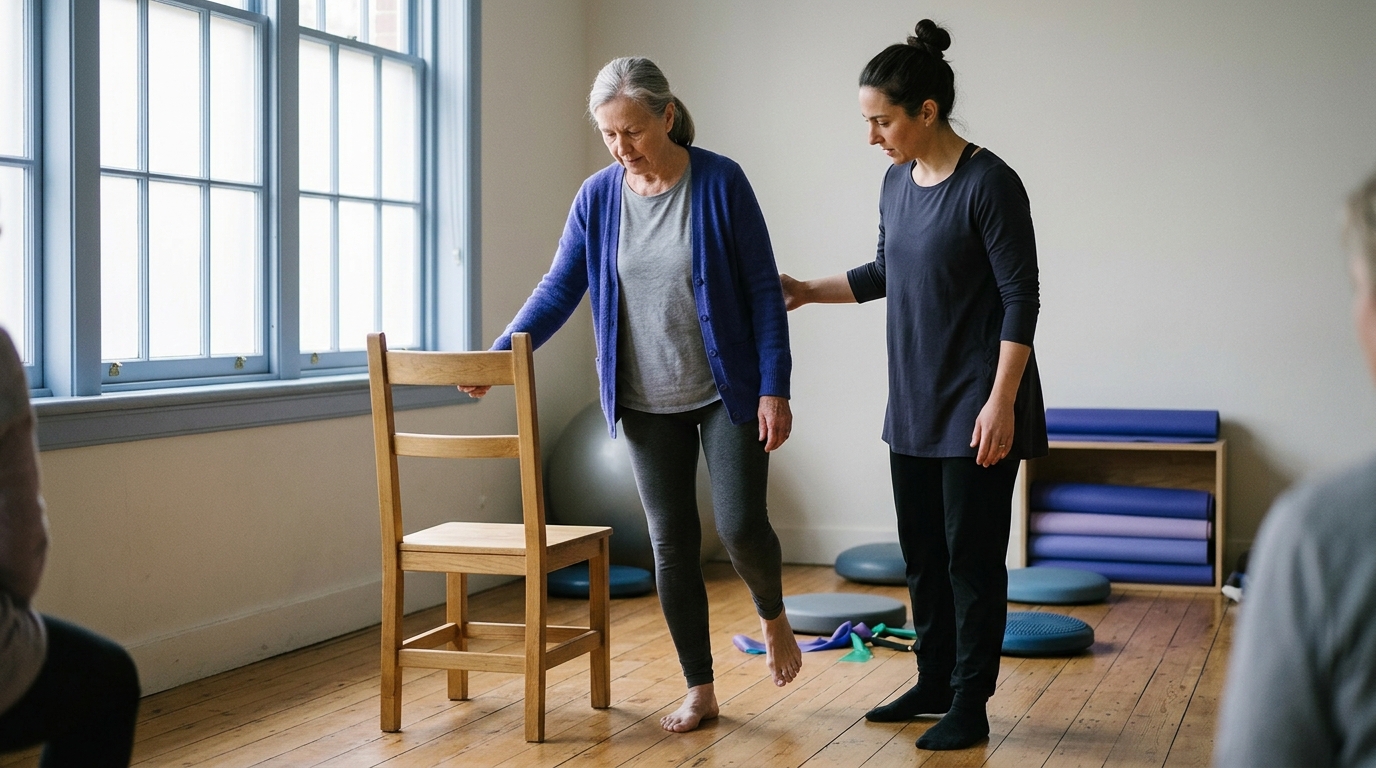

Progressive balance exercises combine stance variations, changing surfaces, and dynamic movement patterns to help you build functional stability and prevent falls.





Balance practice is not an acrobatic contest or a pursuit of the most unstable surface you can find. It is a structured way to train your nervous system and muscles to maintain control when your body, your support, or your surroundings change. Many people believe that good balance training requires standing on soft foam, wobbling on rocker boards, or holding difficult poses with eyes closed. True balance capacity is about managing everyday physical demands, stepping safely around obstacles, and recovering smoothly when you lose your footing.
This guide provides a comprehensive breakdown of how different balance challenges alter the physical demands on your body. You will learn how stable surfaces, unstable equipment, single-leg stances, and changes in direction influence stability. We also examine what clinical research confirms about fall prevention and strength rebuilding. Most importantly, you will find a clear progression framework to advance your training without taking unnecessary risks.
Balance is not a single, isolated physical skill. It is an active process that combines sensory feedback, brain processing, and coordinated muscular action. Every second you spend upright, your body manages forces to keep your center of mass within your base of support.
Postural control relies on three main sensory systems working together:
Your central nervous system collects this information and produces continuous muscular adjustments. When you stand quietly, your body sways in subtle arcs. These micro-adjustments occur primarily at the ankles, knees, and hips.
Clinical exercise frameworks group balance activities into four distinct categories. Understanding these categories helps you build a balanced training routine rather than repeating the same static drills.
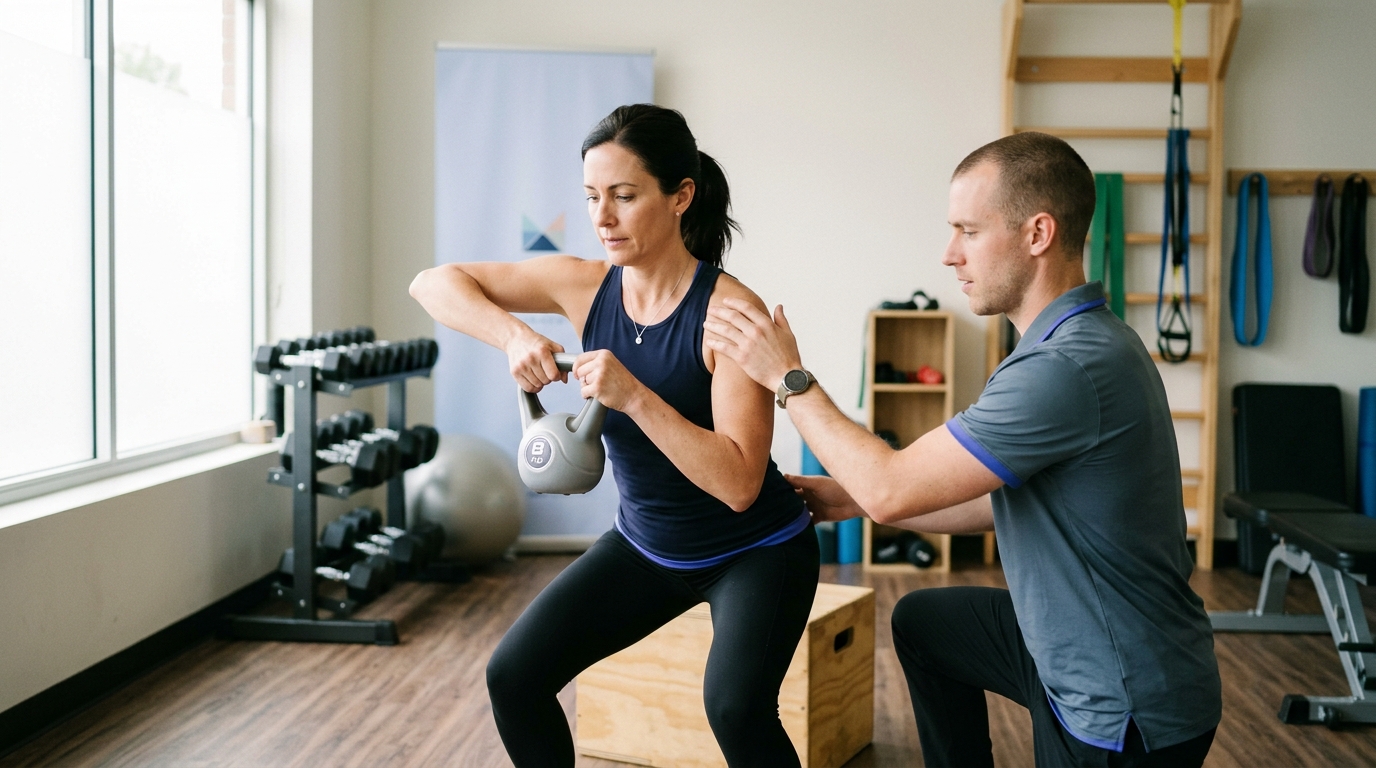
A comprehensive exercise plan addresses all four categories. Training only static poses on a firm floor does not prepare you for quick recovery steps or turning while walking. Exploring targeted injury prevention and staying active concepts can help you build functional stability across daily tasks.
Balance and functional exercise produce consistent benefits when programs are progressive, sufficiently challenging, and practiced regularly. High-quality systematic reviews provide clear guidance on what works and what outcomes you can reasonably expect.
A comprehensive Cochrane review analyzed exercise interventions for community-dwelling older adults. The authors evaluated 59 randomized controlled trials involving 12,981 participants. The findings provide high-certainty evidence for structured physical exercise:
These results highlight that balance training is effective when delivered as a structured program. However, they reflect multi-week interventions rather than quick-fix routines or novelty tools.
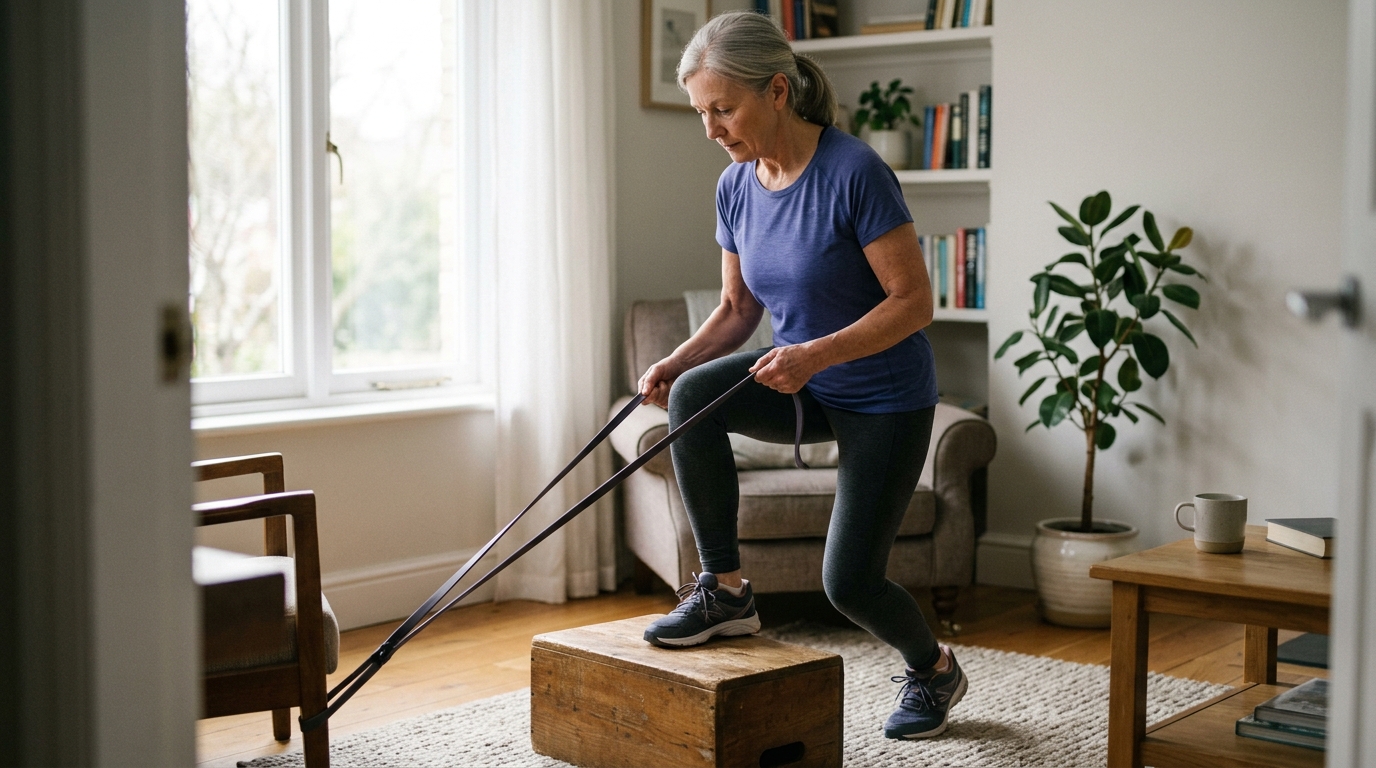
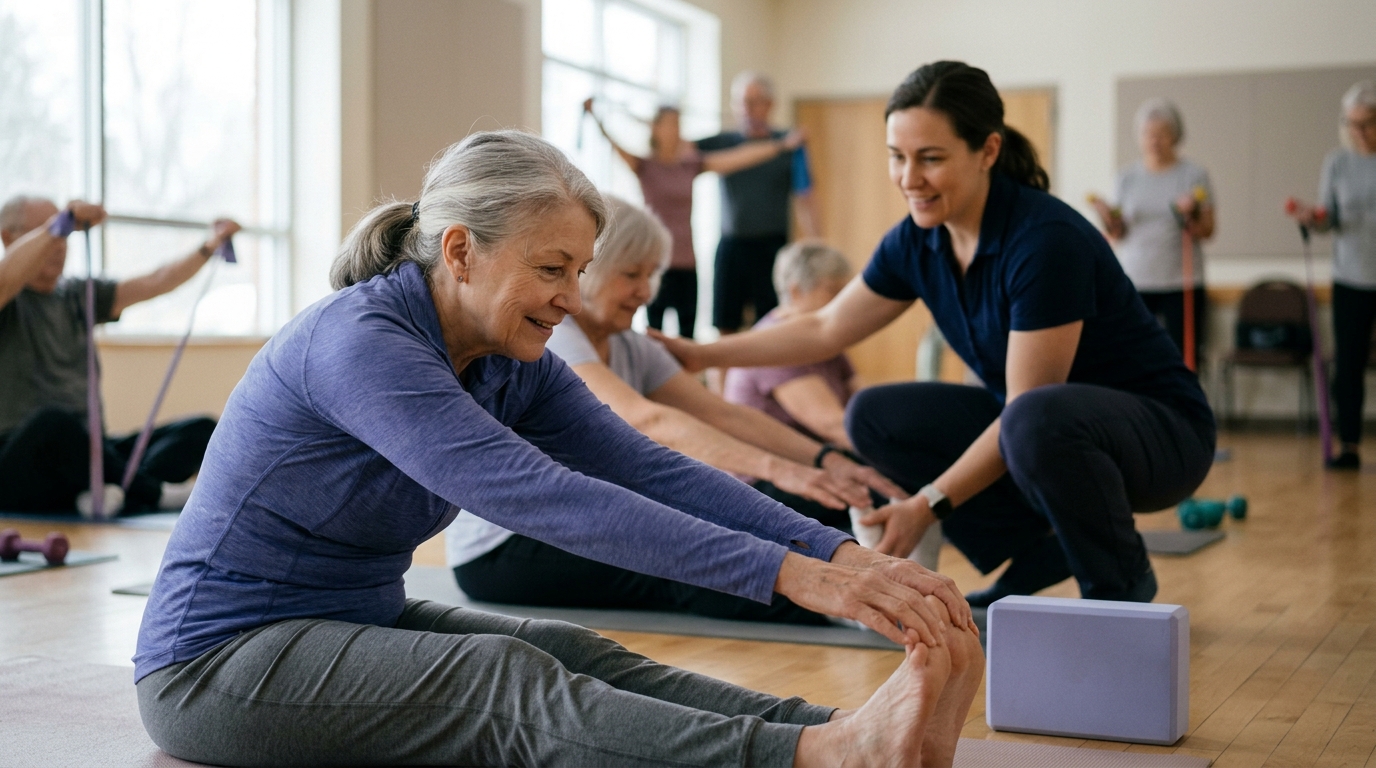
The World Health Organization physical activity guidelines recommend multicomponent physical activity for older adults on three or more days per week. These routines should combine functional balance and strength exercises at moderate or greater intensity. Combining strength with balance training provides the muscular capacity needed to control joint angles and absorb forces during unexpected movements.
A systematic review evaluating single-leg balance training across 13 studies showed clear balance improvements in healthy adults. Gains were documented across diverse training doses, ranging from brief cumulative sessions to programs totaling hundreds of minutes. The review also observed two valuable training phenomena:
Researchers have also examined whether unstable surfaces activate more muscle than stable ground. A systematic review of muscle activation studies showed mixed results. Unstable surfaces increased activation in select stabilizing muscles during specific movements. However, in several other exercise categories, stable surfaces produced equivalent muscle recruitment. Unstable surfaces are an optional tool for specific training goals, not a universally superior method.
A common misconception in fitness culture is that unstable surfaces are automatically better for balance. Wobble boards, rocker boards, air-filled discs, and thick foam pads are widely marketed as superior tools. In practice, stable floors and compliant surfaces challenge the body in fundamentally different ways.
A firm floor provides clear somatosensory feedback to the soles of your feet. Your skin mechanoreceptors detect exact pressure distributions across your heels, lateral arches, and toes. This clear feedback allows your brain to gauge sway angles with high precision.
Practicing on a firm surface offers several advantages:
You do not need an unstable tool to make an exercise difficult. Standing on a firm floor with a very narrow base of support, or stepping across simulated obstacles, creates substantial balance challenge while maintaining predictable foot mechanics.
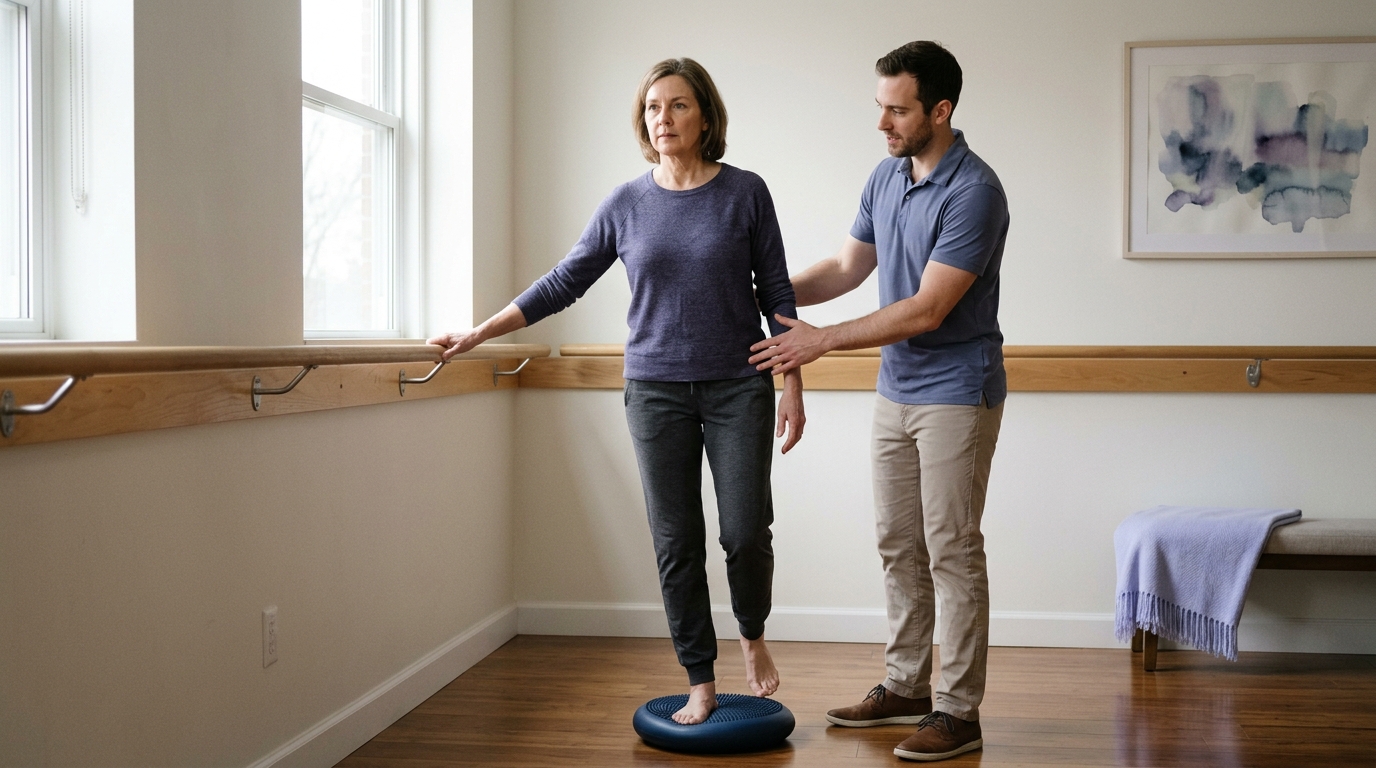
When you step onto a compliant foam pad or a tilting board, the support surface shifts beneath you. This change alters your sensory and mechanical environment:
Unstable tools have a valid role in intermediate and advanced training, but they should be used with clear intent. If your goal is recovering from a lower-limb strain or regaining walking confidence, building strength and dynamic control on a solid floor is usually the most effective starting point. You can review practical exercise progressions in our guide on rehabilitation, mobility, and movement.
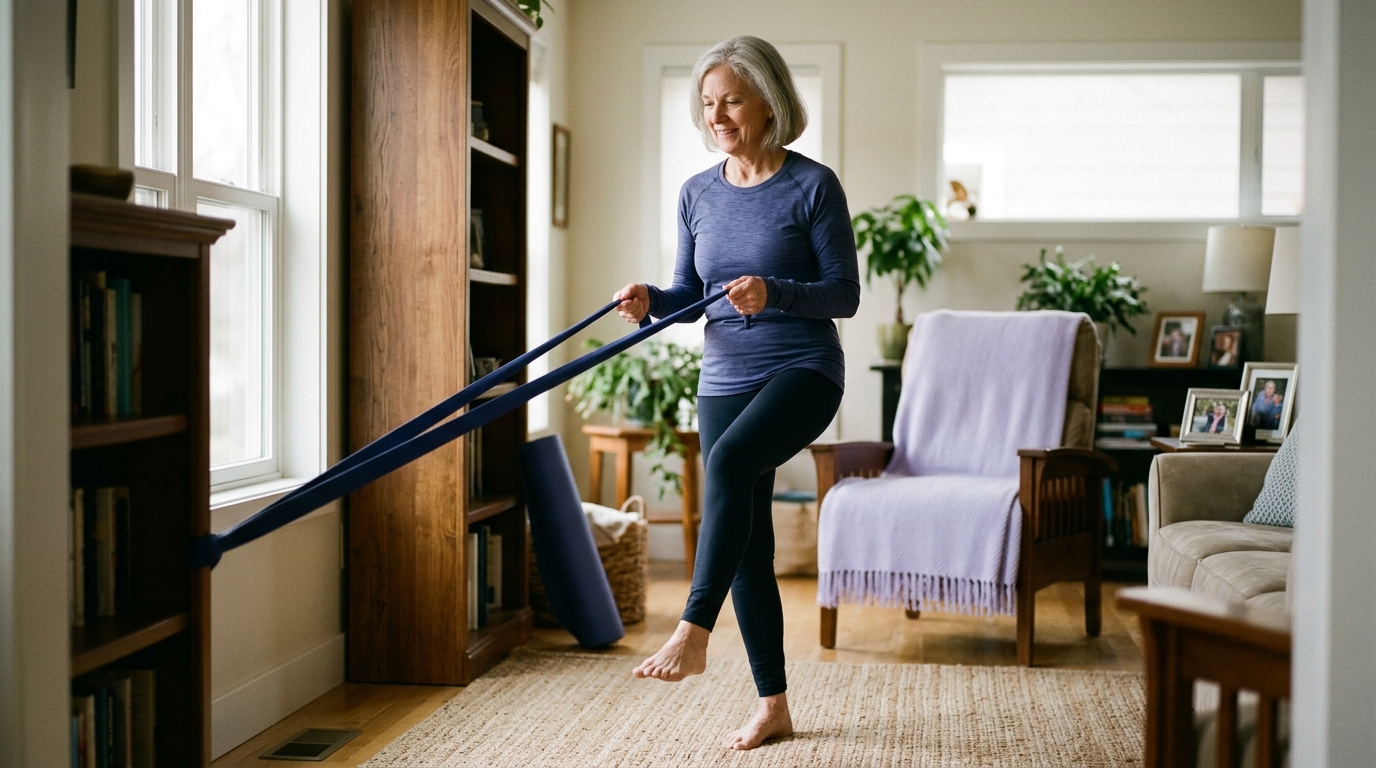
Altering your base of support is one of the simplest and safest ways to scale a balance challenge. By adjusting foot placement on a firm surface, you can systematically change your stability margins without needing specialized equipment.
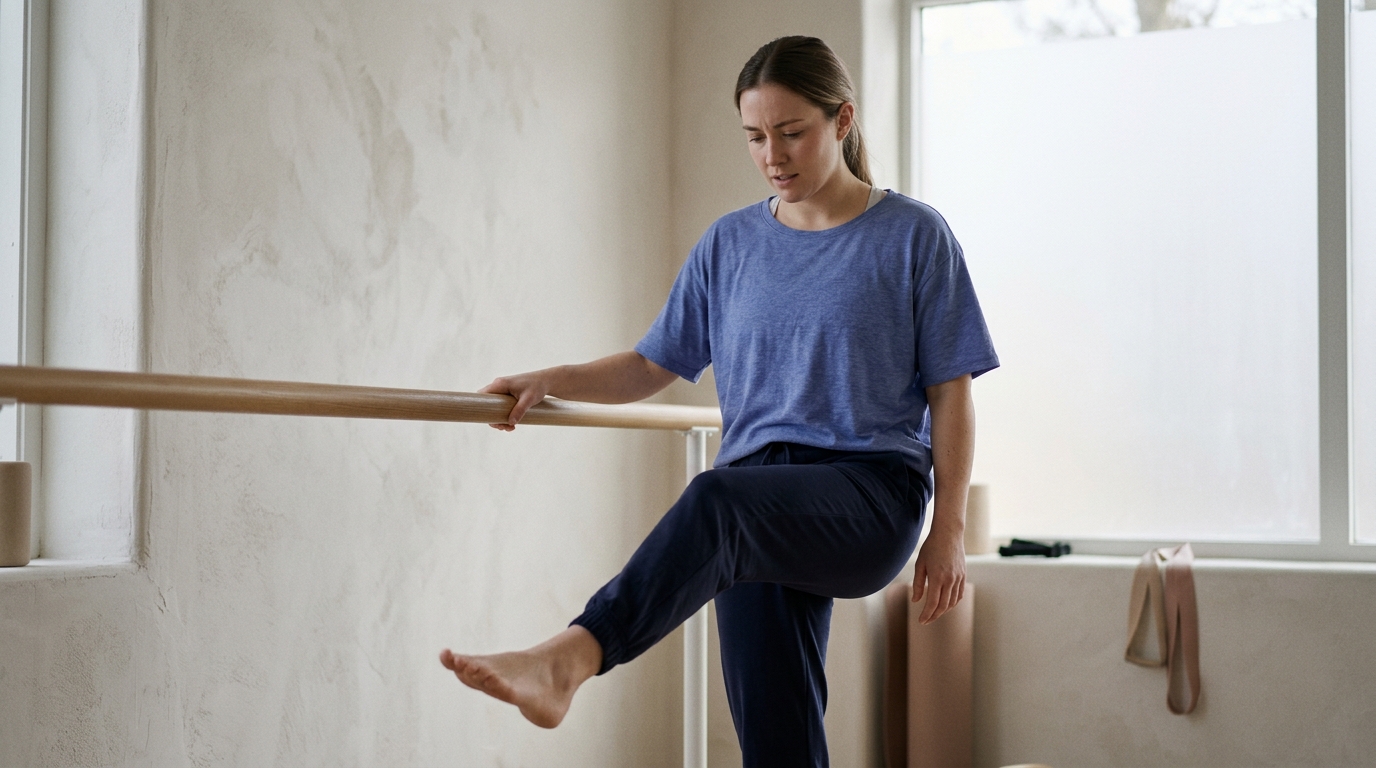
Standing on one leg is a standard clinical exercise for improving balance. However, it should be treated as a controlled practice drill rather than a risky endurance test.
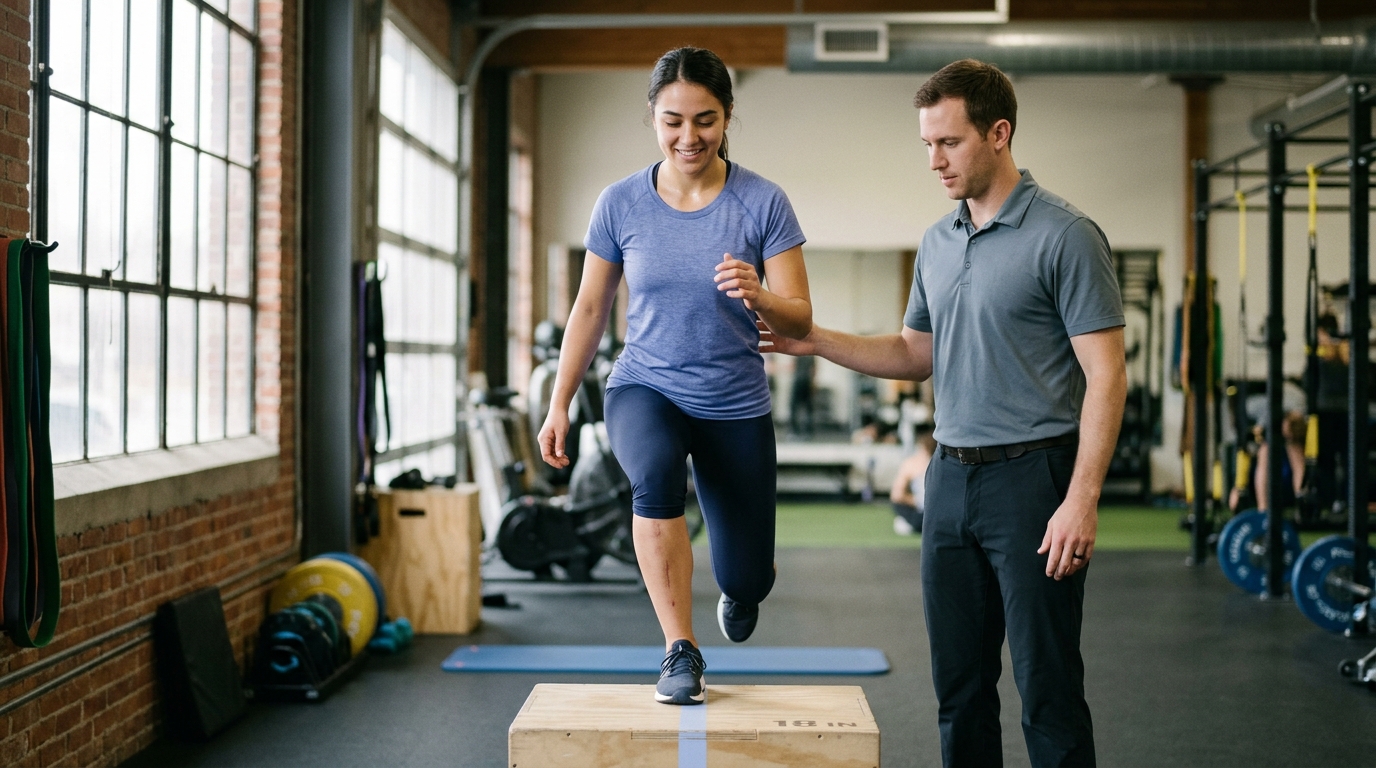
Mayo Clinic exercise guidance recommends holding a stable support, such as a sturdy counter or heavy piece of furniture, when an unsupported one-leg stance is too difficult. When practicing single-leg balance:
If you begin wobbling excessively or dropping your pelvis, lower the lifted foot or place your fingertips on the support. Maintaining poor form while flailing does not produce productive motor learning.
Holding a still pose teaches static stability, but everyday living requires dynamic control. Most balance disruptions occur when we step over an object, reach for an item, turn our heads, or change directions while walking.
Weight shifting is the transition between static standing and dynamic movement. Practicing deliberate forward-backward and lateral weight shifts trains your awareness of your limits of stability:
These drills build confidence in recognizing when your body is drifting near the edges of its support base.
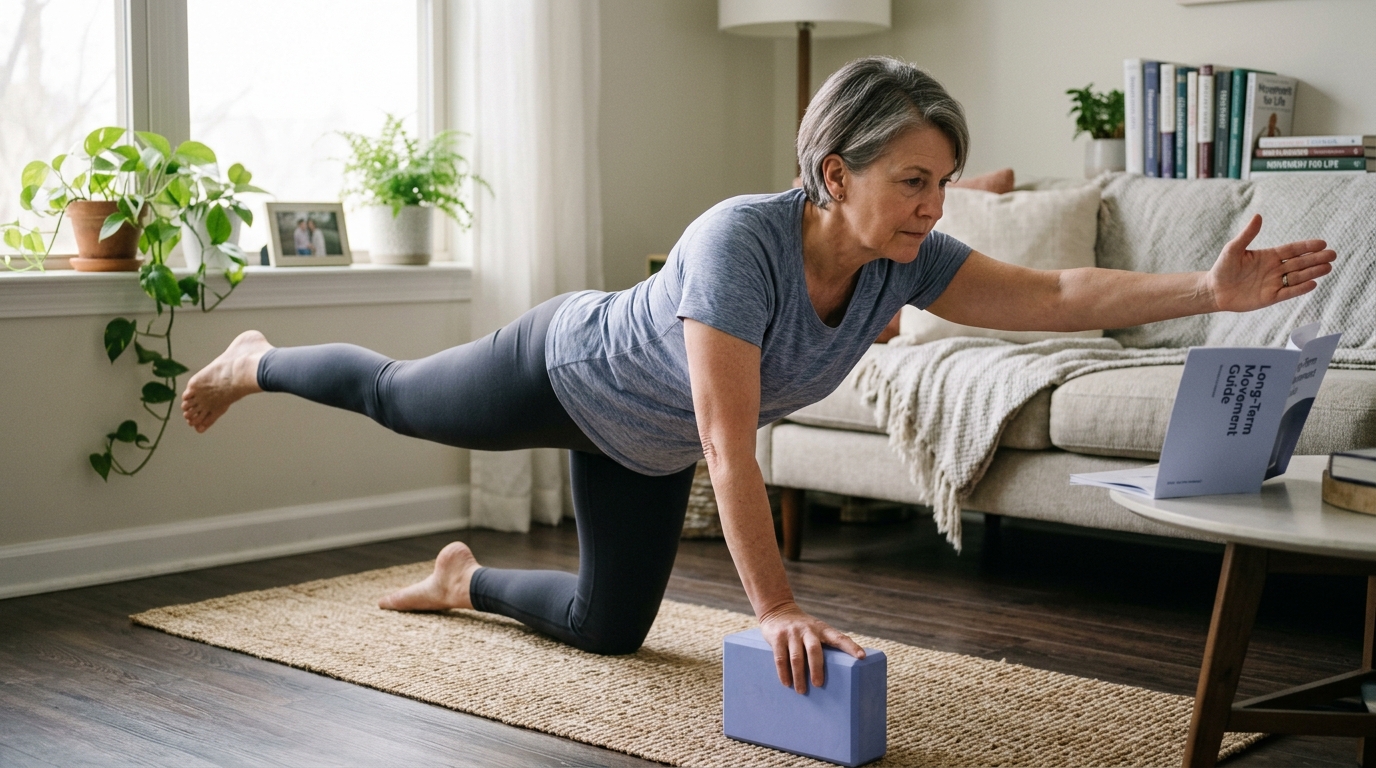
Dynamic reaching forces your body to manage balance while your center of mass changes position. When you reach forward or diagonally across your midline, your postural control system must recruit stabilizing muscles in your hips and spine to offset the reaching arm.
Begin with small, deliberate reaches on a firm floor with feet shoulder-width apart. As your stability improves, you can reach while standing in a narrow or semi-tandem stance.
Turns and direction changes require coordinated foot placement and continuous head motion, which challenges inner-ear balance centers.
Always perform these drills on a clear, well-lit floor free of clutter, loose rugs, or low furniture. CDC fall-prevention guidelines emphasize removing environmental trip hazards as an essential safety foundation for any physical activity program.
Balance capacity varies from person to person and fluctuates day to day. Progressing your training safely requires recognizing personal and environmental factors that affect stability.
Practicing balance while fatigued after a hard workout increases your risk of losing control. Similarly, training in dim lighting removes crucial visual reference points. Always practice balance exercises when you are alert, in a well-lit space, wearing supportive, flat-soled footwear or bare feet on a non-slip surface.
Progression in balance training should be methodical and measurable. A common error is advancing an exercise simply because a specific time target was met once. A safer approach advances challenge only when movement control is repeatable, smooth, and minimally stressful across multiple sessions.
Select exercises that directly support the real-world activities you want to perform. If you want to feel steadier when walking on trails or navigating crowded areas, prioritize dynamic stepping and controlled direction changes over static single-leg holds on soft foam.
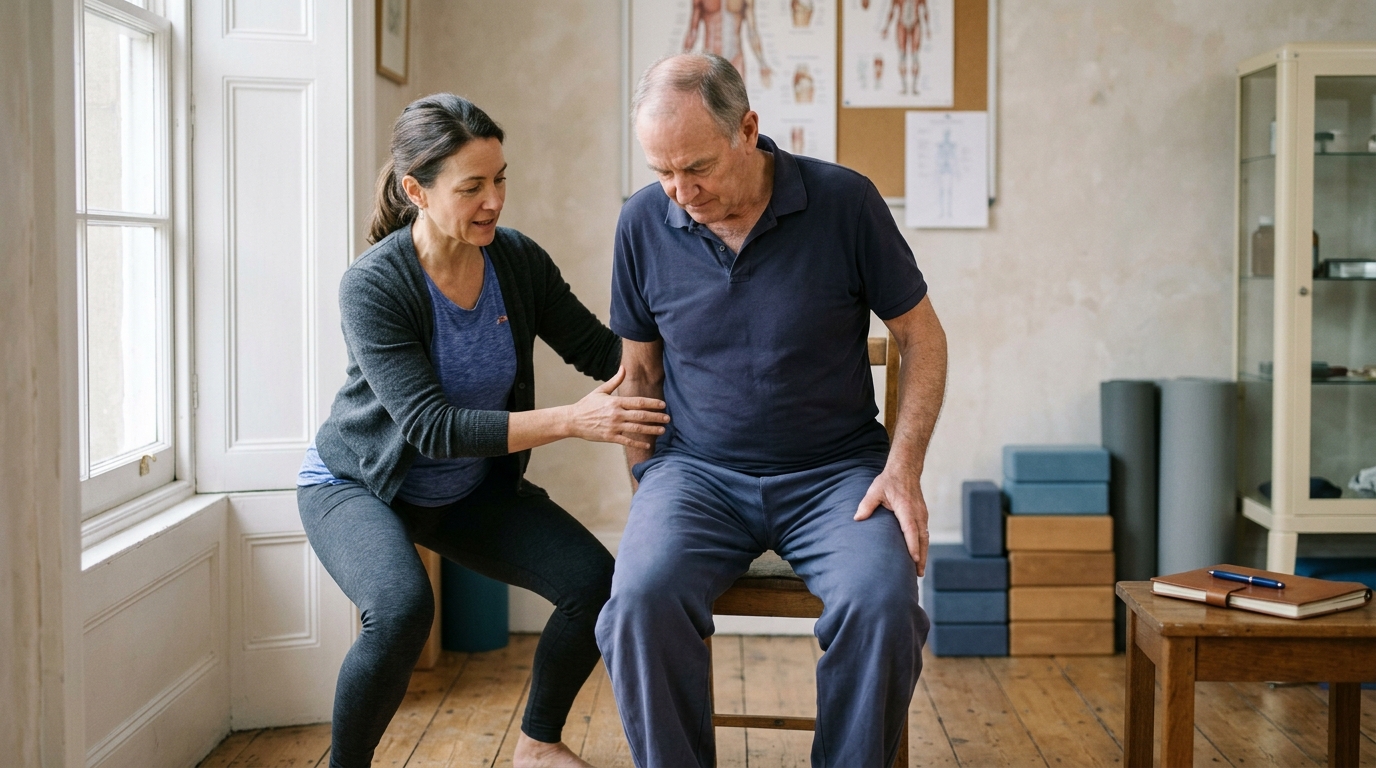
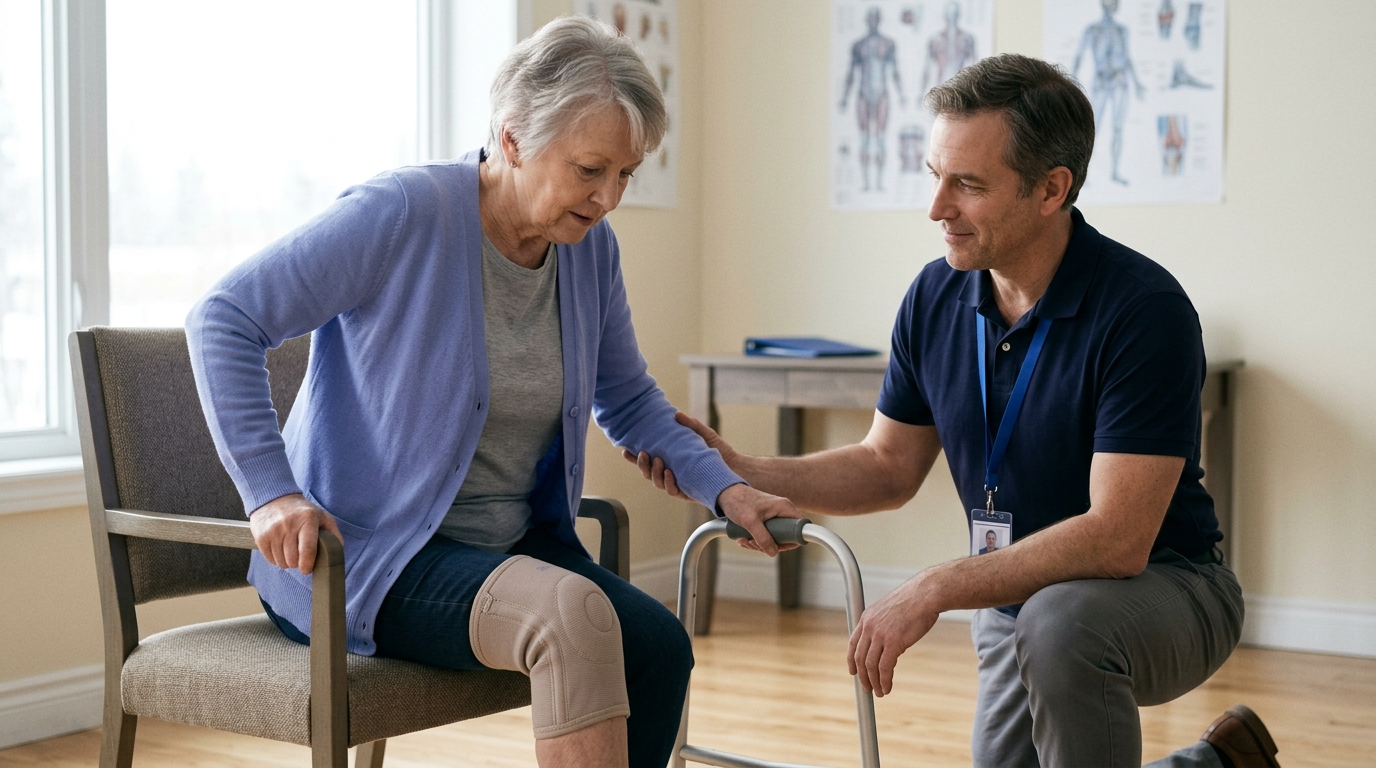
Always begin balance exercises with a solid support within arm's reach. Position yourself along a sturdy kitchen countertop, next to a heavy dining table, or in a room corner where walls are present on both sides. Having reliable support nearby allows you to push your balance threshold safely without fear of falling.
When you are ready to make an exercise harder, modify only a single challenge dimension. Do not narrow your stance, close your eyes, and step onto a foam pad simultaneously.
Progress to a harder variation only when your current exercise feels steady and low-effort across three consecutive sessions. If you can hold a tandem stance for 20 seconds but your body sways violently and your hands hover anxiously over the counter, remain at that level until your posture stabilizes.
When progressing dynamic exercises, master slow, deliberate movement patterns first. Perform controlled weight shifts, slow tandem steps, and measured circle turns before introducing quick stepping drills or complex dual-task activities.
Clear your practice area of all loose rugs, electrical cords, pet toys, and low tables. Good ambient lighting is essential so your visual system can easily process your surroundings.
The following progression pathways illustrate how to systematically scale balance training for different functional goals. These models reflect progressive rehabilitation frameworks without prescribing individual medical protocols.
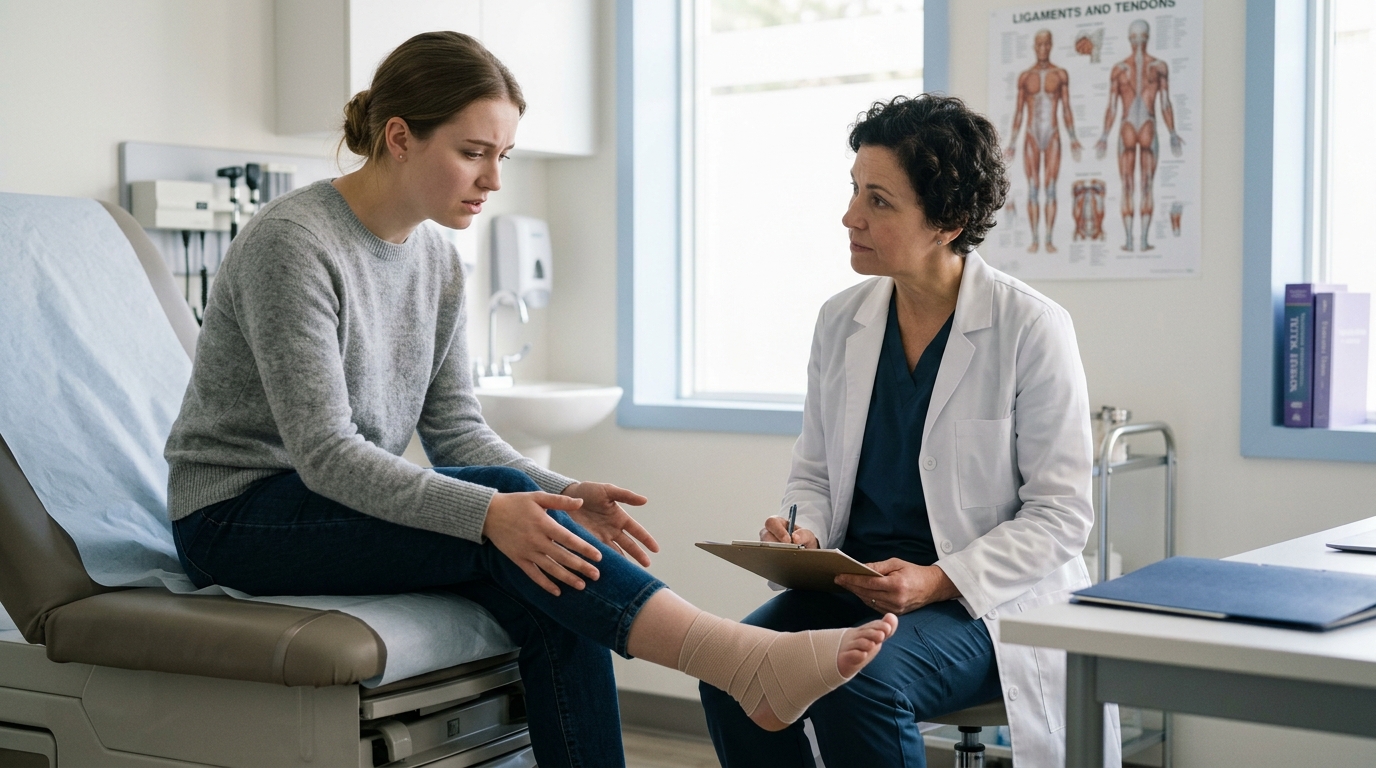
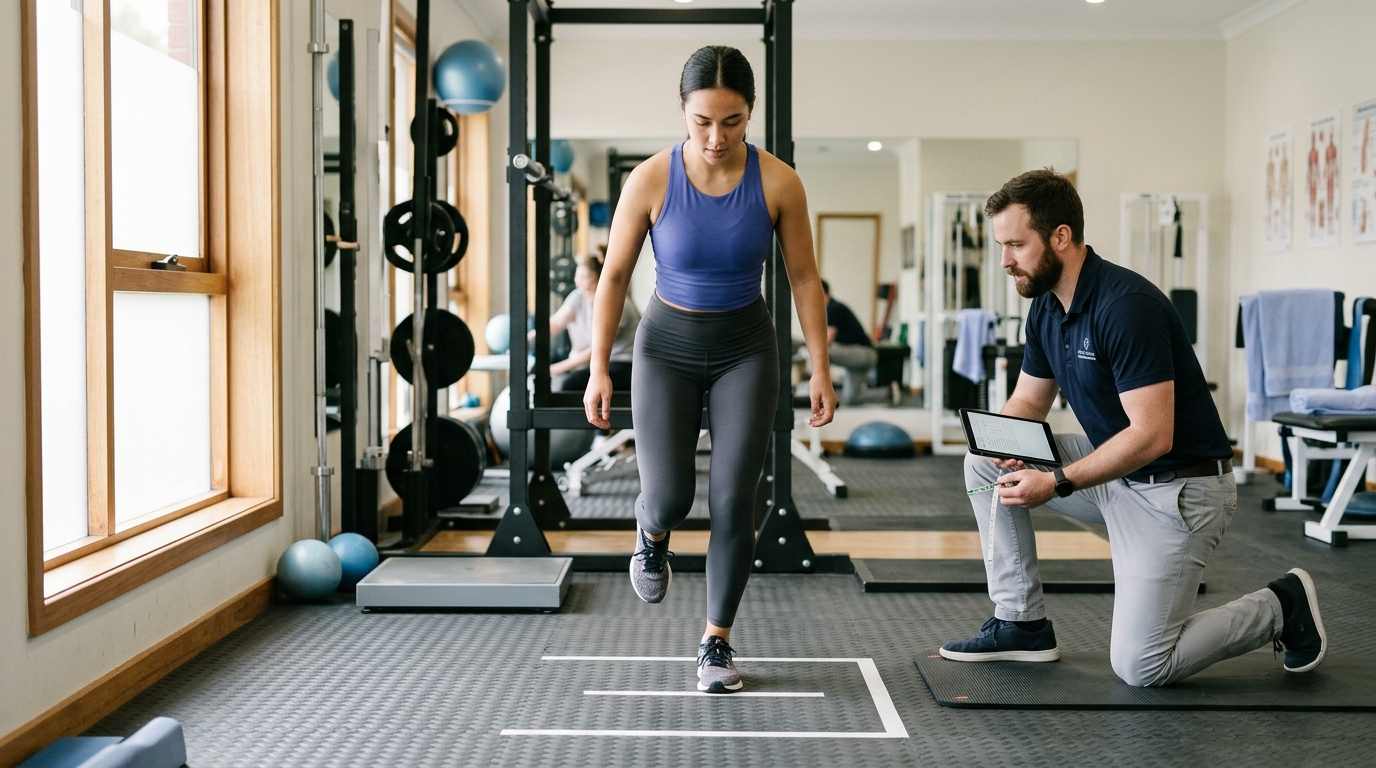
While general balance exercises benefit most active adults, certain symptoms require professional medical assessment before beginning home training. The Centers for Disease Control and Prevention (CDC) developed the STEADI (Stopping Elderly Accidents, Deaths, and Injuries) initiative to help healthcare providers evaluate fall risk and guide targeted care.
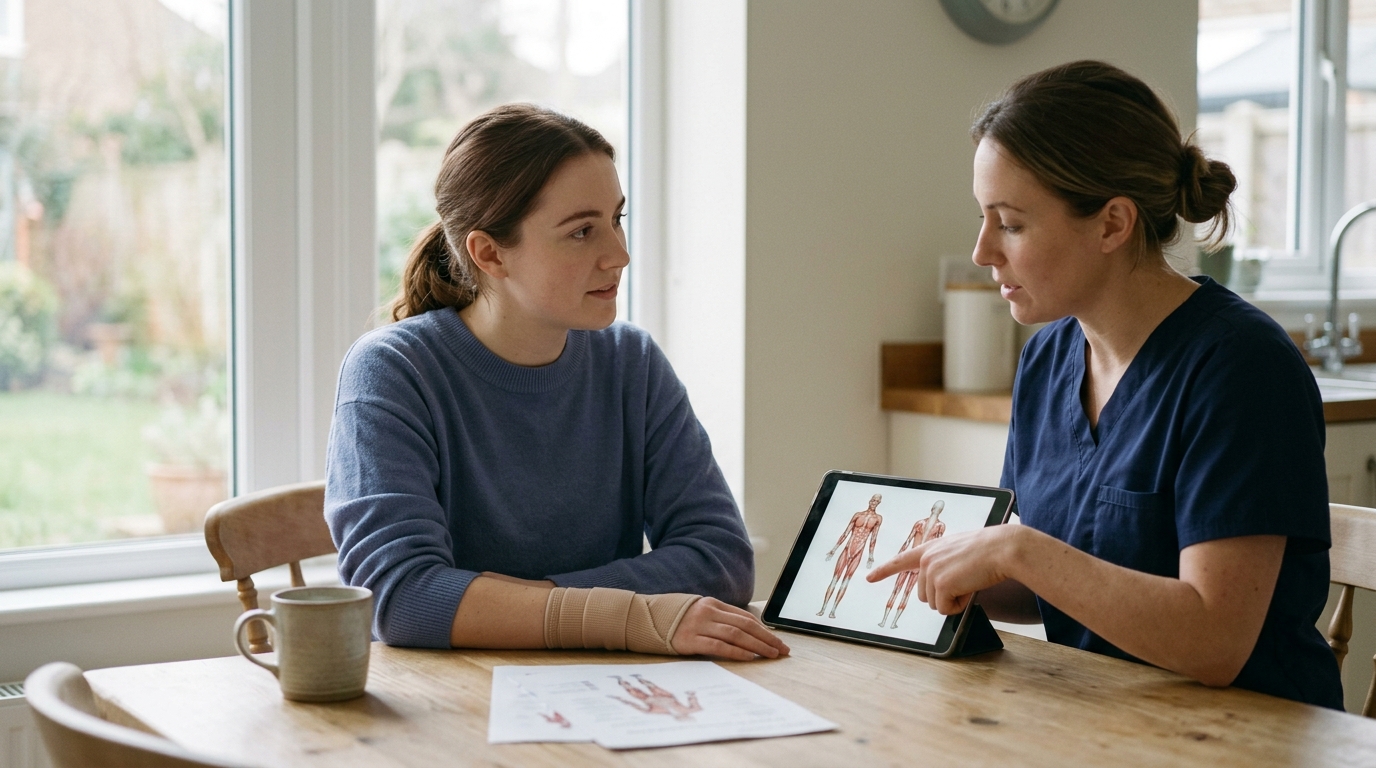
Consider discussing the following targeted questions with your physical therapist, orthopedic specialist, or primary care physician:
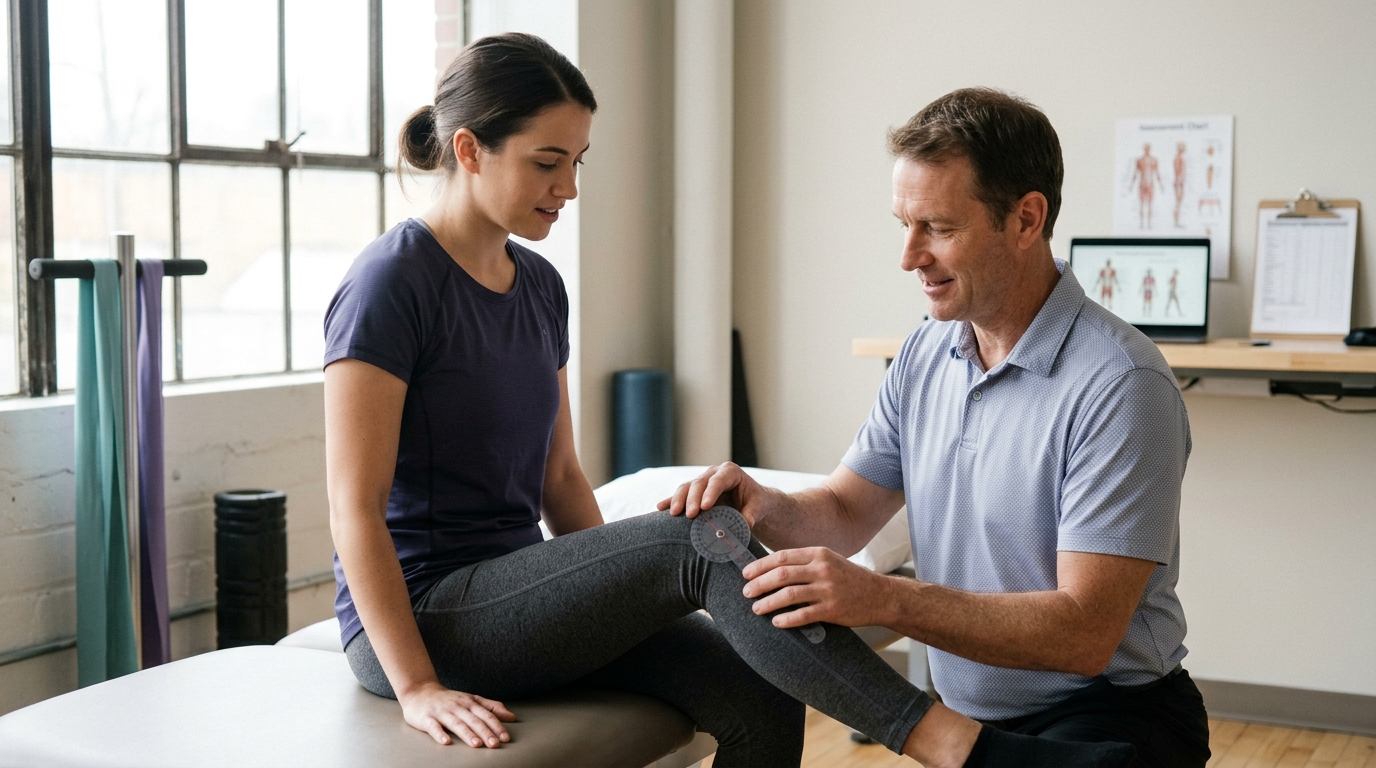
If you have a history of frequent falls, severe joint pain, or unmanaged neurological symptoms, obtain a comprehensive clinical evaluation. A physical therapist can provide tailored exercises and ensure your training environment is safe. You can learn more about clinical recovery frameworks in our review of recovery science principles.
Progressive balance training is a proven method for improving physical stability, supporting joint health, and reducing the risk of falls. Effective balance practice does not require unstable gym gadgets or dangerous balancing acts. Sustainable stability is built by systematically narrowing your base of support, practicing controlled movement, and gradually reducing reliance on arm support while keeping safety within reach.
Focus on repeatable control rather than chasing maximum difficulty. Advance your exercises one variable at a time, maintain an uncluttered practice environment, and combine your balance drills with consistent lower-body strength training.
No. Research shows that unstable surfaces do not produce superior muscle activation across all exercise categories. A firm floor provides clear somatosensory feedback, making it the safest and most effective surface for learning movement mechanics, performing reaches, and building lower-body strength. Unstable surfaces are an optional tool for specific sports or late-stage rehabilitation, not a required step for daily balance training.
The World Health Organization recommends incorporating functional balance and strength activities on three or more days per week for older adults. Short, focused sessions of 10 to 15 minutes performed consistently throughout the week are generally more effective than one long, exhausting workout.
Closing your eyes dramatically increases the balance challenge by removing visual feedback. This forces your body to rely entirely on inner-ear and joint sensations. For unsupervised home practice, closing your eyes is generally unnecessary and increases fall risks. It should only be performed if specifically prescribed by a physical therapist with dependable physical support within immediate reach.
You are ready to advance an exercise when you can perform it with smooth, steady posture across multiple practice sessions, and the drill feels minimally challenging. If you are wobbling significantly, holding your breath, or constantly grabbing support, stay at your current level until your stability becomes consistent.

Use ReboundBody resources to understand common recovery stages, rehab terms, movement limits and strength rebuilding. Each guide is designed to make a complex comeback easier to understand.


Read practical guidance on injury recovery, rehabilitation, mobility and rebuilding strength as you work your way back to activity.
Explore Resources