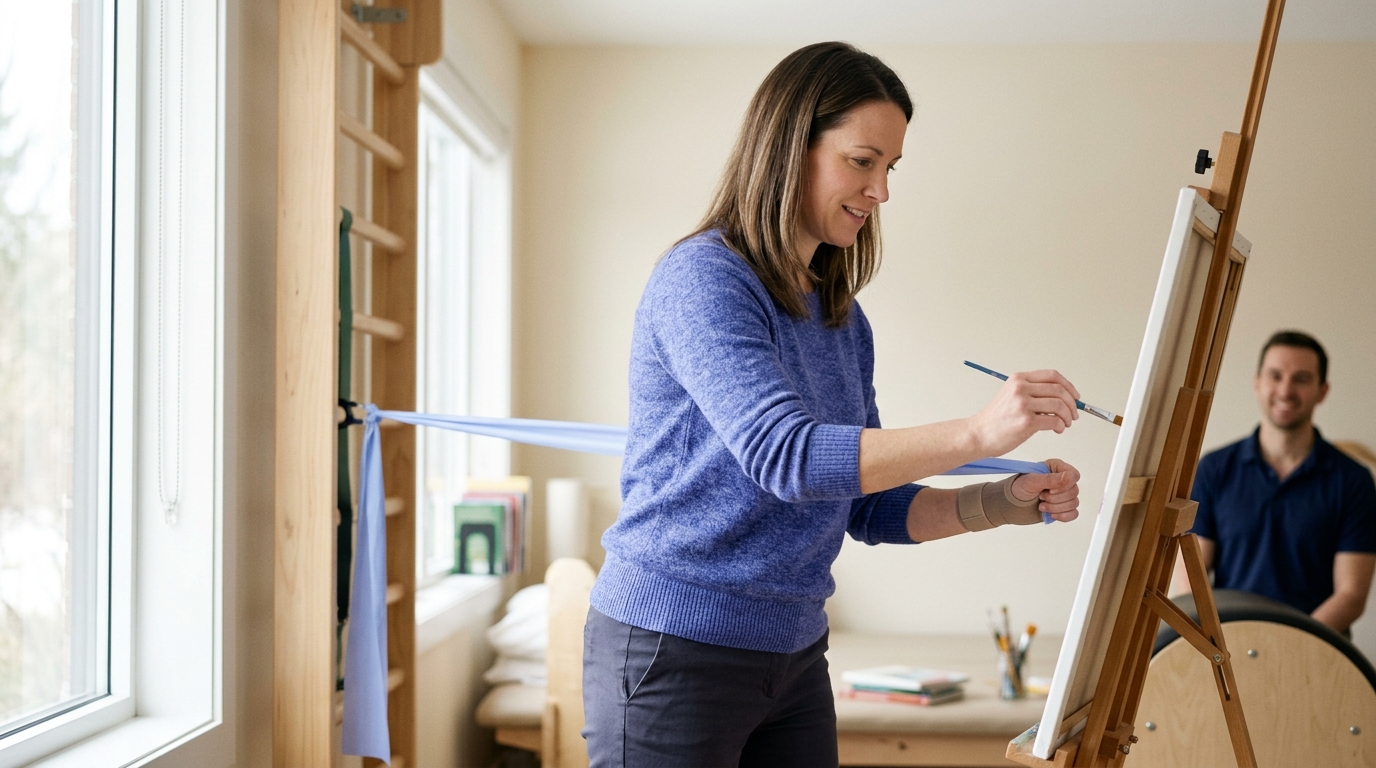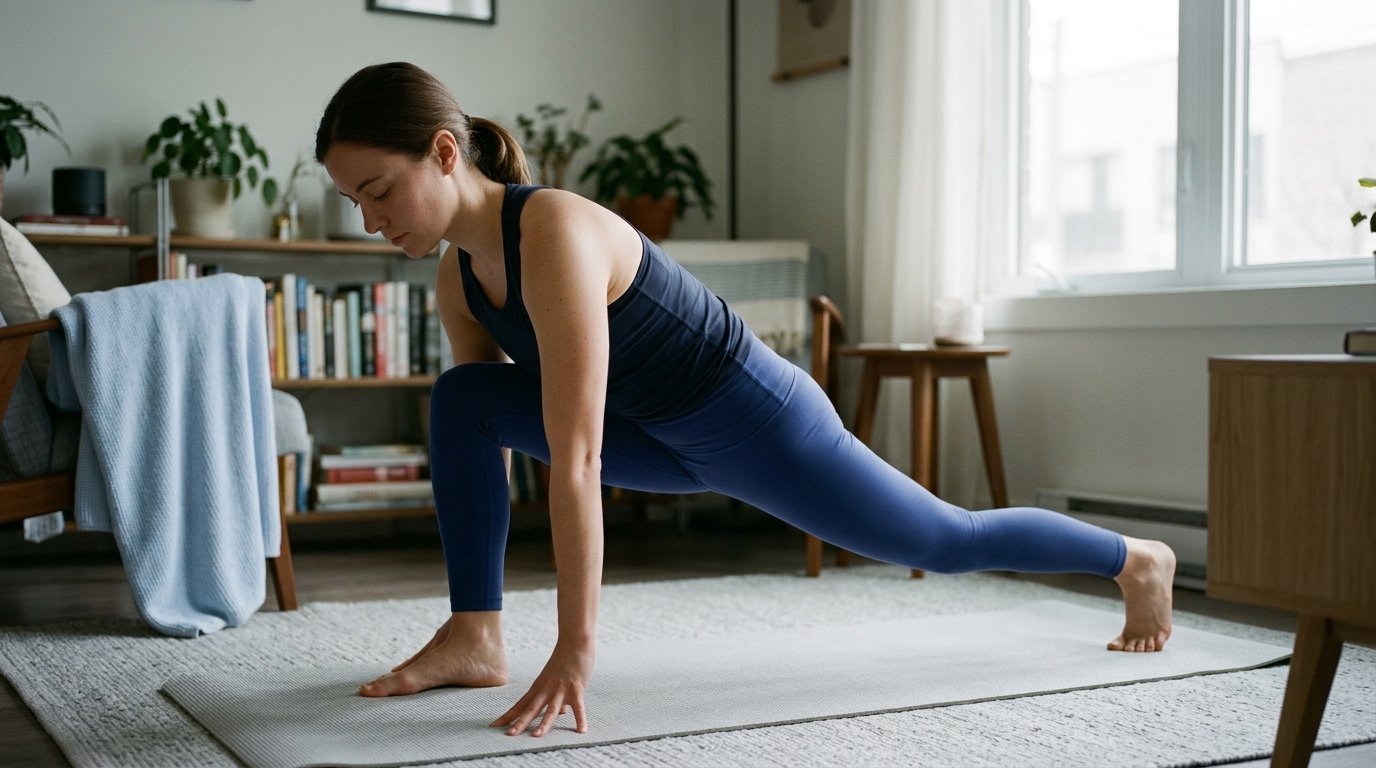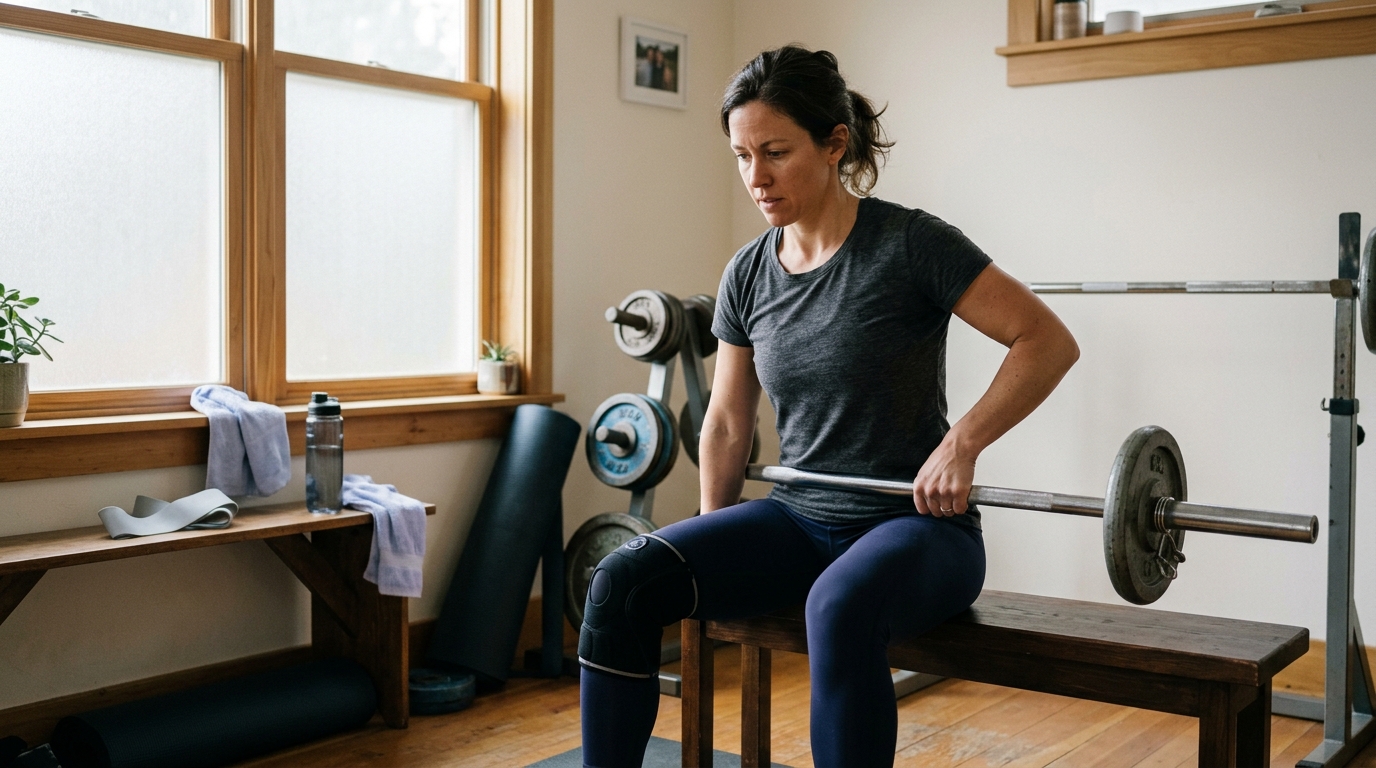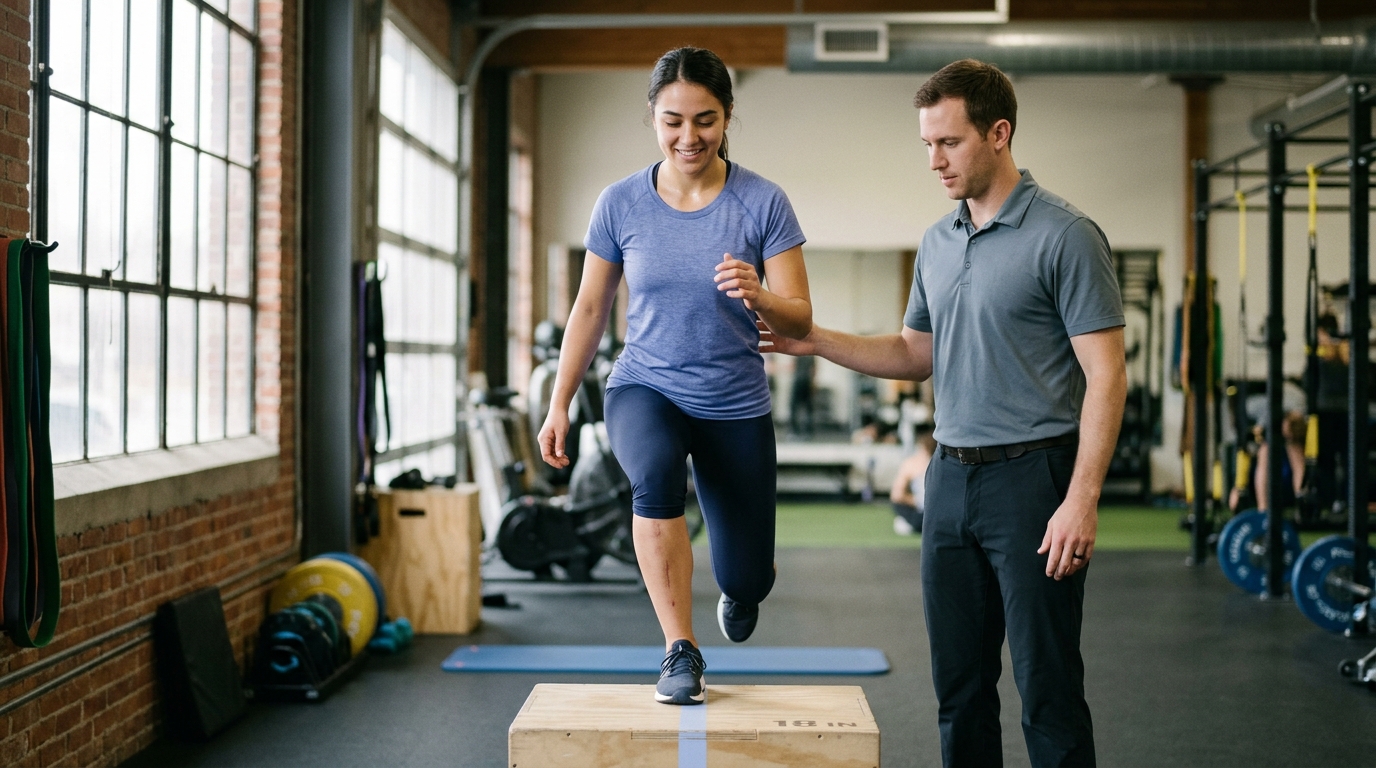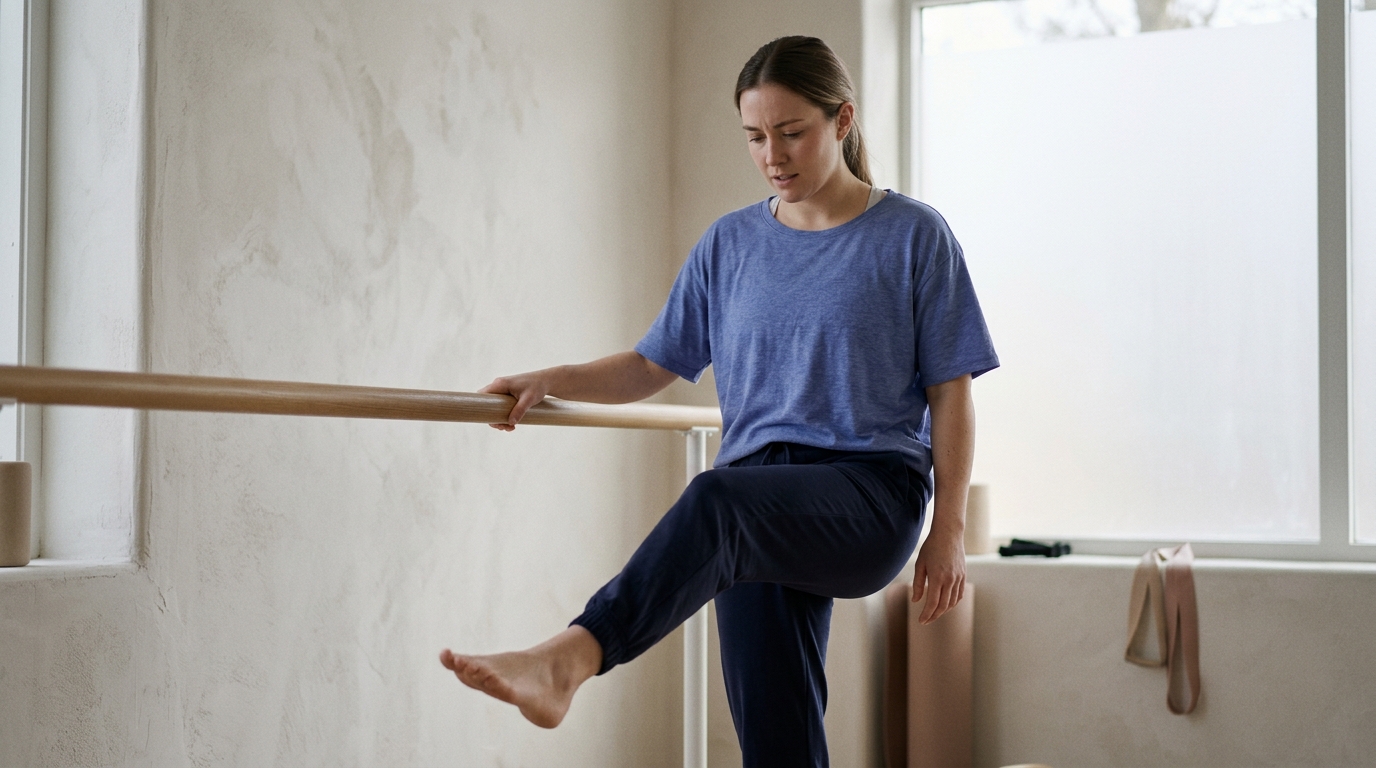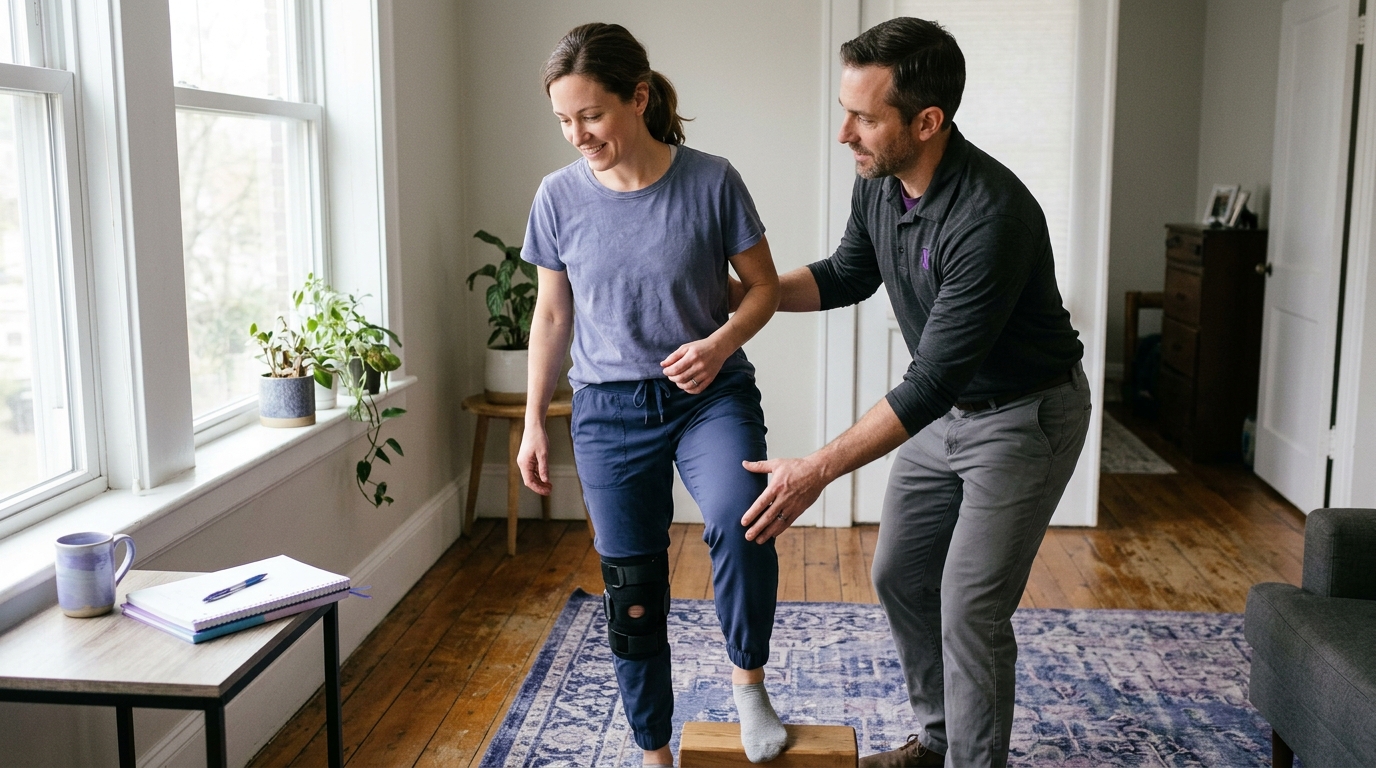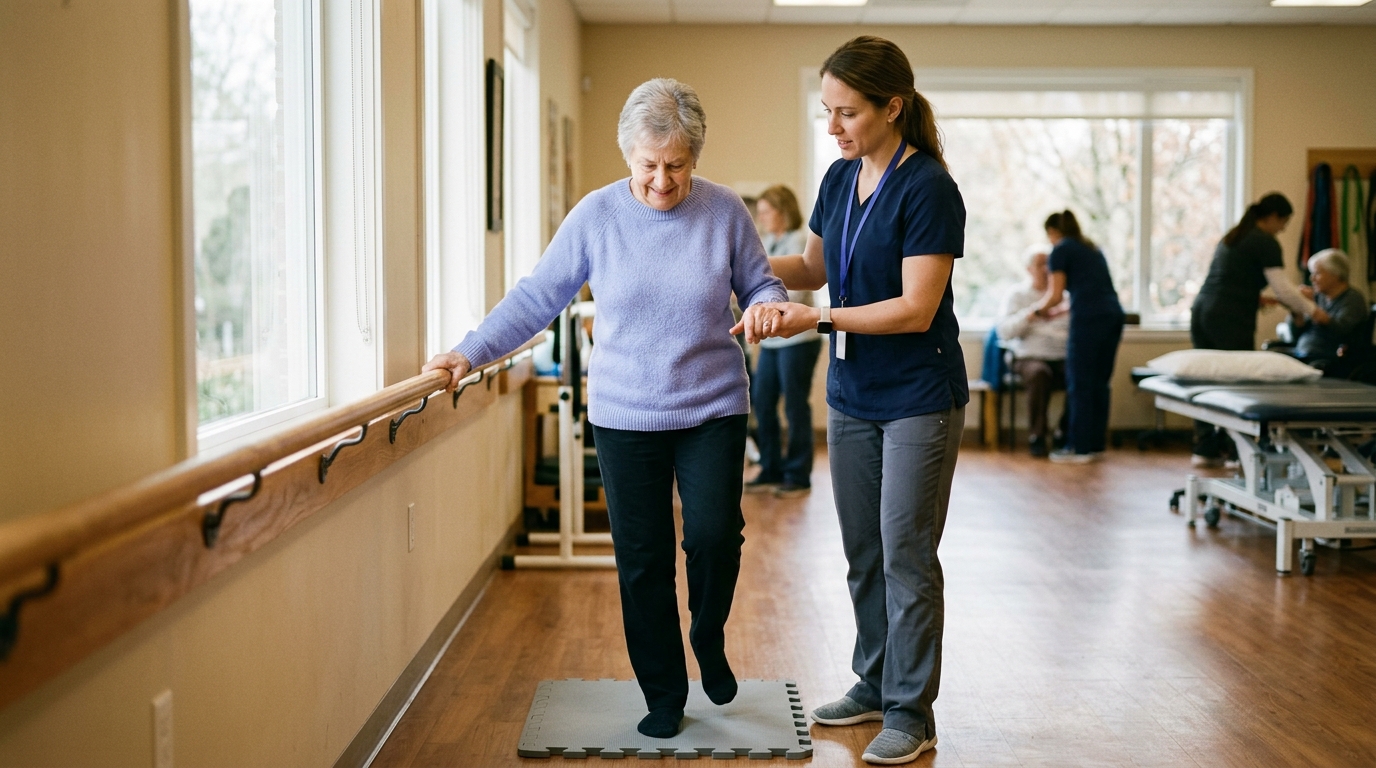

Balance decline is not an inevitable part of aging, as structured rehabilitation and sensory training effectively reduce fall risks in daily life.





You step off a curb on a windy morning while carrying a bag of groceries. Your foot lands on a patch of uneven asphalt, your body weight shifts forward, and you turn your head to check for oncoming traffic. In a split second, your joints adjust, your leg muscles fire, and your vision stabilizes so you continue walking without a stumble.
Most people never think about this complex coordination until an injury, surgery, neurological change, or period of inactivity makes movement feel unsteady.
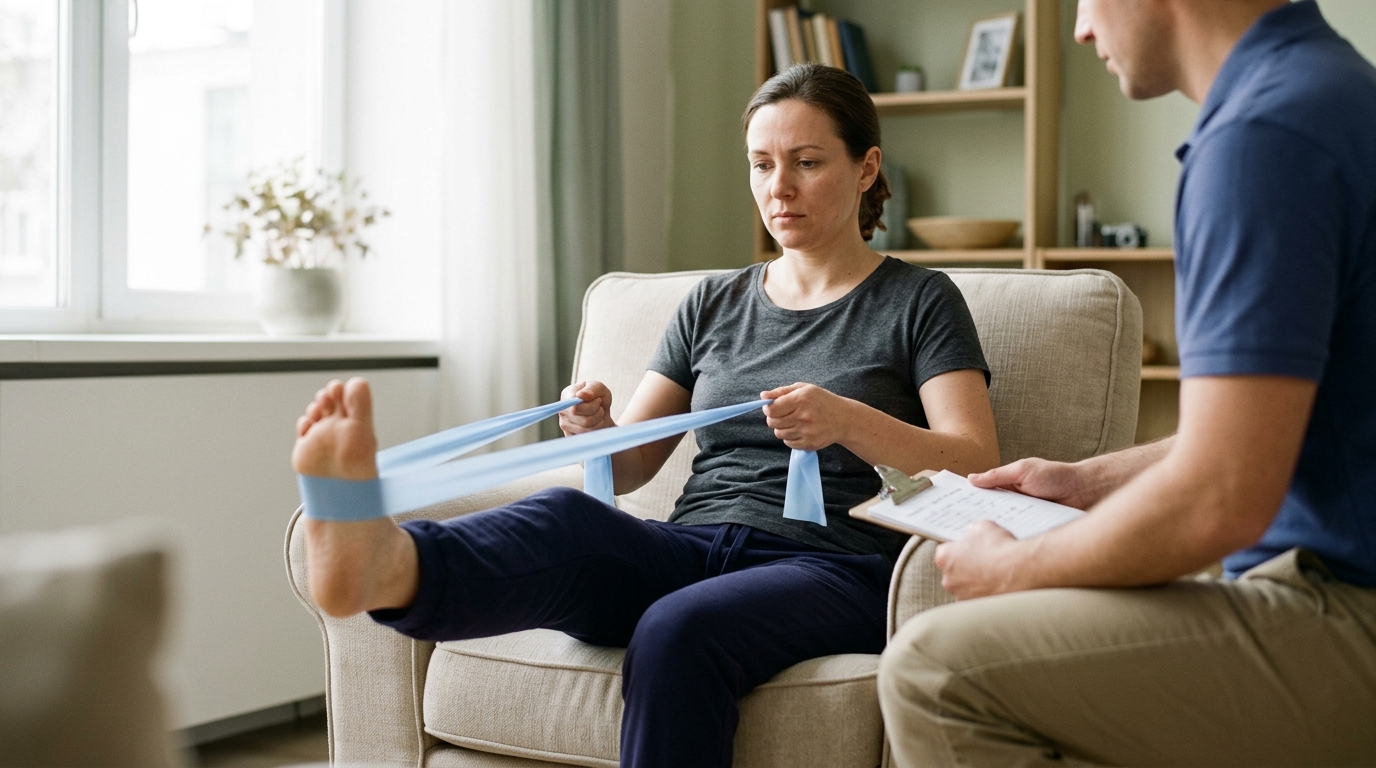
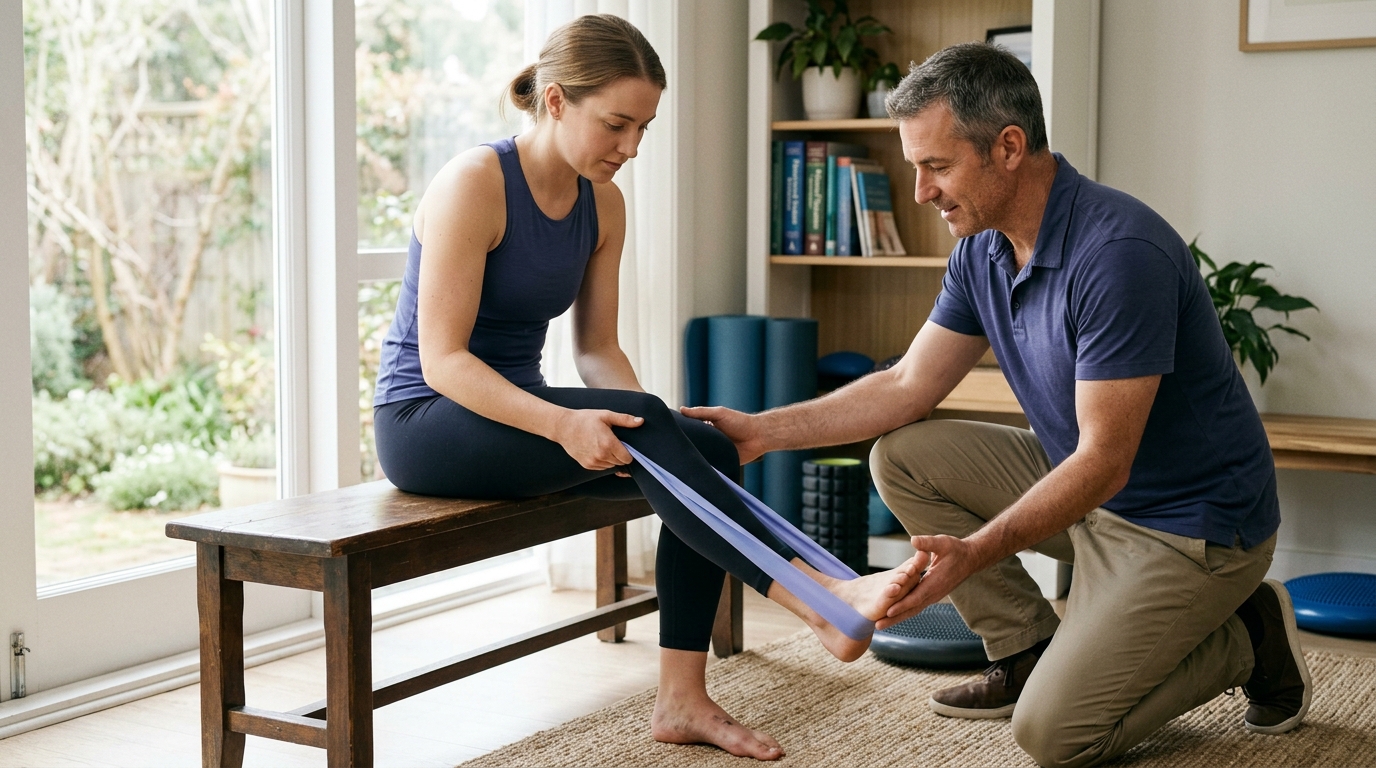
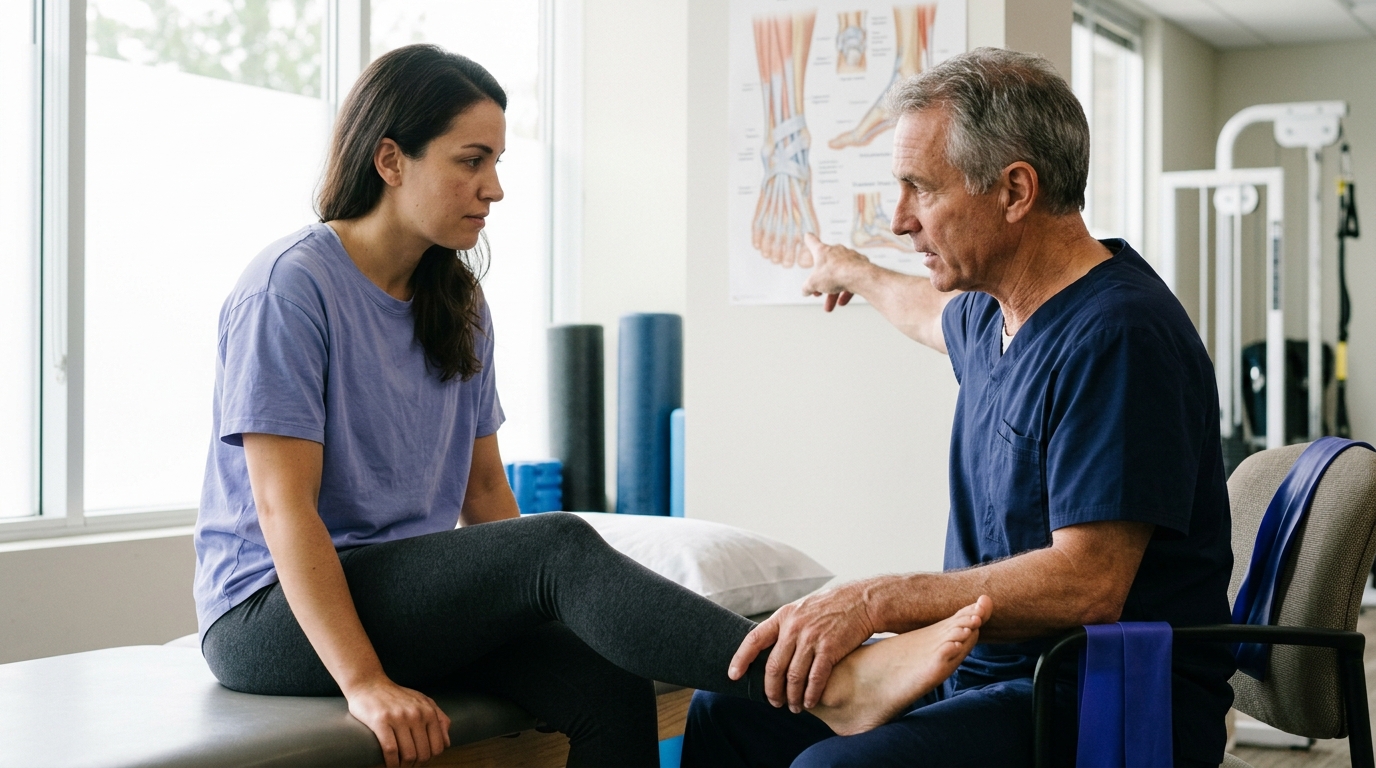
Balance rehabilitation is the structured process of restoring your ability to control body position during meaningful, daily activities. It is not just learning how to stand still on one leg without wobbling. Real-world stability requires your brain to manage your center of mass over a moving base of support, interpret sensory signals from your surroundings, and produce quick, accurate muscle responses.
While structured exercise significantly lowers the rate of falls and improves physical confidence, it is not a promise that you will never lose your footing. Human stability depends on multiple health factors, environmental hazards, and physical capacities working together.
Postural control is a whole-body process rather than a single physical skill. To understand how balance rehabilitation works, it helps to examine the distinct balance categories and the sensory networks that guide them.
Clinical research divides balance into several functional categories. While these categories are distinct in a testing environment, daily life blends them constantly.
Static balance refers to maintaining a steady position when the body is relatively still. Standing at a kitchen counter, waiting in a checkout line, or sitting on an unsupported stool are everyday examples. Static balance is never completely motionless. Your body continuously makes small postural adjustments, swaying slightly around your ankles and hips to keep you upright.
Dynamic balance involves maintaining control while your body is in motion. This includes walking down a hallway, climbing stairs, reaching into a high cabinet, or transferring out of a car. Dynamic stability requires your nervous system to adjust your base of support with every step while your center of mass shifts through space.
Reactive balance is the ability to recover your upright posture after an unexpected disturbance. If you slip on wet grass, trip over a rug, or get bumped in a crowd, your body must react instantly. These automatic corrections include rapid ankle adjustments, hip sway, or taking a quick recovery step to prevent a fall.
Anticipatory postural adjustments are the subtle muscle activations that happen just before you perform a voluntary movement. Before you lift a heavy laundry basket or take a step forward, your nervous system tightens your core and shifts your weight onto the supporting leg. Without effective anticipatory control, your own voluntary movements would pull you off balance.
Your brain relies on three primary sensory systems to determine where your body is located in space and how it is moving.
The visual system provides constant feedback about the horizon, depth, movement of surrounding objects, and approaching obstacles. When lighting is poor or when visual surroundings are chaotic, balance becomes more demanding.
The somatosensory system uses touch and pressure receptors in your skin, muscles, tendons, and joints. These sensors tell your nervous system how your weight is distributed across your feet, what kind of surface you are standing on, and the angles of your knees and hips.
The vestibular system is located in the inner ear. It detects head motion, rotational movement, and gravitational pull. This system coordinates eye movements during head turns and helps you remain steady when you cannot see clearly.
Your central nervous system continuously blends these three streams of data. If one stream becomes unreliable, such as walking across a soft, squishy mattress where joint feedback is muffled, your brain automatically increases its reliance on vision and vestibular signals to keep you stable.
Sensing a balance challenge is only half the battle. Your body must also have the strength, joint flexibility, and neuromuscular coordination to execute a physical correction.
Frameworks like the Balance Evaluation Systems Test, known in physical therapy as the BESTest, highlight that postural control is an integration of biomechanics, sensory orientation, movement transitions, and reactive strategies. If a person lacks ankle mobility or calf strength, they cannot generate the force needed to push their body back to center after a stumble. Rehabilitation therefore addresses physical strength alongside sensory training.
Balance is not an isolated exercise you practice in a clinic room. It is the underlying skill that makes functional movement possible across different environments. You can learn more about general physical conditioning in our rehabilitation, mobility, and movement resources section.
Normal walking requires shifting your weight from one leg to the other, momentarily balancing on a single foot with every stride. However, real-world community walking is rarely a straight line on a smooth floor.
Community mobility requires you to change speeds, navigate around pets, turn your head to read street signs, and step over obstacles. Turning around in a narrow hallway is one of the most common moments for instability because it narrows your base of support while rotating your inner ear. Vestibular rehabilitation research highlights the value of gait exercises that combine walking with intentional head turns, changes in direction, and dual tasks to build dynamic movement control.
Gait adaptability training is a specific form of exercise that focuses on adjusting your walking pattern in response to sudden environmental changes. Practicing stepping over small barriers, altering stride length on command, and navigating around visual markers helps bridge the gap between simple walking and unpredictable real-world travel.
Negotiating stairs and rising from low surfaces place intense demands on lower-body strength and dynamic balance.
Climbing a flight of stairs requires you to generate enough single-leg force to raise your body mass upward while maintaining balance on a narrow tread. Descending stairs requires controlled lowering of your body weight while your forward foot searches for the step below.
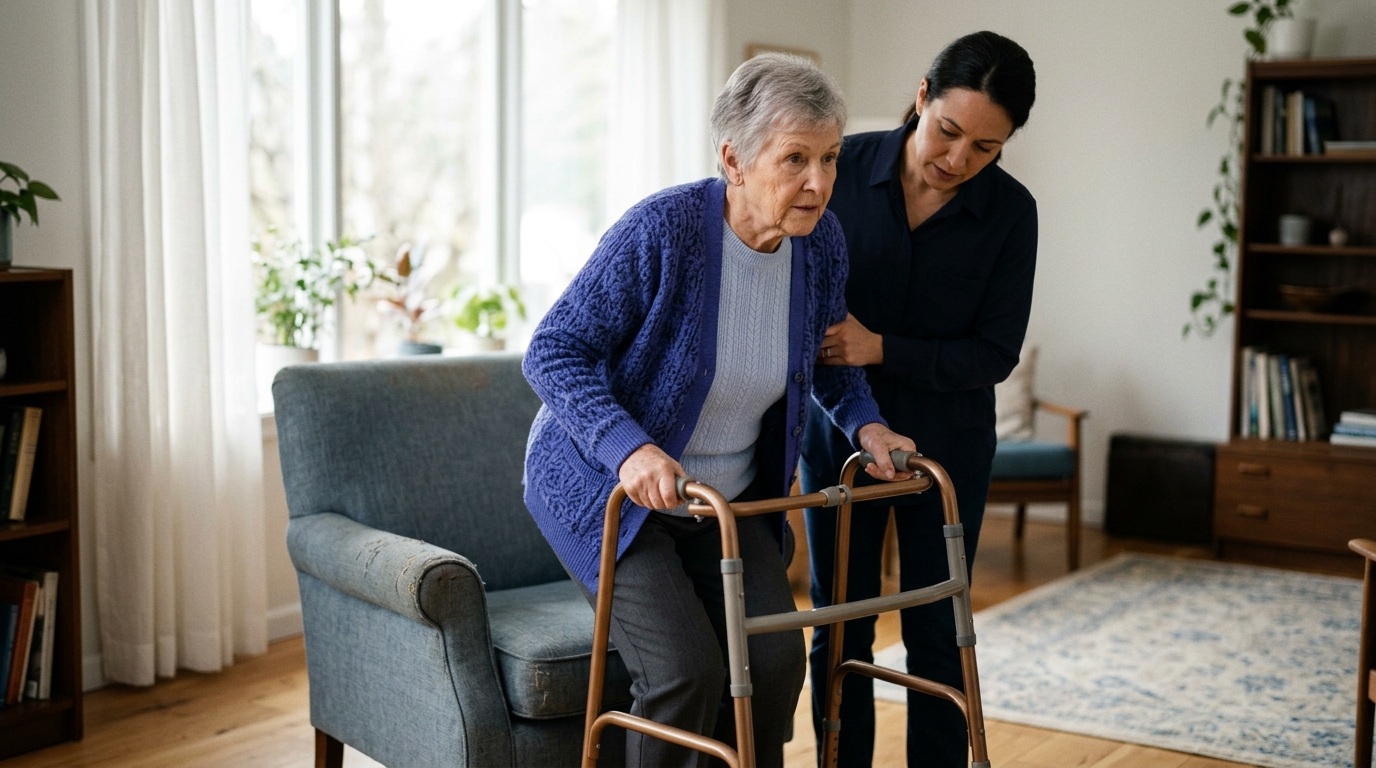
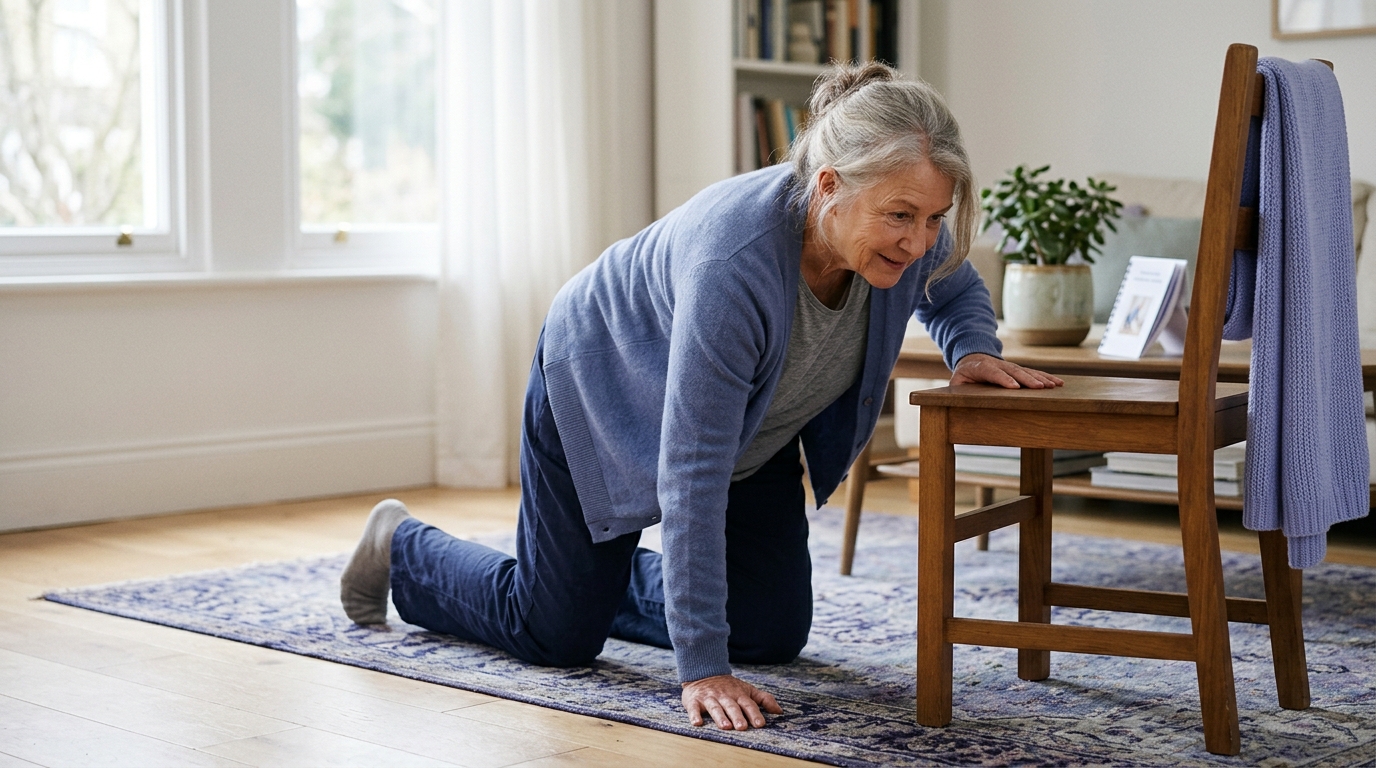
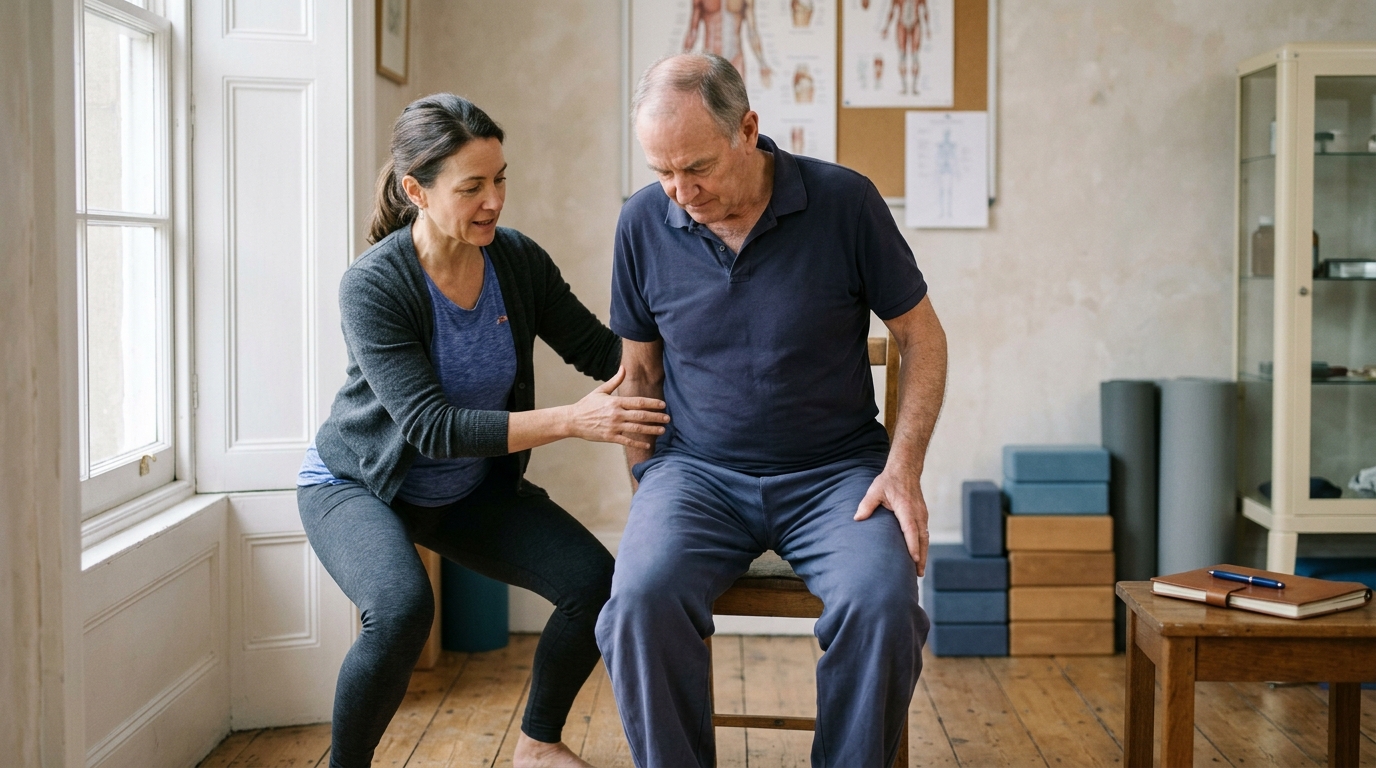
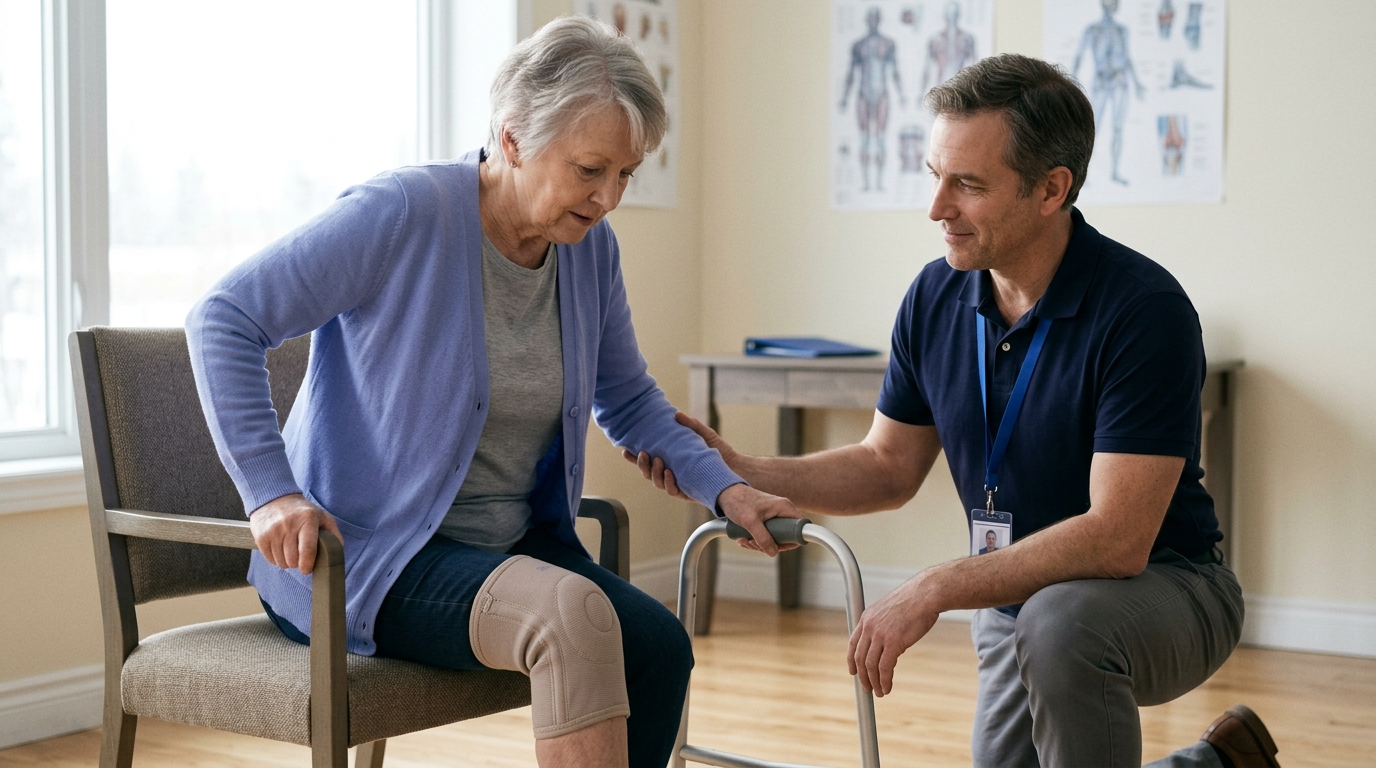
Sit-to-stand transfers, getting off the floor, and stepping out of a bathtub combine hip strength, knee power, and anticipatory balance. If you lean too far forward or fail to bring your feet under your center of mass before standing, you will feel unsteady the moment your hips leave the chair.
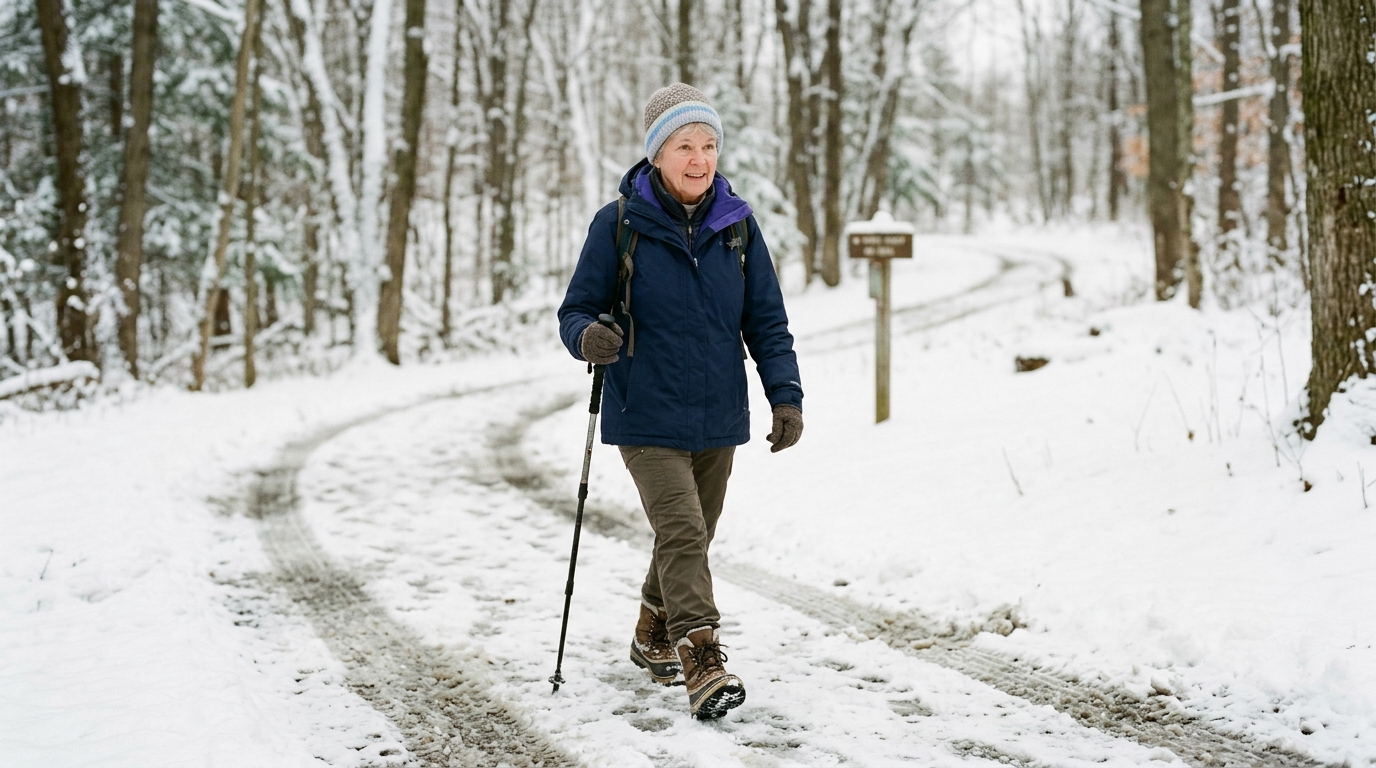
Recreational activities like hiking, golf, tennis, swimming, and gardening demand adaptable balance control. These activities feature variable surfaces like loose gravel, wet grass, slopes, and sudden changes in direction.
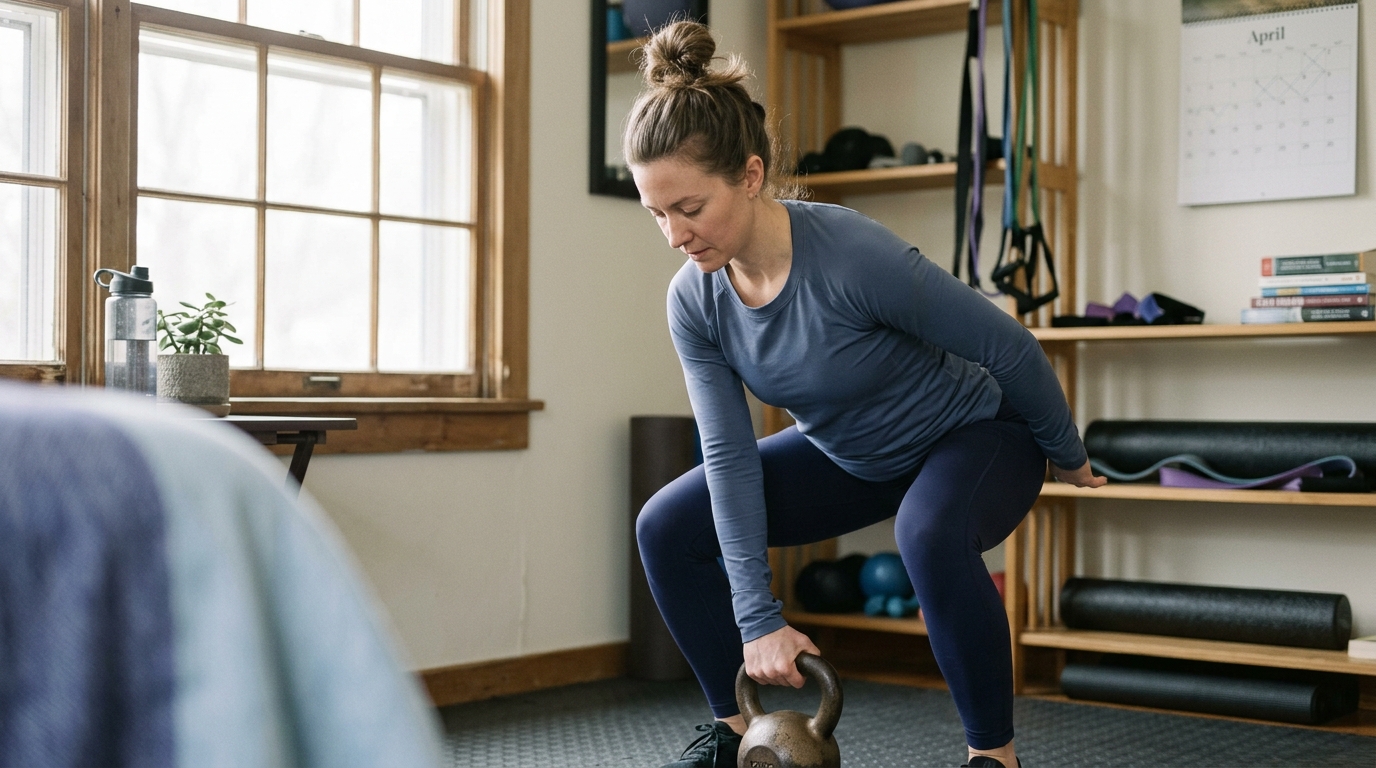
Practicing a narrow stance on a flat hardwood floor is a valuable starting point, but it does not fully prepare someone for hiking an uneven dirt trail. Effective balance rehabilitation gradually exposes the mover to uneven surfaces, varied visual backgrounds, and divided attention tasks. This progression helps rebuild the confidence needed to return to active hobbies.
Falls are a leading global health concern. The World Health Organization estimates that roughly 684,000 individuals die from falls worldwide every year, and approximately 37.3 million falls annually require formal medical care. According to the Centers for Disease Control and Prevention, one in four adults aged 65 and older in the United States falls each year, making falls the leading cause of injury-related death in that age group.
These statistics highlight why balance training is a core public health priority. However, rehabilitation should always be framed honestly. Exercise significantly lowers group-level fall rates, but it does not eliminate fall risk entirely because external hazards, medical conditions, and momentary distractions also play a role.
Decades of clinical research have examined how exercise affects balance ability and fall rates in community-dwelling adults. Understanding what the evidence shows helps set realistic expectations for your own routine.
The evidence supporting balance and functional exercise for fall prevention is strong. A comprehensive Cochrane systematic review evaluated exercise programs for older adults living in the community. The researchers found that structured exercise reduced the overall rate of falls by 23 percent compared to standard care or control groups.
When the researchers looked specifically at programs that focused primarily on balance, gait, coordination, and functional task training, they found a 24 percent reduction in the rate of falls.
An earlier meta-analysis analyzing 88 clinical trials with nearly 20,000 participants documented a 21 percent reduction in fall rates. This analysis revealed that the largest benefits occurred in programs that provided a high level of balance challenge and involved more than three hours of weekly physical activity.
Not all physical activity affects balance and fall rates in the same way. General walking programs, while outstanding for cardiovascular health, endurance, and metabolic wellness, do not appear to reduce fall rates when performed alone. Walking does not challenge static stability, reactive stepping, or multi-directional movement sufficiently to improve postural control.
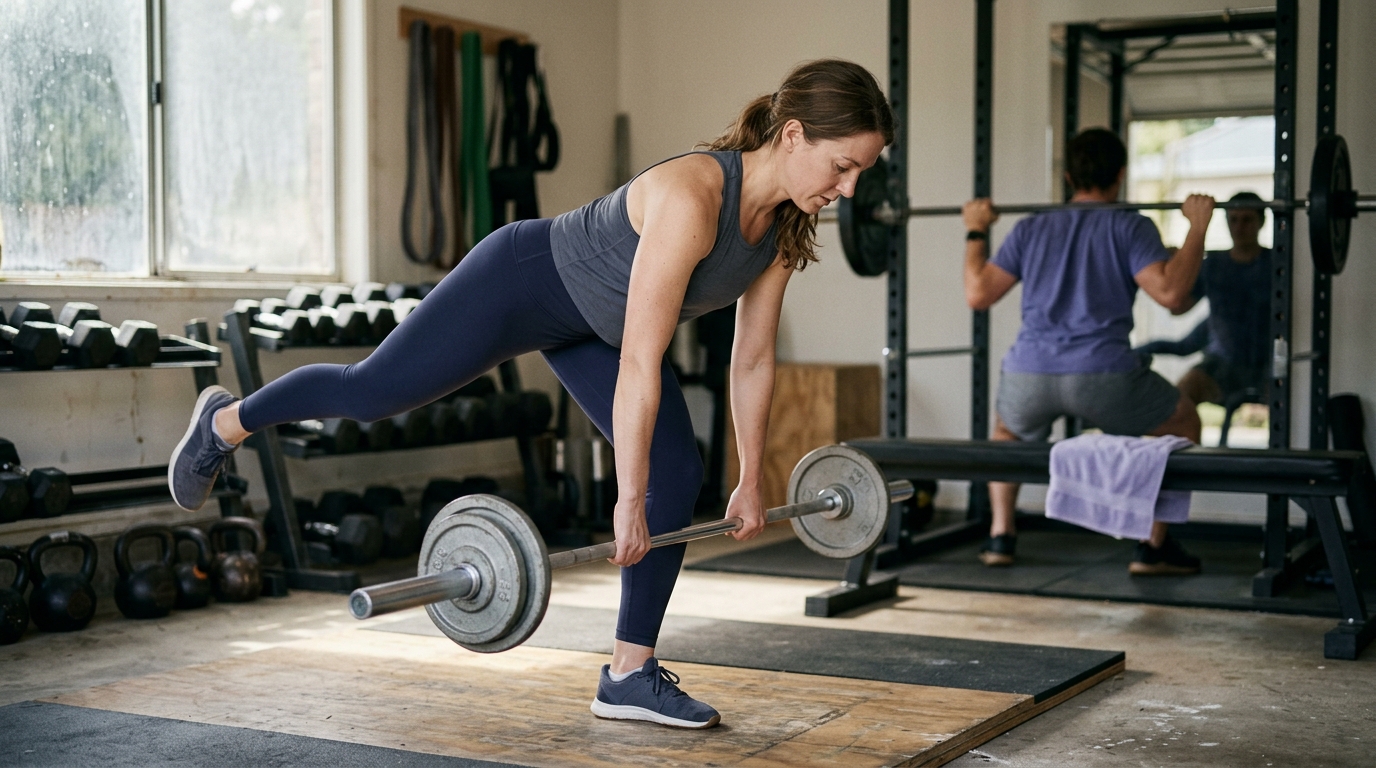
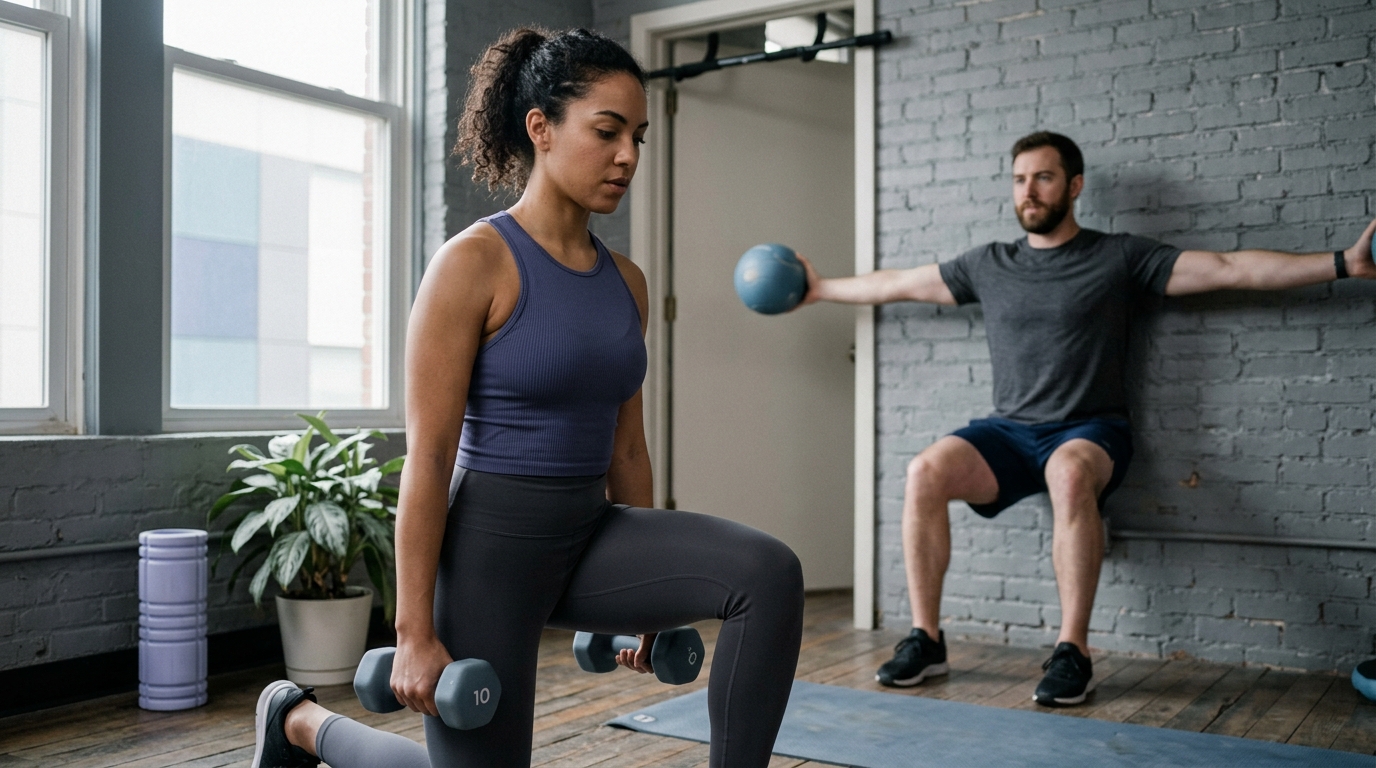
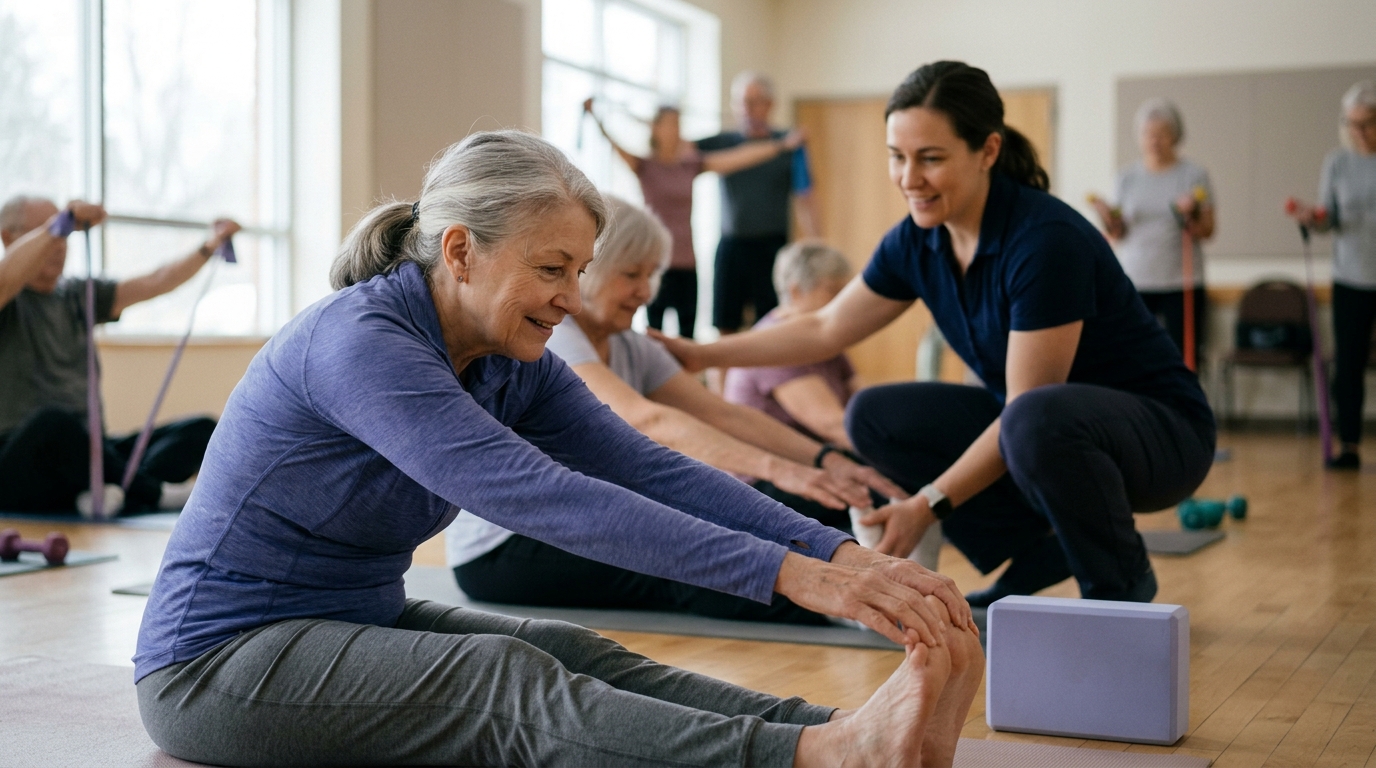
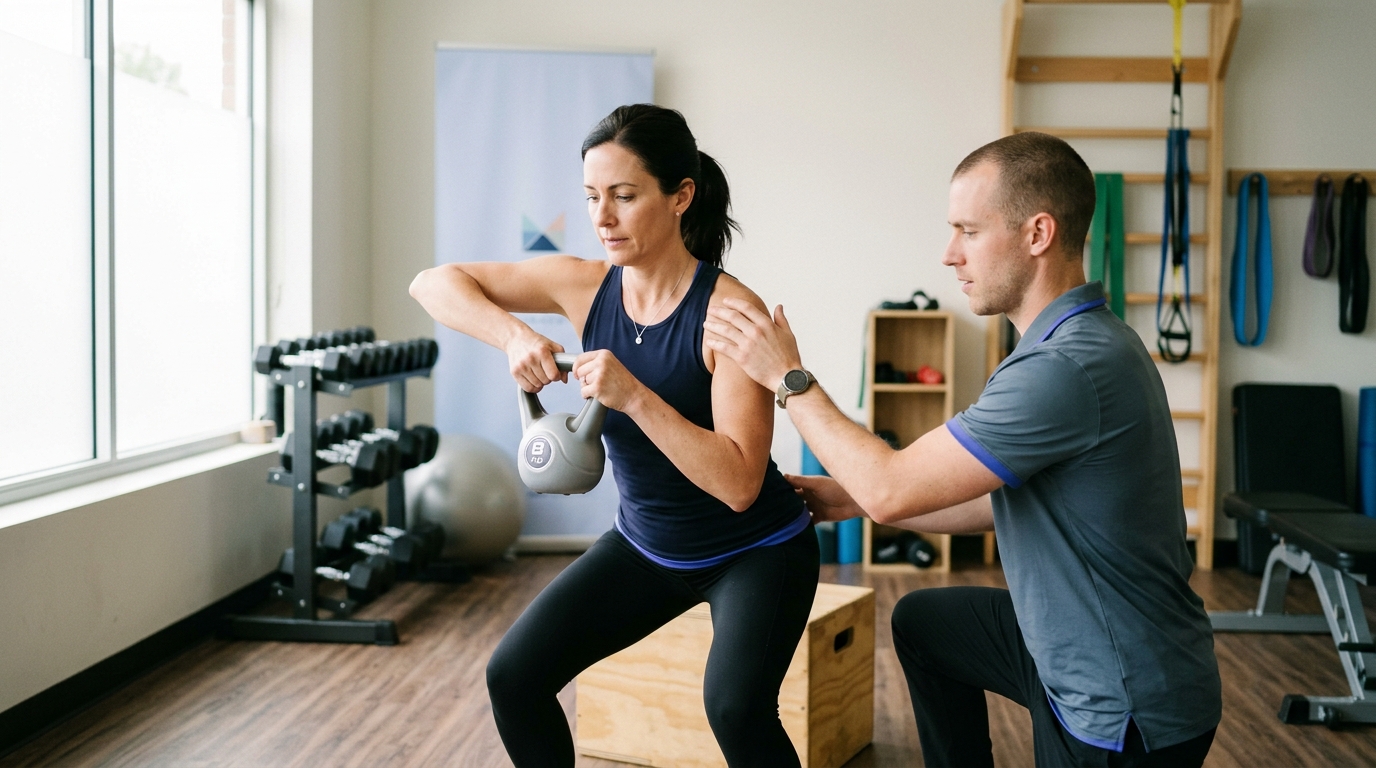
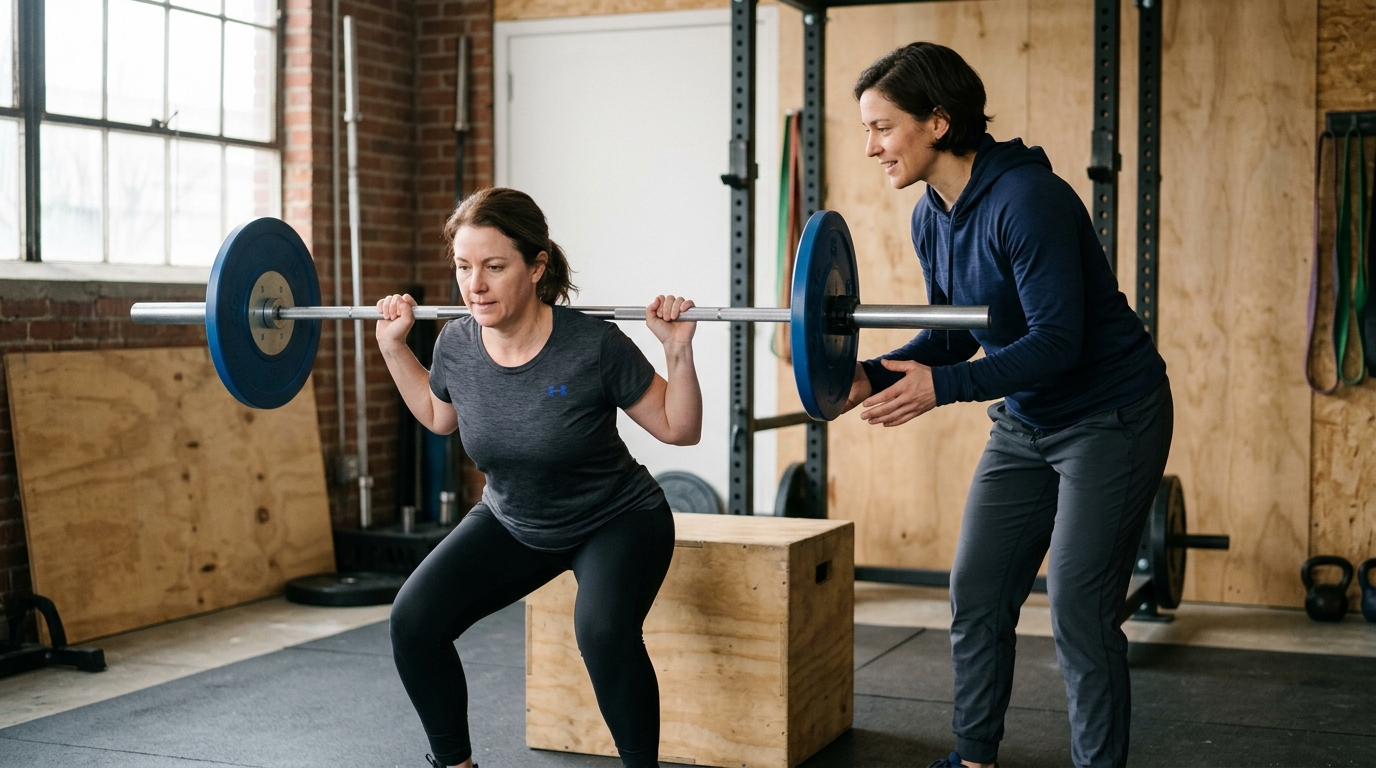
Strength training is an essential component of mobility, but isolated machine-based strength training also shows smaller fall-reduction effects than multi-component programs. The strongest results come from combining muscle-strengthening exercises with balance-challenging, functional tasks.
While clinical trials demonstrate impressive 20 to 24 percent reductions in group fall rates, these figures are averages across large study populations. They cannot guarantee that any single individual will never fall.
An individual's personal outcome depends on whether their specific balance deficits are addressed, their adherence to the routine over many months, the safety of their home environment, and changes in their overall health. Balance rehabilitation is an active, ongoing protective habit rather than a permanent cure.
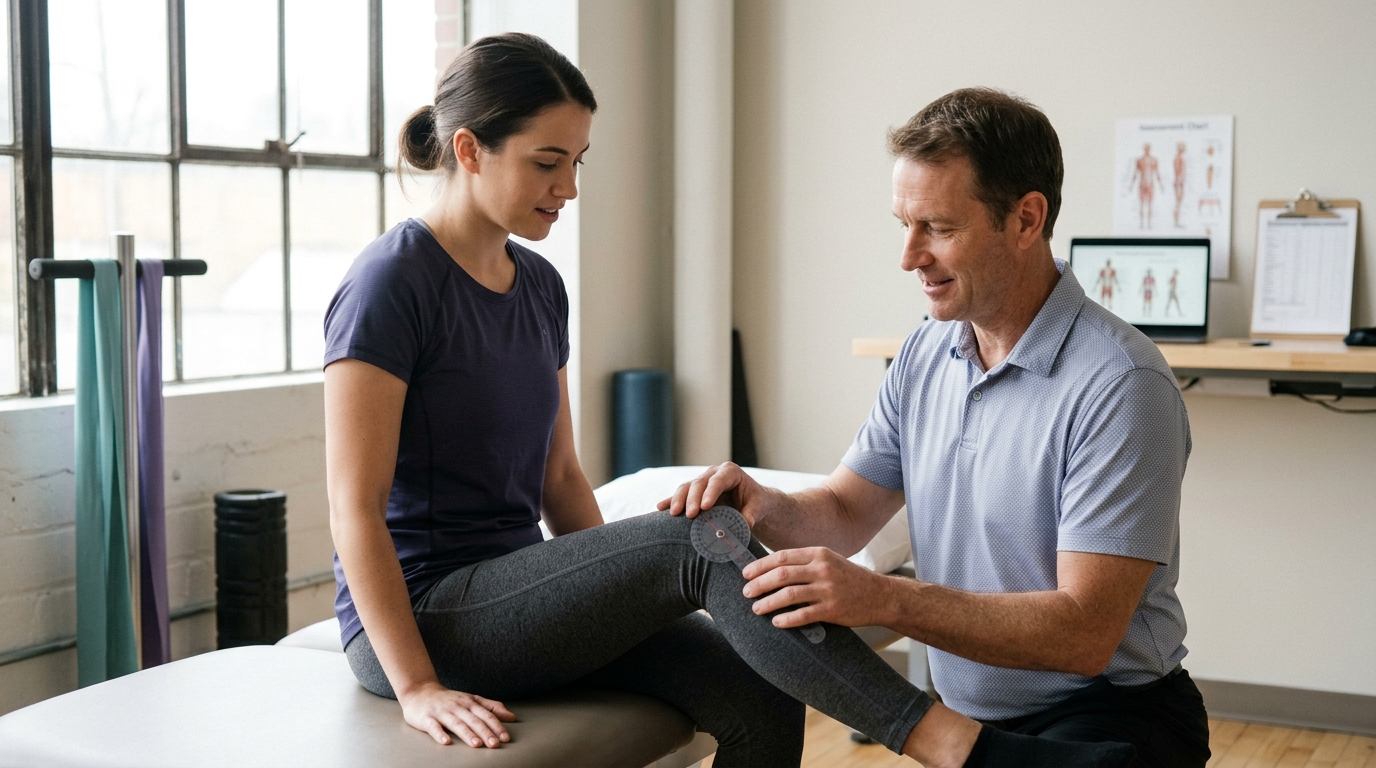
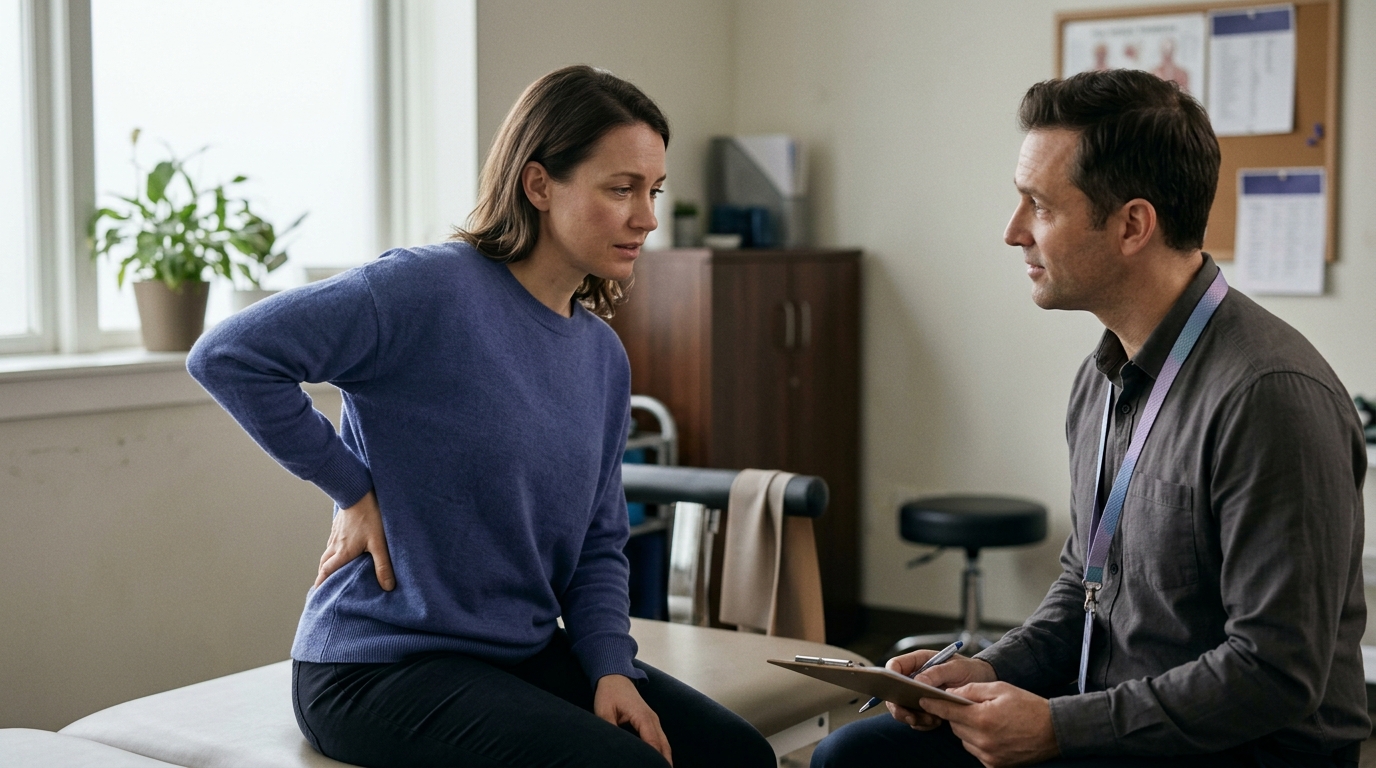
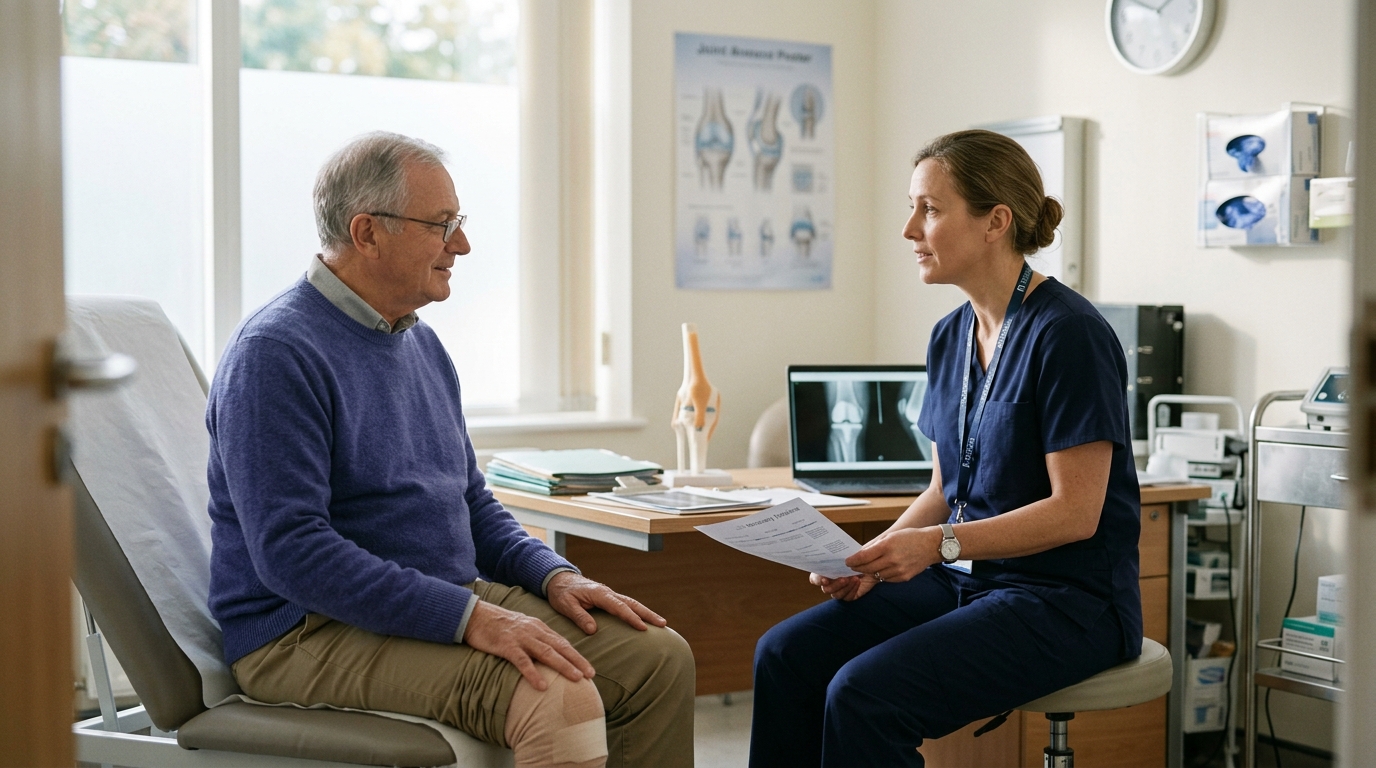
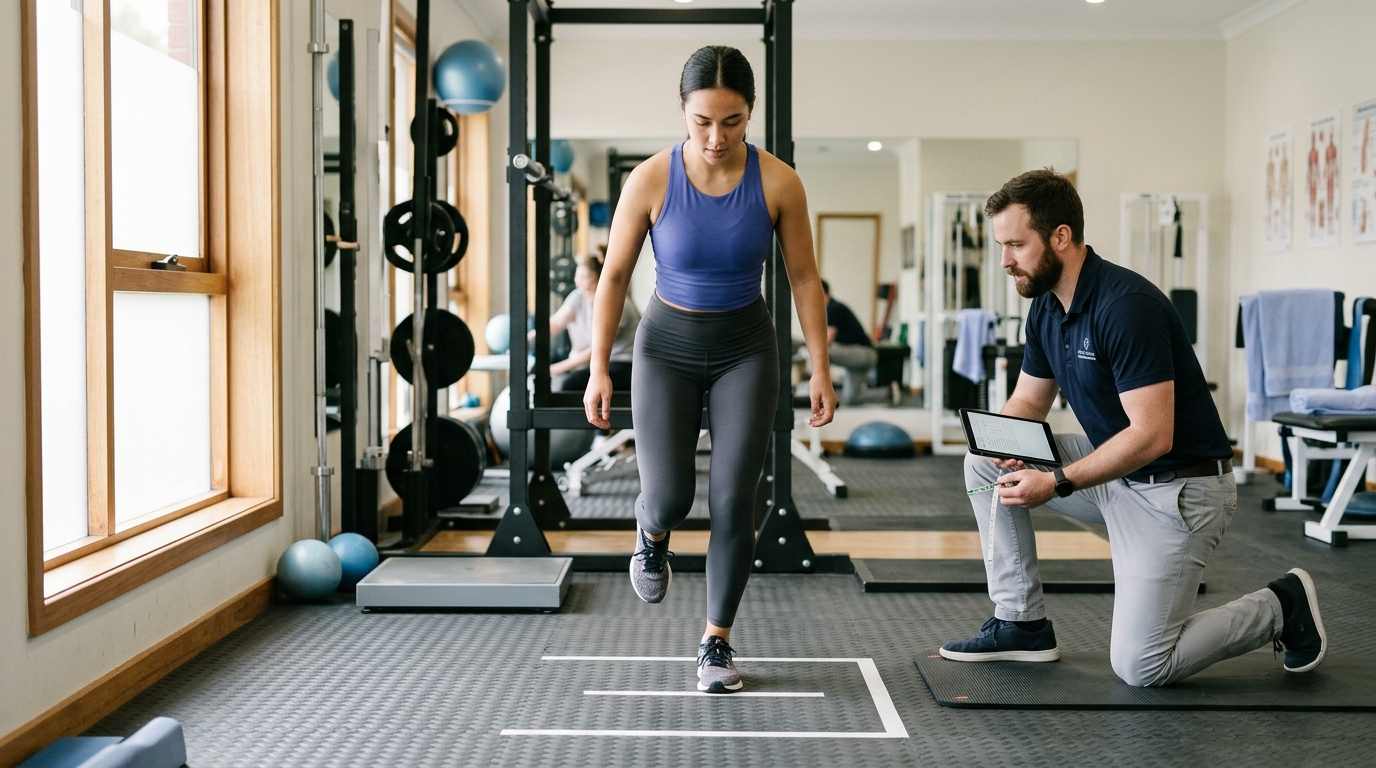
A thorough balance assessment is the foundation of an effective rehabilitation plan. Clinicians do not guess which exercises someone needs; they use validated screening tools and multi-system evaluations to pinpoint specific weaknesses.
The Centers for Disease Control and Prevention developed the STEADI framework, which stands for Stopping Elderly Accidents, Deaths, and Injuries. This clinical algorithm outlines a clear three-step process:
Screening acts as an early warning system. If a screening tool flags an issue, a more detailed physical therapy evaluation explores the exact sensory, muscular, or neurological factors involved. For more insights on movement screening and safe exercise progression, check out our mobility and movement articles.
Clinicians utilize several standardized physical performance tests to measure stability, functional strength, and walking speed.
The Timed Up and Go test, commonly called the TUG, requires a person to stand up from an armchair, walk 10 feet forward, turn around, walk back to the chair, and sit down. While the TUG provides a snapshot of mobility, transfers, and turning ability, research indicates that its ability to predict future falls on its own is mixed. It works best as part of a wider testing battery.
The 30-Second Chair Stand test counts how many times a person can complete a full stand from a chair without using their arms in half a minute. This test assesses lower-body functional strength and endurance.
The 4-Stage Balance Test evaluates static postural control. The individual attempts to hold four progressively narrower standing positions for 10 seconds each: feet side-by-side, semi-tandem with one foot slightly ahead, full tandem with one foot directly in front of the other, and single-leg stance.
The World Guidelines for Falls Prevention and Management recommend measuring comfortable gait speed as a primary risk-stratification tool. Walking slower than 0.8 meters per second flags a higher risk of falls and functional decline, indicating that a comprehensive mobility evaluation is warranted.
More comprehensive tools like the Berg Balance Scale, the Performance-Oriented Mobility Assessment, the Short Physical Performance Battery, and the BESTest evaluate multiple movement tasks to give physical therapists detailed diagnostic roadmaps.
A balance test score is only one piece of the puzzle. A truly useful clinical assessment looks beyond movement drills to evaluate the whole person.
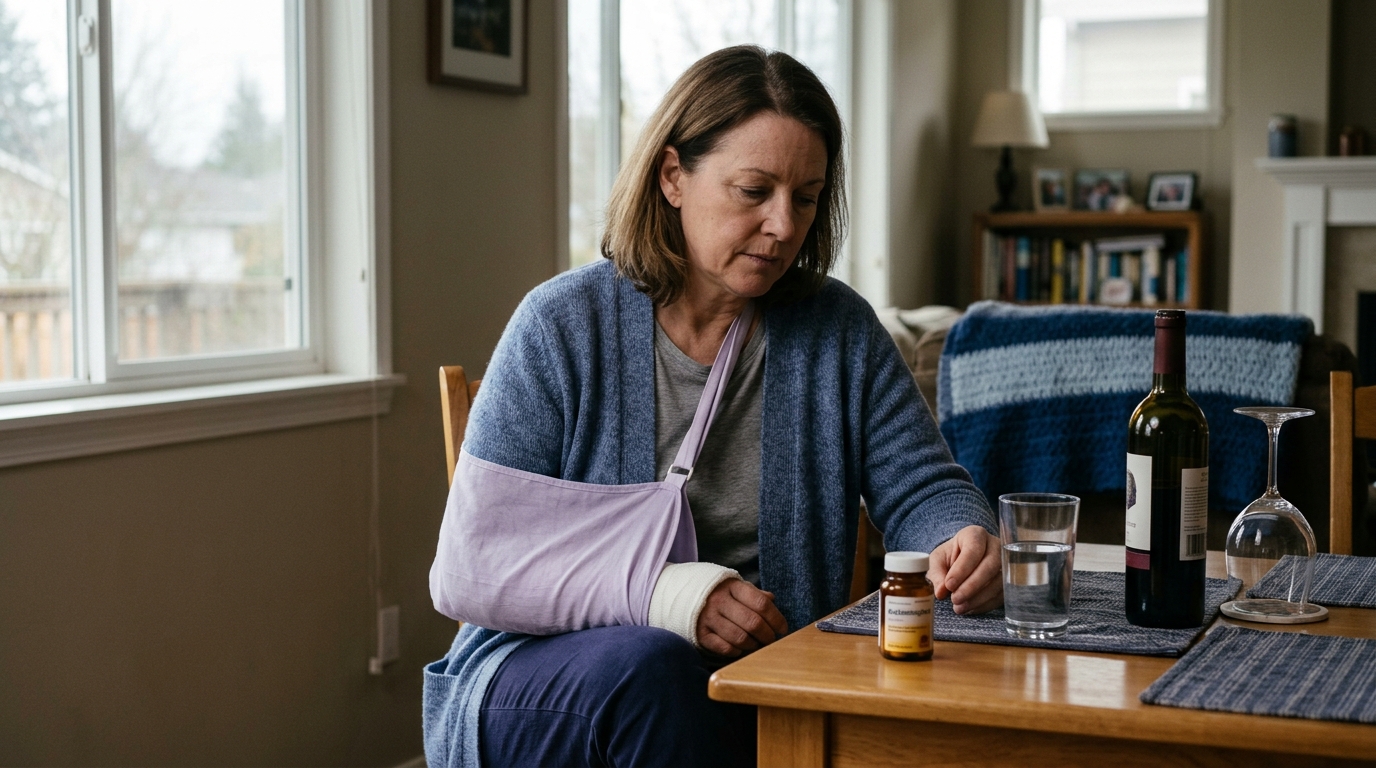
A multifactorial assessment includes a detailed history of any previous slips, trips, or falls, including the exact circumstances and environment. The clinician reviews prescription and over-the-counter medications, since sedatives, sleep aids, and blood pressure medications can cause drowsiness, dizziness, or sudden drops in blood pressure when standing.
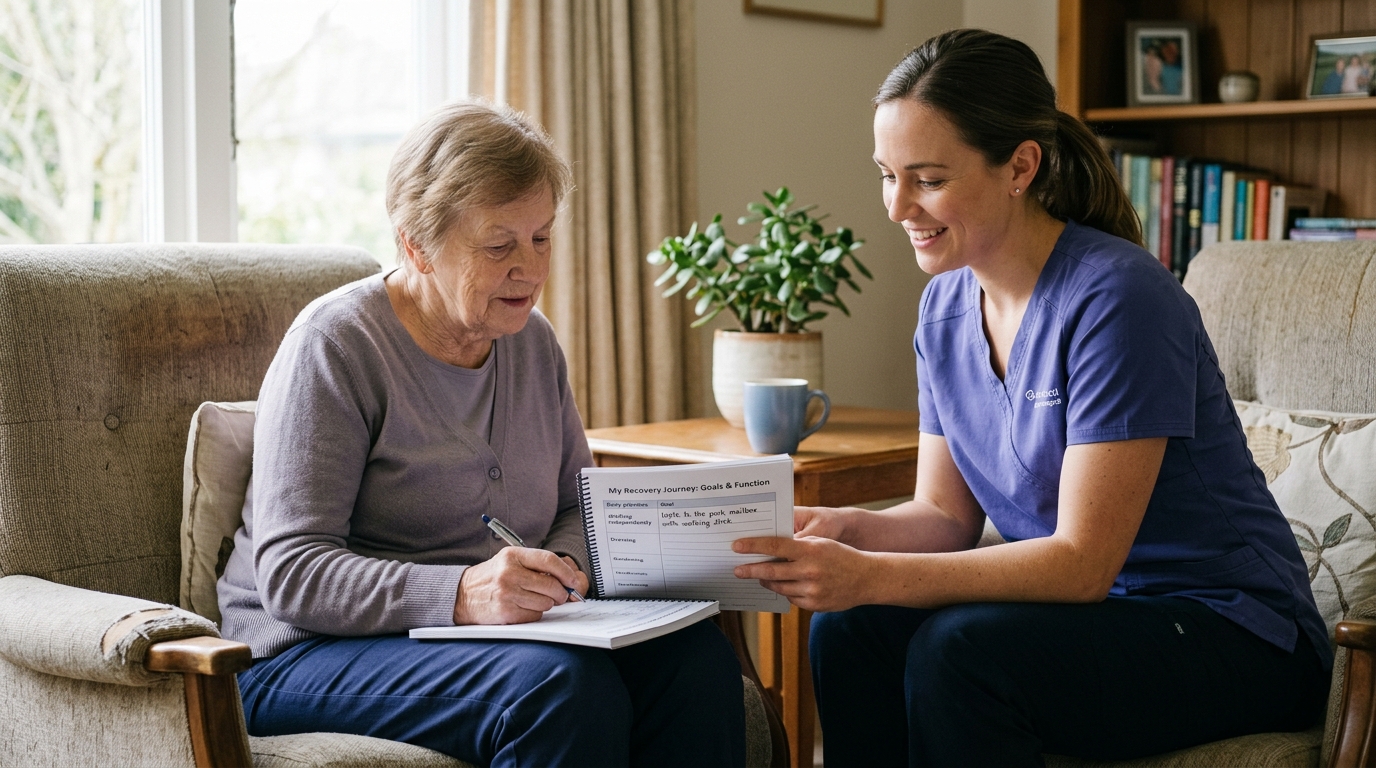
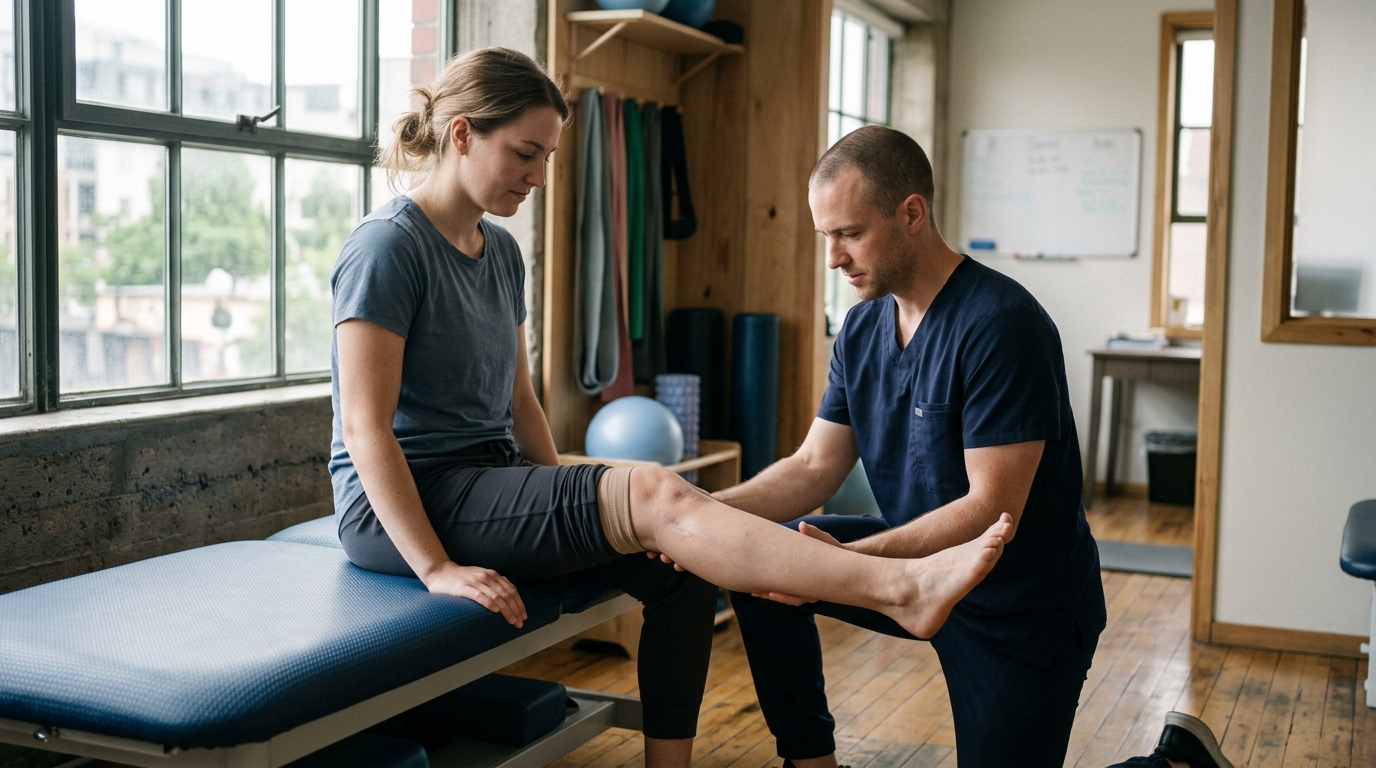
Vision, hearing, and inner ear function are screened. The physical therapist also examines foot health, checking for neuropathy, joint deformities, pain, and inappropriate footwear. Finally, the evaluation takes into account the person's living space, fear of falling, and the specific daily activities they want to resume safely.
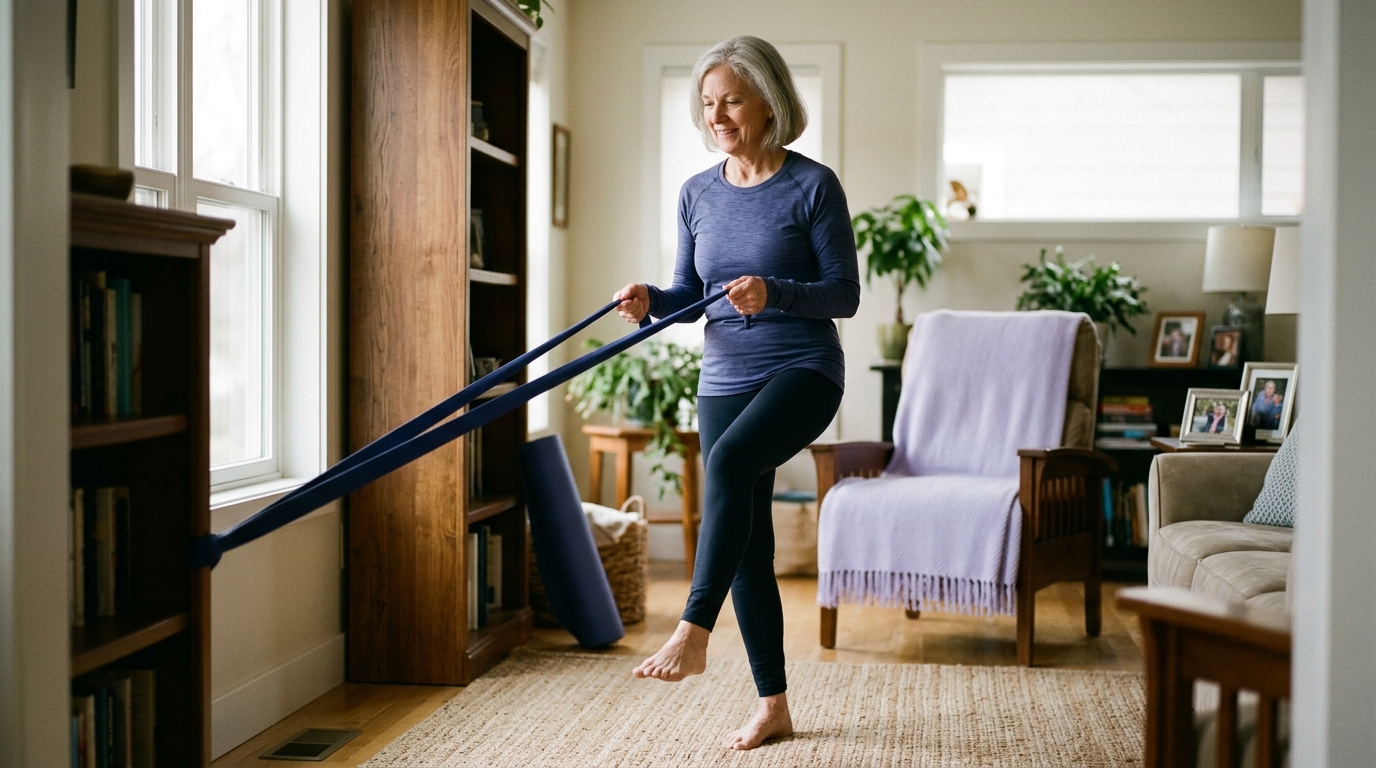
An effective balance rehabilitation program follows structured exercise science principles. It must be individualized, challenging, functional, and progressive.
The World Guidelines for Falls Prevention and Management, alongside guidance from the American Geriatrics Society, provide clear parameters for balance programs:
Multi-component exercise programs that blend balance training with progressive resistance training, flexibility, and aerobic activity yield the best overall mobility outcomes. You can explore how strength supports long-term function in our active aging and prevention articles.
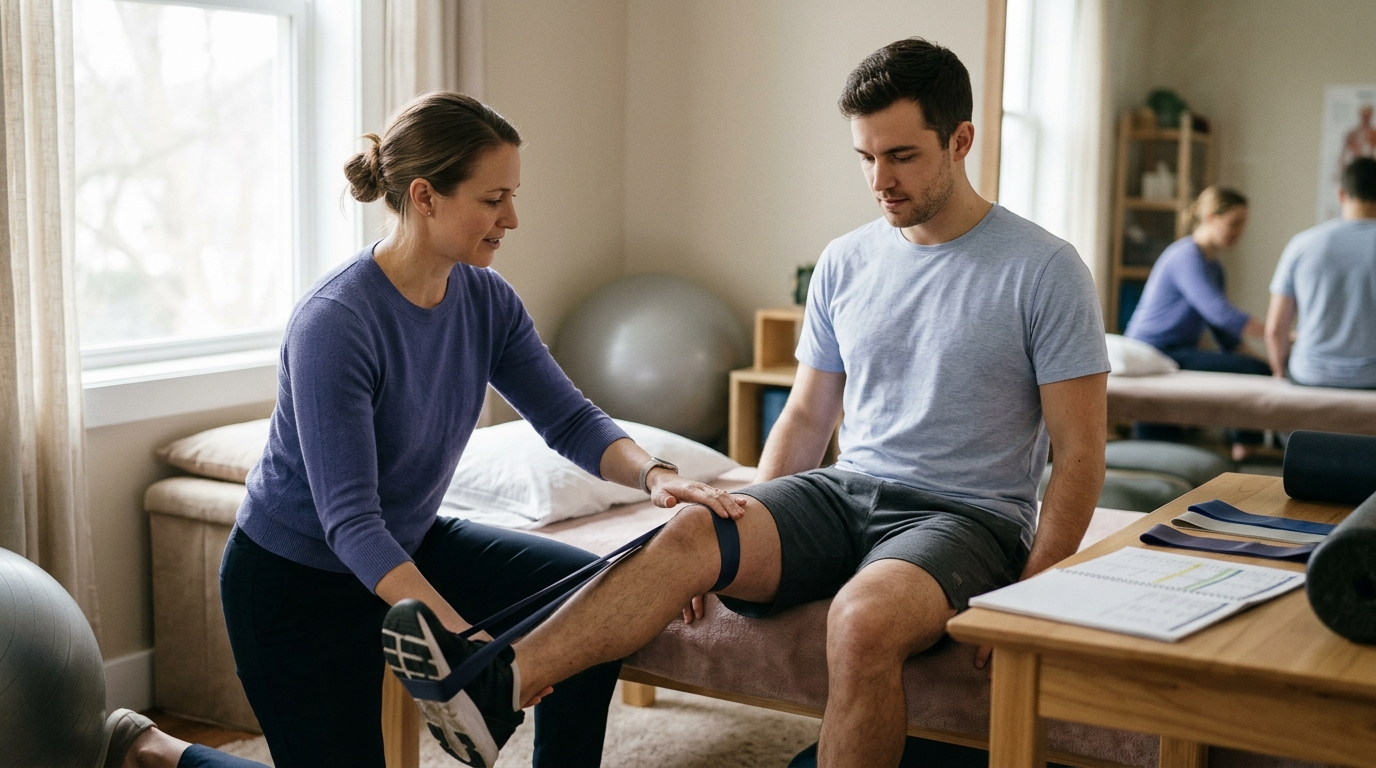
Progressing balance exercises involves changing task constraints to demand more from your nervous system and muscles. A clinician might adjust several variables over time.
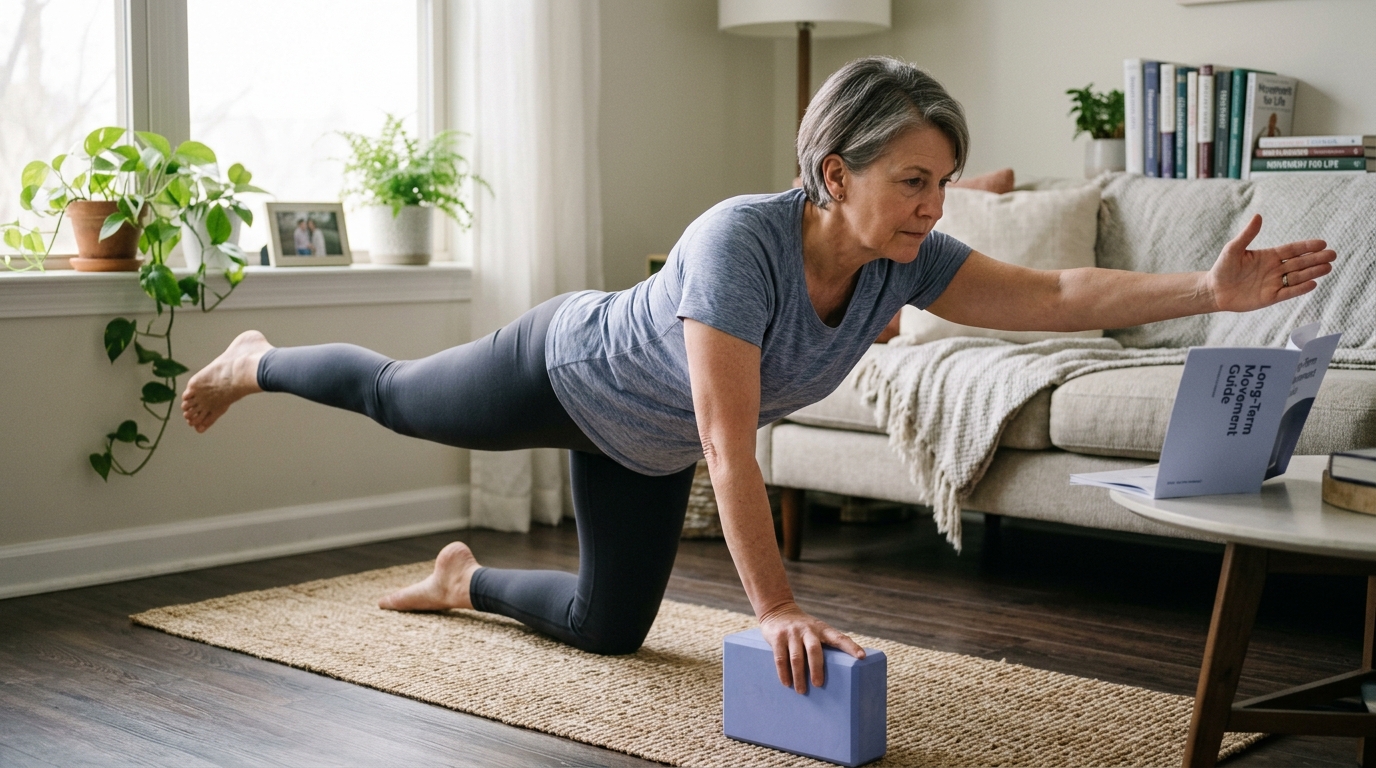
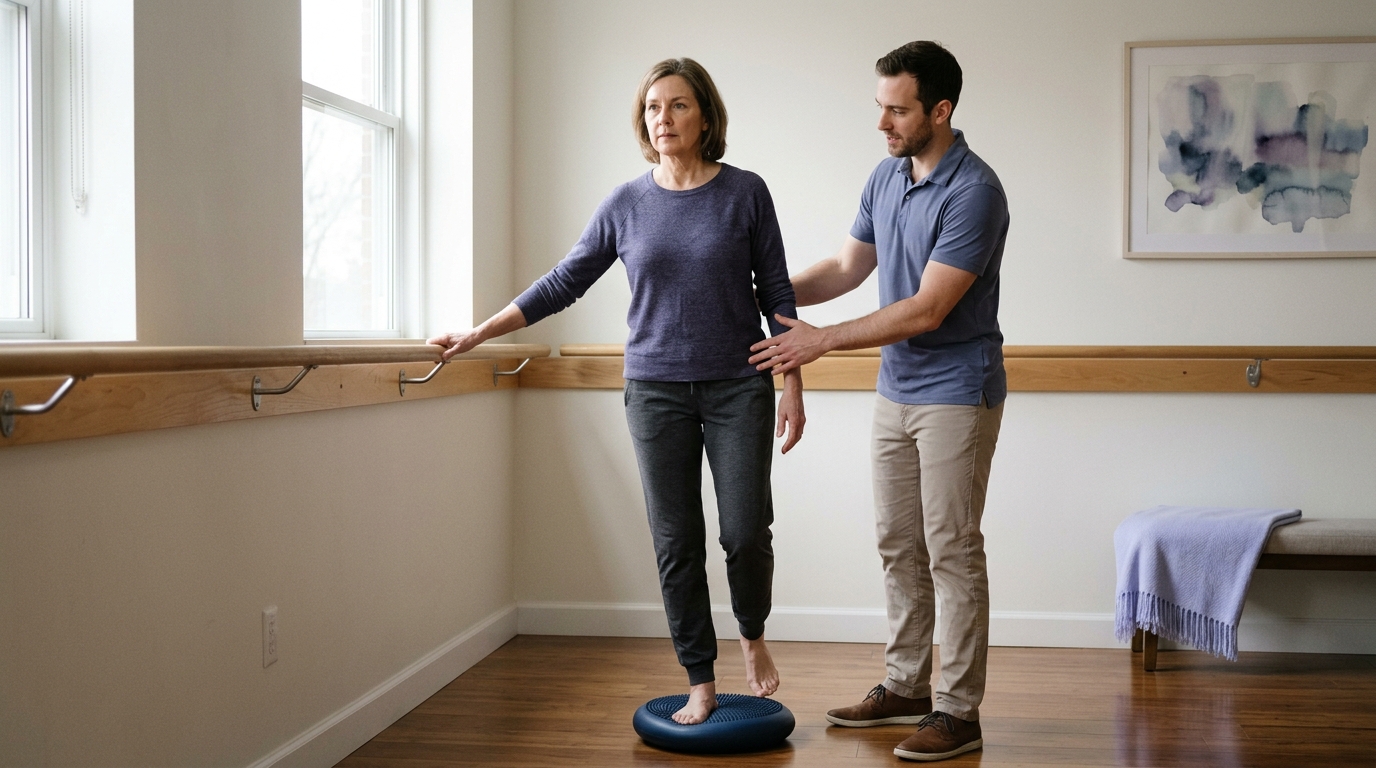
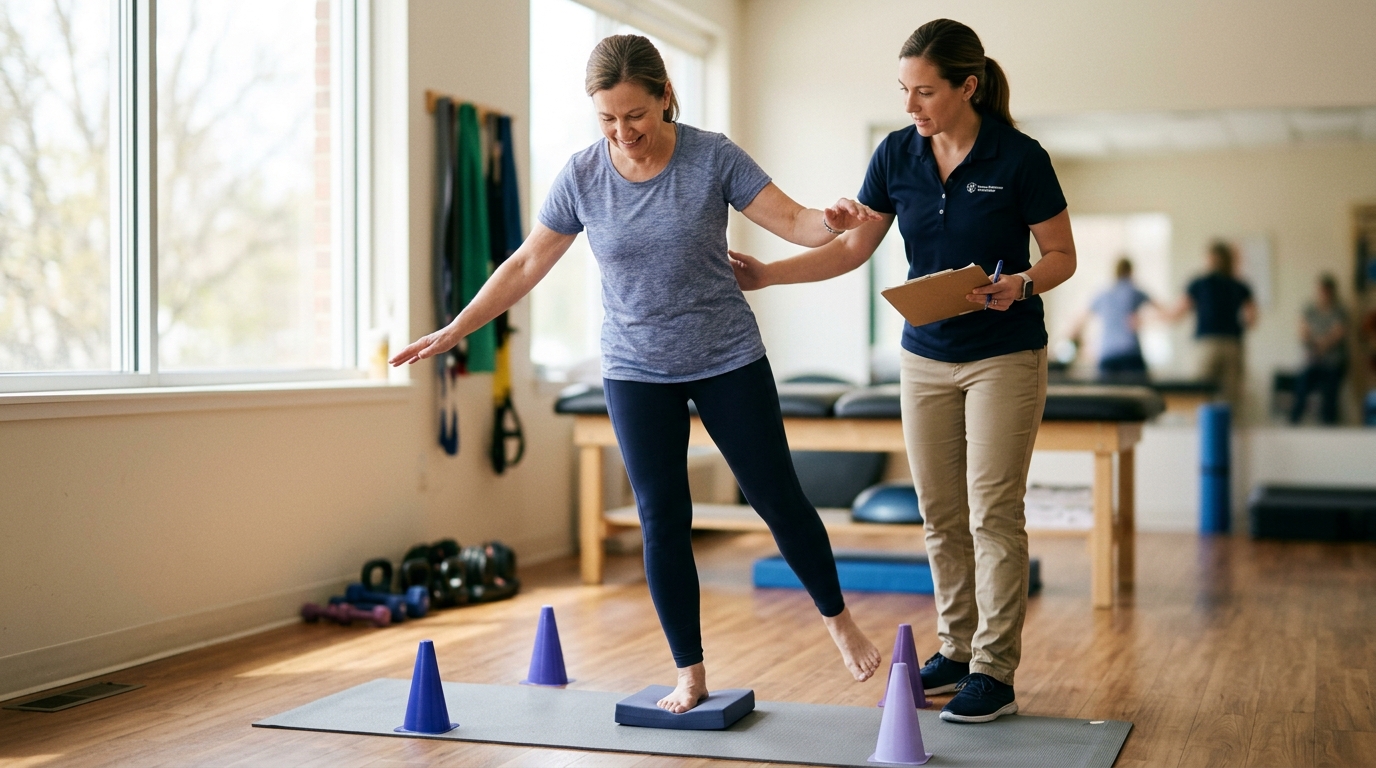
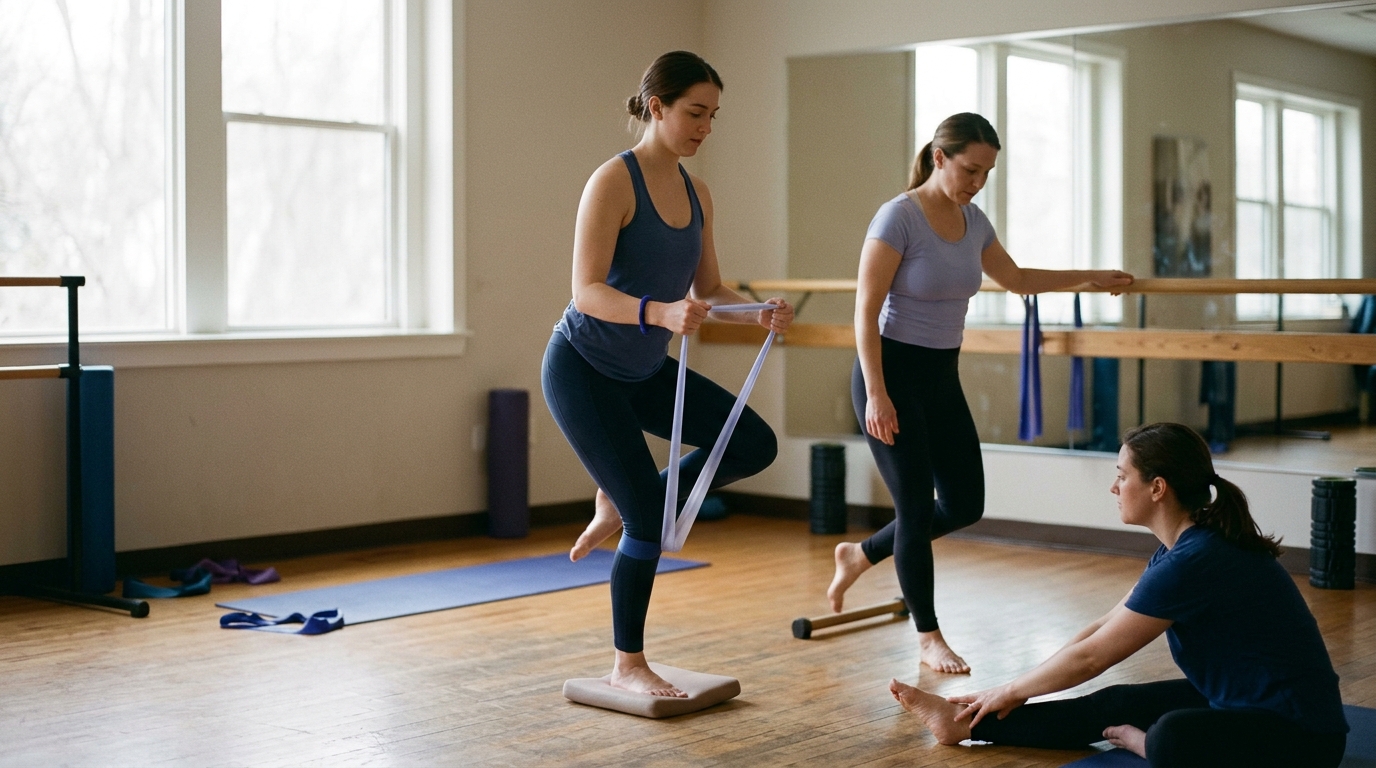
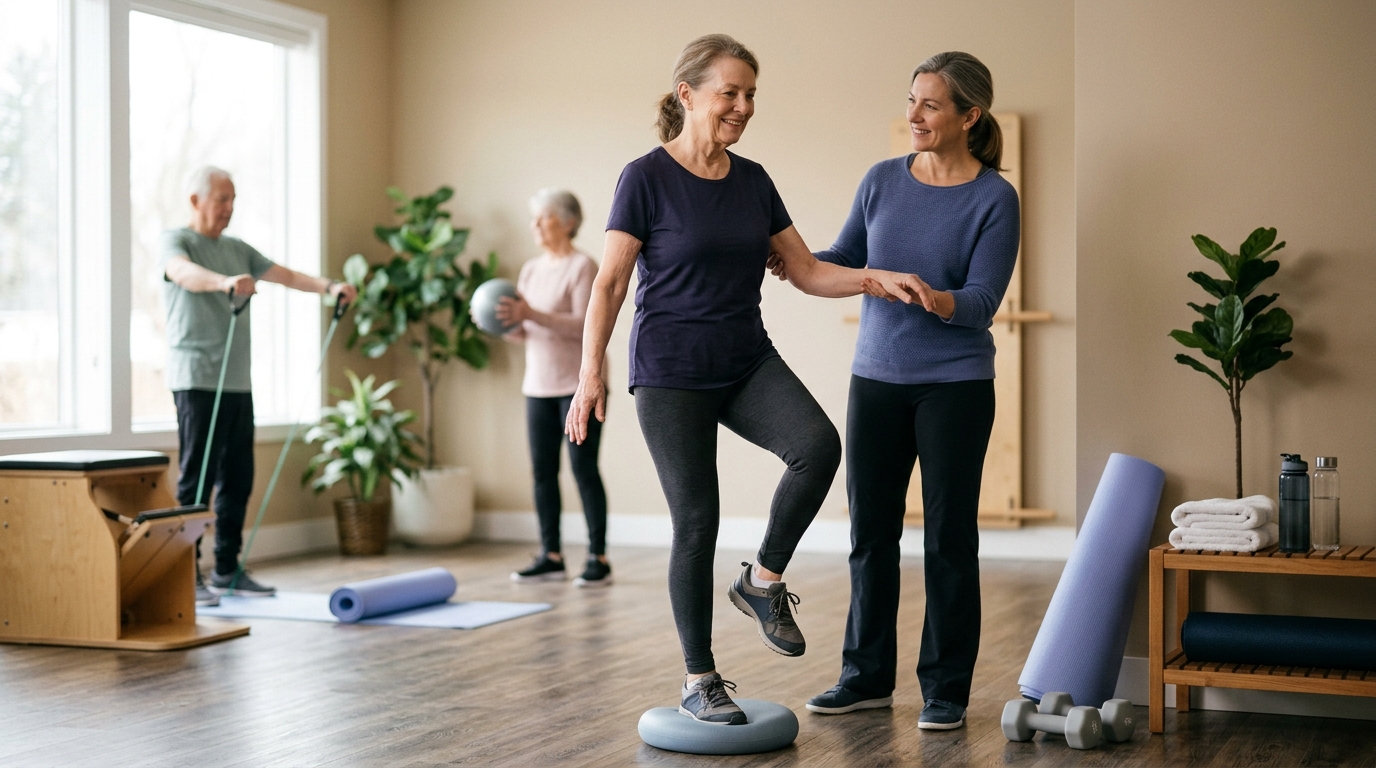
Reducing your base of support makes static standing harder. You might start with your feet shoulder-width apart, progress to feet touching side-by-side, move to a tandem heel-to-toe stance, and eventually practice standing on one leg.
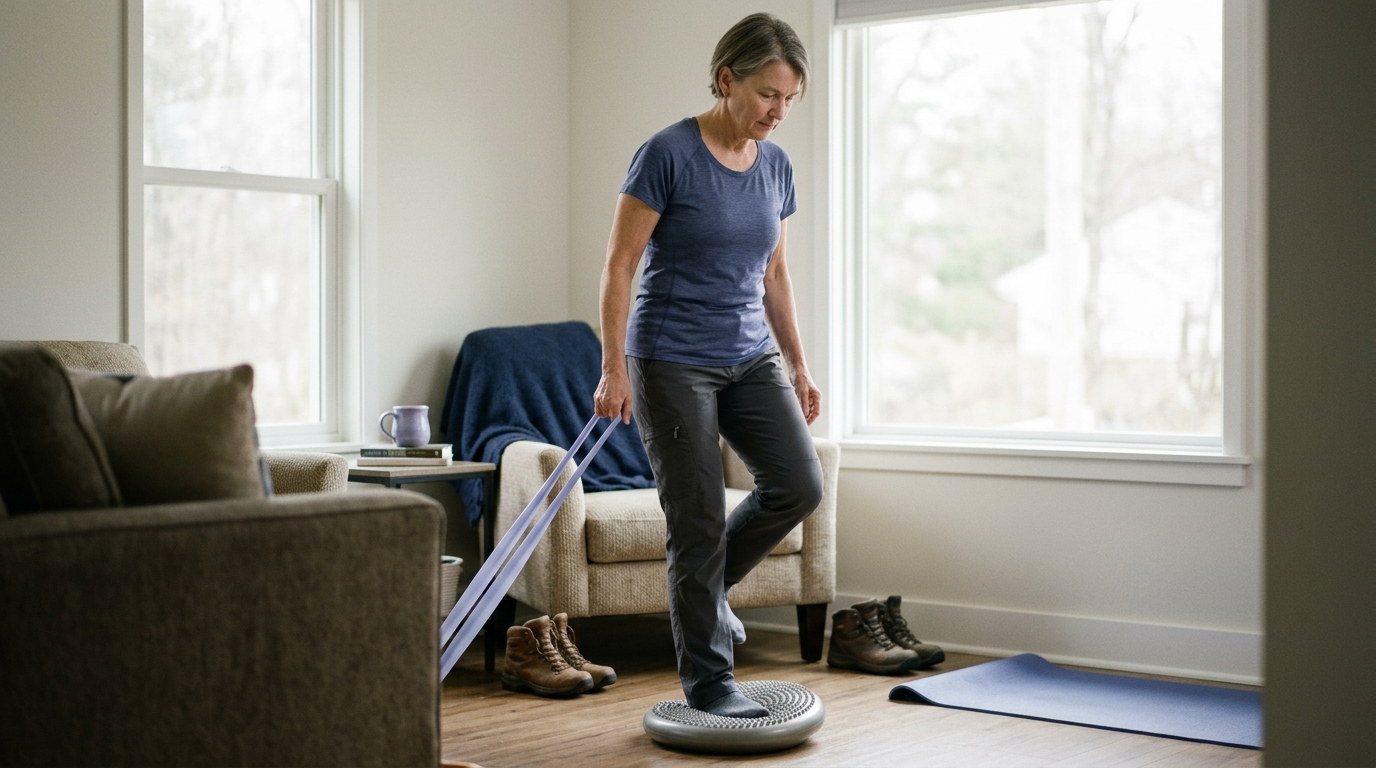
Changing the surface alters the somatosensory information your feet receive. You might transition from practicing on a firm, flat floor to a thick carpet, a balance foam pad, or an outdoor grass lawn.
Modifying visual input forces your vestibular and somatosensory systems to work harder. Once a movement is mastered with eyes open in good lighting, a clinician may have you track a moving target, turn your head while balancing, or briefly close your eyes while standing in a secure corner.
Adding dual-task challenges bridges the gap between structured drills and real-world multitasking. This involves performing a physical balance task while simultaneously completing a cognitive challenge, such as counting backward by threes, naming items in a category, or carrying a cup of water.
Balance rehabilitation is never one-size-fits-all. Different people experience balance challenges for entirely different underlying reasons. Here are five common clinical patterns that illustrate how assessment and exercise plans adapt to the individual.
A 62-year-old adult can stand still on both feet or even on one leg without wobbling. However, when walking through a busy shopping mall or turning around to answer someone, they feel unsteady and grab onto walls.
This pattern demonstrates that static balance tests do not reflect dynamic mobility. The rehabilitation plan for this individual focuses on dynamic gait drills, walking while turning the head, stepping over obstacles, and practicing quick direction changes. Training dynamic transitions helps the brain manage balance while the center of mass is moving.
A 71-year-old reports feeling unsteady whenever they get out of a low car seat or climb the front steps to their house. Once they are standing and walking on flat ground, they feel relatively safe.
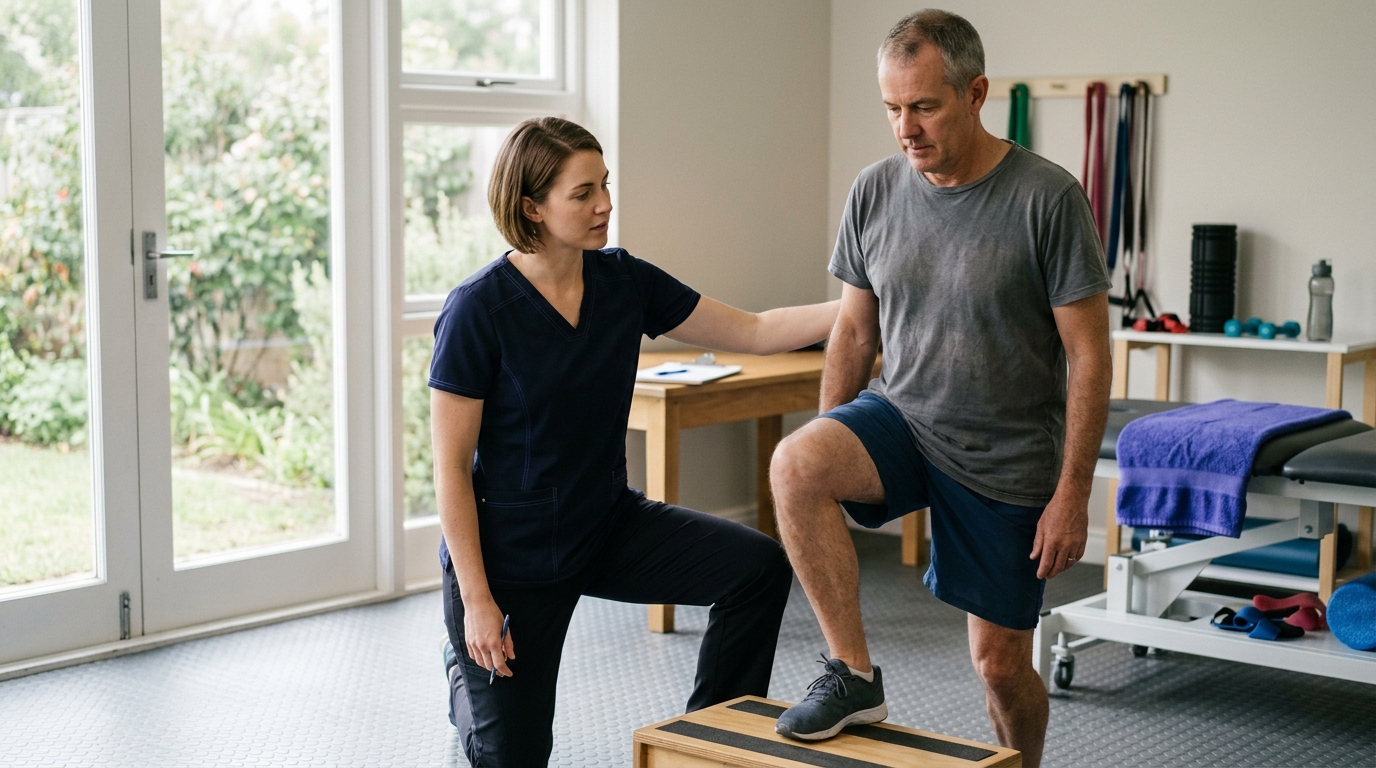
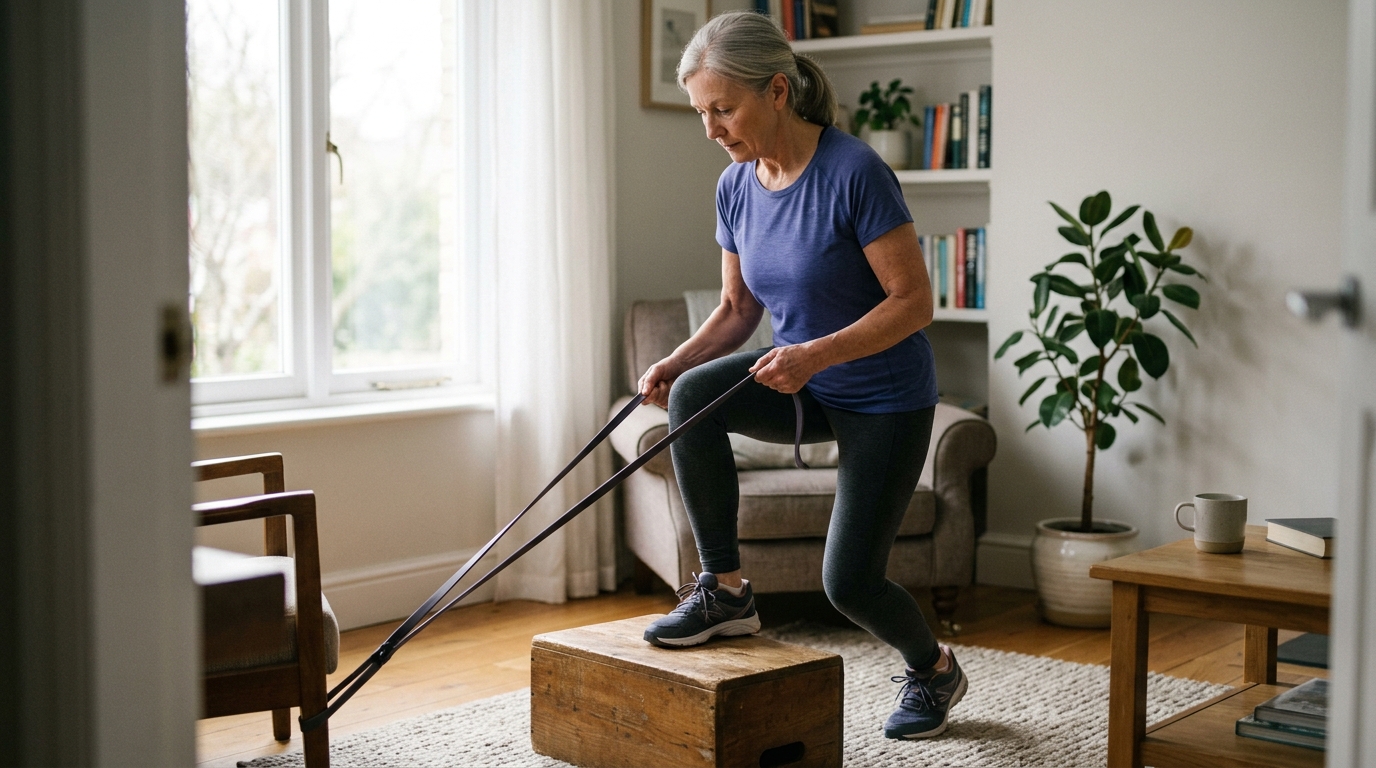
This pattern highlights a lack of lower-extremity strength and power combined with anticipatory control issues. The rehabilitation focus connects functional strengthening with dynamic balance. Exercises include progressive sit-to-stand practice from various chair heights, step-up and step-down drills, and heel raises. As leg power improves, transitions become smoother and more stable.
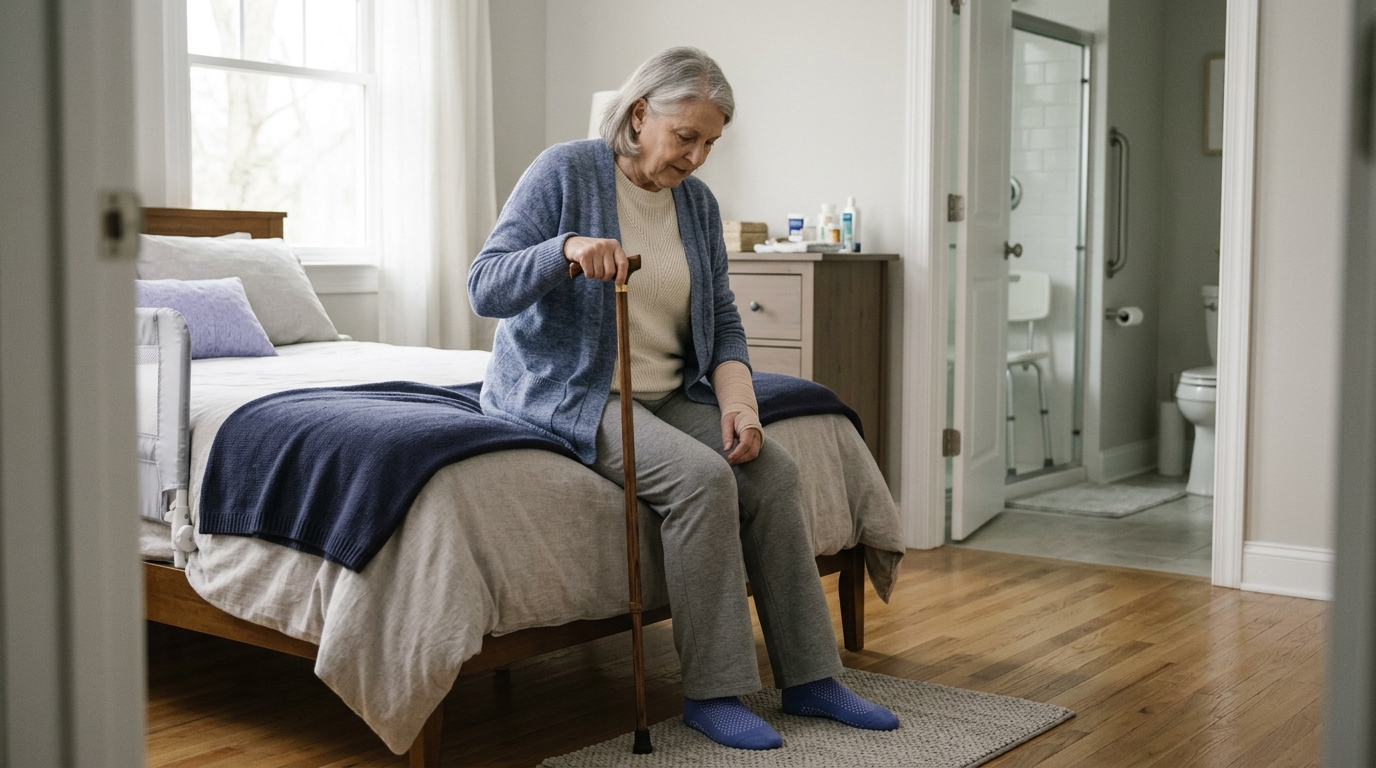
An individual has fallen twice in the past six months. A physical evaluation reveals mild foot numbness from neuropathy, a prescription list containing four different blood pressure and sleep medications, poor reading lighting at home, and unsupportive backless slippers.
This scenario cannot be resolved with balance exercises alone. The individual requires a multifactorial plan. A physician reviews the medications, an optometrist updates their vision prescription, a physical therapist prescribes balance and strength drills with appropriate supportive footwear, and a home safety evaluation removes loose throw rugs and improves lighting.
An active adult experiences a minor slip on ice during the winter. Although they did not sustain a fracture, they become fearful of falling again and stop their daily neighborhood walks. Over several months, their leg muscles weaken and their balance actually declines due to inactivity.
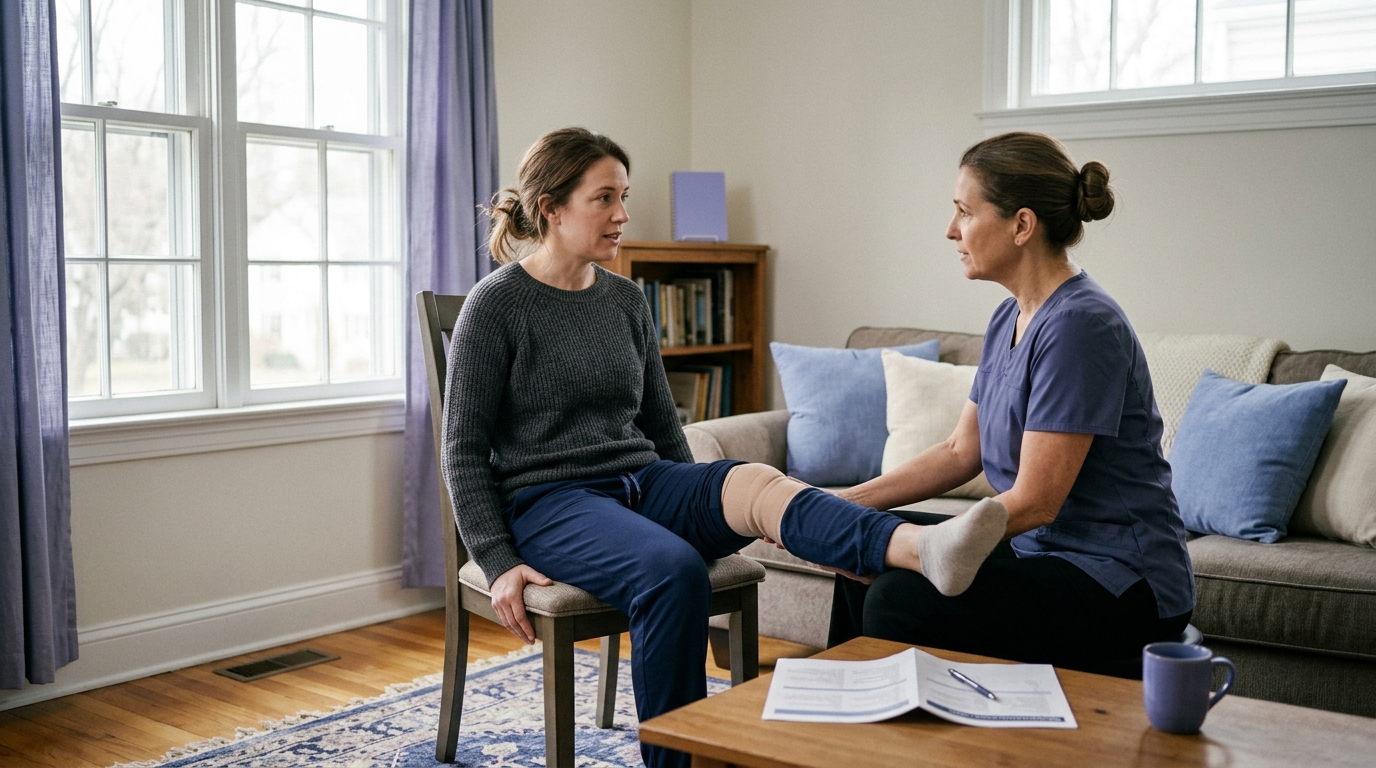
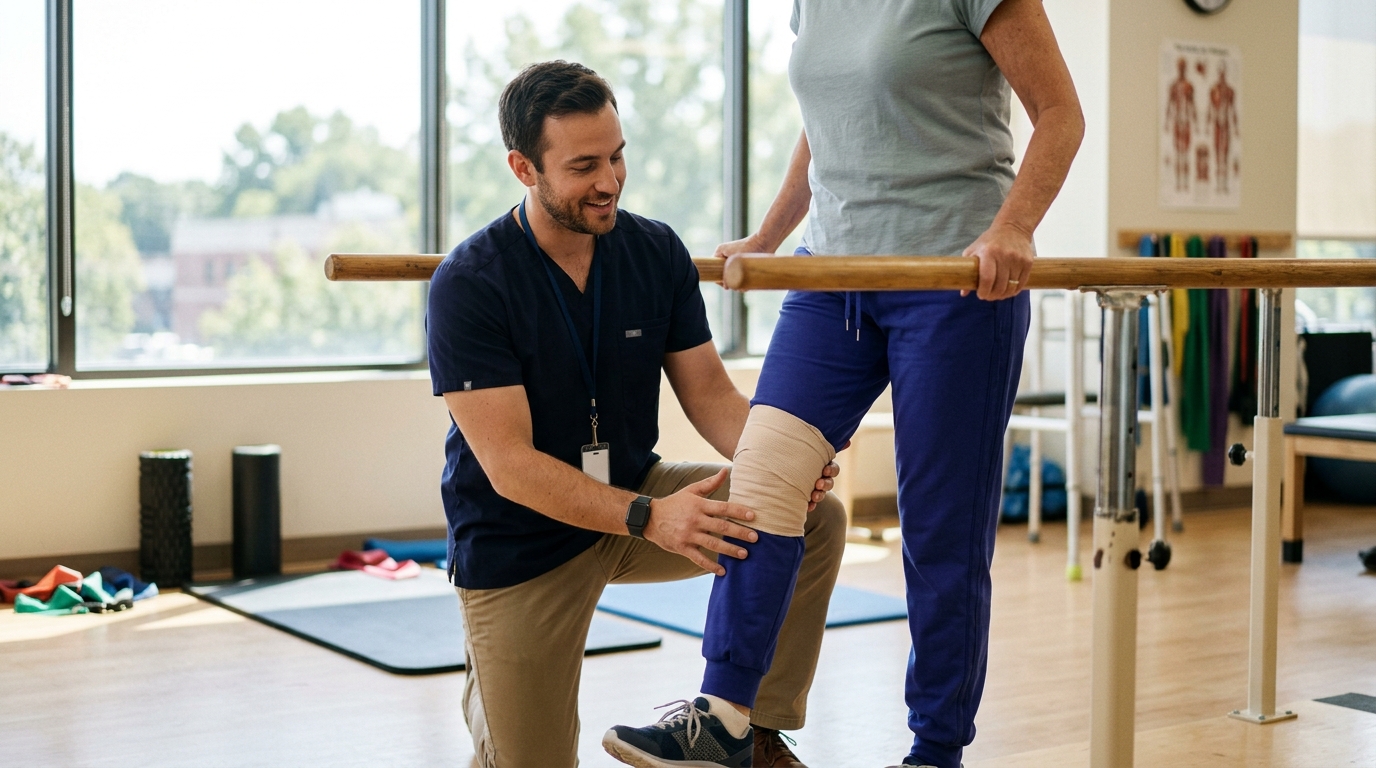
Fear of falling is a recognized clinical issue that often leads to a self-reinforcing cycle of restricted activity, deconditioning, and increased fall risk. Rehabilitation starts in a very safe, supportive environment with parallel bars or sturdy counters. As the mover successfully completes manageable challenges, their physical capacity and movement confidence return together.
A person feels off-balance whenever they roll over in bed, look up at high shelves, or walk down visual aisles in grocery stores. Standard balance exercises do not seem to help and occasionally trigger mild nausea.
This pattern points toward vestibular involvement rather than simple muscular weakness. Generic balance training is insufficient here. The individual requires a specialized vestibular rehabilitation assessment to examine inner ear function and eye-head coordination. Exercises include targeted gaze-stability drills, head-movement habituation, and balance exercises that retrain how the brain processes inner ear signals.
Progression in balance rehabilitation varies widely between individuals. Several internal and external factors influence how quickly your balance improves and the level of stability you can expect to achieve. You can read more about building functional resilience in our injury prevention and staying active resources.
The condition of your nervous system sets the baseline for your recovery. Peripheral neuropathy in the feet slows down the sensory signals reaching your spinal cord, requiring more time and visual compensation to maintain balance. Chronic vestibular disorders, past strokes, Parkinson's disease, or inner ear changes require specialized, long-term exercise routines adapted to neurological needs.
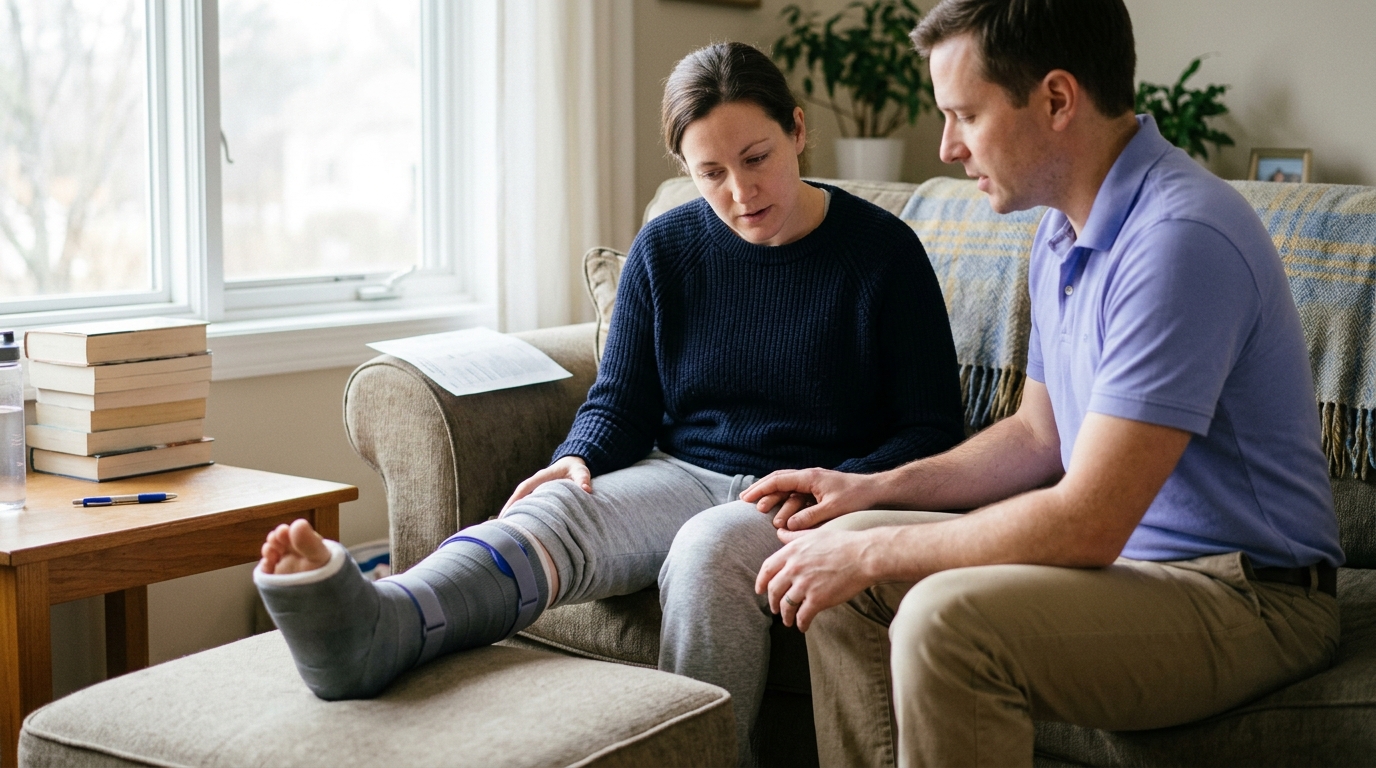
Your body cannot carry out a balance correction if your joints are stiff or your muscles are weak. Severe osteoarthritis in the knees or hips, limited dorsiflexion in the ankles, or recent orthopedic surgery can restrict your movement strategies. Rehabilitation must restore joint range of motion and muscular capacity alongside balance drills. If you are returning to higher-level physical activity, explore our strength and return to sport articles for additional guidance on progressive loading.
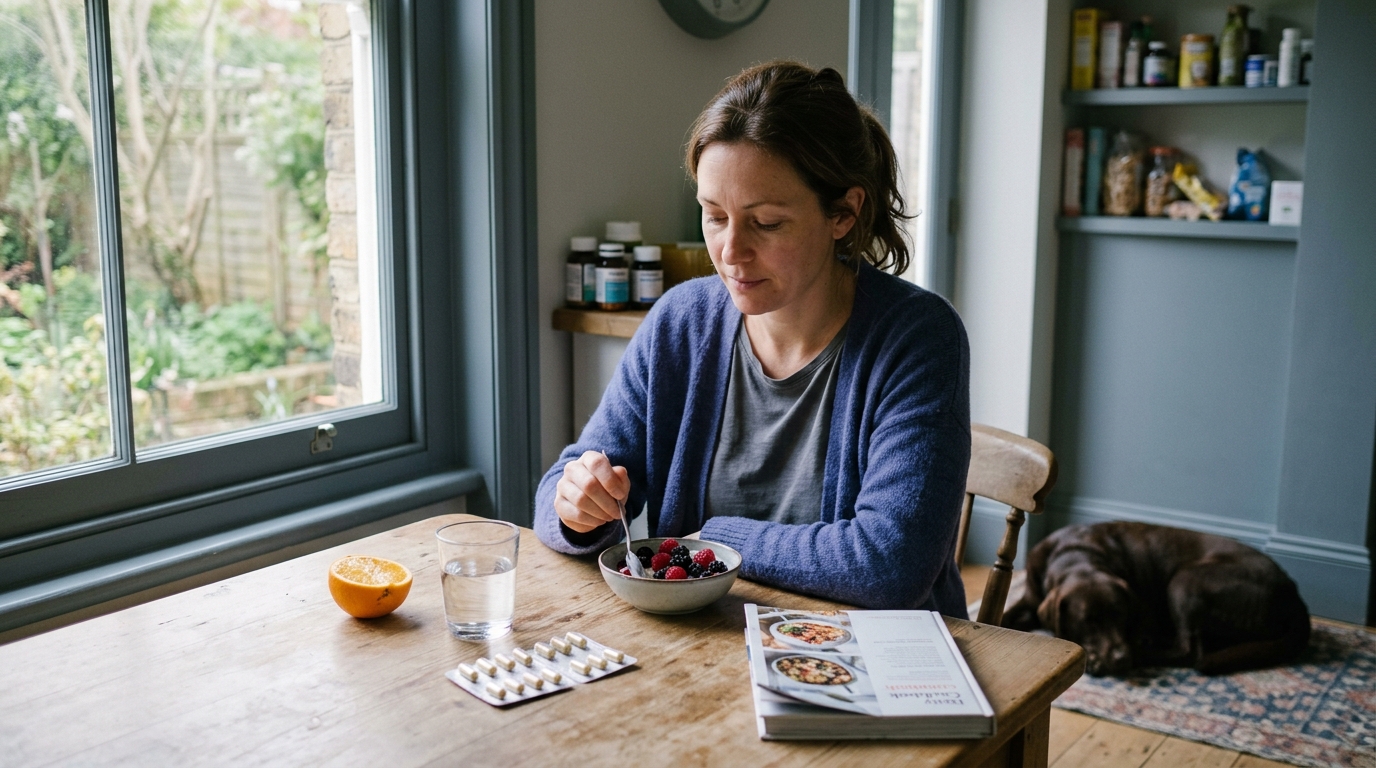
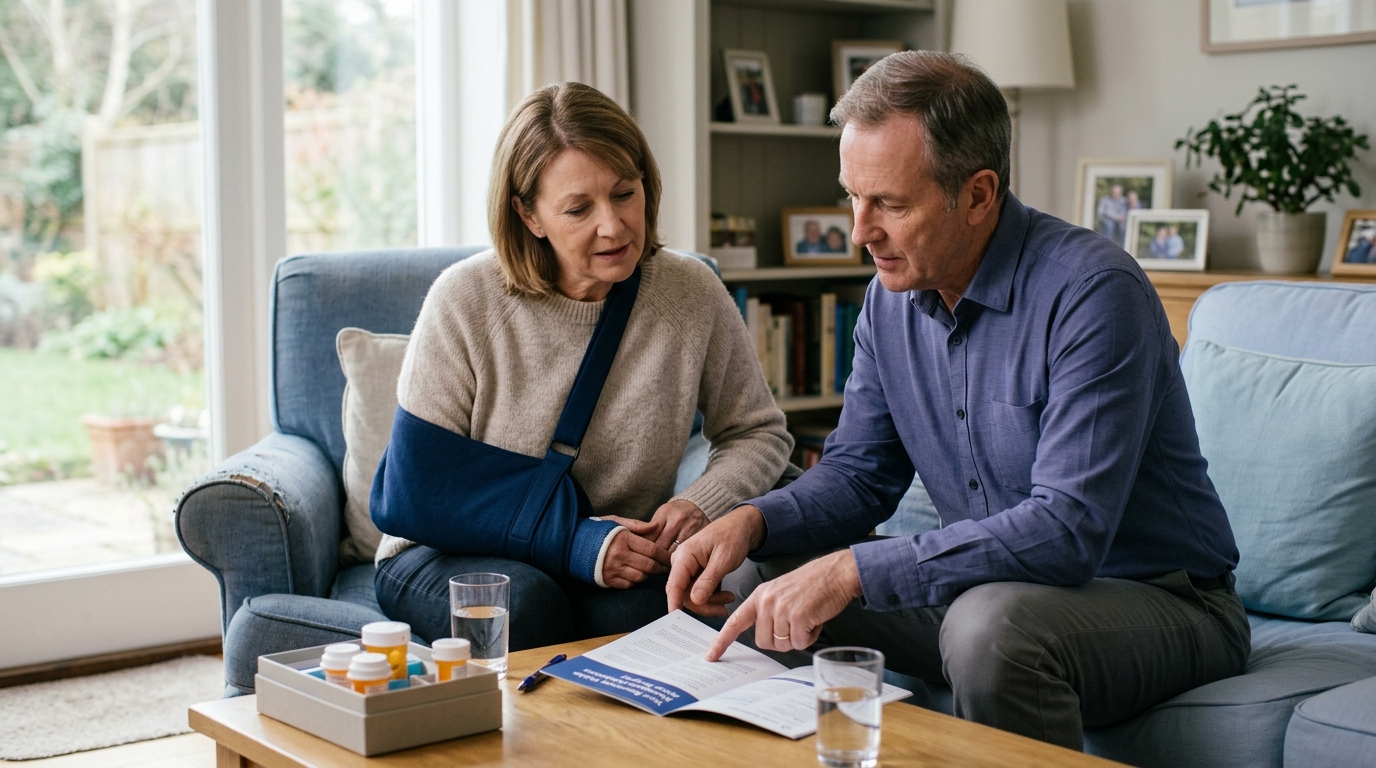
Medications are among the most common and modifiable contributors to unsteadiness. Sedatives, antidepressants, sleep aids, antihistamines, and cardiovascular drugs that lower blood pressure can cause dizziness, lightheadedness, or slowed reaction times. Taking multiple prescription medications, known clinically as polypharmacy, increases the likelihood of interactions that impact stability.
The shoes you wear directly affect how your feet interact with the ground. Thick, soft, heavily cushioned soles can decrease sensory feedback from the floor, making it harder to sense small changes in posture. Backless slippers, high heels, and smooth leather soles significantly raise the risk of slipping. Firm, supportive shoes with low heels and non-slip treads provide the best mechanical base for everyday walking.
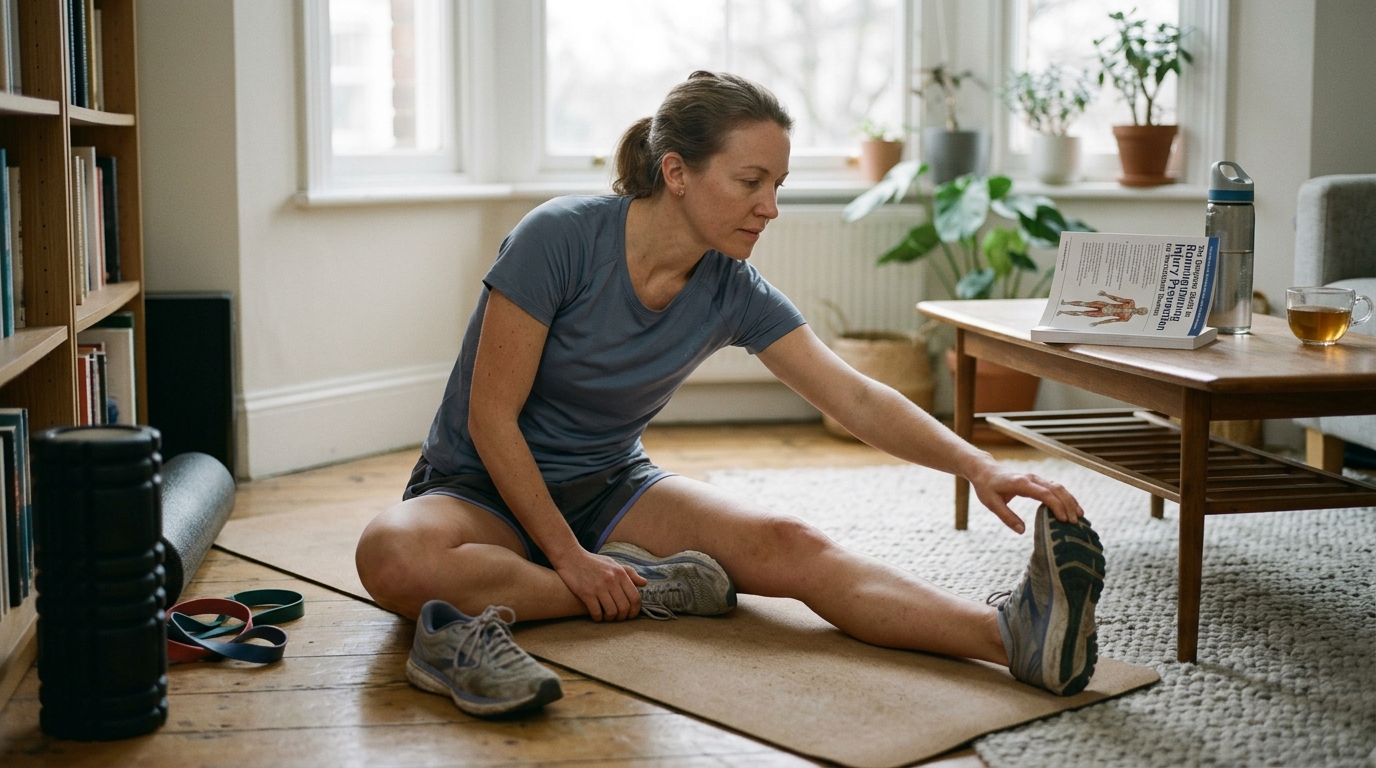
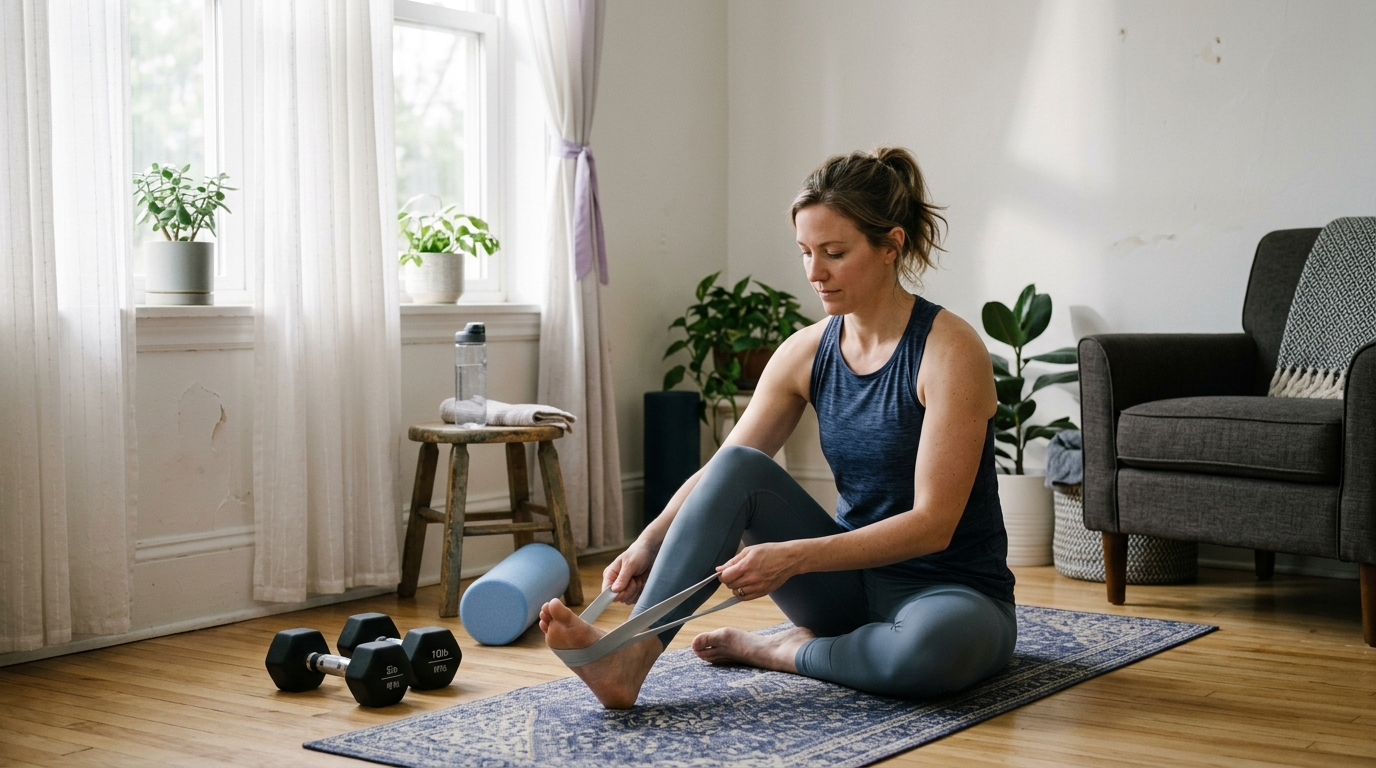
Balance is a neuromuscular skill that responds to regular practice. Performing balance exercises once a week is rarely enough to drive meaningful changes in the nervous system. The research consistently shows that practicing at least three days per week for at least 12 weeks, while continuously adjusting the challenge as you improve, creates lasting improvements in balance and fall resilience.
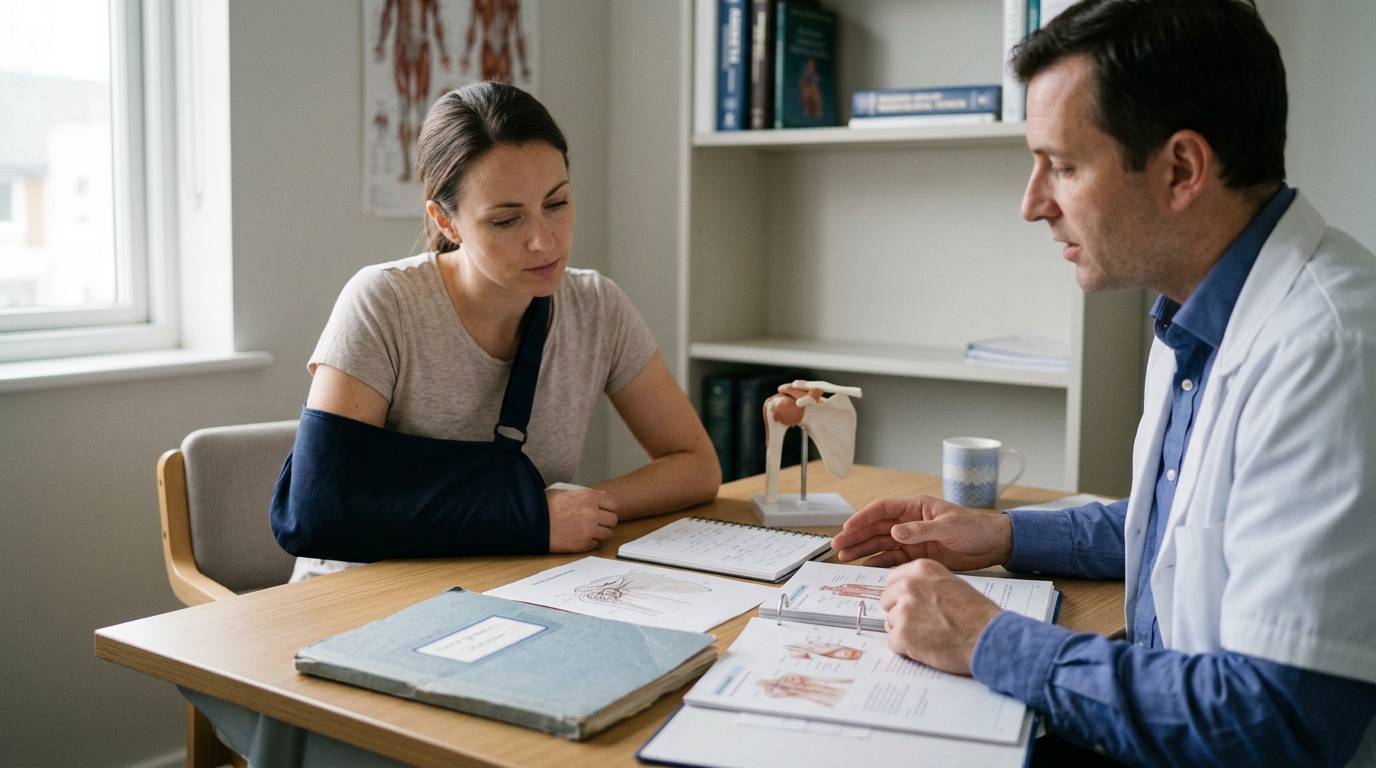
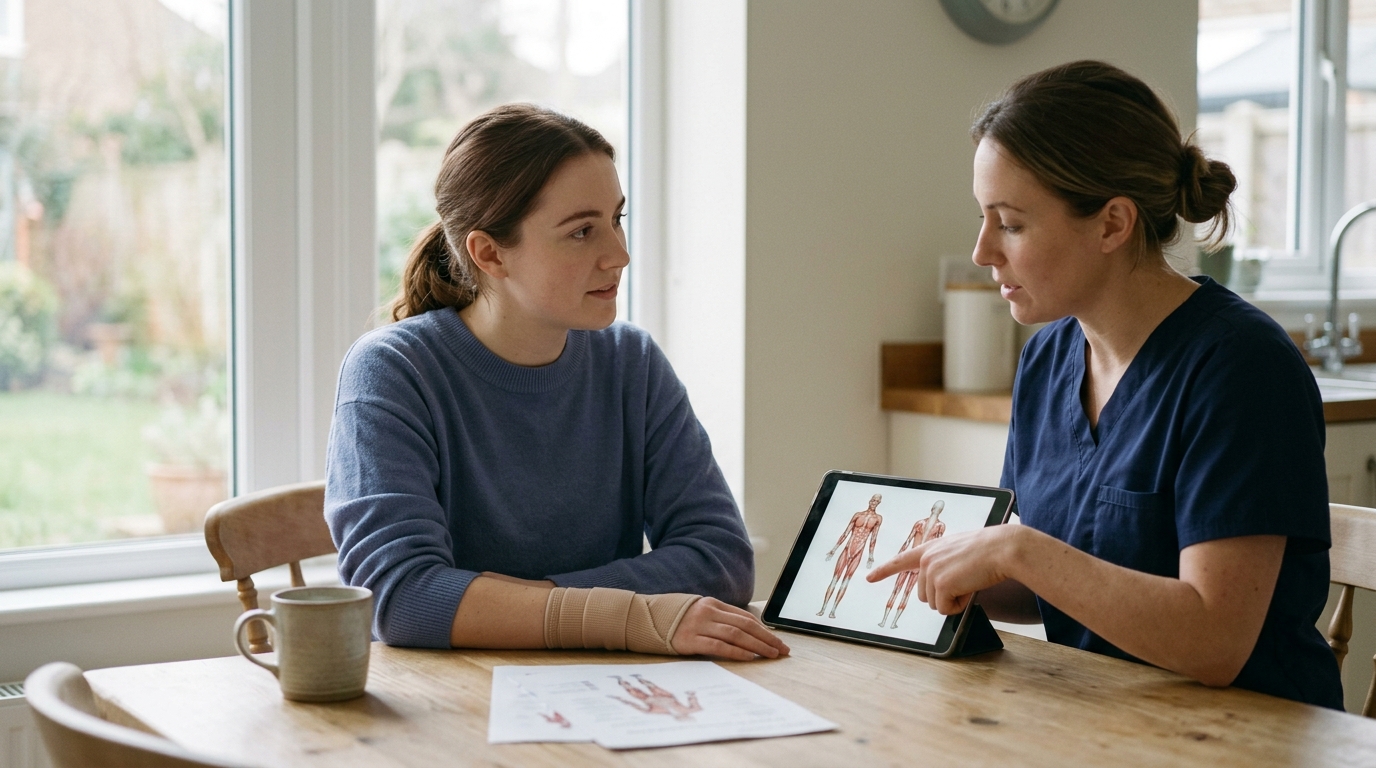
When seeking care for balance concerns, clear communication with your healthcare team ensures that all contributing factors are addressed. Consider bringing these questions to your next appointment:
Balance rehabilitation is a comprehensive, whole-body process designed to restore safe, confident movement in everyday life. True stability requires seamless communication between your visual, vestibular, and somatosensory systems, backed by adequate muscle strength, joint mobility, and quick movement coordination.
Clinical research demonstrates that structured balance and functional training performed at least three times weekly for 12 weeks or longer can reduce group fall rates by 20 to 24 percent. However, balance training is most effective when paired with an assessment of your vision, medications, footwear, and home environment. Because stability is an adaptable physical capacity, progressive, individualized practice tailored to your personal goals offers the best path to maintaining mobility and independence.
Revisit this resource whenever you notice changes in your daily stability, experience an unexpected stumble, transition to new physical activities, or want to review how to structure a safe, progressive balance routine with your healthcare team. Building and maintaining everyday balance is a lifelong habit that supports everything you love to do.

Use ReboundBody resources to understand common recovery stages, rehab terms, movement limits and strength rebuilding. Each guide is designed to make a complex comeback easier to understand.


Read practical guidance on injury recovery, rehabilitation, mobility and rebuilding strength as you work your way back to activity.
Explore Resources