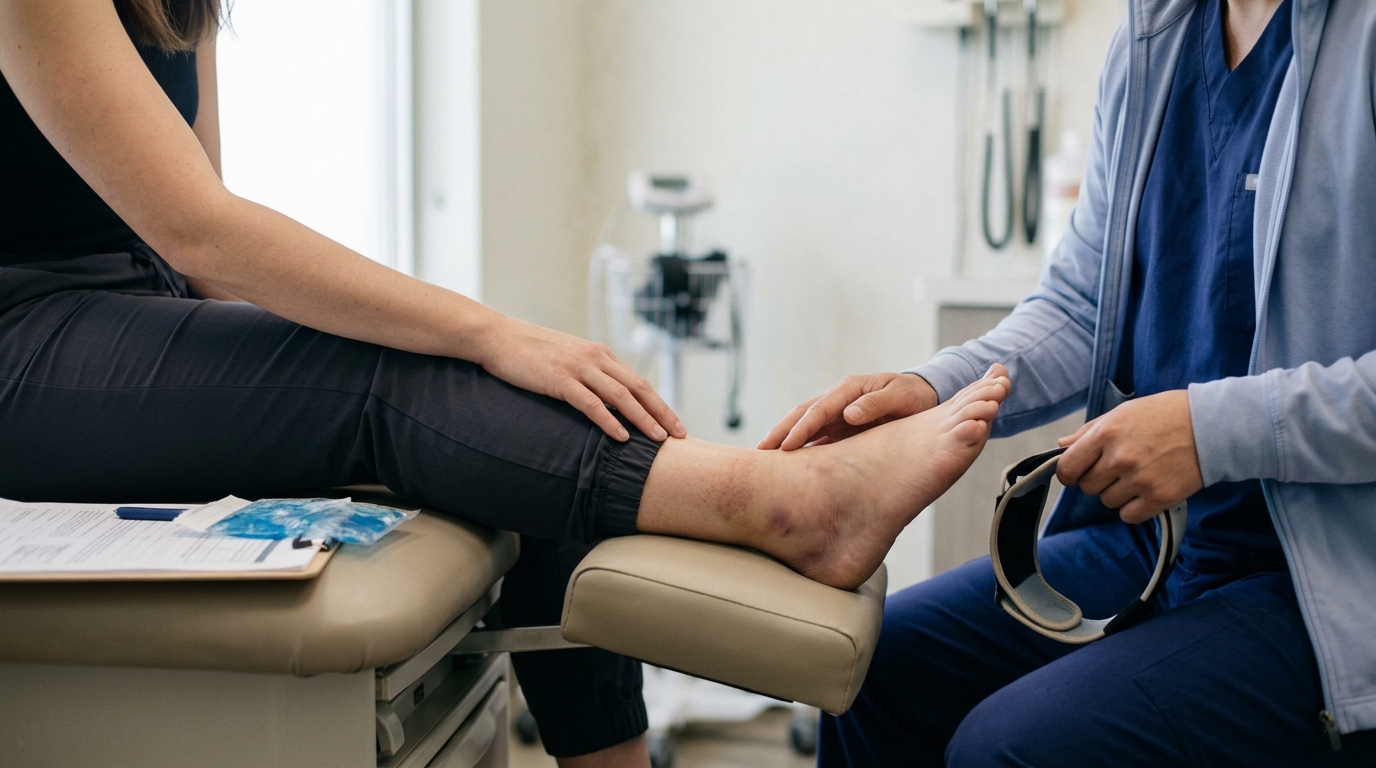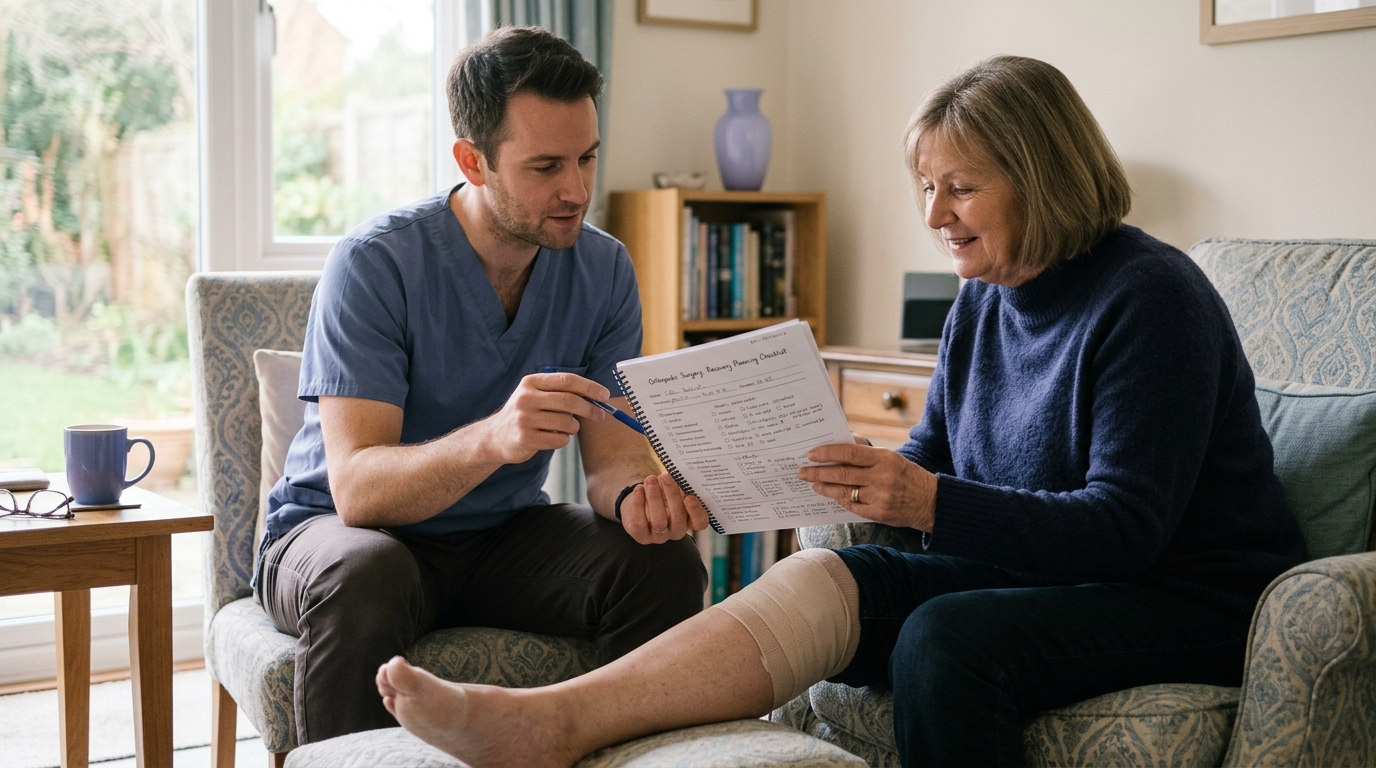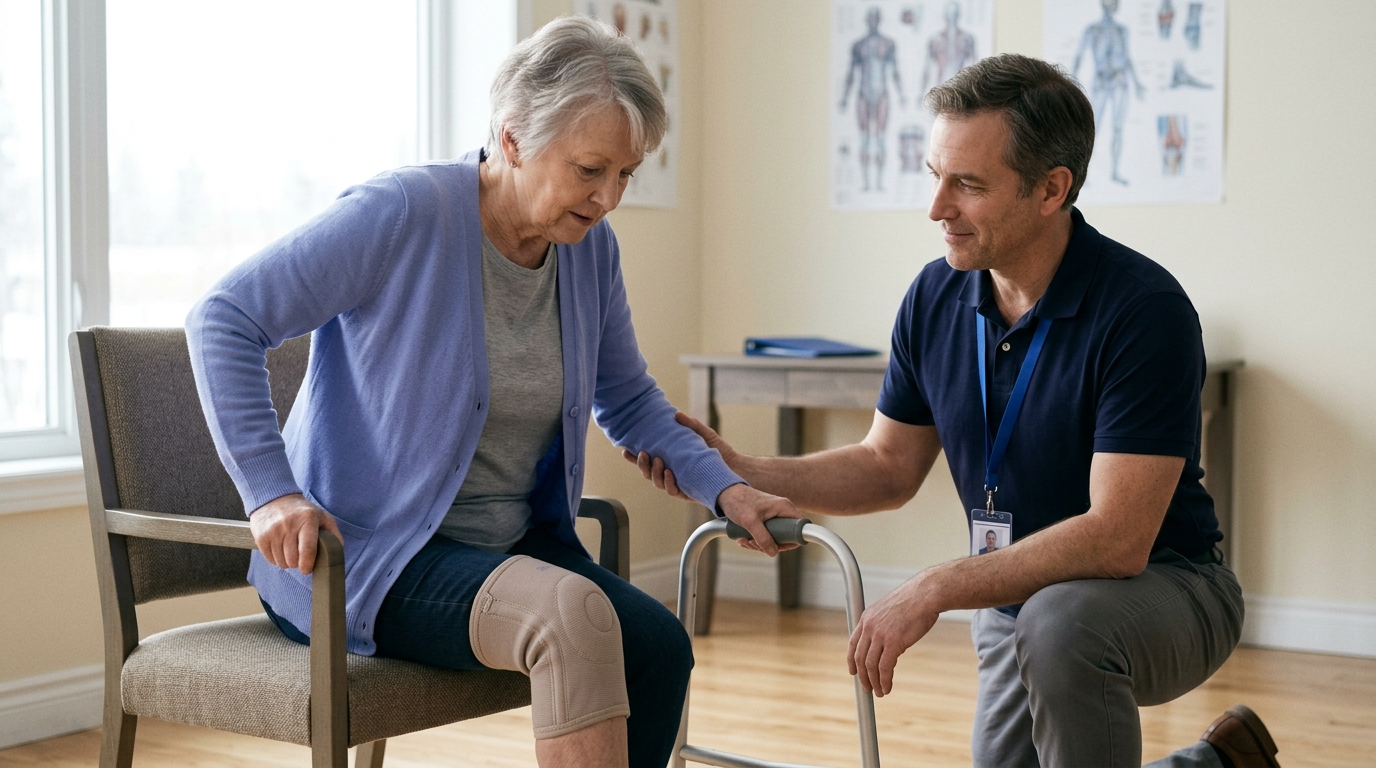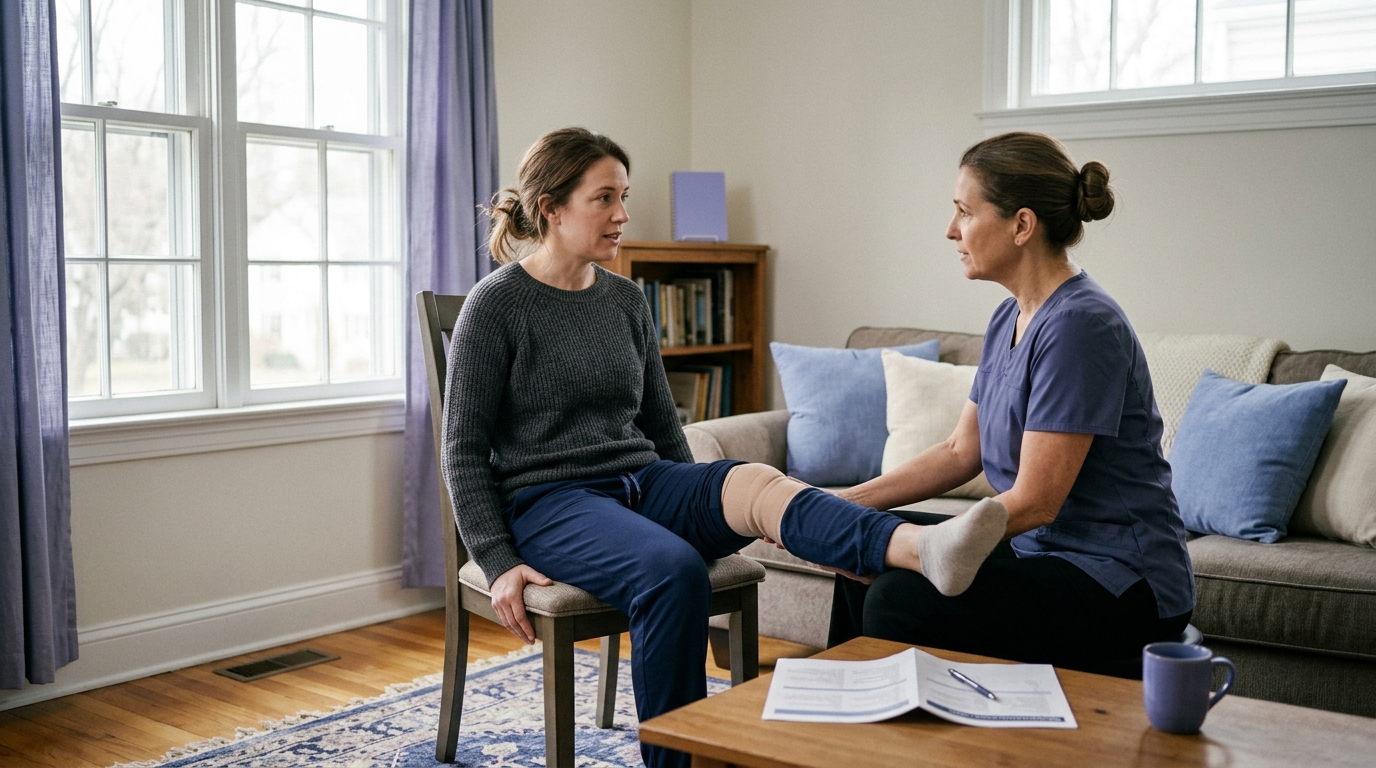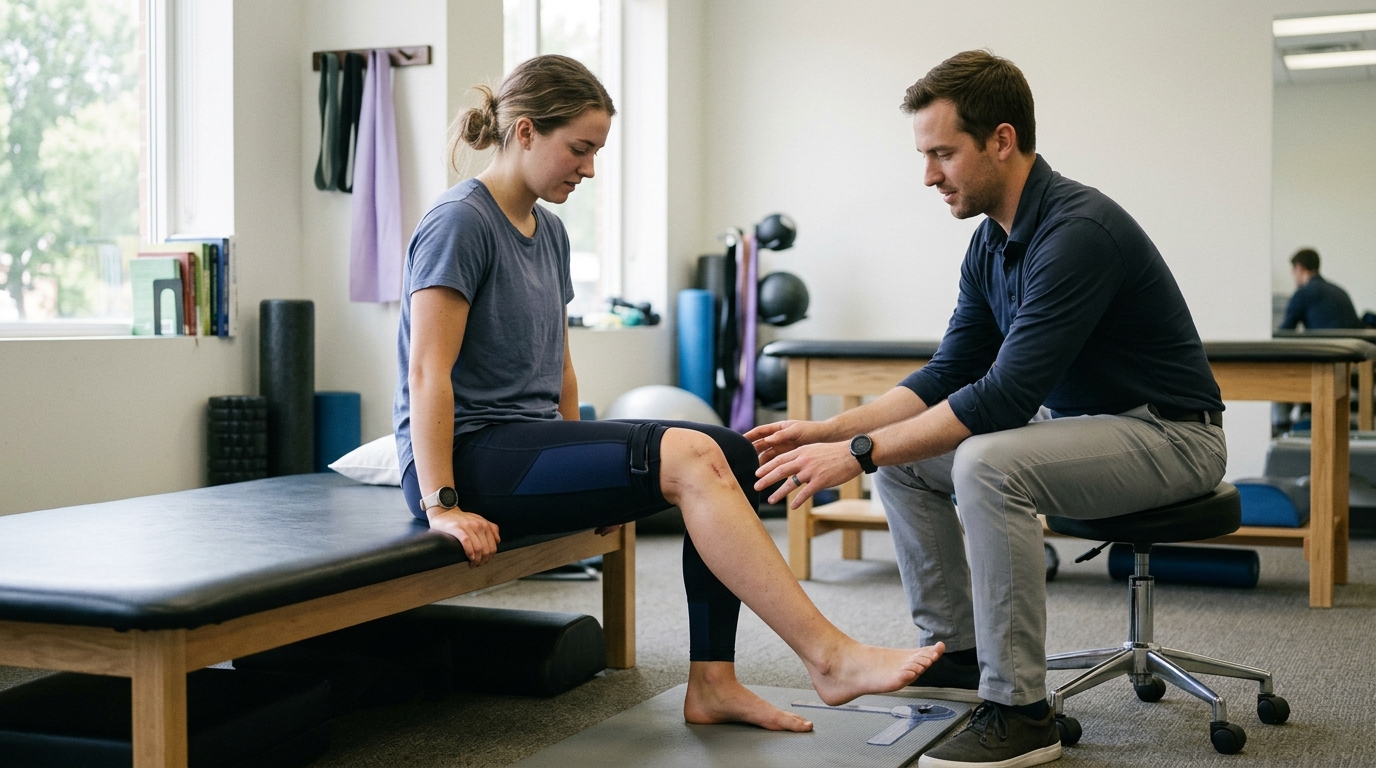

Stepping away from workouts due to an injury often changes your body composition, requiring proper nutrition and mindset shifts to navigate healing.





Injury recovery is a biological process of tissue repair, cellular rebuilding, and functional restoration. It is not a weight-management program or a test of willpower. When an unexpected injury or surgery interrupts your normal physical routine, your body undergoes profound physiological changes. Your activity levels drop, your daily schedule alters, and your metabolic demands shift to support tissue healing.
At the same time, your physical appearance, muscle tone, and scale weight may fluctuate. These shifts often cause distress, especially if your sense of identity is closely tied to movement, fitness, or athletics. Navigating this period requires understanding how energy, muscle tissue, and healing interact. It also demands a mindset centered on nourishment and function rather than physical control.
The direct answer to questions about weight changes during injury is straightforward. Changes in body weight, body composition, and physical shape are completely normal when recovering from an injury. Cutting your calorie intake drastically to prevent weight gain is counterproductive. Restricting food deprives your body of the essential energy and protein needed to repair damaged tissues and maintain muscle.
Healing is an active metabolic process that requires consistent nourishment. A changing body does not mean your recovery is failing. Recognizing what is happening physiologically can help you manage these changes with patience and clarity.
When you sustain an orthopedic injury or undergo surgery, your body enters a dynamic state of repair. Many people assume that resting means their body needs very little energy. This assumption overlooks the internal biological work required to heal bones, ligaments, tendons, and muscles.
Your total daily energy expenditure is made up of several components. It includes your resting metabolic rate, the thermic effect of food, and your physical movement. When an injury occurs, your movement expenditure typically decreases because you are no longer training, running, or working at your previous capacity.
However, your resting energy needs often increase to fuel the inflammatory and proliferative phases of tissue healing. Research published in sports medicine reviews notes that trauma, systemic inflammation, and surgical procedures raise baseline energy demands.
Assistive devices can also alter how much energy you use during simple tasks. Walking with crutches, for example, requires significantly more muscular effort and oxygen consumption than normal walking. A person moving around on crutches may burn substantially more energy for basic daily tasks than someone walking unassisted.
Therefore, assuming that your overall energy expenditure has plummeted to near zero is inaccurate. Energy balance during recovery is a moving target influenced by both reduced exercise and the hidden energy costs of healing.
Scale weight is a single number that reflects the total mass of your body. It includes water, bone, organs, glycogen stores, body fat, and skeletal muscle. It does not provide any detailed information about which tissues are changing.
Body composition describes the relative proportions of fat-free mass and fat mass. Fat-free mass consists primarily of muscle tissue, bone mineral content, and water. During periods of limb immobilization or bed rest, muscle tissue can atrophy rapidly.
When muscle mass decreases and body fat increases slightly, your total scale weight might remain completely unchanged. Looking only at the scale can create a false sense of security or unnecessary panic. A stable scale reading does not prove that muscle has been preserved.
Similarly, an increase on the scale might simply reflect fluid retention, localized swelling from inflammation, or shifts in hydration. Using scale weight as the primary measure of recovery success is biologically flawed.
Skeletal muscle requires mechanical tension and regular protein intake to maintain its mass and strength. When a limb is placed in a cast, brace, or boot, the lack of mechanical stimulus triggers disuse atrophy. Muscle protein breakdown begins to exceed muscle protein synthesis within days of immobilization.
In addition to disuse, the injured body can experience a state known as anabolic resistance. This means your muscles become less responsive to normal muscle-building signals, including amino acids from dietary protein.
Anabolic resistance makes it harder for the body to maintain muscle tissue during periods of forced rest. When you combine reduced movement with inadequate nutrition, muscle loss accelerates significantly. Protecting your fat-free mass requires giving your body adequate nutritional resources while working within safe physical rehabilitation guidelines.
Scientific literature in sports nutrition and orthopedic rehabilitation emphasizes that adequate energy intake is essential for tissue repair. Restricting food intake during an injury to prevent body fat gain can impair wound healing and worsen muscle wasting.
A primary finding across clinical reviews is that a negative energy balance accelerates the loss of fat-free mass during disuse. When you do not eat enough calories, your body breaks down its own muscle tissue to supply amino acids and energy for vital repair processes.
Collagen synthesis, bone remodeling, and immune system activity all require continuous energy. Under-fueling can delay your rehabilitation timeline and prolong functional limitations. Maintaining energy balance, where energy intake matches total expenditure, remains the primary dietary goal during reduced activity.
Dietary protein provides the necessary building blocks for repairing injured soft tissues and stimulating muscle protein synthesis. Clinical reviews suggest that protein needs often rise during injury recovery and rehabilitation to counteract anabolic resistance and disuse atrophy.
Sports nutrition researchers frequently recommend consuming between 1.6 and 2.5 grams of protein per kilogram of body weight per day during injury repair. Some literature discussing severe trauma or extended immobilization suggests targets ranging from 2.0 to 3.0 grams per kilogram.
These elevated ranges aim to saturate muscle protein synthesis pathways and support collagen production in healing ligaments and tendons. Distributing this protein evenly across multiple meals throughout the day provides a steady supply of essential amino acids.
Specific amino acids, particularly leucine, act as biological triggers to stimulate protein synthesis. Including high-quality protein sources rich in leucine at each meal helps maximize this rebuilding signal.
However, these published protein ranges represent general review recommendations rather than universal rules. Individual protein requirements vary depending on baseline kidney function, age, overall calorie intake, and injury type.
Consuming excessive protein without adequate total calories or proper medical supervision will not prevent muscle loss entirely. Working with a registered dietitian or reviewing guidance on nutrition and recovery articles helps ensure your intake matches your specific recovery stage.
While protein receives significant attention during rehabilitation, carbohydrates and dietary fats are equally critical. Carbohydrates provide the primary fuel source for cellular repair and spare dietary protein from being used for basic energy.
Consuming sufficient carbohydrates helps maintain muscle glycogen stores and supports the immune response needed during the inflammatory stage of healing. Whole grains, fruits, vegetables, and legumes offer sustained energy alongside essential vitamins and minerals.
Dietary fats support cellular membrane structure and help regulate systemic inflammation. Essential fatty acids, such as omega-3 polyunsaturated fats, play a key role in managing the inflammatory cascade.
Completely eliminating dietary fats in an attempt to cut calories can hinder tissue recovery and disrupt hormone production. A balanced dietary approach containing whole carbohydrates, quality fats, and adequate protein provides the optimal environment for recovery.
Physical injury does not just affect the musculoskeletal system. It exerts a profound psychological toll. For individuals accustomed to regular physical exercise, an injury abruptly strips away a primary coping mechanism, social outlet, and daily routine.
When your body suddenly looks, feels, and performs differently, psychological distress is a common reaction. You may look in the mirror and notice reduced muscle definition, altered limb symmetry, or changes in how your clothes fit.
These visual changes can generate feelings of vulnerability, anxiety, and frustration. Research examining injured athletes and active adults consistently documents increased body dissatisfaction following sudden activity cessation.
Many people construct a significant part of their self-worth around their physical capabilities and athletic identity. Being strong, agile, and dependable can feel core to who you are. When an injury limits your mobility, that identity is temporarily destabilized.
You may experience thoughts such as:
These thoughts reflect grief over a temporary loss of function and autonomy. A qualitative study examining collegiate athletes found distinct psychological challenges during rehabilitation. Male athletes frequently reported that weight changes and visible muscle loss caused self-consciousness and served as psychological barriers to recovery.
Female athletes frequently described frustration with a lack of empathy from support networks regarding their body-image concerns. While individual experiences vary widely across all genders, these findings highlight that body-image distress during recovery is a legitimate psychological challenge that warrants open discussion.
Living in a culture that highly values leanness, muscularity, and constant productivity intensifies these internal struggles. Injured individuals often feel subtle or direct pressure from peers, coaches, or social media to avoid gaining weight while sidelined.
Recent research indicates that injured individuals who perceive higher external pressure regarding body size and shape report greater body-image distress. This distress can lead to maladaptive coping behaviors, such as skipping meals, obsessively weighing oneself, or attempting unsafe compensatory workouts.
Recognizing that these pressures exist is the first step toward rejecting them. Your value as a person is not determined by your scale weight or your physical output during an injury.
No two recovery timelines or physiological responses are identical. Several clinical and lifestyle factors determine how your body composition, energy expenditure, and appetite shift during rehabilitation.
The specific nature of your injury plays a massive role in your metabolic and nutritional demands. A minor muscle strain requires far less energy to heal than a complex bone fracture or major joint reconstruction.
Surgical procedures create controlled tissue trauma that triggers a marked inflammatory response. Following major surgery, metabolic rate can rise significantly as your immune system repairs incision sites, rebuilds deeper tissues, and clears cellular debris.
Non-surgical injuries, by contrast, may involve lower systemic metabolic demands but still require focused nutritional support for localized repair. Understanding where your injury falls on this spectrum helps clarify your body's energy needs. You can learn more about managing post-operative recovery through surgical recovery and comeback resources.
The degree to which your movement is restricted directly affects muscle preservation and daily energy expenditure. Total non-weight-bearing status leads to much faster muscle atrophy than partial weight-bearing or active range-of-motion protocols.
Assistive equipment introduces unique physical demands:
Because these tools alter daily physical demands in different ways, energy requirements cannot be estimated using standard formulas alone.
Age influences the rate of muscle protein synthesis and tissue remodeling. As we age, muscles naturally become more resistant to anabolic stimuli, a condition known as age-related anabolic resistance.
Older adults recovering from orthopedic injuries or joint replacements often experience faster muscle loss during periods of inactivity compared to younger individuals. They may require slightly higher relative protein intakes and carefully structured resistance training during rehabilitation to rebuild lost strength.
Baseline nutritional status also matters. Entering an injury with nutrient deficiencies or inadequate protein intake increases the risk of prolonged healing times and muscle wasting.
Systemic recovery is intimately linked to nervous system function and sleep quality. Chronic psychological stress elevates cortisol levels, a hormone that can promote muscle protein breakdown and interfere with tissue repair when sustained over long periods.
Sleep is the primary window for physiological rebuilding. During deep sleep, the body releases growth hormone and conducts cellular repair. Pain, nighttime bracing, and anxiety can disrupt sleep architecture, slowing physical recovery and amplifying emotional distress.
Addressing sleep hygiene and emotional stress is just as critical as managing diet and physical therapy exercises.
Managing body image concerns during injury requires moving away from aesthetic control and toward functional restoration. Reframing your recovery around three core pillars helps protect your physical and mental wellbeing.
Shift your nutritional mindset from restriction to purposeful fueling. Your body requires steady resources to rebuild itself. Instead of counting every calorie or cutting out major food groups, focus on dietary quality and regular meal timing.
To implement supportive nourishment:
Explore our dedicated recovery, nutrition, and lifestyle resources for more practical strategies on structuring daily meals during downtime.
Scale weight is an unhelpful metric during rehabilitation. It tells you nothing about the strength of your surgical repair, the mobility of your joint, or the firing rate of your muscles.
Shift your focus toward functional indicators of recovery:
Tracking these functional milestones provides a meaningful and accurate picture of your progress. Celebrating functional victories reinforces that your body is capable, adaptive, and actively healing. For structured guidance on movement milestones, consult our rehabilitation, mobility, and movement library.
The way you speak to yourself during recovery directly influences your stress levels and mental health. Harsh, critical self-talk regarding your body shape or current limitations creates unnecessary emotional strain.
Adopt neutral, compassionate statements when distressing thoughts arise:
Put away the bathroom scale if weighing yourself causes anxiety or tempts you to restrict your food. Choose comfortable clothing that fits your body as it is right now, rather than trying to fit into rigid, pre-injury garments. Giving yourself grace during a difficult physical setback supports long-term mental resilience.
The combination of reduced physical activity, fear of weight gain, and loss of routine can create a fertile environment for disordered eating behaviors. It is important to distinguish between normal adjustments in appetite and behaviors that jeopardize your health.
Low energy availability occurs when your dietary energy intake is insufficient to support both your daily energy expenditure and basic physiological functions. In sports medicine, chronic low energy availability is a key component of Relative Energy Deficiency in Sport, also known as RED-S.
When your body lacks sufficient fuel, it downregulates metabolic rate, bone health, immunity, protein synthesis, and hormone production. During injury recovery, low energy availability significantly impairs tissue healing and increases the risk of secondary injuries or chronic pain.
The National Eating Disorders Association highlights specific warning signs that warrant attention:
These indicators do not constitute a self-diagnosis. However, they are clear signals that you should seek professional evaluation from a qualified medical professional, registered dietitian, or licensed mental health therapist. Addressing these concerns early protects both your musculoskeletal recovery and your overall psychological wellbeing.
Navigating nutrition, exercise, and body composition during injury can feel overwhelming. Having structured, open conversations with your healthcare team ensures that your recovery plan is tailored to your unique medical profile.
Changes in body weight, shape, and muscle tone are standard physiological responses to an orthopedic injury or surgical intervention. Your body is navigating an intricate process of inflammation, tissue repair, and structural remodeling that requires consistent energy and nutrients.
Restricting your food intake out of fear of gaining weight compromises tissue healing, delays functional recovery, and accelerates muscle loss. Progress in recovery cannot be measured by a bathroom scale or a reflection in the mirror.
True recovery is measured by the gradual restoration of physical function, joint mobility, muscular strength, and daily independence. By focusing on nourishing your body, honoring rehabilitation milestones, and treating yourself with compassion, you build a sustainable foundation for returning to the activities you love.
For more evidence-based perspectives on managing physical setbacks, read through our recovery science articles.
Yes, experiencing increased hunger during recovery is entirely normal. Your body requires significant energy to fuel the inflammatory response, repair cellular damage, and rebuild connective tissue or bone.
Additionally, moving with assistive devices like crutches or wearing heavy casts increases the mechanical effort of everyday tasks. If you feel genuine physical hunger, your body is signaling that it needs fuel to support its internal repair work.
Frequent weighing is generally discouraged during injury rehabilitation. The scale cannot distinguish between muscle mass, body fat, inflammation, fluid retention, or hydration status.
Stepping on the scale daily often creates unnecessary anxiety and can trigger unhelpful food restriction. Tracking functional rehabilitation milestones, such as strength gains and range of motion, provides a far more accurate reflection of your recovery.
Attempting an aggressive fat-loss diet during active injury rehabilitation is generally not recommended. A caloric deficit deprives your body of the essential building blocks needed to synthesize new collagen, heal bone, and rebuild atrophied muscle.
Under-fueling can also increase your risk of reinjury and prolong chronic fatigue. Any significant adjustments to your dietary intake during recovery should be guided by a qualified sports dietitian or medical provider.
Rebuilding muscle mass, neuromuscular coordination, and cardiovascular fitness takes time and progressive loading. Connective tissues and muscles adapt gradually to mechanical tension once you are cleared for full activity.
Focusing on progressive, structured rehabilitation rather than rushing your return helps ensure that your strength and physical capacity return safely and sustainably.

Use ReboundBody resources to understand common recovery stages, rehab terms, movement limits and strength rebuilding. Each guide is designed to make a complex comeback easier to understand.


Read practical guidance on injury recovery, rehabilitation, mobility and rebuilding strength as you work your way back to activity.
Explore Resources