
Optimal bone healing requires targeted nutrition, staged movement, and proactive fall prevention strategies tailored to your specific injury and overall health profile.





Bone health during physical recovery is the practice of supporting your skeletal system with balanced nutrition, safe movement, and fall prevention while an injury heals. It is not an aggressive routine to force a broken bone to knit faster. Long-term bone maintenance and acute fracture healing share common biological needs, but they operate on different rules.
When you recover from an orthopedic injury or surgery, your body requires adequate energy, micronutrients, and protected movement. However, general bone-strengthening advice cannot replace an individualized clinical treatment plan. This guide examines the clinical evidence behind bone nutrition, safe physical loading, environmental safety, and the daily habits that support overall recovery without creating false expectations.
Understanding your skeletal system begins with separating long-term bone density from the biological process of repairing a broken bone. Bone health is a lifelong maintenance project. It focuses on preserving mineral density, maintaining structural strength, and reducing the long-term risk of conditions like osteopenia and osteoporosis.
Long-term bone health relies on consistent mechanical loading, balanced dietary intake, and healthy metabolic function. When you perform resistance exercises or brisk walking over several years, your bones adapt to those forces by maintaining their internal architecture. This ongoing adaptation helps keep the skeleton resilient against everyday strains and minor trauma.
Fracture healing, by contrast, is an acute, multi-phase biological repair process. When a bone breaks, the body initiates an inflammatory response, forms a soft cartilaginous callus, replaces it with hard bony tissue, and slowly remodels that tissue over many months. This repair process requires significant metabolic energy and localized stability.
General bone-health advice cannot be used as an automatic rehabilitation program. A high-impact routine that builds bone density in a healthy adult can disrupt callus formation or displace bone fragments in an injured limb. Health organizations like the National Institute of Arthritis and Musculoskeletal and Skin Diseases (NIAMS) emphasize that individuals with fractures, low bone density, or physical limitations must consult a health care provider before applying general exercise recommendations.
Nutritional status plays a central role in how the body responds to injury, surgery, and rehabilitation. Your body draws on nutrient reserves to repair tissue, manage inflammation, and rebuild bone matrix. Focusing on solid nutrition and recovery principles helps establish the baseline required for tissue repair.
Systematic reviews on nutritional status and fracture healing demonstrate that overall nourishment matters substantially. In clinical studies of orthopedic trauma patients, low blood albumin levels, known as hypoalbuminemia, consistently correlate with higher rates of postoperative complications and longer hospital stays. Albumin serves as an indicator of protein reserves and general nutritional health. When protein stores are depleted, tissue repair and immune defenses can be compromised.
Calcium is the primary mineral constituent of bone tissue. According to NIAMS, recommended daily calcium intake is 1,000 milligrams per day for adults aged 19 to 50. Men aged 51 to 70 also require 1,000 milligrams daily, while women over 50 and men over 70 need 1,200 milligrams per day. Obtaining calcium through food sources such as dairy products, fortified plant milks, leafy greens, and canned fish with bones provides a balanced delivery of minerals.
Vitamin D is necessary for the intestines to absorb calcium efficiently. NIAMS guidelines recommend 600 International Units (IU) per day for individuals aged 1 to 70, and 800 IU per day for adults older than 70. The NIH Office of Dietary Supplements notes that while food and sensible sunlight contribute to vitamin D levels, supplements may be appropriate if dietary intake or blood levels are low. Older adults should discuss their specific calcium and vitamin D needs with a clinician before taking high-dose supplements.
It is tempting to look for specialized foods, herbs, or high-dose powders to speed up bone repair. However, clinical evidence does not show that any specific supplement can accelerate the natural timeline of fracture union. A systematic review examining nutrition in fracture healing identified only two randomized controlled trials testing specific herbs or functional foods in humans, with the vast majority of research limited to animal models.
A Cochrane systematic review evaluated oral multinutrient supplements given to older adults following hip fracture surgery. The authors found low-quality evidence suggesting that multi-nutrient oral supplements started around the time of surgery may help reduce overall complications in the first year. However, the review did not find a clear effect on overall mortality, and researchers emphasized the need for larger, robust clinical trials.
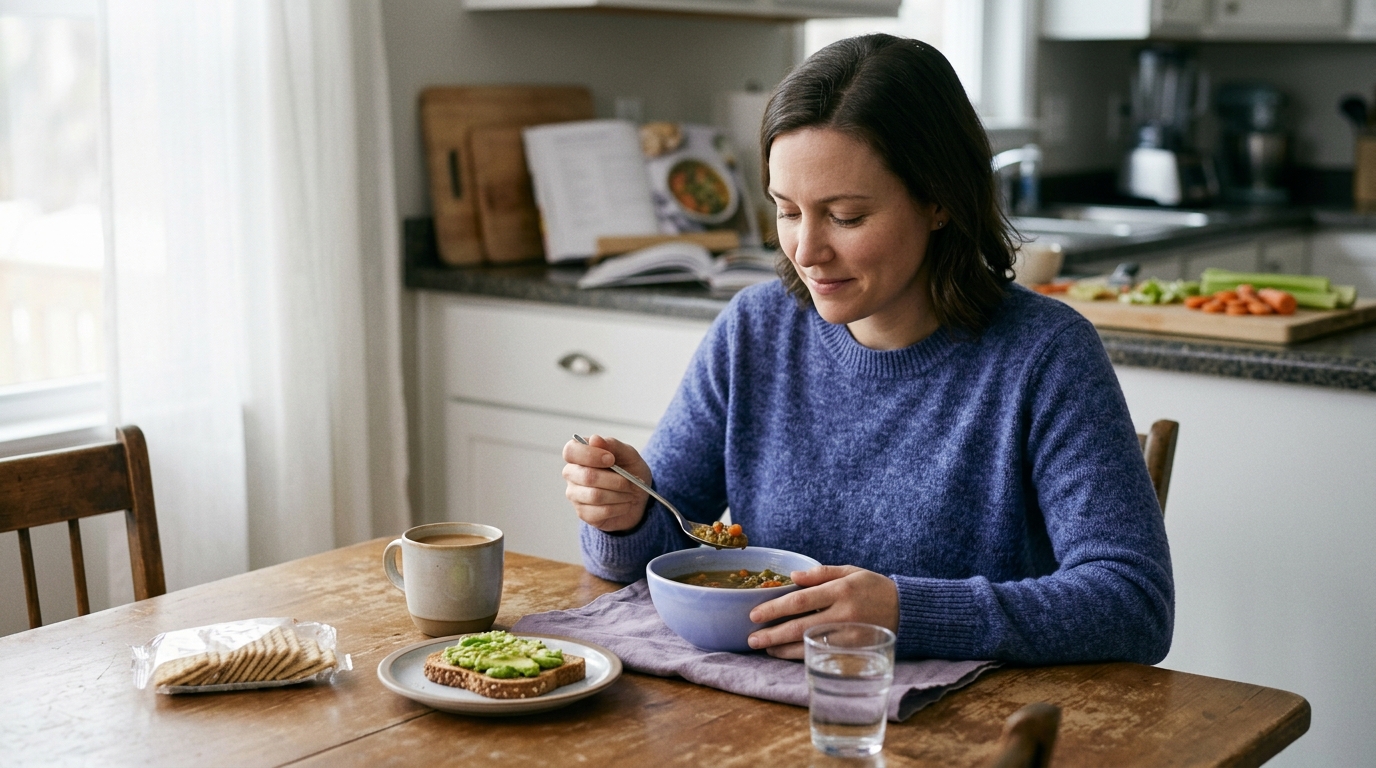
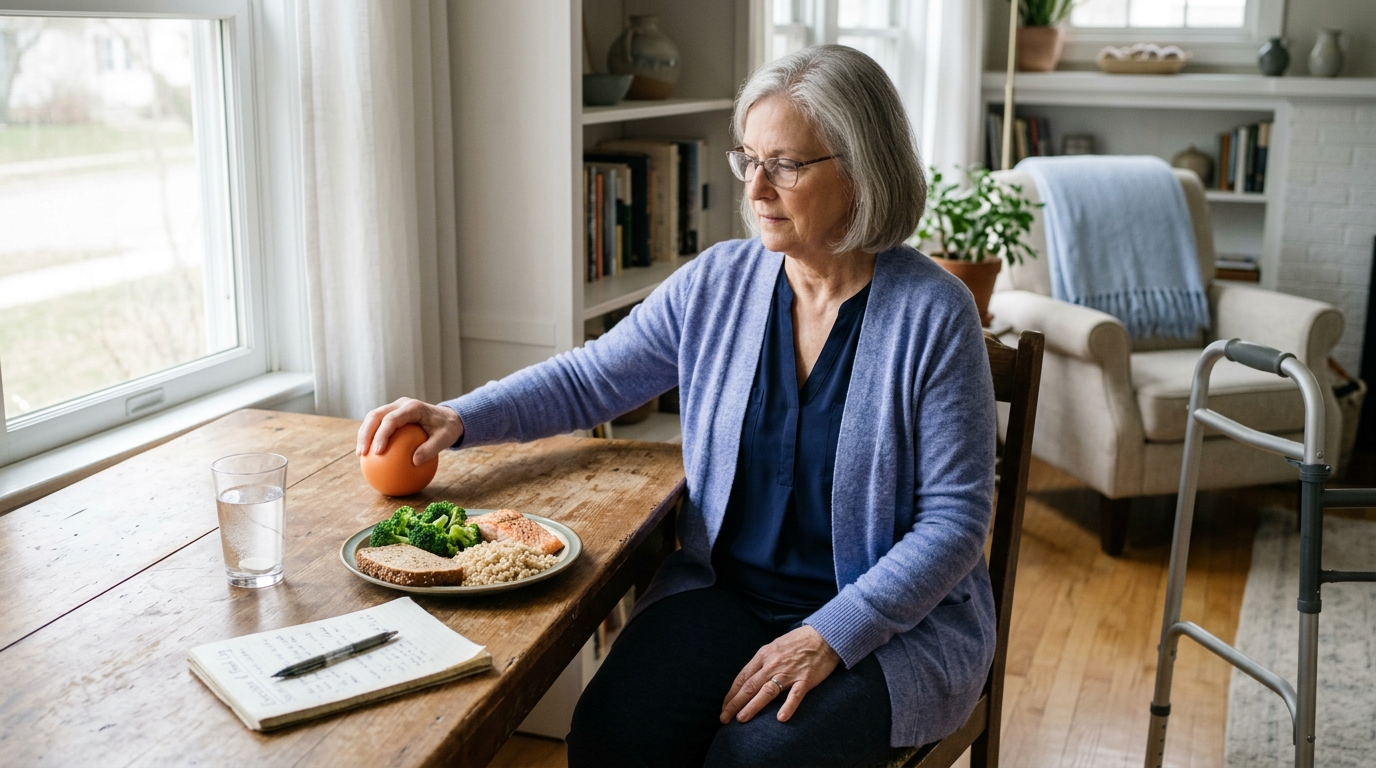
Nutritional support should focus on consistent, balanced meals rather than unverified products. Adequate daily calories, sufficient dietary protein, and recommended amounts of essential vitamins and minerals provide the body with the building blocks it needs. If you experience poor appetite or unintended weight loss during recovery, discuss a comprehensive nutrition assessment with your care team.
Mechanical forces influence how bone cells function, but loading an injured bone requires strict medical guidance. In healthy skeletal tissue, physical activity creates small mechanical stresses that stimulate bone-forming cells called osteoblasts. During injury recovery, however, unmanaged stress can cause hardware failure, delayed healing, or nonunion.
Rehabilitation teams categorize movement into distinct modalities to protect tissue while preserving function. Understanding these categories helps you make sense of your clinical instructions and rehabilitation and mobility resources.
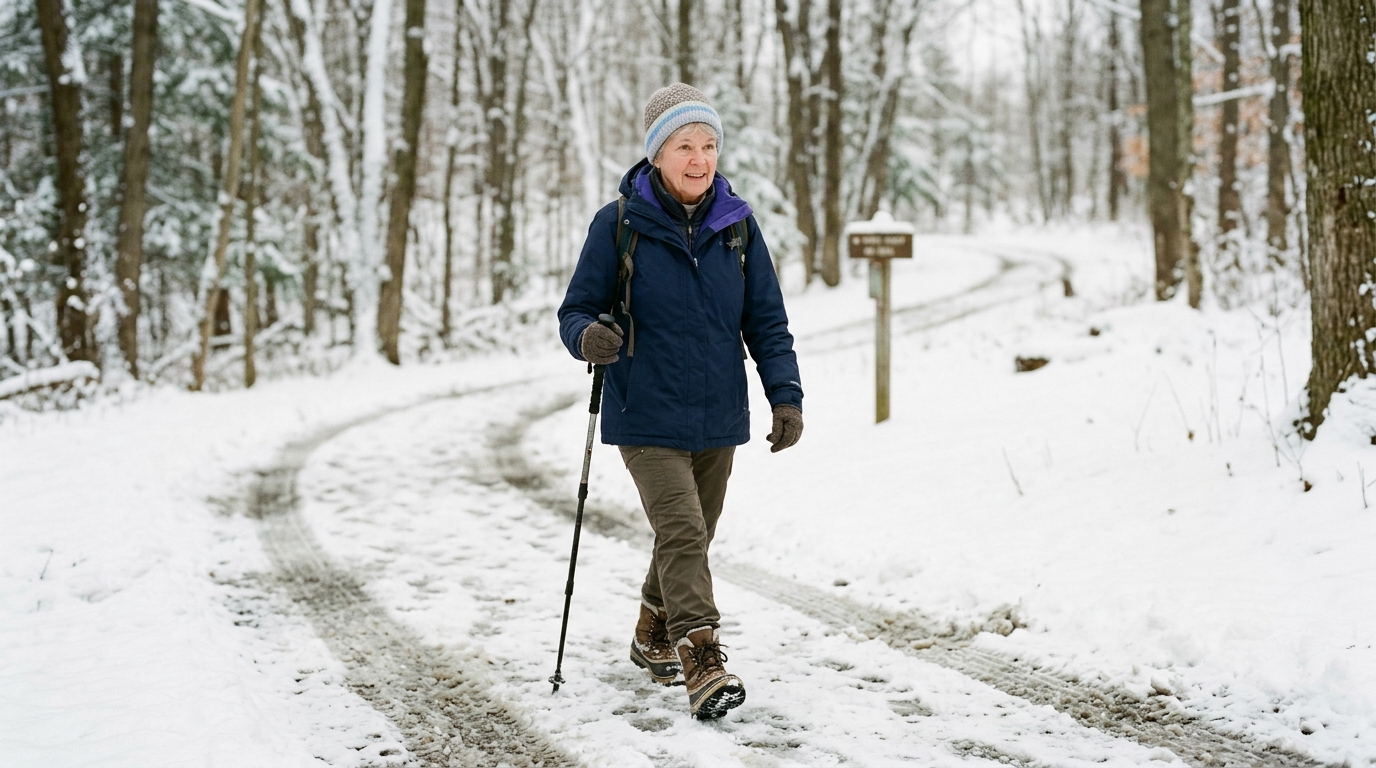
Weight-bearing exercise involves activities where your body works against gravity while upright. NIAMS identifies brisk walking, stair climbing, dancing, and racket sports as classic examples of weight-bearing activity. These activities place vertical loads through the skeleton, which helps maintain bone mineral density in uninjured bones.
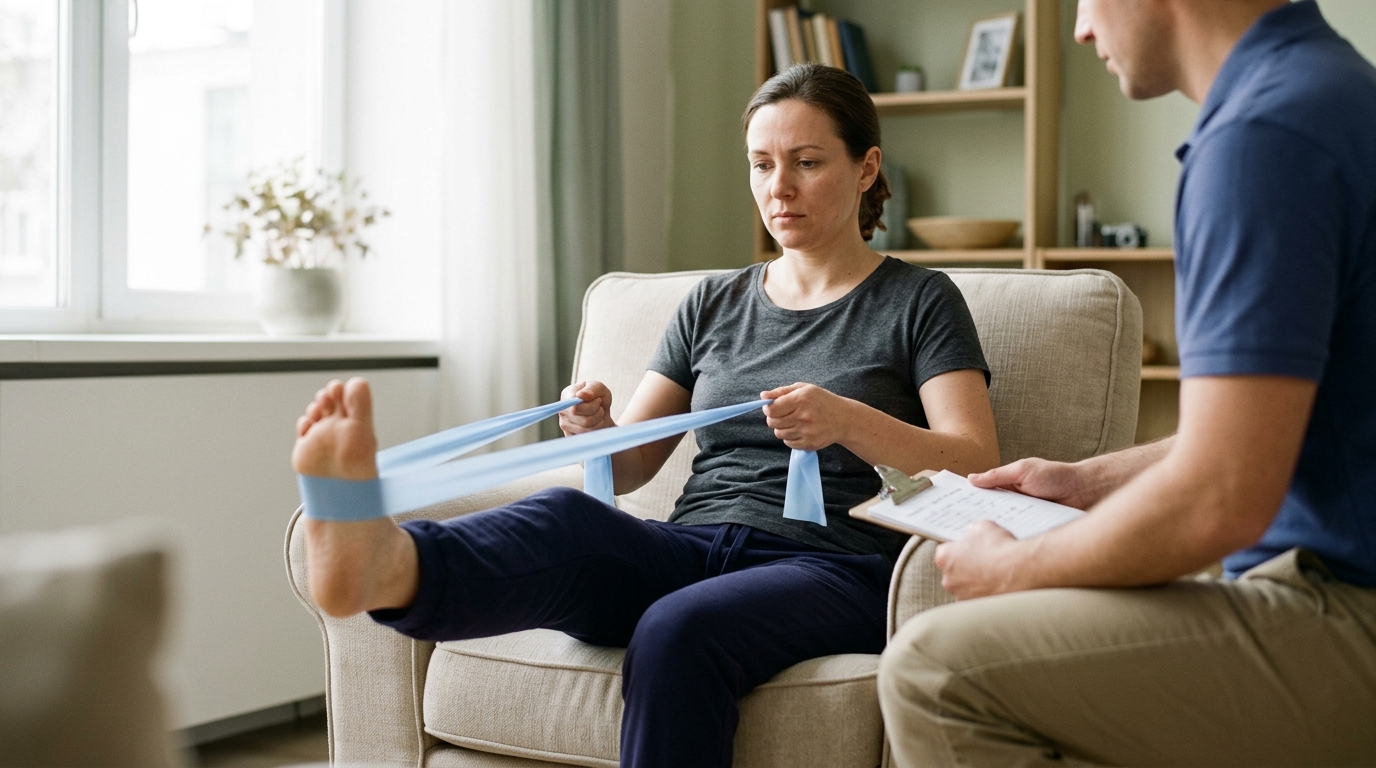
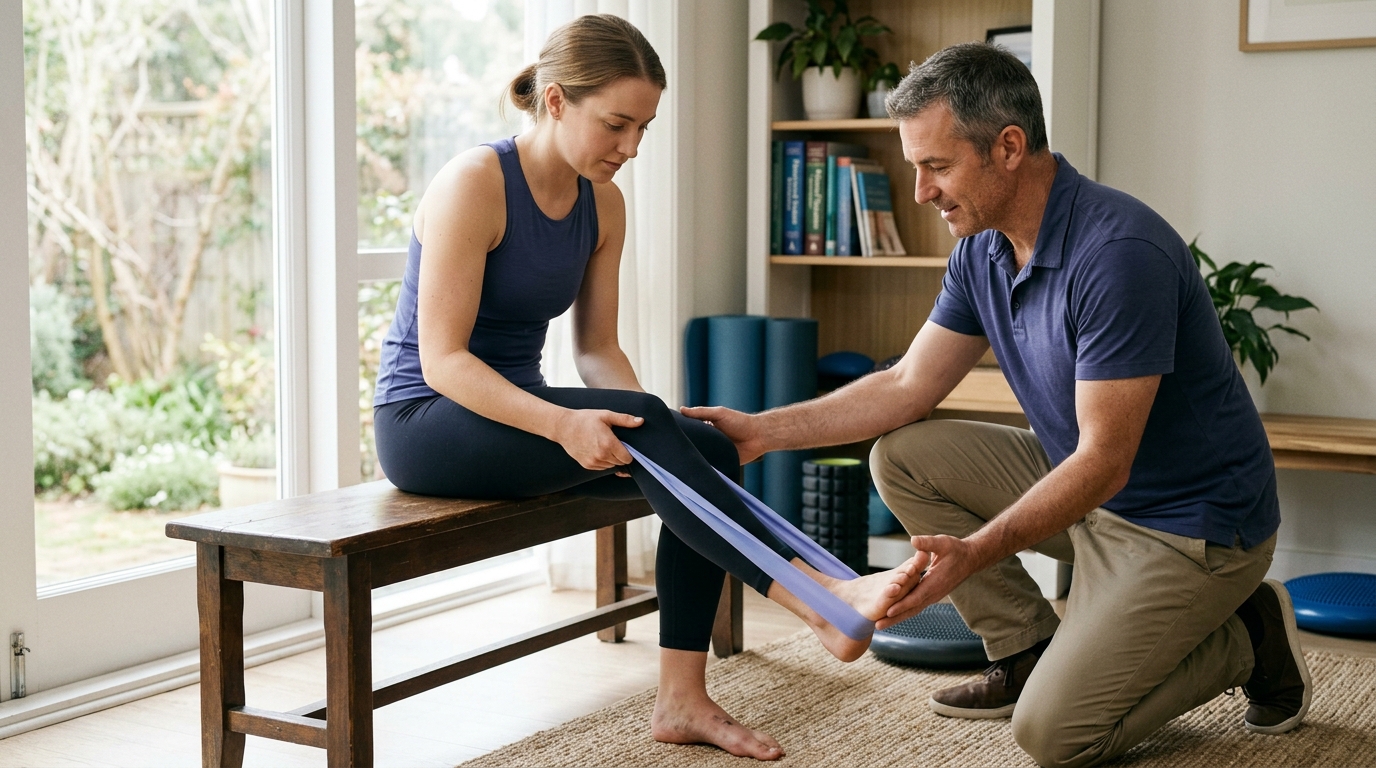
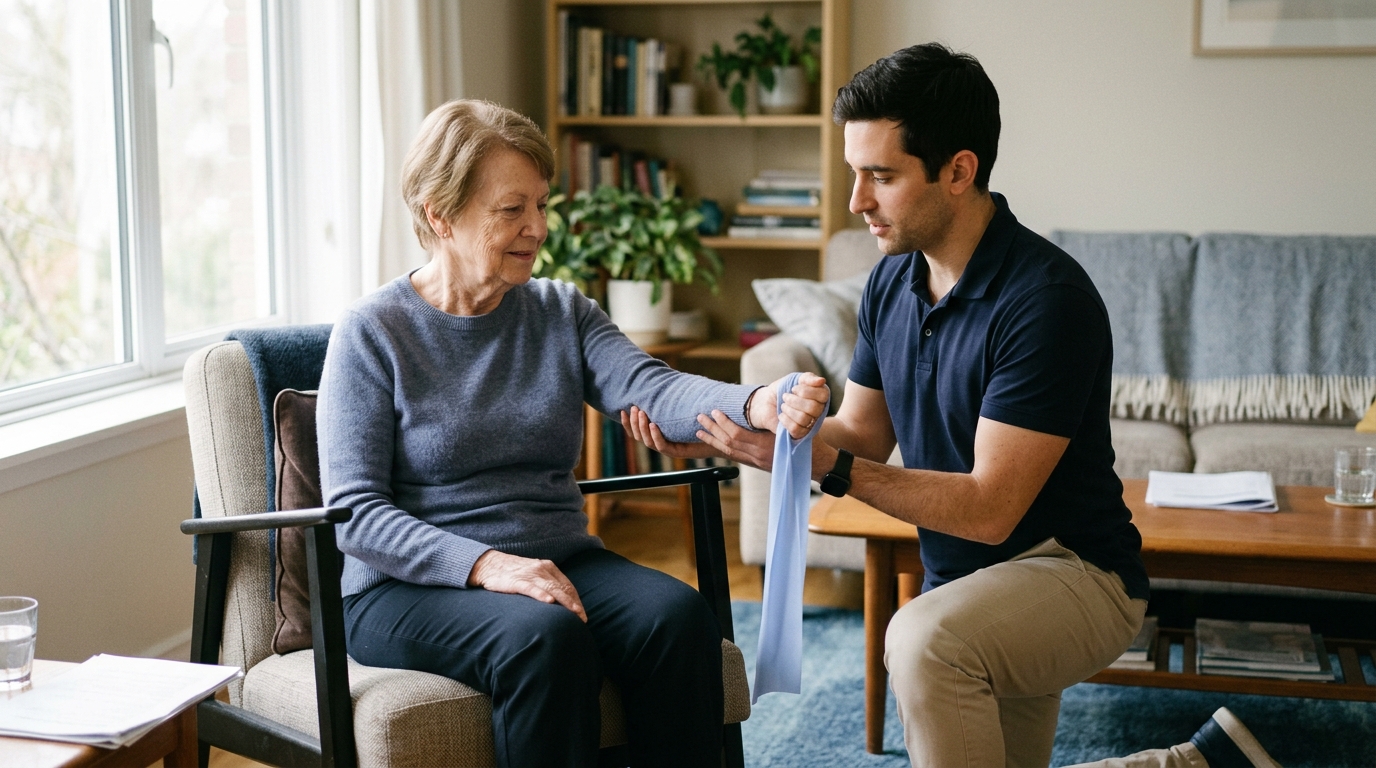
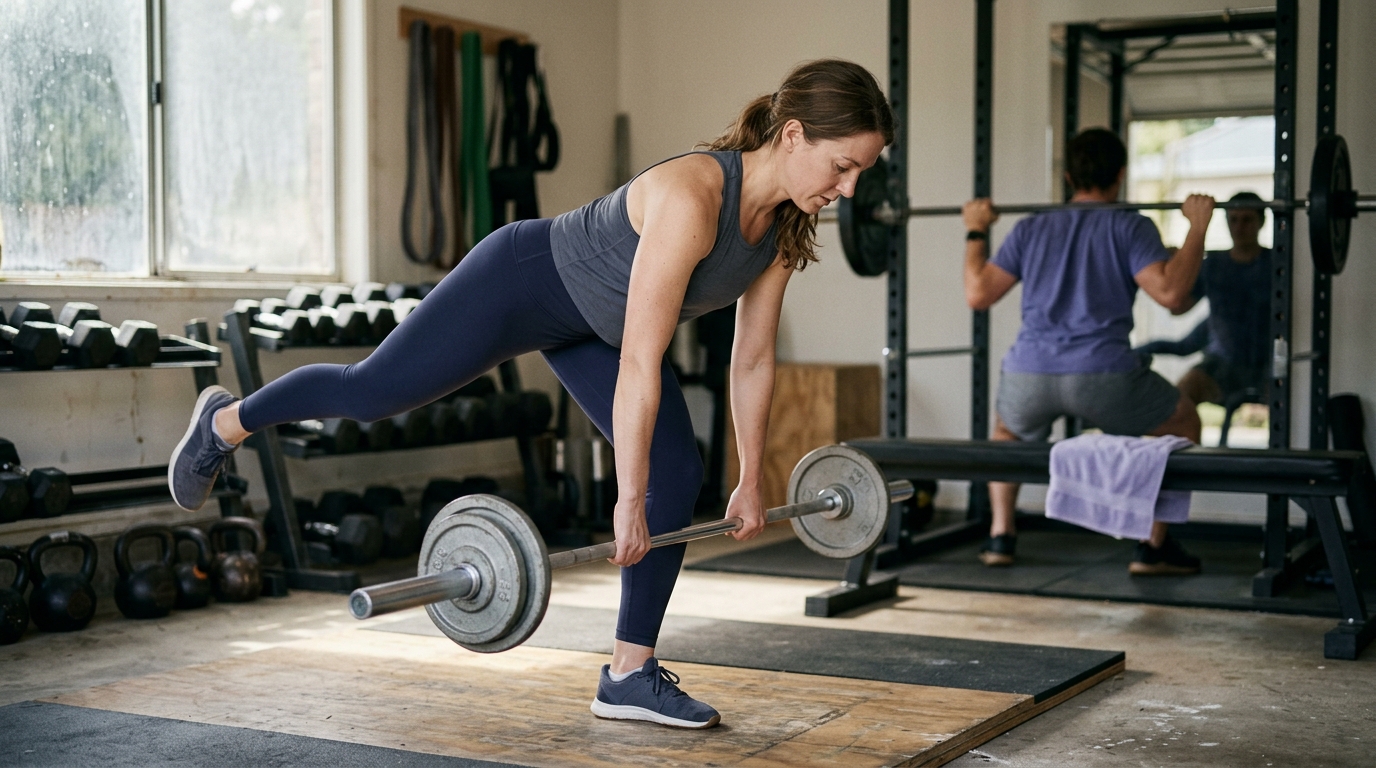
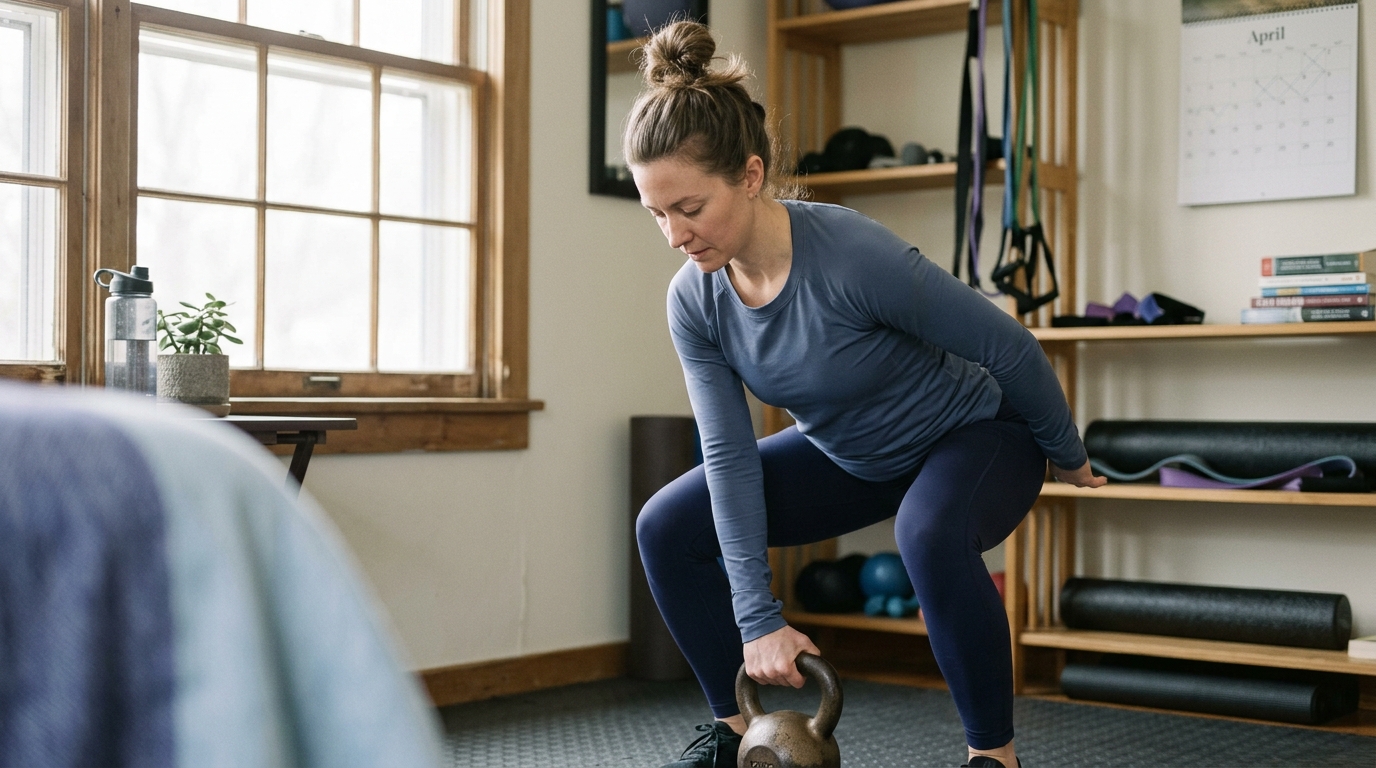
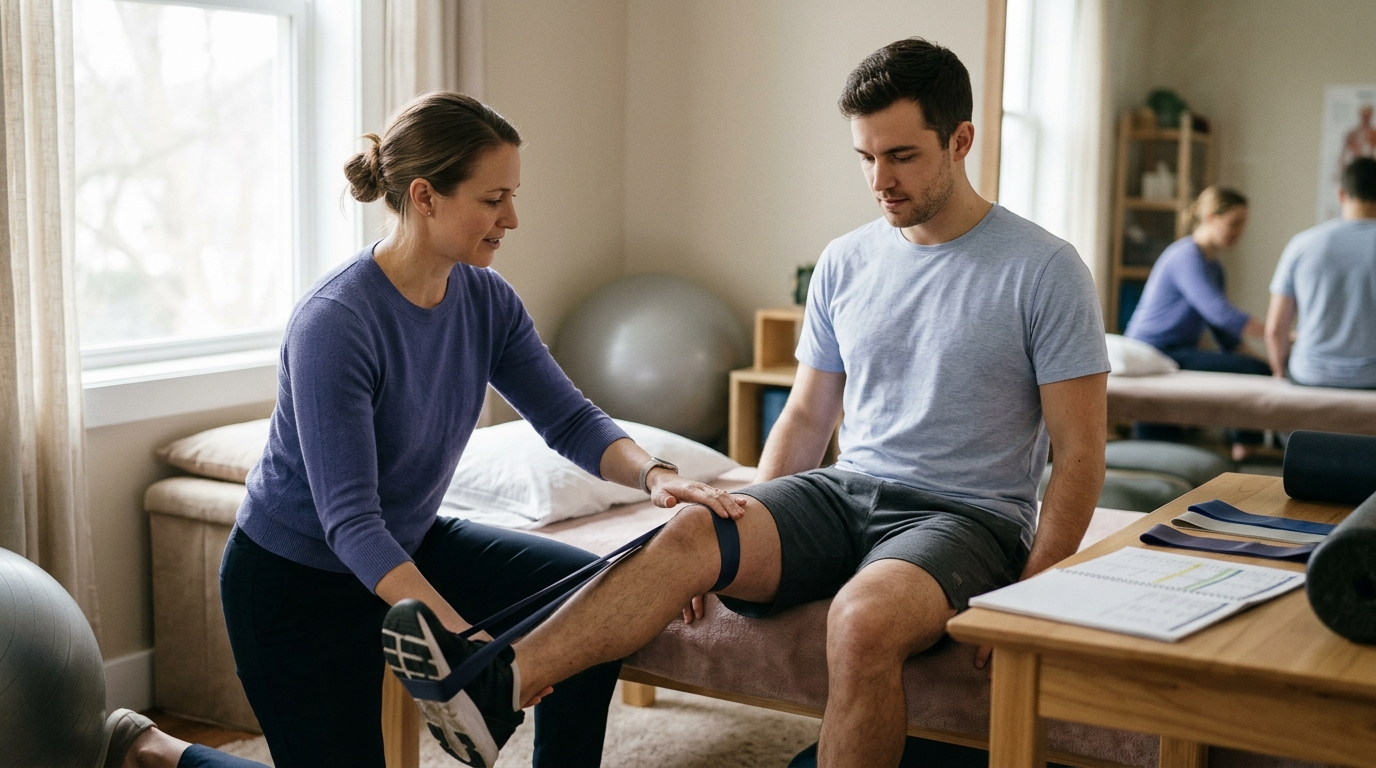
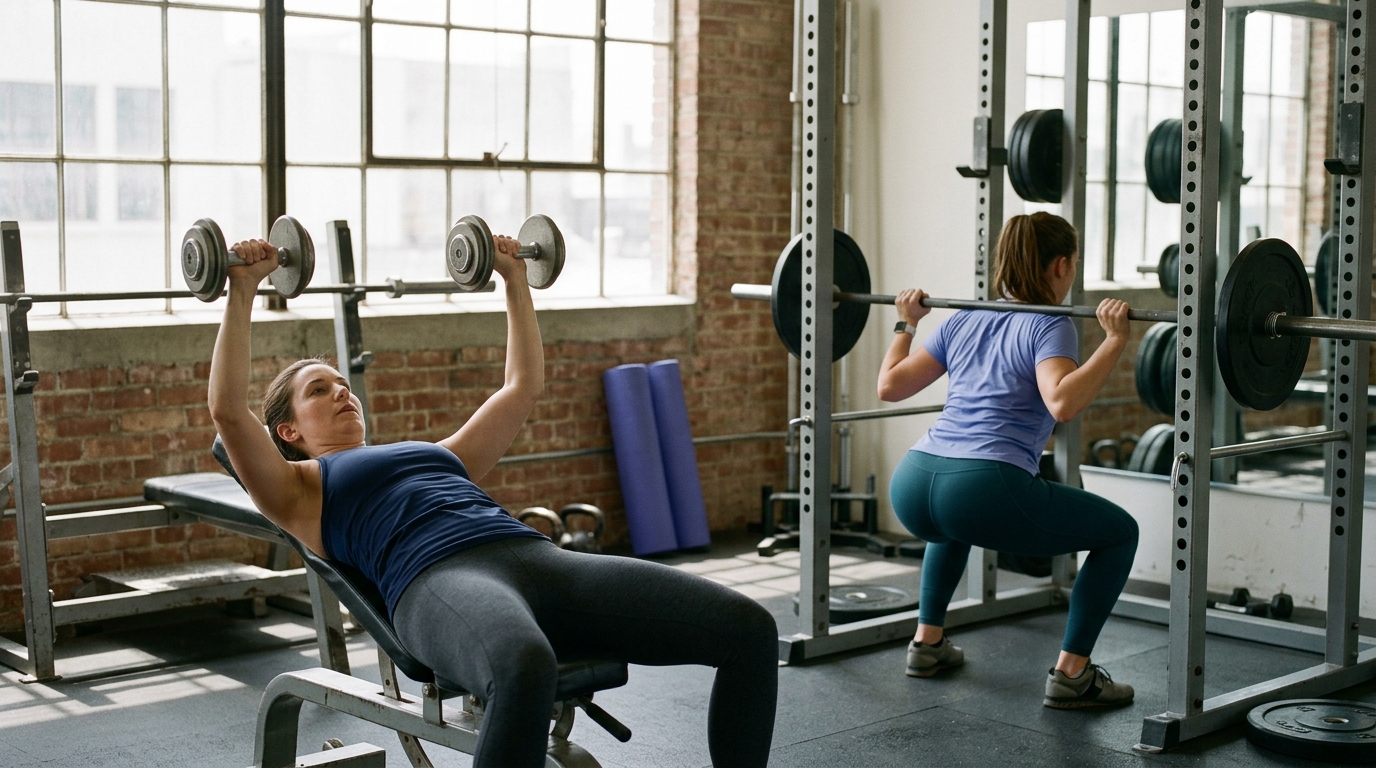
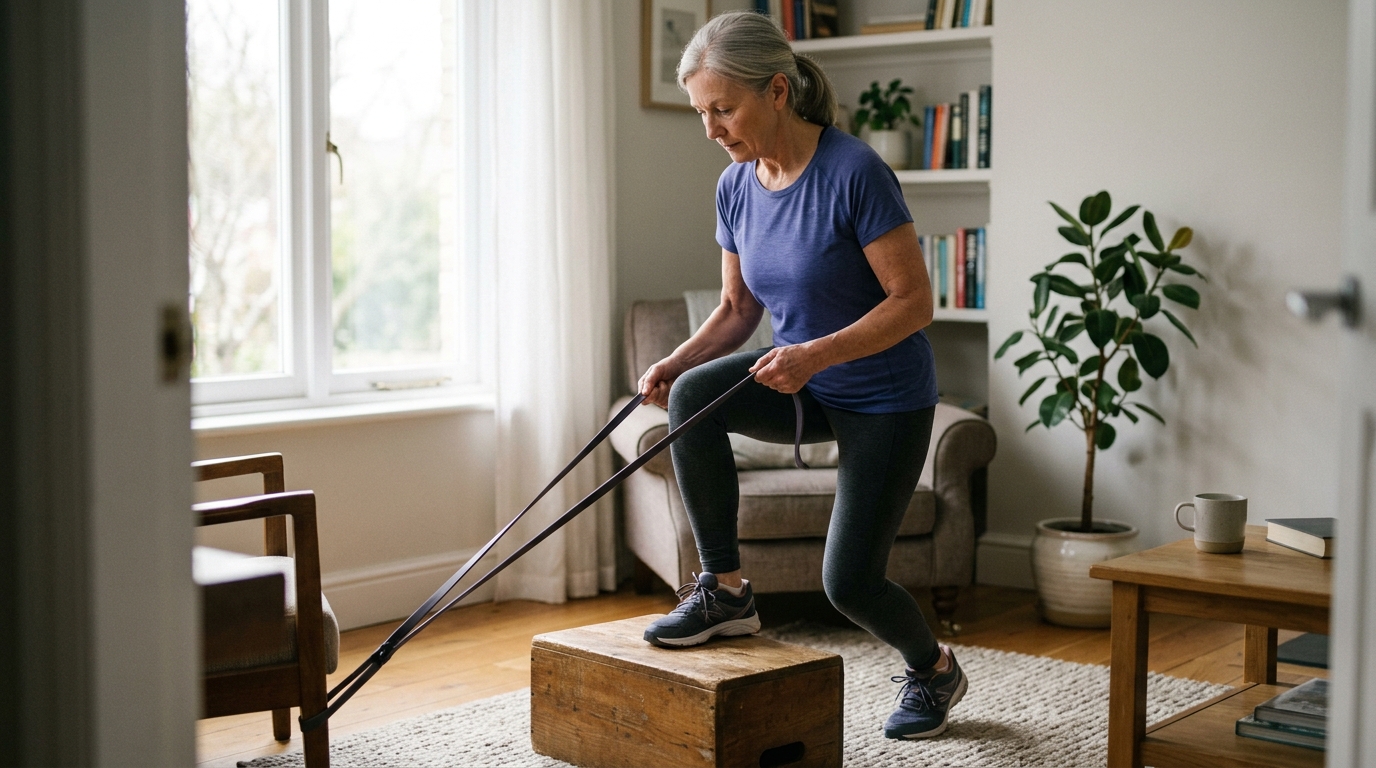
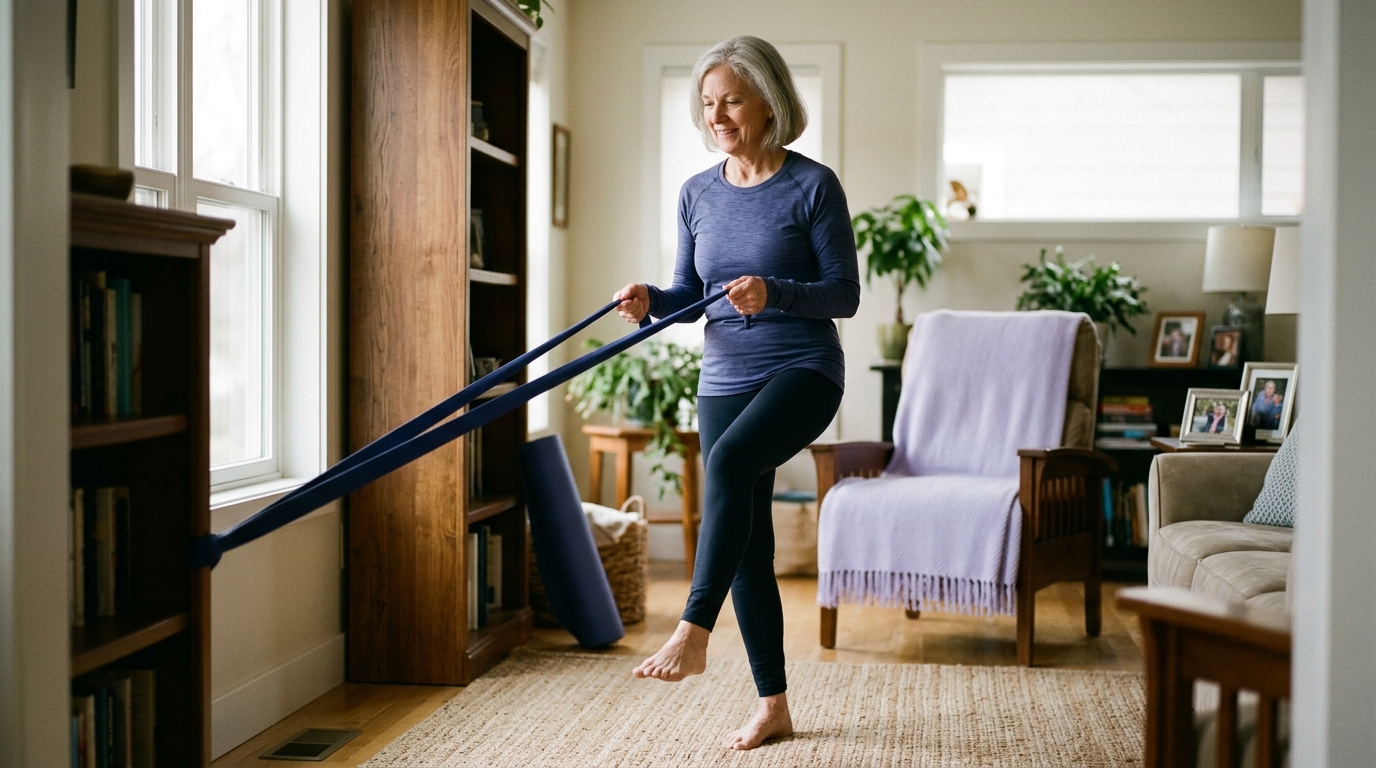
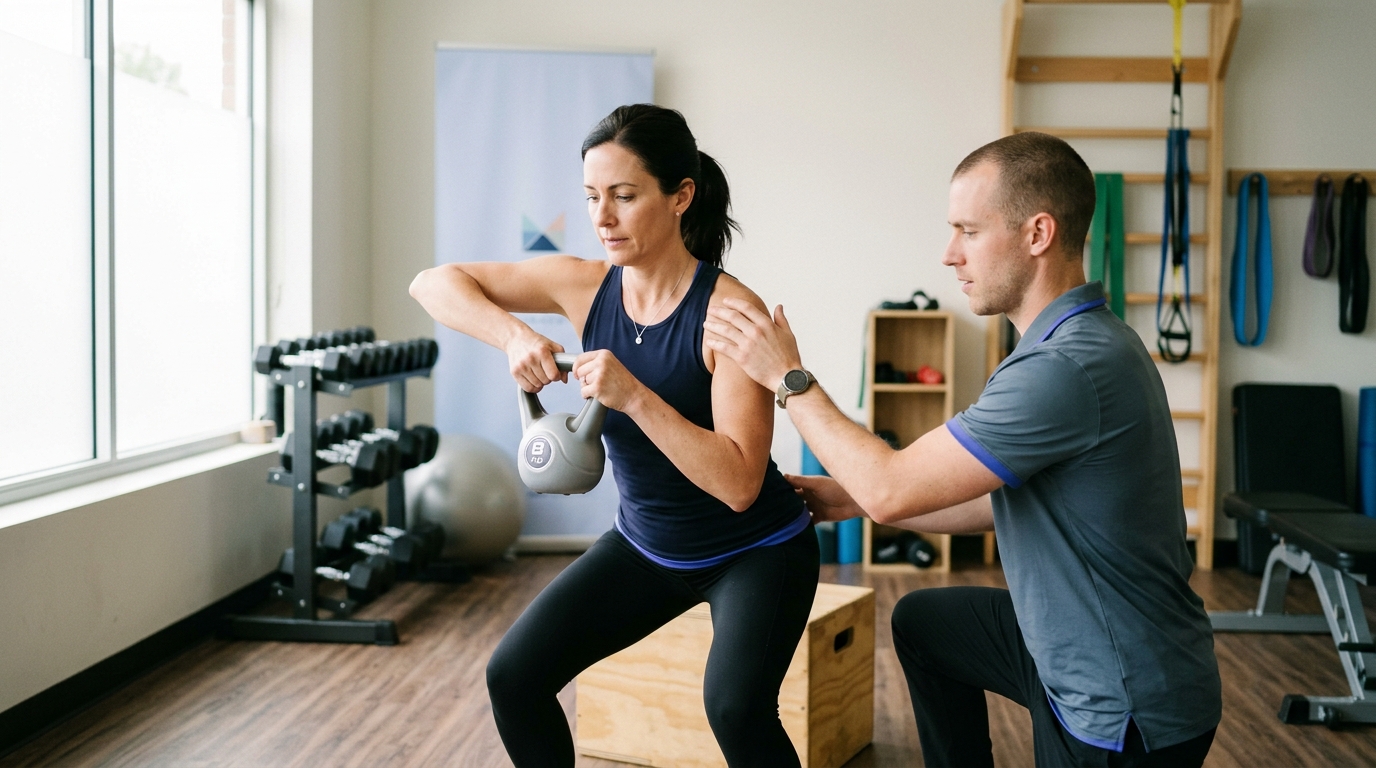
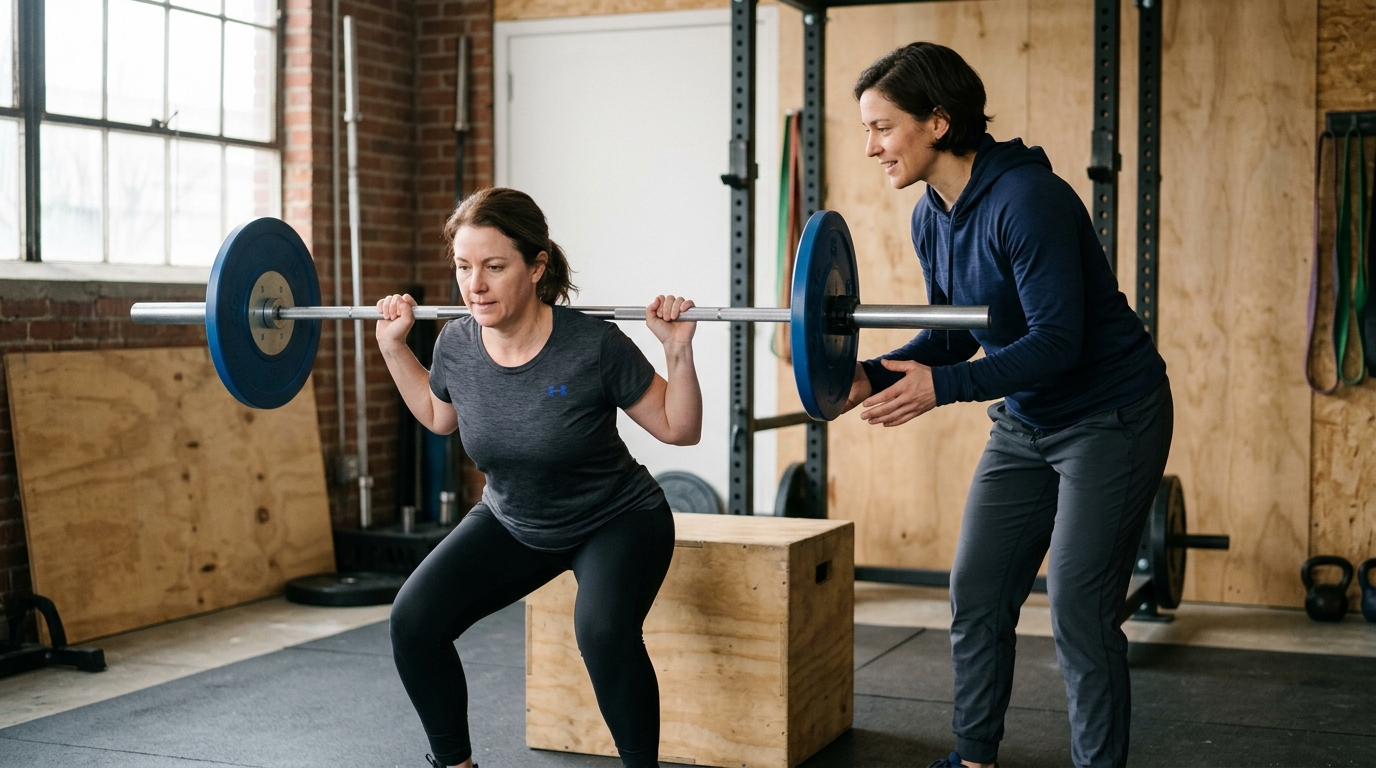
Resistance exercise requires muscles to pull against external loads. Examples include lifting free weights, using cable machines, working with elastic resistance bands, or performing bodyweight movements. NIAMS notes that resistance training places mechanical tension on bones at the sites where tendons attach, stimulating local bone maintenance.
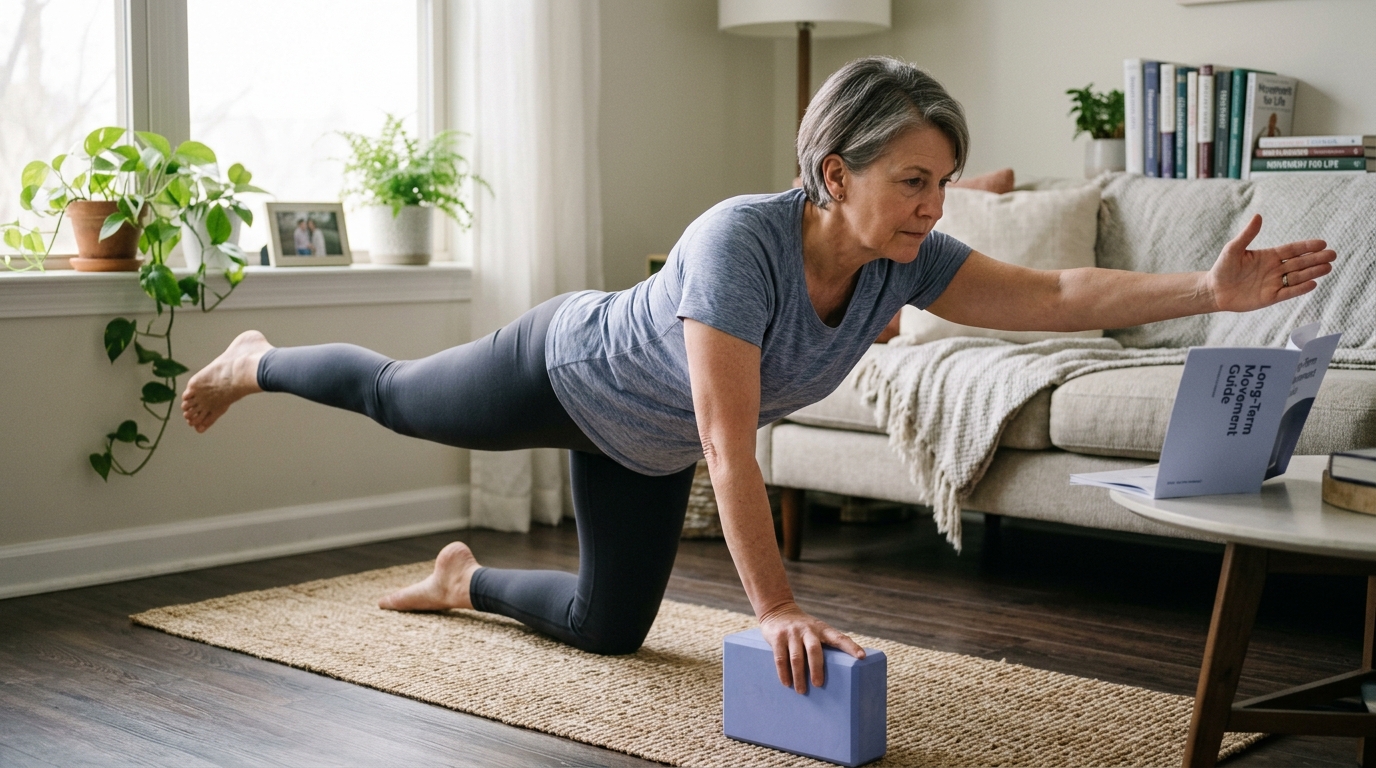
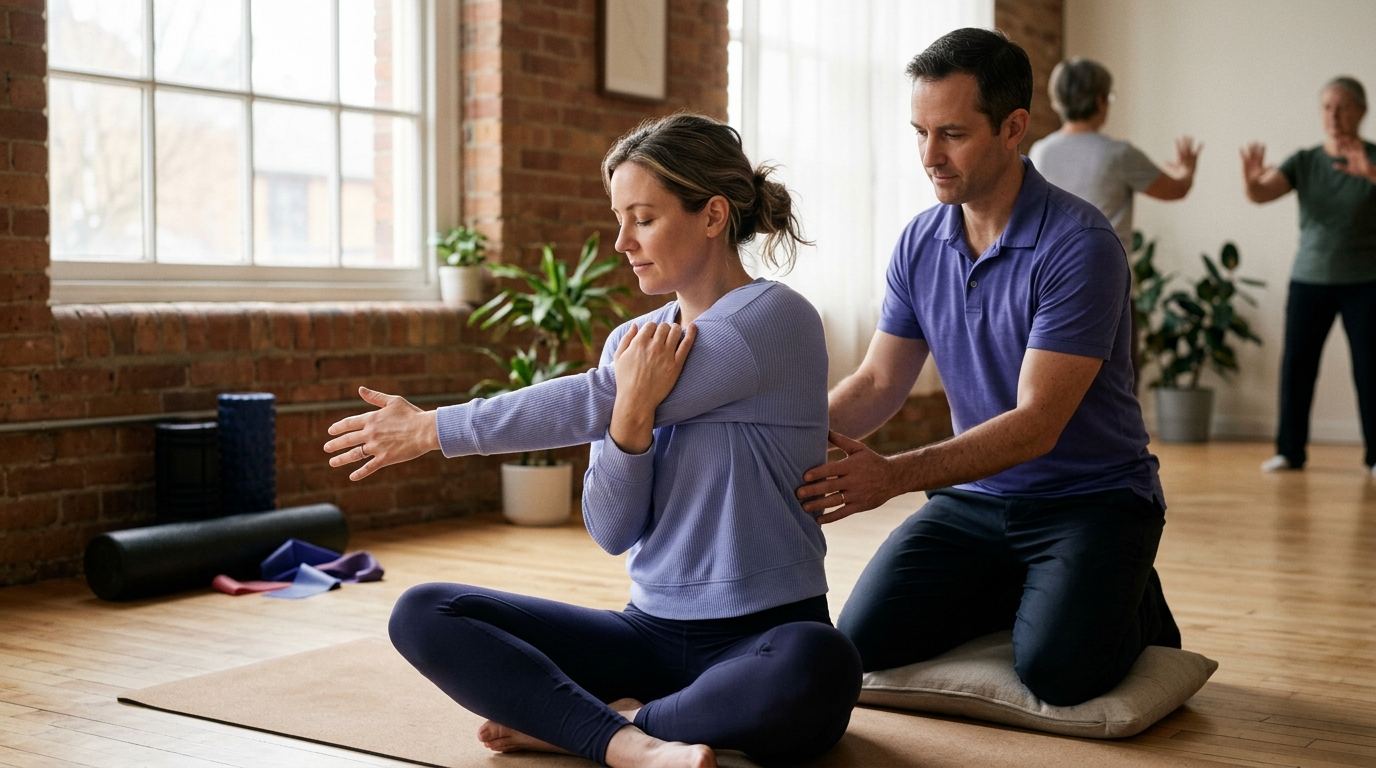
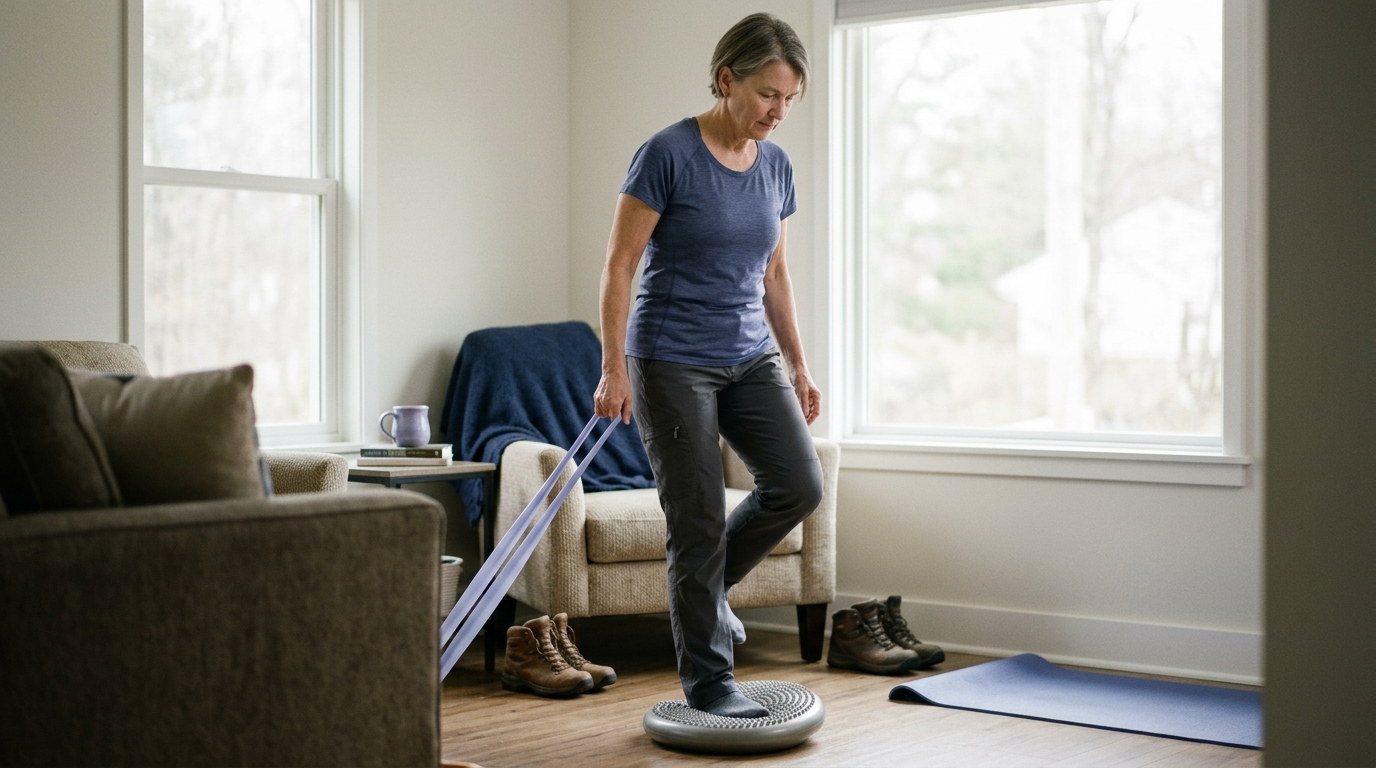
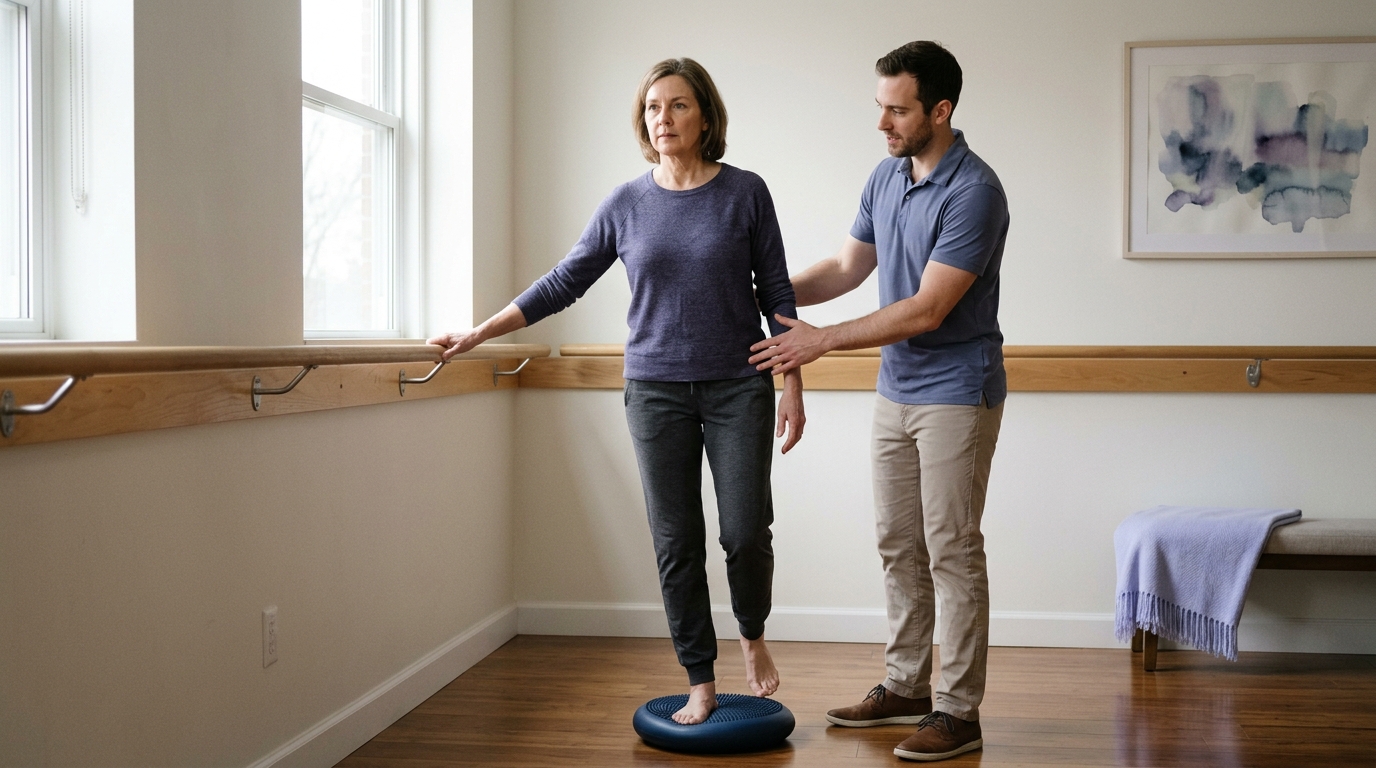
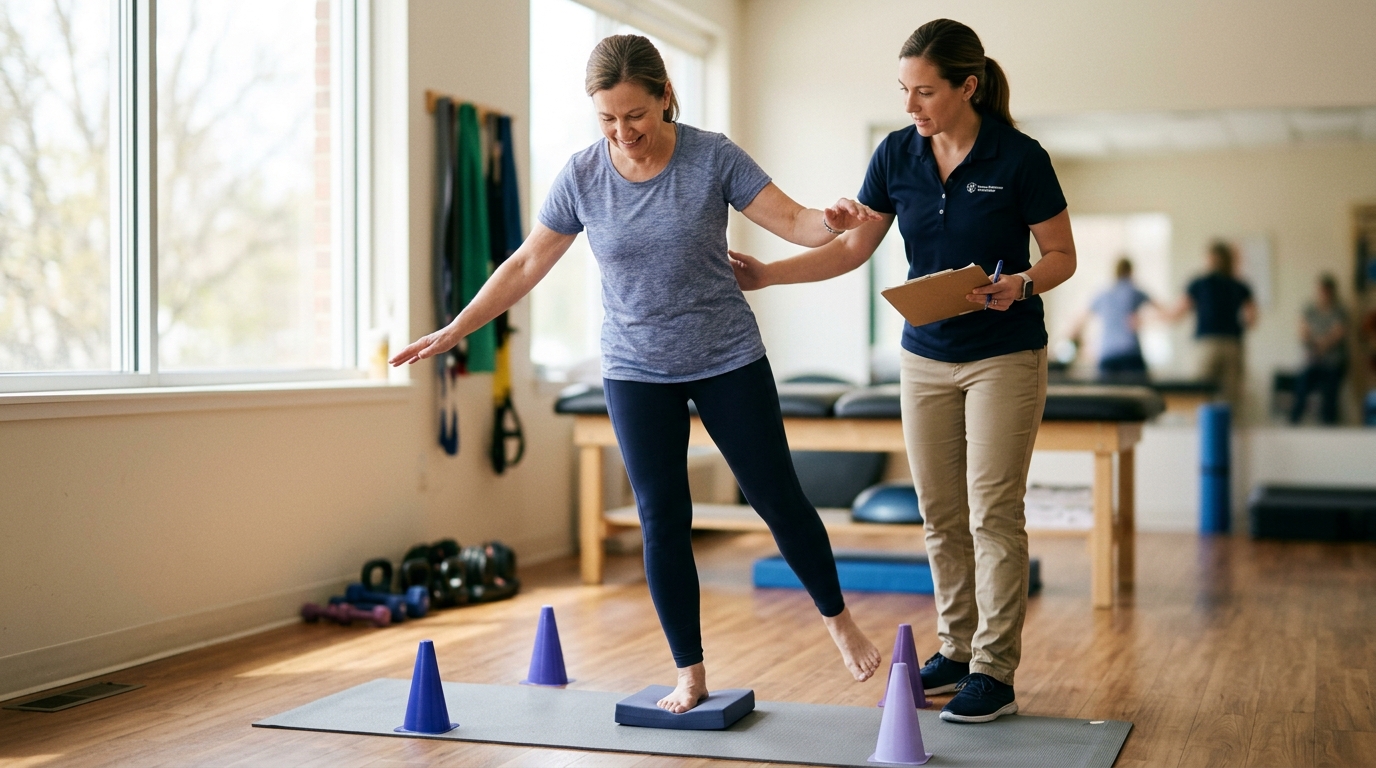
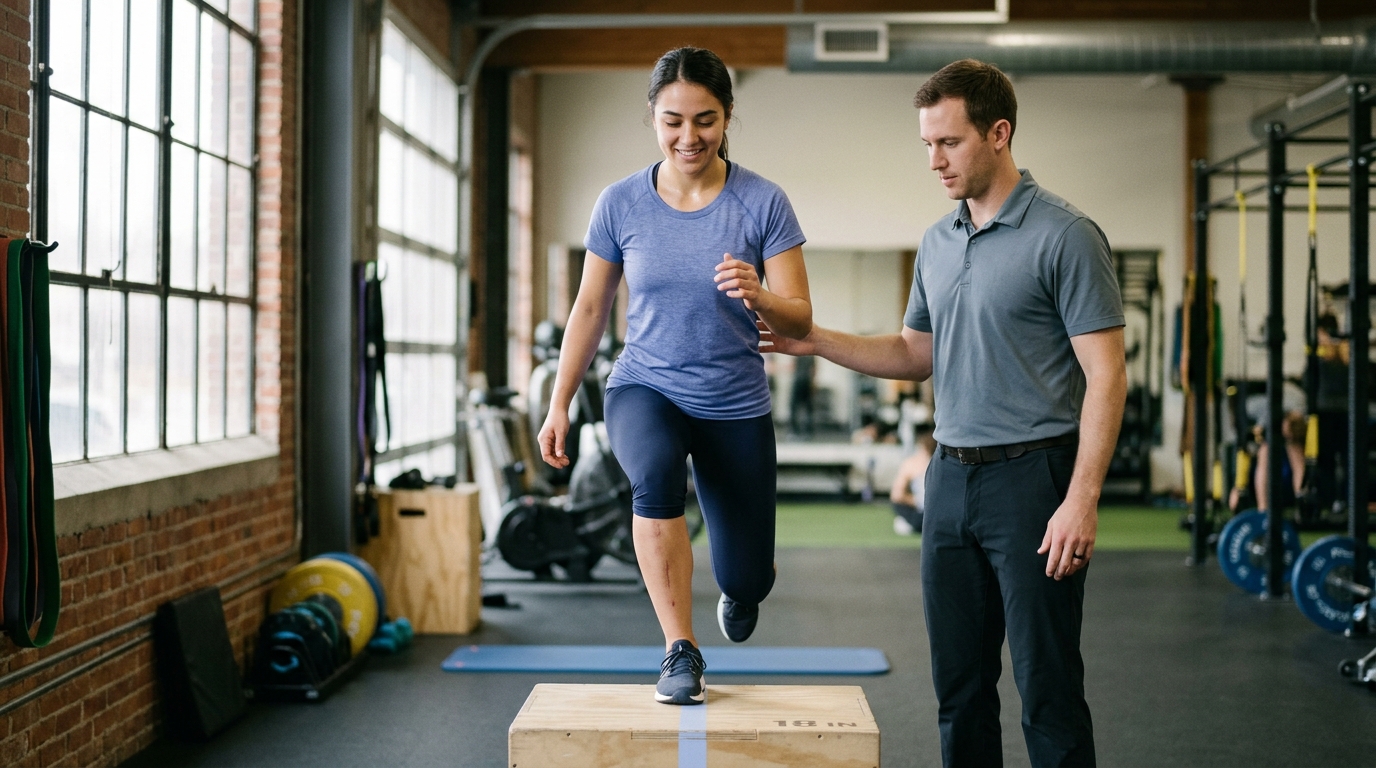
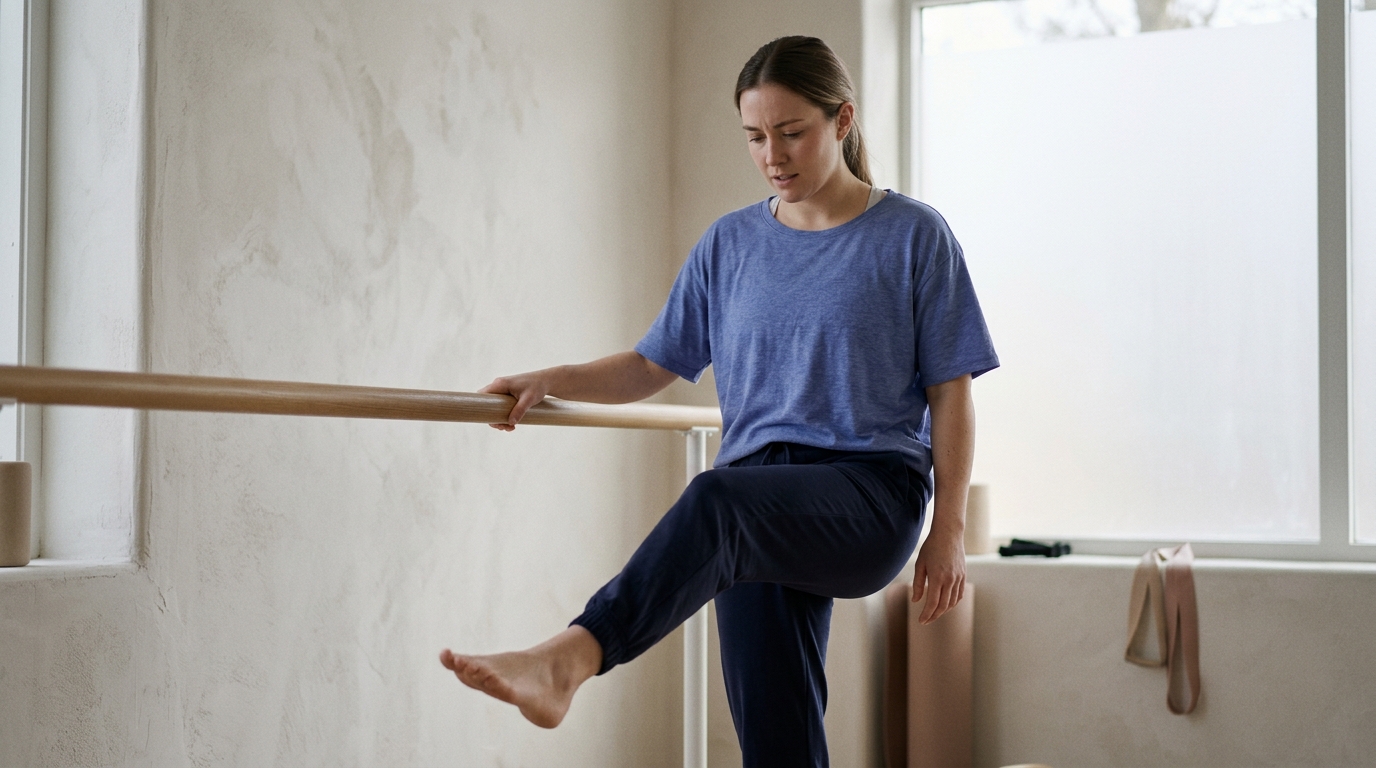
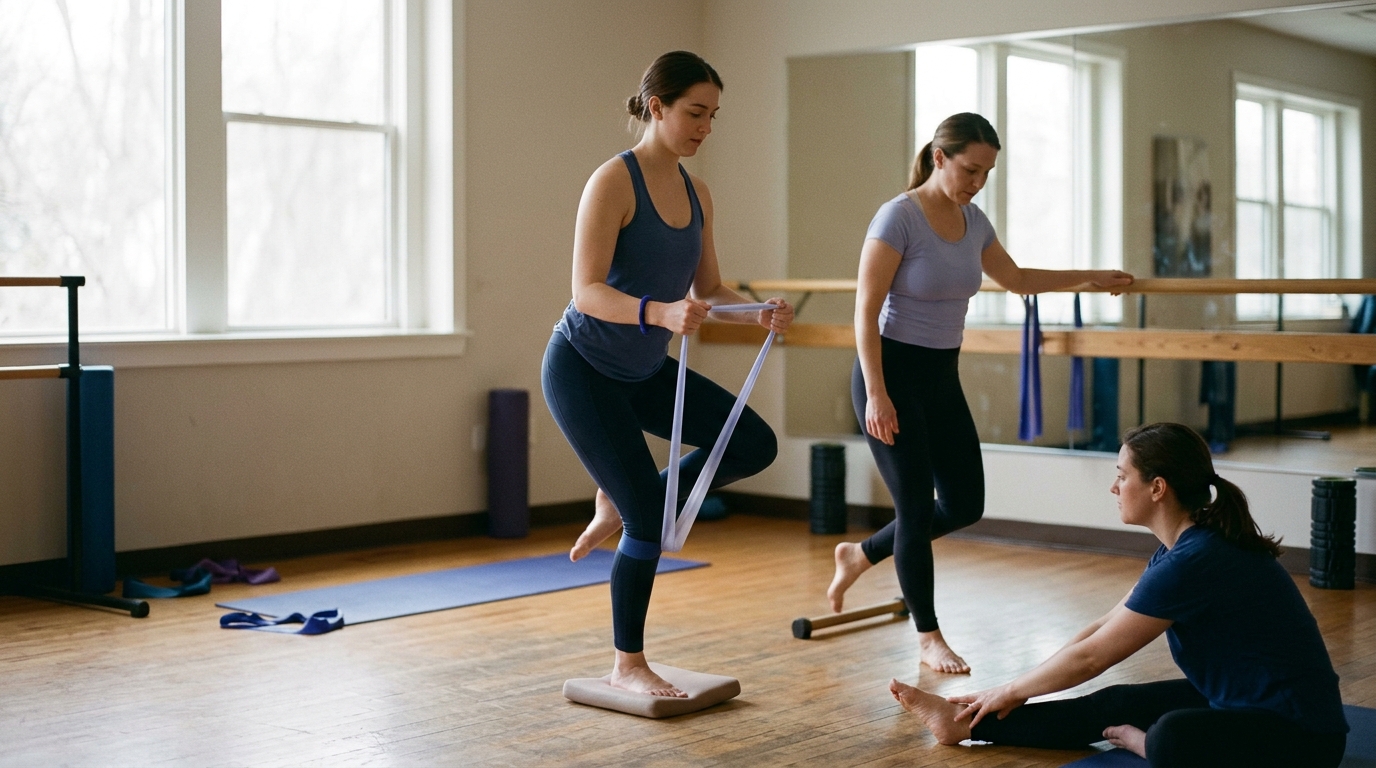
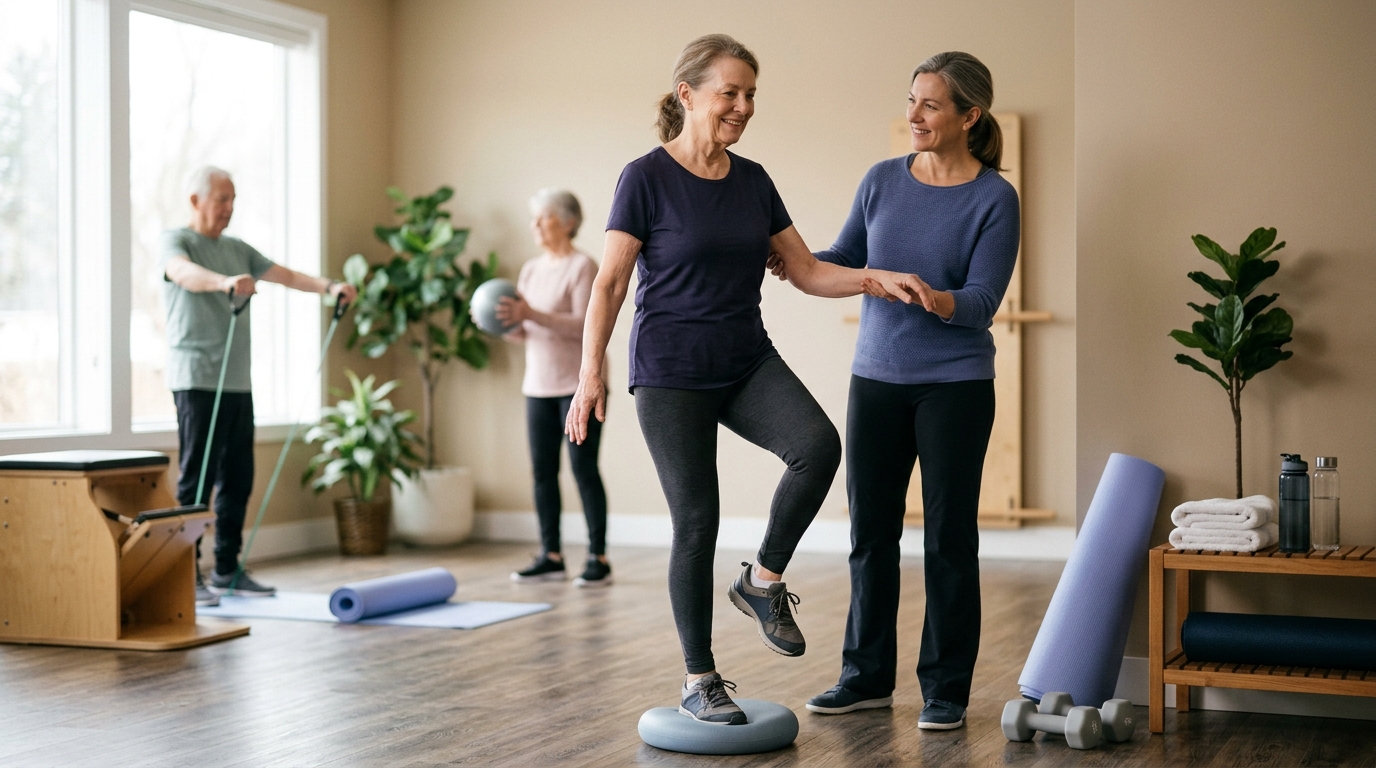
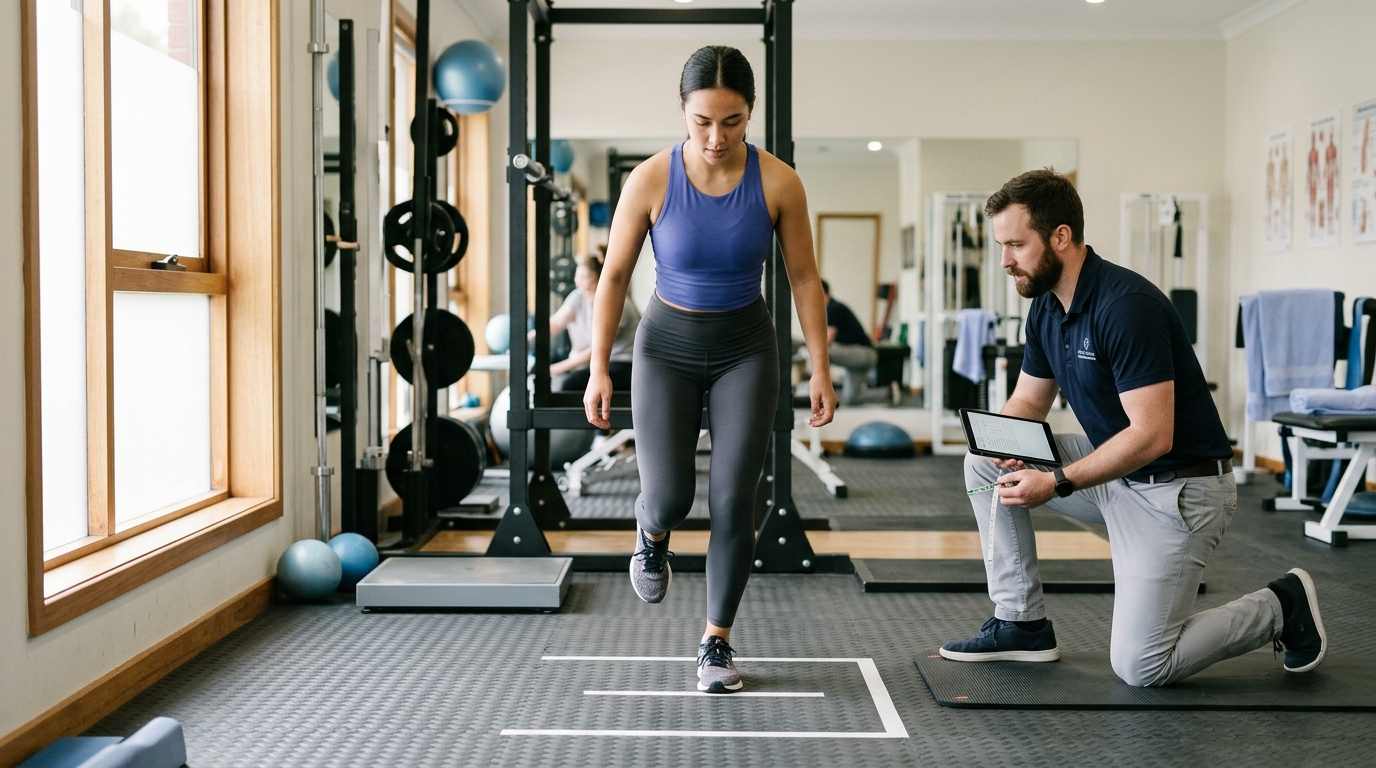
Balance training focuses on neuromuscular control, coordination, and stability. Activities such as tai chi, single-leg balancing drills, and controlled weight-shifting exercises challenge the nervous system without placing high impact on the skeleton. Balance work does not directly load bone tissue, but it protects bone health by preventing falls.
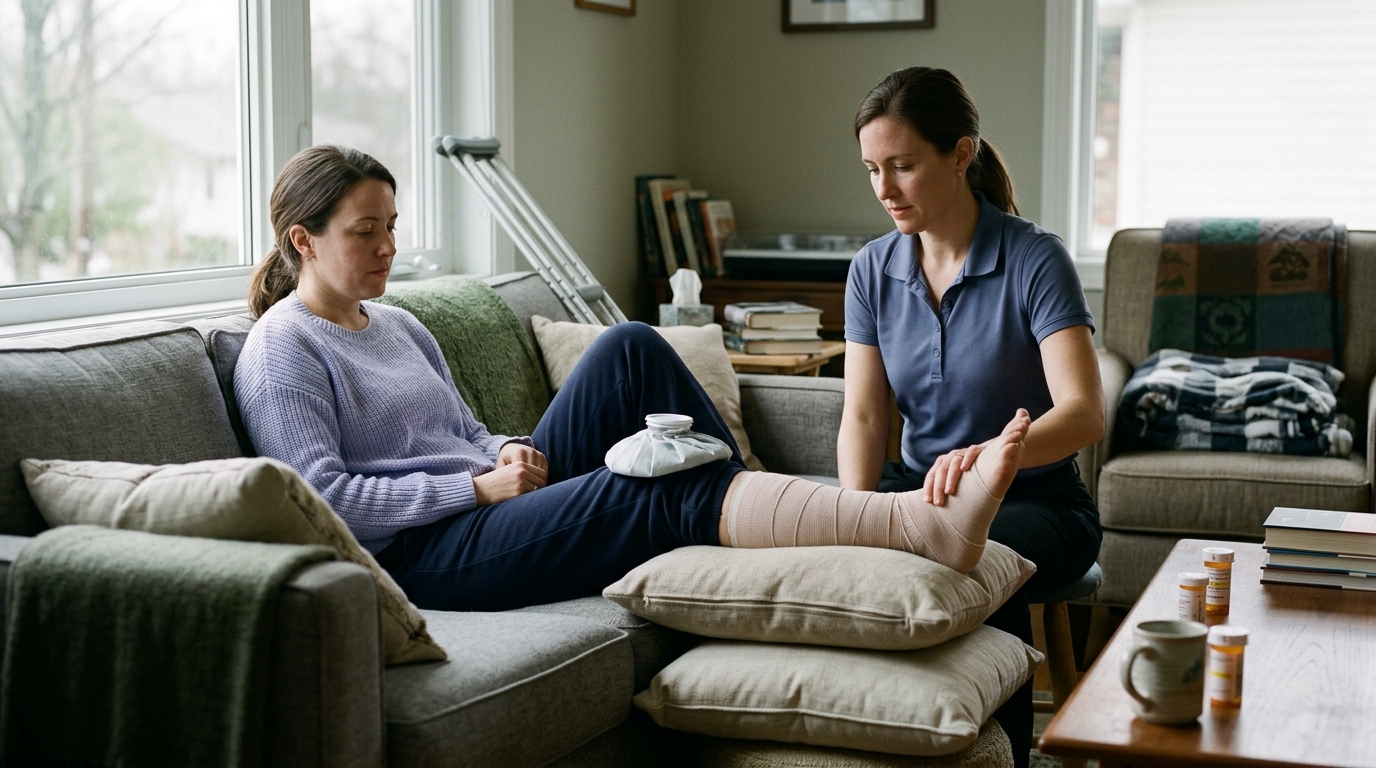
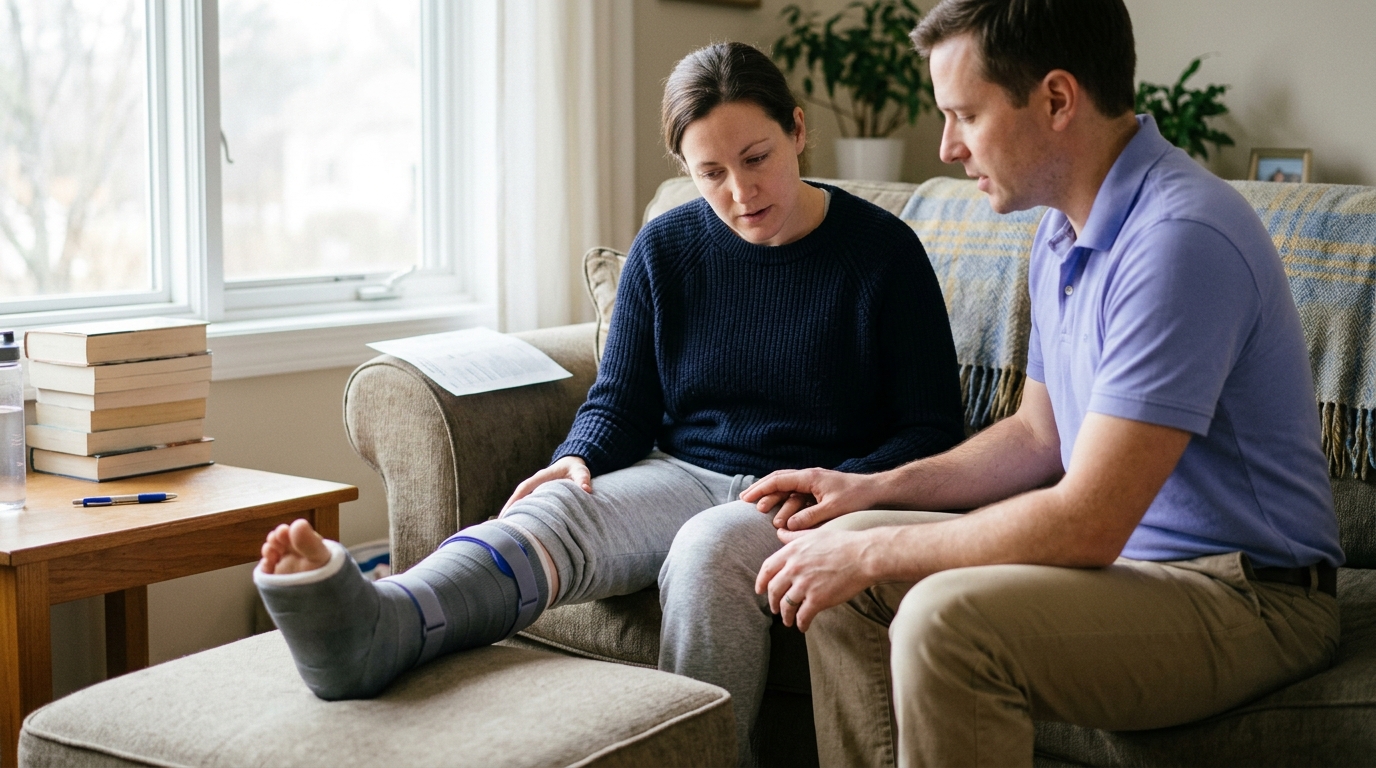
None of these general exercise categories grant automatic permission to put weight on a broken or surgically repaired bone. Clinical protocols from MedlinePlus emphasize that patients must not bear weight on an injured limb until their medical team confirms it is safe. If you have a cast, splint, or surgical brace, you must only walk on it if your provider gives explicit permission.
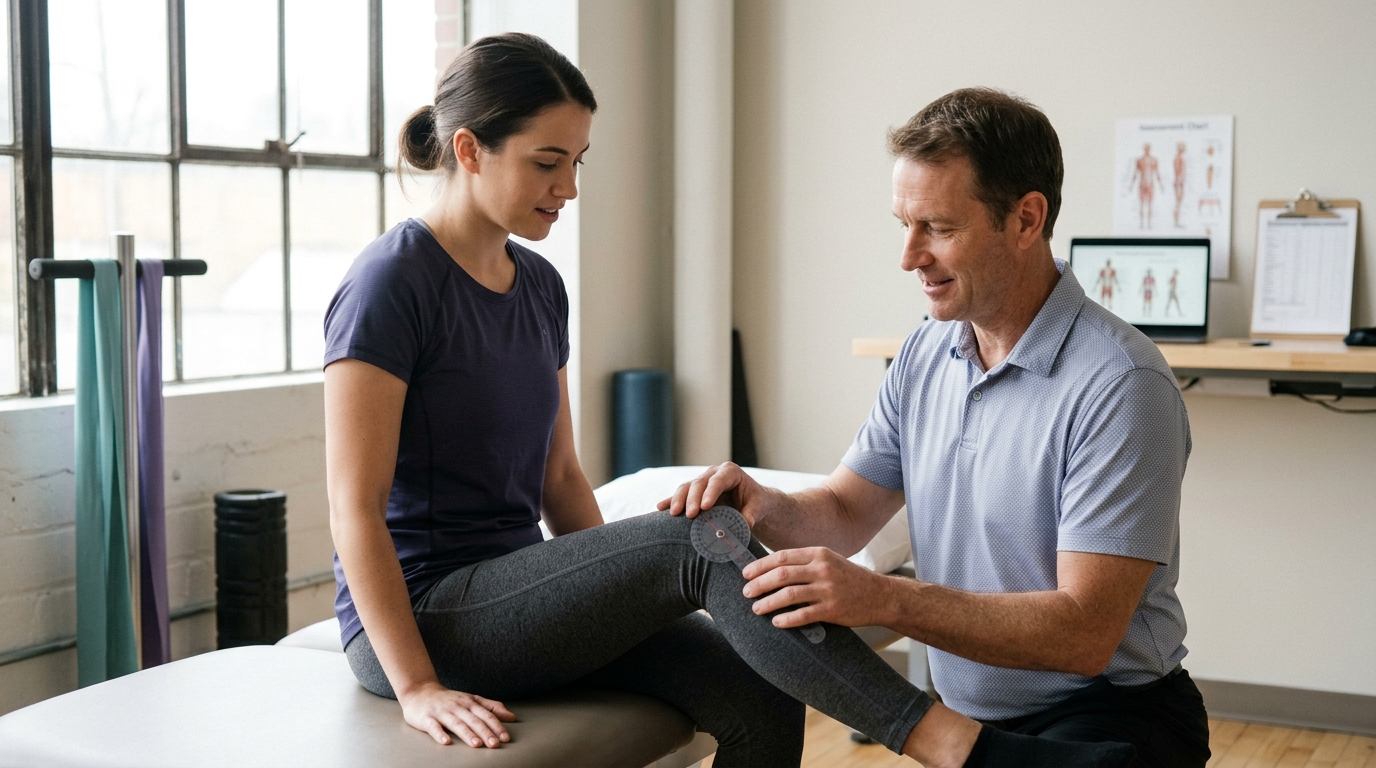
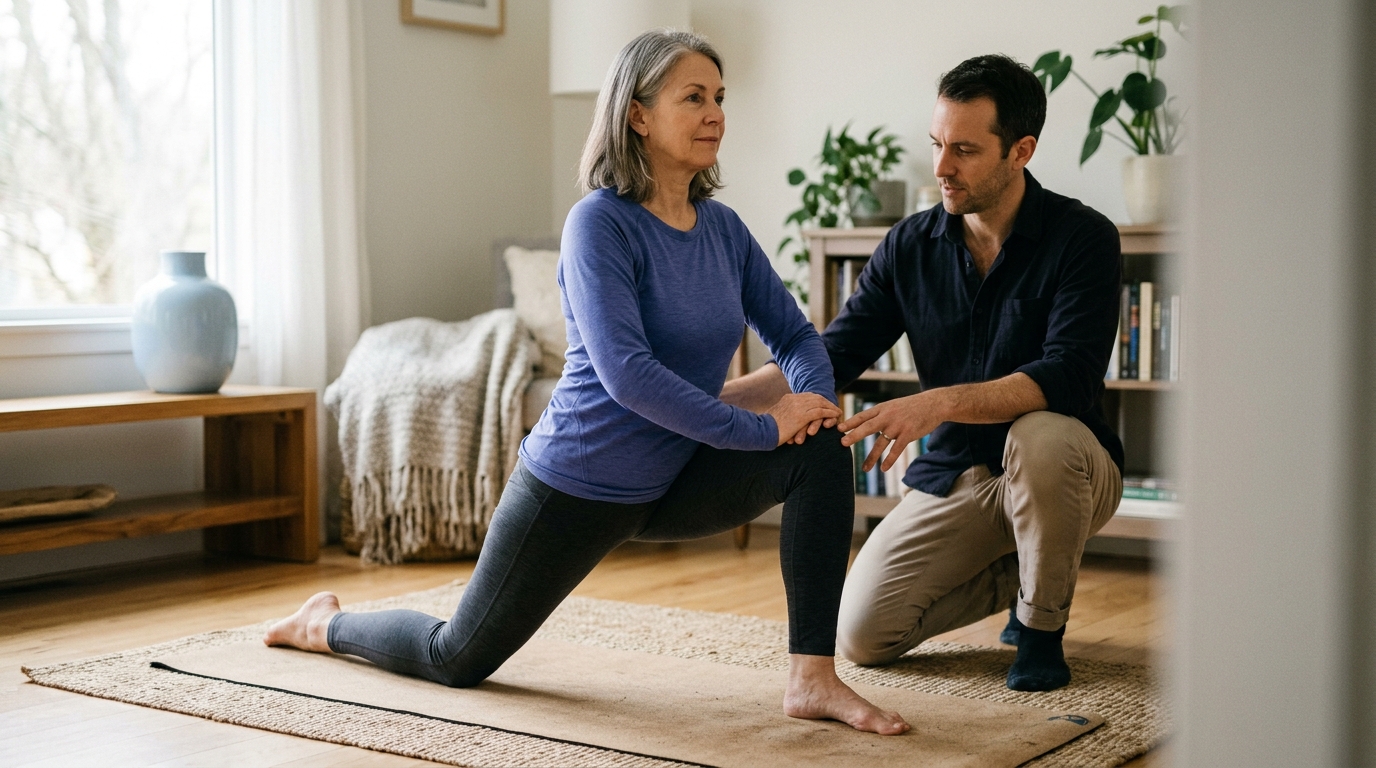
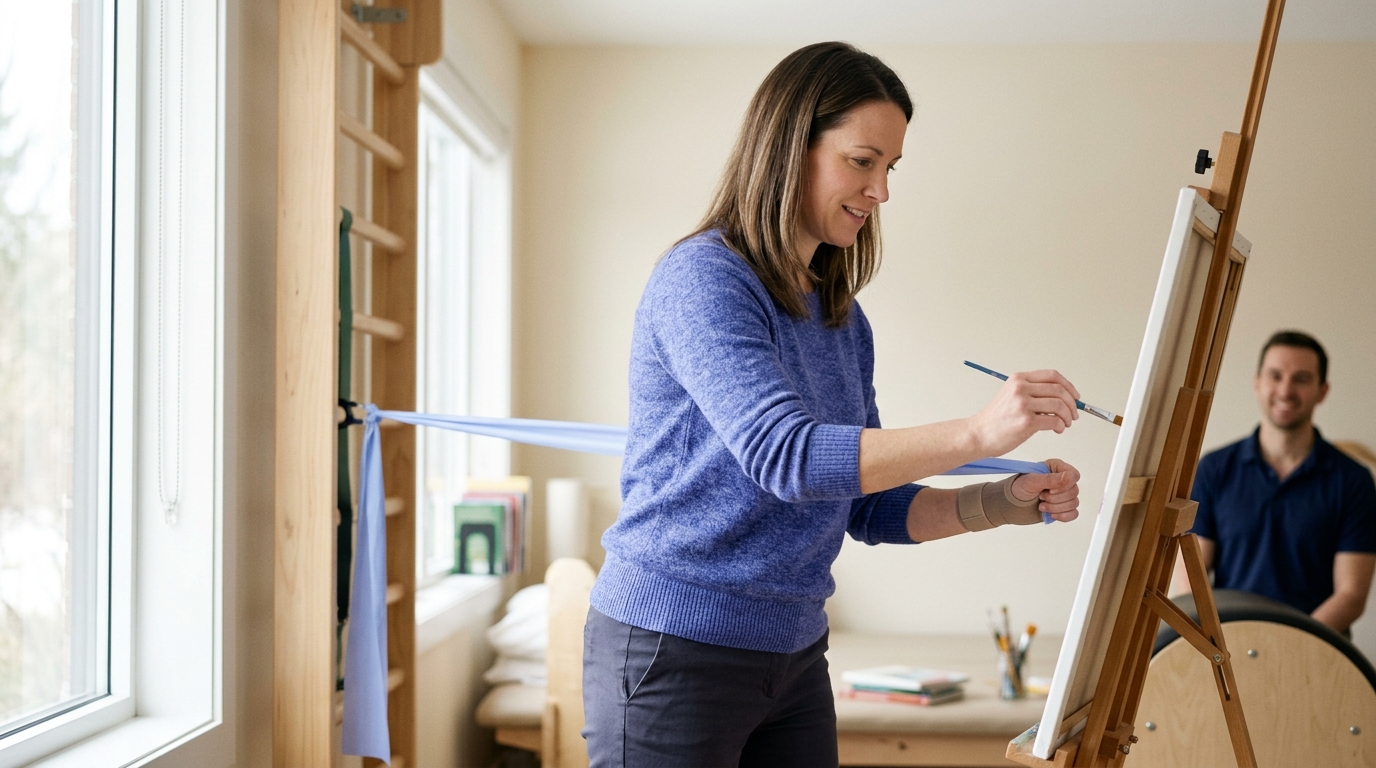
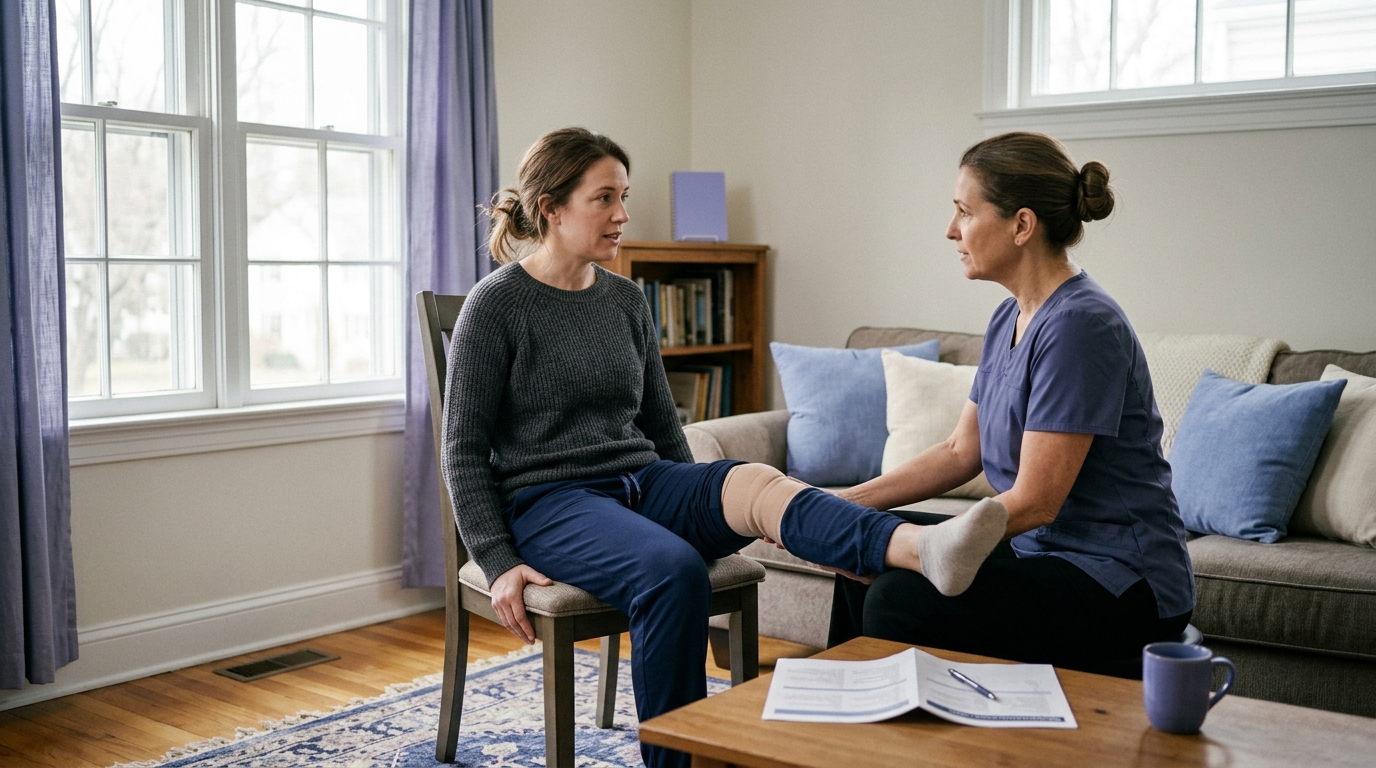
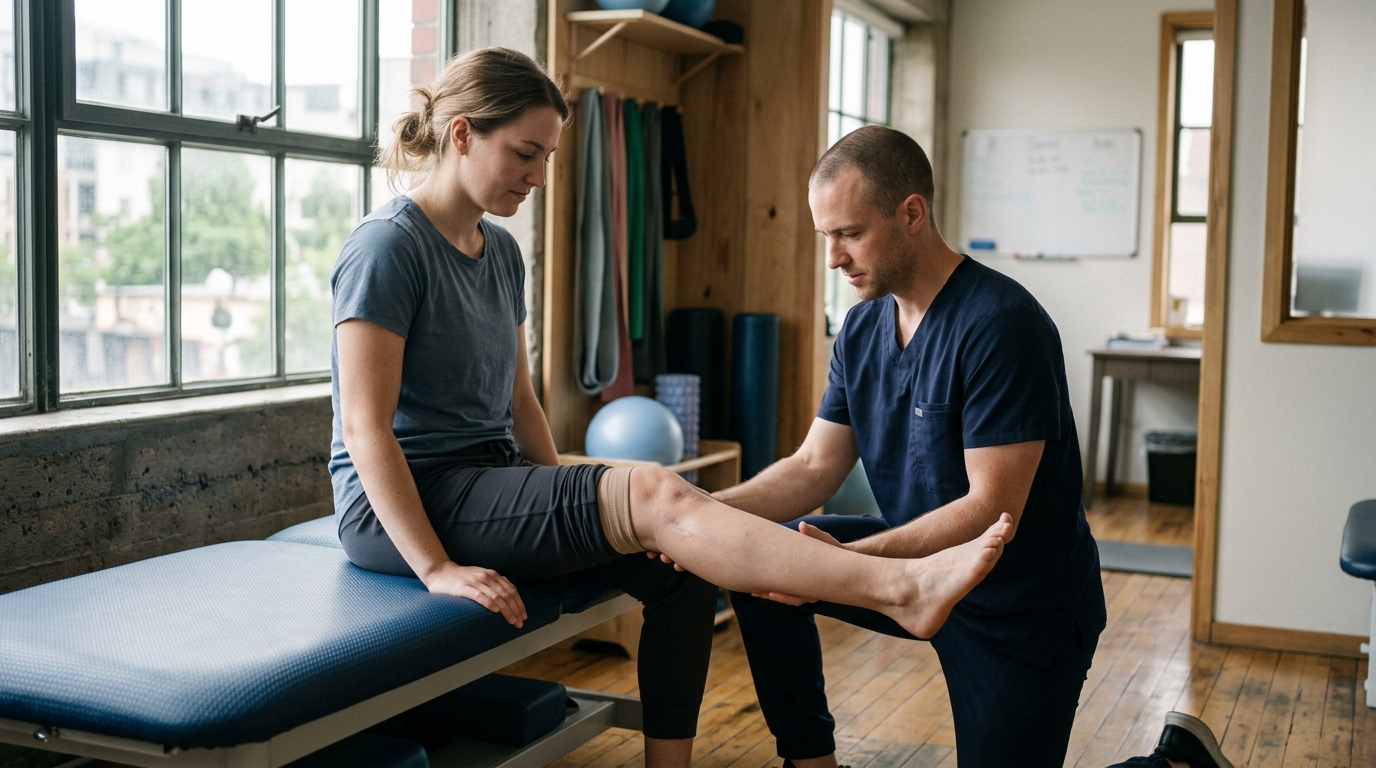
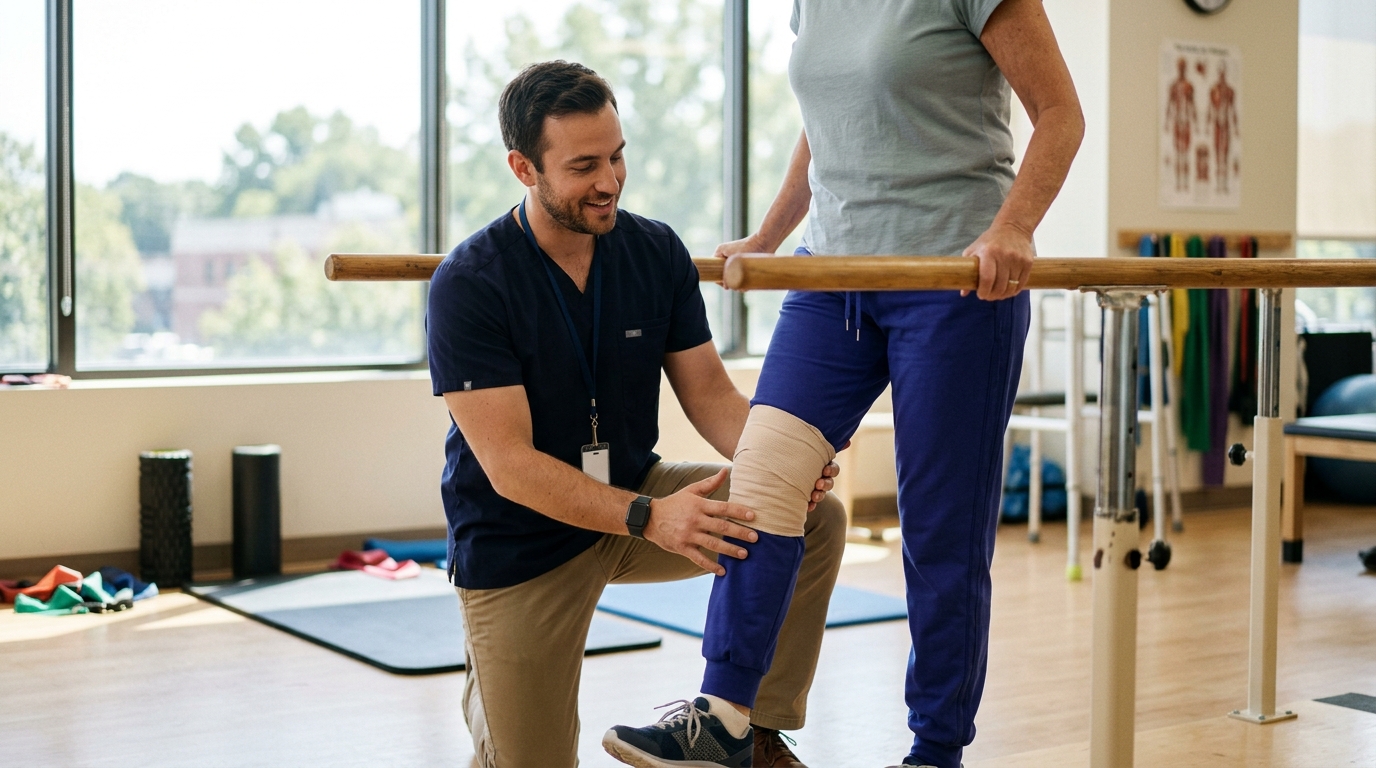
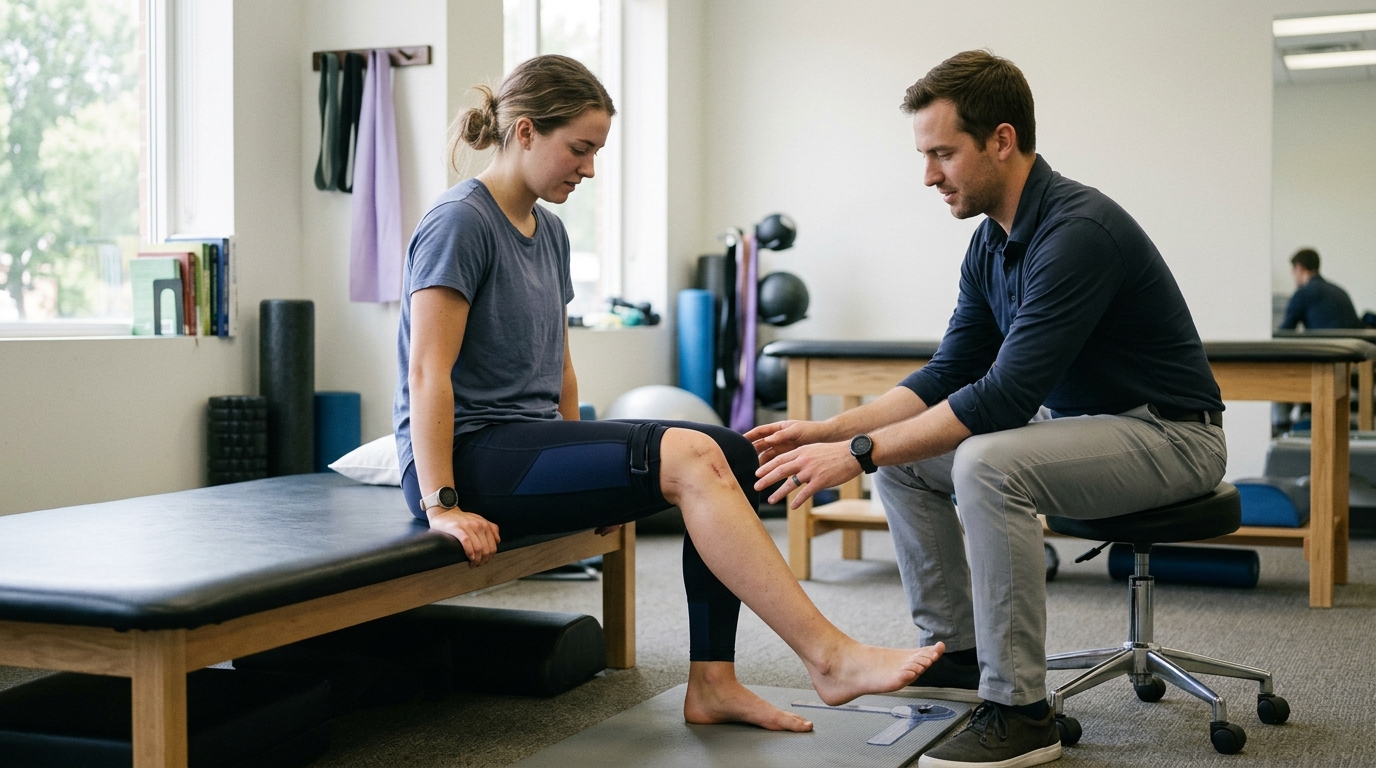
Resting an injured area does not always mean complete bed rest. Prolonged, total inactivity leads to rapid muscle atrophy, joint stiffness, and localized bone mineral loss. Physical therapists frequently prescribe gentle range-of-motion exercises for adjacent joints, or non-weight-bearing muscle activation drills, to maintain circulation and tissue health while the fracture site remains protected.
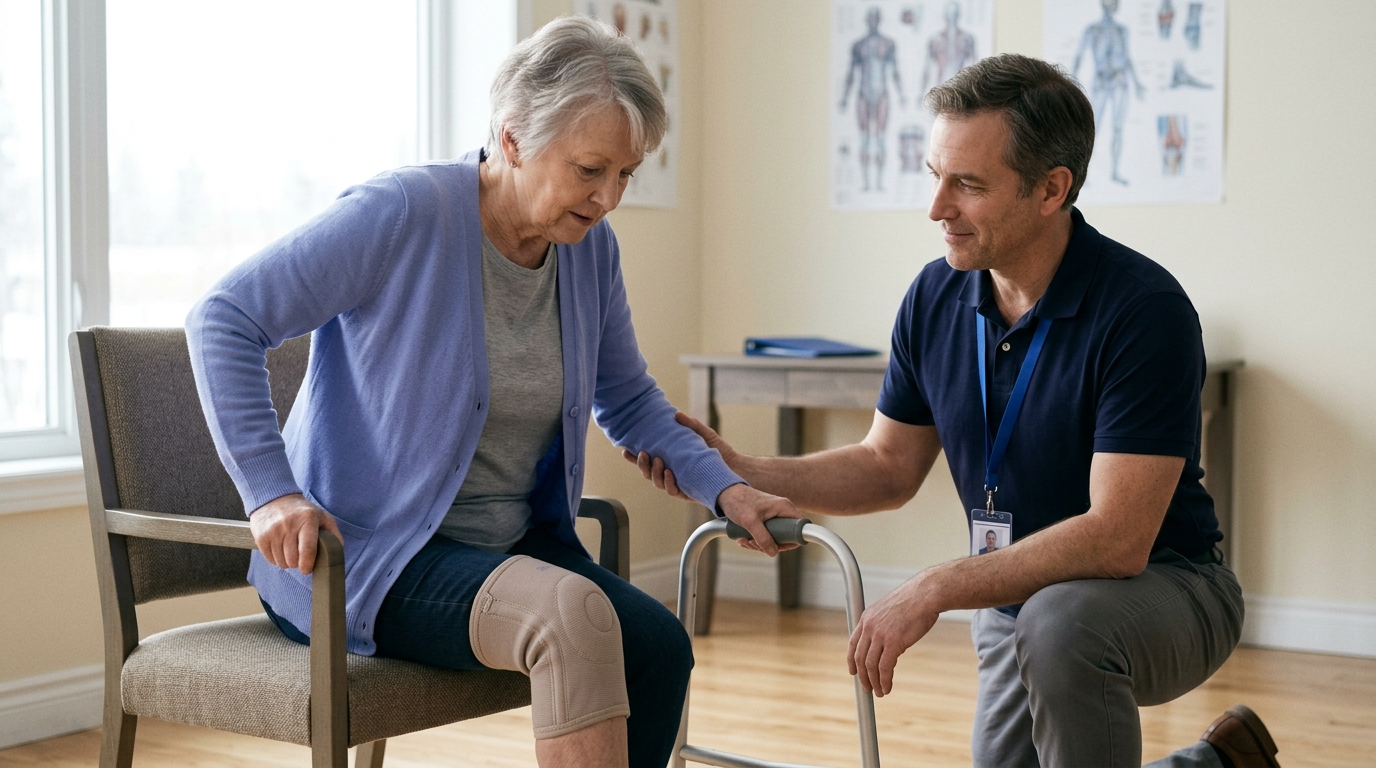
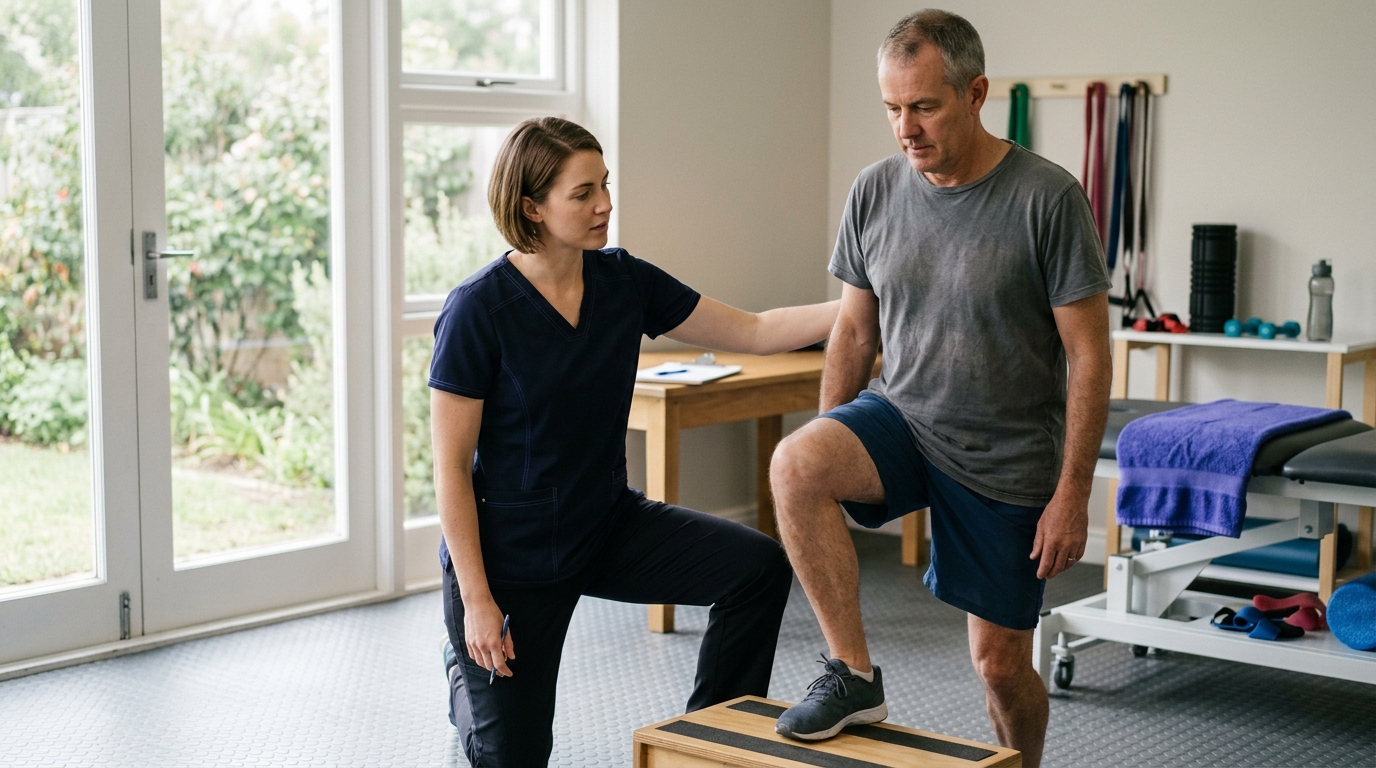
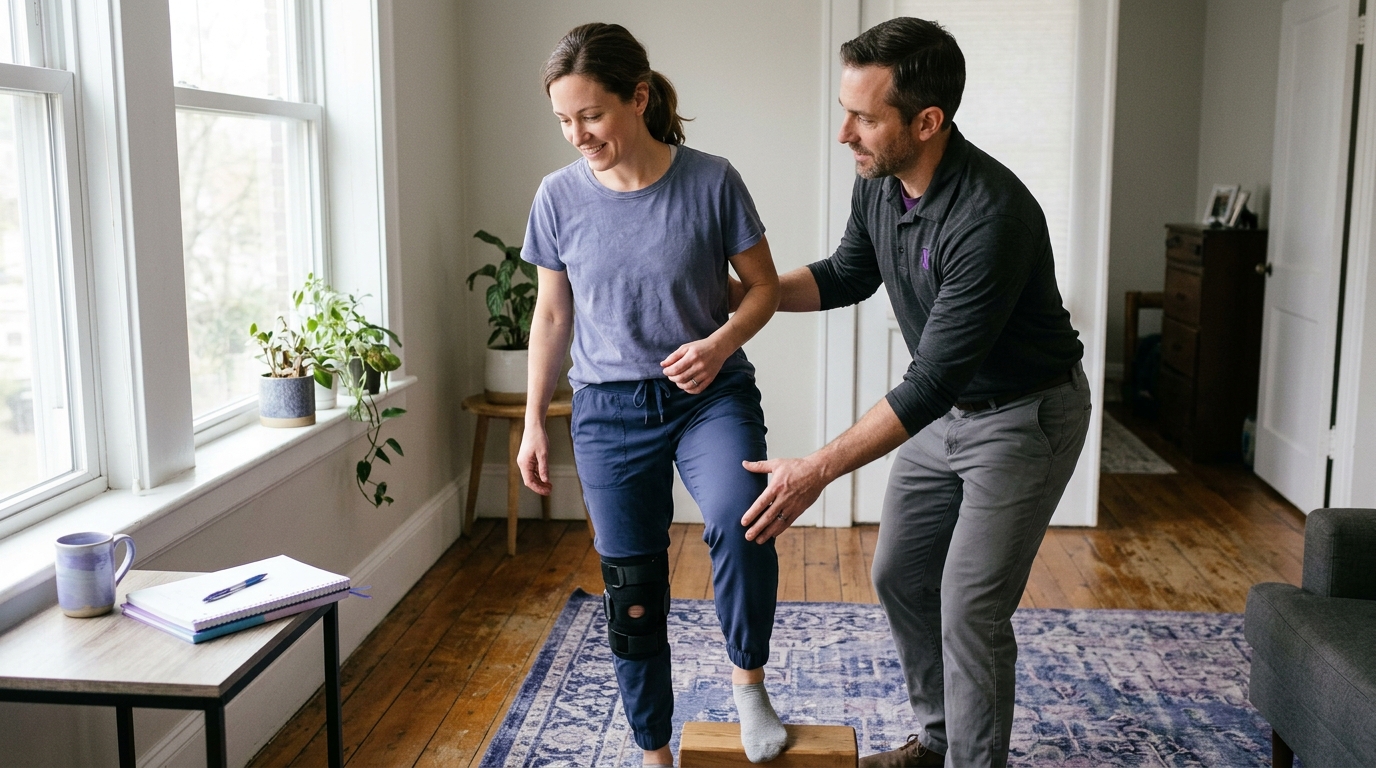
As healing progresses, your medical team will update your weight-bearing status. This process typically moves from non-weight-bearing, to partial weight-bearing with crutches or a walker, to full weight-bearing as the bony callus matures. Following this progression ensures that the healing bone receives safe, progressive stimulation without risking structural damage.
Protecting your bones during recovery requires preventing secondary trauma. A single fall during rehabilitation can disrupt surgical hardware, refracture a healing bone, or cause a new orthopedic injury. Fall prevention is a core clinical priority for anyone navigating physical limitations or reduced mobility.
Data from the Centers for Disease Control and Prevention (CDC) highlight the substantial public health impact of falls among older adults. More than one in four older adults falls each year in the United States, yet fewer than half inform their health care providers. Falls result in approximately 4.5 million emergency department visits and 1.4 million hospitalizations annually among older individuals.
The relationship between falls and severe bone trauma is direct. CDC data show that falls cause 83% of hip fracture deaths and 88% of hip fracture hospitalizations and emergency department visits. Furthermore, the age-adjusted fall death rate among older adults increased by 21% between 2018 and 2024, rising from 64.7 to 78.4 per 100,000 people.
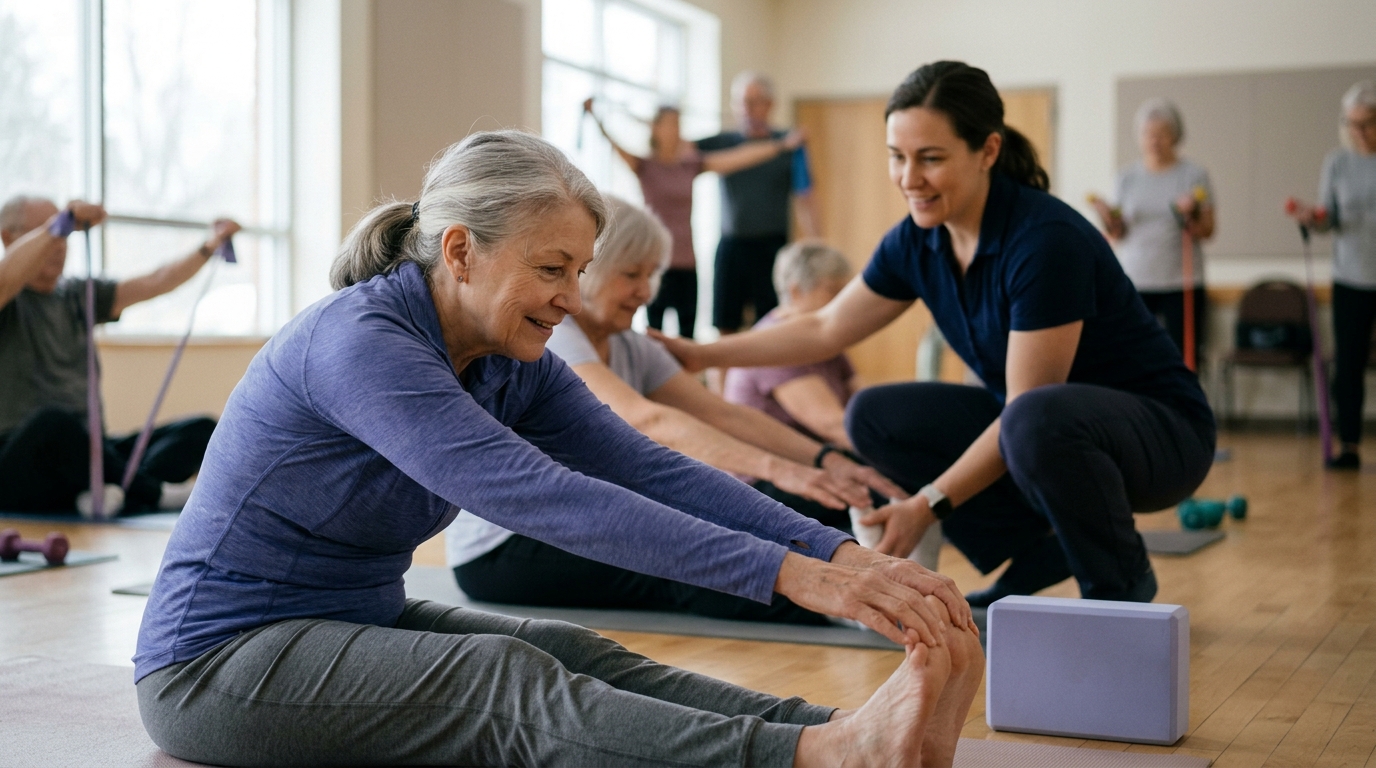
Preventing falls involves structured interventions rather than simply trying to be careful. The National Institute for Health and Care Excellence (NICE) provides clinical recommendations for falls assessment and prevention. NICE guidelines state that falls-prevention exercise programs should be progressive, individualized, and delivered by trained professionals. These programs must specifically target balance, motor coordination, muscle strength, and functional power.
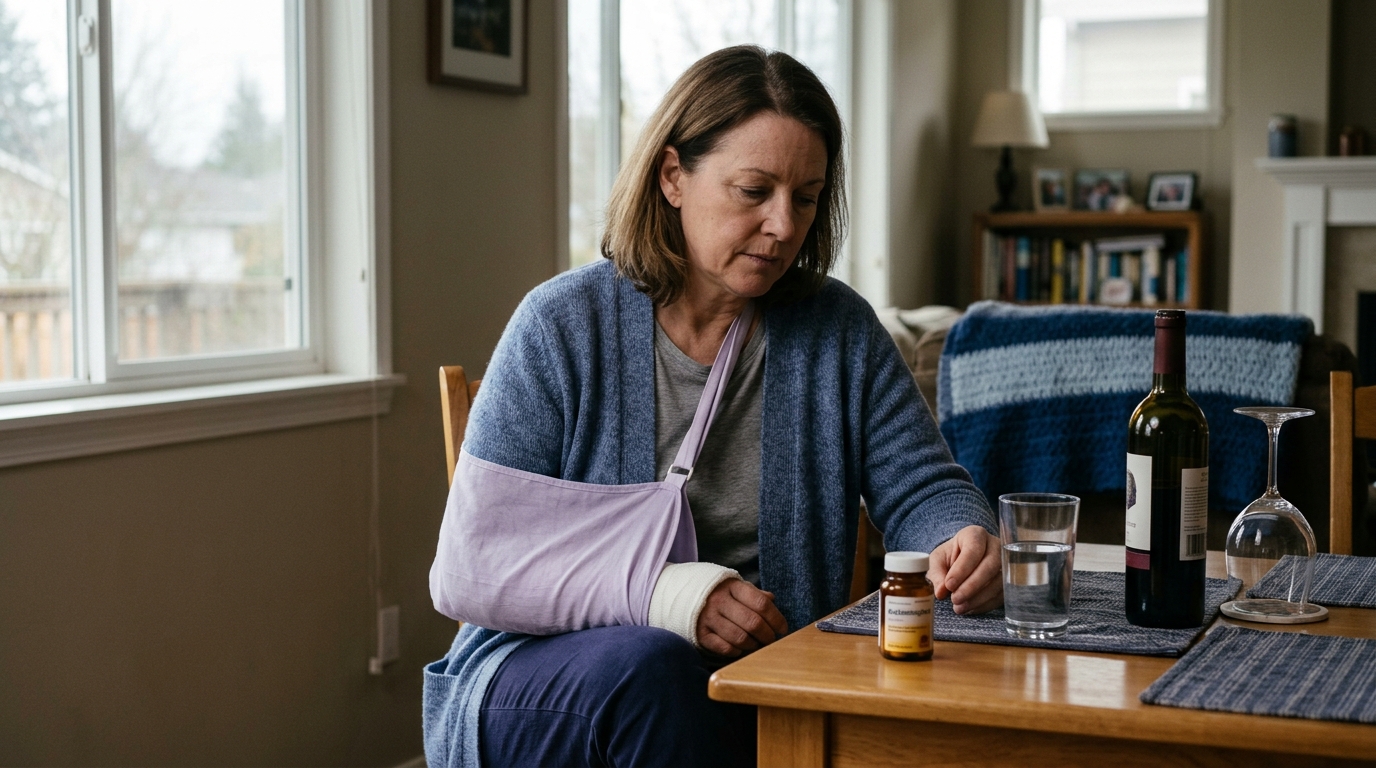
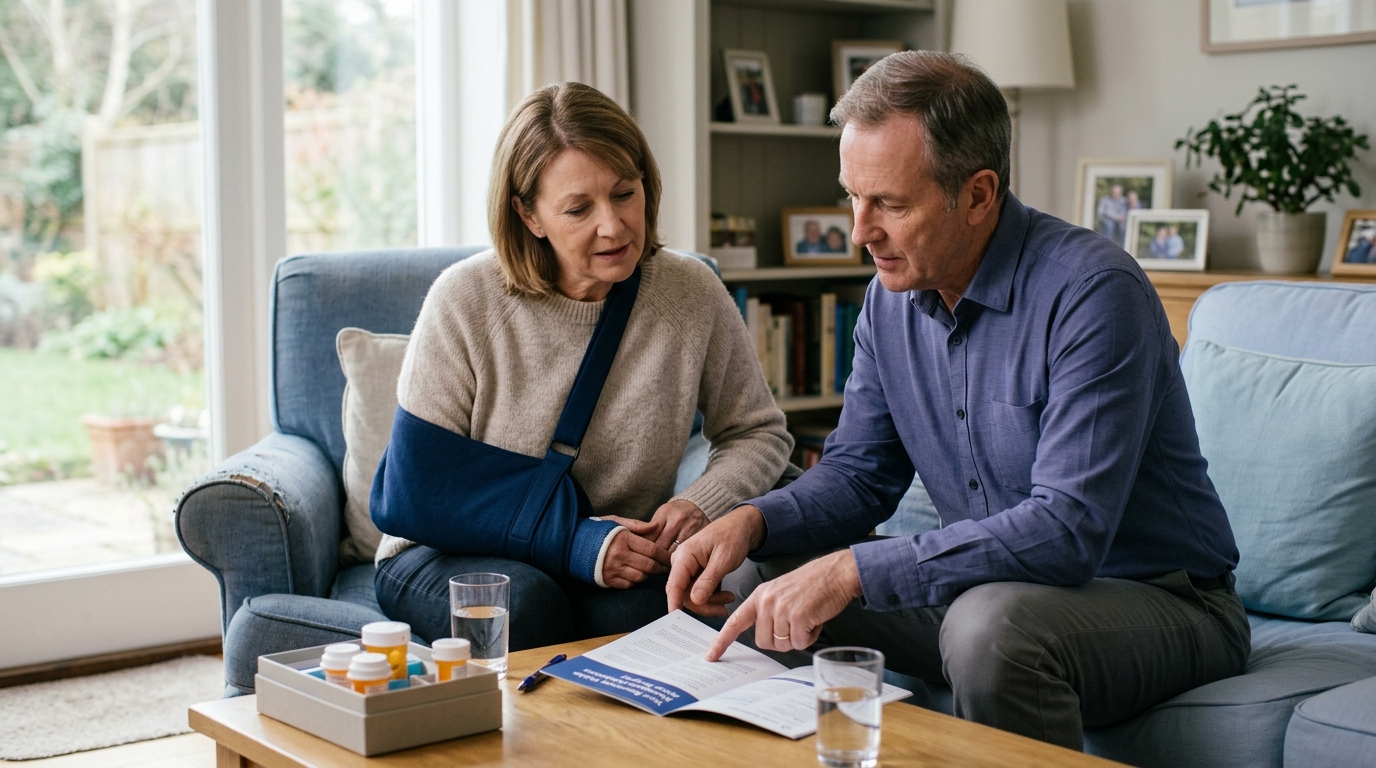
NICE also highlights the importance of a structured medication review. Many commonly prescribed medications can cause drowsiness, low blood pressure upon standing, dizziness, or slowed reflexes. Pain medications, sleep aids, and blood pressure therapies taken during injury recovery can alter balance. A clinician or pharmacist can review your prescriptions to identify and adjust medications that raise fall risks.
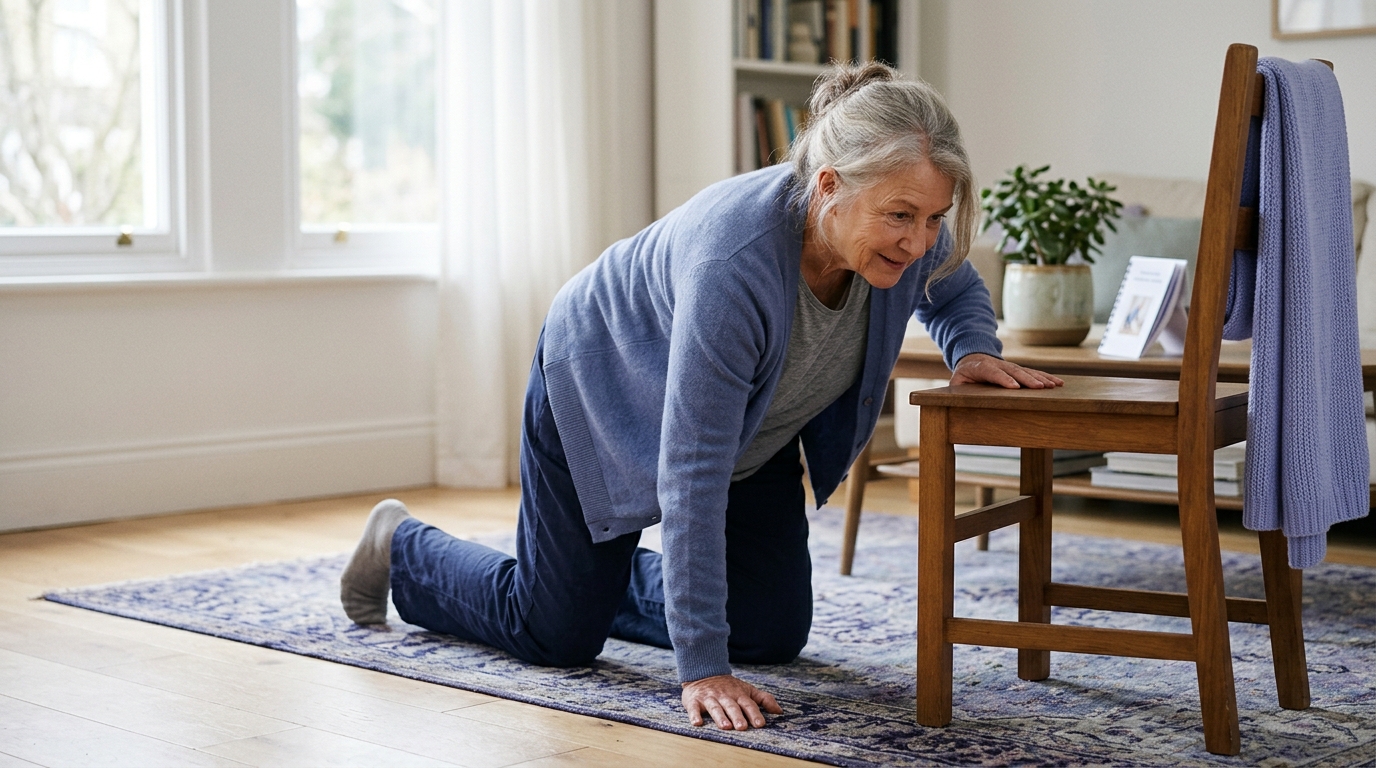
Addressing hazards in your immediate living space reduces the likelihood of accidents. Research-backed environmental modifications include removing loose throw rugs, clearing clutter from walking paths, improving stair lighting, and installing secure grab bars in bathrooms. Using prescribed mobility aids correctly provides mechanical stability when walking on uneven surfaces or navigating fatigue. Integrating these practical steps into injury recovery and healing resources creates a secure environment for daily rehabilitation.
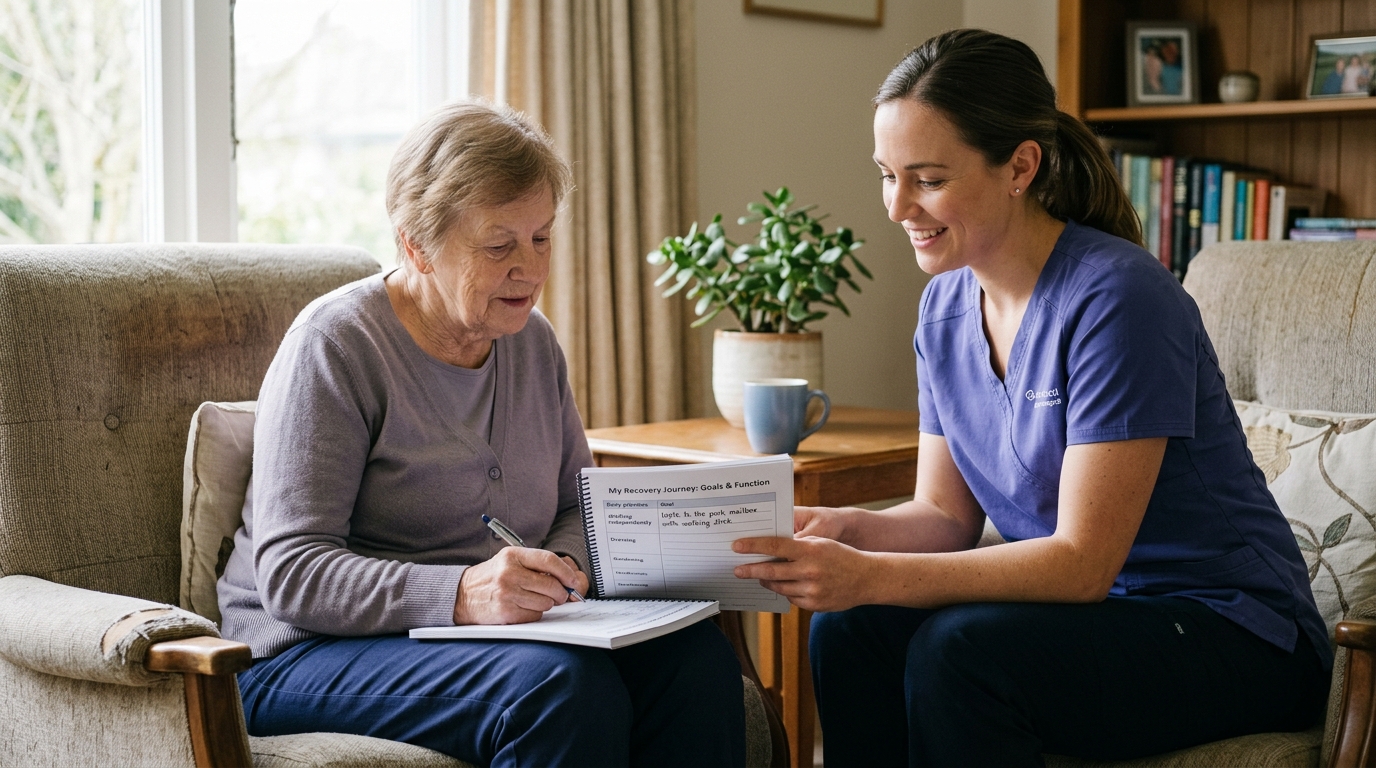
Every recovery path is unique. Biological variables, underlying medical conditions, and lifestyle habits alter how bone tissue repairs and how quickly a person can resume normal movement. Understanding these variables helps you set realistic expectations for your rehabilitation timeline.
Pre-existing conditions such as osteopenia or osteoporosis alter the mechanical quality of your skeleton. In bones with lower mineral density, fractures may occur from lower-energy impacts, and the healing callus may form more slowly.
For individuals with diagnosed osteoporosis, exercise selection requires careful modification. NIAMS advises that people with osteoporosis or significant physical limitations consult their health care provider before starting any new training routine. High-impact jumping or aggressive spinal flexion exercises may be unsafe, while guided resistance and balance training can be performed under professional supervision.
Systemic health directly influences tissue repair. Chronic conditions such as uncontrolled diabetes, kidney disease, or gastrointestinal disorders that cause malabsorption can interfere with nutrient availability.
When your body lacks sufficient protein or total calories, healing processes slow down. In older trauma patients, low baseline nutritional reserves are closely tied to extended recovery times. Screening for malnutrition and addressing dietary deficits early in the recovery process helps support normal cellular repair mechanisms.
Smoking and nicotine use present well-documented challenges during orthopedic healing. Systematic reviews on smoking and bone healing show a strong association between tobacco use and delayed fracture union, higher rates of nonunion, and increased wound complications.
Nicotine causes constriction of small blood vessels, reducing blood flow and oxygen delivery to the healing bone. While research continues into the exact biological pathways, stopping smoking during recovery is a clinically sound step that supports tissue vascularization and general health.
The structural nature of your injury dictates your day-to-day restrictions. A non-displaced stress fracture managed with a removable boot requires a different movement plan than a complex fracture repaired with metal plates and screws.
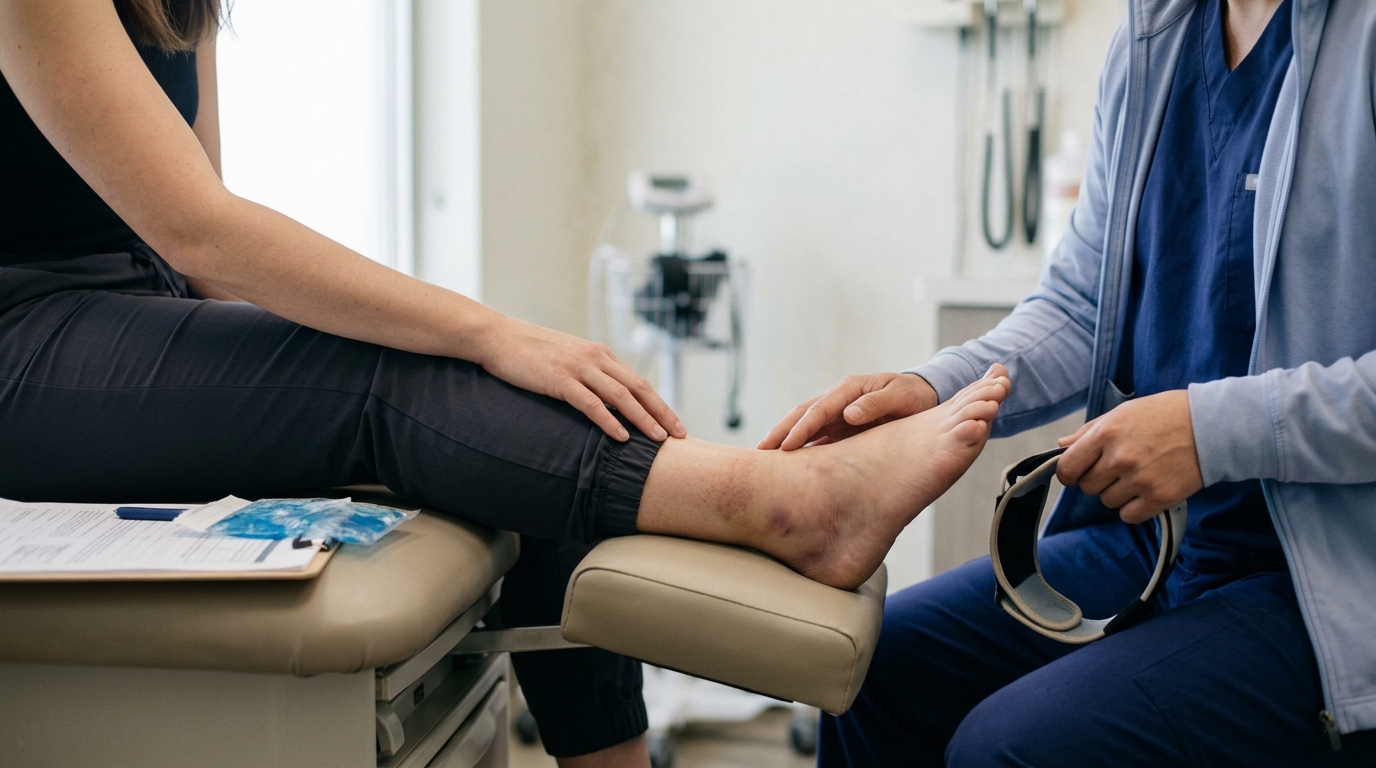
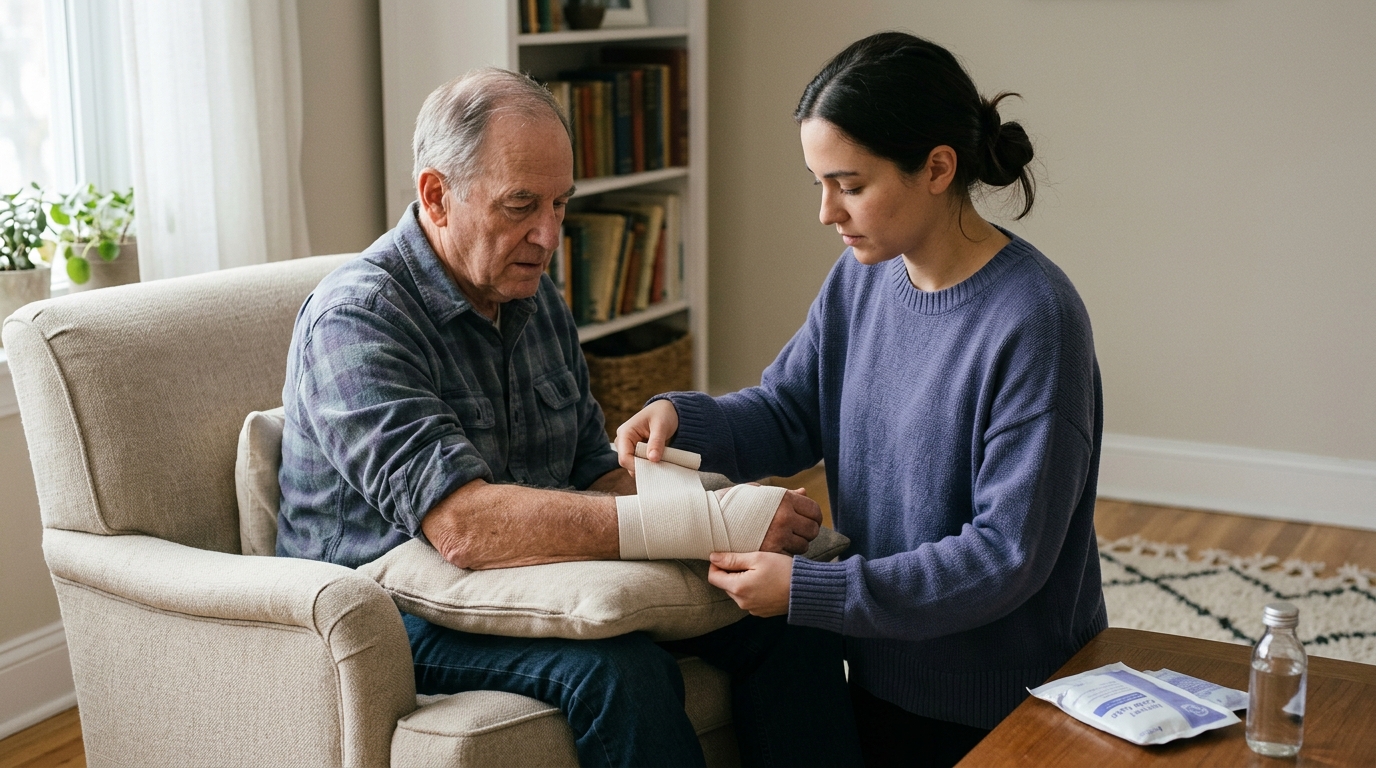
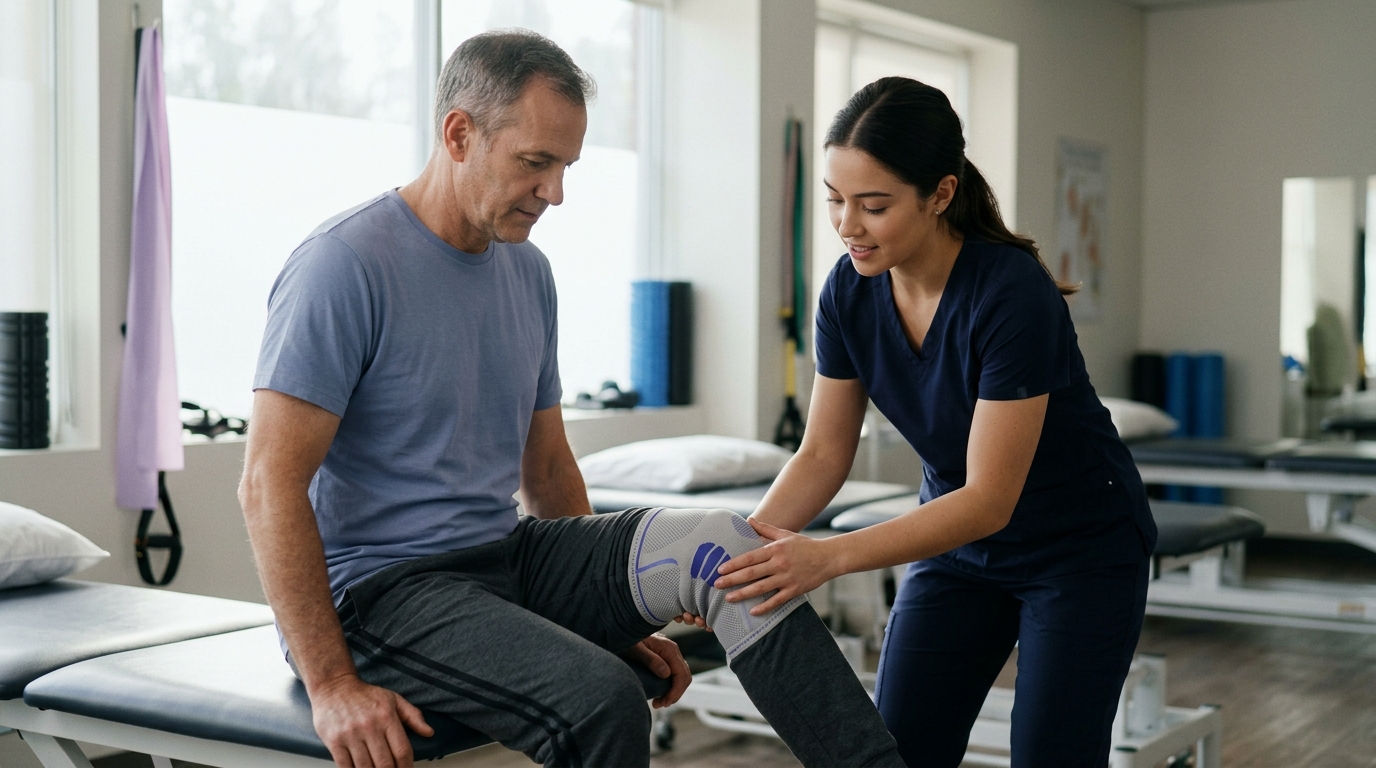
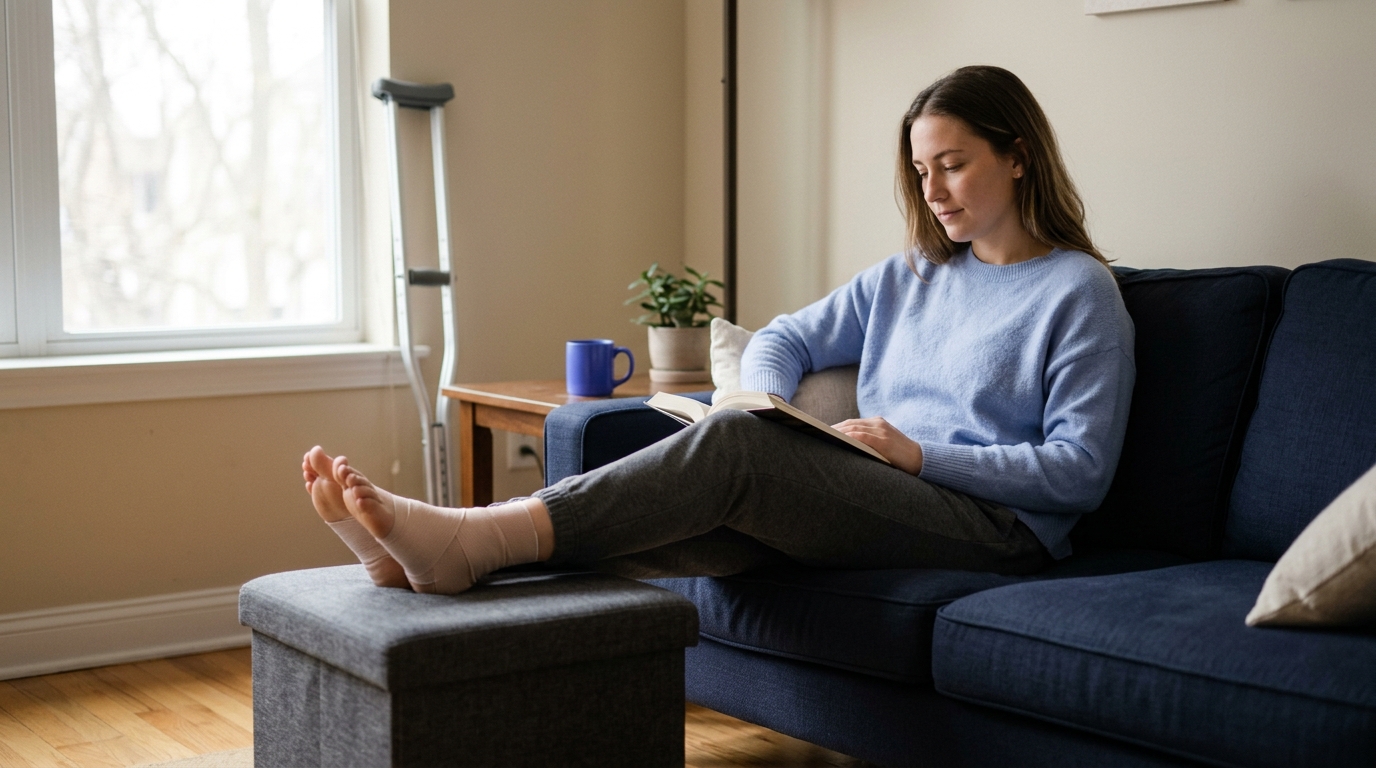
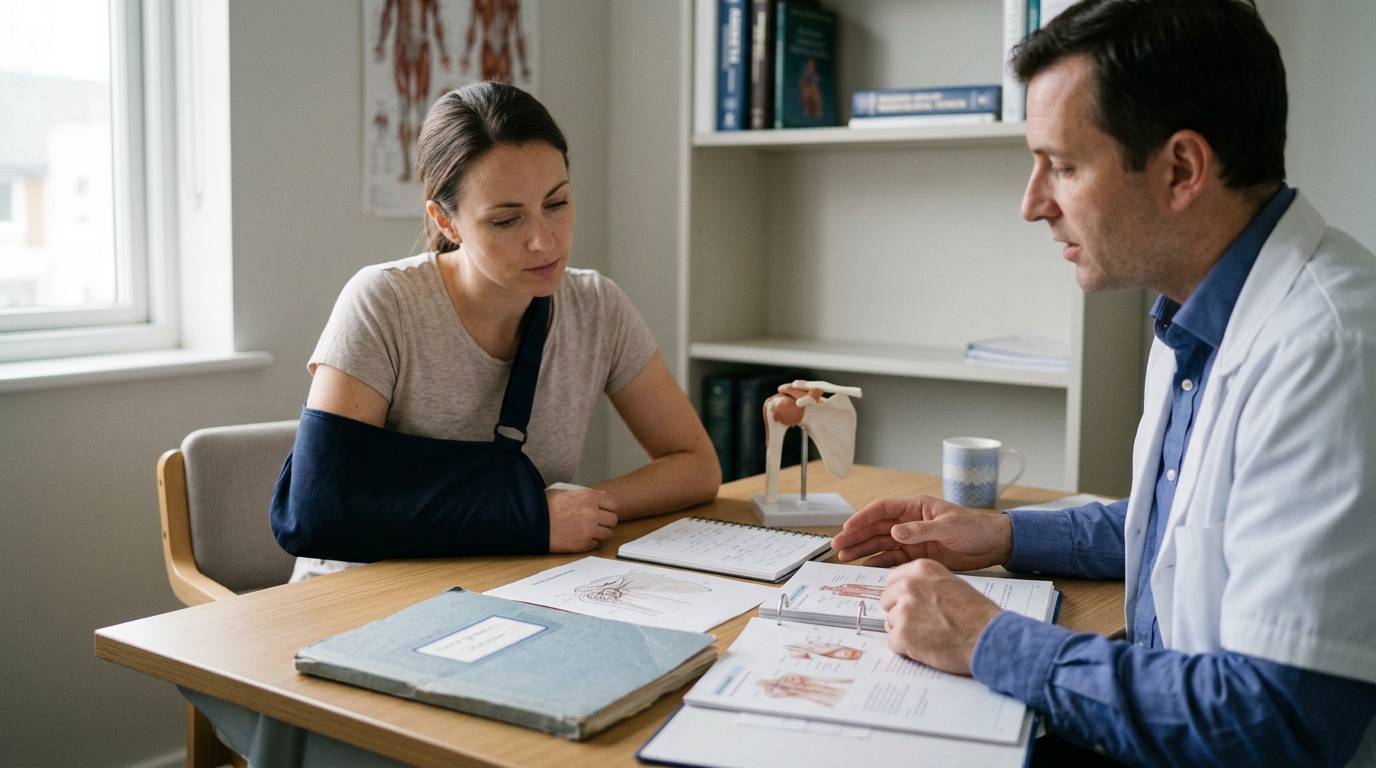
Immobilization devices like casts, braces, and external fixators protect the bone from shifting. Wearing these devices as instructed is critical. Removing a brace too early or attempting to walk on a non-weight-bearing cast can compromise surgical alignment and prolong your overall recovery time.
Navigating daily life while recovering from an injury requires practical adjustments to your physical environment and movement habits. Applying smart strategies to everyday routines helps you stay active safely while respecting tissue healing constraints. These habits are especially useful when learning mobility and movement strategies during rehabilitation.
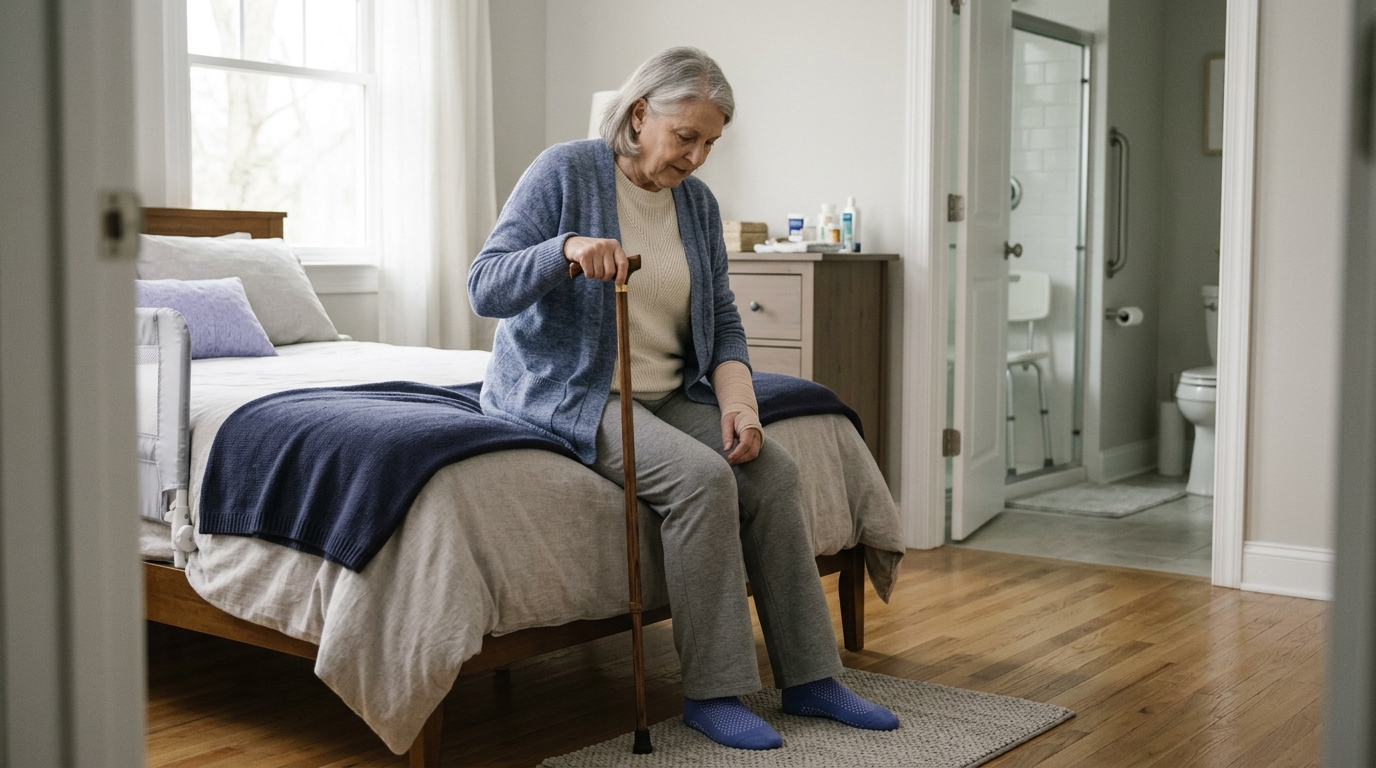
Setting up your home environment before or immediately after starting recovery reduces physical strain. Arrange frequently used items on counters between waist and shoulder height to minimize deep bending and overhead reaching. Ensure that all pathways between your bed, bathroom, and kitchen are completely clear of cords, low furniture, and loose floor coverings.
Lighting is a simple yet critical tool for safety. Place nightlights in hallways and bathrooms to maintain visibility during nighttime trips. If your bedroom is on an upper floor, consider setting up a temporary sleeping area on the ground level during the early phases of restricted mobility to avoid unnecessary stair use.
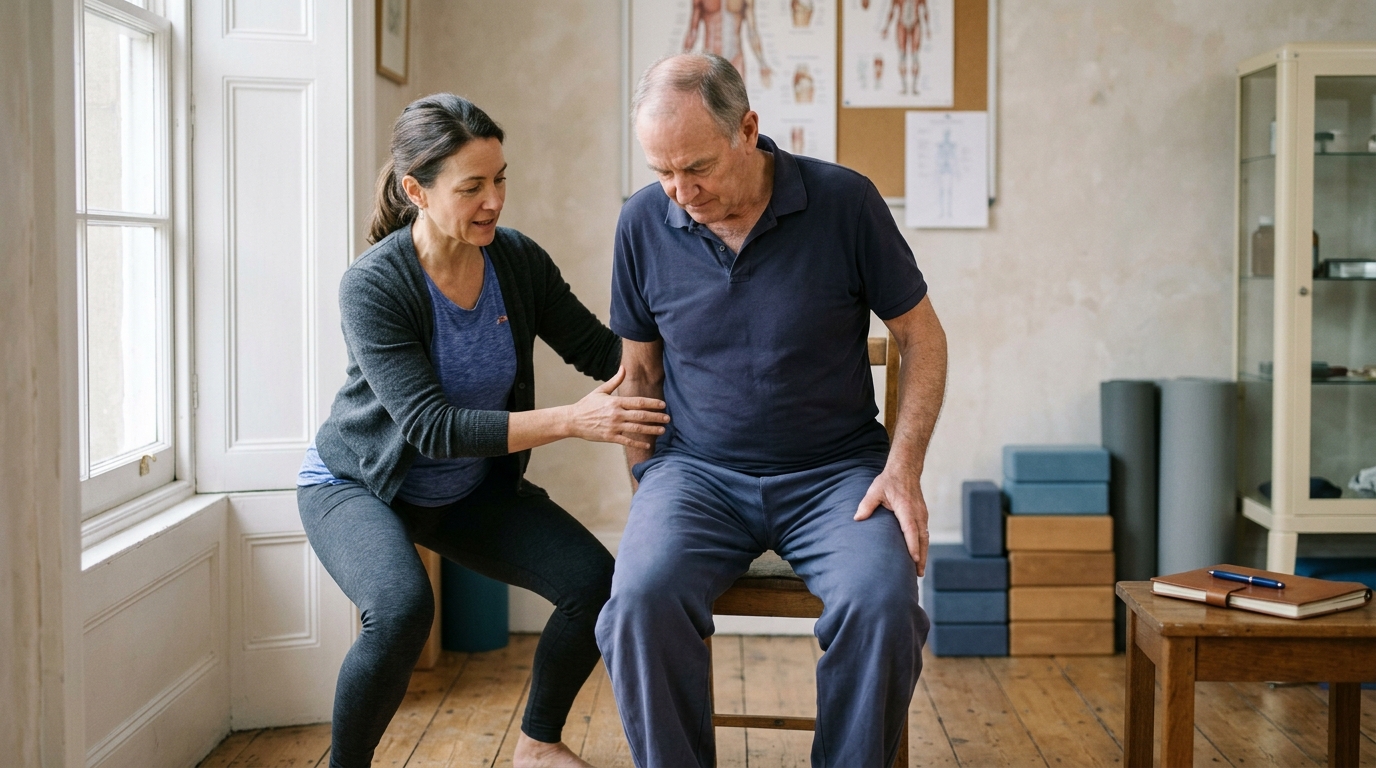
Getting in and out of chairs, beds, and vehicles requires deliberate movement when you have restricted weight-bearing status. Use chairs with sturdy armrests that allow you to push upward using your uninjured limbs. Avoid low, overly soft couches that make standing difficult and unstable.
When getting out of bed, use the log-roll technique if recommended by your physical therapist. Roll onto your side, swing your legs over the edge of the mattress, and push your upper body up with your arms in one coordinated motion. Pause for several seconds in a seated position before standing to ensure you do not experience dizziness from postural blood pressure changes.
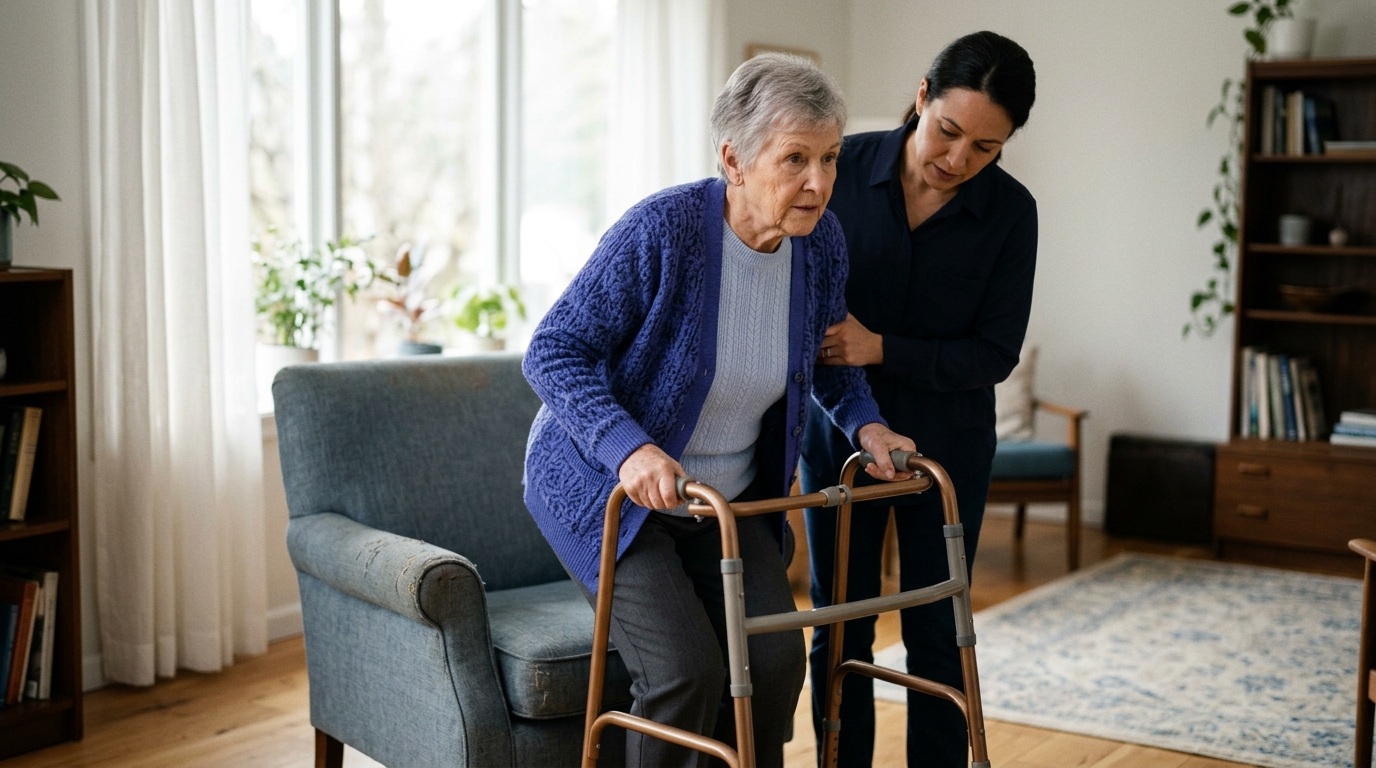
Crutches, canes, and walkers are designed to offload specific amounts of body weight from a healing bone. Using an aid at the wrong height can cause shoulder pain, nerve compression, or improper balance. Ensure that your physical therapist checks the fit of your device.
Keep your mobility aid close to your bed or chair so you never take unsupported steps. Even if you feel steady, resist the urge to hop across a room without your crutches. Sudden loss of balance can lead to reflexive weight-bearing on the injured limb, putting vulnerable bone structures at immediate risk.
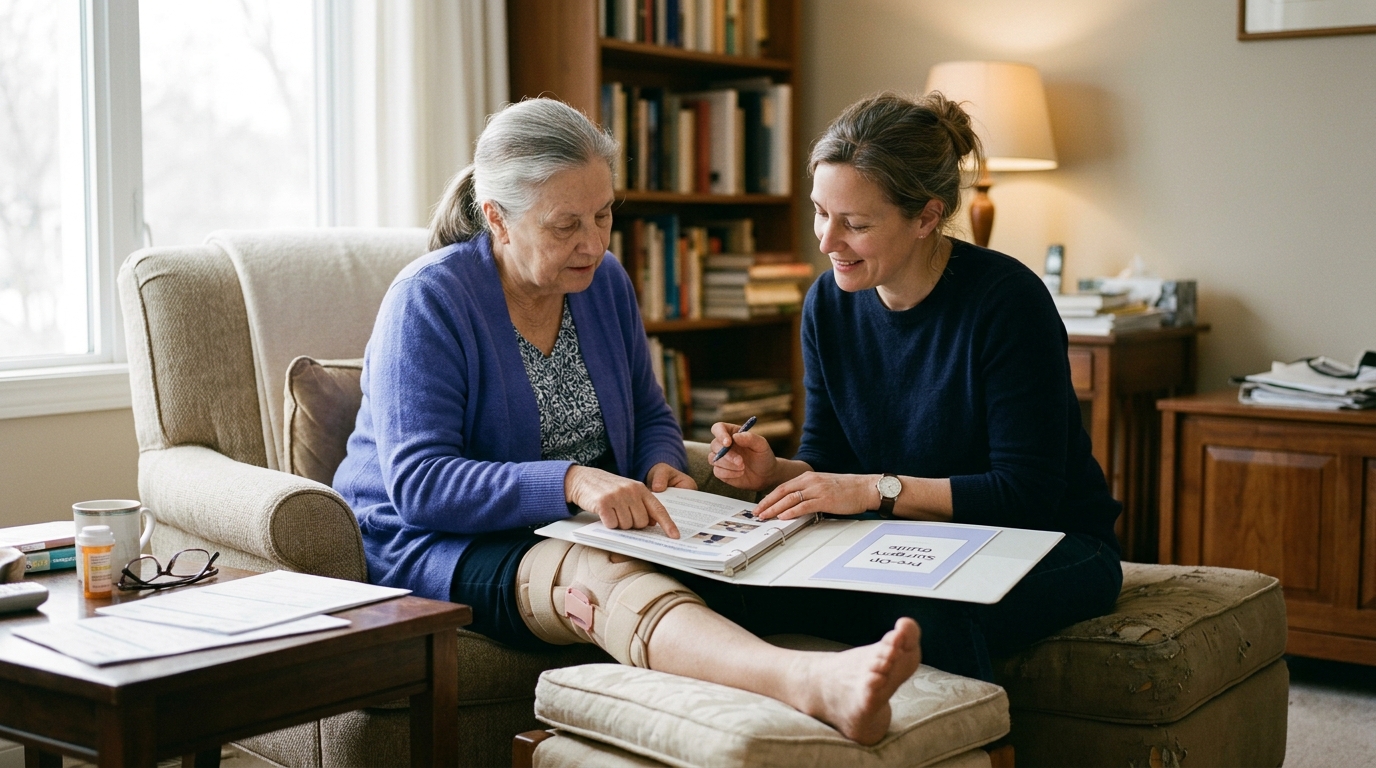
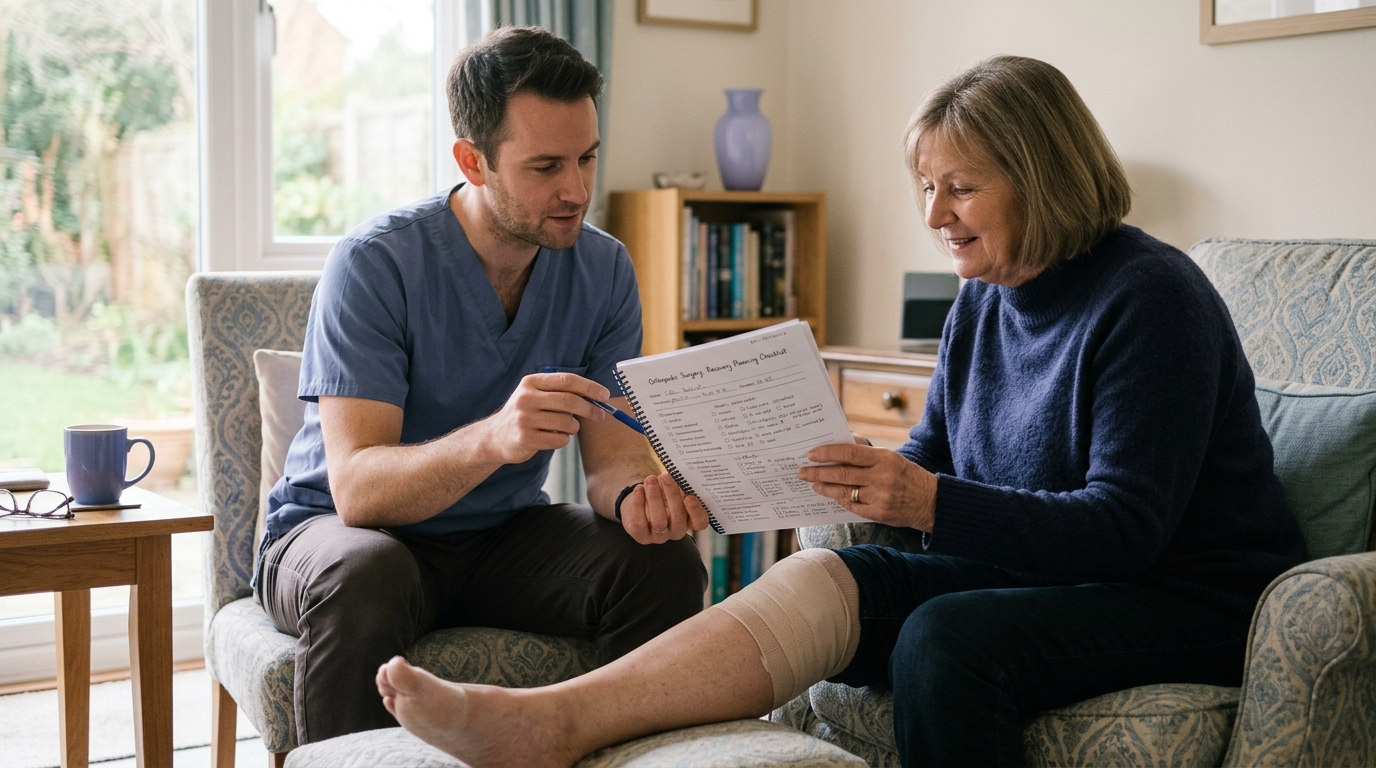
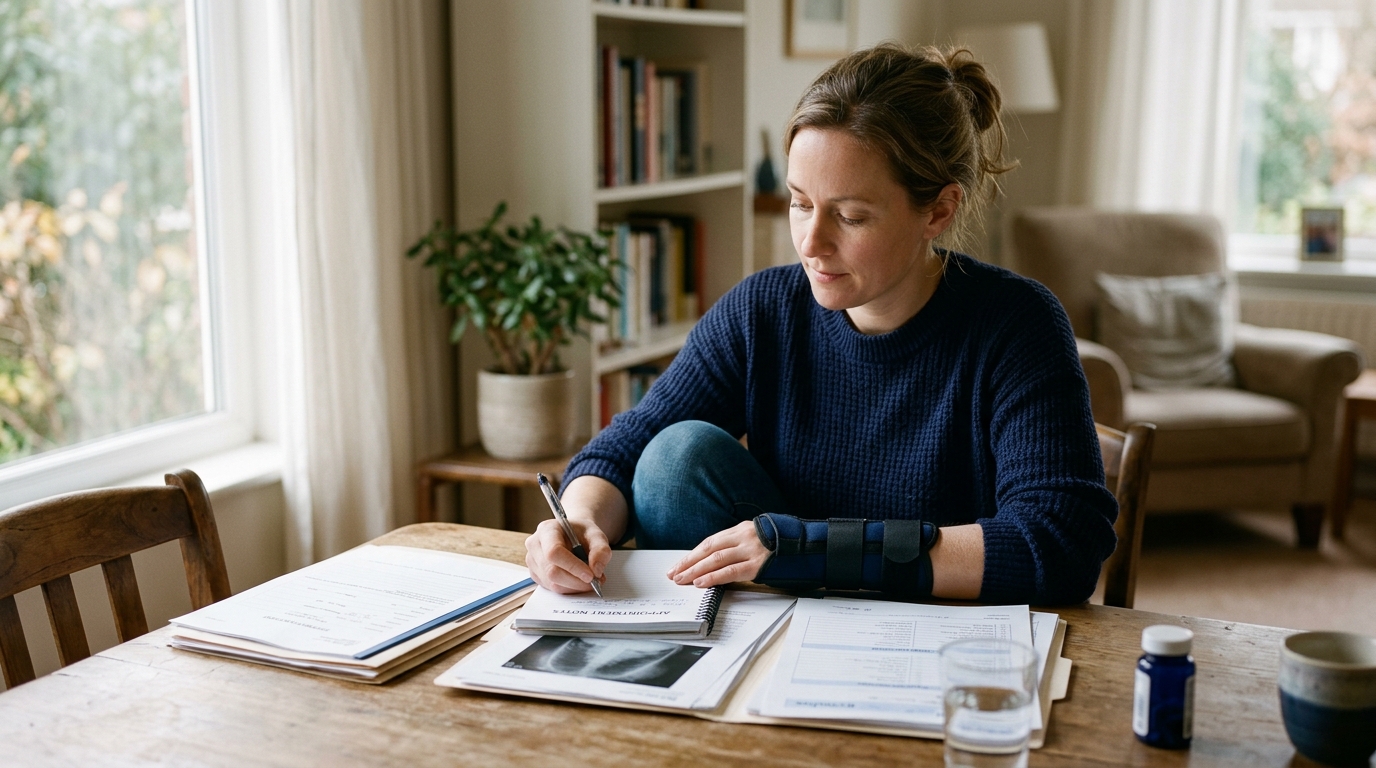
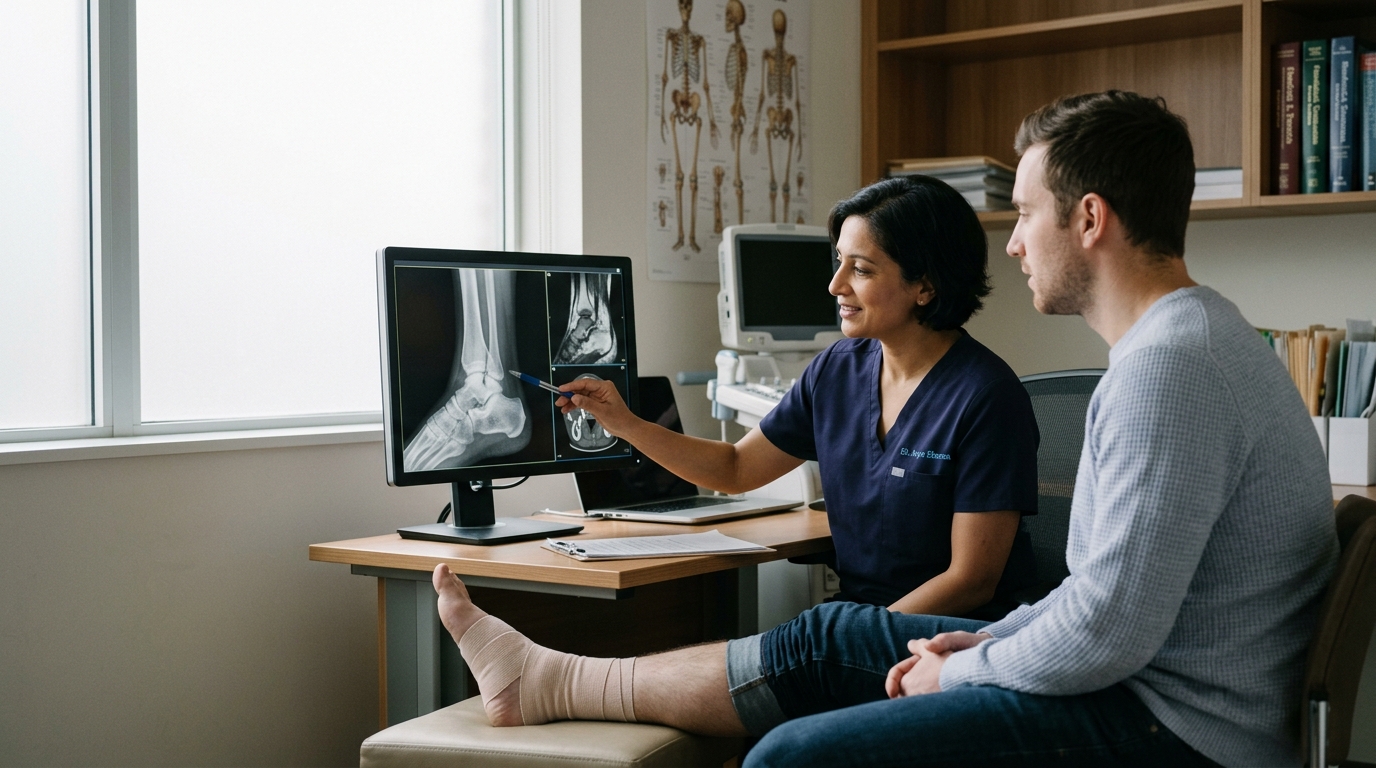
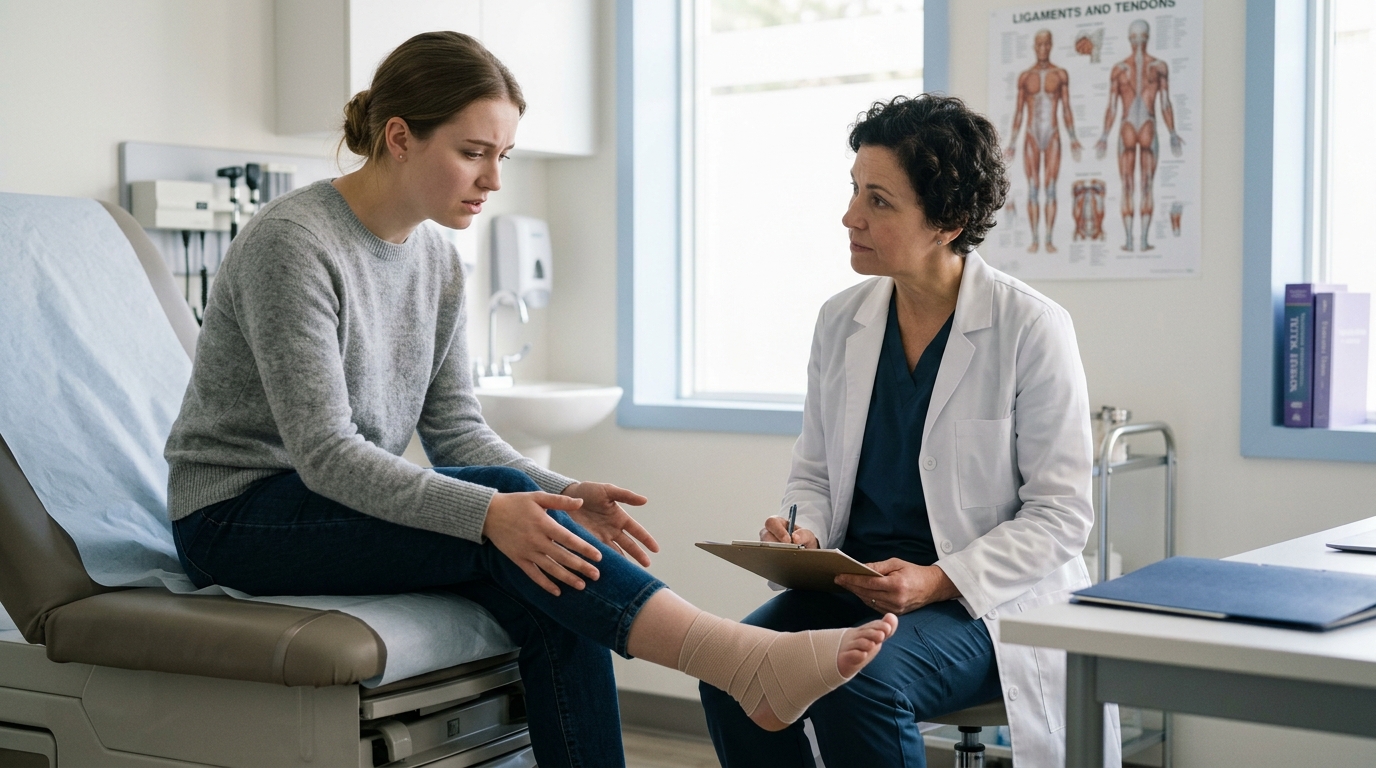
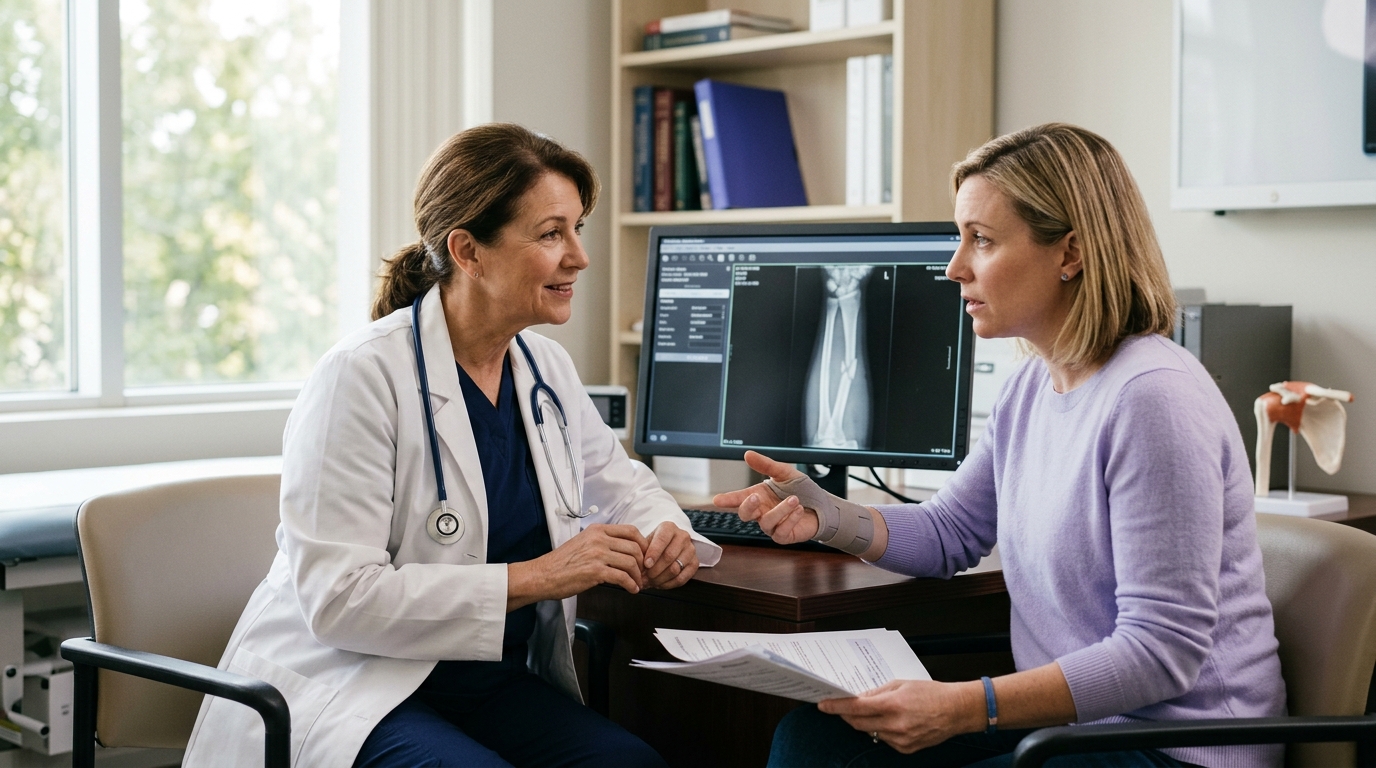
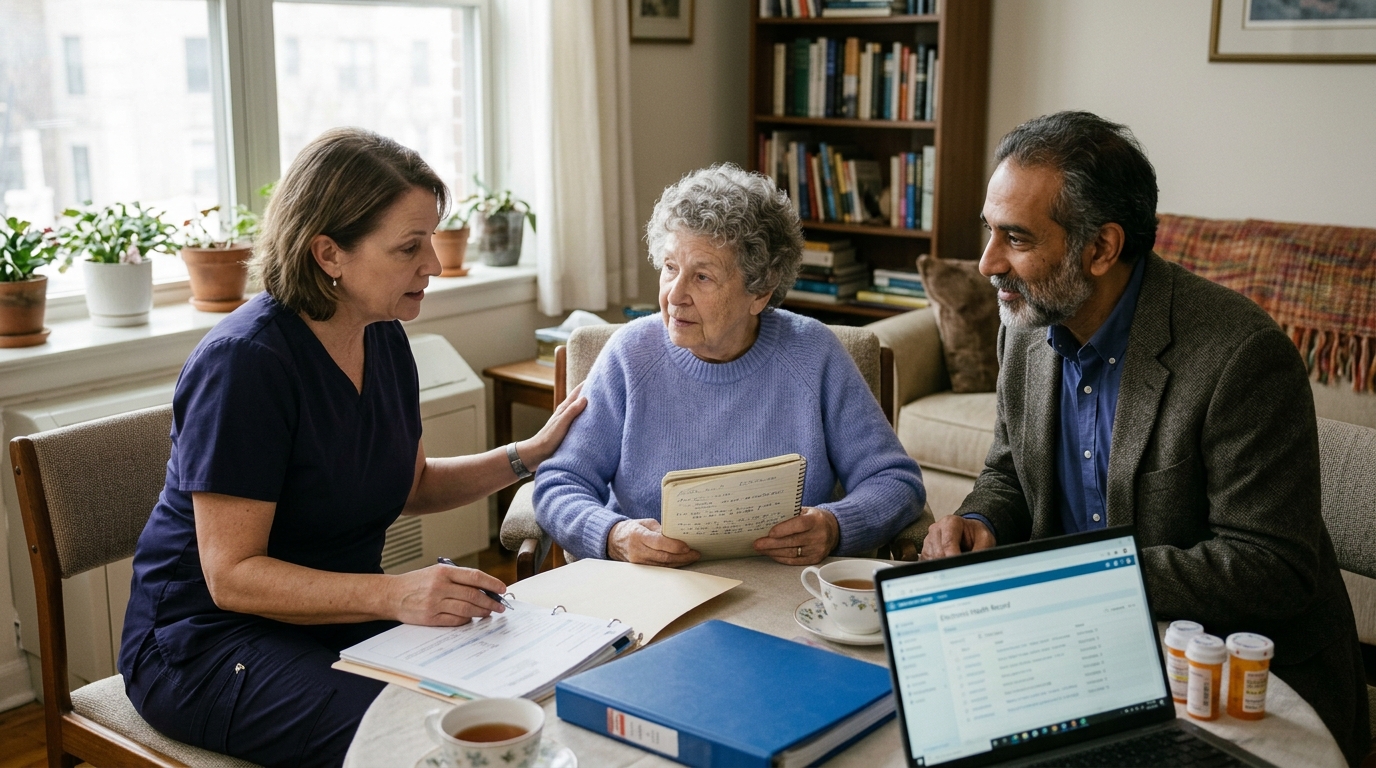
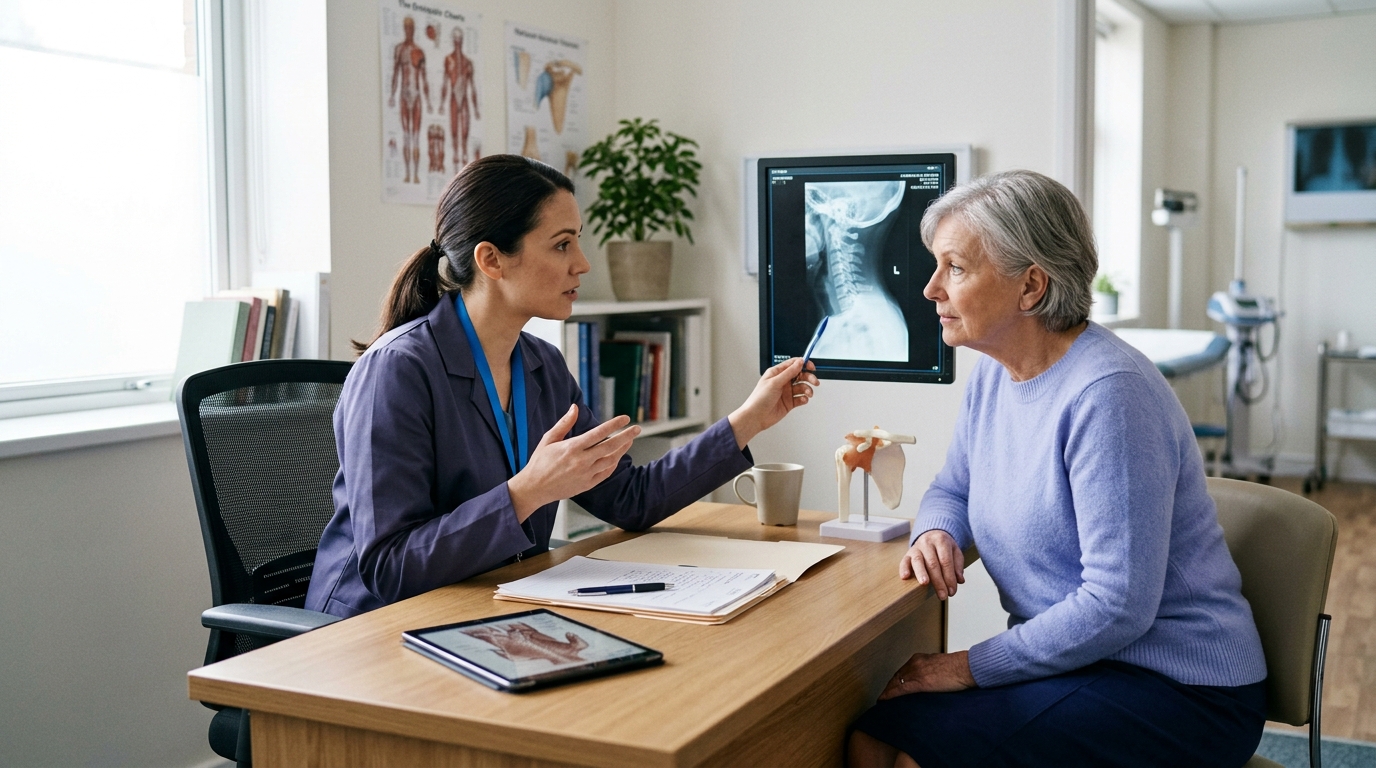
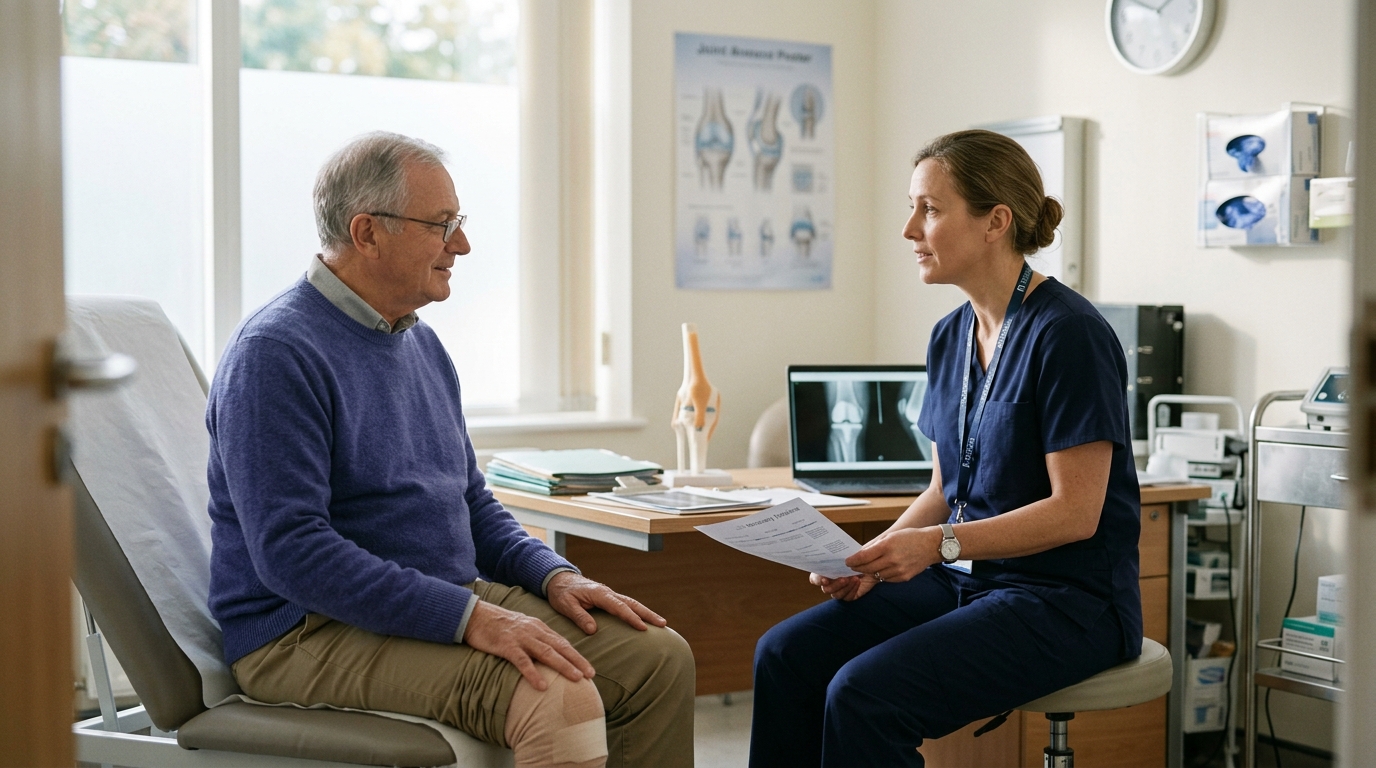
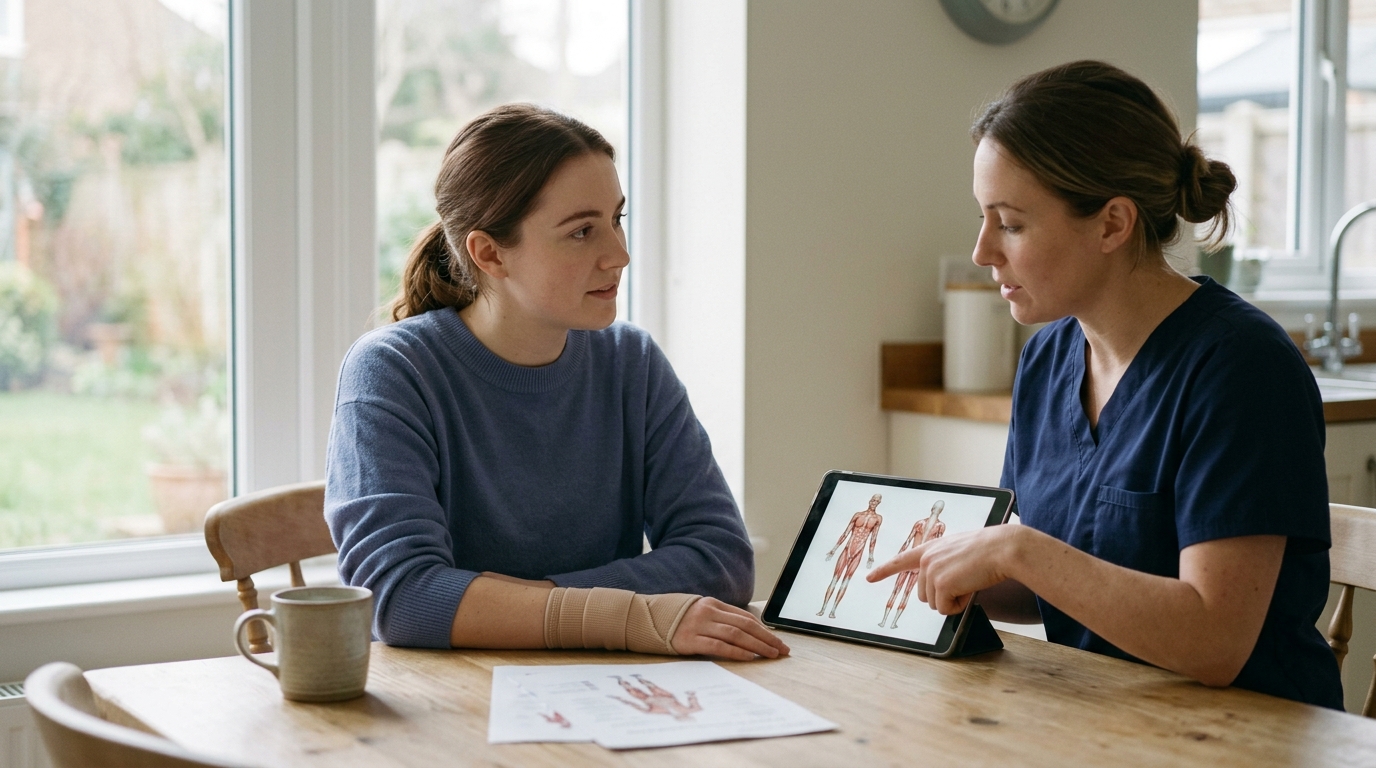
Clear communication with your health care team ensures that your daily habits align with your clinical recovery plan. Bring specific questions to your follow-up appointments to clarify your movement limits, nutritional needs, and rehabilitation milestones.
Here are practical questions to discuss with your orthopedic surgeon, primary care doctor, or physical therapist:
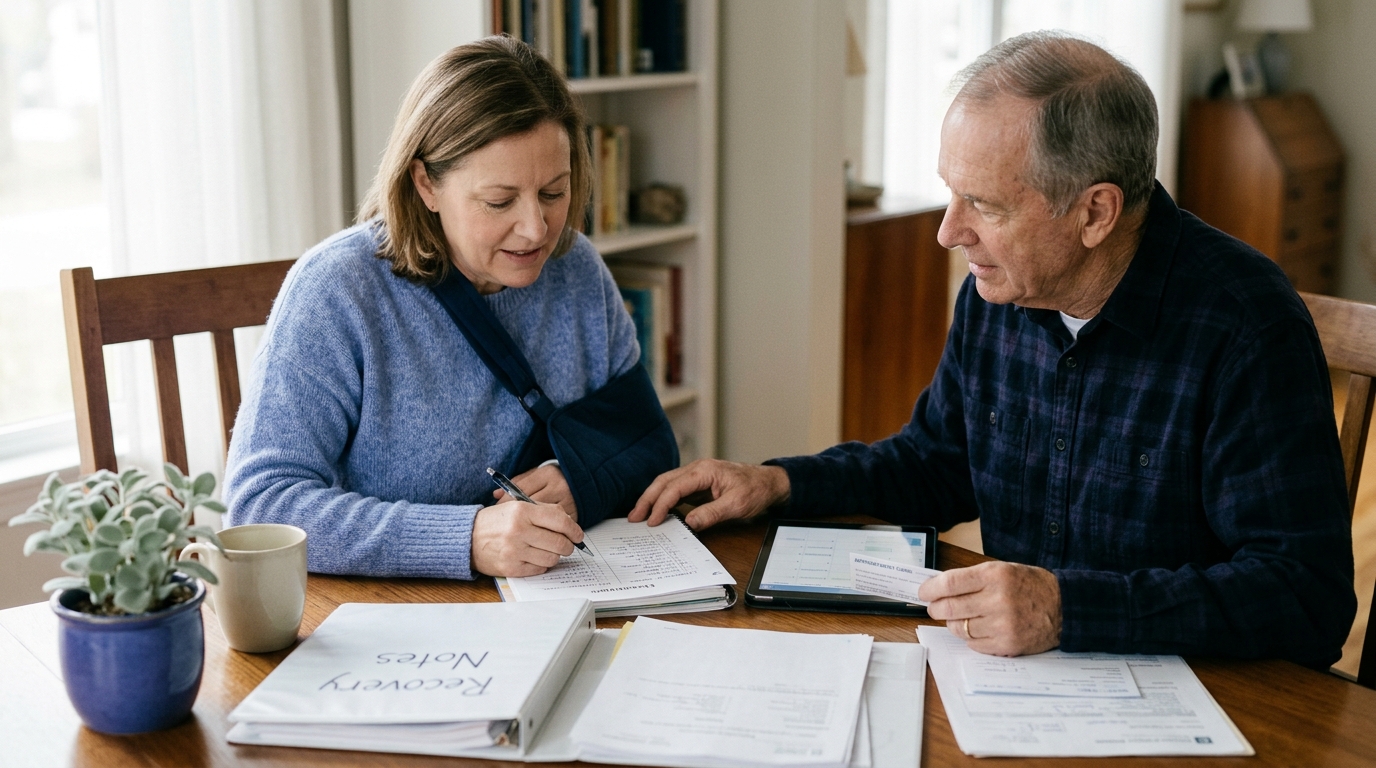
Taking notes during your appointments or having a family member attend can help you remember specific instructions. If your symptoms change or if you experience unexpected pain, contact your clinic before adjusting your activity level.
Supporting your bones during physical recovery requires a balanced approach that combines general wellness foundations with injury-specific medical care. General bone health focuses on long-term mineral density and skeletal resilience through balanced nutrition, resistance training, and active living. Acute fracture recovery, however, is a delicate biological repair process that requires protected loading, professional guidance, and time.
Adequate daily calories, sufficient dietary protein, and recommended intakes of calcium and vitamin D provide the necessary nutritional base for tissue healing. However, clinical evidence does not support using high-dose supplements or specialized foods to speed up bone repair. The most reliable way to nourish your body is through regular, balanced meals, with clinical screening for malnutrition if appetite or intake is reduced.
Movement must always respect your individual injury limits. While general physical activity guidelines recommend regular aerobic and muscle-strengthening exercise, an injured limb must follow specific weight-bearing instructions. Incorporating evidence-based fall prevention strategies, including balance training, medication reviews, and home modifications, protects your skeleton from secondary trauma. By following your clinician's guidance and maintaining solid lifestyle habits, you create the optimal environment for safe, long-term functional recovery. Exploring broader active aging and injury prevention concepts can further assist in maintaining long-term physical capacity.
No. While your body requires adequate calcium to build bone tissue, consuming more than the recommended daily allowance does not accelerate the biological repair process. Once your nutritional needs are met, extra calcium is excreted by the body or can increase the risk of side effects like kidney stones. Focus on meeting standard daily targets through balanced foods and clinician-approved supplements rather than mega-dosing.
Walking is an excellent weight-bearing exercise for maintaining general bone density in healthy bones, but it is not appropriate for every healing injury. Fractures of the pelvis, hip, femur, tibia, ankle, or foot often require strict non-weight-bearing or partial weight-bearing periods to prevent bone displacement. Always follow your treating provider's specific instructions regarding when and how much weight you can put on an injured limb.
Smoking and nicotine use constrict blood vessels and reduce the delivery of oxygen and nutrients to the fracture site. Clinical studies consistently show that smokers face higher rates of delayed healing, nonunion, and postoperative complications compared to non-smokers. Quitting smoking during your recovery period is one of the most effective steps you can take to support tissue blood flow and healing.
Many medications, including pain relievers, muscle relaxants, sleep aids, and blood pressure drugs, can cause side effects like lightheadedness, sedation, or impaired coordination. These side effects significantly increase your risk of falling during recovery. A structured medication review with your doctor or pharmacist helps identify potentially hazardous drug interactions and reduces your fall risk while you regain mobility.

Use ReboundBody resources to understand common recovery stages, rehab terms, movement limits and strength rebuilding. Each guide is designed to make a complex comeback easier to understand.


Read practical guidance on injury recovery, rehabilitation, mobility and rebuilding strength as you work your way back to activity.
Explore Resources