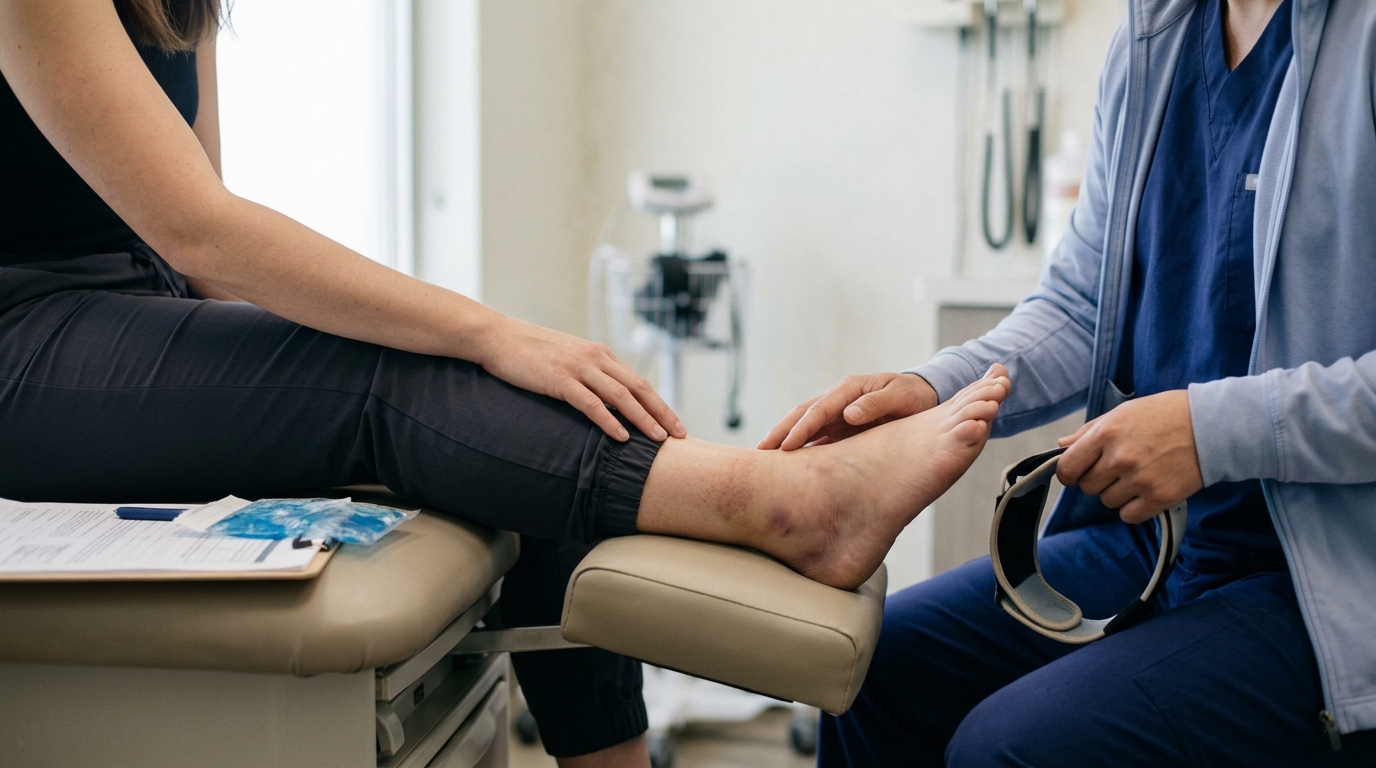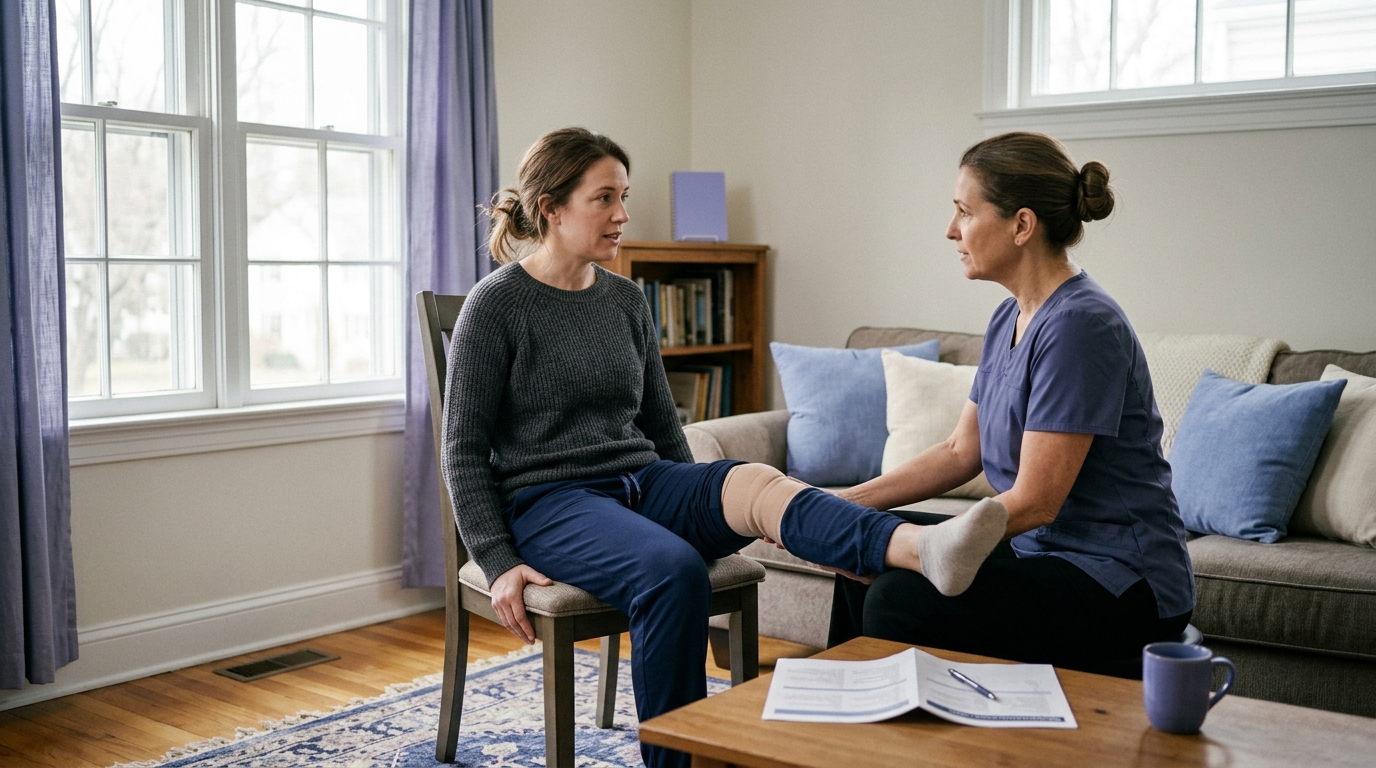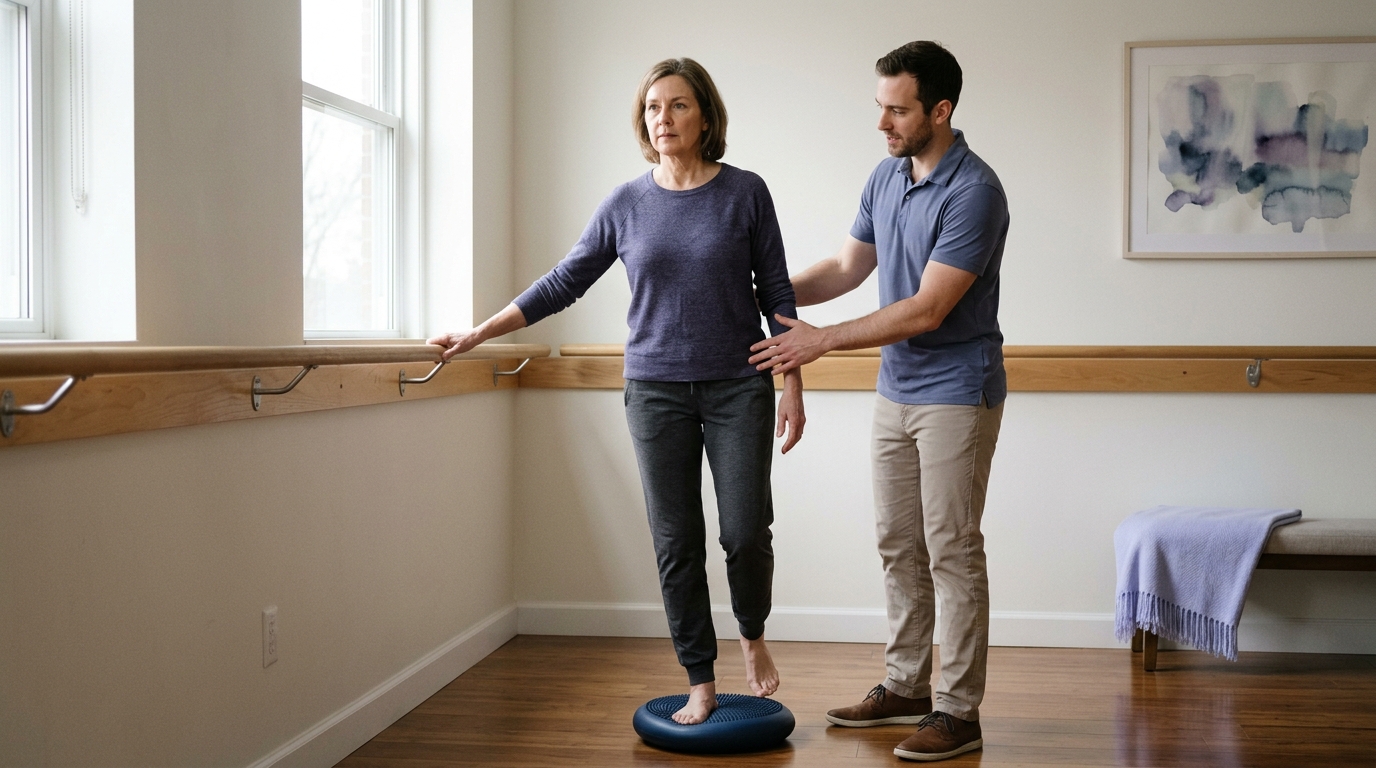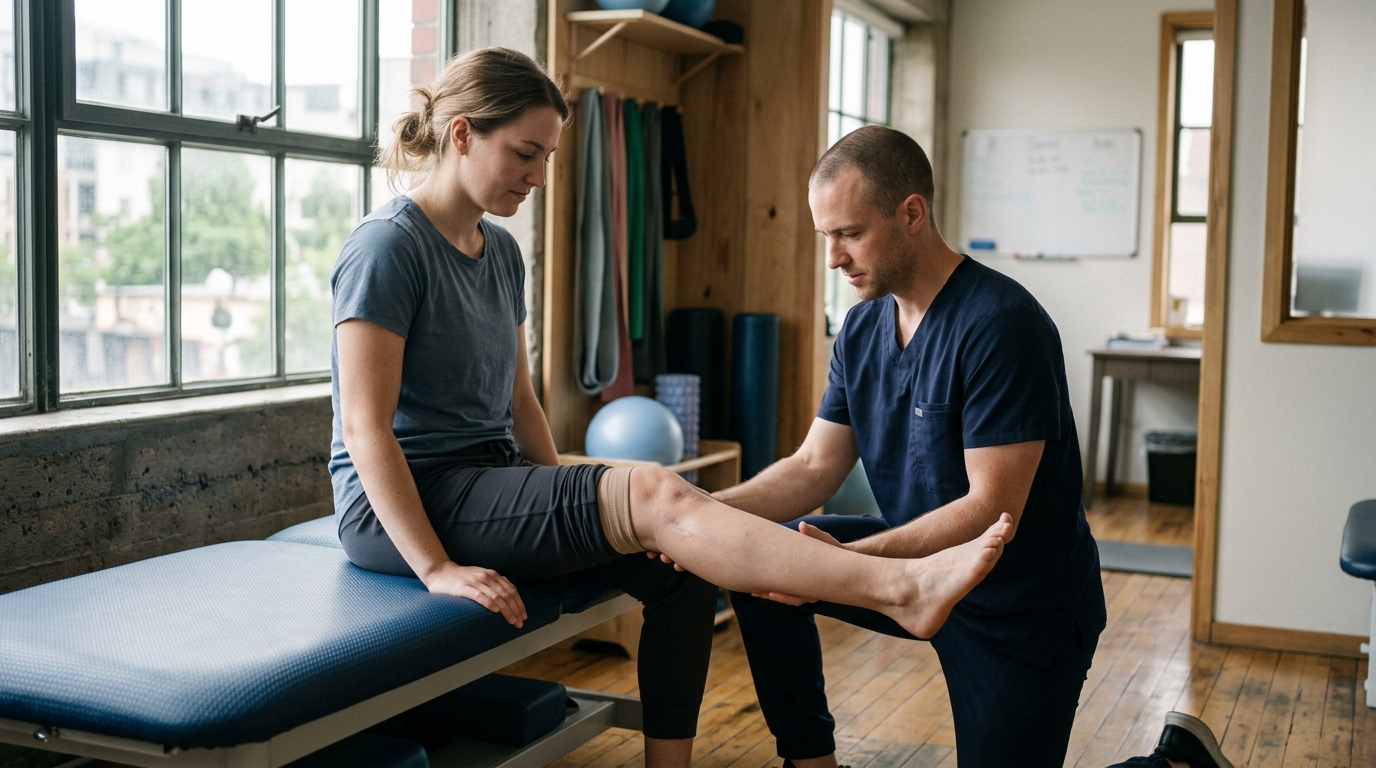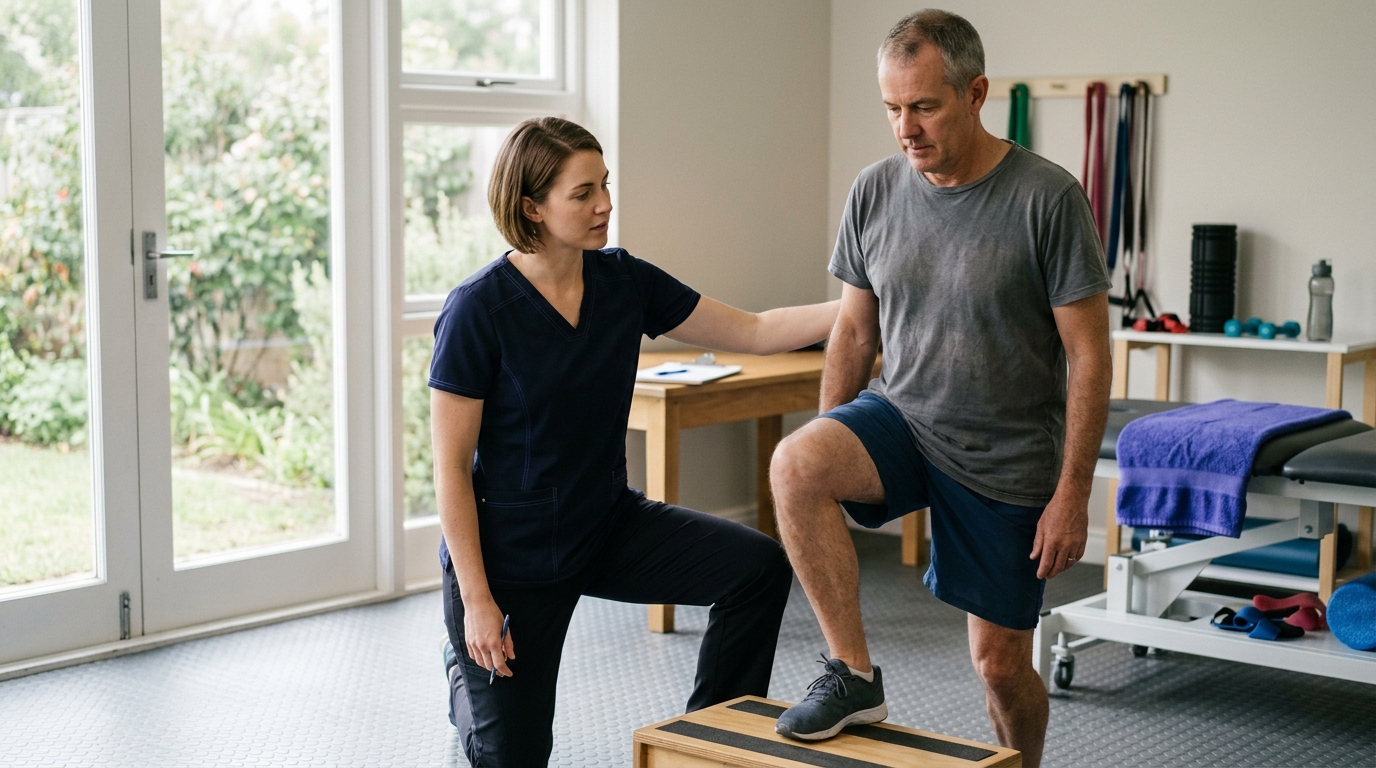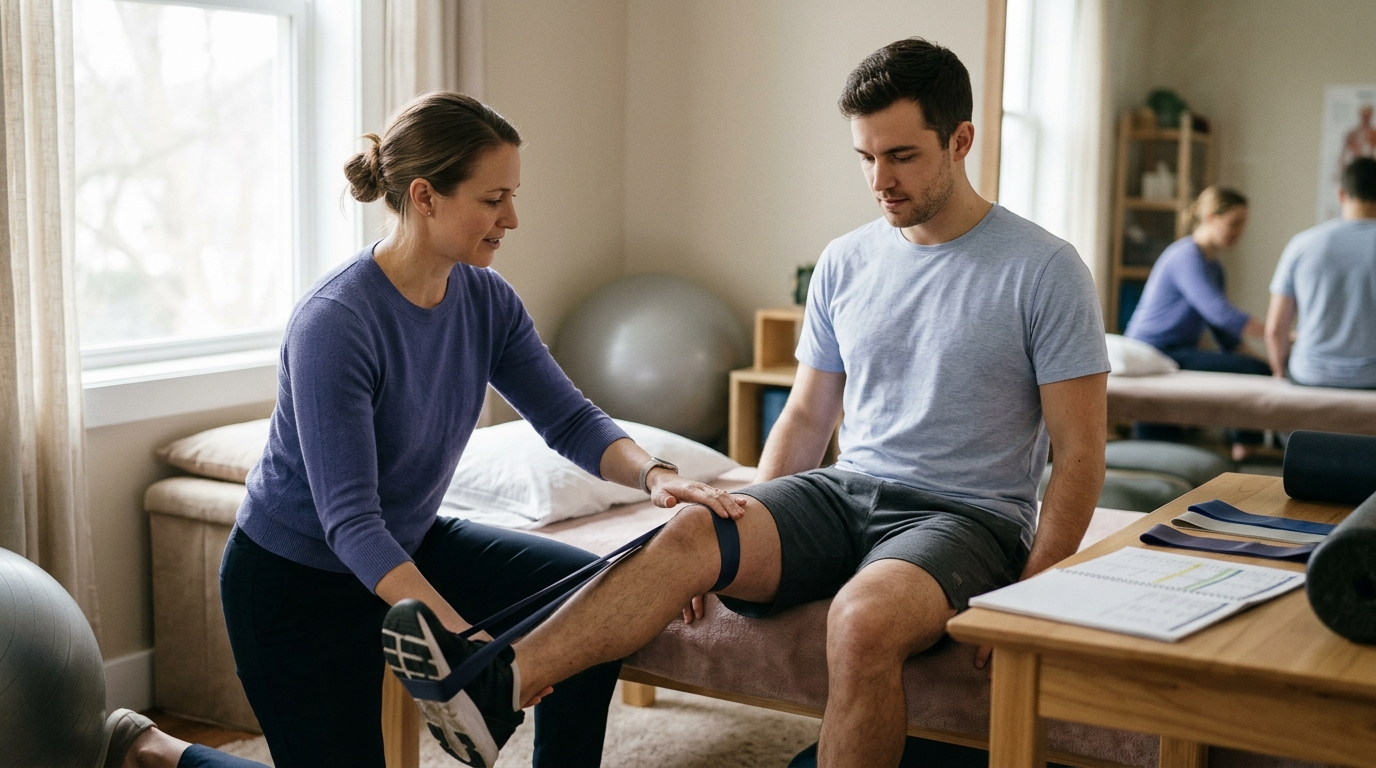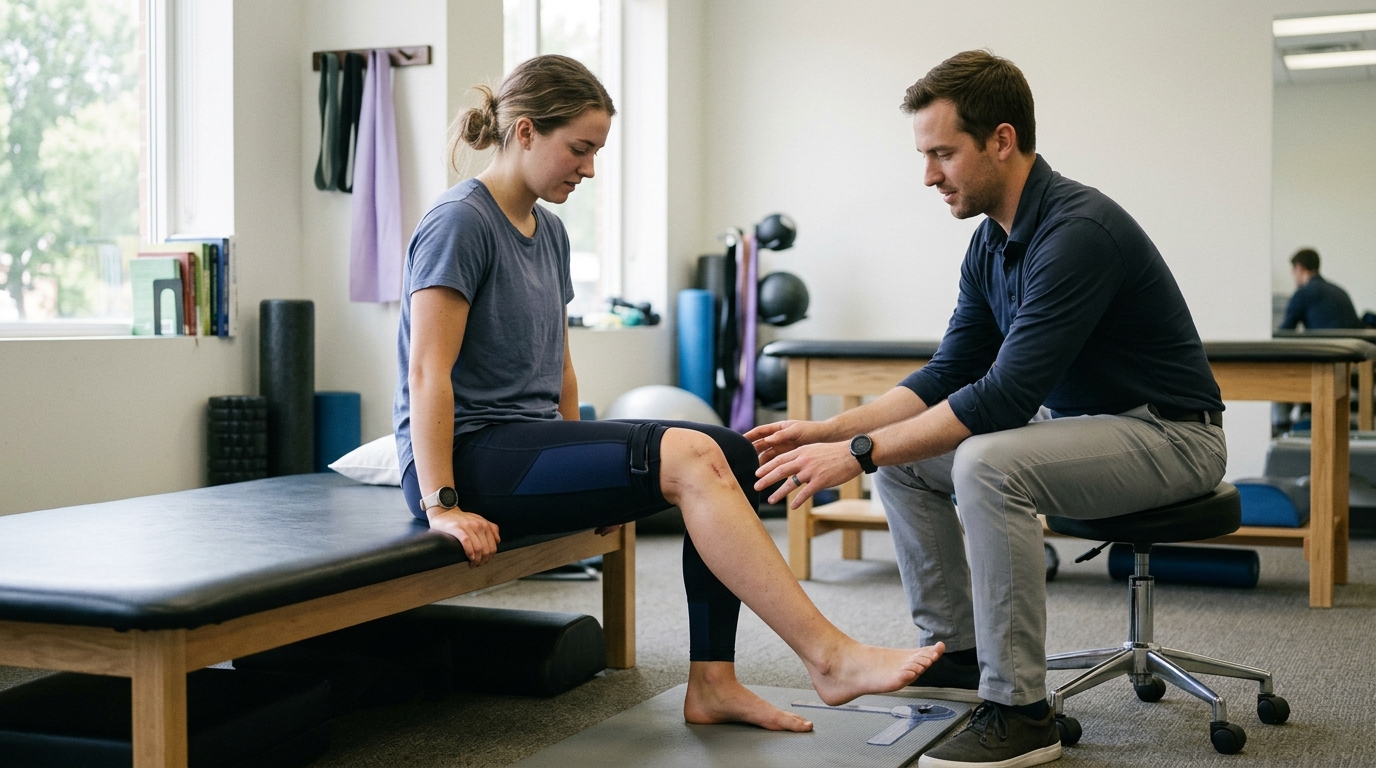

Breaking up sedentary time safely during rehabilitation helps you manage post-surgical fatigue, reduce swelling, and balance daily movement with necessary rest.





Most recovery advice tells you to get moving as quickly as possible. Yet after an injury or surgery, forcing yourself to stand up or walk every few minutes can actually backfire. Rest is not a sign of failure in rehabilitation. It is a biological requirement for tissues that are trying to rebuild.
Breaking up sedentary time during recovery is not about setting a rigid timer or forcing yourself to stand. Instead, it is about learning how to vary your posture safely without exceeding medical limits. Federal guidelines encourage adults to move more and sit less, but they do not set a universal daily sitting limit or a mandatory break schedule. Because every surgical procedure and musculoskeletal setback carries distinct healing constraints, your daily routine must fit your specific physical plan.
Understanding how to balance seated rest, position changes, and prescribed physical therapy helps you manage stiffness and swelling safely. This guide explains what the science actually shows about sedentary bouts. It provides practical ways to introduce comfortable movement into your recovery day without violating your care team's instructions.
To build a sensible daily routine, you need clear definitions. Many people confuse being sedentary with being inactive or lazy. In health research, these terms have exact physiological meanings that change how we think about resting after an injury.
According to the World Health Organization, sedentary behavior is any waking behavior done while sitting, reclining, or lying down with very low energy expenditure. Researchers measure this expenditure in metabolic equivalent units, or METs. Sedentary behaviors use 1.5 METs or less. Common examples include working at a desk, riding in a vehicle, reading, or watching television.
This definition depends on energy use and posture rather than effort or motivation. It also accounts for individuals who cannot stand, such as wheelchair users or patients on strict non-weight-bearing restrictions. In these cases, sitting is necessary, but the way a person manages movement within that seated position still matters.
Sedentary time is also distinct from physical inactivity. Physical inactivity means a person does not achieve the recommended amounts of moderate or vigorous physical activity. A person can complete their daily home exercise program and still spend ten hours sitting down. Doing your prescribed exercises does not erase long periods of stillness, but reducing sitting does not replace your structured physical therapy either.
Researchers also distinguish between sedentary bouts, sedentary breaks, and posture transitions:
Recognizing these differences helps you plan your recovery day. A break does not always require you to stand up or walk down the hallway. For someone recovering from major surgery, a break might simply involve gentle seated movement or changing from a chair to a supported reclining position. You can find more evidence-based frameworks in our collection of rehabilitation and mobility resources to help guide your daily movement planning.
Public health messaging often treats sitting as an independent health hazard. While excessive stillness carries risks, the underlying scientific research is more nuanced than typical headlines suggest. Understanding the real evidence helps you separate acute lab findings from long-term clinical realities.
Much of the research supporting regular movement breaks comes from acute laboratory studies. An overview of systematic reviews found that interrupting prolonged sitting with brief activity produced clear short-term metabolic changes. Compared with uninterrupted sitting, breaking up seated time was associated with acute reductions in post-meal glucose and insulin levels.
In one randomized crossover trial of adults with type 2 diabetes, interrupting eight hours of sitting every 30 minutes with three minutes of light walking or simple resistance movements lowered post-meal glucose and insulin markers by roughly 30 to 40 percent. Other reviews report similar acute improvements when sitting is broken up every 20 to 30 minutes.
However, these acute laboratory experiments do not establish a universal medical rule for orthopedic recovery. These studies evaluated immediate blood sugar responses in controlled metabolic chambers. They did not study tissue healing after a tendon repair, joint replacement, or spinal fusion. You cannot directly translate a metabolic laboratory protocol into a post-surgical safety rule.
When researchers look at long-term health outcomes, the findings become less conclusive. A major scientific review noted that current evidence is insufficient to determine whether sedentary bout length or break frequency directly determines long-term mortality and disease risk. Observational studies show mixed results when trying to isolate break frequency from total daily sitting volume.
Intervention studies also demonstrate that changing how often you stand does not automatically reduce your total sitting time. In a two-arm pilot study involving older adults, one group focused on reducing total sitting time while the other group focused on adding sit-to-stand transitions. The group targeting total sitting reduced their daily seated time by more than two hours. The group targeting transitions added an average of 10 sit-to-stand movements per day, but their total daily sitting time did not change.
Workplace studies show similar behavioral patterns. In one study comparing different break strategies during workdays, a short-break group successfully reduced their workplace sedentary time by about 35 minutes, while a longer-break group changed their sedentary time by only 4.5 minutes. While these workplace studies offer useful ideas for habit formation, they reflect office ergonomics rather than surgical recovery.
Federal health guidance reflects this scientific uncertainty. The official Physical Activity Guidelines for Americans recommend that adults move more and sit less throughout the day. Yet the federal guidelines explicitly state that current evidence does not support a specific recommended daily limit on sitting time or a single prescribed schedule for breaking it up. The general target of 150 to 300 minutes of weekly moderate aerobic activity remains a population goal, not an immediate requirement during early injury healing. Exploring recovery science research helps clarify how these broader health guidelines fit into clinical healing phases.
General wellness advice often assumes your joints, muscles, and surgical incisions are fully intact. In orthopedic recovery, generic rules like standing every 30 minutes can create unexpected problems. Tissues need specific conditions to heal, and those conditions change depending on your injury.
Swelling is a primary reason why general sitting advice fails during rehabilitation. After a major joint procedure, prolonged standing can be just as problematic as prolonged sitting. For instance, standard clinical protocols for total knee replacement advise patients to limit both prolonged sitting and prolonged standing. Keeping the leg dependent on the floor for extended periods allows gravity to pull fluid into the lower extremity, increasing joint effusion and pain.
Spinal recovery provides another clear example of why one schedule cannot fit every patient. Different spinal procedures require vastly different sitting restrictions based on mechanical loading:
Hip precautions also illustrate the need for strict individualization. Following certain hip replacement approaches, patients must follow specific movement restrictions to prevent joint dislocation. Leeds hospital guidance instructs patients with hip precautions to avoid bending the hip past 90 degrees and to ensure their knees remain lower than their hips when seated. For these individuals, sitting in a low, soft armchair or trying generic floor stretches would be dangerous.
Resting in bed is frequently an intentional, therapeutic component of early healing. In major abdominal and bowel surgery recovery programs, clinical guidance often recommends sitting in a chair with planned, intermittent rests back in bed as needed. Another postoperative protocol recommends systematically alternating lying and sitting positions throughout the day.
These clinical examples show that lying down or resting is not an obstacle to recovery. It is an active strategy to offload healing structures, manage surgical fatigue, and prevent excessive inflammation. For more guidance on surgical timelines, review our surgery and rehabilitation articles to understand how different operations dictate daily activity pacing.
Because rigid timers do not match the realities of tissue healing, you need a flexible way to manage your day. A practical, educational model for navigating daily rest is the Notice, Choose, and Check framework. This approach helps you maintain comfort without violating your medical restrictions.
The goal of this framework is regular awareness rather than aggressive exercise. It gives you a structured way to listen to your body and adapt your position throughout the day.
The first step is simply noticing your current posture, your environment, and how long you have been in one position. You do not need to watch a clock obsessively. Instead, look for natural stopping points or subtle physical signals:
Noticing is about awareness. When you recognize that you have been sitting still for an hour, you create an opportunity to assess how your body feels.
Once you notice your position, select a safe variation that fits within your care team's guidelines. Your choice should reflect your current healing stage and energy level:
The right choice is the one that respects your current tissue tolerance. If your knee is throbbing, choosing to lie down and elevate the leg is far smarter than forcing a standing break.
After making a change, take a few moments to evaluate your physical response. Monitoring your symptoms ensures that your movement variations support healing rather than irritating vulnerable tissues:
This simple cycle keeps your daily routine safe and adaptable. It allows you to break up long stretches of immobility without forcing your body into inappropriate physical exertion.
Applying position changes in real life requires adapting to ordinary home and work situations. Recovery routines often break down when daily tasks distract us from our physical comfort. Reviewing common scenarios can help you plan practical solutions for your own environment.
Returning to computer work during recovery often leads to prolonged, static sitting. When you focus on cognitive tasks, hours can pass before you notice worsening joint stiffness or surgical site ache.
A practical strategy is to attach position checks to your existing work habits. When you finish a phone call or send a major document, pause to assess your posture. If your doctor allows standing, you might shift to a standing desk for ten minutes. If you have sitting restrictions from spinal surgery, you should step away from the desk entirely and recline on a firm surface rather than trying to power through the workday.
Relaxing with a book, movie, or television program is an essential part of passing the time during early recovery. However, deep focus can make you miss the subtle stiffness that builds after an hour in a soft chair.
Use natural media transitions as built-in cues. When an episode ends or a chapter closes, run through the Notice, Choose, and Check sequence. You might choose to do five gentle seated heel slides, shift your sitting angle, or stand up with your crutches for a quick posture reset. Linking checks to existing cues prevents you from needing disruptive alarms throughout your relaxing hours.
If you are recovering from foot, ankle, or pelvic surgery, standing up to break up sitting may be prohibited. For full-time wheelchair users or individuals using mobility scooters, generic advice to take a walk is entirely unhelpful.
For these situations, position variation focuses on seated weight shifts and supported limb elevation. You can adjust your wheelchair tilt if available, perform clinician-approved upper-body stretches, or shift pressure from one hip to the other. In abdominal surgery recovery, hospital guidance notes that gentle movement while sitting helps patients tolerate chair sitting longer while protecting vulnerable skin. You can read more about safe mobility strategies in our injury recovery and healing resources.
Following knee or hip replacement, gravity is a constant consideration. Sitting upright with your feet flat on the floor allows fluid to accumulate around the joint capsule, making movement stiffer and more painful.
In this scenario, breaking up sitting often means moving to a horizontal position with your leg properly supported. Alternating 30 minutes in a supportive chair with 30 minutes of resting with your leg elevated can keep swelling under control. Here, the break is not an active exercise session, but a strategic change in fluid dynamics that protects your range of motion.
Major operations place immense metabolic demands on your entire body. The central nervous system and immune system require significant energy to heal surgical incisions and repair deep tissues.
If you feel exhausted after 20 minutes of sitting upright, trying to force an active walking break will only drain your reserves. In post-surgical care pathways, alternating sitting with planned bed rests is standard clinical practice. Resting when fatigued is an active recovery choice, provided it is balanced with gentle, prescribed position shifts throughout the waking day.
Many active adults struggle during recovery because they apply athletic training rules to surgical healing. Believing that more activity is always better can lead to setbacks, increased pain, and prolonged inflammation. Clearing up these common misunderstandings protects your rehabilitation progress.
Many people believe that if they cannot stand up and walk, they cannot break up sedentary time. This belief causes non-weight-bearing patients to stay completely still for hours out of frustration.
A break simply means shifting out of an unchanging, low-energy posture. Changing your seated angle, performing gentle upper-body movements, or doing seated ankle pumps all qualify as non-sedentary interruptions. Any safe variation that alters mechanical pressure and promotes local blood flow accomplishes the goal of the break.
Standing is frequently marketed as the healthy solution to the sitting problem. Yet for someone recovering from lower-limb injuries, standing places sustained compressive forces on healing joints and encourages fluid pooling.
Standing still for 45 minutes can produce just as much lower back aching and joint discomfort as sitting still for 45 minutes. The true goal of rehabilitation ergonomics is position variation, not replacing continuous sitting with continuous standing.
Another common mistake is treating your morning physical therapy routine as an excuse to remain completely motionless for the rest of the day. A patient might complete 30 minutes of excellent home exercises at 8:00 AM, then sit in a recliner until bedtime without moving.
While your morning therapy rebuilds strength and mobility, your tissues still respond to the posture you hold for the remaining 14 hours. Distributing small, comfortable position shifts throughout the entire day prevents the deep stiffness that makes evening movements so uncomfortable. For ideas on building sustainable daily routines, review our lifestyle and recovery resources.
Smartphone apps and fitness watches often flash alerts telling users to stand every 30 or 60 minutes. Following these automated prompts blindly can disrupt essential healing rest or encourage movement when your body needs elevation.
Your surgical instructions, tissue tolerance, and personal comfort must always override an automated timer. If you are resting comfortably after pain medication or managing an acute swelling flare, forcing a standing break because an app buzzed is counterproductive.
To help you visualize how to vary your day safely, it helps to match specific movement options to different functional categories. The right movement depends entirely on what your orthopedic team has cleared you to do.
Review the movement options below to see how posture variation can fit different physical capabilities:
Selecting options from the category matching your current clearance ensures you keep moving without risking tissue overload.
Every surgical procedure, fracture repair, and soft tissue setback follows a unique biological timeline. Generic guidelines can never replace the specific instructions provided by your surgeon or physical therapist. When you attend follow-up visits, asking precise questions about daily posture will give you clarity and confidence.
Use these practical questions to guide your next clinical conversation:
Getting clear answers to these questions removes guesswork. It allows you to build a comfortable daily routine based on your surgeon's specific medical expectations.
Managing your daily posture during rehabilitation is an exercise in patience and body awareness. You do not need complex gadgets, rigid timers, or aggressive exercise routines to protect your joints while you recover. Focusing on safe, frequent position shifts allows your body to heal while keeping daily stiffness under control.
By paying attention to your body's subtle signals and honoring your clinical precautions, you can navigate your recovery period with comfort, confidence, and safety.

Use ReboundBody resources to understand common recovery stages, rehab terms, movement limits and strength rebuilding. Each guide is designed to make a complex comeback easier to understand.


Read practical guidance on injury recovery, rehabilitation, mobility and rebuilding strength as you work your way back to activity.
Explore Resources