
Eighty-five percent of recreational riders experience overuse issues that can be prevented through systematic progression, strength work, and proper bike fit adjustments.





You searched for why your knees hurt after a weekend ride, or how to start cycling again without triggering an old back issue. Most cycling advice tells you to buy a new part, stretch your hamstrings, or follow a rigid mileage rule. This guide provides a definitive, research-based framework for building your riding capacity safely.
Building ride capacity means preparing your body to handle the repetitive demands of pedaling and sitting in a fixed posture over time. Preventing cycling injuries is not about pushing through discomfort or chasing a weekly mileage number. It requires balancing the physical load of your rides with what your tissues, joints, and cardiovascular system can currently tolerate.
There are limits to what any single training rule or bicycle adjustment can promise. Scientific research shows that pain and injury in recreational cycling come from many interacting factors. These include sudden increases in training, riding position, route terrain, muscle strength, and previous injuries. While you cannot eliminate every risk, a systematic approach helps you ride longer and recover better.
Ride capacity is the total amount and intensity of cycling you can perform and recover from successfully. It is not just about completing a single long ride on Sunday. The real test is whether you can repeat your planned training throughout the week without developing worsening pain or lingering exhaustion.
Cycling places unique demands on the human body. Unlike walking or running, cycling is a low-impact activity with a fixed movement pattern. Your feet are attached or positioned on pedals that rotate thousands of times per hour. At the same time, your pelvis rests on a small saddle while your hands and upper body support your posture on the handlebars.
Training load consists of several distinct components:
Overuse injuries develop when the repetitive load placed on tissues exceeds their ability to adapt and repair. In cycling, these problems arise gradually after repeated pedaling cycles or sustained postures. Traumatic injuries, by contrast, occur suddenly as a result of falls, collisions, or sudden loss of bike control.
A comprehensive approach to injury prevention strategies for active adults must address both injury categories. You protect against overuse problems by managing your training progression, bike fit, and physical conditioning. You reduce traumatic injury risk through sensible route selection, proper bike handling skills, and appropriate safety equipment.
Overuse complaints represent a major portion of cycling-related medical visits and training disruptions. Research studies show that repetitive strain accounts for roughly 50 to 60 percent of cycling injury presentations. However, reported injury rates vary widely depending on the study design, rider skill level, and how injury is defined.
An epidemiological survey of recreational cyclists found that 85 percent of participants reported at least one overuse complaint. In that same survey, 36 percent of riders reported an issue significant enough to require medical treatment. The most common anatomical areas for these complaints were:
Systematic reviews of road cycling confirm that the knee is the most frequent site of lower-extremity overuse injury. Patellofemoral pain, which involves discomfort around or behind the kneecap, is one of the most common clinical diagnoses. Other common lower-limb issues include iliotibial band friction, patellar tendinopathy, and Achilles tendon irritation.
Upper-body symptoms are also widespread among recreational riders. Sustaining a forward-leaning posture places continuous demand on the neck extensors, upper back, and shoulders. Pressure on the handlebars can compress peripheral nerves in the hands and wrists, leading to numbness, tingling, or weakness. Saddle pressure can cause skin irritation, soft-tissue pain, or nerve compression in the groin area.
These published statistics reflect specific study groups rather than a guaranteed outcome for every individual. In one study of recreational road cyclists, the overall injury rate was measured at 0.127 per 1,000 kilometers ridden. Having a mild ache after a ride does not mean you have structural tissue damage. However, symptoms that worsen, persist into the next day, or alter your pedaling mechanics should never be ignored.
The primary trigger for cycling overuse injuries is an abrupt increase in training load. This pattern often occurs in the spring, after returning from a winter layoff, or when preparing for an organized event. Tissues such as tendons, cartilage, and muscles adapt slowly to mechanical stress. When training demands jump faster than tissues can adapt, micro-damage accumulates and leads to pain.
Many fitness articles recommend the so-called 10 percent rule, which advises increasing weekly distance by no more than 10 percent. While this rule is popular, clinical research has not validated it as a proven standard for cycling safety. Rigid percentage rules overlook critical variables such as riding intensity, climbing elevation, wind resistance, and your personal recovery capacity.
A systematic progression framework focuses on gradual, controlled adjustments to your training variables:
Begin by finding a ride volume and frequency that you can complete comfortably. This baseline should leave you feeling refreshed rather than exhausted the next day. If you are returning after an injury or a long winter break, start with shorter, flatter rides. Do not attempt to match your peak volume from the previous season on your first week back.
When you decide to increase your training load, change only one parameter during a given week. If you choose to increase your ride duration, keep your riding frequency, route terrain, and pace unchanged. If you introduce hill climbing or faster interval efforts, reduce your total ride time to balance the added physical stress. Changing multiple variables at once makes it difficult to know what caused any emerging discomfort.
For newer or returning cyclists, several short rides per week are generally easier to adapt to than one long weekend ride. Riding two or three times a week for 30 to 45 minutes builds tissue tolerance more safely than doing a single three-hour ride on Sunday. Once your body tolerates regular riding sessions, you can gradually extend the duration of your main weekly ride.
Training stress creates the stimulus for fitness, but adaptation happens during rest. Schedule regular easy days or complete rest days between harder riding sessions. Active adults over 40 often require longer recovery windows between demanding efforts. Building an easier recovery week into your schedule every three to four weeks allows cumulative fatigue to dissipate.
To see how systematic progression works in practice, consider these two illustrative training scenarios. These examples are planning models rather than personal prescriptions.
An adult cyclist returns to riding in the spring after four months off the bike. Instead of jumping immediately into a 30-mile group ride with significant climbing, the rider uses a phased rebuild:
This stepwise approach allows the rider's knees, neck, and contact points to adapt before facing high-demand climbing.
A cyclist who regularly rides 20 miles on flat bike paths wants to tackle hilly routes. Rather than riding steep climbs for the entire route, the cyclist modifies the training systematically:
By isolating the terrain variable, the rider builds climbing capacity without overloading joints and tendons.
Cycling is an excellent cardiovascular exercise, but it does not provide balanced conditioning for the entire body. Pedaling moves your legs through a fixed, linear range of motion without challenging sideways stability. Furthermore, cycling does not build upper-body bone density or strengthen muscles in extended postures.
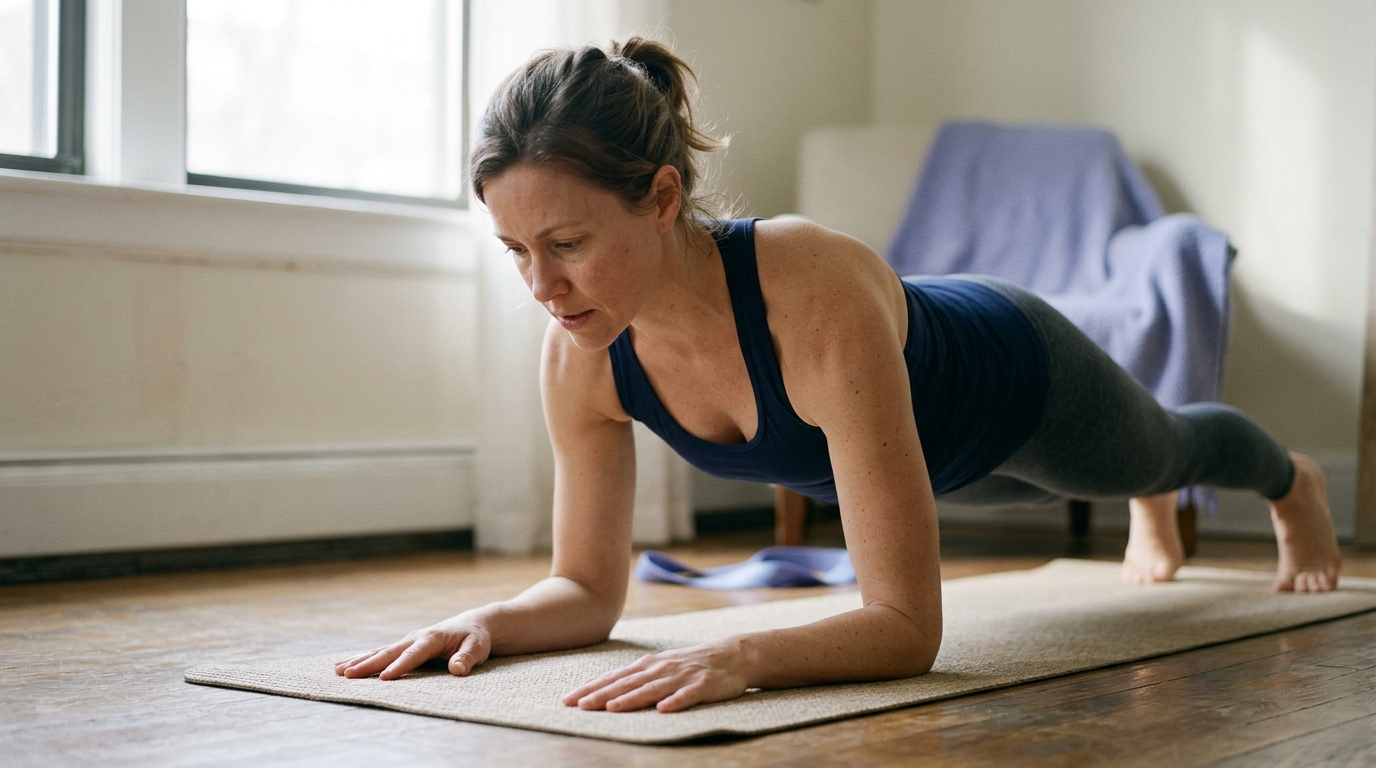
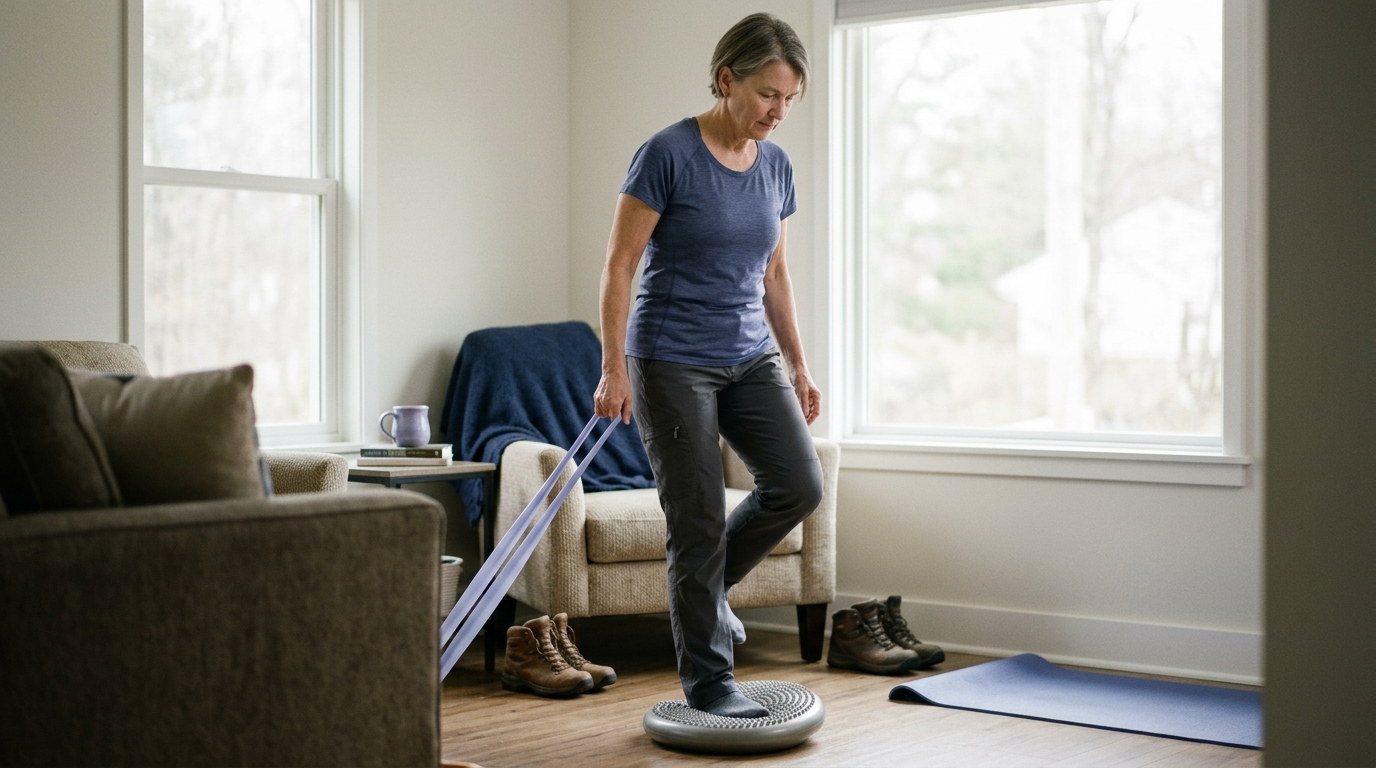
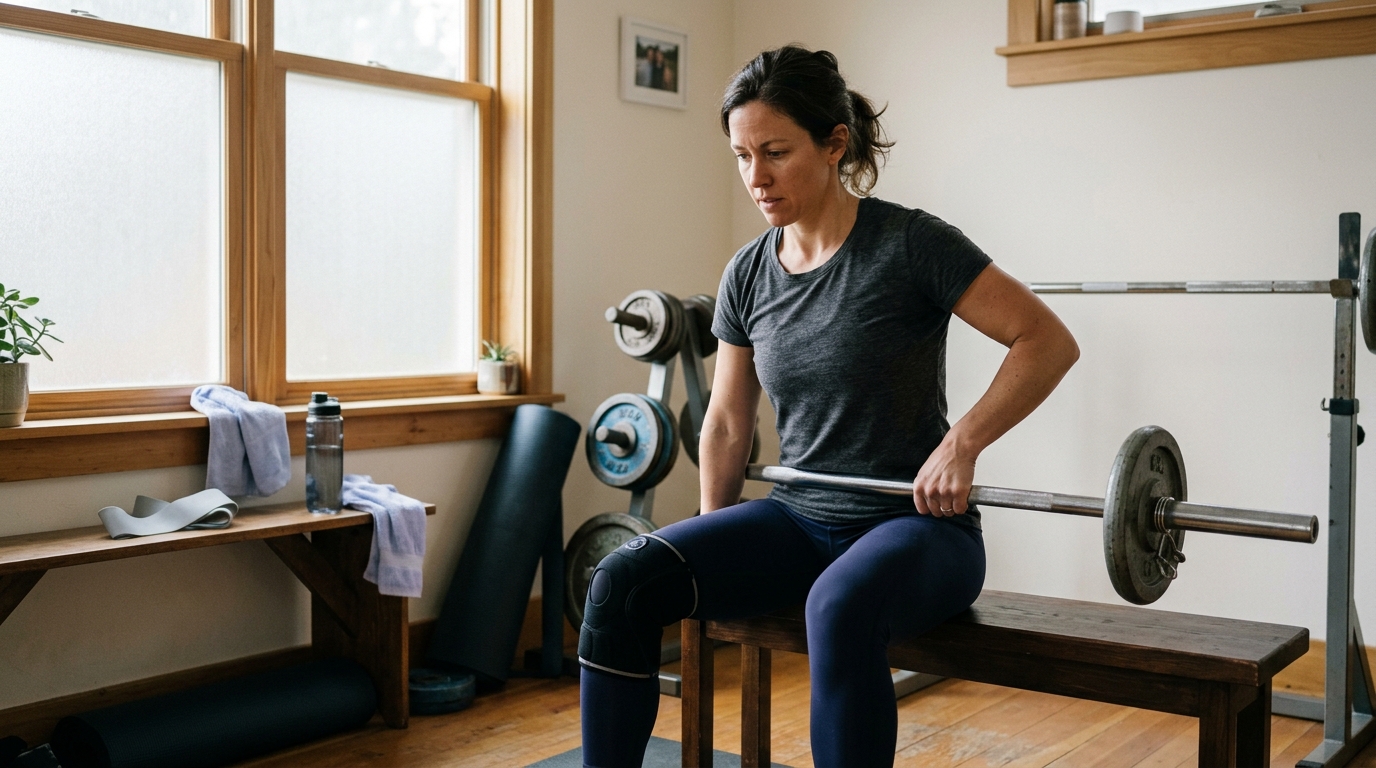
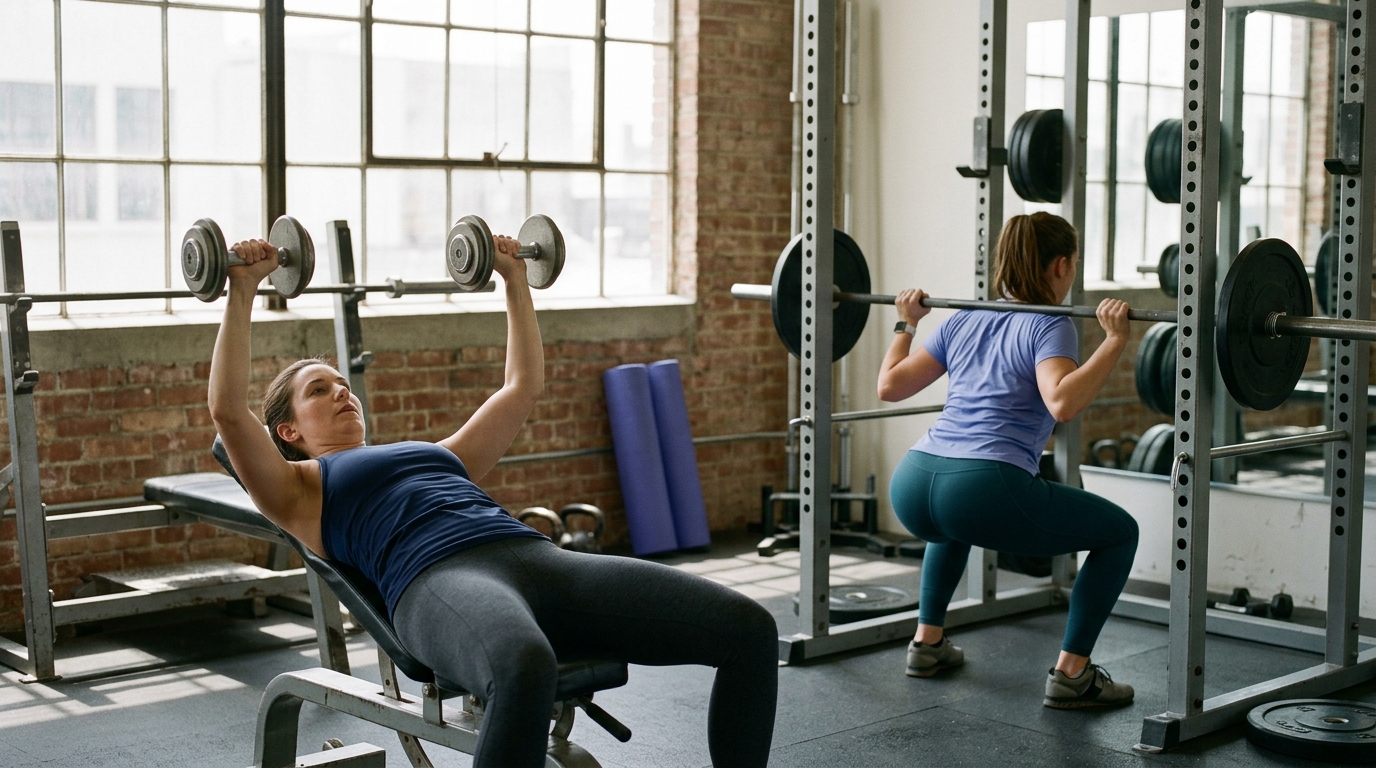
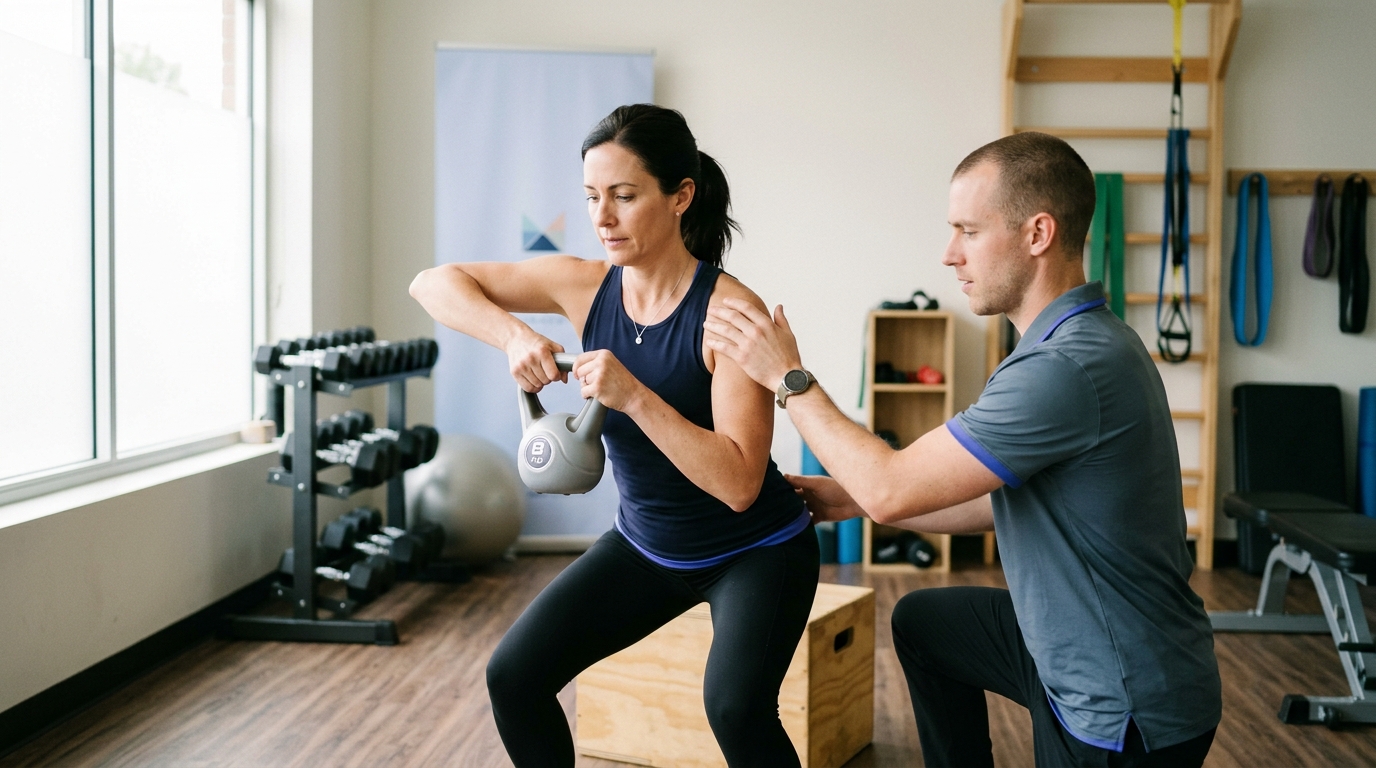
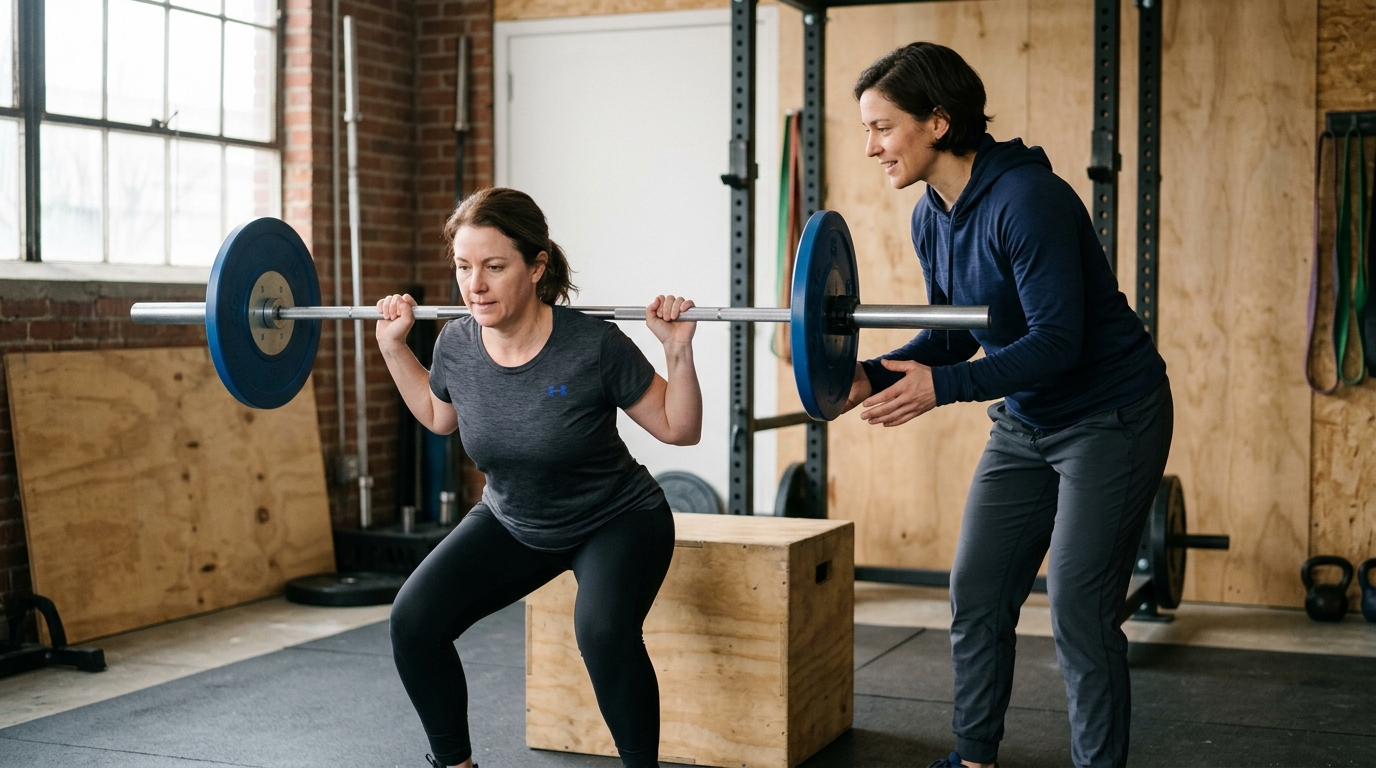
General physical activity guidelines from the Centers for Disease Control and Prevention recommend that adults perform muscle-strengthening activities at least two days per week. These activities should target all major muscle groups, including the legs, hips, back, abdomen, chest, shoulders, and arms. Strength training builds physical resilience and helps maintain lean muscle mass as you age.
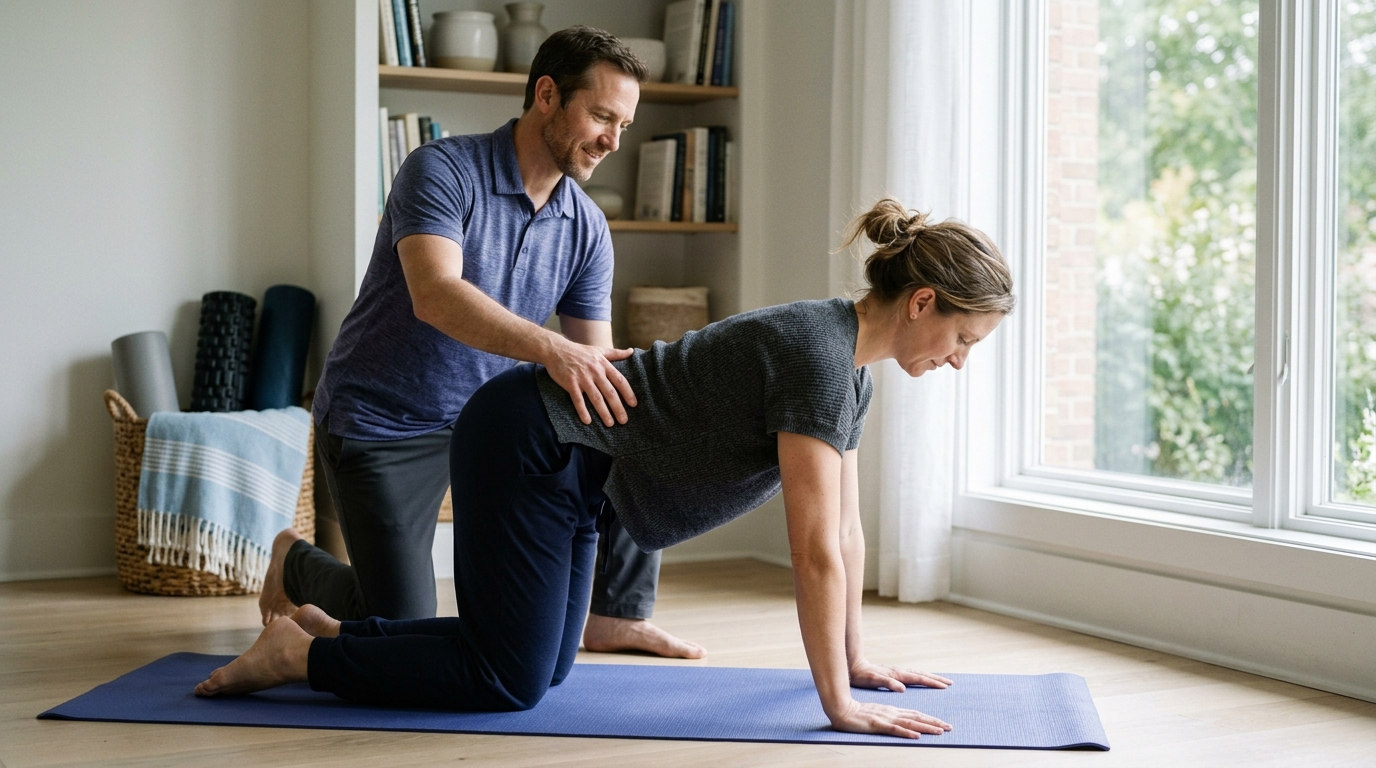
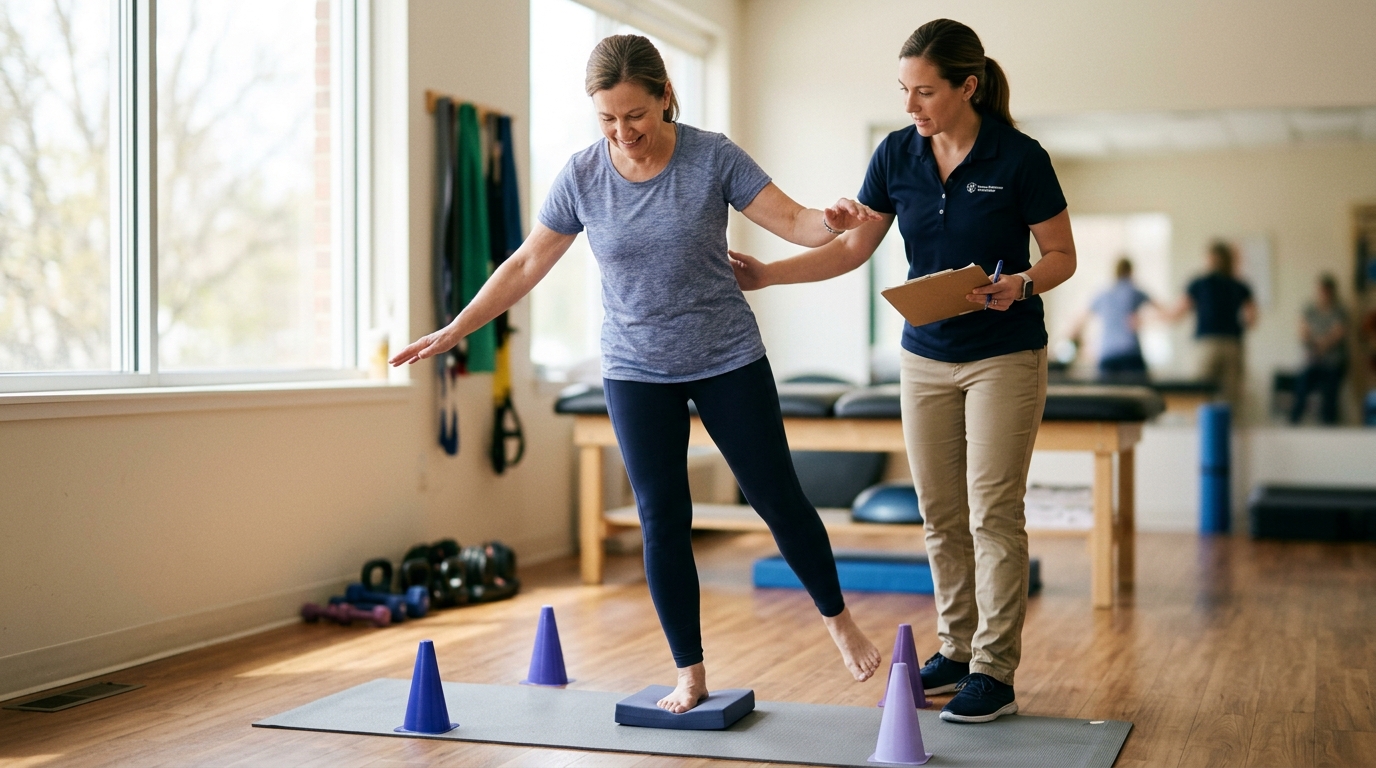
You can learn more by reviewing our guidance on strength training and return to sport. While strength training is a vital component of general health, research does not prove that any single exercise routine guarantees immunity from cycling overuse injuries. Instead, off-bike training builds a wider buffer of physical capacity.
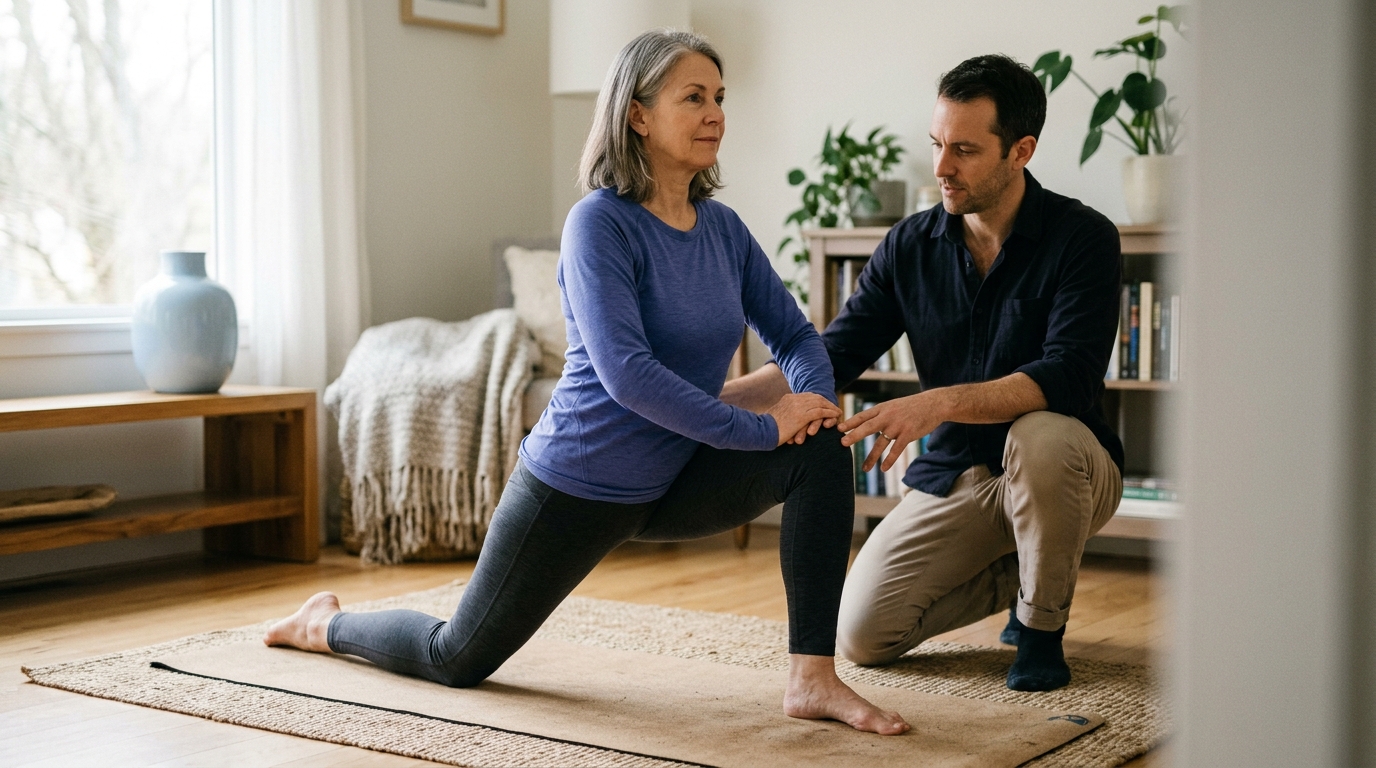
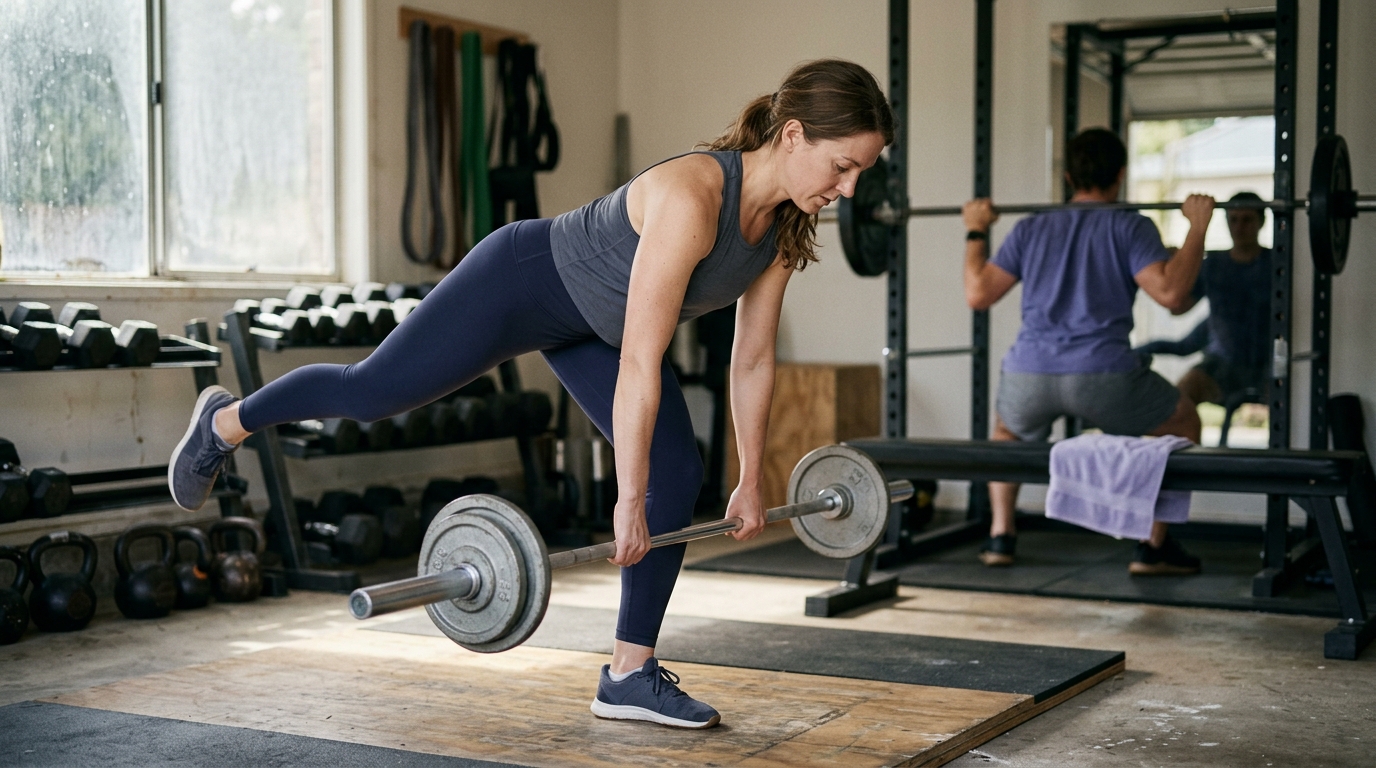
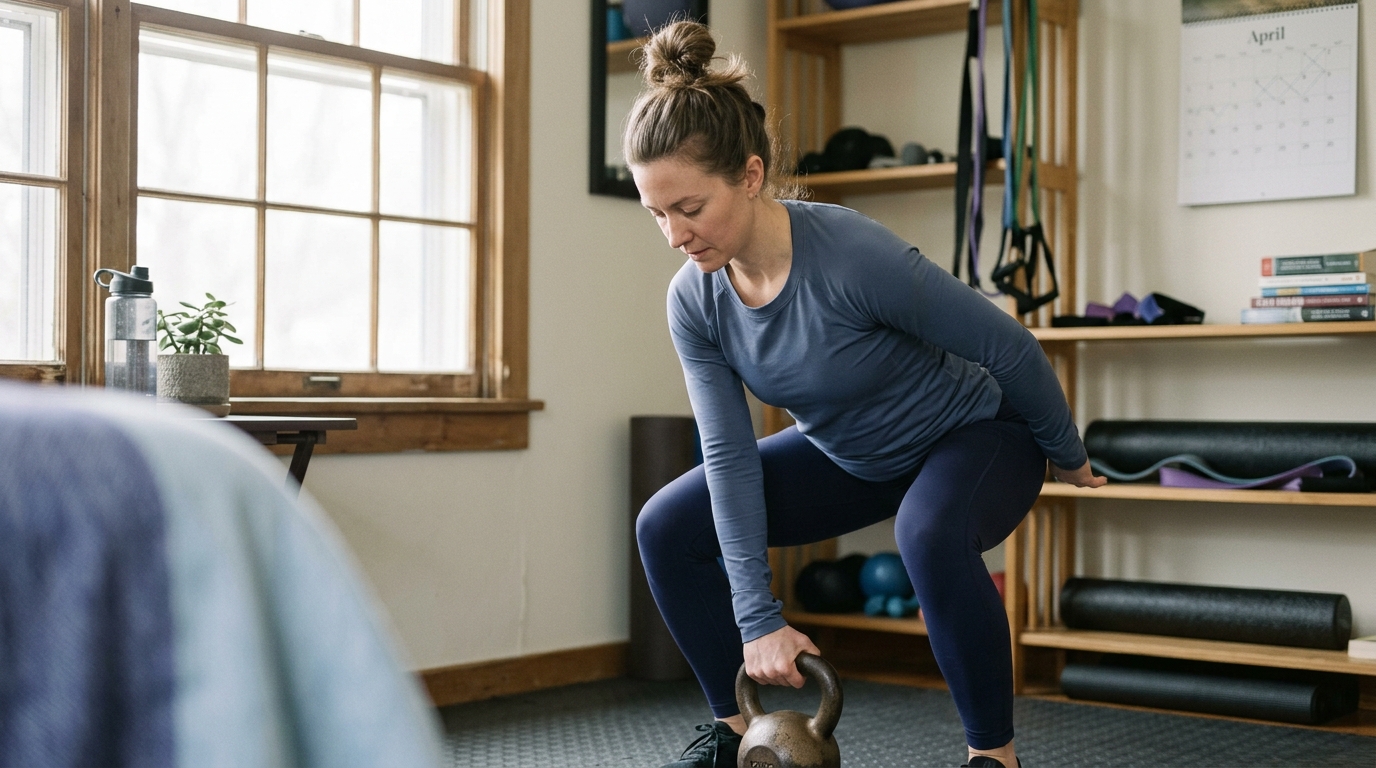
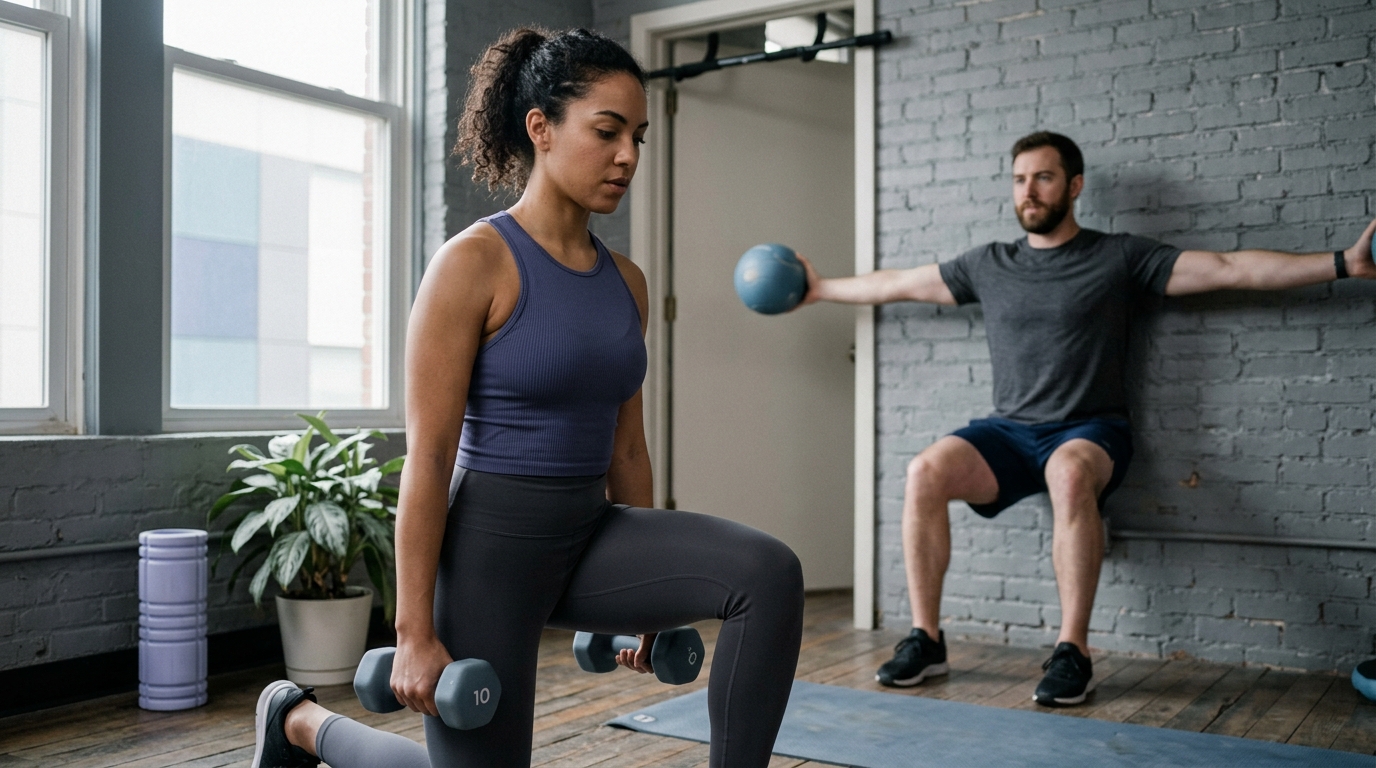
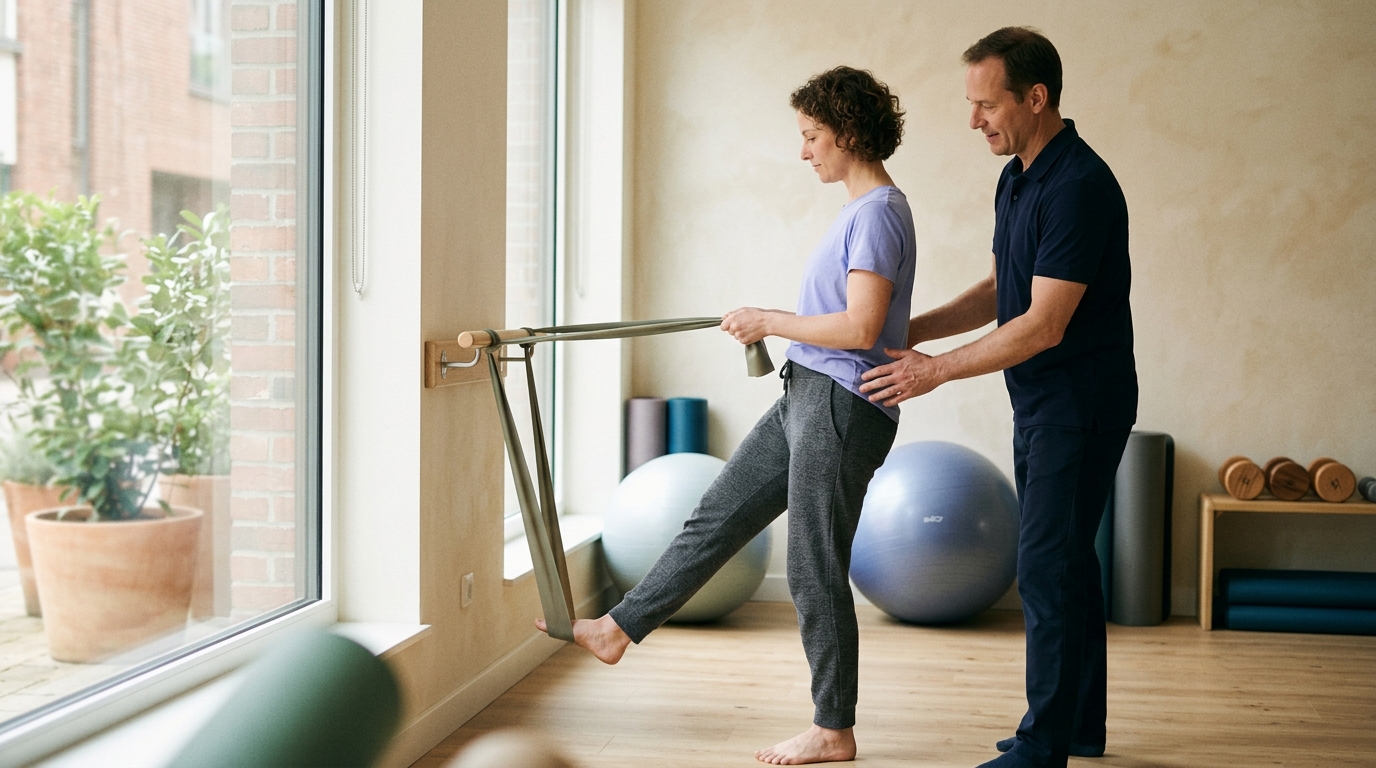
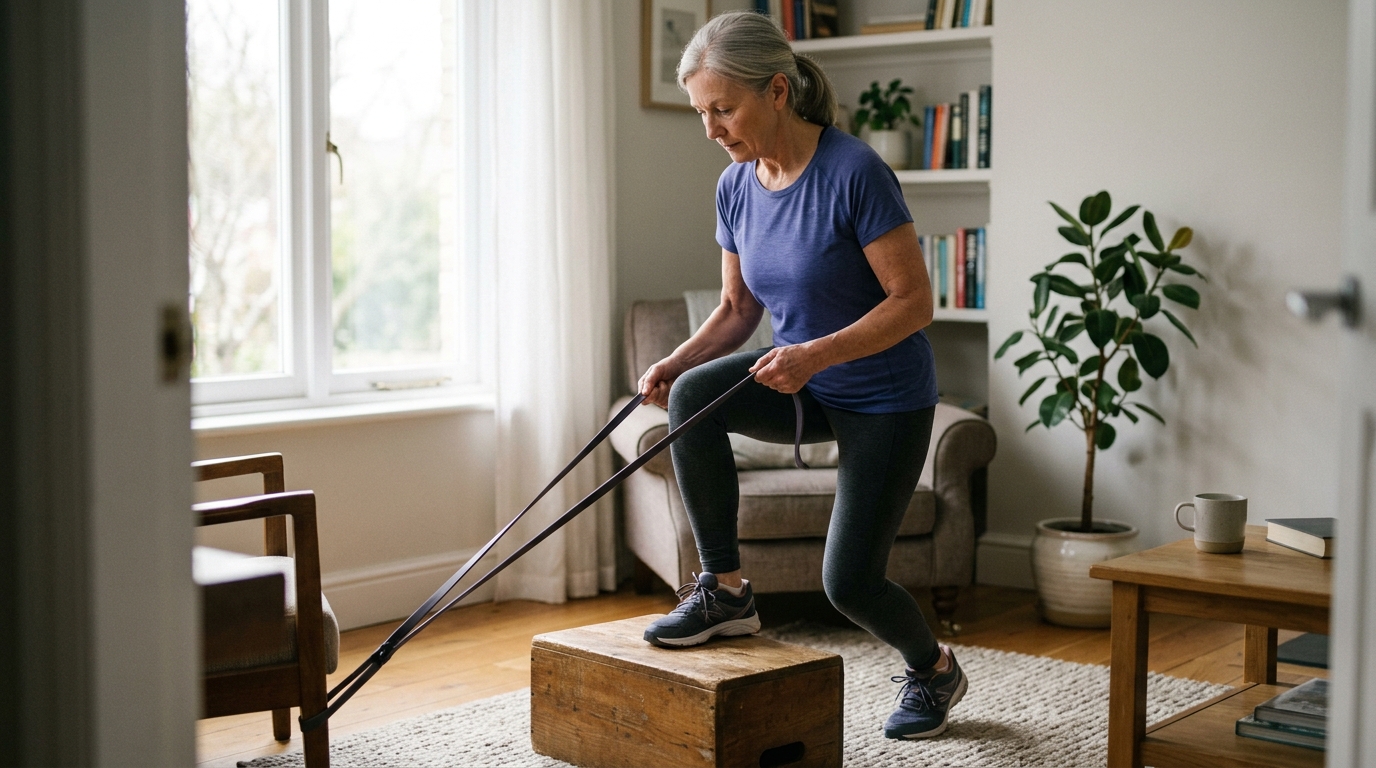
A well-rounded strength routine for cyclists should include fundamental movement patterns:
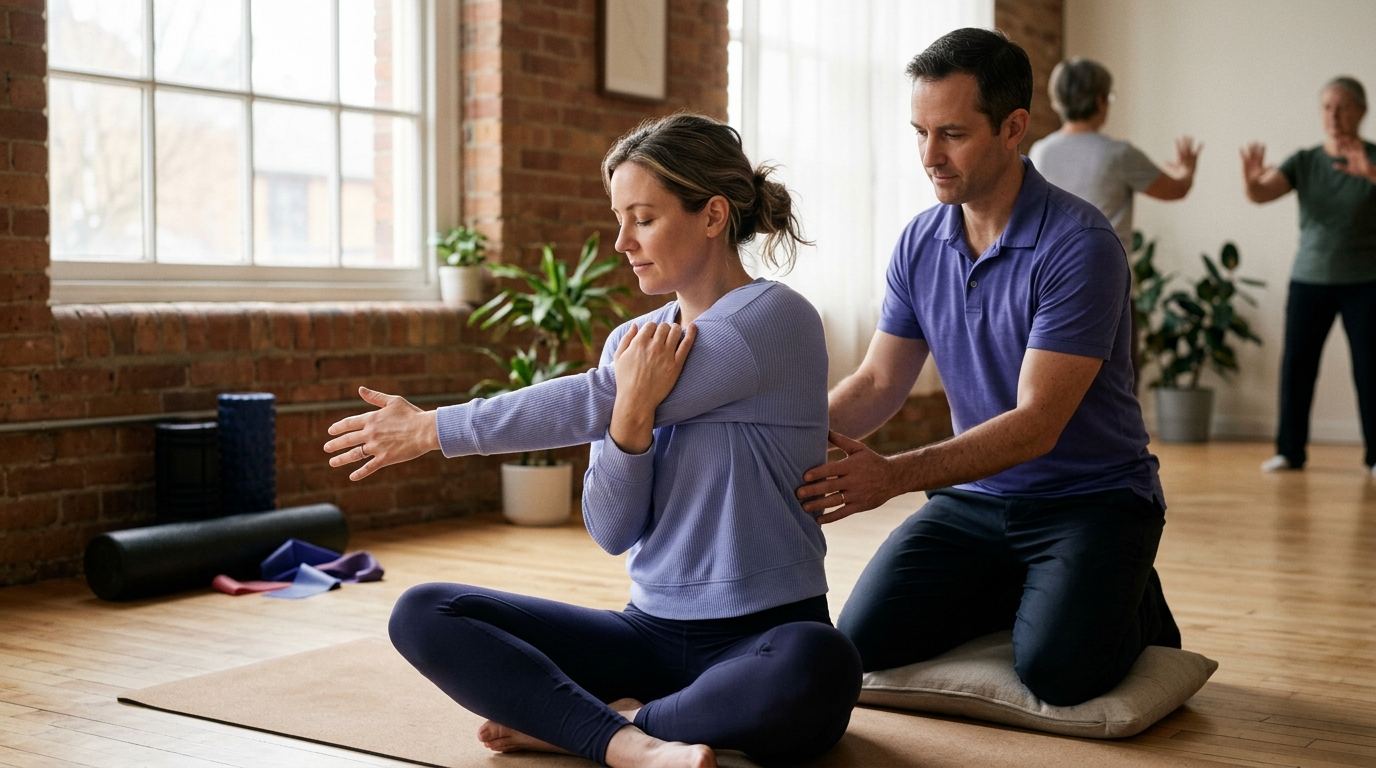
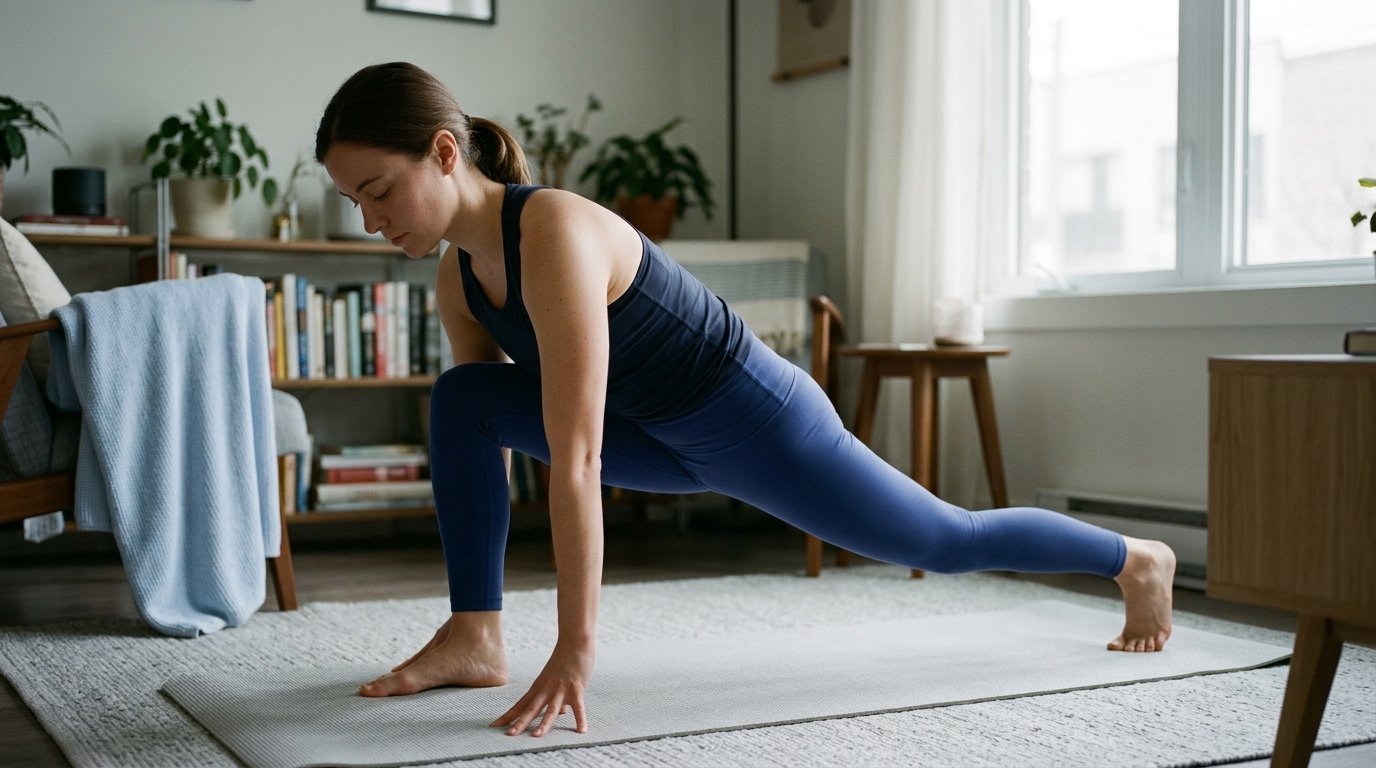
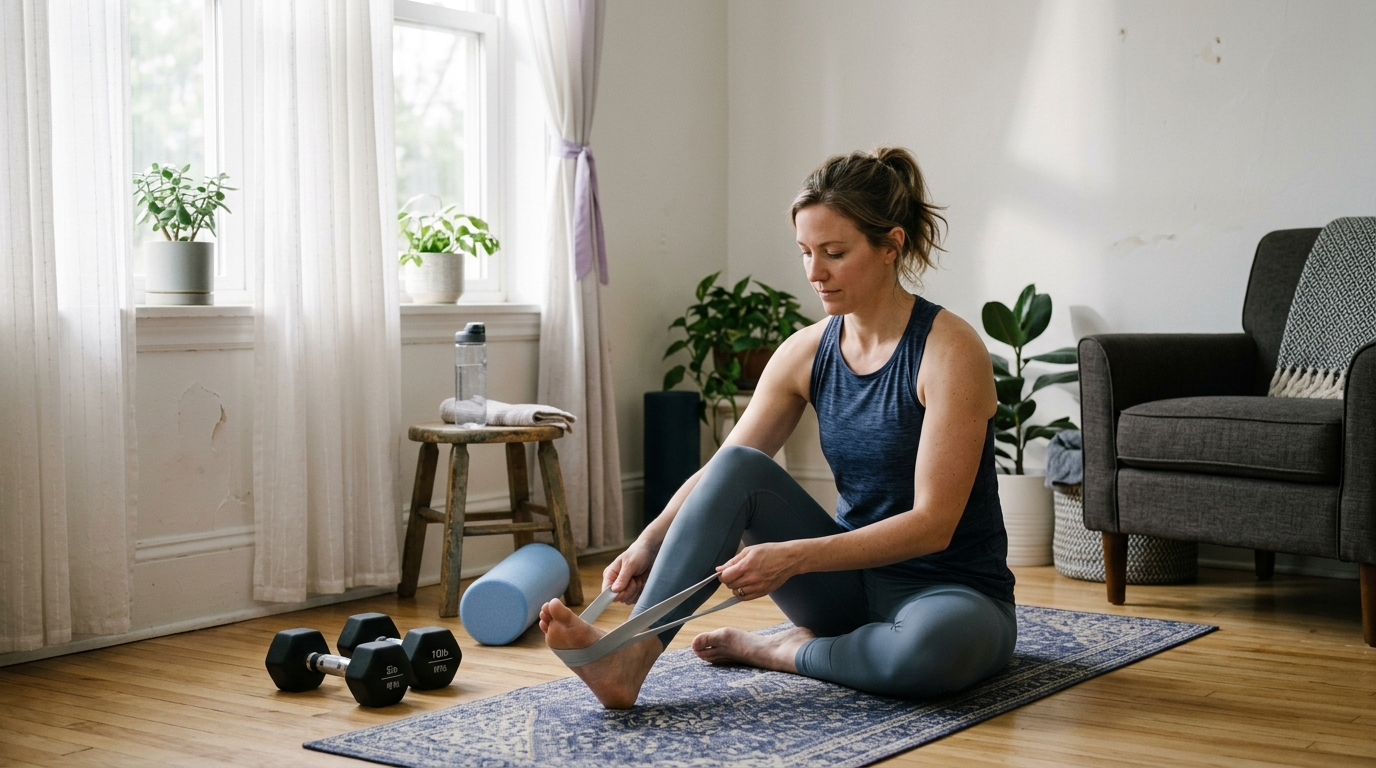
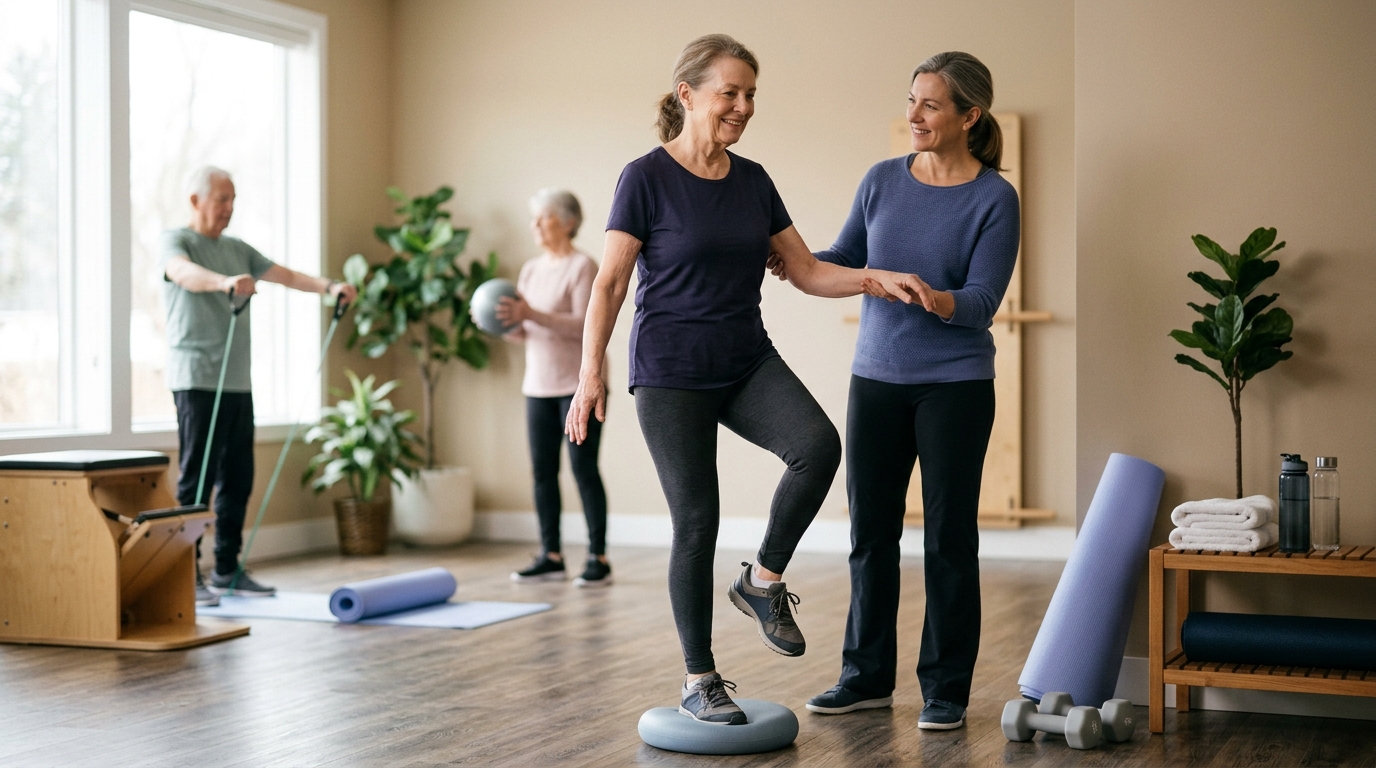
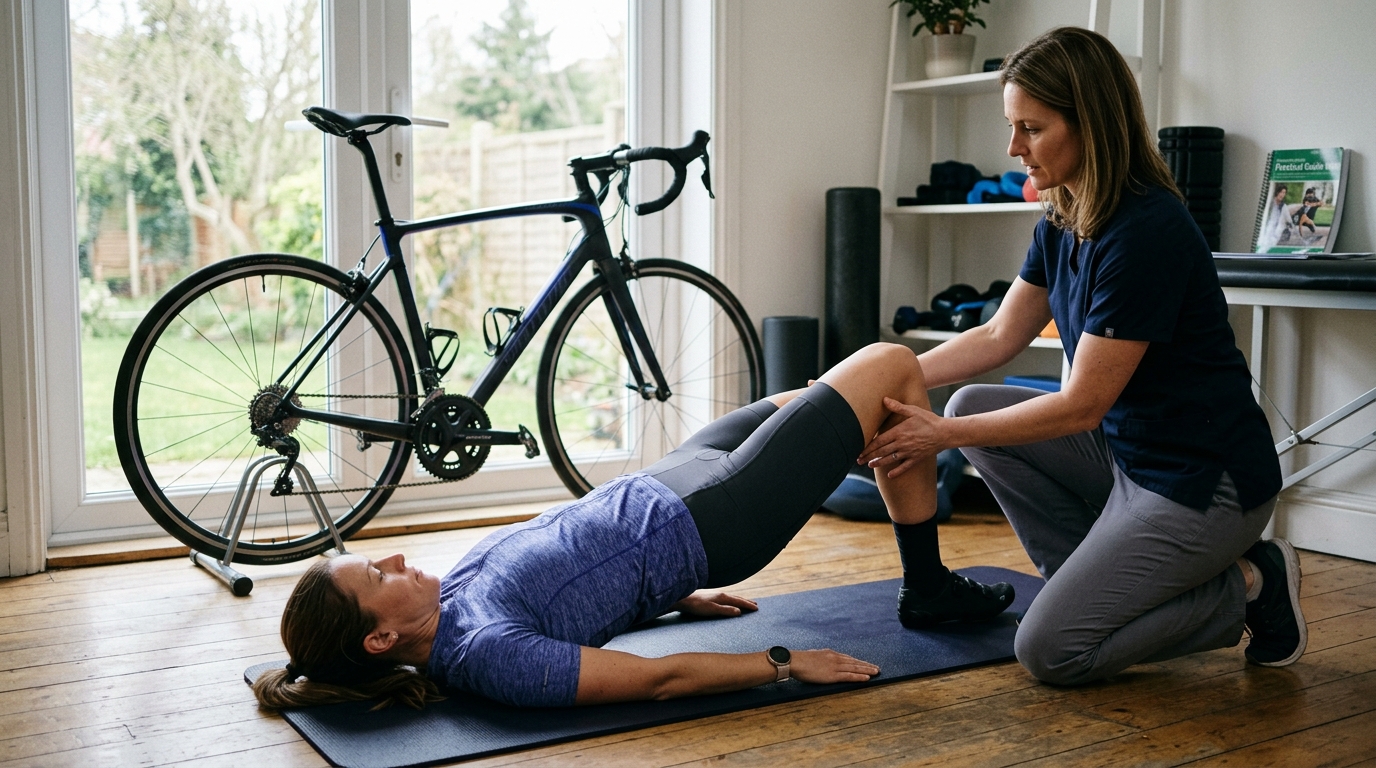
Sustaining a cycling posture requires adequate mobility in the hips, thoracic spine, and ankles. Many cyclists experience tightness in the hip flexors, hamstrings, and chest muscles from long hours of sitting both on and off the bike. Integrating mobility and movement principles into your weekly routine can improve comfort on the bike.
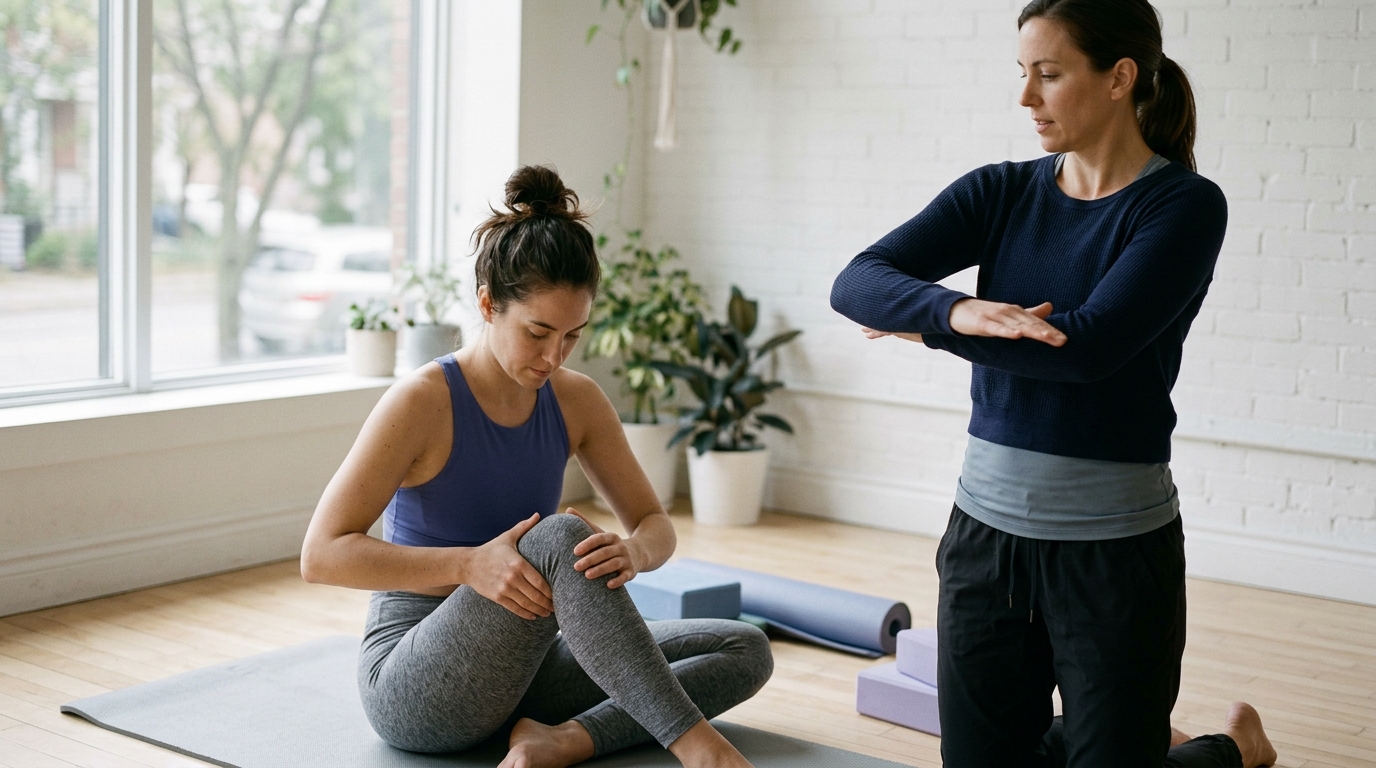
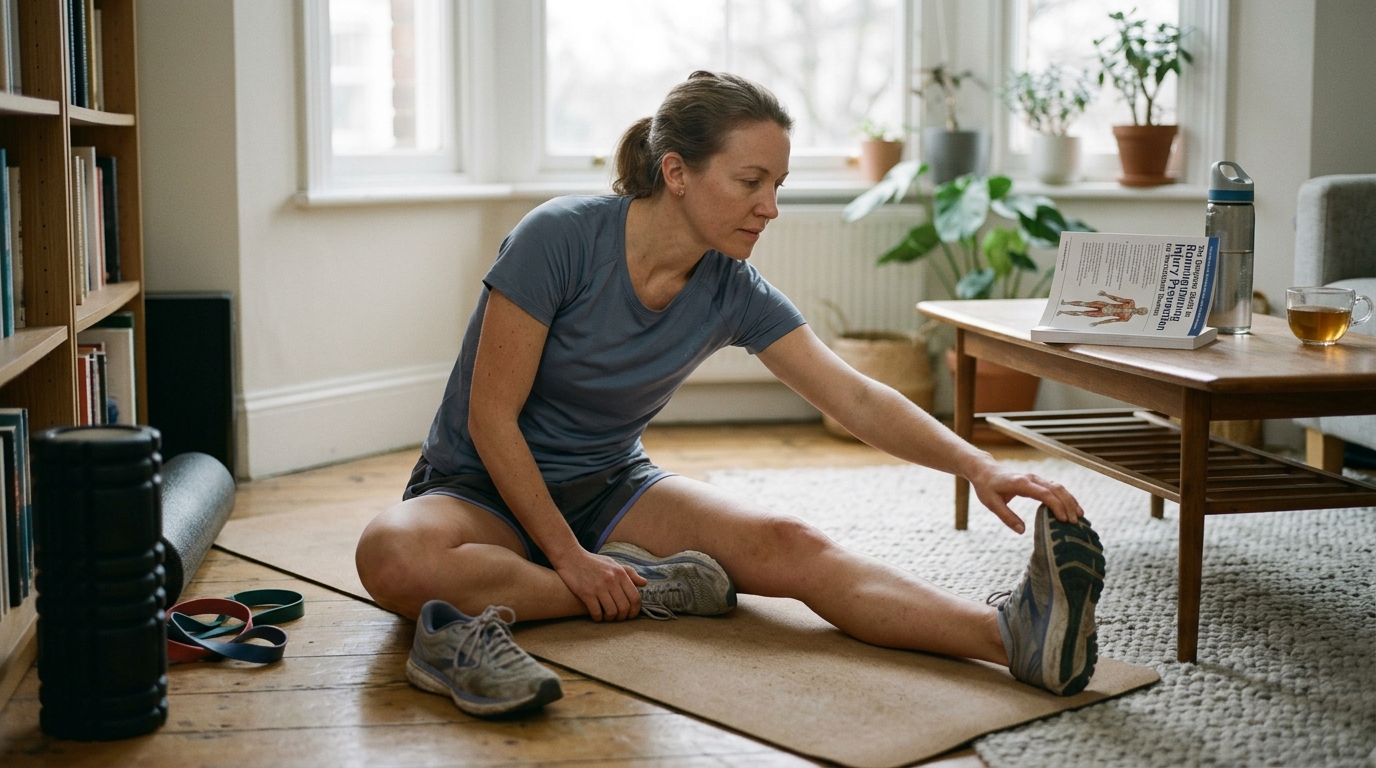
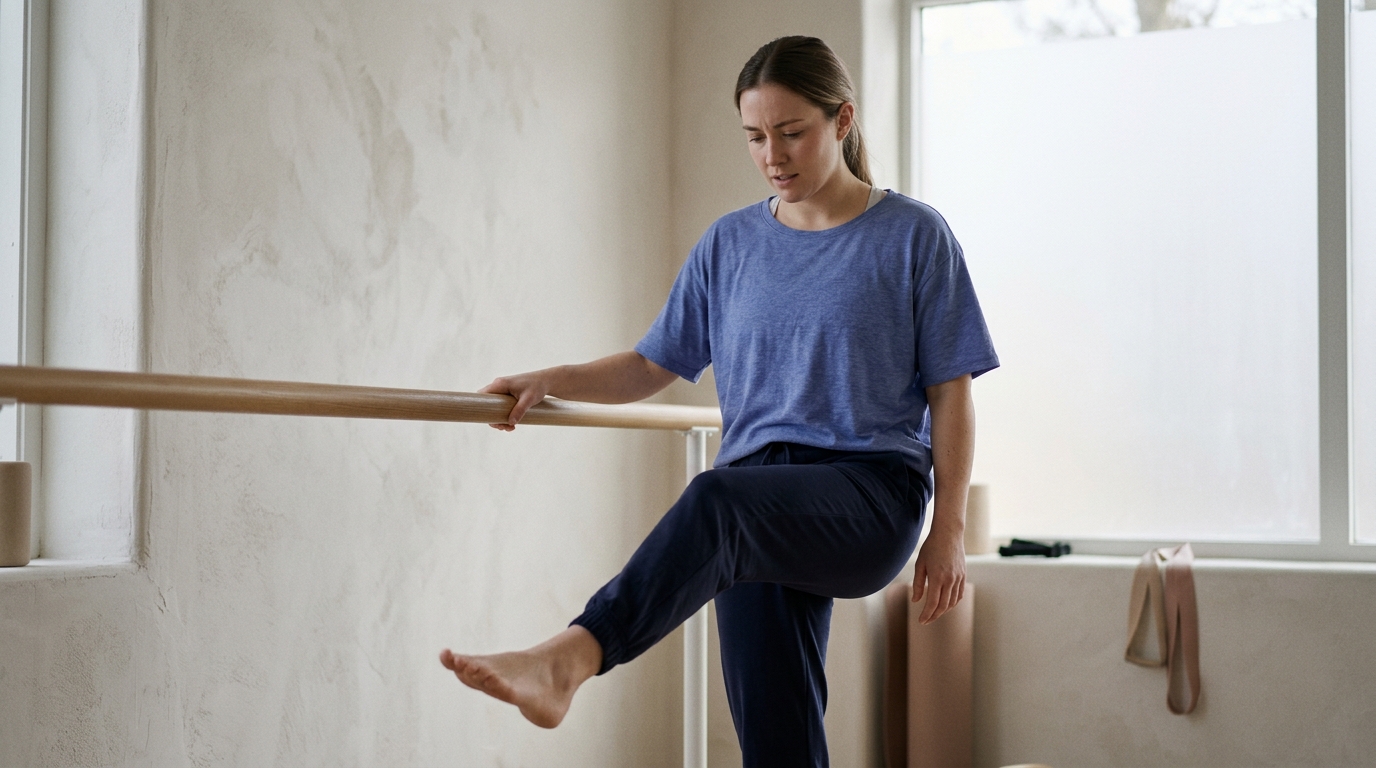
Scientific evidence does not show that aggressive stretching before a ride prevents overuse injuries. However, gentle mobility work after riding or on rest days can help maintain functional joint ranges. Useful mobility exercises include thoracic spine rotations, hip flexor stretches, and ankle mobility drills. Keep stretching gentle and comfortable, avoiding any forced movements that cause pain.
Your bicycle is an adjustable machine that interacts directly with your unique anatomy. If your bike is poorly adjusted for your body dimensions, your tissues may experience unnecessary mechanical stress. A proper bike fit aims to distribute your weight appropriately between the saddle, handlebars, and pedals while accommodating your current mobility.
At the same time, it is important not to treat bike fit as a universal cure for all riding discomfort. Systematic reviews examining bike fit and knee pain show that scientific evidence for an optimal setup is inconsistent. No single fitting formula has been proven to prevent knee pain in all riders. Many popular fitting rules are based on tradition and clinical experience rather than definitive scientific consensus.
Adjusting your bike can alter the distribution of mechanical forces across your joints and muscles:
Saddle height is one of the most studied fit variables in cycling biomechanics. General fitting guidelines often recommend a saddle height that produces roughly 25 to 35 degrees of knee flexion when the pedal is at the bottom of the stroke.
If a saddle is set too low, the knee remains in a more bent position throughout the pedal stroke. This increases compressive forces across the patellofemoral joint at the front of the knee. If a saddle is set too high, the knee extends excessively at the bottom of the stroke. This can strain the hamstrings, irritate the back of the knee, or cause the pelvis to rock from side to side.
The forward or backward position of your saddle affects your weight distribution and how your muscles engage during pedaling. Moving the saddle forward shifts more body weight onto your hands and increases knee flexion. Moving the saddle backward engages the posterior chain muscles more heavily but increases the reach to the handlebars.
A level saddle is generally the safest starting point for most riders. Tilting the saddle nose downward may relieve pressure on sensitive pelvic tissues, but it forces your hands and arms to push backward to keep you from sliding forward. This often leads to increased wrist, shoulder, and neck strain.
The reach and drop to your handlebars dictate the angle of your torso, neck, and shoulders. A handlebar that is set too low or too far forward forces you into an aggressive racing posture. For riders with limited spinal mobility or lower back sensitivity, this position can trigger neck stiffness, upper back aches, and hand numbness.
Recent clinical reviews show that individualized bike fitting interventions can help reduce lower back pain in cyclists. Raising the handlebars slightly or using a shorter stem reduces the forward bend of your spine. This posture modification unloads the spinal extensors and decreases the muscular effort required to support your upper body.
When making bike adjustments, follow these practical guidelines:
The physical load of a ride is heavily shaped by the terrain you choose and the gearing you use. Understanding how climbing, pedaling speed, and surface conditions affect your body allows you to manage training stress more effectively.
Riding uphill demands significantly more muscular force than riding on flat roads. When you climb a steep grade, your forward momentum slows quickly between pedal strokes. If you remain in a heavy gear, you must push down on the pedals with substantial force at a low pedaling cadence.
This high-force, low-cadence pedaling increases the mechanical load on your knees, hips, and lower back. Studies in cycling biomechanics and off-road cycling identify heavy pedaling and prolonged climbs as common contributors to knee pain. To manage this joint stress:
Terrain choices also directly influence your exposure to traumatic injury. Road cyclists must navigate traffic, road debris, and uneven pavement. Off-road and gravel cyclists face loose surfaces, steep descents, rocks, and technical obstacles.
Observational studies on cycling safety show that crash and fall risks vary across different riding environments. Single-bicycle falls caused by loss of traction, uneven ground, or sudden braking represent a major source of acute trauma. Mountain bike injuries frequently involve falls on technical trails, while road cycling incidents often involve motor vehicles or road hazards.
Managing terrain risk requires matching your route selection to your current handling skills and fitness. When exploring new trails or steeper terrain, ride cautiously and maintain a safe speed. Building your technical handling skills gradually is just as vital as building your cardiovascular fitness.
Every cyclist responds to training loads differently. Understanding the personal and contextual factors that influence your physical tolerance helps you make better decisions about your riding routine.
As adults age, soft tissues such as tendons and ligaments naturally lose some of their elasticity and water content. Muscle recovery rates and protein synthesis also slow down over time. Active adults between 35 and 75 can build impressive cycling fitness, but they generally require more time to recover from high-volume or high-intensity training. Incorporating dedicated recovery days and maintaining consistent strength training becomes increasingly valuable with age. Review our active aging and prevention guidance for deeper insights.
Your recent training history sets your current capacity baseline. If you have been riding consistently for several years, your connective tissues and cardiovascular system possess a deep foundation of adaptation. Conversely, if you are returning after an injury, illness, or seasonal layoff, your capacity has declined. Tissues lose conditioning faster than cardiovascular fitness, meaning your heart and lungs may feel ready for a hard ride before your knees and tendons are prepared for the mechanical load.
Your posture off the bike influences how your body feels on the bike. Spending eight hours a day sitting at a desk with rounded shoulders and flexed hips creates postural fatigue before you ever clip into your pedals. When you transition directly from a desk chair to an aggressive riding position, your hip flexors and neck extensors face sustained stress. Taking regular movement breaks during the workday helps offset these cumulative postural demands.
Changing any part of your cycling equipment can alter how forces are applied to your body. Getting a new bike, changing your saddle, swapping your pedals, or buying new cycling shoes introduces subtle biomechanical differences. Even small changes in cleat rotation or shoe sole thickness can affect knee tracking and foot mechanics. Treat every major equipment update as a new baseline, starting with shorter rides to allow your body to adapt.
Differentiating between normal training fatigue and symptoms that require medical attention is an essential skill for every active adult. Not every ache indicates tissue damage, but ignoring progressive warning signs can turn a minor issue into a chronic condition.
Following a challenging ride, you may experience mild, general muscle soreness in your quadriceps, hamstrings, or glutes. This soreness is typically bilateral, feels like a dull muscular ache, and peaks within 24 to 48 hours before gradually fading. Normal training fatigue improves with light movement, adequate nutrition, and quality sleep. It does not alter your normal walking gait or cause sharp joint discomfort.
Overuse problems develop gradually and show distinct behavioral patterns. Keep a simple training log to track how your body responds to rides, noting the location, quality, and timing of any discomfort. Practical concepts from sports medicine suggest monitoring these key warning patterns:
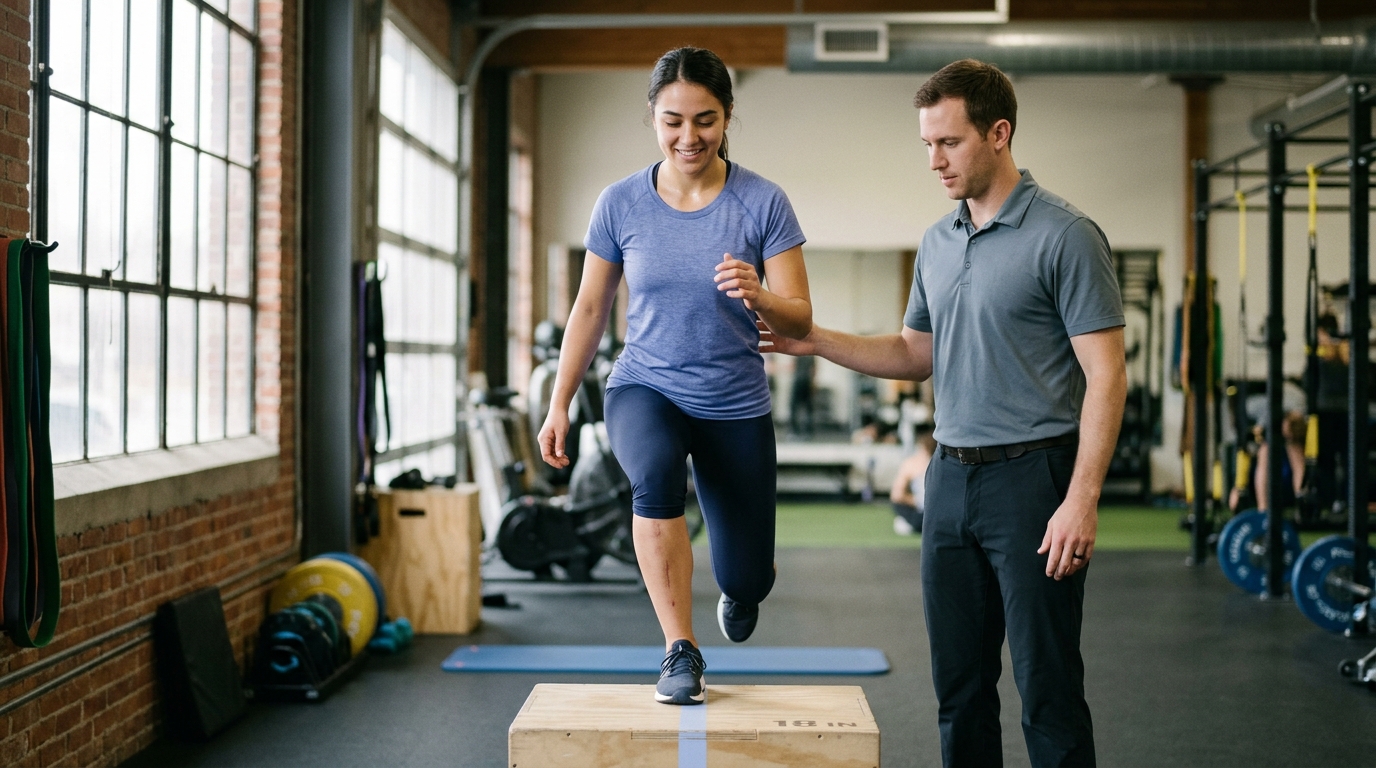
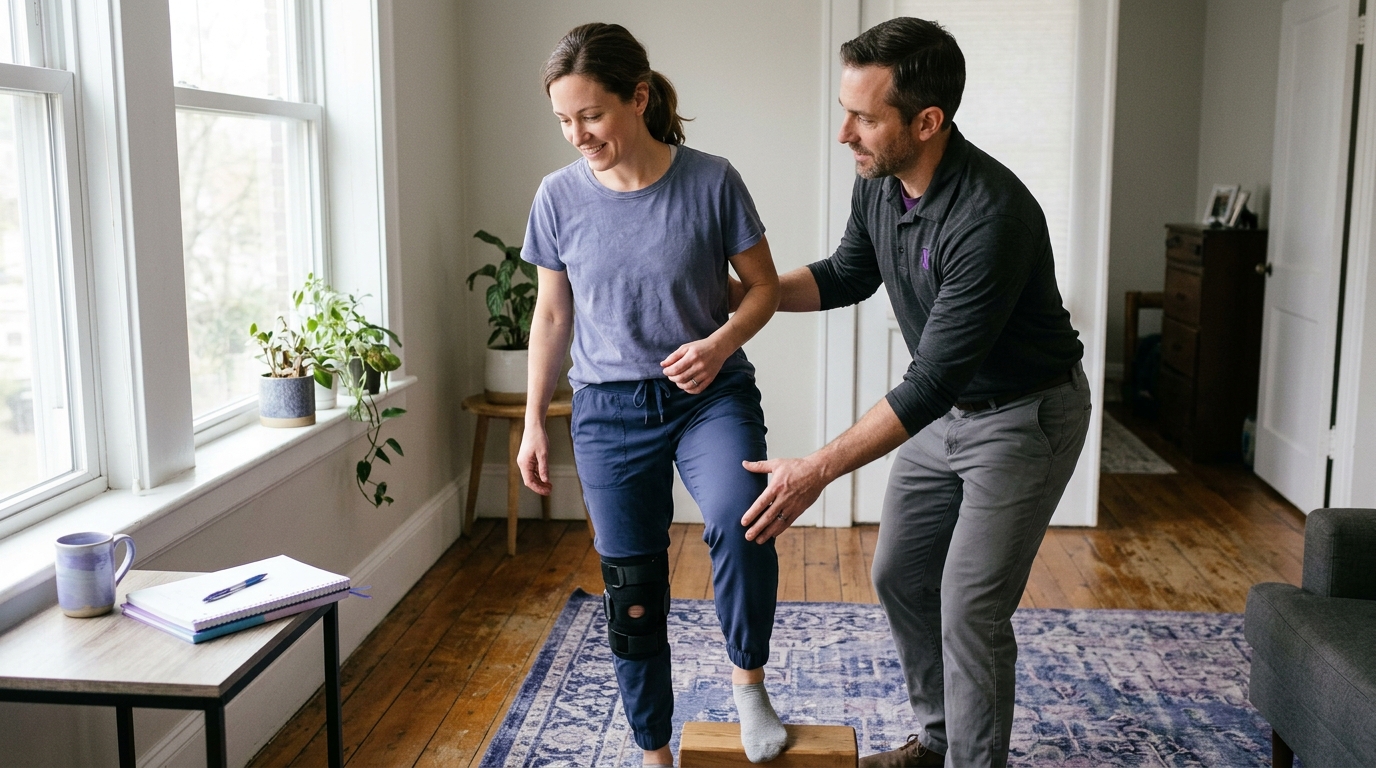
If you notice these warning patterns, pause or reduce the provoking training load. Continuing to push through escalating symptoms increases tissue irritation and prolongs recovery time. Exploring our rehabilitation and mobility resources can help you understand how to modify activity safely.
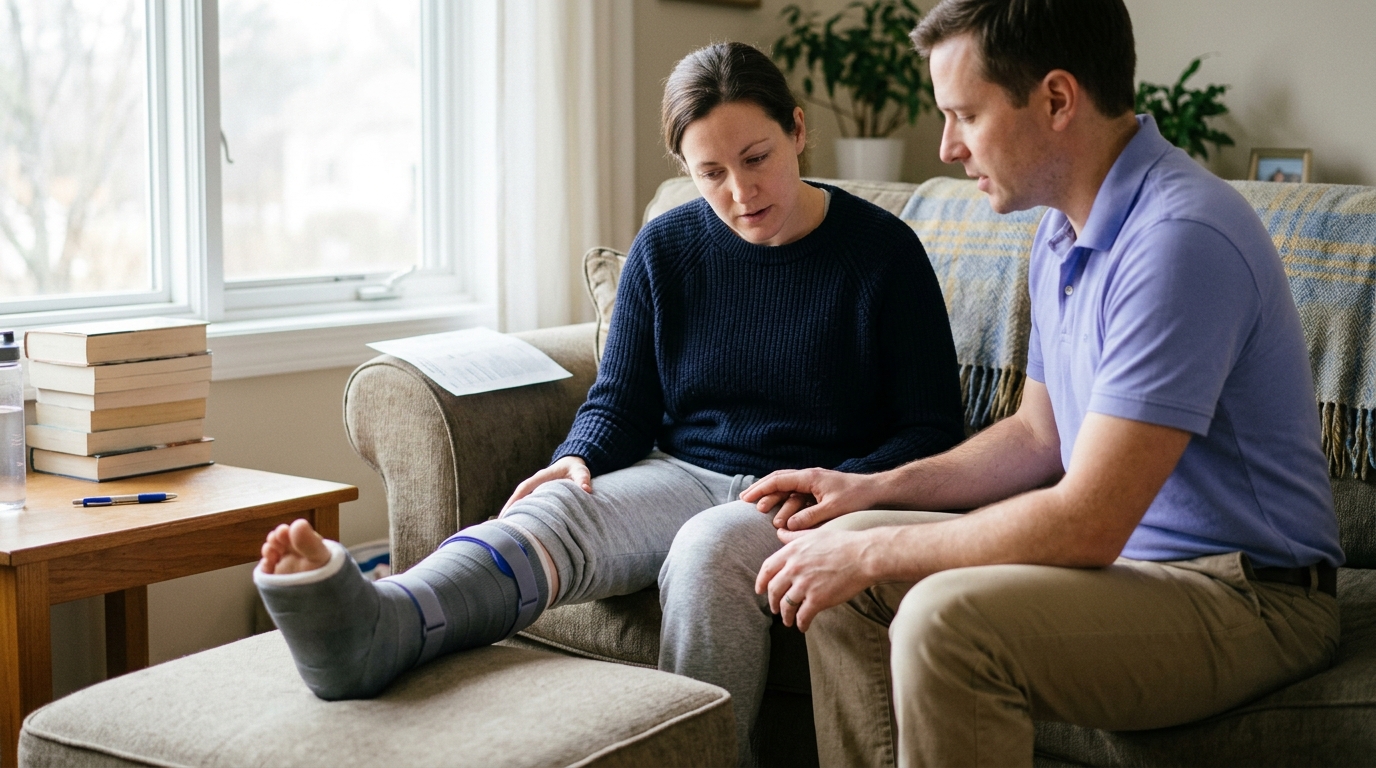
Certain symptoms require immediate medical evaluation rather than training adjustments. Never attempt to manage the following conditions on your own:
Chest pain, tightness, pressure, or a squeezing sensation during exercise should never be dismissed as physical fatigue. Health authorities such as the NHS advise emergency medical evaluation for sudden, unexplained chest discomfort, especially if accompanied by shortness of breath, radiating pain to the arm or jaw, sweating, or nausea. Severe breathlessness that is out of proportion to your effort, unexplained dizziness, light-headedness, or fainting during exercise are also critical reasons to stop and consult a physician immediately.
Numbness, tingling, or weakness that persists in your hands, feet, or groin requires formal clinical evaluation. Following a crash or fall, seek emergency care if you experience a head impact with confusion, loss of consciousness, worsening headache, dizziness, or repeated vomiting. Suspected fractures, joint dislocations, severe swelling, obvious physical deformity, or an inability to bear weight also demand urgent medical attention.
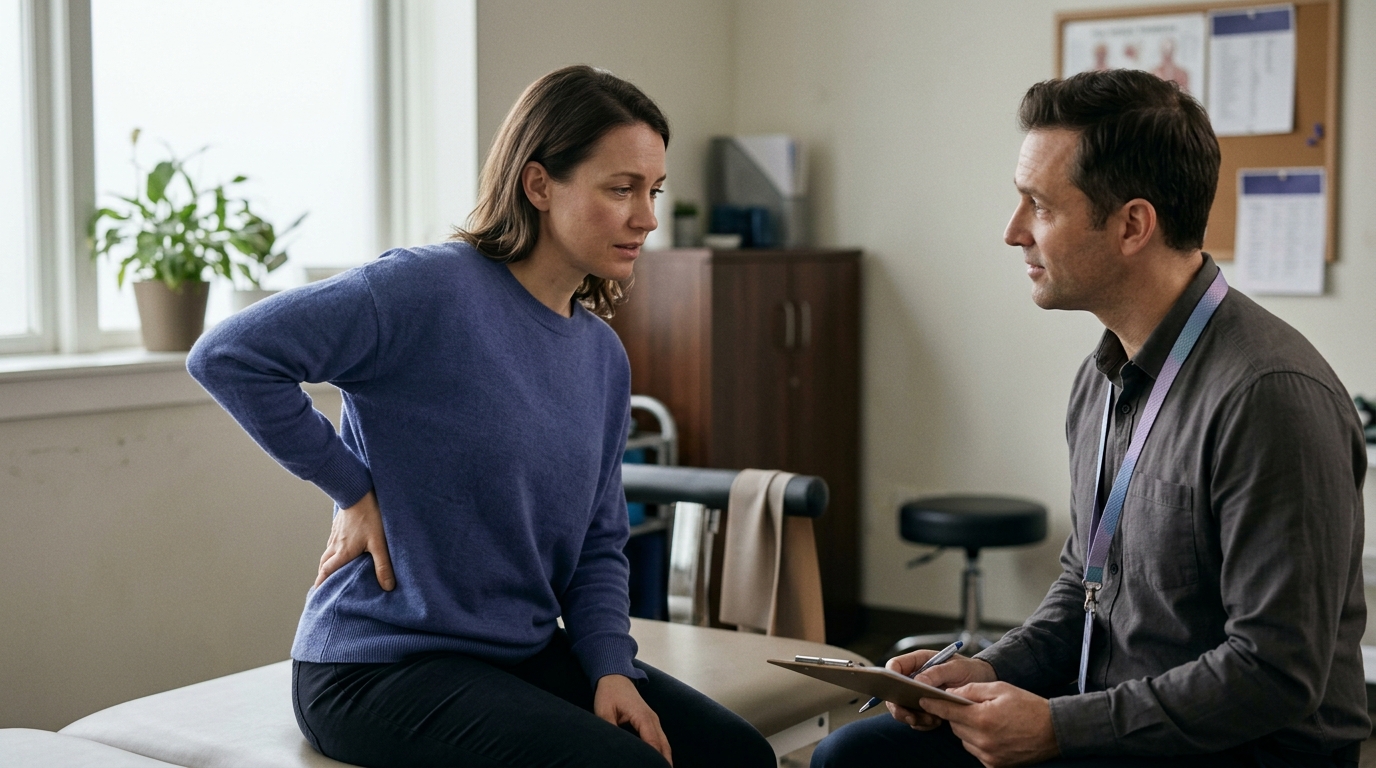
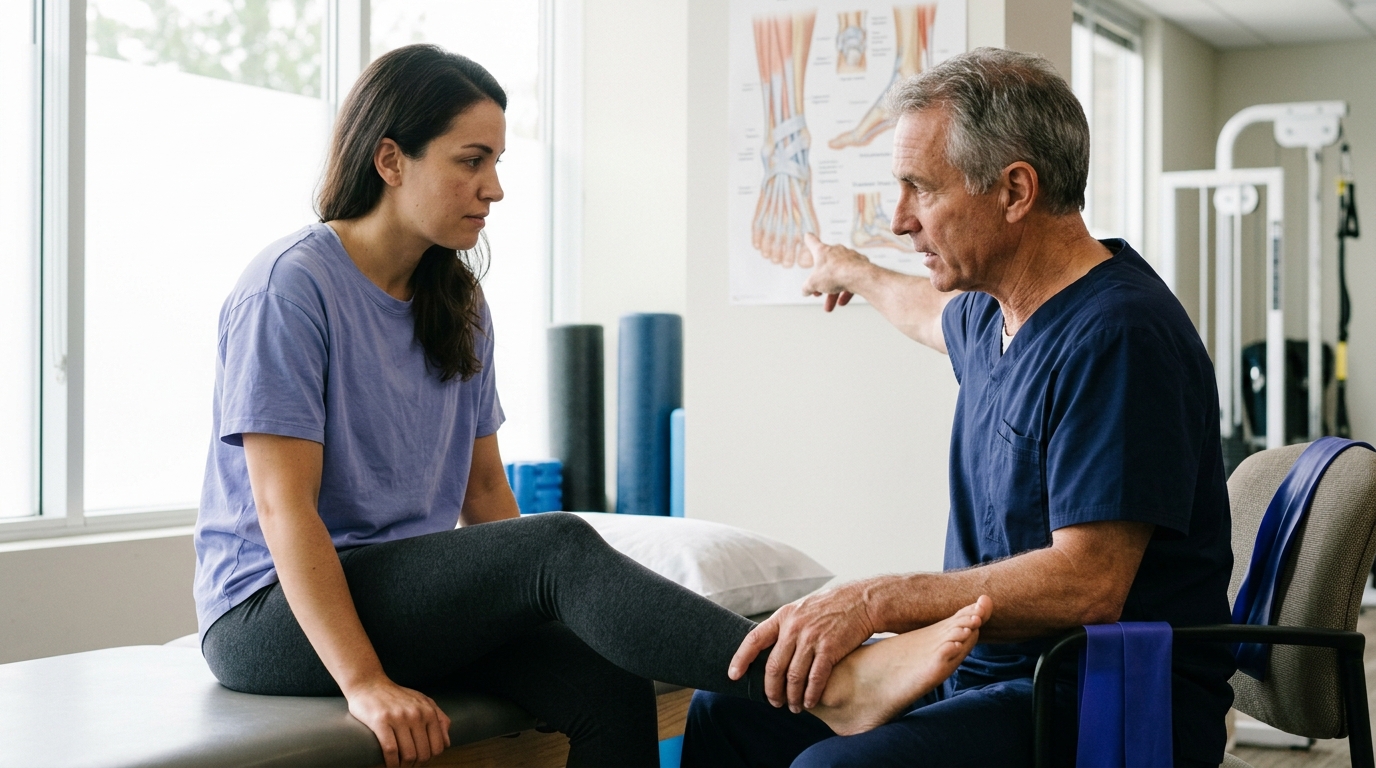
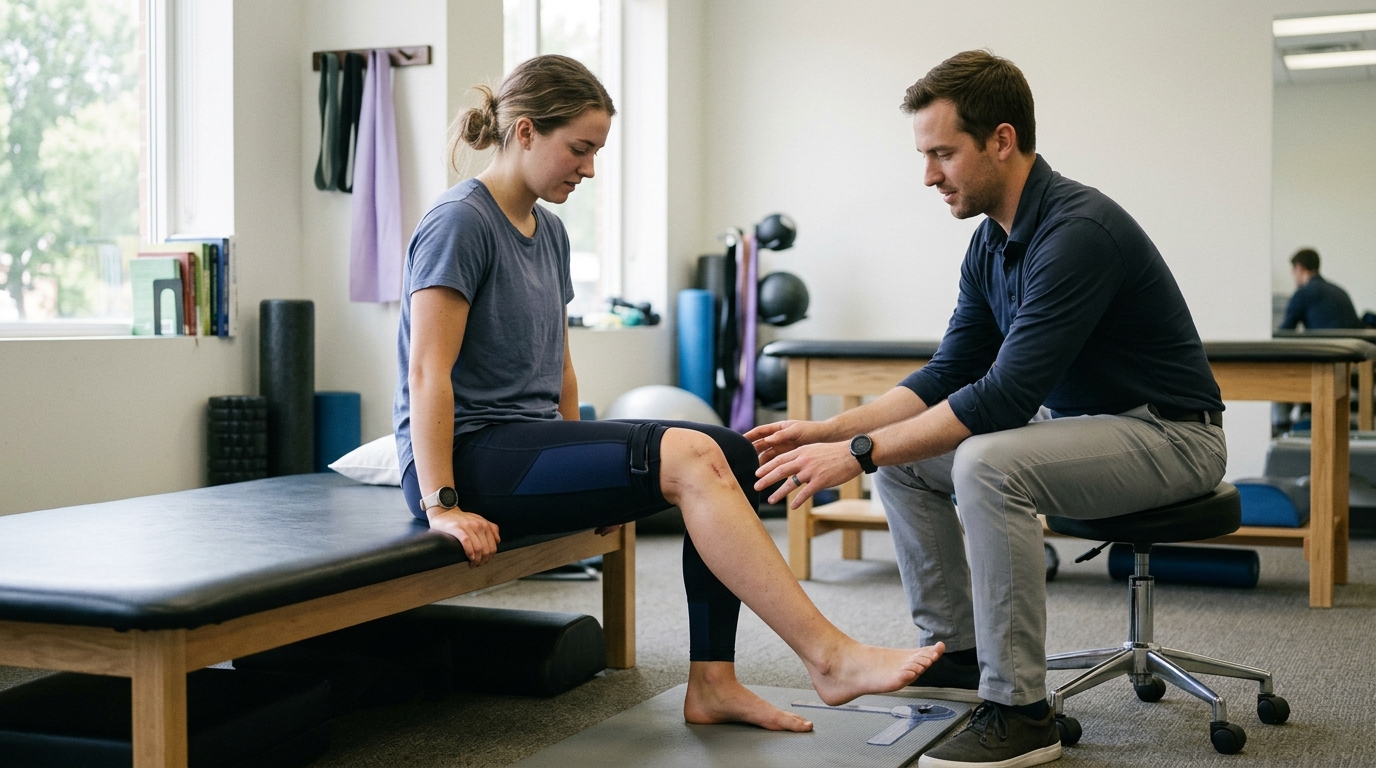
When consulting a physician, physical therapist, or orthopedic specialist about cycling-related symptoms, asking clear questions can help you get the most out of your visit. Consider discussing:
To put these evidence-based principles into practice, use this straightforward checklist to organize your cycling routine this week:
Cycling injury prevention is an ongoing practice of managing physical load, not a matter of finding a single magic adjustment or following rigid mileage rules. Overuse complaints in recreational cycling are common, particularly in the knees, neck, lower back, and hands. You can build your ride capacity safely by progressing your training systematically, keeping an easy pedaling cadence on hills, maintaining full-body strength, and paying careful attention to bike fit and symptom patterns. When persistent pain, numbness, or red flag symptoms occur, seek qualified professional evaluation to guide your recovery.

Use ReboundBody resources to understand common recovery stages, rehab terms, movement limits and strength rebuilding. Each guide is designed to make a complex comeback easier to understand.


Read practical guidance on injury recovery, rehabilitation, mobility and rebuilding strength as you work your way back to activity.
Explore Resources