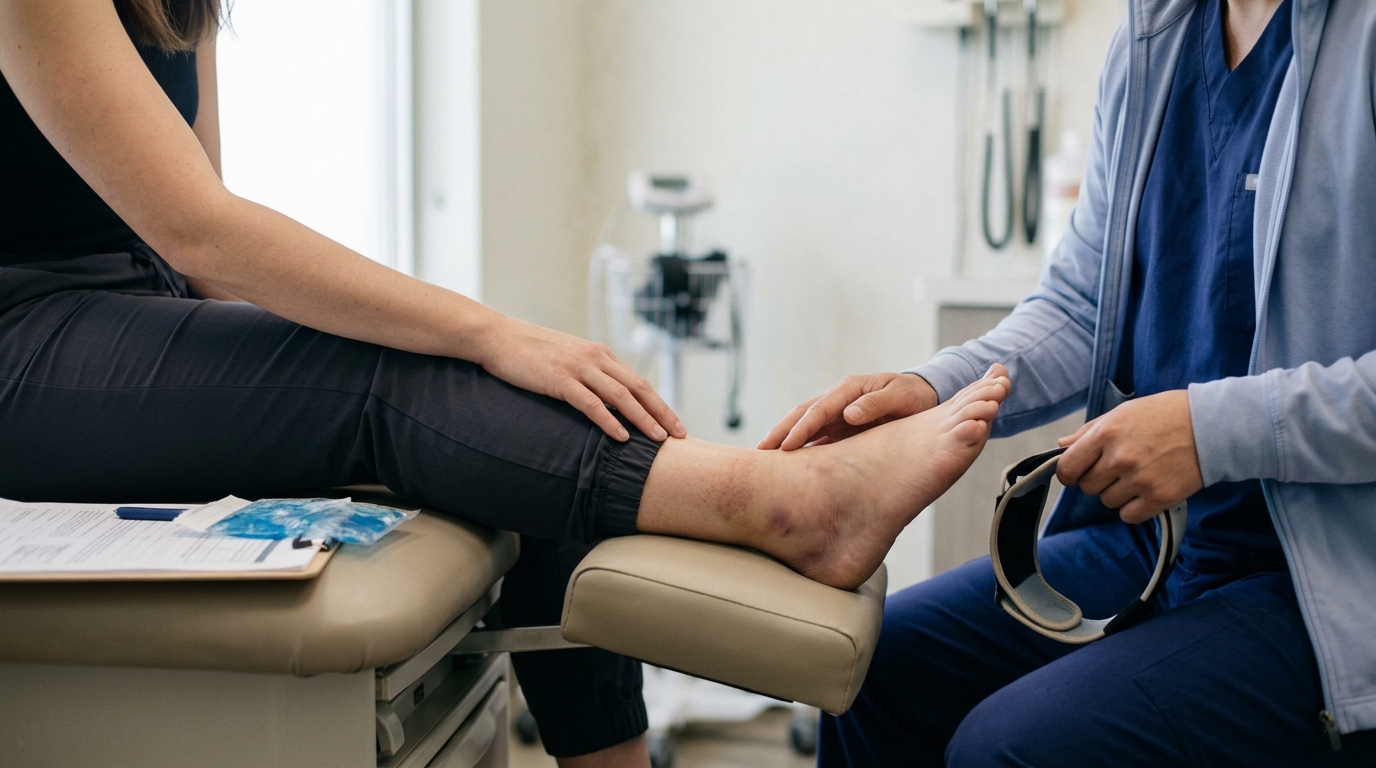

Recovering from surgery or injury changes your daily energy needs because tissue repair requires steady nourishment even when your normal physical activity slows down.





When physical activity drops after an injury or surgery, the instinct for many people is to cut food intake immediately. It seems logical on the surface. If you are sitting on the couch instead of running, lifting weights, or walking thousands of steps, you might assume your body requires very little fuel.
This assumption overlooks how much energy the human body consumes simply to repair damaged tissue. Healing is an active, demanding biological process, not a passive state of rest. Restricting your food intake too aggressively can delay tissue repair, impair immune function, and speed up muscle loss during periods of disuse.
Energy balance during recovery is a shifting target rather than a fixed number. Your body needs enough fuel to support cellular repair and physical therapy, but your daily movement has also changed. There is no single calorie formula or rigid meal plan that fits every recovering adult.
Understanding your baseline nutritional needs helps you support healing without turning recovery into a stressful diet. By looking at what research actually shows about energy demands, appetite changes, and muscle loss, you can make informed choices that protect your long-term mobility.
Energy balance describes the relationship between the calories you consume and the calories your body burns. In ordinary daily life, physical activity makes up a noticeable portion of your total daily energy expenditure. When an injury forces you to rest, that component of your daily burn decreases.
At the same time, your internal metabolic workload often rises. Healing a broken bone, repairing surgical incisions, and rebuilding soft tissue require energy, oxygen, and raw materials. Cellular remodeling, immune responses, and the synthesis of new proteins all demand steady fuel.
This creates a dynamic balance where energy expenditure shifts from external movement to internal repair. The exact change depends heavily on the severity of the trauma. A minor ligament sprain creates a very different metabolic demand than major orthopedic surgery or multi-trauma injuries.
Clinical research from athletic training and wound care reviews shows that severe trauma can raise resting metabolic expenditure significantly. In cases of major burns, severe systemic trauma, or extensive surgery, metabolic rates can rise by up to 50 percent above baseline. For everyday orthopedic recoveries, the increase is typically more modest, but it remains a real biological demand.
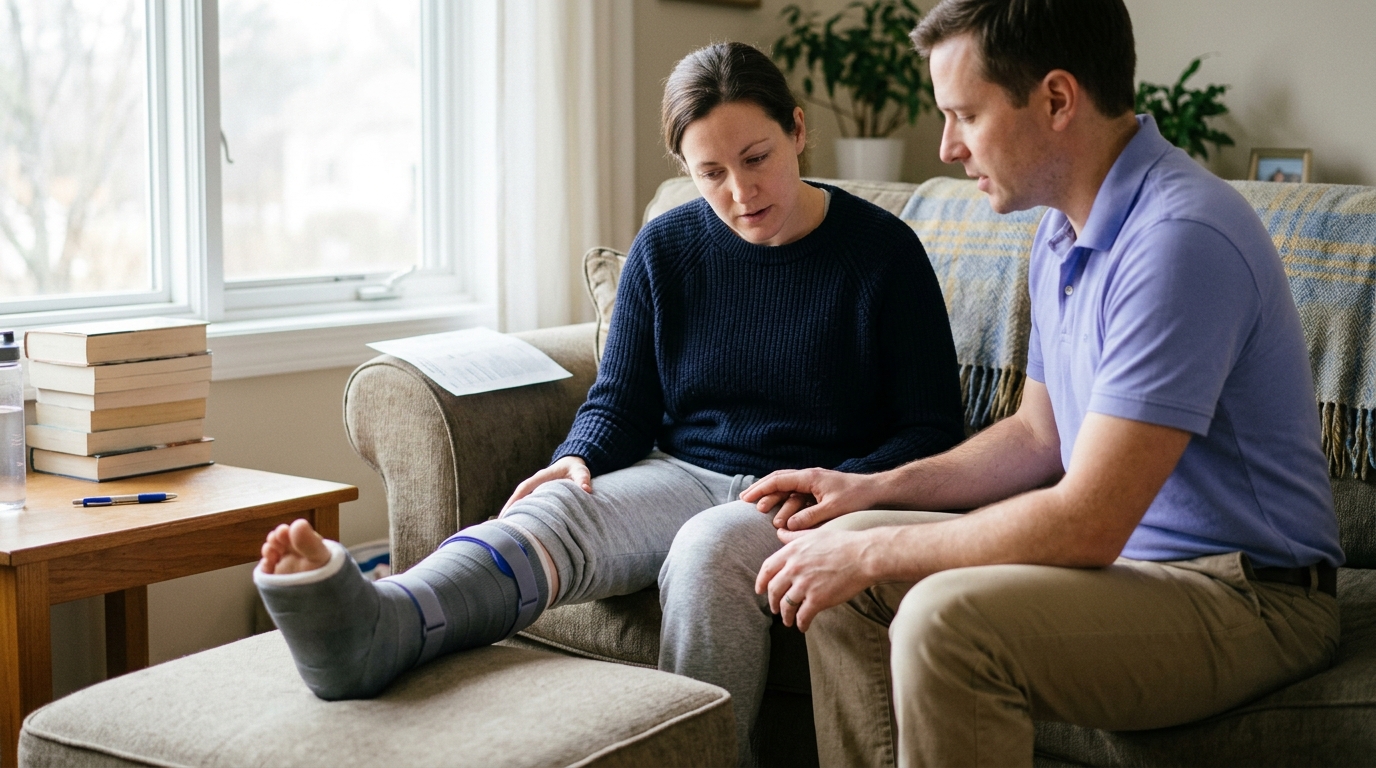
Walking with assistive devices also changes the physical effort of simple tasks. Using crutches, a walker, or a knee scooter requires significantly more cardiovascular and muscular effort than normal walking. A short trip to the kitchen or bathroom can burn more energy than it did before your injury.
Assuming that a lack of structured exercise automatically cuts your daily energy needs in half is a common mistake. Cutting calories drastically during this window can leave your body without the resources it needs to knit tissue back together. Exploring nutrition and recovery principles helps clarify how your daily fuel needs shift during periods of forced rest.
Tissue healing unfolds in predictable, overlapping phases that all rely on adequate nutrition. These stages include inflammation, proliferation, and remodeling. Each phase performs a specific job, and each draws upon your body's energy reserves and nutrient stores.
The inflammatory phase begins immediately after tissue damage occurs. Blood vessels constrict briefly and then dilate to allow immune cells, fluids, and nutrients into the injured area. Immune cells clear away cellular debris, bacteria, and damaged fibers. This immune activity requires glucose, fatty acids, and amino acids to sustain cellular metabolism.
Next comes the proliferation phase, where the body builds new tissue. Fibroblasts migrate to the site and begin synthesizing collagen and extracellular matrix components. New blood vessels sprout through angiogenesis to supply oxygen to the new tissue. Collagen synthesis is an energy-heavy chemical process that requires amino acids, vitamin C, and steady caloric support.
The final phase is remodeling, which can last for months or even years. During remodeling, fragile early collagen fibers are broken down and replaced with stronger, better-organized fibers aligned with movement stress. This ongoing turnover of protein structures requires a continuous supply of metabolic energy.
Sports medicine literature consistently warns that energy deficits during these phases can compromise healing. When the body does not receive enough calories, it breaks down existing tissues to meet baseline survival needs. This can slow wound closure, weaken the structural integrity of new scars, and leave repaired ligaments or tendons less resilient.
Adequate total calorie intake provides a protein-sparing effect. If you eat enough carbohydrates and healthy fats to cover daily energy demands, your body can use dietary protein specifically for tissue rebuilding. If total energy is too low, dietary protein and existing muscle tissue are burned as fuel instead of being directed toward repair.
Nutritional reviews emphasize that total energy adequacy is the foundational requirement for healing. Micronutrients and individual vitamins play vital supporting roles, but they cannot function properly without sufficient baseline fuel. Starving the recovery process compromises the structural foundation of your healing tissues.
One of the greatest challenges of orthopedic recovery is disuse muscle atrophy. When a limb is casted, braced, or simply kept still, the affected muscles begin to lose mass and strength rapidly. This loss happens much faster than many people realize.
Injury and disuse reviews indicate that cellular changes in inactive muscle tissue can begin within 36 hours of total rest. Alterations in gene expression related to muscle protein synthesis appear within 48 hours. Clinically measurable decreases in muscle mass and strength can occur after just five days of limb immobilization.
This muscle loss is driven by two simultaneous factors: a decrease in muscle protein synthesis and an increase in muscle protein breakdown. When mechanical tension and movement signals are removed, the muscle cells reduce their rate of building new structural proteins. If overall calorie and protein intake are also low, the rate of muscle loss accelerates dramatically.
Adequate nutrition helps blunt this catabolic decline, though food alone cannot completely stop disuse atrophy. Research in sports injury rehabilitation emphasizes that keeping energy intake balanced is essential for preserving lean mass. A severe calorie deficit magnifies muscle loss by forcing the body to break down skeletal muscle for fuel.
Protein intake plays a primary role in supporting muscle tissue during recovery. Sports-focused reviews often recommend higher protein intakes, sometimes between 1.6 and 2.5 grams per kilogram of body weight daily for injured athletes. However, these athletic numbers are not universal targets for every recovering adult.
People with underlying kidney disease, liver conditions, or other medical concerns must follow individualized medical guidance regarding protein intake. For most active adults, ensuring a moderate, consistent distribution of quality protein across daily meals supports muscle maintenance without exceeding safe limits.
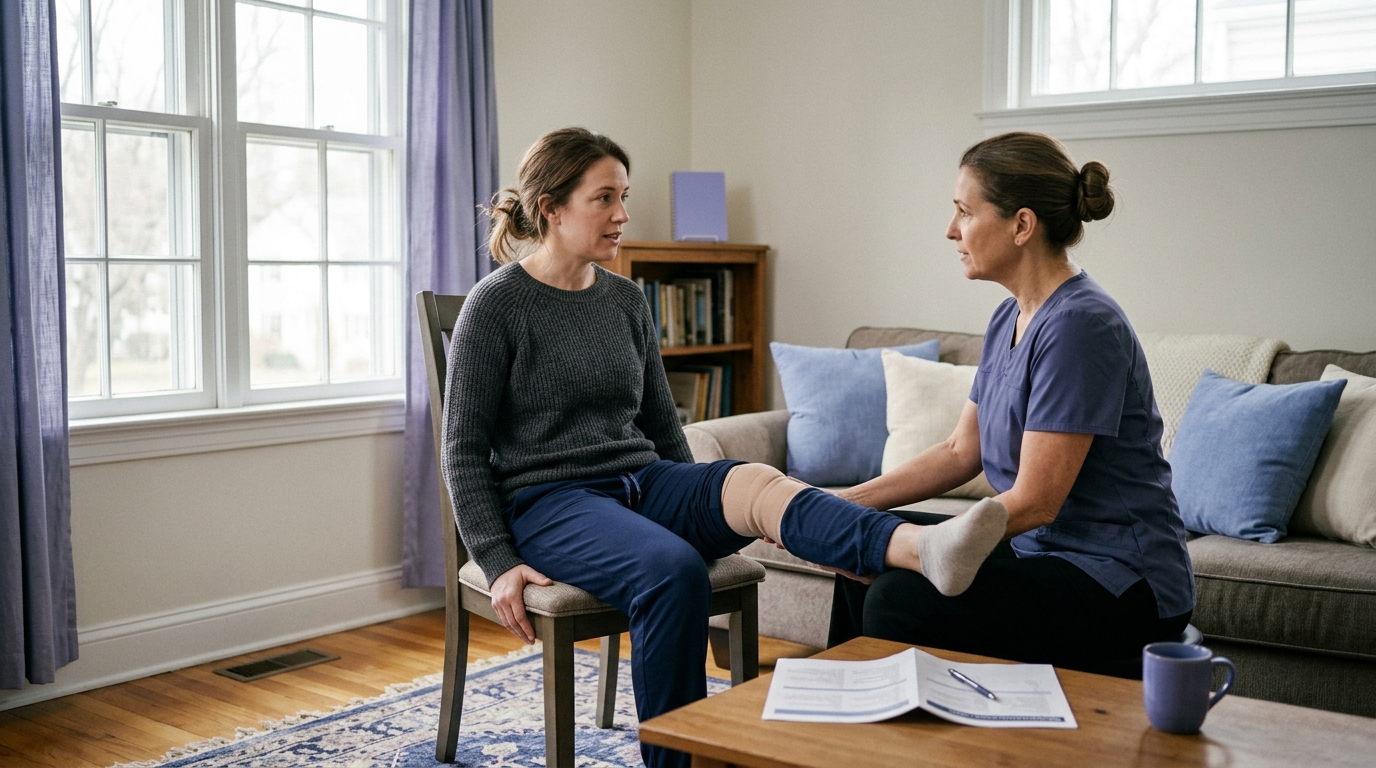
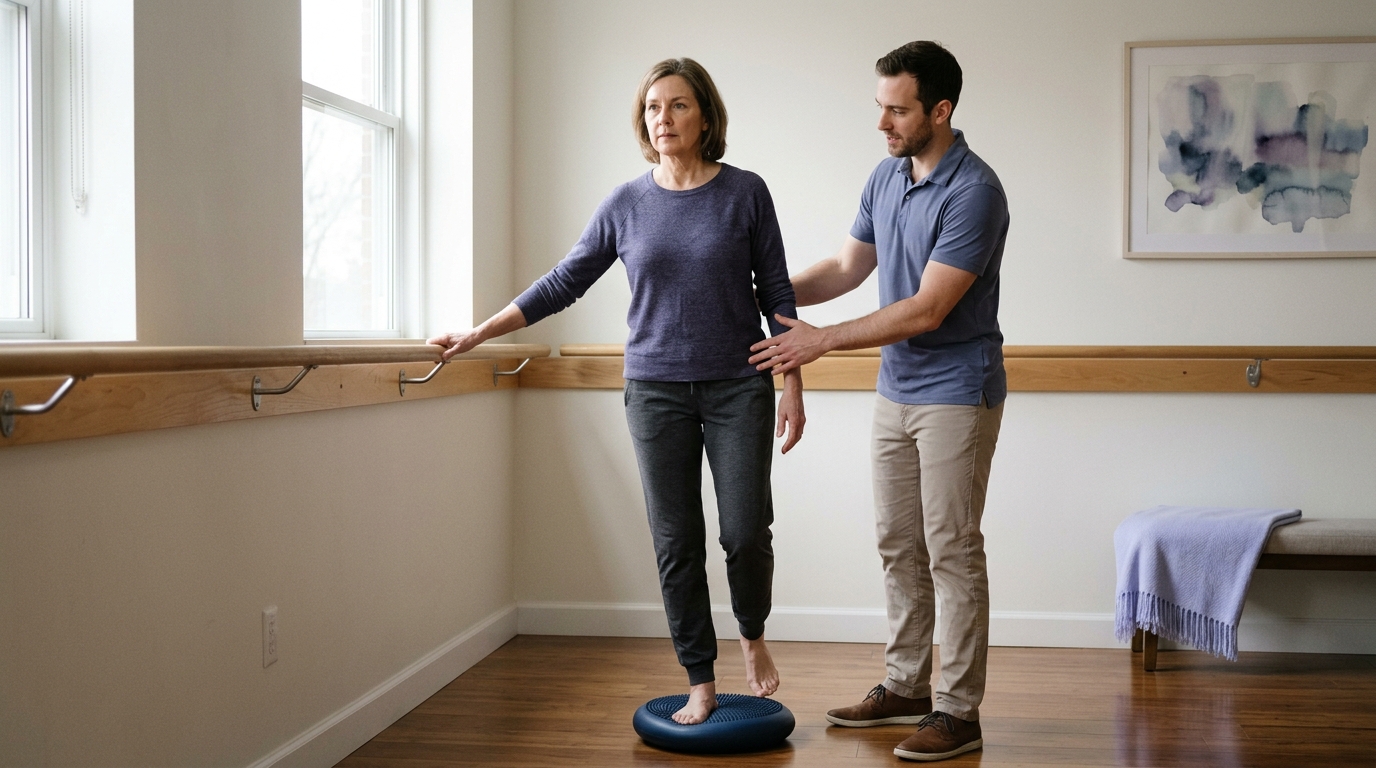
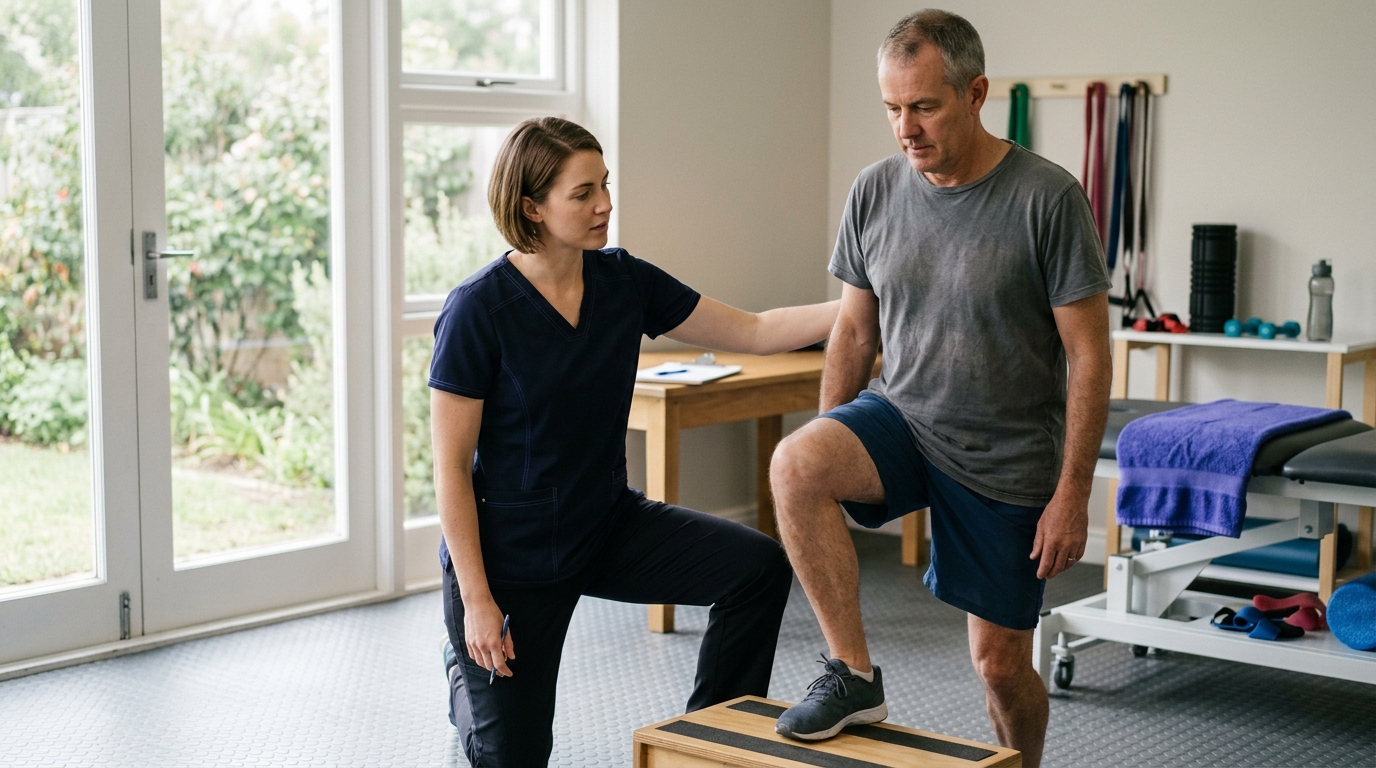
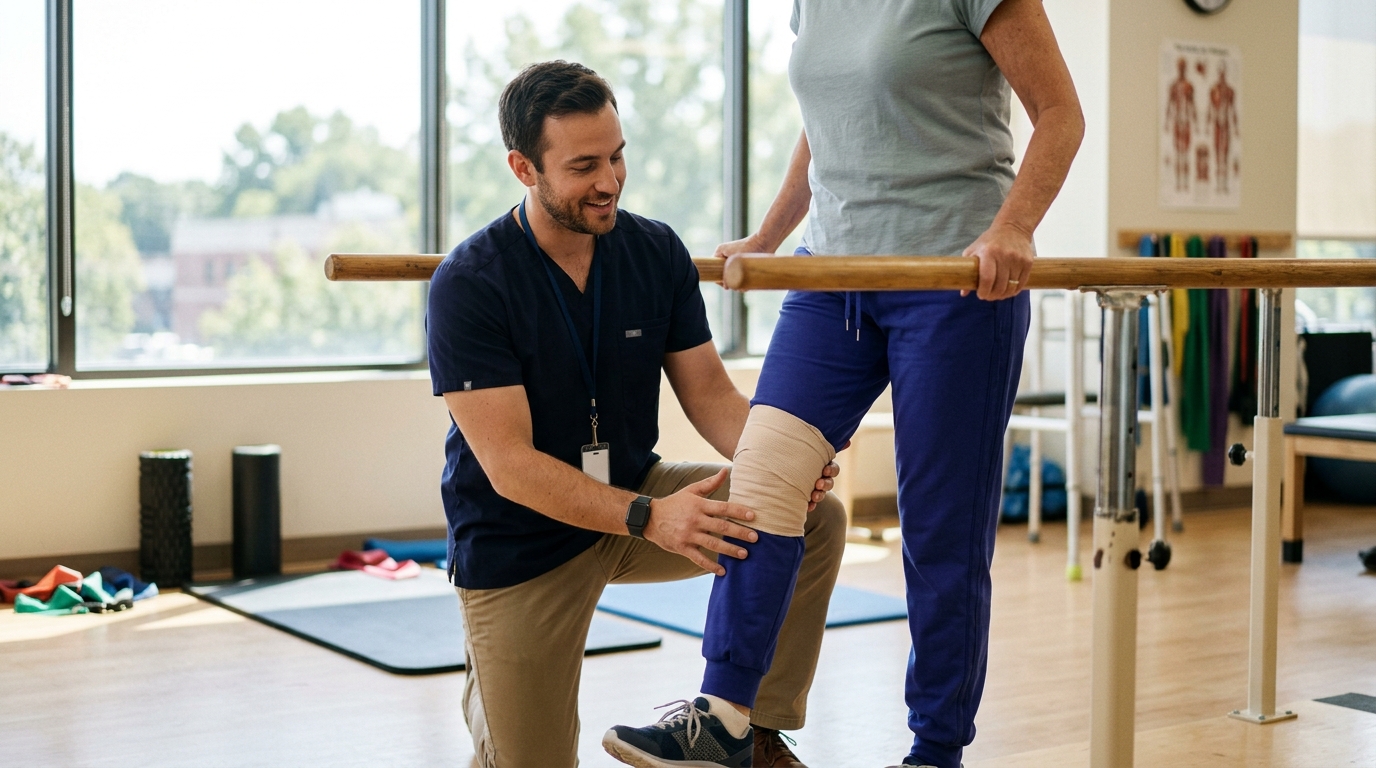
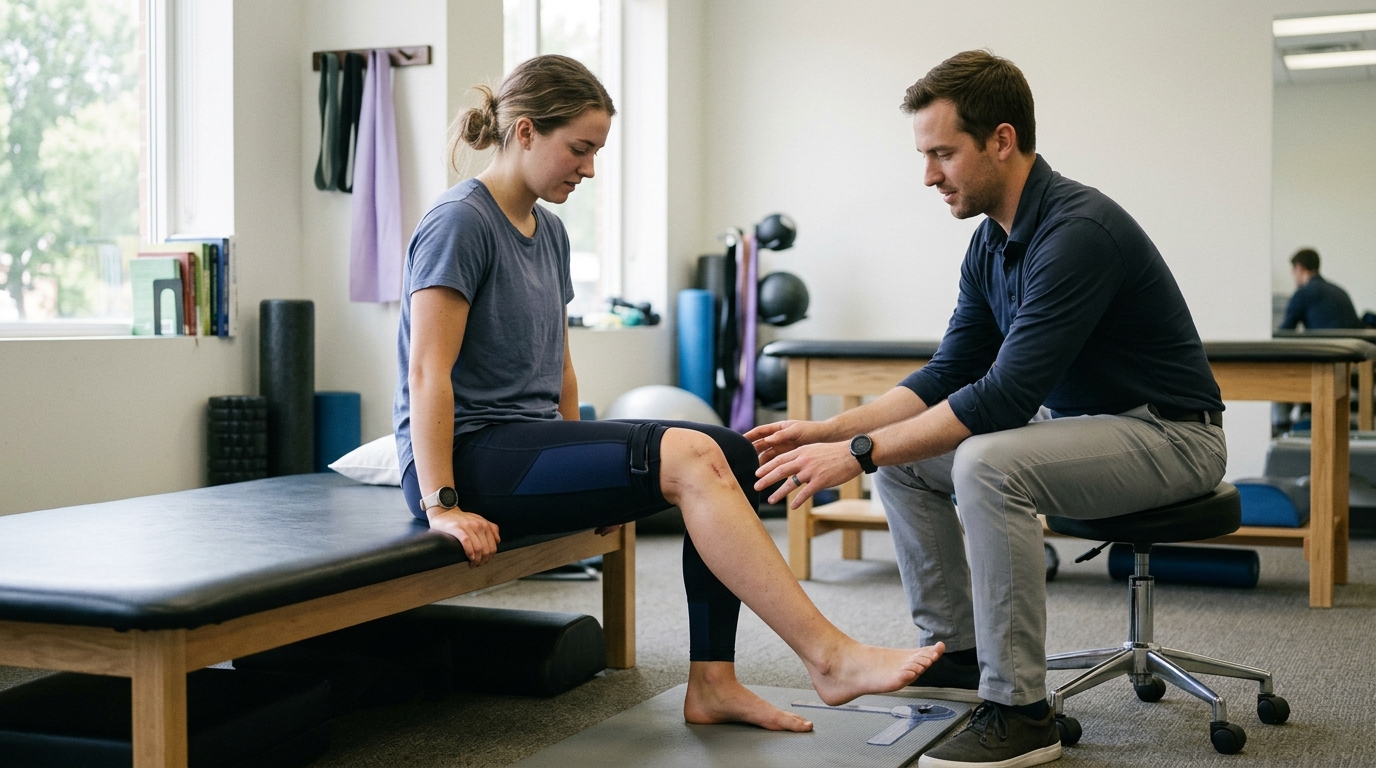
Physical movement remains the other half of the equation. Clinical guidelines from surgical associations emphasize the value of early mobilization whenever medically safe. Working closely with a physical therapist ensures you apply safe mechanical tension to tissues as early as allowed. Combining early movement with steady nutrition provides the best defense against prolonged weakness.
Appetite is a complex biological sensation controlled by hormones, the nervous system, stress levels, and emotional state. Many people assume that appetite functions like a precise fuel gauge. If you are hungry, you need food; if you have no appetite, your body must not need energy.
During injury recovery or postoperative care, appetite becomes a highly unreliable guide. Multiple factors can suppress hunger signals even while the body's internal energy demands remain elevated. Relying solely on appetite to decide when and how much to eat can easily lead to undernutrition.
Pain is a primary appetite suppressor. Acute pain activates the sympathetic nervous system, releasing stress hormones like adrenaline and cortisol that slow digestion and dampen hunger. Pain can also cause physical nausea, making the thought of solid food unappealing.
Medications used during recovery frequently alter digestion and taste perception. Prescription pain relievers, especially opioids, significantly slow gastrointestinal motility. This can lead to constipation, abdominal bloating, and early fullness, which trick the brain into feeling satisfied when nutrient needs are unmet.
Antibiotics, anti-inflammatory drugs, and anesthesia agents can also leave a lingering metallic taste in the mouth or cause mild stomach irritation. When food tastes bland, metallic, or unpleasant, natural desire to eat drops.
Inflammatory signaling molecules called cytokines, released in response to tissue trauma, act directly on the hypothalamus in the brain to reduce appetite. This acute-phase response is a natural biological reaction to injury, but if prolonged, it can lead to unintentional weight loss and muscle wasting.
Healthcare organizations like the National Institute for Health and Care Excellence (NICE) identify persistent poor appetite and altered taste as key warning signs for nutritional risk. In clinical screening frameworks, low appetite is evaluated alongside unintentional weight loss, fragile skin, and delayed wound healing.
Recognizing that low appetite does not equal low energy need allows you to approach eating as a deliberate part of your recovery routine. Rather than waiting for intense hunger, you can treat meals and snacks as planned recovery sessions that support your physical rehabilitation.
Because recovery is not one-size-fits-all, your daily nutritional needs depend on several interacting variables. Understanding these factors helps you evaluate your situation without jumping to extreme conclusions or using arbitrary online calorie calculators.
The extent of tissue trauma is the single largest determinant of metabolic stress. A minor ankle sprain causes localized inflammation with minimal systemic energy drain. In contrast, total joint replacement, spinal fusion, or open fracture repairs involve bone resection, muscle retraction, and substantial wound healing.
Major surgical procedures and complex trauma trigger a full-body endocrine and inflammatory response. This systemic response increases resting energy expenditure and accelerates protein turnover. The larger the trauma, the more critical it is to avoid calorie restriction during the initial healing phases.
The energy required to perform basic daily activities changes when your normal movement patterns are altered. Non-weight-bearing movement with standard axillary crutches can increase the energy cost of walking by two to three times compared to unassisted walking.
Using a walker, wheelchair, or knee scooter also requires extra upper-body effort and core stabilization. Simple tasks like getting out of a chair, navigating stairs, or preparing a meal demand more physical work. This extra exertion offsets a significant portion of the energy lost from missing structured workouts.
Your nutritional reserves before injury influence how well your body handles recovery demands. Individuals entering surgery or injury with low muscle mass, low body weight, or micronutrient deficiencies have less biological buffer. They are at higher risk of rapid functional decline if intake drops.
Conversely, carrying higher amounts of lean muscle mass increases baseline metabolic rate, even at rest. Older adults often experience a faster loss of muscle mass during bed rest, a concept known as anabolic resistance. This makes consistent protein and energy intake particularly vital for active adults over 50.
Aging affects how efficiently tissues use nutrients and repair structural damage. Older adults naturally synthesize new muscle proteins less efficiently in response to both feeding and exercise. Chronic conditions such as type 2 diabetes or vascular disease can impair blood flow and slow the delivery of oxygen and nutrients to healing wounds.
Inflammatory bowel diseases or chronic digestive issues can also limit nutrient absorption. When baseline health factors complicate digestion or healing, working with your medical team to fine-tune your recovery habits becomes essential. You can learn more about managing functional capacity across the lifespan through resources for active aging and injury prevention.
Navigating nutrition while dealing with limited mobility, pain, and fatigue requires practical strategies rather than rigid rules. Recovery is not the time to overhaul your relationship with food or start an unbending meal plan. A non-prescriptive framework focuses on consistency, ease of preparation, and nutrient density.
Instead of worrying about every individual meal, pay attention to patterns over several days or weeks. Have your clothes started fitting noticeably looser without you trying to lose weight? Has your energy for physical therapy dropped consistently? Are you leaving most of your food on the plate day after day?
NICE guidelines emphasize looking at duration and trends rather than single-day fluctuations. If your appetite is low for a single afternoon, that is normal variation. If you have eaten very little for five consecutive days, that is a pattern requiring attention and communication with your doctor.
When appetite is low or standing in the kitchen causes pain, large three-course meals can feel overwhelming. Hospital nutrition guidelines and clinical recovery sources often recommend shifting to five or six smaller, nutrient-dense meals throughout the day.
Smaller meals are easier for a sluggish digestive system to handle and reduce sensations of bloating or nausea. Simple, minimal-prep foods can provide steady energy without requiring extensive cooking:
Healing tissues require all three major macronutrients to support different aspects of repair:
Hydration is equally critical. Healing tissues require adequate fluid to maintain blood volume, deliver nutrients through capillaries, and remove metabolic waste products. Staying well hydrated also helps prevent constipation associated with pain medications and reduced physical activity.
Explore practical strategies for daily living by reviewing our recovery nutrition and lifestyle resources to help support your healing process.
The recovery period can bring feelings of vulnerability and frustration, making people susceptible to common nutritional misconceptions. Clearing away these myths helps you avoid unhelpful behaviors that could slow down your rehabilitation.
Some people view forced time off from sport or work as an opportunity to lose weight by severely cutting calories. This approach creates significant risks for tissue repair and strength retention.
When you place your body in a large caloric deficit while recovering from trauma, you impair your immune system and slow collagen synthesis. Your body meets its energy shortfall by breaking down existing muscle tissue. The result is often increased weakness, prolonged joint stiffness, and a higher risk of reinjury once you return to activity.
It is easy to assume that if a vitamin is necessary for healing, taking massive doses will make healing occur faster. Research from the National Athletic Trainers' Association (NATA) emphasizes that when overall energy and protein intake are sufficient, taking micronutrients far above recommended daily levels does not provide extra healing benefits.
Mega-dosing fat-soluble vitamins (such as vitamins A and E) can cause toxic accumulation in the body, while high doses of minerals like zinc can interfere with copper absorption and cause nausea. Specialized nutritional supplements are sometimes prescribed for chronic, non-healing wounds under clinical supervision, but routine high-dose supplementation is generally unnecessary for standard orthopedic recoveries.
Sports science journals frequently publish studies on elite athletes recovering from musculoskeletal injuries, often featuring specific protein prescriptions of 2.0 to 2.5 grams per kilogram daily. While these numbers fit the high training volumes and unique demands of competitive athletes, they should not be treated as a baseline rule for all adults.
Applying extreme protein targets to someone with reduced kidney function or specific metabolic conditions can create health complications. Everyday recovery requires balanced, sensible nutrition suited to your personal health history, not the strict regimen of a professional sports program.
Nutrition provides the building blocks for repair, but it cannot fully replace the mechanical stimulus of movement. Some people believe that eating a high-protein diet will completely protect their muscle mass while staying completely still in bed.
Without progressive physical loading and guided movement, muscle atrophy will still occur. Nutrition works in partnership with rehabilitation, not in place of it. Safely engaging in prescribed physical therapy exercises and mobility and movement strategies ensures your body puts dietary nutrients to productive use.
Every recovery journey has a different starting point and set of challenges. Looking at illustrative recovery profiles helps show how nutritional needs adapt to different physical situations.
A 42-year-old recreational runner is placed in an immobilization boot for six weeks due to a fibular stress fracture. Used to running 30 miles per week, they feel anxious about weight gain and consider skipping breakfast and cutting carbohydrates drastically.
Bone repair is an energy-demanding metabolic process. Restricting calories deprives osteoblasts of the energy needed to lay down new bone matrix. By maintaining regular meal routines and adjusting portion sizes naturally based on satiety, the runner supports bone union while avoiding extreme deficits.
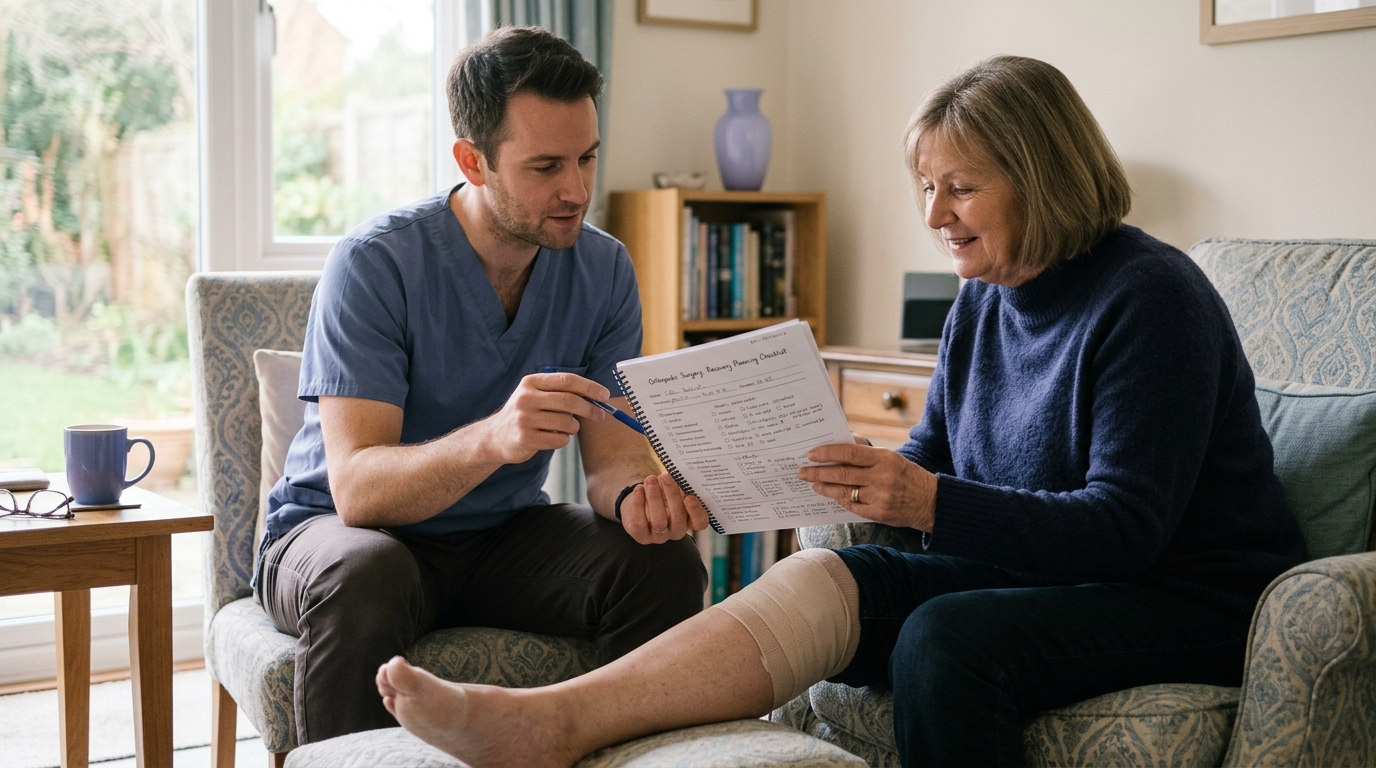
A 55-year-old undergoes elective knee reconstruction. During the first week home, pain medications cause moderate nausea and constipation, leading to a complete loss of appetite. They eat only dry crackers for four days.
The 2025 European Society for Clinical Nutrition and Metabolism (ESPEN) guidelines prioritize early oral nutrition after surgery to protect gut function and support recovery. In this scenario, addressing constipation and nausea with the medical team is the first step. Transitioning to small, frequent sips of smoothies or yogurt provides the amino acids and energy needed to begin healing the surgical incision. For further reading on post-operative care, explore our surgical rehabilitation guides.
A 68-year-old recovering from an orthopedic procedure notices that a surgical wound is healing very slowly. Over the past month, their clothes have become loose, and their overall strength has declined.
NICE clinical screening criteria highlight unintentional weight loss combined with poor wound healing as clear indicators for formal clinical nutrition assessment. This situation calls for clinical intervention rather than self-guided meal changes. A registered dietitian can assess whether medical oral nutritional supplements or specialized clinical care are needed to promote tissue closure.
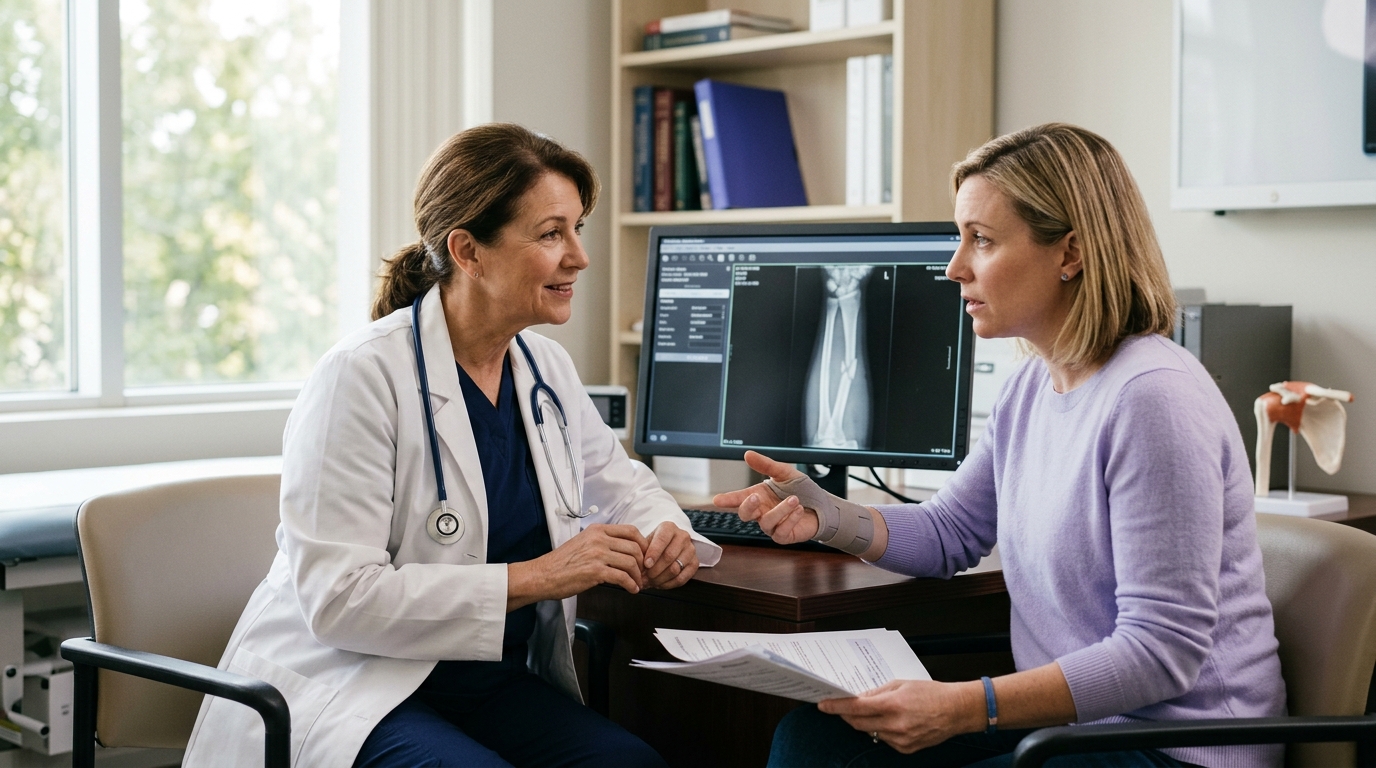
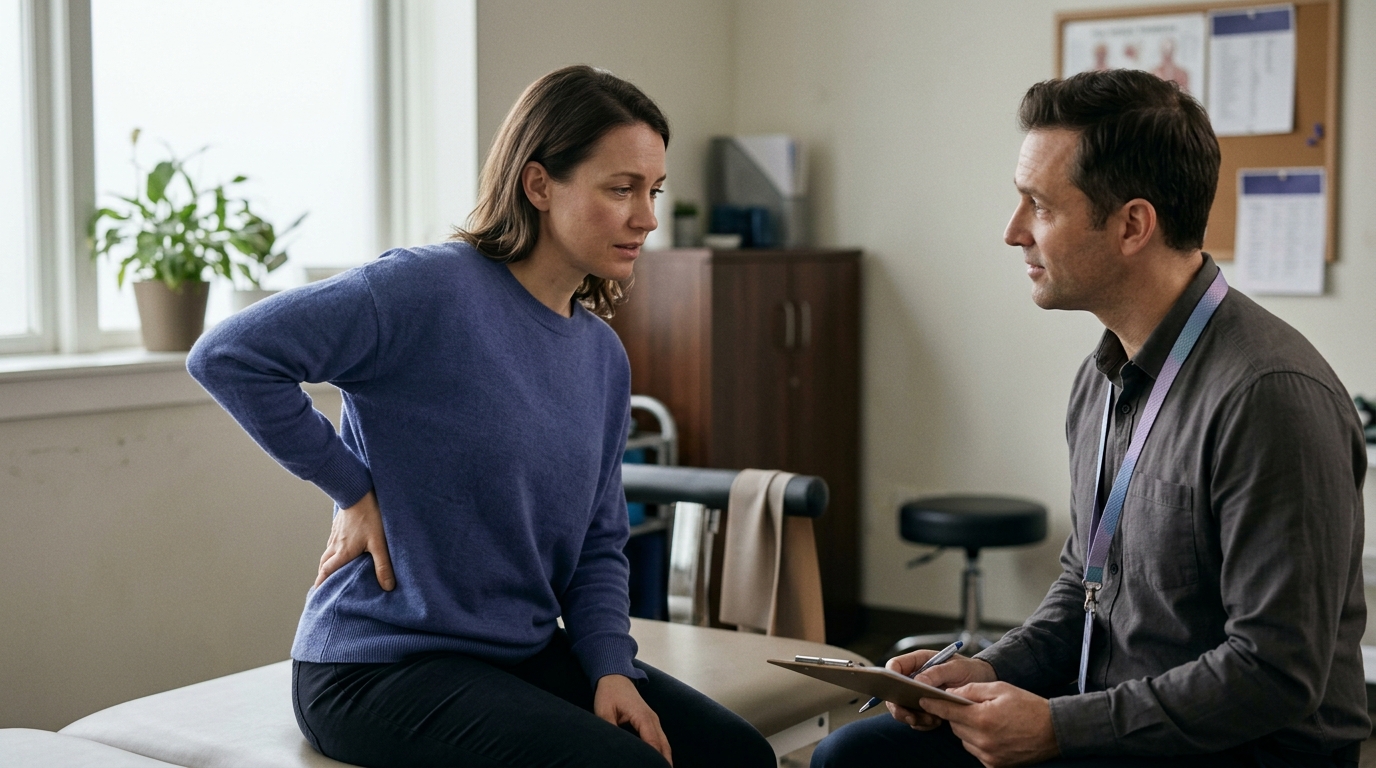
Your surgeon, primary care physician, physical therapist, and registered dietitian are your best resources for aligning nutrition with your clinical recovery plan. Because every medical history is unique, open communication ensures your daily habits support your specific healing goals.
When meeting with your healthcare providers, consider bringing the following practical questions to your appointments:
Staying engaged with your care team helps eliminate guesswork. You can read more about how clinical evidence translates into movement and recovery habits in our overview of the science of recovery.
Navigating food and energy intake during recovery does not require complicated math or punitive restrictions. Viewing nutrition as a supportive, practical tool allows you to give your body what it needs while respecting changes in your daily routine.
Focus on steady, nourishing meals and patient rehabilitation as you work toward restoring your baseline strength and mobility.

Use ReboundBody resources to understand common recovery stages, rehab terms, movement limits and strength rebuilding. Each guide is designed to make a complex comeback easier to understand.


Read practical guidance on injury recovery, rehabilitation, mobility and rebuilding strength as you work your way back to activity.
Explore Resources